DECEMBER 2025
Aerial Unit Monthly Report
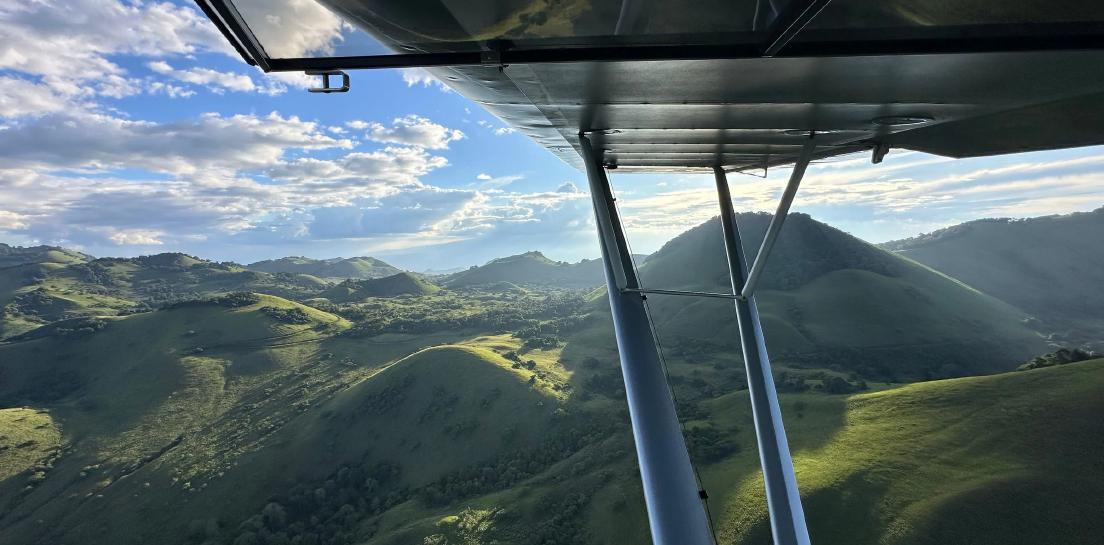
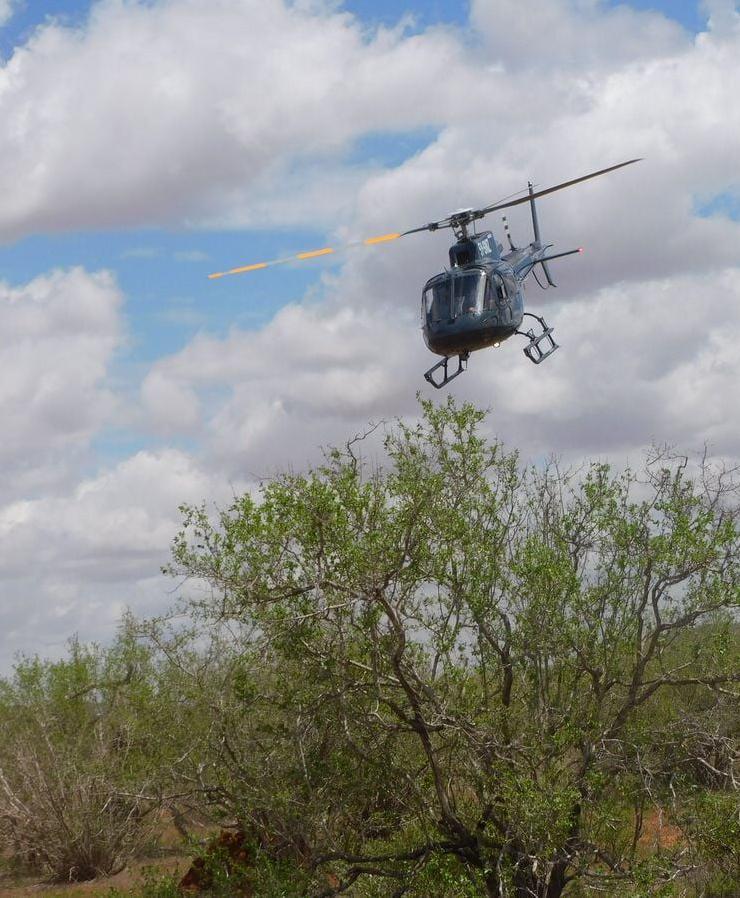
Operated in support of the Kenya Wildlife Service, Sheldrick Wildlife Trust's Aerial Unit monitors for illegal activity from the skies and offers rapid response assistance in anti-poaching operations, human-wildlife conict, veterinary treatments, orphan rescues, and all manner of eld emergencies.
This report details Aerial Unit activities for December 2025
MONTH AT A GLANCE:
27,678
Hours own: Areas patrolled:
117
Kilometres own:
15,774
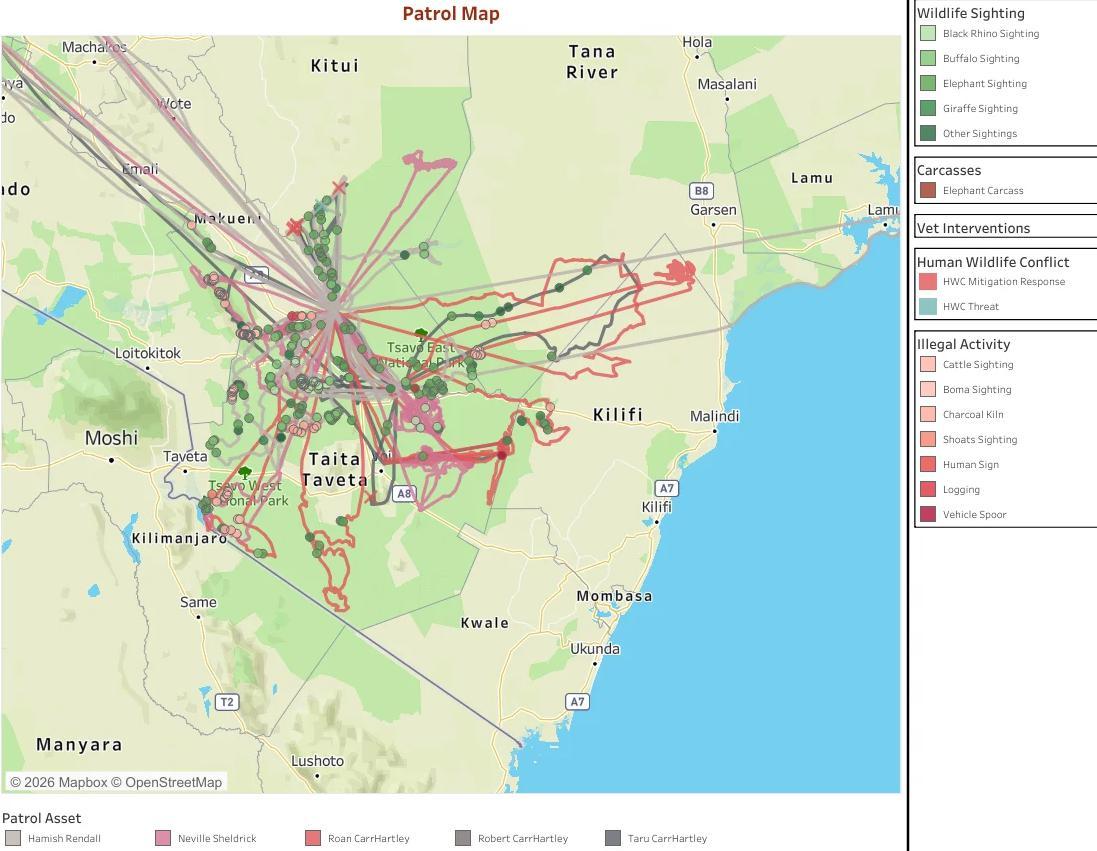
Tsavo East, Tsavo West, South Kitui National Reserve, Galana Ranch, Shirango Conservancy, Kulalu Ranch, Kishushe Ranch, Kimana Sanctuary, Chyulu Hills National Park
DECEMBER 2025 PATROL MAP:
December is historically a quiet month, and this year proved no exception. However, the Aerial Unit assisted with a small number of veterinary cases.
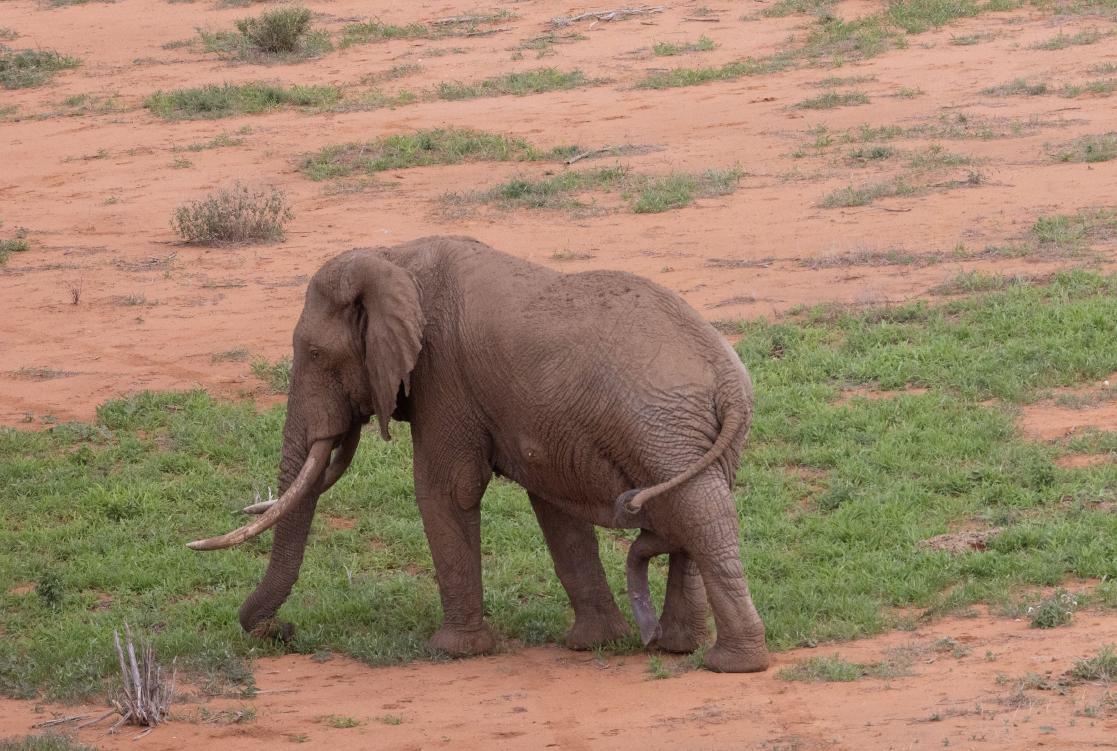
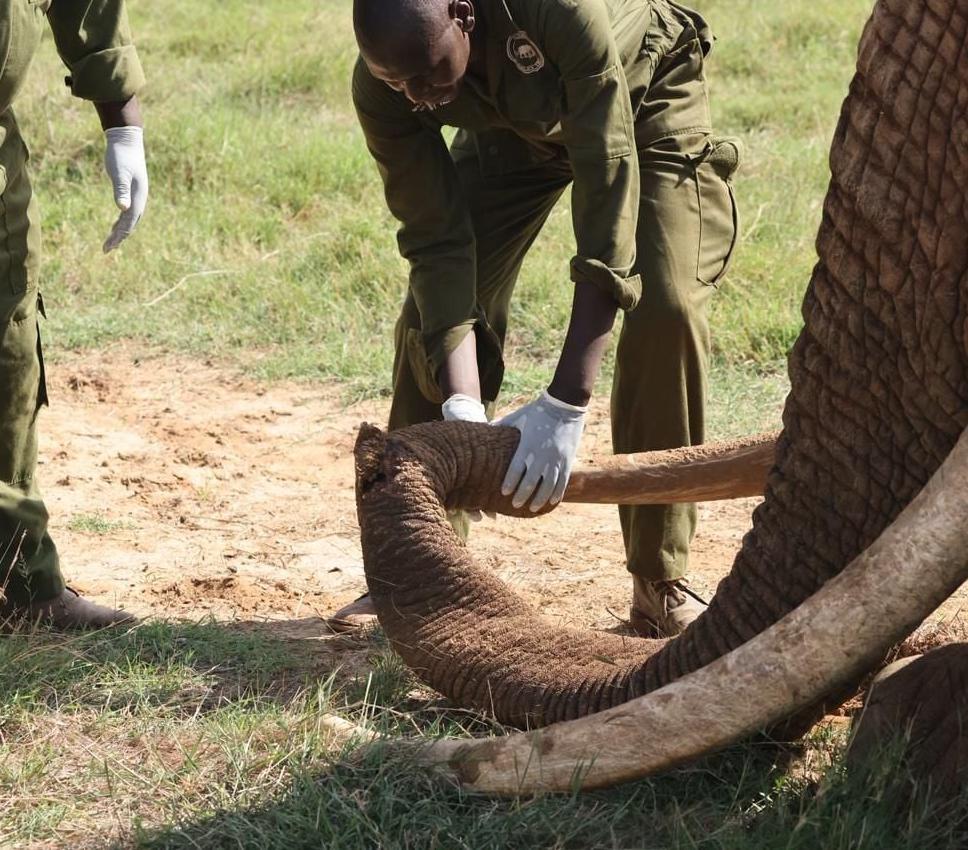
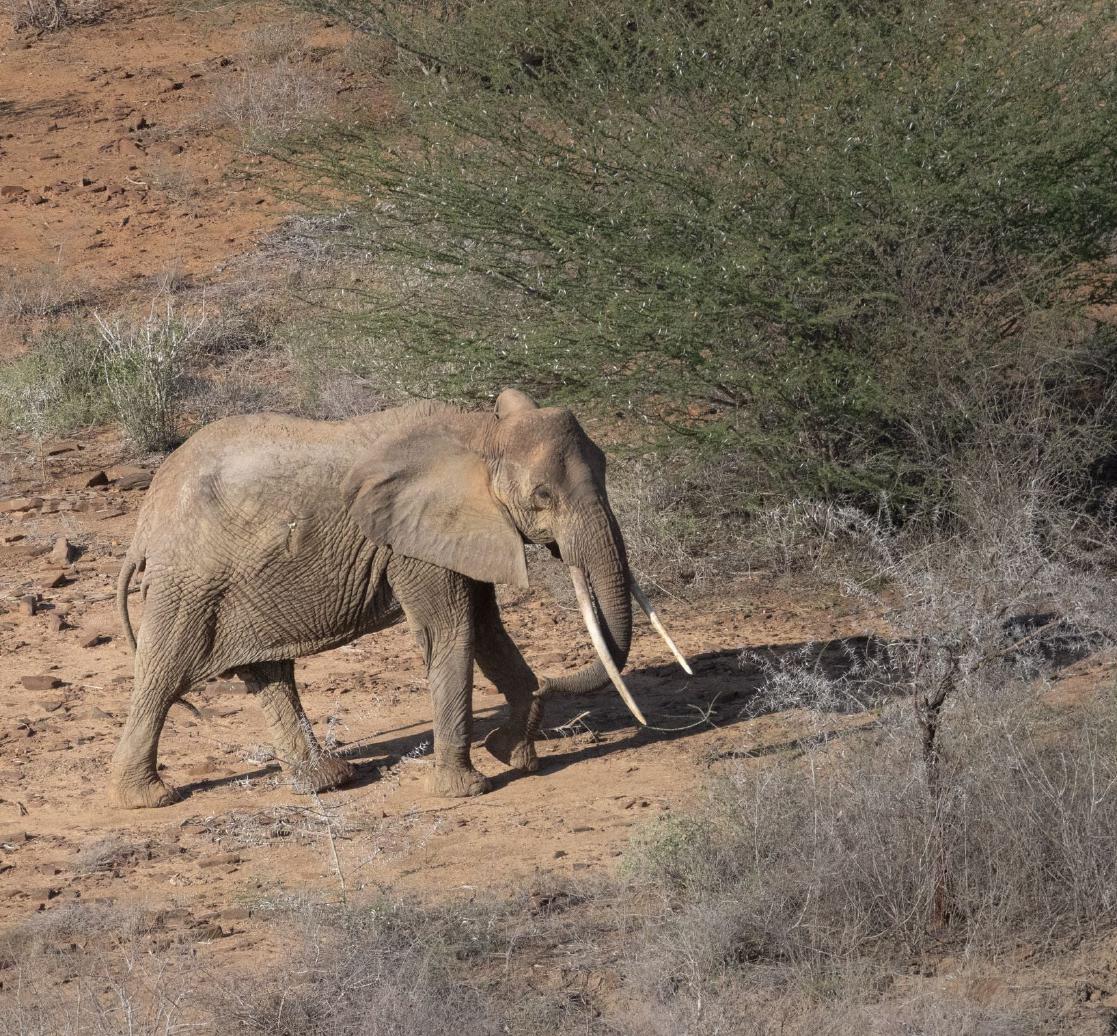
One of the most unusual cases the team has ever witnessed involved a bull elephant that had somehow slid his trunk over the end of his tusk. He then further complicated matters by piercing the side of his trunk and trapping it in place. A tour operator rst spotted him three days before his eventual treatment, and the team ultimately required aerial assistance to locate him Once the crew sighted the elephant from the air, the veterinary team already searching in the area responded swiftly. Guided to his location, they successfully darted him and freed the impaled trunk. Remarkably, despite losing the use of his trunk, the elephant had managed to continue eating, drinking, and breathing through his mouth
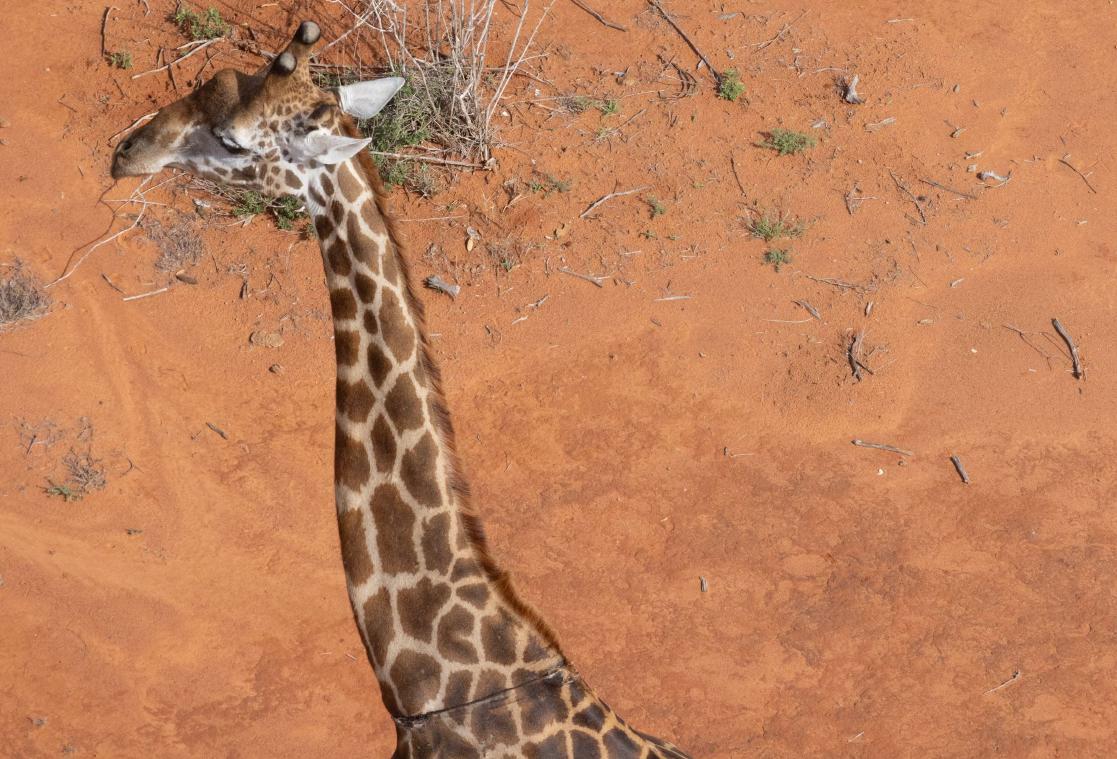
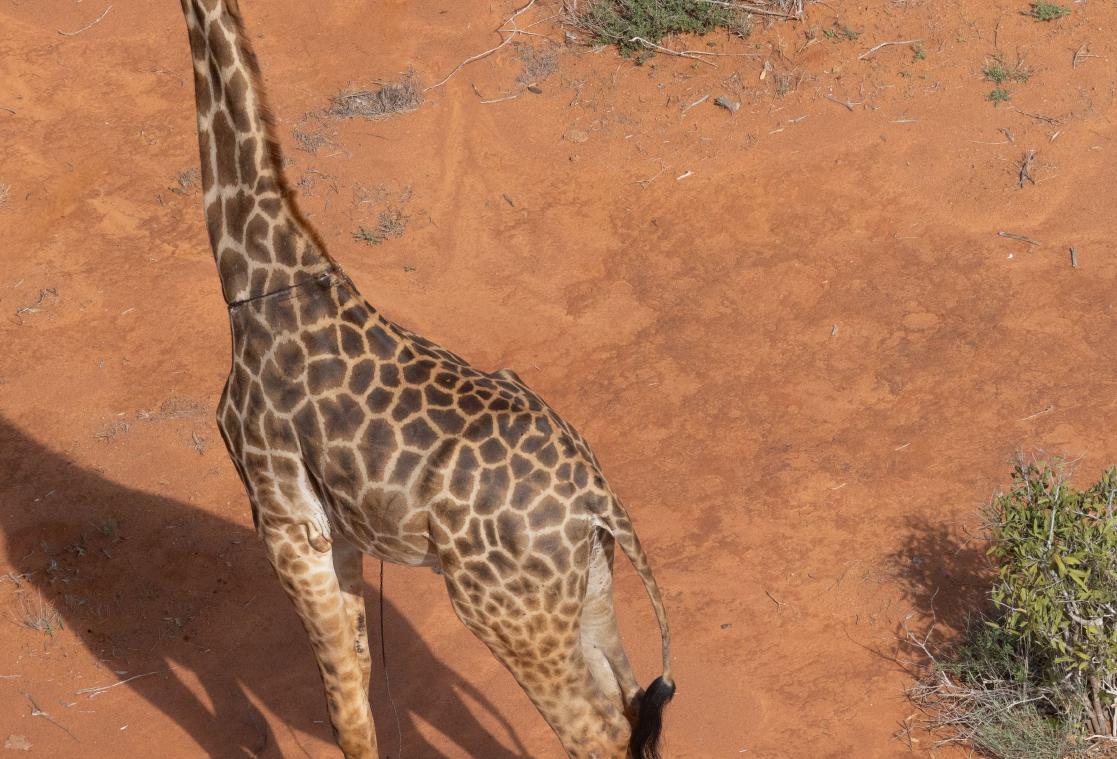
The only other animal to receive aerial veterinary assistance was a giraffe with a snare around its neck. One of our pilots searched an area known for recent snaring activity and successfully located the affected giraffe. The team quickly mobilised a helicopter, along with the Voi KWS/SWT Veterinary team They darted the giraffe and successfully removed the snare, and the prognosis is good.
An additional four bull elephants were sighted during the month with suspected arrow wounds. All appeared to be healing on their own, and the team deemed no intervention necessary. One of our helicopters also conducted a search for a suspected injured elephant believed to be bleeding and potentially dragging a leg The crew located the herd in question and checked each animal thoroughly; however, they found no injuries
The helicopter also assisted with the darting and capture of a rhino in Ngulia Rhino Sanctuary. The team selected this individual to be the rst rhino released by President William Ruto during a ceremony marking the sanctuary’s historic expansion to become the largest in the world.
The team rescued one orphaned elephant calf by helicopter Observers originally sighted the calf alone in Kimana Sanctuary with injuries consistent with an attempted predation KWS Veterinary Ofcer Dr Kariuki rst attended to the calf, treated the wounds, and subsequently requested a rescue. The helicopter airlifted the calf to our Nairobi nursery for ongoing care.
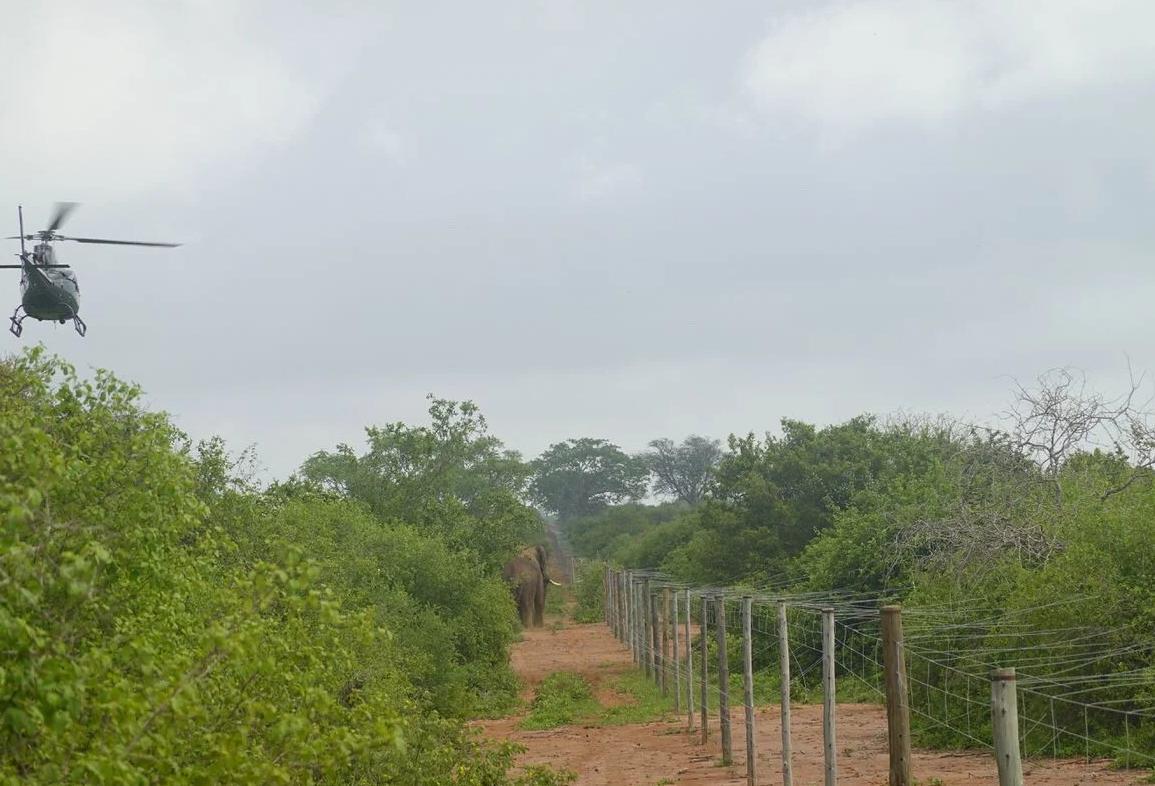
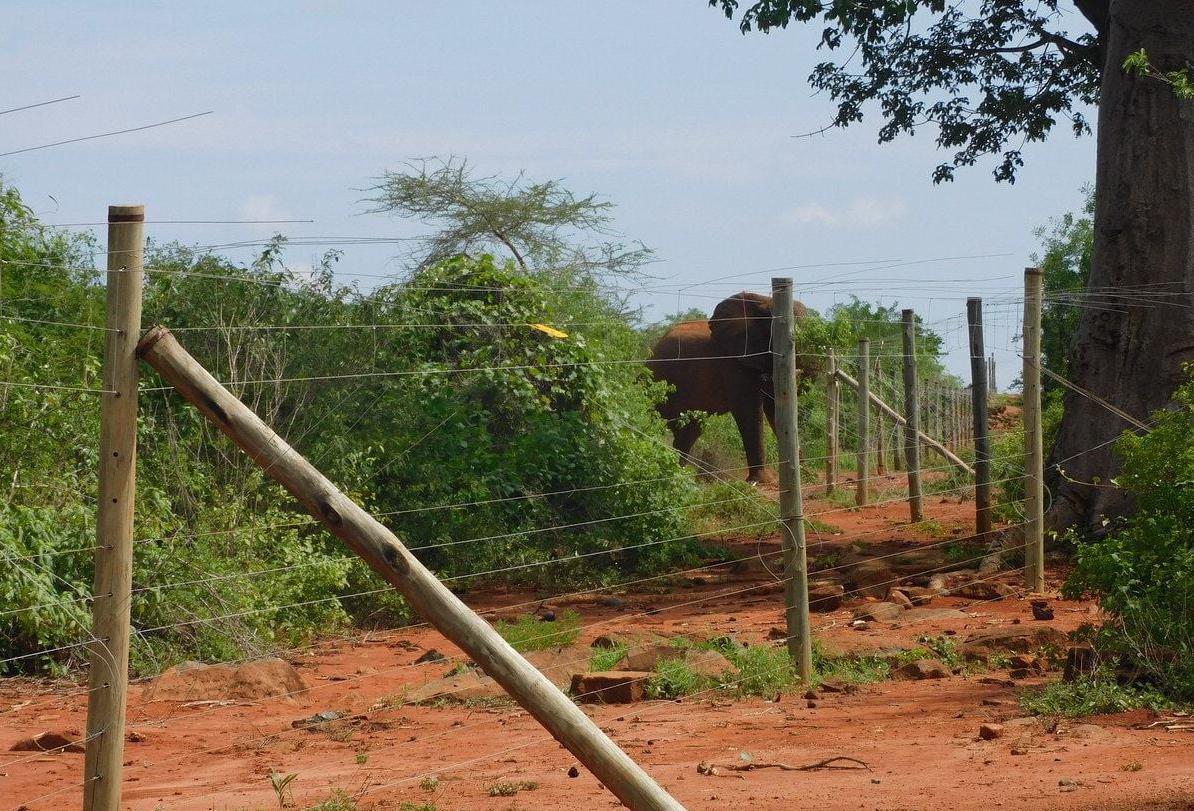
While human–elephant conict cases were down overall, our helicopters did respond to a number of incidents. In total, the team attended to eight cases, and successfully pushed thirty-three out of thirty-four elephants out of community land and back into protected areas
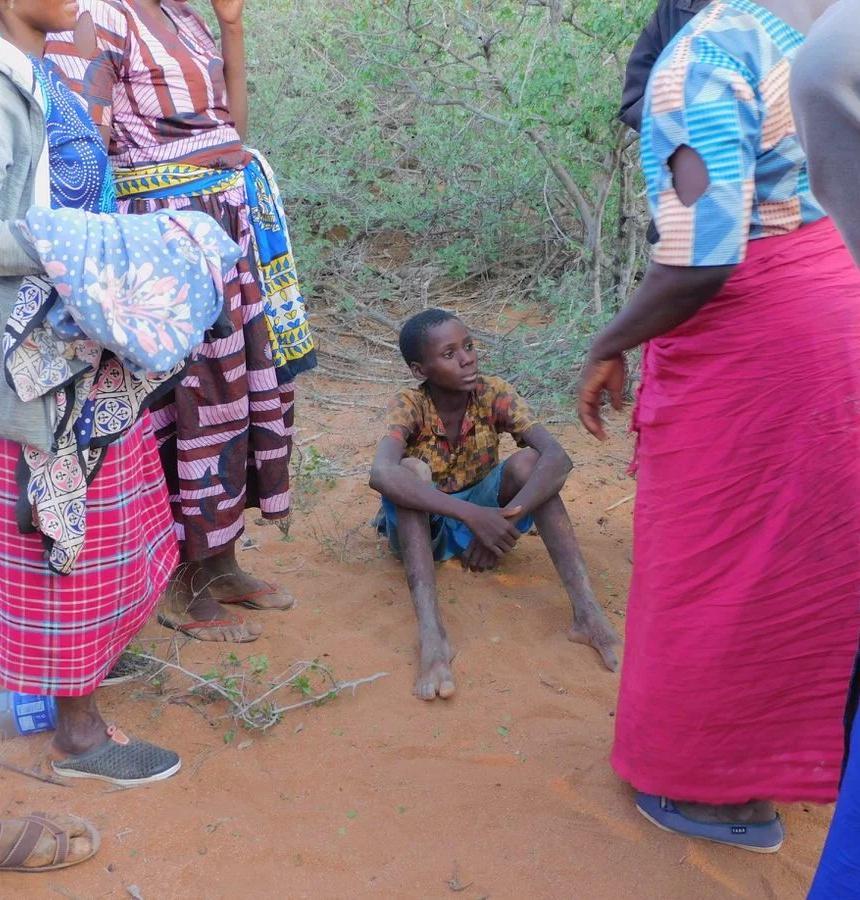
Our xed-wing aircraft participated in two separate searches for missing children. Sadly, one search was unsuccessful. In the other case, the crew did not sight a twelve-year-old child from the air; however, one of our ground teams managed to track him for twenty-two kilometres through extremely inhospitable terrain Over the three days the child was missing, he is believed to have walked considerably further, with only half a bottle of water. Miraculously, despite being exhausted, he was found in good health and reunited with his family.
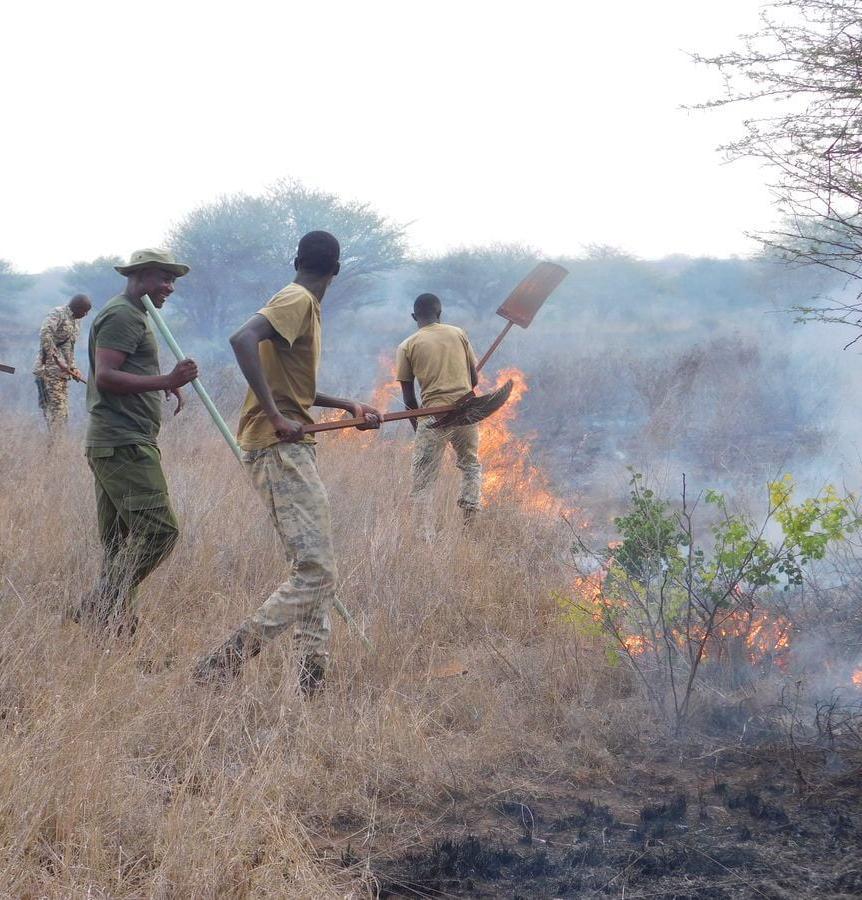
Uncharacteristically for the rainy season, our pilots observed and surveyed two separate bushres in Tsavo West. It is suspected that both res had been set by illegal herders, with one consuming approximately 17,500 acres of scattered bush and grassland While some areas of Tsavo received adequate rainfall, several large areas received almost no rain at all Herders often burn grass to encourage fresh shoots and improve grazing for their livestock While this practice can be effective in the short term, it often leads to long-term damage to vegetation and results in the deaths of thousands of rodents, reptiles, and birds unable to escape the res.
Illegal activities observed during December included livestock incursions and charcoal production, with three active charcoal kilns sighted in Tsavo East along the Mtito River.
The Aerial Unit, as with all Sheldrick Wildlife Trust's conservation projects, is a donorfunded initiative Thank you to our global supporters, who help us secure Kenya's habitats for the future and make an impact in the eld, each and every day