JANUARY TO MARCH 2026
QUARTERLY REPORT
JANUARY TO MARCH 2026
QUARTERLY REPORT
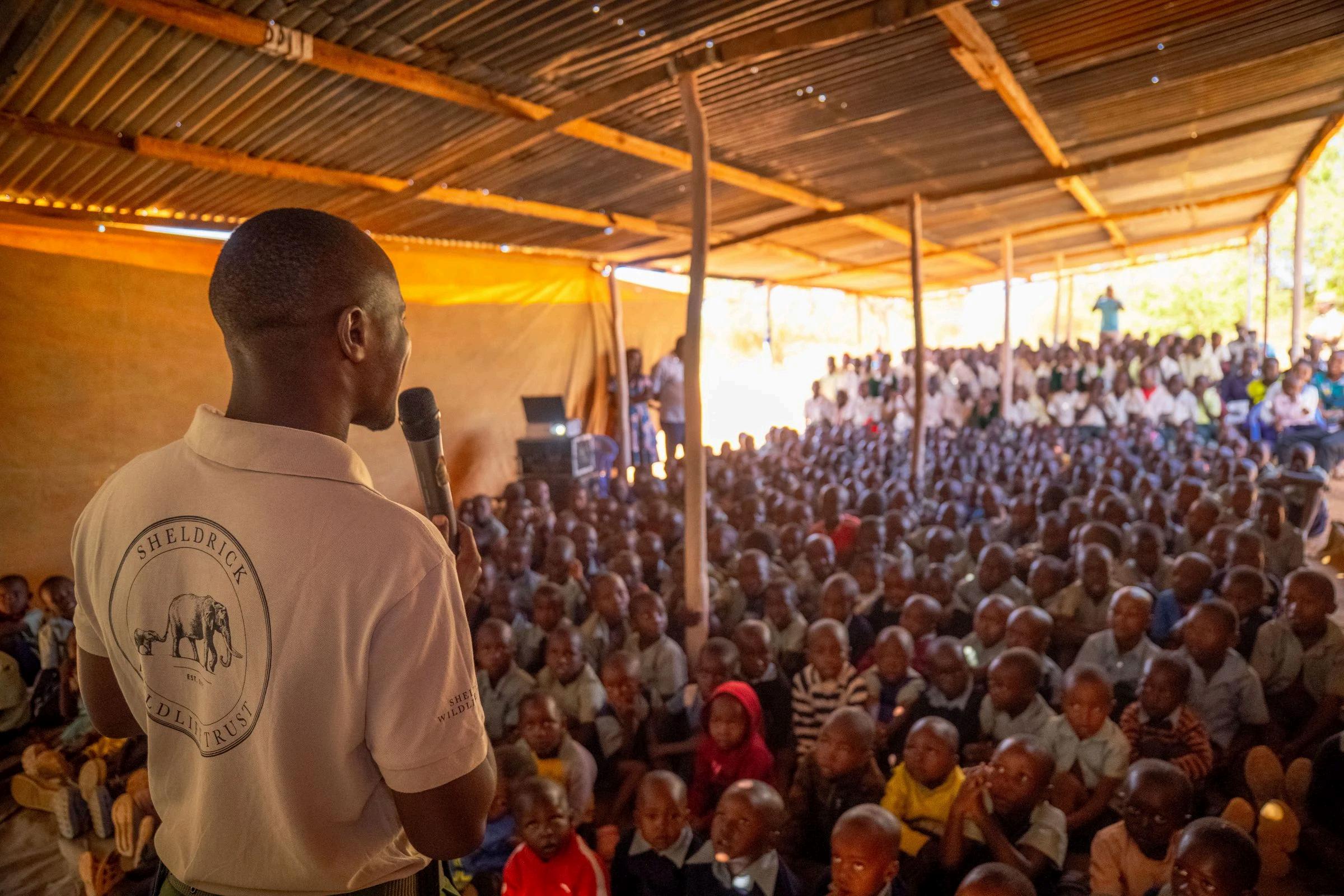
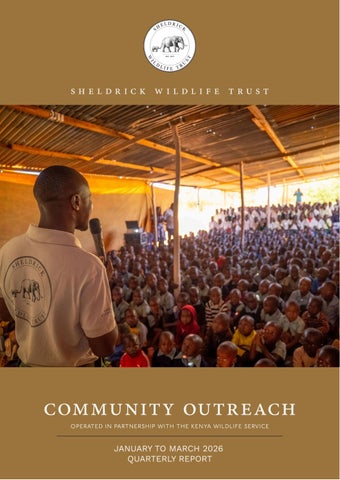
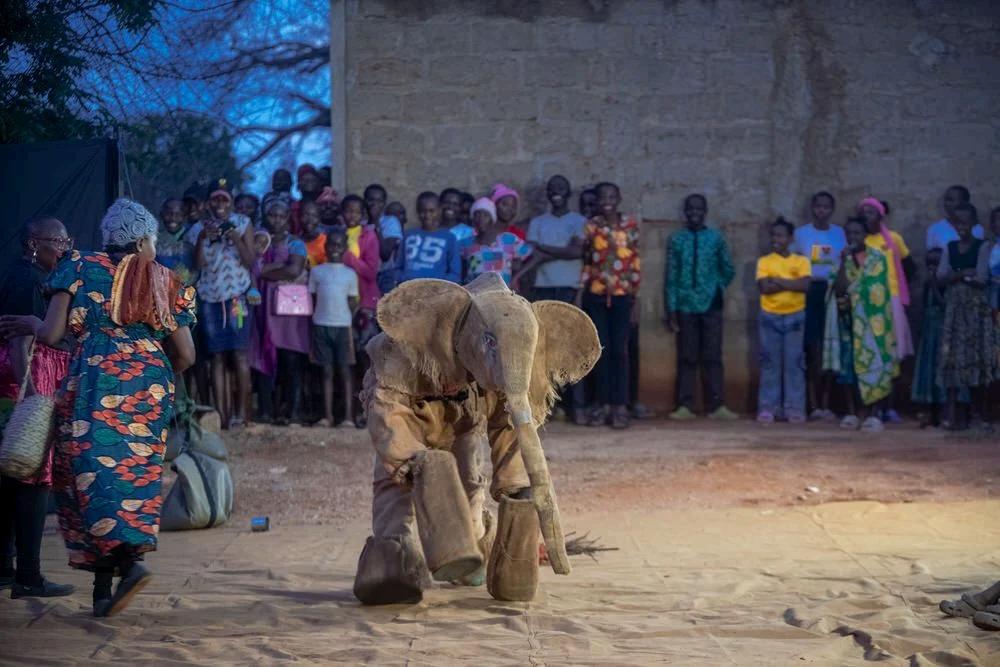
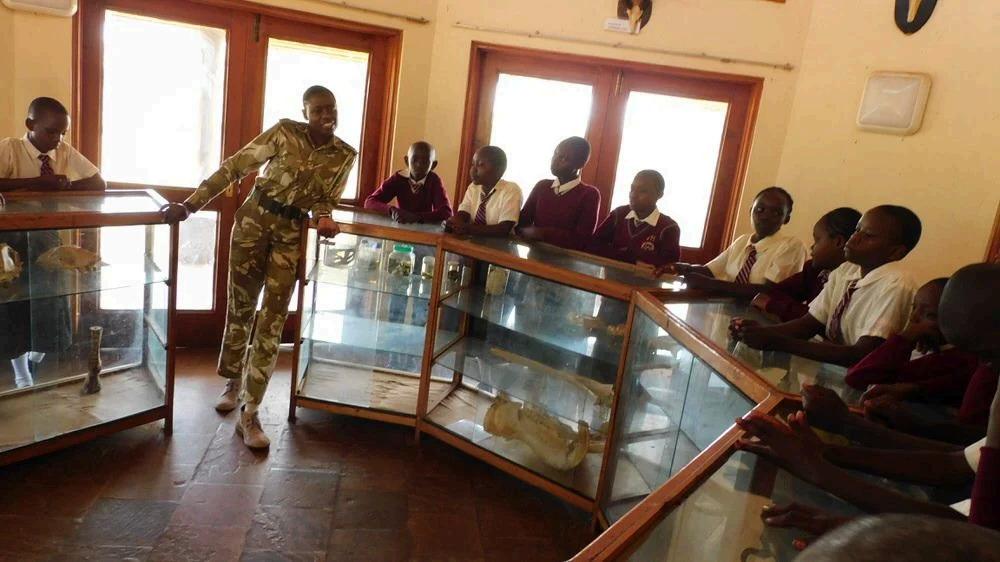
The northern boundary of Tsavo remains a human–wildlife conflict zone, where conservation education and initiatives such as school feeding programs, help promote coexistence between rural and marginalized communities and wildlife. Recurring drought and unreliable rainfall continue to increase communities’ dependence on natural resources, often escalating conflict with wildlife. During this period, the Trust partnered with Elephant Queen Trust, Wildlife Clubs of Kenya, and the Kenya Wildlife Service to conduct conservation education in schools and communities.
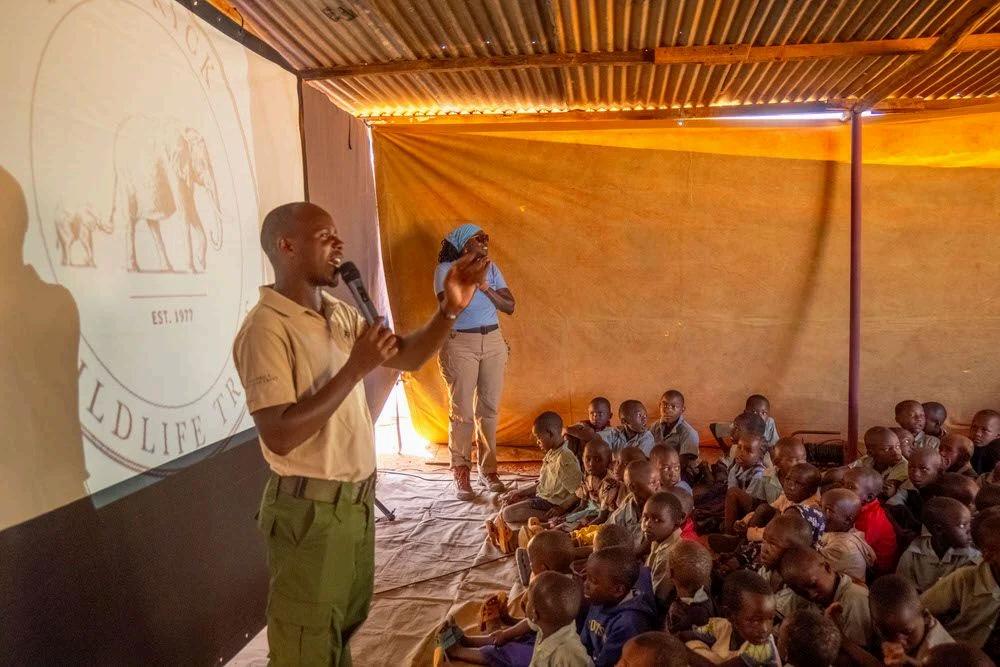
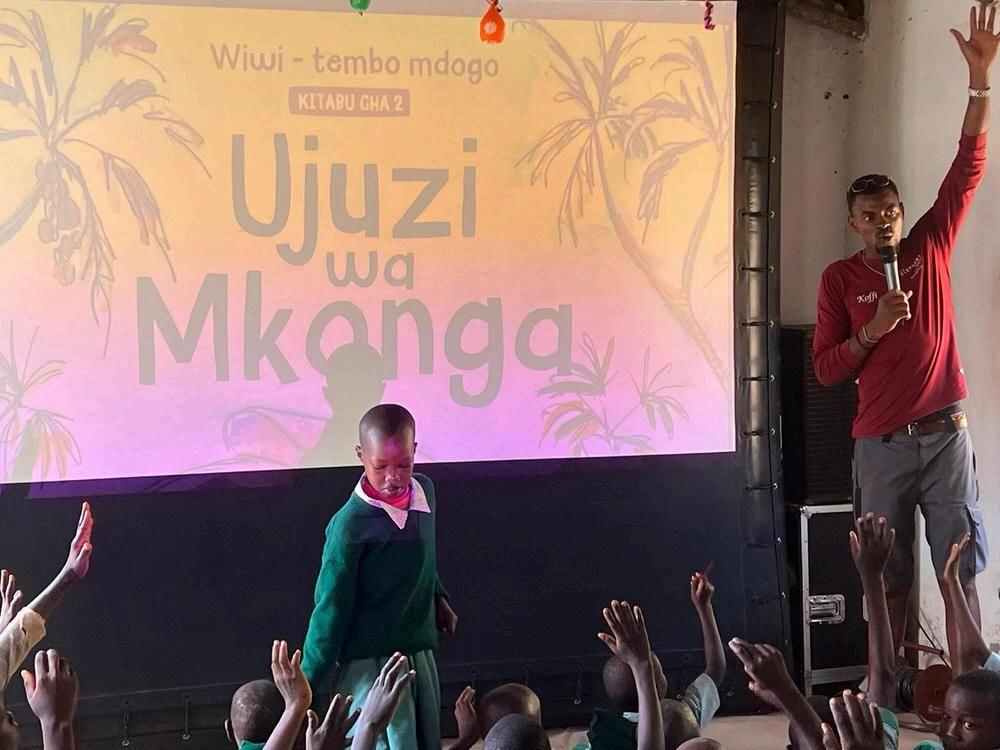
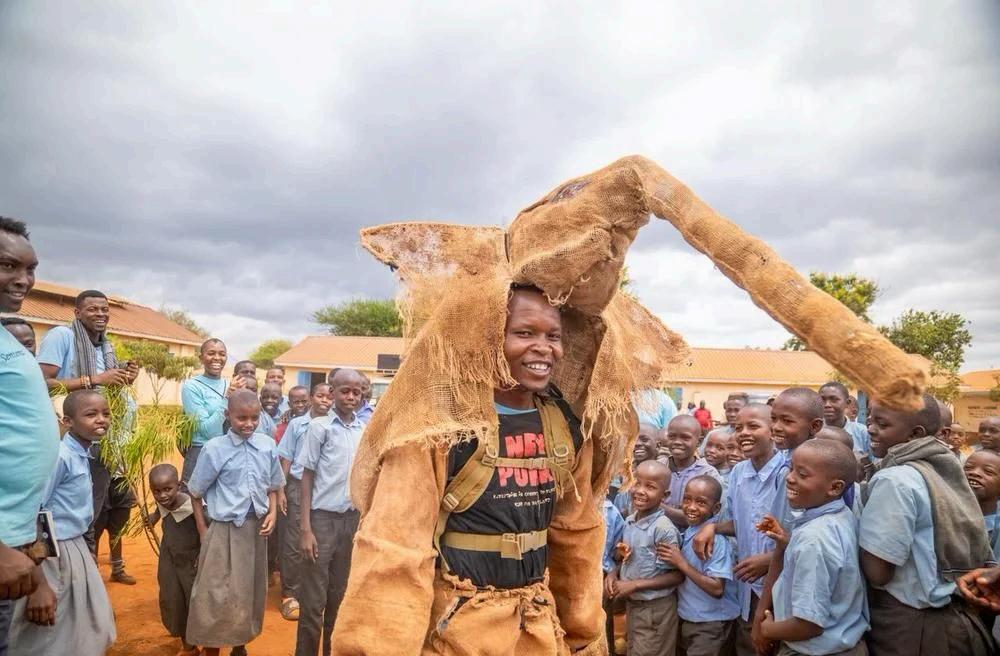
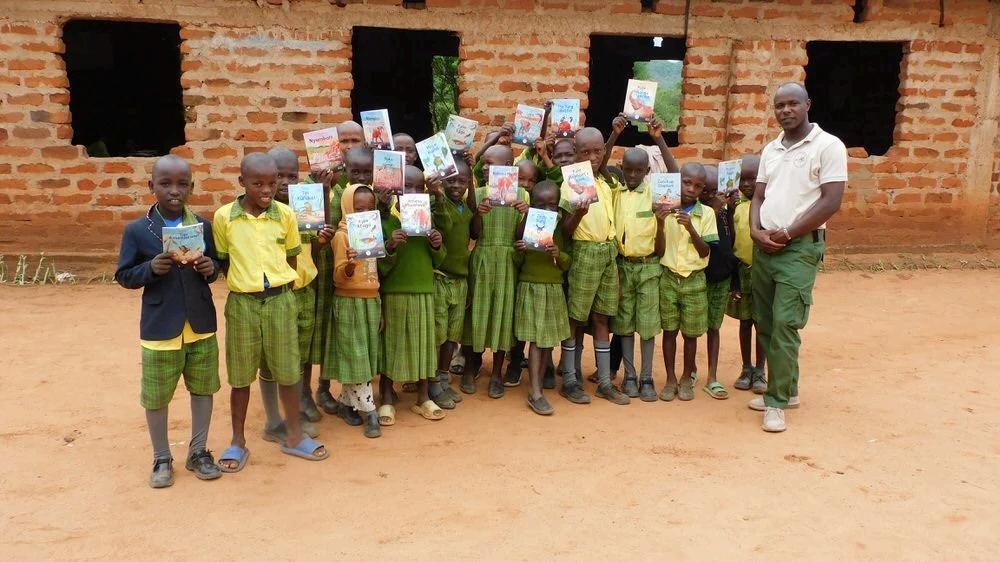
Screenings of Hadithi ya Mchwa na Ndovu (The Story of the Ant and the Elephant) and The Trial of Athena, alongside theatre, Pori Radio and reading programs, were carried out at 33 schools with support and funding from the SWT These engaging performances and workshops encouraged dialogue, knowledge sharing, and stronger appreciation of wildlife. The Trust donated 4,760 conservation books and 340 flip charts to 33 schools bordering the Northern Park boundary
Impact: Learners, teachers, and community members increasingly appreciated wildlife conservation, with students sharing conservation messages at home Community discussions helped address misconceptions and promote coexistence. Encouragingly, field reports indicate a significant reduction in bushmeat poaching cases
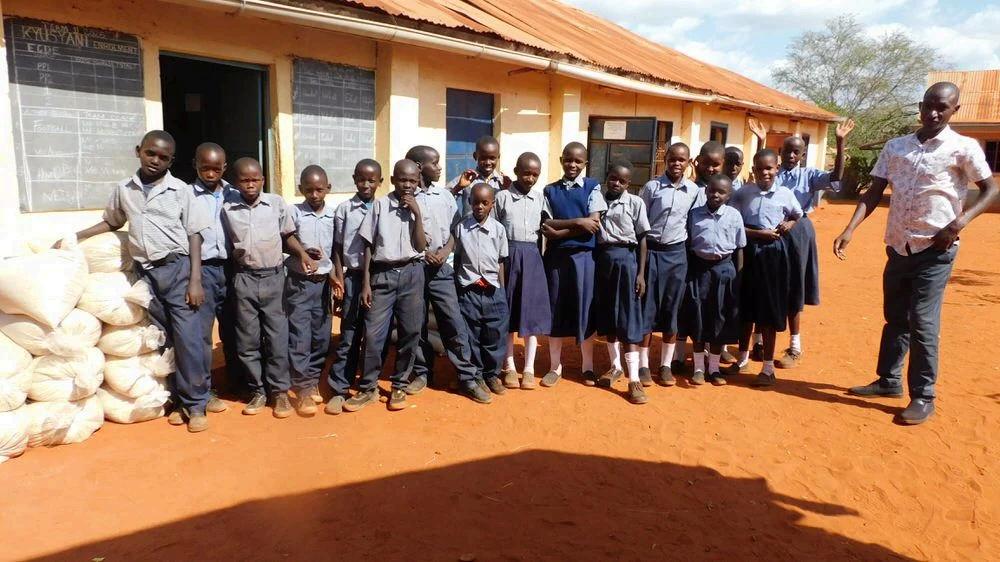
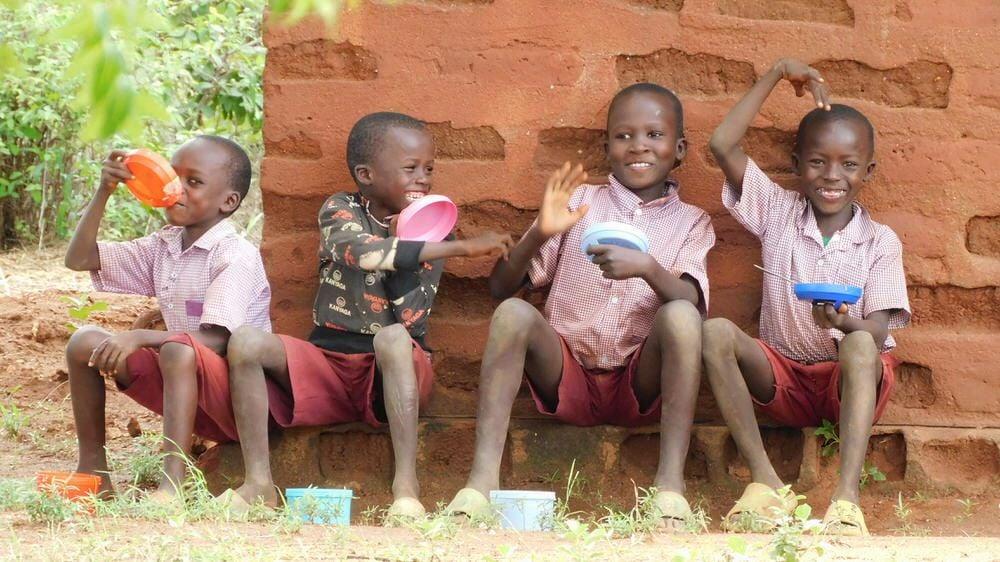
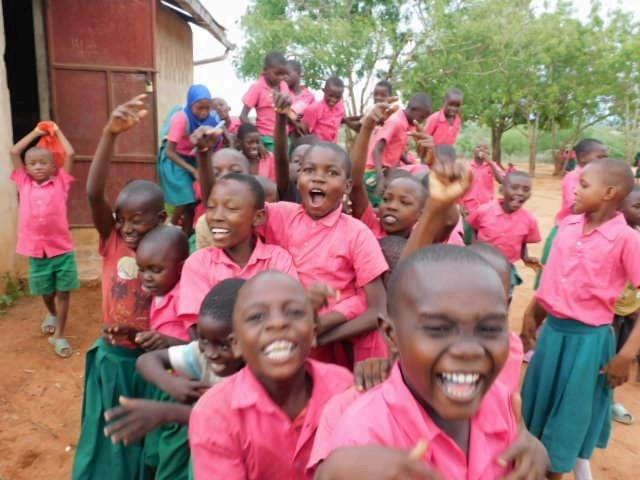
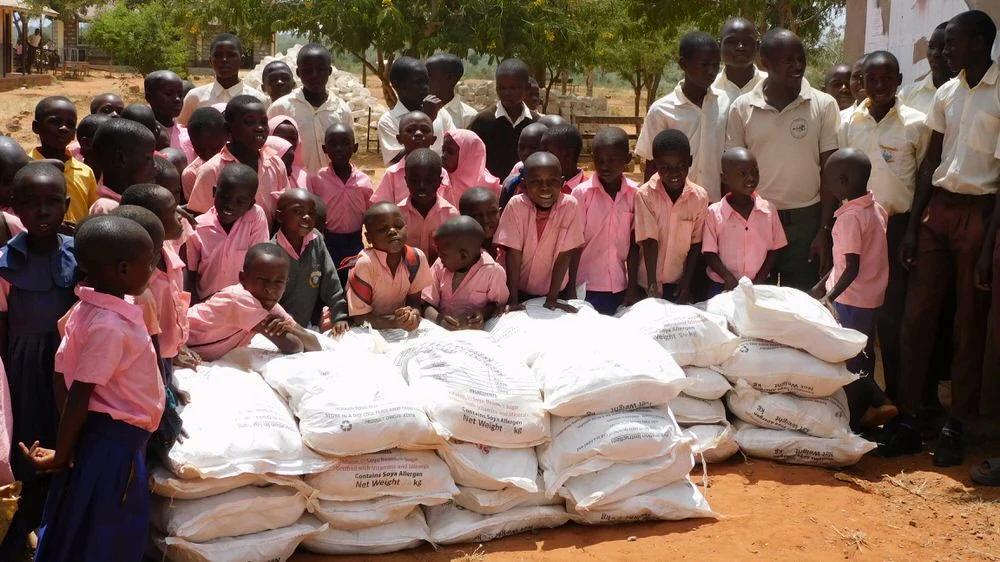
The Sheldrick Wildlife Trust continues to support marginalised communities and schools bordering Tsavo National Park Our daily school lunch program, which was established in 2021, donates supplies of rice, maize, beans and oil to 8 local schools feeding 1,461 children every month. During this reporting period food was distributed throughout January to March 2026.
The children attending these schools are from impoverished backgrounds and this food is often the only food they will get throughout the day Not only does this program see positive effects in their attendance and performance, but it also creates much goodwill in the communities and positive attitudes towards wildlife and conservation.

1,461 8

6,150
5,487 5,586 720
Kgs of Rice Kgs of Maize
Kgs of Beans Litres of Oil
The Sheldrick Wildlife Trust receives support from the Chantecaille Conservation Foundation, which embraces a mission to support the protection of natural biodiversity by supporting local communities who live in proximity to it. CCF support, which was established in 2022, goes towards another school feeding program, which sees 72 schools and over 16,600 children from 3 local counties: Ithumba, Galana and Nasaru, receive a daily supply of 'uji'; a local porridge made of maize, beans, nuts with added vitamins.
Every month the SWT purchases, collects and transports a vast consignment of over 25,600kgs of porridge and delivers it by truck to these 72 schools. In total during January to March 2026, the Trust delivered over 77,000kg of porridge to schools
Districts

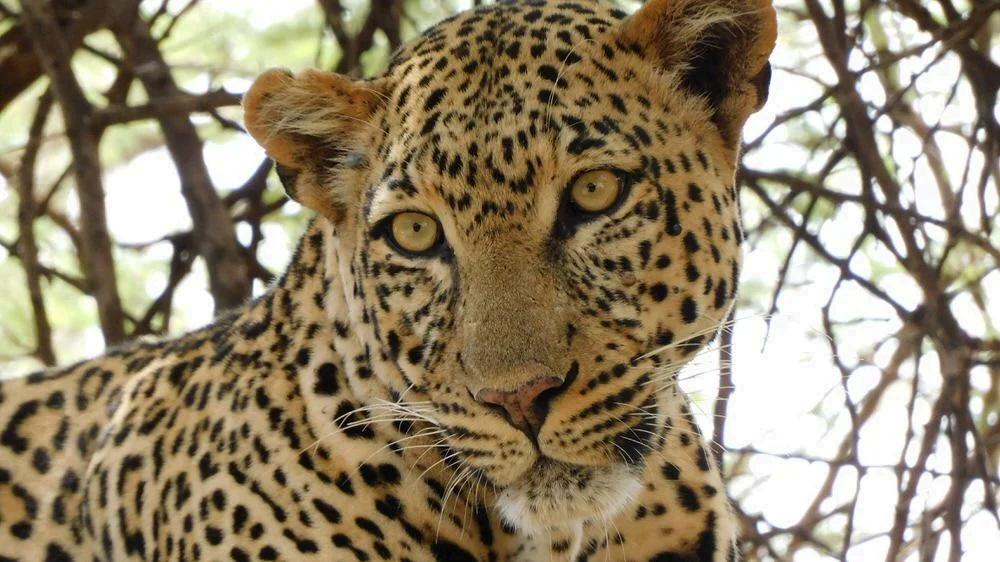
In communities bordering Kenya’s children grow up alongside wildlif few opportunities to learn abo world that surrounds them Many nature through crop-raiding an devastating effects of human-wild
More often than not, children view other animals as threats, appreciating how they support economy and shape the very which we live. It is vital that w generation of Kenyans a reason country’s natural heritage. The Conservation Trips offer children to enjoy their National Parks and interact with wildlife and natural habitats, about flora and fauna and the coexisting and protecting their na
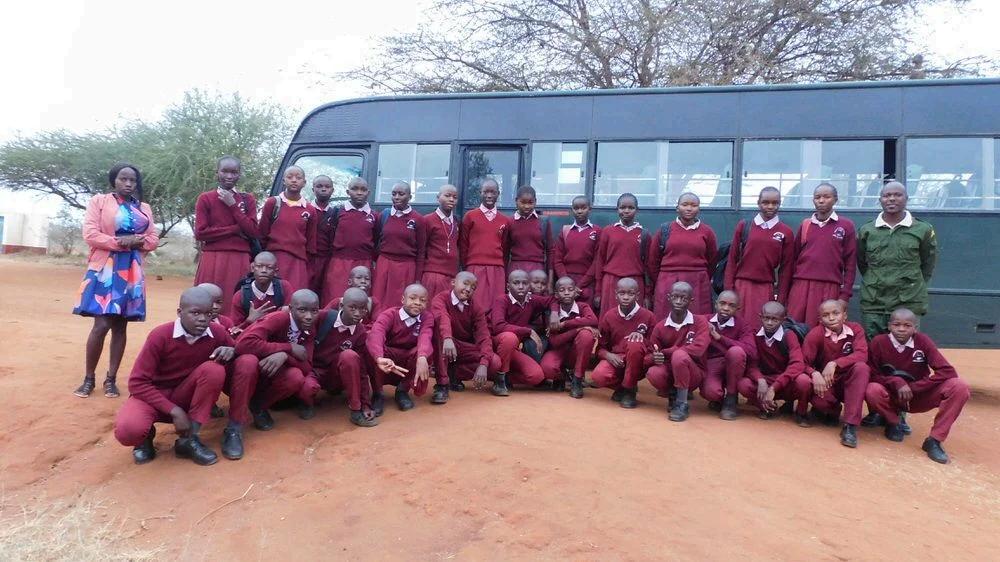
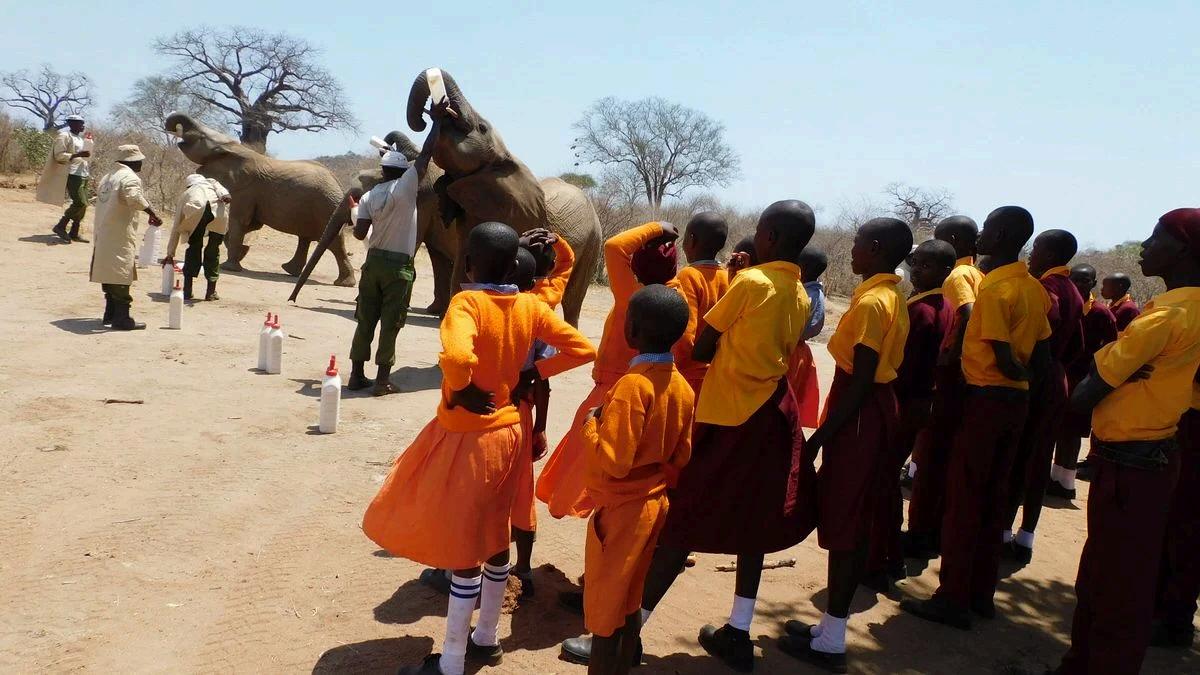
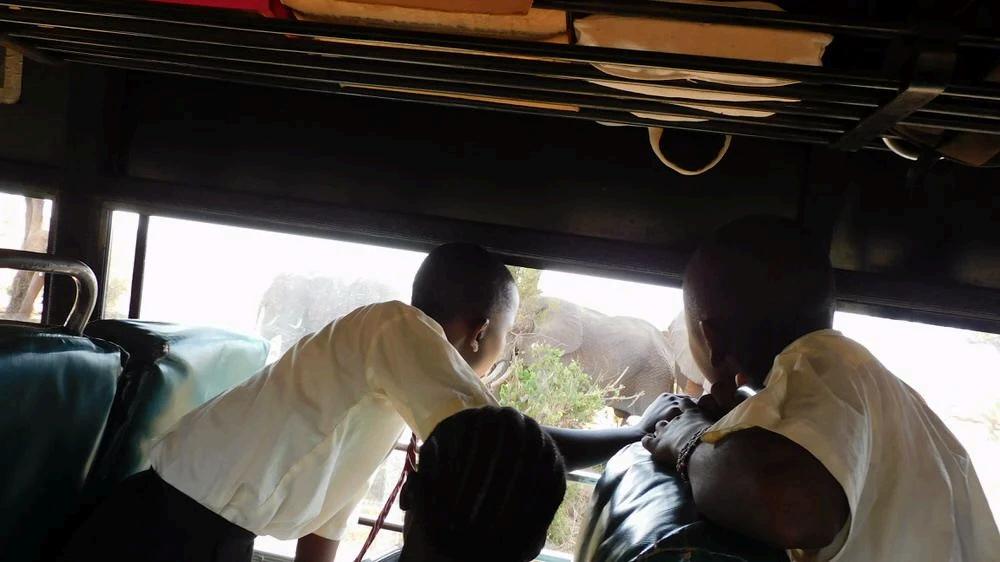
These fully subsidised school tri school bus, an SWT driver and S Outreach officer take up to 30 and 2 of their teachers into Tsa National Park. In Tsavo West th starts at the KWS Tsavo West followed by a game drive includ Sheitani lava flow, Mzima Sprin Crater The Tsavo East School T exciting visit to either the SWT Elephant Orphans
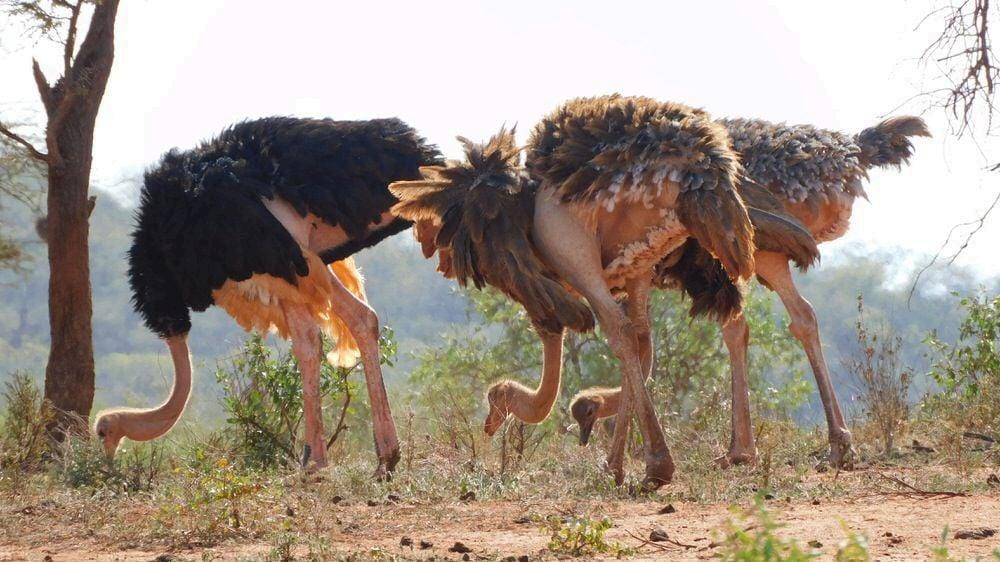
The Sheldrick Wildlife Trust Community Outreach Team conducted 10 trips during this reporting period in January 2026 only to Tsavo West National Park taking 300 children and 20 teachers into the park for an educational school field trip.

The Trust continues to support 13 children from local communities bordering the Parks through secondary education These sponsored students are currently in form 1 and 4 (Kenyan system of education). These are children from needy families bordering the Tsavo Conservation Area, within age range of 15-18yrs. The SWT pays their tuition feed every year including a yearly boost for transport to and from their respective schools
The Trust also finances University level education for 2 bright and deserving young adults from local communities in Tsavo. These scholarships are all for university places in Kenya; 1 student is in their second year and 1 is currently in their fifth year.
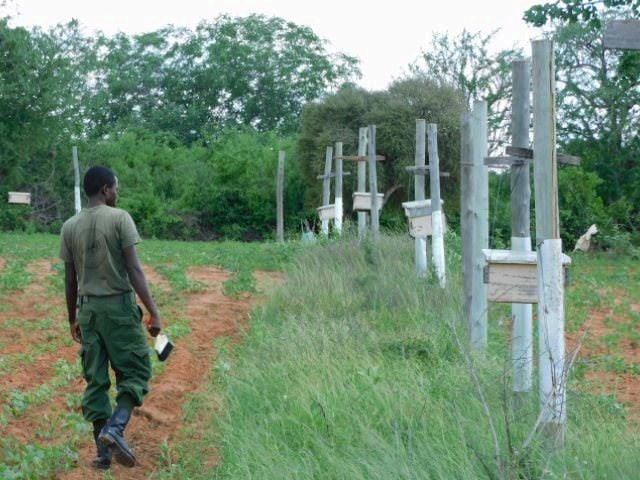
Elephant-beehive fences are an innovative, sustainable and natural deterrent for elephant incursion, which have proved especially successfully on the borders of National Parks and protected areas The project offers a wealth of benefits to the farmers through improved pollination of crops and other plants, farm protection against elephants, and income from the sale of the honey they harvest, whilst elephants receive protection in return We launched our beehive fence project in collaboration with communities bordering Tsavo East National Park in 2014 as a sustainable, non-aggressive method to mitigate human-wildlife conflict Over the years, we have installed over 100 hives on community farms that were historically targeted by crop-raiding elephants. We also have over 30 hives on Tsavo Farm, along with catcher boxes and an apiary in the Kibwezi Forest.
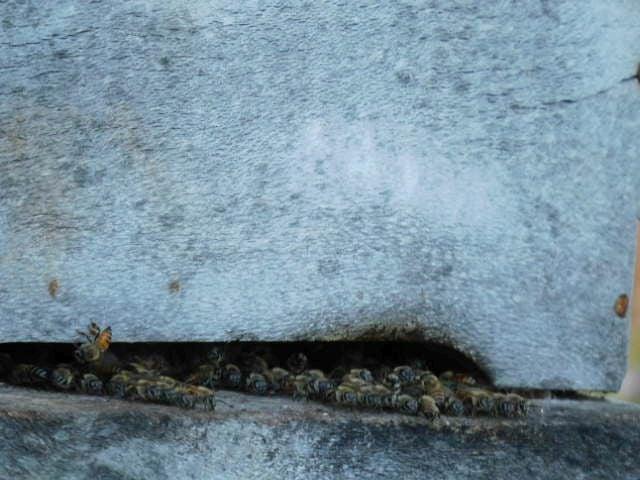
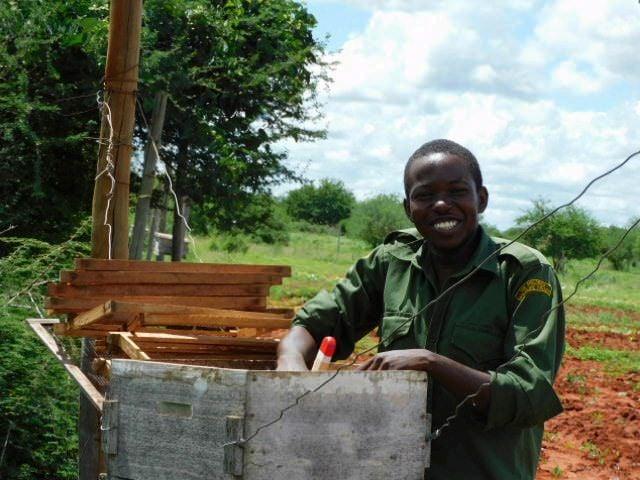
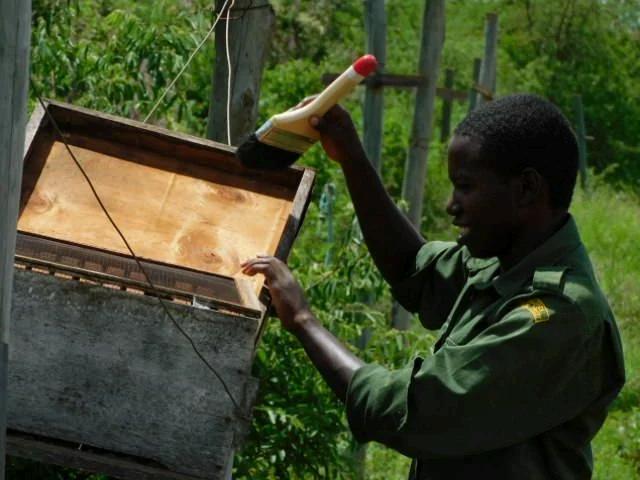
Beekeeping and bee fences continue to play a pivotal role in elephant conflict mitigation, agricultural productivity, and improving household livelihoods The following inspection and maintenance activites were conducted in March.
Key actions included:
• Cleaning and preparing absconded hives
• Lacing hives with basil to improve colonization
• Assessing colony health, which was generally strong and stable
• Discussing the impacts of climate change on bee activity, especially in ASAL regions
www.sheldrickwildlifetrust.org/projects/community