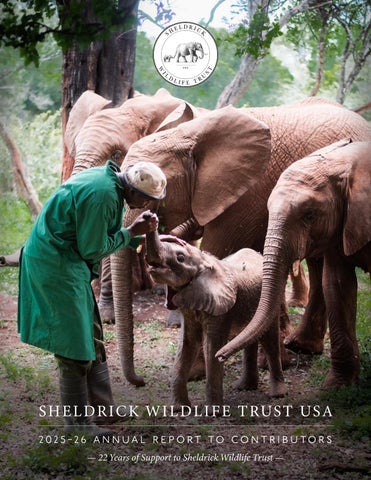
Sheldrick Wildlife Trust USA Annual Report - 2025 Fiscal Year
sheldrick wildlife trust embraces all measures that complement the conservation, preservation, and protection of wildlife and habitats.
Sheldrick Wildlife Trust is a global leader in elephant conservation and one of Africa’s most established wildlife charities. Founded in 1977 by Dame Daphne Sheldrick, the Trust was created to build upon the conservation vision of her late husband, David Sheldrick, the founding warden of Tsavo East National Park.
The Trust is best known for its pioneering work rescuing orphaned elephants and rhinos and reintegrating them back into the wild. However, rescuing orphaned elephants is futile without a true wilderness for them to one day call home. The Trust’s long-term mission is to secure a future for all of Kenya’s wildlife through effective management and protection of key ecosystems across the country. Backed by decades of field experience, SWT has evolved into a multi-dimensional conservation organization, tackling the greatest threats facing Kenya’s natural world while engaging local communities.
For 22 years, Sheldrick Wildlife Trust USA (SWT USA) has led initiatives across the United States to raise vital funds and awareness for the Trust. Since its founding in 2004, SWT USA’s goal has been to expand the Trust’s conservation impact in Kenya through grantbased support and to build a strong connection between American donors and the Trust’s mission. SWT USA takes a comprehensive, donor-focused approach, using outreach, events, and exceptional service to educate the public about the plight of African wildlife, cultivate the next generation of conservationists, and foster a dedicated and growing base of American supporters.
A LEGACY of CONSERVATION
Sheldrick Wildlife Trust has a deeply rooted history in wildlife conservation and habitat preservation. In 1948, David Sheldrick began his renowned career within Kenya’s Royal National Parks. For over two decades, he worked to transform Tsavo — a previously uncharted land — into Kenya’s largest and most famous national park. Even today, David Sheldrick is remembered as one of Africa’s most accomplished National Park Wardens.
For more than 25 years, Daphne Sheldrick lived and worked alongside her husband. She was a pioneering figure in her own right: Born in Kenya, Daphne’s lifelong commitment to African wildlife was profound. She was the first person to develop the milk formula and husbandry techniques needed to successfully raise infant elephants and rhinos. A true trailblazer in conservation, she became an internationally recognized authority on the rearing of African elephants and black rhinos.
After David passed away in 1977, Daphne founded the Sheldrick Wildlife Trust to build upon the conservation legacy they had created together. What began as a small operation has since grown into a global force for wildlife conservation. Daphne’s daughter, Angela, worked alongside her mother for twenty years and has continued the mission since Daphne’s passing in 2018. Angela is supported by her husband, Robert Carr-Hartley; their sons, Taru and Roan; and the dedicated global Sheldrick Wildlife Trust team.
SHELDRICK WILDLIFE TRUST USA
Sheldrick Wildlife Trust USA is proud to mark 22 years of support for the Sheldrick Wildlife Trust — a partnership that continues to grow in both scale and scope, driving meaningful progress for conservation.
board of directors
Anne Eisele
Jackie Cittone-Magid
Becky Hosmer
Jack V. Robertson president vice president / treasurer secretary director
members of staff
Cynthia Alarcon
Megan Lozano
Sean Michael
Priscilla Salazar
Melissa Sciacca
education coordinator
development manager
communications director
merchandise manager executive director
KEY CONSERVATION PROGRAMS of the SHELDRICK WILDLIFE TRUST
The Sheldrick Wildlife Trust (SWT) is best known for its pioneering Orphans’ Project, a first-of-its-kind program that rescues, raises, and reintegrates orphaned elephants and rhinos into the wild. Supporting this mission are SWT’s wide-ranging field initiatives, which protect wildlife and preserve critical habitats across Kenya. Backed by decades of hands-on experience, SWT is a multifaceted conservation organization dedicated to tackling the most pressing threats to our natural world — while engaging local communities and mobilizing a global network of supporters.
orphans’ project
Rescuing Kenya’s orphaned elephants, rhinos, and other wildlife, providing specialist care until they are ready to be reintegrated into protected wilderness areas
anti-poaching
Patrolling key ecosystems across Kenya and conducting strategic operations to prevent illegal activity, apprehend poachers, and protect all manner of wildlife
mobile vets
Delivering rapid field veterinary care to sick, injured, or at-risk wildlife, responding to emergencies across Kenya and saving thousands of wild lives each year
aerial unit
Providing vital aerial support across Kenya, monitoring ecosystems and responding to emergencies including human-wildlife conflict, orphan rescues, and veterinary callouts
saving habitats
Safeguarding Kenya’s wild spaces by protecting vulnerable habitats, restoring degraded landscapes, and advancing sustainable conservation solutions for future generations
community support
Supporting Kenyans living near conservation areas through education programs, conservation-related employment, and community-led initiatives
SWT USA 2025-26 EXECUTIVE SUMMARY
The charitable mission of Sheldrick Wildlife Trust USA (SWT USA) is to further the conservation work of Sheldrick Wildlife Trust. Through financial support, educational outreach, and public awareness initiatives, SWT USA furthers the Trust’s field-level impact and fosters an American support base. Each year, SWT USA compiles its annual report to contributors, highlighting the Trust’s conservation projects and programs that it funded during the fiscal year.
SWT USA operates with minimal administrative overhead. Its commitment to transparency and accountability has earned it a 4-star rating from Charity Navigator year-on-year and accreditation from Candid (formerly GuideStar) and GreatNonprofits. As a Section 501(c)(3) non-profit organization, contributions made to SWT USA are tax-deductible to the extent provided by law. Funds are managed by SWT USA’s Board of Directors and disbursed at their discretion.
SWT USA contributors consist of individuals, corporations, private foundations, and public charities. All its financial support to the Trust is made through grants, which are requested by written application. Grants are approved by the Board of Directors and are the subject of written grant agreements with the Trust, with proof of expenditure.
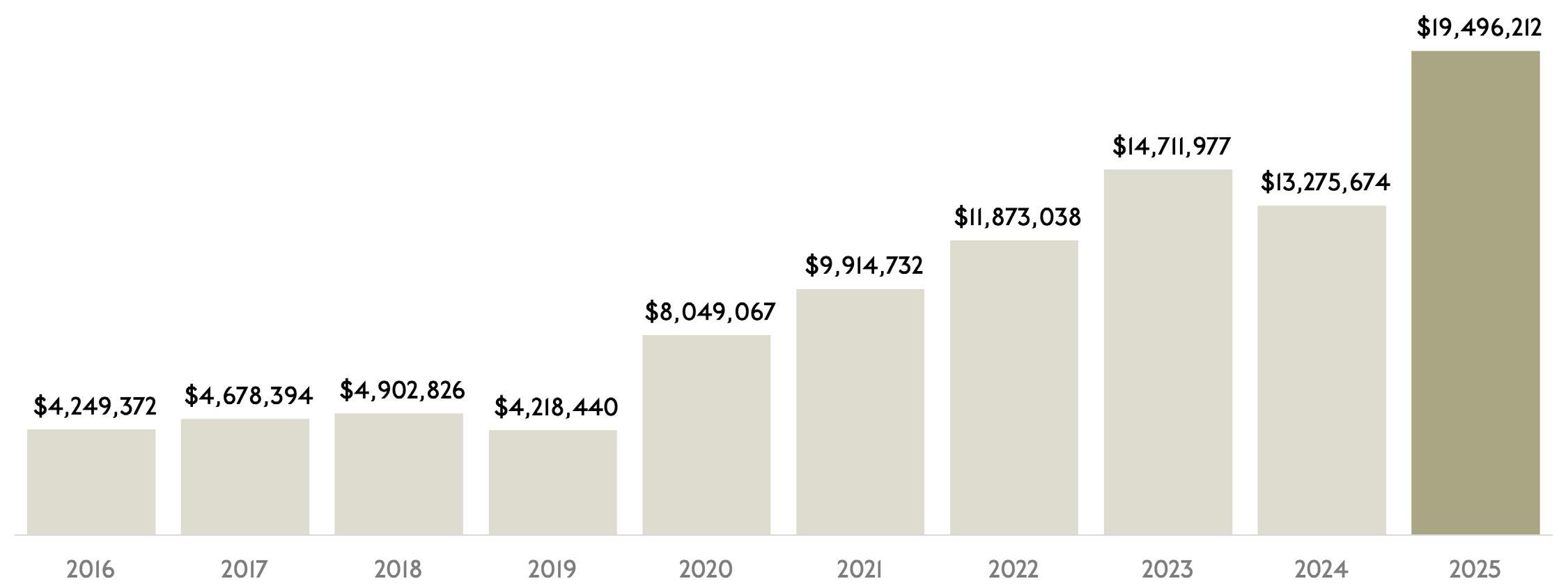
Thanks to a generous donor base, the impact of SWT USA continues to grow year-over-year. In the 2025-26 fiscal year (April 1, 2025 – March 31, 2026), SWT USA achieved a record year of impact, delivering a total of $19,496,212 in grants to the Trust. These grants provided vital funding for the Trust’s conservation programs, spanning the Orphans’ Project, AntiPoaching Teams, Aerial Unit, Mobile Veterinary Units, Community Outreach, Habitat Preservation, and general field and program support.
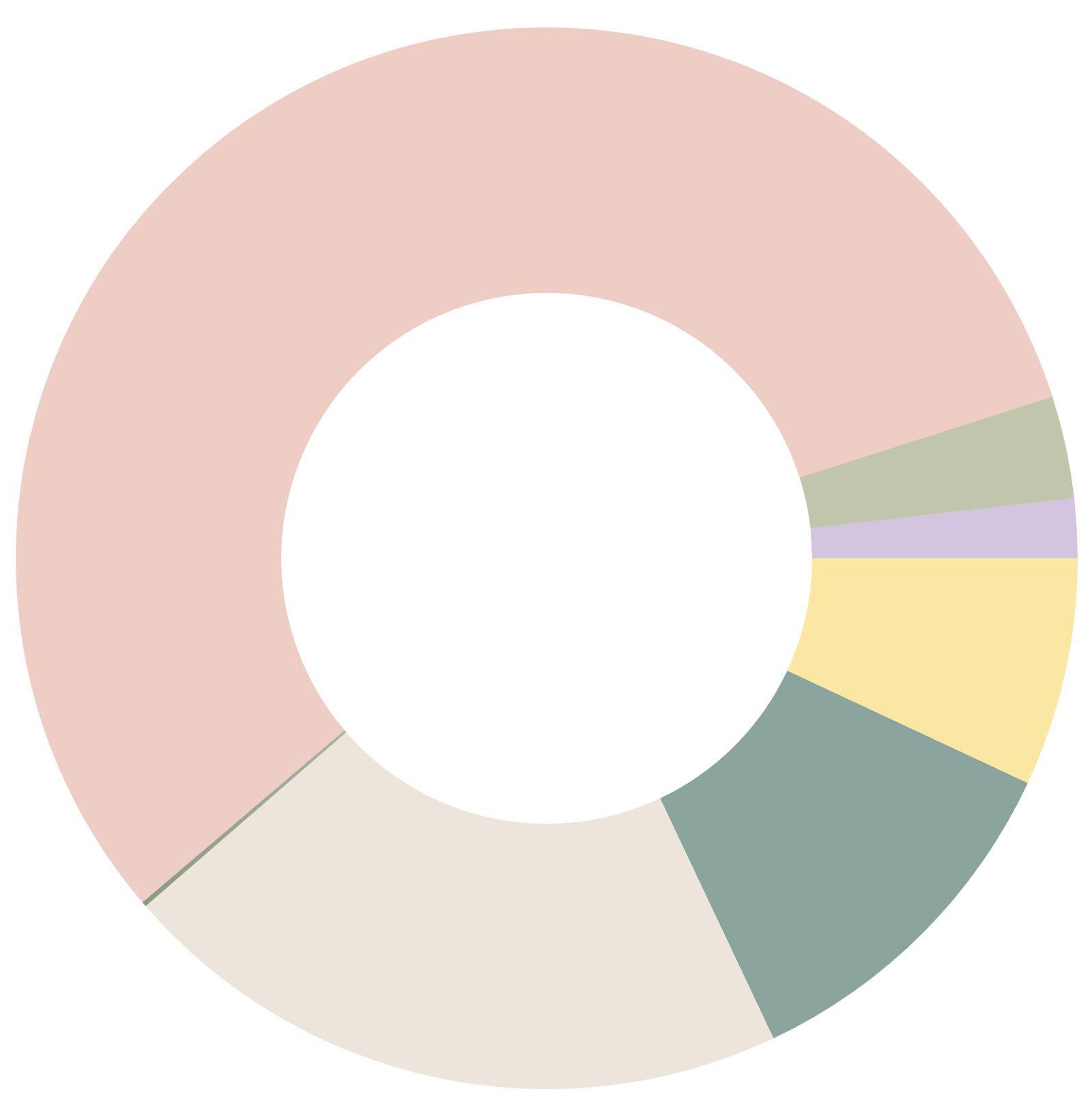
Because the amount and frequency of grants are dictated solely by the needs of the Trust, annual dollar amounts vary considerably. Habitat preservation, anti-poaching, and aerial operations were key priority areas in 2025-26, as we focused our efforts on securing vulnerable habitats through land purchases, fully outfitted anti-poaching operations, and a robust fleet of aircraft to elevate our conservation capabilities.
in the 2025-26 fiscal year, swt usa grants contributed $19,496,212 to the sheldrick wildlife trust over the past decade, swt usa has delivered $95,369,732 in grants to support swt
DELIVERING RESULTS for CONSERVATION
Together, we are helping Sheldrick Wildlife Trust continue to evolve and expand its conservation impact across Kenya.
In the 2025-26 fiscal year, SWT USA granted more than $19.4 million to support the Trust’s field-level work.
2025-26 fiscal year:
swt usa grants to sheldrick wildlife trust
* This amount includes one-time land acquisition costs totalling $6,730,875, which accounts for the higher-than-usual project proportion.
2025 IMPACT HIGHLIGHTS
field vehicles
17 Land Cruisers for veterinary, anti-poaching, and field work
canine training
Six-week training course for new Canine Unit tracker dog, Abby
ranger barracks
Rehabilitation of ranger barracks in Maasai Mara National Reserve
habitat preservation
Purchase of strategic, biodiverse plots of land in Nanyuki
helicopter upgrades
Avionic upgrades for SWT helicopters to enhance safety and operations
fencelines
Annual maintenance costs of fencelines to secure habitats
anti-poaching ops
Annual operating costs for 12 SWT/KWS Anti-Poaching Units
veterinary base
Construction of new veterinary headquarters in Nanyuki
elephant sustenance
Annual supply of lucerne and pellets for orphaned elephants
SWT USA funding supports every dimension of Sheldrick Wildlife Trust’s conservation work in Kenya.
Below is a selection of grants from this past year.
hospital support
Equipment and supplies for Kibwezi Health Clinic
wildlife water sources
Purchase of seven water pumps and three solar pumps
meru rhino security
Replacement of 18,000m-fence
securing national park border
aviation fuel
Annual fuel supply for helicopters and fixed-wing aircrafts
keeper rations
Annual food supply for SWT Keepers across five orphan units
drone unit vehicles
Two customized vehicles for new Anti-Poaching Drone Unit
mobile vet ops
Annual operating costs for three SWT/KWS Mobile Vet Units
aircraft maintenance
Annual maintenance of SWT’s eight fixed-wing aircraft
conservation fees
Annual conservation fees for Galana and Kulalu Ranches
ORPHANS’ PROJECT
rescuing and raising kenya ’ s orphaned wildlife
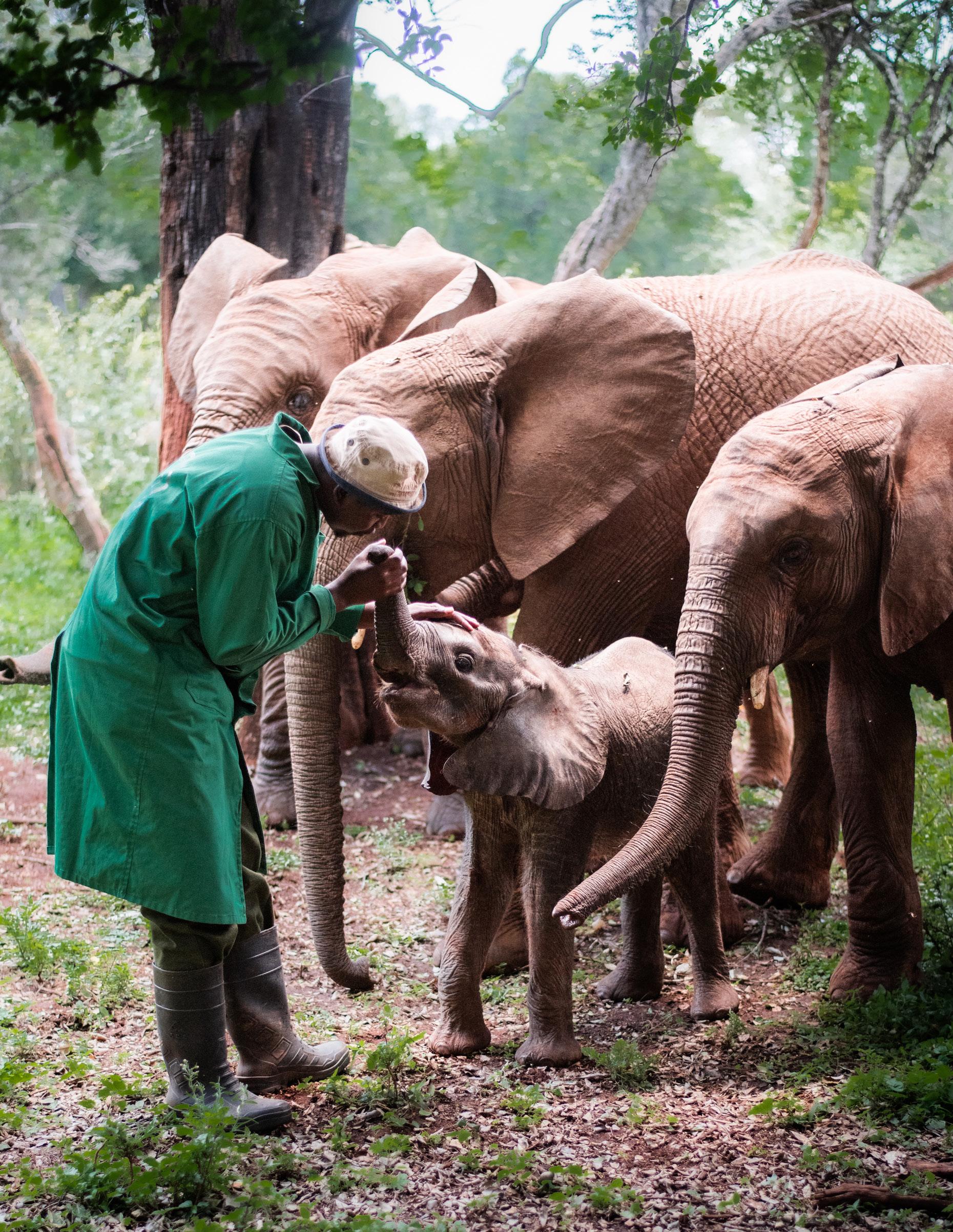
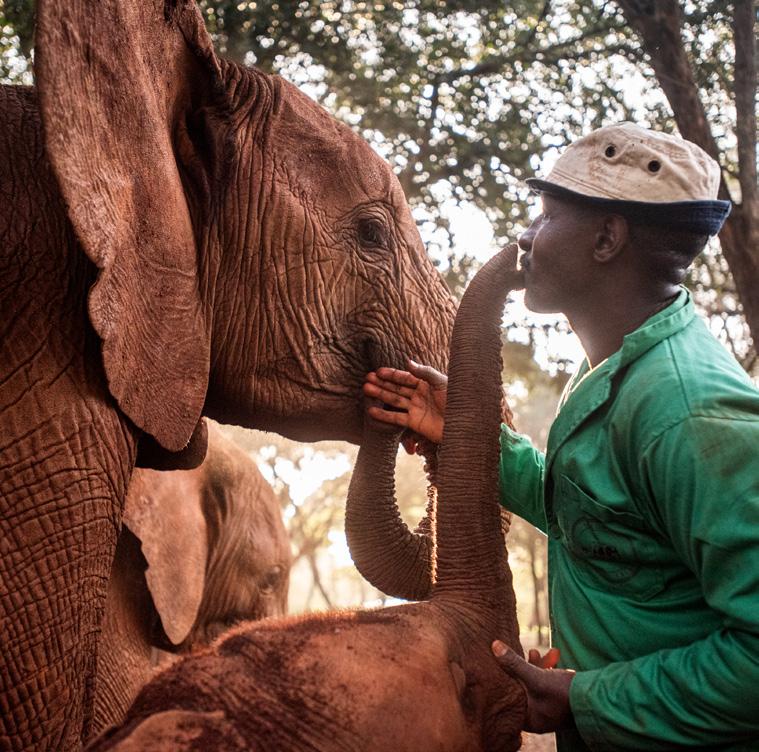
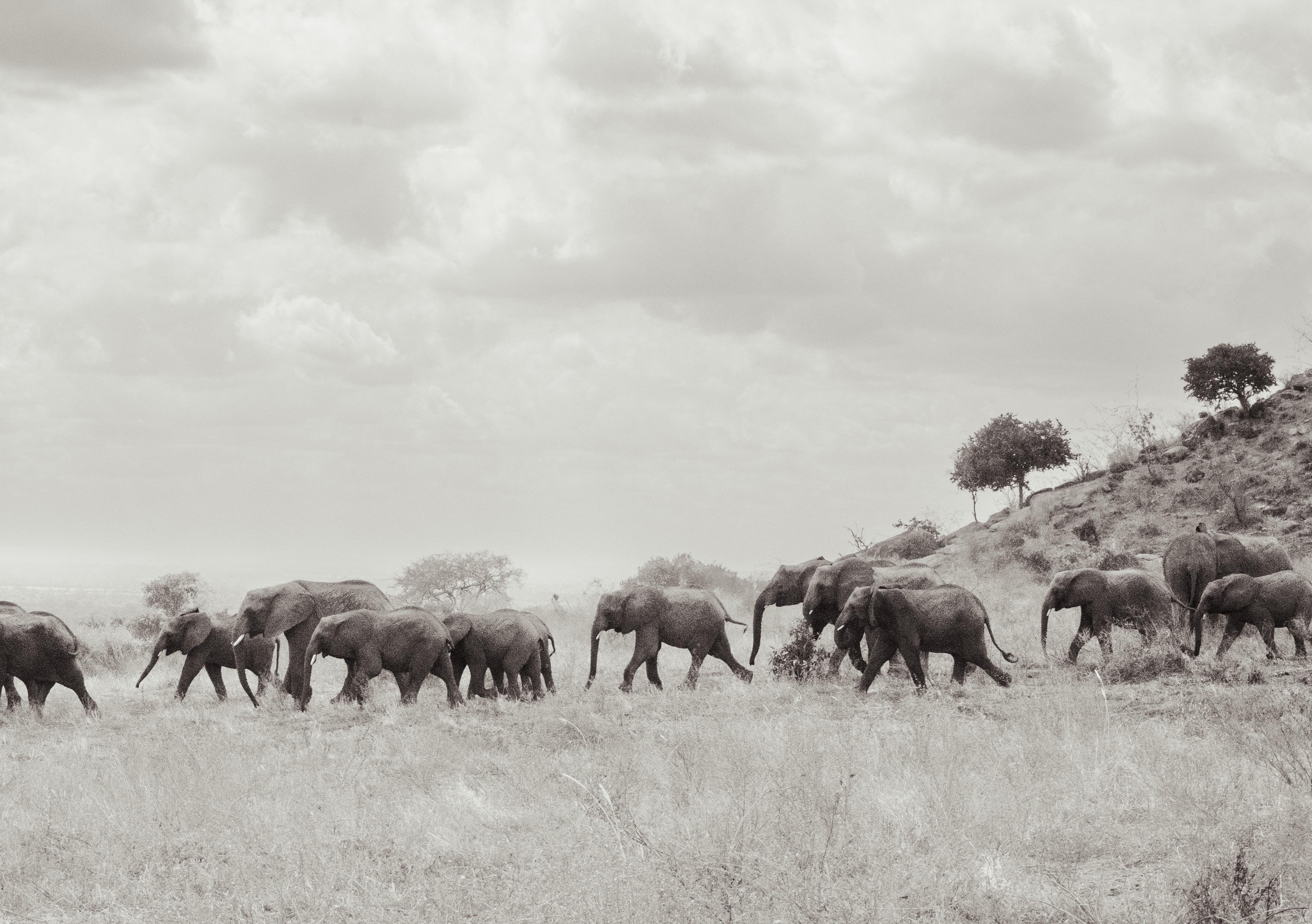
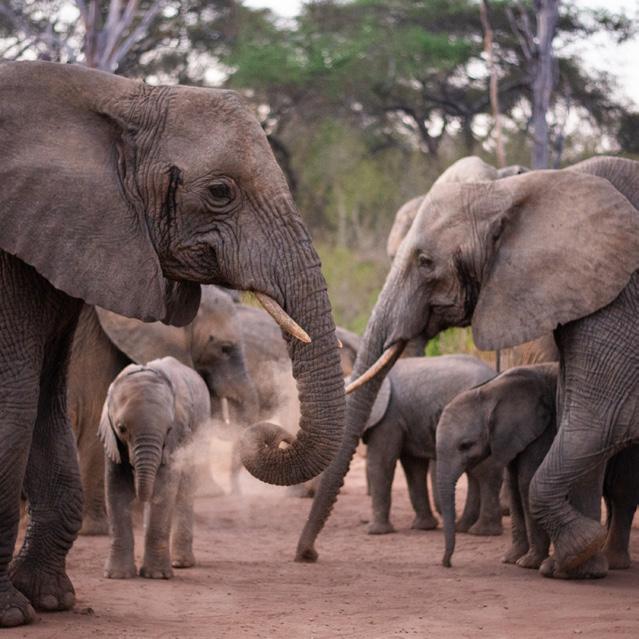
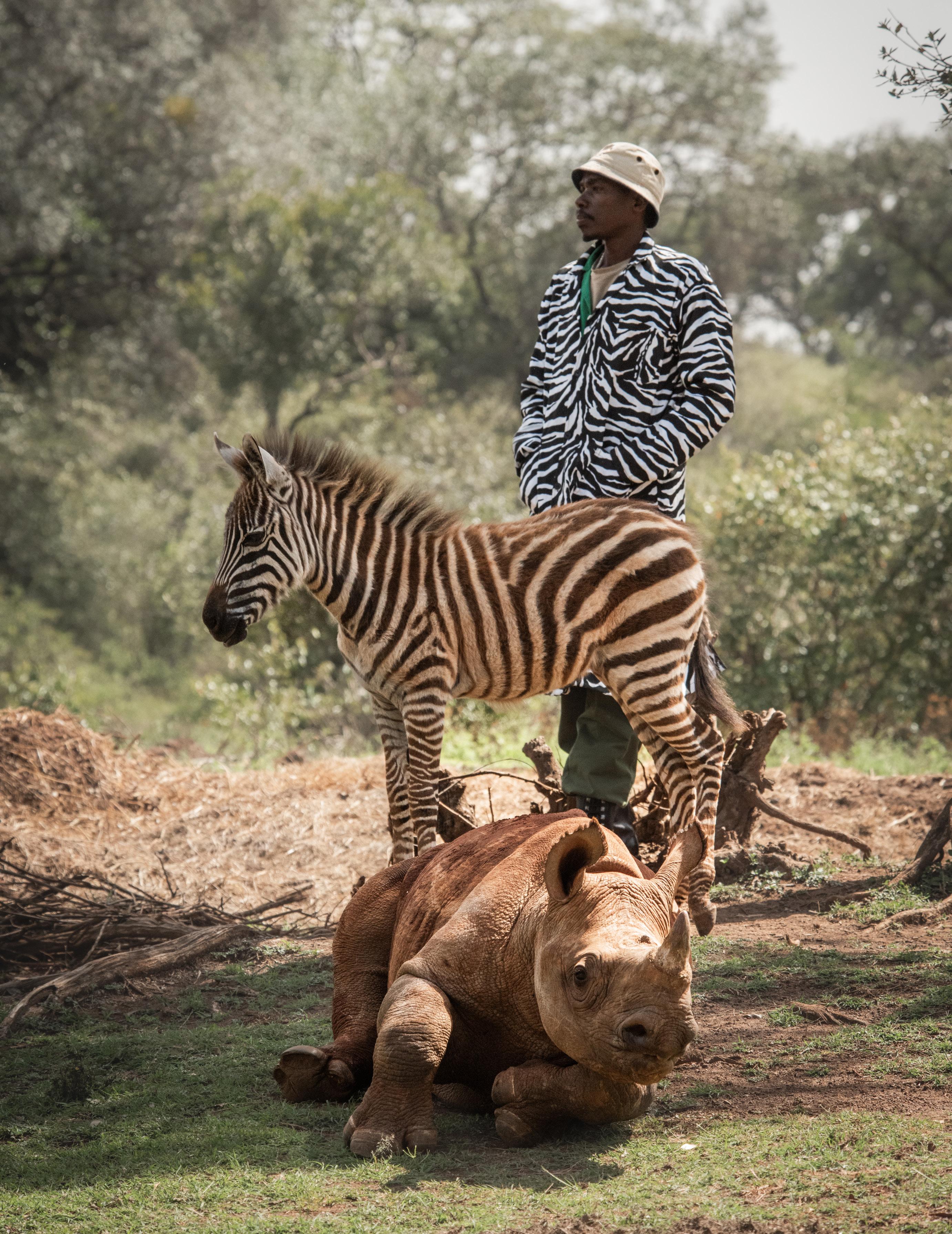
The Trust’s pioneering Orphans’ Project has earned global recognition as the world’s first and most successful rescue and rehabilitation program for infant orphaned elephants. Its goal is to help every orphan in their care ultimately reclaim their place in the wild. This is a long and complex process, one that can take upwards of a decade. Orphans are raised by a team of dedicated Keepers, who remain by their side day and night. The journey begins at the Nursery, where orphans receive 24-hour care throughout their fragile infancy. When they are ready, they graduate to a Reintegration Unit in the Tsavo Conservation Area or Chyulu Hills, where they learn how to live as wild animals. While the Trust is predominantly known for its work with elephants and rhinos, the Orphans’ Project extends to all manner of species.
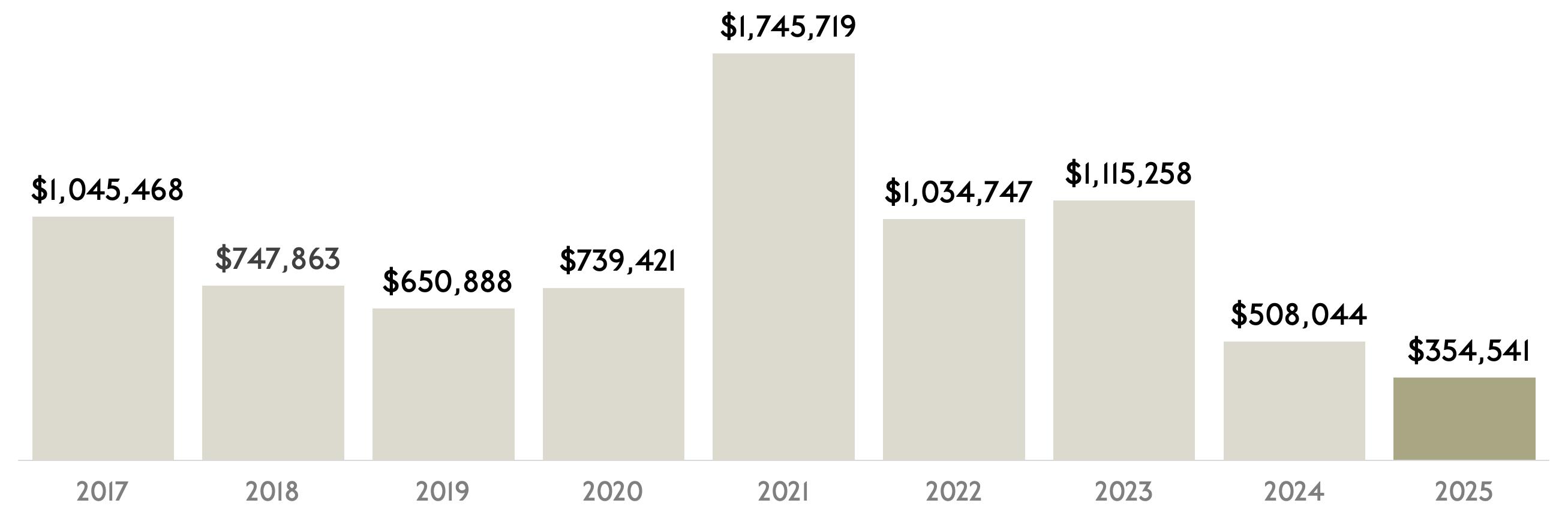
in the 2025 fiscal year, swt usa grants contributed $354,541 to swt’s orphans’ project, totaling $11,259,678 in program support since 2005.
SWT USA makes annual grants towards this cornerstone program, supporting the care of the more than 100 orphans in the Trust’s care. While the Foster Program and Kenyan charity underwrite the majority of costs of the Orphans’ Project, SWT USA continues to fund crucial resources that drive the program’s success. In 2025, SWT USA funded a ten-month supply of lucerne and pellets for the orphaned elephants and other wildlife, ensuring they had nutritious, supplemental provisions. Grants also supported the Kenya Wildlife Service fees for the Nairobi Nursery and annual rations for Keepers across all five orphan units.
5 units to raise orphaned wildlife
327 orphaned elephants successfully raised
20 orphaned rhinos successfully raised
92 wild calves born to former orphans
SWT USA SUPPORT for SWT ORPHANS’ PROJECT
ANTI-POACHING OPERATIONS
enforcing conservation efforts across kenya
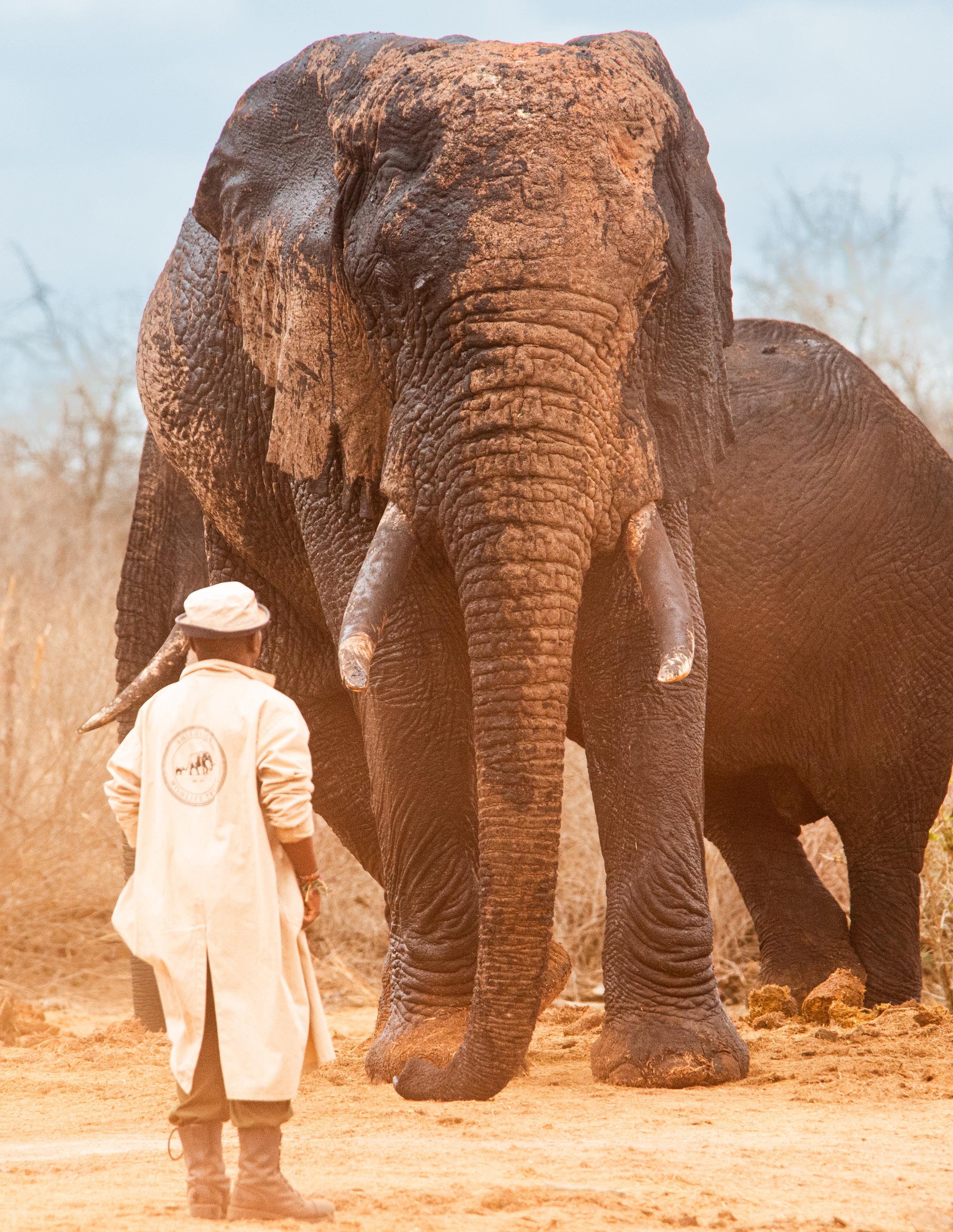
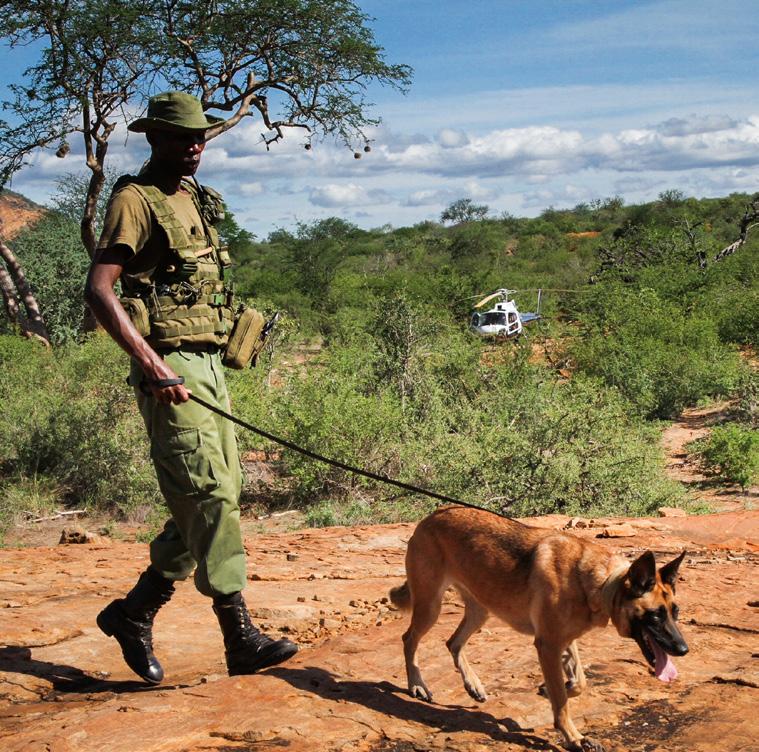
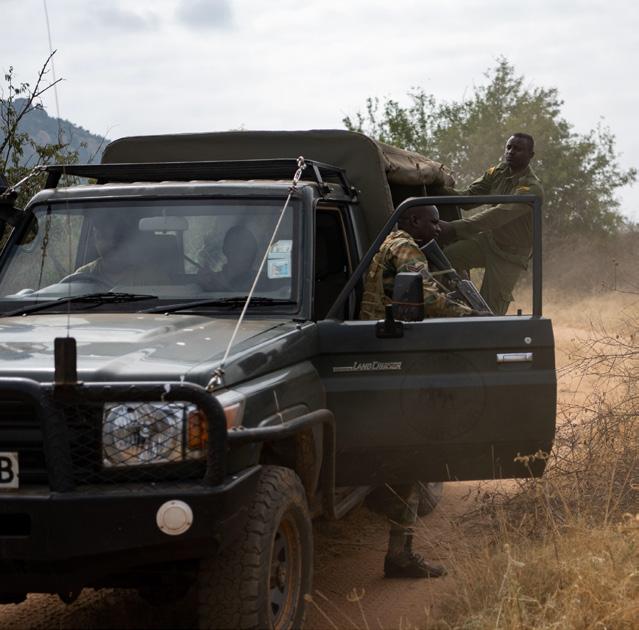
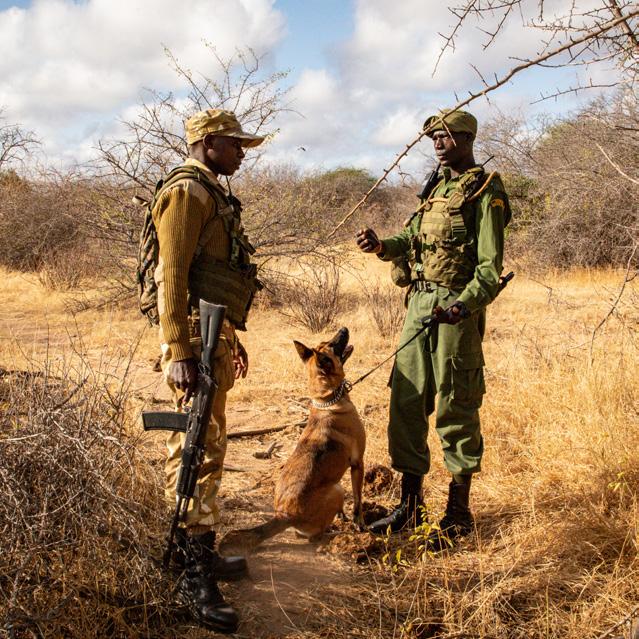
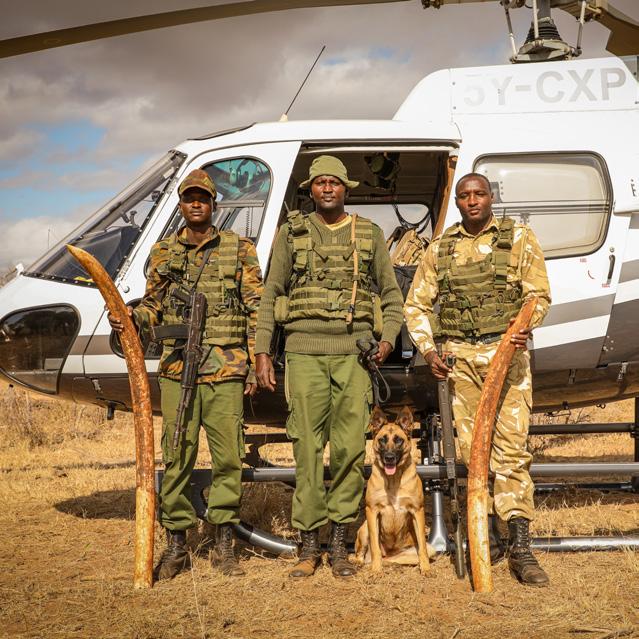
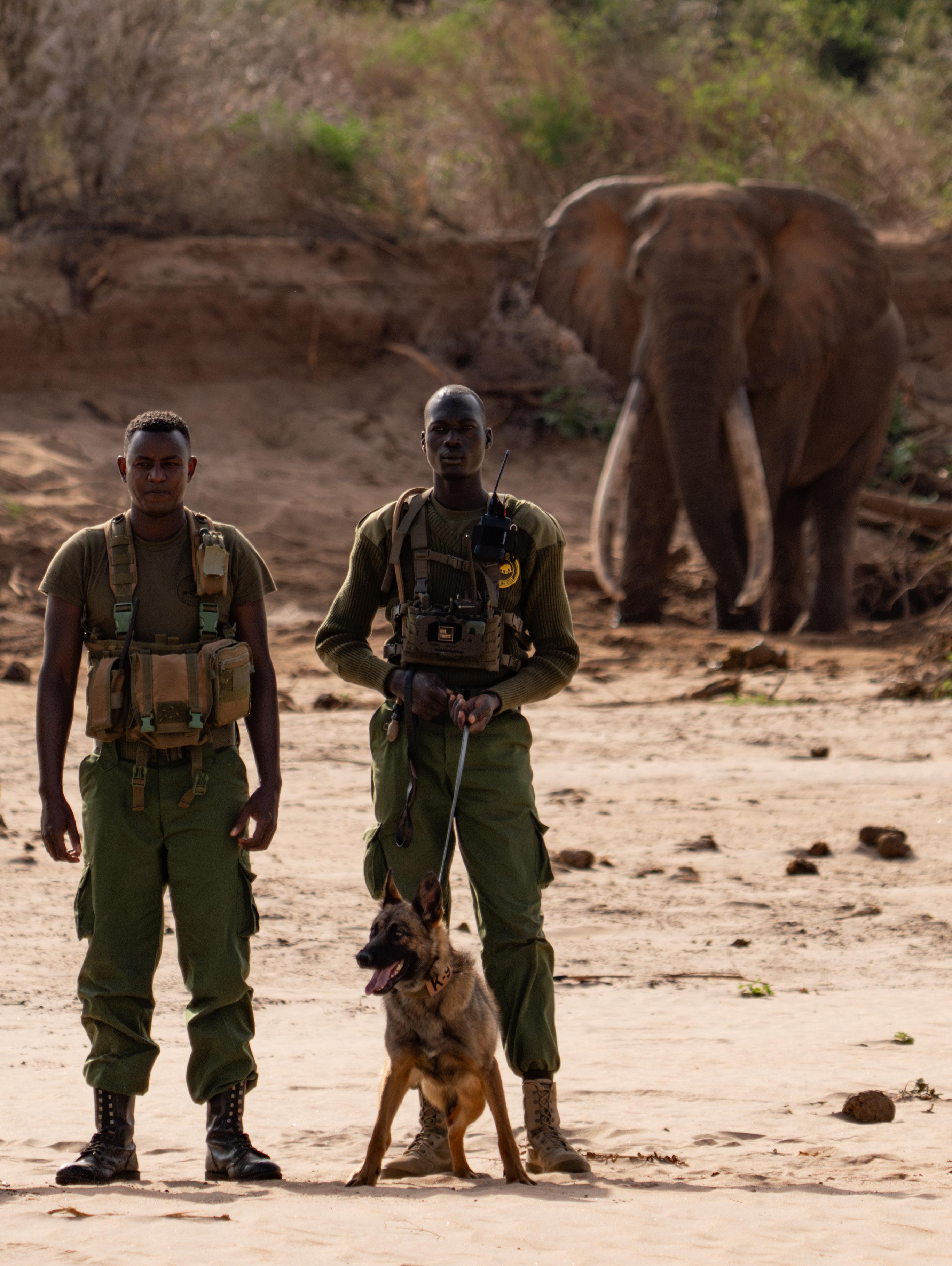
SWT/KWS Anti-Poaching Teams are the frontline defenders of Kenya’s wildlife. For more than two decades, our rangers have been at the vanguard of conservation, tackling the most pressing threats facing Kenya’s wildlife. What began as a single Tsavo-based Anti-Poaching Team in 1999 has grown into a comprehensive force protecting habitats across the country. The Canine Unit complements the teams with tracker dogs trained to detect illegal activities and track down those responsible. During their daily patrols, Anti-Poaching Teams apprehend perpetrators involved in ivory poaching, snaring for the commercial bushmeat trade, illegal logging, charcoal burning, and livestock intrusion. Rangers also support a wide range of field operations, from orphan rescues to veterinary treatments.
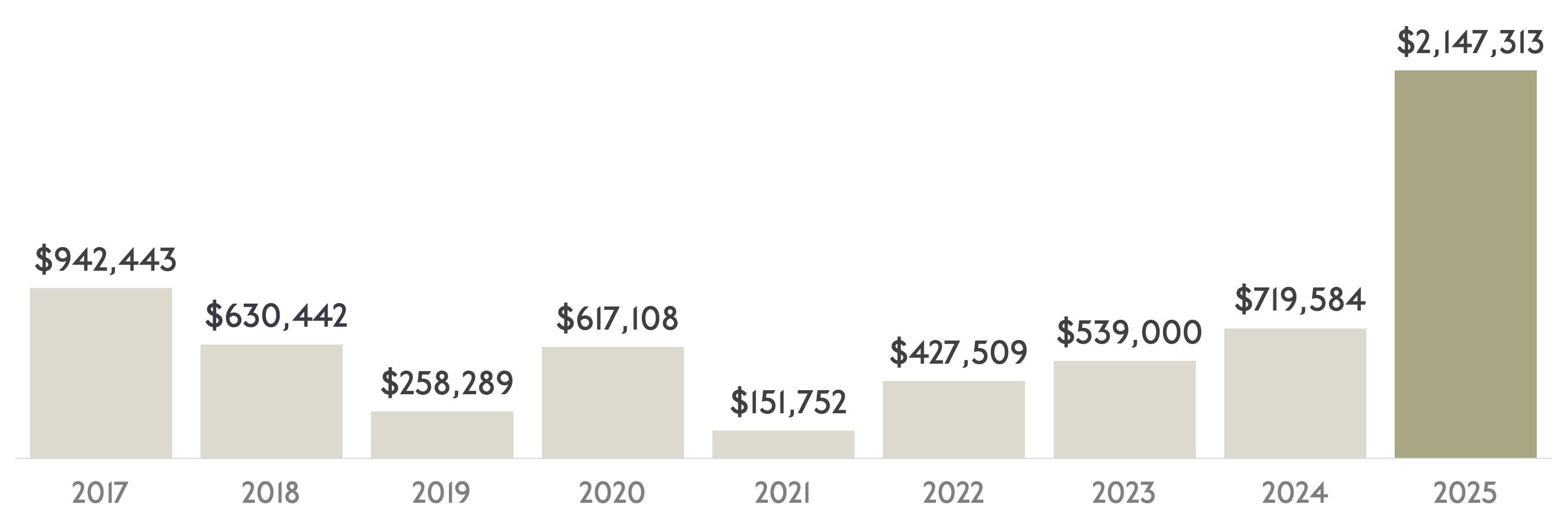
in the 2025 fiscal year, swt usa grants contributed $2,147,313 to swt’s anti-poaching operations, totaling $10,049,022 in program support since 2005.
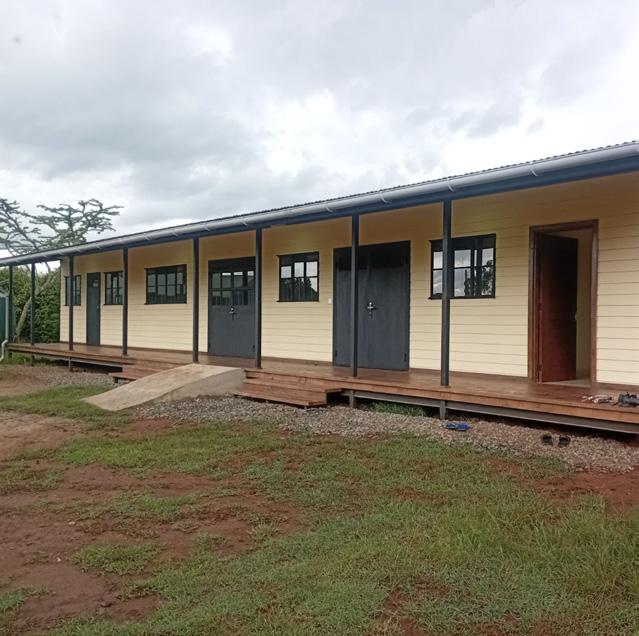
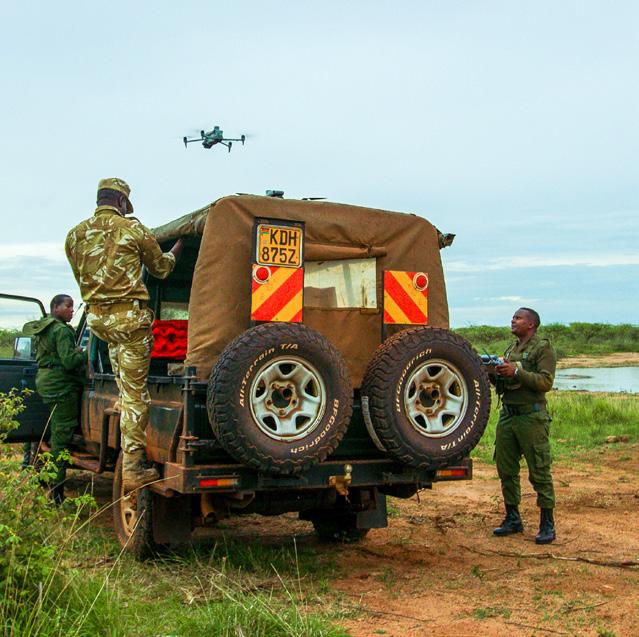
Through annual grants, SWT USA helps the Trust deliver best-in-class field protection. In 2025, SWT USA provided extensive support for anti-poaching operations, including the annual operating costs of 12 Anti-Poaching Teams for 2026 and 2027. It also supported the launch of the SWT/KWS Drone Units, a new initiative that brings cutting edge technology to the Trust’s anti-poaching operations. That support included two fully customised vehicles for the team, mobile offices, and the recruitment of a highly skilled program manager. Grants also supported the rehabilitation of ranger barracks in the Maasai Mara National Reserve, a six-week field training program for new tracker dog Abby, along with tented camp equipment and the purchase of key field vehicles, including a Land Cruiser for rhino protection in the Mara.
31
swt/kws anti-poaching teams & canine unit
30,708 miles patrolled on foot in 2025
402 kws arrests supported by our teams in 2025
13,978 snares seized and destroyed in 2025
SWT USA SUPPORT for SWT ANTI-POACHING OPERATIONS
AERIAL UNIT
aviation for conservation
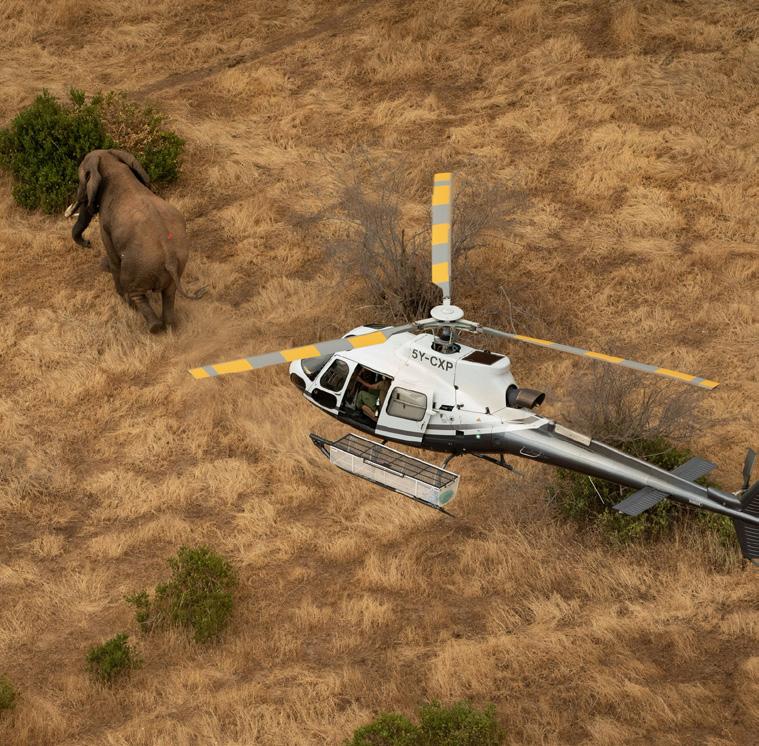
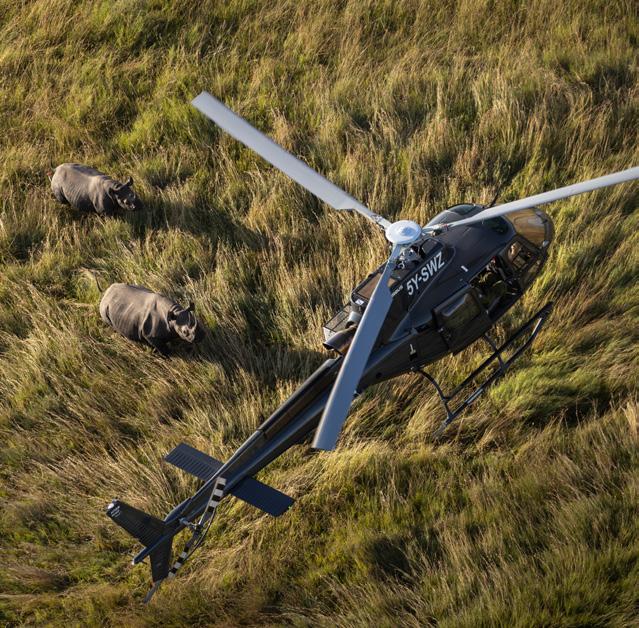
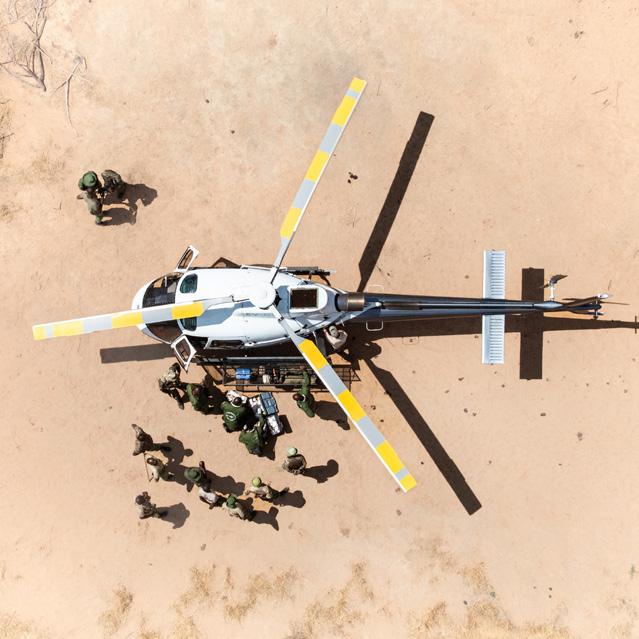
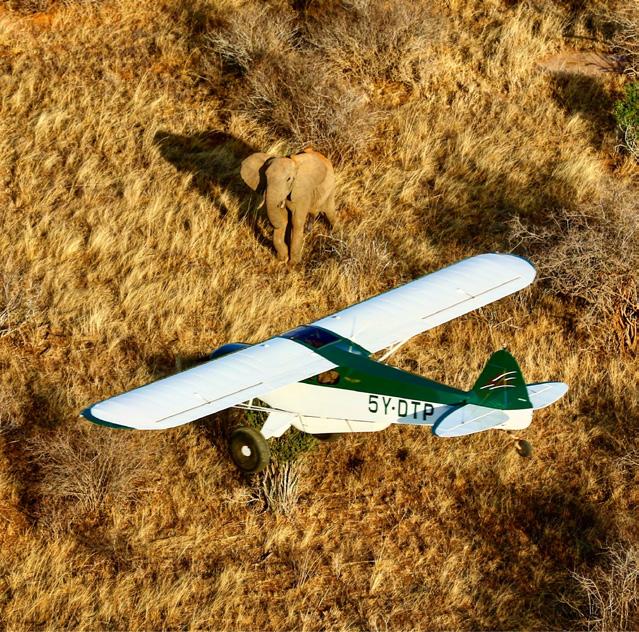
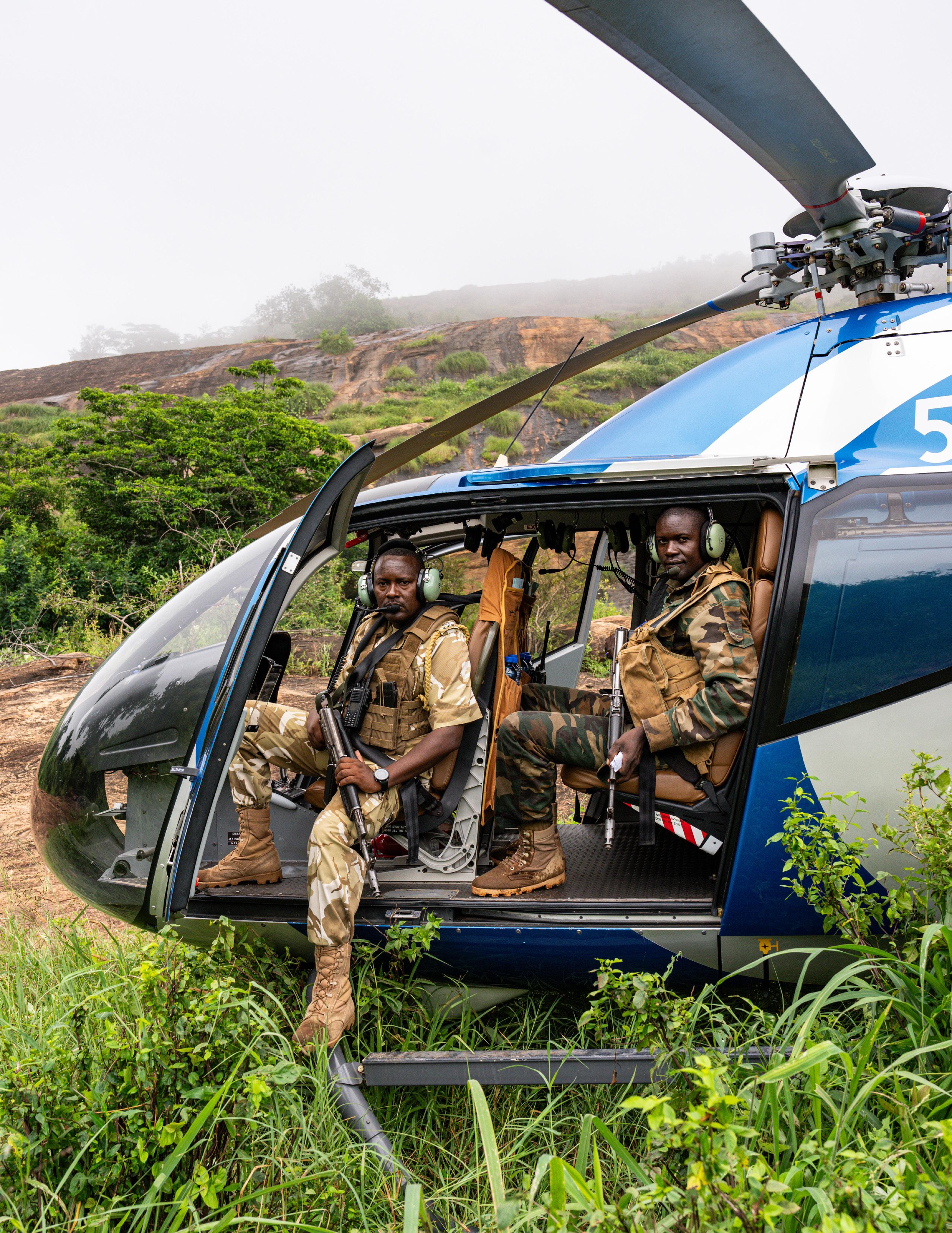
The Aerial Unit elevates the Trust’s conservation capabilities, complementing the forensic approach of its ground teams with strengths that can only be achieved from the sky. Our highly trained pilots operate a fleet of eight fixed-wing aircraft and four helicopters, carrying out daily patrols to secure Kenya’s threatened habitats. Aircraft can cover vast areas in a fraction of the time it would take on the ground and land in places inaccessible to vehicles. Working in concert with ground teams, the Aerial Unit deters illegal activities, mitigates human-wildlife conflict, and supports veterinary operations. They are primed to respond to any conservation emergency, from fighting bushfires to rescuing orphaned elephants.
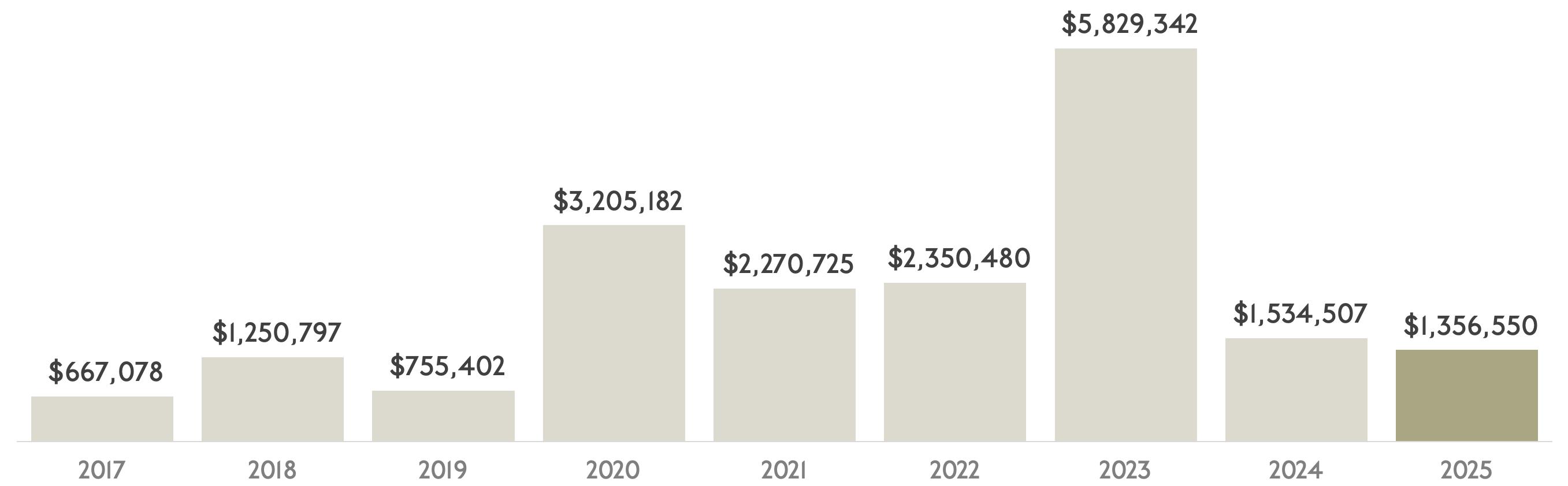
in the 2025 fiscal year, swt usa grants contributed $1,356,550 to swt’s aerial unit, totaling $21,405,509 in program support since 2015.
SWT USA helps keep the Aerial Unit at the top of its game, enhancing all the Trust’s field conservation projects in the process. Annual grants contribute towards essentials such as insurance, aircraft fuel, and maintenance. This support helps the Aerial Unit operate efficiently and effectively, enabling them to fly 2,207 hours for conservation in 2025. SWT USA funded the annual salary of SWT’s helicopter and fixed-wing pilots, ensuring Kenya’s wild spaces are patrolled by high-caliber talent. It also covered an annual supply of aviation fuel and insurance premiums for all SWT aircraft. In 2025, SWT USA funded avionics upgrades for all SWT helicopters and an engine overhaul for the Super Cub 5Y-STR.
8 fixed-wing aircraft
4 rapid response helicopters
2,207 hours flown in 2025
SWT USA SUPPORT for SWT AERIAL UNIT
215,913 miles flown in 2025
MOBILE VETERINARY UNITS
providing a lifeline to animals in need
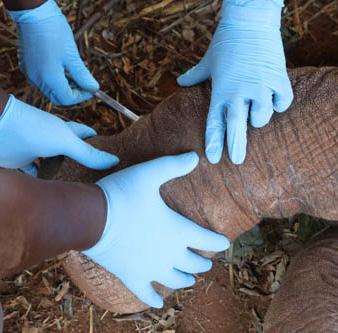
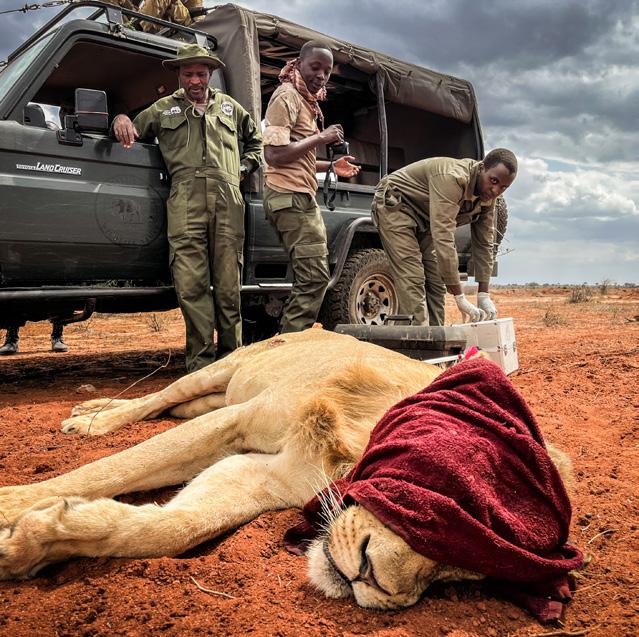
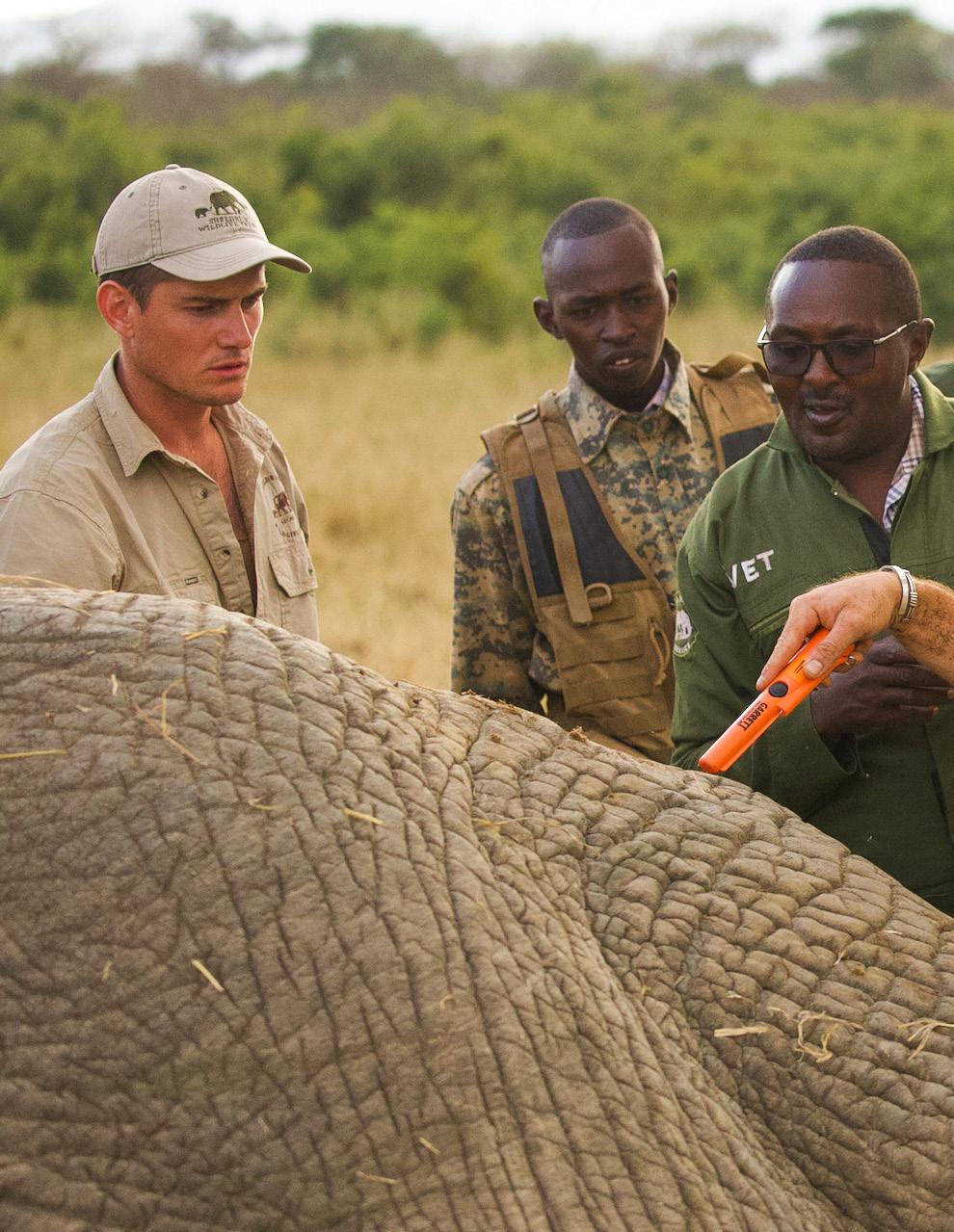
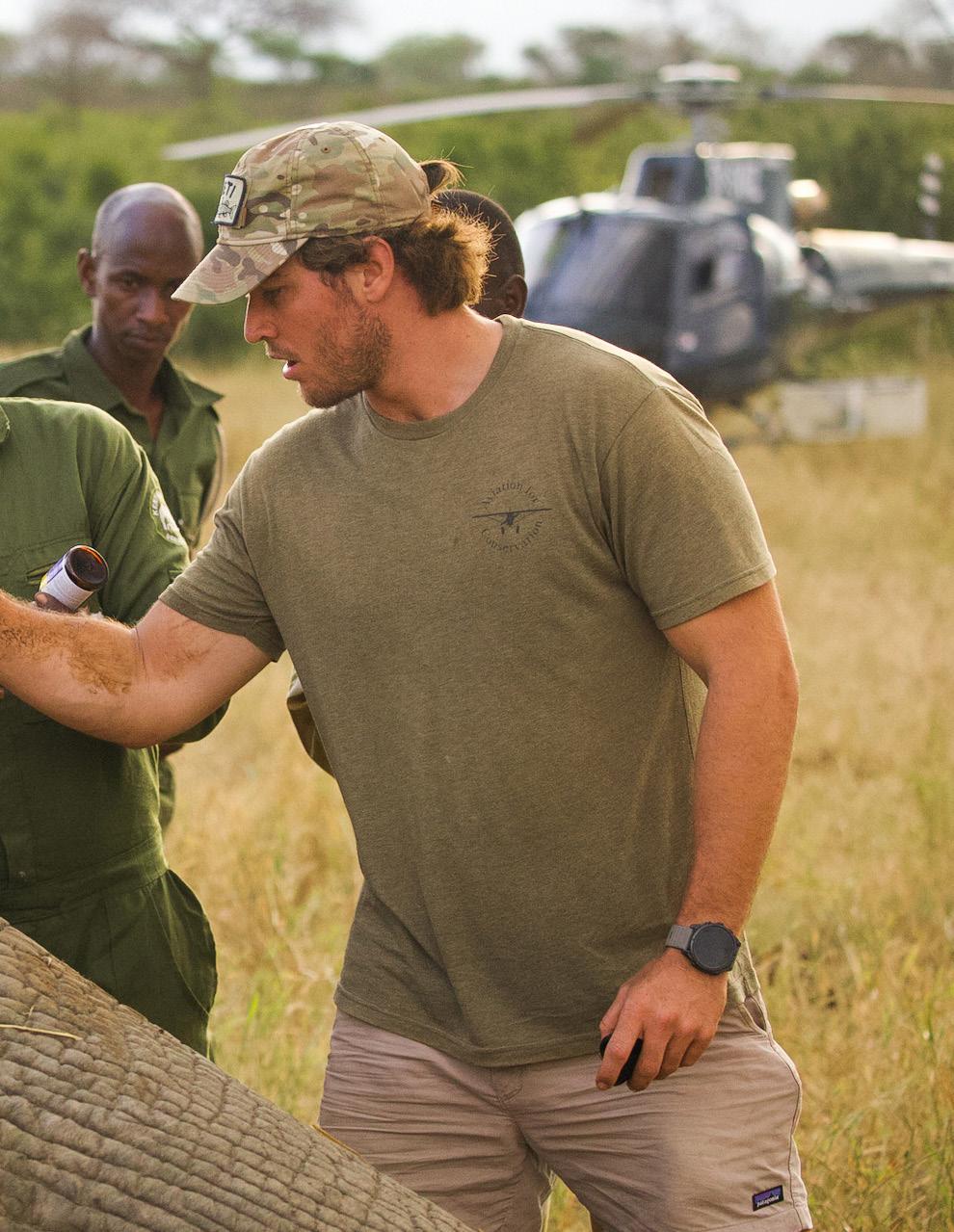
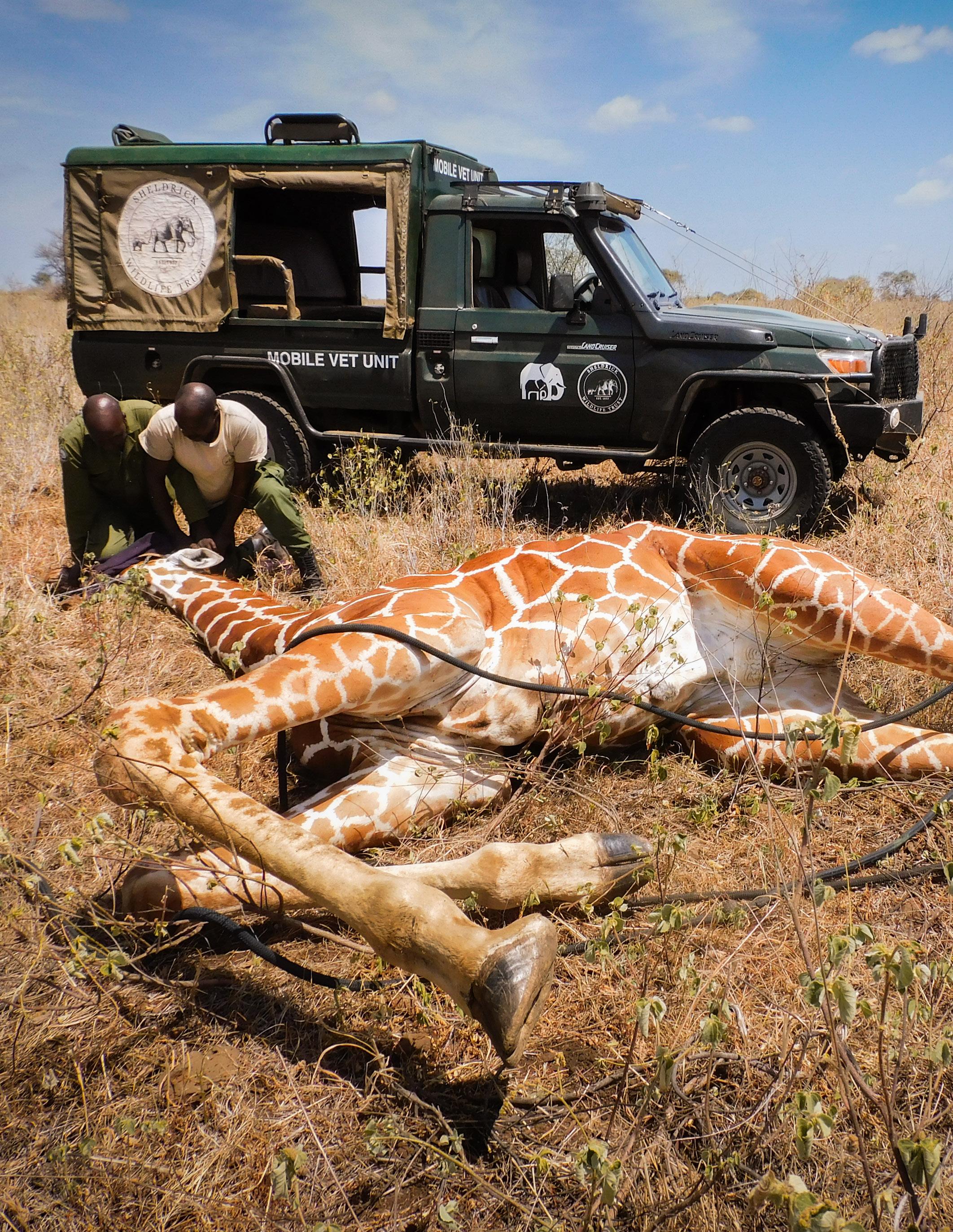
As habitat loss, human-wildlife conflict, climate change, poaching, and other manmade and natural challenges take their toll, the Trust’s Mobile Veterinary Units are saving wild lives across Kenya. Led by Kenya Wildlife Service Field Veterinary Officers, the Trust’s seven Mobile Veterinary Units and Sky Vets provide rapid treatment to all manner of wild patients. Teams operate in the Tsavo, Mara, Meru, Amboseli, Mount Kenya, and Rift Valley ecosystems — regions that support some of Kenya’s most significant wildlife populations — while its aerial initiative, Sky Vets, allows vets to access emergencies in remote locations. Since inception, the teams have attended to over 15,000 cases, including more than 4,000 elephants.
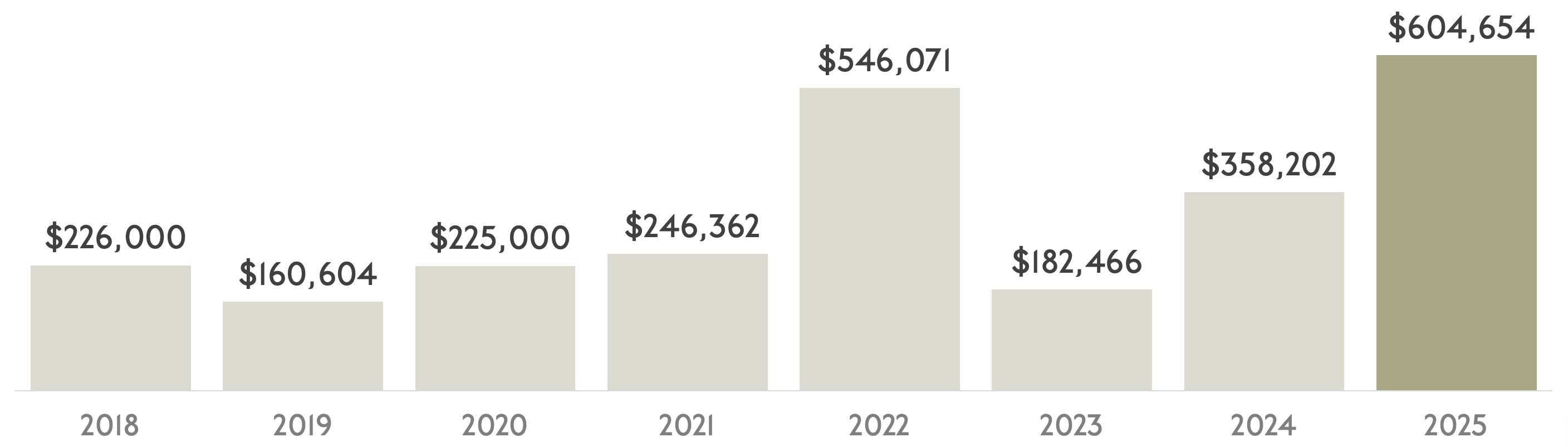
in the 2025 fiscal year, swt usa grants contributed $604,654 to swt’s mobile veterinary units, totaling $3,321,974 in program support since 2013.
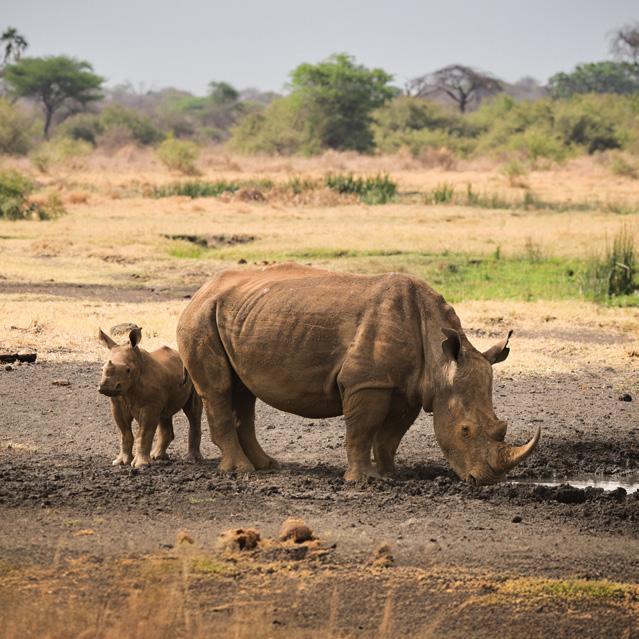
SWT USA helps the Trust’s Mobile Veterinary Units save more wild lives each year through a variety of grants. In 2025, grants funded the annual operating costs of three Mobile Veterinary Units: Meru, Amboseli, and Rift Valley. These teams cover key ecosystems across Kenya: Meru is a sanctuary for Kenya’s white and black rhinos; Amboseli is a dynamic ecosystem celebrated for its tuskers; and the Rift Valley is a spectacularly diverse habitat, home to a wide array of wildlife. This year, SWT USA funded the purchase of a vet vehicle for the new Southern Mobile Vet Unit and critical program supplies, including equipment for rhino treatments. Grants also funded the construction of a new veterinary headquarters in Nanyuki, ensuring state-of-the-art care in this important landscape.
8
swt/kws mobile vet units & sky vets
17 major ecosystems covered across kenya
1,474 animals attended to in 2025
15,119 animals attended to since inception
SWT USA SUPPORT for SWT MOBILE VETERINARY UNITS
HABITAT PRESERVATION
safeguarding wild spaces across kenya
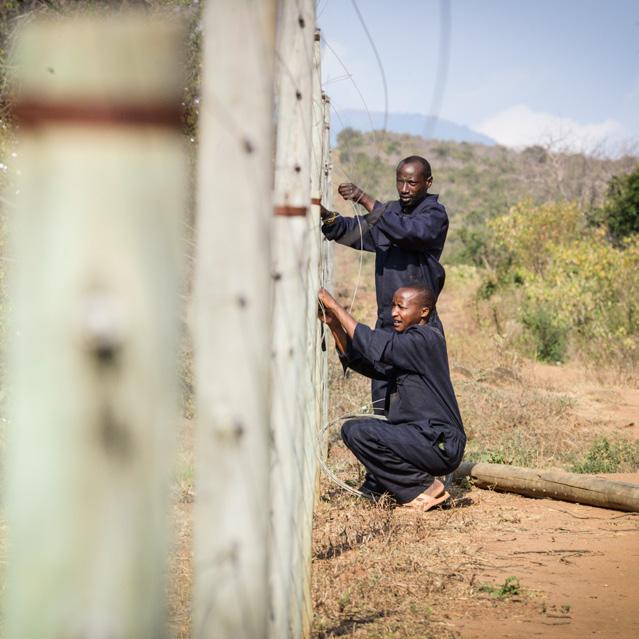
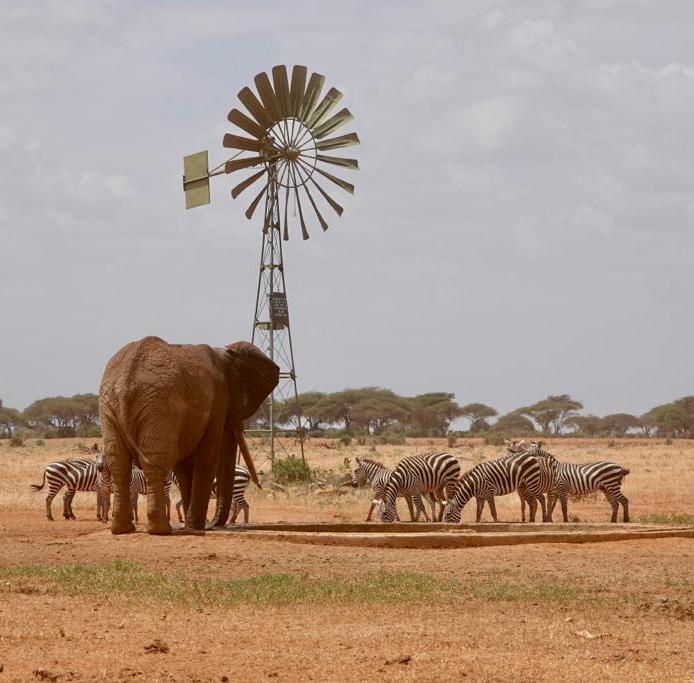
Habitat loss has emerged as the greatest threat to conservation, as the human footprint continues to expand and wild spaces shrink at an alarming rate. The Trust works with government and community partners to protect and manage endangered ecosystems across Kenya. It has erected over 330 miles of fencelines along key habitats, creating ‘wild borders’ that protect both wildlife and the communities living alongside them. Its water projects provide a lifeline in arid and increasingly drought-stricken regions, while its extensive reforestation efforts rewild degraded areas across the country. With a focus on landscapes of ecological importance, the Trust’s cornerstone habitat preservation efforts span extensive initiatives in the Greater Tsavo Conservation Area — Kenya’s largest wilderness — along with Amu Ranch, Arabuko Sokoke Forest, Mau Forest, Maasai Mara, Meru Rhino Sanctuary, Mount Kenya, Mwaluganje Elephant Sanctuary, and the Shimba Hills.
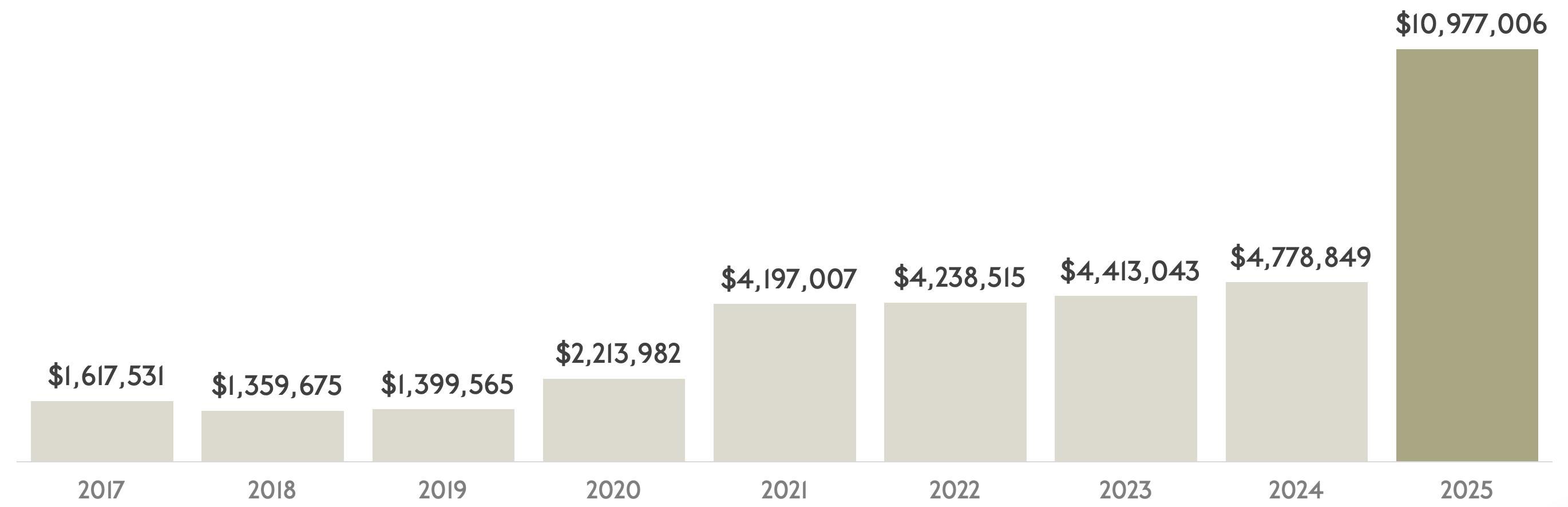
in the 2024 fiscal year, swt usa grants contributed $10,977,006 to swt’s saving habitats initiatives, totaling $39,739,774 in program support since 2007.
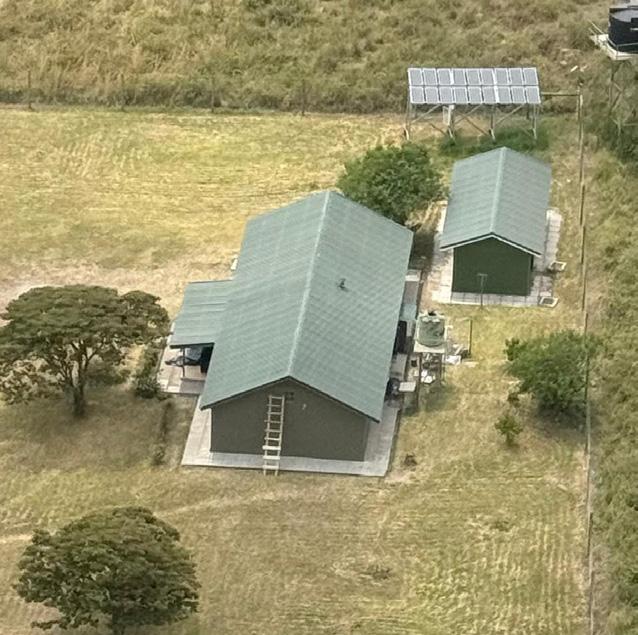
SWT USA furthers the Trust’s ambitious Saving Habitats initiatives through a variety of grants. 2025 saw a higher-thanaverage investment in the project, as one-time grants funded land acquisitions for habitat preservation. These grants included the purchase of three ecologically significant plots in Nanyuki, conservation fees for Galana and Kulalu Ranches, and a new ranger post in the Arabuko Sokoke Forest. In addition, SWT USA funded annual fenceline maintenance for ‘wild borders’, significant security upgrades to Meru Rhino Sanctuary, the purchase of ten Land Cruisers for field conservation work, key staff salaries, and Water for Wildlife infrastructure. Grants also supported the final phases of Rhino Valley, a new SWT Eco Lodge that will promote sustainable tourism in Tsavo West National Park.
2m acres protected with partners
63 boreholes providing water for wildlife
14m trees propogated for reforestation
330 miles of ‘wild border’ fencelines erected
SWT USA SUPPORT for HABITAT PRESERVATION
COMMUNITY OUTREACH
supporting kenyans living alongside wildlife
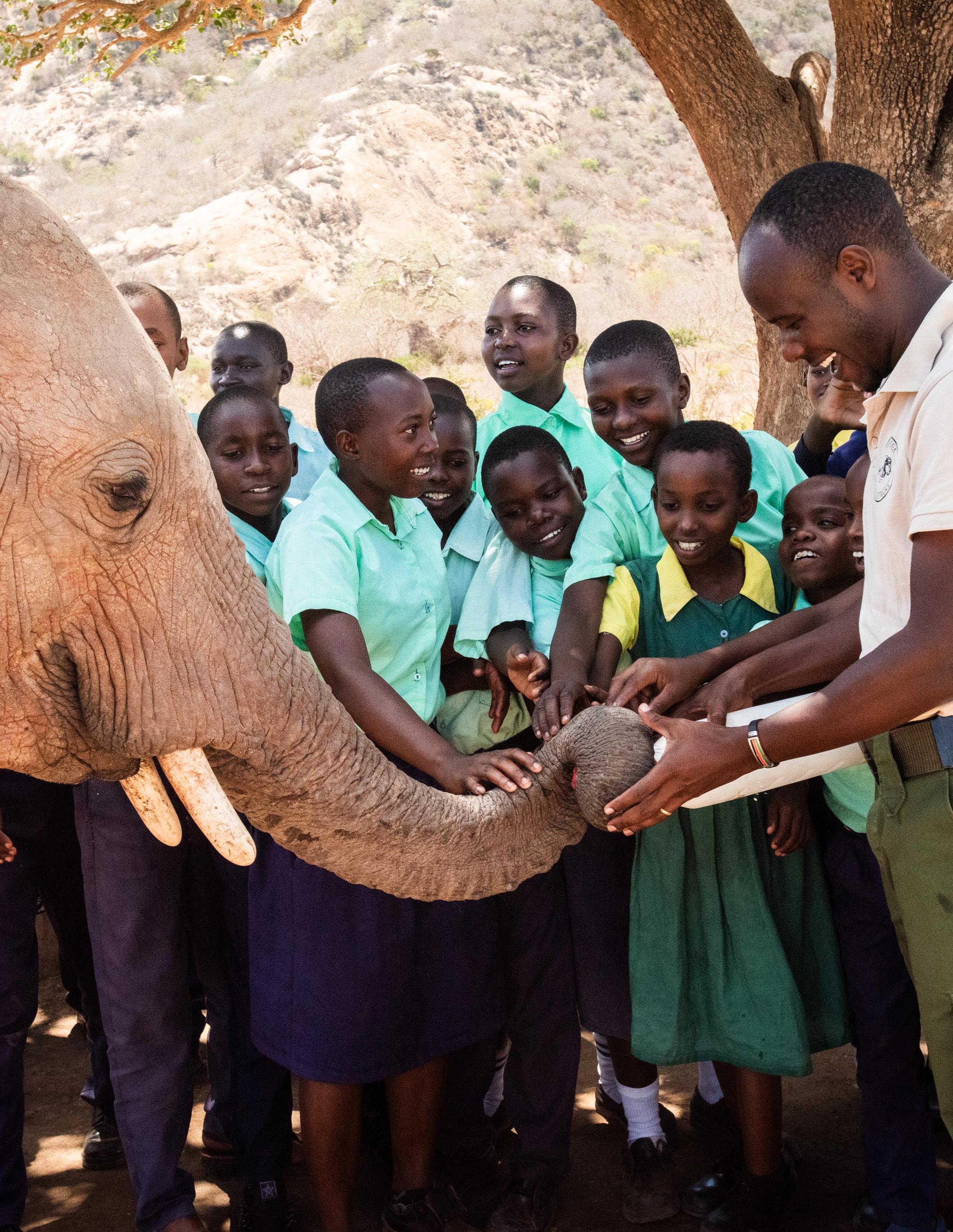
Just as the Trust is invested in the long-term welfare of Kenya’s wildlife, it is equally committed to its human neighbors. About 38 percent of rural-dwelling Kenyans live below the poverty line. Poor education, limited healthcare, and pervasive unemployment all contribute to a cycle of poverty. The Trust focuses its efforts on rural communities bordering Kenya’s national parks and protected areas, delivering conservation initiatives that also improve quality of life. This support takes the form of local employment opportunities, community hospital assistance, food distribution programs, education initiatives, and conservation solutions that benefit both people and wildlife. Great emphasis is placed on the next generation: The Trust funds school equipment donations, fully subsidized field trips into national parks, student scholarships, and a food distribution program that provides nutritious lunches to more than 14,600 rural schoolchildren.
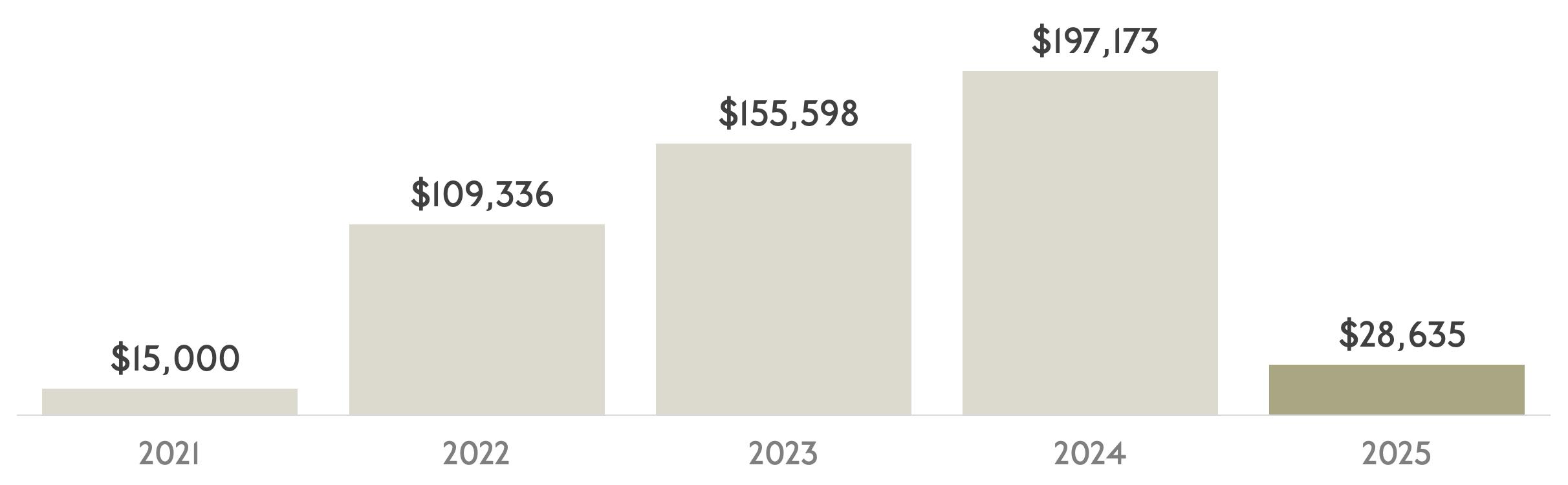
in the 2024 fiscal year, swt usa grants contributed $28,635 to swt’s community outreach initiatives, totaling $505,742 in program support since 2021.
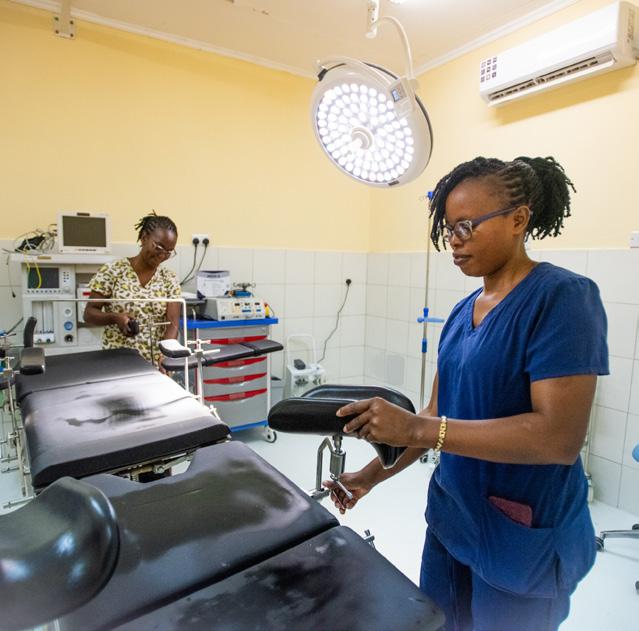
SWT USA’s annual grants support the Trust’s community outreach efforts across Kenya. While this program is largely funded by the Kenya charity, SWT USA’s contributions remain an important complement. In 2025, it built upon its previous two years of funding to equip community hospitals in the Tsavo area, this time for Kibwezi Medical Clinic. Located in the heart of the Tsavo Conservation Area, this community clinic serves as a crucial care center in a remote and underserved part of Kenya. SWT USA funded a comprehensive suite of equipment and supplies to ensure thorough medical care and a comfortable patient experience.
80 school field trips led each year
2 community hospitals fully equiptted
14,600 students given daily school lunch in 2025
380 elephants pushed off community land in 2025
SWT USA SUPPORT for COMMUNITY OUTREACH
SHELDRICK LODGES
furthering conservation through sustainable tourism
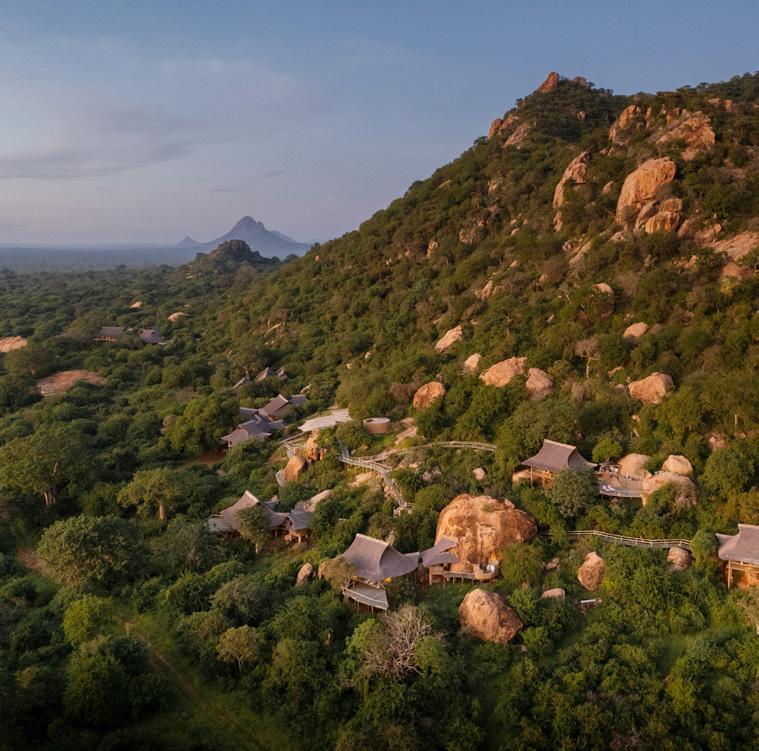
Sheldrick Lodges add a unique dimension to Sheldrick Wildlife Trust’s conservation projects, offering a private, bespoke safari experience for the conservation-minded traveler. Operated through a not-for-profit model, proceeds from the properties directly support conservation efforts in the surrounding areas. The portfolio includes three lodges in Ithumba, located in the remote northern sector of Tsavo East; two on the Galana River, a favorite destination for iconic wildlife sightings in Tsavo East; and one in the Kibwezi Forest, a peaceful groundwater forest bordering the Chyulu Hills. Rhino Valley, a new lodge based in Tsavo West National Park, is in its final phase of construction. Sheldrick Lodges represented Africa on The New York Times “52 Places to Go” list.
ithumba hill
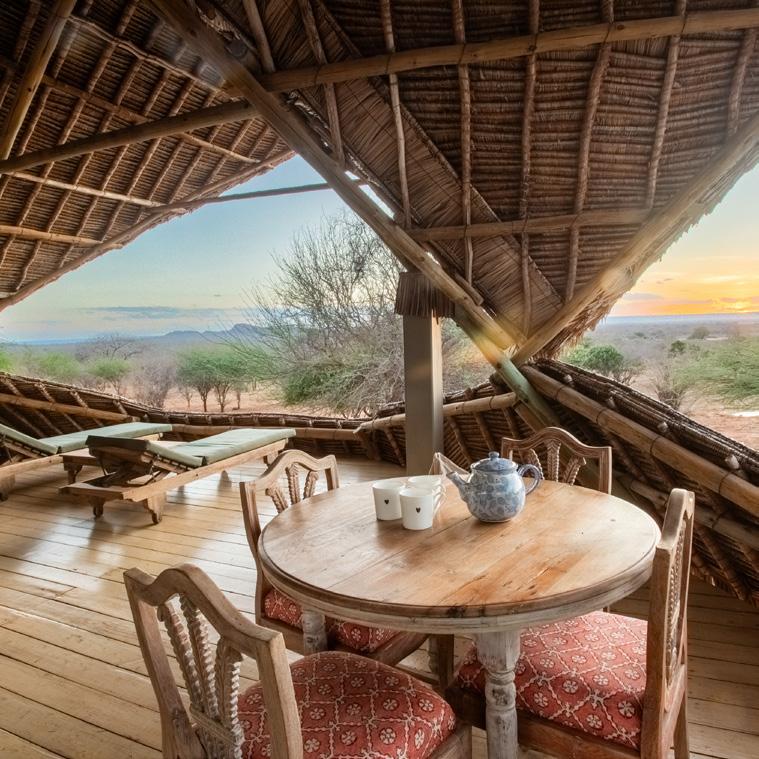
A luxurious tented camp built into the hill that earned it its name. Designed with the discerning traveller in mind, this camp offers panoramic views of Tsavo’s rugged wilderness.
ithumba private
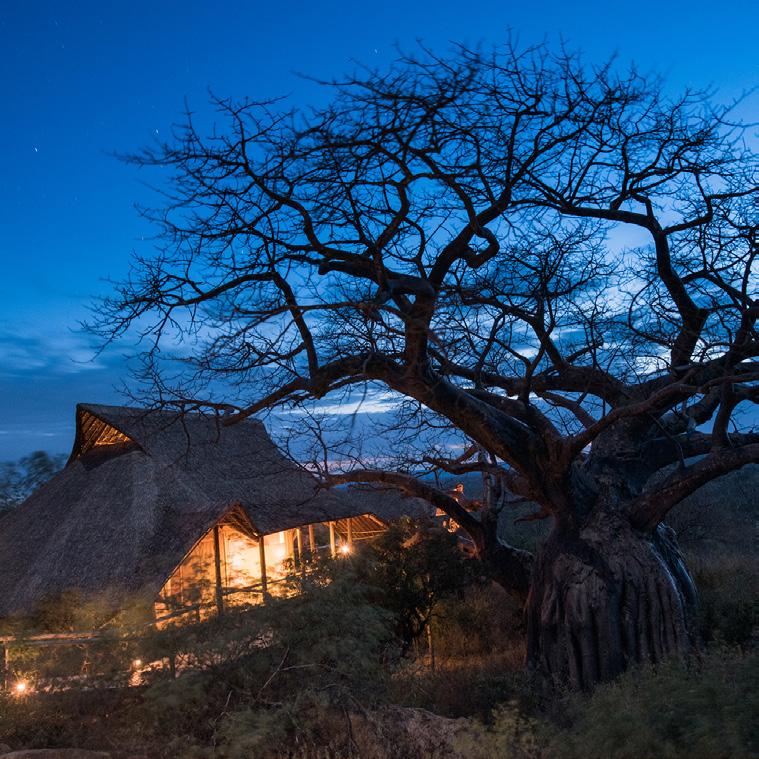
A special annex to Ithumba Hill. Built among the rocks of Ithumba Hill and shaded by giant baobabs, this hideaway offers an intimate oasis within the vast wilderness of Tsavo.
ithumba camp
A stylish hideaway set at the base of Ithumba Hill. It is designed for the intrepid traveller who relishes big skies, star-studded nights, and an array of species at your doorstep.
rhino valley
Opening soon
galdessa camp
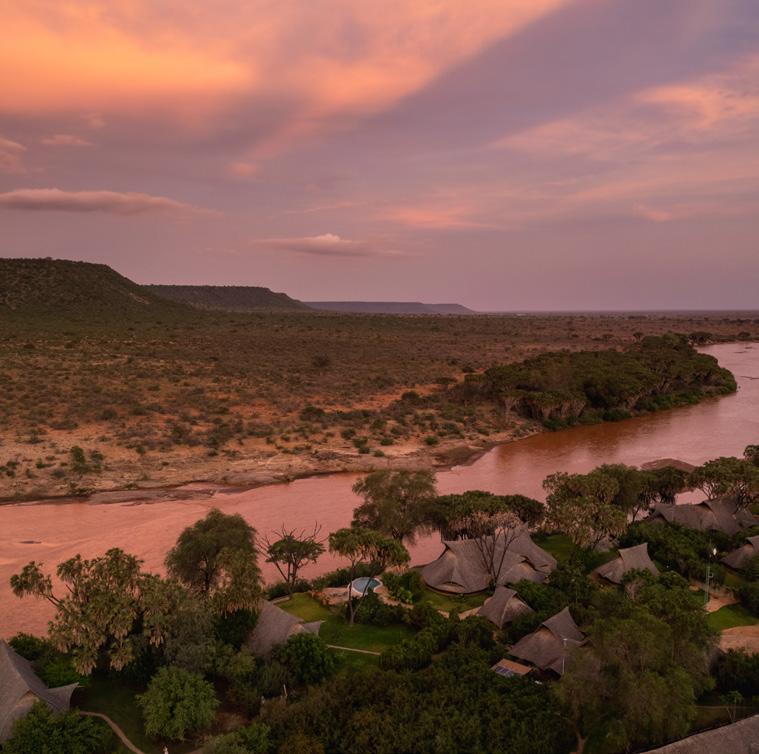
An enchanting camp set in the heart of the Galana River. Wildlife abounds in this section of Tsavo, from elephants meandering along the shore to hippos wallowing in the river below.
galdessa little
An intimate annex perched on the banks of the Galana River. Fringed with doum palms and overlooking the Yatta Plateau, the camp promises unparalleled wildlife sightings.
umani springs
An elegant African lodge tucked within the Kibwezi Forest. It offers an oasis of tranquility and comfort, surrounded by birds, butterflies, and other wild creatures.
SWT USA FINANCIAL SUMMARY
SWT USA is committed to ensuring that as much of every dollar contributed goes directly to the Trust’s field-based conservation programs. We are proud to report that in the 2025-26 fiscal year, more than 96 cents of every dollar supported the Trust’s core conservation efforts
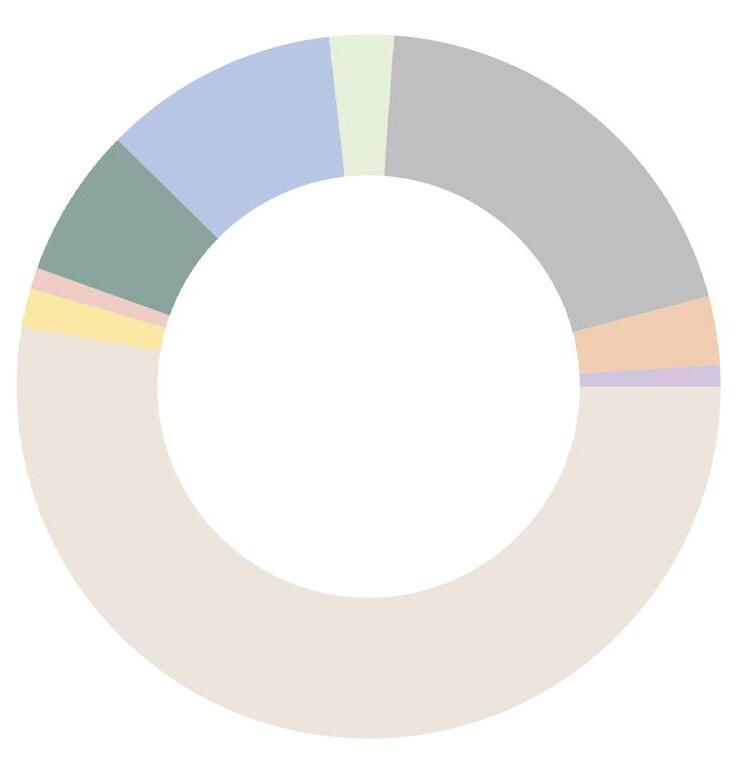
analysis of expenditure • 2025 fiscal year
mobile vets (3%)
anti-poaching (11%)
aerial unit (7%)
community support (<1%)
orphans’ project (1.8%)
general field & program support (20%)
habitat preservation (53.5%)
swt usa expense ratio
analysis of expenditure • 2025-26 fiscal year
INCOME
Contributions
Refunded Grants
Other Income
Merchandise Profit
Total Revenue EXPENSES
Expenses $18,964,566 $630,984 $36,734 $19,632,284
SWT USA takes great pride in its transparency and commitment to financial integrity. For more than ten years, it has been awarded top accreditations from the leading charity assessment organizations in the United States.
EDUCATION AND OUTREACH
13,182
U.S. students engaged through SWT USA education programs
482
Girl Scouts earned SWT-related badge
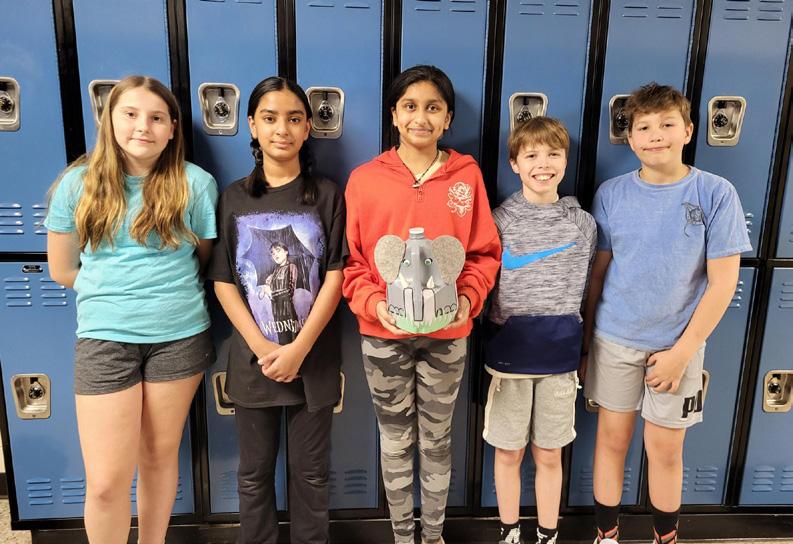
193 SWT education programs given to schools across U.S.
To learn more or book an SWT USA education program, please get in touch.
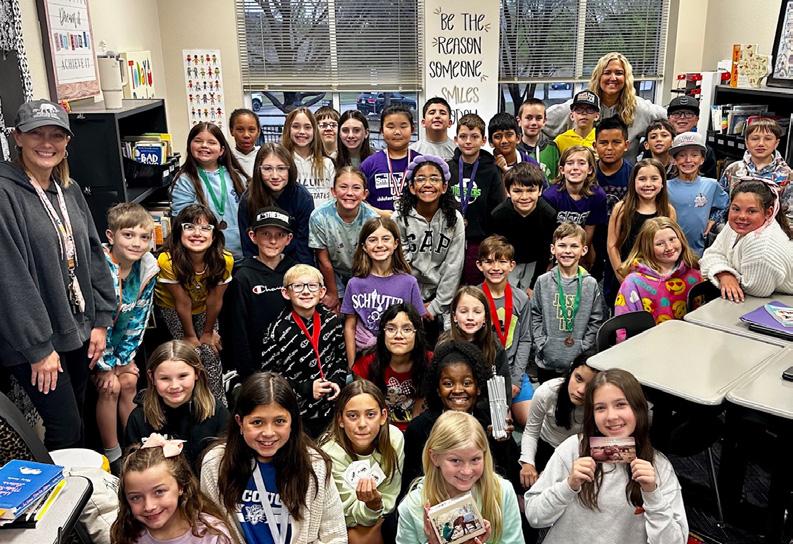
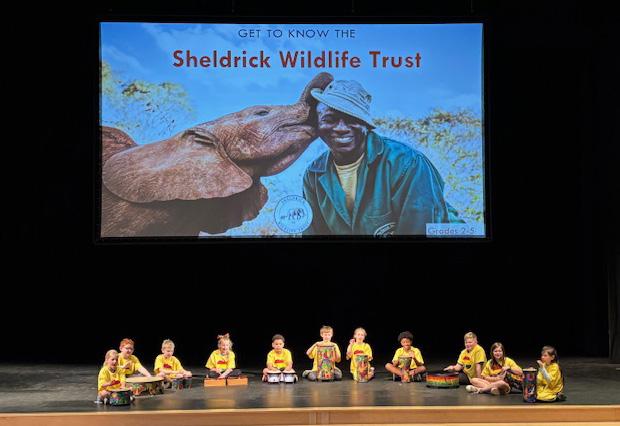
SWT USA Education Programs are committed to connecting children with elephants and fostering the next generation of conservationists. Offerings include:
• Education Program: Through interactive classroom lessons, we teach students about the importance of wildlife conservation and the critical role African elephants play in our ecosystem.
• Girl Scouts Patch Program: Partnering with the Girl Scouts of America, we’ve developed an all-inclusive, badgeconnected education program that provides hands-on, skill-based activities and advocacy ideas for Girl Scouts.
• Change for Elephants Fundraiser: By collecting spare change, students support orphaned elephants in Africa while gaining a fun, hands-on advocacy experience. A special fundraising kit is provided to help them get started.
Email: Call: 949-305-3785
education@sheldrickwildlifetrust.org
Learn: www.sheldrickwildlifetrust.org or scan the qr code
SOCIAL MEDIA SNAPSHOT
STATESIDE SUPPORT FOR SWT
Your contributions enable SWT USA to provide growing financial support to the Sheldrick Wildlife Trust and its life-saving programs. When you make a gift to SWT USA, you make a meaningful impact on wildlife conservation. Here are just a few of the many ways you can help:
making a gift of stocks
SWT USA gratefully accepts gifts of stock and other non-cash assets. Please contact us at infous@sheldrickwildlifetrust.org for transfer information.
making a planned gift to swt usa
Leave a legacy of conservation through planned giving. There are many ways to support the Sheldrick Wildlife Trust through Sheldrick Wildlife Trust USA. This type of support benefits you and your loved ones while helping ensure that Kenya’s elephants and wildlife remain protected for generations to come. Many planned gifts are flexible and can be adjusted, offering peace of mind if your circumstances change. When made through Sheldrick Wildlife Trust USA, a registered 501(c) (3) nonprofit, your gift may also offer additional tax benefits.
bequest by will or revocable trust
You may designate Sheldrick Wildlife Trust USA as the beneficiary of a specific amount, asset, or percentage of your estate through your Will or Revocable Trust. While you won’t receive tax benefits during your lifetime, your estate may be eligible for income and estate tax charitable deductions for the testamentary bequest to SWT USA. Sample language to share with your attorney:
I give and devise to Sheldrick Wildlife Trust USA, Inc. (Tax ID #30-0224549), located in Laguna Hills, CA the sum of $__________ (or %) to be used for its general support (or for the support of a specific program).
shop to support
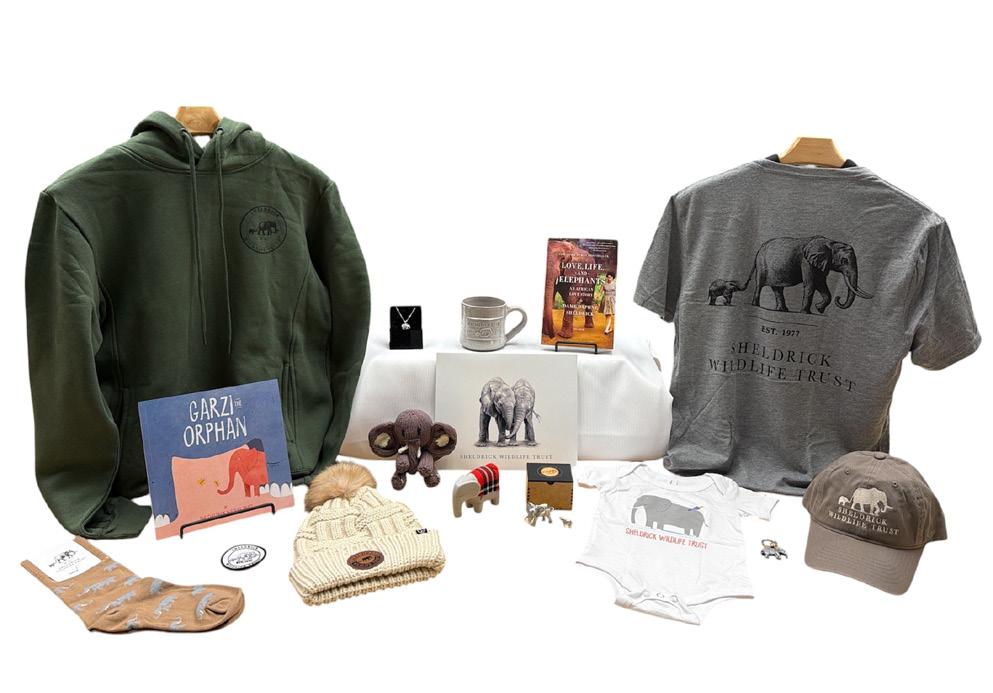
The SWT USA Online Shop represents another meaningful revenue stream to further impact in the field. Its inventory includes Trustbranded merchandise, items responsibly made in Kenya, and gifts for elephant lovers of all ages. 100% of proceeds support SWT USA programs, which help fund the Trust’s conservation projects in Kenya.