We are thrilled to introduce the dedicated individuals stepping into leadership roles to guide the Linn Genealogical Society as we continue our "hunt" for history! Please join us in welcoming our new 2026 Board of Directors:
Co-Presidents
Elizabeth Rapp & Susan Messersmith
Vice President
Dulca Bailey
Treasurer
David Devin
Secretary
Mike Ransom
PRESIDENT’S MESSAGE
Co-President
2026 MONTHLY MEETINGS
Albany Regional Museum
136 Lyon St S, Albany 97321
First Saturday, monthly at 1:00 PM
March 7th
September 12th
Staring outside on a foggy morning in west Albany I’m grateful knowing there is sunshine above the fog that surrounds us Sometimes that is the way I feel when I am concerned about membership involvement at Linn Genealogical Society However, I look at the list of amazing individuals who volunteer with us time after time to keep our organization running. Today I want to recognize and thank David, Susan, Dulca, Mike, Edward, Gina, Christie, Cathy, Colleen, Bev, Stephanie, and Bill for the many, many hours they put in each month to keep us alive. They are the heartbeat of Linn Genealogical Society
We have been hearing a lot about AI and its place in genealogical and historical research I admit I’ve been a little awed by the capabilities of AI, yet fearful to actually give it a try So, I began educating myself to conquer my fear. I sat in on Zoom classes through German Genealogy Group, Your DNA Guide and Legacy Tree Genealogists I listened to presentations and interviews with Lisa Louise Cook, Kristin Britanik, Diahann Southard and Sara Cochran and even watched a Thomas MacEntee’s presentation again I’ve truly enjoyed dabbling in AI with my genElizabeth Rapp
page 2
April 4th
May 2nd
October 3rd
November 7th
December 5th
ealogy and having some amazing successes
Today, though, I’m sharing a word of caution from my personal experience When you ask questions within an AI platform, review the response critically. Before you get excited about your new discovery and add it to your family tree or biographical writings, pause a moment and think about the information you have unco th AI. Verify it and ASK IF IT IS REAL before you believe it.
GEBBEN
continued pg 3
claire claire
The Tale of Two Scotlands (Scots/Irish)
February 7th at 1:00 pm
Did your ancestors hail from the rugged Highlands, the industrial Lowlands, or the "third Scotland" of the Scots-Irish? This presentation explores the distinct cultures, histories, and languages of these three groups. Join us to discover why they left, where they settled in North America, and essential tips for tracing your Scottish genealogy.
UNLOCKING THE PAST: STATE-LEVEL SECRETS OF CIVIL WAR RESEARCH
by Stephanie Date
When researching ancestors who served in the Civil War, many genealogists start and sometimes end with federal records However, some of the most rich and revealing details are actually held at the state level While the National Archives houses federal service records, it is the individual states that often provide the most personal glimpses into the lives of the men in blue and gray
WHY STATE RECORDS MATTER
A crucial distinction for researchers is that while the federal government handled Union pensions, Confederate pensions were issued by the seceding states. This means that for those with Southern ancestry, state archives are not just a backup they are the primary source for pension applications, which often include medical details, family affidavits, and proof of residence.
Even for Northern ancestors, state records like the Pennsylvania State Archives' Card File can provide physical descriptions (complexion, hair, and eye color) that aren't always found in federal files
PRESIDENT’S MESSAGE
Recently I researched abolition activities in Linn County and went to AI see what I could learn I provided a few names and places and asked AI for help Amazingly, it came with people, places and events. I was thrilled because I recognized the people and the places, but had never heard of the events. I asked for more details and even received a response directing me to a newspaper article in a specific publication on a specific date Of course, I searched the newspaper from four different sites and could find nothing Then I headed to Linn County Courthouse for help with old court cases and contacted my acquaintance at The Oregon Historical Society. A week passed with each individual spending their valuable time trying to assist me No one could find any further details or anything that validated the information AI had supplied
With that lack of response, I copied the original AI response to my query into AI again, and I asked if the AI response was real or made up The answer came up that “the response was created to answer your questions, but there is no proof the events actually occurred”! I was furious I was furious at AI for wasting my time and sending me and others on a wild goose chase. I was furious at myself for being so gullible! But I DID LEARN from the experience and will always now ask AI “Is this fact or fiction ?” about any AI query
Happy researching!
3 continued on page 4
DIGITAL PORTALS: TOP STATE RESOURCES
Many states have digitized their unique collections, making it easier than ever to search from home Here are some of the standout digital archives:
Alabama & Arkansas: Explore massive service card files and unique "reunion registrations" or veteran questionnaires from the early 20th century
Illinois & Indiana: These states offer searchable databases for hundreds of thousands of Union soldiers, including downloadable regimental histories
Tennessee: Their pension forms are a genealogical goldmine, often listing the veteran’s place of birth and the number of living children
Texas & Florida: Search tens of thousands of pension applications from veterans and widows
Wisconsin: Beyond military rosters, Wisconsin offers state-specific veterans' censuses from 1885, 1895, and 1905
RESEARCHING YOUR CIVIL WAR ANCESTORS
The American Civil War remains one of the most documented events in our nation's history For the genealogist, this is a double-edged sword: there is a wealth of information available, but the sheer volume of records can be overwhelming To move beyond a simple name on a tombstone, researchers must learn to navigate a complex web of
page 4
THE "GOLDEN KEY": THE MILITARY UNIT
Before you can dive into the deep archives, you must identify your ancestor’s specific military unit (e g , Co K, 20th Maine Infantry). Without this, your search in the National Archives will likely stall
One place to start is the National Park Service’s Civil War Soldiers & Sailors System (CWSS) This free, searchable database of over 6 2 million names provides the basic "index" for nearly everyone who served Once you have a unit, you can unlock regimental histories that tell you exactly where your ancestor was and what they faced during the conflict.
THE BIG TWO: SERVICE RECORDS VS. PENSION FILES
In Civil War research, there are two distinct types of "files" you should hunt for:
Compiled Military Service Records (CMSR): These are the "administrative" records They consist of cards showing when your ancestor was present for muster, if they were in the hospital, or if they were captured as a prisoner of war. Think of this as the official log of their military career
Pension Files: These are the "biographical goldmines " When a veteran (or their widow/minor children) applied for a pension, they had to prove their identity and service These files often contain original marriage certificates, affidavits from neighbors, medical descriptions, and even pages from family Bibles.
continued on page 5
DEEPER: THE STATE LEVEL
As highlighted in our list of state resources, individual states often kept records that the federal government ignored
Physical Descriptions: State card files (like those in Pennsylvania or New Jersey) frequently list height, hair color, and eye color details that help you "see" an ancestor for the first time.
1890 Veterans Schedule: While most of the 1890 Federal Census was destroyed by fire, a large portion of the special schedule for Union veterans survived It is a vital tool for locating veterans or their widows late in the 19th century.
The "Confederate Home" Records: Many Southern states established homes for disabled or indigent veterans Records from these institutions (found in states like Arkansas or Tennessee) often provide a poignant look at a veteran's final years
The Society holds monthly program meetings September through May Meetings are on the first Saturday of the month at 1:00 pm, open to the public, in the meeting room at Albany Regional Museum, 136 Lyon St SW, Albany, 97321. [also available via Zoom]
LGS is not part of the Albany Regional Museum. We are guests of the museum
LGS board meetings are held the third Thursday, six times a year in Jan , Mar , May, Aug , Oct , & Dec at 1:00 pm and are open to the public [also available via Zoom ]
2026 COMMITTEES
Membership: David Devin, devindaca@hotmail com
RECIPE ON PAGE 9
Website Coordinator: David Devin, devindaca@hotmail com
Newsletter Editor: Stephanie Date datewithgenealogy@gmail com
Librarian: Susan Messersmith messersp@comcast.net
page 5
SPEAKER
CLAIRE GEBBEN April
MAR 07 1:00 PM
THE TALE OF TWO SCOTLANDS (Scots/Irish)
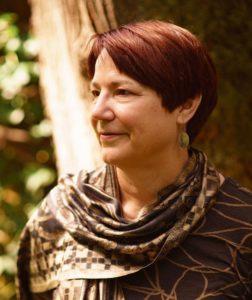
Claire Gebben is a public speaker and educator specializing in family history, German genealogy, and 19th-century migration
She is the author of the award-winning novel The Last of the Blacksmiths, based on her ancestor’s journey from Germany to Cleveland, and her memoir How We Survive Here, which tracks her transatlantic quest to uncover 19th-century family letters. Her memoir was a finalist in the 2019 Next Generation Indie Book Awards.
A Cleveland native of German and Scottish descent, Claire holds an MFA in Creative Writing from the Northwest Institute of Literary Arts. Her work has been featured in German Life magazine and Your Genealogy Today. An adventurer at heart, she enjoys hiking, bicycling, and the occasional session of blacksmithing
BATTLEFIELD NECESSITY
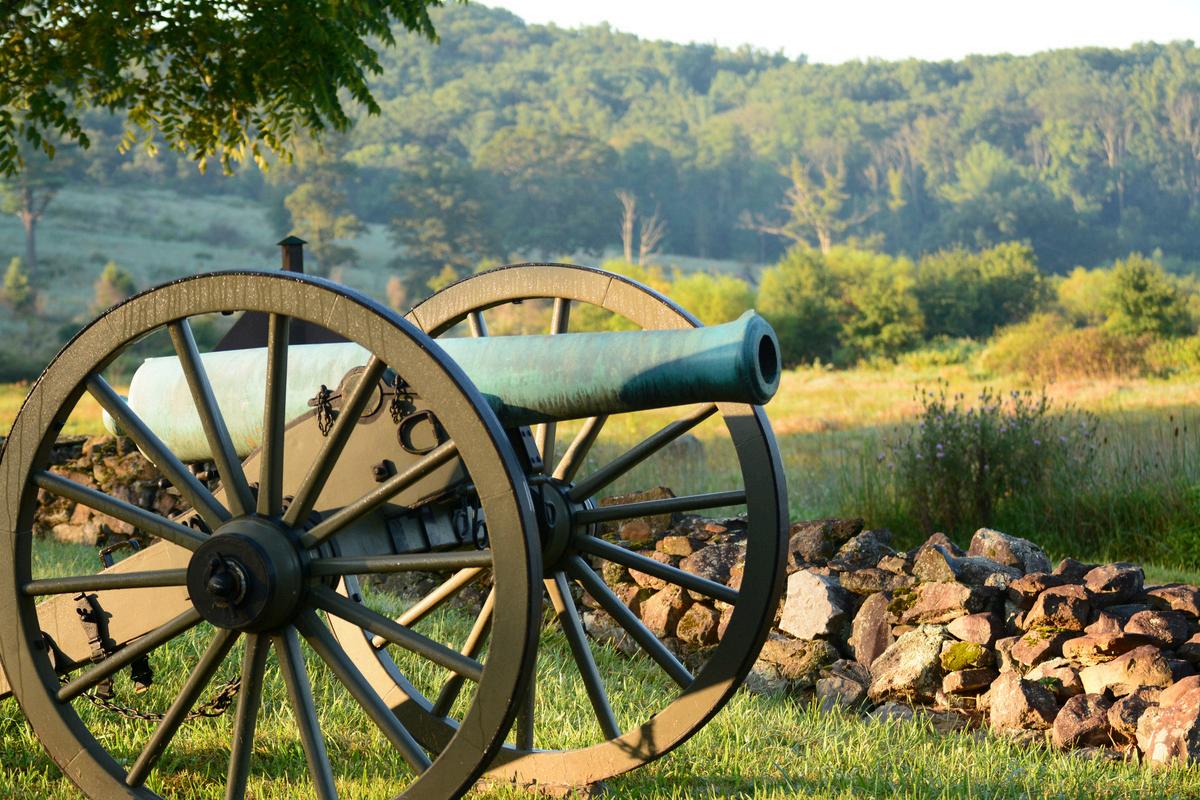
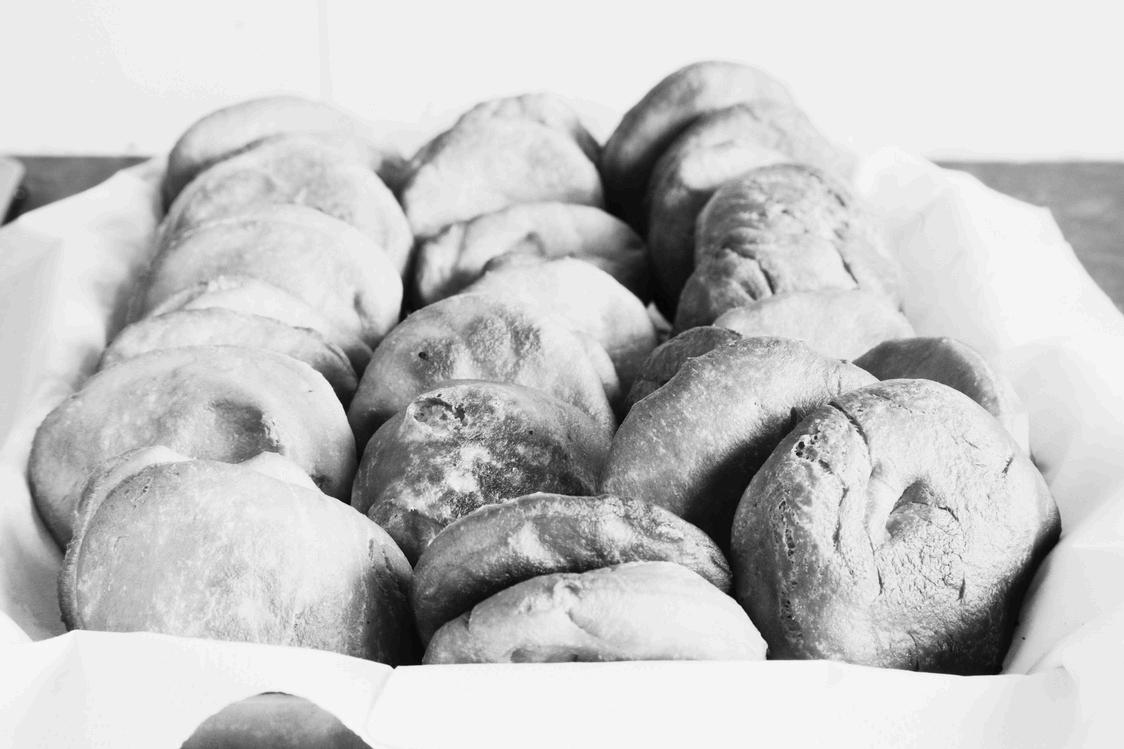
The history of the Johnny Cake is a mix of battlefield necessity, cultural blending, and a bit of a linguistic mystery While we think of them as a simple dish today, during Civil War, they were often the difference between a marched-out soldier and an exhausted one
THE NAME: A LINGUISTIC TUG-OF-WAR
Nobody is 100% sure where the name "Johnny Cake" came from, but historians have a few fun theories:
"Journey Cakes": Because they were hard, dry, and traveled well in a soldier's haversack without spoiling, they were originally called "journey cakes "
"Shawnee Cakes": Some believe the name was a corruption of "Shawnee cakes," as Native Americans taught early settlers how to use ground corn.
"Jonakin": An old English term for a thin wafer or cake
THE “HOE” CAKE LEGEND
You’ll often hear Johnny Cakes called Hoe Cakes The legend goes that enslaved people and soldiers who didn't have access to a proper kitchen would clean the metal blade of a garden hoe and prop it up over the fire to use as a makeshift griddle. While some historians argue this was more of a "last resort" than a daily habit, the name stuck as a symbol of wartime ingenuity
NORTH VS. SOUTH
While both sides ate them, the Johnny Cake was the "unofficial bread of the Confederacy."
In the South: Wheat was scarce because the Union blockade stopped imports, and many Southern wheat fields became battlefields Corn, however, grew everywhere Confederate soldiers lived on cornmeal, often mixing it with just water and a little salt.
In the North: Union soldiers usually had better access to Hardtack (the infamous flour-and-water "tooth-dullers") To them, a freshly fried Johnny Cake was considered a luxury or a treat they’d scavenge for while marching through Southern territory
A "Muck-it" (Mucket): A small tin pot for boiling coffee or water.
A Mess Pan: Often just a piece of sheet iron or a canteen that had been split in half to create two shallow bowls.
To make a Johnny Cake, a soldier would simply pour a little water into his handmixed cornmeal, pat it into a disc, and fry it in whatever fat was available usually leftover grease from a piece of salt pork
FUN FACT
If a soldier was in a hurry or under fire, he wouldn't even cook the dough He’d just mix the cornmeal and water into a paste and eat it raw to get the calories (I don't recommend trying that version at home!)
EDITOR’S NOTE - UNEARTHING THE PAST
by Stephanie Date
Piecing together the lives of Civil War ancestors is a lot like following a faint trail through a thick forest. It’s a "hunt" in the truest sense searching through grainy census records, blurred muster rolls, and handwritten pension files to find the humans behind the dates
The real joy of this research isn't just in the names and ranks, but in discovering the gritty, everyday reality of their lives We often picture them in stiff poses for daguerreotypes, but through their journals, we find they were more likely sitting by a fire, nursing a burnt Johnny Cake and complaining about their rations Understanding what they ate, how they joked, and what they endured transforms them from flat historical figures into living, breathing family members
As a reminder of the "gourmet" challenges our ancestors faced in the field, here is one of the most famous accounts of the soldier’s diet:
The "Worm Castle" Problem
From the journals of John D. Billings, 10th Massachusetts Volunteer Artillery "Eaten in the dark, no one could tell the difference between it and hardtack that was untenanted It was no uncommon occurrence for a man to find the surface of his pot of coffee swimming with weevils but they were easily skimmed off, and left no distinctive flavor behind "
The hunt for information continues, but with every record found and every recipe recreated, the gap between their century and ours grows a little smaller.
Happy hunting!
page 8
CIVIL WAR JOHNNY CAKES
Ingredients
2 cups Cornmeal (yellow or white)
1 tsp Salt
1 tbsp Molasses (or honey/maple syrup if you're a "fancy" Union officer)
2 tbsp Butter (melted) or lard
3/4 cup Boiling water (add a little more if the dough is too crumbly)
Bacon grease (or oil) for frying
Mix the Base: In a large bowl, stir together the cornmeal and salt.
Add the Liquid: Pour in the boiling water, melted butter, and molasses Stir until it forms a thick, stiff dough. It should be pliable enough to shape with your hands, not runny like pancake batter
Shape: Scoop out a golf-ball-sized portion and flatten it into a patty about 1/2 inch thick.
Fry: Heat your bacon grease or oil in a skillet over medium heat Fry the cakes for about 3–4 minutes per side until they have a golden-brown, crispy crust.
Serve: Eat them hot! In the 1860s, they’d be served with salt pork; today, they’re excellent with a drizzle of maple syrup or a pat of butter.
Share your family recipe or food memory: Send in your family recipe or memory to be shared in a future issue