


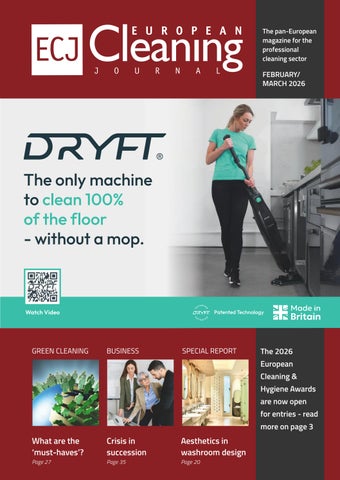
FEBRUARY/ MARCH 2026


The pan-European magazine for the professional cleaning sector The 2026 European Cleaning & Hygiene Awards are now open for entries - read more on page 3
FEBRUARY/ MARCH 2026
The pan-European magazine for the professional cleaning sector The 2026 European Cleaning & Hygiene Awards are now open for entries - read more on page 3
35 Succession plight
Hartley Milner on Europe’s SMEs are facing a succession crisis - prompting new fixes.

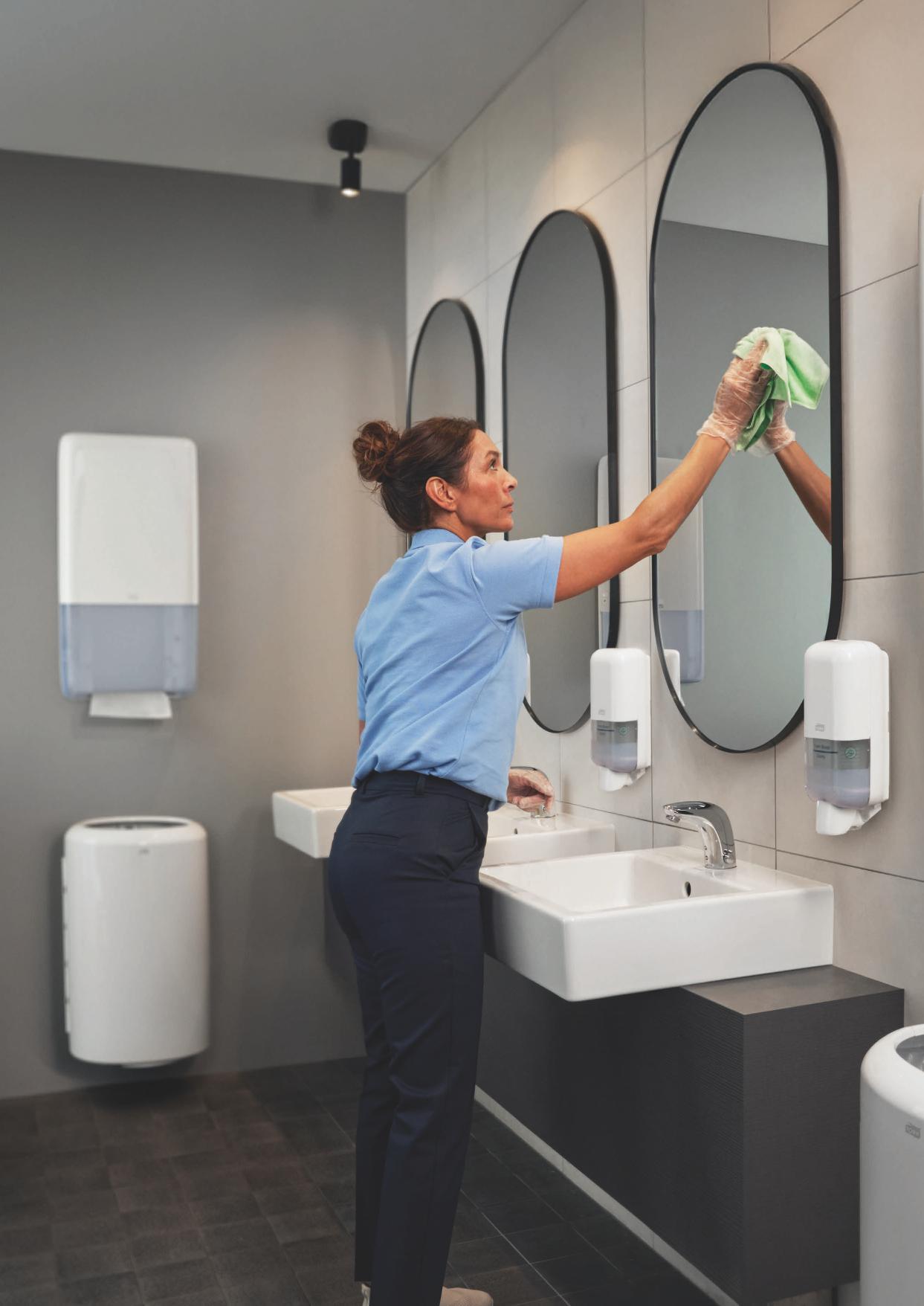
How important are aesthetics in away-from-home washroom design?

What are the top priorities for businesses when it comes to sustainability?
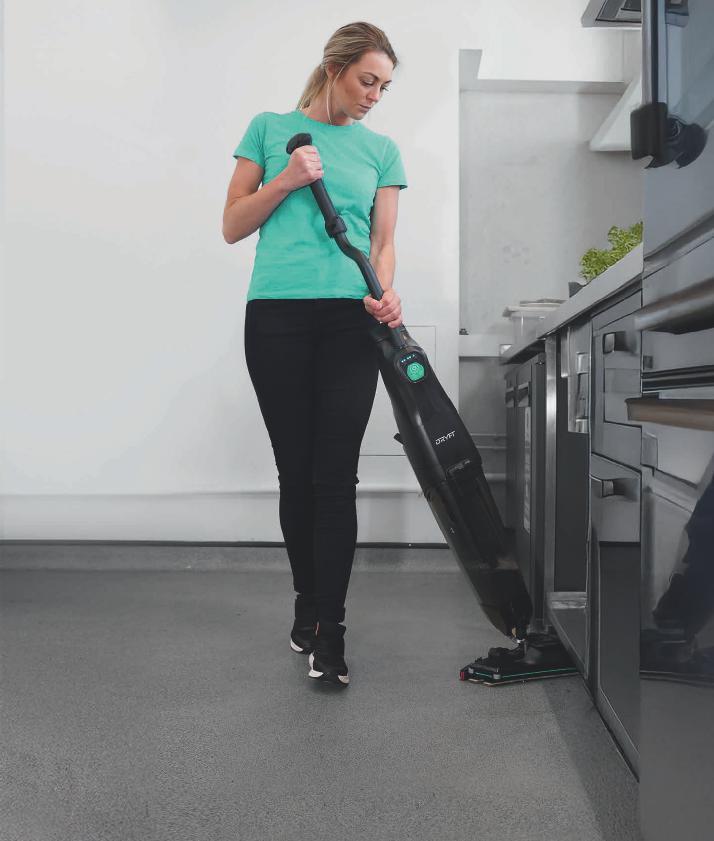
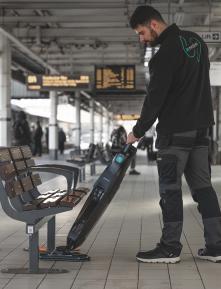
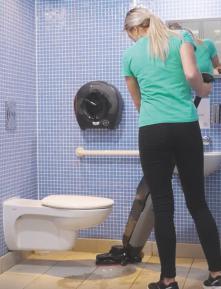
How important are the look, feel and sound of a scrubber dryer?
Criterion Publishing Ltd
Castle House, 89 High Street
Berkhamsted HP4 2DF, UK
T +44 (0)1494 791222
F +44 (0)1494 792223
info@europeancleaningjournal.com www. europeancleaningjournal.com
Subscriptions
UK - £60 / Continental Europe - £70 /
International - £80
Editor Michelle Marshall
Features Writer Ann Laffeaty
Advertisement director
Chris Godman
Advertisement sales executive
Laura Bell
Circulation Marie Payne
Italy, Spain & Switzerland Fabio Potesta Mediapoint & Communications
Corte Lambruschini, Corso Buenos Aires, 8 V0 Piano, Interno 7 16129 Genova, Italy
T +39 010 570 4948
F +39 010 553 0088 info@mediapointsrl.it www. mediapointsrl.it







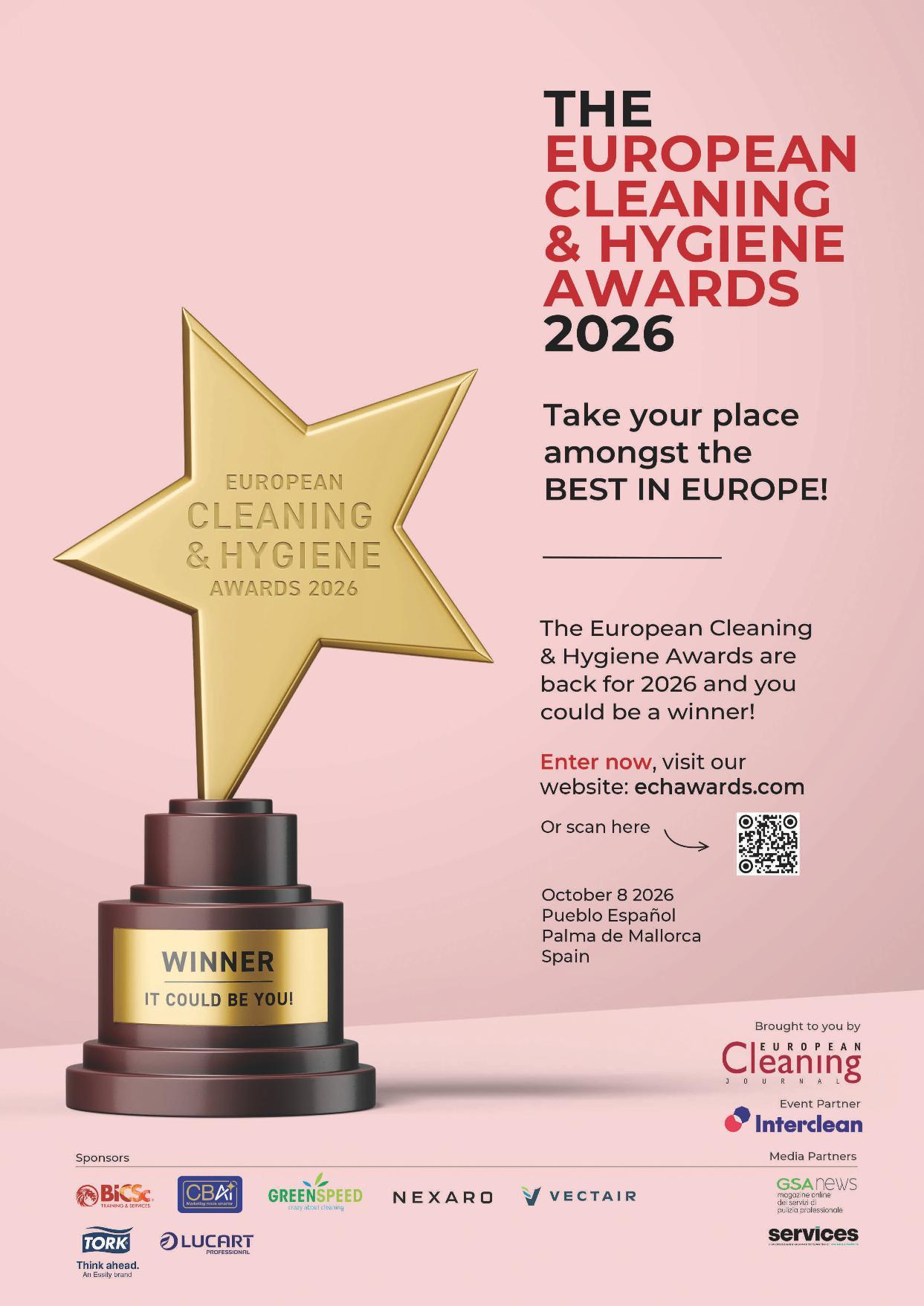
The European Cleaning & Hygiene Awards are officially open for entries for 2026, once again inviting professionals from across the cleaning and hygiene sector to put forward their achievements for industry-wide recognition.
Founded and organised by European Cleaning Journal (ECJ), the awards are now entering their ninth year. They have now firmly established themselves as one of the most respected benchmarks of excellence in the European cleaning and hygiene industry. Service providers, manufacturers, distributors and individuals are encouraged to submit nominations celebrating innovation, leadership, sustainability and best practice from the past year.
The European Cleaning & Hygiene Awards 2026 will recognise excellence across the following 11 categories:
• Digital Transformation
• Investment in Training and People Development
• Excellence in Client/ Contractor Partnerships
• Sustainability - Best Practice (Service Provider)
• Sustainability - Best Practice (Manufacturer)
• Commitment to Diversity in the Workforce
• Best Initiative Raising the Profile of the Cleaning Sector
• Technological Innovation of the Year
• Leader of the Year
• Rising Star Award
• Best Company to Work For New partnership
New for 2026, Interclean Amsterdam has been confirmed as as Event Partner. This
collaboration brings together two of the most respected platforms in the global cleaning and hygiene industry, combining reach, expertise and a shared ambition to champion excellence, progress and professionalism across the sector.
The partnership strengthens the awards’ pan-European and international profile, reinforcing their role in recognising the organisations and individuals shaping the future of professional cleaning and hygiene.
ECJ editor Michelle Marshall said: “Each year the European Cleaning & Hygiene Awards showcase the innovation, professionalism and impact of our industry across Europe. We look forward to reading your entries and hearing about your achievements over the coming months.”
How to enter
Companies and individuals are invited to submit their nominations for the awards through the official website at www.echawards.com. The deadline is May 1 2026.
Follow ECJ’s LinkedIn page for updates, tips and more.
Awards ceremony
The European Cleaning & Hygiene Awards 2026 gala dinner will take place on Thursday October 8 this year at Pueblo Español in Palma de Mallorca. Set within an architectural showcase inspired by Spain’s most iconic towns and monuments, the venue provides a striking backdrop for a night of celebration. Visit echawards.com/enter
February 18-19
The Manchester Cleaning Show Manchester, UK cleaningshow.co.uk/manchester
March 10-12
CleanTech Expo Warsaw, Poland cleantechexpo.pl
March 31-April 3
China Clean Expo Shanghai, China www.chinacleanexpo.com
April 14-17
Interclean Amsterdam Amsterdam, Netherlands www.intercleanshow.com
October 8
European Cleaning & Hygiene Awards Palma de Mallorca, Spain www.echawards.com
October 13-15
Cleantex Africa
Johannesburg, South Africa cleantex.co.za
October 28-30
Interclean Shanghai Shanghai, China www.intercleanshow.com/china
November 16-19
ISSA North America Las Vegas, USA www.issa.com
March 16-18 2027
The Cleaning Show London, UK cleaningshow.co.uk/london
May 11-13 2027
ISSA Pulire Milan, Italy www.issapulire.com
September 21-24 2027
CMS Berlin Berlin, Germany www.cms-berlin.de
November 8-11 2027
ISSA North America Las Vegas, USA www.issa.com
To have your event included in the Events section, contact ECJ via email at: michelle@europeancleaningjournal.com
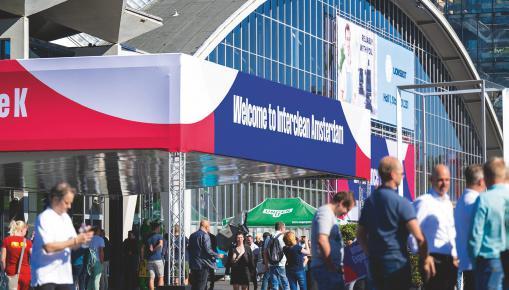
Europe’s largest exhibition for the professional cleaning sector - Interclean Amsterdam - will take place at RAI Amsterdam from April 14-17. And alongside the exhibition this year will be a host of new knowledge sessions, live demonstrations and experience centres.
Healthcare experience: In collaboration with Clean Hospitals, this area will focus on infection prevention, hygiene
standards and cleaning solutions for healthcare environments.
Hospitality experience: Developed in conjunction with the British Institute of Cleaning Science (BICSc). As well as hospitality cleaning, this area will focus on laundry & textile care, and pest control solutions.
Outdoor cleaning experience: Live outdoor demonstrations, including window cleaning.
Robot experience: A dedicated
zone for autonomous cleaning. Knowledge stages
There will be four dedicated knowledge stages addressing the people, practices and technologies shaping today’s cleaning sector. The Main Stage will, of course, be the setting for the opening ceremony of Interclean Amsterdam and the presentation of the 2026 Amsterdam Innovation Awards.
Then there will be a series of ISSA Knowledge Sessions, which will examine developments across hospitality and leisure, workplace and commercial environments, and healthcare and long-term care.
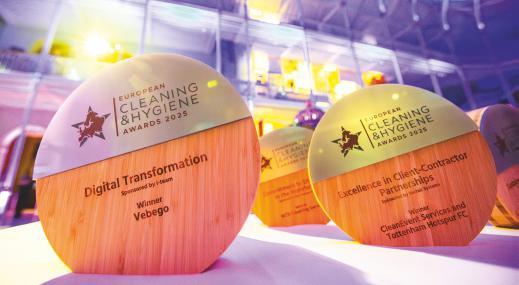
Winners of the 2025 European Cleaning & Hygiene Awards will also be taking part in moderated round table discussions on the main stage from Tuesday to Thursday. Chaired by Michelle Marshall, editor of
ECJ and founder of the awards, the sessions will examine the operational practices and strategic thinking that distinguish these businesses within the sector. Winners will share practical insights from their own organisations, offering relevant takeaways for the audience. Discussions will focus on innovation, sustainability, workforce and organisational development, and partnerships and advocacy.
Other stages
Additional stages dedicated to sustainability, health and hygiene, and data and technology will explore emerging trends and practical applications through expertled presentations.
To register for your ticket: www.intercleanshow.com/ amsterdam/register
• ECJ is the official media partner of Interclean Amsterdam.












Hygiene paper manufacturer WEPA Group, which has its headquarters in Germany, is to acquire the majority share in MPH1865 in Francewhich produces hygiene paper and soap for the away-fromhome market.
The aim is to further internationalise WEPA’s presence in the away-fromhome market. MPH1865’s industrial site network will be fully maintained and its president Marc Miribel will remain with the business in the south of France.
Added value
Andreas Krengel, chief commercial officer of the WEPA Group explained: “By joining forces with MPH1865 we will create additional value for our national and international customers: broader expertise and more innovative

product solutions.”
CEO Martin Krengel added: “We are looking forward to further growth in France and to expand our Franco-German cooperation. As family businesses, MPH1865 and WEPA share the same values and think beyond generations - it is a perfect fit.”

President and CEO of MPH1865 Marc Miribel concluded: “This partnership is an important step to ensure our company’s future: this way we can strengthen local production, secure industrial capacity and further develop the professional hygiene market in France.”
ToolSense, the platform for digital machine, robotics and fleet management for facility service and construction companies, is looking back on a successful 2025 - with revenue increasing by 40 per cent and the business reaching profitability by the end of the year.
More than 200 companies in over 20 countries now use the solution - including ISS, WISAG, Dussmann Group, VINCI Construction, JLL and Max Bögl. “2025 was a milestone year for us. With a clear focus on maximising customer value, we demonstrated that growth and profitability can go hand in hand. Achieving profitability gives us the stability and flexibility to accelerate our international expansion and take our vision of the AI Fleet Manager to the next level,” said Alexander Manafi, ToolSense CEO and co-founder.



The finalists for the 2026 Amsterdam Innovation Award - which will be presented during the upcoming Interclean Amsterdam exhibition this April - have been announced.
The awards are open to all exhibitors and are designed to highlight innovations that drive meaningful change and progress across the professional cleaning sector.
“Once again this year, we have seen how Interclean Amsterdam exhibitors from around the world serving the cleaning industry continue to invest in innovation and evolution,” commented jury chair Michelle Marshall, editor of European Cleaning Journal. “In each category, there is a good spread of companies, and our final nominees each offer something different within their category.”
Selected by an independent jury of cleaning industry magazine editors from across Europe, the nominees have been selected in four categories: Sustainability and Environment, Smart Technology and Digitalisation, Health and
Hygiene, and Workforce and Ergonomics. Each entry was assessed on innovation, ease of adoption and its ability to address real operational challenges. There were over 90 entries this year.
Sustainability & Environment
While sustainability is now deeply embedded in the cleaning sector and all products must be developed with that in mind, the most innovative businesses continue to push boundaries and raise standards further.
The nominees are:
Essity Hygiene and Health: Tork Hygiene for All - certified inclusive washroom dispensing.
Lucart Group: EcoNatural Flow - tissue and dispensers made from recycled beverage cartons.
Renova France: Renova TextilPapier - toilet paper produced from recycled textiles.
Smart Technologies & Digitalisation
New ideas continue to emerge on how innovative technology and digitalisation can impact the work of cleaning operatives and facility managers. These developments are making solutions more practical, cost-
effective, and productive.
The nominees are:
FacilityApps: Virtual Reality Training for Cleaners - immersive multilingual training platform.
Kärcher: KIRA B 200 - safetycertified, fully autonomous scrubber dryer.
LionsBot International: T1AI-powered robotic toilet cleaning system.
Health & Hygiene
We all know the crucial role professional cleaning plays in maintaining health. In this category, our nominees present innovative solutions that promote excellence in areas where hygiene is paramount.
The nominees are:
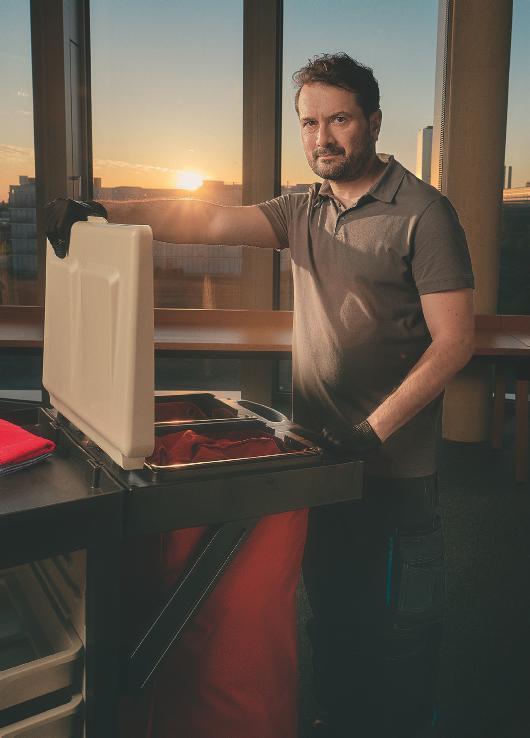
JVD: Novven 3 - smart PPE decontamination and drying cabinet.
OPHARDT Hygiene: PRAESIDIO Fuel Cell - battery-free touchless sanitiser dispenser.
Vileda Professional: TraXero Wheel Cleaner - ergonomic wheel decontamination system. Workforce & Ergonomics
Our workforce and ergonomics category acknowledges the fact that the cleaning industry is still all about people; it employs literally millions all over the
world. Our nominees have considered the day-to-day challenges cleaning operatives face and invested in reducing the physical demands of their work.
The nominees are:
DRYFT: DRYFT - ultralow profile high-speed scrubber dryer.
i-team Global: i-suit 2.0ergonomic support system for pole cleaning.
Unger: HydroPower Nanopower-free, high-efficiency, pure water filter.
Marshall concluded: “It’s been a pleasure to read about the exciting new products being launched during Interclean Amsterdam, and we on the jury now look forward to finding out more about each of our nominees’ products - and of course to choosing our winners!” From the nominees, the jury will select four category winners and one overall winner. There will also be the Visitors’ Choice and Cleaners’ Choice Awards. All winners will be announced during the opening ceremony of Interclean Amsterdam on Tuesday, April 14. The show takes place from April 14-17. Visit www.intercleanshow. com/amsterdam for more information
Entries to the European Cleaning & Hygiene Awards 2026 are now open - visit echawards. com/enter to find out more. Interclean Amsterdam is now the official Event Partner
At the end of January, the European Cleaning and Facility Services Industry (EFCI) convened stakeholders from across Europe for a dedicated webinar on the ongoing review of the EU Public Procurement Directives.
The session brought together industry leaders, national associations, and EU policy makers to exchange views on challenges, priorities and emerging best practices in public procurement for labour intensive services.
Opening the event, EFCI president Avril McCarthy stressed the significance of the European Commission’s revision process. With public procurement representing an estimated €2.6 trillion annually, she noted that the outcome of this review will have far reaching implications for both
public authorities and service providers - particularly those operating in cleaning and facility management, where labour costs form the majority of service delivery.
Juliette Olivier, EFCI policy advisor, presented the association’s core recommendations for the revision. She outlined four key requests aimed at ensuring a more balanced and effective EU procurement framework:
1. Recognition of the specificities of labour intensive services, where workforce considerations directly impact quality and cost.
2. A better balance of award criteria, ensuring quality does not lose out to price only competition.
3. A mandatory minimum standard of feedback for all unsuccessful bidders, improving transparency and
supporting SMEs.
4. Stronger EU level oversight, ensuring member states implement procurement practices that are transparent, fair and accountable. National practices
The webinar also showcased national best practices. Andrea Simone Johannes (BIV, Germany) presented the Quality Matters strategy, a comprehensive initiative offering contracting authorities practical tools to conduct quality focused, legally compliant procurement procedures. From Italy, Lorenzo Soresina (Markas, speaking on behalf of ANIP) highlighted recent reforms in Italy’s Public Procurement Code. These include mandatory price revision clauses, prioritisation of the most economically advantageous tender for labour intensive services, and
enhanced transparency through digitalisation measures.
An engaging discussion followed, featuring contributions from national associations as well as representatives of the European Commission’s DG GROW and DG EMPL.
Participants underscored the common challenges faced across member states and reiterated the value of cooperation and knowledge sharing at the European level.
The event reaffirmed EFCI’s commitment to advocating for procurement rules that support high quality services, fair competition and decent working conditions. At the same time, EFCI aims to help public authorities navigate the complexities of procurement to achieve sustainable and resilient outcomes.
For more information contact: secretariat@efci.eu
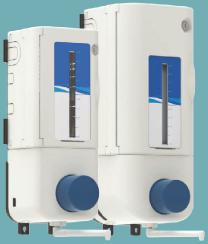
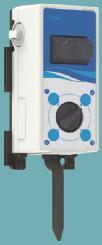
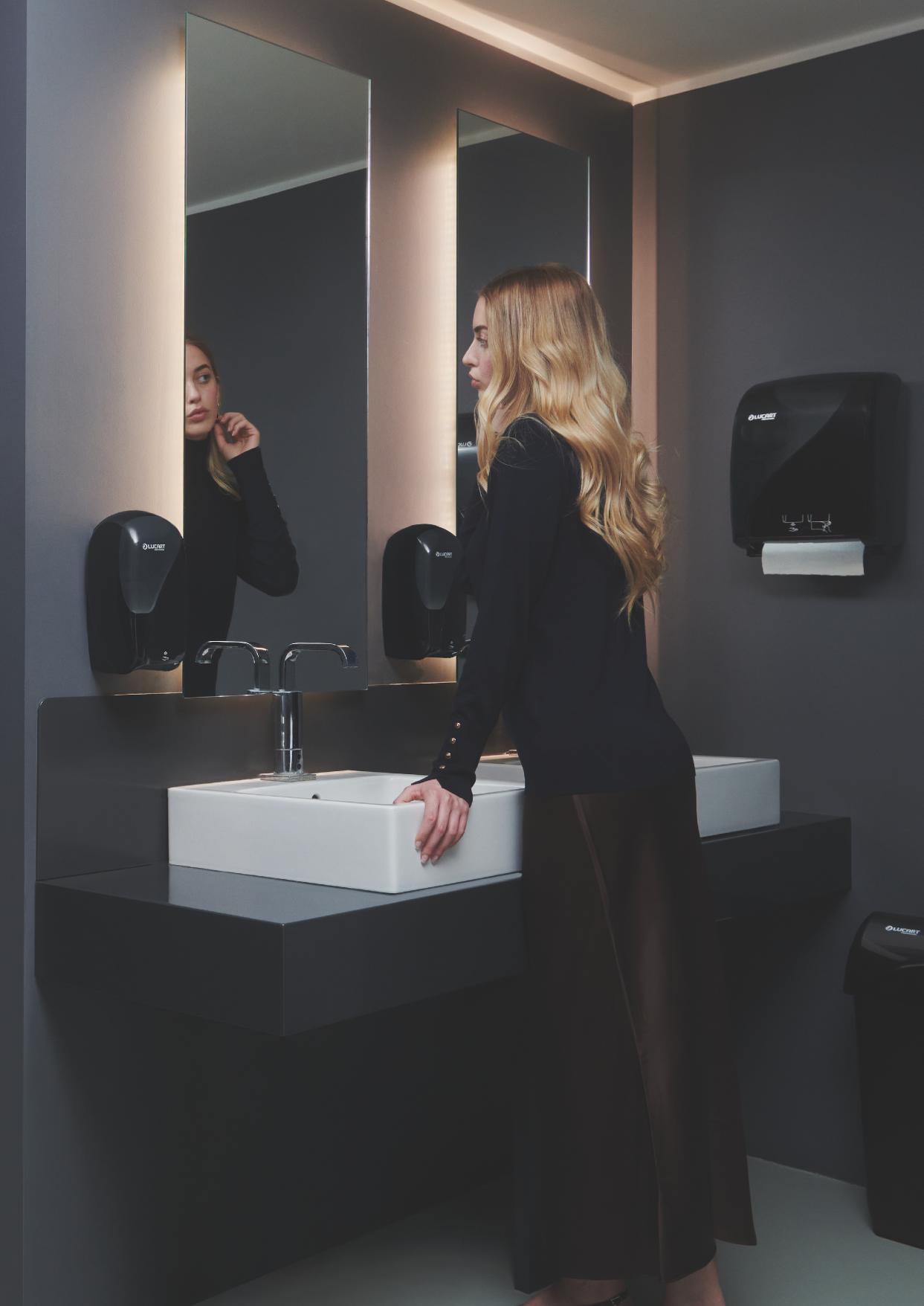
Dispensing systems where aesthetics and functionality come together in an outstanding design
Identity dispensers guarantee continuous service, reduced product usage and quick maintenance. Efficiency that lowers costs and keeps every space clean and orderly.
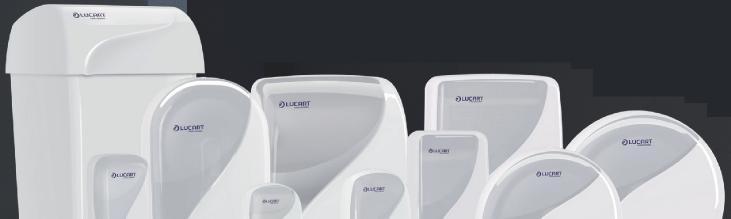

A complete range of dispensing systems for toilet paper, hand towels, soaps and air freshener, in white and black.



RAI Amsterdam, the organiser of Interclean Amsterdam has published its 2026 Trend Report, compiled in collaboration with European Cleaning Journal (ECJ). This document discusses the key trends and developments forecast for the professional cleaning sector this year. The aim - to support informed decision making and focus on those in the industry who make a real difference by turning new smart ideas into reliable everyday solutions.
The key trends highlighted in the report are:
Innovation and Human-Centric Approach in Cleaning
The 2026 trends in professional cleaning emphasise the integration of technology while prioritising human expertise and oversight.
• Automation and digitalisation are enhancing efficiency by taking over repetitive tasks.
• Facility managers and cleaning teams are focusing on strategy and quality oversight.
• Human judgement remains crucial for the success of innovations in the cleaning industry.
Sustainability Integrated into Daily Operations
Sustainability is becoming a core aspect of cleaning practices, moving beyond mere targets to everyday implementation.
• Resource-efficient systems are central to cleaning, focusing on measurable reductions in water, energy, and chemical use.
• Circular thinking is being adopted, emphasising product reuse and waste reduction.
• Clients are increasingly demanding measurable sustainability data, impacting purchasing decisions.
Automation is supporting cleaning staff by handling routine tasks, allowing for more complex problem-solving.
• Robots are being used for consistent cleaning in hightraffic areas and outside of working hours.
• New job roles such as robot supervisors and data analysts are emerging, enhancing career pathways.
• Human oversight is essential for interpreting data and ensuring quality control.
AI Transforming Cleaning Operations and Planning
AI is revolutionising cleaning processes by improving planning, quality control and resource allocation.
• AI systems analyse realtime data to optimise cleaning schedules based on occupancy and risk.
• Digital tools enable continuous quality checks and predictive maintenance.
• Human leadership is necessary to guide AI integration and ensure data accuracy.
Health and Wellbeing Focus in Cleaning Practices
Cleaning is increasingly recognised for its role in promoting health and wellbeing, moving away from harsh chemicals.
• Companies are adopting low-residue and fast-acting cleaning products to minimise health risks.
• Product labelling is becoming clearer, often verified by independent experts.
• The focus on health standards is elevating cleaning from a visual task to a critical health function.
Rise of Specialised Cleaning Solutions
A tailored approach to cleaning is necessary to meet the diverse needs of different sectors.
• Different industries require specific cleaning methods to address unique risks and expectations.
• Digital tools are helping to customise cleaning schedules and focus on critical areas.
• The demand for formal qualifications and specialised training is increasing.
Workforce-Centric Job Design and Retention Strategies
The cleaning industry is re-evaluating job structures to improve worker conditions and retention.
• Companies are redesigning roles to be more sustainable and supportive for employees.
• Daytime cleaning is gaining traction to reduce isolation and improve safety.
• Health protection measures are being strengthened to address chemical exposure risks.
Addressing Social Inequality in the Cleaning Sector
Social inequality remains a significant issue in the cleaning industry, particularly regarding pay and job quality.
• The industry is focusing on fair employment practices and diversity initiatives.
• Many cleaning workers earn below the Living Wage,
prompting calls for better pay.
• Regulatory frameworks are pushing for improved labour standards and social responsibility.
Training and Skills Development as Operational Priorities
Ongoing training is essential as new technologies and sustainability demands reshape skill requirements.
• Structured training programmes are becoming necessary to ensure staff can effectively use advanced equipment.
• Digital training methods are being adopted to provide consistent and accessible learning.
• Organisations that invest in workforce training gain a competitive edge in quality and service delivery.
Adapting Cleaning Operations for Hybrid Work Environments
Hybrid work models are necessitating changes in cleaning schedules to align with actual occupancy.
• Coordination between facilities managers and cleaning teams is crucial for effective hybrid cleaning.
• Digital tools are being used to identify high-use areas for targeted cleaning efforts.
• The shift to responsive cleaning services enhances efficiency and service quality.
Redefining the Value of Cleaning in Modern Contexts
Cleaning is increasingly viewed as a strategic capability essential for health and safety rather than just a cost function.
• The focus is shifting towards measuring cleaning effectiveness through health and safety outcomes.
• Long-term partnerships between clients and providers are becoming more common, driving innovation.
• Cleaning standards are evolving to meet higher expectations across many different sectors.
The report is free download at the Interclean website: www. intercleanshow.com


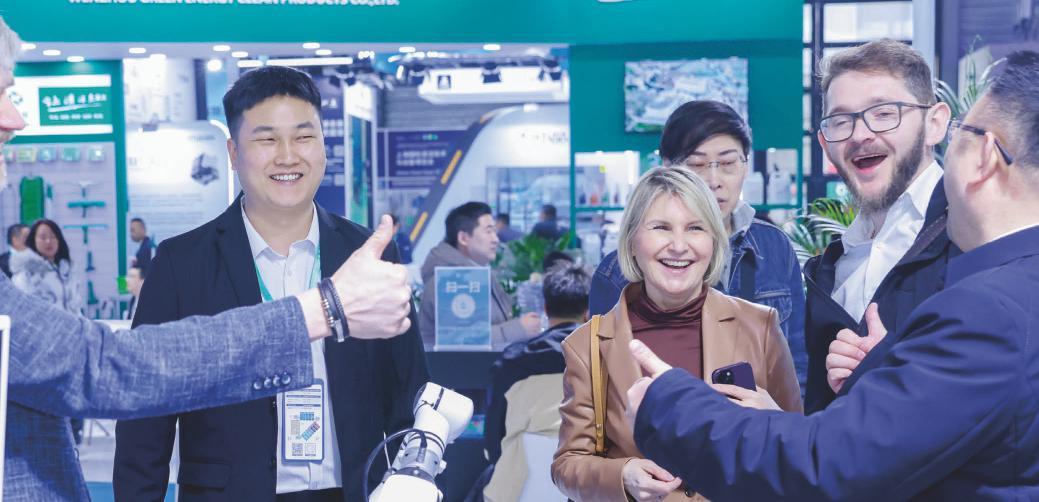


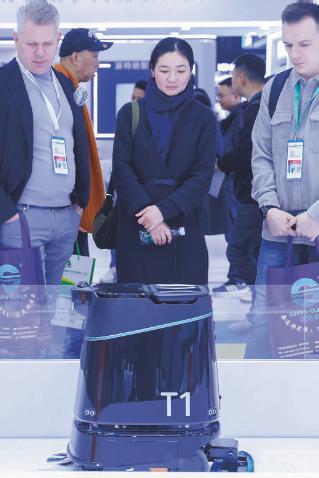


Lynn Webster in the UK looks ahead to the significance of the Lunar New Year for the sector.
As the calendar turns and a New Lunar Year begins, the cleaning industry finds itself in some familiar territory. We are leaving the Year of the Snake for the Year of the Horse. Taking stock of the qualities of last year where the snake was traditionally associated with reflection, precision and transformation. Using this symbolism there is a compelling metaphor for professional cleaning, shedding what is no longer required, or necessary, providing space for new ideas and new strategies.
With thoughts of the past year, cleaning companies have increasingly had to reassess priorities, revisit processes and upgrade protocols to meet new legislation and the challenges of targets imposed by clients, society and the latest market trends.
There has been a constant drive to remove outdated practices with a sharper focus on performance, accountability and highest on the agenda, wellbeing. Stripping back the built-up grime whether it be on the floor or in our minds, removing the hidden residues, and tackling neglected corners is not just about the appearance but about creating healthier environments and closing the chapter on the past year with the best intentions.
So, if the Snake represents reflection, the Horse will represent action. Traditionally associated with energy, movement and progress, the Horse provides clean spaces that allow people and businesses to move forward both literally and figuratively. Businesses will set goals for their year ahead, take bold strides for the longerterm, consider growth, efficiency and sustainability.
The transition into the New Year is a time when cleaning can be welcomed rather than postponed. It is an opportunity for the industry to highlight its strategic role, not just its operational one. Modern cleaning is about being proactive, data-driven, and
increasingly aligned with ESG goals, public health outcomes and the employee experience. From smart equipment and environmentally responsible products to workforce training and compliance - today’s cleaning professionals are the facilitators of progress.
Engaging with the spirit of the Horse, the industry will hopefully move faster, adopt innovation, scale up best practices and respond to the challenges and changing expectations from clients and regulators alike with best intentions to start afresh, clear the way and create space for what’s next. For the cleaning and facilities sector, this is a chance to tell a stronger story, one that connects daily work with long-term impact. Clean spaces are safer spaces. Wellmaintained environments are more inclusive, more productive and more resilient.
So, as we step into the Year of the Horse, at a trot, a canter or a gallop - associated with freedom and success - the message should be simple but powerful. By shedding the remnants of the past year like the Snake, and embracing the energy and momentum of the Horse, the cleaning industry can set the pace for everything that follows. A fresh start is not just about what we remove, it is about what we enable. And in the year ahead, clean spaces will continue to carry us forward. This year is forecast to be a lively and forward moving period filled with optimism and growth, vitality hard work and endurance.
And if you were personally born in the Year of the Horse … you are generally energetic, thrive in fast paced environments, independent, charismatic - popular individuals who love freedom but are apparently also impulsive, easily frustrated and outspoken.
We are entering the year of the Fire Horse on February 17 so let’s prepare to gallop ahead!
Reporting from France, Christian Bouzols on how cleaning firms are facing changes to mobility.
Faced with mobility challenges, cleaning companies are rethinking their practices. Optimising travel, renewing their fleets and finding alternative solutions... they are stepping up their initiatives. Between economic constraints, regulatory requirements and environmental imperatives, they are seeking the right balance while supporting their teams and meeting customer expectations.
This is a major challenge for cleaning companies on several levels: environmental, regulatory and economic. The climate emergency requires us to continue reducing CO2 emissions. It is also an important issue because it directly impacts employees’ working conditions and is increasingly becoming part of customer requirements.
To address these issues, professionals in the sector must develop a sustainable mobility plan that also contributes to their overall performance. Which energy source(s) should be prioritised when renewing the vehicle fleet? How can car use be optimised and an employee travel plan be implemented by studying the areas of operation and commuting routes? Which alternative solutions should be chosen and how can public transport be promoted? These are all difficult questions for companies to answer, but they are part of the short-term strategic challenges. This is because European climate law sets a target of carbon neutrality by 2050, with two stages: a reduction in greenhouse gas (GHG) emissions of 55 per cent compared to 1990 levels by 2030, and 90 per cent by 2040.
The transport sector is the largest emitter of GHGs, accounting for one-third of French emissions. Companies have a major role to play, as travel for work purposes, including commuting, is the primary reason for travel. Organisations must therefore work on supporting their employees with regard to on-site and inter-site mobility. So regulatory obliga-
tions have been considered, including the employer mobility plan (PDME). The subject is addressed as part of the mandatory annual negotiations. An employer mobility plan is implemented for companies with more than 50 employees. The vast majority of cleaning companies are directly affected.
At La Pyrénéenne, a cleaning company specialising in transport with 3,000 employees, the mobility plan has already been launched and is implemented when a new employee joins. Employees are asked about their mode of transport so as to continuously update the plan. However, this procedure can nevertheless be interpreted as a means of surveillance, which could cause additional stress for employees. To reassure employees, several communication channels have been created, including a roadmap, in which the group commits to reducing its carbon footprint by more than 50 per cent by 2030.
Intervals and downtime between sites are major issues: if an employee starts their seven-hour day at 9 am somewhere and resumes work at 4 pm somewhere else, what do they do in the meantime? Today, without digital tools, it is difficult to optimise mobility.
For example, Senef uses employee data such as location, contract type, areas of operation, sites and skills. “Before assigning a job to an employee, there are a number of criteria to consider. Digitisation makes this process faster and more efficient than doing it manually. It should be used as a decisionmaking tool.”
At La Pyrénéenne, continuous and/or daytime work will continue to be prioritised in order to reduce the fragmentation of shifts and therefore travel, and to encourage the use of public transport. This type of uninterrupted work organisation is the ideal way to naturally reduce carbon footprints. But when it comes to customers, there is still some way to go...
It’s been a difficult start to 2026 for the German contract cleaning sector, reports Katja Scholz.
The start of the year for the contract cleaning sector has been marked by negotiated wage increases and difficult collective wage bargaining talks. Looking back a year, the collective wage agreement in November 2024 signalled an important turning point in the current pay debate: employers and union agreed significant wage increases at that time for both 2025 and 2026. In the largest wage group, the increase amounts to just under 11 per cent – a settlement which many companies already regard as pushing them to the limit.
At the same time, the settlement included a further agreement: from November 2025, talks were to begin regarding an additional special payment to be made exclusively to Union of Construction Workers (IG-BAU) members in guild-affiliated companies – the so-called “Union Bonus”. These talks however quickly turned into the key point of dispute: even the first round of negotiations in November 2025 was unsuccessful. The employer side cited the difficult economic situation and limited financial headroom.
Christian Kloevekorn, chairman of the Collective Bargaining Committee of the Federal Association of Contract Cleaners (BIV) had already stated clearly in November: “We have today referred in particular to the poor economic climate in Germany: an economy which has been stagnating for years, weak business prospects, a challenging market environment in the contract cleaning sector and a settlement of around 11 per cent in the largest wage group which has already pushed employers to the limit.
Early break-up of talks
“Today’s discussions have shown just how far away from economic reality the IG BAU Union is in its demands.
The substantive differences could hardly be greater and could not by a long chalk be reconciled today.”
In January this year the BIV bargaining committee responsible decided unanimously that there would be no second meeting between IG BAU and BIV. After years of recession and rising costs, further additional wage burdens were no longer defensible, was the reason given. Kloevekorn stated it quite clearly: “Additional wage burdens are not sustainable. Whoever ignores this reality is jeopardising not only individual companies but also jobs and the economic stability of the whole sector.”
Sector minimum wages significantly above inflation
In contrast, the development of collectively agreed wages has a positive outcome for the employees: the new year brings with it higher wages for those in the skilled trade with the largest workforce in Germany. The sector now has a total of nine wage groups. Two of these are sector minimum wages and thus universally binding - they apply without exception to all contract cleaning staff throughout Germany.
While inflation rose to a total of around 24 per cent between the years 2015 and 2024, collectively agreed wages increased at a significantly higher rate, rising in the east of Germany by almost 74 per cent and in the west of Germany by around 49 per cent. This trend is also continuing at the moment.
At the start of 2026, the sector minimum wage for unskilled cleaning staff rose from €14.25 to €15 per hour. Skilled workers will in future receive €18.40 per hour. This continues to take the contract cleaning sector significantly above the legal minimum wage which has risen this year to €13.90 in Germany.
This edition’s special report on washroom hygiene and design starts on page 20
John Griep at VSR in the Netherlands discusses the role of cleaning in workplace health and hygiene.
“Cleaning is not a luxury, but a necessity.” That message formed the core of a Hygiene Forum session organised by NVZ, Schoonmakend Nederland and Vereniging Schoonmaak Research (VSR) – where experts explored the role of cleaning in workplace health and hygiene. The discussion reflected a broader shift: professional cleaning is increasingly recognised as a preventive measure directly supporting health, safety and productivity at work.
Beyond appearance
Professional cleaning is often still associated with visual cleanliness alone. Yet its true value lies in prevention. Occupational hygiene research shows regular and targeted cleaning reduces exposure to micro-organisms, allergens and contaminants that contribute to illness and absenteeism.
This is particularly relevant in workplaces, where high-touch surfaces, sanitary areas, kitchens and ventilation systems can act as transmission points for bacteria and viruses. Scientific evidence supports this preventive role. A randomised controlled trial published in the Journal of Occupational and Environmental Medicine found that a combined intervention of hand hygiene and surface disinfection resulted in a 50 per cent reduction in sickness absence. This demonstrates cleaning interventions are not only operational measures, but effective tools for improving workforce health.
Cleaning also influences behaviour. Clean environments tend to encourage more hygienic conduct, reduce unsafe situations such as slips or exposure to substances and contribute to a sense of safety and wellbeing.
Invisible workplace risks
Workplaces host an invisible ecosystem of bacteria, viruses, moulds and allergens that can survive on surfaces for hours or even days. Everyday objects such as desks, keyboards, door
handles and shared equipment become key transmission points through direct contact, contaminated surfaces or aerosols from coughing and sneezing. These exposure routes are closely linked to common work-related complaints such as colds, flu, gastrointestinal illness and allergic reactions - many of which could be reduced through systematic cleaning measures.
The impact of cleaning becomes particularly visible when linked to sickness absence. Across Europe, shortterm absenteeism related to infections, respiratory complaints and gastrointestinal illness remains a significant challenge for employers. These conditions are closely associated with workplace exposure to contaminated surfaces, shared facilities and indoor air quality.
As highlighted by the evidence, preventive cleaning is not merely a supportive service, but a direct contributor to workforce health and organisational continuity. From an economic perspective, even modest reductions in absenteeism translate into substantial cost savings. Fewer sick days mean lower replacement costs, less disruption and higher productivity. Preventive cleaning therefore represents one of the most cost-effective investments organisations can make in employee wellbeing.
The overall conclusion is clear: professional cleaning is a key pillar of healthy workplaces. When applied systematicallywith the right frequency, appropriate products, trained staff and clear protocols - cleaning becomes powerful prevention.
As emphasised during the Hygiene Forum session, cleaning should no longer be seen as a secondary support function. It is a strategic choice that protects people, supports performance and strengthens organisational resilience. In a working world increasingly focused on health, safety and wellbeing, cleaning is not an operational detail; it is a fundamental condition for sustainable productivity.
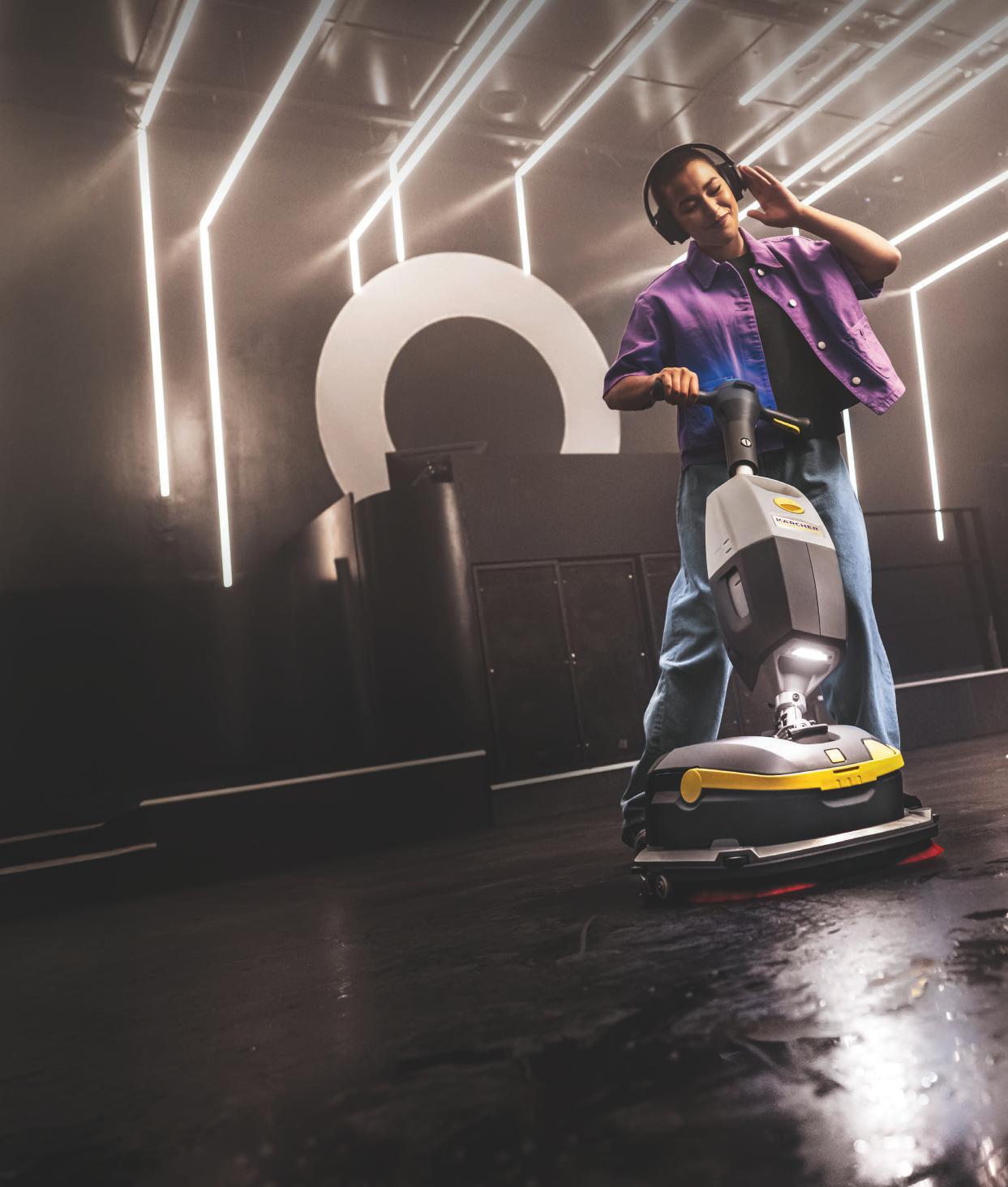
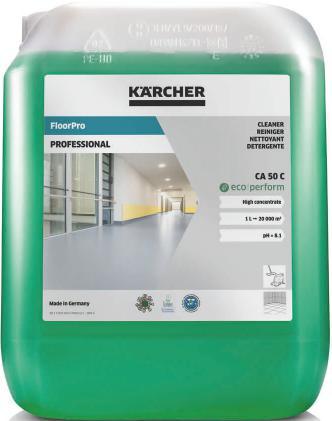
Whether in the office, washroom, foyer or club – the K-Mop 46 delivers impressive results on any hard floor surfaces. Combined with the label-free detergent CA 50 C, which offers a reduced environmental impact according to the EU Ecolabel, it creates a sustainable cleaning solution that combines powerful performance with responsibility. Discover more at karcher.com
Lotte Printz in Denmark on new collaboration between ISS Danmark and Technical Education Copenhagen (TEC) to help tackle the shortage of skilled labour.
“We are proud to have established a programme tailor-made for our company, in collaboration with TEC, but with ISS operations managers providing significant input to the programme. The result being ‘close-to-practice’ training elevating professional standards in the cleaning profession. This is not only an asset to us as a company; it also serves as a clear demonstration of qualifications for the individual employee,” Henrik Løkke, learning & development manager, ISS Danmark, says in a press release.
This newly established collaboration with Technical Education Copenhagen (TE), tested as a pilot project at the end of 2025, will boost the profession further and formalise training.
“The pilot project clearly showed how important it is for participants to have this opportunity to upgrade their skills – and we can help them in that respect,” Maria Vedsegaard Veha of TEC says in the press release.
Five hundred ISS contract cleaners are expected to complete the programme in 2026 alone, and it will become an integral part of the mandatory onboarding programme for future ISS staff.
Unemployment rates are currently low in Denmark, and we are looking into a future where skilled labour is imperative. So, this initiative may have societal impact.
“Since the 1960s we have created opportunities for people coming to Denmark. As part of the job at ISS, we offer Danish language courses and can now add training at an official educational institution offering high professional standards to the package. This creates great jobs for individual employees, while at the same time driving an increase in the labour force with
more skilled workers,” Christian Lauritzen, director people & culture, ISS Danmark, adds in the press release.
Being able to attract international staff – by offering formal training like this for instance – is of utmost importance. In a blog post in the industry magazine
Rent i Danmark, Thomas Gress, chief economist at SMVdanmark (a trade organisation for SMEs in Denmark), stresses that foreign labour is no longer simply a supplement to, but a prerequisite for growth in large parts of the corporate sector in Denmark.
A recent analysis made by SMVdanmark shows that foreign nationals constitute nearly 25 per cent of the workforce in the capital district – a number catching up in all parts of the country, though.
The analysis also shows that more than 50 per cent of the wage earners in the Copenhagen area work in the retail, transport, hospitality and cleaning industry. So, the analysis confirms what most companies within the cleaning and facility services sector know from their everyday operations: without access to foreign labour, it will be difficult – in some cases impossible – to carry on business.
Despite this general, significant increase in international employees, the shortage of labour is still one of the greatest barriers to growth in SMEs. And as a result, SMVdanmark makes a plea to Danish policy makers:
“If we want to secure continued growth and maintain stable tax revenue, it is paramount that we facilitate the recruitment of international manpower. Today, there are rules and regulatory systems that remain obstacles, for SMEs in particular,” Thomas Gress says speaking to Rent i Danmark.
The EU’s REACH and CLP regulationsare undergoing major revisions that will have a direct impact on the professional cleaning sector in Italy. ECJ’s Anna Garbagna tells us more.
The European regulatory framework on chemicals is undergoing a major update. The REACH and CLP regulations, which form the basis of the European Union’s chemical safety policy, are undergoing major revisions that will also have a direct impact on the professional cleaning sector in Italy. The cleaning sector is characterised by a strong presence of small and medium-sized enterprises, close links with the manufacturing sector and widespread use of detergents and complex chemical formulas.
As mentioned, the CLP (Classification, Labelling and Packaging) Regulation is currently undergoing a significant review process. In recent years, several technical updates (ATPs) have been published that have changed the classification of numerous substances, many of which are used in commercial cleaning products. Added to this is the introduction of new hazard classes, and although some provisions will not come into full effect until 2028, companies are already being called upon to plan for the adaptation of labels, packaging and safety data sheets.
For Italian companies in the sector, the impact is twofold. Detergent manufacturers must review the classification of mixtures, update safety data sheets in Italian and verify that labels comply with the new graphic and information requirements set out in the CLP Regulation. At the same time, companies that use chemicals for professional cleaning must ensure the products they purchase are correctly classified and that the hazard information is up to date and consistent, also in relation to the workplace safety obligations set out in
Legislative Decree 81/08. With regard to REACH (Registration, Evaluation, Authorisation and Restriction of Chemicals), attention is focused primarily on the evolution of restrictions and the updating of the Candidate List of Substances of Very High Concern (SVHC). The gradual inclusion of new substances, some of which are used as solvents or additives in industrial detergents, may entail communication obligations along the supply chain, restrictions on use and, in some cases, the need to replace certain raw materials. In this context, the support provided in Italy by the Ministry of Enterprise and Made in Italy and the National Chemical Substances Centre of the Istituto Superiore di Sanità (National Institute of Health) is an important point of reference for companies.
Looking ahead, the European Commission has announced a comprehensive review of the REACH Regulation, with the aim of making procedures more efficient, strengthening health and environmental protection, and improving the competitiveness of European industry. Among the main changes expected are greater digitisation of information, the evolution of electronic safety data sheets and risk assessment increasingly focused on groups of substances.
For the industrial cleaning sector in Italy, these changes represent a challenge, but also an opportunity. Investing in regulatory expertise, training and product innovation can enable Italian companies to strengthen their competitiveness by developing increasingly safe, sustainable and compliant solutions in a market where chemical safety is set to become a key value driver.



































































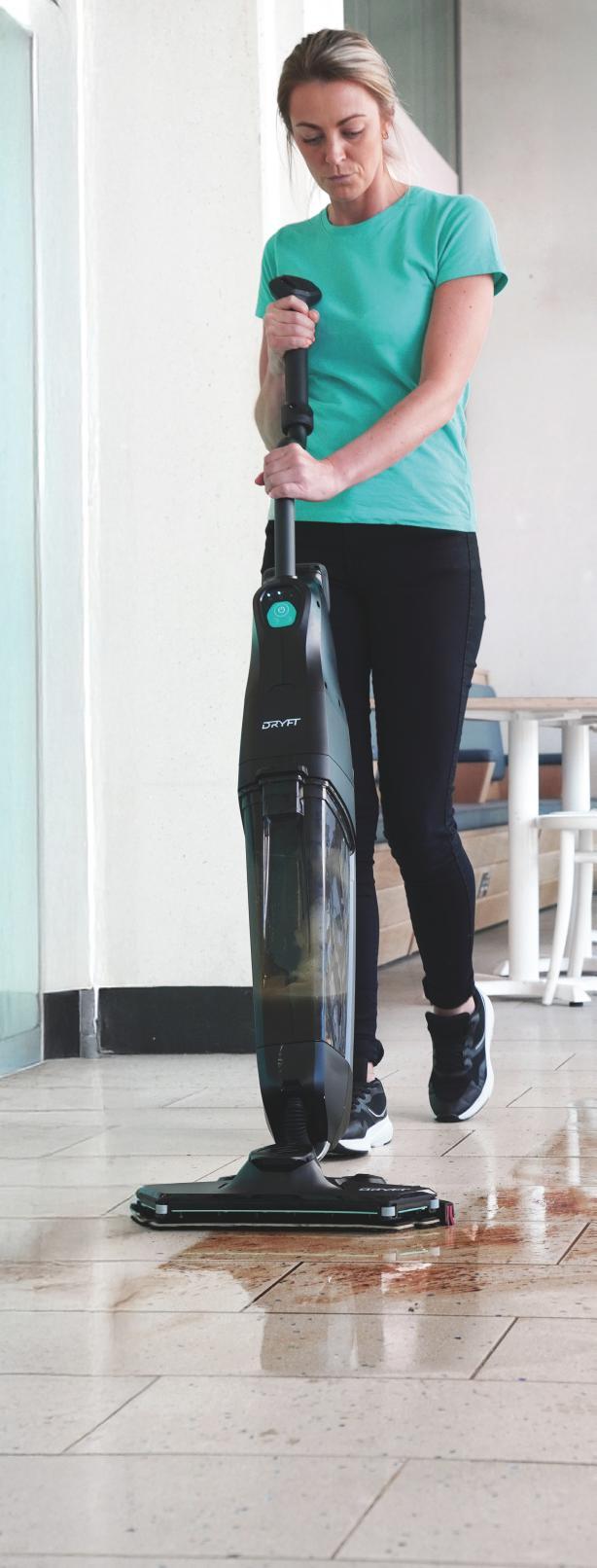
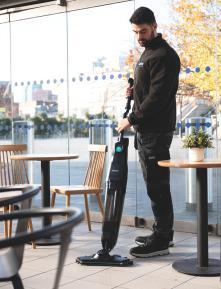
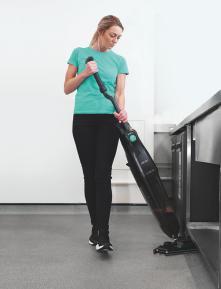
The scrubber dryer revolution continues. Two years ago at Interclean Amsterdam, we unveiled the first glimpse of DRYFT, a radical new vision for floor cleaning. Fast forward to April 2026, and DRYFT has firmly claimed its place as the market leader for small to medium floor spaces, elevating how professionals clean across industries.
Now, we’re expanding the DRYFT ecosystem with more innovations: DRYFT Connect - our purpose-built telematics fleet management system, the rugged and ready DRYFT Case for mobile cleaning teams, new Micro-Fibre Cleaning Pad options tailored for healthcare environments; and sleek trolley integration solutions that make DRYFT the professionals first choice for complete cleaning mobility.
Visit us at Interclean to meet the pioneering team behind DRYFT, explore our cutting-edge tech in the DRYFT Cinema, and grab a coffee at the bar - we’ll show you how to clean 100% of your floors in half the time of any other method.



From 14th - 17th April, Hall 1, Stand 01.511.
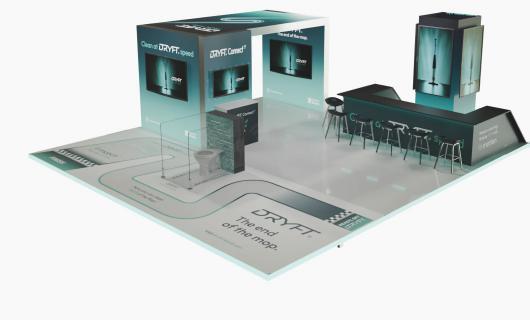

Experience the next evolution in connected cleaning with DRYFT Connect, our powerful new telematics platform. Preview the prototype at Interclean and gain live GPRS tracking, intelligent usage data, and advanced service diagnostics - all designed to reduce downtime and maximise performance. Built by our inhouse team, DRYFT Connect puts you in full control of your fleet. Help shape its final form ahead of launch in late 2026.




Learn more.



New Micro-Fibre Cleaning Pad with integrated scrubbing stripsbuilt for healthcare. Designed for high-temperature disinfection, it’s ideal for hospital wards, patient rooms, and prep areas. The ultra-low profile reaches under beds and around furniture, ensuring 100% floor coverage. Colour-coded for hygiene compliance and quick to change, supports strict infection control whilst delivering immaculate results.












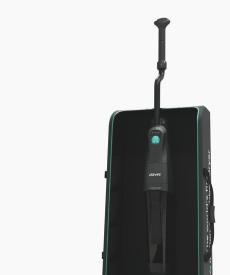
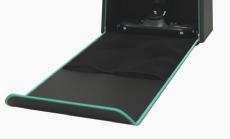
Experience a new era of portable cleaning with the DRYFT Case a heavy-duty solution designed to protect, transport, and empower your teams. Built for professional hygiene teams on the move, the DRYFT Case is purpose-built to hold your complete DRYFT system.


Learn more.
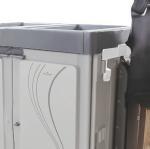
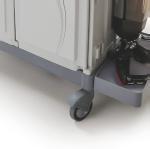
DRYFT Trolley Integration solutions let you securely mount the S-Motion Scrubber Dryer to your cleaning trolley - ready to deploy, easy to access, and built for speed and efficiency.

Say goodbye to the mop and upgrade your mobile setup with DRYFT.






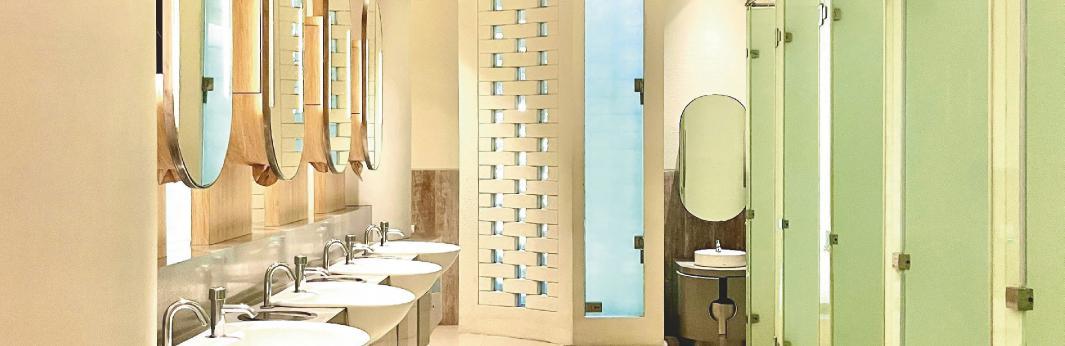
With the global pandemic just a few years behind us and with financial markets being constantly squeezed, how important are aesthetics in today’s away-from-home washroom design compared with other factors such as hygiene, functionality and efficiency, asks Ann Laffeaty?
WASHROOMS ARE basically functional spaces. They simply need to be clean, hygienic and fit for purpose. And this means their key role is to provide the wherewithal for people use the facilities and then wash and dry their hands afterwards.
But some hotels, restaurants and bars take a different approach and do everything they can to ensure that their washrooms are sufficiently attractive, quirky or opulent to provoke a reaction. They think nothing of equipping their facilities with marble sinks, expensive tiles, ornate mirrors or fancy artwork – not to mention decorative soap and paper dispensers.
But do such add-ons really matter? Or should aspects such as hygiene and functionality always be considered ahead of aesthetics in any washroom design?
Aesthetics can be very important in certain sectors, according to Principle Cleaning services operations director Mike Darmanin. “In hospitality venues such as hotels, restaurants and bars the washrooms become an extension of the brand experience,” he said. “Guests in these environments expect to find a space that reflects the quality and character of the venue. And this means that a poorly-presented washroom might immediately detract from what is otherwise a positive impression.”
Aesthetics can play an important role In corporate and commercial settings as well, he adds. “This is particularly the case in premium offices or buildings with a high footfall.
“A well-designed washroom signals that the organisation cares about the visitor experience and values the well-being of its employees. And people will notice when a washroom feels clean, modern and thoughtfully presented - regardless of the environment.”
An attractive washroom design will always make a good impression on the customer, Darmanin believes. “Washrooms are often one of the most telling areas of a facility,” he said. “Customers and visitors consciously and subconsciously judge
organisations based on the cleanliness, upkeep and ambience of the washroom.
“An attractive design will not only enhance a positive first impression but will also reinforce trust: if a washroom is well-maintained and visually appealing, people will assume that the rest of the facility is too. It’s an essential part of the overall service journey.”
According to Darmanin there is a growing trend for well-designed, quirky or high-end washrooms to become part of the online conversation. “An aestheticallypleasing washroom is likely to create a talking point and provide fodder for social media pages,” he says. “Whether it is a bold colour scheme, statement mirrors, unique lighting or innovative sustainability features, elements of an eye-catching washroom can drive publicity organically and reinforce a venue’s identity.”
Quirks and luxuries
Customers tend to respond particularly well to features such as quirks and little luxuries, says Darmanin. “Premium touches such as a luxury finish, a sensory experience or a creative décor will elevate perceptions and encourage positive feedback. In some sectors a standout washroom can even become a memorable feature in its own right and help to differentiate a venue in a competitive market. And while the washroom may not be the sole driver of new custom, it can be a compelling part of the value proposition and importantly, a reason for guests to share their experience with others.” Principle works with suppliers to provide modern dispenser ranges that deliver premium hand-washing and hand lotions sourced from social enterprises.
Aesthetics are an increasingly important consideration in away-from-home washrooms according to Vectair’s vice-president of marketing Chelsey Schwartz.
“They directly influence the user’s perception and overall assessment of cleanliness,” she said. “While verticals such as hospitality, food service and leisure have traditionally placed greater
emphasis on visual appeal, expectations have risen across all commercial environments including offices, healthcare and transport hubs.”
Aesthetics are less about decorative elements and more about how washroom products are designed to integrate into the space, she says. “Products with slim profiles and neutral finishes will allow facilities teams to maintain a consistent visual standard while supporting an efficient operation and compliance,” she explains. “As washrooms become a more visible extension of a brand or facility, product design plays a measurable role in perceived quality across all verticals.”
Washrooms are often one of the final touchpoints in the customer journey and have the power to strongly influence a person’s overall perception of a commercial space, says Schwartz. “For facility operators a well-designed washroom communicates professionalism, attention to detail and respect for the end user.
“From a technical perspective, visual simplicity and an unobtrusive product design will support this outcome by reducing visual clutter and reinforcing order and cleanliness,” she added. “Design also extends beyond visual factors: for example, scent is a critical sensory component with studies consistently showing that odour control and fragrance can significantly influence perceived hygiene. When fragrance delivery is controlled, consistent and appropriately dosed it reinforces comfort and cleanliness without becoming intrusive, leaving a positive and lasting impression.”
Even in highly functional spaces customers increasingly notice and respond to washrooms that feel modern, cohesive and well-managed, says Schwartz. “A washroom that delivers a consistently positive sensory experience can become a point of discussion and informal promotion.
“From an operational perspective, this is typically achieved through sleek product design combined with discreet hygiene solutions. When aircare, surface care, hand care and urinal management products operate quietly in the background, the washroom feels calm and controlled rather than clinical. And this balance between performance and appearance elevates the user experience and naturally encourages positive feedback and sharing.”
Vectair’s washroom products are designed to balance an aesthetically pleasing design with hygienic performance and operational efficiency. The company’s SensaMist SM100 and V-Air Flow diffus-
ers are designed to support consistent odour control while enhancing the overall customer experience.
Aesthetics play a key role in shaping people’s impressions of a hotel, bar or restaurant says Essity’s communications director Jenny Turner. “Research shows that poor washroom experiences can lead to negative reviews and even lost business,” she said.
A recent Tork Insight Survey revealed 38 per cent of people said they would spend less time at a hospitality venue where the washrooms had failed to meet their expectations while 20 per cent of respondents said they would not return to that venue - and 13 per cent would advise their friends against a visit.
“A well-designed washroom signals care and professionalism because the washroom is a reflection of the overall brand experience,” added Turner. “However, aesthetics should never come at the expense of hygiene or accessibility.
“So washrooms should look good while also being easy to use and comfortable for as many people as possible including those with visual impairments or neuro-sensitivities. For example, avoiding overly complex layouts and ensuring clear contrasts in colour can help visually-impaired users to safely navigate the space. In other words, attractiveness should always be paired with functionality and cleanliness.”
Essity’s Tork Image Design line has won a Red Dot Award for design and incorporates stainless steel touches said to elevate the washroom experience. All Tork dispensers are designed to be easy to clean, simple to refill and intuitive to use.
A striking washroom design can serve to spark social media attention, according to Turner. “Customers often respond very positively to washrooms that offer a sense of luxury or a unique, quirky décor,” she said. “A beautifully-designed washroom can create a real ‘wow’ moment, leaving a lasting impression that reflects well on the entire venue. This means an exceptional washroom experience can become a talking point and help put a venue on the map.”
But do commentators feel that aesthetics in a washroom should take second place to factors such as hygiene, function and design?
Aesthetics should always go hand in hand with functionality, Turner believes. “A washroom that looks great and that also feels comfortable with features such as intuitive touch-free dispensers is more likely to earn praise both online and offline,” she said. “The most successful washrooms must combine visual appeal, ease of use and operational efficiency and this involves designing spaces that are clean, comfortable and welcoming. The real win is when that quirky design is also practical.”
Principle Cleaning’s Mike Darmanin agrees that aesthetics and hygiene should not be seen as competing priorities. “We believe the most effective washrooms can seamlessly combine visual appeal with functionality, hygiene, durability and sustainability,” he said. “While the foundational elements of cleanliness, layout, ease of maintenance and product reliability must always come first, aesthetics are an essential layer that enhances user satisfaction.”
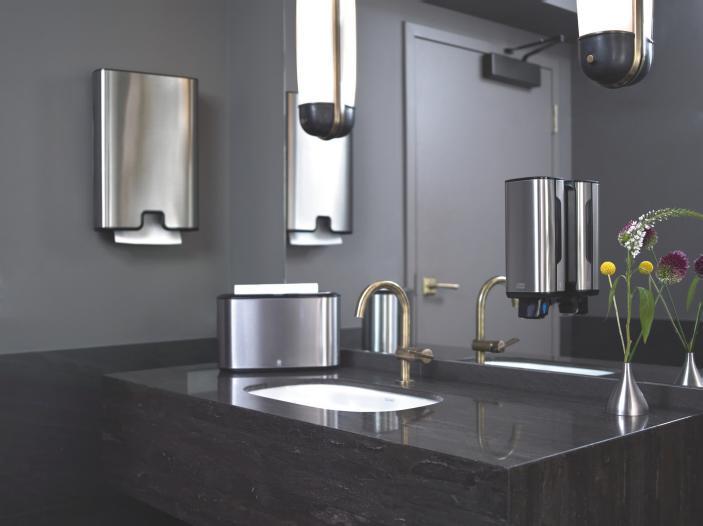
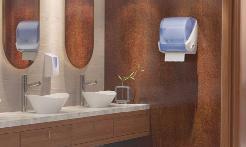
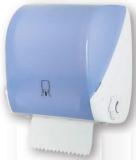
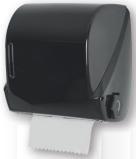
Kennedy Hygiene Products’ most recent launches are the Pod MK4 auto cut paper roll dispenser and the Slim Air air care system.
The Pod MK4 is a mechanical paper roll dispenser designed to dispense a 25 cm single sheet with each pull. It uses a patentpending cutting mechanism intended to support consistent sheet length. The unit is designed to operate with a range of paper roll types and brands, allowing flexibility in product specification. Features include a translucent cover to indicate refill levels, internal loading instructions to support servicing and an ABS housing.
Slim Air is a compact air freshener designed to operate without batteries. The unit is manufactured using 89 per cent recycled plastic and uses a hydrophobic gel to release fragrance over a period of up to 60 days. It is available in five scent options intended to neutralise odours. The narrow design allows installation in limited spaces, and fragrance intensity can be adjusted to suit different washroom environments.
kennedy-hygiene.com
Vectair’s urinal screens and passive aircare products combine to address hygiene and odour control. Urinal screens are designed to reduce splashback, helping limit contamination of surrounding floors and fixtures. Fragrance and enzyme blocks integrated within the screens contribute to urinal odour control. Passive aircare products then maintain a consistent fragrance level.
Vectair systems are typically specified within 30-day or 60-day service programmes. Shorter programmes may involve more frequent replacement of urinal screens and aircare refills, while longer programmes reduce servicing frequency. Product combinations and fragrance options can be selected according to site. Other products include the Quadrasan Family Dispenser which provides programmable dosing for urinals and toilets. And Femcare SIMPLE is a feminine hygiene waste disposal solution. www.vectair.com
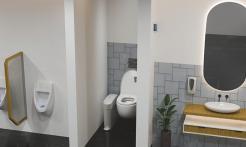
VIVA dispenser systems by HERWE are designed to support occupational skincare and wash-
room hygiene across a range of settings. The systems cover skin protection, cleansing and care formulations, as well as toilet paper, seat disinfectants, paper towels and other hygiene items.
The VIVA range is a unified hygiene system suitable for use across multiple departments and locations within industrial
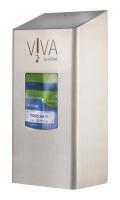
settings and public bodies. The dispensers are available in high-quality ABS plastic, in black or white, or in stainless steel
housings. They are compatible with one- and two-litre HERWE bottles and can be specified with manual operation or contactless eVIVA touchless functionality. The design is intended to support consistent use while allowing adaptation to different user and site requirements.
www.herwe.de







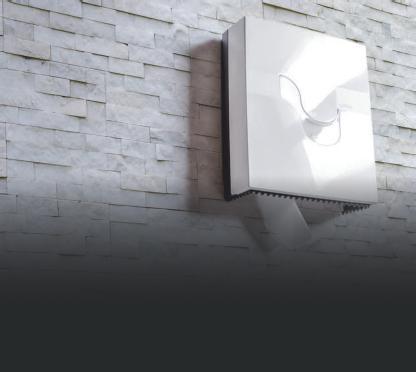
















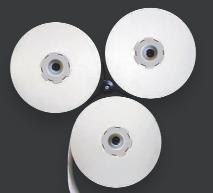




LESSEAU has expanded its hand hygiene range with the introduction of a manual dispenser and two solid wash bars. The system is available from Solenis and has been developed in partnership with Slimstones. The range now includes a touch-free dispenser, a manually operated alternative and two solid wash bars - PureSense and NaturFresh - both certified as ECOCERT COSMOS Natural and made from 100 per cent plant-based ingredients.
The LESSEAU Manual Dispenser is a compact, push-activated unit designed to process solid wash bars into a fine powder
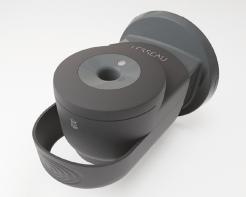

that forms a lather when combined with water. Each dispenser can hold up to three bars and is designed to deliver approximately 1,800 doses. A visible product level indicator supports maintenance planning.
The system uses solid soap refills rather than liquid or foam because this removes the need for plastic packaging and reduces product waste. The solid format also reduces storage space and transport weight.
www.solenis.com
Designed to cater for the busiest of washrooms is the new Tork PeakServe Continuous Automatic Hand Towel Dispenser. This incorporates an intuitive operation and a long-lasting battery. Each towel is dispensed from the unit in less than a second, speeding up washroom use and ensuring a good flow of visitors through any facility. At least 500,000 towels are dispensed
before the battery needs changing and each battery set lasts for up to five years .
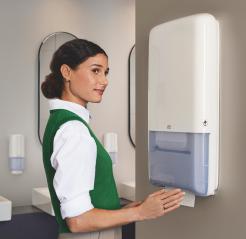
The sensor-activated version of the Tork PeakServe dispenser is particularly suitable for use in high-traffic environments. The unit may be topped up at any time to avoid run-outs and a refill indicator and viewing window allow staff to tell at a glance when the unit needs refilling. Available in both white and black, the system houses bundles that have been 50 per cent compressed to double the number of towels available.
www.torkglobal.com
MAXX Synbiotic is a washroom cleaner from Ecolab designed to address both visible soil and the underlying conditions that contribute to re-soiling and persistent odours. The company says it’s a preventative cleaner that continues to work after cleaning has been completed. The formulation uses beneficial micro-organisms to break down organic soils at source. By supporting a more balanced surface environment, the product is intended to help maintain cleanliness between routine cleaning cycles. This ongoing activity is reported to support more consistent outcomes without requiring changes to established cleaning routines.
In a washroom setting experiencing recurring odour problems, use of the product has been associated with a reduction in odours at source rather than masking, says Ecolab. www.ecolab.com




Lucy Lloyd, chief services officer at UK-based Kingdom Cleaning, discusses the importance of diversity and inclusion in the industry and how to create a more welcoming environment for all.
WITH THE CLEANING industry being one of the largest employers in Europe, the importance of diversity and inclusion in cannot be overstated. As well as this, the outlook for the industry is undoubtedly positive - with a great deal of growth potential due to increased demand for specialised cleaning, for example deep cleaning for healthcare environments and sustainable cleaning services.
In any industry, but especially one that is growing every day, inclusion is important. Treating a person with respect and valuing them - regardless of differences - helps foster positive outcomes and wellbeing. Inclusion is about finding a way to focus on individual needs, such as accessibility requirements, to ensure someone can work within the industry comfortably and is supported to achieve their full potential. It must be reflected in all areas of organisational culture, processes, procedure, management – all of which support workplace diversity.
Currently, the workforce of cleaning companies is characterised - as reflected in the EFCI’s latest Trend Report - as a high ratio of part-time colleagues, high ratio of women and high proportion of employees with migration backgrounds, especially in the past 20 years. The cleaning sector must support and champion its diversity, which will only help to propel the it into the future.
A diverse workforce offers several benefits to staff, businesses and the industry as a whole. As well as the range of views brought by hiring people from different walks of life - including women, minorities
and people with both visible and invisible disabilities and neurodiversity - it can often bring fresh perspectives that are needed for a company to grow and flourish. There will also be a stronger sense of community when companies have strong diversity and inclusion policies, and show they care about their staff.
So how can the cleaning industry help create change?
A huge aspect that many in the cleaning industry can improve on is social value. First and foremost, it is a people-focused sector. Showing care for the health of people and places is a key part of what every cleaning business should encompass. And when a company demonstrates care and compassion - expecting nothing in return - it proves they are a safe workplace for anyone and everyone.
Creating change
Some examples could be:
• Helping new starters with literacy and providing opportunities for people to have a job in the industry if they can’t read or write in English.
• Ensuring there is a clear pathway for workers who have physical differences, which may include mobility and movement limitations, visual impairment, neurodiversity or difficulty hearing.
• Supporting people who were previously homeless, or care givers or people who have had long periods of unemployment can also improve social value and inclusion, as well as positively impacting the economy and society.
As well as this, embracing the diversity of the sector with a clear sign of organisational pride would help improve diversity and inclusion. At Kingdom Cleaning for example, if team members would like to, they can include their nationality on their name badges - a simple idea that ensures people feel recognised for who they are.
While the demand will only grow, the cleaning industry is also suffering from a severe labour shortage, particularly with younger workers. Research from the British Cleaning Council (BCC) shows the
percentage of cleaning staff under the age of 25 is significantly lower than in other sectors across the UK, while there is a much higher percentage of people over 55. While the discrepancies can be down to several factors, many may see parts of the industry as having less career opportunity and workplace wellbeing. Therefore, new efforts are very much needed to recruit the future generation of cleaning colleagues.
Many cleaning companies need to highlight the substantial skills and knowledge requirements that exist in the industry. High quality cleaning requires knowledge of chemicals, potentially technology and smart solutions, as well as strong communication skills and organisational skills. Cleaning operatives at any level may need to interact with and engage with technology, however it also remains a highly manual job requiring some level of physical ability.
To include and attract the younger generation, to ensure the cleaning industry can thrive in the future, it’s important to emphasise long-term career opportunities. Naturally, when you are younger, you often decide on a job with a long-term mindset. To make the industry more accessible and attractive to younger workers, businesses can:
• Provide access to certifications and education, both in terms of cleaning courses and language courses.
• Offer fair wages that reflect skill and dedication.
• Acquire the newest cleaning technology and adopt software management systems to position your company as modern and innovative.
Ultimately, diversity is something to be celebrated in the growing cleaning industry, and all business should be taking inclusion seriously. The industry can and will adapt to the demands of the future, and creating a welcoming and hospitable environment for all should not fall by the wayside.













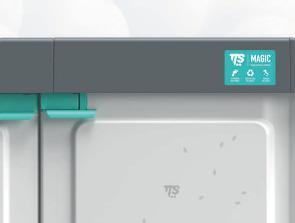






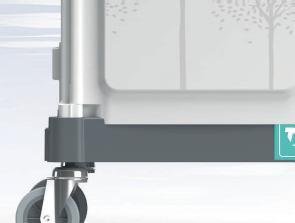

INCREASED EFFICIENCY
The modularity that characterizes the whole range and the wide selection of accessories allow you to configure the trolley based on actual needs, ensuring maximum efficiency.
ThefieldstudyconductedbyITEL(Spanish Technical Cleaning Institute) found that custom-made Magic trolleys maximise productivity by saving between 19 and 36% time compared to conventional trolleys, thus reducing labour hours and costs.

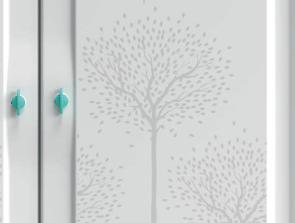

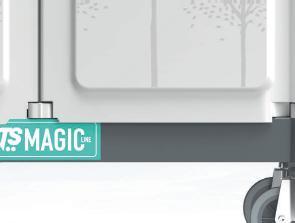





HYGIENE GUARANTEE CERTIFIED SUSTAINABILITY
Magic trolleys are made using highdensity premium polypropylene to obtain smooth surfaces that are easy to clean and disinfect and resistant to all types of disinfectant, ensuring maximum hygiene.
The closing of all holes further simplifies cleaning by preventing dirt from settling. Furthermore, the plastic panels clearly separate the trolley modules avoiding cross contamination between the washing, storage and waste collection areas.
Magicrangestandsoutforalargenumber of components made of recycled plastic certified Plastic Second Life andincludes five EU Ecolabel-certified trolleys
ThankstotheCarbonFootprintSystematic Approach, TTS can quantify the CO2e emissions for each phase of the trolleys’ life cycle. The extracted data made it possible to implement a long-term compensation programme, making Magic the first carbon neutral trolley line
Every cleaning company has its own sustainability agenda focused on issues such as reducing waste, saving energy and cutting down on chemical usage. But how far do these policies line up with what clients actually want? Ann Laffeaty uncovers the customer’s own green ‘must-haves’ – and finds out whether companies are actually delivering them.
SUSTAINABILITY IS subject to trends, just like everything else. Movements such as Extinction Rebellion and Just Stop Oil have driven the agenda over recent years and polarised opinion on topics such as climate change and the need for greener energy options.
At other times water has become the chief concern, with companies focusing on its scarcity in certain parts of the world and its general cleanliness – or lack thereof. And there are times at which we find ourselves particularly worried about plastic pollution, vehicle emissions or air quality, depending on the zeitgeist.
So, what are the green ‘must-haves’ of the customer today? And are cleaning companies actually delivering them?
Most customers want to see a holistic reduction in the environmental footprint of cleaning, according to Kärcher’s sustainability manager Saskia Schneider. “They want to see evidence of sustainability across the entire lifecycle of a product including ethical sourcing and waste management,” she said. “There is also a demand for more resource-efficient
equipment that guarantees high cleaning performance while minimising the consumption of energy, water and chemicals.”
Demand for waste reduction solutions in the current climate is significant, Schneider added. “Clients require robust, long-lasting products that can be easily repaired to extend their service life and minimise replacement waste. This also extends to machines, consumables and packaging where the use of recycled materials and a reduction in single-use components are both primary requirements.”
Customers are also actively seeking solutions that minimise or eliminate the use of cleaning chemicals - and this is driven by safety standards, cost efficiency and environmental concerns regarding water discharge, according to Schneider.
“A focus on the broader protection of the natural environment is also evident, particularly concerning the demand for natural-based chemicals and the prevention of pollutants such as microplastics,” she said.
“Furthermore, customers are showing a keen interest in topics such as climate protection and social responsibility. Transparency regarding CO2 emissions and reductions of these even at product-level is a key metric, particularly for large fleet operators that require operational efficiencies or for big resellers who demand transparency regarding their own carbon emissions alongside a commitment to limiting global warming.”
commitments
Social sustainability that encompasses ethical supply chains, occupational safety and a commitment to social projects is also increasingly considered to be a nonnegotiable part of the overall sustainability ethos, according to Schneider.
“An additional key expectation is data transparency and documentation,” she said. “Customers require clear, verifiable data to measure and report on the sustainability contributions of the cleaning process that support their own environ-
mental, social and governance reporting.”
Kärcher’s equipment incorporates various functions designed to reduce energy, water and chemical use such as an eco!Mode setting along with highly efficient motors. The company maintains a continuous dialogue with customers through surveys, market analyses and direct stakeholder consultations and their views are integrated into Kärcher’s sustainability agenda. “This ensures our strategic focus addresses the customer’s ‘must-haves’,” explained Schneider. Holistic approach
Essity’s sustainability communications director Reneé Remijnse agrees that customers are increasingly expecting their suppliers to demonstrate a holistic approach to sustainability. “This needs to cover both people and the planet,” she said. “Customers want transparency, measurable impact and solutions that make sustainability easier to achieve without compromising on hygiene.”
Waste disposal is expensive for businesses which means reducing waste is vital, adds Remijnse. “Customers also expect safe, effective systems that maintain high standards of hygiene while also reducing chemical impact and protecting natural ecosystems,” she said.
“And they increasingly expect education and support to help them achieve their sustainability goals. This means they are seeking partners who make their sustainability journey easier and more actionable.”
Essity offers Tork PaperCircle, a recycling service for paper hand towels said to reduce waste by up to 20 per cent. The company’s Tork Clarity Foam Soap is formulated with 99 per cent ingredients from natural origin, while its Tork Focus4 Sustainability platform is designed to deliver holistic information, tools and training to make sustainability easier to navigate.
Today’s customers require sustainable solutions that may be delivered in a commercially viable way, says services provider SBFM account director Charlotte
Coles-Morris. “If they have ambitious environmental goals they often rely on specialist FM providers to deliver operational requirements for them across large, complex estates while also managing cost-effectiveness. There is a growing expectation for service providers to manage end-to-end solutions and to guide customers through processes such as waste management.”
Demand for waste reduction is often driven by end users, according to ColesMorris. “Ever-changing legislation puts pressure on clients to identify best practice and come up with cost-effective solutions,” she said. SBFM keeps waste collection records for companies and analyses sustainability, cost and operational efficiencies. It then uses this data to perform functions such as create additional waste streams, change collection frequency and address contamination issues.
Today’s customers demand a reduction in chemical usage alongside waste reduction, says SBFM’s head of quality, health, safety and environment Paul Marsh. “However, certain sectors are reluctant to move away from established products and are slower to adopt alternative, safer, more sustainable products,” he explained. “To tackle this challenge we are moving away from traditional liquid solutions and promoting the uses of sachet systems that deliver the same cleaning power while dramatically reducing single-use plastic and water transport. These products then serve as a pathway towards ESG improvements and safer operations.”
Education is becoming a critical customer expectation, he adds. “Too many people are ambivalent about recycling because they don’t understand the significance of proper waste segregation,” said Marsh.
“Cross-contamination in waste streams leads to additional costs and undermines recycling efforts. So educating stakeholders and providing clear data is essential, because it shows where improvements are being made and where costs are being wasted.”
Ecolab’s senior marketing manager Philippe Meunier believes the industry has reached a turning point at far as customers’ expectations are concerned.
“They now expect sustainability to be embedded into a company’s core strategy rather than being treated as a voluntary or reputational add-on,” he said. “They want to see tangible results with regard to factors such as water conservation, greenhouse gas reduction and waste or operational efficiency. It has become a time for proof rather than promises.”
Customer demand for reduced waste in general and packaging waste in particular is gathering momentum, he said. “Moving towards more concentrated products and lower weight packaging can help to achieve this goal,” said Meunier.
“Reducing the use of virgin plastic by integrating recycled plastic also participates in waste reduction.”
He believes customers expect to see science-based, high-performance solutions that deliver operational efficiency and measurable sustainability impact.
“Rather than simply seeking a reduction in the use of chemicals for its own sake the focus is on using the right blend of concentrated, material-friendly formulations that reduce emissions, packaging and waste while ensuring safety and product quality,” he said.
“Ultimately customers are looking for solutions that minimise negative environmental impact through responsible chemical use and broader resource efficiency.”
Ecolab’s MAXX Synbiotic range combines probiotics, prebiotics and surfactants to maximise cleanliness while also minimising environmental impact. With proper use these are said to reduce plastic waste, CO2 emission and water consumption compared with typical floor cleaning products.
Carbon reduction is also still high on customers’ agendas, says Meunier. “This is a top priority not only because most companies are now disclosing their results but also because they understand that it is vital for their business continuity to limit
temperature increase,” he said. “This topic has featured in every customer meeting I had last year with discussions being centred on how we can support their emission reduction efforts and share what we are doing internally to achieve our own carbon reduction goals.”
He says customers are also becoming increasingly interested in circular strategies such as closing the loop on water use. “This involves redesigning processes to capture, treat and reuse resources thereby reducing costs and regulatory risks while enhancing resilience,” he said. “Water is the number one physical risk that companies will face in the changing climate, with a projected global freshwater deficit of 56 per cent by 2030. By the end of 2024 we had supported our customers to conserve 855 million cubic meters of water.”
Ecolab employs a number of initiatives to uncover its customer’s sustainability expectations. “For example, our annual Ecolab Listens customer experience survey enables sales and marketing teams to hear directly from customers,” he said. “We also regularly run Voice of Customer programmes in Europe to identify emerging needs and understand expectations. And we conduct ad hoc surveys to track and measure sustainability trends, while our sales and service team helps us to spot potential future needs through their daily interactions with customers. All the insights we gain through three measures are then actively integrated into our innovation process.”



Formulated to Reduce Bacterial Growth


More Than 50% PlantBased Material



60 Days of MaintenanceFree Ambient Fragrance
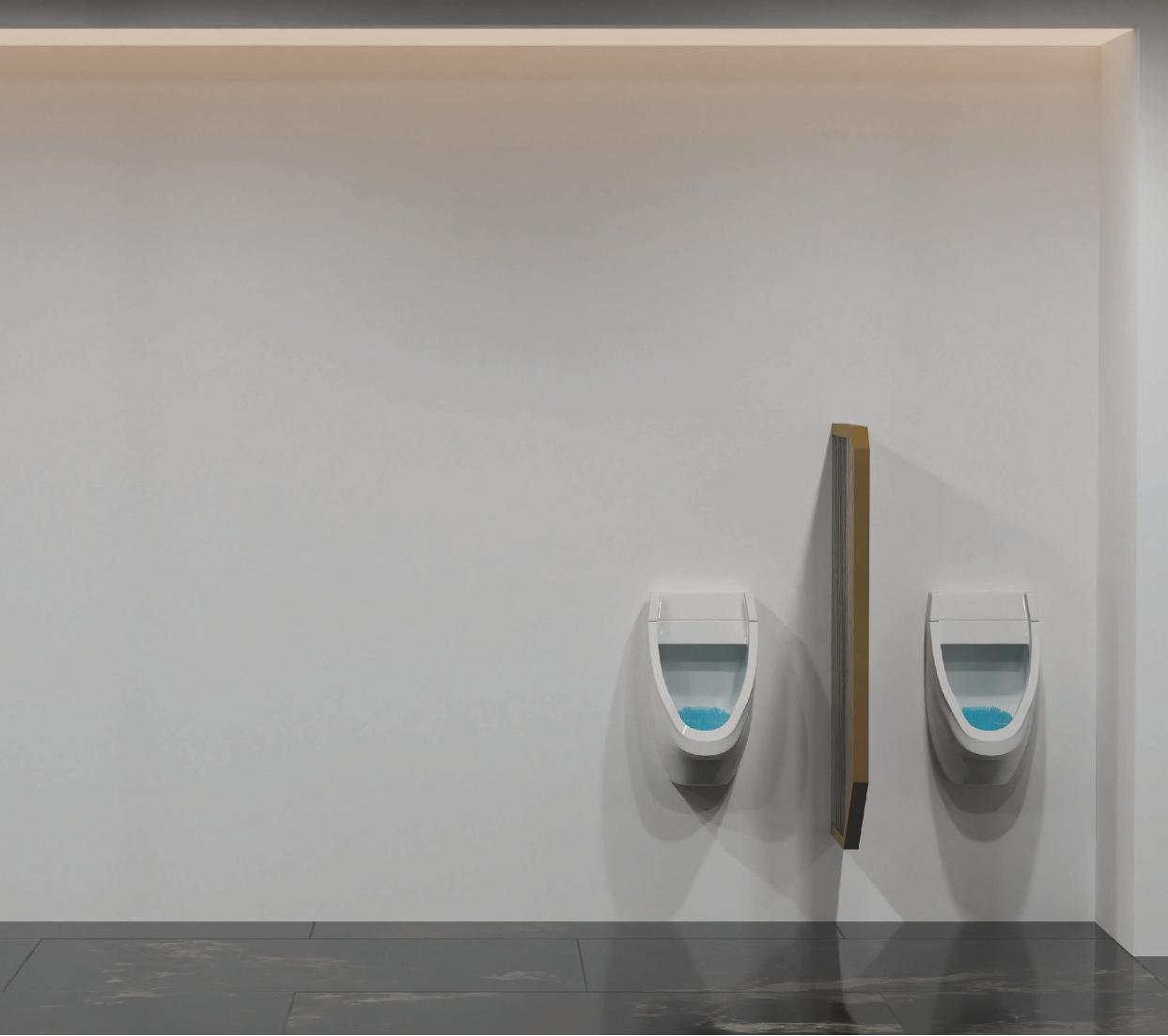
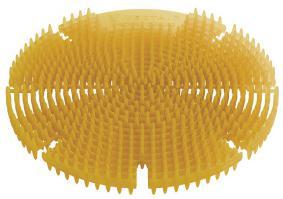












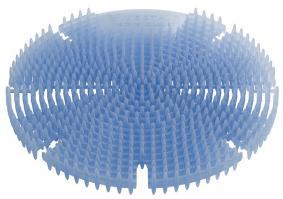
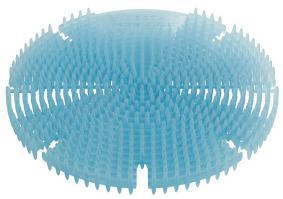
Fimap has introduced the JMx scrubber dryer, available with a 43 cm or 50 cm disc brush head and either semi-automatic or automatic traction drive. It has been designed with a simplified configuration designed to balance performance with cost, while retaining features found on recent models.
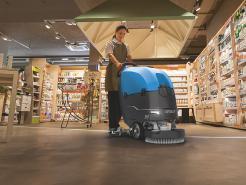
Environmental considerations form part of the machine’s design. The JMx includes an Eco Mode programme intended to reduce water and energy consumption during operation, alongside the option of lithium batteries, which are associated with improved energy efficiency and charging performance compared with traditional alternatives. Users can also specify tanks manufactured from recycled plastic, reducing the use of virgin materials and the overall environmental impact of the machine.
Other options include Fimap Fleet Management (FFM) which enables monitoring of machine usage, battery charging and resource consumption.
www.fimap.com
The V-Screen Dual 60 urinal screen from Vectair is designed to support more sustainable washroom hygiene through material selection and extended service life. It is made from over 50 per cent plant-based material derived from sugarcane, reducing its carbon footprint compared with traditional fossil
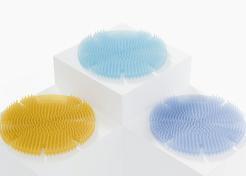
fuel-based EVA. The screen has a 60-day lifecycle, helping to limit replacement frequency. Complementing this, the V-Air Flow dispenser offers nonaerosol aircare with consistent fragrance delivery over 30 days. The dispenser is made from 100 per cent post-consumer recycled plastic, and its refills contain more than 50 per cent sugarcane-derived material. Fan-assisted airflow distributes fragrance evenly, and multiple scent options are available. www.vectair.com
Birchmeier has introduced a 0.5litre hand sprayer manufactured largely from post-consumer recycled plastic.
The Recyclution 0.5 is made from up to 95 per cent PCR material sourced from items such as shampoo, detergent and drinks containers. The sprayer includes a 360-degree function that allows operation in different positions, along with an adjustable nozzle that can be set from a jet to a fine mist.
It has a transparent, shatterresistant container with a visible 100 ml measuring scale. The handle is ergonomically shaped with a wide hand rest to support repeated use during routine cleaning tasks.
www.birchmeier.com
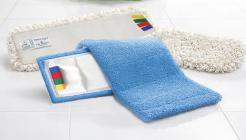
Filmop has expanded its range of cleaning textiles designed to reduce environmental impact while maintaining hygiene standards. The company supplies a line of microfibre products developed to limit water and chemical use and to meet recognised environmental criteria, including EU Ecolabel certification.
Within the range, Micro-Activa is an EU Ecolabel-certified microfibre cloth intended for routine cleaning tasks. Inde-
pendent ISO 16615 laboratory testing indicates it can mechanically remove up to 99 per cent of viruses, as well as bacteria and fungi, when used with water only. For more demanding applications, Filmop offers the Twist Tuft mop, which is also EU Ecolabel certified and manufactured using continuous loop tufting technology designed to increase durability and extend service life.
Filmop has also addressed concerns around marine pollution. Both Micro-Activa and Twist Tuft have been tested in accordance with ISO 23231 for microplastic release during washing. The range is completed by Rapido Super, which uses 32-split microfibre technology.
www.filmop.com
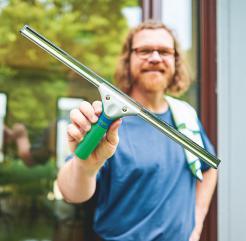
UNGER has expanded its Green Label range, a series of professional window cleaning products with sustainability certifications. The range now includes squeegee rubbers, window squeegees, a squeegee S-channel, a squeegee T-bar, a microfibre cloth, a bucket and a cleaning liquid. Products are identified by a green-blue design and are designed to provide environmentally conscious options without compromising on cleaning performance.
Some products carry the FSC label, indicating wood and paper materials are sourced from forests managed according to ecological and social standards. The Cradle to Cradle Material Health Certificate is applied to products to assess chemicals used in production for potential risks to health and the environment. Additionally, selected items hold the EU Ecolabel. www.ungerglobal.com
TTS has outlined its approach to integrating sustainability into the design, manufacture and end-of-life management of its products - with a focus on material choice, product certification and data transparency.
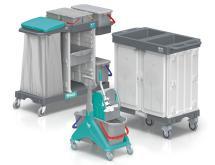
One area of focus is the increased use of recycled materials. Many trolley components are produced using recycled plastic certified under the Plastic Second Life (PSV) scheme. According to TTS, the use of recycled polypropylene can reduce carbon dioxide emissions during production compared with virgin material.
Environmental and functional performance is also addressed through third-party certification. Five Magic trolley models have achieved EU Ecolabel certification and contain at least 30 per cent recycled plastic. These products are manufactured without harmful metals and are designed to support easy repair and recycling.
www.ttsystem.com
Salveco has developed a range of surface disinfectant wipes based on plant-derived chemistry. They are formulated using organic acids derived entirely from plant sources.
The company says the formulations are fully biodegradable and do not contain alcohol, quaternary ammonium compounds or chlorine-based bleach. This composition is intended to reduce environmental impact. The wipes are designed for food-contact surfaces. They do not require rinsing and are formulated using lactic acid authorised as a food additive, avoiding harmful residues. They are also described as non-irritant and exempt from CLP classification. www.salveco.fr
The B 50 W walk-behind scrubber dryer from Kärcher combines a compact design with a 50-litre solution tank. The increased tank capacity extends the operating range, supporting longer cleaning cycles without refilling.
The machine is equipped with a lithium-ion battery, intended to support longer service life and lower resource use over the product lifecycle. An optional quick charger reduces charging time to around two hours, supporting flexible deployment. Resource consumption is further reduced through speeddependent dosing of water and detergent, which adjusts output according to machine movement and can lower usage.
Energy efficiency is also addressed through the drying system. The machine uses a redesigned, flow-optimised squeegee that delivers effective drying while allowing the use of a lower-powered suction
motor than earlier models. This reduces energy demand without altering drying performance.
Operation and monitoring are supported through a smartphone-based control system connected via Bluetooth.
www.karcher.com
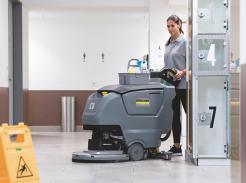
Amberol developed the Amberveil living screen system to support more sustainable management of outdoor spaces. The system is intended for locations where conventional planting is not practical, while helping to reduce maintenance requirements.
Amberveil combines rotationally moulded planters
with integrated ivy screens to introduce greenery into external environments. The planters are manufactured from linear lowdensity polyethylene and are available with recycled content of up to 100 per cent, depending on specification. This approach reduces the use of virgin materials and supports longer product life and recyclability.
A built-in self-watering system guarantees water efficiency. Each unit includes an integrated reservoir that supplies plants with consistent moisture while minimising water waste and reducing the need for manual watering. A cone overflow feature helps prevent overfilling.
Integral pallet truck slots allow the units to be moved and installed without specialist lifting equipment. By increasing planted areas in urban and commercial settings, the system can contribute to improved air quality and more comfortable outdoor environments. amberol.co.uk
Lavor’s Kansas hot water highpressure cleaner uses an electric boiler rather than a traditional diesel burner. The use of an electric heating system eliminates exhaust gases, allowing the equipment to be operated indoors in areas such as workshops, warehouses, production facilities and food processing environments where air quality is a key concern.
By removing the need for fuel combustion, the machine operates without direct emissions. The use of hot water also contributes to more sustainable cleaning practices by reducing reliance on chemical detergents.
Despite the electric configuration, the Kansas provides hot water at temperatures suitable for degreasing tasks. And different power versions are available. It is intended for use in sectors such as industrial maintenance, food production and logistics. lavor.com
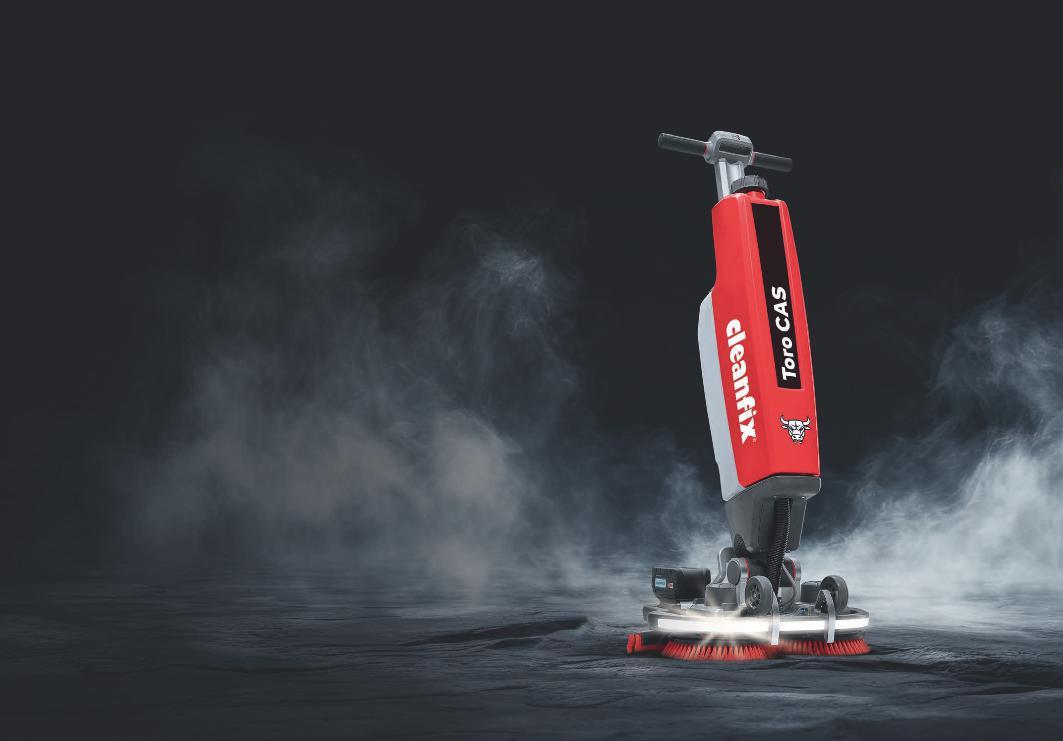
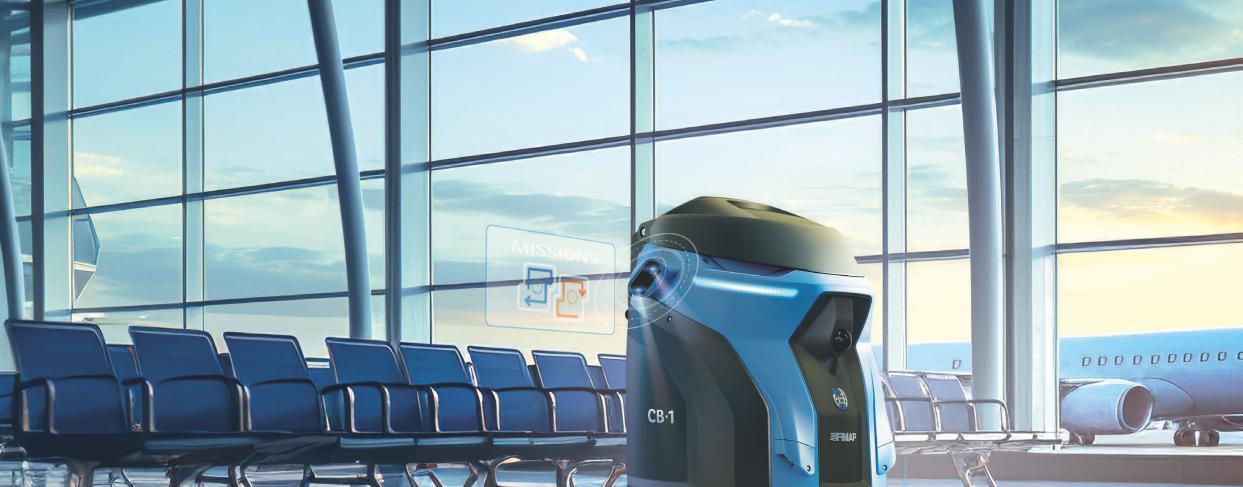








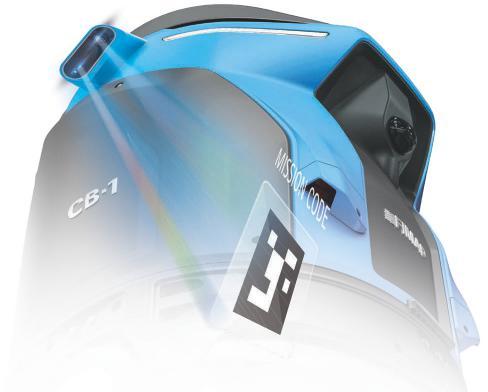































































































Europe’s SMEs are facing a succession crisis, primarily driven by a shortage of heirs interested in taking the reins. In response, ageing owners are resorting to ‘giving away’ their businesses, reports Hartley Milner.
MILLIONS OF YEARS after our ape-like ancestors abandoned life in the treetops, enterprising Brits Rebecca and Tristram Mayhew made it their business to entice us back up there again. And within just six weeks in 2002 the couple had opened their first Go Ape experience, at Thetford Forest in Norfolk.
Since then, the company has greatly expanded its range of activities over 35 sites in the UK and 16 states across the US. “It’s been a huge team effort, driven by a shared passion for adventure and shared values,” said Tristram.
The couple set out to build a company founded on the core principles of keeping
the ‘adventure’ in adventure, being socially and environmentally responsible – “but not preachy” – and to always “do the right thing”. However, they began to wonder how they could protect the company’s culture and values for the long term.
“It’s been something that has been present all the way along the journey,” said Rebecca. “We’ve always thought ‘what is it going to look like into the future?’ We’ve got three children and we’ve always been clear that they would choose their own destiny and their own paths, and they’ve always thought that as well.”
Exploring their succession options, in 2019 the Mayhews entered into talks with a private investor but were not happy to hear they would have cherry-picked the best courses run by the business and sold the rest of it on. “We felt they wouldn’t be the right custodians for our family at Go Ape,” said Tristram.
Instead, they opted to hand over the
business to their employees in a move to ensure it retained the ethos it was founded upon. The couple transferred 90 per cent of their shares into an employee ownership trust (EOT) to benefit all current and future employees. The remaining 10 per cent they held back for themselves as an ongoing legacy connection with the company they had an emotional stake in but no longer have control over.
Another step in the transfer process was to establish an employee council. Many EOT companies decide to have such a body to provide a channel of communication between employees and directors, or between employees and the trustees of the EOT. It provides a forum for stakeholders to have a say on decisions affecting the business.
Since becoming employee-owned, Go
Succession plight brings new fixes (continued from page 35)
Ape has scooped prestigious plaudits. Last October, the company received the RoSPA Gold Award for Health and Safety for the seventh year running and in December it was ranked 50th in the Top 100 UK Best Companies to Work For, and ninth in the hospitality and leisure sector.
Employees participating in EOTs do not own the business in the conventional sense. Rather, the owner sells their controlling shares to a trust that holds them on behalf of the workforce. Staff benefit from future profits but are not required to pay for their stake. The company pays the purchase price to the original owner over time, usually out of its profits. The business continues to run as normal with employees also benefiting from tax-free annual bonuses (up to £3,600 per employee). This indirect form of ownership is popular with companies wanting to preserve their legacy and culture.
As well as the ‘indirect’ model, businesses have two further options … ‘direct’ and ‘combined’ (hybrid) ownership. With the direct model, employees personally hold shares in the business. The company may gift shares to staff members or offer them the opportunity to buy shares after working there for a specified period of time.
Tailored schemes
Businesses going down the ‘combined’ route can use a combination of the indirect and direct forms of EO according to their needs. A portion of the company may also be owned by others, such as a founder/owner or external investors. EOs can be tailored to the successors’ unique requirements.
Employee ownership pros…
• Productivity: Employee-owned companies often benefit from improved productivity, are more resilient to economic turbulence and have better motivated staff.
• Job security/retention: EO businesses are more likely to retain employees during economic downturns.
• Tax benefits: Significant tax advantages may be available, including tax-deductible company contributions and capital gains tax relief for selling owners.
• Wealth-building: Employee owners often earn higher wages and report significantly greater household wealth. Income wealth gaps based on gender and race are significantly narrowed.
• Succession/legacy: Selling to an EOT can provide a structured and tax-efficient exit strategy that protects the company’s culture and ensures it remains rooted in the local community.
And cons…
• Complexity/expense: Establishing an employee ownership structure requires significant legal, financial and professional guidance, which can be complex and costly.
• Cash flow: The company needs sufficient cash flow to buy back shares from employees when they leave or retire.
• Deferred payouts for sellers: Selling owners often receive payment for their shares over several years rather than in a lump sum, which means they take on more risk.
of control
• Relinquishing control: To qualify for certain tax benefits, owners must give up majority control of the company. While management teams usually remain in place, decision-making can take longer if consensus-building is required.
• Sale price: Selling to an EOT may yield a lower price than a sale to an external trade buyer, who may be prepared to pay a premium for strategic reasons.
Britain is viewed as a global torchbearer for employee business ownership. The UK showed the way with pioneering businesses like the John Lewis department store chain, which became an EO partnership in 1929, and Scott Bader, now a global chemical company that transitioned in 1951. More businesses followed throughout the 1980s and into the early ’90s, boosted by the privatisation of state-owned industries and assets during the Thatcher era.
But the big surge in transfers came after 2014 when tax reforms saw the introduction of EOTs for succession planning, making indirect ownership via trusts the dominant model they are today. In most cases, employees become 100 per cent owners of the company without having to spend a penny of their own money.
By mid-2025, the UK had around 2,470 worker-owned companies, employing more than 358,000 people … a 30 per cent increase in 2024 alone, according to the Employee Ownership Association (EOA). Sectors include retail, catering, engineering and professional services as well as leisure. Types of EOs range from employee stock ownership plans to EOTs and cooperatives. While large companies are well-represented, growth in the UK is led overwhelmingly by small and mediumsized enterprises.
However, the “extraordinary growth” in the UK’s employee ownership sector took a hefty hit last November when Chancellor
Rachel Reeves slashed the 100 per cent capital gains tax exemption on transfers to 50 per cent, sparking a furious rebuke from the EOA. The move “breaks the very mechanism that finances transfers of businesses to their employees”, it said, adding: “Instead of two business transfers per day, we’re now practically at zero.”
The rest of Europe has been playing catch-up in moving to employee ownership, despite the European Parliament in 2014 passing legislation providing a tax exclusion for the sale of businesses to EOTs. While the number of employee share plans in European countries has increased, the percentage of people participating in them has declined, figures from the European Federation of Employee Share Ownership (EFES) show.
Most effective model
The federation’s latest annual economic survey shows that 6.7 million Europeans were enrolled in employee ownership schemes in 2024, with one in five being a large public company. But the picture was distorted by the high ownership figures in the UK, wherealong with Norway - the number of employee shareholders had increased over the past 12 years.
With worker participation falling in Europe, the EFES survey points to a “paradigm shift” in employee ownership away from large companies and towards SMEs. The main reason for this, it suggests, is that only 35 per cent of employees in large European companies are still based in their home country, meaning only a small minority of them are able to benefit from share ownership tax incentives in national legislation. But in the SME sector “we are rapidly moving towards a situation where one in ten businesses will be employee-owned”, the report concludes.
And on the growing adoption of EOTs across Europe, the report notes that the employee ownership trust formula introduced in the UK in 2014 is now “by far” the world’s most effective model - especially for business succession - due to the “simplicity, ease and adaptability” of its mechanisms.
The EU says it is responding to the region’s succession crisis by implementing “active, structural interventions’’. These include reducing the regulatory burden on businesses, attracting young talent into key sectors such as farming and “cementing a more independent, geopolitical EU”. Other key actions include helping promote a new generation of business leaders.
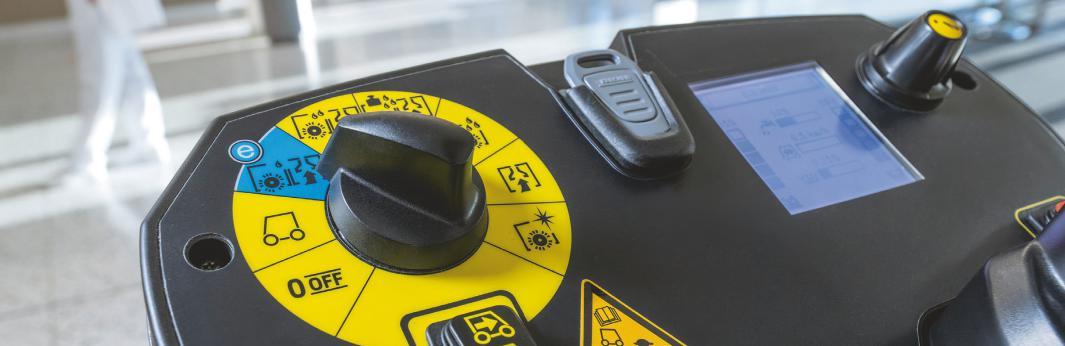
How important are the look, sound and feel of a scrubber dryer compared with other factors such as size, cost and productivity?
Ann Laffeaty finds out to what extent the senses play a part in the customer’s choice of machine.
operation is key.”
All LionsBot autonomous models feature a large touchscreen interface, a one-touch start button and ergonomic handlebars. The LionsBot R3 Scrub Pro is said to combine a compact, elegant design with low noise levels and a smooth motion. And it is designed to blend into any public space from premium offices to hospitals.
the workplace for an entire working day. An ergonomic design therefore helps to reduce fatigue and operating errors.”
A SCRUBBER DRYER has a purely functional role. It simply needs to be able to clean and dry a floor thoroughly so that it is ready for a quick re-use.
But what impression would a grubby, noisy or boxy-looking machine have on the visitor? Would he/she be less likely to have confidence in the cleaning ethos of a facility where the scrubber dryer in use presented an unprofessional appearance? And would the cleaner be less excited about using a machine that is uncomfortable to operate or unprepossessing to look at?
The appearance of a scrubber dryer plays a bigger role in the decision-making process than many people might expect, according to LionsBot branding and marketing manager Sherilyn Quek.
“Our customers see cleaning robots not just as tools, but as part of the brand experience,” she said. “A smart, attractive machine reflects the values of a clean, modern and forward-thinking venue.”
Low noise levels contribute to a more pleasant experience both for the user and for the general public, says Quek. “Many of our robots clean in high-traffic environments such as malls, airports and offices so we engineer our machines to run quietly,” she said. “This means they can operate during the day or night without disruption.”
A scrubber dryer also needs to be easy to use with ergonomic controls, she adds. “Cleaners come from many diverse backgrounds which means an intuitive
Appearance is particularly important for scrubber dryers in public areas such as shopping centres, airports and hospitals believes Hako application technology trainer and consultant Klaus Serfezi.
“A well-maintained and modern-looking machine will contribute to a positive overall impression of the facility,” he said. “It also reflects the image of the service provider. If the cleaning equipment itself is not clean, how can the job be successful? The interplay of high functionality and a clean appearance is a key combination.”
An unobtrusive design is important in many areas of application and during daytime cleaning in particular. “Subtle colours, a compact design and clean lines will help the machine blend harmoniously into its surroundings without attracting attention,” said Serfezi.
A quiet operation is an essential aspect of modern cleaning technology, he adds. “This is particularly so in sensitive areas such as hotels, clinics, schools and office buildings,” he said. “Here a low noise level allows cleaning to be carried out during operating hours without disturbing people. For this reason, machines are increasingly being designed with low-noise drive technologies and optimised sound insulation measures.”
A scrubber dryer needs to be easy to operate with a comfortable seat and ergonomic controls, he says. “An intuitive operation, a good overview of the working area, adjustable seats and logicallyarranged controls will all contribute to safety and efficiency at work. In most cases, large ride-on machines operate in
According to Serfezi, factors such as ease of use, ergonomics and low noise levels are all key considerations during machine development. Hako scrubber dryers can be equipped with a silent mode which reduces the speed of the suction motor in noise-sensitive areas such as hospitals and retirement homes, while the single-button operation allows new users to quickly learn how to use the machine.
CEO of Dryft World Imre Killi believes it is becoming increasingly important for cleaning equipment to look good. “The industry has traditionally been dominated by large, bulky machines where aesthetics were an afterthought,” he said. “But expectations are changing.
“Imagine walking into a prestigious venue such as a luxury hotel, a flagship retail space or a high-end office where every detail has been carefully considered to reflect the brand’s values. And then you notice an operator cleaning the floors with an old, clunky machine. It disrupts the image and speaks volumes about the organisation’s priorities. Does the business cut corners on quality? Is it clinging to outdated methods?
Sleek and modern
“Where the opposite is the case - where a sleek, modern, agile machine that complements the space is being used instead - this highlights the fact that the business cares about every detail including how it is being maintained. The equipment then becomes part of the brand story and bears visual proof of a company that values innovation, cleanliness and pride in presentation.”
The ideal machine should be unobtrusive and blend into the background, Killi adds. “The cleaning equipment a business chooses is a reflection of its core values whether that means innovation, efficiency or simply pride in maintaining high standards,” he said. “In a world where
impressions matter even those behindthe-scenes decisions speak loudly. Cleanliness should never feel like an afterthought - and neither should the tools used to achieve it.”
While floor cleaning machines in an ideal world would be completely silent, this is not yet possible according to Killi. “There is often a trade-off between compactness, performance and acoustics as cleaning technology evolves,” he said. “For example, making machines that are lighter and smaller can reduce noise insulation simply because there is less material to contain the sound.”
The ‘feel’ of the machine when in operation should always be a major consideration, he adds. “One of the biggest design challenges is making a scrubber dryer that is truly intuitive so that anyone can operate it confidently regardless of experience,” he said.
“It is common for multiple operators to use the same piece of equipment across different shifts or locations which makes consistent training a challenge. And reliance on complex instructions can lead to misuse, inefficiency or even damage. So when a product is designed to be intuitive in use it reduces errors, increases productivity and makes life easier for the people who rely on it every day.”
Dryft World’s Dryft machine is said to be comfortable, quiet and visually attractive with a sleek, modern look. Its vertical Shandle is fitted with a soft rubber grip and is claimed to promote a more ergonomic and natural movement.
The appearance of a professional scrubber dryer holds significant importance for business-to-business customers, says Karcher’s vice president of floor care solutions Christian Mrowka.
“While the primary purchasing decision hinges on performance, reliability and total cost of ownership the machine’s design and aesthetic are increasingly relevant,” he said. “A machine with a modern, professional and visually-appealing design reflects positively on the brand values of a venue, particularly in highly visible areas such as shopping centres, airports and hospitals. The cleaning process and the equipment used in these public-facing environments will contribute to the perception of professionalism, hygiene and operational quality.”
Seamlessly integrate
The ideal machine should be both aesthetically pleasing and unobtrusive, he said. “The design should be functional, modern and easily identifiable as a highquality piece of equipment,” he said. “However, in environments where cleaning needs to occur during operating hours the machine’s design should allow it to seamlessly integrate without causing visual disturbance.”
Low noise operation is a key factor in machine development at Kärcher, he said. “As cleaning schedules increasingly shift to daytime hours to improve efficiency and supervision, minimising disturbance to public, patients and employees is critical,” said Mrowka. “High noise levels not only interrupt activities in the venue but also contribute to operator fatigue and can exceed occupational noise limits.”
Kärcher’s eco!efficiency mode is designed to significantly reduce noise levels in sensitive areas such as hospitals, hotels, and office buildings. The company also incorporates efficient suction designs into its development process to stifle sound at its source while maintaining maximum performance.
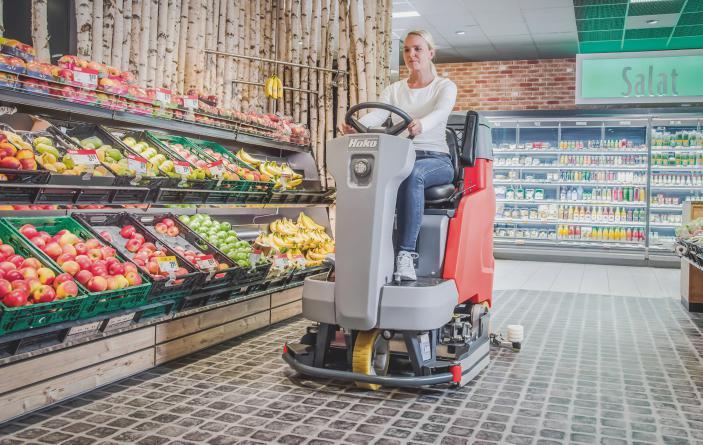
A professional scrubber dryer needs to be easy to use with a focus on operator comfort and ergonomic controls, Mrowka believes. “The operator is central to productivity which means ergonomic design is not merely a comfort feature but a direct driver of efficiency, reduced fatigue and a decreased risk of injury,” he said.
“Prioritising ergonomics ensures consistent high-quality cleaning, reduces errors and minimises downtime due to operator discomfort or training complexity,” said Mrowka. “With an ageing workforce and a diverse demographic that frequently includes smaller-statured operators, ergonomics in scrubber dryers have become a critical factor. Modern equipment must offer intuitive, highly adjustable handling to ensure long-term health and peak efficiency for every user, regardless of their physical build or age.”
So, how important are sensory factors for customers when making their decision to buy?
Practicality and return on investment tend to lead the conversation according to LionsBot’s Sherilyn Quek. “However factors such as the sound, appearance and even the way the robot ‘feels’ in use often seal the deal,” she adds. “Customers want a machine that projects quality and reliability and that their teams enjoy working with.”
Most customers use rational criteria such as area output, reliability, ease of maintenance and total cost of ownership when making their purchasing decision, says Hako’s Klaus Serfezi. “However, sensory impressions such as noise, design or feel can play a complementary role, particularly if the machine is regularly used within sight or earshot of customers or visitors,” he said.
Operator feedback is often an underestimated factor in the decision-making process, according to Dryft World’s Imrie Killi. “If the team doesn’t like it, they won’t use it and the machine will languish in a storage room while cleaners revert back to mops because the new tool was too complex, too heavy or simply unpopular,” he said. “Investing in equipment that staff won’t use is a costly mistake.”
Kärcher’s Christian Mrowka holds a different view. “The purchasing process is a logical, business-driven decision where the lowest total cost of ownership over the machine’s lifecycle will be prioritised,” he said. “A machine that is aesthetically pleasing, quiet and comfortable will therefore only succeed if it also delivers superior cleaning results, minimal operational costs and a high level of durability.”
The Cleanfix Toro CAS is designed for use in food production facilities and commercial kitchens, where cleaning equipment is routinely exposed to water and demanding operating conditions. The machine features fully sealed, brushless motors for both suction and brushing functions. Key components are protected and the mechanical construction is intended to support extended runtimes, frequent wash-downs and regular use in hygienesensitive environments.
The machine is designed to provide consistent cleaning performance across a range of floor types. Floating brushes, increased brush pressure and a reinforced drive system support effective cleaning on smooth floors as well as textured surfaces such as kitchen tiles with drainage joints. An additional power function, referred to as Rocket Mode, is available when increased force is required to address more persistent soiling.
Despite its industrial specification, the Toro CAS boasts compact design and reduced weight to support manoeuvrability in confined areas. The use of brushless motors is also intended to reduce noise levels, wear and maintenance. www.cleanfix.com
Rexa 50 from Riello is a walkbehind scrubber dryer designed for use in a range of environments. The machine is available in cleaning widths of 53 or 60 cm, a suction width of 75 cm and a 50-litre tank - providing productivity of up to 3,050 square metres per hour.
Rexa 50 is equipped with a high-efficiency suction motor intended to deliver consistent
performance while reducing energy consumption. Operator control is provided via an ergonomic handle and an integrated dual-sensor Touch System. This system allows users to monitor and manage machine functions through an intuitive control panel with display.
Rexa 50 also comes with safety features, including a standby mode that activates after five seconds of inactivity. Selected models include a front LED light to improve visibility in
low-light conditions. Available in multiple configurations, including options for gel or lithium batteries. Lithium models support quick recharging during short breaks to extend operating time.
www.ghibli.com
LINK from RCM is a compact scrubber dryer designed for medium-sized and congested areas. Available in three versions with single or double brushes ranging from 530 to 720 mm. Two programmes regulate water and detergent use while interchangeable batteries mean flexible autonomy. Ergonomic design and steering wheel controls support ease of operation. rcm.it
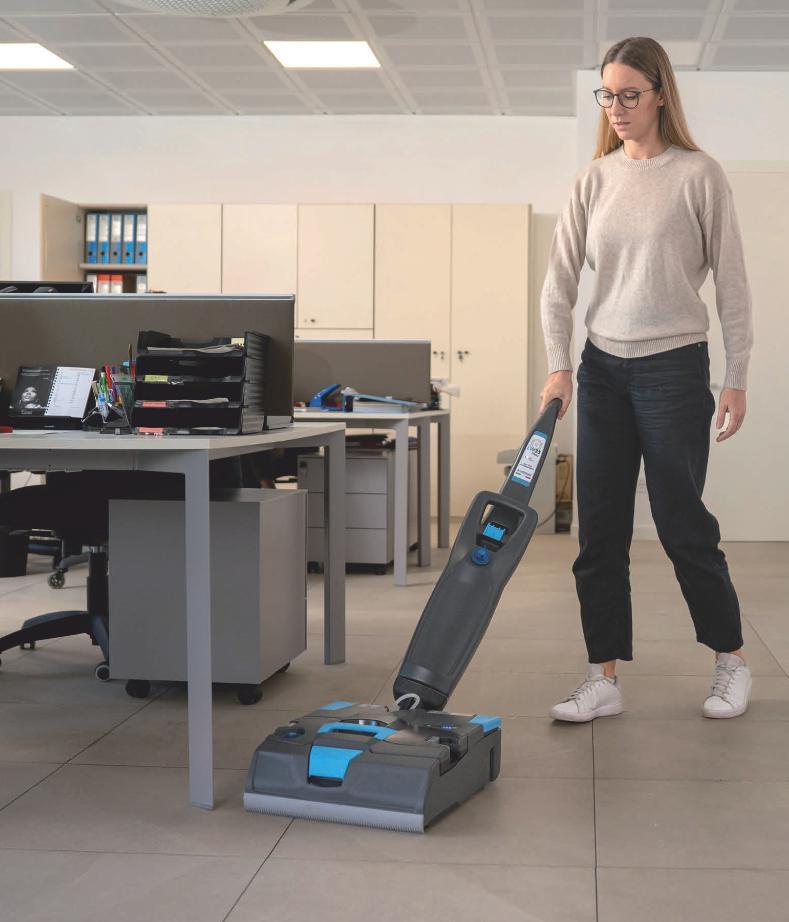

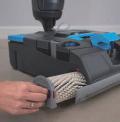
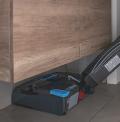
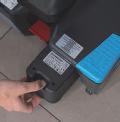


Conventional floor cleaning in commercial environments often requires a combination of scrubber dryers and manual mopping. While scrubber dryers provide consistent results over open areas, they can be limited - says DRYFT World.
It developed DRYFT as a mechanised floor cleaning system designed to provide full floor coverage while operating as a scrubber dryer, with the aim
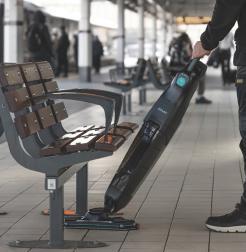
of reducing reliance on mopping. Recent development has focused on adapting the system for routine use in commercial environments, with construction intended to support operation in spaces with fixtures, obstacles and restricted access.
The machine features a lowprofile cleaning head designed to reach close to walls, fittings and edges. Cleaning and drying are carried out simultaneously, with the intention of reducing slip risks and limiting the need for additional cleaning passes or manual finishing.
www.dryft-world.com
Lindhaus’ LW35 Flexy walkbehind scrubber dryer has been developed with an emphasis on reducing environmental impact, alongside operational efficiency.
Environmental considerations are integrated throughout the LW35 Flexy’s design. The cleaning system is intended to reduce the consumption of water and
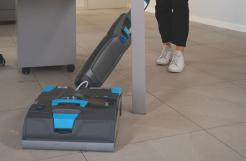
detergents while maintaining effective results.
Energy efficiency is also addressed through the use of optimised motors and controlled power management, which limit energy consumption. The machine’s compact size and manoeuvrability support efficient cleaning workflows.
Durability is a further aspect of the sustainability approach. The LW35 Flexy is constructed using robust components intended for long-term use, to extend service life and reduce the frequency of parts replacement.
Ease of use and ergonomic design reduce the need for extensive operator training.
www.lindhaus.it
Kärcher has introduced the K-Mop 46, a compact upright scrubber dryer designed for use in cluttered or confined spaces. The machine is intended to combine the manoeuvrability of a mop with mechanised cleaning, while reducing physical strain. Ergonomic features include a height-adjustable handle. Operating controls are language-neutral and designed for straightforward use. Plastic
components, excluding accessories, incorporate 28 per cent recycled material.
The K-Mop 46 has a 46 cm working width and a four-litre freshwater tank mounted on the handle. During operation, water flows from the freshwater tank to the wastewater tank, reducing top-section weight as cleaning progresses. Both tanks are removable for emptying and rinsing. The freshwater tank can be filled via an opening or hose, and detergent can be stored in a dedicated holder.
Control functions include an on/off switch, water flow regulation and an eco!mode. A colour-coded LED ring indicates operational status, while a small display shows water volume and
remaining runtime.
The K-Mop 46 can be used alongside larger Kärcher equipment via brackets and may be integrated with the Plug-In Connect module for tracking and localisation. Power is supplied by 36 V batteries from the Kärcher Battery Universe.
www.karcher.com
MG from Fimap is a ride-on scrubbing machine designed for use in large and demanding industrial and commercial environments. It is available with either disc or cylindrical brush heads and can be specified in Pro or Plus configurations. A range of optional features allows the machine to be adapted to different site conditions and cleaning requirements.
The machine features onboard video tutorials to support operators during use and routine maintenance. These are intended to reduce training time and support correct operation. Optional systems include FLR (Fimap Long Range), a water recycling function designed to extend cleaning coverage using the same volume of water, and AQUÆ technology, which enables cleaning without the use of chemical detergents. The Fimap Fleet Management (FFM) system provides data on machine usage and task execution to help monitor performance and reduce misuse.
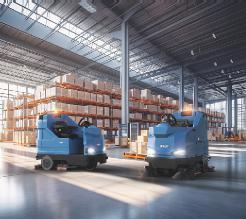
MG has a working speed of up to 8 km/h, a 170-litre solution tank and brush pressure of up to 150 kg, with brush speeds of 315 rpm. It is intended for use in large facilities such as logistics centres, warehouses, shopping centres and large retail environments where high-area coverage is required. www.fimap.com
Hako has updated its Scrubmaster range with the introduction of two walk-behind scrubber dryers - the Scrubmaster B35 and B50 - from mid-2026. The update focuses on revised operation, ergonomics and technical
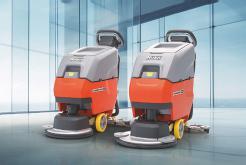
features intended to support safety, efficiency and reduced resource consumption.
The two models come in working widths of 46 and 55 cm, and solution and recovery tank capacities of 35 and 50 litres respectively. Compared with previous versions, this increases area coverage and extends operating time. Both machines include automatic speed reduction when cornering, designed to improve control and safety when operating in confined spaces.
A newly developed squeegee system allows tool-free removal and folding. Additional design features include a large tank opening and colour-coded maintenance points.
The Scrubmaster B50 will be available with optional orbital cleaning technology from the end of 2026, which will support effective cleaning with reduced tool wear.
www.hako.com
FIMOR has introduced a new generation of triple-hardness squeegees for use in industrial cleaning equipment.
The squeegee structure combines harder outer layers with a softer central layer. The design allows all four working edges to be used, extending usable service life and reducing the frequency of replacement.
The harder external layers improve water control by limiting splashing into joints. The softer layer acts as a visual and functional wear indicator.
www.fimor.com
To receive ECJ free of charge (subject to qualification), complete the form below.
Please tick just one box in each section.
Your company’s main business activity:
q Factory & industrial premises
q Offices & commercial premises (including banks)
q Contract cleaning/cleaning services
q Distributors/wholesalers
q Health authorities/hospitals/ nursing homes
q Central and local government
Address
q Hotels/catering/recreation (including leisure centres)
q Education establishments (including universities, schools & colleges)
q Other (please specify)
Number of company employees:
Are you personally responsible for purchasing or specifying machinery, materials, products, equipment or support services used in the cleaning and maintenance of non-domestic establishments Yes/No
q None of the above.
Please