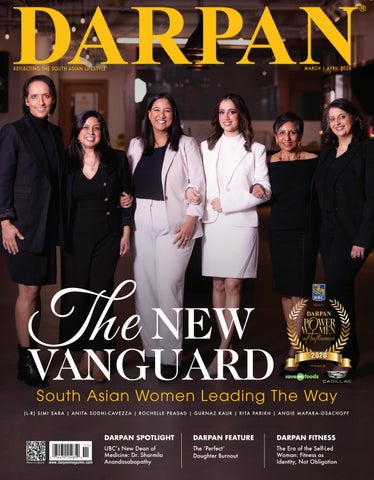
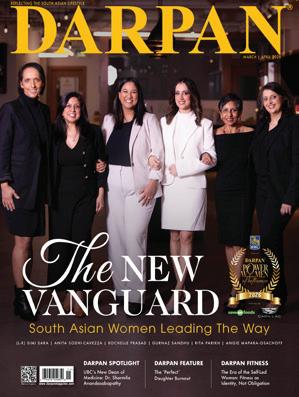
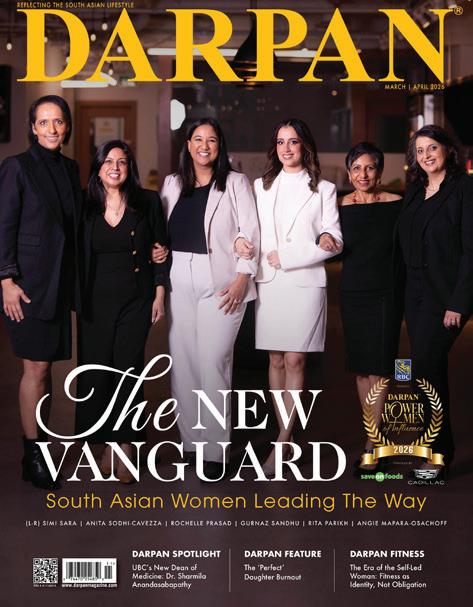
NEW VANGUARD

South Asian Women Leading The Way
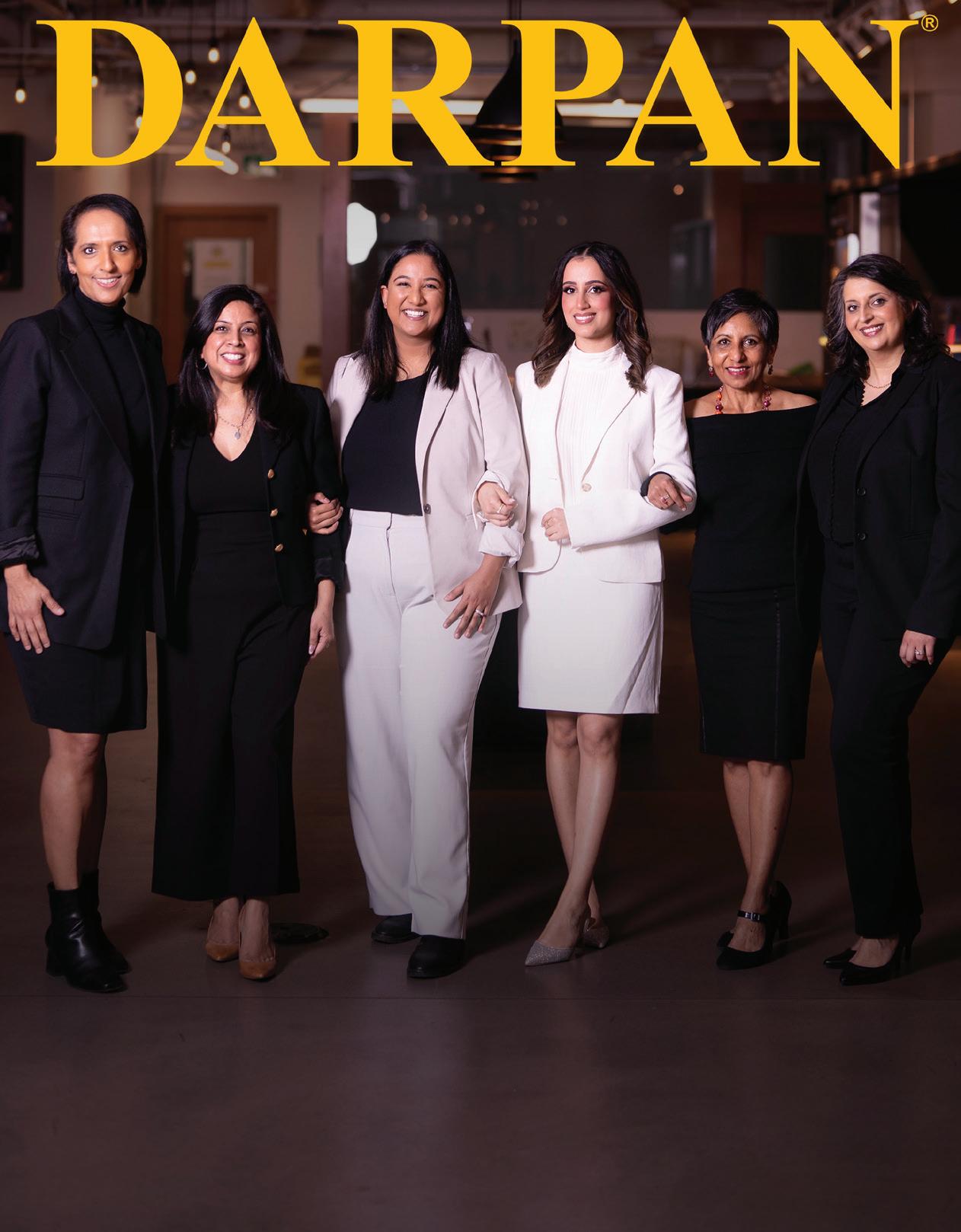
(L-R) SIMI SARA | ANITA SODHI-CAVEZZA | ROCHELLE PRASAD | GURNAZ KAUR | RITA PARIKH | ANGIE MAPARA-OSACHOFF

DARPAN SPOTLIGHT
UBC’s New Dean of Medicine: Dr. Sharmila Anandasabapathy
DARPAN FEATURE The ‘Perfect’ Daughter Burnout
DARPAN FITNESS
The Era of the Self-Led Woman: Fitness as Identity, Not Obligation







of you Your idea happens here





















PUBLISHERS
Gurvinder S. Hundal
Ramneek S. Dhillon
EDITOR
Ancy Mendonza Kumar
ASSISTANT EDITOR
Tuhina Ghoshal
ADVERTISING AND SALES
Gurvinder S. Hundal
Ramneek S. Dhillon
Piyush Bisht
GRAPHIC DESIGNER AND VIDEO EDITOR
Hargun Singh Dhaliwal
COVER Photography: A Master Media
Venue: 312 Main, Vancouver
PUBLISHERS̓ NOTE

Every year, our March–April issue holds a special place in our hearts. It’s our Women’s Special Edition—a celebration of the strength, resilience, and evolving stories of the incredible women in our community. This issue is dedicated to conversations that matter, to voices that inspire, and to the many ways South Asian women continue to shape the world around them.
Our cover story, The New Vanguard, brings together six remarkable South Asian women who are leading with courage, vision, and purpose. From business and leadership to advocacy and media, they represent a generation that is not only breaking barriers but redefining what success and influence look like for women today.
Throughout this issue, we explore the
many dimensions of womanhood in our community. In our main feature, Entrepreneurship as Freedom, we look at how South Asian women are reclaiming autonomy and building independence through business ownership. We also dive into deeply personal and important topics - from The ‘Perfect’ Daughter Burnout and the emotional pressures many women quietly carry, to The New Desi Mother, a look at how modern mothers are redefining strength, softness, and boundaries on their own terms.
Health and wellness are another important focus this issue. We explore Fertility and the Silence Around It, and unpack The Incredible, Often Misunderstood Power of Hormones on women’s health and happiness.
You’ll also meet inspiring individuals through our Spotlights and Salutes, honoring women whose service and leadership continue to uplift the community.
And of course, we are excited to welcome guests to our DARPAN Power Women of Influence evening on March 21 — one of the most meaningful celebrations of South Asian women in our community.
To all the women reading this: this issue is for you.
WRITERS
Ancy Mendonza Kumar
Asma Kassam
Benjamin Yong
Michele Marko
Naina Grewal
Natasha D'souza
Shweta Kulkarni
Tuhina Ghoshal
CONTACT
Tel: 604-572-0199
Email: info@darpanmagazine.com 340-8140, 128 St. Surrey BC. V3W-1R1
JOIN US ONLINE! Visit: www.darpanmagazine.com @darpanmagazine


Ramneek S. Dhillon
Gurvinder S. Hundal
Hello DARPAN readers,


LIFESTYLE
DARPAN FEATURE


DARPAN BEAUTY
26 Entrepreneurship as Freedom: How South Asian Women Are Reclaiming Autonomy Through Business Ownership
60 The ‘Perfect’ Daughter Burnout
64 The New Desi MotherRedefining Strength, Softness, and Boundaries
68 The Silence Behind “Good News” - Fertility, Stigma, and South Asian Women
72 The Incredible, Misunderstood Power of Hormones on Women’s Health & Happiness
DARPAN SALUTES
76 Beyond the Spotlight: Two Women, Two Lifetimes of Service
DARPAN FITNESS
78 The Era of the Self-Led Woman: Fitness as Identity, Not Obligation
DARPAN RECIPES
84 Deepali Singla
DARPAN STYLE
86 Seema Gujral’s Eden: A Celebration of Spring, Craftsmanship, and Modern Romance

94 Makeup Is Back: The Rise of Velvet Matte, Juicy Lips, and the New Maximalist Glow
DARPAN MOVIES
98 Tudum at Ten: Netflix India's 2026 Slate is its Boldest Chapter Yet
DARPAN WEDDING
104 Natasha & Leopold
DARPAN AUTO
108 2026 Honda CR-V Touring Hybrid
110 2026 Honda CR-V Touring Hybrid
112 Volvo XC90 PHEV
CANADIAN IMMIGRANTS
114 Meet Shashi Kiran Billa




Minister Bailey, you’ve described Budget 2026 as a “serious” budget. For everyday British Columbians, what does that mean in practical terms?
Budget 2026 is absolutely a serious budget for serious times. For British Columbians, it means we are making careful choices to protect what matters most. We are keeping B.C. one of the lowest-taxed provinces for working families while protecting core public services, like health care and education: hiring the doctors, nurses, and healthcare workers we need, and teachers and counsellors in our kids’ schools.
The deficit is projected to spike to a record $13.3 billion—a 38 per cent increase year-over-year. Why should residents feel confident that this deficit is manageable?
It’s important to understand that the projections in the budget are just that–projections. Based on those projections, we are limiting new spending to critical services and targeted investments to grow the economy. We are moderating our capital plan and reviewing our programs to ensure we’re making the best use of every dollar. We are finding avenues to increase revenue and making careful, targeted investments in skills training and major projects to ensure the longterm success of B.C.’s economy. This work is helping us bring down our deficit.
You’ve raised the base income tax rate for the lowest bracket, impacting roughly 60 per cent of taxpayers. Why was this the right time to increase taxes when affordability remains a top concern?
Global uncertainty is slowing growth everywhere. High costs, global instability, and volatile commodity prices are putting pressure on public finances. To protect public services people rely on, we are increasing the rate of the first income tax bracket by less than 0.6 percentage points —5.06% to 5.60%. We have been mindful to offset the cost for British Columbians with lower incomes through an increased tax reduction credit, and even with this change, middle-income British Columbians will continue to have among the lowest taxes in the country.
B.C. was once operating in surplus. Critics argue that the current deficit is the result of government spending decisions. How do you respond to those who say this fiscal situation is self-inflicted?
A lot has changed since then. We have helped people with costs through eliminating the carbon tax, while investing in the infrastructure people need, and that has impacted our deficit. At the same time, economic conditions have changed worldwide, with trade conflicts leading to uncertainty that has affected all jurisdictions. In Budget 2026, we are limiting new spending to critical services and targeted investments to grow the economy as we focus on a sustainable fiscal future. We have also introduced new revenue measures that are expected to grow over the threeyear fiscal plan.
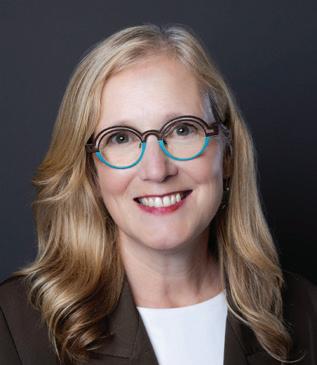
BRENDA BAILEY
COLUMBIA
That said, we expect that B.C.’s full potential is not fully captured yet. Even with streamlined permitting and investments in training skilled workers, major projects can take years to come online and begin generating revenue. The investments B.C. is making today will pay off in the years to come, even if they are not fully reflected in this fiscal plan."
Business groups have expressed concern that higher PST on services and rising costs will discourage investment and deepen what they call an “entrepreneurial drought.” What’s your message to B.C.’s business community?
I know that many businesses are struggling right now, with a slower economy and tariffs having a major impact. Through this PST change, businesses will see small price increases, but we have been working diligently since forming government in 2017 to create an economic environment that allows businesses to succeed. Businesses are saving big with the elimination of the carbon tax, and Budget 2026 features tax credits and more measures to support B.C. businesses.
Infrastructure projects, including long-term care facilities and hospital expansions, are being delayed. How do you ensure that “re-pacing” projects doesn’t compromise essential services for growing communities?
After years of building up infrastructure to close gaps and strengthen services, we are adjusting the pace of our capital plan to continue building the schools, hospitals, and
transit people need in a sustainable way. We remain committed to delivering urgently needed infrastructure and will be working to better sequence and deliver these projects.
Property owners will see increases in the additional school tax and speculation and vacancy tax. How do these measures balance revenue generation with concerns about housing affordability and investor confidence?
Housing has always been a top priority for our government. People in B.C. need homes they can afford, but too many people face high costs driven by housing speculators and profiteers. The additional school tax is specific to residential properties that are over $3 million, and Budget 2026 includes changes to help ensure homes aren’t sitting empty or underused, but are available for people to rent or buy. In fact, housing investments in this budget are nearly five times what they were in 2016, demonstrating our continued commitment to delivering the homes people need.
You’ve said B.C. will remain one of the lowest-taxed provinces for middleand working-class families. How do you reconcile that with the fact that the majority of tax filers will pay more next year?
It’s true, our province has some of the lowest taxes in the country for those with middle incomes, and that’s not changing. More than 40% of taxpayers will actually see savings because we are increasing the B.C. Tax Reduction Credit to offset the tax change for lower-income British Columbians.
If economic growth slows further or revenues fall short of projections, are additional tax increases or spending cuts on the table?
Our goal, always, is to find ways to improve on these projections and reduce the deficit further. That said, we expect that B.C.’s full potential is not fully captured yet. Even with streamlined permitting and investments in training skilled workers, major projects can take years to come online and begin generating revenue. The investments B.C. is making today will pay off in the years to come, even if they are not fully reflected in this fiscal plan.
Looking ahead, what concrete benchmarks should British Columbians watch for to know whether your plan to reduce the deficit “over time” is actually working?
A benchmark I always keep top of mind is our debt-to-GDP ratio. While we still compare favorably to other provinces, we still have more work to do to bring that down. We will provide regular updates on our progress towards our fiscal goals through quarterly financial reports and future budgets.

There isn’t ‘one spot’ for a South Asian woman. There are millions of stories. And if the table is full? We build another one— and we build it together—for each other.” “
ON LIVING BOLDLY AND NOT SHRINKING SONYA SINGH ALL IN:
By Natasha D’souza
For many first-generation South Asian women, success comes with an unspoken rule: don’t take up too much space. Be grateful. Be agreeable. Be realistic. Sonya Singh has spent her career doing the opposite, not out of defiance, but out of necessity. From her instant national bestseller, Sari, Not Sari, to her upcoming title, The Fake Matchmaker, Singh’s work centers on women who refuse to shrink themselves to meet tradition, love, or industry expectations. Now entering what she calls the “second act,” the multihyphenate author, producer, caregiver, and storyteller reflects on identity, ambition, and why creating your own space can be the most powerful move of all.
When Singh was told there
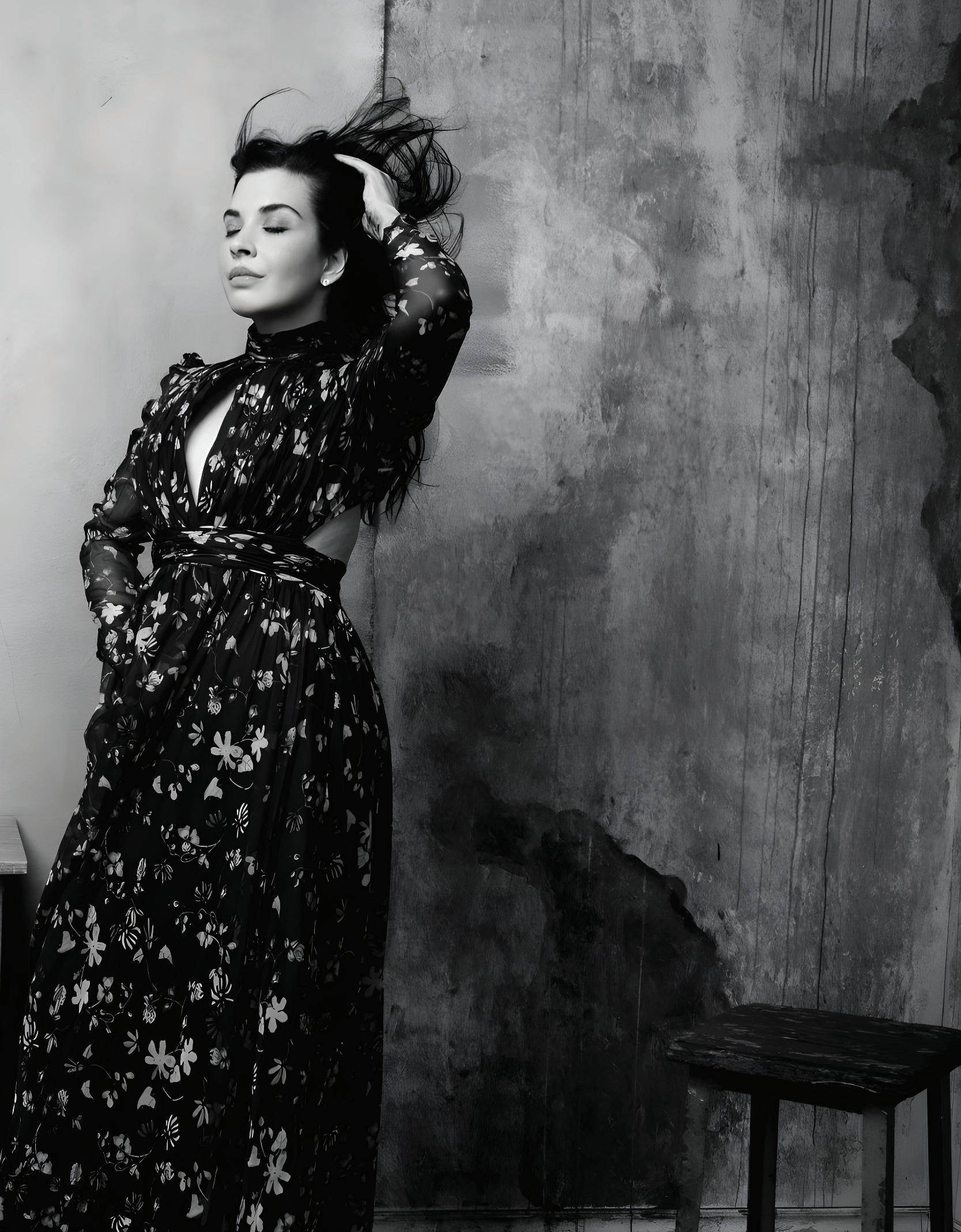
wasn’t “room” for more than one South Asian author in a publishing cycle, the message wasn’t new. Her response, however, was decisive.
“My parents didn’t immigrate here so I could sit quietly in the corner waiting for someone to make room for me, and I always knew that. So, when I heard there wasn’t ‘room,’ I didn’t take it personally. I thought that sounds like a wall, and I'm going to break it down. There isn’t ‘one spot’ for a South Asian woman. There are millions of stories. And if the table is full? We build another one—and we build it together—for each other.”
That refusal to internalize limitation became central to Singh’s creative voice. Sari, Not Sari, resonated deeply







articulated tensions many were taught to manage quietly.
“I can only speak from my experience, but in many of our homes, marriage and motherhood are still treated like the main event. Your ambition can feel like the side dish/ ‘fun hustle.’ There’s this subtle messaging: yes, be successful… but don’t let it intimidate anyone. Yes, dream big… but not bigger than your relationship/marriage timeline. That creates tension. And resentment. And guilt. And ...honestly, confusion, and I think... personally, you settle. I settled at times.”
Growing up first-generation Punjabi in Canada required Singh to perform different versions of herself, depending on the room she was in.
“Oh, the double life. There’s always some level of code-switching when you’re navigating cultures. But I stopped hiding. For years, I downplayed speaking Punjabi. I didn’t want to be ‘too ethnic.’ I wanted to blend. It wasn’t until Sari, Not Sari came out that I realized—wait, this is the magic that's been inside of me all this time.”
That realization reshaped how she shows up, personally and professionally.
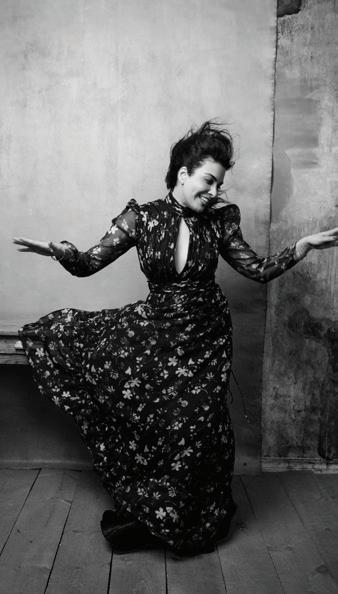
“ I’ve learned something: the right people don’t shrink you. They celebrate you.”
“Now I’ll wear a sari one day and a power suit the next. I’ll go to the gurdwara and then pitch a rom-com. Turns out, I’m allowed to be all of it—and I can do all of it.”
As the oldest daughter of immigrants, Sonya was intimately familiar with the expectations placed on Punjabi women—and equally unwilling to comply quietly.
“As the oldest daughter of immigrants, and a fiery Aries, I was never going to follow that script quietly. I’ve definitely been called ‘too much.’ Too ambitious. Too opinionated. Too independent. The party girl. But I’ve learned something: the right people don’t shrink you. They celebrate you.”
“I didn’t dismantle the script through debate. I dismantled it by living differently. By building a career. By having a voice. By refusing to dim my personality to make someone else comfortable. And I’ve never believed my voice should be quieter just because I don’t have a brother. Sometimes I joke that maybe that’s why I have such a loud voice. I genuinely don’t know how to whisper. And when it comes to who I am, I don’t think I want to learn.”
That philosophy carries directly
into her forthcoming novel, The Fake Matchmaker, where the protagonist opts out of waiting to be chosen.
“I was that woman. I’ve stayed in relationships that didn’t align because I thought I was supposed to make them work. At some point, I realized I didn’t want to be chosen. I wanted to choose, and I was done choosing someone else over me.”
She describes her current chapter as a “second act,” one shaped by boundaries and authorship.


“For me, therapy was a huge shift. I’ve been in therapy for more than five years, and that shifted things for me. The shift happens when you realize you’re allowed to have boundaries. That you can step back from community expectations without abandoning your culture. That your story doesn’t need another narrator. My second act is about authorship—literally and figuratively. I’m not waiting for someone else to define my narrative. I’m writing it myself and using my own voice.”
Asked what she would tell her younger self, Singh returns to hope—and compassion.
“She can always have hope. Hope to take up space. Hope to be as loud as she wants to be. Hope that she never has to apologize for who she is. Through years of therapy, I’ve learned to look back at that little girl with softness instead of judgment. She was doing her best. And she was always enough.”
After years of refusing to dim her light, Singh makes one thing clear: not settling isn’t rebellion—it’s authorship.






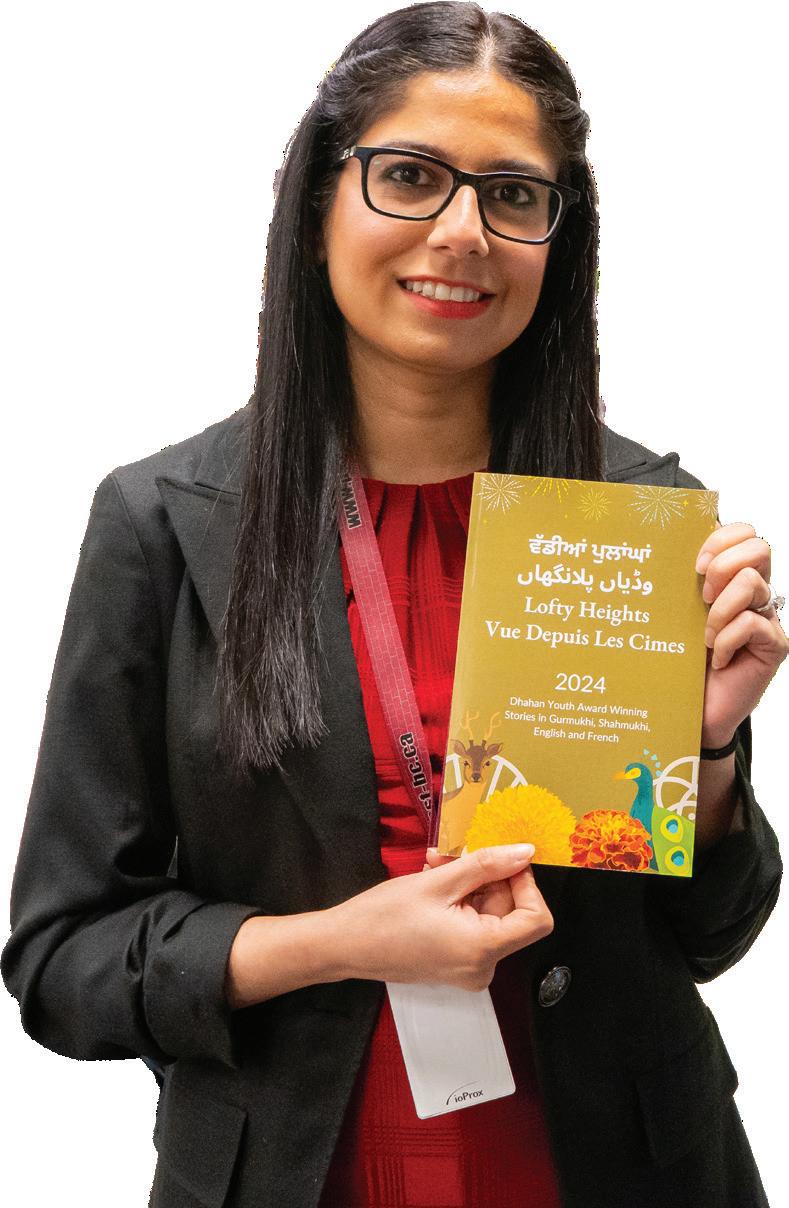
PARABJOT KAUR SINGH
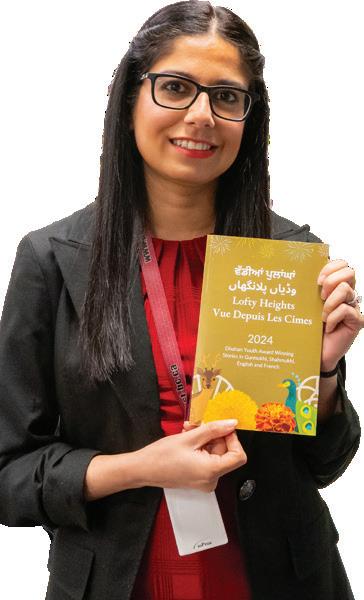
For Parabjot Kaur Singh, language is not just a subject she teaches. It is an inheritance, responsibility, and bridge. As a high school English and Punjabi teacher in British Columbia, her work inside the classroom is deeply intertwined with the stories she carries from home.
“My upbringing and relationship with language have played a significant role in shaping the stories I choose to tell,” she says. Born and raised in Canada to parents who immigrated from Punjab in the early 1990s, Parabjot grew up listening to stories of “pain, loss, struggle, and success.” Those narratives were not abstract history. They were family memories.
Punjabi was not treated as secondary in her household. It was revered. Her grandfather, Jarnail Singh Sekha, authored many books in Punjabi, leaving behind a literary legacy in Canada. “His legacy as a Punjabi writer in Canada gave me the tools to preserve the Punjabi language,” she highlights. Today, she gives back by teaching Punjabi in a classroom context, sharing her voice with younger generations growing up in B.C. as children of Punjabi immigrants.
Books surrounded her from childhood. “During my primary school years, my grandfather was actively involved in my education and instilled the life-long habit of reading,” she recalls. He read her English storybooks and verbally translated them into Punjabi, later teaching her Gurmukhi, an early bilingual foundation that shaped her writing. Her first book, Chewie, the Budgie, emerged from grief. “I wrote this book after the death of my pet bird,” she reminisces. Journaling through the loss, she found the memories forming a story.
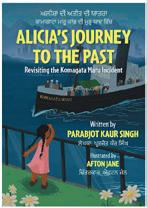
Her second book, Alicia’s Journey to the Past: Revisiting the Komagata Maru Incident, explores collective history. Parabjot says she did not learn about the tragedy growing up and later realized that there are limited resources for children and teens about Canadian history, with a focus on Punjabi immigrants in Canada. Writing the book was her way of centering those stories for young readers.
By Naina Grewal
Alicia, a third-generation Canadian discovering her roots, is partly

inspired by Parabjot’s own childhood. “Fitting in with ‘mainstream’ and ‘Punjabi’ communities was challenging because I felt a push and pull between both cultures,” she admits. The western name itself was also intentional, she points out, “The name ‘Alicia’ signifies the historical systemic struggles of acceptance and belonging.”
Bilingual storytelling is central to her mission. “It was important for this book to be bilingual because I wanted to bridge the gap between English and Punjabi,” she emphasizes. In addressing the Komagata Maru, she adds, “My goal was to present history by focusing on the human experience, teaching the truth, and fostering empathy and resilience,” ensuring children feel empowered to recognize injustice and help build a more inclusive future.
Ultimately, her hope is clear: “If we want children to grow and evolve into positive, healthy human beings, they must learn from the past, make positive choices in the present, and create a healthy life that will positively benefit families, communities, and the broader society.” Through language, memory, and history, Parabjot Kaur is ensuring the next generation does exactly that.



Meet UBC’s
New Dean of Medicine
DR.SHARMILA ANANDASABAPATHY I
By Naina Grewal
UBC has an incredible depth and breadth of expertise across the university, and by connecting those strengths, we can help build a more responsive, equitable and sustainable health system for people in the Fraser and across the province.”

In November 2025, Dr. Sharmila Anandasabapathy stepped into her role as Dean of the Faculty of Medicine and Vice-President, Health at the University of British Columbia (UBC) at a pivotal moment for health both in British Columbia and globally.
An internationally renowned clinicianscientist and gastroenterologist, she brings a career defined by innovation, interdisciplinary collaboration, and a deep commitment to equity, signaling both continuity and bold new direction.
“My path was shaped early on by my parents, who came to the U.S. from Sri Lanka when I was a child. My father was a physician, and my mother was an artist, which meant I grew up immersed in both science and the arts. That dual perspective continues to shape how I lead today, combining scientific rigor and curiosity with creativity, empathy, and a strong sense of human connection,” shares Dr. Anandasabapathy.



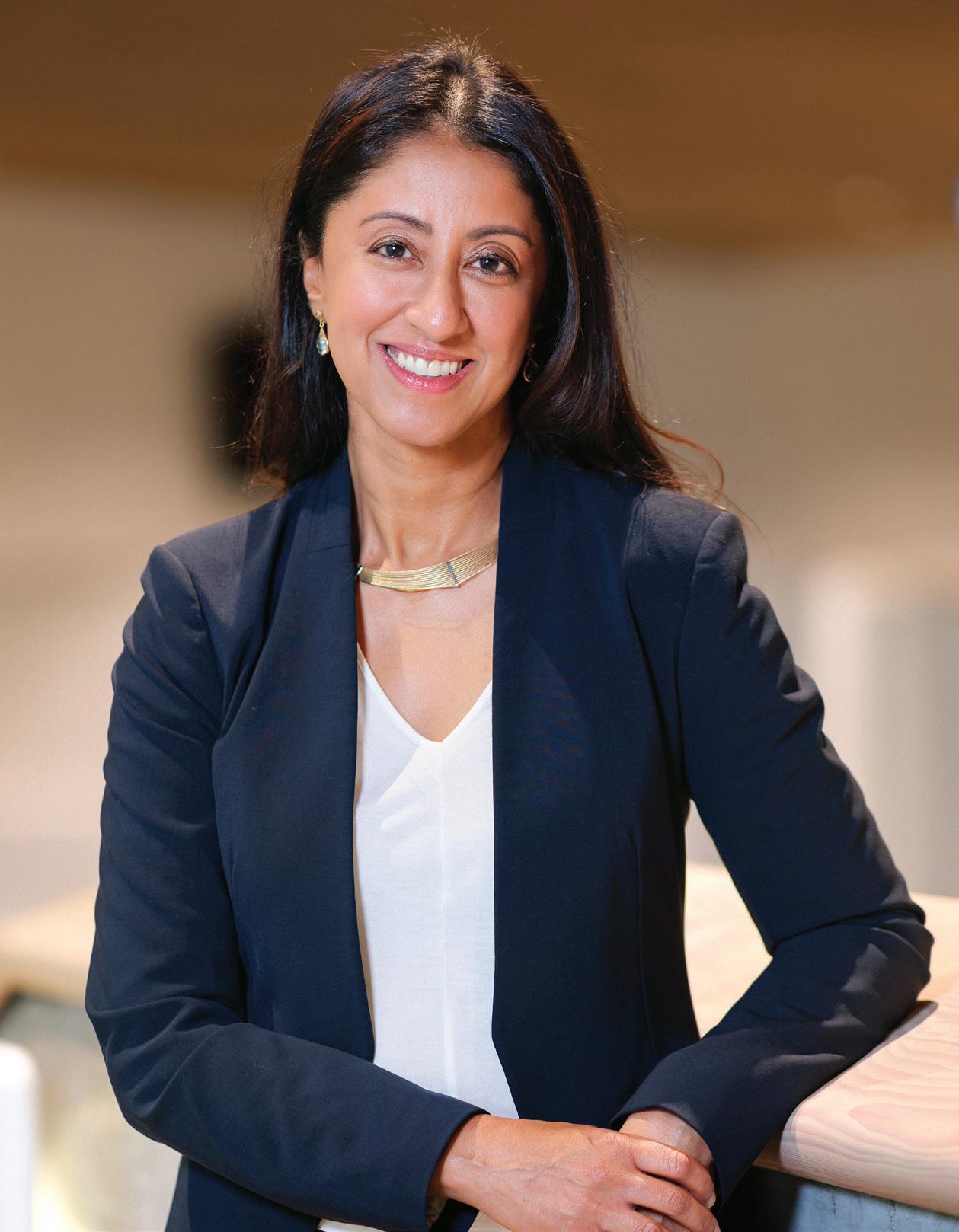





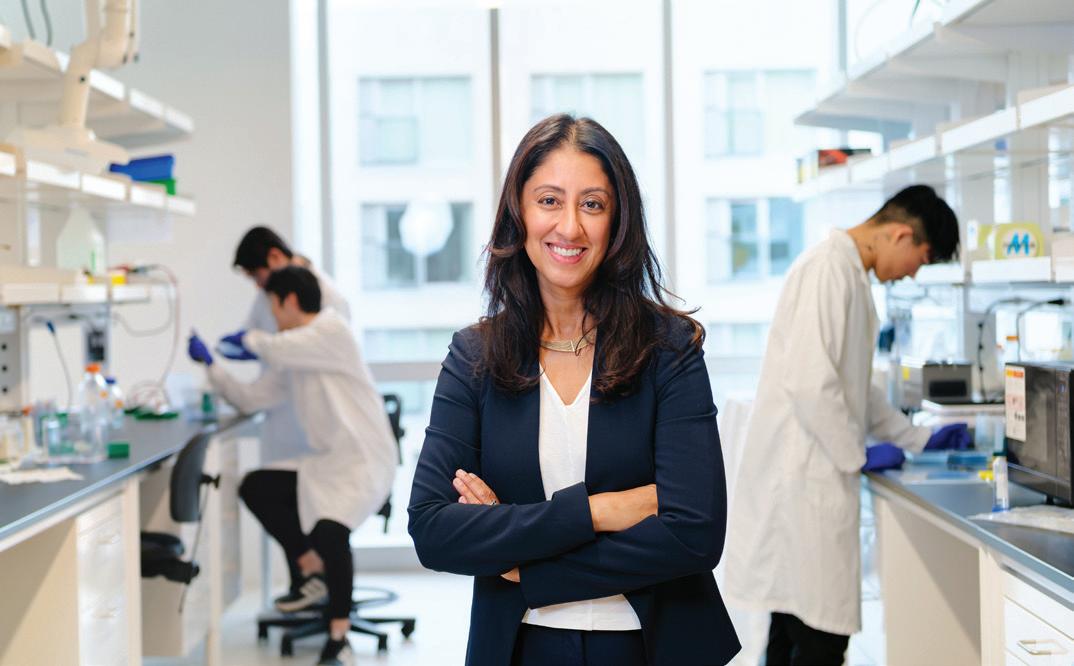
That early blending of science and humanity would come to define her career. A gastroenterologist by training, Dr. Anandasabapathy has built her work at the intersection of translational science, cancer early detection, and global health equity. She develops and validates scalable technologies for early gastrointestinal cancer detection, translating lab discoveries into practical solutions worldwide.
A Principal Investigator on four NIH- and National Cancer Institutefunded grants before joining UBC, she also leads international clinical trials of lower-cost diagnostics, grounded in her belief that innovation must be accessible, not exclusive. Before joining UBC, she served as Vice-President and Senior Associate Dean, Global Programs, at Baylor College of Medicine in Houston, Texas.
“A core value that underpins all of this is courage—the courage to innovate, to stand up for what is right, and to try new approaches even when the path forward isn’t certain. I’ve seen firsthand through my global work that some of the most meaningful advances come from people willing to challenge the status quo in service of patients and communities.”
Her global work has taken her across continents, shaping both her scientific priorities and her worldview. “Working in countries such as Malawi, India, and Brazil, I have seen firsthand how inequities in access, often affecting women and children most, shape health outcomes. Those experiences have reinforced my commitment to advancing innovative health solutions that meet the needs of underserved patients, both here at home and around the world,” she says. Those experiences solidified her sense of responsibility. For Dr. Anandasabapathy, the urgency of her work is grounded in both challenge and possibility, depicting immense health pressures locally and globally, paired with unprecedented scientific tools. Rather than viewing complexity as a barrier, she sees it as a call to action.
At the heart of that action is a clear definition of equity. “Health equity means designing systems and solutions that work for everyone, including those who have historically been underserved. In my own work as a clinician-scientist, that has meant developing low-cost, scalable technologies for early detection
of gastrointestinal cancer that can reach patients in resource-limited settings globally.”
Her academic journey reflects the breadth of her perspective. She earned a Bachelor of Arts in English Literature from Yale University before pursuing her MD, with Distinction in Research, at the Albert Einstein College of Medicine. She completed her internal medicine training at New York Hospital-Cornell Medical Center and Memorial Sloan Kettering Cancer Center, followed by a gastroenterology fellowship at Mount Sinai Medical Center in New York. In addition to her primary appointment at Baylor, she held an adjunct appointment in bioengineering at Rice University. An interdisciplinary ethos remains central to her leadership philosophy. As she describes it, “UBC has an incredible depth and breadth of expertise across the university, and by connecting those strengths, we can help build a more responsive, equitable and sustainable health system for people in the Fraser and across the province.” For Dr. Anandasabapathy, progress lies in connection, be it between
disciplines, between institutions, or, most importantly, between people.
Beyond systems and structures, her focus consistently returns to the human experience. “The future of medicine will be interdisciplinary and technology-enabled, but importantly, we must never lose sight of the people at the center. In fact, as medicine becomes more technologically advanced, the human connection becomes even more important.”
The renowned trailblazer places foremost priority on culturally safe, compassionate, and responsive care for diverse populations. She speaks of evolving medical education to include team-based training, a focus on innovating new and better health solutions, and ensuring that emerging AI and digital tools are used safely, responsibly, and ethically; they are not replacements for care, but enhancements. Underlying her work and leadership is a defining value: courage. “A core value that underpins all of this is courage—the courage to innovate, to stand up for what is right, and to try new approaches even when the path forward isn’t certain. I’ve seen firsthand through my global work that some of the most meaningful advances come from people willing to challenge the status quo in service of patients and communities.”
Dr. Anandasabapathy’s trajectory reflects a rare synthesis of scientific excellence, global perspective, and human-centered leadership. Her work spans bench-to-bedside diagnostics, engineering collaborations, and community-based implementation strategies around the world.
As she embarks on a new chapter, her outlook remains both pragmatic and hopeful. She recognizes the scale of today’s health challenges, yet she remains energized by the possibilities of modern science and collective effort.
















In Dr. Sharmila Anandasabapathy, the community sees not only a distinguished scientist and academic leader, but a genuine leader committed to advancing medicine in ways that are innovative, inclusive, and deeply responsive to the communities it serves.


BHUPINDER OBEROI OWNER
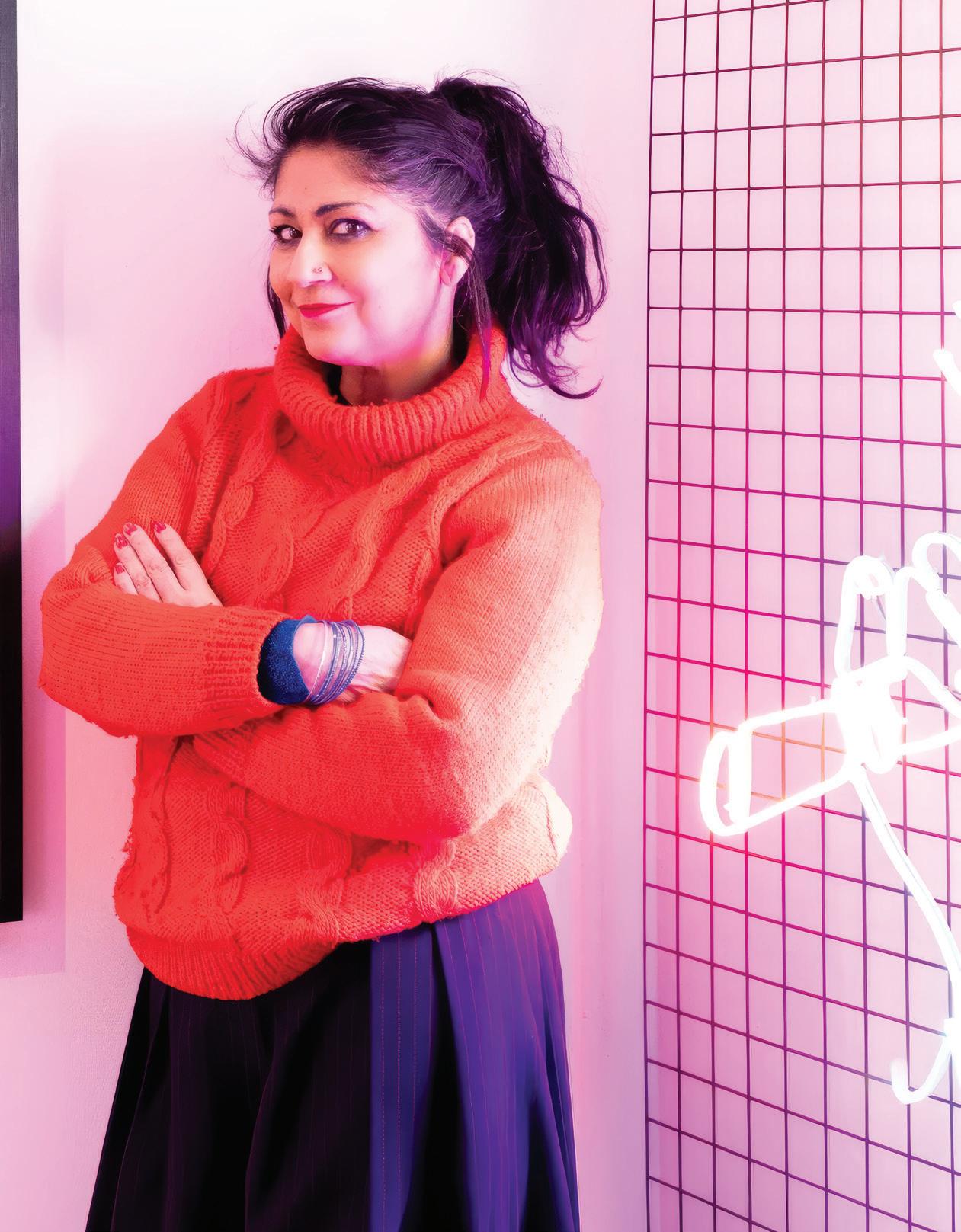
The Art of Bold Color, Fierce Identity:
Chila
Burman
By Natasha D’souza
Few contemporary artists command attention like Chila Kumari Singh Burman. With blazing neon tigers, glittering surfaces, and a fearless mix of mythology, pop culture, and personal memory, the British-Indian artist has built a career defined by color, rebellion, and cultural pride. For over four decades, Burman has been pushing the boundaries of contemporary art, creating work that is as politically charged as it is visually exuberant.
Born in Bootle near Liverpool to Punjabi immigrant parents, Burman proudly identifies as a “Punjabi Liverpudlian.” Growing up in a working-class household shaped by migration, family enterprise, and community life, she absorbed influences that would later define her art. From the vibrancy of South Asian religious imagery to the irreverent energy of Liverpool’s music and street culture, her visual language evolved into a dynamic fusion of worlds. Burman first came to prominence in the 1980s during the Black British Arts movement, when artists of color began challenging the narrow narratives dominating British cultural institutions. Her work stood out for its unapologetic embrace of hybridity, blending Bollywood glamor, Bhangra rhythms, punk sensibilities, feminist commentary, and South Asian iconography in ways that felt both radical and joyous.
In recent years, Burman’s neon installations have become her signature. Glowing tigers, ice-cream cones, bindis, Hindu deities, and mythological figures light up buildings and public spaces, transforming everyday environments into dazzling cultural narratives. The neon itself is deeply intentional, simultaneously referencing pop culture, religious symbolism, and the electric energy of urban life.
A landmark moment came in 2020 when she transformed the facade of Tate Britain with Remembering a Brave New World, unveiled on November 14 to coincide with Diwali. The installation turned the historic



AMIT CHOPRA



building into a radiant canvas of deities, tigers, and cultural symbols, bringing South Asian imagery boldly into the British art mainstream.

Burman’s momentum shows no sign of slowing. In 2025, her neon work Unicorn (Ekasringa) was reimagined in vibrant light for permanent display at Perth Art Gallery, blending myth and color in a joyful beacon that bridges cultures. That same year, she brought her signature neon and punk-pop energy to the BRIT Awards, creating a bespoke installation that transformed invitations and an immersive after-party, further embedding her visual language into public consciousness.
At the heart of Burman’s work lies personal history. The tiger motif, one of her most recognizable symbols, traces back to her father’s ice-cream van, which famously carried a Bengal tiger sculpture on its roof.
Burman’s work is held in major collections, including the Victoria and Albert Museum and the British Council, and she has exhibited internationally, including at the Venice Biennale. In recognition of her cultural impact, she was awarded an MBE in 2022. Looking ahead, her extraordinary body of work will be celebrated with a major retrospective when Tate Liverpool reopens in 2027, a fitting tribute to one of Britain’s most distinctive artistic voices.
Burman once summed up her perspective simply, “I am just an artist.”
Yet her work speaks far beyond those words. Through fearless imagination, radiant color, and an unwavering celebration of cultural identity, Chila Kumari Singh Burman doesn’t just expand the language of contemporary arts but illuminates it.

ENTREPRENEURSHIP AS FREEDOM
HOW SOUTH ASIAN WOMEN ARE RECLAIMING AUTONOMY THROUGH BUSINESS OWNERSHIP
By Naina Grewal

For generations, success in many South Asian households followed a familiar script: pursue a stable profession, prioritize family, and seek security. Today, a growing number of South Asian women are rewriting that narrative, turning to entrepreneurship as a declaration of autonomy over their time, finances, creativity, and futures. For them, business ownership is not just about income, but about alignment. It is about building lives that reflect who they truly are. In speaking with dynamic entrepreneurs, one theme is clear: entrepreneurship represents freedom, but also responsibility, visibility, and generational change
What motivated you to start your own business?
I was motivated to start my own business because I wanted freedom: creative freedom, time freedom, and the ability to build something rooted in purpose rather than pressure. I’ve always been driven by intuition and storytelling, and entrepreneurship allowed me to design a life that aligns with who I am, not who I was expected to be.
What challenges or cultural expectations have you had to navigate?
As a South Asian woman, I’ve had to navigate expectations around stability, timelines, and what success is ‘supposed’ to look like. Choosing unconventional paths—creative work, fashion, styling, and entrepreneurship—often meant having to trust myself even when
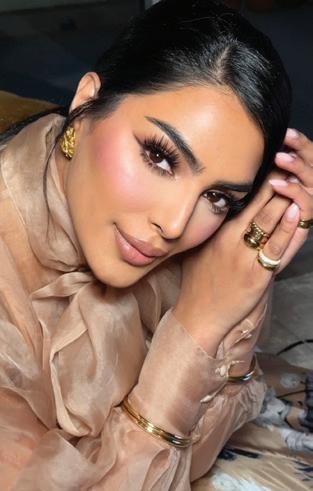
Amneet Athwal
Bridal Stylist








the journey didn’t look traditional. I’ve learned to balance honoring my culture while also redefining it for myself, especially when it comes to independence, ambition, and prioritizing fulfillment.
Any words of wisdom?
Entrepreneurship has taught me that success isn’t just growth or numbers. It's alignment. Whether I’m styling a bride, building a brand, or curating experiences, my work is rooted in trust, vulnerability, and intention. I truly believe that when women allow themselves to listen inward and move with purpose, everything else follows naturally.

Aman Khinda Brand Strategist & Designer
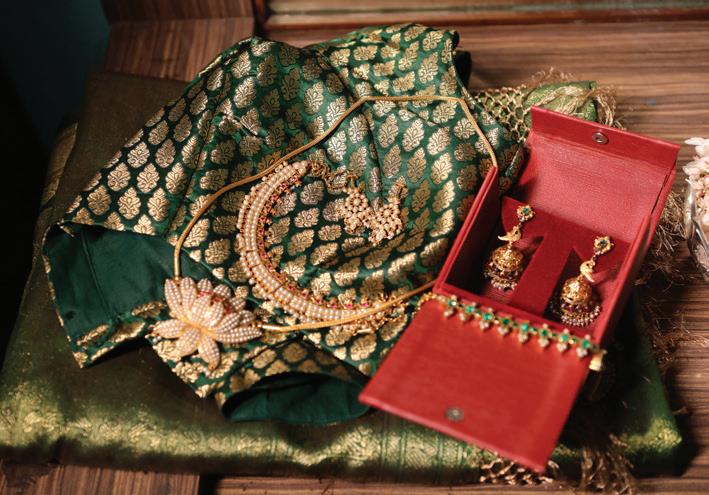
What motivated you to start your own business?
Starting my own business was never just about income. It was about ownership of my time, my ideas, and my impact. At 25, I moved out with $20K of savings and launched my business at the same time. It was intentional. I placed myself in a do-or-die situation because I knew comfort would never unlock my full potential. That decision reshaped my life. Entrepreneurship gave me independence not just financially, but mentally. It allowed me to build a life rooted in purpose instead of permission. Flexibility, for me, isn’t about working less. It’s about working intentionally and aligning my time with the legacy I want to create.
What challenges or cultural expectations have you had to navigate?
I was fortunate that my family always encouraged me, even if they didn’t fully understand what I was building. For years, they genuinely had no idea what I did for work. Creative entrepreneurship can be difficult to explain in communities where success is often defined by traditional, easily
recognizable careers. Now, when my clients grow powerful brands and credit me for their success, I know my family feels proud. That quiet pride means everything.
Any words of wisdom?
"This may sound cliché, but you need an undeniable belief in yourself. Five years ago, no one fully understood what I was setting out to build. Frankly, I didn’t fully understand it either. But I always knew I would make something of myself. Entrepreneurship requires vision before validation. You have to move as if the future already exists, even when no one else can see it yet.


Kal Grewal
Founder & CEO, Realtime CPA Inc.
What motivated you to start your
own business?
I didn’t start my business because I couldn’t succeed in the corporate world. I started it because I had already succeeded. After more than three decades in finance, I had built the knowledge, strategic insight, and operational depth to lead at the highest levels. I also had hands-on expertise with emerging financial technologies and could see clearly where the profession was heading: toward modern, AI-enabled, real-time firms. I didn’t want to adapt to that future; I wanted to build it. I knew that small and mediumsized enterprises—the backbone of Canada’s economy—would benefit most from this transformation.













What challenges or cultural expectations have you had to navigate?
South Asian women are often raised to excel, but quietly. To contribute financially, while still carrying the cultural and emotional architecture of the family. We are expected to preserve traditions, organize celebrations, maintain relationships, and show up fully at home—even as we build careers. Entrepreneurship does not remove those expectations; it magnifies them. I had to unlearn the belief that ambition must be softened to be acceptable. I chose visibility. I chose leadership without apology.
Any words of wisdom?
When South Asian women claim ownership, it is not just economic. It is generational. We are shifting narratives around money, authority, and autonomy. We stand on the shoulders of women who sacrificed, adapted, and endured so that we could have opportunities they did not. We are also proving that cultural pride and bold leadership can coexist, that honoring our roots does not limit our reach. This is not rebellion. It is evolution.




Simran Attili
Mortgage Specialist
What motivated you to start your own business?
I was motivated by a deep inner drive to create a life that feels aligned with who I truly am. Having experienced separation and mental health issues within my family, I deeply value time with loved ones and am intentional about creating a life that is rooted in connection, stability, and individuality, and breaks generational cycles. I realized early on that I was not meant to operate in a stagnant environment. I am wired to build, improve, and evolve, even when it feels uncomfortable or uncertain.
What challenges or cultural expectations have you had to navigate?
There is often pressure within our culture to choose stability over risk,













prioritize family over individuality, and follow a more ‘secure’ path. For generations, women have been told that their voice does not matter, that they should be submissive, and that their lives are limited after having children or when they are married. I tried to take the ‘safer’ route and was laid off not once, but twice. Instead of holding me back, those experiences fueled my drive to become an entrepreneur. After my first layoff, I started a podcast to share my ideas, became an author, and even appeared on a Times Square billboard! It was scary, but deeply rewarding and aligned.
Any words of wisdom?
It’s time to choose the path less travelled and take the driver’s seat of your life, so you can pave the way for others along the way. Find a community that supports you and take the time to truly get to know yourself so you can build a life that is aligned with who you are. We have seen women, right in front of our eyes, do it again and again, and so can you.














South Asian Women Leading The Way NEW VANGUARD The
Across industries and communities, South Asian women are continuing to reshape what leadership looks like. They are educators, journalists, advocates, entrepreneurs, and changemakers—women who are not only building meaningful careers, but also creating opportunities for others along the way.
This International Women’s Day, DARPAN celebrates a group of inspiring women whose journeys reflect resilience, purpose, and the power of giving back. From global education policy and community advocacy to media and public leadership, each of these women has carved her own path while uplifting those around her.
Their stories are not just about professional success. They are about navigating challenges, embracing risks, and staying grounded in the values that shaped them. Through their work and their voices, they remind us that progress is rarely a straight line, but every step forward creates momentum for the next generation.
As we mark International Women’s Day, their experiences offer a powerful reminder that when women lead, communities grow stronger.
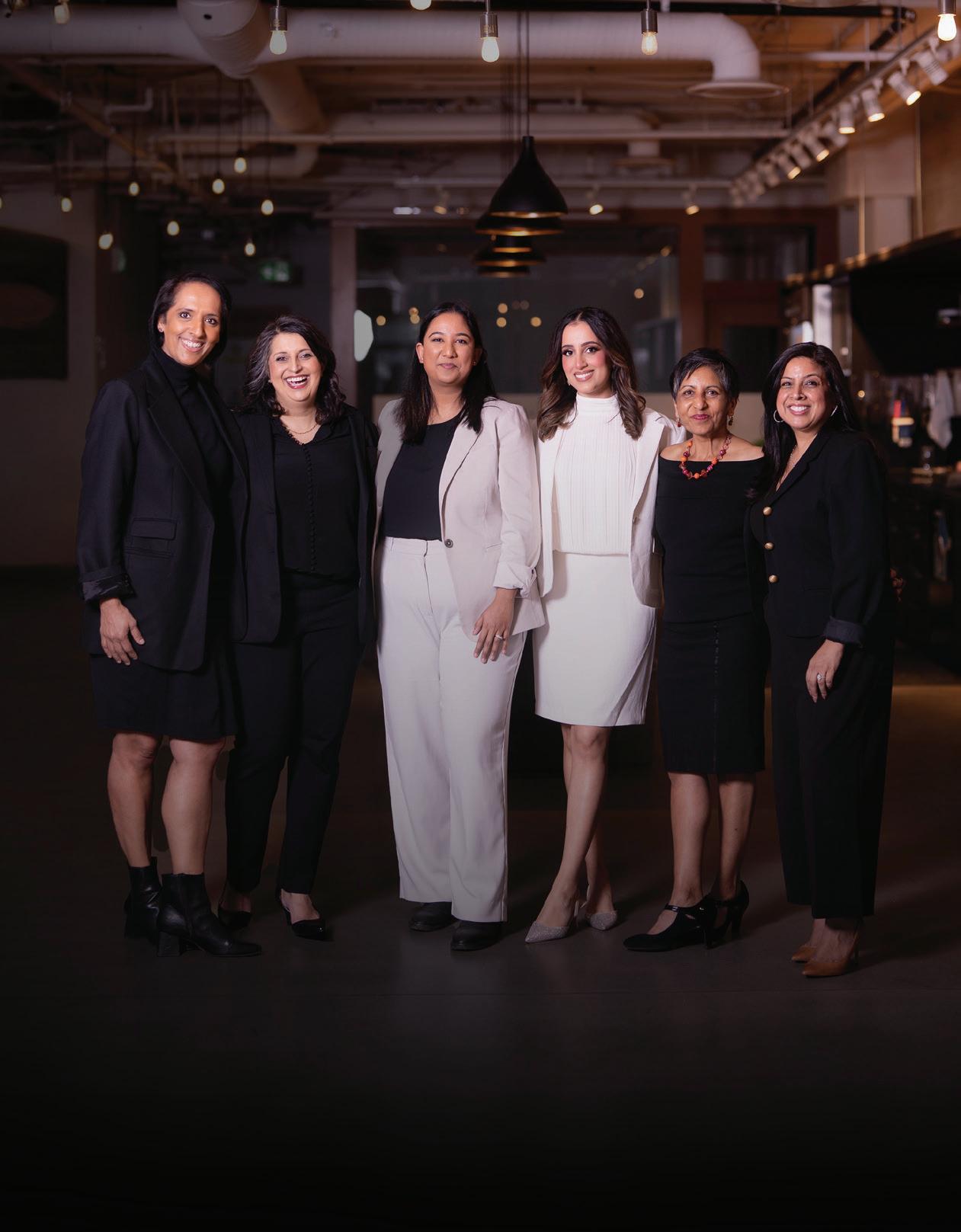
PHOTOGRAPHY: A MASTER MEDIA VENUE COURTESY: 312 MAIN, VANCOUVER
(L-R) SIMI SARA | ANGIE MAPARA-OSACHOFF | ROCHELLE PRASAD | GURNAZ KAUR | RITA PARIKH | ANITA SODHI-CAVEZZA
“ Quote I Live By:
Beyond a wholesome discipline, be gentle with yourself. You are a child of the universe no less than the trees and the stars; you have a right to be here."
-From the Desiderata
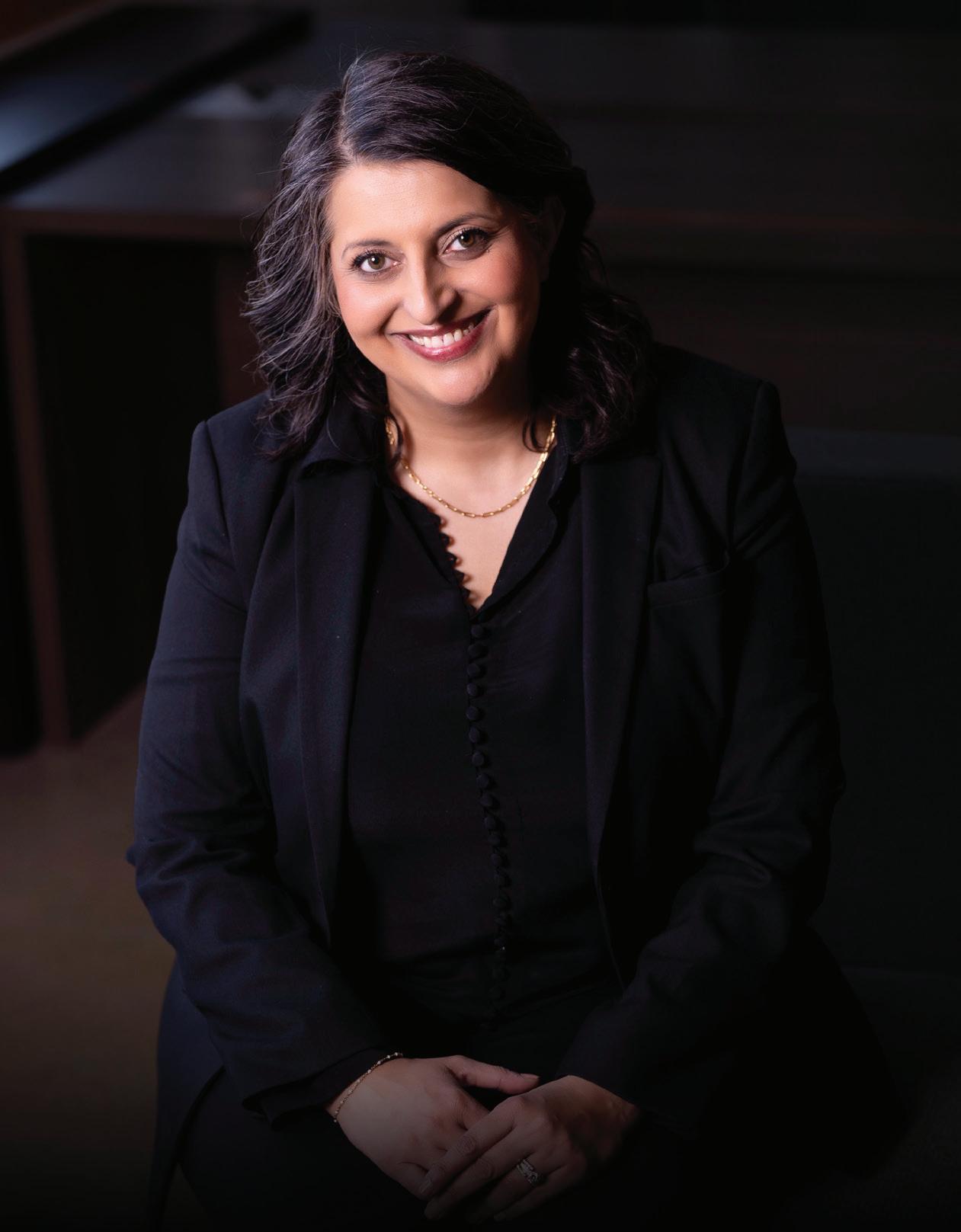

ANGIE OSACHOFF
For Angie Osachoff, the idea of service was never abstract. It was something she grew up witnessing in quiet, everyday ways.
Her parents arrived in Canada in 1972 as refugees after South Asians were expelled from Uganda under Idi Amin’s regime. Newly married and in their early twenties, they left behind family, familiarity, and everything they owned. Canada offered them a second chance. That story of displacement and rebuilding became the foundation of Angie’s worldview.
“My dad used to tell me from as young as I can remember, you’re a girl, and you can be anything you want,” she recalls. “Get a good education because nobody can take that away from you. And this country saved our lives, so it’s our responsibility to make it stronger.”
Born in Hamilton and raised in Ontario, Angie grew up watching her parents volunteer relentlessly in their community. They ran multicultural associations, organized cultural festivals, and supported local initiatives. Service was simply part of life.
By eleven, Angie had begun vol-
unteering with the Canadian Red Cross. What started as youthful curiosity soon grew into a deep interest in international humanitarian law and human rights. As a teenager, she was already giving presentations to adults about international law and children in armed conflict. Along the way, a constellation of mentors, many of them women, helped shape her path.
Today, Angie is one of Canada’s most experienced practitioners in human rights education, anti-racism, and children’s rights, with more than three decades of work shaping communities and institutions across the country.
As Director of Canadian Programs at Equitas – the International Centre for Human Rights Education, she leads national initiatives that reach more than 100 communities. Her work focuses on strengthening systems, supporting youth leadership, and ensuring that people of all ages are meaningfully included in decisions that affect their lives.
Beyond her professional work, Angie has also helped shape cultural spaces in the community. As outgoing Chair of the Board of the Indian Summer
Q & A
This year’s International Women’s Day theme is ‘Give to Gain.’ What does that phrase mean to you personally?
Giving creates ripple effects. When we invest in others, communities grow stronger and we see the impact come back many times over.
Q Q Q Q
What’s one lesson you had to learn the hard way that shaped the woman you are today?
Protect the work and your integrity. Do good work for the right reasons and the outcomes will follow.
Arts Society, she guided the organization through leadership transitions and the challenges of the pandemic, helping strengthen its foundation while ensuring South Asian voices and artists continue to be celebrated across the Lower Mainland. Angie’s contributions have earned her the Queen Elizabeth II Golden Jubilee Medal, the Canadian Red Cross Prix d’Excellence, the Canadian Red Cross Youth Service Award, and the United Way Community Partner Award.
She also sees her identity as both a bridge and a strength. As the daughter of refugees, a South Asian woman, and a Canadian raised in multicultural communities, Angie has often been able to move between worlds. “My identity has been my superpower,” she says.
For Angie, the work remains deeply personal. It is about honoring the sacrifices of those who came before her and ensuring the next generation inherits a more just world.
“Everything I do,” she says, “is about leaving the world better than we found it.”

Who is a woman you deeply admire, and what about her inspires you most?
My sister Amy. She lives with a chronic illness yet approaches life with resilience, joy, and grace.
What’s one thing you hope more women give themselves permission to do?
To simply be themselves without feeling the need to shrink or code-switch to belong.
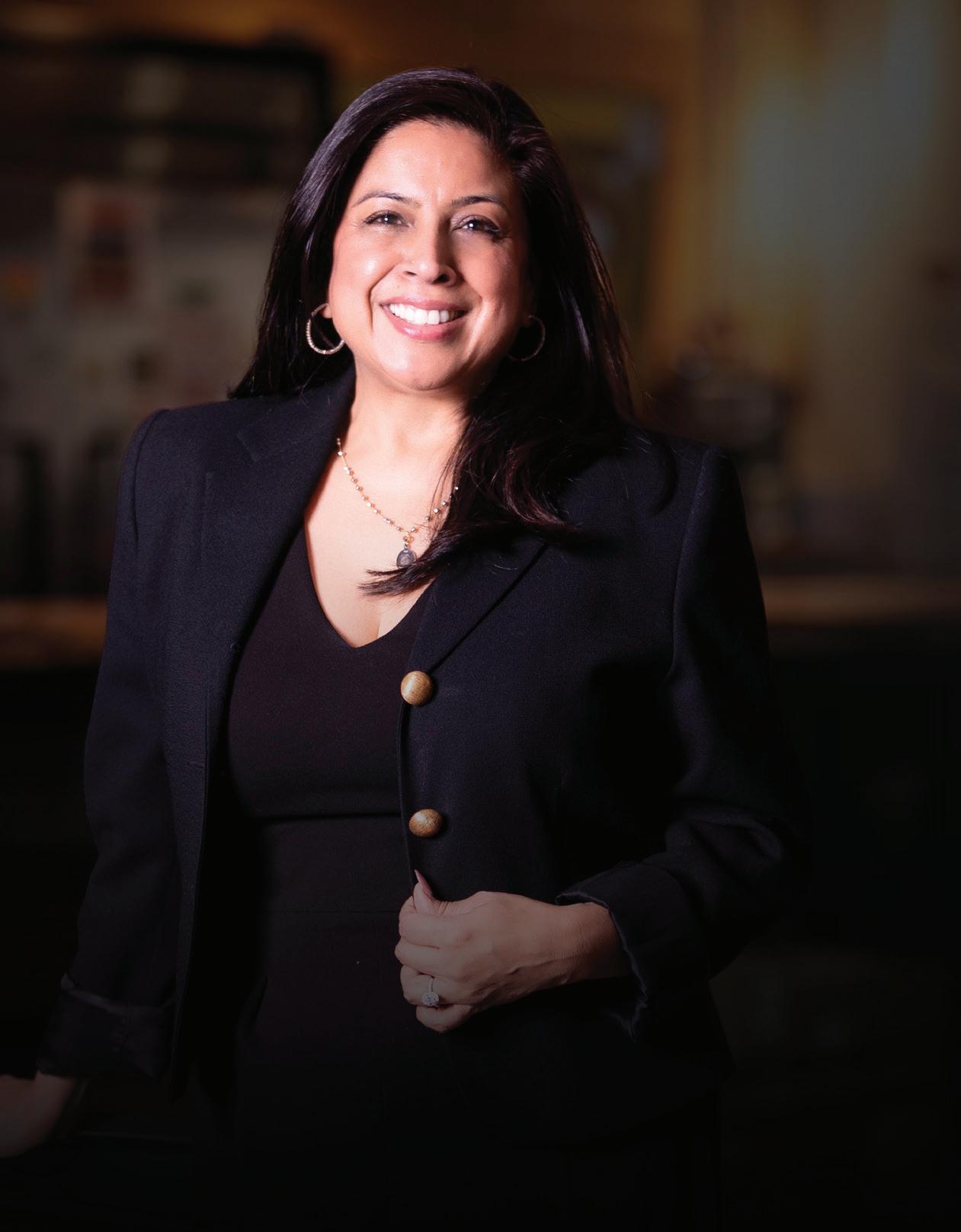
Quote I Live By:
An important attribute of success is to be yourself. Never hide what makes you, you." “
-
Indra Nooyi, Former PepsiCo CEO
ANITA SODHI-CAVEZZA
Director, Business Development, BC Place
For Anita Sodhi-Cavezza, success was never part of a neatly drawn plan. Like many immigrant stories, hers was shaped by circumstance, resilience, and the quiet strength of family.
Her father first arrived in Canada in 1970, part of a generation of South Asian immigrants who came alone, hoping to build a future before bringing their families over. Anita followed with her mother when she was just three years old. Growing up in the 70s, she remembers a time when there were very few people who looked like them: “You really relied on your family. There wasn’t a big community around us the way there is now.”
That sense of family became even more important when tragedy struck. Anita was only sixteen when her father passed away. Overnight, the trajectory she had imagined for herself shifted.
“My mom suddenly had to take on everything,” she recalls. “It became less about following a plan and more about survival.” Her mother, widowed without financial support or extended family nearby, carried the responsibility of raising the family alone. Watching her navigate that reality left a lasting mark on Anita. “She was the symbol of strength in my life,” she says. “To see her resilience and deter-

Q Q
mination at that time… I don’t know that I could ever live up to what she did.”
Instead of following the traditional path that many South Asian families envisioned for their children, Anita’s career unfolded more organically. She began working early, taking on roles that helped support her family. Her first job was in airport security, followed by a position with Continental Airlines. During this time, she discovered an opportunity in the tourism and events industry—an area she hadn’t previously considered but one that quickly resonated with her strengths.
She later joined the Vancouver Convention Centre, where she steadily built her career by gaining experience across multiple divisions. Over time, she developed a deep understanding of the venue’s operations and eventually moved into the sales team in 2000. Her role grew significantly when the convention centre expanded in 2010, tripling in size and creating new opportunities to diversify the organization’s business and attract major events.
Today, Anita serves as Director of Business Development at BC Place, Western Canada’s premier venue for major sporting events, concerts, and
Q & A
This year’s International Women’s Day theme is ‘Give to Gain.’ What does that phrase mean to you personally?
When you give your time, support, and mentorship to others, the impact always finds its way back. Communities grow stronger through that exchange.
What’s one lesson you had to learn the hard way that shaped the woman you are today?
Life rarely follows the plan you imagine. Learning to adapt and keep moving forward is what builds resilience.
community gatherings. From international sporting competitions to global music tours, she has played a key role in bringing some of the city’s most high-profile events to Vancouver.
Her work sits at the intersection of strategy, relationships, and community impact. Anita has helped support major sports networks with broadcast infrastructure during the FIFA Women’s World Cup, secured the final three Vancouver shows of Taylor Swift’s Eras Tour, and played a role in bringing Diljit Dosanjh’s historic stadium concert to BC Place, the largest Punjabi stadium show ever held outside India. Most recently, she helped drive another milestone, with BC Place announcing record-breaking five Bruno Mars shows.
In 2025, Anita’s work was recognized when she was honored among women leaders at BC Place during the City of Vancouver’s Women Behind the Sound Day, celebrating the women shaping the region’s events and entertainment industry.
Through it all, Anita continues to carry the lessons she learned growing up. The importance of authenticity. The strength that comes from adversity. And the example of a mother who showed her what resilience truly looks like.
Q Q
Who is a woman you deeply admire, and what about her inspires you most?
My mom. After losing my father, she raised our family with incredible strength and determination.
What’s one thing you hope more women give themselves permission to do?
Permission to fail. We often feel pressure to get everything right, but growth doesn’t happen without risk. What matters is what you learn from it and how you move forward stronger.

Quote
I Live By:
The Universe helps those who help themselves. Never give up, move with honesty, and you'll be led to where you're meant to be."
- Something my Nani always said “
GURNAZ KAUR
Content Creator & Actor
For Vancouver-based content creator and actor Gurnaz, building a career online was never part of a grand plan. In many ways, it simply grew out of a lifelong instinct to create.
Her journey on the internet began more than a decade ago on Vine, the short-form video platform that launched the careers of many early digital creators. At the time, she was simply experimenting—posting comedic skits and snippets of everyday life without much expectation beyond having fun. When Vine eventually shut down, she continued creating, slowly building her presence across Instagram, YouTube, and eventually TikTok.
Consistency — rather than strategy — became the foundation of her growth.
Today, the Miss Teen Greater Vancouver's (2017) audience spans more than 1.3 million followers across platforms. Her content ranges from beauty tutorials and makeup artistry to humor, motivational reflections, and cultural storytelling, which even led her to acting in films.
At the center of it all is something deeply personal: her identity.
Growing up, she rarely saw South Asian women represented in the media spaces she loved. “I always wanted to be the representation that I didn’t see growing up,” she says. “South Asian women weren’t really visible in the media, especially just being themselves.” Rather than adapting her content to fit what she believed audiences expected, she leaned into her culture—something she says was not always encouraged. “There were definitely moments where people suggested that I make myself more ‘digestible’ for Western audiences,” she explains. “But that never felt right to me. I didn’t want to lose who I was.”
Punjabi language, humor, and cultural references became part of her content, something she now sees as one of the most meaningful aspects of her work.
One particularly memorable moment came during her time as a member of the Sephora Squad program, a competitive initiative that supports emerging beauty creators across North America. She pitched an idea that felt especially close to her heart - creating a fully Punjabi-language beauty video for Sephora. “I told them, ‘Let me try this in
Q & A
Q
This year’s International Women’s Day theme is ‘Give to Gain.’ What does that phrase mean to you personally?
The more positivity and knowledge you put out, the more it eventually comes back to you. I grew up in a Sikh household where giving back and serving others was always emphasized, so that mindset has always stayed with me.
Q
What’s one lesson you had to learn the hard way that shaped the woman you are today?
Realizing that no one is coming to save you. At some point, you understand that your life is in your own hands. So write your story. Life doesn’t happen to you, it happens from you.
Punjabi. I promise it will connect with people,’” she recalls. The campaign went forward, becoming one of the first fully Punjabi-language beauty videos shared by the global brand. “It was such a proud moment,” she says. “It showed that culture and authenticity actually resonate with people.”
Despite the growing visibility, Gurnaz says the journey hasn’t always been easy. As a woman of color in the creator economy, she has faced everything from online harassment to systemic disparities in the industry. “There are still moments where I’m the only brown girl in the room,” she says candidly. But rather than letting those experiences discourage her, she says they have strengthened her commitment to showing up — both for herself and for others.
For Gurnaz, the goal has never just been numbers or followers. It has always been connection, and the possibility that something she creates might resonate with someone else. “Sometimes people come up to me and tell me that one of my videos made them laugh during a difficult time,” she says. “Or that it helped them feel more confident.” Moments like that, she says, are what make the journey worthwhile.

Q
Who is a woman you deeply admire, and what about her inspires you most?
My mom without a question. She’s full of so much love, kindness, and grace despite the adversities she’s faced. My drive in life has come through witnessing her resilience in uncertain and difficult moments in life. Moms truly are warriors, and they deserve the world!
Q
What’s one thing you hope more women give themselves permission to do?
Choose themselves. Especially in South Asian culture, women are often expected to prioritize others. But it’s important to honor who you are as an individual.
“
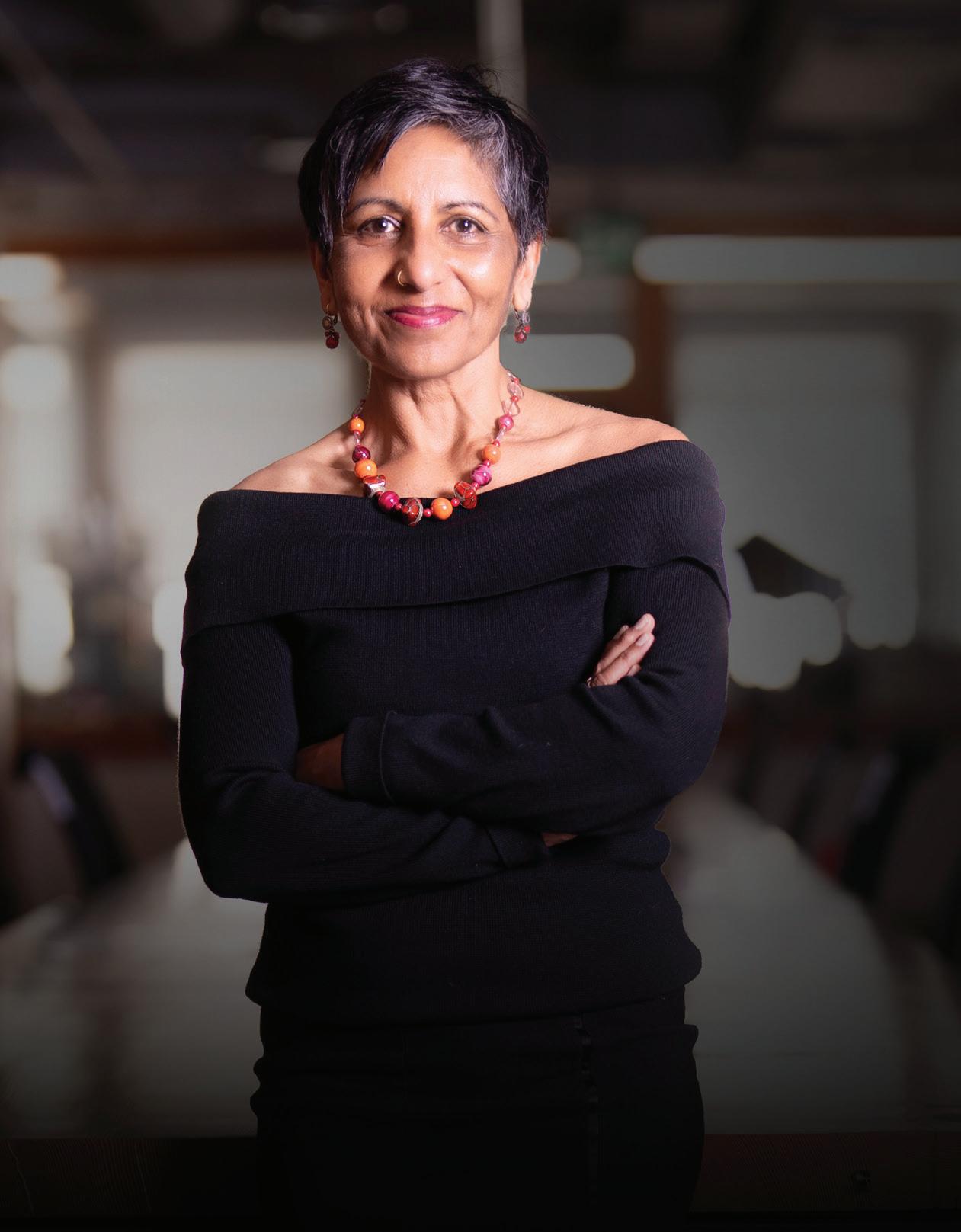
Quote
I Live By:
If the path before you is clear, you’re probably on someone else’s."
- Joseph Campbell
RITA PARIKH
Chair, Vancity Credit Union & Vancity Community Investment Bank
For Rita Parikh, leadership has never been a straight line. Her career has been shaped by curiosity, a commitment to justice, and a deep belief that systems can, and must, work for everyone.
“I thought I would be a journalist,” she says. “But after graduation, I realized I was drawn to international development, and in particular, women’s and human rights.”
Rita’s early career took her across Asia, the Caribbean and the South Pacific, working for Canadian NGOs collaborating with brilliant organizations on the ground to further their struggles for food, security, reproductive health, and women’s rights. Alongside that, she explored law and justice closer to home, serving as a part-time investigator for the Human Rights Commission. “I loved it. It let me pretend I was somehow a legal professional,” she recalls with a smile. Those experiences gave her a foothold in the world of regulatory systems and administrative justice, which would eventually become a defining thread in her career.
Back in Canada, Rita’s interest
in governance began early. In her mid20s, she joined the board of Mountain Equipment Co-op, drawn by concerns about environmental sustainability and ethical sourcing. “I wanted to marry my passions for justice with the governance world,” she explains. Over time, she became a recognized leader in the non-profit and cooperative sectors, shaping organizations that focus on community economic development, housing, financial inclusion, and climate action.
Her journey with Vancity began with admiration long before she became a member. Visiting their boardroom in her 20s, she was struck by the credit union’s commitment to the marginalized, community development and member livelihoods. “I remember leaving there thinking I cannot believe there’s a financial institution so committed to transforming economic systems,” she says. In 2016, she ran for the board of directors and was elected. Today, she chairs Vancity, guiding the credit union through challenges that impact communities across British Columbia.
Q & A
This year’s International Women’s Day theme is ‘Give to Gain.’ What does that phrase mean to you personally?
We all stand to gain so much by lifting each other up. Supporting each other strengthens communities, innovation, and economies. Giving to gain is about collective flourishing.
Q Q Q Q
What’s one lesson you had to learn the hard way that shaped the woman you are today?
Believing I belonged at the corporate board table. Early in my career, I doubted whether someone like me, a small brown woman without an MBA, could lead or make a difference. Over time, I realized my experiences mattered, especially in the corporate world and I needed to trust myself.
Rita credits much of her worldview to her upbringing. “I identify as a hyphenated Canadian—someone of Indian heritage, a woman of color rooted in this country,” she says. Rita’s parents moved to Canada in 1960, and her family always emphasized justice, empathy, and awareness of global struggles. That perspective has informed how she approaches leadership, decision-making, and mentorship.
Awarded as one of Canada’s Top 100 Most Powerful Women by the Women's Executive Network (WXN), she continues to invest in others. She recently launched Wild Purpose Executive Coaching, supporting purpose-driven leaders, and mentors young women through WXN’s network. For her, creating space for others is as important as any boardroom decision.
Looking forward, she sees opportunity in collective action. “If we support each other, we are all collectively flourishing,” she says. Her vision is clear: resilient communities, equitable systems, and the next generation of leaders empowered to make change.

Who is a woman you deeply admire, and what about her inspires you most?
My mom. She’s 89, lived through the Quit India campaign as a child, and remains an activist. She taught me about justice, empathy, and the importance of standing up for what’s right.
What’s one thing you hope more women give themselves permission to do?
There is no more important time to be rebellious. We’re taught to forgive, nurture, and self-correct, but women need no permission to express, to challenge, and to claim our space unapologetically.
“
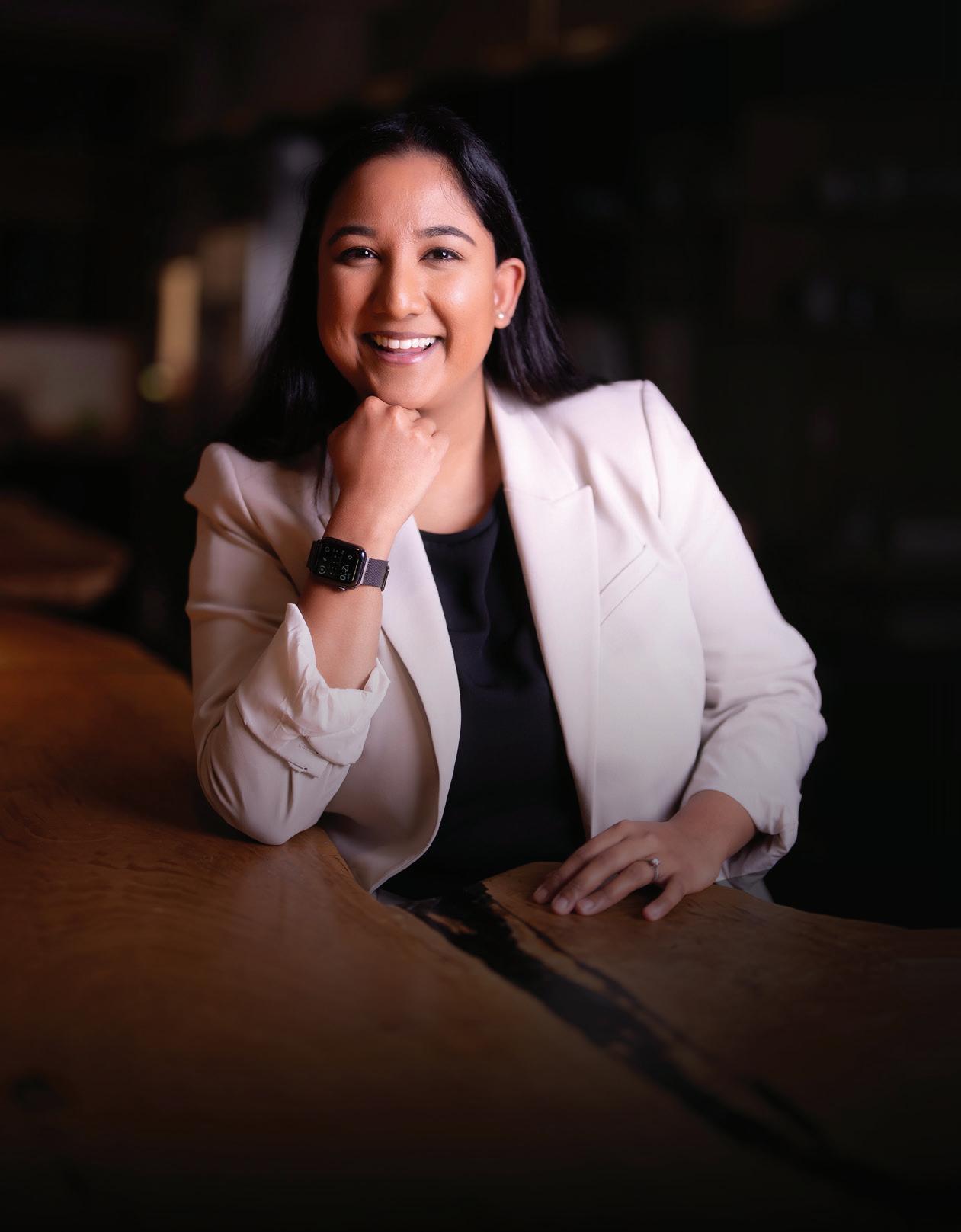
Quote
I Live By:
Never doubt that a small group of thoughtful, committed citizens can change the world; indeed, it's the only thing that ever has."
- Margaret Mead
ROCHELLE PRASAD
Educator, Forbes 30 Under 30, and Founder - SPARK Foundation
For Rochelle Prasad, the path to global education policy began long before boardrooms and international forums. It started at home, helping her immigrant parents navigate life in a new country.
Her parents immigrated to Canada from Fiji in the early 1990s after political unrest forced many Indo-Fijian families to leave. Like many immigrant households, the transition came with challenges — language barriers, unfamiliar systems, and the quiet pressure of starting over. “As a kid, I was translating documents, helping them at the doctor’s office, figuring out taxes or paperwork,” Rochelle recalls. “I grew up really fast because I had to help them navigate things.”
Those early responsibilities shaped the lens through which she would later see the world. Watching her parents adapt to a new system made her acutely aware of the gaps that exist for newcomers and marginalized communities. “I started noticing barriers early,” she says. “And when you see those gaps young, you start asking how systems could work better.”
Her instinct to challenge systems showed up early. In elementary school,
Rochelle launched her first advocacy campaign after noticing that school buses didn’t have seatbelts. Instead of going on a field trip, she stayed behind to organize a petition calling for change, an experience that would become her first introduction to policy advocacy. “That was my first campaign,” she says with a laugh. “I realized early on that if something didn’t seem right, you could speak up about it.”
Years later, that same instinct led Rochelle to found the SPARK Foundation, a youth-led nonprofit focused on removing barriers to education. Over more than a decade, the organization has built schools in Kenya and Ecuador, provided scholarships and resources to students around the world, and supported programs that have impacted more than half a million young people.
Today, Rochelle works at the intersection of education, policy, and global advocacy. Alongside teaching high school and post-secondary students, she advises governments and multilateral institutions through the United Nations system on youth engagement and education policy. She describes her career as what she calls a “squiggly path”—one that
Q & A
QThis year’s International Women’s Day theme is ‘Give to Gain.’ What does that phrase mean to you personally?
I’ve always believed in contributing before expecting recognition. When people give in a genuine way, trust and community grow. And when one woman opens a door, she holds it open for others, too.
Q
What’s one lesson you had to learn the hard way that shaped the woman you are today?
Learning that it’s okay to ask for help. For a long time, I felt like I had to do everything on my own. Realizing that you’re not a burden for needing support was a big lesson for me.
moved between nonprofit leadership, teaching, advocacy, and even a municipal election campaign before returning to education policy. “There wasn’t a straight line to where I am,” she says. “But every step taught me something about how systems work, and how they can change.”
Her Indo-Fijian heritage continues to shape the way she leads. In classrooms filled with students from diverse backgrounds, Rochelle believes representation and empathy matter. “When you’ve lived those experiences yourself, you understand how to reach students who might feel overlooked,” she says. “It teaches you how to lead with empathy.”
Despite international recognition for her work—including being named to the Forbes 30 Under 30 list and receiving the Governor General’s Award in Commemoration of the Persons Case—Rochelle remains grounded in a simple belief.
At the heart of everything she does is the idea that education is more than a classroom experience. “Education is the most powerful tool we have to change the world,” she says. “And every young person deserves access to it.”

Q
Who is a woman you deeply admire, and what about her inspires you most?
I really admire Annalena Baerbock, who has served in leadership within the United Nations General Assembly. What struck me most was how intentionally she included young people in conversations about diplomacy and policy.
Q
What’s one thing you hope more women give themselves permission to do?
Rest. There’s often this pressure to always be doing something or proving something. Learning to rest without feeling guilty is something I’m still working on myself.
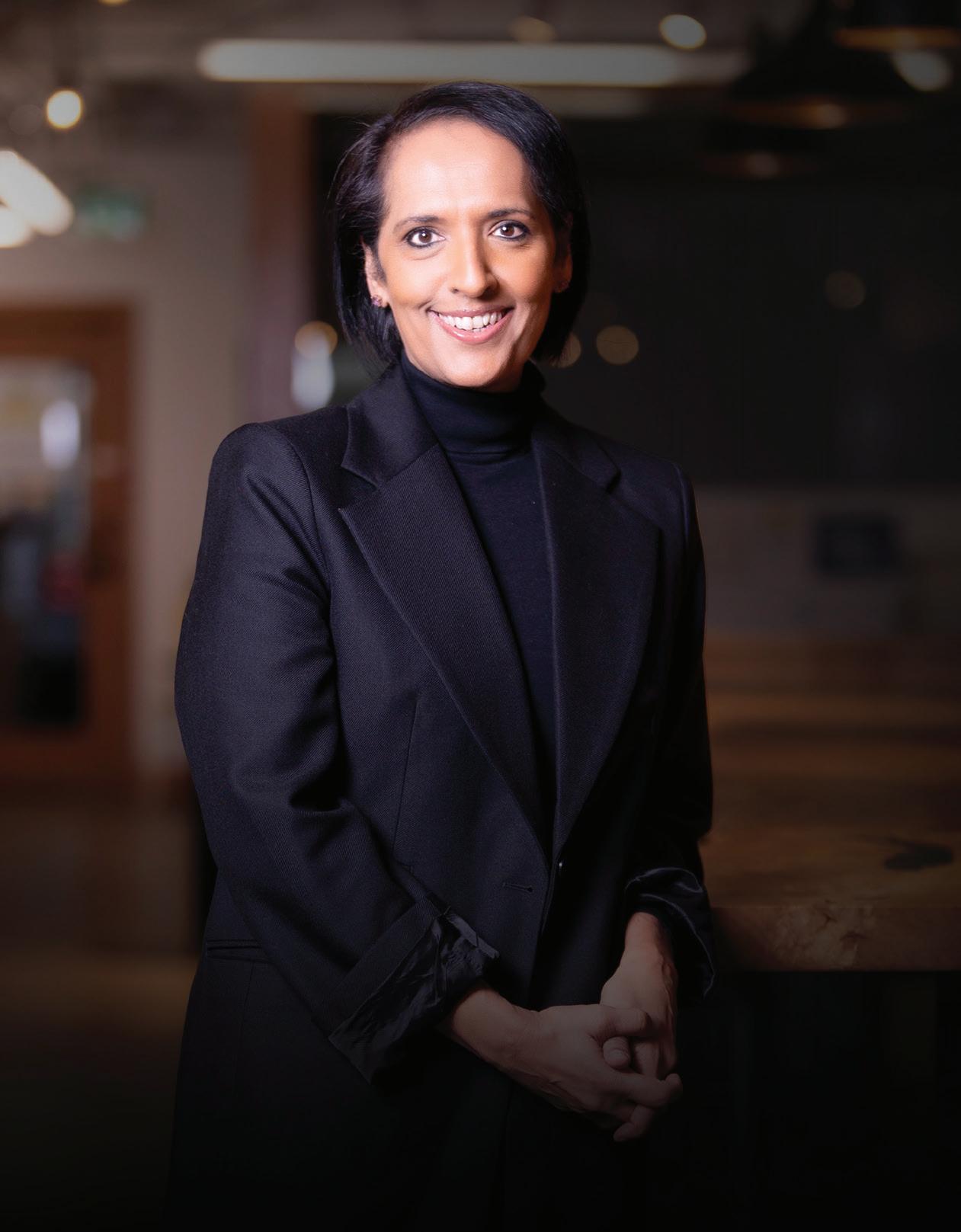
Quote I Live By:
Stuff happens, but you need to move forward. Don't look back, don't regret things, maintain the forward momentum." “
SIMI SARA
Award-Winning Journalist & Host, Mornings with Simi
For Simi Sara, journalism was never just a career choice. It was something she knew she wanted long before she stepped into her first newsroom.
She was in Grade 10 when she worked on her school newspaper and realized she loved the process of telling stories and making sense of the world. By Grade 12, after taking a journalism class, the direction felt even clearer. At a time when very few South Asian faces appeared on Canadian television, Simi had only one role model she could look to. “I used to tell my mom I wanted to be like Belle Puri,” she recalls with a smile. “People would laugh a little because it felt like such a far-fetched dream.”
Meeting Puri at an event as a teenager only strengthened that belief. It showed her that a path was possible. But life had other plans before that path fully unfolded. During her first year at Simon Fraser University, tragedy struck. Simi was just 18 when her mother died in a car crash. “It completely changed the direction I thought my life would take,”
she says quietly. She left university soon after and enrolled earlier than expected in Langara’s journalism program. The moment she walked into her first class, something clicked. “I remember thinking immediately, this is where I’m supposed to be.”
From there, Simi began building the career that would eventually make her one of the most recognizable voices in British Columbia. She started as a reporter at The Surrey Leader, the hometown newspaper that gave her her first real newsroom experience. Television followed soon after, where she spent 15 years learning every side of the business. “I did everything,” she says. “Writing, producing, reporting, anchoring. It was the best training you could get.”
One defining moment came early in her television career. After doing a live on-air news update for the first time, a senior producer called the station’s news director to watch her. Minutes later, she was offered a job. “That moment changed the trajectory of my life,” Simi says. “She didn’t have to do that for me. And I’ve
Q & A

Q
This year’s International Women’s Day theme is ‘Give to Gain.’ What does that phrase mean to you personally?
It’s about stepping up when the community needs you. Through programs like the CKNW Kids Fund, we see families who just need a little help, and being part of that support system matters because you never know when you might need help too.
Q
What’s one lesson you had to learn the hard way that shaped the woman you are today?
Respect and awareness. Be thoughtful about what you say, being respectful of the people you work with, and showing up prepared every day really matters.
never forgotten that kindness.”
Over the past three decades, Simi has navigated both success and setbacks. She has faced layoffs, industry shifts, and the quiet skepticism that many women of color in media know well.
More than once, she was told the only reason she got a job was because she was “brown.” “I knew that wasn’t true,” she says simply. “I knew how hard I worked.”
Today, as host of Mornings with Simi on 730 CKNW, she brings more than three decades of perspective to conversations that shape the province. Her thoughtful, accessible approach has earned her national recognition, including RTDNA awards, a Jack Webster Award, and multiple Canadian Radio Awards as Best On-Air Host in the country.
Yet for Simi, the real measure of success is simpler.
“If people trust you enough to listen and understand what’s happening in their community,” she says, “that’s everything.”
Q Q
Who is a woman you deeply admire, and what about her inspires you most?
Tamara Stanners was one of the first people who believed in me when I was starting out, and my current program director, Kathryn Stewart, is someone I deeply admire.
What’s one thing you hope more women give themselves permission to do?
Have families if that’s what they want. For a long time, women in this industry felt like having children would derail their careers. Women deserve the chance to build both a career and a family.


REAL ESTATE WITH CONVICTION
"We believe people should feel completely confident about who they’re working with. Ask us questions.
Challenge us. Make sure we’re the right fit."
PARV SANDHAR
MANNY CHATHA
In an industry often defined by billboards, bus ads, and larger-than-life personalities, Hausla Properties has chosen a quieter, but far more deliberate, path. The firm, led by partners Manny Chatha and Parv Sandhar, is built on a philosophy that feels almost old-fashioned in today’s real estate climate: put the client first, do the work thoroughly, and let results speak louder than marketing.
The name itself says a lot. Hausla, a Hindi word that translates to courage, resilience, and perseverance, reflects the approach both men bring to the profession. For them, real estate is not simply about transactions—it’s about guiding people through some of the most significant financial and emotional decisions of their lives.
Together, Chatha and Sandhar bring very different journeys to the table, but it’s precisely that contrast that has shaped the firm’s character.
For Parv Sandhar, the path to real estate has been anything but linear. Originally educated in India, his early career took him across Europe, including nearly a decade in Italy and time in the United Kingdom. At one point, he even hosted a television program interviewing Punjabi artists and entertainers—an experience that taught him how to connect with people from all walks of life.
When he moved to Canada in 2018, Sandhar explored several industries, from trades to trucking, before finding his stride in automotive sales. It was there that he developed the customer service instincts that now define his work in real estate. “Sales teaches you something important,” he often notes: how to truly listen to people and understand what they need before offering a solution.
Today, that people-first mindset remains central to how he approaches every client relationship.
If Sandhar’s journey into real estate was shaped by experience, Manny Chatha’s began much earlier—almost by accident. His introduction to the field came as a child when his family pur-
chased their first home. The realtor who helped them made an impression that stayed with him for years. Instead of focusing only on the parents, she invited the children into the decision-making process, asking whether they could imagine themselves playing in the backyard or enjoying the space.
That moment stuck. “I was seven years old, but she made it feel like my opinion mattered,” Chatha recalls. “That was the first time I understood what a good realtor actually does.”
By the time he was in high school, Chatha was already helping manage his parents’ rental properties. He passed his real estate licensing exam shortly after finishing school, but chose to pursue a business degree at Simon Fraser University (SFU) before entering the industry full-time. At SFU, he double majored in Operations Management and Management Information Systems, disciplines that trained him to look at complex problems methodically, an approach he now applies to real estate strategy. Currently, he's a Master of Business student at SFU and is certified in Master Negotiation and Luxury Home Marketing.
Over the next decade, he built extensive experience in the market, eventually helping grow a multi-million-dollar real estate operation before deciding to build something of his own.
Hausla Properties was born out of that decision.
What sets the firm apart is its intentional rejection of the “celebrity realtor” model. Instead of focusing on personal branding or popularity, the team places its energy on strategy, analysis, and execution.
Their clientele reflects that approach. Hausla primarily works with professionals accustomed to making complex decisions—doctors, lawyers, engineers, executives, and seasoned investors who expect clarity, discretion, and thoughtful advice.
Every transaction is treated as a strategic exercise. Whether it’s helping a client secure an investment property or marketing a luxury home, the process is
carefully structured: data-driven market insights, tailored marketing campaigns, and meticulous planning that considers not just the immediate outcome, but where that decision may lead five, ten, or twenty years down the road.
It’s a perspective Chatha often explains with a simple analogy: small decisions today can dramatically change where someone ends up decades later.
Of course, real estate is rarely just about numbers. The partners have worked with clients navigating all kinds of life moments, and those experiences have reinforced their belief that trust and professionalism matter far more than hype.
And perhaps the most unusual aspect of Hausla’s approach is this: they actually encourage potential clients to interview them before hiring them.
“We believe people should feel completely confident about who they’re working with,” the partners say. “Ask us questions. Challenge us. Make sure we’re the right fit.”
It’s a stance that reflects their broader philosophy: in a business where reputation is everything, confidence doesn’t come from visibility—it comes from doing the job well, every single time.
At Hausla Properties, that quiet confidence is exactly the point.


www.HAUSLA.ca
"You have to maintain balance. Sometimes you’re acting as a lawyer, sometimes as a counselor. You need to stay focused on solutions while understanding the human side of the situation.”
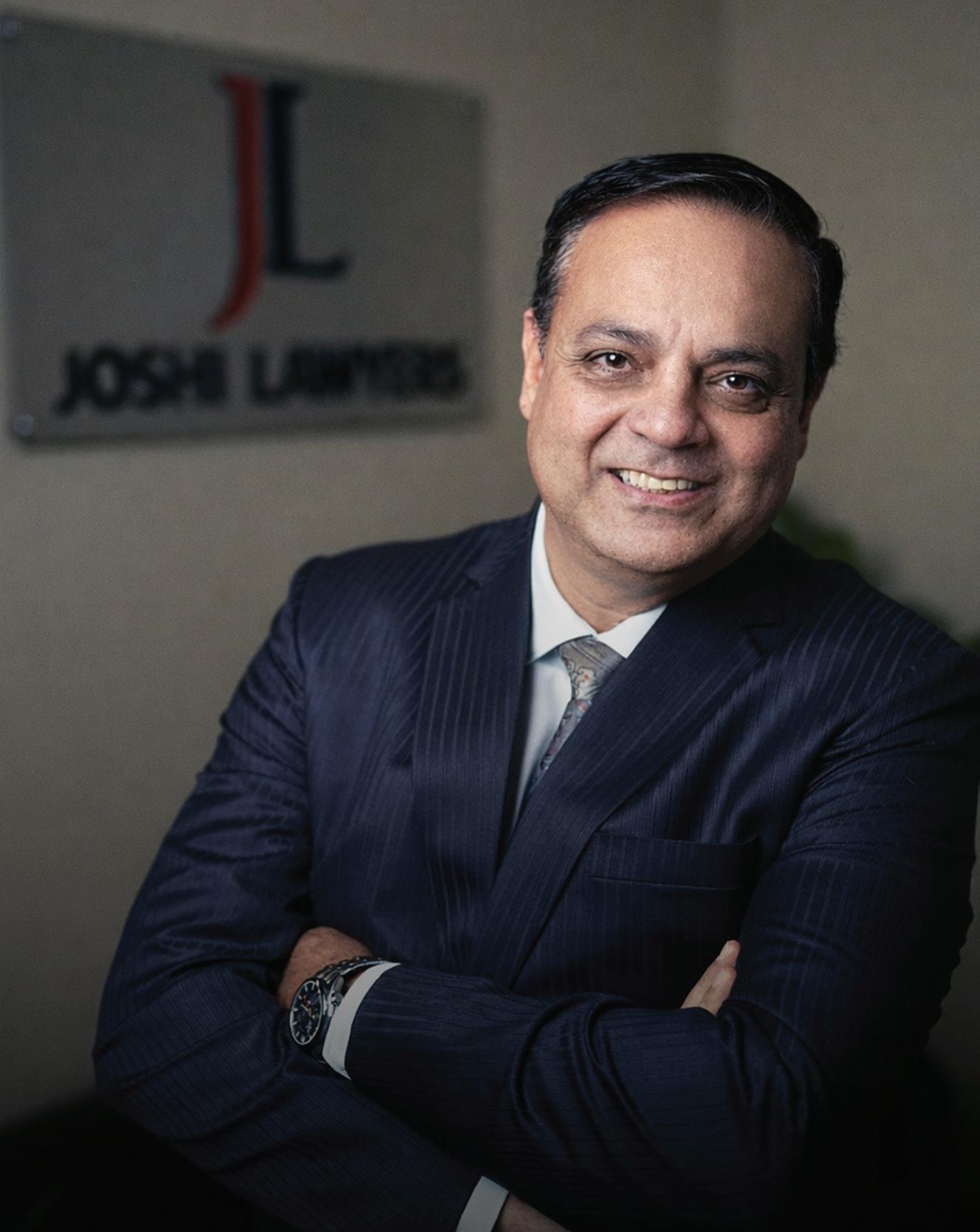
PAWANJIT JOSHI ADVOCATING FOR JUSTICE, COMMUNITY, AND FAIRNESS
For Pawanjit Joshi, the practice of law has never been simply about winning cases. It has always been about helping people navigate some of the most difficult moments of their lives with clarity, dignity, and fairness. As Principal Lawyer at Joshi Lawyers, the Surrey-based barrister and solicitor has spent nearly two decades building a reputation for thoughtful advocacy, balanced judgment, and a deep commitment to the communities he serves.
Joshi’s legal journey began in India, where he practiced law for nearly five years before immigrating to Canada in 2004. Even in those early years, he was drawn to areas of law that directly impacted people’s everyday lives.
“Right from the beginning, I wanted to do something where I could help people and advocate for their rights,” he explains.
After arriving in Canada, Joshi initially worked as an advocate for farm workers while completing the rigorous process of qualifying for the Canadian legal system. Called to the bar in British Columbia in 2008, he soon established himself in private practice. Today, with more than 18 years of legal experience in Canada, and over two decades globally, he leads Joshi Lawyers with a broad practice specializing in various facets of family law.
“Family law is not about winning or losing,” he says. “When families break down, everyone loses something. The goal is to help people move forward and find resolution.” This philosophy shapes the firm’s approach. At Joshi Lawyers, clients are encouraged to resolve disputes through mediation and negotiation whenever possible—an approach that Joshi believes protects both financial and emotional well-being. Litigation remains an option when necessary, but the firm emphasizes early resolution strategies that reduce stress and preserve family assets.
“In many cases, families spend enormous amounts of money fighting in court when they could have resolved matters earlier,” Joshi explains. “If you can negotiate or mediate, you still have
control over the outcome. Once it goes to court, the decision rests with a judge who doesn’t know the dynamics of your family.”
This practical, empathetic approach has earned Joshi the trust of clients navigating emotionally charged circumstances. In family disputes—particularly those involving children—lawyers often find themselves playing dual roles: legal advocate and counselor. Joshi acknowledges that the work can be emotionally demanding, but believes empathy is essential to effective advocacy. “You have to maintain balance,” he says. “Sometimes you’re acting as a lawyer, sometimes as a counselor. You need to stay focused on solutions while understanding the human side of the situation.”
Beyond his legal practice, Joshi has made significant contributions to public service and governance.
Since March 2019, he has served as a Tribunal Member of the BC Farm Industry Review Board, appointed by the Lieutenant Governor in Council. In this quasi-judicial role, he adjudicates complex regulatory matters involving agricultural marketing boards, environmental considerations, and animal welfare appeals. For Joshi, the role offers a valuable perspective on how law and policy intersect. “It gives you a deeper understanding of the systems that regulate industries and affect communities,” he says. “You learn from other board members and professionals with different perspectives.”
Joshi’s commitment to service extends beyond law and public administration into another arena
close to his heart—sport. A lifelong cricket enthusiast, he founded the Delta Patriots Cricket Club after recognizing a lack of facilities for the growing cricket community in Delta. Through persistent advocacy, he played a key role in securing the city’s first dedicated cricket pitch, creating opportunities for young players and newcomers who previously had limited access to proper playing fields.
Today, Joshi continues to shape the sport’s development as Director-atLarge with Cricket Canada, contributing to governance, policy development, and the growth of cricket at the national level. His efforts reflect a broader belief that sport plays a vital role in youth development, community engagement, and healthy lifestyles. “If you want change, you have to be involved,” he says. “You can’t just stand on the sidelines.”
Despite these varied commitments, Joshi remains grounded in the philosophy that has guided his career from the start: service. Whether advocating for a client, adjudicating regulatory disputes, or supporting youth sports, his focus remains the same— fairness, resolution, and community.
For clients who walk through the doors of Joshi Lawyers during difficult moments, that commitment can make all the difference. As Joshi sees it, success is not defined by courtroom victories alone. “It’s about helping people reach a point where they can move forward,” he says. “If they leave with clarity, stability, and the ability to rebuild their lives—that’s the real outcome that matters.


Kajal Dhillon, R.Ac., founder of Relief Point Canada, recognized a critical gap in British Columbia's healthcare system; not in clinical capability, but in coordination.
With a Doctor of Traditional Chinese Medicine degree from Pacific Rim College in Victoria and Tzu Chi International College of Traditional Chinese Medicine in Vancouver, Dhillon observed that excellent care was being delivered in isolation. Patients carried their clinical narratives between appointments while their providers had limited visibility into each other's work.
Every provider was doing their part - but no one was seeing the whole picture together. That's what Relief Point was built to fix.
Relief Point operates as an acupuncture-first, integration-native practice, functioning as a complementary integration partner within existing care teams. Access is straightforward: someone injured in a car accident with neck pain and headaches can access treatment within days under ICBC's Enhanced Care model, with twelve sessions pre-authorized in the first twelve weeks.
From the first visit, Dhillon asks who else is treating this person - physiotherapist, family doctor, chiropractor - and, with patient consent, sends structured clinical notes detailing what's being addressed, what's responding, and how it fits within the broader care plan. This practitioner-founded, outcome-focused approach means providers see the same picture and can adjust treatment plans together when recovery plateaus.
For patients navigating ICBC or WorkSafeBC claims, Relief Point streamlines access without requiring physician authorization while maintaining consistent communication with coordinating clinicians. Every workflow, intake, documentation, and follow-up was designed around connection, not isolation. The practice operates within CCHPBC standards and defined scope boundaries, complementing the care team through evidence-based collaborative care
Dhillon’s leadership is built on trust earned one relationship at a time, with physiotherapists who count on reliable communication, and physicians who trust sound clinical judgment. As Relief Point grows, the vision remains clear: create pathways where acupuncture strengthens coordinated care, where providers adapt in real time together, and where patients experience coordination as something they can feel in their recovery.


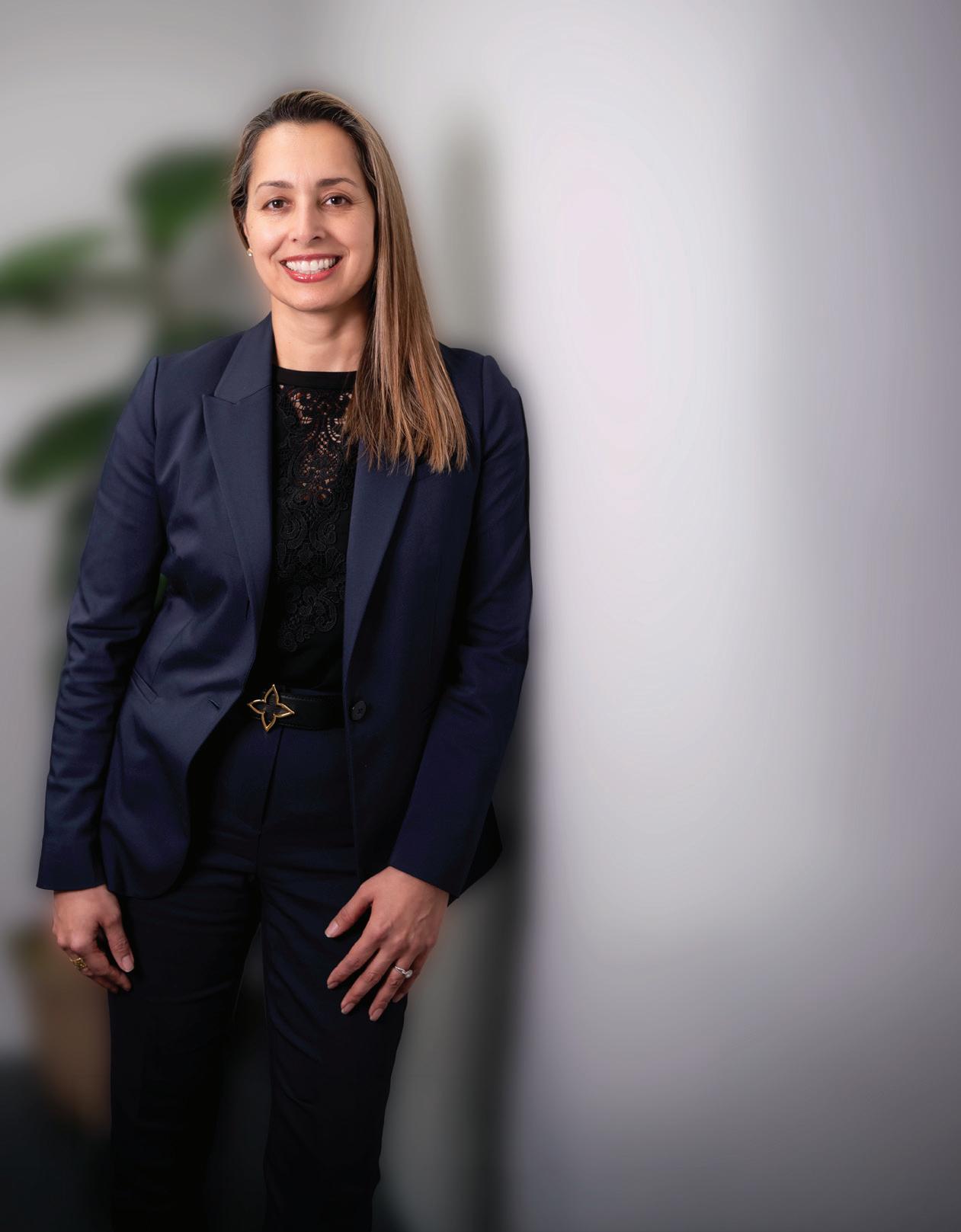
PERSONALIZED MEDICINE WITH COMPASSION
SUJATHA NILAVAR, MD
In a healthcare system strained by long wait times and rushed appointments, patients are looking for something different: timely access, relational care and a doctor who listens. They want a physician who addresses the root cause of illness, not just treats symptoms.
That’s exactly what Dr. Sujatha Nilavar delivers at Suncoast Health, a private family practice that focuses on healthspan through proactive health promotion and preventative health care.
After practicing in the United States, Dr. Nilavar moved to Surrey, B.C., Canada, and what really inspired her to practice in British Columbia was the autonomy to practice meaningful care without the burden of corporate constraints. Here, she found she could truly advocate for her patients and her profession, a calling that led her into healthcare leadership.
As a proud recipient of the King Charles Coronation Medal (2025), Past Co-chair of the SurreyNorth Delta Division of Family Practice (2022-2025), Past B.C. Family Doctor Delegate (2019-2025), and a founding member of the Fraser Health Medical Staff Wellness Committee, Dr. Nilavar has spent years advocating for health care improvement in British Columbia.
But it's at Suncoast Health where Dr. Nilavar’s vision truly comes to life. Unlike traditional practices, Suncoast Health weaves functional medicine into longitudinal family care. Dr. Nilavar curates a personalized strategy unique to a patient’s goals, history, and health journey.
Using evidence-based tools alongside functional medicine principles, she focuses on preventive and proactive care often not covered by traditional systems. Her services span Women’s Health, Executive Health, and more - by using a tailored approach for health and lifestyle optimization through nutrition, mind-body connection and advanced diagnostics.
For Dr. Nilavar, the challenges seen in medicine by women are not unique to this profession, from workplace culture to balancing motherhood. These realities have made her resilient and fiercely compassionate. Her advice to young women entering healthcare? Go for it! Keep a supportive network, stay true to your intentions, and remember you are human by practicing self-compassion.
At Suncoast Health, Dr. Nilavar brings together the trusted continuity of family medicine with the root-cause focus of functional medicine—helping patients not only treat illness, but build lasting health.

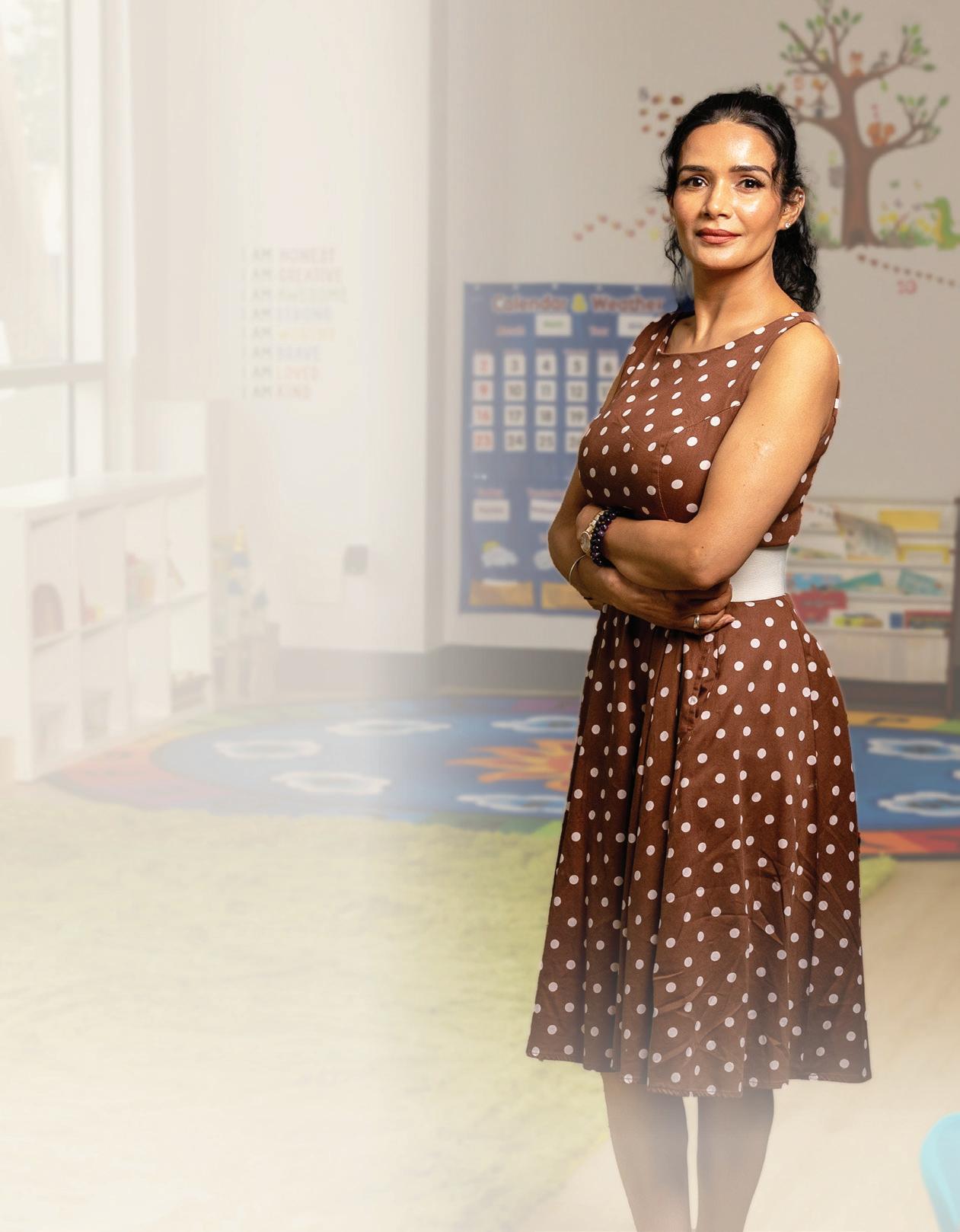
When Amy Sabharwal speaks about her work, one thing is clear. This is not just a business. It is a calling.
Her journey in childcare began in 2006, the same year she completed her Early Childhood Education diploma. Armed with formal training and a deep love for children, she stepped into the field determined to create environments where young minds could feel safe, supported, and inspired. As a mother herself, Sabharwal understood the quiet fears parents carry when they drop their children off each morning. That understanding became the foundation of everything she built.
In 2005, she opened Wonder Corner Childcare Center in Surrey, welcoming children from six months to five years old into a nurturing, home-like setting. Two years later came Toybox Early Childhood Center, serving children from 29 months up to 12 years. Growing With Smiles Childhood Center opened in Aldergrove in 2020, offering care from 29 months to 10 years. Most recently, she launched MavenHouse Daycare Centre, once again focusing on infants and preschoolers. Today, all four centers are fully operational, thoughtfully managed, and trusted by families across the Lower Mainland. A fifth location is already in the works, with plans to open by 2027. Sabharwal's leadership was shaped by challenge. In the early years, she had to overcome the misconception that childcare was simply babysitting. She worked tirelessly to demonstrate that licensed early learning centers require structure, policy, education, and professionalism. Expansion brought new pressures such as staffing, inspections, and financial risk. Each hurdle strengthened her resolve and sharpened her leadership style.
What truly sets her centers apart is the balance she strikes. Her philosophy is play-based and child-focused yet structured enough to ensure school readiness. There is no screen time. Instead, children engage in hands-on activities that build social, emotional, and problem-solving skills.
For Sabharwal, success is not measured only by growth. It is seen in a shy child finding their voice, in parents leaving with peace of mind, and in a team that feels valued and supported. Through every center she opens, she is shaping more than young learners. She is building foundations for life.

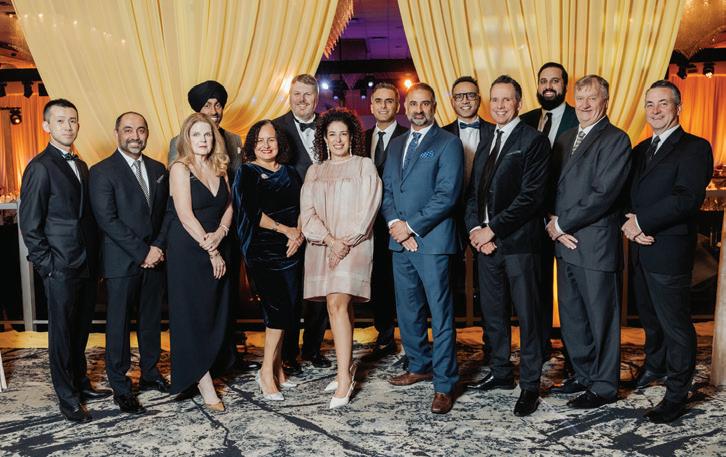

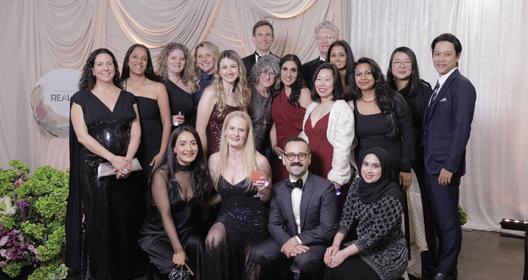
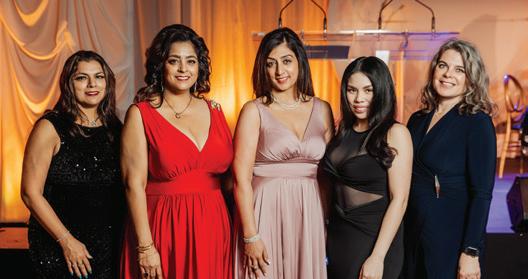

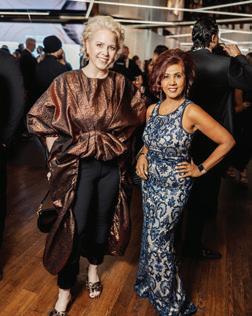
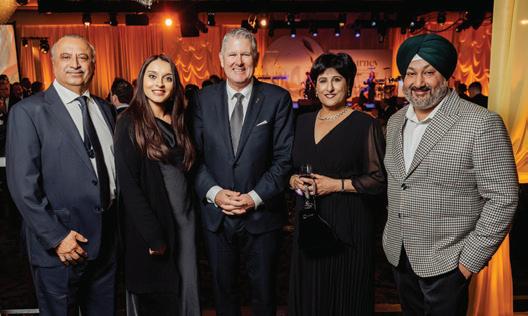






























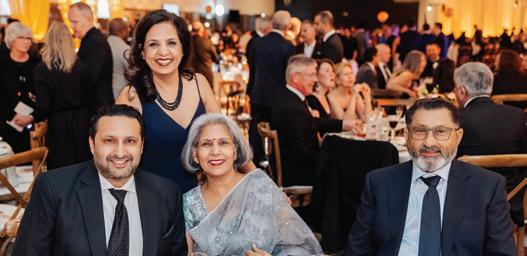
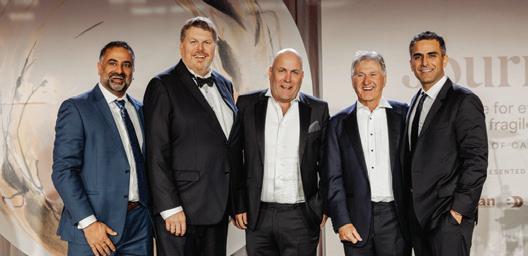
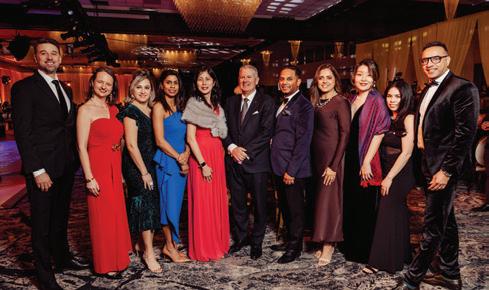

" " The Burnout
Daughter Perfect

By Naina Grewal
In many South Asian families, daughters grow up knowing that love and approval are tied to how well they perform. From a young age, they learn to be responsible, accommodating, high-achieving, and emotionally attuned to everyone around them. They are encouraged to dream big, but not in ways that disrupt family harmony. Over time, excellence becomes expectation, and expectation becomes identity. What looks like success often hides a quiet exhaustion.
Navjit Navi Sandhu, RTT specialist and founder of ART of Healing: Authentic, Revolutionary, Transformational Healing, sees this pattern repeatedly in her work with South Asian women. “The pressure to be ‘the perfect daughter’ feels less like a choice and more like an inherited script, one handed to us long before we had the chance to write our own,” she says. “On one hand, there is professional excellence, ambition, and independence. On the other hand, family expectations, cultural loyalty, and emotional responsibility. We are expected to carry both and carry them flawlessly.”
Sandhu notes that many of us grew up watching our mothers give selflessly, rebuilding their lives in new countries and becoming everything at once: homemaker, financial contributor, mother, cultural bridge, and emotional anchor. In the process, many quietly diminished parts of themselves in order to hold everyone else up, leading their daughters to inherit what she calls a quiet internal tug of war. “Who am I outside of what I do for others? If I stop overperforming, overachieving, and overgiving,
who am I?” When identity becomes built on being needed, impressive, and selfless, authenticity begins to fade, she explains. “The pressure to be perfect fractures identity. Instead of living from alignment, she lives from obligation. This is where burnout begins.”
One woman who knows this intimately describes growing up as the eldest daughter in her family. “As the first daughter, I was constantly reminded that my actions would shape my siblings’ futures and our family’s reputation,” recalls Snigdha Tadigiri. “Statements like ‘What will people say?’ were repeated so often that I internalized the belief that one wrong step could damage everything.” The burden of representation became personal. “The pressure to be perfect and obedient deeply affected my mental health, and even today, I sometimes catch myself making decisions out of fear rather than freedom.” Her experience reflects a common thread among South Asian women, particularly eldest daughters cast as role models, mediators, and emotional
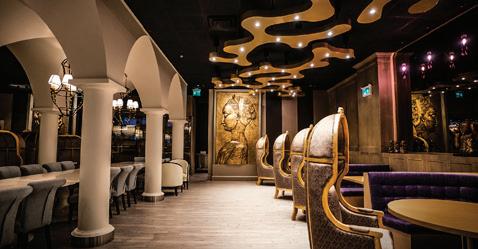
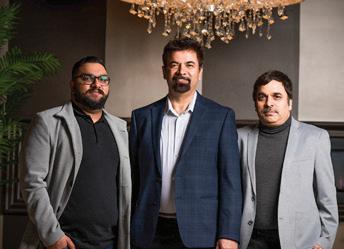

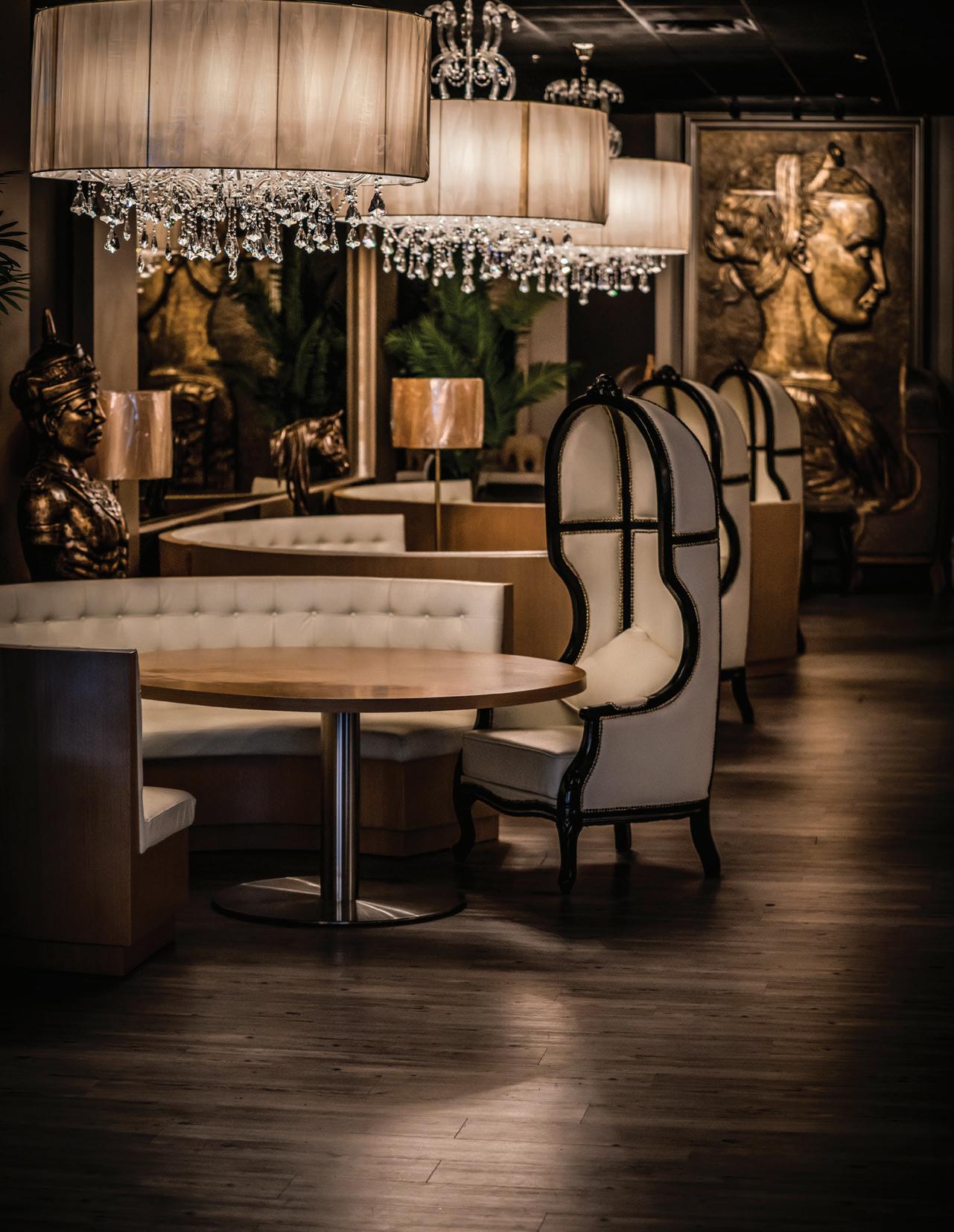
shock absorbers. “For me, reclaiming my sanity meant physically moving to another country,” she shares. “It was one of the hardest decisions I’ve made, but it gave me confidence I didn’t know I was capable of,” details Tadigiri.
From a clinical perspective, Sahaj Kaur Kohli, MA, LGPC, NCC, therapist, writer, speaker, author, and founder of Brown Girl Therapy and The Bicultural Brief, notes that many women grow up learning that love, safety, and belonging are conditional. This often manifests in socially rewarded ways. “This can show up as chronic anxiety, difficulty identifying one’s own needs, people pleasing, and a fragmented sense of self where a woman feels competent in many areas of life but disconnected from who she actually is,” Kohli highlights. Because perfection is tied to family stability and cultural survival in immigrant families, stepping outside the role can feel threatening. The cost is long-term. “Many women become highly capable adults who are deeply attuned to others but under-resourced in their relationship with themselves.”
This tension persists even when women are objectively thriving. “Success does not resolve the internal-

“Healing does not begin with rebellion. It begins with gentle inquiry. Why am I striving for this version of perfection? What role has it played in my life? How did it protect me? Does it still serve me now? From this place, sovereignty replaces guilt. Dignity replaces peoplepleasing. Agency replaces fear.”
- Navjit Navi Sandhu RTT Specialist & Founder, ART of Healing
ized belief that one must keep earning worth,” Kohli says. Achievement becomes a moving target. “Burnout emerges when external success coexists with internal over-functioning: difficulty resting, saying no, disappointing others, or tolerating imperfection.” Guilt becomes the enforcer. “Guilt is often the
"This can show up as chronic anxiety, difficulty identifying one’s own needs, people pleasing, and a fragmented sense of self where a woman feels competent in many areas of life but disconnected from who she actually is. Many women become highly capable adults who are deeply attuned to others but under-resourced in their relationship with themselves.”
- Sahaj Kaur Kohli MA, LGPC, NCC, Therapist, Speaker & Founder - Brown Girl Therapy and The Bicultural Brief
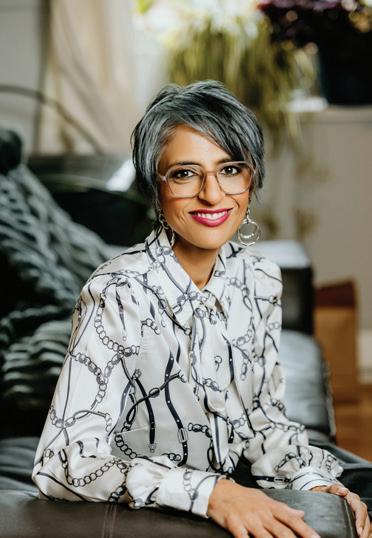
emotional mechanism that keeps the cycle intact. It signals perceived disloyalty whenever a woman prioritizes her own needs over expectations.”
When it comes to healing, the answer does not entail rejecting culture or family. Rather, the solution involves becoming conscious within it. Sandhu encourages, “Healing does not begin with rebellion. It begins with gentle inquiry. Why am I striving for this version of perfection? What role has it played in my life? How did it protect me? Does it still serve me now?” When a woman anchors within herself, something shifts. “From this place, sovereignty replaces guilt. Dignity replaces people-pleasing. Agency replaces fear.”
Similarly, Tadigiri’s advice to other women is simple yet radical: “You are allowed to choose yourself, even if it disappoints others. Walking away from constant pressure doesn’t mean you love your family any less. It means you are prioritizing your peace.”
Kohli echoes, “When women begin to loosen perfection, they become more resourced, authentic, and capable of engaging in relationships that are rooted in mutual care rather than performance. Self-care is a form of community care in that taking care of yourself and unlearning this perfectionism can

“As the first daughter, I was constantly reminded that my actions would shape my siblings’ futures and our family’s reputation. The pressure to be perfect and obedient deeply affected my mental health, and even today, I sometimes catch myself making decisions out of fear rather than freedom.”
- Snigdha Tadigiri First Daughter of the Family
only help you show up in the roles you play and in the relationships you love.” The perfect daughter narrative may once have ensured survival and belonging. Today, many South Asian women are questioning whether it still serves them, and arguably rightfully so. The intention is not to erase the sacrifices that came before, but to evolve them.
Together, ‘perfect’ daughters are choosing to be imperfect. With that choice, they are modeling a more expansive, empowered, and sustainable legacy for the generations that follow.


THE NEW DESI MOTHER
Redefining Strength, Softness, and Boundaries
Across living rooms where generations navigate tradition and change together, a quiet evolution is underway. The new Desi mother is not rebelling against tradition or rejecting the values she was raised with. She is refining them, keeping the connection, community, food, and language while questioning the fear, silence, and selfsacrifice that often came with them. For many millennial South Asian mothers, the challenge is not choosing between culture and modern parenting, but learning how to hold both.
By Naina Grewal
Raman Sanghera, nutritionist and mother of four, sees this shift daily in her work and in her own home.
“The biggest challenge is unlearning, while still honoring the people who raised us,” she says. “Many of us grew up where respect meant obedience. Parents didn’t apologize; emotions weren’t talked through; they were managed quietly. You adjusted, you didn’t question.”

with extended family, even when it feels uncomfortable.” For Sanghera, this is not cultural rejection. “It’s not about rejecting our culture. It’s about evolving it. We’re keeping the closeness and family values, but replacing fear with communication. And that shift is generational.”
Now, she explains, parenting looks different. “We apologize when we lose our temper. We explain instead of saying ‘because I said so.’ We sit at the edge of the bed and talk things through. We’re setting respectful boundaries
Food is often where that generational tension surfaces most clearly. In South Asian homes, feeding someone is an act of love. Second helpings are affection, mithai is a celebration, and comments about weight are a symbol of concern, even if they sting. In Sanghera’s home, the script has changed. “In our culture, food equals love. And I actually
love that. I’m not trying to erase roti, daal, sabzi, mithai; those foods are part of our identity. But what I am intentional about is how we talk about food. In my home, my kids don’t have to finish their plates if they’re full. No food is ‘good’ or ‘bad’. We talk about balance. We don’t comment on bodies. I teach them that strength and nourishment matter more than size.”
Inevitably, when extended family members offer unsolicited opinions, she responds calmly. “We’re teaching her to listen to her body.” Her philosophy is

Con gure your 2026 Porsche Cayenne Electric using the QR code, then connect with our Porsche Specialists to secure your reservation and experience the future of performance at Porsche Centre Langley.






“The modern South Asian mother is far more informed than previous generations. She’s learning about postpartum recovery, nervous system regulation, breastfeeding support, and rebuilding her body safely after birth. But navigating that while still honoring elders can feel complicated.”
-Prabhjot Gandham Women’s Strength and Postpartum Wellness Coach
simple yet powerful: “You can honor tradition without inheriting everything that came with it.” To Sanghera, the new Desi mother is intentional. “She’s keeping the connection, the community, the food, the language. But she’s removing the fear-based parenting, the food pressure, the body-shaming, and the silence.” Most impactfully, she adds, “Our kids won’t have to heal from what we had to.”
Prabhjot Gandham, women’s strength and postpartum wellness coach, sees another critical layer of this generational shift: physical recovery and maternal health. “One of the biggest challenges I see is that many South Asian women were raised to believe that being a good mother means putting themselves last,” she admits. “Our culture is incredibly loving and family-oriented, which is beautiful. But many women in this generation are also more educated about postpartum recovery, mental health, and parenting choices. They’re asking questions our mothers and grandmothers may never have had the space to ask.”
Undoubtedly, that awareness creates tension. “How do I respect my family, my culture, and my elders while also doing what feels right for my child and myself?” Gandham asks.

“The modern South Asian mother is far more informed than previous generations. She’s learning about postpartum recovery, nervous system regulation, breastfeeding support, and rebuilding her body safely after birth. But navigating that while still honoring elders can feel complicated.”

Physical recovery, Gandham emphasizes, is not vanity. It is foundational. “Physical recovery after birth is one of the most overlooked parts of motherhood, especially in our community,” she outlines. “Many women are expected to ‘rest’ for a short time and then jump right back into roles and responsibilities, but very few are actually taught how to rebuild their bodies safely. When a woman reconnects with her core, her breath, and her strength again, something deeper shifts. She stops feeling like she has to shrink herself in motherhood. Instead, she starts to feel capable again. When women rebuild their strength
after birth, they stop just surviving motherhood—they start leading within it.”
Setting boundaries is central to this new era of parenting. “Many of our parents and elders offer advice from a place of love and lived experience,” she acknowledges. “But it’s also okay to say, ‘This is what works best for our family.’” Culture, she reminds her clients, is not fixed. “Culture evolves through each generation. Using new knowledge doesn’t mean you’re turning your back on tradition. It means you’re building on it.” At the heart of it all is yet another powerful truth: “Honoring our culture shouldn’t require abandoning ourselves.”
As such, the new Desi mother is not louder than the generations before her. She is simply more aware. She is protecting her peace while protecting her heritage. She is not perfect. She is intentional. And in that intention lies something transformative. By balancing tradition with boundaries, nourishment with neutrality, strength with softness, she is quietly breaking cycles. She is raising children who will understand both where they come from and who they are allowed to become.
The new Desi mother is not choosing between culture and self. She is choosing both, on her own terms.

“In our culture, food equals love. And I actually love that. I’m not trying to erase roti, daal, sabzi, mithai; those foods are part of our identity. But what I am intentional about is how we talk about food. In my home, my kids don’t have to finish their plates if they’re full. We don’t comment on bodies. I teach them that strength and nourishment matter more than size.”



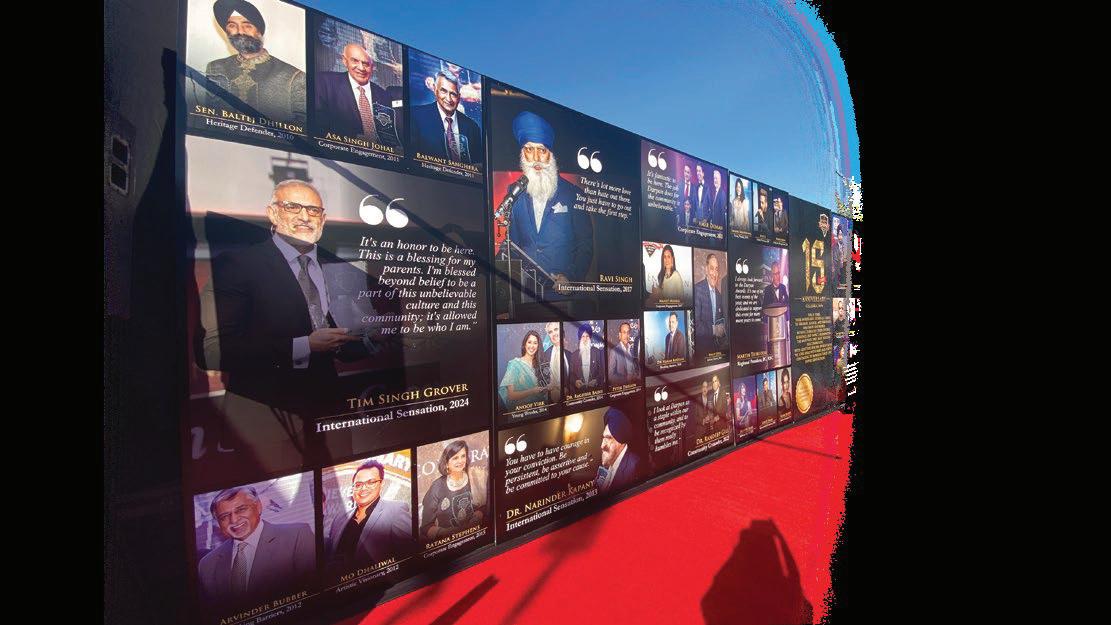

-Raman Sanghera Nutritionist and Mother of Four

THE SILENCE BEHIND “GOOD NEWS” FERTILITY, STIGMA, AND SOUTH ASIAN WOMEN
By Naina Grewal
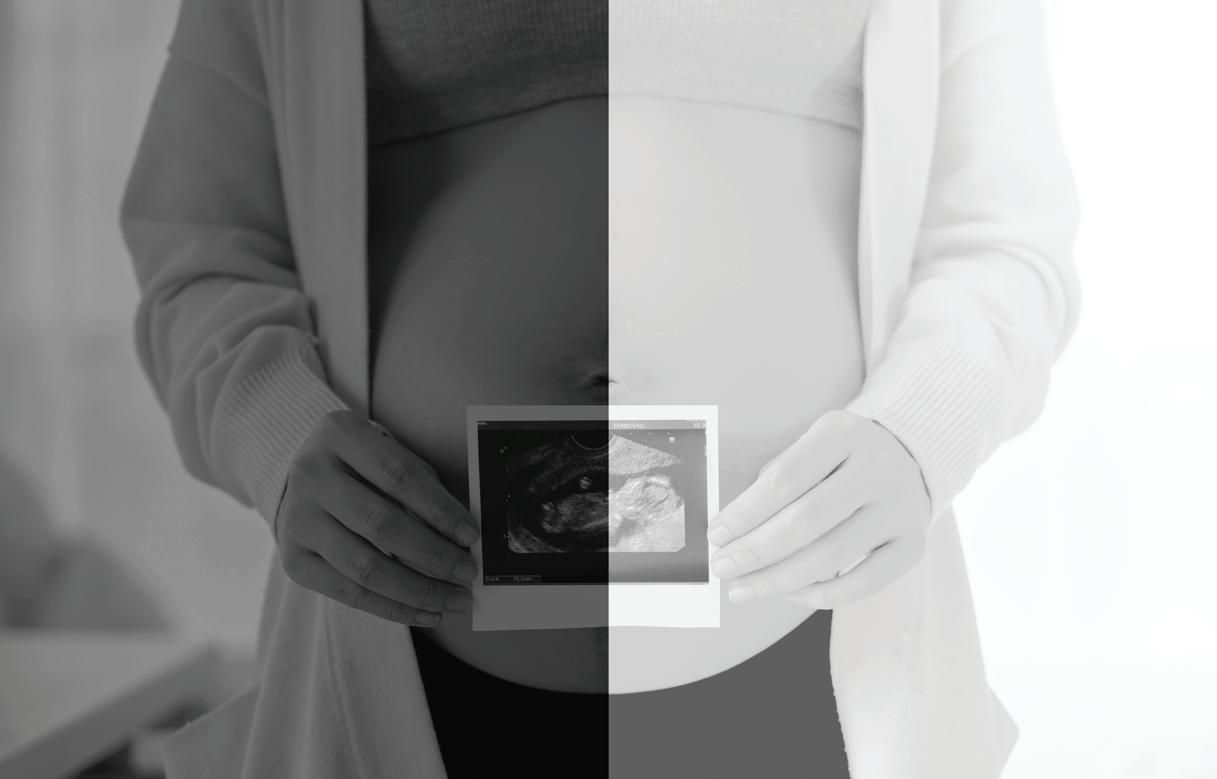
In many South Asian house holds, conversations about weddings and babies flow easily, but fertility struggles are endured quietly. IVF, miscar riage, delayed motherhood, and reproductive challenges remain whispered topics. The pressure to conceive is loud, while the space to speak honestly is small. Shaped by cultural expecta tions and family dynamics, this silence carries grief, confusion, resilience, and hope.

From a medical perspective, double board-certified OB/GYN and Reproductive Endocrinology & Infertility (REI) specialist, Dr. Lucky Sekhon, sees how cultural silence can directly affect care. “In my practice, one of the biggest challenges is how silent fertility struggles can be in South Asian communities,” she explains. “Many women feel pressure to keep it private, which can delay getting help and make the experience isolating.”
That delay can be significant. In communities where fertility is assumed rather than discussed, early signs of reproductive issues are often normalized or minimized. “There is also intense family and cultural pressure to conceive quickly after marriage, which adds stress and can make it hard to set boundaries around intrusive questions and unsolicited advice,” Dr. Sekhon says. The


“A lot of the heartbreak around fertility comes from misinformation and unrealistic expectations. Human reproduction is naturally inefficient, so struggling does not mean someone did something wrong."
Board Certified OBGYN and Reproductive Endocrinology & Infertility Specialist Dr. Lucky Sekhon
expectation to produce good news can overshadow the reality that conception is not always immediate or straightforward.
Clinically, she also sees patterns that frequently go undiagnosed. “I also see many patients dealing with issues like irregular ovulation and PCOS, sometimes alongside insulin resistance, which can complicate fertility and often goes undiagnosed for years because symptoms get normalized.”
A core part of Dr. Sekhon’s work is reframing the narrative around infertility. “I start by reminding patients that infertility is a medical issue, not a personal failure,” she highlights. In communities where fertility is closely tied to identity and womanhood, that distinction is powerful. When conception does not happen quickly, many women internalize shame.
Instead of blame, she encourages information and agency. “We focus on practical steps: understand age and timeline, get the right evaluation early, and make decisions based on data rather than fear.” Knowledge can counteract both misinformation and panic. It also helps women advocate for themselves in medical and family settings.
Mental health, she adds, cannot be an afterthought. “I also encourage women to protect their mental health and to practice scripts and boundaries with family members, because constant pressure and commentary can be deeply draining.”
Much of the heartbreak she witnesses, she reveals, is rooted in misunderstanding. “A lot of the heartbreak around fertility comes from misinformation and unrealistic expectations. Human reproduction is naturally inefficient, so struggling does not mean someone did something wrong.” That reminder alone can ease years of quiet self-blame.
While Dr. Sekhon addresses the medical and emotional dimensions, Gurneet Kaur, an accredited practicing dietitian (APD) specializing in fertility nutrition, approaches fertility through the lens of nutrition and metabolic
health. She sees a similar cultural gap between expectation and biology. “In my clinical work, one of the most significant challenges South Asian women face is the gap between cultural expectations and biological reality,” she notes. “Many women grow up with the assumption that pregnancy will happen naturally and quickly after marriage, so when conception takes longer, there is often a deep but unspoken sense of personal responsibility or failure.”
Privacy, while culturally protective, can also intensify isolation. “There is also a strong culture of privacy surrounding fertility struggles. Miscarriage, IVF, and assisted reproductive treatments are rarely discussed openly within families or communities,” Kaur details. “While privacy can feel protective, it can also create profound isolation, leaving women feeling as though they are the only ones experiencing these challenges.”
Food adds another layer of complexity in South Asian households, where meals are central to identity and connection. “South Asian cuisine is deeply tied to identity and family traditions, yet many women receive fertility advice that encourages restriction or elimination rather than culturally sensitive adaptation,” she points out. “This can create confusion and unnecessary guilt around eating.” For women already navigating emotional strain, rigid or culturally disconnected advice can add stress rather than support.
Kaur emphasizes that fertility is physiological, not moral. “A central part of my work is helping women understand that fertility is influenced by physiology, not personal worth or effort alone.” When women understand the interaction between ovulation, hormones, inflammation, and metabolic health, she notes that self-blame often shifts toward empowerment.
She focuses on sustainable, evidence-based changes. “Importantly, the goal is not perfection or restrictive dieting. Consistency, nourishment, and cultural relevance are far more effective long-term.” Integrating supportive changes into familiar foods, rather than abandoning them, reduces stress and improves adherence.
Encouragingly, she is seeing cultural shifts. “One encouraging shift I am seeing is that South Asian women are increasingly seeking fertility education earlier and approaching reproductive health more proactively.” That said, stigma remains, particularly around assisted reproductive technologies. “Normalizing open conversations around miscarriage, delayed motherhood, and fertility treatment is essential for reducing stigma,” she reminds.
At its core, fertility is both medical and emotional, and it deserves open, informed conversation. Breaking the silence does not mean abandoning privacy. It means replacing shame with understanding and recognizing that seeking help is a strength, not a failure. Women should have space to speak honestly about their reproductive journeys without fear of judgment. When conversations shift from whispers to dialogue, women gain more than information. They gain clarity, community, and the reassurance that they are not alone.
“South Asian cuisine is deeply tied to identity and family traditions, yet many women receive fertility advice that encourages restriction or elimination rather than culturally sensitive adaptation.”

Accredited Practicing Dietitian
Gurneet Kaur
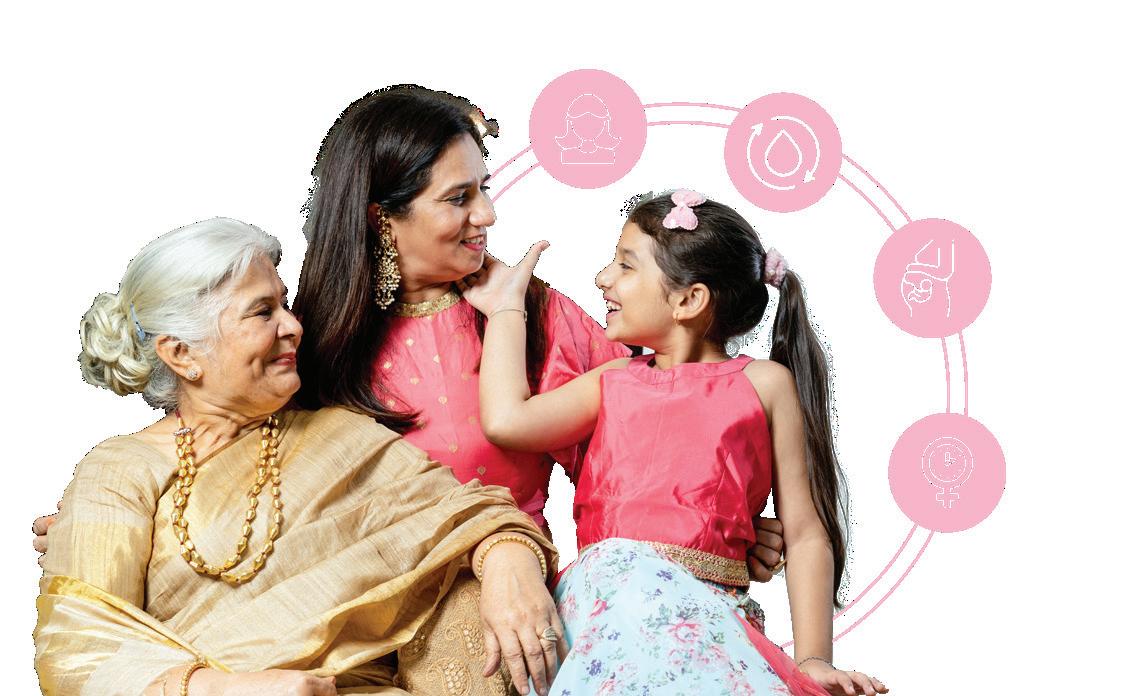
The Incredible, Misunderstood
Power of Hormones
on Women’s Health & Happiness
By Dr. Shimi Kang
As a doctor of over 25 years, I’ve seen many women feel frustrated or face stigma if they are “hormonal”. As a woman in menopause who lives with chronic pain, I often judge myself for not being “tough enough”. But here is the truth: Men and women are biologically different. A woman’s health is closely tied to her hormones, and understanding this "mindbody connection" is the key to feeling your best and supporting the girls and women in your life.
To understand how a woman functions, we have to look at her hormones across four major stages of life:

1. Puberty: The Brain’s Big Change


Dr. Shimi Kang MD, FRCPC Mental Wealth, Addiction & Motivation Specialist, Global Speaker, Media Expert & #1 Best-selling Author, Clinical Associate Professor, UBC
Dr. Shimi Kang is an award-winning Harvard-trained doctor, researcher, and keynote speaker specializing in the science of motivation. She founded Future-Ready Minds, is the host of ‘Mental Wealth with Dr. Shimi Kang’ on YouTube, and is the author of the #1 national bestselling parenting book ‘The Dolphin Parent.’ Her work focuses on mental health, addiction, and brain-related conditions, offering assessments and treatments like psychedelic-assisted therapy and more.





Puberty is like a massive renovation project for the brain. For girls, a sudden increase in hormones like estrogen changes the parts of the brain that handle emotions and memory. This is why many young girls feel things more deeply. It’s not just "drama"—it’s a brain learning how to navigate a new, more aware and sensitive world.

2. The Monthly Cycle: A Regular Rhythm



For most women, hormones go up and down every single month. These changes don't just stay in the body; they travel to the brain. Hormones affect chemicals like serotonin, which helps us feel confident, and GABA, which helps us stay calm. When hormones drop right before a period, these "feel-good" chemicals can drop too. This can lead to "brain fog", mood changes, sleep problems, or feeling extra tired.

3. Pregnancy: The Ultimate Shift

Pregnancy is the biggest hormonal change a human can experience. A mother’s brain actually changes to help her bond with her baby. However, after the baby is born, those hormone levels drop very fast. This "crash" can make the brain feel very vulnerable. Understanding this context helps us see that things like postpartum "baby blues" are a biological response, not a personal failure.

4. Menopause: The New Chapter
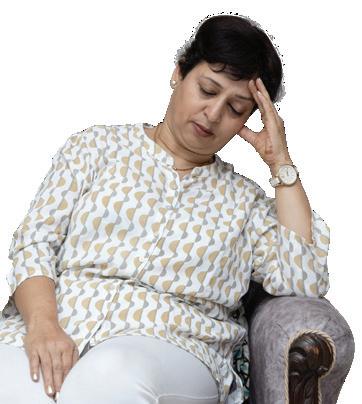
Eventually, the body stops its monthly cycle. As estrogen levels go down, the brain has to find a new "normal." This can affect sleep and memory—it’s a transition. By understanding these changes, women can stay proactive and powerful as they enter this new stage of life.
How to Stay Balanced
Because our brains are so connected to our bodies, knowledge is power, and a healthy lifestyle is essential. I always recommend focusing on "The Dolphin Way," which means making time for play, connecting with others, and ensuring you have enough downtime to rest. Joy, laughter, and meaningful relationships are not luxuries—they are biological necessities that help regulate stress hormones and boost mood-enhancing chemicals in the brain.
Just as importantly, we need a healthy tech diet. Toxic tech or too much screen time can mess with our sleep and stress hormones, so it’s vital to unplug and reconnect with the real world.

Constant notifications keep our nervous system in a subtle state of fight-or-flight, raising cortisol and disrupting melatonin production. Creating tech-free zones—especially before bedtime—and building rituals that calm the mind can dramatically improve emotional resilience and hormonal balance.

When we put women’s mental health in the context of their hormones, we stop asking, "What is wrong with me/her?" and start asking, "What do/ does I/she need right now?” That simple shift replaces shame with curiosity and self-compassion. Understanding hormonal rhythms empowers women to plan, perform, and rest in alignment with their biology rather than in conflict with it.




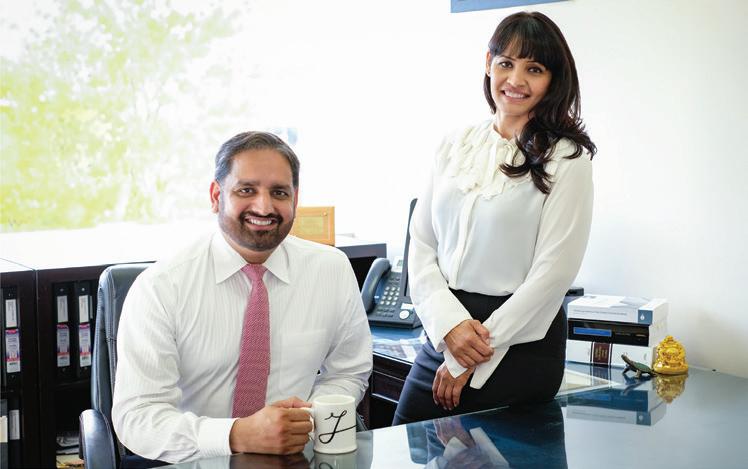




■ BUILDER'S LIENS
■ COLLECTIONS
■ GENERAL LITIGATION ■ FAMILY LAW


Sonia Virk
Jagmeet Virk
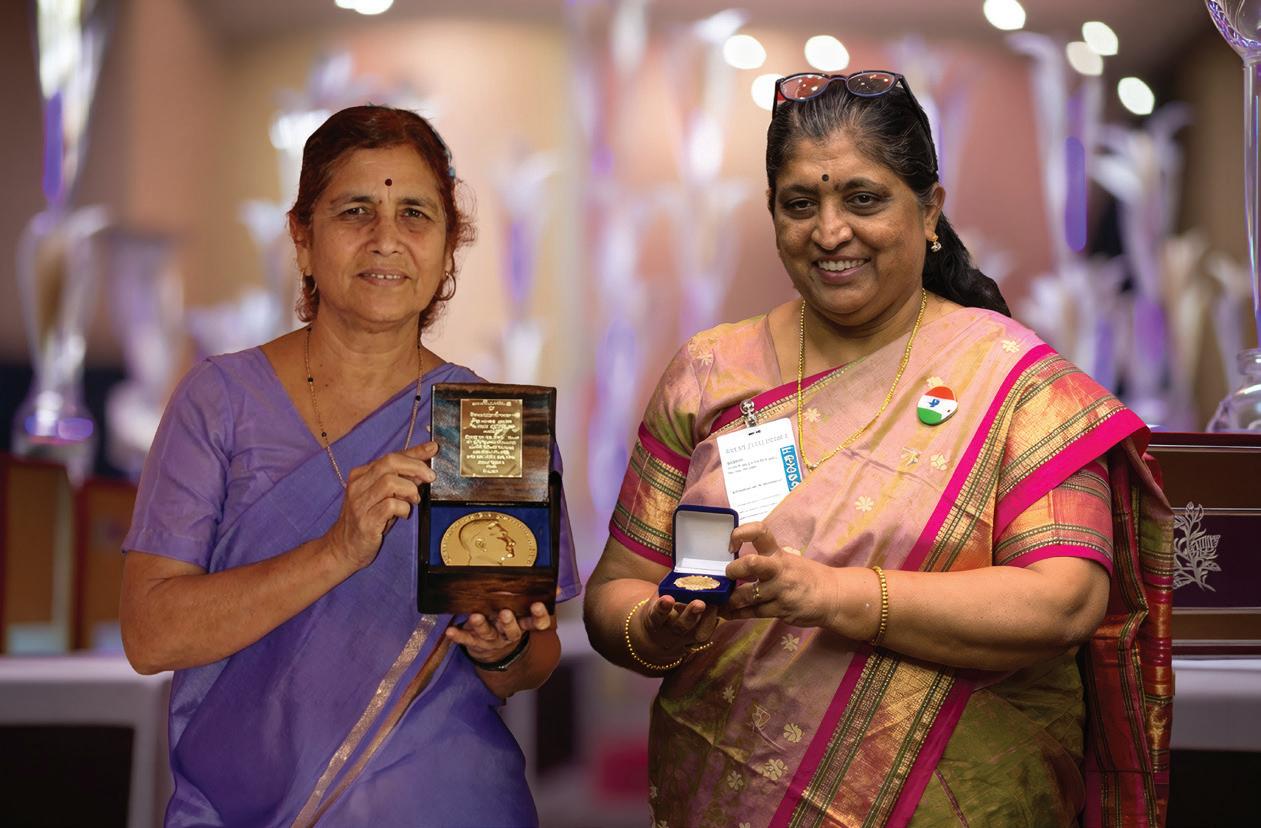
Beyond the Spotlight
Women
2 Lifetimes of Service
By Shweta Kulkarni
Not all heroines make flashy entries; some arrive quietly, without any fanfare, roll up their sleeves, and simply get to work. No spotlight, just sheer dedication to life-altering service. This International Women’s Day, DARPAN salutes two such women—Dr. Mandakini Amte and Advocate Varsha Deshpande. These public-spirited women showed up for communities that had long been forgotten by society and continue to serve them tirelessly, striving to make their lives better.
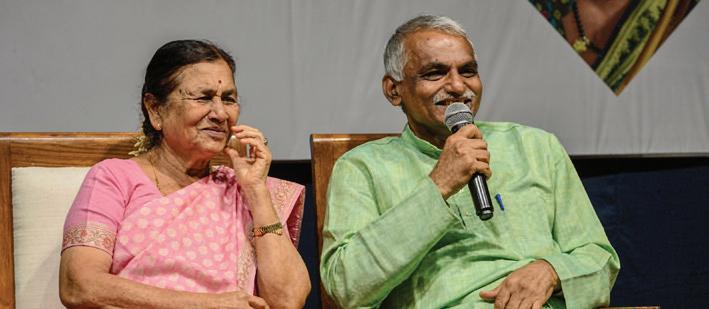
Dr. Mandakini Amte
For many of us, giving up a comfortable life to live in a remote forest settlement feels unimaginable. But when your goal in life is altruism, choosing purpose over comfort comes naturally. And Dr. Mandakini Amte did precisely that. She could easily have followed a successful path in medicine. But the universe had other plans for her. She met Dr. Prakash Amte, a young doctor driven by a deep sense of social commitment.
What began as a friendship turned into a shared dream: to serve those with little or no access to healthcare. Prakash had grown up watching his father, Baba Amte, build Anandwan, a rehabilitation community for people affected by leprosy. But he wanted to work in the forests of Gadchiroli with the Madia-Gond Adivasi community.
“Till MBBS, I lived an ordinary life in Nagpur. When I met Prakash during post-graduation, he was working in surgery, and I was working
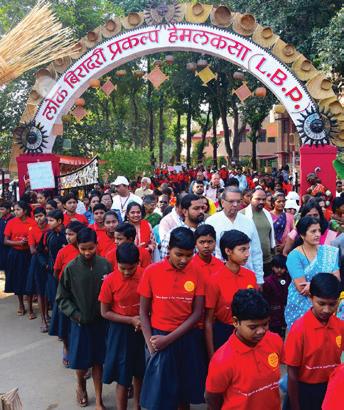
in anesthesia. We became friends, gradually fell in love, and decided to marry. I knew a bit about Baba Amte and his work in Anandwan. Prakash told me that he was not going to work in Anandwan, but even farther, in the Adivasi villages of the remote Gadchiroli district, and that if I agreed with this, we should marry,” she recalls.
Mandakini knew one thing— their values aligned. So, despite strong opposition from her family, she married Dr. Prakash Amte. In 1973, the young couple moved to Hemalkasa and began what would become the Lok Biradari Prakalp. The early years were harsh. There was no infrastructure, and the Madia-Gond tribal community was suspicious of the Amtes. Communication itself was a challenge due to a language barrier. With patience, humility, and consistency, they slowly gained the trust of the community.
What began as a modest effort eventually became a successful initiative. Today, their work has expanded into three major pillars: a hospital providing free medical care, a residential school for tribal children, and an animal orphanage for injured and rescued wildlife.
In 2008, Dr. Mandakini and Dr. Prakash Amte were honored with the prestigious Ramon Magsaysay Award for Community Leadership. Yet awards have never defined her journey. She had the choice of a comfortable life but instead chose to stand beside those forgotten by the system. The society is richer because of that choice.
Visit www.lokbiradariprakalp.org/ to volunteer or donate.
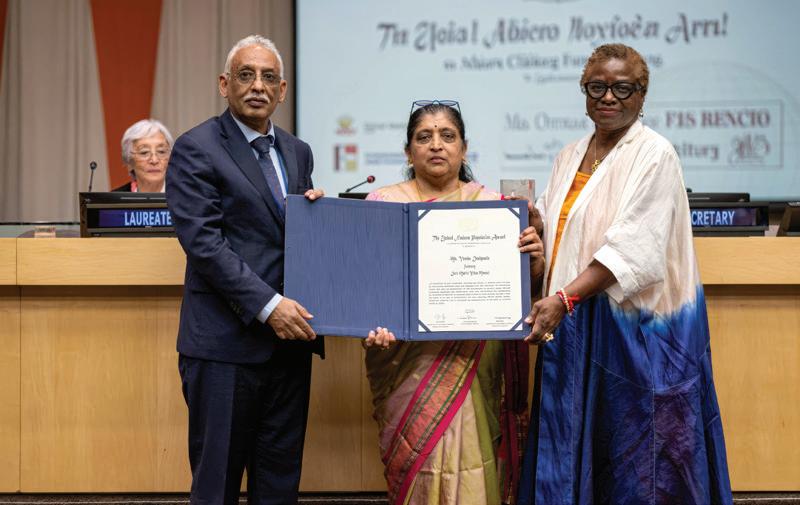
Advocate Varsha Deshpande
As much as the modern Indian woman is celebrated for her growing global presence, a harsh reality continues to exist. There is still a huge section of Indian society where women are still devalued and treated inhumanely. Female feticide continues despite strict laws, and women from marginalized communities still struggle for dignity, safety, and a stable livelihood. The reality is disturbing, but there is still some hope if women like Advocate Varsha Deshpande exist.
For over three decades now, Varsha Deshpande has been spearheading some of India’s most difficult battles, including gender discrimination, female feticide, child marriage, and the systemic marginalization of women.
Hailing from Belgaum, Varsha was always inclined towards social service, but it was not until she witnessed the struggles of socially deserted women of rural Maharashtra that she finally found her purpose. In 1990, she founded the Dalit Mahila Vikas Mandal (DMVM) in Satara. Her early work focused on women who were abandoned by husbands and left without identity documents, income, or social support. They were organized into self-help groups, given vocational training, and supported in securing separate ration cards and basic rights.
Simultaneously, Varsha also initiated a ‘Zunka Bhakri Kendra’ at the
State Transport bus stand employing the most vulnerable women. The Zunka Bhakri Kendra has been functional ever since and has been helping deserted women since its inception. Over time, Deshpande turned her attention to a deeper crisis: sex-selective abortions. Most notably, she helped initiate and support sting operations to expose doctors illegally conducting prenatal sex determination. So far, she has already conducted over 50 sting operations all over Maharashtra. These efforts strengthened enforcement of the PCPNDT Act, which prohibits sex selection. In 2025, she received the United Nations Population Award in the individual category, becoming only the third Indian to receive the honor after Indira Gandhi and J. R. D. Tata. On receiving the award, she described it not as personal recognition but as a tribute to collective efforts to restore value to the girl child. “I am deeply honored to receive the prestigious UN Population Award... This award is not a personal accolade, but a tribute to the collective work of countless individuals and institutions who engage with communities to drive meaningful change and empower them”, she said.
May many more voices like hers rise with the same fearlessness and dedication.
Era of The Self-Led Women The
Fitness as Identity, Not Obligation
By Asma Kassam

There was a time when women exercised to shrink, to fit, to correct, to recover from a night of indulgence, to be chosen. In 2026, that era is being challenged as women have evolved. The modern woman is self-aware, multi-faceted, and deeply capable. She understands that her body is not a problem to solve, but the foundation that supports the life she leads. Movement is no longer an obligation to be smaller. It is alignment and identity. It is a daily practice of remembering who she is.
This is the era of the self-led woman.
Women are no longer training to take up less space; they are training to become more themselves.


Asma Kassam is a Dubai-based health and fitness professional, writer, and marketing strategist specializing in women’s wellness and performance. With a background in kinesiology and experience leading fitness communities, her work explores the intersection of strength training, nervous system health, and sustainable wellness.
Asma Kassam is a Dubai-based health and fitness professional, writer, and marketing strategist specializing in women’s wellness and performance. With a background in kinesiology and experience leading fitness communities, her work explores the intersection of strength training, nervous system health, and sustainable wellness.


Fitness Has Matured, And So Have We
In a world of constant demands, multiple roles, and relentless digital noise, training has become something more than a calorie burn. It becomes a familiar stabilizer and a foundation that positively reinforces resilience. Training goals have shifted away from ‘bikini body’ to ‘regulated’, ’strong, ‘and ‘grounded.’
As strength training has become more widely embraced, a variety of training styles and classes have evolved. Women are turning to their internal self-compass to decide which option is best for them. Women are tracking every morsel of food less and paying closer attention to how food fuels energy, and how nutritional quality impacts health.
Aesthetic goals may remain, and there is nothing wrong with that, but they are no longer the sole reward. Daily clarity, steady energy, and emotional resilience have become greater daily rewards. As cultural messaging evolves, women are refining wellness on their own terms. They are turning inward, developing an internal compass that guides how they train, recover, and nourish themselves.


Movement as Identity Anchoring
High-achieving women don’t need more motivation; they need anchors.
McKinsey’s Future of Wellness research shows that across global markets, consumers are redefining fitness as holistic wellness, prioritizing recovery, mental clarity, stress regulation, and preventive health. A shift is also reflected in how fitness facilities and wellness businesses design their services. This broader shift is reflected at an individual level. When a woman trains three times a week, walks daily, prioritizes gut health, and protects her sleep, she not only takes ownership over herself, but she reinforces the standard that her wellness is important.
Equally important are the stabilizing physiological benefits of exercise, such as hormone balance, metabolic adaptability, cognitive clarity and brain health, blood sugar and insulin balance, increased bone density, and structural resilience. Movement rewires the sense of self, renews self-belief, and reinforces identity through repeated evidence of capability.
Emotional Regulation Through the Body
The self-led woman understands something our matriarchs were not taught: emotional stability starts in the body.
She is aware that stress is biochemical, that chronic overwhelm elevates cortisol, that blood sugar instability and missed meals affect mood and focus, and that sleep deprivation lowers resilience and decision-making capacity. Instead of separating mind and body, she integrates them by setting intentions to walk or cycle after a tense meeting. Choosing to disconnect before bed becomes a transition into restoration.




Routines Are Less Reactive, More Strategic
Scientifically, exercise improves mood through neurotransmitter support and enhances cognitive clarity through increased blood flow to the brain. Strength training in particular has been shown to reduce symptoms of anxiety and depression while improving confidence and perceived competence.
From an industry point of view, participation in practices such as yoga, breathwork, and sound healing continues to rise as women prioritize their resilience and nervous system health. A regulated nervous system enhances leadership, patience, and clarity. Healthy living is no longer a burden; it is proactive self-leadership.



Personal Leadership & Self-Respect
Leadership begins at home, in the quiet negotiations of the mind.
Before leading a team, a family, a business, or a community, a woman first learns to lead herself. Through a consistent routine, she builds trust in her own decisions and direction. Over time, lived experience shapes routine and behavior. This era of self-leadership signals a quiet reclamation of power. Women recognize their influence and treat their self-leadership as non-negotiable. Showing up when motivation dips, not from punishment, but from dedication. Pushing through a challenging set, not to burn extra calories but to build resilience.
This shift is influencing nutrition as well. Awareness around gut health, eating times, hormonal health, and energy stability has expanded. Women are asking better questions, seeking evidence-based information, and integrating it with intuitive intelligence. Simultaneously, the self-led woman approaches her health from a holistic perspective, making informed decisions grounded in both knowledge and self-trust.
The New Standard
The era of shrinking and exercising out of obligation has passed. It served its purpose, helping many women reconnect with their health, but a new standard has emerged.
Women are settling into themselves, their lives, and their bodies through self-leadership. They trust their inner compass and trust that it is safe to build a routine that supports their ambition. Fitness, in 2026, is not a seasonal reset that falls away when chaos strikes. It’s a regulatory tool and an avenue of reinforcing resilience, clarity, and strength. The new standard is becoming more of yourself, not less.







Chef
Deepali Singla
After getting married, Deepali Singla discovered her true calling—the art of cooking. Without ever attending a single culinary class, she found joy and confidence in the kitchen, where every dish she created was met with praise and warmth. Her love for experimenting with different Indian cuisines turned her kitchen into a creative studio. With her family’s support, she began sharing her recipes online—and what started as a passion soon blossomed into a vibrant community of over 100K food lovers. Grateful for the love she’s received along the way, Deepali Singla believes in learning, experimenting, and growing every day.

CHEESY
Masala Pav
Ingredients
For Chili-Garlic Paste:
• 3–4 dry red chilies (soak for 10 minutes if needed)
• 6–7 garlic cloves
• Water, as needed to blend
For Masala:
• 2 teaspoon oil
• 1 teaspoon butter
• 1 teaspoon cumin seeds
• 1 teaspoon chopped ginger
• 2–3 green chilies, chopped
• 1 teaspoon chopped garlic
• 2 medium onions, finely chopped
• 1 capsicum, finely chopped
• 2 tomatoes, finely chopped
• Salt to taste
• ½ teaspoon turmeric powder
• 1 teaspoon garam masala
• 1 teaspoon pav bhaji masala
• 2 teaspoon prepared chilligarlic paste
• 2 tablespoon chopped coriander
For Assembly:
• 4 pav (buns)
• 2 teaspoon butter (for toasting)
• 1 pinch pav bhaji masala
• 1 teaspoon chilli-garlic paste
• Prepared masala (from above)
• 4 cheese slices
• Chopped coriander (for garnish)
Directions
1. Blend soaked red chilies, garlic, and a little water into a smooth, thick paste. Keep aside.
2. Heat oil and butter in a pan. Add cumin seeds, ginger, green chilies, and garlic. Sauté until fragrant.
3. Add chopped onions, capsicum, and tomatoes. Cover and cook for 5 minutes on medium flame.
4. Add salt, turmeric, garam masala, pav bhaji masala, and 2 teaspoons of the prepared chili-garlic paste. Mix well and cook for 2–3 minutes. Finish with chopped coriander.
5. Heat a tawa and add butter, a pinch of pav bhaji masala, a little chili-garlic paste, and some of the prepared masala.
6. Slice pav and toss both sides on the tawa so they soak up the masala.
7. Sprinkle fresh coriander and place cheese slices inside each pav. Allow the cheese to slightly melt.
8. Serve hot with an extra pat of butter on top for that irresistible street-style finish.

Fiery Garlic Chili
Ingredients
• 1 tablespoon oil
• 1 tablespoon butter
• 3–4 garlic cloves
• 1 teaspoon red chili powder
• 2 green chilies (sliced)
• 1 medium onion (sliced)
• 2 eggs
• Salt and pepper to taste
• 2 cheese slices
• 1 tablespoon chopped coriander
• 1 teaspoon chili oil (to garnish)
Directions
1. In a mortar and pestle, crush garlic with red chili powder and a splash of water to form a smooth, fiery paste.
2. Heat oil and butter in a pan. Add the sliced green chilies and the prepared garlic-chili paste. Sauté until fragrant and slightly golden.
3. Toss in the sliced onions and cook until they turn soft and slightly caramelized.
4. Crack in two eggs directly over the mixture. Sprinkle salt, pepper, and coriander. Gently place cheese slices on top and cover the pan.
5. Let the eggs cook until the cheese melts beautifully. Drizzle some chili oil on top before serving for that irresistible glossy, spicy finish.













Seema Gujral’s EDEN
A Celebration of Spring, Craftsmanship, and Modern Romance
By Shweta Kulkarni

Some designers simply create ensembles, and some craft an enchanting world with fabrics; couturier Seema Gujral undoubtedly belongs to the former clan. Gujral has spent over two decades building her eponymous label that celebrates the richness of Indian craftsmanship while speaking to the sensibilities of the modern woman. Known for her intricate detailing, graceful silhouettes, and quiet opulence, her creations are also a hot favorite among celebrities, including Alia Bhatt, Madhuri Dixit, Shilpa Shetty, Bhumi Pednekar, Disha Patani, Rakul Preet Singh, Aditi Rao Hydari, Khushi Kapoor, Kriti Sanon, Manushi Chhillar, and Mrunal Thakur, among many others.

“Each piece you will encounter here is a dream come to life through thoughtful and intricate design, and hours of artisanal workmanship. It is our privilege to share these dreams with you,” notes Seema Gujral about her eponymous label.
Since its inception, Seema Gujral’s label has steadily carved a niche for itself in the world of Indian fashion, and today stands synonymous with fine craftsmanship, timeless elegance, and quiet sophistication. What started as a small atelier has today evolved into a flourishing design house that proudly celebrates India’s rich, varied, and incomparable embroidery traditions while interpreting them through Gujral’s contemporary vision.

The label’s latest collection, Eden, reflects that very design philosophy. With Eden, Seema Gujral welcomes a season of renewal—one defined by softness, romance, and the quiet optimism of new beginnings.
“Inspired by spring gardens and the gentle glow of early summer light, Eden unfolds as a couture reverie where nature, femininity, and craftsmanship exist in seamless harmony,” shares Gujral.
Further elaborating on the inspiration behind Eden, the designer says, “Eden is inspired by the idea of new beginnings and the beauty of nature coming alive. I wanted the collection to feel soft, floral, and effortless, while staying rooted in craftsmanship. It’s about lightness, newness, and creating pieces that feel timeless yet fresh.”

Romantic yet restrained, the collecion captures florals at their most refined. At the heart of the collection lies its intricate multi-colored thread embroidery, blooming delicately across lehengas in painterly patterns, softly accented with sequins and crystals. The embellishment feels expressive but never excessive, allowing each piece to breathe, move, and feel unmistakably modern while remaining deeply rooted in the brand’s couture language.
One of the most striking elements of this collection is the return of Seema Gujral’s signature dori embroidery lehengas, a technique that has become synonymous with Seema Gujral’s designs. In Eden, these iconic pieces are reimagined with finer detailing and a more fluid construction. The result is silhouettes that feel lighter and more ethereal, while still preserving the meticulous craftsmanship that defines the brand.

Eden also introduces a dedicated summer cocktail edit, designed for warm evenings and intimate celebrations. A palette of cloud whites, lemon yellows, aquas, blush pinks, sea greens, champagnes, and silver greys washes over sculpted skirts and lehengas, creating ensembles that feel both relaxed and refined. Balancing structure with ease, these pieces bring a sense of contemporary sophistication while perfectly capturing the lightness of the season.
While the cocktail edit reflects the playful spirit of spring and summer celebrations, the bridal story within Eden explores florals through a richer and more layered lens. Here, the delicate multi-colored thread embroidery is intricately woven together with traditional zardozi, resulting in bridal lehengas that feel romantic yet deeply opulent. The interplay between softness and grandeur adds depth to the collection, offering modern brides a floral narrative that feels ceremonial, timeless, and refreshingly new.
DARPAN Style

The collection’s graceful aesthetic also extends into menswear. Featuring kurtas, bundi sets, open Indo-western styles, and sherwanis, the men’s line embraces lighter constructions and refined tailoring. Subtle embellishments allow texture, proportion, and craftsmanship to take center stage, creating ensembles that complement the softness of the women’s collection while remaining effortlessly elegant for spring and summer celebrations.
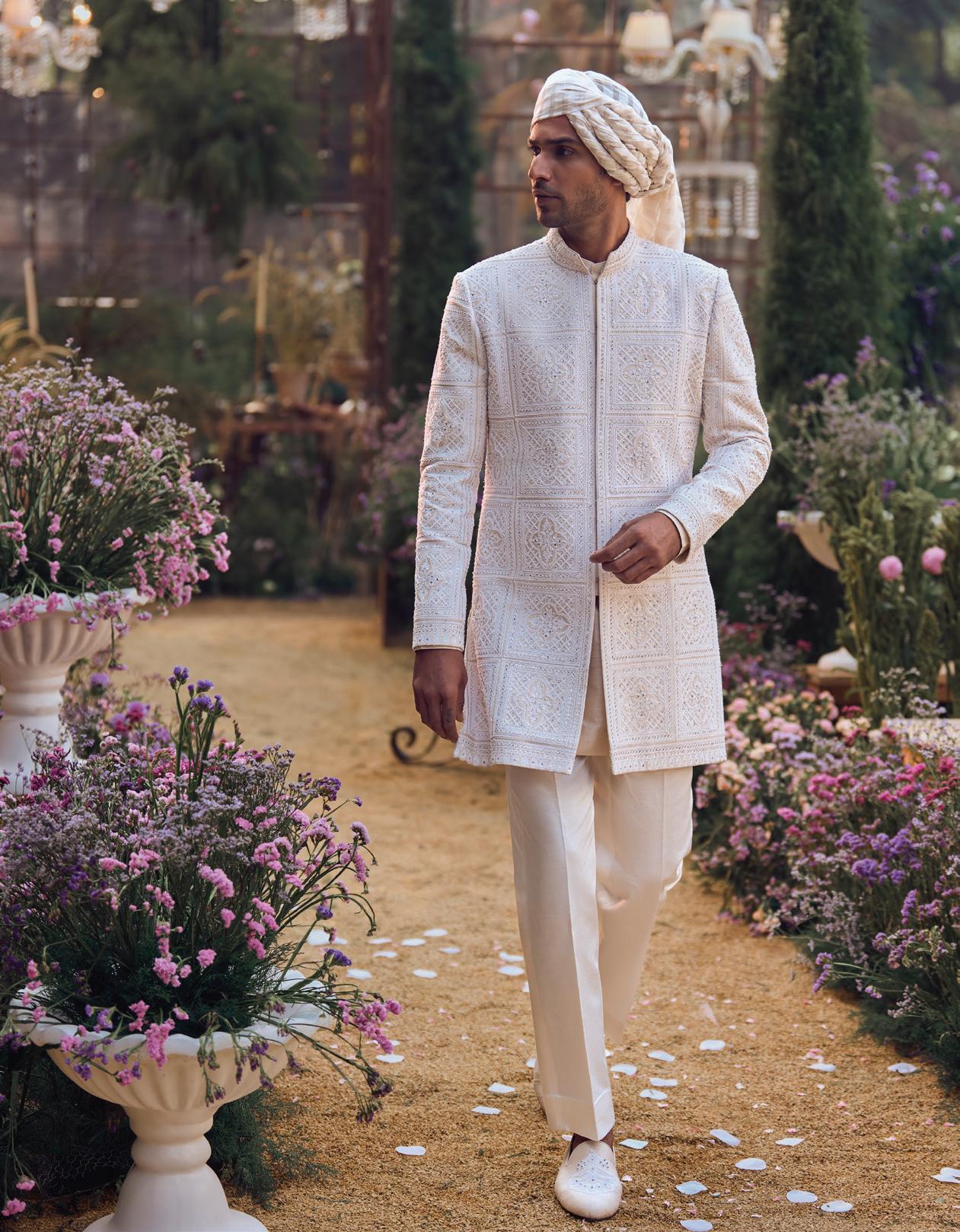
With Eden, Seema Gujral continues to evolve her couture language, embracing a softer and more emotive interpretation of luxury. Romantic yet modern, expressive yet restrained, the collection is ultimately an ode to the season itself, designed for women and men who seek elegance that feels natural, thoughtful, and enduring.
One can purchase Seema Gujral’s designs through the brand’s official website: www.seemagujral.com, and at the brand’s flagship store at The Dhan Mill, Chhatarpur, Delhi.
MAKEUP IS BACK the rise of velvet matte, juicy lips, and the new maximalist glow



“Things are always changing in the beauty space, and there’s always an emerging trend coming out of the woodwork,” declares Shannon Calvert, brow and beauty authority for Benefit Cosmetics Canada.
One scroll through social media platforms readily shows that to be an accurate assessment. One of the most recognizable viral shifts is that makeup is back in a big way. Though that might sound silly as it never went away, there’s a reason the term Maximalist is popping up everywhere, and it seems the no-makeup look is taking a backseat for now.
“The Maximalist look is showing off you’re wearing makeup,” Calvert explains. It’s a trend that plays well with the return of the matte makeup look that Calvert says goes hand-inhand with the Maximalist look. More, however, doesn’t mean heavy-handed.
“I would say that matte makeup has come such a long way in the last 10 years. It’s softer, more natural-looking. People are attracted to that look again because it’s still makeup... They want their makeup to look like makeup again.”

Shannon Calvert Brow and Beauty Authority, Benefit Cosmetics Canada
By Michele Marko
“I would say that matte makeup has come such a long way in the last 10 years. It’s softer, more natural-looking. People are attracted to that look again because it’s still makeup... They want their makeup to look like makeup again.”
Too Faced Celebrity Makeup
Artist Daniel Chinchilla concurs: “Makeup is officially back. I’m seeing it everywhere. Minimal makeup will always have a place, but right now is about having fun again.”
“We’re seeing two major directions,” Chinchilla notes. “Matte is trending in a big way. At the same time, glowy, bronzed skin with pops of color is everywhere. The best part is that both are completely achievable for everyday women.”
Chinchilla says the key to creating this season’s version of matte is starting with hydration. He recommends using a hydrating base like Born This Way Foundation and then brighten-
ing and spot-concealing with Super Coverage Concealer. Top off with a liquid blush for a pop of color. Finish with a blurring powder.
“The powder diffuses texture and gives you that smooth, perfected matte complexion without heaviness. Matte should look polished, not powdery,” he says. “This matte moment is different. It’s not flat or dry. It’s matte without the cake.”
Jessica Rosen, head of brand engagement for NYX Professional Makeup Canada, agrees matte is back in a big way with a softer, polished effect.
“The 'New Matte' making a comeback today is a world away from the flat, heavy finish of the 2010s; we’re now

calling it ‘Velvet Matte’ or ‘Suede Skin’.”
For Rosen, one of the other big trends of the moment is the 'Juicy, Contoured Lip,' which is about optimizing volume and color that doesn’t move.
“Most women can achieve this by using a dual-layered approach: first, define the lips using the new NYX Professional Makeup Lip Lingerie Liner Stain, which provides that viral, long-wearing contour that won't budge,” she explains. “To get that trending 'juicy' finish, layer the new Jelly Job Full-Bodied Shine Gloss over the top. This combination is a social media favorite because the liner stain provides a structured, multi-dimensional base, while the gloss adds that ultra-glazed, 'jelly' texture and high-shine finish, making the lips look instantly plumper and hydrated in any light.”
As much as color is a focus for lips, so are cheeks. Calvert notes that blush, in its now varied formats of liquids, gel sticks, creams, and powders, offers creative ways to add color and brightness to the face. She refers to the blush ombre effect. “I’m thinking of Willa and Chilli (Benefit colors) creating a softer hue and then something brighter right on the apples of the cheek.”
With the return of a more



made-up look comes more drama for the eyes. Think a resurgence of the smoky eye and graphic eyeliner.
For an updated iteration, Chinchilla suggests smudging eyeliner for a softer effect instead of layering heavy, dark shadow. “Apply Killer Liner along the top and bottom lash lines, then use a small pencil brush to diffuse it. Once it sets, it lasts up to 36 hours,” he says. “Work one eye at a time until you’re comfortable. It gives you that smoky vibe without looking overdone.”
Graphic liner returns, but it’s the smaller or baby wing that’s popular, Calvert says. A new spin is extending the liner right to the inner corner now. “Then, of course, there’s that full wing moment. I would say that’s more of the Maximalist trend.”
To achieve the look, Chinchilla says that practice helps but offers a trick. “Sketch your graphic shape first with eyeshadow,” he advises. “Once you like the shape, go over it with liquid liner. Better Than Sex Liquid Liner has a sharp brush that makes it easy to create precise, thin lines. If you’re new to graphic liner, start with brown instead of black. Chocolate tones are softer and more forgiving.”


For brows, lamination is still very popular, but it’s a softer look, according to Calvert. “It’s more so pushed to the outer points of the face now. I like to call that baby lamination. You can achieve that look easily at home with a 24-hour Brow Setter. You don’t always have to go and get that service.”
Like anything in fashion or beauty, embracing a trend comes down to personal taste. And as Chinchilla says, it’s about having fun with it. And with beauty trends, the upside is the financial investment isn’t huge, so if you don’t like it after a time, it’s a little easier to let it go. Not at all like picking the wrong sofa color.
Daniel Chinchilla Too Faced
Celebrity Makeup Artist
“Makeup is officially back. I’m seeing it everywhere. Minimal makeup will always have a place, but right now is about having fun again.”





DARPAN MOVIES
By Tuhina Ghoshal

Ten years in, Netflix India isn't just streaming, it’s storytelling at scale. The 2026 lineup, comprising 19 series and 11 films, is the streamer's most ambitious yet. Period dramas, dark comedies, boardroom thrillers, mystery series, warm slice-of-life stories, yeh sab aur bahut kuch. Here is our pick of the titles you should have on your watchlist right now!

Release date: To be announced
Directed by: Rahul Dholakia
Starring: Saif Ali Khan, Pratik Gandhi, Deepak Dobriyal, Sarika
There are stories that entertain, and then there are stories that matter. Hum Hindustani is firmly in the second category. Directed by Rahul Dholakia, this sweeping period film brings to life the true story of India's first general election, that messy, miraculous moment when a newly independent nation decided to trust its people with democracy. Saif Ali Khan anchors the film with quiet authority alongside the always-compelling Pratik Gandhi. This is the kind of cinema that reminds you why you love movies in the first place!
Release date: To be announced
Directed by: Neeraj Pandey
Starring: Manoj Bajpayee, Nushrratt Bharuccha, Saqib Saleem, Divya Dutta
Here is a combination that has never, not once, let an audience down: Neeraj Pandey directing Manoj Bajpayee. Ghooskhor Pandat brings these two back together in what looks like a tightly coiled, propulsive thriller that also features Nushrratt Bharuccha, Divya Dutta, and Saqib Saleem. Pandey's films have a reputation for making you forget to breathe, and something tells us this one is going to be no different. Clear your schedule!
Release date: To be announced
Directed by: Suresh Triveni
Starring: Madhuri Dixit, Triptii Dimri, Ravi Kishan, Dharna Durga
Madhuri Dixit. Triptii Dimri. A dead body. And director Suresh Triveni, who already proved with Jalsa that he can make a domestic thriller feel like a gut punch. Honestly, we could stop right there, and you'd already want to watch it. Maa Behen is a darkly comic film about three women who find themselves in a situation that is equal parts horrifying and hilarious. Chaotic, sharp, and utterly watchable!







DARPAN MOVIES


FAMILY BUSINESS

MUSAFIR CAFE
Release date: To be announced
Directed by: Ruchir Arun
Starring: Vikrant Massey, Vedika Pinto, Mahima Makwana, Adil Hussain
Some love stories don't end-they just pause, and Musafir Cafe, based on Divya Prakash Dubey's much-loved book, picks up exactly where one such story was left behind. Vikrant Massey, who has a rare gift for making you feel everything he feels on screen, leads this quietly beautiful series about second chances and the lives we almost lived. Warm, intimate, and the kind of storytelling that creeps up on you, don’t be surprised if you finish it in one sitting.
Release date: To be announced
Directed by: Hansal Mehta
Starring: Anil Kapoor, Vijay Varma, Rhea Chakraborty, Neha Dhupia, Kanwaljit Singh
What happens when the man who built an empire from nothing watches his handpicked successor try to take it all? That is the delicious question at the heart of Family Business, directed by the brilliant Hansal Mehta. With Anil Kapoor playing the ageing patriarch and Vijay Varma as the ambitious heir, this series has the kind of casting that makes you wish release dates were tomorrow. Think Succession, but desi, and probably louder!.

HELLO BACHHON MISMATCHED
Release date: March 6
Directed by: Pratish Mehta
Starring: Vineet Kumar Singh, Vikram Kochhar, Girija Oak Godbole
Before Physics Wallah became a billiondollar brand, Alakh Pandey was just an unassuming teacher from a small town who believed that every student deserved a shot at their dreams. Hello Bachhon tells that story, and in the hands of The Viral Fever, the studio that made Kota Factory and Aspirants feel so real it hurt, this is going to be something special. Inspiring without being preachy, funny without being frivolous. Exactly the kind of series you would like to watch right now.
(Season 4)
Release date: To be announced
Starring: Rohit Saraf, Prajakta Koli, Rannvijay Singha, Ahsaas Channa, Muskkaan Jaferi
All the #Dimpshi fans assemble! Rishi and Dimple are back-and honestly, that sentence alone is enough to make an entire generation of viewers very happy. Mismatched returns for its fourth season with Rohit Saraf and Prajakta Koli picking up the thread of a love story that has grown, stumbled, and kept finding its way back. The show has gotten richer and more emotionally honest with every season, and if the previous three are any indication, Season 4 is going to have us reaching for the tissues again. Welcome back, you two!
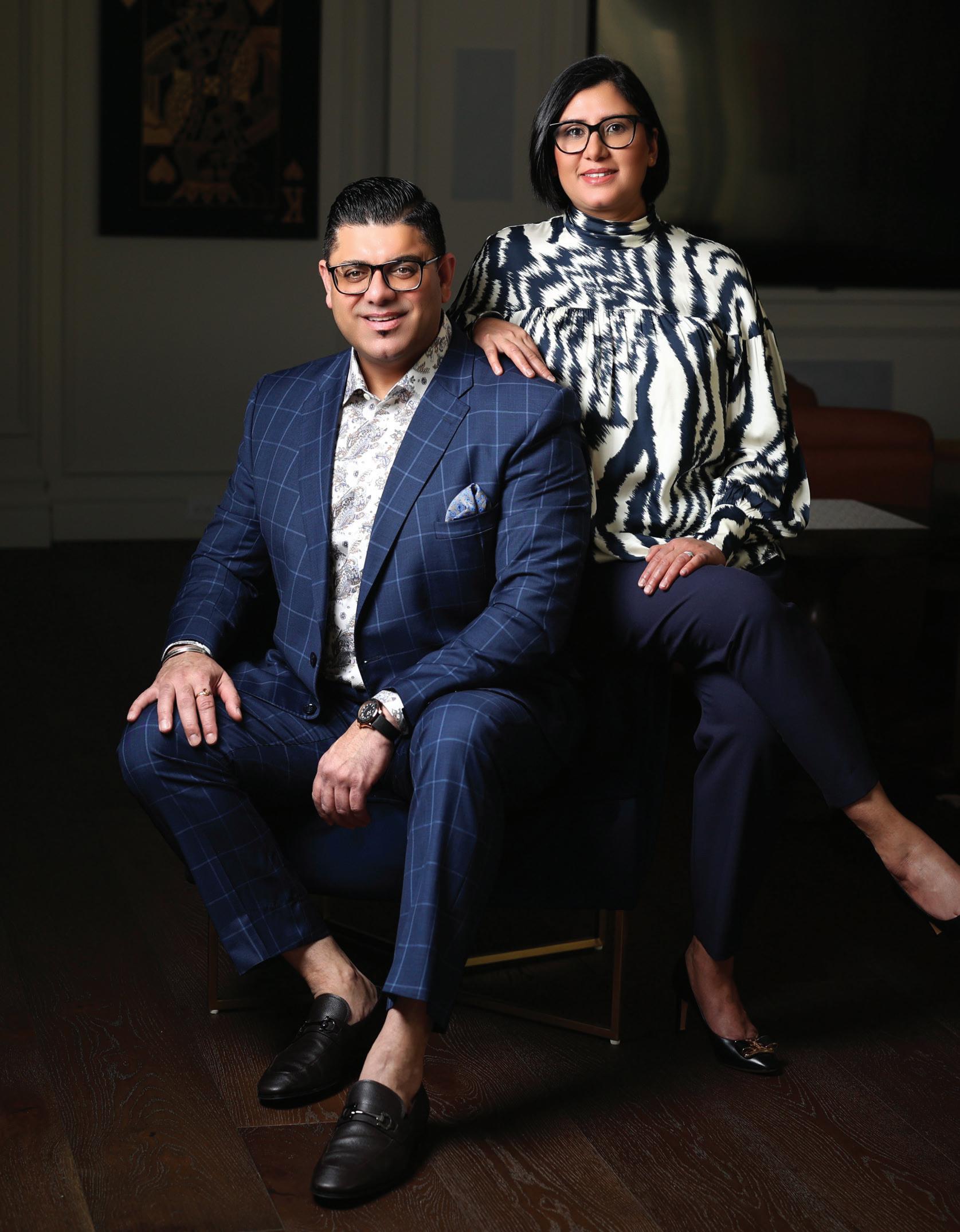





Release date: To be announced
Directed by: Rensil D'Silva Starring: Parineeti Chopra, Soni Razdan, Jennifer Winget, Tahir Bhasin, Harleen Sethi
When a mother goes looking for the truth, she is the most unstoppable force in the world, and Talaash builds its entire spine around that idea. Created by Rensil D'Silva and Siddharth P. Malhotra, this mystery thriller stars Parineeti Chopra in what looks like a career-defining role, driven by grief, love, and a refusal to accept easy answers. With Soni Razdan and Jennifer Winget alongside her, the cast alone promises fireworks. Dark, tense, and emotionally charged. Pro tip: Do not start this one on a work night!



Q: How did you two meet, and what was your first impression of each other?
We met quite unexpectedly through work while we were both based in Mumbai. He was working at a radio station, and I was at a PR agency, and what started as a conversation about ad spots quickly turned into something more. My first impression was that he was as big a Bollywood buff as I am, which instantly made our chats fun, effortless, and familiar.
Q: Can you share the story of your proposal/ engagement?
There was no single proposal moment; instead, our love story itself felt like the proposal. After nearly a decade of long-distance, countless late-night conversations, and growing together across cities and continents, choosing marriage felt inevitable. It was a quiet, cinematic fairytale built on deep friendship, unwavering trust, and the kind of love that doesn’t need a dramatic question because the answer was always known. On the day of our civil marriage, when asked if I had butterflies, I realized what I felt instead was a calm I had never known before. It was like coming home.
Q: Describe your wedding day for us. Did you have a favorite part of the wedding?
Our wedding day felt straight out of a film. After years of being each other’s home from miles away, standing at the altar was pure magic. My favorite moment was our first dance. It felt like the world paused, and seven years of anticipation suddenly felt perfectly, beautifully worth it.
Natasha&Leopold
Q: Tell us more about your reception.
Our reception was pure enchantment— an evening of dancing, music, and longoverdue catchups beneath twinkling bumble lights in Mumbai.













We envisioned the night as a fairytale, a whimsical “autumn wonderland,” and the lawn, draped in dusty blue, rust orange, and powder tones, blossomed with lush florals, pampas, and a multitude of glowing lamps. A heartfelt shoutout to my sister, brother-in-law, and our parents, who pulled off every detail flawlessly despite the instructions from miles away!
Q: How did you choose your wedding attire for both of you?
My wedding fit had to radiate energy, femininity, and full-on vibes… flowy, effortless, and completely me. I chose a Martin Thornburg Blanca, a soft ivory ball gown shimmering with glitter tulle, layered floral appliqués, and a bodice that felt made for movement and celebration. The train? Totally manageable, so I could vibe, spin, and cut loose without holding back! He brought sleek, confident energy in black-tie
separates from Calvin Klein and Ralph Lauren, finished with a timeless bow tie. Together, we were elegant, effortless, and 100% “us”!
Q: Were any traditions or customs particularly important to include in your wedding?
Traditions were woven into every moment of our wedding, giving it color, rhythm, and heart. The Saddo ceremony during the wedding had me draped in a red silk sari, a graceful rite that marked the bride’s new chapter. The Roce, a pre-wedding ritual with coconut milk applied as blessings, became a shared experience for us, letting us prep for the D-day side by side. The Vojem, a traditional gift exchanged between our families, turned into a playful and warm-hearted ritual, full of laughter, blessings, and the sense of two families officially joining forces.
Q: Looking back, is there anything you would have done differently?
Honestly, nothing major. Maybe we could’ve started packing a bit earlier, but let’s be real… the last-minute chaos just added to the thrill. Some of our funniest memories came from the unexpected hiccups, and honestly, that’s what made the whole ride feel familiar and less intimidating!
Q: What do you love the most about one another?
That we can fully be ourselves, laugh, argue, roast, or just vibe in silence, and it always clicks! Years of long distance taught us patience, trust, and that the little moments matter just as much as the big ones.
Q: How does it feel to be married, and what are you most looking forward to in this new chapter together?
Being married feels like the same cozy life we’ve already built, but with a new sense of forever stitched into it. We’re looking forward to countless little adventures together, like lazy mornings, spontaneous plans, belly laughs that make our cheeks hurt, quiet moments just being. After nine years, it’s still the same comfort, the same joy… only now, it’s official for the world!
Q: If you could give one piece of advice to couples planning their wedding, what would it be?
Keep it real and ditch the playbook. Don’t sweat the small stuff, skip the pressure to be the “perfect” bride or groom, and do it your way. Laugh through the chaos, devour all the food, dance like no one’s watching, and make it yours. The wedding is one day, but the memories and the marriage are forever.

2026

MSRP: $54,325 (BASE)
MOTOR: 2.0 LITER INLINE-FOUR CYLINDER + TWO ELECTRIC MOTORS
HORSEPOWER: 204 (NET)
TORQUE (LB-FT): 247 @ 2,000 RPM
GEARBOX: E-CVT AUTOMATIC
LAYOUT: FRONT ENGINE, ALL-WHEEL DRIVE
FUEL ECONOMY: 7.1 L/100 KM MIXED CITY/ HIGHWAY (OBSERVED)


By Benjamin Yong
HONDA CR-V TOURING HYBRID
MORE TECH FOR THE COMFORTABLE RUNABOUT VEHICLE
Celebrating its 30th anniversary just a few months ago, the sixth-generation version of Honda’s Comfortable Runabout Vehicle is updated for 2026, receiving a subtle refresh and a rugged TrailSport Hybrid variant.
“The new CR-V TrailSport Hybrid will undoubtedly increase the popularity of Honda’s best-selling model, with the TrailSport trim already proving itself as a rugged, fun, and capable platform on our Passport, Pilot, and Ridgeline trucks,” says Emile Korkor, Honda Canada assistant vice president.
“The CR-V, including the new TrailSport, is proudly built in Canada; its reliability, safety features, hybrid
powertrain, and on and off-road capabilities have earned the trust of Canadians, making it our most popular SUV.”
There aren’t any new aesthetic changes to the exterior, other than larger 19-inch alloy wheels on the top-of-the-line Touring press loaner we tested. The hybrids, however, continue to feature sportier front and rear bumpers and polished details to differentiate from the lower, solely gasoline-propelled models.
In the cabin, occupants will notice a much bigger 10.2-inch digital instrument cluster, and the nine-inch infotainment display is now powered by Google built-in software (Touring Hybrid only), providing convenient access to native apps. Fortunately, wireless
Apple CarPlay and Android Auto remain supported.
Like its siblings across the lineup, full-width honeycomb mesh air vents dominate the dashboard. There are also unique textured and dimpled decorative plastic elements running underneath and on the adjacent door panels. The standard 12-speaker BOSE stereo sounds great, especially given the CR-V’s fairly quiet ride.
Under the hood, a 2.0-liter Atkinson-cycle inline four-cylinder engine, two electric motors, and an e-CVT transmission help send power to all four wheels. A combined 204 horsepower and 247 lb-ft of torque, to be exact. This may not be the most exciting setup ever, but the acceleration is quick, and Honda’s reputation for tight suspension systems (here a MacPherson strut front/multi-link rear) means the compact crossover handles better than most.
Drivers are able to choose one of four available drive modes to customize the experience somewhat. ECON restricts the throttle and air conditioning systems to prioritize fuel economy (I was averaging 7.1 L/100 km over a week of mostly city driving), while Sport does the opposite, dialing up the throttle response and generating electronic performance noise via Active Sound Con trol. There’s a balanced Normal mode and grip-friendly Snow mode as well.
In addition, the 2026s benefit from enhanced all-wheel drive traction manage ment. Though not noticeable in everyday operation, in off-road conditions where speeds are below 14 km/h, torque is sent to the two wheels (one per axle) that have trac tion, while the other two slipping wheels are automatically braked.





In such environments, activating hill descent control on the center console is handy too, as the CR-V maintains a user-set speed—of between approximately three and 19 km/h set with the brake and gas pedal— while traversing steep declines of seven per cent or more.
The 2026 Honda CR-V Touring Hybrid starts at MSRP $54,325 and is available now in stores.



By Benjamin Yong HIGHLIGHTS
MSRP: $62,202 (BASE)
MOTOR: 3.5-LITER V6
HORSEPOWER: 284 @ 6,400 RPM
TORQUE (LB-FT): 259 @ 4,800 RPM
GEARBOX: NINE-SPEED AUTOMATIC
THE
LAYOUT: FRONT ENGINE, ALL-WHEEL DRIVE
FUEL ECONOMY: 12.8 L/100 KM MIXED CITY/HIGHWAY (OBSERVED)


NISSAN PATHFINDER PLATINUM 2025
BABY FLAGSHIP PREMIUM SUV
Initially released in the summer of 2021, the latest Nissan Pathfinder platform continues to serve up a high level of luxurious appointments for its class, particularly in the topend Platinum grade, and now offers a standard second-row bench across the lineup for accommodation of up to eight passengers.
The mid-size SUV boasts both an elegant and utilitarian appearance due to sleek, windswept body panels, but a boxy, truck-like, wide stance and short nose showcasing a three-slot grille paying homage to the first-gen model. Details like the V-motion elements, U-shaped LED headlights, and satin chrome PATHFINDER badge spelled
By Benjamin Yong
out across the liftgate give it a modern feel.
Buyers can spec the vehicle with one of 11 paint combinations, such as the Beautiful British Columbia-appropriate two-tone Obsidian Green Pearl/ Super Black Metallic (+$950) found on DARPAN’s test unit. The black roof rails, chrome door sills, and shiny 20-inch alloy wheels shod in 255/50R20 rubber finish off the package.
Family-friendly is the name of the cabin, thanks to larger dimensions than the previous iteration, providing three rows of seating. At launch, the Platinum originally bundled captain’s chairs and a removable rear center console; however, as mentioned earlier,
a three-person bench is installed in its place, and the former is offered via a trim aptly named Platinum Captain’s Chairs.
With 470 liters of cargo capacity behind the rear bench, the crossover proved a great choice as a staycation-mobile for four adults and three kids. This space was enough to fit several bags stacked up, and there’s also a nifty under-floor plastic storage compartment to stash dirty gear, or in our case, an extra duffel. Legroom was spacious for every occupant.
Other interior highlights include semi-aniline leather upholstery, heated/ cooled front and heated rear seats, 13-speaker Bose stereo, nine-inch infotainment touchscreen, and excessive amounts of sound deadening, yielding a quiet ride.
Happy to report that the naturally-aspirated six-cylinder crossover is still alive and well. All Pathfinders utilize a smooth 284-horsepower 3.5-liter V6 engine, mated to a nine-speed automatic gearbox, sending 259 lb-ft of torque to all four wheels. Sitting on a front strut/rear independent multi-link suspension setup, the 4,642-pound vehicle and a full complement of passengers handled twisty coastal roads better than it should. If the available tow package is installed, a maximum 6,000-pound trailer is haulable.
Speaking of the transmission, I wasn’t a huge fan of the electronic fly-by-wire shifter. The knob is clunky to operate and not intuitive—for example, to put the gear into neutral requires pressing the button on the side and ever-so-gently nudging up or down, depending on whether drive or reverse is currently selected.
ProPILOT Assist is equipped on all trims. Leveraging the built-in cameras and sensors, and navigation data, the handson driver-assistance technology can steer, accelerate, and brake in both open and heavy highway traffic, taking cruise control to the next level. The Nissan Safety Shield 360 suite is standard as well, encompassing collision warning, automatic braking, blind spot mon itoring, and a multitude of other systems to keep those on board safe.
Stay tuned for a significantly facelifted version of the SUV for the 2026 model year that is slated to go on sale this spring, featuring new front and rear fascias, a restyled dash with a larger touchscreen, and more.











HIGHLIGHTS
By Benjamin Yong
MSRP: $100,970
MOTOR: 2.0-LITER TURBOCHARGED FOUR-CYLINDER WITH ELECTRIC MOTOR HORSEPOWER: 455 (NET)
THE
TORQUE (LB-FT): 523 (NET) GEARBOX: EIGHT-SPEED AUTOMATIC LAYOUT: FRONT ENGINE, ALL-WHEEL DRIVE FUEL ECONOMY: 6.9 L/100 KM MIXED CITY/HIGHWAY (OBSERVED)


VOLVO XC90 PHEV 2026
SCANDINAVIAN BEAUTY
Fresh off a major refresh just a little over a year ago, Volvo’s flagship XC90 T8 Plug-in Hybrid rolls into 2026 without any major changes.
The crossover is sitting pretty after the last round of styling updates— see the flush-mounted diagonally-slatted grille and sharper LED headlight housings boasting now out-lined signature Thor’s Hammer daytime running lights. Underneath the bumper area, the side air intake bezels are vertical rather than horizontal, and the central intake is stretched out. Riding on 21-inch multispoke black and polished alloy wheels, the smoked taillamps around the back look sportier than before, especially
against the Vapour Grey paint of the Ultra unit we drove.
Carrying over the vertical theme to the inside, the large portrait-oriented 11.2-inch touchscreen sandwiched between upright air vents will soon be powered by new Volvo Car UX software rolling out to customers via an over-the-air update. The fresh interface is said to require fewer taps on the screen to navigate apps and functions and is being made available to all 2020-and-later models currently using Android OS. Apple CarPlay and Android Auto are also supported, though frustratingly only through a wired USB-C connection. In true Scandinavian fashion,
By Benjamin Yong
the rest of the interior space is gorgeous. The standard Orrefors crystal shifter is always a head-turner, as is the plush Nappa leather upholstery, panoramic sunroof overhead, and bits of wood, aluminum, and recycled fabric found throughout the cabin. Our tester had the Bowers & Wilkins High Fidelity stereo (+ $3,750) equipped as well, which looks as good as it sounds with its intricate metal speaker covers. One caveat: on longer drives, even set at maximum, I found the four-way power lumbar adjustment to provide insufficient support.
A third row stows neatly in the cargo area, and when upright, increases seating capacity to six or seven, depending on whether the captain’s chairs are installed in the center. Like other SUVs in this segment, however, cargo capacity is minimal when a full complement of passengers is onboard (247 liters behind the back bench).
Propelling the PHEV is the returning T8 mill combining a 2.0-liter turbocharged four-cylinder engine mated to an eight-speed automatic transmission, rear-axle electric motor, and 14.7-kilowatt-hour battery good for a net 455 horsepower, 523 lb-ft of torque, and total range of 800-plus kilometers.
The output is smooth in the default Hybrid drive mode, and there’s four other settings for users to play around with: Pure, Power, All-wheel drive, and Off-road. In Pure (electricity), we experienced approximately 50 kilometers of zero emissions travel before having to recharge. Connected to a Level 2 station, a full top-up takes about five hours. No DC fast charging is supported, unfortunately.
Laminated glass and the Volvo Frequency Selective Damping air suspension system together create a very quiet and composed ride. The latter had the ~5,000-pound vehicle cornering pretty flatly and displaying minimal body roll, all things considered.
The 2026 Volvo XC90 T8 Plug-in Hybrid starts at $92,548 and is built at the Volvo Torslandaverken factory in Torslanda, Sweden.

Amarpal Singh
Manager, Residential Mortgages Fraser Valley/Lower Mainland


Meet Shashi Kiran Billa
What inspired you to make the move to Canada, and how has your journey been so far?
Moving from India to Canada was initially a spontaneous decision driven by my desire for better educational opportunities, career growth, and an improved lifestyle. What started as a practical choice soon became a deeply personal journey of growth. The transition hasn’t always been easy; it’s been challenging at times, but it has also been incredibly rewarding. Every obstacle has shaped me, and overall, the experience has been truly transformative.
Where did you first stay when you arrived in Canada?
When I first arrived in Victoria, I stayed with friends, which made the transition much smoother. Having familiar faces around me during those initial days brought a sense of comfort and belonging. The experience was pleasant and welcoming, and it helped ease the uncertainty that naturally comes with moving to a new country.
How would you describe your experience
CANADIAN IMMIGRANTS
SHARE THEIR STORY
Shashi Kiran Billa, a cybersecurity analyst, moved to Canada in 2019. He now resides in Richmond, where he has been building his professional journey and embracing new opportunities.
finding a job in Canada? Did you find it straightforward or challenging?
Finding a job in Canada was competitive but ultimately rewarding. I was fortunate to secure a co-op position in my field of study within four months, which later converted into a full-time role. While the job market was competitive, I wasn’t surprised by the process, as I had anticipated the effort it would require. What stood out to me was the abundance of opportunities and the strong support system available through my university and peers, which made a significant difference in my journey.
How has your experience as an immigrant shaped your view of Canada as a country?
It has made me more independent, resilient, and deeply appreciative of the opportunities around me. Building a life in a new country pushed me out of my comfort zone and strengthened my confidence. I’ve come to see Canada as an inclusive and diverse society where people from different backgrounds can truly belong.
What’s one Canadian custom or tradition you’ve come to love?
One Canadian trait I’ve truly come to appreciate is the culture of politeness and humility. People are generally kind, respectful, and always willing to help, which creates a strong sense of community. I’ve also
grown to love Canadian summers; they’re vibrant, full of outdoor activities, and bring people together. The beautiful weather and active lifestyle during the summer months have had a positive impact on my overall well-being.
If you could go back in time, would you do anything differently about your immigration journey?
If I could go back, I would focus more on networking early in my journey, as building connections can open doors in ways you don’t always anticipate. At the same time, I wouldn’t change much else. Each step, including the challenges, played an important role in shaping who I am today.
How do you see the future for yourself and your family in Canada? What are your hopes and aspirations?
I see a strong and meaningful future for myself and my family in Canada. My goal is to continue advancing in my career while achieving long-term stability, including home ownership. Beyond that, I aspire to contribute positively to the community and society that has given me so many opportunities.
Proudest Moment in Canada
Securing a co-op in my field that later converted into a full-time role! It validated my decision to move and proved that my hard work was paying off.
Advice for Immigrants
Be patient with yourself and focus on building meaningful connections early— growth takes time, but consistency and resilience truly make all the difference.