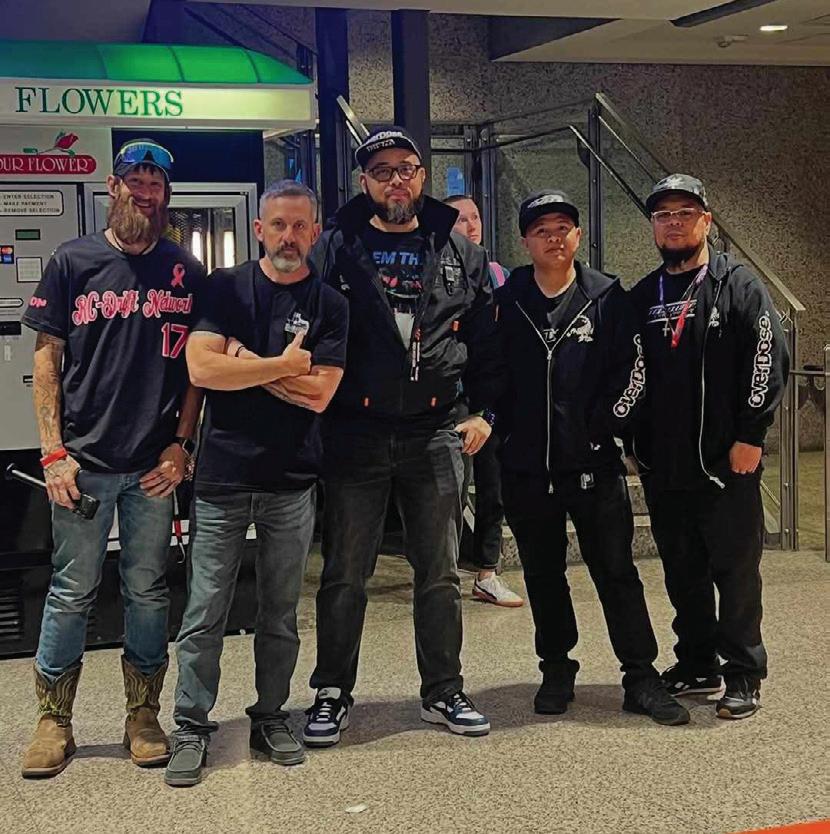
Photographers Dave Stevens, Mickey Marquez, Scale Magic
Contributor Steve Fujita - Super G
Contributor Adam Mah - RC Drift Talk Podcast
Contributor Joe Ferguson
Contributor Anthony Mileski
Contributor Mike Pezee - Scale Artist
Contributor Tony Ellis - Drone Pilot
Contributor Matt Youkhana - Scale Artist
Contributor Stephen Platt - Drift America RC (DARC)
Contributor “Master Ken” Kennedy - DARC Shop Tech MANY THANKS TO ALL OF OUR CONTRIBUTORS FOR OUR FIRST ISSUE!
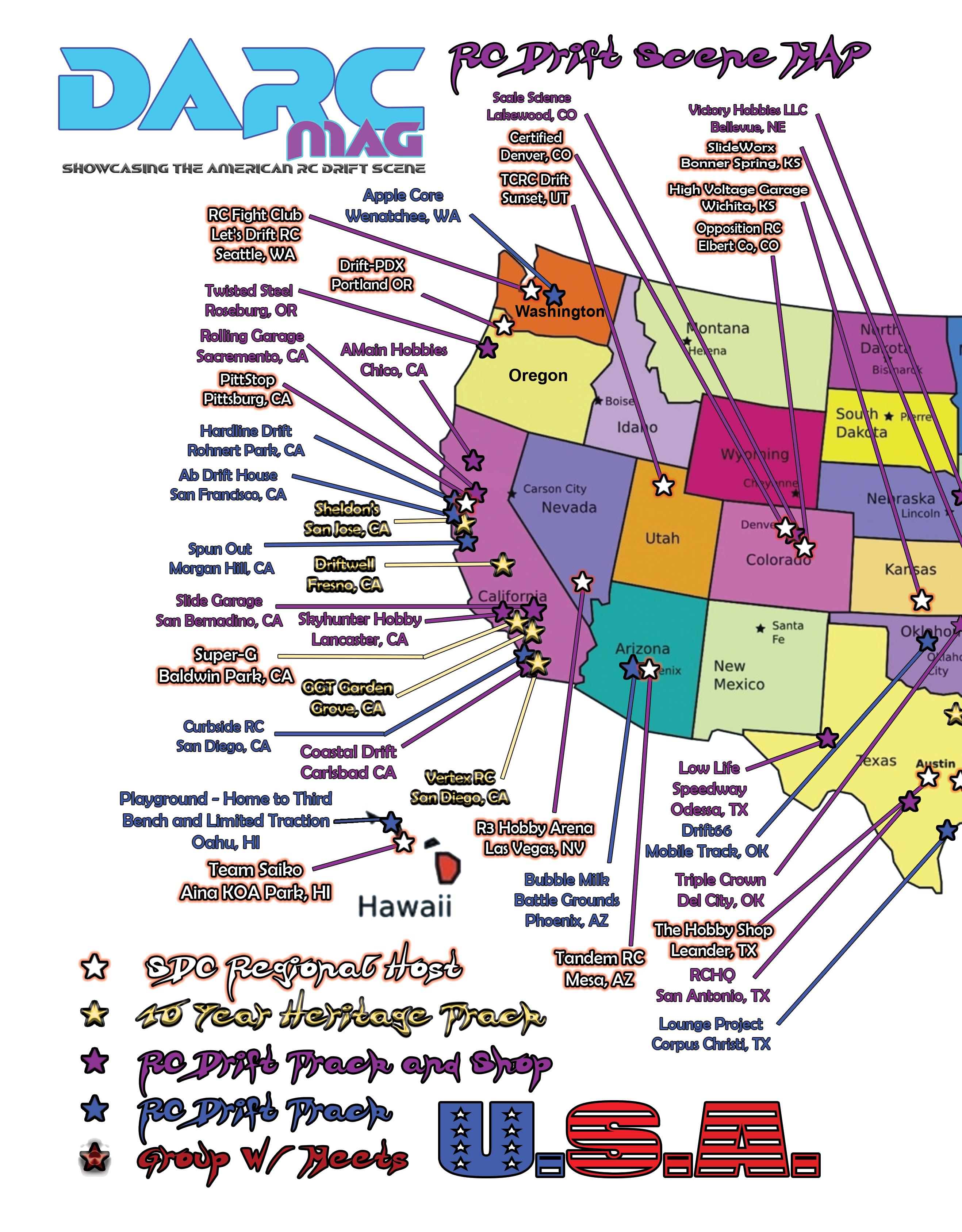
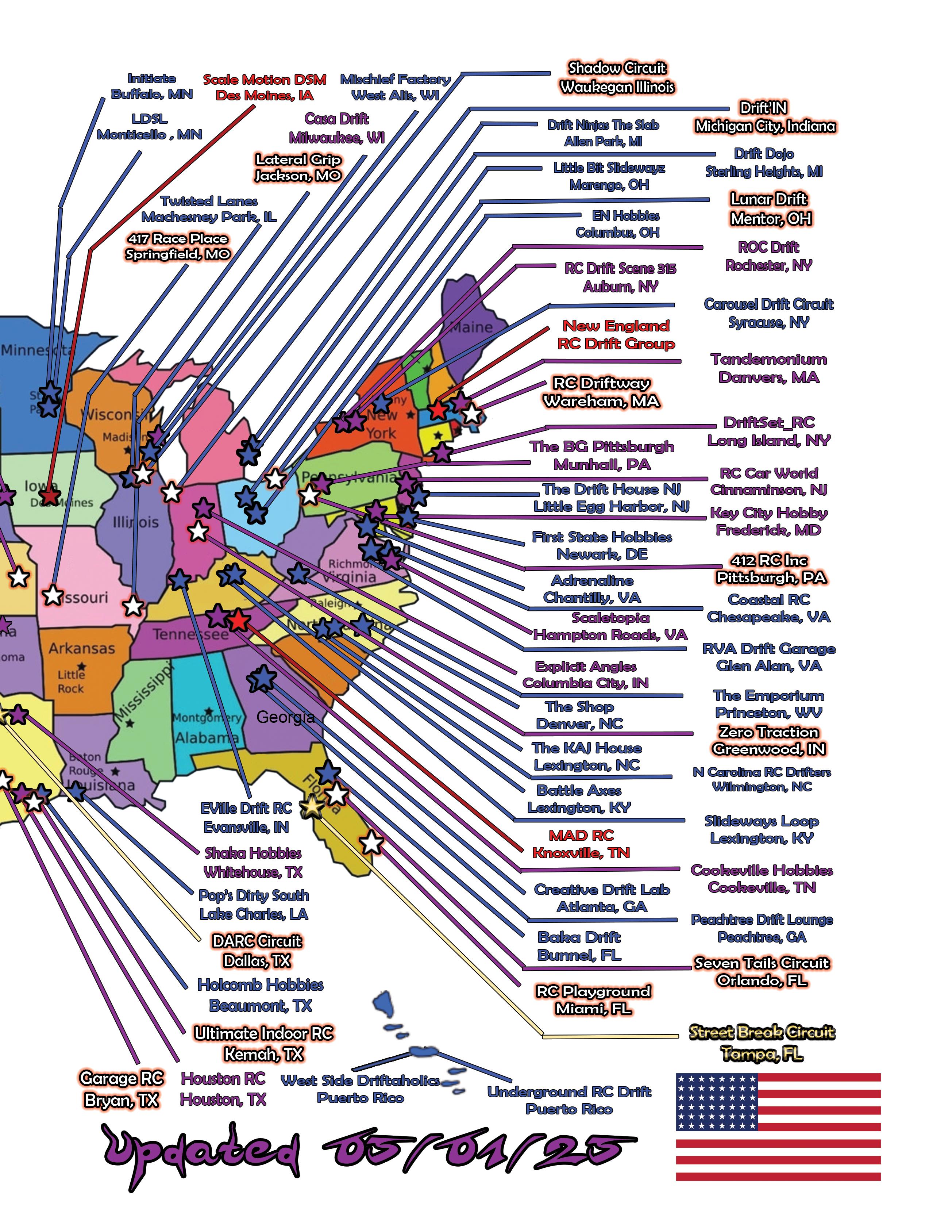
DRIFT IN' 3515 Franklin St C, Michigan City, IN, USA
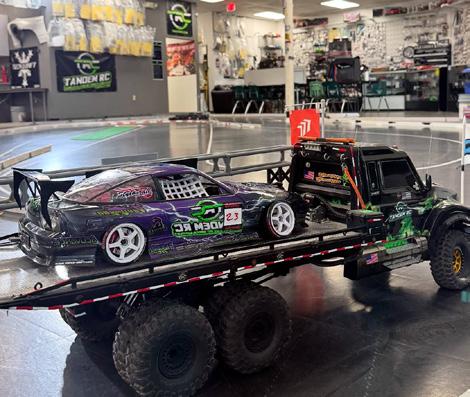
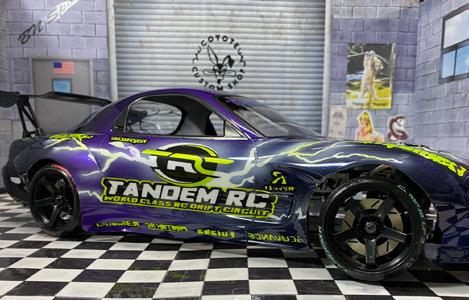
TANDEM RC 909 S Dobson Rd #19, Mesa, AZ 85202, USA
412RC INC 3109 W Liberty Ave suite 200 Pittsburgh, PA, USA
COASTAL RC DRIFT 2561 El Camino Real, Carlsbad, CA, USA
DARC 10420 Plano Rd #105, Dallas, TX, USA
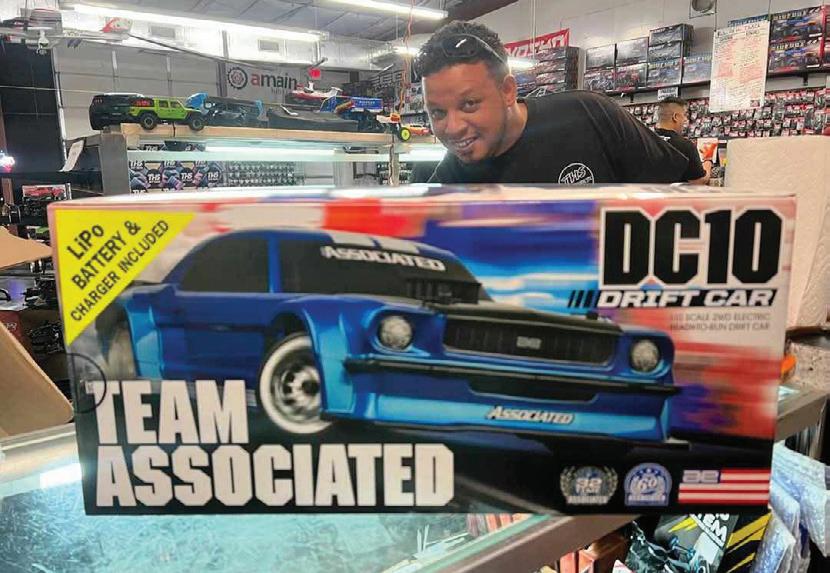
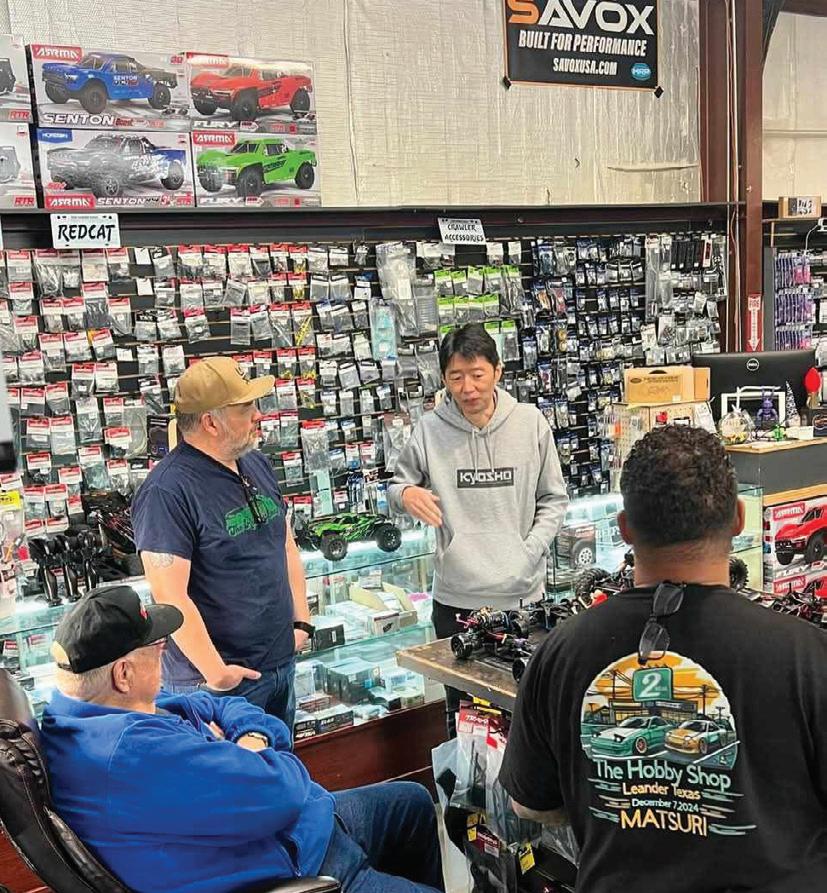
THS - THE HOBBY SHOP 900 Lacy Dr, Leander, TX, USA
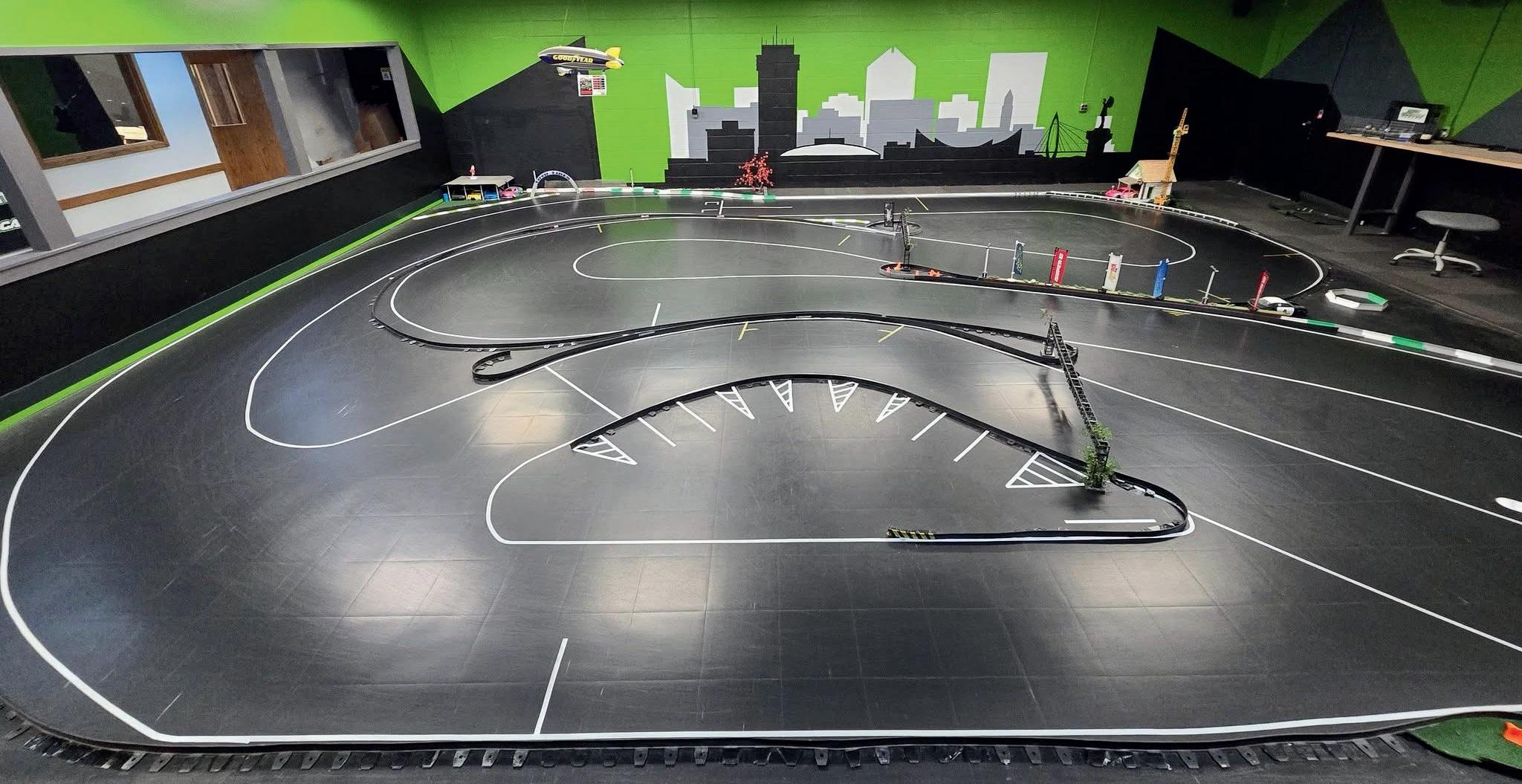
HIGH VOLTAGE GARAGE 1199 E Central Ave, Wichita, KS, USA
VERTEX RC 5595 Magnatron Blvd t, San Diego, CA, USA
SUPER G 1376 Maine Ave, Baldwin Park, CA, USA
POP'S DIRTY SOUTH 1717 Rabbit Ln, Lake Charles, LA, USA
CATSCOOTZ 1579 Clark Street Road, Auburn, NY, USA
CASA DRIFT 4629 S 108th St. Greenfield WI, 53228, USA
RC Driftway 3065 Cranberry Highway, East Wareham, MA, USA
Drift Manji RC Unit 5, Valley road, Liversedge, United Kingdom
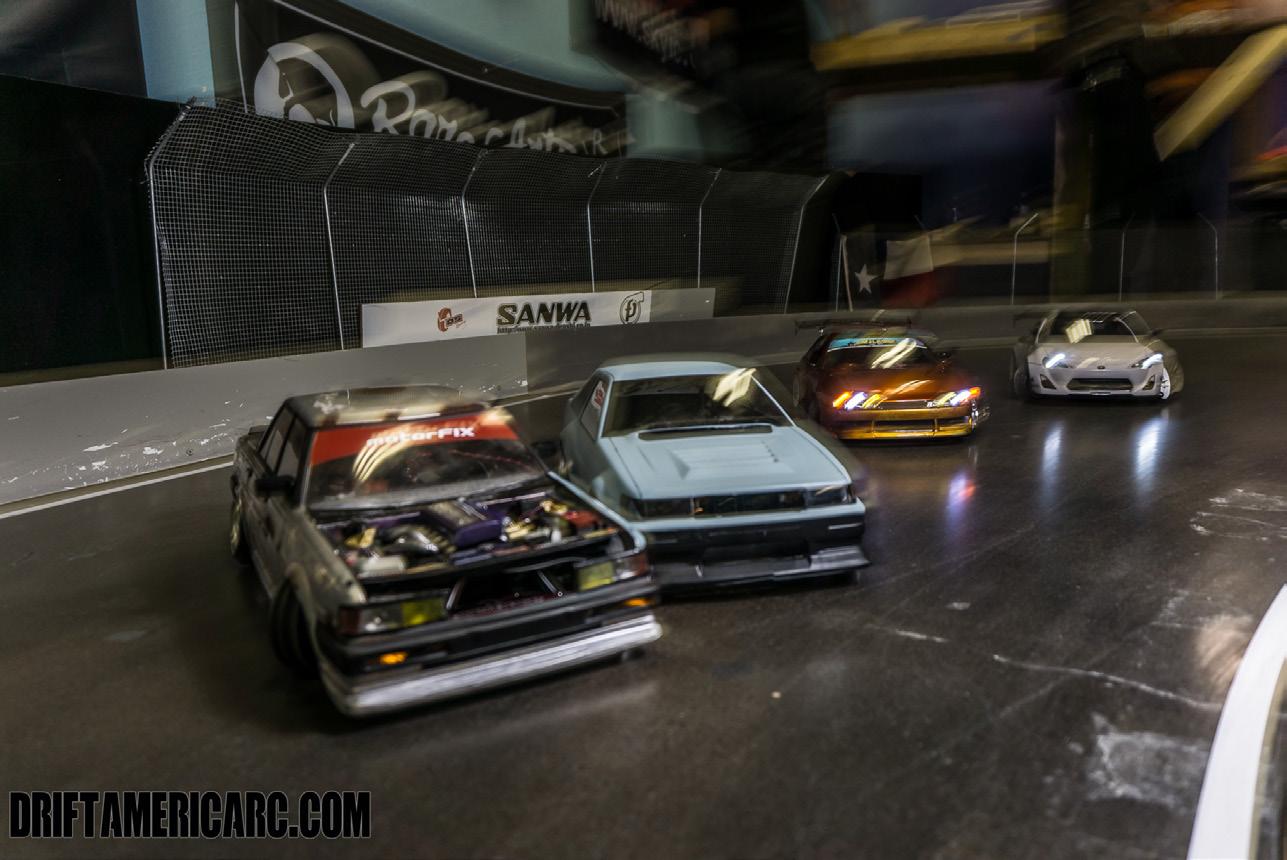
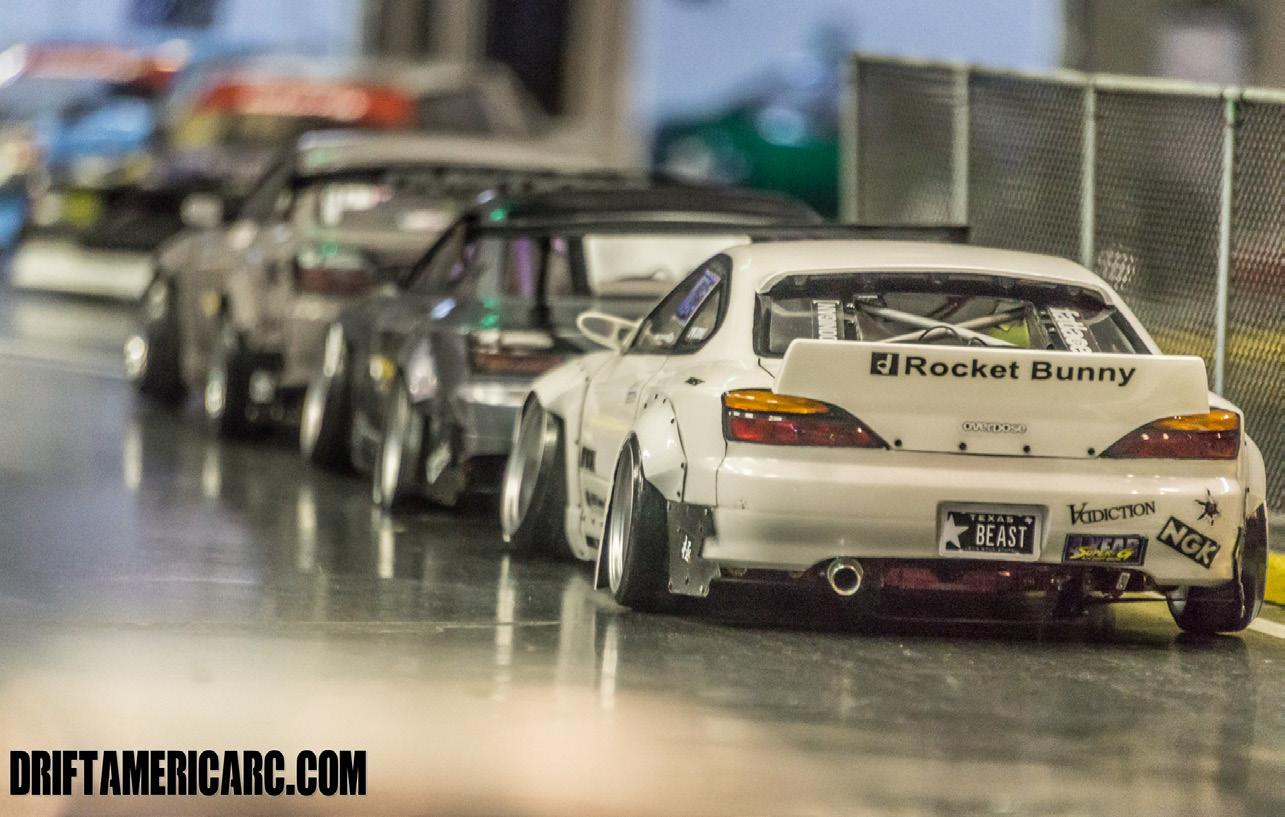
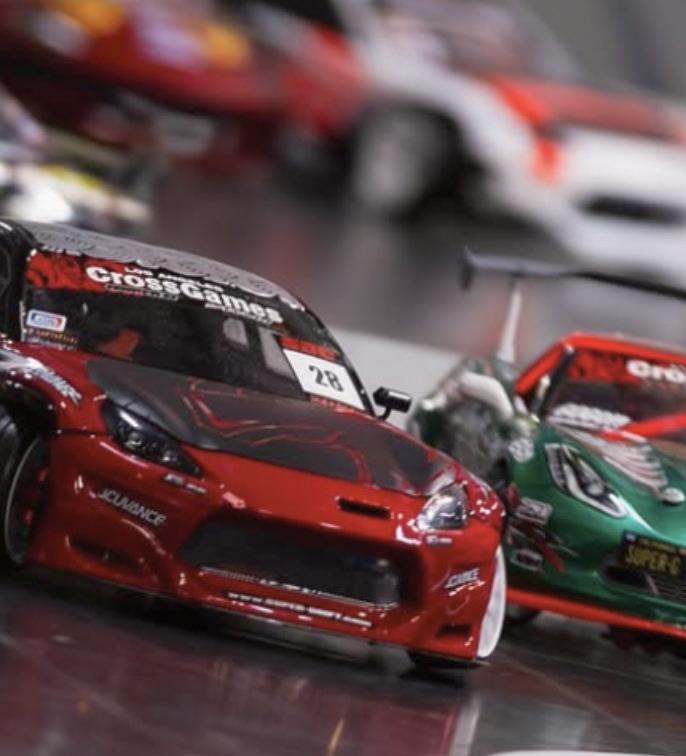
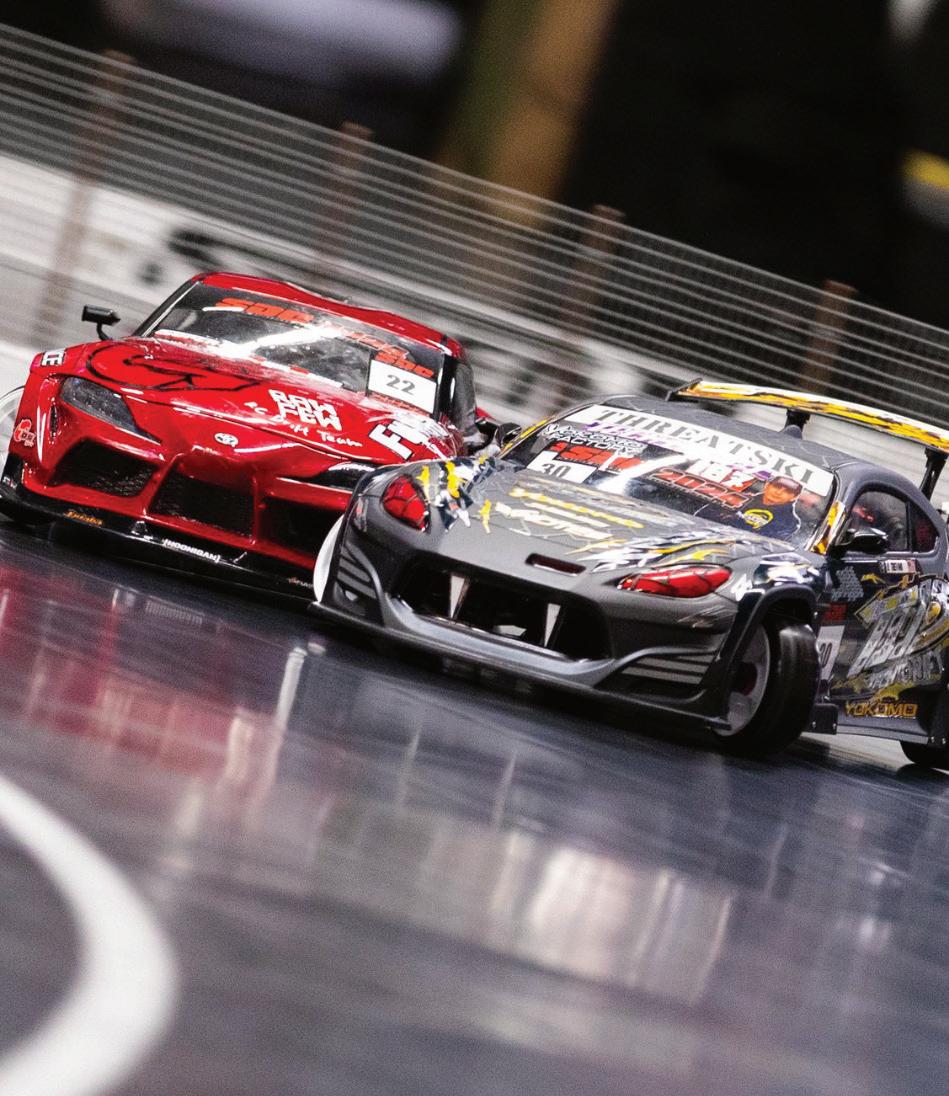
Why is RC drifting taking America by storm? RC drifting has a different vibe. It’s not about racing where everybody’s trying to be first and run everybody else off the road. It’s about driving together. It’s about driving in sync and tuning similarly so that you can match speeds and get your car door to door in the turns. Even during competitions, after some of the best runs, I’ve seen the two drivers who are competing high five each other afterwards because they had such a great run together and they both did a great job. The whole mood is different. Everybody wants to teach each other how to tune and how to drive better. It attracts a different breed of driver. There is a lot more harmony. It’s very peaceful and Feng Shui, like energy flowing through wind and water.
As we launch DARC magazine at the highest point that I’ve seen in American RC drifting since I began in 2013, I want to take a second and tell everybody what this magazine is about. When we first started RC drifting, no one really knew how to do it. I was getting bad advice from a lot of people.
Then I started meeting some people that had some good advice. We had meetups in each other’s garages. I saw that it was going to be a growing hobby in America, but the one thing that was missing was a community to teach everybody about it.
A forum was created in the Facebook group page “Drift America RC Drift Movement”. We also started importing drift parts and chassis from overseas and teaching everybody who was interested how to set their car up. It’s definitely a test of patience and engineering to set up a drift car. These days you can buy a car and build it out of the box and it’s pretty much set up already. But when we started, there were a lot of modifications that needed to be done.
It’s important to note that when we first started, everybody was all wheel drive, otherwise known as “countersteer (CS)”. There was a lot more focus on scale, detail, and realism. Everybody wanted their car to look cool on the track. Rear-wheel drive (RWD) came around and everybody realized that they could be a lot more precise with it. Now RWD is all anybody wants to do.
We want to talk about some of the old school practices and builds that we all had because we feel like a lot of that is getting lost in the shuffle. So while we will be talking about what’s new and exciting in the hobby, we will also be reminding everybody of where it came from and that there’s still a lot more cool stuff out there.
We expect this magazine to reach newcomers as well as old school drivers and seasoned competitors. DARC Mag is for everyone who wants to be a part of the RC Drift hobby.
- Stephen Platt Founder, DARC Mag
BASIC SET UP AND TUNING
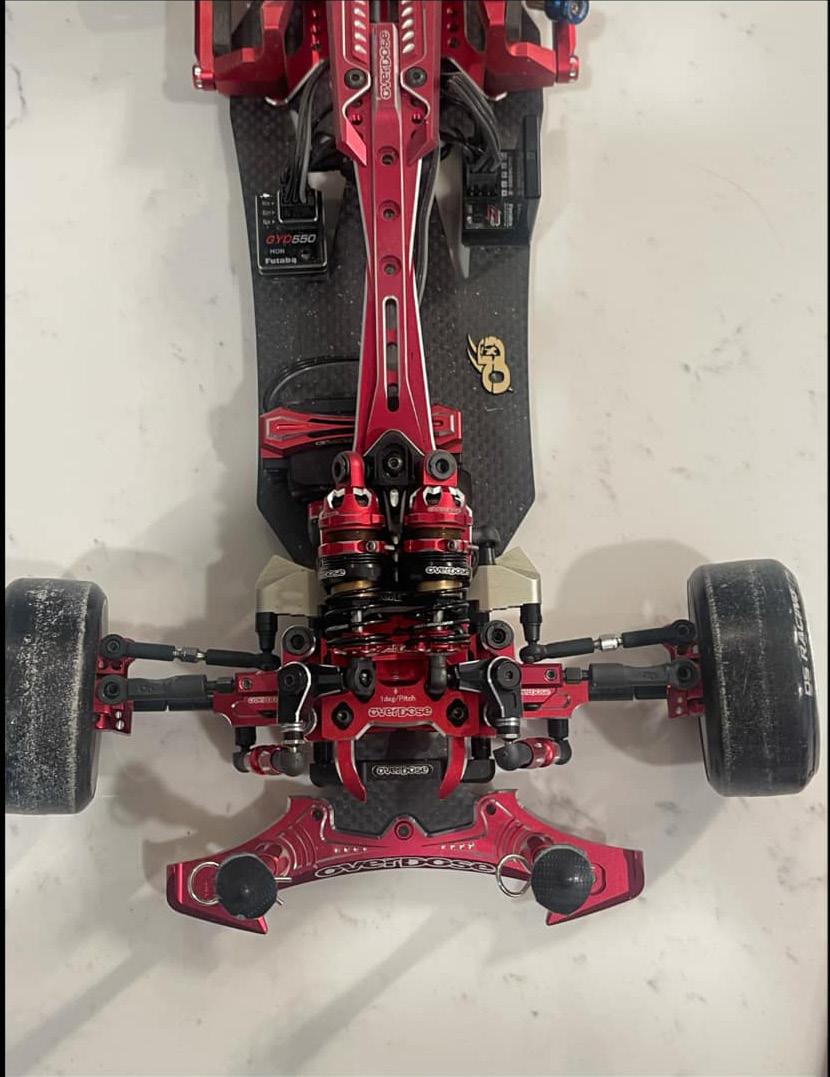
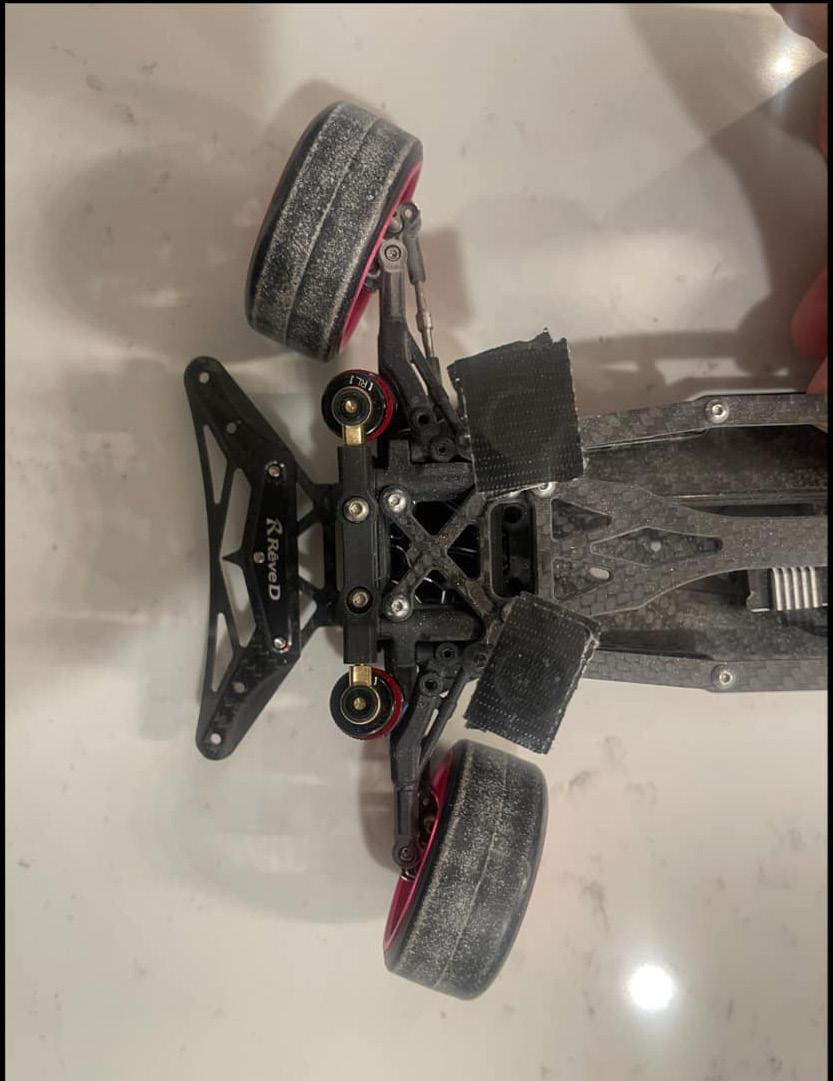
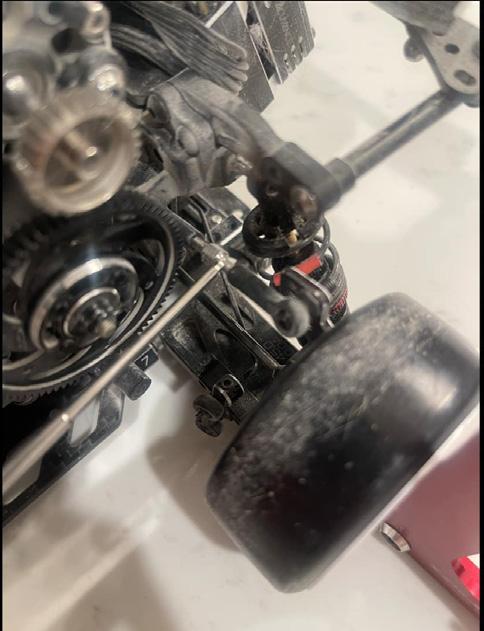
Steering Geometry - The biggest part of this hobby is how the chassis itself is set up, or what the Ackermann, camber, and toe is. The first thing to look for is how much toe out you have. “Toe” is when the wheels turn outward or inward from the center of the chassis. “Toe in” is when the wheel is pointing inward from the center of the chassis.
This is an example of toe out. The front side of the wheel is pointed away from the chassis.
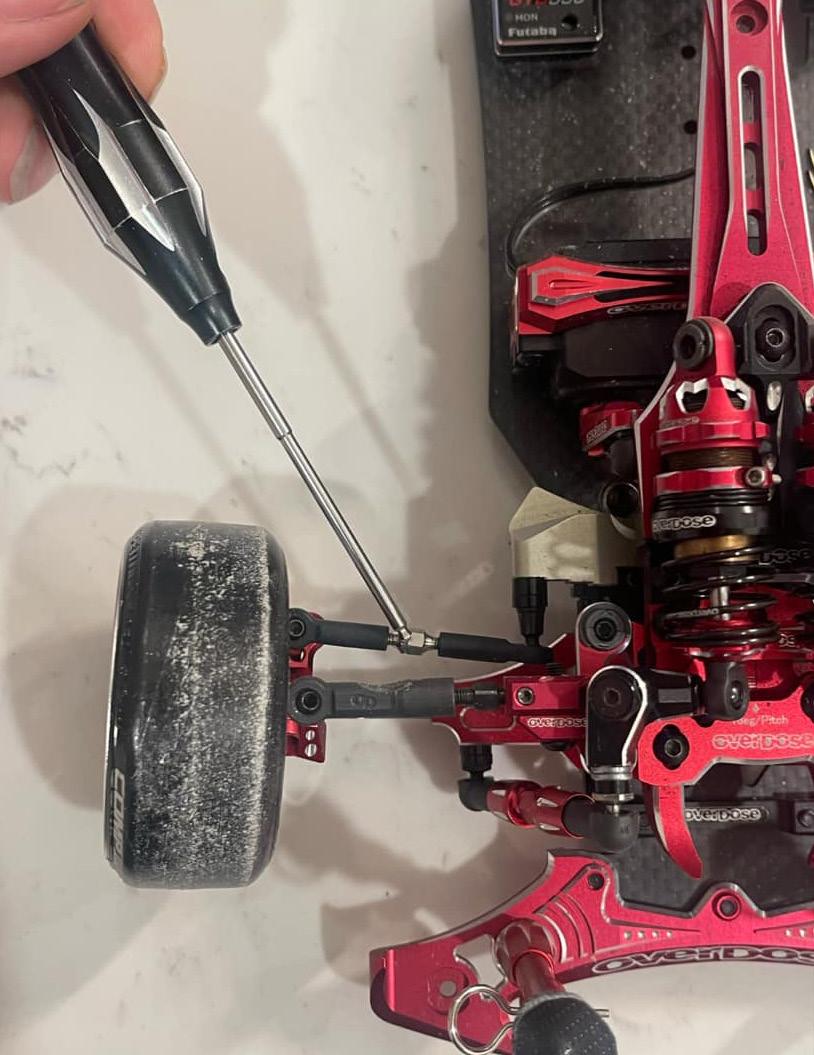
Start by setting the toe to be as straight as possible by adjusting the steering turnbuckle here. From there, you want to look as you turn the wheels to one side on how far your wheel will turn till it gets to full lock. The more angle, the better (on the inside wheel, the better to a point). When turning, the inside wheel will point you in the direction in which the car will counter steer towards. For example, if the rear of the car pushes out to the right when drifting, then the steering wheel counter steer towards the right, making the right front wheel the inside wheel. From this point, you want to check going from side to side, making small changes to the steering turnbuckle to get the front wheels to be as parallel as possible at angle, which is your Ackermann. The Ackermann is how the front wheels turn in parallel with one another.
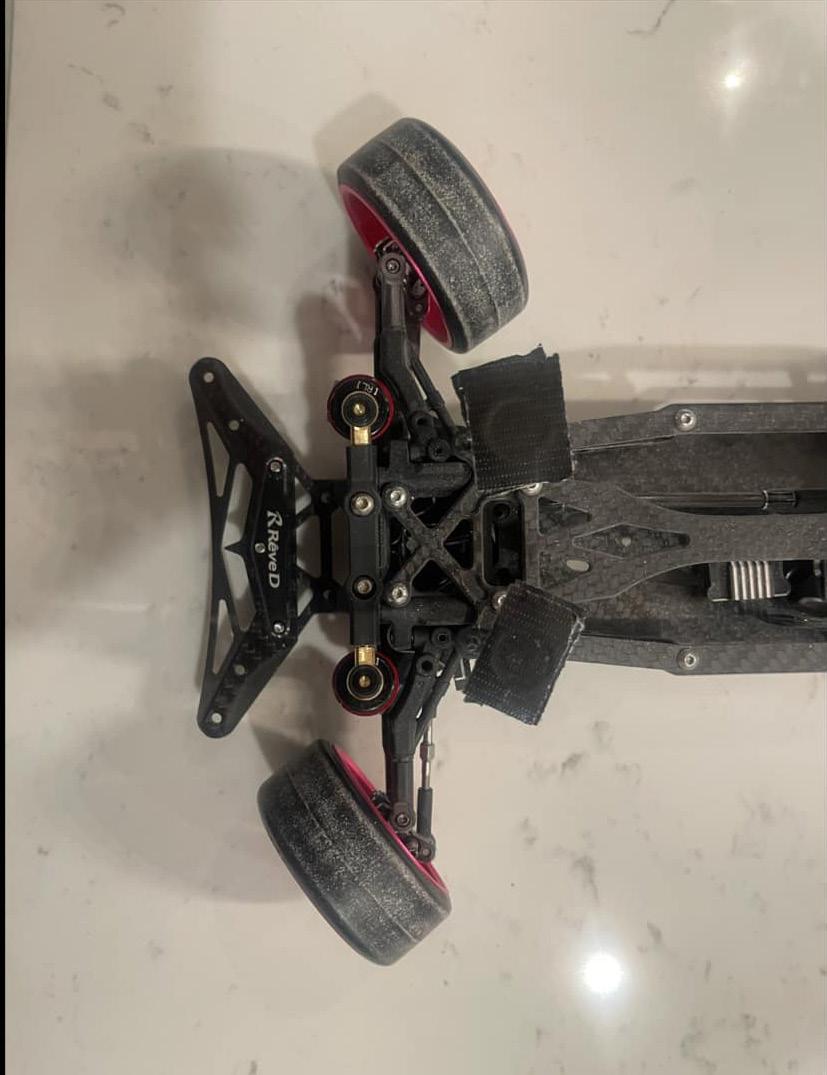
These 2 photos are examples of slightly positive Ackermann. The front wheels turned very close to almost parallel to one anothe each-other, when turning from side to side. By doing this, the toe might not be perfectly straight, but that’s OK since the drift car is never really driving straight forward.
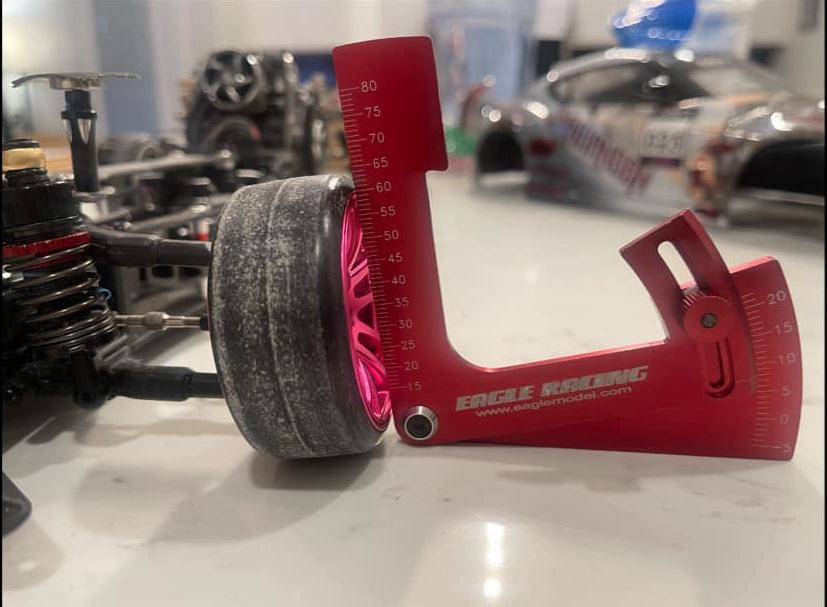
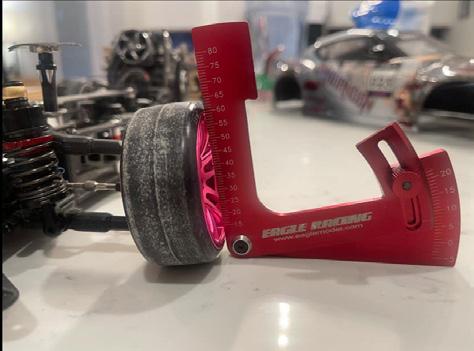
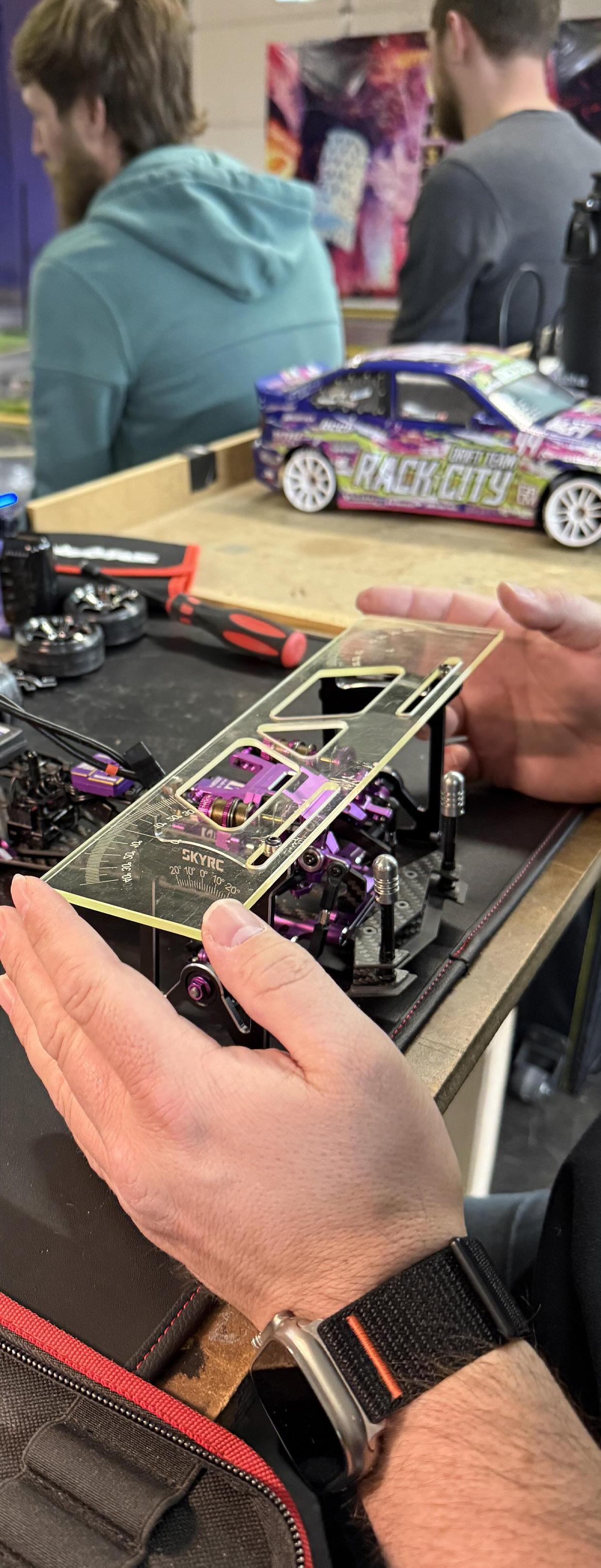
The next thing you should check would be the front camber. Camber is the difference from the top of the wheel compared to the bottom of the wheel and at which degree of angle it sits at.
For example, this wheel is at -8° of camber.
STEERING GEOMETRY
BY JOE FERGUSON
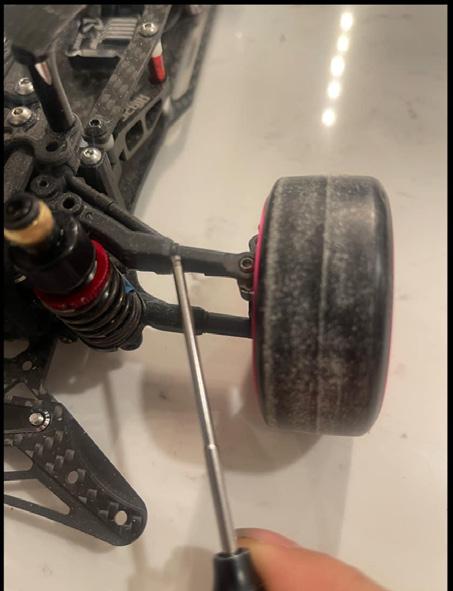
Negative camber is when the top of the wheel leans inward towards the center of the chassis. Positive camber is when the top of the wheel leans outward away from the chassis. To adjust front camber use the upper suspension arm. Some may or may not be adjustable until parts have been upgraded to an adjustable type arm. If the upper arm is multipiece, then you can change the camber by adding or removing spacers such as this here.
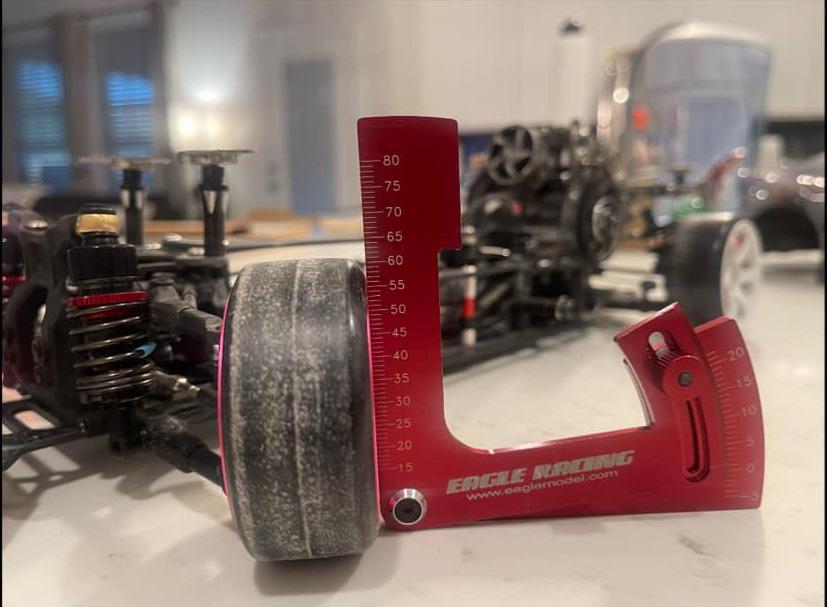
To set a basic camber angle it’s a good starting point to check the camber when the front heels are straightforward. Typically a good starting point would be around -6° of camber. Most kits will vary from brand to brand.
For example, this one is a -8° camber. The best way to find your front camber angle is by checking to see if the inside wheel is sitting at 0° camber when the steering is turned to roughly 60° of steering angle. By doing this, it will give you a good steering grip during drift. The car will want to sit at this angle more comfortably.
From here you’ll want to recheck the toe of the front wheels since changing camber and toe will affect one another. Make sure the front wheel stays roughly as parallel as possible now that the camber has been set to desired liking.
Next would be the rear camber. You can adjust this by the upper turnbuckle.
Setting the camber to -2 degrees is a good starting oint. Changing the camber setting of the rear wheels will determine how well the car can create traction which propels the car during drift. Rear toe tends to be fixed on a basic chassis and may need replacement upgraded parts to change the settings. Rear toe settings from the manufacturer are a good starting point so this will not need to be changed unless you want to do a deeper dive into tuning.
The best bit of advice I can give a new driver is to drive, drive, and drive some more. Nothing will beat seat time. It doesn’t matter how good your car is set up with the fancy parts you buy, you will not be good if you don’t drive.
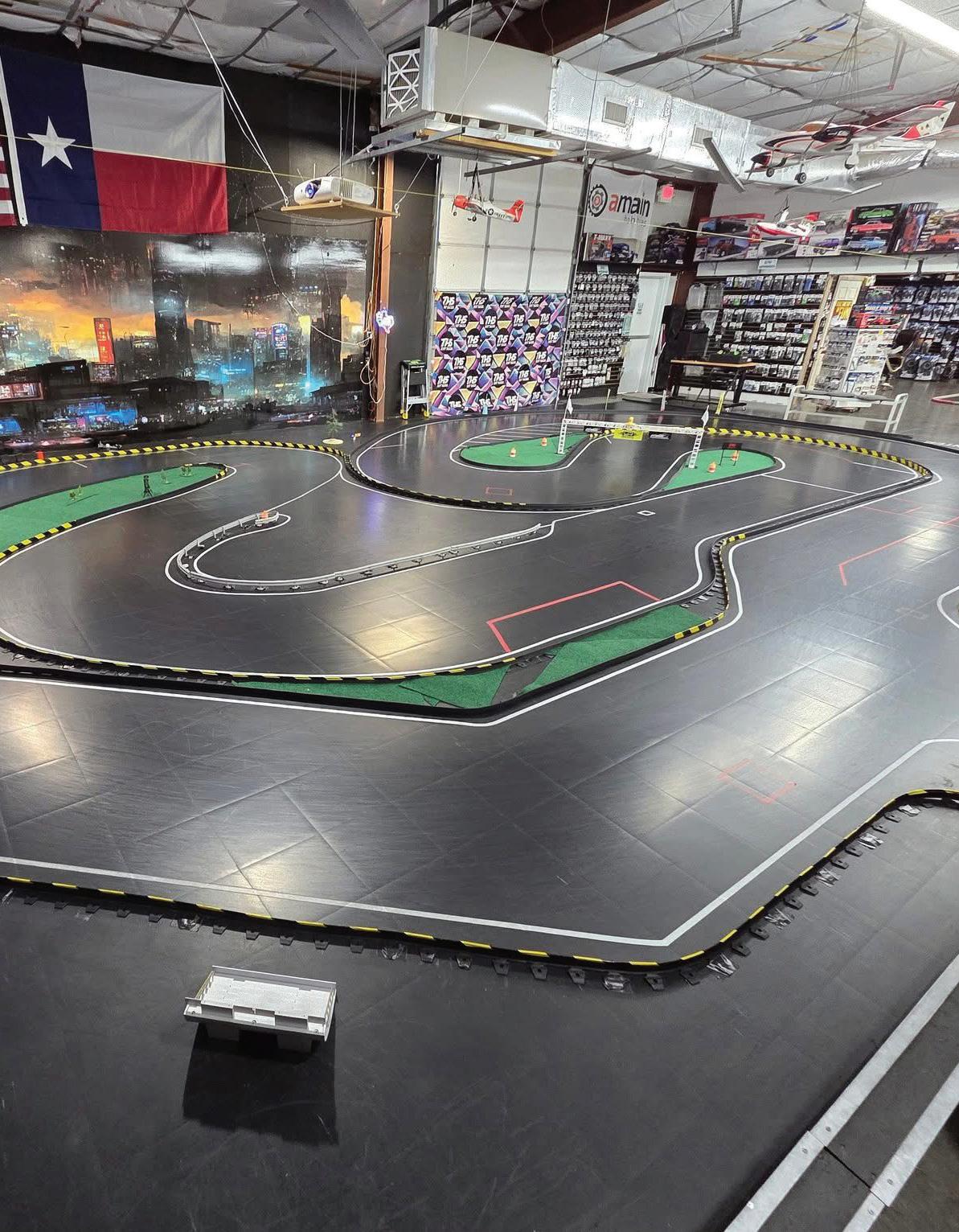
LEANDER TEXAS
RC TRACK ACCESS O ers hourly drift car rentals, daily practice access ($20), and full monthly memberships ($80) for unlimited drift sessions!
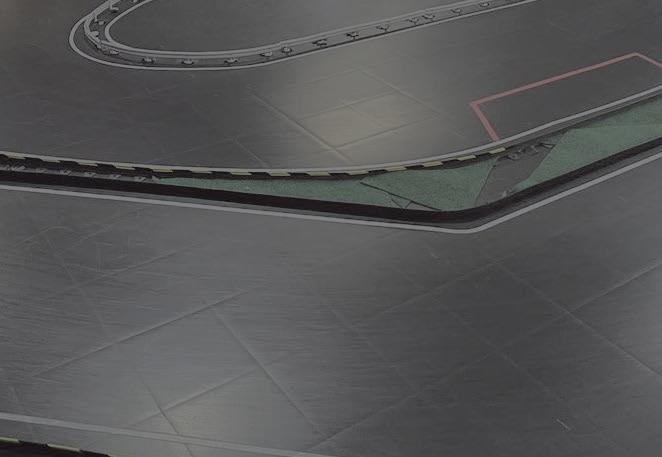
MULTIPLE RC TRACKS Features four unique RC tracks including a dedicated DRIFT TRACK, outdoor CRAWLER COURSE, and indoor MINI Z TRACK.
WIDE PRODUCT SELECTION Carries over 2000+ RC vehicles, model kits, Gundams, RC airplanes, and boats.
COMMUNITY & EVENTS Hosts local and international events, bringing in global RC enthusiasts and fostering a vibrant community atmosphere.
FAMILY-ORIENTED & ACCESSIBLE Open seven days a week with extended hours, including exible holiday availability to support the RC community as extended family.
“availability”: { “description”: “Available through all authorized retailers of DS Racing quality products.”, “retailers”: [ “Local hobby shops”, “DS Racing official distributors”, “Online drift RC specialty stores”
OUR INITIAL THOUGHTS
DARC MAG PRODUCT REVIEW
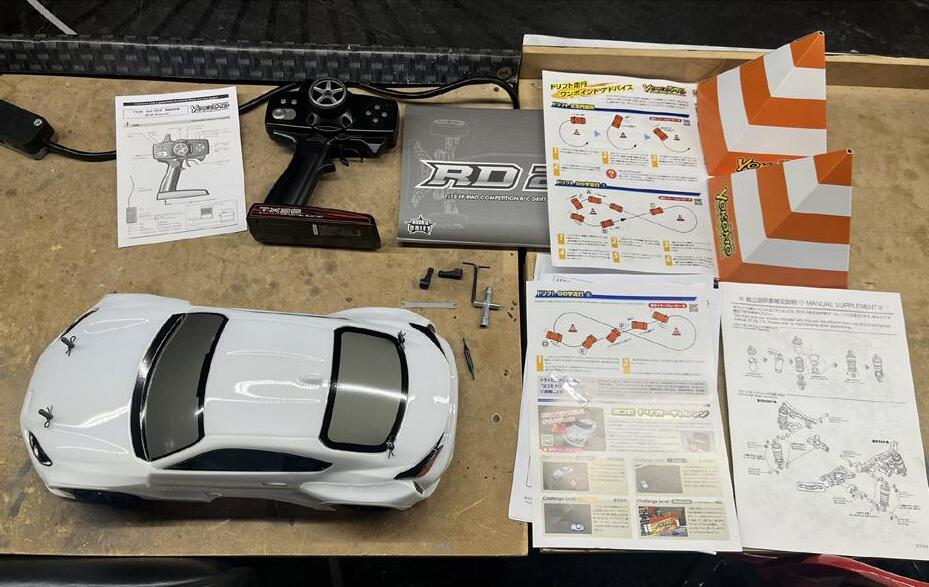
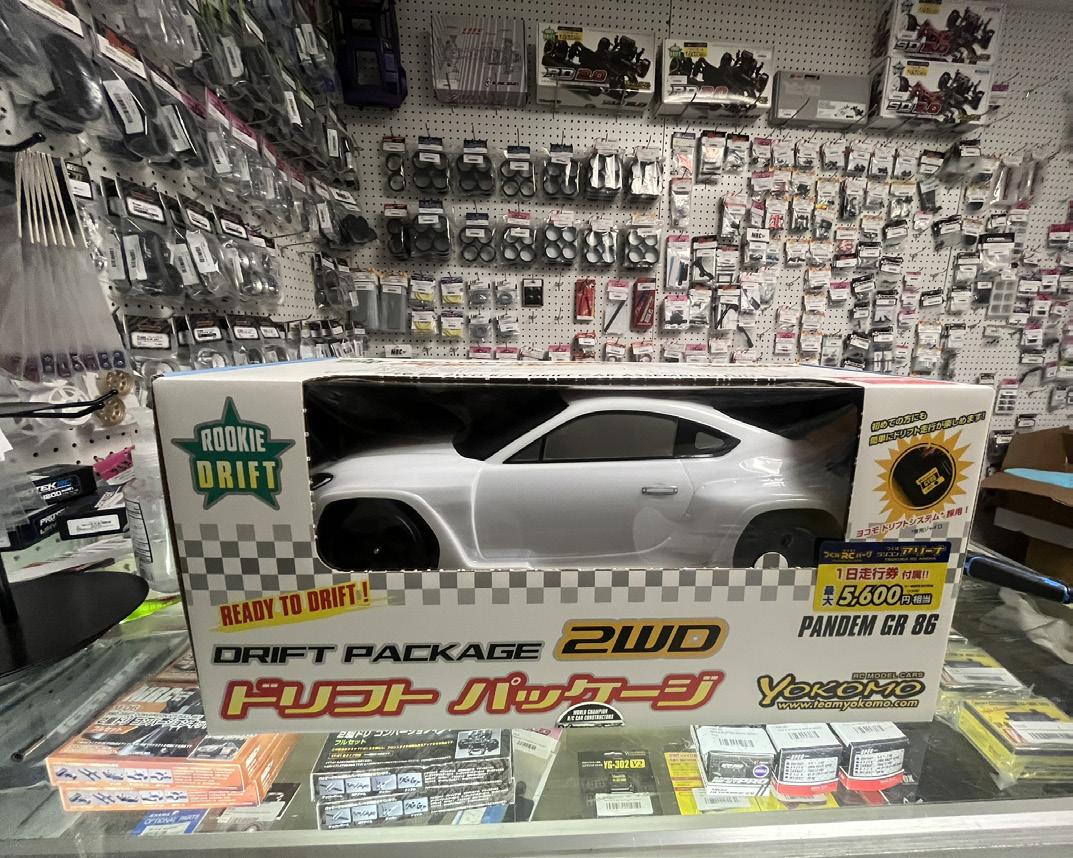
Our initial thoughts, taking it out of the box, are that the dampers are super squishy and seem like they’re going to provide excellent movement. The dampers that it comes with are not oil filled. We had a ready to run Yokomo that we converted to a rental car for the local track and it had the dry dampers which actually worked really well. It probably would be good to upgrade to the oil filled dampers; but for the time being these are fine. If you buy the builder kit, Rookie Drift 2.0, it WILL come with oil filled plastic dampers.
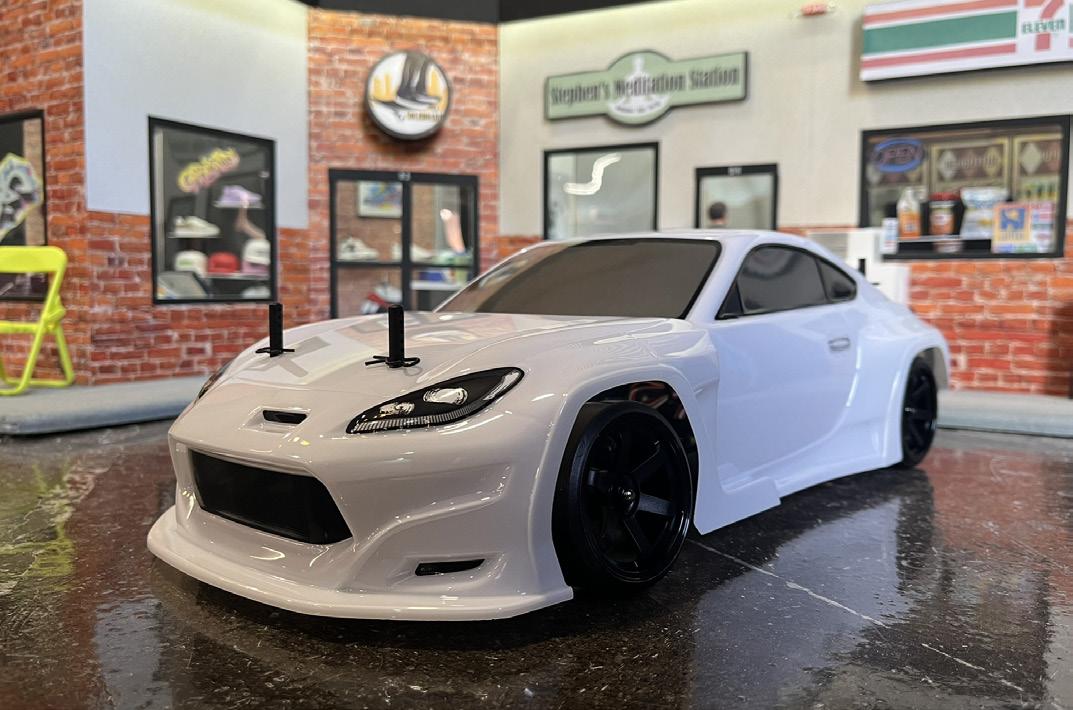
The body looks good and the body posts are a durable mounting system for learning on. Most drift cars use magnet mounts, but for learning, the posts are more secure.
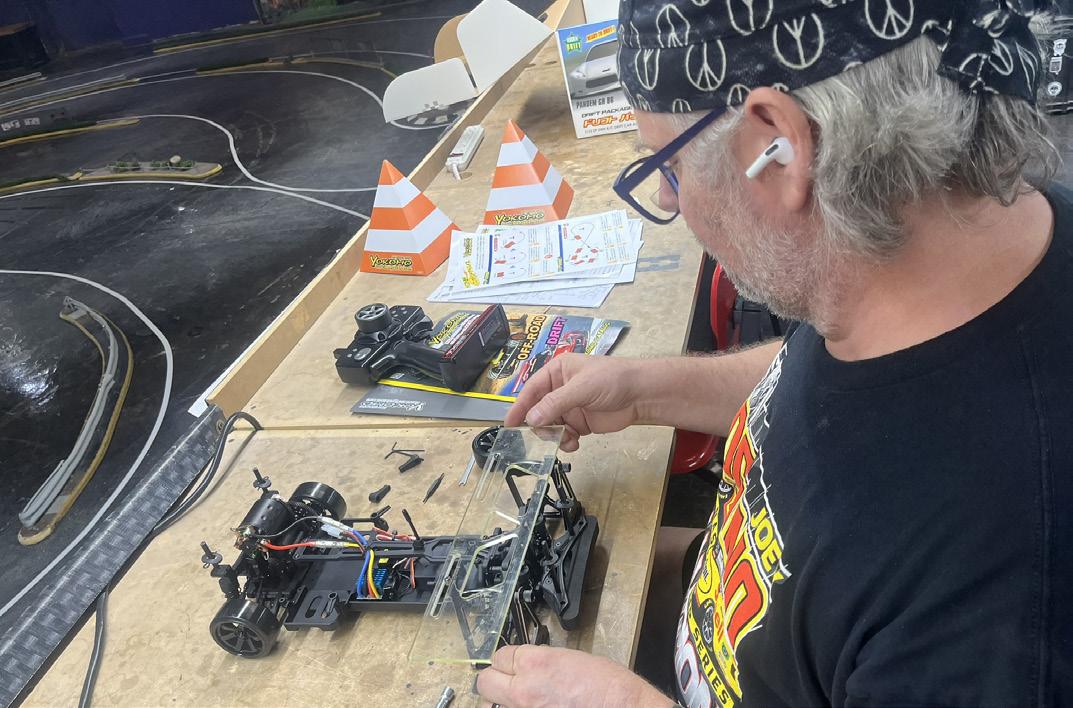
It’s kind of cool that it comes with some little cones and some actual drifting instructions even though they’re in Japanese. You can use Google Translate and take a picture of the instructions and it will translate them to English.
We went ahead and put the battery on the charger that it comes with to see how long it takes to charge up. Steve guessed 45 minutes, Ken estimated 3 hrs.
This is the brushed set up version and Ken thought it looked similar to what he started out with, “It’s that Chinese motor that’s made for a bunch of different companies, the same motor that comes with a lot of ready to run kits including crawlers.” He believed it was made by Hobbywing and said it looks like the HackMoto from Yeah racing. The gear mesh is good.
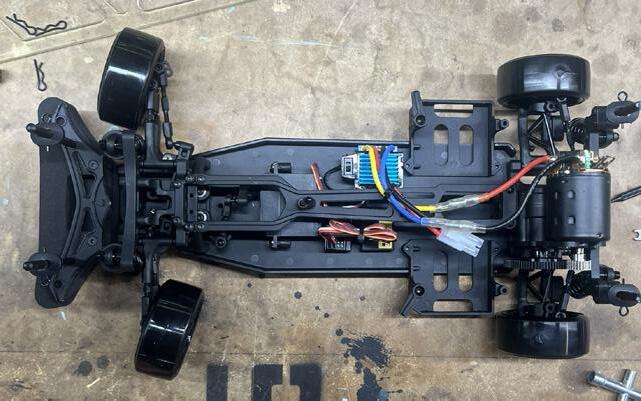
We checked out the initial setup from the factory and it looked like the front had 8° of camber. The rear was running one and a half degrees of camber. To our surprise, it looked like it was running about 1 degree of toe in up front. The initial set up had the Ackermann pretty parallel, visually it looks like 1° in. Having more Ackermann makes the car easier to drive for beginners but parallel is more precise. We drove it with the initial set up and saw how it performed and then made some changes to try to make it drive better. The initial ride height with the battery was 6.5mm front and rear. It comes with an 84 tooth spur and a 24 tooth pinion. Using the Final Drive Ratio chart for the normal Rookie Drift, that appeared to be a 9.1 FDR, which is a little on the fast side (which for
Yokomo RD 2.0 RTR
*PRICE AS TESTED : $329.99
*RETAIL : $359.99
AVAILABILITY SCORE : 8
drift is geared down) for current drifting, but acceptable and drivable. The battery took about an hour and a half to charge up completely. When the light turns red and green, it’s fully charged and the battery felt a little warm. The Electronic Speed Control (ESC) does have an option to switch to Lipo so you can upgrade the battery first thing if you’d like to.
Without making any changes, on the initial drive straight out of the box the car seems to steer a little bit to the left. This can be adjusted on the radio, but we decided to leave it for the time being. The gyro seemed to be too high, but the gain was only set at half. There was a little bit of a gyro wobble. We turned the gyro down a hair and that fixed the issue. It seemed to be driving more stable after that adjustment. The gyro seemed to be giving it input for full lock, but when we turned the wheel on the radio, it seemed to only be turning to half lock. We decided not to adjust any settings on the radio at first because once you change things on the radio there’s no way to tell what you changed. There’s no screen to display the settings or changes made, so once you start pushing buttons, there’s no way to tell where it is set.
It felt like there was not a lot of input from the steering and as if the exponential was turned way down or maybe the endpoints were not set correctly on the gyro. It is drivable and it’s something you could learn to drive on. The throttle input was a little bit punchy also. Maybe there was too much dead-band or some kind of coast setting that could be adjusted.
According to the manual you can turn up the end point of the steering:-
1. Turn the steering wheel (to the right) on the radio.
gyro wobble, so it was driving significantly better.
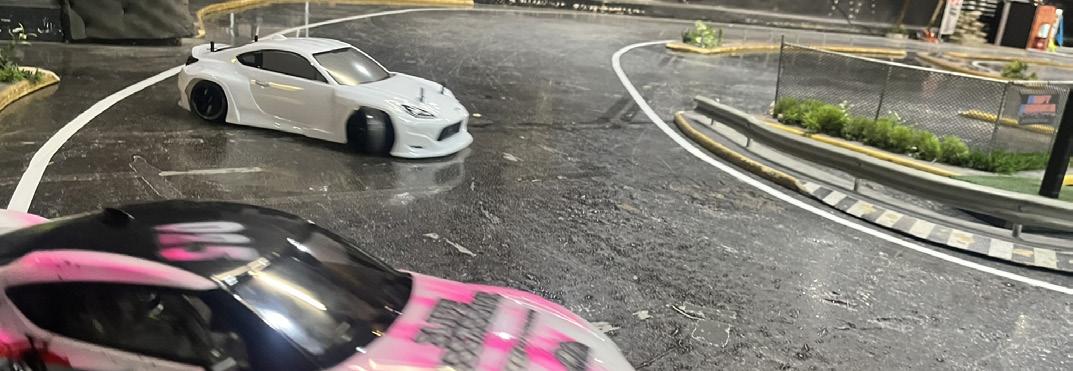
The throttle was still very punchy, but the gyro lock was good. Angel (Saya) was able to slide the car pretty well in tandem behind Joe as it was.
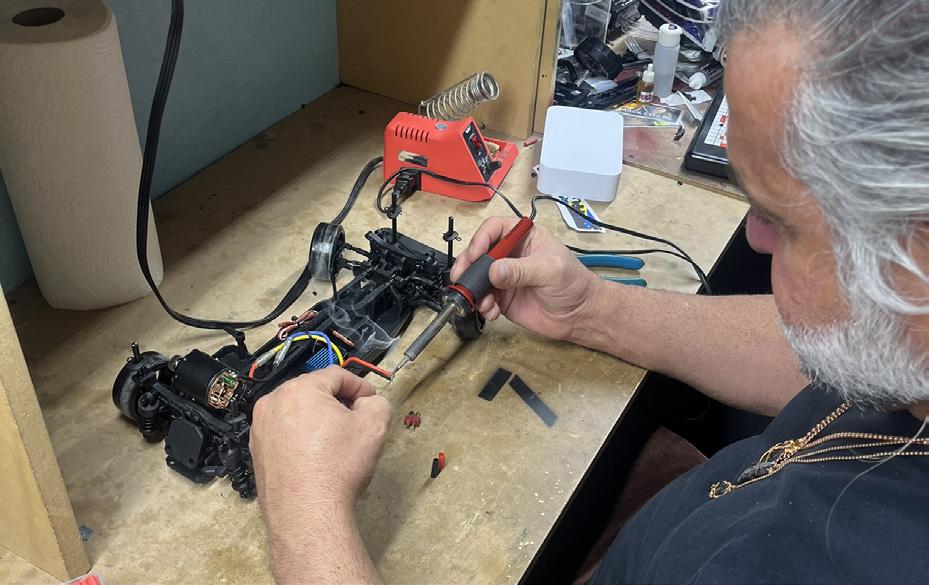
We moved forward with some other small upgrades. First was the battery. We switched the speed control to Lipo mode and installed a Lipo battery. In order to do this, we switched the connectors and soldered on a “Dean‘s” or “T-style” connector.
After switching to a Lipo Shorty pack, we found that the battery was lighter, raising up the rear. There is no way to adjust the dampers to lower the ride height, so we brought the upper mounting hole of the rear dampers in one slot and the adjustment lowered the back sufficiently.
We also gave the front 2 degrees of toe out overall which, in turn, gave it a little bit of Ackermann also. It seemed to be running pretty well after those changes. It’s definitely now a great chassis to learn to drift on and, if you want to get deeper into the hobby, you have a fully upgradable Yokomo RD2 chassis to work with.
2. Push the far right button (R+) on the radio settings to increase the steering endpoint.
3. Repeat for the left side.
Then recalibrate the gyro:-
1. Hold down the button on the gyro while you turn the car on.
2. Turn the wheels to the right and push the button again.
3. Turn the wheels all the way to the left and push the button.
That will set the end points of the gyro to know what full lock is. Making these two adjustments on the radio and the gyro seemed to make a pretty big difference.
We were, in turn, able to increase the gyro gain and there’s no
When you buy any ready to run kit, you will get everything you need to get it going, but it’s not going to have top end electronics. Unfortunately in RC drifting, high-end electronics make a huge difference. Considering what the cost of the electronics is, the Yokomo Drift Package is a solid set up to get you on the track and learning how to drive.
Full disclosure: we’ve seen a lot of ready-to-run kits, and this is one of the best we’d recommend. While you’ll still need to upgrade the electronics — which is expected — once you do, you’ll have a solid rookie drift chassis. It’s based on the YD2 design, one of the most popular and proven RC drift platforms, with more parts, upgrades, and mods available than any other. Overall, it’s an excellent starting point.
We will be upgrading this build in future product reviews, so keep an eye out for it in the future!
2025 UPDATES
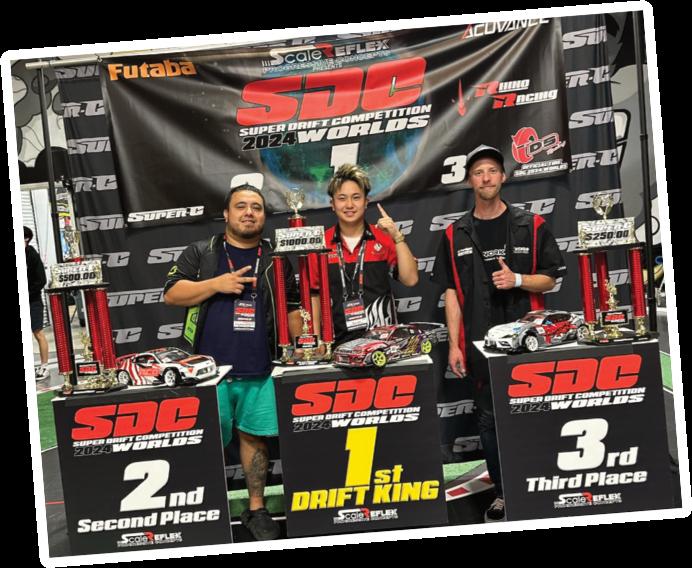
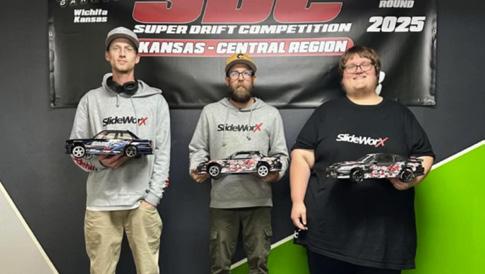
WITH SDC BECOMING A GLOBAL COMPETITION, American RC drifters are gaining international attention. Junior Barbara proved himself by taking second at SDC Worlds, and teams like Overdose and Rev D are signing U.S. talent, including Victor Ho, Sebastian Keopadubsy, Steve Lee, Jordan Meyers, and Albert Martinez alongside Mikko Yang. More brands are expected to follow.
In the past, sponsorships were rare and demanding, like Mad Mike Vandenbroader’s deal with HobbyWing, which required regular comps and reports—something not feasible at the time. Today, the American RC drift comp scene has grown rapidly, offering many more events. While comps are only part of the hobby, they’re becoming a much bigger focus.
DARC Mag will continue to cover the growth and achievements of U.S. RC drift competitions. We also asked several regions for quick updates—here’s what they shared!
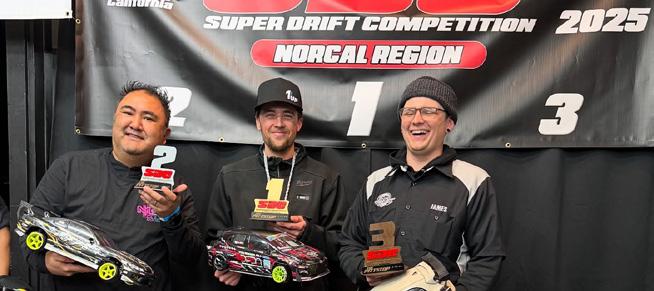
“It’s been an awesome first year hosting SDC NorCal after taking the mantle for the region! The caliber of drivers has definitely made the battles entertaining to watch with the podium spots really being anyone’s game! It’s always a good time to see the NorCal RC drift community come together!”
-The Pittstop SDC Northern California Region
Drift In Levi Humphrey Dan Brown
Mason
Mason West Garage RC Victor Ho Justin Wamsley David Do Sean Billett
High Voltage Garage Matt Hahn Jenson Yip David Tuggle Jesse Hitchcock Jenson Yip
Pittstop Jordan Meyers Albert Matote James McCarthy Dante Samson Joseph Durkee
RC Playground Miami Jose Orozco Franco Javier Galue Chris Lisi
Ultimate Indoor RC Jorge Gonzalez Charlie Munro Daniel Priedki Andrew Tran Andrew Tran
Zero Traction Jason West Matt Arrington Kevin Bush Doug Mosier Derron Clebourn
RC Driftway Wareham Richard Baron Jr Andrew Marek Austin Briand Andrew Marek
Tandem RC Tommy Philpot Andrew Labarge Tyler Gutierrez Harold Tommy Philpot
TCRC Drift Sunset Brody Hamblin Christian Hansen Joseph Drzinski Patrick Simpson Brody Hamblin
Super G Alfredo Chan Mikko Yang Christian DeFalco Jason Fordyce
ROUND1
412 drift Scott Petty Cory Ley Clay Caufield Scott Petty
Certified Drift Andrew Rubial Trenton Zuehlke Doug McFarland Andrew Rubial
Opposition RC Sawyer Mac Markey David Mac Markey
R3 Hobby Arena Christian DeFalco RJ Ampil Adam Hokoki Charles Ong RJ Ampil
Initiate Tanner Drews Joe Wentland Logan Wenzel Jackson Wick Jesse Rafferty
Lunar Drift Braden Strawser Kendall Steward Mike Bowling Braden Strawser
At time of printing, Round 2&3 (Limited Stats) on following pages.
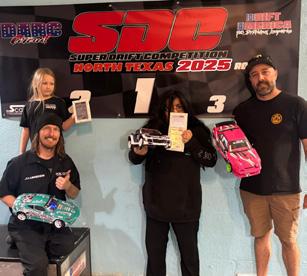
“Joe Ferguson is back to defend his title from last year! Steve Lee, from Team Reve D is giving him a run for his money! Keep an eye on Wes and Jerry also this season ;) We’ll also be switching to P-Tile Mid season this year!”
-DARC Circuit SDC N Texas Region
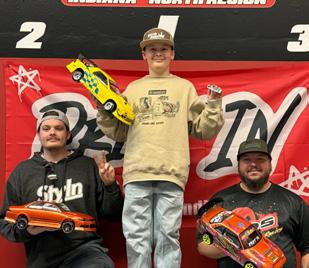
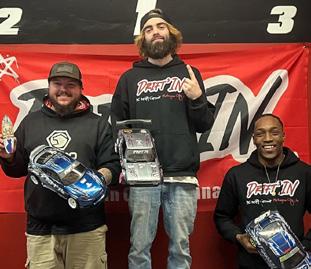
“With three rounds down, the standings are tight. Garrett leads the pack with 39 points, while Levi and Mason are right behind him, tied at 35. As Round 4 approaches on Cinco de Mayo weekend, the pressure’s mounting—but so is the excitement. Catch live coverage on Drift’IN’s Facebook page. This is a team, a track, and a season you don’t want to miss.”
-Drift ‘In SDC North Indiana Region
2025 UPDATES
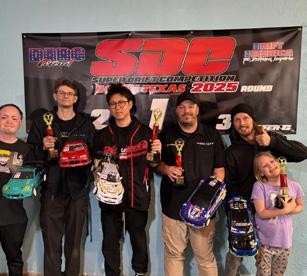
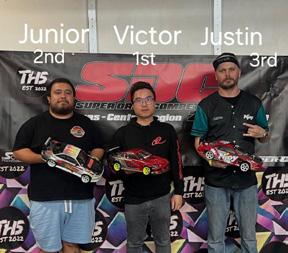
“Junior Barba is Back in Texas currently holding the #2 Title Spot from Last year . Victor Ho from Houston is coming this year and he is definitely one to look out for. Victor Ho placed 1st in our SDC Round 1. Our second SDC comp is set for May 10th right there at The Hobby Shop.”
-The Hobby Shop SDC Central Texas Region
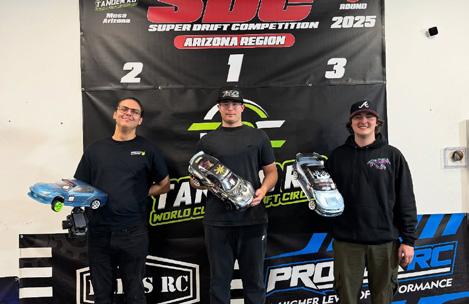
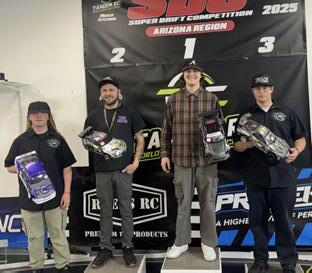
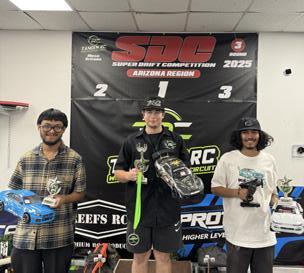
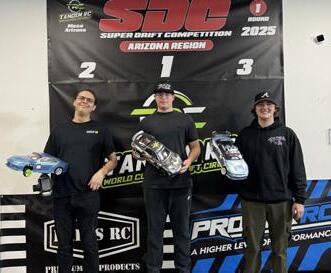
“As we head into Round 3, we’ve got a dead heat at the top of the leaderboard. Tommy Philpot and Tyler Gutierrez are currently tied at 26 points each, both showing incredible consistency and style in the first two rounds. The battle for the series crown is only heating up from here as the series is still anyone’s for the taking. Thank you to all the drivers, judges, and spectators who made the first two rounds such a success.”
-Tandem RC Drift SDC Arizona Region
DARC Circuit Joe Ferguson
High Voltage Garage David Tuggle Erick Barrett Nick Gann Matt Hahn Erick Barrett
Pittstop Jordan Meyers Armando Pimentel Josh Whitwer Zach Saal EJ Nisperos
RC Playground Miami Chris Lisi Hector Lodano Christian Sein David Hugh
RC Driftway Wareham Mike Kolacz Matthew Pitman Andrew Marek Brian Lynch
Tandem RC Tyler Gutierrez David Wessel Tommy Philpot Yogi Hamilton Tyler Gutierrez
Super G Bret Trevino Mikko Yang Jason Fordyce Alfredo Chan Bret Trevino
Certified Drift Sawyer Mikel Doug
Opposition RC Mac Markey Sawyer Andy David
R3 Hobby Arena Charles Ong Christian DeFalco RJ Ampil Leon Humphries Leon Humphries
Initiate Tanner Drews Joe Wentland Logan Wenzel Jackson Wick Tanner Drews
ROUND2
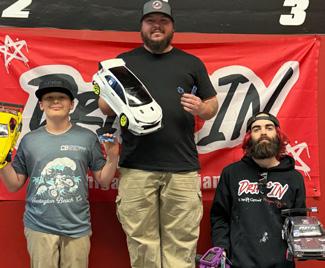
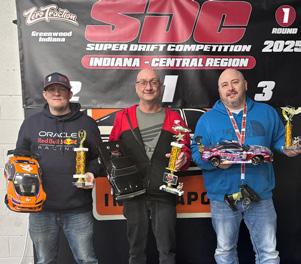
“Zero Traction just KICKED OFF the SDC Central Indiana Regionals for the FIRST TIME EVER! Our very own Jason West SMASHED it to take 1st PLACE! Not too far behind, another Zero Traction driver, Matt Arrington, snagged 2nd! Rounding out the podium in 3rd PLACE, Kevin Bush representing D: Scale Ohio! Top Qualifier of the day was Derron Clebourn. Can Jason West hold onto that top spot and become the Central Indiana Drift King?! Or will the other drivers be hot on his heels all season long?” -Zero Traction SDC Central Indiana
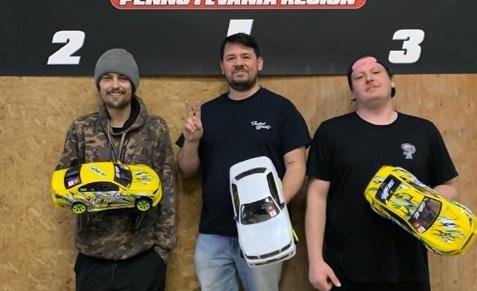
“Our first SDC Regional Event and 23 of the best drivers I know stopped out to throw down! Just want to say thank you to everyone who made an effort to come out to support our region and our drivers. Pittsburgh is hungry for drift!”
-412 Drift SDC Pennsylvania Region
2025 UPDATES
“This is High Voltage Garage’s first year as a regional host for SDC and our newly-installed J-Tile has drawn drivers from throughout the region. Local driver Jenson Yip found room on the first podium, while Tuggle, Gann, and Barrett out of northern Kansas, and Hahn out of Oklahoma filled the remaining top spots. Round 3 kicks off on May 17.”
- High Voltage Garage SDC Arkansas Region
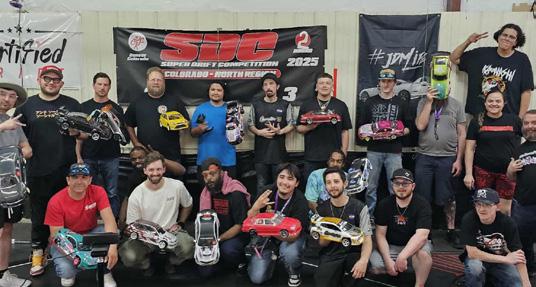
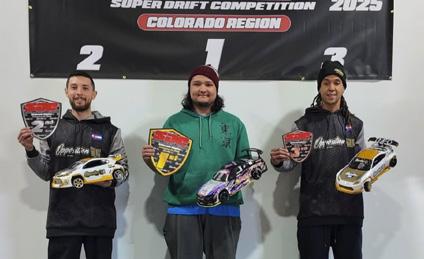
“Round 1 was an amazing day with plenty of surprises. Everyone drove it out and worked hard. Keep pushing and getting better, see you guys in Round 2! Congratulations to Sawyer for taking home the 1st place trophy and the cash. 2nd place went to Mikel, and 3rd place went to Doug. Thank you to all 19 participants that came from across Colorado and Wyoming to participate. We can’t wait until May 10th for round 3!” -Certified Drift SDC Colorado West
ROUND3
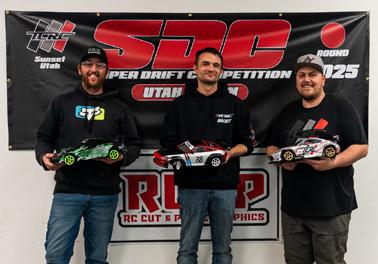
“Round 1 was packed with killer runs and intense battles! Driving was top-tier across the board, and the energy was real all day long.Taylor Morris and Cody Salas had to sit this round out and step into judging roles. Speaking of Taylor—big news! Our shop owner and Team TCRC driver is now an Acuvance team driver, repping support from Shibata and Addiction Bodies this season. He’s making a bold platform switch from the Rhino Shark to the GRK5R. Taylor’s an Acuvance fanatic, and we’re hyped to see how that plays out!” -TCRC Drift SDC Utah Region
“Mac is holding down his title by one point this season with Sawyer on his tail. Opposition RC is aiming for great battles and awesome track layouts. This year we took inspiration from the OIDC in Oman with their killer layout using three interlocking circles making for some really sweet tracks! Check out Opposition RC on Instagram and Tik Tok to see videos and updates.” -Opposition RC SDC Colorado East
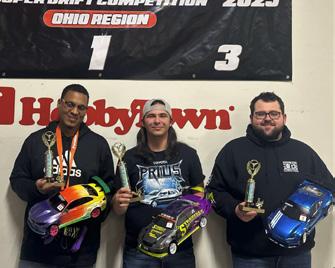
“This season has been an exciting one. Everyone is driving to the limit. Southern Ohio drivers always bring their A game, sweeping the podium this First round. In typical Braden style he has one speed and it’s GO, displaying confidence with a perfect round earning TQ and 1st place.Taking 2nd was KD, who always enters the building with a smile on his face but when it’s time for competition he knows how to put on his game face. Securing 3rd was Mike, one of the most consistent drivers I have seen in years of judging. We are looking forward to Round 2!” -Lunar Drift SDC Ohio Region
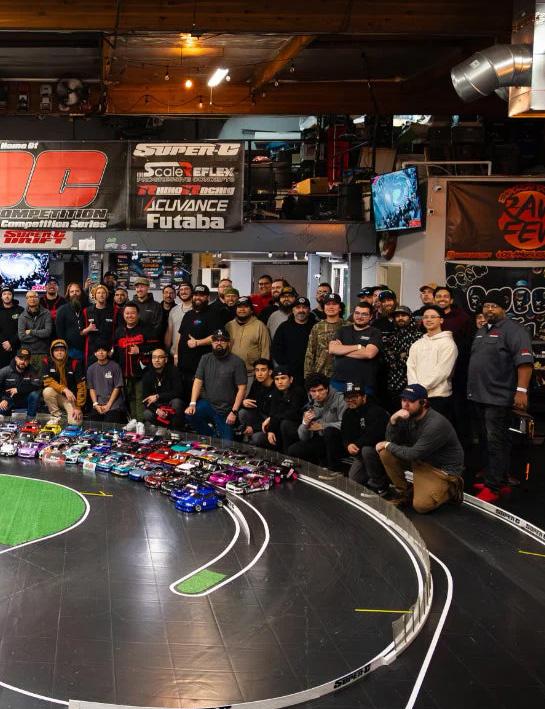
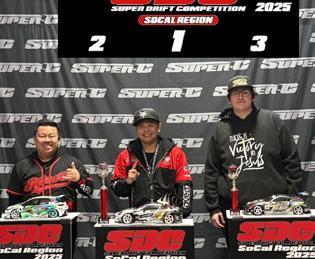
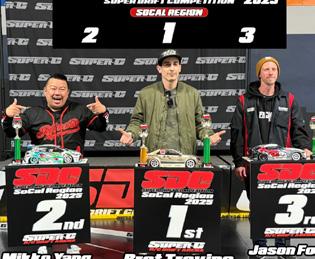
“The SDC Super Drift Competition 2025 SoCal Round 1 was nothing short of amazing for a regular Regional Comp. This is some serious training for the rest of the season and I’m sure it will get a lot of people’s nerves in check for the bigger competitions. I was really impressed with the skills displayed this early in the season. It’s almost as if it was a continuation from SDC 2024 Worlds.” -Super G Southern California
The Interview
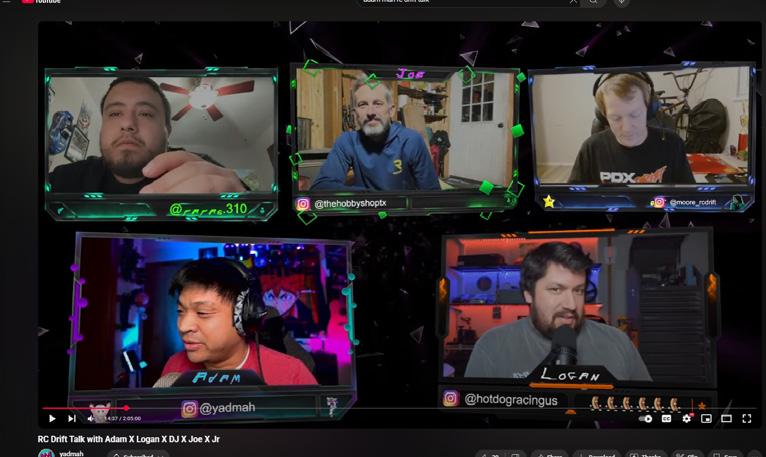
Featuring Adam Mah of RC Drift Talk Podcast - YADMAH
To kick off The Interview series for DARC MAG, we’re starting with the man who interviews others: ADAM MAH from RC Drift Talk. Adam’s podcast has been a staple in the RC community for several years—let’s let him tell you the rest.
DARC MAG: Welcome to the interview, Adam! How long has your podcast been running, and where are you based?
ADAM: The stream has been going for about two and a half years. It started pretty randomly—one Saturday night we just hit record. The first episode aired on November 19, 2022. I’m based in Lebanon, Oregon, about an hour and twenty minutes from the nearest RC drift tracks.
DARC MAG: Any standout moments from the podcast or inperson events?
ADAM: Every week is fun, but going to Super-G for the championships is always a highlight. Many guests I meet on the stream I haven’t met in person, so connecting with them later at events is a big deal. It also helps bring in new guests and expand our network—huge thanks to my co-hosts Logan and DJ.
DARC MAG: Has anything unexpected happened on the podcast?
ADAM: Mostly technical issues, which are manageable. I do open invites for guests—the only requirement is they need to hold a conversation. Hopefully, that won’t backfire!
DARC MAG: I can see that going sideways live—Joaquin Phoenix style on Letterman. What impact do you think the podcast has had on the American RC drift scene?
ADAM: Hard to say, but people keep watching and subscribing. I always try to answer chat questions live. A few people have told me they found the Acuvance/Futaba videos helpful, or the tutorial on adding photos to a Futaba 7PXR.
DARC MAG: You’ve done so many interviews—do any stand out?
ADAM: Kevin from RCO comes to mind. He’s been on twice. The first time, we talked about his capacitor testing. The second, we got into burn tunes—both hot topics at the time. Kevin always brings solid technical insights.
DARC MAG: Can you explain “burn tune” for those unfamiliar?
ADAM: It became a big topic during the 2024 SDC championship. Burn tuning is when tires partially melt during a run, potentially increasing traction. You can see signs on the tires, but there are a lot of variables. At that event, the rules limited motors to 13.5T and required a final drive ratio over 9.
DARC MAG: That’s definitely a unique term to RC drifting. What’s your goal with the podcast?
ADAM: To meet passionate hobbyists, share their experiences and tuning insights, and keep the stoke going— whether it’s a newcomer or someone with a hot take from the community.
DARC MAG: How long have you been drifting? What was your first chassis?
ADAM: Photos say 2012. My first chassis was a Hot Bodies TC-FD (AWD). My first RWD chassis was the MST FXX-D in 2015.
DARC MAG: What are you running now—chassis, Continued on Page 26...
Some of my favorite aspects of RC drifting that I feel are not around anymore are, simply put, individuality. Pre-covid, how many colors did we have for option parts? Now there are, what, three colors (red, black, purple)? I mean, I know it was expensive to offer all of those colors, but still.
SHELL
CHOICES - There were a variety of licensed bodies with optional body kits. Now it’s just GR86s, Supras, GR Corolla, and S-chassis. Pandora RC is literally the only mainstream company offering more than five different shells. Absolutely nobody makes option aero for any ae86 shell and that makes me sad (that’s why I just made my own).
Old School Corner
by Matt Youkhana
DUAL SERVO SETUPS - Some people used to run dual servo setups on their car. The first person to do it was Sean Whitrock with his RC-Art CE-RX. Then Ryan Hellrung did it with his Wrap-Up-Next FRD and I followed with my StreetJam OTA-R31. Ryan helped me with mine. The whole purpose of running a dual servo is having Ackermann and toe adjustment on the fly. Instead of fiddling with turnbuckles, you just hit a few buttons. It was very helpful when visiting various tracks that ran on different surfaces as it helped to dial in the speed of the chassis to cater to everyone else. I also did it on my Yokomo DIB. Any chassis can run dual servo setup as long as you have an option to mount servo on either side of the deck. You will just need another servo and gyro.
STREET JAM
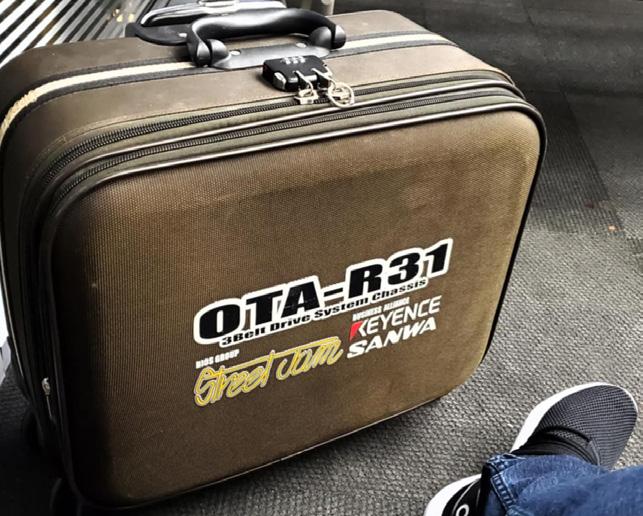
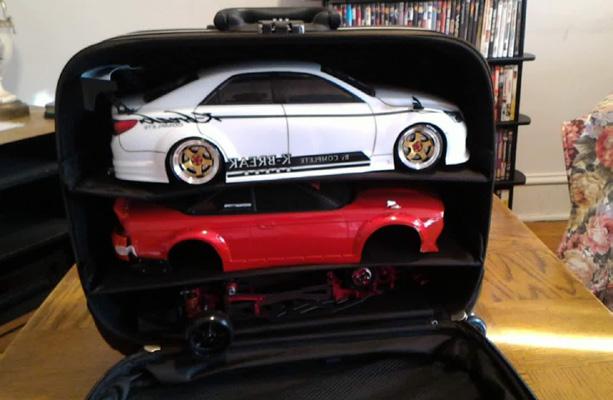
PIT BAG - I’ve only ever seen four of these pit bags ever, two of which I own. There are two more people here with one. All local. Crazy considering the bags only came with the StreetJam r3x kit which included a StreetJam MT44 remote, and all the electronics that are embroidered on the bag. This was a counter kit chassis from 2012. This whole package was $1800 USD, IIRC.
By the way, Keyence was Accuvance before they became Accuvance ;)
SLOW TANDEMS - There is a time and place to drive fast. Old school guys would prefer a chill tandem whereas newer guys (that probably started on the YD-2 or RMX) would prefer a faster, quicker course. I like controlling the slide with a higher gyro with throttle control and less steering.
One more nugget of Old Skool Coolness… Rare Arts
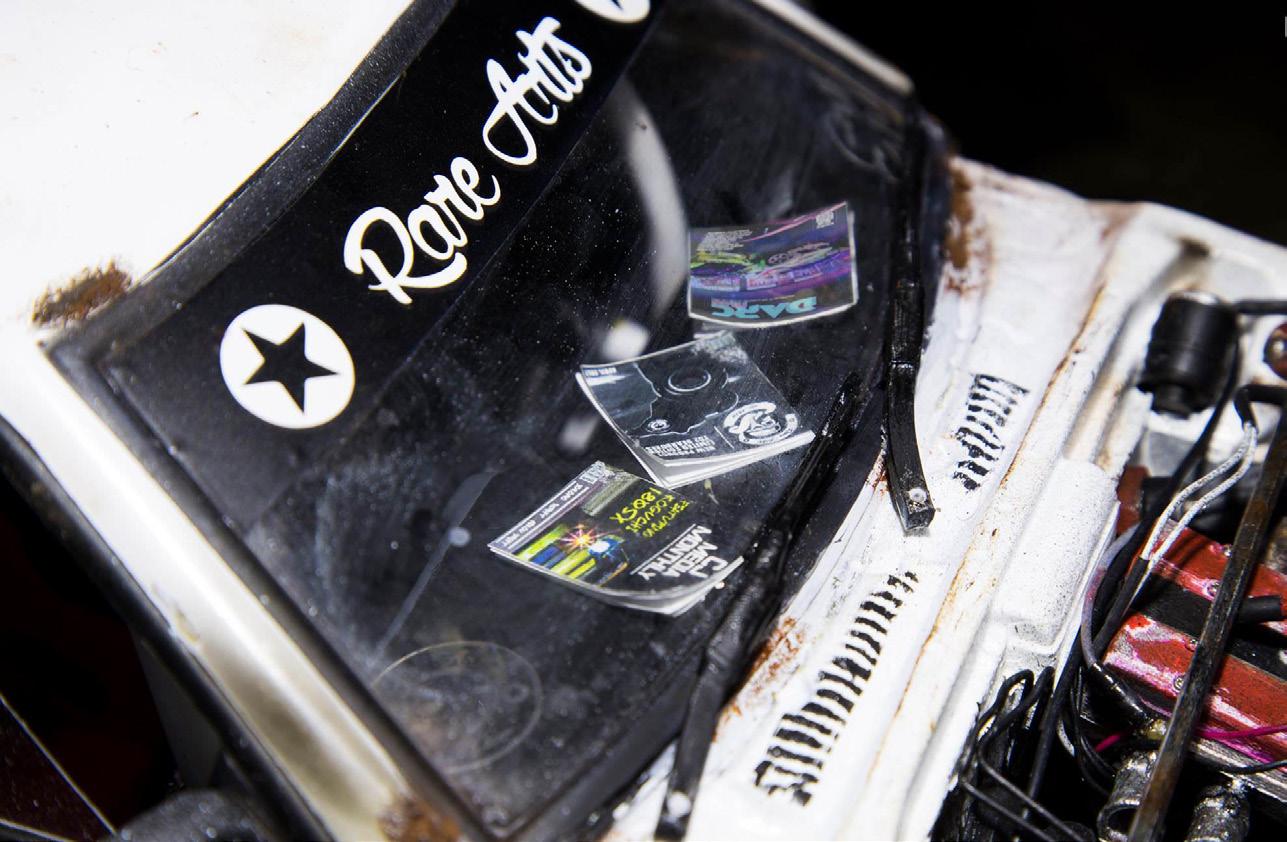
RARE ARTS was founded by Randy Beard who is an O.G. in the game. It was basically a group that started with a handful of people that just vibed. Randy did take it to the next level by making a group page (still exists) and started sponsoring drivers and shell builders out of his own pocket. It grew into a page that people were finding inspiration from because the level of body and chassis posts were just next level. I believe it was around 20152019. I was brought into the circle around 2016 because of my previous missile builds but I don’t believe people realized how long building a missile actually took. People tend to want things as soon as possible; it just ended up not being worth it on anybody’s end. I believe it was also like that with the other builders in the group. This was the shell builders as well as the custom chassis builders. It was a great idea, just too far ahead of its time, in my opinion.
-Matt Youkhana
The Interview
electronics, body?
ADAM: My main tandem chassis is the Shark with:
• Chassis: RF Spec Stingray
• Front: ReveD lowers, Rhino Racing uppers, ReveD 42mm arms
• Rear: Team AD Active Toe uprights
• Suspension: RC-Art UC dampers
• Diff: Rhino Racing C-LSD
• Steering: Soon upgrading to RCO Gbuster knuckles
Electronics:
• Acuvance Fledge 10.5T w/ LV45 rotor
• Acuvance Xarvis ESC + Chevalier capacitor,
• Acuvance S.Bus + Trace Bector
• Futaba R334SBS-E Receiver
• Futaba GYD550 Gyro
• Futaba CD700 Servo
DARC MAG: What’s your home track and favorite tracks you’ve visited?
ADAM: I currently don’t have a “local” track, but on the north side of Oregon, I have Drift PDX in Portland, then on the south side, Twisted Metal RC, down in Roseburg. PDX would be the favorite.
DARC MAG: What do you think were some of the big turning points that you’ve seen in the American RC drift hobby since you’ve been in it?
ADAM: The hobby’s much more accessible now. Early on, tuning the FXX-D felt like black magic. Now, with brands like ReveD, MST, and Yokomo, plus more resources and tracks, it’s easier for new drivers to jump in and improve.
DARC MAG: Who are some key figures or companies in the U.S. drift scene?
...Continued from Page 22 Adam Mah of RC Drift Talk Podcast
ADAM: Steve (Fujita) and Joey (Tam) from Super-G are huge. Others include: Vittoreo, Sean Lewis Media, Chris from The Establishment,
Roadside RC, and Mitch from Rolling Garage. All of them share tutorials and insights online, making it easier for newcomers to learn without relying on translated content.
DARC MAG: What’s your daily driver? Do you have a dream drift car in real life?
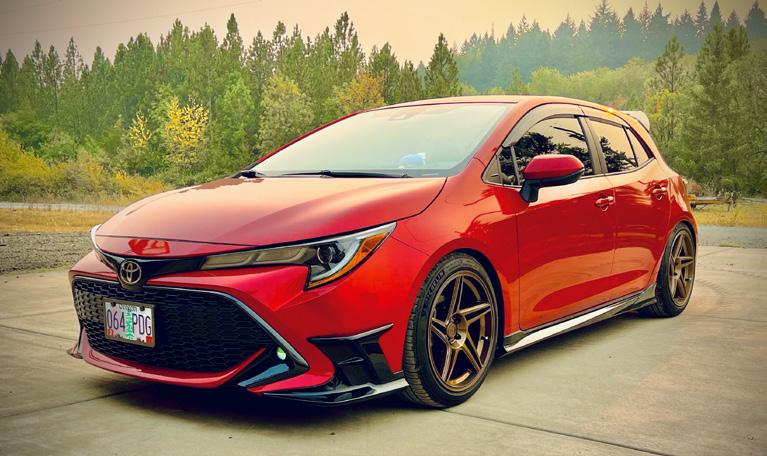
ADAM: I drive a 2021 Corolla Hatchback SE. No specific dream drift car, but if I had to pick one to mirror my RC setup, probably a GR86.
DARC MAG: Where do you see the RC drift hobby heading in the next 10 years?
ADAM: I hope the community stays as welcoming as it is. I’d love to see chassis evolve even more—maybe with front brakes? Traxxas just released a chassis with that, though it’s massive. Personally, I’d like to grow my production skills and keep sharing competitions and streams.
Adam Mah is now in his third year of hosting the weekly RC Drift Talk podcast. His interviews and insights have made him a central voice in the U.S. RC drift scene. Keep an eye on Adam and the people he features— there’s always something worth learning.
Follow Adam: yadmah
Drones in the Drift Scene
Tony Ellis - By DARC MAG
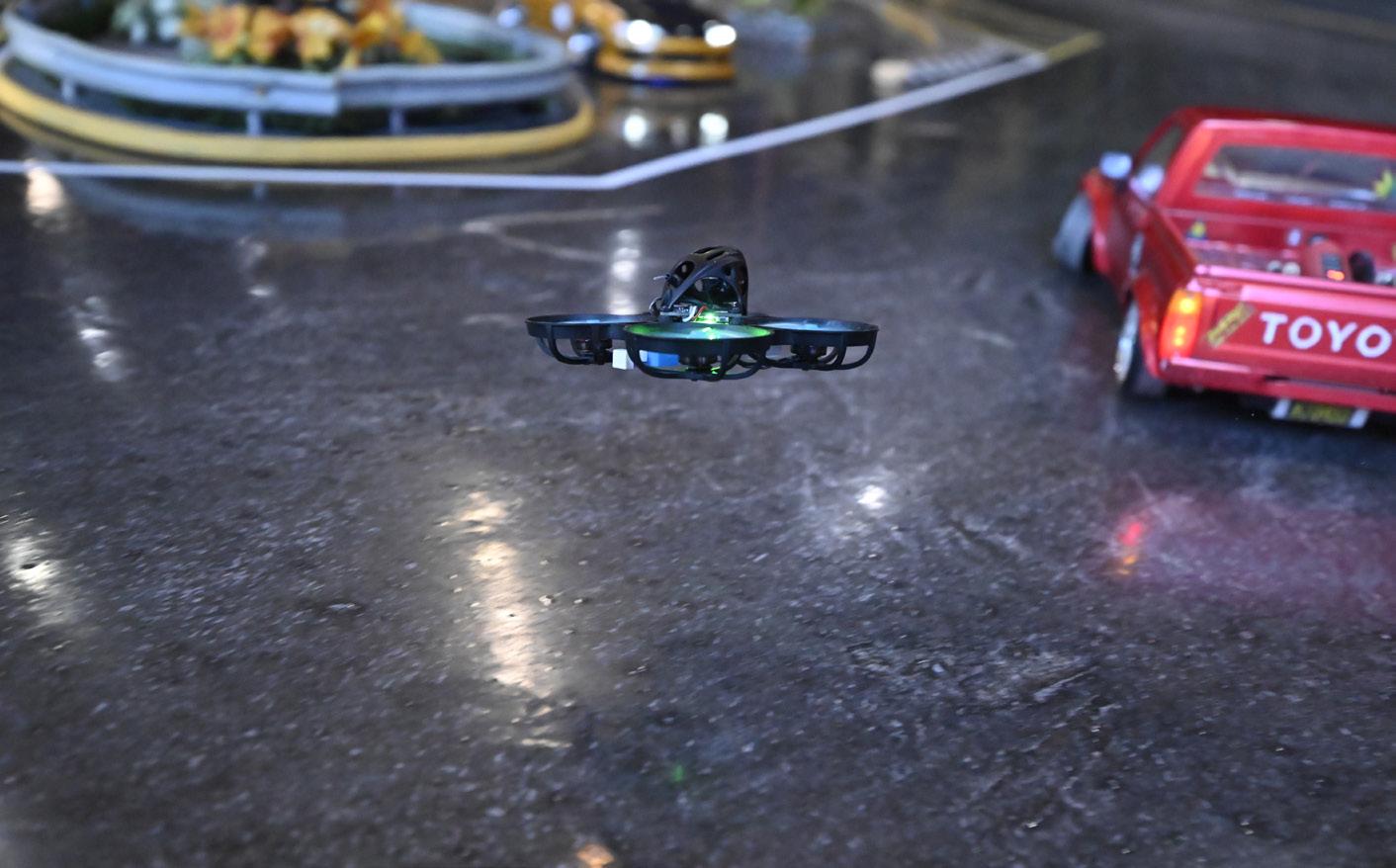
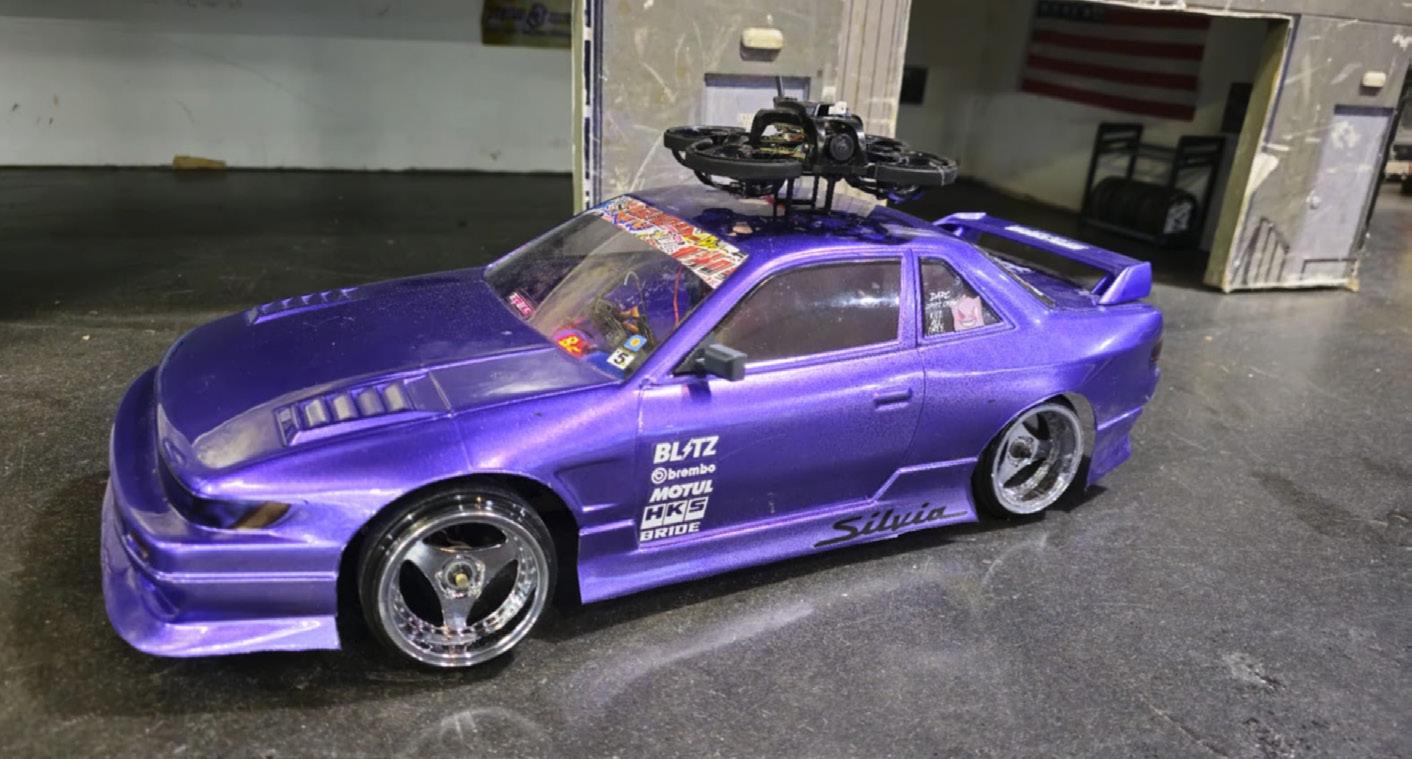
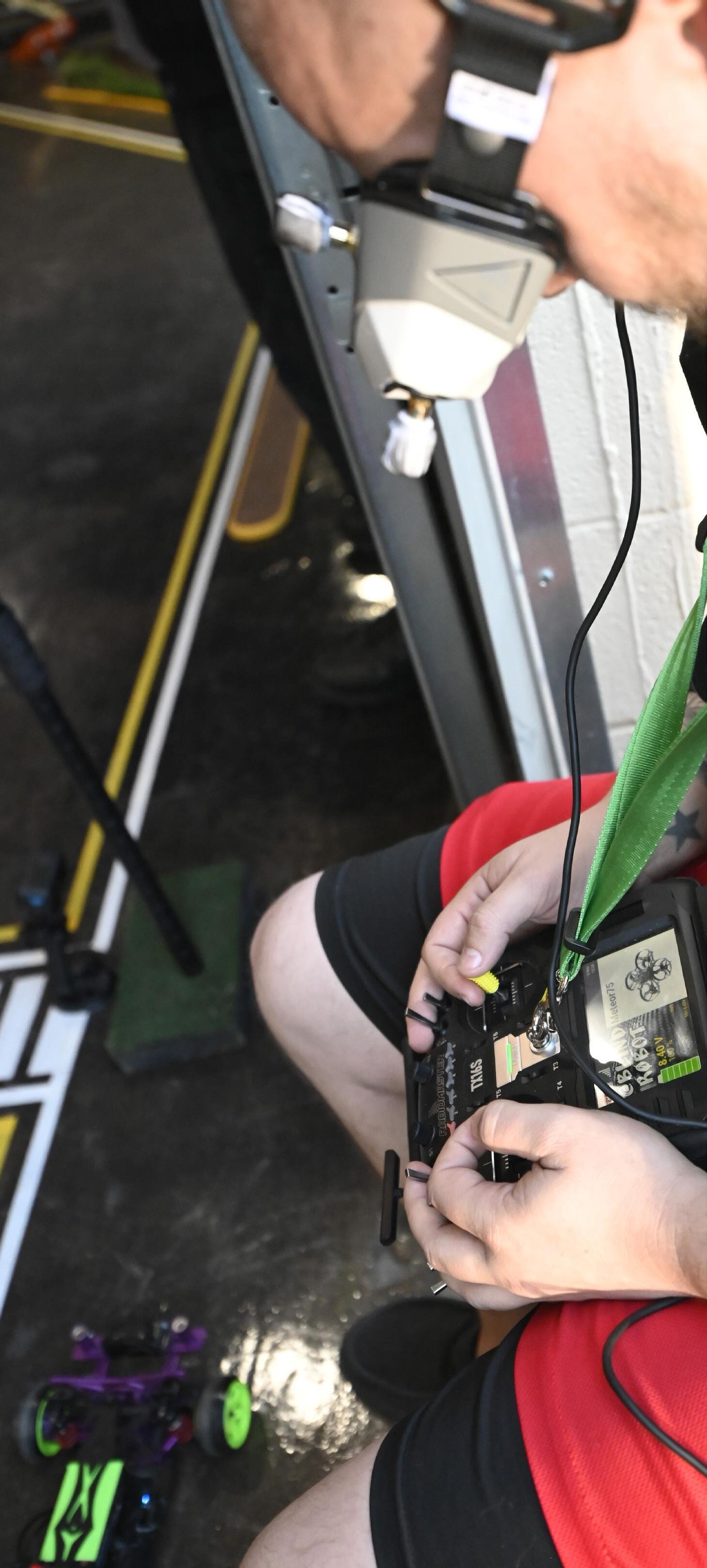
Tony Ellis had only been piloting drones for about a year, but he was already making waves in the RC drift scene. Combining the thrill of drone flight with the art of drifting, Tony found a unique way to capture dynamic footage that elevated the spectator experience. His weapon of choice? The GEPRC TinyGo 4K—a small but capable analog drone with crisp recording quality and plug-and-play simplicity that made it perfect for getting started.
What started as a curiosity quickly turned into an obsession. Tony upgraded nearly every part of his original setup—new antennas, better props, and eventually, a new drone altogether: the Meteor75 Pro HD. Not for speed, but for the ability to project his drone’s live feed onto a TV or projector, making for an immersive experience during local drift events.
Learning to fly wasn’t just about throttle control—it was also about understanding the complex communication between transmitters, receivers, and video systems. YouTube tutorials, especially from creators like Joshua Bardwell, helped him navigate this steep learning curve. Tony drew parallels to RC drifting—just like dialing in ESC settings, getting drones to “talk” to each other required precision and patience.
Though he hadn’t chased full-scale drift cars yet, Tony had plans. He admired pilots like Justin Smash, who followed
Formula Drift cars with custom-built 5” drones capable of battling wind and getting inches from the action. For now, though, Tony was focused on refining his skills, logging over 150 hours in Velocidrone, a simulator that helped him hone low-altitude flight with incredible control.
“Two hobbies built on flow, finesse, and control—meant to be enjoyed together.” - Tony Ellis
What really set his footage apart was the intention behind every shot. He didn’t just hover—he chased, flowed, and interacted with the cars like a virtual
chase cam from a racing video game. His edits, often stitched together in CapCut, turned raw footage into mini-movies. With each session at DARC, he gathered enough footage for multiple videos, always looking for that perfect blend of pilot skill and driver performance.
Tony sees a future where drones play a major role in RC drifting—especially at big events. Not just for highlight reels, but to build hype, share recaps, and even grow the community. He believes drone piloting will become its own subculture within the drift world. Already, pilots and drifters are crossing over, curious about each other’s craft.
Follow Tony on youtube and instagram: blind.robotfpv
This is a brief introduction to R/C Drift Competitions. What are they doing, and what is the goal.
WHAT IS AN R/C DRIFT COMPETITION?
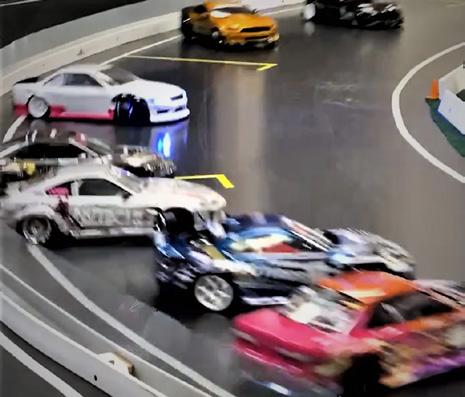
In a nutshell, an R/C Drift Competition is where competitors meet to demonstrate their style and precision control they have over their R/C Drift Car.
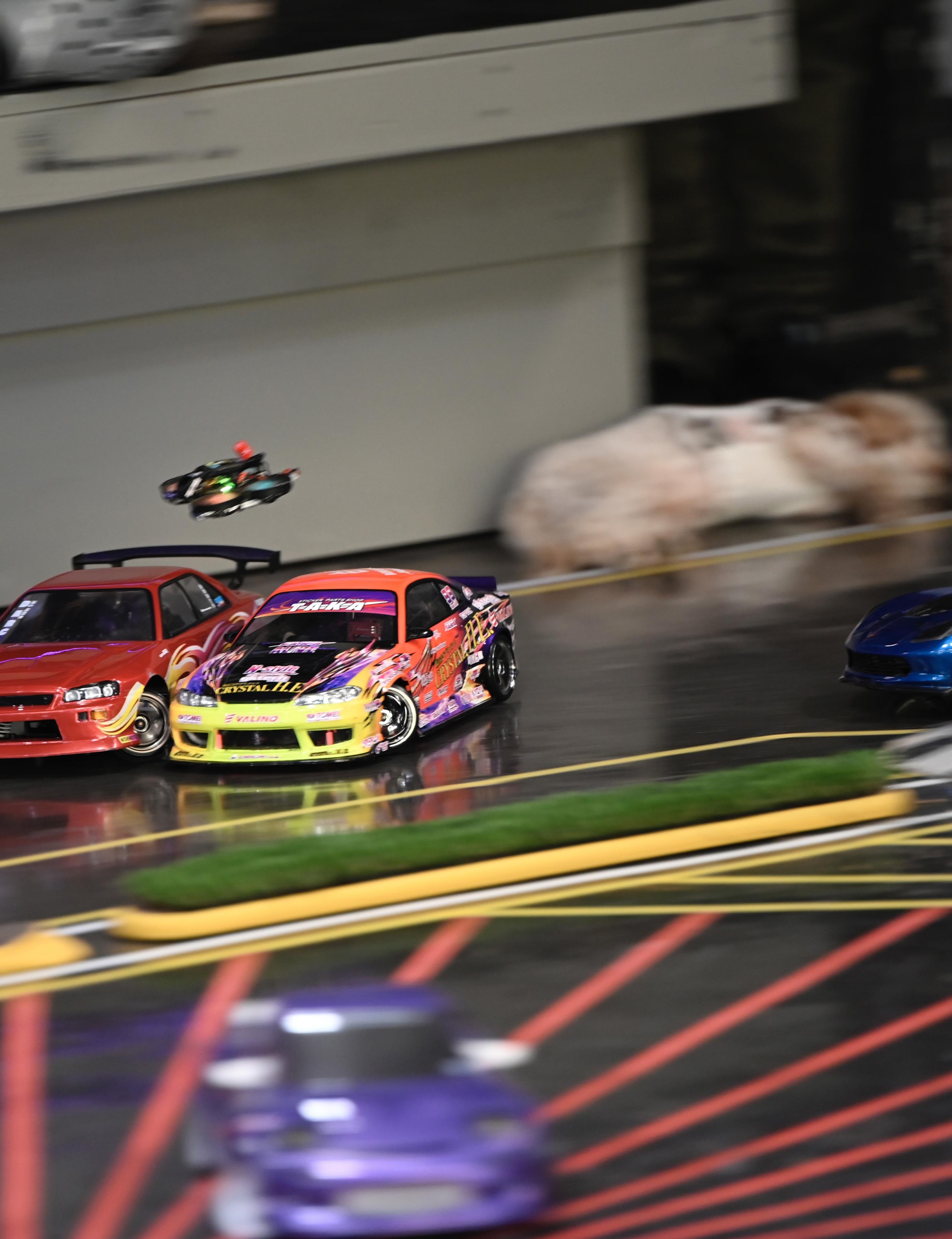
Drift is a game of extremes, how much angle can you hold, how hard can you “flick” your car, how close can you get to the wall, how deep can you get into the zone, how close can you drive to your competitor, etc. I think of it as everything conventional racing is not.
Racing is about who can go the fastest, get away from the rest of the drivers, and get across the finish line first. Drift is eventually getting across that finish line, but how close can I drive to my competitor, how close to the walls can I get, how much angle can I get, and how much style can I show while doing it.
THE COURSE
by Steve Fujita - Super G
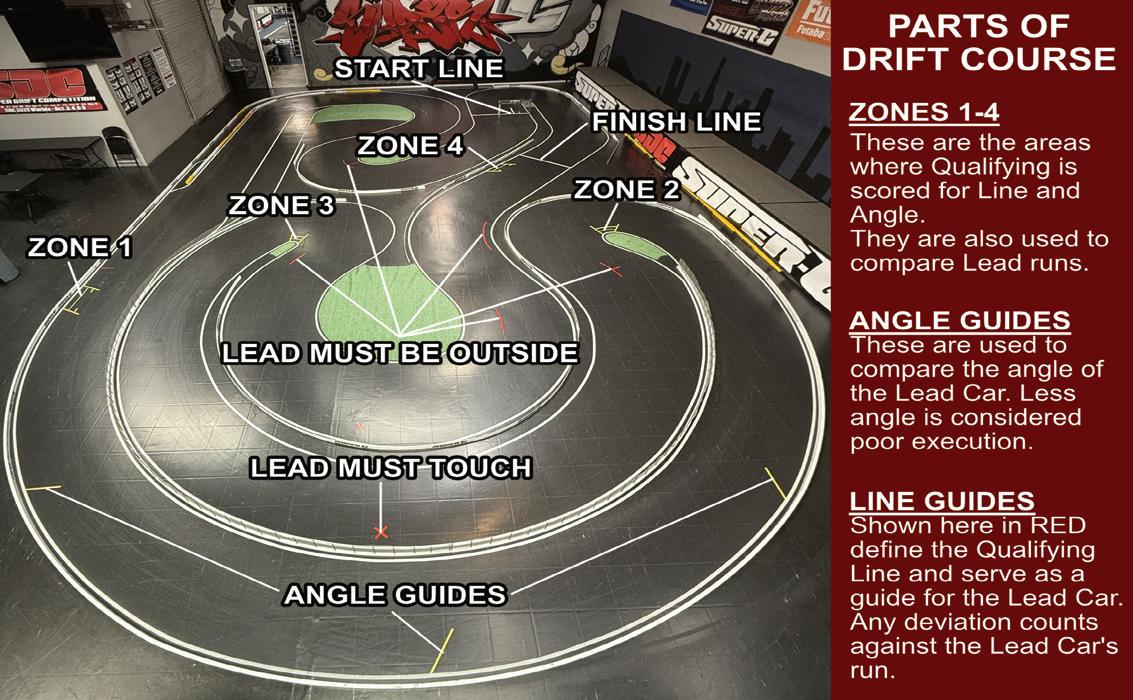
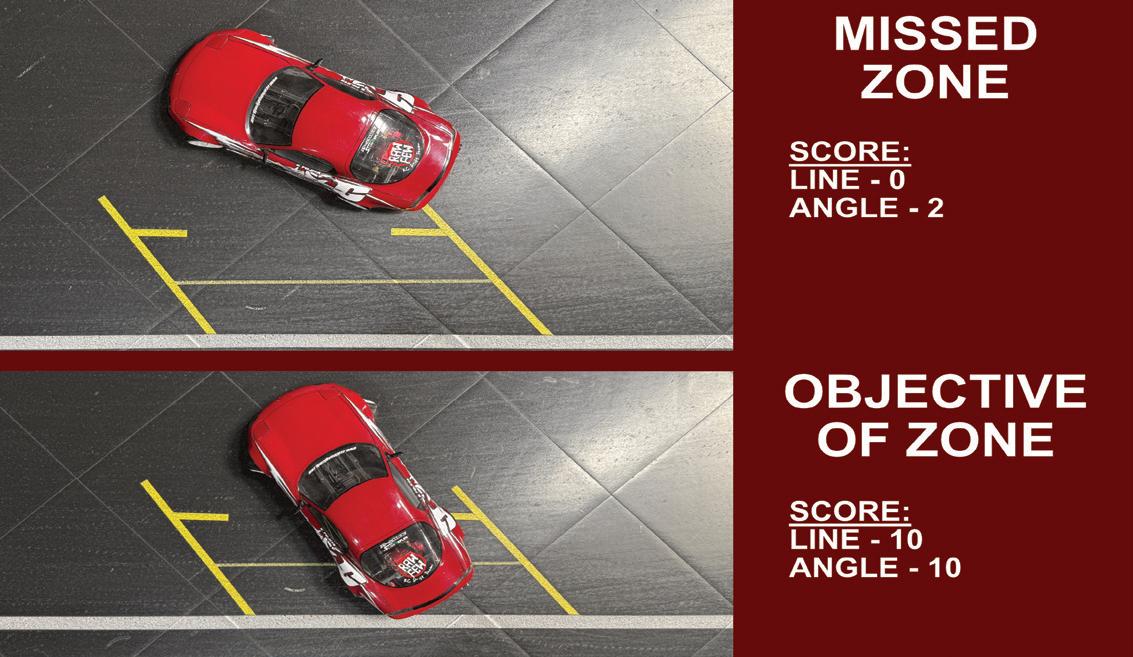
score. When it comes to angle, the closer the car gets to the designated angle (or more) the higher the score awarded will be.
QUALIFYING LINE
This is the line that all competitors should be striving to follow. Deviating from the Qualifying Line will be a deduction from the overall score of the run the competitor receives. Style is judged throughout the entire run, so any deviation from the Qualifying Line will impact the Style score.
R/C Drift competitions have 2 very different and distinct stages. Stage 1 is the qualifying and stage 2 is the battle stage.
QUALIFYING (TANSO)
The first stage of a Drift Competition is Qualifying. This is where each competitor completes a designated number of solo runs (Usually 2). The objective during qualifying is to run the Qualifying Line as accurately as possible while making it look good.
The Qualifying Line will take the competitor through all the Scored Zones. The competitors are scored in 2 ways in each of these zones:
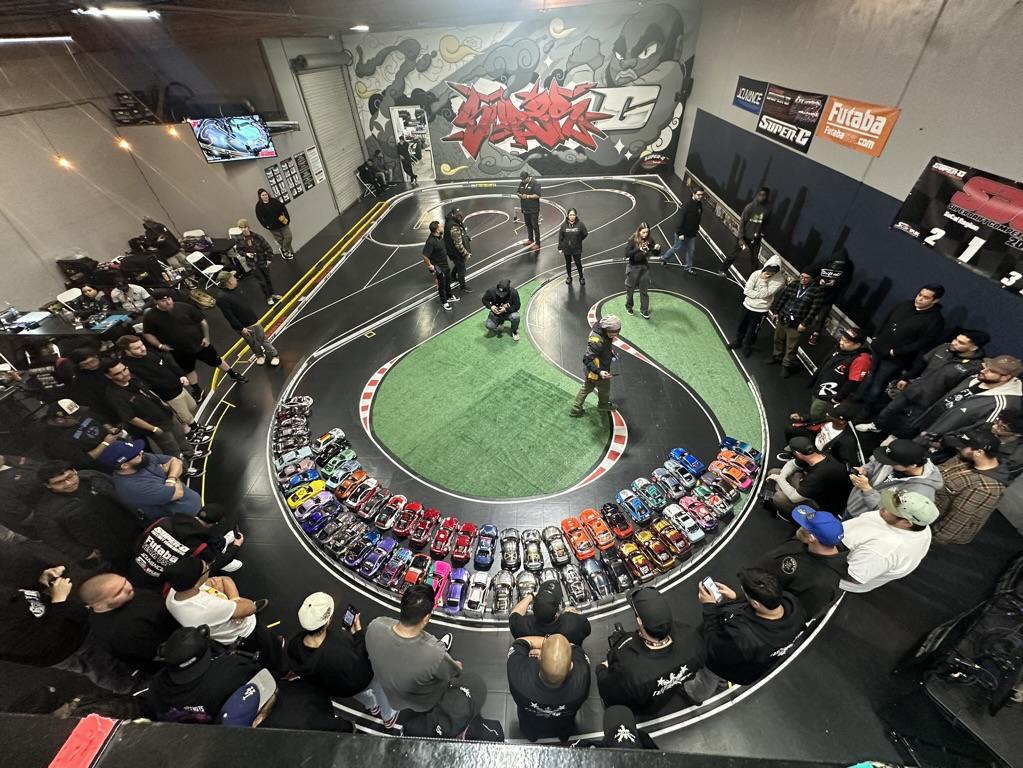
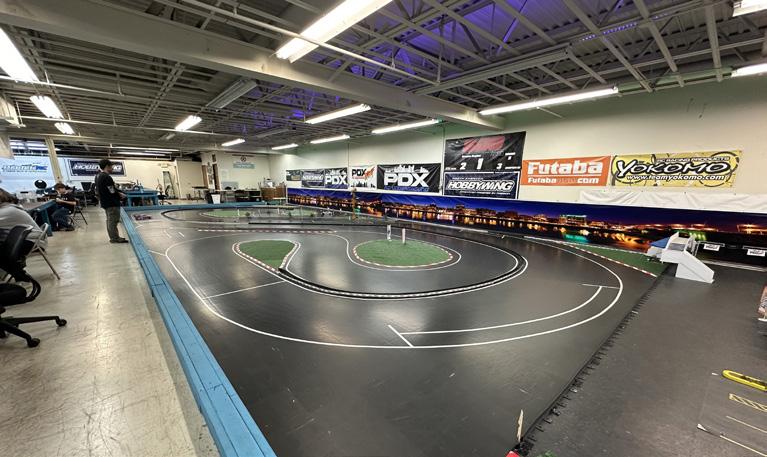
Typical R/C Drift Tracks are set up where drivers can do continuous laps while practicing. For competition, only a section of the track is used. Normally 4-6 turns are used for the competition course. Within the course, there will be 3-4 Zones designated, as well as the Qualifying Line.
SCORED ZONES
Scored Zones are areas that are scored by the judges for Line and Angle. The expectations are either marked in the Zones themselves, and /or explained in the Drivers Meeting before the competition. Basically, the deeper the car gets in the zone, the higher the
1. LINE - How deep are you in the Zone. The more extreme the better the score.
2. ANGLE - How much angle are you holding through that Zone?
The third judging criteria is Style - Style is judged over the entire course. How aggressive the competitor drives and transitions (switch from one direction to another), how close are they to the walls and barriers, how smooth and committed are they driving, how good does it look, how well do they follow the Qualifying Line, etc.
All of these are combined to create a total score of 100. The scores from the qualifying stage are used
to seed the brackets for the second stage of the competition.
THE BATTLES (TSUISO)
The second stage of a Drift Competition is the Battles. Based on each competitor’s score from Qualifying, competitors are seeded into the bracket to fight their way to the top.
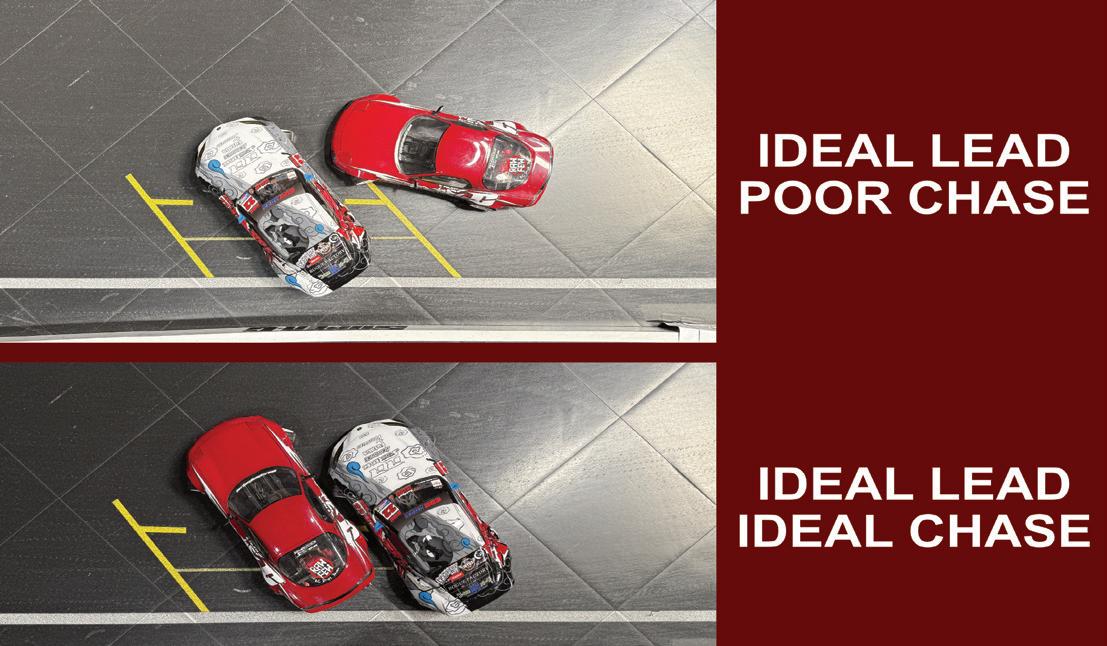
Each battle consists of 2 runs. One competitor is the Lead and the other is the Chase. After they run the course, the competitors switch positions and run the course again. Typically the Lead runs are compared and the Chase runs are compared.
The Lead’s objective is to run the Qualifying Line as accurately as possible, including the Zones. The Lead runs will be compared and are judged on “who did it best” according to the rules.
The Chase’s objective is to use the Lead Car as a moving clipping point, while maintaining tight proximity (Close position), and matching their angle as well. If the Chase car can maintain tight proximity, match angle, AND get deeper in the zones, this is the ultimate goal of the Chase. This demonstrates not only that they can accomplish what the Lead is doing, but that they can do it better. Again, the Chases will be compared and judged on “who did it best”. This is not only based on the rules, but also the Wow factor. Was the Chase simply trying to keep up, or was the Chase aggressive and putting pressure on the Lead?
Once the 2 runs are complete, the runs are compared and a winner is decided. The Winner advances to the next round, and the Loser is eliminated from the competition. In the event the judges cannot make a decision, they will call a OMT (One More Time). This means they will do it again, with no consideration for the previous battle.
This continues until there is ultimately one person who ends up the winner by eliminating all other competitors.
“I hope this helps to clarify what is going on next time you see an R/C Drift Competition. Next time we will visit QUALIFYING and exactly how are the points accumulated to arrive at the final qualifying score.”
-Steve Fujita | Super G
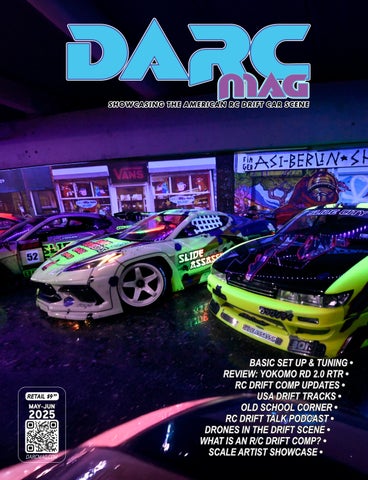
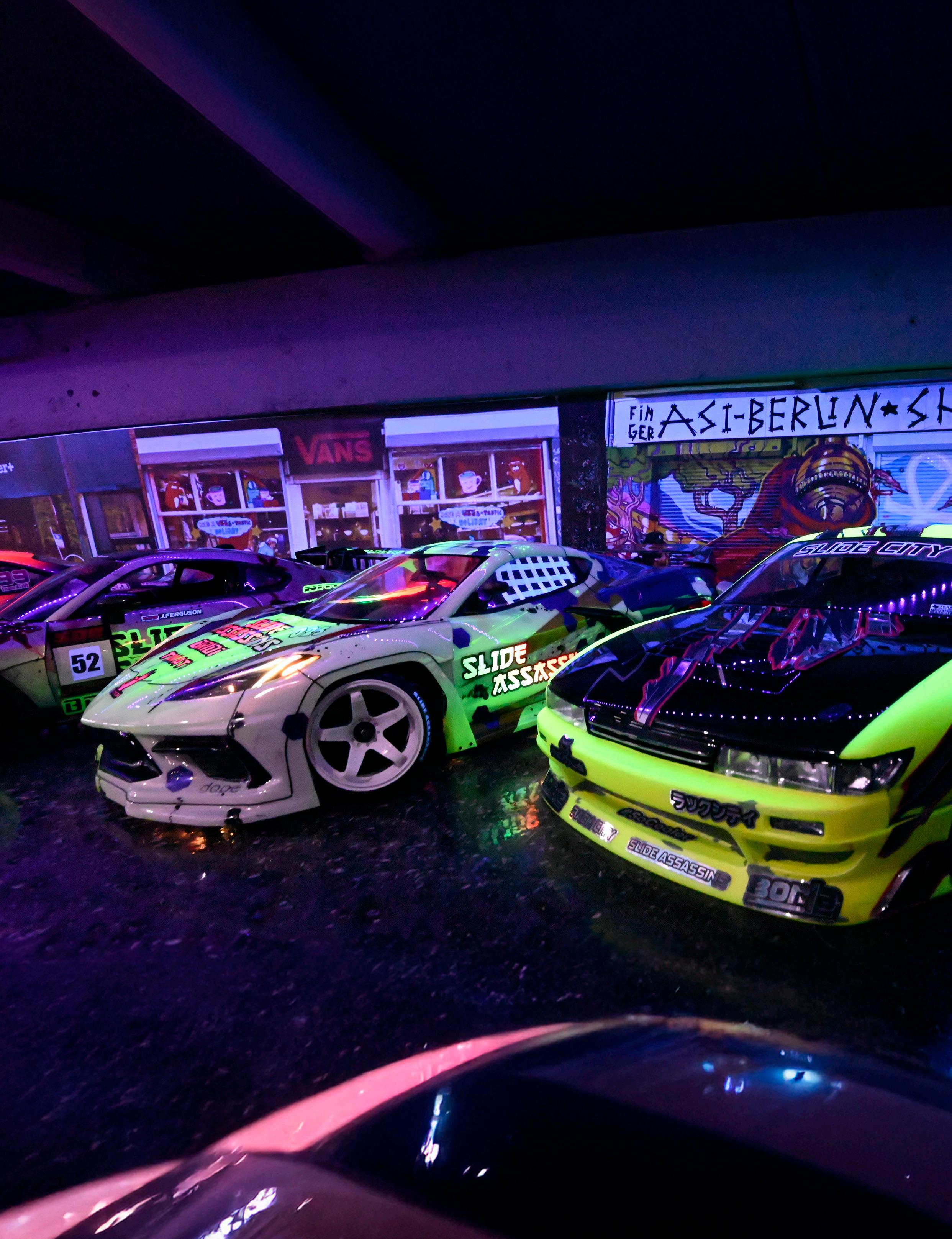
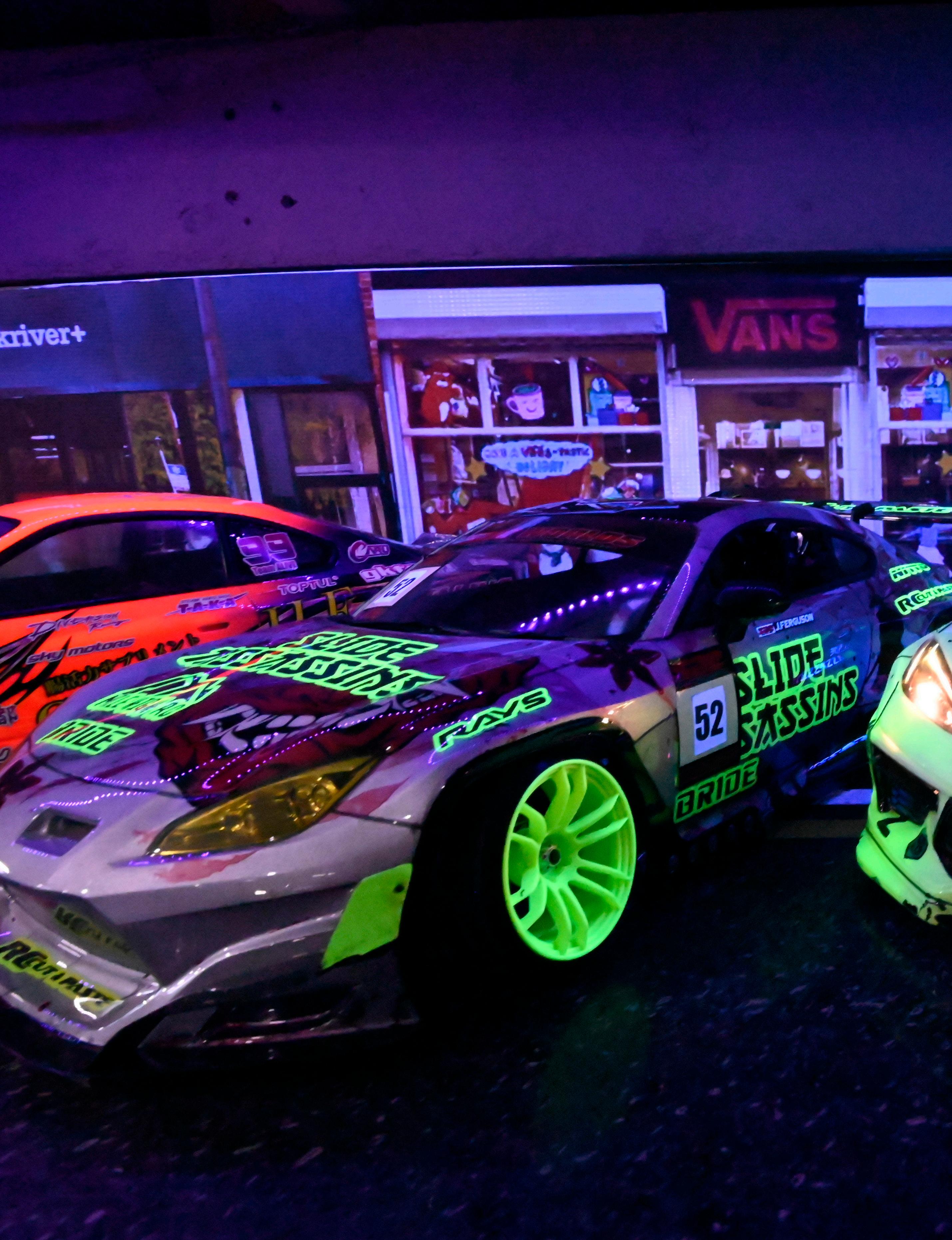
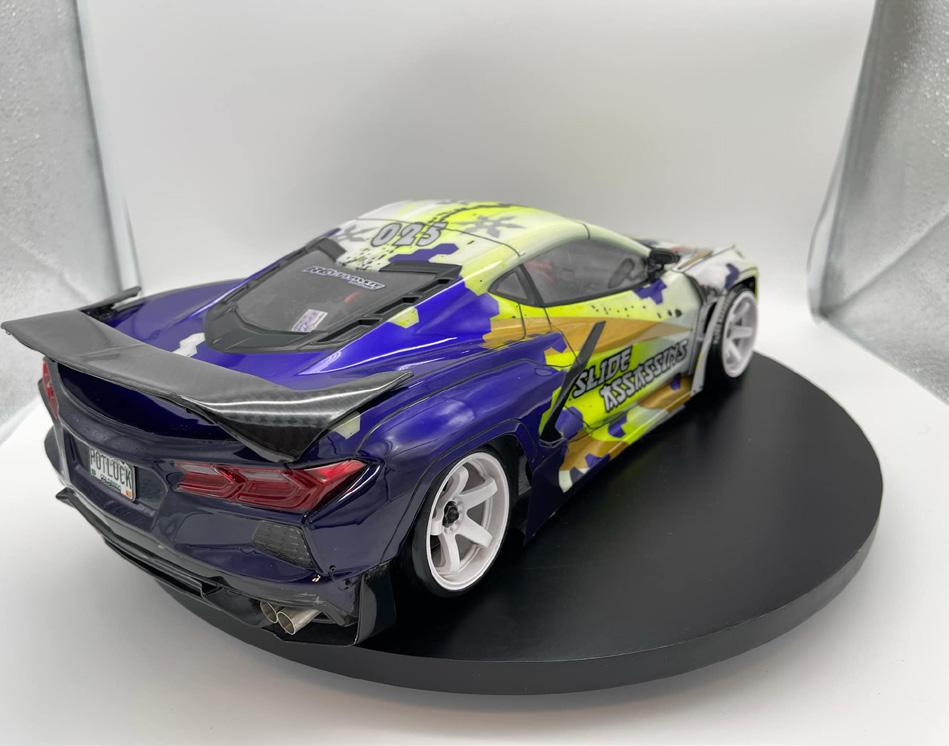
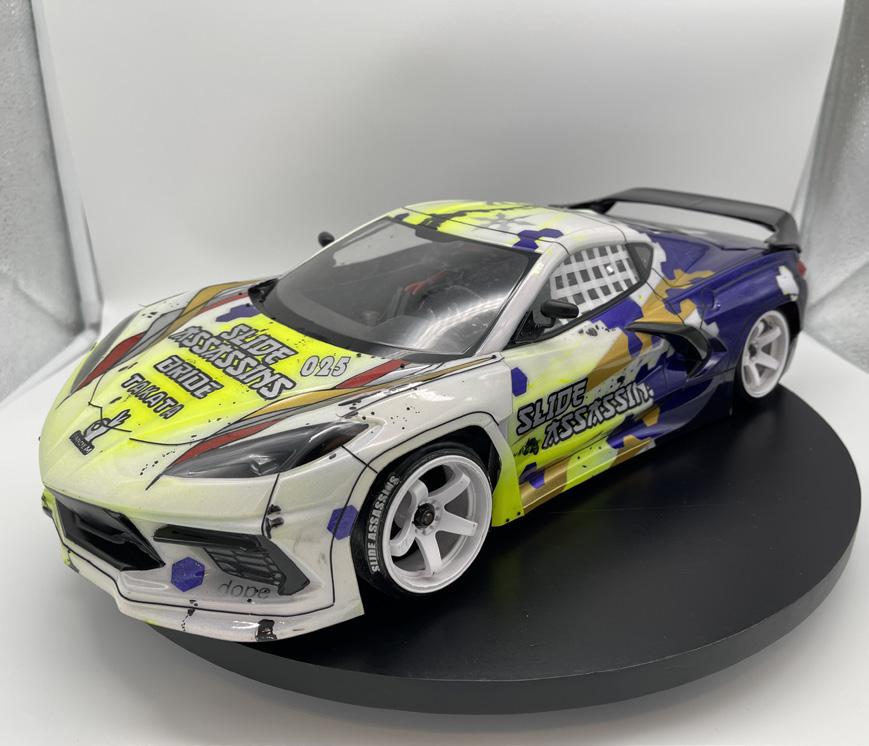
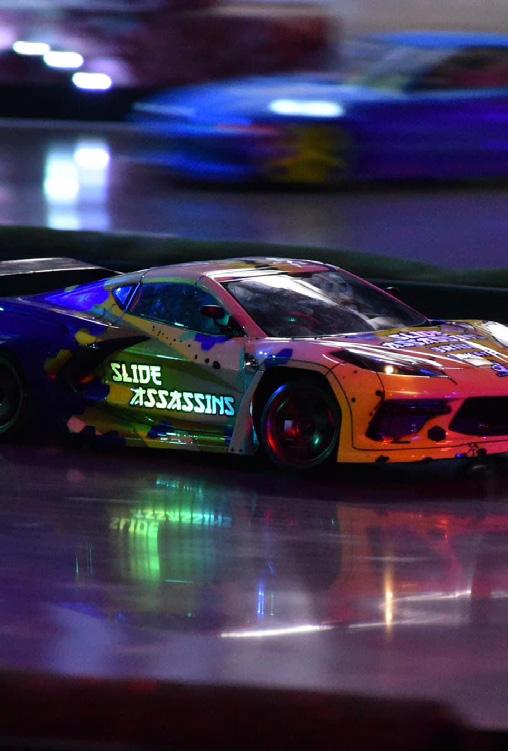
Joe’s Corvette - Featured on this month’s cover. For the 2024 Scale Science Matsuri - (Potluck 3) in Colorado, Joe Ferguson’s Addiction Corvette C8 was designed to break the mold. Using Spaz Stix and Tamiya paints, he aimed for a loud, standout look that repped his style and team. To elevate the build, RGB LED-lit logos were added to the hood and sides—subtle by day, glowing by night—making it a true showstopper during drift sessions and a bold statement in the RC drift scene. No stickers were used, this whole body was painted using vinyl masks.
ARTIST: Joe Ferguson
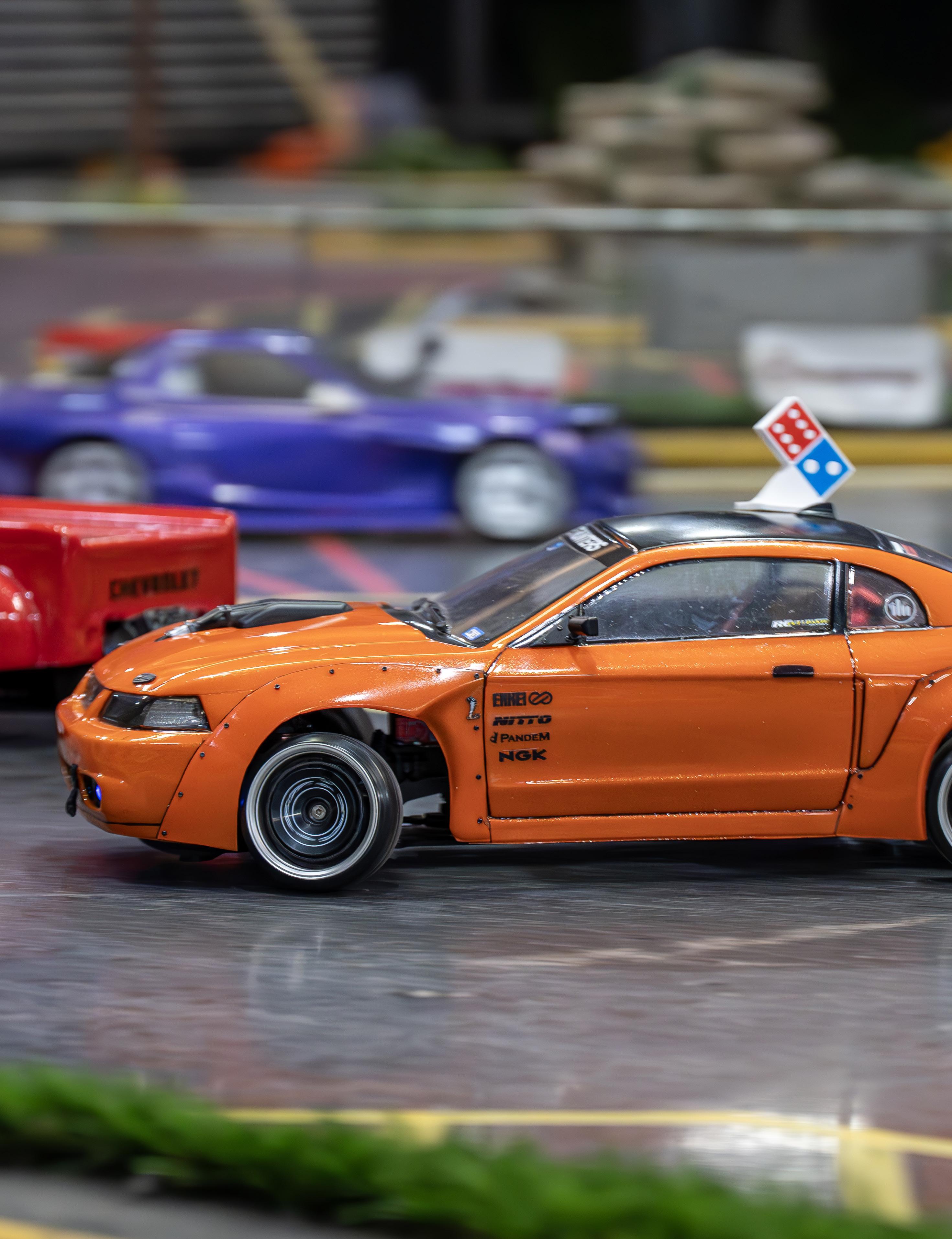
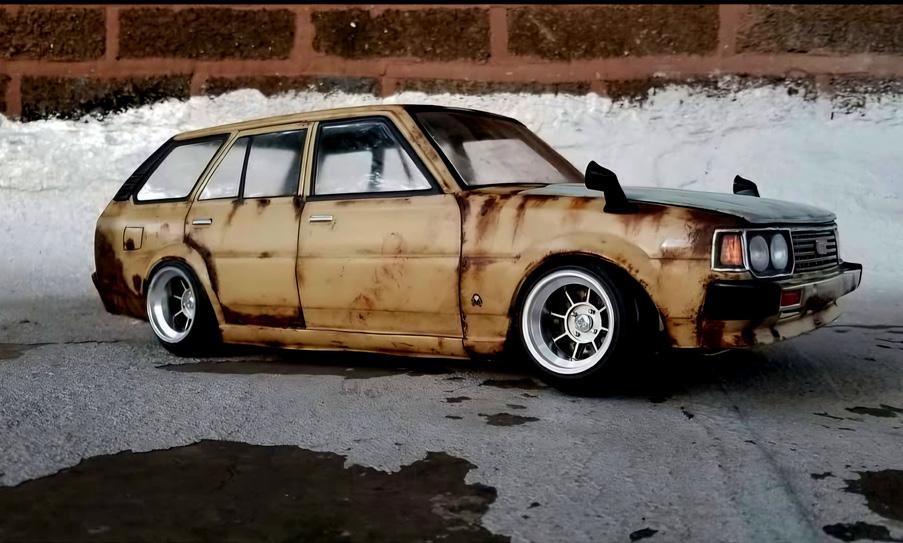
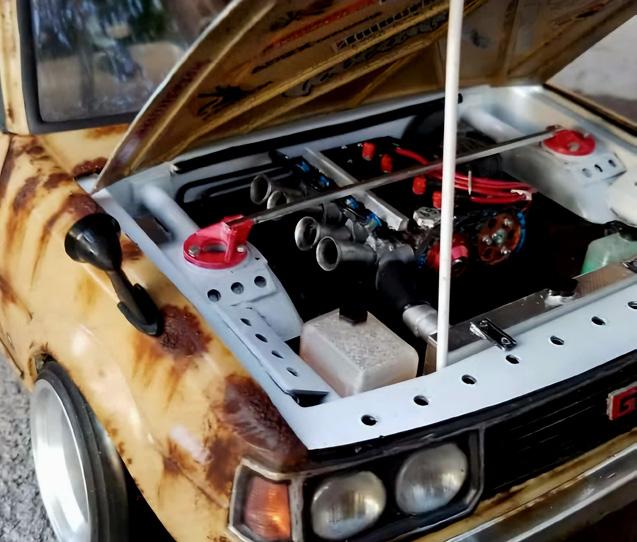
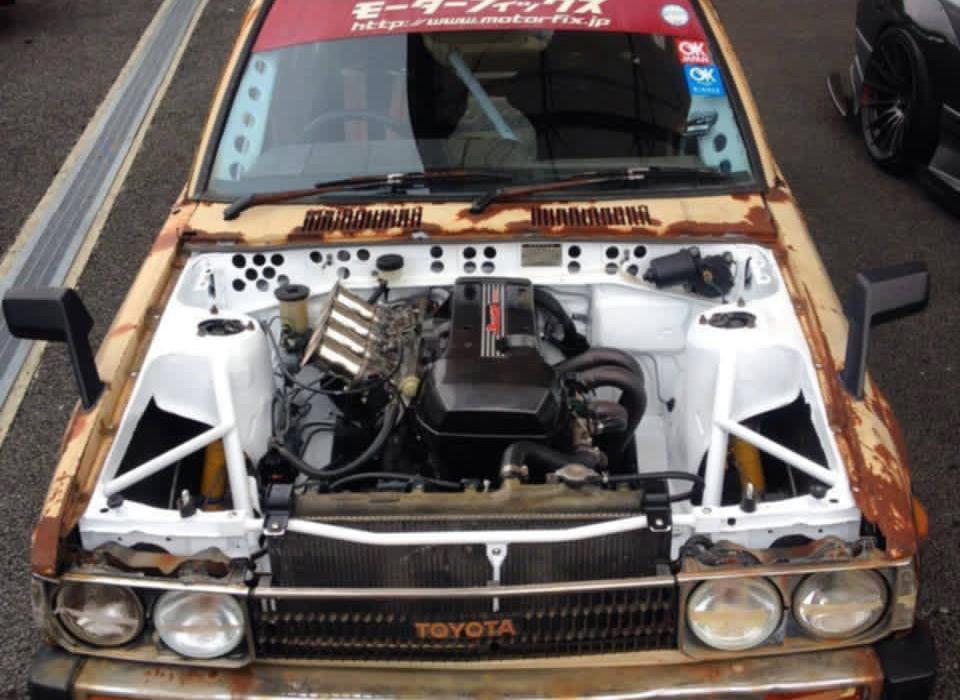
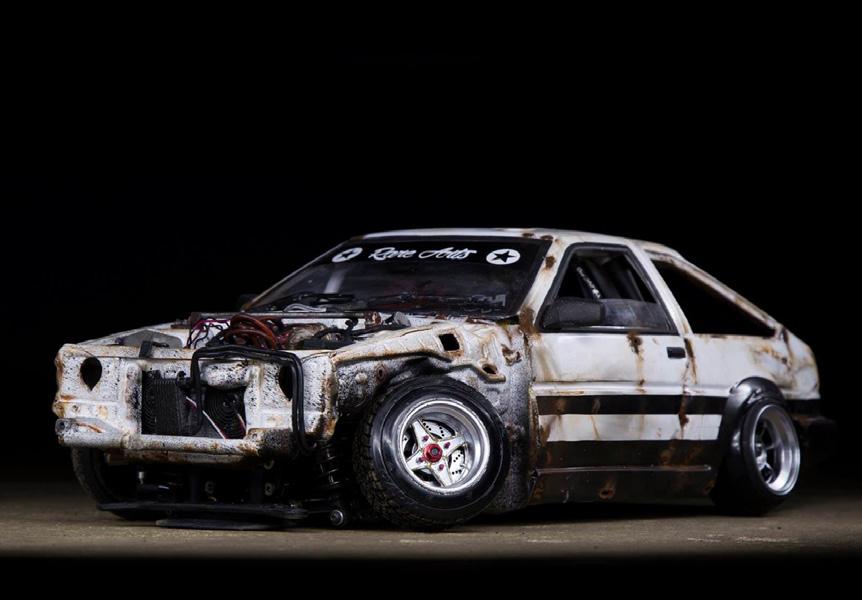
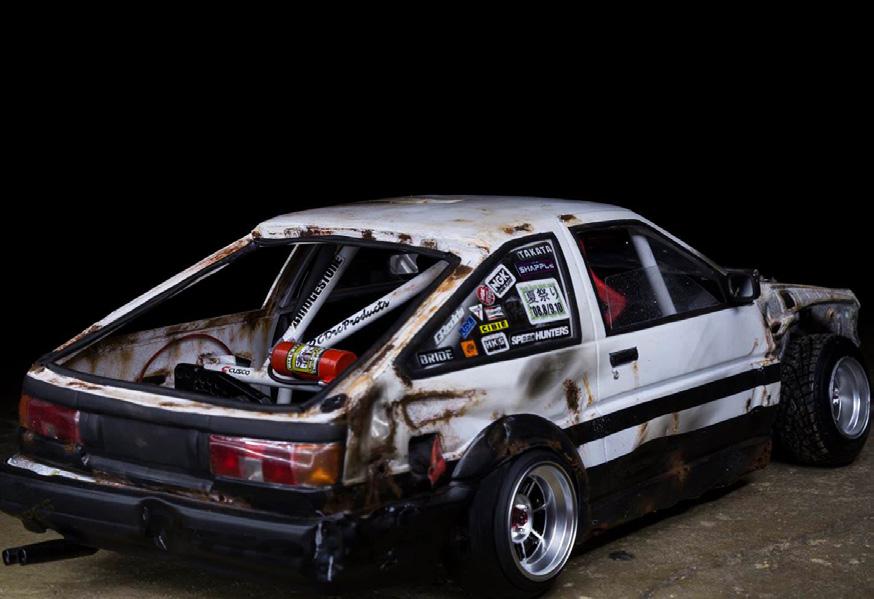
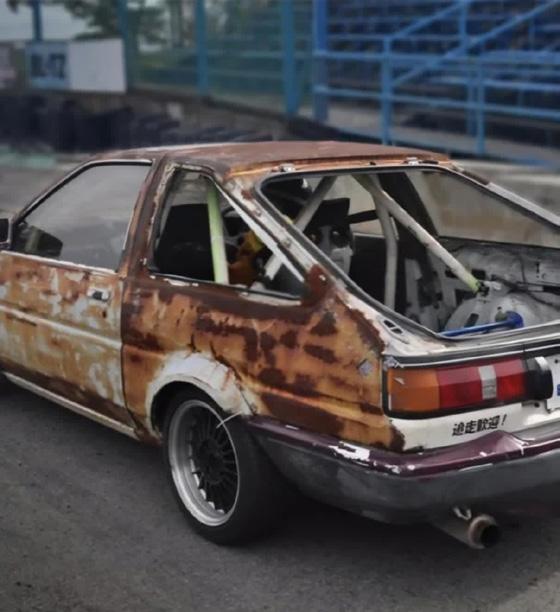
Spencer Stokes commissioned a KE70 wagon build to complement Ryan’s Cresta and Tommy’s SA22 Celica for DARC Matsuri. Although Spencer couldn’t make the event, the trio of Motorfix replicas still showed out. The KE70 was inspired by Nozomu Sakai’s iconic rusted build, but with a personal twist—channeling that full rust-bucket exterior with an immaculate engine bay underneath.
ARTIST: Matt Youkhana
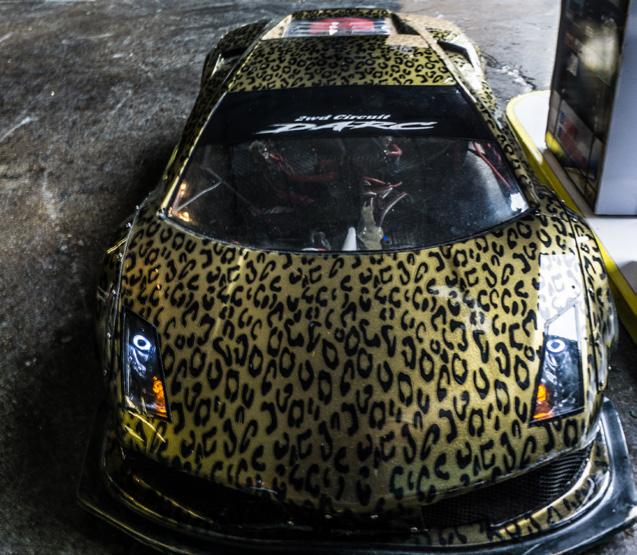
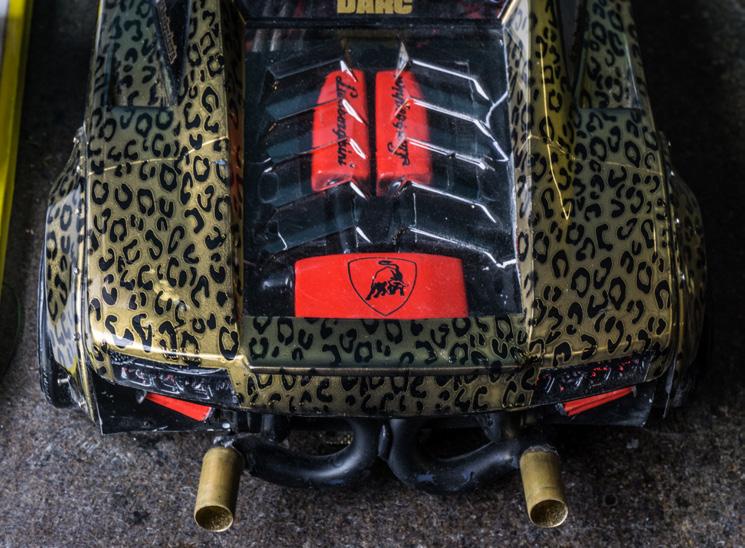
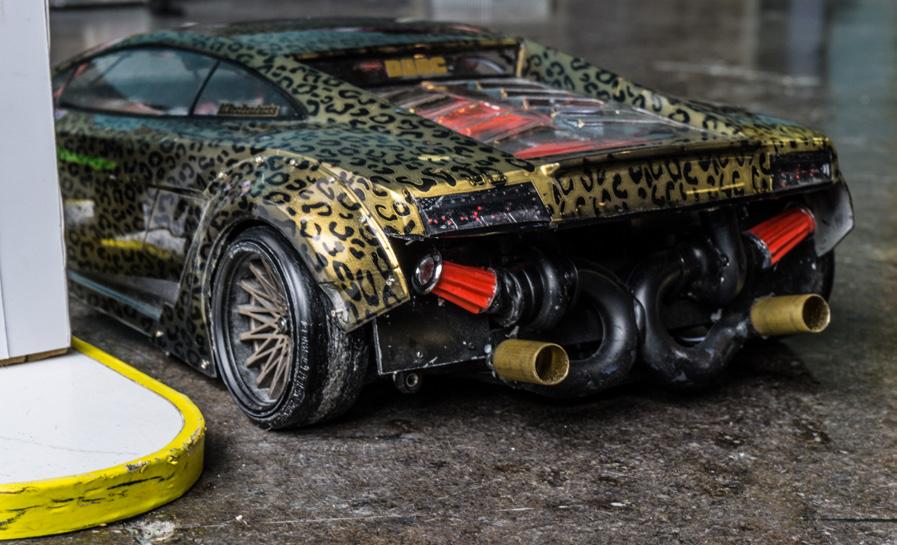
Leopard Lambo - This is a Matrixline leopard print Lamborghini Gallardo, inspired by the Lamborghini gangs of Japan. The leopard spots were made from a vinyl mask (made by OCD RC Products) then sprayed with pearl gold and backed in black. Engine bay is made from full styrene.
ARTIST: Stephen Platt
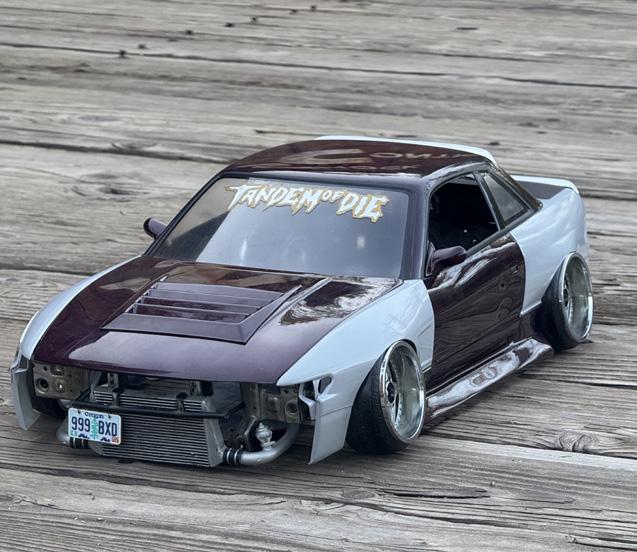
Tandem or Die - What inspired artist Mike Peezee to take on this build was the raw, authentic style of the real cars—slammed, gritty, and driven hard. These drivers lived the drift life, and while others in the RC scene made basic Tandem of Die replicas with matching paint or wheels, that wasn’t enough for Mike. He chased full accuracy: body kits, dents, inner cores, everything. Using a Dlike S13 and Pandora inner set, the build became a total experiment. With feedback from Justin Shreeve himself, it debuted at FD Irwindale 2014—and quickly became iconic.
ARTIST: Michael Pereyra aka Mike Peezee
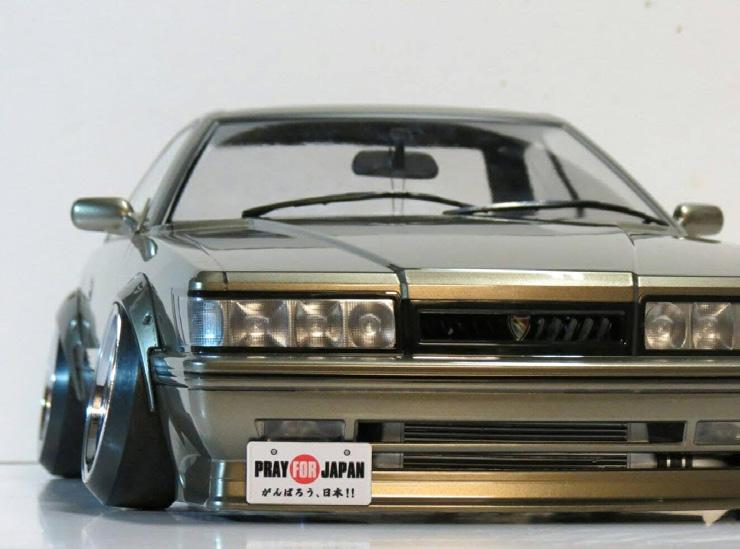
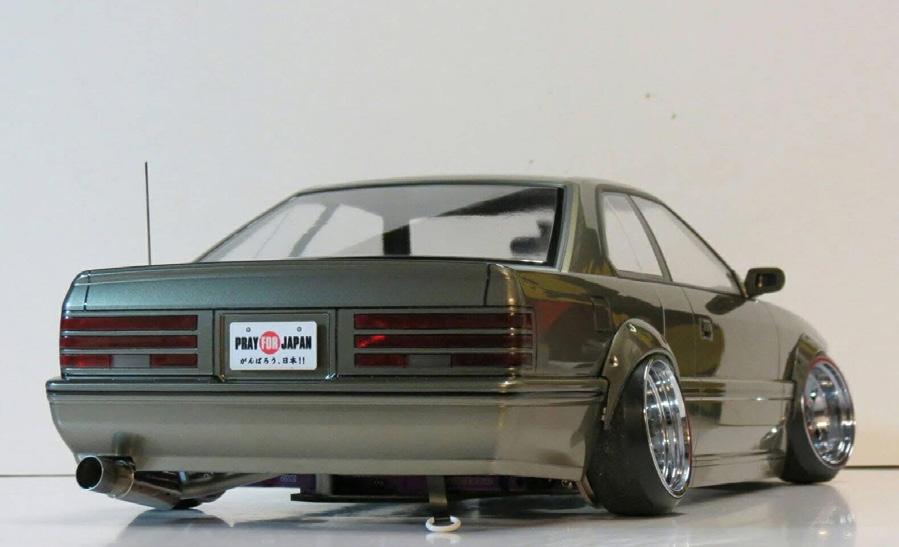
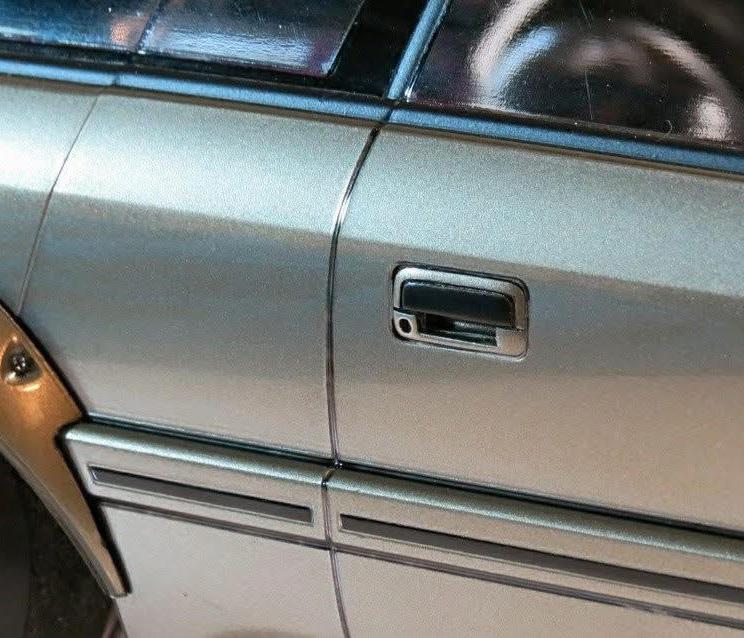
ABC Hobby Nissan Leopard - In 2016, a few builders and I decided to have a friendly build comp, and to use a body that we felt didn’t look that great, but to test our skills to make it look desirable. While we all have different styles, I went with a something that I felt fit the body as far as the exterior. A custom color mix, handmade styrene door handles, front upper grille, antenna, rear view mirrors, and some custom fitted speed way pal flares did the job.
ARTIST: Michael Pereyra aka Mike Peezee
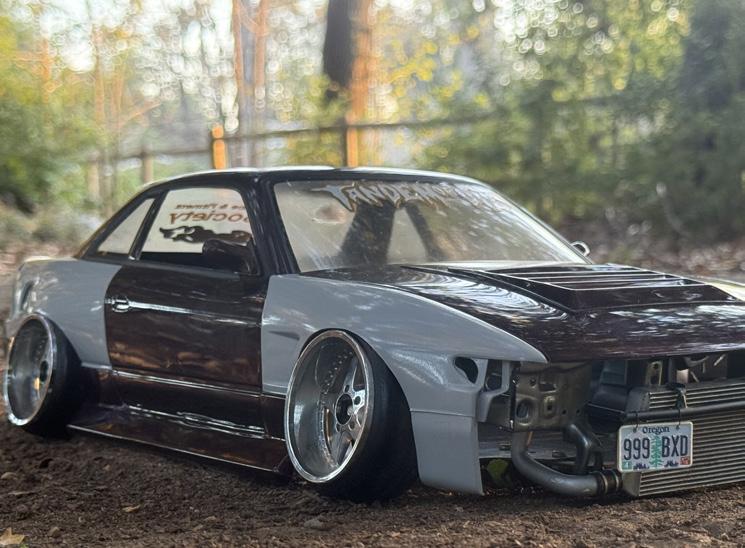
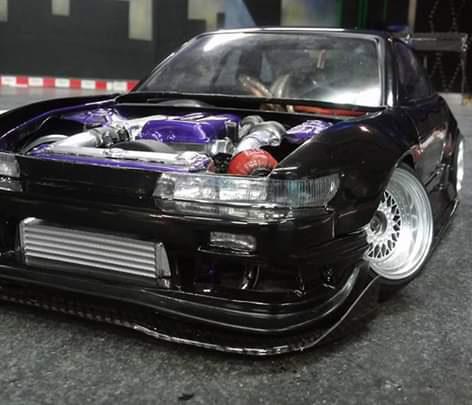
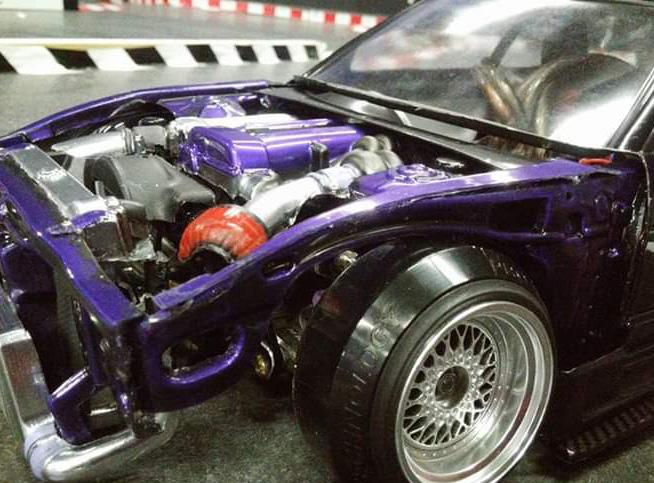
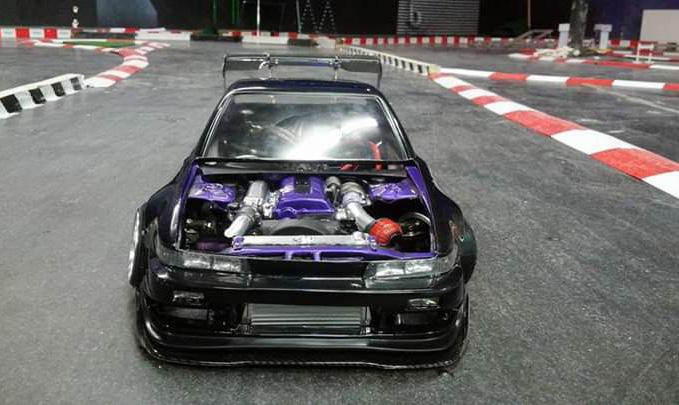
Stephen’s S13 - This is the Pandora S13 with the old Origin Labs body kit on it. It has the Pandora Inner fender set and SR 20 engine bay. It also has the Pandora under-panel set with side steps and rear diffuser, which is no longer available.
ARTIST: Stephen Platt
The Rare Arts 86 Corolla - Mostly, every single shell I build is Pandora RC. The Ebisu missile build for Rare Arts used the pandora inner fender set and engine bay but I built the brake lines and stuff for it from scratch. Roll cage from scratch. Interior from scratch besides the dash.
ARTIST: Matt Youkhana
NEW [END OF MAY] RELEASE
RPM-D2115RB
RPM-D2115RBL
RPM-D2115RP
RPM-D2115RR
RPM-D2135RB
RPM-D2135RBL
RPM-D2135RP
RPM-D2135RR
RPM-D2155RB
RPM-D2155RBL
RPM-D2155RP
RPM-D2155RR
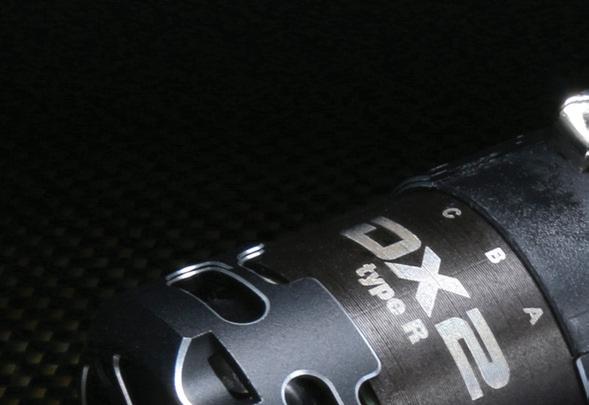
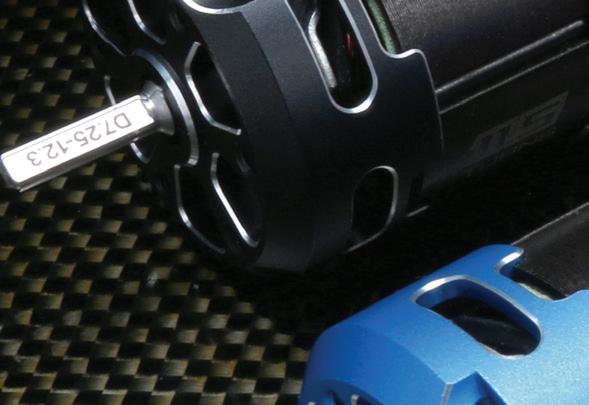
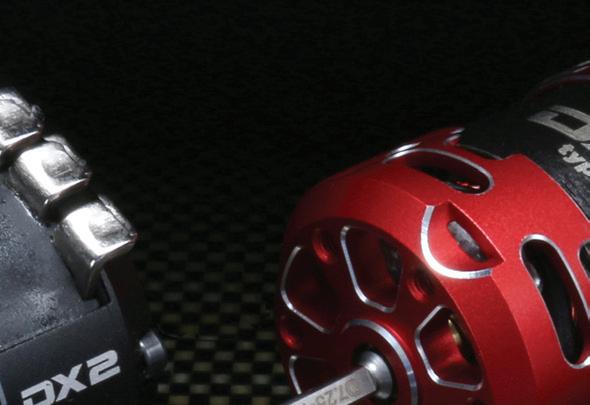
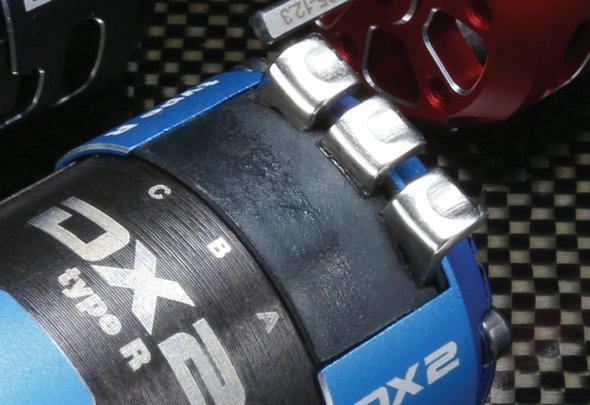
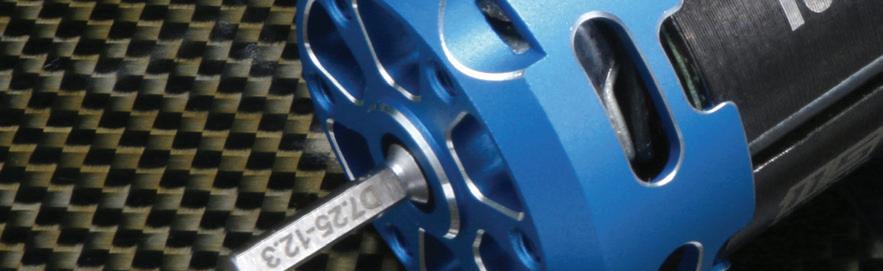
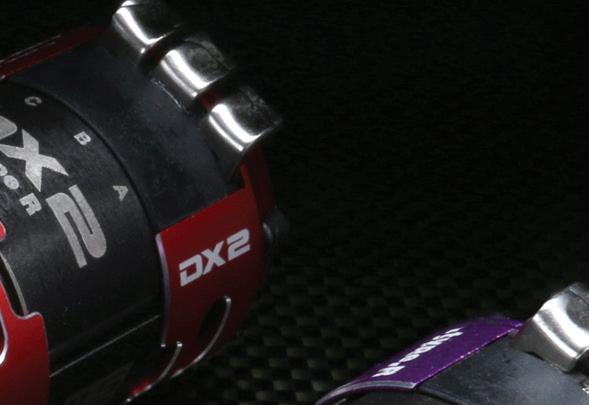
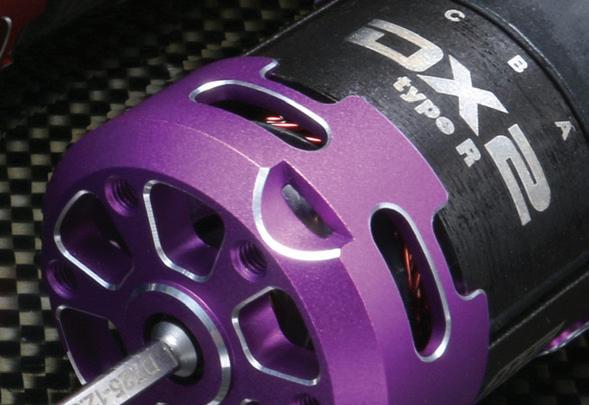
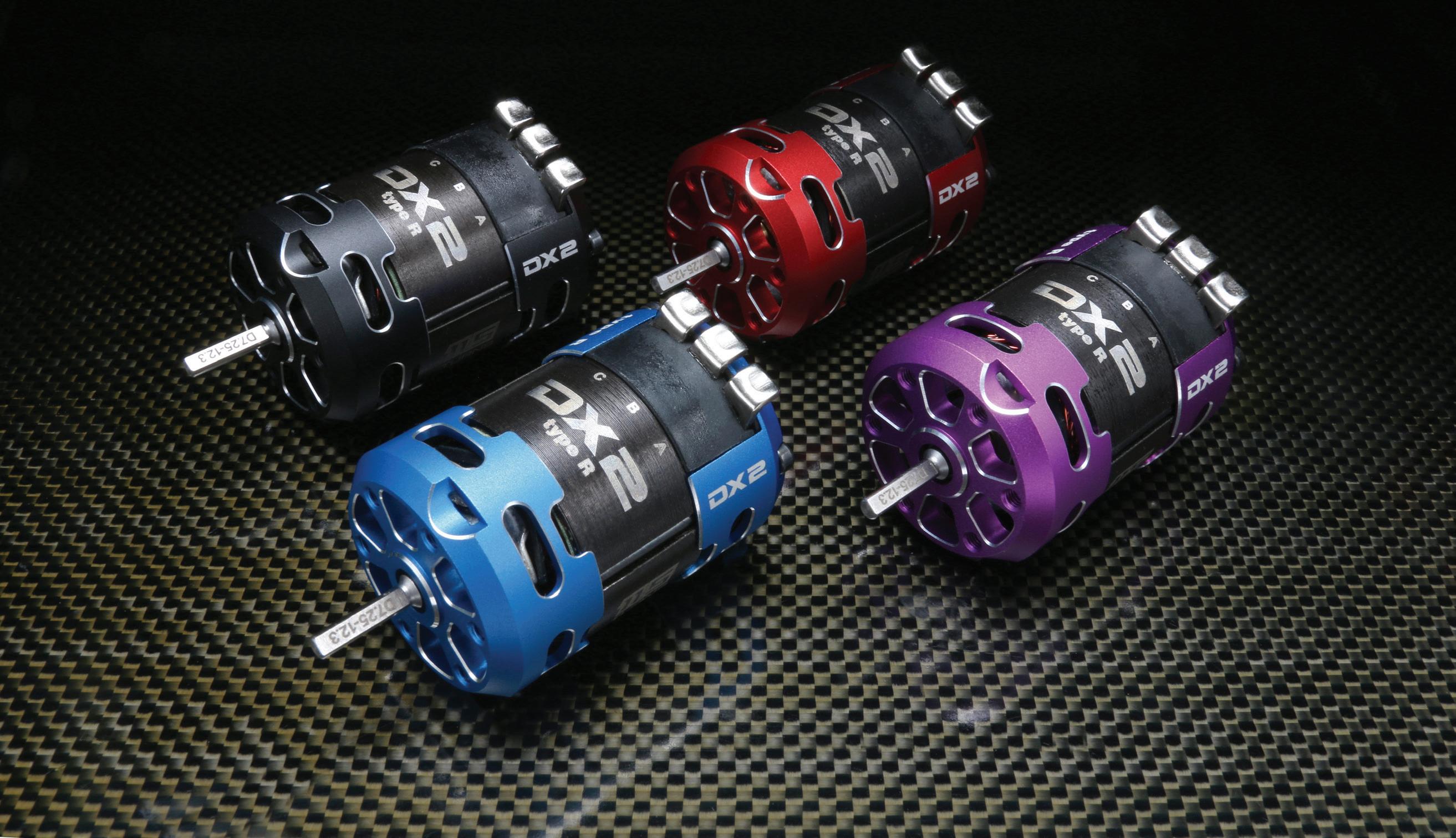
DX2 Type-R Brushless Motor ¥19,000JPY
Available from 11.5T to 15.5T, in BLACK, RED, PURPLE, & BLUE! the successor to the very popular DX1, is now available in an evolved version. It won the WTDC in Malaysia last year, and its performance is already well documented.
SDR-030 ON SALE NOW!
Super Drift SD3.0 ¥75,000JPY
The newly developed steering system and high rear traction have evolved into a machine with reliable steering control.