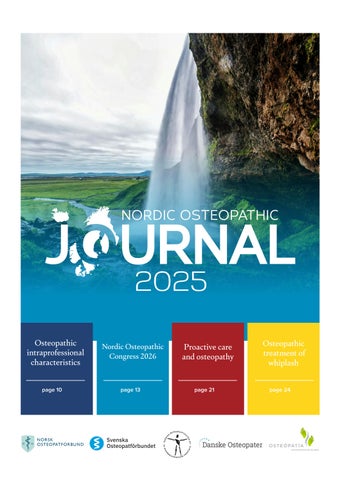
A Relational Analysis of Lateral Ankle Injuries in Healthcare Practitioners’ Narratives
Osteopathic intraprofessional characteristics
Nordic Osteopathic Congress 2026, Gothenburg
Osteopathy’s adjunctive role in chronic respiratory care
Diagnostic Challenges in Gut Health
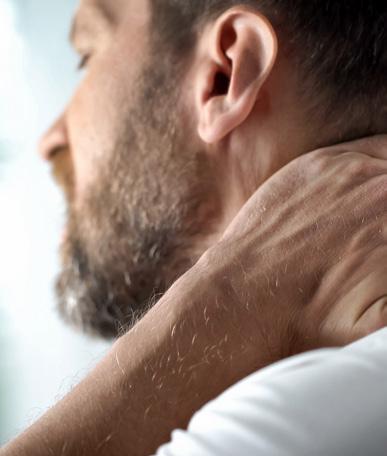
Osteopathic treatment of whiplash Poke into pain?
Microbiota, Obesity, and Type 2 Diabetes
Proactive Care and Osteopathy
Expanding Our Role in Modern Healthcare
Mild Traumatic Brain Injury Diagnosis and guidelines
Words from the editor
Dear readers and Colleagues, We are proud to present this year’s edition of the Nordic Osteopathic Journal. Our goal is to offer a publication that provides both informative and engaging content, and we hope we have succeeded in doing so. Within these pages, you will find a variety of articles that we believe will appeal to your professional interests and curiosity.
Once again, the Nordic Osteopathic Journal represents a collaborative effort between all the Nordic countries, and we would like to extend our sincere thanks to all contributors for their commitment and enthusiasm.
I hope you enjoy reading this issue as much as we enjoyed creating it.
Warm regards,
Ingrid Nicander Osteopath and editor
Nordic Osteopathic Alliance
Viktor Steinn Bonometti
Tomas Collin
President of the Norwegian Osteopathic Association leder@osteopati.org www.osteopati.org
Regulated since: 2022
Number of members: 475 including students
President of the Icelandic Osteopathic Association
viktorbonometti@gmail.com
Regulated since: 2005
Number of members: 20 and a few more pending
Tanja Kakko
Member of the Board of the Finnish Osteopathic Association international@osteopaattiliitto.fi www.osteopaattiliitto.fi
Regulated since: 1994
Number of members: 200 including students
Emmelie Hansen
President of the Swedish Osteopathic Association ordforande@osteopatforbundet.se www.osteopatforbundet.se
Number of members: 247 including students
Hanna Tómasdóttir
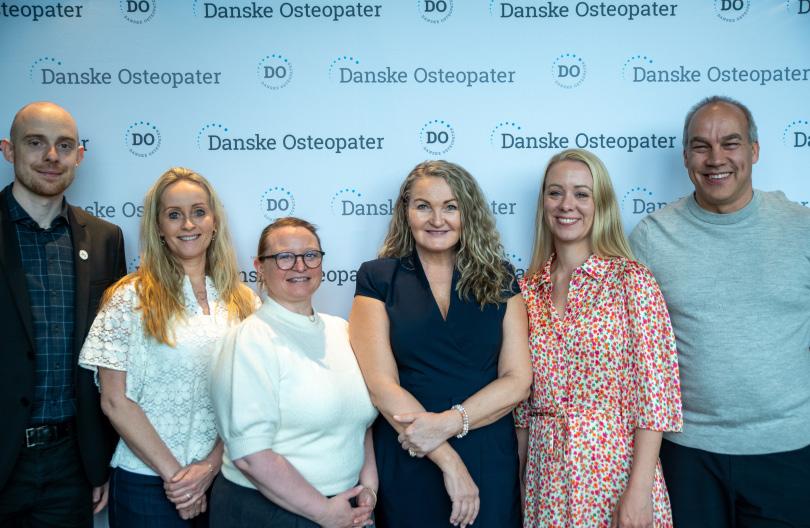
President of the Danish Osteopathic Association hanna@danskeosteopater.dk www.danskeosteopater.dk
Regulated since: 2018
Number of members: 417 including students
Nordic Osteopathic Alliance
Stronger together!
We are committed to creating a sustainable and unified osteopathic profession across the Nordic countries.
Dear colleagues,
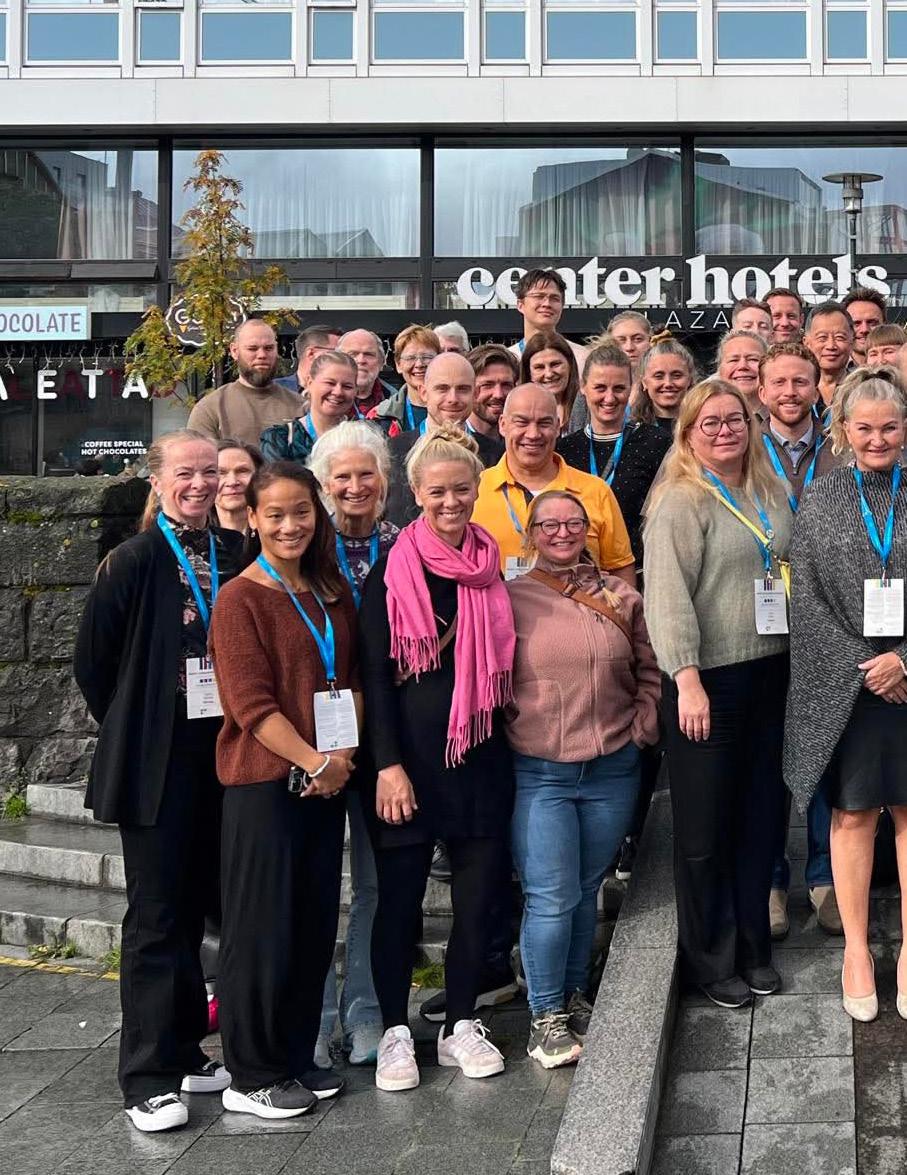
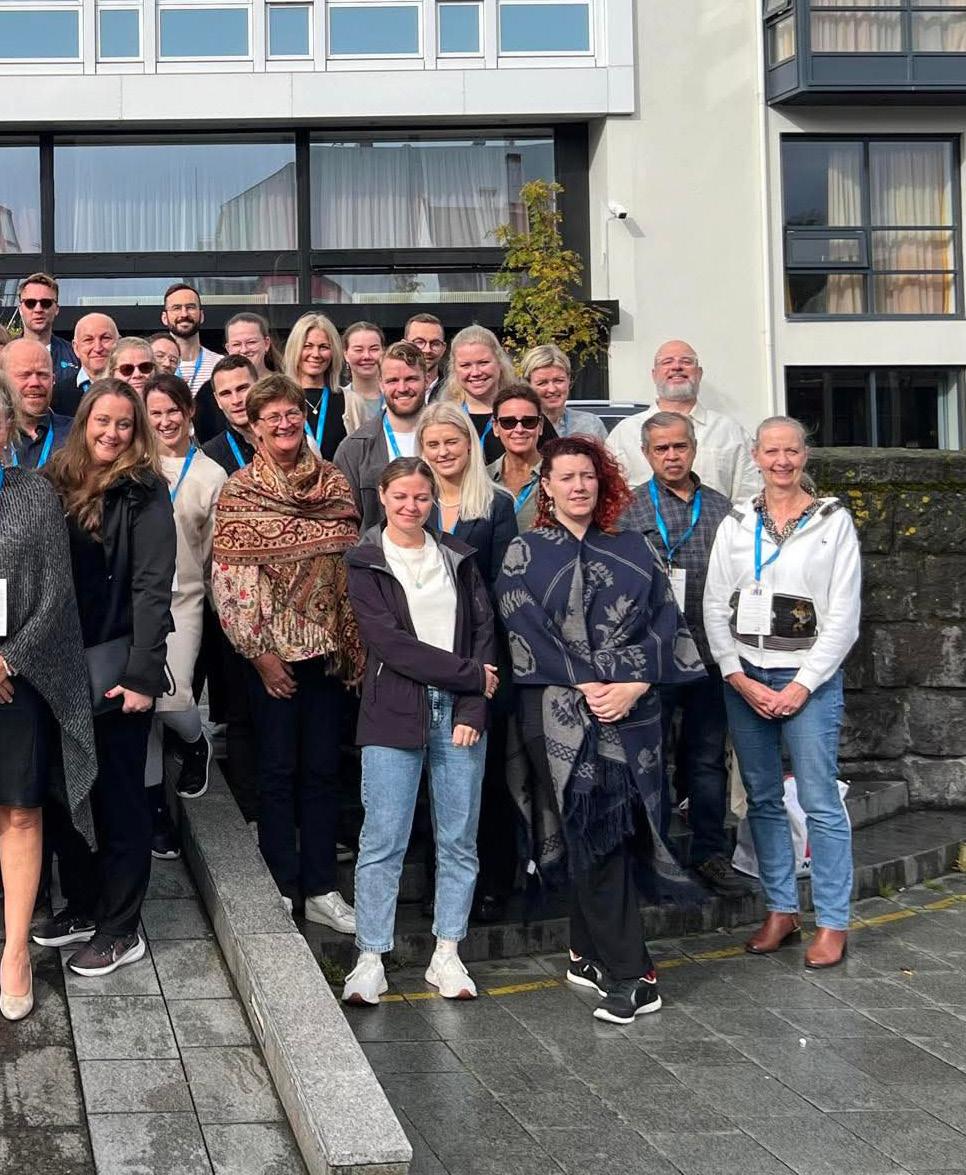
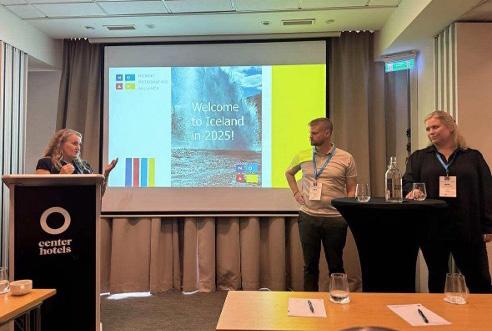
What an experience it was to organise the 6th Nordic Osteopathic Congress in Reykjavik, Iceland.
A great venue centrally located in beautiful Reykjavik, top notch lecturers from the Nordics, Europe and even from down-under (Australia) delivering topics of great interest and relevance for osteopathic practice, and networking with osteopaths and other healthcare professionals from the Nordics and beyond. And those who managed to allocate some time to explore Iceland, could add amazing views and experiences including diving into spas and pools, in addition to exclusive and exotic dining. To meet and share, discuss and reflect, and just to spend time together are core values for us as human beings and as healthcare professionals. A therapeutic alliance between healthcare professionals and their patients, also benefits from the good quality of spending time together.
This year´s edition of the Nordic Osteopathic Journal is a good example of teamwork and what happens when you allow things to develop over time. We are proud to deliver a journal packed with articles that will help osteopaths and health professionals to reflect and develop their practice. Still, the journal takes pride in being accessible to the broader public and we encourage anyone interested in health to give it a read. We believe in the value of sharing and will continue to deliver the Nordic Osteopathic Journal as open access. You can find and read all editions of the Nordic Osteopathic Journal via our website.
The 7th Nordic Osteopathic Congress will be in Gothenburg, Sweden, 12-13th September 2026. Make sure to save the date and to be ready for a couple of days of networking and professional development, in addition to exploring the wonderful city of Gothenburg. Why not spend a couple of extra days and
explore Liseberg or other great places? The congress is open to osteopaths and other licensed healthcare professionals, from the Nordics and beyond. Stay tuned for updates via our website – registration will open early 2026.
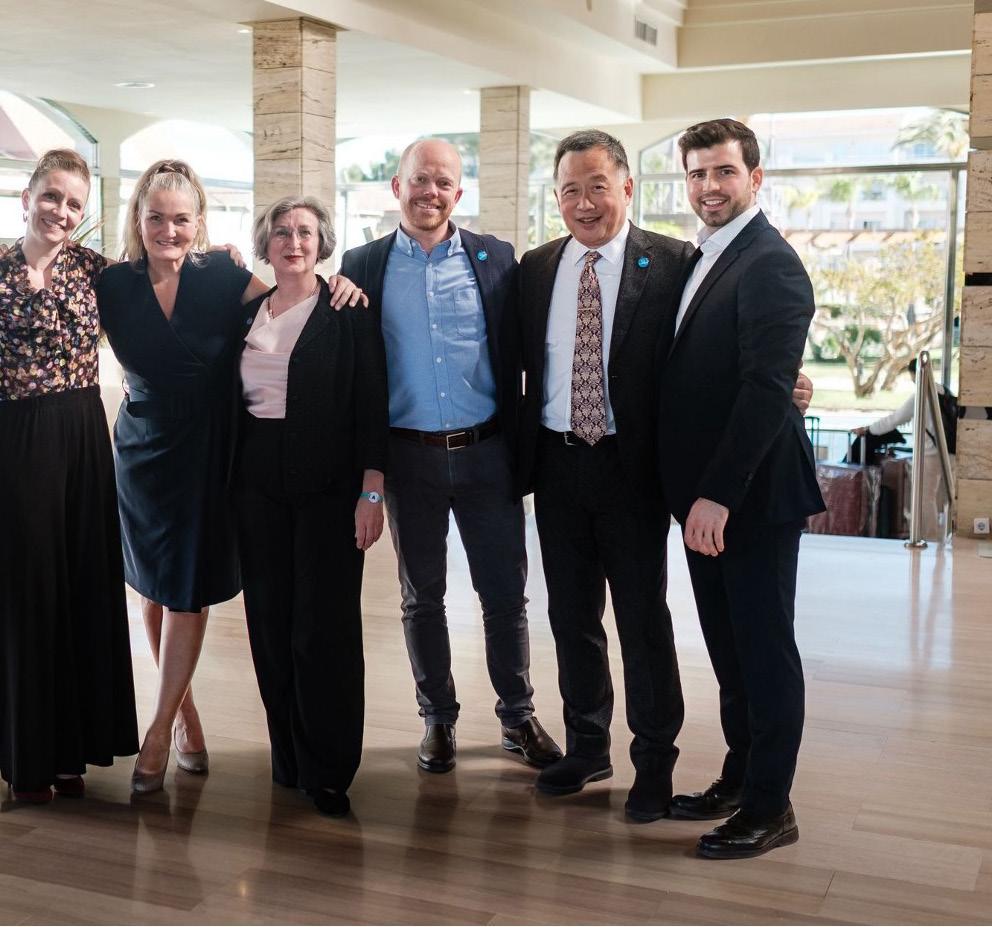
The NOA leaders:
Tanja Kakko, Finland
Emmelie Hansen, Sweden
Hanna Tómasdóttir, Danmark
Tomas Collin, Norway
Viktor Steinn Bonometti, Iceland
Scan the QR-code to visit our website!
nordicosteopathicalliance.org
News and Updates from Osteopathy Europe
Text: Hanna Tómasdóttir
As President of Osteopathy Europe, I am pleased to share an update with our community in the Nordics. Not all of you may be familiar with our organisation, so let me begin with a short introduction.
Who we are
Osteopathy Europe (OE) is the umbrella organisation for osteopathic associations and regulators across Europe. We are an organisation of organisations, and together we represent 23 member countries in Europe, with over 28,000 osteopaths in our community. Our mission is to support our members to gain statutory regulation, and general recognition of osteopathy as a primary contact healthcare profession. Our vision is the universal recognition of osteopathy across all countries in Europe, with harmonised standards and the right to practise across borders.
The Board of OE consists of seven elected members, supported by our Chief Executive. Our work is supported by a close collaboration with our Research, Policy, Education and Appointments Committees, as well as our Communications Task Force. Our organisation is highly member-oriented, and in all Committees there is a broad representation of delegates from across Europe. This flat organisational structure has been developed over the past few years and has proven to strengthen the organisation significantly. We also bring our community together through two annual in-person events: our Spring Conference & General Meeting and the Autumn Conference & General Meeting.
Looking ahead in our leadership
At our Spring Conference & General Meeting in Mallorca in March 2025, the membership approved the introduction of a President-Elect role, in order to
effect an ordered transition from one President to the next. It is therefore my great pleasure to announce that Tomas Collin, President of Norsk Osteopatforbund, has been appointed President-Elect of Osteopathy Europe. Tomas will take over the Presidency when I complete my seven-year mandate in March 2026, at our Spring Conference in Salzburg, Austria.
Our strategy for 2026–2028
Looking forward, the Board has developed a new Strategic Plan for 2026–28, building on the achievements of the current plan. The plan focuses on five key priorities:
• Strengthen alignment – advancing standards, education, and regulation across Europe, with a stronger focus on supporting countries working towards statutory recognition.
• Support and promote best practice –expanding our research agenda with ongoing data collection through Patient Reported Outcome Measures (PROMs), a paediatric HVLA survey, and a Delphi study on Osteopathic Identity. Together, these initiatives will strengthen evidence-informed practice and provide a foundation for the next stage of development.
• Build a stronger, more engaged community – supporting members more closely in their national journeys towards statutory regulation and growing recognition, while also growing our community by welcoming new members and regulators.
• CEN Review 2026–28 – leading the revision of the European Standard for Osteopathy, initially published in 2015 by the Comité Européen de Normalisation, and ensuring it reflects our professions evolution and shared identity.
Hanna Tómasdóttir President Osteopathy Europe
• Engaging interest-holders and strengthening our relationships with international partners, including the OIA, WHO, and educational providers, as well as other relevant organisations within the healthcare sector.
Delivering the strategy
The Research Committee is currently leading two key projects: the international paediatric HVLA mapping study and a Delphi study on Osteopathic Identity. The Delphi study will provide an important foundation for the upcoming CEN review, ensuring that future standards are informed by a shared professional identity which is aligned across Europe.
Our four committees and the Communication Task Force each play a vital role in advancing OE’s agenda, encompassing research, policy, education, appointments, and communication.
The Research Committee’s focus is on dissemination of robust research, and good practice, and where critical and practical, to invest in key evidence gathering that supports the mission of the OE and members. The Policy Committee supports OE’s member organisations in their efforts to achieve statutory regulation and in striving for greater professional recognition.
The Education Committee focuses on strengthening and harmonising standards within osteopathic education, preferably as state-accredited and recognised programmes. The Appointments Committee looks to ensure that those who serve on the OE Board and in key roles have appropriate skills and motivation for these critical positions, as well as helping to advise on matters of good governance. The Communication Task Force enhances our visibility and collective voice, ensuring members and external partners remain engaged and well-informed.
All committees and the Communication Task Force are driven by volunteers from member organisations across Europe, reflecting the diversity and collective strength of our community. Together, these groups provide essential leadership in their domains and are central to delivering on OE’s mission and vision.
Our community
As we reflect on what we have achieved together and the goals we continue to pursue as a strong European community, I would also like to highlight the engagement of the Nordic Associations, all of which are members of OE. The Nordic Osteopathic Alliance (NOA) stands as an inspiring example of extraordinary
leadership and community spirit. I wish the Nordic Osteopathic Alliance – and all of you reading this – the very best for the future from Osteopathy Europe.
I look forward to continuing this important work with all of you as we move towards the next stage of our shared journey.
Warm regards, Hanna Tómasdóttir President, Osteopathy Europe
The Board of Osteopathy Europe
Common Injuries, Different Meanings:
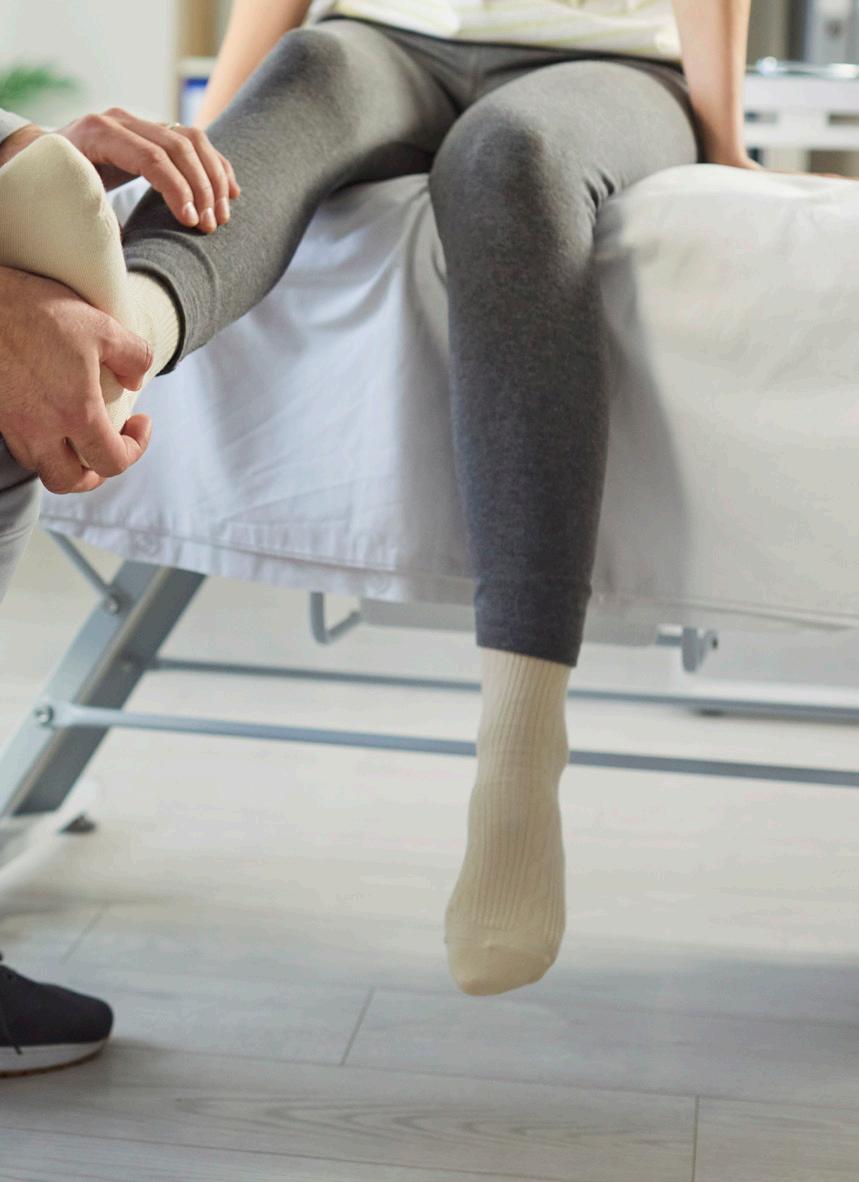
A Relational Analysis of Lateral Ankle Injuries in Healthcare Practitioners’ Narratives
Text: Pontus Dahlström
This master’s thesis explores how lateral ankle injuries (commonly understood as ankle sprains) are articulated, understood, and enacted in clinical treatment and teaching contexts. By analysing the interplay between formalised protocols, professional judgement, and material-semiotic practices, the study demonstrates how an apparently simple injury is rendered complex through its situated enactments.
Background
Lateral ankle injuries are among the most common musculoskeletal injuries worldwide, particularly in sports [1]. Partly because of their prevalence, they are often considered simple, routine injuries that heal quickly. This perception risks obscuring the complexity of their treatment and teaching. Research shows that treatment protocols are frequently based on anecdote and tradition rather than robust scientific evidence2 Consequently, a tension arises between evidence-based medicine (EBM), which prioritises formalised, standardised protocols, and the professional judgements that clinicians make in practice. This tension is heightened by the low hierarchical status of ankle injuries, which often leads them to be deprioritised compared to more serious conditions.
To illuminate this tension, the thesis focuses on two professional groups frequently involved in ankle injury treatment: physiotherapists (a licensed profession in Sweden) and osteopaths (an unlicensed profession in Sweden). Their contrasting statuses and epistemic traditions provide an opportunity to explore how ankle injuries are conceptualised and treated differently across professional contexts. The thesis also addresses teaching practices in sports medicine to understand how simplification in pedagogy may reinforce reductive conceptions of the injury.
Theoretical Framework
The study draws on two central theoretical orientations, first from Annemarie
Mol’s theory of multiple ontologies that stipulate that diseases and injuries are not singular, stable entities but are enacted differently across practices and contexts3. Thus, an ankle injury is not one, but many versions of an injury depending on clinical, pedagogical, and temporal settings. By also drawing on John Law’s material semiotics where social reality is co-constituted by material and semiotic elements4. For instance, artefacts, protocols, and clinical tools have symbolic meanings that shape practices, by inducing a sense of security to patients when artefacts are meticulously applied.
This approach enables an analysis of how formalisation and judgement are mediated through material practices, such as taping, acronyms (PRICE, POLICE, PEACE & LOVE), or rehabilitative exercises. The acronyms represent formalised procedures, each letter stands for a specific step, prescribing a sequence of events that the treatment is expected to follow. These frameworks foreground the relational and dynamic constitution of injuries and highlight how knowledge is produced in the interplay of protocols, practitioners, patients, and material artefacts. Formalisation is the structuring of treatment through standardised protocols or acronyms, aiming to reduce arbitrariness and increase transparency5. Judgement becomes here the situated evaluations and adaptations that practitioners make in response to individual patients and contexts. Judgement often reintroduces variability, highlighting the limits of rigid formalisation6. Together, these tools allow for an exploration of how protocols are never applied in isolation but are constantly adjusted, reinterpreted, and negotiated in practice.
Methodology
The empirical material consists of seven semi-structured interviews with physiotherapists, osteopaths, and one sports medicine educator. The interviews explored four themes: perceptions of ankle injuries, treatment and teaching practices, the role of professional expe-
rience, and tensions between literature and practice. The interviews were transcribed and analysed using thematic analysis, with inspiration from abductive approaches7. Codes and themes were developed iteratively, highlighting both convergence and divergence across participants’ accounts.
Results
The analysis identifies several interconnected themes that reveal how lateral ankle injuries are made more complex than their reputation as simple conditions suggests. Although protocols such as PRICE, POLICE, and PEACE & LOVE are commonly used by the informants, they are not rigidly applied. Instead, practitioners constantly adapt them to the temporal stage of the injury, whether acute or rehabilitative, and to the needs of individual patients. This interplay between formalisation and judgement illustrates the dynamic character of treatment. Among the in-
formants, professional approaches also diverge. Physiotherapists, as licensed practitioners, presumes to rely more heavily on formalised guidelines and the discourse of evidence-based medicine, while osteopaths emphasise holistic and individualised methods. Yet despite these differences, both groups adjust formalised tools through professional judgement, which underscores the inevitability of variation across clinical practice3
Another recurring theme is the centrality of trust. Trust can be understood as
something created through relational practices such as clear communication, manual treatment, and even through the use of artefacts like tape. These interactions show that healing is never purely biomedical; it is also relational and symbolic4, shaped by the confidence and reassurance established between practitioner and patient. The informants describe how ankle injuries frequently are described in teaching contexts in simplified ways, reinforcing the perception of them as routine and straightforward. Such pedagogical simplifications help the practitioners to grasp core ideas, while the practitioners grasp the core ideas they also recognise that simplifications often downplay complexities such as pain variability, long-term consequences, and competing treatment logics8. While practitioners and teachers seem to recognise the usefulness of simplification for didactic purposes, they also acknowledge the risk of obscuring the injury’s multiplicity. Finally, the study
highlights gaps between literature and practice. Evidence supporting treatment protocols is often weak, anecdotal, or inconsistent, particularly for injuries like ankle sprains that are assigned relatively low status within medicine2. As a result, the informants sometimes privilege clinical experience and tacit knowledge over formalised evidence, while also critiquing acronyms for being overly context-dependent and simplified.
Clinical Implications
Drawing on the notion previously made, it becomes plausible to understand that this arbitrary lateral ankle injury is enacted through relations with artefacts and human actors in certain situated practices, which demonstrates the performative nature of this injury. Lateral ankle injury is just an example of a much broader theme, a theme where different epistemic traditions arise while managing lateral ankle injuries (standardisation and professional judgment). And these different epistemic traditions can further be seen as representations of the even broader ideals of EBM and person-centred care.
The epistemic ideals of EBM and person-centred care, which also can be argued for representing different views of knowledge production, are not passive models awaiting enactment - but rather performative ideals that regularly depend on certain conditions to be sustained in practices post-treatment. This insight can elucidate how to understand the dynamics of care encounters, and how to describe and maintain evidence-based practices. Trust emerges here as a relational effect, continuously enacted within the material and semiotic practices that constitute clinical realities3-4. It may be presumed that trust precedes the practices in which it is enacted, however, trust is rather dependent on normative frameworks and hierarchical relations in order to either be renegotiated or dissolved. Trust is therefore neither a static or a singular phenomenon, but given through relational enactments.
Ontological politics3 explicate that EBM and person-centred care is a result of priorities and choices that creates the conditions for what a lateral ankle injury is allowed to be in clinical and teaching situations. Standardisation, which is theoretically associated with uniformity and rigidity, stands in contrast to person-centred care, which emphasises variation and individualisation. When either approach is being idealised in isolation, it risks obscuring the dynamic relationships that are essential for understanding how trust is constituted within healthcare. I argue that recognising the ontological politics at play is essential for the continued development
References:
[1] Peterson, L & Renström, P. (2017) Skador inom idrotten: Prevention, behandling och rehabilitering. Fjärde uppl. Columbus Förlag.
[2] Bleakley, C.M., O’Connor, S.R., Tully, M.A., Rocke, L.G., MacAuley, D.C., Bradbury, I., Keegan, S & McDonough, S.M. (2010). Effect of accelerated rehabilitation on function after ankle sprain: Randomised Controlled Trial. BMJ 340, c1964 :doi:10.1136/bmj.c1964.
[3] Mol, A. (2002). The Body Multiple: Ontology in Medical Practice. Durham, NC: Duke University Press.
[4] Law, J. (2019). Material Semiotics. http://www. heterogeneities.net/publications/Law2019MaterialSemiotics.pdf
[5] Timmermans, S. & Berg, M. (1997). Standardization in Action: Achieving Local Universality through Medical Protocols. Social Studies of Science 27, ss. 273–305. doi: 10.1177/030631297027002003
[6] Porter, T.M. (1995). Trust in numbers: the pursuit of objectivity in science and public life. Princeton: Princeton UP
[7] Braun, V & Clarke, V. (2006). Using thematic analysis in psychology, Qualitative Research in Psychology, 3 (2), ss. 77–101, doi:10.1191/1478088706qp063oa
[8] Berg, M (1996). Practices of Reading and Writing: The Constitutive Role of the Patient Record in Medical Work. Sociology of Health and Illness 18 (4): ss. 499–524. doi:10.1111/1467-9566.ep10939100
of healthcare practices. If the diverse ways in which clinical practices shape realities are reduced to a singular, standardised framework, the complexity, multiplicity and situatedness of healthcare cannot be adequately addressed.
This study can provide practitioners with an alternative perspective on how seemingly trivial clinical conditions, in fact, are embedded within complex web-like structures of relational processes. Rather than understanding clinical conditions as pre-given or self-evident, this study contributes with a nuanced understanding of how the ‘obvious’ unfolds through relational processes and the constitution of trust. In doing so, it challenges taken-for-granted assumptions and advances a more situated and processual view of clinical practice.
Pontus Dahlström
Osteopath D.O MSc Evidence-Basing in Practice & Theory of Science
Osteopathic intraprofessional characteristics
A qualitative study
The different forms of osteopathic profession have been debated for decades. Several studies have described different interpretations of principles, training and how evidence-based medicine should be integrated to osteopathic profession. The tensions are widely acknowledged, but caution should be exercised in interpretation, as the differences may not be as great as commonly assumed. These differences may be a strength of the profession as part of modern healthcare.
Introduction
There are many variances within the osteopathic profession, including, e.g., interpretations of history and principles, identity perceptions, differences in education, and in how evidence-based practice is perceived. Consensus on definition of osteopathy is not defined and historically the definitions have been changing.1 Old tenets are not always thought as complete, but that they have evolved with the times they have been written.2,3 Conceptualisations and definitions show both regional and intra-professional variation.4 Osteopathic identity has been investigated by several authors.5,6,7,8 Educators’ attitudes towards osteopathic principles vary in a large scale.9 Tensions were described to be between traditional methods and evidence-based practice, which seemed not to be totally compatible with one another.10 This is consistent with article written by Phillips (2022)6, which discussed the difficulties combining evidence-based practice and the prioritisation of osteopathic principles. These examples are just a few osteopaths are discussing within the profession. Professions’ self-reflection is vital for it to develop, and this master’s thesis wanted to shed even more light to how osteopaths perceive their own profession and some of its variations.
Method
Thesis was conducted with qualitative method with phenomenographic approach. Participants were recruited with
an online form which was sent to different national associations. Osteopaths who the author know personally were also contacted directly. Osteopaths with >5 years of experience practicing in Europe and in other non-US context were included. Osteopaths unable to express themselves in English, and those practicing in Sweden were excluded. Results were analysed with inductive content analysis.
Results History
Some of the participants described osteopathy as something better than other health care during the time osteopathy was grounded. Glorification of historic osteopathy is not without some negative implication when mentioned as something that other osteopaths do. Pillars and concepts in historic view are seen problematic since interpretation of them is not straightforward. Division between “old” and “new” osteopaths could be somewhat artificial, since the consensus drawn from interview data is that history should be remembered. Data seems to point towards that differences within the profession are because of osteopaths’ perception if the
historical aspects of the original ideas should be implemented in the present or not.
History is a valuable tool to remember where osteopaths come from but that’s all it is. I don’t think history should be directing where osteopaths are going. (Participant 3)
Description and principles
None of the participants could answer the question what osteopathy is and several of them indicated that the question was difficult to answer. Participants stated that common definition would make it easier for all the actors: patients, osteopaths, and to the health care context.
Participants pointed out that osteopathy is not just an approach or principle. It is not enough to treat just with one approach, but the combination of tools and approaches used to treat every aspect of the patient is seen as essential. Osteopathy is thought to be more than just techniques, and the outcome for the patient is perceived as something that describes the essence of osteopathy better than the means that are used to get there.
Text: Anu Maria Kallio
“osteopathy can be used for a variety of conditions, not everything should be treated”
I would not go defining osteopathy by with its techniques. (Participant 3)
Patient’s perspective was mentioned from different angles, and it seemed to be more common to refer to what patients get from osteopathy when trying to define what osteopathy is. Holistic perspective is also seen as an important aspect on what osteopathy is.
Choice and perception of principles seem to be at least partly about preference. Some osteopaths might be better in one of the three approaches, cranial, visceral or structural, which makes them more prone to choose one of them. Some mentioned that feeling is guiding how the treatment is conducted, there is nothing predetermined, but the osteopath-patient relationship is guiding which approach is chosen for the treatment.
Patient safety was important to all participants. Several participants mentioned that there are limitations to osteopathy and even though osteopathy can be used for a variety of conditions, not everything should be treated.
It is very important to know my limits.
(Participant 6)
Diversity
Interview data showed that diversity is both seen as an opportunity and as a threat when as the same time some of the participants point out that there might not be that big of a diversity after all. Participants mentioned that when there is diversity it is easier to adapt to patient and to different contexts.
It is about getting a good match between patient and osteopath. We should embrace that diversity or broadness of our scope.
(Participant 2)
Diversity among the profession was recognised by all the participants. Participants pointed out that the division seen in social media platforms and other discussion forums might not be as universal as it might seem. Platforms might be creating the tensions, since the interaction is not happening face to face. One participant mentioned the tensions are often created by the same persons. The big mass of osteopaths is not conflict seeking but it may seem that way because the loud ones are taking place.
Regulation
Several participants mentioned that regulation may be seen as a constraint since it might dictate which kind of osteopathy is allowed to be practiced, but the negative aspects were mostly described as perceived by other osteopaths, not the participants themselves. Standards and rules are generally seen as something positive to patient safety since there is a governing organ which takes care of the profession’s quality. Regulation is seen mostly as a guarantee of patient safety, and all the participants agreed on that patient safety is fundamental. Standards were also perceived as something that helps osteopathy as a profession to get more unified and as something that helps to guide the profession. There is a hope that osteopathy will be seen as a whole with all its parts and pillars. How these standards should be developed is not clear.
Education and evidence
According to interview data, education is seen as an important part of osteopathy’s future on both how osteopathy will turn out to be and how osteopathy can evolve in the modern health care context. Education was mentioned by the
participants as one of the main reasons inducing diversity and differences within the profession.
We are sensors shaped by our education.
(Participant 1)
According to participants, osteopathic education institutions are directing which kind of osteopathy is taught and the perception is that osteopathy which is taught varies sometimes significantly between institutions even within the same country. Participants described that osteopathic education might also be given in course format, which means, according to participants, that students do not get the whole picture of osteopathy. This aspect, which is described as a threat by several participants, could add in the division described by the participants.
Impressions of evidence were not part of the interview questions, but several participants mentioned aspects of evidence in osteopathic profession. Several participants stated that osteopathy is hard to describe with scientific methods. There are a lot of factors when two people meet, and these factors are hard to reproduce with quantitative research methods which were mentioned as the “better evidence”. Greater appreciation of qualitative research could affect osteopaths’ attitude towards evidence, since many of the participants mentioned difficulties while measuring effects of osteopathic treatment with quantitative methods. Qualitative methods were mentioned by participants as a suitable research method for osteopathy.
Development
Some participants pointed out that development could be seen as a threat. Some participants mentioned that the “devolving” of osteopathy results in that osteopathy is going to be less than before, and that the concept of osteopathy itself is changing and only some pillars of the pillars might perish, which might result that osteopaths are not osteopaths any longer.
Despite this, several participants expressed that development is a necessity for osteopathy to survive and without it osteopathy could potentially get obsolete in modern context. According to several participants, stagnation in historic principles do not function in modern health care.
Osteopathy is a little bit stuck. Osteopathy is not modern enough anymore, we are using principles from one hundred years ago, we need to try to find a modern way to treat.
(Participant 4)
Despite this, according to interview data, history could be used as a reminder, not something that should be erased.
References:
1. Gimpel, John R., Belanger, Susan I., Knebl, Janice A., Labaere, Richard J., Shaffer, Dana C., Shannon, Stephen C., Shears, Toni, Steingard, Scott A., Turner, Melissa D. & Williams, Daniel G. 2020. 2019 united states osteopathic medical regulatory summit: Consensus, recommendations, and next steps in defining osteopathic distinctiveness. Journal of the American Osteopathic Association. American Osteopathic Association, 120(1), 35–44. <https://pubmed.ncbi.nlm.nih. gov/31904773/>. DOI: 10.7556/JAOA.2020.005,.
2. Evans, David W. 2013. Osteopathic principles: More harm than good? International Journal of Osteopathic Medicine. Elsevier, 16(1), 46–53. DOI: 10.1016/J. IJOSM.2012.08.006.
3. Stark, Jane Eliza 2013. An historical perspective on principles of osteopathy. International Journal of Osteopathic Medicine. 16(1), 3–10. DOI: 10.1016/j. ijosm.2012.10.001.
4. Wagner, Constanze & van Dun, Patrick 2010. Exploring European osteopathic identity: An analysis of the professional websites of European osteopathic organizations. International Journal of Osteopathic Medicine. 13(3), 129. DOI: 10.1016/j.ijosm.2010.07.029.
5. L’Hermite, Pierre Luc 2024. The double facets of osteopathy’s identity. International Journal of Osteopathic Medicine. Elsevier, 52, 100715. <https:// www-sciencedirect-com.ezproxy.metropolia.fi/science/ article/pii/S1746068924000087>. DOI: 10.1016/J. IJOSM.2024.100715.
Other professions
Osteopathy was seen as an addition for other health care professions with shared goals and means. Other health care professions are generally not seen as a threat, but as different compared to osteopathy according to participants. Differences were not seen as something undesirable, but as something that brings broadness to health care. Osteopathy could, and should, be integrated to health care systems as its own profession.
Conclusion
Diversity among osteopaths is widely described by participants. Patient safety and variety of different treatment modalities are important, and patient is described to have a vital role in definition of what osteopathy is. According to participants, variety is inevitable, and it should be embraced. Tensions are a common part of the profession, and these tensions seem to be amplified when persons are not talking to each other. This suggests that the osteopathic profession is not as divided as it might seem. Evidence is perceived differently in the profession, which might affect the perception how regulation and evidence-based practice is integrated with osteopathy, but the general perception of evidence seems to be seen as positive.
These findings support previous findings made by other authors and they add nuance to the discussion. More information of the solutions to the division would be appreciated, specifically
6. Clarkson, Holly J. & Thomson, Oliver P. 2017. ‘Sometimes I don’t feel like an osteopath at all’- a qualitative study of final year osteopathy students’ professional identities. International Journal of Osteopathic Medicine. 26, 18–27. <https://linkinghub.elsevier.com/ retrieve/pii/S1746068917300986>. DOI: 10.1016/j. ijosm.2017.09.001.
7. Phillips, Amanda R. 2022. Professional identity in osteopathy: A scoping review of peer-reviewed primary osteopathic research. International Journal of Osteopathic Medicine. 45, 25–37. DOI: 10.1016/j. ijosm.2022.06.005.
8. Grace, Sandra, Fleischmann, Michael & Vaughan, Brett 2021. “If you don’t use or understand visceral osteopathy you’re not a real osteopath”: Professional identity in Australian osteopathy through the lens of a single traditional technique. EXPLORE. 17(6), 535–540. DOI: 10.1016/j.explore.2020.07.001.
9. Kasiri-Martino, Hannah & Bright, Philip 2016. Osteopathic educators’ attitudes towards osteopathic principles and their application in clinical practice: A qualitative inquiry. Manual Therapy. Churchill Livingstone, 21, 233–240. DOI: 10.1016/J.MATH.2015.09.003.
10. MacMillan, Andrew, Gauthier, Patrick, Alberto, Luciane, Gaunt, Arabella, Ives, Rachel, Williams, Chris & Draper-Rodi, Dr Jerry 2023. The extent and quality of evidence for osteopathic education: A scoping review. International Journal of Osteopathic Medicine. Elsevier, 49, 100663. DOI: 10.1016/J.IJOSM.2023.100663.
when variance is commonly seen as a strength. Evidence-based practice is an important part of the modern health care system, and integration of evidence-based treatment modalities are vital in the development of osteopathy. Education system might play a part in this since knowledge of research methods could increase understanding of evidence, as well as the number of osteopathic researchers. This could support osteopathy as a profession in ambition to unify and develop in a meaningful way as a part of modern health care context.
Anu Maria Kallio Osteopath in Sweden M.Hc. from Metropolia University of Applied Sciences.
Her thesis ‘Osteopathic intraprofessional characteristics’ can be read here:
NOC2026 GOTHENBURG
12.-13. SEPTEMBER
Venue:
Quality Hotel Waterfront
Adolf Edensvärds Gata 10, 41451, Göteborg
Gothenburg, Sweden
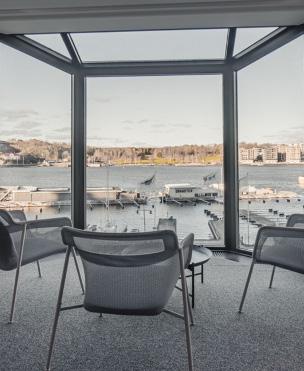
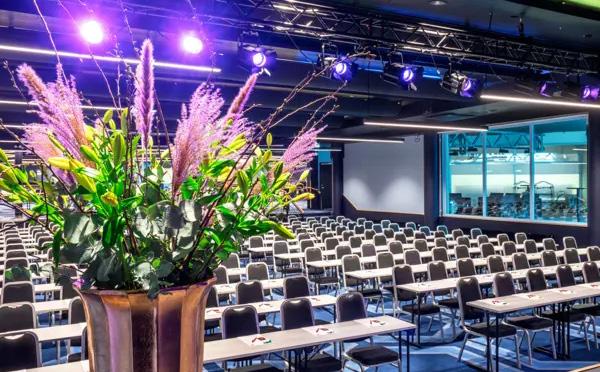
Beautifully located where the city meets the ocean, Waterfront Hotel will be the location for the Nordic Osteopathic Congress 2026. The congress room offers 200 square meters with a view of Göte River.
• Conference lunch including table water, salad, bread, and coffee/tea.
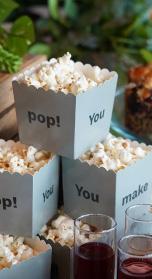
• This also includes coffee/tea, popcorn, and soft-serve ice cream!
12-13th September 2026 Read more about the congress and stay tuned for more information.
Osteopathy’s adjunctive role in chronic respiratory care
A personal perspective
Text: Johan Suhonen
Introduction
Interest in conservative, non pharmacologic support for respiratory conditions is growing, and osteopathic care has long addressed the mechanics of breathing—rib cage mobility, diaphragmatic function, and circulation—as an adjunct to standard treatment1. Historical reports from the 1918 influenza pandemic describe osteopaths’ involvement in respiratory care, though these accounts are observational and hence cannot establish systematic efficacy2 In Finland (2023), approximately 1 in 5 adults lived with a diagnosed pulmonary disease or reported intermittent dyspnea, according to The Organization for Respiratory Health in Finland3. This burden underscores the value of non invasive, mobility focused care integrated within multidisciplinary management of respiratory conditions.
What
is COPD?
Chronic obstructive pulmonary disease (COPD) is a long term lung disease which often encompasses emphysema and chronic bronchitis. COPD mainly affects the lungs but also has other downstream effects on the musculoskeletal system and mental health. COPD is marked by breathlessness, chronic cough, wheeze, and periodic phases of worsening. It develops due to airway inflammation and lung damage; with the major risk factors including tobacco smoke, exposure to other forms of smoke, ambient air pollution, workplace related exposures, such as fine dust from agriculture, and in some cases COPD is caused by a rare alpha 1 antitrypsin deficiency. As populations age, chronic respiratory diseases are on the rise, and COPD is now one of the leading causes of death worldwide. The diagnosis is best confirmed by spirometry, while COPD isn’t curable, symptoms can be managed by smoking cessation, reducing pollution exposure, vaccination, using inhaled bronchodilators (with or without steroids), pulmonary rehabilitation, and oxygen when needed.4
A recent systematic review pooling 162 population based studies from 65 countries estimated that, by Global Initiative
for Chronic Obstructive Lung Disease (GOLD) criteria, COPD affected about 10.3% of adults aged 30–79 years— around 392 million people—and 7.6% by the lower limit of normal (LLN) definition—about 292 million. Most people with COPD live in low and middle income countries, although prevalence is slightly higher in high income countries, likely reflecting older age structures.5 The total number of people living with COPD is estimated to rise to 600 million worldwide and from 36,5 million to almost 50 million by 2050 in Europe6,7 In Finland the annual cost of COPD to society are estimated to be around 100 million euros and is expected to rise by 60% by 20308. COPD is also one of the leading causes of disability adjusted life years (DALYs) and causes approximately 74.4 million DALYs in 2019.9,10
My path into the topic I came to this topic, respiratory health, by chance while translating an article into Finnish. The piece—a single case report on idiopathic pulmonary fibrosis— described improvement after osteopathic manipulative treatment (OMT). This
sparked my interest and led me to more deeply explore the literature, around the physiology and anatomy of breathing11 From 2023 to 2025 I focused on my bachelor’s thesis regarding the possibilities of osteopathy in regards to COPD, emphasizing health related quality of life (HRQoL). HRQoL shows how a disease affects daily physical, psychological, and social functioning12. As I searched for information on treating breathing problems with OMT, I was surprised to find there were no osteopathic clinics in Finland tailored specifically to respiratory complaints, despite multiple other specialized clinics existing (e.g. women, children, athletes).
What my review found (and why breathing mechanics matter)
In an integrative literature review I conducted on osteopathic care for COPD (bachelor’s thesis, Metropolia University of Applied Science’s, 2024) I found signs of short term benefit when OMT was used as an adjunct to standard care: patients reported both less breathlessness and improved health
status on validated, disease specific questionnaires. Some studies showed longer 6 minute walk distances and greater chest wall expansion. Several patients described immediate subjective ease of breathing after muscle energy techniques (MET). Effects on spirometry results were inconsistent, and adverse events were generally mild (transient muscle soreness). Notably, in mild COPD, long term added benefits on exercise capacity and quality of life were not evident. Taken together, these findings support OMT as a potential adjunct to guideline directed care, while highlighting the need for larger, well controlled trials.12
Breathing sits at the intersection of movement, posture, sleep, and mental well being. When mechanics are restricted, patients may feel it beyond oxygen exchange. This is where osteopathy’s systems based approach may contribute: by improving chest wall mobility, supporting diaphragmatic function, and reducing subjective feelings of dyspnea. OMT as an adjunct may hence reduce symptom burden in chronic respiratory disease. Emerging studies suggest potential benefits for comfort and improved daily function when OMT is used as an adjunct to other treatments, but unfortunately, high quality evidence remains limited.12
Learning, collaboration, and closing thoughts
References:
1. Short-term effect of osteopathic manual techniques (OMT) on respiratory function in healthy individualsStępnik J, Kędra A, Czaprowski D (2020) Short-term effect of osteopathic manual techniques (OMT) on respiratory function in healthy individuals. PLOS ONE 15(6): e0235308. https://doi.org/10.1371/journal. pone.0235308
2. Baroni F, Mancini D, Tuscano SC, Scarlata S, Lunghi C, Cerritelli F, Haxton J. Osteopathic manipulative treatment and the Spanish flu: a historical literature review. J Osteopath Med. (2021) Feb 1;121(2):181–190. doi: 10.1515/jom-2020-0112. PMID: 33567081.
4. World Health Organization (2024). Chronic obstructive pulmonary disease (COPD). https://www.who.int/ news-room/fact-sheets/detail/chronic-obstructive-pulmonary-disease-(copd)
5. Adeloye, Davies et al. (2022) Global, regional, and national prevalence of, and risk factors for, chronic obstructive pulmonary disease (COPD) in 2019: a systematic review and modelling analysis. The Lancet Respiratory Medicine, Volume 10, Issue 5, 447 – 458.
6. Boers E, Barrett M, Su JG, Benjafield AV, Sinha S, Kaye L, Zar HJ, Vuong V, Tellez D, Gondalia R, Rice MB, Nunez CM, Wedzicha JA, Malhotra A. Global Burden of Chronic Obstructive Pulmonary Disease Through 2050. JAMA Netw Open. 2023 Dec 1;6(12): e2346598. doi: 10.1001/jamanetworkopen.2023.46598. PMID: 38060225; PMCID: PMC10704283.
7. Adam Benjafield, Daniela Tellez , Meredith Barrett. An estimate of the European prevalence of COPD in 2050. European Respiratory Journal (2021) 58(suppl 65): OA2866; DOI: https://doi.org/10.1183/13993003. congress-2021.OA2866
8. Herse, F., Kiljander, T. & Lehtimäki, L. Annual costs of chronic obstructive pulmonary disease in Finland during 1996–2006 and a prediction model for 2007–2030. npj Prim Care Resp Med 25, 15015 (2015). https://doi.org/10.1038/npjpcrm.2015.15
9. Safiri, S., Carson-Chahhoud, K., Noori, M., Nejadghaderi, S. A., Sullman, M. J. M., Ahmadian Heris, J., Ansarin, K., Mansournia, M. A., Collins, G. S., Kolahi, A. A., & Kaufman, J. S. (2022). Burden of chronic obstructive pulmonary disease and its attributable risk factors in 204 countries and territories, 1990-2019: results from the Global Burden of Disease Study 2019. BMJ (Clinical research ed.), 378, e069679. https://doi. org/10.1136/bmj-2021-069679
10. World Health Organization. Global Health Estimates: Life expectancy and leading causes of death and disability in 2021. https://www.who.int/data/gho/ data/themes/mortality-and-global-health-estimates
11. Suhonen, J. 2024. Osteopatian mahdollisuudet COPD:n hoidossa: integroiva kirjallisuuskatsaus. https://urn.fi/URN:NBN:fi:amk-2024121837065
12. Goyal M, Goyal K, Narkeesh K, Samuel AJ, Arumugam N, Chatterjee S, Sharma S. Efficacy of Osteopathic Manipulative Treatment Approach in the Patient with Pulmonary Fibrosis in Critical Care Outpatient Department. Indian J Crit Care Med. (2017) Jul;21(7):469-472. doi: 10.4103/0972-5229.210648. PMID: 28808371; PMCID: PMC5538099.
A few months after my graduation I attended the Nordic Osteopathic Congress in Iceland and met Dr. Roger Engel, whose studies informed my thesis. We had several valuable conversations about breathing and COPD. The congress also offered a rare chance to connect with osteopaths from across the Nordic countries and to share insights on osteopathy around various topics. AS research expands, careful integration of OMT with established respiratory care may help improve daily function and comfort for people living with all sorts of breathing difficulties. In conclusion a routine translation task unexpectedly led to a project that ended up completely reshaping my clinical focus as an osteopath. It is worth embracing unexpected opportunities—you never know where they might lead you.
Disclosure: The author of this article is also the author of the bachelor’s thesis cited in this article.
Johan Suhonen
Sport Advisor / Personal Trainer - Kuortane Olympic Training Center (2018)
Osteopath - Metropolia University of Applied Sciences (2025)
Microbiota, Obesity, and Type 2 Diabetes
The connection between microbiota, diet, and health is a fascinating field, with a wealth of new information and knowledge emerging in recent years. We now know more about the importance of microbiota than we did a few years ago and its impact on our health. Microbiota refers to the community of various bacteria, viruses, fungi, and other microorganisms that naturally reside in the gut1
It plays a crucial role in digestion by releasing energy from food and enhancing nutrient absorption. Additionally, it serves as an important barrier against disease-causing microorganisms, contributes to the breakdown of toxic substances, and is vital for the development and function of the immune system. Microbiota is most abundant in the lower part of the small intestine and the large intestine2. There is constant communication between the gut and the brain through hormones and other signaling molecules. Recent research shows that diet influences microbiota, which in turn affects everything from digestion to mental health. We know that prebiotics and probiotics support a healthy microbiota. Prebiotics are food for bacteria, such as fiber-rich foods, while probiotics are beneficial bacteria found in fermented foods like yogurt, kefir and sauerkraut3. These can help restore balance in the microbiota and potentially reduce the risk of insulin resistance and weight gain.
Recent studies have shown that microbiota varies significantly between individuals, meaning that a “one-sizefits-all” diet is not always effective4. For example, some people may respond better to a high-fiber diet than others, depending on their existing gut bacteria. Research on personalized nutrition based on microbiota analysis (microbiome testing) is growing5
A healthy microbiota is characterized by a high diversity of bacteria and strong resilience to external influences, quickly returning to its original state6. A risk of
significant disruption is that the microbiota may not return to its natural state, potentially leading to permanent dysbiosis (microbial imbalance) in the bacterial composition and function7
Several factors can negatively affect microbiota, such as illness, stress, changes in diet, and antibiotic use8
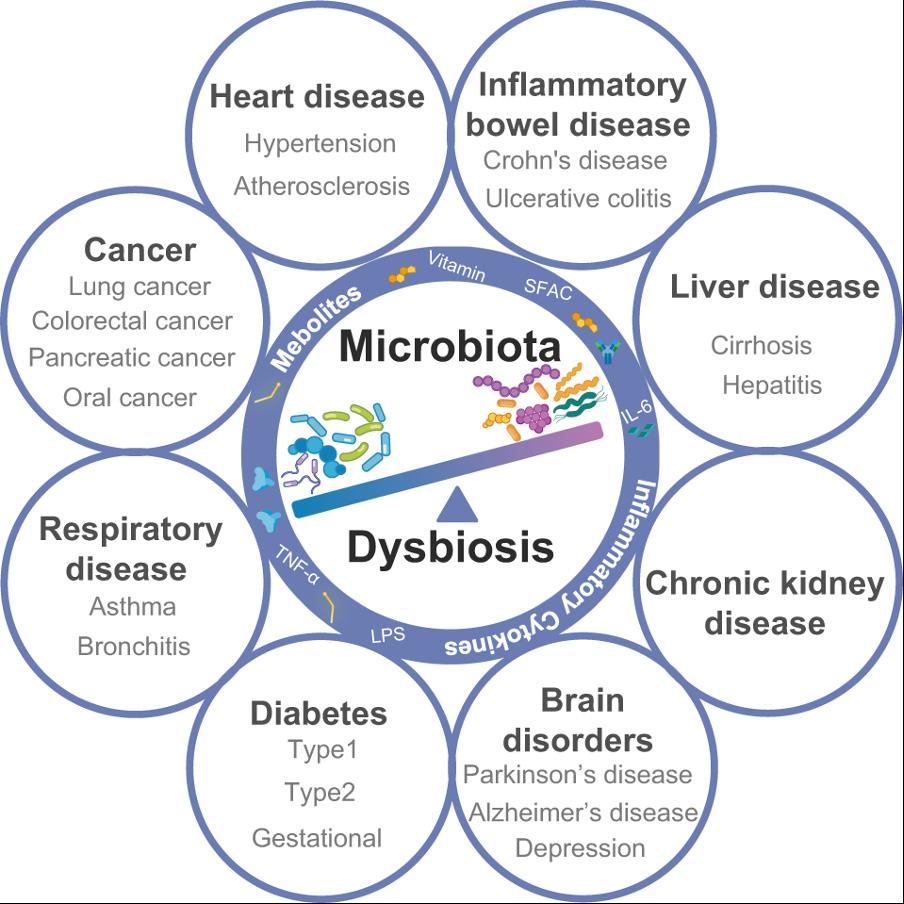
The composition of microbiota also varies across different parts of the world, influenced by factors like genetics, diet, culture, and lifestyle. Dysbiosis occurs when the gut’s composition is disrupted. Such an imbalanced microbiota can lead to low-grade inflammation in the body, which may promote fat storage and insulin resistance9. Dysbiosis has
been linked to several conditions, including allergies, cardiovascular diseases, type 2 diabetes, and inflammatory bowel diseases (e.g., ulcerative colitis and Crohn’s disease)10. The microbiota is also associated with psychiatric disorders such as anxiety, depression, schizophrenia, and autism spectrum disorders1. Further research is still needed to fully understand these connections. [8]
This text explores the potential connection between microbiota and the risk of developing obesity and type 2 diabetes.
Obesity and overweight are characterized by an excess of body fat and body
Text: Ida Olaussen Bryn
mass index (BMI). A BMI between 25 and 30 is defined as overweight, while a BMI above 30 is classified as obesity11 This is a widespread issue in today’s society, and several metabolic diseases, such as cardiovascular diseases and type 2 diabetes, are linked to obesity. Recent studies have observed a connection between less diverse microbiota and obesity, making microbiota an important environmental factor that can contribute to increased fat storage. Most studies so far have been conducted on germ-free mice. It has been observed that transplanting microbiota from obese mice and humans to germfree mice led to increased fat tissue storage in the germ-free mice compared to those receiving gut flora from lean mice and humans6.
Type 2 diabetes is a condition caused by reduced insulin production and decreased insulin effectiveness in the body’s cells (insulin resistance)12. This results in the patient requiring more insulin than the body can provide13. In patients with type 2 diabetes, similarities in microbiota have been observed, and it is believed that these similarities may affect insulin sensitivity. Specifically, these patients tend to have high levels of Lactobacillus and low levels of Roseburia, two types of gut bacteria that are beneficial for gut health14
In other studies where microbiota from lean individuals was transplanted into people with metabolic syndrome, the patients showed improved insulin sensitivity and higher levels of Roseburia and other butyrate-producing microbes in their microbiota. This supports the indication that these bacteria are important for regulating insulin sensitivity15.
Gram-positive bacteria (a classification of bacteria) are also associated with improved insulin sensitivity. This was
demonstrated in patients with lower insulin sensitivity (metabolic syndrome) who were treated with vancomycin, an antibiotic that primarily targets gram-positive bacteria. These patients experienced even poorer insulin sensitivity and lower levels of secondary bile acids in their plasma after treatment6 This discovery has prompted further investigation into the potential use of gram-positive bacteria and secondary bile acids in treating patients with reduced insulin sensitivity14
There is substantial evidence that microbiota plays a critical role in digestion. As mentioned earlier, it also serves as an important barrier against disease-causing microorganisms and is essential for the development and function of the immune system.
The Western diet contains several components that weaken the diversity and function of microbiota, which has been linked to obesity. Nutritional components such as probiotics and prebiotics have a beneficial effect on the diversity and health of microbiota. There is currently extensive research on whether the composition of microbiota can play a role in treating obesity and insulin sensitivity. Research indicates that microbiota can influence hunger regulation, satiety, nutrient absorption, inflammation, and fat storage. While these findings cannot be directly applied to humans,
References:
1. Otterholt, E. Tarmflora. 2022 15.11.2023; Available from: https://sml.snl.no/tarmflora.
2. Huttenhower, C., et al., Structure, function and diversity of the healthy human microbiome. Nature, 2012. 486(7402): p. 207-214.
3. Perler, B.K., E.S. Friedman, and G.D. Wu, The role of the gut microbiota in the relationship between diet and human health. Annual review of physiology, 2023. 85(1): p. 449-468.
4. Mathers, J.C., Paving the way to better population health through personalised nutrition. EFSA journal, 2019. 17(1): p. e170713-n/a.
5. Vandeputte, D., Personalized Nutrition Through The Gut Microbiota: Current Insights And Future Perspectives. Nutr Rev, 2020. 78(Supplement_3): p. 66-74.
6. Wu, H., V. Tremaroli, and F. Bäckhed, Linking Microbiota to Human Diseases: A Systems Biology Perspective. Trends in endocrinology and metabolism, 2015. 26(12): p. 758-770.
7. Redondo-Useros, N., et al., Microbiota and Lifestyle: A Special Focus on Diet. Nutrients, 2020. 12(6): p. 1776.
8. Hou, K., et al., Microbiota in health and diseases. Signal Transduction and Targeted Therapy, 2022. 7(1): p. 135.
they help us understand some of the connections between microbiota and metabolism. Research on microbiota is still in its early stages, and cause-and-effect relationships are not always clearly established. For example, it remains unclear whether changes in microbiota are a cause or a consequence of obesity and type 2 diabetes. Therefore, more human-based research is needed moving forward to apply this knowledge to humans and potentially use it in the treatment of various diseases.
Osteopathy looks at the body as a whole, and your gut plays a big role in your overall health. New research tools, like metagenomics (which studies your gut bacteria without needing to grow them in a lab)15 and artificial intelligence, can give a clearer picture of what’s happening inside your digestive system. In the future, this could mean more personalized treatments, combining osteopathic care with advice that supports a healthier gut and, in turn, a healthier body.
Ida Olaussen Bryn Osteopath, Physiotherapist, MSc Health Sciences
9. Juul, F.E., et al., Tarmflora og tarmsykdom–en edruelig formaning. Tidsskrift for Den norske legeforening, 2023.
10. Illiano, P., R. Brambilla, and C. Parolini, The mutual interplay of gut microbiota, diet and human disease. The FEBS Journal, 2020. 287(5): p. 833855.
11. Meyer, H.E.B., Holden Ingunn. Overvekt og fedme i Norge. 2023; Available from: https://www. fhi.no/he/folkehelserapporten/ikke-smittsomme/ overvekt-og-fedme/?term=.
12. Iatcu, C.O., A. Steen, and M. Covasa, Gut microbiota and complications of type-2 diabetes. Nutrients, 2021. 14(1): p. 166.
13. Hamjane, N., et al., Gut microbiota dysbiosis-associated obesity and its involvement in cardiovascular diseases and type 2 diabetes. A systematic review. Microvascular Research, 2024. 151: p. 104601.
14. Yu, Y., W. Wang, and F. Zhang, The next generation fecal microbiota transplantation: to transplant bacteria or virome. Advanced Science, 2023. 10(35): p. 2301097.
15. Kim, N., et al., Genome-resolved metagenomics: a game changer for microbiome medicine. Experimental & Molecular Medicine, 2024. 56(7): p. 1501-1512.
Diagnostic Challenges in Gut Health
– Osteopathy and the Role of Breath Testing
Text: Jakob Bjerring Langkjær
Introduction
This article addresses the challenges of diagnosing gut related disorders and the role of breath testing in this context. It is based on a master’s thesis, Diagnostic Approaches for SIBO: A Scoping Review on Breath Testing15, completed at Metropolia University of Applied Sciences.
The scoping review systematically analysed ten studies published between 2004 and 2024, comparing non-invasive breath testing with the traditional gold standard, jejunal aspirate culture. The findings showed that hydrogen and methane breath tests are the most widely used, while hydrogen sulfide testing is emerging but still insufficiently validated. Glucose-based tests generally provide higher specificity, whereas lactulose-based tests show greater sensitivity. However, major methodological variation in substrates, dosages, test duration, sampling intervals, and diagnostic thresholds reduces overall accuracy and hinders comparability across studies. The review described breath testing as a less invasive, more cost-effective, and more practical method than jejunal aspiration, while also emphasising the need for international standardisation to improve its clinical reliability.
Gut related diseases a widespread challenge
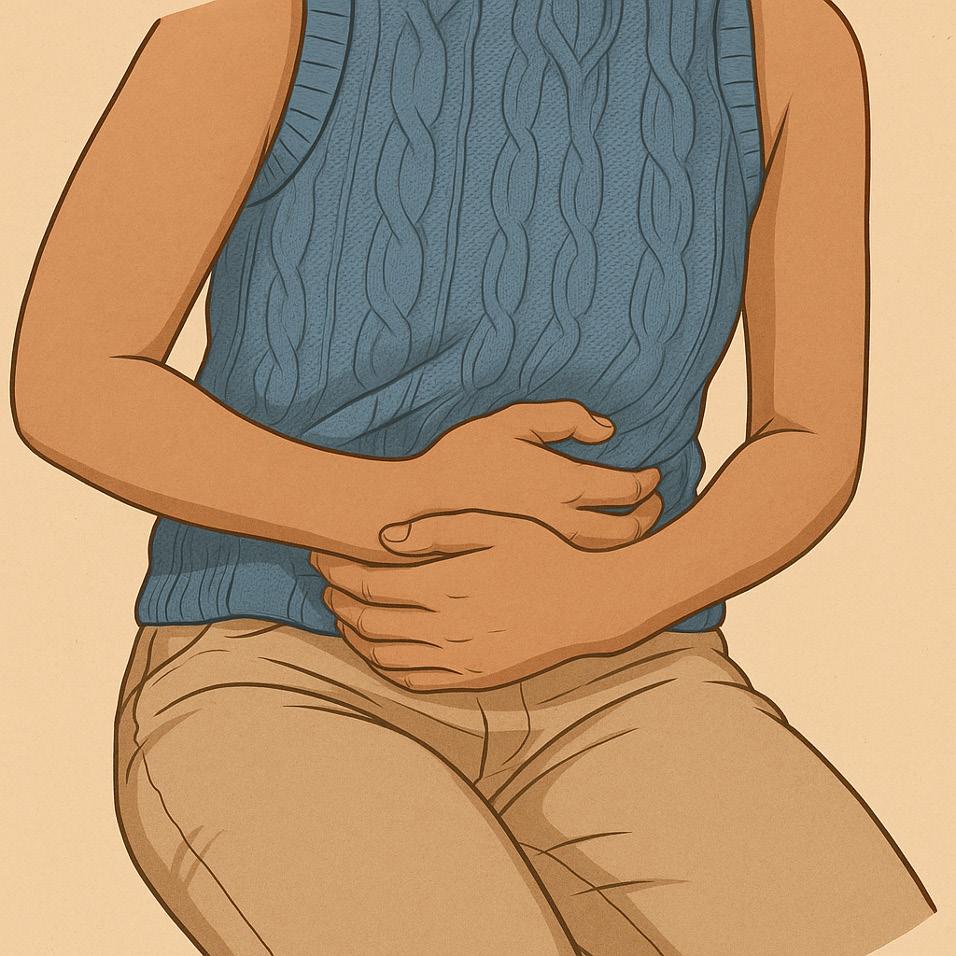
Functional and inflammatory bowel diseases affect close to one million people in Denmark, and the prevalence is rising across the Nordic countries1,2. Conditions such as irritable bowel syndrome (IBS), chronic diarrhoea, gastroesophageal reflux disease (GERD), Crohn’s disease and ulcerative colitis represent a major health burden. The societal cost in Denmark alone is estimated at around 8 billion DKK annually3 Despite the high prevalence, diagnosis is often delayed or uncertain4. Symptoms such as bloating, abdominal pain, altered bowel habits, reflux, and fatigue are unspecific and may be underestimated or normalised by patients
themselves5,6. Many people experience stigma and frustration when seeking care, which highlights the need for improved diagnostic strategies and early support6
Emerging evidence suggests that alterations in the gut microbiota may play a central role in many of these gastrointestinal disorders. One condition that has gained increasing attention is Small Intestinal Bacterial Overgrowth (SIBO) a state where excessive bacteria accumulate in the small intestine. SIBO has been linked to symptoms such as bloating, abdominal discomfort, and altered bowel habits, and may coexist with or mimic disorders like IBS and inflammatory bowel diseases7
Small intestinal bacterial overgrowth (SIBO)
SIBO is increasingly recognised as a condition that can mimic or aggravate IBS and other functional gut disorders 7,8. It occurs when excessive numbers of bacteria colonise the small intestine, leading to fermentation of carbohydrates and production of gases such as hydrogen, methane, and hydrogen sulfide9
Dysfunction of the ileocecal valve, which normally prevents backflow of colonic contents into the small intestine, may further exacerbate SIBO by facilitating bacterial migration7. The role of the ileocecal valve in preventing bacterial overgrowth is well documented, particularly in patients with Crohn’s disease or
following surgical resections7. Impaired immune function is a key factor influencing the regulation of microbial populations in the gut. Conditions such as HIV/AIDS, immunodeficiency disorders, and chronic inflammatory diseases, including celiac disease and inflammatory bowel disease, can compromise the host’s capacity to control bacterial colonisation in the small intestine7. Similarly, reduced gastric acid secretion whether due to achlorhydria or prolonged proton pump inhibitor (PPI) use creates an environment that favours bacterial survival and growth. When gastric sterilisation is impaired, more bacteria are able to reach and proliferate within the small intestine. Dysbiosis, defined as an imbalance in the gut microbiota, also predisposes individuals to bacterial overgrowth. Factors such as antibiotic use, PPI therapy, and dietary alterations can disrupt microbial homeostasis, creating conditions favourable for SIBO7,8,9. When combined with impaired immune defence or intestinal inflammation, the host’s ability to
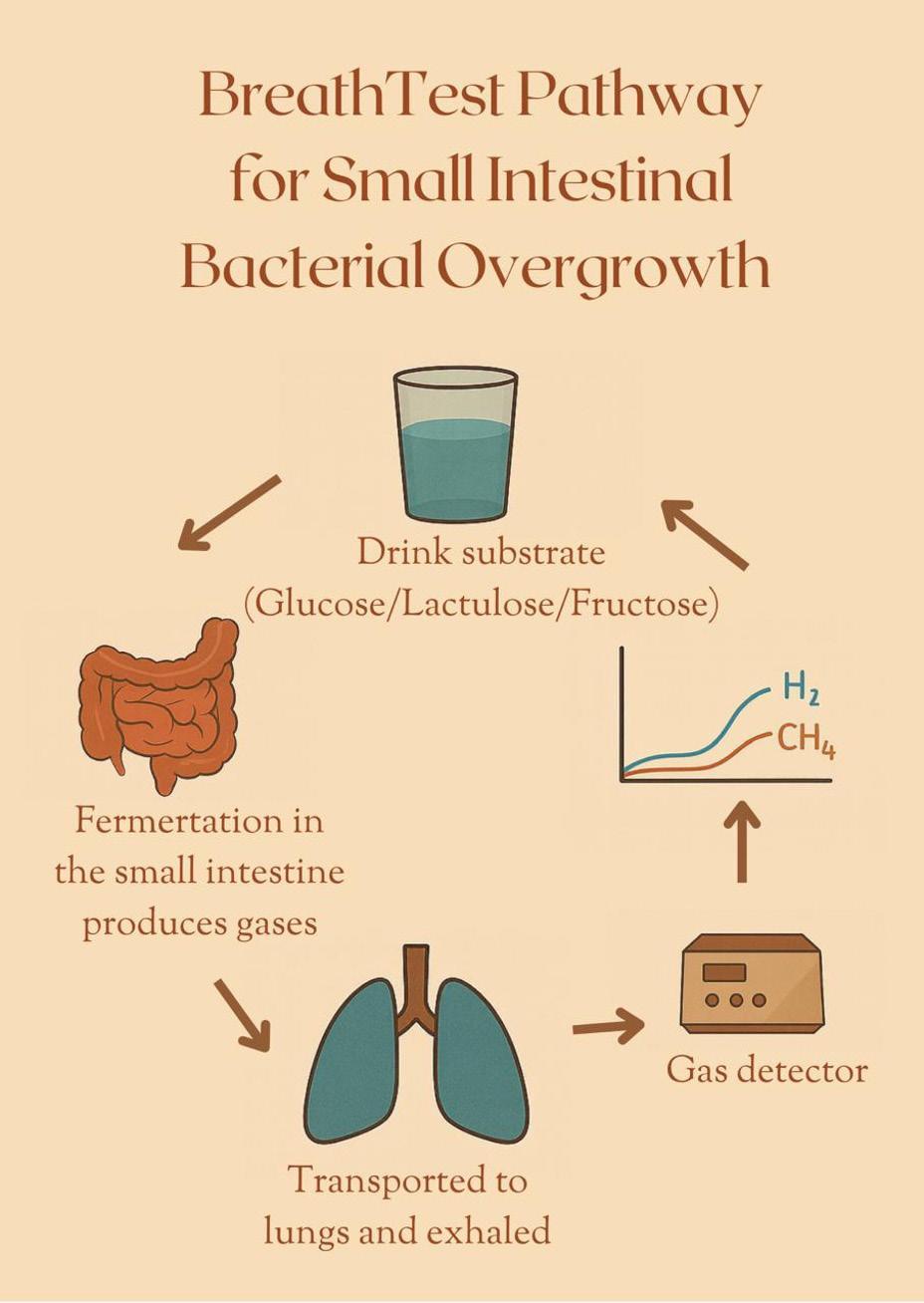
regulate bacterial colonisation becomes further compromised7. Diagnosing SIBO remains challenging. The gold standard is jejunal aspirate culture, but it is invasive, costly, and rarely used in clinical practice10. Breath testing, which measures exhaled hydrogen and methane after ingestion of substrates such as glucose or lactulose, is increasingly applied as a non-invasive and patient-friendly alternative10,11,12
How osteopaths identify the problem
With the increasing strain on the healthcare system caused by lifestyle-related diseases, gut related disorders can add a further substantial burden that the system might struggle to manage alone. Many individuals live with digestive problems for years without seeking help, often due to uncertainty, embarrassment, or the persistence of taboos surrounding bowel symptoms. As a result, these conditions are rarely detected by general practitioners until symptoms have become highly debili-
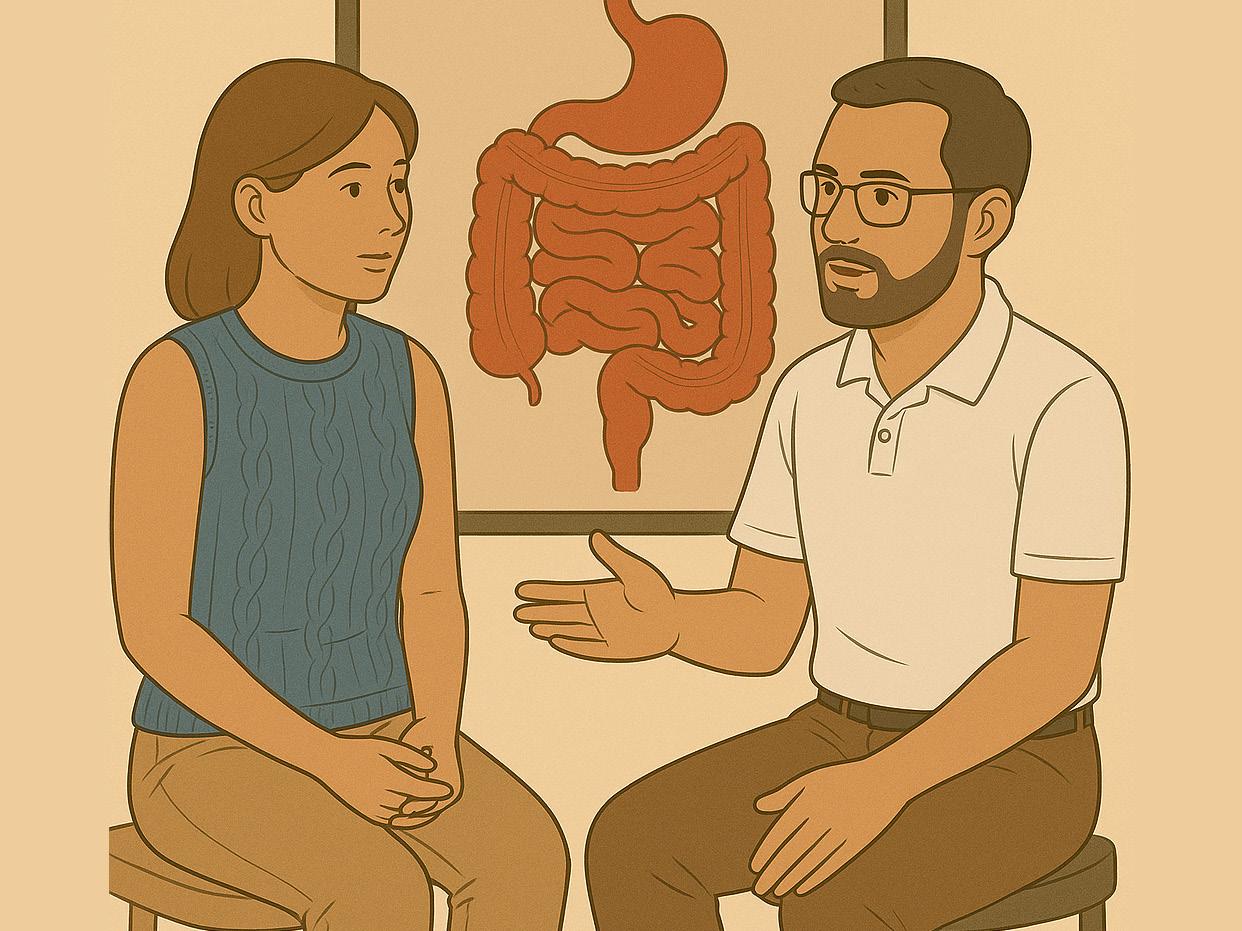
tating4,5,6. Although osteopaths primarily see patients with a broad spectrum of musculoskeletal complaints, during a detailed case history and physical examination they may identify signs suggestive of underlying gastrointestinal dysfunction 16. Through palpation and observation, findings such as abdominal distension, tenderness, or restricted thoracic and abdominal mobility can indicate digestive involvement and justify further medical evaluation. In this context, osteopaths play an important role in recognising digestive symptoms early and guiding patients toward appropriate diagnostic assessment.
A recent meta-analysis found that osteopathic manipulative treatment (OMT) may alleviate symptoms of irritable bowel syndrome (IBS), particularly abdominal pain and constipation. However, due to the overall low quality of evidence, these results should be interpreted with caution. Consequently, OMT should be regarded as a complementary and symptom-relieving intervention rather than a curative approach17
Breath testing in clinical practice
In Denmark, several hospitals and clinics have already implemented breath testing protocols, including Aalborg University Hospital, Randers Regional Hospital, Hvidovre Hospital, and private gastroenterology centres13
Diagnosing SIBO has historically been challenging due to the lack of a universally accepted gold standard test14 Traditional approaches, such as small bowel aspirate culture, allow direct sampling of the small intestine but are invasive and impractical for routine use, limiting their application primarily to research contexts.
In contrast, breath testing has emerged as a promising non-invasive alternative that provides a simpler diagnostic option. The method measures the production of hydrogen (H₂) and methane (CH₄) in exhaled air, gases generated by bacterial fermentation in the small intestine after ingestion of a substrate such as lactulose or glucose7. Despite its advantages, breath testing also presents challenges. A lack of consensus remains regarding the optimal testing methodology, including the apparatus used, gases measured, fasting protocols, testing intervals, and substrate selection14
Such inconsistencies in methodology influence the accuracy, reproducibility, and standardization of breath testing, contributing to variability in results and diagnostic uncertainty14
Reported sensitivity for the lactulose breath test has ranged between 31–68%, with specificity values from 44–100%7. In comparison, glucose breath testing has demonstrated sensitivities spanning 20–93% and specificities be-
tween 30–86% when evaluated against small bowel aspirate cultures7. In clinical practice, this means that a positive test does not always confirm SIBO, and a negative result does not necessarily exclude it.
What osteopaths can do
While breath testing remains primarily a diagnostic tool within gastroenterology, osteopaths can contribute by translating these findings into holistic patient management.
Osteopaths cannot diagnose SIBO directly, but they can use breath testing devices similar to those employed in hospitals. This allows them to support patients with clearer referrals, as well as to provide guidance on nutrition and lifestyle interventions while monitoring changes in symptoms and test results. With sufficient understanding of breath testing and its limitations, osteopaths are able to explain the procedure to patients and help them navigate the healthcare system, thereby reducing uncertainty and anxiety around unexplained symptoms2,3,17
Beyond referral and education, osteopaths contribute to patient care by addressing lifestyle, dietary, and stress-related factors that influence gut health. Guidance on meal patterns, fibre intake, sleep, and stress management can support better outcomes. Combined with manual treatment, case history, and physical examination, this integrative approach enables osteopaths to assist patients in managing symptoms and improving quality of life18
Jakob Bjerring Langkjær
Osteopath, DO MSc.Ost. in Osteopathy. B.Sc. in Physiotherapy
References:
1. Colitis-Crohn Foreningen. Fakta om tarmsygdomme. 2023.
2. Sundhedsstyrelsen. Den Nationale Sundhedsprofil 2021. København: Sundhedsstyrelsen; 2022.
3. Statens Serum Institut. Folkesygdomme i Danmark –Tarmens sygdomme. 2023.
4. Canavan C, West J, Card T. The epidemiology of irritable bowel syndrome. Clin Epidemiol. 2014;6:71–80.
5. Ford AC, Sperber AD, Corsetti M, Camilleri M. Irritable bowel syndrome. Lancet. 2020;396(10263):1675–88.
6. Halpert A, Dalton CB, Palsson O, et al. What patients know about irritable bowel syndrome (IBS) and what they would like to know: national survey on patient educational needs in IBS. Am J Gastroenterol. 2007;102(9):1972–80.
7. Pimentel M, Saad RJ, Long MD, Rao SSC. ACG Clinical Guideline: Small Intestinal Bacterial Overgrowth. Am J Gastroenterol. 2020;115(2):165–78.
8. Shah SC, Day LW, Somsouk M, Sewell JL. Meta-analysis: antibiotic therapy for small intestinal bacterial overgrowth. Aliment Pharmacol Ther. 2013;38(8):925–34.
9. Rezaie A, Buresi M, Lembo A, et al. Hydrogen and methane-based breath testing in gastrointestinal disorders: the North American consensus. Am J Gastroenterol. 2017;112(5):775–84.
10. Quigley EMM, Murray JA, Pimentel M. AGA Clinical Practice Update on Small Intestinal Bacterial Overgrowth. Gastroenterology. 2020;159(4):1526–32.
11. Rezaie A, Pimentel M, Rao SSC. How to test and treat small intestinal bacterial overgrowth: an evidence-based approach. Curr Gastroenterol Rep. 2016;18(2):8.
12. Shah ED, Basseri RJ, Chong K, Pimentel M. Abnormal breath testing in IBS: a meta-analysis. Dig Dis Sci. 2010;55(9):2441–9.
13. Region Midtjylland. Regionshospitalet Randers – Pusteprøve for bakteriel overvækst. 2023.
14. Bushyhead D, Quigley EMM. Small intestinal bacterial overgrowth: pathophysiology and its implications for definition and management. Gastroenterol Hepatol (N Y). 2019;15(5):282–90.
15. Langkjær JB. Diagnostic Approaches for SIBO: A Scoping Review on Breath Testing [Master’s Thesis]. Metropolia University of Applied Sciences; 2025.
16. Ellwood, J., & Carnes, D. (2021). An international profile of the practice of osteopaths: A systematic review of surveys. International Journal of Osteopathic Medicine, 40, 14-21.
17. Buffone, F., Tarantino, A. G., Belloni, F., Spadafora, A., Bolzoni, G., Bruini, I., Bergna, A., & Vismara, L. (2023). Effectiveness of Osteopathic Manipulative Treatment in Adults with Irritable Bowel Syndrome: A Systematic Review and Meta-Analysis. Healthcare (Basel), 11(17), 2442.
18. Bauer, N., Löffler, C., Oeznur, Ö., Uecker, C., Schlee, C., Adamczyk, A., Elsenbruch, S., Pfuhlmann, K., Reissmann, R., Westendorf, A., Keil, T., & Langhorst, J. (2024). Evaluation of a multimodal stress management and comprehensive lifestyle modification program on quality of life and gastrointestinal symptoms in patients with Crohn’s disease: A randomized controlled pilot trial with 9-month follow-up. Digestion, 105(3), 201-212
Scan QR-code to read the thesis.
Proactive Care and Osteopathy
Expanding Our Role in Modern Healthcare
Text: Hazel Mansfield
The current landscape of healthcare across the Nordic countries, and indeed the world, faces significant challenges related to the rising prevalence of chronic, lifestyle-related conditions and symptoms such as musculoskeletal pain, cardiovascular disease, type 2 diabetes, and obesity1.
These place huge burdens on not just the individual dealing with them but also those working within healthcare, the healthcare systems themselves, and society at large. Conventional healthcare systems utilise reactive frameworks where something must go wrong before intervention or advice is triggered2,3 Yet, an individual may be experiencing symptoms long before this point, and will not receive the support they need if tests and analyses are normal. Osteopaths are frequent witnesses to the frustration and lack of support individuals feel when such a reactive system is focused on downstream markers of disease. It also leads to larger “future cost of failure” due to not acting early enough. Clearly, current systems and approaches are failing to tackle rising poor health and are insufficient. This is recognised by researchers, experts and politicians who are calling for a change in approach to address this urgent problem. Osteopathy, with its holistic frameworks and person-centred approach, is excellently placed to be part of this change and a shift towards proactive care.
This article outlines what proactive care means, why it is important, and how osteopaths can integrate it into clinical practice to improve patient outcomes and contribute to a more effective form of modern healthcare.
What is Proactive Care?
Proactive care refers to support and interventions that aim not only to address existing dysfunction and symptoms but also to prevent and reduce risk of future problems, build resilience, help someone cope and feel better with an
existing disease, and promote wellness and longevity4,5. Importantly this approach is collaborative and involves empowering individuals to understand more about their health so they can maintain good health and age well by directly addressing the factors that drive their health status. It reflects a shift from focusing on “what is wrong with you” to “what is strong with you” and what can keep a person well6
In practice, strategies and techniques that address more upstream markers of health and major determinants of health through behaviour changes are a key part of proactive care and help move these drivers towards positive health. This is all delivered via a strong therapeutic relationship that guides, supports and strives to understand the person as an individual, how they live and what matters to them7. Further, supporting behaviour change is a major part of proactive care and practical tools to achieve this is critical for those delivering proactive care.
Proactive care does not replace existing healthcare treatments or frameworks; it extends and compliments them by broadening the scope and impact of
clinical practice and enables healthcare providers to more effectively support the health of those seeking their care. For an osteopath, this means being proactive by adapting the lens through which to decide how and where to focus their treatment and support. Existing osteopathic skill sets can be optimised for proactive care via specific education, experience and training within the rapidly-growing field of lifestyle medicine so that they can develop more effective, structured evidence-based strategies for assessing and supporting the major determinants of health.
Why Proactive Care Matters
1. The burden of chronic disease
Chronic symptoms and diseases are rising with the sharpest rise in the prevalence of metabolic diseases1. Musculoskeletal disorders are a leading cause of years lived with disability globally8 and the economic cost is staggering. Around 25% of health spending is on the top four chronic diseases (including diabetes, cardiovascular disease)9. In Sweden the cost of sick days due to back pain, stress, diabetes have each increased by around 40% between the years 2021-202410. For back pain, this is an increase of nearly €181M, and for
stress fatigue syndrome €362M. Yet, most chronic diseases are preventable and are caused and strongly influenced by how we live: modifiable factors such as how we sleep, eat, move, connect, deal with stress, and toxins we are exposed to11,12,13,14. Indeed, nutrition is one of the leading modifiable risk factors in global mortality according to the Global Burden of Disease 201915. Without being able to effectively address these upstream determinants of health, healthcare providers including osteopaths are not equipped to act early and effectively and an individual is at risk of sliding towards more dysfunctions, symptoms and diseases along with the social and economic burden this brings.
2. Evidence for lifestyle interventions congruent to Osteopathy
The growing field of lifestyle medicine has shown through substantial high-quality research that sustainable changes in behaviour focusing on modifiable lifestyle factors can prevent, manage and in some cases, reverse chronic disease16,17,18,19,20,21,22. These are highly congruent and align naturally with osteopathic frameworks that are holistic in the sense they consider multiple physiological systems and view health as a complex interaction between an individual and their environment.
3. More than just find it and fix it: Wellness and longevity
Longevity and long-term wellbeing are
increasing in public awareness and individuals increasingly seek healthcare practitioners not just to deal with acute complaints but also to be empowered and to get the information and tools to look after their own long-term wellbeing23. Osteopaths can be trusted partners in a proactive approach that strengthens the therapeutic alliance, and supports ongoing health through good advice, techniques and behaviour change.
Why Osteopathy is a Natural Fit for Proactive Care
The key principles that Osteopathy has long emphasised - including the inter-relationships between different body systems, self-regulation and the capacity for health24,25 - align naturally with a proactive care approach. Additionally, the way in which osteopaths practice lends itself to delivering proactive care effectively through regular patient contact and longer sessions, strong therapeutic alliance and a broad, holistic, health perspective. Osteopaths are well placed to integrate structured, proactive strategies in their assessments, advice and treatments.
Practical Applications in the Clinic
Incorporating proactive care into osteopathic clinic does not demand radical changes, and is an opportunity for most osteopathic approaches, treatment styles and ways of working. Just by widening the scope of information gather-
ing and organising it within a proactive care approach is very effective to then guide what and where and when the osteopathic treatment approach should focus. For example, being able to guide treatment towards stress reduction in someone with back pain through more recovery-based techniques26. Additionally, integrating lifestyle medicine into osteopathic consultations can be done via small changes in lifestyle behaviours such as ensuring balanced physical activity27, supporting healthier diets that lower inflammation, increase energy or microbiome balance28 or better supporting sleep29. A good adage is to start small and go slow. Further knowledge and training is strongly recommended in order to specialise and use the most effective strategies and tools, not least in supporting behaviour changes. Seeking out high quality providers of training such as the BSLM and others is imperative to elevate clinical standards, ensure better outcomes and to assist in collaboration of proactive care across different professions16,30,31. Such training is necessary for those particularly interested in proactive care, where standalone consultations supporting lifestyle medicine is also an option.
Challenges and Considerations
Certain challenges are good to be aware of when adopting a more proactive approach. Osteopaths need to be aware of and remain in their scope of practice, knowing when to collaborate
and refer to other professions such a psychologists, nutritionists and doctors. Building networks and referral pathways is strongly recommended when working in this way.
Secondly, there is often a concern about the time it takes to accommodate proactive conversations and interventions. This may call for a need to adapt and adjust how we structure and deliver consultations, moving beyond a one size fits all and offering light or deeper-dive proactive care through longer sessions, or dedicated consultations. Research supports integrating small lifestyle changes into existing sessions32 The use of resources and handouts - for example a checklist for better sleep, sources of fermented food, or ideas on “exercise snacks” - can be invaluable here in optimising proactive care in the session time you have to give.
Looking Forward: The Role of Osteopathy in Proactive Healthcare Osteopathy is well placed to contribute to the future of healthcare that demands more proactive, preventive, sustainable and person-centred models33. Integrating lifestyle medicine and behaviour change support into consultations is a perfect fit for osteopathy’s core principles and will enhance the relevance of osteopathy in modern healthcare that is proactive and sustainable.
By embracing proactive care, osteopaths can be part of a modern form of healthcare that demands a responsibility to address more prevention and positive health promotion. Osteopaths can improve patient outcomes more effectively and beyond just relief of the presenting issue or dysfunction, reinforce their professional identity as proactive healthcare practitioners, and contribute to a more effective health system that can reduce the burden of chronic conditions and diseases.
References:
1. Global Burden of Disease Collaborative Network, Global Burden of Disease Study 2021 (GBD 2021) Results (2024, Institute for Health Metrics and Evaluation –IHME) https://vizhub.healthdata.org/gbd-results/
2. Grant, P. (2024). Proactive Care. In: The Virtual Hospital. Springer, Cham. https://doi.org/10.1007/978-3031-69944-3_7
3. Wise, A., MacIntosh, E., Rajakulendran, N. and Khayat, Z., 2016. Transforming health: Shifting from reactive to proactive and predictive care. Transforming Health MaRS Market Insights.
4. Laaksonen, M. and Smolander, N., 2025. Prevention and Proactive Healthcare. GenoNurse Educational Model and RoadMap: A Guide to Teachers and Students.
5. Waldman, S.A. and Terzic, A., 2019. Healthcare evolves from reactive to proactive. Clinical pharmacology and therapeutics, 105(1), p.10.
6. Hood, L. and Price, N., 2023. The age of scientific wellness: why the future of medicine is personalized, predictive, data-rich, and in your hands. Harvard University Press.
7. Hamovitch EK, Choy-Brown M, Stanhope V. Person-Centred Care and the Therapeutic Alliance. Community Ment Health J. 2018 Oct;54(7):951-958. doi: 10.1007/s10597-018-0295-z.
8. Hartvigsen, J., Hancock, M. J., Kongsted, A., Louw, Q., Ferreira, M. L., Genevay, S., ... & Woolf, A. (2018). What low back pain is and why we need to pay attention. The Lancet, 391(10137), 2356–2367.
9. Van den berghe, D. and Albrecht, J., 2020. The financial burden of non-communicable diseases in the European Union: a systematic review. European Journal of Public Health, 30(4), pp.833-839. https://doi. org/10.1093/eurpub/ckz073
10. Försäkringskassen. Sjukpenning och rehabiliteringspenning Statistics 2021-2024.https://www.forsakringskassan.se/statistik-och-analys/statistikdatabas#!/sjuk (accessed 24 September 2025)
11. Hacker K. The Burden of Chronic Disease. Mayo Clin Proc Innov Qual Outcomes. 2024 Jan 20;8(1):112-119. doi: 10.1016/j.mayocpiqo.2023.08.005.
12. Rattay KT, Henry LMG, Killingsworth RE. Preventing Chronic Disease:: The Vision of Public Health. Dela J Public Health. 2017 Apr 19;3(2):52-56. doi: 10.32481/ djph.2017.04.008.
13. World Health Organisation, 2025. Just 25 public health measures can improve people’s health within a single political cycle. https://www.who.int/europe/ news/item/24-03-2025-health-policies-to-tackle-chronic-diseases-can-have-positive-impacts-within-5-years (accessed 24 September 2025)
14. Centre for Disease Control. Preventing Chronic Diseases: What You Can Do Now. https://www.cdc.gov/ chronic-disease/prevention/index.html (accessed 24 September 2025)
lopoulos, C., Chatterton, M.L. and Brazionis, L., 2017. A randomised controlled trial of dietary improvement for adults with major depression (the ‘SMILES’trial). BMC medicine, 15(1), p.23.
20. Parletta, N., Zarnowiecki, D., Cho, J., Wilson, A., Bogomolova, S., Villani, A., Itsiopoulos, C., Niyonsenga, T., Blunden, S., Meyer, B. and Segal, L., 2019. A Mediterranean-style dietary intervention supplemented with fish oil improves diet quality and mental health in people with depression: A randomized controlled trial (HELFIMED). Nutritional neuroscience, 22(7), pp.474-487.
21. Scott AJ, Webb TL, Martyn-St James M, Rowse G, Weich S. Improving sleep quality leads to better mental health: A meta-analysis of randomised controlled trials. Sleep Med Rev. 2021 Dec;60:101556. doi: 10.1016/j. smrv.2021.101556.
22. Veraza, D.I., Calderon, G., Jansson‐Knodell, C., Aljaras, R., Foster, E.D., Xu, H., Biruete, A. and Shin, A., 2024. A systematic review and meta‐analysis of diet and nutrient intake in adults with irritable bowel syndrome. Neurogastroenterology & Motility, 36(1), p.e14698
23. Loef, M., & Walach, H. (2012). The combined effects of healthy lifestyle behaviors on all-cause mortality: a systematic review and meta-analysis. Preventive Medicine, 55(3), 163–170.
24. Fryer, G., 2013. Osteopathic principles. International Journal of Osteopathic Medicine, 16(1), pp.1-2.
25. Tyreman, S., 2013. Re-evaluating ‘osteopathic principles’. International Journal of Osteopathic Medicine, 16(1), pp.38-45.
26. Pascoe, M.C., Thompson, D.R., Jenkins, Z.M. and Ski, C.F., 2017. Mindfulness mediates the physiological markers of stress: Systematic review and meta-analysis. Journal of psychiatric research, 95, pp.156-178.
27. Warburton, D. E., & Bredin, S. S. (2017). Health benefits of physical activity: a systematic review of current systematic reviews. Current Opinion in Cardiology, 32(5), 541–556.
28. Calder, P. C., Bosco, N., Bourdet-Sicard, R., Capuron, L., Delzenne, N., Doré, J., Franceschi, C., Lehtinen, M. J., Recker, T., Salvioli, S., & Visioli, F. (2017). Health relevance of the modification of low grade inflammation in ageing (inflammageing) and the role of nutrition. Ageing Research Reviews, 40, 95–119. https://doi.org/10.1016/j. arr.2017.09.001
29. Irwin, M. R. (2015). Why sleep is important for health: a psychoneuroimmunology perspective. Annual Review of Psychology, 66, 143–172.
30. European Lifestyle Medicine Organisation. leadership in research, prevention and treatment of lifestyle-related diseases through nutrition, physical activity, psychology and public health. https://www. eulm.org/ (accessed 24 September 2025)
Actively developing tools and providing education that support osteopaths and other healthcare practitioners in delivering proactive care approaches www.elevyohealth.com @elevyohealthfinder
15. Murray CJL et al. (2020) Global burden of 87 risk factors in 204 countries and territories, 1990–2019: a systematic analysis for the Global Burden of Disease Study 2019. The Lancet, Volume 396, Issue 10258, 1223 - 1249
16. British Society Lifestyle Medicine. Transforming healthcare and levelling health inequalities through lifestyle medicine. https://bslm.org.uk/ (accessed 24 September 2025)
17. Estruch, R., Ros, E., Salas-Salvadó, J., Covas, M.I., Corella, D., Arós, F., Gómez-Gracia, E., Ruiz-Gutiérrez, V., Fiol, M., Lapetra, J. and Lamuela-Raventos, R.M., 2013. Primary prevention of cardiovascular disease with a Mediterranean diet. New England journal of medicine, 368(14), pp.1279-1290.
18. Lean, M.E., Leslie, W.S., Barnes, A.C., Brosnahan, N., Thom, G., McCombie, L., Peters, C., Zhyzhneuskaya, S., Al-Mrabeh, A., Hollingsworth, K.G. and Rodrigues, A.M., 2018. Primary care-led weight management for remission of type 2 diabetes (DiRECT): an open-label, cluster-randomised trial. The Lancet, 391(10120), pp.541-551.
19. Jacka, F.N., O’Neil, A., Opie, R., Itsiopoulos, C., Cotton, S., Mohebbi, M., Castle, D., Dash, S., Miha-
31. American College of Lifestyle Medicine. treat, reverse, and prevent chronic disease through sustainable behaviour change (https://lifestylemedicine.org/ (accessed 24 September 2025)
32. Aveyard, P., Begh, R., Parsons, A., & West, R. (2016). Brief opportunistic interventions for weight loss in primary care: a randomised controlled trial. The Lancet, 388(10059), 2492–2500.
33. Sagner, M., McNeil, A., Puska, P., Auffray, C., Price, N.D., Hood, L., Lavie, C.J., Han, Z.G., Chen, Z., Brahmachari, S.K. and McEwen, B.S., 2017. The P4 health spectrum–a predictive, preventive, personalized and participatory continuum for promoting healthspan. Progress in Preventive Medicine, 2(1), p.e0002.
Hazel Mansfield Osteopath in Sweden
Osteopathic treatment of whiplash
A mechanistic link between determinants of health and somatic pain
Text : Jukka Pasanen (translation: Mia Eriksson, Jukka Pasanen)
Whiplash injury is a common occurrence following motor vehicle accidents and affects 235-300 people per 100 000 yearly worldwide. Even though some people recover quickly, only 29–40% recover within a short amount of time, and around 23% are still affected by symptoms a year later1.
Whiplash is defined as an injury occurring due to rapid velocity changes affecting the head and neck region compared to the rest of the body. This typically occurs in the event of a motor vehicle collision. The injury results from exerting energy on the tissues of the neck that exceed the capacity of said tissues’ ability to absorb. This usually results in tissue damage, ranging from mild muscle and soft tissue sprains to more serious damage such as tears, joint dislocations, bone fractures, or spinal cord injuries3.
A new model for whiplash injuries
Previous models, that only take into account the biomechanics of whiplash, have been proven insufficient to predict recovery. Research has shown that clinical findings in tissues only explain the prolonged symptoms in around 40-45% of patients. This indicates that a significant number of patients suffer from symptoms arising from more complex mechanisms3
The new model views whiplash as a multifactorial phenomenon, where biomechanical, physiological, psychological, and social factors interact3. The whiplash injury functions as the primary stressor, but the response of the individual depends on many factors such as genetic prevalence, previous experiences, culture and possible tissue injuries2,3 Chronic injury can sustain itself through a vicious cycle in which harmful stress responses and tissue damage combine with fear, isolation, and disability. This multifaceted model explains why similar injuries can lead to such differing end results3
According to Bussières et al. (2016), treatment recommendations for acute and chronic whiplash injuries are based on a multifaceted approach that includes manual therapy, self-care guidance, and exercise, all tailored to the individual’s condition1
This model and treatment framework provide a context in which the role of osteopathic care warrants examination. My thesis examined osteopathic treatment and its effects on whiplash injuries. The goal of my thesis was to broaden the available knowledge regarding osteopathic treatment of people recovering from whiplash injuries, and to highlight the use of osteopathic treatment and its effects in these cases. An integrative literature review was used to find answers to two research questions: “What is osteopathic treatment for whiplash injury?” and “What are the effects of osteopathic treatment for whiplash injury?”
Results
This section is based on the results of the integrative literature review of the thesis, which included four articles: Three case studies and one intervention study.
Regarding the first research question, the literature highlights that during the primary visit osteopaths perform an extensive interview and physical exam. Osteopathic treatment of whiplash is founded in being mindful of the osteopathic principles throughout the treatment process. Treatment is based on the osteopathic assessment, and each patient is given an individualized treatment plan. Examinations are based on assessments of somatic dysfunctions in different regions of the body, especially the areas of the skull and the spine. Treatments are based on the findings in the areas of the spine, tongue and skull. The osteopath may give instructions to the client during treatment.
Regarding the second research question, the results of the literature review show that osteopathic treatment has versatile positive effects
on clients’ well-being. These effects include alleviation of pain immediately after treatment as well as during the treatment period, increased range of motion, alleviation of dysfunctions, alleviation of symptoms, relaxation of tissues, as well as both physical and emotional improvement of quality of life. In the intervention study, the majority of clients rated osteopathic treatment for whiplash injury as excellent or good, and all participants recommended the treatment based on their experiences. Osteopathic treatment very rarely had any negative effects, and the few nega-
References:
1. Bussières, André & Stewart, Gregory & Al-Zoubi, Fadi & Decina, Philip & Descarreaux, Martin & Hayden, Jill & Hendrickson, Brenda & Hincapié, Cesar & Pagé, Isabelle & Passmore, Steven & Srbely, John & Stupar, Maja & Weisberg, Joel & Ornelas, Joseph 2016. The Treatment of Neck Pain–Associated Disorders and Whiplash-Associated Disorders: A Clinical Practice Guideline. Journal of Manipulative and Physiological Therapeutics. 2016; 39(8); 523–564.
2. Esteves, Jorge & Cerritelli, Francesco & Kim, Joohan & Friston, Karl 2022. Osteopathic Care as (En)active Inference: A Theoretical Framework for Developing an Integrative Hypothesis in Osteopathy. Frontiers in Psychology. 2022; 13.
3. Walton, David & Elliott, James 2017. An Integrated Model of Chronic Whiplash-Associated Disorder. Journal of Orthopaedis & Sports Physical Therapy. 2017; 47(7); 462–471.
tive effects that occurred were shortterm tiredness or mild post-treatment discomfort that subsided on its own.
Practical significance
For some individuals, prolonged symptoms after whiplash injury may be due to clinical findings, but for others the pain may remain unexplained. Osteopathy provides an integrative approach that combines biomechanical healing, the body’s innate ability to self-regulate, and psychosocial support. The therapeutic alliance that can be fostered between the patient and the osteopath can facilitate the return of trust in the body’s ability to perform, reduce fear and improve resilience. In practice, this manifests as alleviation of pain and dysfunction, reduction of stress, as well as the body being supported in a holistic manner. Touch, interaction, and guided movements support regulation of stress responses, support tissue healing, and bring together the mind and the body2,3. As only a minority of individuals with whiplash injuries recover rapidly, osteopathic care as treatment for those with prolonged symptoms should be seriously considered in light of this evidence.
Find your Osteopath!
Osteopaths are highly trained health professionals who are well known for their expertise in the evaluation and management of the musculoskeletal system and its relationship with other systems in the body.
Find your Osteopath here:
Iceland: osteopatia.is
Sweden: osteopatforbundet.se
Denmark: danskeosteopater.dk
NORSK OSTEOPATFORBUND
Norway: osteopati.org
Finland: osteopaattiliitto.fi
Jukka Pasanen Student, Degree Programme in Osteopathy, Metropolia University of Applied Sciences
Mild Traumatic Brain Injury Diagnosis and guidelines
Text: Nikolaj Kaufmann
Introduction
In Denmark, as well as international, there is a strong focus on Concussion/ mild Traumatic Brain Injury (mTBI) and there has been a continuous development in its management and treatment.
Previous general advice on rest and waiting until the patient was symptom-free has been replaced by a more graduated active approach with an individualized balance between graduated activity and rest. Patients are no longer advised to rest in a dark room until they recover1
In recent years, new guidelines and international consensus have emerged, which have helped to change the approach to patients with mTBI 2,3,4 It happens that the patient may seek out an osteopath before their general practitioner after an injury that may have caused a mTBI. Therefore, it is important that the osteopath is familiar with the correct clinical tools to evaluate a mTBI, as well as any other potential injuries.
What is mTBI?
Concussion, Commotio Cerebri, and mild Traumatic Brain Injury (mTBI) are all terms for the same type of injury. In this article, the term mild Traumatic Brain Injury (mTBI) will be used, as this term implies that there has been an injury to the brain.
The diagnosis of mTBI is associated with a range of physical, cognitive, and emotional symptoms, which typically include headache, dizziness, sound and light sensitivity, difficulty concentrating, memory problems, and sleep disturbances. MTBI can also lead to psychological symptoms such as anxiety and depression 1,5
Concussive Event
It is a common misconception that a patient’s head must make contact with an object for an mTBI to occur. Today, it is recognized that an injury event without direct trauma to the head can lead to an mTBI. The term concussive event
is used to describe an injury where a patient can sustain a mTBI, as well as other potential injuries, for example, in the musculoskeletal system, spine, and/ or the vestibular organ6
Mild Traumatic Brain Injury can result from a concussive event that involves the following:
• A direct blow to the head from an object
• The head hitting a hard surface or object
• The head being exposed to accelerating and decelerating movements without direct contact between the head and an object or surface
• Exposure to a blast injury and a pressure wave that propagates through the brain tissue generated by an explosion7.
If the osteopath is the first point of contact after a concussive event, it is essential for the osteopath to be able to perform safety tests to exclude possible brain injury or skull fracture. If the initial examinations show no indication for referral to a doctor or emergency room, further tests can be performed for mTBI and other potential injury. This is to ensure that other possible injuries that may be causing the patient’s symptoms are not overlooked.
How is mTBI diagnosed?
With the introduction of new international consensus and a revised diagnostic approach, mTBI can now be diagnosed based on the patients’ symptoms and clinical findings 1, 7. The osteopath’s systematic anamnesis should gather all details about the time of the injury and the following days. If the patient has been exposed to a concussive event and presents with symptoms that cannot be explained by other factors (such as alcohol, drugs, or another injury event etc.), the diagnosis is made based on the following criteria:
1. The patient has at least one or more clinical signs of acute impaired brain function related to the concussive event.
2. The patient has experienced at least two symptoms within 72 hours after the
concussive event, and at least one clinical or laboratory-based finding can be attributed to the concussive event.
3. Imaging findings from a CT or MRI scan documenting an intracranial injury corresponding to an mTBI.
As patients with mTBI may experience short-term or long-term amnesia following a concussive event, it can be advisable for them to bring a companion or a family member to the consultation. A companion who knows the patient or witnessed the injury can, in some cases, provide valuable insights into behavioral changes, offering important information for the osteopath’s assessment of potential impairment in brain function following the injury.
1: When examining for clinical signs of acutely impaired brain function, the following are questioned:
• Change in mental state, including impaired or inappropriate reactions to external stimuli, a slow response to verbal stimuli, inability to follow instructions, agitated behavior, disorientation in relation to time, place, or situation.
• Partial or complete post-traumatic amnesia for less than 24 hours: the patient does not remember details of events leading up to the injury or immediately after.
• Loss of consciousness for less than 30 minutes immediately after the physical trauma.
• Other acute neurological signs: Motor incoordination, seizure, rigid posture7
2: Symptoms and clinical findings
• Acute subjective change in mental state: a feeling of being confused, disoriented, or dazed.
• Clinical or laboratory findings of cognitive impairment, balance impairment, oculomotor or vestibular impairment,
symptom provocation during vestibulo-oculomotor screening, or elevated levels of a blood-based biomarker7
3: Imaging findings from a CT or MRI scan:
The decision to perform a CT or MRI scan in the acute phase after an injury is based on a professional medical assessment. This assessment considers several factors, including the Glasgow Coma Scale score, visible signs of injury, and the patients’ overall condition following the event8. In patients with mTBI, these types of imaging often show unremarkable findings9
The osteopath who sees patients with mTBI in the clinic must be able to evaluate symptoms and diagnose mTBI and other potential injury mechanisms from a concussive event. It is essential that the osteopath is familiar with vestibular screening procedures and capable of differentiating between central and peripheral origins of dizziness. The osteopath should screen for oculomotor and balance disturbances, cognitive impairments, and signs of anxiety or depression10, 11. Through the foundational osteopathic education, the osteopath should be trained in testing cranial nerves and cervical dysfunctions. Examining the neck after a concussive event is important, as prolonged neck pain can extend the patient’s symptoms12
For a systematic approach to evaluating mTBI, especially in sports injuries, the Sport Concussion Assessment Tool 6 (SCAT-6) can be used within the first 7 days (ideal within 3 days) for patients over 13 years old. The Sport Concussion Office Assessment Tool (SCOAT-6) can be used in the period 3-30 days after a concussive event. For children 12 years or younger, the Child SCAT-6 or Child SCOAT-6 can be used for this purpose 10-11
Recommendations
The new guidelines recommend relative rest for the first 24-48 hours, rather than total complete darkening of the room or strict bed rest as previously advised 1,2,3,4. After 48 hours, it is recommended that the patient gradually resumes their usual daily activities, both at home and outside their home. Light physical aerobic activity should gradually be started after the first 48 hours following the injury event13, 14. In the following stages of the patient’s recovery the focus should be on graduated rehabilitation and gradual exposure at a pace and intensity that does not create new or significantly worsen existing symptoms14
For the patient’s well-being and recovery, it is essential that the osteopath creates a safe environment and provides guidance on appropriate exposure and return to daily activities, helping the patient avoid fear-avoidance behavior, that may prolong recovery time15.
References:
[1] Silverberg ND, Iaccarino MA, Panenka WJ et al. Management of concussion and mild traumatic brain injury: a synthesis of practice guidelines. Arch Phys Med Rehabil. 2020;101(2):382-393. https://doi.org/10.1016/j. apmr.2019.10.179
[2] Quatman Yates et al. Physical Therapy Evaluation and Treatment After Concussion/Mild Traumatic Brain Injury Journal of Orthopaedic & Sports Physical Therapy Published Online:April 2, 2020(50)CPG1-CPG73 https:// www.jospt.org/doi/10.2519/jospt.2020.0301
[3] Dansk Center for Hjernerystelse. National Klinisk Retningslinje for hjernerystelse January 2021, [okt.5.2025] https://dcfh.dk/vaerktoejer-til-behandling-af-hjernerystelse/national-klinisk-retningslinje/
[4] Patricios JS, Schneider KJ, Dvorak J et al. Consensus statement on concussion in sport: the 6th International Conference on Concussion in Sport-Amsterdam, October 2022. Br J Sports Med. 2023;57(11):695-711. https://doi. org/10.1136/bjsports-2023-106898
[5] Lambert M, Sheldrake E, Deneault A-A Depressive symptoms in individuals with persistent postconcussion symptoms: A systematic Review and Meta-Analysis Published online:December27, 2022;5;(12):e2248453. https://jamanetwork.com/journals/jamanetworkopen/ fullarticle/2799945
[6] Journal of Orthopaedic & Sports Physical Therapy published online April 2020;50(4):176-177. https://www. jospt.org/doi/10.2519/jospt.2020.0502
[7] Silverberg ND, Iverson GL, ACRM Brain Injury Special Interest Group Mild TBI Task Force members et al. The American Congress of Rehabilitation Medicine Diagnostic Criteria for Mild Traumatic Brain Injury. Arch Phys Med Rehabil. 2023;104(8):1343-1355. https://doi.org/10.1016/j. apmr.2023.03.036
[8] Rajesh S, Wonderling D, Bernstein I et al. Head injury: assessment and early management-summary of updated NICE guidance. BMJ. 2023;381:1130. https://doi. org/10.1136/bmj.p1130
As the causes of sequelae and longterm consequences after mTBI are multifactorial, it should be considered whether the patient may benefit from participation in a multidisciplinary program involving other health professionals such as a physician, physiotherapist or optometrist14,16
A failure to manage possible underlying causes of the patient’s symptoms can potentially result in a lack of improvement in the treatment or rehabilitation process.
Conclusion
The field of mTBI management has received increasing attention and has evolved significantly in recent years. The new guidelines for diagnosing and managing mTBI place high demands on the osteopath’s competencies in this area. For a successful treatment process, it is crucial that the osteopath can conduct a thorough and systematic anamnesis, perform accurate and systematic evaluation, testing, diagnosis and provide appropriate guidance on graded and gradual exposure. Furthermore, it is essential to have knowledge of the long-term consequences after mTBI, which this article has not addressed.
[9] Isokuortti H, Iverson GL, Silverberg ND et al. Characterizing the type and location of intracranial abnormalities in mild traumatic brain injury. J Neurosurg. 2018;129(6):1588-1597. https://doi.org/10.3171/2017.7. JNS17615
[10] Echemendia R, Brett B, Broglio S et al. Sport Concussion Assessment Tool 6, British Journal of Sports Medicine 2023 Jun;57(11):622-632 https://doi.org/10.1136/ bjsports-2023-107036
[11] Patricios J, Scheider Geoff, Lerssel J et al. Sport Concussion Office Assessment Tool 6, British Journal of Sports Medicine 2023 Jun;57(11):651-667. https://doi. org/10.1136/bjsports-2023-106859
[12] Coffeng SM, Jacobs B, de Koning ME et al. Patients with mild traumatic brain injury and acute neck pain at the emergency department are a distinct category within the mTBI spectrum: a prospective multicentre cohort study. BMC Neurol. 2020;20(1):315. https://doi. org/10.1186/s12883-020-01887-x
[13] Leddy JJ, Burma JS, Toomey CM et al. Rest and exercise early after sport-related concussion: a systematic review and meta-analysis. Br J Sports Med. 2023;57:762770. https://doi.org/10.1136/bjsports-2022-106676
[14] Schneider K, Leddy J, Guskiewicz K et al Rest and treatment/rehabilitation following sport-related concussion: a systematic review. Br J Sports Med. 2017;51:930934 https://bjsm.bmj.com/content/51/12/930
[15] Amin Shahrazad, Mikolic Ana, Silverberg Noah Criterion validity of a single-item measure of fear avoidance behavior following mild traumatic brain injury. BMC Neurol. 2024;24(1):363. https://doi.org/10.1186/s12883024-03861-3
[16] Rytter HM, Graff HJ, Henriksen HK et al. Nonpharmacological treatment of persistent postconcussion symptoms in adults: a systematic review and meta-analysis and guideline recommendation. JAMA Netw Open. 2021;4(11):e2132221. https://doi.org/10.1001/jamanetworkopen.2021.32221
Specific knowledge about mTBI requires specialized further education. Currently, it is up to the individual osteopath to seek out knowledge on the subject and thereby acquire the relevant clinical tools to help patients with mTBI. To ensure that future osteopaths are well equipped to manage patients with mTBI, consideration should be given to incorporating this subject into the osteopathic undergraduate curriculum. Given that mTBI is an actively developing field, educators in osteopathic programs must ensure they remain current with the latest research, guidelines and international consensus.
Nikolaj Kaufmann
Osteopath D.O. M.R.O.DK, B.Sc. in Physiotherapy
Poke into pain?
Patients with musculoskeletal pain often seek clear guidance regarding physical activity: “Can I ride my bike with knee pain? Am I damaging my back if I continue Pilates, even though it hurts?” Traditionally, such questions have been met with caution, with recommendations to avoid or minimize pain during activity1
This perspective rests on the assumption of a linear relationship between structural damage and pain. However, recent literature demonstrates that the association between tissue changes and pain is limited, and far more complex2. Pain has a multifactorial origin, with nociception being one of the most significant factors in the experience of pain3. Several interventions can be applied to modulate nociceptive activity, habituation being one of them.
Habituation
Pain can be induced experimentally, for example, by applying heat to the skin. At a certain threshold, heat-sensitive nociceptors depolarize4. Several studies have examined what occurs when healthy individuals are repeatedly exposed to the same painful heat stimulus across multiple days4. Specifically, participants received 20 minutes of painful heat stimulation (delivered in intervals) per day for 8 consecutive days, with the temperature kept constant. Participants rated pain intensity on a visual analogue scale (VAS) during and after the intervention period. Over time, pain intensity ratings decreased significantly despite identical stimulation, indicating habituation. This effect is thought to involve activation of the antinociceptive system4:
“… we found that pain-related responses in the rACC, specifically the subgenual anterior cingulate cortex (sgACC),
significantly increased over time. Given this area’s predominant role in endogenous pain control, this response pattern suggests that habituation to pain is, at least in part, mediated by increased antinociceptive activity.”
This system is now more commonly referred to as the descending pain modulatory system (DPMS)5. In short, nociceptive input may trigger DPMS activity, which is primarily mediated through the brainstem. From here, descending projections target the dorsal horn of the spinal cord, where nociceptive transmission can be inhibited pre- or postsynaptically5,6. Additionally, repeated nociceptive stimulation is associated with reduced activity in cortical regions involved in pain perception7 Different definitions of habituation have been made but the neurophysiology explained here encapsulates what most authors agree on with regards to pain and nociception: “Habituation in pain/
nociception is the reduction of the perceived intensity or physiological response to repeated painful stimulation, due to adaptive central processing rather than peripheral receptor changes”9
The opposite phenomenon, sensitization, also occurs. As shown in4: “Inspection of the single subject data revealed that even among healthy volunteers, habituation to pain is not a uniform process. Rather, 4 of our subjects did not display any behavioral habituation and one even showed sensitization over time….”
In other words, not all individuals habituate identical nociceptive stimulation. Some exhibit increasing pain intensity, potentially due to impaired DPMS function. The reasons for this variation remain unclear.’
Text: Lau Saugman Hansen
“I’ve stopped walking because I think it aggravates the condition.”
Habituation in clinical practice
This knowledge can be applied when osteopaths or other clinicians advise patients on physical activity. Consider a patient with knee pain as a result of osteoarthritis, with red flags excluded. The patient asks whether walking is harmful, even if it causes pain during the activity. Since osteoarthritic joints are not damaged by moderate loading8, walking can be safely recommended. From a habituation perspective, patients may be encouraged to “poke the pain” — for instance, by walking at an intensity where pain peaks at no more than 3–5 on a numerical rating scale (NRS), provided the pain does not worsen the following day. This strategy supports habituation: nociceptors are activated, but also the DPMS, thereby offering the possibility of reduced pain over time.
This dual approach provides reassurance that walking does not worsen osteoarthritis, while promoting habituation, but it requires thorough patient education. The patient must understand that pain does not necessarily equate to tissue damage. In some cases, healthcare professionals may need to provide ongoing support between consultations if pain escalates excessively and further guidance is required.
Because research demonstrates considerable inter-individual variability in
habituation and sensitization responses 9, a detailed history and examination are essential before intervention. Clinical interviews reveal how pain is managed, what aggravates or alleviates it. Patients can be categorized based on their behavioral responses to pain, such as avoidance copers or endurance copers 10
Avoidance coping (also described as fear avoidance) is characterized as follows11:
“…Catastrophic misinterpretations of pain as being harmful may give rise to pain-related fear, which in turn can initiate avoidance behavior intended to avert bodily threat. When protective action serves to reduce genuine bodily threat, it is highly adaptive, but when pain persists beyond healing time and turns chronic, it may paradoxically increase suffering and disability.”
Endurance coping (also referred to as overactivity) is less consistently defined, but the concept remains clear. From10: “…who used the term “overactivity” to refer to individuals who habitually engage in an excessive amount of activity that is only halted by periods of severe pain and incapacity…”
Clinically, an avoidance coper with knee osteoarthritis may express concerns such as: “I’m afraid of making it worse;
loading worsens the arthritis; I’ve stopped walking because I think it aggravates the condition.” Their response is characterized by avoidance and worry. Conversely, an endurance coper may continue activities despite escalating pain, using distraction strategies: “I keep walking despite the pain, even if it increases; I stay constantly active so I don’t focus on the pain; the pain will not dictate what I can do.”
Although these categories are often presented as opposites, in practice, behavior is more fluid. Both avoidance and endurance patterns may coexist depending on context10,11. From a habituation perspective, avoidance copers may be more suitable candidates than endurance copers. For the avoidance coper, reassurance that mild pain during walking is not harmful provides a foundation for habituation. Such individuals are unlikely to self-test habituation strategies and may underutilize their DPMS. In contrast, endurance copers may already overload their DPMS, risking sensitization rather than habituation, and may not benefit from further exposure-based interventions.
Habituation can be learned over time12 Evidence from fibromyalgia supports this notion13. Early in exercise interventions for fibromyalgia, increased pain is commonly observed. From13:
“It was expected that there would be an increase in post-exercise pain during the initial phase of the exercise program due to dysfunctions in peripheral and central pain mechanisms in FM, and a temporary increase of pain was reported by several patients at exercise sessions…”
Fibromyalgia involves dysfunction in both central and peripheral nociceptive systems, yet improvements in pain are often reported over time despite initial exacerbation13. Clinically, this underscores the importance of health professionals possessing sound pain science knowledge and providing appropriate guidance. In many cases, engaging in activity despite mild pain is not only acceptable but may be beneficial, particularly in long-term pain conditions, as habituation can contribute to reduced pain perception over time. It should be noted that habituation is only one piece of the puzzle with regards to pain relief in fibromyalgia. Other peripheral and central factors are important, and all cannot be explained via habituation14
Conclusion
Habituation and sensitization within the nociceptive system likely contribute to
2. Brinjikji W, Luetmer PH, Comstock B, Bresnahan BW, Chen LE, Deyo RA, Halabi S, Turner JA, Avins AL, James K, Wald JT, Kallmes DF, Jarvik JG. Systematic literature review of imaging features of spinal degeneration in asymptomatic populations. AJNR Am J Neuroradiol. 2015 Apr;36(4):811-6. doi: 10.3174/ajnr.A4173. Epub 2014 Nov 27. PMID: 25430861; PMCID: PMC4464797.
3. Brodal P. A neurobiologist’s attempt to understand persistent pain. Scand J Pain. 2017 Apr;15:140-147. doi: 10.1016/j.sjpain.2017.03.001. Epub 2017 Mar 30. PMID: 28850339.
4. Bingel U, Schoell E, Herken W, Büchel C, May A. Habituation to painful stimulation involves the antinociceptive system. Pain. 2007 Sep;131(1-2):21-30. doi: 10.1016/j. pain.2006.12.005. Epub 2007 Jan 26. PMID: 17258858.
5. Hoegh M, Bannister K. Pain Science in Practice (Part 6): How Does Descending Modulation of Pain Work?. J Orthop Sports Phys Ther. 2024 Feb;54(2):97-100. doi: 10.2519/ jospt.2024.12112. PMID: 38288567.
6. Eippert F, Finsterbusch J, Bingel U, Büchel C. Direct evidence for spinal cord involvement in placebo analgesia. Science. 2009 Oct 16;326(5951):404. doi: 10.1126/science.1180142. PMID: 19833962.
7. Paul, K., Tik, M., Hahn, A. et al. Give me a pain that I am used to: distinct habituation patterns to painful and non-painful stimulation. Sci Rep 11, 22929 (2021). https:// doi.org/10.1038/s41598-021-01881-4
8. Lo GH, Musa SM, Driban JB, Kriska AM, McAlindon TE, Souza RB, Petersen NJ, Storti KL, Eaton CB, Hochberg MC, Jackson RD, Kwoh CK, Nevitt MC, Suarez-Almazor ME. Running does not increase symptoms or structural progression
the weak association between structural imaging findings and pain and may also underlie the variability in patient responses to exercise and other therapeutic interventions. Some individuals exhibit radiographic findings such as osteoarthritis, disc degeneration, protrusions, or meniscal tears without pain, while others experience pain—habituation versus sensitization may contribute to these discrepancies. As mentioned, with regards to fibromyalgia, it should be noted that habituation (or lack of) is only a part of the puzzle with regards to pain relief in any pain presentation.
in people with knee osteoarthritis: data from the osteoarthritis initiative. Clin Rheumatol. 2018 Sep;37(9):24972504. doi: 10.1007/s10067-018-4121-3. Epub 2018 May 4. PMID: 29728929; PMCID: PMC6095814.
9. van der Miesen MM, Joosten EA, Kaas AL, Linden DEJ, Peters JC, Vossen CJ. Habituation to pain: self-report, electroencephalography, and functional magnetic resonance imaging in healthy individuals. A scoping review and future recommendations. Pain. 2024 Mar 1;165(3):500-522. doi: 10.1097/j.pain.0000000000003052. Epub 2023 Oct 18. PMID: 37851343; PMCID: PMC10859850.
10. Hasenbring MI, Andrews NE, Ebenbichler G. Overactivity in Chronic Pain, the Role of Pain-related Endurance and Neuromuscular Activity: An Interdisciplinary, Narrative Review. Clin J Pain. 2020 Mar;36(3):162-171. doi: 10.1097/ AJP.0000000000000785. PMID: 31833914.
11. Meulders, A. (2019). From fear of movement-related pain and avoidance to chronic pain disability: A state-ofthe-art review. Current Opinion in Behavioral Sciences, 26, 130–136. https://doi.org/10.1016/j.cobeha.2018.12.007
12. May A, Rodriguez-Raecke R, Schulte A, Ihle K, Breimhorst M, Birklein F, Jürgens TP. Within-session sensitization and between-session habituation: a robust physiological response to repetitive painful heat stimulation. Eur J Pain. 2012 Mar;16(3):401-9. doi: 10.1002/j.15322149.2011.00023.x. Epub 2011 Dec 19. PMID: 22337205.
13. Mannerkorpi K, Nordeman L, Cider A, Jonsson G. Does moderate-to-high intensity Nordic walking improve functional capacity and pain in fibromyalgia? A prospective randomized controlled trial. Arthritis Res Ther. 2010;12(5):R189. doi: 10.1186/ar3159. Epub 2010 Oct 13. PMID: 20942911; PMCID: PMC2991024.
14. Goebel A, Andersson D, Helyes Z, Clark JD, Dulake D, Svensson C. The autoimmune aetiology of unexplained chronic pain. Autoimmun Rev. 2022 Mar;21(3):103015. doi: 10.1016/j.autrev.2021.103015. Epub 2021 Dec 10. PMID: 34902604.
Lau Saugman Hansen
Bsc. Pt. Osteopath. M.D.O. Chair of the Danish Osteopathic Research Committee
Nordic Osteopathic Congress 2025, Reykjavik
After several attempts to gather in Iceland, we finally did, and with great success! Not without reason, the theme for the annual conference this year was the long-term patient. This patient group is large and costly for the society, the individuals suffer significant loss of health, and it is a patient group that often consult osteopathic care.
The congress provided up to date insight in pain science, whole-person osteopathic approaches to care, as well as research on specific diagnoses. And we received talks from no less than three new Ph.D.’s from the Nordic countries.
The presentations fit very well together. They demonstrated a sort of change of paradigm and an interesting development in osteopathy. We talk more about communication and patient involvement in pain management. - Dr. Niklas S. Sposato.
COPD from an osteopathic perspective
Although COPD is a chronic disease, Dr. Roger Engel demonstrated the effectiveness of adding manual therapy and exercise, as a supplement to standard care, on respiratory function. In the pre-congress, participants dived into the research on the topic, as well as the clinical considerations in managing these patients. We also got to work hands on with relevant techniques. Engel is a leading researcher on the topic, so having him present at the conference was of big value to the audience.
Pain science and manual therapy
Providing person centered care and having a bio-psycho-social approach to treating patients is at the core of the osteopathic profession. Pål Andre Amundsen, PhD-candidate, gave a thorough lecture in pain science and provided valuable insight on how we can apply it to our long-term complex patients. Christian Fossum, associate professor, demonstrated the effect mechanisms of osteopathic treatment and how this relates to pain science, through a whole-person framework. Steven Vogel continued the series of lectures with a great presentation on communication in persistent pain management.
Specific conditions
Niklas S. Sposato PhD, presented his research on cystic fibrosis, a part of his thesis work. The participants were given evidence-based tools to manage the condition. It was a great lecture that integrated Dr. Engels presentation on COPD in a wonderful way.
Mia D. Eriksson, DO, PhD, presented her research on depression, and presented us with her take on how osteopaths can provide help to this group of patients. Osteopaths communicate in multiple ways, and by using our manual work in addition to standard care can be of value for these patients.
Finally, we were presented with Jósep Ó.Blöndal, MD,MDT, and his take on chronic low back pain and his emphasis on multidisciplinary team work when working with these patients. Through an impressive career he has worked with global teams and developed valuable experience that the audience could learn from.
Social venue and regional collaboration
The conference is the result of the extensive collaboration among the osteopathic associations in the Nordic countries. This collaboration and knowledge sharing across our borders greatly contribute to our development as a profession. At the conference, experienced clinicians, researchers, students and more attended. This mix contributed to knowledge sharing and strengthened our community.
A group of recent graduates, now osteopaths, stated:
The trip to Iceland marked an inspiring start to our journey as osteopaths — a chance to learn, connect, and bring new insight into our future practice – Bendik Bergei, Sine Dal, Hanne Aurebekk.
In 2026, the conference will be held in Gothenburg, Sweden. Save the weekend of September 11-13!
Text: Frederik Jahr
Frederik Jahr
Osteopath
Osteopathic Treatment and Running Economy
Evidence from Two Clinical Studies
Text: Bo Egeberg
Abstract
Running economy (RE) is a key determinant of endurance performance, reflecting the integrated efficiency of metabolic, cardiorespiratory, biomechanical, and neuromuscular systems. While training interventions, such as resistance and plyometric exercise, are known to influence RE, the potential role of osteopathic treatment has been scarcely investigated. The two studies presented here were part of my master’s thesis, which examined whether osteopathic treatment could positively alter RE in trained endurance runners. Both standardised and individualised (“black box”) osteopathic interventions were compared to control groups using submaximal treadmill testing and heart rate monitoring, or 3D markerless motion capture, as proxies for energy cost. Across both projects, results consistently indicated a 4–9% improvement in running economy in the treated groups compared with the controls, with effects lasting up to one week post-intervention. The best results were found in the Black box group. These findings suggest that osteopathic care may serve as a valuable adjunct in optimising endurance performance; however, methodological limitations and small sample sizes necessitate further research with larger cohorts and gold-standard measures of gas exchange.
Running performance depends on several interrelated factors. In 2015, Barnes & Kilding 1 made a scheme of what they considered the most influential parameters. This is shown in Figure 1 and includes maximal oxygen uptake (VO₂max), lactate threshold, and running economy (RE). Besides the well-known physiological factors, they examined
metabolic efficiency, cardiorespiratory efficiency, biomechanical efficiency, and neuromuscular efficiency. All of these are factors that we as osteopaths should be able to alter2,3,4
Even though VO2 max is probably considered the most important factor among runners and trainers, it is interesting, that one of the world’s most successful female runners, Paula Radcliffe (PR) has had approximately the same VO2 max over a period of 11 years from 1992 to 2003 (70 mL.kg-1.min-1), while her running speed at VO2 max has increased from 20,5 km/h to 23,5 km/h 5
comparable VO₂max 8. Numerous interventions, ranging from resistance training to altitude exposure, have been shown to modulate RE 1, 8, 9, 10. However, the potential contribution of osteopathic treatment—a holistic manual therapy that addresses somatic dysfunctions and physiological function—remains underexplored.
This article summarises two clinical projects investigating whether osteopathic treatment can positively influence RE in trained endurance runners 11,12
Methods
Participants:
This also led Joyner and Coyle to state that: “The primary determinant of RE remains unclear” 6. An interesting example is that it is possible to increase your RE by adding functional inspiration exercises to your normal running exercises 7 RE, typically defined as the steadystate oxygen consumption at a given submaximal velocity, may vary by up to 30% among trained runners with
Both studies recruited local recreational and club runners (age range 26–71 years; minimum weekly mileage ≥10 km). Participants were randomly assigned to control, standardised treatment, or individualised “black box” osteopathic treatment groups.
Figure 1: Courtesy of Barnes and Kilding, 2015 [1]
Testing Protocol:
Submaximal treadmill running at speeds below the lactate threshold. Primary outcome: Article 1: Mean heart rate over 12 minutes, serving as a proxy for energy cost. Article 2: Running economy measured via 3d markerless motion capture.
Testing sessions were conducted at baseline, immediately after treatment, and one week after treatment.
rather than measurement variability. In the Black box group, not everybody responded equally well. 9,5% responded negatively. 23,8% responded within the typical error margin, and finally, 14 out of 21 responded positively beyond the threshold. The entire group responded with an average improvement of RE of 7.66% immediately after the treatment and a 7.22% improvement after one week.
Interventions:
Standardised protocol: mobilisations and myofascial techniques targeting the lower extremities, thorax, and diaphragm. Black box protocol: individualised osteopathic treatment based on full structural assessment, including visceral, cranial, and spinal components when indicated.
In the first study, the control group was considered a placebo group, where participants received a superficial back massage. Study number two was based on 30 minutes of rest between the two initial tests.
Results
Control groups consistently showed increased heart rate and lower RE between test sessions, indicating higher energy demand at the second test. These differences were within the typical error margins, and the differences may well be the measurement variability. Standardised treatment groups demonstrated modest but consistent improvements, averaging ~3% reduction in heart rate during identical workloads. Black box treatment groups exhibited the most robust improvements, with reductions of 4–9% that were sustained at the one-week follow-up.
Effect sizes exceeded the typical error margin for RE measurement (≈2.4%), suggesting true physiological effects
strates that interventions that optimise neuromuscular coordination, stiffness regulation, and cardiorespiratory efficiency can enhance RE 13. Osteopathic treatment, by addressing mechanical restrictions in the thorax, pelvis, and lower limbs, may facilitate similar adaptations.
Shortcomings
Methodological limitations must be emphasised: small sample sizes, use of heart rate / markerless motion capture rather than direct gas-exchange measures, lack of blinding of the primary investigator, bias according to beliefs and of course, only one osteopath who can´t be equally good at treating all the different problems that the athletes presented with. Future research should employ randomised controlled designs with larger cohorts, blinded assessments, and VO₂-based measurement of RE. Longitudinal studies across full training seasons could clarify whether repeated osteopathic care confers sustained performance benefits.
T1-T2 = Baseline test-Immediately after treatment. T1-T3 = Baseline test – One week after.
CG: Control Group, IG: Intervention Group, IG CI: Intervention Group Positive responders
Discussion
The findings from both projects provide preliminary evidence that osteopathic interventions can positively influence running economy. This effect appears most pronounced following individualised treatments, where the holistic assessment may better address the specific somatic dysfunctions limiting performance.
These results align with the broader sports science literature, which demon-
Statistical considerations
Although the observed changes in running economy were consistent and in several cases exceeded typical measurement error, the studies were not designed with formal power calculations, and detailed statistical analyses were not performed. Given the relatively small sample sizes, the findings should therefore be regarded as preliminary. Future trials with larger cohorts and a priori statistical planning will be crucial in determining whether these results can be confirmed and generalised.
Statistical power and effect size considerations
Although no a priori power analysis was performed, the observed improvements in the individualised “black box” group
Figure 3: Changes in Running Economy – Second article
were of a magnitude that, retrospectively, would require only a small sample size to demonstrate with adequate power. In fact, an average improvement of around 7% corresponds to an effect size large enough to justify the cohort size employed in this study. Nevertheless, the absence of prospective power calculations means that the study cannot exclude smaller, yet clinically meaningful, effects in other groups. Future trials should therefore be conducted with larger cohorts and a priori power analyses to confirm these findings and to explore more moderate effect sizes with sufficient statistical certainty.
Conclusion
Across two independent projects, osteopathic treatment was associated with meaningful improvements in running economy in trained endurance runners. Both standardised and individualised approaches were effective, with the latter producing the strongest results, suggesting the importance of an individualised treatment plan versus a standardised treatment.
While preliminary, these findings suggest that osteopathy may be a promising adjunct in optimising sports performance. Further high-quality research is warranted to confirm and expand upon these results.
Bo Egeberg
References:
1. Barnes KR, Kilding AE. Running economy: measurement, norms, and determining factors. Sports Med Open. 2015;1:8.
2. Bohlen J, Schröder A, Groneberg DA, Banzer W, Niederer D. Immediate effects of osteopathic techniques on human resting muscle tone in healthy subjects using myotonometry: a randomized controlled trial. Sci Rep. 2022;12(1):16615. doi:10.1038/s41598-022-20452-9
3. Stępnik M, Śliwiński Z, Królikowska A, Śliwiński G, Białoszewski D, Senderek T. Short-term effect of osteopathic manual techniques (OMT) on respiratory function in healthy individuals: A randomized controlled trial. PLoS One. 2020;15(7):e0235308. doi:10.1371/journal. pone.0235308
4. Naci H, Karadaş O, Aksoy C, Aksoy S, Erdoğan A. Effects of adding respiratory training to osteopathic treatment on cardiopulmonary function in healthy adults: A randomized controlled trial. J Altern Complement Med. 2022;28(11):1135-1142. doi:10.1089/acm.2021.0423
5. Jones AM. The physiology of the world record holder for the women’s marathon. Int J Sports Sci Coach. 2006;1(2):101–115.
6. Joyner, M.J., Coyle, E.F., 2008. Endurance exercise performance: the physiology of champions. J. Physiol. 586, 35–44. https://doi.org/10.1113/jphysiol.2007.143834
7. Tong, T.K., McConnell, A.K., Lin, H., Nie, J., Zhang, H., Wang, J., 2016. “Functional” Inspiratory and Core Muscle Training Enhances Running Performance and Economy. J. Strength Cond. Res. 30, 2942–2951. https://doi. org/10.1519/JSC.0000000000000656
8. Helgerud, J., St.ren, O., Hoff, J., 2010. Are there differences in running economy at different velocities for well-trained distance runners? Eur. J. Appl. Physiol. 108, 1099–1105. https://doi.org/10.1007/s00421-009-1218-z
10. Morgan DW, Martin PE, Krahenbuhl GS. Factors affecting running economy. Sports Med. 1989;7(5):310–330.
11. Egeberg B. Is it possible to enhance running economy in trained endurance runners by osteopathic treatment? Scientific article, IAO; 2017.
12. Egeberg B. Thesis: Osteopathic treatment and endurance performance. IAO; 2021.
13. Barnes, Kyle & Kilding, Andrew. (2014). Strategies to Improve Running Economy. Sports medicine (Auckland, N.Z.). 45. 10.1007/s40279-014-0246-y.
DO, MSc Sports Osteopathy, M.D.O
The Osteopathic International Alliance
The Osteopathic International Alliance (OIA) unites the osteopathic profession globally in support of high standards for education and regulation by connecting schools, regulatory bodies, and professional associations, including the Norwegian Association of Osteopathy. The OIA launched in 2003, and has served as the official voice of the profession within the World Health Organization since 2018, when it was admitted into “official relations.”
As part of its official relationship with the WHO, the OIA maintains a collaborative program of work, which includes the following projects:
1. Update the 2010 Benchmarks for Training in Osteopathy – the OIA is working to update the 2010 document to reflect updates in osteopath training, and add information about osteopathic medicine;
2. Update the 2013 and 2020 Global Reviews of the Osteopathic Profession to showcase current data about the education and regulation of osteopathic professionals around the world; and
3. Publish an international Glossary of Osteopathic Terminology to ensure that regulators, clinicians and patients are able to communicate effectively about osteopathic practice and care.
In addition to the OIA’s official relationship with the WHO, the organization is actively working with the following additional groups to amplify our reach and raise awareness about the benefits of osteopathic care:
1. World Rehabilitation Alliance (WRA) – the OIA was recently admitted as a member of the WRA, which is a WHO global network of stakeholders focused on promoting rehabilitation as an es-
sential health service. The WRA invites members to participate in one or more “workstreams” of particular relevance to their organization, and the OIA has identified the Workforce, Primary Care, Research and External Relations workstreams as areas of greatest interest.
2. International Association of Medical Regulatory Authorities (IAMRA) – the OIA was also admitted as a Partner member of IAMRA this year, which fosters scientific, educational, and interprofessional collaborative activities in order to encourage best practices among the world’s MRAs.
3. Global Self Care Federation (GSCF) – the OIA is involved in the GSCF, which promotes evidence-based solutions and empowers individuals to take greater control of their health, leading to improved health outcomes and increased healthcare system optimization.
The OIA also recently submitted a proposal for a Special Interest Group “Disseminating and Promoting Evidence – Osteopathic Contributions in Global Health” to the Brazilian Academic Consortium of Integrative Health (CABSIN), which recently hosted the 3rd
World Congress on Traditional, Complementary and Integrative Medicine (WCTCIM) on October 15-18,2025 in Rio de Janeiro, Brazil. The OIA application was accepted and OIA Chair Philippe Sterlingot presented on the proposal at the WCTCIM conference.
In regulatory news, one of the member associations of the Canadian Federation of Osteopaths (an OIA member) successfully petitioned the government of New Brunswick to regulate manual osteopathy, becoming the first province to do so! Upon achieving regulation, the Association of Osteopaths of New Brunswick became the regulatory College of Osteopaths of New Brunswick (“College”), and the College is now in the process of promulgating regulations to support uniform, high standards for the practice of manual osteopathy in the province.
The Osteopathic International Alliance (OIA) board members.
The Dance of the Eagle and the Condor
Exploring the Diversity of Body Representations in Osteopathy through Medical Anthropology and Integrative Health
Text: Rafael Zegarra-Parodi
1. Integrative Perspectives on Osteopathy
The National Center for Complementary and Integrative Health in the US defines integrative health as the deliberate combination of conventional medicine and evidence-based complementary approaches within a whole-person framework, addressing not only disease but also the biological, psychological, social, and experiential dimensions of health 1 . Medical anthropology, broadly defined as the study of health, illness, and healing in their cultural and social contexts, reinforces this perspective by showing that representations of the body are not universal but are shaped by sociocultural frameworks and individual life experiences. These representations shape how patients interpret symptoms, decide when and how to seek care, and participate in therapeutic processes within physical therapy 2. A parallel can be seen in osteopathy, where the discipline’s founder, Andrew Taylor Still, integrated the biomedical knowledge of anatomy and physiology available in his time with perspectives that resonate with non-Western understandings of health.
This article expands on these historical and conceptual foundations by revisiting Still’s possible interactions with Indigenous Native American traditions and their influence on key osteopathic principles, including holism, the body’s intrinsic self-healing capacities, and the interrelationship between the body, mind, and spirit 3, 4. Indigenous peoples have developed healing practices over millennia that can be described in terms of polyphasic cognition, which means the use of multiple modes of consciousness and brain function—including waking, dreaming, trance, and meditative states—that contrast with the predominantly monophasic orientation of Western scientific thought5. Such practices often involve shifts in con-
sciousness and brain frequency modulation, experienced by both patients and practitioners, and are now recognized as mechanisms capable of reshaping body representations and altering subsequent perceptions of health and disease 6. For individuals without direct experiential exposure, these states may be difficult to interpret, creating challenges in person-centered care when clinicians encounter patients whose health beliefs are grounded in diverse cultural or experiential frameworks.
To illustrate this concept, we developed a video featuring Hugo Marchand, an étoile dancer at the Paris Opera Ballet. His performance demonstrates how the same physical body can be interpreted in notably different ways depending on the worldview through which it is perceived. This example highlights the importance of epistemological flexibility—understood as the capacity to work across different systems of knowledge and ways of knowing—in person-centered care, particularly when addressing patient needs and clinical contexts that
The accompanying video is accessible on YouTube via the following link:
extend beyond the musculoskeletal domain 7. Such flexibility represents a central contribution of osteopathy to contemporary healthcare.
2. Indigenous traditions, A. T. Still, and the Body–Mind–Spirit osteopathic tenet
The origins of osteopathy are historically connected to Indigenous healing traditions in the United States. Still was likely influenced by holistic systems that emphasize interconnectedness, oral transmission, and a non-reductionist view of the body 3, 4. These perspectives resonate with the current Body–Mind–Spirit tenet, formally introduced in 2002, which identifies holistic care as a distinctive feature of osteopathic care 8 . However, this tenet remains vague and has not been systematically integrated
“Health is viewed as a dynamic balance shaped by the environment”
into clinical competencies, creating difficulties in regulated health systems. This presents challenges and opportunities for osteopathic clinicians. Without precise competencies linked to the Body–Mind–Spirit framework, practitioners risk applying the concept inconsistently, leading to potential ethical concerns. Integrating Indigenous representations of the body, where health is viewed as a dynamic balance shaped by the environment, community, and spirituality, may strengthen the clinical relevance of this tenet within a secular environment 7, 8, 9. In practice, such perspectives could strengthen the therapeutic alliance by supporting the choice of meaningful narratives, promoting person-centered approaches, and guiding clinicians in making shared decisions about manual interventions within patients’ sociocultural and experiential contexts.
3. Neuroscience of body awareness and manual care
Recent advances in neuroscience have provided insights that resonate with long-standing Indigenous observations5 Research on interoception, proprioception, and altered states of awareness has shown that shifts in consciousness influence body perception and pain modulation 6. These findings offer biomedical plausibility for clinical effects that are difficult to explain through purely mechanical models, making them directly relevant to manual therapy 2, 8
For osteopathic clinicians, this is particularly significant when applying interoceptive manual approaches, such as cranial, visceral, and myofascial
techniques, which often employ light touch. Traditional explanatory models for these approaches are increasingly being questioned, as linear cause-andeffect mechanisms often lack biological plausibility 10. By integrating Indigenous knowledge on body representations, contemporary findings in neuroscience, and the principle of epistemological flexibility, osteopathy has the opportunity not only to revisit its historical roots but also to strengthen its distinct position within manual medicine through approaches adapted to complex person-centered care 7. Research in the neuroscience of perception may help update models of practice by suggesting that multisensory integration, interoceptive awareness, and autonomic regulation are possible mechanisms underlying the observed clinical effects 8, 9. Such hypotheses allow practitioners to situate these interventions within a provisional evidence-informed framework while maintaining alignment with osteopathy’s holistic orientation, which remains valued by patients and the general public.
4. Complexity in osteopathic care
Osteopathic practitioners frequently manage complex and nonlinear clinical presentations, particularly in chronic pain. The Cynefin framework provides a structured approach for navigating the complexity and uncertainty of clinical decision making 11. It encourages practitioners to move beyond reductionist reasoning and incorporate diverse perspectives, including Indigenous body representations that emphasize interconnectedness and context 9. This
framework guides clinicians in adapting strategies to the level of complexity, with five domains defined by different cause-and-effect relationships: clear, complicated, complex, chaotic, and disorder, and supports adaptive strategies rather than rigid ones 9, 11. Applied to osteopathic care, it reinforces person-centered practice by helping clinicians integrate empirical evidence with patient narratives, values, and cultural backgrounds. This pragmatic flexibility is particularly important in conditions where linear cause-and-effect reasoning fails to capture the complexity of lived health experiences.
5. Sociocultural adaptability and the Eagle and Condor prophecy
Effective osteopathic care requires sociocultural adaptability and respect for diverse health perspectives of patients. Indigenous epistemologies emphasize narrative, oral tradition, and lived experience, similar to osteopathy’s reliance on patient history and personal narratives 8, 9. Acknowledging these dimensions can enhance the therapeutic alliance by validating patients’ cultural and experiential worldviews, promoting a more collaborative clinical environment, and ensuring that treatment strategies remain aligned with patients’ values, narratives and lived experiences.
The Indigenous prophecy of the Eagle and Condor offers a metaphor for integrating different worldviews. In this narrative, the Eagle represents Western analytical reasoning and technological progress, whereas the Condor embodies Indigenous wisdom, intuition, and
interconnectedness. Balance is achieved when the Eagle and the Condor fly together 12. For osteopathy, this metaphor illustrates the potential to combine biomedical rigor with Indigenous perspectives on body representations to construct a more inclusive and effective model of care 9. Importantly, this is not only a philosophical construct but also reflects the lived and embodied experiences through which patients perceive their health. For clinicians, this involves validating patients’ sociocultural and experiential worldviews while upholding evidence-informed standards. In line with the principles of person-centered care, this integrative approach positions osteopathy as a discipline that bridges scientific knowledge with the diversity of lived human experiences and enhances clinical effectiveness by recognizing patients’ values, narratives, and embodied perspectives.
Acknowledgments
We acknowledge the valuable contributions of our international and interdisciplinary colleagues who have collaborated with us on the publication of peer-reviewed papers over the past six years at BMS Formation. We are also grateful for the financial support of Ostéopathes de France and Ildikó Neplaz, and we extend our respect and gratitude to the Native American populations whose traditions and knowledge have informed the reflections underlying this collective work.
Rafael Zegarra-Parodi
Registered Osteopath (France & UK) Research Affiliate, A.T. Still Research Institute (USA) BMS Formation — Co-Founder & Academic Director
About the Author
Rafael Zegarra-Parodi, a FrenchPeruvian osteopath and researcher (h-index = 12), has integrated clinical practice with academic work since 1997. His research explores how sociocultural and experiential frameworks shape health experiences by bridging neuroscience, medical anthropology, and manual therapy. As the director of BMS Formation, he promotes integrative and evidence-informed education.
References:
1. National Center for Complementary and Integrative Health (NCCIH). What is Complementary, Alternative, or Integrative Health? Bethesda, MD: U.S. Department of Health & Human Services, National Institutes of Health; published online. Available from: https://www.nccih. nih.gov/health/complementary-alternative-or-integrative-health-whats-in-a-name? Accessed September 23rd, 2025
3. Zegarra-Parodi R, Draper-Rodi J, Haxton J, Cerritelli F. The Native American heritage of the body-mindspirit paradigm in osteopathic principles and practices. Int J Osteopath Med. 2019;33:31-37. doi:10.1016/j. ijosm.2019.10.007
4. Mehl-Madrona L, Conte J A, Mainguy B. Indigenous roots of osteopathy. AlterNative 2023, 19, 923-932. https://doi.org/10.1177/11771801231197417
5. Kuhn R L. A landscape of consciousness: Toward a taxonomy of explanations and implications. Prog Biophys Mol Biol 2024, 190, 28-169. https://doi.org/10.1016/j. pbiomolbio.2023.12.003
6. van Elk M, Aleman A. Brain mechanisms in religion and spirituality: An integrative predictive processing framework. Neurosci Biobehav Rev 2017, 73, 359–378. https://doi.org/10.1016/j.neubiorev.2016.12.031
7. Zegarra-Parodi R, D’Alessandro G, Baroni F, Swidrovich J, Mehl-Madrona L, Gordon T, Ciullo L, Castel E, Lunghi C. Epistemological Flexibility in Person Centered Care: The Cynefin Framework for Reintegrating Indigenous Body Representations in Manual Therapy. Healthcare 2024, 12, 1149. https://doi.org/10.3390/healthcare12111149
8. Zegarra-Parodi R, Esteves J E, Lunghi C, Baroni F, Draper-Rodi J, Cerritelli F. The legacy and implications of the body mind spirit osteopathic tenet: A discussion paper evaluating its clinical relevance in contemporary osteopathic care. Int J Osteopath Med 2021, 41, 57-65. https://doi.org/10.1016/j.ijosm.2021.05.003
9. Zegarra-Parodi R, Loum T, D’Alessandro G, Baroni F, Zweedijk R, Schillinger S, Conte J, Mehl-Madrona L, Lunghi C. Indigenous Epistemological Frameworks and Evidence Informed Approaches to Consciousness and Body Representations in Osteopathic Care: A Call for Academic Engagement. Healthcare 2025, 13(6):586. https://doi.org/10.3390/healthcare13060586
10. Thomson OP, Martini C. Pseudoscience: A skeleton in osteopathy’s closet? Int J Osteopath Med. 2024 Jun;52:100716. doi:10.1016/j.ijosm.2024.100716
11. Lunghi C, Baroni F. Cynefin Framework for Evidence Informed Clinical Reasoning and Decision Making. J Am Osteopath Assoc 2019, 119(5), 312–321. https://doi. org/10.7556/jaoa.2019.053
12. Sinnott J D. A Time for the Condor and the Eagle to Fly Together: Relations between Spirit and Adult Development in Healing Techniques in Several Cultures. J Adult Dev 2001, 8, 241–247.
Date: February 7-8, 2026
Location:
Thon Hotel Oslofjord, Sandvika, (10 minutes from Oslo)
To note: Presentations will be in Norwegian, Danish and Swedish
Tickets and information about speakers and topics can be found at:
Welcome to the interdisciplinary Women's Health Conference
- open to all healthcare professionals!
We are proud to present illustrious speakers from Denmark, Sweden and Norway, who will deliver:
- New knowledge at a high level, directly applicable in clinical practice
- Panel discussions that will give you the opportunity to directly influence future research
- Food for thought entertainment
- Unique social interaction and networking opportunities
Registration closes December 1st.
Feedback from former participants from Nordic countries tells us that they have found their participation highly valuable. Get inspired and return with solid knowledge, valuable reflections, and new connections!
NORSK OSTEOPATFORBUND
KONTAKTINFO
Formand: Hanna Tómasdóttir Finsensvej 42, st. tv., 2000 Frederiksberg
Tlf. 26 25 56 99
Spørgsmål og kommentarer til foreningens arbejde kan indsendes på: info@danskeosteopater.dk
BESTYRELSE
• Formand: Hanna Tómasdóttir hanna@danskeosteopater.dk
• Suppleant: Christian Danø Møller christian@danskeosteopater.dk
• Suppleant: Michael Kristensen michael@danskeosteopater.dk
REDAKTION af det danske indhold Hanna Tómasdóttir & Bo Egeberg
Formanden har ordet
Kære Kollega, I år 2000, for 25 år siden, startede det allerførste danske hold på osteopatiuddannelsen ved International Academy of Osteopathy (IAO). Dengang var der ganske få praktiserende osteopater i Danmark, og alle var uddannet i udlandet. Blandt de første til at praktisere osteopati herhjemme var vores gode kollega, Jane Nind. Der var desuden en gruppe danske kollegaer, der startede deres uddannelse ved IAO i Belgien, for derefter at fortsætte uddannelsen i Norge og afslutte den i Danmark, da IAO etablerede sig i København. Her i 2025 er det altså et kvart århundrede siden uddannelsen første gang blev udbudt på dansk jord. Undertegnede var blandt de første studerende sammen med gode kollegaer, der fortsat er aktive i foreningen, herunder Eivind Møller, Kåre Nielsen, Peter Villum Færch og Steffen Jürgensen. I 2014 kom endnu en udbyder af osteopatiuddannelsen til – European School of Osteopathy (ESO) – så der nu er to uddannelsesudbydere i Danmark. Begge uddannelser fører til en mastergrad, og begge er validerede af engelske universiteter.
Meget er sket siden, og heldigvis for det. For nu er vi blevet en anerkendt, autoriseret sundhedsprofession i stærk vækst. Pr. 1. oktober var der således udstedt 360 danske autorisationer. Autorisationen var en stor og vigtig milepæl – både for patientsikkerheden og for at sikre ensartethed i indhold, niveau og længde på uddannelsen til osteopat. Men der har også været flere andre vigtige skridt på vejen. Sygeforsikringen “danmark” valgte at give tilskud til osteopati fra 1. januar 2018, og i kølvandet på dette – samt autorisationen – fulgte de fleste forsikringsselskaber, der endnu ikke dækkede osteopati, trop. I dag dækker langt de fleste selskaber enten helt eller delvist udgifter til osteopatisk behandling. Dertil kan udgifter til behandling hos en osteopat, der vurderes nødvendig som følge af en anerkendt arbejdsskade, dækkes efter arbejdsskadesikringsloven.
Danske Osteopater deltager i et fælles europæisk projekt: Patient Reported Outcome Measures - PROMs - som er spørgeskemarapporterede data, der belyser vores klienters oplevelse af behandlingen og kortlægger de mest udbredte problemstillinger. Alle autoriserede medlemmer af Danske
Osteopater kan deltage i dette projekt, og vi håber på endnu større opbakning til projektet over de næste to år. Der er planlagt et webinar i løbet af vinteren omkring netop PROMs, som jeg håber, at du vil deltage i. For det er nemt at være med, og du bidrager til professionen både herhjemme og internationalt ved at deltage.
Årets Nordic Osteopathic Congress (NOC) blev afholdt i Reykjavík, Island –mit moderland – midt i september. Det var en stor fornøjelse at se så mange deltagere, der rejste til The Land of Ice and Fire. En af vores nye kollegaer i bestyrelsen, Bo Egeberg, har skrevet en fin klumme om sin oplevelse af kongressen, som du kan læse på de følgende sider. NOC er en fantastisk platform for kollegial networking og faglig inspiration, og afholdes af de nordiske osteopatiorganisationer på skift. Næste år er det vores svenske kollegaer, der står for at planlægge og afholde kongressen i Göteborg, Sverige, hvor jeg håber at du vil deltage.
Bestyrelsens arbejde fokuserer på, at osteopati skal blive danskernes foretrukne behandlingsform, når kroppen gør ondt. Dette gør vi gennem flere strategiske indsatser – herunder ved fortsat at promovere professionen og arbejde for at osteopater på sigt kan få flere beskæftigelsesmuligheder i forskellige dele af sundhedsvæsenet. Det er en udvikling, vi håber, at du vil følge og støtte op om i de kommende år.
Til sidst vil jeg nævne, at vores Fagkongres 2026 med temaet: Hjernerystelse i Fokus afholdes for første gang i Middelfart. Jeg håber, at du vil støtte op om vores fællesskab og deltage i Fagkongressen. Indtil da vil jeg takke for din opbakning og ønske dig og dine en rigtig glædelig jul.
Hanna Tómasdóttir Formand for Danske Osteopater
Danske Osteopaters bestyrelse: Christian, Lotte, Tina, Hanna, Camilla og Bo. Michael mangler på billedet.
Save the Date
22. november ’25
Vores årlige julefrokost på Vinøs Vinbar i København
7.–8. februar ’26
Kvinnehelsekonferansen i Oslo på Thon Hotel Oslofjord i Sandvika
24.– 25. april ’26
Danske Osteopaters Fagkongres på Severin Konferencecenter, Middelfart
25. april ’26
Danske Osteopaters Generalforsamling på Severin Konferencecenter, Middelfart
12.-13. september ’26
Nordic Osteopathic Congress i Göteborg, Sverige
Kvinnehelsekonferansen i Oslo 2026
Dato: 7.–8. februar 2026
Sted: Thon Hotel Oslofjord, Sandvika
Hold øje med vores kommende arrangementer via vores hjemmeside og Nyhedsbreve.
Danske Osteopater er samarbejdspartner om den tværfaglige Kvinnehelsekonferansen, der afholdes årligt i Oslo. Konferencen henvender sig til behandlere, der arbejder med kvinder – herunder osteopater, fysioterapeuter, kiropraktorer, læger, naprapater og massageterapeuter. Niveauet er fagligt højt og derfor ikke relevant for privatpersoner. Konferencen er meget populær og var udsolgt sidste år, så tilmeld dig i god tid.
Følg @kvinnehelsekonferansen på Instagram eller læs mere her: https://www.kongresspartner.no/no/ kvinnehelsekonferansen-2026.
Medlemmer af Danske Osteopater får 10% rabat ved tilmelding inden Early Bird-fristen.
Fra ukendt profession til autoriseret sundhedsprofession – 25 år senere
Tekst: Hanna Tómasdóttir
I år 2000 udbød International Academy of Osteopathy (IAO) for første gang en osteopatiuddannelse i Danmark for ansøgere med forudgående sundhedsfaglig baggrund, og dermed blev det første “danske” hold en realitet.
På det tidspunkt var der også en gruppe danskere, som først studerede ved IAO i Belgien, siden i Norge og til sidst afsluttede deres uddannelse i Danmark. Dengang tog uddannelsen fem år og blev afsluttet med en DO-grad efter bestået hovedopgave samt den såkaldte ‘international jury ’-eksamen, der foregik i Belgien. I dag er uddannelsen forkortet til fire år og fører til en mastergrad.
I de følgende interviews har vi valgt at fokusere på den årgang, der for et kvart århundrede siden var de første, der startede på osteopatiuddannelsen i Danmark. Meget har ændret sig siden dengang – ikke mindst med autorisationen i 2018, som markerede et historisk skridt for professionen. Vi har i den anledning talt med nogle af pionererne fra det første officielle danske hold om deres oplevelser, tanker og refleksioner.
“Er
det noget med ost?” –hvilket siger meget om, hvor ukendt professionen var i Danmark dengang. I dag er situationen en helt anden: de fleste har hørt om osteopati og ved hvad vi kan, og hvordan vi hjælper mange”
Vi har stillet følgende fem spørgsmål til fem pionerer:
1. Hvorfor valgte du at begynde på osteopatiuddannelsen i Danmark i år 2000, hvor faget stadig var relativt ukendt herhjemme?
2. Hvordan var det at starte på det allerførste hold – og hvilke udfordringer eller oplevelser husker du tydeligst fra de første år?
3. Da osteopati dengang var relativt ukendt i Danmark – hvad gjorde størst indtryk på dig gennem uddannelsen?
4. Tænkte du på, at vi allerede i 2018 ville have opnået autorisation som osteopater i Danmark?
5. Når du ser tilbage, hvad har været det mest betydningsfulde ved at være en del af det første danske hold – og hvilket råd vil du give til de nye generationer af osteopater?
1. I påsken i år 2000 arbejdede jeg som fysioterapeut for Brøndbys U21 fodboldhold, der var på træningslejr i Marseille. Som mange af jer med erfaring fra sportens verden sikkert genkender, står man typisk tidligt op og går sent i seng som fysioterapeut for et hold.
En af de øvrige behandlere for et af de franske hold, henvendte sig til mig under træningslejren og fortalte, at jeg ville opnå langt bedre resultater hvis jeg læste til osteopat. Franskmanden, der selv var osteopat, forklarede på
fransk – et sprog jeg hverken forstod eller talte - hvad osteopati var. Men det vakte min interesse for professionen for jeg savnede et helhedsorienteret syn og flere værktøjer, i mit daværende virke som fysioterapeut. Kort efter faldt jeg over en annonce i DFys fagblad om, at IAO for første gang udbød deres uddannelse i Danmark, hvorefter jeg skyndte mig at ansøge om en plads.
2. Noget af det, der udfordrede mig allermest i de første år, var, at jeg hver gang skulle forklare, hvad osteopati var, når jeg fortalte, at jeg læste til osteopat. Ofte skulle jeg ovenikøbet høre en kommentar som: “Er det noget med ost?” – hvilket siger meget om, hvor ukendt professionen var i Danmark dengang. I dag er situationen en helt anden: de fleste har hørt om osteopati og ved hvad vi kan, og hvordan vi hjælper mange.
3. Det, der gjorde størst indtryk på mig under uddannelsen, var den helhedsorienterede og personcentrerede tilgang. Den åbnede en helt ny verden
Hanna Tómasdóttir
Formand for Danske Osteopater
for mig som sundhedsprofessionel og har sat det største præg på min 28-årige rejse i sundhedsvæsenet. Nu behandlede jeg ikke blot det område, der gjorde ondt –f.eks. en albue ved tennisalbue – men det hele menneske og de mulige årsagssammenhænge bag symptomerne.
4. Nej, jeg må indrømme, at jeg ikke skænkede det en tanke dengang. Det var først, da jeg trådte ind i Danske Osteopaters bestyrelse i 2013, at jeg indså behovet for at gå målrettet efter at opnå autorisation for at blive vigtige aktører indenfor det danske sundhedsvæsen. Autorisationen af osteopaterne blev min hjertesag, som jeg sammen med andre dygtige bestyrelsesmedlemmer – og her vil jeg særligt fremhæve Jannich Thomsen, daværende næstformand – kæmpede for. På bemærkelsesværdig kort tid lykkedes det, med massiv opbakning fra vores medlemmer og stor støtte fra de folkevalgte, herunder særligt Liselott Blixt, at nå vores mål om autorisation.
5. Når jeg ser tilbage, har det mest betydningsfulde været følelsen af at være med til at lægge fundamentet for osteopatien som sundhedsprofession i Danmark. Det har givet mig en stærk bevidsthed om både ansvar og muligheder som især de første mange hold løftede i flok. Den 15. maj 2018, hvor lovforslaget om autorisation gik igennem tredje og sidste behandling i Folketinget, var vi en stor gruppe kollegaer der tog fri fra arbejdet for at overvære lovforslagets sidste behandling. Denne samhørighedsfølelse som jeg i den proces, også på selve dagen, delte med mine kollegaer, er noget jeg husker for livet. Mit råd til de nye generationer af osteopater er at være nysgerrige, holde fast i den helhedsorienterede og personcentrerede tilgang – og samtidig engagere sig i at udvikle professionen, så vi fortsat kan blive en vigtig del af det danske sundhedsvæsen. Autorisationen er uden tvivl professionens største gevinst, men professionen har behov for at udvikle sig i takt med det øvrige sundhedsvæsen.
Peter Villum Færch M.D.O. Osteopat
1. Jeg havde ret sent i fysioterapiuddannelsen besluttet mig for, at jeg ikke skulle være fysioterapeut. Uddannelsen havde jeg på mange punkter, fundet skuffende. Jeg følte mig ikke særlig dygtig eller godt klædt på, til at udføre de ting, jeg havde drømt om at kunne. Jeg havde egentlig besluttet mig for, at læse medicin efter endt uddannelse. På fysioterapiuddannelsen i Esbjerg i 1998, hang der et jobopslag på opslagstavlen. Her var der en klinik i Vestjylland der søgte en fysioterapeut med ”osteopatisk interesse eller uddannelse” Jeg kan desværre ikke huske hvilken klinik, men jeg undersøgte hvad osteopati er, og siden har jeg ikke kigget tilbage. Faget, kunstarten, var for mig, komplet.
3. Systemet, tankegangen, grundigheden og kompromisløsheden i faget var overrumplende. Så meget, uendeligt meget jeg ikke vidste og ikke kunne udføre eller gennemskue. Men systematikken og standardiseringerne hjalp rigtig meget og overbeviste mig også hurtigt om, at kunsten var så effektiv, at det betød mindre, at ingen anede noget om hvad osteopati er.
“jeg indså behovet for at gå målrettet efter at opnå autorisation for at blive vigtige aktører indenfor det danske sundhedsvæsen”
2. Der var dengang en ret løssluppen men alligevel pioneragtig stemning i klasselokalet på Skodsborg Badesanatorium. Folk havde en masse forskellige kurser i ærmet og troede at tingene kunne diskuteres og debatteres og der var denne her: ”Jeg ved faktisk en masse og du – Luc Peeters og Grégoire Lason ved ikke ret meget mere end mig” anskuelse. Folk tog grueligt fejl. Den danske forkælede model – ”jeg skal bare lige lære at manipulere, så er alt godt.” Og fortæl mig hvad du ved, så kan jeg lige kopiere dig og udøve osteopati på et godt grundlag. Folk tog fejl. Den hårde disciplinære kontinentale og til tider arrogante indlæringsstil og læringsanskuelse clashede hårdt med manges selvforståelse. Folk blev slagtet til eksaminer og selv på weekendkurserne blev mange kørt over fordi de ikke havde nået at øve og studere nok. Med til historien hører, at vi fik kopier på fransk og flamsk. Så værsgo… vi startede 40 og jeg tror 7 kom igennem.
4. Resultaterne i klinikken gjorde, at det ikke var noget jeg tænkte over. En autorisation var ikke nødvendig, for at få mine patienter til at få det bedre. Og mund-til-mund reklame gjorde, at folk væltede ind. Hurtigt fandt forsikringsselskaberne ud af, at osteopati var en god investering og en del år inden autorisationen kom, ville forsikringerne rundt om, gerne betale folks regninger. De første år var vi meget få osteopater, og langt de fleste havde haft de samme undervisere og været inde over bestyrelsen på et tidspunkt. Men det gjorde at vi blev ret ens i tanke og handling. Så der var en god faglig ”ensartethed” i mange år. Det er et stærkt udgangspunkt for autorisation, som en stærk bestyrelse var eminent til at køre i hus.
5. Det slår mig med spørgsmålet, at der i det seneste år måske har været en ”specialiseringstendens” at nogle bruger meget tid på fascielle, kraniosakrale, biomekaniske eller viscerale teknikker. Eller går helt og holdent ind i ernæring eller supplementer. Men jo mere man gør noget, gør man mindre af noget andet. Man skal huske, at osteopati er helheden. Det er sjældent nok kun at gøre få ting. Og det er aldrig godt nok, ikke at undersøge eller indtænke alle systemer i sine behandlingsvalg.
Jeg kan ikke lige komme i tanke om, at det er mere betydningsfuldt at være fra det første hold i Danmark end det andet, tredje eller tyvende. Det er betydningsfuldt at man vælger at færdiggøre uddannelsen. Kunstarten. For det er osteopati virkelig.. en kunstart. Det skal de nye huske. Når de er færdige eller nyuddannede starter rejsen. Og den slutter aldrig.
Eivind Møller M.D.O. Osteopat
1. Min fysioterapeutiske karriere begyndte på Dr. Ingrids Hospital i Nuuk, Grønland, i 1997.
Jeg var nyuddannet og kendte ikke til osteopati – det lå ikke i kortene, at det senere skulle blive en væsentlig del af mit faglige liv. Efter et halvt år i Grønland vendte jeg hjem og fik job på en fysioterapiklinik i Brøndby, Gildhøjklinikken, hvor to af de tre ejere fulgte osteopatiuddannelsen i Norge. Arbejdet var præget af omfattende genoptræning af sportsskader samt patienter opereret på det nærliggende privathospital Gildhøj. Det var spændende og sjovt, men også ensformigt, og efter nogen tid begyndte jeg at overveje, om det var dette, jeg ville resten af mit arbejdsliv.
Ejerne talte begejstret om osteopatiuddannelsen – hvor udviklende den var, og hvor kompetent man blev som behandler. Jeg kunne dog stadig “smage” anatomi, fysiologi, sygdomslære og eksamensstress, så en ny krævende uddannelse stod ikke øverst på ønskesedlen. I 1999 eller tidligt i 2000 deltog jeg i et introkursus, hvor man fik en smagsprøve på osteopati og mødte ledelsen og nogle af underviserne fra International Academy of Osteopathy (IAO), som dengang i mange år var den eneste udbyder i Danmark. Skolen havde udfordringer i Norge og søgte nye muligheder. De første konkrete skridt i Danmark foregik på den private fysioterapeutskole i Skodsborg nord for København. Introkurset åbnede min nysgerrighed og viste et potentiale for en langt bredere og mere differentieret tilgang til behandlerfaget – men viste også tydeligt, hvor stor en opgave det ville være at nå dertil. Det var ikke umiddelbart fristende, men det plantede frøet.
2. Jeg startede med spænding og et åbent sind. Udover introkurset kendte jeg kun osteopati gennem historier fra klinikken, så jeg var usikker på, hvordan undervisningen ville være sammensat, og hvilke udfordringer der ventede. Jeg havde dog lovet mig selv at gennemføre første år og evaluere derefter. Der opstod hurtigt en stærk følelse af fællesskab på holdet – men også en fælles erkendelse af, at undervisningen foregik på et niveau, ingen af os tidligere havde oplevet. Det faglige niveau hos
underviserne var tårnhøjt, og forskellen mellem en treårig dansk fysioterapeutuddannelse og IAO’s faglige krav stod meget klart. Det var nærmest en stående joke, at uanset hvad vi svarede, lød svaret ofte “No!”.
Det kom som et chok, hvor mange der ikke bestod eller sprang fra efter første år. Jeg forstod dem: det var hårdt og krævede et markant tidsforbrug at løfte sit niveau. Kun lidt over halvdelen mødte op til andet år – men jeg var hooked. Den største udfordring – og største oplevelse – var den tydelige faglige niveauforskel mellem vores udgangspunkt og den undervisning, vi modtog. Der var også praktiske udfordringer: mange støttekompendier var kun på tysk, hvilket gjorde det vanskeligt. Undervejs skiftede vi både lokation fra Skodsborg til København og havde mange forskellige undervisere.
3. Det var især det faglige niveau og dybden i forståelsen af kroppens mekaniske, fysiologiske og funktionelle sammenhænge. Den helhedsorienterede tilgang gjorde dybt indtryk og har i høj grad formet mig som behandler –både efter uddannelsens afslutning og sidenhen.
4. Nej. Den udbredte opfattelse blandt os studerende var, at autorisation lå langt ude i fremtiden – hvis overhovedet.
Samtidig blev det hurtigt tydeligt, at uddannelsen gav kompetencer, som markant udvidede vores faglighed i forhold til fysioterapi. Derfor virkede tanken om autorisation som et selvstændigt sundhedsfag både reel og naturlig.
Tidligt i min osteopatiske karriere blev jeg involveret i bestyrelsesarbejdet i Danske Osteopater (dengang Dansk Osteopat Forening). Allerede i 2006 havde vi foretræde for Sundhedsudval-
get for første gang og argumenterede for autorisation og regulering. Set i bakspejlet var det ambitiøst – der fandtes kun 10–15 uddannede osteopater i Danmark. At autorisationen alligevel kom blot 12 år senere, er i dag næsten uforståeligt. Men sol og vind stod pludselig rigtigt, og bestyrelserne har fra start arbejdet målrettet for det. Særligt indsatsen i årene op mod selve autorisationen var afgørende for, at osteopati i dag er et selvstændigt og reguleret fag i Danmark.
5. Jeg ved ikke, om det i sig selv var betydningsfuldt at være på det første hold. Men for et par år siden, under middagen på vores årlige Fagkongres, blev vi bedt om at nævne, hvem der havde inspireret os til at blive osteopater – og mit navn blev nævnt flere gange. Det gjorde indtryk. Det mest betydningsfulde for mig er derfor, at mit arbejde og min formidling af osteopati har inspireret andre til at vælge uddannelsen. Det er jeg stolt af.
Mit råd til nye osteopater er at være både stolt og ydmyg. Ydmyg over for faget – dets styrker og dets begrænsninger. Stolt, fordi osteopati er fagligt stærkt og giver en solid tilgang til at hjælpe mennesker. Vi lever i en tid, hvor videnskabelig metode og evidens fylder meget – med rette. Der er områder i vores fag, som endnu ikke er tilstrækkeligt belyst i form af store randomiserede studier og metaanalyser. Fravær af stærk evidens er dog ikke det samme som fravær af effekt for det enkelte menneske. Bevar derfor den professionelle ydmyghed over for, hvad vi tror, faget kan, og hvad det faktisk kan – og hold fast i osteopatiens grundidé: en helhedsorienteret tilgang med mennesket i centrum, høj faglig kompetence og en pragmatisk praksis.
Vi har stillet følgende fem spørgsmål til fem pionerer:
1. Hvorfor valgte du at begynde på osteopatiuddannelsen i Danmark i år 2000, hvor faget stadig var relativt ukendt herhjemme?
2. Hvordan var det at starte på det allerførste hold – og hvilke udfordringer eller oplevelser husker du tydeligst fra de første år?
3. Da osteopati dengang var relativt ukendt i Danmark – hvad gjorde størst indtryk på dig gennem uddannelsen?
4. Tænkte du på, at vi allerede i 2018 ville have opnået autorisation som osteopater i Danmark?
5. Når du ser tilbage, hvad har været det mest betydningsfulde ved at være en del af det første danske hold – og hvilket råd vil du give til de nye generationer af osteopater?
Steffen Jürgensen M.D.O. Osteopat
1. Jeg var relativt nyuddannet fysioterapeut og lige startet på en privatklinik for fysioterapi i marts 2000. På klinikken brugte vi kortbølge, ultralyd, varmepakninger og endda en strækbænk. Som nyuddannet fysioterapeut bestod mine behandlinger af massage og øvelsesterapi. Derudover havde jeg taget et par kurser i ANT (stræk af nervesystemets bindevæv) og extensionsøvelser ad modum McKenzie. Patienter kom typisk til behandling 1-2 gange om ugen.
Jeg følte ikke, at jeg gjorde en tydelig forskel for særligt mange patienter og plejede at joke med, at man kunne have lært en abe at lave de samme ting, som jeg gjorde. Det er nok sat på spidsen, men jeg blev i hvert fald frustreret og overvejede kraftigt at søge ind på journalistuddannelsen for at lave noget helt andet end fysioterapi.
Det ændrede sig dog den dag, jeg så en annonce i Danske Fysioterapeuters fagblad, der annoncerede, at osteopatiuddannelsen nu startede i Danmark. Jeg ringede til Malene Krause for at høre mere om uddannelsen og fik en følelse af, at dette var præcis det, jeg havde ledt efter: En uddannelse, hvor man via en detaljeret viden om anatomi, biomekanik, neurologi og andre klassiske medicinske fag kunne finde frem til årsagssammenhænge og behandle kroppen som en helhed. Med andre ord kunne osteopatien kurere min egen frustration over manglende redskaber, når jeg stod på klinikken og prøvede at kurere patienterne.
2. Jeg kan huske, at der var så stor søgning til osteopatiuddannelsen, at ikke alle fik mulighed for at starte på det første hold i Skodsborg i september 2000, da der kun var plads til 40 osteopatstuderende. Udover sommerfuglene i maven over at skulle møde mine medkursister, så husker jeg især to ting fra den første dag, i den første weekend, på det første hold osteopatstuderende i Danmark. For det første afhjalp underviser Johan Schelpe min hovedpine ved hjælp af osteopatiske teknikker, som jeg havde gået med i en
hel uge og som ingen af mine kolleger på fysklinikken kunne hjælpe mig med. For det andet fortalte Grégoire Lason, at man, udover at studere anatomi, ville blive en bedre osteopat, hvis man spillede musik eller havde en anden kunstnerisk interesse - det gav god mening for mig, da mødet med patienten og med den levende krop kræver en vis musikalitet og indfølingsevne.
Derudover husker jeg, at undervisningen besvarede så mange af mine spørgsmål, som jeg havde stået med på klinikken og at jeg var så begejstret, at jeg brugte mange timer på at renskrive og systematisere mine noter efter en kursusweekend og at jeg mødtes jævnligt med nogle af mine medstuderende, der var lige så engagerede i osteopatistudierne, som jeg. Jeg husker ikke umiddelbart nogle udfordringer eller negative oplevelser.
“Anatomien blev levende og sammenhængende, når man palperede den med sine osteopatiske briller på”
3. For mig var det helt klart det overordnede overblik over, hvordan kroppen hænger sammen via nervesystemet, det viscerale system og det parietale system, der hjalp mig i mit daglige arbejde som fysioterapeut på en klinik. Mine hænder skulle øve sig i at palpere og min hjerne i at fortolke mine undersøgelsesresultater, men mine behandlinger blev ret hurtigt mere dybdegående og effektive.
Patienterne responderede også positivt og mit arbejdsliv blev meget mere interessant, nu hvor jeg kunne gå på jagt efter kliniske fund og årsagssammenhænge, som ikke kun var teoretiske, men som mere og mere var fysiske facts, som mine hænder registrerede. Anatomien blev levende og sammenhængende, når man palperede den med sine osteopatiske briller på.
4. De første mange år som nyuddannet osteopat havde meget få mennesker i Danmark hørt om osteopati, og familie og venner undrede sig nok over, at jeg kunne bruge så meget tid på et studie, der var stort set ukendt. Men det blev også hurtigt klart, at osteopatien opfyldte et stort behov hos patienter,
der søgte efter en behandlingsform, der ikke udelukkende fokuserede på deres symptomer, men forsøgte at afklare og behandle årsagerne bag. Selvom jeg er imponeret og stolt over, at vi som osteopater allerede er blevet anerkendte og autoriserede i Danmark, så forstår jeg det godt, når jeg tænker på de positive reaktioner fra patienterne og den store tilstrømning af patienter, som jeg tror alle osteopater oplevede allerede i de første år.
5. Det mest betydningsfulde for mig har været, at jeg har fundet et fag, der giver mig stor arbejdsglæde og en mulighed for at kunne hjælpe mange patienter. Derudover har jeg som én af de første osteopater, der er uddannet i Danmark, haft mulighed for at etablere én af de første osteopatiske klinikker i min by og har derfor aldrig haft problemer med at fylde kalenderen.
Mit råd til de nye generationer af osteopater er: Osteopatuddannelsen giver jer en meget værdifuld værktøjskasse, men de levende mennesker, der hver dag træder ind i jeres behandlingsrum, vil altid kræve mere end en skematisk og teoretisk viden. Som Grégoire Lason fortalte os i den første lektion i den første weekend af vores osteopatuddannelse, så kræver en vellykket osteopatisk behandling en vis musikalitet og indlevelse, der gør det muligt for patientens krop at kunne genvinde den vitalitet og funktion, som alle celler i kroppen til enhver tid stræber efter. Selv 25 år efter, at jeg startede på det første hold af osteopatstuderende i Danmark, er hver dag ved briksen med patienter en mulighed for at lære mere om den menneskelige krop og om osteopatiens muligheder for at hjælpe mennesker til et bedre liv. Som osteopatiens grundlægger, Andrew Taylor Still, sagde, så står D.O. ikke kun for Diplom i Osteopati, men også for mottoet: “Dig On” - som osteopat skal du blive ved med at grave efter ny viden.
Kåre Nielsen M.D.O. Osteopat
1. Allerede gennem fysioterapistudiet søgte jeg viden om hvordan jeg manuelt kunne have virkning på den menneskelige funktion. Med kendskab til ledbehandling søgte jeg videre forståelse af helheden med det viscerale og kranielle. Mødet med osteopater, osteopatiske teknikker og igangværende osteopatstuderende viste mig en retning. Da annonceringen af uddannelsen kom til DK måtte jeg kaste mig ud i eventyret.
2. Med usikkerhed og nysgerrighed. Starten var en indgangsvinkel af udvidet biomekanisk manuelt muskuloskeletal behandling. Gennem uddannelsen kom en langsom gryende forståelse for den osteopatiske filosofi. Min egen udvikling som behandler kom støt og roligt. Særligt efter endt uddannelse blev den konsolideret i praksis.
3. Alle patienter havde brug for forklaringer om hvad osteopatien var. Jeg havde selv brug for at give den. Langsomt blev jeg bedre til at forklare den osteopatiske filosofi og effekterne af osteopatien. Vi var med som gruppe med til at give det brede kendskab til faget.
“Jeg er både imponeret og glad over at have været vidne til den hurtige proces, vi har haft i Danmark”
Gennem årtierne er der langsomt kommet bredere forståelse i befolkningen om forskellen til andre manuelle faggrupper. Det er fantastisk nu at mærke at de fleste patienter er informeret på forhånd.
4. Da vi startede med at praktisere som osteopater, var det med accepten af at træde uden for systemet. Selvom jeg vidste, at osteopatien var baseret på medicinske fag, skulle der en større forandring i systemet for at opnå accept. Jeg er både imponeret og glad over at have været vidne til den hurtige proces, vi har haft i Danmark – især sammenlignet med andre landes processer og systemernes modstand mod at anerkende osteopati som en autoriseret sundhedsprofession.
5. Jeg er stolt af at være med til at bringe forståelse i den danske befolkning om værdien af osteopati. Ligeledes igennem tiden at have været med til at inspirere andre til at uddanne sig til osteopat.
Mit bedste råd er at se sig selv som osteopat i konstant udvikling – at fortsætte med at lære hele livet for at blive mere teknisk præcis og samtidig udvide forståelsen for at kunne hjælpe flere patienter. At være osteopat er en livsstil med læring.
Vi har stillet følgende fem spørgsmål til fem pionerer:
1. Hvorfor valgte du at begynde på osteopatiuddannelsen i Danmark i år 2000, hvor faget stadig var relativt ukendt herhjemme?
2. Hvordan var det at starte på det allerførste hold – og hvilke udfordringer eller oplevelser husker du tydeligst fra de første år?
3. Da osteopati dengang var relativt ukendt i Danmark – hvad gjorde størst indtryk på dig gennem uddannelsen?
4. Tænkte du på, at vi allerede i 2018 ville have opnået autorisation som osteopater i Danmark?
5. Når du ser tilbage, hvad har været det mest betydningsfulde ved at være en del af det første danske hold – og hvilket råd vil du give til de nye generationer af osteopater?
Dansk Selskab for Osteopati
Dansk Selskab for Osteopati (DSO) er et fagligt selskab under Danske Osteopater (DO).
Formålet er at sikre kvalitet og faglig udvikling igennem vidensformidling og implementering af evidens i klinisk praksis. DSO samarbejder tæt med DO’s bestyrelse og bidrager bl.a. til høringssvar, nationale retningslinjer og professionens videreudvikling. Derudover er DSO engageret i nordiske, europæiske og internationale netværk samt forskningssamarbejder. DSO ledes af Lau Saugman Hansen og Andreas Sønderriis.
Husk at følge med i DSO’s lukkede Facebook-gruppe og via intranettet, hvor du finder artikler og podcasts – kun for medlemmer af Danske Osteopater.
DSO’s ledelse - fra venstre til højre: Lau Saugman Hansen og Andreas Sønderriis.
Et nyt teoretisk værktøj til diagnosticering og patienthåndtering
De fleste af os har nok stiftet bekendtskab med den klassiske osteopatiske udredningsstruktur: Find den smerte-fremkaldende struktur (pain provoking structure), find kompensationsmønstre og ”decompensations” samt ”årsagen” til problemets opståen. Modellerne kan dog variere noget alt efter uddannelse, underviser og ”osteopatisk generation”.
Men hvad hvis der kom et nyt bud på en osteopatisk udredningsmodel?
Det er netop fokusområdet i den nye artikel ”The person-centered hypothesis framework: Advancing clinical reasoning in musculoskeletal pain management” fra august 2025, der blev udgivet i Musculoskeletal Science and Practice (Shepherd et al., 2025). Forfatterne præsenterer i artiklen en struktureret ramme – Person Centered Hypothesis (PCH) – der er designet til at forbedre klinisk ræsonnering og fremme en personcentreret behandlingsstrategi. PCH-modellen er illustreret i figur 1.
PCH-rammen er en del af bevægelsen væk fra en rent patoanatomisk forståelse af smerte og adresserer direkte adskillige centrale udfordringer i smertebehandling. PCH giver en struktureret metode til at syntetisere forskellig information, herunder smertetyper, kliniske mønstre, regionale påvirkninger samt livsstils- og psykosociale faktorer. PCH-rammen består af fire distinkte trin:
1. Identificer smertetype (fænotype): I dette trin identificeres de dominerende smertemekanismer, der er involveret (nociceptiv, neuropatisk eller nociplastisk). Forståelse af patientens smertetype er med til at styre interviewprocessen, undersøgelsen og behandlingsplanlægningen.
2. Kliniske mønstre: Dette involverer identificering af relevante patologier, sygdomme eller diagnoser, der bidrager til patientens symptomer.
3. Regionale bidragsydere og sameksisterende tilstande: Her identificerer behandleren relaterede muskuloskeletale tilstande eller komorbiditeter, der kan påvirke patientens primære symptomer.
Tekst: Andreas Sønderriis
Figur 1
4. Evaluer påvirkningsfaktorer: Dette omfattende trin fokuserer på at vurdere psykosociale og kontekstuelle faktorer (emotionelle, kognitive, sociale og livsstilsmæssige), der påvirker patientens smerteoplevelse og bedring.
Praktisk anvendelse: Et radardiagram til prioritering
Forfatterne introducerer også et praktisk værktøj – et radardiagram – til at hjælpe med at visualisere og prioritere de forskellige domæner, der er identificeret i PCH. Hvorvidt der i behandlingssessionen er tid til at udføre en sådan kortlægning, kan diskuteres, men denne visuelle repræsentation giver behandleren mulighed for at visualisere og vurdere den relative indflydelse af hver faktor og dermed tilpasse evaluerings- og behandlingsstrategier.
I artiklen indgår flere eksempler på, hvordan modellen kan benyttes, for eksempel til udstrålende smerter eller lændesmerter, osv.
Figur 3 – Eksempel på udfyldt radardiagram med visualisering af patientens behov for støtte
Tabel 1. Karakteristika for smertefænotyper
Smertefænotype
Nociceptiv
(Chimenti et al., 2018; Cook et al., 2023b)
Neuropatisk (Chimenti et al., 2018; Cook et al., 2023b)
Nociplastisk (Chimenti et al., 2018; Cook et al., 2023b)
Centrale kendetegn
• Smerte lokaliseret til området for skade eller dysfunktion • Klare mekaniske udløsere; proportionel med vævsskaden
• Smerte i et dermatomalt eller nerveudbredt område
• Anamnese med nerveskade eller -kompression
• Udløses af neural belastning eller mekanisk stress
• Smerte i mere end 3 måneder
• Uforudsigelige, disproportionale smertebilleder • Tæt sammenhæng med psykosociale og livsstilsfaktorer
Klinisk præsentation
• Skarp, intermitterende smerte ved bevægelse • Dovent ubehag eller trykkende smerte i hvile
• Diffus smerte og ømhed • Hyperalgesi og allodyni • Søvnproblemer, humørforstyrrelser og uhensigtsmæssig adfærd
Figur 2 – Ikke udfyldt radardiagram
M.H. Shepherd et al. Musculoskeletal Science and Practice 80 (2025) 103395
Tabel 2. Karakteristika for påvirkende faktor-domæner
Kognitivt domæne Affektivt / emotionelt domæne
• Katastrofetænkning (målt via Pain Catastrophizing Scale – PCS) • Bevægelsesfrygt (målt via Tampa Scale of Kinesiophobia – TSK) • Oplevelse af at være et “offer”
• Fast overbevisning om strukturel eller patoanatomisk skade
• Følelse af ikke at være udhvilet • Kost domineret af forarbejdede fødevarer
• Rygning eller misbrug
• Minimal eller ingen fysisk aktivitet/træning
Reference:
Shepherd, M. H., McDevitt, A., Keter, D., Albers, N., Clewley, D., & Cook, C. (2025). The person-centered hypothesis framework: Advancing clinical reasoning in musculoskeletal pain management. Musculoskeletal Science and Practice, 80. https://doi.org/10.1016/j.msksp.2025.103395
Fagkongres 2026 – Hjernerystelse i Fokus
Dato: 24.–25. april 2026
Sted: Severin Konferencecenter, Middelfart
I april 2026 samles vi på Severin Konferencecenter i Middelfart til to dage med faglig fordybelse, inspiration og socialt fællesskab. Rammerne byder på udsigt over Lillebælt, økologisk mad og gode faciliteter.
Fredag den 24. april starter vi med registrering og let morgenmad, efterfulgt af oplæg fra bl.a.:
Hana Malá Rytter, cand.psych., ph.d. –Centerleder, Dansk Center for Hjernerystelse, Københavns Universitet & Bispebjerg Hospital
Thomas Folkmann Hansen, ph.d. –Forskningsleder, Cyclome, Dansk Hovedpinecenter
Henrik Winther Schytz, MD, PhD, DMSci – Professor, Dansk Hovedpinecenter
Fredag aften samles vi til en festmiddag med sociale indslag.
Lørdag den 25. april står på Generalforsamling samt klinisk undervisning ved Nikolaj Kaufmann og Dansk Selskab for Osteopati (DSO) ved Lau Saugman Hansen og Andreas Sønderriis.
Severin tilbyder overnatning til 895 kr. pr. nat. Tilmelding til Fagkongressen, Generalforsamlingen og booking af overnatning foregår online via dette link: http://www.conferencemanager. dk/fagkongres2026
Jeppe Frøstrup Nørgaard i fokus. Billede fra Danske Osteopaters Generalforsamling 2026
Fra haj til høj faglighed – indtryk fra Nordic Osteopathic Congress 2025 i Reykjavík
Smukke Island viste sig frem fra sin bedste side med rå klipper, varme kilder og en himmel, der kan skifte fra sol til slud på få minutter, men som i forbindelse med dette års Nordic Osteopathic Congress (NOC) forkælede os med høj sol og lune temperaturer. Det blev den perfekte ramme for årets NOC, hvor kolleger fra hele Norden mødtes for at dele viden, oplevelser og en enkelt bid fermenteret haj (lad os bare sige, at det ikke bliver en fast del af osteopatisk kostvejledning).
Faglig tyngde – og en masse latter NOC bød på et stærkt felt af oplægsholdere. Roger Engel, var kommet hele vejen fra Australien, med ny viden om manuel behandling til KOL-patienter. Som dansk osteopat, var det lidt tankevækkende at Roger arbejder meget med at få træningen ind i det osteopatiske virke. En vigtig pointe for vores virke, er at træningen hos KOL-patienter, opleves lettere og der er større motivation for at udvide sin træning, hvis man har været igennem osteopatisk behandling lige inden træningssessionen.
I forlængelse af lungetankerne havde vi den fremragende Dr. Nicklas Sinderholm Sposato (Dr. Med, PhD, MSc. Osteopat), der fortalte om sin forskning hos patienter med cystisk fibrose, hvor han også har vist at osteopati kan lindre en lang række af de effekter fibrosen har på dem der har sygdommen. Selvom der ikke er mange patienter med cystisk fibrose, så er det et fantastisk vigtigt arbejde han laver.
Lørdagen skiftede emne da den finskfødte men amerikansk uddannede Mia D. Eriksson (DO, PhD) fortalte om sin forskning i forskellene på melankoli og depression. Mia lagde vægt på forskellige biomarkører hun havde brugt i sin forskning, som også kan inkorporeres i praksis, og hun mindede om at man i disse biopsykosociale tider skal huske at systemerne virker begge veje, og at
Fra venstre til højre: Dr. Roger Engel og Dr. Nicklas Sinderholm Sposato
depression både skal ses som en fysisk og en mental udfordring. Mia er nu i gang med forskning i forhold til behandling af arvæv hos brystcanceropererede. Foredraget tog en lille detour på grund af den store interesse for det emne, og flere fra den danske delegation talte efterfølgende om, at vi må invitere Mia enten til en kommende kongres eller til et webinar i Danmark.
Som en lille bonus, holdt vores egen danske Tina Kolby et oplæg om det internationale arbejde med migræne. Tina er i gang med en Master i Headache Disorders ved Københavns Universitet, og hun bad os alle hjælpe til med at gøre opmærksom på, at migræne er underdiagnosticeret og at mange patienter lider under manglende udredning og behandling.
Lørdagens sidste oplægsholder var den norske osteopat og meget snart PhD, Pål André Amundsen. Pål tog udgangspunkt i et nyere koncept inden for smertebehandling, som hedder predic-
tive coding. Teorien bag, er at hjernen er fantastisk til at forudse og forudsige hændelser. Vi orienterer os hele tiden i en verden der i mange sammenhænge arbejder hurtigere end vi kan nå at reagere, men så er det heldigt at vores hjerne kan se mønstre og forberede os før tingene sker.
Problemet kommer når hjernen har oplevet fysisk smerte og efterfølgende ser et mønster, hvor vi kan udvikle en kronisk smerteopfattelse selvom den biologiske skade for længst er ophørt eller helet. Vi blev taget godt i hånden og fik en lang række idéer fra Pål til hvordan vi kan flytte vores patienter fra at være låst i en smerteopfattelse, til at kunne flytte sig i en mere positiv retning.
Lørdag aften, var der lagt op til fællesspisning i Reykjavíks superhyggelige
Posthus Food Hall & Bar - en food hall der i madkvalitet så absolut kan konkurrere med det bedste rundt i Europa. NOA-ledelsen har forbindelse til guitaristen Sigurgeir Sigmundsson, en legende på den islandske musikscene. Denne aften dannede Sigurgeir og
Tekst: Bo Egeberg
bassisten, Jóhann Ásmundsson, en duo, der lagde en elegant lydkulisse til middagen. For en gammel funk-fan, var det noget overvældende at komme ind og se Jóhann, medstifter af Mezzoforte, sidde og spille hyggejazz mens vi spiste. Absolut en powerduo man godt kan rejse langt efter en anden gang. God mad, lækker musik og fantastisk at netværke med vores nordiske venner og selvfølgelig også at være sammen med den 18 mand store danske gruppe, der endte med at lukke og slukke Posthus Food Hall lørdag aften.
Søndag var der stor morskab hos især vores norske venner, over en noget decimeret dansk gruppe. At vi havde mistet et par stykker i det islandske natteliv, kunne dog ikke mærkes da
dagens oplægsholdere kom i gang og spørgelysten steg.
Altid spændende og leksikalsk sikre Christian Fossum lagde ud med en grundig gennemgang af forskellen på perception af akutte og kroniske smerter, og hvordan vi som osteopater, kan maksimere den effekt vores patienter får af vores behandling, ved at tænke kontekstuelle effekter og hele behandlingsritualet ind i vores møde med patienten. Christian fremhævede forskning som vi også har set omtalt tidligere af vores gode DSO folk, som viser at konteksten har op mod 2/3 af effekten når vi behandler. To vigtige keyphrases fra hans oplæg var: “You are the intervention” og “The best drug for a person is another person”.
Fra den ene kolos til den næste, kom Steven Vogel og fortalte om den seneste forskning på HSU (Health Sciences University) hvor han og blandt andre Oliver Thomson forsker i kommunikation og hvordan vi bedst formidler vores viden videre til vores patienter på en
måde, så de kan tage det til sig. Vi ved at patienten læser os og at de er bange, usikre eller forbeholdne. Der var en række gode tips og råd til, hvordan vi kan defuse en urolig patient og få dem til at føle sig trygge i vores konsultation.
Dagens og konferencens sidste oplægsholder var den lokale, fascinerende og pivsjove Jósep Blöndal (MD), der fortalte om hvordan de i Stykkishólmur i Island udviklede et tværfagligt projekt i forhold til low-back pain, hvor alle de faglige aktører trådte ind og hjalp hinanden både fagligt og praktisk. Deres resultater var rigtig gode i forhold til hvad man ellers ser rundt i verden, dog med det forbehold, at det var et klinisk projekt og at der ikke er udgivet litteratur om emnet.
Jósep Blöndal
Hvorfor er det vigtigt?
Nordic Osteopathic Congress er mere end en række foredrag. Det er et sted, hvor fællesskabet styrkes, hvor faglige netværk udvides, og hvor vi alle får ny energi til at udvikle os som osteopater. Kombinationen af videnskabelige oplæg, praktiske workshops og kollegial hygge gør, at man rejser hjem både klogere og gladere – også selvom smagen af fermenteret haj hænger ved lidt længere, end man havde ønsket.
M.D.O. Osteopat
Fra venstre til højre: Hanna Tómasdóttir, Pål André Amundsen Ph.D Fellow og
Dr. Mia D. Eriksson
Fra venstre til højre: Sigurgeir Sigmundsson, guitarist, og Jóhann Ásmundsson, bassist
Bo Egeberg
Steven Vogel
Interview med Vaiva Petrenaite
M.D.O., autoriseret læge og speciallæge i neurologi
Introduktion
Som mange af jer ved, kan man i Danmark kun læse osteopati som en deltidsuddannelse. Uddannelsen forudsætter derfor, at man har en forudgående sundhedsfaglig baggrund og udbydes af to institutioner – European School of Osteopathy (ESO) og International Academy of Osteopathy (IAO). Begge deltidsuddannelser varer i fire år og afsluttes med en mastergrad. De fleste osteopater i Danmark har derfor en dobbelt sundhedsfaglig baggrund, hvoraf langt de fleste er fysioterapeuter, mens nogle har en anden sundhedsfaglig baggrund, for eksempel som læge. Vores øvrige medlemmer har læst en fuldtidsuddannelse i andre lande, for eksempel i Norge, Finland eller Storbritannien, hvor osteopati tilbydes som fuldtidsuddannelse, typisk over fire år.
I det følgende interview møder vi Vaiva Petrenaite, M.D.O., autoriseret læge og speciallæge i neurologi ved Privathospitalet Aleris i Ringsted, der fortæller om sin rejse fra lægevidenskab med specialisering i neurologi til osteopati, om erfaringerne fra sin uddannelsesrejse – og om, hvordan hun ser osteopatiens rolle og fremtid i en moderne sundhedspraksis.
Hvad motiverede dig til at tage springet fra læge og neurolog til også at uddanne dig som osteopat? Jeg blev færdiguddannet som læge for 30 år siden, så det er efterhånden nogle år siden. Jeg blev først uddannet som almen praktiserende læge i Litauen, derefter flyttede jeg til Danmark og blev speciallæge i neurologi. Lægejobbet er uden tvivl meget spændende og kræver konstant udvikling. Man bliver aldrig færdig med at dygtiggøre sig, fordi faget udvikler sig hele tiden. Der kommer løbende ny diagnostik og nye behandlingsmetoder, som man skal følge med i. På trods af det er der stadig en del patienter, som vi sender hjem uden behandling, fordi de ”ikke fejler noget alvorligt”, som vi kan påvise med alle de undersøgelser, vi laver. Patienterne står stadig med deres symptomer og spørg-
Petrenaite, M.D.O., autoriseret læge og speciallæge i neurologi
er: ”Hvad så”? Jeg funderede længe over, om der fandtes en måde at hjælpe de patienter, vi ikke kunne hjælpe, og det førte mig til osteopatiuddannelsen. Jeg havde slet ikke forventet, at den ville være så krævende. Osteopatiuddannelsen har været både bred og grundig – det føltes næsten som at læse medicin igen. Med sit holistiske syn på kroppen har uddannelsen udvidet min forståelse af krop og sygdom og givet mig mange vigtige redskaber til at hjælpe patienter, som lægevidenskaben ikke har kunnet hjælpe. Det er også en god supplerende behandling for de patienter, der samtidig får traditionel behandling.
Flere patienter har sagt til mig, at osteopati er deres sidste håb, fordi de allerede har prøvet forskellige behandlinger forinden.
Hvordan oplever du forskellene mellem den medicinske og den osteopatiske tilgang til patienter?
Som læge fokuserer man som regel på den konkrete problemstilling, som patienten kommer med, og udreder denne – muligvis som følge af subspecialisering. Som osteopat er man derimod interesseret i hele kroppen, da en restriktion ét sted i kroppen kan have indflydelse på hele kroppen. Jeg kan godt lide det holistiske syn på kroppen i den osteopatiske behandling. Osteopatisk behandling baserer sig i høj grad på forståelsen af det autonome nervesystem, som vi ikke havde særlig meget fokus på, da jeg læste medicin (jeg ved ikke, om det stadig er sådan). Det har været en øjenåbner for mig og givet en bedre forståelse af – og forklaring på –
mange af de symptomer, som patienter henvender sig med, hvor jeg tidligere ikke kunne se sammenhængen.
Hvilke færdigheder fra dit arbejde som læge/neurolog har du mest gavn af i din praksis som osteopat? ...og omvendt?
Som neurolog er jeg vant til at tænke i nervebaner, hvilket vil sige, at et neurologisk udfald kan ligge langt fra den læsion, der har forårsaget det. Den tankegang har været meget hjælpsom i forhold til osteopatisk behandling, hvor årsagen til problemet kan være et helt andet sted end patientens symptomer. På grund af min mangeårige erfaring som neurolog og læge er det nemmere for mig at identificere akutte tilstande (såkaldte red flags), samt at diagnosticere og behandle forskellige neurologiske problemstillinger, som patienterne kommer med – for eksempel svimmelhed, hovedpine og følger efter hjernerystelse.
Min uddannelse som osteopat har gjort mig til en bedre læge. Jeg har blandt andet fået en bedre forståelse af det autonome nervesystem og dets relation til organer og det muskuloskeletale system, samt bedre kendskab til fascierestriktioner og deres indflydelse på kroppens funktioner. Det gør det nemmere for mig at forklare nogle af patienternes symptomer, selv når alle undersøgelser er normale. Med mit kendskab til osteopatisk behandling kan jeg bedre rådgive patienter og anbefale osteopatisk behandling, når jeg vurderer, at det vil være relevant. Flere patienter har været meget taknemmelige for det, da de ikke tidligere havde kendskab til osteopati.
Hvilke udfordringer mødte du under din osteopatiuddannelse – både fagligt og personligt?
Det var først og fremmest et kulturchok. Alle mine medstuderende var fysioterapeuter, så de var vant til fra deres fysioterapeutuddannelse at klæde sig af og øve sig på hinanden. Det gjorde vi aldrig under mit lægestudie, hvilket måske er anderledes nu. Det var ret grænseoverskridende.
Tekst: Hanna Tómasdóttir
Vaiva
Jeg følte mig også meget bagud fra starten, fordi de første to år af studiet drejede sig om det muskuloskeletale system (jeg læste ved IAO, men uddannelsen har heldigvis ændret sig siden da), hvilket mine medstuderende var ret skarpe på. Nogle gange følte jeg mig ret meget udenfor, når underviseren talte om en eller anden test, hvor alle vidste, hvad det handlede om – undtagen mig, da vi ikke blev undervist i det som læger. Til gengæld havde jeg lettere ved det tredje og fjerde år af studiet, hvor vi havde visceral og kraniel osteopati.
Derudover skulle jeg lære alle de manuelle teknikker. Det var virkelig udfordrende, især fordi jeg ikke arbejdede som osteopatistuderende på en osteopatiklinik på det tidspunkt (jeg var fuldtidsansat som læge). Derfor øvede jeg manuelle teknikker i studiegrupper og på mine venner, min familie og kolleger efter arbejdstid. Jeg var så heldig at få god hjælp i de studiegrupper, jeg var en del af. Mine medstuderende var meget tålmodige, og tak for det – uden deres hjælp tror jeg ikke, jeg ville være kommet igennem.
Tiden – eller mangel på samme – var også en udfordring. Jeg arbejdede på fuld tid som overlæge og leder af Epilepsiklinikken på Herlev Hospital, hvor jeg også skulle færdiggøre mit forskningsprojekt. Jeg synes, jeg i forvejen havde meget travlt – et døgn har desværre kun 24 timer. Med osteopatiuddannelsen oveni var der slet ikke tid til noget andet, og tiden skulle planlægges nøje (hvornår jeg gjorde hvad) for at nå det hele. Jeg havde slet ikke forventet, at osteopatiuddannelsen ville være så krævende og så detaljeret –det føltes næsten som at læse medicin igen. Derudover skulle jeg finde patienter, som jeg kunne øve mig på efter mit lægearbejde.
Hvordan reagerede dine lægekolleger, da du valgte at uddanne dig til osteopat?
Der har været mange forskellige reaktioner. Nogle har været lidt forundrede og ikke helt forstået, hvad jeg skal med det, når jeg arbejder som overlæge. Andre har spurgt, om det er noget alternativt, men der har været flere, som har syntes, at det var spændende, friskt og modigt. Mange af mine kolleger har endda stillet sig selv til rådighed, så jeg kunne øve og behandle dem under min uddannelse.
Kan du give et eksempel på en patientcase, hvor kombinationen af din medicinske og osteopatiske baggrund har gjort en særlig forskel?
Jeg tror, at kombinationen af min medicinske og osteopatiske baggrund gør, at jeg ikke bliver skræmt af komplicerede cases – tværtimod synes jeg, det er spændende, når tingene er komplekse. Jeg har den indstilling, lad os kigge på det og se, hvad vi kan gøre ved det.
Jeg behandler mange patienter med neurologiske problemstillinger, og derfor hjælper min neurologiske baggrund mig med at spotte red flags og rådgive patienter om behandlingsmuligheder i sundhedsvæsenet.
Hvis jeg skulle vælge et eksempel på en problemstilling, kunne det være patienter med følger efter hjernerystelse. I forbindelse med min masteropgave om osteopatisk behandling af hjernerystelse har jeg læst rigtig mange videnskabelige artikler om emnet –ikke kun osteopatiske studier, men også neurologiske artikler – hvilket har givet mig en langt dybere forståelse af problemstillingen, som jeg nu kan bruge i behandlingen af osteopatiske patienter med følger efter hjernerystelse.
Hvordan oplever du patienternes respons på din dobbelte sundhedsfaglige baggrund – både som læge og osteopat?
Patienterne har været meget positive over for min dobbelte sundhedsfaglige baggrund, og de synes, at det er en meget spændende kombination. Der er mange, som har opsøgt mig netop på den baggrund, og derfor har jeg behandlet en del ret komplicerede cases.
Hvad ser du som osteopatiens største styrke i forhold til de patienter, du møder i dag?
Jeg tror, at det holistiske syn på kroppen er den største styrke ved osteopatisk behandling. Man behandler ikke kun det, der gør ondt, men ser og behandler kroppen som en helhed. For eksempel kan lændesmerter have sammenhæng med restriktioner omkring tarmen eller korsbenet, mens restriktioner i relation til leveren kan bidrage til hovedpine eller nakkesmerter. Nogle gange er det som et puslespil, hvor man skal finde de rigtige brikker, før behandlingen lykkes. Derfor har osteopatisk behandling ofte en mere vedvarende effekt.
Hvis du ser fremad: hvordan forestiller du dig, at osteopati og lægevidenskab kan supplere hinanden i fremtidens sundhedsvæsen?
Jeg synes, at lægevidenskaben og osteopatien supplerer hinanden virkelig godt. Der er visse begrænsninger ved lægelig behandling, og der er også begrænsninger ved osteopatisk behandling. Ved at kombinere de to tilgange kan man hjælpe et større antal patienter. Derfor ville det være helt optimalt at have osteopater ansat på hospitaler, hvor de arbejder side om side med læger, fysioterapeuter, ergoterapeuter og andet sundhedspersonale. På den måde vil man kunne optimere patientforløb og forkorte både indlæggelsesog rehabiliteringstid for mange typer patienter.
Hvilket råd vil du give andre sundhedsprofessionelle, der overvejer at tage en osteopatiuddannelse?
De skal forberede sig på, at det bliver hårdt og meget tidskrævende, men samtidig også utrolig spændende.
Hvis man virkelig vil det, skal man være dedikeret og indstillet på at knokle de næste 4–5 år og ikke have så meget fritid, da studiet er meget krævende. Ud over den teoretiske del skal man også afsætte tid til at træne sine manuelle færdigheder og finde patienter at øve sig på – men i sidste ende er det, det hele værd.
Fra venstre til højre: Vaiva Petrenaite og Jane Nind, til Danske Osteopaters Generalforsamling 2026
Hanna Tómasdóttir
Formand for Danske Osteopater
At gentænke træning ved knæartrose
Tekst: Lau Saugman Hansen
Træning anses i dag som førstevalg ved behandling af knæartrose [1]. Tidligere studier viste gunstige effekter på smerte og funktionsnedsættelse [2,3], og det danske GLA:D-program er siden blevet implementeret i flere lande. En nyere artikel af Haber et al. [4] samler dog de seneste års forskning og stiller spørgsmålstegn ved, hvor stor effekt træning egentlig har på smerte og funktion. Forfatterne identificerer seks temaer omkring træning ved knæartrose, som er opsummeret i deres infografik (figur 1).
Temaer fra den nye forskning
Nye randomiserede forsøg, hvor træning sammenlignes med såkaldte attention control-grupper eller åbne placebobehandlinger (saltvandsinjektion), viser ingen væsentlige forskelle mellem grupperne [5,6]. Som Haber et al. skriver, er der begrænset evidens for, at træning har en specifik terapeutisk effekt sammenlignet med placebo, og eventuelle forbedringer kan i højere grad forklares af kontekstuelle faktorer og regression mod middelværdien end af selve træningen [4]. Det betyder ikke, at træning er værdiløs – men at den skal forstås i en bredere sammenhæng. De observerede forbedringer kan skyldes patientens forventninger, terapeutens støtte og sygdommens naturlige forløb.
De fysiologiske mekanismer bag træningens effekt er stadig stort set ukendte. Ændringer i muskelstyrke, proprioception eller bevægeudslag forklarer mindre end 2 % af den målte forbedring. Moderatoranalyser tyder på, at patienter med større smerte og dårligere funktion ved start oplever mest lindring, mens effekten generelt er begrænset hos andre [7].Det peger på, at træning snarere virker gennem bredere biopsykosociale processer end gennem ren mekanisk tilpasning. Et perspektiv der harmonerer godt med osteopatisk tænkning.
”Mere” er ikke nødvendigvis bedre Hverken høj intensitet eller høj frekvens giver konsekvent bedre resultater end mere moderate programmer, og ingen enkelt træningsform – hverken styrke-, konditions- eller kombineret træning –har vist sig overlegen.
Det vigtigste synes at være, at træningen giver mening for den enkelte patient og kan udføres kontinuerligt. Den bedste øvelse er ofte den, patienten faktisk får gjort.
Forskning viser, at selv når man lykkes med at øge patienters træningsadherence gennem påmindelser, supervision eller adfærdsstrategier, fører det ikke nødvendigvis til bedre kliniske resultater. Det udfordrer en udbredt antagelse: at jo mere patienten træner, desto bedre bliver effekten. Måske handler det i stedet om meningsfuld deltagelse frem for kvantitet. Når bevægelse forbindes med formål og tryghed i stedet for pligt, bliver den bæredygtig.
Flere studier viser, at digitalt leverede træningsprogrammer og telerehabilitering er lige så effektive og sikre som fysisk fremmøde. Patienter, der følger app- eller web-baserede forløb med valgfri terapeutisk støtte, opnår ofte tilsvarende forbedringer i smerte og funktion.Det åbner nye muligheder for at nå patienter i tyndtbefolkede områder – og stiller nye krav til, hvordan terapeuten formidler nærvær og støtte, også gennem skærmen.
Ordene vi bruger, former patientens forståelse. Når knæartrose beskrives som ”slid” eller ”knogle-mod-knogle”, opstår ofte frygt og bevægelsesundgåelse. Når knæartrose derimod forklares som en adaptiv og påvirkelig proces, øges patientens oplevelse af kontrol og motivation til at bevæge sig. Uddannelse og kommunikation bør derfor fremme tryghed og handlekraft frem for bekymring. I osteopatisk praksis sker dette både gennem ord og berøring. Vi formidler sikkerhed, modstandsdygtighed og selv-effektivitet, hvilket i sig selv kan virke terapeutisk.
Diskussion
Den fremvoksende evidens ændrer ikke nødvendigvis vores anbefalinger, men den bør nuancere dem. Forventningerne til smertereduktion bør være realistiske, og programmer som GLA:D præsenteres bedst som en mulighed frem for en standardløsning. Træningen bør tilpasses patientens præferencer og mål, og fokusere på at støtte langtidsholdbar aktivitet og mestring. Samtidig bør patientundervisning vægte empowerment og forståelse frem for frygt. I osteopatisk praksis spiller både verbal og non-verbal kommunikation en central rolle: gennem ord, berøring og nærvær kan vi skabe tryghed, styrke troen på egen krop og derved fremme forandring.
2. Skou ST, Roos EM. Good Life with osteoArthritis in Denmark (GLA:D™): evidence-based education and supervised neuromuscular exercise delivered by certified physiotherapists nationwide. BMC Musculoskelet Disord. 2017;18(1):72.
3. Messier SP et al. Effects of intensive diet and exercise on knee joint loads, inflammation, and clinical outcomes among overweight and obese adults with knee osteoarthritis: the IDEA randomized clinical trial. JAMA. 2013;310(12):1263-73.
4. Haber T et al. Recent highlights and uncertainties in exercise management of knee osteoarthritis. J Physiother. 2025;71(3):158-166.
5. Bandak E et al. Exercise and education versus saline injections for knee osteoarthritis: a randomised controlled equivalence trial. Ann Rheum Dis. 2022;81(4):537-543.
6. Messier SP et al. Effect of High-Intensity Strength Training on Knee Pain and Knee Joint Compressive Forces Among Adults With Knee Osteoarthritis: The START Randomized Clinical Trial. JAMA. 2021;325(7):646-657.
7. Holden MA et al. Moderators of the effect of therapeutic exercise for knee and hip osteoarthritis: a systematic review and individual participant data meta-analysis. Lancet Rheumatol. 2023;5(7):e386-e400.
Lau Saugman Hansen
M.D.O. Osteopat & leder af Dansk Selskab for Osteopati
The Nordic Osteopathic Journal is published annually by the Nordic Osteopathic Alliance
Published annually, the NOJ is a crucial platform for sharing the latest news, updates, and research within the osteopathic profession. Each year, Nordic national journal versions are issued along with a comprehensive English version with free online access. The 2025 edition will mark the seventh publication of the NOJ, keeping you informed and up-to-date with the latest in osteopathy.
Tomas Collin Coordinator leder@osteopati.org nordicosteopathicalliance.org