King City, ON (416) 985-3356 danielpeng0715@gmail.com www.linkedin.com/in/daniel-peng-02262924a
Daniel Peng is a third-year Interior Design student at Toronto Metropolitan University. His work explores the relationship between atmosphere, structure, and narrative — balancing spatial clarity with material experimentation.
With two years of experience in general contracting, he approaches design with both conceptual intention and practical understanding. His background in digital fabrication, rendering, and construction informs a process that moves fluidly from idea to buildable detail.
Daniel is particularly interested in adaptive reuse, exhibition environments, and immersive spatial storytelling.
Education
Bachelor of Interior Design
Toronto Metropolitan University — Expected May 2027
Ontario Secondary School Diploma, French Immersion
Our Lady Queen of the World Catholic Academy
Skills
Software
Rhino 3D, Grasshopper, AutoCAD, Revit
Adobe Creative Suite (Photoshop, Illustrator, InDesign, Lightroom, Premiere Pro, After Effects)
Unreal Engine, D5, Twinmotion, Blender
Digital Fabrication
FDM 3D Printing (Bambu Systems + AMS), Laser Cutting Bambu Studio, Orca Slicer
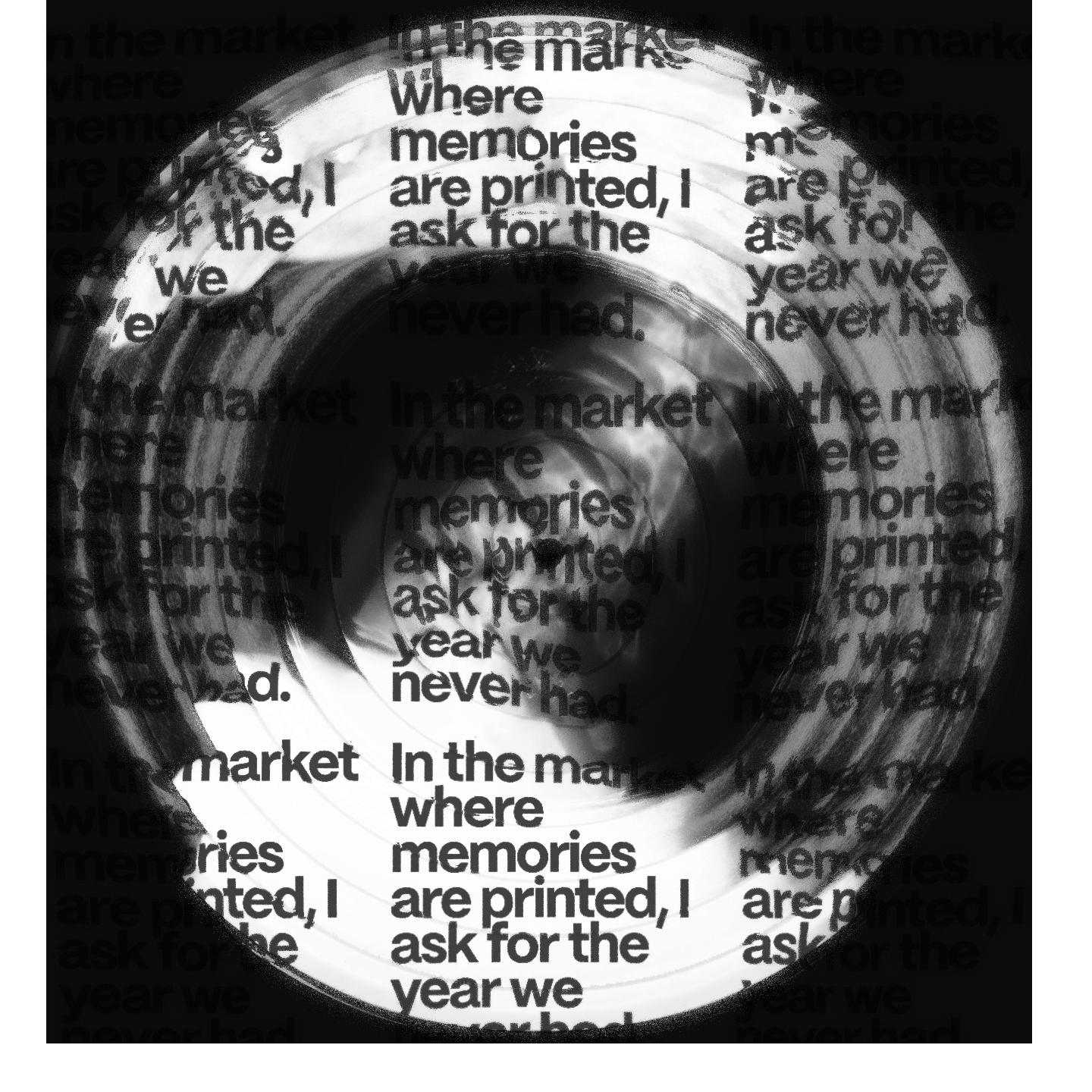
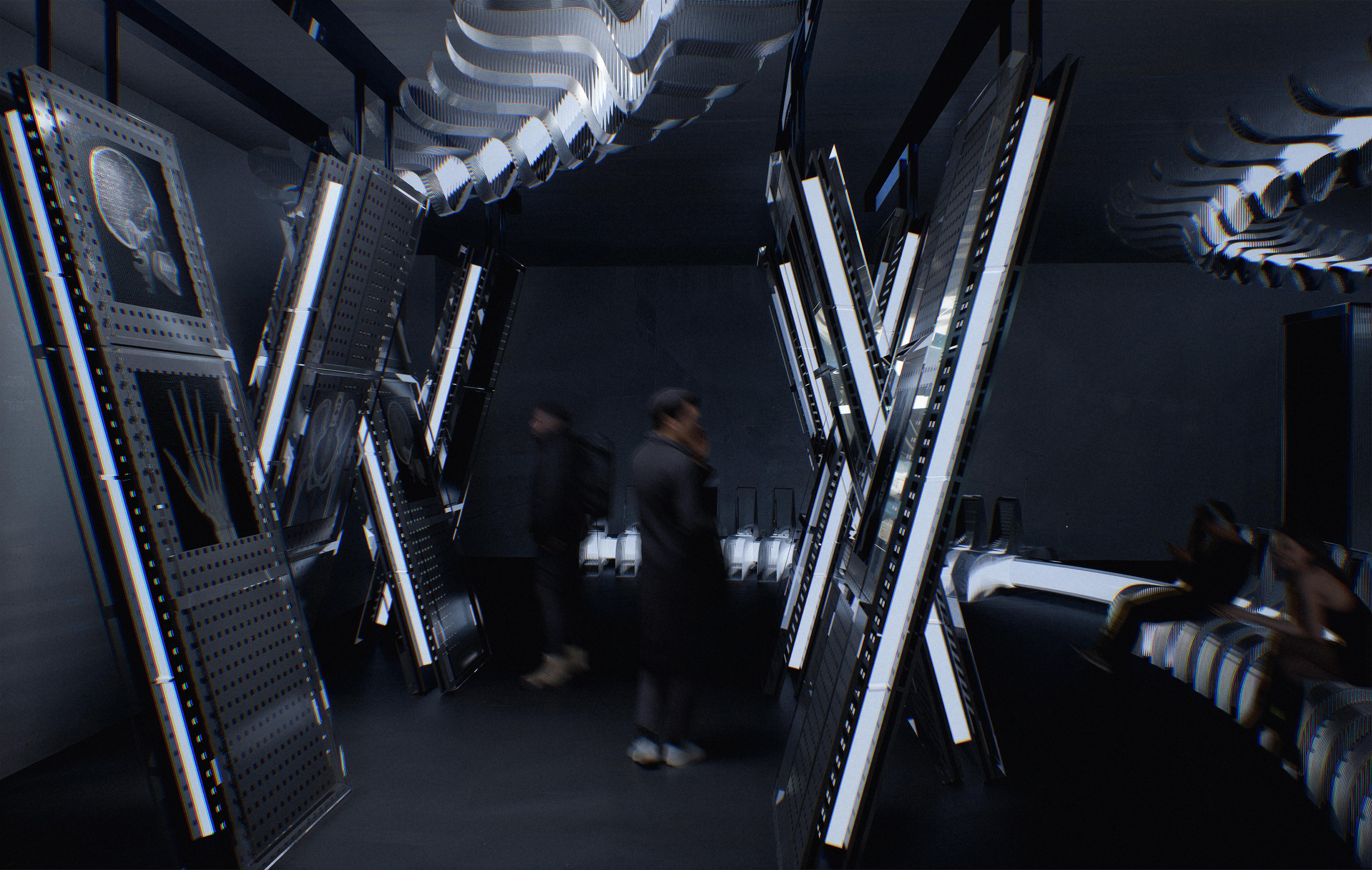
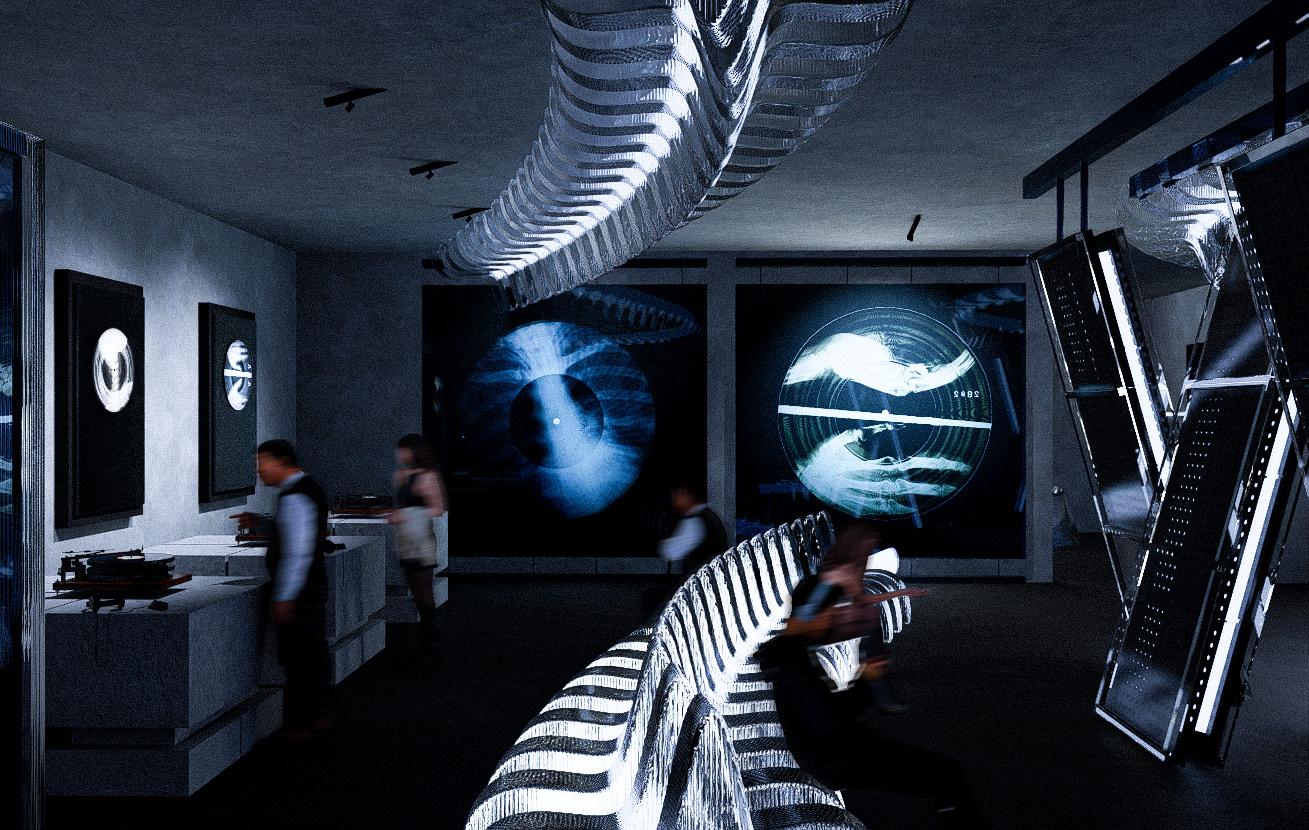
Bone Music reimagines the underground culture of Cold War bootlegging through a spatial narrative of memory, resistance, and transmission. The project draws from the phenomenon of X-ray records—music etched into discarded medical films—and translates this act of improvisation into architecture.
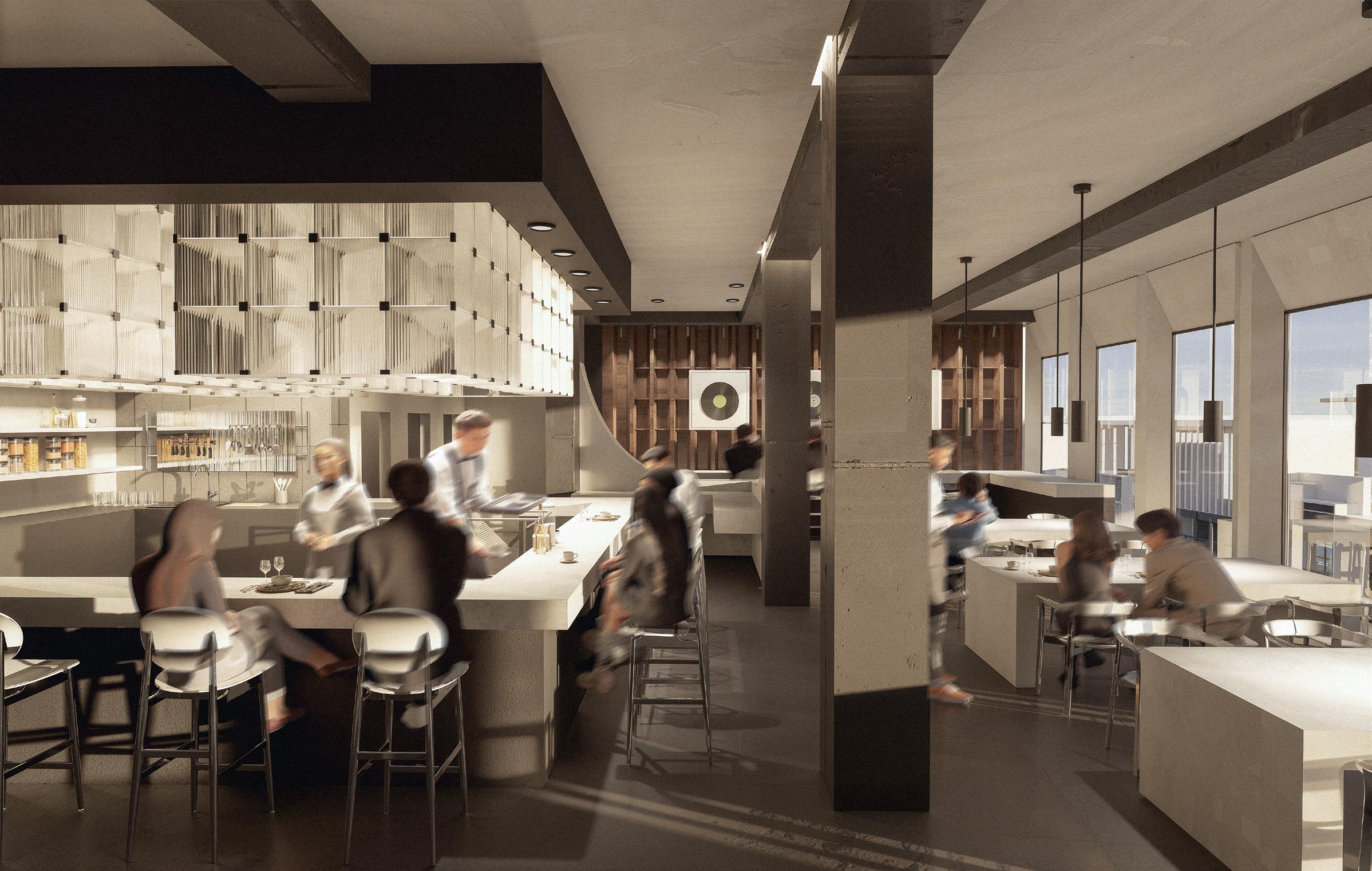
Set within the Tate Modern, the exhibition unfolds as a sequence of a spatial skeleton guiding visitors through a layered journey from concealment to amplification. Concrete, steel, and translucent materials frame moments of compression and release, echoing the tension between censorship and expression. The adjoining café extends the narrative, functioning as an afterimage—where sound, material, and memory linger beyond the exhibition.
Bone Music is not simply a display of history, but an immersive environment that embodies the resilience of cultural expression under constraint.
Exhibition + Cafe
Tate Modern
Bone Music
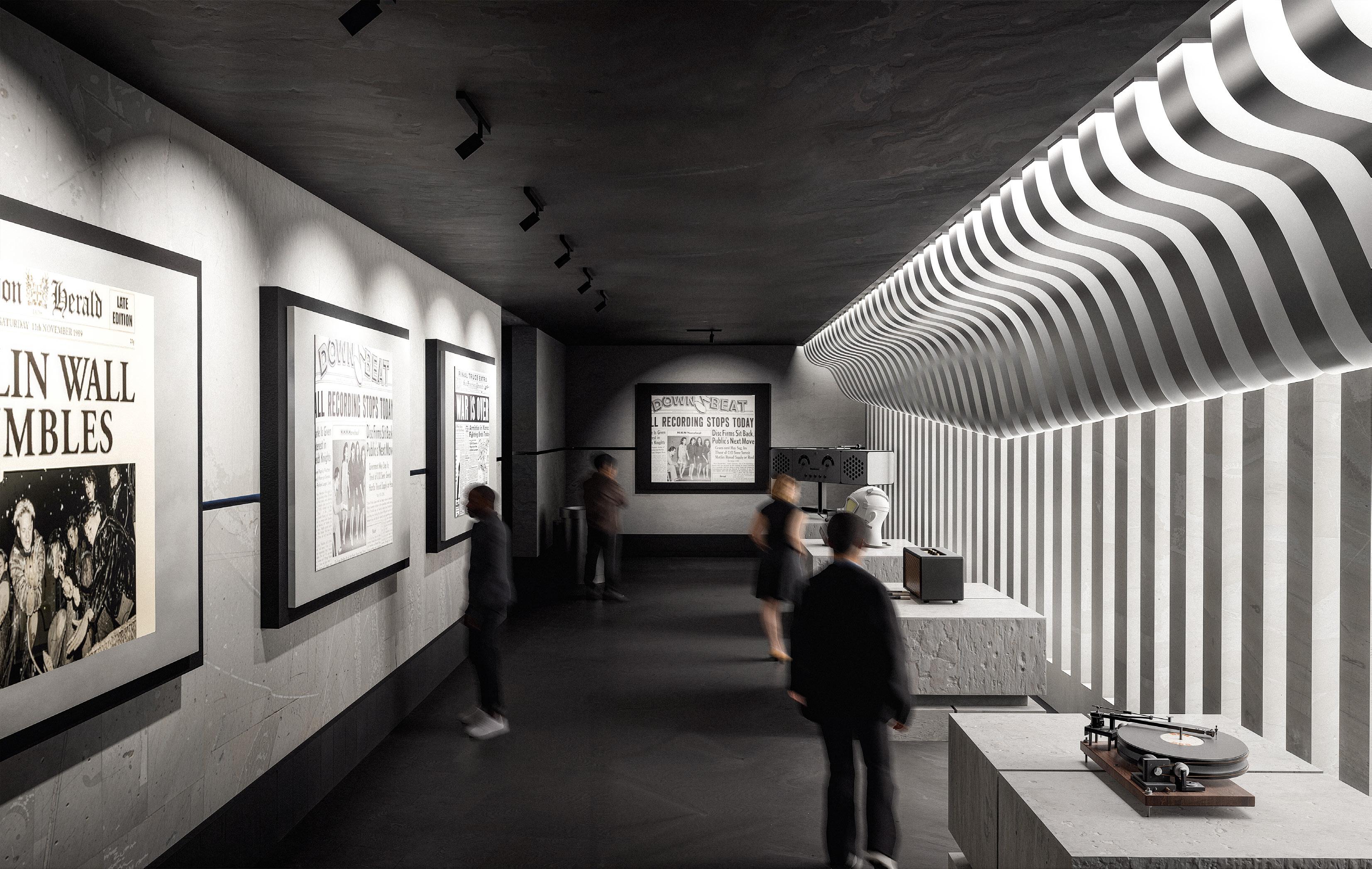
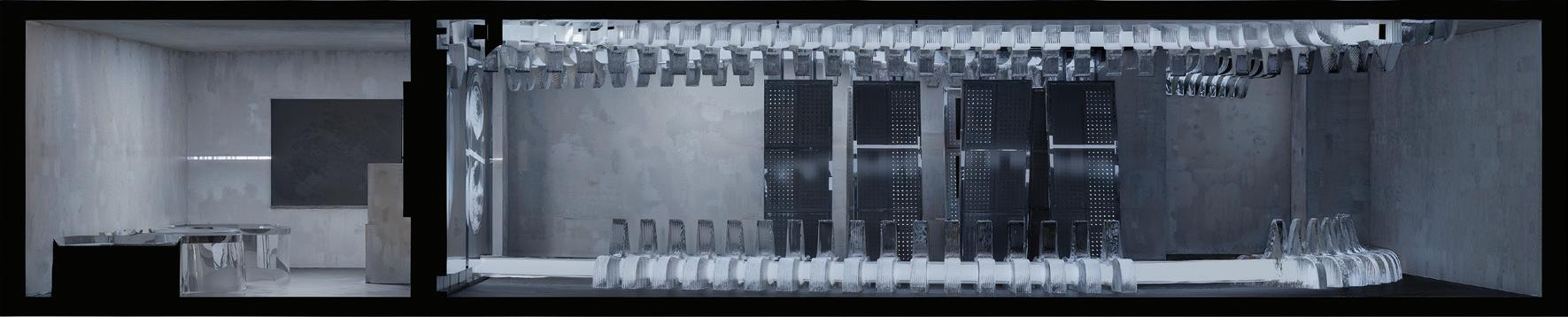
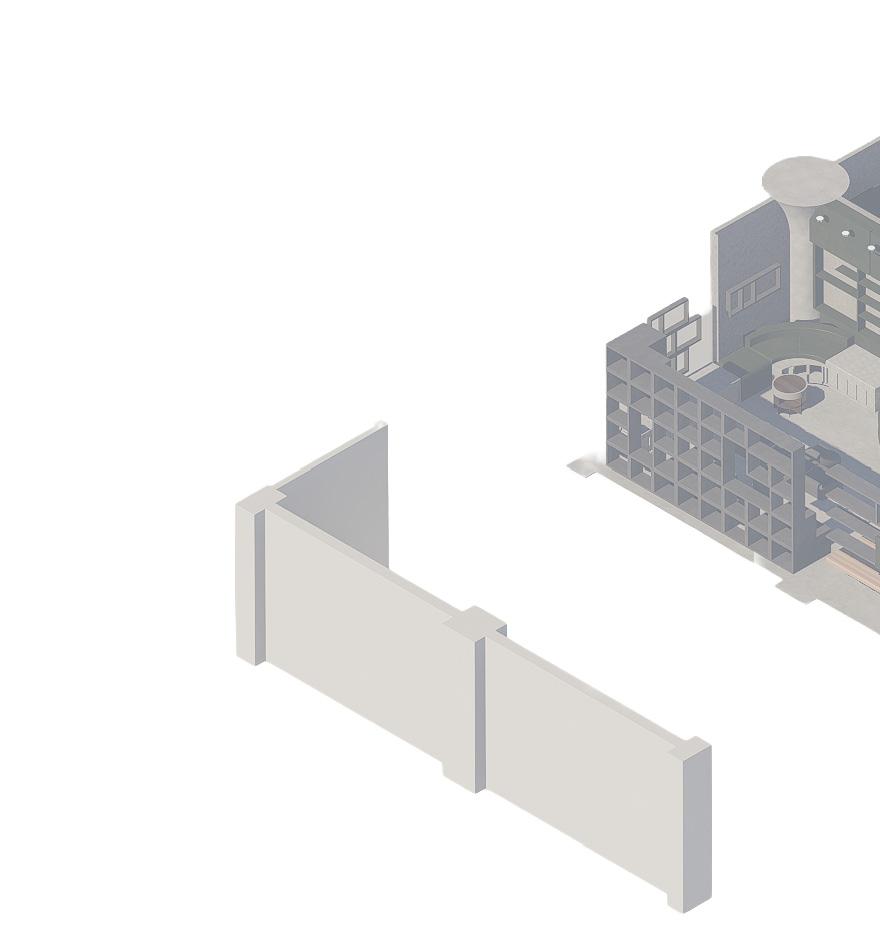
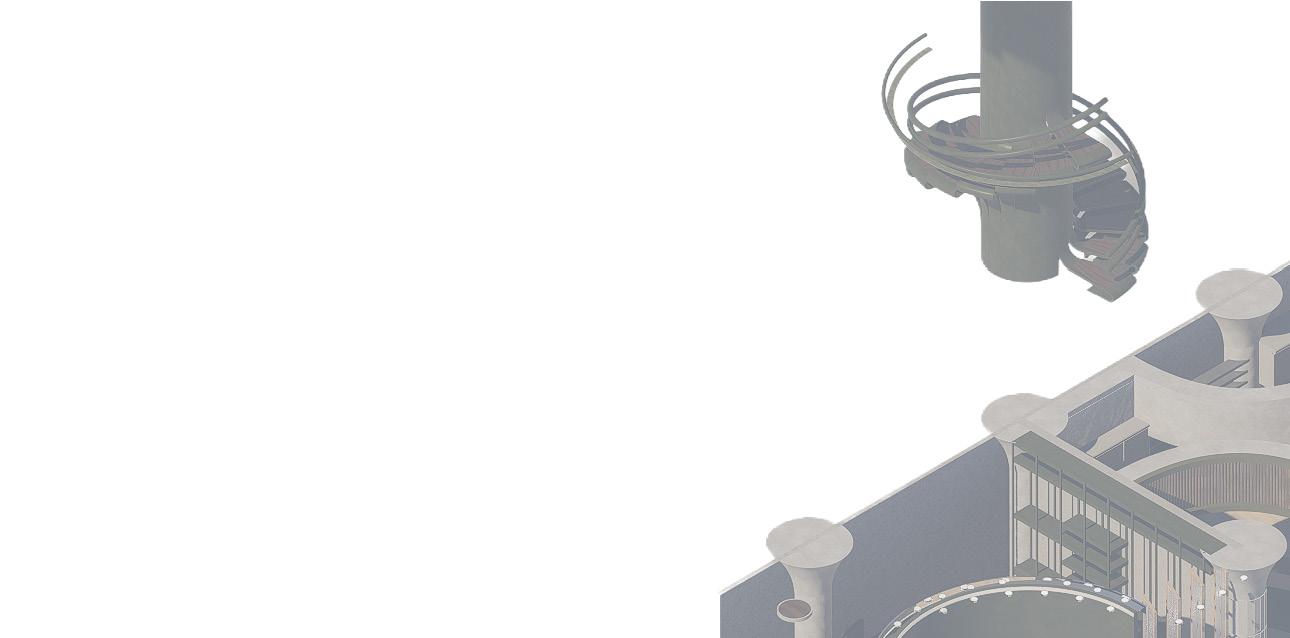
Bone Music translates the underground culture of Cold War X-ray record bootlegging into a spatial procession through the human body. The exhibition unfolds from Skull to Neck, Ribcage to Spine, and finally the Back, before transitioning into the café as a post–Cold War release.
Each room contains sculptural insertions that abstract its corresponding bone. Exposed concrete grounds the project in the atmosphere of Cold War bunkers—heavy, monolithic, and protective. Within this shell, the bone-like forms introduce movement and resilience, reflecting the tension between suppression and cultural persistence.
The adjoining café shifts toward openness and gathering, representing a post–Cold War condition where what was once hidden becomes shared.
Ribcage: Medical equipment and production 4: Spine : Main Display Room 5: Back : Evolution of music post war
Entrance
Neck: History Exhibit View
Pre War newspaper, propaganda and pre war audio. Wall sculpture designed to resemble neck vertebrae
Main Hall (Spine View 1)
Main Hall (Spine View 2) Imitating the look of an MRI scan
Afterimage Cafe
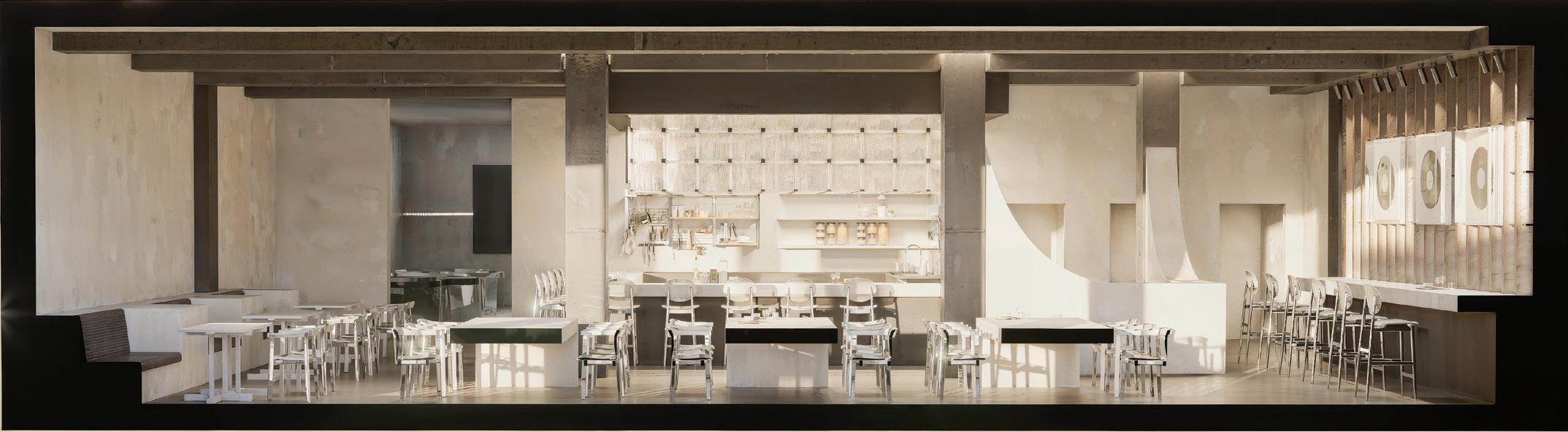
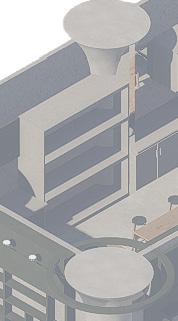
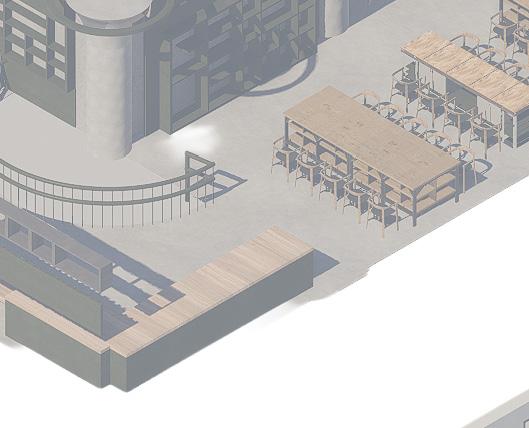
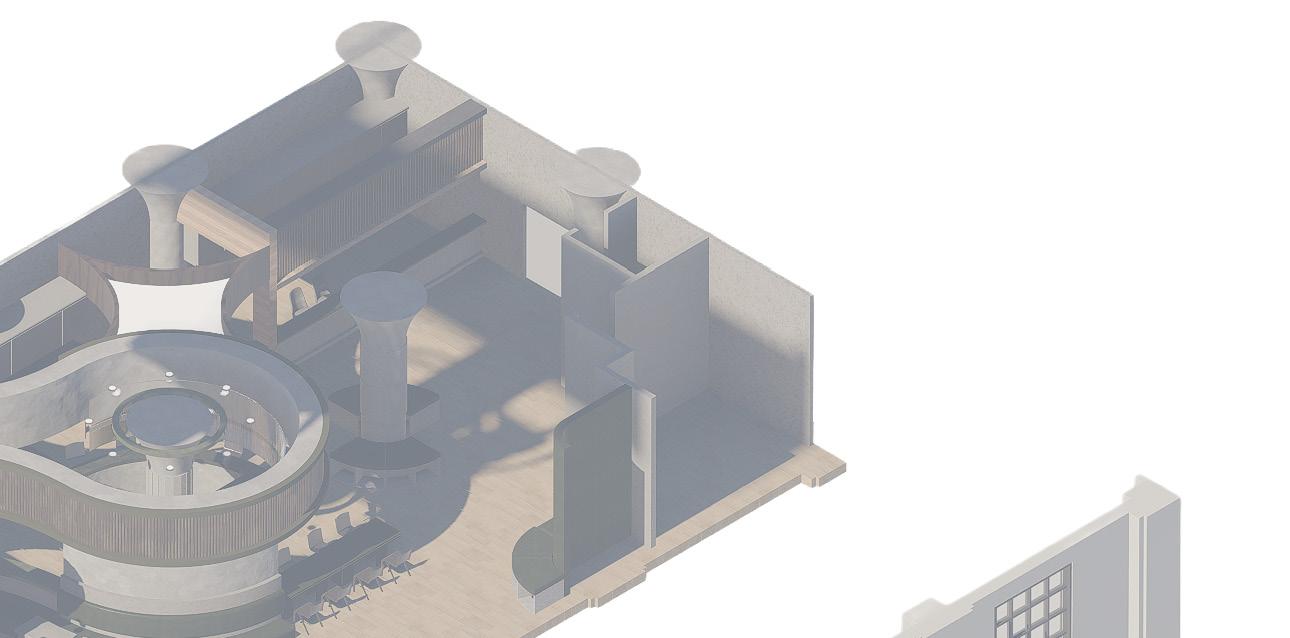
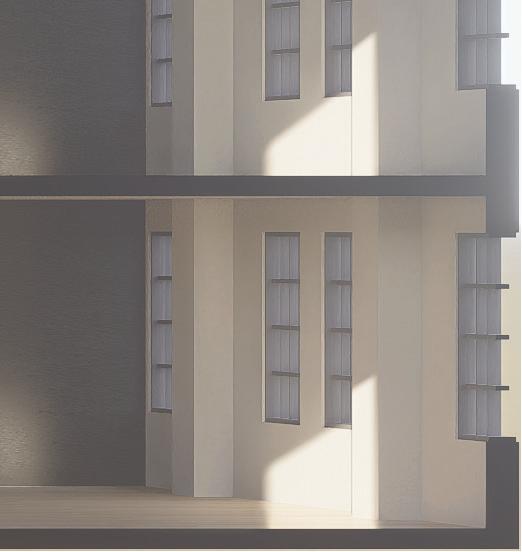
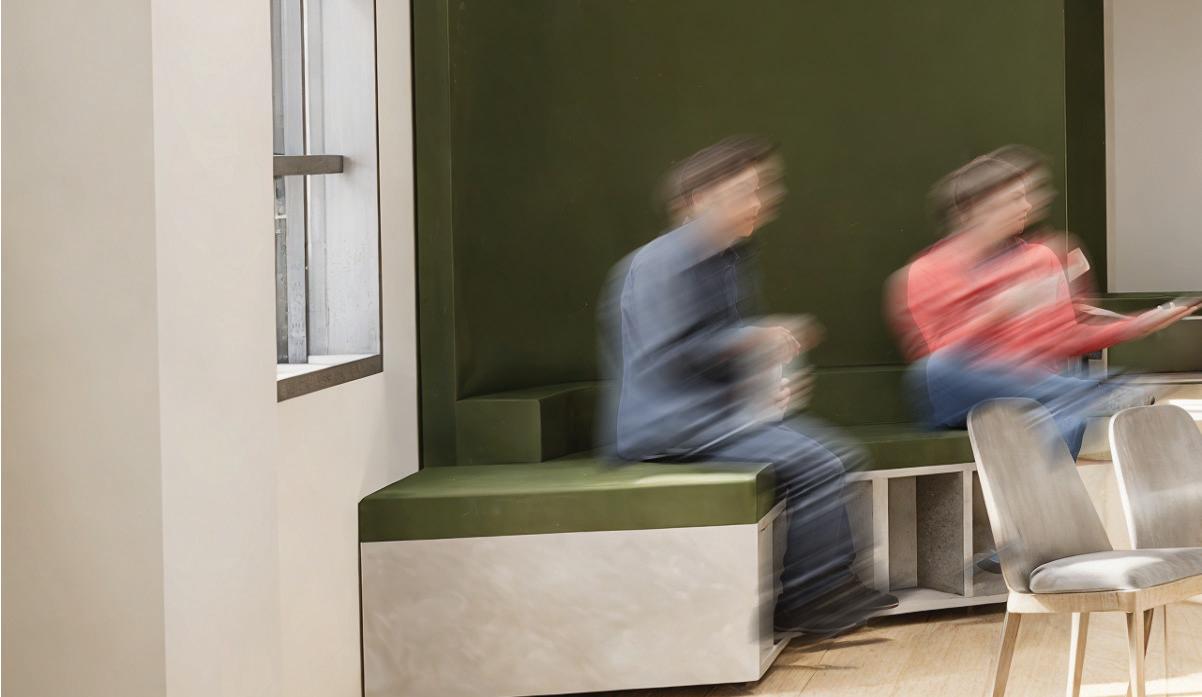
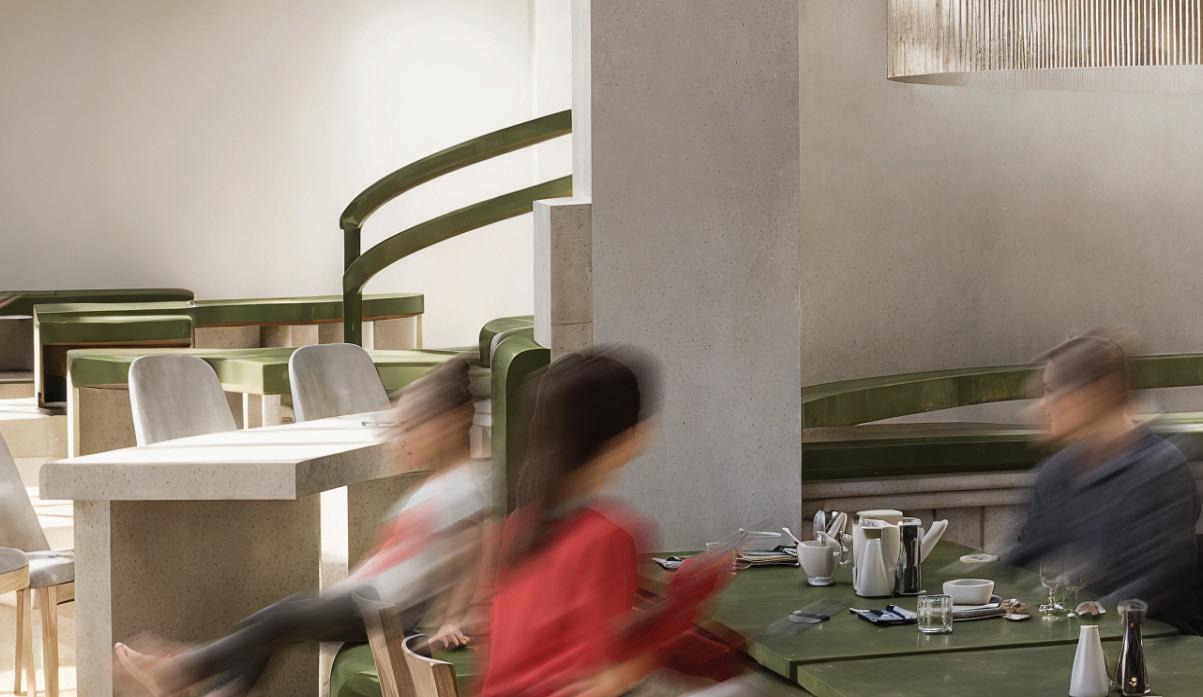
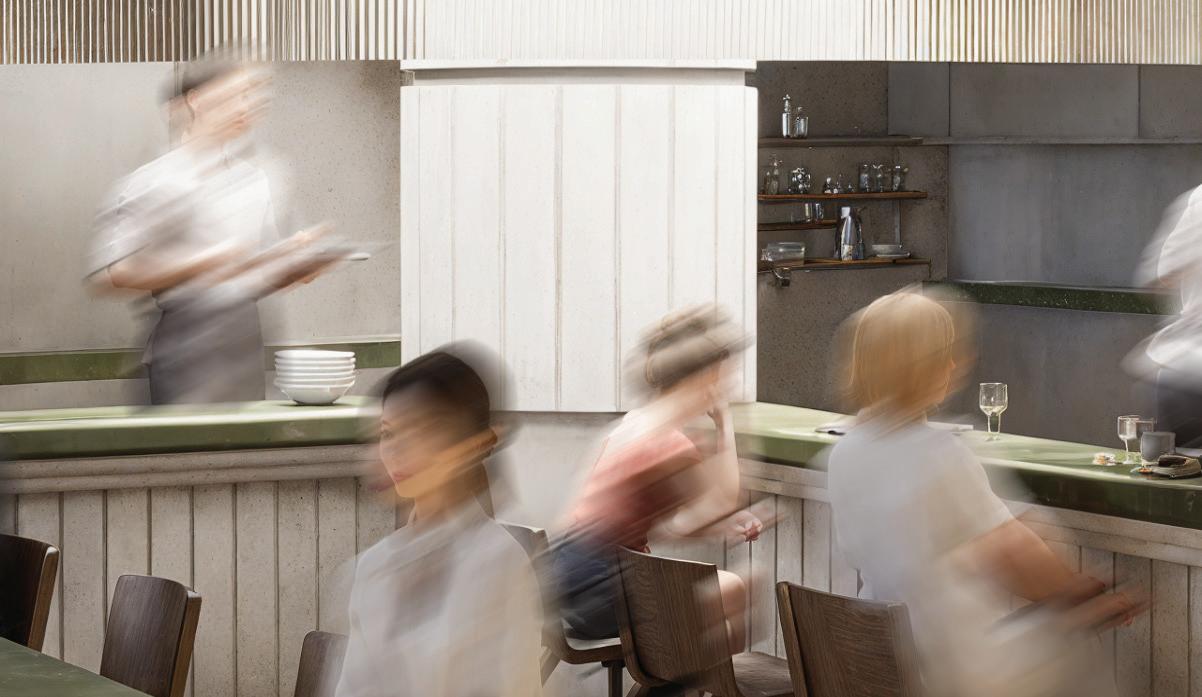
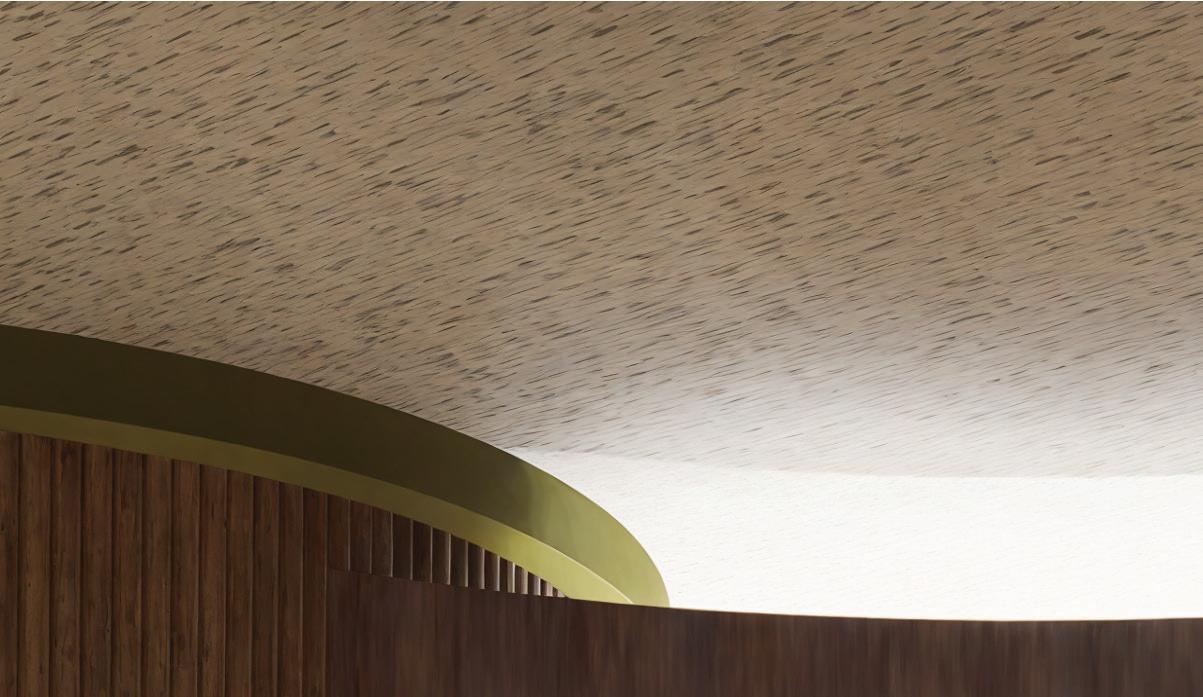
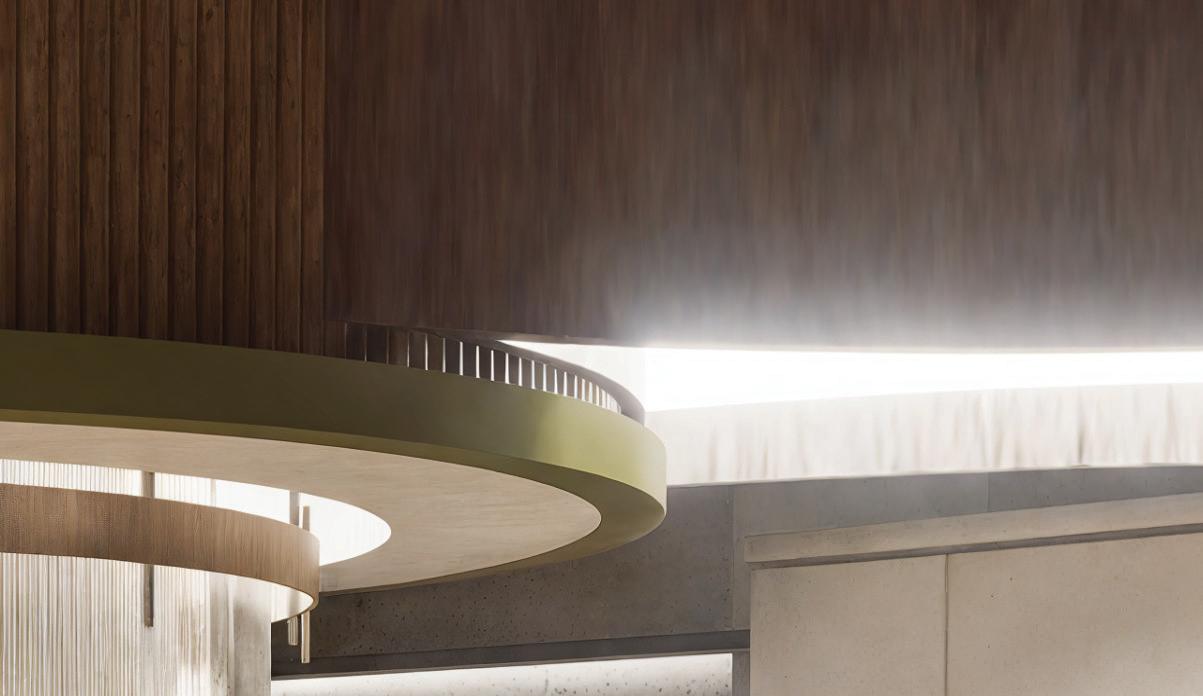
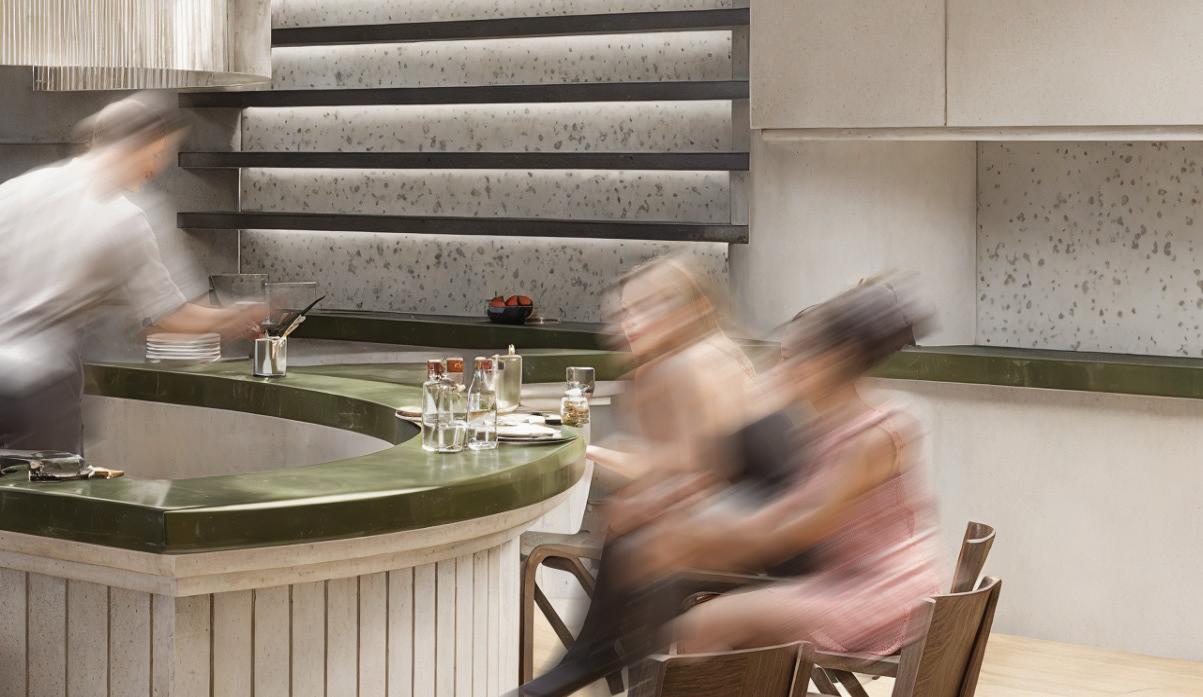
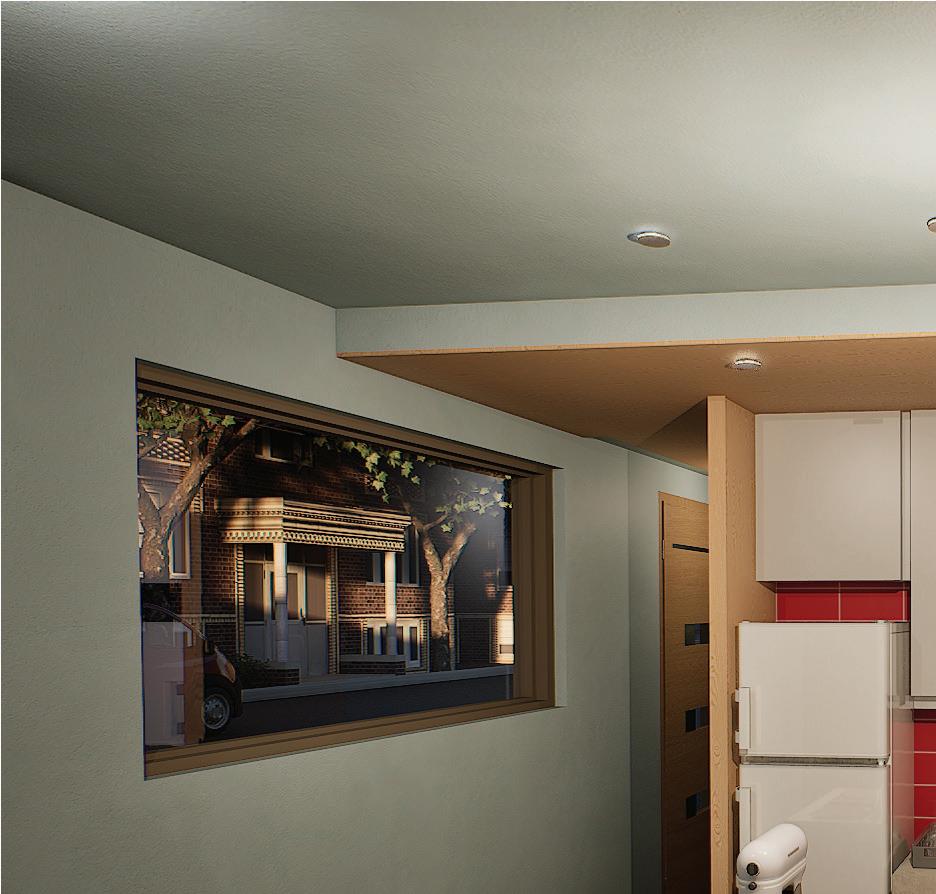
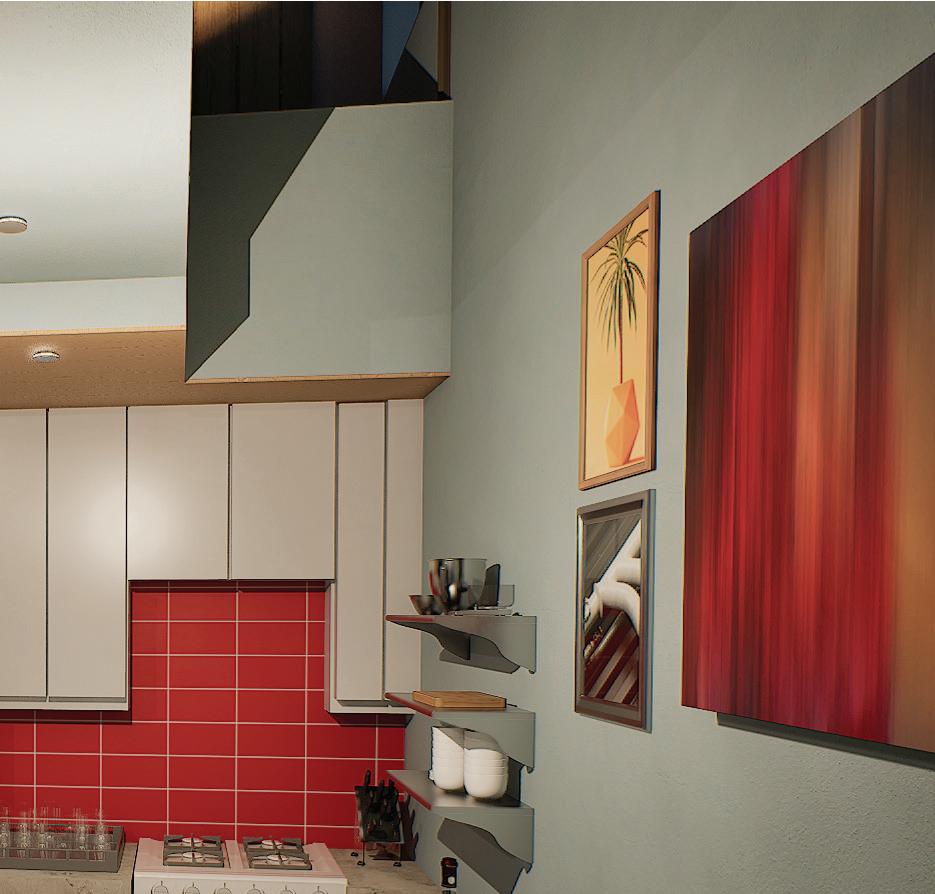
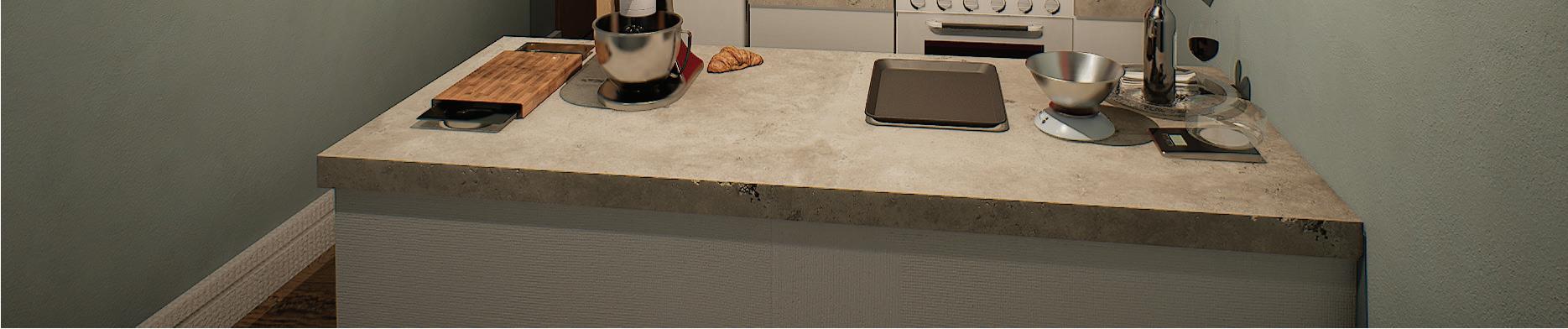
The café represents a post–Cold War condition—open, social, and no longer concealed. In contrast to the dark, bunker-like exhibition spaces, the café shifts toward warmth and vibrancy. Soft, layered lighting replaces the controlled shadows of the gallery, creating an atmosphere of gathering rather than secrecy.
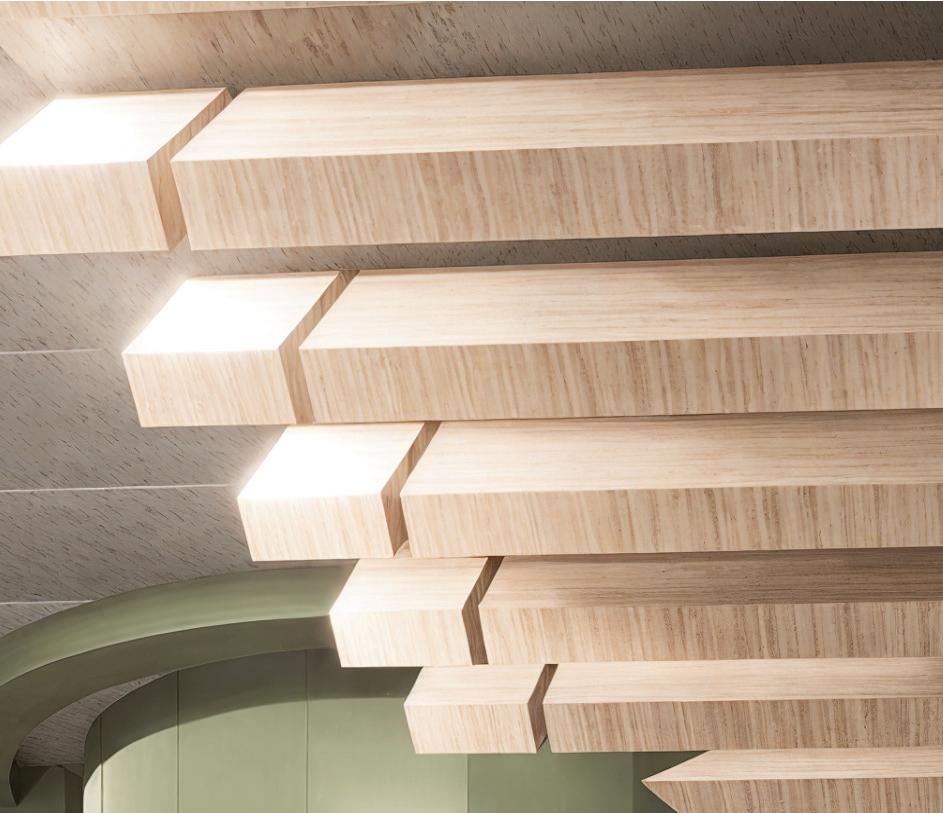
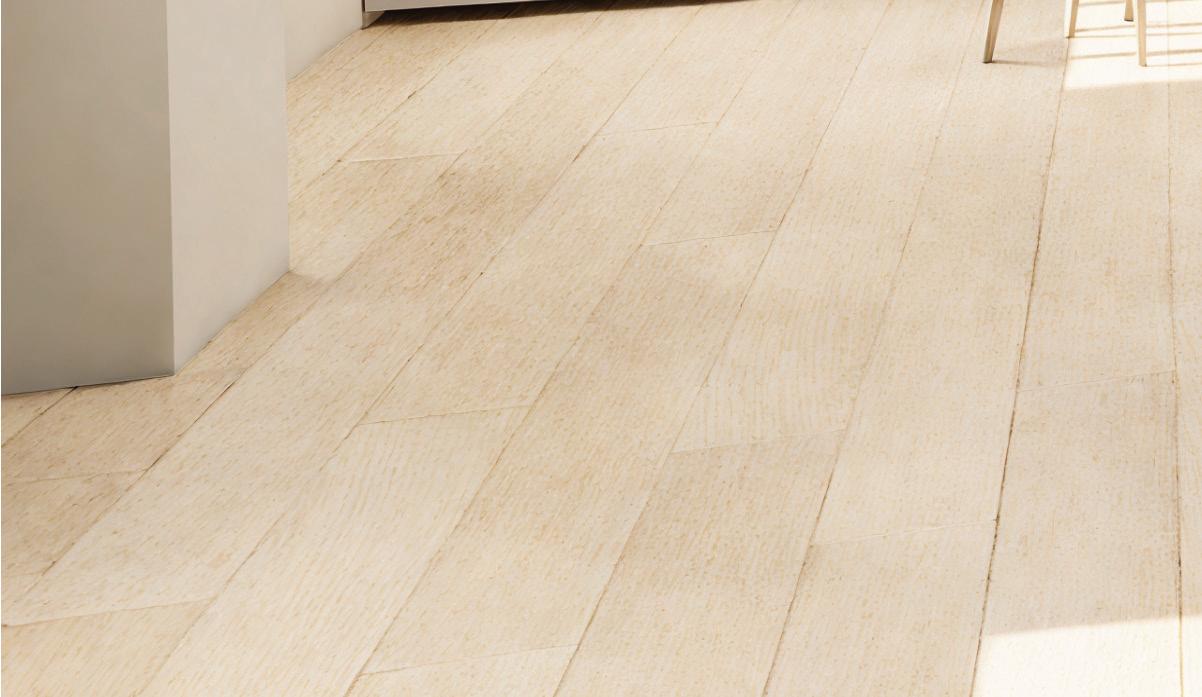
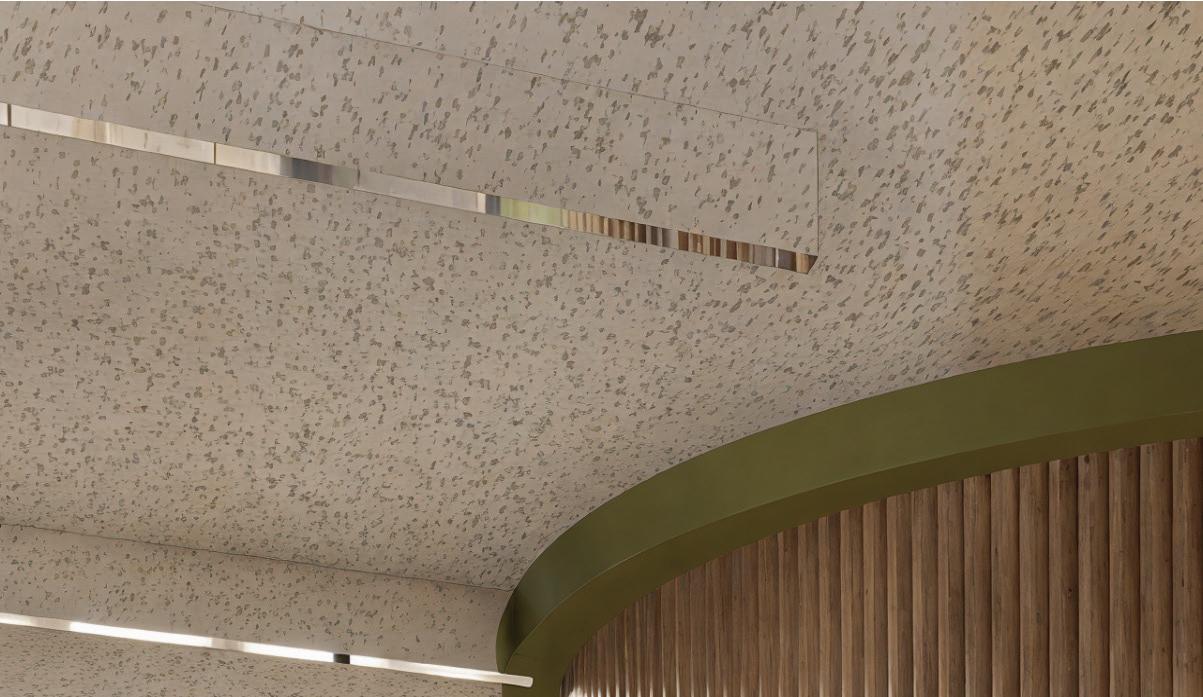
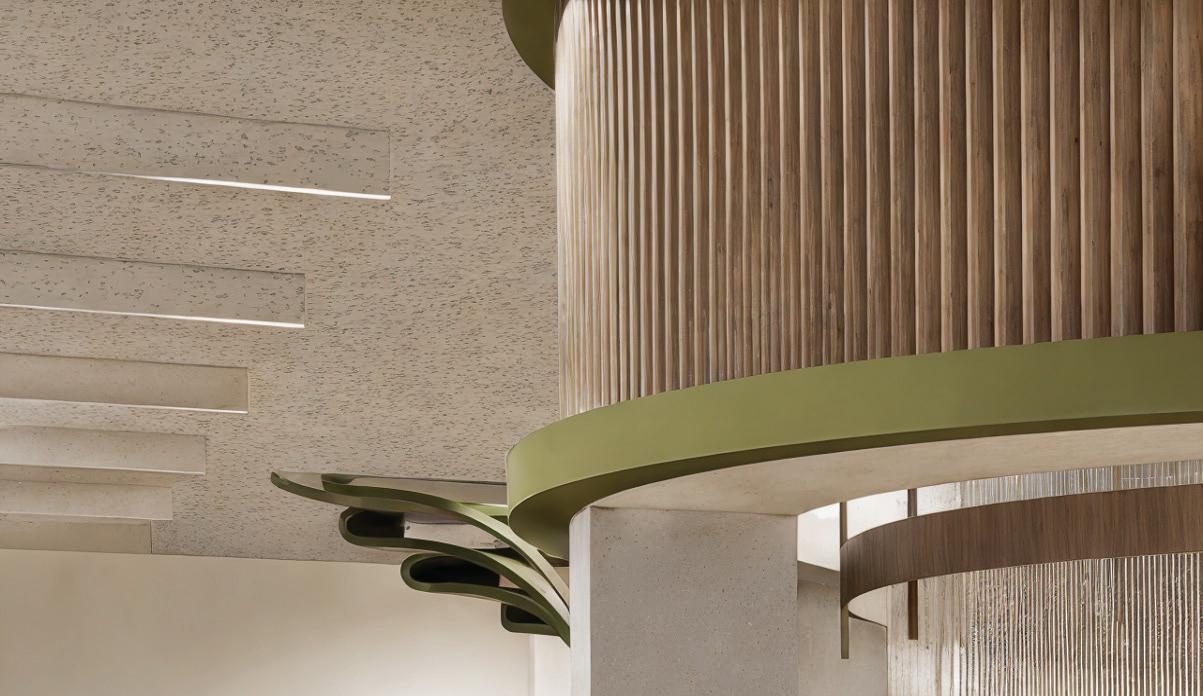
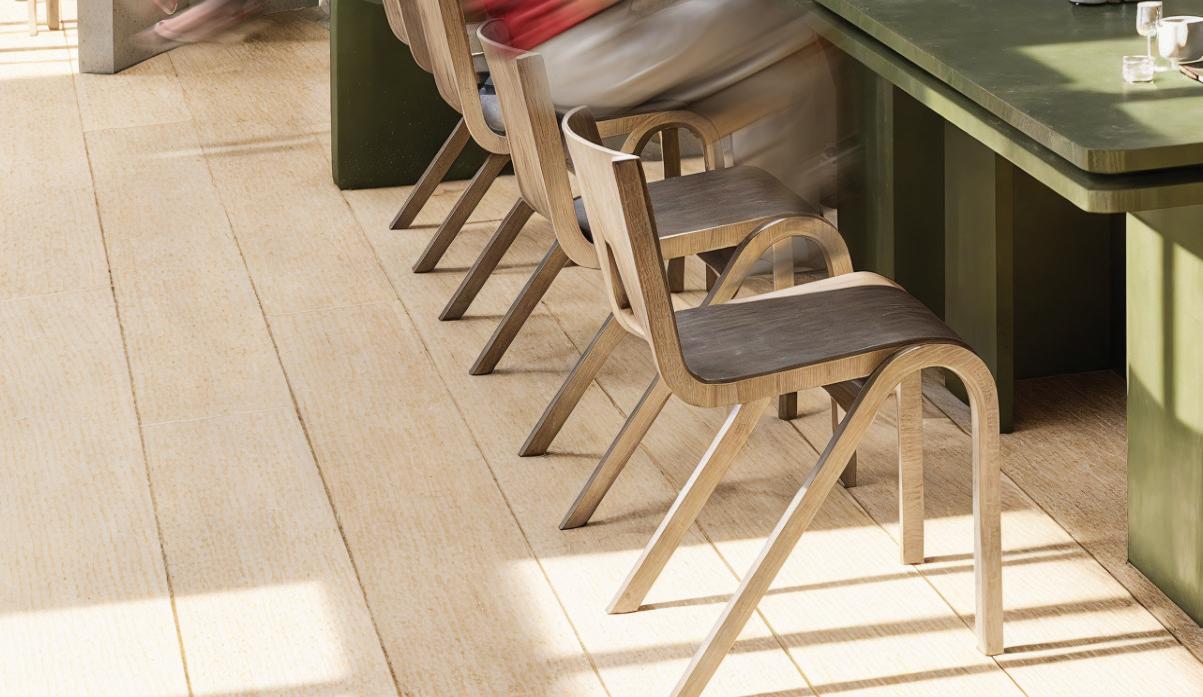
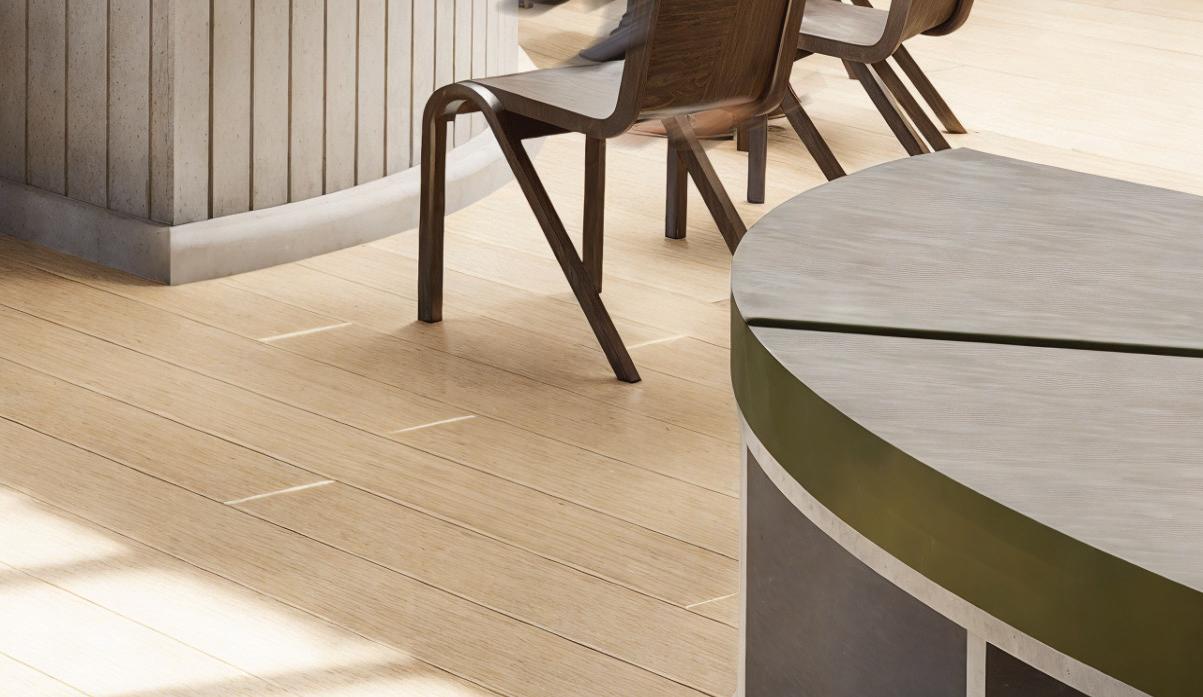
Natural light enters through expanded window openings, introducing transparency and permeability. Where the exhibition compresses and protects, the café releases and connects. Concrete remains present, but is softened through warmer tones, wood accents, and illuminated surfaces—transforming the language of containment into one of community.
The café operates as an afterimage: a space where sound, memory, and culture continue in the open.
Section C: Cafe
Cafe RCP
Cafe Interior View
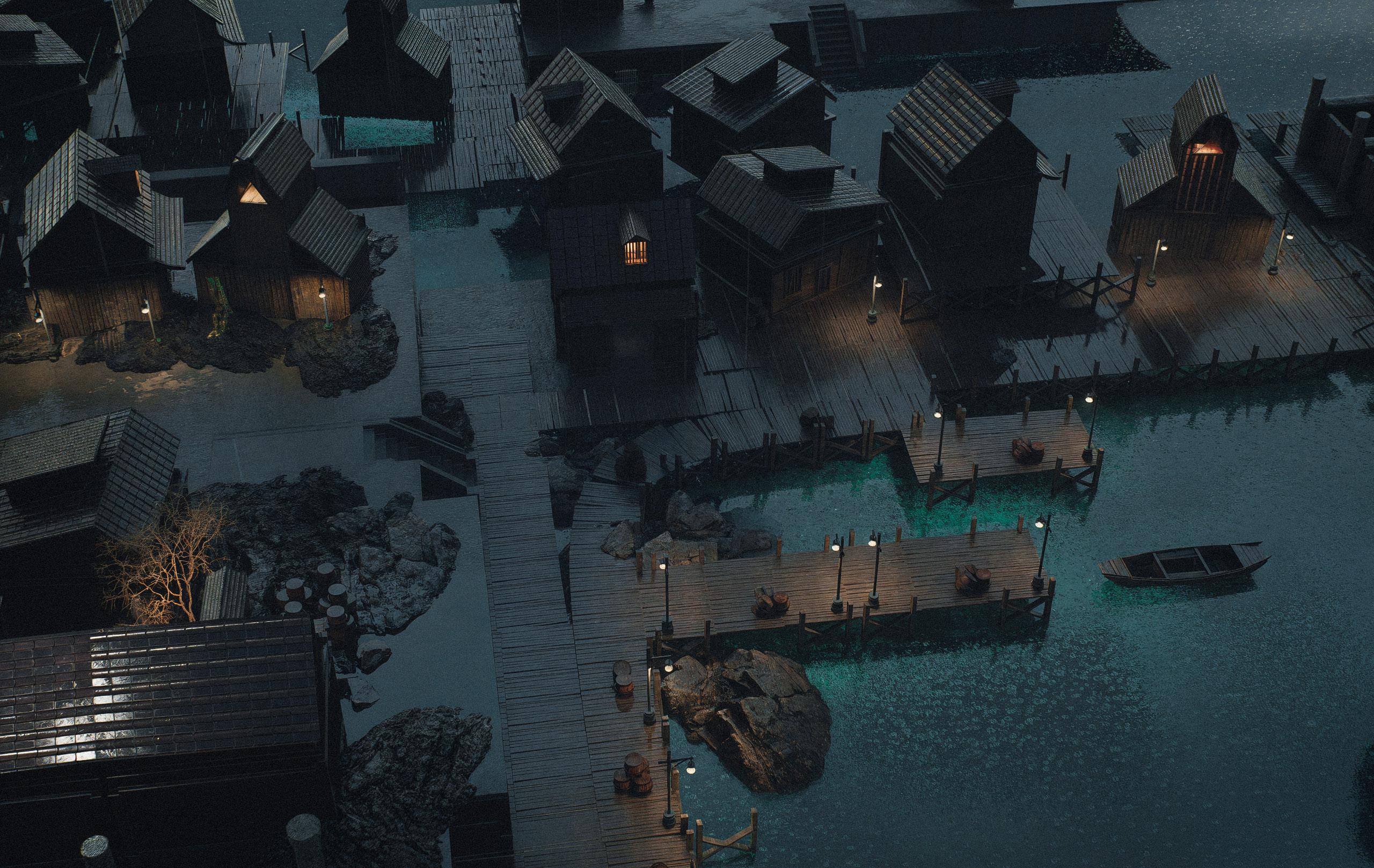
Orpheus and Eurydice River Styx
Set Design - Opera River Styx renditions.
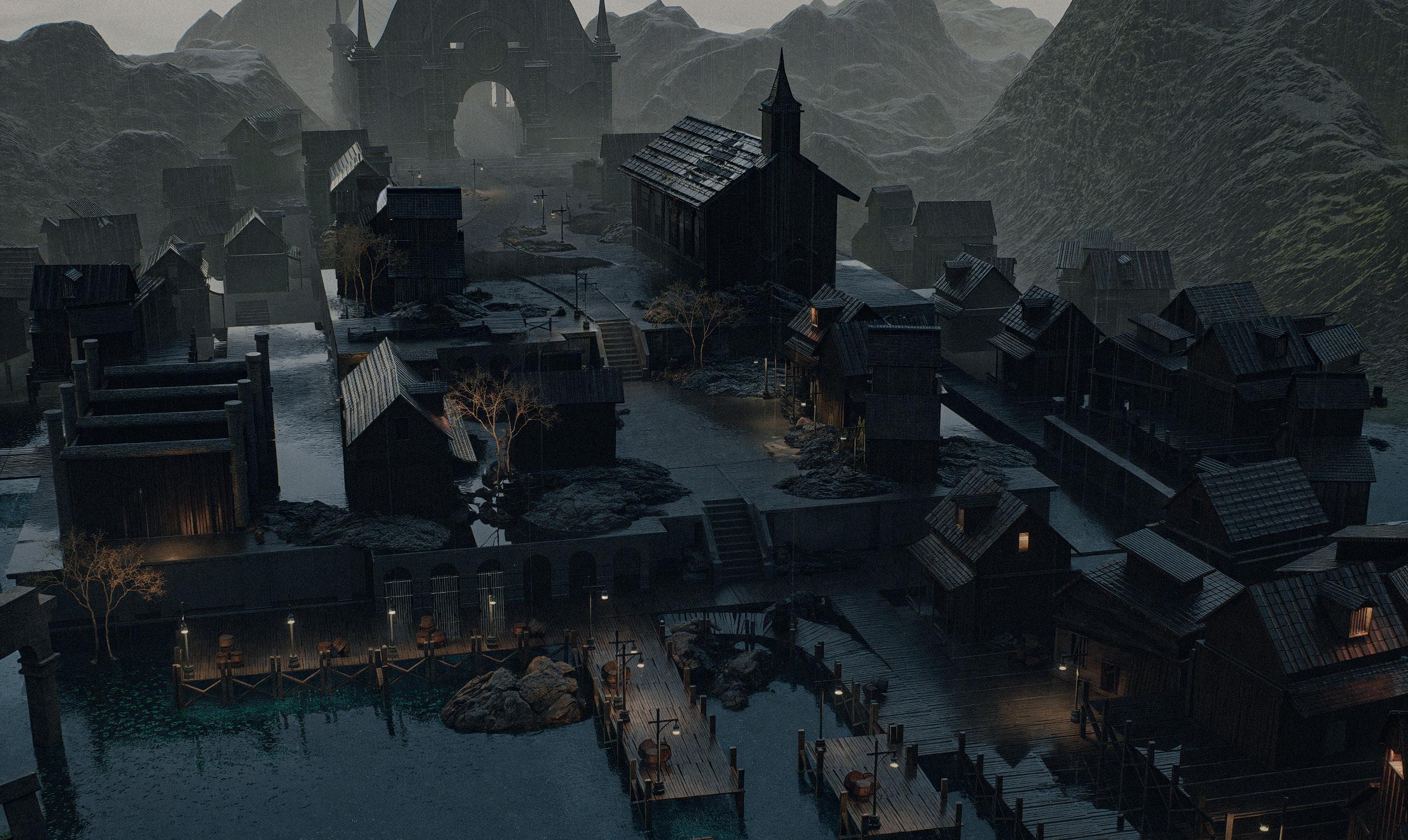
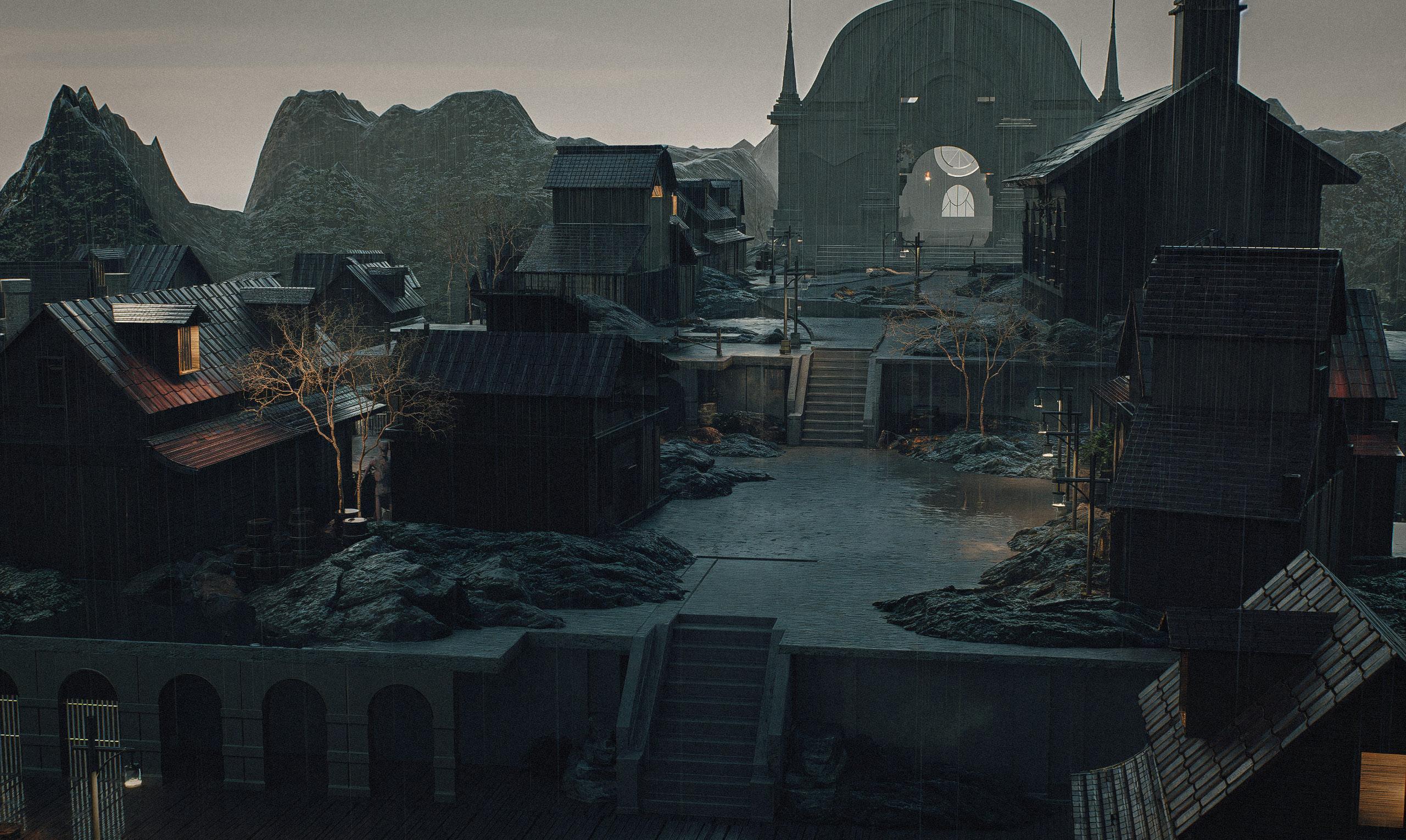
This set design project reimagines the River Styx from the Opera Orpheus and Eurydice as an abandoned seaside town suspended between myth and decay. Drawing from the atmospheric narratives of H.P. Lovecraft, the environment explores themes of isolation, entropy, and the unknown.
The town is modeled as a fragmented coastal settlement—weathered structures, collapsed piers, and fog-obscured horizons suggesting both maritime history and metaphysical passage. Spatial composition emphasizes depth, obscured sightlines, and gradual revelation, allowing tension to build through movement.
POV Video Link and QR https://www.youtube.com/watch?v=Rza4hHkIpCk
View
Unstable Heritage
Lost Villages : Atelier Design Study
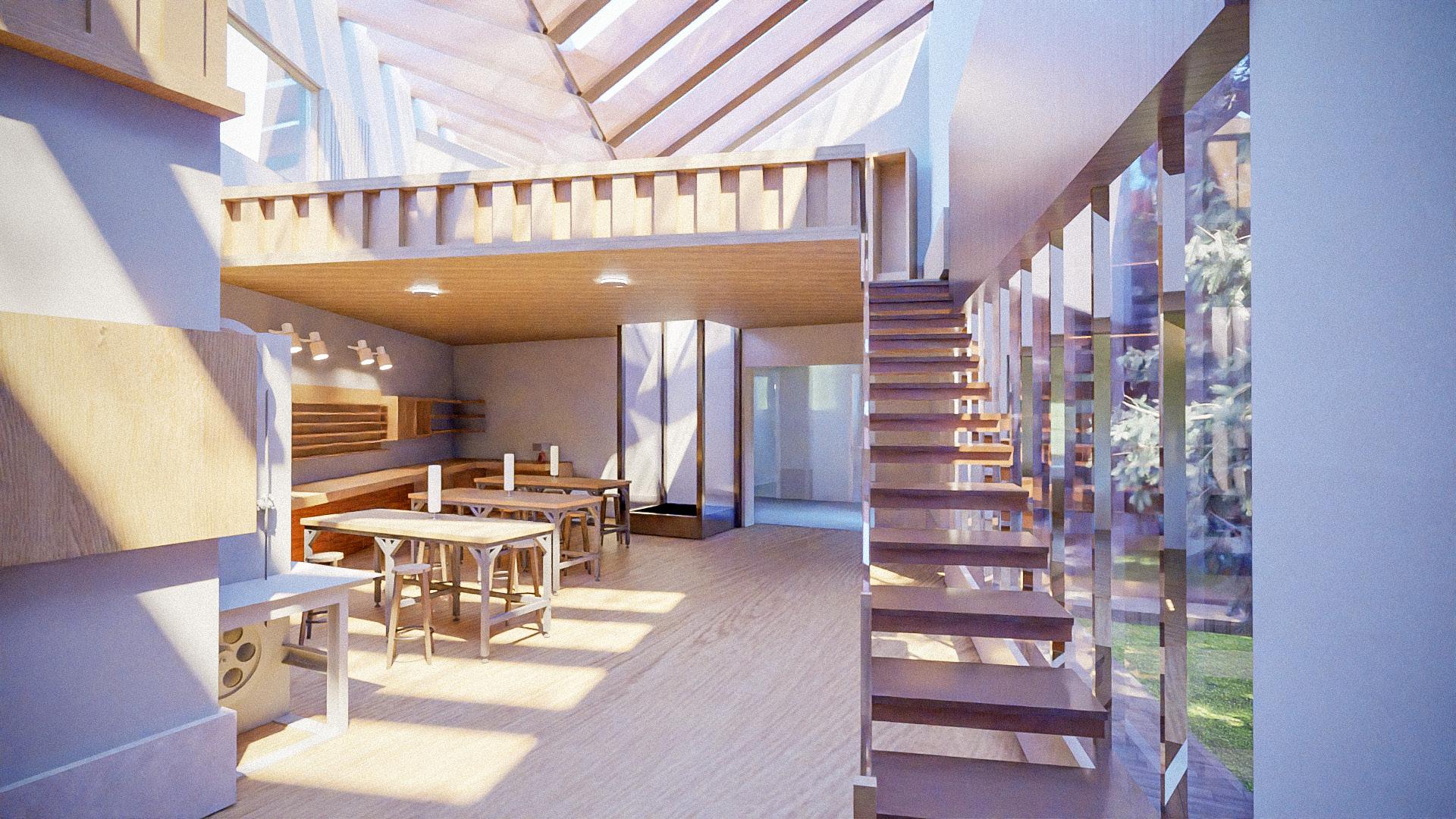
The Lost VIllages museum is a combination of ten communities that were flooded during the construction of the St. Lawrence Seaway in 1958. The Museum contains what’s left of the buildings and remains as a look into the past and preserves the memory of life from those who occupied the buildings before. This project tackles a atelier space built between two of these buildings that acts as a artist hub and public space for museum goers which focuses on the threshold between new and old.
Unstable Heritage
Lost Villages
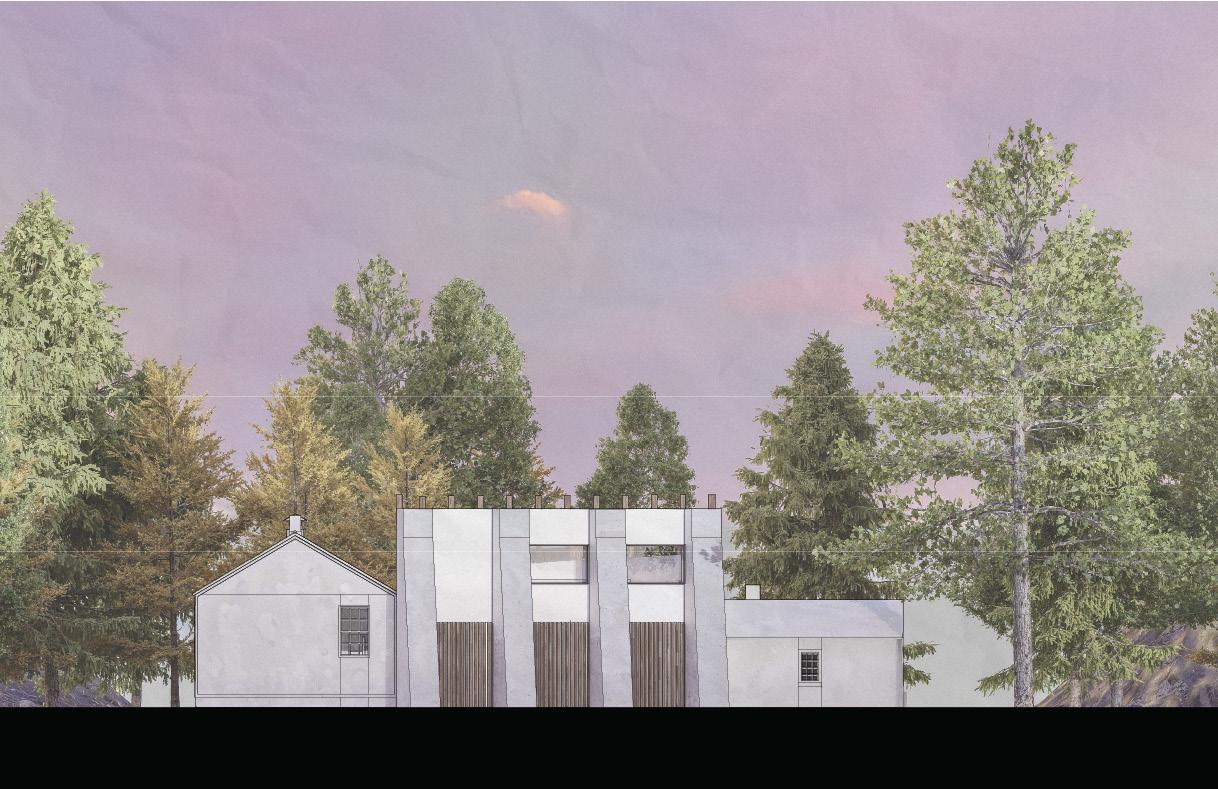
Unstable Heritage explores the threshold between preservation and intervention. Set within an existing structure, the project questions how new architecture can coexist with inherited forms without erasing their history. Rather than restoring or replacing, the design inserts a contemporary layer that sits in tension with the original fabric.
The intervention does not mimic the past; it contrasts it. Clean geometries, refined materials, and precise detailing are introduced against the weight and texture of the existing structure. This deliberate instability creates moments of friction — spaces where old and new meet, overlap, and negotiate.
The result is an environment that frames heritage not as static preservation, but as an evolving dialogue between memory and transformation.
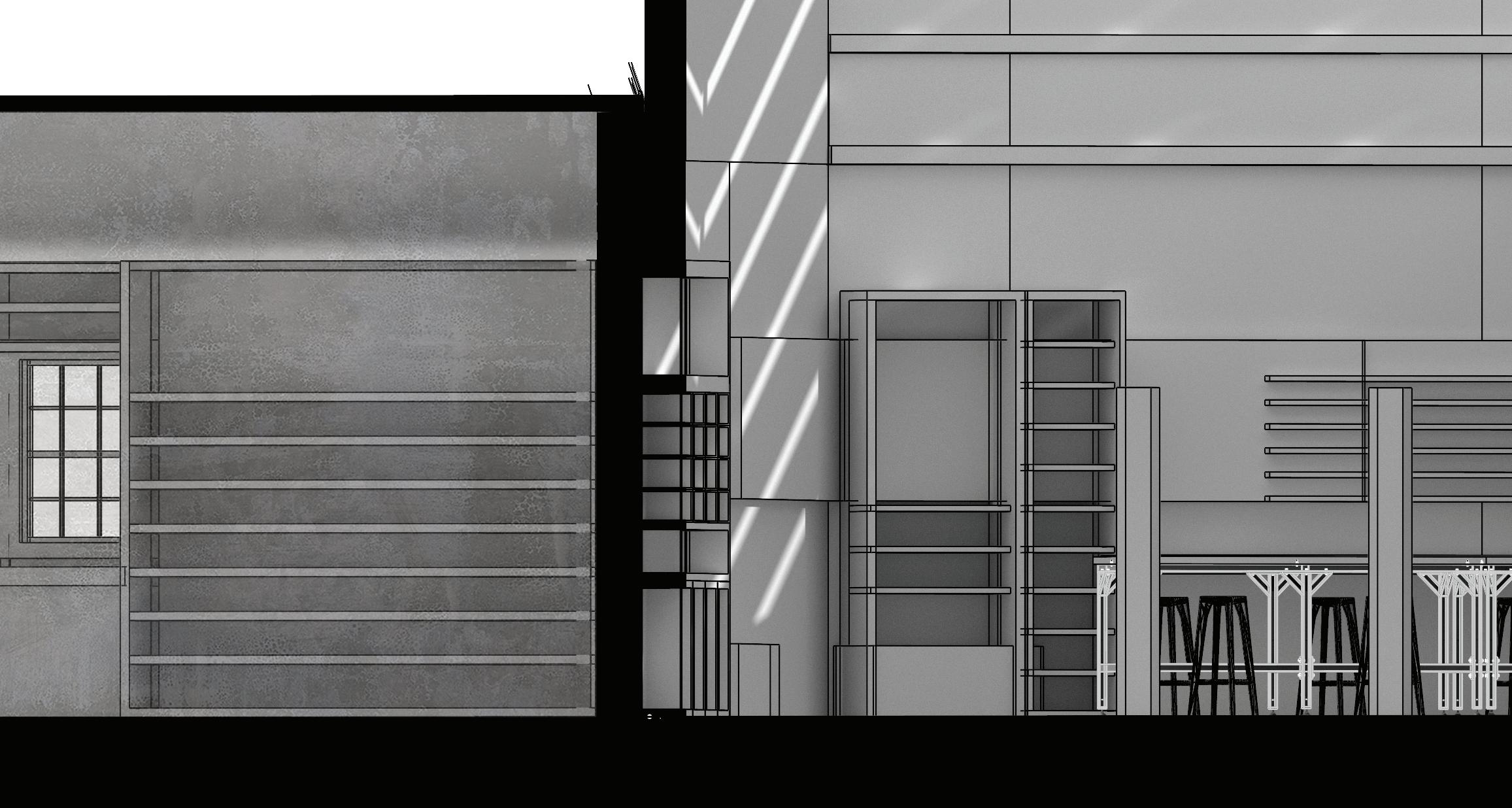
North Section
East Section
Lost Villages Museum Map
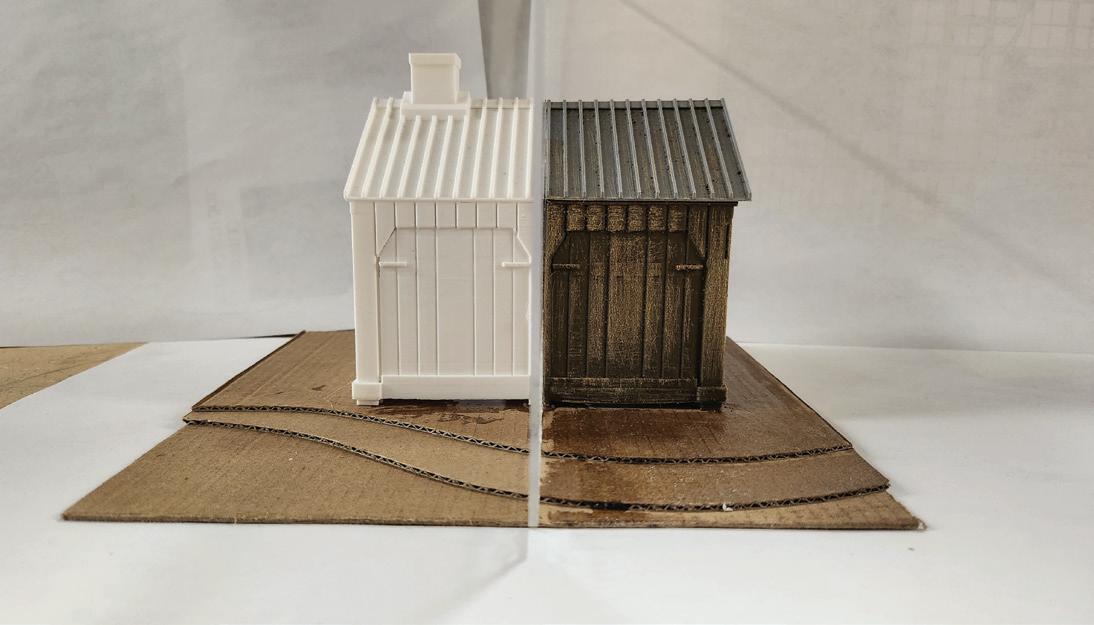
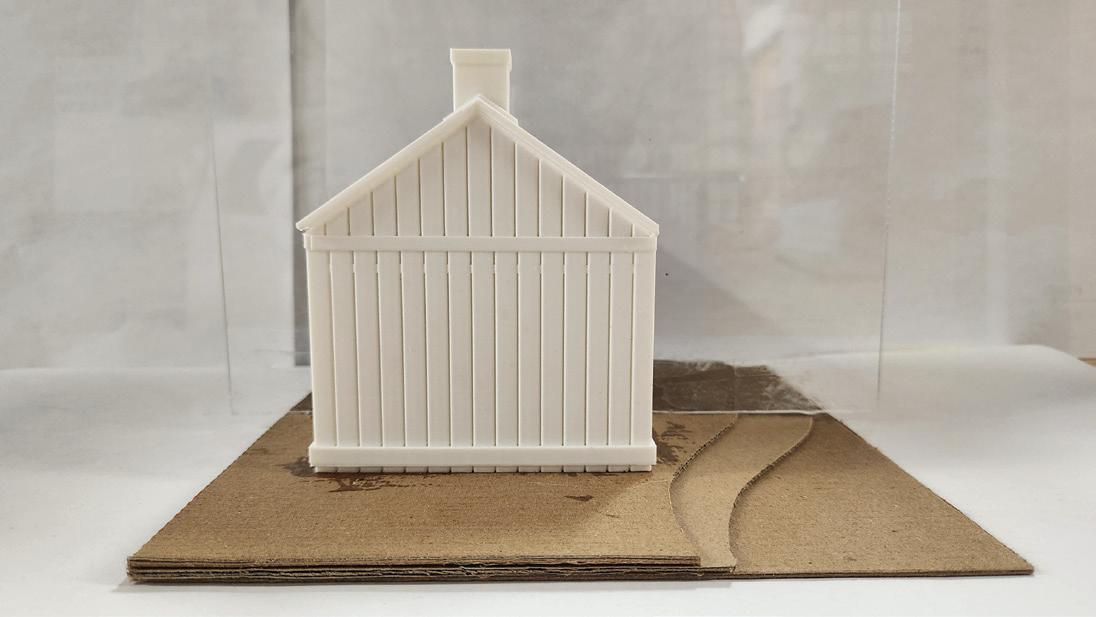
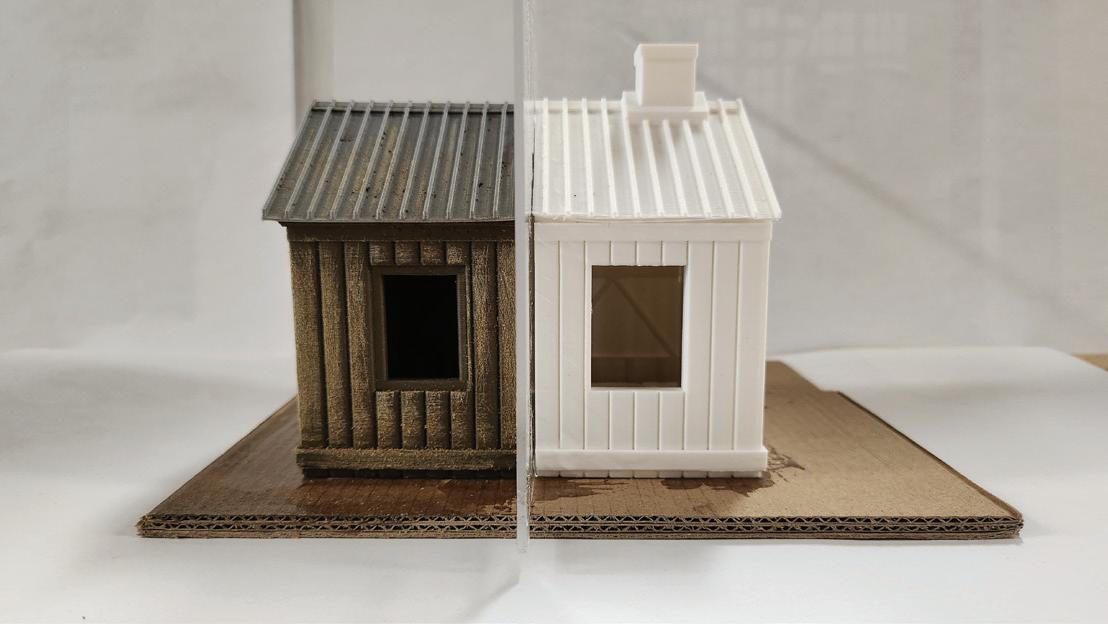
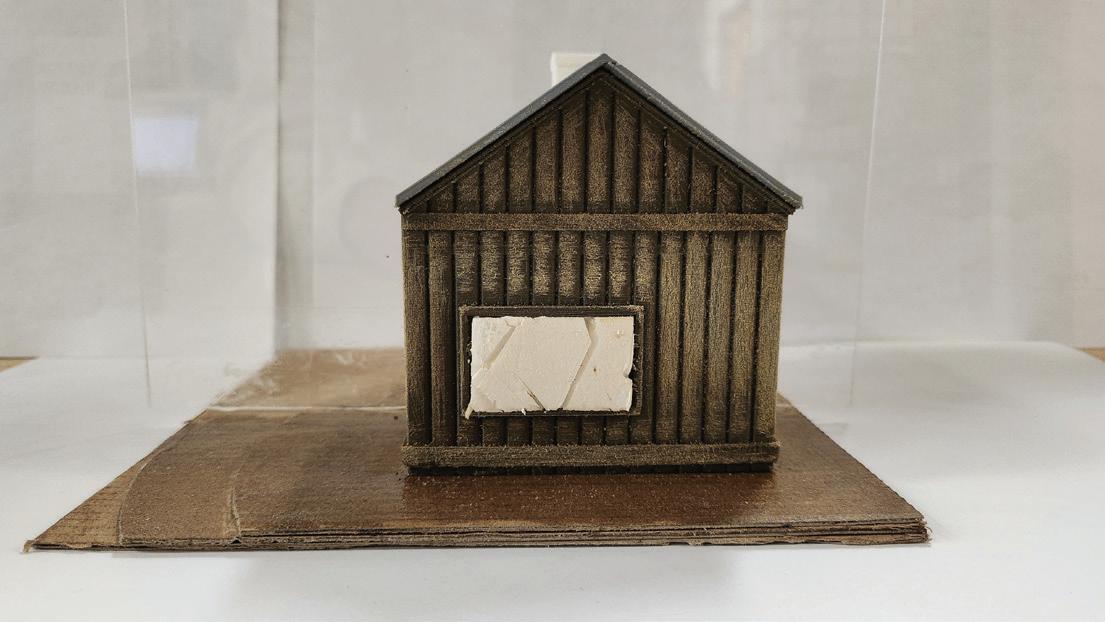
Casted House Studies
Blacksmith House Study Elevations
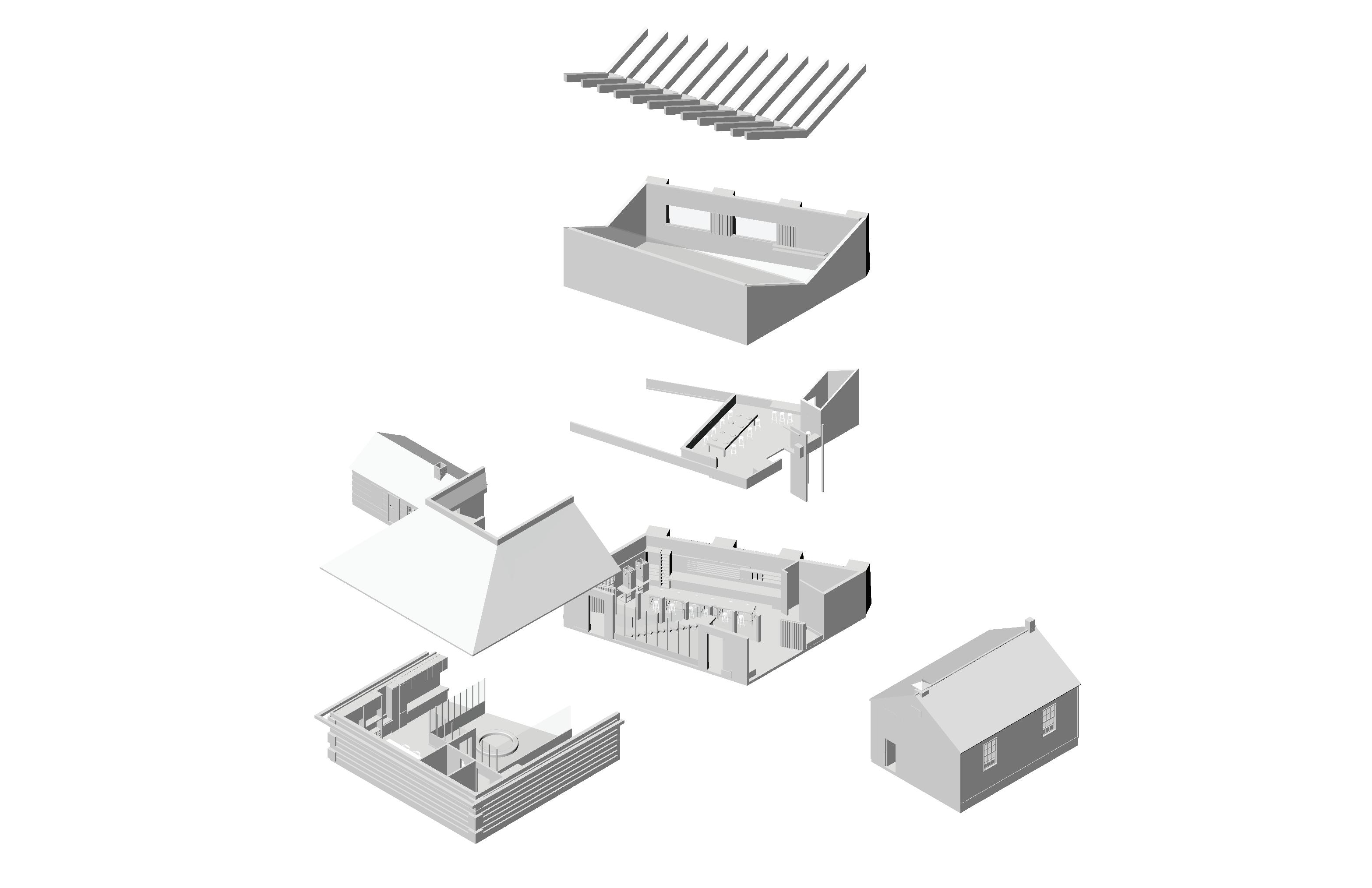
Blacksmith House Axonometric
Pre- and Post-Cast Study Model
Detail Section Exploded Axo
Workshop Interior View
Lotus Lamp
Light Fixture Study
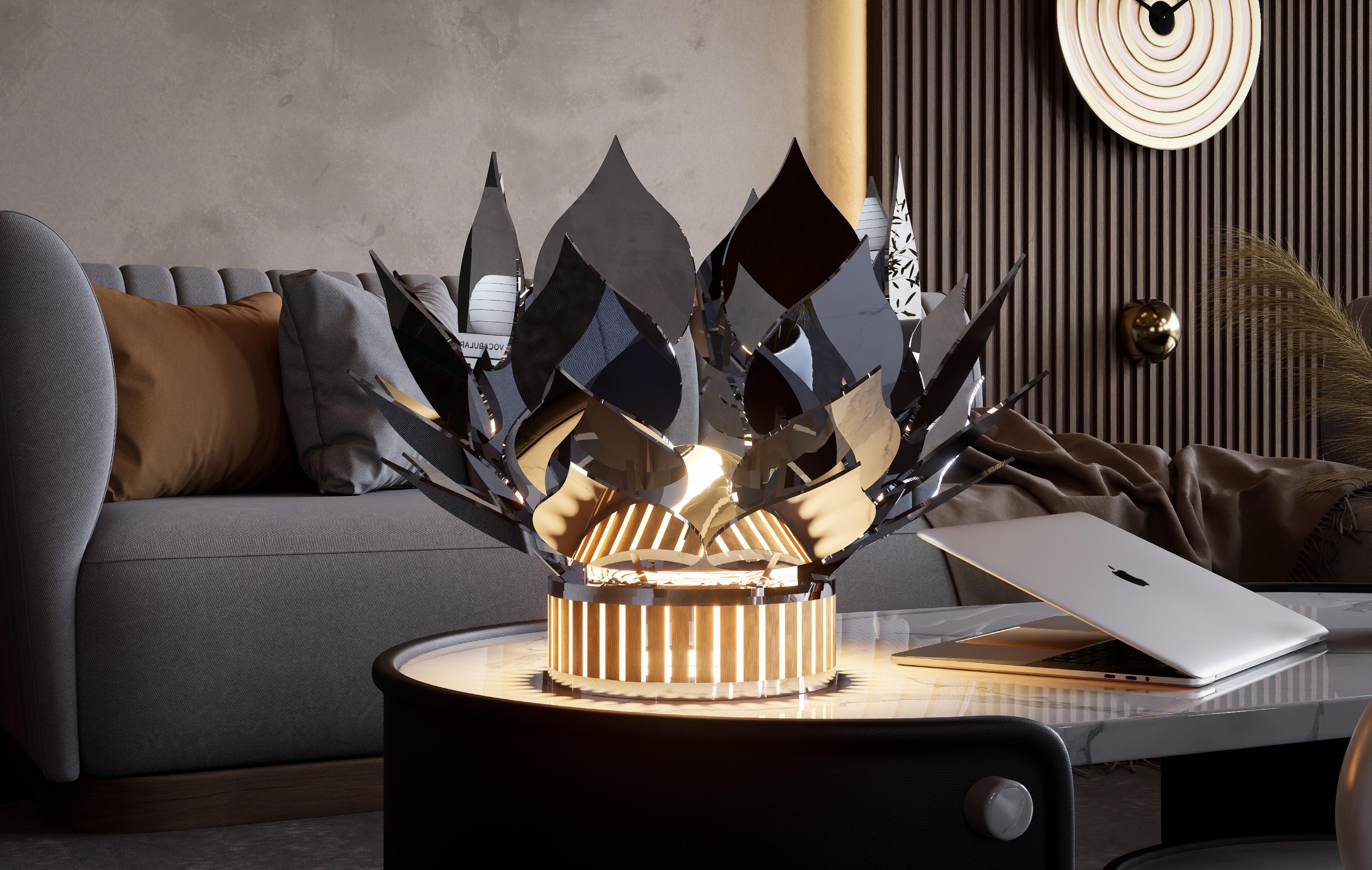
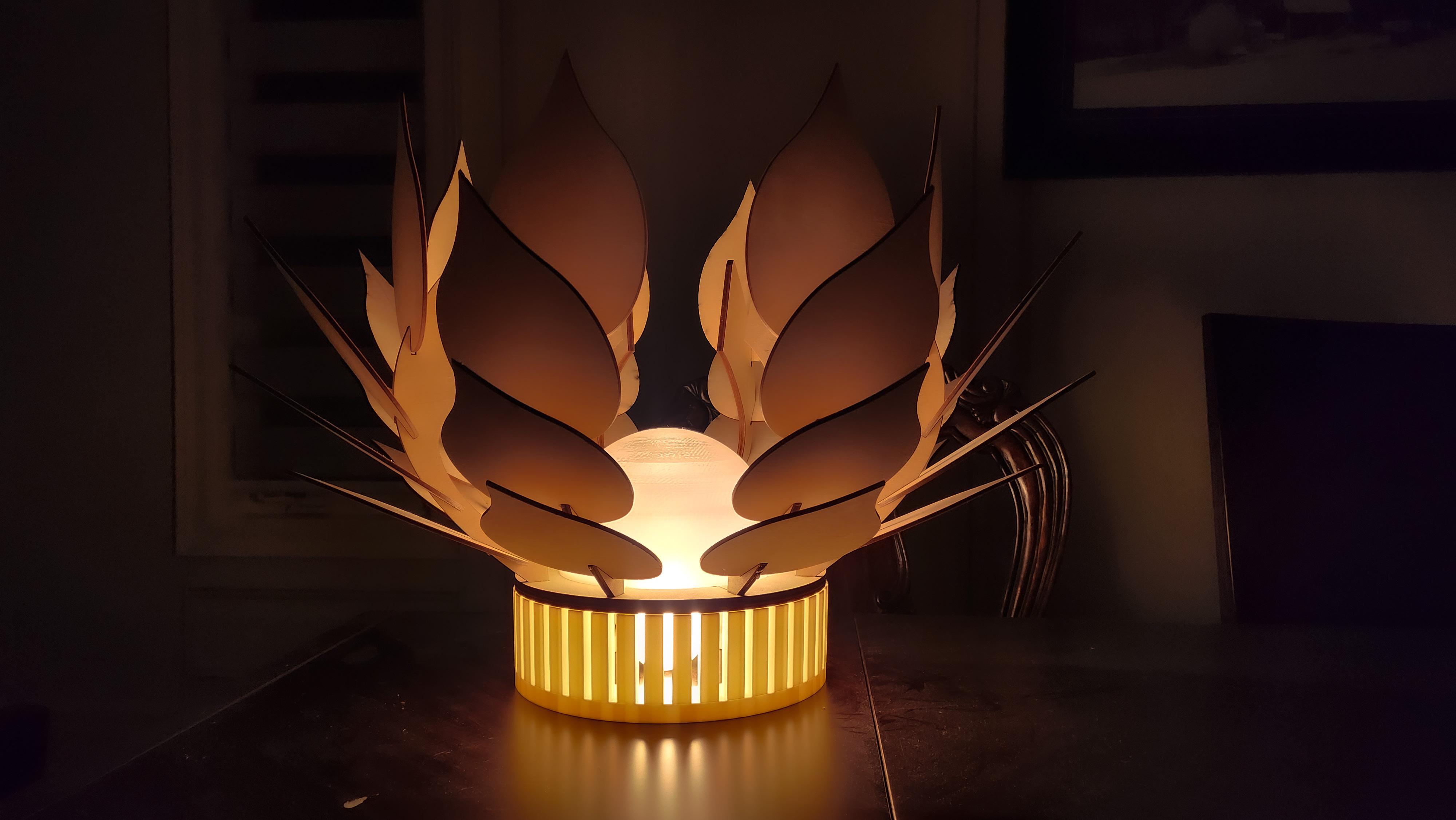
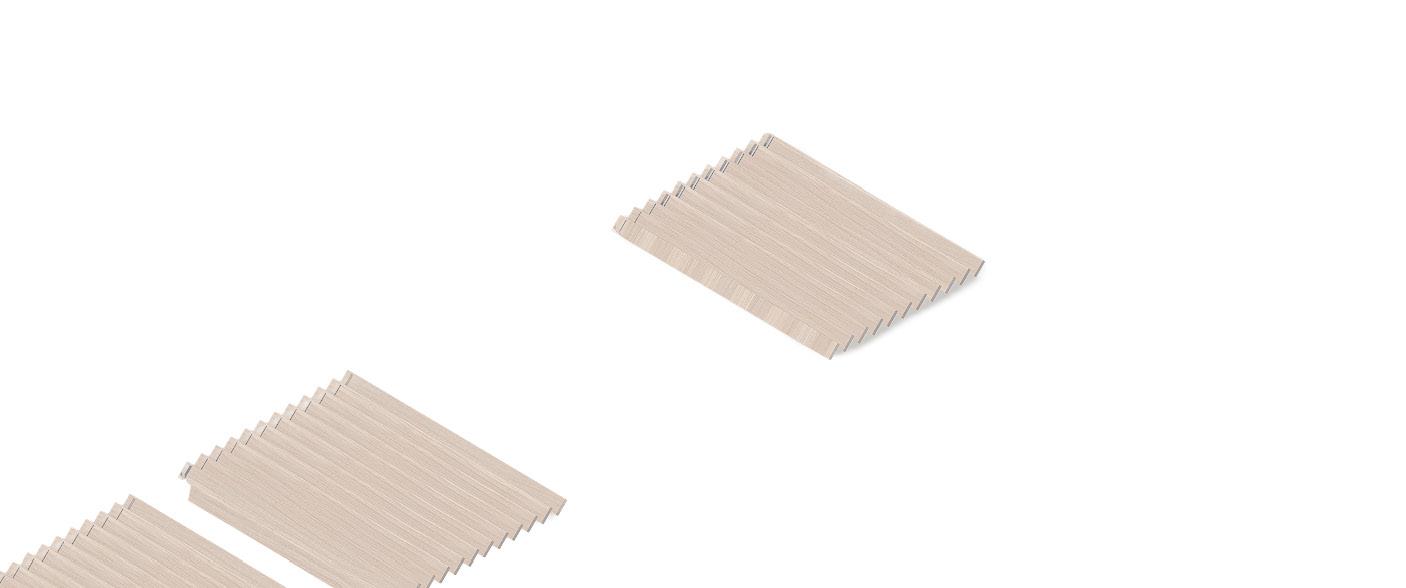
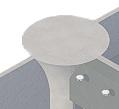
The Lotus lamp is a design that follows the precedent of the artichoke lamp and reconstituted it from a hanging ceiling piece into a table light. The modification made to the lamp allows for ease of construction and simplifies the fabrication process while maintaining the same construction method of aligning plates onto stems with slits.
Using this approach it keeps the layered approach shown in the original lamp along with the glare-diffusing metal plates aligned along the stems. However instead of being modelled after an artichoke the lamp is remodeled for the appearance of a lotus flower. This new shape uses the same concepts seen in the original, however the slats of metal are reshaped into leaves to further the lotus motif. Because of this new shape the lotus flower includes a blossom in the middle in between the leaves.
Plan and Elevation Views
Assembly Plans
Lotus Lamp
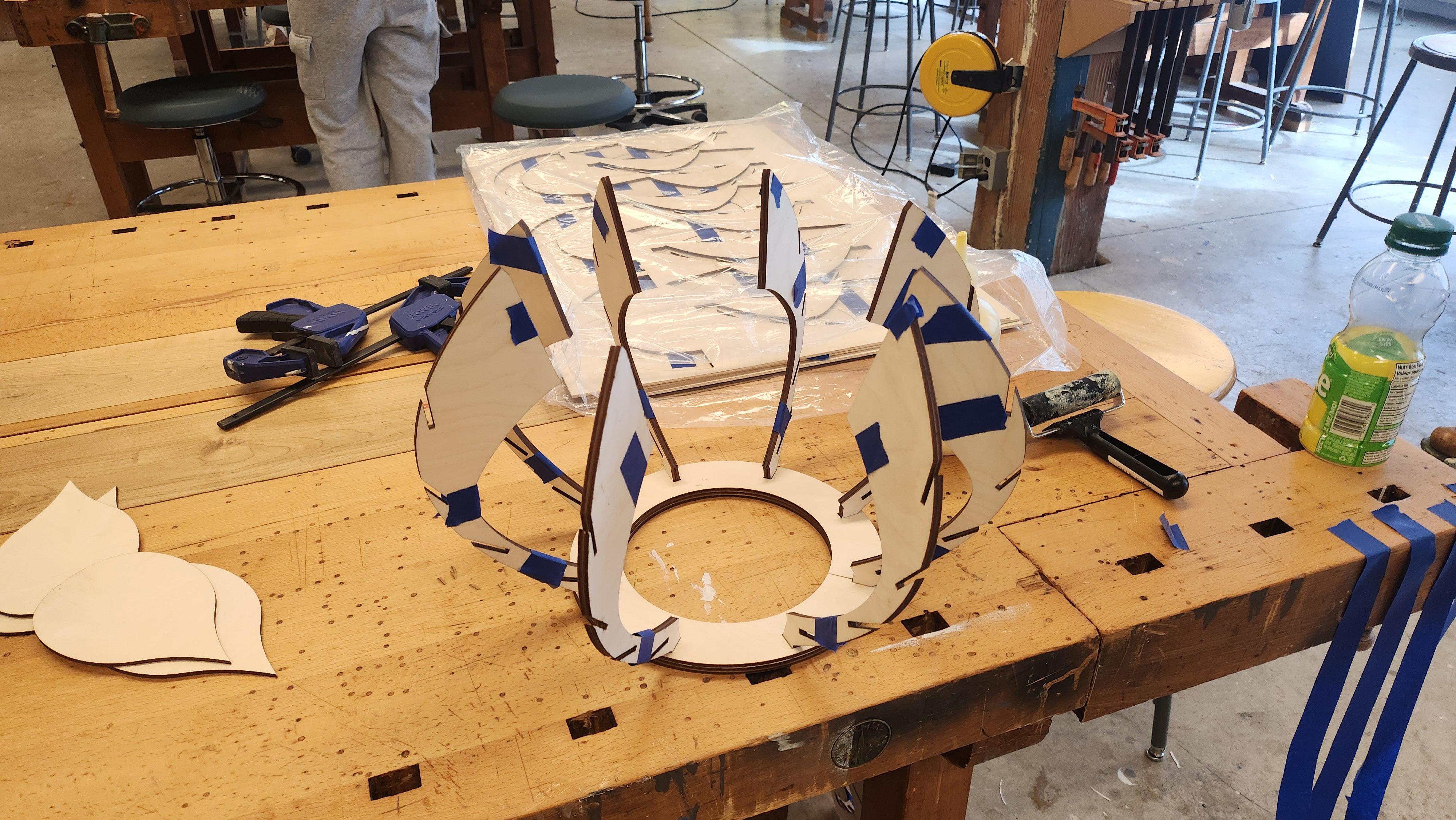
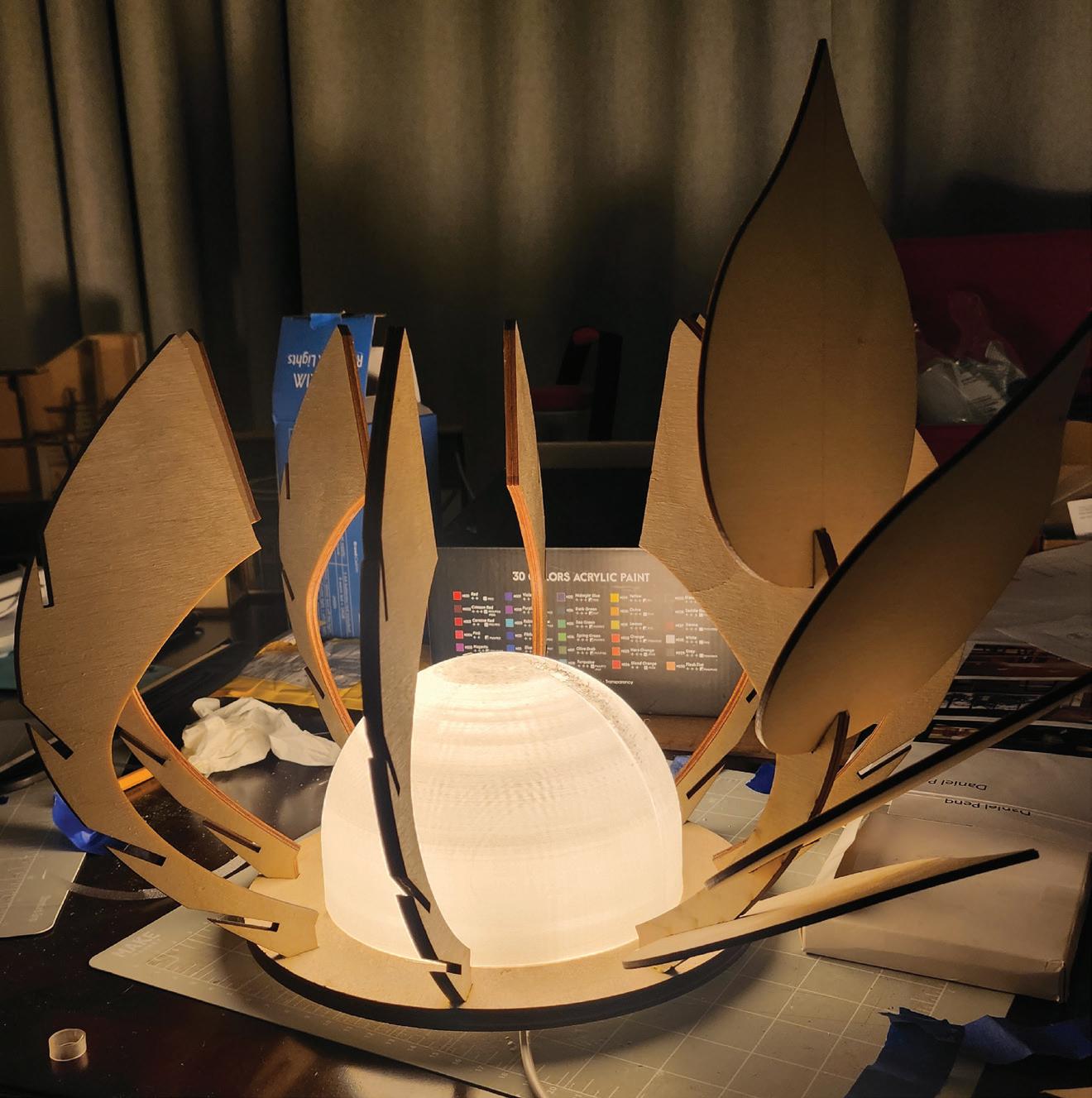
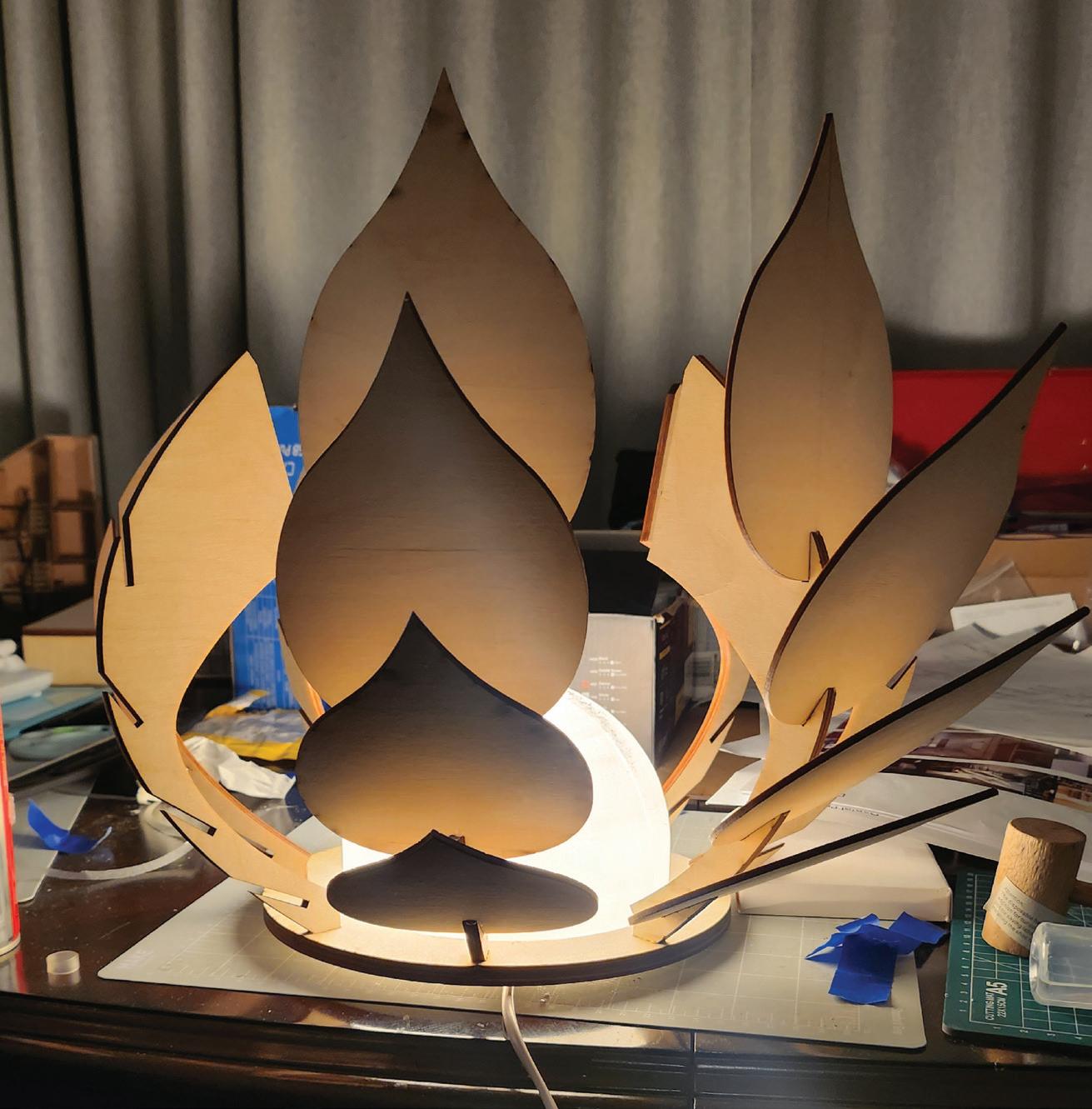
Construction Process
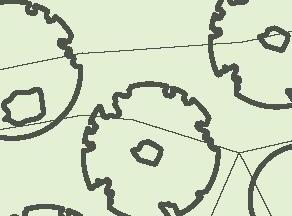
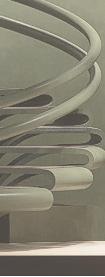
The Lotus Lamp is a radial lighting study inspired by the layered geometry of a blooming lotus. The form is composed of repeated petal profiles arranged around a central frosted light source.
Each component was laser cut from sheet material and assembled using slot-and-tab joinery, allowing the structure to remain self-supporting without adhesives. The petal spacing was carefully calibrated to control light diffusion, balancing concealment and glow while casting layered shadows.
Through iterative testing of tolerances and alignment, the final assembly achieves structural stability through compression and precise fabrication.
Model Photo
Public Gathering Space
Community Interior | 158 Sterling.
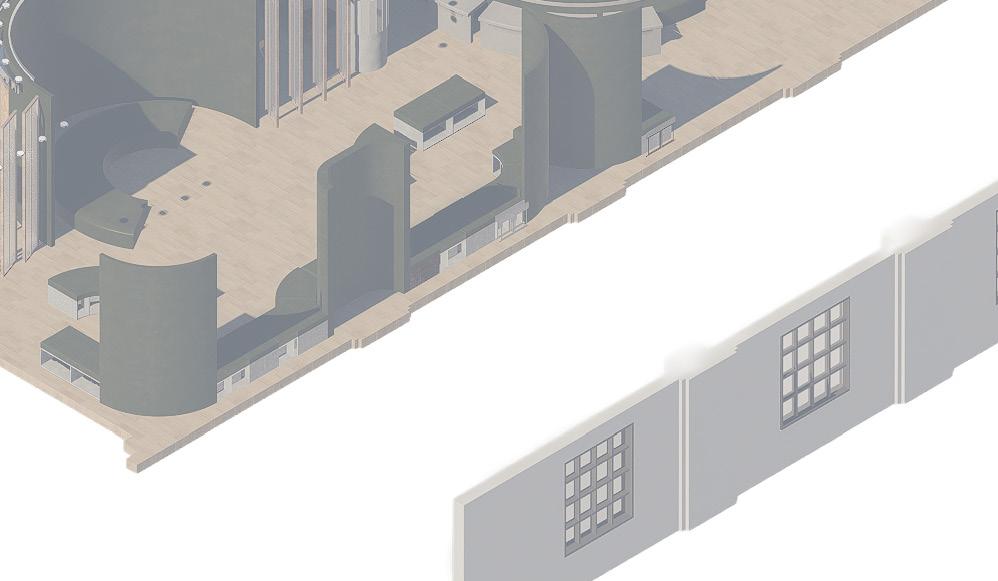
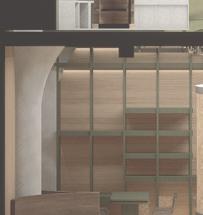
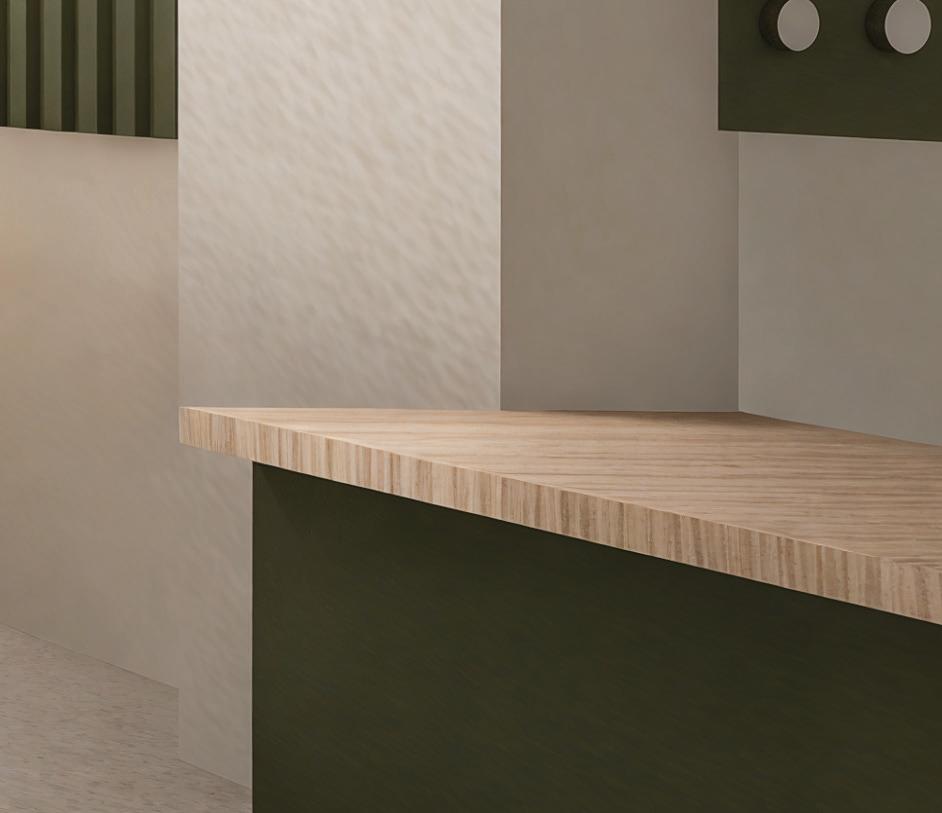
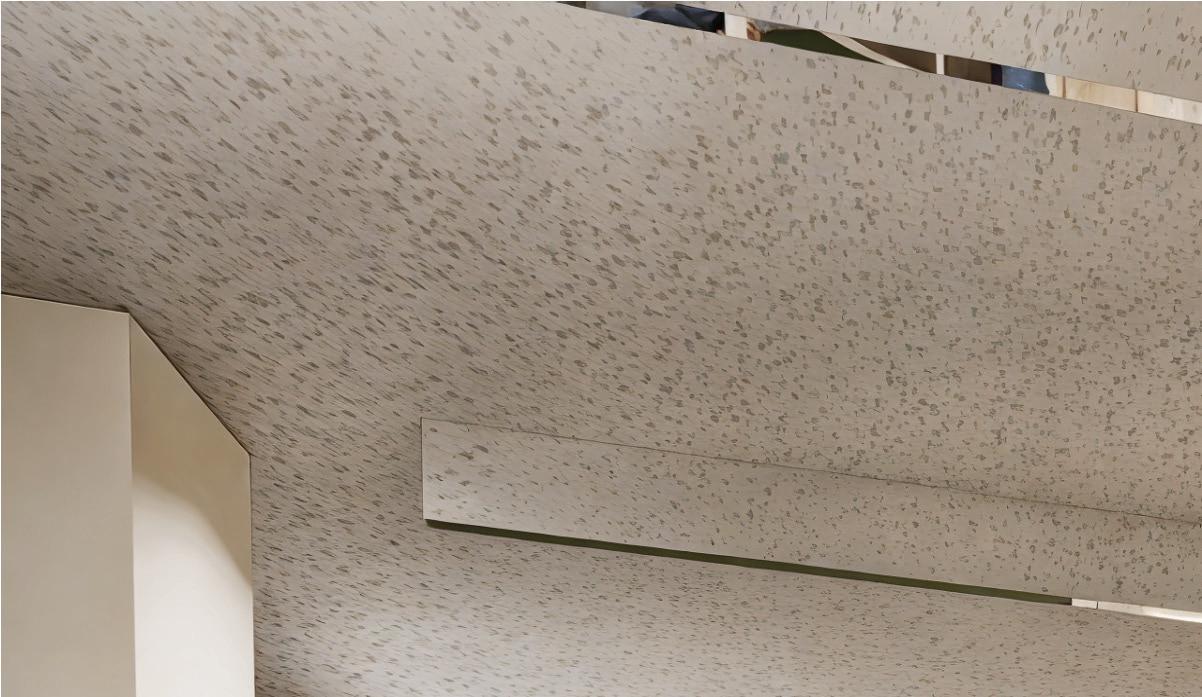
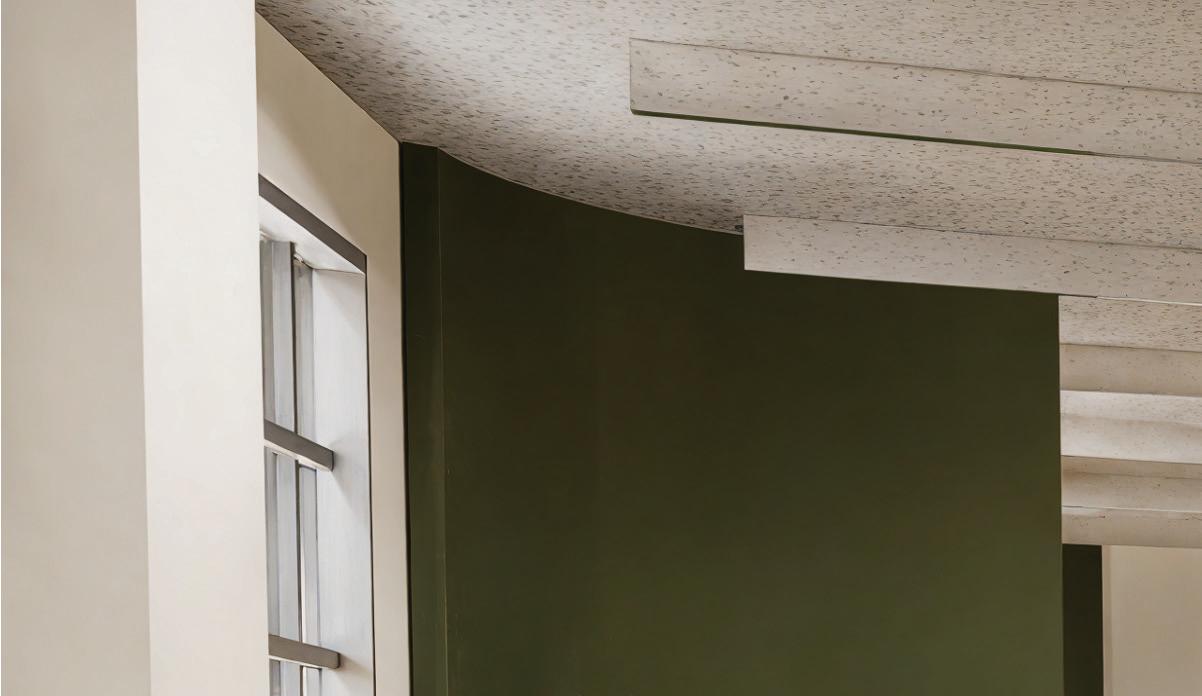
A community-centered interior intervention focused on adaptive reuse and spatial permeability. The project reactivates an industrial shell through layered circulation, flexible gathering zones, and material contrast between existing and inserted elements.
Grid & Gather
Community Interior | 158 Sterling.
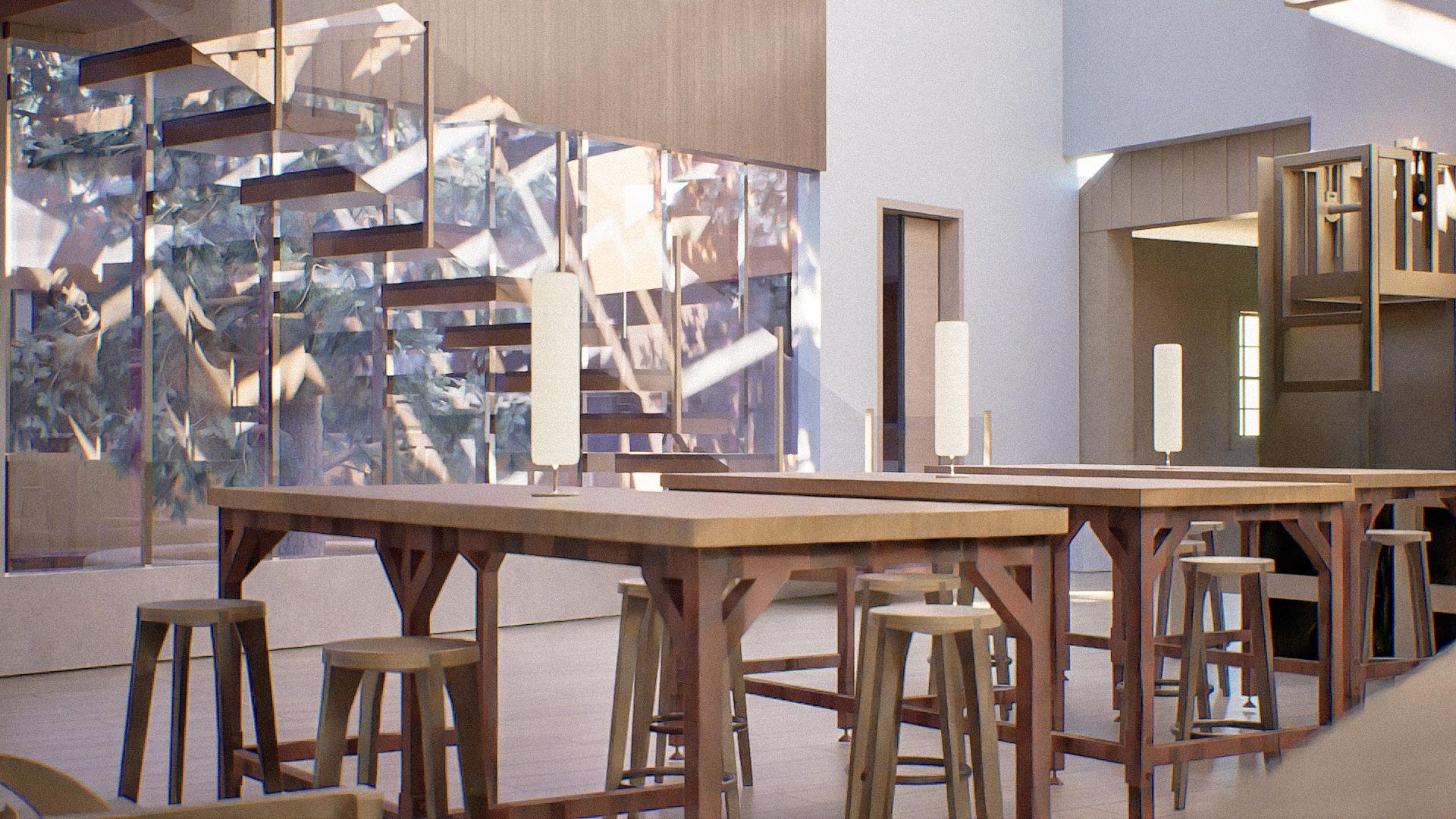
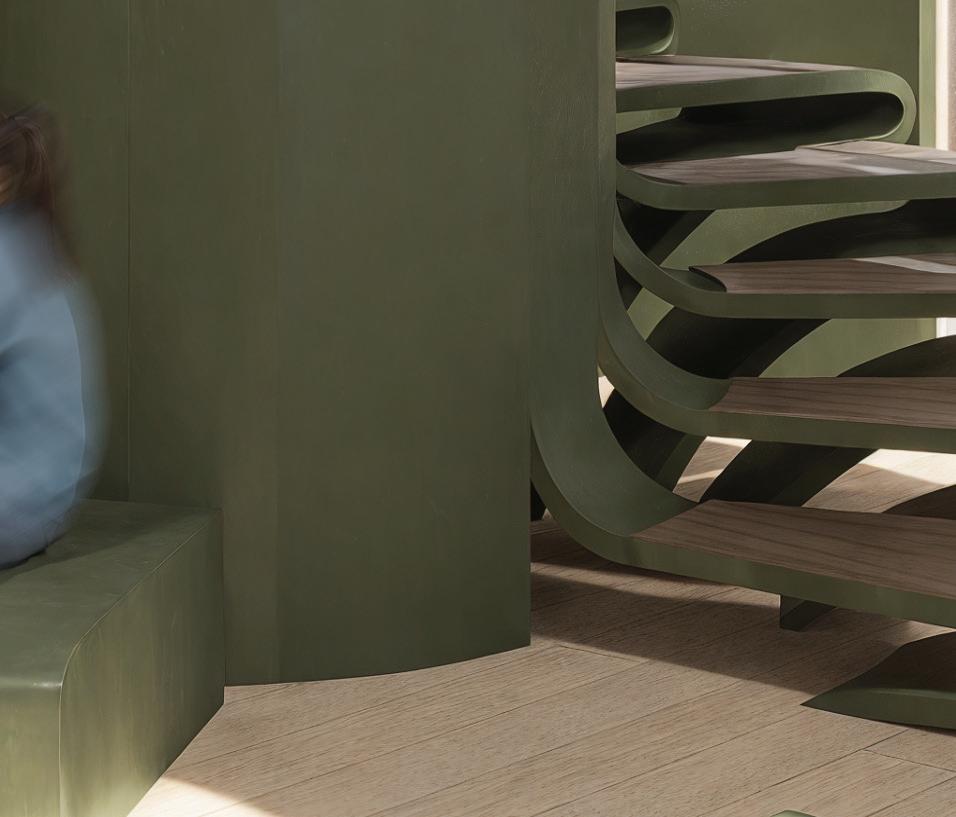
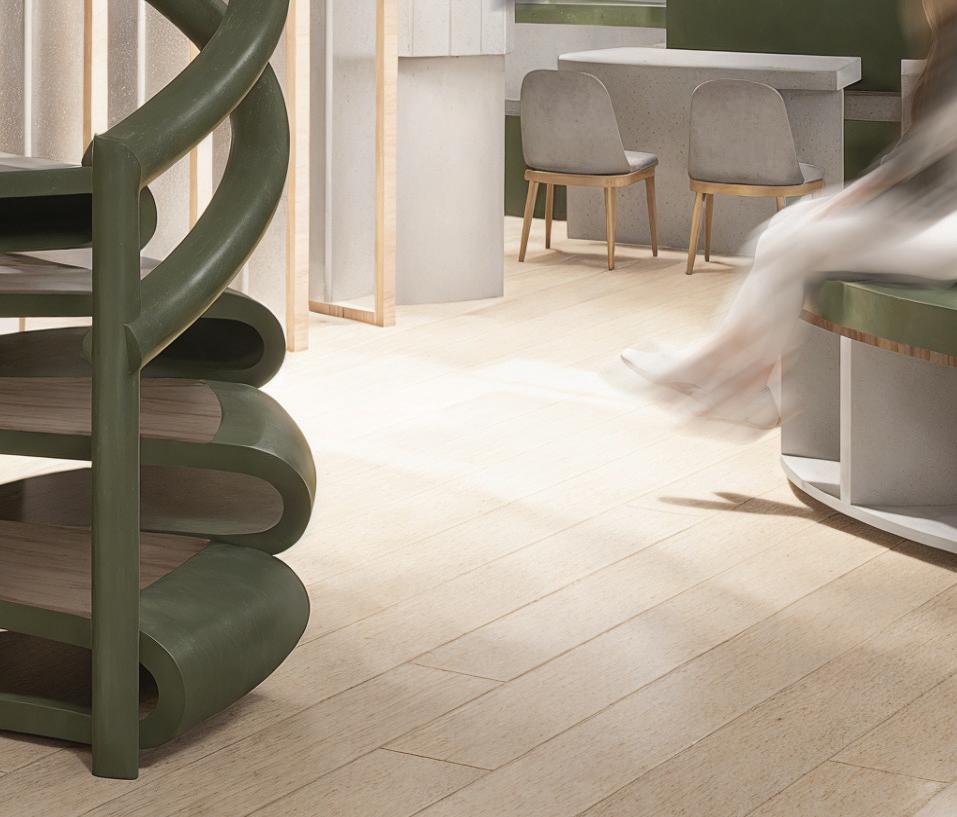
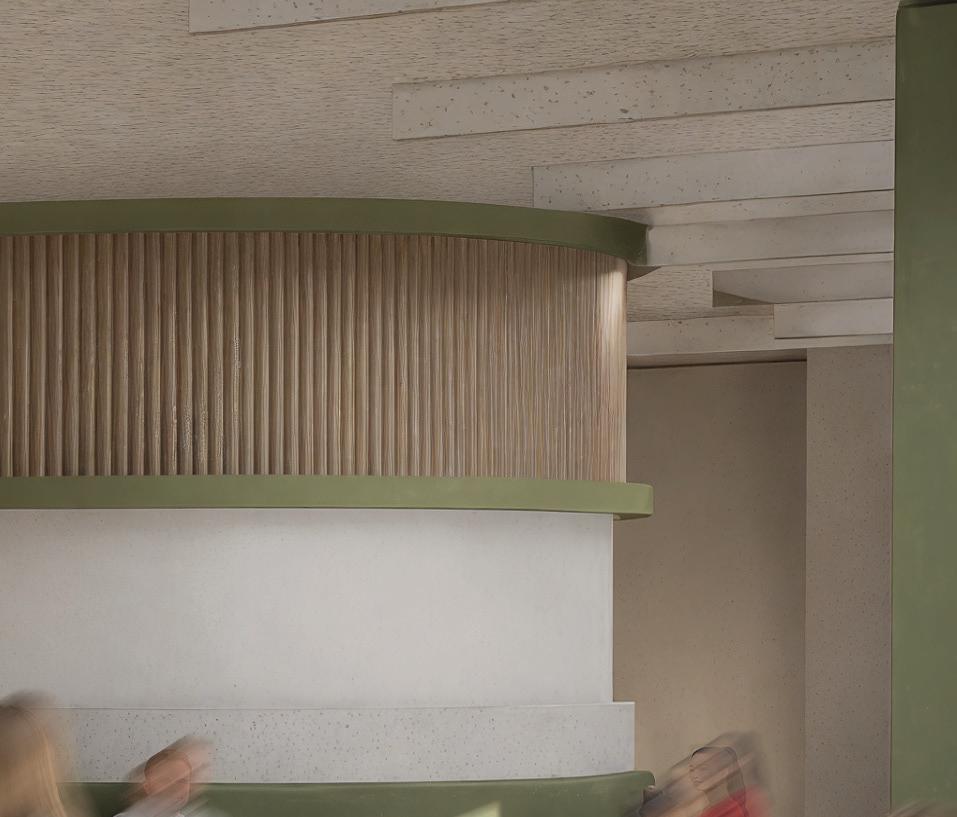
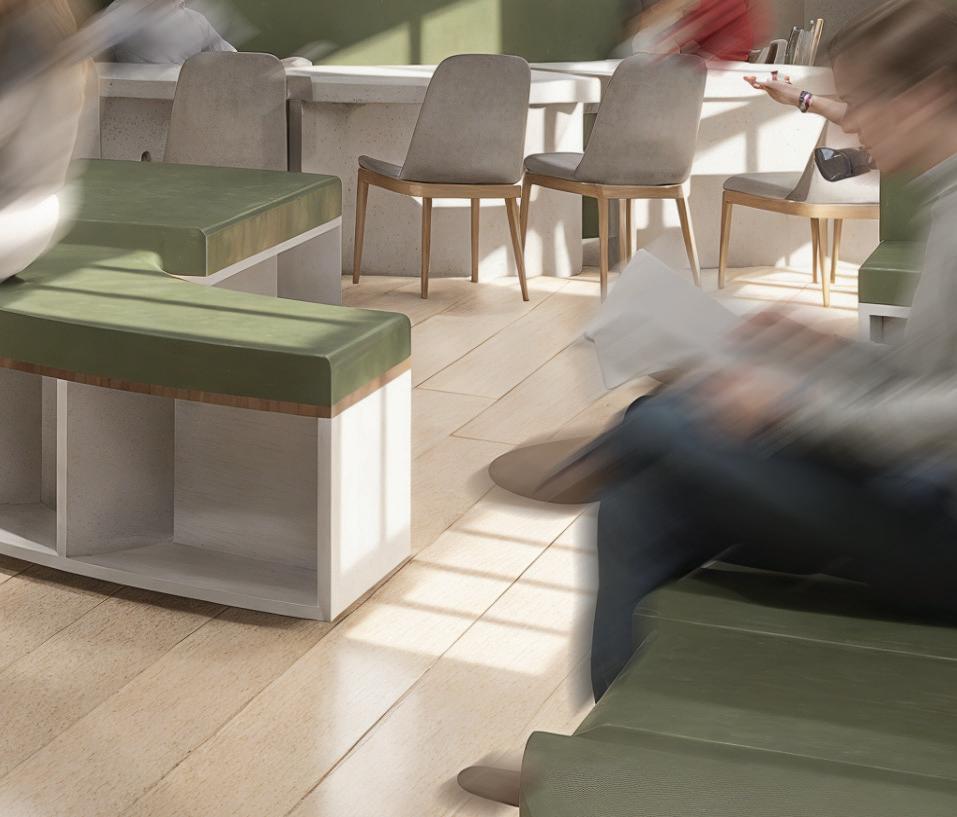
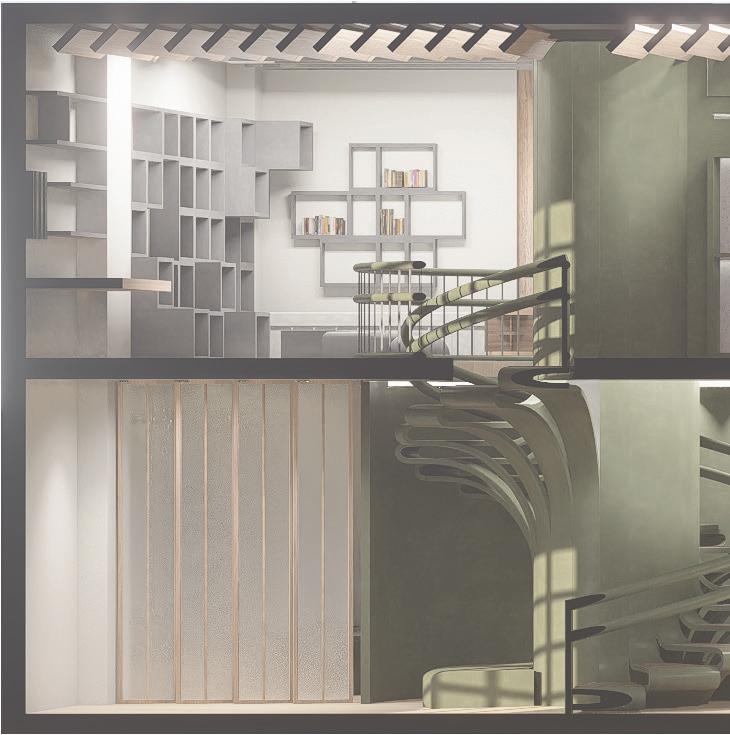
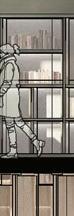
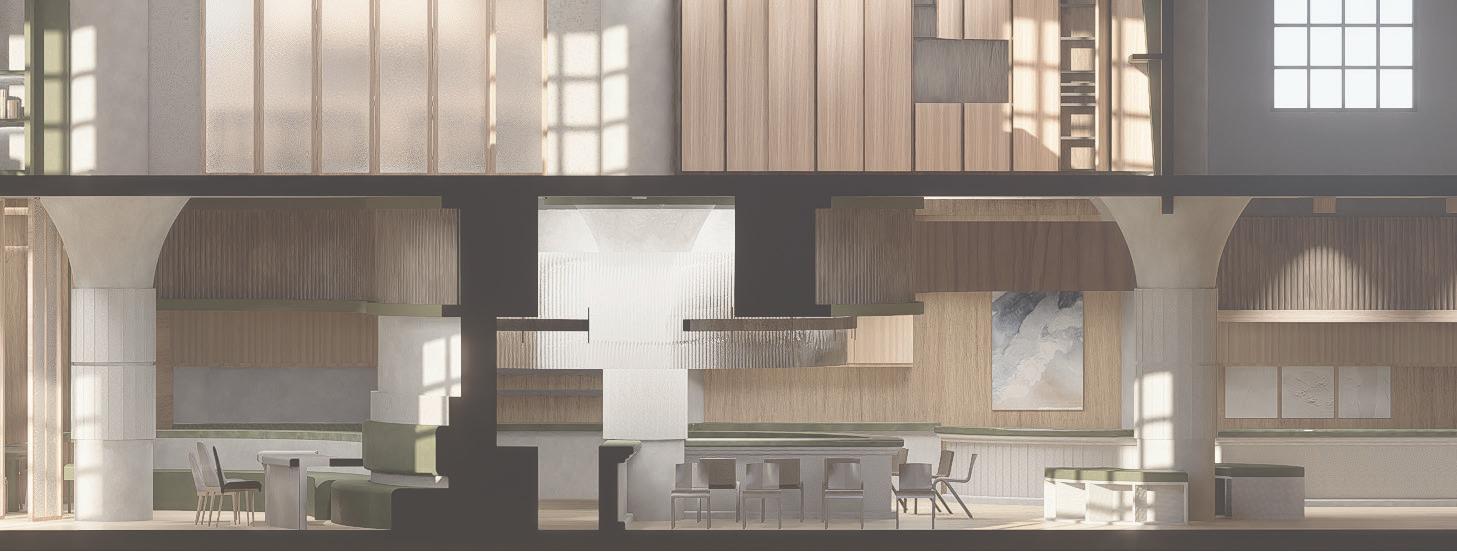
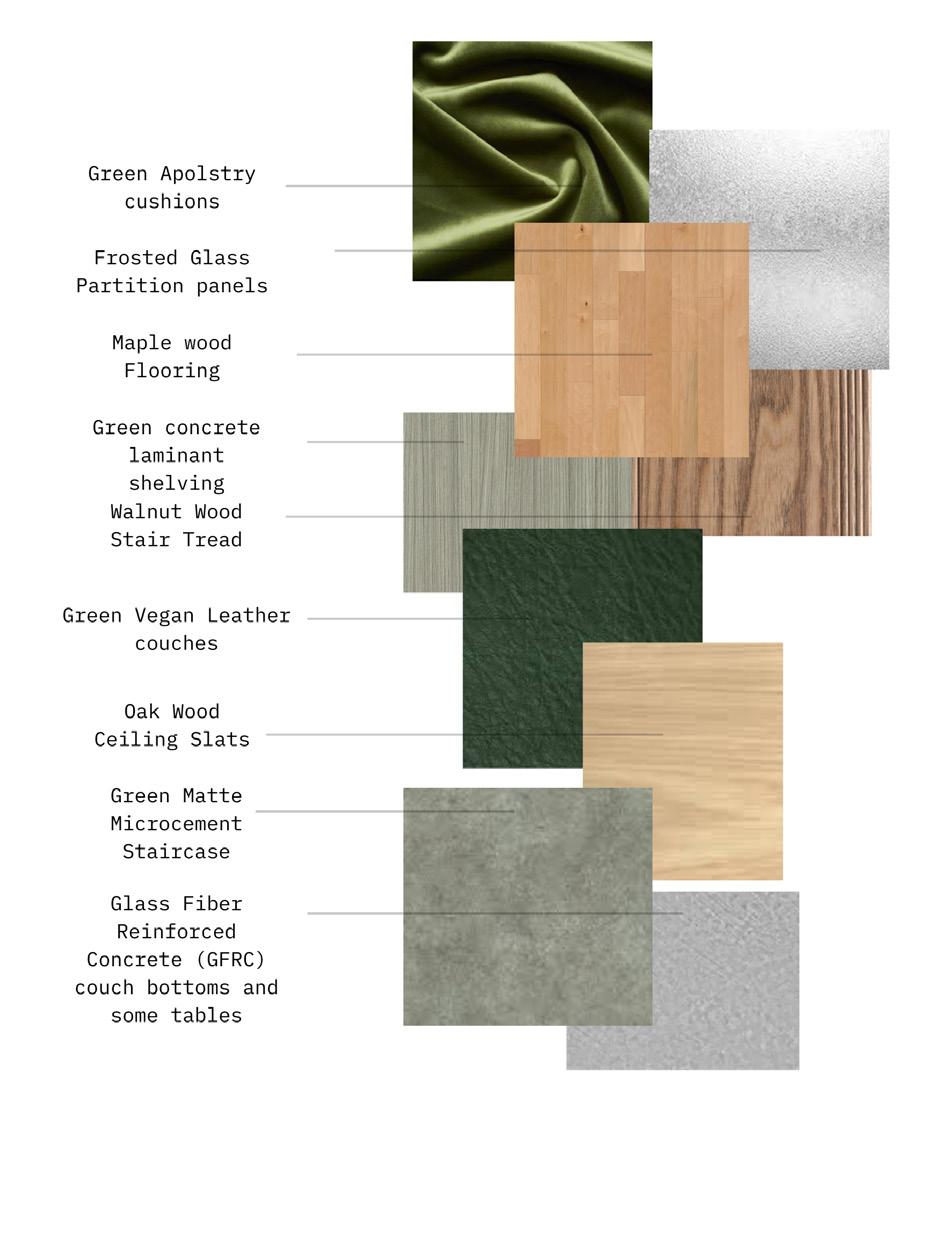
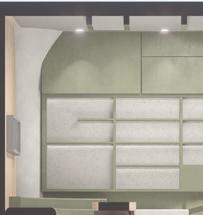
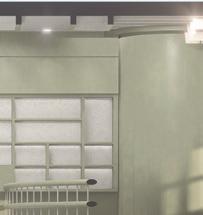
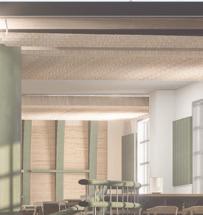
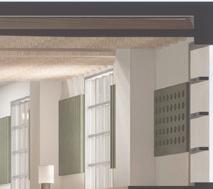
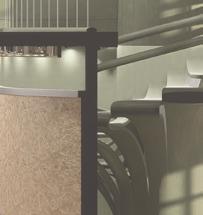
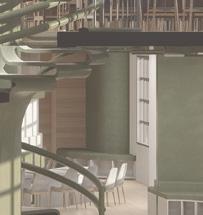
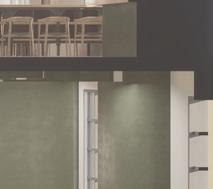
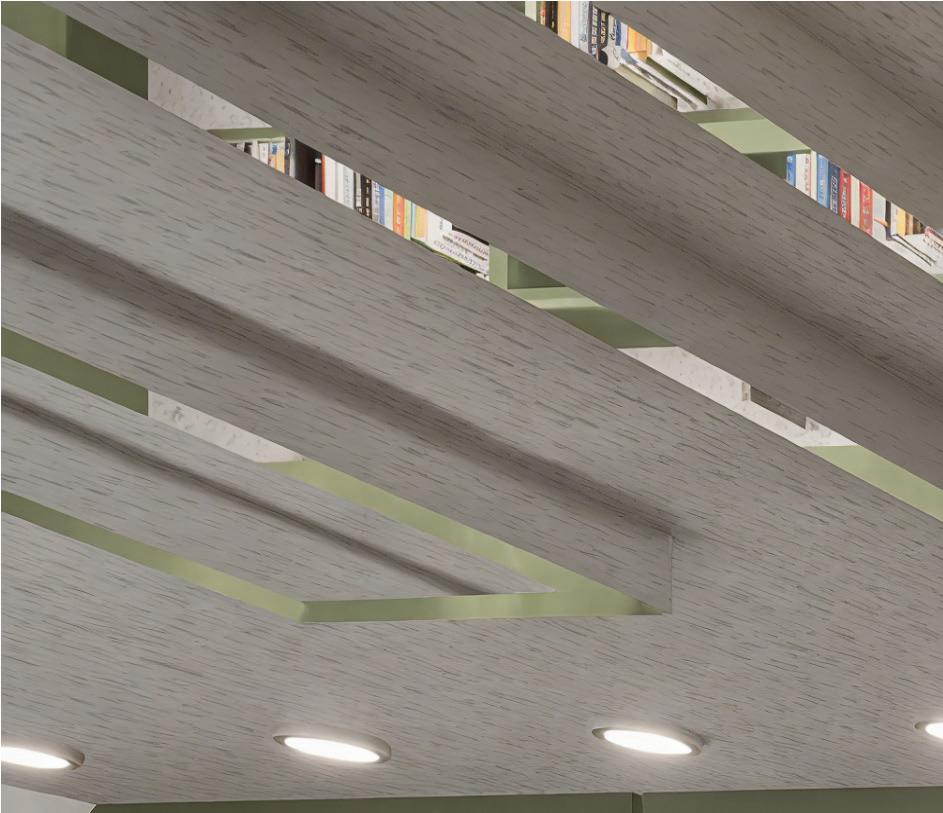
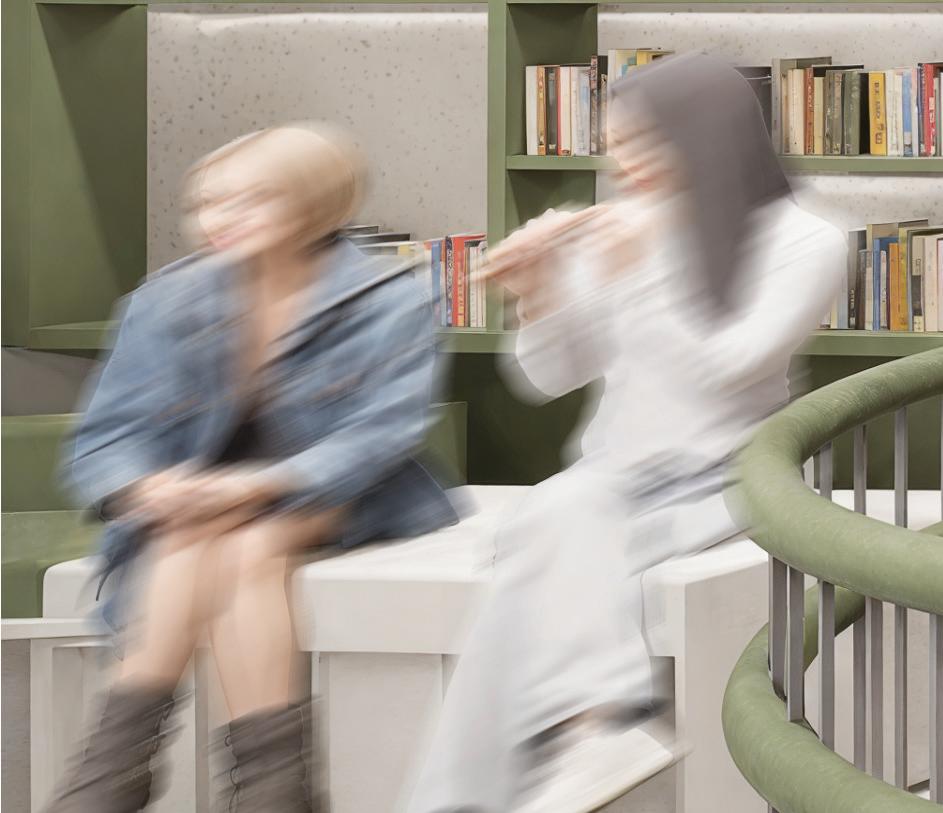
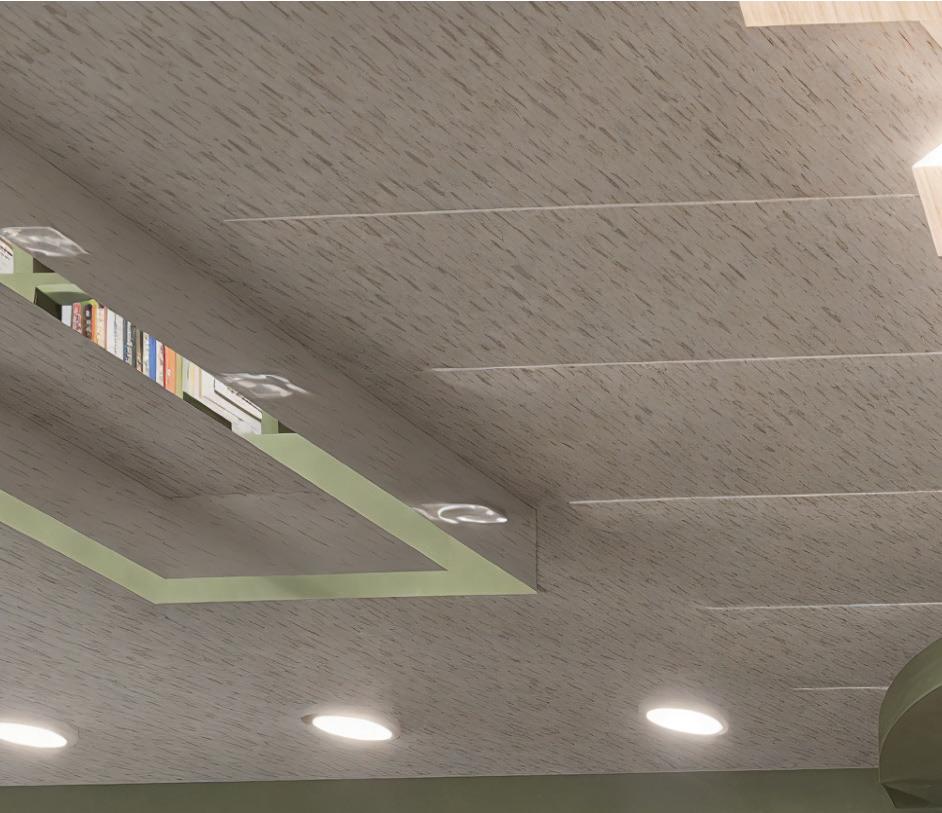
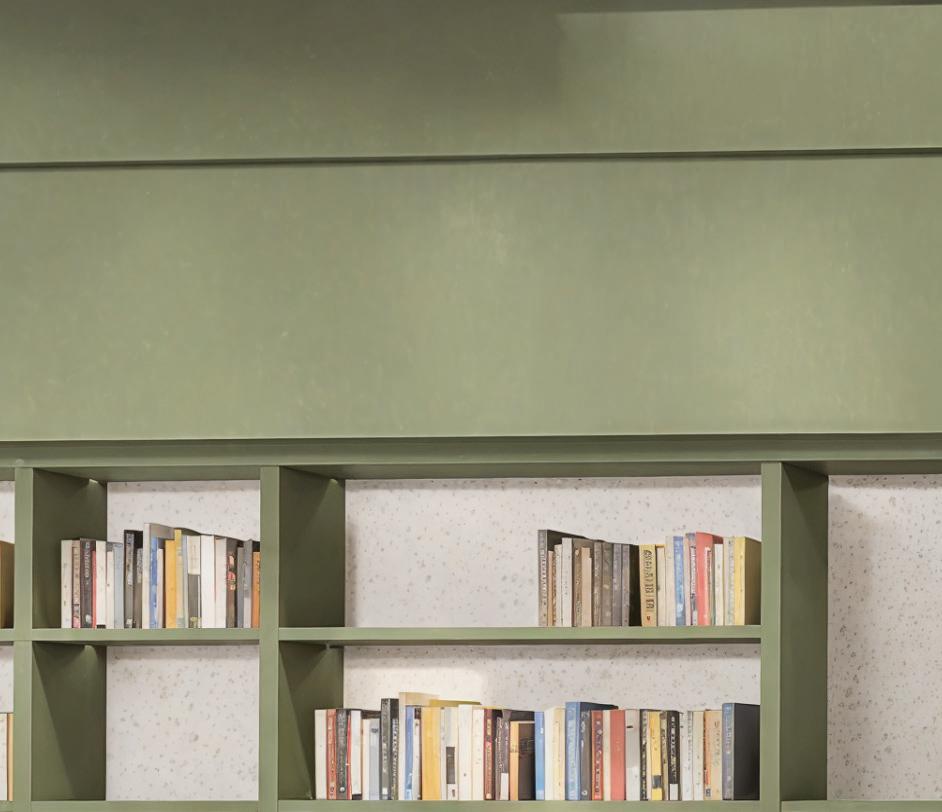
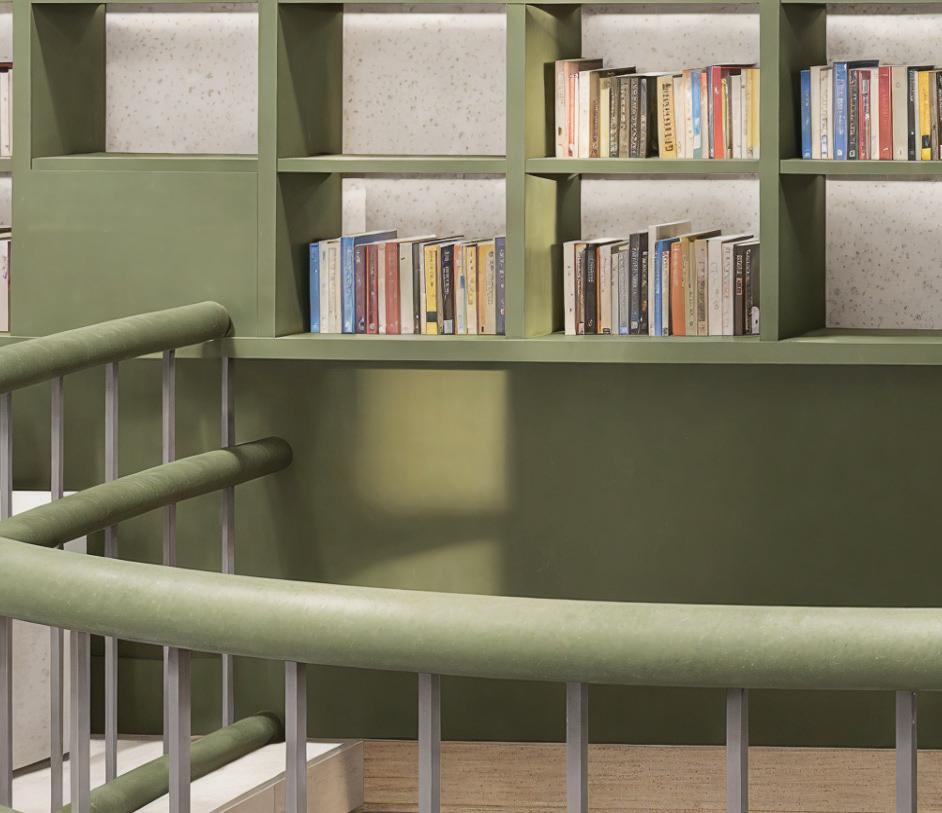
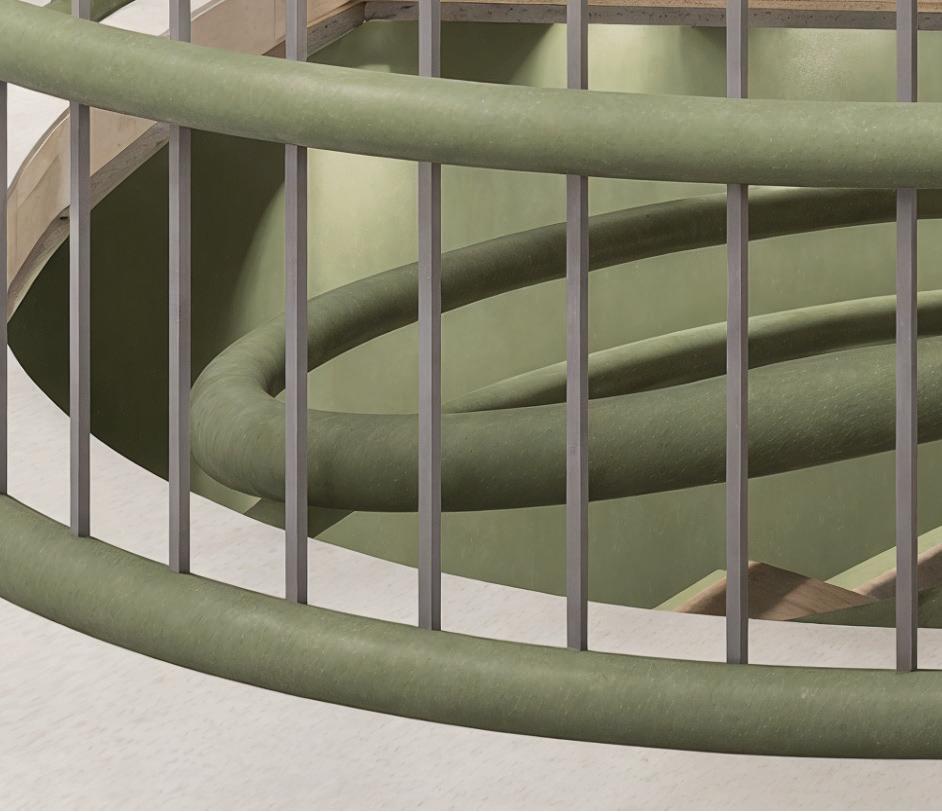
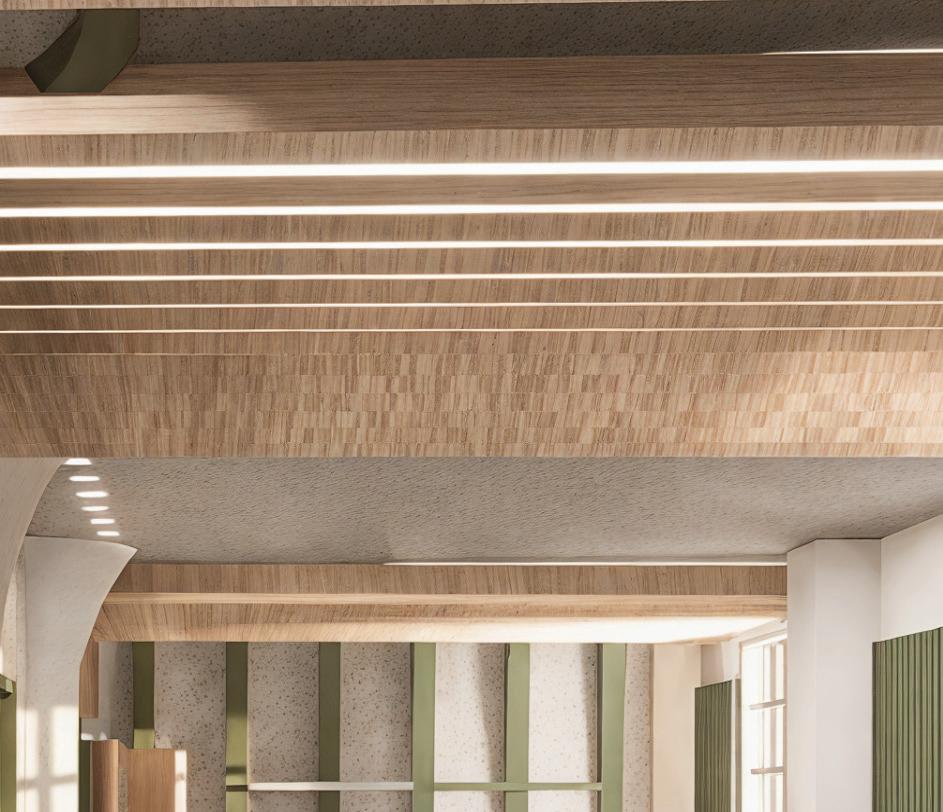
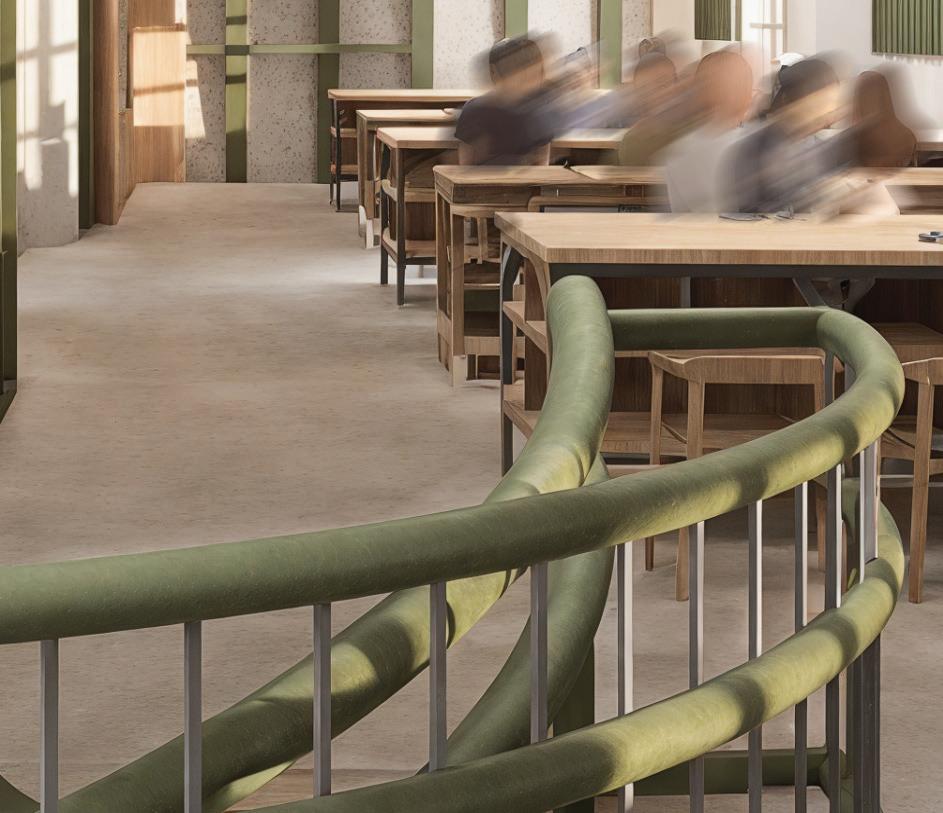
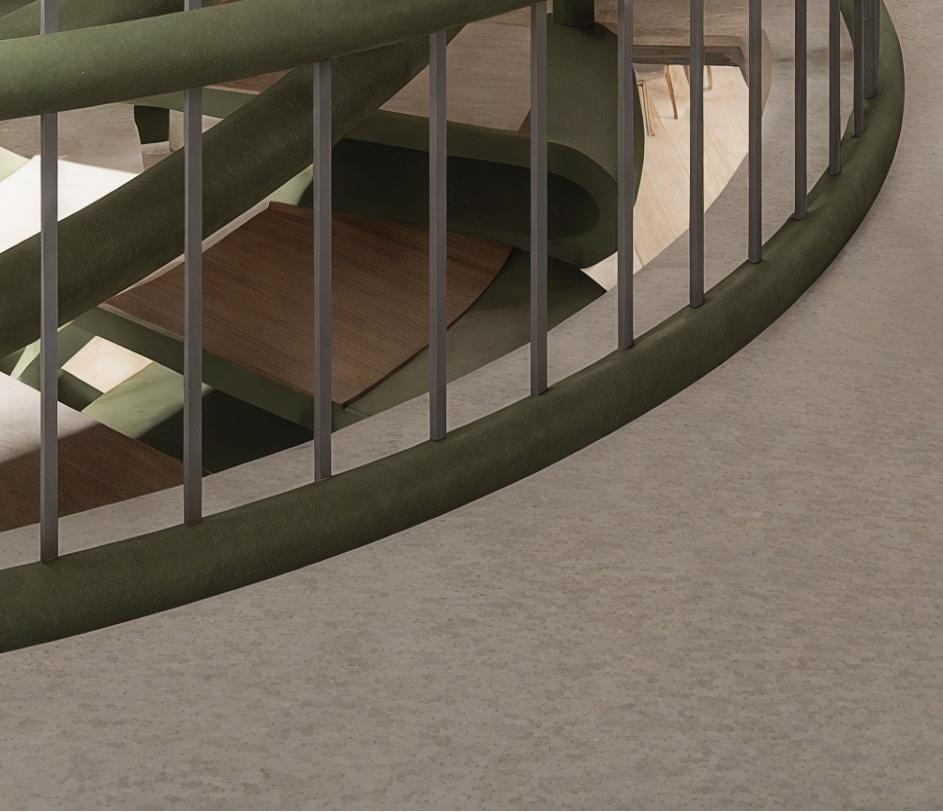
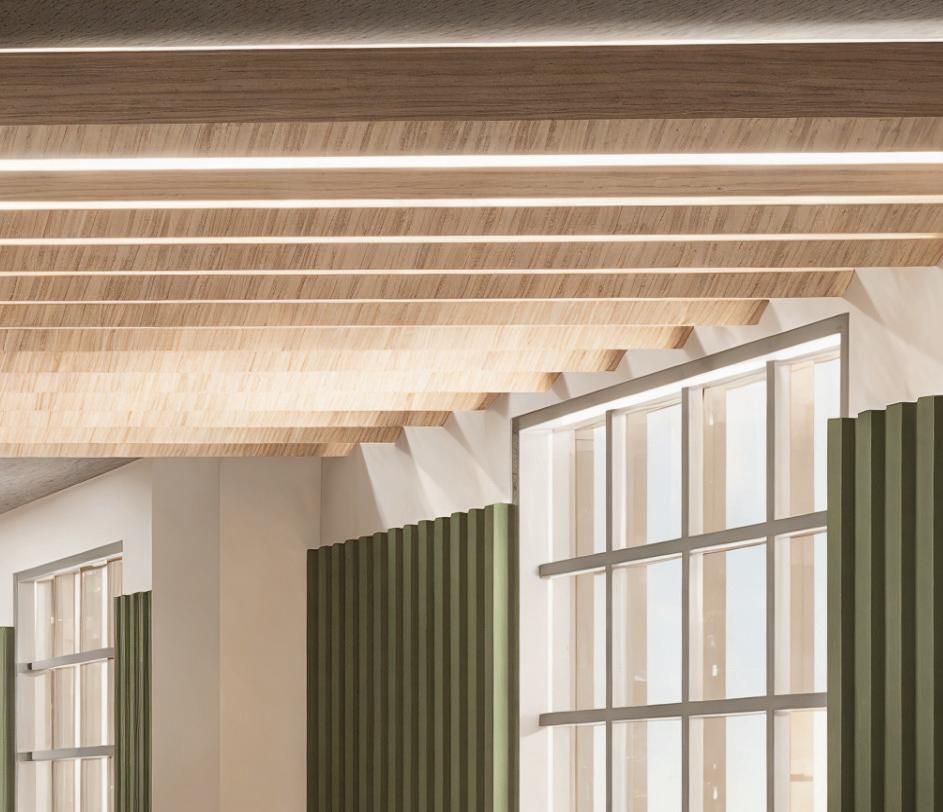
Grid & Gather reimagines 158 Sterling as an adaptive workshop and café designed to support and engage ADHD youth through movement, flexibility, and sensory-responsive design. The building’s concrete columns become spatial anchors, generating a grid that organizes circulation while allowing the space to unfold in a smooth, intuitive flow. This structure’s modular furniture and flexible elements guarantee that the space is always engaging, adaptable, and sensitive to various focus demands.
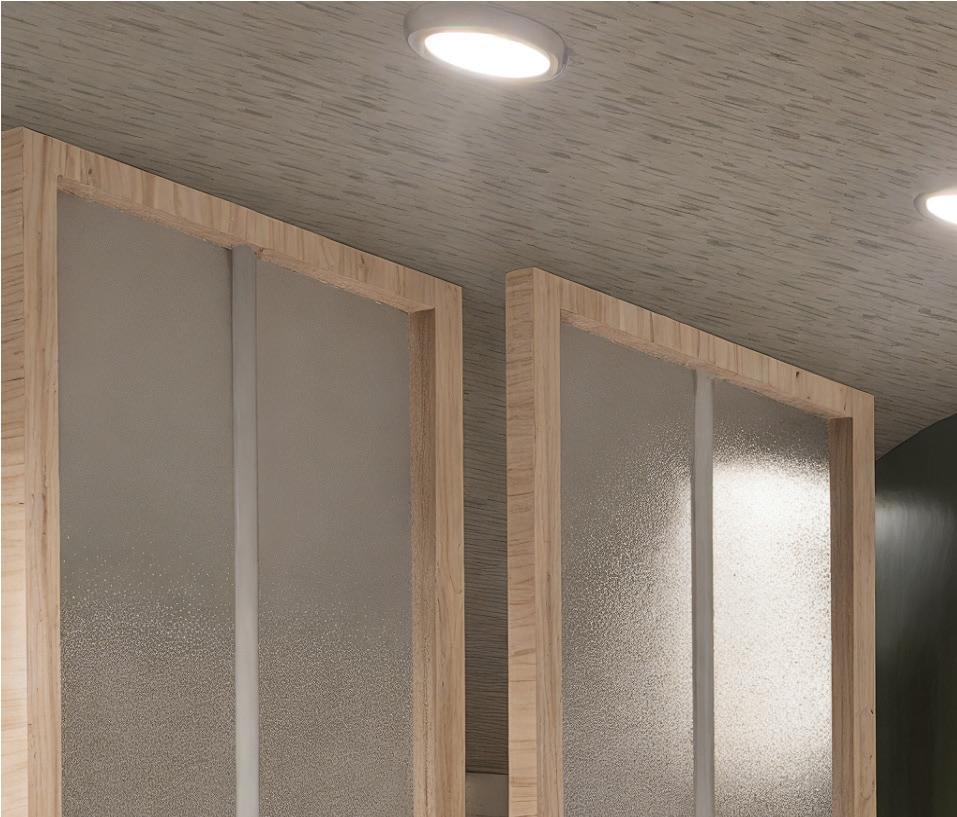
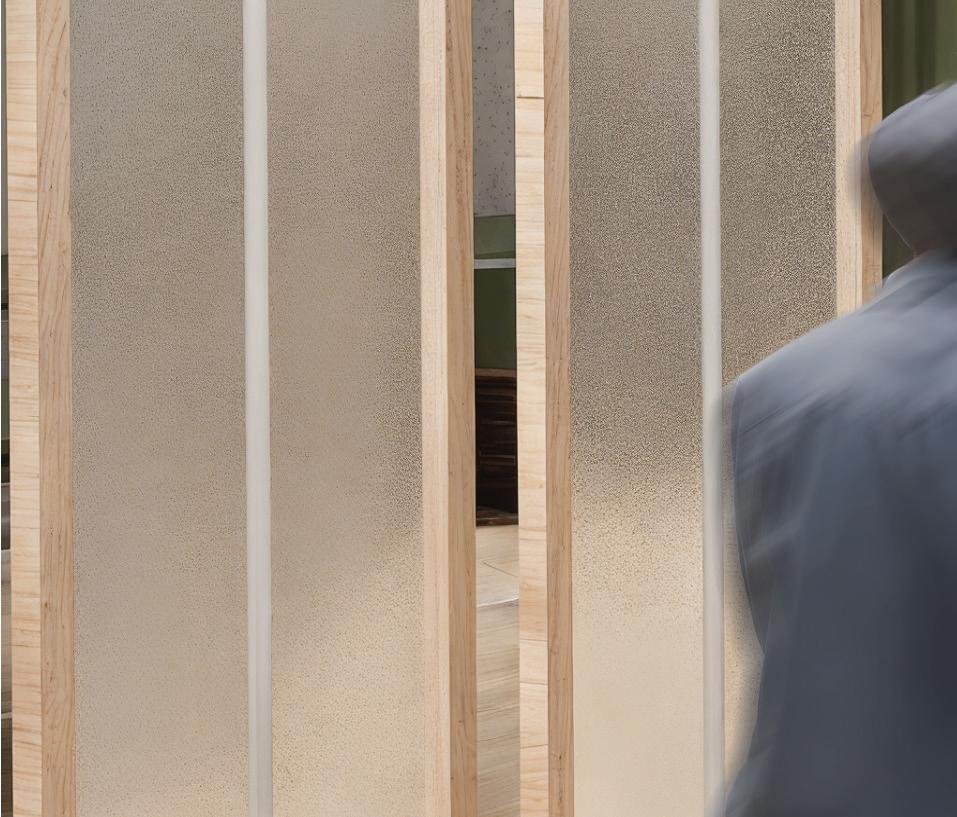
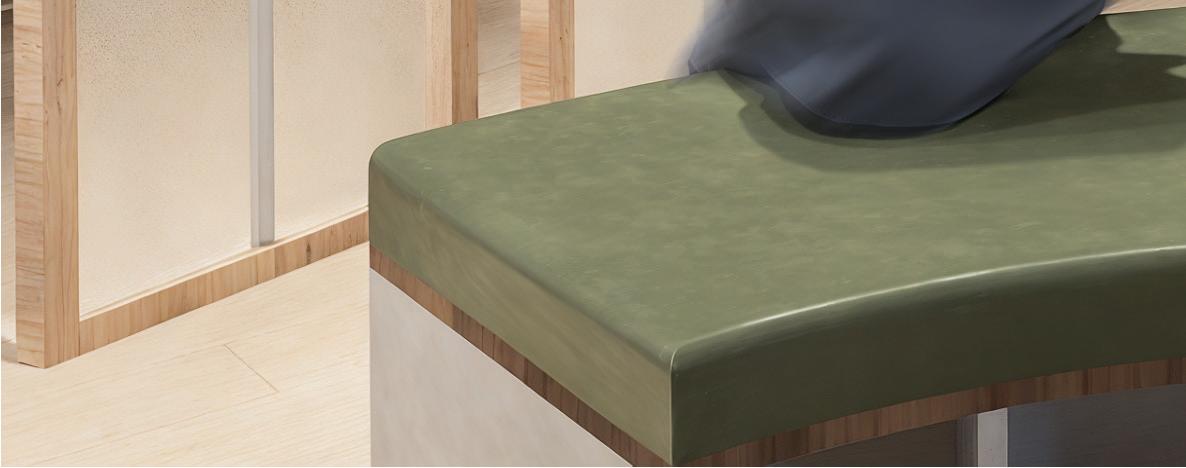
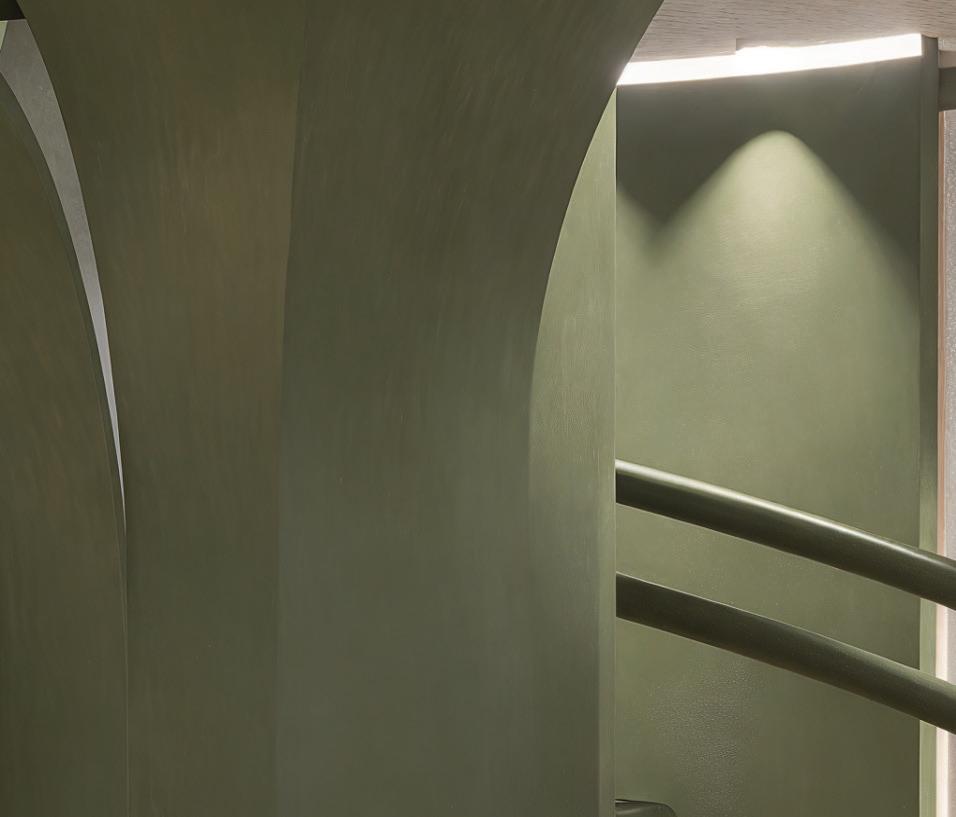
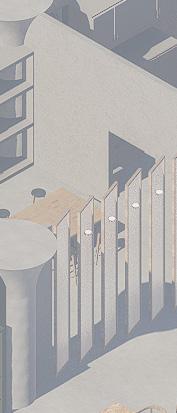
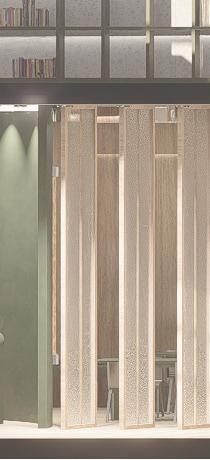
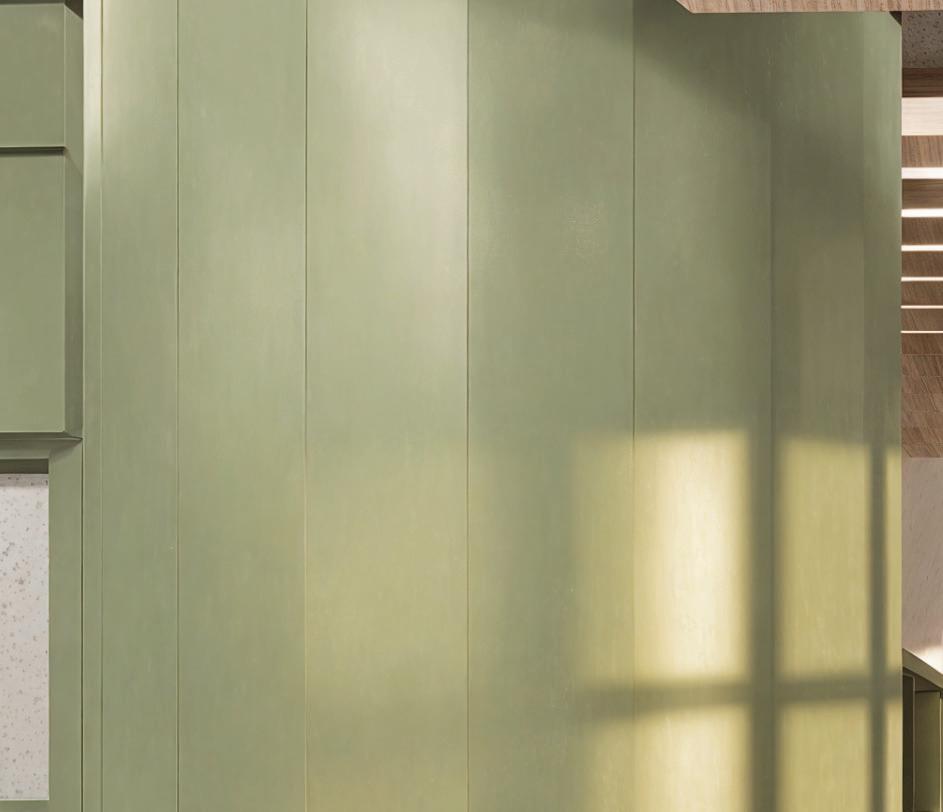
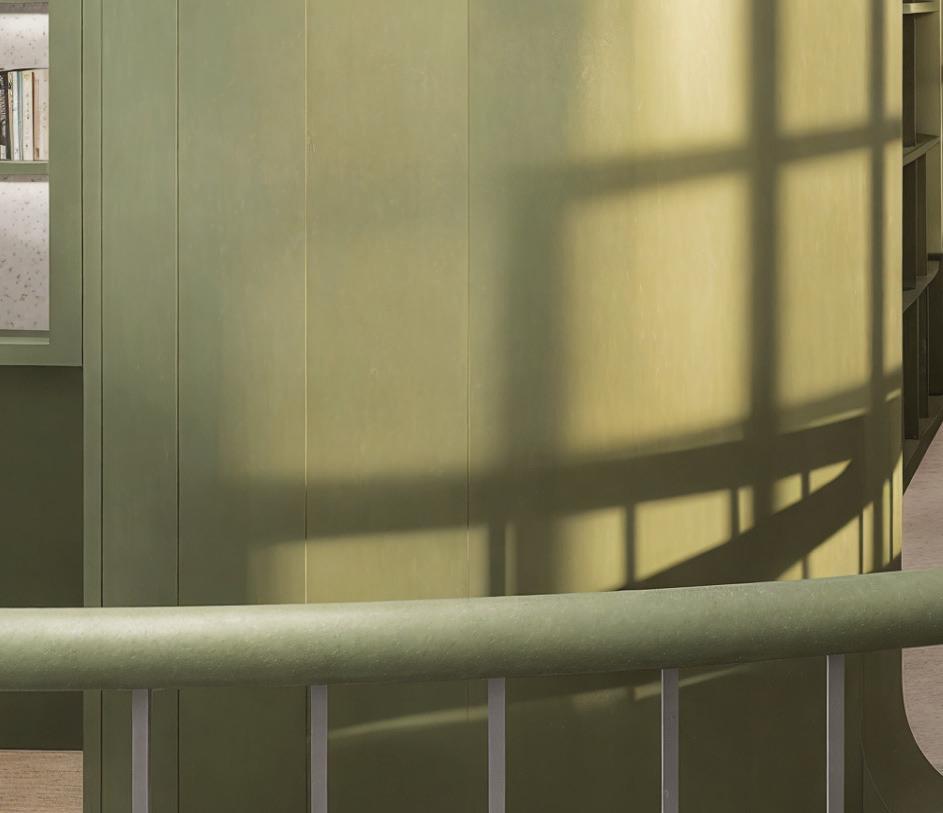
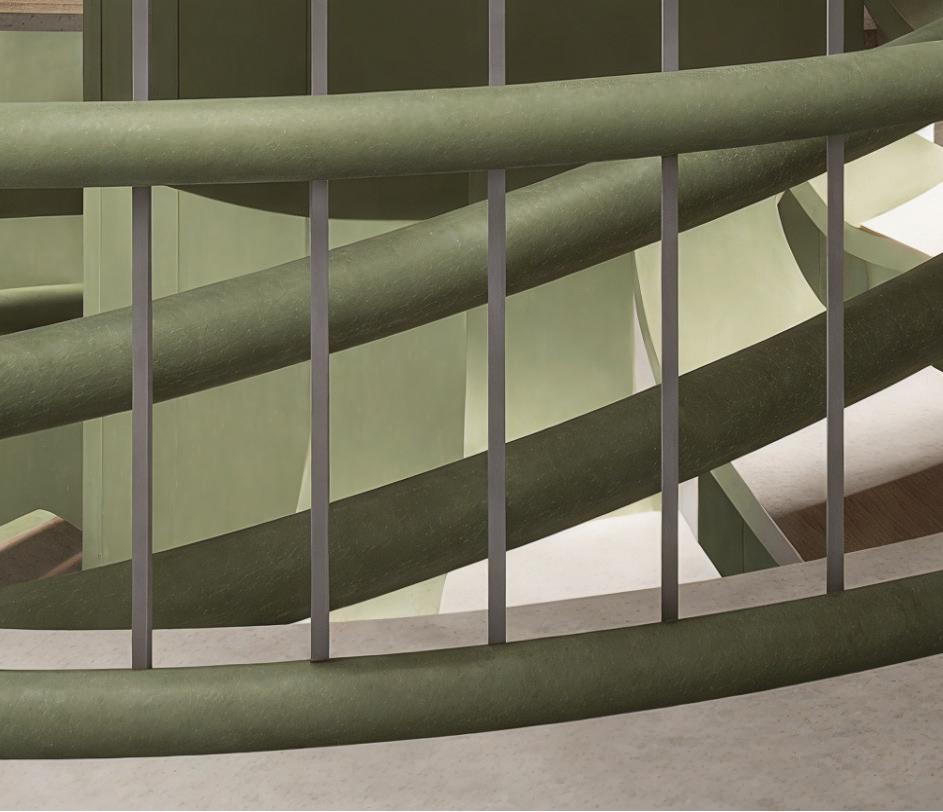
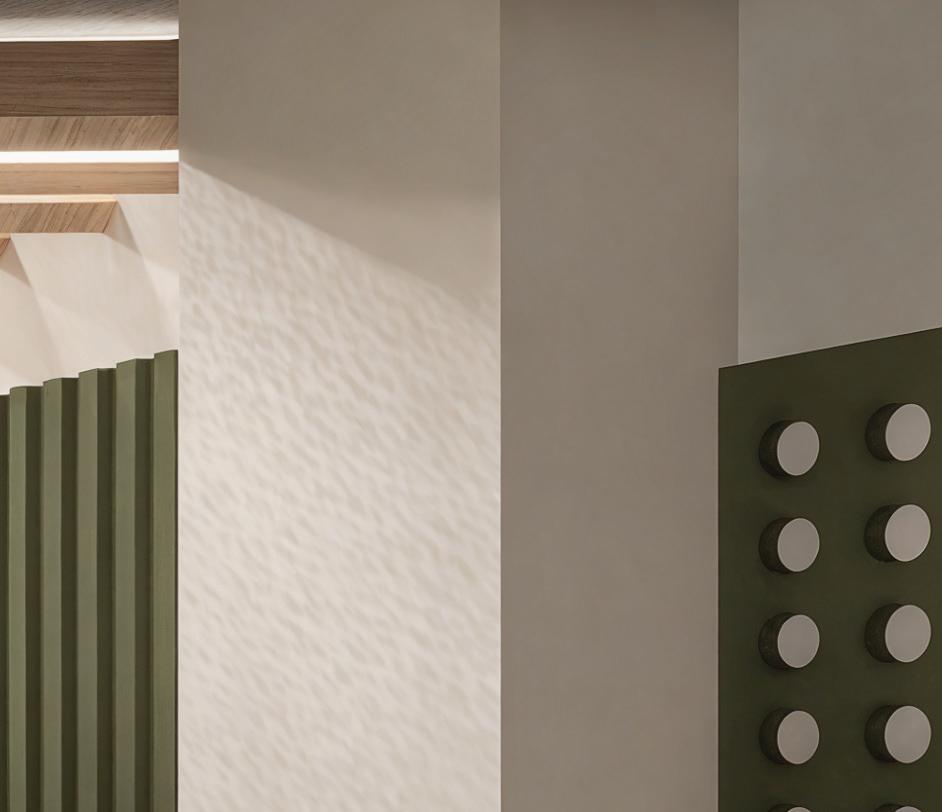
Rotating shade panels replace typical doors, offering an array of privacy and exposure between the public meeting space and the woodshop. With the help of these moveable barriers, users can instantly modify their surroundings by opening areas when teamwork is required or closing them to facilitate quiet, concentrated work. The industrial structure is softened by green accents and natural materials, which offer grounding cues and visual clarity that improve comfort and attentiveness.
Object of Conviviality
Concrete Conversations
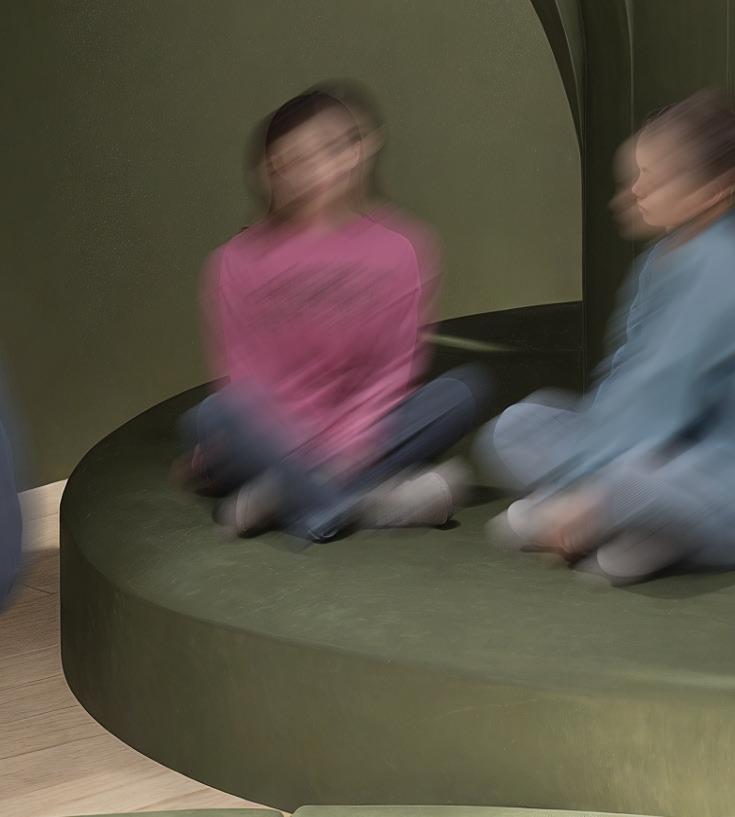
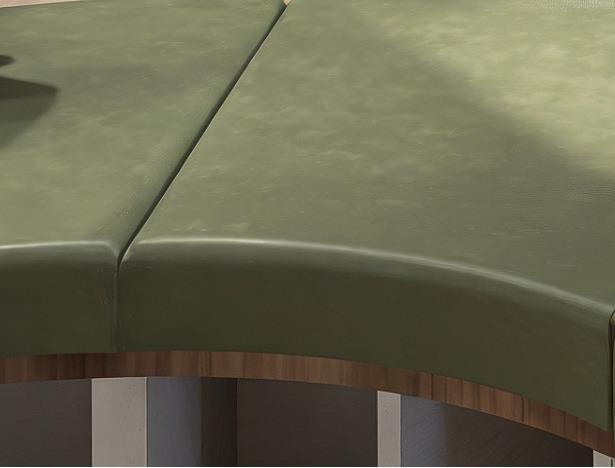
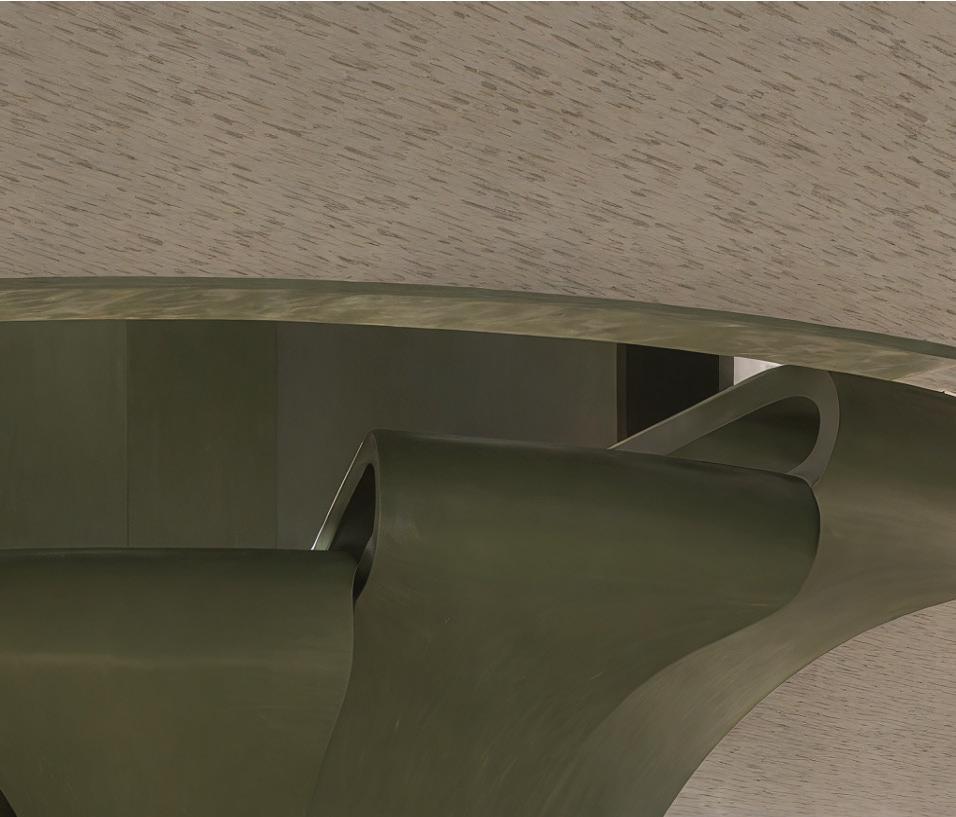
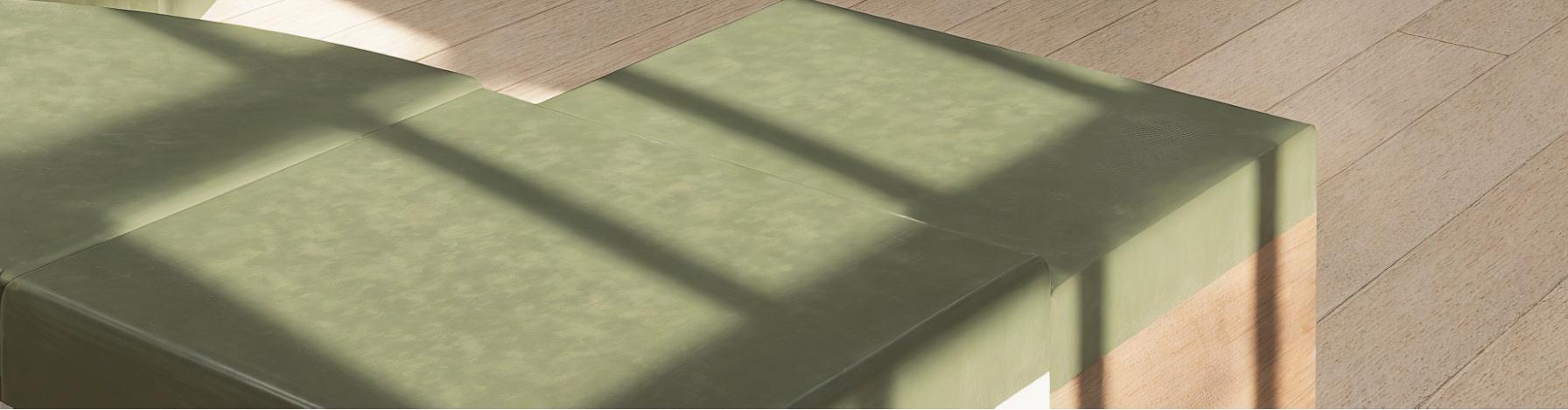
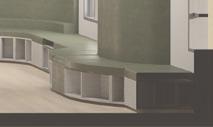
The modular units are conceived as rotating fragments that orbit the columns, forming curved seating, shelving, and table configurations. Each piece can be rearranged, expanded, or nested to accommodate different social conditions — from intimate dialogue to collective study or rest. The geometry promotes circular movement and visual continuity, dissolving boundaries between individuals and inviting spontaneous encounters.
Circulation Legend
1: Reception
2: Cafe Kitchen 3: Cafe Seating
4: Flexible Gathering Space
5: Flexible Private Gathering
6: Library
7: Workshop tables
8: Woodshop/Machinery
9: Meeting Room
Floor 2 Common Area Interior View
Cafe View
Selected Studies
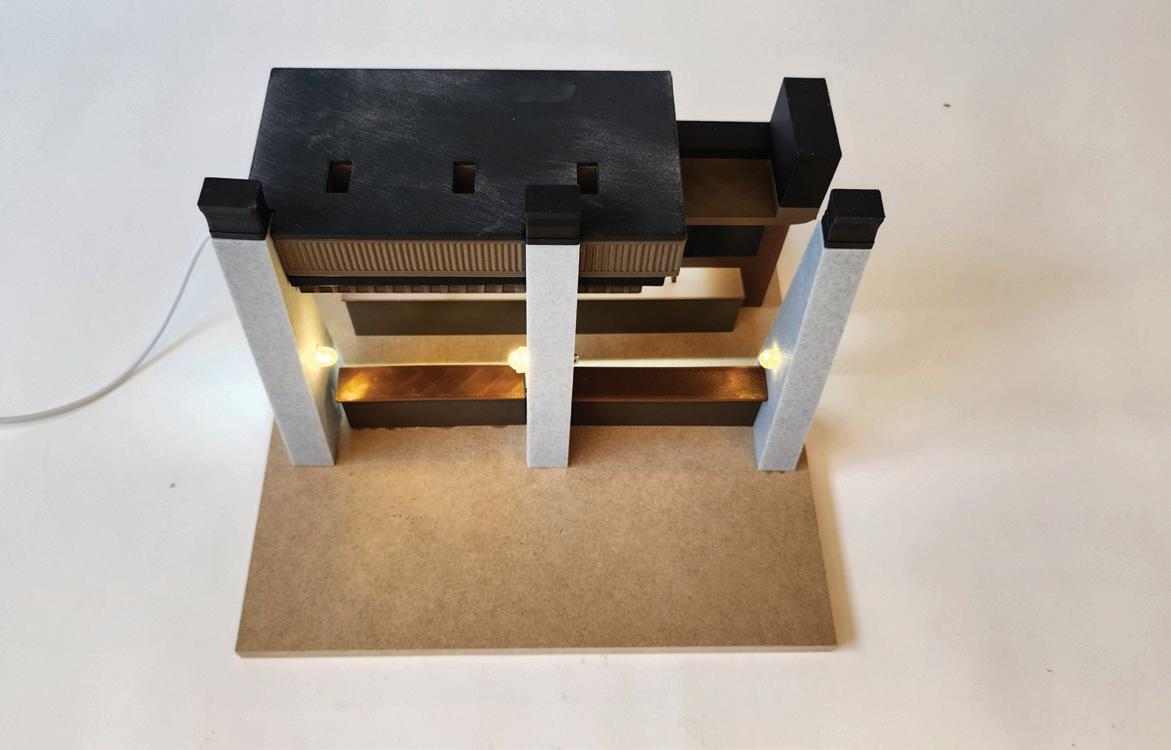
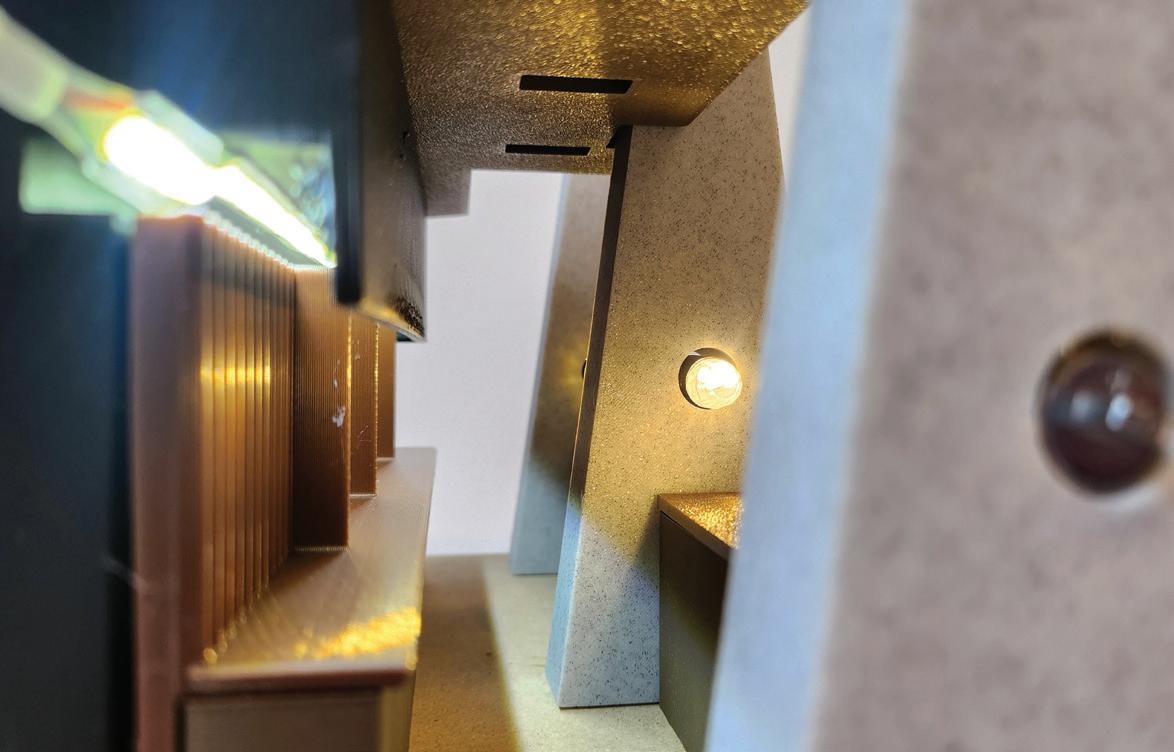
Process Work | Models | Lighting | Analysis
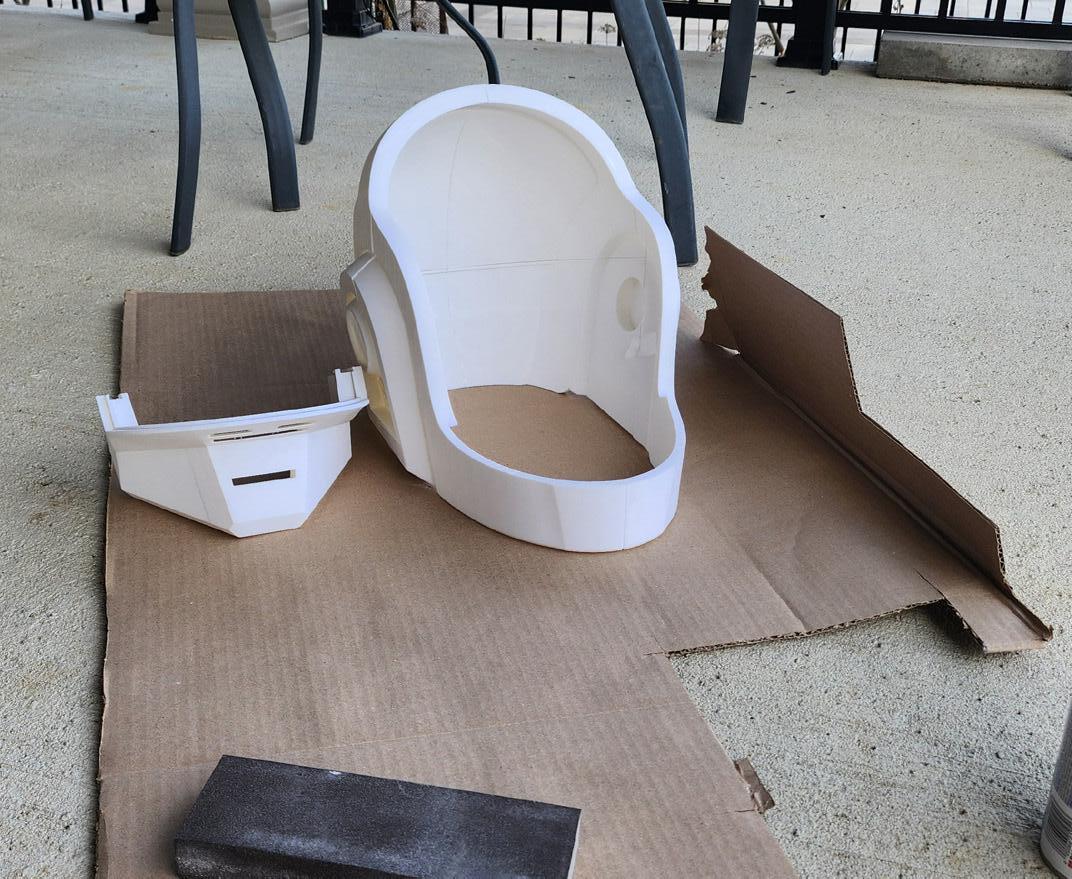
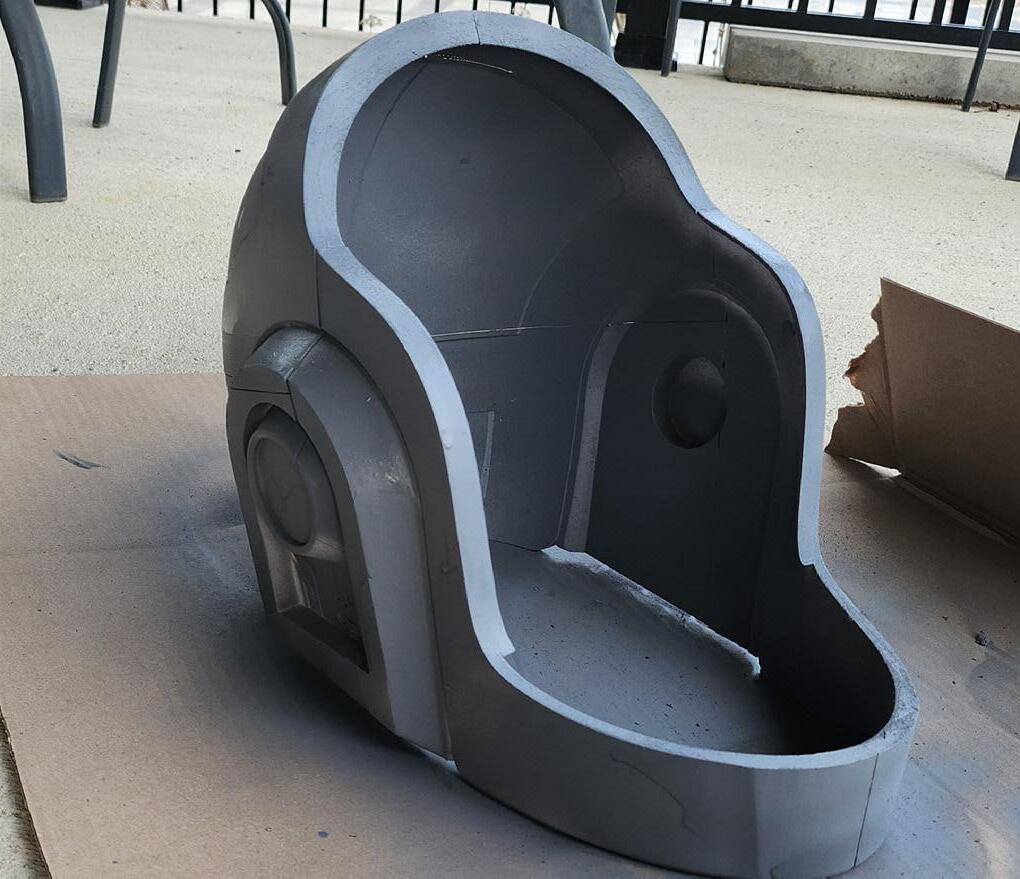
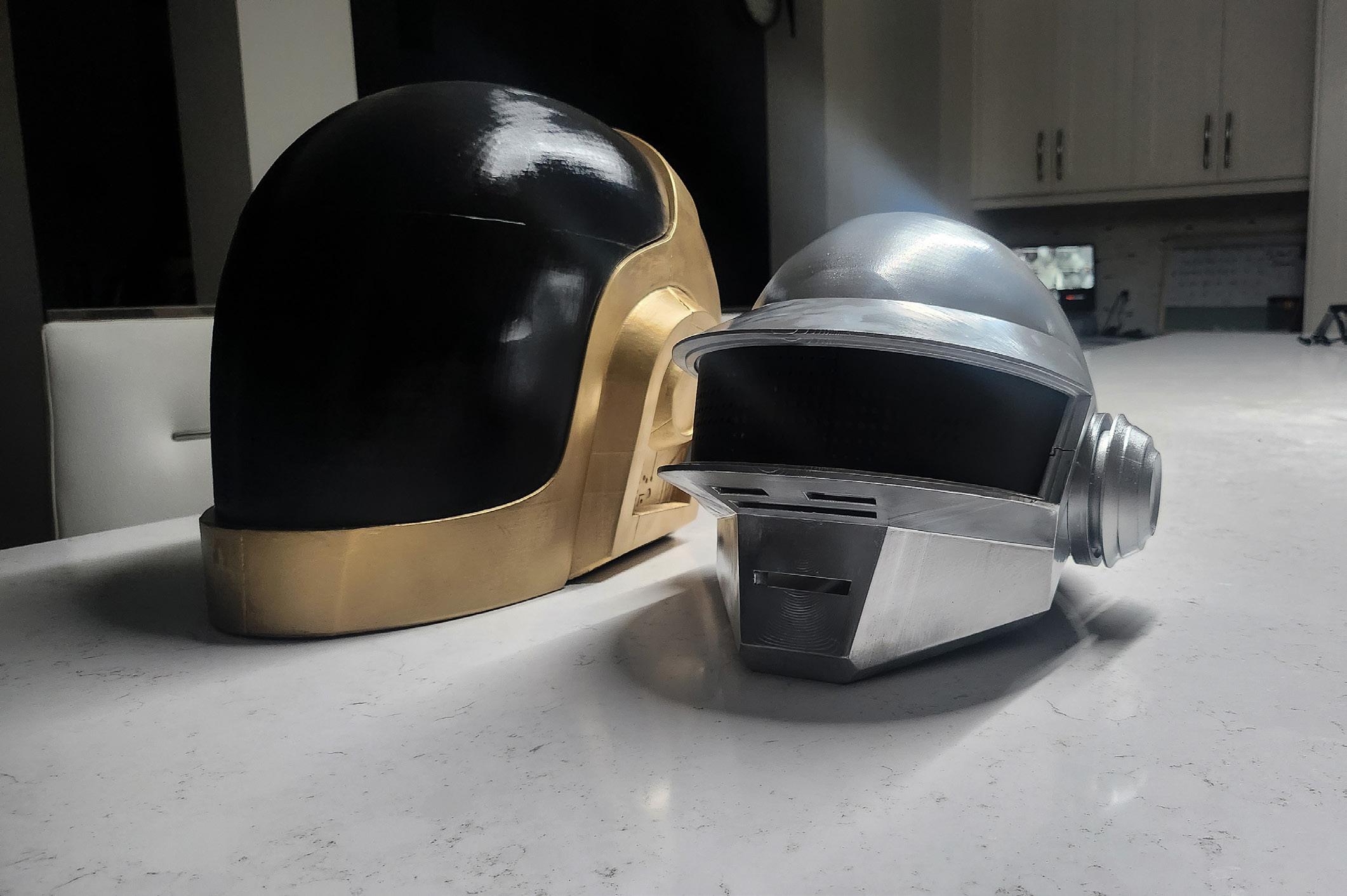
Helmet Fabrication
Construction and finishing of helmet replicas from band daft punk