
Daniel Ladner: Mastering Wealth Management for a Secure Financial Future
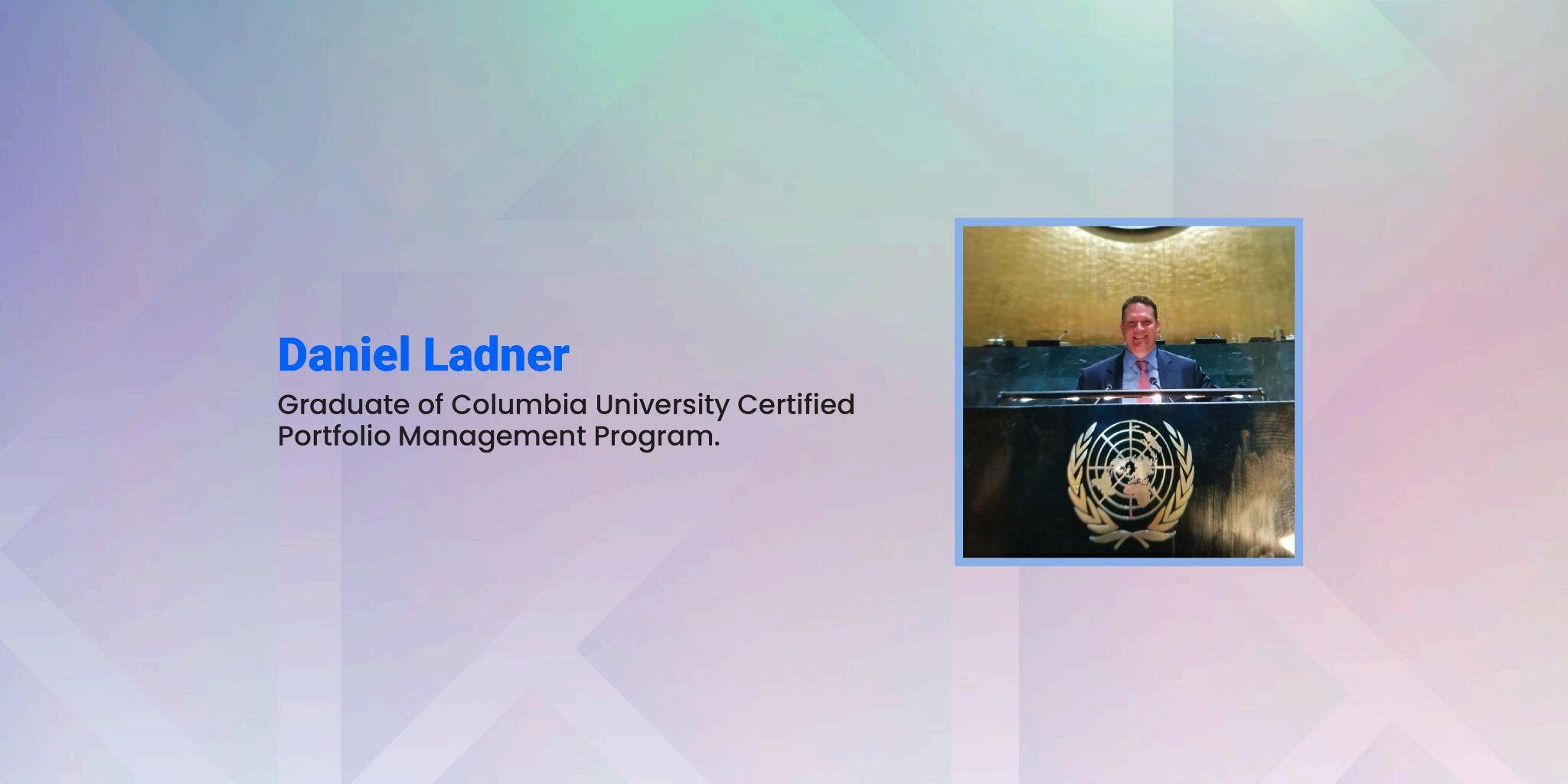
Building long-term financial success is not just about earning more money it’s about managing what you already have with strategy, patience, and purpose Effective wealth management is a blend of thoughtful planning, disciplined investing, and continuous learning. By understanding how to make your money work for you, you can create stability today and prosperity for tomorrow, as defined by Daniel Ladner
The first step toward successful wealth management is developing a clear financial plan This plan should outline your short-term needs and long-term aspirations, from purchasing a home to retiring comfortably. Setting measurable goals allows you to track your progress and adjust strategies as your circumstances evolve A strong financial plan also helps reduce impulsive decisions that could derail your progress.
Diversification is another cornerstone of sound wealth management Putting all your money into a single asset or market exposes you to unnecessary risk. Instead, distribute your investments across different asset classes such as stocks, bonds, real estate, and mutual funds A diversified portfolio cushions you against market volatility and ensures that gains in one area may offset potential losses in another.
Consistent saving habits play a vital role in wealth accumulation Automating your savings ensures that a portion of your income is set aside before you even have a chance to spend it. This approach fosters discipline and builds a solid foundation for future investments Similarly, creating an emergency fund that covers at least three to six months of living expenses can prevent financial setbacks during unexpected events like job loss or medical emergencies.
Monitoring your expenses is equally important. Understanding where your money goes helps you identify unnecessary spending and redirect funds toward more productive goals Utilizing budgeting tools and financial apps can make this process easier, giving you real-time insight into your spending patterns. Over time, these minor adjustments can lead to significant improvements in your overall financial health
Wealth management is not a one-time effort it’s an ongoing process. Regularly reviewing your investment portfolio, tax strategies, and insurance coverage helps keep your plan aligned with changing economic conditions and personal milestones. Seeking professional advice from financial advisors or wealth managers can also add value, especially when navigating complex investment opportunities or retirement planning