DANIELA MIZZI
ACADEMIC STUDY
PRACTICE EXPERIENCE
WORKSHOPS
Ex-Centrale Termica, Milan
Tutors: Anthony Bonnici, Peter Brincat, Alex Spiteri
Design Studio, Pembroke
Tutors: Ella Fleri Soler, Peter Brincat, Patricia Risiott
In collaboration with: Yanica Grech, Marlie Claire Attard, and Lara Spiteri
Gnien Tal-Kmand, Gudja, Ebejer Bonnici
Led by: Anthony Bonnici and Karl Ebejer
In collaboration with: Thomas Mifsud and Eliza Marie Cassar
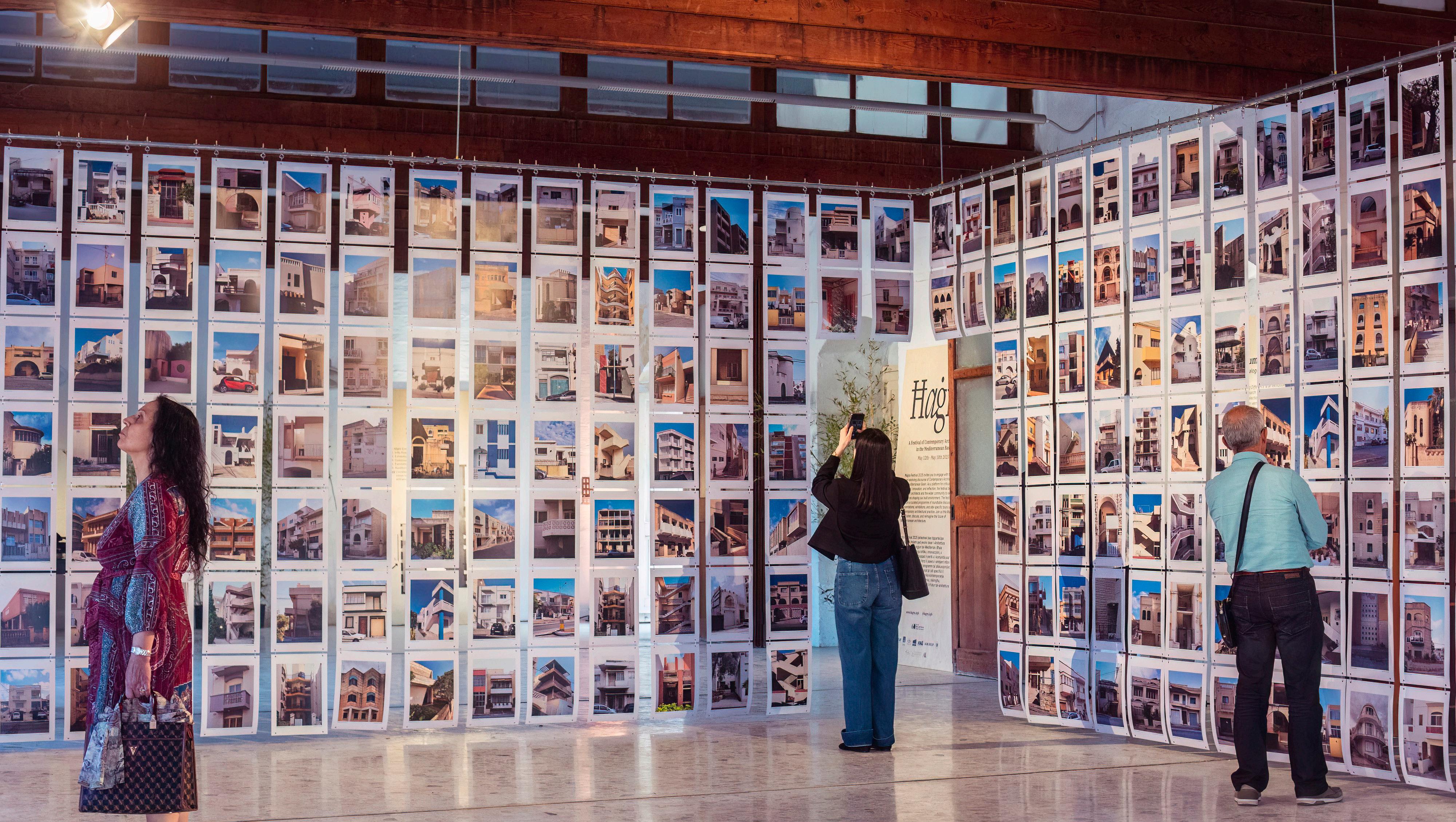
Documenting Difference, Ħaġra Festival, Curatorial Assistant to Text Catalogue
Led by: Ella Fleri Soler and Andrew Darmanin
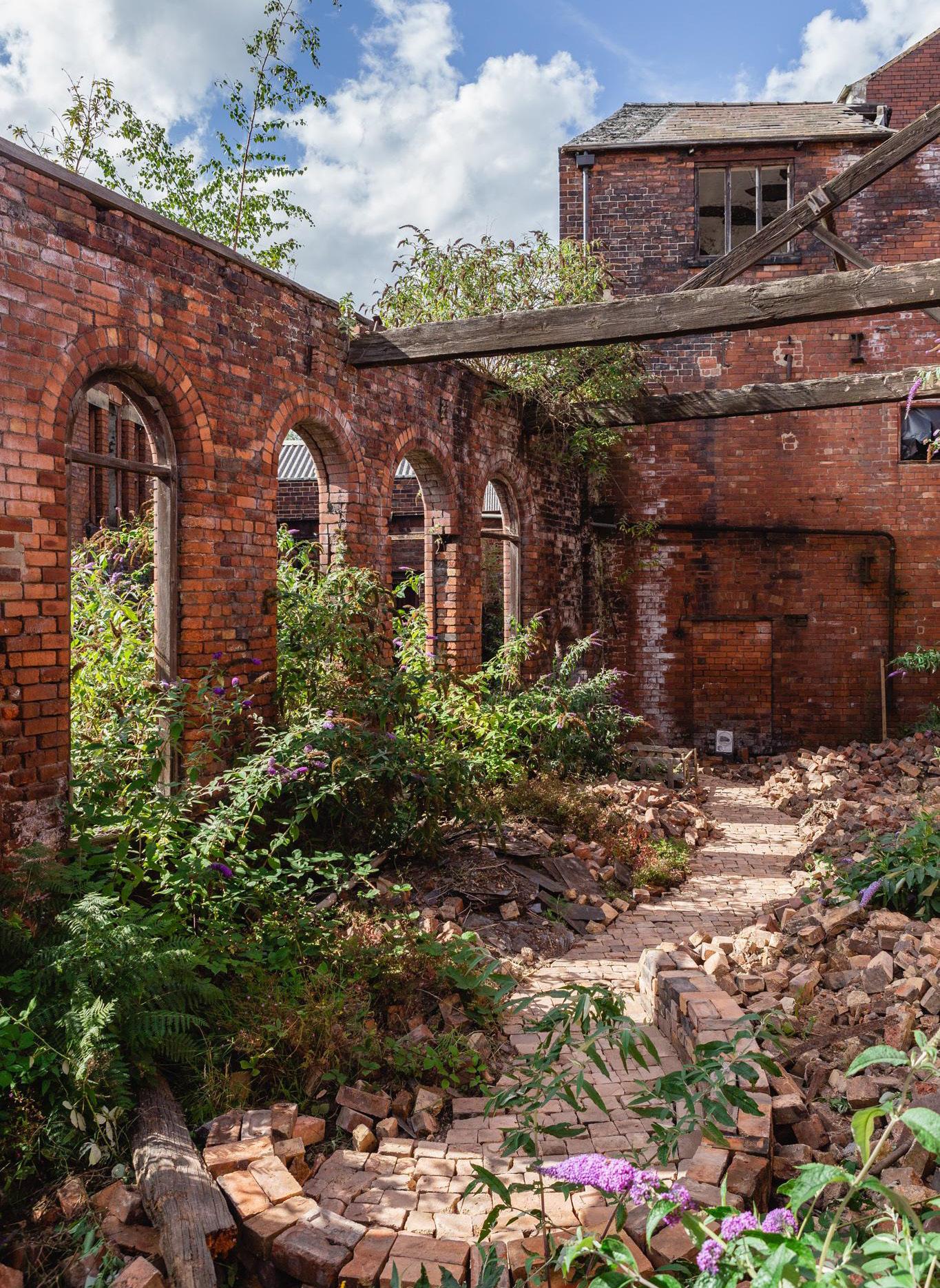
Space Nursing, EASA Commons
Tutors: Augustas Lapinskas and Ditiya Ferdous
BSc Year 3, Semester 2, 2025
BSc Year 3, Semester 1, 2025
2025 - present
2024 - 2025
2023
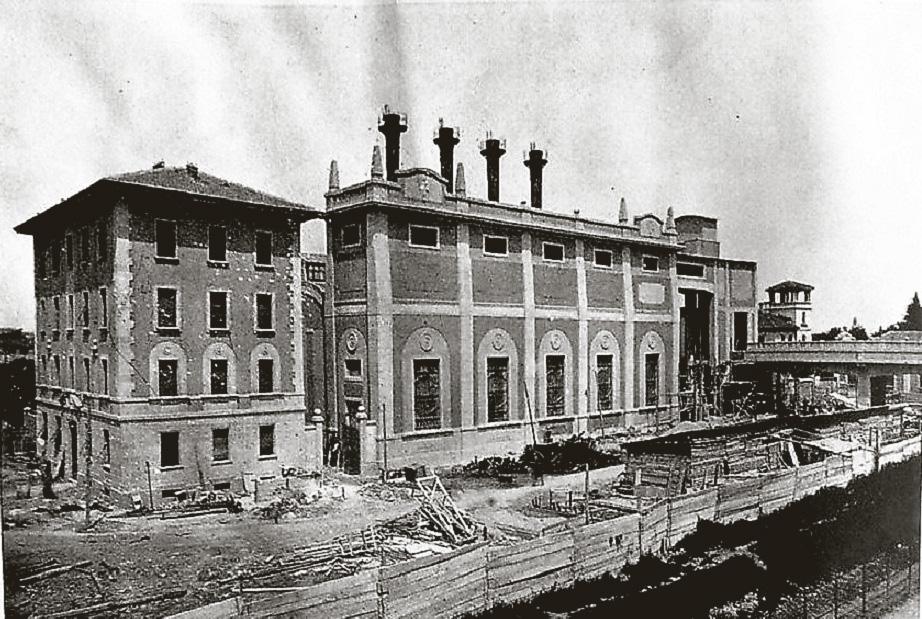
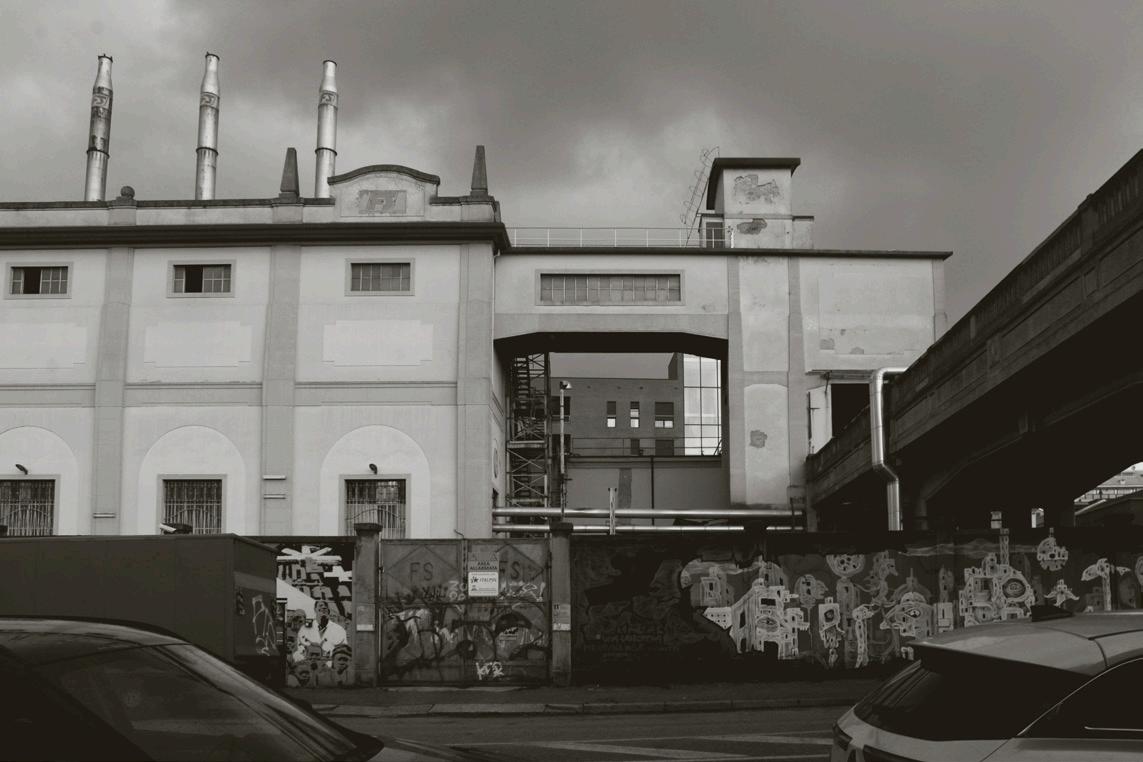
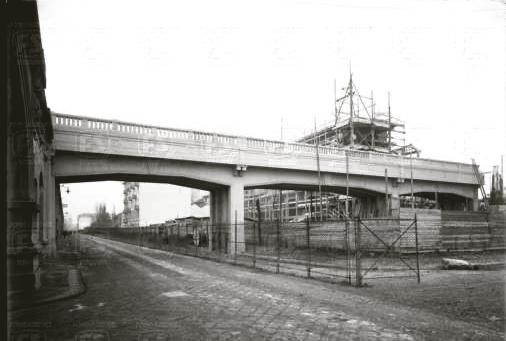
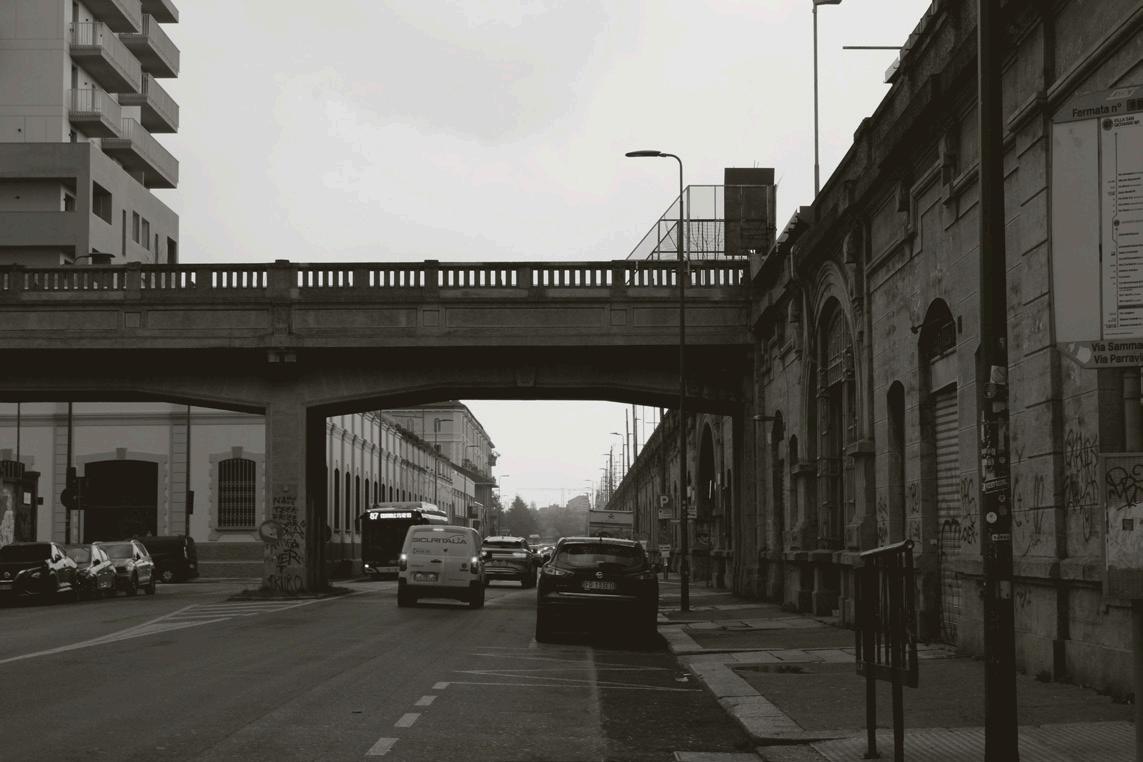
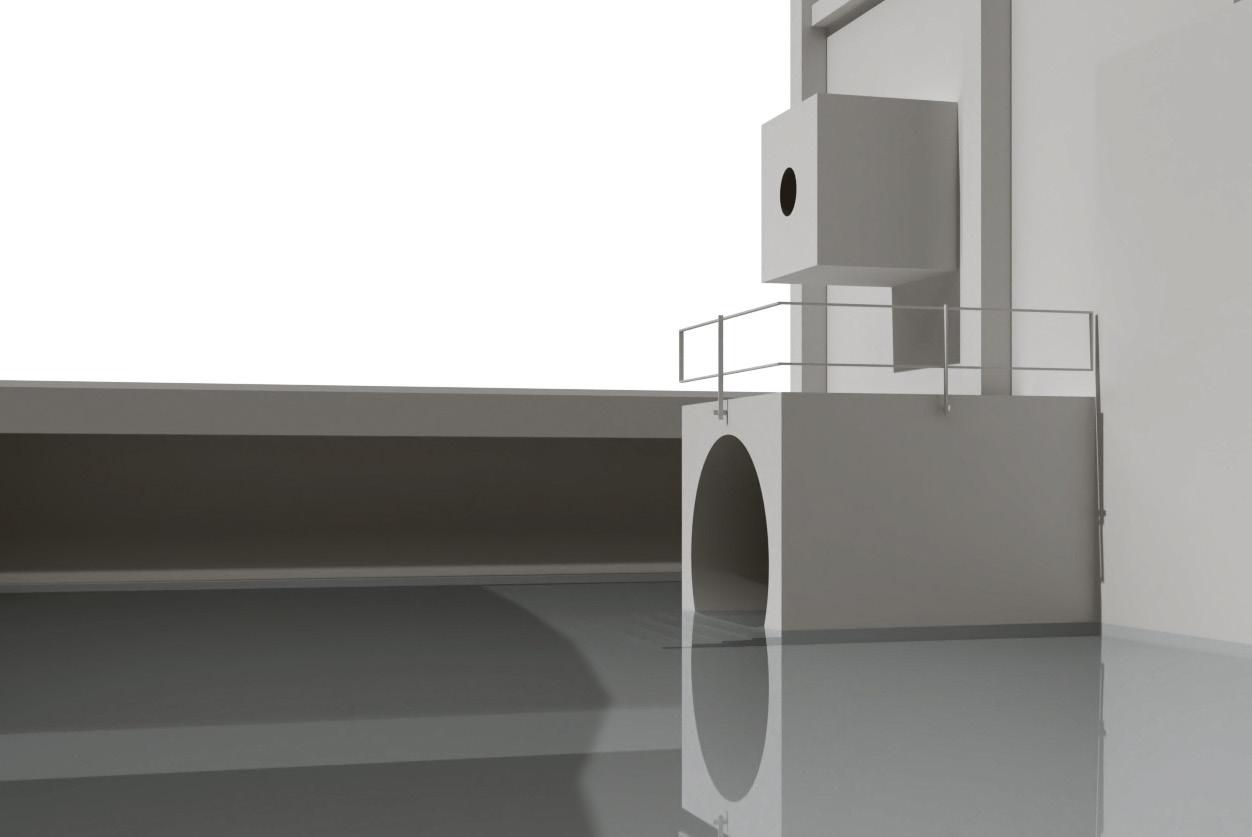
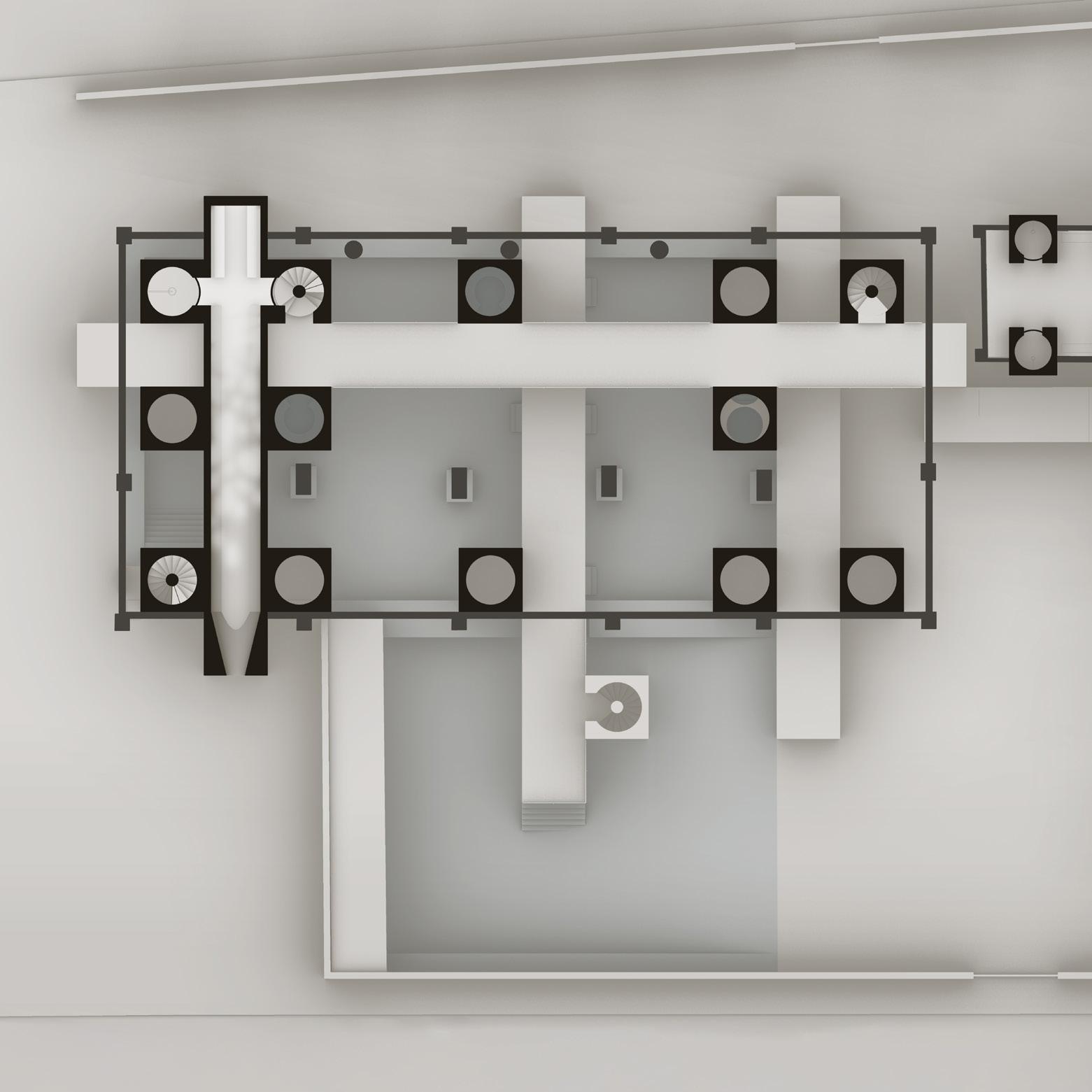
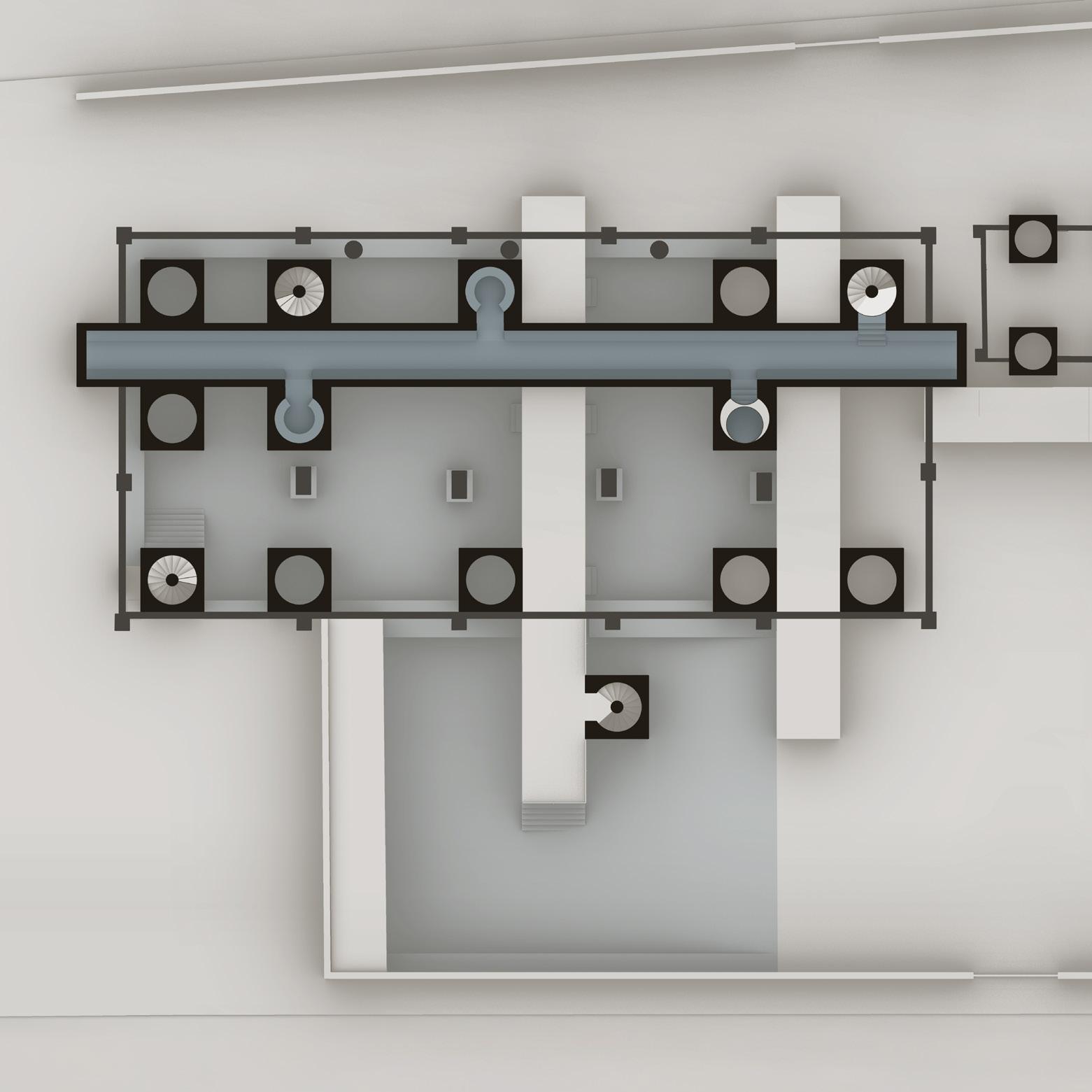
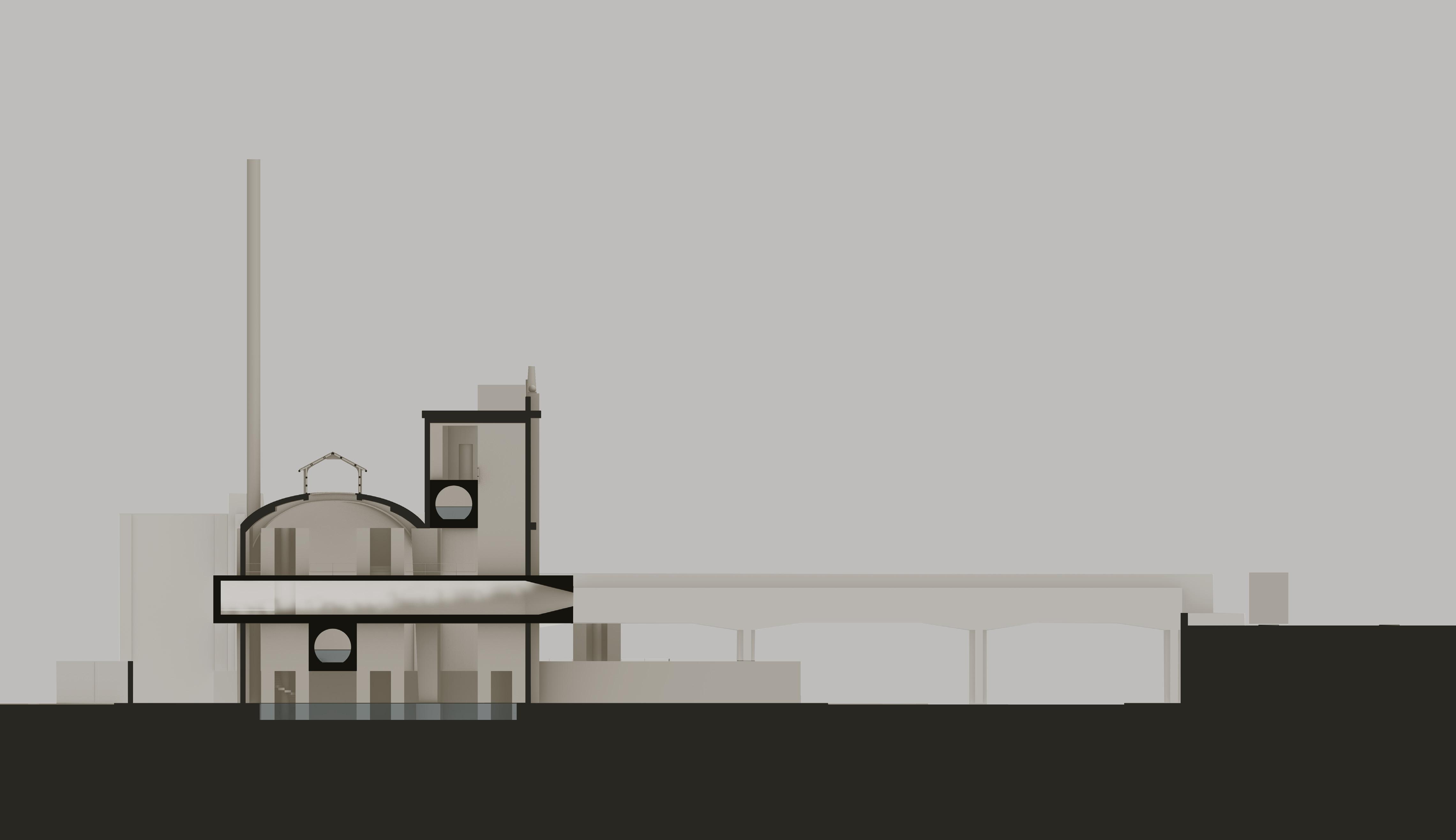
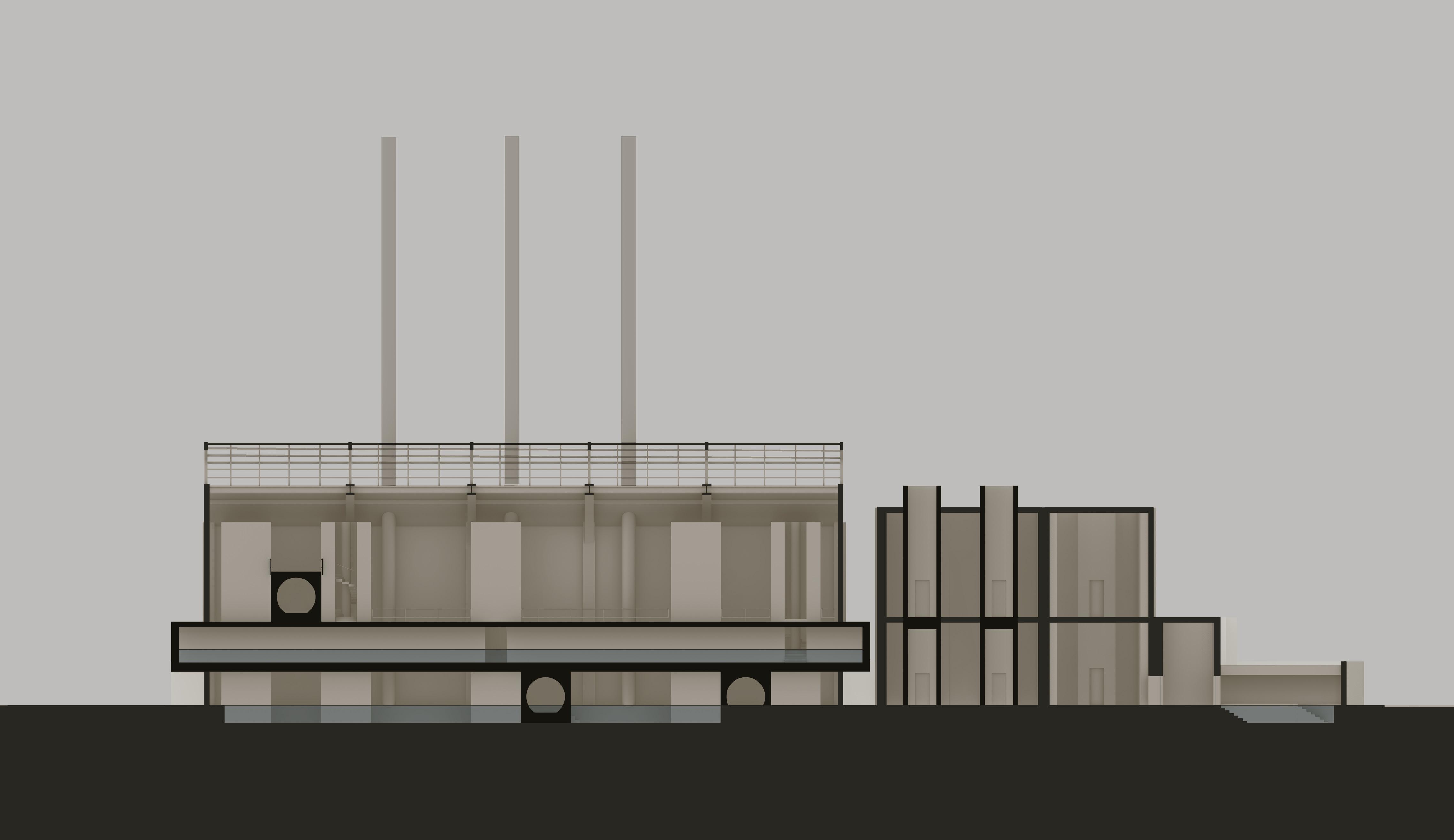
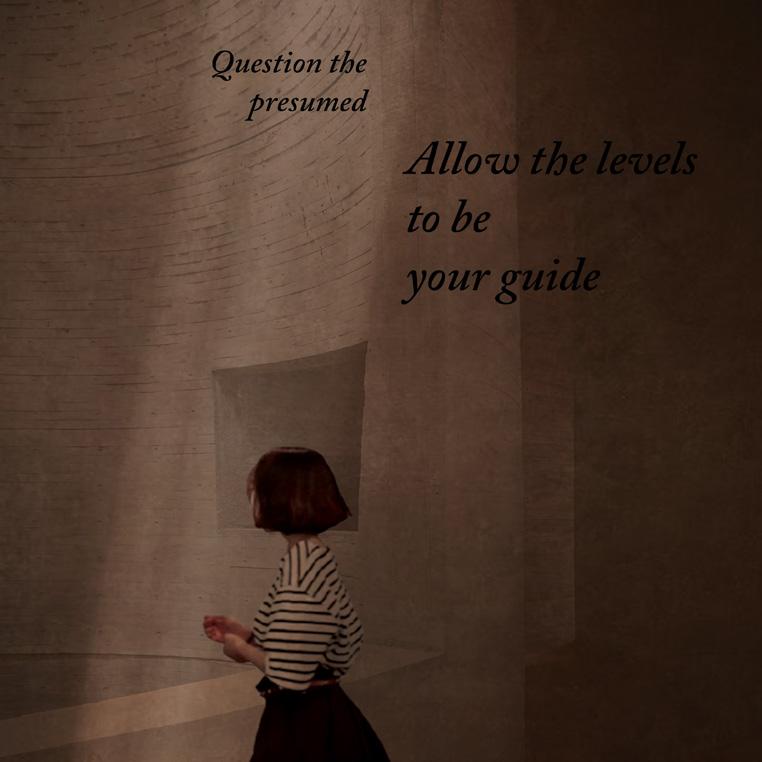
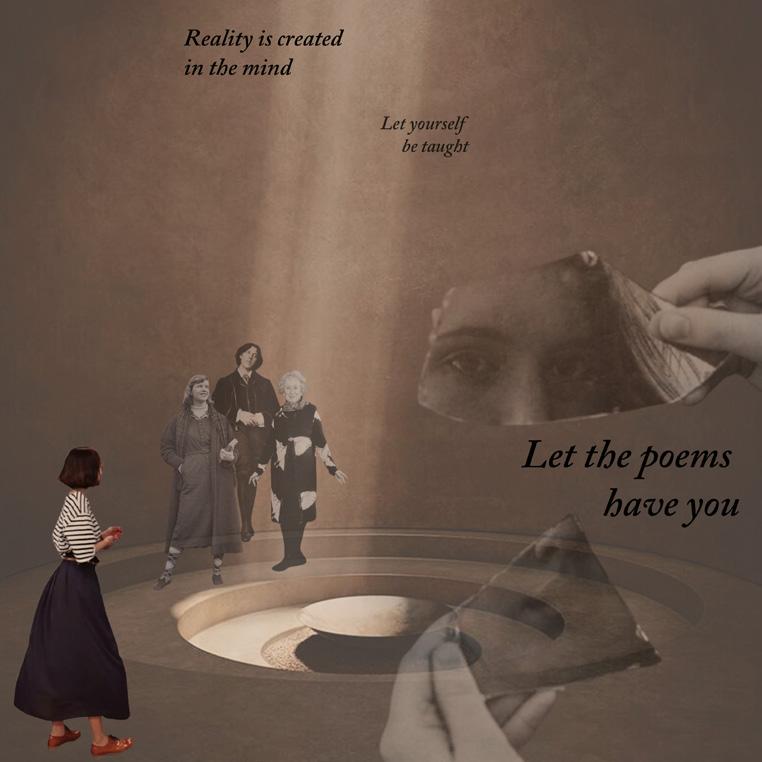
The Ex-Centrale Termica produced thermal energy for the Milan Central Station. Now, the factory lies in disuse, with the only connection to the Station being the bridge between the factory and the tracks.
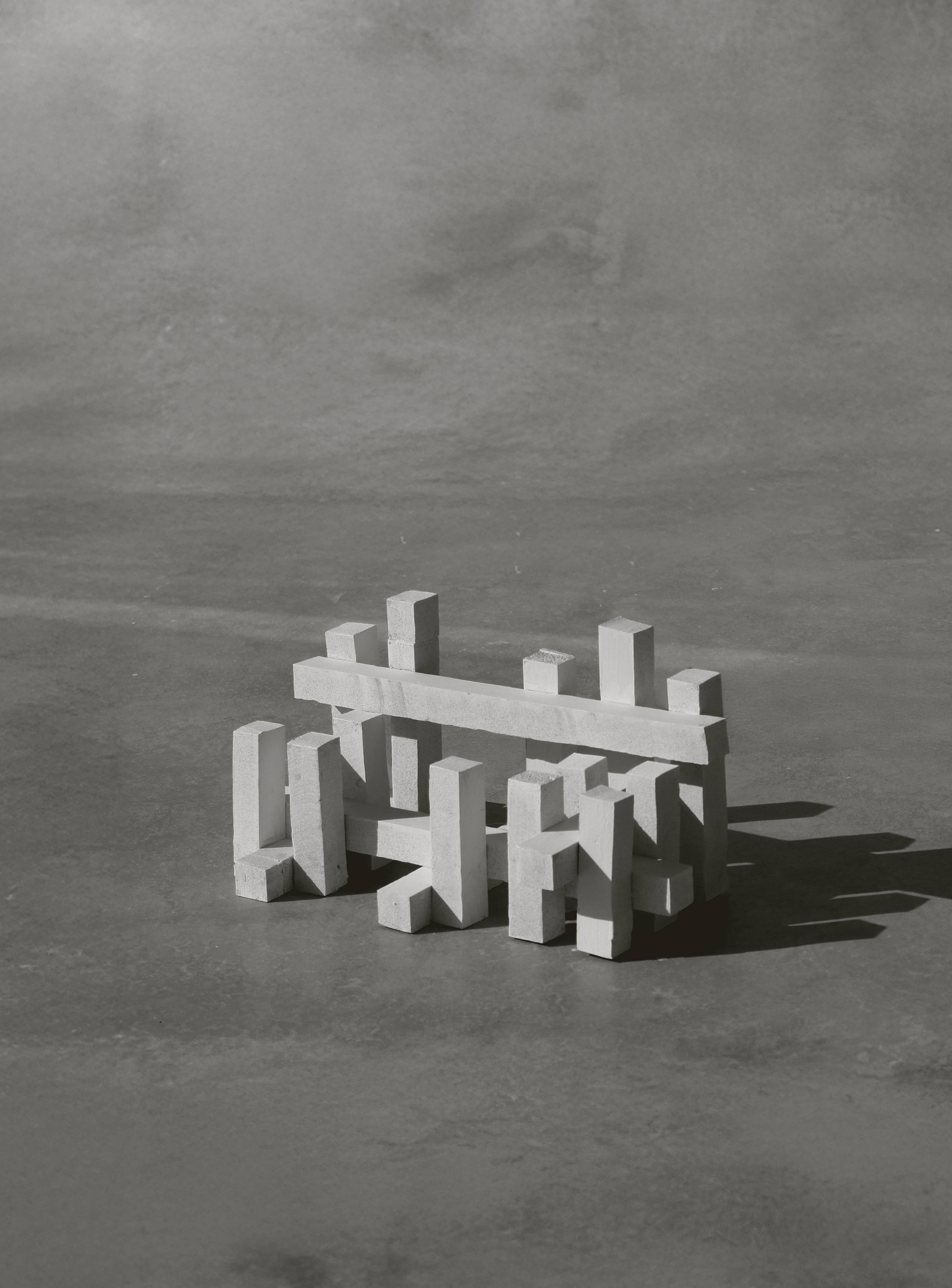
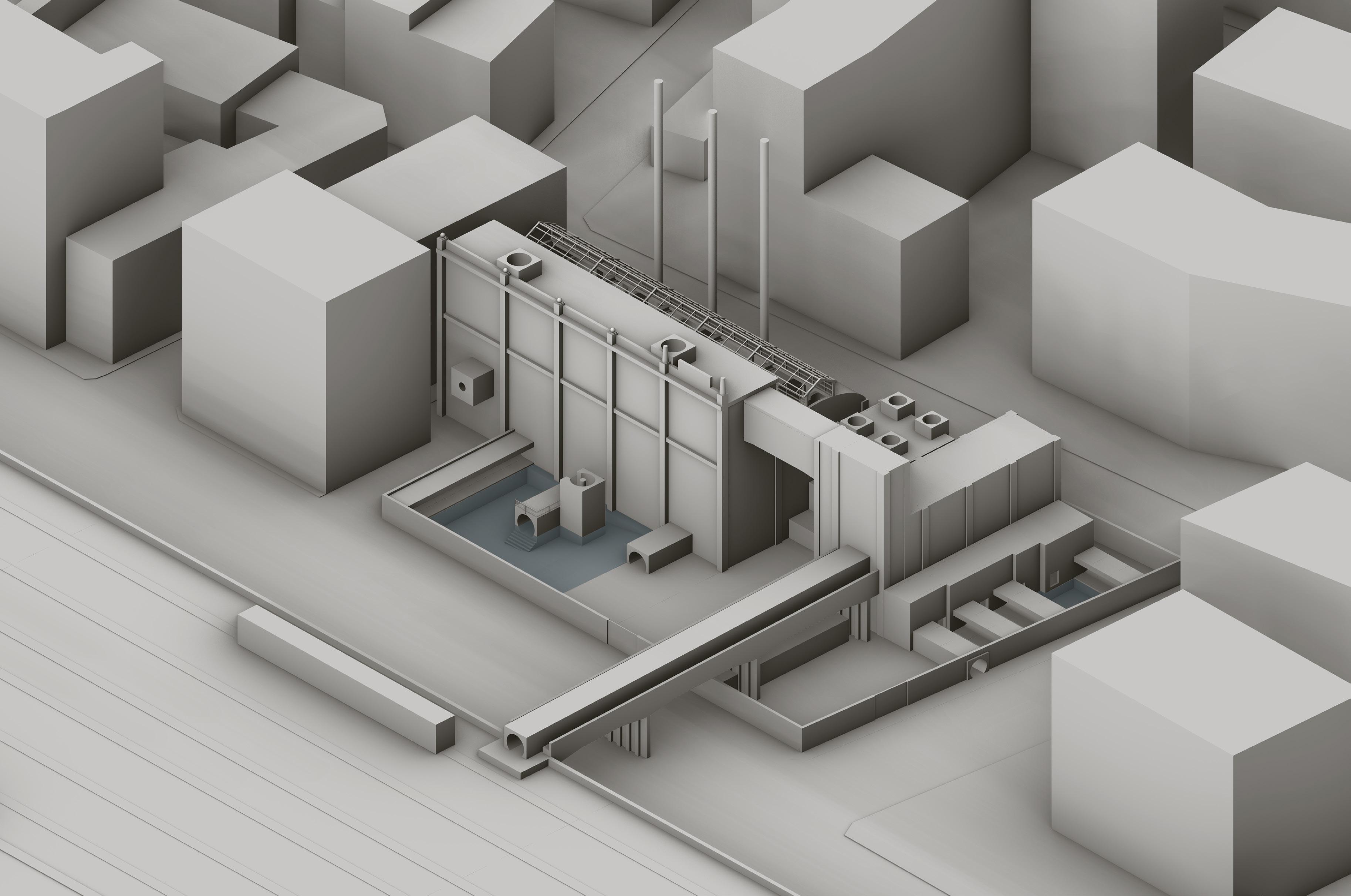
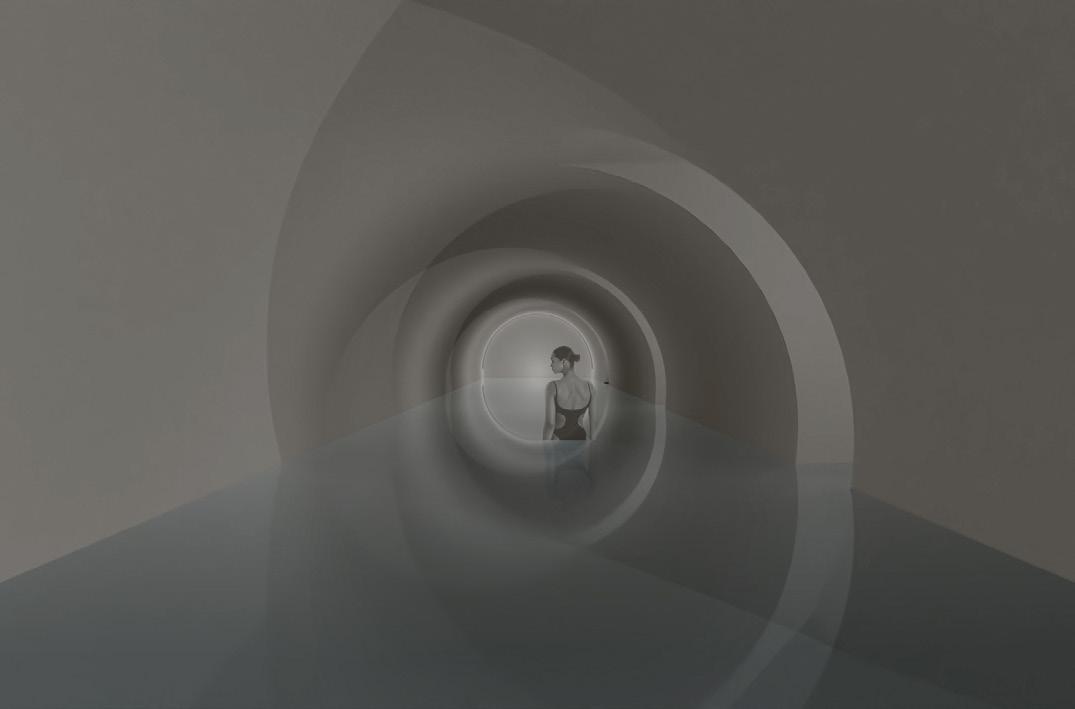
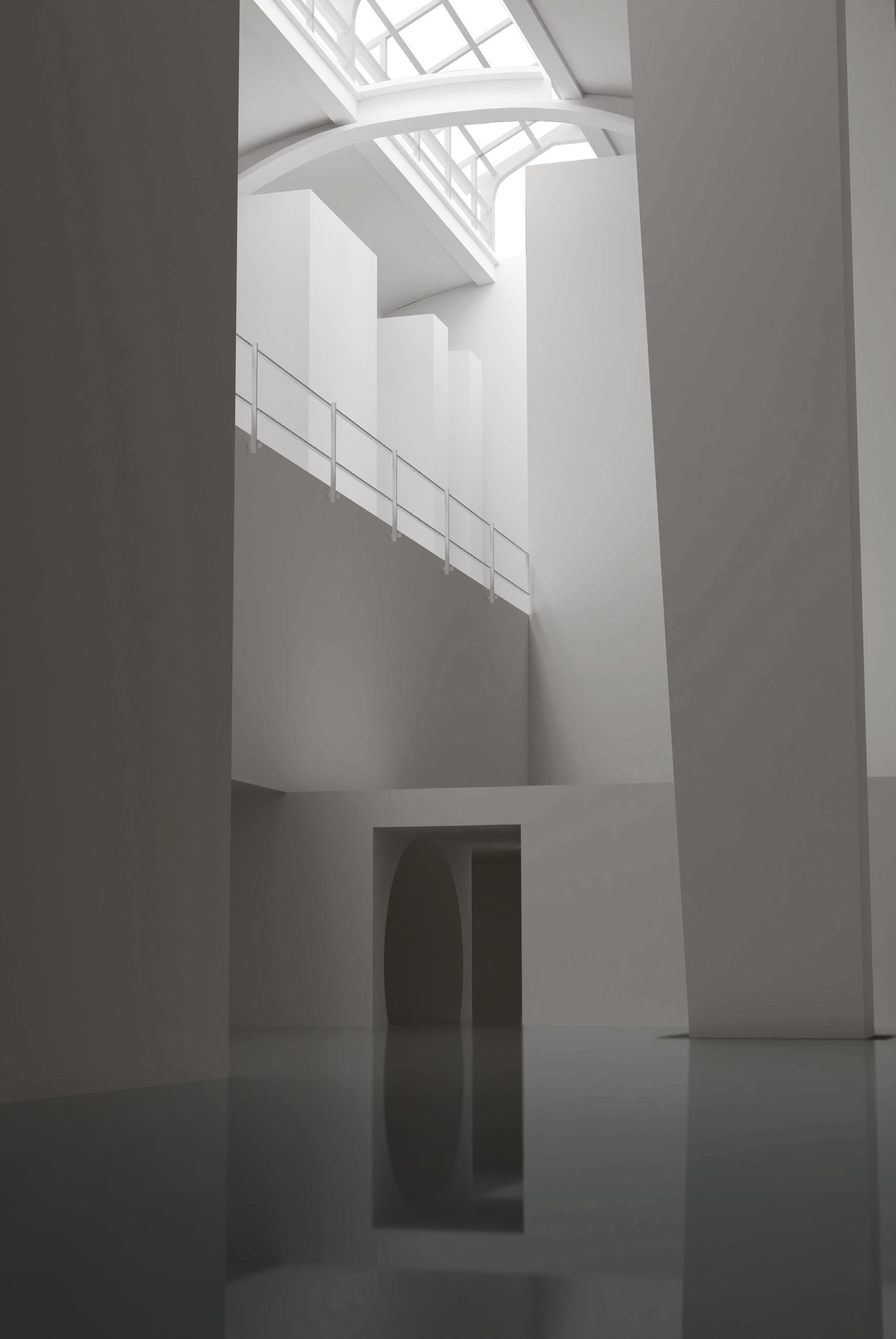
Through the insertion of hollow concrete pipes, a relationship is carefully curated between the city, the factory, and the structure. The structure does not aim to fill the void, aiming instead to expose itself to it. Through a series of nesting and exposure, the termal baths create a new way of transitioning into the city.

Design Studio, Pembroke
University of Malta, Year 3 Semester 1
Tutors: Ella
Group Work in Collaboration
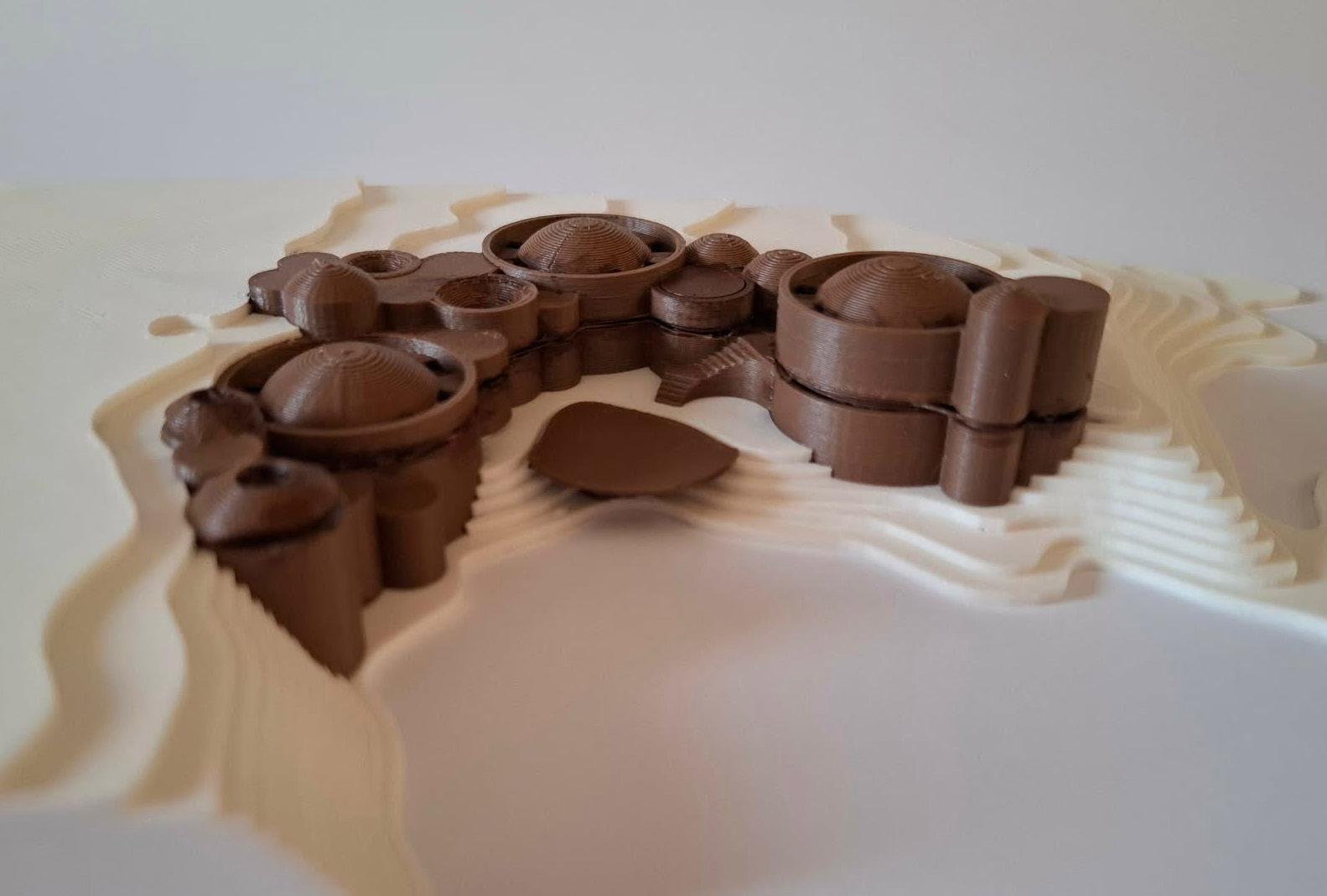
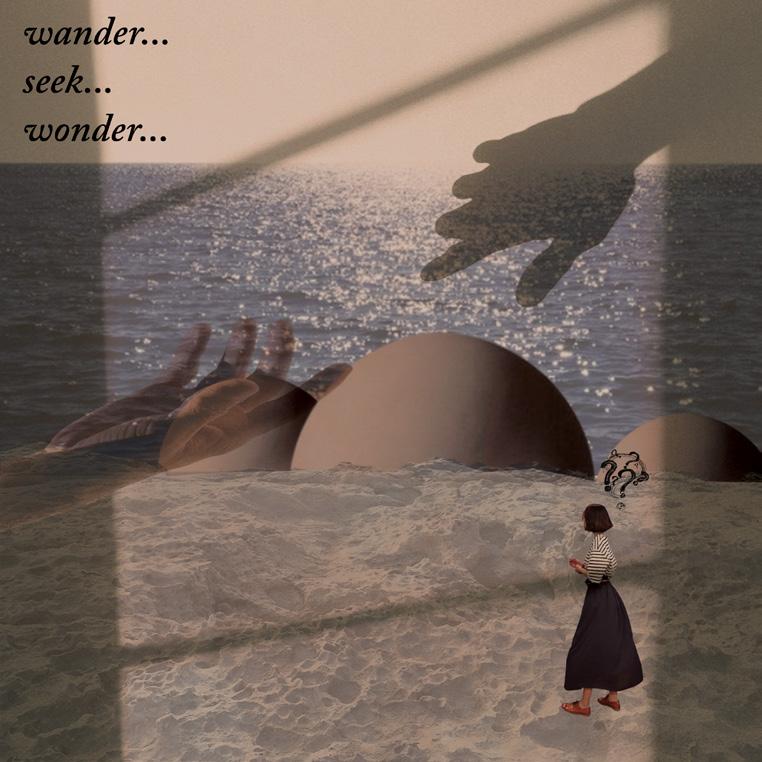
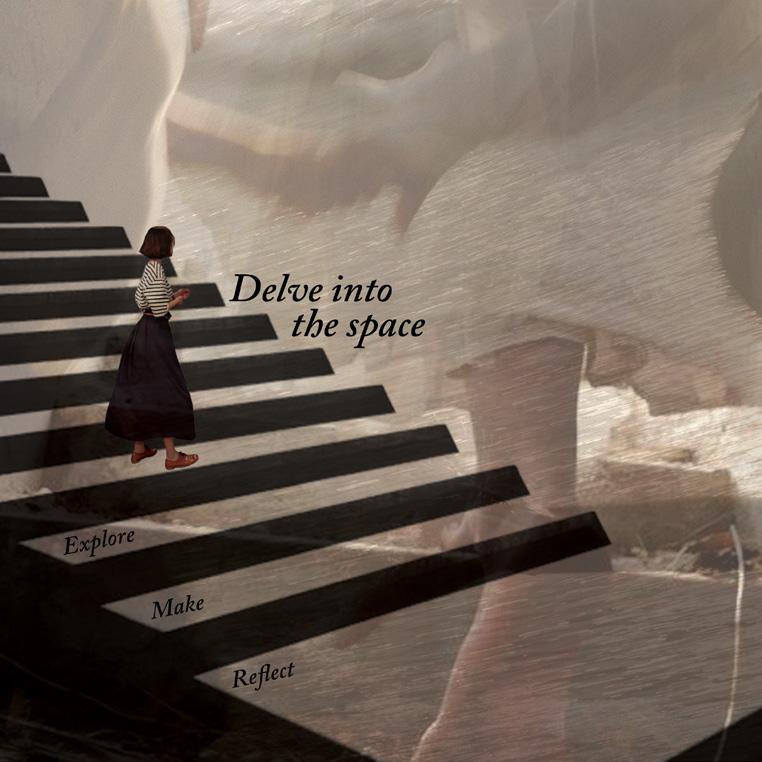
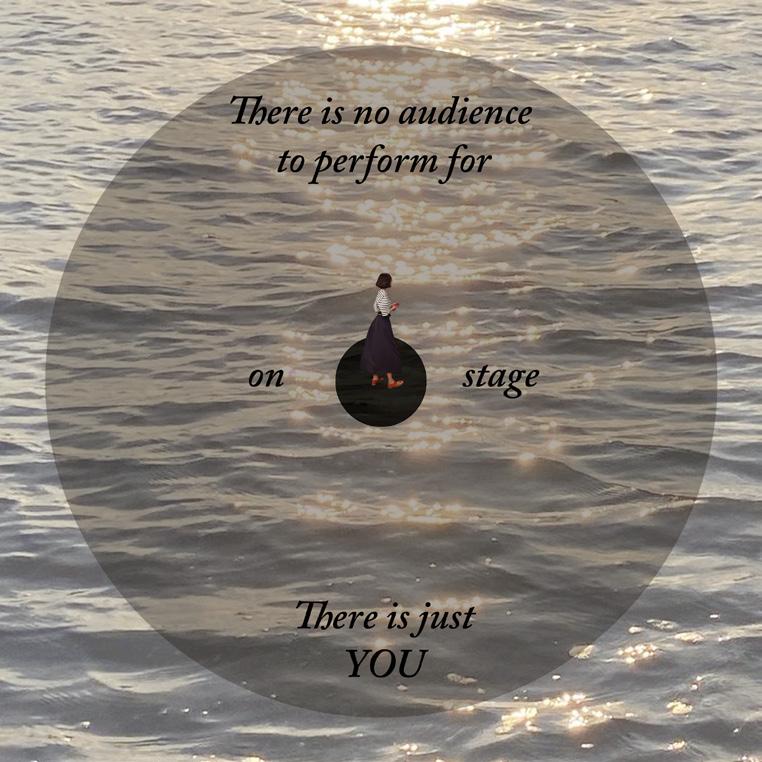
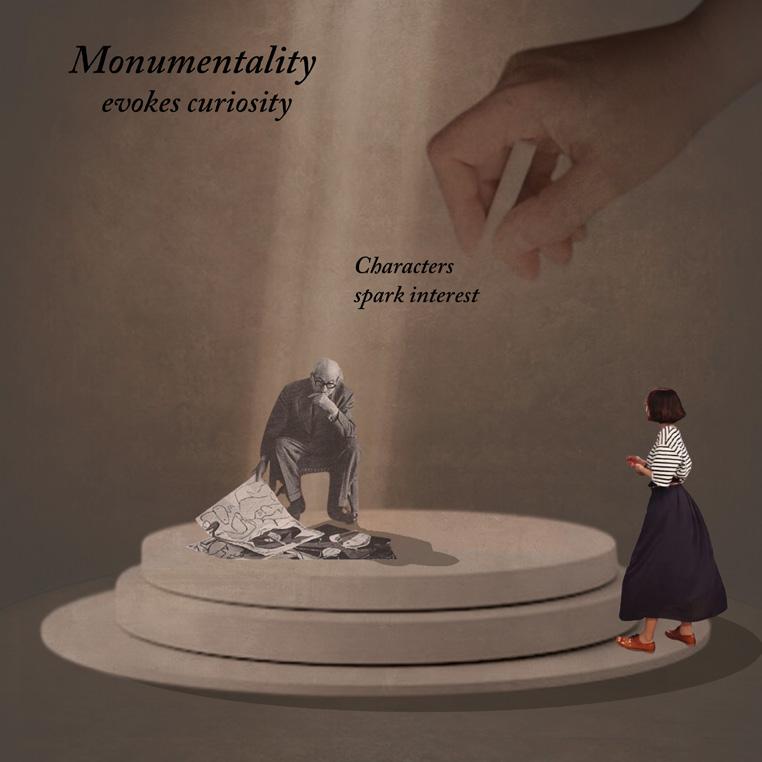
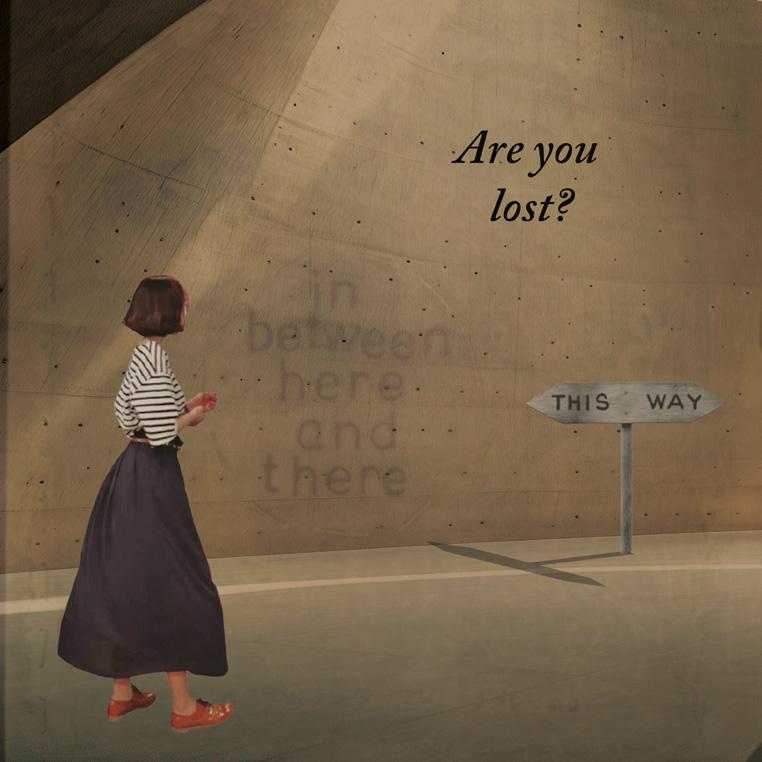
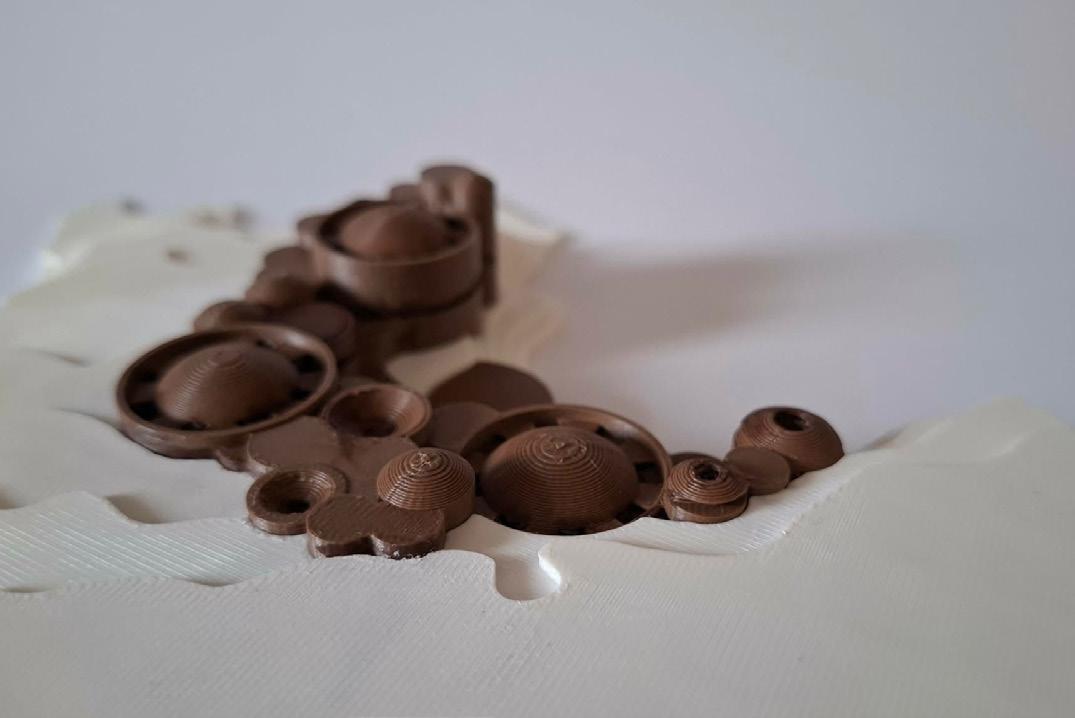
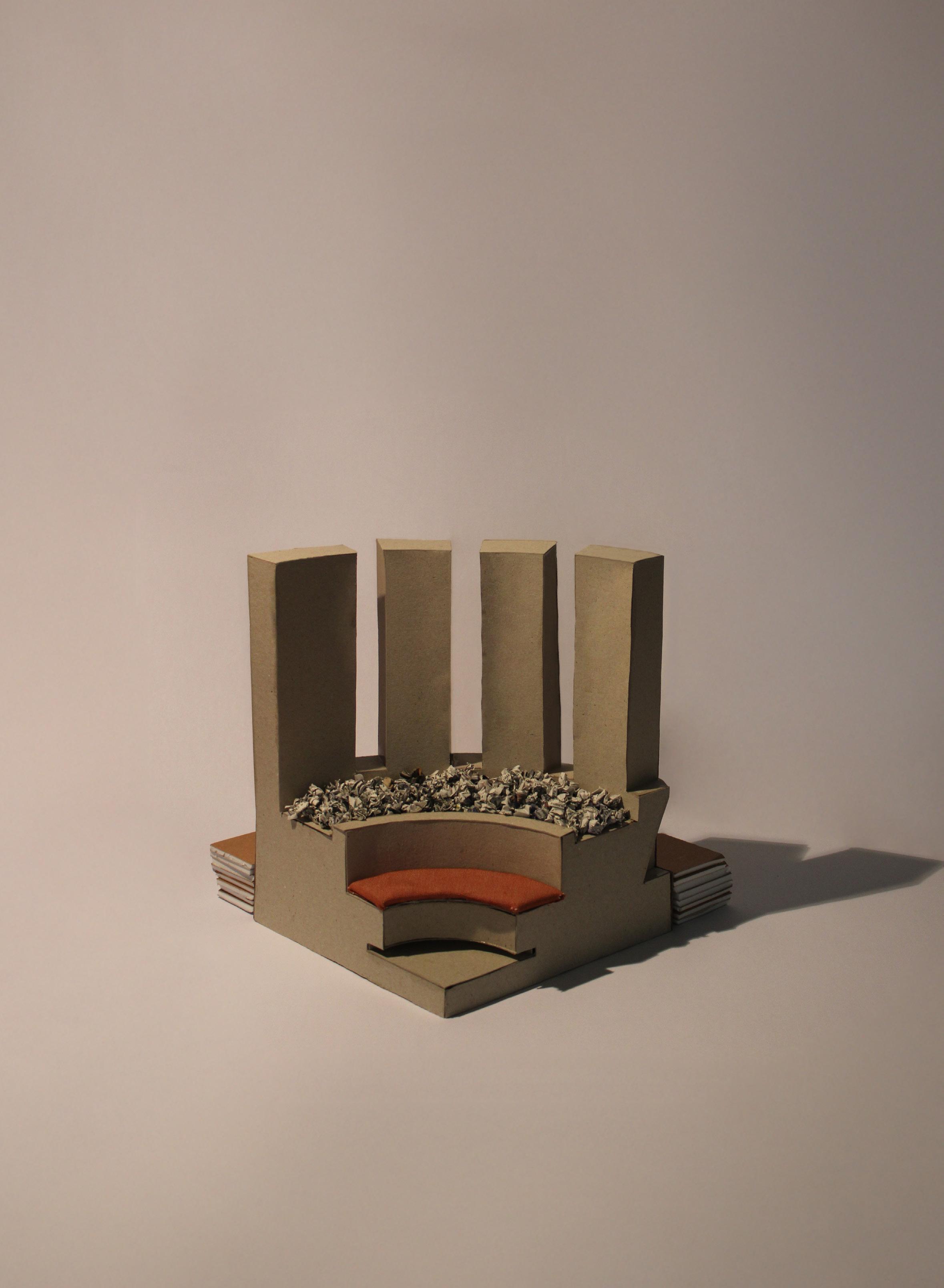
An introverted mass overlooks the ocean. Within, three nodes explore poetry, philosophy, and form through charcoal.
In this studio, art is used as a tool to lift the observer out of the ordinary, helping make the invisible visible. Each of these practices invite participants to observe the world from a fresh perspective, encouraging one to form intimate connections to their surroundings.
In the threshold between these nodes lie spaces where these worlds blur and merge, encouraging conversation between practices. Outside, all nodes lead to the stage, a place for collective reflection.


This building begins not with walls, but with shade. Before rooms are named, a roof is drawn across the land; a single deliberate gesture that tempers light, gathers air, and makes space for living.
Beneath it, life unfolds slowly, always in dialogue with the garden. The house does not arrive as an object placed upon the site, but as something that settles, as if it has learned the terrain and chosen to stay.
Stone rises from the ground not as enclosure, but as presence. Thick walls stretch across the garden like traces of older boundaries, creating thresholds rather than limits. They do not separate inside from outside, so much as allow the two to breathe into one another.
Around it, the garden is not ornamental but lived. Three landscapes coexist: one for gathering and water, one for eating and lingering, one for retreat. Each has its own rhythm, its own silence.
The Lieutenant’s Garden was built in 1800 by Sir Alexander Ball, the first british Governor of Malta.
As part of the building proposal, all historic elements are to be restored. This includes; the tower, the walled facade, and the garden.
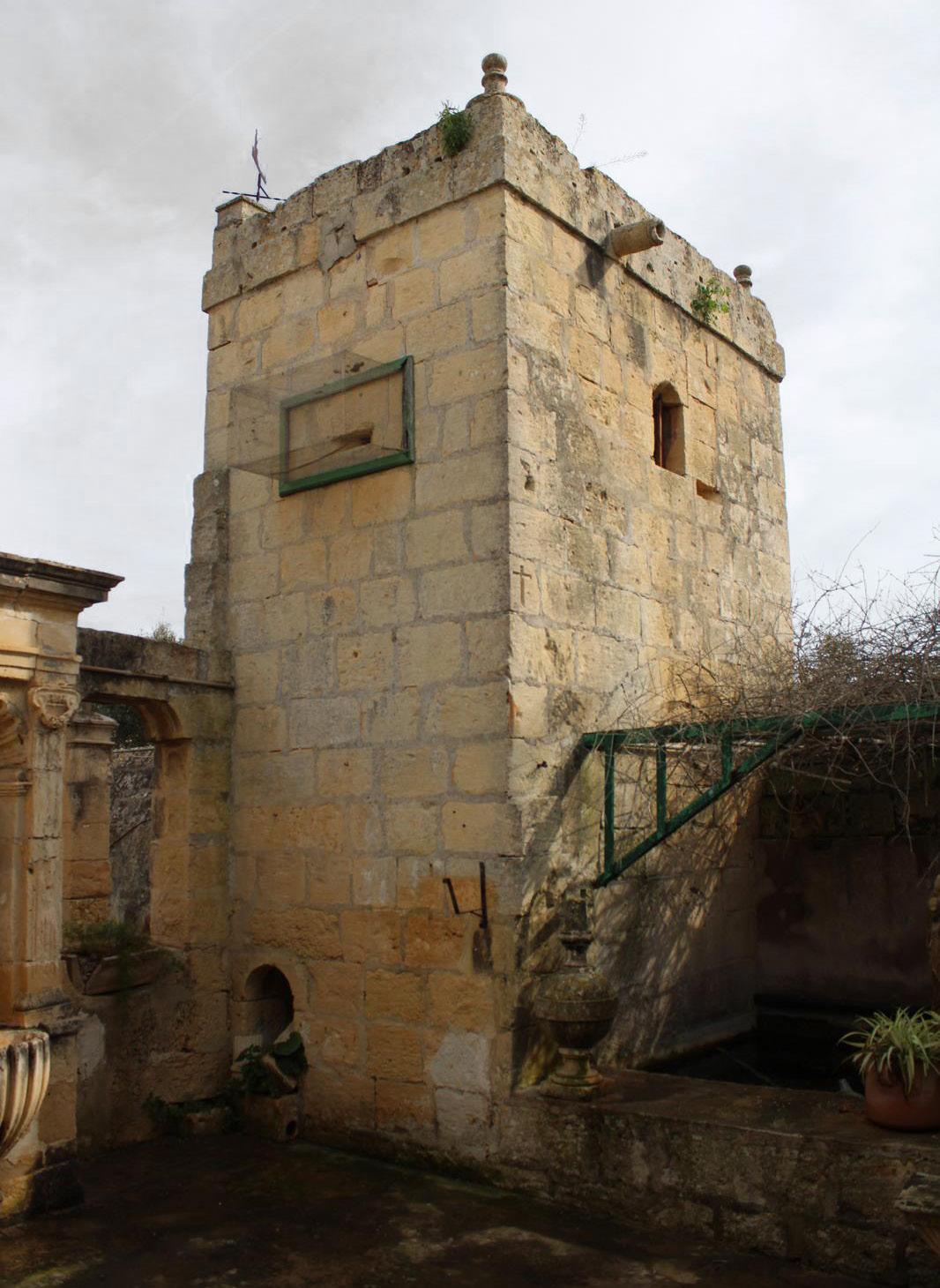
Defect Mapping Legend:
Defect Mapping Legend:
Alveolar Weathering
Biological Patina
Alveolar Weathering
Biological Patina
Settlement Displacement
Settlement Displacement
Black Crust Formation
Black Crust Formation
Residual Plastering
Residual Plastering
Vegetation
Vegetation
Accretions to be Removed
Accretions to be Removed