





PRESIDENT
Josh Newton (2028)
Deer Wizard LLC
285 Dunwoody Rd
Williamsport, PA 17701
Cell Phone: 484-951-3229
Email: deerwizard64@gmail.com
Samuel King
Rocky Top Whitetails
6285 Engletown Road Honey Brook , PA 19344
Phone: (717) 768-0645
Email: samuel@keystonesteelstructures.com

VICE PRESIDENT
Jarrid Barry (2026)
Jarrid Barry (2026)
Powder Ridge Outfitters
PO Box 6
Hollidaysburg, PA 16648
Cell: (717) 821-0669
Email: powderridgeoutfitters@ gmail.com
Lloyd Stoltzfus (2026)
Walnut Ridge Whitetails 142 Churchtown Rd.
Narvon, Pa. 17555
Office: (717) 768-3471
Email: wrwhitetails@yahoo.com




Ben Spangler (2028)
Big Vision Whitetails
10040 Cardinal Drive
Orrstown, PA 17244
Cell: (717) 816-4319
Email: benspangler1993@yahoo.com
Mike Lapp (2028)
Nationwide Scents
420 Weaver Road
Millersburg, PA 17061
Cell: (570) 425-2855
Email: mlapp@nationwidescents.com
John Ervin Stoltzfus
Rocky Ridge Whitetails
6099 Wanner Road
Narvon, PA 17555
Phone: (717) 768-3336
Email: rockyridgewts@gmail.com
LEGISLATIVE COUNSEL
Andy Goodman, Partner
Milliron & Goodman
Governmental Relations
200 N. Third St.
Harrisburg, Pa. 17101
Office: 717-232-5322
Email: andy@millirongoodman.com



Kelsey Showalter
Office Administrator PO Box 66
Morgantown, PA 19543
Office: 717-801-0533
Email: office@padfa.com
Tucker Sellinger (2025)
The Valley Deer Farm 1506 Wells Road
Williamsport, PA 17702
Cell: 570-660-0143
Email: tuckersellinger@aol.com
Jason Stefanowicz (2027)
Awesome Whitetails
990 French Hill Road
Middleburg Center, PA 16935
Cell: (570) 418-3109
Email: awesomewhitetails2@gmail.com
Kelli Nelson (2028)
Deer Forest Farms
903 Deer Forest Road
York, PA 17406
Cell Phone: (717) 515-4049
Email:deerforestfarms@gmail.com
LEGISLATIVE COUNSEL
Kerry Lange, Senior Associate
Milliron & Goodman Government Relations
Kerry Lange, Senior Associate
200 N. Third St.
Harrisburg, Pa. 17101
Office: 717-232-5322
Email: kerry@millirongoodman.com




August 29th, 2026
Join the Pennsylvania Deer Farmers Association on Saturday, August 29, for our updated Fall event format.
With the addition of the PA Eastern Winter Classic Breeder Auction and Fundraiser, the Board of Directors has transitioned the 2026 stocker auction to an online sale format.
While we will not be hosting a traditional trade show this year, the event will still feature a General Membership Meeting, guest speakers, and lunch for attendees.
This will be a great opportunity to network with fellow deer farmers, ranch owners, and industry supporters while also receiving important updates regarding Pennsylvania Department of Agriculture regulations affecting animal movement and commerce throughout the Commonwealth.
We encourage all members and producers to attend, connect with fellow breeders, and stay engaged as our industry continues to evolve.
More details regarding speakers, and online auction information will be announced soon.
For more information contact: Josh Newton • 484-951-3229 • deerwizard64@gmail.com Or Kelsey Showalter • 717-801-0533 • office@padfa.com

Summer is one of the most important seasons in our industry. Across Pennsylvania, fawns are on the ground, bucks are in prime antler growth, and producers are focused on the daily work that drives healthy herds and successful operations. This is the season where genetics, nutrition, and herd health programs all come together in the field.
As an association, PDFA continues to focus on the core principles that define our industry: healthy animals, science-based management, responsible land stewardship, advocacy, and education. Pennsylvania deer farmers play an important role in supporting rural economies while preserving and improving habitat and agricultural land across the Commonwealth.
Modern cervid operations continue to evolve through the use of advancing technologies and data-driven management tools. Implementing science-backed programs for herd health, genetics, and disease mitigation remains critical to the long-term success and sustainability of our farms. The future of our industry depends on continuing to improve while remaining practical and responsible
Over the past several months, PDFA has remained active both in Pennsylvania and nationally. Recently, Glenn Dice and I traveled to Washington, D.C. to represent Pennsylvania deer farmers and participate in discussions impacting the cervid industry. During the trip, we met with representatives from the USDA, Safari Club International (SCI), and the Congressional Sportsmen’s Caucus to discuss issues involving wildlife policy, conservation/hunting, disease management, and the future of private cervid operations.
A highlight of the trip was meeting with Congressman Glenn “GT” Thompson, Chairman of the House Agriculture Committee. Congressman Thompson has been a vocal supporter of deer farming and the cervid industry from day one, particularly regarding ongoing efforts surrounding CWD research, management, and policy. We appreciate his continued willingness to engage with producers and advocate for practical, science-based approaches that support agriculture and rural communities.
On the USDA side, updated Program Standards are expected to be released soon for public comment. Throughout this process, we have been vocal in advocating for a more practical, science-based approach— not only regarding CWD, but also issues involving Tuberculosis (TB) and Brucellosis.
PDFA continues to support responsible disease management and herd health programs. However, regulations must be grounded in sound science, real-world field application, and common sense. Producers need a framework that allows them to operate, improve, and thrive, not one that creates unnecessary burdens or traps farms in an endless cycle of regulation without measurable benefit.
As these new standards move through the public comment process, PDFA will continue engaging with industry leaders, policymakers, and regulatory agencies to ensure the voice of Pennsylvania deer farmers is represented clearly and professionally.
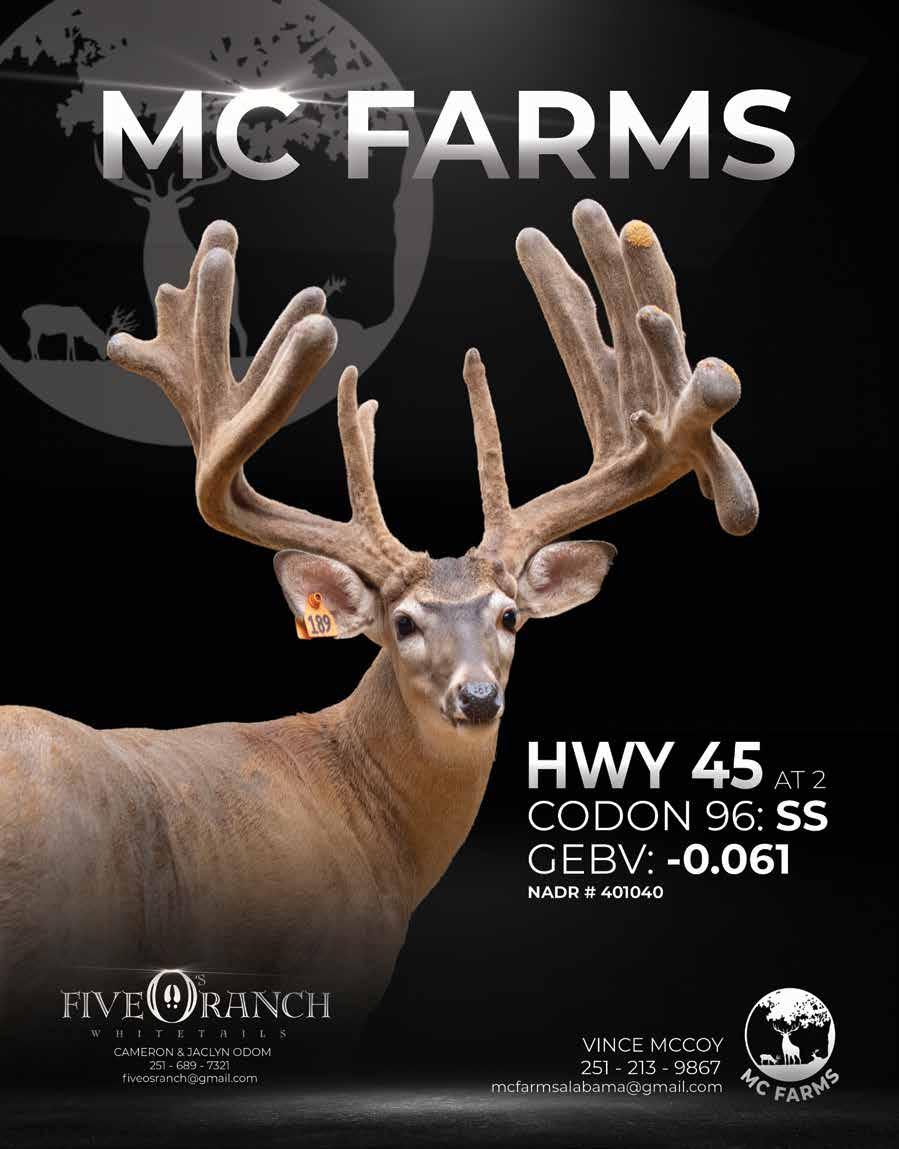
We have also continued working closely with the Pennsylvania Department of Agriculture on issues impacting producers across the state. One exciting development is the continued discussion surrounding grant funding opportunities for GEBV testing. These types of programs represent a major opportunity for producers by helping support the implementation of advanced genetic technologies that can improve herd quality, animal performance, and long-term breeding programs within Pennsylvania.
PDFA also remains engaged on ongoing regulatory discussions, including continued feedback regarding the CCMZ framework and other CWD-related policies. Our goal continues to be straightforward: support practical, science-based disease management while ensuring regulations remain workable for producers in the field.
Education and outreach also remain central to our mission. From the Pennsylvania Farm Show to legislative events in Harrisburg and ongoing conversations with state agencies, PDFA continues working to represent deer farmers as a legitimate, professional, and important part of Pennsylvania agriculture.
As we move through summer and begin preparing for fall, we are excited about several upcoming events. Most notably, we encourage everyone to join us for our PA Eastern Fall Stocker Auction, which will feature a new format designed to continue growing the event and creating additional opportunities for both buyers and sellers.
So as the summer progresses, focus on the fundamentals:
Grow good fawns. Grow giant bucks. Build healthy herds. Improve your land.
And most importantly, stay involved and continue supporting the Pennsylvania Deer Farmers Association.
We appreciate your continued support and look forward to seeing many of you this fall.
Respectfully,
Josh Newton President Pennsylvania Deer Farmers Association




Feb. 26th and 27th 2027.
visit our website for the most up-to-date information: www.padfa.com
Article VII. Meetings
Section 1. Annual Meeting

1. There shall be at least one annual meeting of the full membership no later than the thirtieth of May of each year.
New proposed language
1. There shall be at least one annual meeting of the full membership each calendar year.
Article III. Officers and Directors
Section 1. Officers
1. The officers of this Association shall consist of: (1) president, (2) vice-president, (3) secretary and (4) treasurer.
2. Officers shall have at least 1 full year as a director before they are eligible for an officer position.
Section 2. Directors
1. There shall not be less than 7 (seven) and no more than 11 (eleven) directors.
2. Directors must be at least 18 years of age.
Section 3. Membership of Officers and Directors
1. All officers and directors shall be current full voting members.
Section 4. Payment for Services
1. No officer or director shall receive any monies for their services.
Section 5. Reimbursement of Expenses
1. An officer or director may be reimbursed for expenses upon prior approval of the board to pay such expenses when such expenses are incurred conducting business for this association.



The Pennsylvania deer farming community recently lost a truly good man with the passing of Joe Peachey.
Joe served on the Board of the Pennsylvania Deer Farmers Association for several years, but more importantly, he was someone people genuinely enjoyed being around. He was one of the nicest men I’ve ever had the privilege to know in this industry.
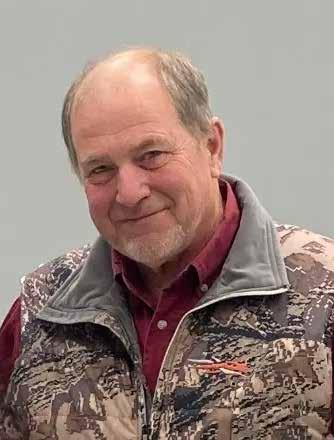
I’ve known Joe for many years and was fortunate enough to help build his very first deer pens when he was getting started. Looking back now, that makes a lot of the memories we shared over the years even more meaningful.
One of the things I’ll always remember most about Joe was how much I enjoyed listening to his hunting stories. No matter where you ran into him — at a meeting, sale, event, or just talking deer — he always had a story to tell and a way of making people smile while telling it. He was humble, genuine, and the kind of person who made this industry better simply by being part of it.
Joe will be greatly missed by the entire Pennsylvania deer farming community, and especially by those of us fortunate enough to call him a friend. My thoughts and prayers are with his family and loved ones during this difficult time.
Josh Newton- PDFA President


Gentle on the animal and trusted by veterinarians, handlers and owners for every species or procedure
COMPLETE KITS WITH SEDATION AND REVERSAL AGENTS, OR SOLD SEPARATELY.



Medetomidine/Ketamine/ Butorphanol 10/50/25 mg/ml 10ml + Atipamezole 20mg/ml 30ml + Naltrexone 25mg/ml 10ml
Other Sedation Kits
MKB2™ Kit
MKM™ Kit
MKBM™ Kit
Medetomidine/Ketamine 5/150 mg/ml 30ml + Atipamezole 20mg/ml 30ml
373-7171
Medetomidine/Ketamine/Butorphanol 20/100/50 mg/mL + Atipamezole 40mg/mL + Naltrexone 50mg/mL
Medetomidine/Ketamine/Midazolam 3.3/150/5 mg/ml 10ml + Atipamezole 20mg/ml 30ml
Medetomidine/Ketamine/Butorphanol/Midazolam 20/100/30/20 mg/mL + Atipamezole 40mg/mL + Naltrexone 50mg/mL
Medetomidine/Ketamine/ Butorphanol 20/100/50 mg/ml 10ml + Atipamezole 40mg/ml 30ml + Naltrexone 50mg/ml 10ml
OTHER POPULAR PREPARATIONS
• Medroxyprogesterone Acetate 200mg/mL
• Dexamethasone Sodium Phosphate 24mg/mL
• Atipamezole
Hydrochloride 20mg/mL
• Tolazoline HCl 100mg/mL

The information in this advertisement is general and provided as an informational aid. It does not cover all possible uses, actions, precautions, side effects, or interactions of the medications shown, nor is it intended as medical advice or for evaluating the risks and benefits of any medication. Consult your veterinarian for diagnosis and treatment of health problems. The information and statements here have not been evaluated by the Food and Drug Administration (FDA), and the FDA has not approved these medications to diagnose, cure, or prevent disease. Medications compounded by Mixlab are prepared at the direction of a veterinarian and are not intended for use in food or food-producing animals. Mixlab does not recommend, endorse, or represent the efficacy, appropriateness, or suitability of any dosing, products, procedures, treatments, services, opinions, veterinary providers, or other information contained in this advertisement. Mixlab is not responsible or liable for any advice, course of treatment, diagnosis, or other information, services, or products obtained through this advertisement.
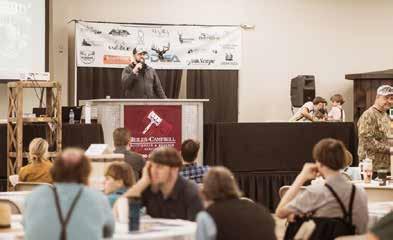
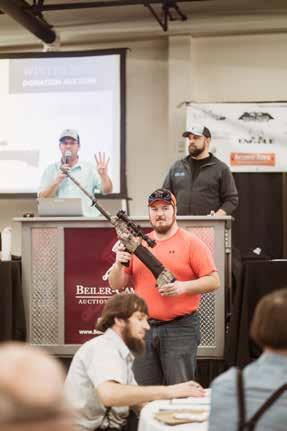
On behalf of the Pennsylvania Deer Farmers Association, I would like to extend a sincere thank you to everyone who helped make our recent PA Eastern Winter Classic a success.
Events like this only happen because of the support and involvement of many people across our industry. Thank you to the vendors who participated, the sponsors who con- tinue to invest in our community, the speakers who took the time to share their knowledge, and the many members and attendees who showed up to support the event.
We also want to thank our speakers, including Jason Snavely of Drop Tine Wildlife Consulting and Lindsay Kogut from NADR, for taking the time to be with us and contribute to the educational side of the event.
A special thank you goes out to the volunteers and organizers who worked behind the scenes to make the event run smoothly. Your time and effort are greatly appreciated.
The Breeder Sale and Fundraiser remain an important part of supporting PDFA’s mission. Your participation helps fuel our work in advocacy, education, and representation for deer farmers across Pennsylvania.
Most importantly, thank you to the PDFA membership. Your continued involvement and support keep this organization strong.
Our industry is built on healthy animals, rural economic vitality, and science-based Cervid management, and events like this help bring our community together around those shared goals.
We appreciate your support and look forward to continuing this work together.
Respectfully,
Josh Newton President Pennsylvania Deer Farmers Association



INTRODUCTORY Offer! This new reader will be your favorite time saver ever! Memory stores in the 10’s of millions of events, plus so much more ….

Avid MiniTracker IV






PDFA Magazine Deadlines 2026
Spring: February 17th
Summer: May 19th
Fall: August 11th
Winter: November 17th Use this QR Code or go online to DeerSites.com for more deadlines and up to date event information!
Indiana Deer & Elk Farmers Association - July 31-Aug 1st - Nappanee IN KALA Summer Showcase - Aug 8, 2026
Whitetail Deer Farmers of Ohio Convention - Aug 13-14, 2026
Southern Top 30 - Aug 20-21, 2026 - Louisiana
Whitetails of Louisiana - Aug 21-22, 2026 - Marksville, LA
TDA Annual Convention - Aug 28-29, 2026 - San Antonio, TX
Iowa Whitetail Deer Farmers Winter Meeting - Feb 27, 2027 - Waterloo, IA

IF YOU HAVEN’T TRIED PNEU-DART’S RDDS, YOU’RE MISSING MORE THAN YOUR TARGET
Did you know impact trauma can negatively influence medical treatment? We do.
Which is why we’ve spent 58+ years perfecting the ideal remote delivery device. Shorter in length and lightest on the market, our disposable RDDs, with patented Slo-Inject ® technology, provide ultimate accuracy while reducing the potential for problematic hematomas. Pneu-Dart. When you can’t afford to miss.®


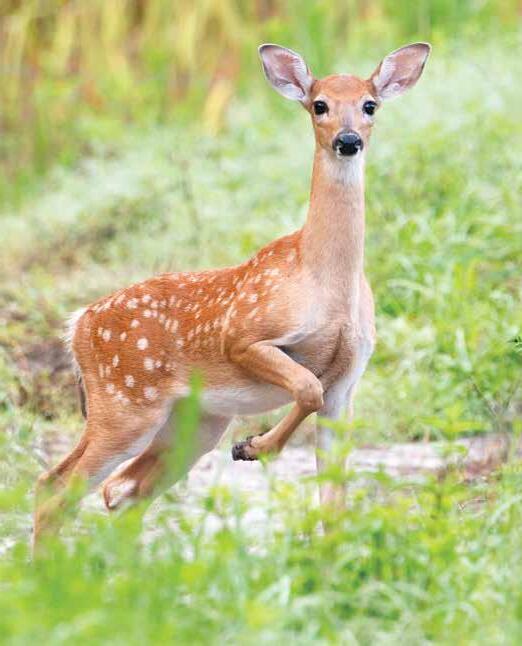
• Fawns up to 1 week of age: Feed 16 oz. of formula daily, divided into 4 – 6 feeding.
• Fawns 1 week to 1 month of age: Feed 24 to 30 oz. of formula daily, divided into 4 feedings.
• Fawns 1 month to 2 months of age: Feed 30 to 35 oz. of formula daily, divided into 2 to 3 feedings.
• Fawns 2 months to weaning: Gradually decrease formula and number of feedings to approximately 15 oz. of formula once daily until fawn is fully weaned at 12 to 14 weeks of age. Provide a weaning diet and fresh clean water to the fawn.
For oral use only. These feeding directions are guidelines. As each animal is an individual, the feeding rate may be increased or decreased according to the needs of the neonate.
Feeding directions for other species can be found on our website.

• All-Milk Protein from Premium Food-Grade Milk Ingredients
• Essential Vitamins and Complex Minerals
• Balanced Fatty Acids
• Improves Digestion
• Promotes Growth and Performance
• No Refrigeration Needed
• Easily Palatable
• 18 Month Shelf Life
• Available in 20# & 8# pails
• 24/7 Technical Advice & Support
• Formula for other Exotics and Wildlife Available


The Pennsylvania Deer Farmers Association (PDFA) continues working closely with state and federal partners regarding the Pennsylvania Captive Cervid Herd Management Plan Utilizing Predictive Genetics Cooperative Agreement. This initiative represents another important step forward in advancing sciencebased herd improvement and genomic research within Pennsylvania’s deer farming industry.
Recently, additional clarification was provided regarding reimbursement eligibility and program timelines for Fiscal Year 2025-26.
Under the current agreement:
• Eligible expenses must occur during the performance period of September 30, 2025 through September 29, 2026.
• Each Pennsylvania producer may be reimbursed for up to $2,500.
• Approved reimbursements include:
- 100% reimbursement of genetic testing fees (GEBV)
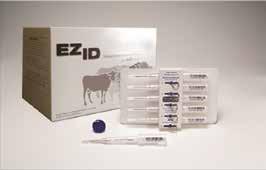
- 50% reimbursement for qualifying items including: Semen or embryos from highly scoring deer Artificial insemination (AI) and embryo transfer equipment or supplies Ear punch tools and tissue collection tubes used for GEBV sampling
This cooperative agreement continues to demonstrate the growing recognition of genomic technology as a valuable management tool within the cervid industry. Programs like this help producers make more informed breeding decisions while strengthening long-term herd quality, productivity, and sustainability.
PDFA leadership remains encouraged by the continued progress surrounding this initiative and appreciates the collaborative efforts between producers, state officials, and federal partners working to move the industry forward through science, innovation, and responsible herd management.
For reimbursement forms and information for submissions you can find them on our website or contact the Department of Agriculture.


On May 13th, Lloyd Stoltzfus and John Ervin Stoltzfus represented the Pennsylvania Deer Farmers Association during a luncheon meeting with Scott Martin in Lancaster County. Senator Martin currently serves Pennsylvania’s 13th Senatorial District and chairs the Senate Appropriations Committee in Harrisburg.
These events are held regularly throughout the year and remain an important part of PDFA’s ongoing commitment to advocacy, education, and relationship building with policymakers across the Commonwealth. Direct conversations with legislators provide valuable opportunities to discuss the economic importance of Pennsylvania’s deer farming industry, current regulatory challenges, and the rapidly advancing science shaping the future of cervid agriculture.
One of the key topics discussed during the meeting was the evolving work surrounding Chronic Wasting Disease (CWD) resistance breeding through genomic analysis and advanced genetic selection tools. Pennsylvania producers continue to play a leading role in advancing science-based approaches focused on herd improvement, disease resilience, and long-term sustainability within the industry.
As regulatory discussions continue at both the state and federal level, PDFA remains committed to ensuring lawmakers have a clear understanding of modern deer farming and the practical realities facing producers today. Continued engagement and open communication are critical to developing policies rooted in science, common sense, and the long-term success of agriculture in Pennsylvania.
PDFA would also like to extend sincere appreciation to Milliron Goodman for continuing to include the association in these important discussions and advocacy opportunities. Special thanks as well to John Ervin and Lloyd for taking the time to represent deer farmers across Pennsylvania with professionalism and dedication.
Respectfully
Submitted, Josh Newton President PDFA


By: Gail Veley • Sponsored by the Indiana Deer & Elk Farmers Association
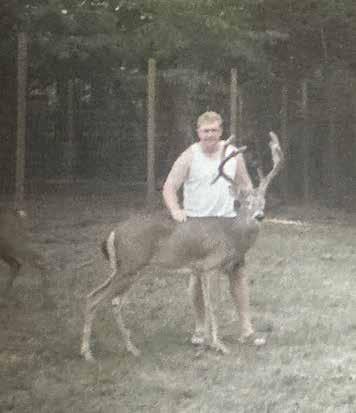
There was a distinct spring in the step of Verlin Yoder and an urgency to his walk early one May morning several years ago, as he entered the kitchen of the home he’s shared with his wife Nadine since 2002. “There’s another fawn on the ground,” he announced with an expectant smile, seemingly oblivious to the fact that Nadine was right in the middle of bottle feeding their very own baby as well as tending to their 18-month-old daughter. As his smile was met with a stern gaze, raised eyebrows, heavy sigh and the unspoken question “are you kidding?” Verlin’s face turned perplexed. After all, Nadine had been gladly bottle feeding all their fawns at their deer farm, Clay Kuntry Whitetails, in Millersburg, Indiana. What was one more? “I guess I wasn’t quite into it right then and there,” Nadine, 41, reflected. “We started off bottle feeding our fawns. We did it four to five times a day. I’ll never forget those nights. It was overwhelming. We eventually resolved it by not bottle feeding and instead imprinting them by walking through the pens to make our presence ‘second nature’ to them.”
Assisting with her husband’s dream to raise deer is something Nadine is still happy to do during breeding season and other times of the year, however, she also appreciates a schedule more conducive to other life responsibil-
ities. Like Nadine, when Etta Stoltzfus’ husband John wanted to start his deer farm, Five Star Genetics in Shipshewana, Indiana in 2008, she supported his idea yet, honestly, wanted little if nothing to do with it personally. “That’s where I was at,” shared Etta, John’s devoted wife of 25 years and counting. “I had my three kids and school and my massage therapy job, and helping with the deer was the furthest thing from my mind. But over time I slowly got sucked in.”
One spring afternoon, John brought home a fawn in a storage bin. “It had a broken leg and needed to be bottle fed,” Etta said, recalling what would be the beginning of her lovehate relationship with deer. “I had done my fair share of bottle-feeding calves and didn’t want to start something like that again. But now it was my first fawn, my baby, to take care of. We would let this fawn play outside and didn’t realize the leg might swell in the bandage. So, I had to take the fawn to the vet who was an hour away. I put it inside the bin and took his work pickup. I get there and I have to carry it inside and there’s this massive curious barking dog in there and everybody is looking at me strangely. The fawn starts panicking and kicking and I had to go wait outside for like 10 minutes. I thought ‘oh no Bambi is going to die!’ but they rewrapped the leg, and everything turned out fine.

Now, I’m all in and love the fawns. There are many similarities with children and fawns. They are both so needy. But there’s something so different in the way these little fawns think ‘here comes Mama!!’ They are now my girls.”
Etta and Nadine both agree that behind every successful man is a woman who wants to help him out. “I get a little emotional talking about this,” Etta said. “John pours his heart into it and it’s what I love about him. And he never complains and to have deer at our house, it’s beautiful and has so much meaning for him and me along with joy.
Even the hard work.” Deer farming “has definitely made our marriage stronger,” Nadine added. “Verlin runs everything by me. We like to go out to the deer pens and just enjoy the serenity, just the two of us. That’s our time together.” Given the chance to do it all over again, perhaps neither Nadine nor Etta would change a thing. “If there are times when I feel I’m competing for his attention, John makes sure everyone is ok. There have been times he’s working hours and hours and days and days, and I go work alongside him. When you ask if it’s ‘taken him away from me’ I’d say no. It’s very fulfilling to realize a dream together and to know you’re a part of it.”

In April, NADeFA members from across the country gathered in Washington, D.C., for the 2026 Fly-In to advocate for critical funding in the fight against Chronic Wasting Disease (CWD). Representatives from Oklahoma, Michigan, Pennsylvania, Texas, Alabama, Missouri, North Dakota, New York, Ohio, North Carolina, Kansas, Louisiana, Minnesota, and West Virginia met with their respective lawmakers to underscore the urgent need for federal support. NADeFA members had a total of 85 meetings, including with House and Senate offices from both Democratic and Republican offices, the U.S. Department of Agriculture (USDA), and industry partners. These meetings allowed members to educate Congressional members on CWD and reinforce the importance of NADeFA’s FY-27 appropriations requests.
NADeFA members advocated for two complementary federal funding efforts to combat CWD. First, they supported providing $15 million under the Chronic Wasting Disease Research and Management Act to fund competitive grants for states, Tribes, universities, and researchers to study disease transmission, develop vaccines and live diagnostic tests, identify genetic resistance, and expand management and education efforts. Second, they called for $17.5 million for the Cervid Health Appropriations Program, including $12.5 million for the CWD Herd Certification Program and surveillance activities, and $5 million for timely indemnity payments to remove infected animals.
As next steps, Capitol Hill Consulting Group will follow up with House and Senate Appropriations staff, the USDA, Senator John Hoeven, and House Agriculture Committee Chair GT Thompson on behalf of NADeFA to further support the FY-27 appropriations requests.
After receiving the President’s budget request, the House and Senate Appropriations Committees started to draft their 12 annual appropriations bills. The House Appropriations Committee has released the schedule for FY27 appropriations bill markups, where each Subcommittee will review its bill. The first markup was held on April 17, with the last one scheduled for June 24. The Senate has yet to release its markup schedule, as they are still holding hearings with agencies to discuss the President’s budget request.
As Congress continues to shape federal funding and long-term agricultural priorities, NADeFA remains steadfast in its mission to advocate for meaningful support in the fight against CWD. NADeFA is committed to ensuring the cervid industry has the resources it needs. We’ll continue to work closely with lawmakers, agency partners, and stakeholders to keep CWD at the forefront of federal policy discussions. Thank you for your continued support as we advance this important work.











April 16, 2026




















Contact: Shannon Powers, 717-603-2056 or shpowers@pa.gov



















Shapiro Administration Celebrates Opening of Keystone Animal Diagnostic Center at Penn State Beaver — $6 Million Investment in Supporting Western Pennsylvania Farmers
New addition to Pennsylvania’s worldclass veterinary lab system will speed animal disease diagnoses for area farmers, lowering business costs, and helping protect their farms and investments.










Governor Josh Shapiro’s proposed 2026-27 budget builds on past three years’ progress, investing strategically to keep Pennsylvania agriculture a thriving national leader.
Monaca, PA – Agriculture Secretary Russell Redding and Penn State University’s College of Agricultural Sciences Dean Dr. Troy Ott marked a milestone for Pennsylvania farmers, cutting the ribbon to open the Keystone Animal Diagnostic Center at Penn State University’s Beaver Campus.










Funded by a $6 million investment from Governor Josh Shapiro’s bipartisan 2024-25 budget, the lab expands Pennsylvania’s capacity to respond to animal disease outbreaks, speeding diagnoses for farmers in the western part of the state, lowering their business costs, and helping protect their animals and investments.
















“This is a historic moment for Pennsylvania agriculture,” Secretary Redding said. “Adding a fourth vet lab on a campus that is part of our top-notch Land Grant University continues that tradition of excellence, strengthens our crisis response capacity and supports current regional growth in animal agriculture. This expansion is more proof that investments by the Shapiro Administration are feeding Pennsylvania’s economic future and protecting our rich agricultural heritage.”




















The new lab is the first to join the Pennsylvania Animal Diagnostic Laboratory System since the Commonwealth established the partnership in 1991 to more effectively protect human and animal health across the state and region. It joins the system’s three cutting-edge labs — the Pennsylvania Department of Agriculture’s Pennsylvania Veterinary Laboratory in Harrisburg, Penn State College of Agricultural Sciences’ Animal Diagnostic Laboratory in University Park, and the New Bolton Center at the University of Pennsylvania School of Veterinary Medicine in Kennett Square — all members of the National Animal Health Laboratory Network.



















PADLS holds the highest level of accreditation for animal health labs from the American Association of Veterinary Diagnosticians. The laboratory services the system provides are essential to ensuring animal health, the safety of the food supply, and protecting Pennsylvania’s domestic and international trade.
During the last state fiscal year, July 1, 2024-June 30, 2025, PADLS labs tested 672,342 animal specimens, performing critical tests for monitoring diseases like avian influenza, rabies, chronic wasting disease, equine herpesvirus, and others. That number included testing more than 200,000 poultry samples and 29,000 cattle samples for Highly Pathogenic Avian Influenza, which has caused the loss of nearly 16 million birds in Pennsylvania since the beginning of the national outbreak in early 2022.





The expansion to a fourth lab will speed diagnosis time, especially in disease outbreaks, saving transportation costs for farmers and veterinarians, helping ensure swift diagnoses, protecting commerce, and minimizing economic disruption.


“By expanding our diagnostic capabilities in western Pennsylvania, we are enhancing animal health and productivity and safeguarding the integrity of our food supply,” Dean Ott said. “This initiative strengthens our commitment to directly support the agricultural community with these essential diagnostic services and innovative science and education. We thank the Pennsylvania Department of Agriculture and the Shapiro Administration for their support.”


Governor Shapiro’s 2026-27 budget proposes an $11 million investment in Agricultural Preparedness and Response, including a $2 million investment to support the new lab’s ongoing operations. The Governor’s budget also supports strengthening Pennsylvania’s national legacy as an agriculture leader by proposing:

A $19 million investment, an increase of $9 million, in the Agricultural Innovation Grant Program that is building the future of American agriculture right here in Pennsylvania. Eightyeight projects funded in the first $10 million round include technologies working across the state to improve on-farm and processing efficiency, generate renewable energy while reducing nutrient waste, and support crops and practices that store carbon or replace non-renewable resources. Applications for a second $10 million round of grants are open through April 18.


Continued support for the Center for Livestock and Poultry Excellence at PennAg Industries and the Center for Dairy Excellence, critical partners in providing equipment, personnel, training, and research funding for Pennsylvania’s response to the Highly Pathogenic Avian Influenza virus outbreak.

Fully funding the PADLS system, which provides critical diagnostic services to detect and control animal diseases, and the Animal Health and Diagnostic Commission which oversees disease prevention efforts and coordinates response strategies.


Support for PennVet and Penn State to protect Pennsylvania’s agriculture, animal health, and public safety. These institutions advance veterinary science and are key to disease detection, prevention, and research, enabling rapid responses to emerging threats.


Pennsylvania agriculture supports nearly 48,800 farms, almost 600,000 jobs, and contributes $132.5 billion annually to the Commonwealth’s economy. By supporting these vital initiatives and institutions, the Governor is helping to build a more resilient agricultural economy, safeguard food safety, and secure a prosperous future for Pennsylvania’s farming communities.


Farmers and veterinarians should consult the KADC website, email KADCHelp@psu.edu, or call the lab at 724-7733502 for information about sample submission and testing fees. For emergency testing outside of laboratory working hours, please call the PA Department of Agriculture’s veterinary hotline at 717-772-2852.


Fecal testing for parasites can currently be done on site, providing rapid results. KADC is not able to accept animal carcasses for autopsy. Sample types accepted are expected to expand beyond current offerings. For other tests not yet available, samples can be dropped off and shipped to other PADLS labs for testing.


Read more about investments to keep Pennsylvania agriculture competitive and thriving in Governor Shapiro’s 2026-‘27 budget proposal and continued support for Pennsylvania farmers at pa.gov/governor.








This year, Congress and the administration will face several major deadlines and policy decisions that are expected to shape the legislative agenda. Lawmakers will work to avoid another government shutdown while attempting to advance unfinished priorities, including full-year appropriations and reauthorization of the farm bill. At the same time, trade policy, court rulings, and the upcoming midterm elections are expected to influence both congressional activity and the broader political environment.
Congress must pass full-year spending bills or a short-term funding extension before January 30 in order to prevent another government shutdown. Neither the Democrats or Republicans are understood to want a repeat of last year’s shutdown, which was the longest in history. As of the week of January 5th, the Agriculture-FDA, Legislative Branch, Military ConstructionVeterans Affairs appropriations packages have been enacted through the Continuing Resolution which brought an end to last year’s shutdown. Congress has introduced appropriations bills for Commerce-Justice-Science, Energy and Water, and Interior-Environment which are expected to be passed by Congress before the January 30 deadline. No agreement has been reached on other appropriations measures.
Agriculture Committees in both the House and the Senate will attempt to pass a five-year farm bill after the 2018 bill expired in 2023. While many policies that the farm bill provides have been continued through short-term extensions and the One Big Beautiful Bill Act, lasting updates to conservation, forestry, rural development, and the farm safety net were not extended. Senate Agriculture Chair John Boozman (R-AK) is committed to advancing a bill which includes increasing the limits on federally backed farm loans. However, there are concerns about staffing shortages at the Department of Agriculture after their workforce was cut by several thousand people last year.
In July, the United States-Mexico-Canada Agreement is up for review. President Trump has indicated that he may pull out of the $1.5 trillion trade agreement rather than extend it for another 16 years. However, the agreement has been credited with protecting consumers from rising prices amid the President’s tariff regime, meaning the administration may choose to maintain the U.S.’ participation in the pact.
The Supreme Court will also issue a ruling on President Trump’s tariff policies by June at the latest. The court will issue a ruling on President Trump’s use of the International Emergency Economic Powers Act to set 10-50 percent tariffs on most imports as well as duties on Mexico, Canada, and China to address fentanyl trafficking.
In November, Republicans will seek to maintain control of both the House of Representatives and the Senate in the midterms. Democrats are unlikely to win the 4 seats they need to take control of the Senate. However, Republicans have a very thin majority in the House, so Democrats are widely expected to win control of that chamber. As a result, Minority Leader Hakeem Jeffries (D-NY) is anticipated to become the House Speaker after the elections. In order to secure this victory, Democrats are expected to continue to campaign on affordability, how tariffs affect affordability, and the release of the Epstein Files.
The congressional map may be reshaped before the November midterm elections. After Texas began a redistricting effort to secure 5 extra Republican seats, states across the country have redrawn their maps. Republicans in Florida and Kansas as well as Democrats in Virginia, Illinois, and Maryland will continue the redistricting effort this year ahead of the elections.
Overall, the year ahead is expected to be defined by shortterm legislative solutions, election-year politics, and movement around trade and economic policy. While Congress is likely to move forward on must-pass items such as appropriations, progress on longer-term priorities may take a back seat. With the midterm elections approaching and potential changes to congressional maps, political considerations are expected to play a significant role in shaping outcomes across policy areas.
Carolina Herrera
Resources:
• https://www.axios.com/2026/01/05/ congress-government-funding-package
• https://www.politico.com/news/2026/01/03/ trump-shutdown-january-00700940
• https://www.eenews.net/articles/ spending-permitting-highway-bill-congress-2026-to-do-list/
• https://www.politico.com/news/2025/12/14/why-inflation-angstmay-temper-trumps-trade-threats-to-mexico-canada-00689322
• https://www.politico.com/news/2025/12/14/why-inflation-angstmay-temper-trumps-trade-threats-to-mexico-canada-00689322
• https://www.bgov.com/news/T8GC6LKK3NYE
• https://thehill.com/homenews/campaign/5662275-statesredistricting-2026-fight/


As most of you know, D&K Design has been at the forefront of overseeing a membership drive for many state deer associations for the past years. As part of servicing 19 states with quarterly publications, we were proud to also offer this service. 2025 we included in our grand prize drawing, donations from each state association. Many of their members stepped up to donate a product or service.
Memberships are collected throughout the year and at events such as NADeFA and Top 30. Each participant that spent over a certain amount on memberships was included in our end of year drawing.

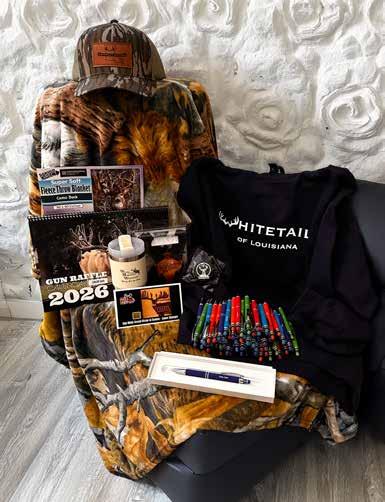
Meryle Frey’s Winnings ~
• $250 Shock Effect Certificate
• 50 Custom Ear Tags
• $350 C&E Solutions certificate
• Legends binocular harness
• Ohio Gun Raffle Calendar
• 10 Personalized calendars
• 1 Straw of Mohican
• $250 Gift Certificate from Pneu-Dart
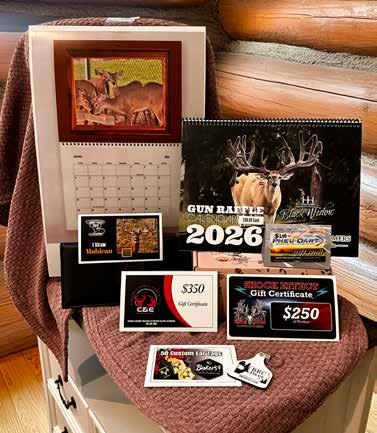
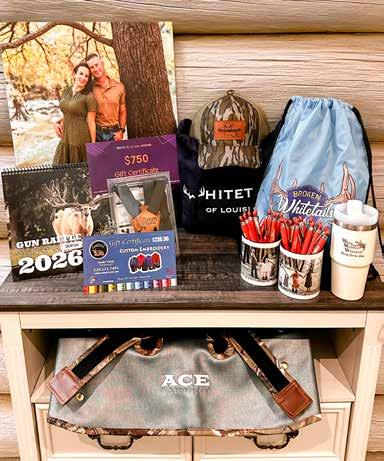
2025 winners included Shane and Jennifer Horrocks of C&E Bio Solutions and Max Rax feed company, Amber Boldt, a loyal D & K Design supporter, James Weaver of Dutch Creek Whitetails in Fredericksburg, Ohio and Meryle Frey from Fish Lake Whitetails in Indiana.
Winners received gifts, valued at over $1,800. which also included certificates for deer industry goods and services.
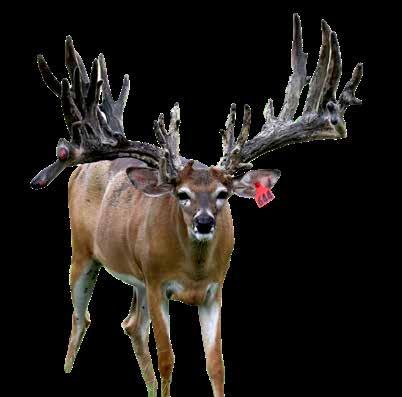

“I found the semen straw of Cruiser from Rocky Ridge Whitetails to be very worthwhile and appealing,” James Weaver said. “I say YIPPEE! I hope I win again!”
Merle Frey felt that winning for him was a bonus, on top of the fact that he became a member of several state associations. “The items that were in my basket were things I was already using like Shock Effect and products from C & E Bio Solutions,” he said. “I’m also really glad to have gotten a semen straw of Mohican that Woodard Whitetails donated. Being a member of these associations has been worth it even without winning, and I appreciate everyone who donated the items I won.”
Shane and Jennifer Horrocks, huge supporters of each state association, strong advertisers and advocates for state memberships, were equally pleased. “What a great way to have our enthusiasm rewarded by winning a raffle,” Shane said. “Our basket was very thoughtfully hand selected by Kathy and we really appreciated receiving it.”
Amber Boldt, who has gladly pitched in and helped transport D & K Design booth to industry events, was very pleased with her raffle win as well.
This helps keep the momentum going and further fuels my desire to have every state continue to donate items, in an effort to make these raffles one of the most anticipated activities at our events. We sold over $8,000 in memberships total! I appreciate everyone who has donated in the past and plans to donate in the future. Your support will win you recognition throughout the year. Ask me for more details!
•
•















By: Gail Veley • Inidana Deer and Elk Farmers Association
In an effort to minimize risk, capitalize on gains and join the evolving market of SS genetics, many deer farmers have taken to developing partnerships on bucks. “Partnerships are getting more and more common,” said Ryan Halfman of Black Label Whitetails in Portland, Michigan. “Having a partnership can really help you lower your investment in gaining access to a really nice buck. The idea is really causing a surge because the whole market is redefining itself due to markers. A huge advantage with partnerships is that you share both the risk and the reward.”
A partnership may involve two individuals, a few or several individuals depending on what is desired and agreed upon. Parameters of a partnership involve the acquisition of a certain number of semen straws each year for breeding on your farm, in exchange for sharing management costs of the buck such as marketing and advertising. Agreements are also reached on where the buck will reside, with the understanding that it could be exempt from potential boarding charges and will also be used for live cover in the breeding season.
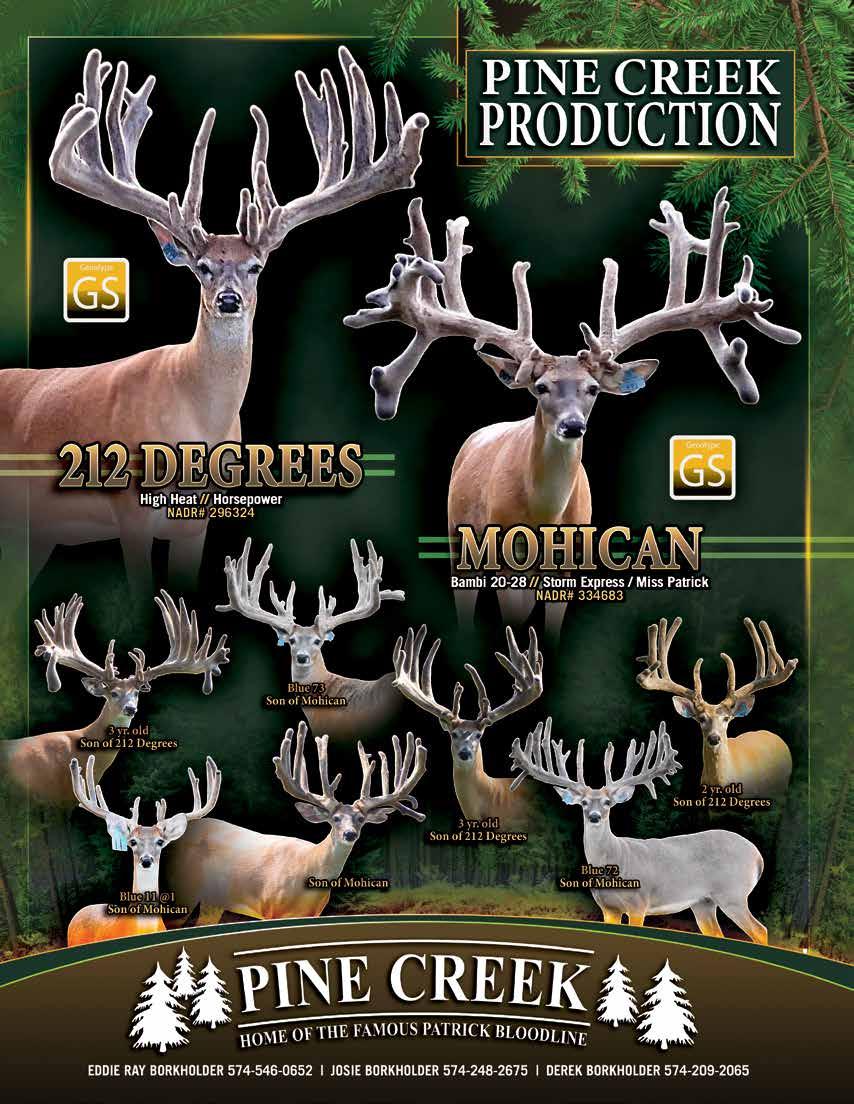
When Joe Johnson of Whiskey River Whitetails in Canton, Ohio first became aware of breeding buck Black Rifle owned by Josie Borkholder of Lone Pine Whitetails in Nappanee, Indiana, he was immediately taken in. The big typical fiveyear-old buck who measured 273” at age four, whose pedigree included Triple Digit, High Heat, Storm Express and Ms. Patrick, started the wheels turning for Joe. “I got into the business in 2023. Shortly after that, I saw Black Rifle for the first time at an IDEFA event,” he said. “Then I saw him in person the next day. After buying so much from Josie, I had the idea to sit down and talk to him about a partnership. Neither one of
us knew how to draw up a partnership in legal terms. Josie initially sent me a document to review. We went back and forth three or four times and then we agreed to it.”
“We are both in 50-50,” Joe said. “Our agreement is that there is no status quo. We split the cost of semen straws and marketing with respect to the semen straws that we get. We use our shares for A.I. or live cover and we don’t share the offspring. Our agreement also includes a clause that if Black Rifle were to die, any semen still available would be split 50-50.” Black Rifle, a homegrown buck raised at Lone Pine, now resides at Whiskey River. Typically in partnerships, should a third party or additional partners want to participate, all partners
would need to agree. And should a partner want out of a partnership, the other partner or designated partners get first right of refusal in buying the share. “I would caution against having too many partners,” Halfman, who has partnered on bucks at more than ten different farms, advised. “While I believe in proactively seeking partners and recognizing good opportunities, it’s simpler to have less partners involved.” Although partnership contracts are designed to be binding, Halfman feels a lawyer is not necessarily needed. “I’m a handshake kind of guy,” he said. “I believe in trust. Partnerships can be great. It can help build your reputation. And reputation is everything in this industry.”
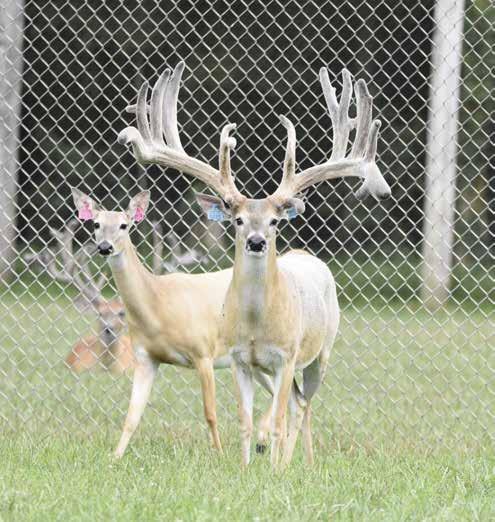



Reservation for space and buck info will be due no later than August 12th, 2025. If you have an existing picture ready to go, that will also be due at that time. If you would like to send in a last minute photo of your buck, the cutoff date is September 1st by 8am CST. Placement will be in order of first come first serve. Printing and mailing will start September 4th and be in hand between September 16th20th. Just in time for semen sales getting ready for Breeding Season. These will be mailed to Breeders and Ranch members of the 20 state associations we service.
More information will be mailed out to all current advertisers closer to the date. Pre-register and we will contact you for further information
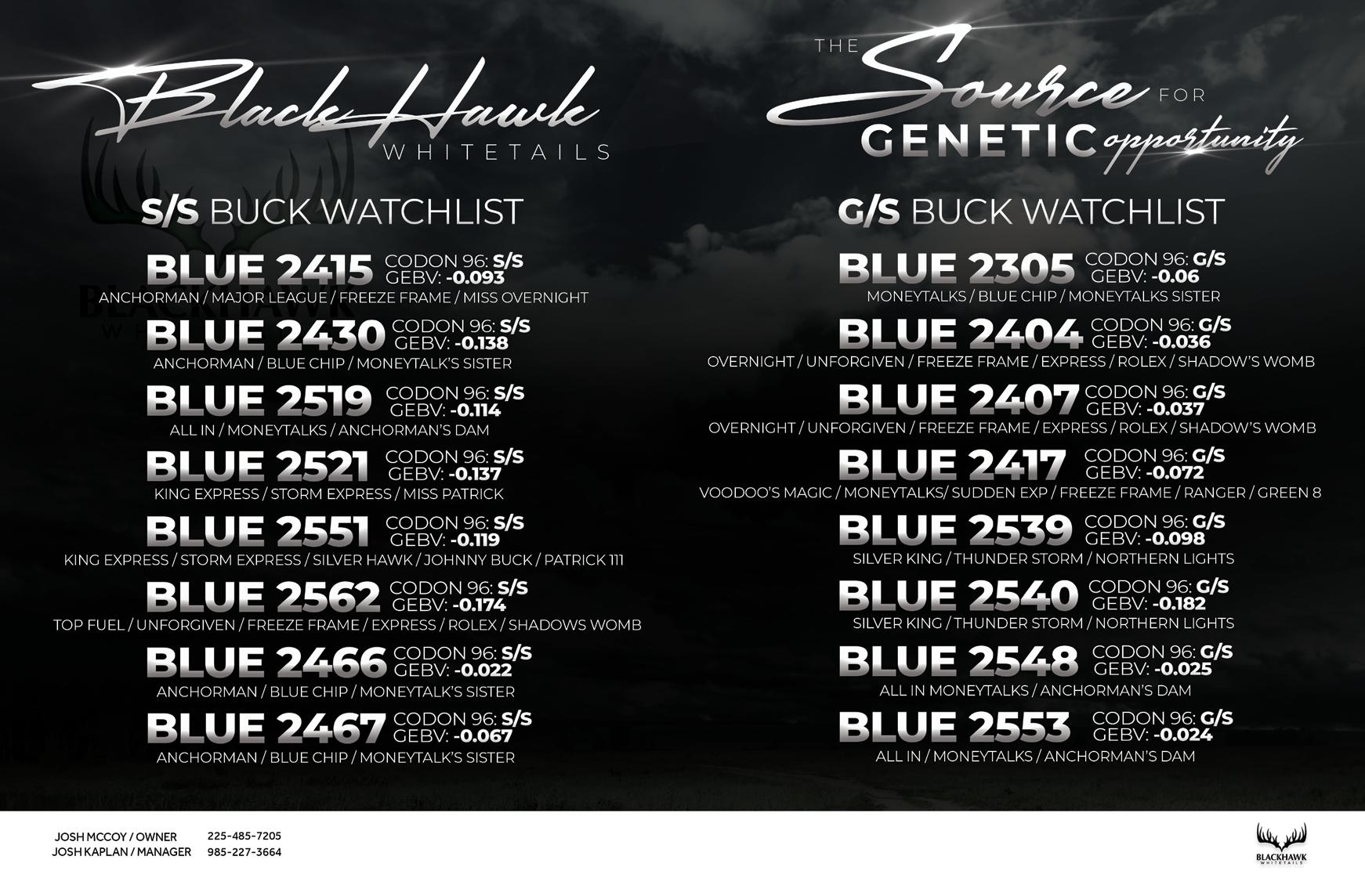
PRIME SPOTS WILL BE AUCTIONED ONLINE AT MCCLUNG SALES: JULY 2026
By: Gail Veley
It’s 5 a.m. and James Weaver doesn’t really need an alarm clock. His internal sense of responsibility awakens him and he’s up and ready to go do what he loves the most, taking care of the deer at his farm, Dutch Creek Deer Farm in Fredericksburg, Ohio. Close to 50 typical deer thrive at Dutch Creek, located on 47 acres with approximately 8 acres fenced in, gentle rolling hills, large oak trees and abundant fresh green grass are found inside each pen.
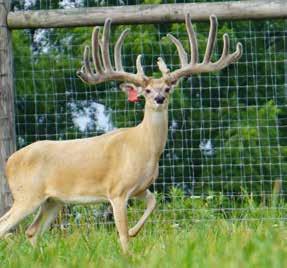
“Great care is taken to maintain and fertilize the pens,” said Weaver. “Our deer don’t really ever see a lot of mud and feel very much at home there.” Each morning, Weaver fills the feeders, checks on each deer and then heads off to his cabinet shop, leaving his two sons, Larry and Merlin, to pick up where he left off. Started in 2012, Dutch Creek raises mainly typical deer, catering more to the stocking end of the industry, however top-quality breeding stock comprises a large part of their herd. One such homegrown breeding buck, Triple Threat, is out of Triple Ought over a daughter of Voodoo’s Magic. Now five, he recently measured 38 inches wide and 241 typical inches. “We have a lot of promising sons out of him,” Weaver said. “Right now, we have quite a few nice
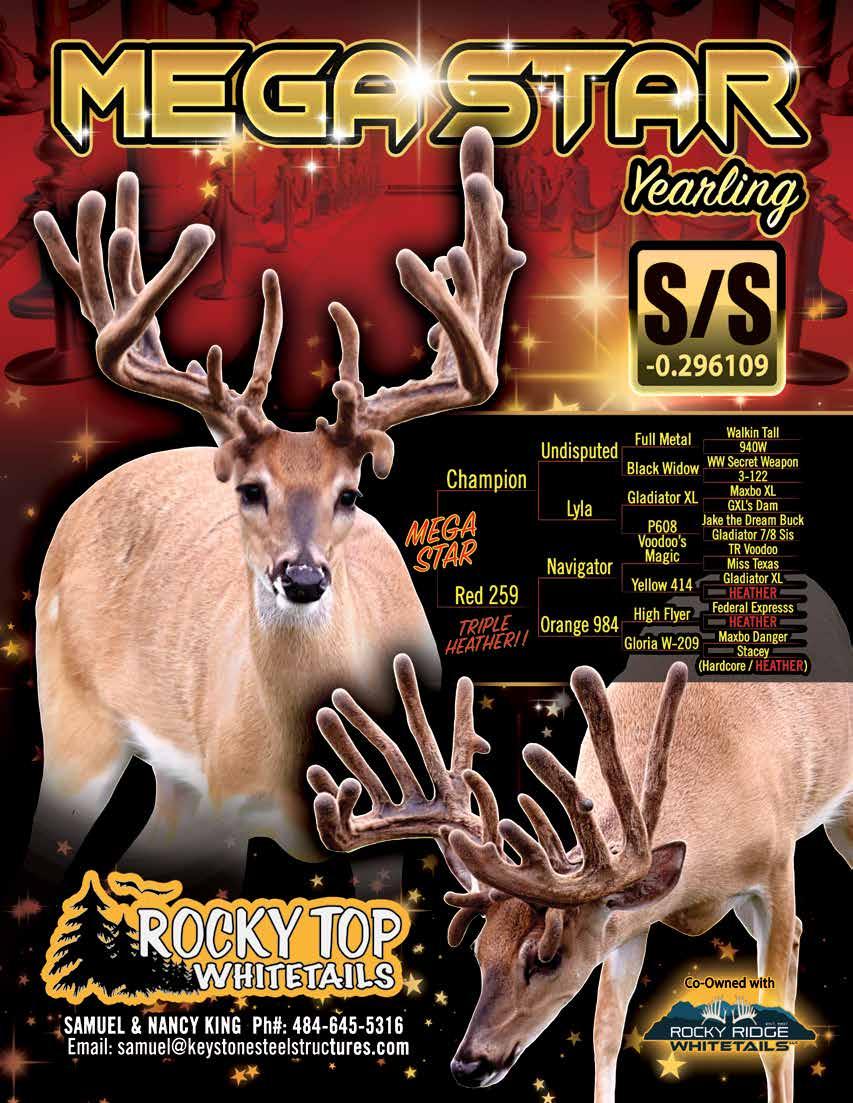
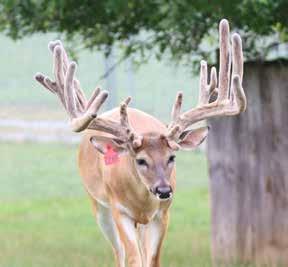
While moving towards SS, Dutch Creek relies on genetics from Triple Threat, Top Gun, Megastar, Gladiator, GXL, Navigator, and Missile for producing their deer herd. Missile, with whom they share a partnership with owner John Ervin Stoltzfus, is a key component in Dutch Creek’s long-range plan to have a complete SS herd. Come this spring, Weaver is looking forward to fawning season and what each of their 16 bred does will produce.
Inspiration to start Dutch Creek was based on a love of hunting, nature and a deep love of whitetails. “We are all hunters and like being out in nature,” Weaver said. “I first took my sons hunting when they turned 12 on our farm.” While today their focus also includes raising the best typical deer they possibly can, they are grateful to their mentors, Ivan Hostetler & Curt Waldvogel, for helping them to get started.
Reflecting back on their earlier days, Weaver holds a special affinity towards breeding buck Expressway, out of Express over a 2 Wide doe,
who lived to be almost 12 years old. Other favorite deer include Grey 5, a Maxbo Danger doe and Hawaii, the dam to Expressway. “My favorite thing overall about deer farming is springtime when fawns arrive and the bucks are growing out,” Weaver said. “I would love to be a fulltime deer farmer at some point. We are hoping to be in the industry for a lot of years to come, and transition to producing more breeding stock with really good markers.”
james@dutchcreekdesign.com 330-466-8712
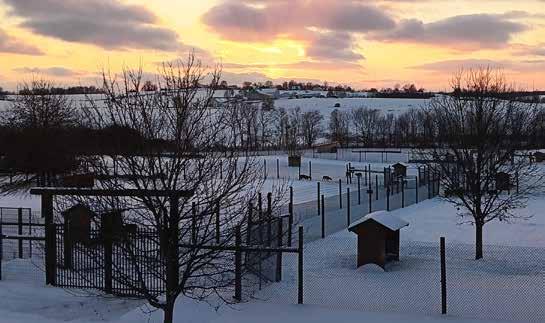


If you would like your farm or business featured on our business card pages, email digital pdf file or scanned image (must be readable resolution) of your business card to: office@pdfa.com
This gives PDFA members a way to reach out to one another for services and to buy or sell deer! There may be limited pages for business cards, overflow would be placed in the next issue and cards will be rotated each quarter.











Every summer in the late 80’s, as a young teenaged boy, Eddie Ray Borkholder would put out a sign at the front of his Nappanee, Indiana home. It read “Fawns for Sale. $100.” He never had to wait long for interested customers. Turns out, no one can resist a fawn. In 1999, Jim Davidson was on his tractor one early June morning in Marshall, Illinois, when he saw an adult doe get hit and killed by a car. He quickly discovered she had a doe fawn. He made two or three rounds near the road to check on it, worried it would suffer the same fate as it’s mother.
Pretty soon, the little bleating fawn started following him. Concerned for her welfare, Jim, now 80, climbed down from his tractor, scooped up the precocious new life in his arms, and put her in the tractor with him. He rode all day with the tiny fawn either in his lap or right next to him. When daylight began to fade, he wasn’t sure what to do, although he was certain he couldn’t let her go out on her own. That night, as a gift he gave her to his very young grandchildren Derrick and Taylor, who shrieked with love for their new
By: Gail Veley • Sponsored by The Indiana Deer and Elk Farmers Association
pet and named her Bambi. When their father Rick Davidson (who would later own Illinois Dominant Bucks) got home, he was initially not pleased with what his father had done. At all. However, it turned out to be the best thing that ever happened to their family. And what began as just a love for deer, later turned into a full-blown business after buying 200 acres in 2005 from his Aunt Francie.
Like Davidson, Borkholder’s simple love of deer took a more serious turn in the 1990’s when he started his unique Patrick line and Pine Creek Deer Farm. However, a love for agriculture and all that came with it started much earlier for Borkholder and Davidson by the generations of family members before them, who knew what it was like to be up every morning before sunrise, work long hard hours in the sting of the cold or burning of the sun (along with
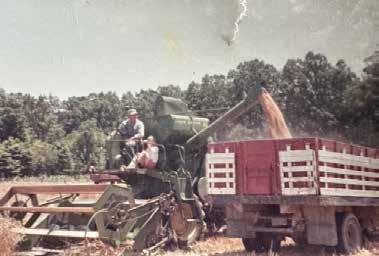
working up a hearty appetite) and later drop in bed grateful, tired and ready to start all over again the next day. Eddie Ray, the first is his family to farm deer, grew up learning the art of crop and dairy farming from his father, grandfather and great grandfather. His son Josie, in learning the art of raising deer, felt in his younger years that farming itself was, honestly, just a lot of hard, hard work. “Looking back, I see it now as more of a luxury and bonding time with Dad,” reflected Josie, who now owns Lone Pine Deer Farm with James Slaubaugh. “Today, farming is getting lost. We need to look at creative ways to continue, and deer farming is one way to do that. Dairy farming has become so
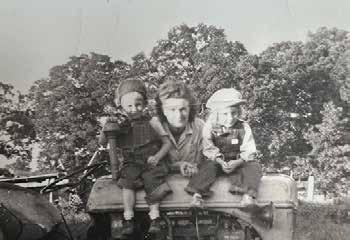
commercial and there aren’t many new dairy farms starting up. If we don’t take the opportunity now to carry farming forward it will be lost.”
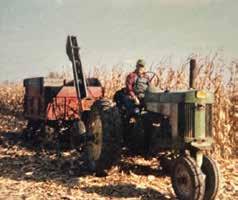
Davidson, the first is his family to raise deer, is a 5th generation farmer, who comes from a long line of long-lived farmers who raised dairy cows and grew corn, soybeans and alfalfa. When most
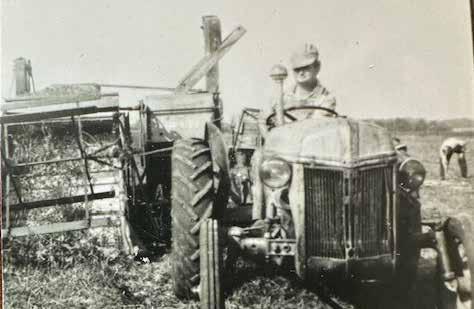
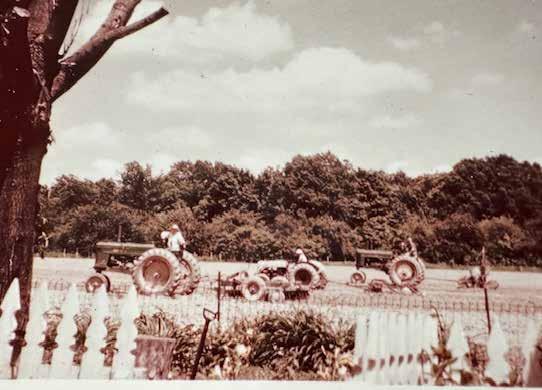
children were learning to ride bikes, Davidson was learning to drive a tractor. As age six he sat behind the wheel for the first time, his great great grandfather Richard “Dick” Davidson patiently walking beside him, teaching him the skill needed to drive the now long outdated Ford 8N stick shift two-wheel drive metal seated tractor. “It took a while for me to catch on,” Davidson said. However, he learned along with that experience what drove his grandfather to farm his land. “Farming gets in your blood,” he said. “At first, I wasn’t sure I wanted to farm and work as hard as my Dad. It was only after going away to college and being away from it, that I realized how much I missed it. It’s critical to keep family farms going. Farming is the backbone of our country. We are always going
to need to eat. Without farming, we lose valuable land and the love of the outdoors. Deer farming is an extension of that love and something we need to continue to pass down.”
We continue to monitor for any bills that could potentially harm the industry, as well as for bills that could support industry growth Our firm coordinates directly with the PDFA legislative committee to review the bills introduced and determine levels of engagement (support/oppose/amend/neutral).
Over 3,200 bills have been introduced since the beginning of the session (Jan 1, 2025). Each one has until the end of the session, November 30th , 2026, to get through the legislative process and across the Governor’s desk. Of the 3,200, we have about 40 bills on the PDFA bill tracking report. The most recent priority was the Sunday hunting bill.
Our office will continue to monitor bill introductions and movement and keep the PDFA board informed. In the meantime, please reach out to us with any questions or concerns. And most importantly, please continue to engage with your legislators. Gradually build those relationships and continue the education about your industry.







The rules for sudoku are simple:
A 9x9 square must be filled in with numbers from 1-9 with no repeated numbers in each line, horizontally or vertically.
To challenge you more, there are 3x3 squares marked out in the grid, and each of these squares can’t have any repeat numbers either.


Barbecue
Beach
Campfire
Canoe
Carnival
Fireflies
Fireworks
Frisbee

Mosquito
Hammock Lemonade
Popsicle
Splash
Sunshine
Thunderstorm
Umbrella
Watermelon



• Whitetail Deer Farmers of Ohio
• Whitetails of Louisiana
• Whitetails of Oklahoma
Package: *
44 ISSUES FOR 1 YR.
Reaching out to over 2500 members (11 Publications x 4 quarters)
19 State Associations - Approx. 2500 readers
$200 / Issue ($8815. / Yr) ~ Full Page
$113 / Issue ($4990. / Yr.) ~ Half Page (55-59% Discount off single ad placement)
4 ISSUES FOR 1 YR.
(1 Publication x 4 quarters)
$267 / Issue ($1069. / Yr) ~ Full Page

16 ISSUES FOR 1 YR. (4 Publications of your choice x 4 quarters)
$233 / Issue ($3730. / Yr) ~ Full Page
$128 / Issue ($2052. / Yr.) ~ Half Page (48-54% Discount off single ad placement)

$145 / Issue ($581. / Yr.) ~ Half Page (40-48% Discount off single ad placement)



$540 ~ Full Page*
$250 ~ Per Quarter Page
$135 ~ Per Quarter Page - Current Advertiser in quarterly magazines.
$180 ~ Per Quarter Page
- Current Member of any of the Associations we serve


* Must be a current advertiser, limited space available




check one) ❑ New ❑ Renewal - Member #____________ (if known)
I am joining as (please check one)
❑ Active PA Propagator* (voting privileges) - $100.00
❑ Associate Member (non-voting) - $75.00
❑ Life Member* (voting privileges) - $1,000.00
*Must be a Pennsylvania resident
I hereby make application to the Pennsylvania Deer Farmers Association, Inc. and certify that the information I have provided is true and correct to the best of my knowledge. Signature:___________________________________________