BEWARE OF HAVING A PET BUCK
Sponsored by WDFO
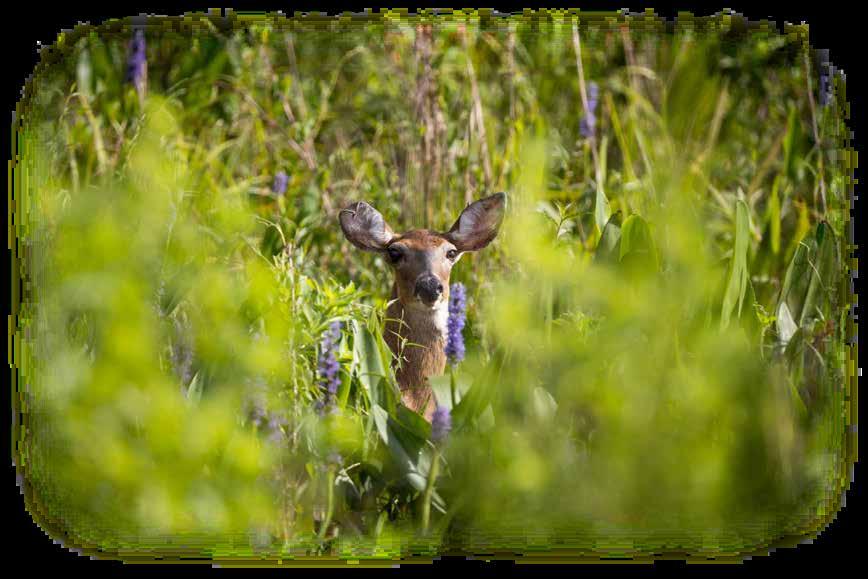
CARING FOR FAWNS IN THE SPRING
More Than a Labor of Love
Sponsored by PDFA
HOW TO TRACK A WOUNDED DEER
Sponsored by KALA



BEWARE OF HAVING A PET BUCK
Sponsored by WDFO
CARING FOR FAWNS IN THE SPRING
More Than a Labor of Love
Sponsored by PDFA
HOW TO TRACK A WOUNDED DEER
Sponsored by KALA








Winter has been brutal this year across the nation with many struggling with ice, deep snow, and bitter cold temperatures. Even Florida saw the white stuff this year, but compared to our Northern friends, our animals and us were truly blessed.
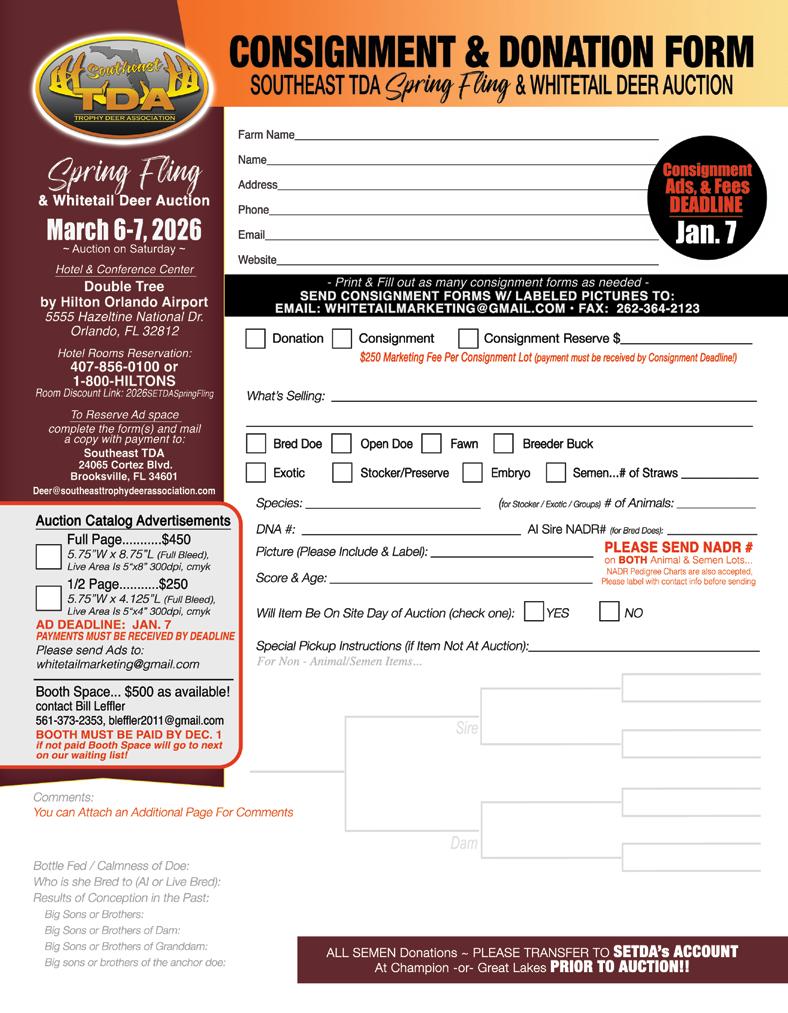
For many, Spring will not come soon enough. Simply ask any teenager or college student where they plan on heading for spring break, and Florida will be at the top of the list. Remember the old saying, “ HAPPY WIFE, HAPPY LIFE”. So why not make your kids and wife happy and join us at one of Florida’s biggest events, the Southeast Trophy Deer Association’s Spring Fling Fundraising Auction this March 6-7, in Orlando. (Please see our website for details)
As the deer industry continues to change, the board of directors and I, have been dedicated to keeping you informed and up to date, so that you may be best prepared for any challenges that may arise. In this issue, you will find articles from two doctors, Dr. Joe Ables and Dr. Chris Ashworth, which will do just that. Their topics cover the latest advancements in caring for your animals. By the way, you will be able to meet and hear both speaking this March at our upcoming Spring Fling.
In Part 8 of the series, The Truth About CWD, you will discover why THE NUMBERS DON’T ADD UP, and how the greatest change and advancement to man’s processing of information and problem solving with the help of AI, is something that Federal and State agencies will come to fear. They can no longer hide the truth with lies......just ask AI !
The 2025 Annual Meeting of Members to elect board members was held Saturday January 10, 2026 at the Tucker Hill Pavillion off Croom Road in Brooksville, Florida. I want to thank all those who voted. Three board of directors were elected who’s term will begin March 7th at the conclusion of the 2026 Spring Fling. Benny Wilkison and Tim Cromwell were both re-elected for another 3 year term, while Les Simon, was elected to serve the remaining two years of my term.
It has been my great honor to serve on this board and to ensure that ALL Florida deer farmers, from the smallest to the largest, were represented. To the best of my abilities, I have tried to promote and market Florida’s deer and to assist others in doing the same. As well as, to help educate, and keep all those who were interested, informed of the latest advancements in caring for deer, regardless if they were deer farmers or not, and to ensure that our members were kept abreast of any plans and changes that FWC and the Florida Dept. of AG were proposing which could affect them, and to make sure that they heard our concerns, and to be the best steward of your trust and funds as possible. Every member should be proud that what once was a dream has become a reality, and for the 3rd year in a row, we will be awarding a Scholarship recipient at the Spring Fling.
Always remember, myself and your board are here to serve you. If you have any questions or concerns, please let us know. We all may not always see eye to eye, but your input is valued, and your voice will always be respectfully listened to.
A good friend of mine once said, “It’s not the path we walk, but those we meet along the way that make the journey oh so rewarding”.
As always, stay Safe and Florida Strong,
Sincerely, Dr. Bill Leffler








SOUTHEAST TROPHY DEER ASSOCIATION
Dr. Bill Leffler
PO Box 159
Morriston, FL 32668


MK2™ Kit


Gentle on the animal and trusted by veterinarians, handlers and owners for every species or procedure


(Medetomidine/Ketamine 10/200 mg/mL + 2X Atipamezole 20mg/mL)


MKB2™ Kit PROPRIETARY FORMULA
(Medetomidine/Ketamine/Butorphanol 20/100/50 mg/mL + Atipamezole 40mg/mL + Naltrexone 50mg/mL)


e most widely used MK™ kit on the market. is formulation contains higher concentrations of active ingredients than the original MK™ kit, allowing for lower dose volumes and the use of a smaller dart, resulting in improved
MKB™ Kit PROPRIETARY FORMULA PROPRIETARY FORMULA
(Medetomidine/Ketamine/Butorphanol 10/50/25 mg/mL + Atipamezole 20mg/mL + Naltrexone 25mg/mL)


MKBM™ Kit PROPRIETARY FORMULA
(Medetomidine/Ketamine/Butorphanol/Midazolam 20/100/30/20 mg/mL + Atipamezole 40mg/mL + Naltrexone 50mg/mL)


Contains higher concentrations of active ingredients than the MKB Kit, allowing for lower dose volumes and a smaller dart to improve accuracy during capture. Recommended for super exotics and large cervids that may be more diffi cult to sedate. is kit builds on our MKB™ formulation by adding midazolam for superior muscle relaxation and more reliable sedation. Recommended for immobilizing large exotic hoofstock species, including bongo, kudu, gazelle, eland, other African hoofstock and certain domestic wildlife species.



By Dr. Bill Leffler
As a student, and very young man, I enjoyed Mathematics. The purity of it, and logical reasoning to solve problems, and how it was applied to every day life. Not until college, did I realize that ........Numbers Don’t Lie, Statisticians Do! Today more than ever, we continue to see those who are out to destroy our way of life as deer farmers using numbers against us. But are those numbers accurate? Before AI, artificial intelligence, it was very difficult to dispute and sometimes almost impossible to prove them wrong. Today, it is as simple as asking a question, AI is waiting with the answer.
Dr. James Kroll, aka Dr. Deer, did just that using ChatGPT and exposed the flaws behind many of the numbers and techniques used to arrive at those findings as reported by many state agencies. See for yourself on his Facebook page, there are many examples found. Some of the more recent are from December 4th-6th, 2025 where you will find the results for Missouri, Arkansas, Kansas, Kentucky, Michigan, West Virginia, North Carolina, Pennsylvania, and Mississippi. Missouri was so upset that on Jan 1st 2026 he embarrassed them once again regarding the success of their culling program.
His key findings from these searches include the following:
1. Misleading Reporting from media and interest groups to improperly calculate prevalence by dividing positive cases over a whole state rather than on localized affected areas.
2. Alternative views are not permitted or accepted even though CWD continues to spread to new countries and states all the while they still insist that it is still a fatal disease requiring management, but those management plans have not been successful.
3. Low confidence in DNR management has produced serious problems with their credibility for handling and reporting which many is designed to scare the public, and a scam. To force the public to change their behavior.
4. AI investigation of the origin of CWD consistently confirms that it was first observed in captive mule deer in 1967 in Colorado.
I’ve been repeatedly told that people don’t read. If that is the case, then please, simply ask AI for the answers and they will gladly talk to you and you won’t have to read.
No longer can Federal and State agencies hide behind the lies they are attempting to get us to believe. Their numbers don’t add up. Their methodology doesn’t add up. Their reporting is flawed and doesn’t add up. Finally AI can expose them and I am certain that they are scared to death of it.
One can only wonder what’s behind all of this and when it might stop. If the answer is simply MONEY, then it will end when the funding dries up. I personally believe it is far more complicated than that, and will explain why in my next issue.



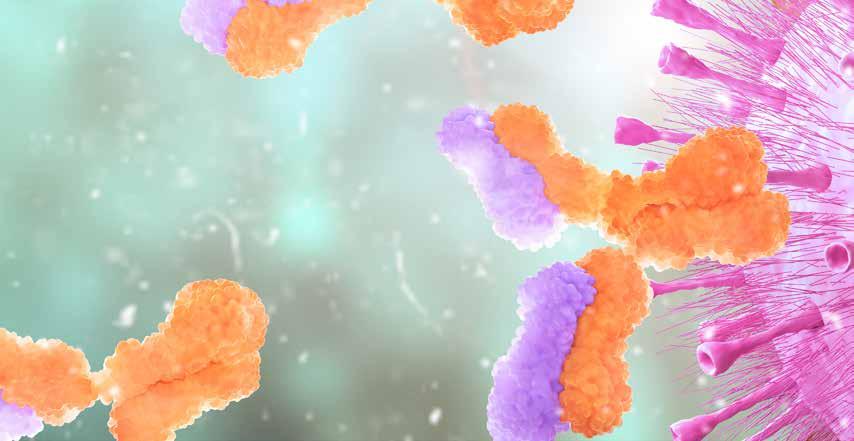
Over the past 30 years, monoclonal antibody therapies have become more powerful in the world of immunotherapy. Monoclonal Antibodies (mAb) are specialized types of antibodies produced in the laboratory than act as “natural” antibodies (good guys) and can thus attack and attach to a specific antigen (bad guy) and neutralize it. They are specialized in that they attach to a specific receptor on a foreign cell that the natural cells of the body do not have. Therefore, pinpoint treatments to specific antigens can be made with pinpoint precision unlike antibiotics. Antibiotics (against life) kill just as many good bacteria as well as the bad ones. This is the importance of immunotherapy is that antigens can removed with great accuracy while leaving the “normal natural cells” unharmed.
Diagnostics- Monoclonal antibodies can also be used for diagnostics. This technology can be used to detect the presence of specific viruses, bacteria, and even cancers through Enzyme-
linked immunosorbent Assays (ELISA). The ELISA tests can be performed on the farm and the presence of antibodies or antigens can be detected in minutes. The benefits of testing on the farm are obvious. We do not have to wait weeks for results, prices are lower, and education is rapid.
A brief review of Immunology 101The body produces antibodies in response to antigens that enter the body and the remaining antibodies are stored in the lymph nodes. Antigens are foreign to the body and cause harm to the body. The accuracy an individual produces to a disease outbreak is correlated to the concentration of antibodies present in the lymph nodes against the specific antigen. Thus, the concentration of reserve antibodies, has a direct influence on survivability of an animal. The antibodies in the lymph nodes are like reserve soldiers awaiting combat.
Examples of antigens that deer encounter are Epizootic Hemorrhagic Disease Virus (EHDV), Blue Tongue Virus (BTV), Truperella, and Fusobacterium necrophorum, to name a few. Our deer herds encounter numerous offending agents in which a variety of vaccines have not demonstrated antibody production that naturally would bind to the corresponding antigens, neutralize them, thus inactivating (neutralizing) and killing the viruses, bacteria, or cancer.
Production of Monoclonal Antibodies- Unlike natural serum antibodies, monoclonal antibodies can be utilized rapidly from stored(frozen) supplies and administered rapidly. Concurrently, the animal’s immune system can begin producing its own antibodies and be stored and


used in future events. Monoclonal antibodies promote a rapid precise response to an offending agent and natural antibodies can be produced slowly and stored in the lymph nodes for future exposures. Ultimately, our goal is to produce super healthy immune animals.
Monoclonal Production- Monoclonal antibodies are produced in the Laboratory by different procedures. There are many technologies currently being utilized to produce large concentrations of antibodies quickly. One of the oldest technologies noted and utilized is Hybridoma production/manufacturing. This procedure involves isolating an antigen and replicating its DNA in a nontoxic form and placing in into the abdomen of another species, typically a mouse. Extraction of fluid from the abdomen then requires purification to separate antibodies from mice thus increasing the concentration of the desired antibodies. Obviously, one would not expect to make many antibodies quickly. Antibodies will be concentrated and produced in the “off season” in the Lab and frozen in preparation for the season to come, for example EHD/BTV.
Screening- In January to February of each year (ex-EHD/BTV), blood samples are routinely evaluated to determine what antibodies the deer may have, and more critically, at what concentrations. Deer samples with high levels, or titers, are used in the lab initially to extract DNA from an antigen and commence production of monoclonal antibodies. Every farm is different and has its own endemic pathogens (endemic- a particular disease that is regularly occurring within a specific area). Laboratories are working currently to produce on farm disease testing (like heartworm snap tests in dogs) which will demonstrate what active disease process is identified in preparation for producing the correct monoclonal antibody. A farm that can accurately diagnose an infection within minutes and treat the disease immediately increases treatment efficacy. This technology is becoming rapidly available and many farms have used this technology with great results. Producing “Smart bombs and Magic bullets” for animals is available and just beginning to be utilized. Replacing antibiotics with precise and accurate treatment is the goal of many Veterinarians. This diagnosis and technology can be uti-
lized rapidly on the farm today as well. Time is of the utmost importance on herd outbreaks.
Summary- Monoclonal antibody technology has been around for over 30 years and is rapidly progressing. Veterinary medicine is becoming highly technical and specific with diagnosis and treatment. The advantage of monoclonal technology is to provide pinpoint accuracy in the treatment of diseased animals. This produces a higher chance of survival when compared to the common mass empirical usage of antibiotics. “Smart bomb” technology is being utilized increasingly with increasing success rates. This technology is being used in cancer research as well. Monoclonals allow receptor specific activity preventing collateral damage of good cells. Monoclonal antibodies also follow the natural plan of God’s immune systemantibodies attacking antigens causing neutralization of the antigen, thus killing the bad guys leaving the good guys to flourish.
Dr Joe Ables
940-433-4050
drjoeables@gmail.com Decatur, TX







Papalote NADR #342948 Codon 96: S/S, GEBV: -0.004365
Oasis NADR #334591 Codon 96: S/S, GEBV: 0.113170
Starlink NADR #418268 Codon 96: S/S, GEBV: -0.064458
CCW Aftershock NADR #172897 Codon 96: G/S, GEBV: -0.281115
Big Stitch NADR #50551 Codon 96: G/S, GEBV: -0.007484
Star Buck NADR #418268 Codon 96: G/S GEBV: -0.078975



From Chris Ashworth DVM,

As spring comes to many parts of the US with a heavy frost, a freeze or snow fall this week and a hard freeze very far in the deep south, this has led to the death of many of the biting midges that transmit Epizootic Hemorrhagic Disease. In just a few weeks the transmission of the disease will start again, however individual animals harboring virus could continue to have viruses in their blood for what appears to be five months or longer. So the next biting midge that comes to your area, there are already viruses in wild and captive deer to be transmitted to another animal. We could see clinical disease very quickly even with the extreme cold snap that just occurred.
Zinc has been shown to be antiviral in a number of ways for RNA viruses such as EHD and Bluetongue. Zinc when at a high enough level in the cell in which a virus replicates, can work to stop the replication of the virus. Keeping the total virus numbers low in the blood is key to getting the animal to survive an infection. Zinc works to stop viral replication in cells by altering the shape of the RdRp Polymerase enzyme that tells the virus to start replication. Zinc takes certain portions of the enzyme, say the finger sections and changes their shape by altering the bonds of some of the enzyme. This causes the enzyme to become “rigid” and does not allow it to be flexible to “get into the virus”. One way of describing this is that zinc changes the ignition switch to the virus by changing the shape of the key. It is
like having a tractor key and using it to try to start a pickup truck.
This stops the virus from replicating, therefore limiting total virus load in the animal.
The original viruses that came into the animal from the initial bite from the biting midge are not directly affected by zinc, since zinc is not acting on the virus itself, but acting on the enzyme. So, the initial viruses that came into the animal will have to be dealt with by other parts of the immune system, including lymphocytes, T-helper cells, and NK (Natural Killer) cells. NK cells are specific cells that target virus infected cells and kill those cells as well as the virus. Zinc plays a role in all these cells and typically increases the number or the length of time that these cells live in the animal.
Very specific zinc proteins made by the animal’s immune system are made to also help kill these EHD viruses. These proteins contain zinc, and if there is not enough zinc in the diet of that deer, it will not be able to make these virus killing proteins called ZAPs.
Finally, during a viral infection, the body early on makes different forms of interferons that also kill viruses. Several of the pathways to make interferons contain zinc in the process of making these molecules.
All zinc is not created equally. Zinc sulphate and zinc chloride are inorganic
zinc molecules. They are inorganic due to the fact that the zinc is not bound to a carbon molecule. Another form of zinc is organic trace minerals. These molecules, usually zinc, manganese and copper are bound to a carbon molecule.
When zinc sulphate hits the rumen fluid of the deer, it will dissociate into free zinc and a free sulphate molecule. The zinc will then compete against manganese and copper to attempt to be absorbed through the same absorption site on the intestinal cell. If a farm or ranch has high iron, sulphates, nitrates, or high manganese in their farm or ranch water this will also inhibit zinc from being absorbed. This absorption site is called a ZIP4 transporter. Iron does a great job to stop zinc sulphate from being absorbed through a ZIP4 transporter. This is the reason why you cannot get enough zinc sulphate into the cell to stop EHD and Bluetongue from replicating.
Zinc amino acid complexes are molecules where one molecule of zinc is bound to one molecule of an amino acid. The molecule of amino acid selected brings about different characteristics to the zinc formulation. For instance, if you want to use zinc in water, and have a very water-soluble zinc for animals to take in from water, you will select lysine and glutamic acid (ProPath Zinc 180 LQ). If you want a zinc to use in feed, you could use zinc tied to neutral, basic, or acidic amino acids. Each of these three types of
amino acids are absorbed differently by an intestinal cell. Examples of this would be methionine, lysine and glutamic acid; respectively.
Therefore, the use of zinc methionine, zinc lysine, and zinc glutamic acid, as well as some use of zinc sulphate would lead to the best opportunity to get enough zinc into the cells where Epizootic Hemorrhagic Disease replicates if using a feed source of zinc. Zinc sulphate alone no matter what the dose in the diet will not lead to a high enough intracellular zinc level to stop the replication of this virus in the live animal.
This summer and fall ended up being a significant period with record levels of deer deaths in wild deer and in some farmed deer locations, esp. in Indiana and Ohio.
Significant death losses have been experienced in Iowa, Nebraska and South Dakota.
In farms using zinc amino acid complexes at a level of 2.2 mg zinc per pound of body weight of the animal in the diet and in some instances the use of 100 ppm zinc lysine/zinc glutamic acid in drinking water (where single source water can be utilized), we have seen minimal to no death losses in adult deer or fawns.
Zinc is not stored well in mammals, either deer, humans or other mammals. Therefore, there needs to be
a constant intake of zinc to maintain a high enough cellular level of zinc to stop viral replication. This would be not only for EHD, but all the other RNA viruses of deer including Rota virus, corona virus, syncytial viruses and others.
The source and the amount of zinc in the diet or in drinking water is critical to stop this devastating disease. In areas of the US where biting midges can be controlled by cold weather zinc levels could be reduced during the non-EHD season. However, zinc plays a role in over 5000 processes in a deer or a human every day. I would recommend keeping your zinc level at 100 ppm (in total diet) from zinc amino acid complexes year-round and for antler and reproductive reasons I would increase the manganese amino acid complexes to 50 to 70 ppm as well year-round. To obtain this level of zinc, a grain supplement may have to be as high as 550 to 600 ppm zinc amino acid complex to obtain 2.2 mg of zinc per pound of body weight in the animal. The less grain mix that is being fed the higher the concentration of zinc will have to be in that grain mix to get enough zinc into the animal daily.
Control of biting midges is still going to be important even in herds using high dose zinc therapy for prevention of disease. Controlling EHD is multi-faceted and is not just about feeding zinc amino acid complexes.
From some recent data in Bluetongue virus in cattle in Denmark, Norway, Germany and Austria, there is evidence that this virus can over winter in some animals leading to early infections in the spring, earlier than what we have previously thought occurred. In the past it was thought that Bluetongue would be viremic in the blood of cattle for 23-36 days. We know now through PCR testing that some cattle can carry Bluetongue in their blood for longer than 5 months (150 days). I am not aware of similar studies being performed in deer at this time.
Although Bluetongue and EHD are similar viruses in many ways, zinc can also stop the replication of Bluetongue through the same mechanism as EHD.
Many larger herds of white tails in the US; herds with more than 1000 animals; were able to get through the entire summer without a single EHD loss by altering their feed with the addition of zinc amino acid complexes at a level to support 2.2 mg of zinc per pound of body weight of animal per day.
Zinpro is committed to the North American deer industry and will continue to work with private farms and ranches to improve the health and reproduction of deer through better nutrition research in the years to come.
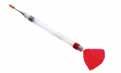
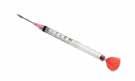
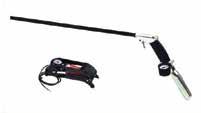
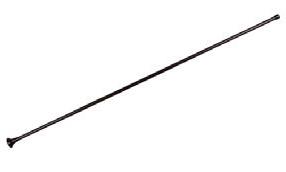
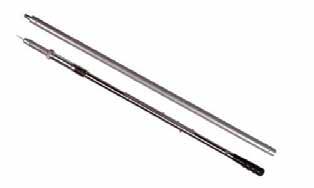
IF YOU HAVEN’T TRIED PNEU-DART’S RDDS, YOU’RE MISSING MORE THAN YOUR TARGET
Did you know impact trauma can negatively influence medical treatment? We do. Which is why we’ve spent 55+ years perfecting the ideal remote delivery device. Shorter in length and lightest on the market, our disposable RDDs, with patented Slo-Inject ® technology, provide ultimate accuracy while reducing the potential for problematic hematomas. Pneu-Dart. When you can’t afford to miss.®















• All-Milk Protein from Premium Food-Grade Milk Ingredients
• Essential Vitamins and Complex Minerals
• Balanced Fatty Acids
• Improves Digestion
• Promotes Growth and Performance
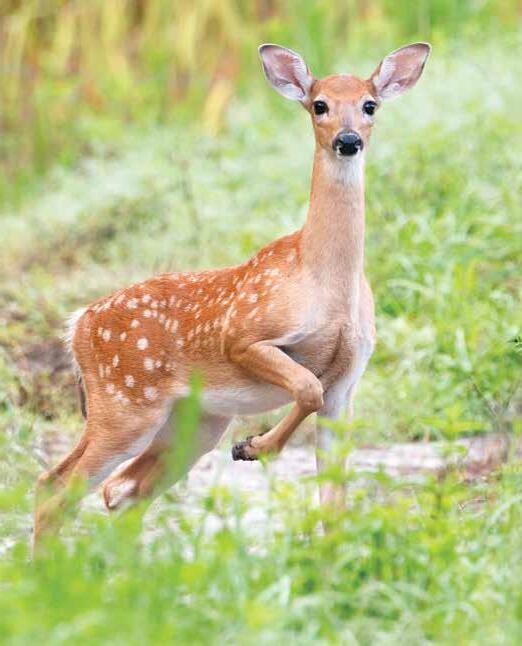
• Fawns up to 1 week of age: Feed 16 oz. of formula daily, divided into 4 – 6 feeding.
• Fawns 1 week to 1 month of age: Feed 24 to 30 oz. of formula daily, divided into 4 feedings.
• Fawns 1 month to 2 months of age: Feed 30 to 35 oz. of formula daily, divided into 2 to 3 feedings.
• Fawns 2 months to weaning: Gradually decrease formula and number of feedings to approximately 15 oz. of formula once daily until fawn is fully weaned at 12 to 14 weeks of age. Provide a weaning diet and fresh clean water to the fawn.
For oral use only. These feeding directions are guidelines. As each animal is an individual, the feeding rate may be increased or decreased according to the needs of the neonate.
Feeding directions for other species can be found on our website.

• No Refrigeration Needed
• Easily Palatable
• 18 Month Shelf Life
• Available in 20# & 8# pails
• 24/7 Technical Advice & Support
• Formula for other Exotics and Wildlife Available

By: Gail Veley
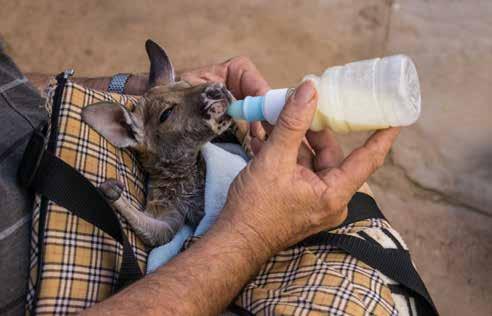
It wasn’t just belief in his products that prompted Nick Vlamis to start his company, Fox Valley Nutrition, Inc., in 1995. It was because the need for his products weren’t being filled anywhere else. Since the very beginning Nick has valued every customer, particularly the four-legged ones, by producing milk replacers, supplements and feeding supplies for young wildlife, domestic and exotic animals. Since founding his company, Nick has been helping orphaned neonates maximize their health, growth and performance potential through species-specific milk replacers and supplements. “It’s a blessing for all the animals that we save,” Nick said. “It makes it much less about making money and more about gratification. My customers are not just an invoice. And the quality of our products has never been compromised.”
Fox Valley, headquartered in Huntley, Illinois, sells their products in the U.S.A., Canada, Australia, Costa Rica, The Netherlands, Germany, Italy, Spain and also in the United Kingdom. They specialize in species-specific milk replacers, made with the finest raw ingredients available, to create the same composition found in natural milk. To date, more than 60 different types of milk replacers are offered to various species ranging from whitetail deer fawns, elk, moose, kittens, puppies, goats, cows, llamas, wallabies, raccoon, shrew and baby humpback whales among many others. In starting Fox Valley, Nick knew he’d be successful because “no one else had anything species-specific. Back then a raccoon would fall under feline. Everyone was taking existing puppy or kitten formulas and trying to make it work for other animals,” he said. “However, if you have a formula as close as possible to the actual animal you have, it can cause better health and greater
performance. Anything less can result in feeding problems and other issues.”
Not only do Fox Valley’s milk replacers aid in the overall health of each neonate, but their supplements do also, as they are formulated to combat dehydration, diarrhea and disturbed intestinal flora. “I got my start at a National Wildlife Rehabilitators Association conference,” Nick explained. “We were always finding orphaned fawns. I let them have free field trails of my formulas. They saw it worked and had great trust in it, making me believe I was on the right track.” Customers also trust that should they call Nick with questions, he will make every effort to speak to them directly. He has spent immense time promoting his products to veterinarians, colleges, conferences, trade shows and other venues. He knows the results speak for themselves, yet finds great joy when customers write or call to express their gratitude. Nick also feels great gratitude for his employees Walter Amador, Chris and Heather Vlamis as well as Tyler Eldrup and Jonathan Cielo. Amador’s scientific background is key to carefully blending all product nutritional ingredients
to “spec.” Nick’s son Chris manages key components in the development and distribution of products, while Heather’s (Nick’s daughter-in-law) computer knowledge and synergistic personality greatly assists in customer service through phone orders and in creating an effective website. Nick is also very grateful to Tyler Eldrup and Jonathan Cielo who oversee the packing and shipping of products.
“We have the best wildlife milk replacer available,” Nick said. “The products are easy to mix and have an 18-month shelf life. They also come in convenient sizes in sturdy, reusable plastic buckets and have been thoroughly field-tested by rehabilitators.” Should product prices ever increase, Nick will always explain the reason to his customers. “I will not substitute a cheaper product to make a buck,” he said. “I will always offer the same high-quality products I have stood behind since day one. I believe Fox Valley Nutrition is the Cadillac of neonatal formulations. We strive to be a growing world-class manufacturing organization that responds to customer-driven demands while consistently exceeding expectations.”
By: Gail Veley • Whitetail Deer Farmers of Ohio
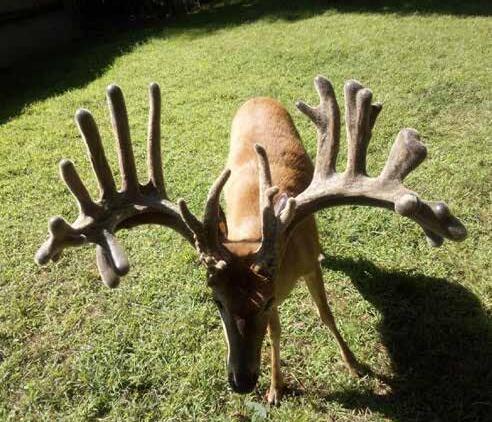
On December 31st, 2025, Levi Miller held his five-monthold grandson Zachary in his arms and told him softly “grandpa has to go feed the deer. I’ll be right back.” With that said, Miller, a man who raised his first deer at age 14, who has raised deer for a total of 30 years, walked off alone to feed his herd. Reaching the first pen, he felt a sense of contentment in seeing three-year-old Buddy walk towards the gate of his chain link fenced pen, where he lived among doe fawns. Having bottle raised him, Miller had unwittingly convinced him along the way that he wasn’t really a deer. He was merely a family pet who laid outside their front door like a guard dog, waiting for scratches on the head. A pet that never for one second had any desire to hang out with other bucks, not to mention any behavioral acknowledgement that anything like the rut even existed. Therefore, to protect Buddy, he placed in a pen with doe fawns, rather than with other bucks.
Miller opened the gate and slipped in, ready to turn and give expected head scratches to Buddy. “As soon as I latched the gate. I was knocked on the ground,” Miller said. After a powerful force of wham! Miller found himself staring in disbelief at his pet buck who was shaking and snorting from adrenaline. Miller quickly got up to take cover behind a water trough. Wham! He was back on the ground. Although Buddy’s antlers had been cut, he still had stickers on his head which gored into Miller’s legs and hands as he tried to fight him off. Climbing the chain link fence was out of the question. Wham! As he was thrown against the chain link again and again, Miller thought he’d never see his grandson again. Wham! “I grabbed ahold of his stickers in my hands to hold him off, but I was getting exhausted,” Miller said. “I
finally made it out the gate and into the alleyway, but he came with me. I couldn’t yell for help. The wind was knocked out of me.”
Luckily, the alleyway provided some thing the pen didn’t, woven wire preserve style fencing. Asking the Good Lord for one more burst of strength and for the chance to see his grandson again, Miller started to slowly climb the fence while Buddy tried knocking his feet out from under him. But Miller finally made it to the very top of the fence and collapsed across it, hoping desperately he’d find his phone and call for help. Right at that moment, one of Levi’s son’s Caleb, looked out the window and towards the barn. He immediately spotted Miller and in an instant Caleb and two of Miller’s other sons, Jeremy and Daniel, came charging out. With an urgent force matched by Buddy’s adrenaline, Daniel ripped a two by four off a nearby fence and gave
Buddy a firm whack in the head, sending the buck running. Assisted back to the house safely, Miller was bloody and hurting from head to toe. By Friday morning January 2nd his hands and legs were completely swollen and hosting deep holes. A doctor ordered him to take pain pills and steroids. Miller is expected to make a full recovery. “I got complacent, I guess. I knew better,” Miller said. “My sons said ‘Dad, you taught us better than this.” Buddy is still living at Miller’s farm, however, no one is permitted to go anywhere near him. And that is how it will remain. Permanently. “Don’t ever think you can really tame a buck,” Miller said. “I’m feeling immense gratitude to be alive.”


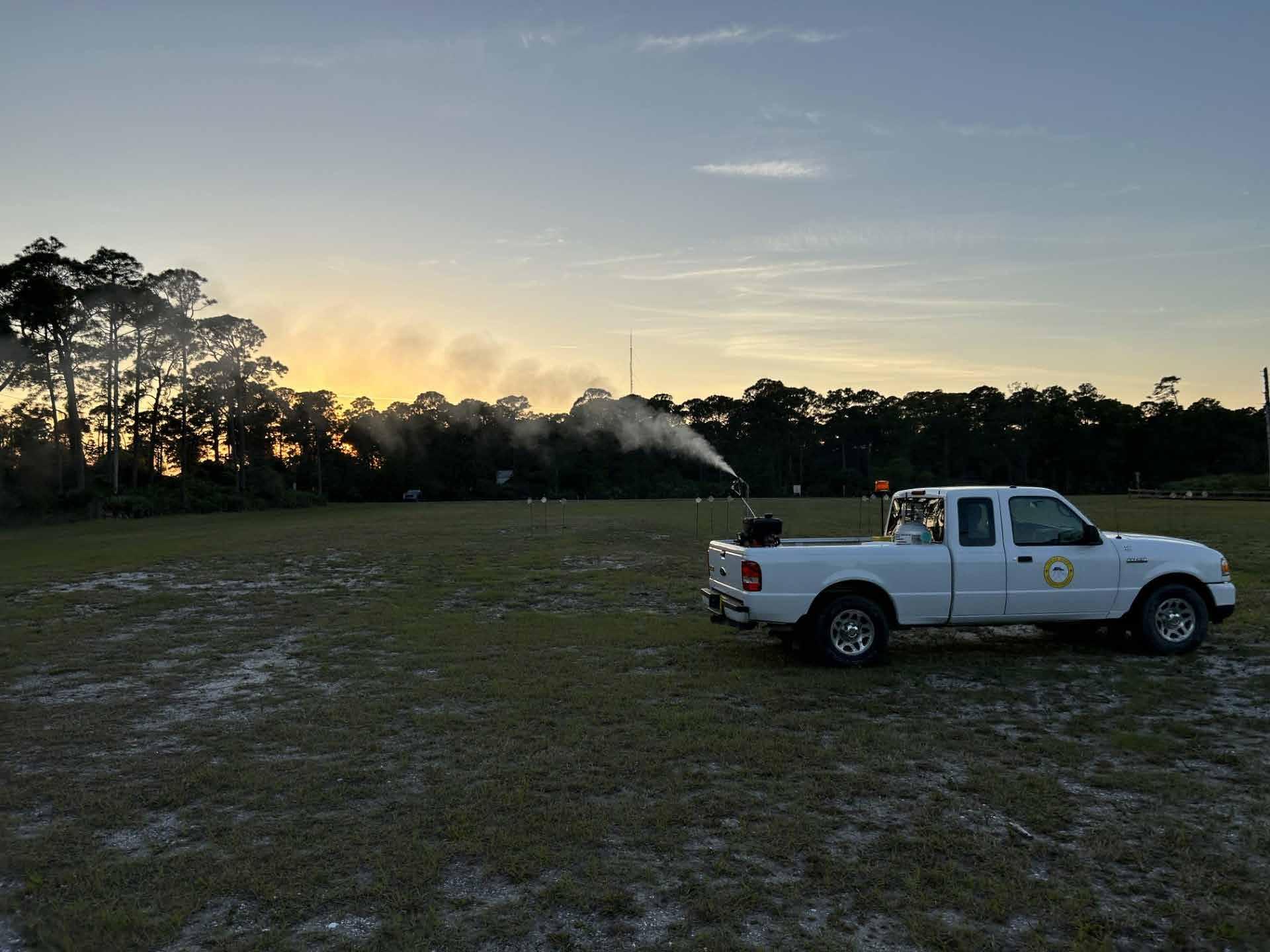

Field-tested permethrin control strategies in Florida

Vilma M Cooper* , Eva A Buckner, Samantha M Wisely* , Juan M Campos-Krauer* , Nathan D Burkett-Cadena*
Biting midges transmit
bluetongue virus (BTV) and epizootic hemorrhagic disease virus (EHDV)
Mosquitoes cause stress and disease risk
Vector control is critical on deer farms
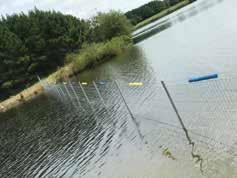
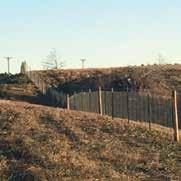
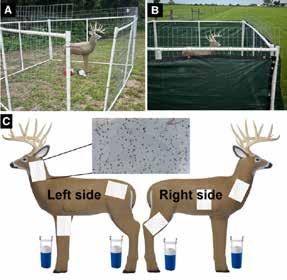
Permethrin-treated barrier
fencing
Privacy screen fencing
0.5% permethrin
Permethrin pour-on
Applied directly to deer
Landing rates measured by deer simulators and sticky traps

175x fewer Culicoides insignis (key BTV vector)
15x fewer Culex mosquitoes
6x fewer Psorophora mosquitoes
Results obser ved in small simulated pens (8 2 ft x 8 2 ft x 3 9 ft)
7x fewer Culicoides insignis
Limitations from pour-ons:
Efficacy against mosquitoes not conclusive
Results variable for other biting midge species
Treated barriers offer strong protection in small pens
Pour-ons may help protect fawns f rom biting midges
Best used as a par t of Integrated Vector Management
Article:
Permethrin-treated barriers can reduce exposure to disease-carr ying insects on deer farms.
Note: Authors* are part of the Cervidae Health Research Initiative (CHeRI)
Infographic made by: Jaylene Velasquez-Salguero








By: Gail Veley • Kentucky Alternative Livestock Association
The last thing any hunter wants is a wounded deer, rather than a quick and clean shot. Any ethical hunter will develop the bow or rifle skill needed to make an ethical shot in the heart or lungs. Yet, simply wounding a deer, rather than having this precise aim, does happen. Losing track of where a wounded deer has retreated to, could turn into a challenge. “There are three ways to track them,” explained Ethan Woosley of Single Creek Whitetails in Litchfield, Kentucky. “There’s the old-fashioned way. Wait 30 minutes and follow the blood trail. Waiting gives the deer time to settle down and expire. If you track them immediately, which most people want to do, they will spook and just keep running. But if you wait, they might have expired by the time you find them.”
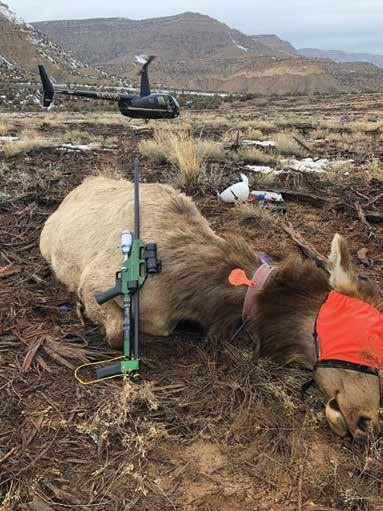
Drones are perhaps a more efficient and popular way to track a wounded deer, as drones equipped with thermal imaging can pick up the heat emitted from a blood trail. It could also help guarantee that you won’t lose the deer entirely. “We’ve only had one situation where we thought we lost a deer,” Woosley said. “It was about 15 years ago. “The deer had run down a hill and fell up under some brush, and it was nearly impossible to find him. It took a couple of hours. When we did, he was dead. Having a drone might have saved us a lot of time.”
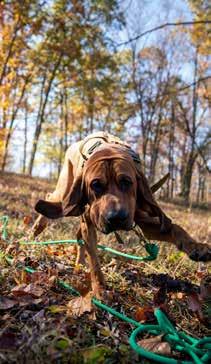
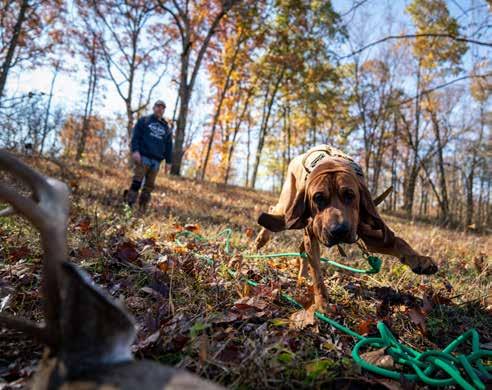
Using a tracking dog is yet another way to find a wounded deer. For Kenzie Taylor, owner of Kentucky K9 Deer Tracking out of Madisonville, Kentucky, she and her five-yearold Bavarian Mountain Hound, Liebe, track “on lead” an average of 100 times per season which
runs from Labor Day through the second week of January. Her fees are indicative of travel time and whether or not the deer is found. “Deer will emit the stress hormone cortisol through their hooves when they are injured, and dogs can track that,” Taylor said. “The hardest deer to track and find is one that is hit in the intestines during the rut. These bucks are so fueled by testosterone and adrenaline that pain isn’t as prevalent, so they may not emit enough hormone to track them. The dogs are trained to follow specific hoof tracks of the wounded deer, but because of being in the rut, it’s like the deer don’t even know how badly they are hit at times!” Now in their sixth hunting season together, Taylor even further appreciates Liebe’s natural ability to “cold nose track,” meaning for a hunt that is at least 10 hours old.
However, for Patrick Shanley, owner of Twisted Tines Ranch in
Williamstown, Kentucky, he and his clients have never had the misfortune of losing a deer. “We take preventive measures of first making ethical shots,” he shared. “That is the goal. We take clients to our shooting range and spend enough time until they are sufficient with whatever weapon they are using. Any approved shot from our guides is about half of what the client is truly qualified to shoot at, for both firearms and bow hunting. If you shoot from 50 yards, you have a 75 percent or better chance of making it. This applies to hunting from deer blinds, deer stands or from within the woods. Practice is everything. No one wants to take unsuccessful aim and end up with a wounded deer. If a shot is not mortal, we quickly dispatch a drone. This happens less than one percent of the time.”






Souteast Tines Magazine Deadlines 2026
Spring: Feb 3rd
Summer: May 5th
Fall: Aug 4th

Illinois Deer Farmers Association Fundraiser - Feb 20-21, 2026 - Altamont, IL
Alabama Deer Association Spring Auction - Feb 21, 2026 - Cullman, AL
Iowa Whitetail Deer Association Winter Banquet - Feb 21, 2026 - Timberghost Ranch Lodge
Pennsylvania Deer Farmers Association Eastern Winter Classic - Feb 27-28 - Morgantown, PA
Kansas Deer & Elk Association Convention - Feb 28, 2026
United Deer Farmes of Michigan Annual Convention - March 6-7, 2026, Bath Township, Michigan
Southeast Trophy Deer Association Spring Fling - March 6-7, 2026 - Orlando, FL
Minnesota Deer Farmers Association Online Fundraiser Auction - March 10-12, 2026 - McClungSales.w2auctions
Whitetails of Wisconsin Annual Banquet & Fundraiser - March 13-14, 2026 - Wisconsin Dells, WI
NADeFA Spring Open - March 20, 2026 - Sandusky, OH
Indiana Deer and Elk Farmers Association- July31 - Aug. 1, 2026 - Samlung Platz, Napanee, IN
KALA Summer Showcase - Aug 8, 2026
Whitetail Deer Farmers of Ohio Convention - Aug 13-14, 2026
Southern Top 30 / Whitetails of Louisiana Convention - Aug 20-21, 2026 - Louisiana
TDA Annual Convention - Aug 28-29, 2026 - San Antonio, TXadd
Winter: Nov 3rd Use this QR Code or go online to DeerSites.com for more deadlines and up to date event information!

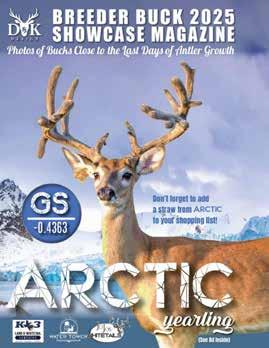



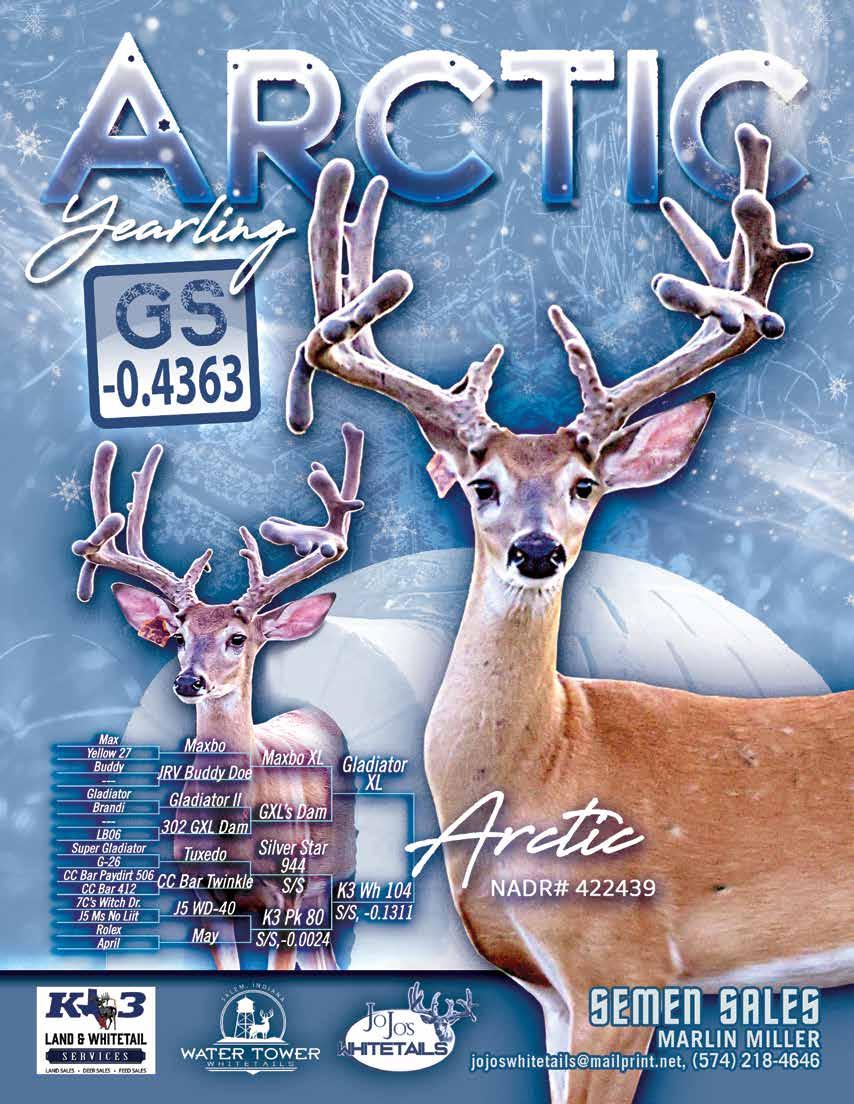
Reservation for space and buck info will be due no later than August 12th, 2025. If you have an existing picture ready to go, that will also be due at that time. If you would like to send in a last minute photo of your buck, the cutoff date is September 1st by 8am CST. Placement will be in order of first come first serve. Printing and mailing will start September 4th and be in hand between September 16th20th. Just in time for semen sales getting ready for Breeding Season. These will be mailed to Breeders and Ranch members of the 20 state associations we service.
More information will be mailed out to all current advertisers closer to the date. Pre-register and we will contact you for further information
PRIME SPOTS WILL BE AUCTIONED ONLINE AT MCCLUNG SALES: JULY 2026 Name: First Last Farm










Enjoy these easy baked venison meatballs with your favorite sauce and pasta for a hearty, comforting meal. They’re tender and meaty without any gamey taste. A crowd-pleasing way to enjoy ground venison!
• 1 tablespoon extra virgin olive oil
• 1 small red or yellow onion, diced (about 1 cup )
• 4 large cloves garlic, minced
• 1 tablespoon balsamic vinegar
• 1 teaspoon salt
• 1 teaspoon dried oregano
• 1/2 teaspoon dried thyme
• 1/2 teaspoon dried basil
• 1/2 teaspoon ground black pepper
• 1/4 teaspoon dried tarragon
• 1 pound ground venison
• 1/2 pound ground pork
• 1 egg, or flax egg
• 1/4 cup oat flour or breadcrumbs
Instructions
1. Preheat oven to 375°F.


2. Add olive oil to a skillet over medium heat. Once hot, add onion to the pan and cook until slightly softened, about 4 minutes. Add balsamic vinegar, garlic, herbs, salt and pepper and cook an additional 2 minutes. Turn off heat and let cool for a couple of minutes.
3. Meanwhile, add the remaining ingredients to a large mixing bowl. Add the cooled onion mixture and using clean hands mix together until thoroughly combined.
4. Using a medium cookie scoop, roll the mixture into balls and place on the baking sheet.
5. Bake for 22-25 minutes until the meatballs are cooked through and golden brown.
6. Use as desired or freeze for use at a later date.



By: Gail Veley • Sponsored by The Pennsylvania Deer Farmers Association
Early on in the start of each new year, Amy Stefanowicz takes inventory of everything she’ll need for the upcoming spring. Fawning season and the expectation of 54 fawns might be a few months away, but then again, it’s as though it’s right around the corner. Bottles, nipples. Check. Fawn paste, probiotics, goat’s milk, puppy training pads, cleaning supplies. Check, check, check. Known for her expertise in successfully raising calm and well-acclimated deer, Amy and her husband Jason of Awesome Whitetails in Middlebury, Pennsylvania may have the science of raising fawns perfected as this year marks their fifth season. In addition to meticulously managing a fawn’s health and immune system, Amy believes acclimating them to outside stimulus is just as important. Given that deer generally become comfortable with specific individuals, she plays a radio 24/7 inside the barn to get them used to strange noises and voices. “I’ve found this really helps them to not overreact if someone new comes around,” Amy said.
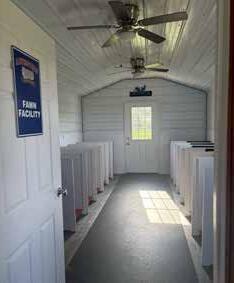
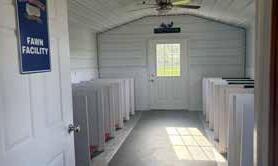
However, the most pressing initial issue is a fawn’s intake of colostrum within 12 hours of birth. Good, diligent mamas and babies that latch on pave the way for the next steps Amy takes. After each doe fawn (and struggling buck fawn) intakes sufficient colostrum, they are pulled and moved into a fawn facility where they spend up to three weeks isolated inside a 2 x 3 feet durable polymer box complete with drainable rubber (piglet) flooring, allowing urine and droppings to fall into a black tray beneath the flooring, covered by a puppy pad. Unlike wood that may allow germs to soak in and remain active and risky, Amy knows plastic does not do that and is much easier to clean. This can ensure a healthier fawn, one that will be introduced to other healthy fawns.
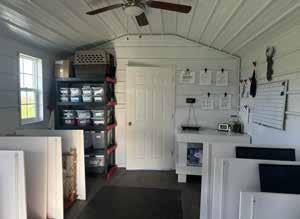

Sometimes fawns may need more intensive care and if so, may spend time in a bedroom or dog crate inside the house, until they are strong and healthy enough to be in the official fawn barn. Building up their strength and immunities also involves the careful administration of vaccines, so as to not puncture their fragile skin. Next, ear tags are attached and microchips inserted. Inside each 2 x 3 fawn box Amy also places a small bowl of natural dirt to softly and safely introduce them to their eventual life outside in the deer pens, which usually occurs after week three. “Unless you have a jumper,” Amy, 46, explained. “They might need to go outside sooner.”
Amy’s bottle-feeding regimen includes a combination of goat’s milk and red cap milk, given at 6 a.m., 2 p.m. and 9 p.m. for four weeks, followed by two feedings from week five until week nine, when henceforth bottles are offered merely once a day. After 13 weeks, fawns fully transition to solid food and water. Through this micro-management system, Amy has gained a reputation as being somewhat of an expert on the process of raising healthy, calm and well-acclimated deer. Her advice has even been sought out by numerous others in the industry.
“Jason and I just firmly believe in our process,” Amy said. “We feel it’s worth it in the long run and have found our deer are more ready to face whatever may come as they grow into healthy mature adults.”




By: Gail Veley • Sponsored by Whitetails of Louisiana
It was Halloween night a few years ago, and the considerably long and scenic road to Elam Woods Whitetails in Baskin, Louisiana never saw any trick or treaters. A storm was rolling in, dark and rumbling. As crashes of thunder and streaks of lightening illuminated the surroundings, Ben and Krystal, two adult children of Elam Woods Owner Bill Holdman, spotted something moving across the front lawn. “Dad, we have a trick or treater,” they both exclaimed. “Finally.”
As Holdman opened the front door to investigate, he didn’t find a trick or treater, but rather, a five-monthold buck fawn that had wandered out of its pen. “We named him Gray Ghost,” Holdman said. While naming deer can have a more lighthearted and humerus side to it, a unique name may help people long remember your farm or the buck. Having bucks with unique names can also “help promote a lineage and genetic line and can even give a real boost to a certain line,” said Henry Woodard of Woodard Whitetails in Glasglow, Kentucky.
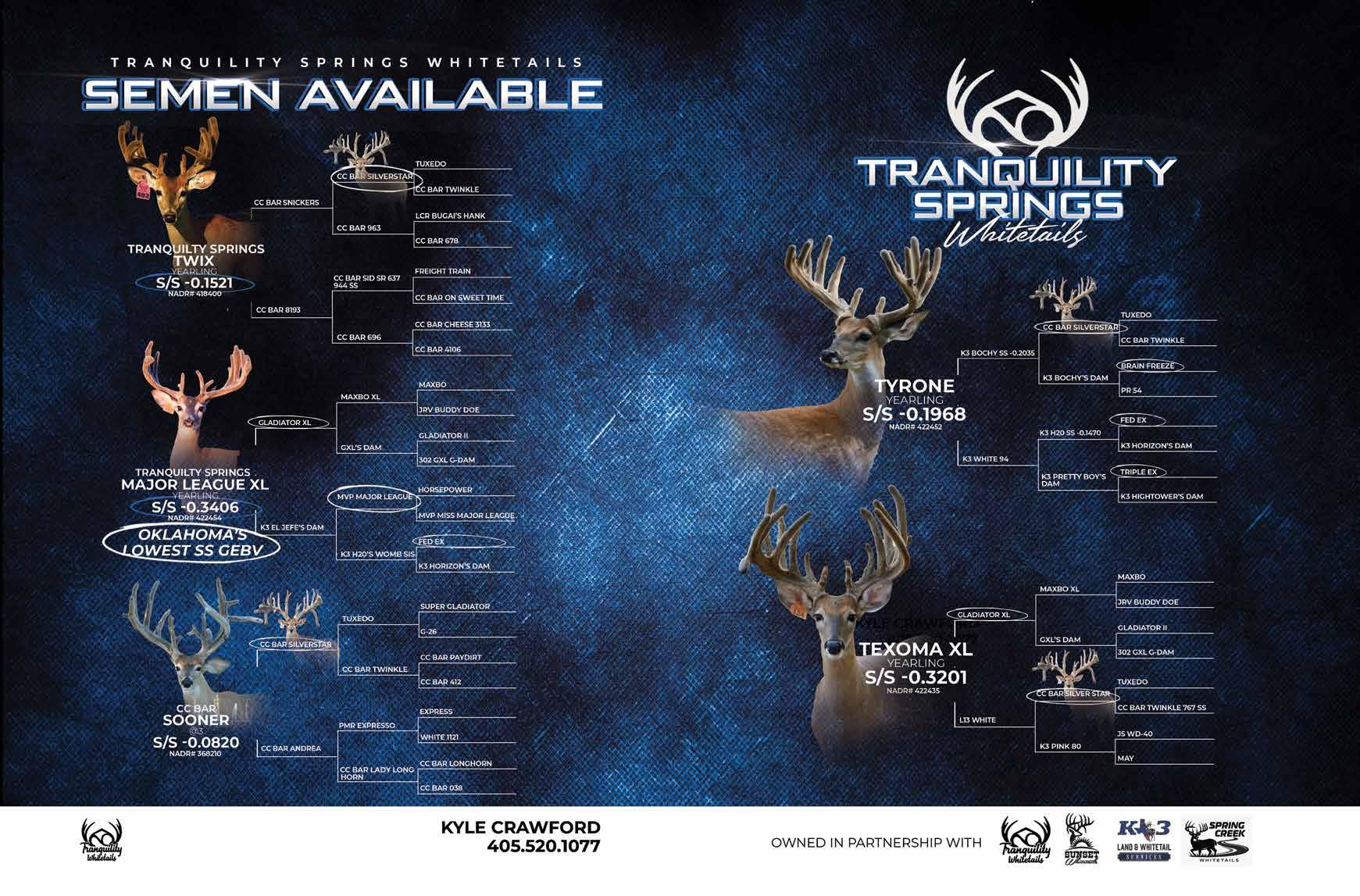
Woodard, who purchased the infamous buck Gladiator as a mere 63” yearling in 2004, couldn’t have known then that the little buck, named so after the movie Gladiator, would “blow up” at two and go on to sire many more great producers with names such as Gladiator II, Gladiator Supreme, Gladiator XL and Gladiator Select. Owning Gladiator proved to be extremely profitable for Woodard and provided the backbone to carry this head-turning lineage forward. Semen straws sold quickly. Later,
Gladiator was bought by Lone Hollow Whitetails where he lived to be 16.
“It was different back then when Gladiator was on the scene,” Woodard said. “CWD wasn’t the big issue it is now. We had DNA and parentage testing and didn’t have to worry about CWD. Still, Gladiator was an ‘SK’ with a -3.78 GEBV. When you get a buck out there for promotion and give him an iconic name, once they have solid production on the ground you are at whole different level.”
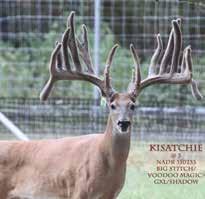
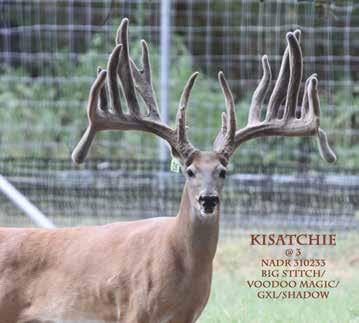
Having bucks with unique names “has helped us when placing magazine ads,” Holdman explained. “We had an ad with a buck named Kisatchie, after Kisatchie National Forest here in Louisiana. In the ad he was standing in the middle of tall pine trees. We had another buck named Cotton Picker and had him standing in the middle of a cottonfield in his ad. We found it’s been an effective way to promote them.” At Elam Woods, deer are often named after places in Louisiana, country music legends or songs. Some of their current breeding bucks include Twitty, Easy Touch, Slow hands and Heated Rush. “Those names caught on really well,” Holdman said. “Everybody knows who they are.”
Patriotic names
and names of songs also often work well to do a deer “justice” and therefore make them more memorable. The best buck ever raised by Woodard, called Louisville Slugger, was impressive even as a yearling, and named after the wellknown baseball bat company. “I thought it was iconic and not easily forgotten,” Woodard said. “We also have Mr. Incredible after the movie ‘The Incredibles’ and he had two sons, Dash and Jack.” However, no buck, no matter its name, is worth anything unless they are registered with NADR. “If someone is able to look up a buck on NADR, and think that will work on their farm, they will more than likely be interested in him,” Holdman said.
In addition, having a buck who will raise the bar for the deer industry and essentially out-produce himself, pass his genes along and also be useful for outcrossing, is what will make him truly great. “You don’t see that with every deer,” Woodard concluded. “Having that will certainly get you noticed.”
SCIENTIFICALLY FORMULATED NATURAL SUPPLEMENT TO HELP GROW LARGE, HEALTHY DEER AND BIG ANTLERS!
Nutrient rich formula contains highly bioavailable ingredients, including our proprietary calcium/phosphorous complex with Antler D TM, that are required to support body and bone growth, especially for fast growing bucks
Contains probiotics and targeted enzymes to support gut health and proper digestion
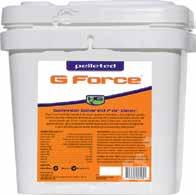
Available in pellet or powder that can be top dressed or mixed in feed. Great for antler growing season and young bucks, too
PRECISELY FORMULATED TO HELP MAINTAIN A NORMAL AND RELAXED DISPOSITION IN ALL CERVIDS
Provides optimal levels of magnesium, Vitamin B1 and inositol to promote calmness and provide help for restless animals
Contains no herbals, tryptophan or chemicals, eliminating concerns of unwanted side effects
Use PeaceMaker to “keep the peace” during pre-rut, rut, transportation, weaning and anytime destructive behavior may occur
POWERFUL SOLUTION FOR HEALTH & PRODUCTIVITY
Helps maintain digestive health and productivity
Contains micro-encapsulated probiotics, targeted enzymes and a novel fiber complex
Use in does before fawning, during lactation and all cervids during times of environmental stress

HELPS PRODUCE HEALTHY, FAST GROWING FAWNS
Helps maintain normal digestive health
Supports a healthy immune system
Feed powder for 14 days to bottle fed fawns
Paste is ideal for fawns left on does
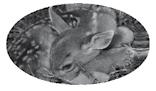
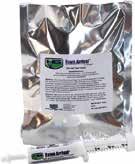
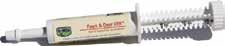
ROBUST FAST RESPONSE FOR FAWNS & OLDER DEER
Innovative formula delivers max digestive support, especially in newborns
Rapidly delivers help for GI health and a functioning immune system
May also be used post-tranquilization to support healthy recovery

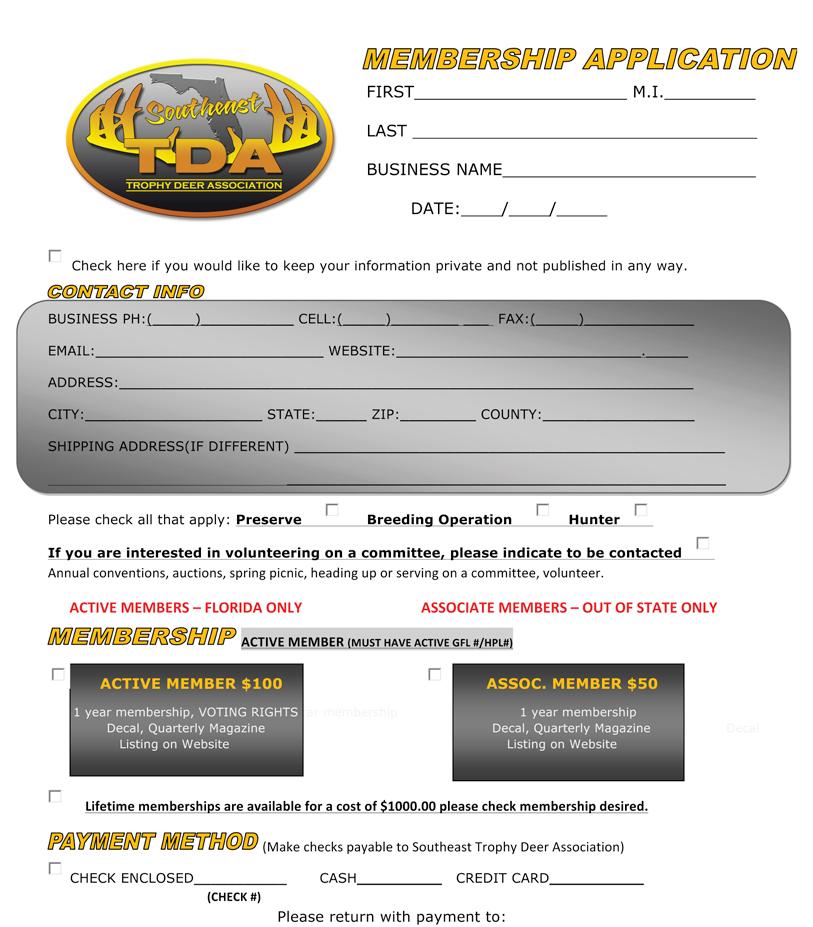
Welcome to our SeTDA members Business card page. This is a way for members, both old and new, to reach out to each other for your services or to buy and sell deer. If interested in getting into future business card pages, send your Farm or Business Cards to; info@southeasttrophydeerassociation.com.
Business cards will be rotated quarterly, if your card isn’t in this issue it will likely be in next quarters magazine. All cards can be viewed at https://www.southeasttrophydeerassociation.com/page-18108.
Thank You, SeTDA BOD’s








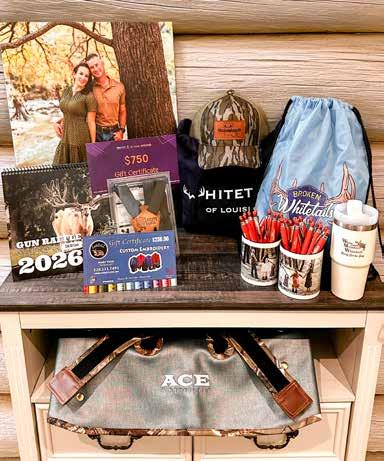
As most of you know, D&K Design has been at the forefront of overseeing a membership drive for many state deer associations for the past years. As part of servicing 19 states with quarterly publications, we were proud to also offer this service. 2025 we included in our grand prize drawing, donations from each state association. Many of their members stepped up to donate a product or service.
Memberships are collected throughout the year and at events such as NADeFA and Top 30. Each participant that spent over a certain amount on memberships was included in our end of year drawing.

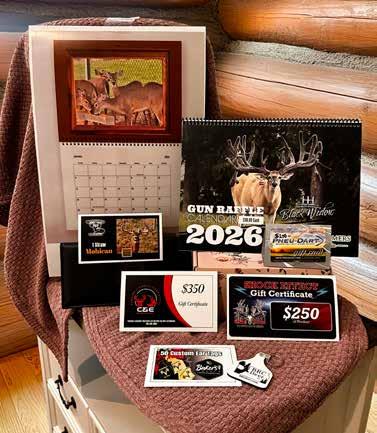
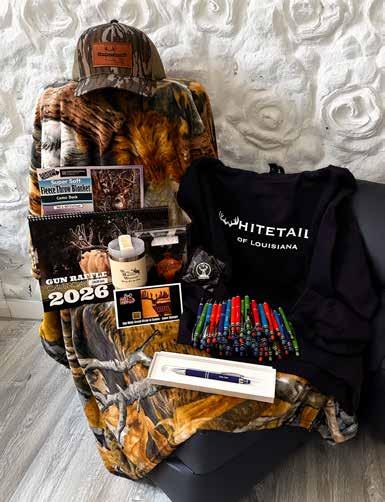
Meryle Frey’s Winnings ~
• $250 Shock Effect Certificate
• 50 Custom Ear Tags
• $350 C&E Solutions certificate
• Legends binocular harness
• Ohio Gun Raffle Calendar
• 10 Personalized calendars
• 1 Straw of Mohican
• $250 Gift Certificate from Pneu-Dart
2025 winners included Shane and Jennifer Horrocks of C&E Bio Solutions and Max Rax feed company, Amber Boldt, a loyal D & K Design supporter, James Weaver of Dutch Creek Whitetails in Fredericksburg, Ohio and Meryle Frey from Fish Lake Whitetails in Indiana.
Winners received gifts, valued at over $1,800. which also included certificates for deer industry goods and services.
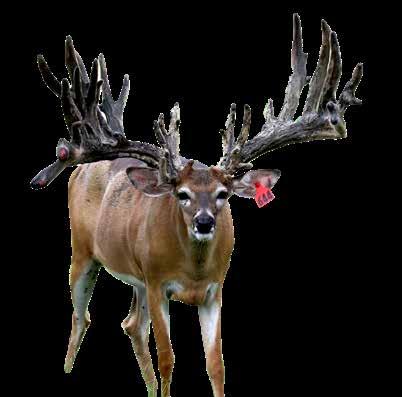

“I found the semen straw of Cruiser from Rocky Ridge Whitetails to be very worthwhile and appealing,” James Weaver said. “I say YIPPEE! I hope I win again!”
Merle Frey felt that winning for him was a bonus, on top of the fact that he became a member of several state associations. “The items that were in my basket were things I was already using like Shock Effect and products from C & E Bio Solutions,” he said. “I’m also really glad to have gotten a semen straw of Mohican that Woodard Whitetails donated.
Being a member of these associations has been worth it even without winning, and I appreciate everyone who donated the items I won.”
Shane and Jennifer Horrocks, huge supporters of each state association, strong advertisers and advocates for state memberships, were equally pleased. “What a great way to have our enthusiasm rewarded by winning a raffle,” Shane said. “Our basket was very thoughtfully hand selected by Kathy and we really appreciated receiving it.”
Amber Boldt, who has gladly pitched in and helped transport D & K Design booth to industry events, was very pleased with her raffle win as well.
This helps keep the momentum going and further fuels my desire to have every state continue to donate items, in an effort to make these raffles one of the most anticipated activities at our events. We sold over $8,000 in memberships total! I appreciate everyone who has donated in the past and plans to donate in the future. Your support will win you recognition throughout the year. Ask me for more details!






















Dear SeTDA Member:
The Board of Directors (Board) for the Southeast Trophy Deer Association (SeTDA) has an open Board position. SeTDA is looking for a HARD WORKING individual who will devote the necessary time and energy to accomplish the following missions of SeTDA:
•To promote the business of raising and marketing Whitetail Deer in the State of FLORIDA.
•To provide educational opportunities for members of the Corporation and other interested people through the sharing of information concerning Whitetail Deer.
•To serve as a collective voice in governmental issues that affect whitetail deer producers, so as to enhance the Whitetail Deer industry.
•To promote high ethical standards in the care, handling and harvesting of Whitetail Deer.
•To require members of the Corporation to operate in a legal, honest and forthright manner with fellow members, other Whitetail Deer producers and the general public.
If interested in applying for a Board position, please answer the following questions:
1.Please describe yourself and what you do outside of the cervid industry.
2.Please describe your operation. (How long have you been raising deer? Where is your farm located? Whatspecies are in your breeding program? What are your primary markets? Etc.)
3.Describe any roles you have served in (committee member, officer, etc.) for your state and/or nationalassociation (NADEFA).
4.Describe your position on open borders for your state of residence, as well as from a national perspective.
5.Why do you want to serve as a SETDA Director?
Mail to Dr Bill Leffler c/o 2 Base Down Whitetails, PO Box 159, Morriston, FL 32668 or email to Bleffler2011@gmail.com


We are excited for you to explore the many industry articles, deer farming and vendor advertisements, and much more. We would like to encourage you to JOIN or RENEW your membership with SETDA in support of keeping the Cervid Industry live and well in our state. Visit our website for updates: southeasttrophydeerassociation.com



• United Deer Farmers of Michigan
• West Virginia Deer Farmers Association
• Whitetail Deer Farmers of Ohio
• Whitetails of Louisiana
• Whitetails of Oklahoma
Package: *
44 ISSUES FOR 1 YR.
Reaching out to over 2500 members (11 Publications x 4 quarters)
19 State Associations - Approx. 2500 readers
$200 / Issue ($8815. / Yr) ~ Full Page
$113 / Issue ($4990. / Yr.) ~ Half Page (55-59% Discount off single ad placement)
*
4 ISSUES FOR 1 YR.
(1 Publication x 4 quarters)
$267 / Issue ($1069. / Yr) ~ Full Page

16 ISSUES FOR 1 YR. (4 Publications of your choice x 4 quarters)
$233 / Issue ($3730. / Yr) ~ Full Page
$128 / Issue ($2052. / Yr.) ~ Half Page (48-54% Discount off single ad placement)

$145 / Issue ($581. / Yr.) ~ Half Page (40-48% Discount off single ad placement)



Magazine ANNUAL
$540 ~ Full Page*
$250 ~ Per Quarter Page
$135 ~ Per Quarter Page
- Current Advertiser in quarterly magazines.
$180 ~ Per Quarter Page
- Current Member of any of the Associations we serve


* Must be a current advertiser, limited space available




The rules for sudoku are simple:
A 9x9 square must be filled in with numbers from 1-9 with no repeated numbers in each line, horizontally or vertically.
To challenge you more, there are 3x3 squares marked out in the grid, and each of these squares can’t have any repeat numbers either.
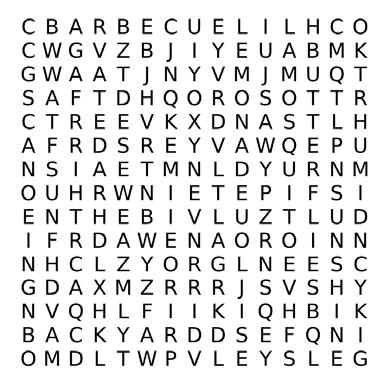
Backyard
Barbecue
Butterflies
Canoeing
Festivals
Fireworks
Gardening
Hayride