Literature Review
TREATMENT (FAWN)
Using a 10 blade, lance the abscess low so that the infected area can continue to ooze and drain post procedure if needed. When doing this be vigilant in noticing the surroundings of where you are about to cut, be sure not to cut/nick an artery or vein. Minimal bleeding is to be expected in doing this procedure.
Express and massage the puss out of the infected area, until you cannot palpate the mass any further. Some abscesses will have multiple pockets, causing you to make multiple incisions to express all the pus. Once you have drained all pockets of the abscess; use diluted 7% iodine to flush the pocket/pockets thoroughly. When done, treat with Nuflor (Florfenicol) 3cc/100 lbs. for three days.
TREATMENT (ADULT)
Using a 10 blade, lance the abscess low so that the infected area can continue to ooze and drain post procedure if needed. When doing this be vigilant in noticing the surroundings of where you are about to cut, be sure not to cut/nick an artery or vein. Minimal bleeding is to be expected in doing this procedure.
Express and massage the puss out of the infected area, until you cannot palpate the mass any further. Some abscesses will have multiple pockets, causing you to make multiple incisions to express all the pus. Once you have drained all pockets of the abscess; use diluted 7% iodine to flush the pocket/pockets thoroughly. When done, treat with Nuflor (Florfenicol) 3cc/100 lbs. for three days. Or Excede 1.5cc/100 lbs.
*The success of the drugs listed above are dependent on the bacteria that was present in the abscess. *
UNDERSTANDING
Abscesses are the accumulation of pus (collections of white blood cells, dead tissue, and bacteria) surrounded by fibrous connective tissue, which are caused by pyogenic bacteria. These bacteria typically infect the body via wounds or injury.
Four Most Common Causes:
-Streptococcus sp. -Staphylococcus sp. -Pseudomonas sp. -Trueperella pyogenes.
CHRONIC SCOURS
CLOSTRIDIUM
Long term scours
Baytril (Enrofloxacin)
Oral Tablet (preferred method):
11mg/lb. once daily, for 2-3 days past the cessation of clinical signs. Do Not exceed 30 days without consulting your prescribing veterinarian
Injectable solution:
1.75cc/50 lbs. orally FOR 3-5 DAYS
Fluid Therapy (if possible)
PROBIOTICS DAILY!
Clostridium can present itself in many ways depending on the strain. The main strains are A, B, C, and D.
Typically Contracted through Wound/ Abrasions or ingested more easily through contaminated feed due to spore formation.
Infection promoting factors
Prevention is key in the treatment of Clostridium.
Vaccines are available to help aid in the prevention of Clostridium. It is encouraged to utilize these vaccines due to clostridium being a common disease/illness in deer breeding.
Sanitation is imported in aiding in the prevention of clostridium
Baytril (Enrofloxacin)
Oral Tablet (preferred method): 22mg/lb. once daily, for 2-3 days past the cessation of clinical signs. Do Not exceed 30 days without consulting your prescribing veterinarian
Injectable solution:
3.4cc/100 lbs. orally FOR 3-5 DAYS
Fluid Therapy (if possible)
PROBIOTICS DAILY!
Prevention is key in the treatment of Clostridium.
Vaccines are available to help aid in the prevention of Clostridium. It is encouraged to utilize these vaccines due to clostridium being a common disease/illness in deer breeding.
Sanitation is imported in aiding in the prevention of clostridium
Chronic Scours is the result of a digestive disease which causes diarrhea, over an extended period of time without resolution.
It is important to try and obtain an uncontaminated stool sample, so that it can be sent off for examination to determine the type of infection that your animal has.
There are numerous different types of Clostridium, so it’s important to determine exactly which one you’re dealing with.
Three Most Common Types:
-Clostridium perfringens -Clostridium tetani -Clostridium botulinum
can be: Dietary Changes such as sudden changes of carbohydrates in your feed causing the gut biome to be interrupted, allowing the clostridium to grow and thrive.
Stress such as transportation or fawns being weaned from mom.
Unsanitary feed and water stations can contribute to the spread of clostridium.
Symptoms Include but are not limited to: Fever, scours, Lameness, discoloration of tissues or urine, loss of motor control, lack of appetite, lack of fecal output, muscle tightness/ trembles, lethargy, Anorexia, bloody diarrhea due to gastrointestinal hemorrhaging.
COCCIDIA BLOODY DIARRHEA
CRYPTOSPORIDIUM
Primarily Yellow-White Watery diarrhea, possibly containing mucus & black specks (digested blood).
Signs and symptoms are but are not limited to yellowwhite scours, fatigue, dehydration, rise in temperature, loss of appetite.
Often must tube feed during the healing process.
Administer Sub-Q fluids often.
E COLI White/yellow/gray poop
Smells like rotten chicken
outbreaks in your herd. Unclean feed troughs and water sources can allow spores to form and be ingested by your deer. If ingested, those deer can become infected and pass to dirt through feces or through milk to nursing fawn.
Antitoxins are made to help treat clostridium infections. It’s smart to have these antitoxins on hand to be able to act fast in the case of one of your deer becoming infected.
If in the chance you can catch the symptoms early enough you can try heavy doses of oral and IM Penicillin paired with oral probiotics. Powder probiotics can be top dressed onto feed; or mixed into milk in the case of bottle feeding.
Albon= Oral Suspension 5%
Day 1: 2.5mL/5 lbs.
Day 2: 1.25mL/5 lbs.
Day 3: 1.25mL/5 lbs.
! PROBIOTICS DAILY!
IF ALBON DOESN'T WORK TRY CORID NEXT
Nitazoxanide
(75 mg/kg per day, for 14 days)
PROBIOTICS DAILY!
Thiamine if loss of Motor control
outbreaks in your herd. Unclean feed troughs and water sources can allow spores to form and be ingested by your deer. If ingested, those deer can become infected and pass to dirt through feces or through milk to nursing fawn.
Antitoxins are made to help treat clostridium infections. It’s smart to have these antitoxins on hand to be able to act fast in the case of one of your deer becoming infected.
If in the chance you can catch the symptoms early enough you can try heavy doses of oral and IM Penicillin paired with oral probiotics. Powder probiotics can be top dressed onto feed; or mixed into milk in the case of bottle feeding.
CORID Drench = 1cc/20 lbs.
Nitazoxanide
(75 mg/kg per day, for 14 days)
PROBIOTICS DAILY!
Thiamine if loss of Motor control
Coccidia is a parasite that lives in the gut relying on the thiamine in the stomach to reproduce.
Polyflex (Ampicillin): 2mL/100 lbs.
Baytril: 1mL/10 lbs., given once daily for 72hrs
Doxycycline: 20mg/kg per day, for 10 days
Polyflex (Ampicillin): 2mL/100 lbs.
Baytril: 1mL/10 lbs. given once daily for 72hrs
Doxycycline: 20mg/kg per day, for 10 days
Cryptosporidiosis is a Zoonotic Disease, which is not commonly known. It is contracted via contaminated environment, ingestion of fecal contaminated food/water.
Escherichia coli is a bacterium that commonly resides within the healthy gut flora of animals. While most strains are benign, there are certain strains of E. coli that cause serious infections.
FLEAS Symptoms can include but are not limited to: Hair loss or bald patches, weight loss or lethargy, red fluffy rough coat, low soft saggy appearing abdominal region, scours, flea orbiting at skin, redness/irritation to skin/hotspots. Fleas can cause tapeworms if ingested by the deer.
Refer to Adult Treatment >
FUSOBACTERIUM Signs and Symptoms include but are not limited to swelling of jaw/ face, drooling
HOOF ROT Signs and Symptoms include but are not limited to:
Swelling of the foot/hoof/fetlock, limping/ lameness, self-isolating, weight loss, drooling etc.
Hoof Rot tends to arise more commonly in a deer herd after rainy conditions.
SODIUM IODIDE:
0.5cc/20 lbs. SIVP Injection (Slow IV push)
Nuflor:
1.5cc/50 lbs. SQ for 3 days
Refer to Adult Treatment >
Injectable: -Cydectin (Moxidectin) -Ivermectin -Etc.
Treatment for tapeworms: Fenbendazole oral suspension.
Pour-on/Dust: -Agricultural Grade Diatomaceous Earth -Cydectin Pour-on -Etc.
Use Organophosphates & Pyrethroids to treat Environment
SODIUM IODIDE: 3cc/100 lbs. SIVP Injection (Slow IV push)
Nuflor: 3cc /100 lbs. SQ for 3 days
Fleas are an external parasite that jumps from host to host, feeding off their blood supply, laying dozens of eggs per day within the host's coat.
Fleas and flea eggs can lay dormant for an extended period of time waiting on a new host to pass by.
PNEUMONIA (MYCOPLASMA) RESPIRATORY ILLNESS
I see mostly at the end of summer through winter. Symptoms include but aren't limited to: Snot boogers, eye discharge, cough, ears back, fatigue, weight loss, rapid breathing, labored breathing, droopy ear, SWELLING IN JOINTS KNEES AND
Baytril: 1.75cc/50 lbs. IM FOR 3-5 DAYS
PROBIOTICS DAILY!
1. Knock down the affected deer.
2. Clean infected hoof free of dirt and pus.
3. Soak hoof iodine/warm water solution
4. Use curved tip syringe to flush out any remaining infection or holes that may have formed in the hoof. From the infection.
5. Coat the hoof with a generous layer of thrush buster. Blue substance. Make sure to wear gloves.
6. Treat deer with Tylan 200 (Tylosin) 5cc/100 lbs. and Excede 1.5cc/100 lbs.
*The success of the drugs listed above are dependent on the bacteria that was present in the hoof infection (in the presence of fusobacterium resort to nuflor and sodium iodide. *
Baytril: 3.4cc/100 lbs. IM FOR 3-5 DAYS
PROBIOTICS DAILY!
Fusobacterium is a gramnegative bacterium Causing Infection and disfiguration of the facial features.
Hoof Rot is primarily contracted when an animal with cracks or injuries to their hoof, walks through contaminated water or mud.
Two Most Common Causes:
-Dichelobacter nodosus -Fusobacterium necrophorum
Pneumonia is an infection within the lungs (one or multiple lobes), which causes inflammation potentially leading to the accumulation of fluid or pus within the lungs.
PNEUMONIA (PASTEURELLA)
SEVERE WEIGHT LOSS
RESPIRATORY ILLNESS
I See this mostly all year round. Heavy with fawns in weaning through winter. Symptoms include but aren't limited to: Snot boogers, eye discharge, cough, ears back, fatigue, weight loss, rapid breathing, labored breathing.
Severe Weight loss can present itself in any of your deer for multiple different reasons. Firstly, it’s important to act vigilantly, look at your deer’s symptoms and treat the problem accordingly. Once you have treated the initial problem you can try to help your deer gain weight back.
Draxxin: 0.5cc/50 lbs.
Zuprevo: 0.5cc/50 lbs.
Draxxin: 1cc/100 lbs.
Zuprevo: 1cc/100 lbs.
WORMS/PARASITES
Deer can have many types of worms and parasites, including lung worms, liver flukes, stomach worms, intestinal parasites, and coccidia.
It’s important to be knowledgeable in worms and parasites and how they are affecting your deer herd. It is also important to stay on top of managing this and doing regular deworming with the appropriate dewormers as preventive maintenance. Twice a year is substantial, but more could be required depending on your herd and the land you have them on.
MASTITIS Udder infection that mostly presents during fawning season.
Common Signs/Symptoms:
-Engorged/Swollen looking udder
-Redness around the teat and of the udder
-Holding back leg up tight to body
In equal portions feed the deer their normal deer feed, textured feed with molasses, calf manna. Also add ½-1 cup of shredded beet pulp. (Keep in mind beet pulp swells once it meets moisture. Be mindful of how much you add.) Mix and then top dress mixture with probiotic powder. Alfalfa is also a good ruffage to utilize to add weight and give energy boost to your deer.
Dectomax:1cc/110 lbs.
Safeguard oral suspension: Resort to back of bottle
Valbazen oral suspension: 1cc/25 lbs.
(Can cause blindness if not dosed appropriately) (Do not give to pregnant does)
Cydectin (Pour-On): 1cc/100 lbs. topically
Cydectin Injectable: 1cc/110 lbs.
Ivermectin (Injectable): 1cc/110 lbs.
Ivermectin (Pour-On): 1mL/22 lbs. topically
1. Knock down doe
2. Wrap udders in a warm moist heat compress.
3. Milk doe to unclog ducts and release inflammation.
4. Treat/infuse the udders as directed with the medication “Today”
Pneumonia is an infection within the lungs (one or multiple lobes), which causes inflammation potentially leading to the accumulation of fluid or pus within the lungs.
Examples of illnesses or problems that can cause severe weight loss:
● Worms
● Pneumonia
● EHD
● Bacterial/parasit ic induced scours
● Major injury
● Etc.
Parasitic Infections can be characterized by internal or external parasites.
Common External Parasites: -Fleas, Mites & Ticks
Common Internal Parasites: -Roundworms, Tapeworms, Lung Worms, Coccidia, Liver Flukes,
An inflammatory response within the mammary gland (utter) of an animal, commonly due to a bacterial infection.
-Hardened & possibly painful udder
-Elevated Temp/Fever
-Reduced milk production -Abnormal milk consistency (thick, watery, or containing blood)
-Loss of Appetite/Weight loss
5. Give Excede SQ 1.5cc/100lbs
*I like to give vitamins with each directive given; IE: Vitamin C, B-Complex, and B-12*
FAWN PROCESSING PROTOCOL
1. OVERALL, FAWN PHYSICAL: Check eyes, ears, nose, mouth, rectum, penis/vaginal area, umbilical cord, and make sure the fawn has been fed!
2. DNA: Load DNA tube into DNA gun, punch hole into mid to lower ear. This will be your guide hole for your ear tag so choose the ear accordingly (Boys=Right Ear & Girls=Left Ear). Once the sample is punched, remove the tube, place it back into the white cardboard container, and label it with the appropriate fawn tag number/information.
3. TAG: Boys will get tagged in the right ear, and girls will get tagged in the left ear. Neatly write the pen number to which the fawn was born in and write the date of birth on the back of the tag. Spray the hole with iodine solution and coat the post of the button back with triple antibiotic ointment before applying the tag inside the ear.
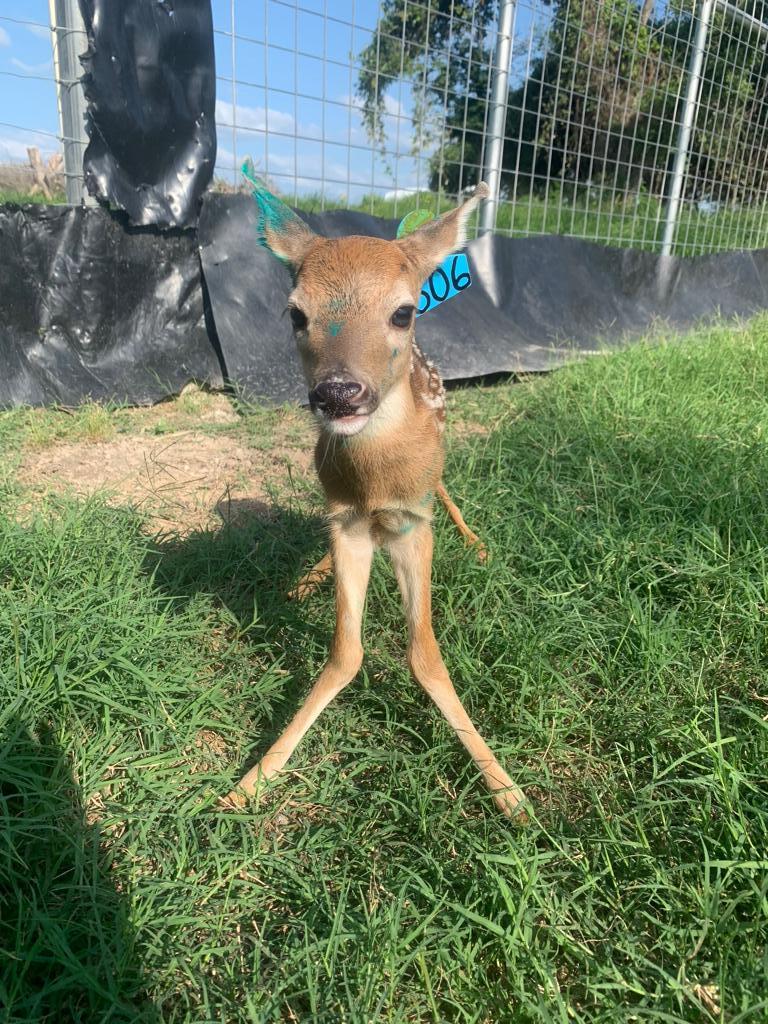
4. TATTOO: Every fawn will get assigned a Unique ID at birth. Put the letters and numbers into the tattoo gun to match the fawns assigned Unique ID. You will then roll green ink into the ear opposite of the fawn’s tag. Then squeeze the tattoo gun firmly onto the inside of the fawn's ear. Be careful, make sure all letters will legibly stamp onto the ear before squeezing the gun.
5. MEDICATION/VACCINES: All deer farms have different processing protocols. Adding a mild vaccine as a prevention is up to you, the farmers, prerogative. Here’s an example of what was done last summer.
a. EXAMPLE:
i. 1cc SQ BOVINE PILI+C
ii. 0.5cc SQ EXCENEL
iii. 0.5cc IM BOSE
iv. 0.5cc IM B-COMPLEX
v. 2cc IM B-12
vi. 5cc ORAL FAWN PASTE (Right Start Plus Supplement Gel… Pictured to the Right) vii. IF THE FAWN IS BORN A TRIPLET, QUADRUPLET, OR QUINTUPLET; SAID FAWN SHOULD ALSO RECEIVE 0.1cc/1lb OF DEXAMETHASONE SP INTRAMUSCULAR.
6. IODINE SPRAY! Spray fawn’s navel and hooves with 7% IODINE before putting fawn back with its mother.
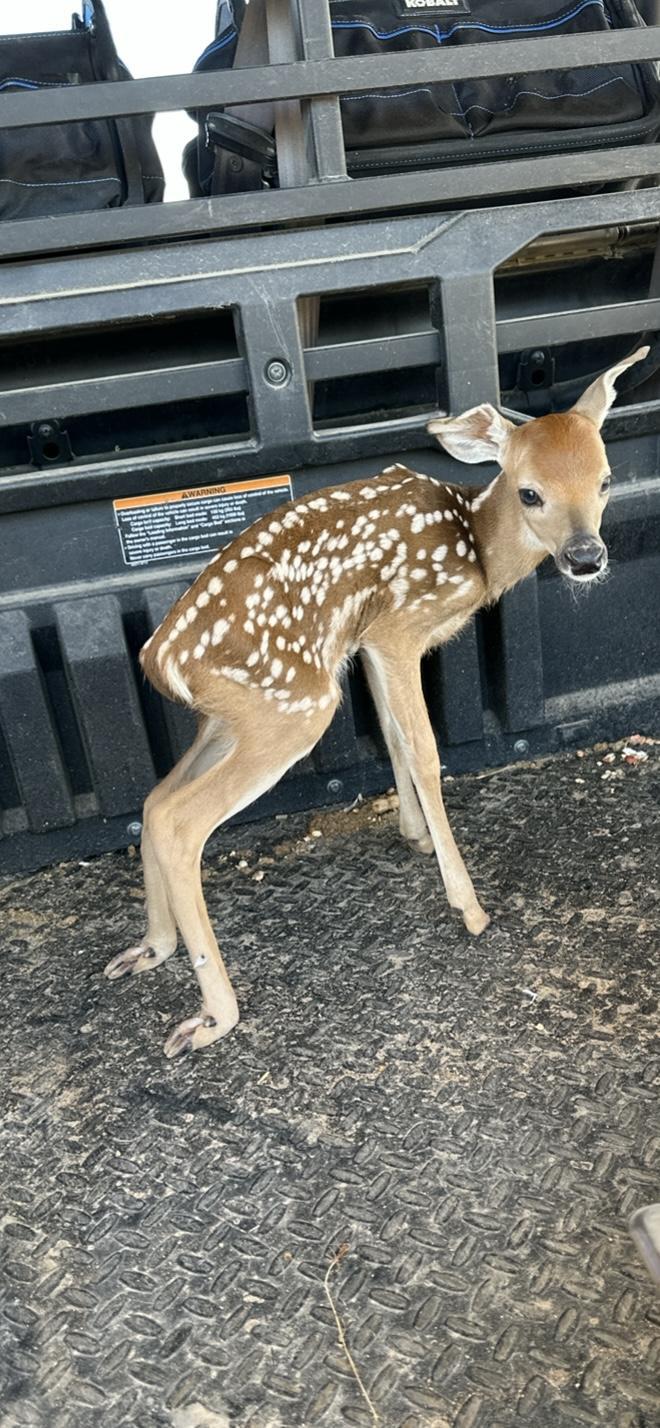
Fawn Care 101
1. EMPTY BELLIES: This means mom is not feeding the fawn and you might need to intervene at some point. It’s important to see that the fawn gets cared for by mom within the next few hours. Keep in mind it’s important to see that the fawn receives colostrum within the first 24-36 hours of life. I like to take note of the time the belly was empty.
2. CHEWED ON TAILS: This should be cleaned, sutured, and sprayed with Catron IV fly spray and immediately put back with mom.
3. FLY EGGS ON FAWNS: Fly Eggs look like tiny bunches of yellow rice granules. If you see this on one of your fawns, it’s important to remove the eggs, and examine the fawn well for any sign of more eggs, larvae, maggots etc. Keep in mind flies lay their eggs on a host who will provide an adequate food source for the larvae. This allows the larvae to immediately begin feasting once they hatch. Targets typically are dead or dying animals; or anything with a stench. Don’t hesitate to stop and ask yourself why the fly chose to lay eggs on THAT fawn.
4. UMBILICAL INFECTIONS: Clean and debride the area of any pus and earth elements, spray with iodine and immediately put back with mom.
5. FAWN LAYING IN SUN: If you see a fawn laying in the sun it’s important to move it into the shade, check the fawn’s hydration and potentially the fawn’s temperature if the fawn is showing signs of heat exhaustion.
6. UMBILICAL HERNIA: Sometimes the abdominal muscles don't close completely after the umbilical cord passes through them during gestation or after doe chews umbilical cord after birth causing tissues and intestines to rest on the epidermal layer instead of being held behind the abdominal muscles that hold together the abdominal cavity. If tended to early enough the deer farmer might.
7. TAG INFECTIONS: Putting a tag or any object that doesn’t naturally belong in an animal's ear is bound to cause an issue at some point in time due to the body trying to reject and push out the foreign object. Not often but it does happen occasionally. Cut the tag out and clean the infected area with iodine and a toothbrush until it’s bleeding and rid of all pus. Flush the wound thoroughly. Top dress the wound with LA300 (oxytetracycline) and give 0.5cc Excede Sub-Q behind the infected ear.
BOTTLE FEEDING FAWNS
BOTTLE FEEDING FAWNS CAN BE A CHALLENGE BUT VERY REWARDING AS WELL. Majority of the time when having to pull a fawn for the bottle program, they aren't being fed by mom. Wild animals like whitetails just know when something is wrong with their offspring and majority of the time will neglect and put their focus and energy towards the baby that IS healthy. A clean-living environment for said fawn is very important in the bottle raising process, because the fawns you are bringing in are either already sick or immunocompromised due to not receiving colostrum.
Weaning From Bottle Protocol (Give each of these once the fawn has been weaned off bottles):
● 0.5cc/50 lbs. EXCEDE SQ
● 0.5cc/50 lbs. DECTOMAX IM
● 0.5cc SAFEGUARD ORAL SUSPENSION
BUCKLED KNEES AND KNUCKLED OVER FEET
Fawns are born with weak and still maturing joints. Some joints will have the tendency to bow outwards or buckle inwards. This can correct itself during fawn growth/maturation. However, some cases may require secondary assistance depending on the fawn's severity.
“LUMPY
JAW”
TREATMENT
1cc LA200 AND 0.5cc B-COMPLEX EVERYDAY FOR 3 DAYS
SPLINTING IS OPTIONAL BUT WE PREFER TO DO DEPENDING ON THE CASE AND SEVERITY.
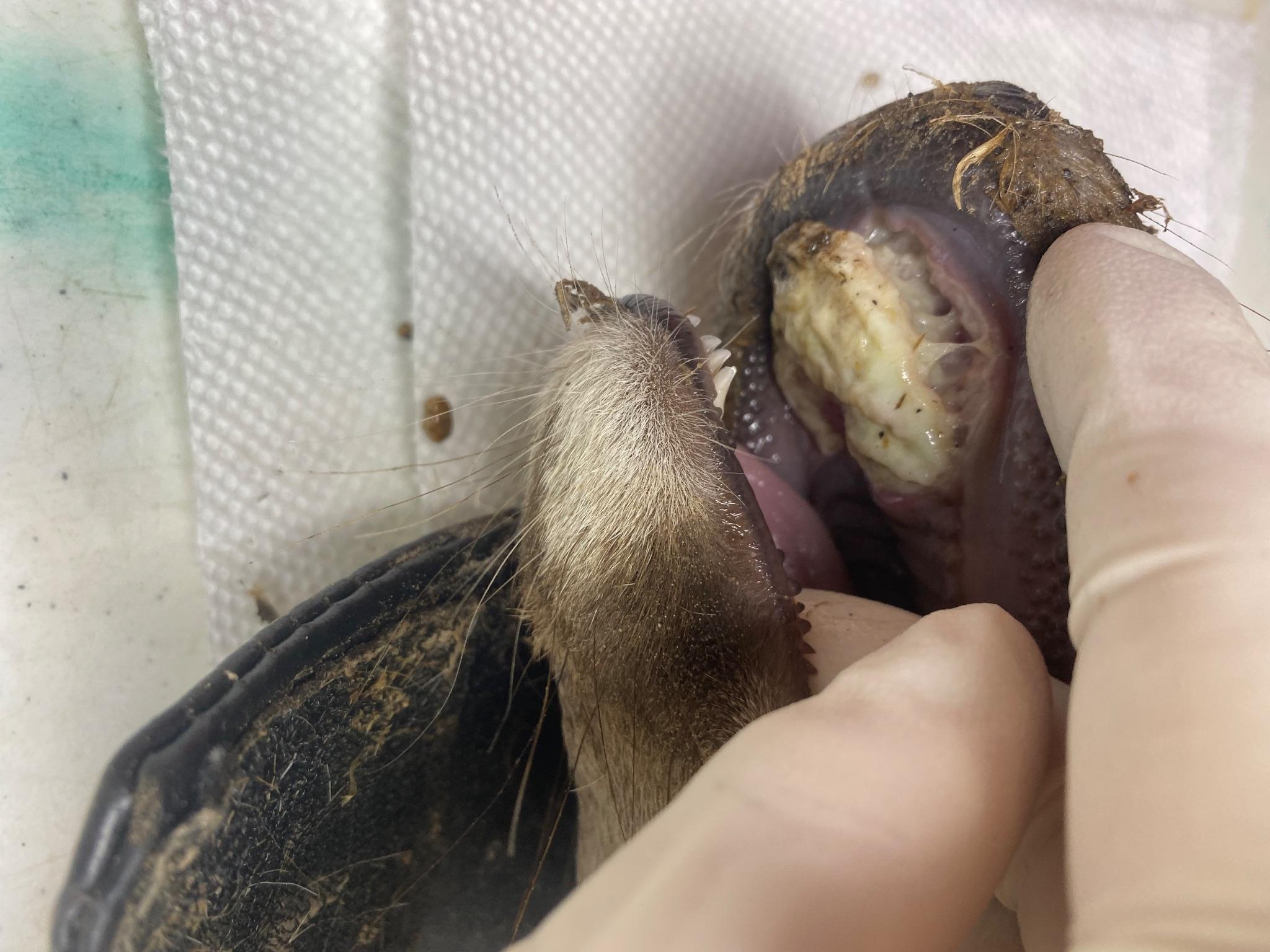
Lumpy jaw is a very broad-spectrum name for numerous things that could be wrong all of which are treated differently.
COMPACTION
Round but bumpy appearance on the side of the jaw.
TREATMENT
1. Knock down and pull grass/debris out of the cheek.
2. Clean with gentle iodine.
3. Medicate with Excede 1.5cc/100 lbs. SQ
WORMS
Soft/Jiggly underneath the jaw. No active infection in mouth.
TREATMENT
-Dectomax 1cc/100 lbs IM &
-Safeguard oral suspension (As directed on the back of the bottle.)
FUSOBACTERIUM OR TRUEPERELLA BACTERIUM
TREATMENT
-Sodium Iodide 0.5cc/20 lbs. SIVP Injection (Slow IV push) &
-Nuflor 1.5cc/50 lbs. SQ for 3 days
Epizootic Hemorrhagic Disease (EHD)
This viral disease is transmitted via Culicoides spp. also known as the biting midge
Symptoms of EHD in Deer include:
● Elevated Temp/Fever, Laying in or dunking head in water troughs.
● Edema of the ocular region/head, neck, and tongue
● Excessive salivation
● Ataxic presentation/ Loss of coordination
● Hemorrhaging from mucosal areas
● Lethargic & Loss of appetite
● Death commonly occurs shortly after onset of symptoms
Day 1:
Day 2:
Day 3:
Day 4:
Day 5:
-Draxxin (Tulathromycin) 1cc/100 lbs. IM, -Zuprevo (Tildipirosin) 1cc/100 lbs. IM - 2 MG Dexamethasone 1cc/100 lbs.
-Banamine (flunixin meglumine)1cc/100 lbs.
-B-12 injectable solution 1cc/100 lbs.
-Draxxin (Tulathromycin) 1cc/100 lbs. IM
-2 MG Dexamethasone 1cc/100 lbs.
-Banamine (flunixin meglumine)1cc/100 lbs.
-B-12 injectable solution 1cc/100 lbs.
-2 MG Dexamethasone 1cc/100 lbs.
-Vitamin C 1cc/100 lbs.
*EHD is a day-by-day battle. This is a base guideline of what I have seen to be the most effective with highest success numbers. Additional treatment varies by case and deer and how EHD is affecting them and their body. *
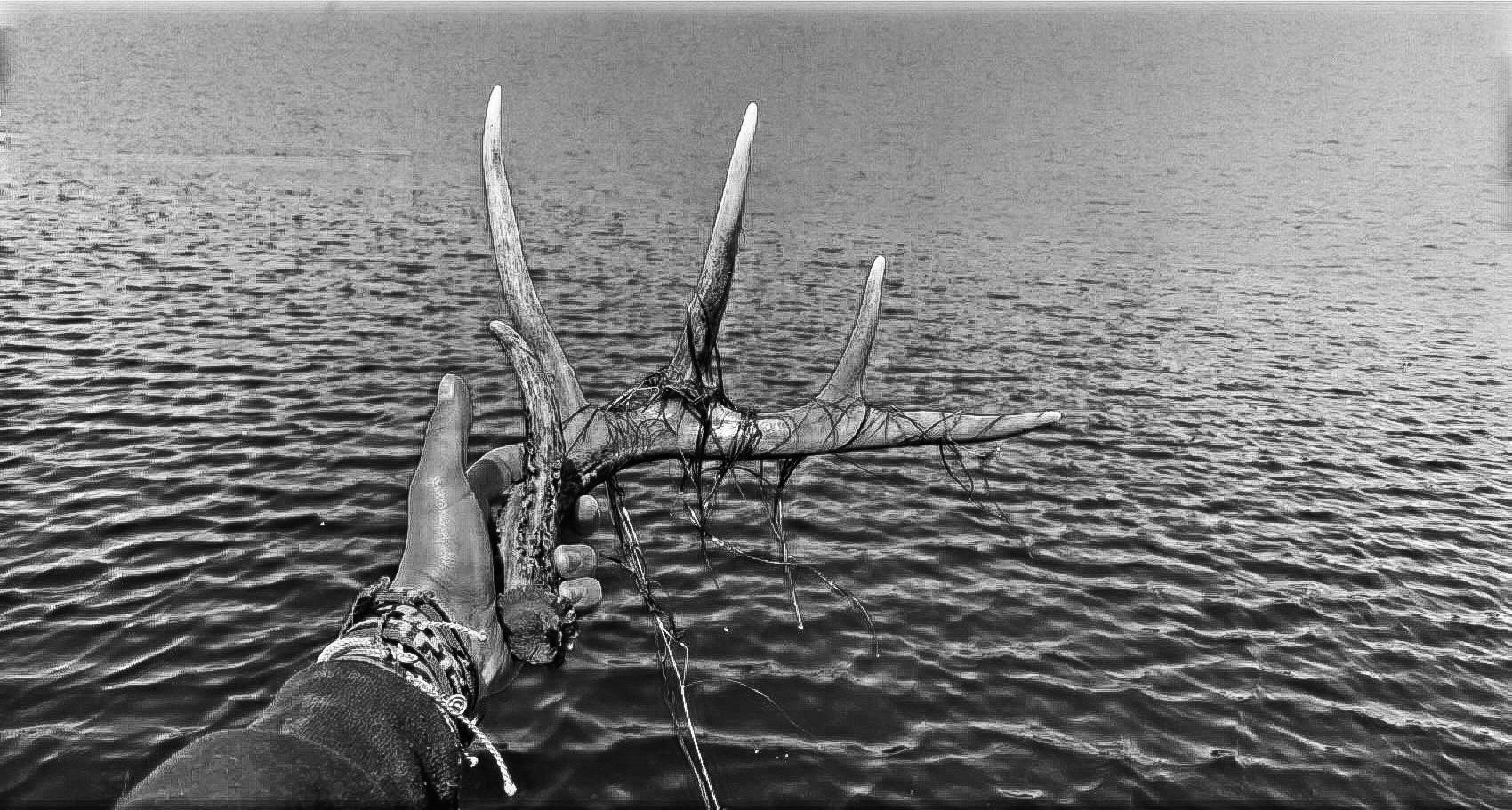
ANTLER INFECTIONS
Antler Infections occurs when opportunistic bacteria enter the antler or its supporting structures via wound/ injury sites. There are multiple strains of bacterial that can cause Antler Infections.
Two Most Common Types:
-Truperella pyogenes -Actinomyces pyogenes
This occurs when opportunistic bacteria enter the antler or its supporting structures via wound/ injury sites. To talk about the different types of antler infections, I’m going to divide them into three categories to discuss them more clearly.
Superficial head/base infection
Most commonly arises during the rut in October-January due to bucks sparring. You’ll notice scabs and pus around the base of the pedicle on the top of the buck’s head. This alone is mostly nonthreatening
Under the pedicle infection
This type of infection is also most common while in hard horn. Started out on top of the head with a superficial wound/injury and the infection slowly spread and went deeper. This often can cause major eye swelling in one or both eyes, fever, fatigue, loss of appetite, weight loss, loss of vision, and in some cases loss of motor control.
In Velvet Antler infections
This type of infection arises more in the summer months from August-October. Causes the same way from any wounds/injury/nicks to velvet that allows bacteria to enter the antler. During these months the antler is very vascular in the growing process. It is important to look at your bucks’ antlers and check for wounds and small amounts of pus along beams/tines of antlers and be vigilant in tackling the problem to aid in the prevention of the infection spreading into the bloodstream via the vascular system in the antlers.
In some cases, you might need to intervene and debride and clean with 7% iodine and give additional antibiotics
2. Clean infection the best you can
3. Start an IV on the buck. It’s important that it is Intravenous and not Sub-q fluids.
Add the following to the bag before starting your drip.
● 6cc Sodium iodide
● 5cc (2mg Dexamethasone)
● 10cc Vitamin B-12
In addition to:
Keep buck in sick stall and give Nuflor for 3 days
Day 1: 12cc Nuflor SQ
Day 2: 9cc Nuflor SQ
Day 3: 6cc Nuflor SQ
*Giving Nuflor for three days in a row is very important to see that it can have the opportunity to cross the blood brain barrier and do the required job needed. *
2. Band, cut, and cauterize both antlers to eliminate infection becoming more life threatening to deer.
3. Start an IV on the buck. (It’s important that it is Intravenous and not Sub-q fluids.)
Add the following to the bag before starting your drip.
● 6cc Sodium iodide
● 5cc (2 mg Dexamethasone)
● 10cc Vitamin B-12
In addition to:
Keep buck in sick stall and give Nuflor for 3 days
-Day 1: 12cc Nuflor SQ
-Day 2: 9cc Nuflor SQ
-Day 3: 6cc Nuflor SQ
*Giving Nuflor for three days in a row is very important to see that it can have the opportunity to cross the blood brain barrier and do the required job needed. *
COMBINING DRUGS IN DARTS
Mixing compatible meds can be beneficial by having fewer injection sites for your deer, decreasing the risk for infection. Not to mention being cost efficient in saving the extra dart. On the contrary some Medications can have severe contraindications and should NOT be mixed together.
Compatible Draxxin (Tulathromycin)
Compatible Draxxin (Tulathromycin)
Incompatible Draxxin (Tulathromycin)
Incompatible Gentamicin
Zuprevo (Tildipirosin)
Dexamethasone
Zactran (Gamithromycin)
Banamine (Flunixin meglumine)
Incompatible Excede (Ceftiofur Crystalline Free Acid) Banamine (Flunixin meglumine)
Incompatible Aqueous Based vitamins Oil Based Vitamins
*If there are any drugs not mentioned above that you are unsure can be mixed within a dart or an IV bag, be sure to consult with a Veterinary Medical Professional *
VACCINATING YOUR DEER HERD
Vaccinating your deer is a very controversial thing in the deer industry. Some people do it, and some don’t. It’s all up to you as the farmer. I personally think it’s very beneficial in your preventative maintenance care. If you are getting started in the deer breeding business this might be a question you ask the farms you visit while purchasing some of your first deer, you add to your farm. Ask them if they vaccinate, and if so, what is their vaccine protocol? Keep in mind, what works for the deer on their farm might not work for those same deer at your farm. Since they will be on different soil surrounded by different potential bacteria, diseases, worms, and parasites.
CHOOSING THE APPROPRIATE VACCINES FOR YOUR HERD
Pay attention to the problems that arise in your deer herd and pick your vaccines according to eliminating those problems. For example, taking over management of our deer herd we learned very quickly we needed to vaccinate for Fusobacterium, Mycoplasma pneumonia, Pasteurella pneumonia, Clostridium C&D, Clostridium Type A, Etc.
Conclusion
There are hundreds of ways that Whitetail Deer and other exotic species can become injured or ill on a daily basis. Every animal is different, just like each farm is different. All the treatments above may work for your herd, or none of them may work for your herd. With 1000+ deer, we still learn things about our herd every day. So, there is no one specific way to treat an animal if the treatment works, or that you can say with a clear conscience that you gave that animal your 100% best effort for it to survive. So, with all the information above, if we can just help someone save one extra animal by providing them with a piece of information they didn't have before, then we have succeeded and did our jobs.
Deer Farming is one of the most fulfilling, yet emotionally taxing jobs that a person or family can have. There’s an old saying that “It takes a village to raise a child”. If the saying holds true, then as Deer Farmers we must come together to help one another, because “It will take a country to raise thousands of deer”!
Please don’t hesitate to reach out to us if you ever have any questions at all. We would love to dive deeper into the medical side of things, spread our knowledge or gain some that would benefit us as well.
- Dr. Anthony Farmer, DVM & McKenzie Gunter