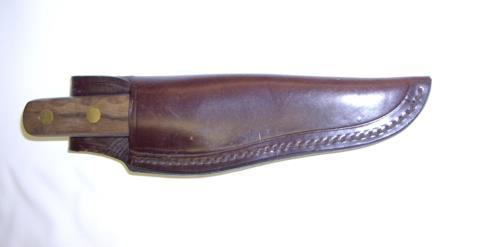
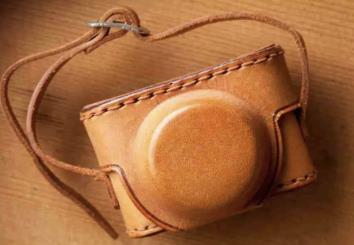
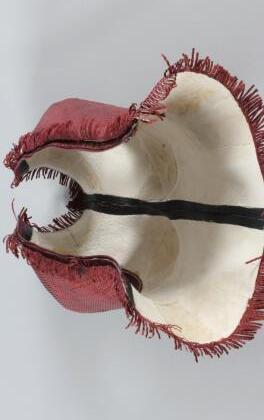
I discovered wet-molded leather through one of my most meaningful internships, with independent designer Shaina Belcourt, a Central Saint Martins graduate. Unlike other internships I had, where they had me making coffee or sitting at a computer , Shaina actually trusted me and gave me real responsibilities. She put me in charge of a specific head piece she had envisioned. It was to create a bushel of grapes head band. wet-molding leather as a technique I was immediately interested with the physicality of it, how a flat piece of leather, once soaked, could become soft enough to bend, curve and hold once dry. I like being able to control something and form it however I desire, and the fact that it becomes solid afterwards, as if it had always been like that, was very compelling to me. The curiosity led me straight into research about the technique. I read craft manuals and found some encyclopedias of traditional leatherwork. History is one of my favorite academic subjects so this was ‘business and pleasure . I learned that what I was holding in my hands wasn’t just a medium trick, but a technique that went back hundreds of thousands of years. The technique I used for the headpiece is known as wet molding. It only works with vegetable-tanned leather, a leather tanned with natural tannins from bark and plants, which soaks up water instead of repelling it like chrome-tanned leather. When vegetable tan leather gets wet, its fibers loosen and become extremely malleable . This allows the leather to be shaped around a form or with your hands, and once it dries, the shape remains permanent. This is because water breaks several of the rigid interactions between the collagen fibers in the hide. As the water evaporates during drying, the fibers settle into a new configuration, similar to a memory. Once dry, the leather can be soft and flexible or rigid and structural, depending on how it was manipulated and dried. When leather is wet-molded, you are essentially conditioning it, working with its natural properties rather than forcing it ,and it's a slow process. You can see the effect you had on it once it's dry, the time and patience that one put into the piece. Unfortunately, that patience and surrender to material is rare in fast fashion nowadays, but I would like to change to that.
Some contemporary designers and artisans experiment with molded leather whether in furniture, product design, or fashion to push the material beyond its conventional use. Not every major fashion house advertises “wet-molded leather”, there are designers i found who have used molded forms and sculptural leather in ways that are influenced by this technique:
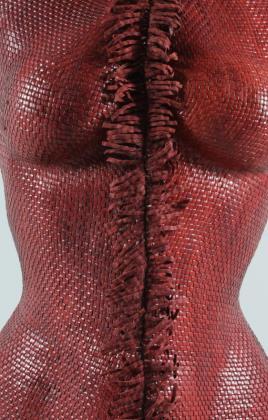
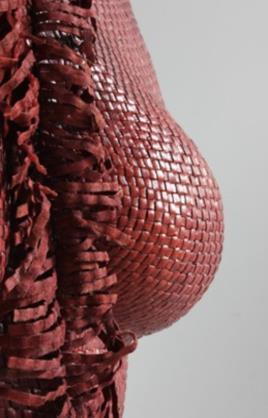
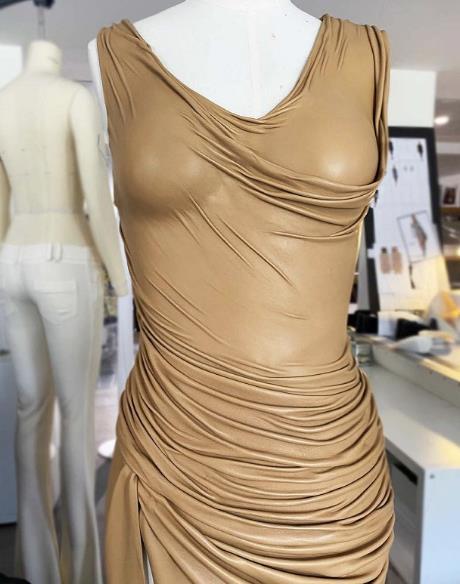
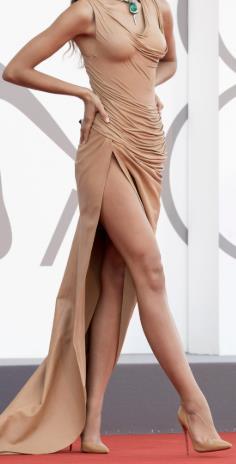
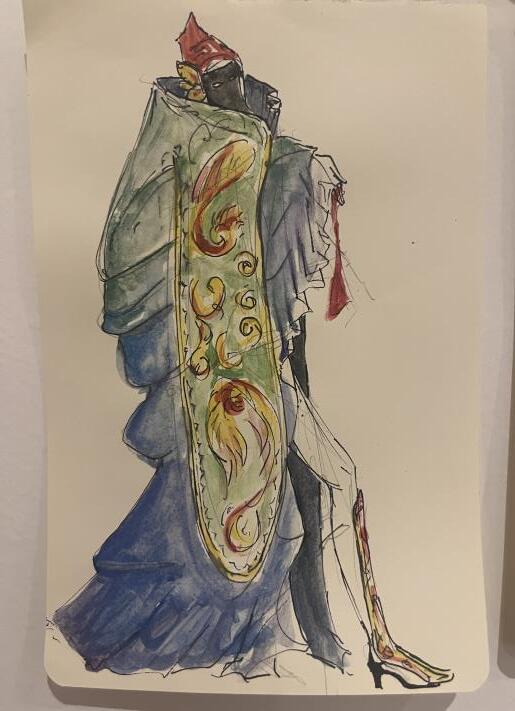
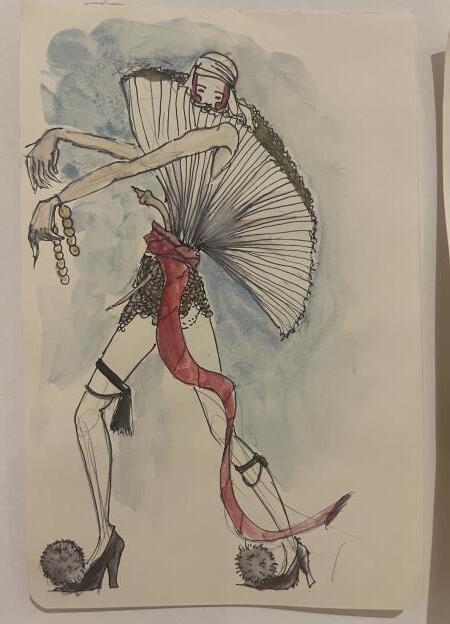
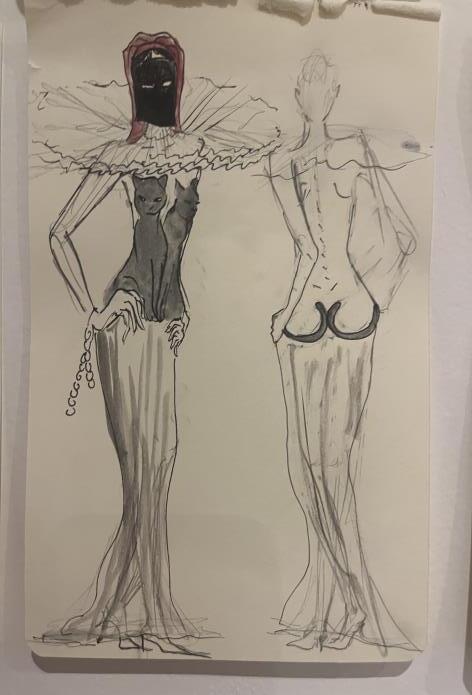
Alexander McQueen used molded leather shapes, especially bodices and corsetry, as architectural statements that look like armor and flesh sculpted together. I found that many designers actually show wet-formed leather in accessories and bags. While McQueen’s work isn’t always wet-molded in the traditional craft sense, I think its sculptural body enhancing forms are really sensual and charming. It molds around the body directly and forms to each crevice or protruding mark. I find it very intimate. Furthermore, using this technique completely changes the meaning of the word “custom”. I mean you can always have something tailored to a specific size but this way the dress is shaped by the figure, by the body who wears it. (image 6) another example.
Using wet-molded leather means choosing intimacy with material. It means knowing how a piece will behave under your hands. It means predicting its future weight structure, and what it's going to mean when finished. The leather remembers the shapes we give it, much like memory and identity are shaped by experience.
In fashion, we often talk about trends and aesthetics. But techniques like wet-molding is a nice reminder that fashion is rooted in historical craft and in physical knowledge.
Here are the primary sources I used for research that you can cite or link:
• Wet molding leather works because vegetable-tanned leather absorbs water and holds shape as it dries. (J. Wood Leathers Ltd)
• Leather shaping and historical methods like cuir bouilli explain why heat and water transform leather. (sne.h-da.de)
• Historical use of molded leather for armor, carrying cases, and utility goods shows the material’s longstanding role. (Wikipedia)
Contemporary interpretations of molded leather in design contexts show how craft is evolving. (Scribd)
In practice, the wet-molding I use (and the way Shaina taught me) is as follows.
PROCESS
• Soaking the leather: Firstly, you begin by soaking the leather in water, enough that it’s fully saturated and darkens in color. Vegetable-tanned leather absorbs water well, which is essential.
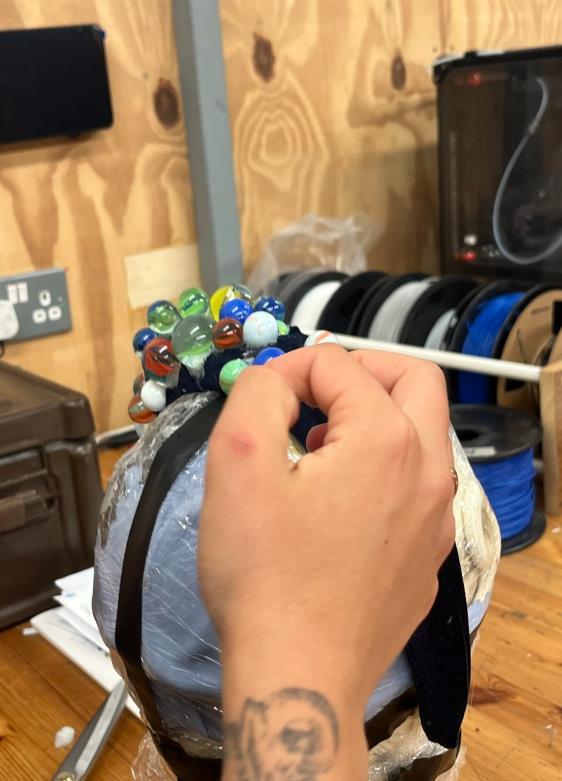
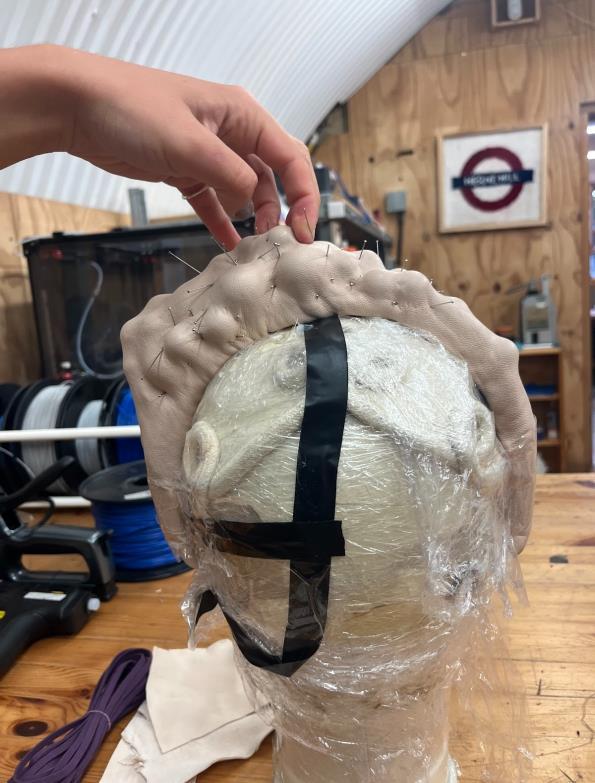
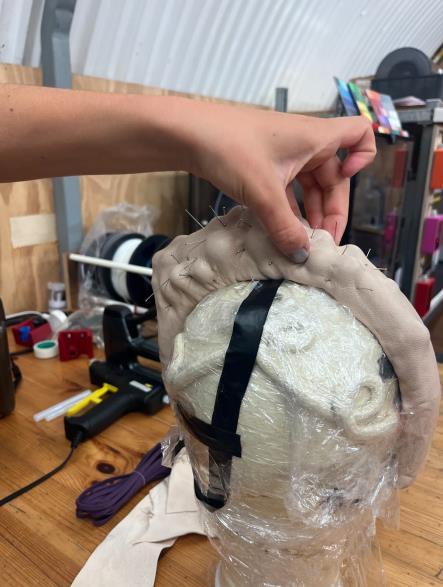
• Shaping the leather: We then glued numerous marbles of different sizes in specific places onto the headband. Following that, we spent about an hour messaging the leather around each marble, stretching it for it to fully form around each shape.
• Mistakes and solutions: I don't think aiming for a mistake should be part of the steps (if one should try and replicate this) nevertheless it was a step in our process. Each time we would stretch the fabric to fit and mold into the crack between each marble, another part of the fabric would break free and cease to stick. As a solution to this we began to mold and pin around each marble after every step then repeat the process . At this point it was starting to look like something out of a jigsaw movie. (I keep forgetting I was working with real skin)
• Setting process: Hold it in place while drying. Either on a form, with pins, or in your hand until it begins to stiffen.
• Drying fully: Letting it dry naturally is a significant step to this process.. If you try and force it e.g. with a heat gun, it can burn and warp the leather
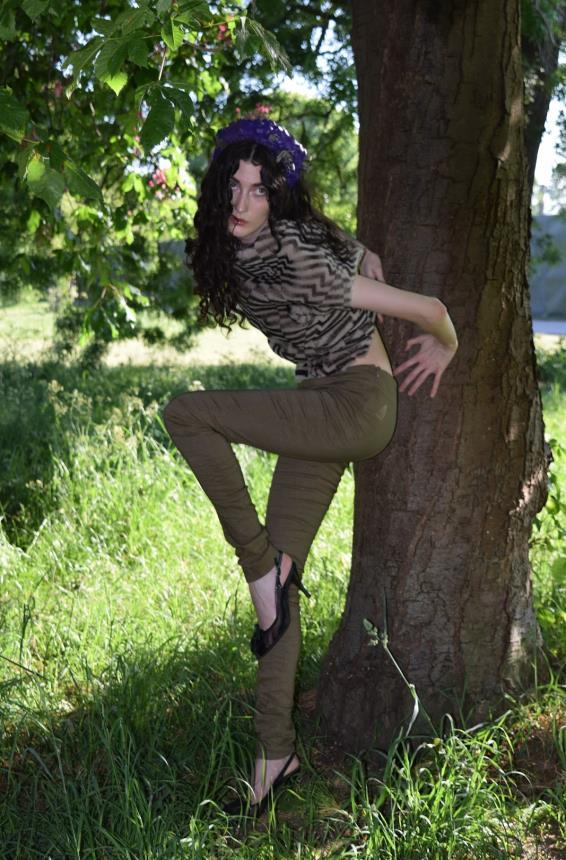
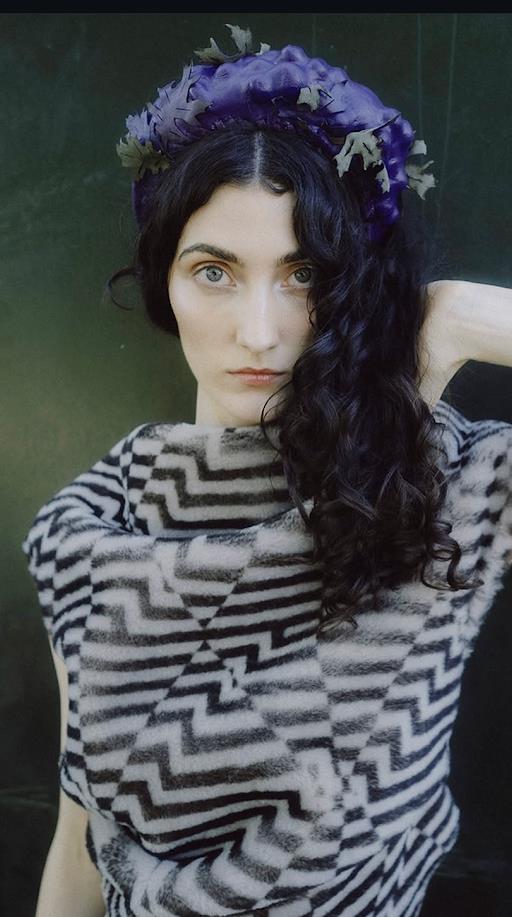
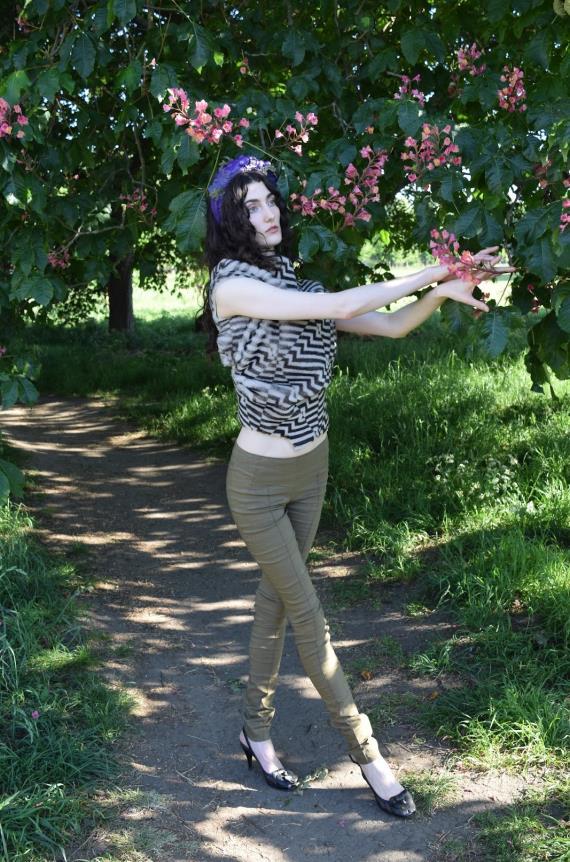
FINAL PIECE ON MODEL
This was fully assembled, painted and sewn around the headband structured by me. The leaves around it are made from the same type of leather in a green/ brown color, laser cut to different sizes. Overall I had an extremely educational and fun time making it and I am very happy with the end result.
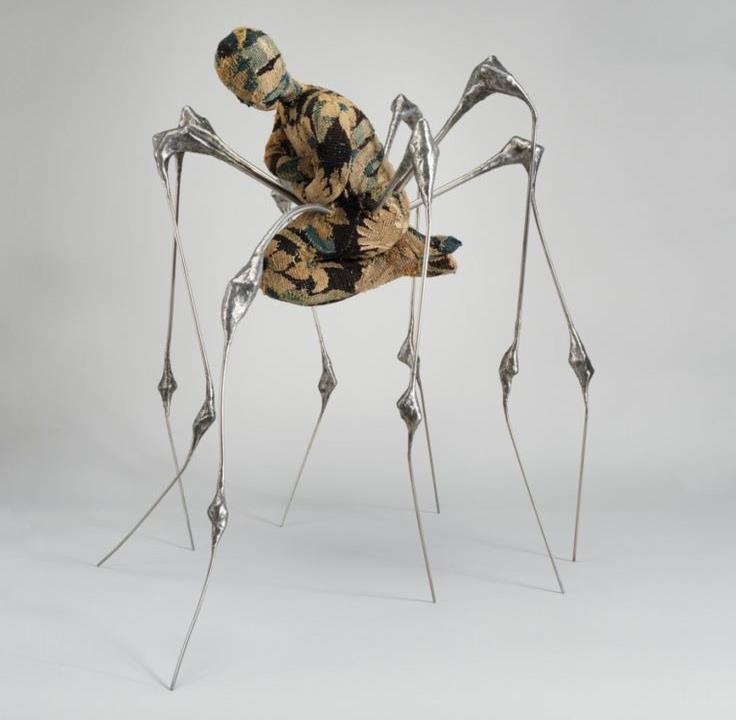
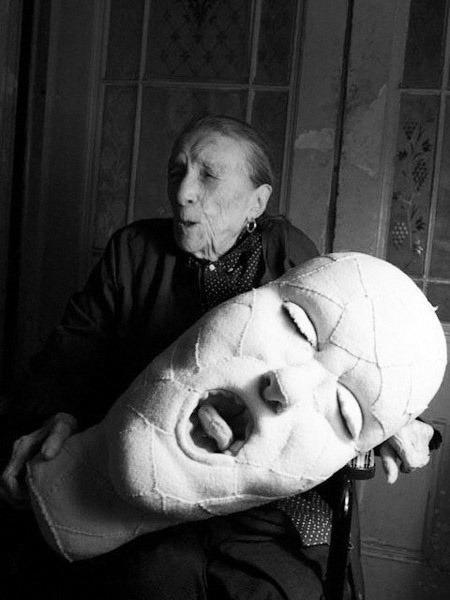
Louise Bourgeois
My chosen artist for textiles in a levels
What I like about her and what I've taken:
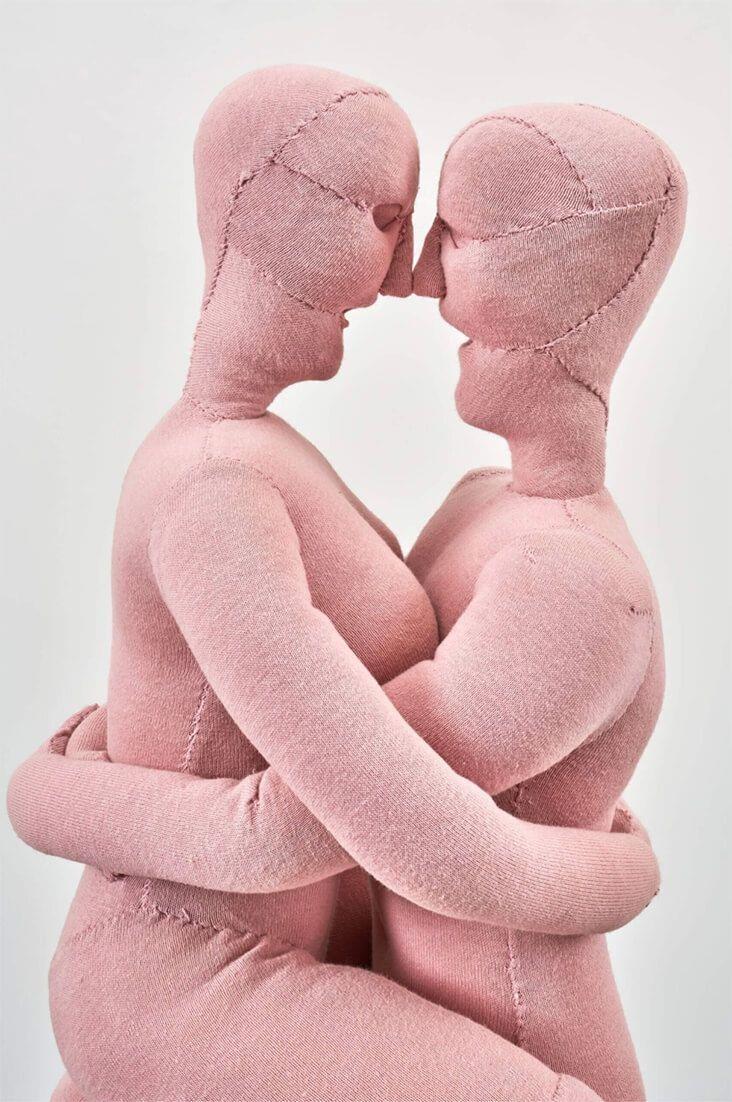
She doesn’t hide the seams she lets construction stay visible. I’m taking that honesty into my own textile work.
The body doesn’t have to be perfect or realistic to feel human, the distortion can hold more emotion than accuracy.
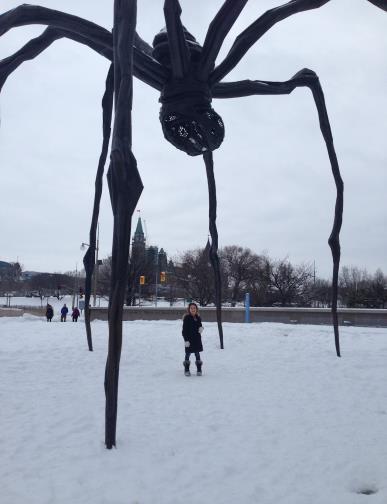
Scale changes everything. Making something larger than life forces it to have presence.
Little me at her exhibition when living in Ottawa ( the start of my infatuation)
• Experimenting with structure through fabric
• Testing how seams and tension can create form.
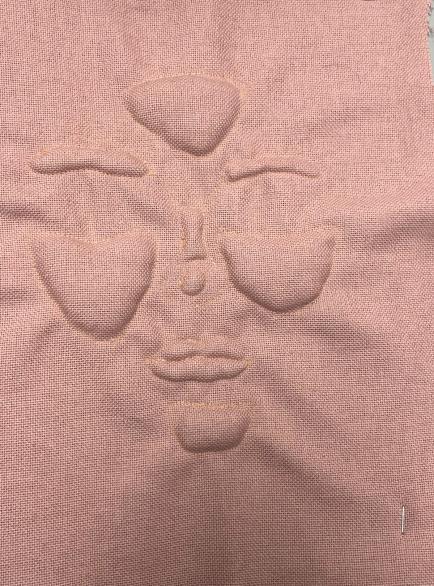
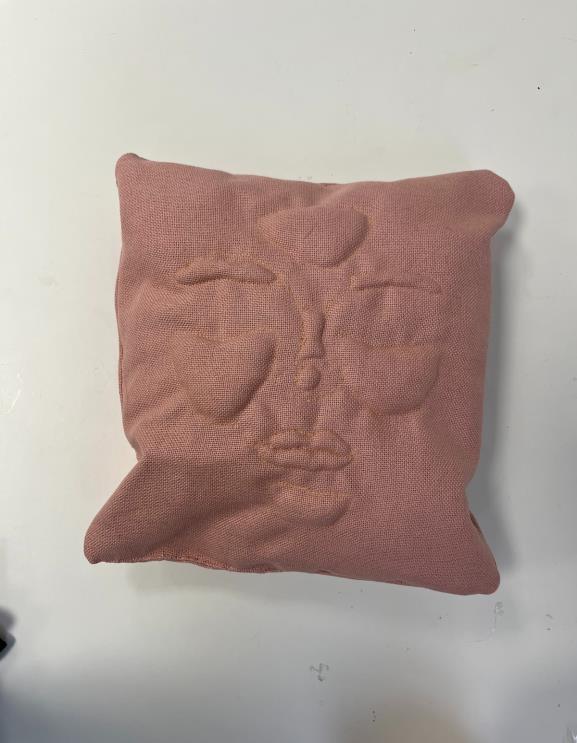
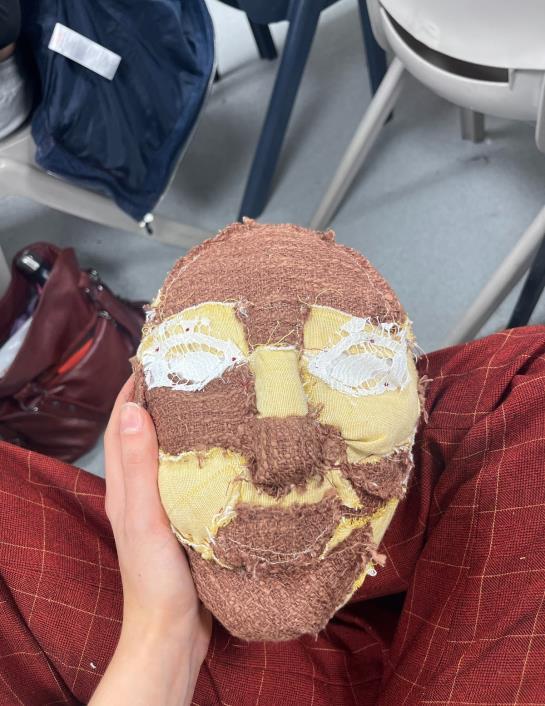
• Using a trapunto-inspired technique to build subtle facial relief.
• Letting construction stay visible instead of hiding it.
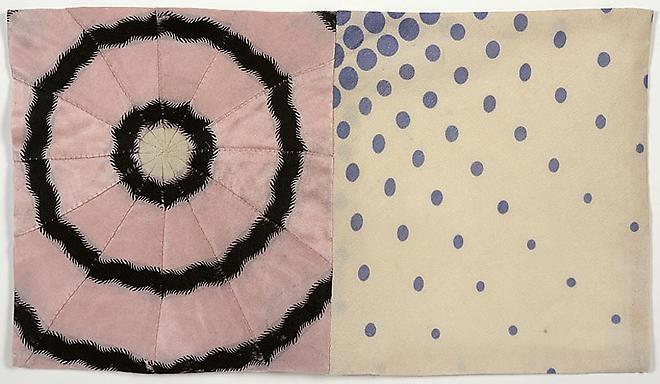
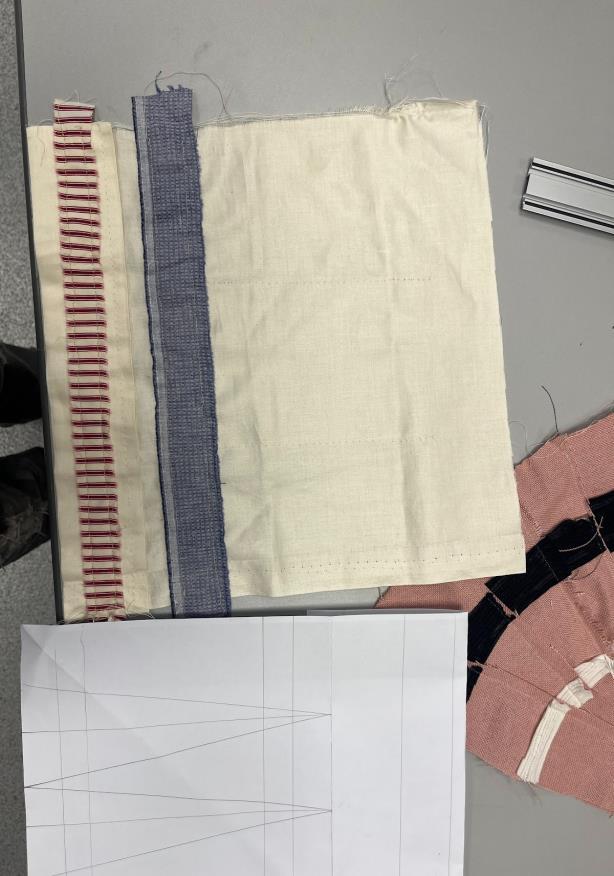
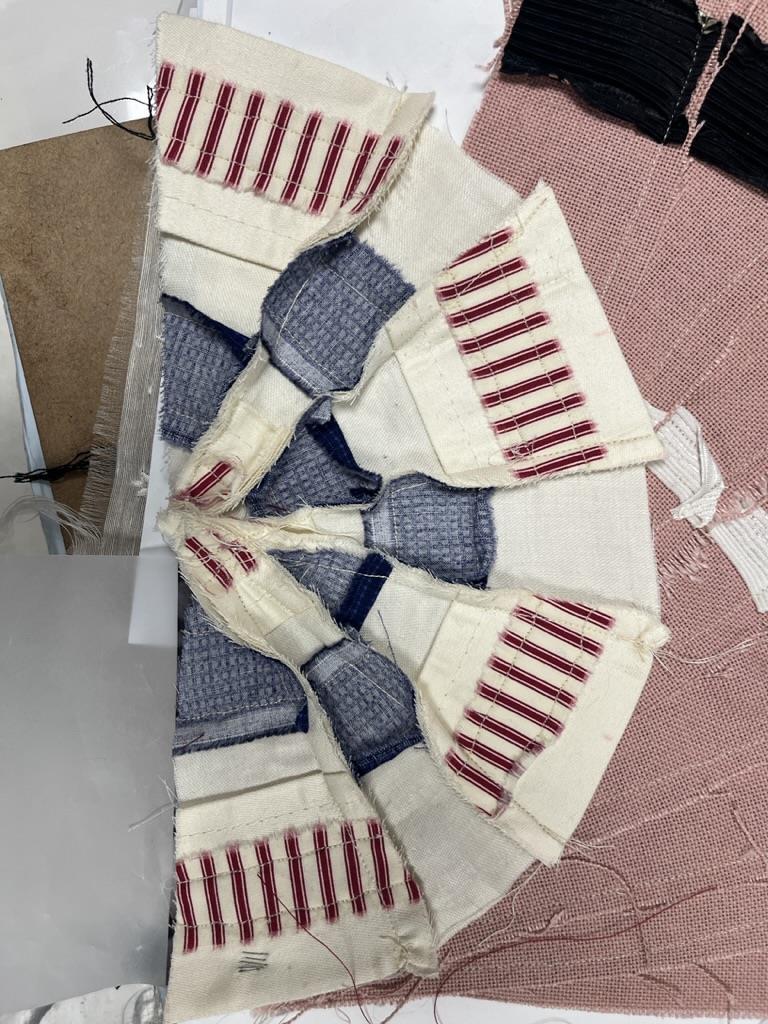
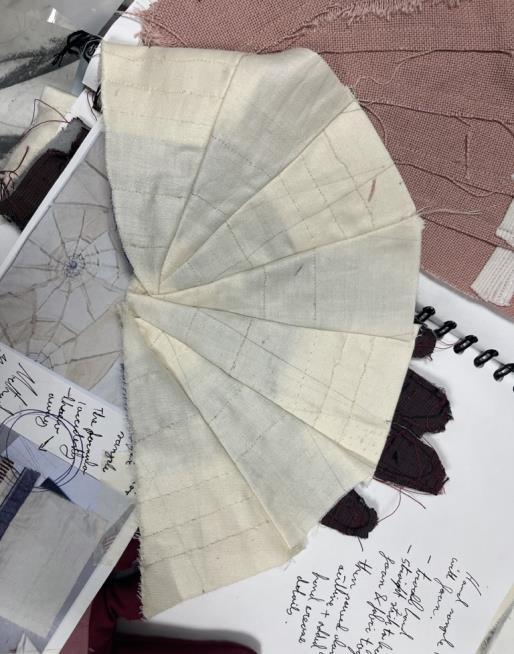
• Treating fabric like skin: stretched, and pulled, Started off with trying to replicate one of her 'spiderweb' textile pieces
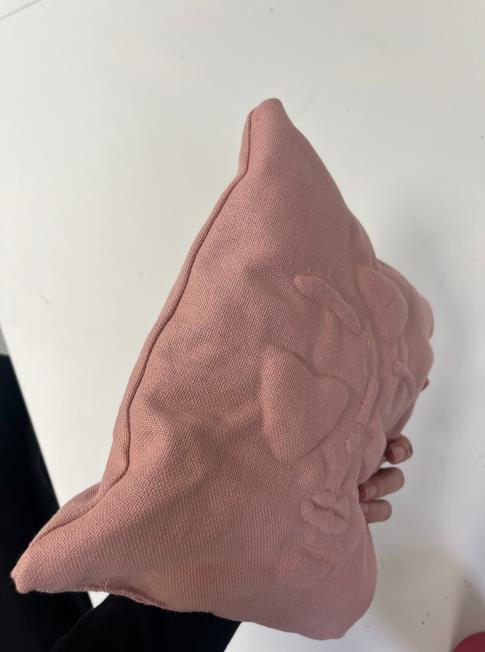
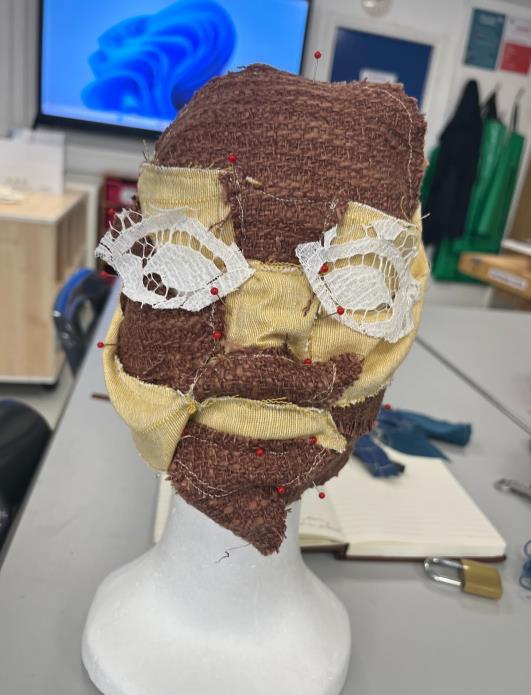
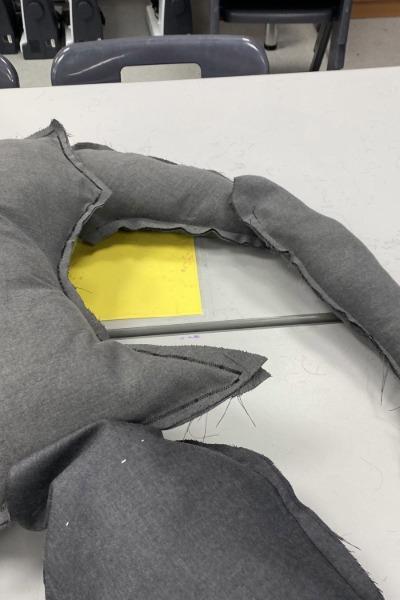
Using the trapunto technique to create a face with raised areas such as the cheeks and brow bones, then transformed it into a pillow because the fabric I used was originally from a part of our old couch and I wanted to return it there.
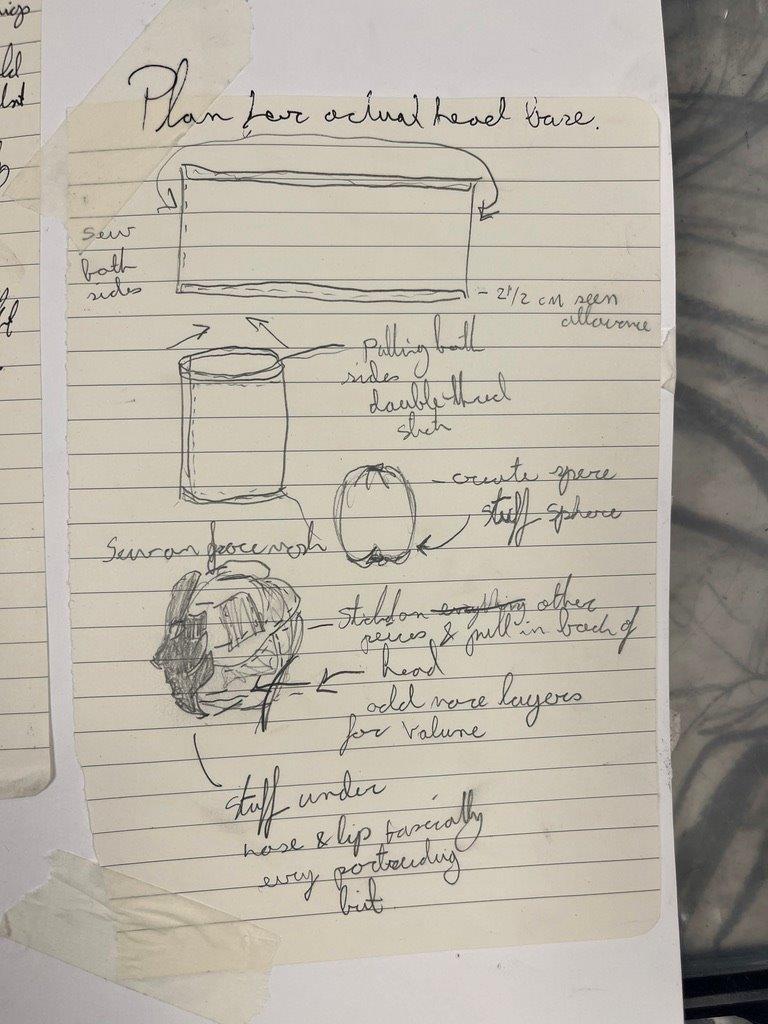
Planning
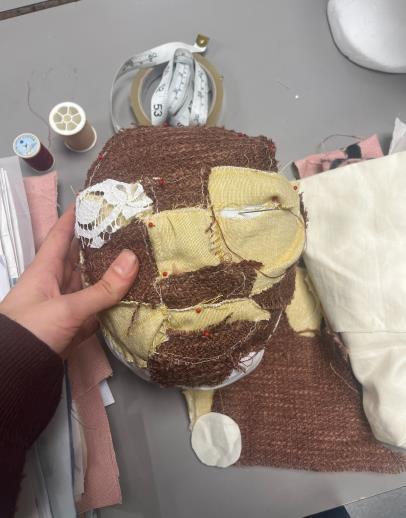
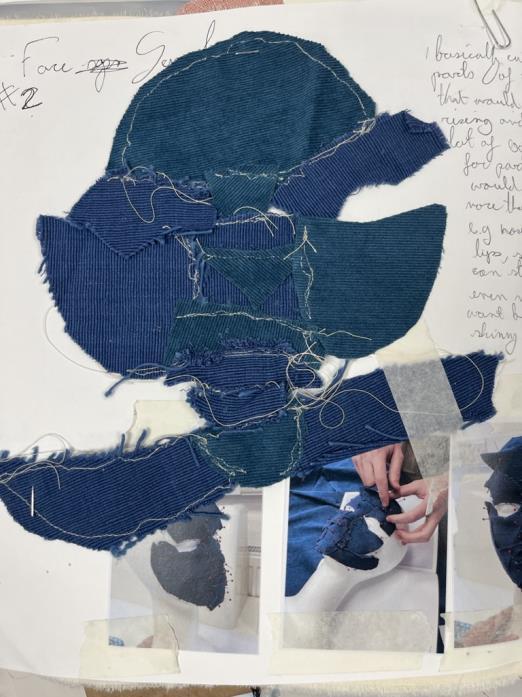
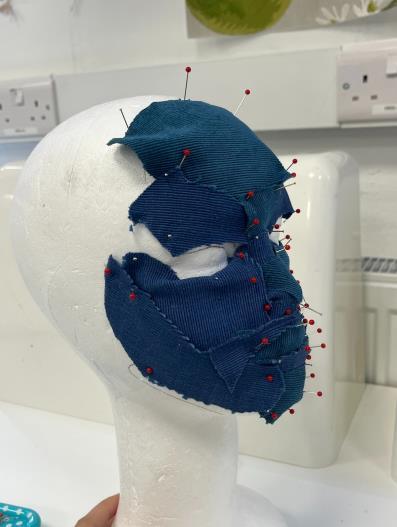
Sewed initial pieces together in same format
Stuffing underneath each section inspired by the trapunto technique to create the submerging areas such as the lips cheeks and brow bones
Brainstorming on how to make the face in the bathroom whilst having a face mask on and the answer became very clearstarting point of the face
Layered more fabric to round out the head
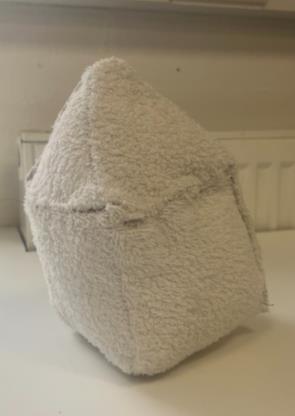
This small sample changed the entire course of my project. What I wanted to achieve
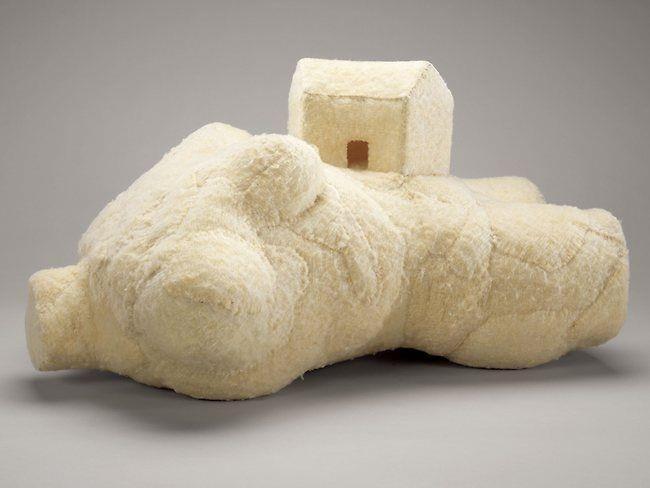
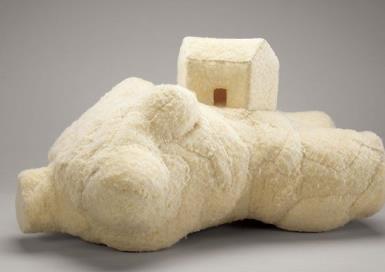
What was going to be a small, irrelevant sample just for the sake of experimentation, inspired by her house forms, unexpectedly became something much more significant.
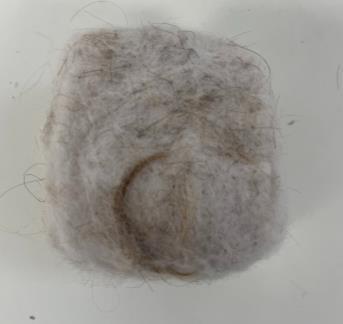
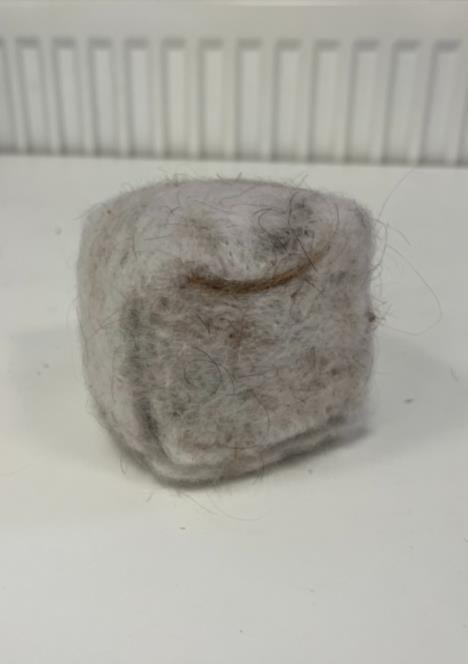
• In full honesty the felted square looked so much better in my eyes
• furthermore it took me far less time to complete then the house and I really just had much more fun with it. The personal and more avant guard touch that it has is more comfortable for me to work with as I have previous experience with felting from my early Steiner education.
The best out of the initial photos in terms of movement.
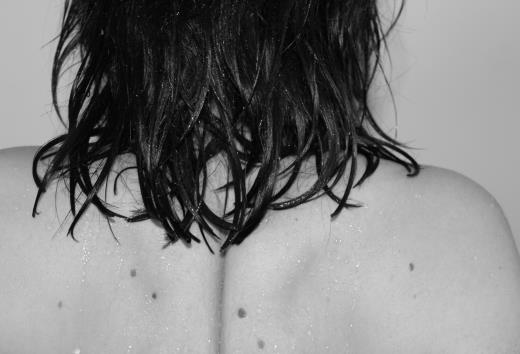
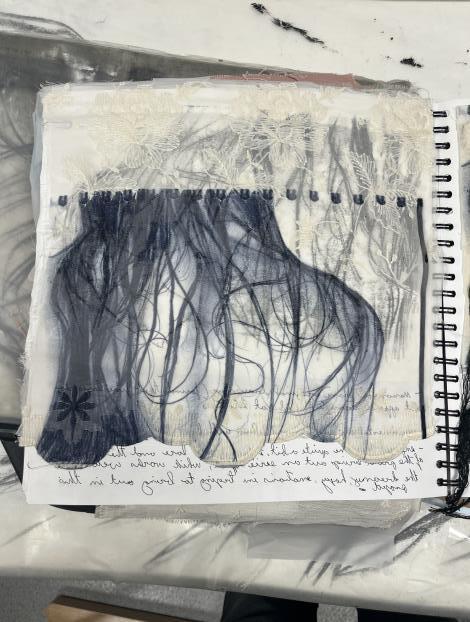
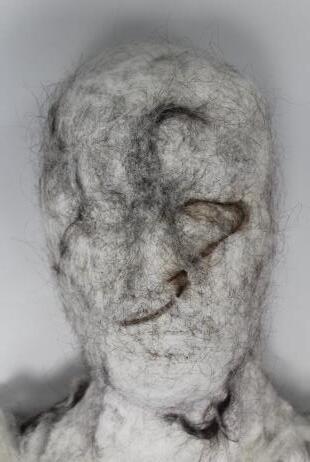
Started another little side investigation with hair to explore identity and the body in my new found way
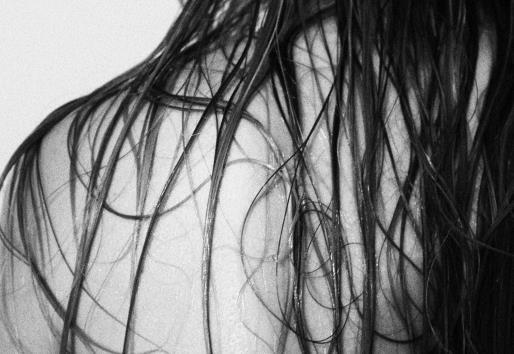
Observed how it moves loose, unpredictable, aiming to control it.
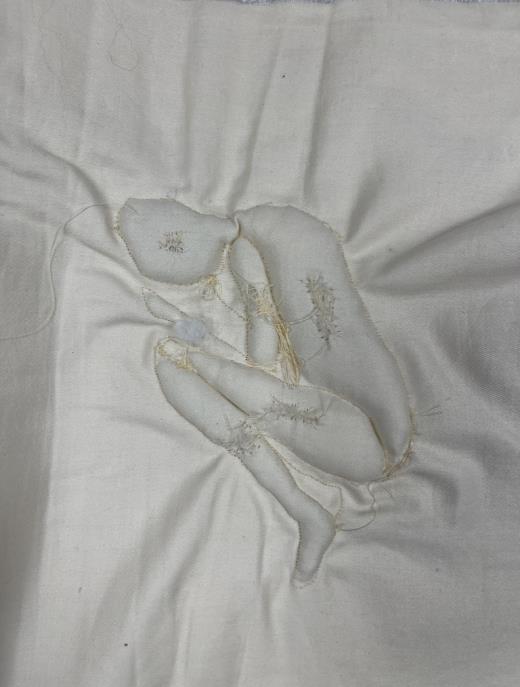
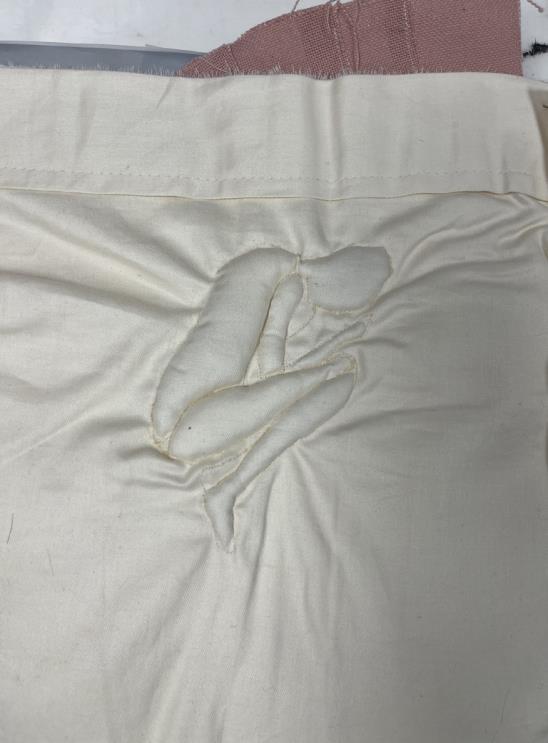
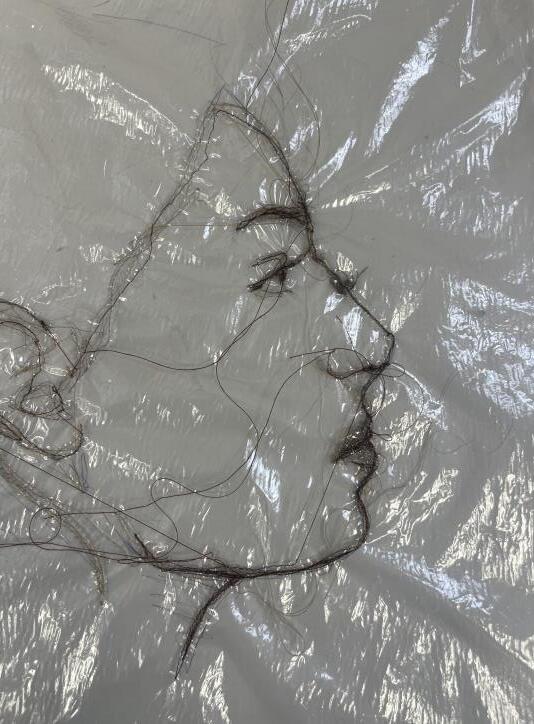
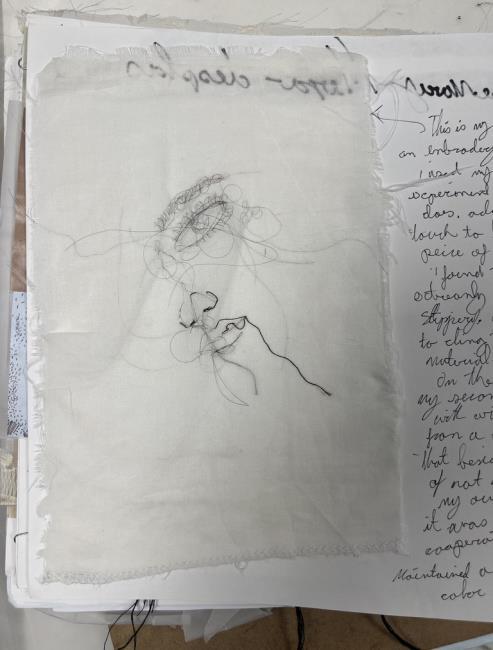
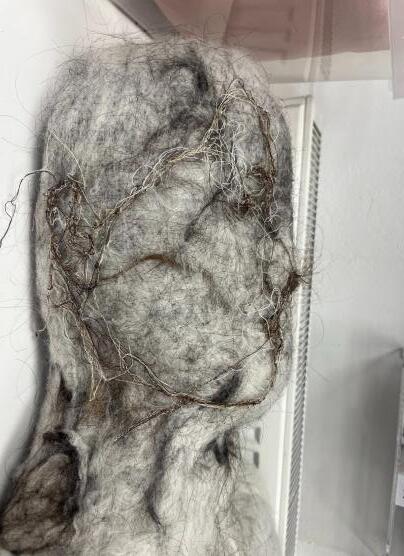
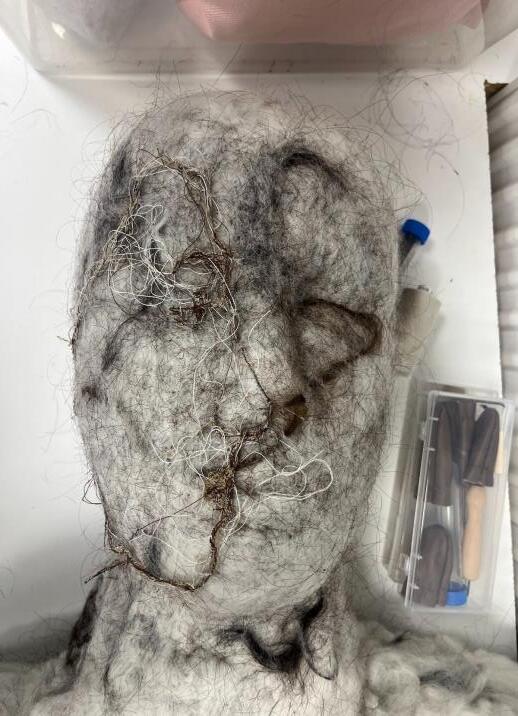
Free hand embroidery of my own side profile in hair like thread on water soluble fabric
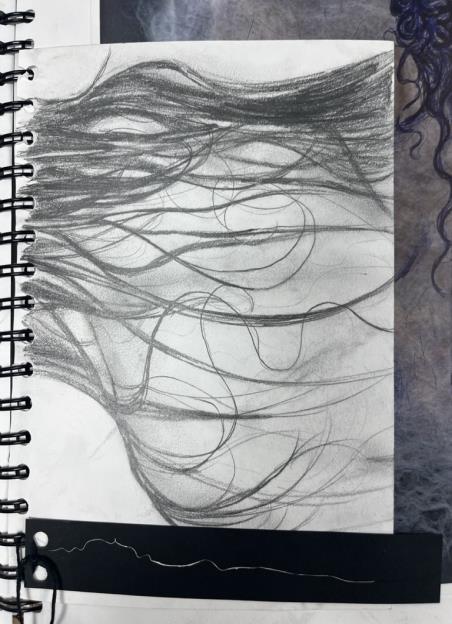
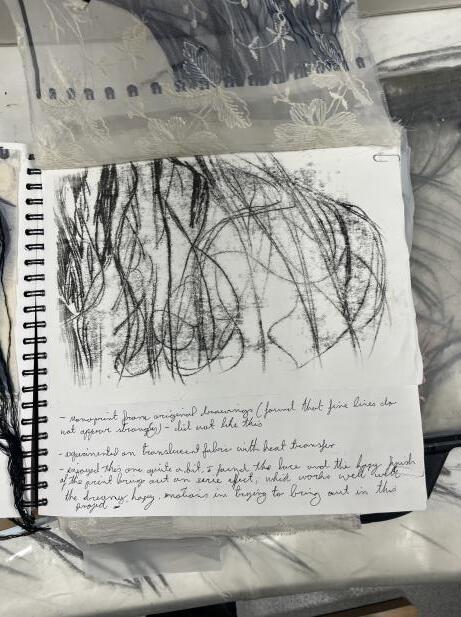
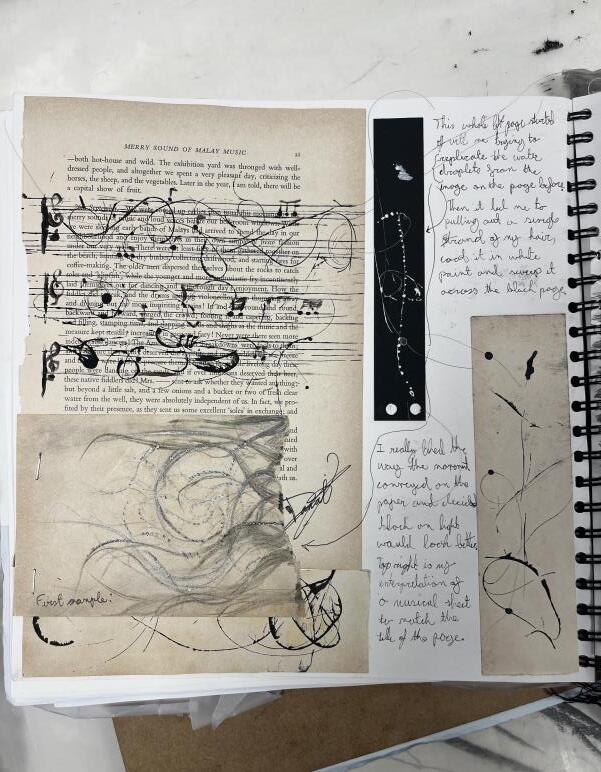
• Used my own hair, , and ink to test line.
• I made initial drawings of the hair with the hair dipped in ink. I liked these drawings a lot, It reminded me of a Japanese talesman
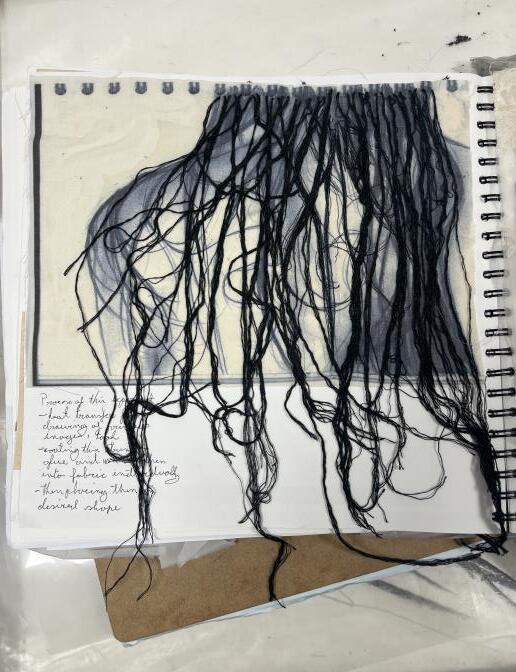
Monoprints and heat transfers on paper, lace and sheer fabric, I like the lace one best it reminds me of my mother.
Embroidered with my own hair which I did not have nearly enough patience for, you can see my experimentation with thread and how thick it is compared to my hair
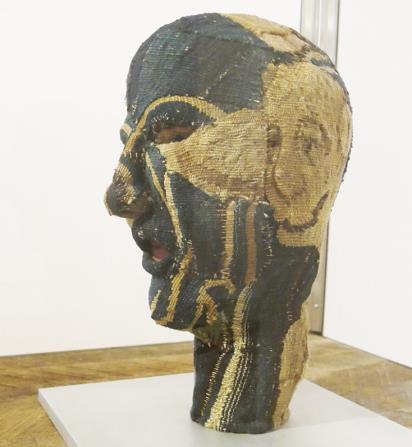
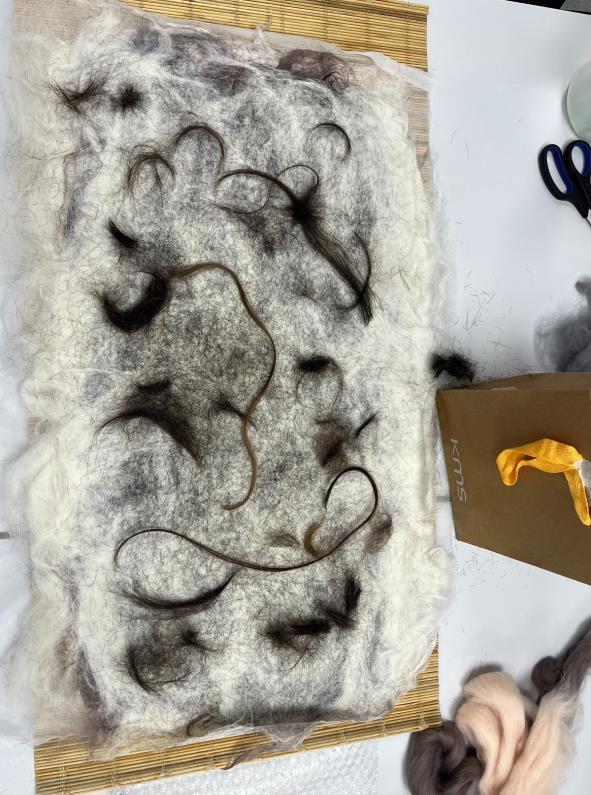
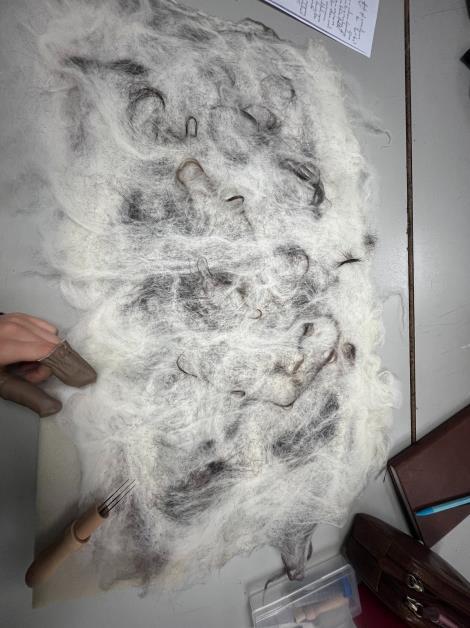
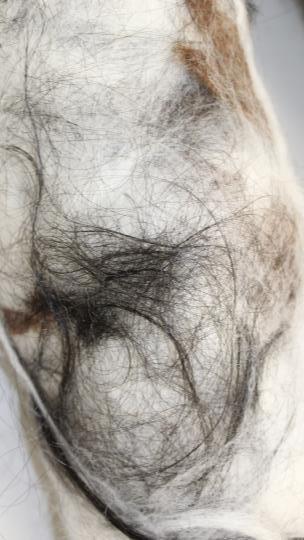
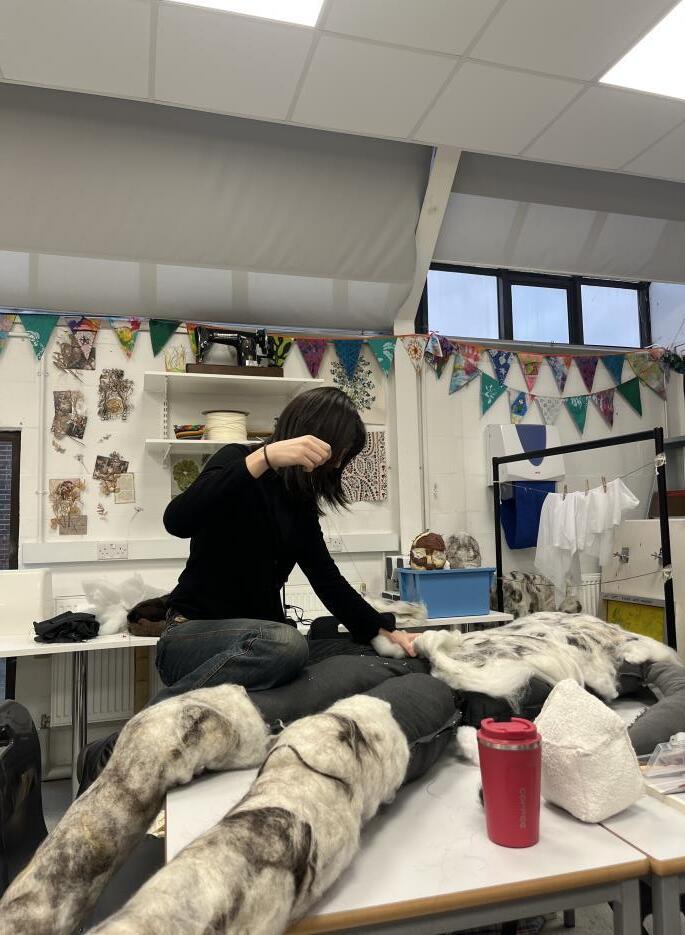
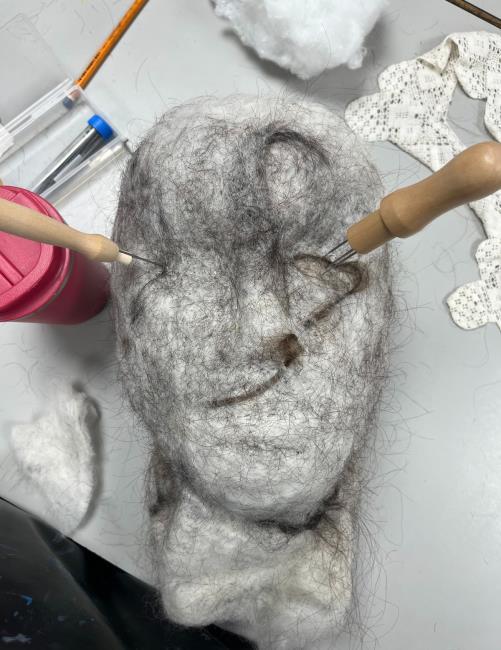
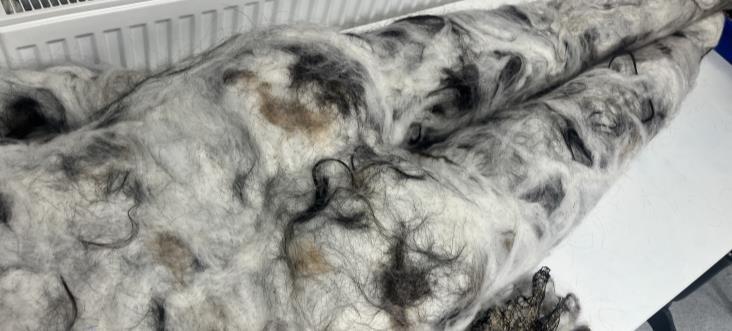
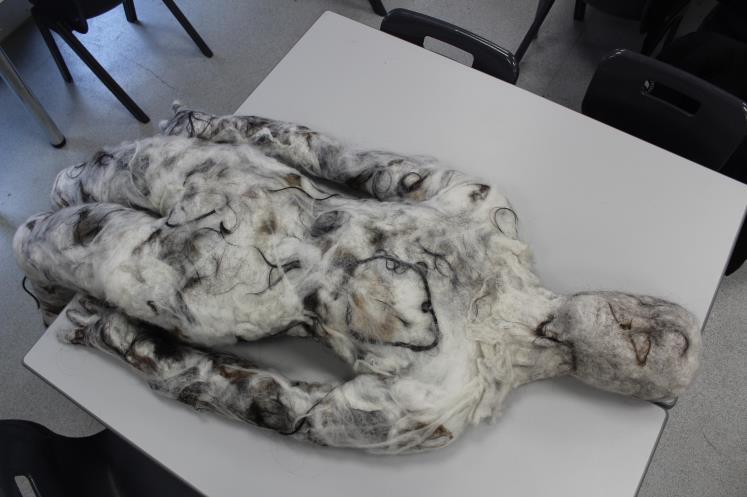
Planning and placing colleague and strangers hair on my 'canvas' Wet felted it, thus creating my own constructed forms.
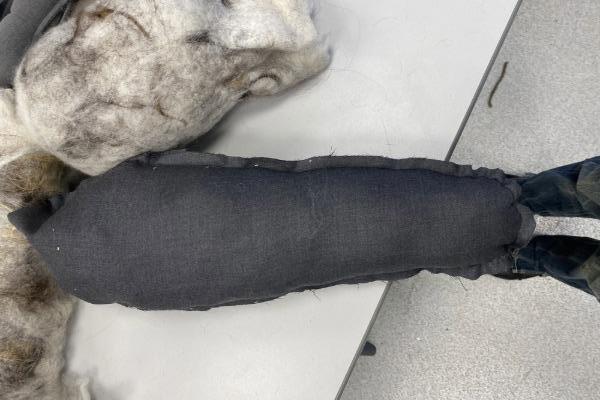
The base of the figure in a specific interlock- knit fabric that allows the wool to grasp through This was made by creating a template adjusted to the size of the previously made head that was slightly larger size than a 'regular' head.
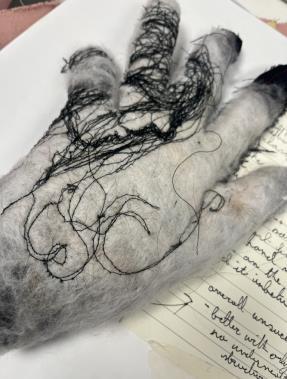
Also experimented with dry felted which did not retain the hair as well as free hand embroider on top of the fabric, then felted and stitched onto a hand, found out what materials allow the felt to go through and what stuffing grabs onto it best
• Collected discarded hair from barbers and hairdressers around Chiswick.
• Asked for hair that would have otherwise been swept away and thrown out. Using natural materials is very famliar for me due to my education history and the way I was brought up.
Stitching the sperate limbs to each other with minimal but secure hold to allow the option of mobility one the felted forms are added on top
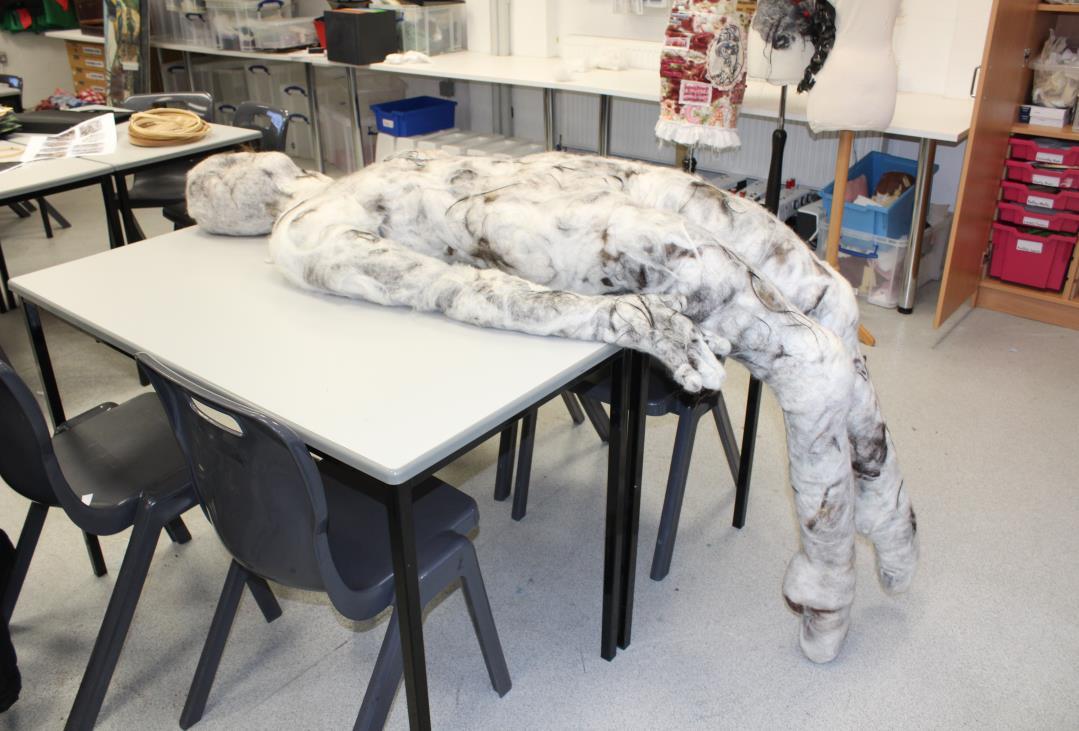
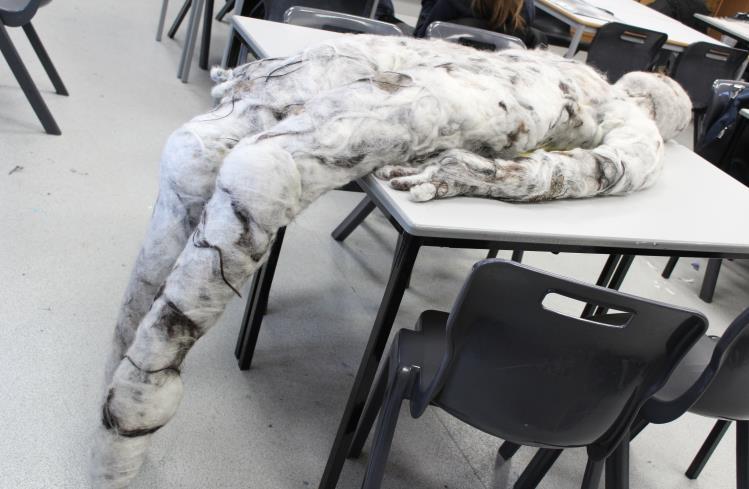
Final piece
I added a freehand embroidered side profile of my own face, stitched onto water-soluble fabric. This allowed me to work directly and intuitively with line, Louise Bourgeois’ use of stitched forms. Replicating my own profile made the piece more personal, while the dissolving fabric left the embroidery exposed and fragile, reinforcing themes of vulnerability and the human body.
Final piece
Human
figure A level studies
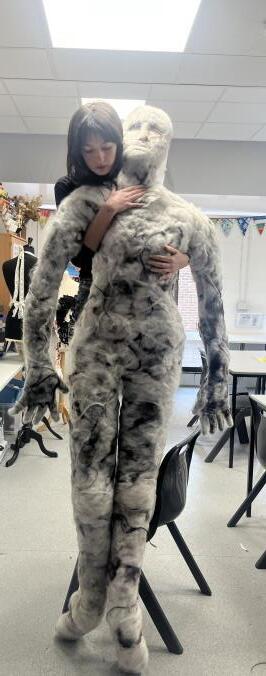
This is me holding it up whilst standing on a chair to see the full size. It's incredibly heavy but suprisingly does not shed a lot.
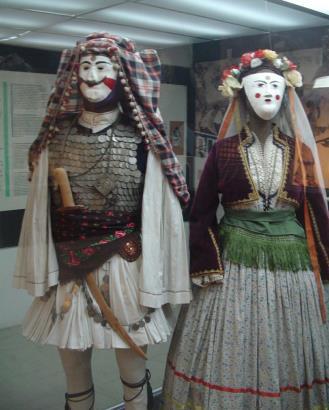
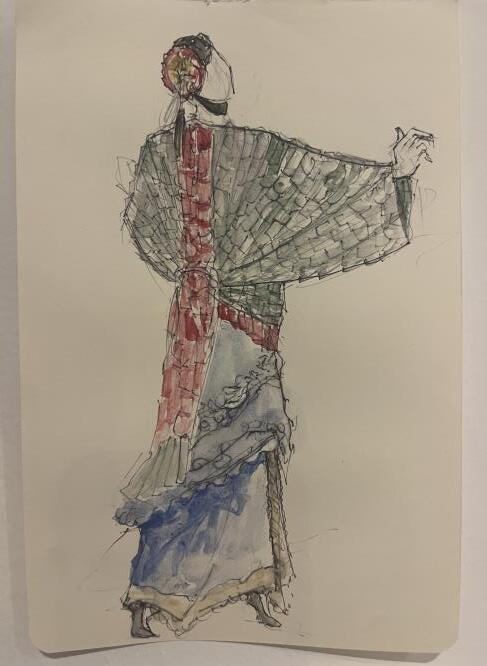
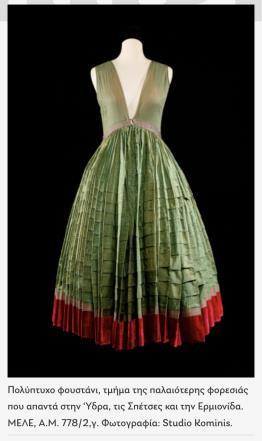
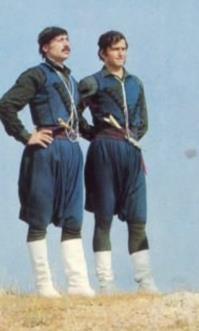
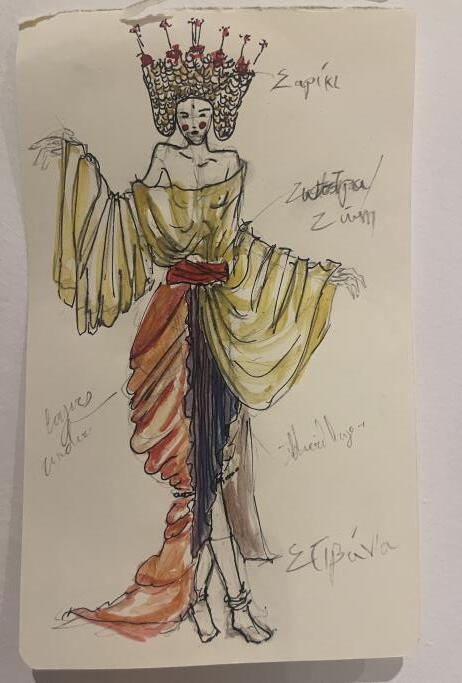
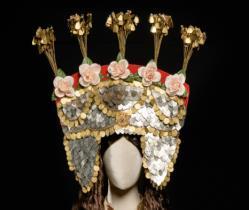
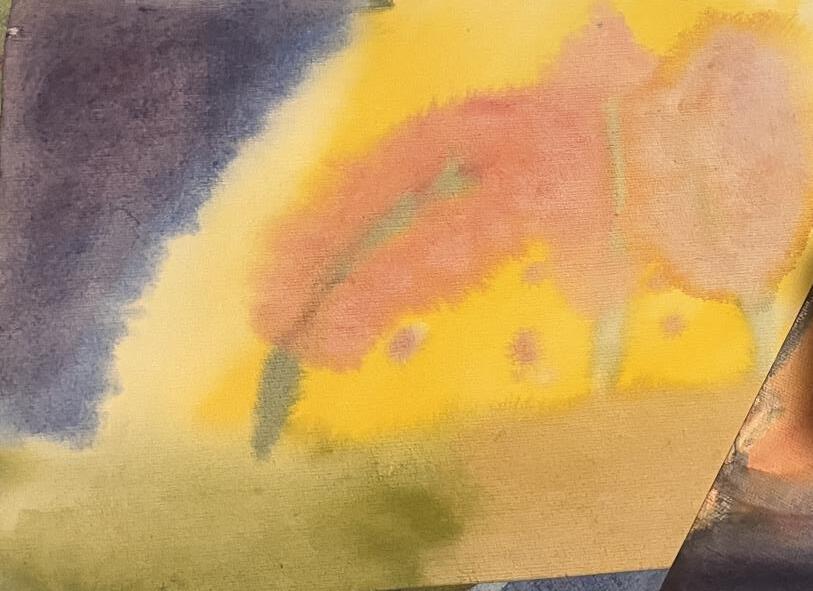
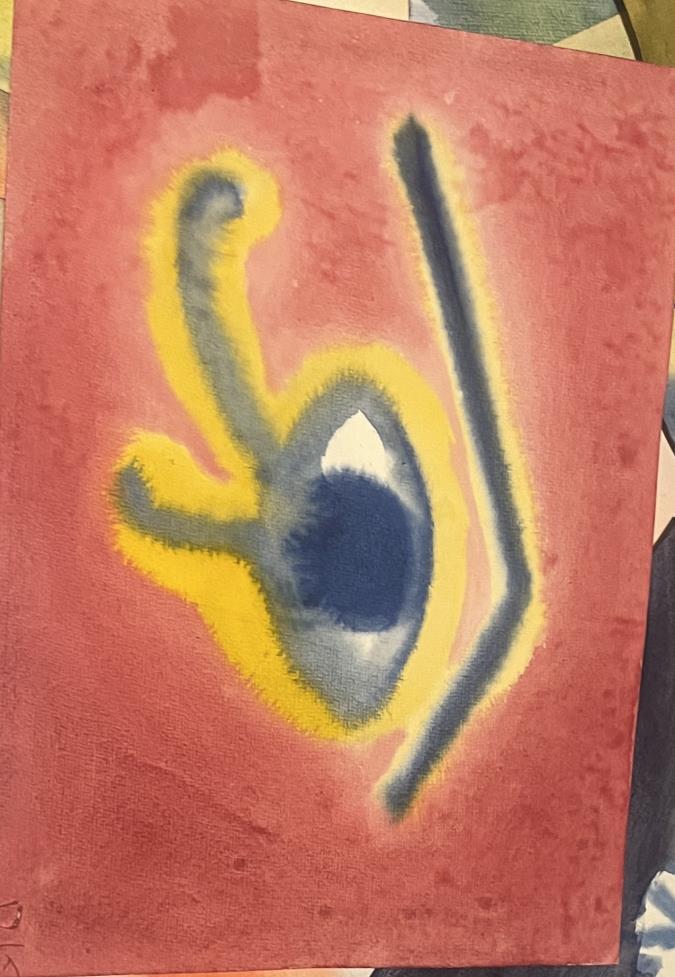
Taking inspiration from my heritage and old watercolor paintings for the tone.
Me (18) taking inspiration from me at age (11) with old watercolor paintings produced when learning about ancient Greece and Egypt in year 5
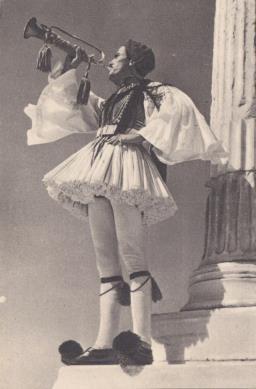
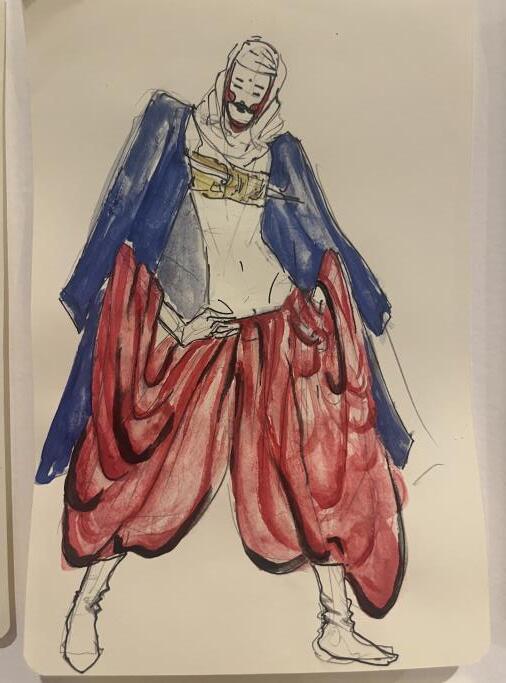
References from https://lykeionellinidon.com/el/ sylloges/topikes-kai-astikoy-typoyendymasies-kai-kosmimata
Traditional carnival masks.
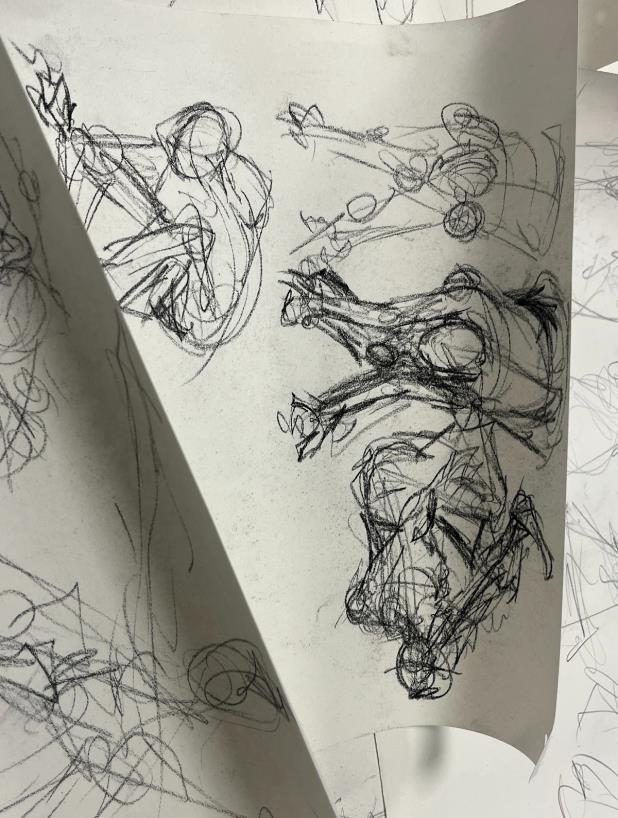
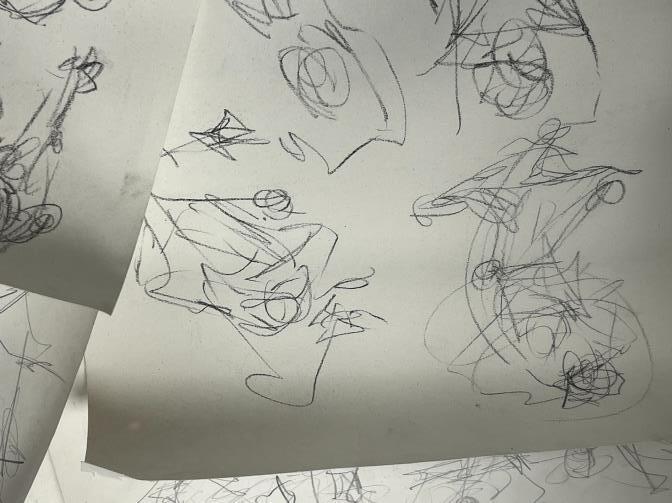
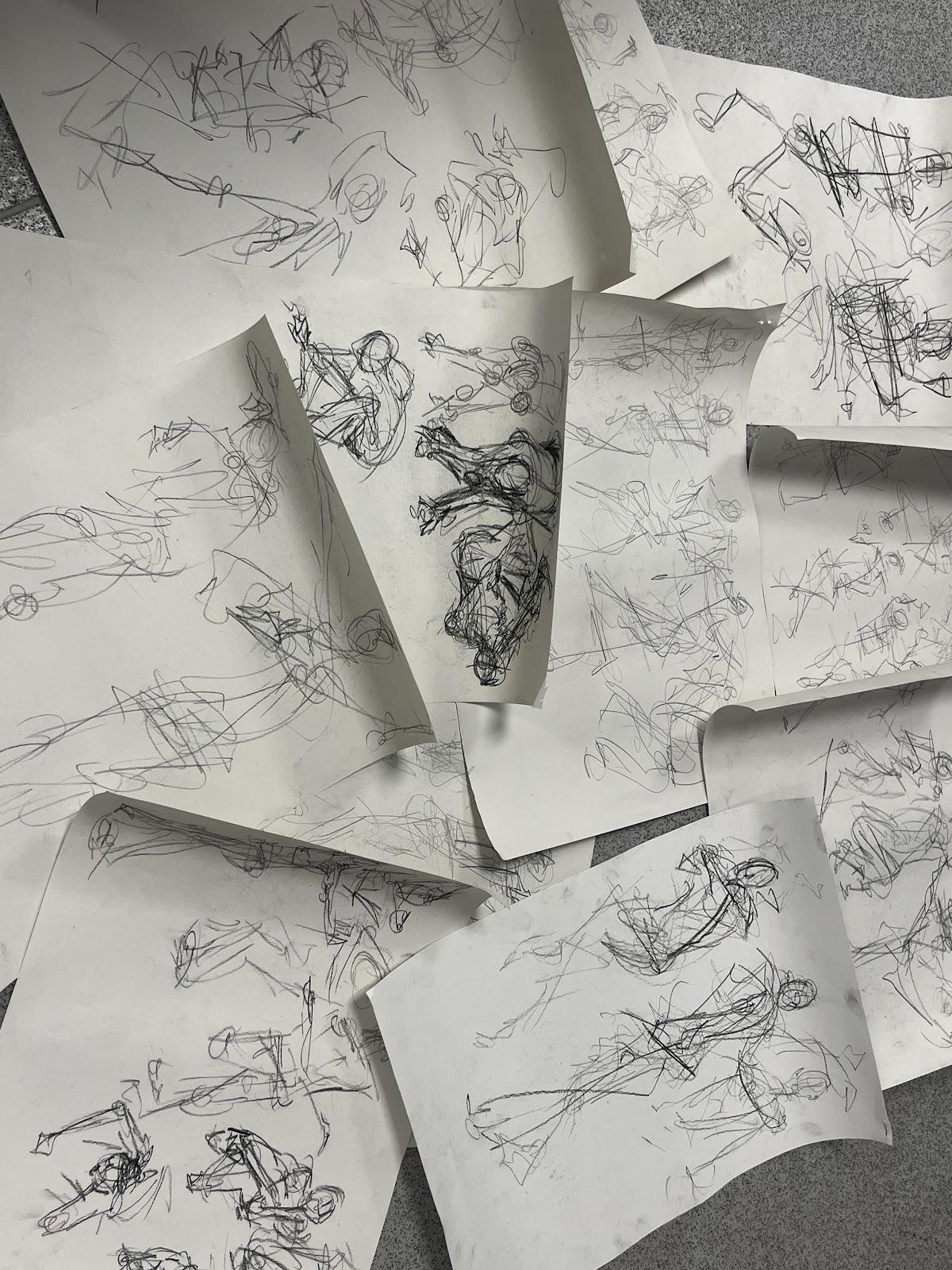
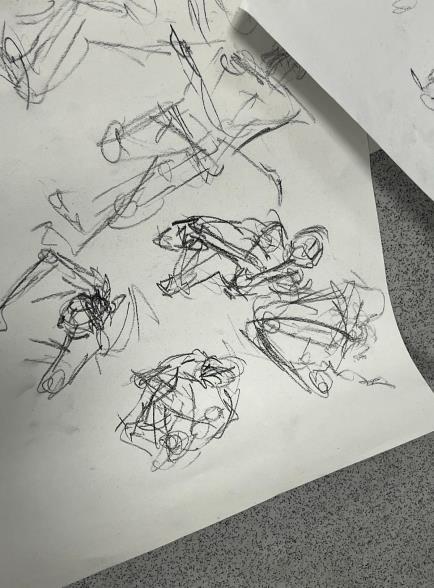
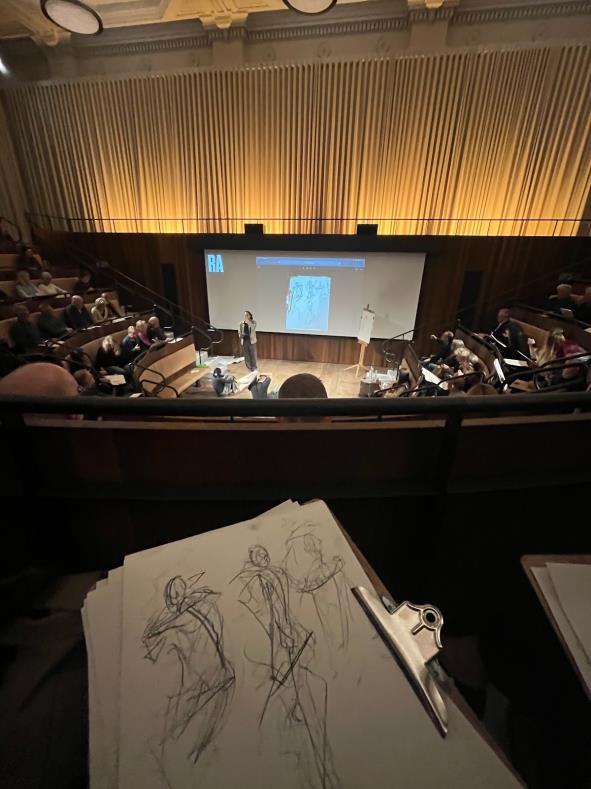
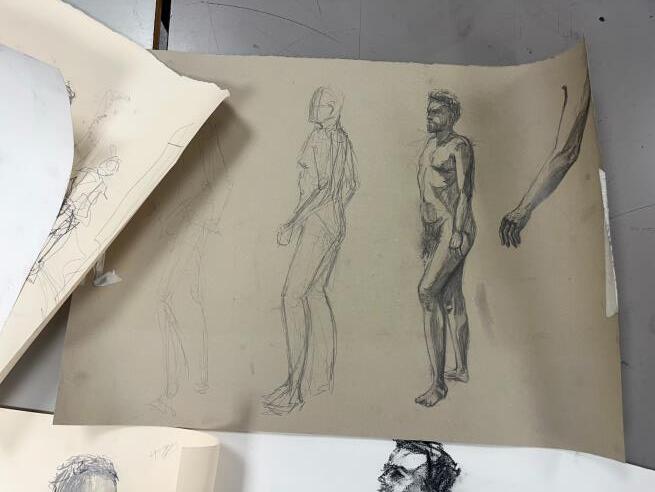
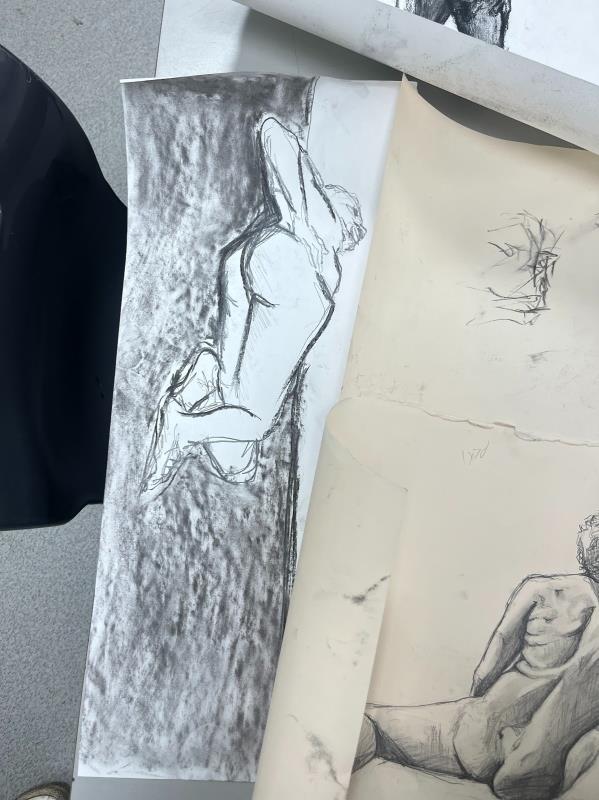
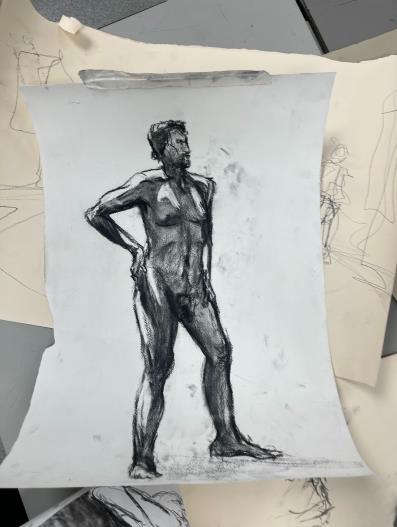
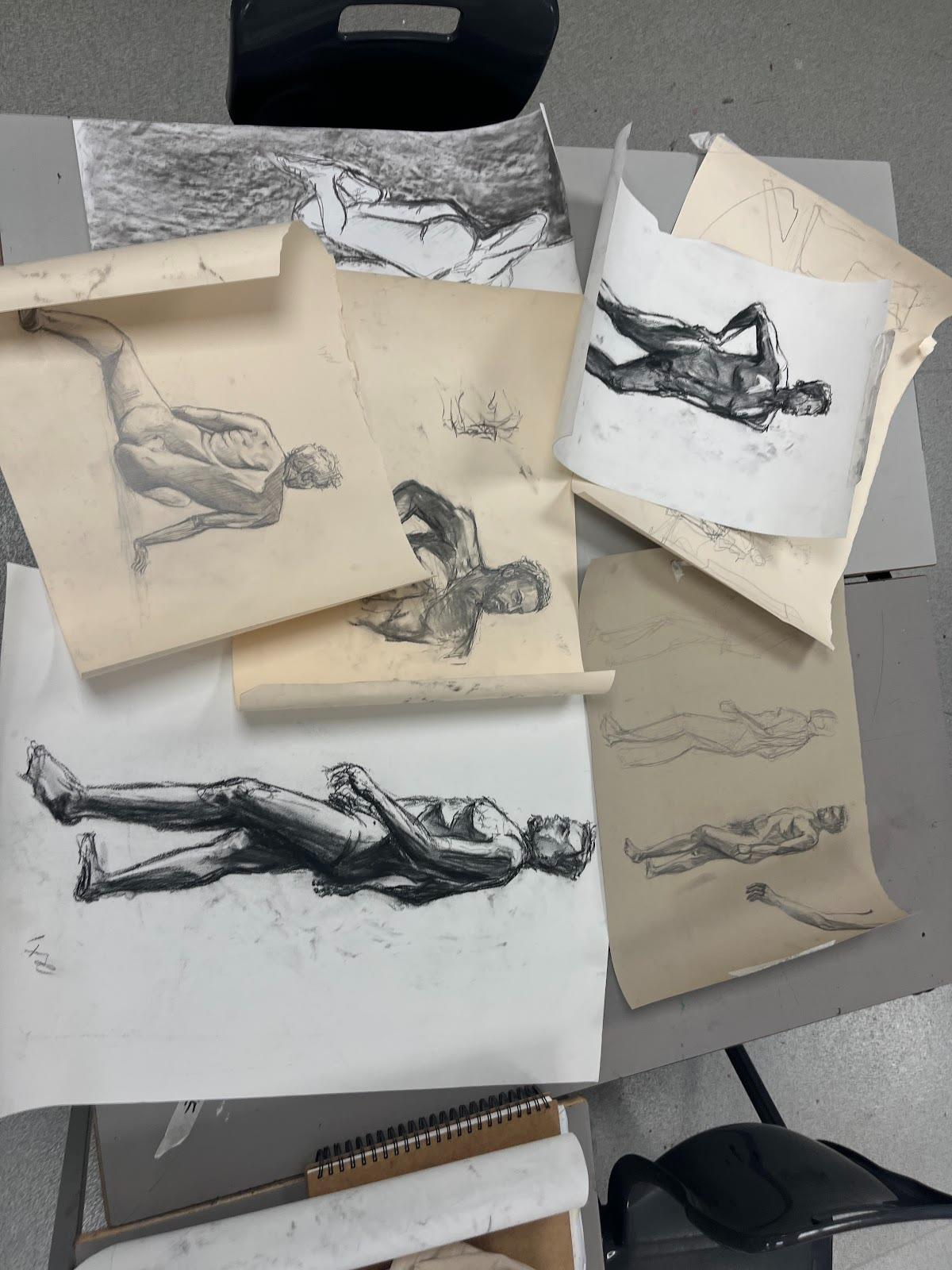
LIVE CONTINUOUS MOVEMENT DRAWINGS AT THE ROYAL ACADEMY OF ART
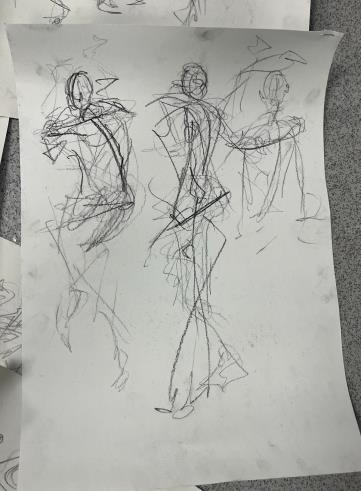
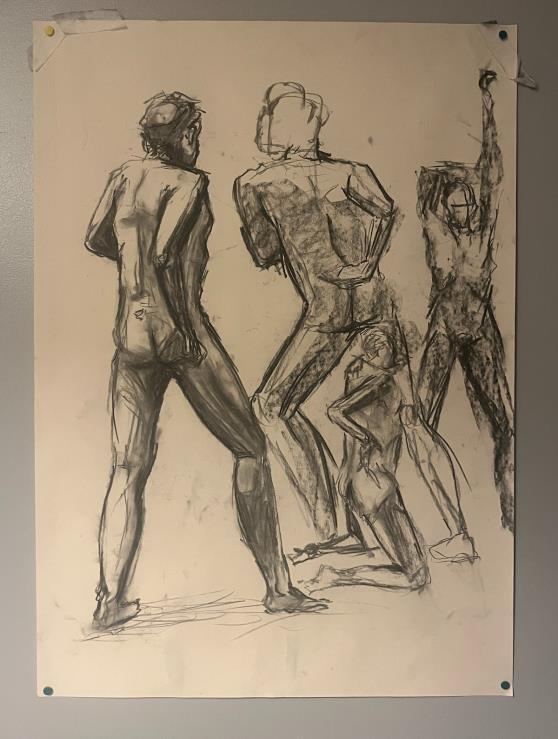
This class was truly incredible, It forced me out of my comfort zone with the intense time limit of following every movement frame by frame. it was virtually impossible to be a perfectionist. At the end of the class my work was showcased and I left feeling quite happy.
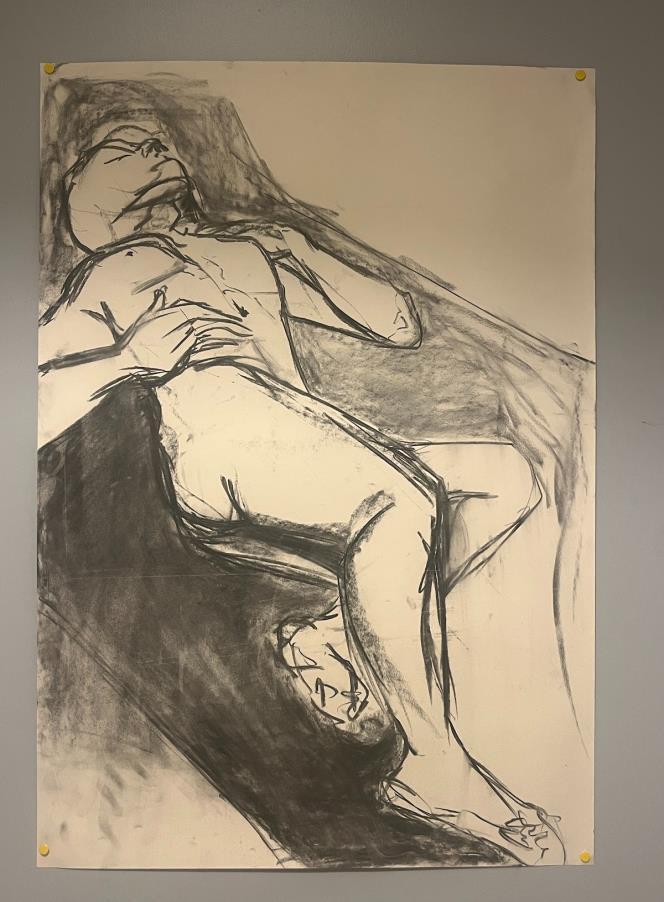
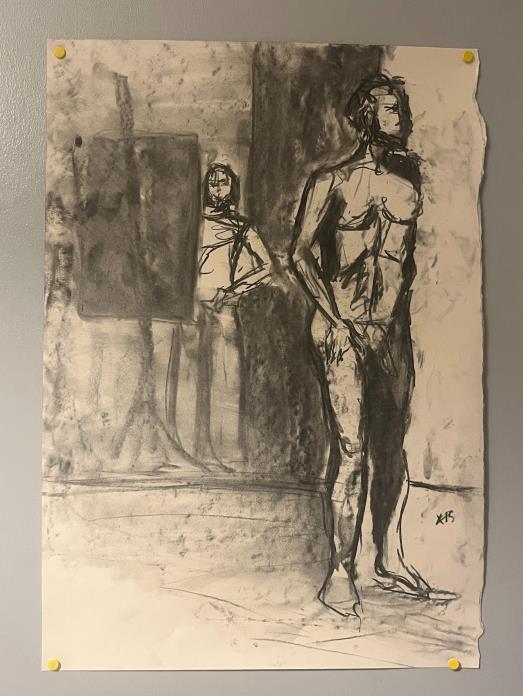
this was the last final piece created in the class, I began to understand what it really means to construct a figure within a space, rather than drawing it in isolation.
• The negative space around the figure is just as important as the figure itself.
In regards to fashion, garments are shaped by who is wearing them and the context in which they are seen, meaning space, movement, and presence are as significant as the design itself.
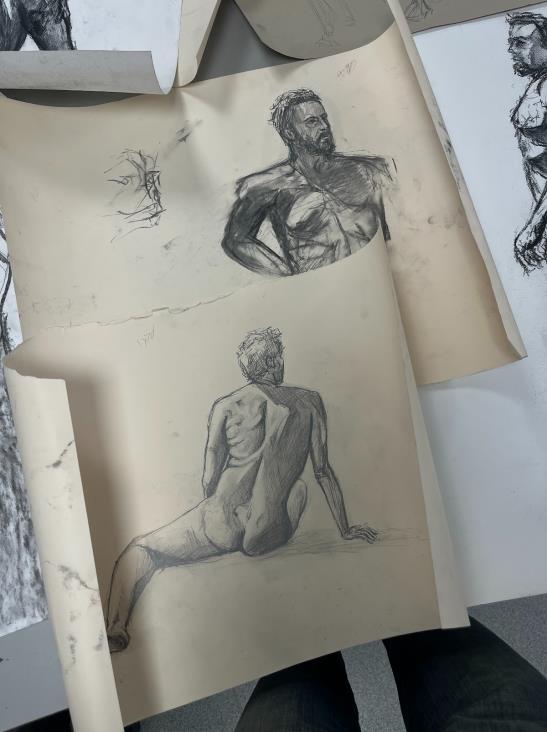
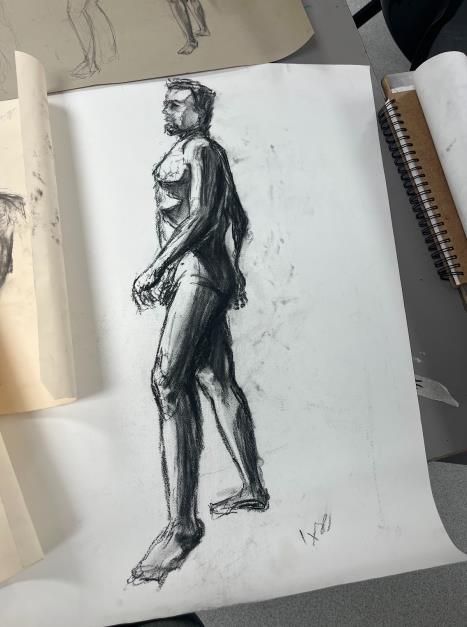
5 hour live drawing class at the Royal Drawing School under professor Henry Gibson Guy
Final piece in art
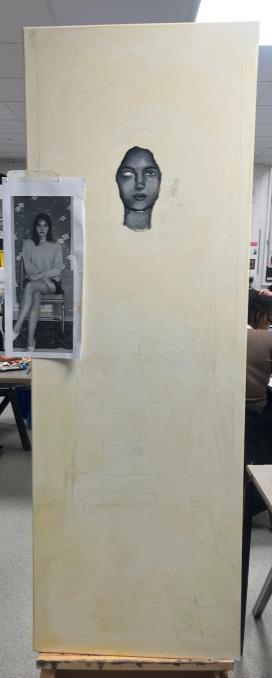
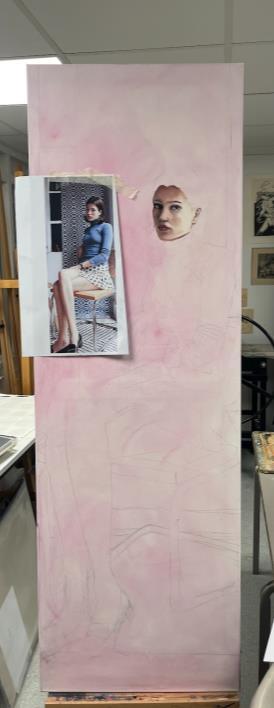
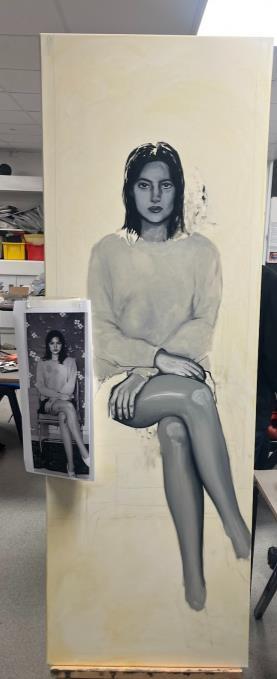
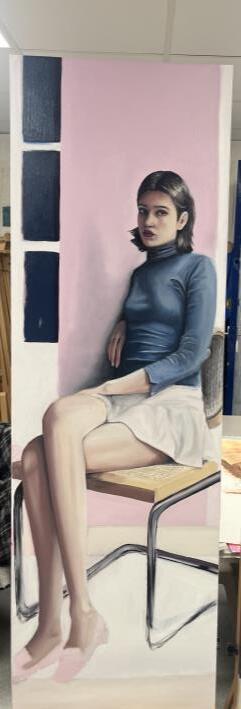
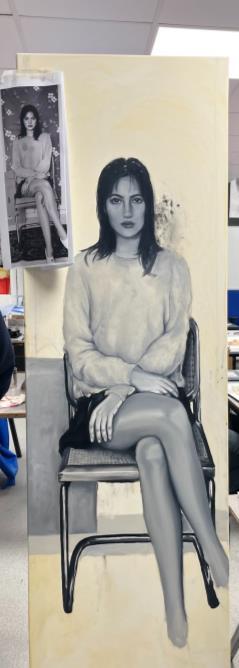
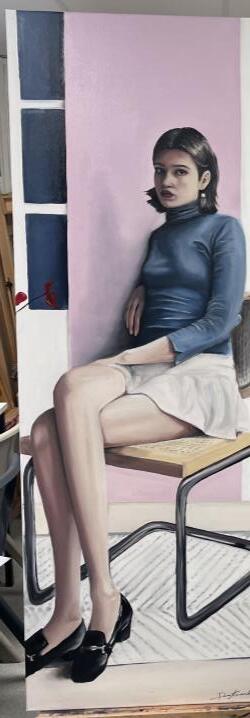
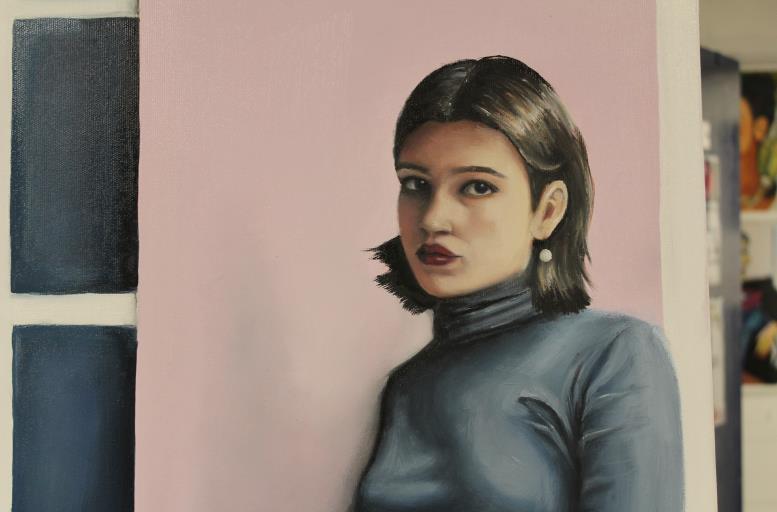
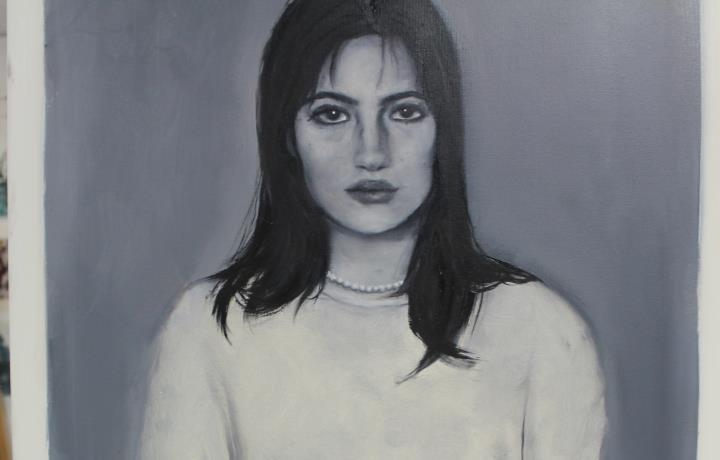
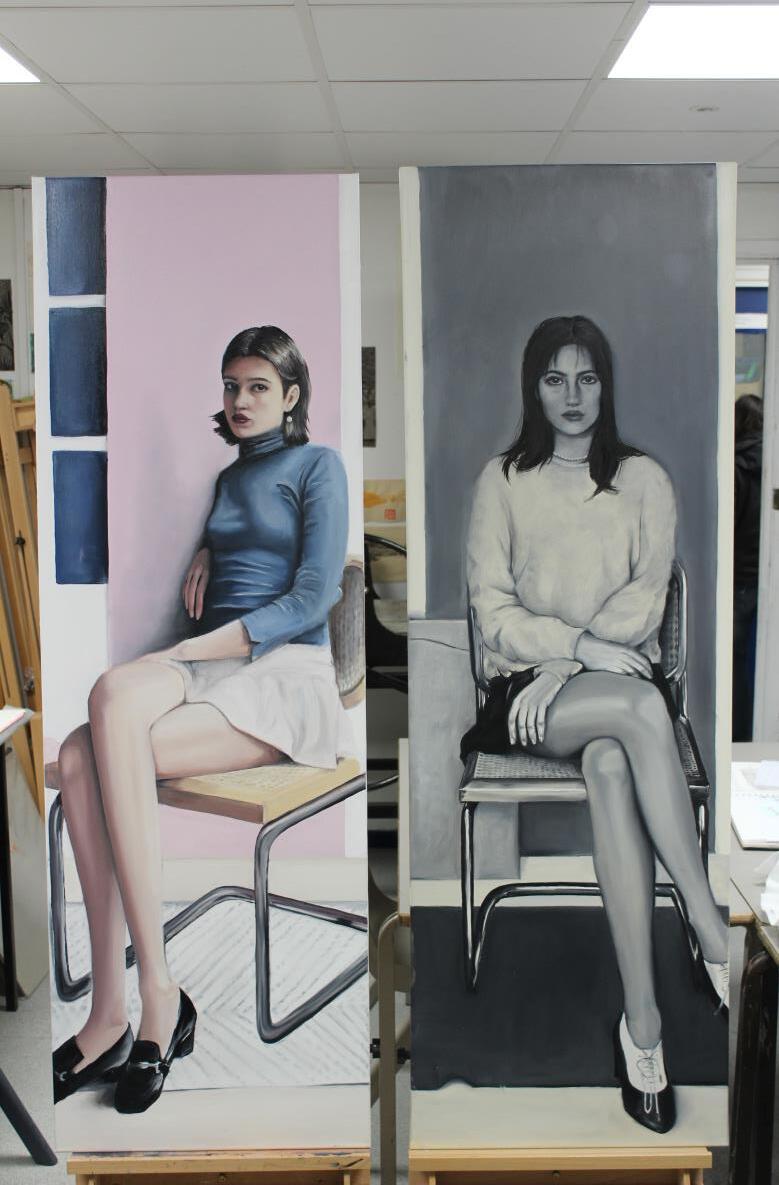
These portraits sit between progress and completion. While areas such as the backgrounds and final glazing are still to be finished, key elements particularly the faces, are fully resolved. This stage allows me to stake some time away from it and then assess the contrast and the emotional intensity that I want to evoke before refining surrounding details.
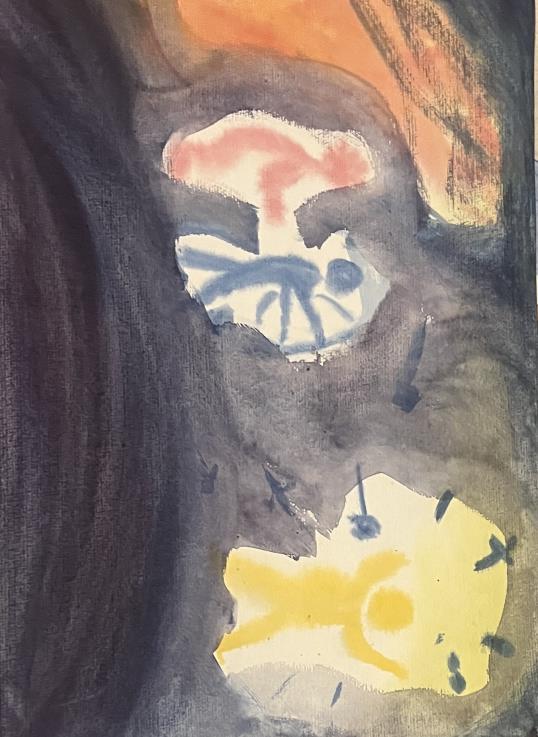
These two pieces are based around the question "do you see the glass half full or half empty" ( I'd love to elaborate in person )