
CONVERSATIONS THAT MATTER MOST
How physicians are navigating the human side of medicine: meaningful conversations, purposeful work, stronger professional connections, and healthier communities.
HOW TO TALK TO CHILDREN ABOUT CANCER DIAGNOSIS
THE ECONOMIC IMPACT OF MEASLES VACCINATION IN DALLAS COUNTY INCLUDES


EXECUTIVE VICE PRESIDENT & CEO
Jon R. Roth, MS, CAE
EDITORIAL STAFF
EDITOR, PRINT & WEB CONTENT
Stephanie Jennings
DESIGNED BY Morganne Stewart ADVERTISING
Business Development
COMMUNICATIONS COMMITTEE
Ravindra Mohan Bharadwaj, MD, Chair
Sumana Gangi, MD
Jawahar Jagarapu, MD
Dylan Jacob Kruse
Ravina R. Linenfelser, DO
Sina Najafi, DO
Erin D. Roe, MD, MBA
Katelyn Williams, MD
BOARD OF DIRECTORS
Gates B. Colbert, MD, President
Vijay V. Giridhar, MD, President-elect
Sheila Chhutani, MD, Secretary/Treasurer
Shaina M. Drummond, MD, Immediate Past President
Kimulique Harkley Allen, MD
Justin M. Bishop, MD
Max I. Galvan, MD
Nazish Saeed Islahi, MD
Benjamin C. Lee, MD
Allison Moore Liddell, MD
Riva Louise Rahl, MD
Thomas Schlieve, MD

Why Should I Attend a DCMS or TMA Event?
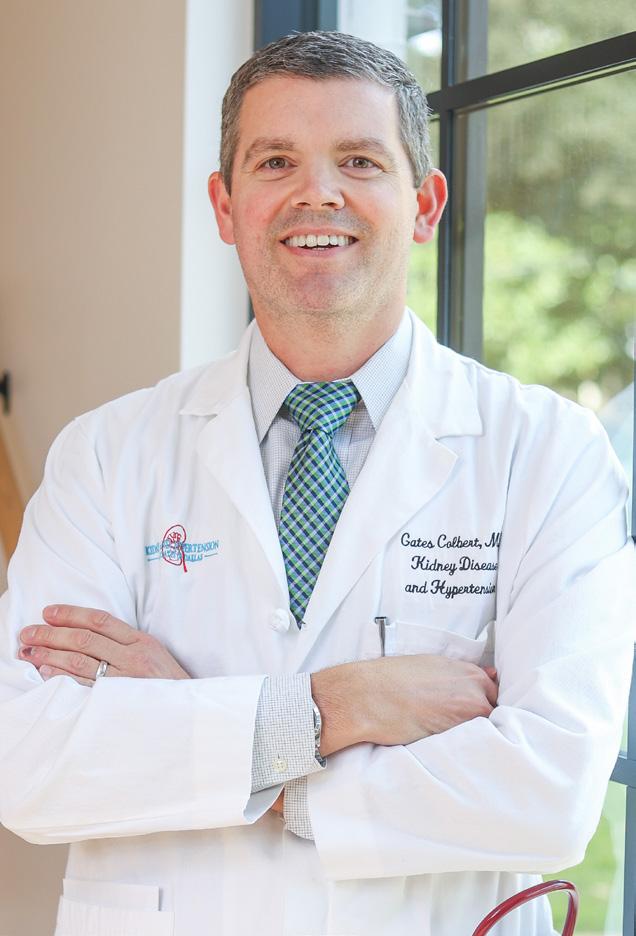
Gates B. Colbert, MD 2026 President, Dallas County Medical Society
IN APRIL, I ATTENDED THE TEXAS MEDICAL Association (TMA) TexMed Annual Conference in Corpus Christi, Texas. This yearly meeting rotates locations throughout Texas and serves as a central gathering for the multispecialty society that unites us as Texas physicians. Despite having over 60,000 members in TMA, fewer than 1,000 typically attend the annual conference, which is a stark contrast to the higher attendance rates at county medical specialty societies’ annual meetings. This raises the question: why don’t physicians value state advocacy meetings as highly as they do local meetings?
To illustrate the significance of statewide events, I would like to share why I attend them and the value they bring to my career and professional satisfaction. TMA’s TexMed and the Business of Medicine Conference are priority events each year. These gatherings provide valuable networking opportunities and address advocacy issues that affect both our patients and us. The Texas legislature, responsible for creating healthcare laws and mandates, relies on our guidance and expertise as physicians when drafting legislation. Events like these help us set our priorities, unify our voice, and effectively advocate for our ideals and policies. They gather input from Texas physicians across all counties, offering vital insights into the challenges we face in treating patients based on local resources. When Dallas physicians convene to share their perspectives, our colleagues listen. I feel a professional responsibility to advocate for myself, my fellow physicians, and our patients, and to work to create the best possible healthcare environment. Physicians encounter many obstacles, and if we stay home and let others make decisions, we risk being excluded from the process.
Another significant benefit of attending these events is the networking and connections we establish. Reuniting with colleagues from training or committee service fosters valuable communitybuilding. I look forward to catching up with old friends and making new acquaintances in meetings and social events. Having a network of colleagues is essential for personal satisfaction and helps combat burnout. Who could be better to understand your struggles in a
hospital or clinic than another doctor? We need to focus on building community and collaborating, rather than spending excessive time on wellness e-learning modules. Gathering 50 doctors in a room for a meal or social hour can serve as a form of wellness training. Let’s prioritize these gatherings.
The Dallas County Medical Society (DCMS) also hosts several recurring annual events that bring us together for both professional reasons and family fun. The Women in Medicine Conference in June was a new initiative poised to become a key event for Dallas’s medical community, uniting seasoned physicians and students pursuing careers in healthcare. Family events, such as visits to the Dallas Zoo in the spring and the Dallas Arboretum in the fall, allow physicians to bring their families for a day of enjoyment in a relaxed setting. My two boys talk about our zoo experiences all year and eagerly await them on the calendar. Additionally, we have revamped the DCMS Presidential Gala, which sold out in 2025 and is expanding for December 2026 (save the date for December 12). This gala and fundraiser for our DCMS Foundation is setting the standard for Dallas medicine’s premier social event of the year. I am excited to see where this event leads us; it should rival any major gala that our city is known for hosting.
The key takeaway is to show up. DCMS wants our more than 6,000 members to be more than names on a roster. We want to greet you at events as you enjoy time with other Dallas physicians and your families. Our organization is stronger when we unite and share our experiences. I’ve often stated that Dallas offers some of the best healthcare in the United States, and gathering only strengthens that distinction. Resist the temptation to just be a physician who communicates through electronic medical records (EMR) or office staff. Grab your drink of choice and meet the real person you are referring your patients to for expert care. We all have social lives, and I am confident you will feel empowered and more connected when being part of a physician network outside your practice becomes a significant aspect of your social life. I hope to see you there! DMJ
The Well-Built Day
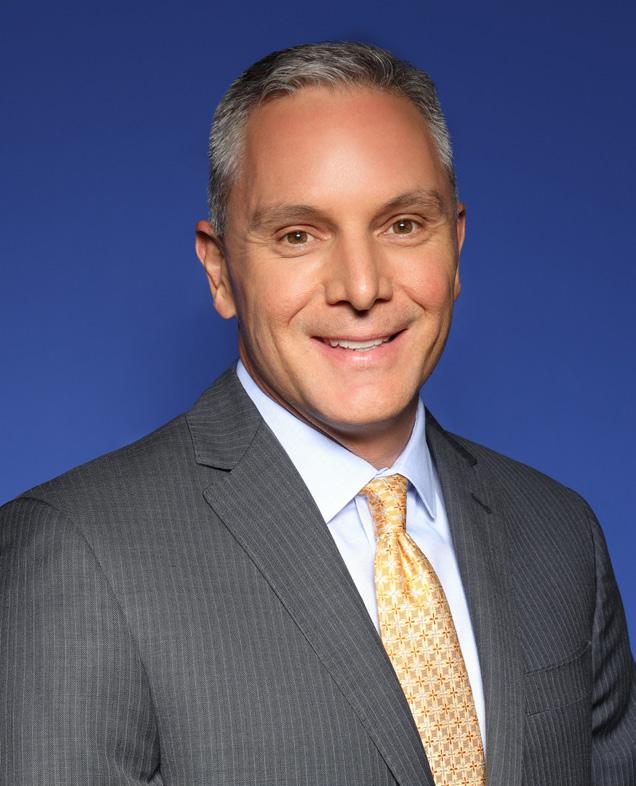
Jon R. Roth, MS, CAE, Managing Editor
EVERY MAY, THE CONVERSATION ABOUT physician well-being tends to begin in the same place: with what is missing. I want to begin somewhere else. Well-being is not only what remains after a hard week has subtracted from it. It is something a physician builds, on purpose, in the margins of an ordinary day. The Dallas County Medical Society (DCMS) has spent years advocating for the structural changes that make medicine more humane, and that work goes on. But structure is slow, and the day is now. This issue is about what sits within a physician’s own hands between now and the moment those larger changes arrive.
No one needs me to describe the pressures. The inbox that refills overnight, the documentation that follows physicians home, the call schedule that competes with a child’s recital. Those are real, and naming them honestly is not the same as surrendering to them. What I have learned from the physicians who do this work well is that they treat well-being the way they treat clinical skill: as a practice, sharpened in small repetitions, rather than a destination reached once and held.
Consider the approach at UT Southwestern, where Susan Matulevicius, MD, serves as Associate Dean of Faculty Wellness and Engagement and Chief Faculty
Wellness Officer. A cardiologist by training and a board-certified coach, Dr. Matulevicius helped build a program that trains physicians to coach one another and pairs colleagues through structured peer support, work that earned the medical center Gold recognition in the American Medical Association’s Joy in Medicine program. The lesson the profession can take from it is not that well-being requires a dean. The most durable gains come when physicians act on their own circumstances rather than waiting to be rescued from them.
Most physicians do not have a coach down the hall. What nearly every physician has is a day full of seams: the seconds at a door, the lag of a loading chart, the drive home, the slot a no-show leaves open. Those seams are where a well-built day is assembled. A few of them translate cleanly to a Dallas practice and are worth naming.
Between patients, before you turn the handle on the next exam room, name to yourself the one loose thread from the encounter you are leaving, the pending culture, the call you owe a daughter in Plano, so that it is parked on purpose rather than trailing you into the next room. A physician loses more to the residue of the last patient than to the demands of the next. During the minutes a note requires, let the EHR’s own lag become the cue for a single, deliberate thoracic extension over the back of the chair, undoing the forward hunch that a day of charting presses into the shoulders. It costs five seconds and gives them back.
When a slot opens unexpectedly, resist spending it all on inbox
triage. Give part of it to the colleague you have been meaning to catch, the quick word with a partner or a resident that turns solitary work into collegial work for a moment. The walk most physicians already make, from the garage to the unit or between floors, can do double duty: let that corridor be the one stretch where the phone stays in the pocket, and your eyes fix on the far end of the hall. A clinician’s gaze lives at arm’s length all day, on faces and on screens. Letting it reach distance loosens the muscles that near focus keeps clenched.
The drive home is where many physicians decompress by rehearsing the day’s hardest case on a loop. Try instead to translate one moment from the day into a story you could tell at your own dinner table, stripped of jargon, centered on the person rather than the pathology. That small act does two things at once. It returns the human to a day that can flatten into problems, and it readies a physician to walk in the door as a parent or a spouse rather than as someone still finishing a note in their head. The garage, not the parking lot, is where the workday should end.
The relational dimension matters more than any catalog of techniques can suggest. Mark Casanova, MD, who directs clinical ethics and palliative care at Baylor University Medical Center and has long been active in DCMS, has spent a career on the part of medicine that never fits on a flowsheet: moral distress and the hard conversations that physicians carry home from the bedside. His work is a reminder that a physician’s well-being is bound up with meaning and with colleagues, not only with minutes reclaimed. The micro-practices keep a day from fraying. Connection and purpose are what make the day worth building.
This is where organized medicine earns its keep. DCMS does not stand on the sidelines of physician well-being. We watch the policy environment that shapes our members’ working lives, and we connect physicians to confidential counseling and peer support when a day asks more than any single practice can absorb. We would far rather a member reach for those resources early, as maintenance, than late, as rescue. Membership in the house of medicine is itself a wellness practice, because the colleague who understands the call you just fielded is often the most restorative resource within reach.
None of this asks a physician to find time that does not exist. It asks them to claim the time that already runs through the day, the thresholds and seams, and quiet drives that are theirs, whether they use them well or not. In Texas, we like to say you don’t have to work the whole herd at once; you move them through one gate at a time, and the day gets handled. Well-being is built the same way, in the small honest spaces between patients, and it is built by the physicians of this county every single day. Build well, one gate at a time. DMJ

Jon R. Roth, MS, CAE DCMS EVP/CEO

How to Talk to Children About Cancer Diagnosis
by Steven K. Montalvo, M.D., FAAP, Texas Oncology, Proton Therapy, Radiation Oncology
ACANCER DIAGNOSIS CAN BE LIFE-CHANGING NOT JUST FOR THE PERSON DIAGNOSED, BUT FOR THEIR LOVED ONES AND OTHERS IN THEIR LIFE. TREATMENT MIGHT DISRUPT YOUR DAILY ROUTINE, MAKE IT DIFFICULT TO MANAGE YOUR RESPONSIBILITIES, OR KEEP YOU FROM DOING THE SAME ACTIVITIES YOU USED TO.
For many people, the first step they take after a diagnosis is to tell their family members. While sharing updates on your health can feel daunting, embarrassing, or overwhelming, it’s also a way to take control of the situation. By letting others understand what you are going through, you also open a dialogue that allows them to support you.
When it comes to children, these discussions may look different. You may worry about saying the wrong thing, causing fear, or overburdening them. By learning how to have age-appropriate conversations with children, you will help them feel safe, more included, and better equipped to handle the challenges that arise when a loved one has cancer.
WHAT AGE-APPROPRIATE CONVERSATIONS LOOK LIKE
Children are highly perceptive, and may notice changes in routines, emotions, and the adults around them. While it’s normal to want to shield children from hard situations, approaching a conversation about cancer calmly with information they can understand can help them feel less overwhelmed. Being open creates trust, strengthens connections, and shows them they are not facing this alone.
Children may not need to know or understand every detail of a cancer diagnosis, but truthful, simple information given consistently can help them process a difficult situation. Start age-appropriate conversations about your diagnosis, the treatment plan, and the changes that may affect your family life.
Every child processes information differently depending on their age, emotional maturity, and family environment.
Children of all ages will often flip-flop between wanting to talk about and wanting to ignore a hard topic like cancer. It’s completely normal if you begin a conversation, and your child acts like it is no big deal and continues playing or going about their normal activities. They may later begin acting out, feel sad, or ask to talk about it. It’s important to be prepared for behavioral and emotional swings. Be open to talking whenever the child is ready. For school-aged children, ensure good communication between teachers and school officials who may notice changes in behavior or academic achievements as a response to changes at home.
EXPLAINING PHYSICAL CHANGES
Children often react strongly to visible changes, like hair loss, fatigue, medical devices, or weight changes. Preparing them beforehand reduces fear and uncertainty.
• Describe what might change and why: “The medicine helps fight the cancer, but it might make hair fall out.”
• Emphasize what stays the same: love, connection, family roles. Your affection for them won’t change even if your body does.
• Invite them to help in small ways—drawing cards, choosing a hat or blanket, or offering hugs when welcomed.
LET THEM ASK QUESTIONS
Children process information gradually. Encourage them to ask anything—right away or later. If you don’t know an answer, it’s okay to say, “I’m not sure, but we can find out together.” This reinforces honesty and trust.
Your child may also not have any questions at all. They may just begin talking and expressing their feelings about the situation. Be available to listen.
PROVIDE RESOURCES
Books, child friendly videos, art activities, and support groups can help children express emotions and understand what’s happening. Lean on professionals, like your child’s pediatrician, who can help guide the conversation when needed.
KEEP THE CONVERSATION ONGOING
One conversation is rarely enough. As the situation evolves, schedules shift, or treatment changes, continue checking in. Ask what they’ve noticed, what they’re wondering about, and how they’re feeling. Offering ongoing reassurance and space for questions helps children feel safe and supported throughout the journey.
No matter how old the children in your life are, they can understand that something is affecting you, and being honest and inviting dialogue will help both of you process the diagnosis together. DMJ
Conversations at Any Age
While it’s normal to want to shield children from hard situations, approaching a conversation about cancer calmly with information they can understand can help them feel less overwhelmed. Being open creates trust, strengthens connections, and shows them they are not facing this alone.
Babies and Toddlers
While children this young may not understand the concept of a serious illness, they are often sensitive to changes in routine, tone of voice, and your emotions. Maintain routines as much as possible and offer physical reassurance. If a parent or caregiver is away for treatment, try to keep the child with a trusted adult who is regularly involved in their life, if possible.
Young Children
Children in early childhood, between the ages of 4 and 7, think concretely. They may misunderstand illness as something they caused or can “catch.” They may benefit from repetition and simple explanations.
• Use basic language: “Doctors are helping fix them.”
• Reassure them clearly: “You did nothing to cause this.”
• Explain what will change in their daily life. Remind them who will pick them up after school or daycare, and who will be with them at mealtimes or during bedtime routines.
• Share what they can expect to see at home based on your treatment plan, which may make you more tired, lower your appetite, or make it hard to do tasks for them.
• Encourage questions—even if they seem small or repetitive.
• Correct misunderstandings gently and consistently.
Older Children
Older children and preteens can understand more complex explanations and may want specific details. They may worry about practical issues, treatment outcomes, and how illness affects the family.
• Offer simple but accurate information about the diagnosis and treatment. Explain cancer in simple terms, like “things are growing in my body that shouldn’t be there”.
• Let them know what to expect, including potential changes in mood, energy, or appearance.
• Make space for feelings, and make sure they know fear, frustration, or sadness are all normal.
• Invite them to express themselves through words, drawing, or writing if talking is difficult.
• Check in often and keep the conversation open. Their worries may evolve as they learn more.
Teens
Teenagers can grasp the full complexity of cancer and may seek even more information than younger children. They value honesty and independence and may want a role in the situation.
• Share clear, factual details about the diagnosis and treatment plan.
• Respect their emotional responses; they may swing between maturity and vulnerability.
• Encourage open conversation, but also give them room to process in their own way.
• Include them in decisions when appropriate or ask for their preferences on how involved they want to be.
• Remind them it’s okay to continue normal activities and friendships.
• Consider internet use and their ability to access information; it may be helpful to look at things together.
Palliative Care: The Meaningful Work We Share
by Shawnta Renee Pittman-Hobbs, MD
PALLIATIVE CARE IS A SPECIALTY THAT focuses on symptom management and advance care planning for patients living with serious, life-limiting illnesses. We frequently use the “surprise question” to gauge the appropriateness of a palliative care referral: “Would I be surprised if this patient died in the next 12 months?” The surprise question was originally developed as a simple prognostic tool for clinicians and has withstood the test of time as a practical way to identify patients at higher risk of death whose unmet palliative care needs, goals of care, and advance care planning should be addressed earlier in the disease course.1
In busy hospitals, about 85–90% of patients are ultimately discharged alive, which makes it easy to overlook those whose serious illness trajectories warrant this kind of support. Palliative care is often misperceived as “end-of-life only,” and associated mainly with imminent death rather than values-based decision support that helps patients define what matters most to them. This perception is understandable; it reflects how our workflows have evolved, and it opens a meaningful conversation about how we, together, can shape something different. Shifting from “my patient is not ready for palliative care” to “my patient is ready for more support with complex decisions” is the kind of reframing that begins to realign patient-centered care with what matters most.
Building on this, a landmark MD Anderson study of oncologists and advanced practice providers found that the term palliative care was often viewed as more distressing and hope-reducing. In contrast, the term supportive care was more acceptable and associated with ear-
lier referrals.2 That work has helped many organizations adopt “supportive care” and “supportive and palliative care” as bridge terms, opening the door to earlier, more compassionate conversations. Using supportive care in our day-to-day language doesn’t change what palliative care actually is; it reduces stigma and gives us room to explain that palliative care can occur alongside active, disease-directed treatment, while hospice is focused on patients who are truly nearing the end of life. This shift in wording also reminds us that so much of how we practice is shaped by our own perspectives, experiences, and the words we choose when we talk about care.
Healthcare’s focus on relative value units and patient volume has turned 20–30 minute visit blocks into an assembly line, where maximizing throughput leaves little protected space for the conversations that actually change the trajectory of care. Even with advance care planning billing codes available, the structure of our schedules and incentives has unintentionally created a bottleneck to tough conversations. It is within this gap, between what the system rewards and what patients most need, that palliative care lives.
Every provider needs to recognize the power of collaboration and the trust that forms when a primary care provider, whether functioning as an outpatient clinician or as a hospitalist, becomes the bridge to understanding for patients and families. That bridge is, in many ways, the family meeting that our current workflows
GOOD CARE BEGINS WITH HONEST REFLECTION
Sometimes, earlier discussions about hospice or comfort-focused care can make care plan options feel like thoughtful choices rather than a last resort. If we are honest with ourselves, our treatment plans for our patients are often intertwined with how we see the world, our own hopes and fears, and the stories we tell ourselves about what it means to be a “good” doctor. With that in mind, here are a few things every provider can consider in daily practice:
1. In serious-illness conversations, start with Ask–Tell–Ask: ask what the patient understands, offer a brief update in plain language, then ask what they are taking away.
2. When discussing goals of care, explicitly elicit values and priorities by asking questions. For example, you might ask, “What are you hoping for?” and “What abilities are most important for you to keep?”
3. Practice shared decision-making by summarizing the options. Then make a recommendation that clearly links back to what the patient has said matters most.
4. Introduce advance care planning early as a normal part of care. Confirm a surrogate decision-maker and document initial preferences clearly in the chart.
5. Know when to ask for help: call in specialty palliative care when symptoms remain uncontrolled, family conflict is significant, or goals are still unclear despite your efforts. 3,4
6. Attend to your own limits by noticing moral distress and emotional fatigue. Also seek debriefing, mentorship, and institutional support to sustain this work.
REFERENCES
1. Jennings KS, Marks S, Lum HD. The Surprise Question as a Prognostic Tool #360. J Palliat Med. 2018 Oct;21(10):1529-1530. doi: 10.1089/jpm.2018.0348. PMID: 30312130; PMCID: PMC6909735.
2. Fadul N, Elsayem A, Palmer JL, et al. Supportive versus palliative care: what’s in a name?: a survey of medical oncologists and midlevel providers at a comprehensive cancer center. Cancer. 2009;115(9):2013-2021. doi:10.1002/cncr.24206
3. Jennings KS, Marks S, Lum HD. The Surprise Question as a Prognostic Tool #360. J Palliat Med. 2018 Oct;21(10):1529-1530. doi: 10.1089/jpm.2018.0348. PMID: 30312130; PMCID: PMC6909735.
4. Fadul N, Elsayem A, Palmer JL, et al. Supportive versus palliative care: what’s in a name?: a survey of medical oncologists and midlevel providers at a comprehensive cancer center. Cancer. 2009;115(9):2013-2021. doi:10.1002/cncr.24206
so rarely make space for. When that doesn’t happen, we often presume that someone else is holding the conversation, the oncologist, the hepatologist, or the specialist closest to the diagnosis. Too often, what could have been a thoughtful, unhurried discussion in the clinic becomes a high-stakes, time-pressured conversation at the bedside just before a procedure or code blue event. As one palliative care physician often says, “It always seems too early, until it becomes too late.” That line has stayed with me because it captures exactly how our system trains us to delay the very conversations that could change the trajectory of care.
It is also worth pausing on something more subtle: how we enter a patient’s room and how we speak once we are there. Regardless of the patient’s condition, our physical presence matters, our pace, our tone, and the non-verbal cues we carry into the room communicate before we ever say a word. The way we speak, and the way our words align, or fail to align, with our body language, shapes what I think of as therapeutic congruence. When our presence and our message move in the same direction, patients and families feel met; when they don’t, even the most clinically sound conversation can leave a family unsettled. Too often, that conversation never gets fully socialized.
Often, we may quietly say to another colleague, “Yes, we can do the surgery, but it will not change the overall outcome,” and then move on without ever clearly communicating that reality to the patient and family. We need to ask ourselves, are we doing this because we can, or because it will truly make an impact? The other pertinent question is, does the impact align with the patient’s goals?
It becomes especially eye-opening when palliative care is called “to explore goals of care,” something we are deeply passionate about as a specialty, only for us to discover how rarely those conversations have actually been unpacked before we arrive. We are excellent at defining the care plan to treat sepsis, pneumonia, or stent a blockage, but we often table the plan to connect what is important to the patient with the treatment plan; that part gets delegated to palliative care. The real question is: what would it look like to do this with palliative care rather than handing it off to palliative care, to make values-based decisions that support a shared responsibility? Many providers were trained in a culture that embraces this shared responsibility, viewing serious-illness conversations as a core part of their role. Others, often shaped by time pressures and RVU-driven workflows, have unintentionally built a subtle wall, treating these conversations as something to be deferred to “the palliative team” instead of something to be owned together.
Let me walk you through what is seen through the eyes of a palliative care provider when things spiral as a consequence of late conversations, not only at the end of life, but also in those recurring hospitalizations where everyone keeps hoping this admission will finally turn the corner. Through the eyes of a palliative care provider, this specialty is not just a job; it is a calling. It is a journey shaped day to day by seeing acute-care, hospitalized patients and by the reflective awareness it brings to the meaningful work we all share. Each day, I walk the corridors between hope and reality, where the hum of ventilators and the steady beeps of monitors form a rhythm of human struggle.
We are trained to intervene, to fight, to heal, to push death back, and sometimes, the most important work is learning to rest in the pause between breaths, to recognize when comfort must become the compass,
not a cure. I have accompanied countless families through the spiral from emergency room to ICU to the fragile stability of a hospital floor, and sometimes, still, back to the brink in the quiet of the night. The assumption is always that this is just another chapter, that the ending will be familiar, that this hospitalization will be different from the last. But life, so often taken for granted, reveals its preciousness most sharply when it is slipping through our fingers, or when yet another readmission makes it clear that the story is not unfolding the way we hoped for.
In those final minutes for some, and in the long, uncertain middle for others, as breath becomes labored or admissions blur together, it is impossible not to reflect on the gift that even a single breath represents. To breathe is to live, to inhale possibility, to exhale sorrow, to be present in the most fragile and beautiful of human experiences.
On days when the sun is shining brightly, the contrast between the world outside and the quiet gravity inside a patient’s room can feel almost overwhelming. This is where I encounter the raw reality of palliative care. I found myself in one of those moments recently. I had just stepped out of the room of a patient with metastatic cancer who had been admitted multiple times in just a few months, each stay framed as “rescuing” them from another infection or complication. I felt the weight of knowing that when a diagnosis is irreversible, and a patient no longer has the capacity, or the energy to make decisions, families are
left to carry the burden of choosing what happens next. There is no rubric for this, no easy answer.
I have seen both the pain of prolonging aggressive treatments beyond benefit, including repeated hospitalizations that erode the very life families are trying to preserve, and the peace that can come when a family is supported in shifting focus to comfort, presence, and time used differently. The sweet spot of peace often emerges in that alignment, when the care plan, the patient’s values, and the family’s understanding finally point in the same direction.
The question gnaws at all of us: is there ever a right or wrong time to pause aggressive interventions and begin focusing more intentionally on comfort and alignment with what matters most, especially when further disease-directed treatments seem more likely to add suffering than meaning? As a palliative care physician, I am reminded that my expertise does not make these decisions easy; it only makes me more aware of their complexity. Some days, the best I can do is to sit with a family, listen, and help them make sense of impossible choices. I offer guidance, but not certainty. In these moments, my focus shifts to alignment; bringing the patient’s known or inferred wishes, the limits of what medicine can offer, and the family’s understanding into the same frame. DMJ

Image Matters to our patients,
!

The Economic Impact of Measles Vaccination in Dallas County
How Vaccination Protects Dallas County’s Health and Economy
Prepared by Meng Tian, PhD; Philip Huang, MD, MPH, Dallas County Health and Human Services
VACCINATION COVERAGE IN DALLAS COUNTY HAS HELPED PREVENT MEASLES OUTBREAKS AND LIMIT their economic impact. Routine vaccination keeps outbreaks rare and manageable while protecting the local economy. Recent declines in MMR vaccination coverage, particularly among kindergarten-aged children, increase the risk that measles transmission could reemerge if immunity gaps continue to widen.
To illustrate the potential economic consequences, this report examines a scenario in which vaccination stops for newly entering cohorts (infants and kindergarten-aged children) while previously vaccinated residents retain immunity. Under this scenario, the number of susceptible individuals grows steadily over time, eventually allowing measles transmission to become sustained within the community.
Figure 1 shows that over five years, total economic losses approach $450 million. At that point, each dollar not spent on vaccination corresponds to roughly $69 in economic losses, reflecting medical treatment costs, public health response expenses, and productivity disruptions.
Early outbreaks remain relatively limited because older vaccinated cohorts still provide indirect protection. Over time, however, unvaccinated children entering daycare and school create clusters of susceptible individuals. This increases the likelihood of sustained transmission and larger outbreaks, which require expanded public health response efforts and place additional pressure on healthcare systems.
Routine vaccination is substantially less expensive than outbreak response. The strictly measles-specific cost of maintaining immunity in Dallas County, including clinical administration, is approximately $4.1 million annually. These costs are largely embedded in routine pediatric care. By comparison, measles outbreaks generate high and concentrated costs that increase rapidly as case counts grow. A moderate outbreak (around 100 cases) would exceed the cost of maintaining routine vaccination for an entire year, and a 500-case outbreak is estimated to generate nearly $20 million in total economic losses. Unlike prevention costs, which are predictable and widely shared, outbreak costs fall disproportionately on public health agencies, low-income households, hourly workers, and local employers.
Maintaining vaccination coverage at or above the herd immunity threshold is therefore the most cost-effective way to manage measles risk in Dallas County. The estimates in this report include measurable economic impacts such as public health response costs, healthcare utilization, and productivity losses. They do not incorporate the full clinical consequences of measles, including severe complications, long-term health impairment, or mortality. As a result, the figures presented should be interpreted as conservative lower-bound estimates of the total social cost of declining vaccination coverage.
WHY MEASLES STILL MATTERS TODAY
Measles is one of the most contagious diseases known. It spreads through the air when an infected person coughs or breathes, and the virus remains in a room even after that person has left.1 As a result, measles can spread rapidly in schools, childcare centers, healthcare facilities, and other public spaces. When immunity drops even slightly within a community, outbreaks can grow rapidly before they are detected.
While national measles incidence has dramatically declined since widespread vaccination, and measles was declared eliminated in the United States in 2000,2 sporadic outbreaks continue to affect local communities. Yet in 2025, the U.S. recorded 2,065 confirmed cases.3 This is the highest annual total in three decades and up from 285 infections in 2024. A West Texas-centered outbreak alone accounted for 762 confirmed cases, resulting in 99 hospitalizations and the deaths of two school-aged children.4 Measles vaccination is highly effective and has dramatically reduced illness and deaths over the past several decades. In communities where nearly everyone is immune, measles transmission quickly dies out. However, when vaccination coverage falls even modestly, a single infected person can trigger rapid spread before the public health system could intervene. As a result, measles control
operates close to a critical threshold: small declines in vaccination coverage can produce disproportionately large increases in cases, transforming isolated infections into community-wide outbreaks.5
VACCINATION IN DALLAS COUNTY
Dallas County is home to more than 2.6 million residents, including over 761,000 children.6 Dallas County has made significant progress in protecting children against measles through routine vaccination. The overall vaccination coverage is high, particularly among older students, reflecting sustained efforts by families, schools and public health providers. However, measles prevention depends not only on high average coverage, but on consistently high vaccination levels across all communities. Even small gaps can increase the risk of outbreaks. Figure 2 presents the MMR vaccination coverage among kindergarten and seventh-grade students in Dallas County from the 2020–2021 to 2024–2025 school years, compared with the 95% herd immunity threshold. While coverage among seventh-grade students has remained consistently above the threshold,
Figure
kindergarten coverage is consistently lower, falling to 90.15% in 2024–2025. This gap reflects incomplete vaccination at school entry, with subsequent catch-up in later grades.
COST OF MAINTAINING ROUTINE MMR COVERAGE
Based on annual birth counts in Dallas County, maintaining this schedule requires administering roughly 80,000 MMR doses each year. This estimate reflects the number of children reaching one year of age, a similar group reaching school entry age, and modest adjustments for families moving into the county or children receiving catch-up vaccinations.
The cost of the vaccine itself is approximately $26.30 per dose.7 At current volumes, this amounts to about $2.1 million per year in direct vaccine purchase cost. Delivering the vaccine also requires administration by clinical staff. Including the standard administration fee increases the total direct delivery cost to approximately $4.1 million annually.
Vaccination is typically provided during routine well-child visits alongside other immunizations. These visits rely on shared clini-
1. Economic Consequences of Declining Measles Vaccination Coverage
Figure 2. School MMR Vaccination Coverage in Dallas
County
cal infrastructure, including staffing, facilities, record systems, and storage, which support a wide range of pediatric services rather than measles vaccination alone. Some cost estimates also include caregiver time and transportation, but these are part of routine pediatric care and do not represent additional measlesspecific spending. For this reason, the $4.1 million figure is used as the primary benchmark when comparing prevention costs to outbreak costs. Routine MMR vaccination is therefore an ongoing component of standard pediatric healthcare in Dallas County. It represents a predictable annual cost that maintains immunity levels high enough to reduce the risk of costly outbreaks. Details of assumptions and calculations are provided in Appendix A.
THE COST OF A MEASLES OUTBREAK
Measles outbreaks impose a substantial economic burden on public health systems, healthcare providers, affected households, and the broader community. Although measles is vaccine-preventable, outbreaks continue to occur due to gaps in vaccination coverage, triggering response costs that far exceed the cost of routine prevention. These costs include
both direct expenditures, such as medical care and outbreak response, and indirect losses, including productivity disruption, school closure, and long-term health consequences.
Public health agencies incur significant expenses during measles outbreak containment, often within a short time frame and under emergency conditions. The key cost components include case investigation and contact tracing, laboratory testing and enhanced surveillance, emergency vaccination clinics, risk communication and community outreach, and administrative coordination. Evidence from prior U.S. outbreaks suggests that measles response costs include a substantial fixed component, averaging approximately $244,480, along with an additional cost of roughly $16,197 per case (Sriudomporn and Patenaude, 2025). In a large, dense urban setting such as Dallas County, these costs can accumulate quickly as case counts increase.
Measles cases often require medical care beyond routine outpatient visits, particularly for young children and immunocompromised individuals. Related healthcare costs will include outpatient visits, emergency department care, hospitalizations and intensive care, treatment
ONE CASE. HUNDREDS OF CONTACTS. MILLIONS IN COSTS.
With measles among the most contagious diseases, prevention is dramatically less expensive than responding to an outbreak.
Measles spreads faster than almost any disease
Recent outbreaks confirm the risk is real
Preventing spread requires about 95% vaccination coverage
MMR Prevention Snapshot
80,000 doses administered annually
$4.1M total direct delivery cost
Household time and transportation occur during routine pediatric visits
The 500-Case Scenario: A $20 Million Crisis
A single case at a location like American Airlines Center or a DART rail station can generate hundreds of contacts
A severe case requiring hospitalization at a facility like Children’s Health or Parkland can see bills exceeding $60,000 for a single patient, quickly draining insurance pools and public funds
Table 1. Public Health Cost and Total Economic Cost of Measles Outbreaks
These results illustrate how coordinated public health responses can significantly limit the size of outbreaks, particularly in communities with immunity gaps.
In the context of this report, reductions in case counts translate directly into lower economic losses, as outbreak costs scale with the number of infections. This linkage between transmission dynamics and economic burden underscores the importance of timely intervention and sustained vaccination coverage.
of complications, and infection control measures within the healthcare facility.
Affected families also face both direct and indirect financial burdens. They will need to deal with out-of-pocket medical expenses, lost wages due to caregiving, illness or mandatory quarantine, childcare and school disruptions, transportation, and logistical costs. These impacts disproportionately affect low-income households and hourly workers.
Beyond individual households, measles outbreaks impose broader social and economic costs. Outbreaks can require temporary school exclusions, workplace disruptions, and reallocation of healthcare personnel away from routine ser-
vices. Severe cases may result in hospitalization, long-term health complications, or, in rare instances, death, leading to lasting productivity losses. These wider impacts extend beyond the immediate public health response and increase the overall social cost of transmission.
Epidemiological simulation evidence further highlights how public health interventions can substantially reduce measles transmission. The Centers for Disease Control and Prevention (CDC) has developed an interactive measles outbreak simulator that models outbreak dynamics under different intervention strategies. Simulation results indicate that isolation alone reduces cases modestly, while combining isolation, quarantine, and targeted vaccination can reduce cases by up to 98 percent.
Figure 3. Comparison of shared prevention costs versus concentrated outbreak burdens
Table 18 illustrates how the costs of measles outbreaks escalate as the number of cases increases. Even a single case triggers substantial public health costs due to fixed response expenditures, while additional cases generate further costs through contact tracing, medical care, and productivity losses. As outbreaks grow, total economic costs rise rapidly, demonstrating how quickly measles outbreaks become financially burdensome relative to routine prevention spending.
Under current Dallas-specific cost assumptions, including labor and medical price adjustments, a 500-case outbreak is estimated to cost approximately $19.98 million in total economic losses. At that scale, outbreak response represents a significant fiscal shock, diverting resources from other local priorities and im-
posing concentrated costs on public health agencies, households, and employers.
From a fiscal standpoint, routine MMR coverage represents a stable and predictable annual expenditure. Based on an estimated $4.1 million in direct delivery costs, the financial exposure associated with even a moderate measles outbreak would exceed the cost of maintaining vaccination coverage for an entire year. Unlike routine immunization, which is embedded in ongoing pediatric care, outbreak-related costs are concentrated
hood vaccinations delivered during routine pediatric visits. Families and caregivers contribute indirectly through time and transportation associated with those visits. As a result, prevention spending is embedded within the broader healthcare financing system rather than concentrated in a single county budget.
Unlike the cost of routine prevention, which is broadly shared and planned, the economic burden of a measles outbreak is highly concentrated and unevenly distributed. Figure 3 illustrates this contrast by show -
wages, job insecurity, and out-of-pocket medical expenses, exacerbating existing economic vulnerabilities. At the same time, employers and the local communities experience productivity losses stemming from worker absenteeism, temporary business disruptions, and reduced consumer activity. Together, these dynamics demonstrate that while prevention costs are predictable and broadly distributed, outbreak costs are sudden, concentrated, and inequitable.
Table 2. Annualized Economic Impact Under a Five-Year Zero-Coverage Scenario
for long-term disability/mortality costs.
and immediate, requiring rapid mobilization of public health resources. The cost estimates above reflect direct public health expenditures, medical treatment costs, and productivity losses. They do not include broader health consequences such as severe complications, long-term disability, or mortality. Inclusion of these effects would increase the estimated social cost of outbreaks beyond the fiscal impacts modeled here
WHO BEARS THE COSTS OF MEASLES?
The annual cost of measles prevention in Dallas County is not borne by a single entity, but is distributed across public agencies, healthcare providers, insurers, and households. Public sector programs at the federal, state, and local levels finance a substantial share of vaccine procurement and immunization infrastructure, including coverage through the Vaccines for Children (VFC) program. Private insurers reimburse providers for recommended child-
ing how prevention costs are distributed across public health programs, healthcare providers, insurers, and families, whereas outbreak-related costs shift abruptly toward a smaller set of actors. During an outbreak, public health agencies bear immediate and substantial expenses related to case investigation, contact tracing, laboratory testing, emergency vaccination clinics, and risk communication, placing direct pressure on county budgets. Healthcare systems also absorb elevated costs from emergency department visits, hospitalizations, infection control measures, and the treatment of complications, often under surge conditions that disrupt normal operations.
As highlighted in Figure 3, measles outbreaks impose disproportionate burdens on low-income households and hourly workers, who are least able to absorb sudden income losses caused by illness, caregiving responsibilities, or mandatory quarantine. These households frequently face uncompensated lost
THE TIPPING POINT: ECONOMIC CONSEQUENCES OF FALLING VACCINATION COVERAGE
Measles control operates near a critical threshold. When vaccination coverage remains high, transmission is effectively suppressed, and outbreaks are rare and containable. However, because measles is among the most contagious infectious diseases, even small declines in immunization can push communities past this tipping point, allowing sustained transmission to reemerge and reversing decades of public health progress.
Once vaccination coverage drops below the herd-immunity threshold, measles spreads quickly rather than gradually. Imported cases are no longer isolated events; instead, they can spark repeated community outbreaks, especially in schools, childcare centers, and healthcare settings. As outbreaks grow, so does the risk of serious complications,
falling most heavily on young children, immunocompromised individuals, and pregnant women who depend on herd immunity for protection.
Declines in vaccination coverage also tend to widen existing inequities. Research indicates that coverage was lower for most vaccines among uninsured and Medicaid-insured children, as well as among children living outside of Metropolitan Statistical Areas (Hill, 2018). Cultural and community-level factors also influence vaccination coverage. Public Religion Research Institute (2021) finds that white evangelical Protestants report higher levels of vaccine hesitancy relative to other religious groups, and counties with larger concentrations of this population tend to have lower overall vaccination rates. These factors converge to leave low-income, high-hesitancy communities disproportionately exposed to the health and economic shocks of an outbreak.
SCENARIO: IF VACCINATION IS STOPPED IN NEW COHORTS
This analysis evaluates a “zero-coverage” scenario in which MMR vaccination completely ceases for newly entering cohorts, specifically infants and kindergarten-age children, while individuals vaccinated in prior years retain their existing immunity. Although historical vaccination provides a temporary buffer, the absence of immunization among new cohorts gradually expands the susceptible population.
The analysis uses a deterministic model that tracks the annual accumulation of unvaccinated cohorts and estimates transmission dynamics using the effective reproduction number (Re). Full technical details and assumptions are provided in Appendix C.
The model distinguishes between two primary sources of vulnerability:
• Primary susceptibility: Infants who miss the first MMR dose remain fully susceptible to infection.
• Booster vulnerability: Children who receive only the first dose retain partial protection (approximately 93
percent effectiveness) but remain vulnerable to breakthrough infection in higher-transmission environments.
Additional transmission mechanisms, including vaccine failure and age-based social mixing, are incorporated in the model and discussed in greater detail in the Appendix C.
The projected increase in cases reflects the gradual accumulation of susceptible individuals within the population. In the early years of the simulation, outbreaks remain relatively limited because older vaccinated cohorts continue to provide indirect protection. As unvaccinated cohorts enter daycare and school settings, however, the concentration of susceptible individuals increases the likelihood of sustained transmission.
By approximately Year 3–4, the susceptible share of the population reaches a level at which outbreaks expand rapidly. At this stage, clusters of susceptible children in schools and childcare environments allow transmission chains to persist rather than terminate.
In later years of the simulation, the scale of transmission increases further as infections spread through both schools and households. Household transmission is particularly efficient for measles, which has secondary attack rates approaching 90 percent (Gahr et al., 2014) among susceptible contacts. This dynamic increases the probability that infected children transmit the virus to younger siblings or other household members.
By Year 5, the simulation indicates that eliminating vaccination generates substantial economic losses relative to the short-term fiscal savings associated with reduced prevention spending. Under this scenario, each dollar not spent on vaccination corresponds to approximately $69.65 in economic losses to the Dallas County economy. This figure reflects a hypothetical worst-case scenario and should be interpreted as illustrating the potential scale of economic losses under complete vaccine cessation, not as a precise forecast of expected outcomes.
The projected five-year cumulative loss approaches $450 million, representing a conservative estimate of the broader economic consequences of declining vaccination coverage. Additional model assumptions, including vaccine failure and social mixing mechanisms, are documented in the Appendix.
The economic burden associated with large
outbreaks is unlikely to be evenly distributed across the population. Evidence suggests that households with incomes below 200 percent of the federal poverty line face higher barriers to vaccination access and healthcare utilization (CDC, 2024). During large outbreaks, these households may face greater exposure to both medical expenses and income disruptions related to caregiving or illness. DMJ
REFERENCES
1. https://www.cdc.gov/measles/about/index.html
2. https://www.cdc.gov/measles/about/history.html
3. https://www.bmj.com/content/392/bmj.s29.full
4. https://www.aha.org/news/headline/2025-08-18-texas-declaresits-measles-outbreak-over#:~:text=There%20have%20been%20 762%20confirmed,school%2Daged%20children%20had%20died.
5. The contagiousness of an infectious disease is commonly summarized by its basic reproduction number (R₀), defined as the average number of secondary infections caused by one infected individual in a fully susceptible population. For measles, R₀ is estimated to range between 12 and 18, one of the highest values observed among common infectious diseases. The herd-immunity threshold is given by 1 − 1/R₀, which implies that approximately 92–95% of the population must be immune to prevent sustained transmission.
6. https://data.texas.gov/dataset/CPI-1-1-Texas-Child-Populationages-0-17-by-County/x5xb-idr6/about_data
7. https://www.cdc.gov/vaccines-for-children/php/price-list/index. html
8. See detailed explanation of the calculation in Appendix B.
Carlson, A., Riethman, M., Gastañaduy, P., Lee, A., Leung, J., Holshue, M., Debolt, C. & Melnick, A. (2019). Notes from the field: Community outbreak of measles—Clark County, Washington, 2018–2019. MMWR. Morbidity and mortality weekly report 2019; 68:446–447. DOI: 10.15585/mmwr.mm6819a5
Centers for Disease Control and Prevention (CDC). (2025). Measles Outbreak Simulator. Center for Forecasting and Outbreak Analytics. Gahr, P., DeVries, A. S., Wallace, G., Miller, C., Kenyon, C., Sweet, K., Martin, K., White, K., Bagstad, E., Hooker, C., Krawczynski, G., Boxrud, D., Liu, G., Stinchfield, P., LeBlanc, J., Hickman, C., Bahta, L., Barskey, A., & Lynfield, R. (2014). An outbreak of measles in an undervaccinated community. Pediatrics, 134(1), e220-e228. DOI: 10.1542/peds.2013-4260. Hill, H., Elam-Evans, L., Yankey, D., Singleton, J., K. (2018). Vaccination coverage among children aged 19–35 months—United States, 2017. MMWR. Morbidity and mortality weekly report, 67(40):11231128. DOI: 10.15585/mmwr.mm6740a4
Johns Hopkins Bloomberg School of Public Health. (2025). Economic Impact of the Ongoing Measles Outbreak. International Vaccine Access Center.
Pike, J., Melnick, A., Gastañaduy, P. A., Kay, M., Harbison, J., Leidner, A. J., Rice, S., Asato, K., Schwartz, L., & DeBolt, C. (2021). Societal costs of a measles outbreak. Pediatrics, 147(4), e2020027037. DOI: 10.1542/peds.2020-027037.
Public Religion Research Institute. (2021). Tracking vaccination by religion at the county level. PRRI. https://prri.org/research/trackingvaccination-by-religion-at-the-county-level/ Sriudomporn, S., & Patenaude, B. (2025). Quantifying the Cost of Measles Outbreak in the US and How Costs Scale with Outbreak Size. medRxiv, 2025-10. DOI: 10.1101/2025.10.24.25338724
Tsai, Y., Zhou, F., & Lindley, M. C. (2019). Insurance reimbursements for routinely recommended adult vaccines in the private sector. American journal of preventive medicine, 57(2), 180-190. DOI: 10.1016/j.amepre.2019.03.011.
Yemeke TT, Mitgang E, Wedlock PT, Higgins C, Chen HH, Pallas SW, Abimbola T, Wallace A, Bartsch SM, Lee BY, Ozawa S. (2021). Promoting, seeking, and reaching vaccination services: A systematic review of costs to immunization programs, beneficiaries, and caregivers. Vaccine. 39(32), 4437-4449. doi: 10.1016/j. vaccine.2021.05.075.


The Physician Network
Linda L. Burk, MD
Jane E. Gilmore, MD Ophthalmology (214) 987-2875
Premium Cataract Surgery
Glaucoma Treatment
Cornea Disease
Diabetic Eye Exams
Optical Shop
Multifocal Cataract Implants
1703 N. Beckley Ave. Dallas, TX 75203
John R. Gilmore, MD Otolaryngology (214) 361-5285
Sinus Disease
Balloon Sinuplasty
Ear, Nose & Throat Disorders
Facial Plastic Surgery
Hearing Loss & Hearing Instruments
10740 N. Central Expy., Ste. 120 Dallas, TX 75231
www.DallasEyeAndEar.com
Robert E. Torti, MD
Santosh C. Patel, MD
Henry Choi, MD
Steven M. Reinecke, MD
Philip Lieu, MD, FASRS
1706 Preston Park Blvd., Plano, TX 75093 | (972) 599-9098
2625 Bolton Boone Drive, DeSoto, TX 75115 | (972) 283-1516
1011 N. Hwy 77, Ste. 103A Waxahachie, TX 75165 | (469) 383-3368
18640 LBJ Fwy., Ste. 101 Mesquite, TX 75150 | (214) 393-5880
10740 N. Central Expy., Ste. 100 Dallas, TX 75231 | (214) 361-6700
www.retinaspecialists.com
Vitreous and Retina Diagnosis and Surgery www.retinainstitute.com
Maurice G. Syrquin, MD
Marcus L. Allen, MD
Gregory F. Kozielec, MD S. Robert Witherspoon, MD
3414 Oak Grove Ave. Dallas, TX 75204 | (214) 521-1153
Baylor Health Center Plaza I 400 W. Interstate 635, Ste. 320 Irving, TX 75063 | (972) 869-1242
3331 Unicorn Lake Blvd. Denton, TX 76210 | (940) 381-9100
1010 E. Interstate 20 Arlington, TX 76018 | (817) 417-7769 Growing Family Trees Since 1999 www.dallasfertility.com
Same-Day Appointments Available
8315 Walnut Hill Lane, Ste. 125, Dallas, TX (214) 363-6000
www.DrPruitt.com (817) 966-0235 | partners@dallas-cms.org www.dallas-cms.org
Samuel Chantilis, MD
Karen Lee, MD
Mika Thomas, MD
Ravi Gada, MD
Laura Lawrence, MD
Jennifer Shannon, MD
Monica Chung, MD
Melanie Evans, MD Dr. Jennifer Chae-Kim
Dallas: 5477 Glen Lakes Drive, Ste. 200, Dallas, TX 75231, 214-363-5965
Baylor Medical Pavilion: 3900 Junius Street, Ste. 610 Dallas, TX 75246, 214-823-2692
Medical City: 7777 Forest Lane, Ste. D–1100 Dallas, TX 75230, 214-692-4577
Southlake: 910 E. Southlake Blvd., Ste. 175 Southlake, TX 76092, 817-442-5510
Plano: 6300 W Parker Road, Ste. G26


ECKARD ENTERPRISES IS A FAMILY-OWNED OIL AND
gas company based in Dallas, Texas, built on four decades of experience in the energy sector. Founded by Troy W. Eckard, the firm is driven by a mission of transparency, education, and long-term value creation for its investors. Eckard places a high emphasis on keeping its partners informed by providing detailed performance reporting, up-to-date asset monitoring, and direct access to staff and management, because we believe our investors deserve the same level of insight we would demand from any investment we make ourselves. Backed by a full team of engineers, geologists, landmen, and accountants, Eckard combines deep industry knowledge with a disciplined acquisition strategy to identify and capitalize on opportunities across the country's most productive energy basins.
Over the years, Eckard Enterprises has become a trusted partner for hundreds of medical professionals seeking to diversify beyond their W-2 income. Physicians, surgeons, and other high-earning healthcare providers face a unique financial challenge: their income is active, their hours are long, and their ability to build truly passive wealth through traditional channels is limited. Eckard addresses this directly by offering direct ownership opportunities in mineral rights, non-operated working interests, and pipelines, assets that generate royalty and working interest income without the day-to-day management burden. Combined with the significant tax advantages associated with oil and gas investment, these opportunities have helped medical professionals across the country begin building portfolios that work as hard as they do.
With over 70,000 acres and 10,000 wells under ownership across major U.S. basins, Eckard has assembled a substantial private energy portfolio. The firm continues to expand its footprint through the strategic acquisition of high-quality mineral assets, while also advancing its fully integrated vision through Eckard Energy, its own operating company that began drilling horizontal wells in 2024. For investors looking to establish or grow their energy exposure, Eckard offers a rare combination: institutional-grade assets, a family-owned approach, and a team that has navigated every cycle this industry has seen.

TOUCHSTONE MEDICAL IMAGING, LLC, IS A LEADING
provider of diagnostic imaging services with 27 facilities in North Texas. The Touchstone philosophy is to bring together state-ofthe-art equipment, the most qualified radiologists, and superior customer service for the patients and physicians in the communities we serve. Since its founding in 1991, Touchstone is dedicated to providing a wide range of radiology services in a comfortable, service-oriented, outpatient environment. We work with leading radiologists to provide you with the highest quality care for the most accurate results. Our sub-specialized radiologists have additional training and experience for your individual imaging needs. Let Touchstone assist you in providing the most accurate diagnosis for your patient.
Facilities in Dallas County:
Dallas Forest Lane, North Dallas, Advanced Imaging Center, Sammons Imaging Centerw
Junius Imaging Center, Grand Prairie, North Garland, Lewisville, Mesquite, Richardson
Facilities in DFW Metroplex:
Arlington, Burleson, Denton, Flower Mound, Fort Worth
Rosedale, Fort Worth Pet/CT
Southwest Fort Worth, Fossil Creek, Hurst, South Irving, Keller, Las Colinas, Mansfield
McKinney, Plano, Red Oak, Southlake
The Greatest Financial Cost Could Be Your Unprotected Income
Don’t pay the ultimate price for not being protected — secure member-exclusive long term disability insurance rates that fit your budget.

Price shouldn’t be the reason your income goes unprotected. We understand the financial pressures physicians face, which is why the TMA Member Long Term Disability Insurance plan, issued by The Prudential Insurance Company of America, is priced to be accessible. It’s a valuable investment that provides added peace of mind that your income is more secure.
By choosing a plan built for Texas physicians, you can get:
• “Own-Specialty” coverage for your medical specialty with 25% member savings
• $5,000/month to cover your tax gap with simple underwriting - no income verification
• No offsets; your benefit is paid in full even if you receive benefits from other sources
• Partial/Residual benefit, allowing you to practice and receive benefits
• Higher benefit amounts are available with simplified underwriting

Whether you’re just starting your career or looking to fill a coverage gap, our affordable rates make putting this vital protection in place possible today. Don’t wait to realize that the most “expensive” policy is the cost of not having your inco me better protected.

Ready to get started? Scan the QR code or call us at 800-880-8181. Our advisors are available to help you find the right protection Monday through Friday, 8:00 AM to 5:00 PM CST. SCAN TO CALL