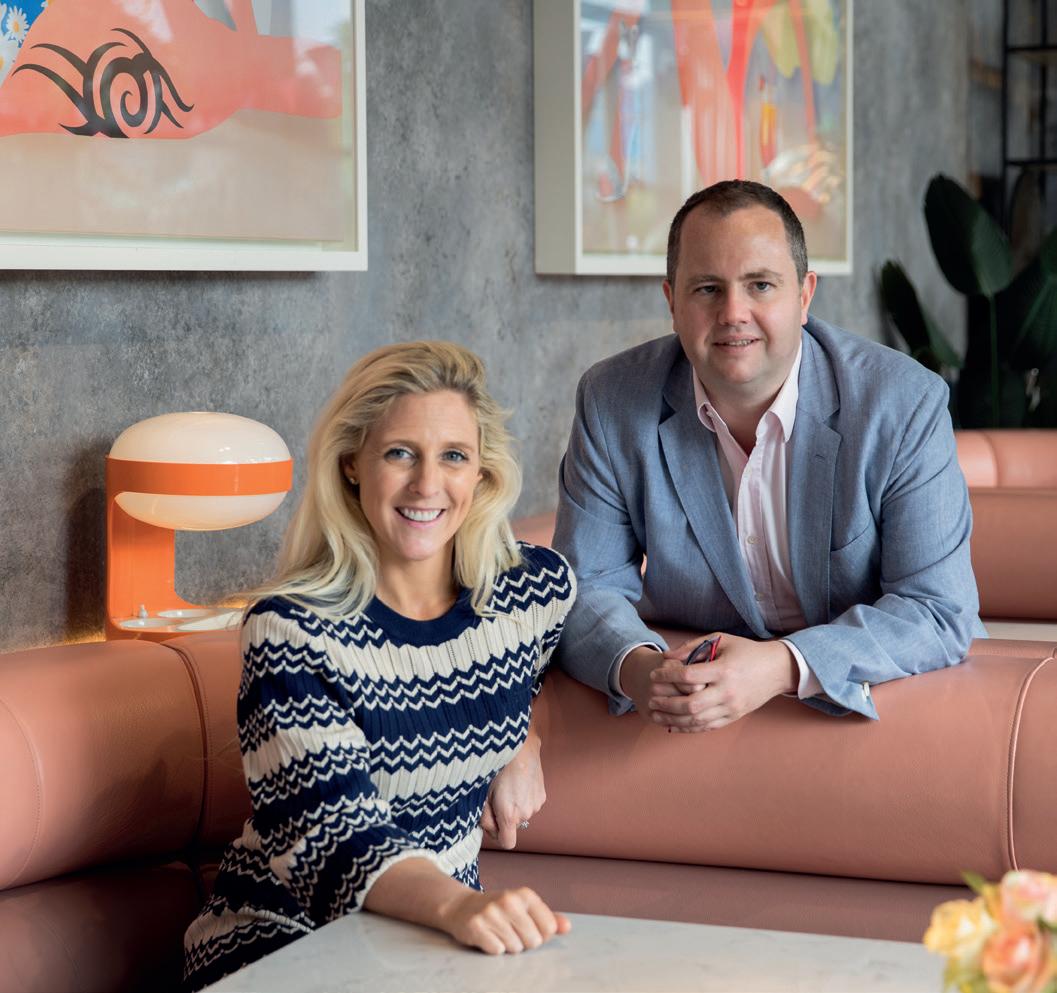
At Daisy, we always love March. The light stays a little longer and there’s a sense that things are moving again. Spring is on its way, bringing fresh energy, new ideas and a good excuse to get back out into London.
This issue is shaped around International Women’s Day, a chance to recognise the women who make such a big impact on our businesses, our communities and our everyday lives. Across Daisy Green, we’re lucky to work alongside some brilliant women in our kitchens, behind the bar, in our offices and across our neighbourhoods. Their creativity, care and commitment shape what we do, and this month we wanted to take a moment to celebrate that. It feels especially meaningful in a business where nearly two-thirds of our leadership team is made up of women, helping guide and shape Daisy Green every day.
Seasonality is at the heart of our approach to food at Daisy. In March our menus start to lighten, plates get brighter, as we linger over brunch, coffee or a glass of wine. Spring is about making the most of being out and about again. Mother’s Day falls later this month too, marking another reason to get together over good food and good company.
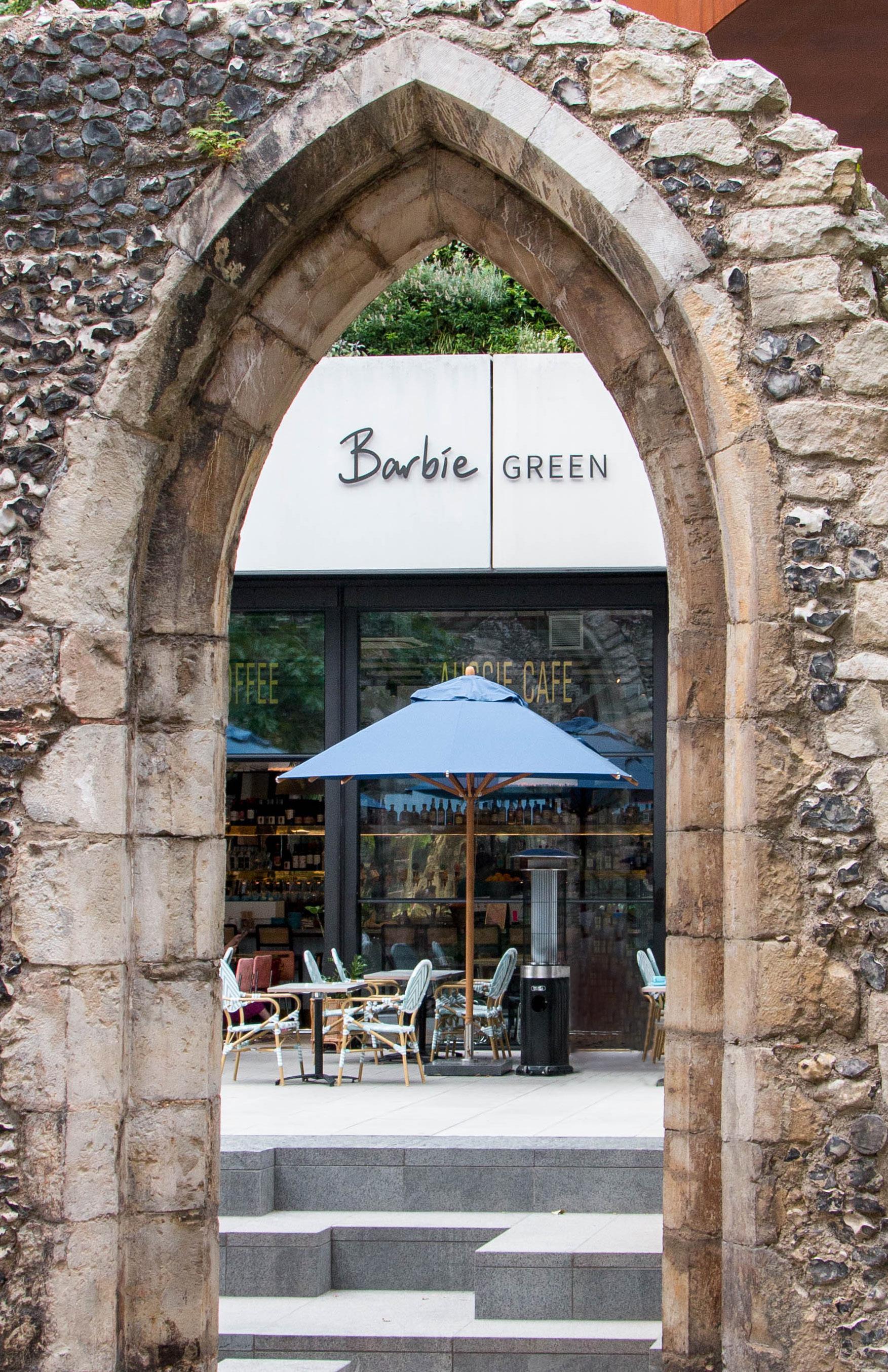
For our neighbourhood focus, we’re heading to the Barbican, home to Barbie Green and one of our favourite parts of the city. It’s an area shaped by culture, architecture and a strong sense of community, with plenty to discover if you take the
time to look around. We love being part of this neighbourhood and are excited to share a few of the places and moments that make it special.
As always, these pages bring together the food, people and places we’re enjoying right now. However March finds you, we hope this issue gives you a reason to get out, spend time with good friends and enjoy the start of spring.
What We Love In London
10. Where To Take Mum This Mother’s Day 08. Our Favourite Areas: Barbican
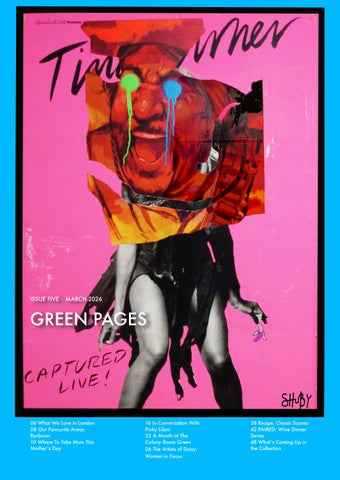
ISSUE FIVE - MARCH 2026
20. In Conversation With Pinky Lilani OBE
38. Recipe: Classic Scones
26. The Artists of Daisy: Women in Focus
48. What’s Coming Up in the Collection 16. A Month At The Colony Room Green
42. PAIRED: Wine Dinner Series

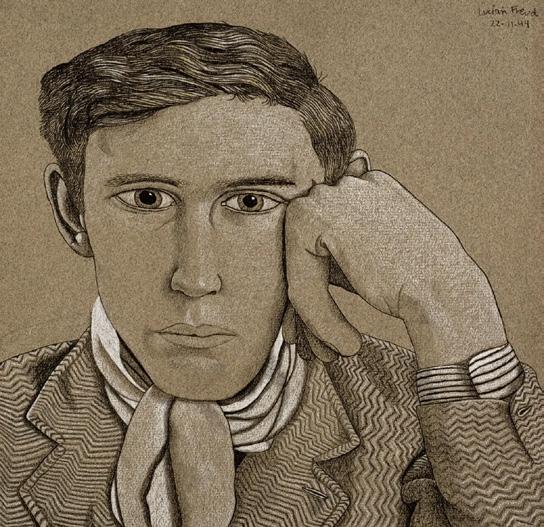
01 Photo: Portrait of a Young Man, 1944, Lucian Freud, © The Lucian Freud Archive. All Rights Reserved 2025 / Bridgeman Images, Lent by a private collection.
02 Photo: Daniel Boud
Our favourite exhibitions, openings and seasonal moments across the city this month.
Lucian Freud: Drawing into Painting at the National Portrait Gallery (Until 4 May 2026)
At the National Portrait Gallery, this exhibition explores Lucian Freud’s intense drawing practice - an aspect of his work which has never been explored this deeply. Bringing together 175 works, it offers a revealing look at one of Britain’s greatest figurative artists.
Dracula at the Noël Coward Theatre (until 30 May 2026)
This electrifying production brings Bram Stoker’s immortal tale to life for audiences with a huge contemporary twist. Cynthia Erivo (most recently starring in the Wicked films) takes on the immense task of playing all 23 roles. This Australian-led production offers a bold new perspective on one of literature’s most enduring tales and is not to be missed for this strictly limited season.
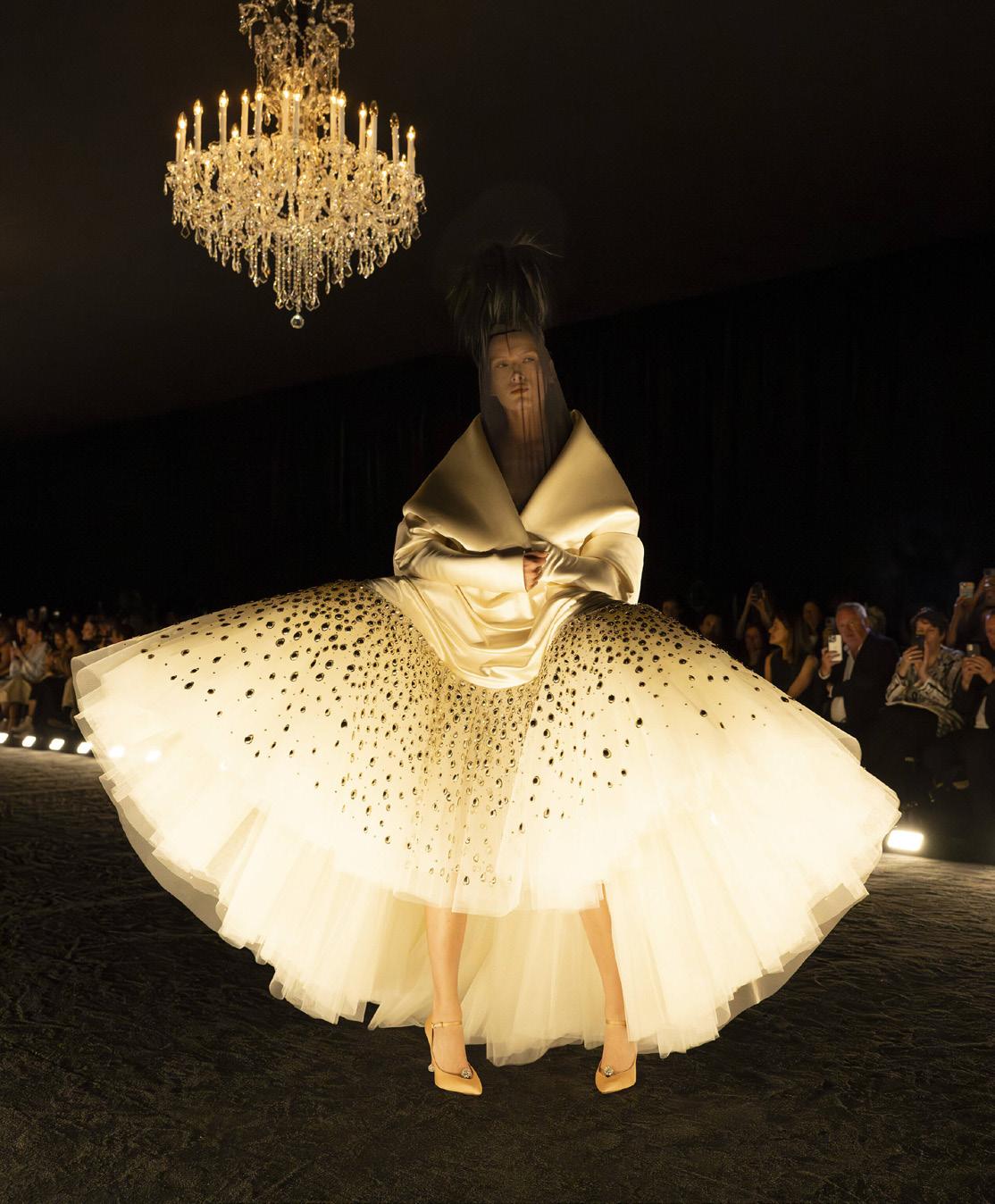
Schiaparelli: ‘Fashion Becomes Art’ at the V&A (Opening 28 March)
A simply “must see” for fashion and art lovers, this exciting new exhibition reveals how Italian couturière Elsa Schiaparelli turned couture into high art. Showcasing over 200 garments, accessories, artworks and archival pieces, including iconic collaborations with Salvador Dalí and Jean Cocteau. Free for V&A members!
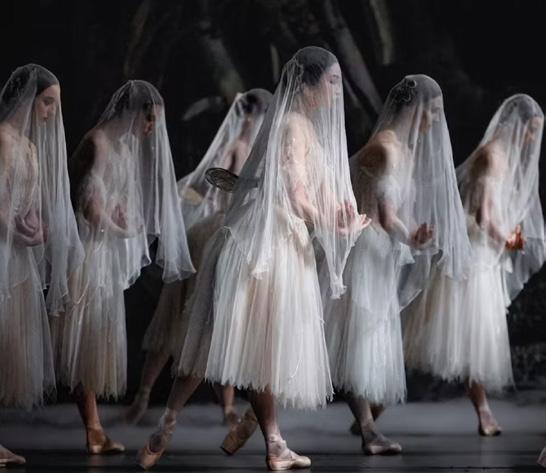
Giselle at the Royal Opera House (until 20 March)
One of ballet’s great classics returns to the Royal Opera House this season. Giselle, the quintessential Romantic ballet, tells a haunting story of love and heartbreak, set to Adolphe Adam’s sweeping score performed live. Tickets start from £10.
Inter Alia at Wyndham’s Theatre (19 March – 20 June 2026)
Following a sold-out run at the National Theatre, Inter Alia comes to the West End. Written by Suzie Miller and directed by Justin Martin (Prima Facie), the gripping drama stars Rosamund Pike as a Crown Court judge forced to confront the collision between justice and motherhood when a personal crisis hits close to home.
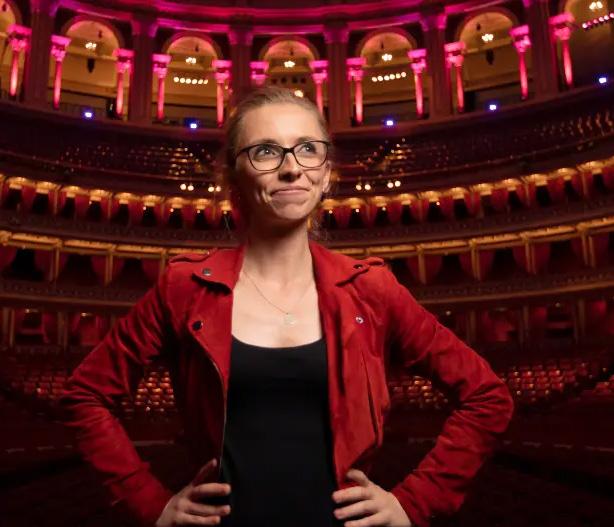
IWD at the Royal Albert Hall (8 March)
Join Royal Albert Hall organist Anna Lapwood and special guests for an International Women’s Day concert celebrating female composers through favourite film scores and iconic music, from Interstellar to Kate Bush and Lord of the Rings. Tickets from £25.
St Patrick’s Day in London (17 March)
St Patrick’s Day brings a flash of green to London each March, with parades, live music and Irish celebrations popping up across the city. From Trafalgar Square festivities to lively pubs and late-night parties, it’s a joyful excuse to gather, celebrate and soak up a little Irish spirit.
03 Photo: © Giovanni Giannoni. Photo courtesy Patrimoine Schiaparelli, Paris
04 Photo: Royal Ballet & Opera
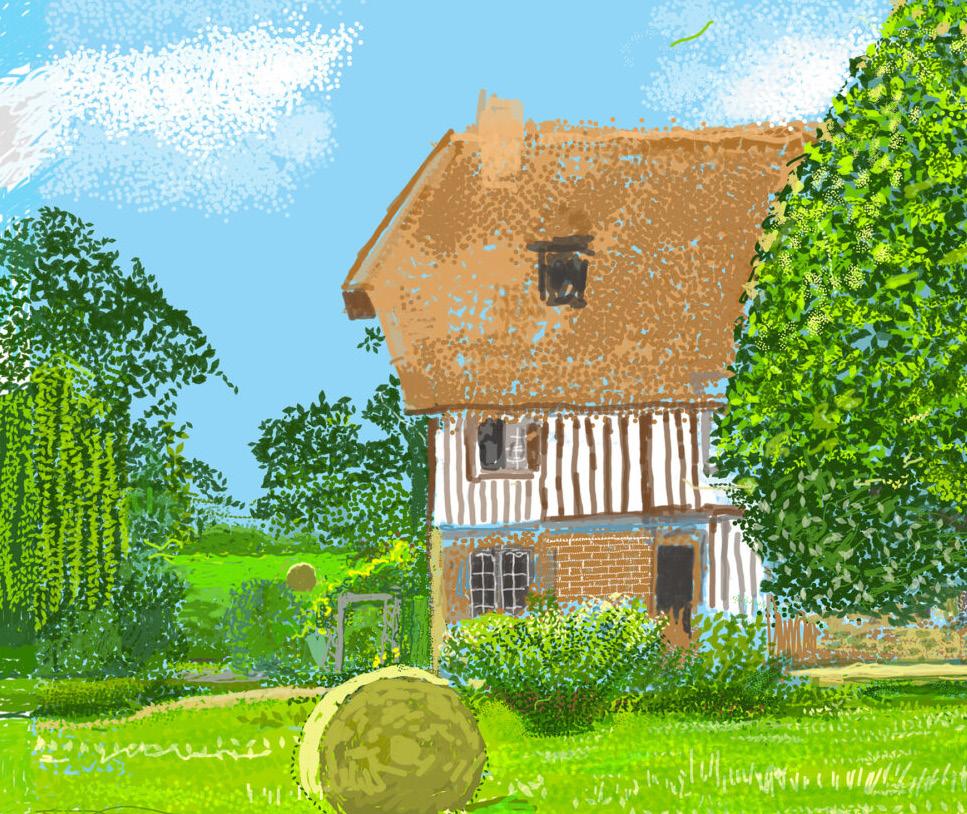
David Hockney: A Year in Normandie (12 March until 26 August)
At the Serpentine Galleries, David Hockney presents a joyful meditation on landscape, time and the act of looking. Centred around his monumental 90-metre iPad painting inspired by the changing seasons in Normandy, the exhibition invites visitors to slow down and find beauty in the everyday. From 12 March until 26 August. Free entry.



Did you know the Barbican stands on the site of a Roman fort and part of London’s original city wall? Its name comes from barbacane, meaning a defensive outpost, a place once defined by protection and survival at the edge of the old city.
Much of what we see today exists because of destruction. Almost completely flattened during the Blitz, the area was rebuilt in the 1960s and 70s as a radical vision for modern city living: a self-contained neighbourhood
designed around people, shared space and culture. The striking Brutalist architecture still divides opinion, but that sense of bold experimentation remains part of its identity.
Now one of London’s most important cultural hubs, the Barbican is home to galleries, theatres, cinemas and concert halls, drawing artists, musicians and audiences from across the world. Around International Women’s Day, the programme places a special spotlight on female voices
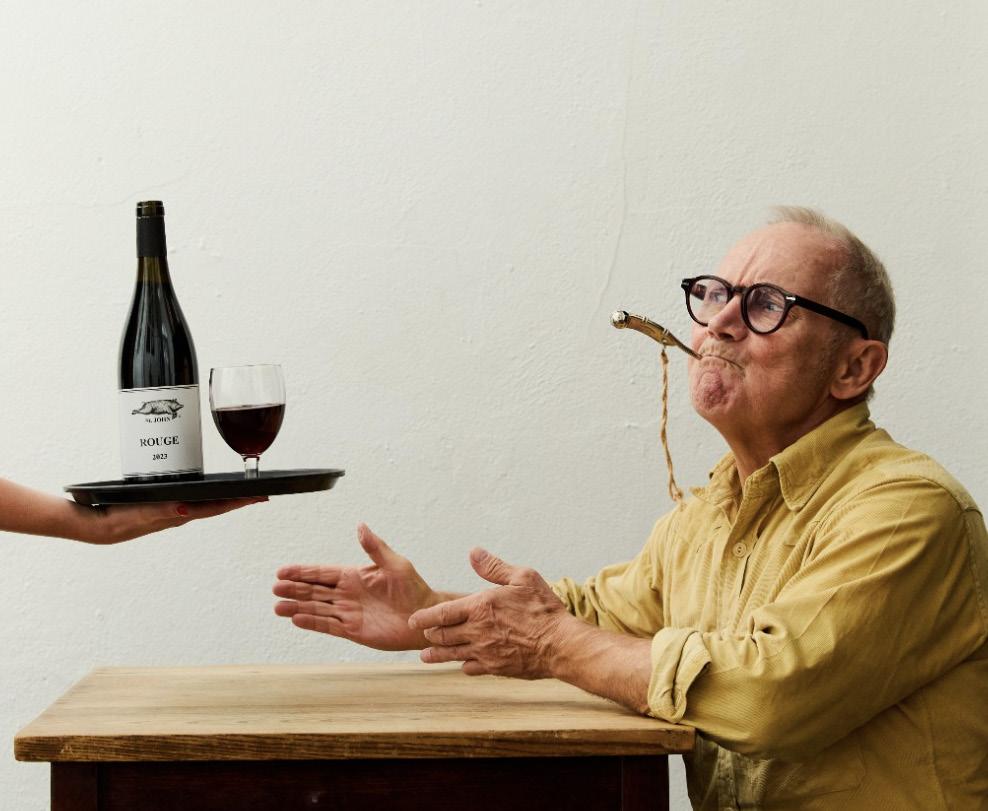
Eat: St. JOHN
26 St John St, Barbican, London EC1M 4AY
Just moments from the Barbican, St. JOHN is a London institution. Founded in 1994 by Fergus Henderson, the former smokehouse helped redefine modern British cooking through its pioneering nose-to-tail philosophy and beautifully simple, ingredient-led dishes.
We’re also huge fans of his wife, Chef Margot Henderson, who has been equally influential, later opening the much-loved Rochelle Canteen and shaping a generation of produce-led cooking in London. Together, their work changed the way the city eats.
stjohnrestaurant.com
and creativity through a series of talks, screenings and cultural events taking place across the centre.
Barbie Green sits right at the centre of it all, somewhere to meet before a performance, pause after an exhibition, or linger over coffee while the rhythm of the neighbourhood unfolds around you.
Nearest Tube: Barbican / Moorgate
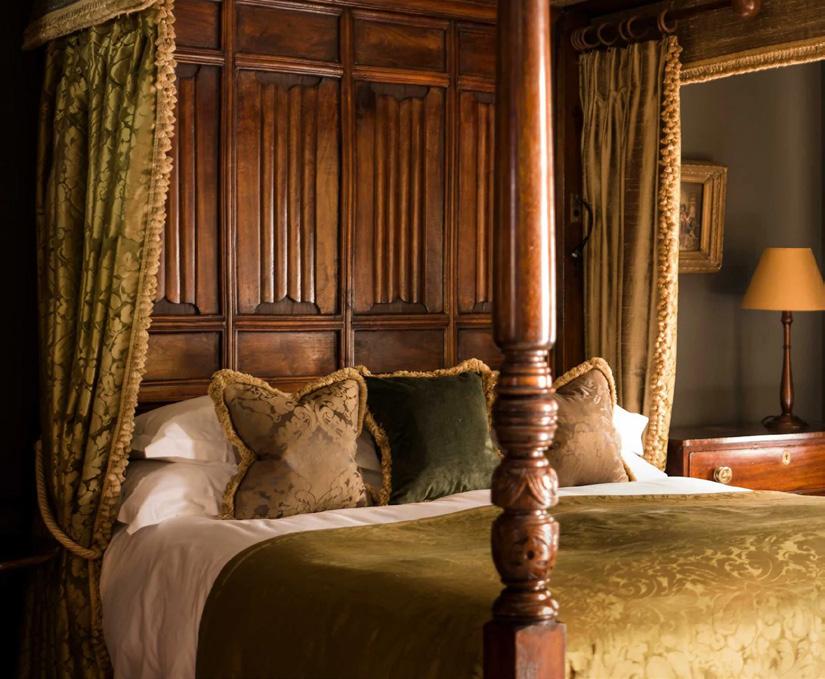
12 Folgate St, London E1 6BX
Tucked away on a quiet cobbled street between Spitalfields and the Barbican, Batty Langley’s feels like one of London’s best-kept secrets. The hotel draws on the elegance of Georgian design, with richly layered interiors, antique furnishings and carefully chosen details that give each room its own character. Step outside and you’re moments from the energy of Spitalfields Market, independent shops and some of East London’s most interesting restaurants, while the Barbican’s cultural landmarks sit just a short walk away.
battylangleys.com
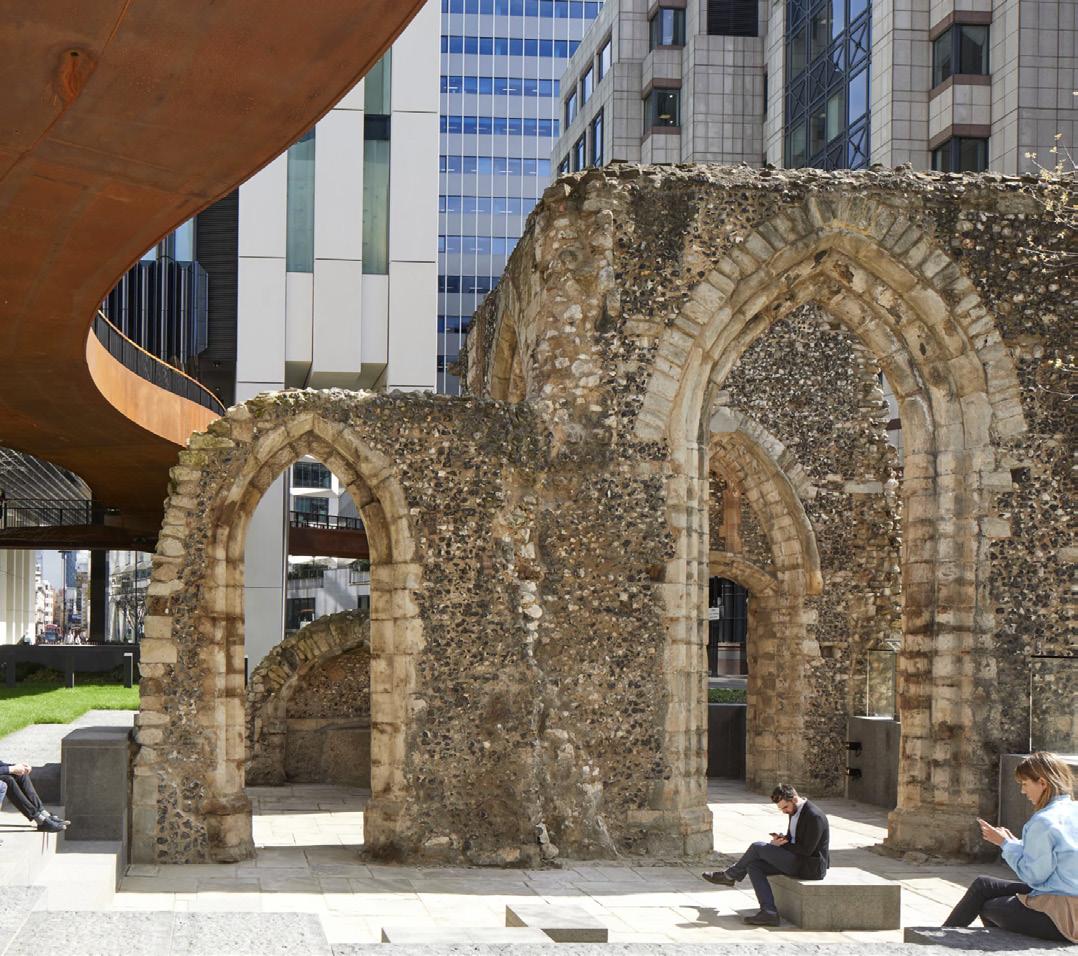
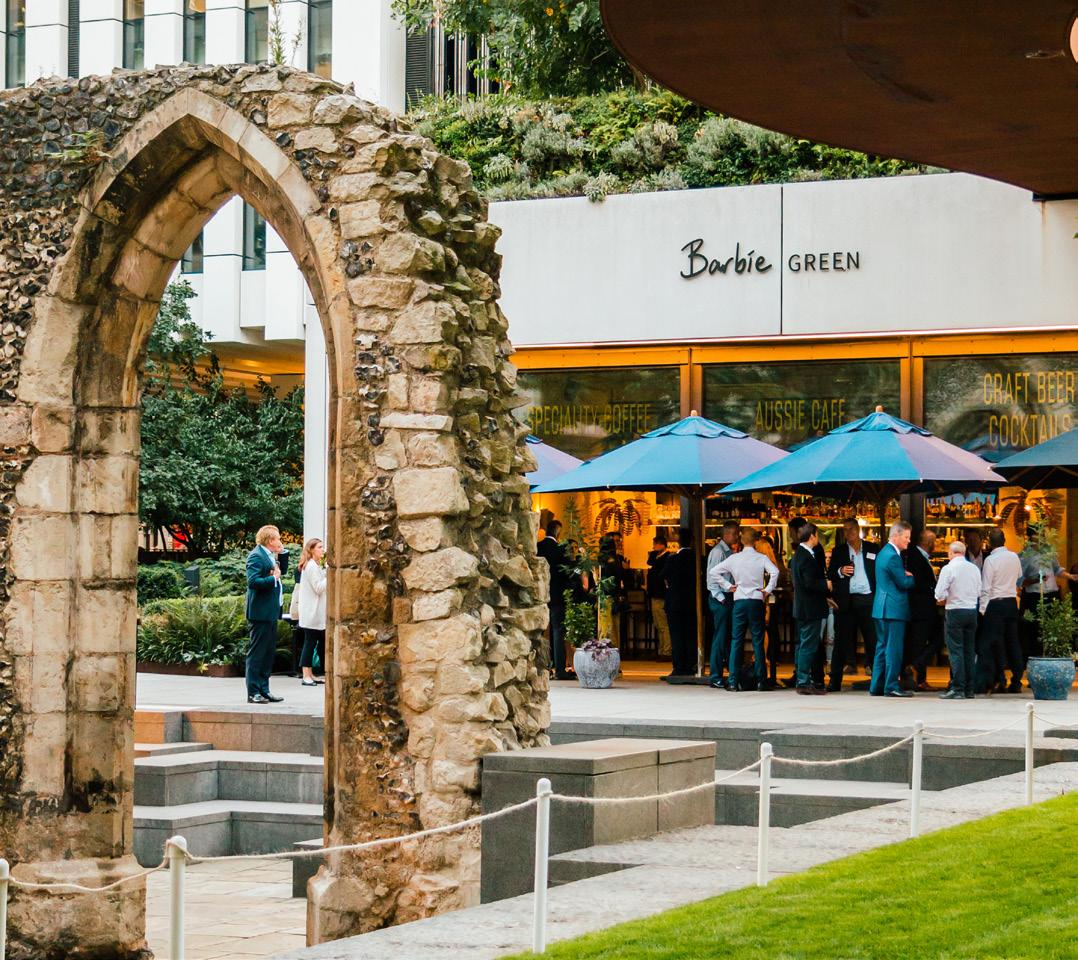
Right beside Barbie Green runs London Wall, part of the original Roman fortification built almost 2,000 years ago to protect the city. It once marked the edge of Londinium, a boundary between the known and the unknown. Sections of the Wall still stand today, threading through the Barbican and reminding you that this part of London has always been about layers: defence, rebuilding, reinvention.
The Wall has been many things over the centuries. Medieval repairs sit on top of Roman stone. Victorian railways sliced through it. Post-war planners built around it rather than over it. If you follow its route on foot, it disappears and reappears, through basements, along walkways, behind office blocks, until suddenly you’re standing next to it again, face to face with something that’s outlasted almost everything else in the city.
Barbie Green sits right alongside this stretch of history, woven into the daily life of the Barbican. It’s the kind of place you drop into before a show, meet after a long walk, or stop because you’ve ended up following the Wall without quite meaning to. The menu is designed to suit that pace, all-day brunch classics, plates that travel well from morning into afternoon, and easy options if you’re settling in for longer.
There’s something grounding about eating, drinking or catching up with friends a few steps from one of London’s oldest structures. Barbie Green isn’t trying to compete with the history around it, it simply lives alongside it, part of the area’s ongoing story.
Mum feel special
Mother’s Day is a chance to slow things down and spend proper time together, whether you’re celebrating mum, a grandmother, a mother figure, or simply someone who’s always shown up for you. It’s less about grand gestures and more about shared moments: a long brunch that rolls into the afternoon, a walk through the city followed by a good lunch, or a glass of something celebratory enjoyed without watching the clock.
However you choose to mark it, the day is really about connection — taking time to say thank you, to catch up properly, and to make new memories around the table. Across Daisy Green, each space offers its own way to celebrate, from relaxed mornings over coffee to cosy roasts and cocktails that carry the day into evening.
AT PEGGY JEAN
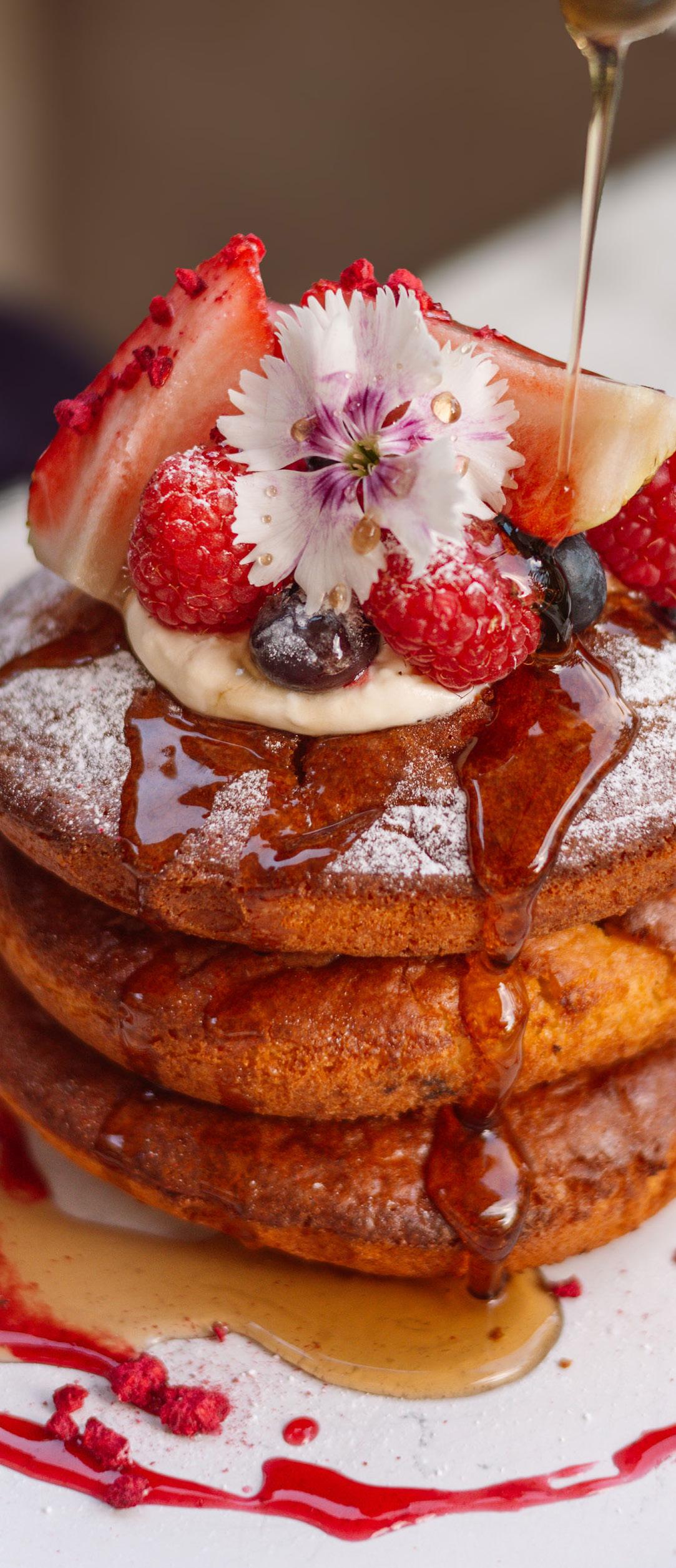
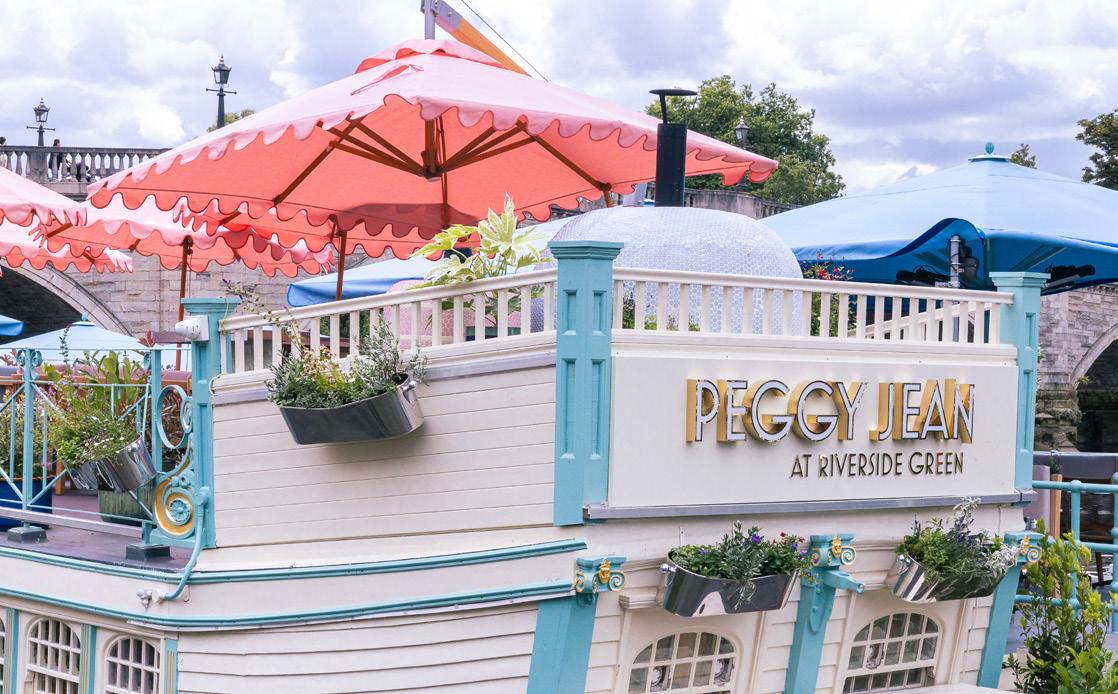
A long brunch always feels like the right place to start. Coffee, pancakes, something savoury if you’re feeling sensible, or both if you’re not. Whether it’s your local or Peggy Jean for brunch on our boat in Richmond. (And a little Daisy trivia: Peggy Jean was a finalist for Best New Restaurant Opening in the UK in 2022.)
AT THE NATIONAL PORTRAIT GALLERY
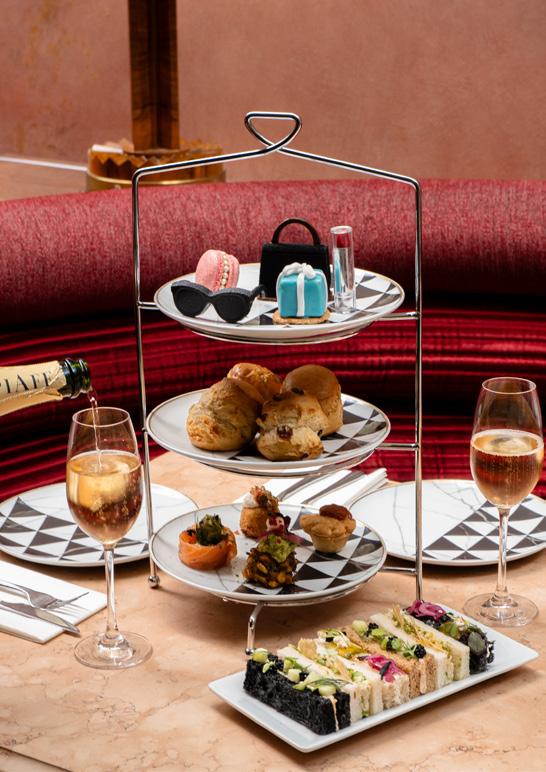
For something a little more indulgent, Breakfast at Audrey’s afternoon tea at Audrey Green takes its cue from the elegance of Audrey Hepburn and the timeless charm of Breakfast at Tiffany’s. Expect delicate finger sandwiches, warm scones with clotted cream and raspberry conserve, and beautifully crafted patisserie made in-house each day, all served with a touch of iconic blue glamour inside the National Portrait Gallery. It’s a slower, more nostalgic way to celebrate, made for lingering conversations and a proper treat.
AT BONDI GREEN
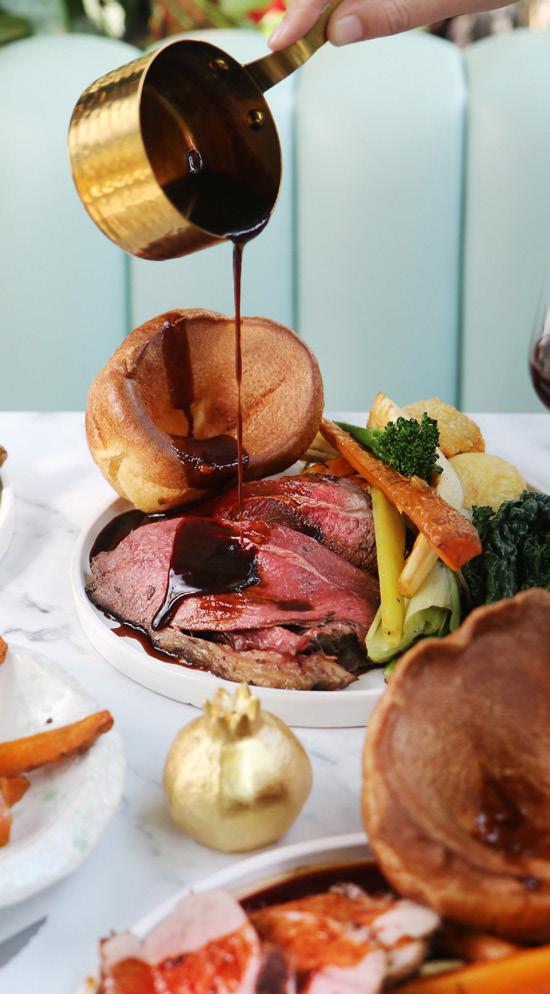
Sometimes the classic option really is the best one. At Bondi Green in Paddington, Mother’s Day calls for proper Sunday roasts, 45-day aged Hereford beef, slow-roasted lamb, corn-fed chicken or a seasonal mushroom Wellington, all served with crispy duck fat potatoes, Yorkshire puddings, roasted roots and rich gravy. Add cauliflower cheese for the table (highly recommended).
AT LARRY’S
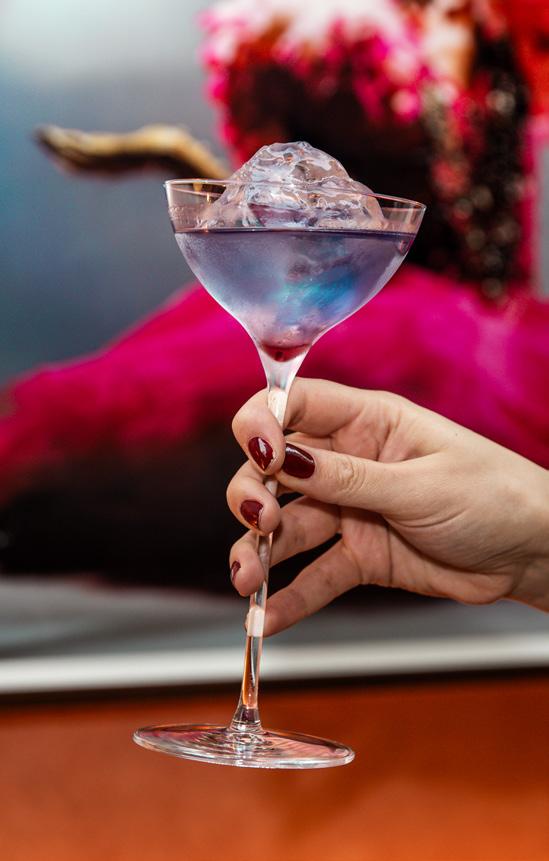
As the day moves into evening, head downstairs to Larry’s at the National Portrait Gallery for cocktails in a setting that feels quietly cinematic. Tucked beneath the gallery, it’s the perfect spot for a martini or a glass of something sparkling, an easy, grownup way to round off Mother’s Day with one last toast together.







Art, music and stories from across the Collection


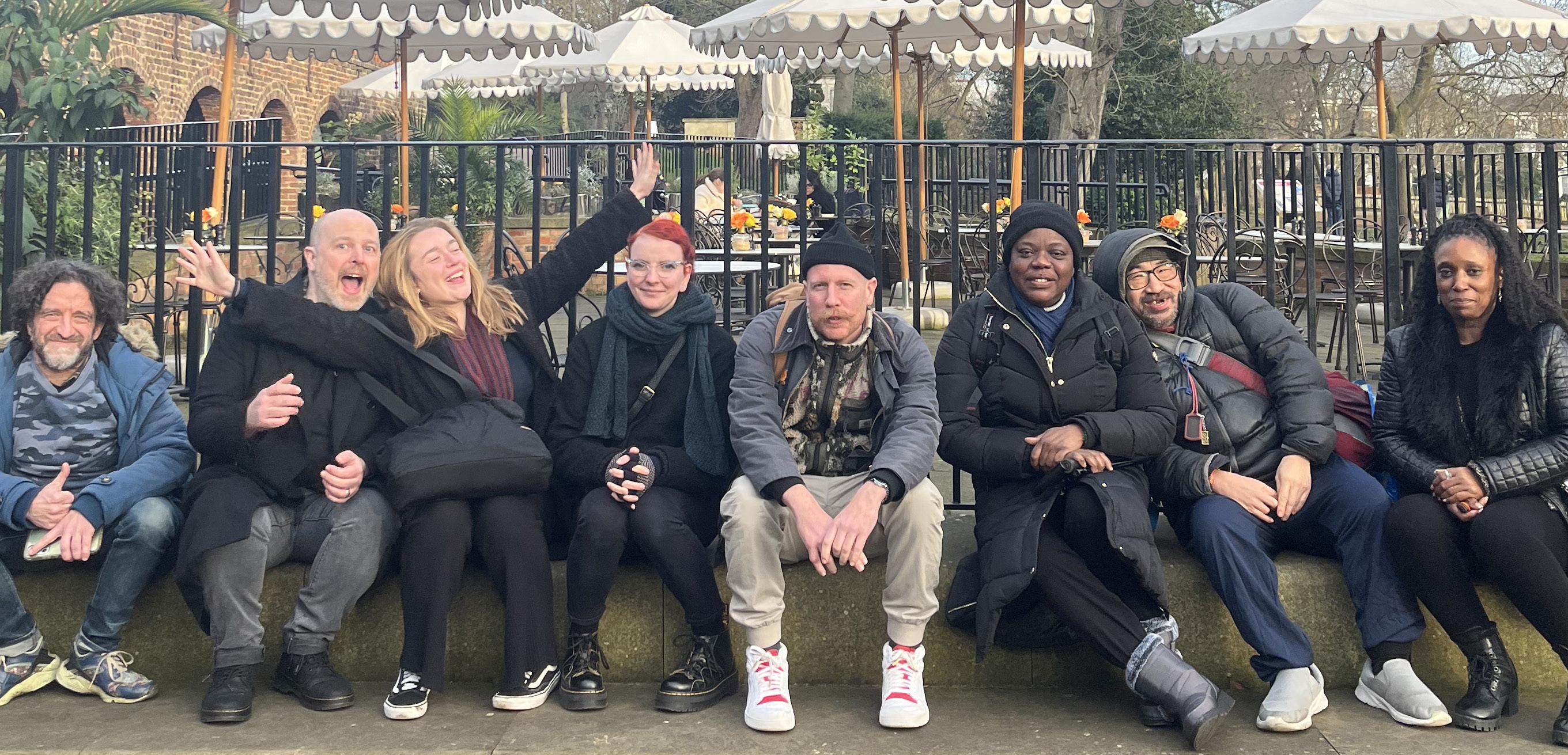
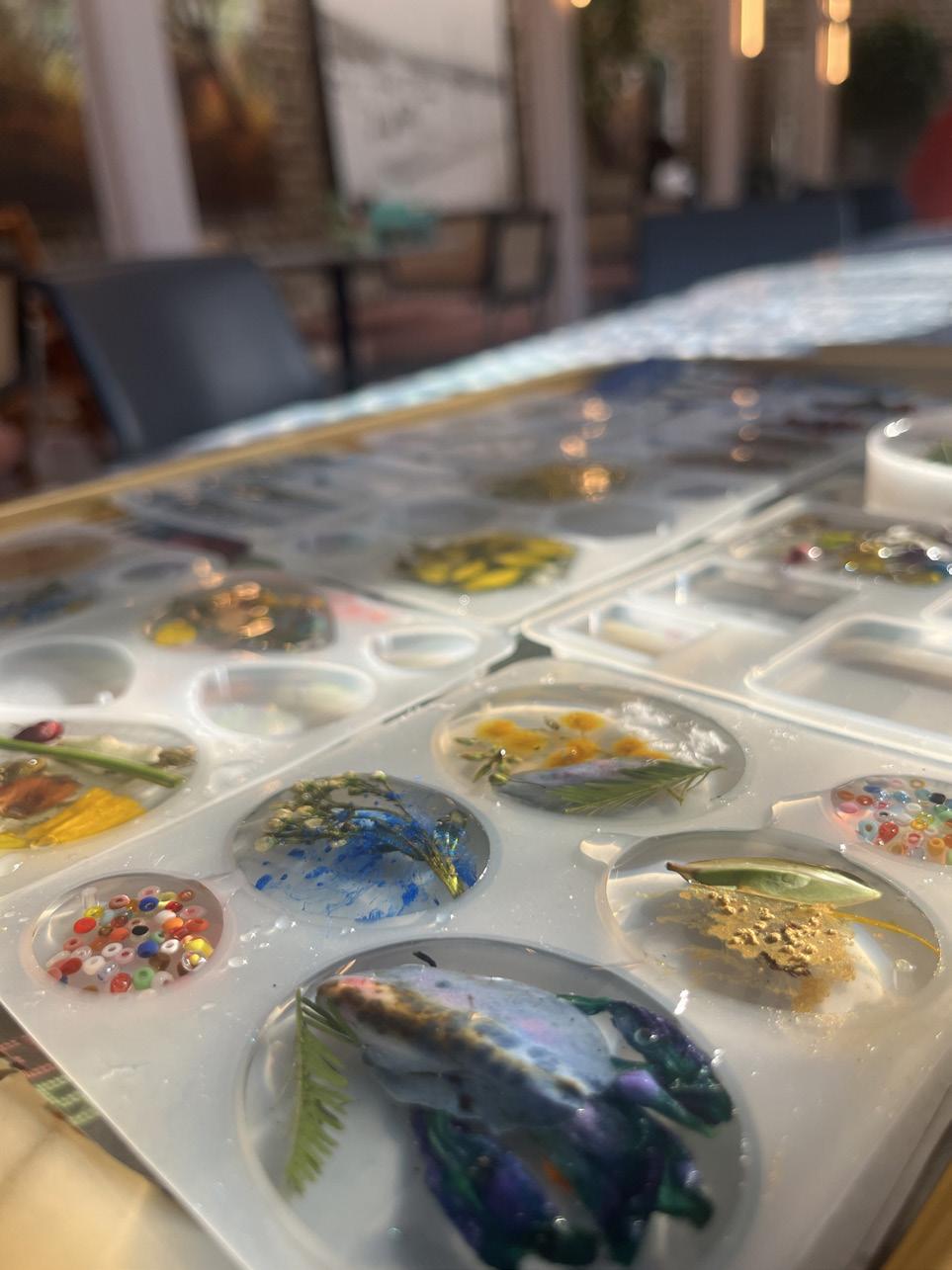
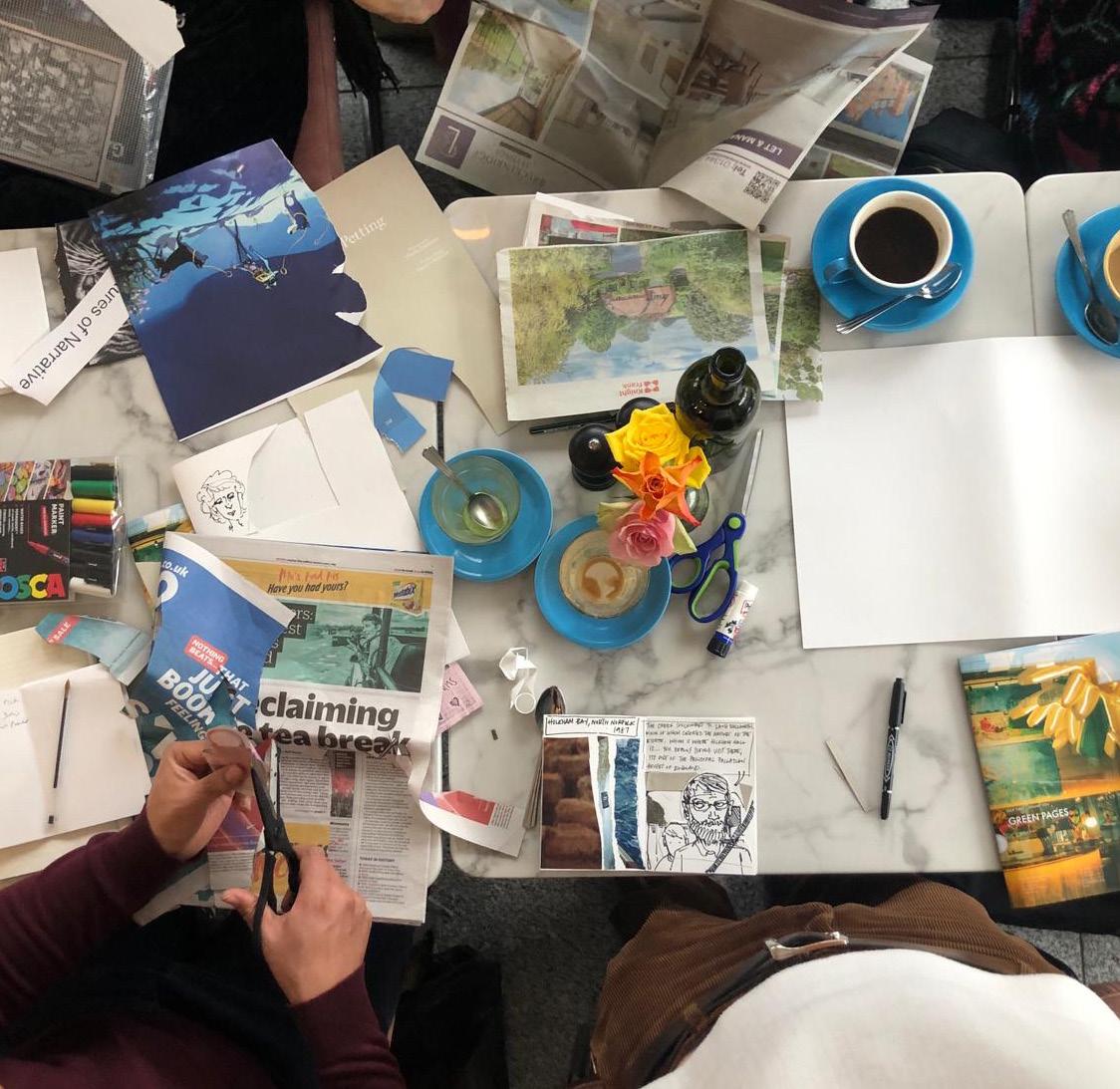
Inside the inclusive workshops transforming mornings at Holland Park Café.
Inside Holland Park Café on an otherwise ordinary Tuesday, the place is buzzing. A community of creatives are chatting over coffee and throwing themselves into making zines—the long loved medium of connection. However, this isn’t just another craft session. It’s a bold reimagining of what social care activities can be. Connect & Do workshops are powered by a talented team of artists and creative facilitators who bring not only skill but lived experience of learning disabilities or mental health support. Their leadership turns a simple creative meetup into a powerful act of collective expression and purpose.
Connect & Do was launched by social care charity Certitude 10 years ago. Popularity continues to grow because of one simple belief - that inclusive communities are built by bringing people together through their shared interests and an opportunity to connect.
For this reason, daily workshops are free
and open to all thanks to the support of donations and community partners such as the Daisy Green Collection. What started in 2016 as a 10-week course has transformed into an energetic creative community that mentors it’s peer facilitators to provide accessible activities both online and in local neighbourhoods. “There are no referrals, no paperwork, no sign-ups – just people dropping in to have fun doing creative stuff together because they want to – it’s the essence of community, and we’re so lucky to have community partners who just get it”
Jake Meyer, Connect & Do’s Community Development Practice Lead
Connect & Do’s success lies in the uncomfortable truth that, sadly, not all community activities are inclusive, and not all activities that are inclusive are open to the community. So, with over fifty sessions available each month, the programme attracts an incredibly diverse community of creatives who might never have met.
Connecting in this way has led to the development of significant relationships, friendships and life skills for people. This is not only important for the health of our communities, but Certitude’s research shows that it plays an important role in supporting individual mental health. 80% of attendees say it has improved their wellbeing, confidence and connection with community.
As one facilitator explains; “It helped me regain my confidence and trust in working with other people. The reason it works for me is because I’m treated as an equal where my needs are understood and accommodated.”
As pressure on social care budgets continues, community partnerships are a lifeline for programmes like Connect & Do. This is the second season of workshops at Holland Park Café, which builds on 2025’s ‘Inspired by Nature’ series. Designed to spark creativity using materials found outside in Holland Park, people experimented with gel printing, jewellery-making, stone painting and more. In 2026, this experimentation continues and every session is still free and open to all.
As Daisy Green co-founders, Prue Freeman & Tom Onions explain “As an organisation, we’re committed to supporting diversity and inclusion, so this is a wonderful opportunity for us to work with Certitude as a trusted partner to continue our contribution in building a society that we can all enjoy.”
You can join Certitude’s Connect & Do sessions at Holland Park Café on the last Tuesday of every month.
To see the full programme, or to find out how to support Connect & Do’s work scan:
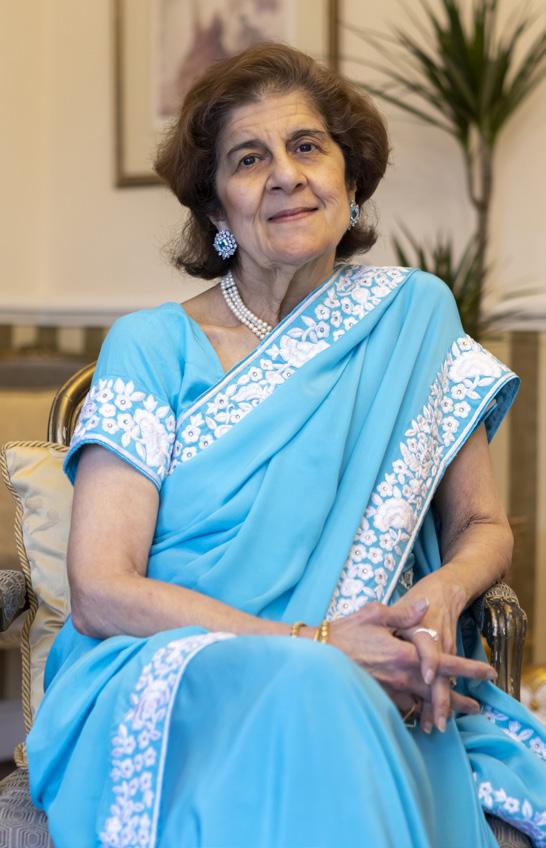
We were lucky enough to sit down with Pinky Lilani OBE — author, food expert and founder of the globally recognised Women of the Future programme — to talk about connection, kindness and the power of bringing people together. From championing young female leaders around the world to cooking her now-famous Bombay potatoes in boardrooms and lecture halls, Pinky has spent her career opening doors for others. We spoke about the inspiration behind her work, the stories and films she returns to time and again, and why, for her, food remains one of the most powerful ways to connect.
You’ve built a remarkable global platform through Women of the Future. What originally inspired you to create it?
I started ‘Women of the Future’ because every day I speak to five people I don’t know in my daily life and realised that so many women felt marginalised. Between wanting to have children and wanting to succeed in what is still such a male-dominated world. I thought, let’s recognise women, but especially the younger ones, because when somebody is below 35, they’re rarely recognised in the same way as someone later in life. That’s why I started Women of the Future – a woman of the past trying to do something for women of the future.
You are often described as a “super connector” - what does meaningful connection mean to you?
Meaningful connection, to me, is about truly valuing people and wanting to stay in touch. It’s about bringing diverse individuals together so they can lift each other up, because everything I’ve achieved has been thanks to people who opened doors for me. I’m always thinking, how can I help? How can I connect someone who might make a difference in someone else’s life?
That’s why my Bombay potatoes are so special to me. When no one wanted my first cookbook, I started bringing my wok to leadership talks and cooking them in five minutes -

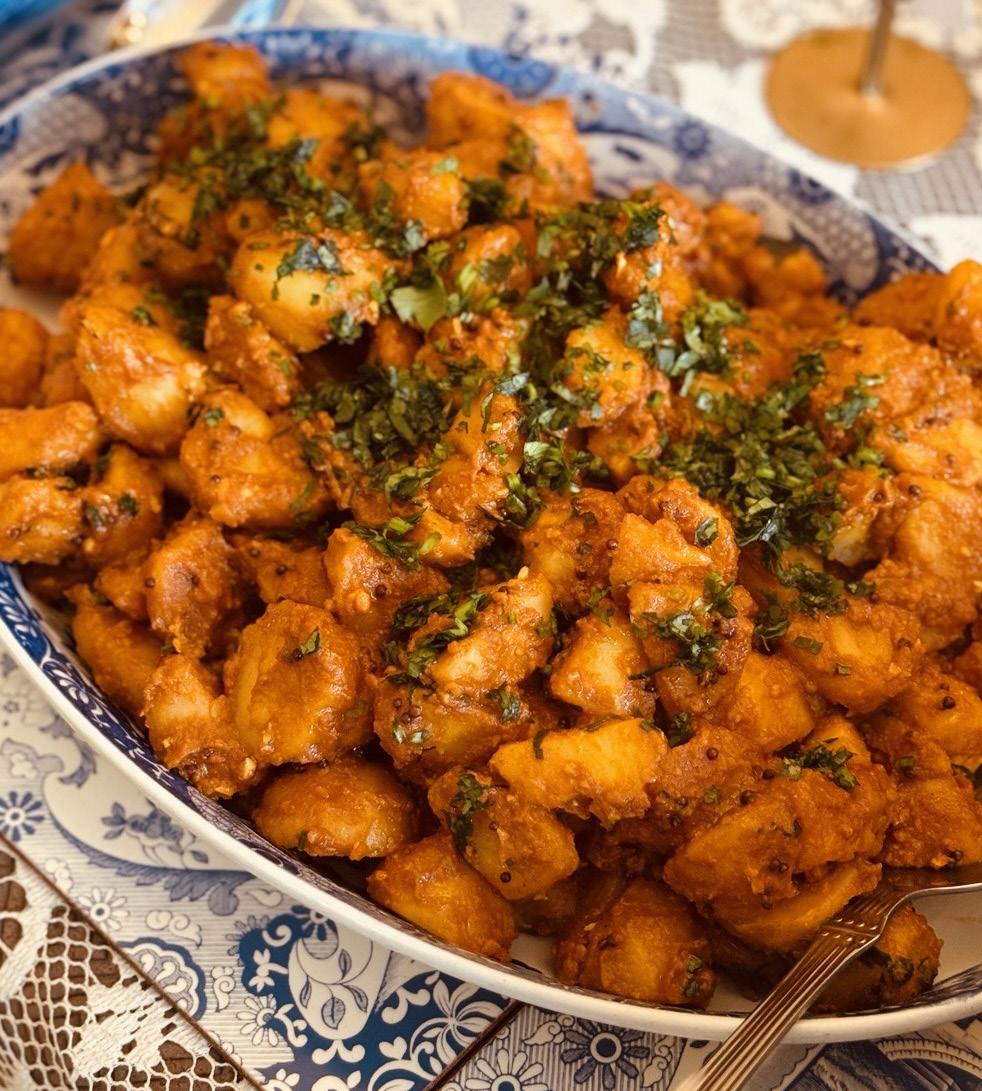
everywhere from the University of Cambridge to the Bank of England. It’s been to over 70 companies and made the same potatoes! Food has this beautiful way of breaking barriers and bringing people together. For me, it’s simple: food, people and kindness: that’s where real connection begins
What’s your proudest achievement?
I think, just for me, what I’ve been happy about is opening doors for people, just as doors have been opened for me and taking people where they least expect to go. I’m so proud that I’ve been able to introduce people who they’d never meet and make them believe in life, believe in themselves.
What legacy would you hope Women of the Future will leave?
I hope Women of the Future leaves behind hope and inspiration - that when people look at what we’ve done, they’ll find stories that move them and pathways they never imagined were possible. I want it to
be a truly global sisterhood — a tribe of women who support one another, wherever they are in the world. Sustainability matters so much to me; this can’t be something fleeting. My hope is that it will be there for the long term, especially for those facing challenges, and that we continue to nurture real, lasting relationships, just as we’ve stayed connected with women we first met back in 1999. That continuity, that enduring community, is what really matters.
Read more about Women of the Future programme here
You’ll need
1 lb potatoes (new potatoes work particularly well as they hold their shape)
2 tbsp vegetable oil
A few curry leaves (optional)
½ tsp mustard seeds
1 tsp freshly ground garlic
2 tbsp coriander and cumin powder
¼ tsp chilli powder
½ tsp turmeric
1 tbsp tomato purée
Salt, to taste
A handful of finely chopped coriander leaves
Prepare the potatoes
Boil the potatoes with their skins on until fully cooked.
Allow them to cool slightly, then peel away the skins using your fingers while still warm — they should slip off easily.
Cut the potatoes into roughly 1-inch pieces.
Make the spice base
In a small bowl, mix together the coriander and cumin powder, chilli powder, turmeric and tomato purée with around half a cup of water to form a loose paste.
Cook
Heat the oil in a pan until hot, then add the mustard seeds and allow them to sizzle.
Add the garlic, followed by the spice mixture, stirring gently as it cooks.
Tip in the potatoes and turn carefully so they are evenly coated.
Cook for 2–3 minutes until the potatoes are warmed through and glossy with spice. Season with salt and finish with chopped coriander leaves.
To serve
Serve warm as part of a larger spread or alongside grilled dishes.
If you prefer a little more sauce, simply add a splash of water while cooking and stir gently to loosen.
OF THE MONTH:
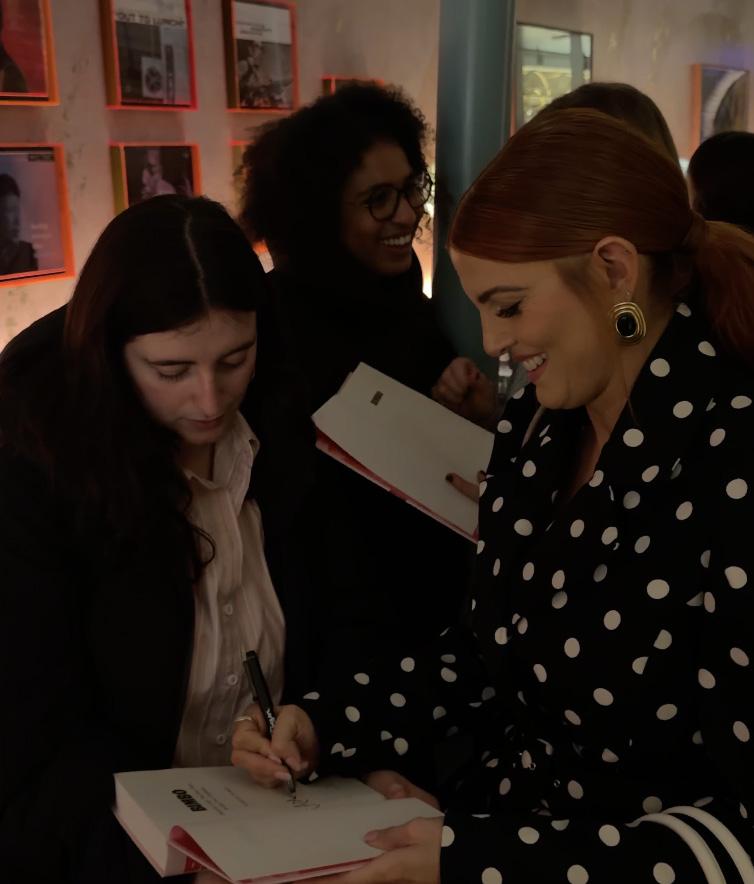

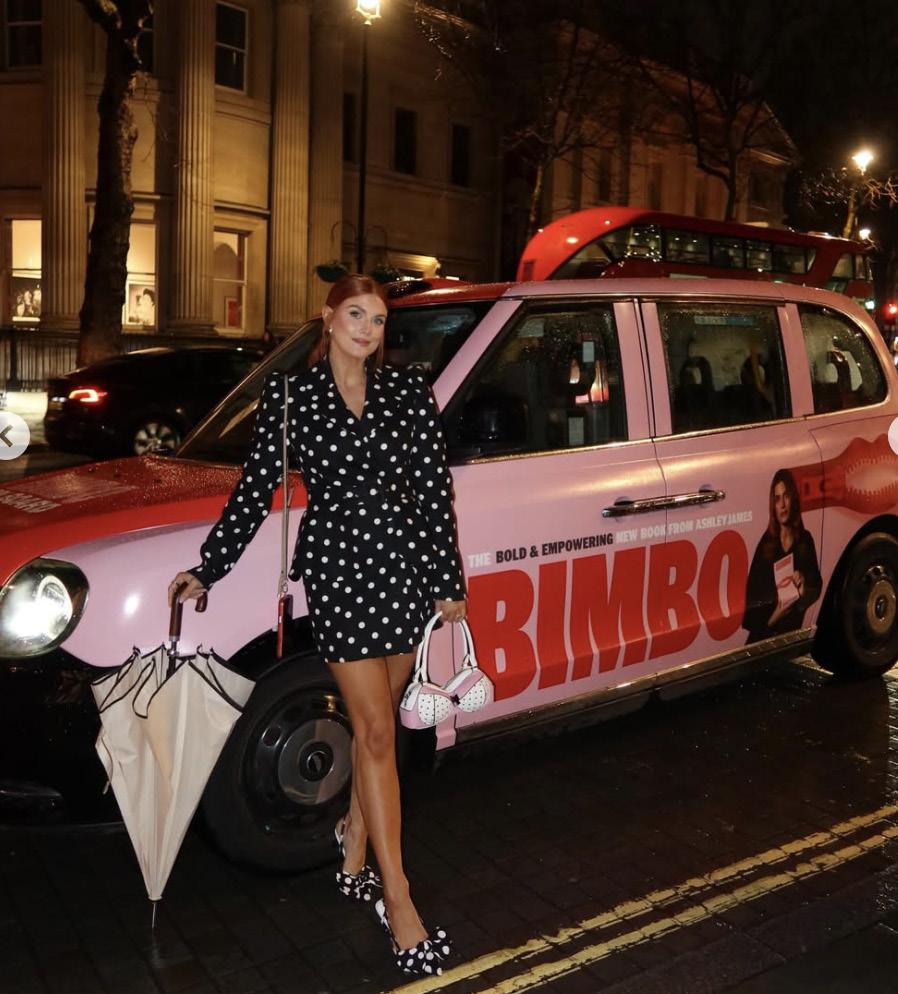
Some words carry more weight than they should. Bimbo is one of them, a label long used to reduce women to a stereotype, dismissing intelligence, ambition or complexity in a single breath. In her debut book, Ashley James takes that word apart, examining where it came from, who it serves, and why it still quietly shapes how women are seen today.
Rather than a traditional memoir, Bimbo unfolds through reflections on identity, confidence and the expectations placed on women at different stages of life. Drawing
Order Bimbo here and read more: Order the book via Penguin
on her experiences in media and motherhood, James explores the tension between public perception and private reality, the pressure to be agreeable but never too outspoken, successful but never intimidating.
Written in an open, conversational voice, the book feels less like a manifesto and more like an invitation to rethink the labels women inherit and carry forward. It’s thoughtful without being heavy, and relatable in the way the most honest conversations tend to be.
With March marking International Women’s Day, Bimbo felt like a fitting choice for this month’s review, a book that encourages reflection on how language, confidence and expectation continue to shape women’s experiences today. We were also delighted to host Ashley’s launch drinks at Larry’s at the National Portrait Gallery this February, making it a title especially close to home for the Daisy Green community.
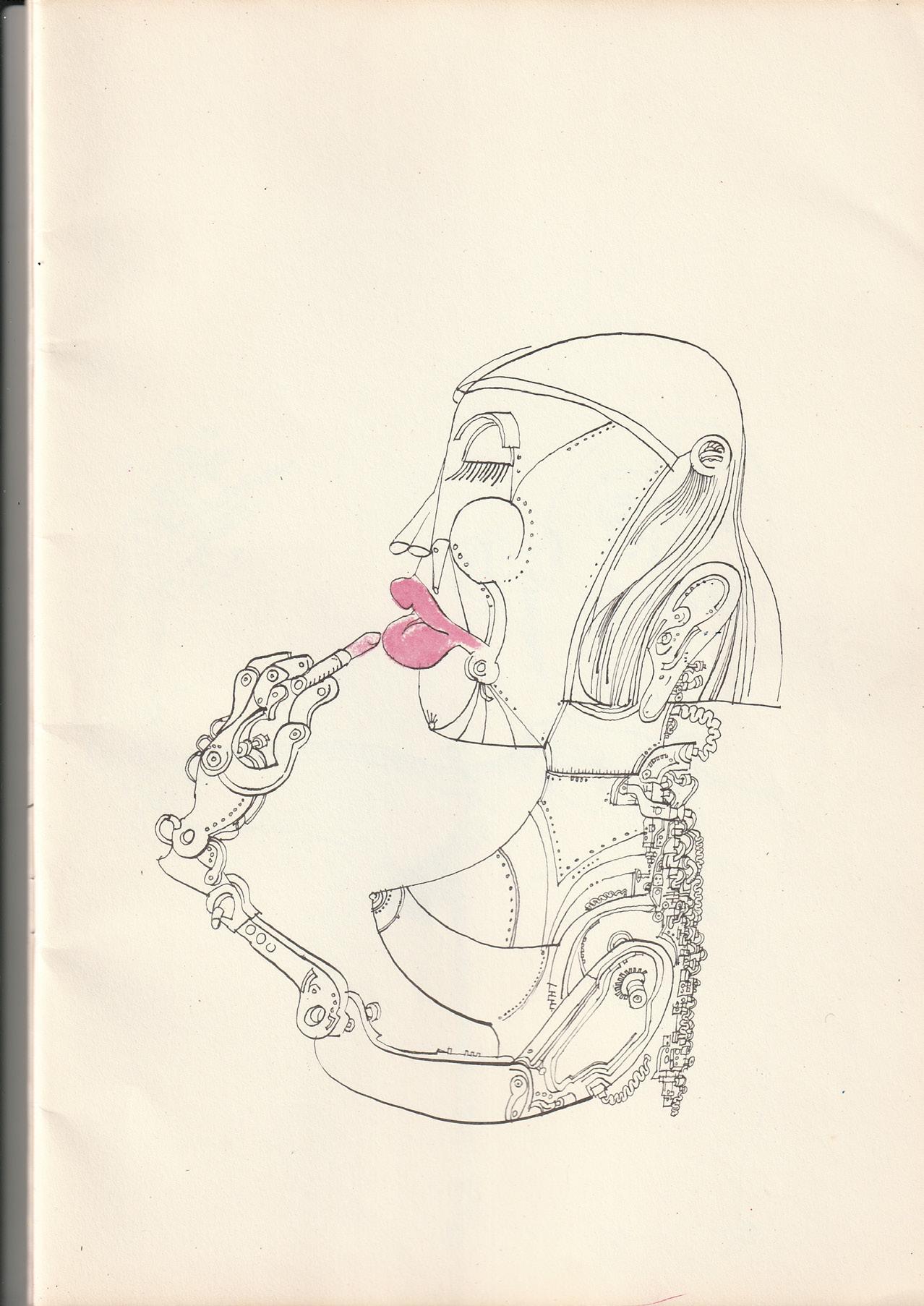
Long before algorithms began generating images in seconds, artists were already imagining machines that could think, move and almost feel human. Michael Heath’s Automata (1976) explores a world of mechanical characters, clockwork figures powered not by data, but by imagination, humour and a very human hand.
For this month’s International Women’s Day issue, we were drawn to a cartoon featuring a woman at the centre of the machine itself. At a time when conversations around AI often focus on replacement and uncertainty, the illustration feels quietly reassuring: creativity has always come first. Every machine begins with a person, and an idea.
Nearly fifty years on, as artificial intelligence reshapes how images and stories are made, Heath’s work reminds us that invention has always been part of art. The tools evolve, but the human perspective behind them, curiosity, wit and storytelling, remains unchanged.
A cultural crash of art, film, literature and late nights.
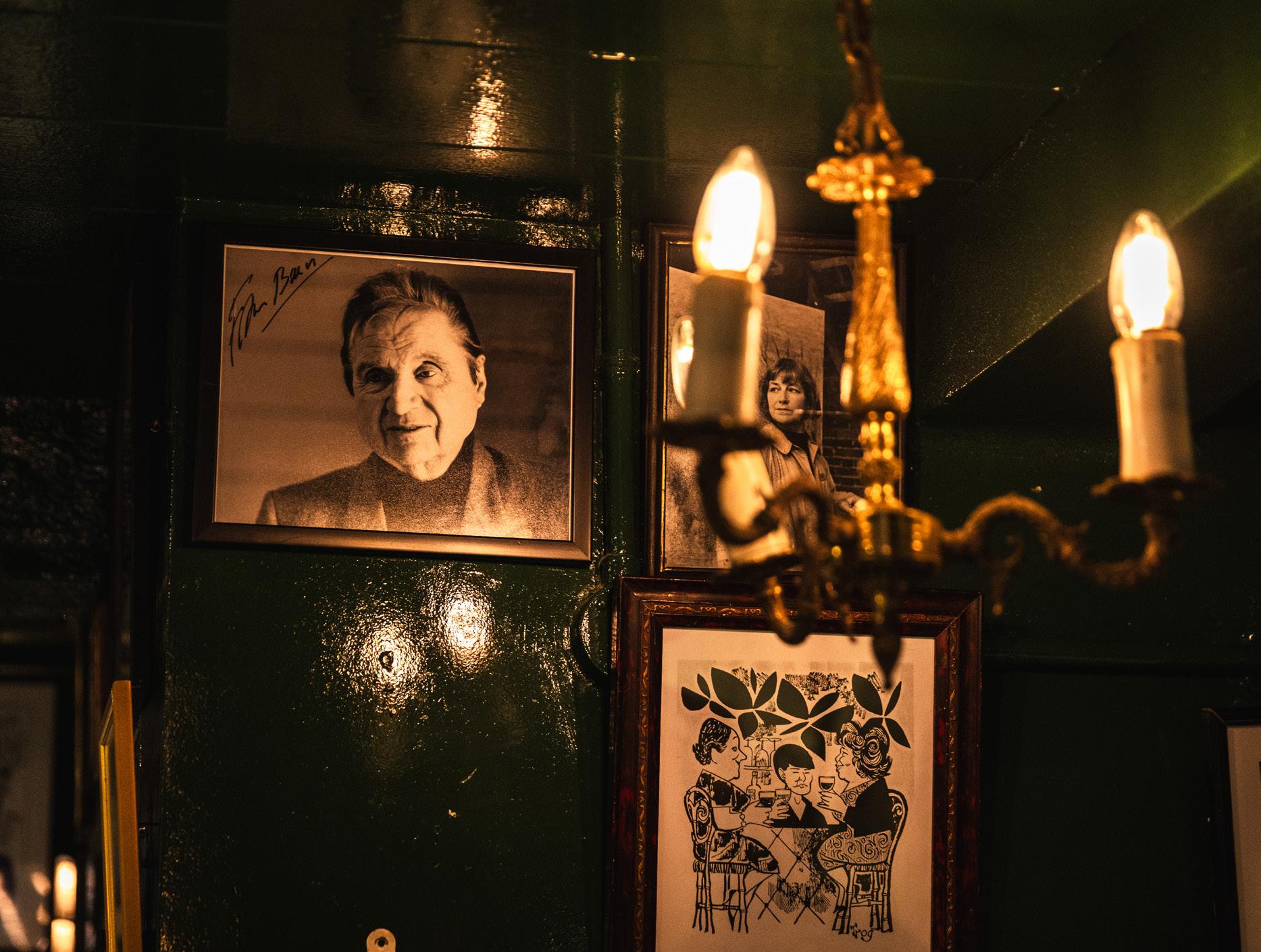
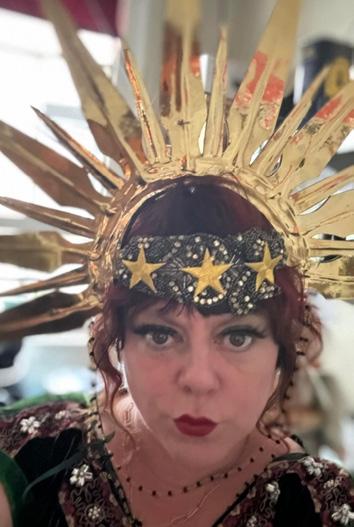
Established in Soho in 1948, the Colony Room was never simply a club, it was a world of its own. A private members’ drinking haunt where artists, writers and Soho characters gathered side by side, and where figures such as Francis Bacon, Lucian Freud and countless regulars dissolved the boundary between art and everyday life. Intimate, chaotic and defiantly individual, it was a place where conversations stretched into the early hours, conventions were ignored, and creativity flourished on its own terms.
At Colony Room Green, that spirit continues. Curated by artist and club historian Darren Coffield, the space pays tribute to the original’s bohemian energy, now accompanied by live music from a rotating line-up of talented pianists every Thursday, Friday and Saturday from 8pm. Expect evenings soundtracked by performers including Liam Stevens, Sara Madaluni, Martha Rachel and Matthew Kent, carrying Soho’s long tradition of art, music and latenight conversation into the present day.



Mon 02 March: Book Launch - Slumlord
Neil Root joins Cathi Unsworth to uncover the shadowy world of post-war Soho through the rise and reign of infamous landlord Peter Rachman. Admission free.
Weds 04 March: Private View, Factual Nonsense
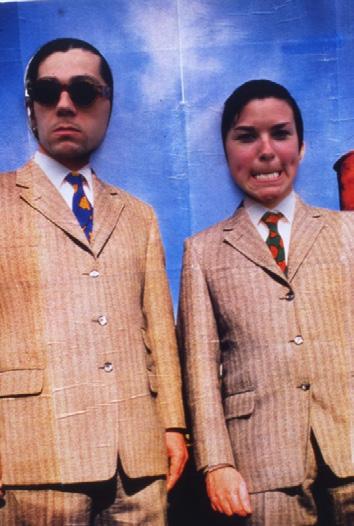
A 30th-anniversary memorial exhibition celebrating Joshua Compston and the unruly spirit of the YBAs, featuring works by Tracey Emin, Damien Hirst, Gilbert & George and more. Exhibition open daily 4 March - 11 April. Admission free.
Mon 09 & Tues 10 March: The Six of Clubs
Celine Hispiche brings Soho’s forgotten female nightlife pioneers back to life in a witty, music-filled performance of decadence, scandal and after-dark history. Admission free.
Weds 11 March: Book Launch, A Muse
Kiernan Saint Leonard discusses his hypnotic new novel exploring obsession, creativity and the blurred line between inspiration and madness. Admission free.
Mon 16 March: Visions of Art in Hoxton
Peter Carty and Stewart Home revisit the chaos, characters and cultural myth-making of the 1990s Hoxton art scene. Admission free.
Mon 23 March: Factual Nonsense Film Night
Rare footage and interviews plunge audiences back into the raw energy of Shoreditch’s YBA era and its defining artists. Admission free.

The women behind the works that make our spaces feel alive.
For International Women’s Day 2026, we’re celebrating the women artists who have helped shape Daisy Green over the years. Working closely with artists has always been part of how our spaces evolve, bringing new energy, perspective and personality to each site, and turning our venues into living galleries that continue to grow alongside the people who visit them.
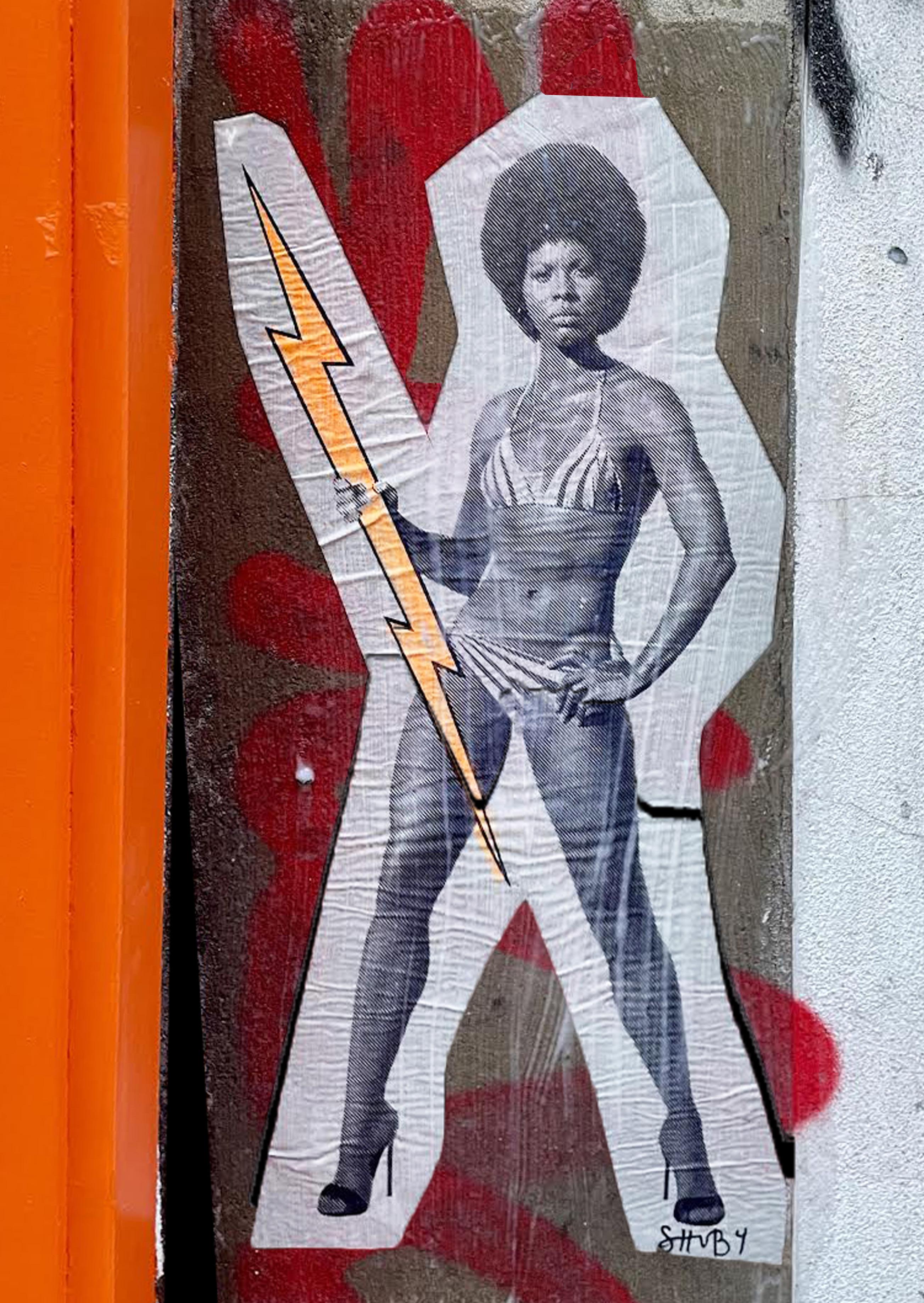
From Bonnie and Clyde and Collagism to Charlotte Colbert, Louis Dear, Rosalind Davis, grAzie, Margot of Margate, Shuby, Sew Your Soul and Nettie Wakefield, their work has added colour, character and creativity to our walls, and we’re proud to share their stories here.
A decade of Shuby’s playful imprint across Daisy Green.
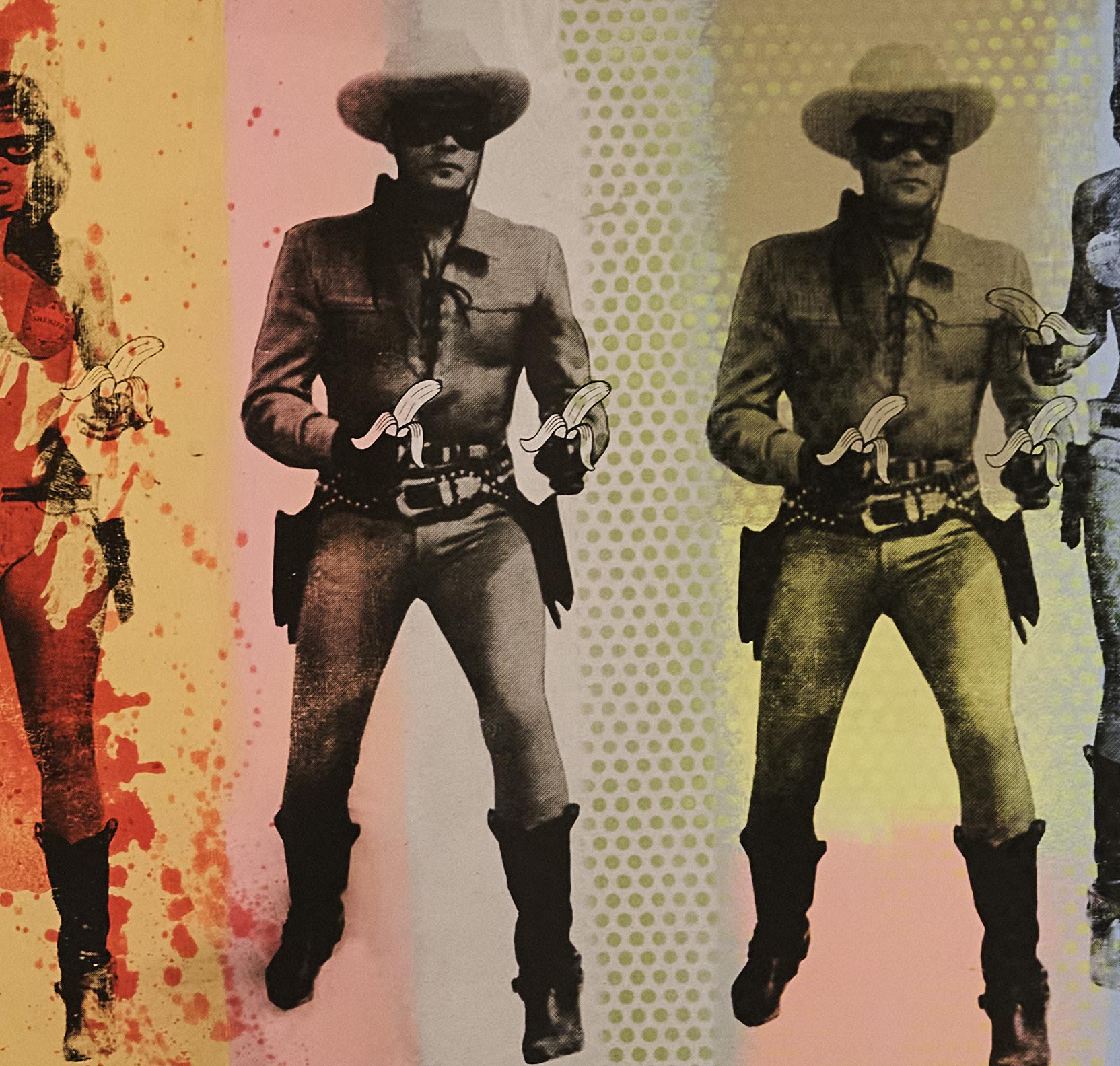
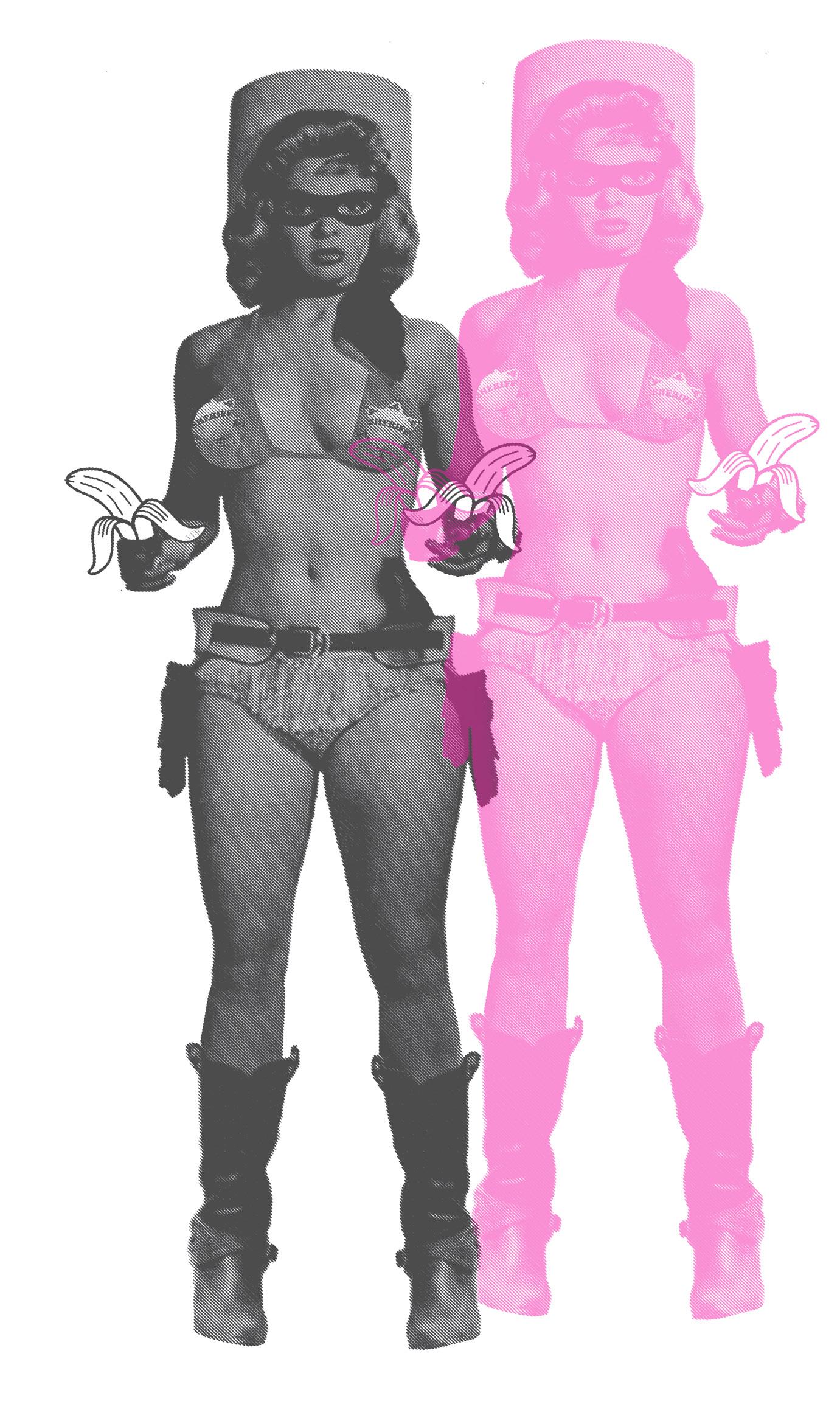
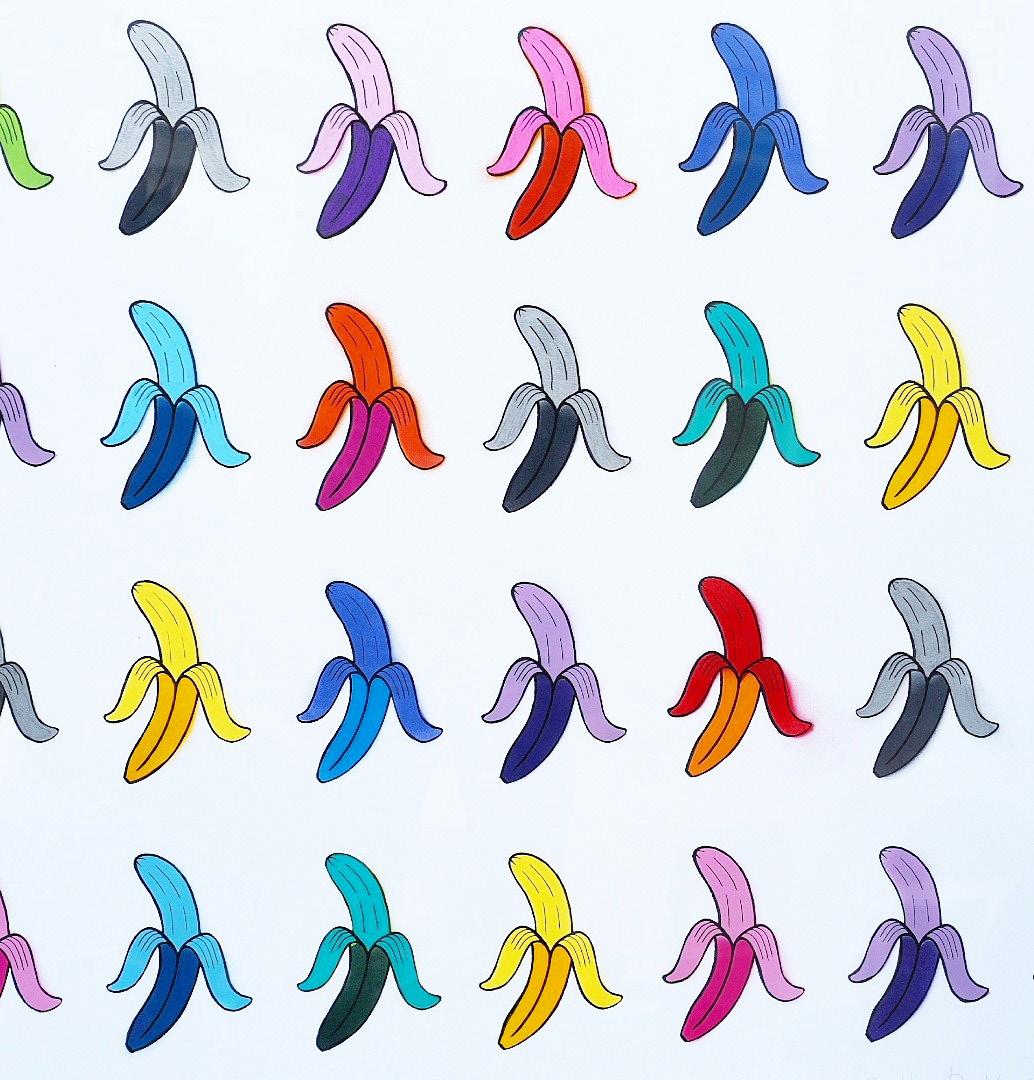
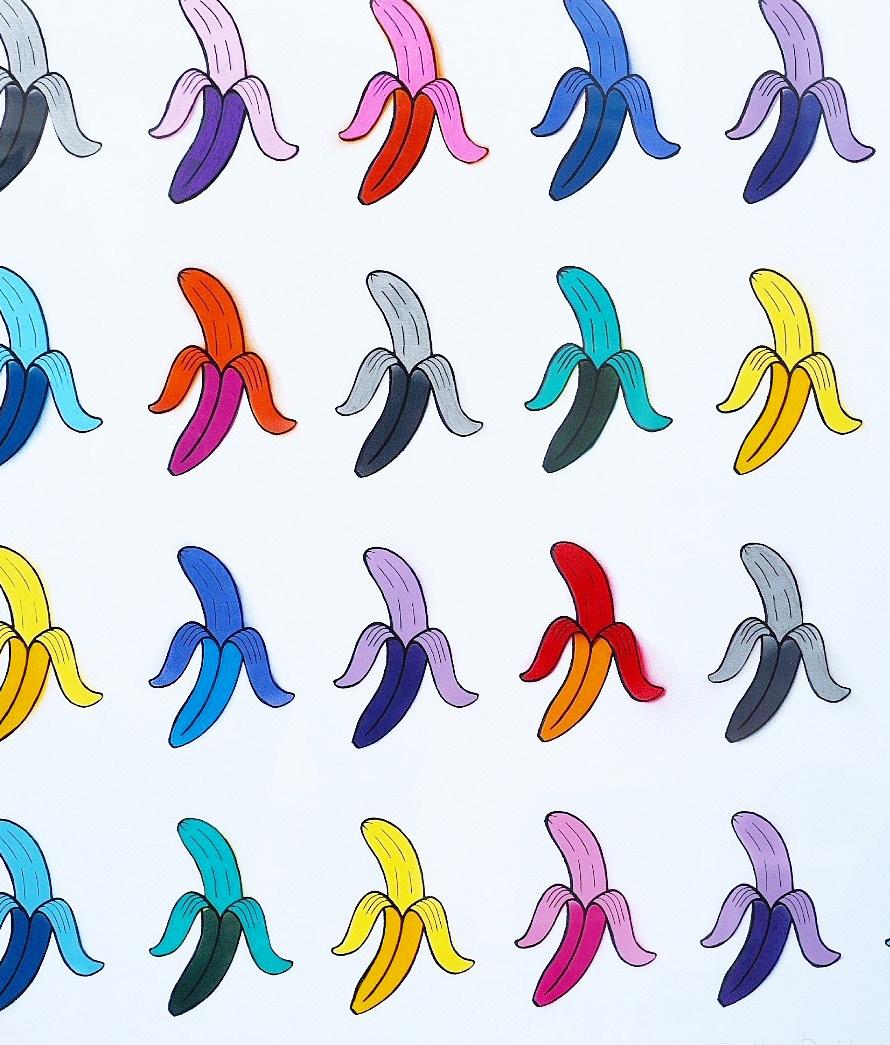
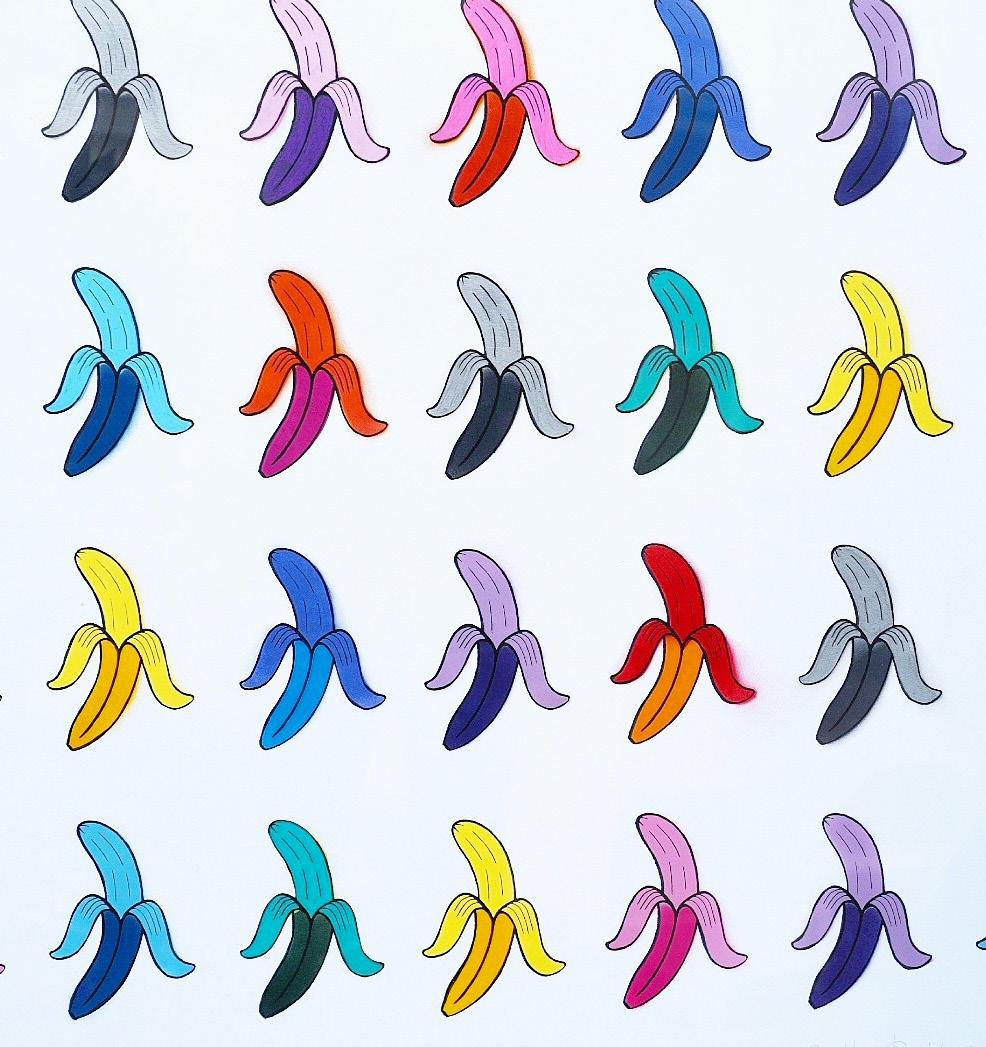
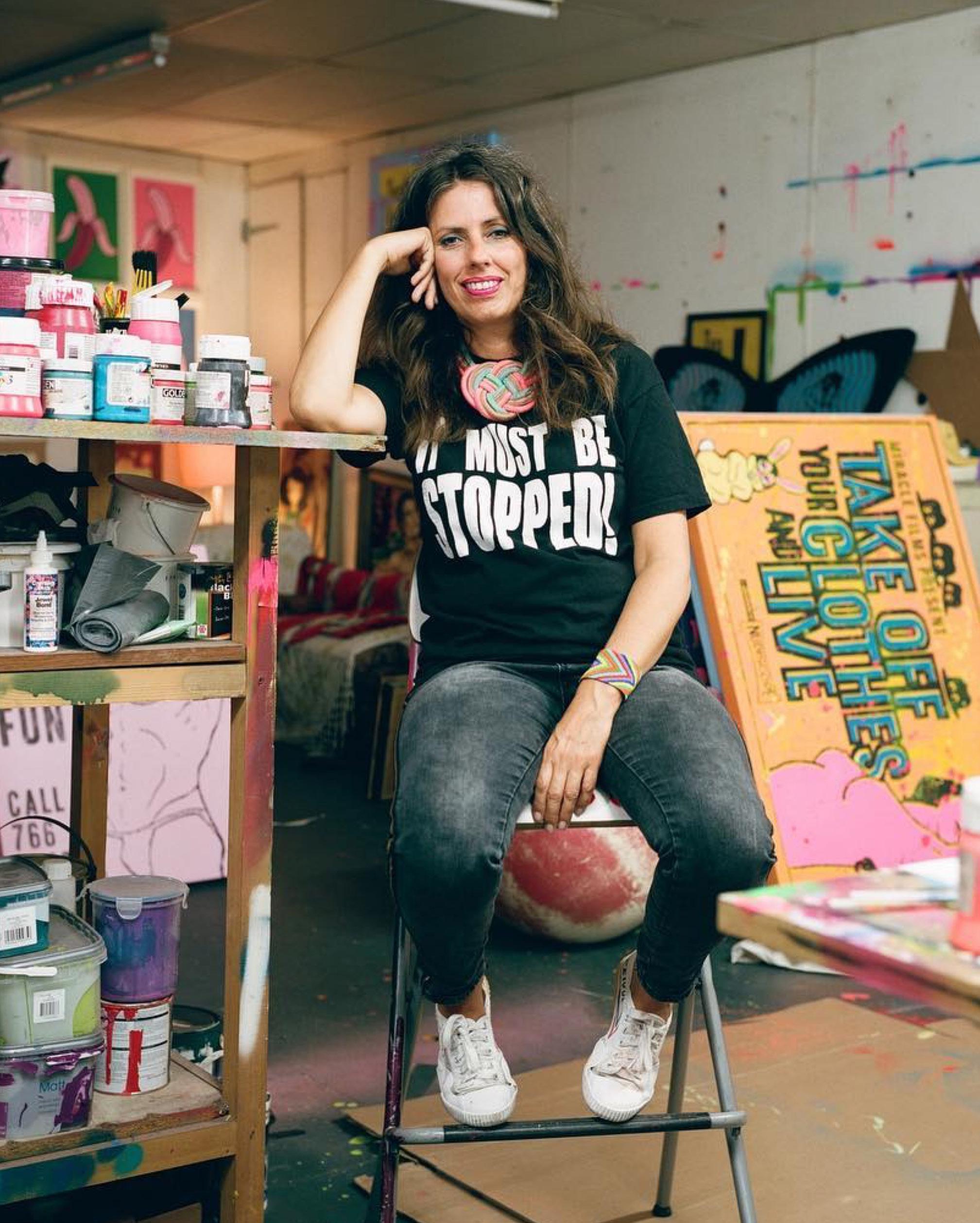
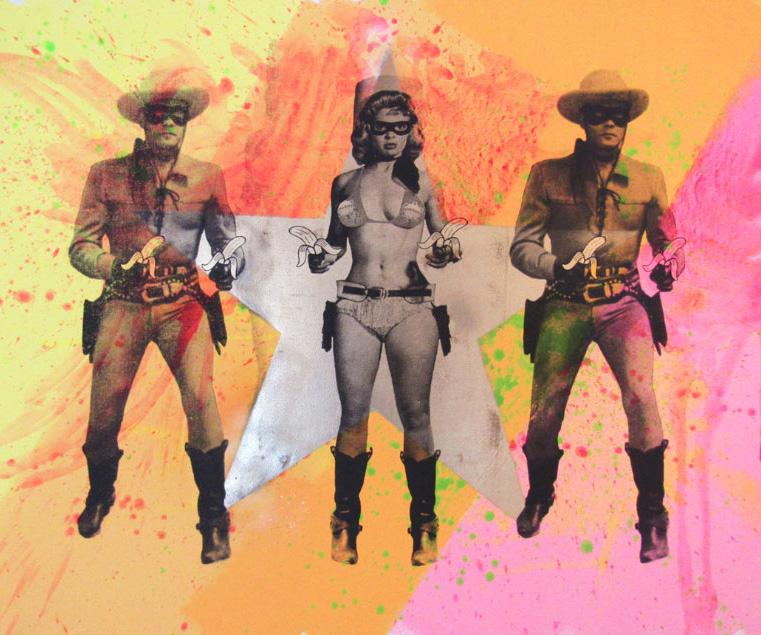
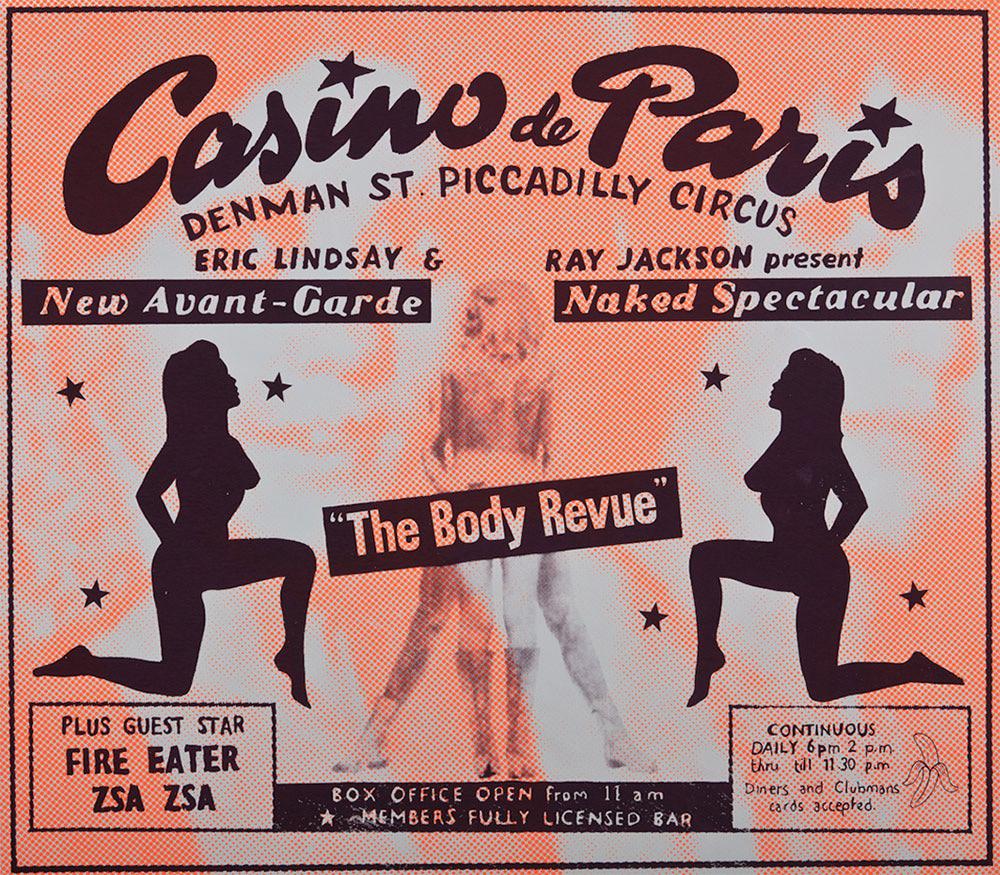
Shuby is one of the original and earliest artist collaborators with us at the Daisy Green Collection. Since 2013, she has brought her distinctive pop sensibility, blending print, collage, painting and photography, to create original reinterpretations that revel in absurdity, kitsch and irony, enriching our spaces along the way.
Her work appears across many of our locations, including the iconic vaults of our first venue, Daisy Green, Marble Arch; Lone Rangers and Candy Barr at Scarlett Green in Soho; and her largest bespoke collage scenes at Beany Green, Regent’s Place.
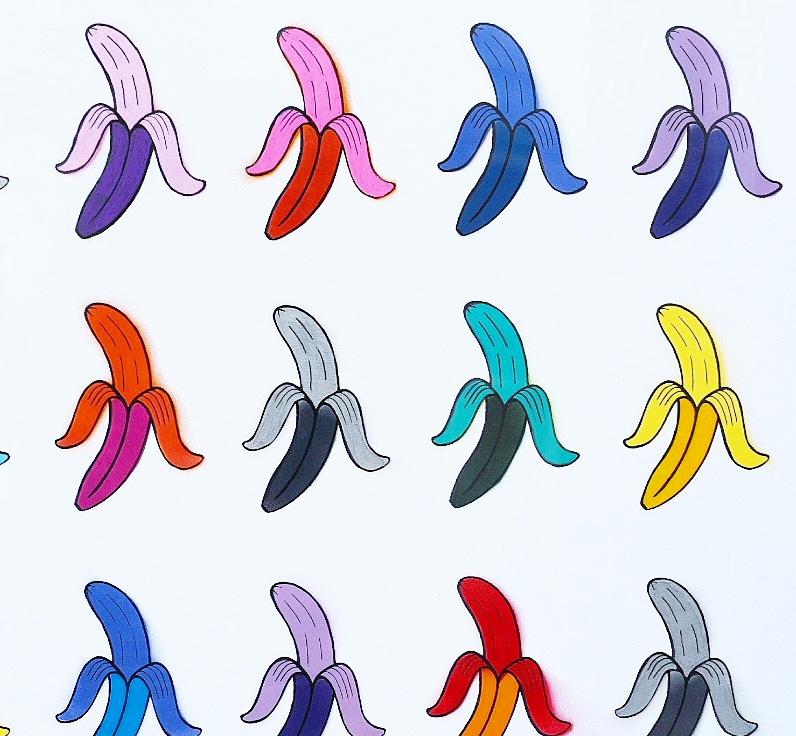
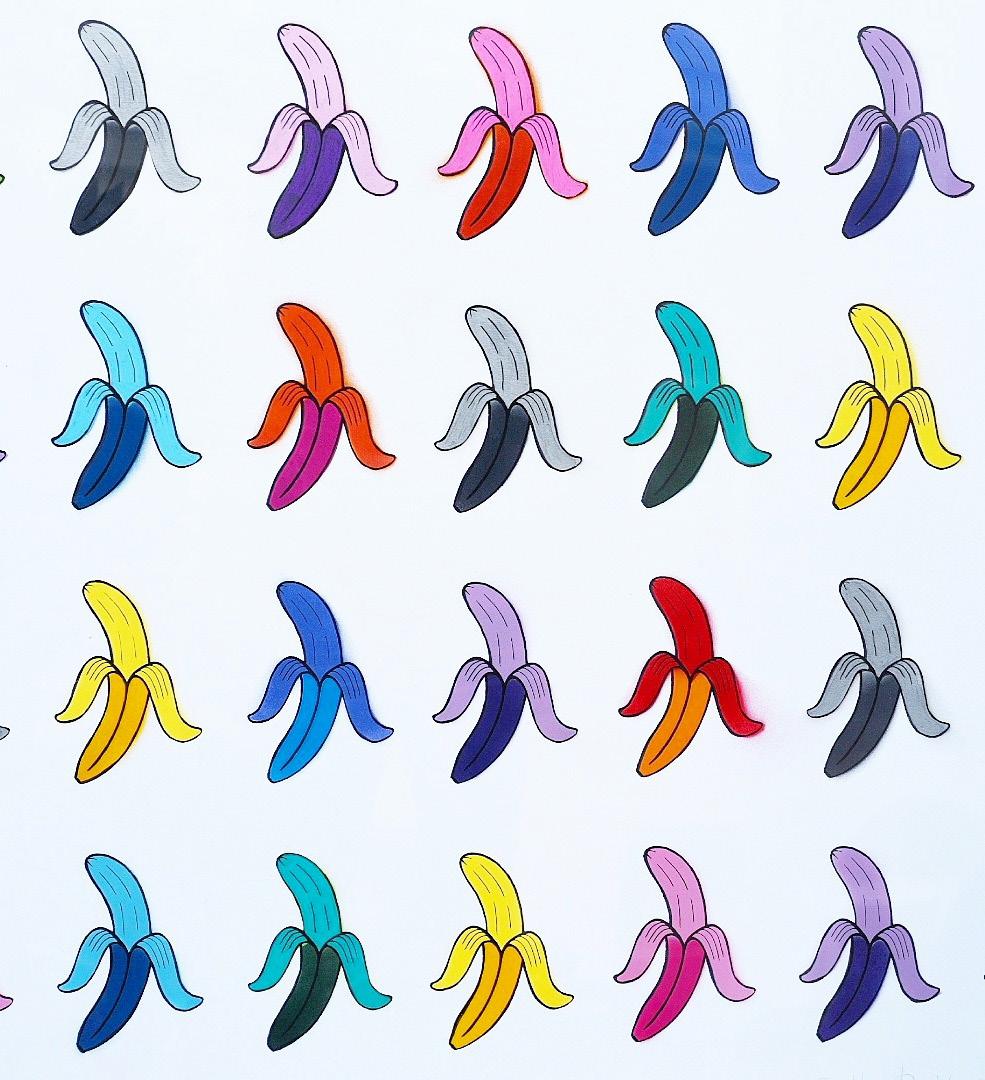
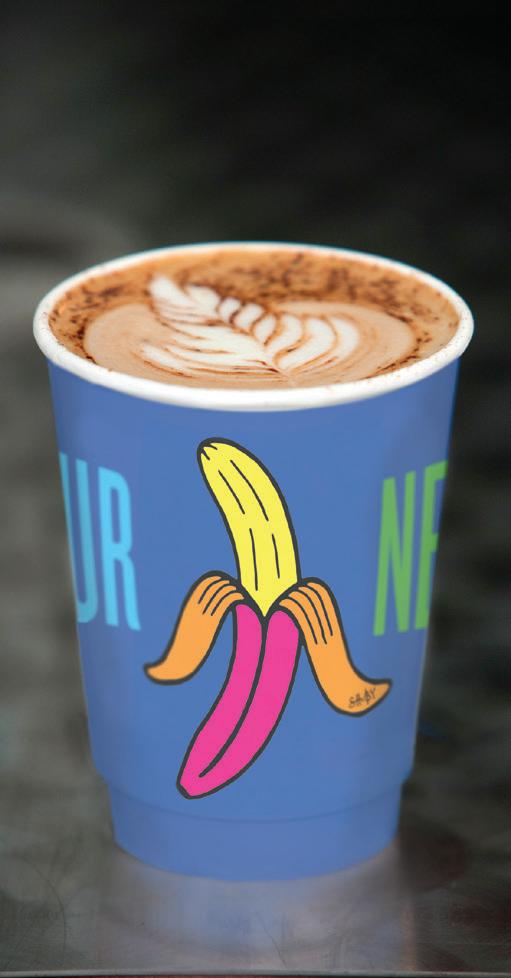
On the Southbank, outside the Royal Festival Hall, Shuby transformed our coffee shop shipping container, surrounding it with her Your Banana
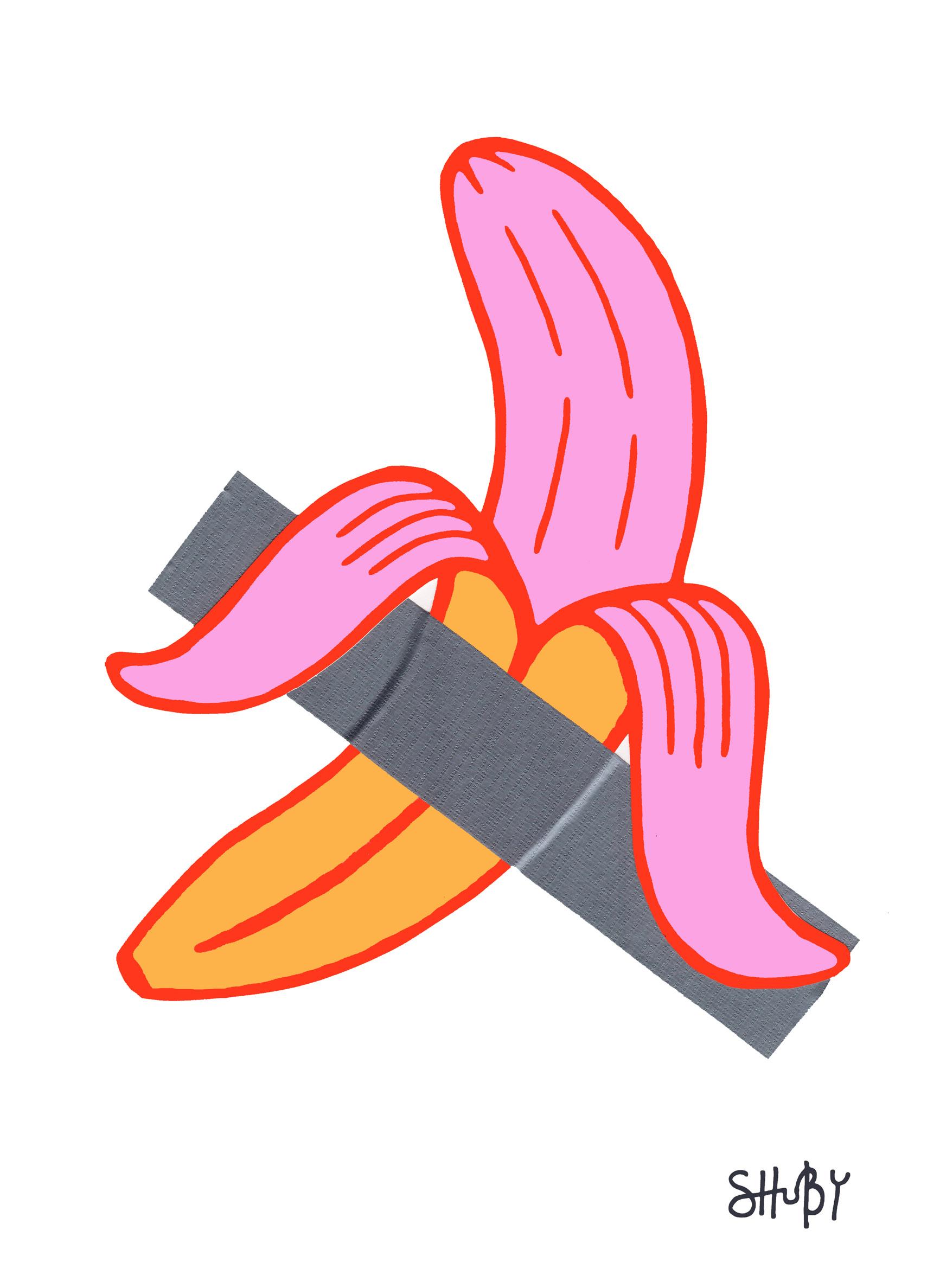
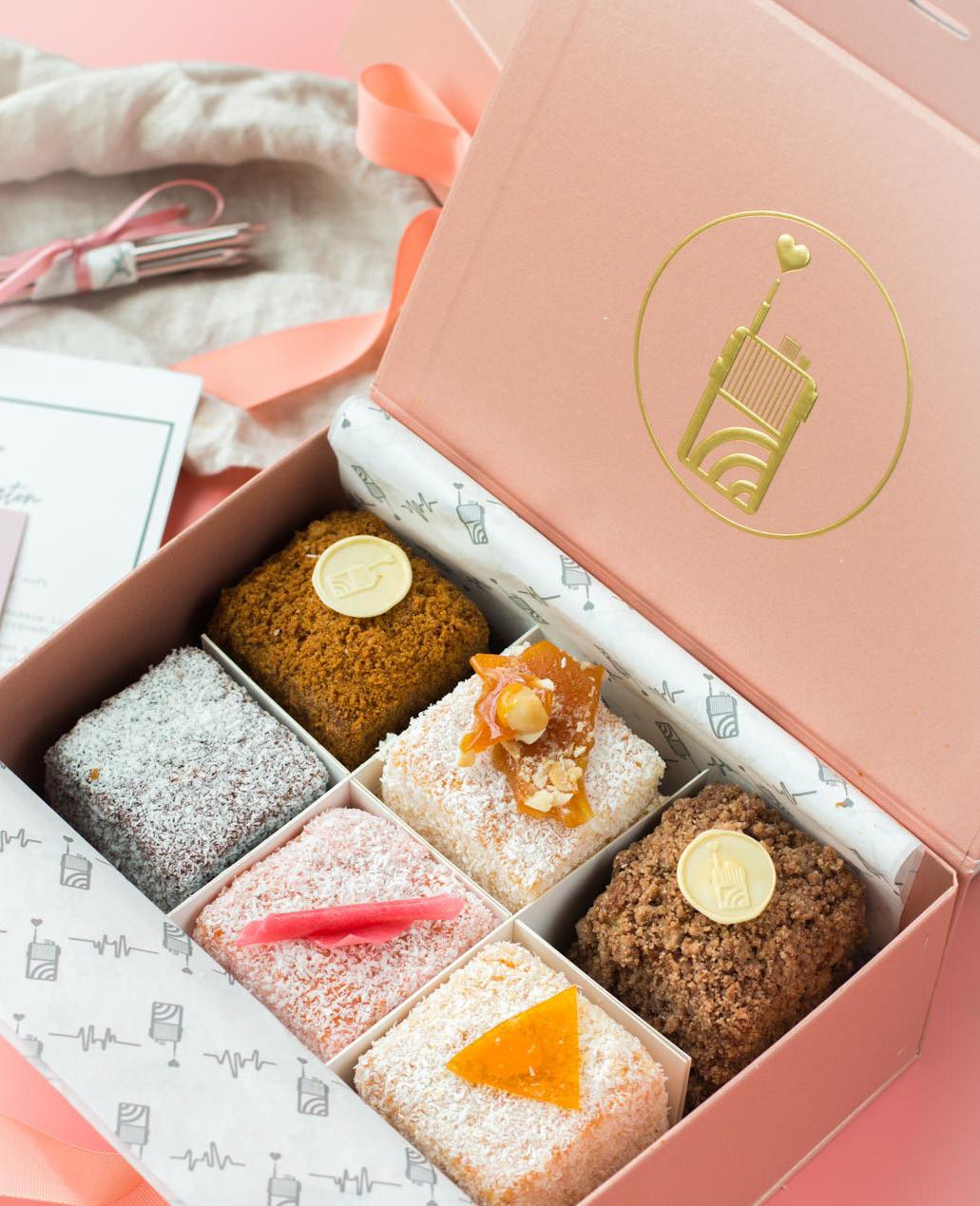
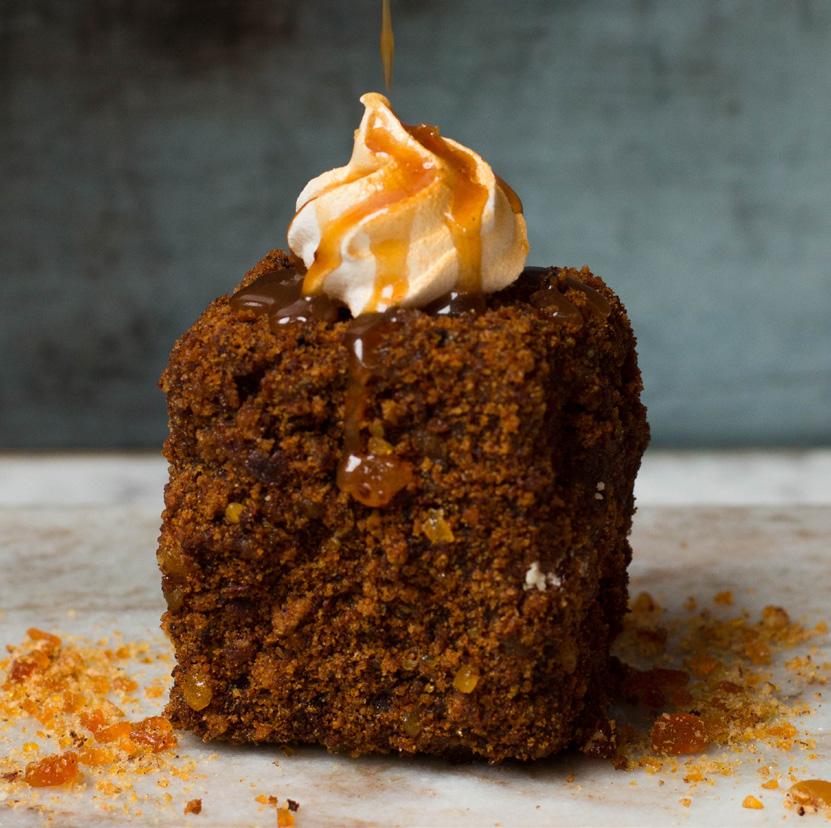
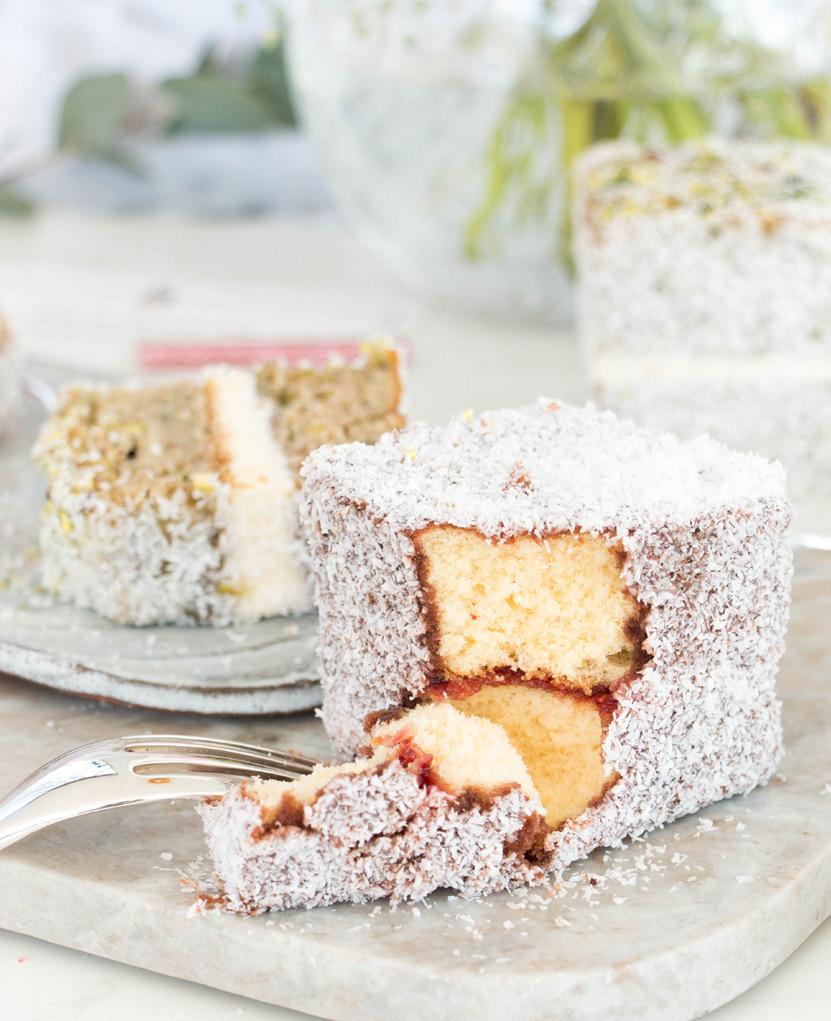
Needs You deckchairs. Her limitededition pop-art prosecco labels and the Radio Lamington logo feature on our luxury lamington boxes, while her banana and bunny motifs have become a naughty yet innocent calling card, instantly recognisable, intrinsically humorous, and regularly seen on our takeaway coffee cups.
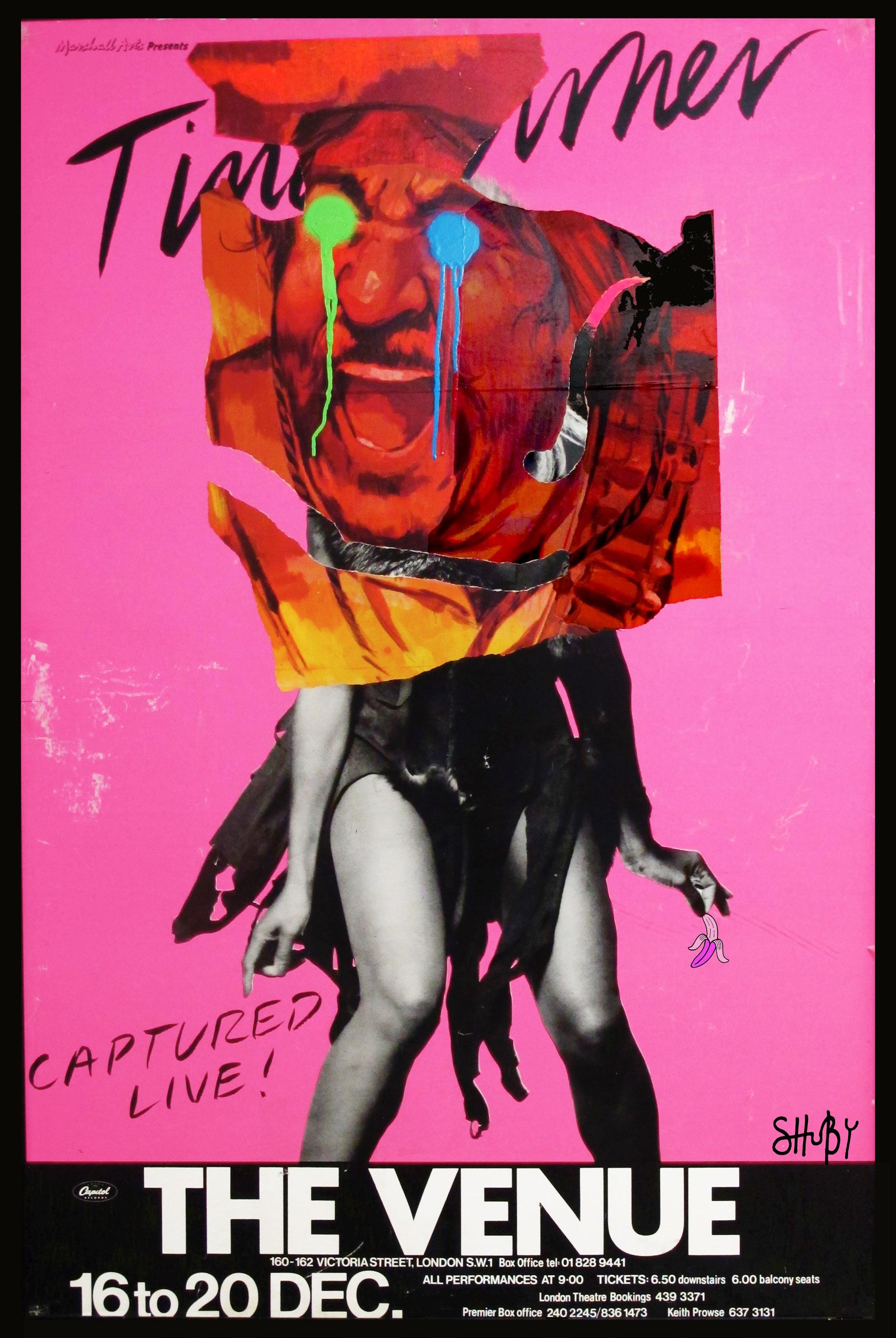
Her cheeky visions feel almost dreamlike in their Technicolour intensity, drawing influence from figures such as Josephine Baker, Busby Berkeley, Ellen Gallagher, Andy Warhol, Eduardo Paolozzi and Martin Sharp. Shuby has pasted her collaged posters around the world, from bustling cities including New York, London, Paris and Sydney to abandoned sites such as Doel in Belgium and the Teufelsberg spy station in Berlin.
Responding to growing interest in her street art, Shuby began her studio practice during a live–work residency at Bow Arts Trust in London. Since then, she has developed a distinctive visual language using a wide range of source material, from found photography to imagery inspired by retro film posters, advertising and pop culture. These elements are deconstructed and reworked, punctuated by her evolving motifs.
Now based in Hastings, she continues to paint, produce print editions and work on commissions from her studio.
Shop Shuby’s work at shubyart.com @shubyart
Shuby also designed the Radio Lamington logo, a project born during the first UK lockdown, when we began baking lamingtons as a small gesture of thanks to NHS frontline workers across London.
Her playful, optimistic design captures the warmth and generosity at the heart of the initiative, reflecting a moment when food became a way to stay connected and show support.
What started as a grassroots baking project has since grown into an ongoing part of Daisy Green, with lamingtons still delivered to hospital teams each week and those in need, continuing the spirit of community that first inspired it.We are extremely proud to have delivered almost 100,000 so far.
radiolamington.com
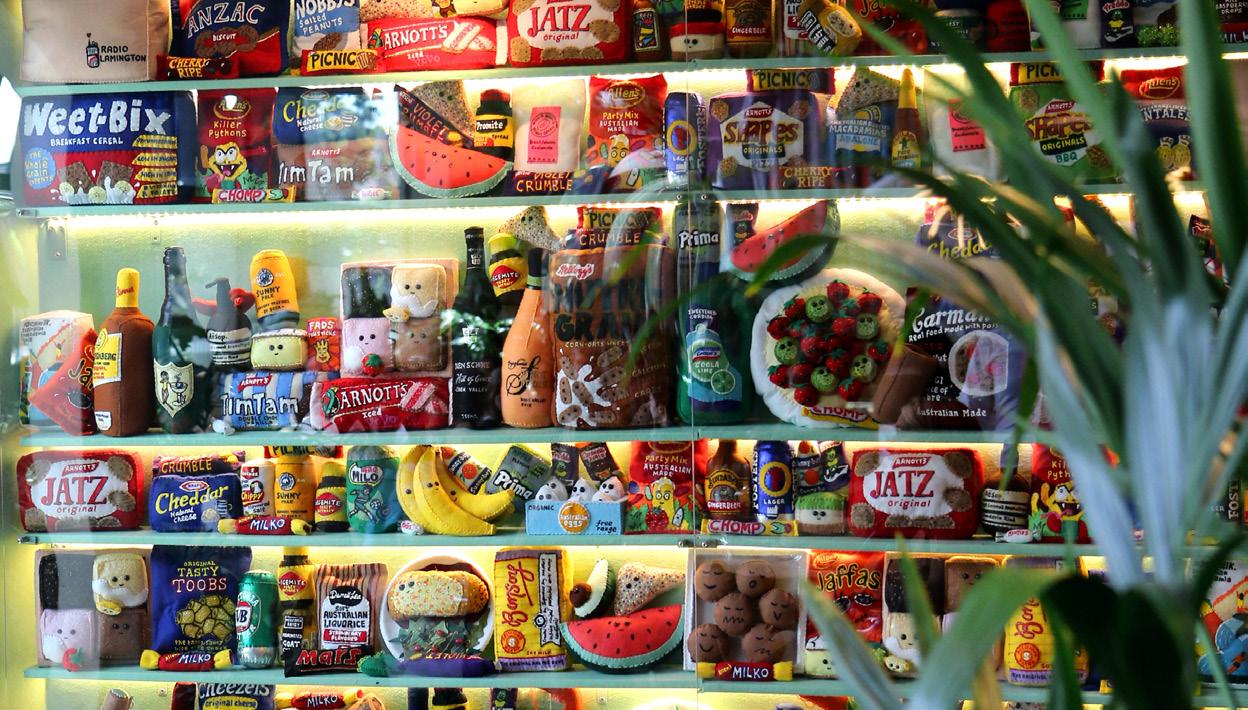

Sew Your Soul aka Lucy Sparrow is one of the most exciting and original artists working in the UK today. Her practice is quirky yet subversive, luring the audience in with her soft, tactile, colourful felt creations before hitting them hard with her comment on subjects including the demise of the traditional high street and the fragmentation of community.
We first worked with Lucy during the launch of Bondi Green and adore our Great Wall of felt Australian home treats – from Tim Tams to our Radio Lamingtons - specially created for this flagship site.
We are very proud to host her acclaimed work “The Billion Dollar Bank Robbery” previously exhibited at The Saatchi Gallery, Kings Road in our private dining room at Paradise Green with felt Gold bars, Rolexes and Van Goghs.
@sewyoursoul sewyoursoul.co.uk

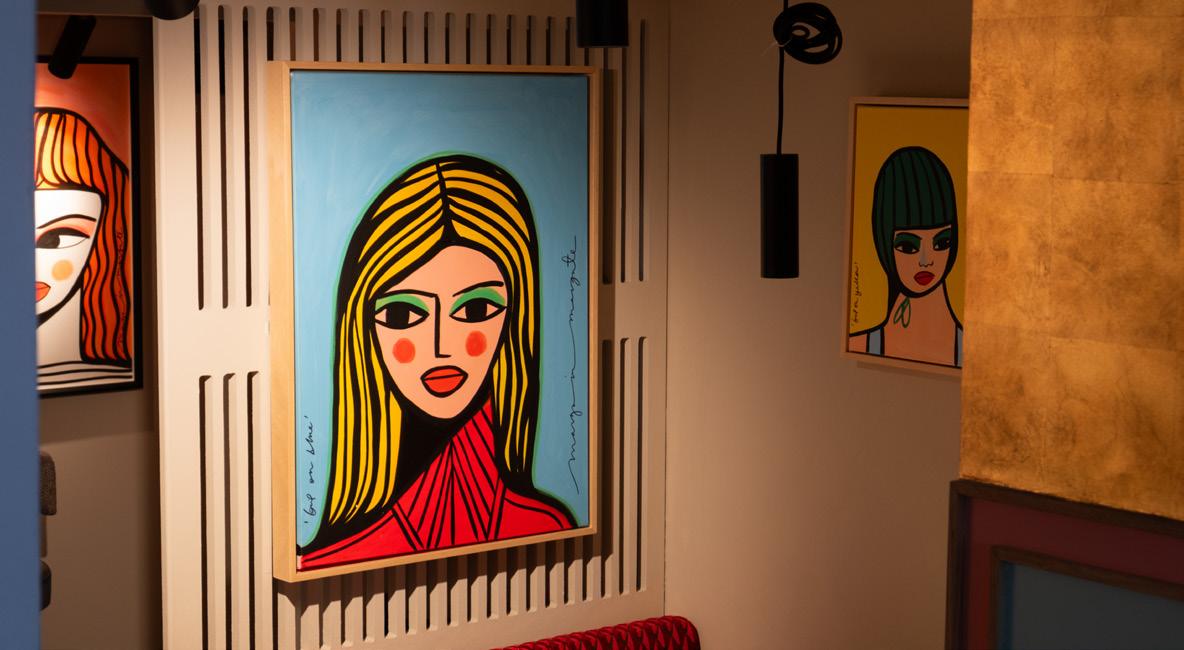
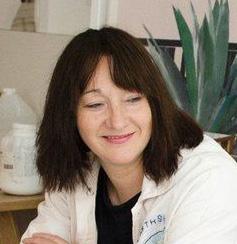
Margo McDaid, also known as Margo in Margate, is an Irish artist renowned for her relentless creativity and vibrant work painting daily in her Kent studio, producing an impressive collection of artworks, each one reflecting a day in her artistic journey.

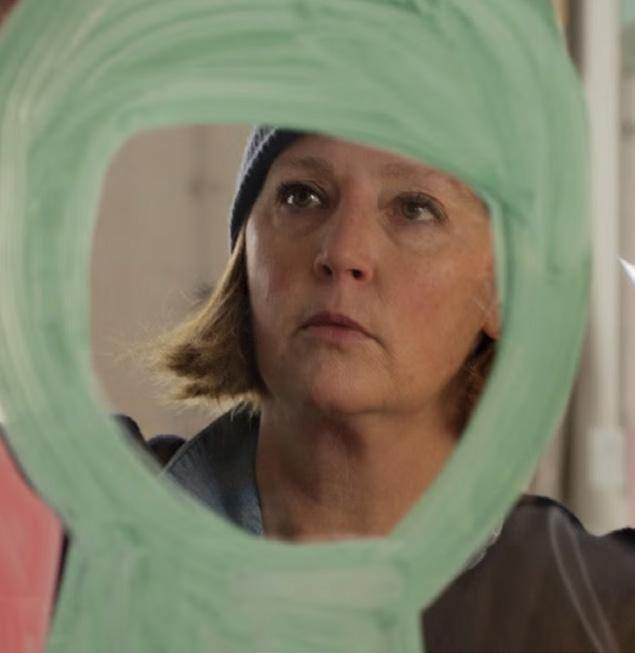
Margo’s distinctive style and compelling female portraiture have garnered a devoted online following. Her work is characterized by vintage charm and vivid colors inspired by Margate’s youth culture.
@margoinmargate margoinmargate.com
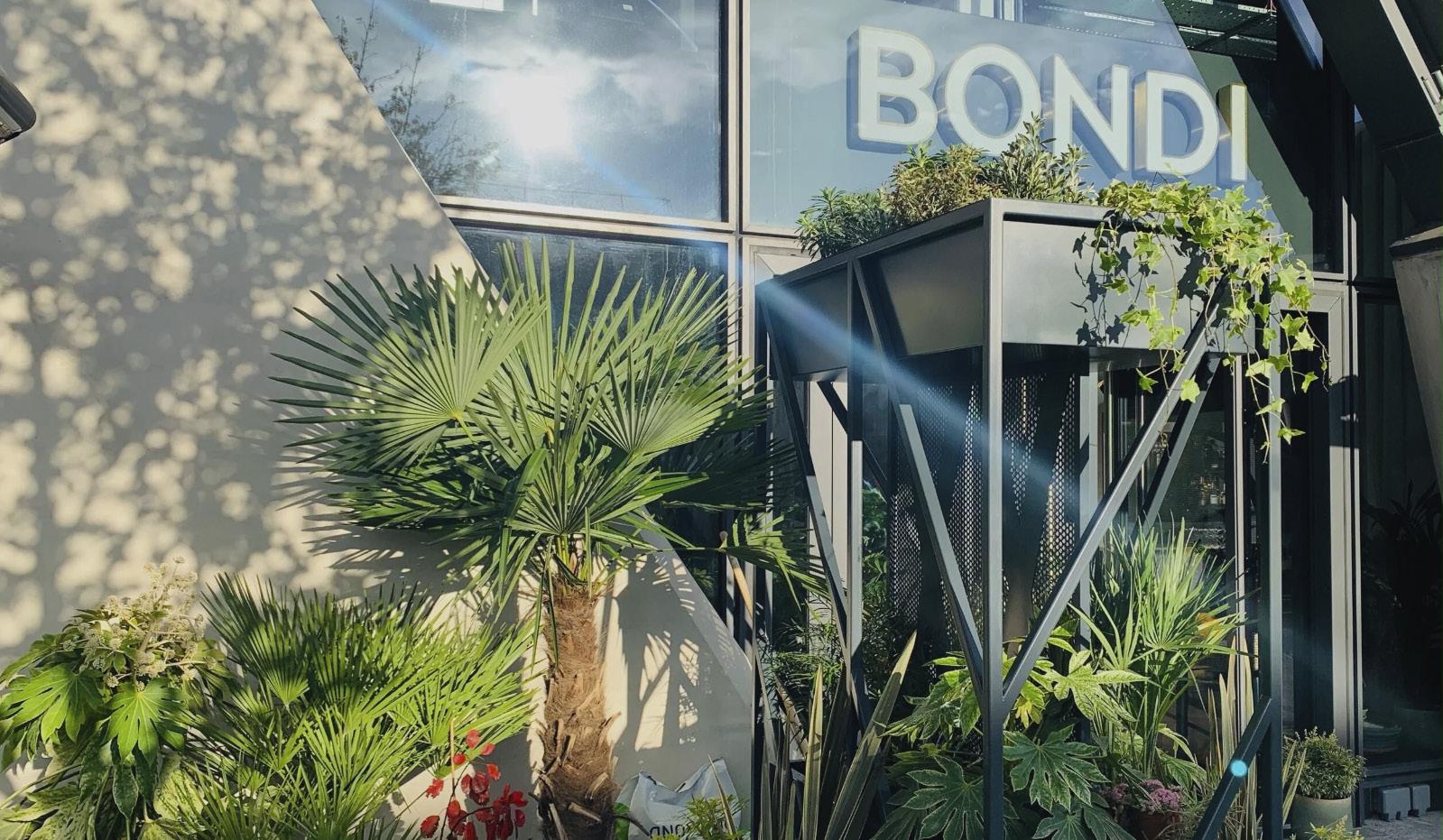
Rosalind Davis is an artist whose central concern is the transformation of space through her paintings and wider multi-disciplinary work across installation, sculpture, photography and drawing. In 2020 Rosalind was commissioned by Daisy Green to design a large exterior garden running alongside the canal at Bondi Green. She has gone on to plant gardens and planters for all our terraces & gardens.
‘A garden is a living painting…plants are a metaphor, a tool to express yourself…’ Piet Odulf.
@rosalindnldavis rosalinddavis.co.uk
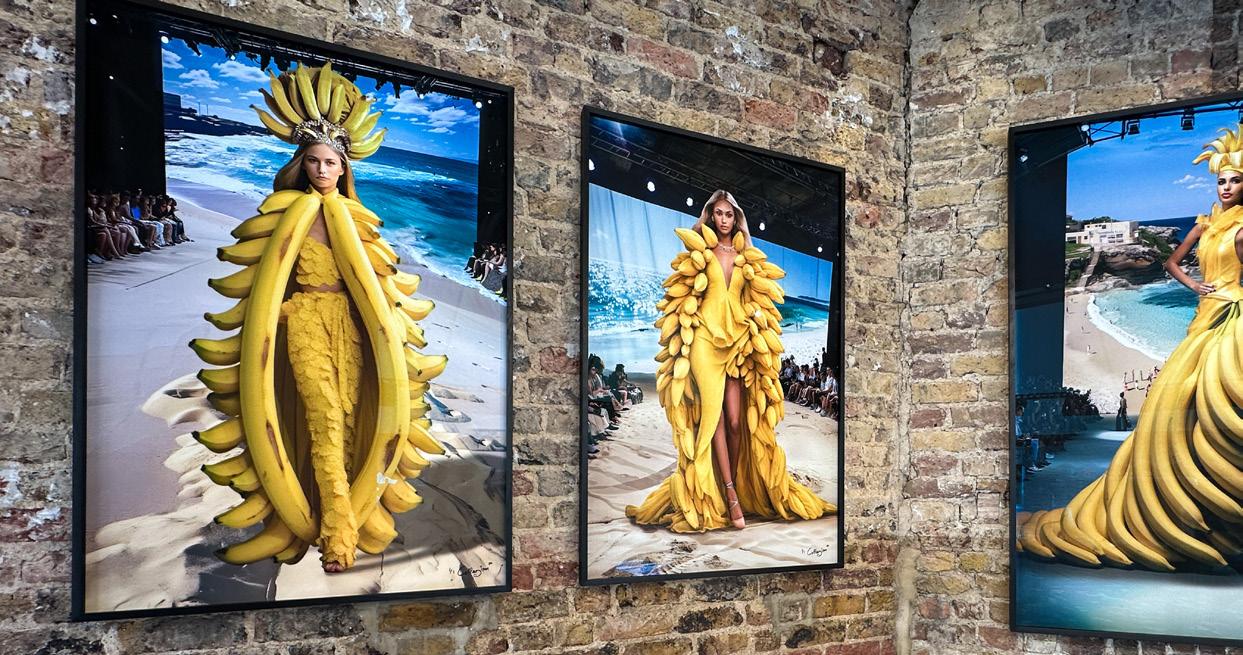
Collagism, aka Holly-Anne Buck, is an Australian artist whose 25-year career spans print collage, video art, music and live performance. Her practice centres on the art of reassembly — bringing together fragments of imagery, texture and cultural reference to create layered, dreamlike compositions.
Working with traditional analogue collage techniques alongside emerging AI tools, Buck blends the handmade with the digital, creating works that feel both nostalgic and distinctly contemporary. Familiar visuals are reimagined through unexpected juxtapositions, forming surreal narratives that invite interpretation rather than offering fixed meaning.
The result is a sophisticated visual language that sits somewhere between past and future, exploring how technology can expand — rather than replace — artistic instinct and craft.
@collagism collagism.com

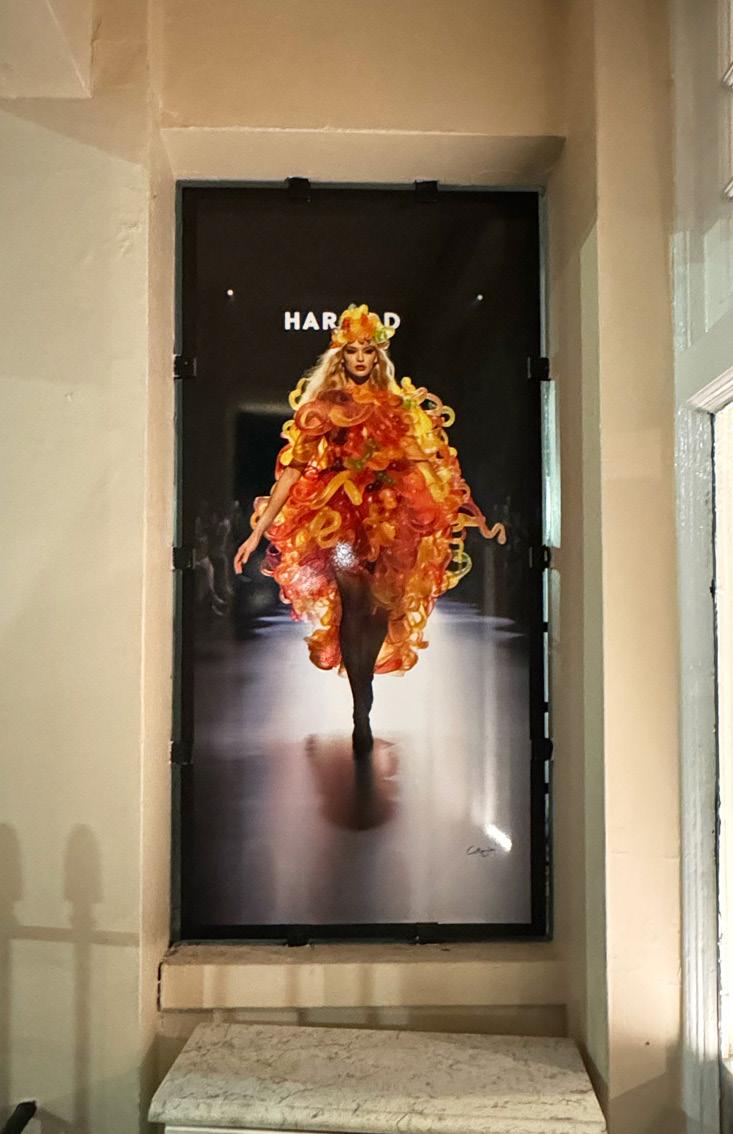
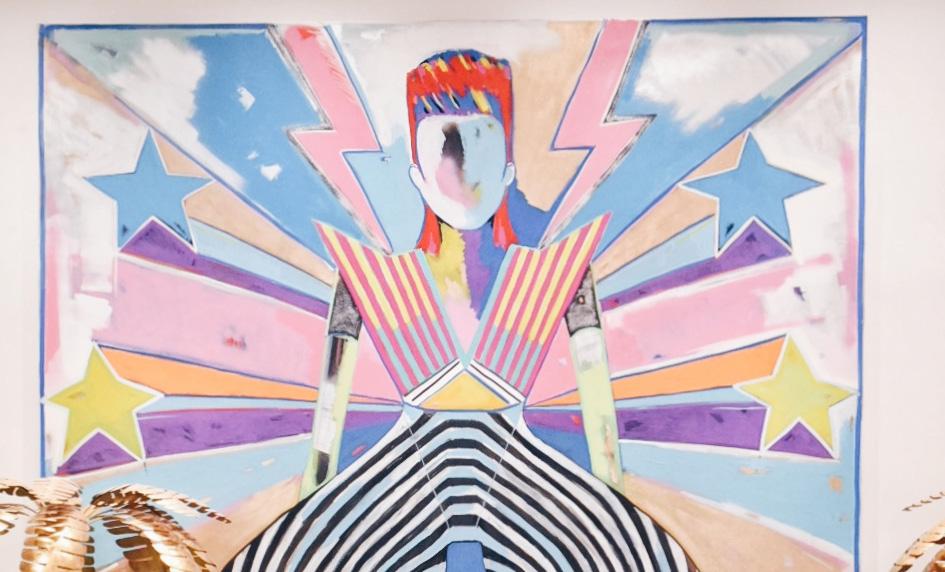
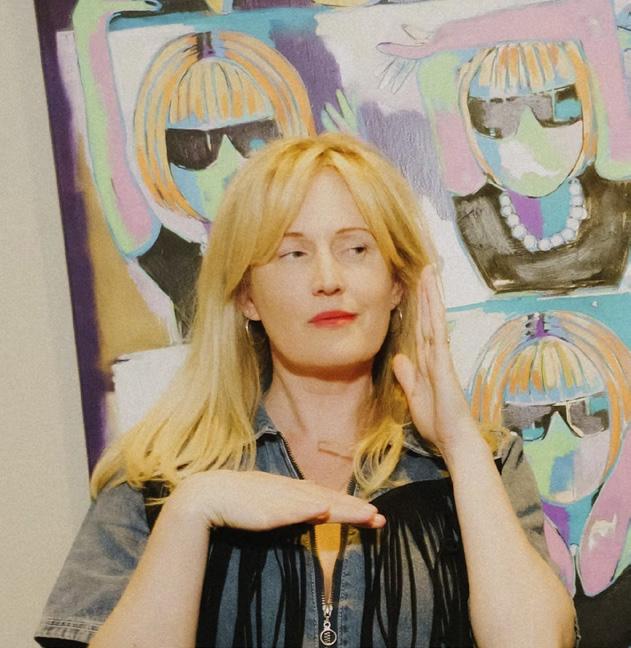
Born in New Zealand, grAzie’s distinctive style draws on fashion, music and pop culture, using bold colour and faceless figures that remain instantly recognisable as iconic personalities.
@g.r.a.z.i.e grazieuk.com

Daisy Green commissioned grAzie to create a large Bowie-inspired artwork for Ziggy Green on Heddon Street — famously the location of Bowie’s Ziggy Stardust album cover — bringing a vibrant, music-led energy to the space.
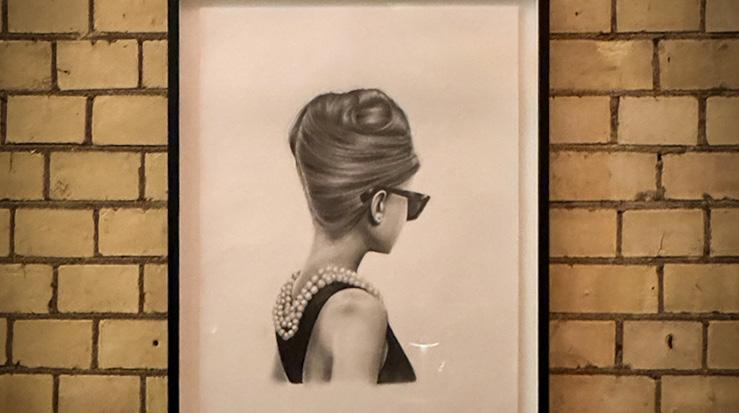
Nettie Wakefield takes as her subject matter the backs of people’s heads, as in her ‘Reverse Portraits’ , Nettie imbues these subjects with a sense of both the uncanny and a certain poetry. Through meticulous and highly focused powers of observation, Nettie isolates a moment
in space and time, often suspending it within an otherwise blank background, granting it a sense of importance. For Larry’s Bar, she was commissioned to make portraits of Audrey Hepburn, Amy Winehouse and Marilyn Monroe.
@nettiedraws nettiewakefield.net
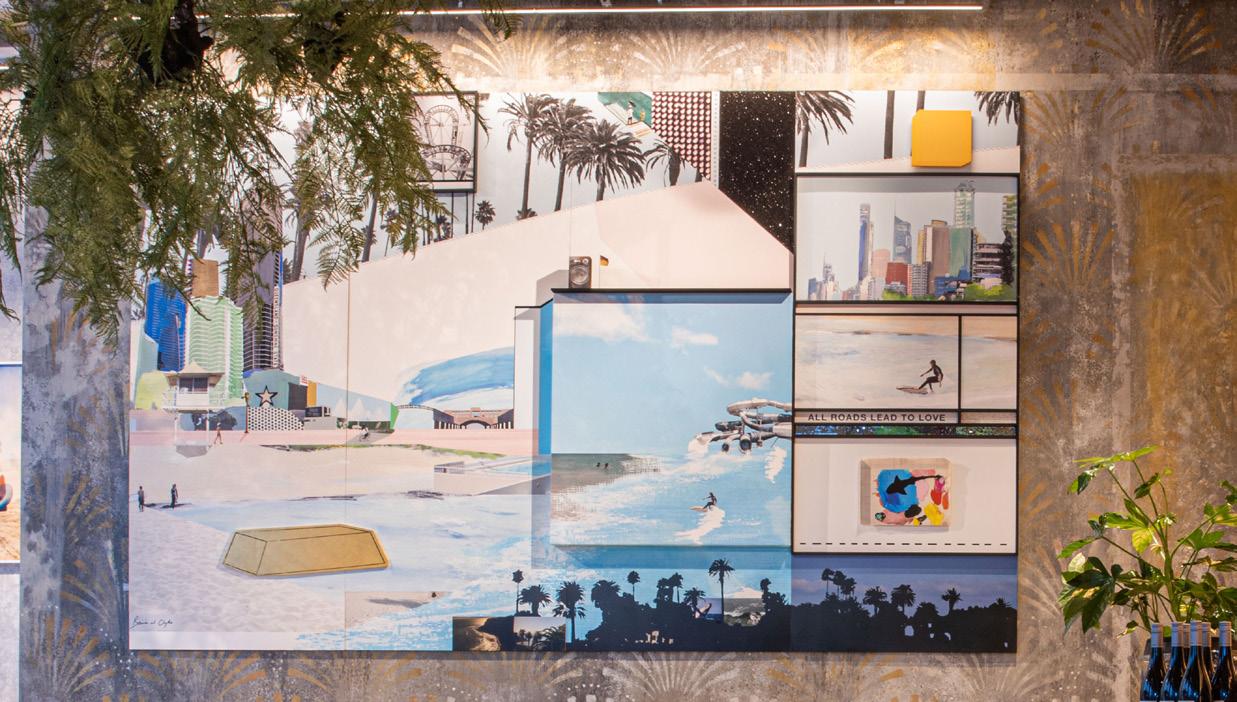
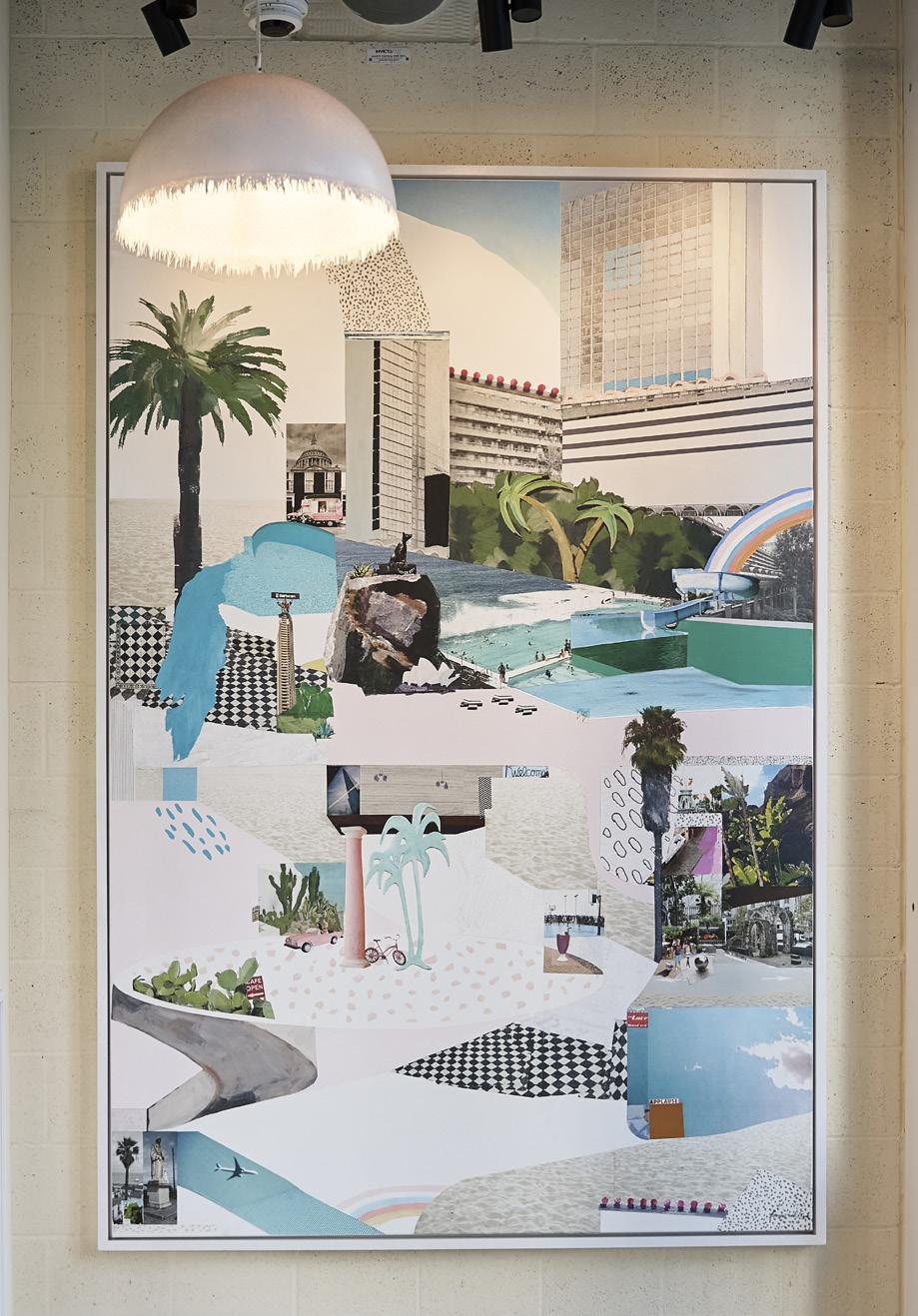
Bonnie & Clyde’s huge commissioned piece for the ‘Sunrise’ space at Paradise Green showcases her trademark collage style, depicting iconic views of Australia’s Gold Coast.
Bonnie and Clyde, aka Steph Burnley works with collage, photography, and print. Her practice that draws upon music, film, nostalgia, and urban spaces, blending social and political themes with personal, emotional content. Travel strongly shapes her imagery, and through cutting, distorting, and layering images, she constructs surreal, faraway places that retain a sense of familiarity.
@bonnieandclydeart bonnieandclydeart.com
@colbertcharlotte charlottecolbert.com
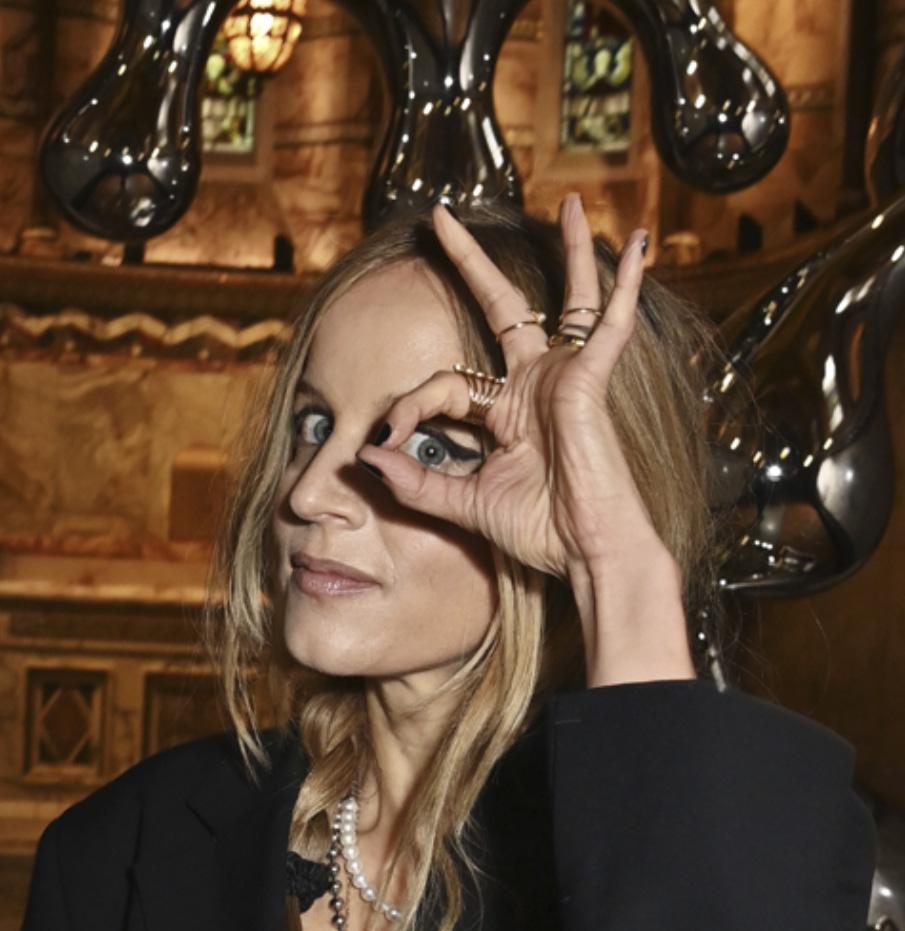
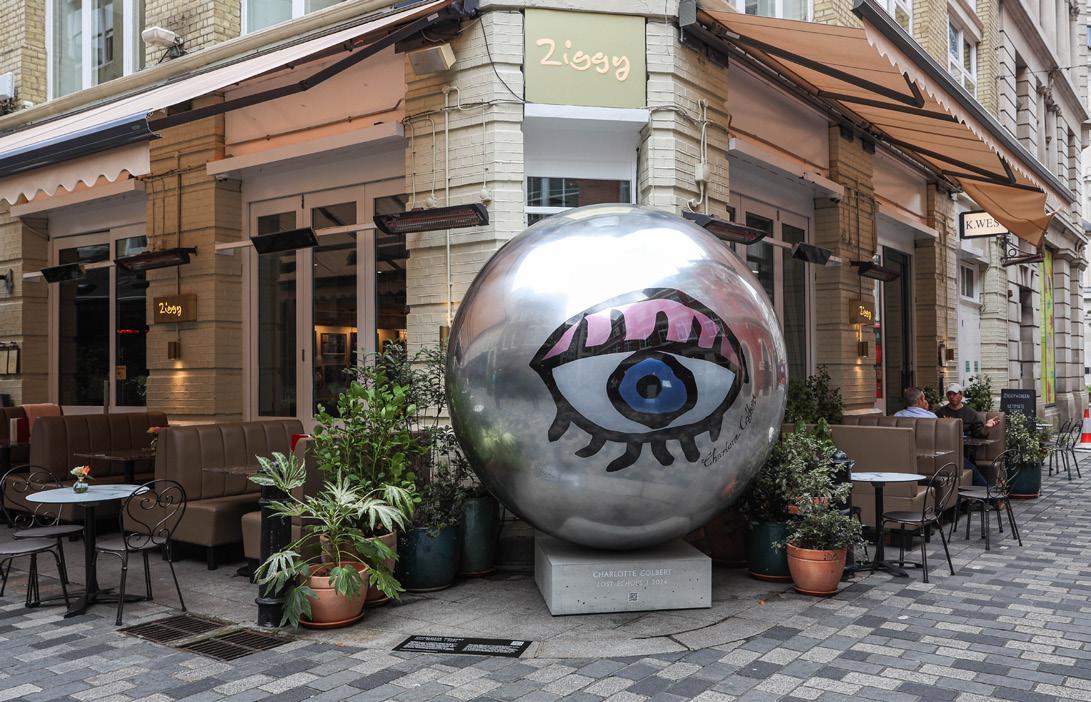
Charlotte Colbert’s giant sculpture ‘Lost Echoes’ for Frieze 2024 installed at Ziggy Green, features the recurring motif of the ‘eye’ in her surreal & psychologically driven

work. Chalotte’s practice spans film, photography, sculpture, and ceramics, often exploring themes of identity, the unconscious, and the female experience.
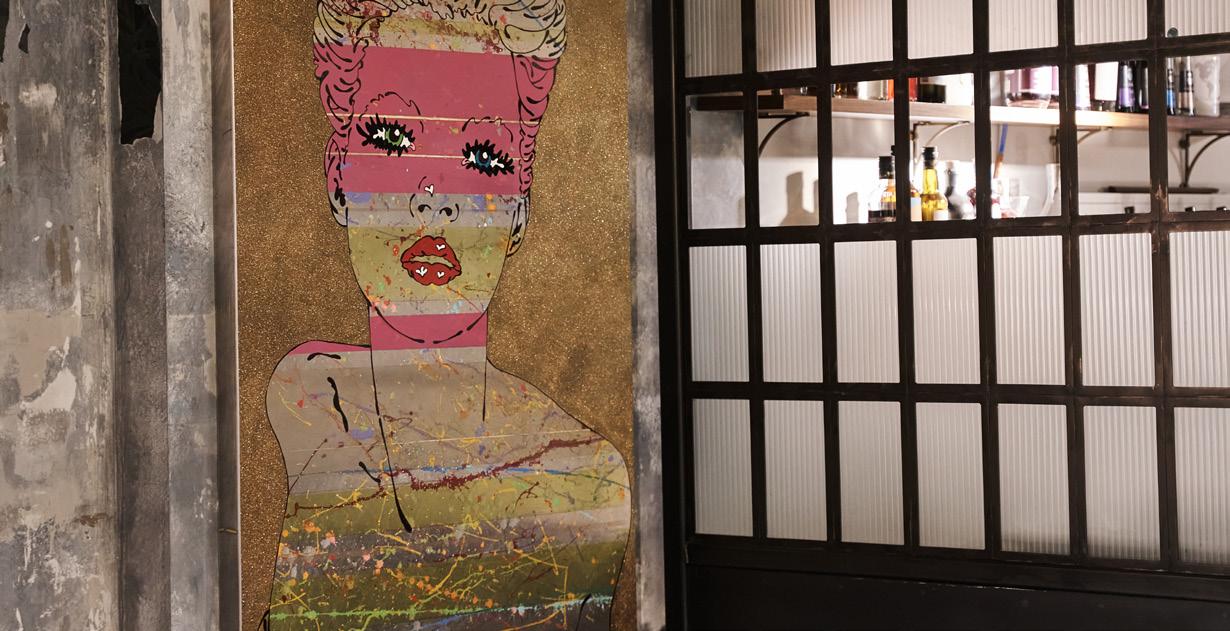
Louise Dear creates large, contemporary, figurative works. Passionate about colour - shocking, vibrant and intense – Louise is continually exploring the power it has to invade our senses and influence our emotions. She has
@louisedear louisedear.com
long collaborated with Daisy Green and is the trademark of our distinctive coffee cups. Her large-scale pieces adorn the walls across our sites including one of our favourites, KissKiss BamBam, which stands 5m tall at Timmy Green.
A timeless ritual with a little Daisy Green personality
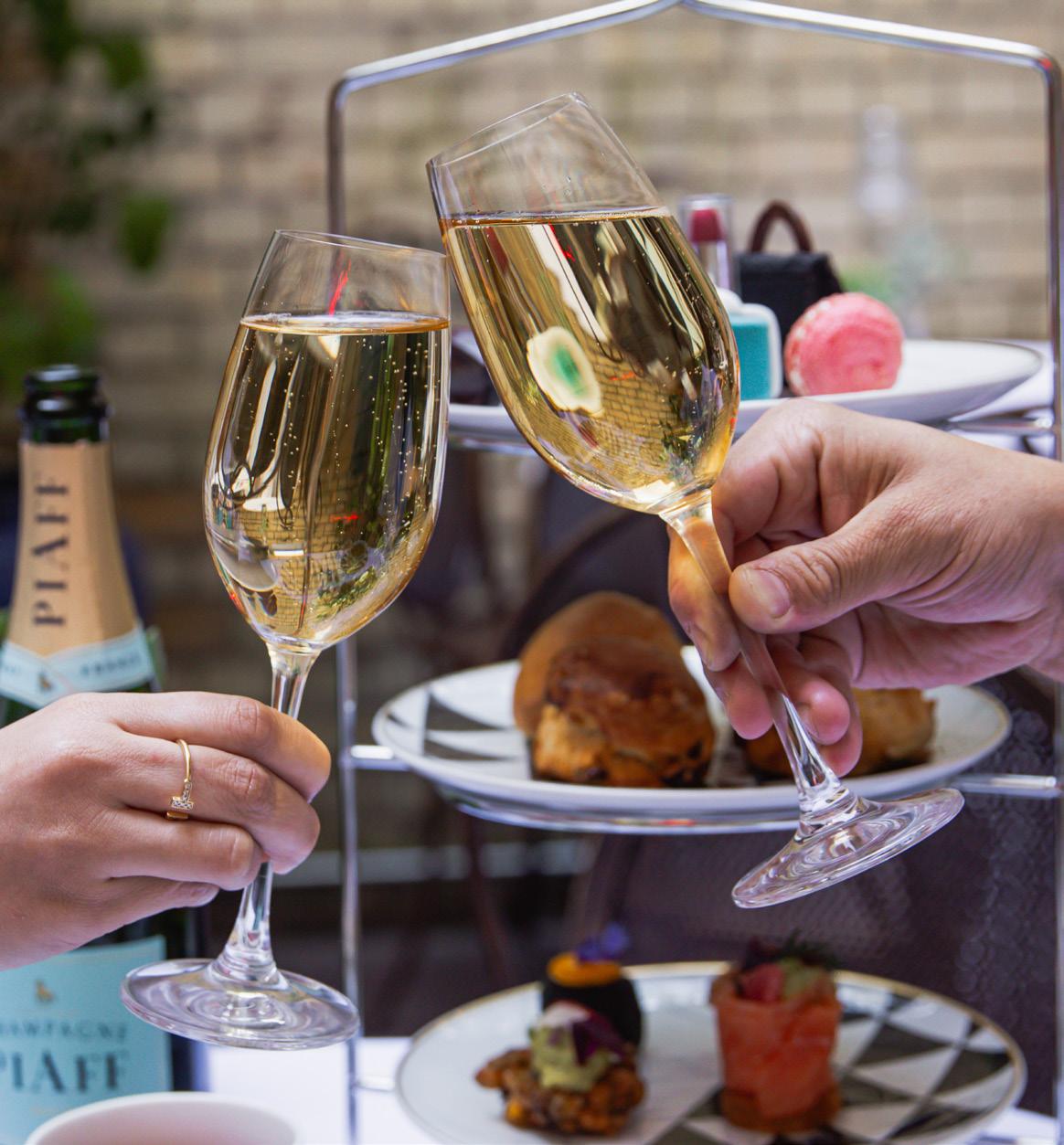
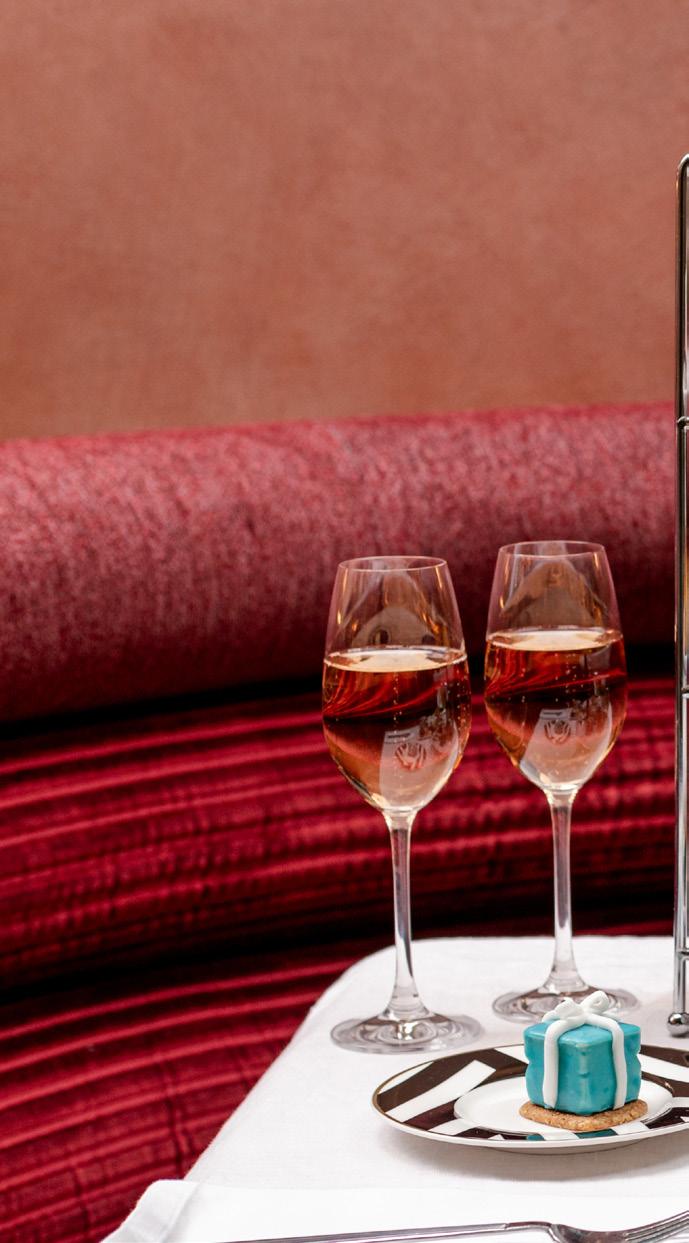
Afternoon tea feels like one of the few things London hasn’t rushed out of. It still asks you to sit down properly, pour another cup, and stay longer than you planned. At the National Portrait Gallery, it makes particular sense, somewhere to land after a morning wandering the exhibitions, or an excuse to meet in the middle of the city and let the afternoon take care of itself.
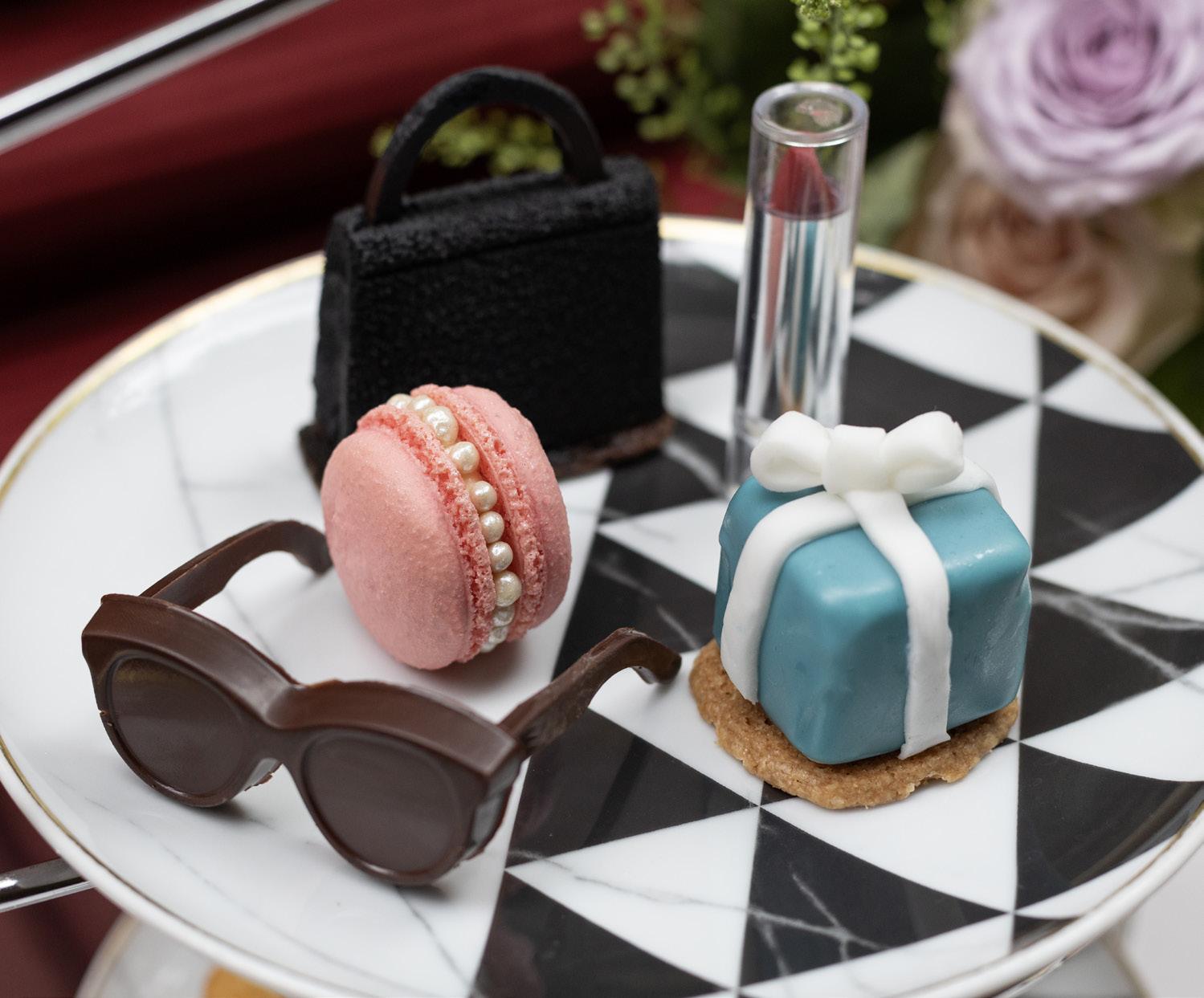
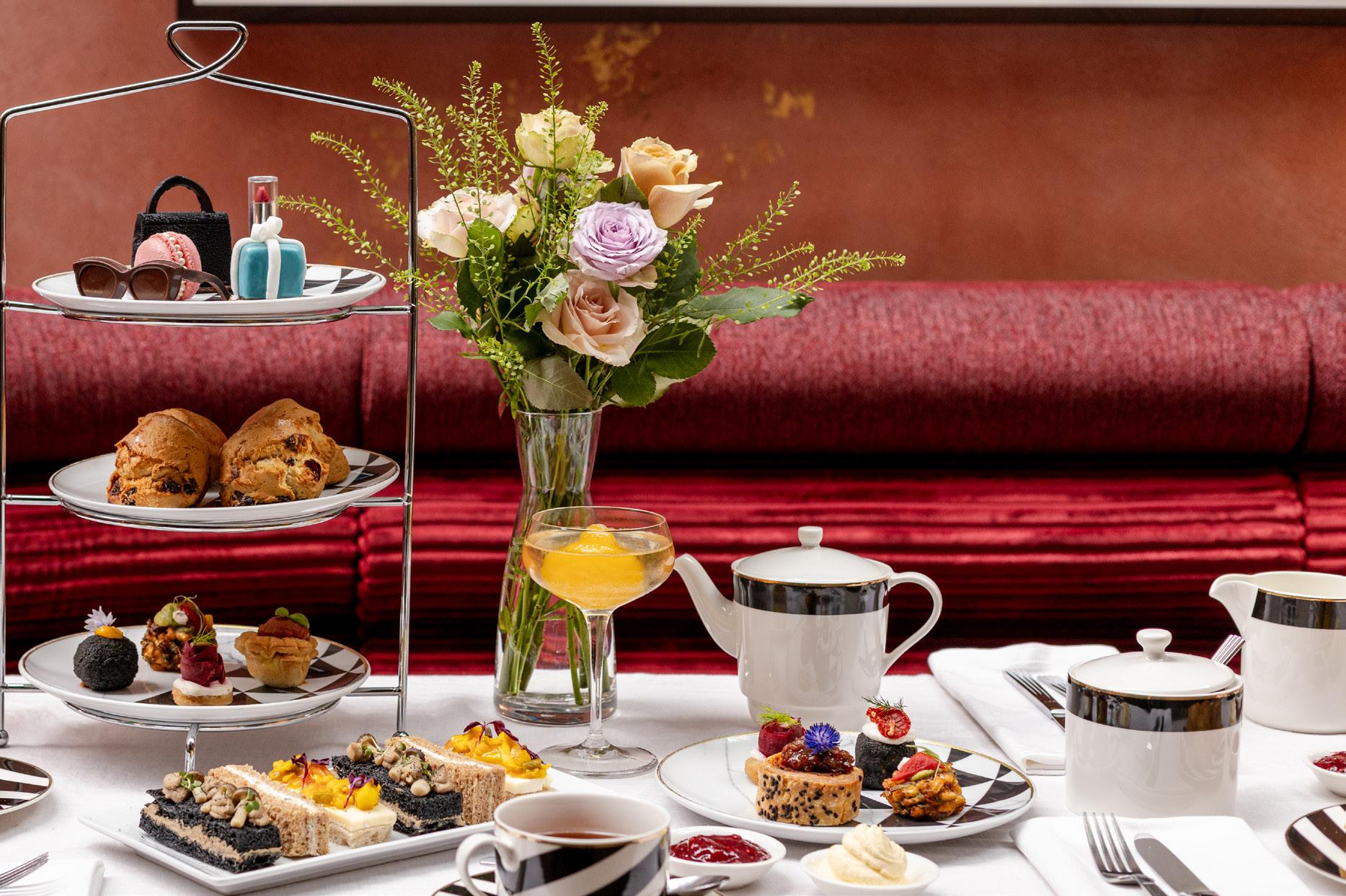
Breakfast at Audrey’s takes inspiration from Audrey Hepburn’s early London years, just around the corner from the Gallery, but it never feels overly reverential. There’s humour in it, pastries shaped like lipstick and pearls, perfectly tidy sandwiches, and scones that arrive warm enough to distract everyone from conversation for a moment.
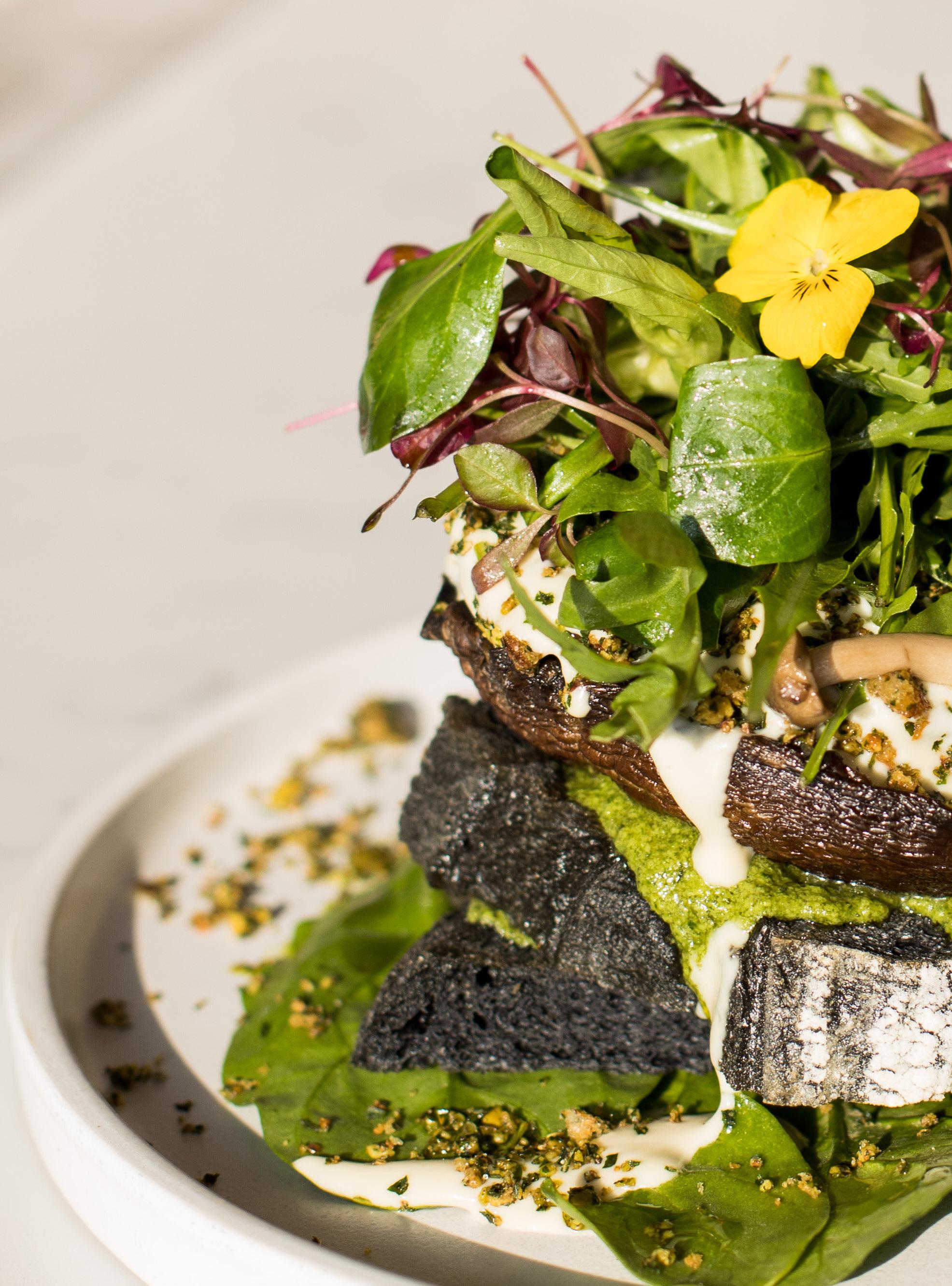
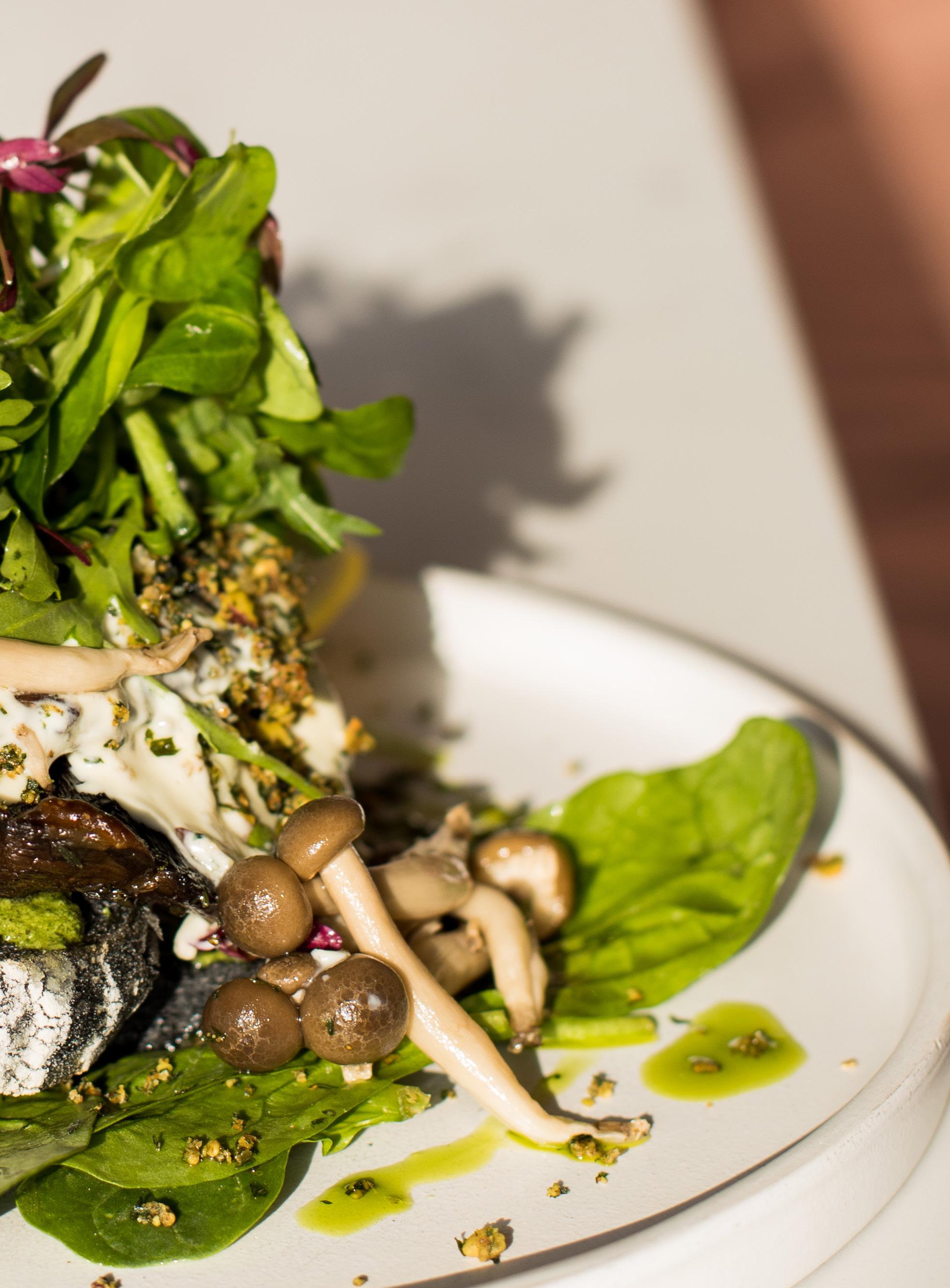
The savouries are generous and delicate: smoked salmon with horseradish cream, chicken Caesar with candied walnuts, mushroom parfait with pickled shimeji, alongside warm bites like Wagyu party pies and saffron croquettes that make the whole thing
feel reassuringly substantial. Then the sweets arrive, chocolate purses, raspberry crémeux, blue gift boxes, playful nods to fashion and film that lean more joyful than precious.
Tea is from Good & Proper, poured often and without ceremony, though a glass of Champagne tends to appear once the table settles in. Nobody seems in much of a rush to leave.
With Mother’s Day approaching, it’s an easy answer to the annual question of what to do, somewhere that feels considered without feeling like a performance. Just a good table, something sweet, and time set aside to sit together for a while.
A classic bake best served warm, with generous jam and good company.
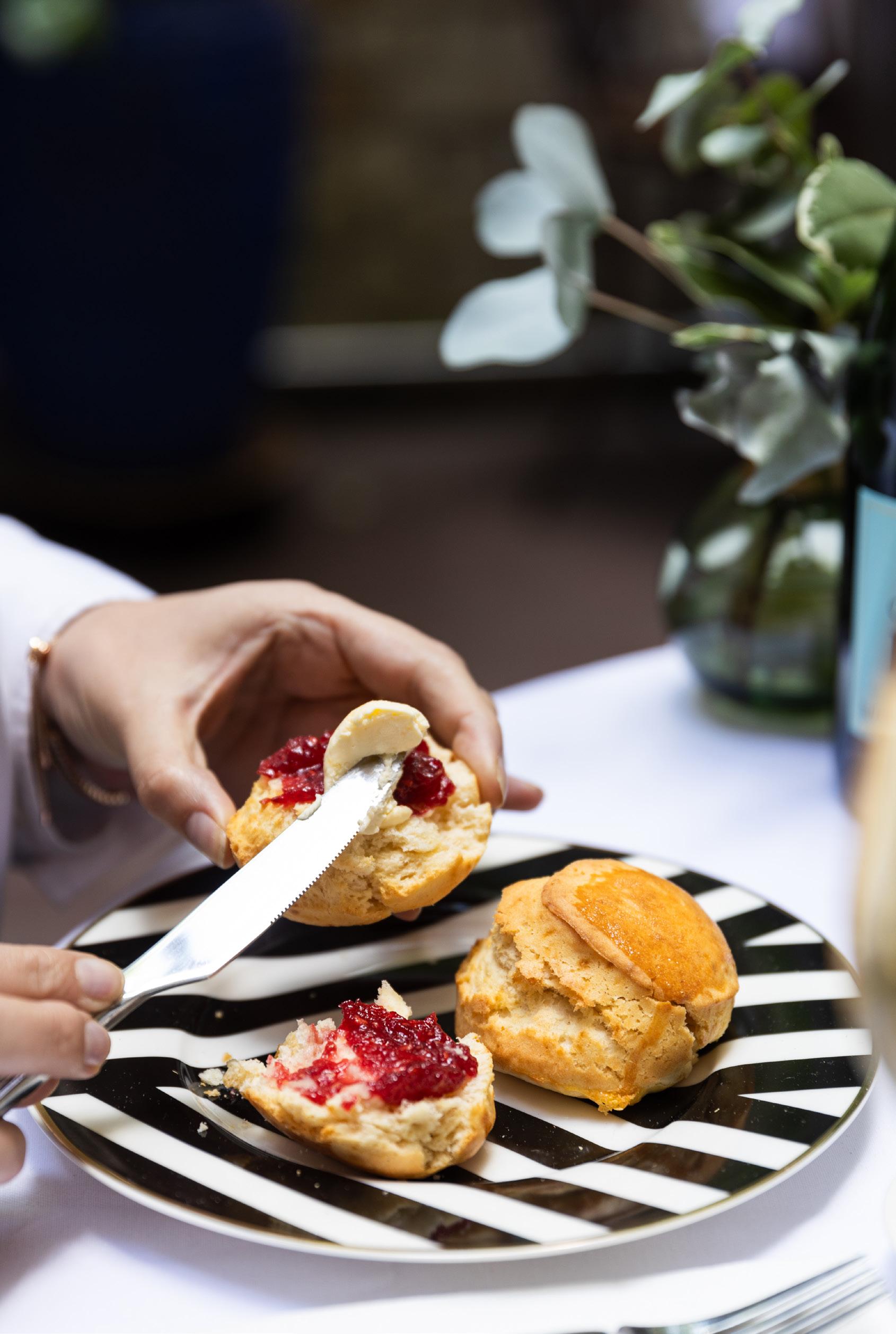
Few things feel more comforting than a freshly baked scone — warm from the oven, lightly golden and ready for a generous spoonful of jam and clotted cream. A simple, wholesome recipe that feels especially fitting for sharing over Mother’s Day or whenever the table calls for something homemade.
You’ll need 350g self-raising flour, plus extra for dusting
1 tsp baking powder
85g cold butter, diced
3 tbsp caster sugar
175ml milk
1 tsp vanilla extract
A small squeeze of lemon juice
1 egg, beaten (for glazing)
To serve Good-quality jam and clotted cream
Make the dough
Preheat the oven to 220°C (200°C fan). Place a baking tray inside to heat up while you prepare the scones.
Tip the flour, baking powder and a pinch of salt into a large bowl and stir to combine. Add the butter and rub it into the flour using your fingertips until the mixture resembles fine breadcrumbs. Stir through the sugar.
Warm the milk gently so it’s just lukewarm rather than hot, then mix in the vanilla and lemon juice. Leave it for a moment — the acidity helps create a lighter texture.
Bring it together
Make a well in the centre of the dry ingredients and pour in the milk mixture. Using a knife, bring everything together quickly into a soft dough. It will feel slightly sticky at first, resist the urge to overwork it.
Turn onto a lightly floured surface and fold the dough over itself a few times until smooth enough to handle. Pat into a thick round, roughly 4cm deep.
Shape and bake
Cut out rounds using a floured cutter, pressing straight down rather than twisting to help the scones rise evenly. Gather any scraps gently and repeat.
Brush the tops with beaten egg and place onto the hot baking tray. Bake for around 10 minutes until well risen and lightly golden.
To serve
Best eaten warm on the day they’re baked. Split open and top generously, jam first or cream first is entirely your decision.
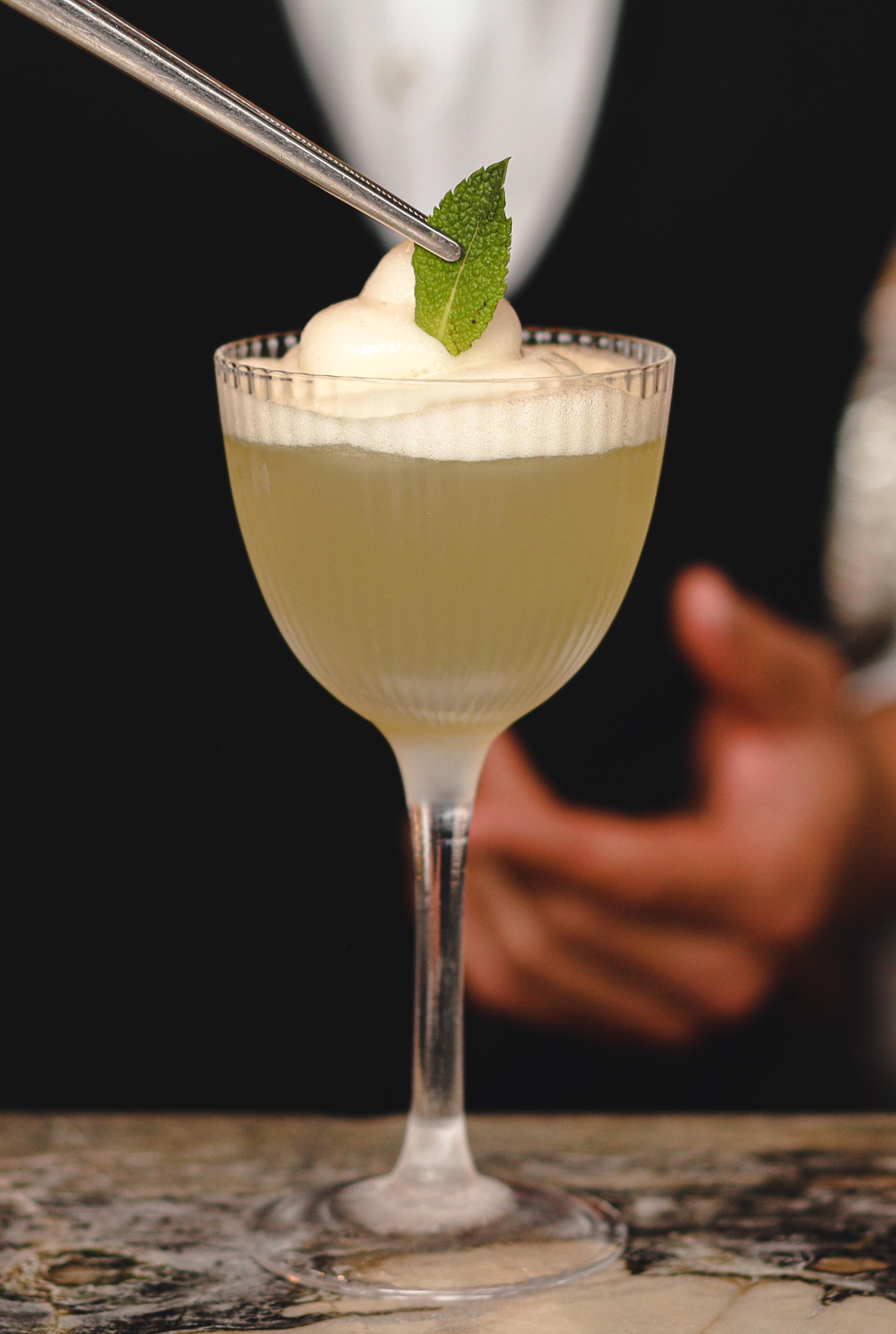

This month at Larry’s, elegance takes centre stage with The Hepburn — a refined reimagining of the classic White Lady, inspired by a woman whose presence defined an era long before she became a Hollywood icon.
In 1950, a young Audrey Hepburn was performing just around the corner at Ciro’s nightclub on Orange Street — the very building that now forms part of the National Portrait Gallery. Still a dancer then, poised between ballet and cinema, she carried the quiet discipline and grace that would soon captivate audiences worldwide. Our cocktail nods to that moment: the beginning of something luminous.
The White Lady itself has theatrical roots, first created at Ciro’s in 1919, but here it’s given a softer, more modern expression. English gin is cold-infused with fresh mint, then layered with Cointreau, Green
Discover the story behind The Hepburn White Lady, and many more infamous cocktails, in Cocktails at Larry’s. Available to purchase from selected Daisy Green locations and online.
Chartreuse and clarified lemon-mint bitters for precision and clarity. A delicate Earl Grey and lemon foam adds lift, while a single mint leaf finishes the drink with understated confidence.
Fresh, bright and effortlessly composed, The Hepburn is less about spectacle and more about balance — a cocktail that, much like its muse, proves that true style rarely needs to raise its voice.
Best enjoyed at Larry’s, where a little cinematic history still lingers in the air.


We have always proudly championed our homegrown Australian wineries here in London.
Australia’s wine industry has been shaped by generations of talented, hardworking, brave and tenacious winemakers, people who work the land with care and conviction to produce wines of unmistakable Australian character. With more than 2,000 wineries across 65 wine-growing regions, Australia remains one of the world’s top ten wine-producing countries. Today, the United Kingdom imports more wine from Australia than from France, a testament to both its quality and global appeal.
The landscape has evolved dramatically in recent years and is now one of the most exciting in the world. Over 130 grape varieties are planted across a country the size of Europe, creating extraordinary diversity, regional expression and innovation. From refined cool-climate Pinot Noir and Chardonnay to textured Riesling and vibrant Grenache, Australian wine continues to redefine expectations.
Our focus has always been on cool-climate wines, elegant, aromatic reds and fresh, citrus-driven whites. These styles pair seamlessly with the Antipodean and Asian flavours that define our food philosophy: bold yet balanced, generous yet refined.
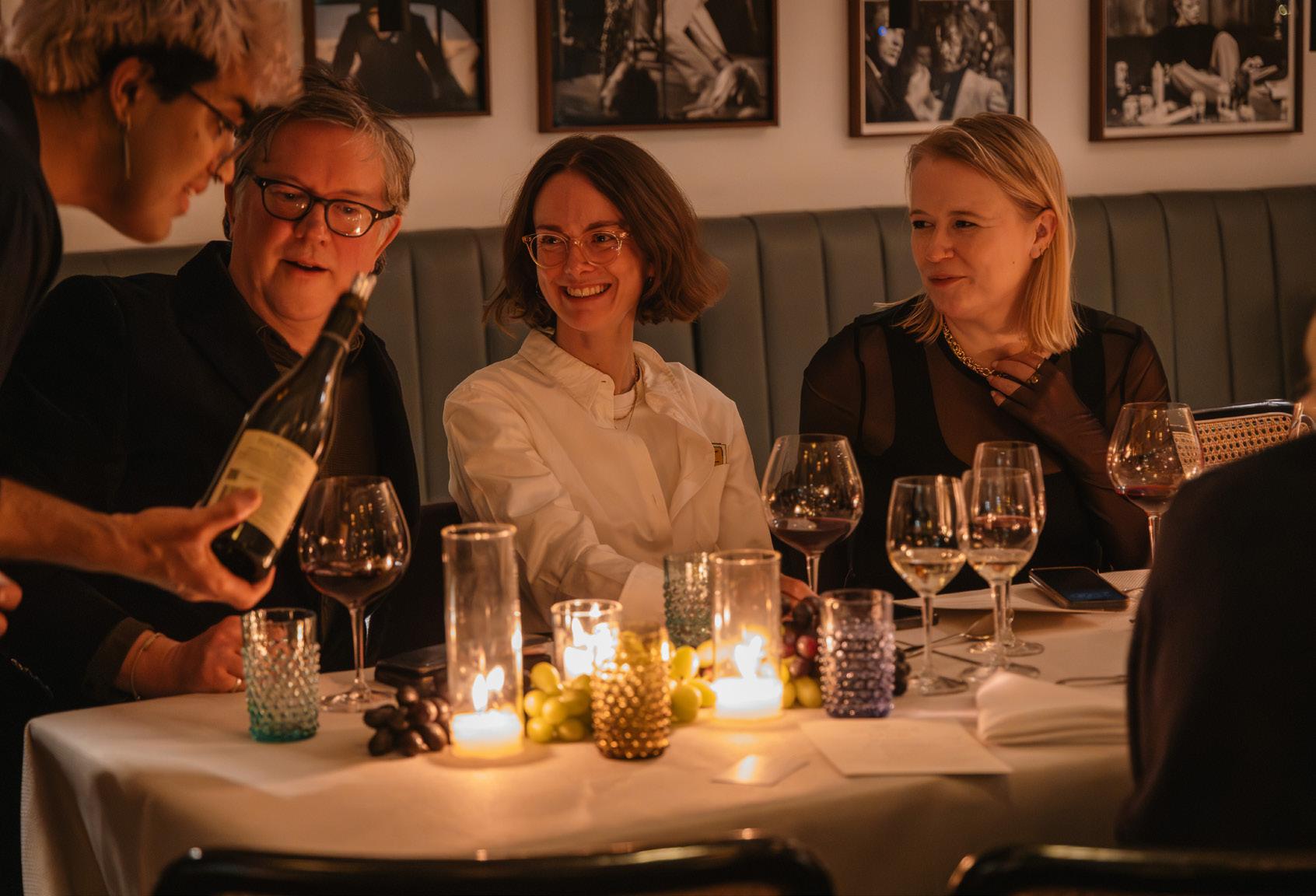
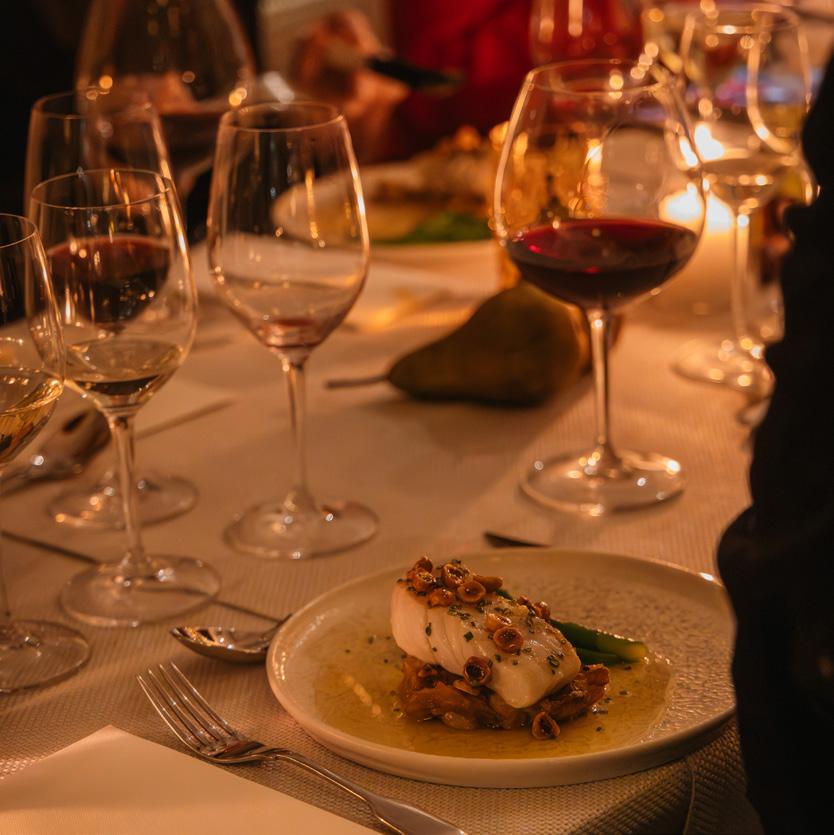
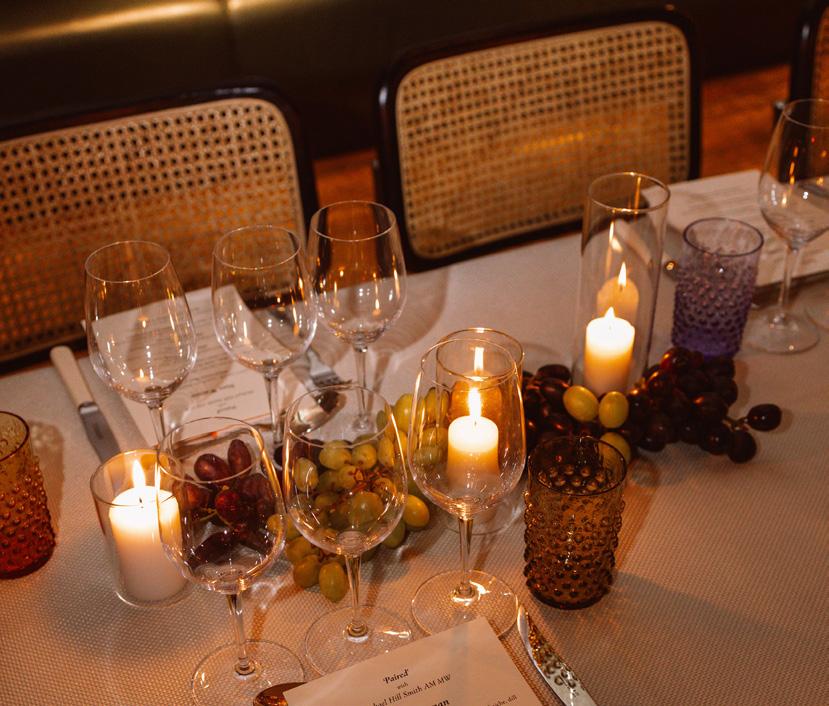
To celebrate the diversity and exceptionalism of Australian wine, we are launching Paired, a monthly wine supper club that marries our favourite things, seasonal cooking, a fine glass of wine and hosting incredible experiences. This intimate, seasonal series spotlights some of Australia’s most respected producers through thoughtful food pairings and immersive storytelling. Each event centres on a single winery, with six wines paired alongside six dishes, carefully designed to highlight the character, provenance and philosophy behind every bottle. Guests dine sharing-style at long tables, evoking the warmth and generosity of vineyard lunches and cellardoor feasts. Each evening is led by the winemaker or a Master of Wine, offering a rare opportunity to hear their story first-hand.
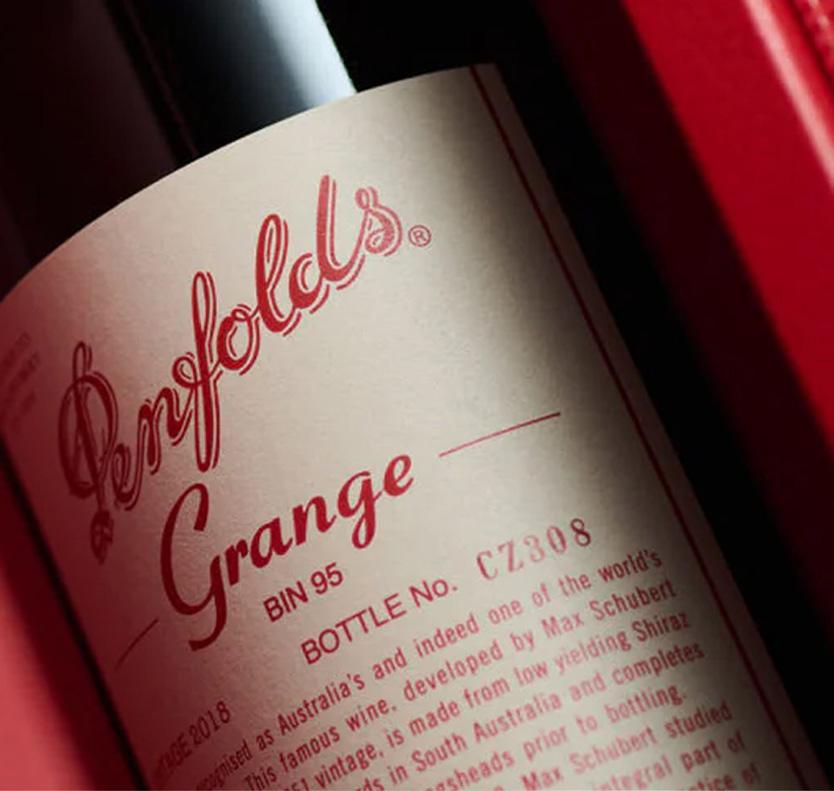
With just 20 guests per event, Paired offers rare access to iconic producers. Wines on show are a selection of our favourites alongside some of the most recognisable bins from Australia such as Penfolds’ ‘Grange’ and Henschke’s ‘Hill of Grace’.
Set in some of our most atmospheric spaces, from the waterside decks of Peggy Jean to the candlelit vaults of Larry’s, every evening is shaped by seasonality, by the producer, and by our enduring belief that wine is best enjoyed communally.
The series includes some of the most recognisable and revered names in Australian wine - producers that carry legacy, history and global acclaim, including Jim Barry Wines, Shaw + Smith, Henschke, Willunga 100, Torbreck, Grosset, Vasse Felix, Mt Horrocks and Penfolds. This is a rare opportunity to taste true icons such as Penfolds Grange and Henschke Hill of Grace in an intimate setting — not to be missed.
We are immensely proud of the producers featured in this series. Each reflects the quality, diversity and energy of Australian wine today and the strong synergy between us. We hope you enjoy them as much as we do!
Cheers!
See the full PAIRED line up and book your tickets
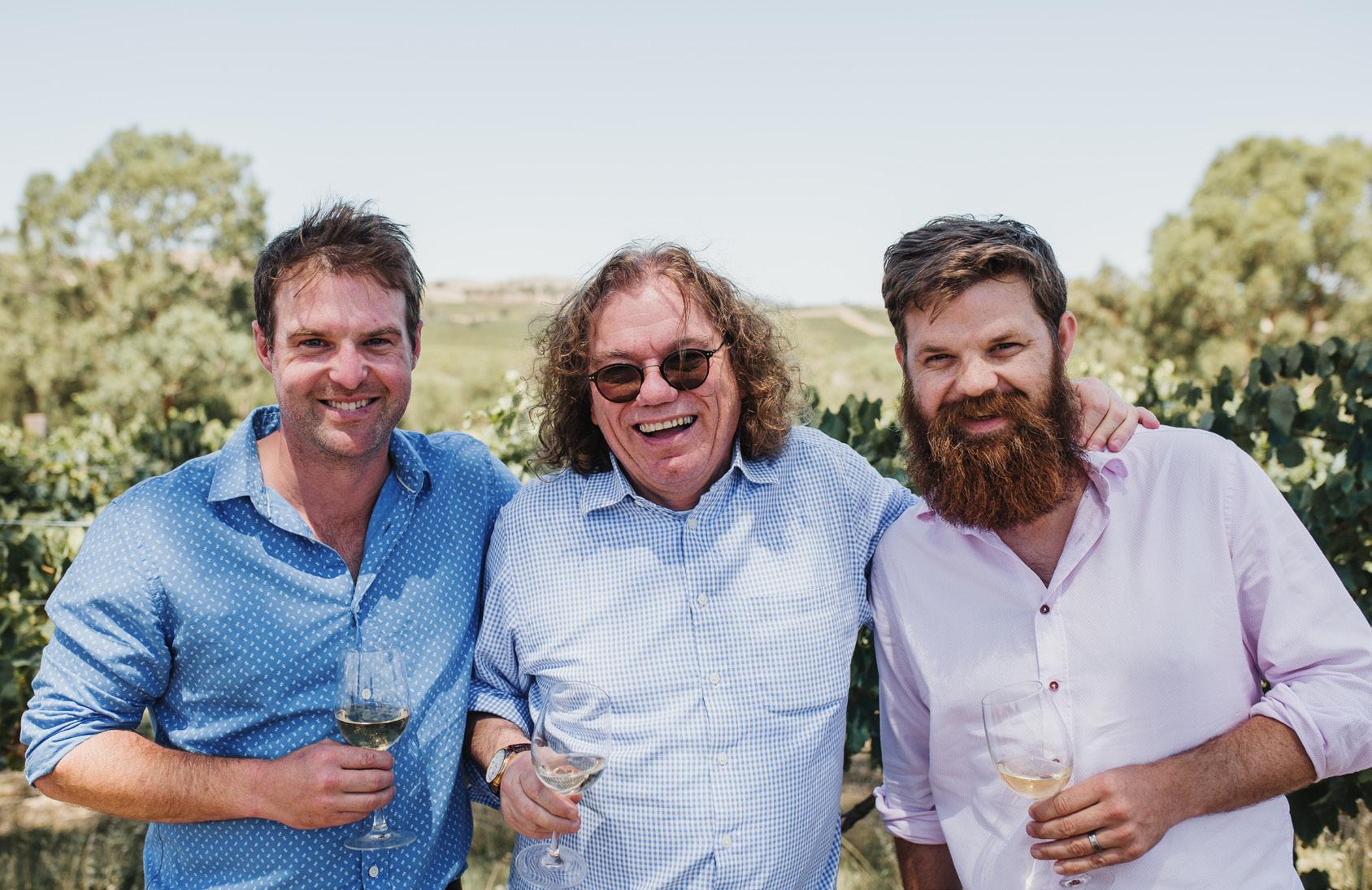
Certain names resonate strongly within the halls of Australian wine history, Jim Barry is one such name. A true pioneer, Jim Barry helped shape the Clare Valley into what it is today: a benchmark region for world-class Riesling and one of Australia’s most respected wineproducing areas. His vision, technical expertise and unwavering community spirit laid foundations that continue to define the region decades later.
In 1947, Jim Barry graduated from Roseworthy Agricultural College with the 17th Degree in Oenology, becoming the first qualified winemaker in the Clare Valley. At a time when Australian wine was still finding its modern identity, Jim was already looking ahead.
He spent 22 years as winemaker at the Clarevale Co-operative, where he became a driving force in the evolution of Australian table wine. In 1969, he went on to establish Taylors Wines,
further cementing his influence on the national industry.
But it was with Jim Barry Wines that the family name became inseparable from Clare Valley itself. Behind the scenes, Jim’s wife Nancy was instrumental in building the business, while sons Peter, Mark and John played key roles in its growth. In 1985, Peter Barry stepped into the role of Managing Director, guiding the winery into a new era of expansion and international acclaim.
Today, the legacy continues through the third generation. Peter’s children, Tom, Sam and Olivia are actively shaping the next chapter of the estate. Under the stewardship of Peter and Sue Barry, Jim Barry Wines remains proudly family-owned, with three generations of Roseworthy graduates carrying forward a tradition of technical excellence and regional commitment.
The Barry family name is synonymous with the Clare Valley. Their vineyards, their Rieslings, and their enduring dedication to the land have helped define the region’s identity on the world stage.
Jim Barry was not only a winemaker; he was a builder of regions, a mentor, and a catalyst for modern Australian wine. Today, his legacy lives on in every bottle that carries the family name.
We are proud to be kicking off ‘Paired’ with Jim Barry Wines on the 31st March at Ziggy Green. Third generation wine maker, Sam Barry will be joined by Riesling legend Erni Loosen to showcase their collaborative works ‘Loosen Barry’ alongside

Shiraz, ‘The Armagh’, Jim Barry, Clare Valley, South Australia
The Armagh is Jim Barry’s flagship wine and one of Australia’s most revered expressions of Shiraz. First released in 1985 from a single vineyard planted in 1968 in the Clare Valley, it is powerful yet precise, layered with dark fruit, spice and finely structured tannins. Named after the original Irish settlers’ village of Armagh, the wine has become an icon of Australian winemaking, celebrated for its depth, longevity and unmistakable sense of place.

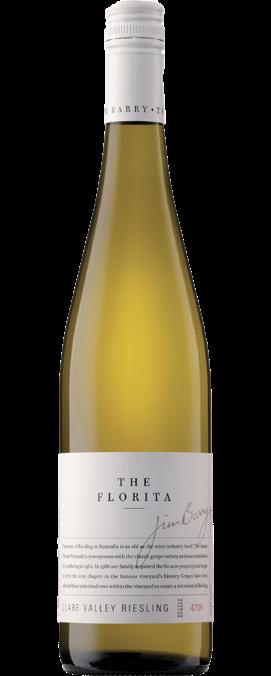
Riesling, ‘The Florita’, Jim Barry, Clare Valley, South Australia
Florita is Jim Barry’s benchmark Riesling and a defining wine of the Clare Valley. Sourced from a single vineyard planted in 1962, it is renowned for its purity, precision and remarkable ageing potential. Taut and mineral-driven in its youth, with vibrant lime and citrus blossom notes, Florita evolves beautifully over time, developing complex toast and honeyed characters while retaining its signature acidity and structure. It remains one of Australia’s most celebrated expressions of Riesling.
Victoria Broackes is a curator and cultural leader whose work has shaped some of London’s most celebrated exhibitions, from David Bowie Is at the V&A to the global London Design Biennale at Somerset House. A long-time West Londoner, she has spent her career exploring how design, music and culture connect people and cities — something reflected in the places she returns to most. Her daughter, Flora Beverley, is a food and fitness writer, ultramarathon runner and sustainability advocate, known for her balanced approach to wellbeing and movement. Together, they share their London.
V: Holland Park. I live nearby and was born just round the corner, so it’s threaded right through my life - early walks before work, strolling in the late afternoon light (or at this time of year, the gloam). The Kyoto Garden always slows me down, but it’s the wider variety- from formal gardens to woodland trails that I love most. It offers a sense of being removed from the city without leaving it. I’ve spent countless hours there with Flora, my other three daughters, and with family and friends over the years - talking through life, love, work and everything in between. With Flora getting married to her fiancé Fiann in May, there is currently plenty to discuss.
F: It’s possibly a cliché, but Holland Park has always been my favourite and one I’ve been visiting with family since my earliest memories. For a park of its size it has so many hidden corners and quiet spaces, even on the busiest days. They’ve recently build a new ‘Quiet Garden’, right on the Western edge of the park. It’s small but the way it’s designed is perfect. I run a project in Bristol called the Pollinator Pathways Project, ‘cleaning and greening’ alleyways around the city, so I’m always seeking inspiration from other urban green spaces.
V: Daunt Books in Notting Hill is somewhere I rarely leave emptyhanded. There’s something about the calm order of it – wooden floors, the long tables and shelves of novels, travel, history and art - that is restorative. Browsing there is a very good kind of time-wasting. I often pop in for five minutes and emerge much later.
F: It’s embarrassing to admit but I’m forever on the hunt for the perfect pair of jeans (a lifelong quest, perhaps?). Swedish brand Nudie Jeans are probably sick of me by now, but I love their sustainable ethos & free repairs for life! They sell ‘secondhand’ restored pairs, so there’s always something new (but not new) there.
V: The V&A remains endlessly inspiring to me - even though I worked there for 27 years and might be expected to have had enough! The children probably spent more time there than in any other gallery in London, visiting exhibitions, talks and festivals through the years. Flora’s loyalties were always across the road at the Natural History and Science Museums, and it’s no surprise that she went on to found her initiative, Pollinator Pathways in Bristol. From earliest childhood she had a completely instinctive affinity with the natural world.
F: As mentioned I have always loved the more ‘science-y’ museums –though I did appreciate all the cool exhibitions my mother did growing up! The Natural History Museum is aweinspiring, not least for its architecture. Plus, I’m marrying a palaeontologist, so it basically feels like home! Kew gardens is another favourite if I have the time.
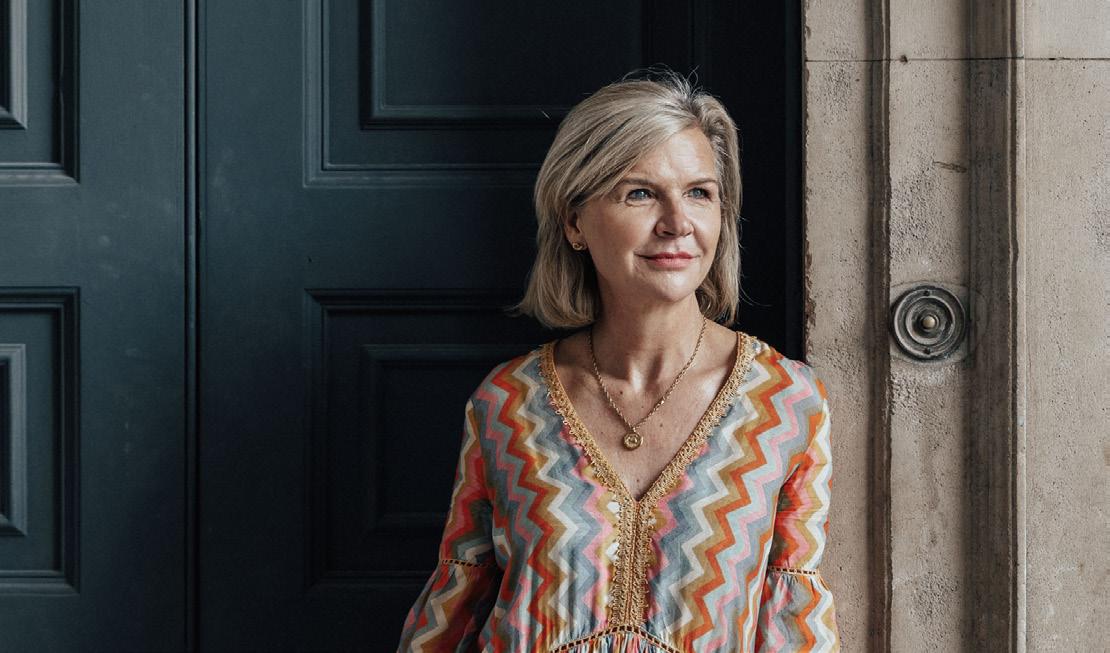
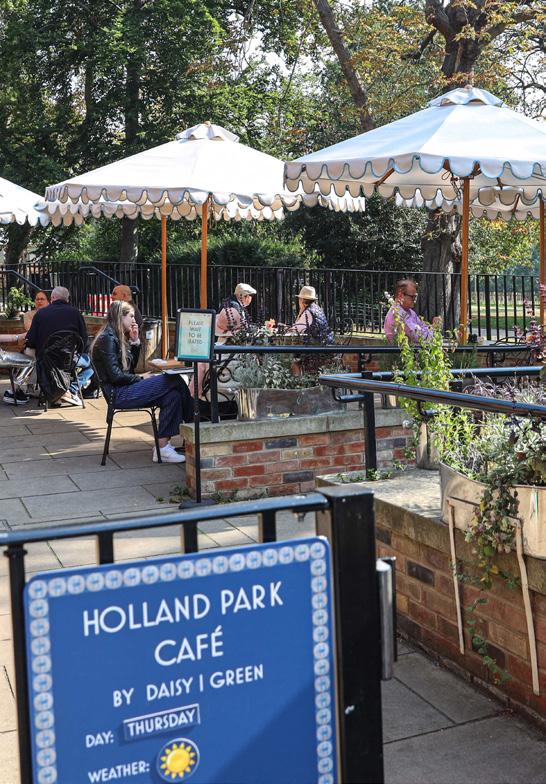
V: Daisy Green in Holland Park is where I often meet friends or pause between things (and not just because this is a Daisy Green article). It has a relaxed, local energy, a mix of families, friends and local workers. It works equally well for a catch-up or a quiet hour with a notebook. In recent months, when it seems to have done nothing but rain, it has also been a welcome refuge- especially as Pluto the dog still insists on his walk, whatever the weather.
F: I love any independent coffee shop, but one I especially enjoyed recently was Prufrock coffee in Farrindgon. The food and coffee are both exceptional, and everyone there is super friendly
V: Crossing one of the bridges at dusk - the light catching the Thames, buses and pedestrians moving steadily, the skyline. That mix of grandeur and everyday life, past and present, feels very London.
F: Running down on the Thames is a literal breath of fresh air for me. I was born in Hammersmith, and there’s something calming about watching people go for their dog walks and runs like they have done since before I can remember.
V: Portobello Road early in the morning, before it’s busy. Antique dealers setting up, shopkeepers chatting, the layers of history in the building façades, and the changing character as you move up the hill - lived-in despite being something of a stage set. It is also somewhere Flora and I have wandered countless times, talking as we go.
F: I have an obsession with Mews, both for their history as stable blocks for carriages and horses, and for the peace I find there. Growing up near Notting Hill and walking Portobello with my mother might have something to do with it. Kynance Mews in South Kensington is one of my favourites, but give me any Mews with lots of planting and good architecture and I’ll be happy!
V: Julie’s at Clarendon Cross. It has that romantic theatrical quality that makes an ordinary evening special. There’s a warmth to it, and a sense of continuity; despite several closures and reawakenings, it’s woven into the fabric of the neighbourhood.
F: I’m reluctant to share because it still feels like a hidden gem, but Tendril in Mayfair is unbeatable. I won’t share more – you’ll just have to visit!

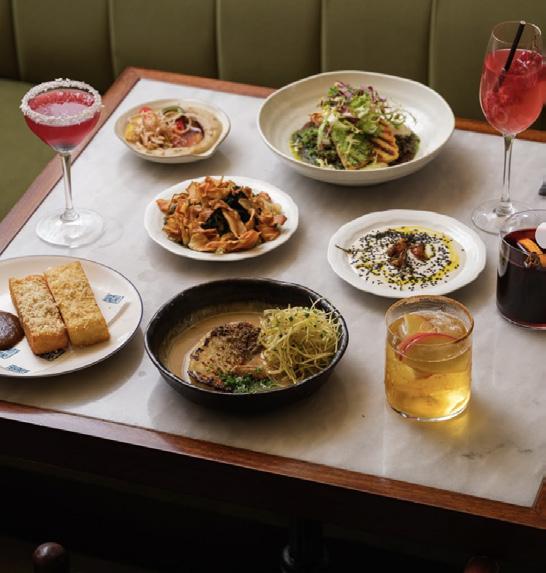
Whether it’s a relaxed brunch, a long lunch, dinner together or simply drinks at the bar. However you choose to celebrate, join us on Sunday 15 March and we’ll be raising a glass to all the brilliant mums out there, with a complimentary glass of prosecco for every mum dining with us. Bookings are now open via our website, choose your venue and we’ll take care of the rest.
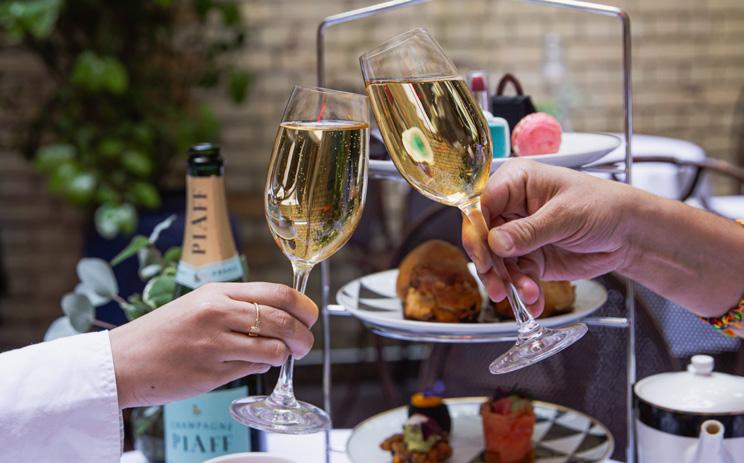
When we raid the cellar and pour some of our most unique, rare and boutique bottles — all for just £10 a glass. It’s the perfect excuse to linger a little longer over dinner or stop by for an after-work drink that feels a little indulgent. Served across the collection.
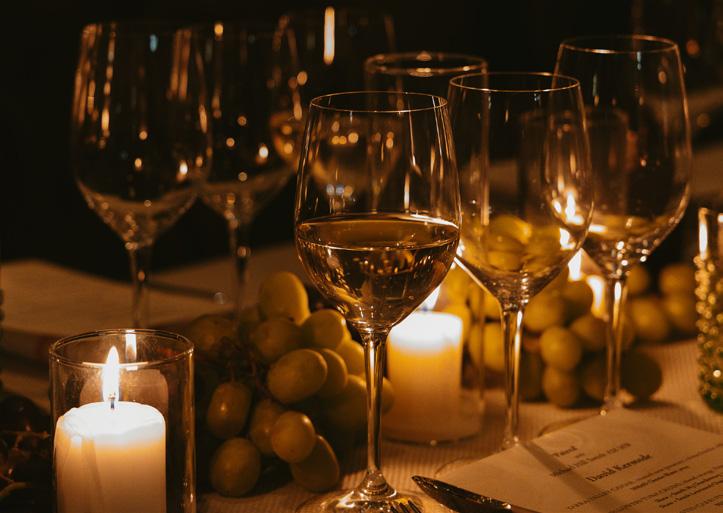
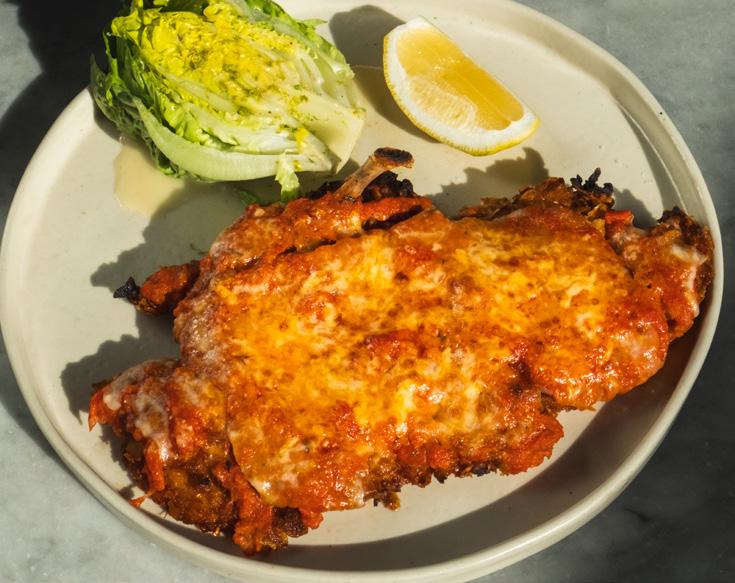
Kick off the week with a cult favourite — our famous Chicken Parmigiana, golden and bubbling from the oven, served with an ice-cold craft beer or a glass of house wine for just £20. Comfort food, done properly. Served across the collection.
Spring: Art Exhibition at Holland Park Café
This spring, Holland Park Café welcomes a new seasonal exhibition featuring Fabio Almeida, Ralph Anderson and Hermione Allsopp. Marking the shift into longer days and brighter light, the exhibition brings together three distinct artistic voices, each exploring form, colour and texture in their own playful way. Join us for the preview on Sunday 22nd March, 4–7pm, with the exhibition continuing daily until 19th June.
Tickets are now on sale for PAIRED, our intimate dining series celebrating Australia’s most exciting wine producers, and spaces are already limited. Each evening pairs a seasonal, chef-led menu with thoughtfully matched wines, hosted by winemakers and senior brand ambassadors. Expect storytelling, rare pours and a relaxed, refined atmosphere.
Live Jazz at Larry’s, National Portrait Gallery
Every Thursday and Saturday evening, Larry’s transforms into one of the West End’s most atmospheric cocktail bars. Enjoy live jazz and soul performances from London’s rising talents, curated by our house band featuring Liam Stevens and special guests. The perfect pairing to a martini and late-night conversation.