
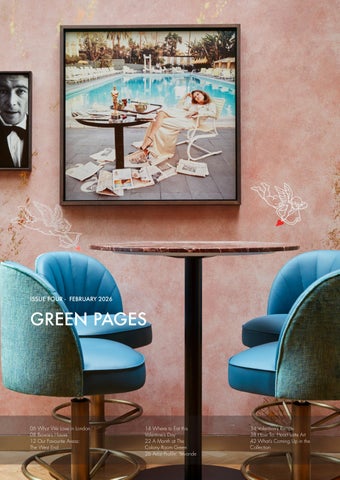
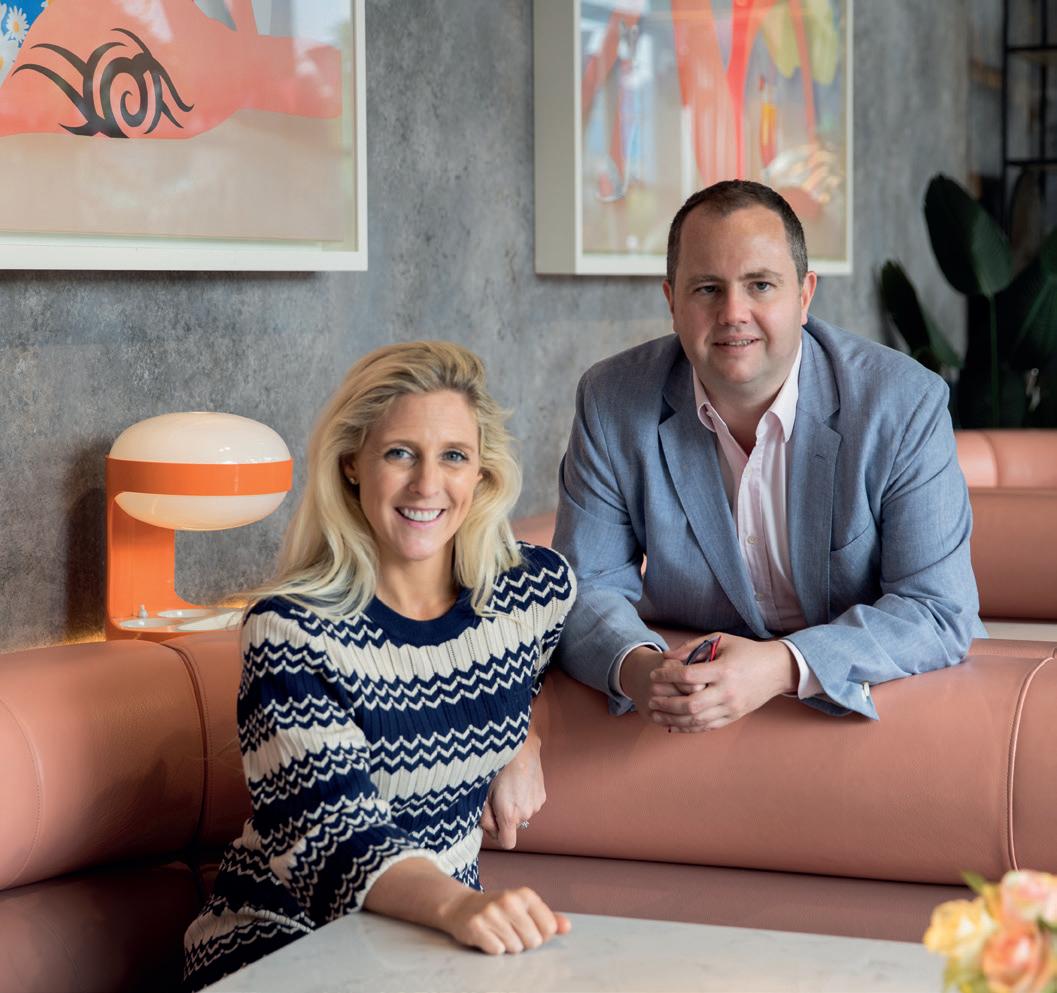
February in the city has its own rhythm, a little brighter, a little bolder, and full of reasons to come together. This issue is our love letter to our great loves, delicious brunch, good music and the simple joy of spending time with people who matter most.
Valentine’s Day sits at the heart of the month and is an excuse to celebrate someone or something you love, whether that’s a romantic dinner for two, a long lunch with family, a spontaneous evening with close friends, or a movie at home. Across the Daisy Green Collection, our kitchens are welcoming new menu dishes designed for sharing, lingering and ordering “just one more.” It’s food made for connection.
There’s plenty happening beyond the table in London, too. From Lunar New Year celebrations to live music, late-night moments and new events, particularly at The Colony Room, February is packed with energy, creativity and reasons to get out into the city. In these pages, you’ll also find our top cultural picks for the month: exhibitions, shows and places we’re loving right now.
We’ve already had an inspiring start to the year. January saw a brilliant fundraising event in support of Soho Parish School, raising vital funds to help keep this much-loved community institution open and thriving. We also marked ten years since David Bowie’s passing with a special night at Ziggy Green, celebrating his legacy alongside the incredible Kevin Armstrong, Dave Catlin-Birch and
Cliff Slapper. Moments like these remind us why community, culture and creativity sit at the core of everything we do.
And there’s so much more to come. New dishes, new collaborations, new stories, and plenty of moments worth sharing. So wherever February takes you, we hope this issue inspires you to get stuck in, treat someone special, see the show, and celebrate the city and the people you love in it.

ISSUE FOUR - FEBRUARY 2026
What We Love In London
Our Favourite Areas: The West End
12. Where To Eat This Valentine’s Day
A Month At The Colony Room Green 38. How To: Heart
Recipe: Sticky Toffee Pudding
What’s Coming Up in the Collection






What to see, do and where to eat this month.
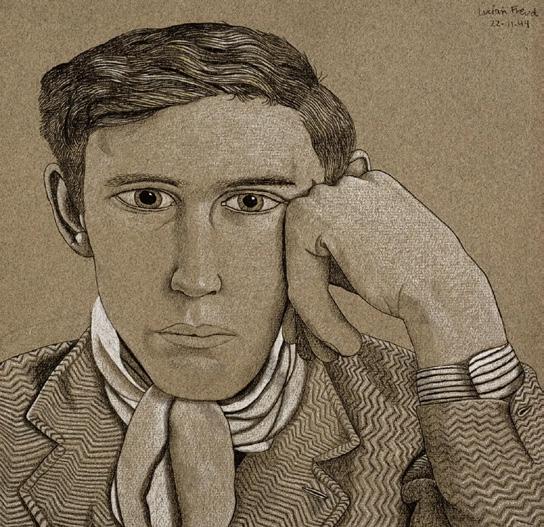
01 Photo: Portrait of a Young Man, 1944, Lucian Freud, © The Lucian Freud Archive. All Rights Reserved 2025 / Bridgeman Images, Lent by a private collection.
02 Photo: Tracey Emin My Bed 1998 © Tracey Emin.
Our favourite exhibitions, openings and seasonal moments across the city this month.
Lucian Freud: Drawing into Painting at the National Portrait Gallery (12 Feb – 4 May 2026)
At the National Portrait Gallery, this exhibition explores Lucian Freud’s intense drawing practice - an aspect of his work which has never been explored this deeply. Bringing together 175 works, it offers a revealing look at one of Britain’s greatest figurative artists.
Tracy Emin: A Second Life at Tate Modern
Tracey Emin returns to Tate Modern with a major exhibition spanning four decades of her raw, confessional practice. Featuring painting, sculpture, neon and installation, it’s an intimate, powerful look at one of Britain’s most influential contemporary artists.
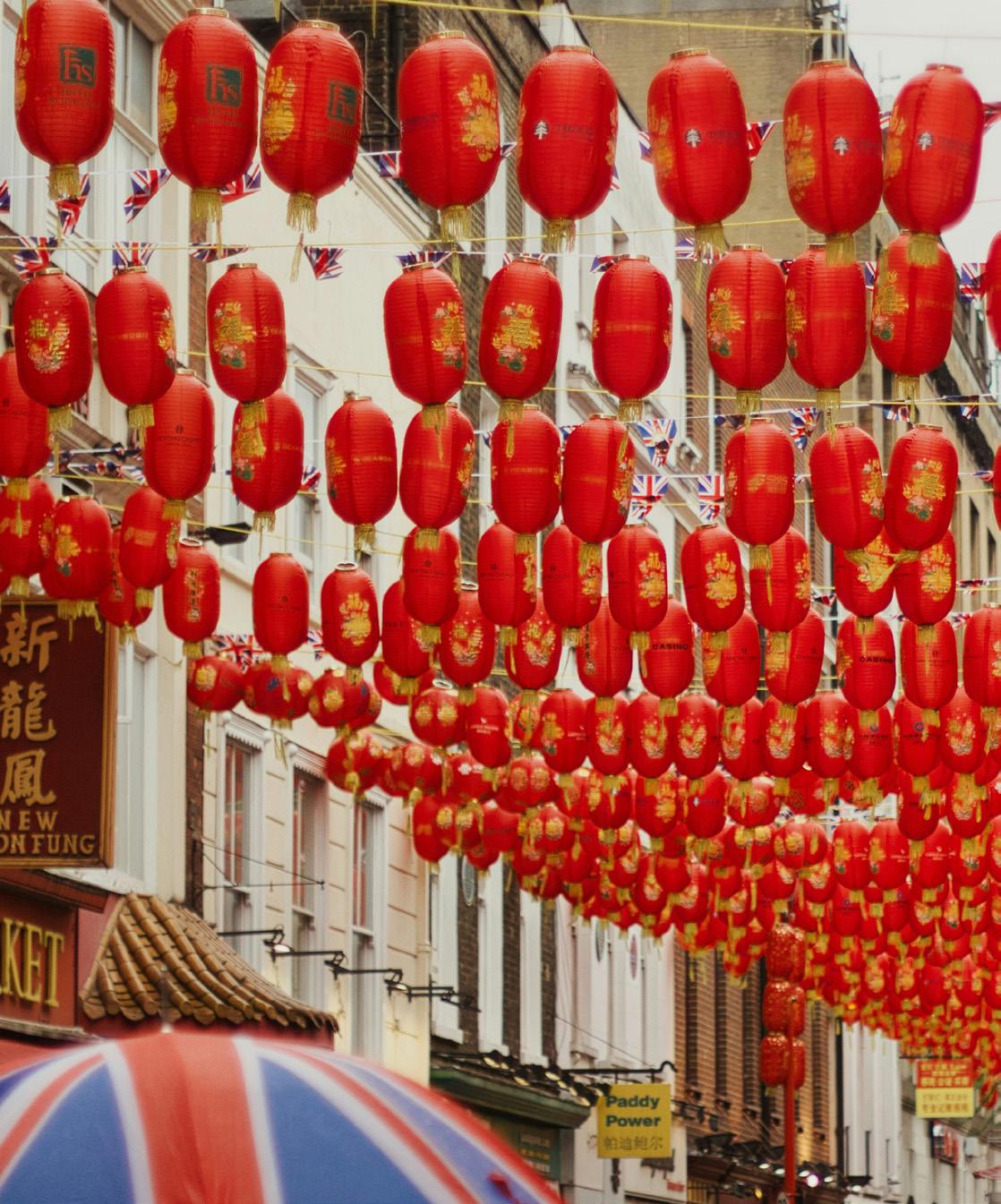
Chinese New Year in London (Feb 17 until 22 Feb 2026)
London comes alive for Lunar New Year with vibrant parades, lion dances, live performances and street food across Chinatown, Trafalgar Square and the West End — one of the biggest celebrations outside Asia.
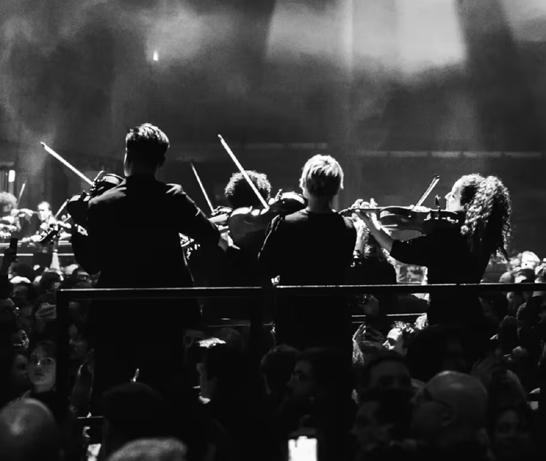
Classical Mixtape: A Live Takeover (5 Feb 2026)
Southbank Centre hosts a one-night, celebration of classical music, with hundreds of musicians performing across multiple spaces. Move around sets, from iconic classics to unexpected favourites, in a lively, informal reimagining of the concert hall.
Deep Azure (7 Feb – 11 Apr 2026)
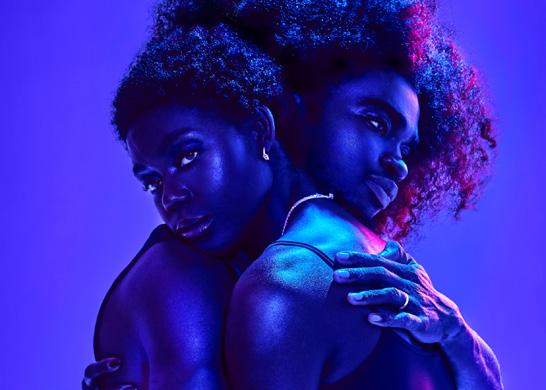
At the Shakespeare’s Globe’s Sam Wanamaker Playhouse, this UK premiere of Deep Azure by the late Chadwick Boseman blends hip-hopinfused verse, poetic drama and Shakespearean influence to explore love, grief and justice after a young woman’s fiancé is killed by the police. It’s a powerful and lyrical theatrical experience.
Ramadan Lights, West End (Mid Feb 2026)
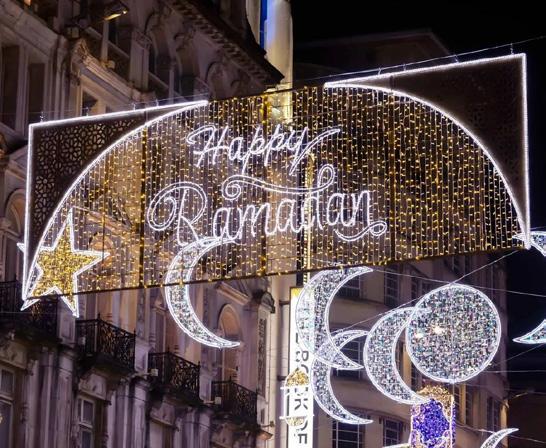
The Ramadan Lights return to London’s West End in mid-February 2026, illuminating Leicester Square and nearby streets to mark the holy month. A simple but striking display, it’s a quietly beautiful addition to the city after dark and a meaningful moment in London’s cultural calendar.
Design and Disability (until 15 Feb 2026)
Victoria and Albert Museum presents Design and Disability, an ambitious exhibition celebrating the radical contributions of disabled, Deaf and neurodivergent people to design history and contemporary culture — from fashion and furniture to architecture and everyday tools. It reframes disability as a source of innovation, creativity and culture, offering a powerful and inclusive perspective on design’s past, present and future.
03 Photo: © Adrian Raudaschl
04 Photo: © Southbank Centre
The Playboy of the Western World (until 28 Feb 2026)
At the National Theatre’s Lyttelton Theatre, John Millington Synge’s iconic drama is revived in a new production. The play mixes dark comedy, lyrical language and sharp social insight. Starring Nicola Coughlan and Siobhán McSweeney and directed by Caitríona McLaughlin, it’s a vivid, character-driven theatrical event on London’s South Bank.



On Bowie’s birthday, Ziggy Green hosted a private announcement and party with lasting cultural significance.
On the evening of 8 January, Ziggy Green became the setting for a historic moment. Held on David Bowie’s birthday, the space welcomed an intimate gathering of artists, collaborators, cultural figures and longtime friends, brought together to hear a very special announcement.
Hosted in collaboration with Heritage of London Trust, the evening marked the public reveal that David Bowie’s childhood home has been acquired and will open to the public for the first time. A modest house in south-east London, it was the place where Bowie spent his formative years, experimenting, observing, imagining, long before the world knew his name.
There was no grand staging. Instead, the room held a rare sense of focus and attention. Guests gathered, glasses in hand, as the announcement was shared, a moment years in the making, centred on preservation, access and legacy. The house will be carefully restored and protected, with the intention of opening it up to future generations as a place of learning, creativity and inspiration.
For us, hosting the evening felt especially meaningful. Ziggy Green sits on a street woven into Bowie’s story, and the restaurant itself was created as a tribute to his legacy, not just the music, but the spirit behind it: curiosity, reinvention and the freedom to be
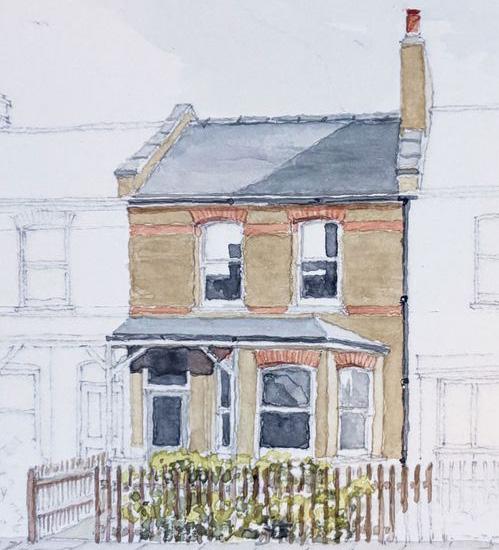
yourself. To welcome people here, on his birthday, to hear news about the place where it all began, felt poignant.
The evening was documented by press and film crews, capturing the significance of the announcement as it rippled out beyond the room. Live music played through the space, grounding the night in what Bowie always represented, creativity in motion, shared and experienced together.
Beyond the announcement itself, the event also formed part of a wider programme of fundraising in support of Soho Parish School, reinforcing the belief that culture and community are deeply connected. Protecting places,
whether homes, schools or creative spaces, is about investing in the future as much as honouring the past.
As the evening drew to a close, it felt less like a launch and more like a handover: a story passed forward. Ten years on, Bowie’s influence remains as expansive as ever, not fixed in time, but continuing to inspire, challenge and bring people together in unexpected ways.
We were proud to open our doors and support the evening — a privilege to play a small part in a story that is still unfolding.
Follow @bowieshouselondon
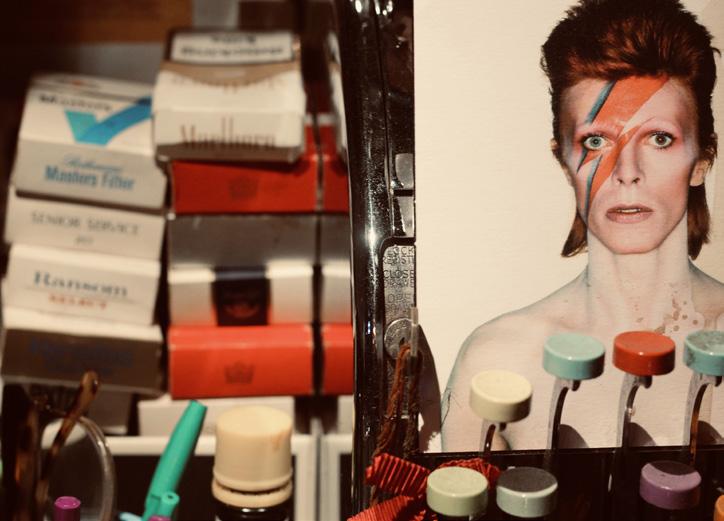
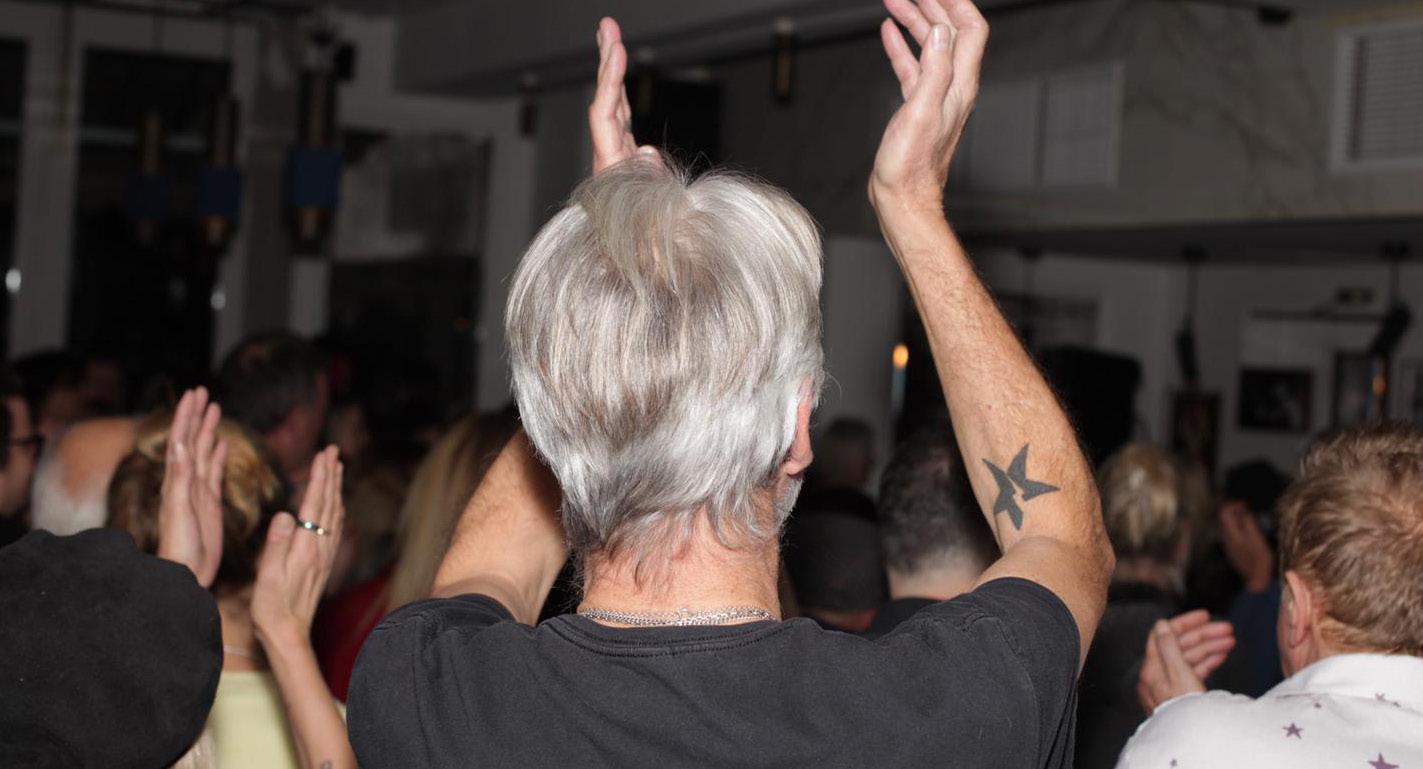
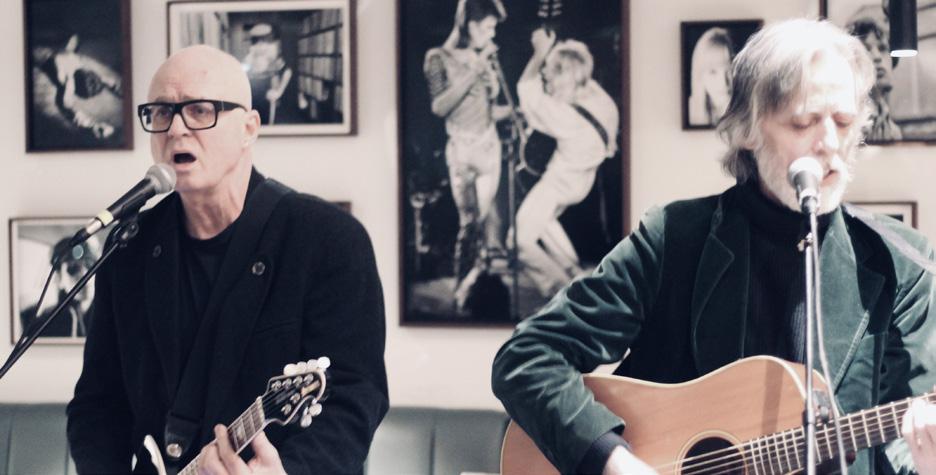
Ten years after David Bowie’s passing, his presence in Soho still feels close, in the music, the stories, and the creative spirit that continues to define the neighbourhood. On 10 January, Ziggy Green opened its doors for a special charity event, bringing people together to celebrate Bowie’s legacy while raising vital funds to help Soho Parish School remain open.
The evening was shaped around what Bowie always stood for: shared experience, creativity, and connection. Guests gathered to eat, drink, dance and sing, filling Ziggy Green with the kind of energy that can only come from a room united by music and memory.
A highlight of the night came with an intimate live performance from Kevin Armstrong and Dave Catlin-
Photos: Richard Purden & Brynley Odu Davies
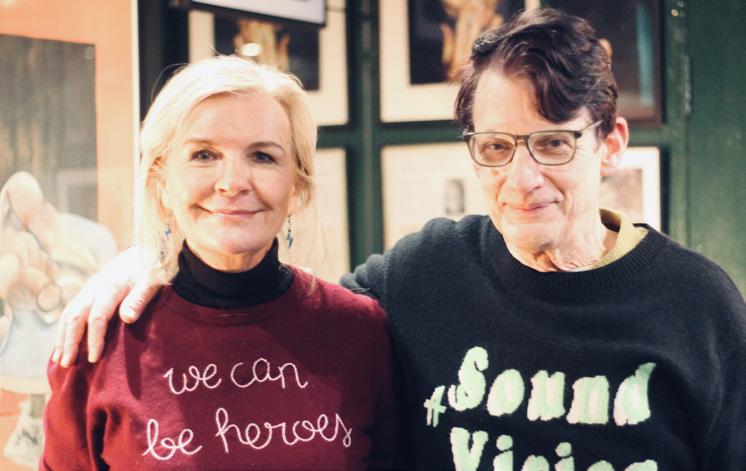
Birch, whose 2-hour set held the room completely. Powerful, moving and personal, the performance felt less like a concert and more like an intimate moment, one that reminded everyone present just how enduring Bowie’s influence remains.
Earlier in the day, guests took part in a Bowie walking tour through Soho, led by Geoff Marsh and Vicky Broackes from the Victoria and Albert Museum. Tracing the streets, stories and places that shaped Bowie’s early career, the walk offered context, insight and a deeper connection to the area that helped form his creative identity. Later, that sense of history carried into the evening, with Cliff Slapper playing downstairs in the Colony Room, a rare and fitting moment of reflection.
Throughout the day and into the evening, the focus remained on community. Every ticket, every plate of food and every raised glass contributed directly to the fundraising effort for Soho Parish School, a much-loved local institution at the heart of the neighbourhood.
The result was a celebration that felt true to Bowie’s spirit: joyful, thoughtful and rooted in togetherness. A reminder that culture doesn’t exist in isolation, it lives through places, people and the communities that protect them.
Ten years on, Bowie continues to bring people together. On this January evening in Soho, that legacy was felt in every corner of the room — with over £2,400 raised for a fantastic cause.
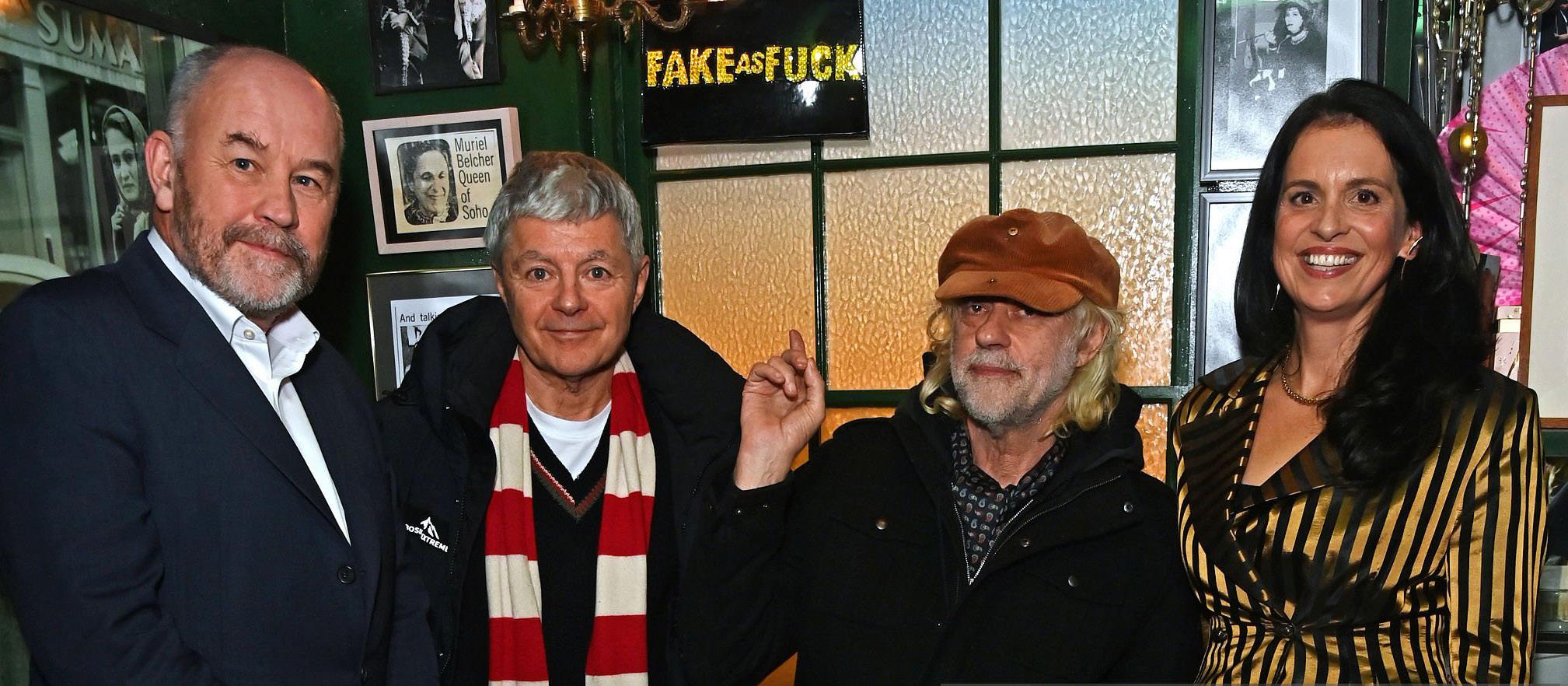
Hosted by Heritage of London Trust with musicians and artists in attendance.

Where to stay, eat and play around London’s famous landmarks
Did you know London once drowned in beer? In 1814, a giant vat at Meux & Co.’s Horse Shoe Brewery burst, unleashing a 15-foot wave of porter through the streets of St Giles. Over a million litres flooded homes and pubs in one of the city’s strangest, and most tragic, true stories. It’s a reminder that London’s history isn’t just grand and glorious… it’s also wonderfully weird.
Fast-forward to today and you’re at the beating heart of the capital: Trafalgar Square and the surrounding West End. This is where London’s cultural energy is permanently turned up. Framed by sweeping avenues, historic theatres and worldclass galleries, it’s a neighbourhood built on art, performance and people-watching, from the iconic steps of the National Gallery to the glowing marquees along the Strand.
Nearest Tube: Charing Cross / Leicester Square
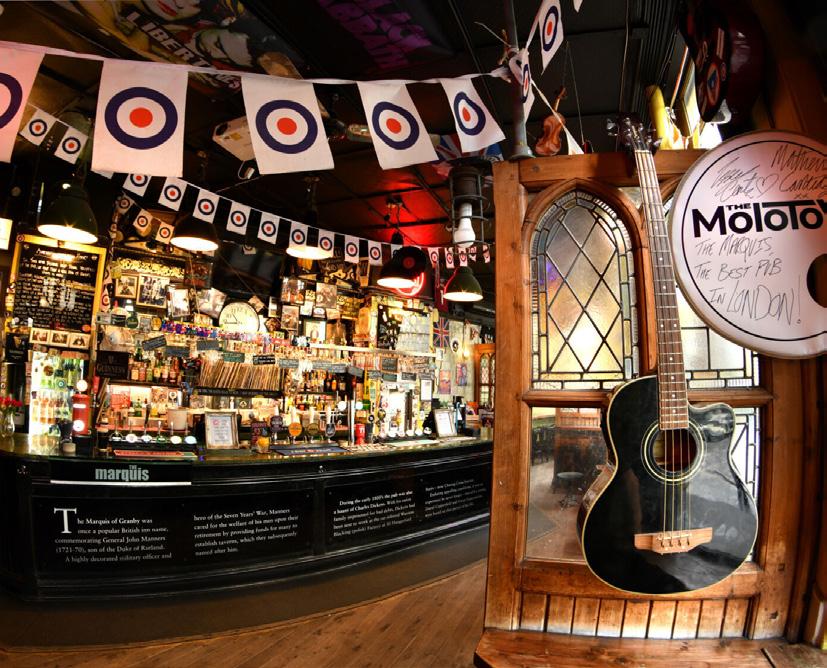
Photo: themarquiscoventgarden.co.uk
Pub: The Marquis
51-52 Chandos Pl, London WC2N 4HS
Tucked just off Covent Garden, The Marquis is a historic London pub with bags of character. Dating back to the 17th century, it pairs proper pints, cask ales and classic British pub food with a lively, music-led atmosphere. Vinyl spins behind the bar, live sets bring the room to life, and familiar faces like The Deniros — who also play at Larry’s — help give the place its warm, West End buzz from day to night.
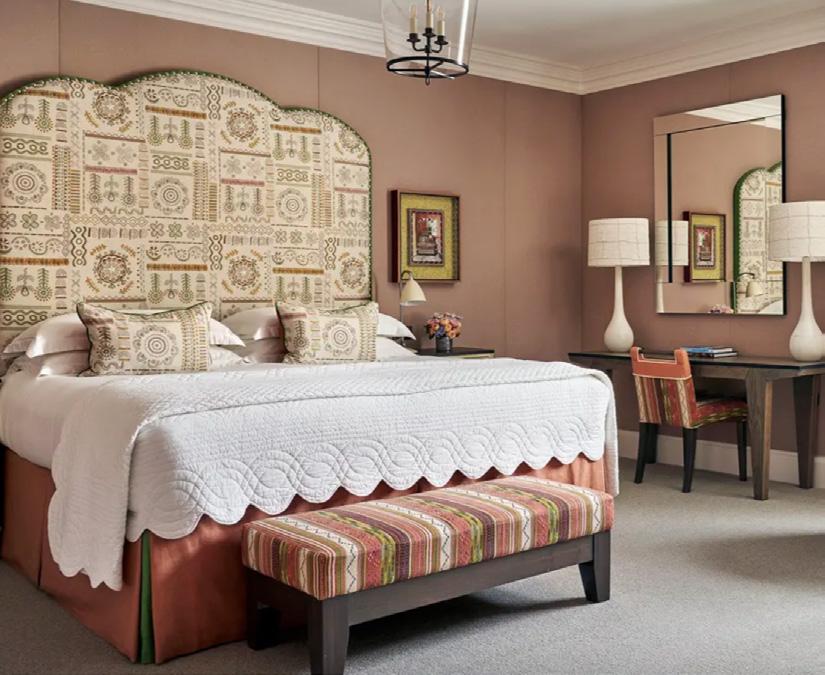
firmdalehotels.com
Haymarket Hotel
1 Suffolk Pl, London SW1Y 4HX
Tucked into the heart of London’s West End, Haymarket Hotel blends classic Regency architecture with the Firmdale Group’s signature, art-led style. Interiors are bold yet welcoming, rich colours, playful patterns and contemporary artwork create a space that feels curated but never stiff. Each room is individually designed, balancing character with comfort. Step outside and you’re moments from the theatres, restaurants and energy of Haymarket, with Trafalgar Square and St James’s Park just a short stroll away, an ideal base for experiencing London at its most lively and cultured.

Hidden beneath the National Portrait Gallery, Larry’s is a bar shaped by theatre, portraiture and one of London’s great love stories. Named after Laurence Olivier, it draws from the golden age of the West End, a world where creativity, glamour and romance collided nightly.
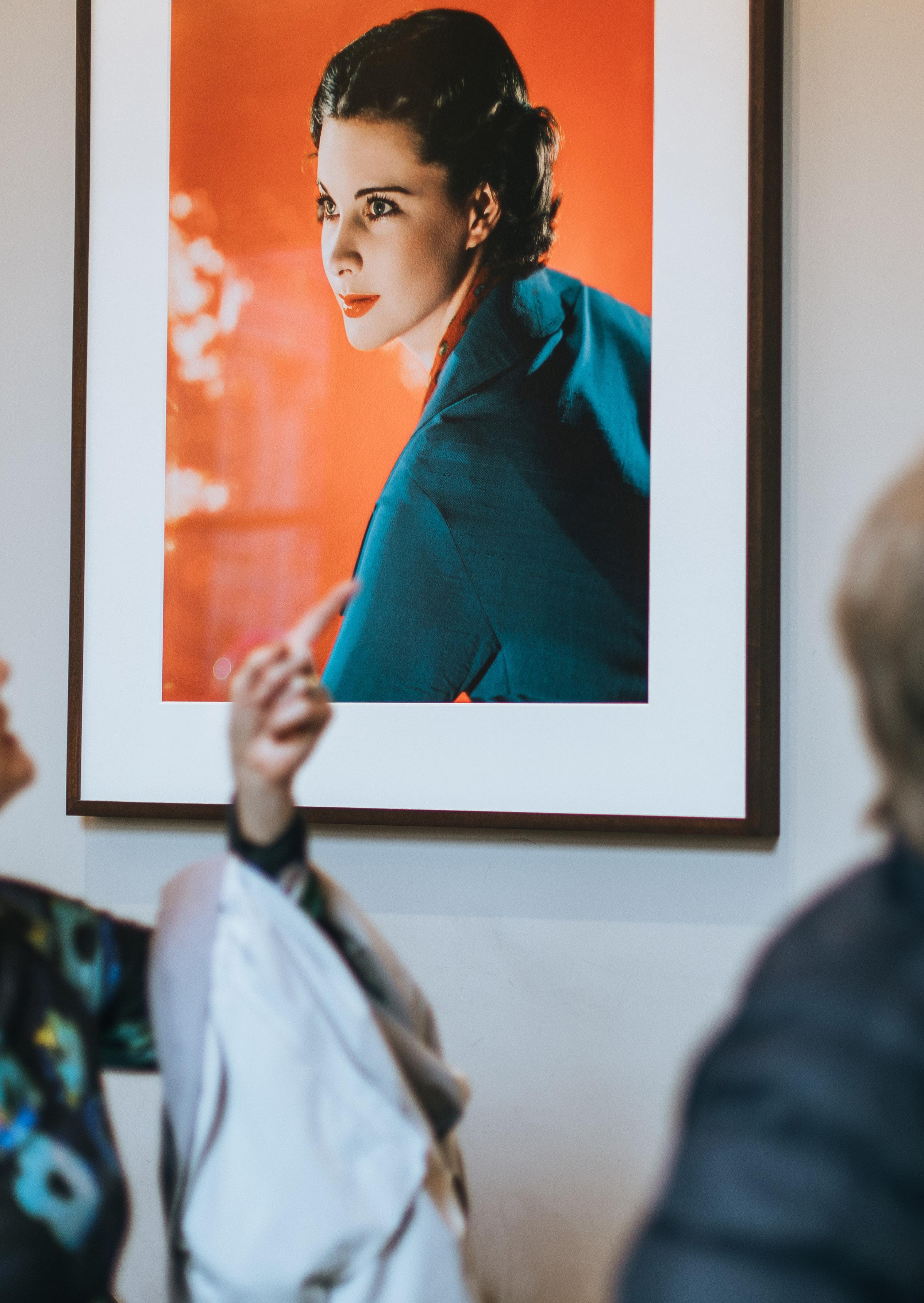
At its heart is Olivier’s famously intense relationship with Vivien Leigh, whose image appears throughout the bar. Much of how we remember Leigh, poised, luminous, theatrical, comes through the lens of Angus McBean. A contemporary of Cecil Beaton, McBean chose theatre over fashion, working from a West End studio near Covent Garden and photographing almost every major stage production in England
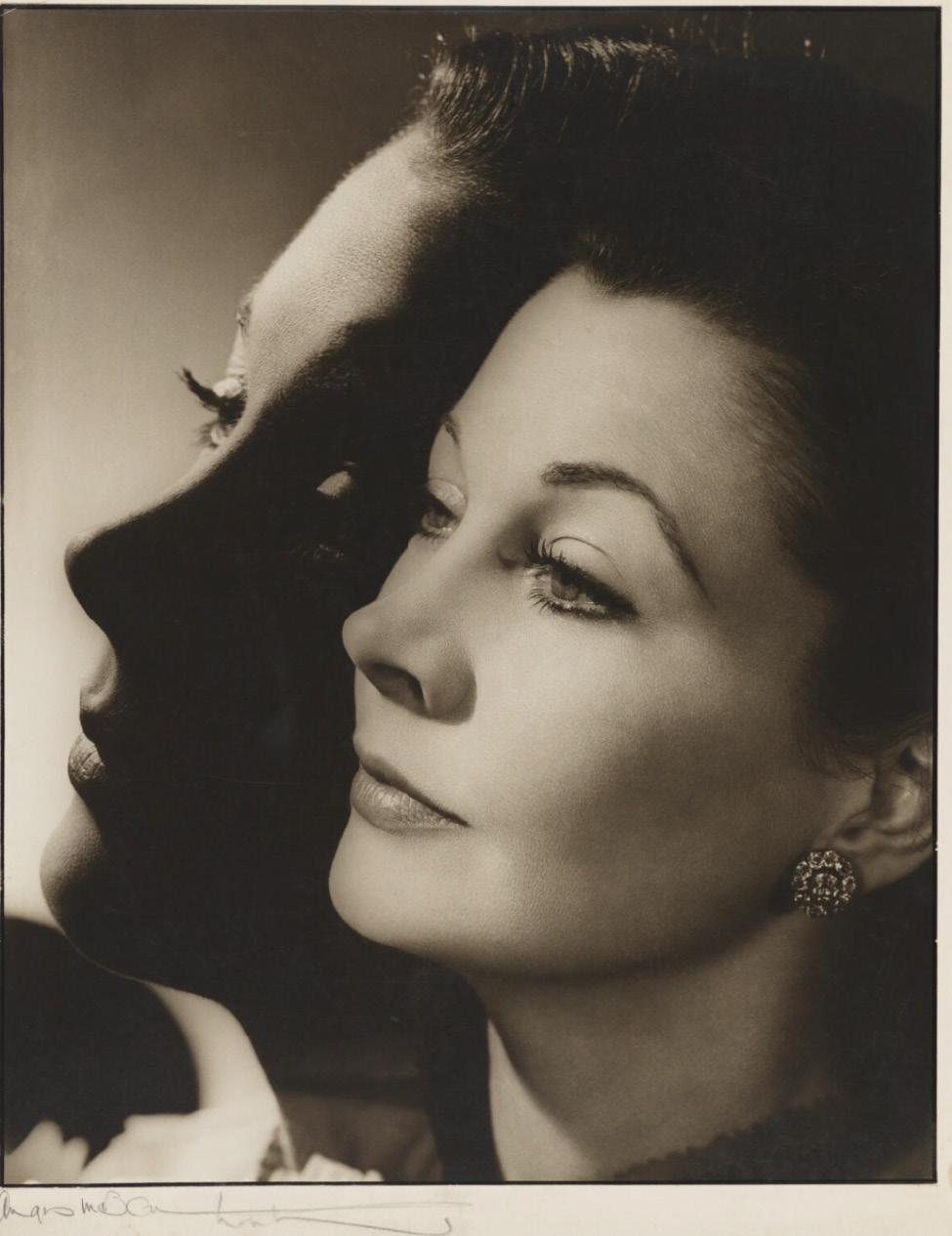
between the 1930s and 60s. His creative bond with Leigh was profound: he photographed her for nearly every performance across three decades, and it was a McBean headshot that helped secure her iconic role as Scarlett O’Hara.
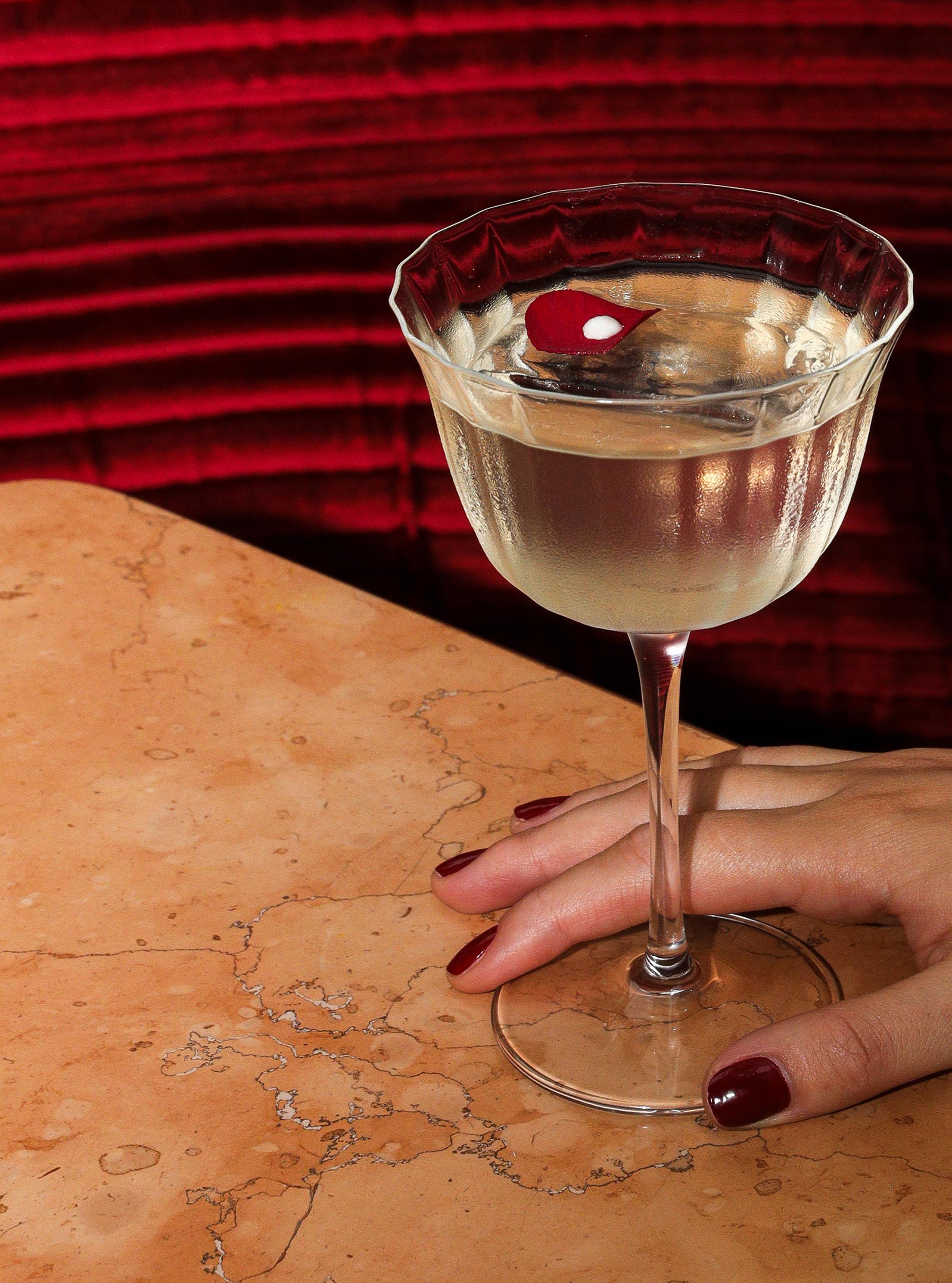
In homage, Larry’s serves the McBean, its awardwinning dirty martini, made with Highclere Castle Gin. Elegant, timeless and quietly powerful, it echoes Leigh’s own taste for martinis and the enduring allure of McBean’s imagery.
Low-lit, intimate and rich with story, Larry’s is made for candlelit dinners, late conversations and nights that linger. This Valentine’s Day, book a table somewhere love, art and atmosphere have always shared the same stage.
BOOK VALENTINE’S AT LARRY’S
£98 set menu — from tuna crudo and burrata to lobster, beef short rib and a proper sticky toffee pudding. Book now.
London has no shortage of places to eat on Valentine’s Day. From intimate neighbourhood rooms to destination dining spots, these are the restaurants serving standout food, great atmosphere and the kind of energy that feels like a night worth dressing up for.
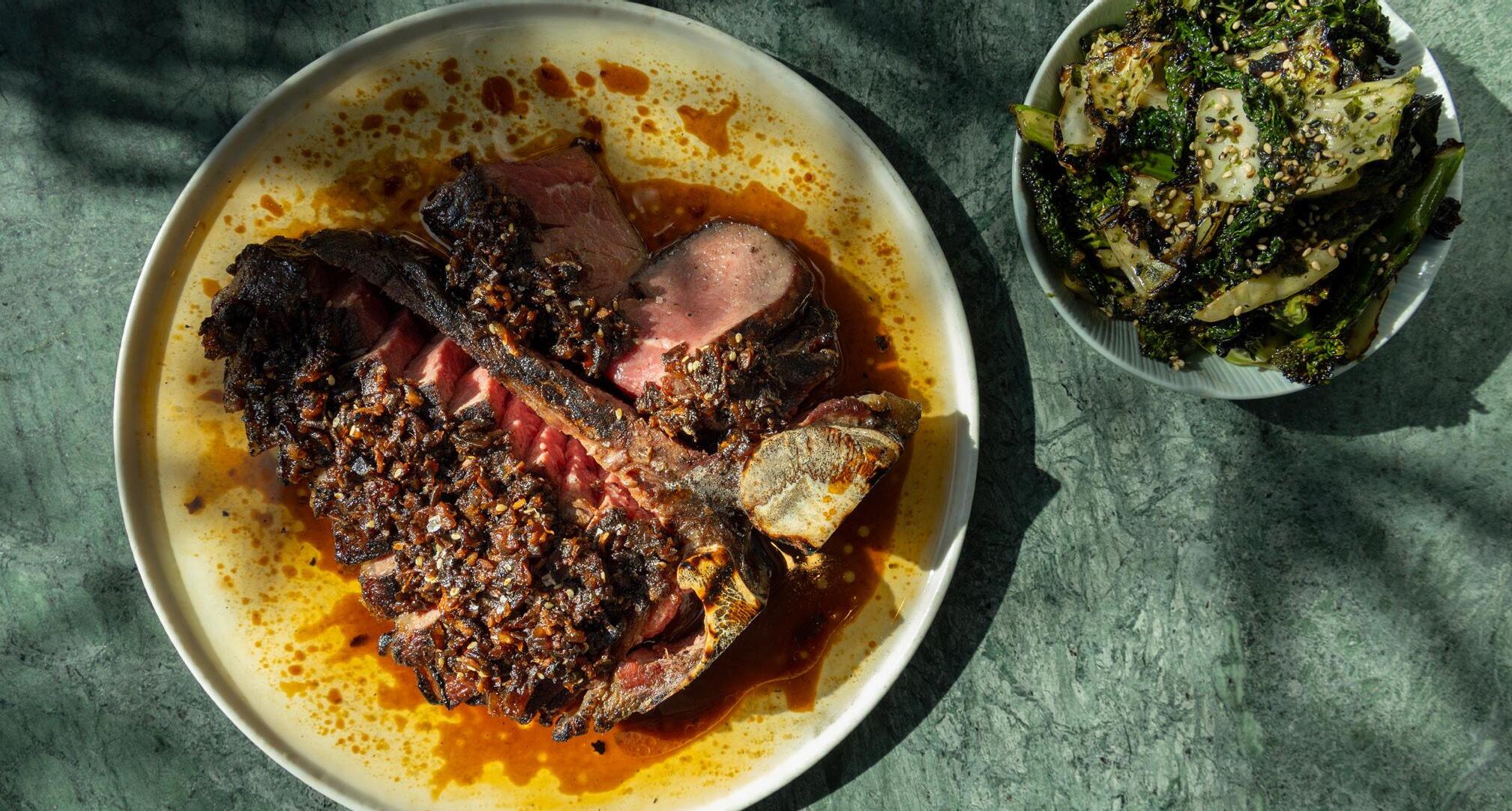
At Daisy Green, dinner is about sharing, lingering and eating really well. Our menus put bold, flavour-driven plates at the centre of the table, from fire-roasted carrots with hummus and harissa, BBQ broccoli with almond gremolata and tahini–miso aubergine with yuzu and candied walnuts, to generous sharing dishes like our HG Walter T-bone steak, crisp kombu-salt fries and warm flatbreads.
It’s food designed to be ordered together and enjoyed slowly, paired with cocktails for every moment, an early spritz, a perfectly balanced martini, or something darker to finish. Relaxed, vibrant and full of flavour, Daisy Green is made for Valentine’s dinners that feel effortless, generous and worth staying out for.
49 Dean St, London W1D 5BG
The French House is a Soho classic, but the upstairs is special in a very different way, small plates, beautiful wine and an atmosphere that feels timeless rather than staged. It’s intimate without being precious, ideal for long conversations, people-watching from the window and ordering one more glass than planned.

231 Ebury St, London SW1W 8UT
Poule au Pot is unapologetically French and quietly romantic, with candlelight, comfort dishes and a sense that nothing has changed for decades, in the best way. Think steak frites, escargots and generous pours, perfect for a cosy, old-school Valentine’s dinner.
209 Westbourne Park Rd, London W11 1EA
Caractère is modern French dining done quietly well. Seasonal plates, thoughtful cooking and a calm, romantic room set the tone, with menus that feel indulgent without being overworked. Tucked between Marylebone and Soho, it’s perfectly placed for a slow dinner followed by a post-meal wander, an easy, grownup win for Valentine’s Day.
24 Clerkenwell Grn, London EC1R 0NA
Set inside a former courthouse, Sessions Arts Club is all faded grandeur, candlelight and long dinners that stretch into the night. The dining room upstairs is especially special, romantic, atmospheric and ideal for couples who like their Valentine’s with a sense of occasion.
MUST WATCH THIS FEBRUARY:
A Valentine’s edit, chosen by the Daisy Green team
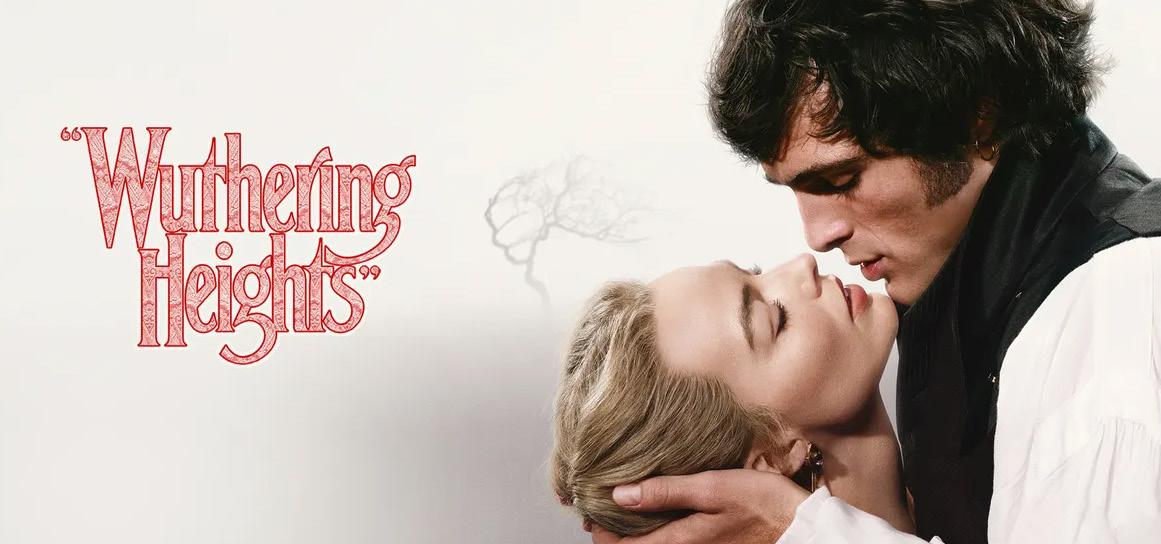
Valentine’s Day is an excuse to do something special for someone you love, and for many of us at Daisy, that includes settling in for a great love story on screen. A romantic dinner might come first, but a film for two is high on the list.
This February, the release everyone’s talking about is Wuthering Heights. Stormy, obsessive and emotionally charged, it’s the blockbuster of Valentine’s season, this is not a tidy romance. With fellow Aussie Margot Robbie taking on one of literature’s most intense love stories, it’s a reminder that the romances we remember most are often the messiest, moodiest and most unforgettable.
We can’t wait to see it on the big screen at some of our favourite London cinemas, Maybe Curzon Mayfair or Portobello’s Electric Cinema, followed, likely, by a stiff drink and a long debrief.
To the right, you’ll find six films our team return to time and again. Not perfect love stories, but ones that linger, for their atmosphere, honesty, heartbreak or hope. Because Valentine’s isn’t about perfection. It’s about connection, however it finds you.
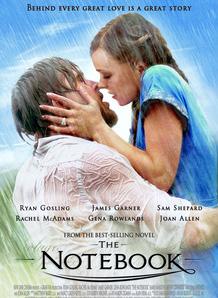
Anna’s Pick:
“The Notebook movie is a beautiful reminder that true love is a daily choice, not just a feeling. It captures the beauty of choosing the same person over and over again, even when life makes it hard”
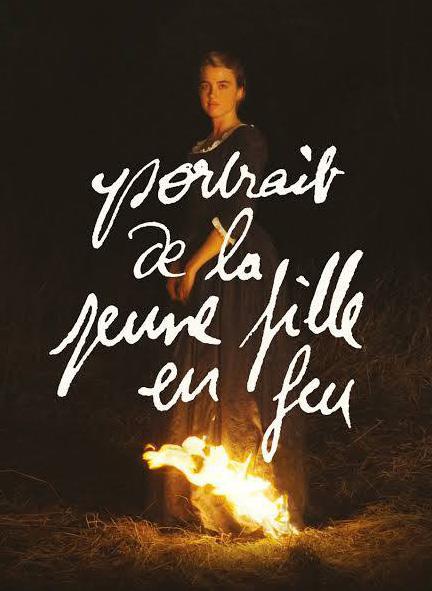
Mona’s Pick:
“Portrait of a Lady on Fire is an understated, beautiful queer love story, with all the intimacy you’d expect from French cinema.”

Naarah’s Pick:
“I love Australia because Nicole Kidman and Hugh Jackman are iconic Aussie actors and also because it’s filmed so close to my tiny little Aboriginal hometown in the outback, all my family met them when they were shooting!”

Georgia’s Pick:
“Roman Holiday proves you can’t beat a classic: Rome, romance and Audrey Hepburn at her most charming.”

Audrey’s Pick:
“What I love about Titanic is how it shows that even a short love can leave a lasting impact, all while being a classic film rooted in real history”

Freddie’s Pick:
”An iconic ’80s classic where highoctane action meets an equally intense romance. The chemistry between Maverick and Charlie (and Iceman) mirrors the film’s adrenaline-fuelled pace, all about pushing limits, taking risks and going all in.”
Art, music and stories from across the Collection
(1932 – 2026)
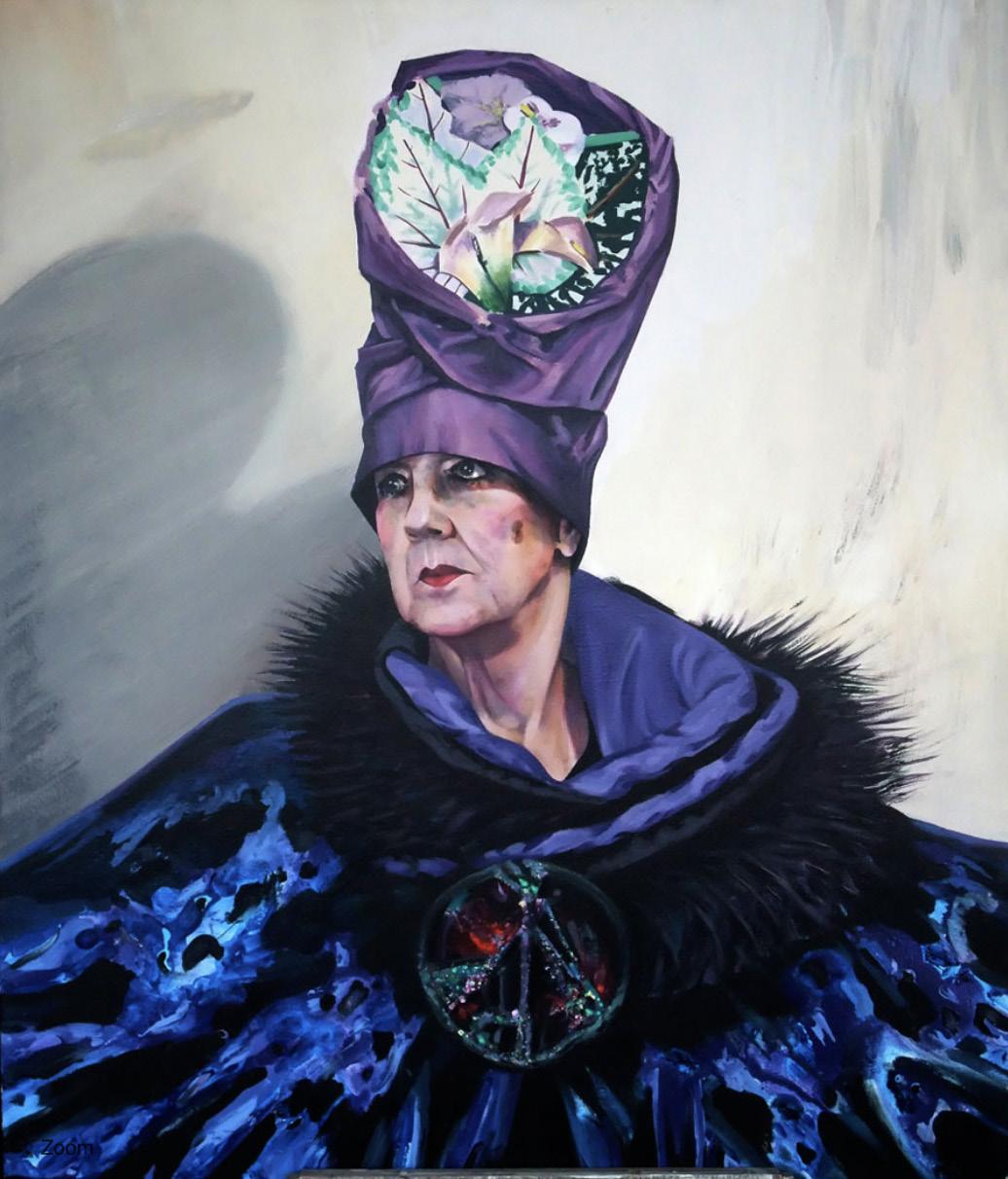
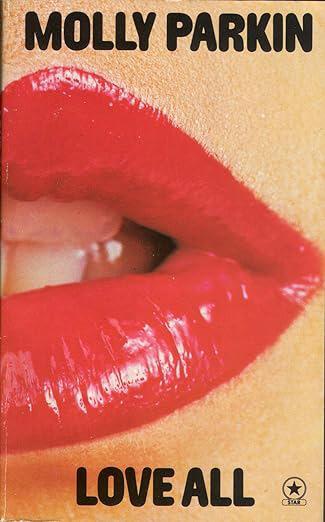
Molly Parkin, who has just died at 93, belonged to that rare breed of Soho originals as a polymath. Artist, novelist, poet, fashion editor, performer and one of the unmistakable personalities of the Colony Room Club, she was part of the riotous tribe that made Dean Street’s green-walled den the beating heart of post-war bohemian London.
Long before she became a headlinegrabbing figure on TV & in British fashion Molly found herself drawn into the Colony’s mix of artists, writers and drinkers. John Minton, first took her there in the 1950s, introduced
her to the place that would become not just a haunt but a crucible of her creative, and social life.
In those smoke-stained corners she rubbed shoulders with Francis Bacon, George Melly, Murial Belcher Queen of Soho and other Soho luminaries, matching their wit and defying convention with her vivid stories, fierce humour and bold style. For Molly, the Club was “a character-building glorious hellhole”, a sanctuary where egos were left at the stairwell and the currency was wild invention, and
Her life, from avant-garde fashion
pages to bawdy novels and vivid canvases, mirrored Soho’s own blend of brilliance, chaos and relentless energy. At the Colony Room she was more than a regular; she was part of its living legend, even when she gave up drinking, a woman whose laugh echoed as loudly as her legendary tales, and whose spirit now takes its place among the great bohemians of London’s darker, livelier era.
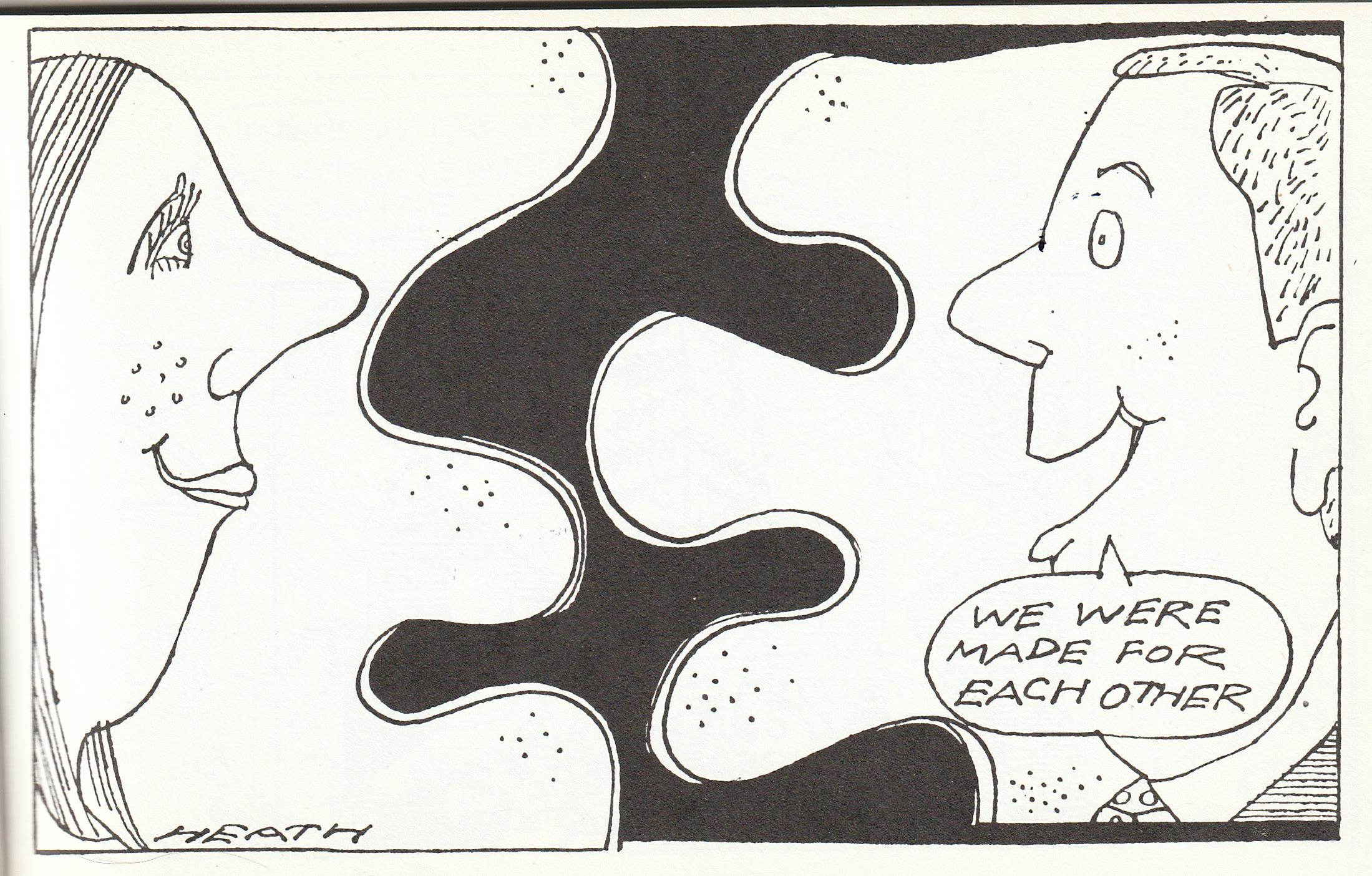
Artist: Michael Heath
February has a particular way of settling over Soho. Love is on display everywhere, even if it doesn’t always land where you expect it to. That perspective has always suited Michael Heath.
This month’s cartoon, drawn in the early 1980s, captures that feeling in a single, understated line: “We were made for each other.” Two figures face one another, a shared shape between them that suggests closeness, confusion, or both. It’s affectionate, dry and gently ridiculous, which is exactly how Heath has always approached romance.
The 80s in Soho were noisy and smoky and full of people talking past one another in bars like
the Colony Room. Relationships formed quickly, unraveled just as fast, and were often fuelled by drink, wit and bravado. Heath was there for it all, watching rather than shouting, sketching what everyone else was busy missing.
What makes his work last is how little it tries. The joke doesn’t rush. The sentiment isn’t overplayed. Love, in Heath’s world, is rarely dramatic, it’s awkward, hopeful, slightly off-kilter. And somehow still true.
Forty years on, the line still lands. A good drawing, like a good night in Soho, doesn’t need explaining.
A cultural crash of art, film, literature and late nights.
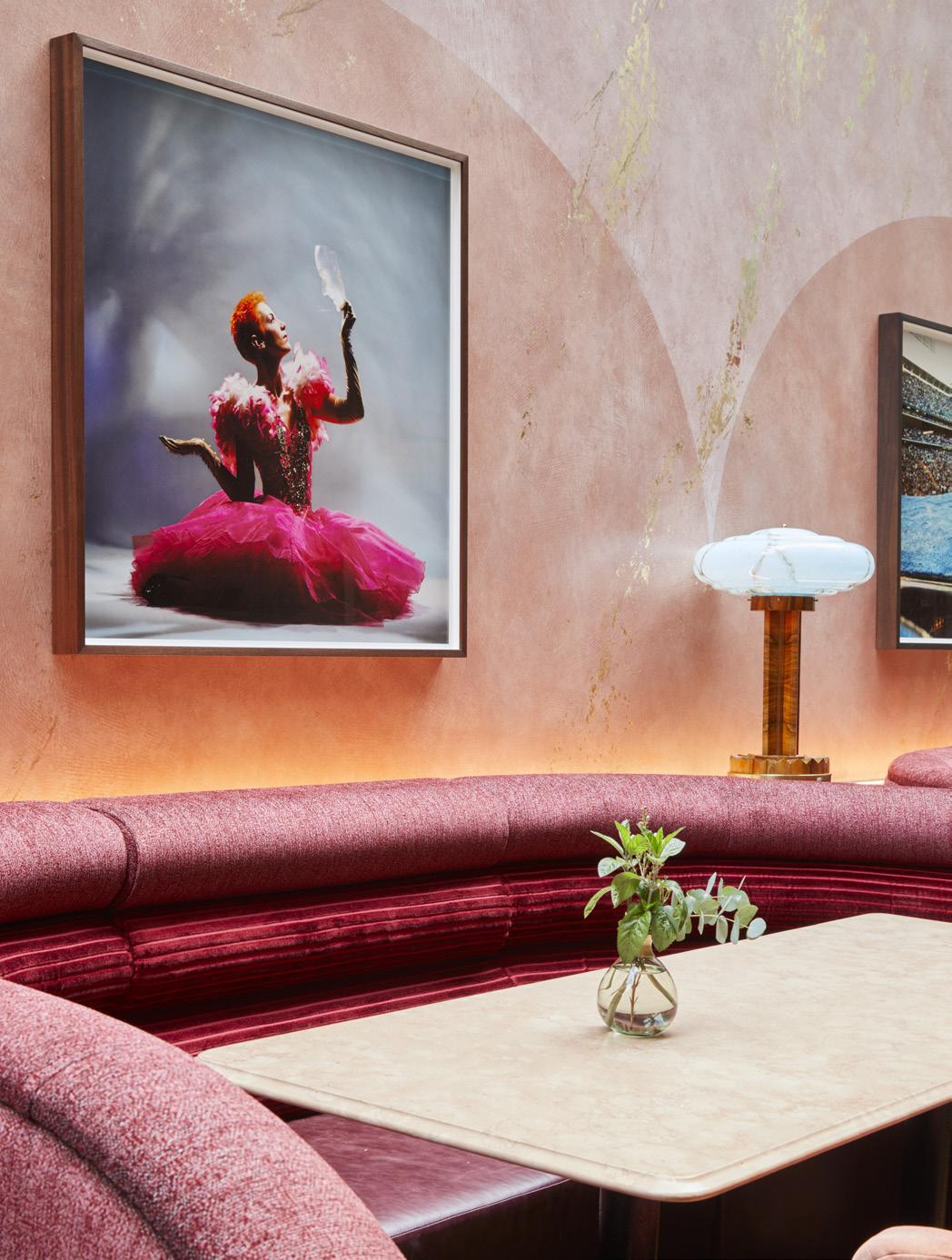
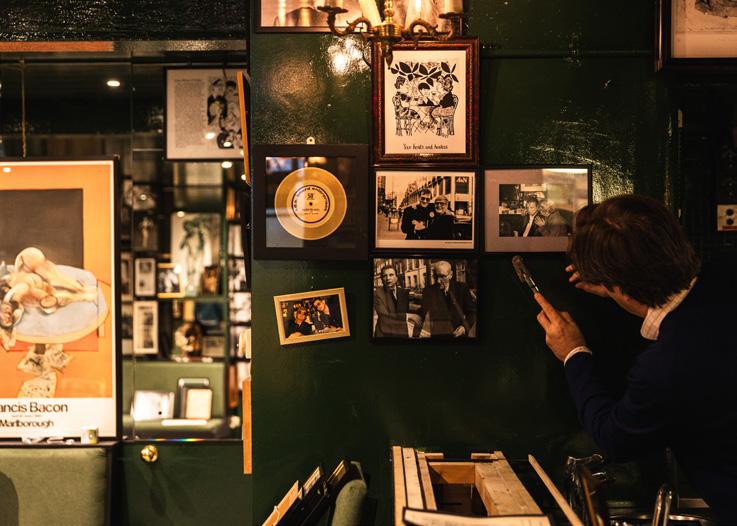
Founded in Soho in 1948, the Colony Room was less a club and more a way of life. A private members’ drinking den where artists, writers and misfits gathered shoulder to shoulder and where figures like Francis Bacon, Lucian Freud and generations of Soho regulars blurred the line between art and real life. It was intimate, unruly and unapologetically itself. Conversations ran late, rules were loosely held, and creativity thrived in the cracks. At Colony Room Green, we’re reviving that spirit. Curated by artist and club historian Darren Coffield, the space is an immersive nod to the original, inviting guests to step inside Soho’s bohemian past, raise a glass, and share the room with its legends once more.
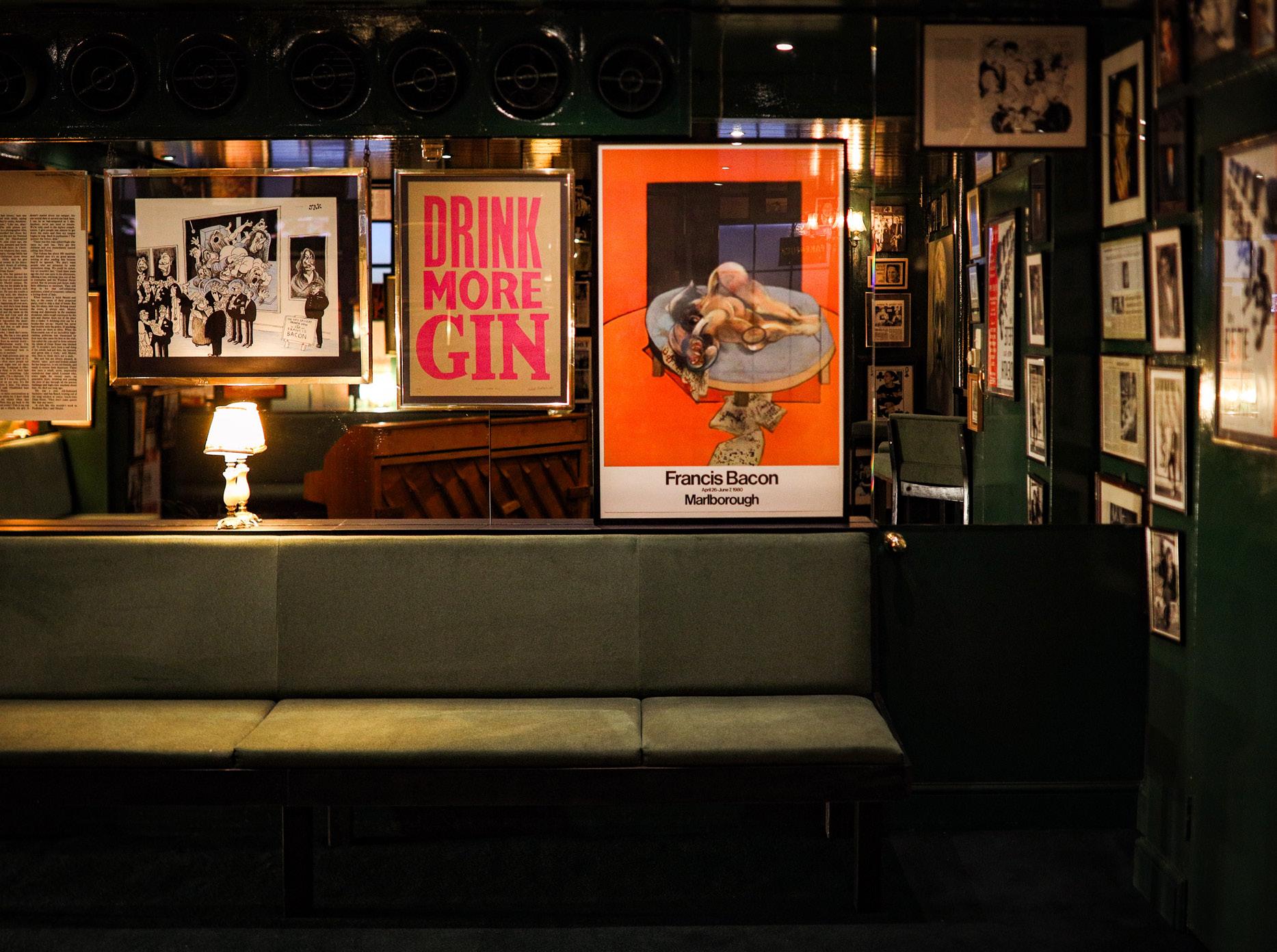
Our sold-out whisky tastings return for 2026 at The Colony Room. Created with The Whisky Exchange, each intimate afternoon is tailored around a different theme, with inspiration drawn from historic Colony Room members and Soho’s bohemian past. Expect exceptional whiskies, great stories and the unmistakable atmosphere of the Colony Room. Tickets are limited at 10 per session and always in high demand — book early or contact us to find out more.



Mon 02 Feb: Give Me Some Truth - Richard Keith Wolff - Opening Party
From 7pm, join us for the opening party of Give Me Some Truth, a new exhibition at The Colony Room featuring the peace campaigner Brian Haw and Julian Assange. The evening is open to the public for drinks, conversation and a first look at the work.
Mon 09 Feb: Philosophy Bar with Vanessa Brassey
From 7pm, an invitation to think out loud, without the pressure to perform. Guests are paired into short, informal conversations prompted by a single philosophical question, before drifting back into the room to keep talking, change subject, or abandon philosophy altogether. Hosted by philosopher and artist Vanessa Brassey, the evening is quietly provocative and open to anyone curious enough to join in! Admission Free
Mon 16 Feb: In Conversation: Brian Haw
From 7:30pm, an evening reflecting on the life and legacy of peace protester Brian Haw. The discussion explores protest, persistence and public space, followed by audience questions. Admission Free
Mon 23 Feb: Soho Women in Publishing
From 7:30pm, a conversation celebrating women working at the heart of Soho’s publishing scene, with Sophie Mortimer and Ashley Brown. An evening of stories, insight and discussion around books, culture and the realities of publishing. Admission Free
Tues 24 Feb: WIP Flash Literary Salon
Hosted by Lana Citron, this open mic night gives writers and poets the floor to test new work. Smart, raw and beautifully unpredictable. Admission Free
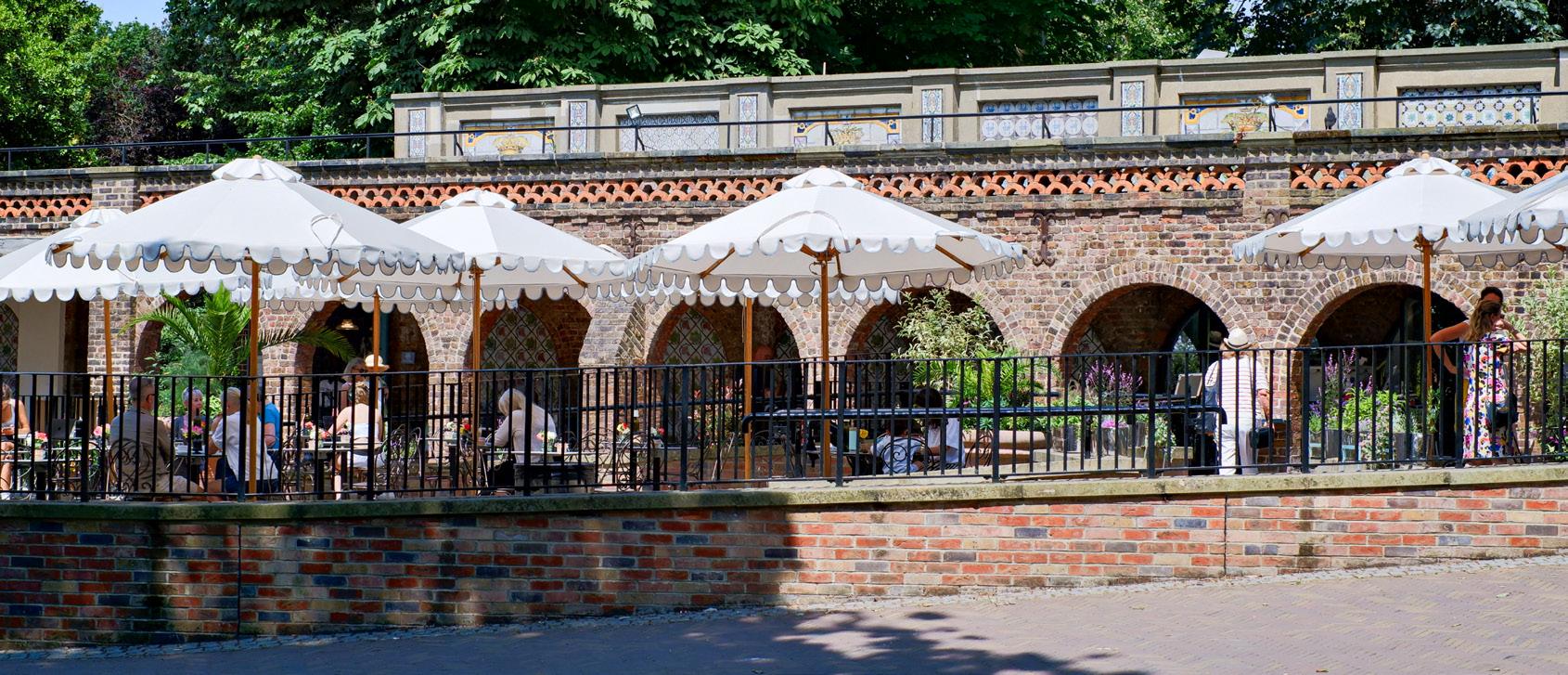
The turn of the year is a special moment at Holland Park Café. The rush of December fades, the park exhales, and small signs of change begin to appear, snowdrops pushing through the soil, crisp mornings, light stretching just a little further into the afternoon. It’s a season that invites slowing down.
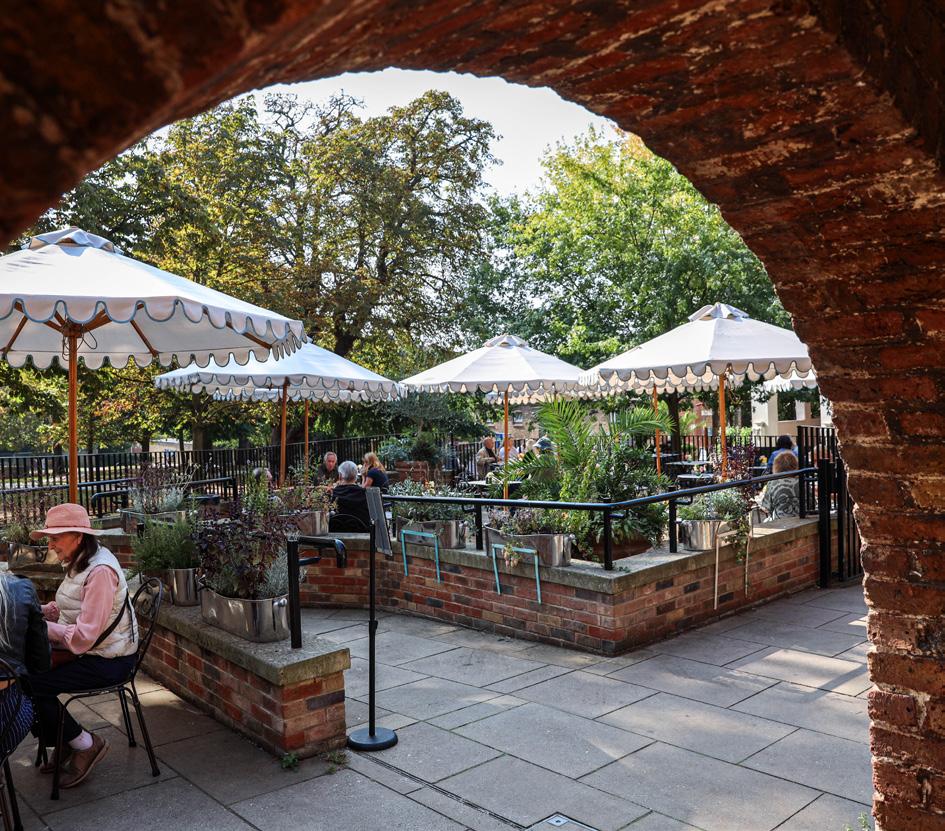
Set within the park itself and part of the Daisy Green Collection, the café has become a meeting point for locals, walkers, readers and creatives alike. On Thursdays, the Friends of Holland Park gather outside for their weekly walks, a simple ritual that reminds you how much pleasure there is in moving through familiar ground together.
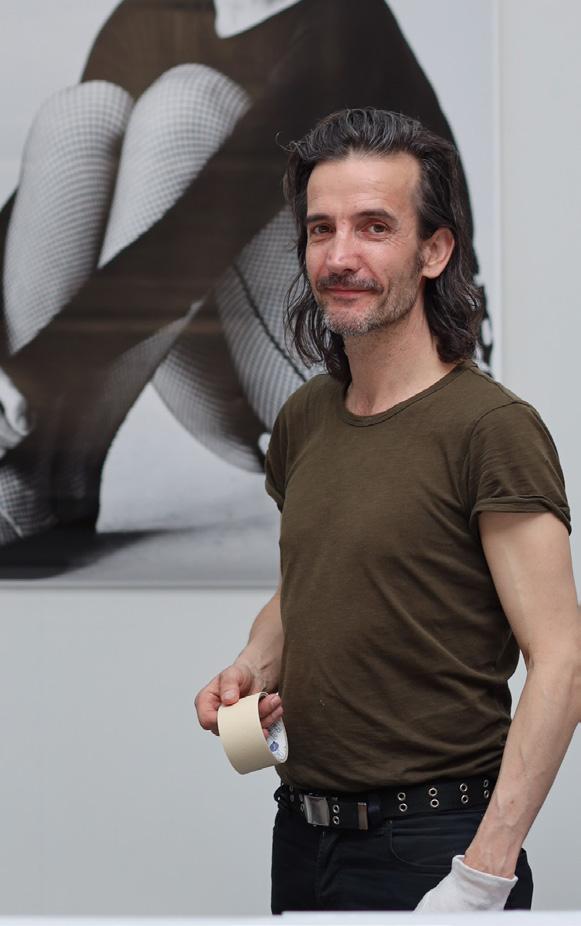
Art remains at the heart of the space. Artist-in-residence, Alan McFetridge, leads gentle, creative walks through
the park, designed to open up reflection and creativity through nature. Drawing on years of practice exploring the relationship between people and landscape, his sessions, alongside relaxed in-café workshops, offer an unhurried way to connect, think and notice.
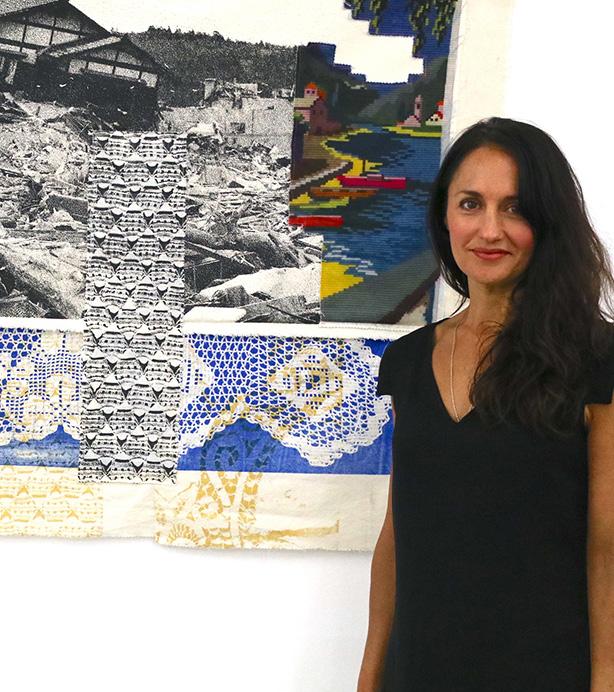
Each season, the café hosts a new exhibition inspired by the changing landscape of Holland Park, curated by Justin Hibbs. The current winter exhibition, Winter by Diana Taylor, runs until 20 March 2026. Her layered imagery drifts between past and present, echoing the reflective mood of the park at this time of year and rewarding those who take a moment to linger.
Beyond exhibitions, the café’s community programme continues to grow. In collaboration with Certitude
and their Connect & Do initiative, the space hosts free workshops and activities designed to bring people together through shared interests, creating moments of connection that feel both generous and grounded.
There’s also time for simple pleasures. A bookcase curated by the Notting Hill Bookshop invites browsing and borrowing, while the café’s in-house magazine, Green Pages, offers a window into the artists, neighbourhoods and ideas that shape life across Daisy Green.
As winter softens into spring, plans are already forming, more workshops, seasonal gatherings, and ways to celebrate the park as it changes. Holland Park Café remains a place to pause, return to, and share, whatever the season brings.

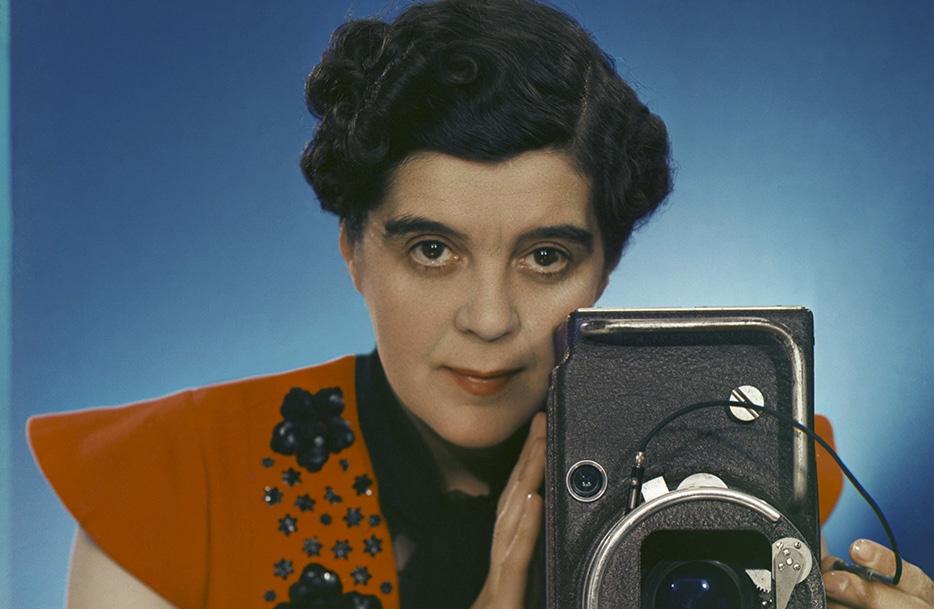
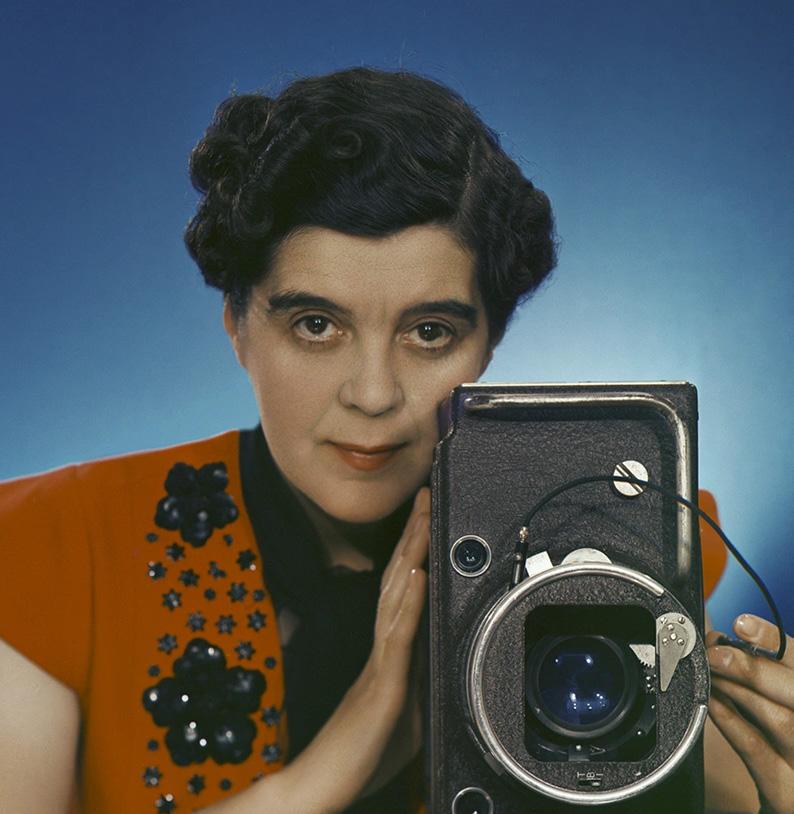
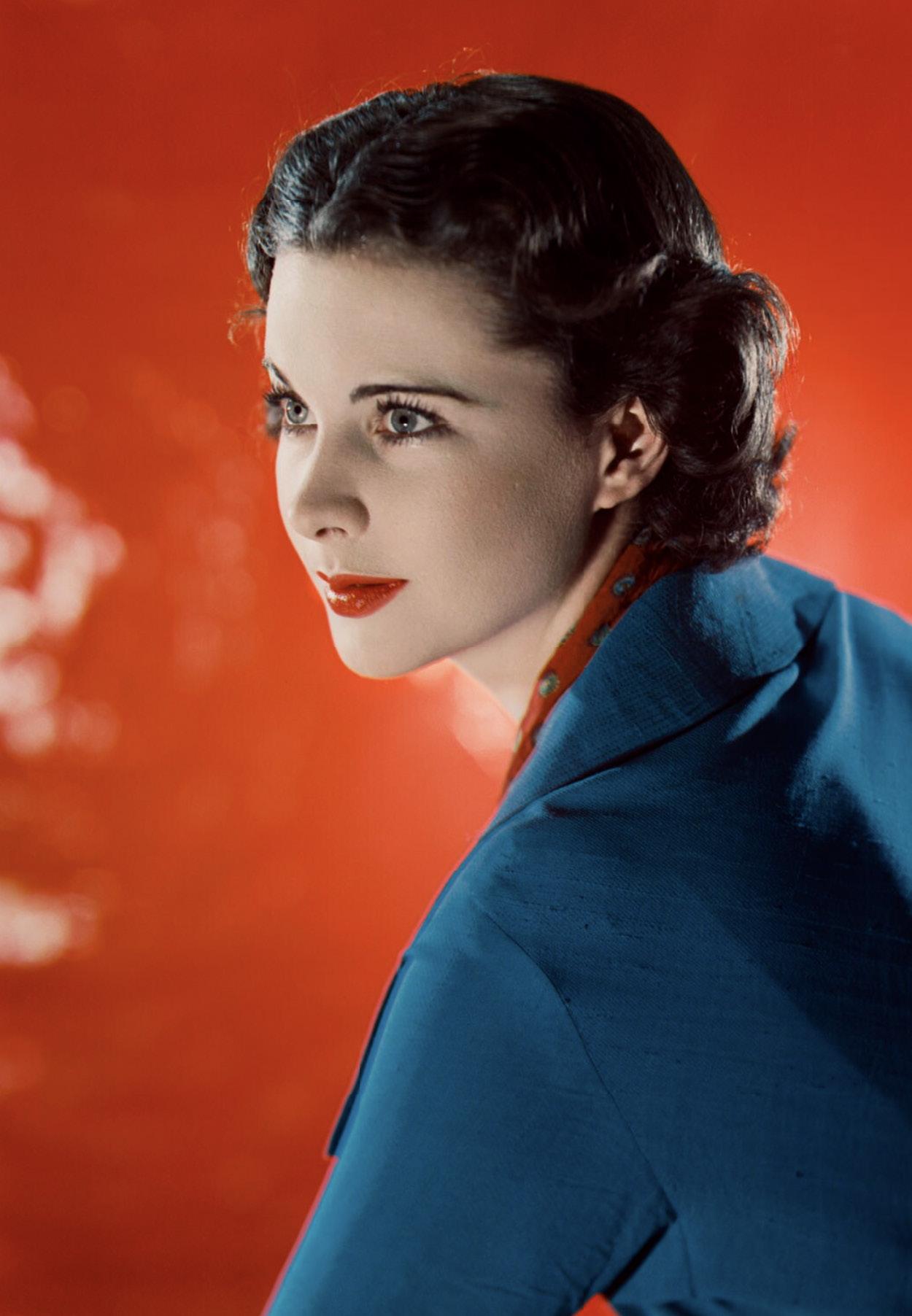
Yevonde was working in colour at a time when photography was expected to remain safely black and white. In 1930s London, she embraced the Vivex process — a painstaking three-colour method that involved photographing the same image through different colour filters, then layering them together by hand. The result was richly saturated, almost theatrical colour, and portraits that quietly pushed against both technical convention and social expectation.
Her photographs are carefully composed but never stiff. The women she worked with appear self-possessed and complicit in the image-making, styled, theatrical and very much aware
of how they are being seen. Drawing on classical mythology, Yevonde cast her subjects as goddesses and archetypes, using costume, colour and pose as tools to explore power, identity and self-invention. At a time when women were rarely offered that kind of agency in portraiture, the effect feels quietly radical.
What’s striking now is how current the work still feels. The emphasis on performance, artifice and imagebuilding anticipates much later conversations about identity and the constructed self. Sitting somewhere between photography, fashion and fine art, Yevonde’s work resists neat categorisation.
Overlooked for many years, her contribution has since been reevaluated, with institutions such as the National Portrait Gallery playing a key role in restoring her place in the canon. That work continues today, with the Gallery recently awarded a small grant to digitise a further selection of Yevonde’s material, helping bring more of her archive into public view. A selection of her portraits — including Vivien Leigh — can also be seen at Audrey Green, bringing her imagery into a contemporary, public setting.
Behind the image, the real story of punk’s most unforgettable face
By Jordan Mooney & Cathi Unsworth
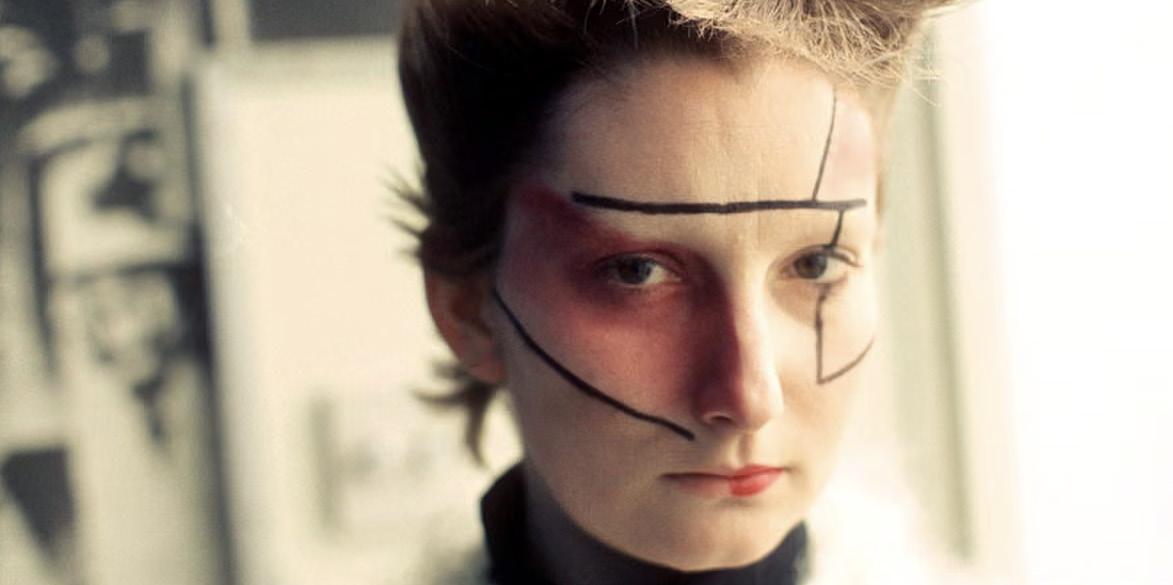
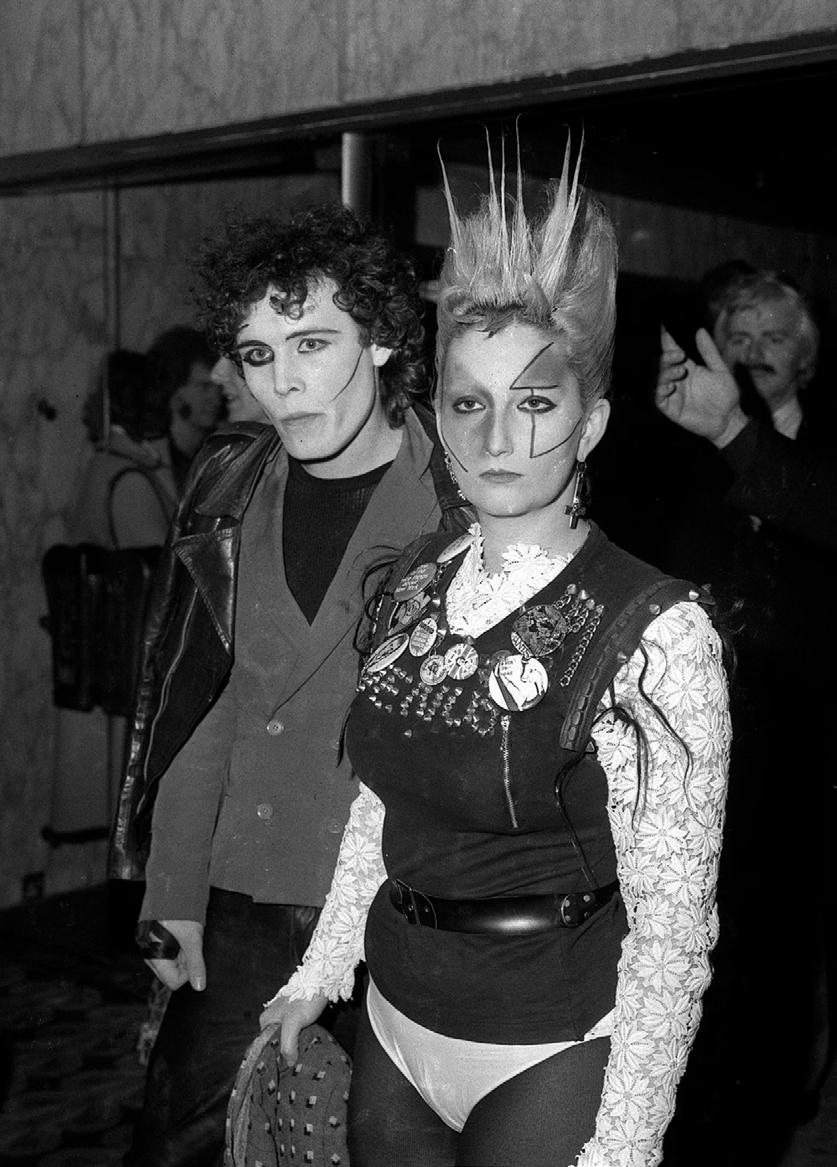
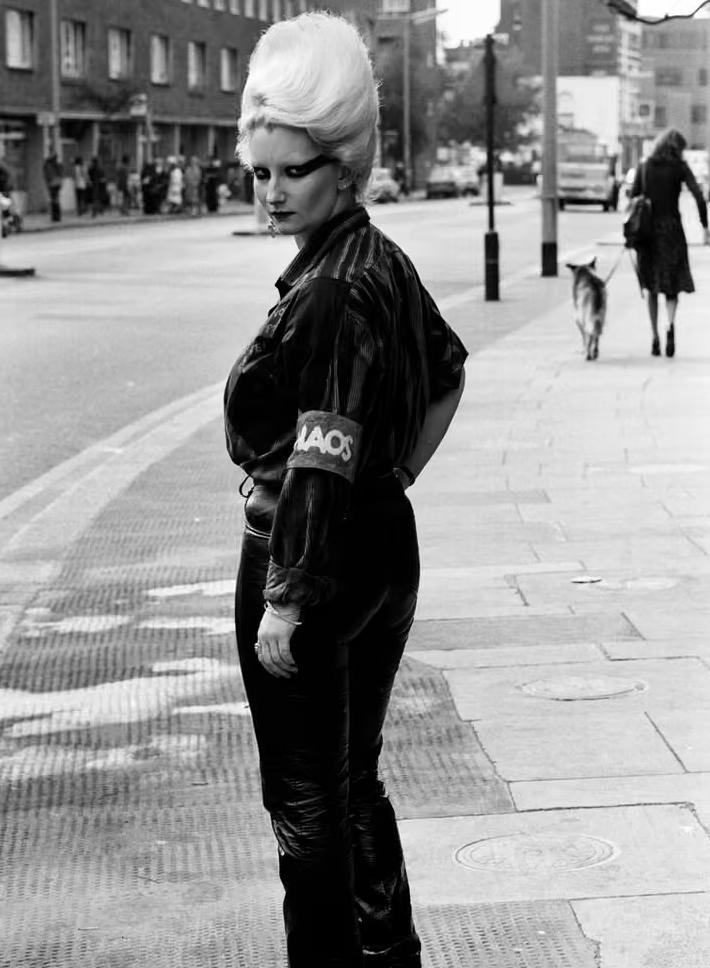
Some stories sit at the centre of cultural history yet remain only half-told. Defying Gravity: Jordan’s Story is a long-overdue reclaiming of one of punk’s most recognisable, and most misunderstood, figures.
Jordan is instantly familiar as an image: the towering white beehive, graphic make-up, and fearless presence that helped define the visual language of late 1970s Britain. But this book moves beyond iconography, offering a deeply personal account of how a ballet-loving teenager from Sussex found herself drawn into the heart of a movement that was raw, chaotic and unprepared for the young people it elevated.
The narrative traces Jordan’s path through underground queer clubs in Brighton and London, into the orbit of 430 King’s Road, and then into the public eye at a speed that left little room for reflection or protection. What emerges is not a glossy punk memoir, but a thoughtful exploration of identity, visibility and the emotional cost of growing up in the spotlight.
Jordan writes with honesty about the contradictions of the era, the freedom and the fear, the exhilaration and the aftermath. Encounters with Malcolm McLaren and Vivienne Westwood, proximity to the Sex Pistols, Adam and the Ants, and friendships with figures like Derek Jarman and Andy Warhol are woven naturally into the story, always anchored in lived experience rather than legend.

What sets Defying Gravity apart is its refusal to romanticise the past. Fame is portrayed not as triumph, but as something destabilising — particularly when it arrives before adulthood.
Commentary from those who were there, including Vivienne Westwood, Paul Cook, Marco Pirroni, Holly Johnson and Michael Collins, adds context and texture, while rare photography from Simon Barker, Sheila Rock and Harri Peccinotti grounds the story visually in its time.
An essential read for anyone interested in punk, fashion, counterculture — or the untold stories behind the images that shape history.
‘The story of a pioneering spirit; the first punk on the block; a woman who empowered a generation and whose totemic inspiration changed the entire landscape of popular music’ — Classic Pop
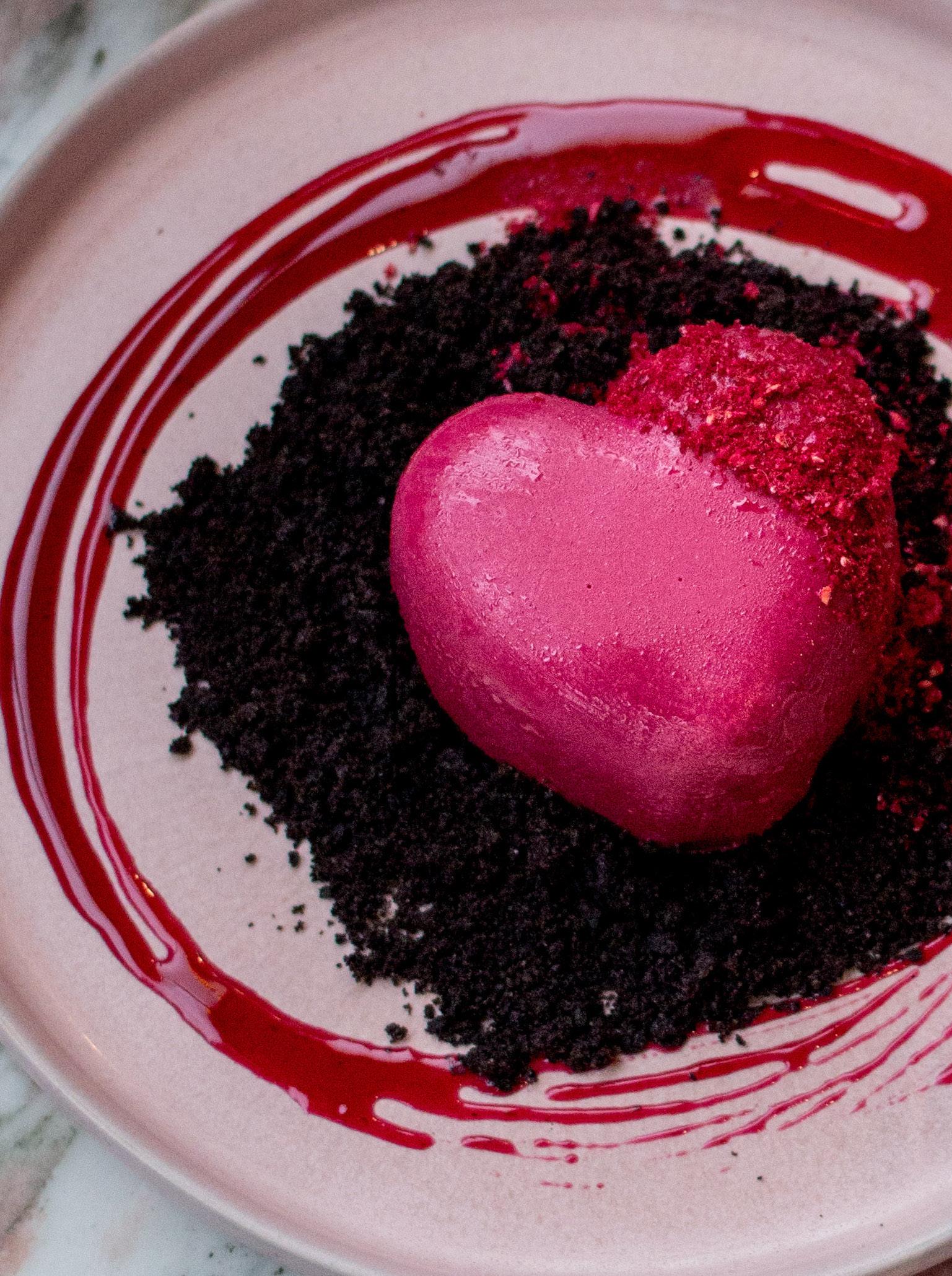
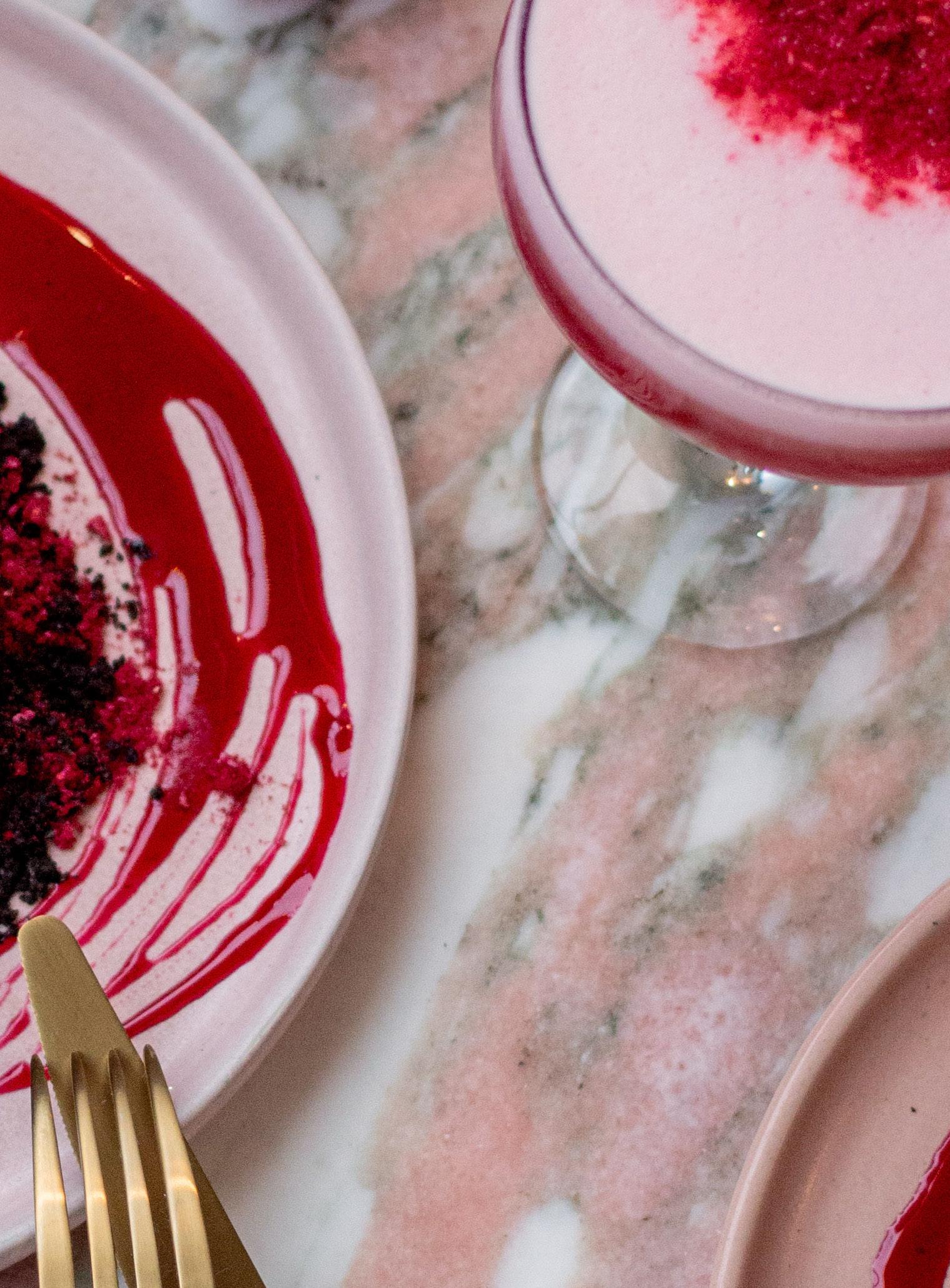
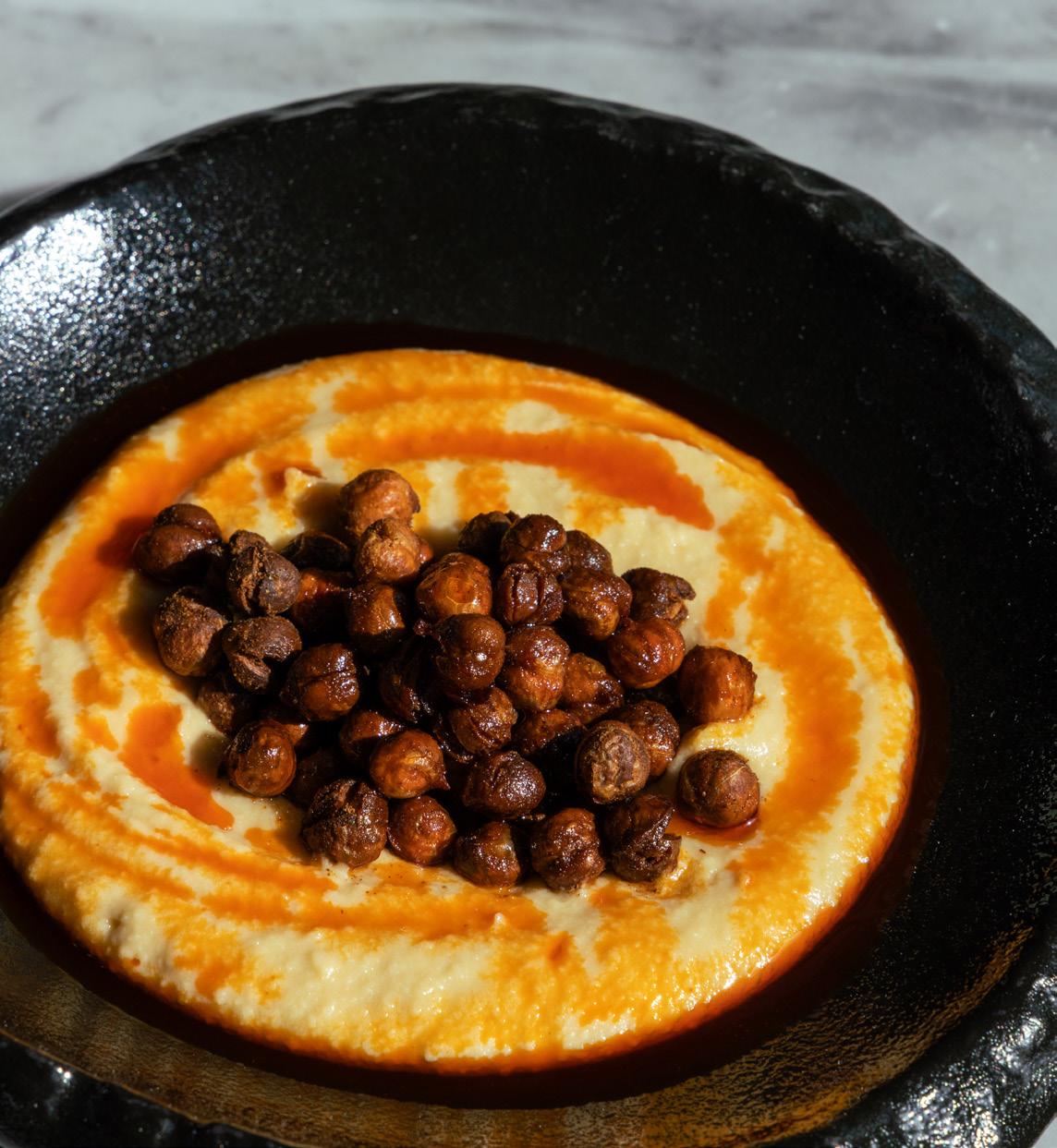
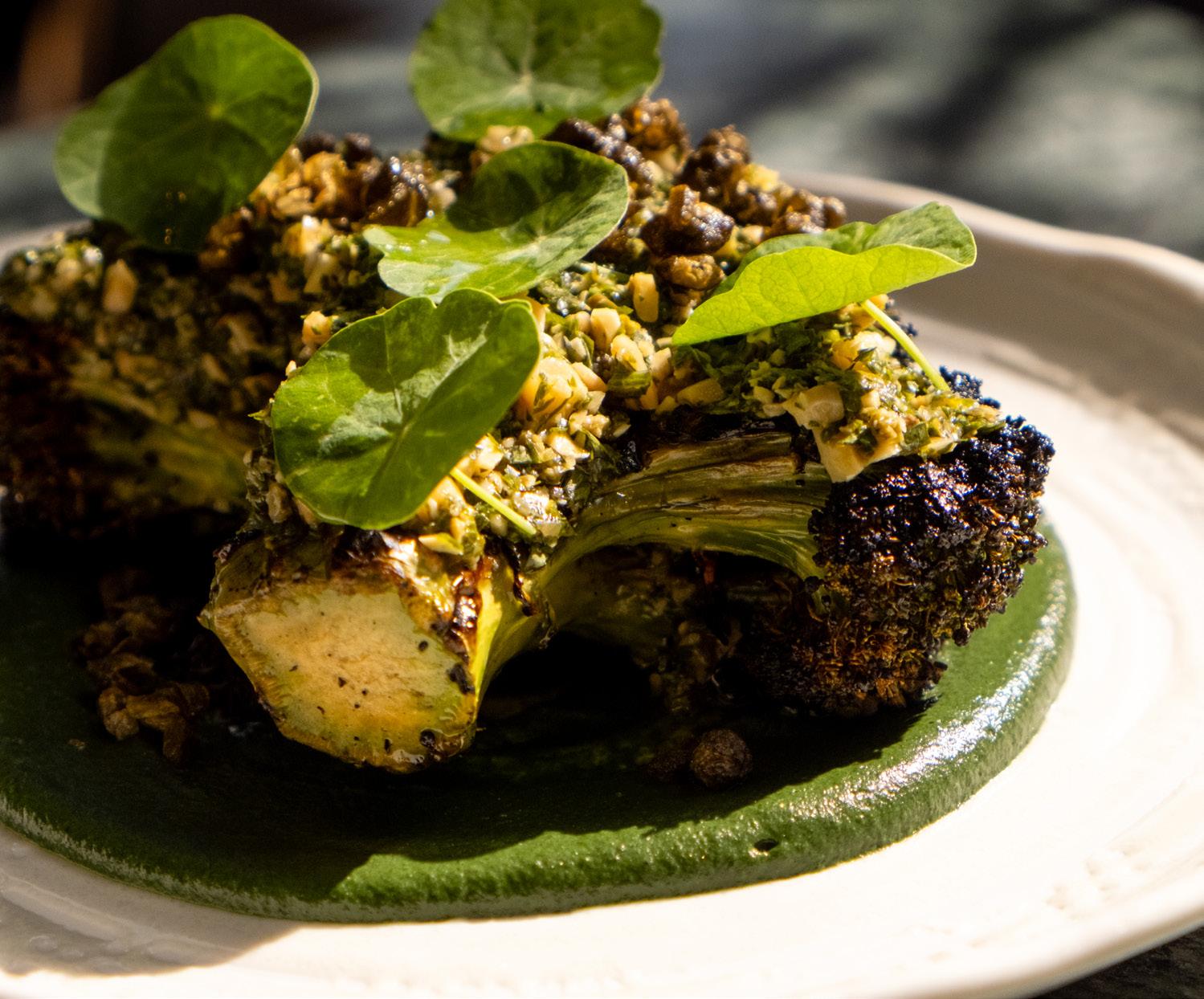
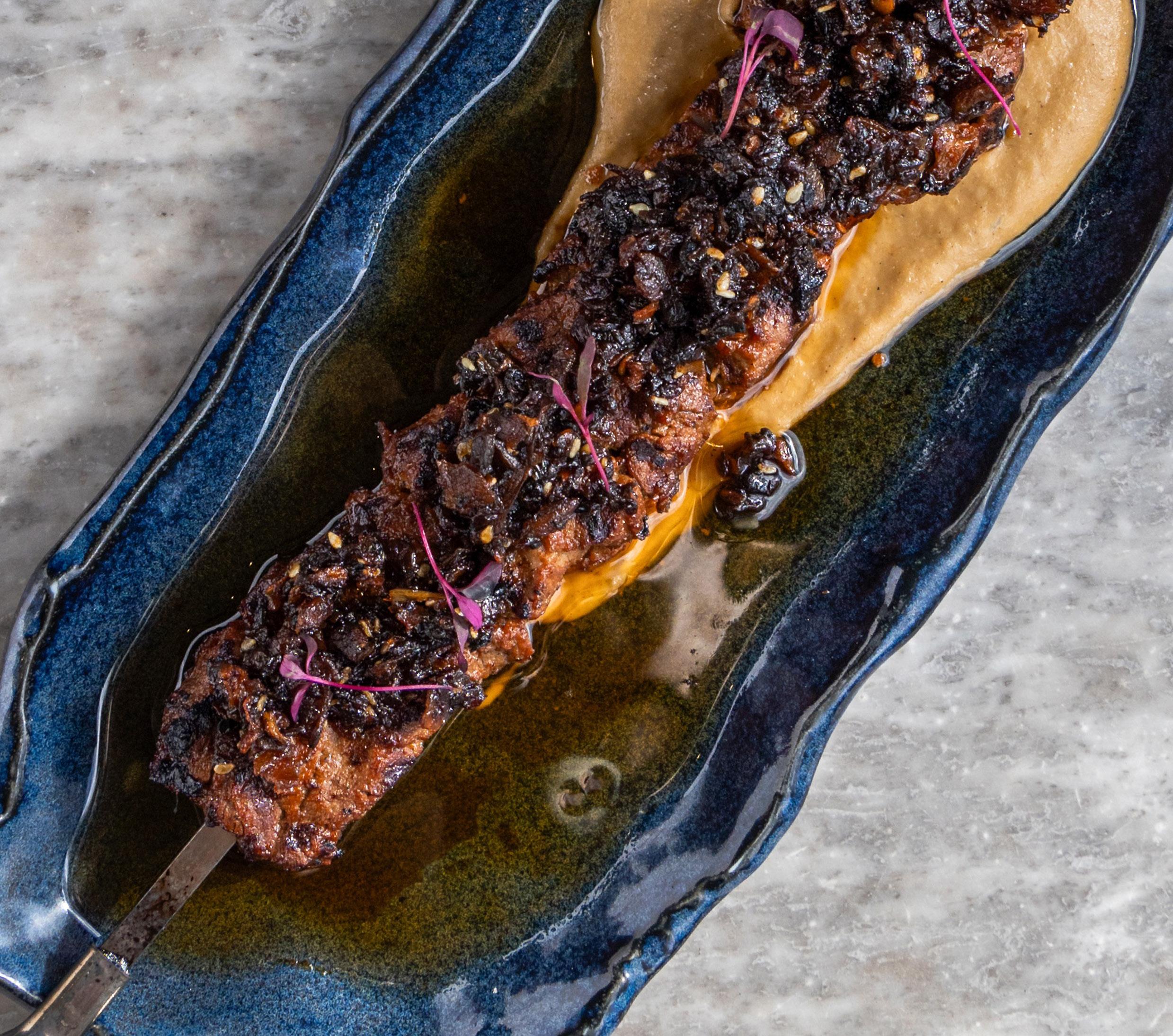
Valentine’s doesn’t have to mean grand gestures or overblown romance. For us, it’s simply an excuse to slow things down, to sit a little longer, order one more plate, and share something you love. Whether that’s a dinner date, a long brunch with friends or a midweek treat for yourself, February is about food that feels generous, indulgent and made to be enjoyed together.
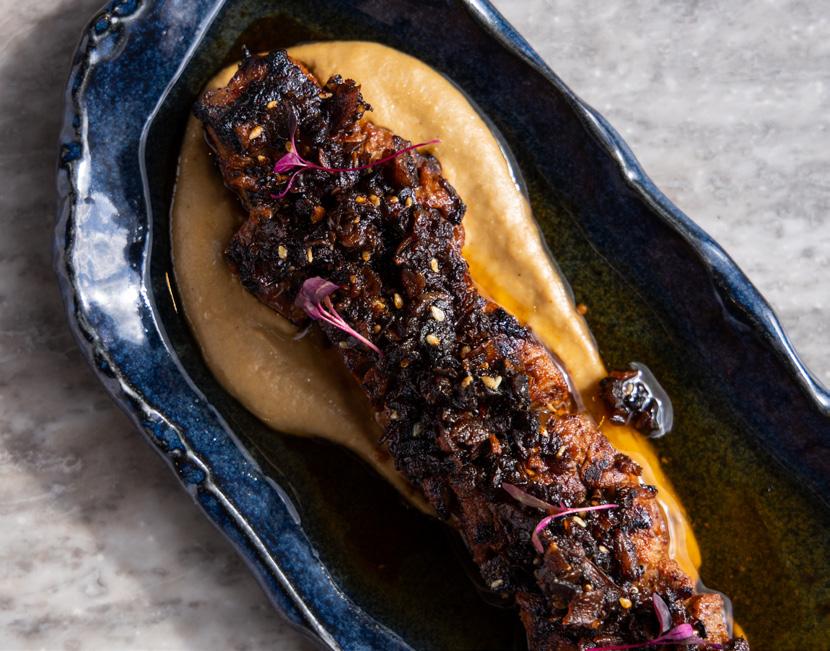
Across Daisy this Valentine’s, our menus are built with that spirit in mind. Plates designed for passing, dipping and sharing, the kind that spark conversation and quietly stretch the evening. Think clay-fired flatbreads with pepperberry salt, whipped Greek yoghurt with apricot harissa, fire-roasted aubergine with miso and candied walnuts, or a perfectly charred steak skewer that feels celebratory without trying too hard. These are dishes that invite you to relax into the table, not rush away from it.
For Valentine’s night itself, we’re doing things a little differently across our spaces. At Larry’s, ease into the evening with à la carte from 5–7pm before settling in
for a candlelit set menu, with music carrying the night from 8pm onwards. Peggy Jean and Margot Green lean into sharing, generous boards, surf-and-turf and a glass of Champagne to start, while Ziggy Green offers a focused set menu designed for an unhurried, early evening dinner and then down to The Colony Room for the night to continue.
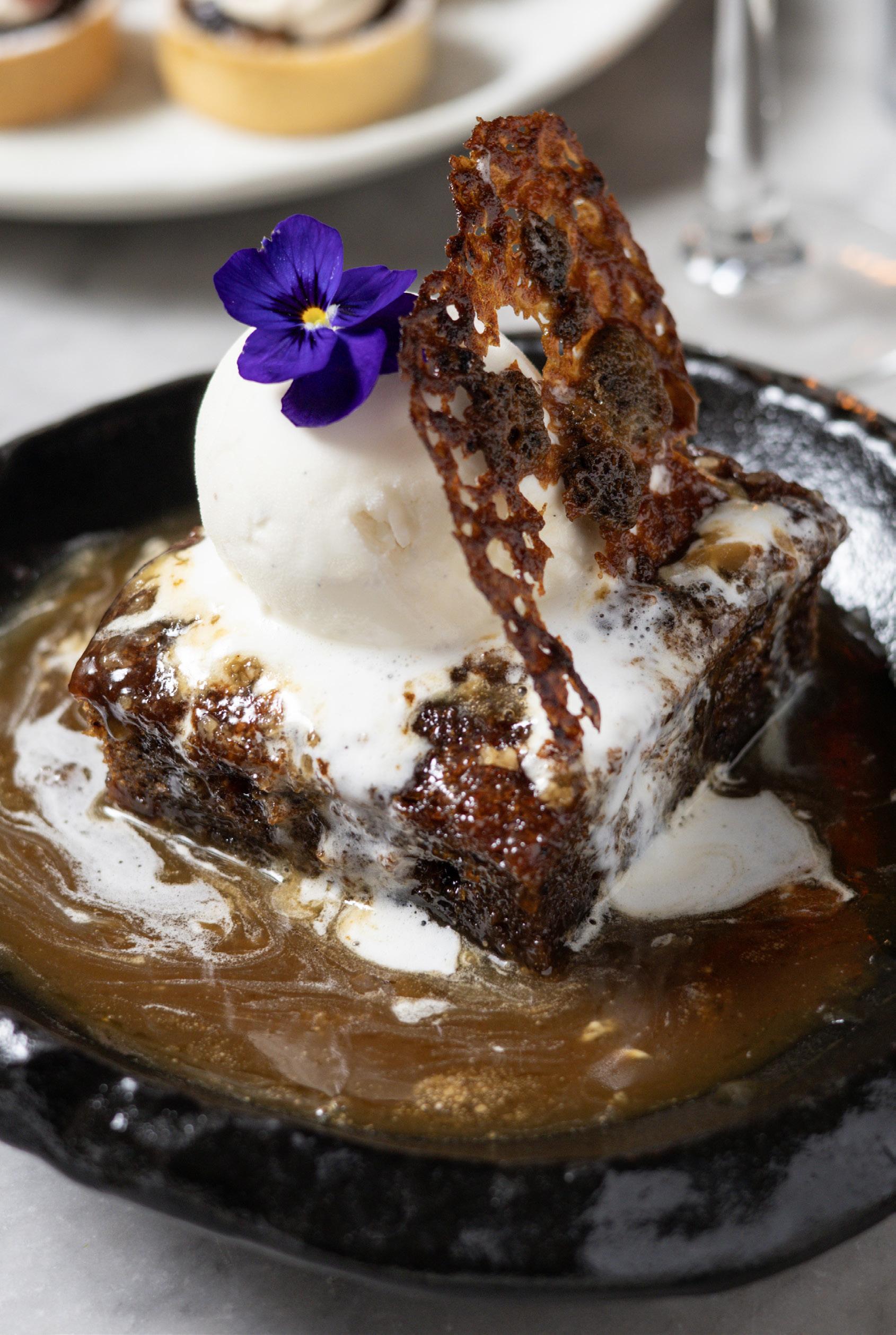
And dessert? Always worth staying for. Sticky toffee pudding made from our family recipe, or roasted mango with clotted cream ice cream if you’re keeping things light, because February isn’t about restraint, it’s about pleasure.
This Valentine’s, think less about labels and more about who you’re sitting with. Date night or best-mate dinner, our Valentine’s set menus are available across a number of Daisy locations, including the unmistakably romantic Larry’s. Book in, settle down, and let the night unfold.
A comforting dessert with warm sponge, glossy toffee sauce and melting vanilla ice cream, best shared.
Some desserts are made for sharing. Sticky toffee pudding is one of them, warm, comforting and quietly indulgent. This is our at-home version: easy to make, generous with the sauce, and perfect for a Valentine’s night in.
You’ll need
For the sticky toffee pudding
750g pitted dates, roughly chopped
625ml boiling water
20g bicarbonate of soda
150g butter, softened
410g soft brown sugar
6 eggs
2 tsp vanilla extract
560g plain flour
25g baking powder
Toffee sauce
200g salted butter
400g brown sugar
250g double cream
Make the pudding
Heat your oven to 170°C (fan 160°C).
Place the chopped dates in a bowl and pour over the boiling water. Stir in the bicarbonate of soda and leave to sit for 10 minutes, the dates will soften and break down.
In a large bowl, cream together the butter and brown sugar until light and fluffy.
Beat in the eggs one at a time, followed by the vanilla.
Fold in the flour and baking powder,
then gently stir through the soaked date mixture (including the liquid).
Pour into a lined baking dish and bake for 35–45 minutes, until set and springy in the centre.
Make the toffee sauce
Place all ingredients into a saucepan and melt gently over a low heat. Do not let it boil.
To serve
Cut generous portions of the pudding while hot.
Pour over warm toffee sauce so the sponge stays soft and glossy (be generous).
Press a small well into the centre and add a scoop of vanilla ice cream.
Finish with extra sauce, a crisp date tuile and a few cornflower petals if you like.
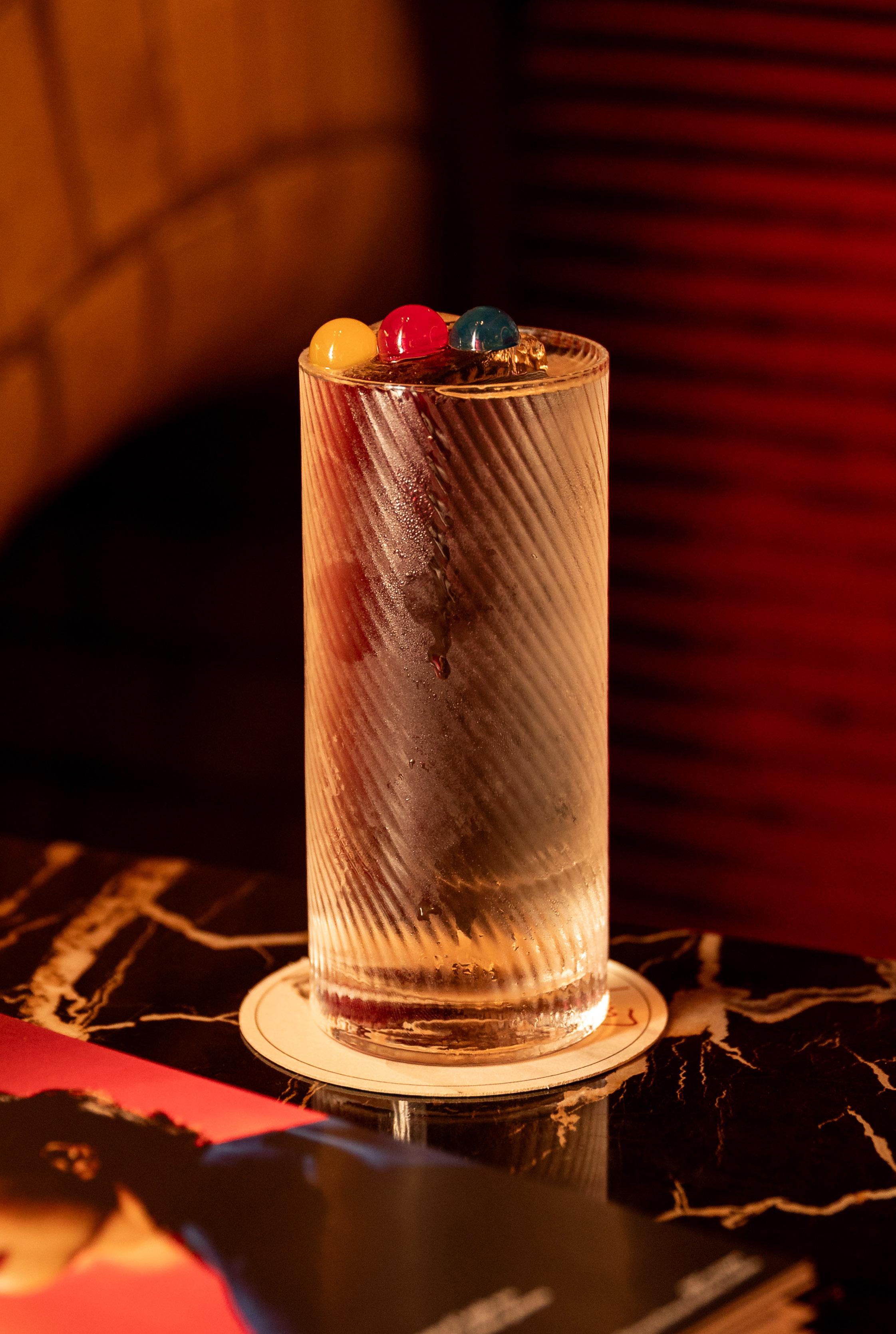

This month at Larry’s, our Cocktail of the Month takes its inspiration from colour, craft and a woman who refused subtlety — the Yevonde Gin Fizz.
Named after Madame Yevonde, the pioneering London photographer who transformed colour photography in the early 20th century, the drink is a tribute to her belief that colour should be bold, expressive and unapologetic. As she famously put it: “If we are going to have colour photographs, for heaven’s sake let’s have a riot of colour.”
Yevonde was closely associated with the Vivex colour process of the 1930s, layering cyan, magenta and yellow to create images that felt vivid, modern and alive. That same philosophy underpins this cocktail — a playful, contemporary twist on the classic Ramos Gin Fizz.
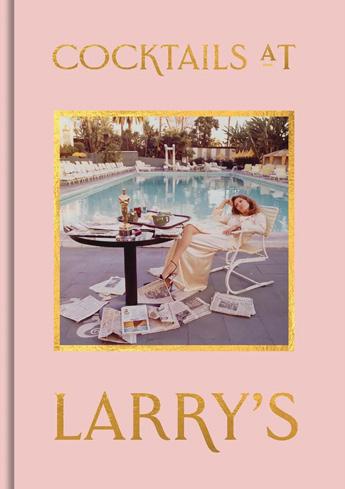
Discover the story behind the Yevonde Gin Fizz, and many more infamous cocktails, in Cocktails at Larry’s. Available to purchase from selected Daisy Green locations and online.
Our Yevonde Gin Fizz blends gin infused with lemon myrtle, elderflower liqueur and Muyu Vetiver Gris, balanced with citrus and finished with blood orange and elderflower tonic. Clarified for a clean, elegant finish, it’s topped with jewel-like jelly dots in cyan, magenta and yellow — a direct nod to Yevonde’s photographic process. Each garnish brings subtle notes of dragonfruit, butterfly pea flower and fresh lemon.
Fruity, bubbly and unmistakably colourful, it’s a drink that celebrates innovation, artistry and the joy of doing things differently. Best enjoyed beneath the arches at Larry’s, where history, creativity and a little theatricality have always gone hand in hand.
From our Head of Coffee, Luke.
The heart pour is the first fundamental shape a barista must learn, as it teaches us the initial entry point for pouring milk into the coffee, giving us a solid base to create more complex designs thereafter. It’s like riding a bike, once you have it locked in, the rest is history.
Most budding baristas, either in store or on your home espresso machine, tend to be too delicate with the milk when first learning. We usually say to be more firm with the pour to create the initial white circle or ‘blob’, and to lift up vertically and flick the milk up and out, to finish. Remember, latte art is just like drawing, wherever the jug goes, that’s what you will draw on the coffee canvas, moreover the closer the lip of the jug to the coffee, the better you will pour - like pen to paper.
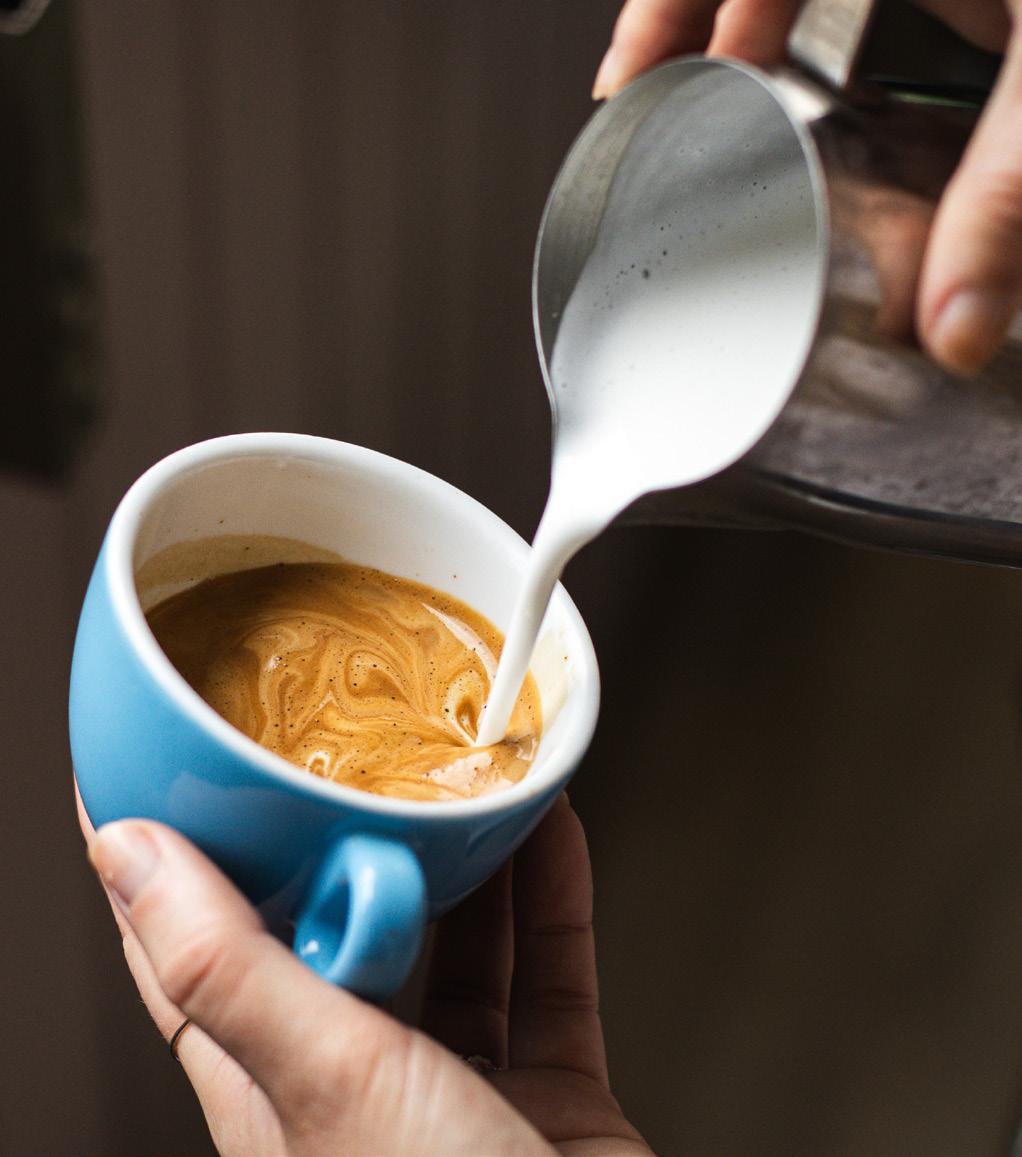
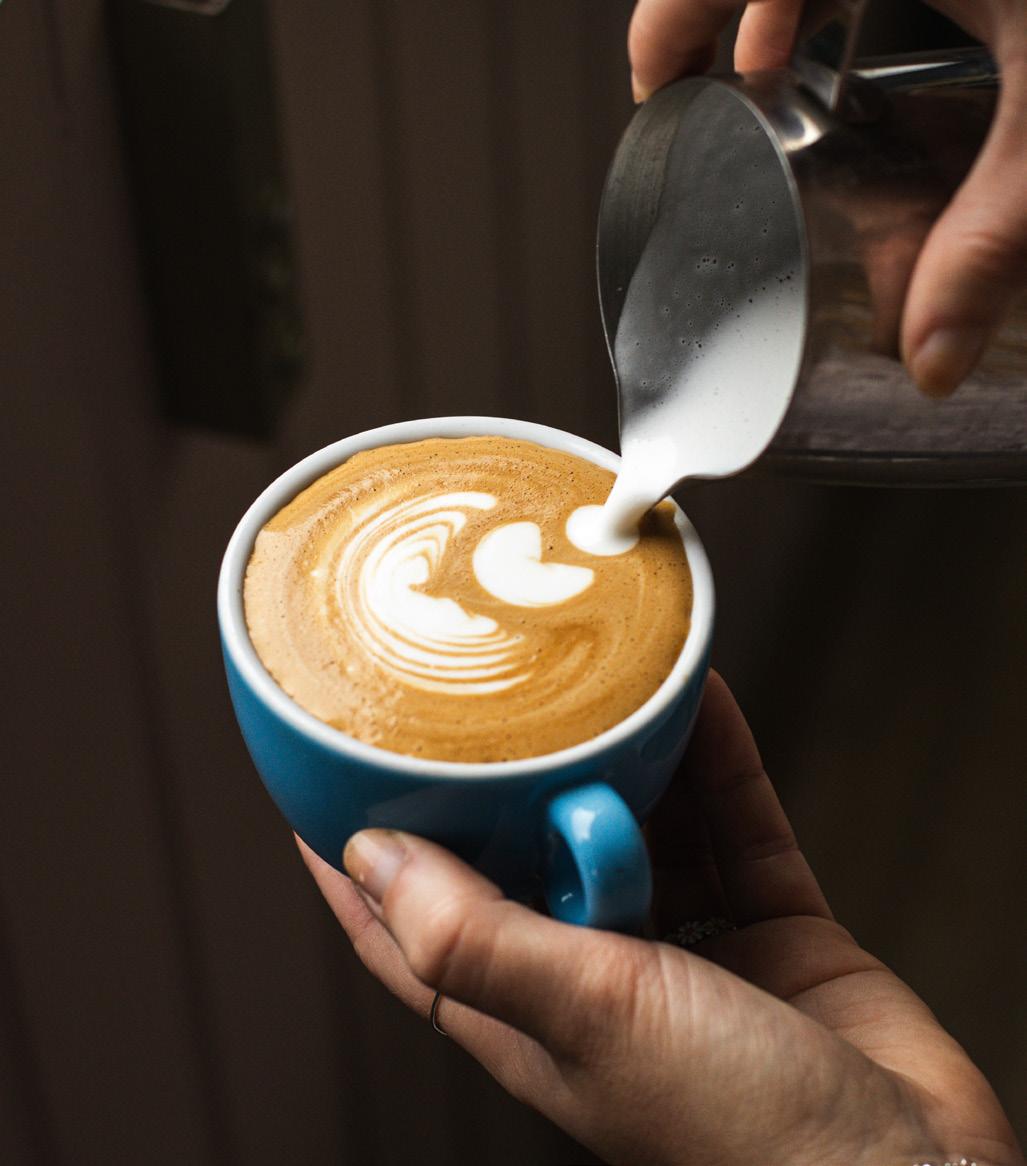
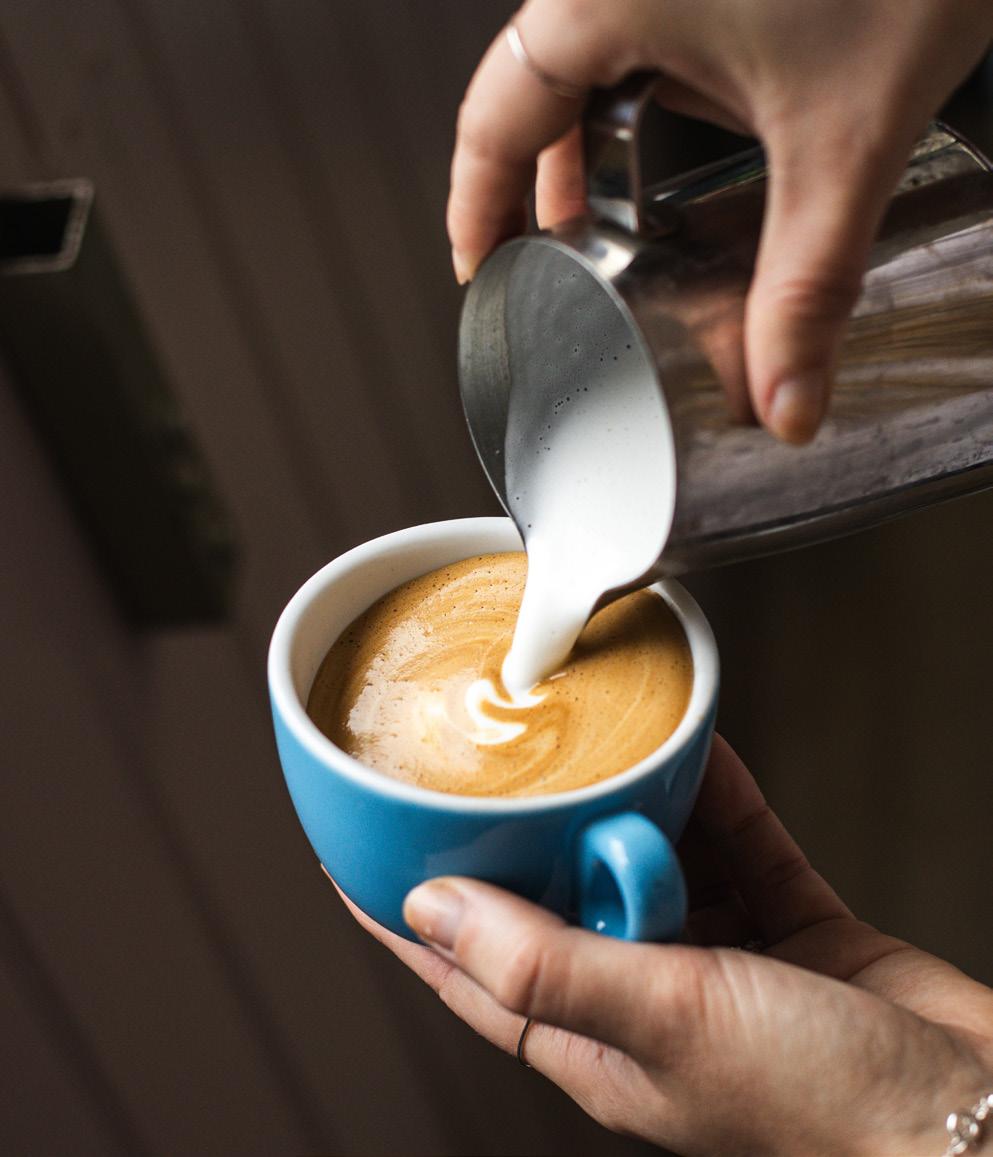
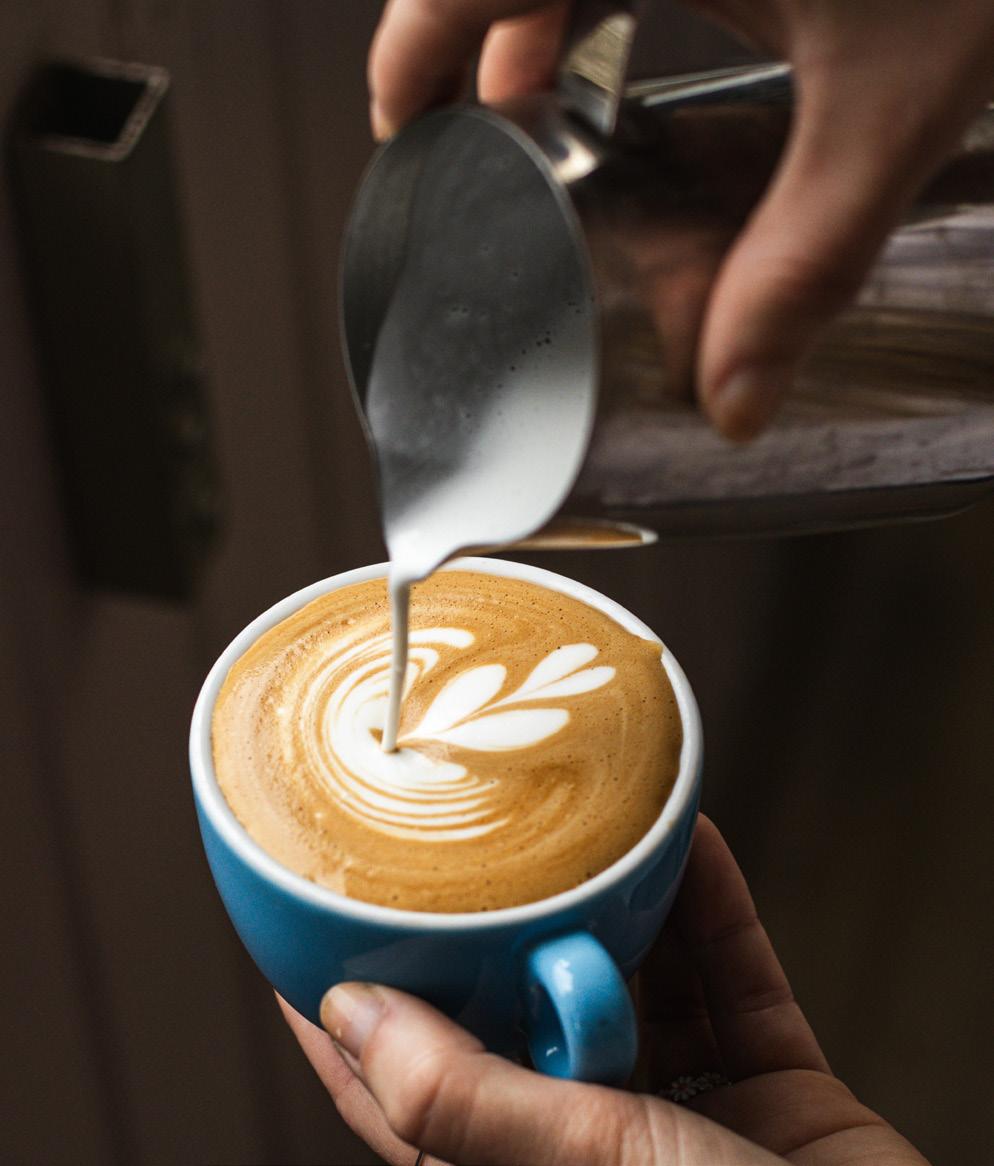
Here’s my step by step guide on pouring a perfect heart to show off your skills this valentines day. We are going to focus on pouring the tiger heart, a beautifully simple design with great contrast and definition, whether it’s a silky smooth flat white or a delicious cappuccino.
Hold the milk jug firmly in your drawing hand, with your thumb and index finger just below the lip, remaining fingers around the handle and your pinky underneath for support. With your other hand, grip the cup in a relaxed ‘C’ shape and gently swirl the espresso to create an even, glossy base.
Angle the cup roughly 20 degrees towards the jug and bring the lip of the milk jug over the center of the cup approximately 5 cm above the rim. Start to pour the milk vertically into the cup, keeping a steady flow and start to circle the jug as though you’re drawing a £2 coin. Here’s the important part, only fill half way to the top of the cup because you need room to pour the design.
Once you’ve poured half way in concentric circles, pause and angle the cup at 45 degrees, so the espresso is resting on the edge of the cup. Bring back the milk jug’s lip inside the cup’s circumference approximately 3cm. Note - think pen-to-paper, the closer the lip of the jug to the coffee, the more control you’ll have now. Start to tip the milk jug by lifting your elbow up, so that the jug’s bottom raises above the cup lip allowing the milk and (importantly) the foam to flow from out and down.
As soon as you can see a white layer form on top of the espresso, slightly push forward to get the white circle into the centre of the cup and quickly wiggle the jug side to side, keeping a firm grip with your thumb and index fingers. This will do two things, one it will bring the foam out easily and two it will create the Tiger stripes and definition that we are looking for. Tip - do not move the jug forwards or backwards once you’ve started wiggling, hold it firm
As you’re filling the cup up with milk, the cup will be starting to get full! So, bring the angle back to flat as the heart is being created and so you don’t spill any on the floor! You’re ready for the final part now which is the most important stage.
Finishing off, once the cup is full, you must lift the jug vertically and flick up and out like the shape of a banana, keeping a straight line from the entry point and your exit, so that the heart is symmetrical and giving it a really full rounded shape, and just like that, you’ve nailed the heart.
champagnepiaff.com
champagnepiaff.com

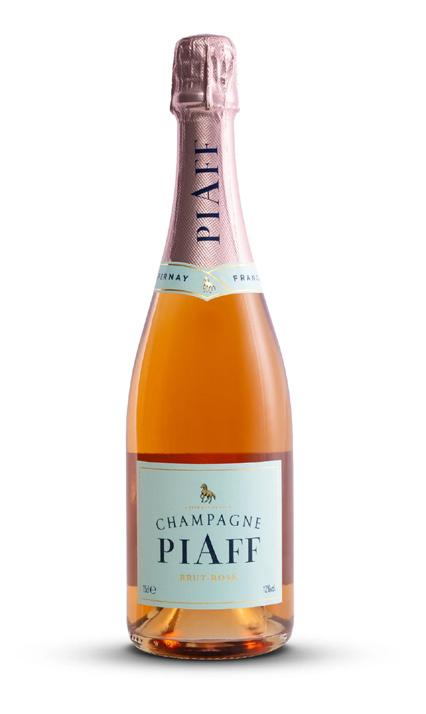
Fresh, expressive and beautifully balanced, PIAFF Rosé is bright and gently structured, with depth from extended lees ageing and a clean, confident finish. A Champagne made to shine with food — and to linger over
OUR VALENTINE’S WINE OF THE MONTH
February has a habit of heightening everything. Evenings linger a little longer, tables feel more intimate, and what’s in the glass matters. For Valentine’s Day, it only seemed right to turn our attention to Champagne PIAFF Rosé NV, a Champagne that understands romance.
PIAFF is made in Épernay, shaped by generations of winemaking knowledge and guided today by head winemaker Maxime Mansard. While the vineyards have been nurtured for over a century, the philosophy is distinctly modern: to honour Champagne’s elegance while allowing space for vibrancy, personality and pleasure. It’s a house that respects tradition, but doesn’t feel bound by it.
The Rosé carries an understated confidence. A blend led by Pinot Noir, with Pinot Meunier and Chardonnay bringing balance and lift, it’s sourced from the Marne Valley, where chalk-rich soils and a temperate climate create fruit with both generosity and freshness. Fermented in stainless steel and aged for 36 months on lees, the wine develops texture and depth without losing its clarity.
In the glass, it’s expressive but composed. Bright, gently structured and food-friendly, this is a Champagne that happily keeps pace at the table, whether poured alongside a long Valentine’s lunch or a more considered dinner. There’s fruit and finesse here, but also an underlying seriousness.
For Valentine’s Day, Champagne PIAFF Rosé NV earns its place not through grand declarations, but through balance. Romantic without being showy, celebratory without excess, it’s a bottle made for moments that deserve to be lingered over, and remembered.
Valentine’s Day Dinner
This Valentine’s Day, join us across the Daisy Green Collection for special set menus, Champagne and wine specials, a red rose for each couple, and live music at selected venues. Bookings are now open via
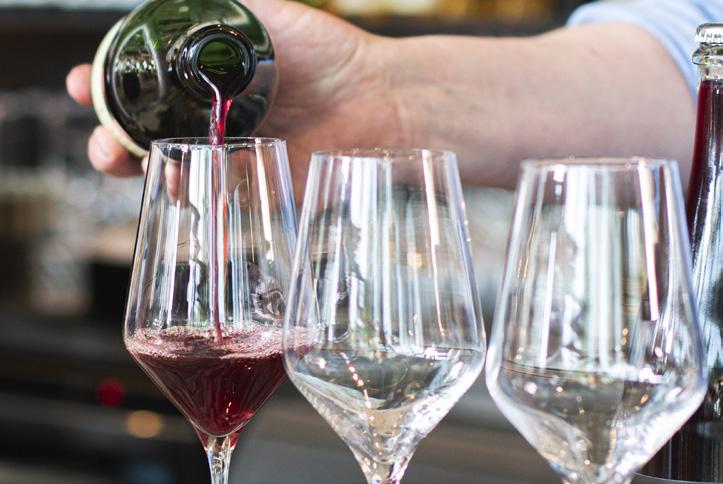
unique, rare and boutique bottles — all for just £10 a glass. It’s the perfect excuse to linger a little longer over dinner or stop by for an after-work drink that feels a little indulgent. Served across the collection.
Parma Mondays
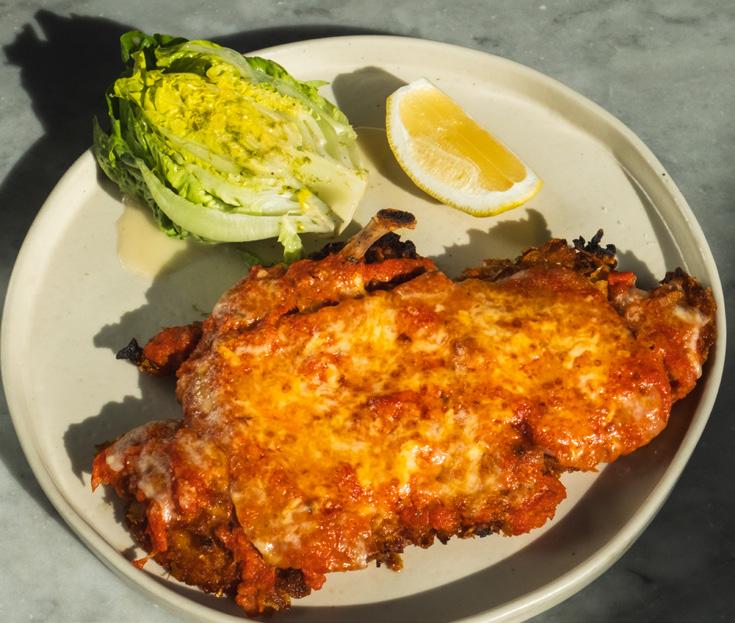
Kick off the week with a cult favourite — our famous Chicken Parmigiana, golden and bubbling from the oven, served with an ice-cold craft beer or a glass of house wine for just £20. Comfort food, done properly. Served across the collection.
Winter: Diana Taylor at Holland Park Café
Exhibition runs until 20 March 2026
This season we present Winter, a new exhibition by Diana Taylor. Working across painting, textiles and print, Diana layers imagery from books, archives and botanical guides to create rich, multi-dimensional worlds.
‘PAIRED’ Brand New Wine Dinner Series
Launching soon, Paired is an intimate dining series celebrating Australia’s most exciting wine producers, pairing seasonal, chef-led menus with thoughtfully matched wines. Hosted by winemakers and senior brand ambassadors, each evening blends storytelling, rare pours and a relaxed, refined atmosphere. Tickets are released in limited numbers, monthly.
Whisky Tasting at Colony Room Green
Our next whisky tasting returns this February at Colony Room Green. Expect a themed line-up of standout whiskies, expert guidance and the same intimate, candlelit atmosphere inspired by the Colony Room’s past. Dates and booking details coming soon.
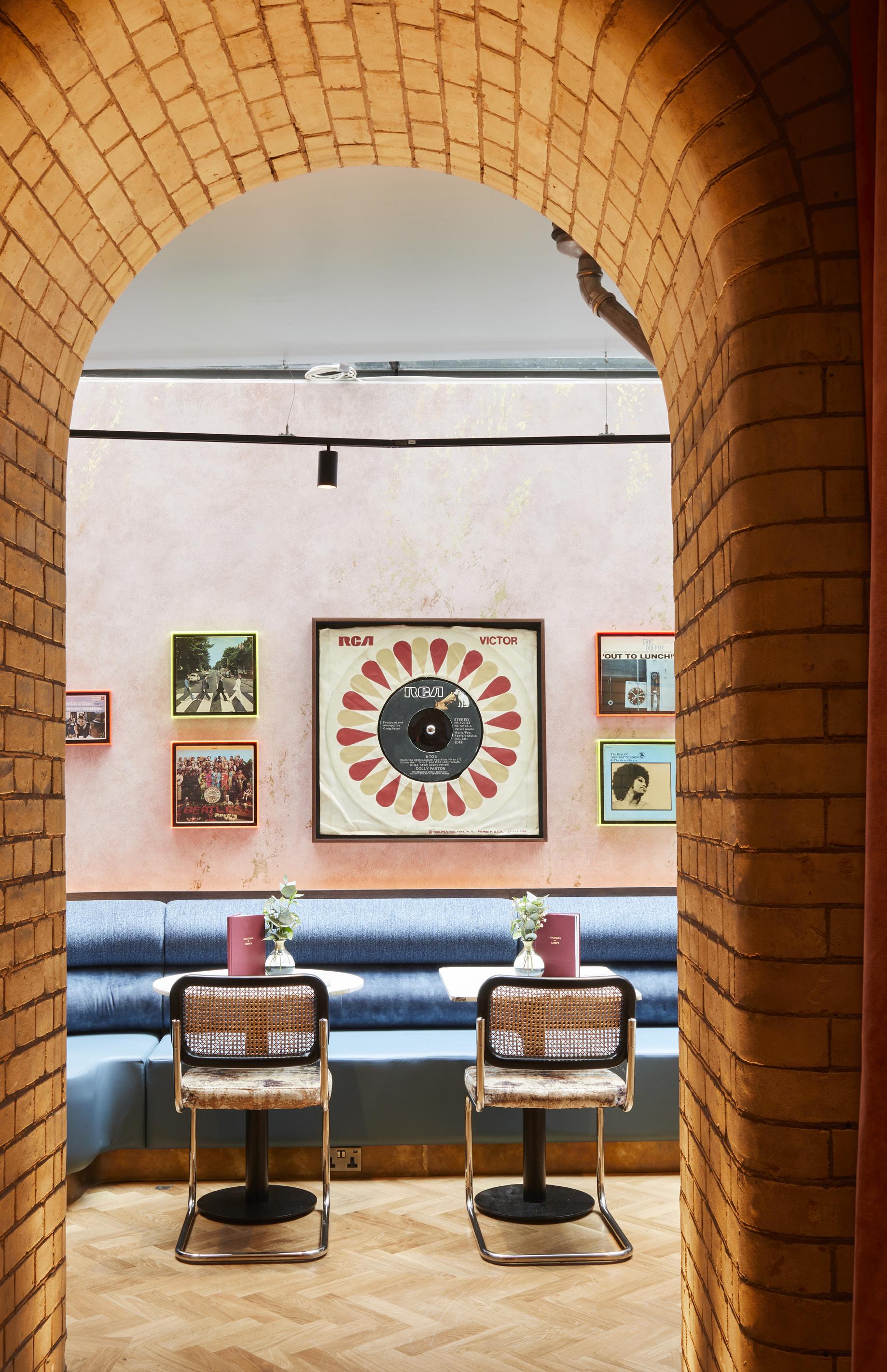
My London usually looks to the present. This month, we’re doing something different. Rather than recommendations, we trace a life through the city. Photographer Yevonde lived and worked across London for more than half a century, from suffragette street corners to Mayfair studios, the Strand and leafy Kensington. Below, Yevonde’s London unfolds chronologically: a city shaped by movement, independence and creative intent.
You can admire her work today at Audrey Green at the National Portrait Gallery — a perfect excuse to stay for cream tea.
As a member of the WSPU Yevonde sold Votes for Women on street corners and in September 1911 she answered an advert that would change the course of her life; ‘Miss Lena Connell, Photographer, 50 Grove Road, St John’s Wood, has a vacancy for Young Lady Pupil’
Deciding on photography as a profession, Yevonde called upon Lallie Charles whose female subjects gracing the pages of the burgeoning illustrated press defined Edwardian femininity. At her rose-tinted studio at 39a Curzon Street, Mayfair, Yevonde’s apprenticeship with ‘the most fashionable photographer of the day’ was her ‘first step towards independence.
At the beginning of 1914, feeling she had learnt all she could under Lallie Charles’s supervision, Yevonde set up her own studio. The premises were found at 92 Victoria Street. That the top floor naturally lit studio shared its address with feminist organisations was no coincidence.
In 1920 Yevonde married playwright and journalist Edgar Middleton in the Church of St Clement’s Dane in the Strand. The couple lived in a small flat in the Temple and overcame the domestic inconveniences of close quarters. They gave ‘mad, wild parties which included skipping and dancing competitions with prizes, games, charade, Shakespeare readings and debates, all in the tiny flat …how happy and jolly and young and free we were!’
In 1933 Yevonde found studio premises above a print gallery at 28 Berkeley Square in Mayfair, not far from the successful Bond Street studios. Yevonde, now prestigiously located, settled down to a new and exciting world.’
By the mid-1950s much of Berkeley Square had been rebuilt and commercialised. Yevonde moved her studio to an old coach house at 16a Trevor Street, opposite the barracks in Knightsbridge. Despite the impracticalities of having no workroom or darkroom, she fell in love with the bare shell.
At the end of the Second World War, Yevonde settled in Bedford Gardens, Kensington. She had great affection for the leafy street and neighbours including artist and satirical cartoonist Ronald Searle.‘Beautiful Bedford Gardens, with its oak, ash and beech trees, with its red mays and flowering shrubs, with its wisterias, vine and clematis growing over the balconies …I love Bedford Gardens.’