




DAIRY FARMERS have welcomed the second review of the Dairy Code of Conduct, but told the Federal Government they are uncomfortable with several recommendations.
The review, released just prior to Christmas, indicates that the code appears to be operating as it was intended.
The Australian Dairy Farmers says the review, completed by the Department of Agriculture, Fisheries and Forestry, shows it remains a critical safeguard for fairness, transparency and confidence in dairy contr acting.
The report reinforces ADF’s longheld position that the code is necessary to address structural power imbalances between dairy farmers and processors, and that its core settings remain fit for purpose.
ADF president Ben Bennett said the outcome reflected the strength and consistency of farmer advocacy throughout the r eview process.
“It confirms the Dairy Code of Conduct is doing its job, and that is in no small part due to farmers standing firm on what matters,” Mr Bennett said.
“ADF was clear and consistent, and those core protections have been upheld.”
ADF welcomed the retention of key farmer safeguards, including the permanent ban on retrospective price step-downs, the ongoing requirement for minimum prices in milk supply agreements, and the confirmation that the code should remain in place r ather than be repealed or allowed to lapse.
However, Mr Bennett said ADF was concerned the report could lead to greater pr ocessor flexibility, despite there being no evidence the current rules are failing.
“In particular, proposed changes around cooling-off periods, exceptional circumstances and contract administration have been put on the table, despite there being no indication from the ACCC the current situation poses a problem,” Mr Bennett said.
Both the ADF and the review noted there is some level of distrust between the farmers and the processors, which the ADF belie ves goes back to the price claw-backs



years ago.
“While it was noted that the reasons for the implementation of the dairy code have largely been resolved, there remains a level of distrust between farmers and processors and the dairy code remains an effective regulatory framework to address this.
“The benefit of the dairy code continues to outweigh the regulatory burden,” the review found.
The dairy code is a mandatory code under the Competition and Consumer Act that regulates the conduct between a dairy farmer and dairy processor.
Introduced in 2020, the dairy code provides important protections for farmers and processors, ensuring fair trading, gr eater transparency and improved outcomes across the dairy supply chain.
Carried out b y the Department of Agriculture, Fisheries and Forestry, the review followed an earlier evaluation of the code in 2021.
The second review examined the role,

impact and operation of the dairy code to assess whether it remains fit-for-purpose, and was informed by extensive industry consultation.
Federal Minister for Agriculture Julie Collins said the review reflected the industry view that the code is working as expected.
“Dairy is a vital industry for our country and makes a major contribution to our economy, and we want to ensure that it continues to grow in a fair and equitable way,” Ms Collins said.
“The Albanese Labor Government is carefully considering the recommendations of the second review of the dairy c ode and will respond through a formal implementation process.
“This will include legislative amendments, updated Australian Competition and Consume r Commission guidance, further consultation on penalty arrangements, and work to support economic analysis ahead of the next scheduled review.”



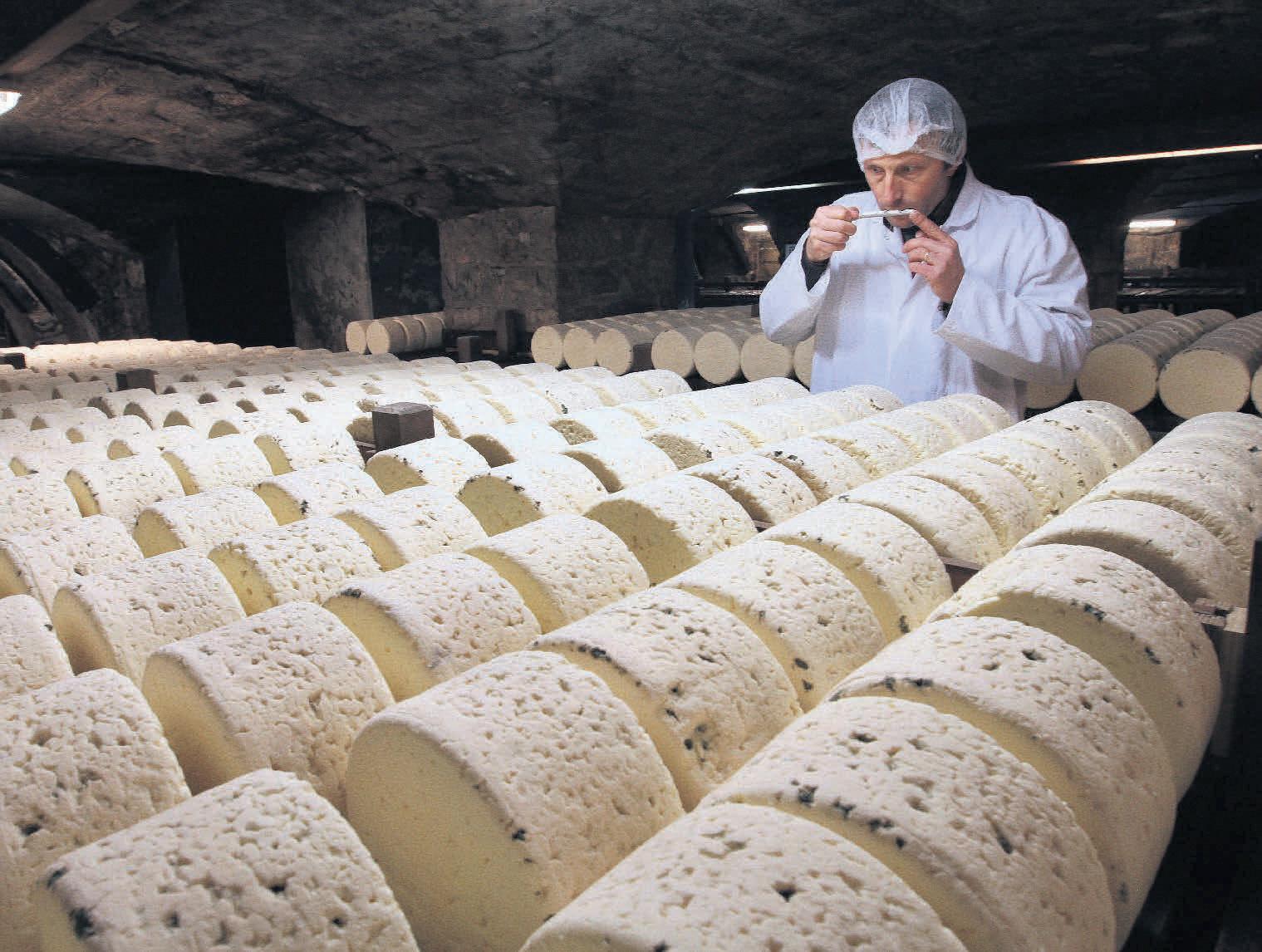
CHINA WILL impose provisional duties of up to 42.7 per cent on certain dairy products imported from the European Union after concluding the first phase of an anti-subsidy probe widely seen as retaliation for the bloc’s electric vehicle tariffs.
The tariffs will range from 21.9 per cent to 42.7 per cent, although most companies will pay around 30 per cent, and they target products like milk and cheese, including the iconic French blue cheese Roquefort.
The European Commission did not immediately respond to questions about the decision.
The decision is provisional and could be revised when a final ruling is made.
China significantly lowered provisional tariffs on pork in its final decision recently.
Trade tensions with the EU erupted in 2023 when the European Commission, which oversees the bloc’s trade policy, launched an anti-subsidy investigation into Chinese-made electric vehicles.
Beijing has investigated and imposed tariffs on imports of EU brandy, pork and now dairy, measures seen as retaliatory.
However, as it did with pork, Beijing has reduced or limited the impact of its tariffs several times, including partly sparing major cognac producers Pernod Ricard, LVMH and Remy Cointreau after its brandy probe.
China’s ministry of commerce said negotiations over the bloc’s EV tariffs resumed this month; however, the talks were scheduled to end and there has been no announcement since.
A senior European diplomat in Beijing said that major issues remained between the two sides.
China imported $US589 million ($A889 million) of dairy products covered by the current investigation in 2024, similar to 2023 values.
The Ministry of Commerce said in a statement it had found evidence that EU dairy imports were subsidised and hurting Chinese producers.
Roughly 60 firms, including Arla Foods, owner of brands such as Lurpak and Castello, will pay tariffs between 28.6 per cent to 29.7 per cent.
Italy’s Sterilgarda Alimenti SpA will pay the lowest rate of 21.9 per cent, while FrieslandCampina Belgium N.V. and FrieslandCampina Nederland B.V. will pay the highest rate of 42.7 per cent.
Firms that did not participate in the investigation will pay the highest rate.
The decision is likely to be welcomed by Chinese producers who are grappling with a glut of milk and falling prices as declining birth rates and more cost-conscious
LACTALIS AUSTRALIA has announced the planned closure of its South Brisbane manufacturing site, following a detailed review of its operations and long-term manufacturing footprint across Australia.
The closure will not compromise national food supply, with production consolidated into existing, modern facilities across Lactalis’ Australian network.
Lactalis also confirmed there will be no impact on product availability or quality for consumers, and no changes to existing milk supply contracts for dairy farmers because of the closure.
The decision reflects changes to the surrounding precinct and the site’s suitability for long-term manufacturing operations, alongside the challenges associated with ageing infrastructure requiring substantial investment to modernise and remain compliant over time.
The South Brisbane site is located within a precinct that has undergone significant change over time, with evolving planning
settings and surrounding land uses increasingly shaping the site’s long-term suitability for industrial manufacturing.
The South Brisbane site is expected to close in July 2026.
Chief executive officer at Lactalis Mal Carseldine, said the decision had not been taken lightly.
“This is a difficult decision, and one we have approached carefully and responsibly.
“Our South Brisbane site has a long history, but its location and infrastructure no longer align with the requirements of a modern, efficient manufacturing network.
“We also recognise the impact this decision will have on the South Brisbane team, many of whom have contributed to the site and the Pauls business for decades.
“This is not a reflection of the dedication or performance of our people.
“We are committed to treating employees with care, respect, and transparency, and to supporting affected team members through a comprehensive consultation and transition process.
“This decision does not reflect a reduction in our commitment to Australia or Queensland.
“Lactalis remains firmly committed to Australian dairy manufacturing, with continued investment and employment across our national network,” Mal said.
Processing currently undertaken at the South Brisbane site will be reallocated over time to Lactalis’ modern facilities in Queensland and interstate, making greater use of existing, fit-for-purpose sites.
Lactalis said it continues to invest significantly in its Australian operations, with more than $200 million committed to modernising manufacturing facilities across Australia through 2025–26.
The company confirmed it remains committed to its ongoing manufacturing and corporate operations in Queensland and nationally.
eastAUSmilk Waylon Barron vice-president said this decision was expected at some
point, given the factory is in south Brisbane and there has been a push to remove manufacturing in that precinct leading up to the 2032 Olympics.
“The closure of the Lactalis south Brisbane factory is disappointing, but has been expected for some time,” Waylon said.
“We expect Lactalis suppliers in Queensland and northern NSW will continue to be looked after during the remainder of their contracts, which are most set to expire in July 2027.
“We also hope that Lactalis will continue to want our milk beyond July 2027.”
eastAUSmilk expects competition for milk to remain strong beyond July 2027 and would be very concerned if competition for milk reduced, forcing down pricing and forcing some farmers to consider ceasing production.
eastAUSmilk expects milk from dairy farms in Queensland and northern NSW to be processed at the Nambour Lactalis factory in Queensland and mid-north coast and Hunter in NSW to be processed in Sydney.


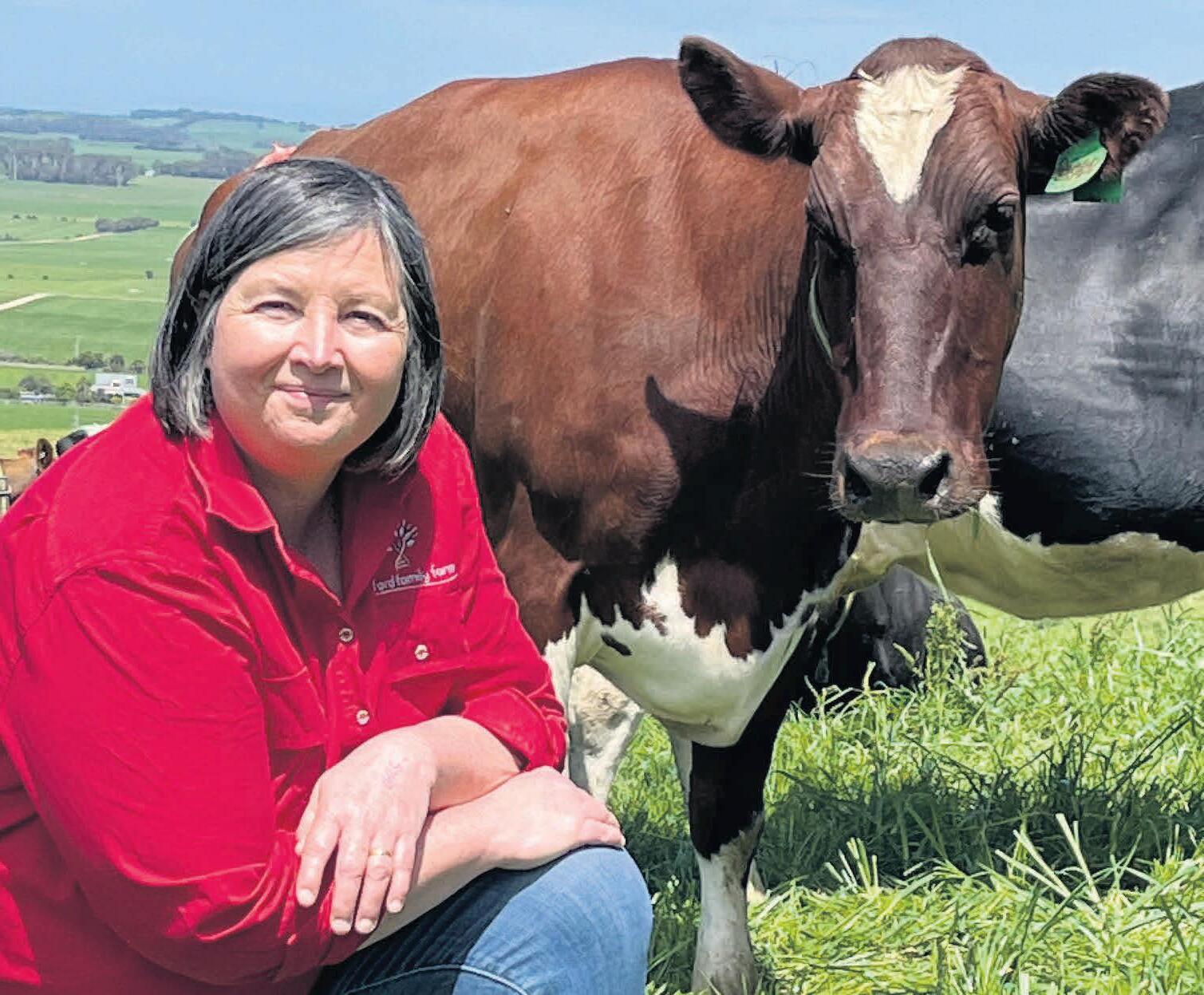
AUSTRALIA’S DAIRY cows are staying in the herd for more than four lactations and genetics research is enabling longer productive lives.
An analysis of nearly two million cows in DataGene’s latest Herd Improvement Report shows the average herd life was 4.11 lactations in Holsteins and 4.16 lactations in Jerseys, based on research conducted by Agriculture Victoria scientist Dr Majid Khansefid.
The report shows that more than 20 per cent of recorded cows in the national herd are in lactation five or greater.
Michelle Axford, special projects for DataGene, said milk production and cow longevity were key drivers of business profitability.
“A longer productive life of dairy cows is good for profitability, animal welfare, reducing emissions and cutting replacement rates,” she said.
“It takes a lot of effort to get replacement heifers into the herd and that effort means money.
“Cows lasting longer is good because more mature cows produce more milk than younger cows.
“In addition, cows with a longer productive herd life means that a few less heifers are required and that reduces the cost of replacing those animals and rearing new heifers.
“We have less waste in the system.”
Michelle said farmers would be pleasantly surprised to see cows surviving more than four lactations.
“Most farmers would think it’s lower than
that, but these figures show that Australian cows are doing a good job of lasting, and we want to keep improving that,” she said.
“Farmers understand it’s not just about getting each cow to produce more milk, they want to improve her production over a longer
period of time.”
Multiple research and development activities at DataGene, DairyBio, and DairyUP are working on strategies to improve longevity.
DataGene has recently released an updated Australian Breeding Value based on DairyBio
FARMERS ACROSS Australia, particularly those in disaster-impacted regions, are strongly encouraged to register with Rural Aid.
Large areas of Victoria are currently battling bushfires, while North Queensland continues to experience flooding and cyclone impacts, and parts of NSW face storms which are continuing to place additional strain on farmers already under pressure
Rural Aid is urging farmers to register immediately to ensure support can be delivered as quickly as possible when it is needed most.
Rural Aid chief executive officer John Warlters said disasters don’t wait, and neither should farmers.
“Registering with Rural Aid now means we
can act fast when conditions worsen, whether that’s financial relief, counselling, or delivering hay and water to farmers who need it most,” John said.
Rural Aid is already responding in disaster-affected regions, providing direct financial assistance to farmers in north-west Queensland and Victoria to help cover urgent and unexpected expenses as they recover from floods, fires and severe weather events.
“Our teams are already working in disaster zones, supporting farmers who are exhausted, overwhelmed and facing enormous uncertainty,” he said.
“By registering early, farmers ensure critical support can be delivered as quickly as possible when disasters strike.”
Rural Aid provides free support to registered farmers and their families, including:
Financial assistance for urgent and unexpected expenses
Professional counselling and wellbeing support
Hay deliveries to feed livestock
Water deliveries for household needs
Volunteer assistance through Farm Army and Farm Recovery Event programs.
“Farmers are incredibly resilient, but they shouldn’t have to face disasters alone,” John said.
“We strongly encourage every farmer, especially those in high-risk areas, to register now so help can be mobilised immediately when it’s needed.”
research.
“The updated Survival Australian Breeding Value helps farmers use genomics to select young bulls and heifers more likely to perform well by lasting through their first few lactations and beyond.
“The updated ABV identifies animals less likely to leave the herd due to poor fertility or mastitis in their younger years, giving farmers more culling options in later life.”
With cows remaining productive in the herd for longer, farmers can choose to reduce their replacement rate.
Australia’s herd replacement rate has been about 25 per cent for several years, but Dr Axford believes breeding and managing cows to last longer could reduce that figure.
“From profit and emissions points of view, it’s worth looking at opportunities to reduce that figure.”
The report uses herd recording information from more than 1300 farmers.
“We should recognise the efforts of the 1300 farmers providing this information which helps in their own management purposes and helps us to tell a bigger story,” Michelle said. She said there had been a decline in the percentage of cows enrolled in routine herd testing but the DataConnect project was working to enable seamless data exchange with on-farm software, extending DataGene’s products and services to a greater number of herds.
For more information, contact: DataGene 1800 841 848 or enquiries@datagene.com.au or www.datagene.com.au
Farmers should register for free at faa. ruralaid.org.au or by calling 1300 327 624.
Rural Aid is Australia’s leading rural charity, committed to supporting farmers and rural communities through good times and tough
Since 2015, Rural Aid has been a vital lifeline in times of hardship, delivering practical assistance such as mental health counselling, hay, drinking water, and community connection initiatives.
The organisation continues to stand shoulder-to-shoulder with rural Australians, helping them overcome hardship, build resilience, and create stronger, more sustainable futures.










THE 2026 Australian Dairy Conference is set to hit Melbourne February 11 to 13.
The conference includes a plethora of dairy related commentary, discussions and on-farm visits, along with networking opportunities including an early morning ‘milk run’ and a gala dinner sponsored by Rabobank.
Sessions include milking it strong — building on the big picture, wealth beyond the farm gate, technology and innovation along with health and safety.
Leadership Unfiltered will be moderated by Sky News Peta Credlin and will go beyond titles and politics to take a raw, honest look at leadership within Australian dairy.
The session brings together Australian dairy leaders and will explore who they are, how they lead and the impact they make.
Discussion will turn the focus inward — drawing on the experiences of leaders shaping dairy’s direction today and reimagining what leadership must look like for the future. It is not about policy or power; it’s about people, culture, and courage.
Panellists will share insights, challenge assumptions, and spark an honest conversation about the leadership we have today and the kind we need to take the industry forward.
The Power of Protein is facilitated by agri journalist Carlene Dowie and includes Andrew Wheeler (McDonalds), Andrew Ralph (FMG Global) and Vaughn Johnston.
For too long, dairy beef has been positioned as a by-product or a sideline opportunity.
The reality is very different — red meat is a viable, valuable and integrated part of our protein business.
Carlene will reframe the conversation — moving from “what premium can I get?” to “how do we keep value within the supply chain?”
The session will explore what success looks like, the real story behind beef on dairy and why we must see ourselves not only as milk producers, but as beef farmers too.
Other highlights include the ADC Innovator Award sponsored by Gardiner Foundation, which opens the door to a whole new world of opportunities and embraces a spectrum beyond pure science.
This award invites innovative dairy ideas from brilliant minds and offers a chance to showcase research-backed or science-based

ideas to the entire Australian dairy industry, capturing talent and pushing the boundaries of innovation.
On February 10, Pioneer Seeds will host a two-day tour through Northern Victoria’s most innovative barn systems and will include a talk from Scott McDonald, Agriculture Victoria’s Dairy Development Specialist.


The trip will also include a visit to a Strike trial site.
The trip is free for ADC delegates. For more information, contact gentechseeds@gentechseeds.com
Lely is also hosting a tour on February 11 which will include a visit to AW contracting, Whipp dairy farm featuring a new shed and
Lunch is included along with coach transport.
This tour is also free for ADC delegates. For more information, contact lbarnes@ lely.com


BY GEOFF ADAMS
AUSTRALIA’S PEAK farm advocacy
organisation says the Federal Government must hold its nerve in negotiations with the European Union, warning that a substandard deal would fail both Australian farmers and the national interest.
And the ADF president, Ben Bennett, warned that a free trade agreement with the EU was neither free nor fair for Australian dairy farmers.
National Farmers’ Federation president Hamish McIntyre said farmers wanted an agreement with the EU, but not one that cemented an uneven playing field.
“Agriculture and food have always been hard to negotiate in global trade, but that only increases the importance of landing a good outcome. Australia has a proud history of pushing the benefits of open trade not just as a pillar of our economy, but for the world,” Mr McIntyre said.
“We know the government is keen to land a deal. But we should not accept a subpar agreement for agriculture.”
Mr Bennett said a free trade agreement with the EU posed a greater risk now than ever before, as the operating environment for dairy had deteriorated significantly in recent years.
“The EU exports more than 70,000 tonnes of subsidised dairy to Australia each year, yet Australia exports only 1500 tonnes
in return,” he said.
“This proposed agreement would fully open the Australian market for EU producers, but the EU is unwilling to reciprocate for Australian dairy.
“The EU is the world’s biggest cheese producer by a country mile, and the Australian market is a drop in the ocean when compared to their production. We’re worried that even a modest increase in EU imports, combined with favourable trade terms, could open the floodgates on the local industry.
“The EU’s reluctance to not fully open its market is unfair and unjustified — especially given the EU’s highly subsidised agricultural markets.
“The EU wants Australia to ban the use of names like parmesan, feta and romano, but these are common names that have been used here for generations.”
Australia could seal a long-awaited trade deal with the European Union within months as the prime minister leaves the door open to shifting on key sticking points.
Anthony Albanese met with EU chief Ursula von der Leyen on the sidelines of the G20 summit in Johannesburg after earlier indicating negotiations on the agreement could be finalised by early 2026.
Trade Minister Don Farrell said his talks in Melbourne with his European counterpart were also positive, adding there was renewed optimism on a deal being struck after years of failed negotiations. – with AAP


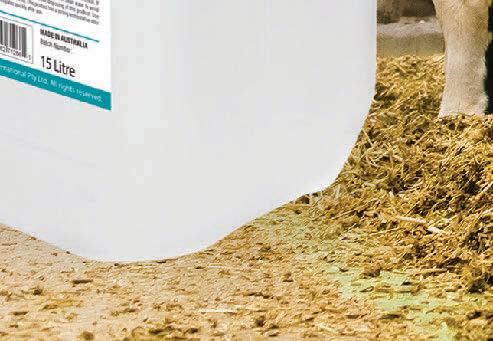
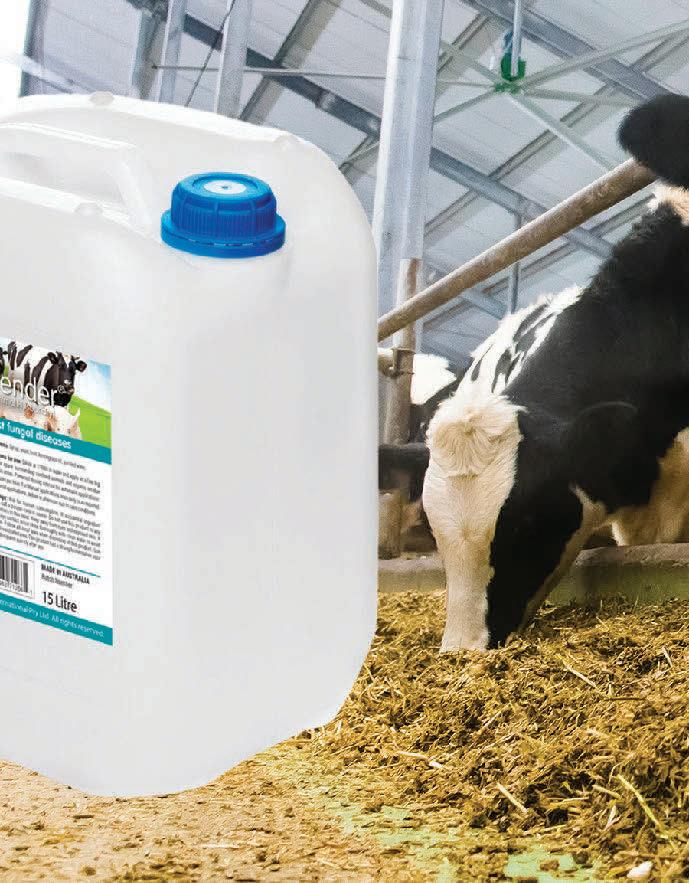
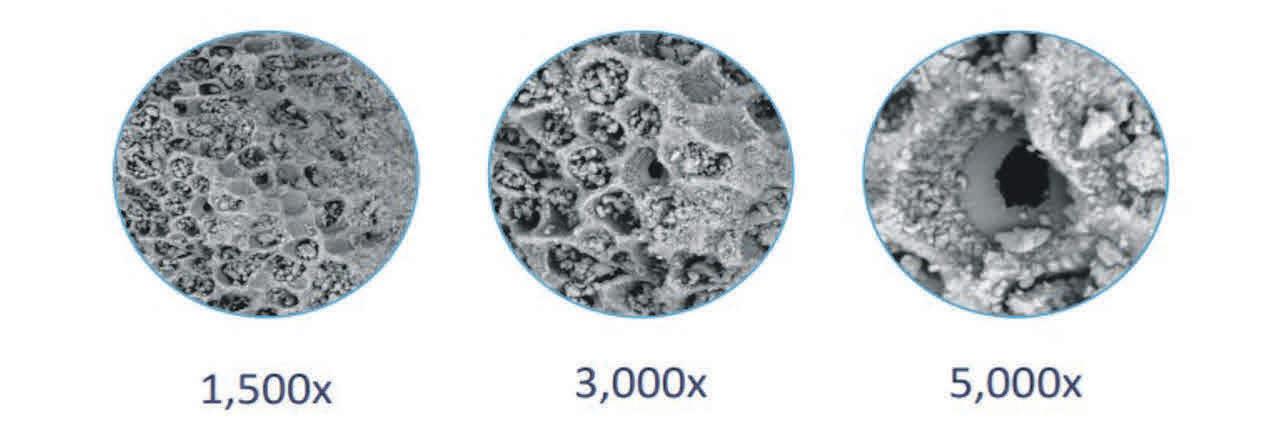
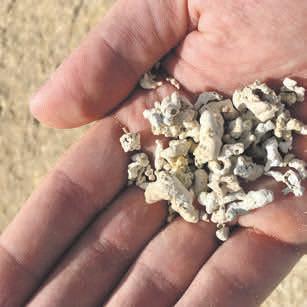
A highly bioavailable natural organic rumen buffer rich in bioavailable calcium and magnesium carbonates and naturally contains over 70 minerals.
SLOW-RELEASE BUFFERING EFFECT
Carbonates help neutralise excessive rumen acids. Assists in optimising rumen pH.
Maintains longer term pH stability of the rumen.
HIGHLY BIOAVAILABLE MINERALS
Calcium (min. 32%) Magnesium (min. 3%) Contains over 70 minerals.
PROMOTES OPTIMAL RUMEN FUNCTION
Improves environment for microbial fermentation. Improves fibre digestion and feed efficiency. Improves dry matter consumption.
100% NATURAL
100% Calcified Calcareous Red Algae. USDA Organic Certified.


BY SOPHIE BALDWIN
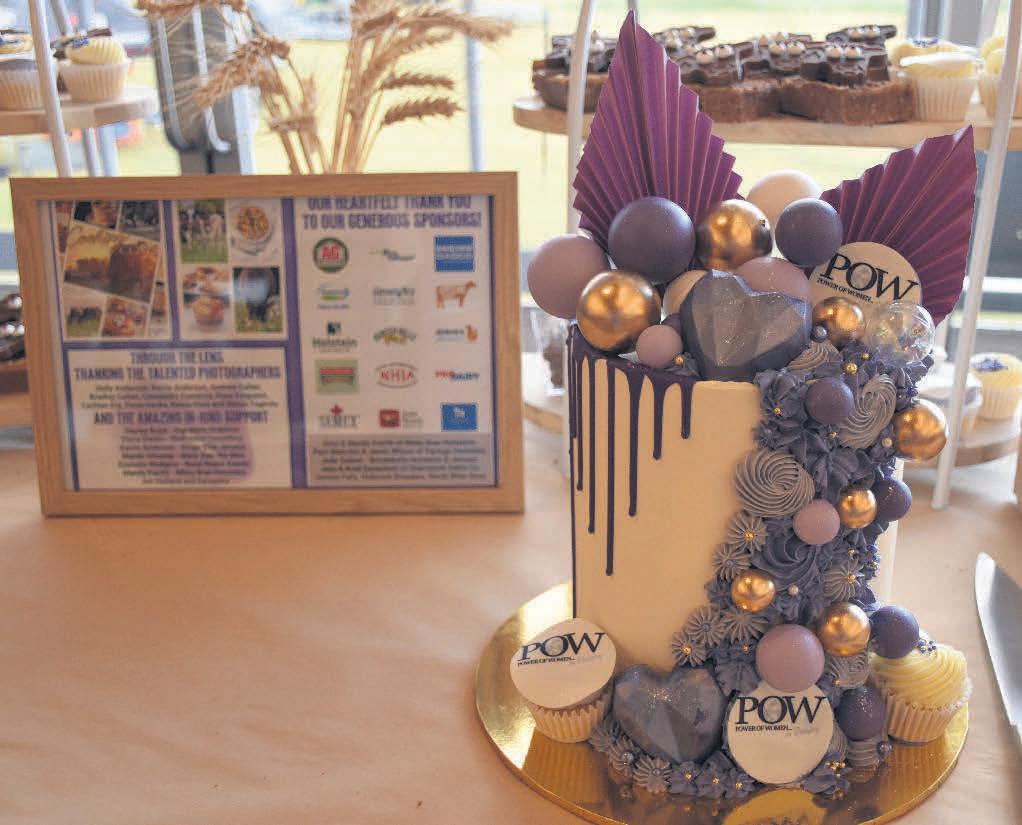
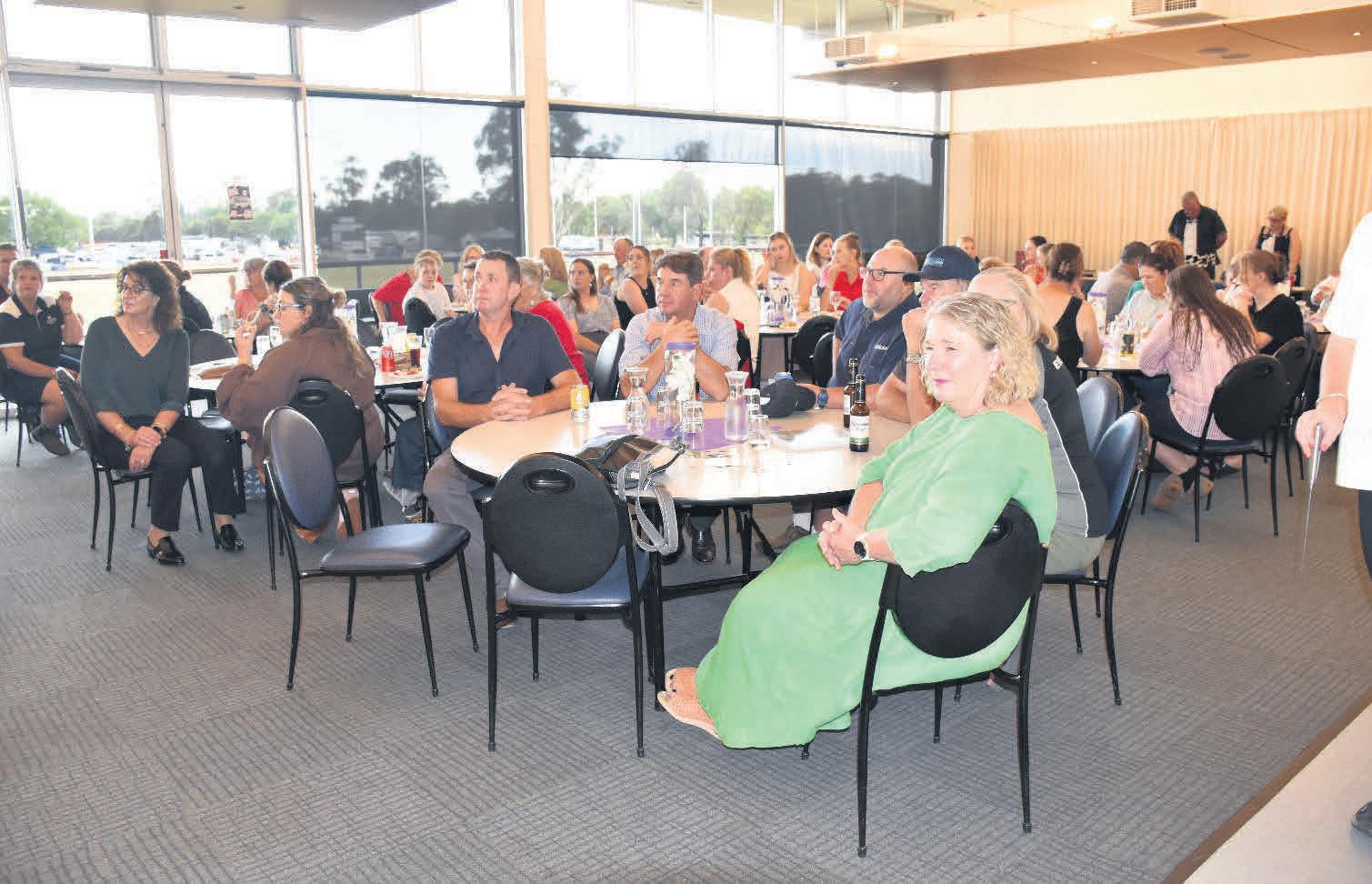
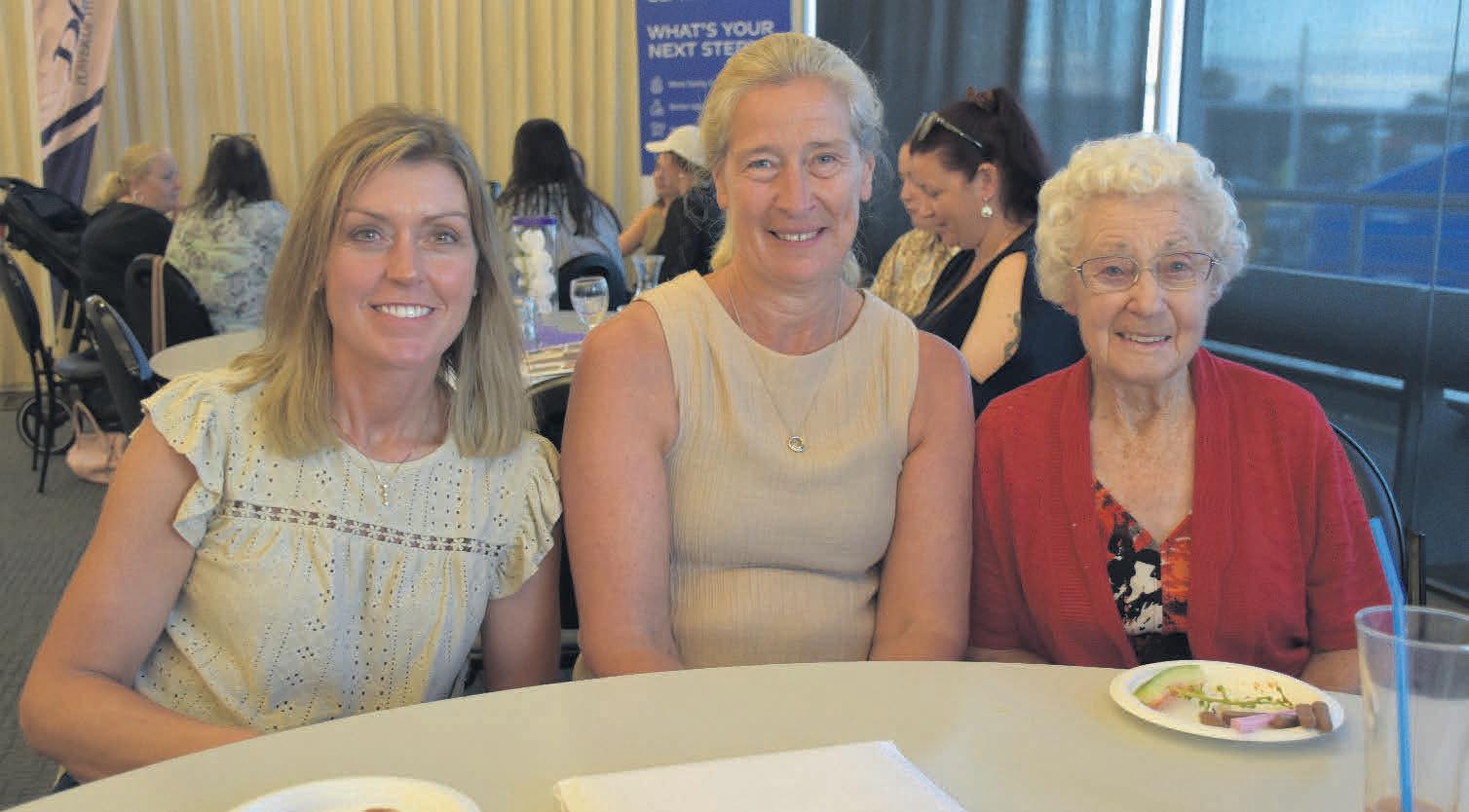
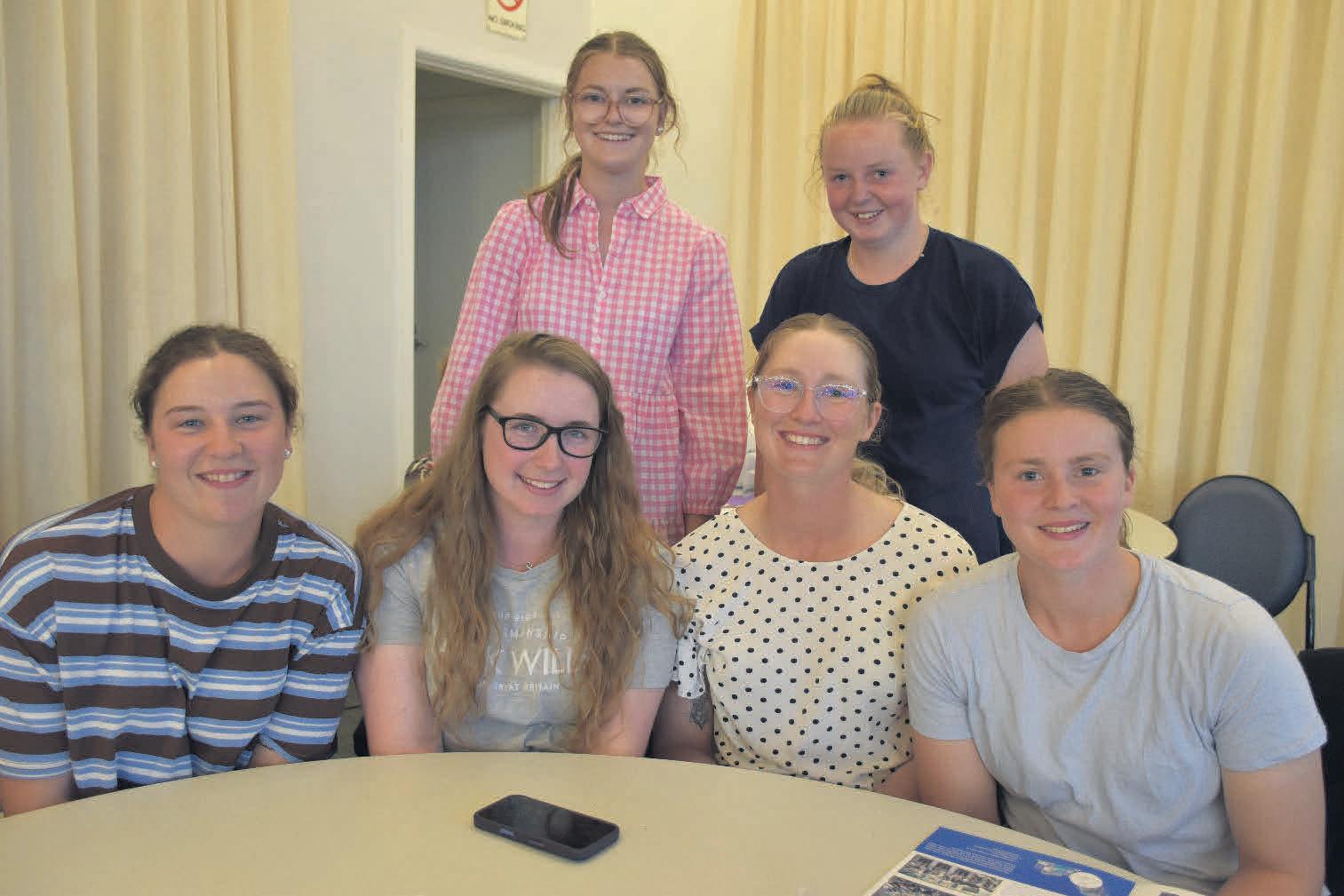
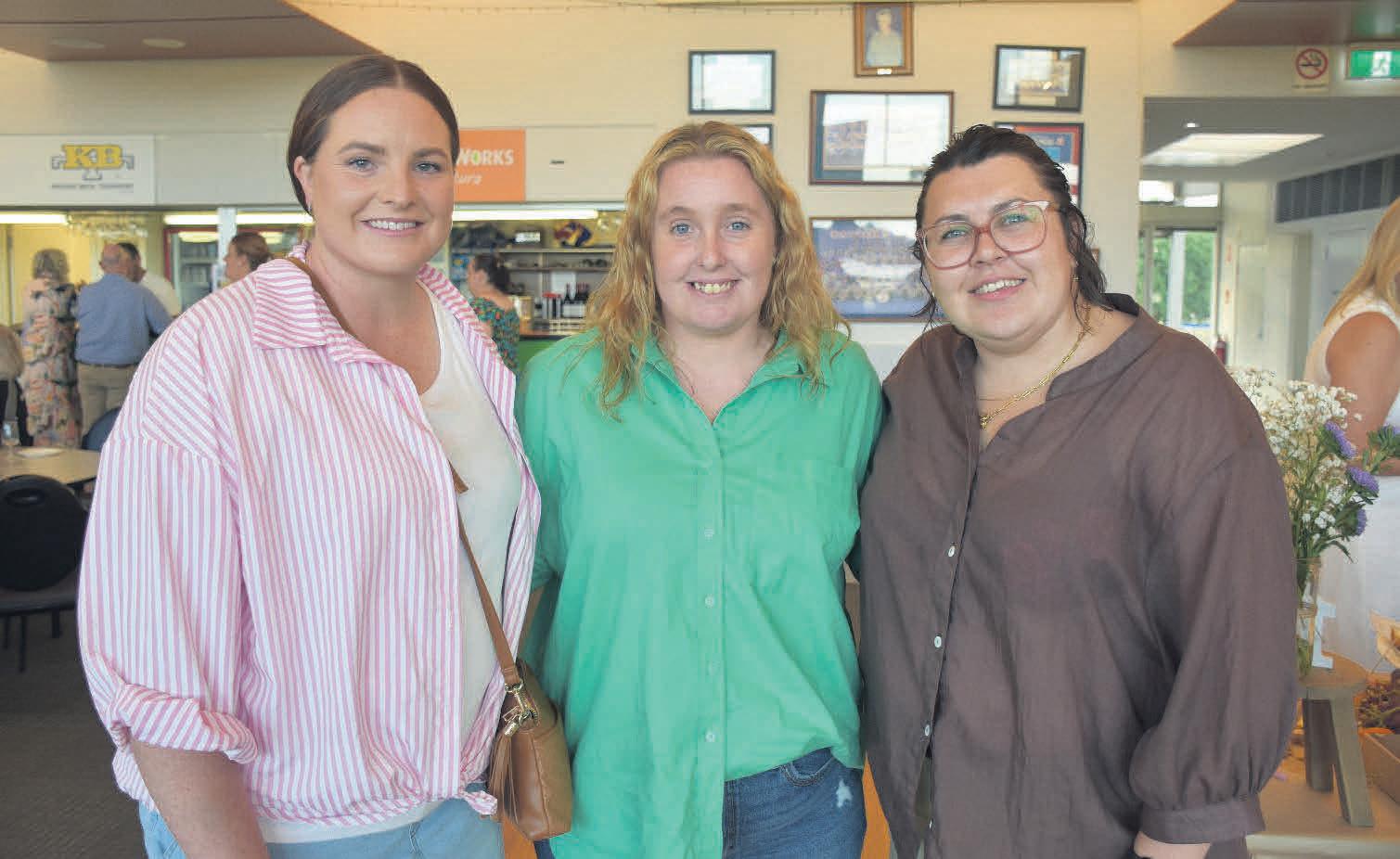
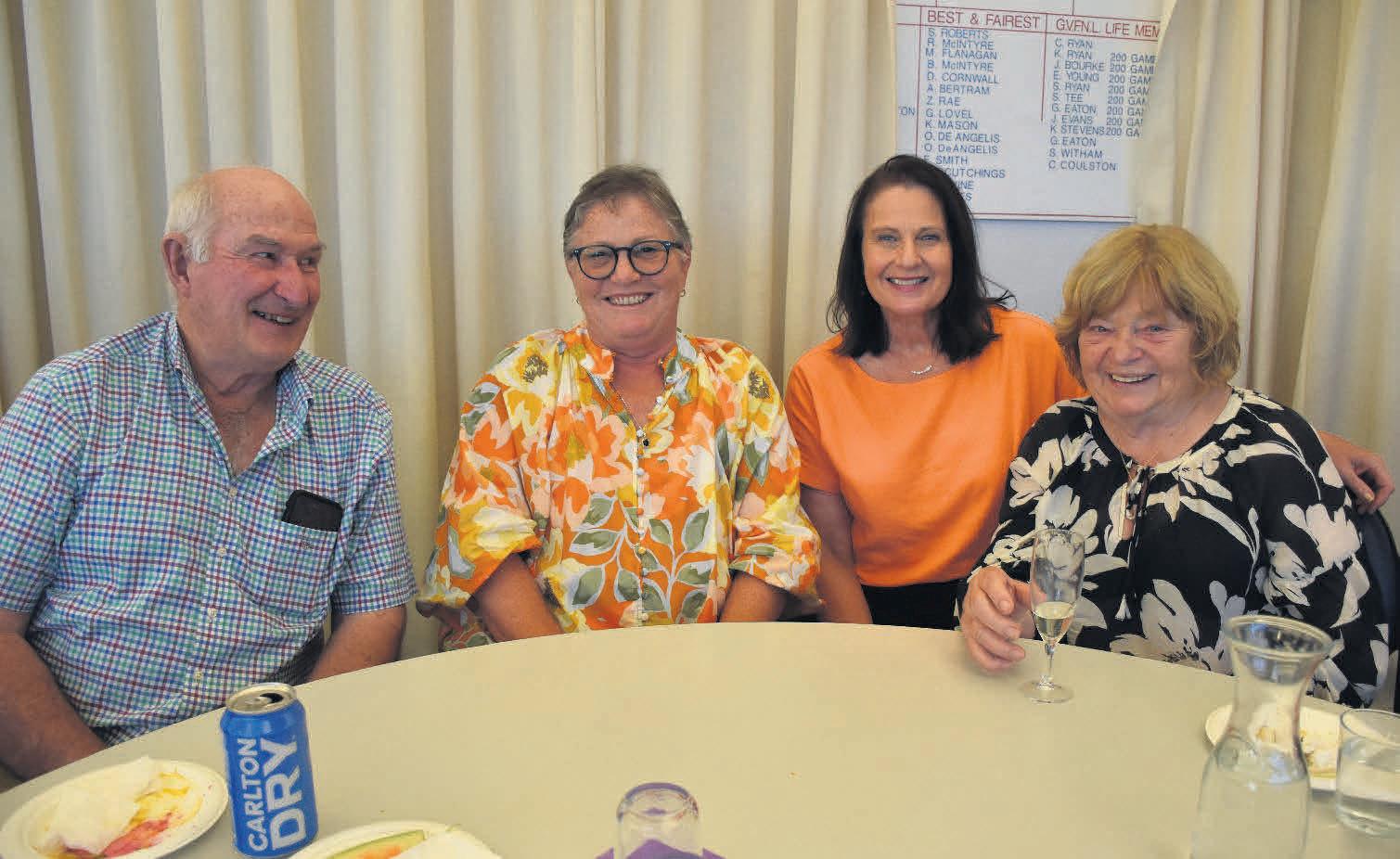
THE POWER of Women in Dairying recently celebrated its tenth year at International Dairy Week with a special event attracting more than 100 people.
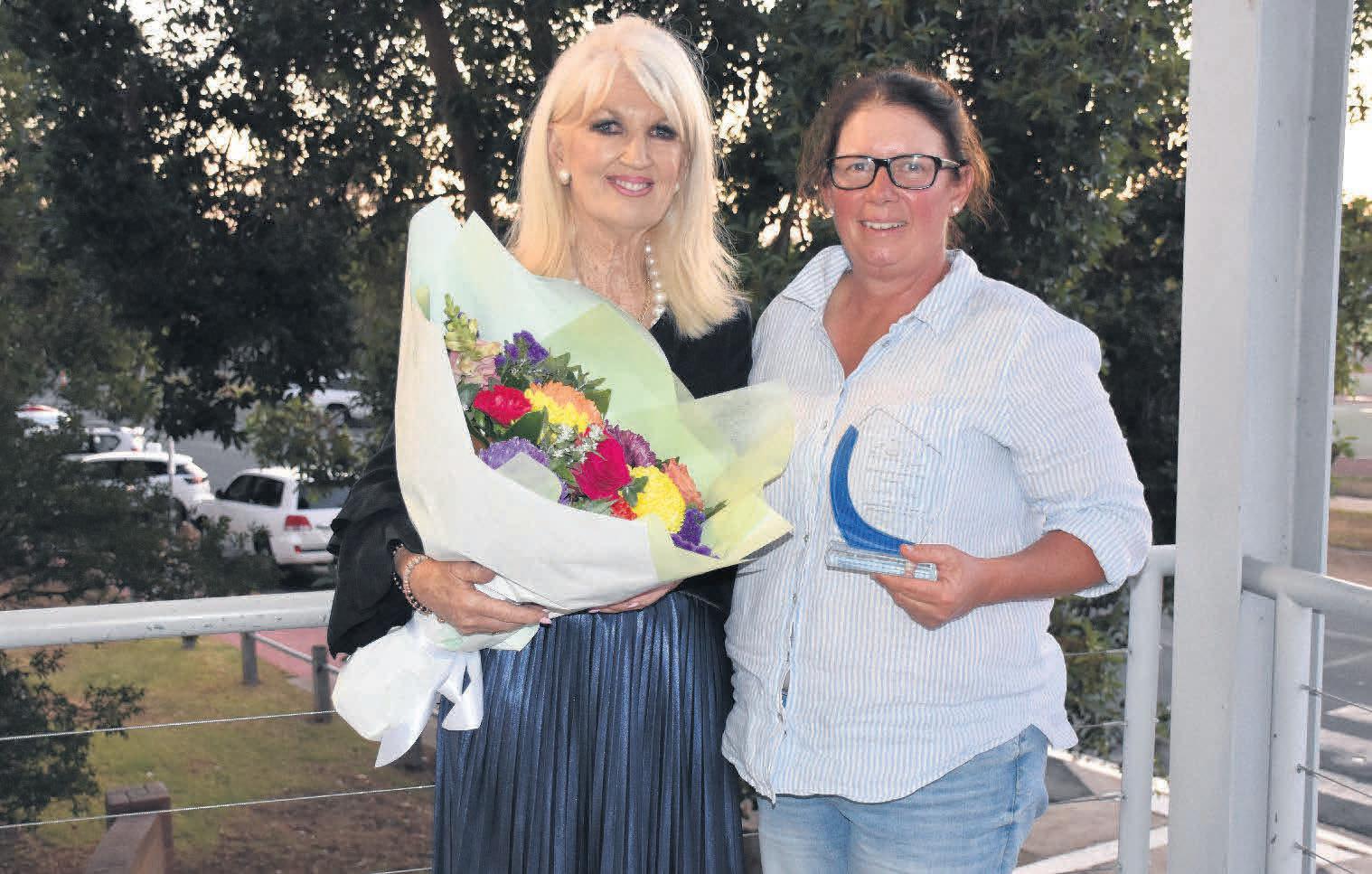
The night included the annual crowning of the 2026 Bette Hall Award which honoured Janette ‘Nettie’ Falls from Finley, recognising her outstanding contribution to the dairy industry over
many decades
Janette said she was honoured to receive the award and her cows and family meant everything to her.
“I have had some hard times over the years and the dairy industry has always helped me get through.
“There was a time when I didn’t have five cents to my name, but I had my kids and my cows and I backed myself.
“Cows are my comfort, and even though I am 70,
I am still not ready to give them up,” Janette said.
Guest speakers included POW World Dairy Expo scholarship winner Bridget Liebelt who spoke about her trip, and United States dairy farmers Sharon Abbot and Julie Duckket — both women have been amazing contributors to the worldwide dairy industry.
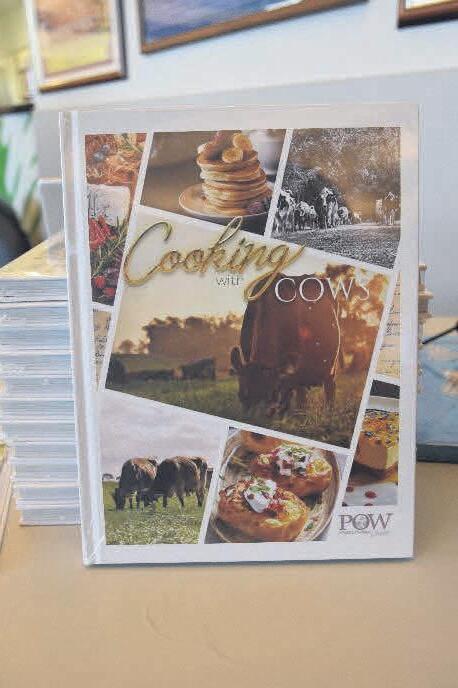
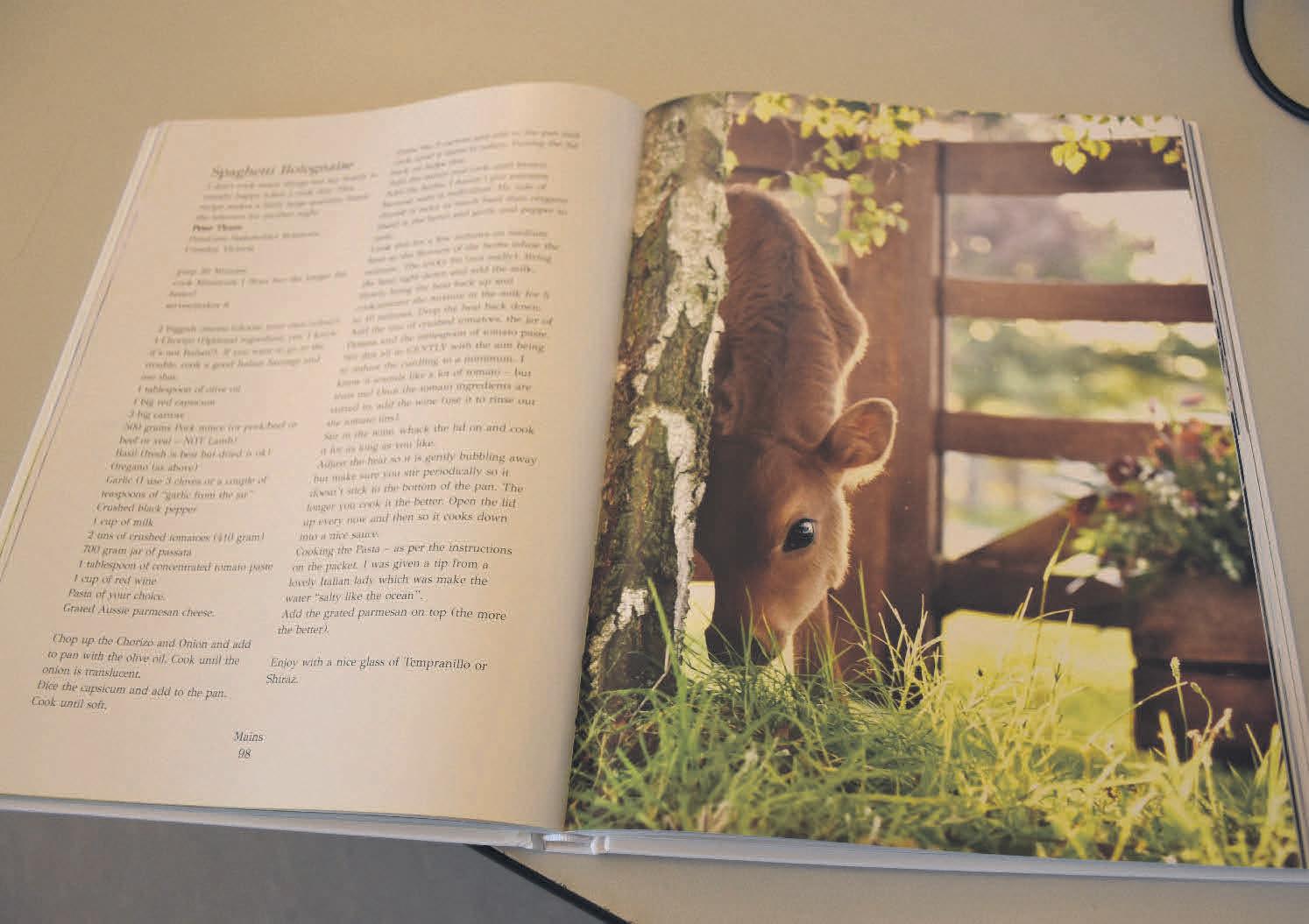
The night also included the launch of the POW Cooking with Cows cookbook.
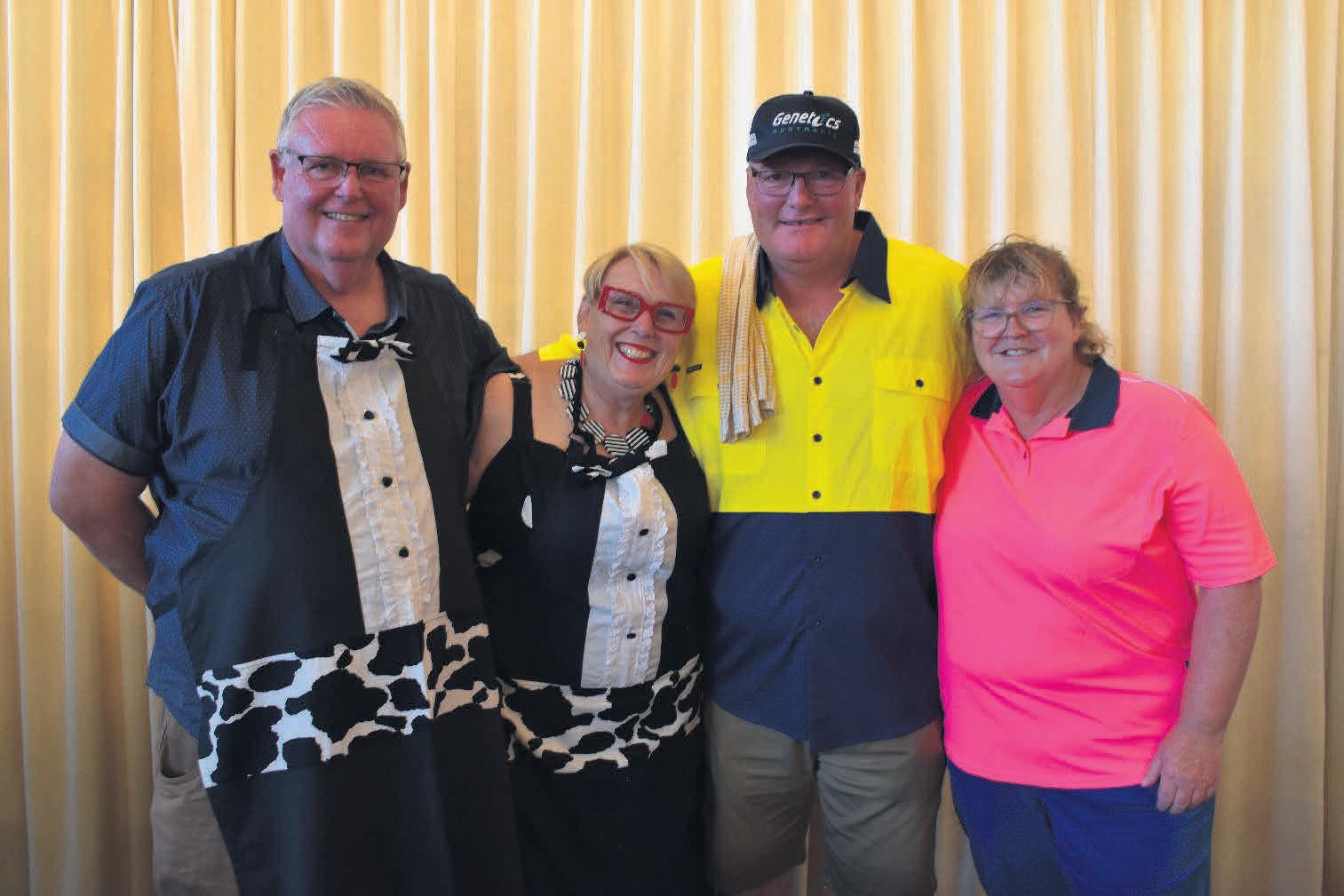
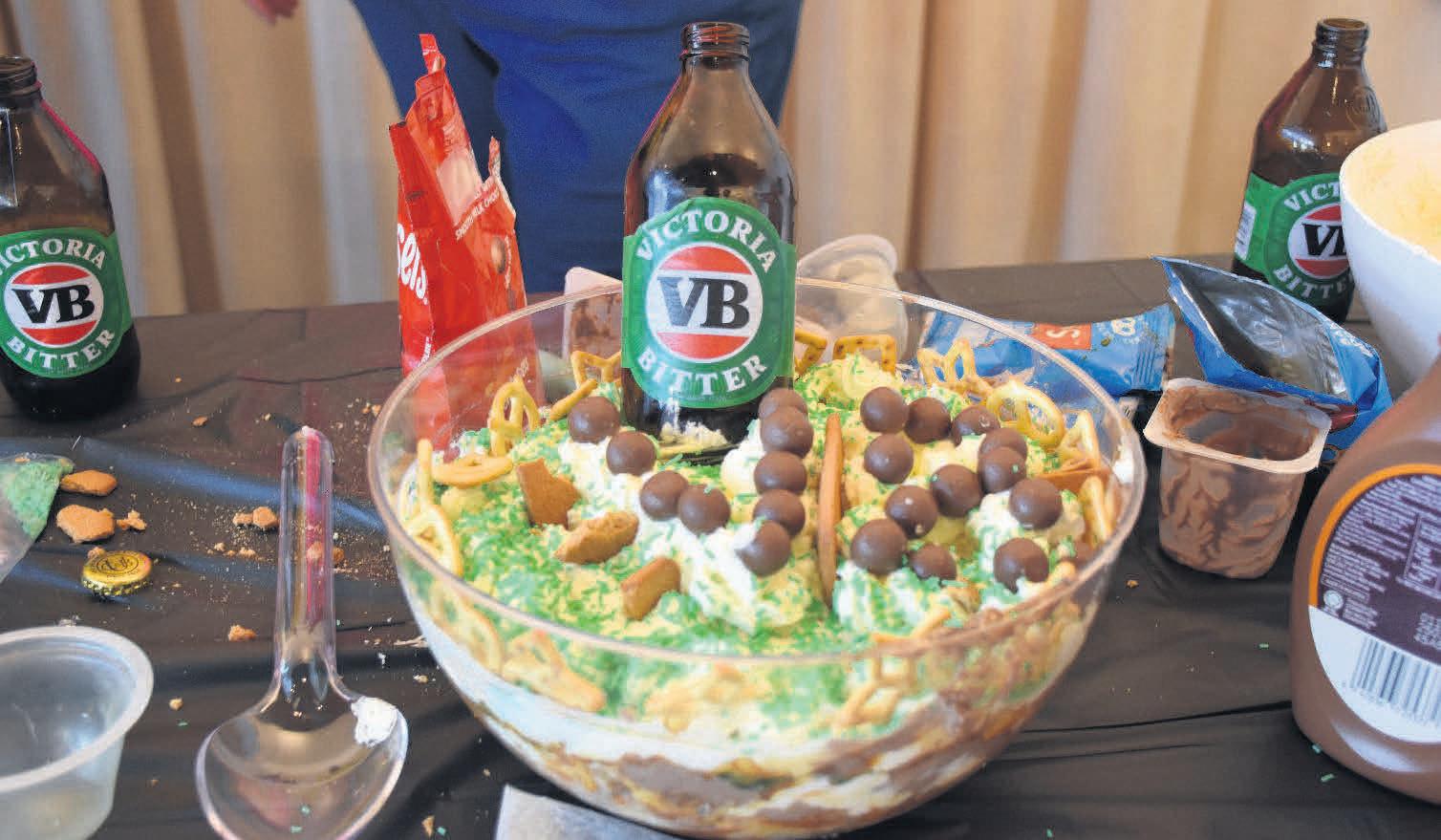
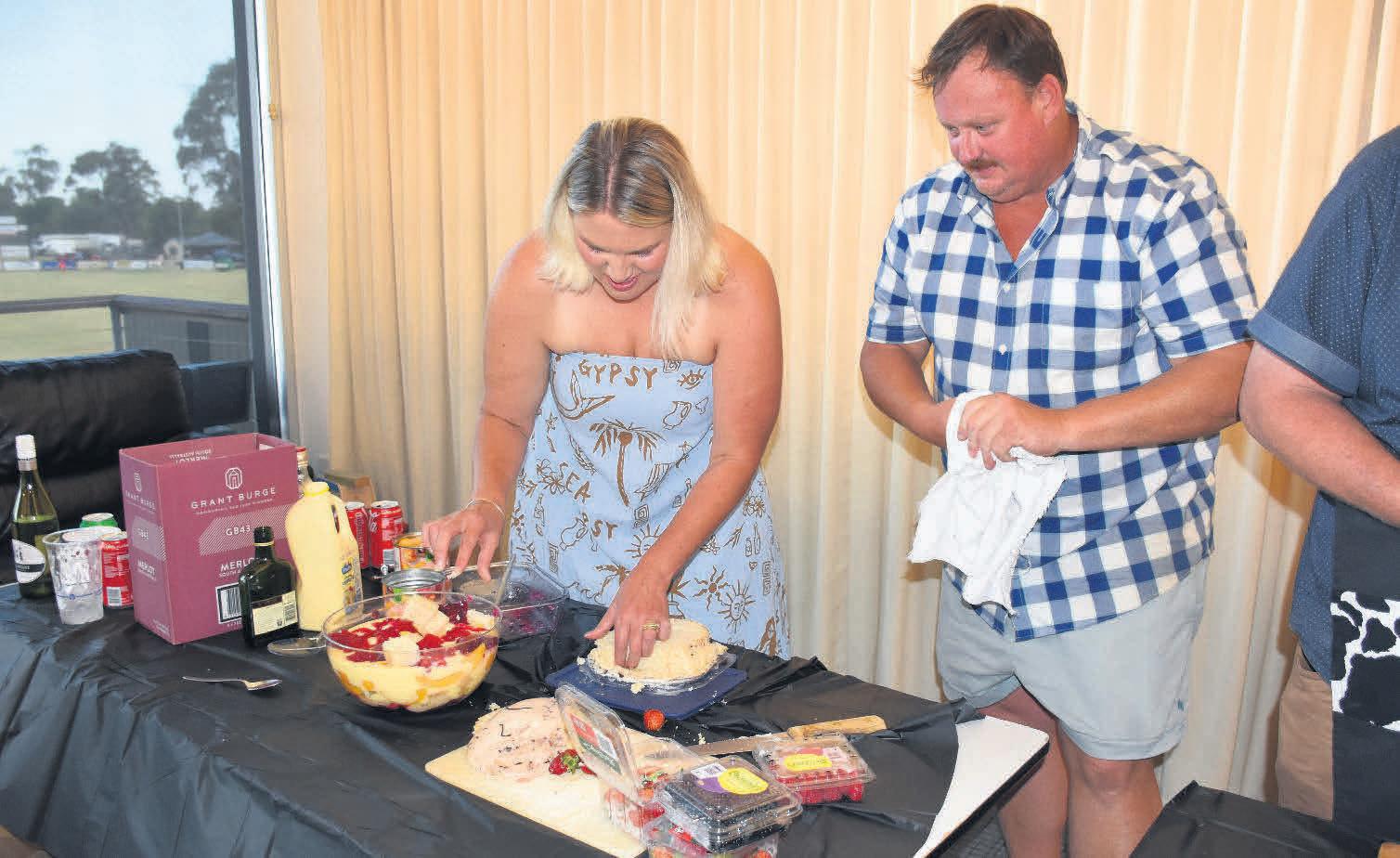
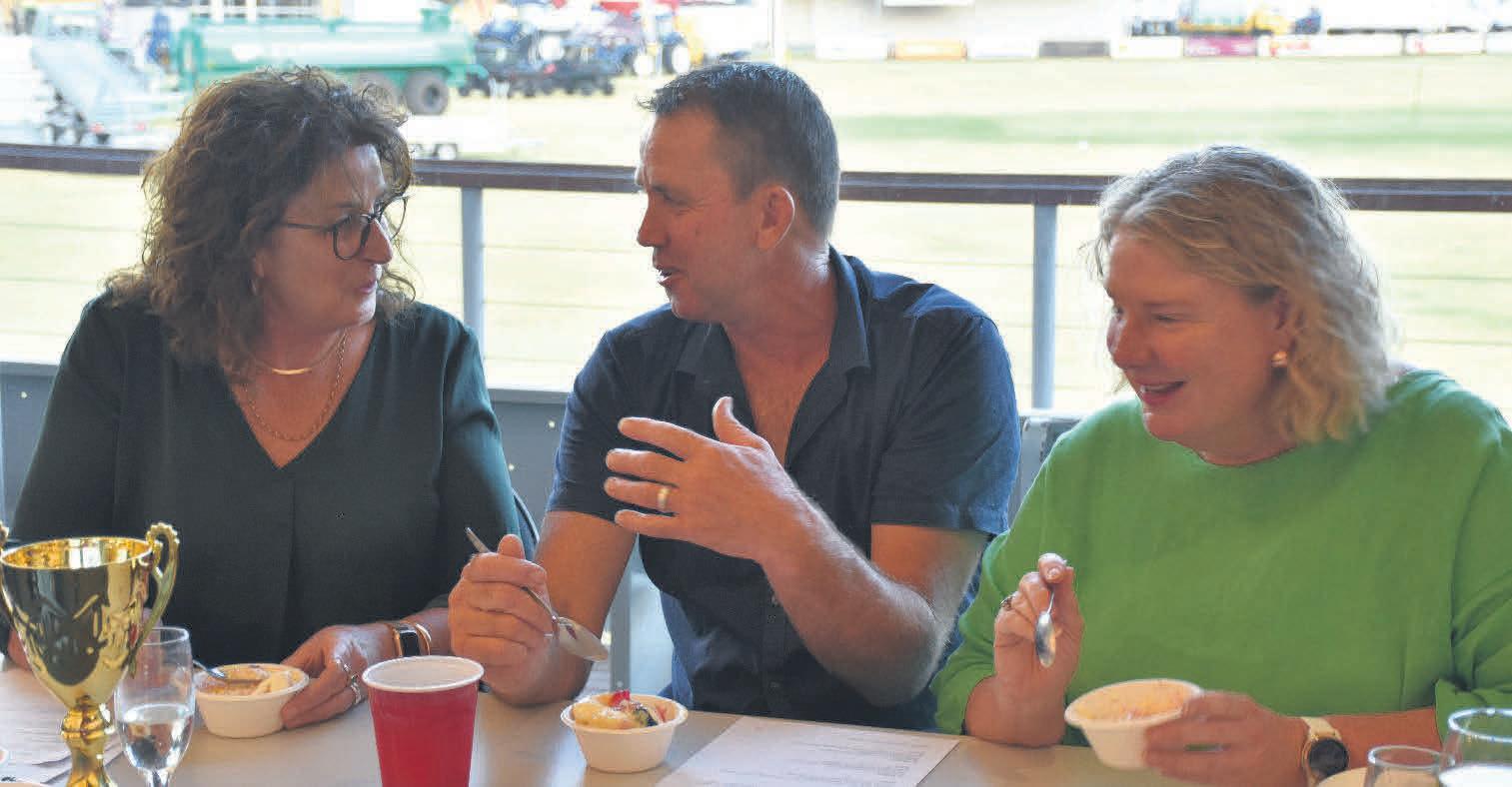
Entertainment was provided by a special trifle cook-off of three teams and a judging panel.
Teams included Mandy Pacitti and Peter Thurn, Anthony Shelly and Jo Dickson and Brook Boyd and Ben Govett.
The judging panel was Fleur Ferguson, Pat Nicholson and Robyn Barber, who deemed Brook and Ben the winners, with their take on a traditional trifle.
Founding organiser Jade Sieben said POW was an idea she thought up while washing out the dairy yard — a time she says when all her best ideas come forward.
“At the time, I didn’t really realise what it would grow into and the movement it would create.
“It really just started out as an idea to honour some of the amazing contributions of some
to send someone to World Dairy Expo.
To date, four women have benefitted from the scholarship.
Like all good things, Jade said the idea would have never floated if it wasn’t for the help of some other amazing women including Di Malcolm, who at the time was running CrazyCow and Robyn Barber.
“Di knew if this was ever to get off the ground we needed the boss of Dairy Week on our side, so we teed up Robyn Barber and POW in dairy was born.”
POW has connected and supported women right across the wider dairy industry including passionate breeders and cow people in general.
She said it had been amazing to have been able to send four women overseas, and with the launch of the cookbook, she was hoping there will be a few more.
stories and photos celebrating Lex Bunn and Bette Hall award winners, along with many of the characters of the industry, some of which are no longer here with us today.”
The book was generously supported by a range of sponsors and capably put together by Kerrie Anderson and Fiona Hanks.
Jade said Janette joined nine other Bette Hall recipients including Lyn Boyd, Jenny Strrong, Pam Malcolm, Lisa Broad, Trish McGraw, Leanne Dobson, Mandy Pacitti, Winsome Anderson and Fiona Hanks.
“We would also like to acknowledge the passing of Trish McGraw who was a passionate woman who did such a wonderful job supporting and promoting the Ayrshire breed and the youth of the industry.”
of the women in our Australian Dairy Industry,” Jade said.
She said POW started to raise a bit of money which enabled the establishment of a scholarship
“The cookbook started out as a fundraising idea I thought would just be on A4 paper and spiral bound.
“IT soon morphed into a beautiful book of
ɋ To purchase a copy of the Cooking with Cows cookbook, visit www.trybooking.com/ events/landing/1503343.
ɋ All proceeds from the cookbook directly contribute to POW in Dairying World Dairy Expo scholarship.
BY SOPHIE BALDWIN
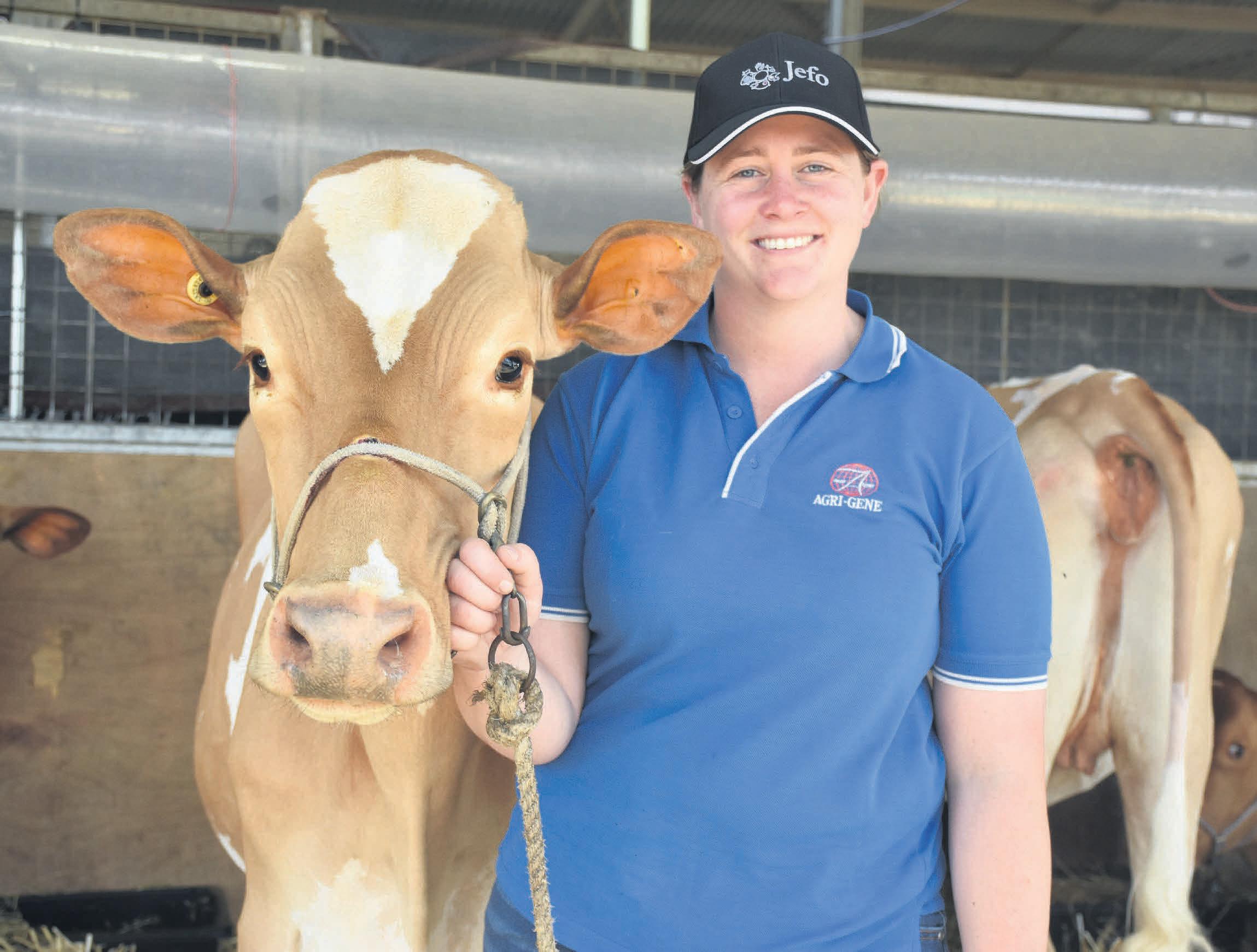
THE 18TH World Guernsey Conference is coming to Australia starting February 26 and finishing up March 22.
World Guernsey Cattle Federation president Amy Cleggett said the conference was held every three years and the last time it hit our shores was in 2007.
She said the conference would be an opportunity for breeders to showcase their animals on farm, along with the wider Australian agricultural industry, but it wasn’t all just about cows.
The conference will also highlight some of the many iconic tourist highlights across Victoria, South Australia, Tasmania, NSW and Queensland.
The World Guernsey Conference will be held in Devonport, Tasmania, on March 10 and 11, and will be a global gathering of breeders, farmers, industry leaders and enthusiasts, all united by a shared passion for the Guernsey cow.
“The conference will foster international collaborations, connect communities and cultivate the future by showcasing the best of our breed.
“It also allows for a celebration of what we have achieved here in Australia and will act as catalyst for continued growth,” Amy said.
The theme of the conference is ‘Leading the way’, and over two days speakers and sessions will cover a variety of topics important to the breed and wider dairy industry.
Highlights include an overview of the Australian dairy industry and Guernsey breed, a progress report on genomics and the development of a global Guernsey genomic database, moving forward in a climate-focused economy and fertility.
There will also be a chance to engage with sponsors and their trade stalls during breaks.
The Guernsey Federation includes delegates from across the member associations, which include the United Kingdom, Guernsey Island, Canada, USA, New Zealand, Australia, South Africa, Italy and Kenya.
Amy said genetically there was a global Guernsey population and it was important people continued to collaborate globally.
She said here in Australia, Guernseys were known for producing the world’s finest milk.
“They are a very docile breed with a great temperament and if you grew up around Guernseys, it is very hard to move away from the breed because there is just so many positives about them,” Amy said.
She said they produced delicious drinking milk and provided the perfect foundation for niche products, including butter and ice cream, due to their high milk solid content.
“Guernseys are feed efficient, adaptable and tolerate heat really well,” Amy said.
“Naturally they have the highest percentage of the A2A2 gene at around 90 per cent.”
The Gue rnsey breed was first imported to Australia in 1898 by a dairy expert in the NSW Department of Agriculture.
The initial import included three bulls and six cows, with an emphasis on utilising the bulls in commercial herds to upgrade to Guernsey. Further imports followed in the early 1900s to establish the breed in Australia.
With interest growing, breeders held a conference in 1911 in Sydney and the Guernsey
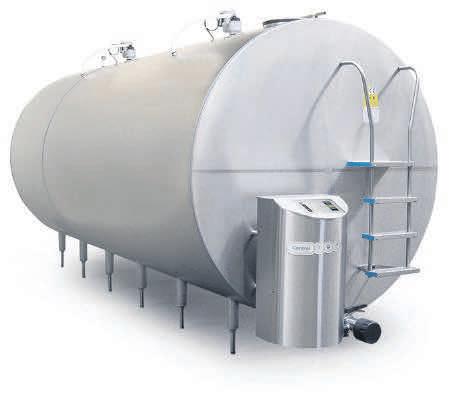
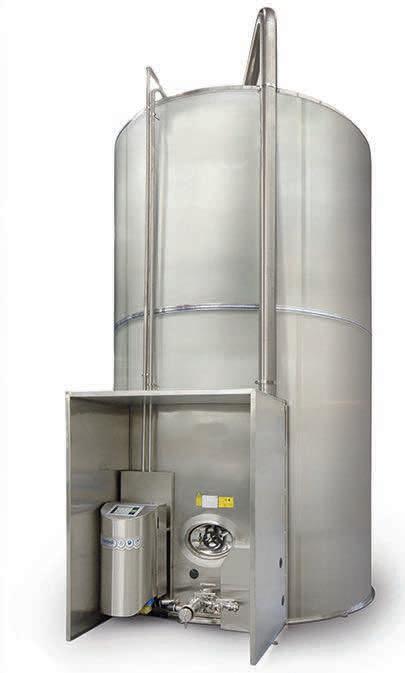
Pac Cool Dealer - Australia
Cattle Society of Australia was formed.
In 1912, with numbers expanding, the society decided the time had come to create an Australian Guernsey Herd Book. Admission into the herd book required animals to have been registered in a recognised herd book prior to being imported into Australia or be the progeny of these animals.
The first Australian Guernsey Herd Book was then published in 1914.
Since then both the Guernsey cow and the Australian Guernsey Society have undergone steady progress.
Today there are approximately 90 members across six states and the society itself has expanded into NSW, Queensland, Victoria, Tasmania and a combined SA/WA branch. There has also been the development of sub
Packo & Pac Cool Spare Parts PACKO has a new

- A milk vat to suit all herd sizes, pick up schedules & entry temperatures
- Cooling & wash controls - user friendly, simple & effective
- Glycol chiller cooling & traditional direct expansion cooling systems
- New & secondhand sales, spare parts & wash system upgrades for all makes
Call Dairy-Tech Refrigeration today for a no hassle quotation
PHONE: 03 5662 3277
EMAIL: pgoiris@dairytechrefrig.com.au
WEB: www.dairytechrefrig.com.au Refrigerant Trading Licence - AU34439
branches and district clubs in some states.
The first showing of Guernsey cattle was recorded in 1906 at the Sydney Royal Show.
The Bull class was won by Flaxly’s Prince, exhibited by Mr Sylvester Brown. Prince was sired by Rose Price 54 out of Flaxy 52, who were both part of the original import to Australia.
The cow class was won by a cow called Creamer, exhibited by Mr George Ray of the Picton Stud.
Championship classes were not introduced in Australia until 1910, and today the Guernsey breed is exhibited extensively at calf days, country and royal shows all across the country and at International Dairy Week. ɋ For more information on the breed and the conference, visit guernseyaus.com





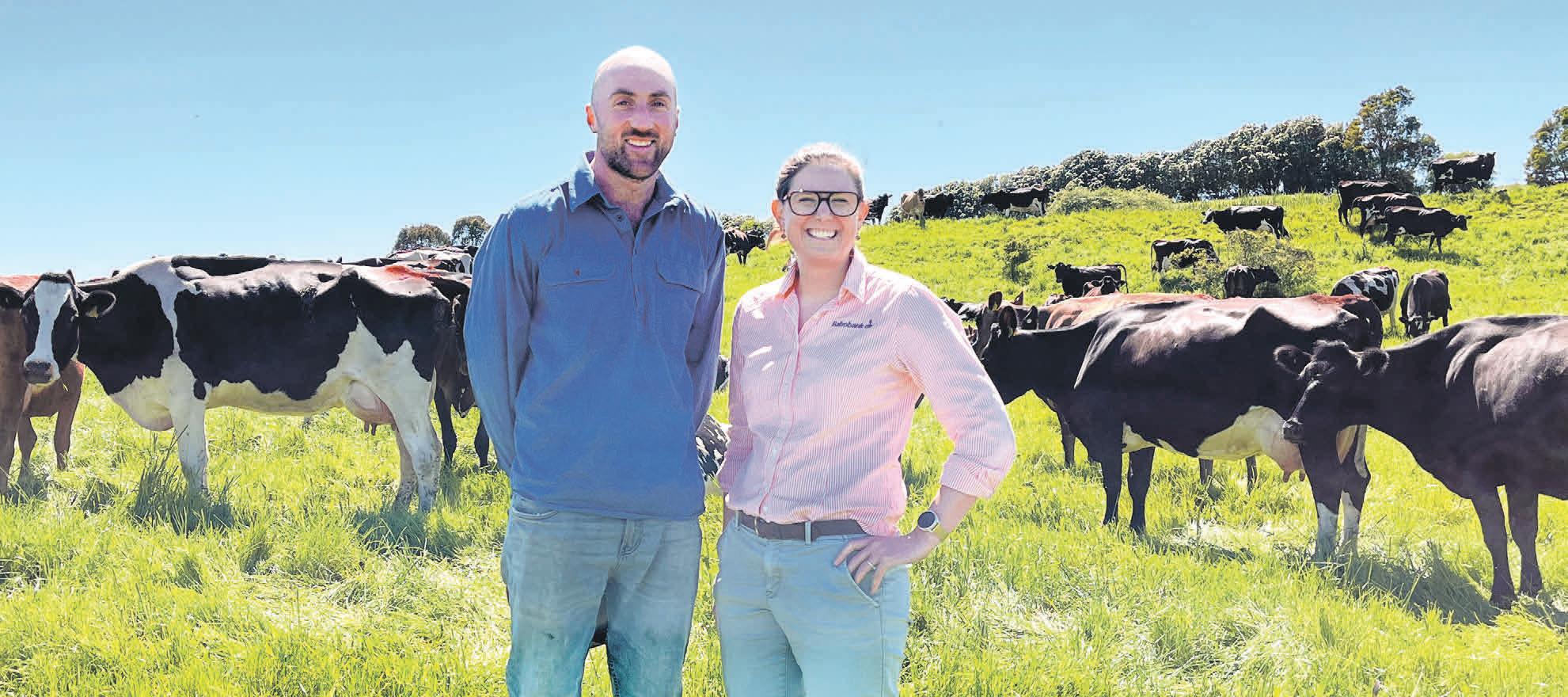

Tasmania’s Mark Griffin is forging a new narrative for the Australian dairy industry, and it’s a story of optimism, prosperity and quality dairy products that consumers can be proud of. There’s not a decision made on the family’s Moltema property, or across its 975-strong herd, that isn’t highly considered, and there’s an inspiring thoughtfulness to this 33-year-old that underpins the operation’s award-winning success.
Spearheading a modern dairy operation
Well recognised for its milk quality – the Griffins’ dairy, Mount Patrick Estate – has been named in the top 100 dairy farms across Australia in eight of the past ten years for milk quality, and received the Milk Quality Award in the Cadbury Farmer of the Year Awards in 2023.
It’s national recognition that reflects years of refining practices, management, and genetics for a first-class operation.
“We continually asked ourselves, how can we go to the next level, reduce mastitis cases, and drive business profitability? How can we do the best job we possibly can inside the dairy?”
Mark, a Marcus Oldham alumni, credits herd testing as a significant contributor to their business success.
“We herd test once a month, collecting data on individual cow’s milk so each cow has ten data points over the course of a calendar year – it has had a huge impact on identifying problem cows within the herd.”
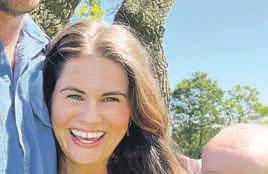

“The KPIs we test for allow us to benchmark internally, and amongst our peers, and affords us valuable data on each cow’s milk production – from long term milk yield per cow, to milk fat yield, protein yield, to somatic cell count – which helps genetic selection pressure within the herd.”
“Our cows are our greatest asset, 92 per cent of our income is comprised from our milk, hence the reason we performance record all our cows – it’s critical we make the correct decisions when retaining or exiting cows from the herd, and when this is compounded year-on-year it makes a great impact.”
Glass always half full
Further demonstrating the family’s highly considered quest for growth and opportunity, six years ago the Griffins approached Cadbury to supply milk for its beloved chocolate offering.
“Primarily, we are milk harvesters, and there’s a level of pride, but also accountability, that comes with supplying a brand such as Cadbury.”
Together with wife Emma, and baby daughter, Billie, Mark is genuinely excited for the future of the dairy industry, although acknowledges the challenges farm businesses face.
“We have to be the example, and remove the barriers that may potentially stop the next generation from entering the industry.”
“In agriculture we need to strike the balance between work and lifestyle to attract and retain people in the industry, and while there are so many positives of working in dairy, I’m acutely aware that as leaders we have to walk the talk.”
Rabobank supports a strong vision
“It’s so important that we know what’s going on globally and locally, and what levers are being pulled that will determine the price we receive at the farm gate.”
“We strongly value the relationship we enjoy with Rabobank, and we think our manager, Helene Gunn’s greatest point of difference is how personable she is, and the understanding she has around the fundamentals that drive our business.”
“She knows our business, and her ability to understand our past, present, and future – what our aspirations may be and how we can achieve them – is a true asset, and a point of difference we value at Rabobank.”
“Helene’s capacity to help us capture opportunity as it arises is a great strength – whether that’s land acquisition, new trading entities, debt-to-ratio entities, or loan arrangement and timings.”
Conference connects and strengthens
A vocal advocate of industry collaboration and connection, Mark believes the greatest benefit of the Australian Dairy Conference is the gathering of like-minded farmers who are aspirational, and inspirational.
“You can’t help but walk away from the conference, and its associated farm tours, with a renewed pride in the industry – as well as newfound knowledge and growth.”
The Australian Dairy Conference will be held at the Melbourne Convention and Exhibition Centre on February 11 to 13, with a program dedicated to delving deep into what truly drives success in modern dairy businesses.



From RaboResearch reports and dairy events with analyst Mick Harvey, Mark always makes time to engage in these opportunities, and recognises the importance of staying up-to-date.
BY SOPHIE BALDWIN
TO SAY Crookslea Ruby 2 is a one-in-a-million cow is probably an understatement.
The six-year-old 2026 International Dairy Week Grand Champion Guernsey owned by Neville and Simon Wilkie is lucky to be alive, and even luckier to have made a triumphant return to the show ring. In December 2024, as she was getting ready for IDW 2025, she suffered a catastrophic injury, and broke her topline.
Neville said she only had a 10 per cent chance of making it, but it was a chance he was ready and willing to take.
“We were always going to take that chance and lucky for us, Ruby has a lot of mongrel in her and a strong will to live,” Neville said.
Neville said when the accident happened he called in the vet and a top horse physio who both gave Ruby the terrible prognosis.
“We loaded her up in the trailer to bring her home (which took four hours), and we faced her toward the gate, thinking that when we got her home she would have to be lifted off with the tractor, but to our surprise, she managed to struggle up and walk off,” Neville said.
What followed was months and months of hard work and physio to rehabilitate Ruby.
“Lucky I am retired and only have a few cows to work with, so we could devote as much time to Ruby as she needed.”
Neville said rather than put Ruby in a shed where they were worried she could injure herself further, they put her out in a paddock with plenty of shade, sponging her down when it was hot to keep her cool.
It took seven months for Ruby to be able to walk and for 13 months she was milked once a day. Neville would walk her every day, sometimes four times a day, in short bursts, which included walking her backwards to get her muscles going.
“It might be old-fashioned thinking to walk her backwards, but it worked,” Neville said.
He was expecting to have to lift Ruby up, but she did the opposite, she put her weight on her crook leg and would struggle up herself.
It wasn’t until six to eight months after the accident that Neville finally thought she was going to be okay.
He never expected her to pick up and make it to IDW, let alone win, specially since she had her last calf in 2024 and was milked once a day for 13 months.
“Her surviving, making it to IDW and winning champion cow goes against all the rules and is credit to her will to live.
“I have seen other cows with a similar injury before, and they have given up and are stuffed,” Neville said.
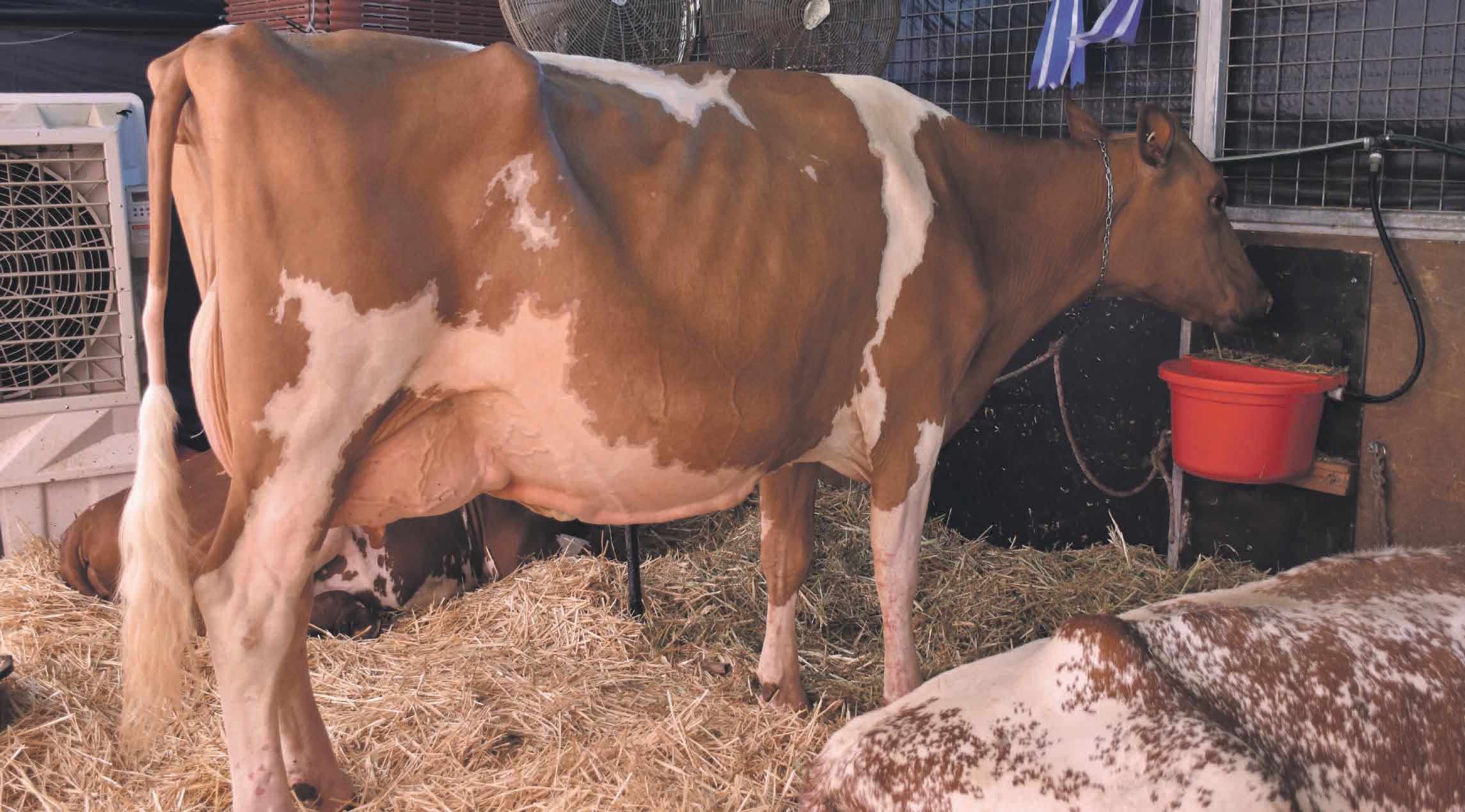
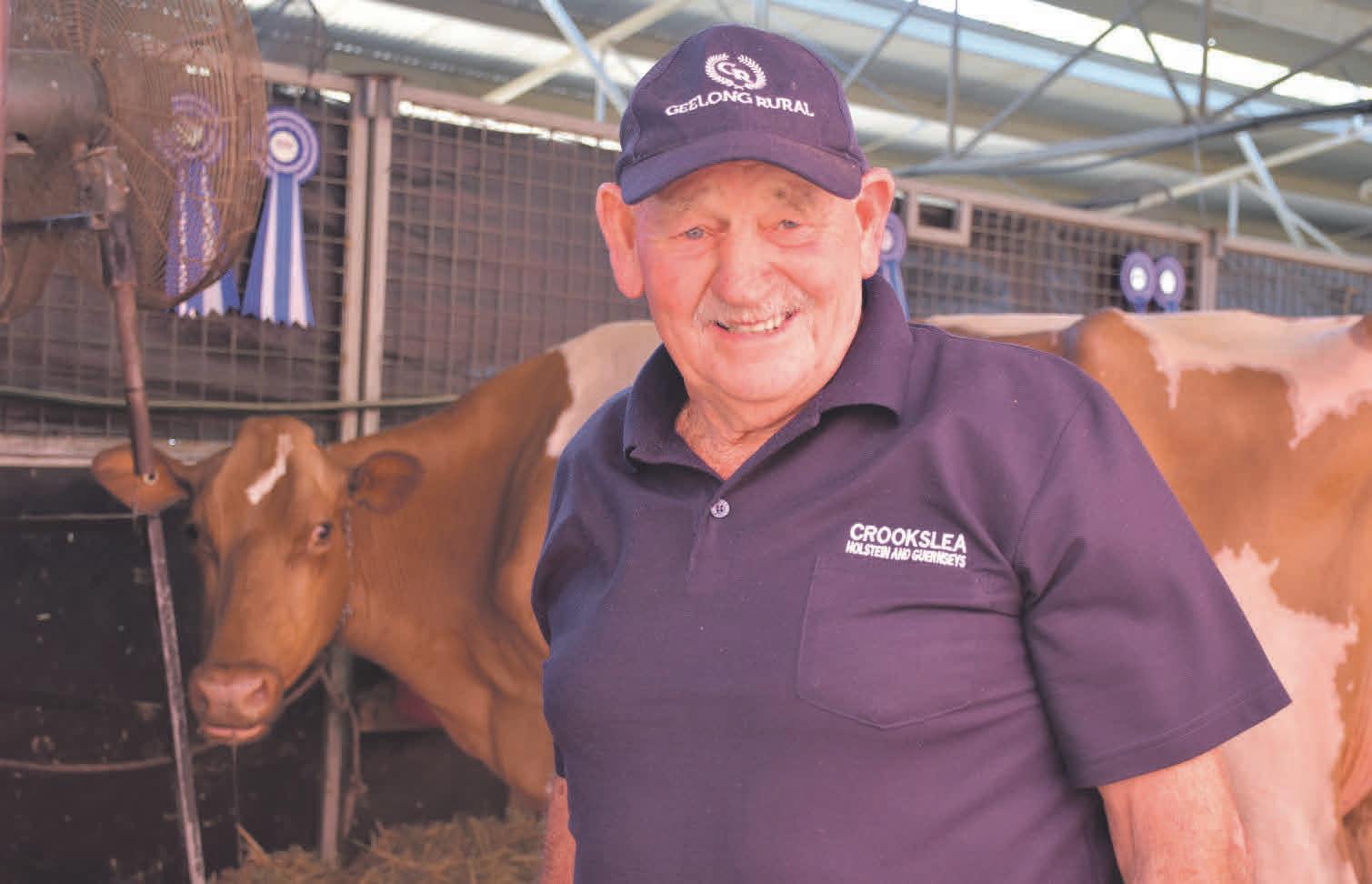
“Ruby is definitely different and a one-in-a-million. She is likely to give a kick or rush you if she is unsure or unfamiliar, but she is tough and loves her food.
“She has a big muzzle and will eat all day.” Neville said showing a good cow was not just
about presentation, it was about knowing what goes on inside as well.
He attributes Ruby’s success to Darby Norriss who has been instrumental in getting her feed ration right, along with the team of fitters and handlers.
“It really has been a team effort to get Ruby here, I can’t take all the credit.”
Ruby is no stranger to winning, she was champion cow in 2024.
Ruby’s win this year is the seventh win for Neville and his fifth in a row having taken out the top Guernsey gong in the late 1990s and consecutively since 2022.
At 80 years young, Neville has a long history in the dairy industry, having started farming in Stanhope in northern Victoria and moving to Bacchus Marsh 18 years ago.
“We originally started with Holsteins, and in the 1960s, my father, brother and I bought some Guernseys into the herd.
“At the time, we had a fresh milk contract for Melbourne, but we had a low butterfat test — we bought the Guernseys into beef up the test.”
Neville said Ruby traced back to some of the families early Guernsey lines.
“Ruby is super dairy and as good a cow as you will ever see. She has great dairy quality and a marvellous udder, and she has never been beaten in the dairy ring.”
Neville might only milk three cows in his retirement, but over the next month, he is expecting nine embryos from Ruby to hit the ground.
And there are plans afoot for another flush when she gets home from IDW.
He is not sure if she will be able to hold a



pregnancy so they are putting in the work to ensure her line continues in the future.
Other breeders have expressed an interest in the soon-to-be-born calves.
Ruby is currently the highest classified living
Guernsey in Australia at Excellent 93. Neville said over the years he had shown big teams and little teams — this year just 1.5 cows (he is in a share with another) and has had plenty of success, but Ruby’s 2026 win trumps them all.
“I got a bigger kick out of her winning, as it was such a long and drawn out effort, and I really didn’t think she would make it here.”
Neville also added his grandson led intermediate champion Rockmar Tango Delightful
and great-granddaughter led junior champion Rockmar Daicos Jackie.
“They are all similar styled cows, and it is so great to have that success as a family,” Neville said.
GET IT RIGHT, RIGHT FROM THE START.

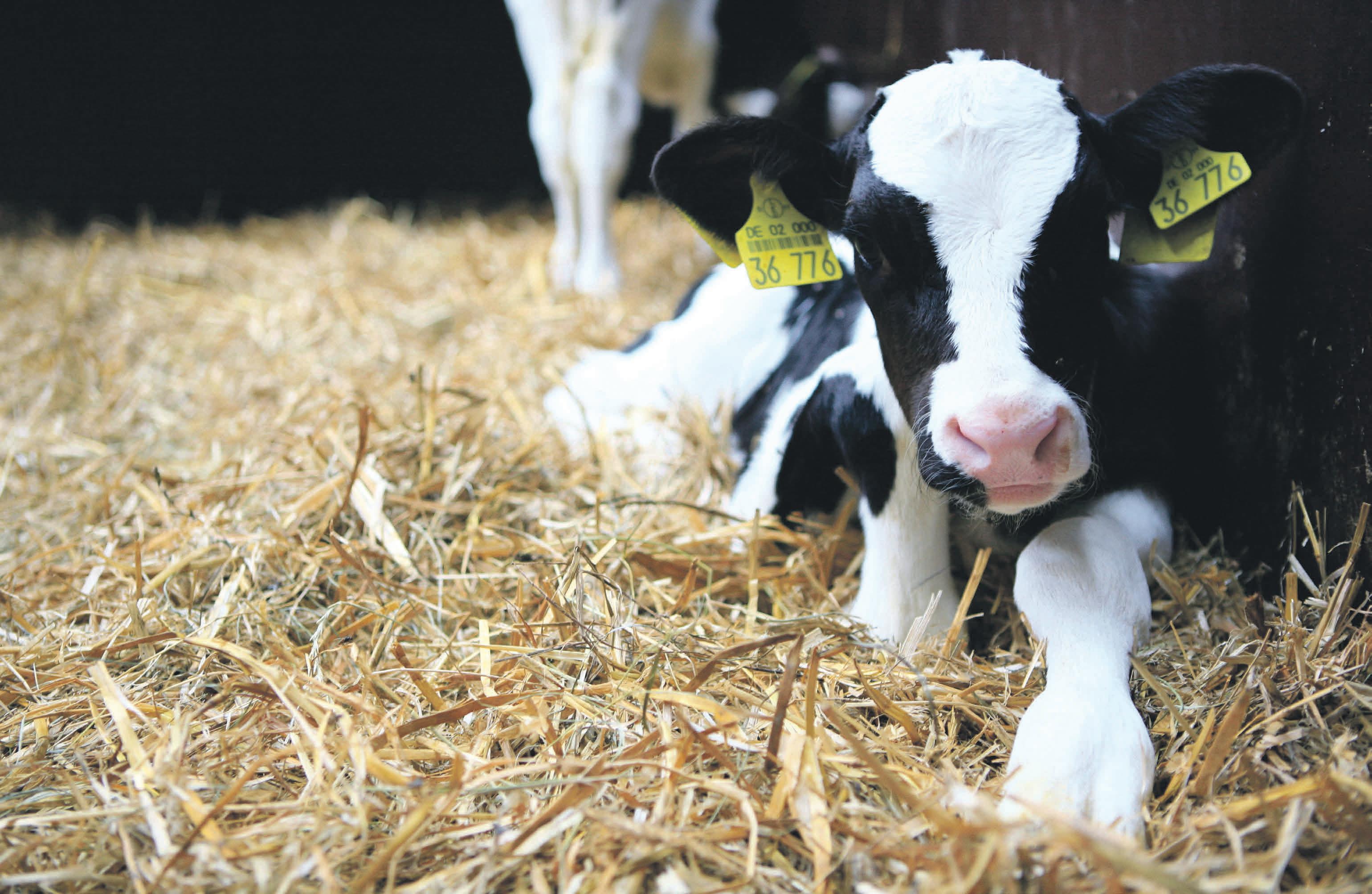
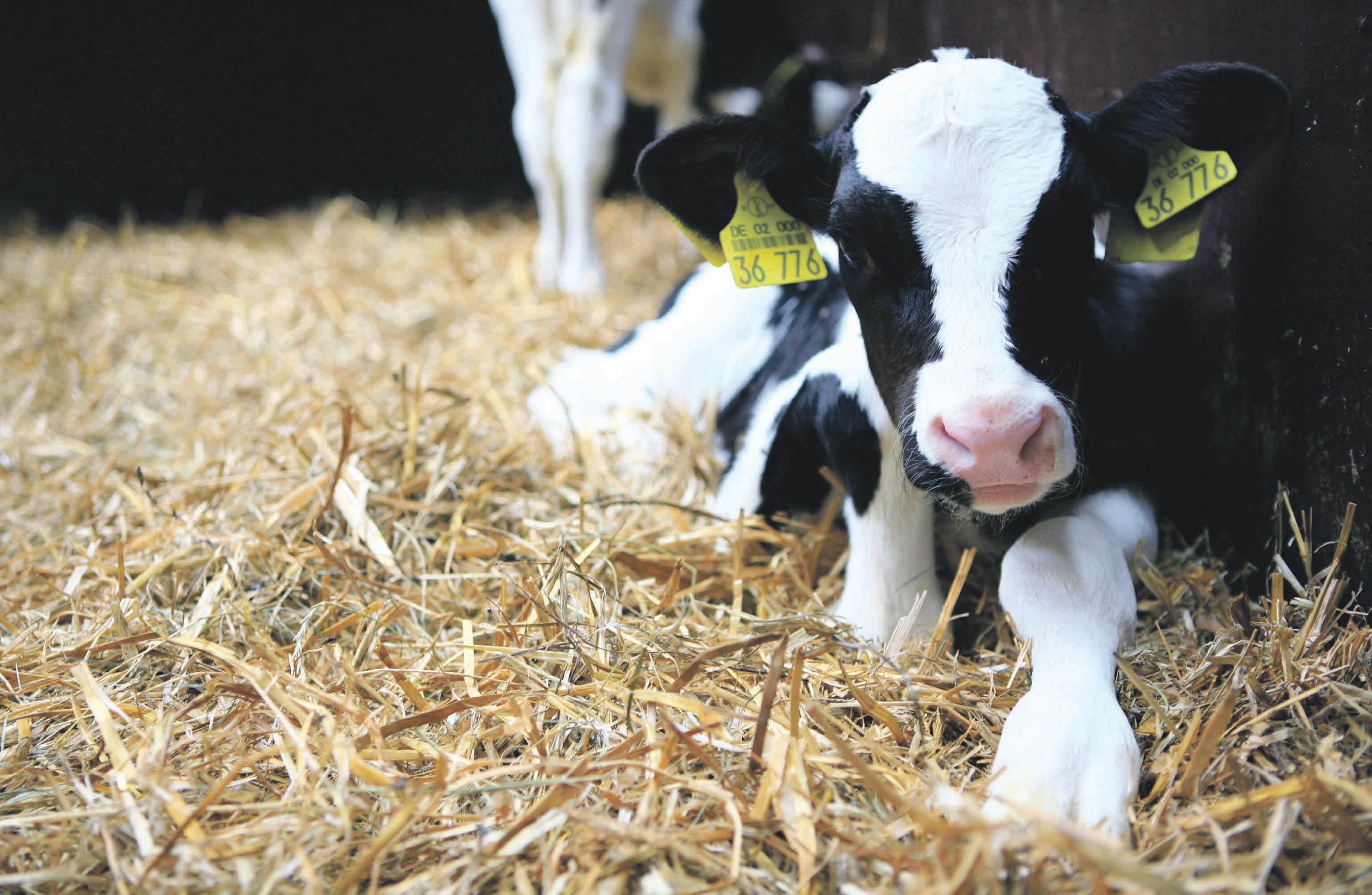
The first 3 months are so important to your calves’ future the herd, so don’t compromise, in use Veanavite No1 Calf Pellets.




BY SOPHIE BALDWIN
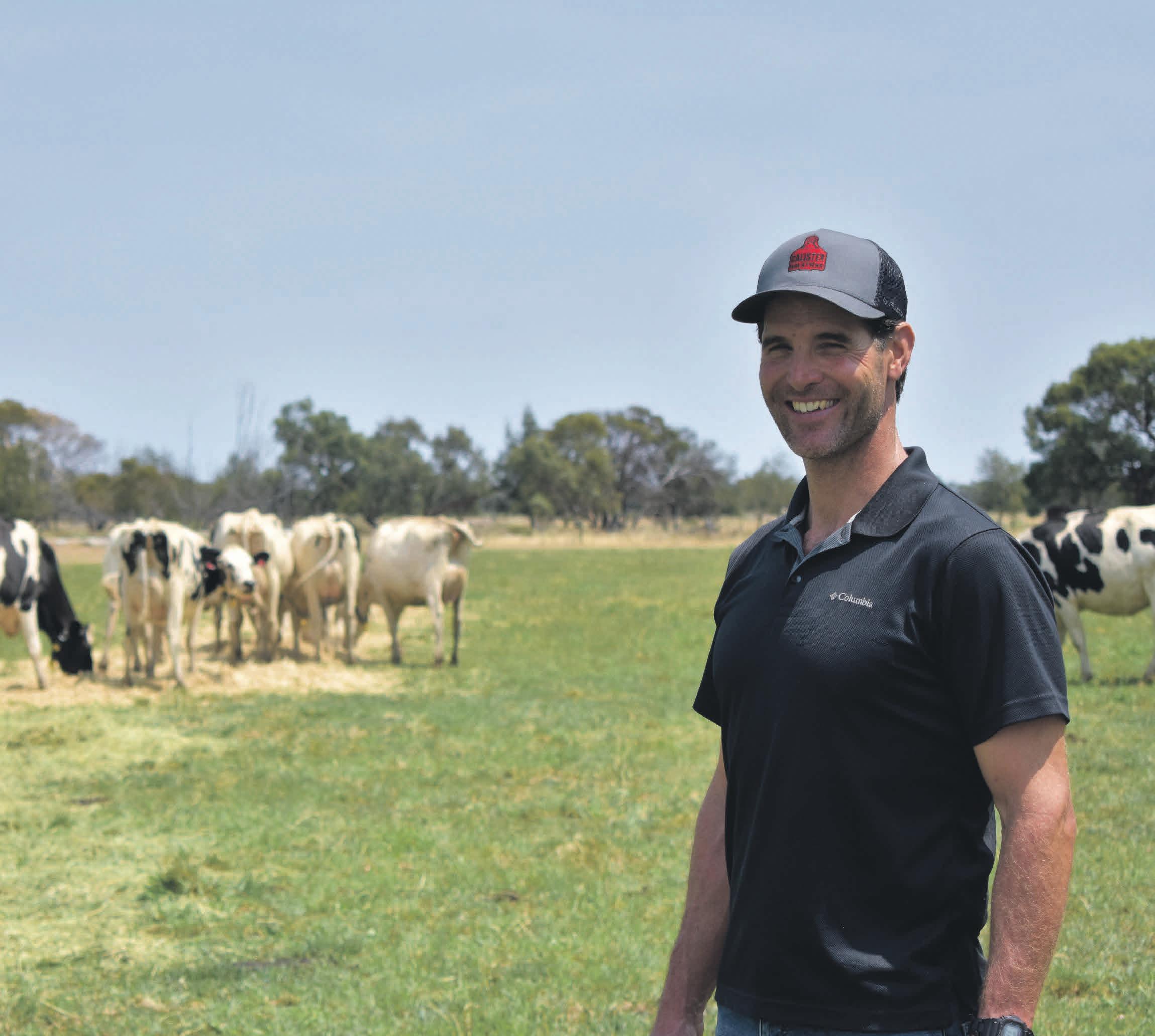
LABOUR AND animal health are two of the key factors behind Calivil dairy farmer Craig Lister’s decision to operate his 350cow dairy farm on a pasture-based system.
He also likes the fact he is less reliant on big machinery and can basically shut the gate on the herd until the next milking.
He has moved away from the traditional rye-grass, paspalum and white clover pastures to a 80ha milking platform consisting of a mixture of fescue, plantain, chicory, white clover and 150 rye-grass.
It took a bit of trial and error to get to a point where the cows were content with the pasture mix.
“Initially, I started with a stand of tall fescue about eight years ago, but the cows weren’t that happy, so I started to oversow with 150 rye-grass and then I added in plantain and chicory — white clover has always been present, in fact it’s a bit like a weed out here,” Craig said.
He said consequent stands of the pasture mix have got better and better as he has tweaked the blends.
“The cows still don’t enjoy the original 25ha which was dominated by tall fescue as much as the other areas, but I have found the fescue and chicory thrive in the warmer conditions when the other species back off.”
Craig said an added bonus was the mixed fescue pastures seemed to require less nitrogen input.
When it comes to summer cropping, Craig grows 30ha of a sweet sudan grass sorghum hybrid mix which the cows also enjoy. This is used to replace the 30-40ha which is dried off from Christmas through to March.
The cows have access to at least one full paddock grazing most days of the year.
Craig also crops around 300ha for silage and hay, alternating between cereals and vetch.
“We are self sufficient for silage and just buy in a bit of cereal hay, largely because we take our cereals to grainlige and direct harvest from the top.”
Craig uses the services of an agronomist for the cropping side of his operation.
“I believe in investing in the best knowledge I can so I can continue to get good results under whatever seasonal conditions we are facing at the time.”
H e tries not to use any irrigation for the cropping side of the operation.
“We run our cropping largely as a
dryland operation, but we can irrigate some of it if we need too, it just makes the fodder more expensive to produce, and we prefer to keep our irrigation for the milking platform.”
Craig and his wife Sharon have their own permanent water shares and lease some off Craig’s mum Judy, together this supplies enough water for all their pasture needs.
To help reduce fertiliser requirements, nutrients are spread on the paddocks from effluent and composted manure from the feed pad.
“We keep it away from the cropping area because it can pick up rocks, which the silage contractor doesn’t like, so we mainly use it on our pasture.
“We still use conventional fertilisers, but we do find a vetch and cereal rotation helps reduce our application as well.”
Historically, lucerne pastures have also been utilised for the milking platform, but currently there is no space in the rotation.
“The high protein and quality of lucerne is a great feed over summer and the cows love to graze it, we will bring in back into
the rotation sometime in the future.”
Craig said when it came to his own business, pasture just works.
“We can manage our herd and our labour with just us and one full-time and one part-time worker, and when anyone has time off, we can still get by.
“Labour is one of our most limiting resources and the way we have set up our milking platform we can comfortably get by, which takes the pressure off and allows us to keep enjoying our cows and the industry,” Craig said.
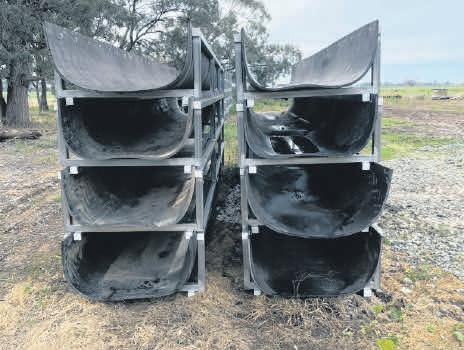
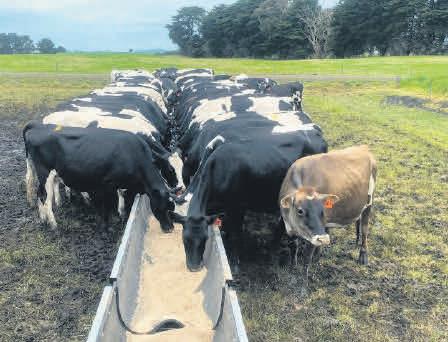
We have designed a simple but very effective Feed Trough, to cut your feed wastage and save you money. The endless troughs can be laid in a continuous length, they are also stackable, so you can move them easily from one paddock to another. The frame is made from Australian Steel, with repurposed rubber conveyor belt used to make the trough, its nylon based and will last a lifetime.

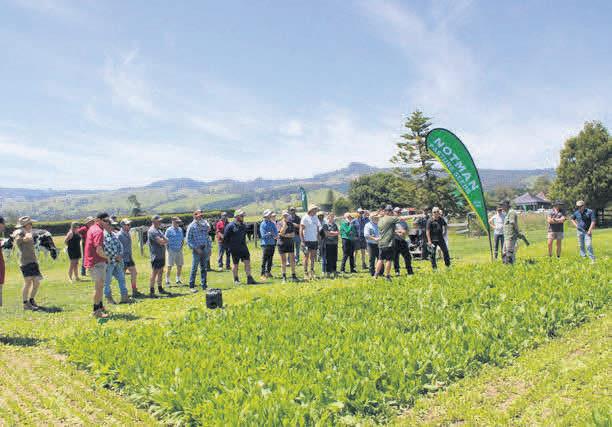
AUTUMN ESTABLISHMENT may arrive at different times across Australia’s dairy regions, but the opportunity is the same everywhere.
Early weed control, sound soil preparation and planting into the right moisture are what set pastures up for optimal establishment.
Peter Notman of Notman Pasture Seeds said February was the point where paddocks were either properly set up for autumn or carry problems that impact maximising pasture growth later.
“This is the window to finish controlling summer weeds, put winter grass pre-emergent programs in place, capital fertiliser planning, and prepare seedbeds so pastures can be planted into the right moisture when it arrives,” he said.
“Once sowing starts, missed opportunities can quickly show up with delayed feed coming in.”
In the northern dairy regions of NSW, northern Victoria and on irrigated pastures, autumn programs typically begin earlier, followed by Gippsland, south-west Victoria and Tasmania.
For dryland areas, early planning is ultra important to prepare ground to capture the first effective rainfall events.
Key February focus points:
ɋ Tackle weed pressure early to protect autumn establishment
ɋ Understand soil deficiencies to guide pH and nutrient decisions
ɋ Prepare clean seedbeds to capture available moisture
ɋ Plan early so sowing can move quickly when conditions allow
Once paddocks are prepared, variety selection becomes the next major decision.
Peter Notman said interest was strong in dense, persistent perennial rye-grasses, with newer evolutions in grasses offering more to the farmer.
Namely, the highly regarded animal production specialist Elevate CM142 and the ultra-late Vast AR37 which contributes very well late in the season.
Peter Notman said new Kainui soft-leaf cocksfoot and Quantica MaxP fescue are
gaining traction where rye-grass persistence has been limited.
“Deeper rooting and stronger stress tolerance mean these grasses are better able to cope with moisture deficits, helping sustain growth and groundcover through summer.”
With these species, paddock preparation becomes even more critical.
They are slower to establish and less forgiving of competition than rye-grass, making early weed control, clean seedbeds important to achieving long-term persistence.
Annual rye-grass continues to play a key role nationally as a flexible winter feed option, particularly where quick establishment and sustained seasonal growth are required.
Peter said newer-generation types with Italian background like a yield leading Rampage were proving their value by combining early growth with strong winter and late season spring performance.
Getting the fundamentals right gives autumn pastures the best opportunity to
WHEN RYEGRASS fails to live up to its promise, it can leave farmers disappointed, frustrated and weary of perennial cultivars.
We understand resowing perennial ryegrass is a significant investment and Australian farmers and agronomists demand enduring, high-yielding performance for the lifetime of the cultivar.
They also seek reliable assurance against common issues such as ryegrass staggers and insect damage.
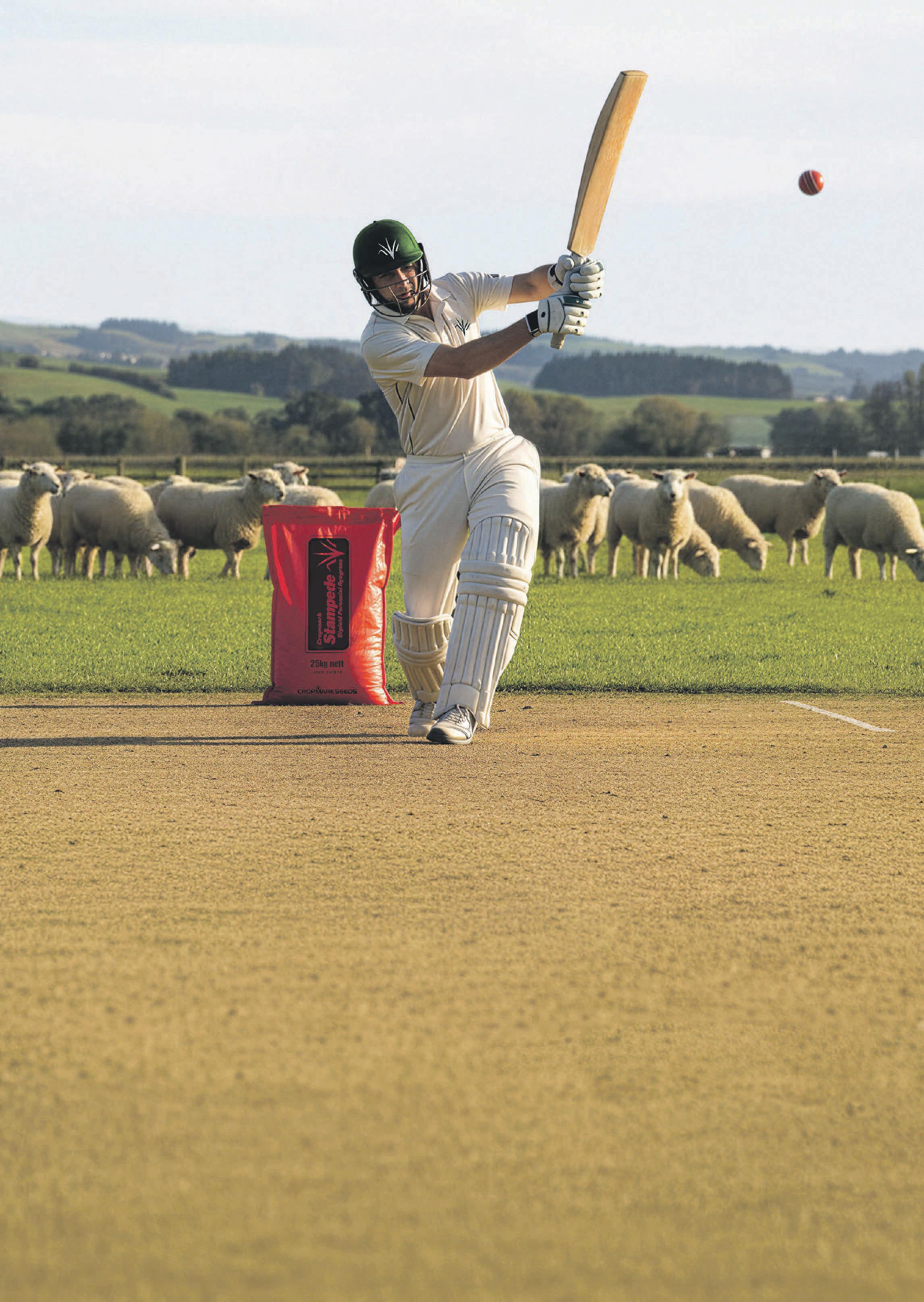
Taking onboard this feedback, we’ve developed Stampede diploid perennial ryegrass with the innovative CM142 endophyte.
The journey to Stampede CM142 has been one of perseverance.
Developed by Cropmark’s breeding team in Canterbury and incorporating insight from farmers, Stampede represents many years of research and insight to combine the best ryegrass genetics with a new and unique novel endophyte.
Stampede CM142 is more than just another ryegrass cultivar, says Cropmark’s plant breeder, Stephane Montel.
“This late heading diploid perennial ryegrass boasts consistent yield performance validated through rigorous on-farm trials across Australia and New Zealand.
establish well, no matter where the season begins.
While the break varies by region, preparation in February consistently shapes the outcome.
Peter Notman said working directly with dairy farmers across Australia provided valuable perspective.
“We’re involved across all the main dairy regions, which gives us a clear view of what works, when it works, and how timing shifts as the season moves south.”
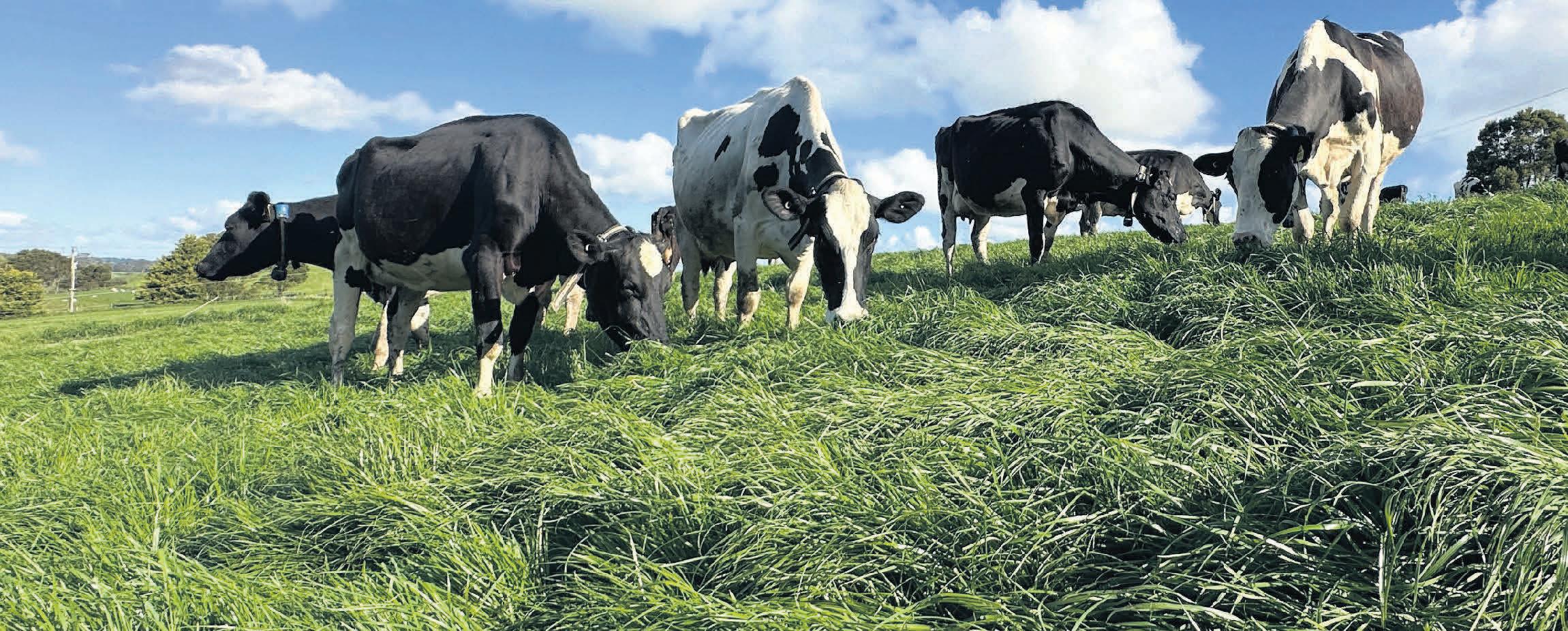
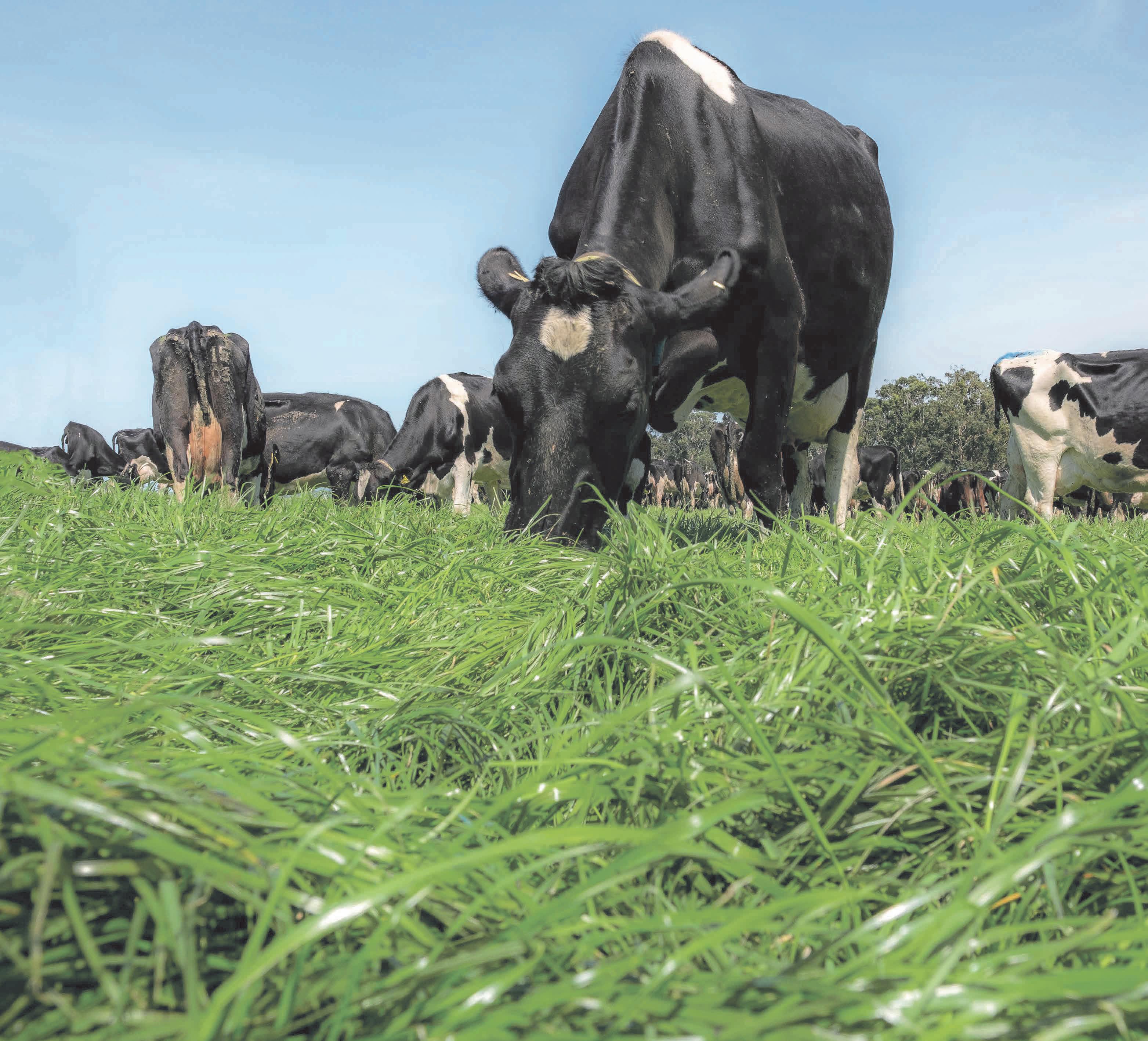
“It’s a very nice-looking grass, dark coloured with very high tiller density to improve its persistence and ensure a reliable source of high-quality forage throughout the year”.
Central to Stampede’s remarkable resilience is the CM142 endophyte, a ground-breaking discovery with origins tracing back to the harsh alpine regions of Greece.
Harnessing the natural insect deterrent
capabilities of Epoxy Janthitrem alkaloids, CM142 combined with Stampede’s robust genetics offers a natural defence mechanism to increase pasture persistence, which is a key attribute for perennial pasture.
“Our main effort when developing CM142 was to maintain the component around insect protection while increasing livestock performance, due to lesser toxicity and better forage
production,” Stephane said.
ɋ For further information, contact your local Cropmark Seeds representatives: Adam Sheedy, Gippsland, northern NSW and Queensland on 0428 132 096;
0429 375 452.
IF YOUR herd’s milk curve feels like a rollercoaster and your reproduction results keep you guessing, the culprit might not be energy or protein — it could be minerals. In South-Eastern Australian dairy pasture
systems, we often trust green feed to do the heavy lifting. Yet season after season, data and cows keep telling us the same story — shortfalls in mineral intake, as well as excessive mineral intake, quietly chip away at

production, fertility and resilience. Minerals generally don’t headline the ration sheet, but they drive the chemistry behind it.
Calcium and phosphorus underpin milk synthesis, bone turnover and smooth muscle control; magnesium safeguards against grass tetany in fast-growing swards; sodium, sulphur and potassium influence water balance and rumen function; and trace elements such as copper, zinc, selenium and iodine govern immune defence, hoof integrity and reproductive efficiency.
An imbalance in any one of these can impact performance long before you see obvious clinical signs, and the use of nitrogen to boost pasture growth only exacerbates these effects.
That’s where dry mineral licks earn their keep.















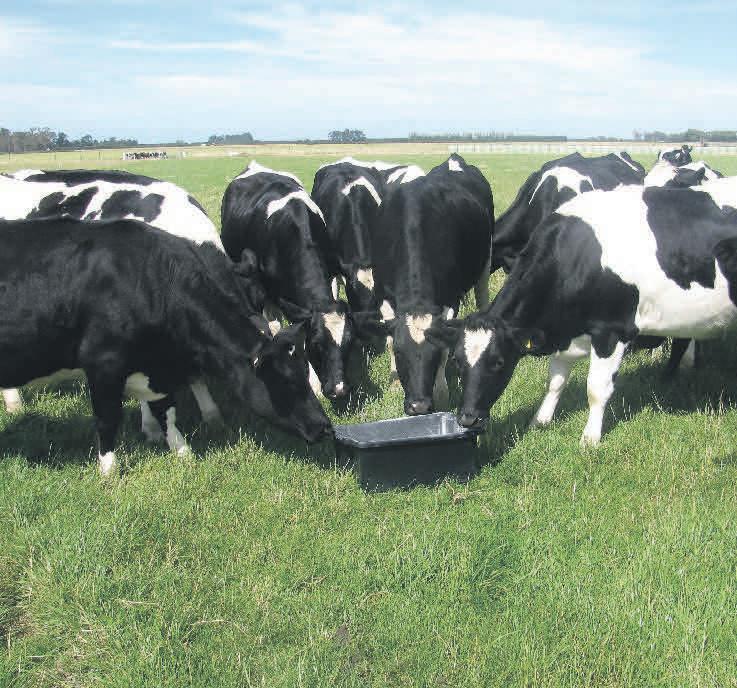
Offered ad - lib in small troughs (with drainage and shelter), they give cows reliable access to the critical grams they can’t reliably find in pasture alone.
Unlike blocks, loose dry licks offer consistent intake and better weather resistance, critical during wet seasons
When loose dry licks are placed strategically, cows can self-regulate consumption, typically 50 to 100 grams per head per day. This ad-lib approach reduces labour and ensures minerals are available when cows need them most, and across the year, this simple, low-touch tool helps smooth the seasonal bumps pasture systems create.
In spring, lush, potassium -rich grass can depress magnesium status — high - magnesium licks are cheap insurance.
Thr ough summer, a balanced maintenance lick can help protect yield and body condition.
In autumn, topping up phosphorus and key trace minerals sets cows up for winter and joining.
And in winter, when pasture is wet and temperatures are cold, a well-balanced lick supports rumen microbes to keep digestion and the vat moving.
Position licks in natural traffic lanes but not right on the water point to prevent gorging.
Provide multiple small troughs to reduce bullying and spread intake evenly.
Check consumption weekly (most herds land around 50 to 100 g per cow per day) and adjust placement if intakes are too high or too low.
Keep troughs dry and clean; a simple roof and a firm, drained pad pay for themselves quickly.



And remember: licks supplement pasture — they don’t replace roughage or broader ration balance.
This isn’t a silver bullet. It’s a quiet, dependable habit that compounds over time: fewer down cows, steadier milk, sharper heats, tighter calving patterns.
In a margin-tight industry, that’s the kind of advantage worth banking.
Small changes, made consistently, deliver durable results. Dry mineral licks are one of those changes easy to implement, easy to monitor and exactly the kind of quiet edge that keeps a pasture-based dairy business resilient through Australia’s variable seasons. ɋ For more information on how to best utilise licks in your herd, call Dan Allen from
















BY RACHAEL NAPIER


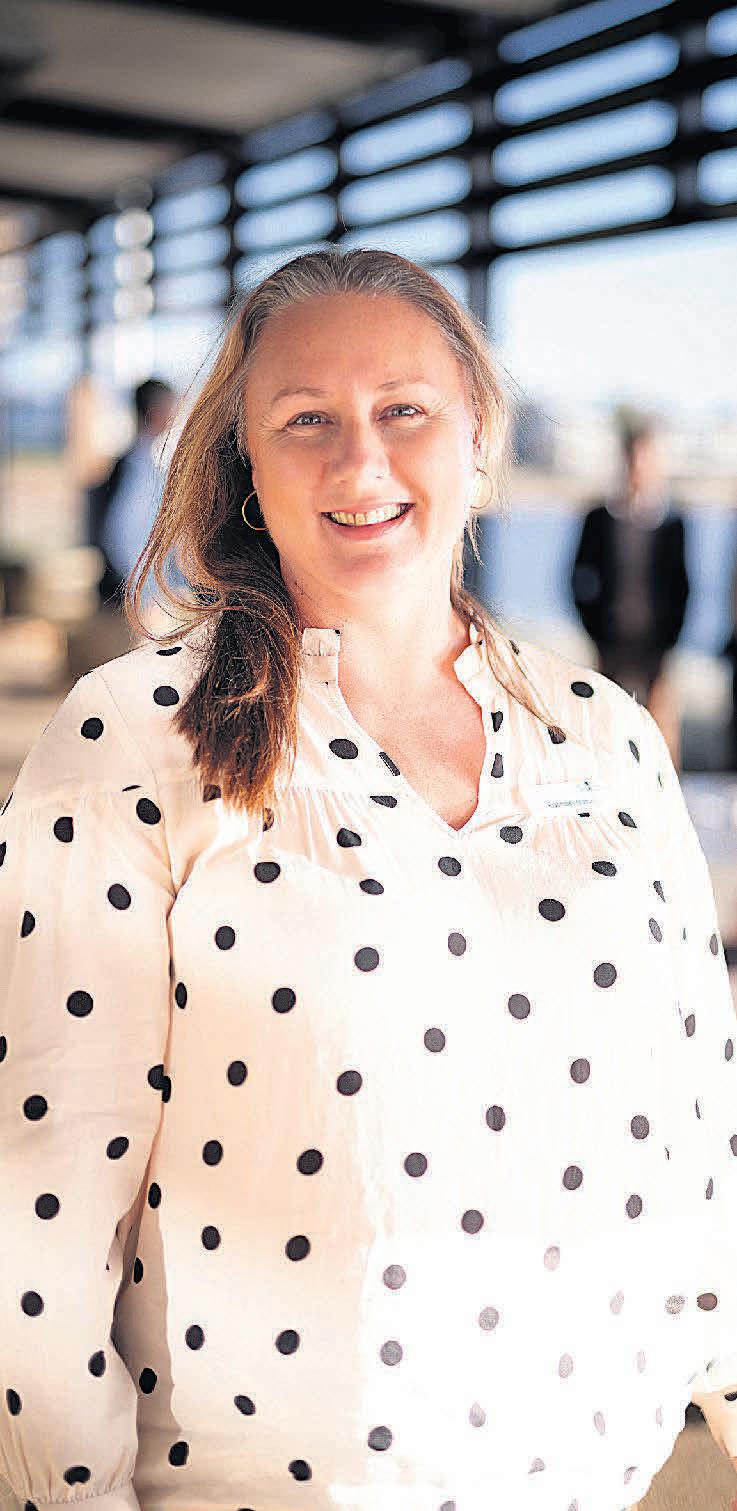
IF WE had hoped for a quiet start to 2026 we were mistaken, and our thoughts are with the many dairy farm families across our region who have dealt with extreme conditions including widespread fires across Victoria.
Thanks to the experience and preparedness of many local farmers, the CFA, the RFS and a bit of luck, we saw fewer losses than might otherwise have occurred.
But preparedness doesn’t make the stress of those events any less real.
Fire impacts feed supplies, threatens power infrastructure, inflates the cost of production, and leaves lingering anxiety for what may come.
These are not small burdens, and we acknowledge the ongoing toll this will bring for families for the rest of the season.
Last month, International Dairy Week was again held at Tatura Park from January 17 to 22.
Farmers from across Australia and around the world attended and it was wonderful to welcome so many to our region and showcase our dairy excellence and our hospitality.
Looking ahead, one of the highlights on our calendar for 2026 is Raising the Roof, returning on May 20 to 22 at Riverlinks Eastbank in Shepparton.
This event is a vital opportunity for farmers and industry partners to explore advances in intensive milk production systems, housing, feeding infrastructure and practical solutions that help improve productivity and profitability on farm.
Our region has some of the best examples in
Australia, and it’s exciting to see that recognised at a national level.
At Murray Dairy, our focus for the start of 2026 is continuing our support for discussion groups, Dairy Business Networks and the Young Dairy Network, because we know that peer-to-peer learning is invaluable.
We’re also well under way with implementing our new strategic plan.
With limited resources, it’s more important than ever that we prioritise activities that deliver real value to our farming families and work in close partnership with our regional stakeholders.
We look forward to sharing more of the detail with you soon.
One such initiative is the C4Milk intensive fodder rotations project, which is seeking continued funding to finalise the trials in our region.
This research is exploring the role of break crops in intensive fodder systems.
Many farmers rotate species that are from the same grass as family like wheat and maize.
But from our networks in the cropping community, we know this approach can contribute to sustainability issues such as weed resistance, pests and root disease.
These undermine productivity over the long term.
By investigating multi-year rotations that include break crops (legumes and brassicas like vetch and canola), C4Milk aims to identify forage options that not only help manage these pressures, but also balance the need for high-quality feed suited to milking herds.
This work has not been done before.
We know a lot of farmers in the region are developing their own rotations with experienced agronomists, and we look forward to supporting that decision-making with real life data developed in our local conditions, with our farm systems in mind.
Our CALD project delivery also continues to support workforce diversity.
If you employ, or plan to employ, people from different cultural backgrounds on-farm, contact us.
This project is designed to set you up for success, including guidance on best practice on-boarding and cultural inclusion.
We’re also delighted to confirm a new partnership with Alpine Valleys Dairy to deliver our regional network group meetings in the north-east. We look forward to reinvigorating these gatherings and extending that momentum into other dairy areas across the region, so watch this space for updates.
As always, support is there if you need it.
With Ag Vic, resources are available to help with fire recovery and preparedness, and Dairy Australia’s Murray Extension Service stands ready to assist with industry programs.
Finally, thank you for all you do, I am reminded (as we all are) once again over the Christmas break that dairying stops for no-one.
Stay cool and we look forward to connecting with you through Murray Dairy activities as the year progresses.
Warm regards Rachael Napier
Murray Dairy chair
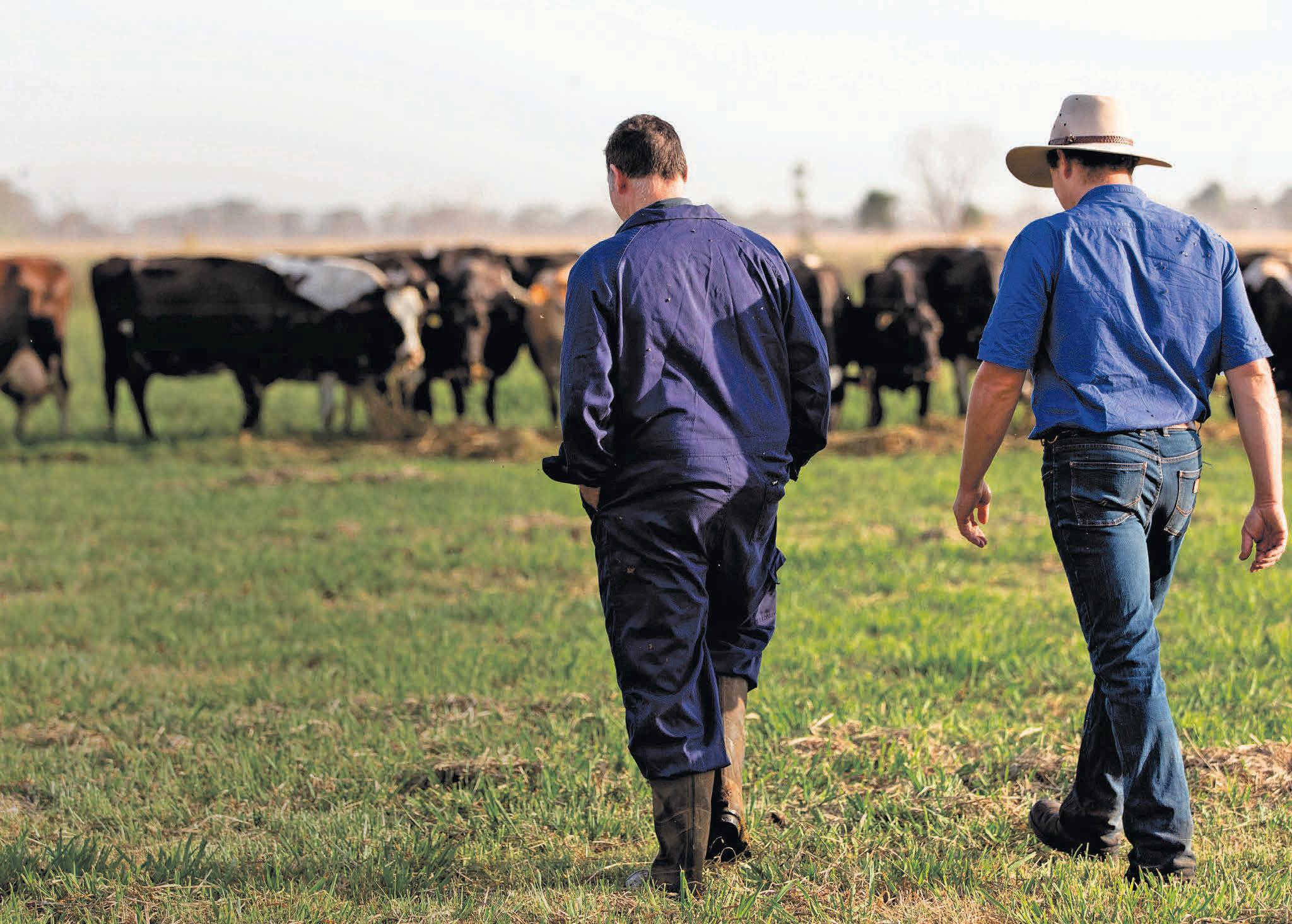
BY SOPHIE BALDWIN
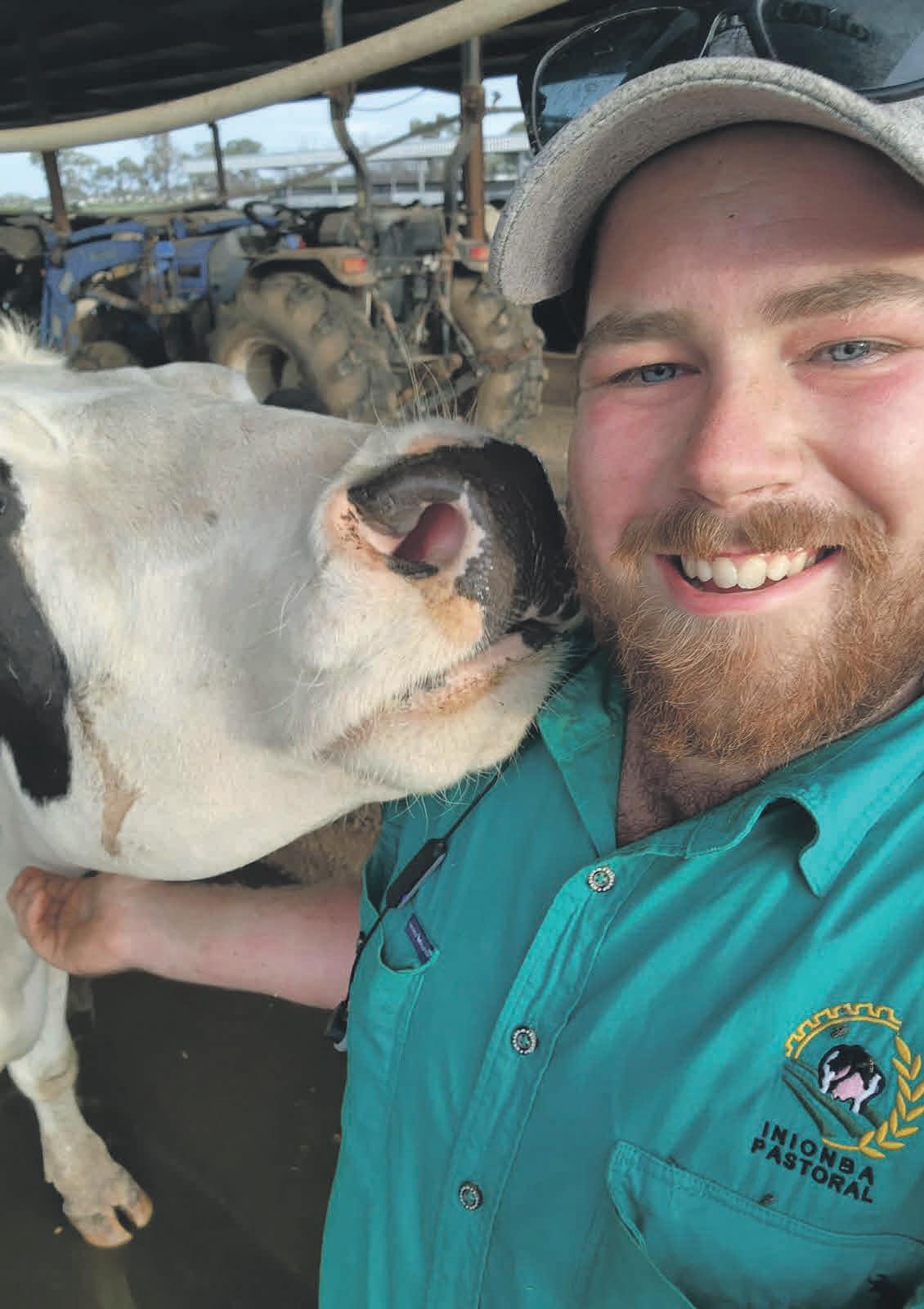
BENJAMIN SURGEONER has always wanted a career in agriculture despite growing up in Brisbane in a family far removed — his mum worked in admin and his dad was a train driver.
“I have always loved farming, machinery and the outdoors,” Ben said.
Ben was finding it difficult to get his foot in the door until he saw an ad for an agricultural program on the back of a Sunrise segment on TV.
The Ag Career Start program was a game changer for Ben.
It was the first year the program was run and after successfully applying, Ben was matched with a dairy farm in the Ky Valley.
“At the time, I thought I would give it a go. Victoria was a long way from Brisbane, but the pay was good and it was only for a year, if I really didn’t enjoy it,” Ben said.
Today, Ben still works on the same 3500ha farm which milks 1500 Holstein cows.
In 2023, he was made senior farm hand.
“I fell in love and I have been working on the same farm in the Ky Valley ever since,” he said.
“The farm I work on is supportive and receptive to someone with a needs and disability — I have high-functioning ADHD and autism,” Ben said.
Ben said he really enjoyed working outdoors with the cows, and he also has the opportunity to work with the machinery side of things as well.
He has completed a Cert 3 in dairy as well.
He said the program provided him with a start he probably would have never been able to get which included training, networking and industry skills.
After graduating, Ben had an opportunity to travel to Parliament House and meet Murray Watt, and attend the NFF conference in 2023.
“It really is an awesome program — matching up young people with suitable farms.
“I would still be working casual jobs in Queensland and still trying to get into the industry if I hadn’t signed up.”
Ben said not only has the program provided him with a job he loves, it has also given him a network of successful young adults across Australia as part of the community it has created.
Ben also enjoys being part of the Young Dairy Network.
“Again, the YDN has provided a similar young farmer network who become mates who support and encourage each other.”
Ben sees a future where he runs his own farm, probably more along the lines of a beef farm and not dairy.
“I don’t think I have the skill set to run a dairy farm, but I love the area and will try and stay in Victoria.
“I have made a home here, I am involved in the local CFA brigade in Tongala and Ky Valley is close enough to get to a major city as you need too.”
The Ag Career Start program is open to 18 to 25-year-olds.
It is a unique gap-year program providing a paid job, training and development and an opportunity to build networks within the agriculture industry.
BY SOPHIE BALDWIN
AN
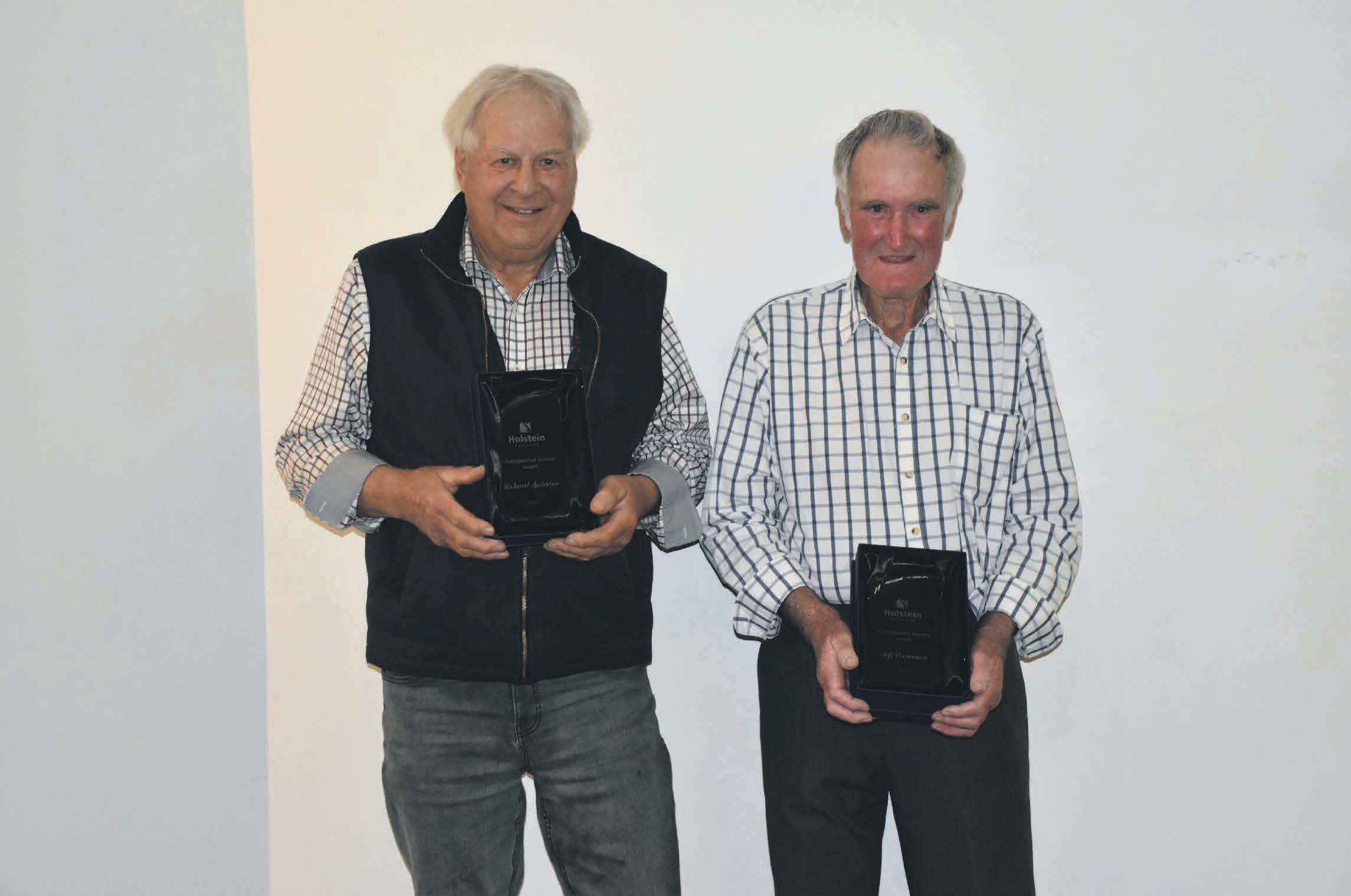
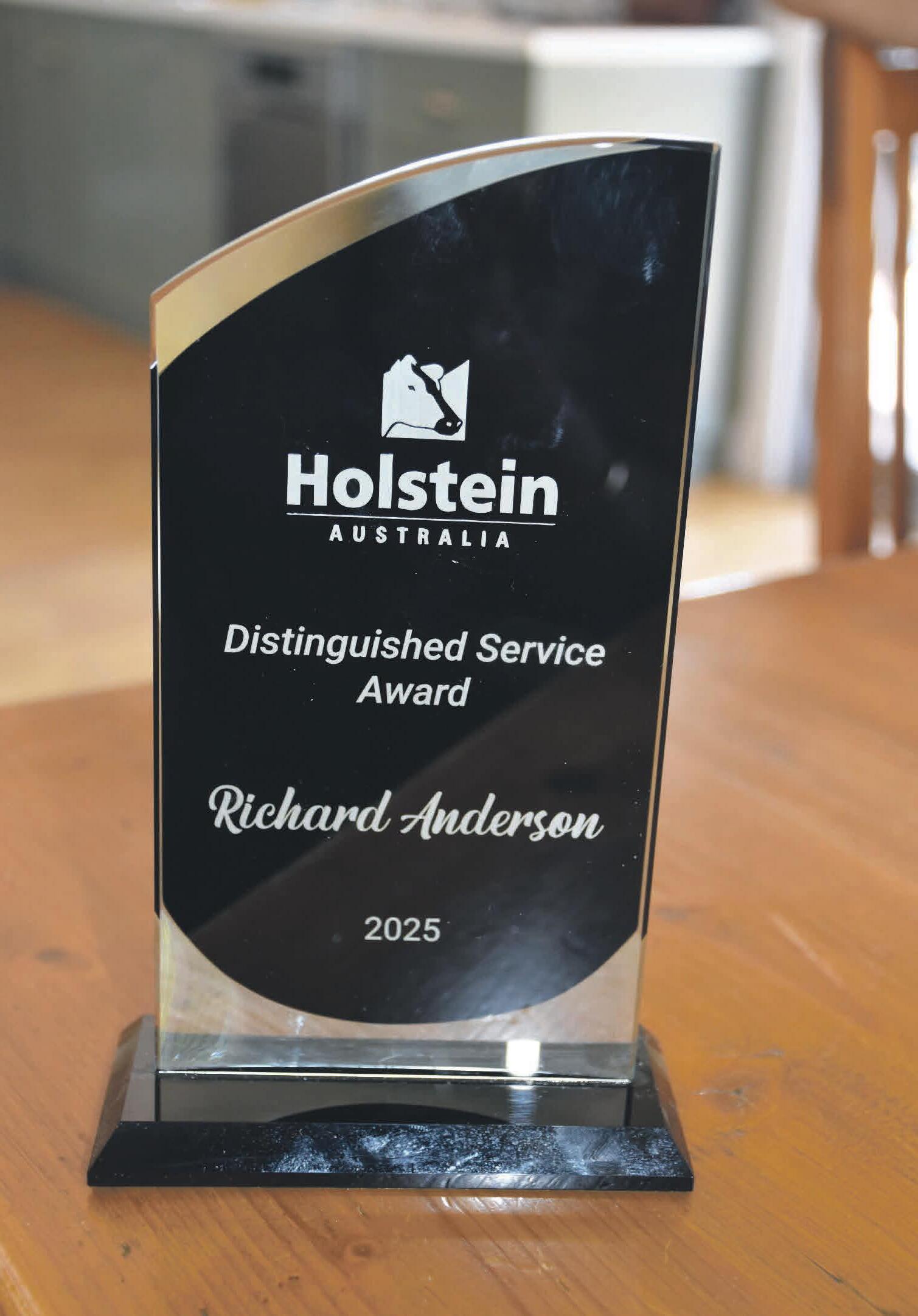
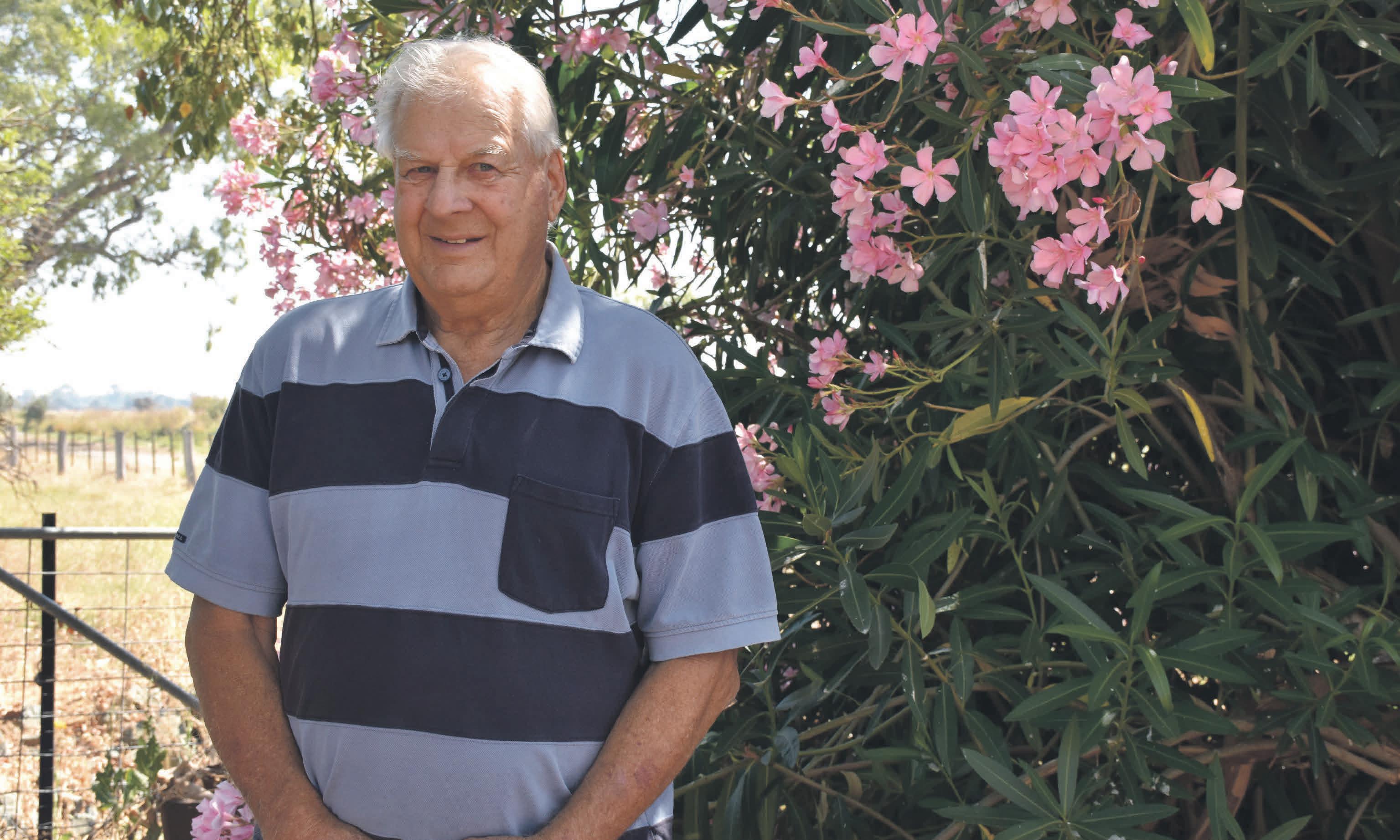
UNWAVERING commitment to the dairy industry was recently recognised when Richard Anderson received a distinguished service award from Holstein Australia.
Richard has been many things within the industry – a farmer, a classifier, a mentor and a leader known for generously sharing his knowledge, inspiring breeders and advocating for the Holstein breed and the dairy industry as a whole.
From the moment he put cups on his first ever cow at just three years old, Richard knew he was going to be a dairy farmer. He was holidaying with his German grandmother at the time who lived next door to a working dairy farm.
“I can still smell the kerosene fumes from the motor in the old walk-through dairy,” Richard laughed.
“I definitely get my love of cows from her, she also had half a dozen cows of her own which she used to make butter.
Richard never let the fact he grew up in Melbourne with non dairy farming parents deter him from chasing his dairy dream.
He was about seven when he got his first calf which he kept in a paddock at Box Hill.
At 17, he leased his first farm at Templestowe which came with a 30-gallon milk contract and 25 Friesian cows.
Working alongside local vet Hugh Worth, who would go on to be well known in racing circles, Richard was introduced to John Cox (of Cox plate fame) and ended up sharefarming for him for eight years.
In the mid-1970s he applied for a settlement farm at Rochester, and by June 1976, his ownership dream had begun - on 60 hectares with a four per cent interest rate government loan.
He also established Glynyari Holsteins around this time.
“We were allowed to milk 60 cows in the first year. We had a water right, four fenced paddocks, a dairy, house and hay shed and we had to supply the cows, machinery and infrastructure for the dairy.”
Over the years Richard focused on breeding quality cattle which include the wellknown Bubbles, Kassie and Irene families.
He is proud these cow families have endured the decades and still remain firmly entrenched in Australian herds today.
Richard was pivotal in the establishment of the North West Sub Branch, was a founding member and served in many roles over the years including president, vice-president and Victorian branch delegate.
He was always advocating for the interests of local breeders and the Holstein breed.
Within the sub branch he regularly held on-farm youth days where he patiently passed on the fundamentals of animal preparation, handling and general farming knowledge.
“You can always learn from other people, particularly those that are older than you and passing on your knowledge to the next generation is so valuable.”
In 1997, Richard’s breeding excellence was awarded when he was recognised as the first North West Sub Branch Master Breeder.
In 2000, Richard held the Glynyari Holstein dispersal sale.
Following a retirement from active dairy farming, he began working as a classifier for Holstein Australia which led to the position of classifier trainer.
He also served on the Holstein Australia National Judging Panel where he was known for his fairness, integrity and a discerning eye for breed quality.
Richard was responsible for the introduction of whites into the show ring — a lasting initiative that has elevated the professionalism of Australian showing.
He was also well-known as one of the top cattle fitters of his era with a meticulous skill and craftsmanship which set high standards for preparation and presentation, including working alongside Charlie Shearer at the Sydney Royal Easter Show.
“When I was classifying I did a lot of travelling and I saw a lot of great cows across all breeds, not just Holsteins,” Richard said.
Reflecting on all his years involved in the dairy industry, Richard said perhaps the most pivotal moment was being one of only 52 successful soldier settlement applicants when 1500 people applied.
He also said presenting cows in the ring and breeding good cows and bulls for AI were also a highlight.
He said he was surprised to receive the distinguished services award and had no idea it was coming.
“I am very appreciative to have received this award and to have had an opportunity to pass on so much of the knowledge I have gathered over the years.”
These days Richard is still involved in the dairy industry — daughter April lives across the road where she milks around 100 Holstein and Guernsey cows, including some descendants from the Bubble, Kassie and Irene families.
“People used to say I had a great eye for cattle, but I have to say April has even better one.”
Richard does the irrigating, growing the feed and helps out looking after granddaughter Hazel.
“I don’t ever want to move into town and I don’t want to go into a home, I just want to stay out here on the farm for the rest of my life.”

Hot water, milk cooling and harvesting make up 80% of dairy farm energy use. Using energy smarter with Flow Power can help cut costs, boost energy efficiency and support a greener future. Scan me!

Go beyond peak and offpeak contracts by accessing cheaper, cleaner energy during daytime hours.
Shift energy-intensive operations to times of low electricity prices. Small changes can lead to significant savings.
View energy insights and control your consumption in real time via our customer portal and hardware installed on site.
Reduce your reliance on energy from the grid and generate your own renewable electricity with rooftop solar panels.
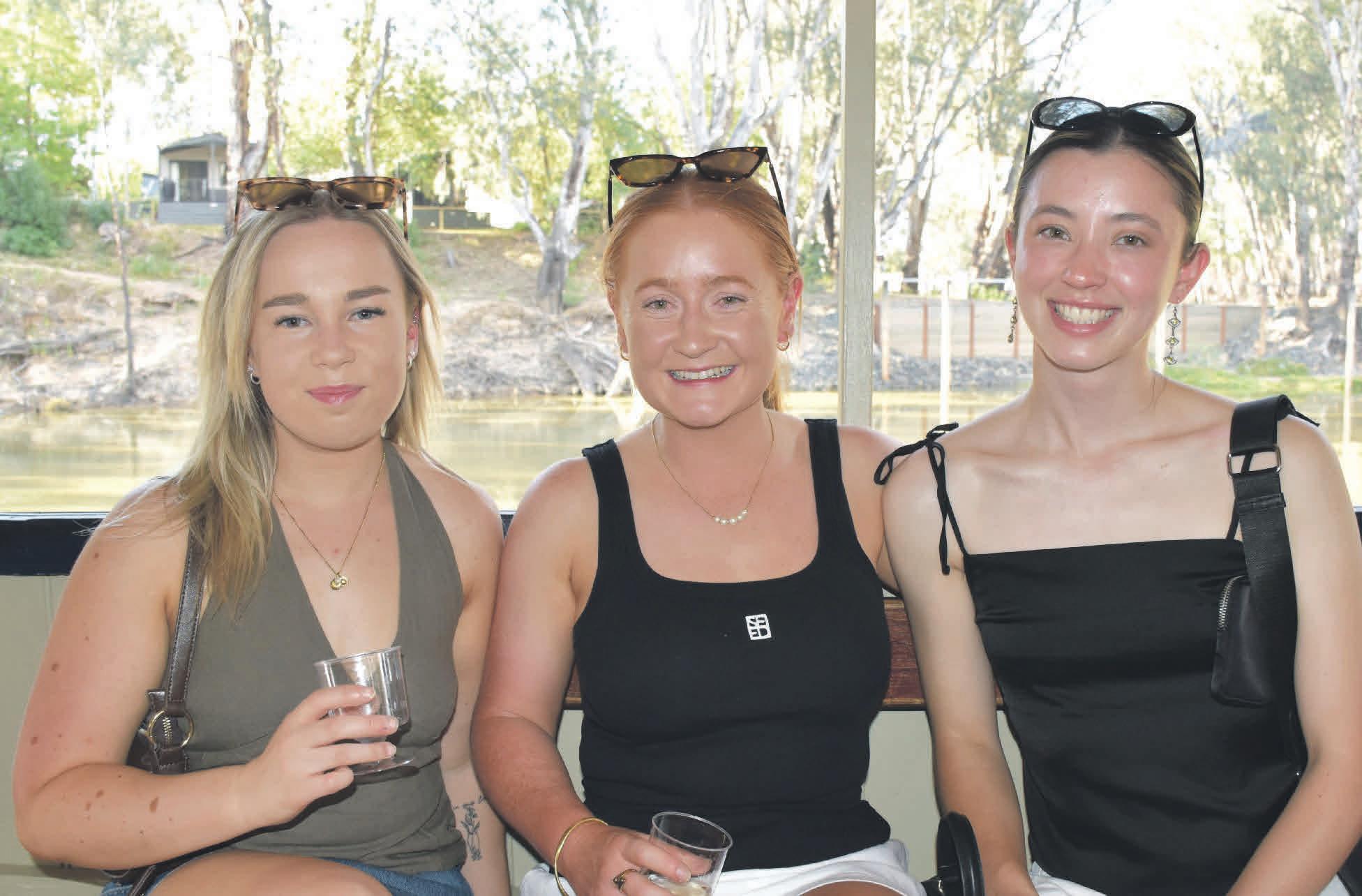
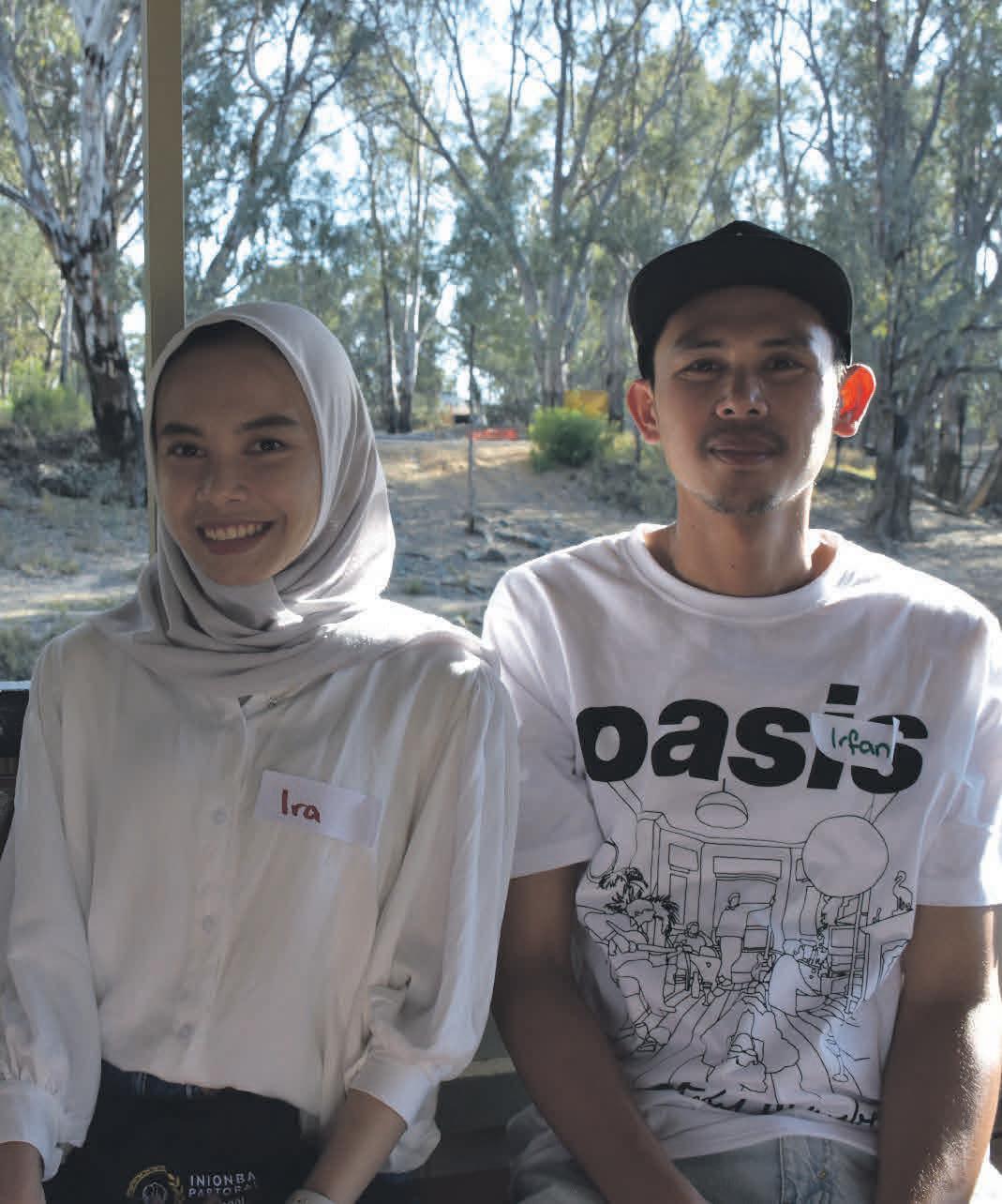
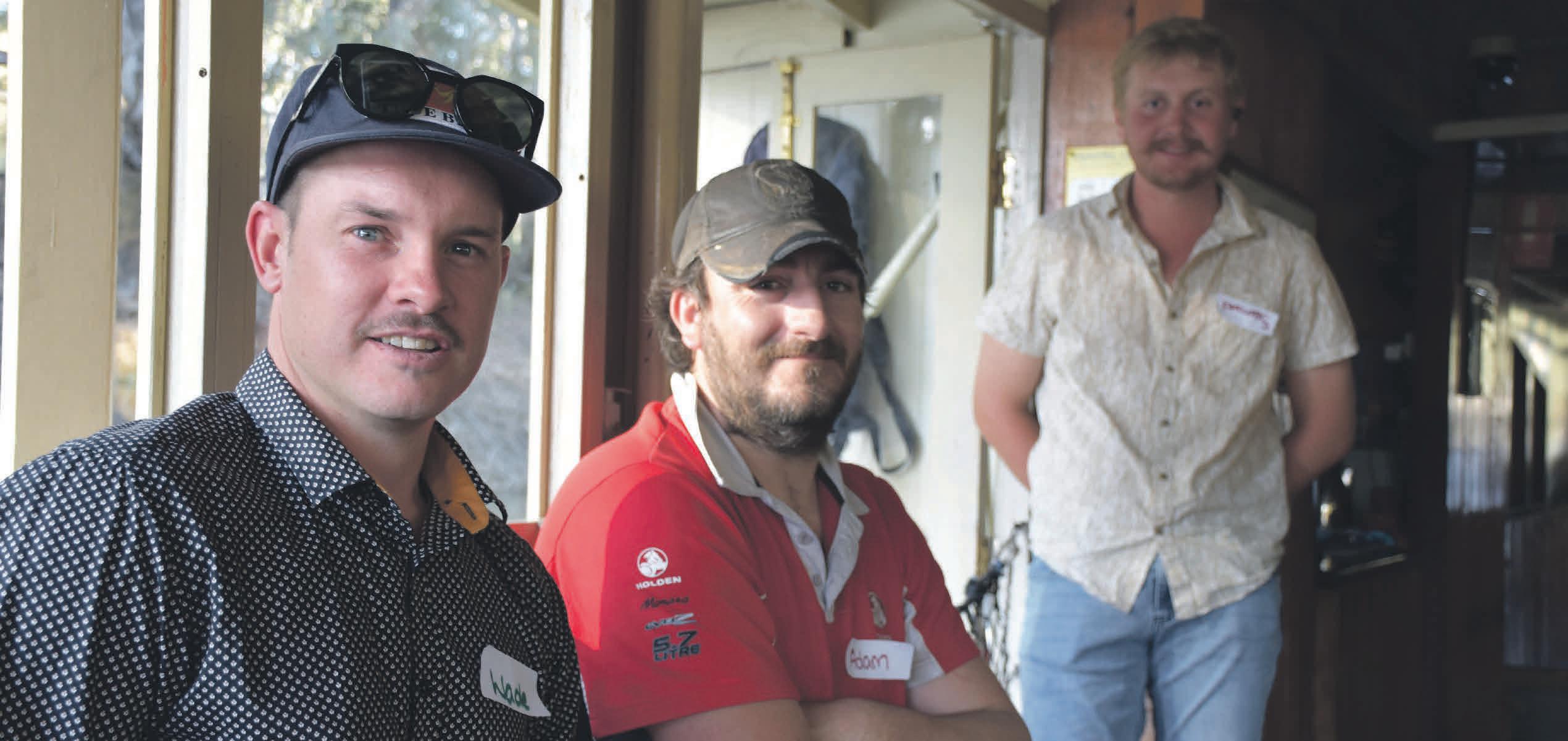
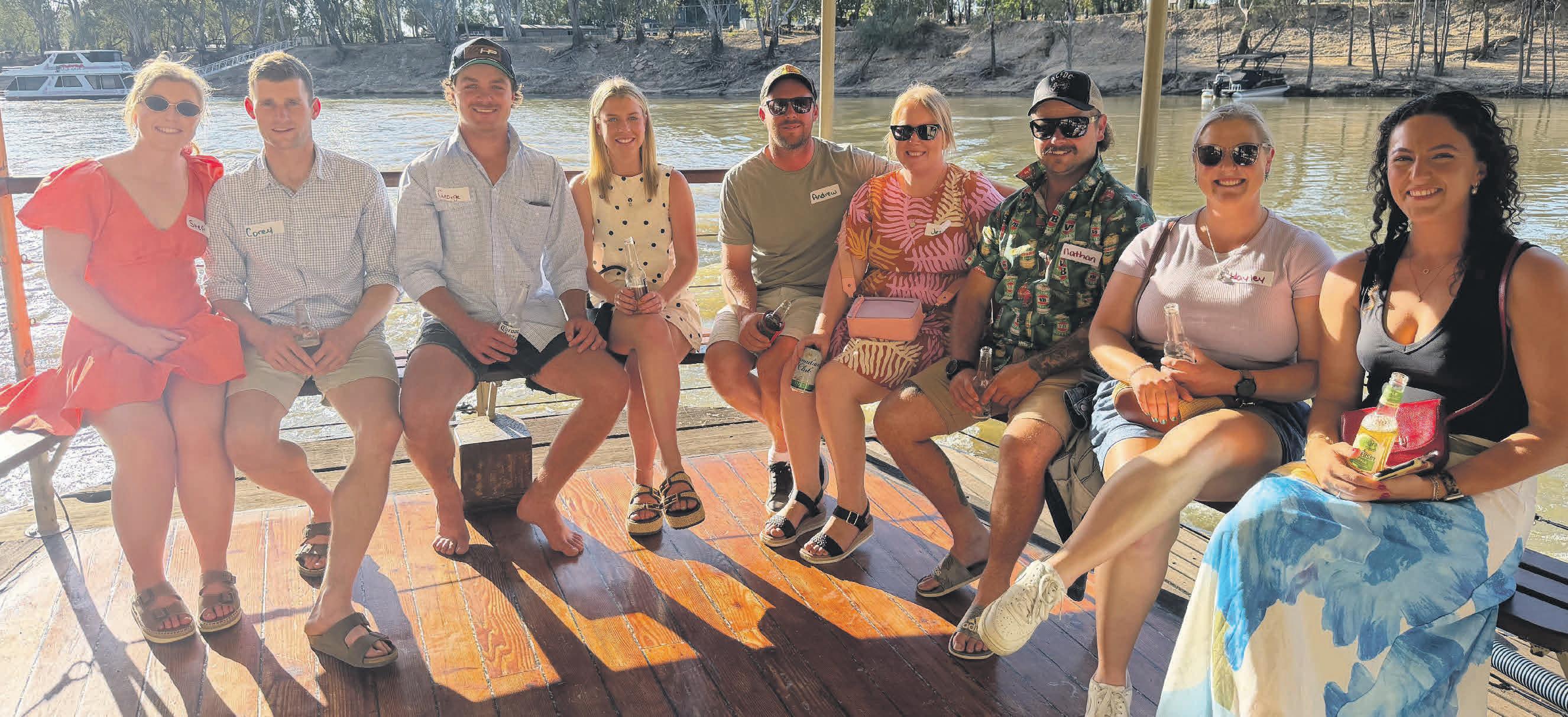
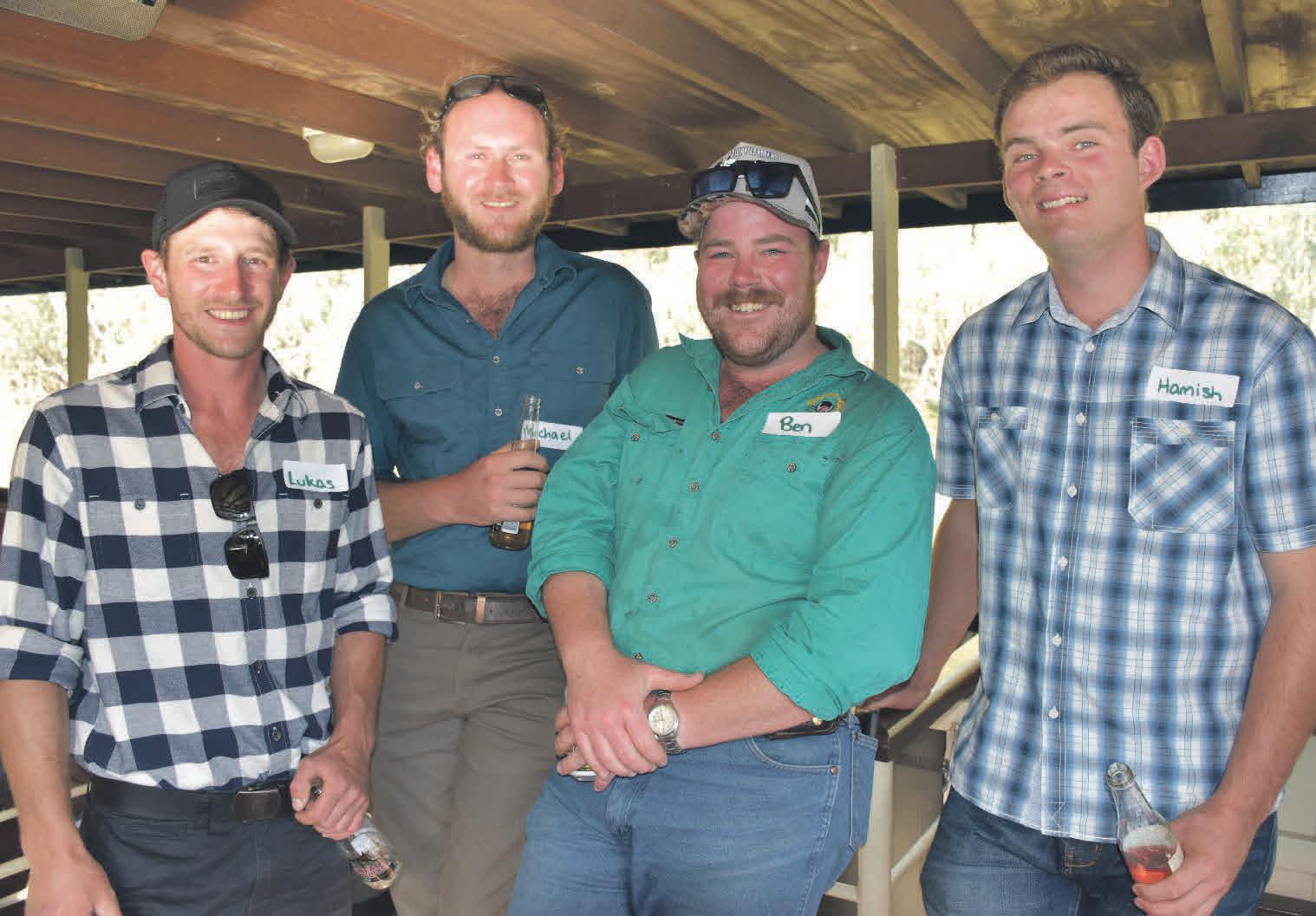
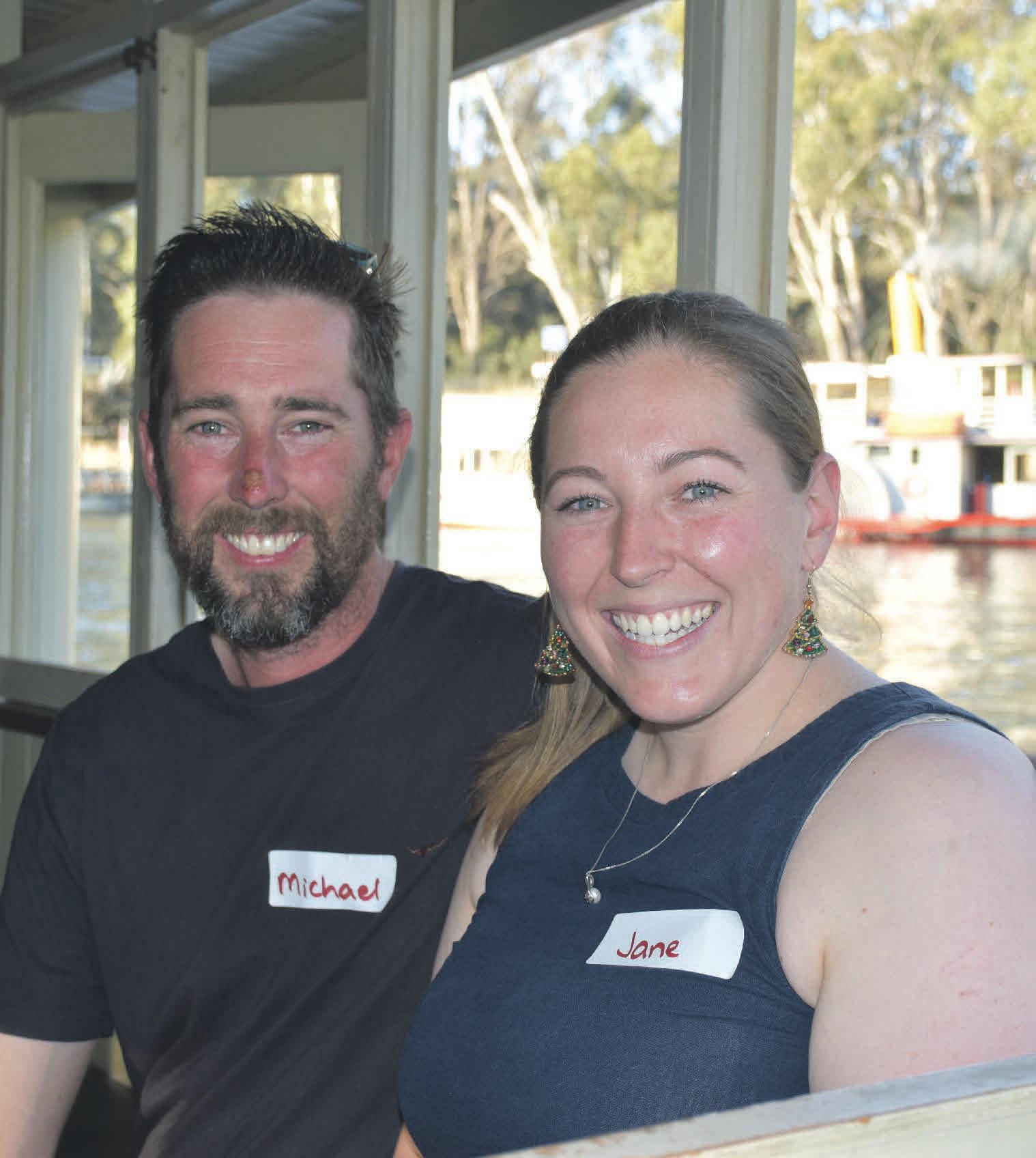
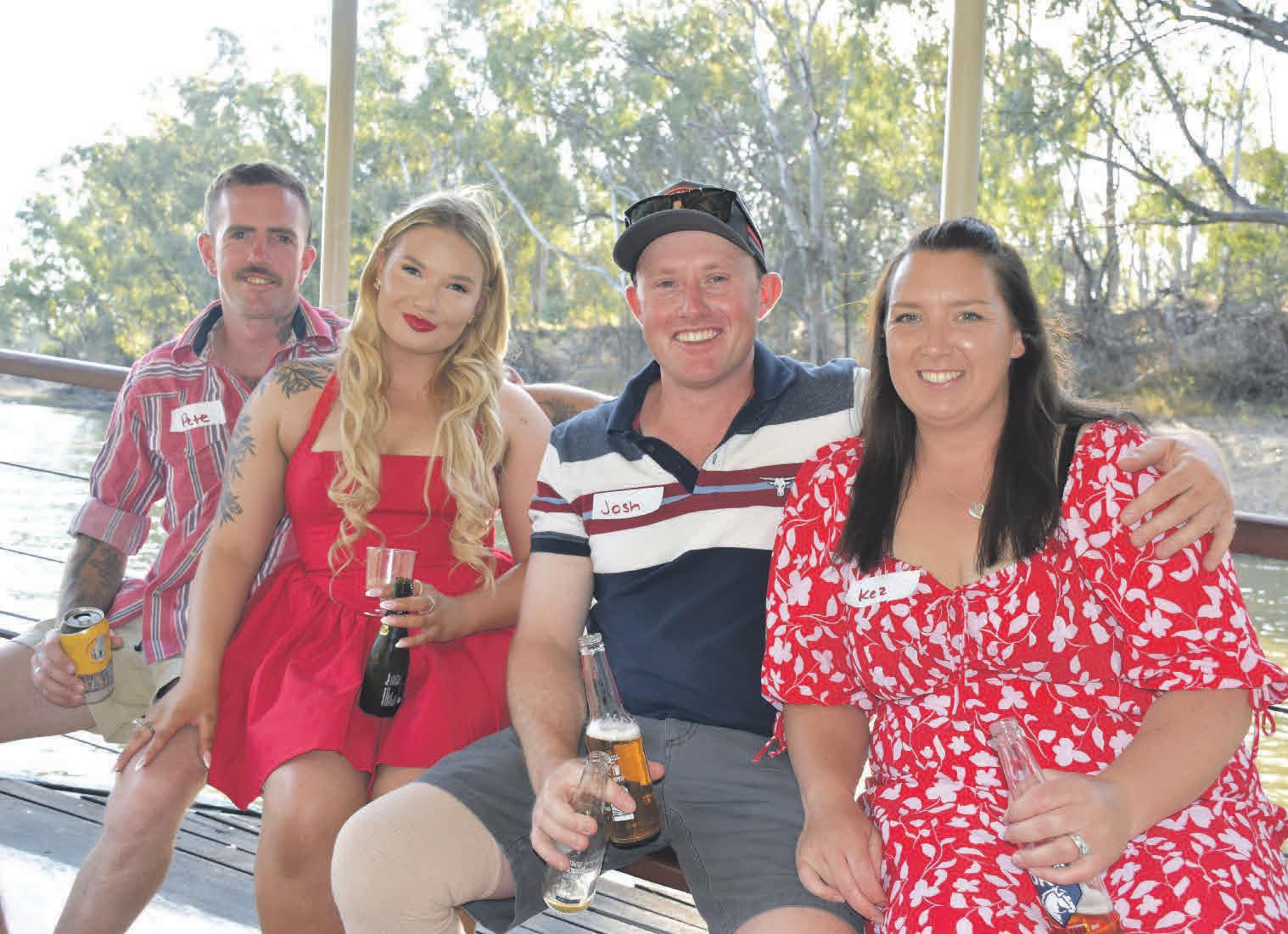
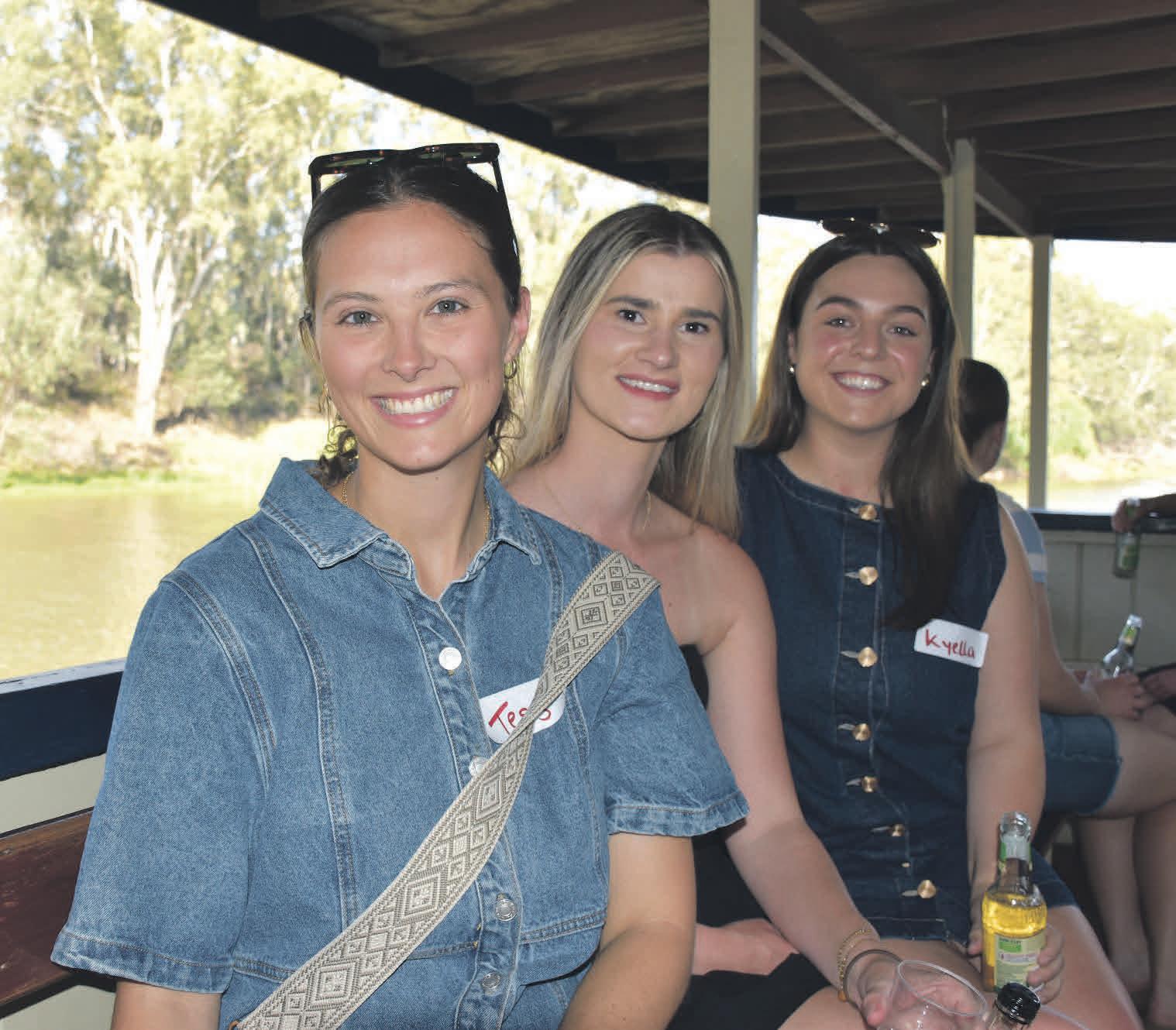
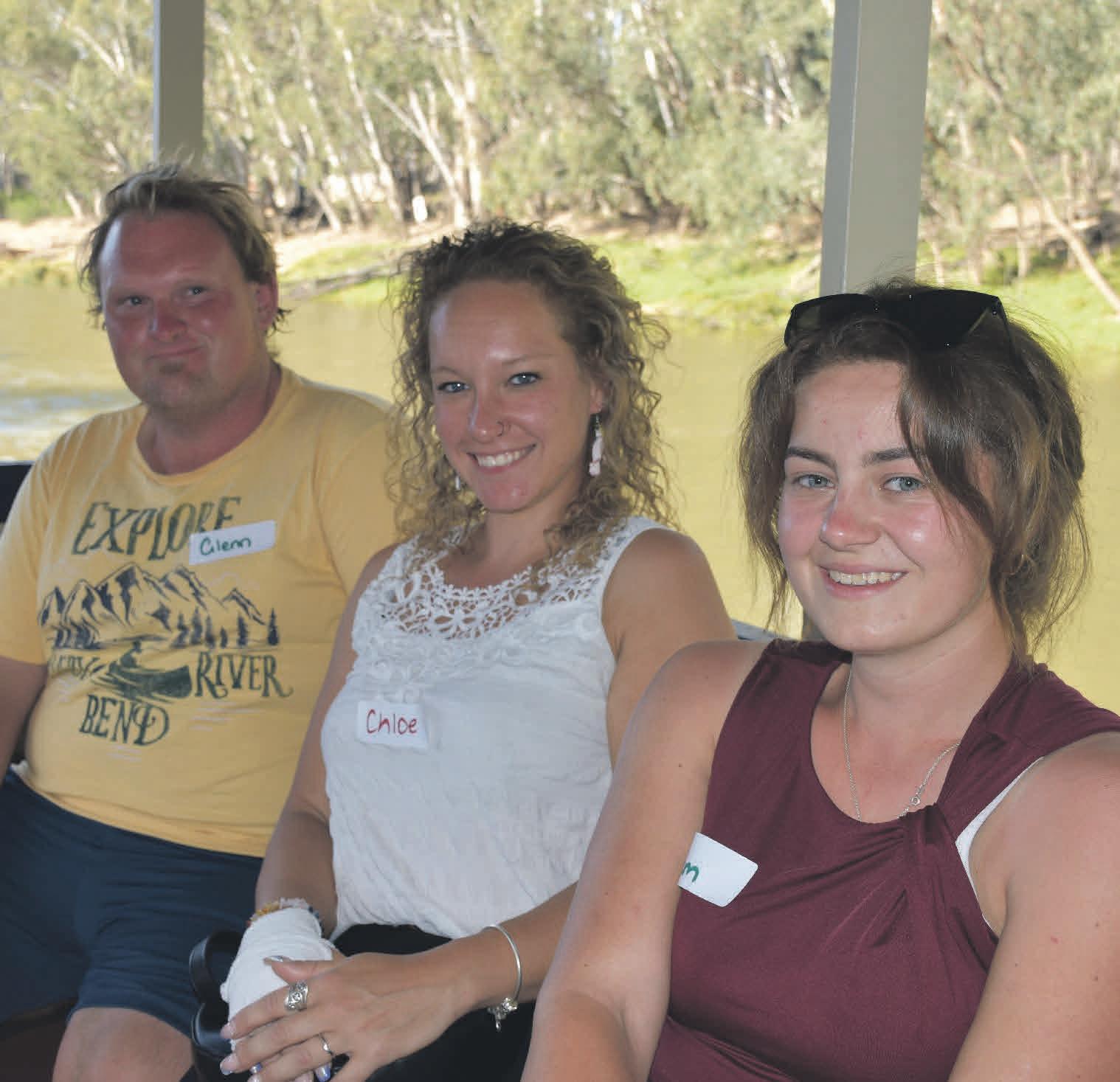
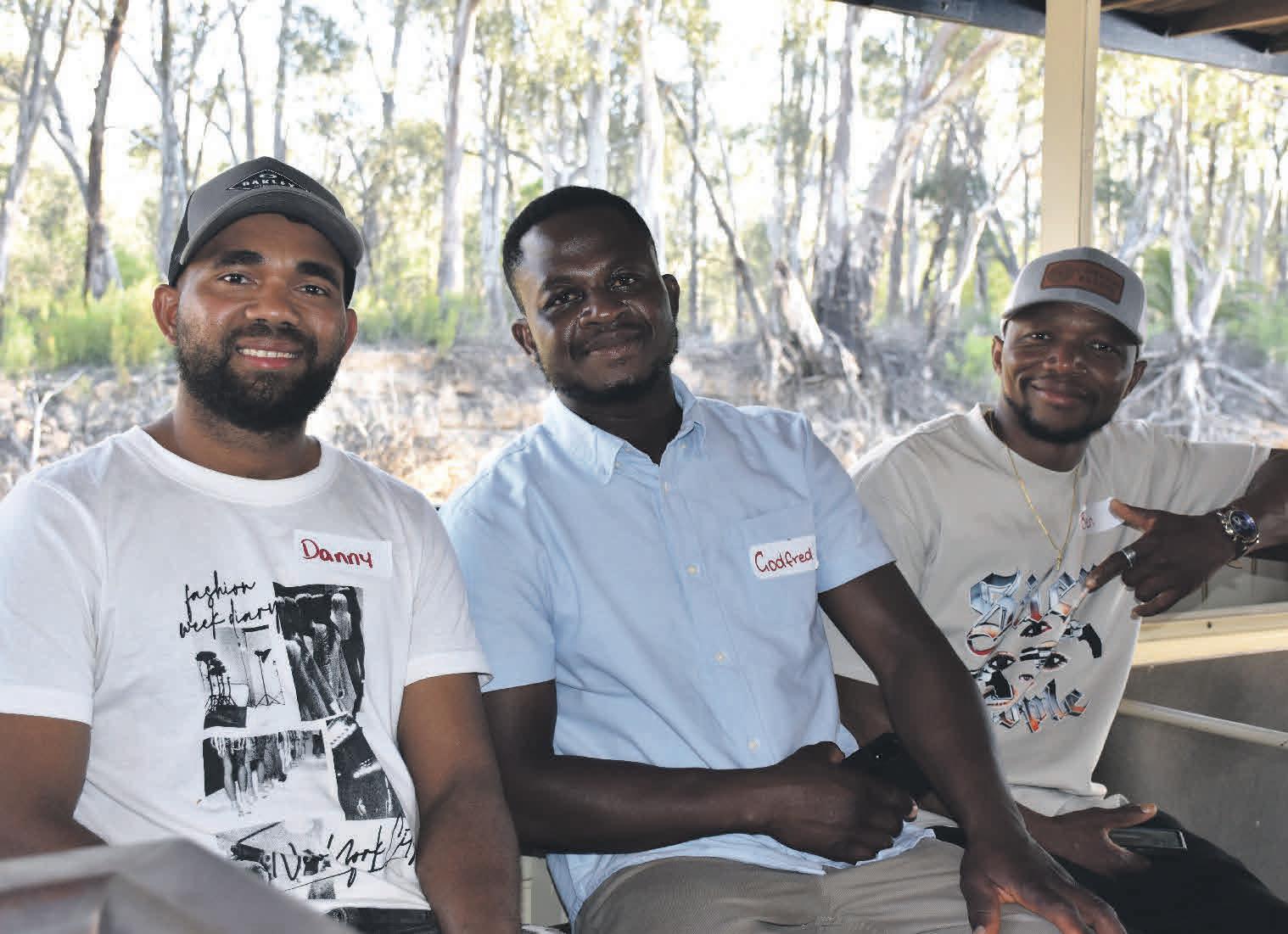
THE MURRAY Young Dairy Network celebrated Christmas with a trip on a paddlesteamer at Echuca. YDN co-ordinator Lauren Mackey said about 60 people attended the event. “We just wanted to bring everyone together to get off the farm and enjoy a bit of socialising,” she said. “We have a really engaged and strong group of young farmers who are very supportive of our events.”
BY GEOFF ADAMS
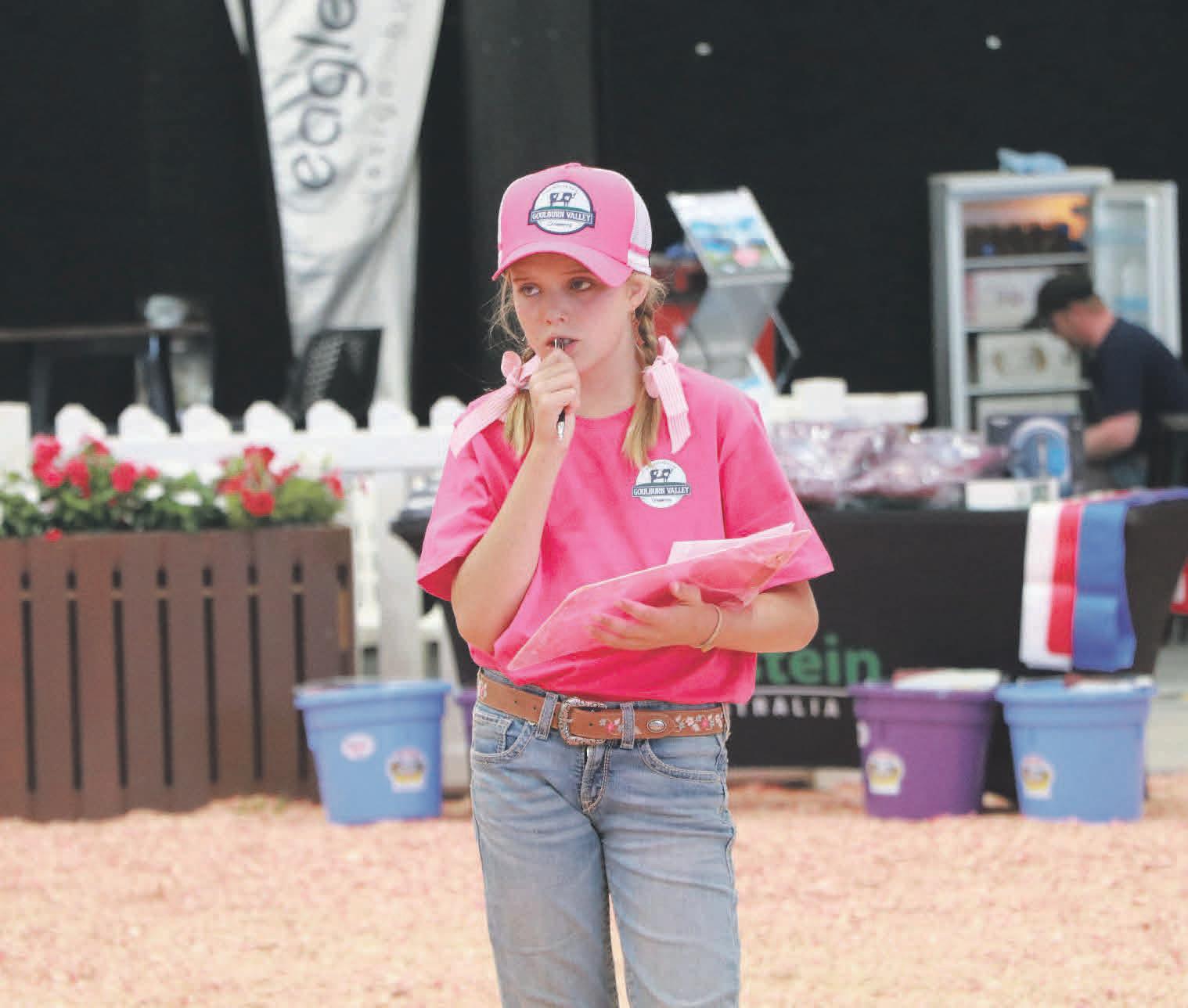
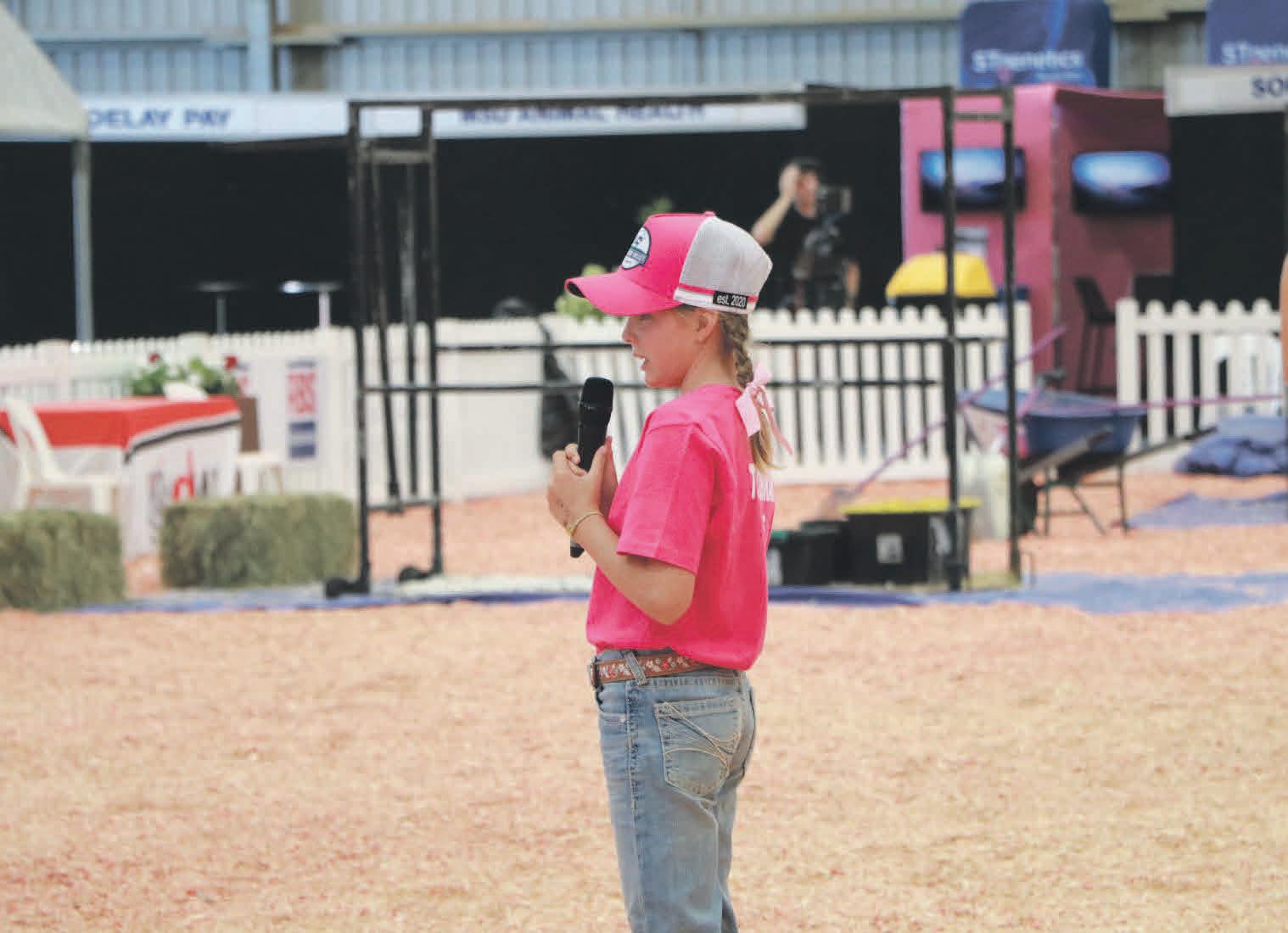
BEING CALLED on to pass judgement on four well-bred Holstein dairy cattle would be a tough call for most people, but imagine you had to announce the results of your selection in front of more than 100 people, including professional dairy judges.
A group of young people fronted up to this task at the Holstein Australia youth competition on Sunday, January 18 in the main arena at International Dairy Week in Tatura.
The competition is designed to cultivate a discerning eye in tomorrow’s dairy leaders.
One of the competitors was 11-year-old Isla Robertson from Cobram, who confesses to enjoying public speaking.
Isla has participated in IDW for four years and last year was second in her handlers’ class.
She told Country News making a hard call on judging did not faze her.
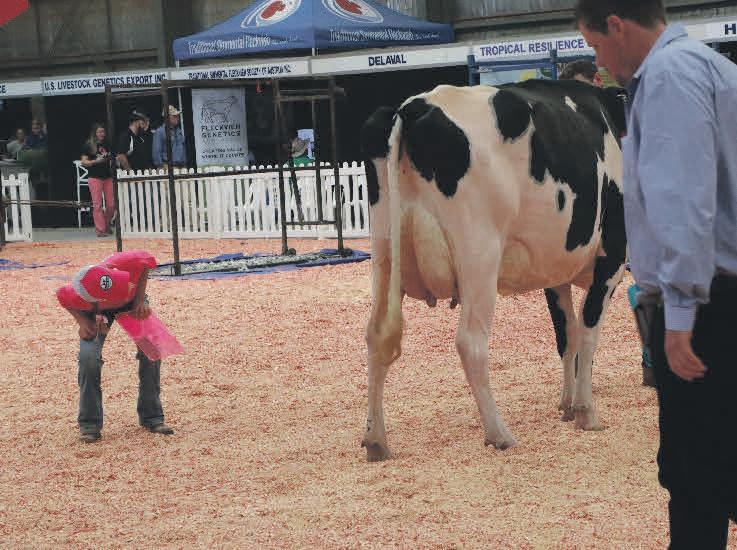
Isla, the daughter of Bec and Stewart Robertson, said she often picked out a cow she liked and then broke down the individual traits to work out their strengths and weaknesses.
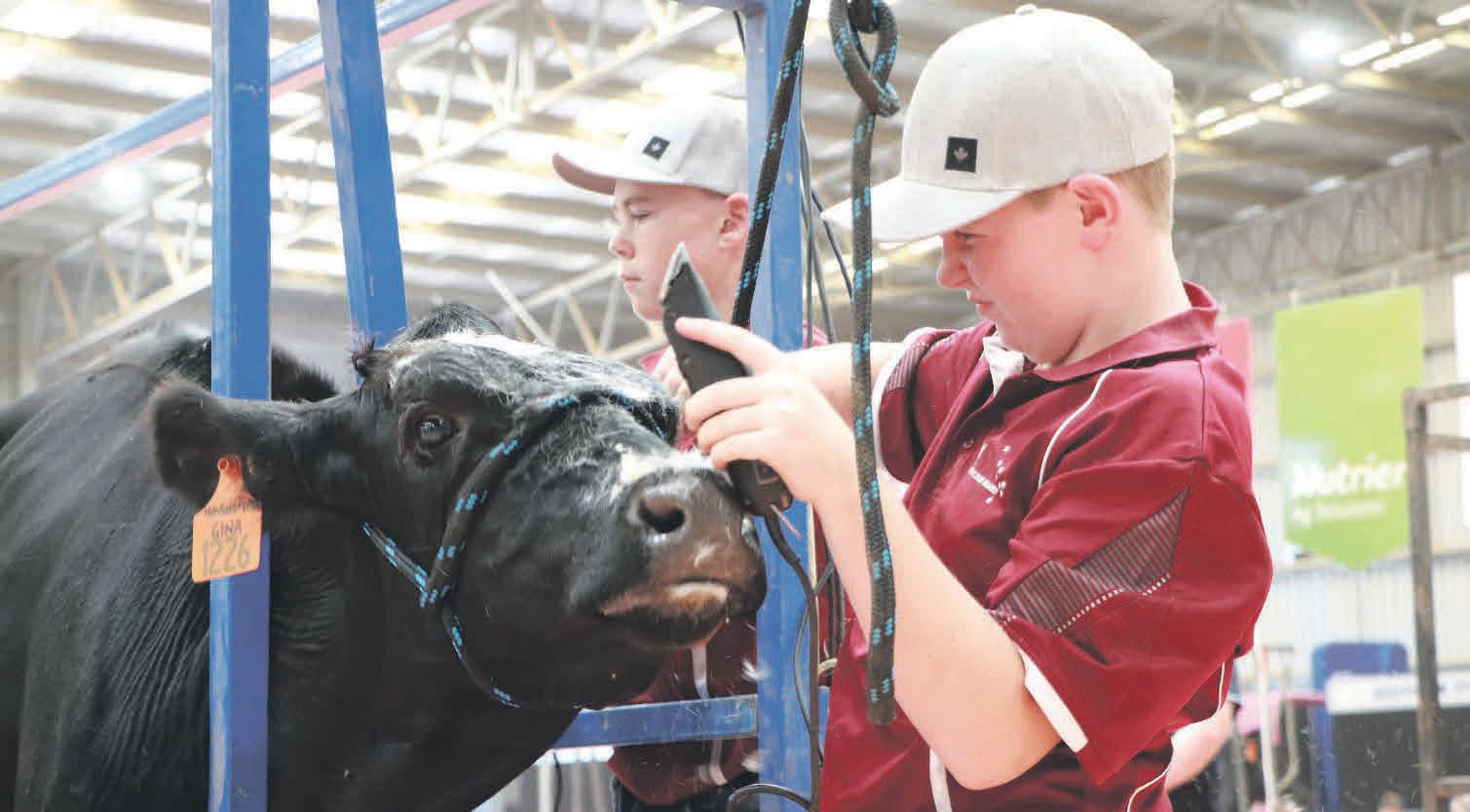
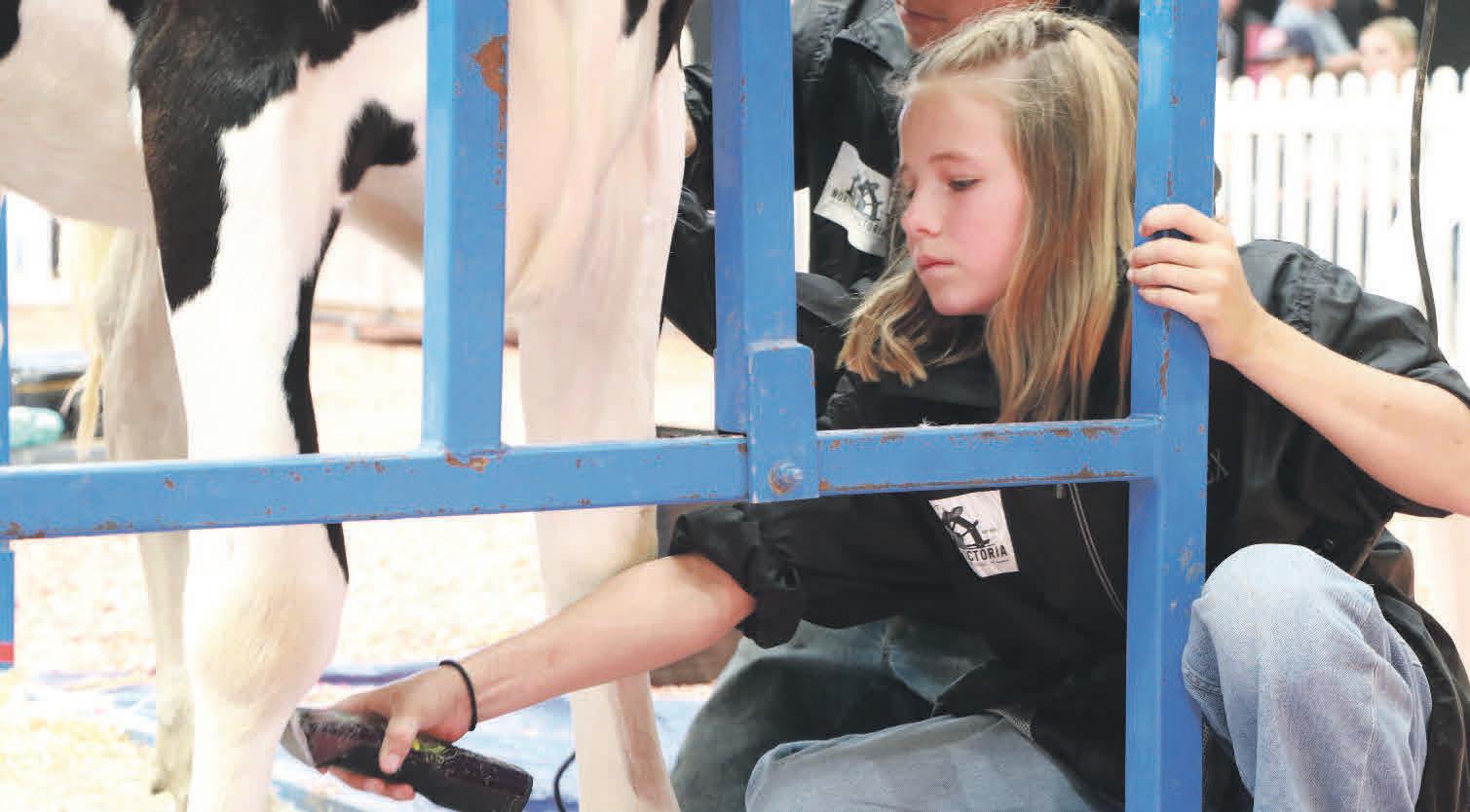
She was one of 130 young people competing in leading, judging and clipping competitions on the Sunday.
BY GEOFF ADAMS
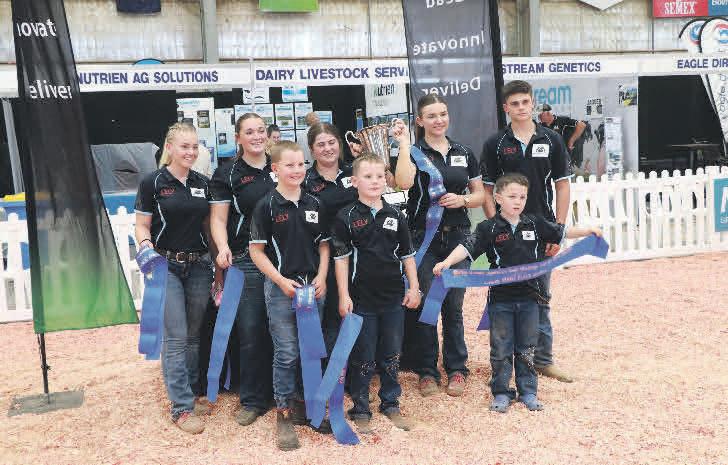
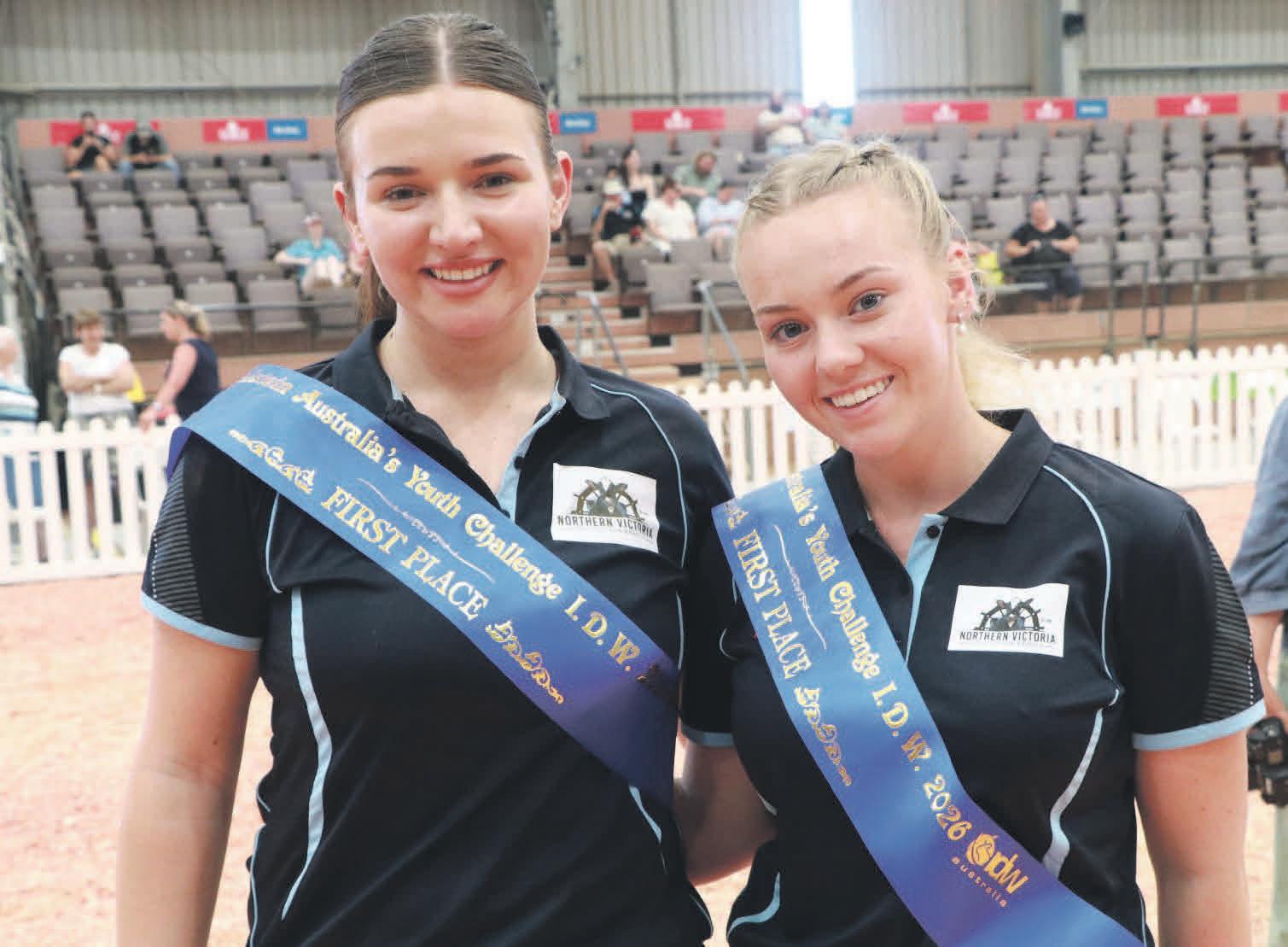
INTERNATIONAL DAIRY Week has kicked off with a youth win for the Northern Victoria team.
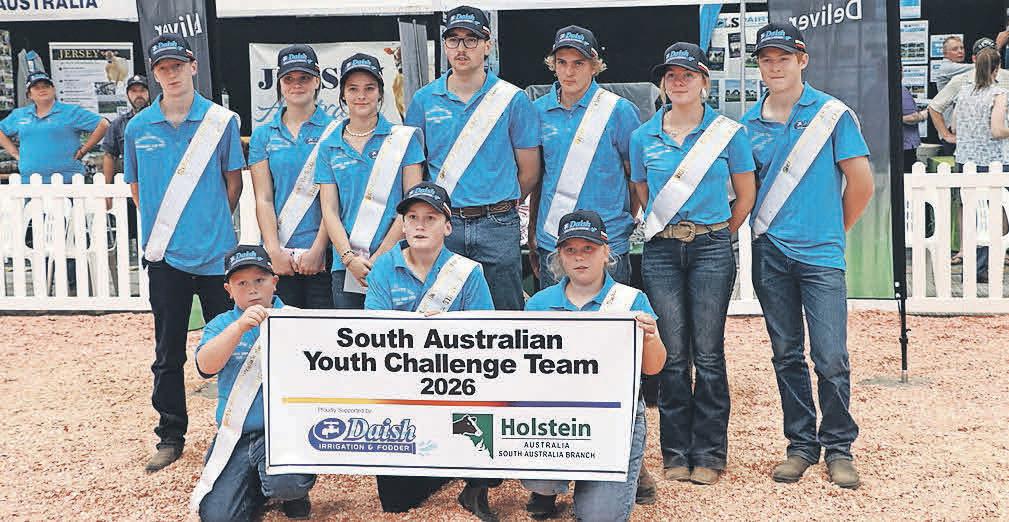
The team of 10 young people will take home the prestigious Matt Templeton trophy for their efforts in judging, parading and clipping in the competition organised by Holstein Australia.
The competition on Sunday, January 18, included a team of 10 from New Zealand, supported by five adults.
A total of 130 young people in 13 teams took to the arena to demonstrate how well they could handle the aspects of showmanship required by their adult mentors over this week at Tatura Park.
More youth events were held on Monday, January 19 and the breed cattle shows began on
Tuesday, January 20.
Wednesday, January 21 saw the Jerseys take to the arena, and on Thursday, January 22 the Holsteins stepped forward.




MAIZE HYBRID genetics set the potential for silage yield and nutritional value, but crop management, growing environment, ensiling efficiency and feed-out management determine the outcome.
Harvesting maize silage at 30-38 per cent dry matter ensures enough moisture for quality fermentation. Healthy maize plants continue to produce
sugars storing them as starch until physiological maturity (black layer).
Research conducted by Pioneer in conjunction with the University of Illinois shows starch can increase by over 25 per cent from ½ milk line to black layer.





Advances in plant breeding mean growers are not sacrificing fibre digestibility by delaying harvest to this point, provided plants are healthy.
Harvesting at the higher end of the window (3638 per cent dry matter) will likely boost starch content, but must be weighed against weather-related and contractor availability risks.
Maize silage is usually chopped between 12-20 mm, but there’s no single ideal chop length. It depends on feeding plans and other ration ingredients.
If the silage is wet or will be fed in low effective fibre and or high starch or sugar rations, use a longer chop.
For drier silage, or when fed with high effective fibre or low-carbohydrate rations, chop shorter.
Kernel processing is vital, as breaking kernels into at least four pieces boosts starch digestibility both in the rumen and throughout the digestive tract.
Microbial populations on maize at harvest greatly affect silage quality and stability.
Temperature, humidity, solar radiation, plant maturity and moisture influence natural (epiphytic) microbial levels.
Silage inoculants, containing lactic-acid bacteria, such as Pioneer brand 11C33, boost fermentation quality and reduce losses at feedout.
Maize’s high sugars can promote yeast growth at feed-out time.
This can increase dry matter loss, heating and reduce palatability.
Proven inoculants reduce risk and improve fermentation, but they shouldn’t replace good stack management.
Compact the stack thoroughly, layering no more than 150mm at a time and ensuring enough weight from pack tractors, especially with drier silage.
Finish with a smooth surface and immediately cover with an oxygen barrier film and silage plastic or a heavy-duty silage cover.
Line dirt bunker walls and overlap any joins. Seal the perimeter with sand or lime. Weigh covers down using tyres or sandbags laid edge-toedge for best results.
There are numerous feed security, cost and quality advantages to carrying a buffer of maize silage on farm.
The seven-hour ruminal starch digestibility of fermented new-crop maize silage drifts upwards (about two percentage units per month) for about six months before plateauing.
While inoculated maize silage can be fed within a week of ensiling, leaving it in the stack for a minimum of four months will result in significant feed quality gains.
ɋ Pioneer dairy specialists Leighton Hart and Greg Morris


























BY SOPHIE BALDWIN
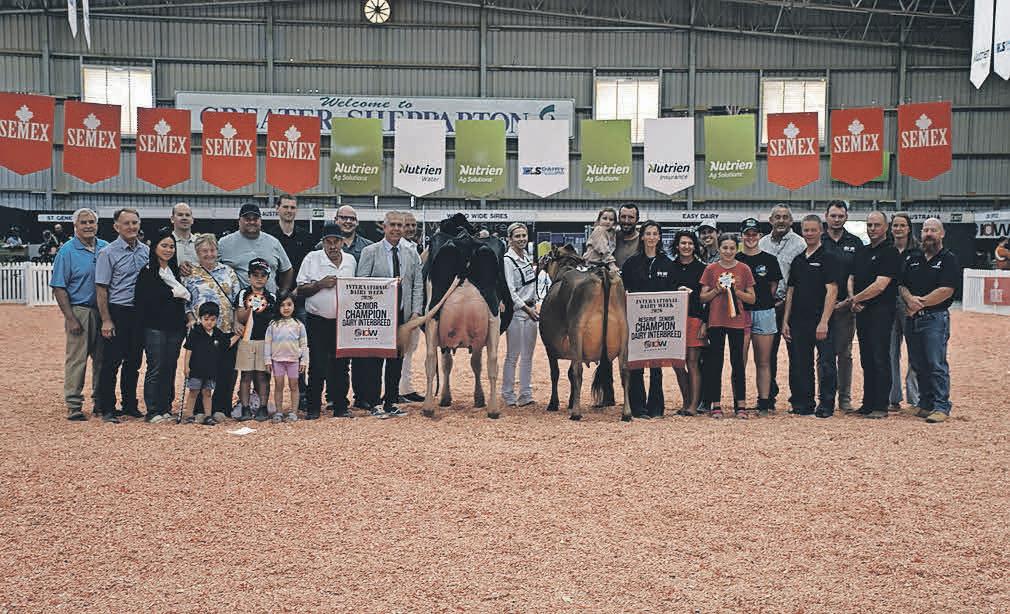
IT HAS been another great year for International Dairy Week with quality cows, great crowd attendance and sponsor support.
Director Declan Patten said every year the professionalism of the show just gets better and better.
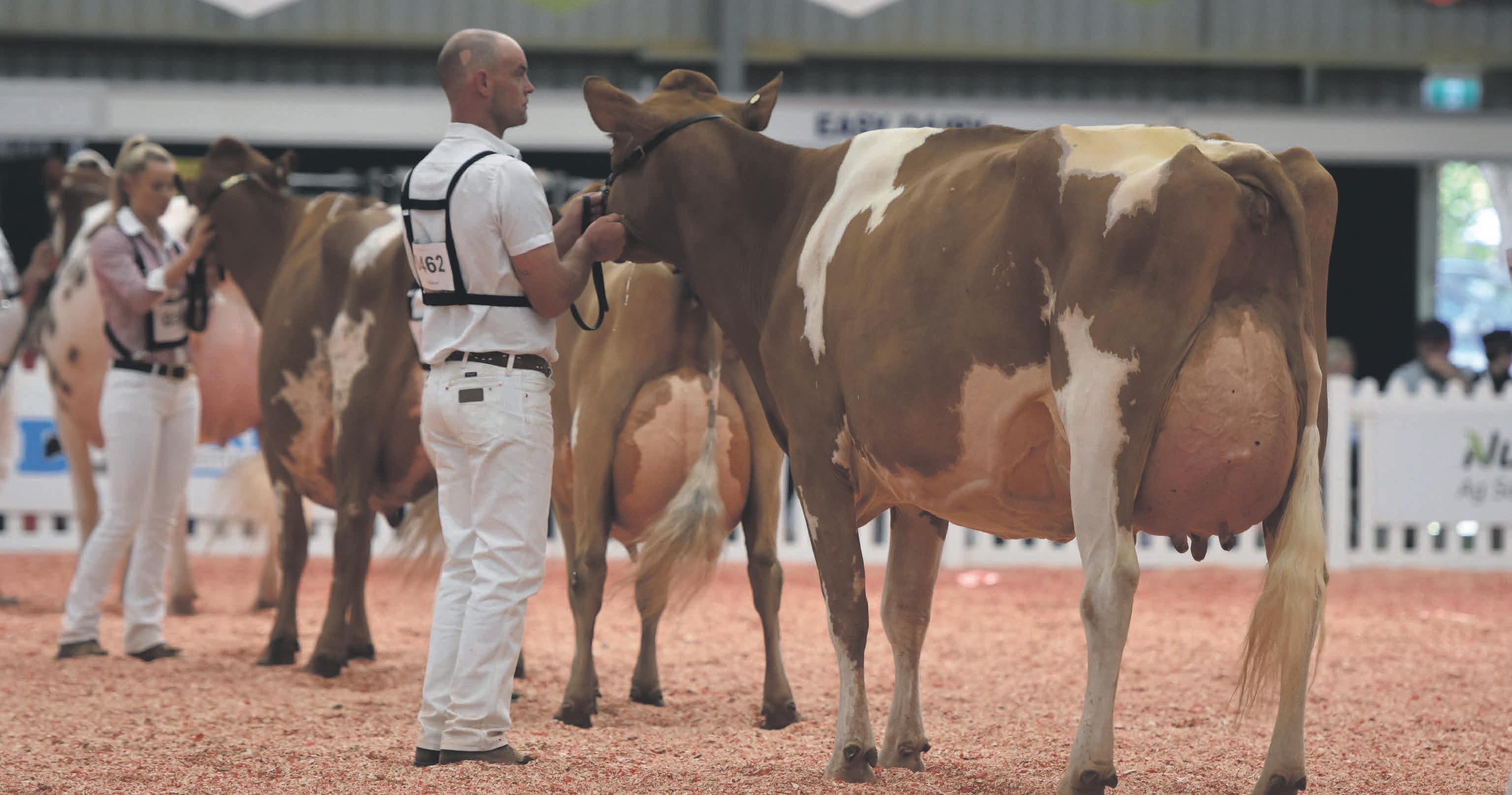
This year the cows were treated to a newlook arena with coloured wood shavings covering the surface rather than the traditional sand.
Declan said not only were the shavings more comfortable for the cows, they also made their colours really pop on the livestream.
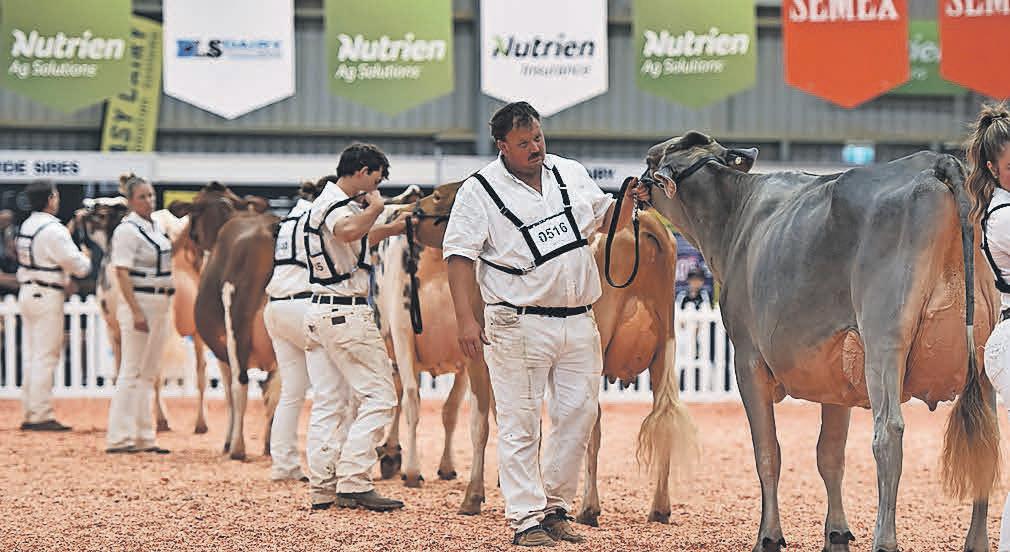
The other major change was a move to the handlers wearing a harness rather than hats to improve the numbering system.
“The harness looks really clean and we have had a lot of positive feedback,” Declan said.
Declan said as always, the quality of cows was extremely high.
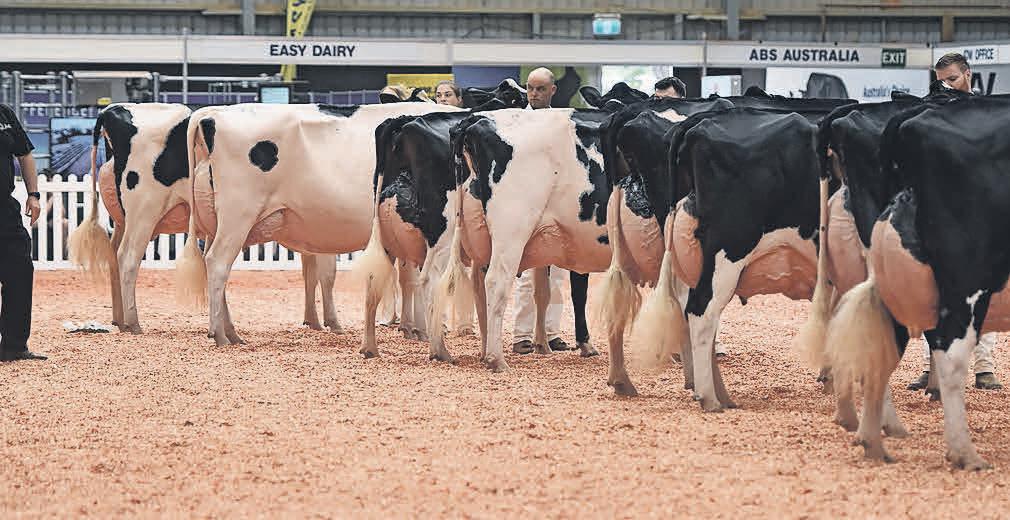
“In all seriousness, the quality of cattle this year is the best I have ever seen — the colour breeds have really excelled, and it is great to see the minor breeds giving everyone a run for their money.
“We always have the best judges which has been evident across all breeds and classes,” Declan said.
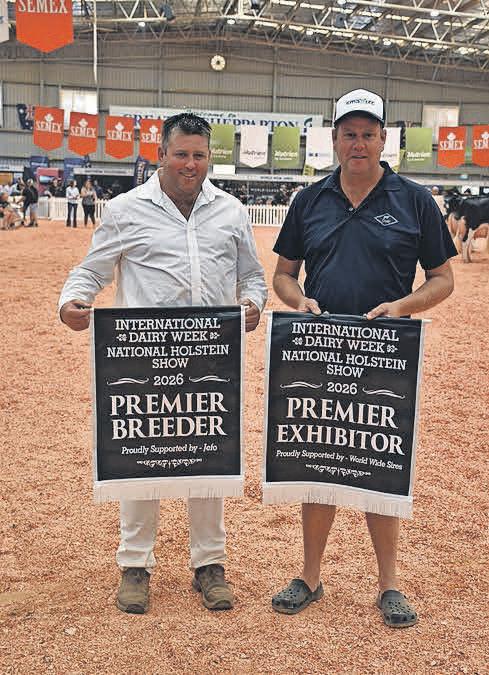
The sale was topped by a Brown Swiss Lot 21, Kit Dreamer Rhapsody IMP-ET-UK, offered by Kit Davidson who sold for $27,000 to Isabella Osborne from Austral Eden, NSW.
He said it was the very first time an Aussie Red was sold, and she went for $12,000.
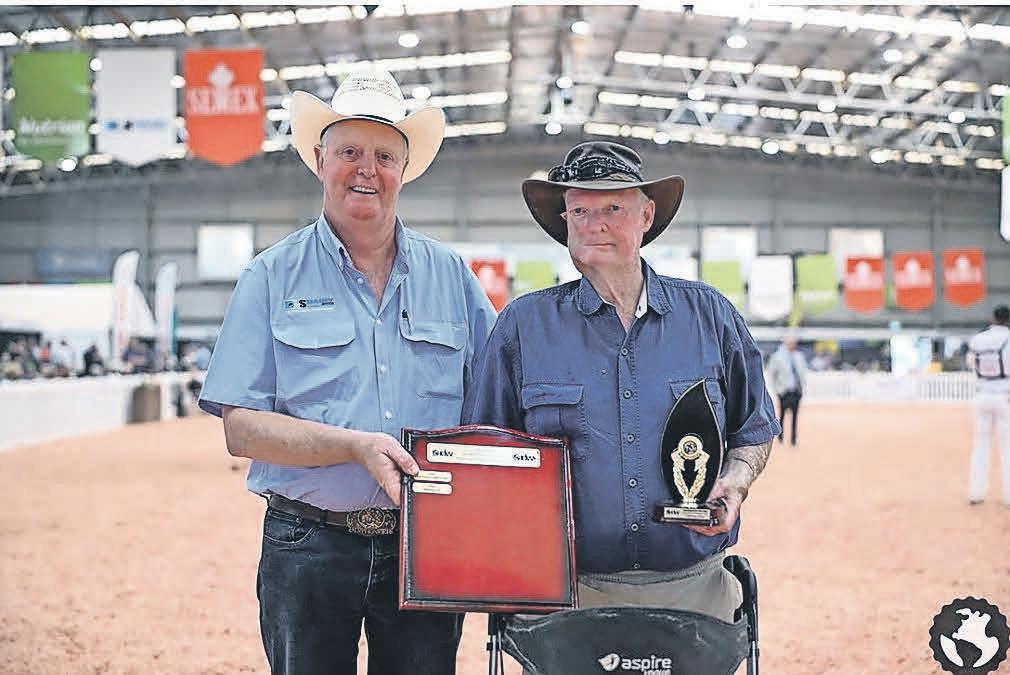
He was also recognised for his wider contribution to the industry.
Daughter Clare Modra said she was pleased her Dad had been recognised for all his hard work.
Ryan, who was a friend of Matt, said he hoped he had honoured his mate whose passion and pride for showing cattle was unsurpassed.
Declan said this year’s STG Australia Create the Future Sale was well-supported both in the room and online.
Declan said this year was a particularly tough one for the Jersey show after judge Ryan Krohlow had to follow on from industry legend Matt Templeton who sadly passed away not long after last year’s show.
“This is great for the breed and great for the seller,” Declan said.
This year’s Lex Bunn recipient was Adrian Dee from Clydevale Holsteins, Macorna.
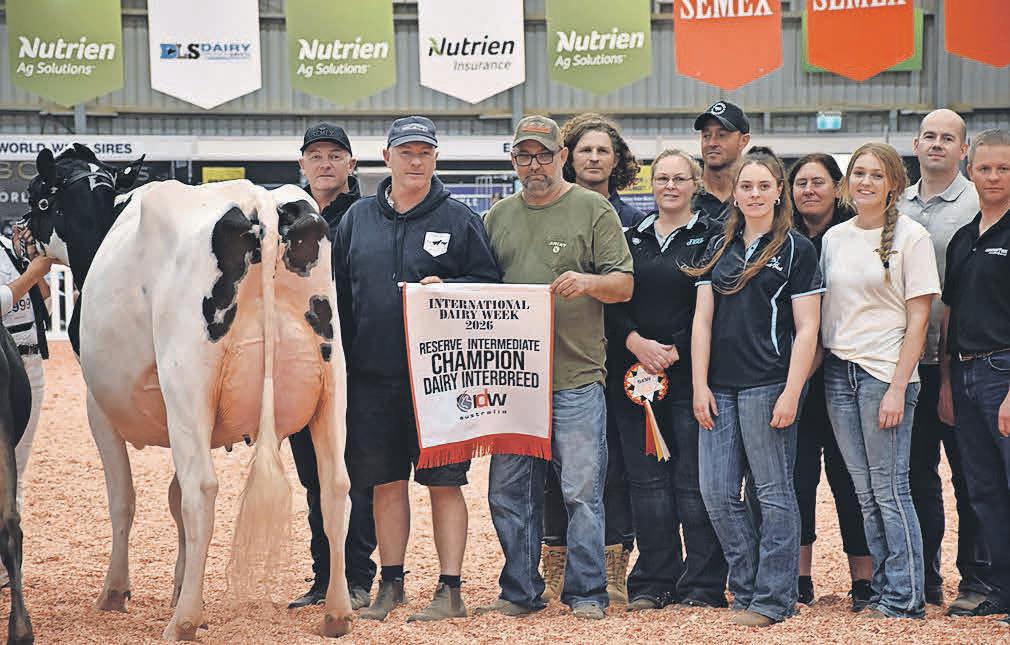
Adrian has bred 155 excellent cows and has had many successes in the show ring, including exhibiting champion cows at IDW in 1992 and 2026, along with Australian Cow of the Year.
“Dad, along with mum Cheryl, have been great role models to all of us kids,” Clare said. The Bette Hall recipient was Jeanette Falls, who was also recognised for her outstanding contribution to the dairy industry over many decades.
“Cows are my comfort, and even though I am 70, I am still not ready to give them up,” Janette said.
BY GEOFF ADAMS
A BROWN Swiss heifer from Finley topped the International Dairy Week auction.
The ST Genetics sale, run by Dairy Livestock Services, generated a gross total of $319,000.
Lot 21, Kit Dreamer Rhapsody IMP-ET-UK offered by Kit Davidson, sold for $27,000 to Isabella Osborne from Austral Eden, NSW.
The next highest lot was a Red heifer, Impression Jealous Of My Latenite 269, which MLF Farms, Moscript & M Senecal sold for $23,000 to Aylesbury Farms, Yarram.
And lot, 23A, Munden Farms Moloss Orange, sold for $13,000 to WP & AM Macadam, Merrigum and lot 9, Cypress Grove B178 Shakira, sold for $11,000 to R & S Richardson, Simpson. Ferguson Farms of Toolamba
on
BY SOPHIE BALDWIN
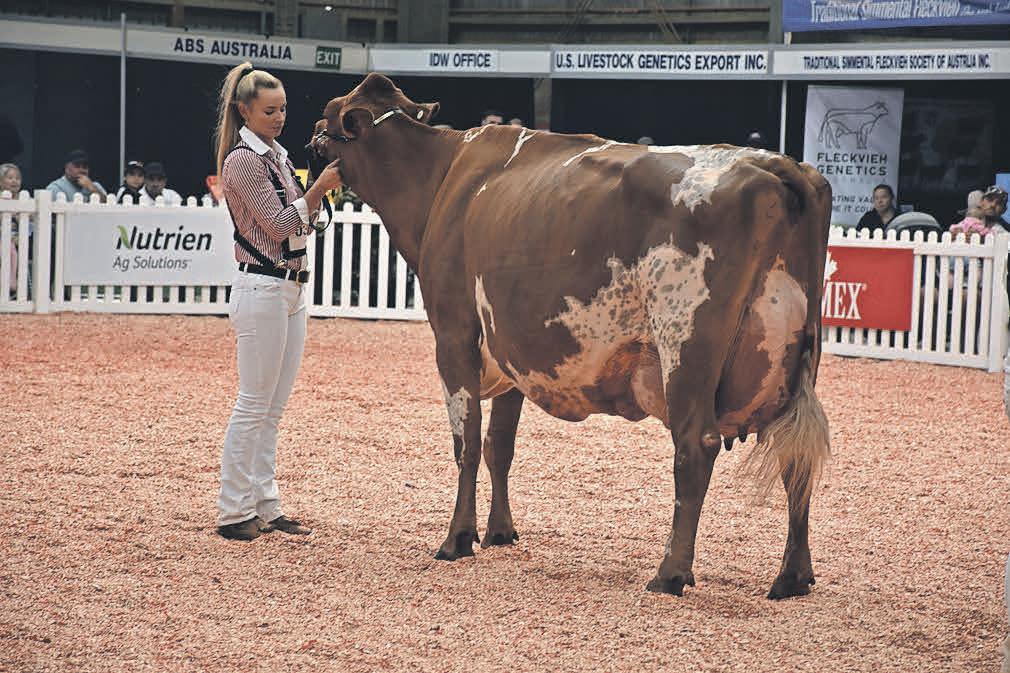
International Dairy Week has wrapped up for 2026, with Windy Vale ATW Frosty 2 owned by Geoff and Christine Peatling from Tallygaroopna, crowned Supreme Champion Cow.
Frosty was purchased by the family in October from Somerelle Holsteins as a dry cow, and was the top priced lot at the time, selling for $25,000.
Geoff said he just couldn’t explain how he felt after the win, young grandson Sam summed it up the best saying “it was the best”.
The family now has plans to take her on to Sydney Royal, so she won’t be coming back home to the farm just yet.
Brad Gavenlock from Cherrylock had the privilege of preparing Frosty for the show, and
said she was without a doubt, the best and easiest cow he had ever worked with.
“You would never pick she was just six weeks fresh,” Brad said.
“We have had her since October.
“She came to us when she was dry and calved on December 5, and she has done everything you could ask for since.”
Holstein judge Mark Nutsford couldn’t take his eyes off the seven-year-old either.
“She is right on the money and so refined from the tip of her nose to her tail, her spring of rib is beautiful, and she carries her feet and legs so well,” Mark said.
Mark went on to say the Holstein Show was quality all the way down, from the top end, and continued to impress right to the bottom.
“The quality of cows are as good as anywhere, and even bottom end still make you say ‘oh my goodness’.”






HOT WATER, milk cooling, and harvesting account for a combined 80 per cent of on-farm energy use for dairy farmers, so reducing consumption and maximising energy efficiency has never been more vital.
With rising energy costs and climate concerns front of mind, more businesses are seeking a sustainable alternative.
The good news: small changes in when and how you use energy can deliver big savings and improve resilience while powering your business towards a greener future.
On a wholesale linked electricity plan, prices often dip during the middle of the day when renewable generation is high. Schedule energy-intensive tasks, bulk cooling, milk pre-cooling, irrigation and grain drying for those low-price periods. Even small shifts each day can lower bills without disrupting operations or yield.
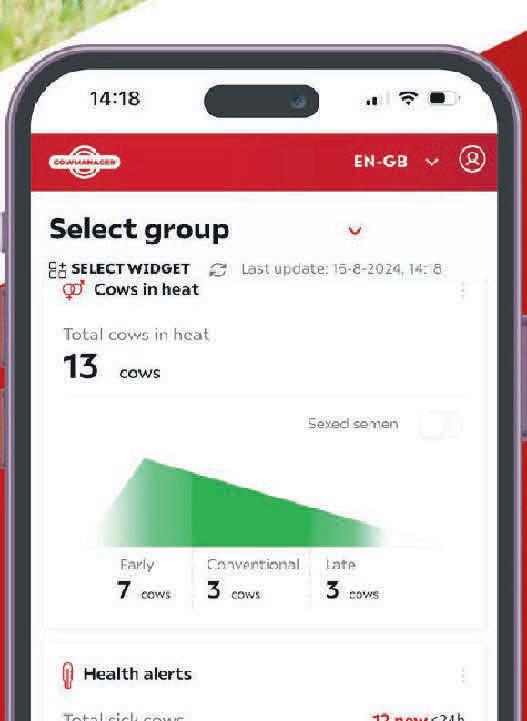



Make the most of thermal storage. Pre-cool milk and chilled rooms during cheap periods so refrigeration cycles are shorter during peak price windows. This can reduce peak demand charges and smooth your consumption across the day.




Smart controllers, timers and simple automations let you run pumps and compressors when prices are lowest. By pairing controls with real-time price signals, you avoid the need for constant price monitoring.
Onsite batteries can store cheap energy for use during price spikes and, if configured to do so, can provide back-up during outages. For 24/7 operations like dairies, batteries can significantly cut peak charges.
Many energy retailers reward flexible demand. Participating in demand response programs can turn time-flexible operations into an additional revenue stream.
Flow Power’s energy specialists are here to help, connecting dairy farms to the benefits of wholesale pricing, renewable generation and smart battery solutions, with tools and technology to optimise and automate energy use.
ɋ Phone 1300 080 608 or email hello@flowpower.com.au or visit flowpower.com.au/smart-energy-
BY PIP TURTON
FIFTEEN-YEAR-OLD LLOYD Akers from Tallygaroopna enjoyed a standout day at the All Breeds Youth Show, winning Junior Leader with his cow, Loxleigh Broad Marie 9211, before achieving the ultimate honour when she was named Grand Champion of the show.
Starting with a win in the two-year-old milk class, Lloyd went on to claim Junior Leader Senior Champion Milk Heifer, and ultimately Grand Champion Heifer of the Show — a remarkable sweep of the major youth titles.
For Lloyd, who has been showing cattle since the age of 10, the Grand Champion ribbon was particularly special.
“I wasn’t really expecting that win, but it’s a great feeling,” he said.
“This is my first big win. To not only get first, but then to go on and get grand champion at the youth show, is a feeling I won’t forget.”
The Goulburn Valley Grammar School student said the achievement also meant a great deal to his family.
“I don’t think I’ve ever seen Dad smile so much — it’s his first big win as well,” Lloyd said. Looking ahead, Lloyd already has his future plans in place.
“The plan is to go away to uni and then come back home to the farm and take over,” he said.
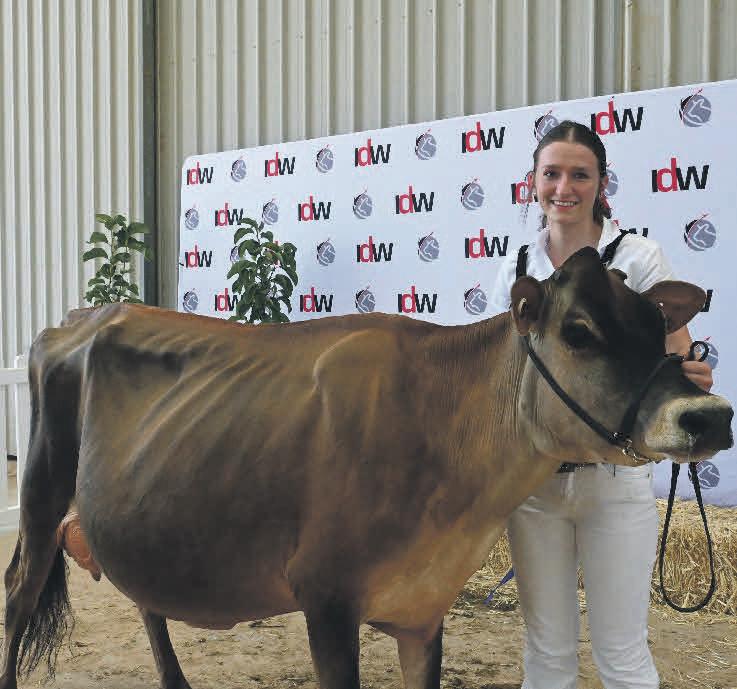
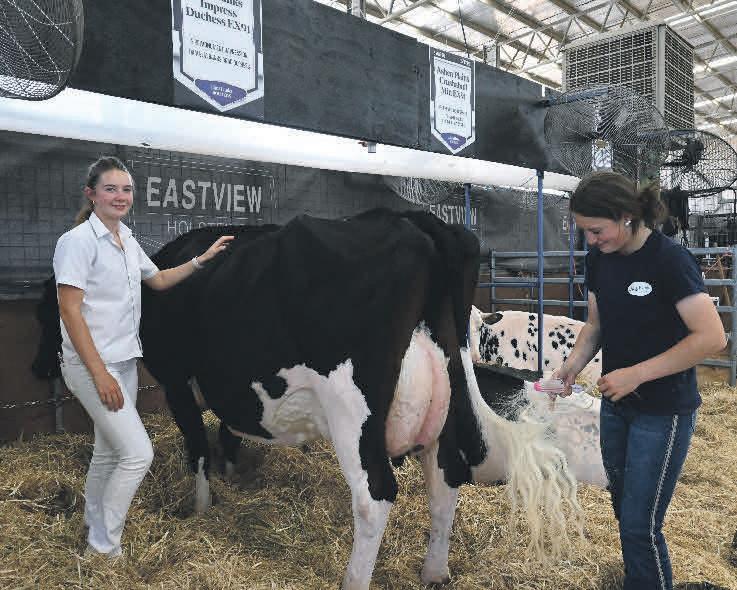
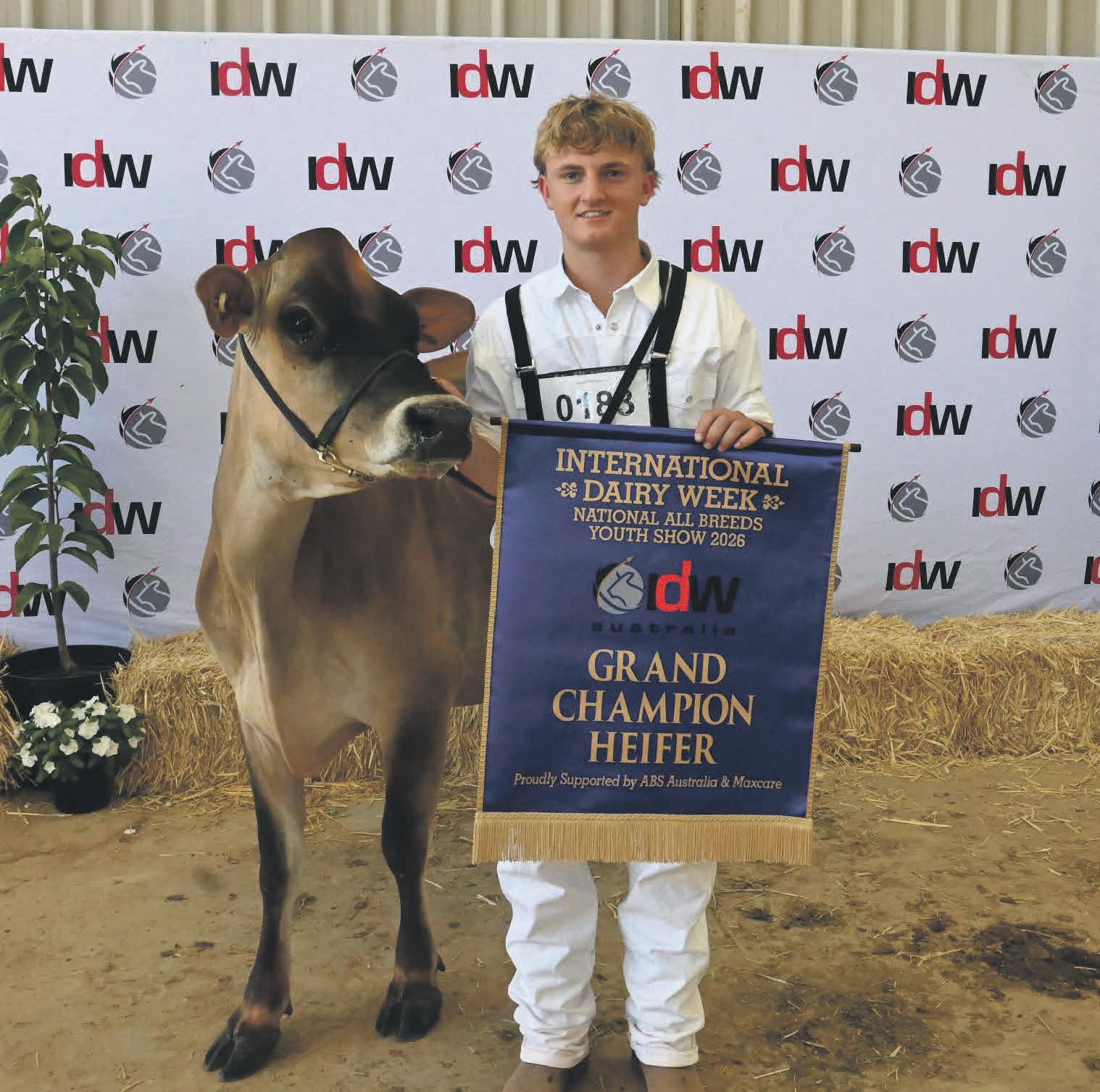


BY SOPHIE BALDWIN
YOUNG FARMER Max Bond is focusing on growing the dairy business he runs alongside his par ents Adrian and Vickie at Coorimungle.
The family currently milks 500 split calving Holsteins (autumn and winter) across 450 hectares of dryland country.
Max has always wanted to step into the farming business, and after attending Longerenong College and achieving an advanced diploma of agricultur e and a diploma in agronomy, he had the tools.
“The diplomas have been helpful for my understanding of business along with agronomy skills for fertiliser application and weed and pasture management,” Max said.
Max has always enjoyed working on the farm and used to help out before and after school.
“I love the wide range of tasks during the day, and I would describe myself as a cow man first. I am particularly interested in production, closely followed by pasture management,” Max said.
Max said the family was in the process of growth across all aspects of their operation, which has included increasing herd numbe rs from 350, purchasing neighbouring land and investing in the building of a 66-unit r otary dairy.
Max returned to the farm permanently in 2021 and has also purchased his own property.
He has been involved in the WestVic Young Dairy Network and a couple of years ago joined the leadership team.
“I didn’t really know what to expect when I joined up, but I have really enjoyed creating social events for young farmers – whether that be just a night at the pub with a guest speaker, a farm walk or even a trip away.
“It is important to have some time away from the farm, and the YDN has helped
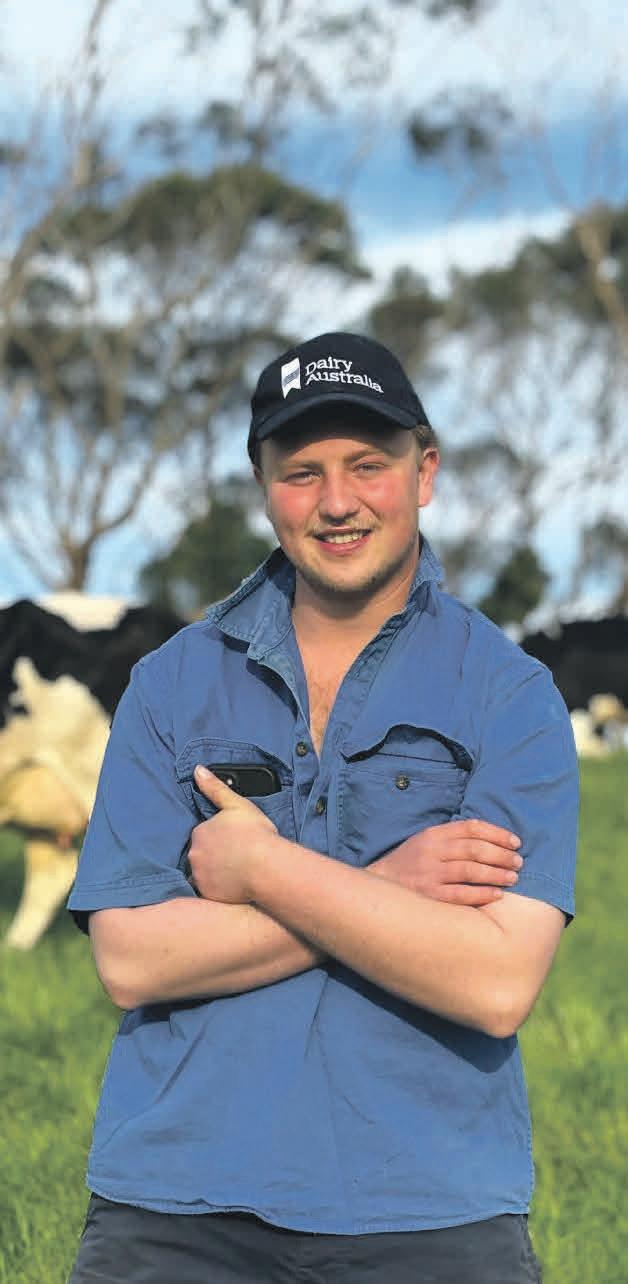
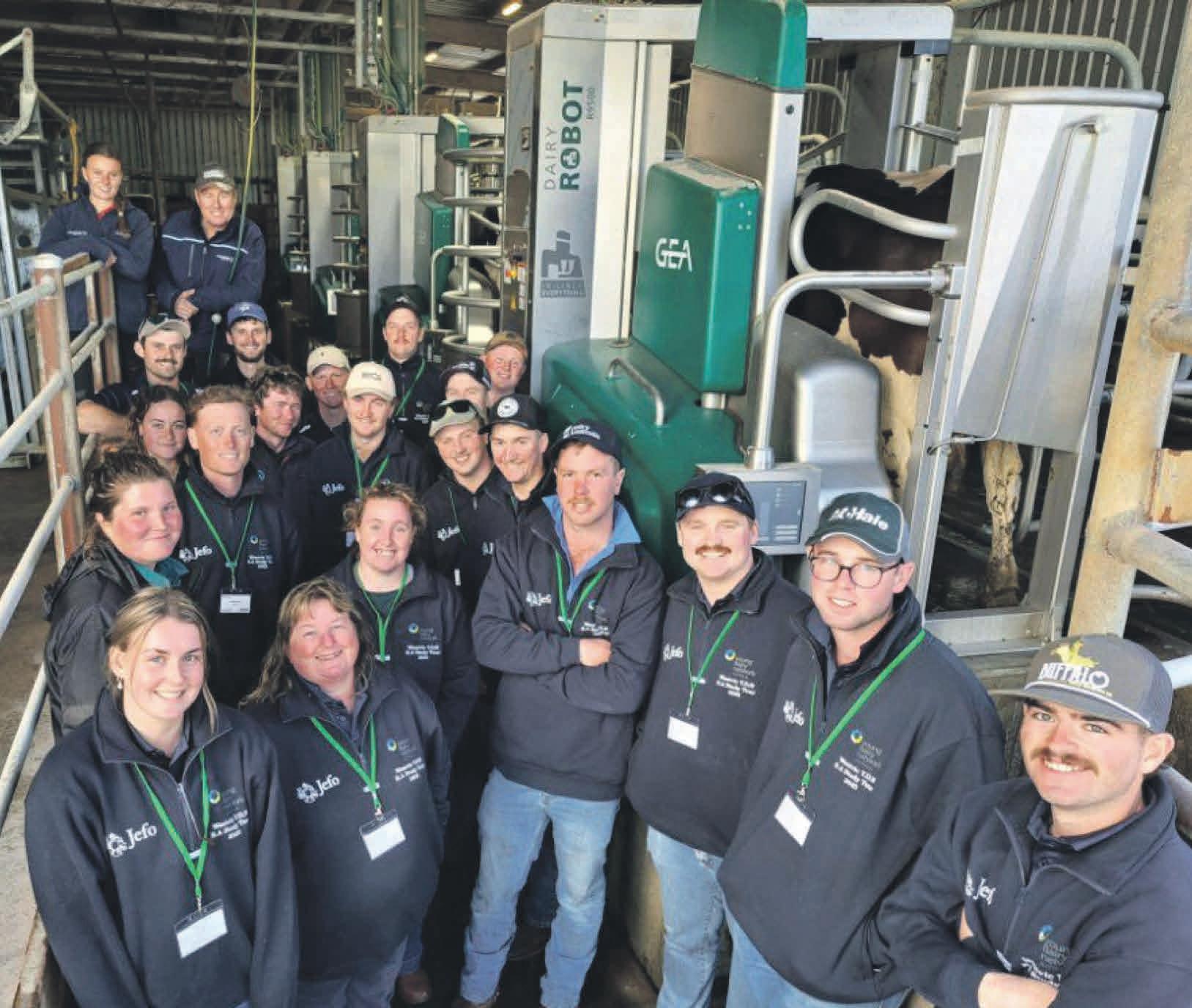
expand my knowledge and make many new connections.”
He said the WestVic YDN was well attended, with anywhere from 30 to 50 young farmers participating.
Recently, around 20 young farmers opted to take some time out and travel across t o South Australia to look at different farming operations and systems.
Max said over four days they visited seven farms.
“My take away from the trip was really about business structure and how other farmers incorporate partnerships, whether that’s with family members or outside e ntities,” Max said.
“It was really interesting to see how different that could be and I guess that is one of the major things with farming , every farm is different, and no two are ever the same.”
He said farmers were always great at sharing information and experiences and that was the great thing about being involved with the YDN.
He said the networking and support was pivotal and he urged any young farmers involved in the industry to jump on board their local YDN.
The network is a project of Dairy Australia working across the regions to support local networks of young dairy farmers and employees.
Each dairy region provides their own support and organised activities is all about backing the next generation of young people in dairy who will advance the industry with innovation, enthusiasm and vision.
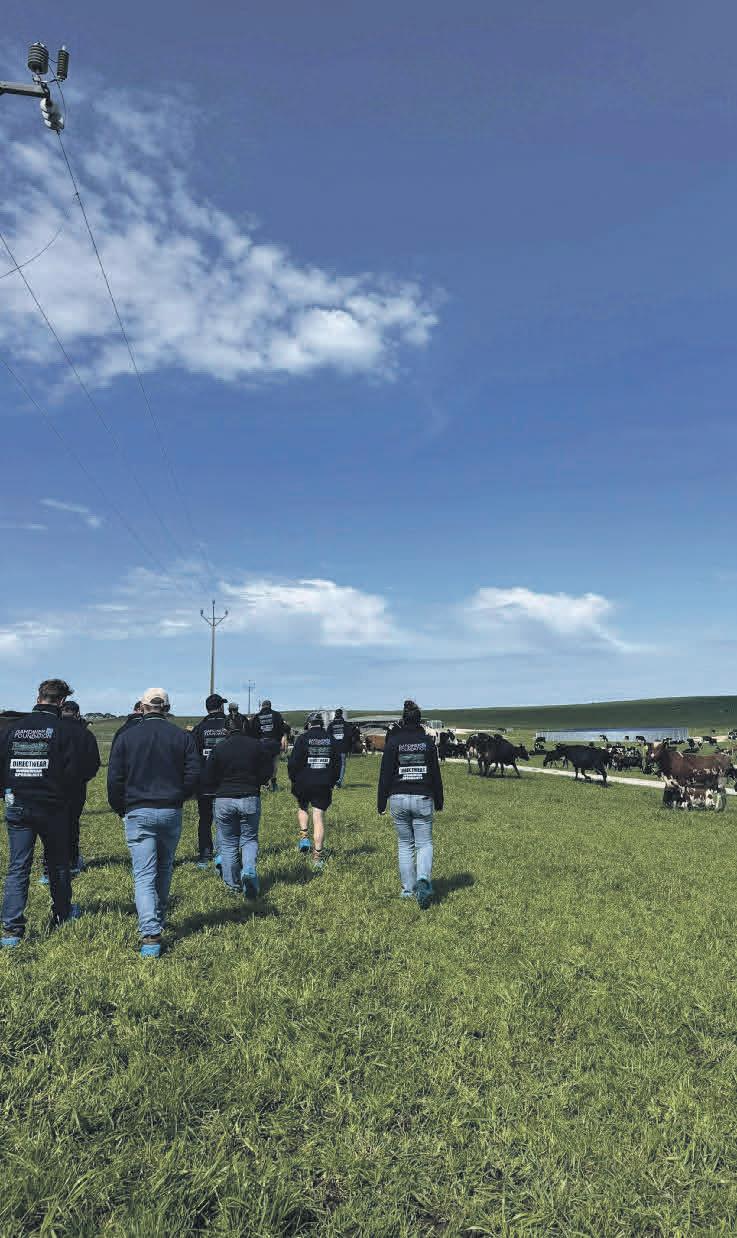
THE SOUTH Australian Dairyfarmers’ Association has welcomed the announcement by the Primary Industries and Regional Development Minister Clare Scriven, confirming the legalisation of virtual fencing in South Australia.
SADA president Robert Brokenshire said the announcement represented a significant milestone for South A ustralian agriculture and responds to the significant advocacy by SADA on the topic.
It reflects the minister’s sustained commitment to working through the regulatory and animal welfare considerations required to enable the technology.
“This is an important and positive step forward for South Australian dairy farmers and for agriculture more broadly,” Mr Brokenshire said.
“Virtual fencing has the potential to be a genuine game-changer by improving productivity, reducing infrastructure and labour costs, and delivering better environmental outcomes, while maintaining high standar ds of animal welfare.”
Mr Brokenshire acknowledged the careful and consultative approach taken by the Malinauskas Labor Government in amending the Animal Welfare Regulations to allow virtual fencing, supported by stringent safeguards and approval criteria.
“We recognise the leadership shown by Minister Scriven in ensuring this reform strikes the right balance between innovation, animal welfare and community confide nce,” he said.
“Arriving at this point has taken time and diligence, and the minister’s commitment to getting the framework right is appr eciated by dairy farmers.”
Mr Brokenshire said virtual fencing offered benefits for dairy businesses, including more precise grazing management, improved protection of waterways and native vegetation, and enhanced herd monitoring.
“For dairy farmers, this technology can support more flexible and responsive pasture management, particularly in challenging seasonal and climatic conditions,” he said.
“I t also provides new opportunities to better protect sensitive areas of farms without the cost and disruption of additional physical fencing.”
S ADA said it now looked forward to working closely with the South Australian Government, technology providers and industry as approved systems become available from early 2026.
“Our focus will be on supporting the responsible and informed uptake of this technology,” Mr Brokenshire said.
“We look forward to collaborating with government, technology providers and industry to ensure virtual fencing delivers real productivity and sustainability be nefits for farmers while upholding strong animal welfare standards.”
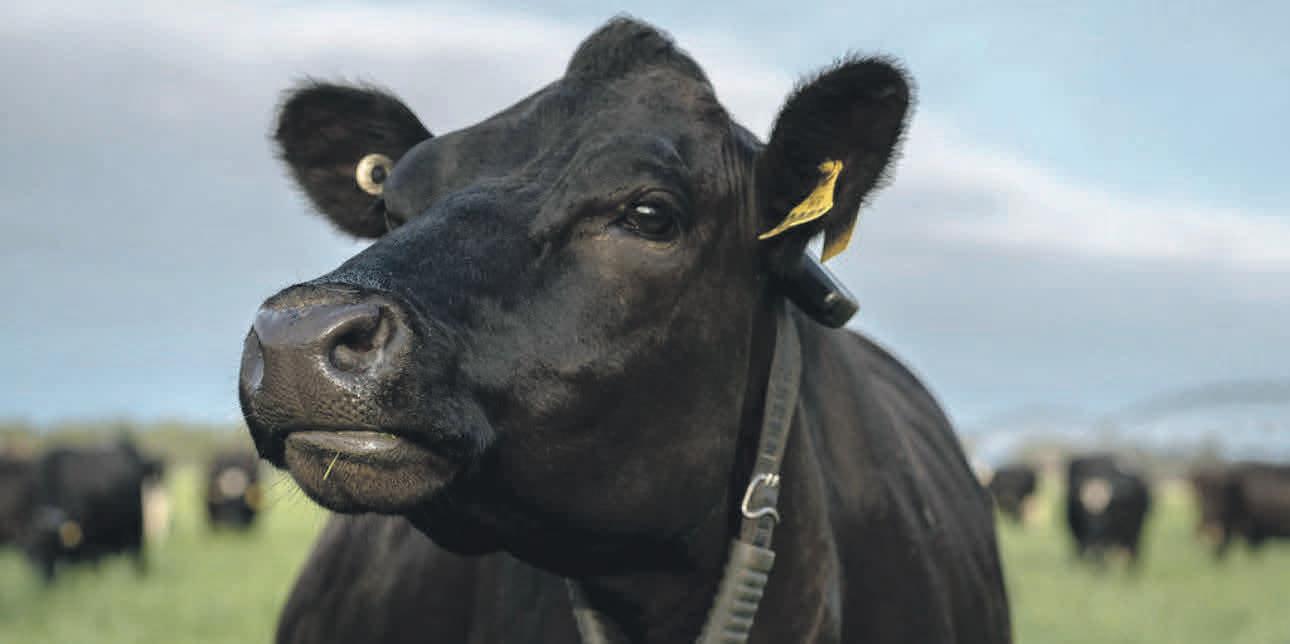
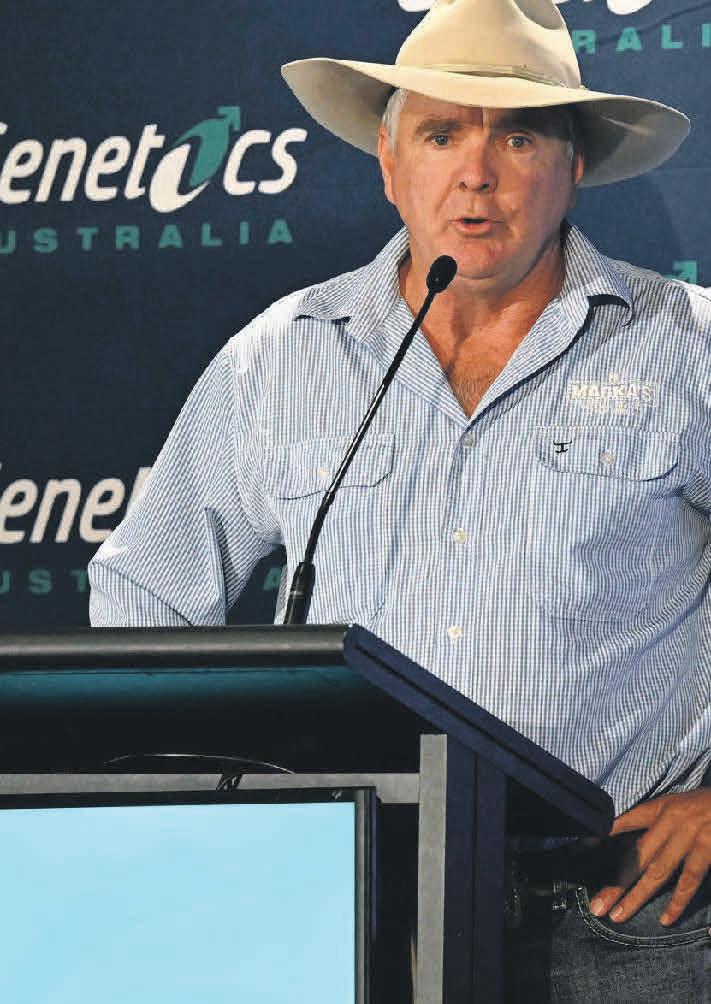
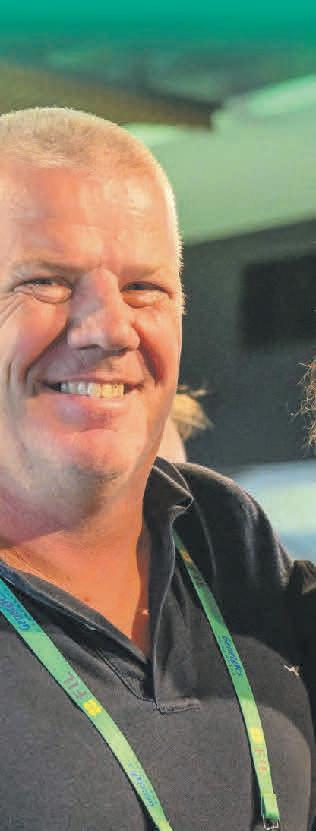





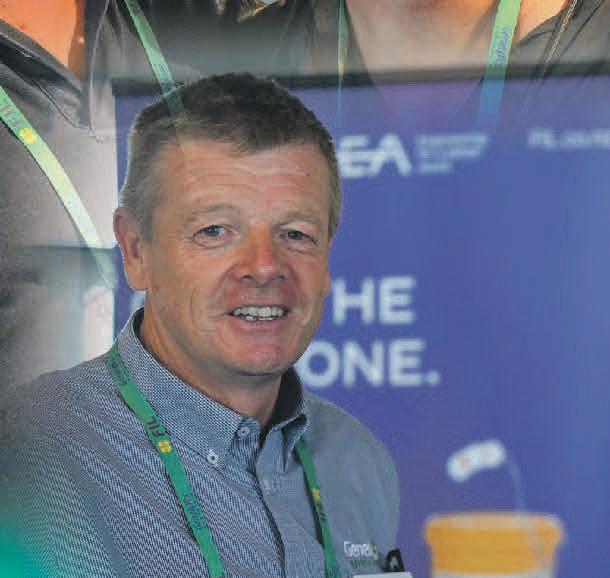

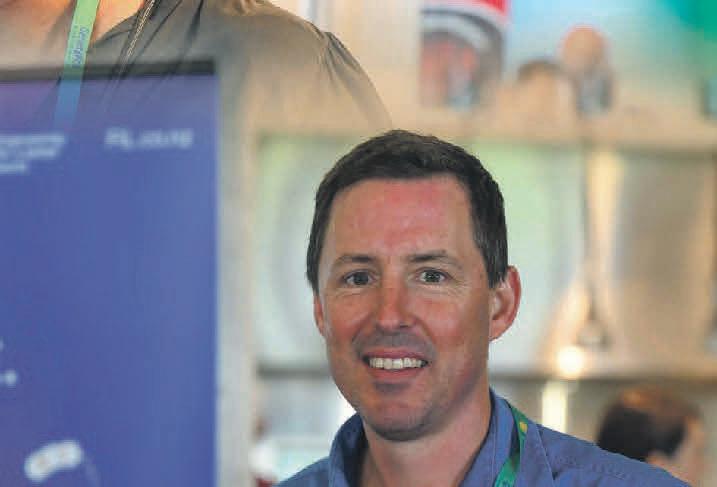
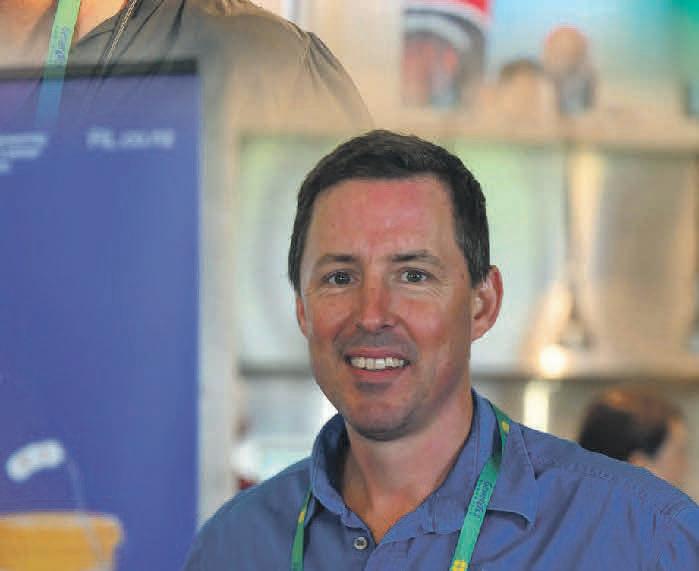







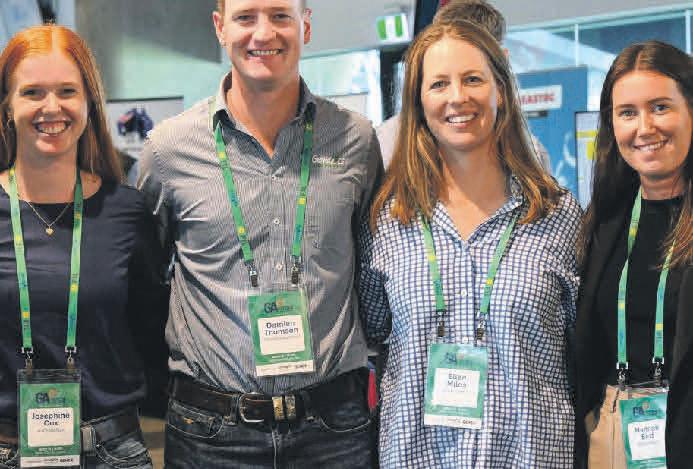







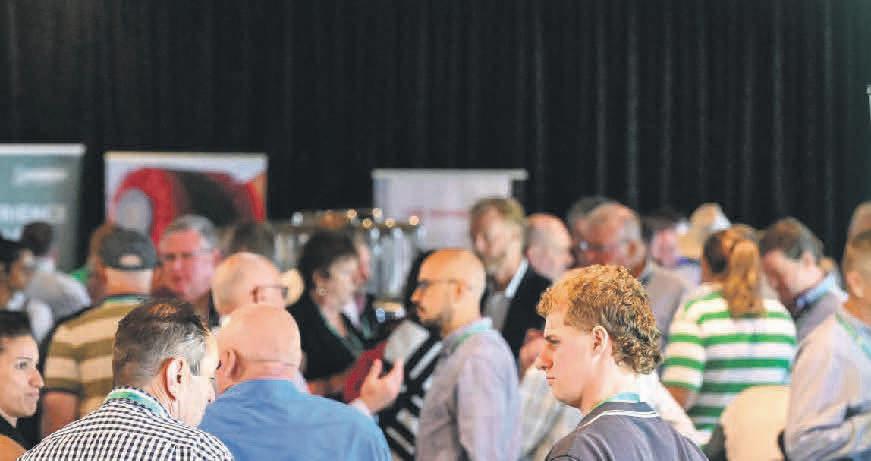
Highlights from the 2026 Conference program include:
Stephanie Bullen, Dairy Australia – Conference MC
Ray Kitchen, Kitchen Farms
Simon Falkiner, Murdeduke Angus
Alison Van Eenennaam, University of California
Dr Emily Piper, DataGene
PJ Budler, Trans Ova Genetics
Dean McKenna, Midfield Meats
17-18TH MARCH 2026
GMHBA STADIUM, GEELONG


FEEDPAD COVERS are set to play an important role in the future profitability and sustainability of Australian dairies.
More dairy farmers are covering feedpads to reduce feed wastage, improve herd health and performance, make management easier and protect paddocks.
There is a plethora of benefits that come with installing a feedpad cover, and the reduced feed wastage alone makes for a strong business case.
An Action feedpad cover with a well-designed feeding system reduces feed wastage by:
ɋ protecting feed rain, hail or shine, ensuring it remains palatable and nutritious for longer
ɋ controlling access and reducing trampling
ɋ improving feeding efficiency and intake by reducing stress.
Less wastage and consistent feed intake are benefits Paula and Mick Gray have proved with their Action feedpad cover.
“Prior to having the feedpad, we were very conscious with our rations because the feed would overheat and spoil.
“Now we can confidently provide ample feed because we have the shelter, and we can guarantee the cows will go back for it,” Paula said.
Feed savings aside, a roof over your feedpad provides an excellent opportunity to capture stormwater run-off, install solar panels, increase labour efficiency and improve land use.
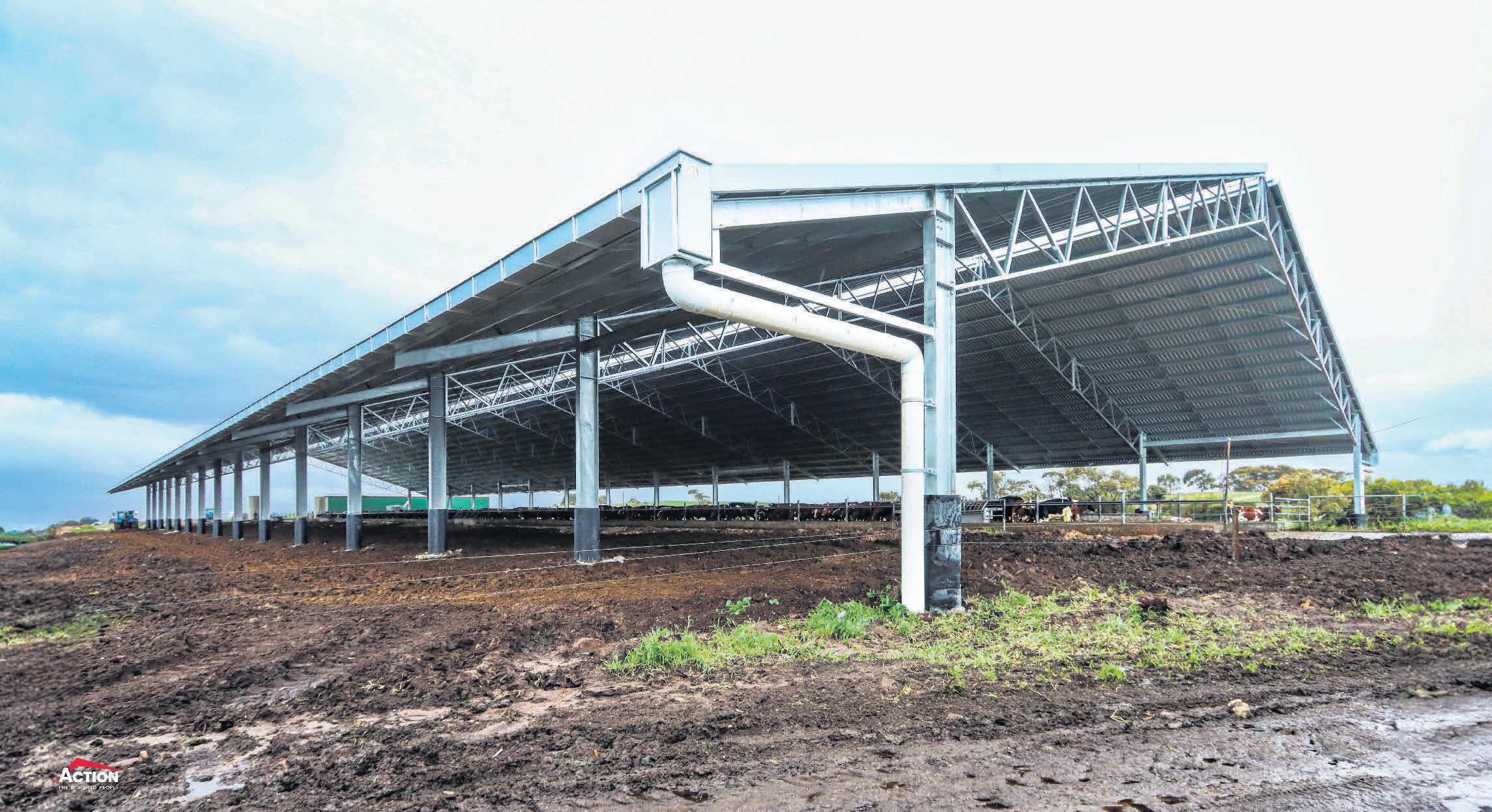
The cleaner and drier environment of an Action feedpad cover also reduces cell count – an improvement Paula and Mick saw almost immediately.
“When the cows went in, we were running at 180-190 (cell count),” they said.
“Now we’re under 100. We didn’t expect to see that for another 12 months.
“Instantly, the cows are telling us they’re
happier and under less stress.”
To determine whether your dairy operation is ready to capitalise on these benefits, the building consultants at Action recommended considering how a feedpad cover fits in with your existing feeding system, shed


infrastructure and herd size — and your longterm plans.
ɋ For best practice and project specific advice, talk to the Action team about your goals and requirements. Call 1800 687 888 or visit actionsteel.com.au
















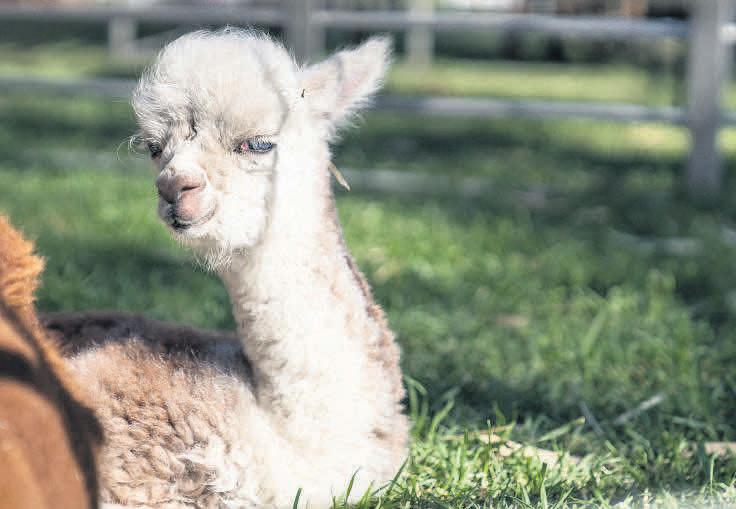

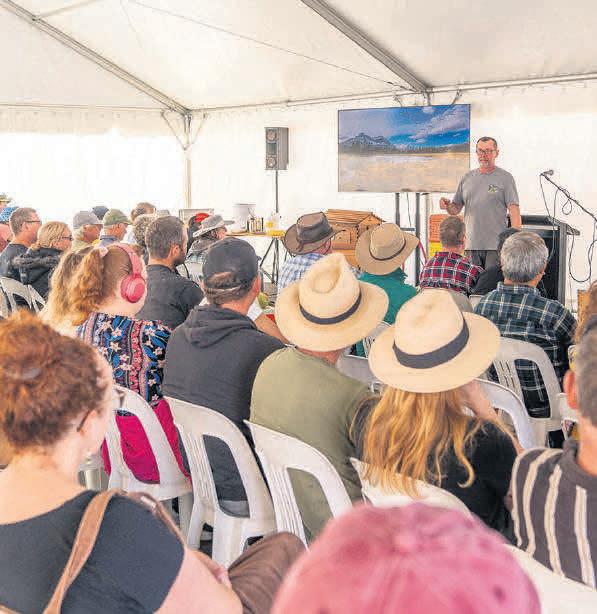
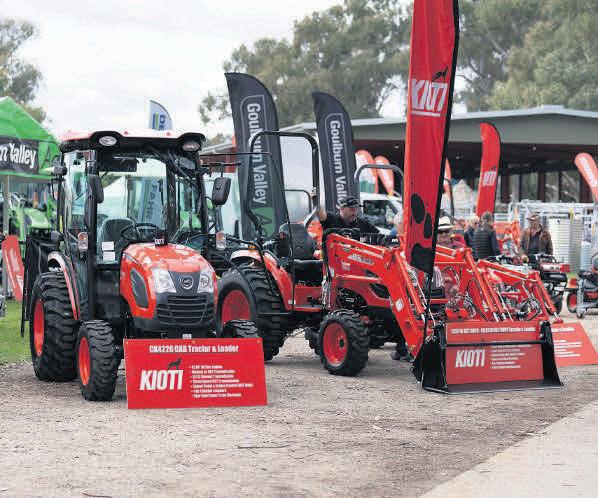

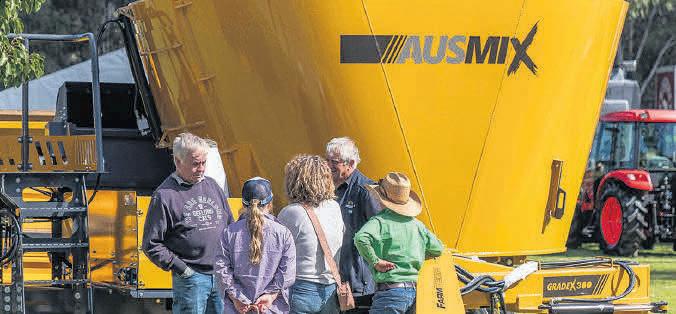


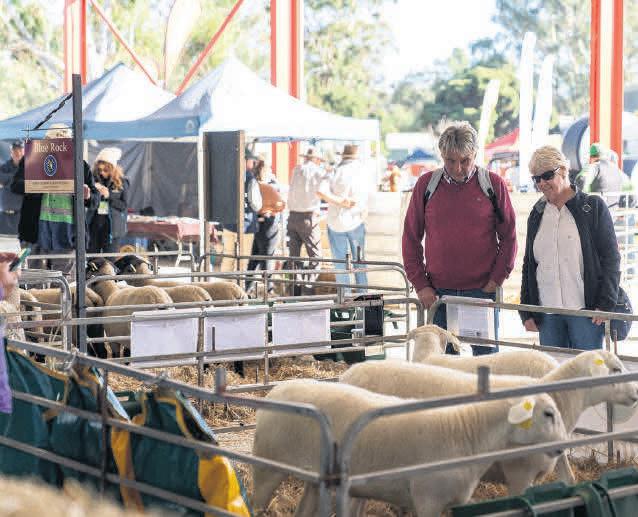

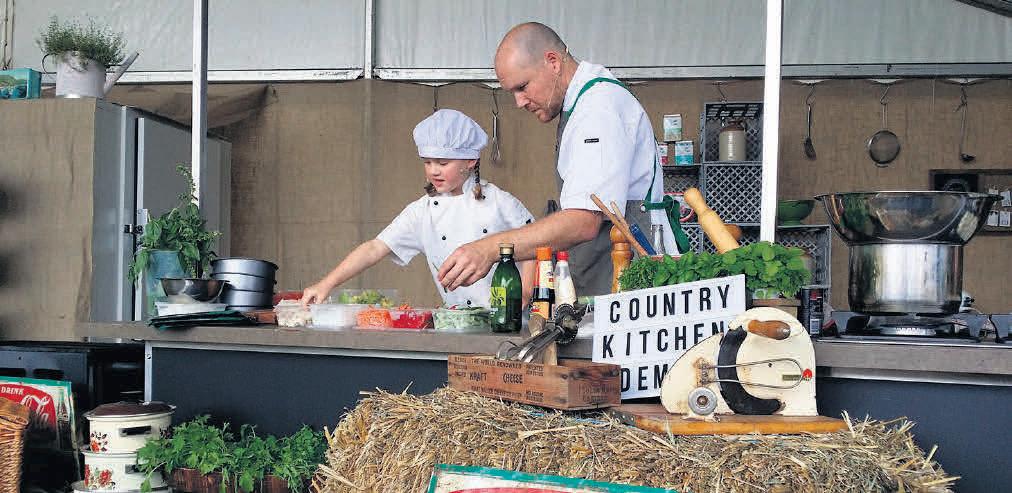
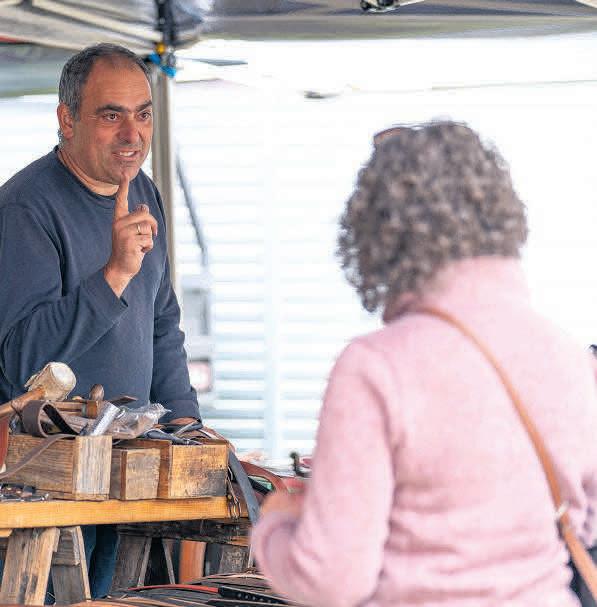
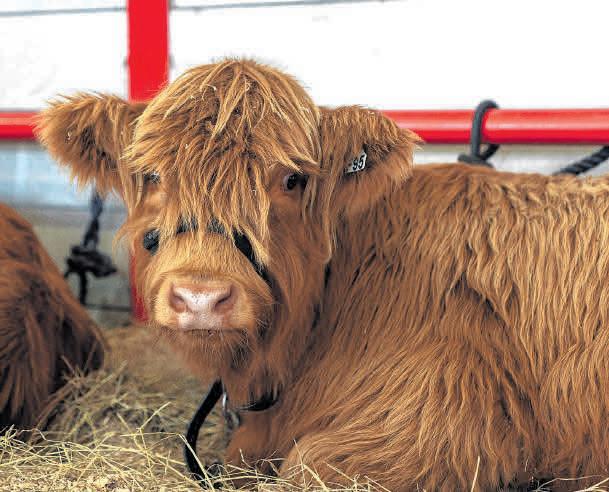
BY SOPHIE BALDWIN
CRAIG LISTER’S love of breeding dairy cows has seen him take a mixed herd of predominantly cross-breed cows to a Holstein Australia master breed herd in just over two decades.
Along with his wife Sharon and kids Alex, Ollie and Emily, Craig operates Calister Holsteins at Calivil in northern Victoria.
Mum Judy is also a key contributor, particularly when it comes to rearing the calves.
Craig has always been interested in breeding and the power of genetics.
“Originally, we just had a commercial herd with some Holsteins and a lot of cross-breeds, and I was always fascinated by the cows that produced more and got in calf with good health, and that is where good genetics make such a difference,” Craig said.
Craig’s interest in Holsteins really took off when he left school in the 1990s and began working full-time on the family farm.
“There were quite a few highly regarded dairy herds in our area back then, and I was always asking questions and people were very generous with the time,” he said.
“When I became a sharefarmer, I bought in one of the best local commercial herds I could find from Mark Taig, who had a herd developed over time by Ron Lawry and I put them (150 cows) through the appendix system along with some of our better cross-breeds,” Craig said.
Over the years, Craig has made occasional purchases of cow families, including the purchase of two embryos from Trav Gilmour.
“I got one pregnancy which resulted in a heifer and that was my first cow family ‘Gretchens’ and they have gone on to be a big part of the herd today.
“Originally, they were not a massive production family but above average for type, fertility and longevity, but overtime they have improved, and they are now up there with the elite.”
A2P2 Gwen, a descendant from the Gretchen family, has a BPI of 772, and is the number three polled female in the country.
He said star brood cow points and lifetime production have always been a driver and is why he was attracted to the Gretchen family.
“Inspiration Gretchen was a renowned cow,” Craig said.
Craig has also purchased genetics from the Walkup Louettas and Plushanski Chief Faith families from Warren and Judy Miles, Calivil Creek Holsteins, who dispersed their herd in 2008.
“These are internationally regarded families with great lifetime productions — the Chief Faiths are known for their dairy strength and both families have been a source of a number of bulls in AI who have been heavily used around the world,” Craig said.
Over the years, Craig has done quite a bit of ET work which has enabled him to sell bulls into AI.
Some bulls of note have been Callister Decipher (who is still in active service today) and Bowyang, but perhaps the best known is Calister Maebull, who came about after Craig purchased some international embryos from an online auction that was finishing up.
“At the time, my son was a very early riser, and I was looking at a catalogue before milking.
“They were at a price I could afford, and even though I knew nothing about bringing them into Australia, I soon learnt.”
The heifer Palermo Macy would go in to classify 88 points and produce well over 5000kg of milk solids. She only retired from the milking herd last year.
Craig also purchased four embryos from the Lila Z family.
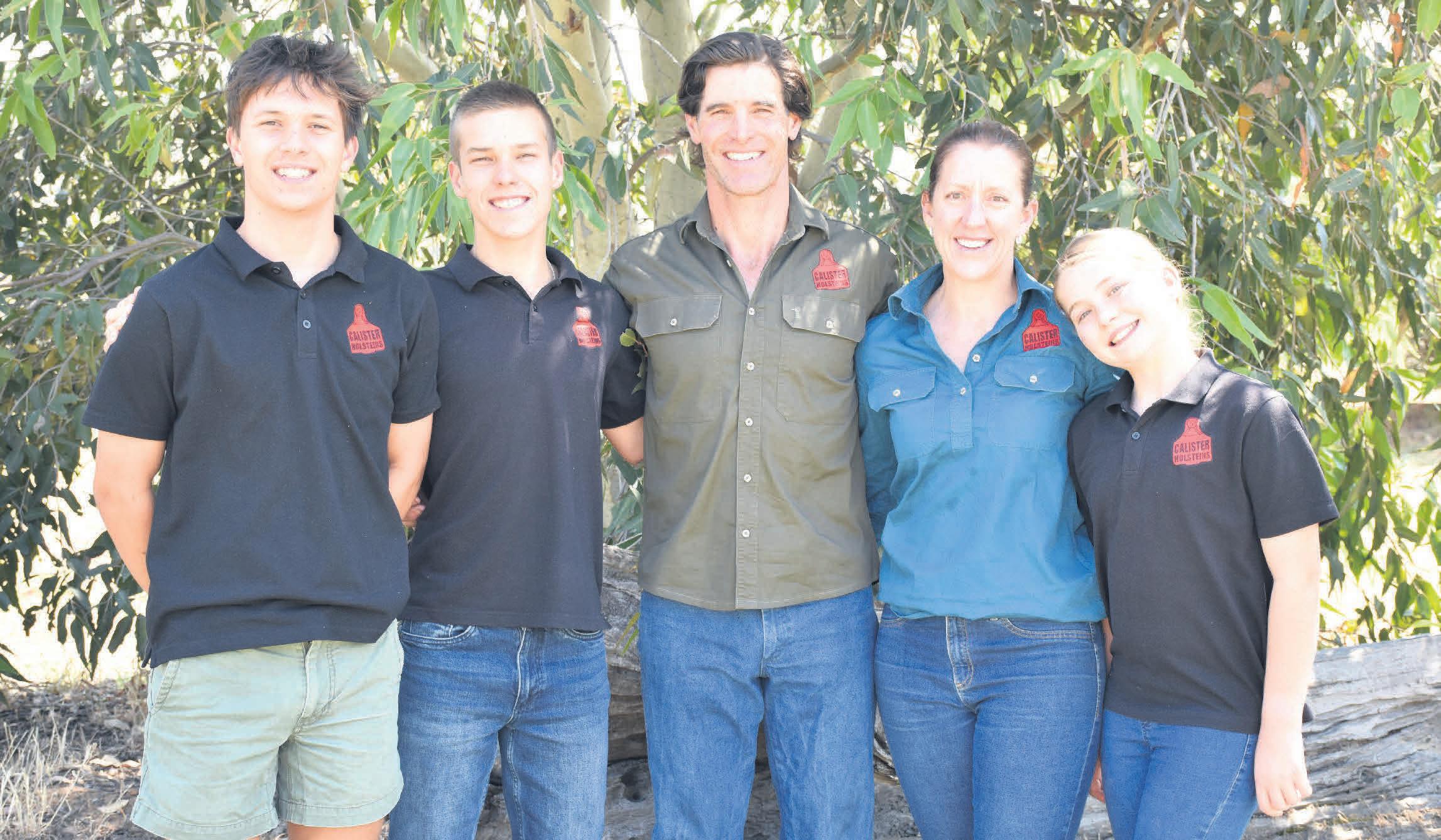
“That was when I hit the geneomic pay dirt,” he said.
“One of the heifers was in the top handful of GTPI and GIPI cows outside of America at the time.
“She didn’t give me too many heifers early on, but after a few successful flushes, she gave me a heifer calf every year, and now we have 14 daughters from her in the herd.”
The Lila Z family is now the most prolific in the herd, and the youngest daughter is now a first lactation heifer.
Craig said the Master Breeder recognition was a reflection of a consistent effort to breed cows fitting of his own ideals of a dairy cow.
“We now have all the genetic tools to give cows a healthy and productive life and I just love that I can do that,” Craig said.
He also said the arrival of sexed semen and genetic testing had been a game changer.
“I jumped onto genetic testing early and sexed semen enabled me to retain the top 60 per cent of the herd and rapidly grow the herd – 10 years ago we still had a lot of cross-breed cows,” he said.
“It is amazing how the Holstein breed has progressed, even over my short career.
“When I started there were concerns about where the breed was heading, particularly with fertility and some health traits.
“It really has been highlight how much the Holstein breed has improved and having the ability to select and maintain what you want, without sacrificing the genetic merit means we can really have it all.”
The family milks around 350 registered Holsteins.
The 80ha milking platform consists of a mixture of fescue, plantain, chicory, white clover and 150ha of rye-grass.
“Our grazing area works really well — the cows receive a full feed in the paddock most days and our rotation is big enough to support that,” Craig said.
The pasture system is supported by a fodder and cropping operation which rotates between cereals and vetch.
“Water and people are our most limiting resources, so we have set up our operation with these two factors in mind,” Craig said.
The business employees one full-time and one part-time staff and milking 350 cows to enable the family to cover the workload when
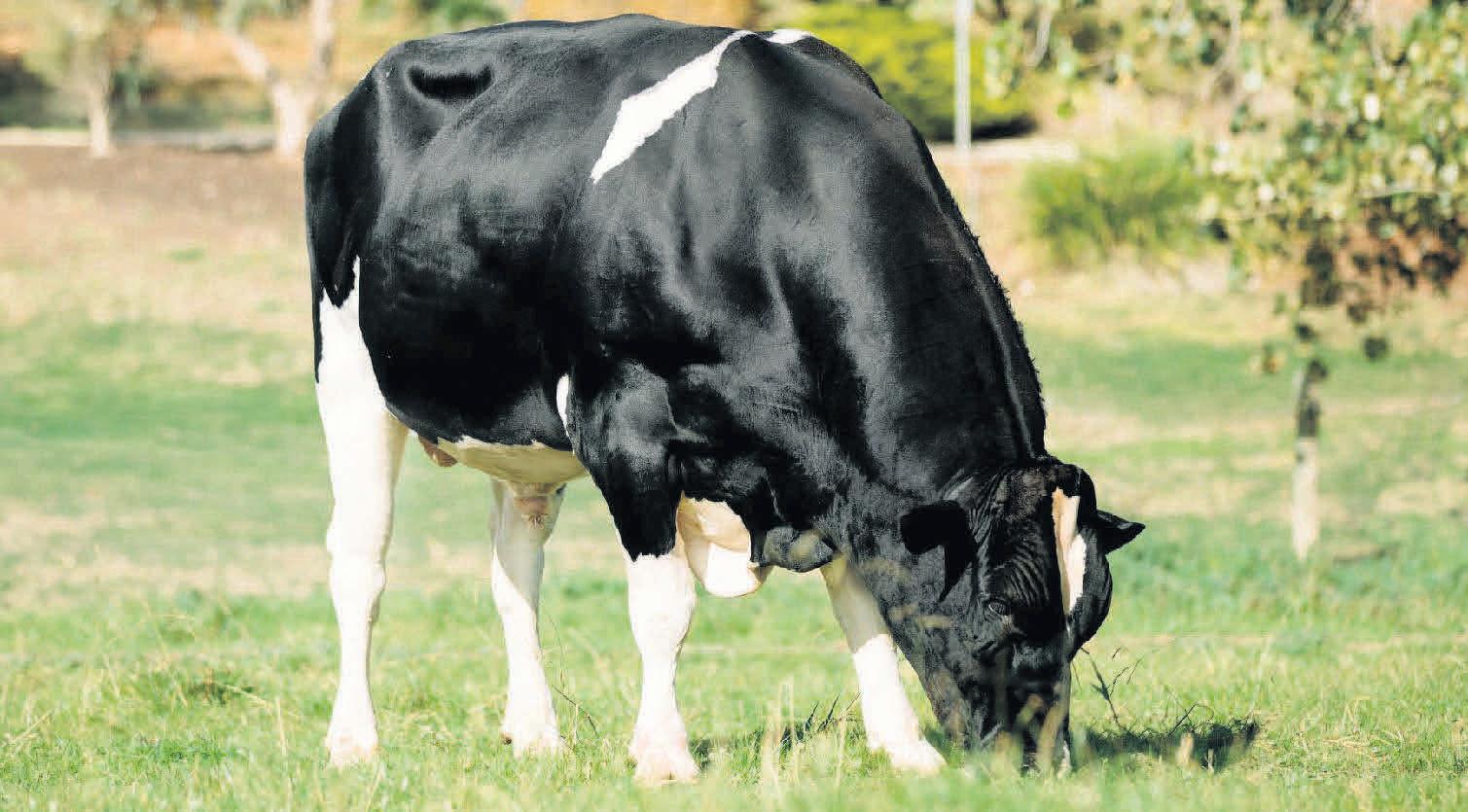
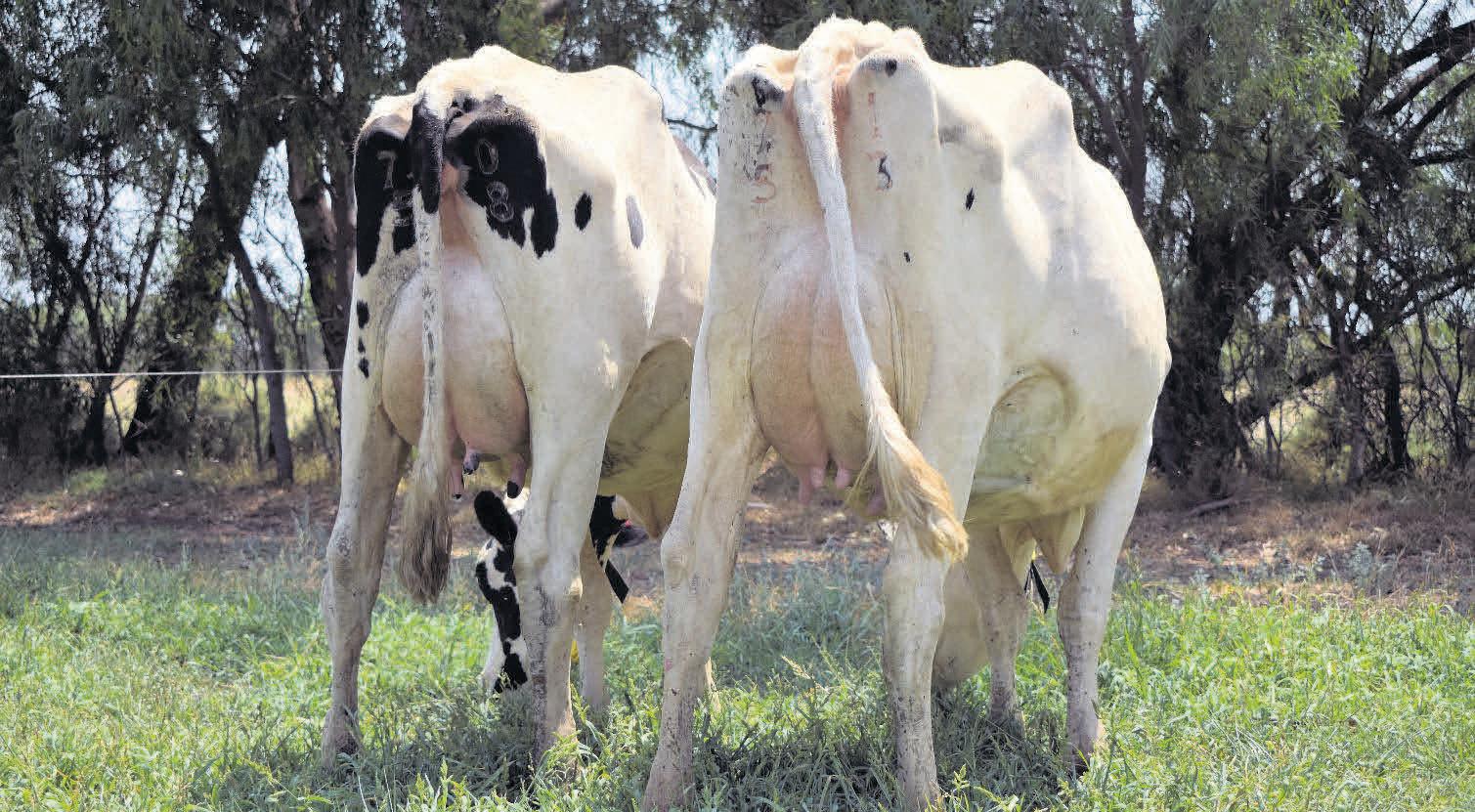
staff are on holidays.
The cows are milked in a 50-unit, single operator rotary dairy with cup removers, retention bars and auto teat spray.
The full herd is milked in around 90 minutes minus clean up and getting the cows in.
Craig said he was proud to be a farmer producing a product consumed across the country every single day, and he was proud to operate a dairy business which prioritised animal health and sustainable land practices.
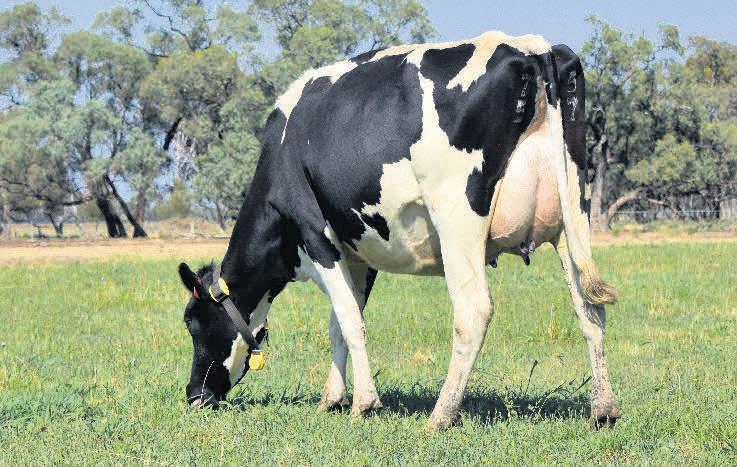
DAIRY UP researchers using advanced microbial testing tools to better understand disease patterns in Australian dairy calves hope to improve the accuracy and timeliness of disease detection.
As part of their research, a broad spectrum of pathogens has been identified in preweaned calves, generating valuable baseline data and laying the foundation for better diagnostic protocols to support improvements in disease monitoring, diagnostics and on-farm decision-making.
Project lead Dr Barbara Brito Rodriguez, from the NSW Department of Primary Industries, said this could be a critical step in avoiding unnecessary use of antibiotics and preventing antimicrobial resistance.
“To have a clear and early diagnosis of what viruses, bacteria and parasites are causing a disease on a farm means you can target the control and treatment based on that,” Dr Brito Rodriguez said.
As part of the research, the Dairy UP team visited 72 NSW farms to collect nasal and rectal samples from both sick and healthy calves up to seven-weeks-old.
In addition, samples were collected from cows that had calved within the past 50 days.
Dr Brito Rodriguez said the sampling strategy involved different farms in different regions to represent all NSW.
The work focused on calf scours and respiratory diseases in NSW dairy calves, but the findings enable early identification of new microbial variants and have the potential for
broader application across Australian dairy regions.
The study found Rotavirus A on almost all farms, including some with vaccination programs. It also identified a range of viruses not previously thought to be common on NSW dairy farms, including Kobuvirus and adenovirus, which are not usually tested by labs, but were present on half the farms, and Rhinitis A and Rhinitis B, potentially important causes of respiratory disease.
Pestivirus was found on 17 farms.

The team has prepared a series of fact sheets, collating current knowledge about 11 bugs for farmers and vets.
The study detected genes known to be used by bacteria to cause disease and commonly found in E. coli and Campylobacter, associated with scours, and identified several parasites associated with scours.
Little evidence of Salmonella – considered an important microbe in calf scours and respiratory disease – was detected in this study.
Dr Brito Rodriguez said in the past, diagnostic labs would test a sample for a particular

pathogen, but the new approach sequences all DNA and genetic material to test for different microbes.
“We don’t have to ask the sample what we have to test for – the sample will tell us what’s there. It’s untargeted testing which is unbiased in detecting all those organisms that are usually hard to test for in the lab.
“We are being more accurate with diagnostics and understanding what is present in those organisms.”
More research is needed to understand antimicrobial resistance and how that could be decreased, and the prevalence of the rotavirus bug.
“We found rotavirus present in almost all farms,” Dr Brito Rodriguez said.
“Some farms with really good management of calves in general, still have issues with rotavirus, and we want to understand the genetic diversity of the bug and if that is impacting the vaccine that is used to prevent it.”
The project is part of Dairy Up’s portfolio of projects aimed to unlock the potential of cows and is a collaboration between researchers from Dairy UP, University of Technology Sydney (UTS), NSW DPI, Elizabeth Macarthur Agricultural Institute, Scibus and the 72 participating dairy farms.
Two PhD students enrolled at UTS, Zain Ul Abedien and Aleksandra ‘Ola’ Stanczak, are working on the project.
For more information, visit www.dairyup. com.au or email barbara.britorodriguez@ dpi.nsw.gov.au
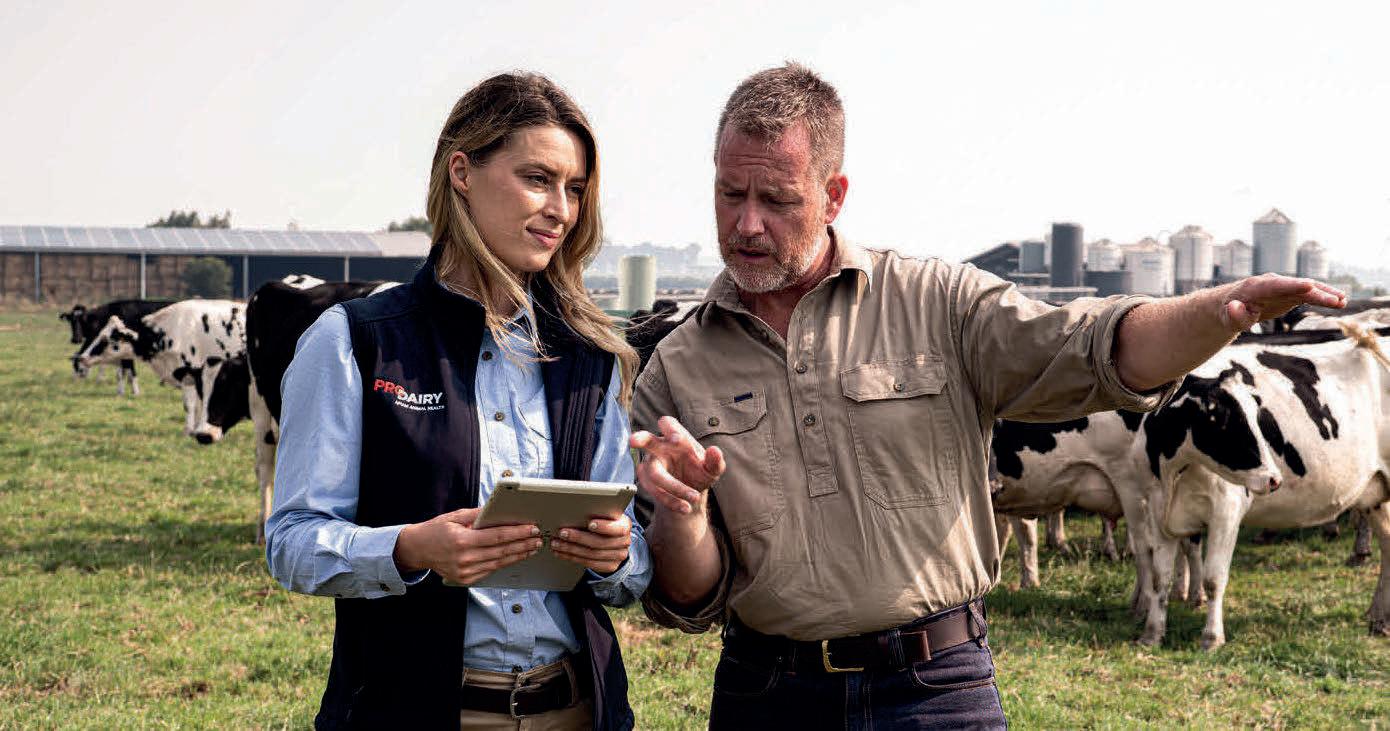

•
•

DAIRY FARMERS and nutritionists often walk a tightrope when balancing energy supply in rations without destabilising rumen function.
Get it wrong, and cow health, fertility and milk production can all suffer.
According to Dr Richard Kirkland, Volac Wilmar Feed Ingredients global technical manager, rumen-protected fat supplements are ideal for maintaining this balance by delivering a safe, concentrated energy source that supports overall cow performance.
Four ways rumen-protected fats provide dairy rations with a source of safe energy:
A key feature of rumen-protected fat supplements is their ability to pass through the rumen to deliver nutrients directly to the small intestine.
This avoids the negative effects of rumen-active oils on fibre digestion, maintaining rumen function and improving supplement utilisation.
Megalac provides rumen-protection by the formation of calcium salts with fatty acids.
“While a protected fat passes through the rumen with minimal degradation, the opposite happens when unprotected fat sources, such as vegetable oils or high-fat byproducts like brewers grains, are fed.
“These unprotected fats coat feed particles, inhibiting fibre digestion and throwing off rumen pH,” Dr Kirkland said.
“This leads to feed efficiency loss, but most critically, puts the animal at high risk of acidosis and significant performance loss, in particular a fall in milk fat.”
Volac Wilmar’s manufacturing process for Megalac takes this further, producing calcium salts with larger particle sizes that improve rumen protection compared to other sources.
“We manufacture rumen-protected fats for two reasons,” Dr Kirkland said.
“The first is to protect the rumen from the fat, avoiding reductions in fibre digestibility.
“The second is to protect the fat from the rumen to avoid biohydrogenation of unsaturated fatty acids, ensuring they pass to the small intestine for functional benefit.”
Fat is highly energy-dense, with 500g of Megalac increasing energy density by 0.5 MJ/ kg dry matter.
Compared to cereals, it contains over 2.5-times the energy, while maintaining rumen function.
“Fat offers flexibility in ration formulation by allowing higher energy density diets without adding to the acid load in the rumen.
“Cereals like corn, barley, and wheat ferment quickly, producing acid, which lowers rumen pH — increasing acidosis risk,” Dr Kirkland said.
Because fats are relatively simple molecules and don’t ferment in the rumen, heat generation during digestion is minimal compared to other feed sources, making them particularly ideal in hot climates to reduce internal heat production, which otherwise adds to heat stress.
“Fat is considered a ‘cool’ nutrient because
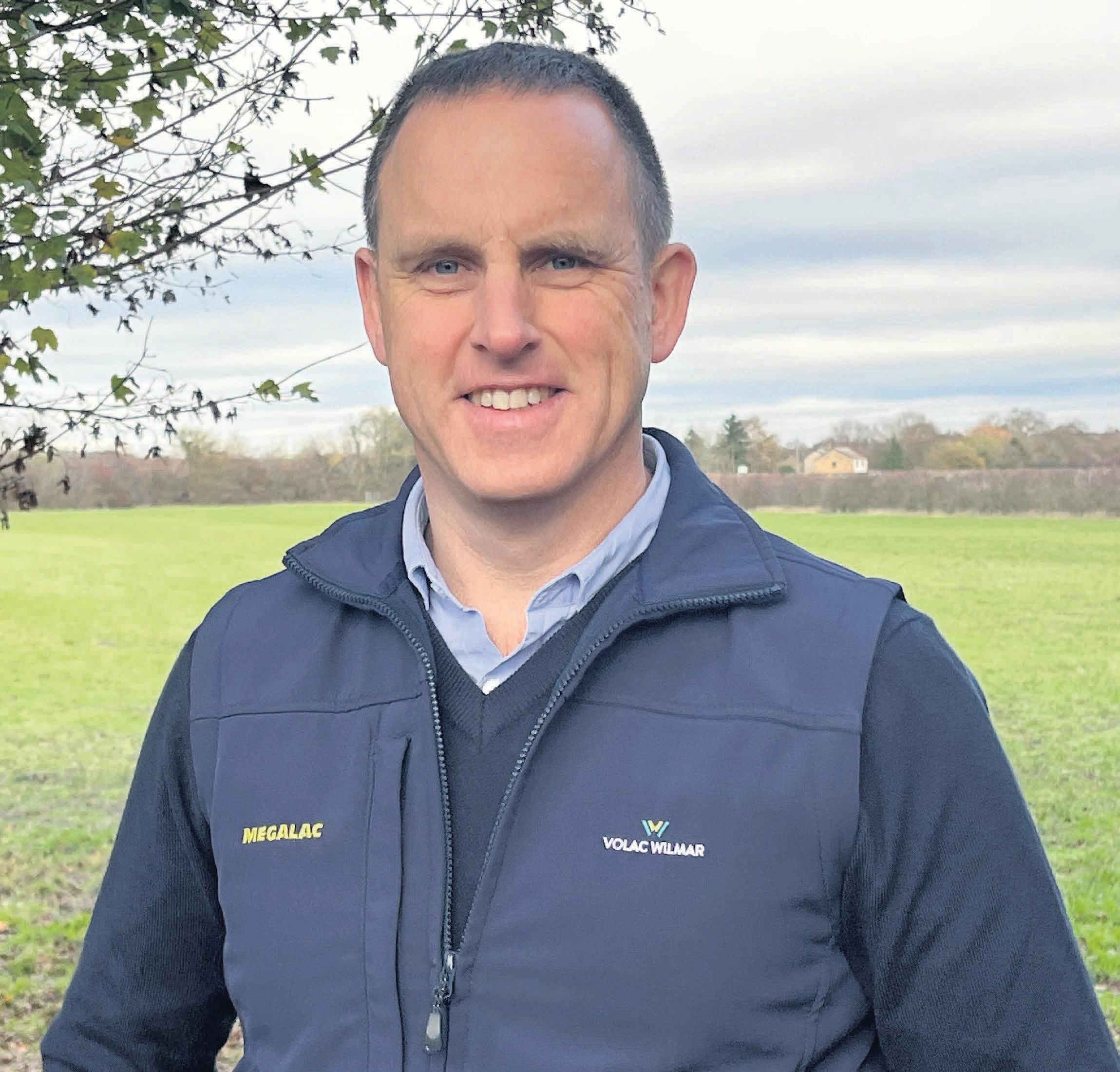
it produces minimal heat during digestion and metabolism,” Dr Kirkland said.
“Its high metabolic efficiency helps offset lower dry matter intake during heat stress, helping cows meet energy requirements even when appetites decrease.”
Research and on-farm results show rumen-protected fat is more than a rumensafe, energy-dense ingredient; it is a strategic tool to target specific performance outcomes.
C16:0 boosts milk fat production, but it is recognised part of this effect may be at the expense of body fat and condition.
In contrast, C18:1 enhances total diet fat digestibility, energy supply, body condition and fertility, supporting reproductive and metabolic health in early lactation.
“This unique ability to target nutrients toward different areas of cow performance at different lactation stages ensures a cow’s energy demands are met to protect her health and performance,” Dr Kirkland said.
“Rumen-protected fat supplements are an effective tool to provide highly concentrated energy without compromising rumen health, supporting milk production, body condition, fertility and overall performance in a safe, efficient way.”
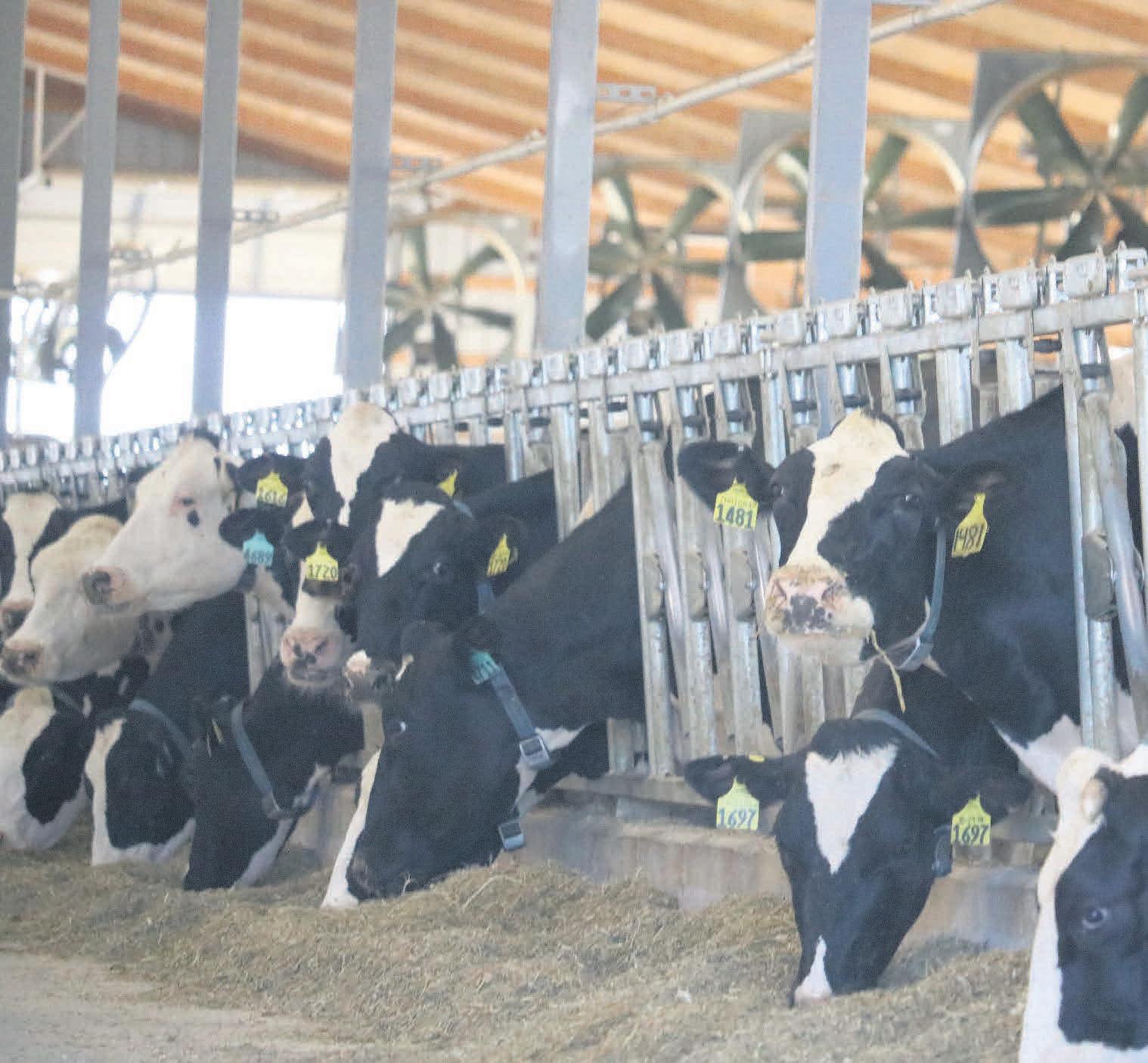
DALE MCCOY is in the process of transforming some of the marginal country on his central Victorian farm, situated in a 400-450 millimetre rainfall zone and comprising good creek red loams up to rising ironstone and quartz country and lighter granite country.
He said following agribusiness group tours to Western Australia and the Yorke Peninsula in South Australia, plus some local research, he invested in a H4 Reefinator rock crushing machine from Rocks Gone.
The 3-metre wide Reefinator comprises a levelling blade, four front row and five rear row hydraulic tines, and a following ribbed drum, all weighing 28.5 tonnes when filled with water and digging up to 600mm deep.
The McCoys pull the machine with a 375-kilowatt (505 horsepower) New Holland T9 tractor, and it also features Rocks Gone’s ‘Depth Master’ automation technology.
Suitable for ISOBUS and GPS-integrated tractors, the system calculates speed over ground and tractor load or wheel slip to adjust machine depth up to 50 times per second, as well as the level of its blade, helping to ease the demands on operators and tractors.
In their first season with the Reefinator, the family targeted about 90ha of ironstone and sedimentary shaly country across different areas, aiming to dig at least 10 centimetres and up to 15cm deep.
Dale estimated up to 500ha on the
property could be worked with the machine.
“We started doing small patches in paddocks, but you seem to keep going further and further, and in the end we did the whole lot – and we will go over it again,” Dale said.
“We had our (Ausplow) DBS (seeder) go over it and that finds rocks, but what we noticed the most was that everything was fractured, so instead of pulling up boulders, they were just small stones.”
In a 30ha paddock, he said there were rock piles and stump areas and while it had been sown before, “it was a nightmare”, whereas now it could be farmed easily.
“We only have to go around the dam now.”
The area was then sown down to oats.
“The Reefinator smashes up the rock and fractures it, the soil mixes in and the water penetrates, and it might concentrate the moisture better.”
He said they also “reefinated” some patches in a hay paddock they previously couldn’t sow, and they cut the whole paddock, which had never been done before.
The McCoys have claimed about 40ha of tough country so far, and they are targeting another 45ha of rough hills land, plus they have chemical fallowed a further 40ha in preparation for the Reefinator that has only been sowed once previously.
“The plan down the track will be to crop the rough stuff for two to three years, clean the weeds up and bring it back to productive, permanent pasture,” Dale said.
He anticipated the transformation could be doubling the land value.

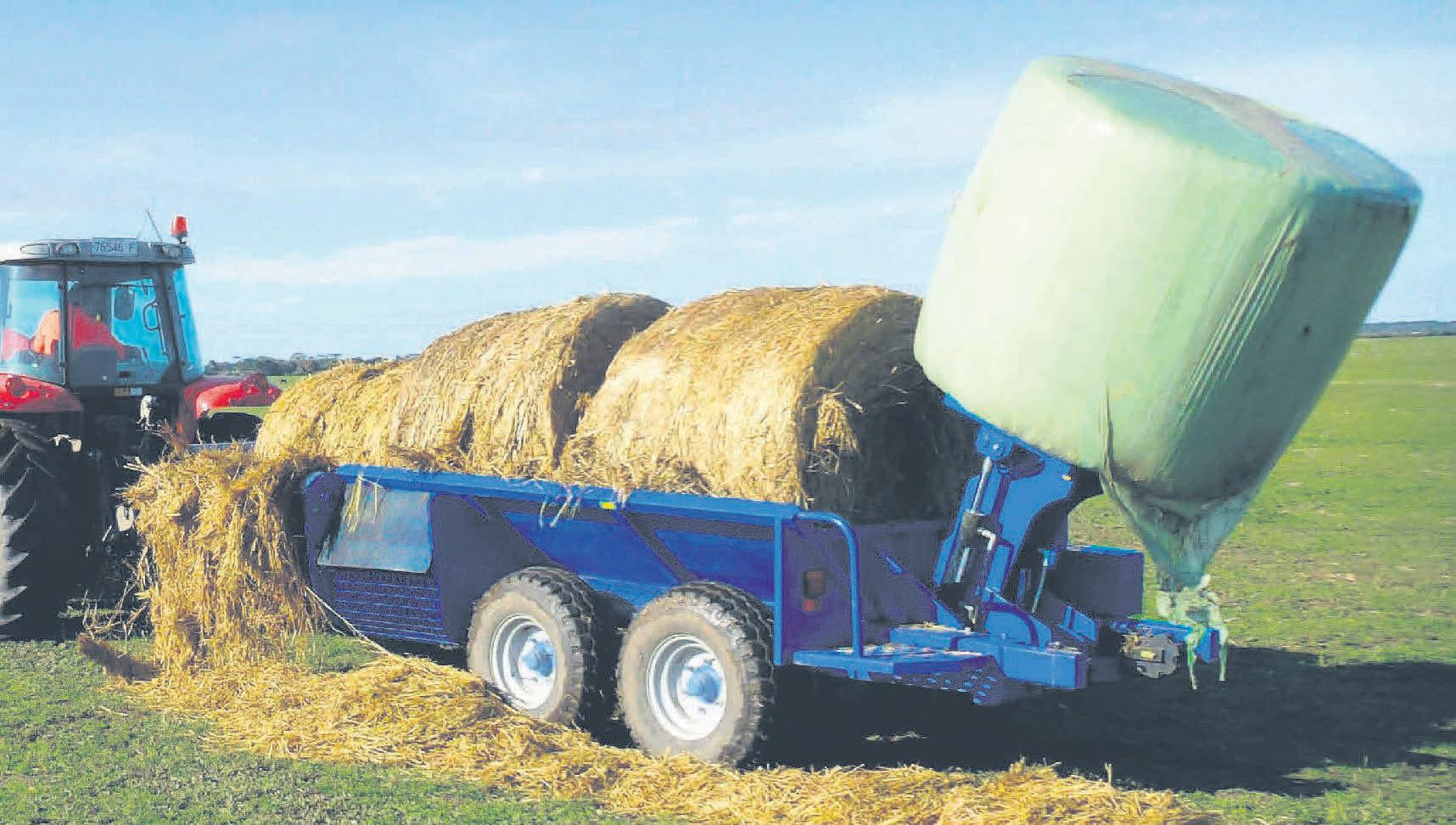
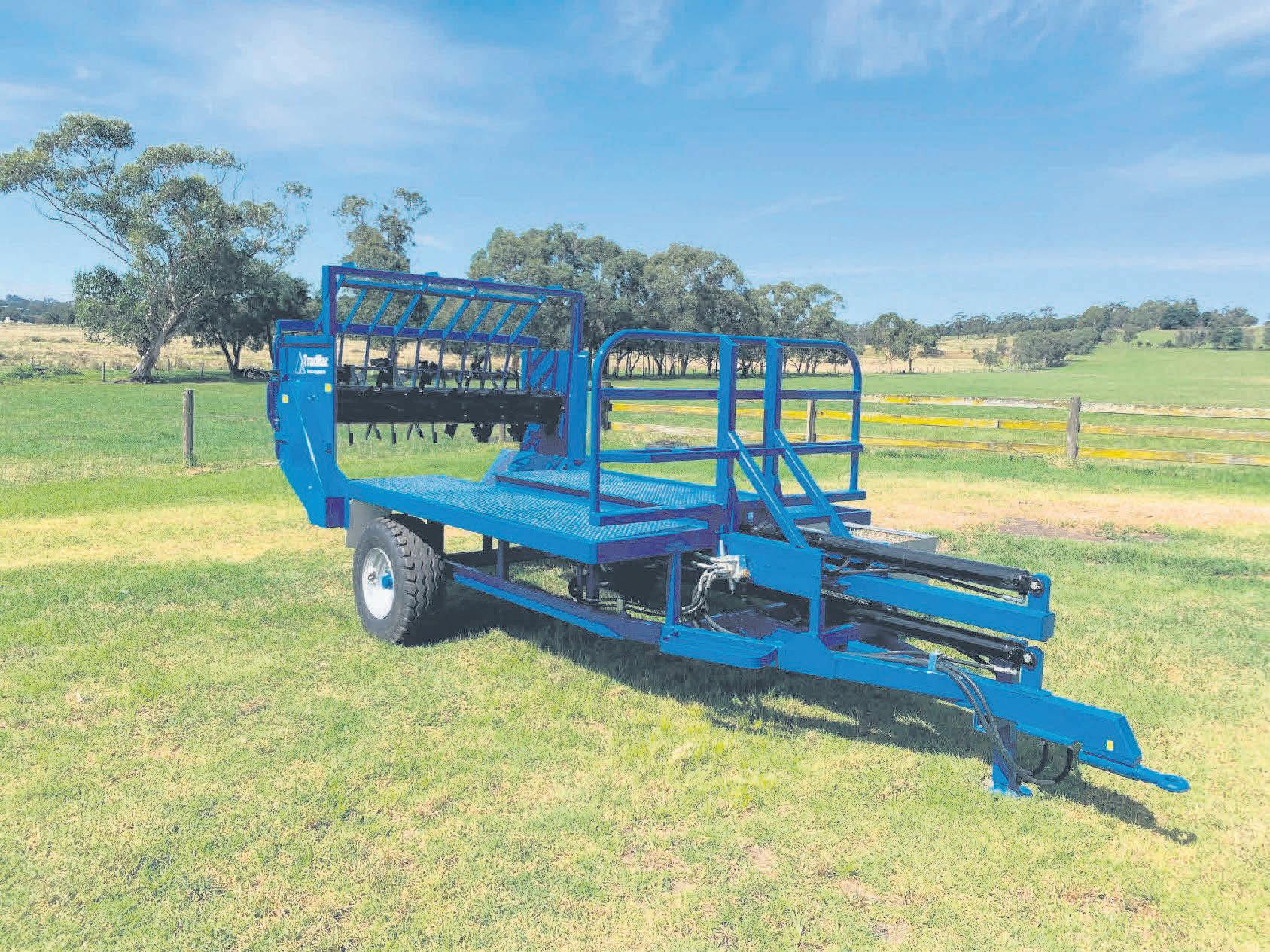
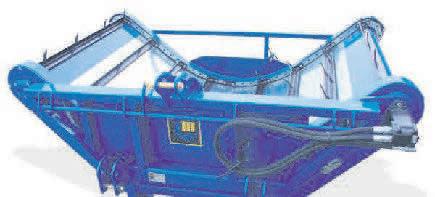
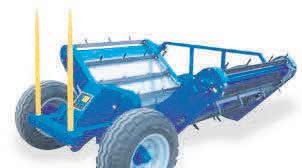


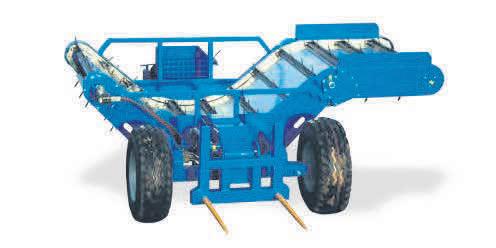
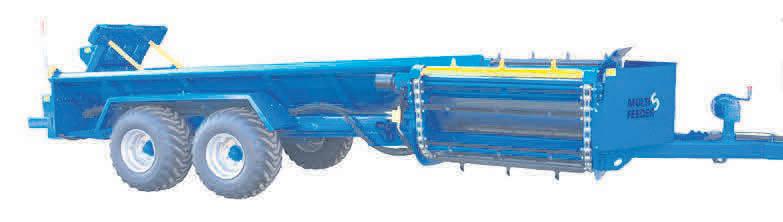






We’ll be exhibiting at the Australian Dairy Conference



Come and see us at stand 55