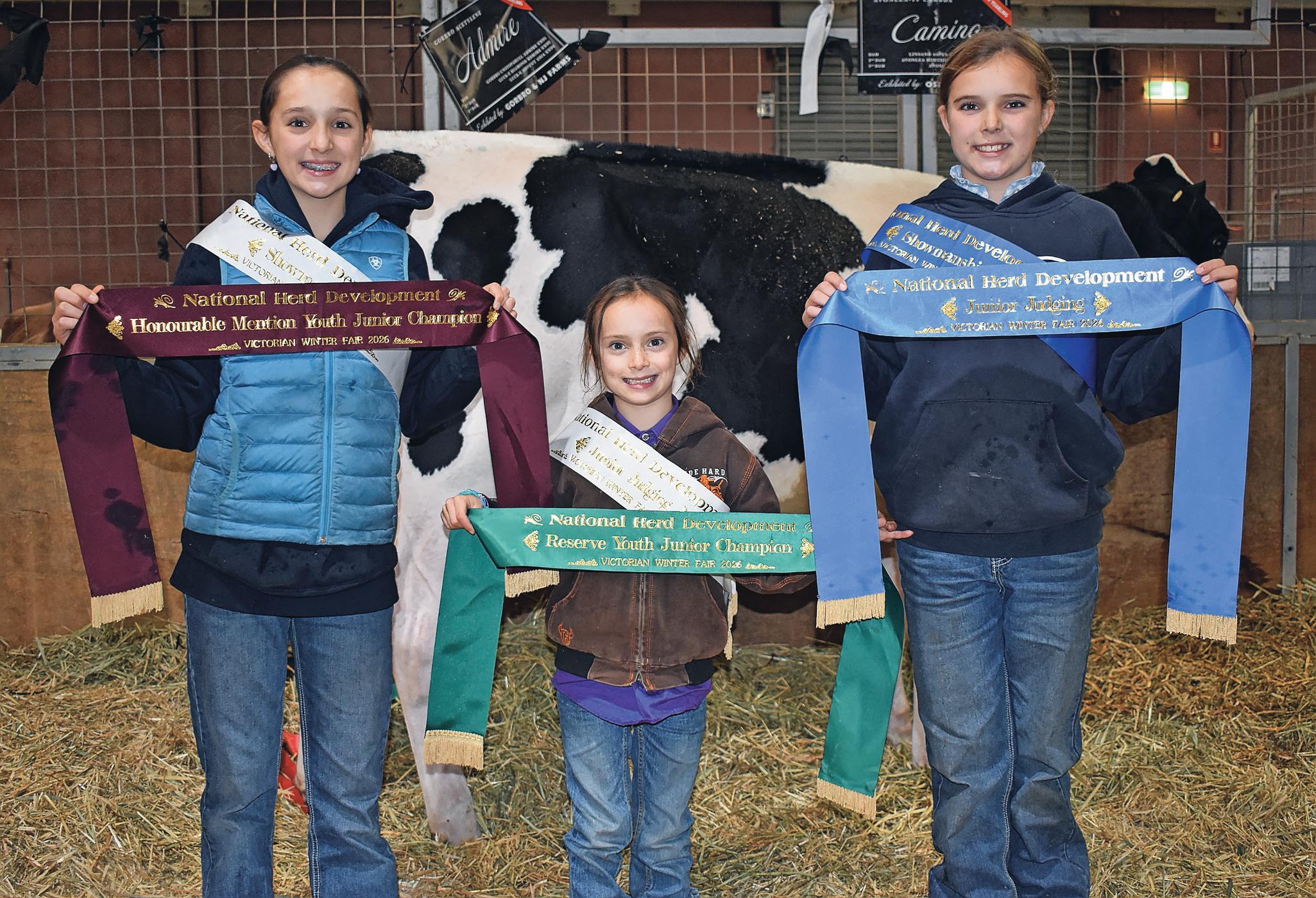
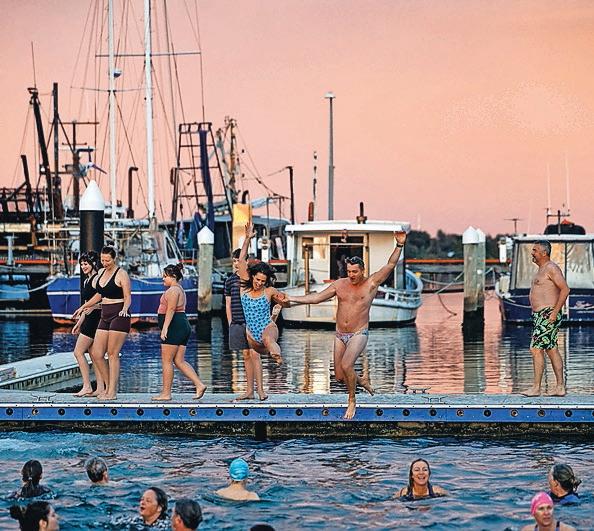
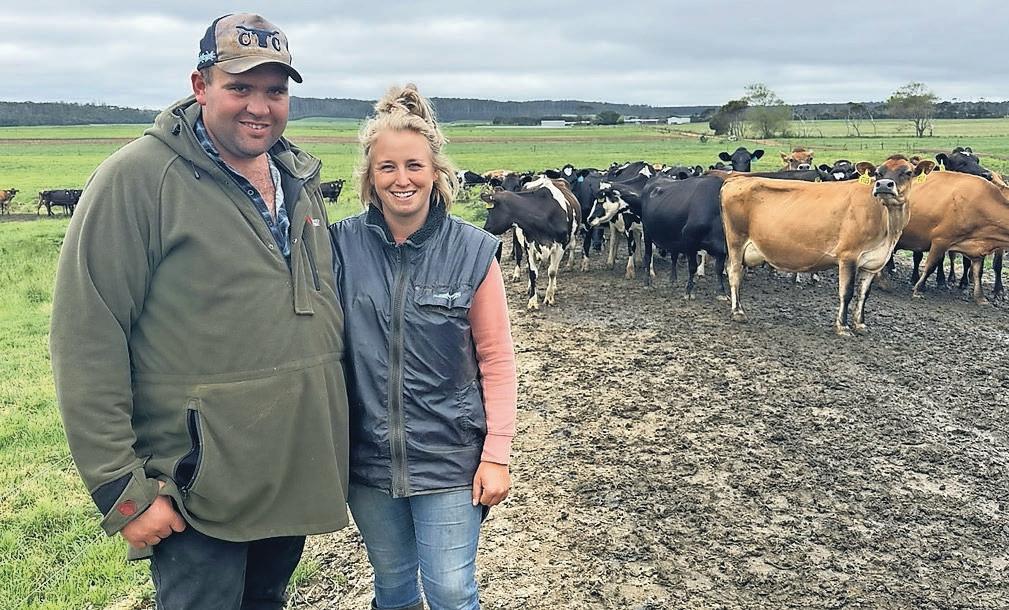
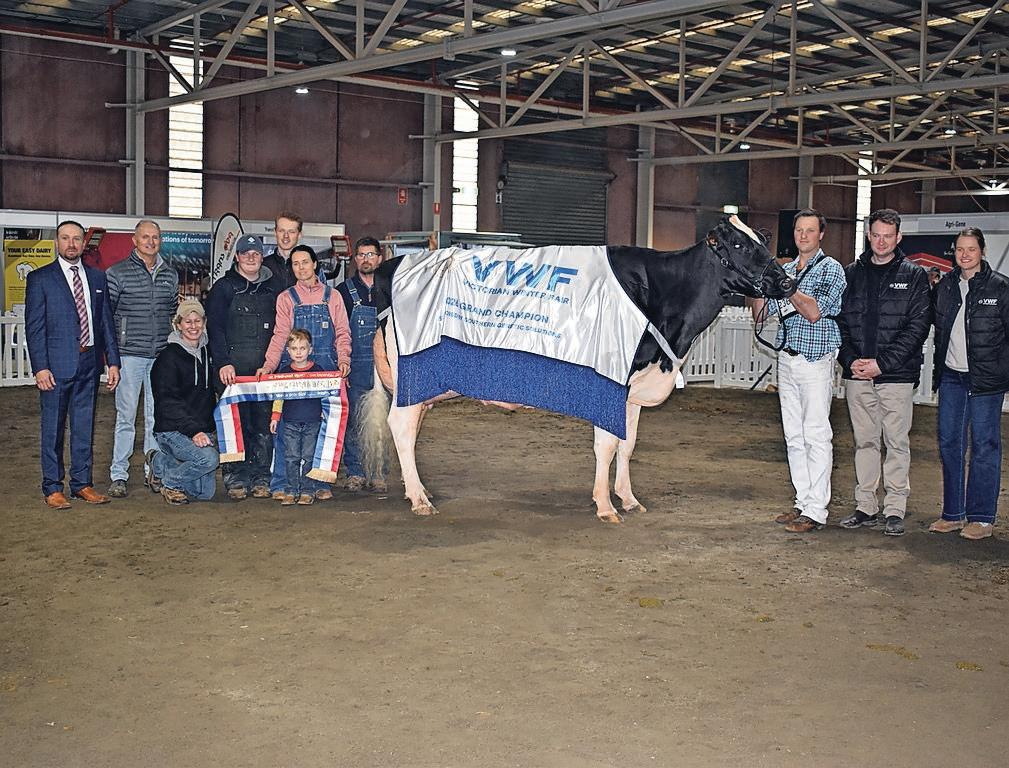
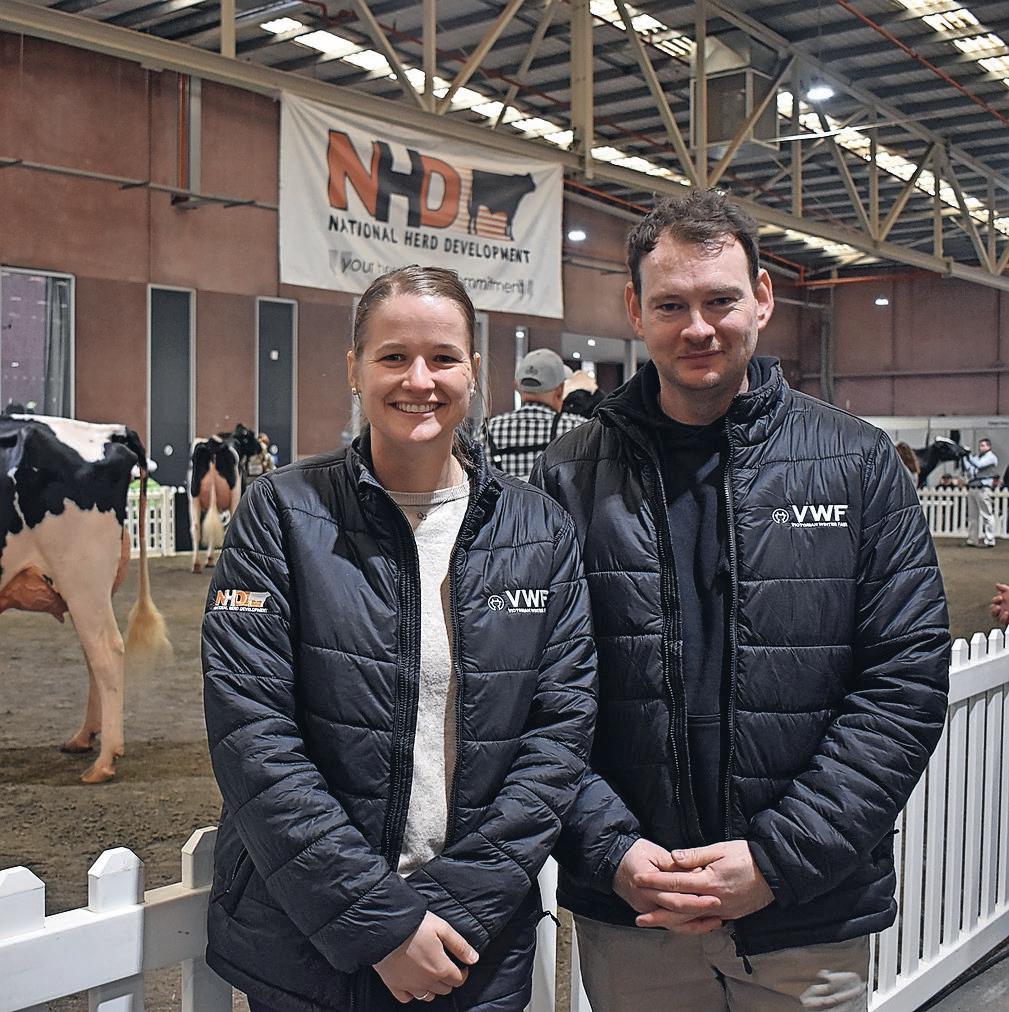
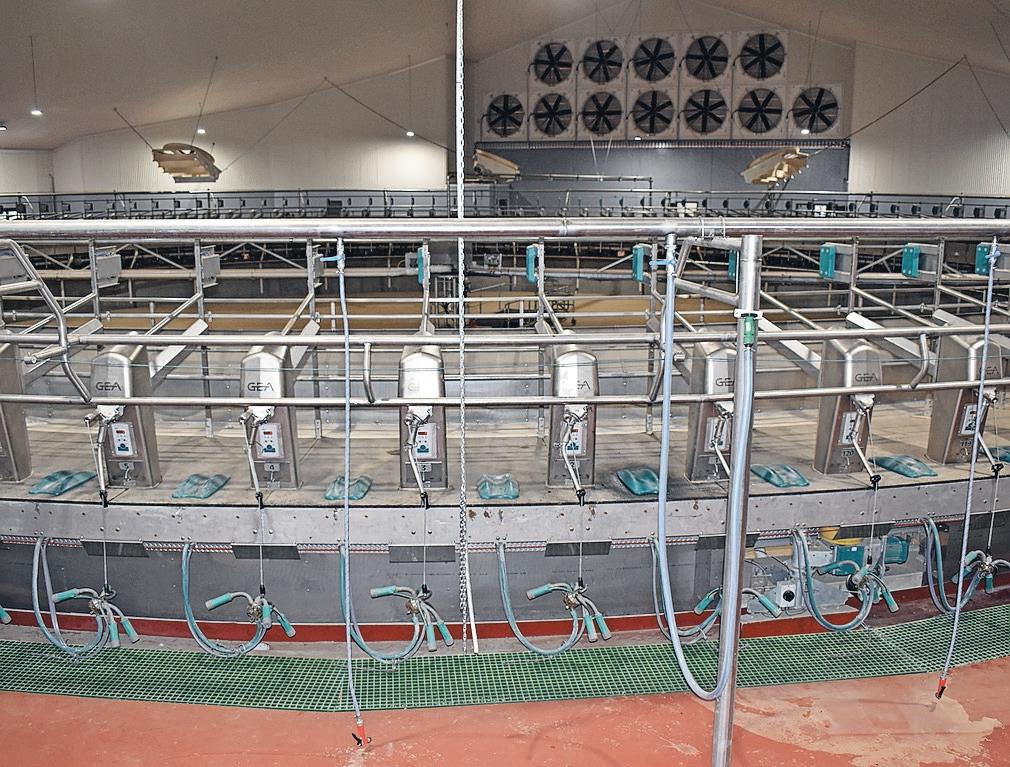
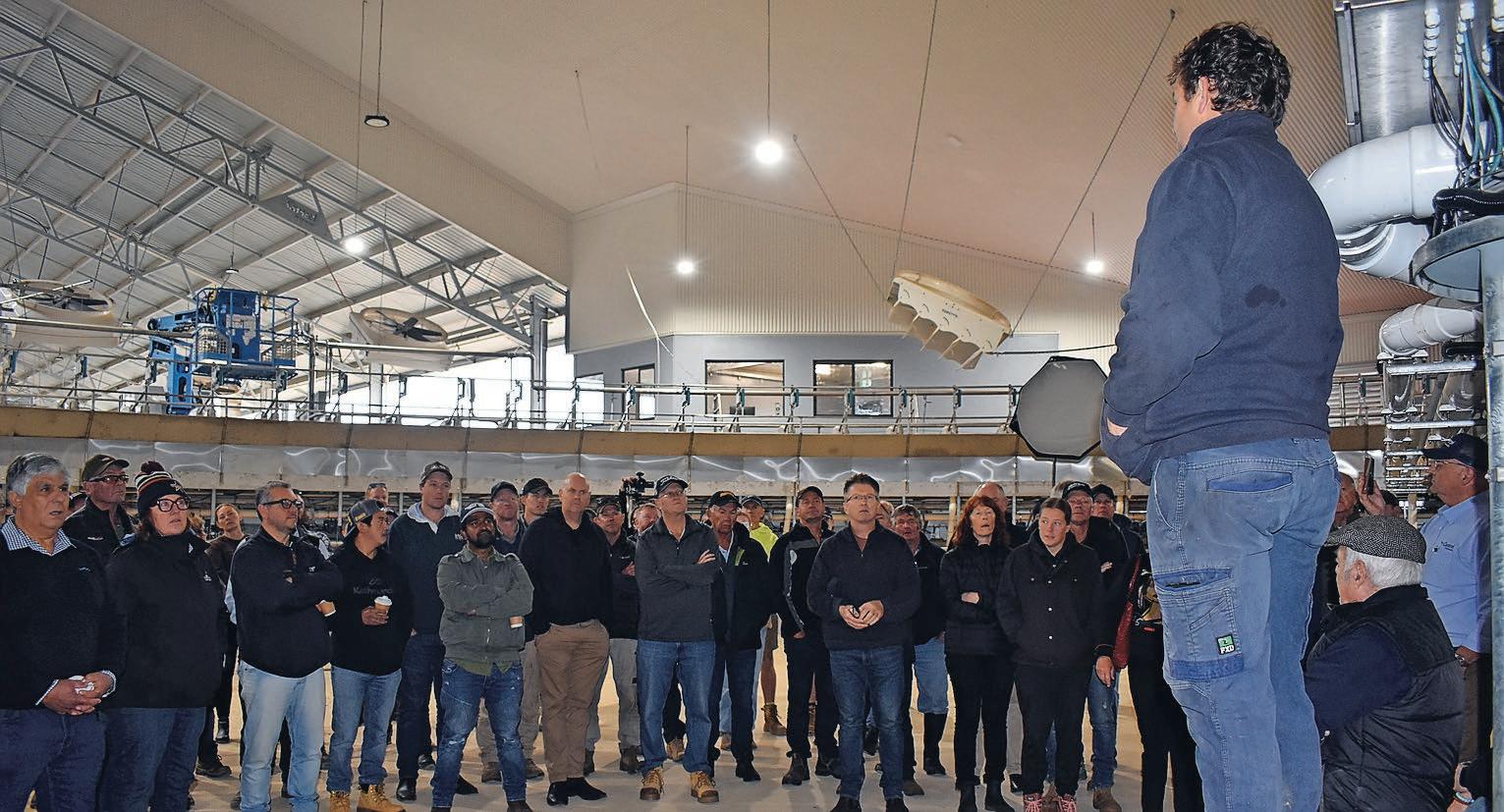
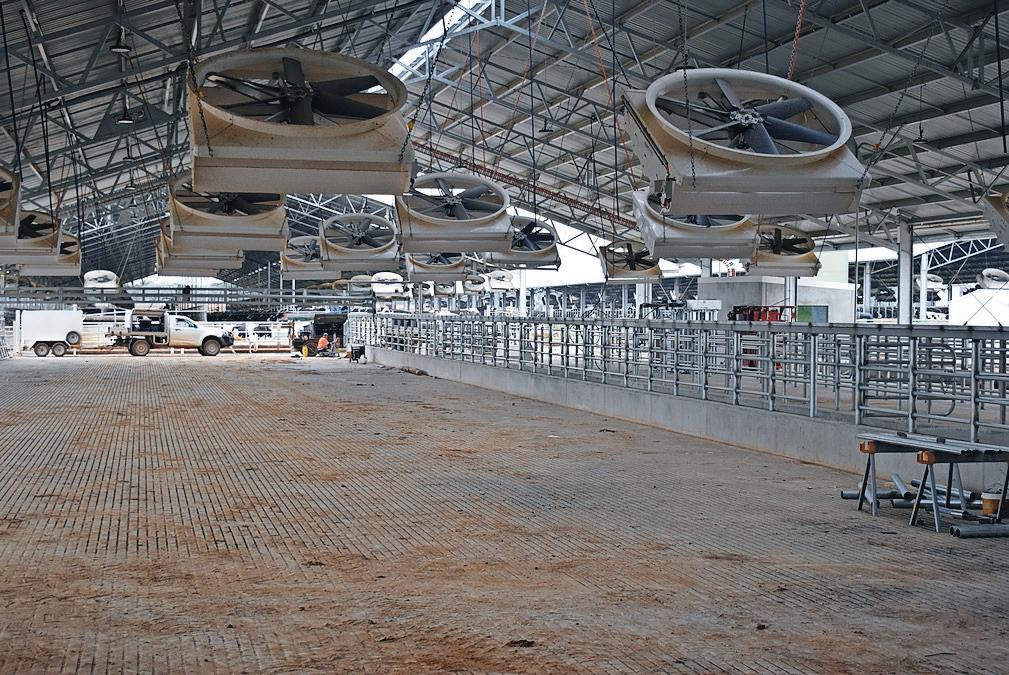
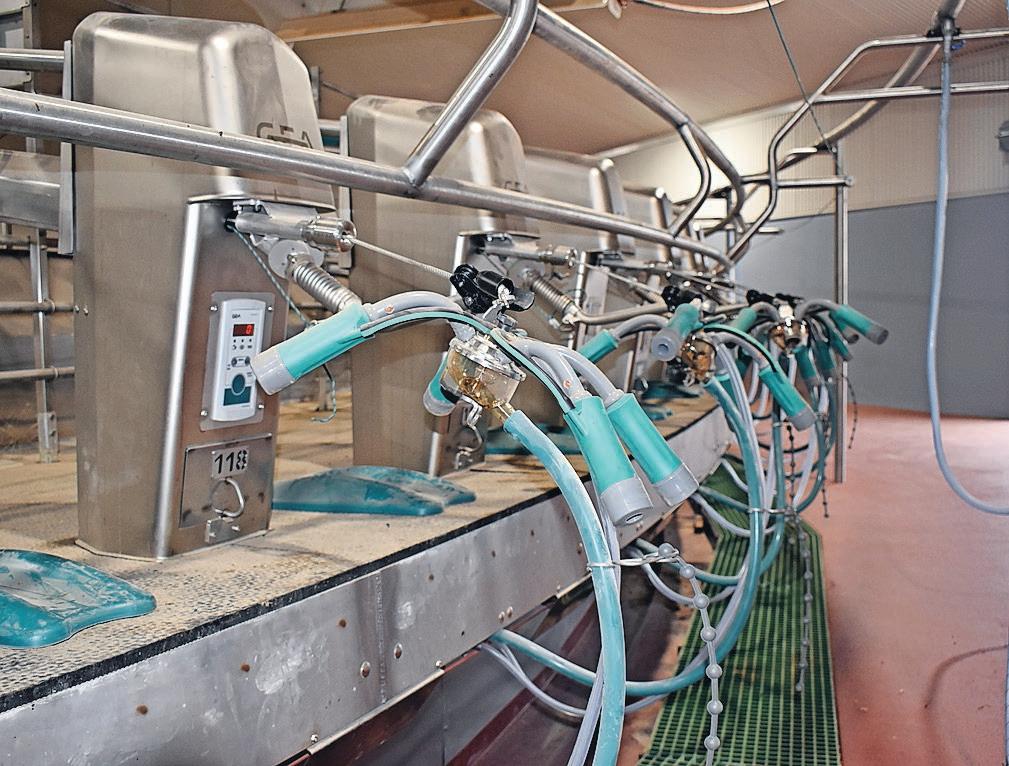
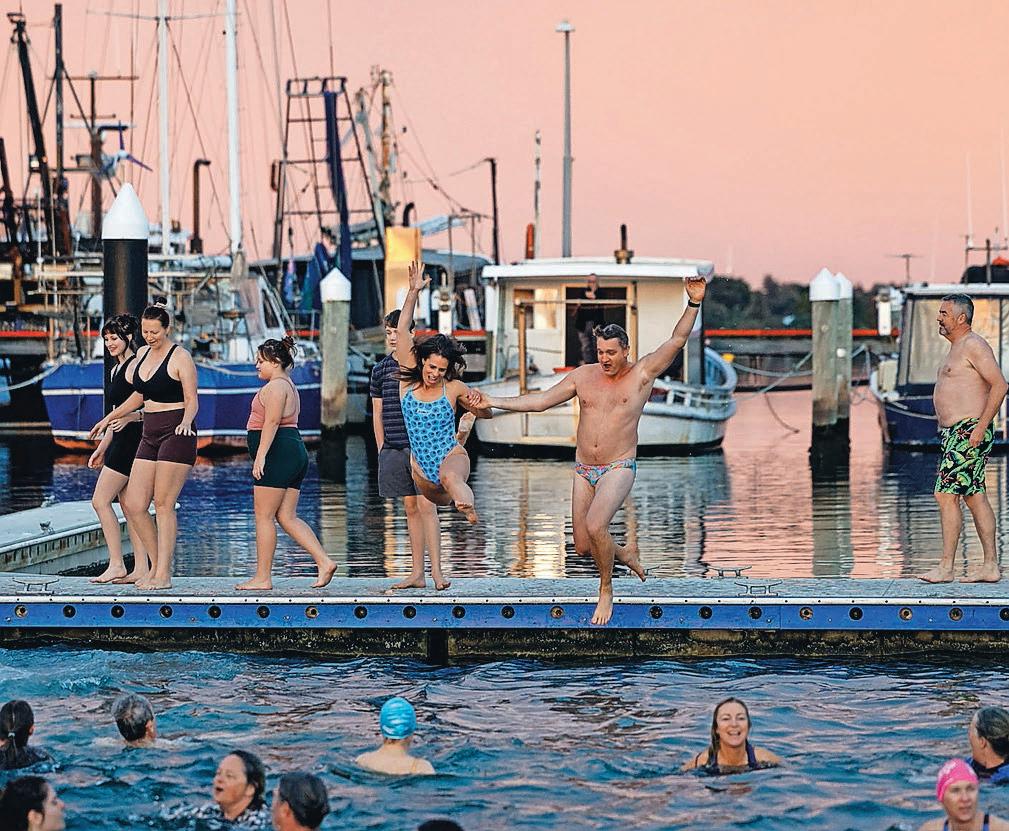
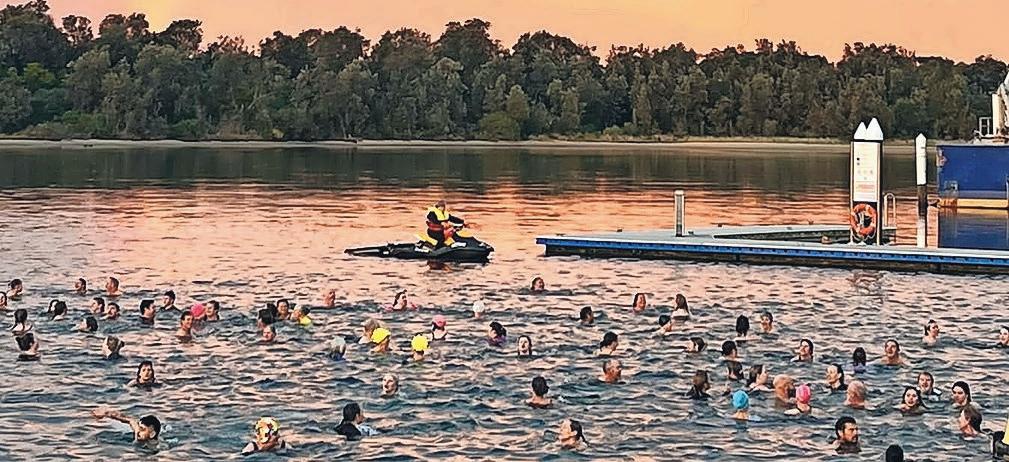
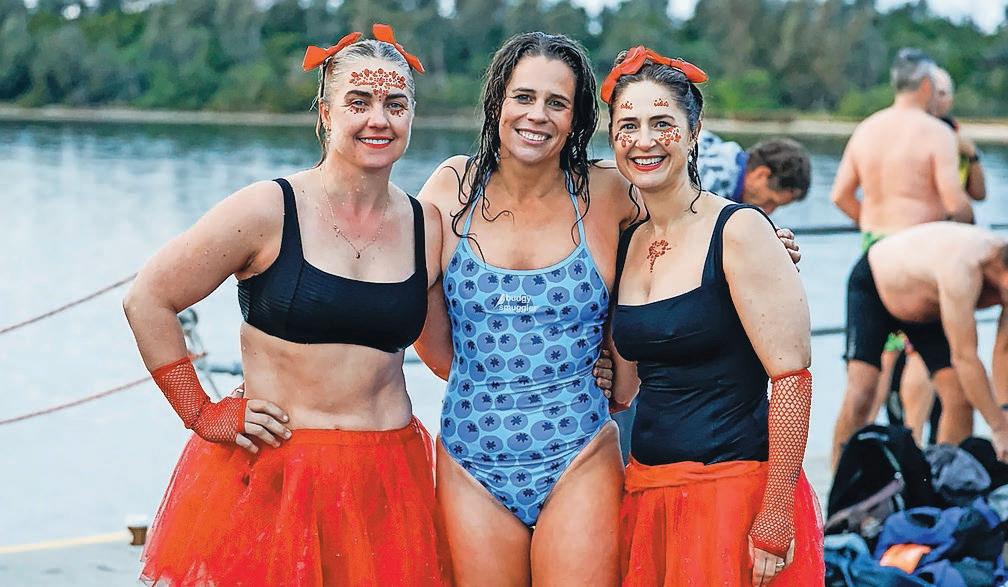
Dakota, Payton and Isla Robertson from Yarroweyah were amongst the many participants at this year’s Winter Fair. See story. PAGE 12
Whether
BY SOPHIE BALDWIN
AFTER A season defined by recovery, the dairy supply chain faces a mix of headwinds.
Bendigo Bank Agribusiness’ Mid-Year 2026 Australian Agriculture Outlook details how tightened farm margins and fierce international competition weigh on the dairy industry’s outlook for the rest of 2026.
After a slow first half of the season, timely rainfall, eased supplementary feed costs, and on-farm investment drove a recovery of the national milk pool in the 2025/26 season.
While volumes continued to fall across South Australia and Western Australia, milk flows grew across Queensland, New South Wales, and Tasmania due to improved conditions.
In Victoria, production mostly stabilised after the previous season’s adverse weather, resulting in a steady national milk pool by the end of the 2025/26 season.
While milk flows are expected to benefit in the near term, national milk production is expected to slow as businesses adapt to margin pressures, decreasing 1.0 to 2.0 per cent by the end of the 2026/27 season.
Volumes may ease toward the lower end of this
range if dry conditions place further pressure on margins, with the potential to contract further in the event of a widespread H5N1 avian influenza outbreak.
Internationally, milk flows in the other three exporting regions surged 4.0 per cent on a season-to-date basis, though growth rates are expected to moderate.
Favourable conditions supported year-on-year growth in New Zealand, Europe, and the US, but farmgate milk prices are easing, and weather challenges are mounting.
Globally, demand for dairy has been robust but considered, helping support the market at a time of ample global supply.
Importers are focusing on higher-protein products, pushing whey protein concentrates to historical highs.
However, purchasing activity has become highly risk-averse, with hand-to-mouth buying defining the market as buyers work through full warehouses secured early in the Middle Eastern conflict.
Cheaper northern hemisphere products are gaining market share in key markets like Japan, where Australian imports have decreased. Conversely, Australian exports to Southeast Asia remain strong, and China’s importing has picked up as its own raw milk production declines.
Domestically, dairy remains a household staple shaped by cost-conscious, health-focused shopping.
High cost-of-living pressures drive consumers toward private labels and larger pack sizes but narrowing price gaps have supported branded cheese sales.
Increased interest in high-protein foods and the uptake of GLP-1 medications have boosted retail performance by encouraging more cooking at home, leading to increased volumes of butter, cooking cheese, and yoghurt.
Ample global milk volumes may keep a lid on export prices in 2026/27.
Australian dairy will face pressure from a stronger AUD and rising imports, especially from New Zealand.
Fonterra’s new season price range equates to AUD $6.70 to $9.20/kg MS, sitting below Australia’s average southern farmgate price, which is set to remain around $9.40/kg MS over the season. With weaker market fundamentals, mid-season step-ups are unlikely, and processors paying similar farmgate prices to last season may struggle to pass manufacturing cost increases onto consumers as smoothly as others.
To access and subscribe to the Mid-Year 2026 Australian Agriculture Outlook report, visit the Bendigo Bank website.
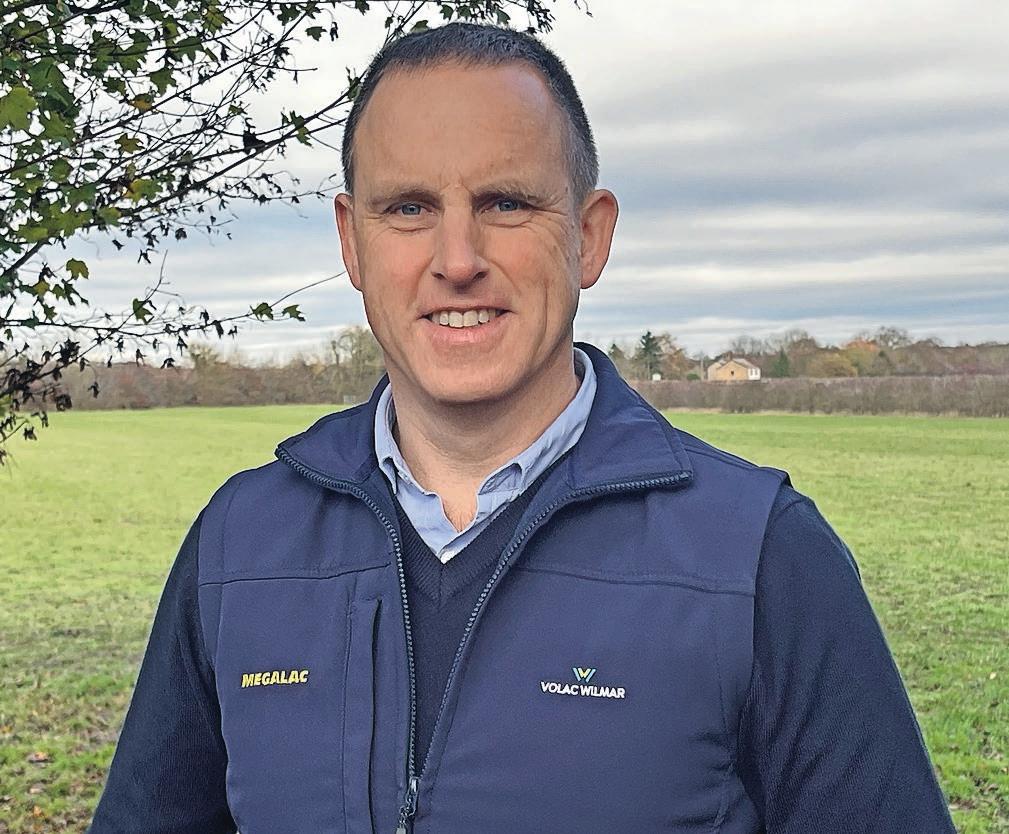
Eliza Redfern, senior manager industry nsights, Bendigo Bank
Lactalis ned over milk label
BY GEOFF ADAMS
LACTALIS AUSTRALIA has paid $59,400 in penalties after the ACCC issued it with three infringement notices for allegedly making false or misleading representations in the labelling of two of its milk products.
The ACCC alleges that Lactalis’ Golden North ‘Country Fresh’ 2L milk and Ferguson Valley ‘WA DAIRY FRESH’ 2L milk were labelled as fresh milk, when each contained substantial amounts of powdered reconstituted ingredients.
Lactalis’ products were identified in an ACCC investigation of the milk processing industry, which included obtaining information and reviewing the products of several major dairy processors and retailers.
The ACCC’s investigation found that processors and retailers largely label their fresh milk products accurately.
However, the ACCC’s investigation identified that Lactalis added substantial amounts of reconstituted skim milk and lactose to its Golden North ‘Country Fresh’ 2L milk.
It also identified Lactalis has added substantial amounts of reconstituted lactose to its Ferguson Valley ‘WA Dairy Fresh’ 2L milk.
Australian Dairy Farmers said ACCC action against Lactalis Australia should serve as a warning to the dairy industry, highlighting the importance of consumer trust and the growing pressures facing Australian dairy farmers.
ADF president Ben Bennett said consumers deserved complete confidence in Australian dairy.
“Australian consumers have a right to know what they are buying, and Australian dairy
farmers deserve a marketplace built on honesty and trust,” Mr Bennett said.
“While we welcome the ACCC’s action, let’s face it – a $59,400 penalty is nothing for one of the world’s largest dairy companies. It sends a message, but it needs to change behaviour.”
Mr Bennett said the case was about much more than product labelling.
“The broader concern is what this says about what happens when Australian dairy farming is continually squeezed,” he said.
“We continue to lose dairy farmers and local milk production.
“Western Australia now has fewer than 100 dairy farmers, and similar pressures are being felt in dairy regions across the country.”
He said when Australian milk production declines, processors had fewer local options which creates a greater reliance on substitute ingredients and imported products.
“When you don’t value Australian milk, eventually you have to replace it.
“Whether that’s imported dairy products or powdered ingredients, it’s not what Australian consumers expect when they buy fresh milk.”
Mr Bennett said maintaining consumer confidence should be a priority for the entire dairy supply chain.
Lactalis has also acknowledged underpayments to an undisclosed number of Australian employees.
The company carried out a review of awards applying to employees and turned up a number of deficiencies.
The company said it was taking action to correct the mistakes and had self reported its findings to the Fair Work Ombudsman.
SDLAM risk to dairy communties
THE AUSTRALIAN Dairy Industry Council (ADIC), the peak national representative body for Australia’s dairy industry, says the government decision to abandon 14 MurrayDarling Basin water projects shows the urgent need for practical environmental outcomes that don’t strip water from food-producing regions.
It follows reporting in The Weekly Times that, after years of planning and tens of millions of dollars in public investment, projects intended to recover water through Sustainable Diversion Limit Adjustment Mechanism (SDLAM) measures will not proceed.
This leaves a potential environmental water shortfall of up to 340 gigalitres (GL).
ADIC chair Ben Bennett said the government had ignored mounting evidence many of the projects would not meet the proposed December 31 deadline.
“If the Australian Government allowed more flexibility, some of these projects could have been achieved,” Mr Bennett said.
“The volume of milk produced in the Basin has already declined by half a billion litres since 2012, raising serious questions about the further consequences for communities if governments seek to recover the water through buybacks instead.
“These projects were intended to prove that the government could deliver the Basin’s environmental outcomes through smarter infrastructure improvements and environmental measures, rather than taking more water away from food-producing regions.”
Instead, dairy farmers and regional communities are being told years of government effort, consultation and investment cannot deliver the promised outcomes.
“The real question now is: what could 340GL of water mean for Australia's food-producing regions, including dairy, if it remained available for productive use?”
The Australian dairy industry commissioned modelling by Ricardo last year to assess the industry impact of water buybacks ranging between 302GL and 683GL.
“The independent modelling found removing 302GL of productive water through buybacks would lead to price increases of about 17.5 per cent and reduce annual milk production across the southern Basin by between 3 and 15 per cent,” Mr Bennett said.
That means less milk, higher costs and reduced confidence for the dairy farmers, processors and regional communities that rely on
irrigated dairy production.
“Keeping 340GL in use is an opportunity to produce more Australian milk, strengthen regional dairy manufacturing and export competitiveness, support Australia's food security, and protect the productive capacity of one of the nation's most important dairy-producing regions.
"Every gigalitre taken from productive agriculture has consequences that extend far beyond the farm gate. And now the government has thrown its hands up and said, ‘this is too hard’.”
The Ricardo analysis shows buybacks will increase costs for every remaining irrigator and place additional pressure on an industry already operating in a highly competitive global market.
ADIC deputy chair John Williams said the latest developments also raised concerns about public accountability.
"Governments have already spent millions of dollars pursuing these projects,” Mr Williams said.
“Communities deserve to know what has been achieved, what lessons have been learned and how environmental objectives will be delivered without causing unnecessary harm to food production, the dairy industry and regional economies.
“The answer cannot be to withdraw these projects and simply default to more buybacks. That would represent a failure of policy, not a success of environmental management.”
ADIC is calling on all Basin governments to use the current review of Murray-Darling Basin Plan implementation to refocus efforts on practical environmental outcomes, modern infrastructure, operational improvements and flexible water management arrangements that benefit both rivers and regional communities.
“We support environmental stewardship and a healthy Murray-Darling Basin,” Mr Williams said.
“But after years of investment, the lesson from these cancelled projects should be that governments need smarter solutions, not more blunt instruments.
“If 340GL can no longer be delivered through these projects, the priority must be for government to work collaboratively with the dairy industry to find better ways forward that deliver environmental outcomes while protecting Australia's capacity to produce food, support regional jobs and keep Australian dairy products on supermarket shelves.”
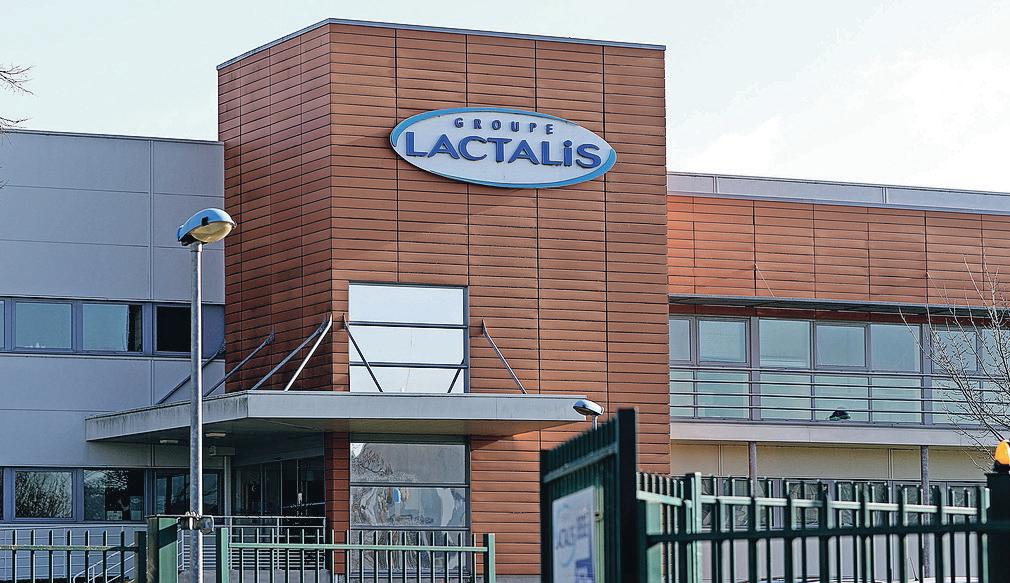
Head office of the Lactalis company in France. Picture: EPA/EDDY LEMAISTRE
Tech makes the job easier
BY SOPHIE BALDWIN
ROSS ANDERSON has never been afraid to embrace technology to create efficiencies on his family’s Denison dairy farm.
A former builder, Ross has been home on the family farm for 20 years and while his parents, Graeme and Chris, have now mostly retired, they weren’t afraid to embrace technology either.
“Mum and Dad were never scared to try something new, and they were always early adaptors of technology,” Ross said.
“We believe tech creates freedom and gives us time to spend with the kids; after all, they are only kids for so long."
Ross and his wife, Jenni Collings, were the first Victorian dairy business to install virtual fencing on their 500-cow herd and the couple cannot stop singing its praises.
“We started with the Halter collars on February 17 this year and it has changed the way we farm,” Ross said.
Ross said the cows were trained by vibrations and noises from a cue from the collar, which had enabled the couple to better manage the herd and reduce labour.
“We can divide our paddock into as many breaks as we like and adjust them as we go, giving the cows more grass if required,” Ross said.
“We also don’t have to go down and physically bring the cows to the shed anymore — we can set a signal to bring them up.
“For example we could program the collars to bring the cows up to the feedpad at 3am in the morning and we can wake up and they will all be there eating ready for milking.
“We can split cows into different herds and send one herd in one direction and one in another.
“The cows are quiet and calm and they have learnt very quickly.”
Ross said while the team members were still learning the technology themselves - how to capture and read data - they had found it amazing and nothing to be afraid of.
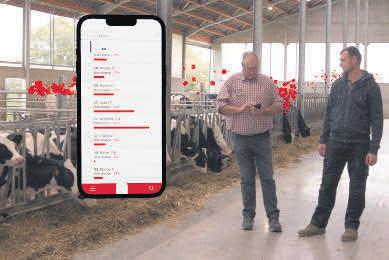
“Data goes into an app which ultimately produces graphs which we can use to monitor or compare the cows - there is lots of data and we are learning how to understand it all.
“Our staff are really good with the data too and the nutritionist can also access cow information.”
The collars stay on the cows for their lifetime.
Ross said the collars saved a couple of hours a day just in bringing cows up for milking and taking them back to the paddock after.
Another benefit is they have been able to do away with staff riding around on four-wheelers, which is a safety improvement.
Ross said he had also put the collars on 125 of his heifers.
“The collars are telling me which heifers are on heat by a pulsating light that is really easy to see. I have found the heifers are calmer and quieter because there are no dogs and no motorbikes,” he said.
“This technology is really cool and I am looking forward to more farmers having it and I am sure as time progresses, there will be more and more things the collars will be able to do.
“Halter have been a brilliant company to deal with.”
Ross supplies Bulla, and their opening price is the same as the previous season.
“For us there are two things we can't control, milk price and water in storage,” he said.
“We are in the Macalister Irrigation District and nine out of 10 years we have green grass and so far this has been a brilliant season for us. We have just been allocated 70 per cent of our irrigation water for this season and that plus an okay milk price gives us a good start.”
#1 for Rapid Recovery from Scours & Dehydration
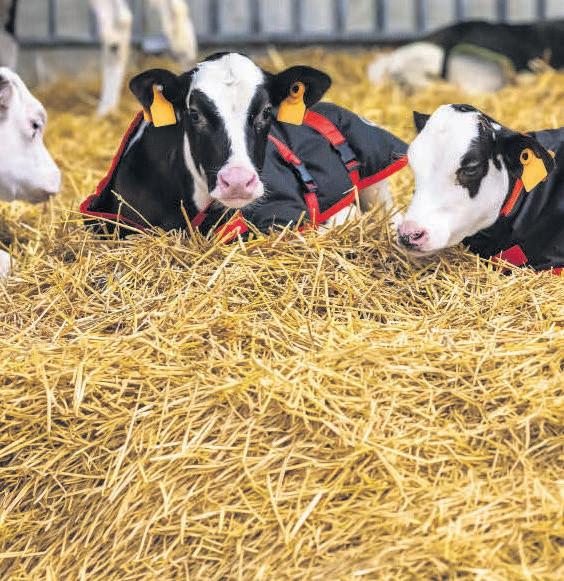
Imagine RAPID RECOVERY for sick or ill-thrift calves.
What if RECOVERY took hours… not days — and didn’t cost you more?
We’ve put the science in — you get the recovery out.
Because RAPID REHYDRATION and PROBIOTICS get them back on track fast.
Denison dairy farmer Ross Anderson.
Livestock lessons
AUSTRALIAN DAIRY Farmers (ADF)
has highlighted lessons for Australia in the European Union's (EU) prioritisation of livestock industries, recognising the role they play in underpinning nutritional food security, regional communities and economic resilience.
The EU last week launched its new Livestock Strategy, which reflects a growing international recognition livestock industries are essential to food security, regional communities and economic resilience.
ADF President Ben Bennett said the strategy struck an important balance between sustainability and farm viability.
“It's encouraging to see one of the world's largest economic blocks revert from the recent pattern of treating livestock production as primarily an emissions problem to a recognition
that it is a strategic asset that underpins food security, regional jobs and economic resilience,” Mr Bennett said.
“Profitable farming businesses are the foundation of sustainable agriculture. Farmers can only continue investing in animal welfare, environmental stewardship and productivity improvements if their businesses remain valued and viable.”
The EU strategy focuses on five priorities supporting farmers through innovation, animal health, climate resilience, risk management and competitiveness, while maintaining high standards for sustainability, animal welfare and traceability.
The priorities are:
1. resilient livestock sector prepared for crisis
2. competitive livestock sector — in the EU
and globally
3. sustainable livestock sector
4. livestock sector fit for all farms and regions
5. excellence in livestock production
It also places renewed emphasis on food security and strengthening domestic agricultural production and communities.
Mr Bennett said many of the themes echoed ADF's own advocacy priorities.
“The geopolitical roller coaster of recent years has highlighted the importance of resilient domestic food production and strong regional industries,” Mr Bennett said.
“The strategy reinforces ADF's longstanding position that productive, profitable and sustainable livestock industries are fundamental to delivering food security, regional jobs and long-term environmental outcomes.
“The Federal Government needs to take a good hard look at what the EU has done and commit to protecting Australia’s own livestock industries and farming communities, as well as ensuring the longevity of our world-class dairy industry.”
Mr Bennett said the strategy also highlighted the need for Australia to remain competitive in international markets.
“Consumers and governments are continuing to demand higher standards across food production systems,” he said.
“Australian dairy farmers are well placed to meet those expectations, but we must have the Federal Government investment and policy to continue improving our productivity, sustainability and innovation to remain globally competitive.”
Scholarship for young farmers
BY NICHOLAS SPANDLER
APPLICATIONS HAVE opened for the 2026
Young Farmers Upskill and Invest Scholarship, giving young farmers and farm workers up to $10,000 to build skills and invest in their businesses.
Successful applicants can access up to $5000 for study or training, and a further $5000 to put those skills into practice through professional development, business planning or on-farm improvements.
To be eligible, applicants must be aged 18 to 45, working at least three days a week on a Victorian food and fibre farm business, and have a minimum of two years' on-farm experience.
Since launching in 2015, the Agriculture Victoria program has supported 146 young farmers across the state, with 12 to 14 scholarships awarded each year.
Agriculture Victoria chief executive Beth Jones said the scholarships were a key investment in the sector's future.
“These scholarships are about empowering the next generation of farmers with the skills, confidence and tools they need to innovate, adapt and lead in a changing industry,” Ms Jones said.
ɋ Applications close 5pm, August 14, 2026, with shortlisted candidates interviewed in late August. Details at agriculture.vic.gov.au
Backing farmers to cut fertiliser use
DAIRY FARMERS across Australia and New Zealand will implement projects aimed at cutting synthetic fertiliser use, reducing emissions, improving animal welfare and lowering on-farm energy costs after receiving a share of $800,000 through the 2026 a2 Farm Sustainability Fund.
The funding will support 27 farmer-led sustainability projects, bringing The a2 Milk Company's total investment in on-farm sustainability initiatives to more than $3.7 million since the fund was established.
The a2 Farm Sustainability Fund supports initiatives that deliver practical sustainability outcomes on farm, aligned with the company’s focus areas across climate, nature, cows and rural communities.
Projects funded include:
Hold the Gold Farm, Waikato, New Zealand: a project focused on reducing nitrogen inputs by leveraging natural soil biology. By trialling bio-based nitrogen alternatives across part of the farm and monitoring pasture growth, the project aims to cut nitrogen use by up to 50 per cent while maintaining productivity, supporting climate and soil health outcomes while also reducing financial inputs.
Hastings Park, New South Wales: an initiative to improve animal welfare and reduce energy use through upgraded cooling and heating systems in the milking operation.
By installing energy-efficient fans and a heat exchange system for water heating, the project aims to reduce emissions and operating costs while improving cow comfort and productivity.
Managing Director and CEO of The a2 Milk Company, David Bortolussi, said the projects reflected the growing focus among farmers on
practical innovations that deliver both environmental and commercial benefits.
"Our farmers are finding new ways to improve productivity while reducing environmental impacts, and that's exactly the type of innovation this fund is designed to support.
"The projects funded this year demonstrate that sustainability and profitability can go hand in hand. They're helping build more resilient
farming businesses while delivering measurable outcomes for the environment, animal welfare and local communities," Mr Bortolussi said.
Since launching in Australia in 2017 and expanding to New Zealand in 2022, the fund has supported more than 140 projects across the supply chain.
Applications were assessed by independent investment committees in Australia and New
Zealand comprising specialists in environmental management, agricultural decarbonisation, animal welfare, development economics and green finance.
The a2 Milk Company welcomed four new investment committee members in 2026, Dr. Mairi Stewart in New Zealand and Mel Cutler, Jack Holden and Sam Churchill in Australia.
Farmer-led innovation plays a vital role in advancing sustainability in the dairy sector, with farmers often best placed to identify practical, on-farm solutions grounded in day-to-day operations.
Supporting projects that deliver both environmental and productivity benefits can help accelerate broader adoption across the industry, while initiatives like the fund enable farmers to implement approaches and technologies that drive positive outcomes for both the environment and farm business.
Jack Holden, Australian Investment Committee member has worked closely with farmers on a wide range of farm sustainability innovations over a number of years.
“Innovations that deliver both environmental benefits and farm profitability are so much more valuable to all parties and widespread adoption can also follow over time.
“As an industry, it’s important that we continue to look for opportunities that demonstrate sustainability and profitability.
“The a2 Farm Sustainability Fund provides farmers with a way to de-risk the implementation of such innovations, in a way that suits their individual businesses.”
Funded projects commenced in July 2026 across Australia and New Zealand.
PERFORMANCE BASED SOLUTIONS FOR DAIRY
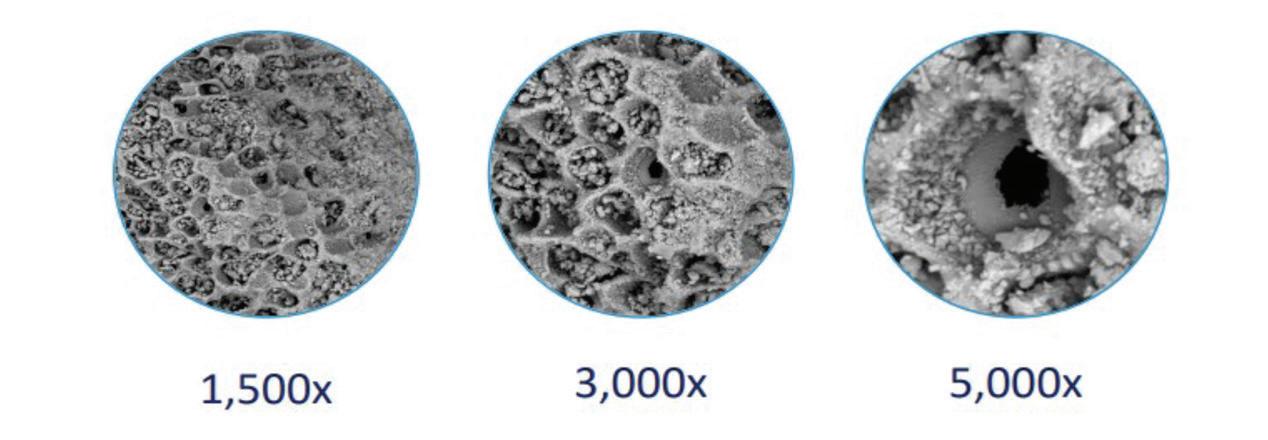
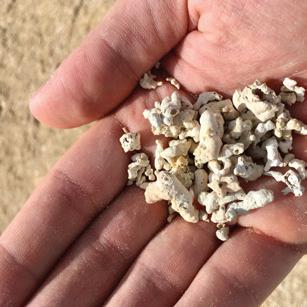
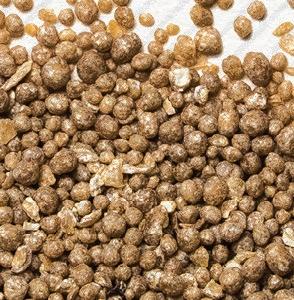
A highly bioavailable natural organic rumen buffer rich in bioavailable calcium and magnesium carbonates and naturally contains over 70
SLOW-RELEASE BUFFERING EFFECT
Carbonates help neutralise excessive rumen acids.
Assists in optimising rumen pH.
Maintains longer term pH stability of the rumen.
HIGHLY BIOAVAILABLE MINERALS
Calcium (min. 32%) Magnesium (min. 3%)
Contains over 70 minerals.
PROMOTES OPTIMAL RUMEN FUNCTION
Improves environment for microbial fermentation. Improves fibre digestion and feed efficiency. Improves dry matter consumption.
100% NATURAL
100% Calcified Calcareous Red Algae. USDA Organic Certified.
The a2 Farm Sustainability Fund is supporting farmers to reduce fertiliser use.
Tassie’s top farmers
A THIRD-GENERATION farming family from north-east Tasmania whose business was started by their grandfather has claimed this years prestigious ANZ Dairy Business of the Year Award.
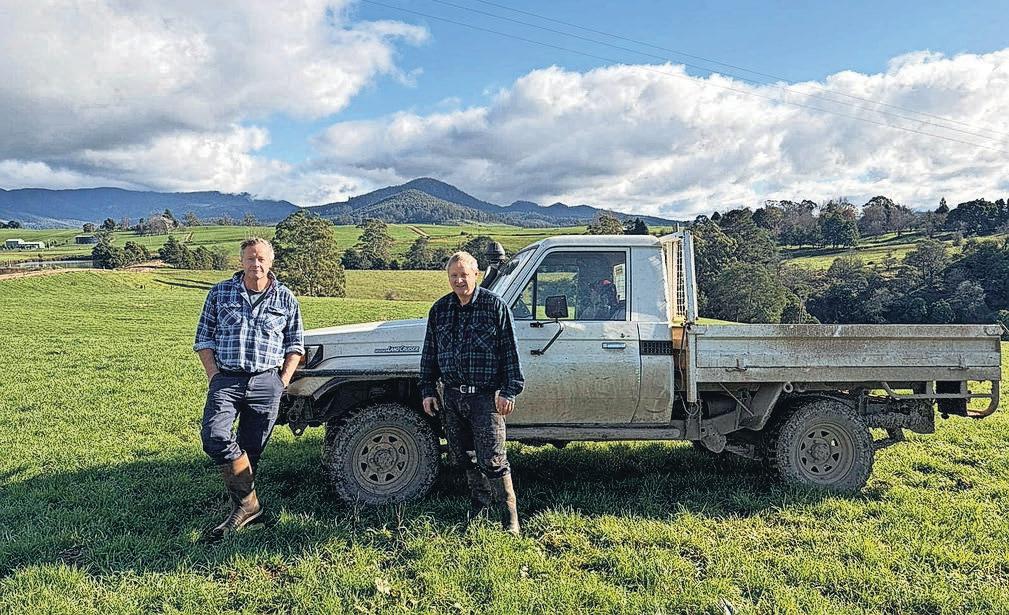
Announced at the DairyTas Dairy Awards in Devonport, Northview Estate is owned and managed by brothers Geoff and Stan Cox who have grown the herd to 1350 cows.
A strong focus on herd and pasture management helped the Ringarooma family run dairy business, Northview Estate, secure the title.
Judges were impressed with the high level of pasture and milk production per hectare. The production was driven by a high stocking rate without compromising cow performance and resulting in above average per hectare profits.
TIA Dairy development extension officer and judge Symon Jones said the brothers continue to drive improvement by reinvesting in critical infrastructure to maintain and improve animal health and welfare and cow performance.
“They also continue to improve efficiency in and around the workplace and ensure staff are safe and supported,” Symon said.
“The farm is self-contained with all young stock grown out on farm support blocks and were assessed by the judges as outstanding.”
The ANZ Dairy Business of the Year Award is conducted by the Tasmanian Institute of Agriculture (TIA) as part of the Dairy Farm Monitor Project, which is funded by Dairy Australia and TIA.
About 30 farm businesses participate in the program to have their physical and financial
performances benchmarked.
The free benchmarking program considers a range of efficiency and performance indicators of dairy farming businesses factors including financial, management, pasture, herd size and environment.
The 2026 Lactalis-Mainland Dairy Share Dairy Farmer of the Year Award was presented to Ryan and Brighid Langley, who are share farming for Circular Head Farms on the Redpa Blue property at Redpa.
“Ryan and Brighid were selected on their outstanding performance, not only as sharefarmers but for also being finalists in the Dairy Business of the Year Award,” Symon said.
“Their achievements as sharefarmers is testimony to what can be achieved through hard work and determination combined with careful planning, farm management skills across all aspects of their business including pasture management, animal health, and the environment.
“They are a dynamic young couple who demonstrate that anything is possible through hard work and commitment.”
Chair of DairyTas, Luke McNab, said the event was an important opportunity to bring Tasmania’s dairy industry together to recognise achievement, share in success and celebrate the contribution of farmers, businesses and individuals across the sector.
“It’s always a privilege to celebrate the people and businesses who continue to drive Tasmania’s dairy industry forward,” Luke said.
“The awards highlight the dedication,
innovation and resilience shown across our industry, while also providing a valuable opportunity to come together, connect and reflect on the achievements of the past year.
“Events like this strengthen the sense of community within our industry and remind us of what can be achieved when we continue to support and collaborate with one another.”
Results for the 2026 DairyTas dairy industry awards include:
ɋ ANZ Dairy Business of the Year
Award: Northview Estate, owned and managed by Geoff and Stan Cox, Ringarooma
ɋ Lactalis-Mainland Dairy Share Dairy Farmer of the Year Award: Ryan and Brighid Langley, Redpa Blue as part of Circular Head Farms
ɋ Saputo Sustainability in Dairy Award Ken and Jill Lawrence
ɋ Rex James Stockfeed Innovation in Dairy Award Troy Ainslie
ɋ Blackley Pipelines and Irrigation Dairy Employee of the Year Award Paula Beauclerk
ɋ Aurora Energy Dairy Workplace of Excellence Award Trinity Pastures
ɋ Mondelez Young Dairy Farmer Encouragement Award Will Hurst
STOP WASTING FEED
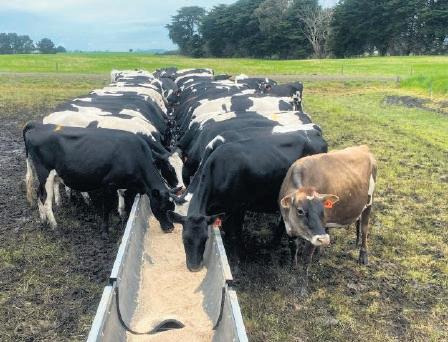
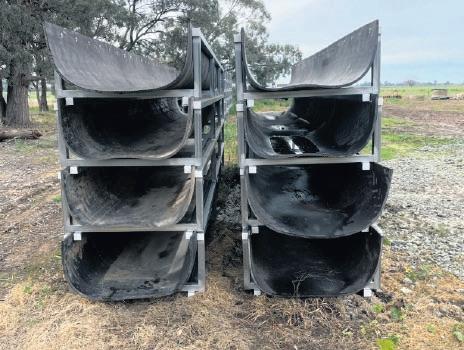
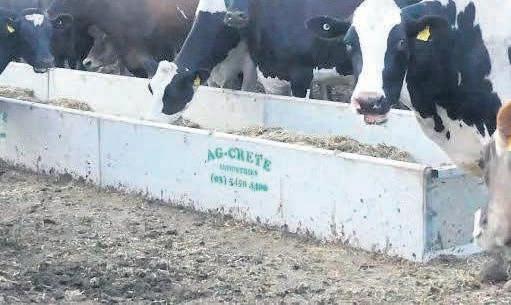
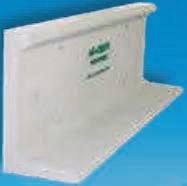
We have designed a simple but very effective Feed Trough, to cut your feed wastage and save you money. The endless troughs can be laid in a continuous length, they are also stackable, so you can move them easily from one paddock to another. The frame is made from Australian Steel, with repurposed rubber conveyor belt used to make the trough, its nylon based and will last a lifetime.
Northview Estate is owned and managed by brothers Geoff and Stan Cox.
The winners of the 2026 Lactalis-Mainland Dairy Share Dairy Farmer of the Year, Ryan and Brighid Langley.
Preparing for seasonal uncertainty
DAMP, COOL conditions and shorter days are an ideal time to relax in front of the fire and consider changes that might make your farm easier to manage during seasonal uncertainty, drought or planning for future seasons.
Changes might include upgrading your water supply, installing a stock containment area or changing your business model. All of these can be expensive, time consuming and not without risk. Developing a strategy requires careful planning.
Like any changes on the farm, the starting point in developing a strategy involves having a clear vision of what you want your farm to look like in the future. Sitting down with your family, discussing and agreeing on a vision and set of goals is an important first step. This can be a challenging and confronting process, particularly when multiple generations are involved. Asking a third party to act as a mediator can be a great help.
An honest assessment of your financial position will aid in decision making, even if that results in you seeking outside employment, contracting, setting up an alternate business model or transitioning out of farming entirely.
A good understanding of the risks to your business is critical when making this assessment. How often has drought affected your farm, what was its impact and when is it likely to happen again? What are the other risks associated with running your business?
Writing stuff down is important, as it encourages everyone to share their ideas and reflect on others’ points of view. It doesn’t need to be fancy, a simple list of dot points noted on a piece of paper, on the fridge or a nearby window is all that is needed. Drawing a simple picture of the future farm is another good option. Having a large, laminated farm map can be an
enormous aid in this process. It can be used to plan out a new layout, locate laneways, locate new dams and design water reticulation systems. Using erasable marker pens means various alternatives can be considered, altered or erased. Taking photos of your map can be a useful way to record your various ideas. There is no right or wrong way to prepare for seasonal uncertainty and drought. Every farm is different. For some farmers, protecting pastures and maintaining ground cover is the main priority. For others, it may be maintaining their breeding stock or cash flow.
Possible strategies to improve your drought resilience could include:
increasing on-farm fodder storage of grain, hay, straw and silage.
upgrading your farm water supply.
investing in Farm Management Deposits. commencing or increasing the trading side of your business.
sowing drought-tolerant pastures. installing a stock containment area.
The last strategy, installing a stock containment area (SCA), has been embraced by farmers across Victoria who have found SCAs a great way to make better use of fodder reserves, speed up feeding, reduce stress and protect soils and pasture from overgrazing.
Many of these strategies are covered in the Farm Business Resilience (FBR) Program.
Farmers can express their interest in the FBR program by visiting the Farm Business Resilience Program web page.
For more information about drought support available visit the drought support page or call 136 186.
Clem Sturmfels is Land Management Extension Officer at Agriculture Victoria.
Milk fat responses are influenced by more than fibre. MFP® Feed Supplement supports the rumen by maintaining microbial balance and contributing to consistent milk components across lactation.
Supports consistent milk fat production in pasture-based dairy systems. Promotes rumen microbial activity involved in nutrient utilization. Helps maintain rumen conditions associated with milk fat synthesis.
More Fat in the Vat with Intelligent Nutrition
Talk to your NOVUS representative, visit Novusint.com, or scan the QR code to learn more.
+61 487 962 783
Agriculture Victoria’s experts are providing advice on how to deal with seasonal uncertainty.
Building opportunities
AUSTRALIAN DAIRY farmers have long embraced innovation as a means of improving the productivity and profitability of their farms.
From genetics to forages to farming systems, farmers are continually exploring ways to improve efficiency, manage costs and keep their businesses productive.
Developed by Dairy Australia through extensive consultation with dairy and beef industry stakeholders.
Its implementation is supported by an initial three-year co-investment from Dairy Australia and Meat & Livestock Australia and aims to support profitable, sustainable pathways for calves not required as dairy herd replacements.
For many dairy farmers, non-replacement calves represent both an opportunity and a challenge.
While there is growing interest in beef from dairy across the supply chain, producers often face uncertainty around calf value, market access and pricing.
At the same time, feedlots and beef processors are looking for greater consistency and confidence in the calves entering their systems.
As part of the broader CalfWays initiative, over the past eight months a pilot program has examined these opportunities in the North east of Victoria, specifically the Alpine Valleys region.
The Alpine Valleys CalfWays Producer Pilot seeks to create a more profitable, transparent and trusted beef from dairy value chain for dairy farmers in the region.
A producer-led initiative, the pilot has focused on bringing together dairy farmers and supply chain partners to better understand what is needed to create commercially viable pathways for non-replacement dairy calves.
Supported by industry consultants, the project has worked closely with farmers, feedlots, and processors to strengthen relationships, define market requirements and establish baseline pricing for calves sold both pre-weaning and at weaning.
Importantly, the pilot has recognised longterm success depends on building trust and alignment across the entire supply chain, while ensuring value is created and shared among all supply chain participants
Ahead of the release of the phase one report, it is already clear there is significant value in bringing producers and supply chain partners together to openly discuss opportunities and challenges.
As the pilot program has rolled out, interest and participation from dairy farmers have grown too, demonstrating our industry’s strong appetite to explore the possibilities.
For dairy farmers, CalfWays highlights the opportunities.
Every calf born on a dairy farm has value.
By developing clearer market pathways and stronger supply chain connections, farmers can potentially capture greater returns while also aligning with growing expectations around sustainability, animal welfare and responsible livestock production.
calves.
By improving the value of calves from dairy systems, we can open new income streams, strengthen sustainability credentials, develop resilience for the future, and continue building pathways that benefit farmers, processors and consumers alike.
As the pilot reaches its conclusion, the focus now shifts to sharing findings with industry and identifying the next steps needed to support a thriving beef from dairy sector in the Alpine Valleys and beyond.
The work is far from over, but the foundations for a stronger and more profitable value chain are now being laid.
Dr Bec Barnewall, CalfWays Co-Innovation lead
The lessons learnt through the Alpine Valleys Producer Pilot will help inform future opportunities for producers seeking to maximise the value of non-replacement
CalfWays is a roadmap that reflects a practical approach to improve outcomes for non-replacement calves by 2035, led by Dr Bec Barnewell
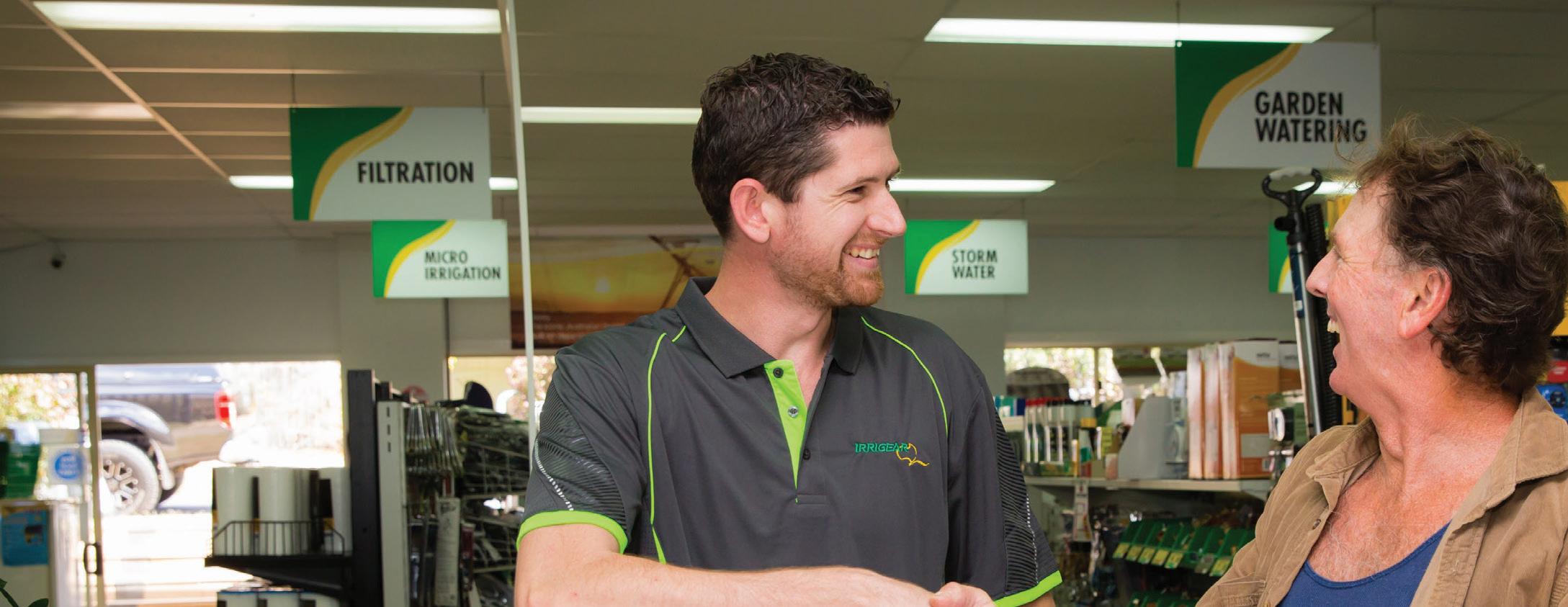
Irrigear keeping irrigation independent
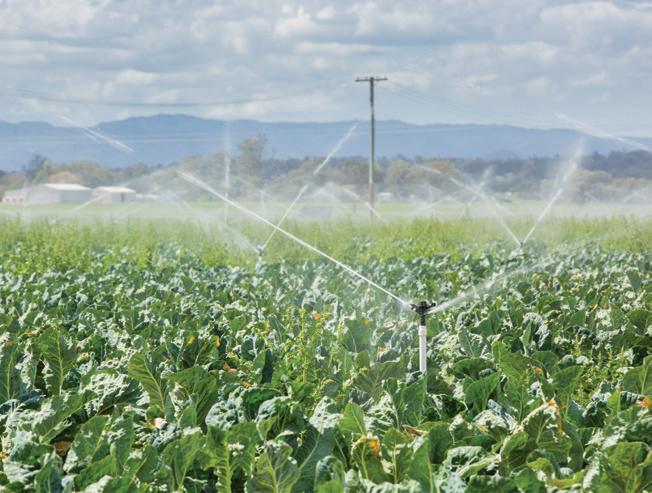
AUSTRALIA’S LARGEST network of independent irrigation and water management retailers is now member-owned - a structure designed to keep local know-how in local hands while giving farmers the benefit of national scale.
Irrigear, Australia’s largest network of independent irrigation, pump and water management retailers, has completed its transition to a co-operative structure.
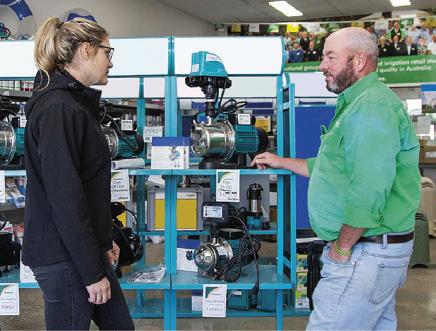
For farmers and growers who rely on their local irrigation store, the change is designed to protect exactly what they value most: independent, on-the-ground expertise.
The new structure continues to strengthen supplier relationships and make available the products that support agricultural needs.
Irrigear is not a franchise and not a corporate buying group.
Under the new co-operative model, each of its 80 members collectively own the network, with a genuine say in how it operates.
Built over 35 years, Irrigear now stands as the country’s largest independent buyer in the irrigation and water management sector, with more than 60 supplier partners.
For farmers, the practical difference is continuity and reinvestment. Irrigear does not dictate what member stores stock or how they operate — so the local specialist a farmer has always dealt with stays local, stays independent, and keeps making decisions based on what works for their region, not a head-office directive.
Profits generated through the co-operative’s collective buying are returned to member stores as rebates, rather than to outside shareholders, giving stores more capacity to reinvest in stock, service and the specialist advice farmers rely on during planting, irrigation upgrades
and peak season pressure.
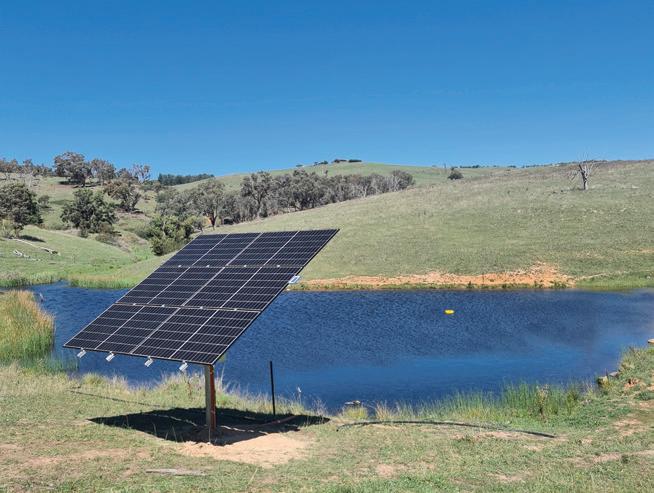
The collective buying power of the network also means farmers get access to a broader range of leading water system technology and more competitive pricing, without losing the personal relationship with the people who know their property and their region.
General manager of Irrigear, Simon Treptow, is enthusiastic about how the new structure will benefit the end customer as well as the stores themselves.
"Farmers deal with the same local expert they always have.
“What's changed is that every expert now has more influence over buying power, supplier relationships, has better access to new innovation and can continue to reinvest in their store because the profits come back to them, not to outside or overseas shareholders,” Simon said.
Irrigear member stores have grown an average of 5 per cent year-on-year, reflecting sustained demand from farmers for specialist, independent irrigation advice as water management pressures increase across Australian agriculture.
The co-operative model which is already well established in other rural sectors including grain and dairy is designed to keep that growth locally owned.
About Irrigear Irrigear began 35 years ago as a member buying network for independent irrigation retailers. Today it is a member-owned Co-operative of 80 stores nationally, backed by more than 60 supplier partners. Irrigear stores remain independently owned and operated, giving farmers access to specialist local expertise backed by the scale, buying power and technical resources of a national network. Member Owned.
Geared to Compete.
SMART MINERALS FOR DAIRY CATTLE
Selko Intellibond-Hydroxy trace minerals
® IntelliBond® Trace Minerals
The importance of trace minerals
Trace minerals support a range of biological functions required for immune function, reproduction, and growth. Trace minerals are present in forages and other feeds used in cattle diets, and with the exception of cobalt, meet the requirements of rumen microbes. However, supplementation is needed to meet the animal’s needs.
Trace minerals support an array of biological functions that are required for proper immune function, reproduction, and growth. Trace minerals are present in forages and other feeds used in cattle diets and, with the exception of cobalt, meet the requirements of rumen microbes. However, supplementation is needed to meet the needs of the animal.
Contributes to making protein, vitamin A
ation, fertility and skin health. Contributes contributes to healthy bone and cartilage, enzymes, immunity and fertility.
ANTAGONISTS
IntelliBond Hydroxy Trace Minerals unique crystalline structure limits the exposure of the IntelliBond trace minerals to antagonists in the feed and rumen. Slow breakdown of IntelliBond occurs in the abomasum, making the mineral available to be absorbed in the small intestine.
Antagonists are minerals or compounds that reduce the bioavailability of another mineral by forming complex that reduce absorption. This typically occurs in the rumen. Antagonists can come from feedstuffs in the diet, soil contamination (or ingestion), and drinking water. Common antagonists to the trace minerals that are important to cattle are: Sulfur Iron Molybdenum Mineral imbalances
Hydroxy Trace Minerals
Strong
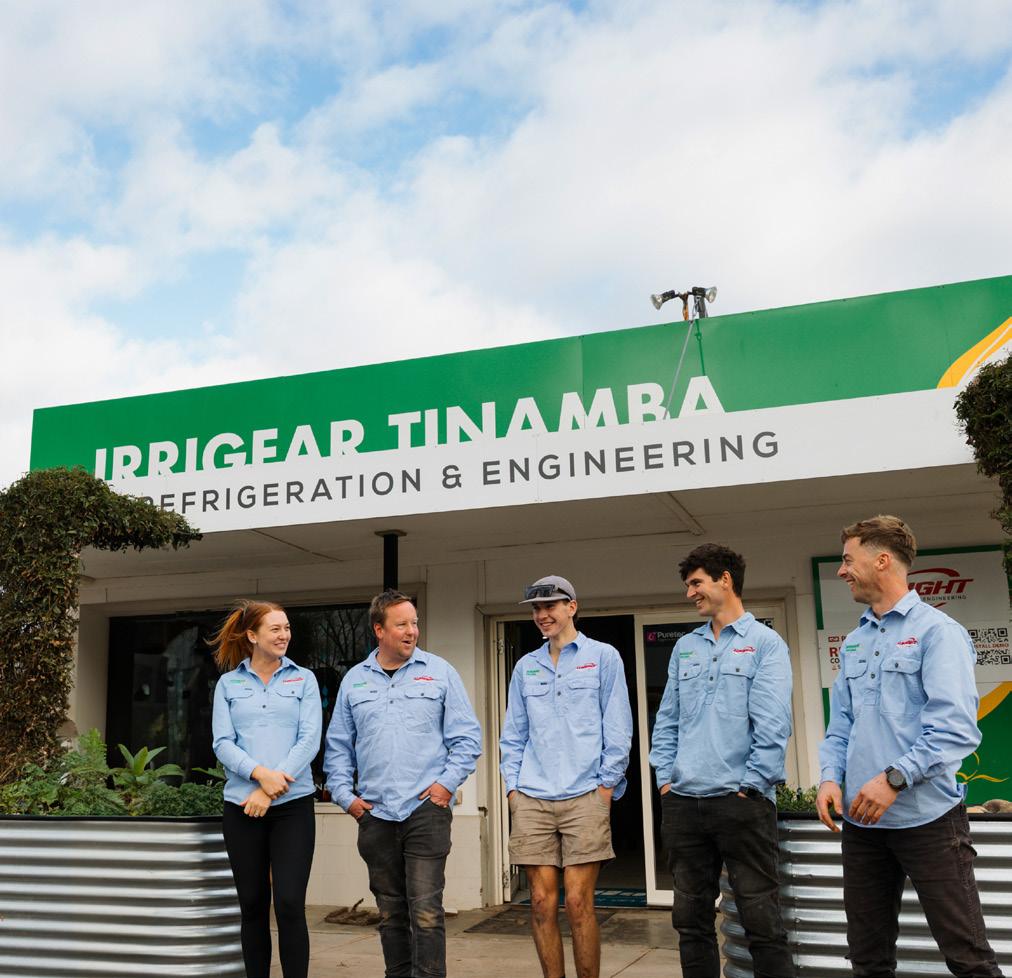
Irrigear Tinamba are proud members of the network, offering practical, efficient, cost-effective solutions to water and fluid management problems both large and small – proudly serving Northern Gippsland and the east coast of Victoria
Selko
ZINC MANGANESE
COPPER ZINC MANGANESE
Winter Fair dazzles in 2026
BY SOPHIE BALDWIN
IT WAS a new-look National Herd Development Winter Fair for 2026, with the inclusion of the Jersey breed for the very first time.
International Dairy Week director Declan Patten has taken on the job after Clare and Stu Modra and the organising team passed over the reins.
Declan said there were more than 250 entries from exhibitors across Victoria, NSW and South Australia along with New Zealand and Ireland, and as usual, there was strong support for all the youth events.
“It was amazing and we have had such great support. Adding the Jersey breed to the show for the first time has created a different element,” Declan said.
“The youth side continues to grow and we had kids everywhere which is great because they are the future of our industry.”
Declan said the HotCow Show String Tag Sale was a success with $25,000 paid for a twomonth-old calf. An unborn jersey calf sold for $17,500 and the sale averaged $7,500.
Judge Kevin Doeberiener said it was an exceptional show and he was impressed by the dairy strength and mammary systems on show across both breeds.
“It really was an honour to judge here
today and the last time I came to Australia was 10 years ago and the calibre of cattle have improved tremendously over that time,” Kevin said.
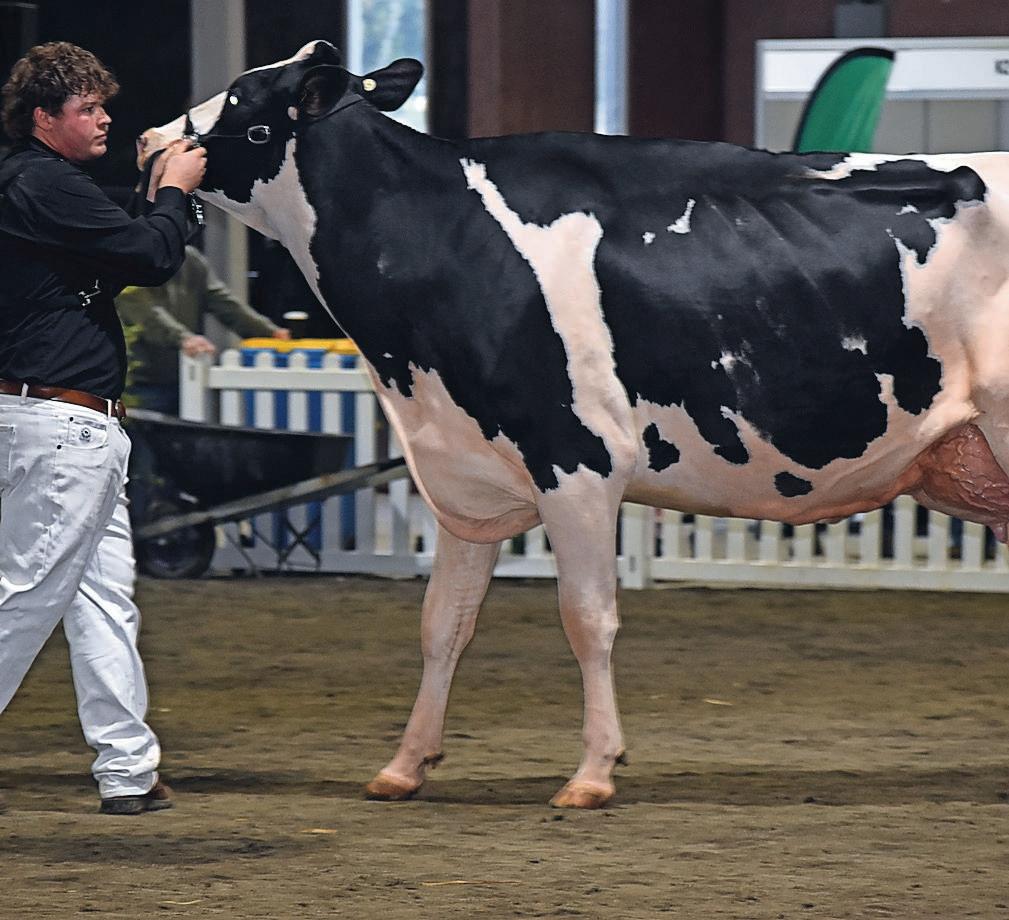
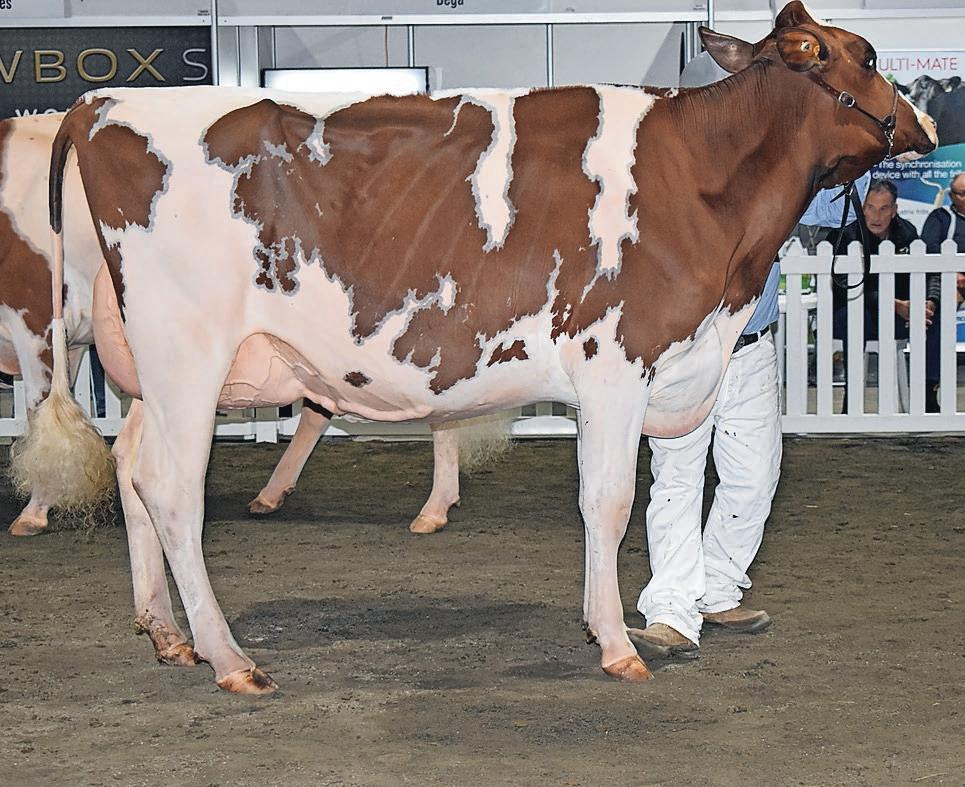
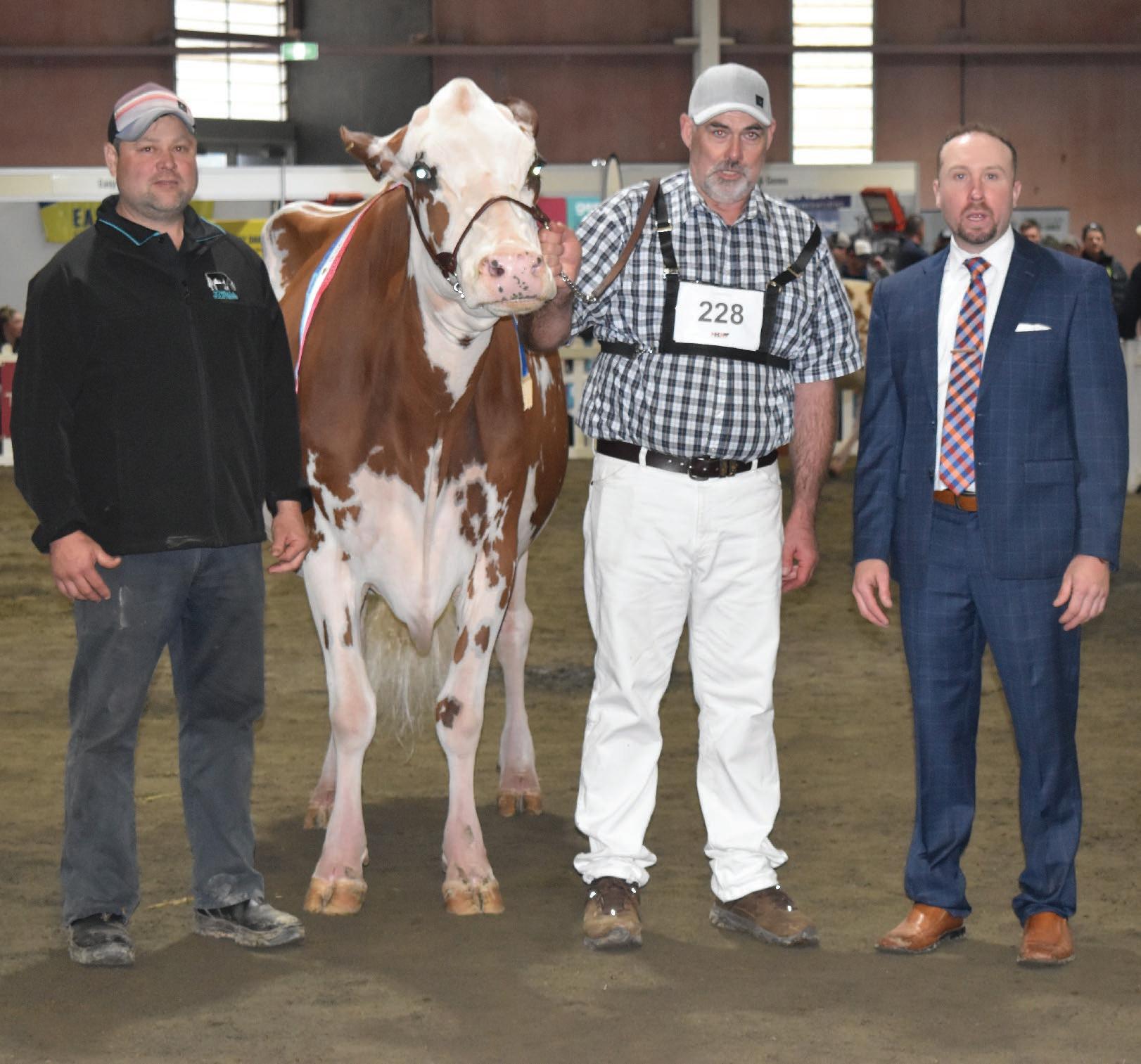
Supreme Champion was five-year-old Tomargo Recluse Door Apricot, owned by Avonlea Holsteins and Linsand Farms.
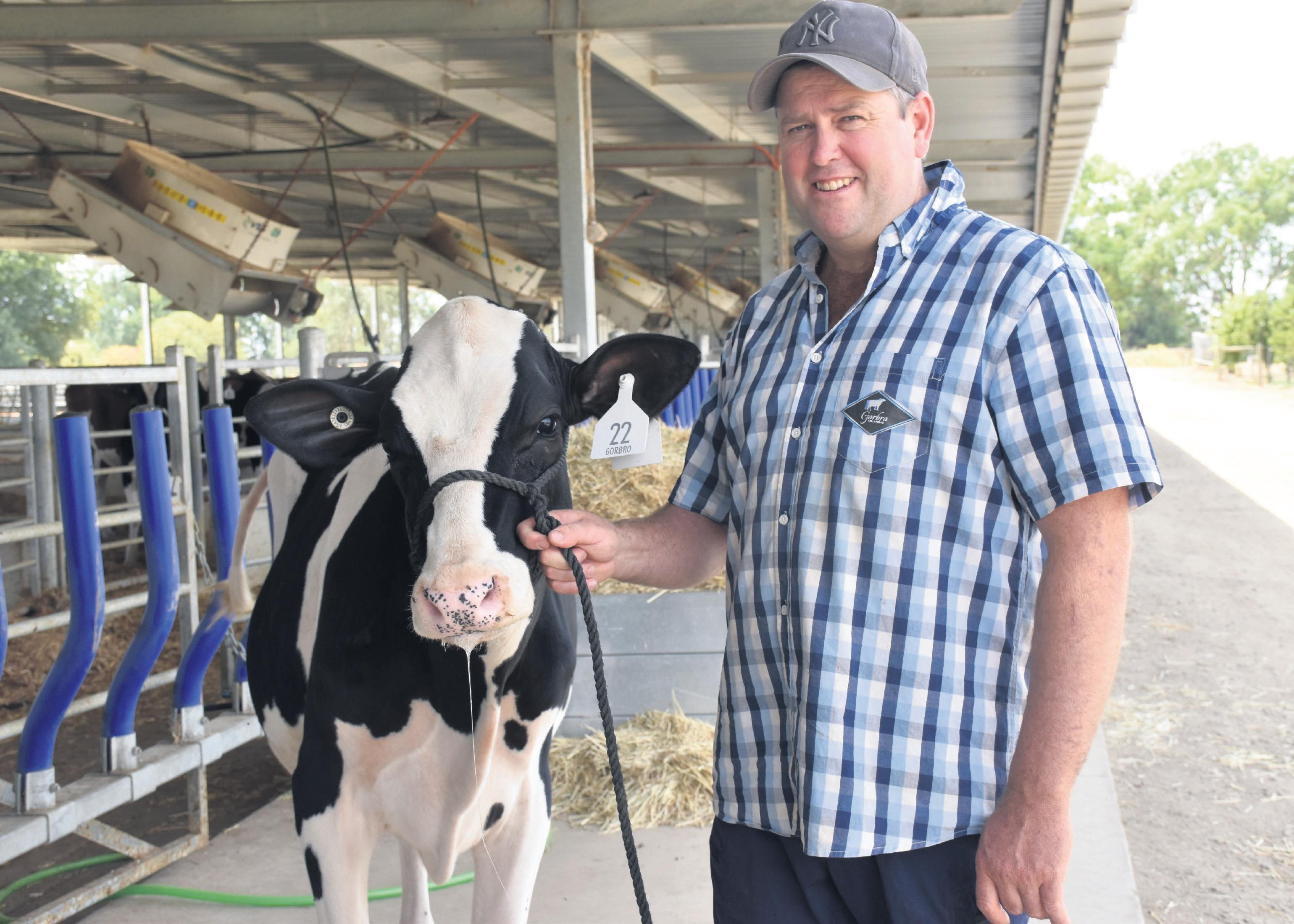
Chad and Kristin Gordon from Tongala took home Supreme Intermediate Champion with Gorgala Lambda Rae and Senior Champion Red and White with Gorbro Mirand Admire.
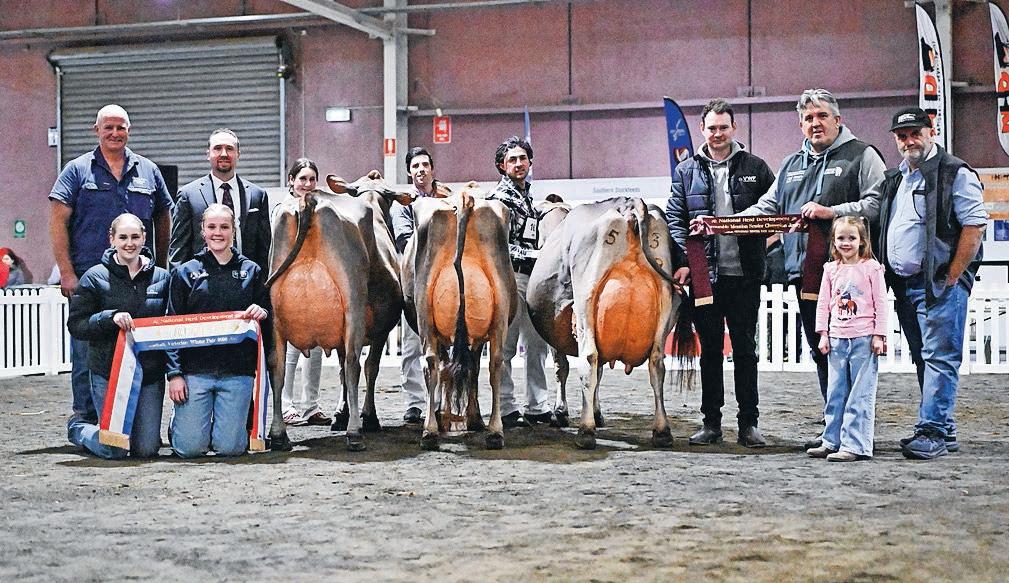
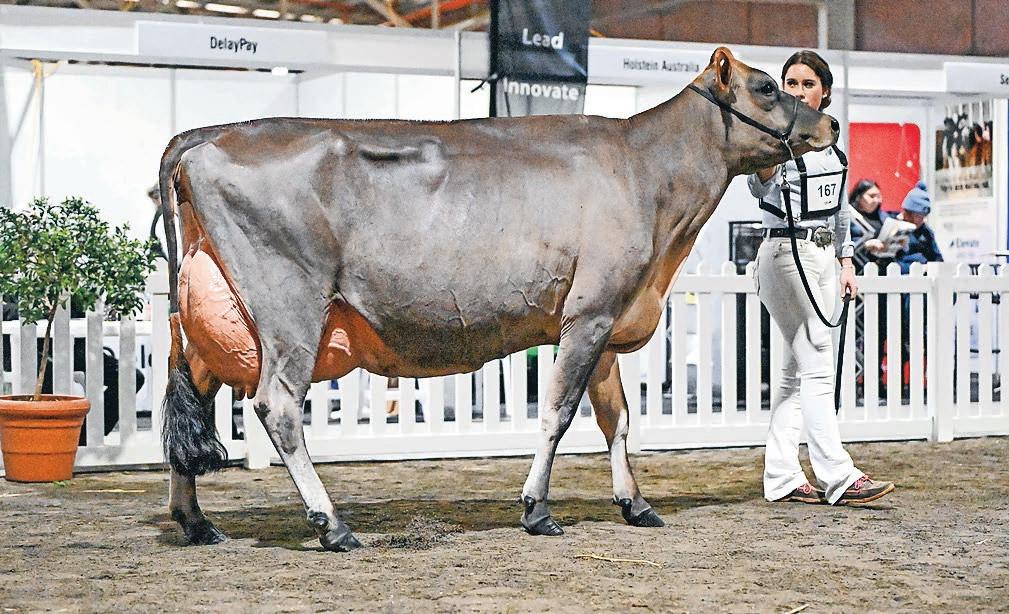
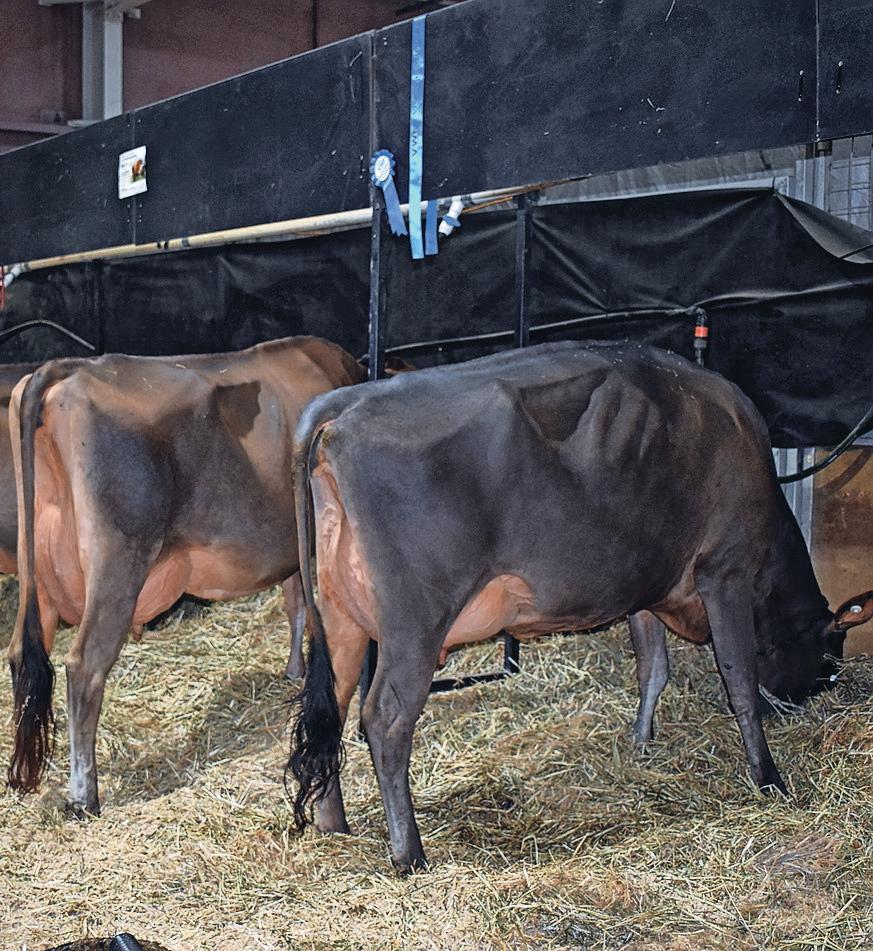
Senior Champion Jersey was Jireh Oliver Glory exhibited by Darrynvale Jeresys, Chris McKenzie and Rohan Sprunt.
Rohan said Glory is a really balanced cow with a lot of strength and a really good udder. She first took his eye when he saw at IDW.
“At the time I thought Glory would win her class easy and surprisingly she didn’t, so when I saw her come up for sale I went down to the auction just to buy her,” Rohan said.
Rohan did on-sell her through his own recent dispersal sale a few months ago but has stayed on as one of the partners.
“We have genomic tested Glory, which confirmed she is polled, so I am looking forward to working with her. She has been flushing really well so we should have plenty of opportunity in the future.”
Rohan said it was great to see the Jersey breed included in the show and he believes it will only grow in popularity.
Supreme Champion five year old Tomargo Recluse Door Apricot owned by Avonlea holsteins and Linsand Farms.
The champion senior Jersey line up. Picture Fiona Hanks.
Senior Champion Jersey Jireh Oliver Glory was led byStacey Gleeson. Picture by Fiona Hanks.
Chris Thompson from South Australia.
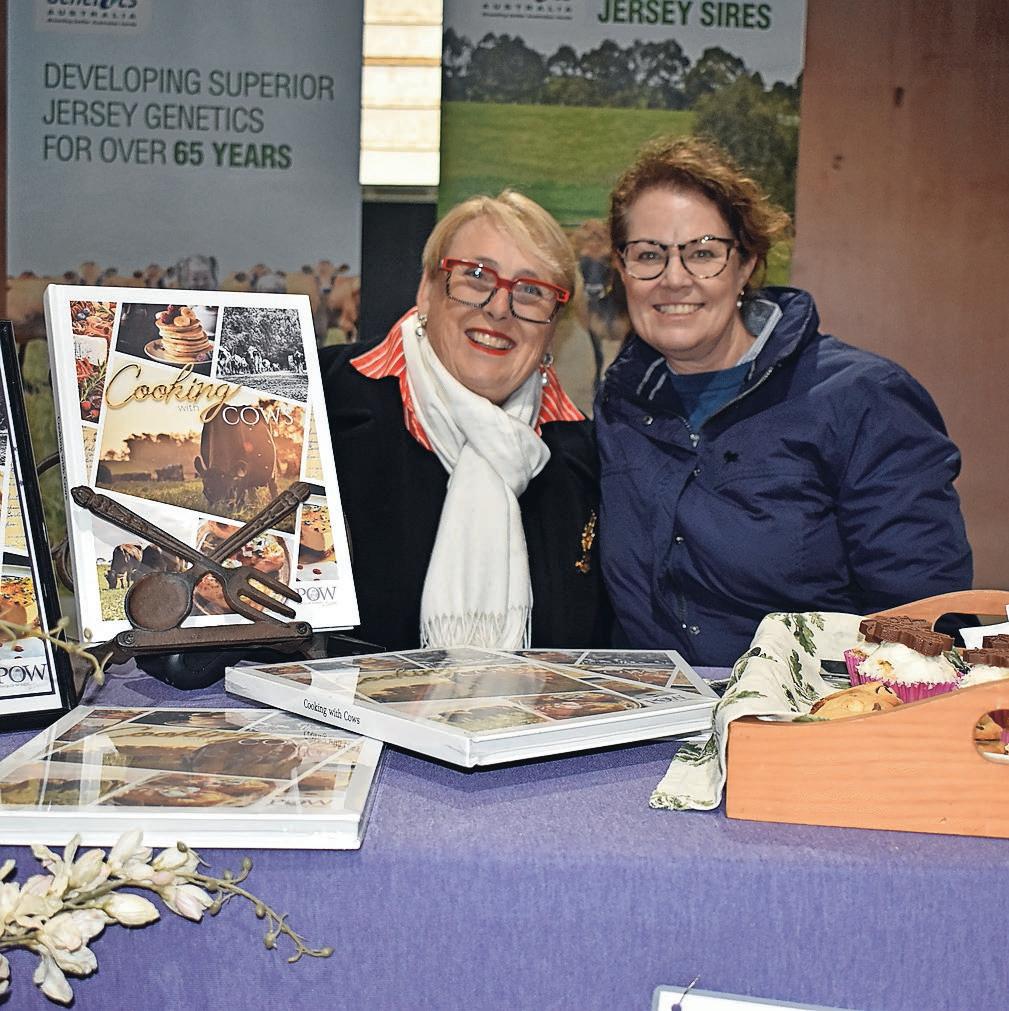
Mandy Pacitti and Kerrie Anderson from the Power of Women in Dairy were selling their very popular Cooking with Cows Cookbook.
Dairy-Tech Refrigeration
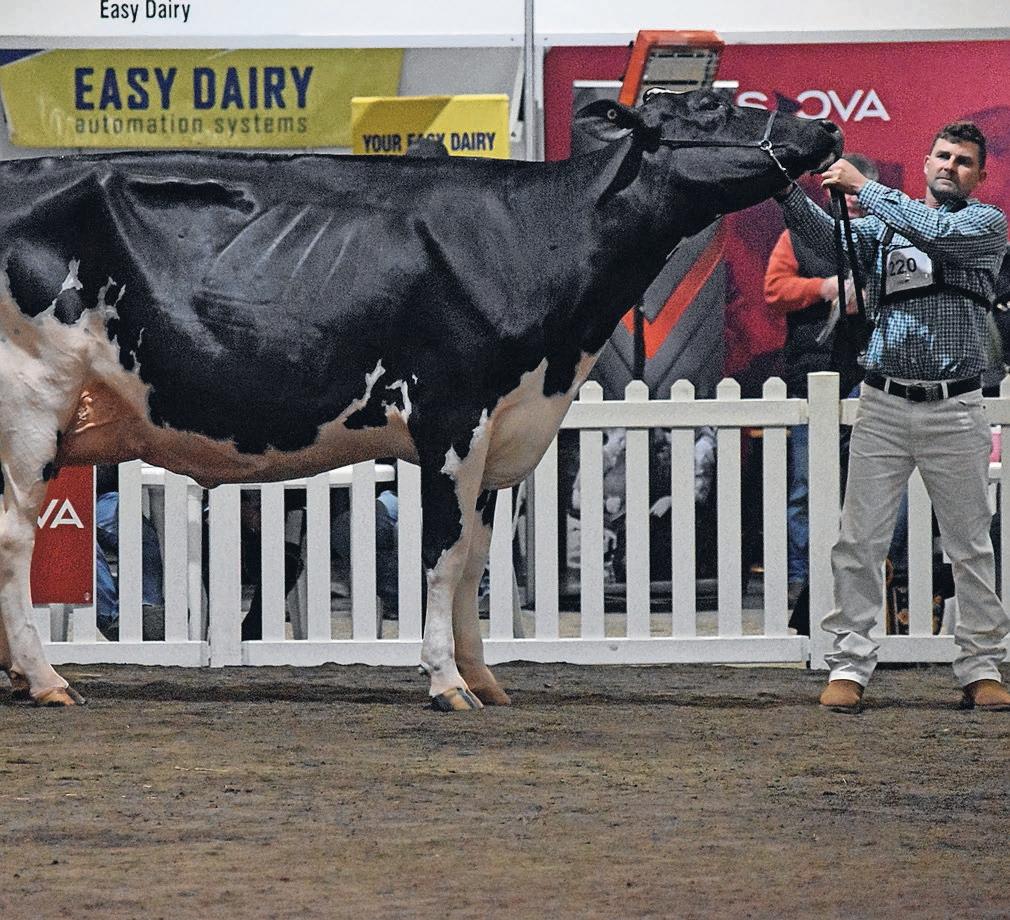
Wyoming Diamondback Mary in the four year old in milk class led by Brad Fraser.
Jersey exhibitors have embraced the Winter Fair.
Event organiser Emmelie Nijskens and director Declan Patten.
Senior champion Gorbro Mirand Admire owned by Chad and Kristen Gordon from Tonagla.
Engineered for quality and productivity
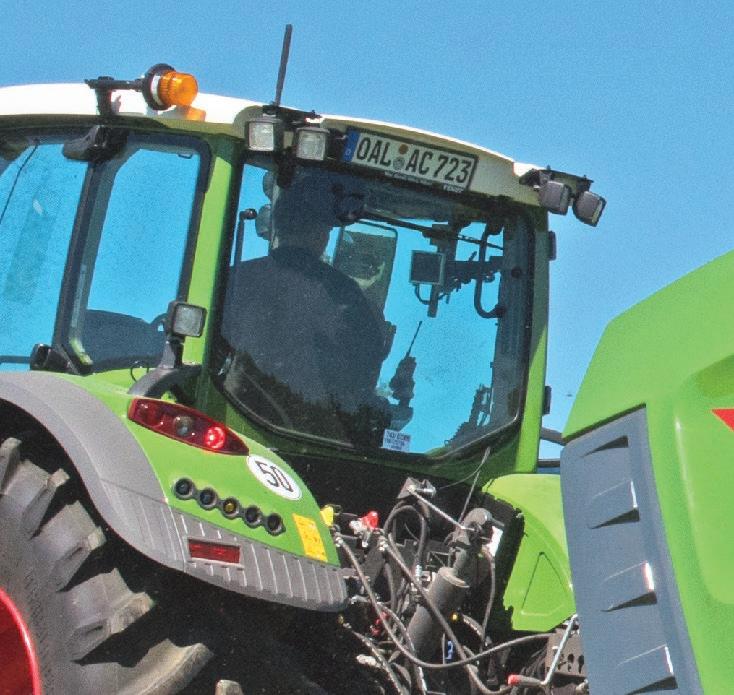
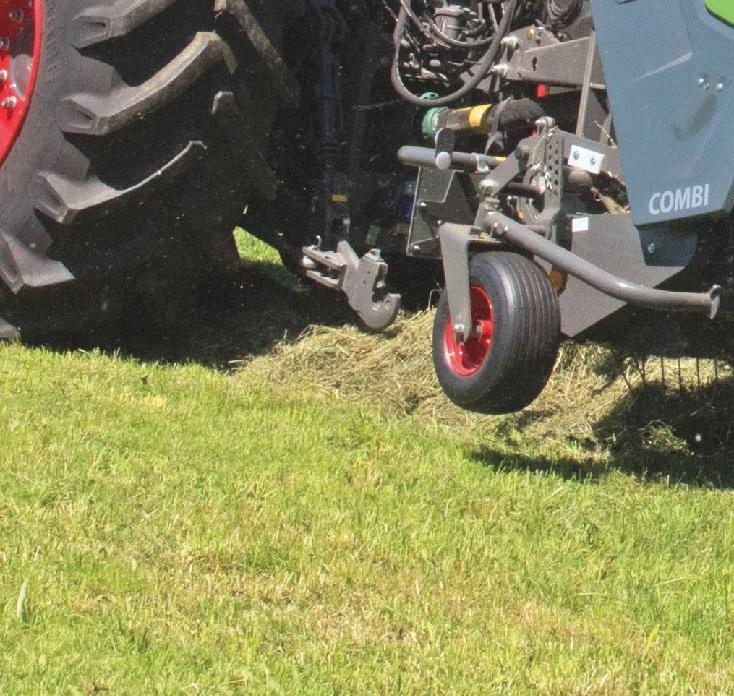
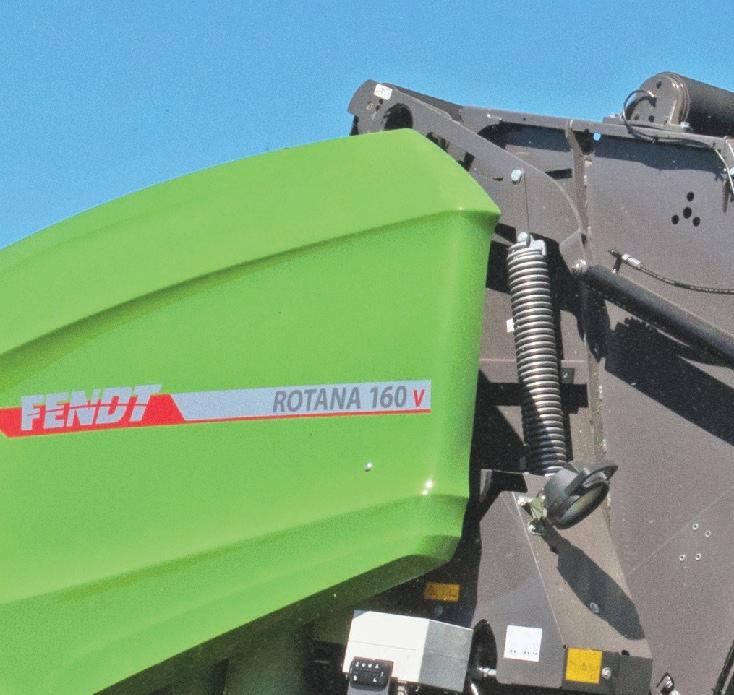
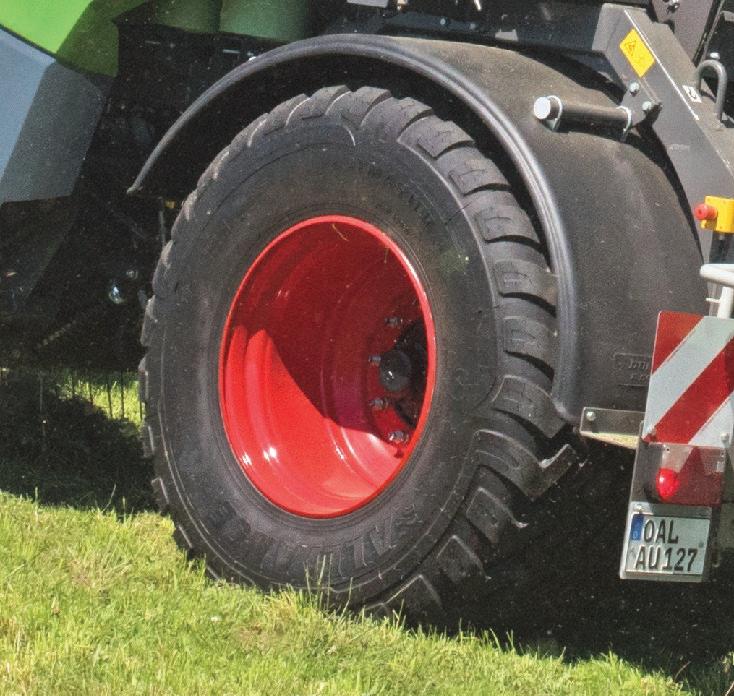
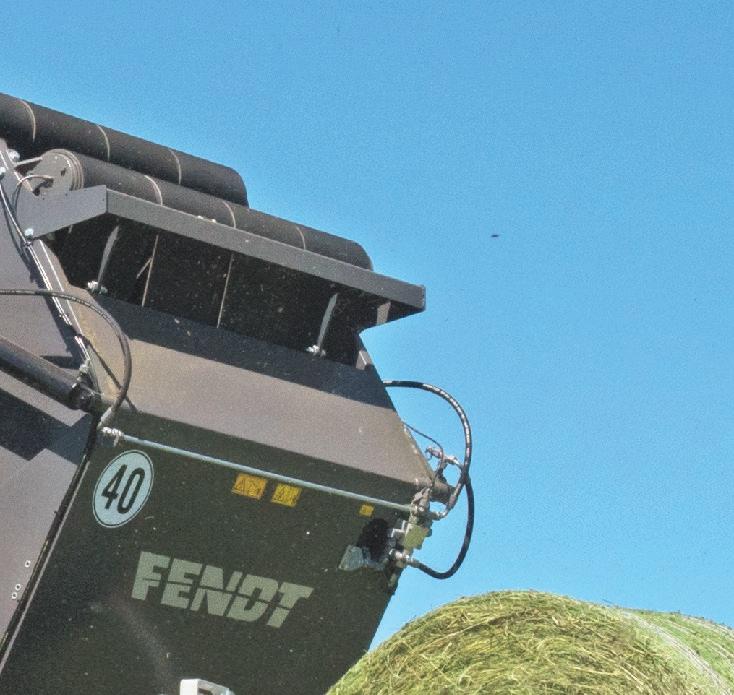
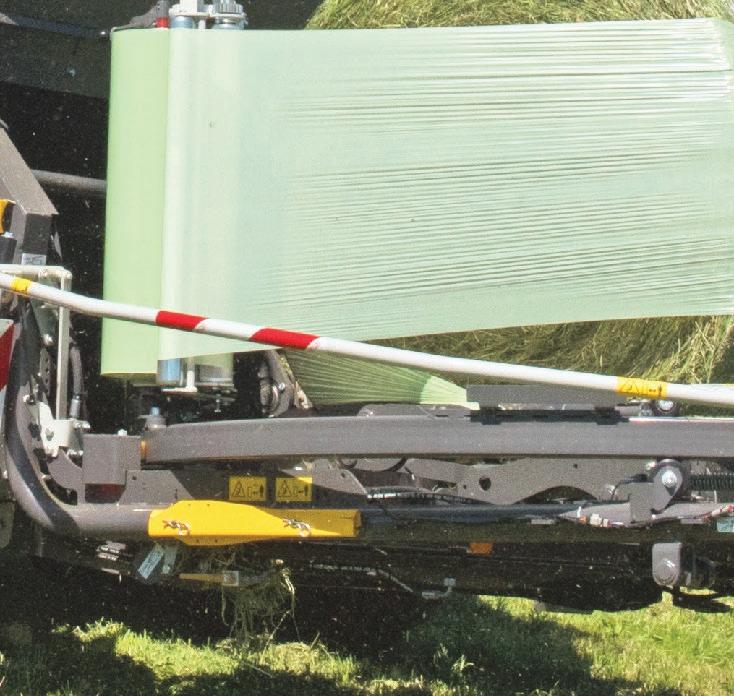
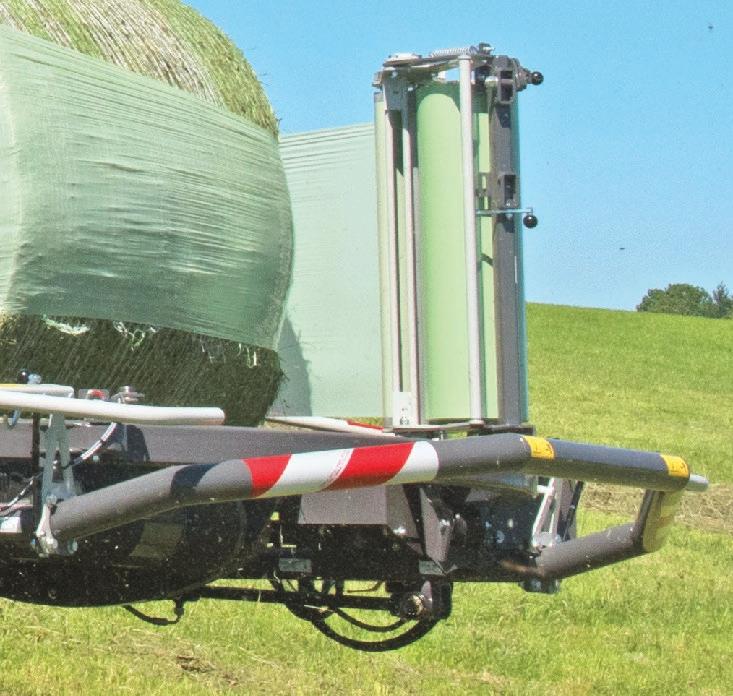
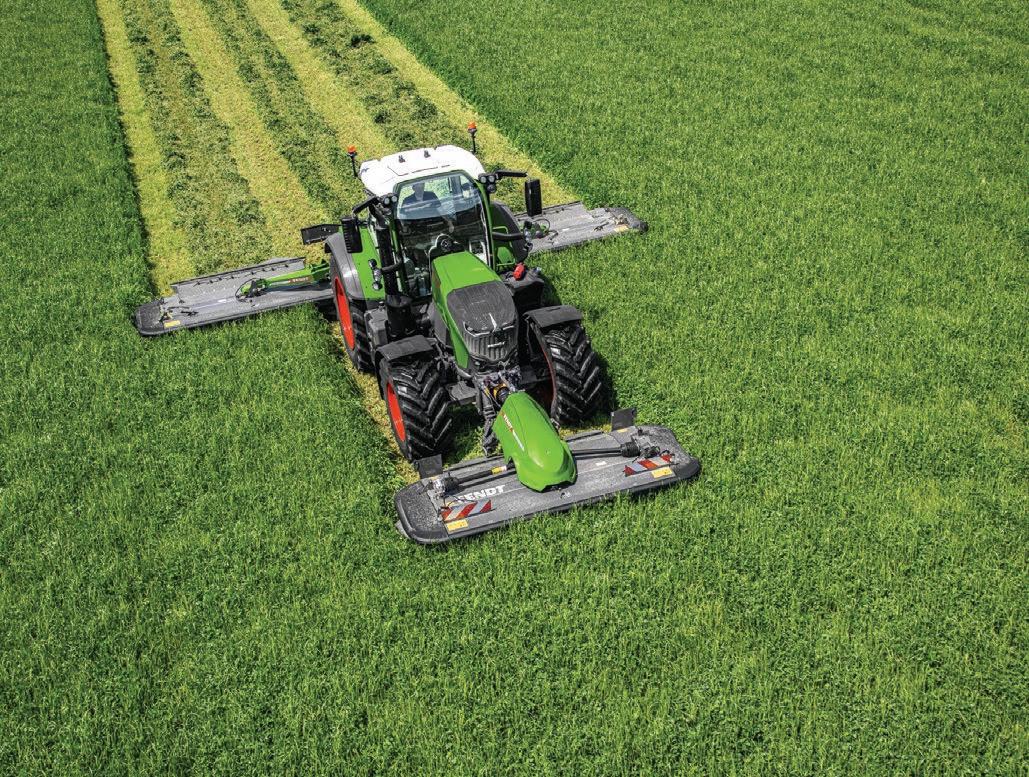
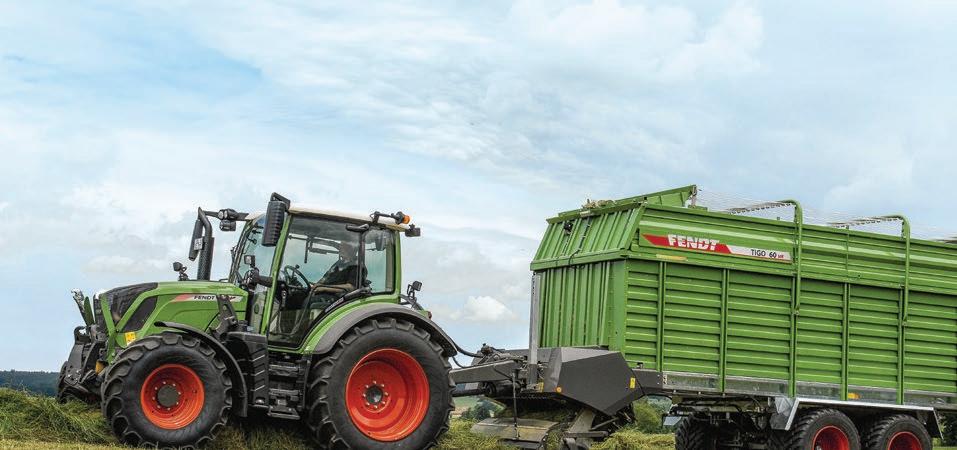
THE FENDT hay range has been developed to meet the demands of professional hay, forage and mixed-farming operations that require high productivity, outstanding forage quality and dependable performance throughout the season. A
As part of Fendt’s full-line strategy, the hay range combines proven European engineering with practical features designed to maximise efficiency and reduce operating costs for contractors and broadacre producers alike.
The range includes mowers, tedders, rakes, balers and forage wagons, providing a complete haymaking solution from cutting through to storage.
At the front end of the haymaking process, Fendt Slicer mowers are engineered to deliver clean, consistent cutting performance while protecting forage quality.
Features such as the TurboLift hydropneumatic suspension system help maintain optimal ground pressure, reducing soil contamination and preserving valuable feed quality.
The mower range is designed to operate efficiently at high working speeds while maintaining a precise cut across varying terrain, helping operators maximise harvesting windows during unpredictable seasonal conditions.
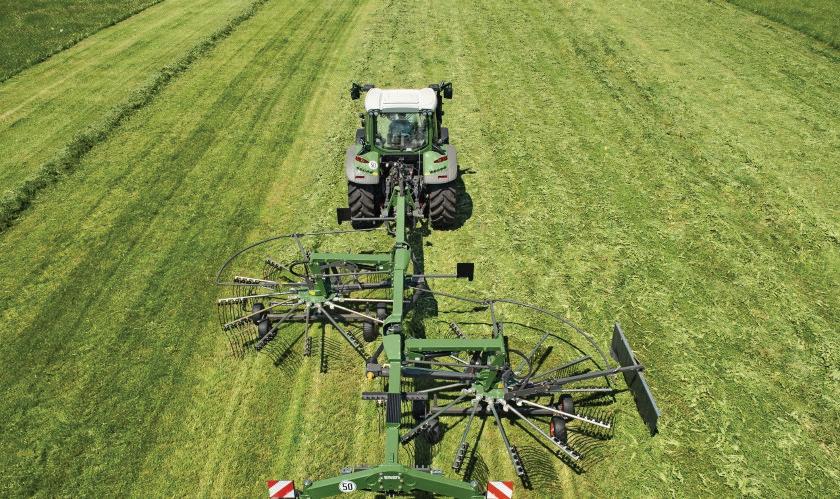
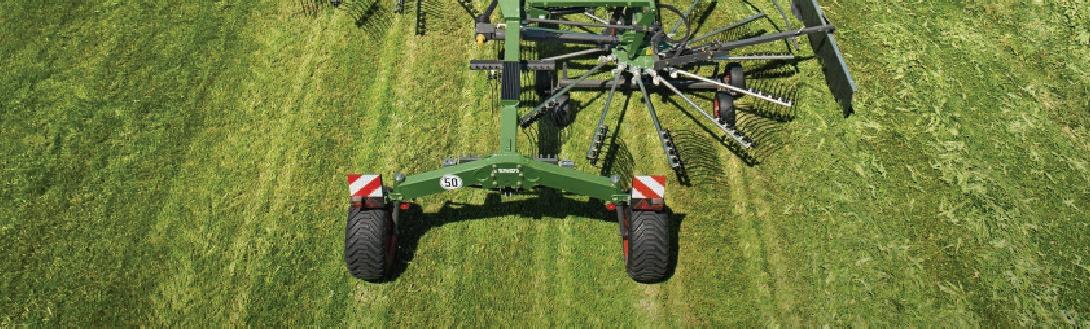
Following mowing, Fendt’s tedders and
rakes are designed to ensure rapid crop drying and clean windrow formation, supporting higher-quality forage and more efficient baling operations.
Their robust construction and straightforward operation make them well suited to the demanding conditions faced by Australian and New Zealand producers.
Together, these machines help preserve nutritional value while improving overall harvesting efficiency.
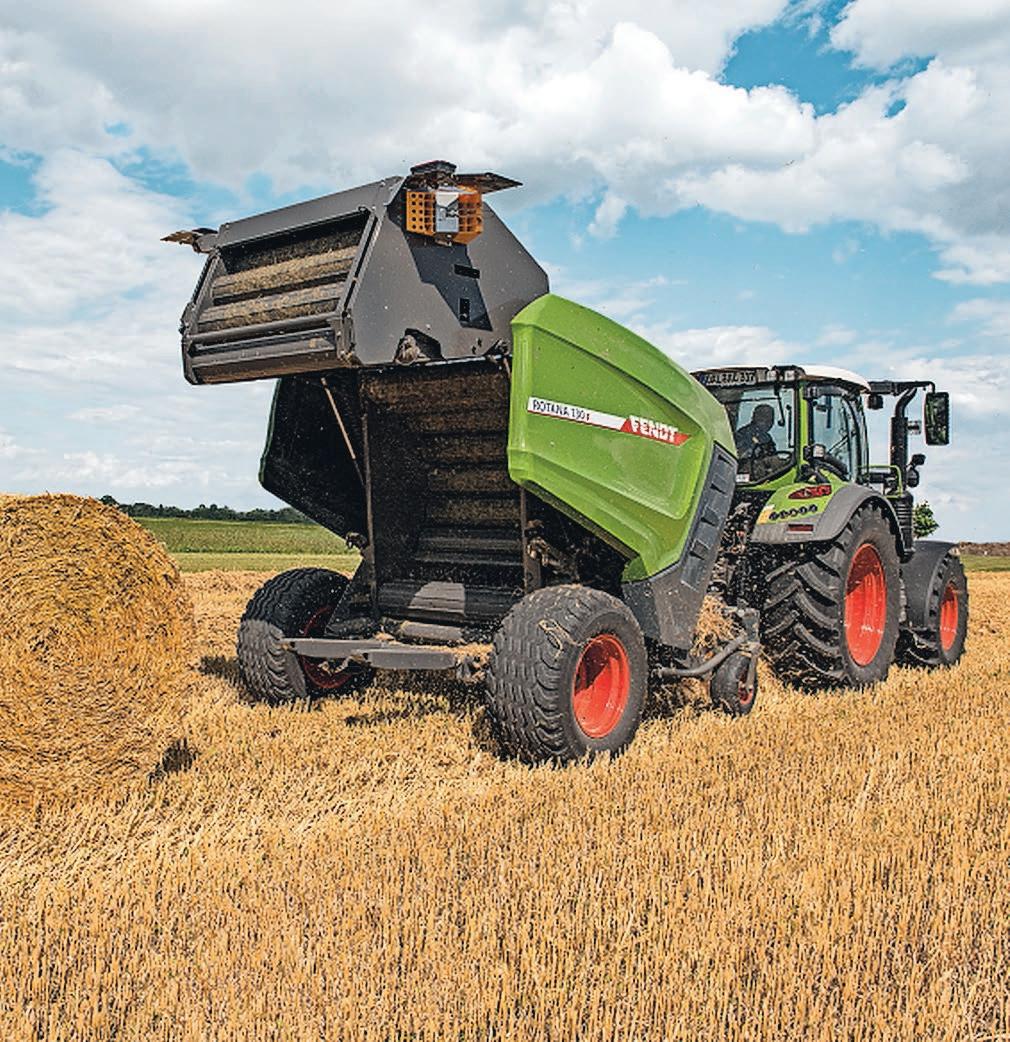
The Fendt baler range has earned a strong reputation among contractors and large-scale farming businesses for its reliability, bale density and operator convenience.
Whether producing silage, hay or straw, Fendt balers are engineered to deliver consistent bale quality while maintaining high throughput during busy harvest periods.
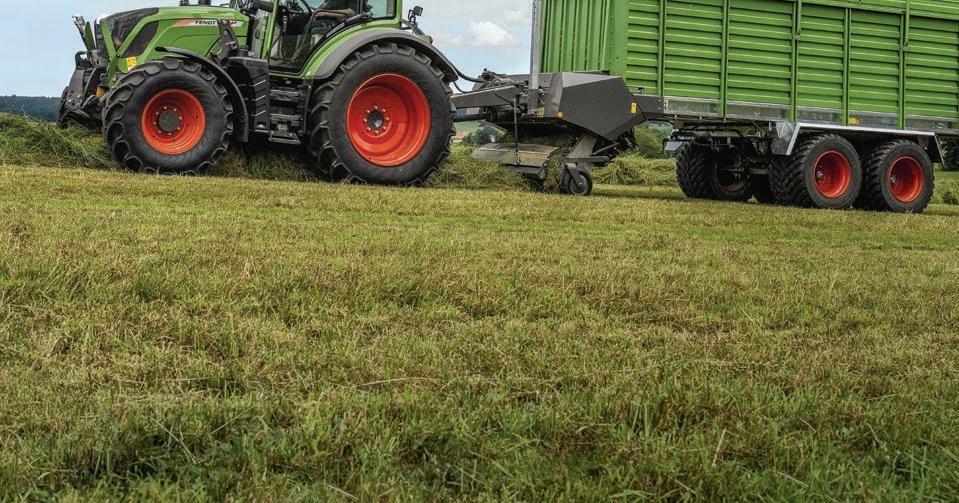
Complementing the range are Fendt forage wagons, providing efficient collection and transport solutions for forage operations
Together, the Fendt Hay Range reflects the brand’s commitment to innovation, efficiency and quality.
By offering a complete suite of hay and forage equipment backed by the Fendt dealer network, producers can confidently tackle every stage of the harvesting process while maximising productivity, feed quality and long-term return on investment.
The Fendt baler range has a strong reputation for reliability, bale density and operator convenience.
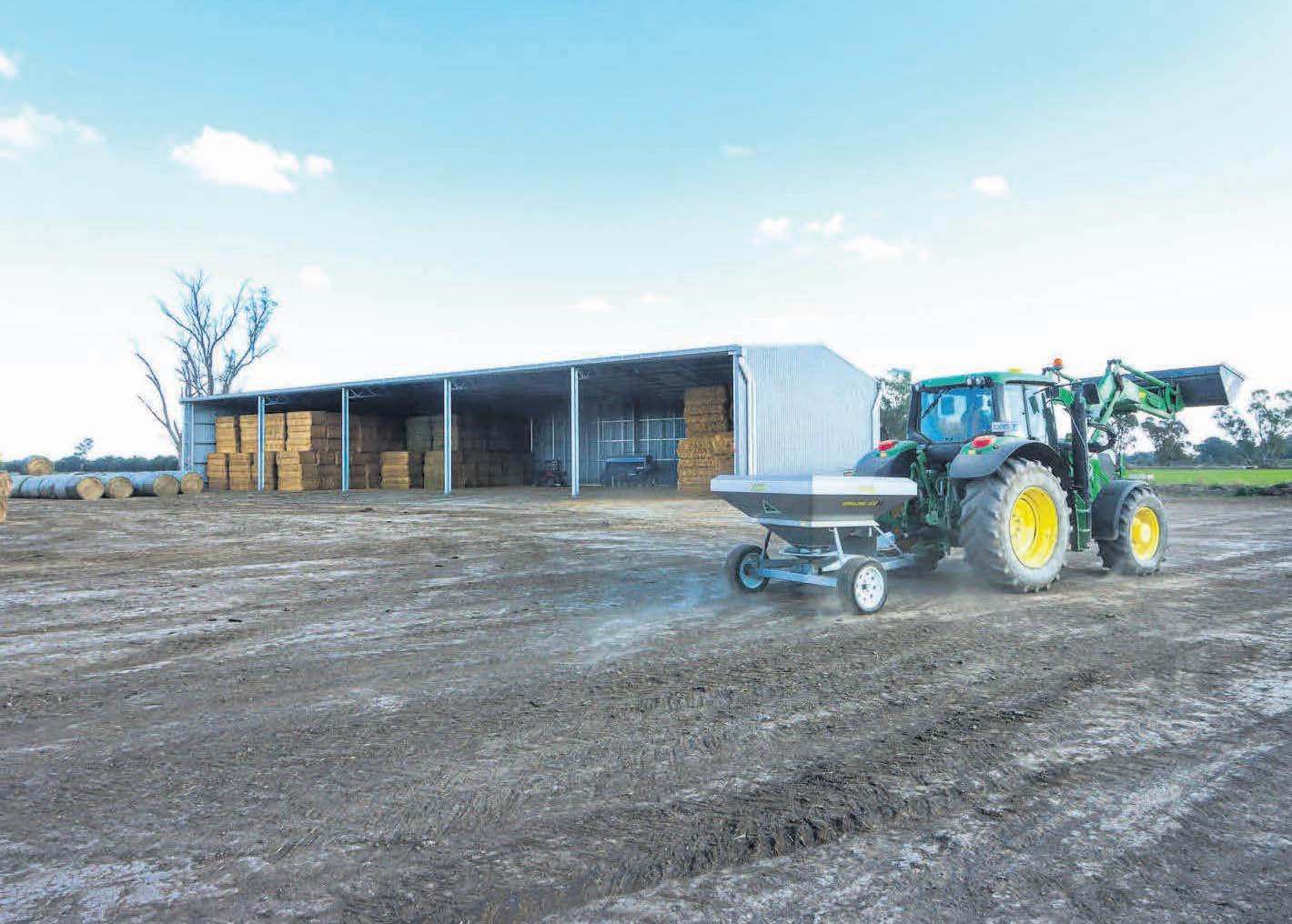
Action Steel — the big shed people
EVERY DAIRY farmer knows the best practice way to store hay is in a shed.
That's exactly why a well-designed hay shed pays for itself, whether the hay is grown on the property or bought in to fill the feed gap.
Keep it dry, and the herd gets the feed value it deserves.
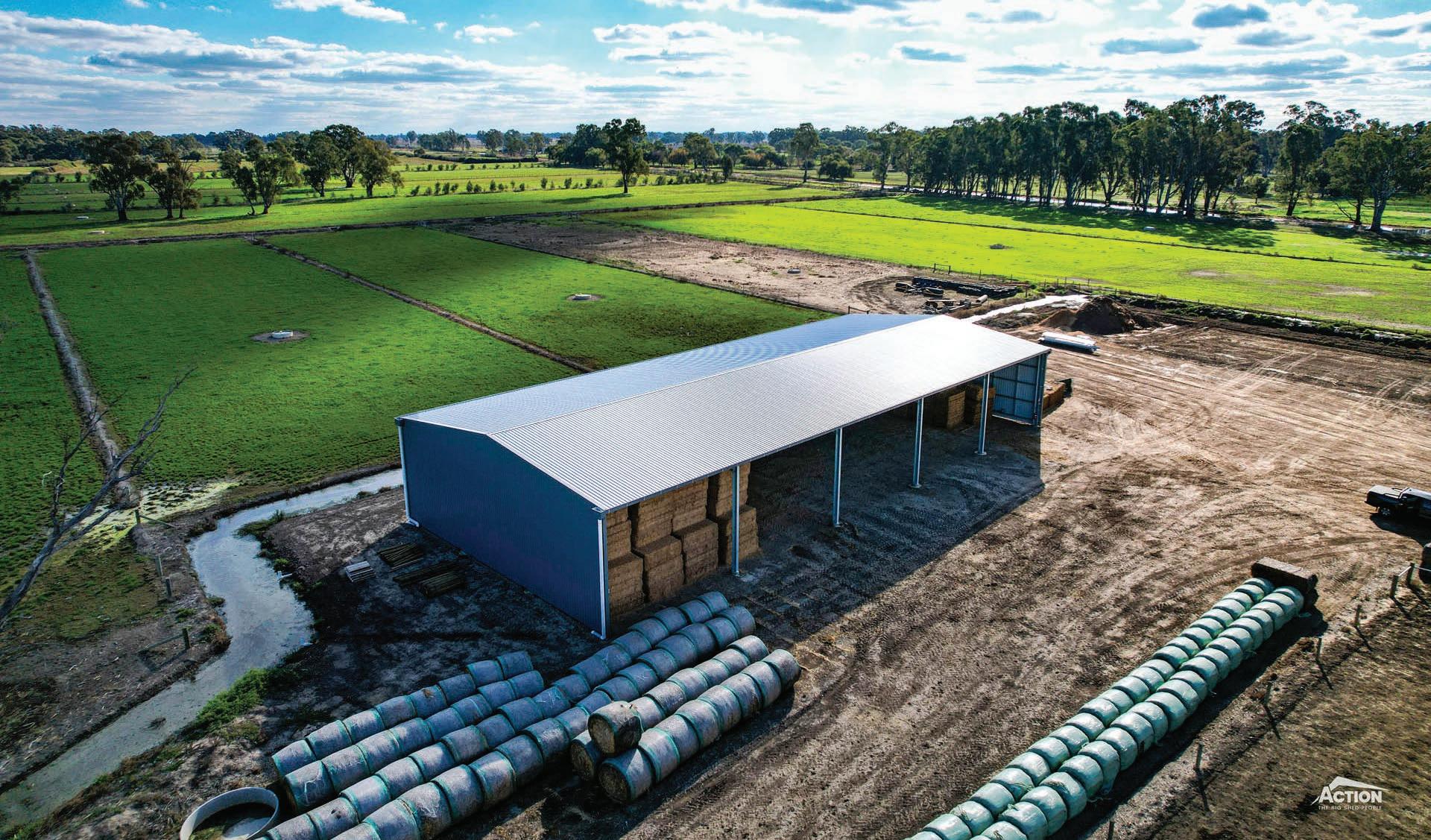
For most dairy operations, the best-practice design is a three-sided, open-front shed.
One long side left open keeps the hay easy to get in and out, while the other three sides handle the weather. It's the most popular configuration for exactly that reason.
When it comes to size, a 15 metre or 18 metre span is the popular choice for the width of dairy hay sheds, built to suit the volume of hay most dairy operations need on hand each season.
Bay spacing usually run around 8.5 metres, enough room for three big square bales between the columns, and shed height typically sits at 6 metres, enough to stack six bales high.
Put those together, and one of our most popular dairy hay shed sizes is 15 metres (width) by 24 metres (length) by 6 metres (height), stor ing around 650 big square bales.
Many dairy farmers also find once the shed's empty for the sea son, it doubles as handy cover for
the process and design a custom shed that meets the needs of your operation.
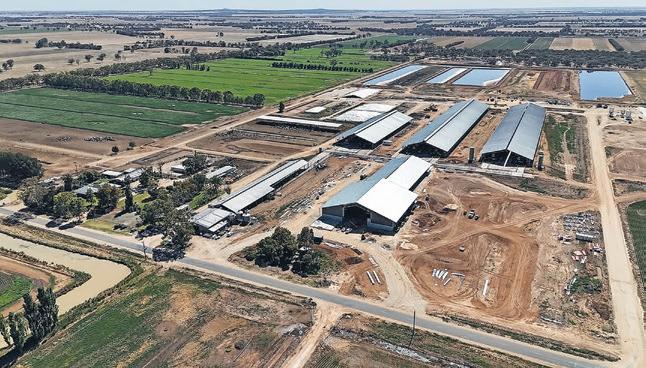
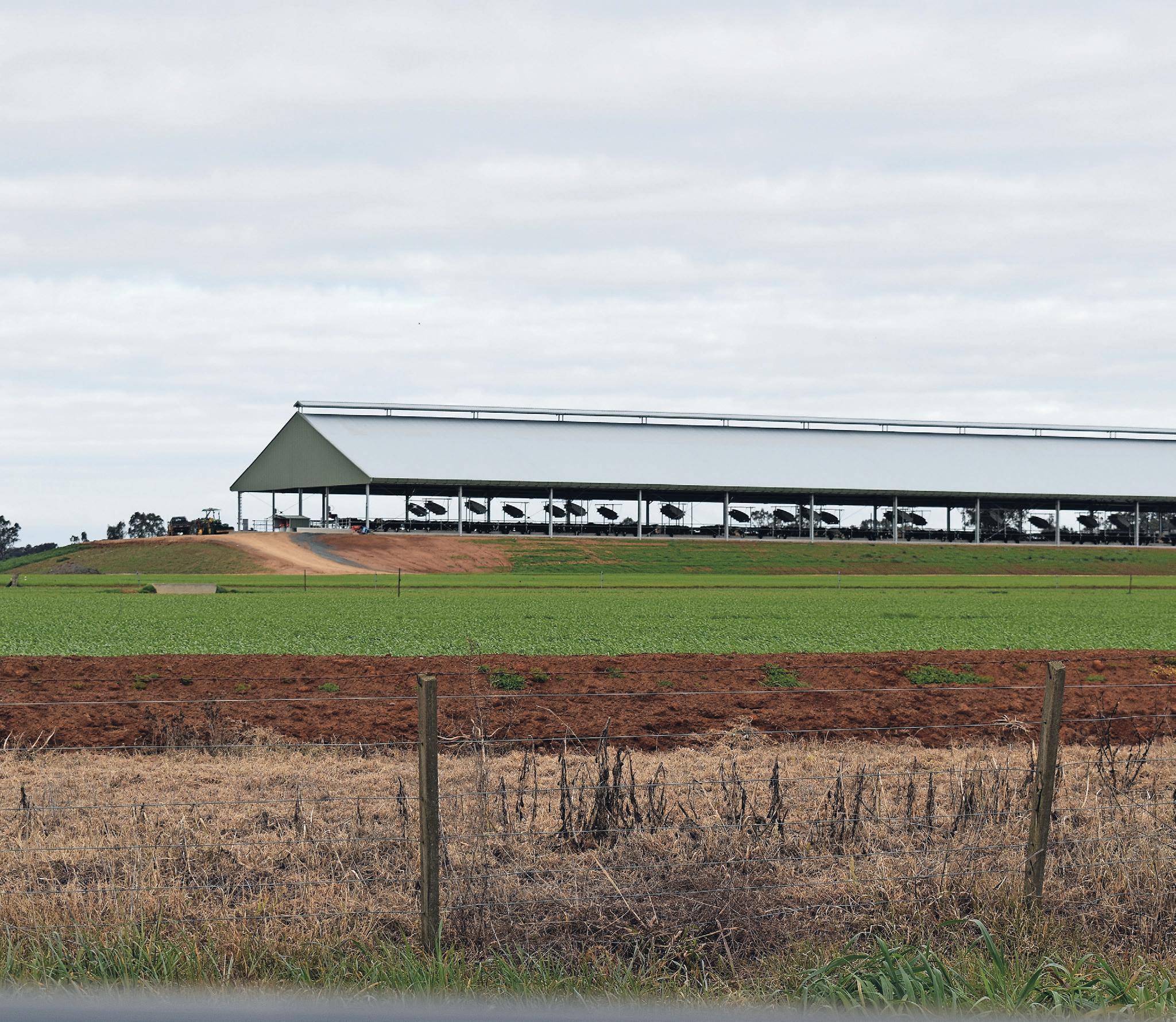
Lockington business invests in free stall barn. See story. PAGE 6
Chair’s message
Time to re ect on fodder reserves
BY RACHAEL NAPIER
IT’S BEEN a pleasantly surprising winter, with plenty of rain through late June and into July.
It’s made for tough going at times, getting cows in and out and staying on top of mastitis, but it’s a welcome change and gives us a bit of optimism heading into spring.
That said, various forecasts are pointing to a dry summer ahead, so it’s a good time to reflect on the value of the fodder we’ve got conserved on farm.
With water prices climbing again, feed sitting in the shed is looking like a far better asset than the same value sitting in the bank.
It’s not going anywhere, it’s not exposed to the market, and it gives you options when things get tight.
Murray region farmers are already good at this.
Conserving quality fodder is something our region does well, and that experience counts for a lot heading into summer. That said, there’s always more to learn from each other, and getting together with neighbours, whether that’s through a discussion group or a Dairy Business Network catch up, is still one of the best ways
to compare notes on what’s working and what’s not this season.
Our C4Milk project continues to look at how intensive fodder rotations can be strengthened with break crops, and we’ll keep updating you as that work progresses.
On the quality side, our Fodder for the Future (FFTF) project is revisiting our key findings to get them out to you again in a timely manner, including key agronomic levers that drive fodder quality.
A few of the key lessons:
Cutting time is your main quality lever. Cut earlier for higher ME and CP and lower NDF, or later for more yield at the cost of quality.
Nitrogen reliably lifts crude protein, but it won’t reliably lift ME or NDF, and can push both the wrong way if applied above what the plant can use or combined with late cutting.
Be strategic with how and why you are using N, especially when prices are high.
There’s no single N target that fits every fodder system, which is why soil testing and N budgeting properly still matters more than following a fixed rate.
One thing worth flagging on top of that: in a dry, hot spring, cereal fodder crops can cut out very quickly.
Keeping an eye on the paddock and being ready to make the call on cutting date fast gives you the best chance of hitting the quality you’re after. That’s not easy to stay on top of during a busy time of year, so it helps to get everyone on the team clear on what you’re looking for before it happens.
Your agronomist and contractor can help work through this, give them a call early.
It’s not all happening in the paddock either.
There’s plenty going on in the office too with end of financial year in full swing.
A big thanks to those of you who take the lead on getting the books sorted, whether that’s on your own place or helping others out. It’s not the most exciting job on the farm, but it matters, and it’s appreciated.
On top of all that, our new website is now live. It’s been a huge effort behind the scenes to rebuild our digital footprint, and you can check it out at www.murraydairy.com.au
While you’re at it, give us a follow on Facebook and Instagram, @murraydairyregion, to keep up with what’s happening across the region.
As always, if you’d like to talk through how any of this applies to your own place, reach out to myself, Amy or the board.
Kaarmona sells to ve states
GRAEME AND Rohan Sprunt, master breeders from Kaarmona Holstein and Jerseys recently held their second stage complete dispersal sale at Shepparton.
The sale top of $18,200 was achieved by outstanding Jersey heifer Kaarmona Caspian Lovelies 50, a daughter of an EX 90 Grant dam bred down from Kaarmona Daintree Lovelies VG 87. She was purchased by N and D Smith from Zeerust.
Second highest lot was Kaarmona Starlord Buoy 24, selling to Kings Ville Jerseys for $13,000 to R and K Anderson of Drouin West. She is a daughter of the Australian record priced cow Kaarmona Bosa Buoy 15 who sold at the milking herd dispersal in May for $54,000.
The same buyers also selected Kaarmona Starlord Buoy 25 due to Brady at $12,000 and Kaarmona Berry Babe 457 a daughter of Valentino Babe 292, EX 93 for $7,000.
Next top of $10,000 was Kaarmona DV Casino Vanessa 2, a very correct heifer bred from six generations of EX 92 or higher dams - she sold to L and A Bennett of Macorna.
The same buyers also selected Kaarmona Matt Arkona 113 EX 92, a six year old with records to 8656 litres and 771 kgs milk solids for $7,000.
The Jugiong herd paid $8,000 for five year old Jireh Casino Suzanne, EX 90. At the same price was Kaarmona Matt Sandy 15, EX 92 selling to Jakiah Jerseys.
Other noted Jersey sales included Kaarmona Victorious Babe 432, a rising two
year old bred from a second generation EX 93 dam selling at $7,500 to Elms Park Jerseys and Kaarmona Sturgis Sleeping Beauty 15, bred from a third generation EX dam at $7,000 to Ashtaney Jerseys, SA. Top selling Jersey bull was Kaarmona Berts
Sandhill from an EX 93 dam who sold for $5000.
Top Holstein at $8,800 was Kaarmona Hayk Carly 365 who boasted a gBPI of +742 selling to L Stewart of Newbridge. Next high of $7,500 was Kaarmona Dynasty Carly 368 with a BPI of
+718 selling to Adlejama Holsteins at $7,500. Dairy Livestock Services report 11 Jersey cows averaged $5,686, 50 Jersey heifers $5,328, 4 Jersey Bulls $4,275, 34 Holstein heifers $4,828, 1 Holstein cow $3,500 - 100 head gross $513,700 with an average of $5,137.
Second highest lot Kaarmona Starlord Buoy 24 sold for $13,000.
Retired factory hits market
BY NICHOLAS SPANDLER
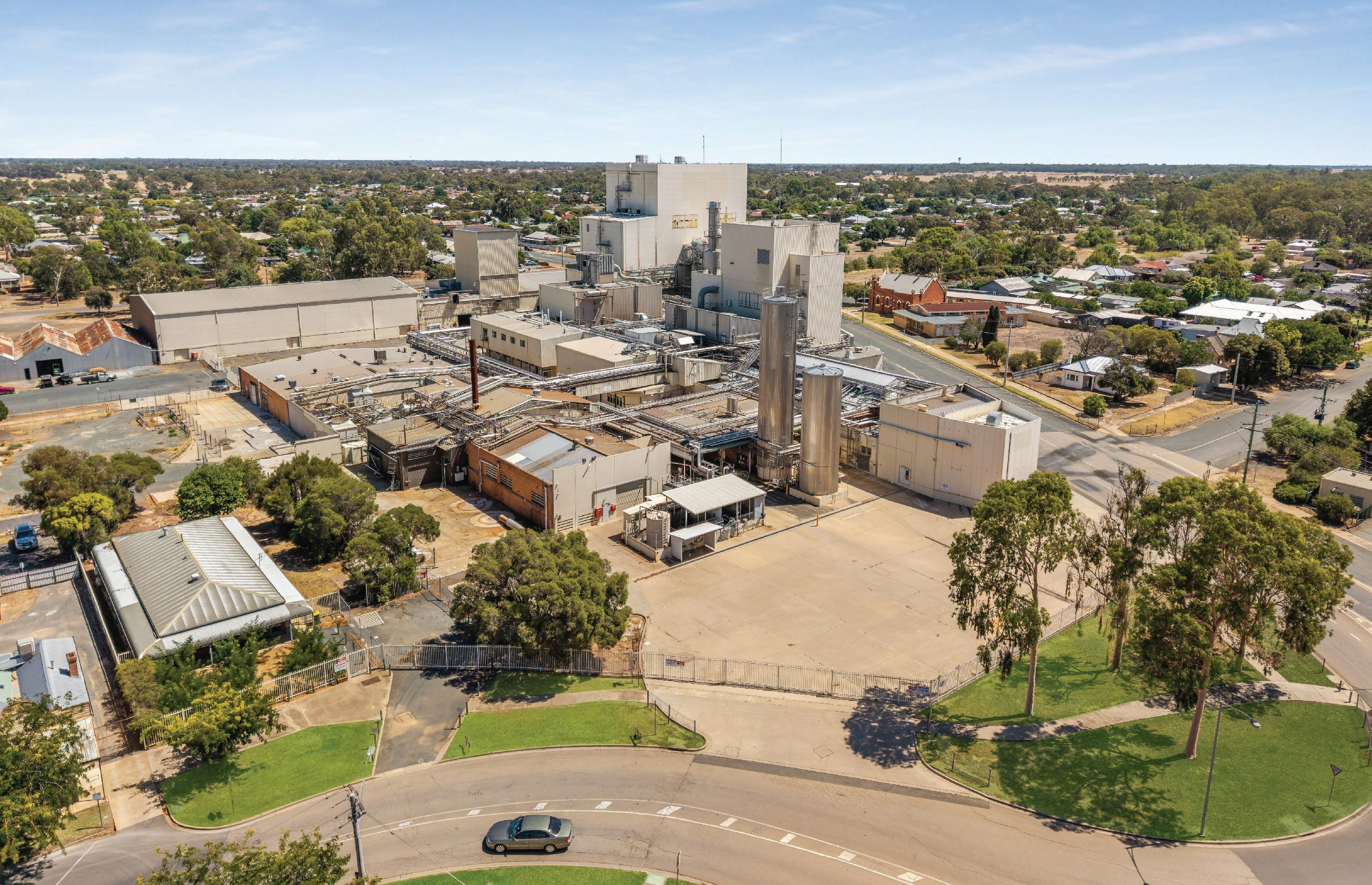
A FORMER Saputo factory in the heart of Rochester has attracted at least half a dozen genuine inquiries within a month of hitting the market, according to the agent handling its sale.
The 2.27 hectare Moore St property was bought from Saputo in a direct sale about two years ago and has sat unused since. It was relisted for sale about a month ago through Colliers, with price expectations of $3.25 million.
The site was originally owned and operated by Murray Goulburn Dairy, but changed hands when Saputo bought out the smaller local processor in 2018, for $1.3 billion.
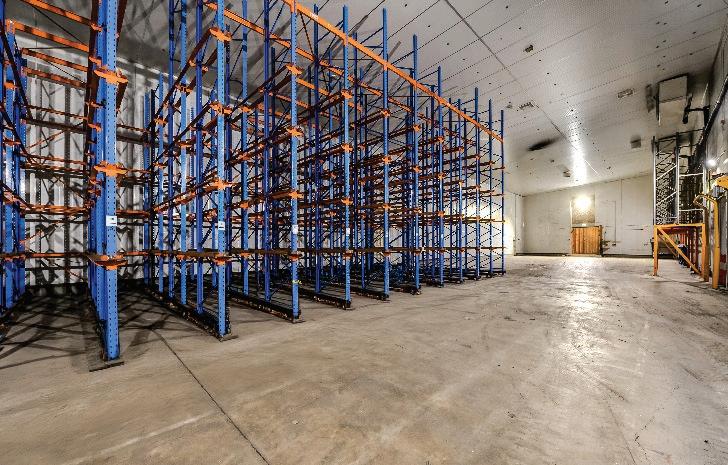
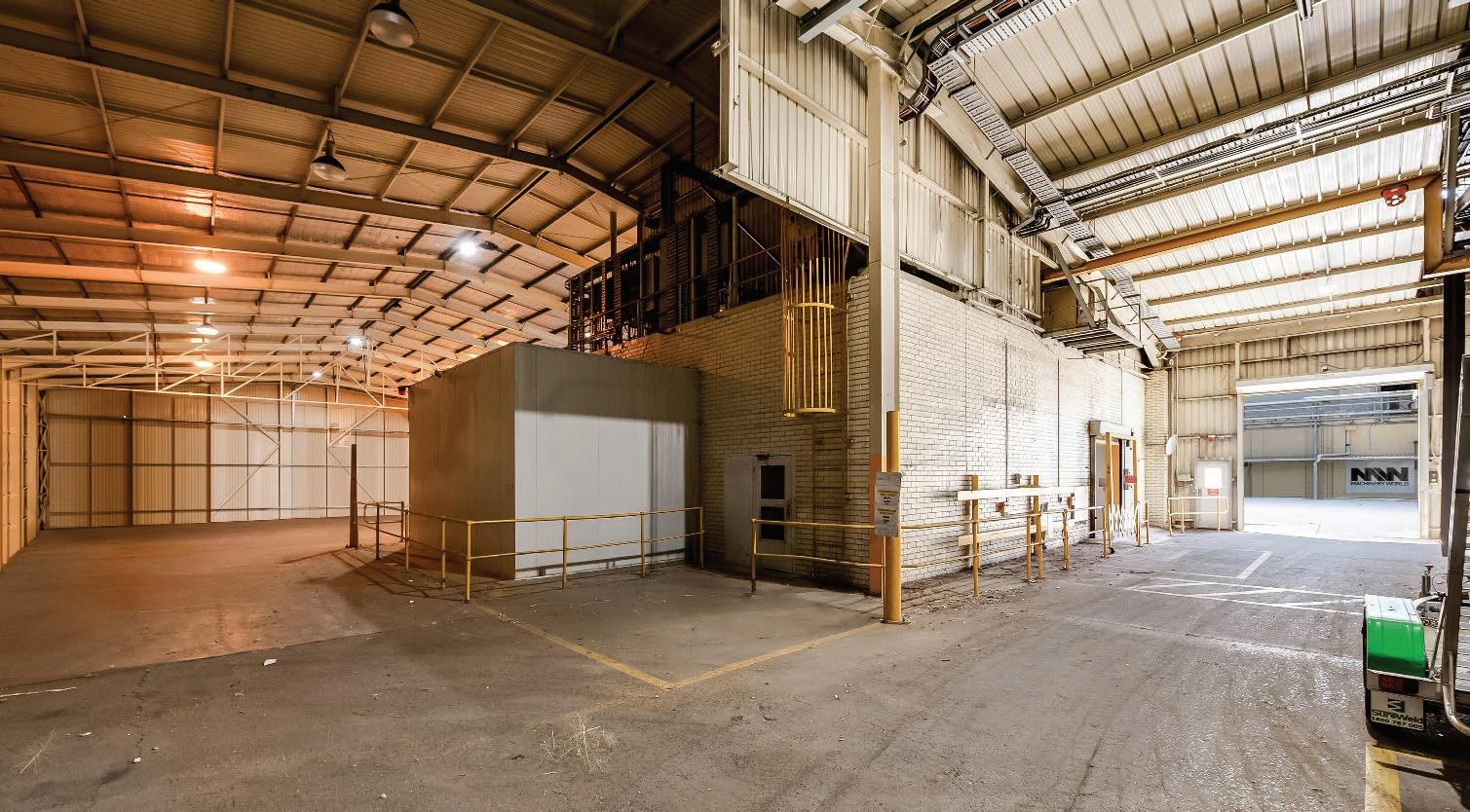
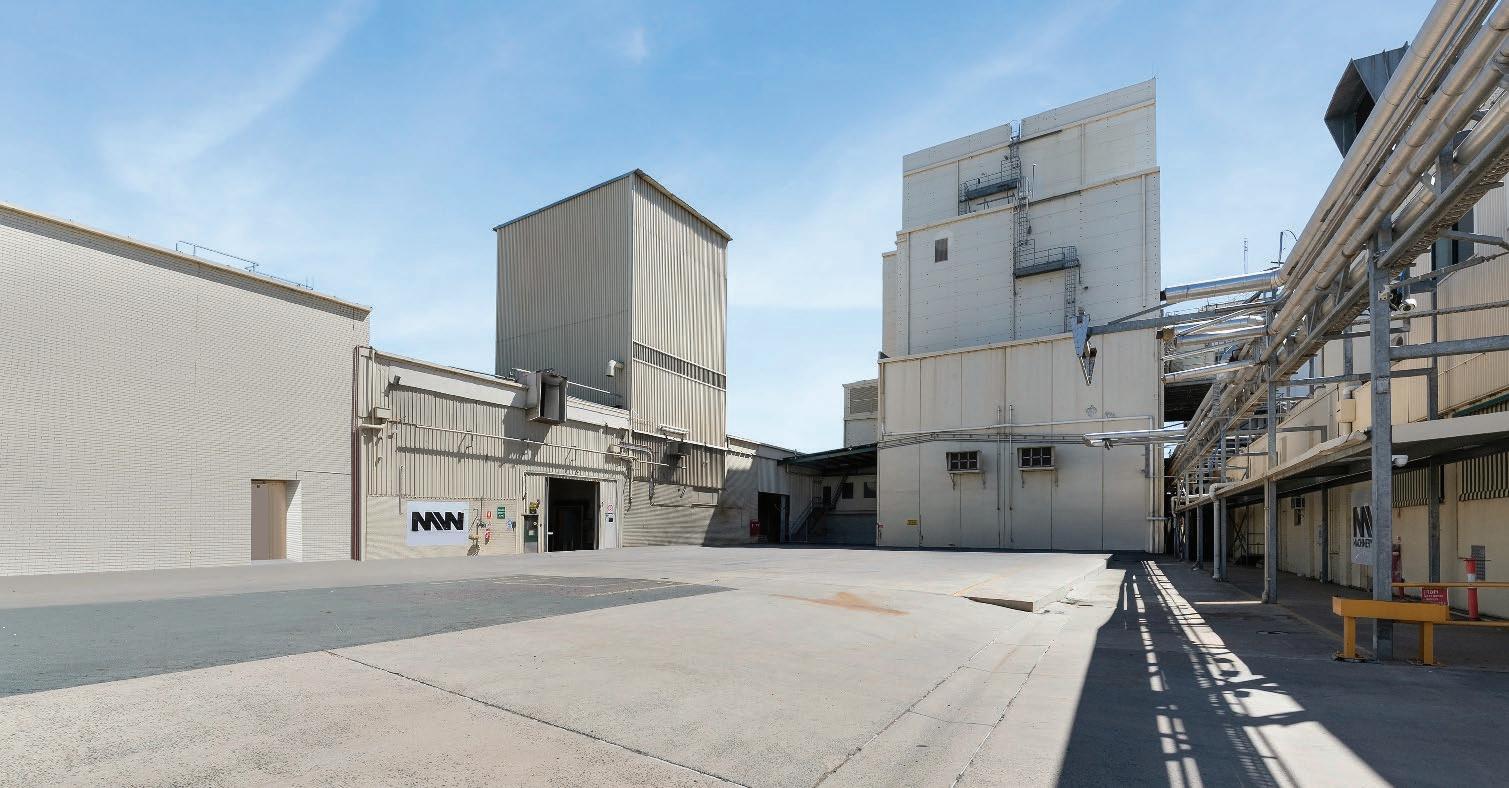
The landholding spans about 22,717 square metres and includes about 13,218 square metres of existing warehousing, spread across multiple titles.
Colliers is marketing the site for a range of uses subject to council approval, including industrial, warehousing, logistics, hardstand and multi-tenancy industrial estate outcomes.
Colliers managing director for Bendigo Travis Hurst said interest in the site had exceeded expectations.
“It’s been a real mix, including agricultural companies, dairy, freight and logistics,” Mr Hurst said.
He said prospective buyers were now working through due diligence on the site.
“They can be considering a range of things, from repurposing feasibility, access, costs, council approvals,” he said.
Mr Hurst said opportunities to acquire large industrial sites in regional Victoria don’t come up often.
“Sales like this are relatively rare. Big industrial properties don’t change hands very often,” he said.
He said the site’s appeal centred on the cost of repurposing an existing facility compared with building from scratch.
“It’s appealing because it has a strong base for repurposing. Repurposing a site costs far, far less than the cost of constructing a new one, particularly at the moment,” Mr Hurst said.
He said the property held significant value beyond its buildings.
“The site is so much more than four walls and a roof, with a tremendous amount of infrastructure that isn’t visible, such as electrical and substations,” he said.
Mr Hurst estimated building a comparable facility from scratch would cost in the order of $50 million.
“Instead, you can buy it for $3.25 million and repurpose it for $5 million,” he said.
A 2.2 hectare industrial estate in the centre of Rochester hit the market last month.
Photos: Colliers.
The site was formerly owned by major dairy processor Saputo.
The site is expected to fetch in the order of $3.25 million.
Selling agent Travis Hurst said the property was well suited to being repurposed.
Winter Fair success for Gorgala
BY SOPHIE BALDWIN
IT WAS a double win for Chad and Kristen Gordon from Gorgala Holsteins at this years Winter Fair, taking home Supreme Intermediate Champion Cow with Gorgala Lambda Rae and Grand Champion Red and White with Gorbro Mirand Admire.
The couple bought Mirand Admire as a calf and she has done particularly well over the years.
“She’s a great cow to work with and the Winter Fair just suits her – her mother goes back to the well-known LuckE Advent Asia cow,” Chad said.
Gorgala Lambda Rae has some strong Avonlea cow families in her lineage including Avonlea Brady Rae and Avonlea Dorman Ritzy who was champion cow at the Melbourne Show back in the day
“Lambda Rae is a really balanced cow – she has a great frame, a quality udder and she produces a lot of milk.
“We are rapt she has won because she is the type of cow we like to milk and the type of cow we like to promote with our breeding,” he said.
Chad attributes some of the show success to Simon Tognala and his crew .
“As usual they did an outstanding job and had the cows looking amazing.”
Chad said the Winter Fair is a great show and suits the calving pattern of the Gorgala herd.
“We calve 70 per cent of the herd in autumn
and the balance in spring, so the middle of the year works really well for us.
“It provides us with an opportunity to really showcase and promote Gorgala – the people are great, the atmosphere is good and everyone just gets along and gets the job done.
“Stu and Clare and the organising team did a great job over the years and I am glad someone like Declan has taken it on. Hopefully, with the Jersey’s joining there will be more cows and more opportunity for sponsorship down the track.”
Chad and Kristen milk 450 registered cows in a 30-swingover at Tongala.
They are at the upper end of their herd size and are at the point where they either sell some cows to reduce the herd numbers or invest in a new dairy.
“We have around 550 young stock running around the place so we have been selling a few each autumn and spring.
“I join all our heifers to sexed semen and while we do mop them up with the Angus bull, I can’t bring myself to join the milking herd to Angus so we always have way too many, well-bred young stock.”
Chad said herd numbers jumped a few years ago when the export market collapsed and it was hard to move stock.
“We went from milking 300 to 450 but we are spending around three hours in the shed each milking so we definitely need to look at our herd numbers in the future.”
Chad didn’t rule out the possibility of an on-farm sale sometime in the future.
Farm safety report released
FARMSAFE AUSTRALIA has launched the 2026 Safer Farms Report, proudly supported by WFI Insurance, alongside a national campaign encouraging every person in agriculture to recognise the influence they have on the people around them.
The Safer Farms Report has become Farmsafe Australia’s flagship annual publication, bringing together the latest national injury and fatality data, emerging issues, information on practical resources and the voices of farmers leading change across Australian agriculture.
More than a snapshot of statistics, it provides insight into the opportunities we have to strengthen safety culture and create safer, healthier farming communities.
New figures released in the report reveal 53 lives were lost and a further 182 people were seriously injured on Australian farms in 2025, bringing the nation’s farm death toll to 427 lives since 2019, more than one person every week for seven consecutive years.
The figures are a reminder that while Australian farmers produce the food and fibre that keeps the nation running, too many families continue to be affected by preventable injuries and fatalities on farm. They also reinforce the importance of continuing to build safer farms, stronger safety cultures and better outcomes for the people behind Australian agriculture.
WFI Insurance executive general manager, Damien Gallagher said the report reflects the value of industry working together to create meaningful and lasting change.
“For many years, WFI has proudly supported the Safer Farms Report because meaningful change starts with understanding the risks, challenges, and opportunities facing Australian agriculture. This report combines evidence, practical ideas and the voices of farmers themselves to help strengthen safety across our industry.”
Mr Gallagher said improving farm safety was a shared responsibility.
“Every conversation about safety has the potential to prevent an injury, strengthen a business and protect a farming family. We’re proud to support initiatives that encourage practical leadership and help create safer outcomes across Australian agriculture.”
This year’s National Farm Safety Week campaign,‘Set the Standard: Show ‘em how it’s done’, is built around a simple idea: the standards we demonstrate every day influence the standards others adopt tomorrow.
Farmsafe Australia chair Felicity Richards said while the report highlights the challenges facing Australian agriculture, it also provides reason for optimism.
“Most incidents don’t happen because people don’t care about safety. They happen during routine jobs, busy periods and moments of pressure when shortcuts begin to creep in.”
“Whether we realise it or not, those moments matter because they become the standards we set and the standards others follow. ”
“Every day on Australian farms, people are watching. They watch how we approach a task, how we respond under pressure, what we walk past, what we accept and what we choose to challenge.”
With tractors, side-by-sides and quad bikes continuing to be the leading causes of fatalities on Australian farms, Ms Richards said the industry should focus on the small, everyday behaviours that help build a stronger safety culture.
“It’s simple things like wearing a helmet, putting on a seatbelt, reducing speed and using rollover protection that can make a real difference.”
Throughout National Farm Safety Week, six Safer Farmers Ambassadors from across Australia will share their own experiences and practical insights into creating stronger safety cultures.
Ms Richards said the ambassadors demonstrate
Farmsafe has released a new report alongside a national campaign.
safer farms are built through thousands of everyday decisions.
“Culture isn’t built through posters or paperwork alone. It’s built through what people see; a helmet worn, a seatbelt buckled, a decision to stop and reassess, a conversation about fatigue or someone having the confidence to speak up.”
Farmsafe Australia is the peak industry body, bringing together farmers, industry experts, and agricultural stakeholders to ensure that every farm
has access to safety information and education to create a safer place to live and work. With deep roots in the agricultural community, we share trusted resources and expert insights, ensuring every farm has access to support to help them protect what matters most.
For more information and resources visit the Farmsafe Australia website.
The 2026 Safer Farms Report is available at farmsafe.org.au
Senior champion red and white Gorbro Mirand Admire owned by Chad and Kristen Gordon from Tonagla. (L-R) Chad Gordon, Ross Easterbrook and judge Kevin Doeberiener.
Photo: Sophie Baldwin
Investing in cow comfort
BY SOPHIE BALDWIN
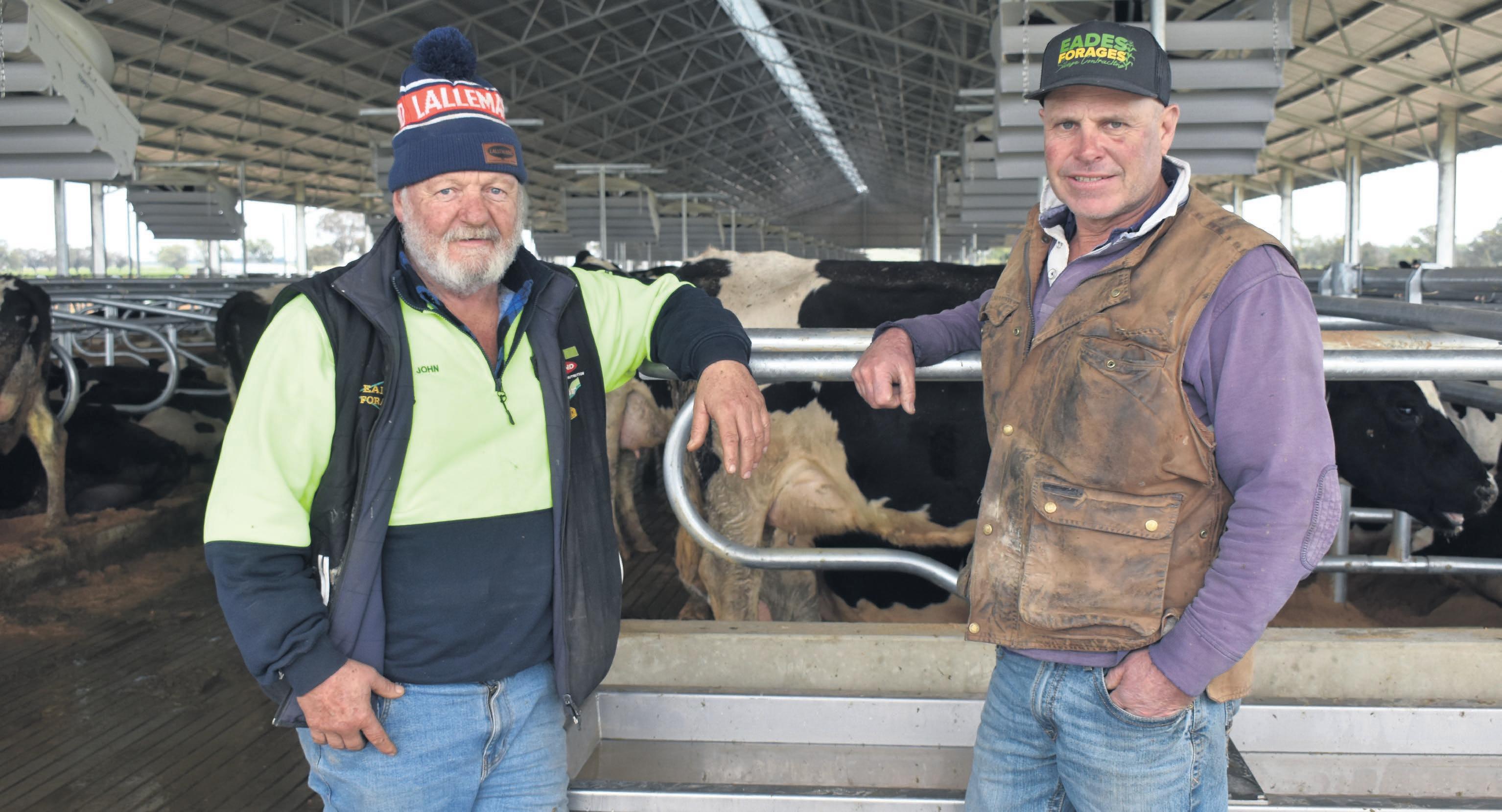
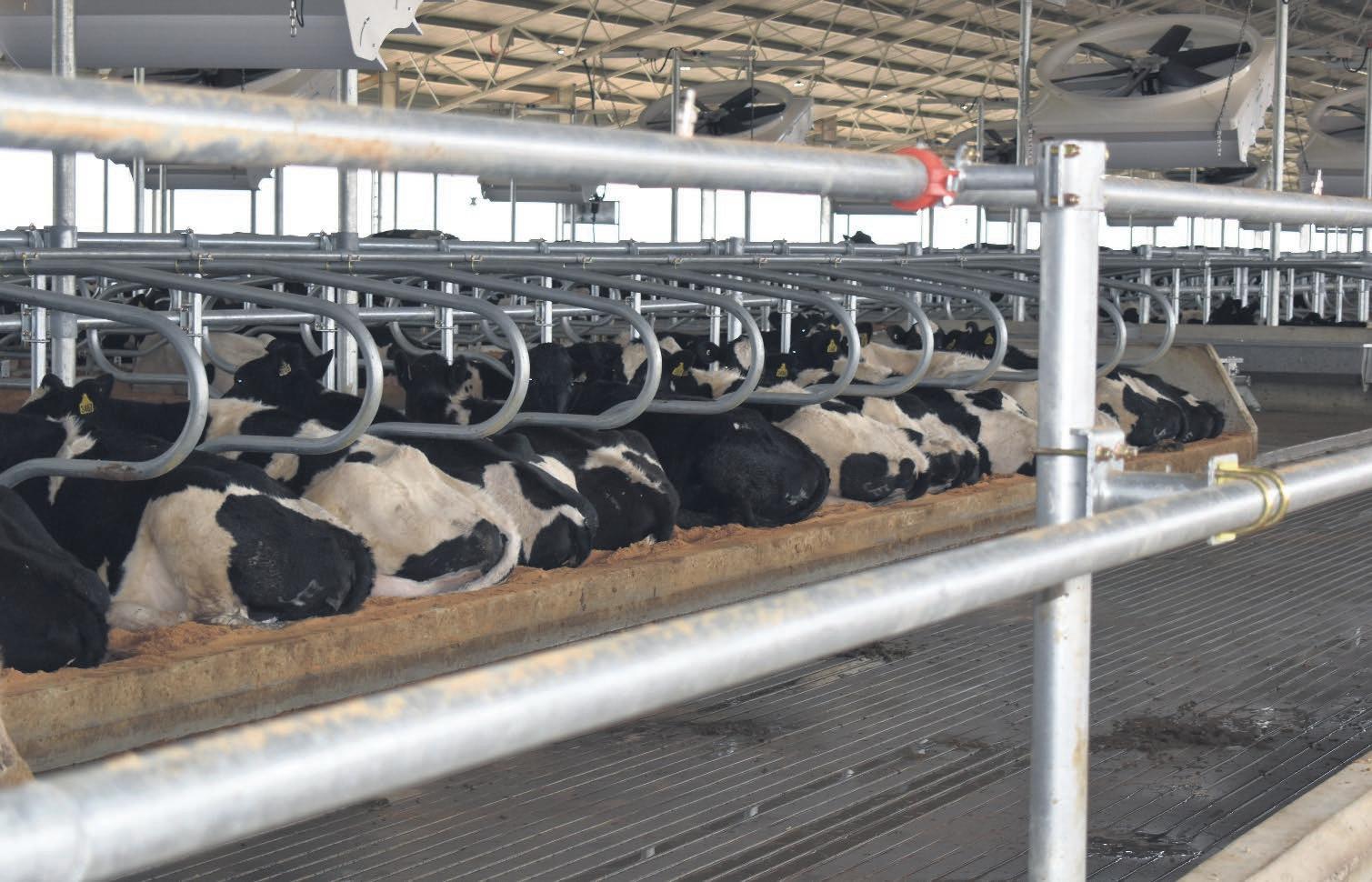
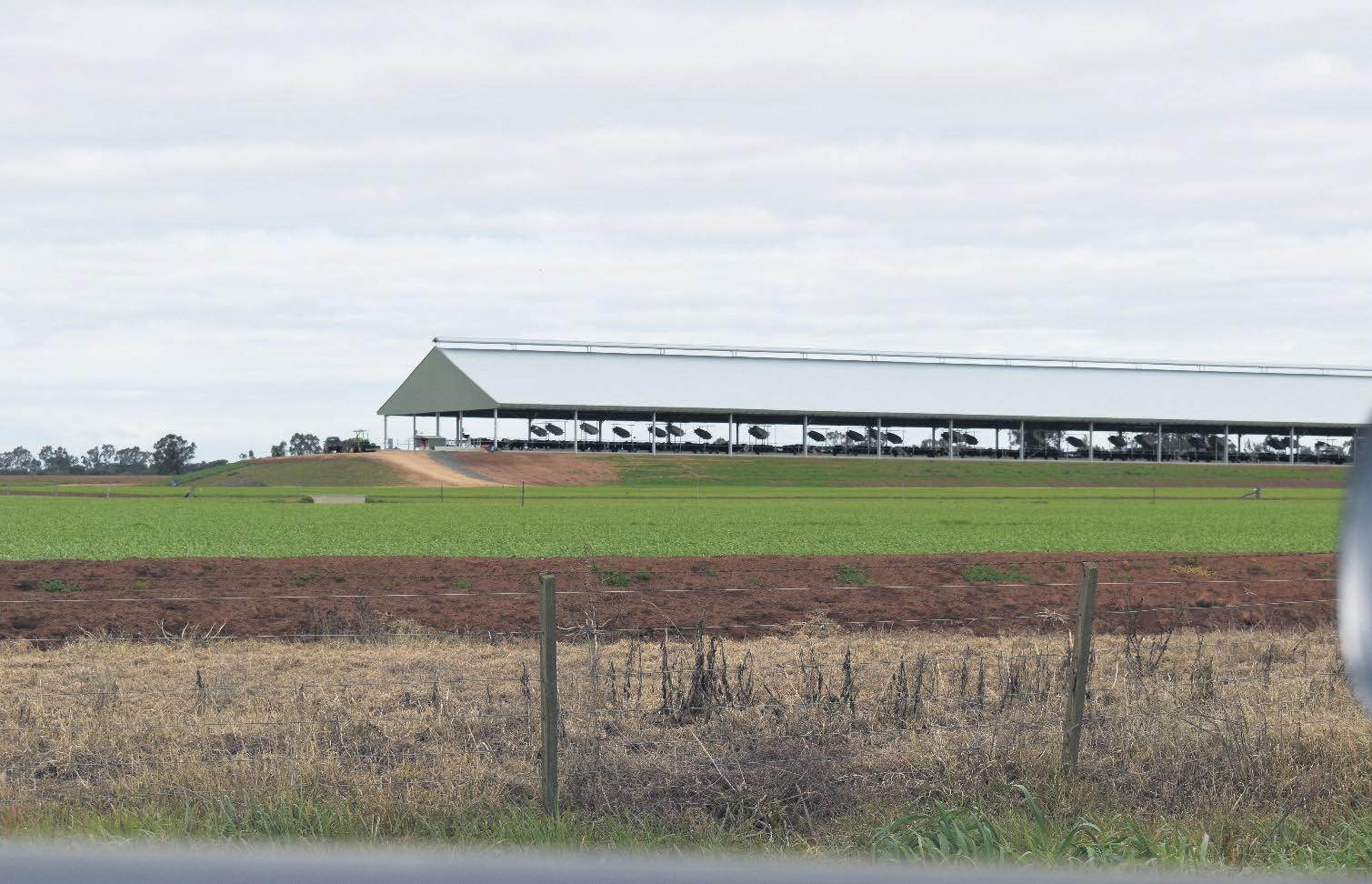
THE 1000-COW freestall barn of Sue and John Eade is an imposing sight as you drive up the road.
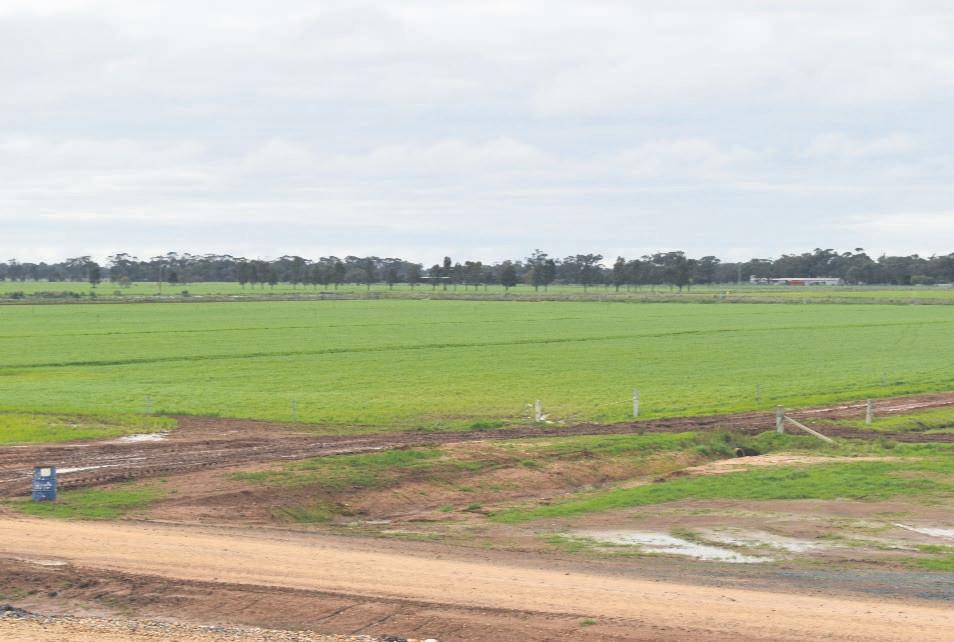
Surrounded by green paddocks, John said the barns completion couldn’t have come at a better time.
“Here in Lockington we have had more than our annual rainfall of 350mm already and it is so wet, but the cows in the barn are comfortable and very happy,” John said.
Currently there are 500 cows housed in the barn but John is expecting that to hit 850 to 900 as they learn the way around the system.
The heifers have only been in for four days and they have transitioned well and are happily resting in the sand stalls.
They currently occupy one side of the barn with the cows on the other.
John said the decision to build the barn was always about cow comfort.
“Heat was the main reason, I didn’t like to see the cows suffering and the same goes for mud in the winter and of course they don’t have to walk anywhere now, just from the
barn to the dairy and back again.”
The build took around three years, including two years spent on planning and permits.
“Cow comfort was the number one reason and we wanted to make things simple so every day is the same and there aren’t too many surprises.”
By “surprises”, John means jobs like having to pull a mixer wagon out of the mud with an excavator — something he had to do at the other farm that very morning.
Eventually John will combine the milking herds and there are plans afoot to build an additional two barns over the coming years, but John reckons that will be someone else’s problem and not his.
The barn is 225m long and 50m wide.
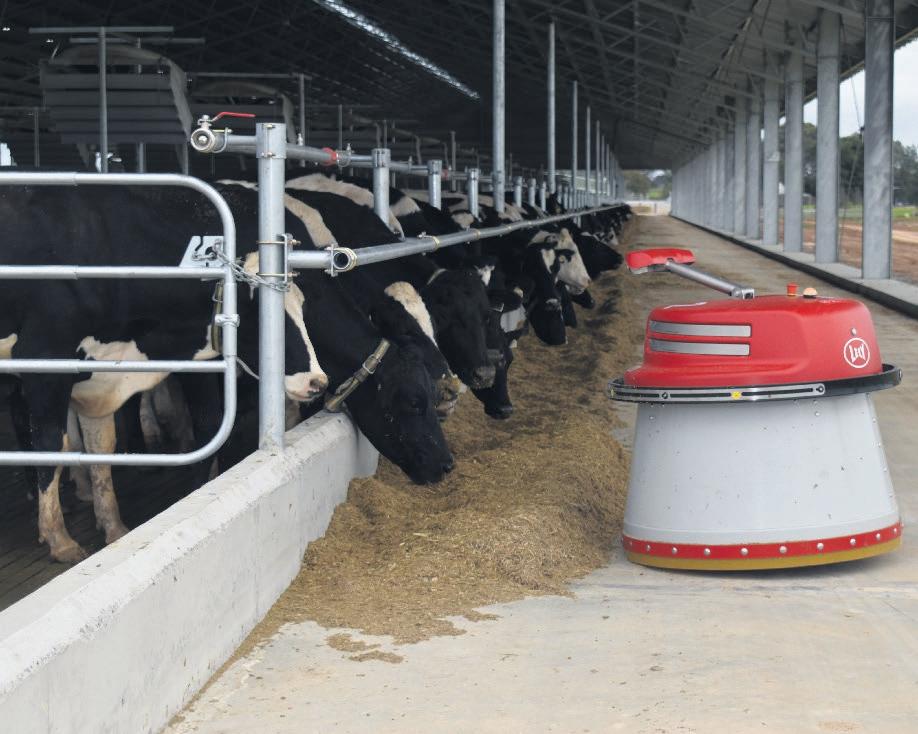
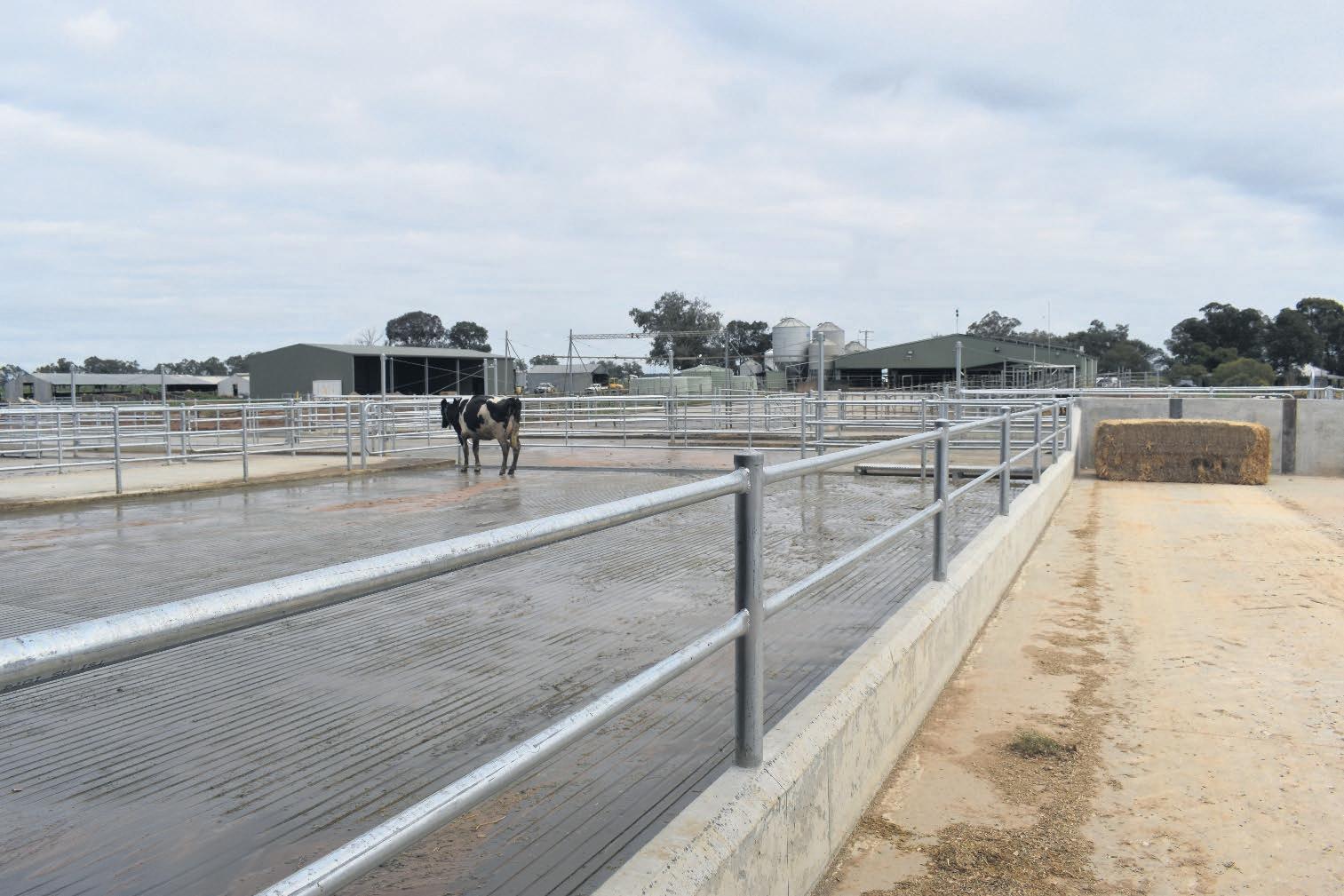
Instead of a central feed alley, John opted for one along each side of the barn. Being under cover but outside the shed, the design eliminated the need for an additional row of fans.
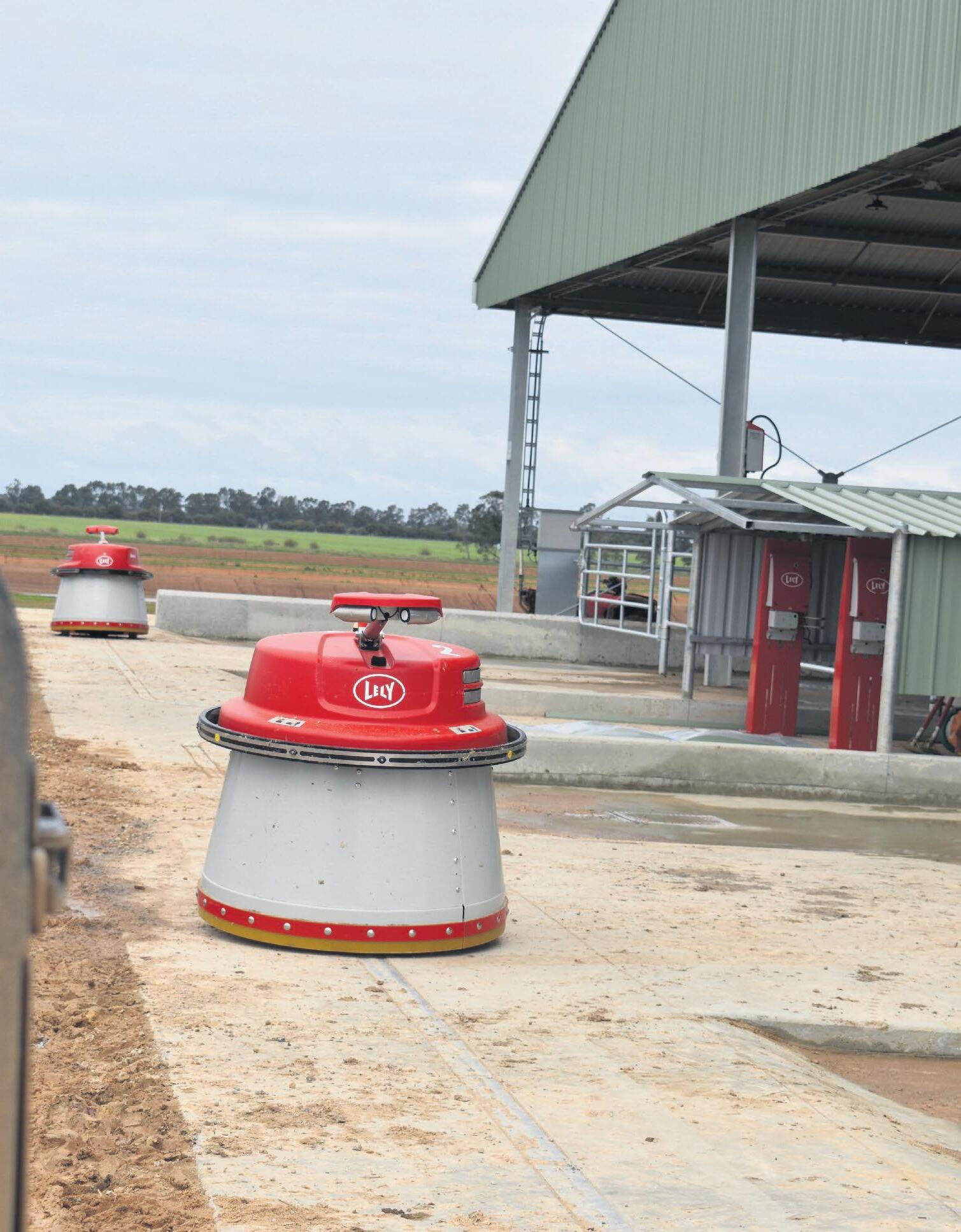
It also makes it easier to fill the feed alley as you don’t have to muck around with the tractor and mixer as it is just a simple loop and no big turning circles are required.
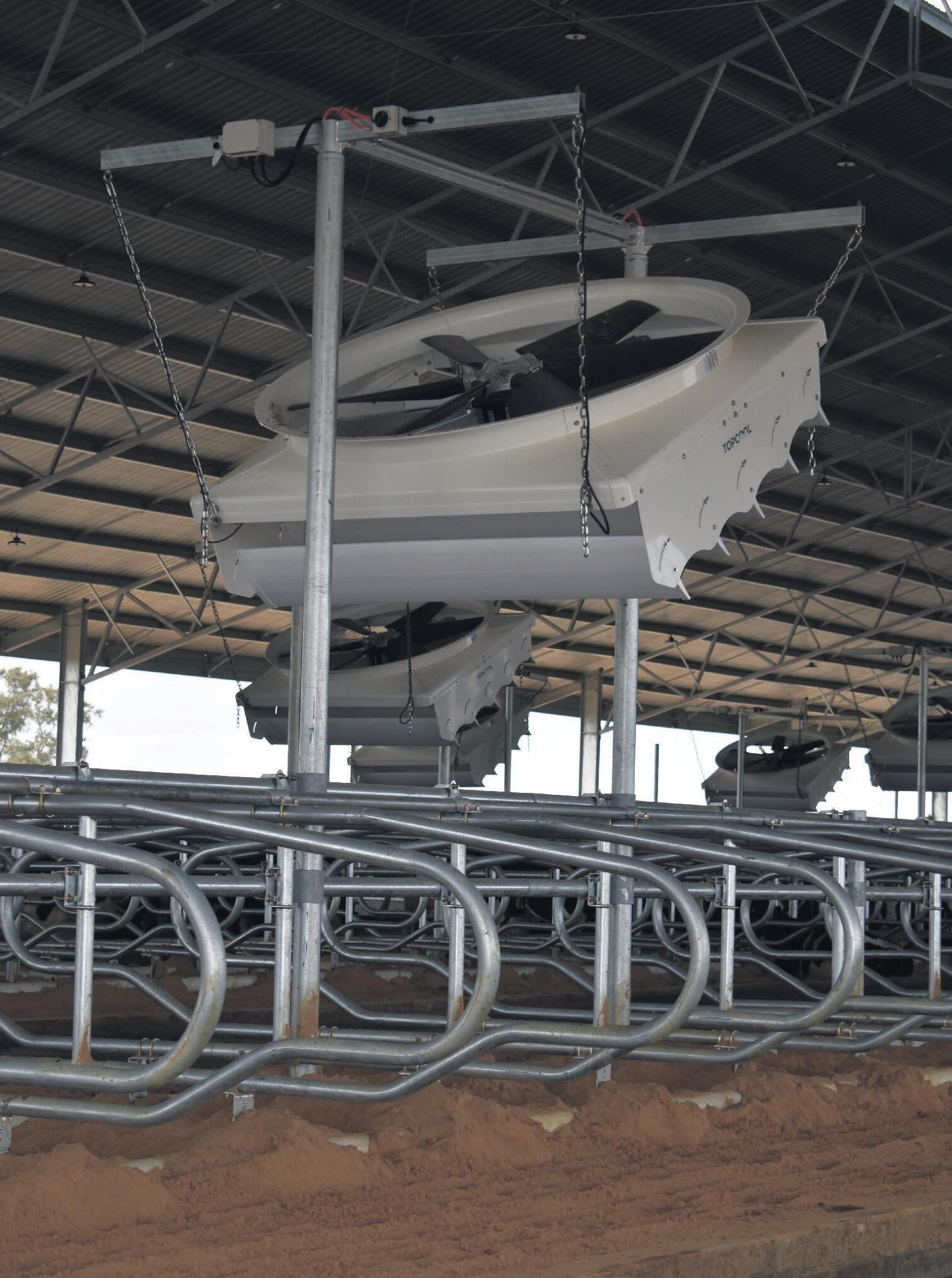
Rather than hang the fans from the roof they chose to individually mount each one.
“I have seen a lot of wildly swinging fans in windy weather. This way they will be a bit more secure and stable and if something does go wrong, they can be fixed by just climbing a normal ladder so it should be a lot safer.”
John had travelled extensively looking at barns around the world and one thing he knew for sure was sand was the best bedding option, provided it was the right type — sand that doesn’t compact too tightly.
And luckily for him he has a good supply of quality sand just down the road.
“We had a guy come out from Canada and he said that is the best quality sand he has ever seen.”
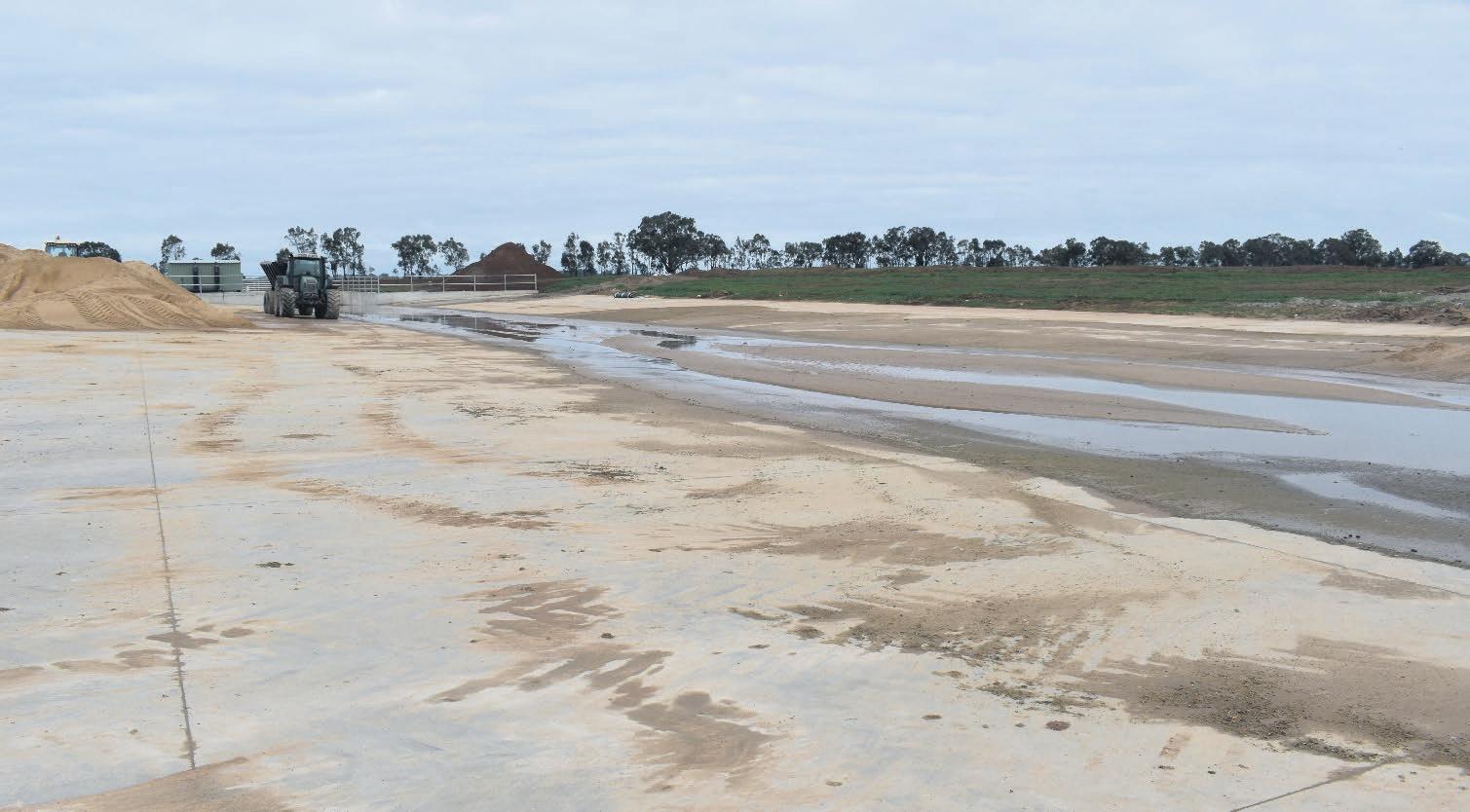
When it came to the sand trap, they built a concave design that allows machinery to move in and out easily.
It also provided an extra 10 to 15 metres of space and avoided the need for costly concrete retaining walls.
All the outside infrastructure has been built to support a three-barn system and down the track they will incorporate a solid separator.
The plan is to calve the herd all year round for flat milk production and they have already commenced implementing this strategy. One
farm supplies Fonterra and the other Lactalis. Depending on water prices, John usually grows around 200ha of corn followed by a vetch crop.
“We have been double-cropping some areas for 18 years and haven’t had any trouble.”
With about 2000ha, the business is largely self-sufficient but it does depend on the season and the price of temporary water.
John grew up on a dairy farm and moved away to become a shearer for 12 years. This enabled him to buy two farms and in the off season he would hook up his dad’s baler.
“It was a waste to see the baler just sit there and do nothing so I decided to use it, and that’s how our contracting business started.”
As the family grew John and Sue ended up buying another farm for the land and water but it also had a dairy on it.
“In 2004 we had the opportunity to buy around 300 heavily in-calf export heifers from Elders for $500 and we were given six months to pay for them.
“It was too good a deal not to take and that’s how we ended up milking cows.
“We still have a bit too learn with the barn but for early days things are going pretty well,” he said.
John Eade (left) with farm manager Warren Jones.
Photos: Sophie Baldwin
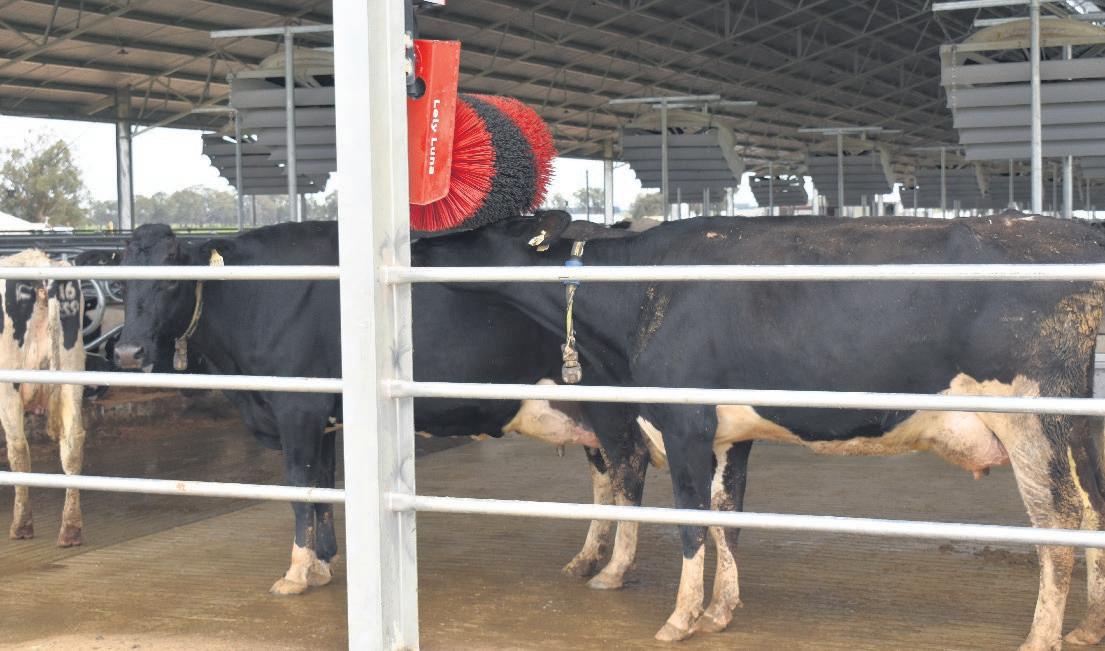
The cow scratcher was intentionally placed away from the dairy so the cows wouldn’t be distracted on the way to be milked.
Lockington has already received more than its 350mm average rainfall.
The heifers had only been in the barn for four days when this photo was taken but it obvious they have settled in nicely.
The concave sand trap reduces the need for expensive boxing.
The transition area from the barn to the shed.
The free stall barn was built to house 1000 cows.
Rather than suspend the fans from the roof, John decided to mount them individually to reduce movement.
barn.
Fighting for farming and food production’s future
BY SOPHIE BALDWIN
GLEN GORDON recently travelled to state parliament in Melbourne as part of a delegation of stakeholders concerned about the implications of the Murray-Darling Basin Plan and the future of staple food production.
Glen and his brother Drew manage the family dairy business their dad started over 50 years ago near Cohuna.
Back then, dad Ross milked 180 spring calving cows on 200 acres while mum Jeanette worked as a nurse at the Cohuna Hospital.
Today the business has grown to encompass 1600 head of cattle managed across 1000 acres and includes a milking herd of 850 cows producing close to 10 million litres of milk annually.
Glen and Drew employ eight full-time staff while supporting 27 local businesses.
Three years ago, the family invested significantly in infrastructure to build a sand bedded freestall barn.
This decision was based on two things — cow comfort and water efficiency.
“Our cows live in a luxury five-star hotel with a feed alley cleaned out every morning and a fresh total mixed ration so the buffet never runs out,” Glen said.
The sand beds are raked and cleaned twice a day, with fresh sand added twice a week.
The cows are kept comfortable by 65, 72-inch fans throughout the barn and a climate controlled sprinkler line — there is no mud, no heat stress, no extreme weather conditions and no competition for food.
Building the freestall barn has importantly improved water efficiency.
“Thirty years ago, the focus was on how much dry matter you could grow per hectare, while today we calculate how much dry matter we can grow per megalitre of water, because access to affordable irrigation water is our most limiting factor,” Glen said.
“Moving to a housed system has enabled us to change the crops we grow.”
Prior to the barn the milking cows were grazed on annual ryegrass using around 5Ml/
ha to grow around 10t dry matter. Today across the same hectares, they grow 25t of corn over summer and 5t of vetch through winter using 8Ml, producing 3.75t of fodder per megalitre of water used.
“Since the implementation of the basin plan, water has left our district at an alarming rate and taken many of our smaller dairy businesses with it,” Glen said.
At its peak the Murray dairy region produced 3.1 billion litres of milk. Now it is down to around 1.6 billion to 1.8 billion litres.
In 2012 the Torrumbarry irrigation district used 420Gl of productive water and 15Gl for the environment — today the productive use has more than halved while the environment now uses over 100Gl.
“If we can’t produce affordable milk, eight people will be without full-time jobs, 27 businesses will be directly impacted and the money which flows from our business through the community every single year will evaporate, because there is no other industry that can replace what we do,” Glen told the members of parliament in
attendance.
“And we are just one farm.
“When we have water, northern Victoria is the best place to milk cows; when we don’t, it’s awfully tough.
“We have invested significantly in our business to ensure we are efficient and sustainable but we are worried about what the future holds for us and our community.
“Australia should be supporting our dairy industry and staple food production, not tearing it down.”
Glen said growing up on the family farm in the 1990s was a much simpler time.
“We grew up helping Dad on the farm, feeding calves and helping with chores before and after school,” he said.
“We had green grass every day of the year and Dad grew summer pasture for the cows.
“We had a standard water allocation of between 150 and 200 per cent and in winter, Dad would dry the cows off and we would all go on a family holiday.
“Now we milk every day of the year, and getting away becomes harder and harder every year.”
Glen Gordon recently travelled to parliament in Melbourne to talk about impacts of the basin plan on community and staple food security.
Photo: Sophie Baldwin
Early and big silage season expected
BY SOPHIE BALDWIN
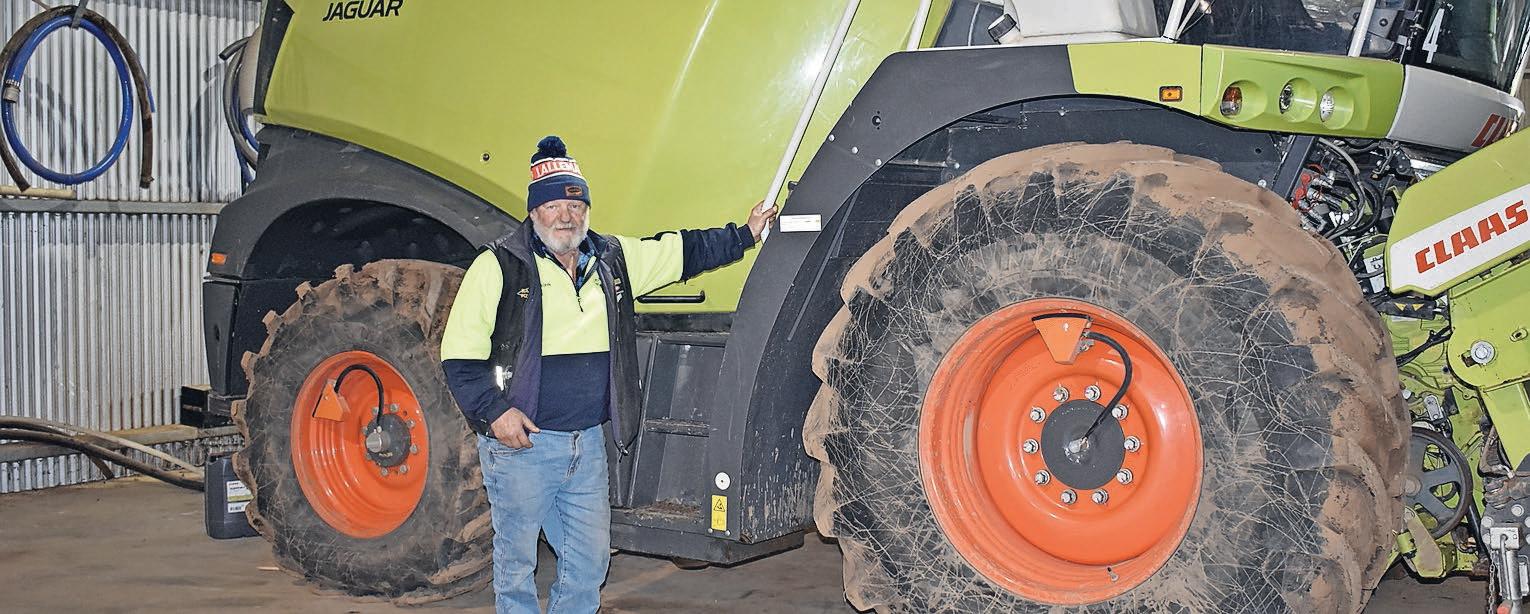
WHEN ASKED to describe this year’s silage season, John Eade from Eades Forages has two words – early and big.
No doubt, widespread rains across northern Victoria and the Riverina have helped shape the season into what everyone hopes will be a good one, especially in the face of lower opening allocations and high temporary water prices. Farmers will be pushing to conserve every bit of fodder they can.
Servicing farmers from Wakool to Tongala, the maize season starts in February and finishes in April, and after a rest and repairs, the silage season kicks off in August and goes through to November.
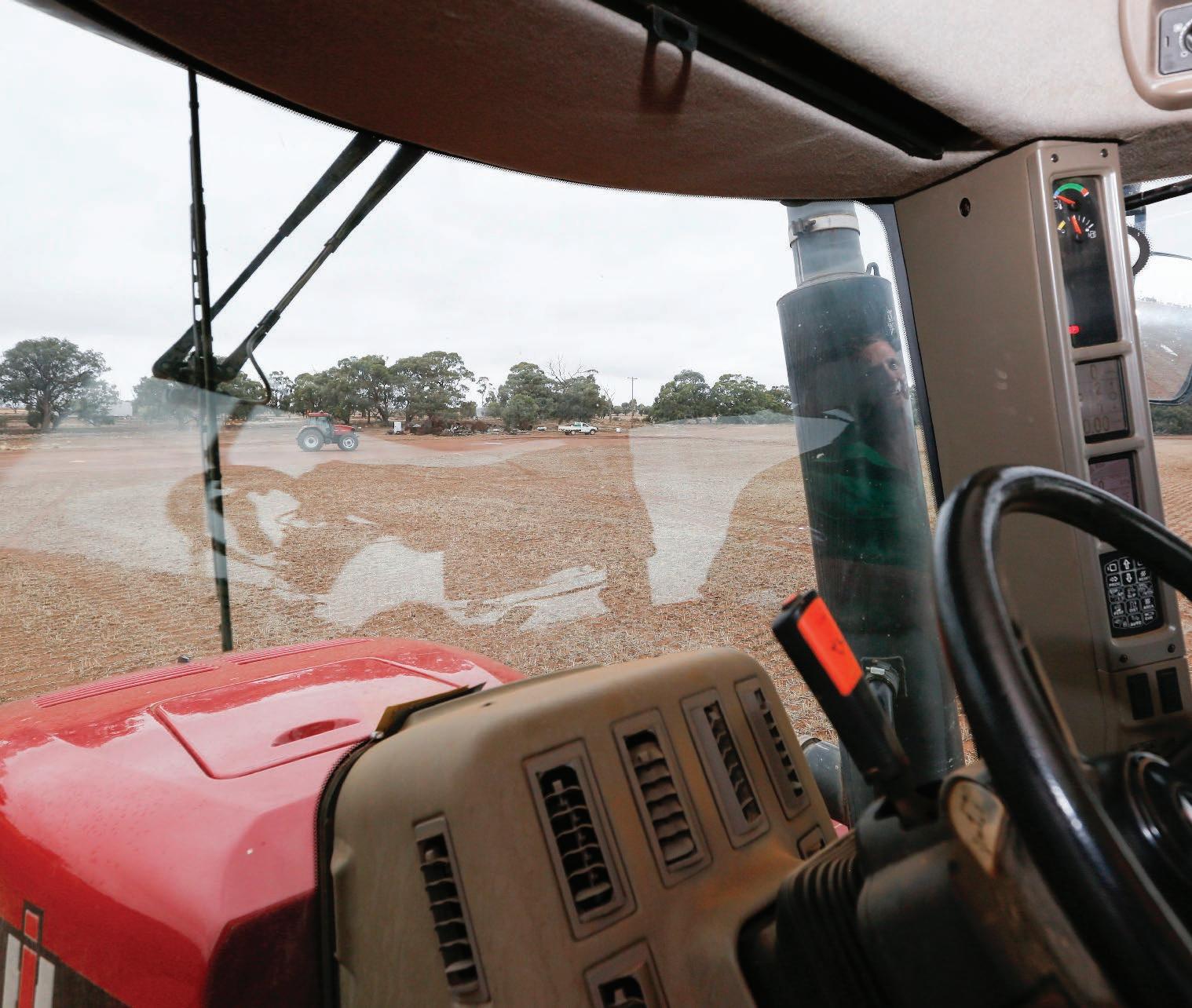
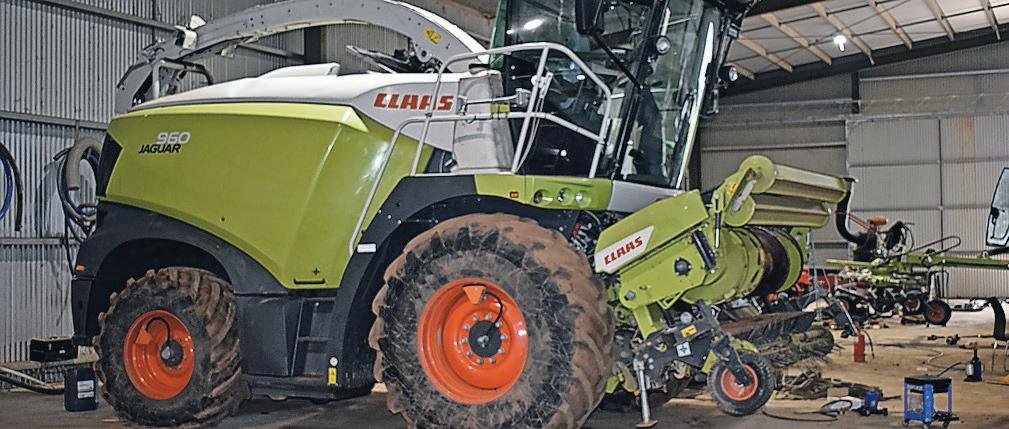
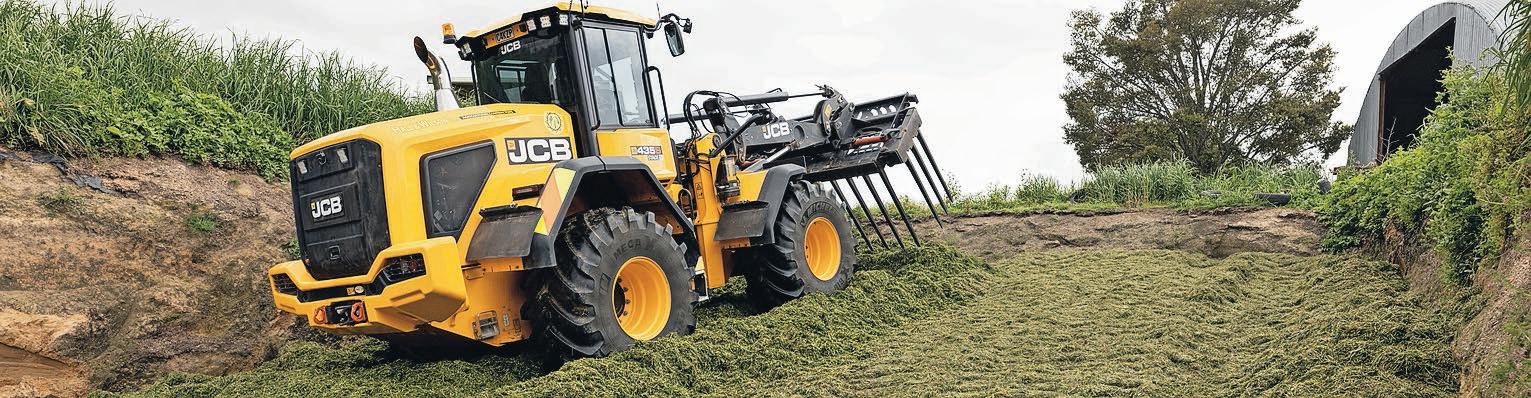
John currently operates 6 Class Forage Harvesters and either Fendt or JCB tractors.
“I always said I was going to stop at four harvesters,” he laughed.
John tries to upgrade his harvesters every six years but he does like to hang onto his tractors for a bit longer.
He said he has watched farmers go from basing their feed decision on tonnes of dry matter per hectare to tonnes per megalitre of water.
“A lot of farmers now double crop-maize in summer followed by vetch.
“Some of our farmers are producing on average around 30 dry tonnes using around 9Ml of water, and the best I have seen is a 28 tonne maize crop followed by 8 tonnes of vetch using around the same amount of water.”
“It will be a telling tale this coming season to see what happens with water prices and who plants maize in 2027.”
John said the business is fully committed with their existing customer base, and they only take on new clients if someone sells up or changes their usage.
“Water efficiency is critical for farmers these days and with the government continuing to buy more water back from the productive pool it creates more competition and pushes temporary water prices which makes everything even more difficult.”
John said high water prices in 2026 did take some of the shine off maize this year, but many farmers were committed and had to keep going.
John Eade is expecting a big and early silage season for 2026.
John thought he would stop at four harvesters but he now has six.
Quality silage key to cow performance
WITH SEASONAL forecasts suggesting a drier-than-normal spring, dairy farmers have a valuable opportunity to focus on producing high-quality silage early to ensure feed reserves are ready if pasture growth slows later in the season.
Pasture and winter forage growth have been exceptional across many regions, creating an ideal opportunity to adjust pasture rotations now and target early-cut silage when feed quality is at its peak.
While many farms conserved significant amounts of forage last season, much of it was harvested later when yield was prioritised over quality.
As a result, a large proportion of carryover feed may be lower in energy and digestibility.
This season, the emphasis should be on preserving forage quality rather than simply chasing tonnes.
High-quality silage plays a critical role in maintaining consistent milk production, supporting cow health and reducing the impact of seasonal feed shortages.
Farms carrying lower-quality silage can strategically utilise these reserves for dry or late lactation cows, freeing up more pasture and allowing greater areas to be allocated to quality silage production.
For farmers looking to secure additional feed, purchasing standing pasture can be an excellent option.
Planning early allows the first cut to be harvested at optimum quality, while second cuts can then be targeted for bulk forage production.
Strategic fertiliser or urea applications following harvest can help maximise regrowth and improve overall forage yield and quality. Pit silage presents another common challenge. In many cases, farmers delay harvest to accumulate enough volume to efficiently fill pits, often compromising feed quality as pasture maturity increases.
Estimating supplementary feed requirements, expected yields and pit volumes well in advance can help avoid this situation. Management and execution of pasture rotations through winter is key to setting up spring and creating the opportunity to harvest genuine quality surplus pasture for grass silage.
Where additional pasture /forage is expected later in the season, reopening pits and adding subsequent cuts can also be an effective strategy.
Using a quality silage inoculant, such as Pioneer 11G22 Rapid React, helps achieve a rapid pH decline and improves silage aerobic stability, reducing risks associated with reopening silage stacks whilst also helping to preserve valuable nutrients.
Quality inoculants also play an important role when harvest conditions are less than ideal. By more efficiently utilising limited plant sugars and stabilising silage quickly, inoculants can help lock in energy and nutrients that otherwise may be lost during the ensiling process.
New this season, Pioneer 11GFT has been developed specifically for grass silage and combines the benefits of a traditional inoculant with improved fibre digestibility.
The unique bacteria in 11GFT produce enzymes that help break down plant cell walls, making fibre more accessible to rumen microbes and allowing cows to extract more energy from conserved forage.
With feed quality likely to have a greater influence on profitability in a potentially shorter season, planning ahead and prioritising silage quality will be essential.
The farms that preserve the most nutrients this spring will be best placed to maintain milk production, manage feed reserves effectively and navigate any seasonal challenges that arise. For more information on Pioneer silage inoculants, including the new 11GFT, or advice on producing high-quality silage this season, contact us, your local Pioneer dairy specialists.
By Greg Morris and Leighton Hart, Pioneer dairy specialists
Experience maximises breeding results
MADELINE BATSIOKIS vast experience in the IVF industry has shown her the importance of planning when it comes to achieving maximum results.
And that’s what she’s all about in her new role with Trans Ova Genetics – getting results.
Madeline has joined the Trans Ova Australia team as a client services representative, a professional role that involves communicating between clients and the lab to make sure customers get the best outcomes.
“Part of my responsibilities is client success and using my experience to help maximise results for customers,” she said.
According to Madeline, getting the best results requires planning. “That’s what it comes down toplanning and discussions around nutrition, timings of vaccinations and parasiticides, mineral supplements, generally backgrounding the cattle to make sure we get the best quality eggs out of the cows.
“Sperm plays a role too, but the eggs play a very important part in getting good quality embryos.”
Madeline brings to the Australian team a strong educational background and extensive experience in IVF technology, having worked across multiple facets of the industry both internationally and in Australia.
Her expertise extends from specialised laboratory procedures through to working directly with farmers and livestock operations in the IVF field.
After more than a decade working in northern Australia, Madeline jumped at the opportunity to join Trans Ova’s expanding team. “Trans Ova is a powerhouse in the global cattle IVF industry so it’s exciting to be part of it,” she said.
“IVF has been around for a while but we’re still in an IVF boom in Australia so it’s an exciting time to be involved and being part of a team that is achieving great things in the industry globally.”
Madeline studied animal science at Adelaide University, finishing her honours in 2009 before moving to Rockhampton in Queensland in an embryologist role managing a cattle IVF laboratory for a Brazilian franchise.
She also had opportunities to work in Brazil, Spain, China and helped plan for a lab in Kenya.
Madeline later completed her Masters by remote research into maximising results from cattle embryo technologies, including projects focussing on the roles of both eggs and sperm.
After her Masters, Madeline worked as a livestock products sales representative for a pharmaceutical company and later provided technical and sales support for a company that produces IVF media, along with other freelance work.
Although she initially trained in sheep IVF, Madeline has mostly worked with beef and dairy cattle, mainly with tropical beef breeds in northern Queensland and with dairy cattle overseas. Her interest in the field came about by accident.
Madeline grew up in Adelaide and was
initially interested in working with wildlife.
“I was exposed to agriculture while I was doing the animal science degree and it really interested me,” she said.
“There have been a lot of opportunities that I’ve taken as they became available and it’s just grown from there.”
Madeline will be based in Geelong for her new role.
“I have a range of experiences, from research, commercial, sales and tech support and hopefully they will all be of benefit ,” she said.
Trans Ova Genetics commercial operations
Milk, More Profit
manager Helen Thoday said Madeline would work alongside a growing partner network while also supporting clients directly.
“As we continue expanding our team to support what’s possible for Australian producers, Madeline stood out as she brings proven reproductive expertise and hands-on client support experience,” she said.
“This dedicated role helps make in vitro fertilisation more accessible, with a clear focus on supporting producers achieve consistent results that deliver the benefits of this advanced reproductive performance”
Madeline Batsiokis has joined the Trans Ova team.
Madeline has a strong educational background
extensive experience in IVF technology.
Dairy makes big strides
BY SOPHIE BALDWIN
IT TAKES a lot of courage to do something big, no matter what industry you are involved in.
For Jade and Belinda Clymo, installing a 120unit GEA rotary dairy, only the second of its kind in the country, is certainly big.
And absolutely mind-blowingly amazing.
The scale is off the charts, especially when you consider their dairy development alone now covers 4300 square metres.
Installation of the rotary is the last piece of the dairy infrastructure puzzle which includes 2.5 barns built five years ago. The same designer, JGMIII from the United States, was used across the whole development.
“This is our final stage for the time being,” Jade told visitors who flocked to a recent open day.
“Our old rotary is 30 years old and has milked many cows and is way past its use by date.”
The decision to build the dairy was many years in the making and included travel to the US to look at many different barn and parlour set-ups. Earthworks began 18 months ago and steel and concrete started going in 12 months ago.
Wherever possible, Jade sourced local trades and he worked with some great people over the build, including Central Sheds.
He said the red tape was relentless, especially when it came to fire regulations in the dairy.
“Our local council were great. They are very supportive of ag, so there were no problems there,” Jade said.
Managing the build was its own beast, but Jade said he was helped by a great team headed up by Tony Milne.
There was a lot of time spent working on what Jade calls the equipment room, which is home to the vacuum for the plant, compressors, hot water services and a dedicated climate-controlled and dust-free electrical room.
Chilling milk was also a priority and has included the installation of three chillers with 600kw chilling power installed by a company which specialises in brewery set-ups.
“I have spent a lot of time over the years dealing with the fallout from warm milk, so hopefully we have a reliable system,” Jade said. Jade said when it came to installing the actual dairy there was only two choices: GEA or De Laval. The decision was made to go with GEA based ultimately on technology and service.
“I did look at robots but I couldn’t find anything capable of milking 3000 cows and in the end we went with a big, fast and simple set-up with proven technology including milk meters and cup removers,” Jade said.
There is a dedicated chemical room for teat spray, a laundry room and office area and a kitchen for staff.
“The dairy itself is designed to be big and simple with a lot of ventilation which will hopefully be cool in summer,” Jade said.
There are three entry points for the cows, which include a training race, and the Yarroweyah platform is built on a train track system.
Jade said he stopped freeze branding cattle years ago and now used single cow NLIS ear tag ID and collars.
“We also stopped feeding in the bale 12 months ago, which was a psychological barrier I had to work through.”
The undercover yard is built to hold 750 cows.
It has lots of fans for temperature control, grooved concrete and a solid backing gate.
“The gate is essential because we do find the cows’ motivation to get into the dairy is not as high when there is no grain,” Jade said.
“We have two All Flex draft gates and cows can be drafted into one of three lanes depending on what treatment they need after milking.”
There is a 1600kW horsepower generator capable of backing up the power for the dairy and some of the barn.
“We have had so many never-ending decisions to make when it has come to power and it is probably one of things I would urge people to think about from the very beginning,”
Jade said.
Jade laughs as he describes the $300,000 electrical switchboard as his own personal Lamborghini.
Clean potable water was also front of mind to prevent the hassle of any bacto problems.
Calmo Farms now employs 40 staff and building the dairy was very much about improving amenities and reducing the previous long milking times.
Jade intends to slowly transition the cows across, starting with the hospital herd to iron out any early problems.
He is expecting to have four staff at cups on (one prep spraying, one wiping/stripping teats and two putting cups on), one at cups off spraying and one droving cattle.
“We will start off milking two times a day and when things settle down we do have plans of moving that out to three times a day,” he said.
Jade is expecting milking time to be around three hours.
GEA believes the dairy is capable of comfortably milking a herd of 2000 to 6000 cows.
Interestingly, Jade said this year’s production was 150 times what his mum Jan and dad Trevor were producing when they first started milking 120 cows 53 years ago.
“That just shows the growth we have experienced over the years, but at some point it will stop,” he said.
Jan said she could not believe where Jade and Belinda had taken the farm.
“It really is amazing what they have done and I am so proud of them both,” she said.
Son Fynn, who works on the cropping side of the business, is unfazed by the development.
“I’ll stick around and see it through. We have had the barns for five years, so I am used to the size now,” Fynn said.
Jade and Belinda Clymo are looking forward to moving their herd across into their new rotary dairy.
This is only the second GEA 120-unit rotary to be installed in Australia.
The yard is built to hold 750 cows undercover, to the right is the drafting area for cows needing treatment.
Seven milk filters show the scale of the expected milk throughput.
Iron-fisted on slugs & snails. Gentle on the environment.
• Next generation, iron-based, all weather slug & snail bait with technology for maximum attractiveness, palatability and persistence
• Gentle on the environment, crops and non-target organisms
• Nil withholding period for grazing and harvest
• Certi ed input for organic production
Braving the cold in Gippsland
MORE THAN 300 people gathered at the Bulmer Street Jetty in Lakes Entrance before sunrise, to take part in Gippsland Jersey’s annual winter solstice dip as part of the East Gippsland Winter Festival.
What began years ago as a simple staff tradition has grown into a community event with a much bigger purpose - bringing people together to promote positive mental health and encourage conversations about wellbeing.
This year’s event attracted visitors from right across Gippsland and beyond, with many making the early morning trip to experience the icy plunge, warm hospitality and strong sense of community.
Among those taking part was Darren Chester, Shadow Minister for Regional Development, Local Government and Territories, alongside Melina Bath.
Gippsland Jersey co-founder Sallie Jones said the event was inspired by the loss of her dairy farmer father, a dairy farmer, to suicide almost ten years ago.
“People know us as a dairy company, but we’ve always believed we’re about much more than milk,” Ms Jones said.
“We want to create opportunities for people
to connect, have conversations that matter and remind each other that no one has to face difficult seasons alone.”
Participants were encouraged to embrace the challenge of the cold water while reflecting on the importance of looking after both their physical and mental health.
Following the dip, everyone gathered around open fires to enjoy hot savoury porridge made with local produce, chai, coffee and conversation.
As participants assembled on the jetty, a rainbow appeared across the Gippsland Lakes—an unexpected moment many described as the perfect symbol of hope after difficult seasons.
The winter solstice dip continues to grow each year, reinforcing Gippsland Jersey’s belief that strong communities, meaningful connection and simple acts of courage can make a genuine difference to people’s wellbeing.
TOP: Over 300 people gathered for a winter solstice dip at Lakes Entrance.
RIGHT: Liana Burns, Sallie Jones and Elisha Cunningham.
The winter solstice dip continues to grow each year reinforcing founder, Gippsland Jersey’s belief, strong communities, meaningful connection and simple acts of courage can make a genuine difference.
Celebrating 27 years of
THE STRZELECKI Lions Club is proud to announce the return of the South Gippsland Dairy and Farming Expo, celebrating its 27th year of showcasing the latest prod ucts, technology, services and innovations supporting Australia's dairy and farming industries.
Held at the Korumburra Showgrounds on September 2-3, the expo continues to bring together farmers, industry professionals,
FROM CALF TO COW
exhibitors and rural communities from across Victoria for two days of learning, networking
With dozens of exhibitors from across Australia, visitors will have the opportunity to compare products, explore new technologies, discover innovative farming solutions and speak directly with the people behind the industry's leading brands.
It's a unique opportunity to see so much of
the dairy and agricultural sector in one place, over two action-packed days.
For almost three decades, the Dairy Expo has become one of Gippsland's premier agricultural events, with funds raised contributing more than $650,000 back into the local community through Lions projects and community initiatives.
What began as a local initiative has grown into one of Victoria's most respected
regional agricultural events, attracting visitors from right across Gippsland and beyond while continuing to support local community projects through the Lions Club of Strzelecki.
New for 2026 – The Dairy Expo Clearing Sale
One of the major highlights for 2026 is the introduction of the inaugural Dairy Expo Clearing Sale, proudly sponsored by Nutrien Ag Solutions.
FROM CALF TO CALF
For many years, respected local dairy farmer Graeme Lancey dreamed of bringing a farm equipment clearing sale to the Expo. This year, his vision becomes reality.
Commencing at 10.30am on September 2, the clearing sale will feature a range of quality farm equipment, machinery and rural items, with all proceeds supporting the Gardiner Foundation New Zealand Study Tour.
In Graeme's own words: "Stop Thinking. Join the Action!"
Whether you are looking for a bargain or simply wanting to support a great cause, everyone is encouraged to come along and help celebrate Graeme's legacy. If you have any quality farm equipment, then please contact our event secretary. From machinery, equipment and farming essentials, every item sold will help invest in the future of our dairy industry through the Gardiner Foundation New Zealand
SENSOR OF A LIFETIME
Monitor each cow's health and productivity from calf to cow with one sensor - her whole life.
From 14 days old, movement and ear temperature data give you visibility into health, fertility, transition and nutrition, plus full Youngstock monitoring, anytime, at any age.
From Youngstock, to fertility insights and calving alerts, CowManager gives you full circle monitoring.
From Youngstock, to fertility insights and calving alerts, CowManager gives you full circle monitoring.
Another exciting addition this year is the Dairy Legends Breakfast, proudly supported by the Look over the Farm Gate Grant and South
Held from 8am September 3, the breakfast will bring together farmers, service providers and industry friends for a relaxed morning of conversation, connection and
Guests will also enjoy a unique live auction featuring one-of-akind caricatures of well-known dairy personalities, with proceeds again supporting the Gardiner Foundation New Zealand Study Tour. More than just breakfast, it's an opportunity to reconnect with colleagues, celebrate the people who make our dairy industry so special, and start the day with plenty of laughter before heading into another full
Bookings are essential call 0419 878 055.
The ever-popular Udder Truth Showbag Competition returns in 2026, proudly sponsored by South East Organic Fertilizer. Simply collect a showbag at the gate, answer 17 of the 20 questions, visit participating exhibitors to collect your stamps and return your completed entry. First prize – $3,000, second prize –There is no cost to enter, and you don't need
Think you're Gippsland's fastest human in gumboots? The famous South Gippsland Dairy and Farming Expo Gumboot Gift returns at 1.30pm on Thursday 3rd September, offering a $4,000 prize pool across male and female sections.
Competitors simply need to bring a pair of genuine farm gumboots and an "I can win" attitude.
Proudly sponsored by: Gippsland Farm Lease Company, Jefferis Livestock Transport, Walker Electrical Contracting, Levey Engineering, Farm Depot, Michael’s IGA Korumburra, Nacas truck’n ag, Lectaire Auto Electrics and Airconditioning, Devin Hance, The Burra Barber, Nutrien Ag Solutions, JJ Waste and Recycling, Area Specialist Jack Gilchrist, T & G Mechanical Repairs, Elders, Marriotts Motorcycle and Power Equipment.
The Gumboot Gift continues to be one of the Expo's most entertaining spectator events. Whether you are racing or cheering from the sidelines, it's guaranteed to be great fun.
Family fun
The expo offers something for everyone. While the kids enjoy free face painting, proudly sponsored by Poowong Dairy and Hardware, the whole family can explore an impressive range
of machinery, livestock equipment, interactive displays and the latest innovations from across the agricultural industry.
Thank you to our sponsors
The expo committee sincerely thanks the many organisations whose support makes the event possible. Special thanks to our Gold Sponsors: Brandt, Burra Foods, GippsDairy, Dairy Pumping Systems, DeLaval, Easy Dairy Automation Systems, Evans Petroleum, GEA Farm Technologies, Gardiner Foundation, Lely, Milk Bar, ProDairy, Rabobank, Tow and Fert, Reid Stockfeeds, Saputo Dairy Australia and SRH Milk Haulage.
Visit the expo
Visitors can spend the day exploring exhibitor displays, watching demonstrations, entering competitions, catching up with friends and enjoying the relaxed country atmosphere that has made the expo a favourite event on the rural calendar for 27 years.
Entry $15 per person and children under 16 and free ɋ For exhibitor or visitor enquiries contact Deanne Kennedy on 0419 878 055 or dairyexpo@jaydee.net.au
The South Gippsland Dairy and Farming Expo is celebrating its 27th year.
Join local farmers, service providers and industry friends for a relaxed breakfast, great conversation and plenty of laughs.
Featuring a live auction of some one-of-akind dairy personality caricatures, with proceeds supporting the Gardiner Foundation New Zealand Study Tour. RSVP: dairyexpo@jaydee.net.au
Korumburra Showgrounds Cnr South Gippsland Highway & Charles Streets, Korumburra
BY:
For many years, Graeme Lancey envisioned a farm equipment clearing sale as part of the Dairy Expo. This year, we’re proud to bring his vision to life.
10.30am Wednesday 2nd September In Graeme’s own words... “Stop Thinking. Join the
Dairy Expo Clearing Sale Auction
Come along, browse and bid on a great range of quality farm equipment, machinery and rural items, with all proceeds supporting the Gardiner Foundation New Zealand Study Tour. Grab a bargain, support a great cause, and help us celebrate Graeme’s lasting vision.
• Australian Family owned business
• Trusted Performance since 1984
• Fuels, Lubricants & Ad Blue
• Farm, industrial & retail
• Locally owned and operated
• www.evanspetroleum.com.au
• Supporting profitable and sustainable dairy farming
• Plus automatic calf feeders, feed pushers, manure collectors and more on >70 farms
• Milk Bar is a family-owned company pioneering calf rearing since 1989. Its research-backed teat technology improves calf health, growth and welfare, delivering innovative calf feeding solutions to farmers in over 50 countries
PLEASE SUPPORT OUR 2026 GOLD SPONSORS
• 4 dedicated local GEA dealerships with over a combined 60 years of experience in servicing milking systems to over 600 local farms in Gippsland
• O ering AMS, CMS, Manure management, Herd management and Farming Components
• Australian wide suppliers of Dairy E uent equipment
• Well known brands including; Yardmaster, Bauer, Williams & Yardblaster
• Your on farm performance partner, helping shape progress on your farm for over 140 years
• Progress doesn’t look like work - it feels like freedom. With DeLaval’s complete milking ecosystem working quietly in sync, you get time back for the things that matter most
• The most versatile sprayer in the world
• Apply all your fertiliser in one pass
• A family owned and operated transport company since 1996 specialising in bulk milk haulage from farm to factory
• Reliable and e cient milk haulage across NSW, QLD, VIC & WA
• Your local John Deere equipment specialists
• Elevating your operation with unwavering support, superior machines, unparalleled service and a dedicated team
• Your farm deserves Australia’s leading dairy automation systems proudly backed by the team who designs and builds it
• Over 20 Years of great products and exceptional service
• Gardiner Foundation invests in people, innovation and communities to strengthen Victoria’s dairy industry
• Through strategic partnerships and targeted investments, we support research, workforce development and community initiatives that help create a thriving and resilient dairy sector
Importers exposed as urea prices tumble
BY NICHOLAS SPANDLER
UREA PRICES have fallen sharply over the past four to six weeks, dropping from a June peak of $1450 a tonne to about $800 a tonne. It's good news for farmers, but a painful blow for fertiliser resellers who were encouraged to lock in supply at the height of the market and paid top dollar for large orders.
Advanced Ag general manager Andrew Mann said better access to product and government subsidies had helped the market level out, a welcome development for farmers after
months of tight supply.
But the picture is very different further up the supply chain.
Australian Fertiliser Services Association chairman Heath Boseley said the Federal Government had underwritten only three major resellers, leaving other businesses and smaller "mum-and-dad" operators to absorb the losses on their own.
During the early stages of the conflict, Mr Boseley said, the government was telling resellers to lock up tonnage and sign contracts even at high prices, in order to avoid farmers going without.
"Suppliers and resellers obliged, purchasing
large volumes at higher prices," Mr Boseley said.
Weeks later, prices began to fall.
Resellers who had signed contracts at the top of the price peak are now left holding expensive stock they cannot move, especially as underwritten competitors are able to sell at lower, government-supported prices.
Under the scheme, the government pays a "gap payment" covering the difference between the conflict-peak price and the current market rate, but only for the three companies covered by the arrangement.
Mr Boseley described the arrangement as a "favourite son deal".
"Small sellers stand to lose hundreds of dollars a tonne, across thousands or tens-of-thousands of tonnes of urea," he said, describing the situation for smaller operators as really hurting and now about survival.
The three underwritten companies are Incitec Pivot, CSBP and Summit Fertilizers.
The AFSA argues a farm-gate rebate, paid directly to farmers rather than underwriting select importers, would have made more sense, been more equitable and been easier to implement.
The inequity has drawn criticism beyond the industry itself.
Shadow agriculture minister Darren Chester warned in May that underwriting only a handful of importers would distort competition, a prediction he says has now been borne out.
"The sharp fall in urea prices has exposed that flaw, with excluded resellers now facing significant losses while government-backed companies have been shielded from much of the risk," Mr Chester said.
"The government should have secured supply without undermining competition."
Mr Chester said he had raised the issue directly with the office of Agriculture Minister Julie Collins, but the fundamental question remained unanswered.
"The government has failed to explain why some businesses received taxpayer-backed protection while others were left to carry the full commercial risk," he said.
"Any future support must secure supply, preserve competition and treat all participants fairly."
He said the government should learn from the scheme's mistakes.
"If further intervention is needed while instability in the Middle East continues, it must be transparent, competitive and open to all eligible importers, not just a select few," Mr Chester said.
A spokesperson for the Federal Government said the subsidies were part of the Fuel and Fertiliser Security Facility, established to respond to disruptions to global fertiliser supply chains caused by the Middle East conflict.
"Participants were prioritised against a national interest test to meet the objectives of the facility, with the same criteria applied to all suppliers," the spokesperson said.
The spokesperson said more than 86 per cent of the urea imported into Australia for the season had been secured through usual commercial channels, and that underwriting additional fertiliser shipments to secure critical supply had been called for by industry, including Fertilizer Australia, and welcomed by the National Farmers Federation.
The spokesperson said that Export Finance Australia executed the master agreements with the companies and that the decision did not rest with the Minister for Agriculture, Fisheries and Forestry.
Participation had focused on importers being able to secure and distribute material volumes quickly at scale, so product reached farmers when and where it was needed.
The spokesperson said participants were required to comply with any ACCC obligations.
Family loyalty runs deep
FOR MORE than 140 years, the Rea family have supplied milk to Saputo Dairy Australia’s Allansford plant in south-west Victoria.
In his 86 years, Tony Rea has seen ‘marvellous inventions’ and technologies that have revolutionised the milking process and been actively involved in the local dairy industry for decades.
Back in 1888, Tony’s grandfather was one of the first six farmers to supply to the original Warrnambool Cheese and Butter Factory in Allansford.
Over the years, there's been many changes yet one thing has remained constant, milk supplied from the Rea's dairy.
Tony grew up on the family’s original 183ha farm just outside Allansford.
In 1963, he purchased a 54ha farm in the area, milking a herd of 45 cows.
He recalls that one of the biggest shifts in how milk was produced and collected came in 1966, when the farm stopped using traditional milk cans and installed a milk vat.
He described the change as marvellous and signalled a new era of efficiency and quality in dairy.
In the decades that followed, he expanded milking capacity and upgraded the dairy infrastructure from a walk through to herringbone, until he finally built their first rotary dairy in 1982.
In 2010, he handed the reigns of the dairy business to his son Simon and his wife Pep, who now operate the 460ha property.
At that time, Simon’s brother Eugene also purchased a second farm from Tony nearby.
Simon grew up on the farm and after finishing school, spent time in Melbourne and overseas before returning to the dairy.
He now milks around 570 Friesian cows and manages a team of three full-time employees and one part-timer.
Yet, while the scale of the dairy business has increased, the underlying philosophy remains grounded in family, community and loyalty.
“We’ve had close ties with the Allansford plant for generations,” says Simon.
“I guess loyalty is one of our big things so when the plant was purchased by Saputo, it made sense to stay.
“Living in a small community, I know a lot of the workers because we play sport and socialise together so not too much changed.”
Tony’s contribution to the industry and local community have also extended far beyond his own farm gate. He served as a director of Warrnambool Cheese and Butter for 27 years and chaired the Sungold Field Days for around 35 years, championing innovation and connection between farmers, industry and community.
Despite the challenges faced by the industry, Tony remains pragmatic and optimistic about its future.
“Being able to work on the land, you can’t beat it,” says Tony.
“You’re working with nature all the time, whether it’s good or bad, you just take what comes and make the most of it.”
He retired about 20 years ago yet still turns up to the farm most days, finding small jobs to
do from checking the electric fencing to scarifying the dairy shelter.
Simon says it’s because he’s got milk ‘in his veins’.
“Dad just has this happy knack of turning up at the right place at the right time to pick off a little job,” says Simon.
“That’s perfect for an 86-year-old.”
At 86 Tony Rea still pops up and helps son Simon on the family farm.
Bypass fats and dairy nutrition
AS MARGINS tighten and production targets continue to rise, dairy farmers are under increasing pressure to maximise herd performance.
Foundational to this is meeting energy requirements without disrupting rumen function, says Dr Richard Kirkland, global technical manager for Volac Wilmar Feed Ingredients.
One nutritional tool that has helped producers achieve this balance is rumen-bypass fat –more commonly known as rumen-protected fat. Designed to deliver concentrated energy without interfering with rumen fermentation, rumen-protected fats have become an important component of modern dairy nutrition.
“Fat is the highest-energy nutrient available to dairy cows, but the way it is supplied is critical,” says Dr Kirkland.
“Rumen-protected fats allow producers to increase dietary energy density safely, without the negative effects that conventional fat sources (e.g. vegetable oils, or high-oil ingredients such as brewer’s grains) can have on rumen function.”
What are rumen-protected (bypass) fats and how do they work?
Bypass fats are fat supplements specifically manufactured to resist breakdown in the rumen, avoid negative interference with rumen fibre digestion, and pass into the small intestine for digestion and absorption.
This allows cows to benefit from the energy and functional effects of fatty acids without disrupting the rumen microbes responsible for fibre digestion.
In contrast, unprotected fats such as
vegetable oils can create an “oil slick” effect in the rumen, coating fibre particles and reducing digestibility, feed efficiency and milk fat production.
“Protection serves two purposes.
“It protects the rumen from the fat to avoid negative effects on fibre digestion, and it protects the fatty acids from rumen biohydrogenation, ensuring they reach the small intestine where they can be absorbed and utilised by the cow in their active form.”
How are bypass fats manufactured?
One of the most widely used methods of producing rumen-protected fats is through calcium salts of fatty acids. In these products, fatty acids are reacted with calcium to create a rumen-insoluble compound that remains stable in the rumen before breaking down in the acidic conditions of the abomasum.
Research by Volac Wilmar Feed Ingredients at the National University of Singapore, has also shown particle size influences rumen protection.
Results demonstrate that smaller granules break down more readily as they pass through the rumen than larger granules, reducing the effectiveness of the rumen-protection.
“Selecting the Megalac calcium salt brand, which has been manufactured to contain a higher proportion of larger granules, is an effective way to optimise cow performance by minimising negative rumen effects and improving fatty acid supply,” says Dr Kirkland.
Why do farmers use bypass fats?
While bypass fats have traditionally been viewed as highly-effective ingredients to
increase energy supply in the diet, for example Megalac has a proven ME of 33.3 MJ/kg DM, ongoing research has shown their benefits extend far beyond simply adding calories to the ration.
“Fat is the most concentrated source of energy available to dairy cows, containing more than 2.5-times the energy of cereals,” explains Dr Kirkland.
“A further advantage of rumen-protected fats is that they allow us to increase energy density without adding to the acid load in the rumen, helping cows meet their energy requirements safely and efficiently.”
Research from Cornell University, USA, highlights the efficiency benefits of this approach.
Supplementation with Megalac increased milk yield by 3.2kg per day while improving feed efficiency, meaning cows produced
more milk and milk solids from each kilo of feed consumed, while also reducing methane production.
The response depends largely on the fatty acids supplied.
Oleic acid (C18:1), found in calcium salt supplements, improves total fat digestibility, supports body condition and promotes egg and embryo development, making it particularly beneficial for fertility during early lactation. In contrast, palmitic acid (C16:0) directs more nutrients towards milk fat production and milk solids.
“Understanding fatty acids is just as important as understanding fat itself,” says Dr Kirkland.
“Different fatty acids influence how nutrients are partitioned within the cow, allowing producers to evaluate products with different fatty acid profiles to target specific performance goals.”
Dr Richard Kirkland, global technical manager for Volac Wilmar Feed Ingredients
Bypass fats, more commonly known
Next generation power and e ciency
BY SOPHIE BALDWIN
JOHN DEERE has announced the release of its latest generation 6R series tractors, offering unprecedented horsepower, advanced precision and efficiency features, combining them with automotive-level command and comfort.
The new MY27 6R range includes four large frame models, the 6R 180, 6R 200, 6R 220, and 6R 240, and two X-Large Frame models, the 6R 230 and 6R 260 with output boosted up to 305 hp with intelligent power management (IPM).
The next-generation 6R Series offer versatility for planting, mowing, baling and transport work, combined with best-in-class road and cab comfort, and increased power.
John Deere Australia and New Zealand marketing manager for small ag and turf, Erin Wagstaff, said the already outstanding pulling power, reliability, and efficiency of the previous 6R range has been elevated to a new and exciting standard.
“The new MY27 6R Series tractors retain all the strengths of this trusted workhorse that people know and delivers a whole new operating environment, thanks to the new cab, with optional massage seat and redesigned styling that dramatically improves visibility,” Ms Wagstaff said.
“We’ve improved the suspension and made the machine more responsive. The new transmission, the e19, joins an already comprehensive transmission portfolio including IVT, and offers a 19-speed power shift transmission that’s simple to operate, and easy to use for people of different skill sets who may not be familiar with manual operations.
“The 6R Series has been re-imagined with a focus on a creating a low-fatigue operating experience to make it a go-to choice for any farm looking for strength, agility and performance in a larger tractor.”
New cab designed for comfort
The new 6R CommandView 4 Versatility Cab has been designed with a strong focus on safety, to keep operators alert, confident, and productive even on the longest working days.
The new Vision Seat offers 50° seat swivel, optional massage, and electric adjustments, while the cab’s curved rear window improves the visibility of implements by up to 20 per cent.
The cab features a second-generation touchscreen, Apple CarPlay and Android Auto, ambient lighting, phone charging, four USB-C ports and a sound system with subwoofer, alongside an 8.5L compressor-cooled domestic refrigerator.
ACCURATE MIX CONTROL
Precision tech incorporated
The MY27 6R Series offers significantly upgraded precision technology, with integrated receivers incorporated into the roof of the tractor as part of the package.
Contractor-ready precision tech allows contractors to use AutoPath Boundaries and start work immediately, with no pre-defined field boundaries required. Satellite Maps View supports the first pass by clearly showing field entrances and highlighting critical areas.
With JDLink standard, real-time machine and job data flows through to John Deere Operations Center. This provides operators insights to improve machine utilisation on the go, and can be used after the job is done for analysis and traceability.
Work Plan Sharing with customers already using Operations Center creates a powerful advantage. Planned jobs can be shared directly between farm and contractor, or employer and employee eliminating setup time, reducing errors, and ensuring everyone works with the same data.
Machine Sync seamlessly coordinates
leader and follower vehicles by automatically guiding optimal positioning, reducing spillage and operator stress while improving harvest flow.
Redesigned loaders more flexible
Ms Wagstaff said the introduction of the new 6R includes the launch of the next generation of front loaders, providing even more solutions for farmers, and hay and silage contractors,.
“We’ve effectively redesigned the loaders that fit the new 6R models, making maintenance and service points a lot more accessible, to reduce time and improve line of sight,” she said.
“We’ve also upgraded the electrical architecture, which means customers are going to be able to retrofit a lot more technology features, like dynamic weighing systems, return to position, and level to horizon suspension, which provides so much more flexibility. For more information on the new-generation 6R Series tractors, speak with your local John Deere dealer.
PROVEN * trace mineral injection for cattle to support optimal health, production and fertility, with the added benefit of vitamin B12 in one convenient injection