










































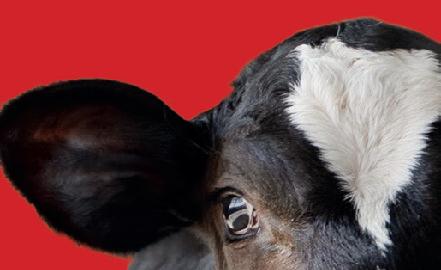





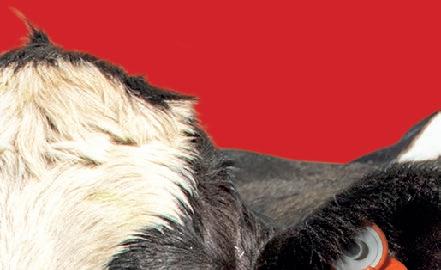

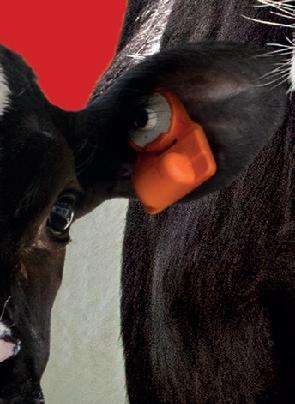







Monitor each cow's health and productivity from calf to cow with one sensor - her whole life.
From 14 days old, movement and ear temperature data give you visibility into health, fertility, transition and nutrition, plus full Youngstock monitoring, anytime, at any age.
From Youngstock, to fertility insights and calving alerts, CowManager gives you full circle monitoring.






















































BY TOM YOUL
THE STORY of milk production has been one of two halves during the current season.
Milk production started the season slowly, due to a combination of adverse weather and high input prices.
These tough conditions early in the season saw output fall by 2.4 per cent over the four months through October, compared to the previous year.
However, improved weather in most regions and easing feed costs helped support a recovery through the back half of the season.
By April, season production was tracking just 0.4 per cent below last year.
The current season is now expected to finish close to steady, an improvement on the mid-season forecast of a two per cent decline.
Looking back to the start of the season, milk production was limited by a combination of high feed prices and adverse weather.
While dry conditions prevailed in many regions, cold temperatures negatively affected pasture growth in some southern regions, namely in Tasmania.
The impacts of an increase in culling in May and June 2025 flowed into the current season, placing milk production firmly behind the prior year at the end of October.
The early summer months largely saw milk
production trend along with previous-year results, then, a notable turnaround began in February.
Collectively, input prices fell from October onwards, which supported maintenance in herd numbers.
By February, feed prices had returned to near-average levels in most regions.
There were exceptions to the overarching trend of sluggish production and recovery.
Despite improved rainfall, relative to last season, in Western Australia and South Australia, milk production has still declined.
For South Australia, the lengthy run of dry and incredibly difficult conditions has seen the effects of decreased milking herds flow into the current season.
From February, national milk production has gone from strength to strength.
The final five months of the season are likely to erase all production lost from earlier in the season, to finish near-steady overall.
Southern dairying regions have led the charge, supported by a good autumn break and advantageous pasture conditions.
Prevailing conditions suggest production momentum can carry over into the early part of next season.
Southern states are benefiting from strong pasture conditions, as well as fodder and feed stocks.
South Australian dairying regions received
some long overdue rainfall in May, however, significant risks to milk production are present.
Elevated input prices, namely fertiliser and fuel, from early March have been pressuring farm margins and may go on to limit production.
Though input pressures to date have mainly been price-related, outright unavailability would impact milk production negatively.
National fuel stockpiling suggests diesel supply is well-placed to meet demand, however the outlook for urea is more uncertain.
Urea availability has varied by week and region, but from March 1, imports have reached Australian shores — May imports were above their equivalent month in 2024 and 2025.
From a demand perspective, the crunch will be felt in the lead up to spring.
A decline in national crop production would likely push feed prices up, risking production, particularly in northern NSW and southern QLD, along with WA, where feed reliance is higher.
There is also the El Niño climate outlook, confirmed by the Bureau of Meteorology.
While this forecast by no means guarantees a dry winter or spring, temperatures will almost certainly be warmer than average across most dairying regions over the next four months.
Milk production is currently trending well with positive momentum; however, there are significant risks for dairy industry to navigate heading into the new season.
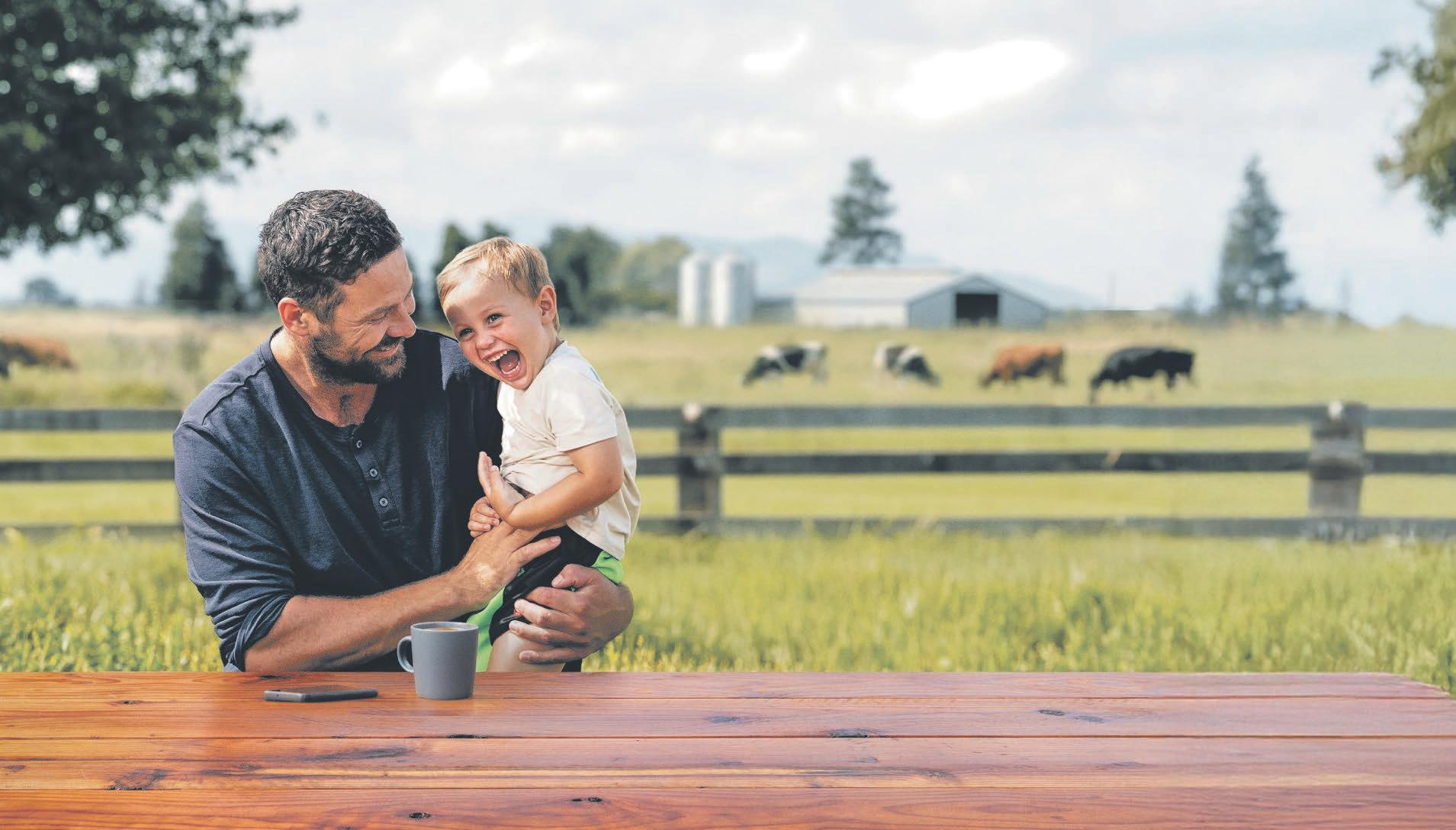
Progress doesn’t look like workit feels like freedom.
With DeLaval’s complete milking ecosystem working quietly in sync, you get time back for the things that matter most.
Because when everything connects, life on farm lets milking, coffee and cuddles happen at the same time.
Let’s shape progress on your farm.
BY SOPHIE BALDWIN
WITH OPENING milk prices announced, dairy farmers across the country are busy working out what it means for their business moving forward, particularly in light of increasing cost pressures around fertiliser and diesel.
Processors opened with prices as low as $8.60kg/ms for Lactalis Mainland Dairy and $8.80kg/ms for southern Saputo suppliers, and as high as $12.47 for Lactalis suppliers in Queensland.
Both Saputo and Mainland were quick to update their prices to just above $9 kg/ms, which is where the majority of other processors opened.
South Australian dairy farmer Brad Fisher supplies a main stream processor and some niche markets as well.
He said the opening price was good, but not great, and did not reflect the challenges of diesel and fertiliser.
“We crop 3000ha, so we are copping a hit on that front as well,” Brad said.
While Brad commended Lactalis on their farmer support payment of 5¢/litre from July to September, he would like to see the payment extended.
“I can’t see any of these issues resolved before September and you can’t take to your bank a milk price that stops in September.”
On a positive note, he said his farm had recently received its best seven days of rainfall in three years, and he is choosing to look at the cup half full rather than empty.
“We have had three years of drought, and the Bestons disaster to cope with, which cost us $750,000, and we are just wanting to move our business forward,” Brad said.
Gippsland dairy farmer Maree Deenen was happy with Bulla’s opening price, which didn’t go down, and opened the same as her closing price.
“On the grass side, things are looking really good for us — water is just our issue,” Maree said.
“We are getting enough rain to keep the grass growing, we just need rain to fill the dams.”
Alpine Valley farmer Ebony Mull supplies Mountain Milk.
“It’s so draining to chase milk prices every year – with Mountain Milk, it is someone else’s worry, because as farmers, we have so many other things to think about as well,” Ebony said.
“We have a good autumn and the cows are milking and joining well — we are having a
strong start to the season.”
Gunbower couple Stephen and Brooke Brown said it was a tough and ruthless game at the moment.
“The only weapon farmers have is the choice of who they supply,” Stephen said.
“I think most of the processors are well aware of that, because I’m not hearing much talk of multi-year contracts.”
Australian Dairy Farmers is pushing for greater transparency in milk pricing.
ADF president Ben Bennett said the current environment highlighted long-standing concerns about transparency in milk pricing — one of the key principles underpinning the Dairy Code of Conduct.
“This is perhaps the most important commercial decision farmers make each year, yet many are still being asked to sign contracts without a clear, comparable understanding of what they’re being paid,” Ben said.
“We’re continuing to see increasingly complex pricing structures stacked with incentive payments and disincentives, making it difficult for farmers to determine whether they’ll actually be able to balance skyrocketing input costs and break even in the new financial year.”
Ben said ADF had consistently raised the need for clearer, more transparent pricing mechanisms.
“We have been raising this issue for years, and the offerings we’ve seen from processors this season reinforces why stronger transparency measures are needed,” he said.
While the Dairy Code of Conduct was designed to improve fairness and reduce information asymmetry in the market, and progress has been made, ADF said the experience this year demonstrated these objectives were not yet being fully realised in practice.
“Transparency isn’t a ‘nice to have’ — it’s fundamental to a fair and functioning market,” Ben said.
“It’s akin to asking everyday Australians to commit to taking a new 12-month job without knowing what their hourly rate will be.”
ADF is calling on processors and regulators, including the ACCC, to closely examine current milk pricing practices and ensure they align with the intent of the code.
As the contracting period concludes, ADF emphasised that improving pricing transparency would be critical to strengthening confidence in the market and supporting the longterm sustainability of Australian dairy farming.
“Given this complexity, it’s critical farmers seek independent qualified advice and, if possible, compare offers from multiple processors,” Ben said.


AUSTRALIA’S FARMERS ARE EMBRACING NEW INCOME streams to remain viable, but the nation’s tax system has not kept pace, according to new research released today by AgriFutures Australia.
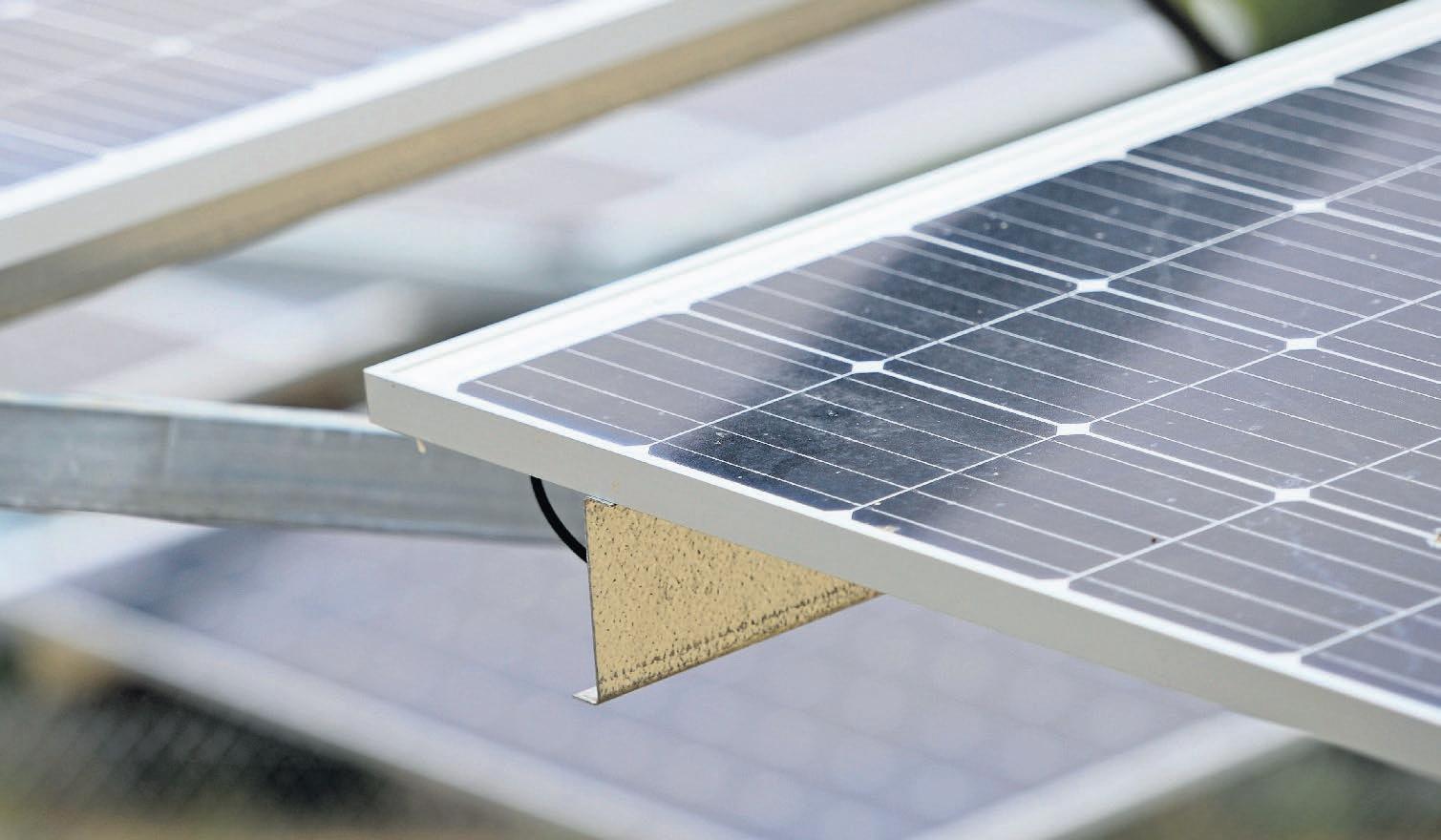
The report, Assessing the Implications of Emerging Farm Income Streams for Primary Producer Tax Policy, shows modern farm businesses are increasingly hosting renewable energy projects, participating in environmental markets and managing land access agreements, yet many of these activities are not clearly recognised under current tax rules.
AgriFutures Australia managing director, Brianna Casey AM said the research confirms what many farmers already know, agriculture is changing, but policy settings around it haven’t shifted in step.
“In 2026, farm businesses look very different to what they did even a decade ago,” Ms Casey said.
“Producers are diversifying into new income streams to manage risk, deal with seasonal volatility and build longterm stability, but when the tax system doesn’t clearly recognise those activities, it can create uncertainty and financial disadvantage.”
More than half of farm income now flows through companies and trusts, meaning many producers no longer qualify for long-standing primary producer tax concessions that were originally designed
for sole traders and partnerships.
At the same time, income from activities on agricultural land, including biodiversity credits or renewable energy projects, is often treated inconsistently or falls outside existing definitions of primary production.
The result can be higher tax bills, added compliance costs and the need to seek specialist advice outside regional areas.
The research notes that tax complexity affects farms of all sizes and is often caused by external changes, such as energy or infrastructure projects on agricultural land, rather than by farmers’ business decisions.
The report identifies evidence-based options to consider, including changes to the definition of ‘assessable primary production income’, the definition of eligible emissions units within the GST Act and tax treatment of costs related to sustainability.
Ms Casey said the research is particularly valuable for industries exploring new income opportunities.
“More industries are investing in diversification, sustainability and energy-related opportunities as part of long-term resilience,” she said.
“It’s vital that tax policy keeps up with these changes, so producers are supported to innovate and diversify in ways that strengthen their businesses.
The full report is available on the AgriFutures Australia website.

AUSTRALIAN DAIRY steadied over 2025–26 after a turbulent start, however rising input costs linked to the Middle East conflict are threatening late- season gains and point to a softer 2026–27 outlook, according to Dairy Australia’s latest Situation and Outlook Report.
The Dairy Australia Mid-year Situation and Outlook Report 2026 also confirmed a strong turnaround in milk production through season 2025-26, supported by a decent autumn break.
Milk production, which was down 2.4 per cent year-on-year in October, improved to 0.7per cent down by March. Production over the remainder of FY26 is expected to be solid, driven by improvements to pasture conditions and soil moisture in the latter part of the season.
Dairy Australia Analysis and Insights manager Tom Youl said while well-timed rain in February and March sustained late season pasture growth, reducing the urgency of fertiliser requirements, price rises and supply disruptions will be felt more acutely in season 2026-27.
“Farmers will face margin and cashflow pressure with input cost and broader supply chain price pressures from fuel and fertiliser expected to remain a factor heading into the new season,” said Mr Youl.
“However, although the outlook for on-farm impact remains highly variable, there are positives for farmers heading into the outlook period, with fuel price signals pointing downward and national stockpiles increasing from early-March.”
Against this backdrop of uncertainty, Dairy Australia projects a two per cent decline in milk production across the 2026-27 season,
within a range of 1-3 per cent.
“External factors will be the driving influence behind production next season – a timely resolution to the Middle East conflict and favourable weather conditions could see production ease by one per cent, however it could fall by as much as three per cent if elevated input costs are sustained over the year,” Mr Youl says.
“On balance, we are projecting a two per cent decline over the season.”
The milk production turnaround through the 2025-26 season is reflected in the latest National Dairy Farmer Survey results, which revealed heightened optimism for the future.
The number of farms reporting they are in ‘expansion’ phase rose to 26 per cent, up 8 per cent from last year, with a further 38 per cent of farms increasing their herd size in the past 12 months.
The survey was conducted from approximately 16 February to 10 March, with most responses recorded prior to the beginning of the latest Middle East conflict, although there was little shift in sentiment in responses received after 1 March. However, further evolution of the conflict since then is likely to influence farmer sentiment post-survey.
Retail sales sustained positive demand for Australian dairy overall, despite category mix changes. Protein- driven consumption remains a key demand driver, while momentum in plant- based beverages has stalled as price pressures and awareness of ultra- processed foods reshape consumer choices.
“The demand outlook in the retail sector remains positive, particularly from a volume perspective,” Mr Youl said.
WITH PROCESSORS including Saputo and Lactalis announcing extensions to seasonal support payments into the new season, farmers need to understand exactly how those arrangements should be assessed when comparing milk supply agreements.
Seasonal support payments are welcome, particularly at a time when dairy farmers are facing significant cost pressures, but farmers should be careful not to let those payments distract from the fundamental decision they are making about who they will supply milk to for the season ahead.
While seasonal support payments may provide additional income, they do not offer the same certainty or regulatory protections as a minimum milk price contained within a milk supply agreement.
The starting point for any comparison should be the milk supply agreement.
Farmers need to understand the minimum milk price being offered, examine the income estimates closely and understand exactly what is driving those estimates.
If processors believe current market conditions and ongoing cost pressures justify higher returns to farmers, there is a strong argument that those returns should be incorporated into the milk price rather than delivered through separate arrangements outside the code.
What farmers need most is certainty.
A fair milk price contained within the milk supply agreement provides that certainty far more effectively than payments that sit outside the protections of the code.
At a time of ongoing cost pressures, dairy farmers need fair returns backed by the protections of the code, not separate arrangements that sit outside it.
– VFF UDV president Bernie Free

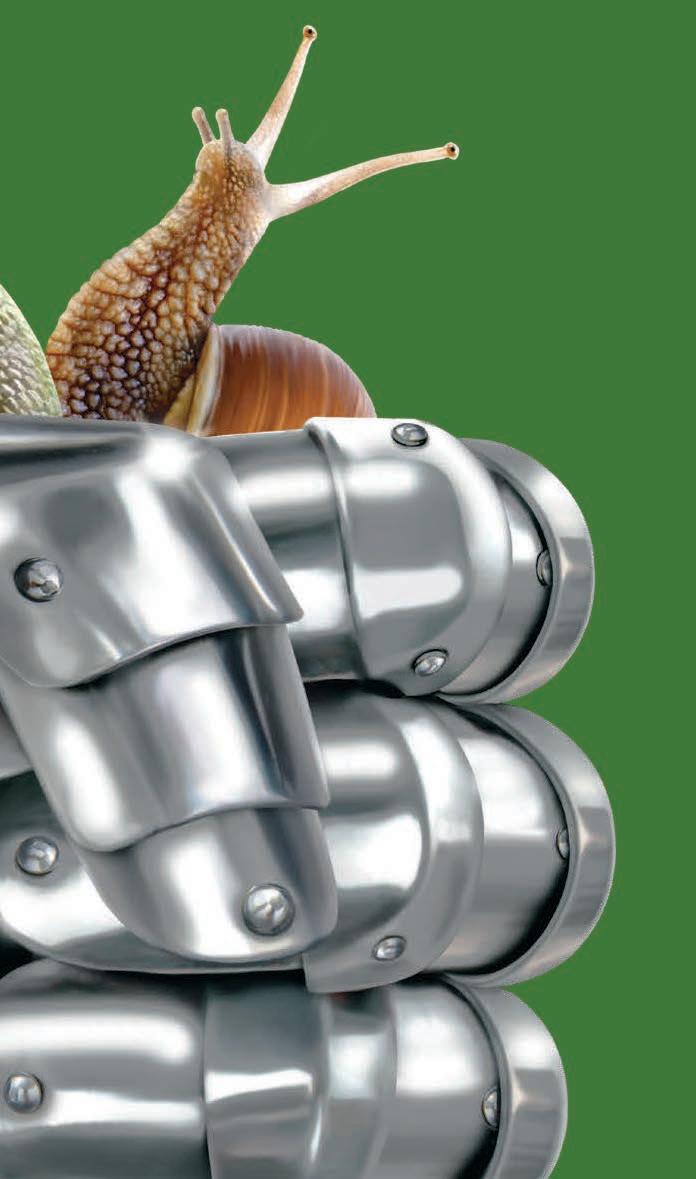



Iron-fisted on slugs & snails. Gentle on the environment.
• Next generation, iron-based, all weather slug & snail bait with technology for maximum attractiveness, palatability and persistence
• Gentle on the environment, crops and non-target organisms
• Nil withholding period for grazing and harvest
• Certi ed input for organic production
BY SOPHIE BALDWIN
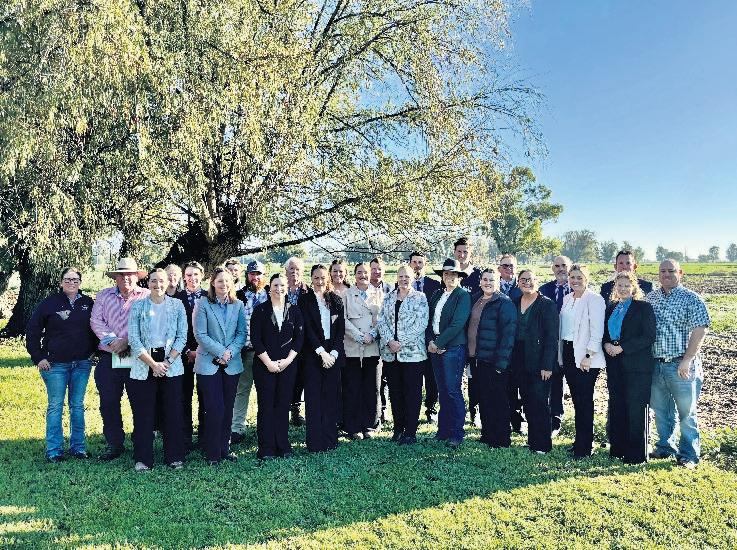
HOLSTEIN AUSTRALIA has welcomed six new members to the National Holstein All Australian Judges Panel, following a national judging school held at Echuca in May.
Twenty one participants from across Victoria including Gippsland, Western Victoria, Northern Victoria and the North West region participated at this year’s event and it was Emily Brown, Erin Ferguson, Hayden King, Kelly Bleijendaal, Renee Anderson and Ross Easterbrook who were successful.
Over judges for the 2026 school included Jade Sieben from Brindabella Holsteins, Pat Nicholson from Jugiong Jerseys, Vaughn Johnson from Ewen Pine Holsteins and Wes Brown from Julenwes Holsteins, who all shared their pivotal knowledge and experience across the three days.
The school started with participants meeting in Echuca before heading on farm to Gundry’s at Gunbower, where Sean Millar from Holstein Australia presented a cow breakdown session before participants judged cows in groups.
Evening sessions covered OFC judging, conformation breakdown percentages and terminology, different breed characteristics, photo competitions and All Australian class judging.
The next day included on-farm judging
sessions at Gorgala Holsteins, Clydebank Holsteins and Jugiong Jerseys, giving participants the opportunity to judge a variety of cattle in group situations across both Holstein and Jersey herds.
Evening sessions focused on judging etiquette, ring craft, working with a steward, ethics, public speaking and microphone technique, before participants completed the exam component.
A big thank you to the Northwest Vic Sub Branch for hosting this year’s event, along with the generous host herds.
The school would not have been a success without the support and effort of local subbranch members.
Every aspect of the event was meticulously planned and organised, including participants’ meals and accommodation, farm visits, educational resources, social media promotion and ongoing communication.
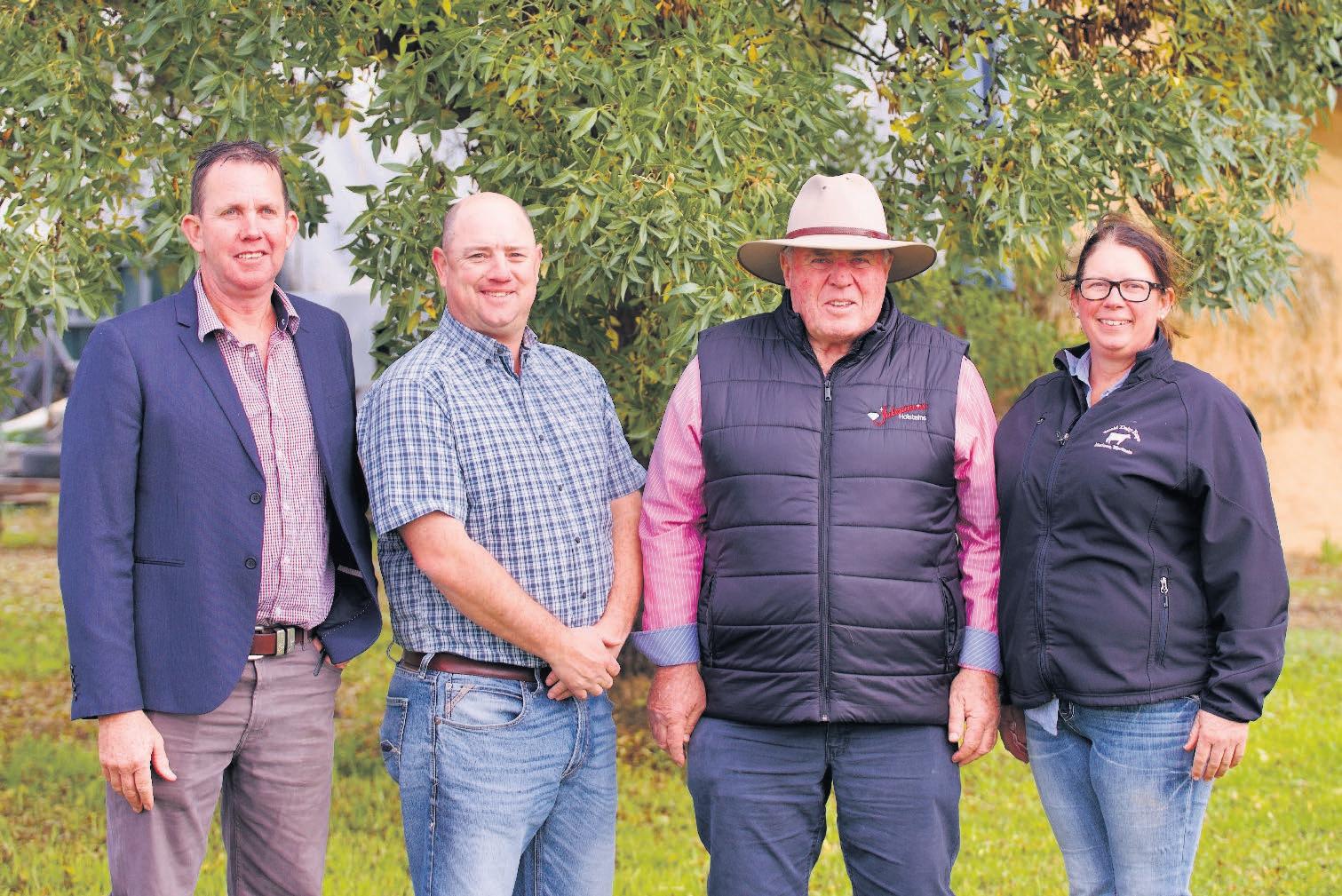
Special thanks goes to the North-Western Districts members including Jon Holland, Jade Sieben, Clare Modra and Pat Nicholson for such a huge effort.
Pat said the event ran really smoothly.
“They were all a really good bunch of students who came from a very high standard, and there was plenty of interactions with students and over judges,” Pat said.
The event is only run every few years and


a number of the students had already completed quite a bit of judging beforehand.
Pat said he had been an over judge a few times now and he enjoyed working with people that have the ability to judge cows at major shows.
“The students have to give reasons to justify their placings, and even if we don’t agree with them, they have to make us see the reason behind their decision,” Pat said.
Selko Intellibond-Hydroxy trace minerals
Trace minerals support a range of biological functions required for immune function, reproduction, and growth. Trace minerals are present in forages and other feeds used in cattle diets, and with the exception of cobalt, meet the requirements of rumen microbes. However, supplementation is needed to meet the animal’s needs.
Trace minerals support an array of biological functions that are required for proper immune function, reproduction, and growth. Trace minerals are present in forages and other feeds used in cattle diets and, with the exception of cobalt, meet the requirements of rumen microbes. However, supplementation is needed to meet the needs of the animal.

BY SOPHIE BALDWIN
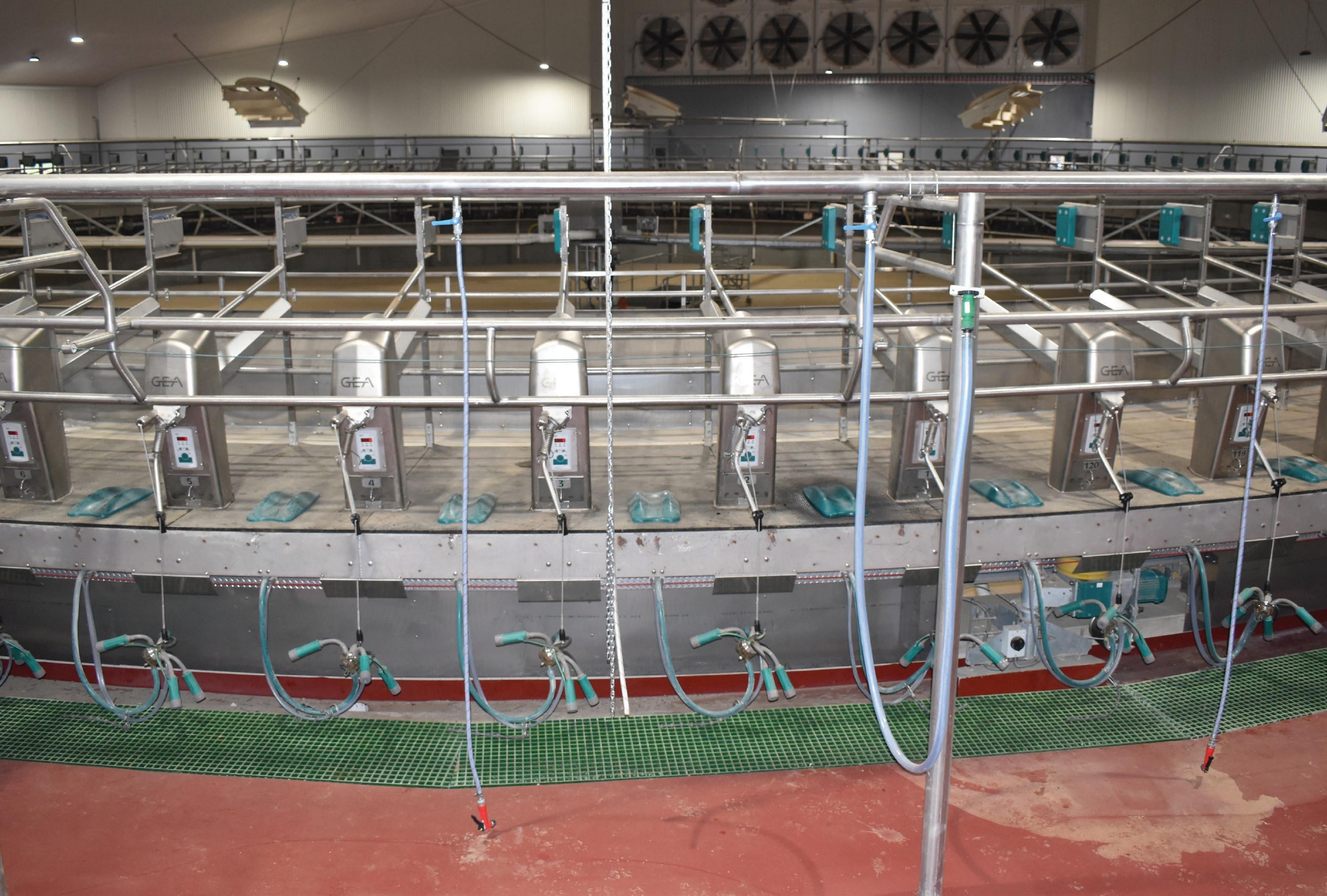
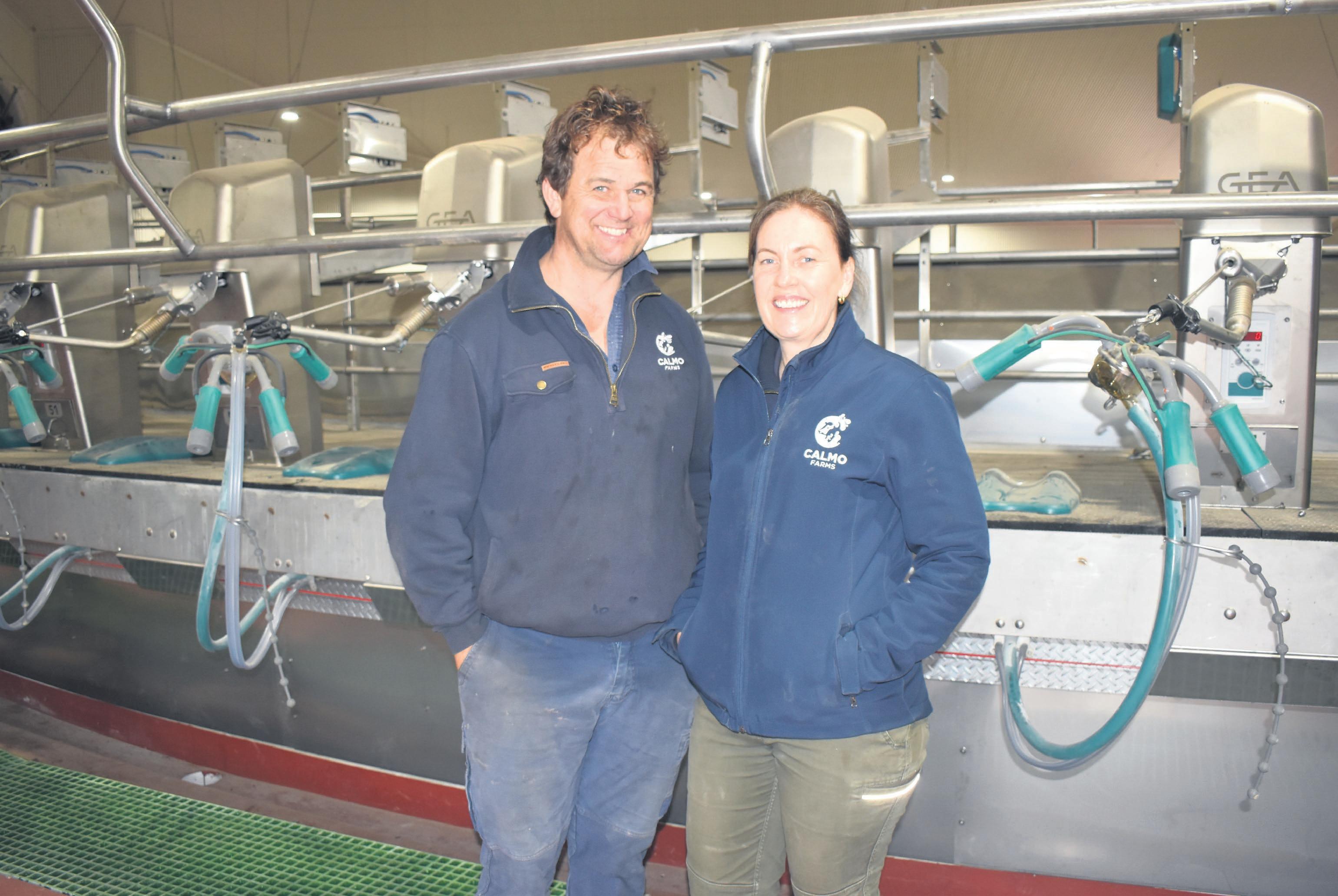
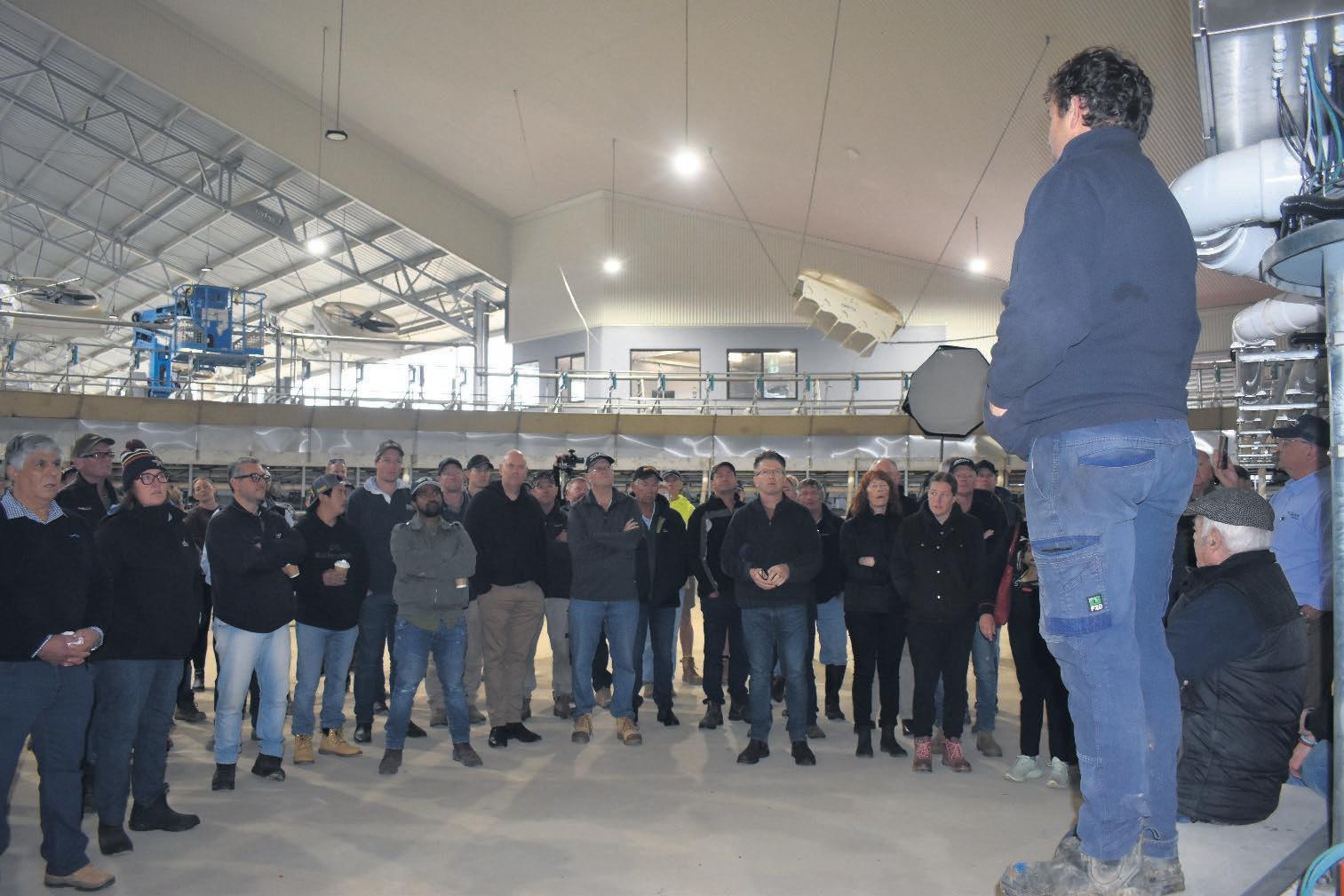
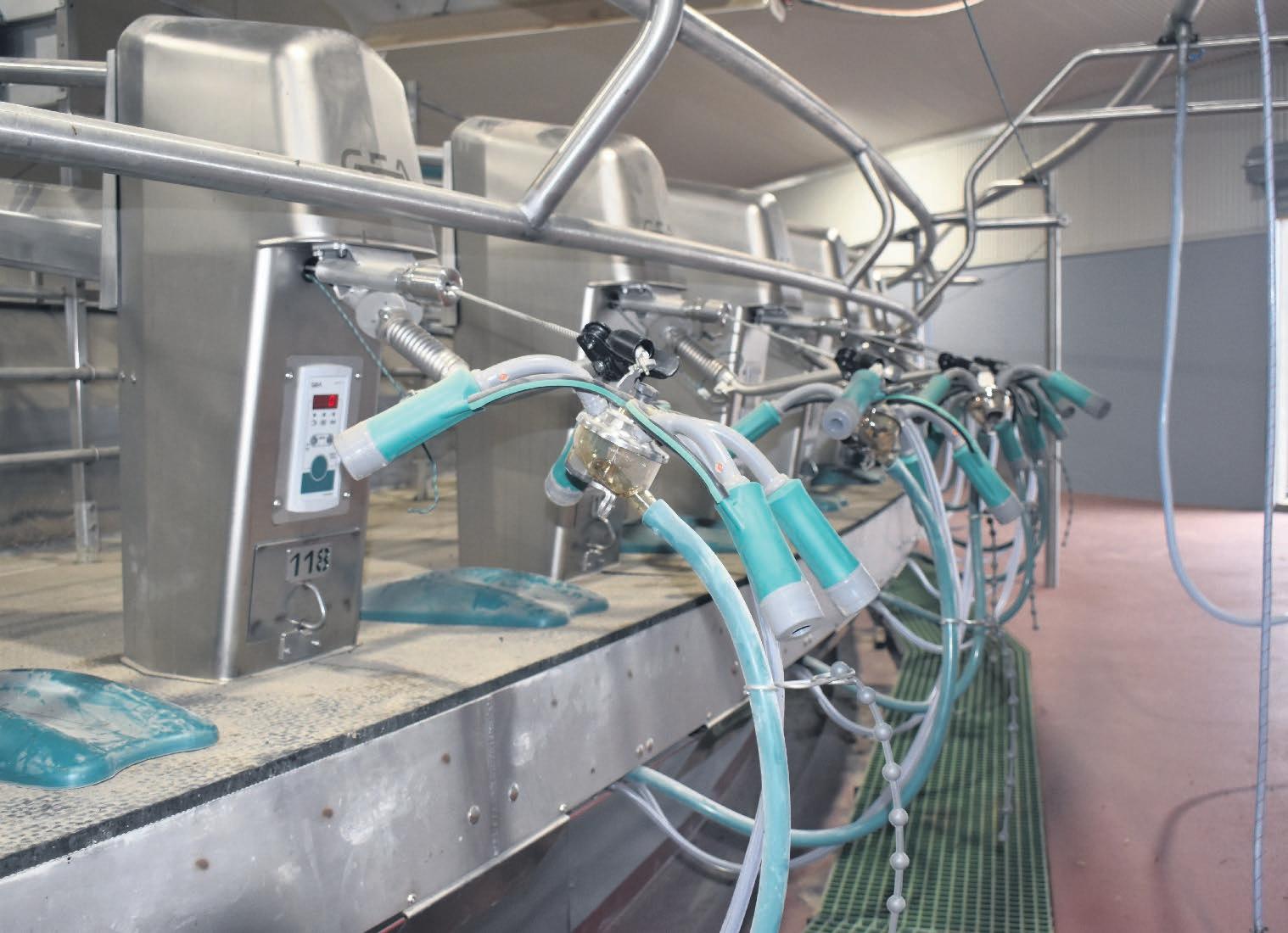
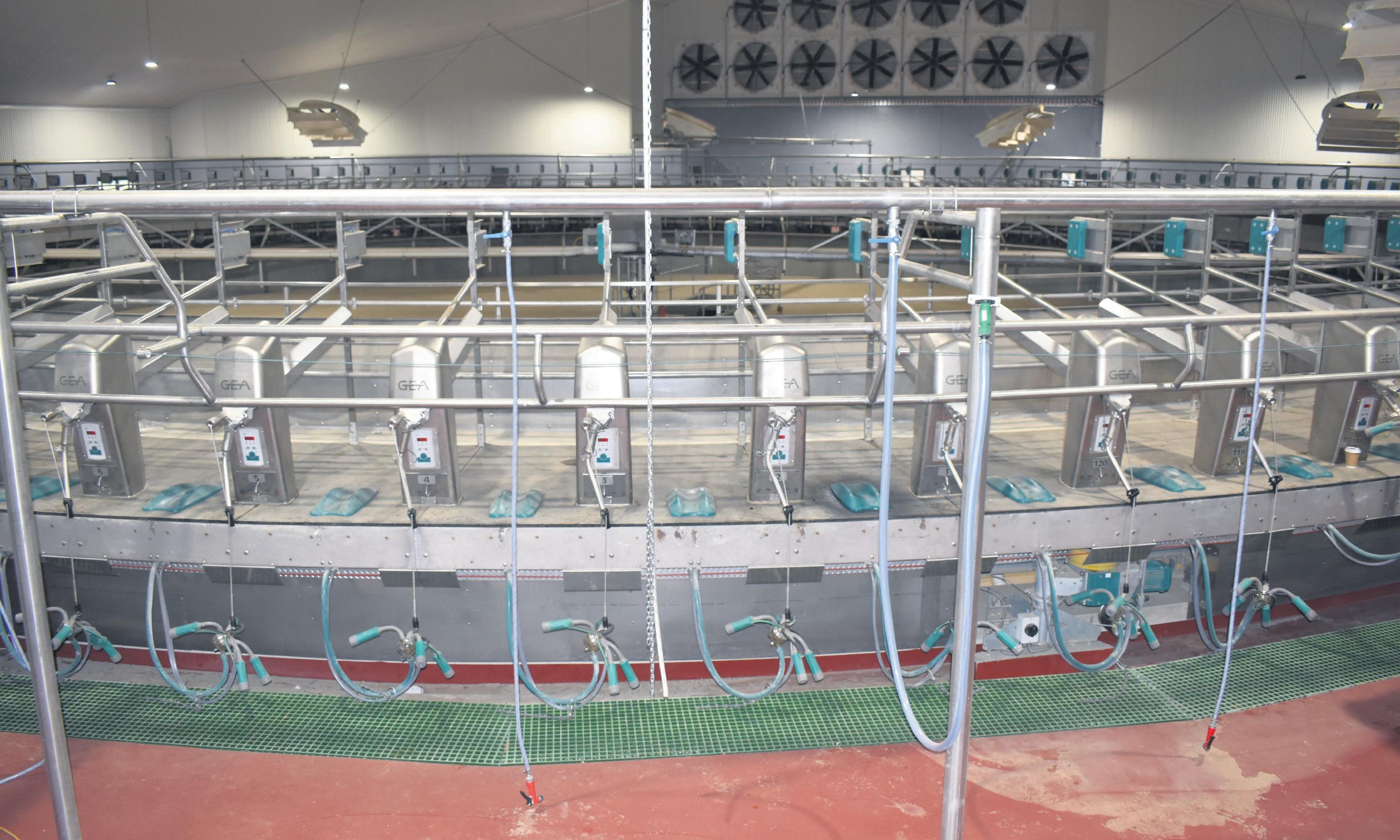
IT WAS a big day for Calmo Farms Jade and Belinda Clymo who debuted their new 120-unit GEA T8900 rotary dairy with a public open day in June which attracted more than 400 people.
This is only the second 120-unit rotary dairy of its kind built in Australia and will enable the family to milk around 800 cows an hour.
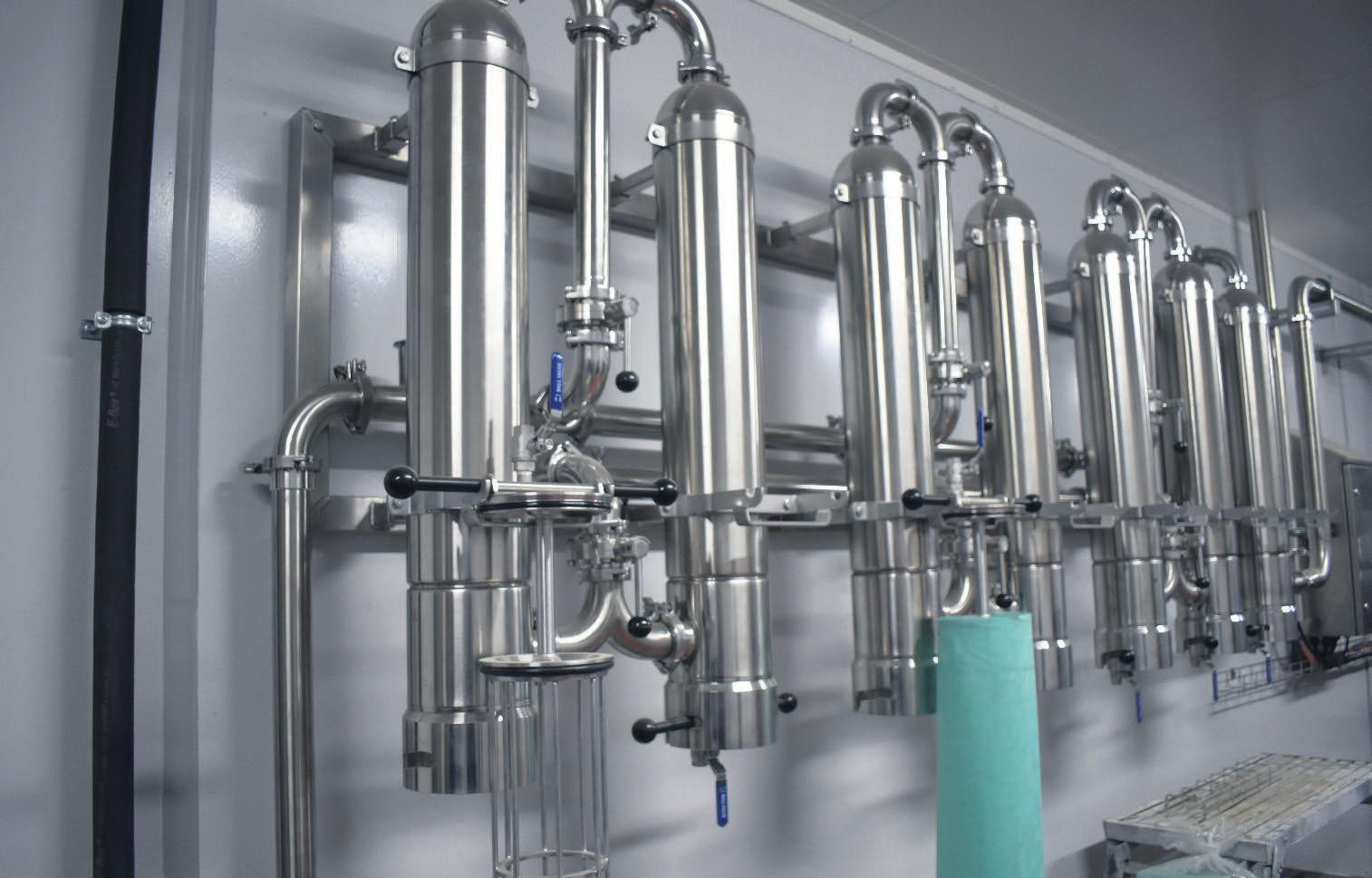
Both Jade and Belinda ran a series of tours throughout the day, with many people blown away by the scale of the operation — which included, for example, seven milk filters and an electrical switchboard that alone cost $300,000 (Jade joked he could buy a Lamborghini for the same price).
Jade said he was surprised by the interest the general public had in the open day.
“We were expecting about 70 people, and I can’t believe so many people have come here today,” Jade said.
“Our old dairy is 30 years old and has milked way too many cows, and is well past its use by date.
“The building of this dairy is the last piece of the puzzle after building two and a half barns over the last five years,” Jade said.
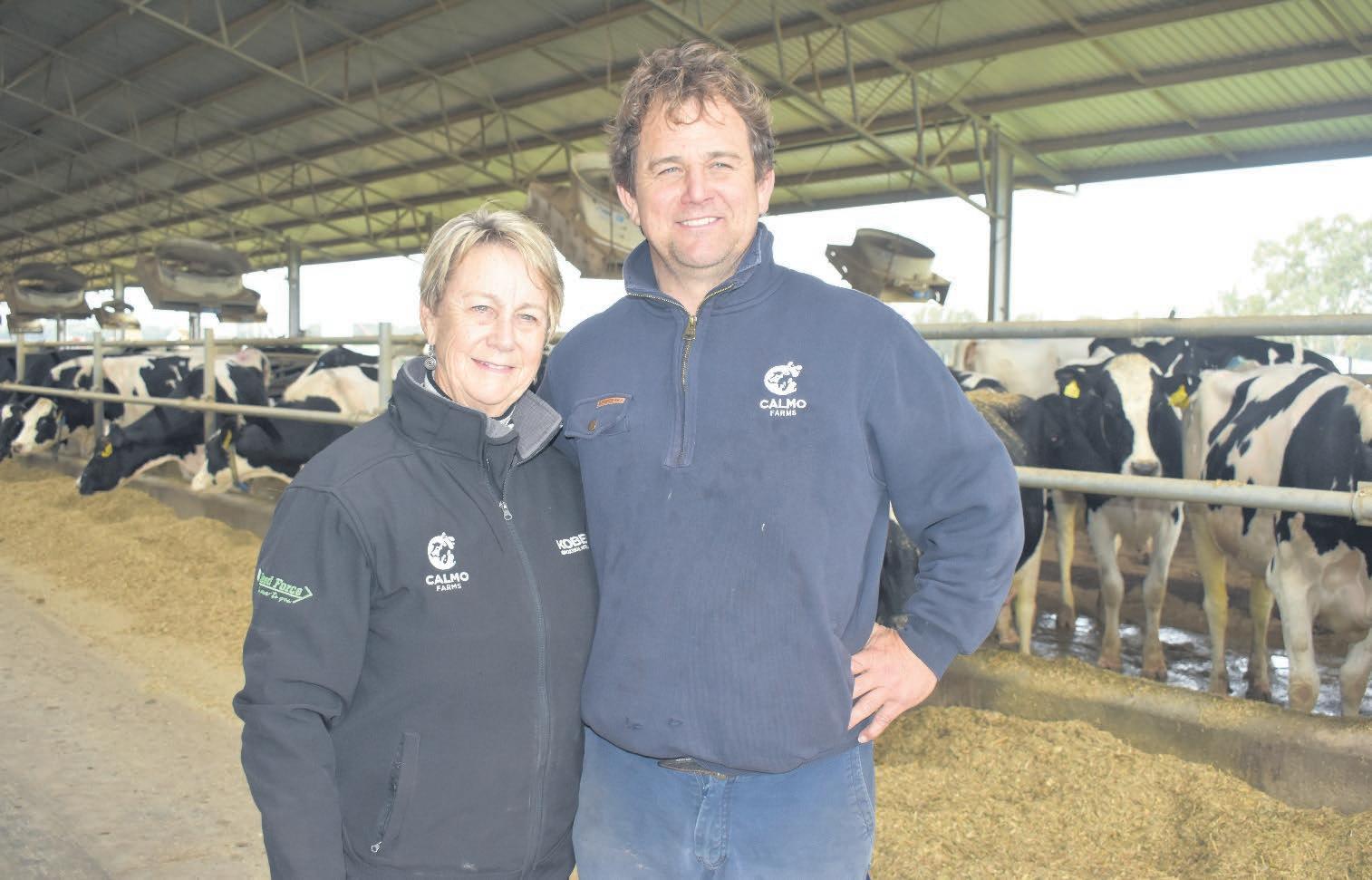
The couple, along with their son Fynn and 40 staff, are milking 2900 cows — a number Jade’s mum Jan still finds astonishing,
considering she and her husband Trevor started out milking 120 cows 53 years ago.
“It’s just amazing really, and I can’t believe it, but we are both very proud of what Jade and Belinda have achieved,” Jan said.
The process to build the shed involved years of planning and trips looking at dairy
set-ups around the world, and talking with farmers to find out what works and what doesn’t.
Initial plans began five years ago and the dairy barns were constructed with the new dairy in mind.
The actual earthworks started 18 months
ago and the steel and concrete work started about 12 months ago.
Jade said the hardest part about the build had been all the red tape he has had to deal with, particularly around fire regulations.
He said the local council had been great.
“They are great supporters of ag,” Jade said.
The development itself covers 4300 square meters and includes an undercover holding yard which will comfortably fit 750 cows.
About 12 months ago, the cows transitioned away from being fed in the bale.
“That was a psychological barrier I had to get through, but once I got past that, it has been a great decision, and the cows are just fed a TMR in the barn.”
The family will start milking in the new dairy at the end of June.
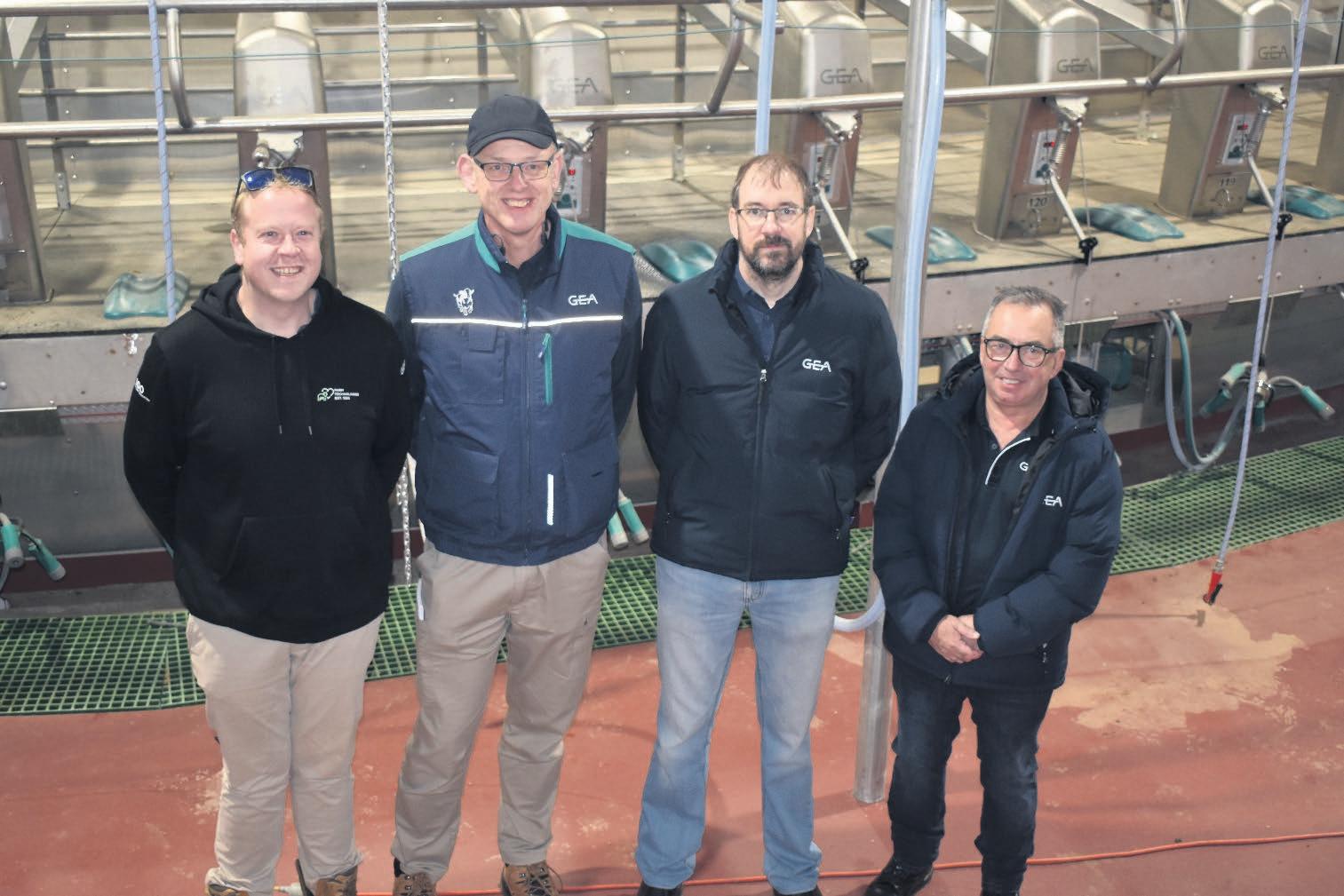
GEAs national sales manager Jurgen Steen said the 120-unit dairy was the biggest rotary in the world and was launched by the company nine years ago.
He said the dairy had the capacity to milk 2000-8000 cows.
“I met Jade and Belinda three years ago, and they have invested in their future growth,” Jurgen said.
“They are thinking about tomorrow and are ready for the next decade.”
Dairy News will feature the Clymo’s story in more detail in the August edition.
BY RICK BAYNE
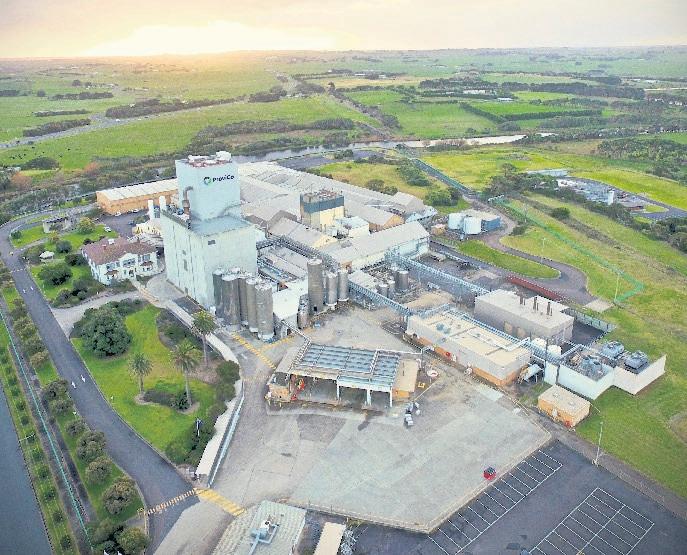
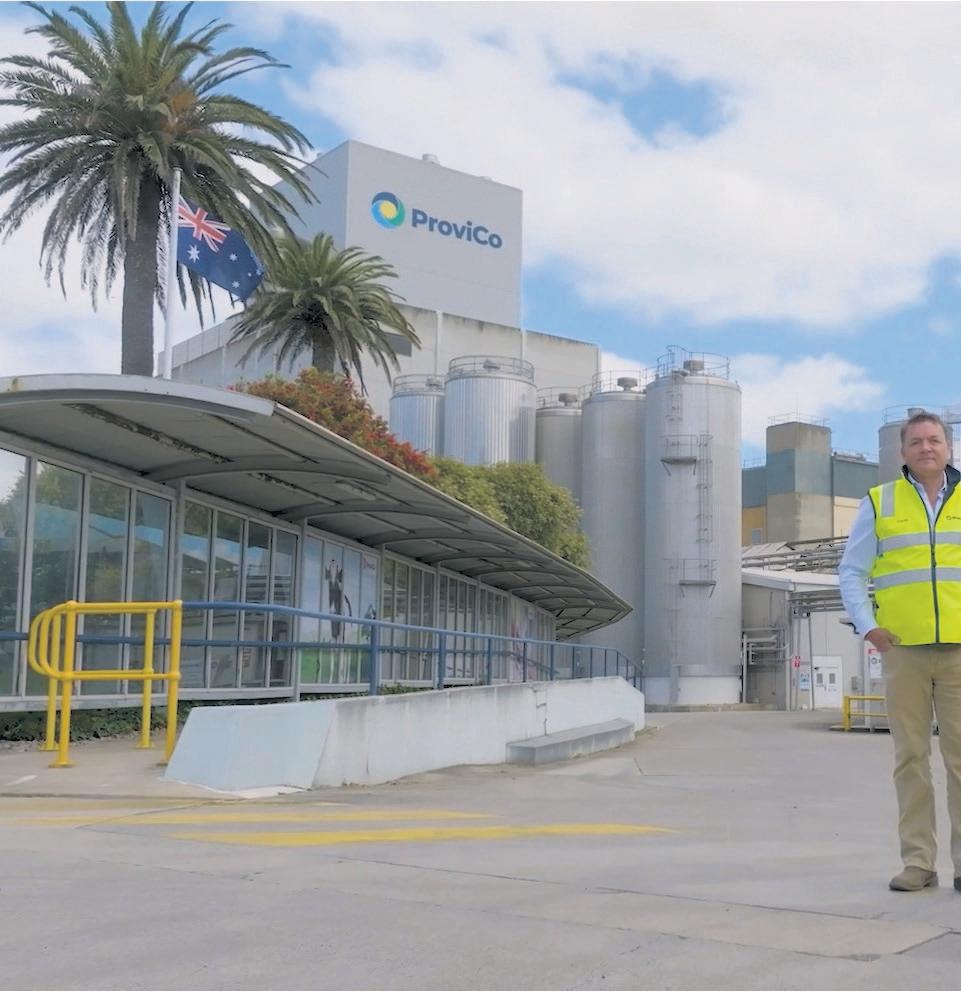
IF ANDREW Paterson’s ProviCo hadn’t bought the Dennington milk factory site off Fonterra in 2019, it could have been bulldozed to make way for housing.
And Andrew reckons that would have been “a crime” for the local community and the dairy industry.
Reviving a factory shuttered for more than six months wasn’t going to be easy, but Andrew saw an opportunity to invest and create a newstyle dairy plant.
“It would have been a great loss for the industry and community if this site had ceased permanently.”
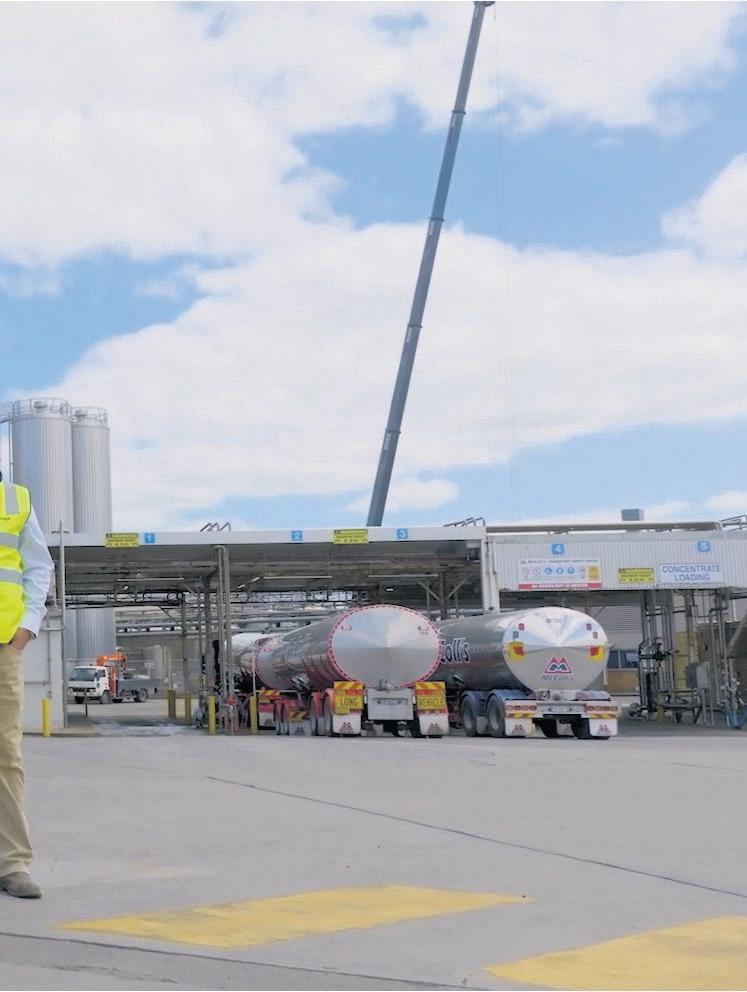
ProviCo Shareholders have invested nearly $90 million into reviving the plant as a next-generation global bio-protein hub.
He didn’t look back at traditional milk products and instead launched a protein pathway that continues to expand into global markets.
Andrew said it was a bit like being Steven Bradbury, the Australian winter Olympian who famously won gold when the other competitors ahead of him crashed.
“I was one of the last people standing in the race to purchase the site when everyone else had fallen over for whatever reason,” he said.
“I recognised that this site had significantly more to give as a renovated plant rather than as another suburb of Warrnambool if it had been bulldozed.
“There was a responsibility to make sure the chain never went around the gate again.”
Andrew founded his ProviCo Group in 1999 and has worked in the dairy industry for 30 years. He has farms in Gippsland, and office and plant in Melbourne, in addition to his



ProviCo Australia shareholding and commercial director role in Dennington, a suburb of Warrnambool.
He had looked at various sites around Victoria for a manufacturing base, but none were quite right.
primary products to make them more valuable,” he said.
“ProviCo is doing is just that. We’re told we should be the smart country, but rarely does that happen to the extent that I think we’ve been able to do in a relatively short time.

“The opportunity to look at Dennington was appealing because, like some great Victorian homes, the core assets were incredibly good with a lot of useful life remaining; it just needed some imagination and strategy modernisation,” Andrew said.
“It was a challenge, but a calculated one.
“It was aligned to something we were already deeply involved with and had the knowledge of the customer base and of the dairy industry because we’d been procuring products for 25 years from other manufacturers.
“It was a big step, but it wasn’t without knowledge.”
“It’s about producing high-protein products with a functional application.
“It’s not necessarily manufacturing anything; it’s fragmenting and fractionating what nature put in milk.
“ProviCo is looking at an asset with imagination and saying what makes that asset relevant in the next 30-40 years.
“It’s no use producing the products of the past.
“We haven’t sat and waited for opportunities to present. We’ve had an unwavering protein strategy that hasn’t changed.”








Power Systems Australia are the Australian AKSA distributor for a large range of Diesel, Gas & Hybrid generators for stand-by and prime applications. No matter what style or size of generator you are looking for, Power Systems Australia are your Generator specialists.
CONTACT US TODAY FOR A FREE QUOTATION
Power Systems Australia Pty Ltd 1300 453 054
3 Holcourt Road Laverton North Victoria 3026 www.powersystemsaustralia.com.au sales@powersystemsaustralia.com.au




The purchase was finalised in 2020, with ProviCo needing to step in quickly to get the plant up and running.
“The biggest challenge of all was the timing,” Andrew said.
“It had to happen quickly, and it happened right at the beginning of COVID. When we were settling in was the most difficult time.”
Andrew didn’t plan to make traditional dairy products.
“We saw an opportunity to design an updated value-added product mix based around protein,” he said.
“The trends had been obvious. The infant formula path that many had gone down in the dairy industry was pretty narrow.
“It’s a limited consumption period in a person’s life and the market is very focused on China, so it was a risky approach.
“We elected to look at a protein optimisation plant and that needed more technical and capital investment and that’s when the partnership occurred with Straight Bat which had acquired part of HPS Technology.”
The strategy was further validated when giant Canadian dairy co-op, Agropur, became a partner.
Andrew said the strategy was clear — create something new that would appeal to current and future markets.
“We in agriculture have been told for a long time that we shouldn’t just sell commodities; we should apply technology to
What has changed are attitudes towards protein and ProviCo has been well-placed to capitalise.
Andrew started sports nutrition business Peak Nutritionals in 2014, based around protein shakes.
At that stage, it was all about bodybuilders; now it’s about anybody and whole of life protein nutrition.
“Those tailwinds of change have supported ProviCo where some of the protein fractions that we produce have increased in value quite substantially,” he said.
“There was a big push during COVID towards protein, immunity and genuine nutrition rather than substitutes.”
Andrew said the protein path had been confirmed.
“We’ve got demand outstripping our ability to produce the products in stage two, even before we get to stage three,” he said.
“Nearly $90 million invested in the site speaks volumes for the commitment of myself and other shareholders to repurpose the facility with modern technology to ensure there is a pathway to develop products that ensures profitability and relevance for the next 30-40 years.”
He understands the importance of the plant to the local community.
“It’s got a multiplier effect. We renovated and gave a plant relevance and enabled another generation of people and suppliers an opportunity to be engaged in that asset.”
BY NICHOLAS SPANDLER
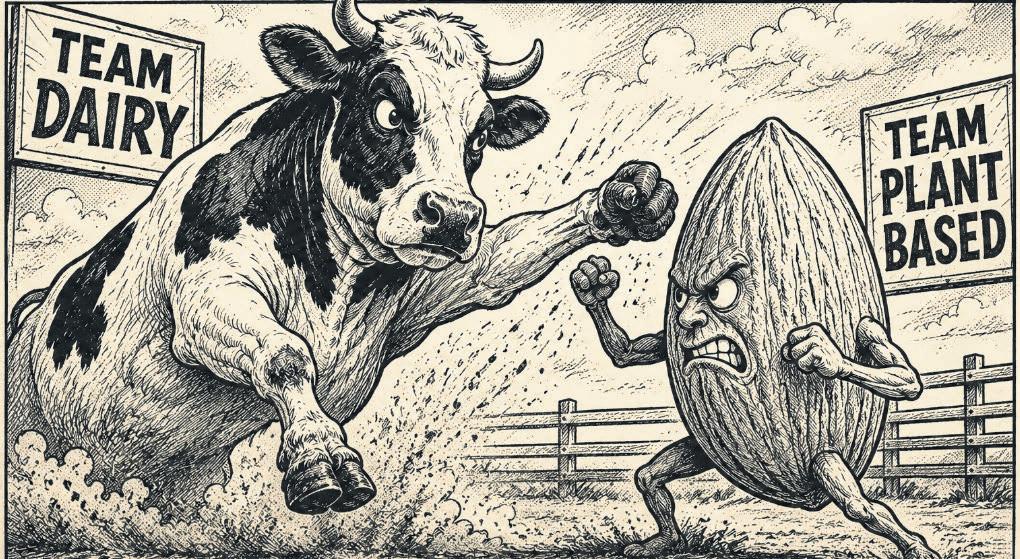
RECENT RESEARCH has stripped back the milk debate, revealing new data that backs up what many already know.
Real cow’s milk is healthier than soy, oat and almond alternatives.
The study points to what they call the “milk matrix”, as the key advantage: the unique natural structure of dairy milk.
Researchers say that milk brings together more than 100 nutrients, fats, proteins, vitamins, minerals and bioactive compounds in a way plant-based drinks can’t quite replicate.
Among the standout findings are benefits to bone strength and nutrient absorption.
Researchers found cows milk is linked to a lower risk of fractures, with evidence suggesting up to a 43 per cent reduction among people who drink one to two cups daily.
Associate professor Therese O’Sullivan
said milk’s value goes well beyond its individual ingredients.
“Milk is more than just calcium, protein and fat, it’s a complex whole food, and how its packaged together is more important than initially thought,” she said.
While plant-based drinks have grown in popularity, the review found they do not consistently match dairy milk’s nutritional quality.
Nutrients added to soy, almond, oat and rice milks may not be as easily absorbed, and many products also contain added sugars, oils or stabilisers.
ECU dietitian Dr Analise Nicholl said the findings were especially relevant for parents considering plant-based diets for children.
“Omitting dairy without careful planning can lead to nutrient gaps that leave children vulnerable to conditions such as rickets and developmental delays,” Dr Nicholl said.
The review was supported by the Global Dairy Platform.
SAPUTO DAIRY Australia (SDA) today announced it has entered into an agreement with Danone Asia Pte Ltd to sell its interest in the Danone Saputo Dairy Australia (DSDA) joint venture.
The transaction is subject to regulatory approval and is expected to close in the second half of calendar 2026.
As part of the transaction, Danone will lease a defined portion of the Kiewa manufacturing site (northeast Victoria), where it will continue to make products previously produced by the joint venture.
SDA will continue to manufacture other
Saputo products at Kiewa for both domestic and global markets.
Following Danone becoming the majority shareholder of DSDA in February 2026, SDA has taken the opportunity to divest its remaining interest.
This decision will support targeted reinvestment across our network to drive long-term growth.
SDA and Danone will work closely together over the coming months to finalise a transition plan and support employees through the changeover process.
SLOW-RELEASE BUFFERING EFFECT
• Carbonates help neutralise excessive rumen acids.
• Assists in optimising rumen pH.
• Maintains longer term pH stability of the rumen.
HIGHLY BIOAVAILABLE MINERALS
• Calcium (min. 32%) Magnesium (min. 3%)
• Contains over 70 minerals.
PROMOTES OPTIMAL RUMEN FUNCTION
• Improves environment for microbial fermentation.
• Improves fibre digestion and feed efficiency.
• Improves dry matter consumption.
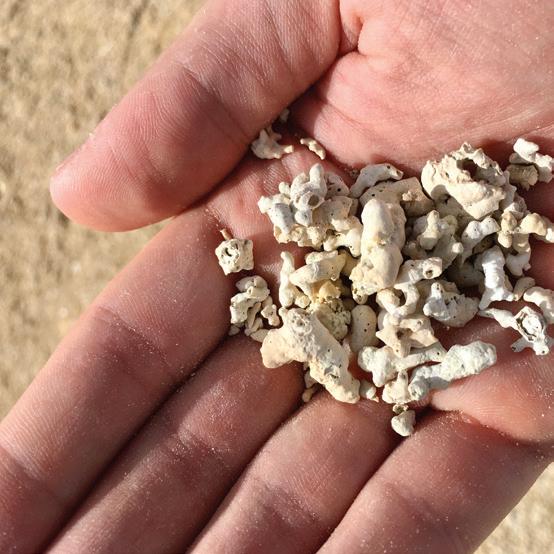
100% NATURAL
• 100% Calcified Calcareous Red Algae.
• USDA Organic Certified.


BY SOPHIE BALDWIN
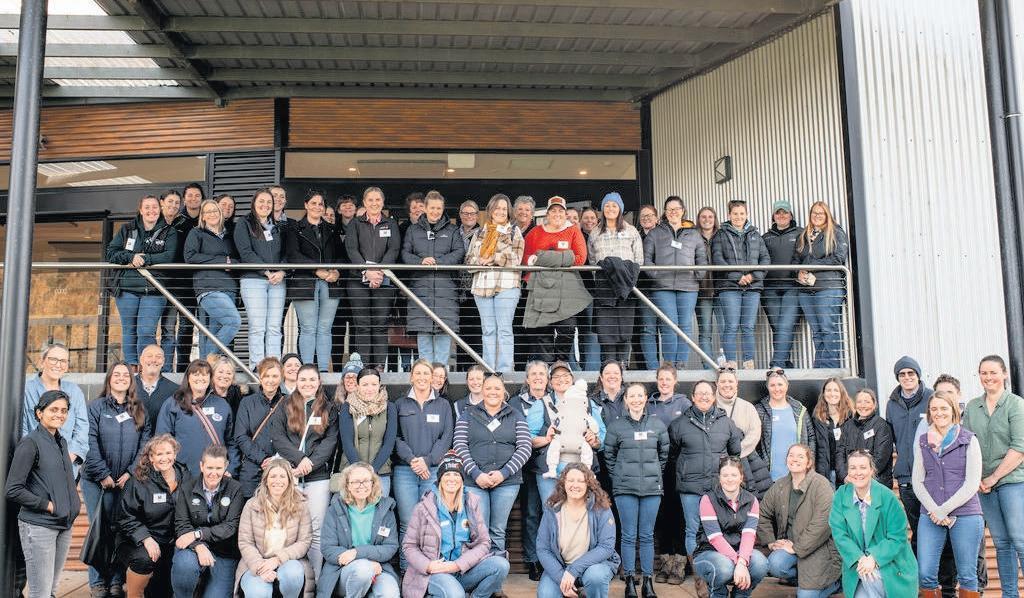
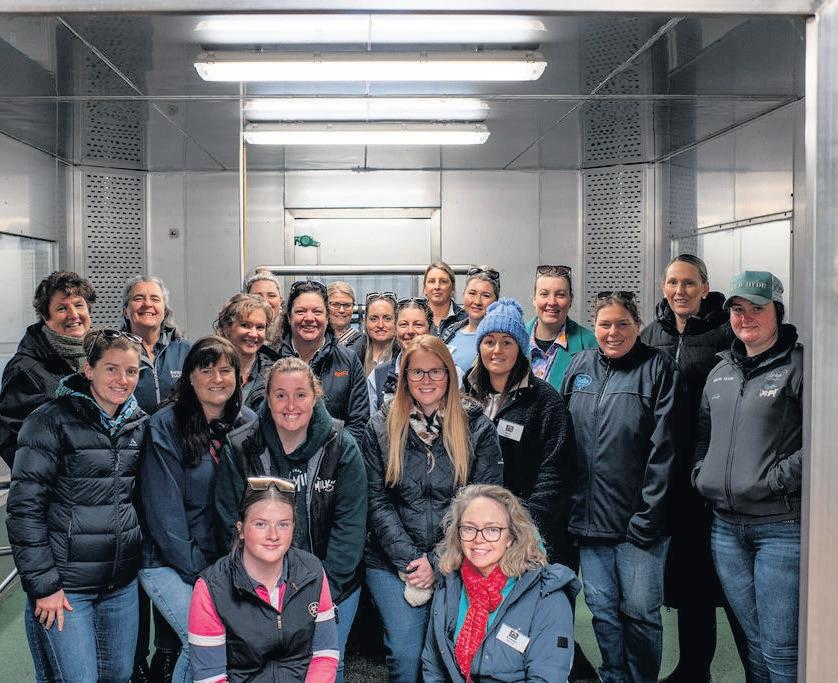
IT IS that time of the year again when dairy farming women get the opportunity to leave the farm behind and head off to one of the premium dairy events of the year — Cream of the Crop.
This year’s event will be held at Dunkeld from July 27 to 29 and organiser Chloe Brown said it was going to be a good one.
“We have some fabulous guest speakers this year, a great panel and some wonderful tours on the second day,” Chloe said.
Guest speakers include Olympia Yarger who is the founder and CEO of Goterra, a business that uses insects to turn food waste into valuable products.
Elle Moyle from Pathfinder Angus will talk about her business, which will also feature in a farm tour on the second day.
Rachel Durie will present on AI and how it can be used on farm, while Fiona Smith is back again for the second time, and she will be talking about building wealth in your business, no matter how old you are.
This year’s panel discussion will focus on women’s health and include a doctor, an osteo and a nutritionist.
“We will be covering a whole range of women’s health topics and the importance of looking after ourselves physically and mentally,” Chloe said.
Workshops will feature building wealth,
building a business and how to use AI.
“It really is a great line-up and are visiting AgVic on day two looking at trial sites



and maximising pasture growth.”
Chloe said this was the fifth year for COTC.
“I always learn something every single time we host an event,” Chloe said.
“It is so good to be involved from something from the beginning and watch it grow and evolve into something women love coming too.
“It’s also great to see women outside our region who love to come along — it can be tricky to prioritise a few nights away, but it really is an incredible opportunity to connect with other women in the industry,” Chloe said.
She said without the support of sponsors, many of whom had been with the event from the start, it would be hard to deliver such a great few days.
Anna Kenna milks 1050 cows in southwest Victoria.
She has attended every single COCT event.
She said initially it was a chance to get away from the business for a couple of days — now she looks forward to the event itself and all the opportunities and networking it provides.
“It is great to get among other like-minded dairy women who are looking to grow their business and their personal development — I look forward to going every year,” Anna said.
She said as the years had progressed, the event had grown and got better every year.
“There is always an opportunity to take home many messages — sometimes I wish my husband was there to hear it,” Anna said.
“You can’t beat the fact it is run by dairy farming women for dairy farming women.” Tickets for the event are available from www.creamofthecropau.com
“We have 150 tickets for sale and we usually sell out, so if you want to come along, don’t leave it too late,” Chloe said.
A SLOW down in global milk production following an intense period of growth is, set to see global dairy markets head back towards supply and demand balance, Rabobank says in its newly-released Q2 Global Dairy Quarterly.
The report, by the international agribusiness bank’s RaboResearch division, says the rate of global milk production growth finally began to slow in quarter two this year.
This was after four consecutive quarters of expanding global milk production, where growth tracked above two per cent in each quarter, with annual milk production growth peaking at a whopping 5.2 per cent at the end of 2025 – one of the steepest milk production increases on record.
Looking ahead, Rabobank estimates global milk production will finish quarter two this year 1.5 per cent higher than last year, before flattening in quarter three and moving into decline by quarter four (estimated down by 1.6 per cent year-on-year).
Higher input costs, the subsequent margin contraction on-farm and the tenuous milk price situation will be key levers to watch in the coming quarters for the global dairy sector.
The report says demand shifts could be the ultimate driver of overall prices, with Middle East tensions and consumer health trends the keys to global trade moves.
Weather is also emerging as a critical watch factor, with concerns for a strong El Nino impacting milk supply across most parts of South America, Australia and New Zealand.
“While global milk production has moved on from the intense supply growth story of recent quarters, the global dairy market will continue to navigate this series of potentially-significant headwinds as it seeks balance.”
Report co-author, RaboResearch senior dairy analyst Michael Harvey says the forecast global milk production contraction in Q4 this year would represent the first quarter where production had declined since Q2 2024.
“And this helps build the case for a rebalancing of global milk supplies following the intense output growth that has been the story for some time now,” he said.
“Largely, it is our view that milk production growth will cease and bring a return of some semblance of balance within dairy product availability on the supply side,” he said.
“On a calendar year basis, the bank says 2026 milk production is expected to be up
one per cent – following a gain of 3.1 per cent in 2025, while its initial expectations for 2027 are for a 0.2 per cent drop.
“This would be the first calendar year contraction since 2022,” Mr Harvey said.
He said this expected reduction in supply was down to several factors, including the normal sector cycle, with boom in supply leading to lower price signals, but also notably the accelerated cost of inputs, driven by this year’s Middle East crisis, and weather challenges in some key production regions.
Mr Harvey said recent significant milk supply growth had caused generally weaker prices across the dairy complex into 2026, although the situation varies widely by individual product.
While nine of the 11 Global Dairy Trade (GDT) auctions so far in 2026 had seen the price index increase, Mr Harvey said this was more a reflection of a rebound following the intense supply-driven price selloffs through the second half of 2025.
“Notably, GDT price index growth has largely been led by skim milk powder, followed by whole milk powder.
“Cheese and butter prices at the GDT
auctions have shown some volatility, but on average are generally lower versus 2025 levels, driven by adequate supply.”
Overall all eyes are focused on dairy farmer margins across the globe, with a general sense of margin contraction emerging as a key theme.
“Most concerning across nearly every region is the increase we’ve seen in input costs including oil, energy and farm fertiliser as well as interest rates – that could pressure margins further in the second half of this year and potentially into 2027,” Mr Harvey said.
He said dairy producers would be closely watching the outcome of the announced US/Iran peace agreement planned to be signed later this week and the impacts on the opening of the Strait of Hormuz.
Mr Harvey said, while futures markets for dairy commodities in some regions look steady now, when coupled with sensitive and ever-volatile milk prices globally, the scene could be set for margin and profitability challenges for many of the world’s dairy farmers.
“And this has contributed to our expectations of milk production contraction to emerge in future quarters.”
The report notes food price inflation – including for dairy products – is likely to emerge in coming months, off the back of higher input prices. This is expected to shift patterns in consumer-purchasing habits, Mr Harvey said, as out-of-home food prices continue to trend higher and in-store products ‘fight for margin’ (with discounting and promotional activity) as consumers become more resistant to price increases.”
One upside, he says, is “protein’s positive halo”, which has become a significant health trend in many regions. “And this is an area where dairy, especially whey proteins, can prove a winner,” he said.
While milk production has momentum, tighter farm margins and the risk of low rainfall in the weather outlook could lead to constrained supply growth.
For the new 2026/27 season, RaboResearch is forecasting a 0.3 per cent decline in milk production.
Mr Harvey said improved rainfall had impacted some regions, the outlook was for below-average rain in southern and eastern Australia and the risk of a shift to El Nino conditions.
“This increases the risk of tighter feed availability,” he said.
New season milk prices across southern Australia range from 8.80kg/MS - 9.50kg/MS, slightly below Rabobank’s expectations.
“With cost pressures expected to remain elevated for the foreseeable future and milk prices only close to break even, farm profitability is likely to stay constrained in 2026/27,” he said.
The report says at retail level, dairy price inflation is once again emerging in the local market, with major Australian retailers raising the shelf-price of private-label milk in response to increasing supply chain costs.
“Further price increases across the dairy aisle are likely in the coming months,” Mr Harvey said.
Australian dairy export volumes for July 2025 to March 2026 were broadly stable year-on-year.
Product-level performance was mixed, with strong growth in milk exports for the period (up 17.9 per cent), supported by improved trade to South-east Asian markets, but sharp declines in butter (down 49.5 per cent), butter oil (down 38.2 per cent) and cheddar (down 18.2 per cent) exports.


























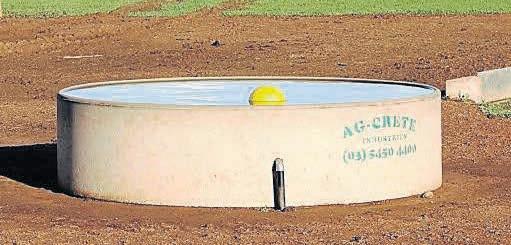



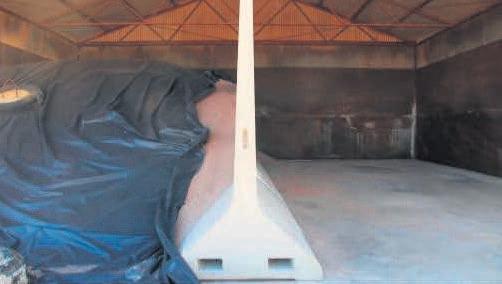
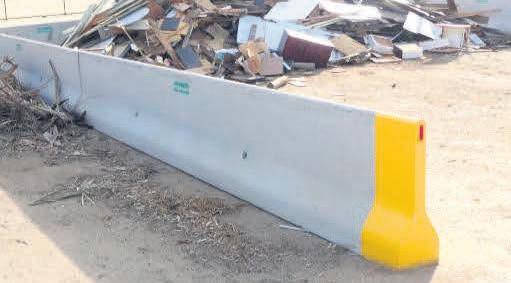
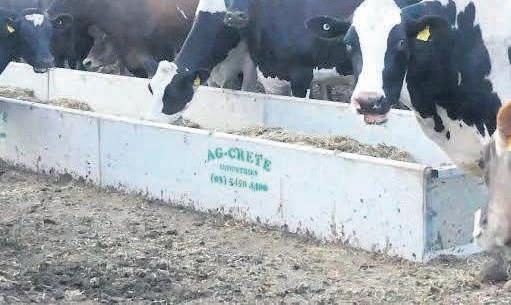











SOUTH AUSTRALIA’S dairy farmers and processors will come together and celebrate their achievements at this year’s dairy awards on August 7.
Celebrating 20 years, the awards honour excellence across every aspect of dairy production and innovation, recognising the outstanding contributions and the passionate people behind the high-quality products that fill our supermarket delis, cafés, restaurants and homes.
SADA will again partner with Foodland to present the Foodland Dairy Sustainability Award, celebrating industry leaders committed to delivering on the promise of nutritious food for a healthier world, in line with the Australian Dairy Sustainability Framework.
The 2026 program will continue to build on the three annual signature awards:
This award recognises the contribution and effort of farmers over the past 12 months. The recipient is determined by the processors, and each processor has the opportunity to nominate a dairy farm business which best addresses the awards criteria.
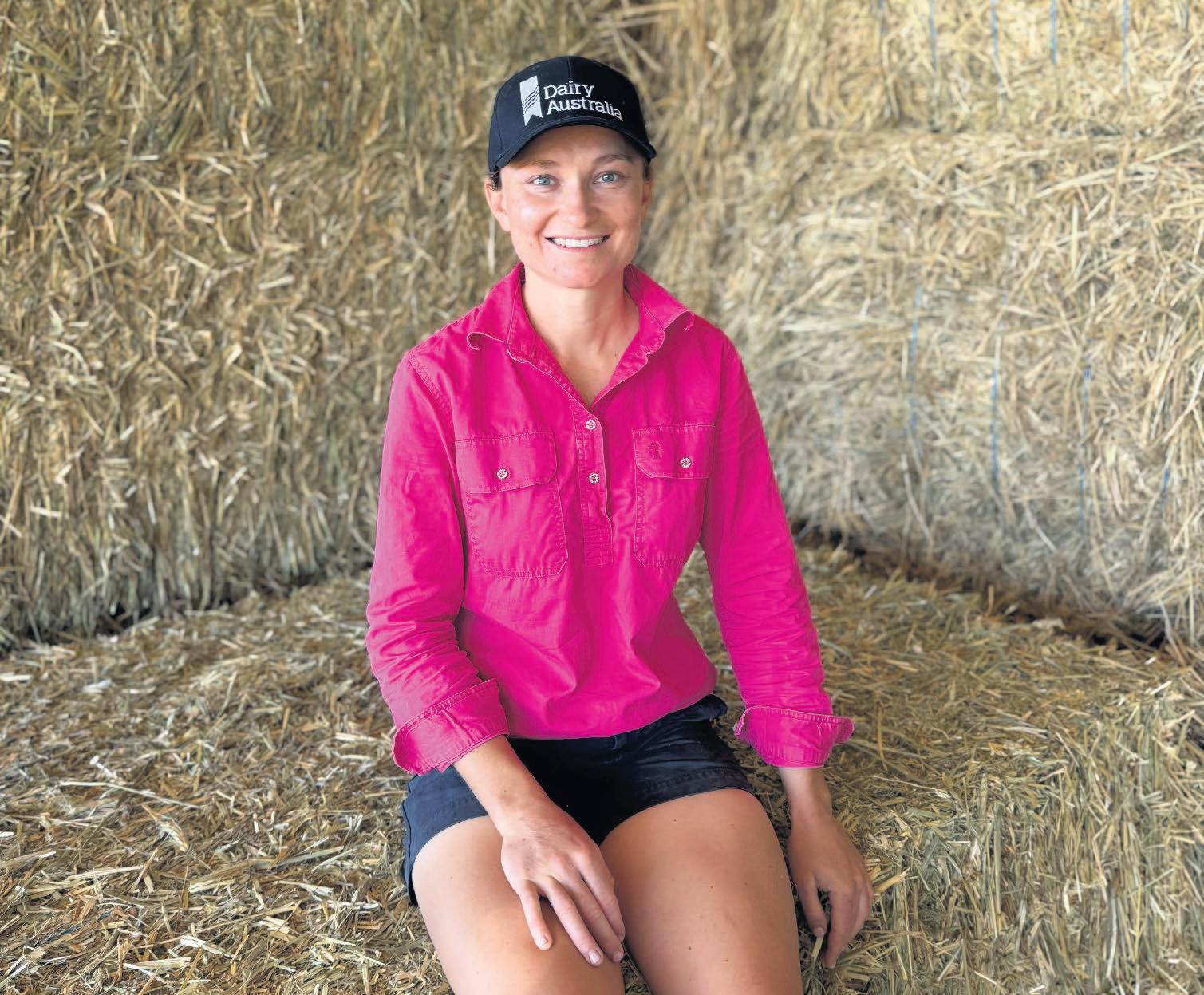
The nominee must be over the age of 16 years and under the age of 35 years on the day entries close. The young farmer is judged on their management philosophy as well as technical abilities. The nominee may farm on their own or in a partnership with others, and will need to possess the skills to run a profitable and sustainable dairy business currently or in the near future.
This farmer is currently using innovative


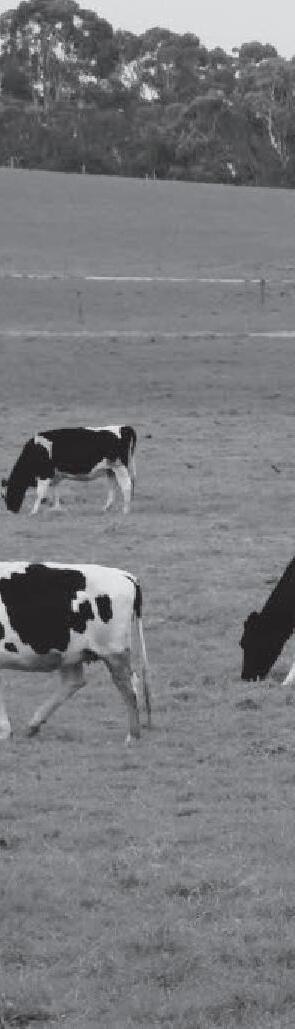

technology or industry partnerships to improve the efficiency, sustainability and growth opportunities for the farm including dairy herd management, marketing strategies, land and water use, production technologies. They must demonstrate an ability to meet
future business challenges which sets them apart from other dairy farms, shows innovative practices and is actively contributing to the Australian Dairy Sustainability Framework.
This farmer’s practices must align with the Australian Dairy Sustainability Framework including enhancing economic viability and livelihoods, improving wellbeing, providing the best care for animals and reducing environmental impact.
Last year’s Young Farmer of the Year award winner was Narelle Zanker from Mannum. She told Dairy News at the time she was surprised to receive the award, and didn’t realise what a big of a deal it was, especially considering she had only been back home on the farm for three years.
Narelle wears many hats in her dairy business, from herd health management to staff leadership, but her dedication extends beyond the farm gate with her creation of Dairy Adventures, an agritourism initiative connecting school groups, aged care residents, and corporate visitors to the realities of dairy farming.
A SADA spokesperson said Narelle was helping to bridge the gap between paddock and plate, inspiring future generations and building public appreciation for dairy, making her a shining example of the next generation of South Australian dairy leaders.


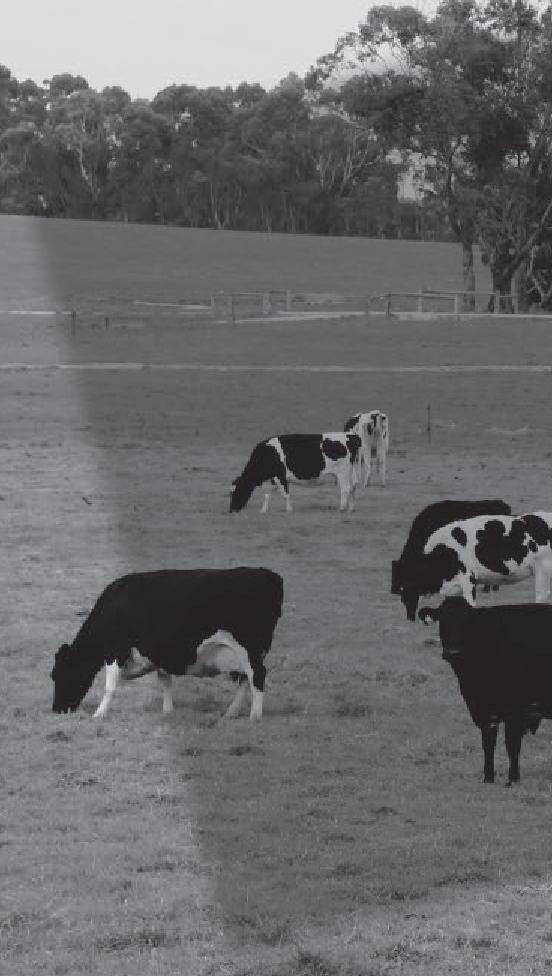
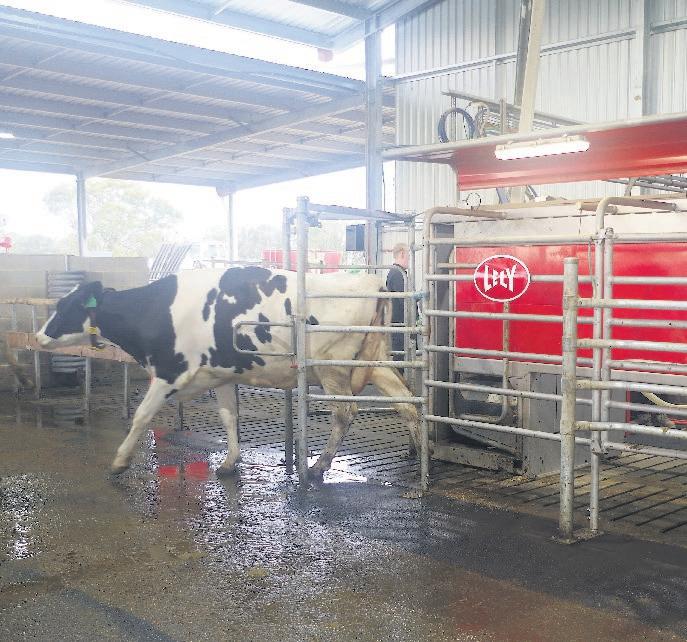
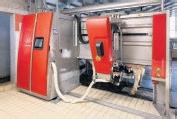
JerseysDairy,Victoriahavebeenmilkingover600Jersey cowsusing GEADairyRobotR9500unitssinceApril.










“It‘s been a game changer!“ SaysfarmerBenjaminVagg,whosefamilynowmilksover600cowsusingeight GEADairyRobotR9500units. “Thebiggestbenefitsarecowcomfortandhumancomfort.Thecowscomein whenevertheywant—andthatfreedomhasallowedmetospendmoretime withouryounganimals,becausethey’rethefutureofourherd.” TheGEADairyRobotR9500isn’tjustaboutautomation.It’saboutgiving farmersbackwhatmattersmost:time,flexibilityandconfidenceinthe futureoftheiroperations.


























FortheAstronaut,theaddedautomatFinally,icmilkfilterautomatesthelastremaining makeautomaticmilkingacces- part ourLely’shealthportfolio.to18Astronautmilkingrobots onecon-supportstherobotsinalltheirperiphMilkingeralneedssuchasvacuum,compressed independentlyandcleaningcanbeperformed ofeachother,whichmeans managementLelyrobotsandHorizon,Lely’sdata platform. agedandmonitoredbyLely.






maintainrumenhealthandoptimizemilkfatsynthesis.BackedbyNOVUSexpertise,it’satrustedtooltohelp consistentmilkfatproductionaspartofyournutritionprogram.IncreaseIncreaserumenmicrobialproductionmilkfatresponse&milkproteinproduction SpeakwithyourNovusrepresentativetodaytolearnmoreabouttheroleofMFP


FeedSupplementinyour MFParetrademarks NovusInternational,Inc.,andareregistered theUnitedStatesandothercountries.



supportrumenhealthandoptimizemilkfatsynthesis.BackedbyNOVUSexpertise,it’satrustedtooltohelp TMMadeofMoreis trademarkofNovusInternational,Inc.©2025NovusInternational,Inc.Allrightsreserved.






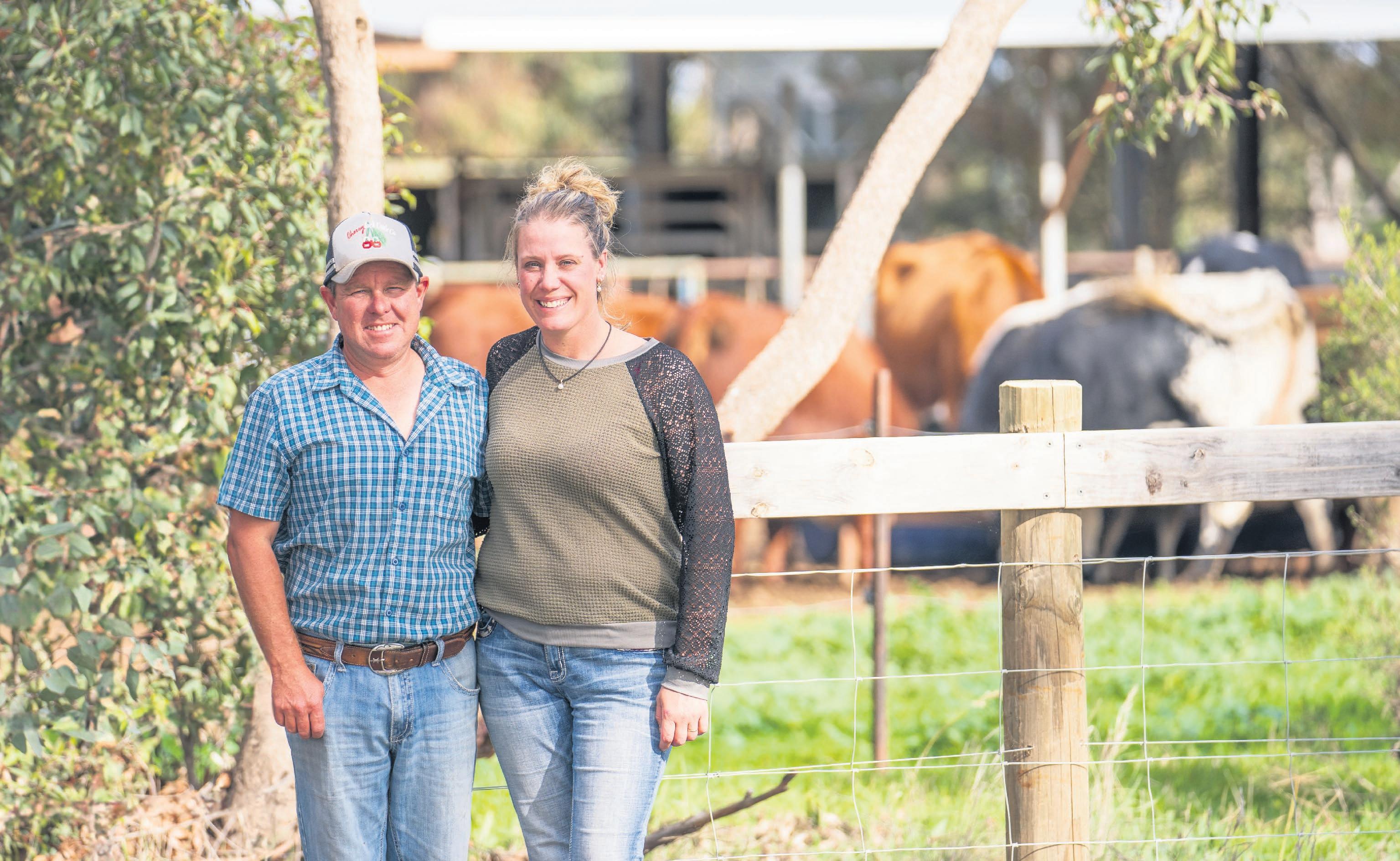
A NEW partnership with Trans Ova genetics is transforming pregnancy rates for Cherrylock Cattle Co.
Becoming a Trans Ova satellite herd last July has had a huge impact in its first year with a Cherrylock home trial showing pregnancy rates increasing to 62 per cent with Trans Ova IVF compared to 48 per cent with their previous company.
Based at Tallygaroopna in northern Victoria, Cherrylock Cattle Co might be best known for showing and marketing cattle but in reality, the main business is based around managing cattle and reproduction.
Brad and Jessica Gavenlock formed Cherrylock in 2016, building on their life-long interest in genetics, pedigrees and cattle.
The bulk of their business centres on managing cattle and reproduction through a pregnancy recipient program.
“Showing and marketing cattle and having sales have been a big part of our business and we enjoy it and most people think that’s 90 per cent of what we do, but it’s actually the other way around,” Brad said.
They have been making embryos as a business venture for themselves and other people for 10 years, initially with conventional MOET embryo work but more recently with two other IVF companies.
“The switch to Trans Ova was something we always wanted to do,” Brad said.
“We already had a lot of confidence in what they were doing in the US and when they moved to Australia, it was a no-brainer for us to make the switch.
“We had a lot of experience with cattle in the US being flushed by Trans Ova and a lot of friends and family had used Trans Ova in America.
“All our best pregnancy rate results were with imported Trans Ova embryos.”
The biggest difference between Trans Ova and the other companies used by Cherrylock is the consistency in pregnancy rates.
“It’s like chalk and cheese,” Brad said.
During the past year, Cherrylock ran a trial to compare embryos made by another com pany with Trans Ova, using the same donors and same recipients and the same program on the same day.
The Cherrylock home trial showed a huge difference in the pregnancy rates between the two – 48 per cent for the other com pany while Trans Ova-made eggs ran at 62 per cent.
The first local Trans Ova calves have just been born at Cherrylock and Brad says they are going well and matching previous import results.
“It’s working well and all our clients are happy,” he said.
The couple run an IVF-day every month and it’s pretty much booked out.
“We’re starting to stimulate a lot of donors and that’s really helping with embryo quality and pregnancy rates.
“We’re not only making good quality embryos; we’re making a stronger embryo that gives us a much higher chance of turning that into a pregnancy.
“That’s the biggest difference.”
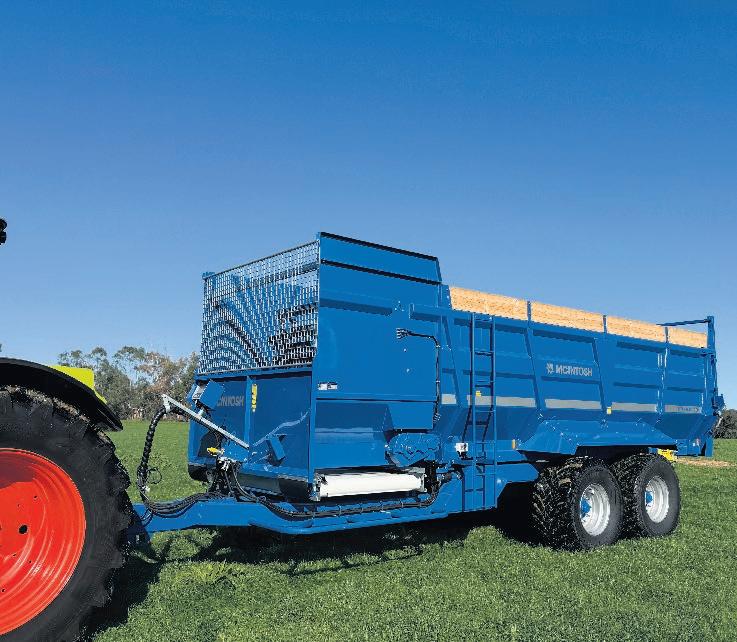
MCINTOSH SILAGE wagons have always been held in high regard as a strong, dependable and versatile silage wagons with farmers across Australia.
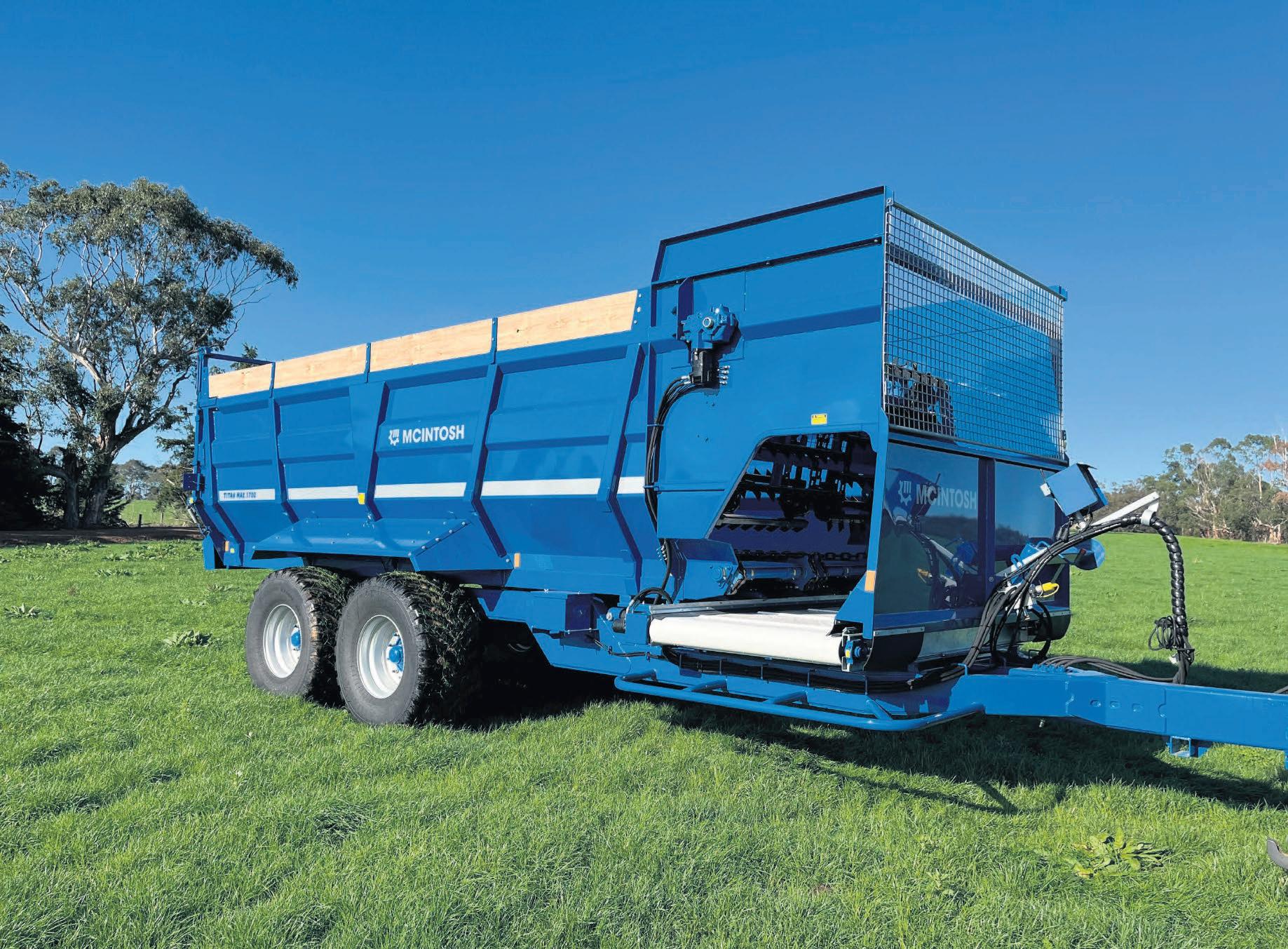
Now with their newly introduced range of Titan Max silage wagons, this has lifted this bar up to the next level.
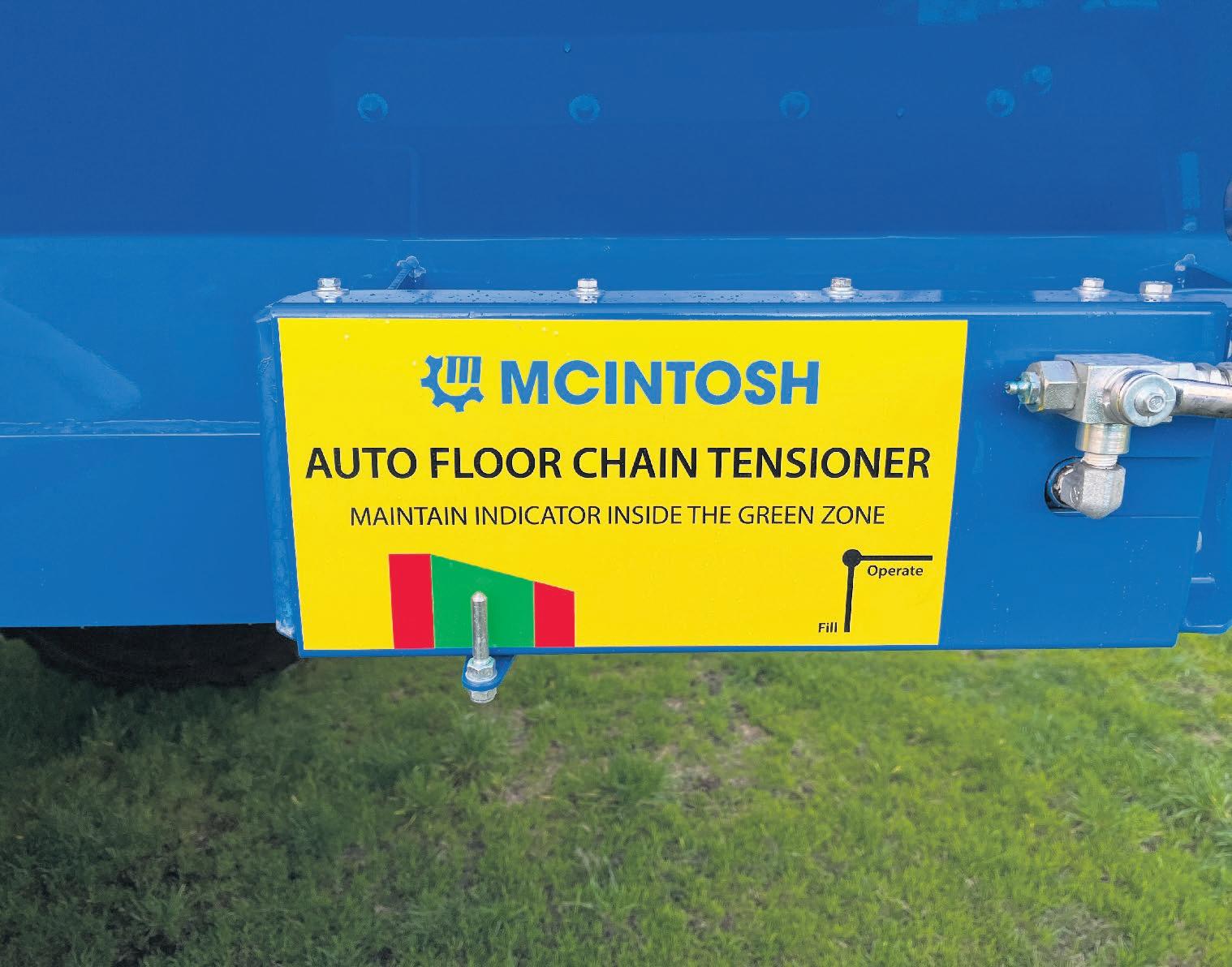
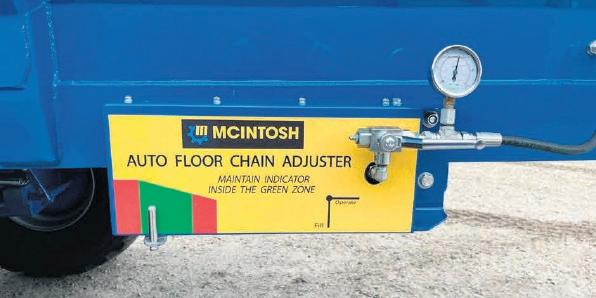
The Titan Max Wagons feature heavy duty 16mm hi-tensile floor and elevator chains making them even stronger and heavier than our popular Titan Wagon series, but what really sets them apart from the rest is our industry first automatic floor chain adjustment system.
Like with all silage wagons over time, the floor chains will stretch and it’s a constant job to check and maintain the floor chains.
The Titan Max wagons feature a unique grease pump system that maintains and keeps a constant pressure on the floor chains to keep them at the correct tension.
This saves valuable time and helps to avoid potential breakdowns from wrongly adjusted floor chains.
Talking with farmers using this system, they find it really great as they can just walk past the wagon and see that the chains are correctly adjusted.
Other new features include a high wear resistant 5mm Corten steel floor, new style tapered mud guards, remote grease lines for easier access to main grease points and heavy duty floor drive systems.
Allan Slater from TracMac Farm Equipment says the new Titan Max series
of silage wagons offer significant strength and features over and above all other wagons on the market and are well suited for many farmers across Australia.
“We have one client that has already put through over 30,000 wet tonne of silage with a 1700 Titan Max wagon without any issues.
“It is the primary feed unit for over 6,000 dairy cows and goes all day every day.
“Adding an automatic greasing system to this wagon has also helped ensure optimum performance, minimised maintenance and help avoid any breakdowns”.
McIntosh also offer a range of Beater style silage wagons.
These wagons are specially designed to
help integrate different product together and feed them out in a consistent and even manner.
Ideal for use in feed pad operations, they offer a lot of versatility, ease of operation and have a much lower operating cost then an alternative TMR system.
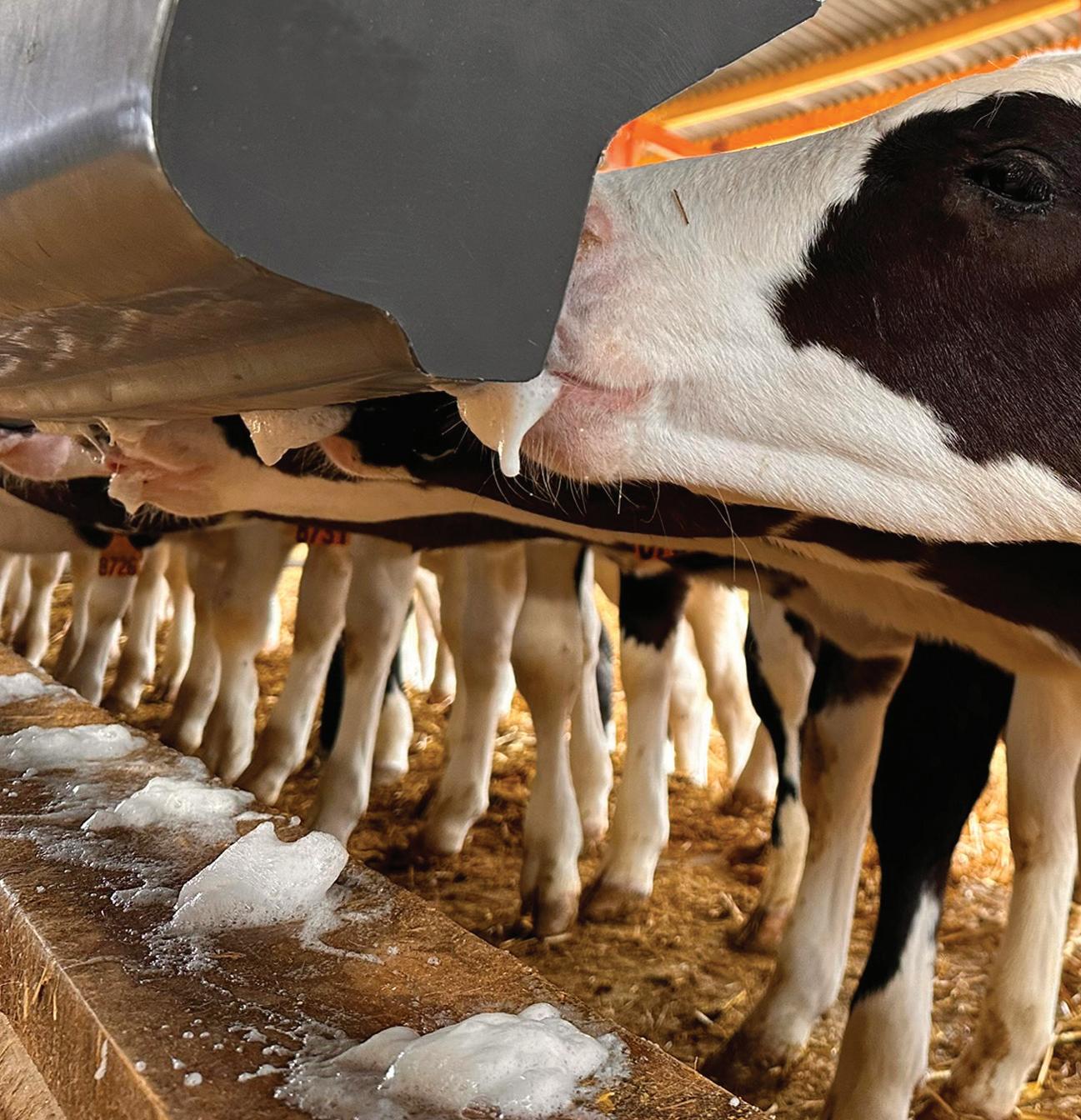



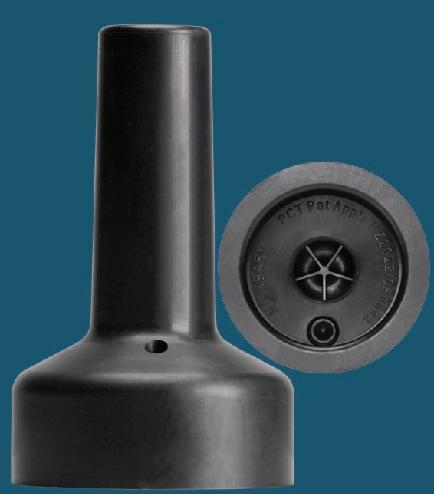
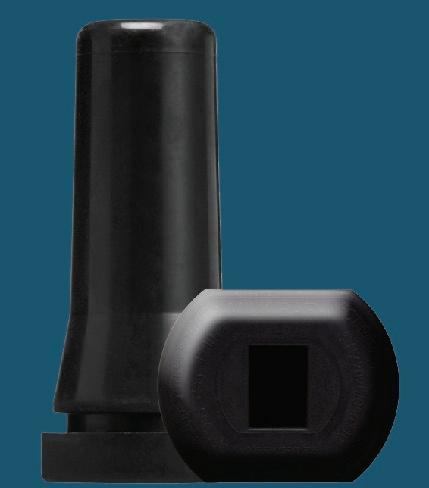
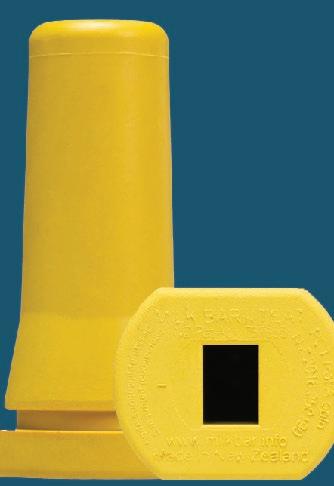
McIntosh Farm Machinery has been building quality products and farm machinery for over 75 years now.
There range of silage wagons, bale feeders, tipping trailers and manure spreaders are built with strength, ease of operation and provide years of service life to many farmers.
MILK FAT is a critical component of dairy profitability, particularly in the Australian market.
However, many Australian dairy farmers face a challenge that often goes unnoticed until it significantly impacts their bottom line – milk fat depression (MFD).
MFD is a metabolic condition where the milk fat percentage drops significantly, even though overall milk production remains unchanged.
This condition can lead to substantial financial losses, especially when a farm’s payment is tied to milk solids production.
MFD is primarily influenced by the cow’s diet and the ability of rumen microbes to convert polyunsaturated fatty acids (PUFA) to saturated fatty acids.
Factors associated with MFD include: high PUFA diets high starch and/or sugar diets low effective fibre diets feeding of some rumen modifiers MFD is common in autumn, winter and spring when pastures have high levels of sugars and PUFAs with very little effective fibre.
MFP Feed Supplement is a targeted solution helping to support rumen function and milk fat synthesis. It contains HMTBa, an organic acid and a highly bioavailable methionine source, which plays a crucial role in fat metabolism and energy balance in dairy cows.
Benefits of MFP: 1. supports milk fat production
MFP(R) can be added directly into mixed rations or concentrates fed in the dairy.
Milk fat depression is a silent but costly issue for Australian dairy farmers. By integrating MFP into your herd’s nutrition program, you can support rumen function and milk fat production. For more information on how MFP can help your dairy operation, contact Andrew Schmetzer 0487 962 783 or andrew.schmetzer@novusint. com today.


The first 3 months are so important to your calves’ future the herd, so don’t compromise, in use Veanavite No1 Calf Pellets.




BY SOPHIE BALDWIN
DAIRY AUSTRALIA’S feedbase national lead, Ruairi McDonnell, is urging Australian dairy farmers to look closely at the farm system they’re operating while making decisions around farm profitability drivers.
Profit in dairy is not about chasing just one metric within the farm system.
It’s about making the best decisions based on the system you run, the resources you have, and the goals of your farm business.
It sounds simple, but it’s very easy to get pulled toward the wrong targets within the farm that don’t necessarily lead to greater profit.
In that scenario you’re working harder for someone else’s benefit. The key question is really: what’s the main limiting resource on your farm?
On most grazing dairy farms, profit is limited by the amount of cheap pasture produced and converted into milk solids.
Conversely, in confinement total mixed ration (TMR) systems, maximising milk production per cow via increased feed intake and greater feed conversion efficiency is a key aim due to the higher fixed costs in these systems.
For most pasture-based Australian dairy farms, land is usually the main limiting factor.
Accordingly, the focus needs to be on growing and utilising as much high-quality pasture per hectare as possible, then using supplements strategically to fill feed gaps and make money when the opportunity is there.
Directly grazed pasture is nearly always the cheapest feed source, so leaving pasture behind in the paddock through suboptimal grazing management and inefficient use of supplements is a massive hidden cost.
If extra supplement reduces pasture intake (via pasture substitution) and uneaten pasture is not conserved or utilised, the business may be paying to grow feed it never turns into milk.
This is why profit per hectare is often a better system measure for grazing farms than milk per cow.
Milk per cow is a biological measure, and a partial measure of performance within a grazing system, while profit per hectare is an economic and whole-farm measure.
On grazing farms, the aim is not always to get every last litre out of the cow at any cost.
It should be to produce the most profitable milk possible from the feedbase available.
It can be counterintuitive to grasp this concept but milk yield per cow has consistently been shown to have little to no relationship with total farm profit in grazing

systems around the world.
This does not necessarily mean production per cow should not improve over time either.
Better genetics and fertility, improved transition management, better calf and heifer rearing, lower herd replacement rates and improved milk quality can all lift average milk yield per cow at a herd level. But these gains need to fit within the system, not push the farm into a higher cost structure that is more exposed to milk and feed price volatility.
That’s what underscores the importance of ‘marginal milk in grazing systems’.
In a pasture-based herd, each extra litre doesn’t cost the same to produce. The last litre per cow each day is usually the most expensive to produce – because of pasture substitution and increased fixed costs associated with higher supplement use.
Before chasing it, ask yourself whether the cost of producing that litre is higher or lower than the value it adds – this is marginal economics.
This will be influenced by the milk price and the supplement price, alongside several other factors.
As the old saying goes – make sure you are making money from milk not milk from money.
In contrast, a fully housed or total mixed ration system usually carries high capital and infrastructure costs, so production per cow becomes a critical driver.
The focus in a contained system is on maximising dry matter intake, feed conversion efficiency, cow comfort, feeding and lying space, and nutrition.
In that system, extracting more milk solids per cow helps dilute fixed costs.
There is no pasture substitution to worry about in a TMR system, and you also don’t have to worry about the negative effects of poor grazing residuals on pasture quality in the following rotations.
By comparison, partial mixed ration and hybrid systems sit in the middle, as they have both depreciation costs plus require pasture allocation.
The best dairy businesses are not necessarily the ones copying the highest-producing neighbour.
They’re the ones that understand their own system, know their limiting resource, and make decisions that fit.
In a complex farm business, improving one area can create costs or consequences somewhere else.
Good management is about seeing those links and choosing the option that improves whole farm profit.
By Ruairi McDonnell, Dairy Australia National Lead – Feedbase




AN UPDATED national classification for dairy farm feed systems is positioned to better inform Dairy Australia’s research, development and extension (RD&E) investment – and give farmers and advisors clearer benchmarks to compare feeding systems and performance across the country.
The national feed system classification, which groups farms based on how and what dairy herds are predominately fed, provides a consistent framework for describing and comparing feeding practices across Australia’s diverse dairy regions.
Having a framework for feed systems enables more accurate benchmarking, data analysis, and reporting.
It continues to support the development of even more targeted research and extension, and improves the ability of industry and policymakers to assess performance, resilience, and responses to economic and climatic pressures at a national scale.
This work will help ensure farmers can continue to accurately benchmark their business against others operating similar feeding systems - a key step in identifying opportunities to improve profitability and efficiency.
For farmers and service providers, this also means more relevant insights, tools and advice tailored to specific systems.
Developed in consultation with 11 industry experts representing all dairying states of Australia, the categories were finalised by the Development and Regional Adaptation team at Dairy Australia in
November 2025.
It updates, rather than replaces, the previous industry classification system developed as part of the Grains2Milk program in 2008.
Key changes retain the five system categories but update grain/concentrate feeding thresholds and refine the hybrid system definition.
The five feed system classifications are:
1. grazing with low to moderate grain and concentrates
2. grazing with high grain and concentrate (more than 1.6tonne dry matter per cow per year)
3. grazing with partial mixed ration (PMR) fed daily
4. hybrid systems – uses grazing and TMR strategically across the year
5. total mixed ration (TMR) systems
The updated classifications provide a more accurate, up to date representation of how Australian dairy farms are feeding their herds today. They reflect the increased use of supplements, changing seasonal conditions, and greater system flexibility on farms.
An example of recent application of these updated classifications, has seen them integrated
into the 2026 National Dairy Farmer Survey to better understand the proportions of farms under each classification and enable monitoring trends over time. This contemporary industry profile will help inform research and extension efforts, aimed at improving the productivity, profitability and resilience of dairy operations.
The updated classification has been developed for longevity, with the potential to serve the industry as a national framework for more than 10 years.
In summary
The updated definitions better reflect current industry feeding practices and identifying a longer-term trend toward increased use of grain/ concentrate feed supplements. As a result, more farms are expected to be classified as category one – low-moderate supplements to pasture. Recent data indicates that about 80 per cent of farms were previously classified as category two feed (high supplement) systems.
The classification update opportunities also include linking feed system types more clearly to key performance drivers such as feed conversion efficiency (FCE), feed costs, labour requirements, infrastructure needs, and management complexity.
Understanding a farm’s feed system classification is a practical first step to improving performance - and making even better-informed decisions about feed, costs and future direction.
For more information including details of each category and how to identify your farm’s classification, visit Feed System Categories.
ɋ Hannah Griffiths, development and regional adaptation lead, Dairy Australia
DATE: Tuesday, July 28, 2026
WHERE: MOVE, Melbourne Rd, Kialla
TIME: 10am – 12pm
REGISTER NOW: Scan the QR code to register
RSVP: 22/07/2026
BY SOPHIE BALDWIN
TO BUILD resilience into their dairy business, some farmers are choosing to transition across to feedpads and contained housing facilities and move away from the more traditional grazing based systems.
These significant investment decisions are being adopted to address a range of farming and regional specific challenges including climate adaptation, water availability, workforce efficiencies, improvement in environmental management, and enhanced animal health and production outcomes.
This has resulted in complex decision-making, planning and infrastructure considerations and not a quick fix solution.
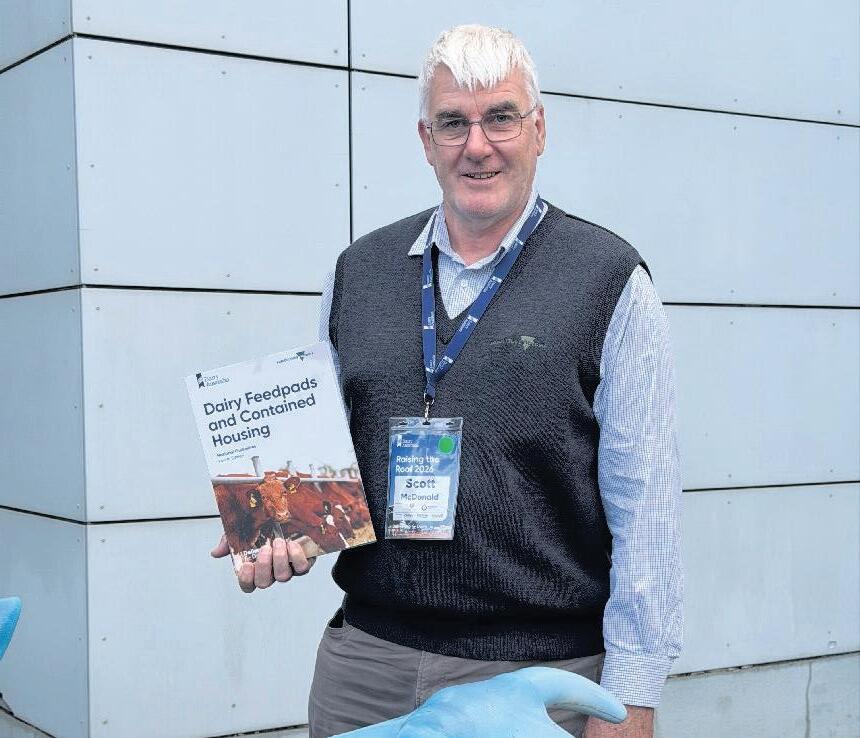
And that’s where Dairy Australia and Agriculture Victoria Dairy Feedpads and Contained Housing National Guidelines fourth edition come to the fore.
The guidelines have been written and peer reviewed by 28 subject matter experts and technical specialists from Australia and the United States and are intended to provide a clear and concise overview of what is required when planning, developing and managing an intensive system.
The guidelines will help: assist the dairy industry to make informed decisions with respect to feedpads and contained housing raise awareness of industry, government, and community expectations to minimise adverse impact on the environment establish a key reference enabling proposals to progress smoothly through development and planning stages relevant for each state demonstrate an ongoing commitment to support producers undertake farming system changes.
The review and upgrade of these guidelines was the result of two significant industry events — the national dairy manure summit and the national dairy intensification workshop.
Engagement with farmers and key stakeholders identified the importance and opportunity to strengthen key sections, particularly focusing on financial management, land capability assessment, farm emission, improved engineering designs and a better understanding of state planning and approval processes following the successful establishment of these farm systems across Australia.
These guidelines have been prepared by Agriculture Victoria with the support of Dairy Australia following an extensive consultative process to produce a key reference document informing the development and management of dairy feedpads and contained housing in Australia.
Choosing the most appropriate feeding infrastructure and contained housing for the farm, and its locality, requires understanding the range of potential feeding and housing solutions commonly used in the industry, not just in Australia, but globally.
The guide can be found at https://tinyurl. com/vrw7wpm6


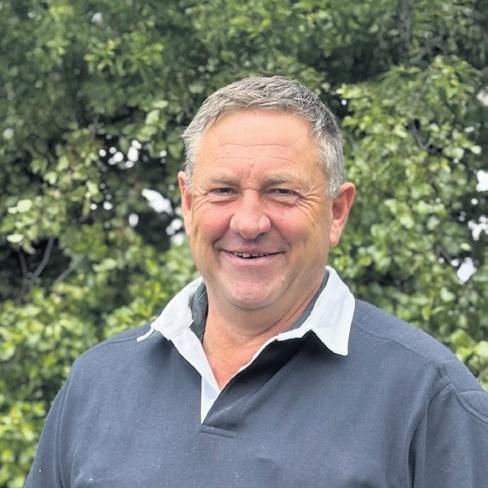
“We have shortened our calving period to 5 weeks for the main herd with average calving reduced by 10 days.
Also, made a significant saving in labour, AI time and general mucking around”
Ben Bennett - Pomborneit, VICTORIA













































By using SGL Compact ® sires you can reduce gestation length by up to 12 days.






























































Boost your milk yield and financial returns with our SGL sires.







































A cost-effective and convenient alternative to traditional natural mating bulls.






















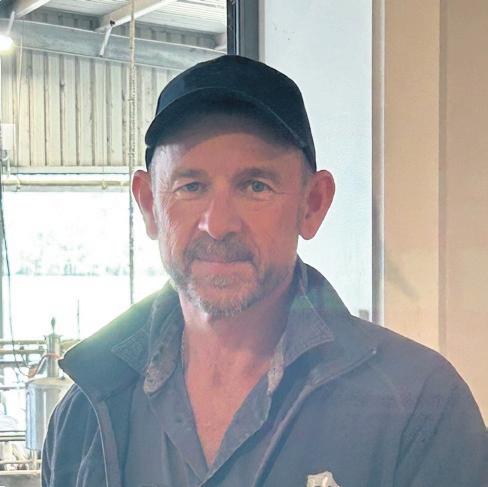
“I have reduced my calving spread from 11 weeks to 8 weeks and by doing this I have gained an extra 3 weeks of milk in the vat from these later calving cows”
Contact your LIC district manager to order

Chris Bagot - Gippsland, VICTORIA





























































Here’s what mating your return cows with SGL sires could mean for your farm:




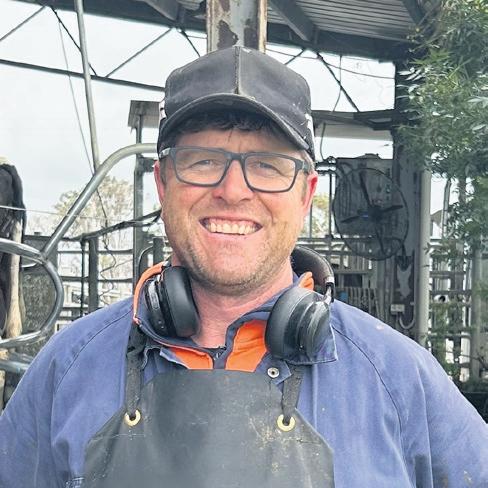
Jon Ryan - Gippsland, VICTORIA

Also to take pressure off staff by shortening up my calving period”

“I used SGL Compact to get more days in milk and to increase my profit by having more cows in the vat earlier.





























THE THIRD phase of a multi-million-dollar redevelopment of ProviCo’s Dennington plant will come online early next year, creating more specialist products for a worldwide market.
The development of the next-generation global bio-protein hub continues to build on more than a century of dairy manufacturing in Dennington.
ProviCo purchased the 34-ha site from Fonterra Australia in 2020, after the plant had laid dormant for almost a year.
The redevelopment of the site into a next-gen facility delivered a lactoferrin plant in 2022 and micellar casein isolate (MCI) and native Whey Protein Isolate (nWPI) capability using membrane technology in 2024.
The third phase of investment is underway for early 2027 completion and will further fractionate native whey into higher value proteins, including alpha lactalbumin and beta lactoglobulin.
The three phases of the redevelopment will cost close to $90 million over five years, using world-first technology in collaboration with HPS Tech, an engineering firm that specialises in membrane technology.
ProviCo Dennington CEO Ben Anderson said the plant was focused on precision dairy processing, creating high value bio proteins from raw milk.
About 90 per cent of the protein products made at Dennington are exported and used in sports supplements, pharmaceuticals, nutritional powders, milk powders, chocolates, and health products.
Locally, Nippy’s has launched a high protein flavoured milk containing ProviCo micellar casein isolate and ingredients are supplied other leading brands within Australia and internationally.
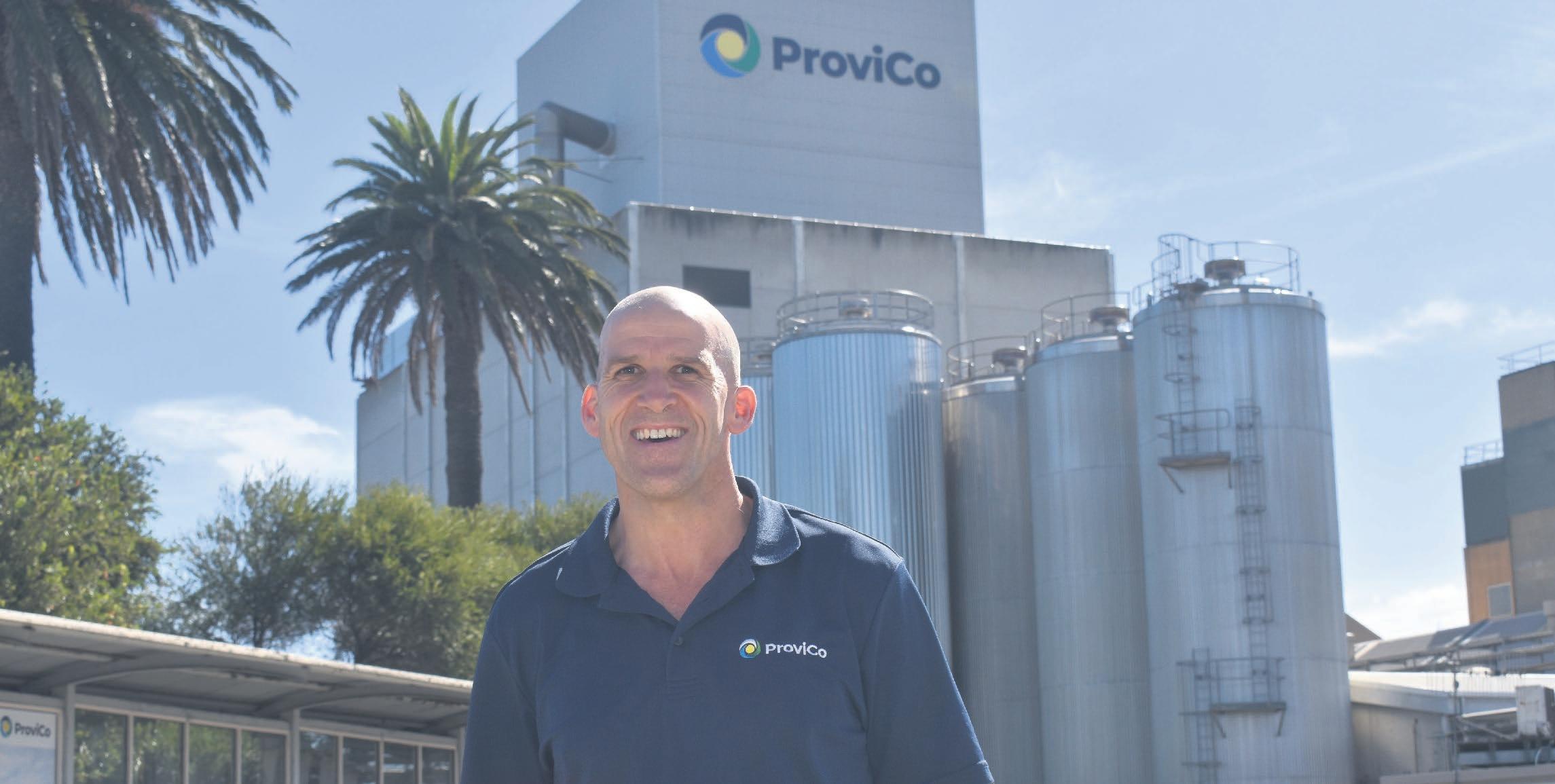
Mr Anderson said ProviCo was continuing to develop a world-wide customer base for micellar casein isolate and native whey protein isolate.
“As we transition to bio-proteins, we are developing different markets for these new specialist products. We are confident that the demand for specialist nutrition and health products is there and that we will be at the forefront of the push to having more protein in our diets.”
Whey protein concentrates are a key ingredient

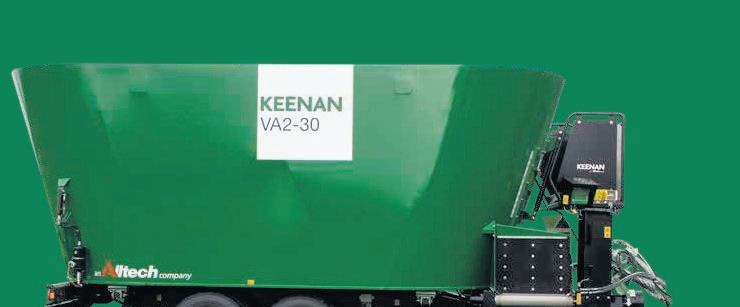
KEENAN machines are proven, farmer-tough, and ready for whatever work lies ahead.
The trusted combination of unique algorithms + nutrition advice ensures the exact formulations, mixing order, speed and rotations.

in sports nutrition supplements and ProviCo Dennington produces an isolate that is 90 per cent protein.
“We’ve separated the native whey from the casein to produce whey protein isolate and when we bring this new plant on, we will further breakdown that whey stream into new products,” Mr Anderson said.
ProviCo procures milk for its value-added products through a combination of its own supplier base and other dairy manufacturers and traders. It is seeking to increase the amount of milk it procures directly from farmers. “We have a fantastic group of farmer suppliers throughout south-west Victoria and south-east South Australia who are very engaged with the journey we are on,” Mr Anderson added
ProviCo is also working with Deakin University in a research partnership to guide the future of plant. This includes research into optimising the performance of the current plant and what is needed to grow production, better understanding the ingredients needed to gain the best possible yield from supplied milk, how the ingredients perform in products, and how ProviCo ingredients can be sold into various sectors of the market to fill nutritional needs. One stream of research involves collaboration with farmer suppliers to test milk off-farm and understand more about the whey fractions and specific influences at the farmgate.
Mr Anderson said the revitalisation of the Dennington plant had been great for the local


and regional community.
“This plant has been important to the Dennington community for a long time and today it’s creating a lot of opportunity for highly skilled careers, working together with farmers to build businesses, contributing to the community, and creating new nutritional and healthy specialist products.
“It’s a great story of imagination, transformation, and positive investment for the future of rural Australia.”
Founder Andrew Paterson, who established ProviCo in 1999, said the focus on value-added protein continued to have strong support.
“We’ve had an unwavering protein strategy that hasn’t changed,” Mr Paterson said. “We in agriculture have been told for a long time that we shouldn’t just sell commodities; we should apply technology to primary products to make them more valuable. ProviCo is doing is just that, looking at an asset with imagination and saying what makes that asset relevant in the next 30-40 years.”
Additional information:
ProviCo Group was established in 1999 as Australian Dairy Goods and remains proudly Australian owned and operates as an integrated dairy company.
ProviCo (Protein Vitamin Company) manufactures functional dairy ingredients and specialised dairy nutrition products that are supplied into the domestic and international markets.

BY JEANETTE SEVERS
FARMERS CAN use technology and science to improve their pasture production potential, rather than rely solely on fertiliser inputs impacted by supply chain shortfalls that are the result of geopolitical tensions in the Middle East.
Most of Australia’s supply of urea is imported from the Middle East, but dairy farmers have on-farm options they can exploit.
Spreading effluent in autumn and winter, and the choice of crop or pasture to maximise production, can all make a difference to reducing fertiliser inputs.
Making decisions now for spring planting can reduce reliance on fertiliser inputs.
Using the milk price step-up to purchase grain to supplement feed intake may also be an economic option for some farmers.
Paul Roderick, Queensland dairy farmer and chair of the Dairy Australia board, said feedbase decisions could be supported by the recent step-up in the milk price, shared across industry by many milk processors.
“Dairy farmers are locking in prices and securing contracts for supply of fertiliser,” Paul said.
“We have secured the urea supply chain at the moment.
“For most regions, growing grass is still the most effective dairy farming option for feeding cows, but it’s expected to be at a reduced profit.”
The step-up milk price has been retrospectively applied to the financial year’s production by milk processors, providing an unexpected windfall to dairy farmers.
Paul Cocksedge is one dairy farmer who has used the step-up to purchase feed. He leases a farm near Meeniyan, in southeast Victoria, and is landlocked for extending grazing options.
“In the last couple of years, I’ve concentrated on increasing shoulder-season grazing so I can maximise pasture year-round,” Paul said.
“The milk price change means I’m now using grain to increase feed intake.
“I feed 3kg/cow in spring. Increasing the amount of grain I feed the cows will make the grazing rotation easier for me.”
Paul said mild winters in his district enabled him to regularly harvest fodder.
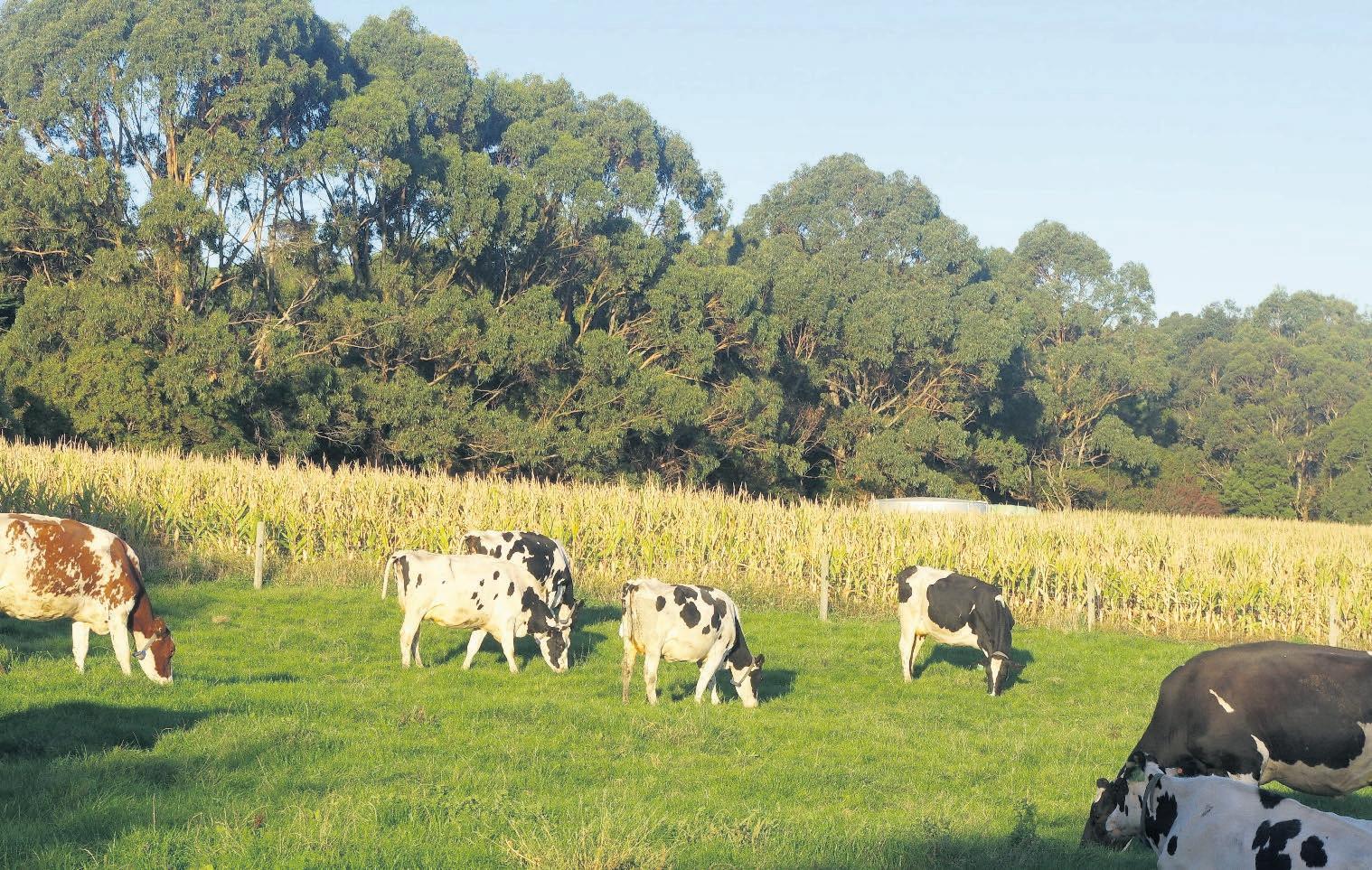
“About 20 per cent of the farm is harvested weekly,” he said.
“I’ll let a paddock go a bit longer to catch the zoom phase in the silage regrowth paddock, using fertiliser to push growth.”
Trevor Dennis is a retired company CEO and a 30-year veteran in the fertiliser industry, and has delivered lectures on plant growth and fertiliser inputs at Dookie Agricultural College.
He told Dairy News Australia that the shortterm and expected medium-term shortfall in fertiliser imports was complex.
More than half of the world’s nitrogen is produced in the Middle East and up to 75 per cent of Australia’s urea imports come from the Arabian Gulf. Access is being affected by the war between America and Iran.
A 40 per cent tariff imposed by the Australian government since 2022 on imports from Russia, prohibits most Australian companies from sourcing nitrogen from that country.
“Also, the global shipping trade has slowed down. Ship owners have ordered their crews to go slower along their supply routes to conserve fuel, and that extra time and cost is adding to the price of fertiliser,” Trevor said.
“Scarcity and cost means that effectively the world’s nitrogen price has risen by up to 50 per cent.”
Closer to Australia, Asian governments are prioritising fertiliser access for their own population’s food production, rather than exporting to their neighbours.
“Australia’s own fertiliser production has dropped from nine superphosphate processing factories to one – and that one is in Tasmania, not on the mainland,” Trevor said.
“The dairy industry is reliant on importing DAP, MAP and sulphate of ammonia fertilisers, and that supply is not available in the same quantity.”
Trevor said it was important for dairy farmers to plan ahead.
“Good dairy farmers know their input needs and can place forward orders based on their relationships with suppliers,” he said.
“That’s the same for fertiliser, fuel and other feed sources like hay and grain.”
He also recommends applying fertiliser at the right time and in the right amount.
“The application of urea from now until the end of August is the cheapest way to grow feed,” Trevor said.
“Fertiliser use efficiency means applying fertiliser at the right time in the right amount.
“Every 1kg of dry matter grown on farm is cheaper than buying feed.
“Use the Ellinbank pasture data in your
decision making.
“Use urate inhibitors to stop urea being lost to factors like denitrification.”
Dairy Australia’s Soils and Water Lead, Cath Lescun, said soil testing would help farmers identify the paddocks that would benefit from applying nitrogen fertiliser to have the best impact.
“Get your local agronomist to help you identify the best paddocks and send your tests to accredited laboratories for analysis,” Cath said.
“That knowledge will allow you to put your nitrogen on at the right place, at the right time and using the right product.”
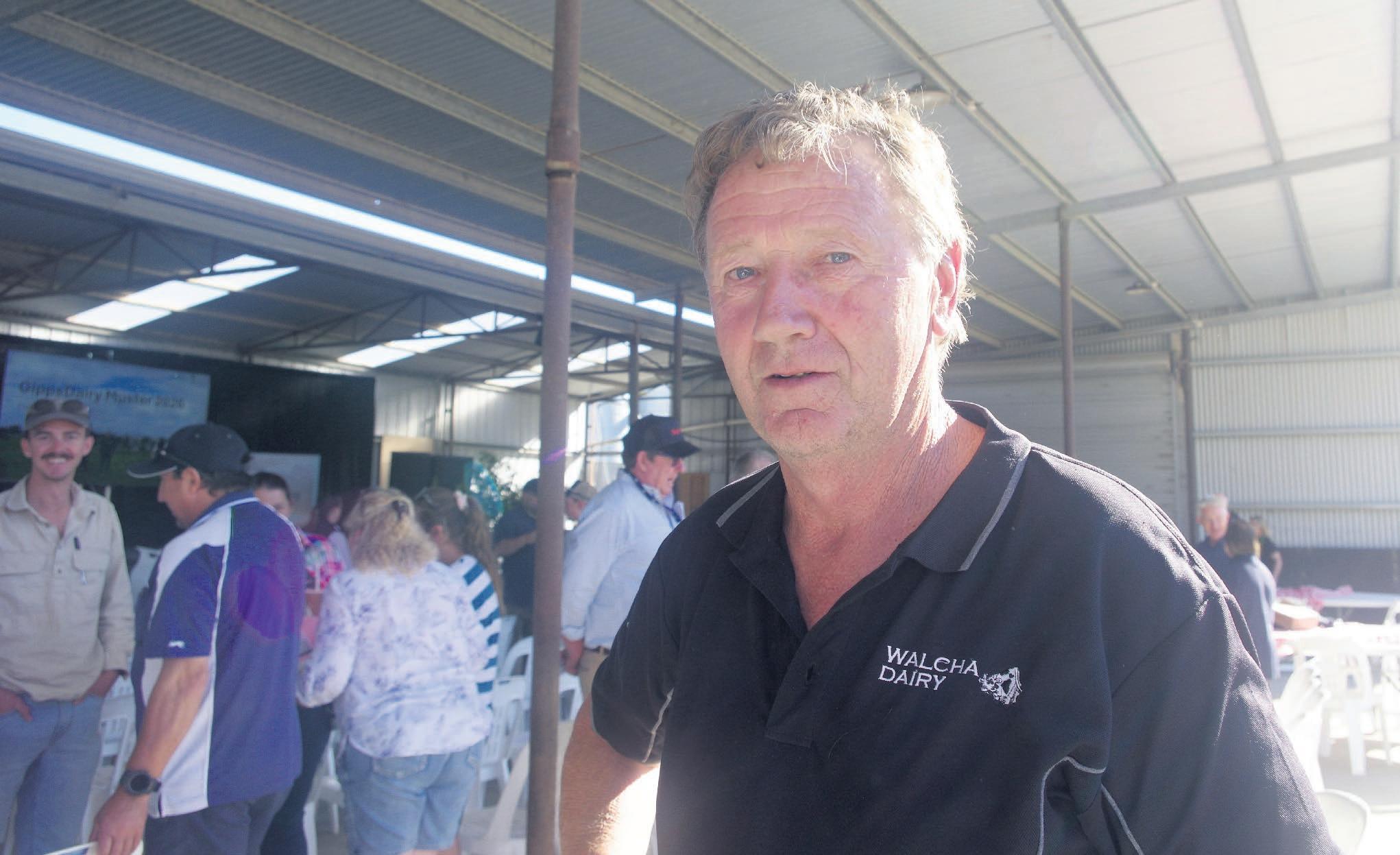
Peter Notman runs Walcha Dairy and Notman Seeds
He said combining nitrogen application with other options would also drive pasture growth.
“Using gibberellic acid is still a good return on investment,” Peter said.
“Nitrogen applications should be strategically placed, followed up with gibberellic ccid, to enhance plant growth.
“Farmers can also use an amino acid to improve growth where they have green feed.”
Peter said Notman Seeds and Ellinbank SmartFarm had some plant plot trial results online that dairy farmers can access.
Growing crops like maize can also lower fertiliser inputs in some soil types where the plant roots are able to grow deeply and pull nutrients from the subsoil to improve growth and yield.
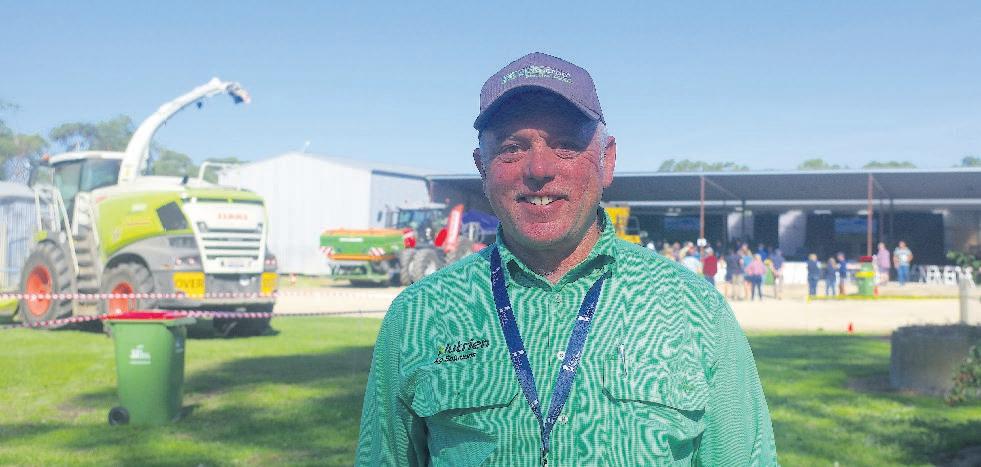
Jim Colquhoun, an agronomist with Nutrien Ag Solutions, said dairy farmers can reduce fertiliser inputs by identifying what crops optimise nutrient use in their soil type.
“Maize roots are three-quarters of the height of the crop,” he said.
“That means a 1.2 metre high maize crop has roots one metre below the surface.
“Turnip roots descend 750-800mm and as part of a soil amelioration process can be cultivated in a dry paddock.
“Ryegrass roots descend less than 300mm below the soil surface.”
Jim advises knowing first what your farm’s soil test are indicating before deciding on what to sow.
“Use the technology that’s available for your decision making,” he said.
ELEVATE DAIRY, powered by Gardiner Foundation and delivered by Beanstalk AgTech, has selected seven companies for its inaugural cohort.
Chosen for their potential to address key challenges facing Victorian dairy businesses, the innovators offer solutions spanning herd management, farm operations, energy, fertiliser and on-farm safety.
Over the coming months, they will work with the Elevate Dairy team to connect with farmers and processors and explore opportunities for local adoption.
Levno for Feed monitors farm silo levels in real time, giving farmers visibility of their feed supplies and helping prevent run outs.
Ocean2Earth produces a regenerative biofertiliser range designed to lift on-farm performance while helping farmers meet their environmental and natural capital goals.
Resolution is farm management software tool developed by New Zealand farmers, built to provide practical solutions for any farming system.
Skelex 360, from K2 Agri, is a lightweight exoskeleton that supports the arms during milking and overhead work, reducing shoulder strain by up to 40 per cent.
Surge Energy, an Australian Energy-as-aService company that designs, funds, installs, and operates behind-the-meter microgrid systems for dairy farms.
Trev is an operational management tool that turns farm data into clear, actionable insights,
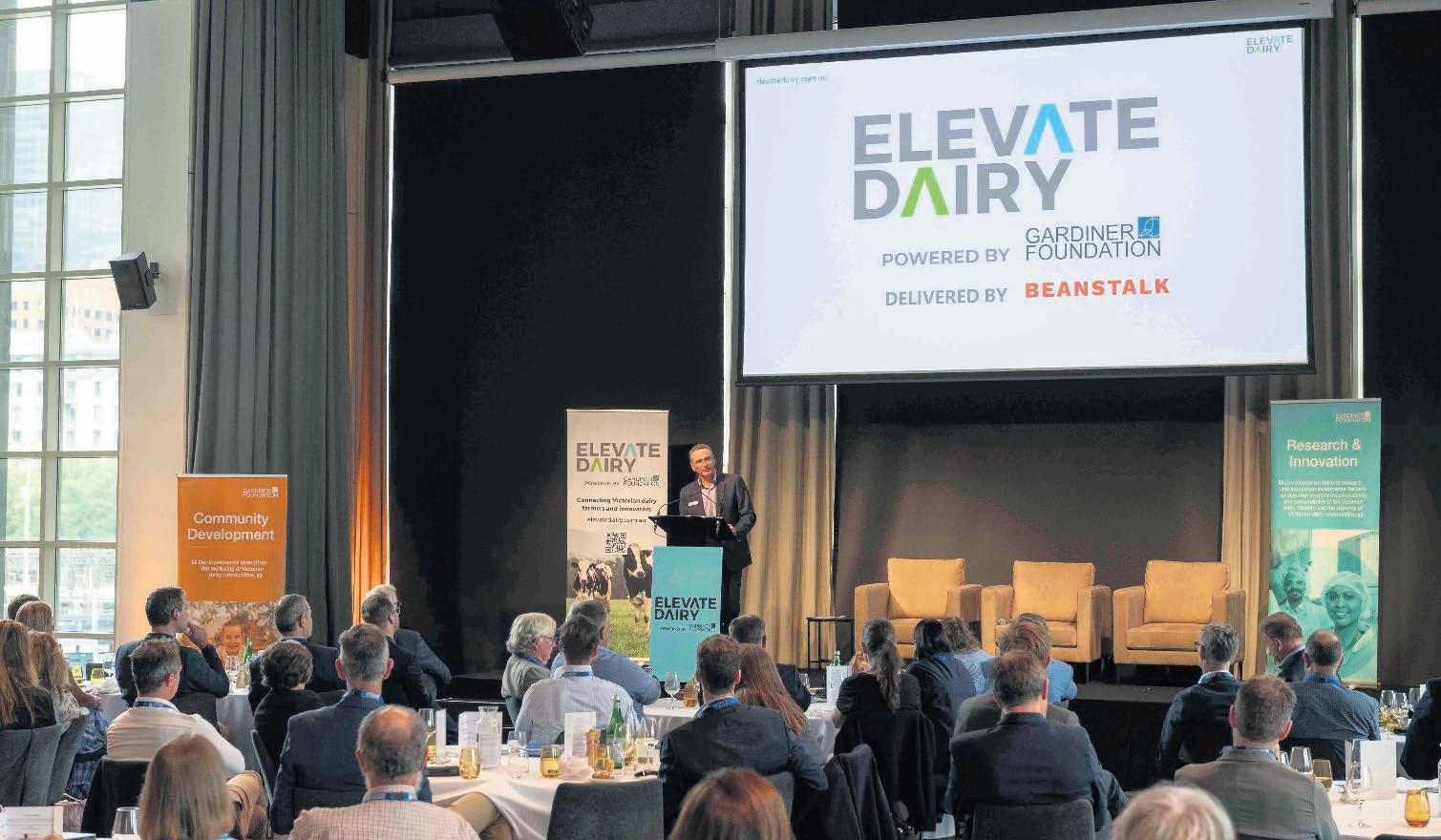
helping farmers make better decisions and keep their operation performing at its best.
Uniform-Agri offers Uniform, an easy-touse dairy herd management software covering production, fertility and animal health, with integrations to sensors and national databases.
The seven innovators were selected following assessment by Elevate Dairy’s Industry Advisory Committee (IAC), which comprises active dairy farmers and industry leaders with expertise spanning agribusiness, veterinary science, research, finance and governance.
Gardiner Foundation CEO Allan Cameron said the inaugural cohort reflects the priorities identified by Victorian dairy farmers and
industry leaders.
“Cohort one brings together seven proven solutions that speak directly to the challenges our farmers tell us matter most.”
“Elevate Dairy exists to make it easier for Victorian dairy businesses to access and adopt technology like this, and we’re looking forward to seeing these innovators connect with Victorian dairy farmers.”
Beanstalk AgTech principal Jolien Paalman said the roadshow is a chance for innovators to put their solutions directly in front of Victorian dairy farmers.
“The connections made on the ground and the feedback from farmers on the products
will be foundational for the next step: working closely with each innovator to help turn those conversations and insights into real outcomes on farm.”
The Elevate Dairy team will now begin connecting cohort one innovators with dairy farmers and milk processors and industry service providers across Victoria’s dairy regions. With virtual fencing identified by farmers as a key priority, the team is also engaging with leading providers from Australia and overseas ahead of cohort two applications opening later this year.
The Elevate Dairy Innovator Roadshow runs from August 3-12, travelling through Gippsland, the Murray and West Victoria.
Cohort one innovators will showcase their technologies directly to farmers, processors and industry stakeholders, providing opportunities to see the solutions up close, ask questions and discuss on-farm applications.
Showcases are hosted in partnership with GippsDairy, Murray Dairy, WestVic Dairy and Dairy Australia.
Save the dates:
ɋ Gippsland Innovator Showcase: Wednesday August 5
ɋ Murray Innovator Showcase: Friday August 7
ɋ West Victoria Innovator Showcase: Tuesday August 11
Register your interest at elevatedairy.com.au/ for-farmers











AUSTRALIA’S new president
Rob Anderson wants to continue a trend that has seen the breed growing in numbers across the country over the past decade.
Elected to replace Geoff Akers as president, Mr Anderson says Jerseys are well placed to play a bigger role in the national herd.
“We’ve seen the Jersey breed grow in the national herd over recent years,” he said.
“We’re heading in the right direction and I’d like to see that trend continue.”
“We have got a Jersey cow today that is very economical and can produce extremely well compared to her bodyweight.
“She’s very efficient and adaptable for the many different dairy systems we have in Australia, whether it’s grazing, robots or in barns.”
Mr Anderson joined the Jersey Australia board in 2020.
This is his first stint as president.
A fourth-generation farmer, Mr Anderson farms with his wife Kerrie and daughter Holly, milking 280 cows and running his Kings Ville stud at Drouin West in Gippsland.
The Kings Ville herd has grown from 220 over the past five years, a vote of confidence in the breed and the industry.
“We have a fifth generation now on the farm, so it has grown with that and we’re looking towards the future,” Mr Anderson said.
“Our family has been associated with
Jerseys for more than 140 years so I bring to the role a vast knowledge of past and current breeders, pedigrees and cow families along with the experience from my 40 years of involvement with the breed.”
Mr Anderson is upbeat about the future of Jerseys and of the Australian dairy industry.
“I think the breed is in a great space at the moment with a positive outlook and, hopefully, we can ride through the industry challenges.
“What is happening around the world does impact on Australia, especially with fertiliser and fuel costs, and we have to negotiate our way through that the best we can and see how milk prices settle for the new season.”
While he has no specific priorities for the presidency, Mr Anderson says he wants to continue the legacy left by Mr Akers and his predecessor Lisa Broad.
“I’m still as passionate as ever about the Jersey cow and I want to continue to offer the same level of leadership and guidance as Geoff and Lisa.”
Mr Anderson has been a member of Jersey Australia since 1987 and has a Master Breeder herd.
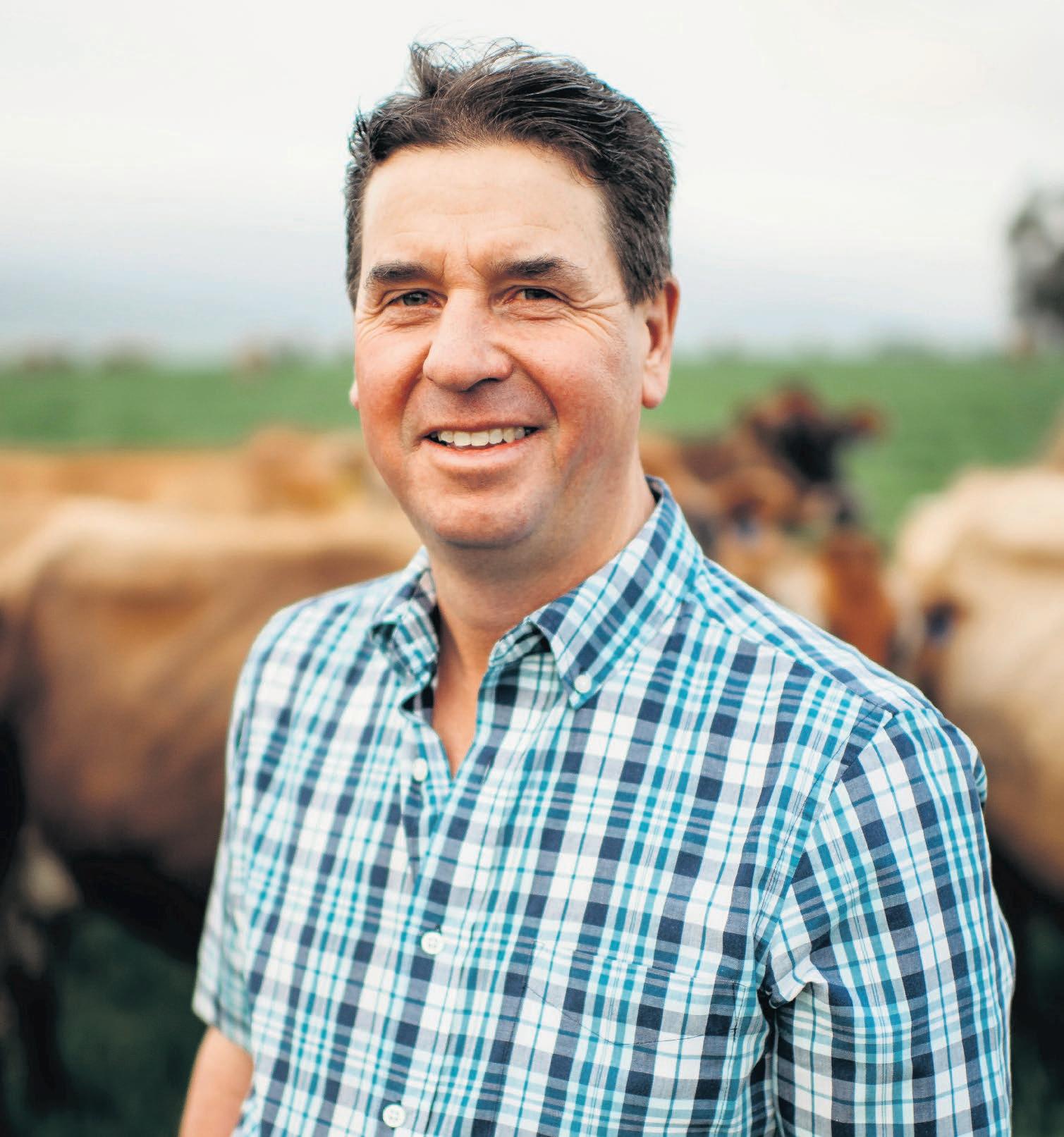

BY RICK BAYNE
AUSTRALIA’S ORGANIC farming industry is looking to grow its base, with current fertiliser costs adding more incentive for some farmers.
Although some farmers have turned away from the system, others are currently enjoying the benefits of organic farming which means they have avoided the volatile and high costs of imported fertilisers.
Australian Consolidated Milk (ACM) chief commercial officer Ryan Reynolds says the organic industry is in good shape.
“We’re actively trying to source more organic milk,” Mr Reynolds said.
“We’ve just put forward an opening milk price about 8 per cent higher for the coming year. The fundamentals for organics are strong going forward.
“The differential between organic milk and conventional milk will be circa $3 a kilo of milk solids into the coming year. That’s a fair premium.”
ACM has the largest organic milk pool in Australia, about 35 million litres.
The figure has been stable for a few years but ACM is hoping to grow to 45-50 million litres over the next few years and is encouraging farms to consider conversion.
“Organic dairy farming provides a stable, premium return to farmers,” Mr Reynolds said.
“There is the stability of three-year minimum price contracts that enable farmers to plan ahead with a known floor price.
He added the organic markets ACM has developed provide a stable return, with a range of value-added retail products and ingredients in diversified categories and markets, and is not exposed to the volatility of straight commodity markets.
Mr Reynolds says converting to organics isn’t too difficult.
“It depends on the existing farm practices,” he said.
“Those farming fairly naturally with low inputs and not using a lot of synthetic fertilisers and pesticides can make a fairly quick transition, in some cases 12 to 18 months, for others it might take three years.
“We find the farms that are interested are already half-way there; they’re in the box seat to make the transition.”
ACM has farms in northern Victoria and Tasmania considering converting to organics.
“ACM is looking to grow the organic milk pool to support further product and market opportunities and has a range of support programs to assist farmers interested in converting their farm to organic dairy production,” Mr Reynolds said.
Wilandra Farms operated by Sandra Jefford and Wilco Droppert at Clydebank near Sale in Gippsland, Victoria has been a certified organic producer of milk since February 2020, after about four years of learning and transitioning the farm to an organic system.
“We believe that milk produced in an organic and regenerative farming system is more likely to be nutritious, free from unwanted chemicals, heavy metals and GMOs,” Ms Jefford said.
“The farming system is better for our soil and other natural resources, and ourselves.”
“We decided in 2016 that we were going to farm organically, which was when the rainfall pretty much stopped.”
Ms Jefford admitted it was difficult going organic in dry conditions. “Our production did decline but the more we learnt, the more we wanted to succeed as organic,” she said.
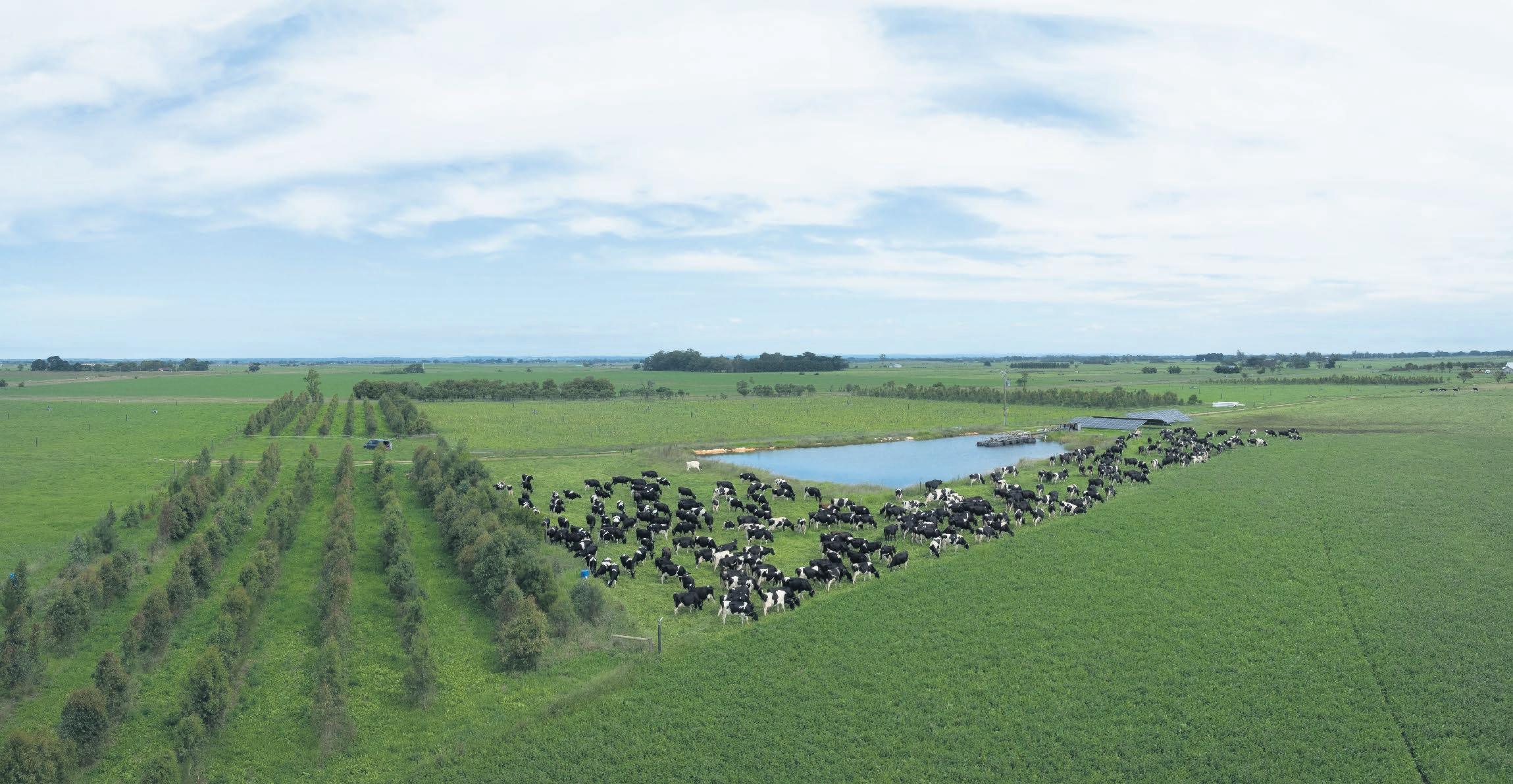
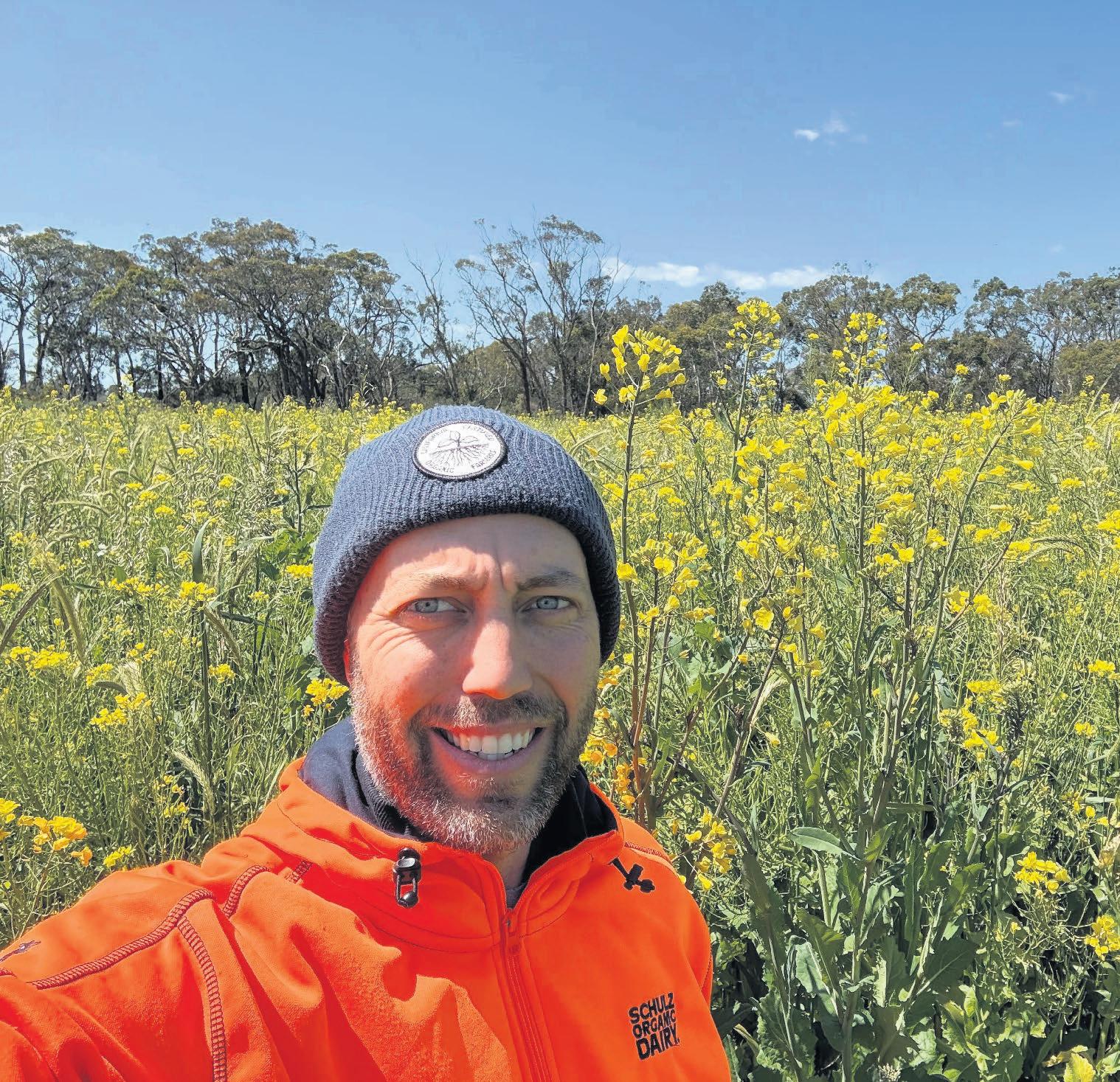
The shift was prompted by a conference presentation about the negative impacts of glyphosates.
“We weren’t heavy users of synthetics so that aspect wasn’t too difficult for us, but one of the biggest challenges was dropping the grain,” Ms Jefford said.
The farm has now returned to its pre-organic production levels, although with more land and a lower stocking rate.
“It is an expensive farming system for us but I’ve done testing on products and I can see there are significant differences in the fatty acid profile of organic milk and butter,” Ms Jefford said.
“That confirms we are producing a product that has nutrition lost to some extent in the conventional dairy sector.”
Wilandra will continue as a certified organic farm.
“We’re always battling to get a price that
justifies being organic but we believe in the system,” Ms Jefford said.
“We still have lots to learn; we’re not perfect organic but we’re constantly improving and overall, we enjoy the farming system and we plan to stick with it.
“We’re farming more naturally. We’ve planted lots of trees, we’re doing multispecies pastures, and we can see the big benefits from this approach.”
She believes the organic system has a strong future.
“I don’t know any farmers who have dropped organic and stayed in dairy. We were recently in New Zealand chatting with an organic person within Fonterra and they were very positive about the outlook for organic dairy.”
While many farmers remain committed to organic farming, some previous supporters have turned away.
Dairy News Australia has recently spoken
to two dairy farmers, one from south-west Victoria and one from the north of the state, who had farmed organic for about five years but returned to conventional farming.
They said the initial premium made the effort to farm organic worth it, but the rise in the conventional milk price meant it wasn’t worth the extra effort.
The farmers cited the costs and time involved with being organic, particularly with animal health, and said the price premium no longer justified the lower production outcomes and prohibitive costs.
However, the term `organic’ still means a lot to some farmers, including Schulz Organic Dairy in south-west Victoria.
The Schulz family has been farming near Timboon across three generations for more than 50 years and went organic in 1972.
“At that time, the dairy industry had a milk price collapse and my grandfather couldn’t afford to buy the chemicals needed to farm in a conventional way,” current owner Simon Schulz said.
“My father and I followed that trend and we’ve been farming organically for 54 years.”
Mr Schulz said organic farming meant less reliance on international fertiliser suppliers.
“We’re self-sufficient in that respect so it insulates us from the supply shocks for fertiliser that have hit the market,” he added.
“Our production is around the industry average but we’re not putting in fertiliser that destroys the soil.
“As time goes on, we’re becoming more productive compared to conventional farmers who have to put on more and more synthetic fertilisers and pesticides to get the same return.”
Mr Schulz said one of the benefits of organic farming is the consistent, gradually increasing milk price.
“We’re not seeing a drop in milk price or a bounce around like in conventional,” he said.
The farm is not just organic but focuses on biodiversity with multispecies plants, resulting in significant gains in production based on having diverse pasture species, which increases yields, without the high synthetic inputs.
Mr Schulz said the term organic was a good selling point.
“We value-add ourselves and have our own brand in independent supermarkets. Being organic is a marketing advantage for us as a value-add business.”
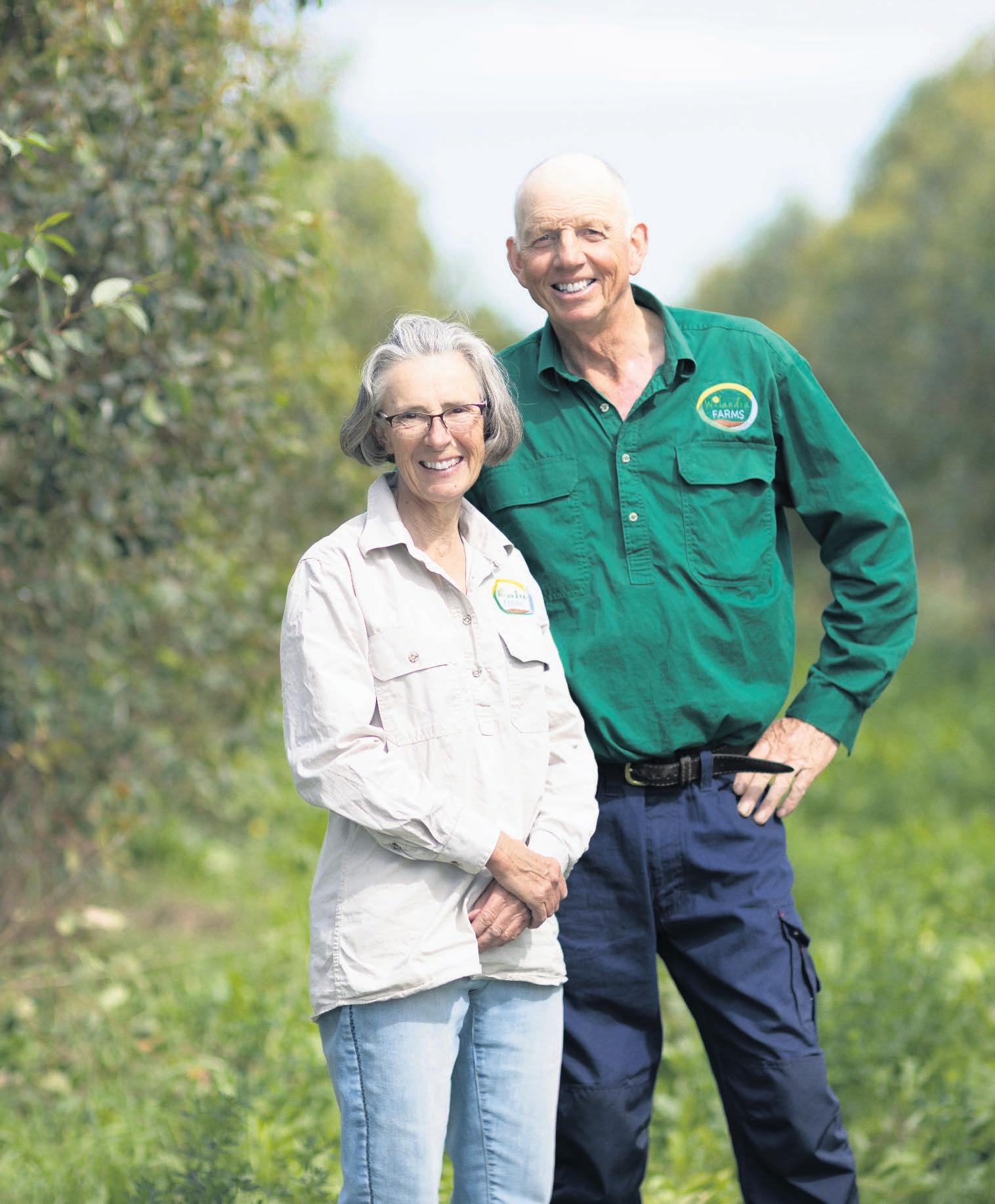
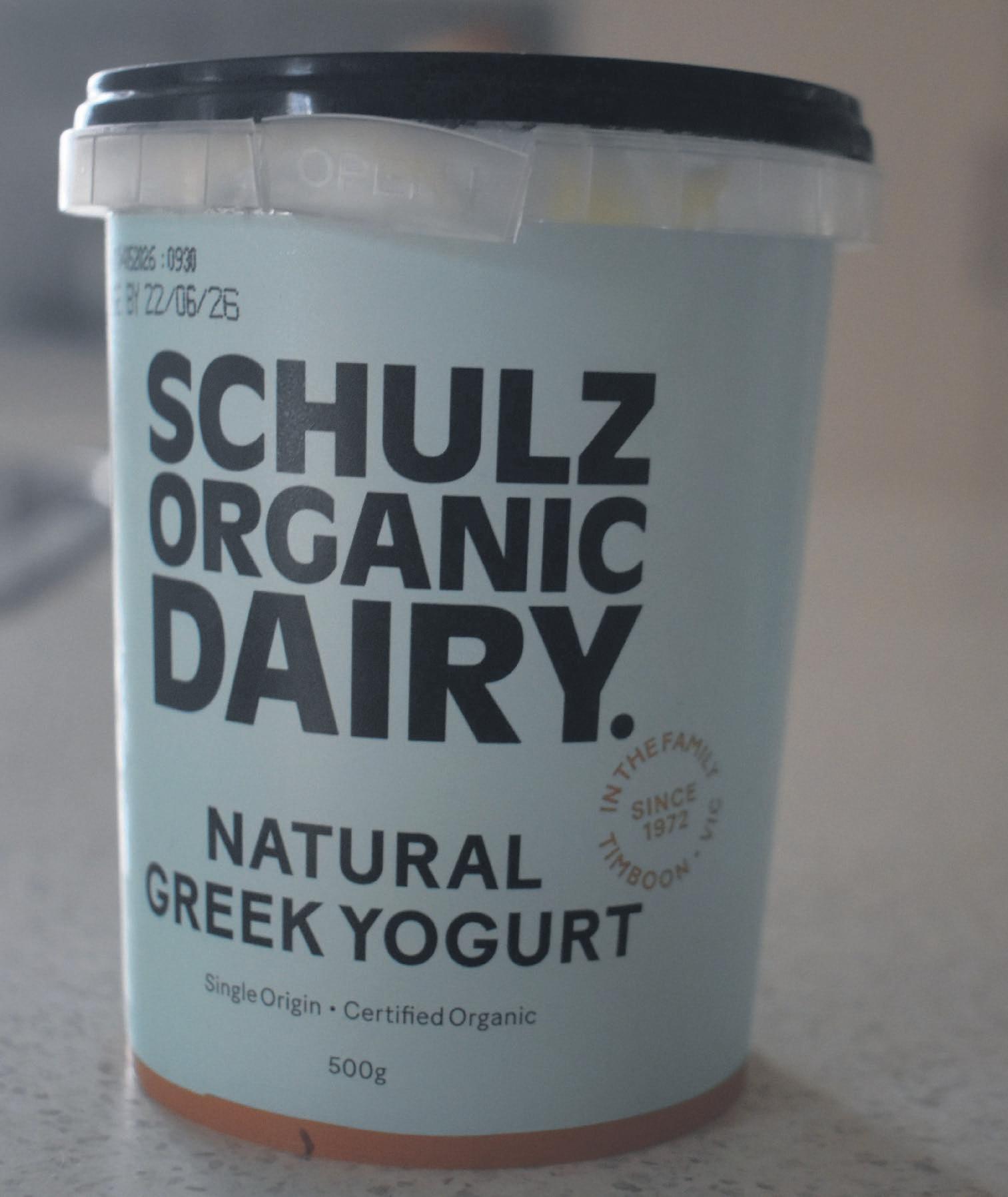
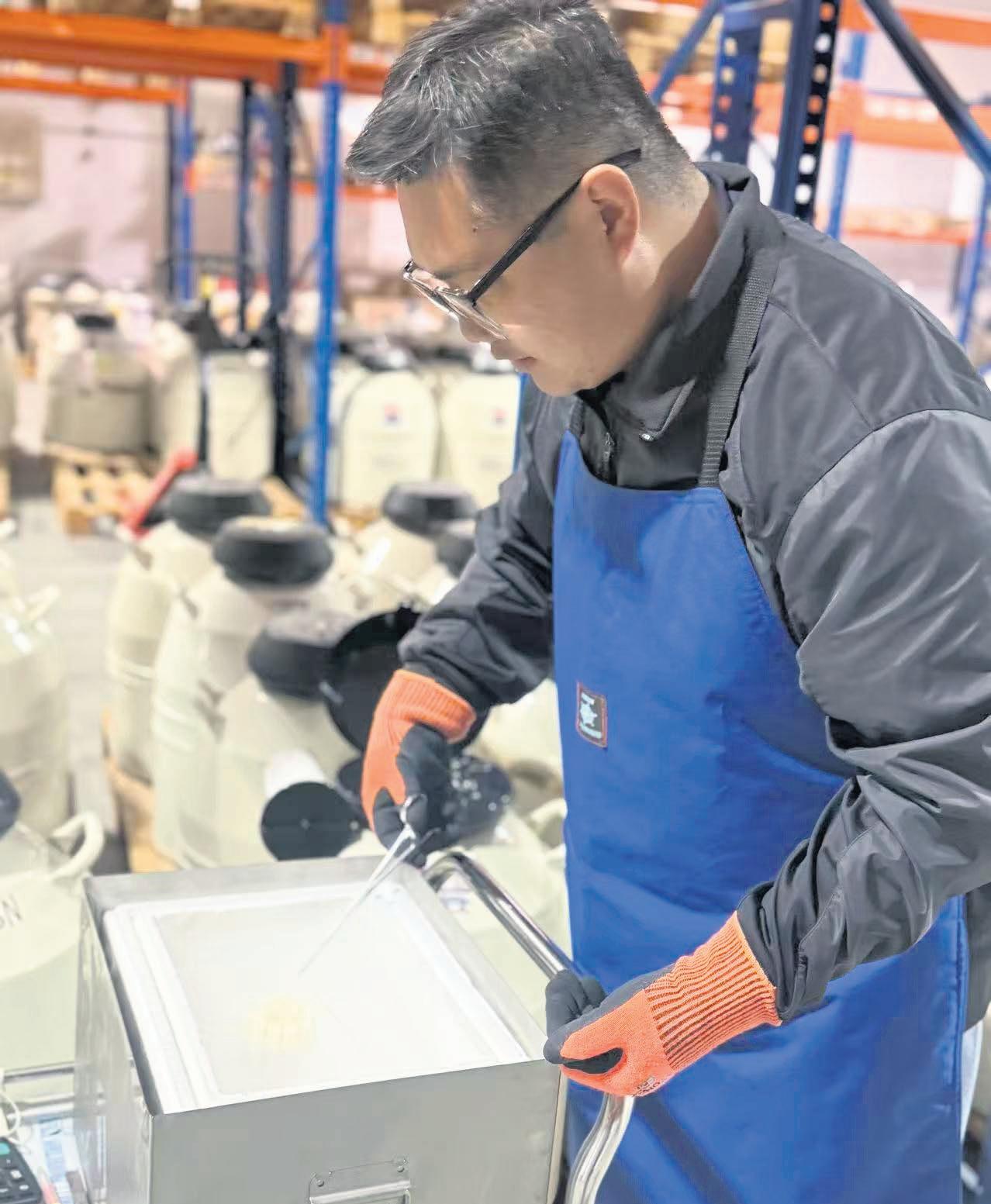
ABS AUSTRALIA has secured a major export agreement to supply Australian-bred dairy and Wagyu genetics into China, marking the first export of Australian cattle semen into that market for five years.
Five years in the making, this agreement is expected to position China as Australia’s largest export market for cattle semen, underlining growing international demand for Australian genetics and breeding systems.
This export agreement includes Australian Jersey, Holstein and Wagyu semen, with potential for additional breeds, as Chinese producers seek high-performance genetics to improve their productivity, efficiency and beef quality.
Importantly, the Wagyu genetics are destined for beef-on-dairy programs, where Wagyu sires are joined to dairy cows to produce beef-cross progeny.
The first shipment of Wagyu semen left Australia in April, with additional shipments scheduled over coming months.
ABS Australia business operations manager Bruce Ronalds said the agreement highlighted international confidence in Australian genetics, breeding systems and production standards.
“There’s been demand from China for Australian genetics since before that market was closed to us in 2021, so when the opportunity to export semen reopened last year, ABS Australia moved quickly to identify suitable bulls and work with our China team to meet market demand,” he said.
“That’s because Chinese customers are looking for proven genetics from trusted production systems, and Australia has built a strong reputation globally for clean, high-quality cattle and breeding programs,” he said.
Mr Ronalds said the genetics selected for export were among the highest-performing animals available, with bulls required to rank in the
top tier of their breed.
“The Chinese market is highly focused on performance and data, so the bulls selected needed to meet strict genetic benchmarks,” he said.
“All of the Jersey bulls selected ranked within the top 10 per cent for BPI ( Balanced Performance Index), while the Wagyu sires were also among the best genetics available.”
Northern Victorian dairy farmer and Jersey and Holstein breeder Rohan Sprunt has his Kaarmona Jersey genetics included in these orders.
“It’s exciting to see Australian-bred genetics heading into a market like China,” he said.
“It’s not really an accolade for me; it’s an accolade for the Australian Jersey breed and the work that’s gone into developing efficient, productive cows suited to global production systems.”
The same reputation for performance and productivity is also driving demand for Australian Wagyu genetics, with China’s growing appetite for premium beef creating opportunities for Australian breeders.
ABS China commercial director Snow Wu said genetics remained a long-term investment for Chinese producers looking to improve productivity, efficiency and beef quality.
“There is significant interest in Australian Wagyu and dairy genetics because Australia has built a strong reputation for breeding performance, production systems - including environmental benefits - and consistency,” she said.
Ms Wu said much of the Wagyu demand was linked to beef-on-dairy programs as China’s beef industry continued to evolve.
“We are seeing increasing demand for premium beef products in China, particularly in traditional dining and hot pot markets, where Australian Wagyu has developed a strong reputation with consumers,” she said.
BY JEANETTE SEVERS
A
DAIRY turnout paddock for one generation last century is now the site of Australia’s first fully-automated fully-housed free-stall Lely dairy barn, operating in East Gippsland, Victoria.
Reinie Kennedy’s maternal grandparents kept the Forge Creek farm for their heifers, when they ran their dairy at nearby Lindenow.
Kevin and Pat Coster sold the farm to their daughter, Debbie, and her then husband, Gary Kennedy, 33 years ago.
In 2008, a Herringbone dairy was built on the site and operated for a decade. Reinie completed his apprenticeship working in this dairy.
In 2016, he worked for a year in the UK and saw how barn-housed dairy production systems operate.
In 2024, Reinie and Bree Kennedy bought the farm from his parents, Gary and Debbie.
Although they were successfully operating their own cropping and sheep and beef breeding businesses, purchasing the family farm caused Reinie and Bree to think about further initiatives for ensuring cashflow.
The distance of the farm from a three-phase power supply was an issue in their plans.
But Reinie had an itch to scratch — he wanted to get back into the dairy industry and thought robot milking units would enable him to do that.
“I also wanted to build something that allowed us to benefit from dairy, but not be committed to milking seven days a week,” he said.
“It’s exciting to be using technology to get into dairy farming.”
Bree was supportive. She had her own experience in the dairy industry, as a milker on a farm at Tinamba and working as a herd tester for HICO.
“We wanted a dairy setup that would provide a wage, and cover the return on investment,” Bree said.
“Dairy creates a milk cheque every month. That compared favourably to the fluctuating returns with our sheep and beef farming.”
The dryland conditions of the farm were also a consideration. A bore put down in 2008 could provide stock water, and irrigate a crop, but the regular drought conditions in the Bairnsdale district meant the dairy could not rely on a pasture-based system.
“I have mates in the Macalister Irrigation District, and they’re awake at night moving irrigators and turning on irrigation,” Reinie said.
“It rules their lives. I didn’t want to do that just to have a bit of green grass.
“But we also knew we couldn’t operate a dairy with a pasture-grazing system.”
Reinie and Bree could use their irrigation to grow and stockpile fodder, so they would be able to plan well in advance for how many dairy cows they were going to feed, year-on-year.
In October 2024, Reinie made a phone call that changed everything.
He telephoned the Lely Center at Warragul and posed the question about constructing a free-stall dairy system where the cows remained in the barn year-round, and were milked in a robot unit.
Dale Serong, of Lely Center at Warragul, introduced Reinie and Bree to Andrea Meerwarth and Chris Neuhauser who were fellow Lely Gippsland staff members.
They also both had many years of experience installing barn-housed Lely dairy systems in Germany, prior to moving to Warragul.
For Andrea and Chris, the opportunity posed by Reinie and Bree was without precedence in Australia.
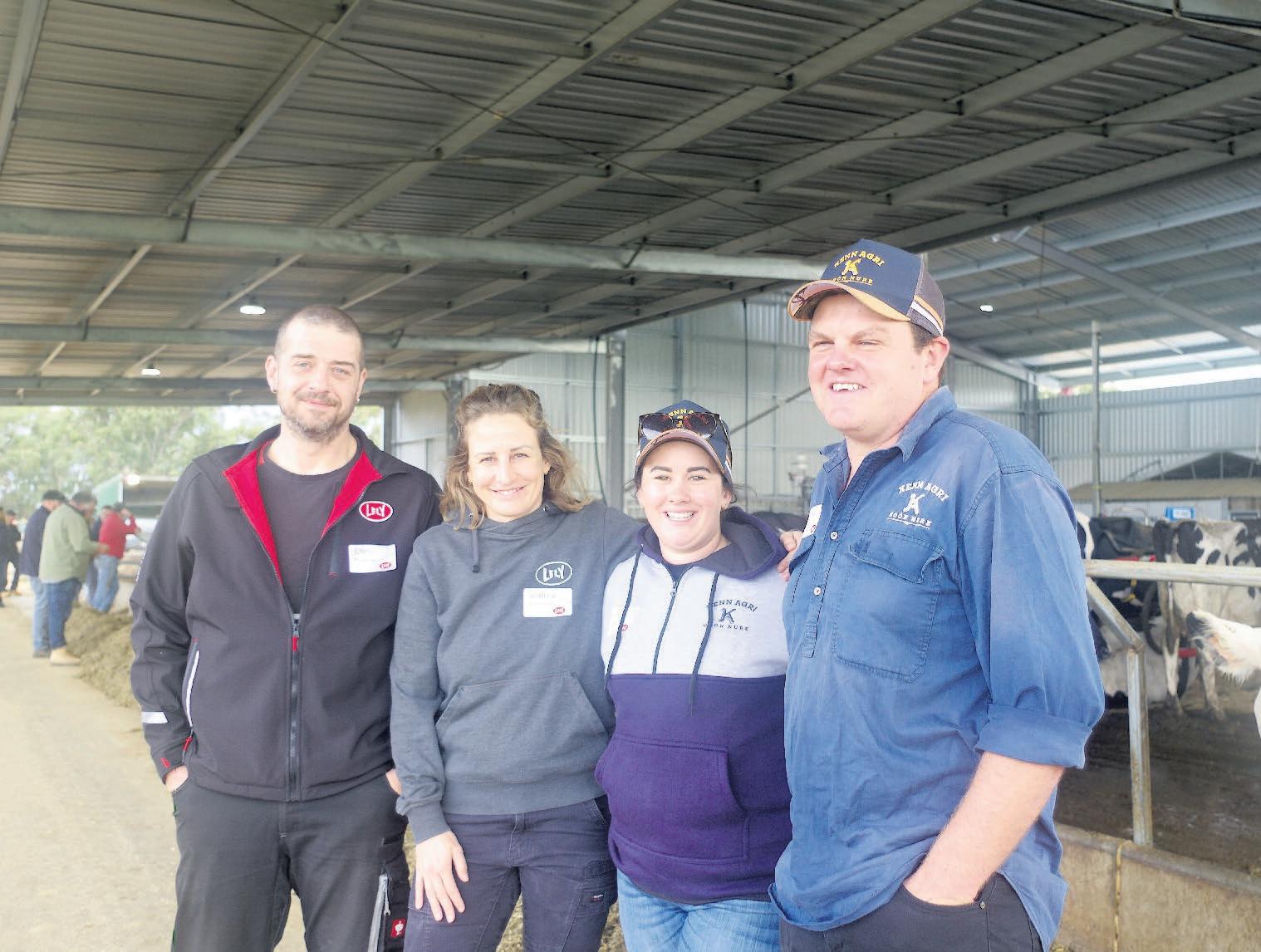
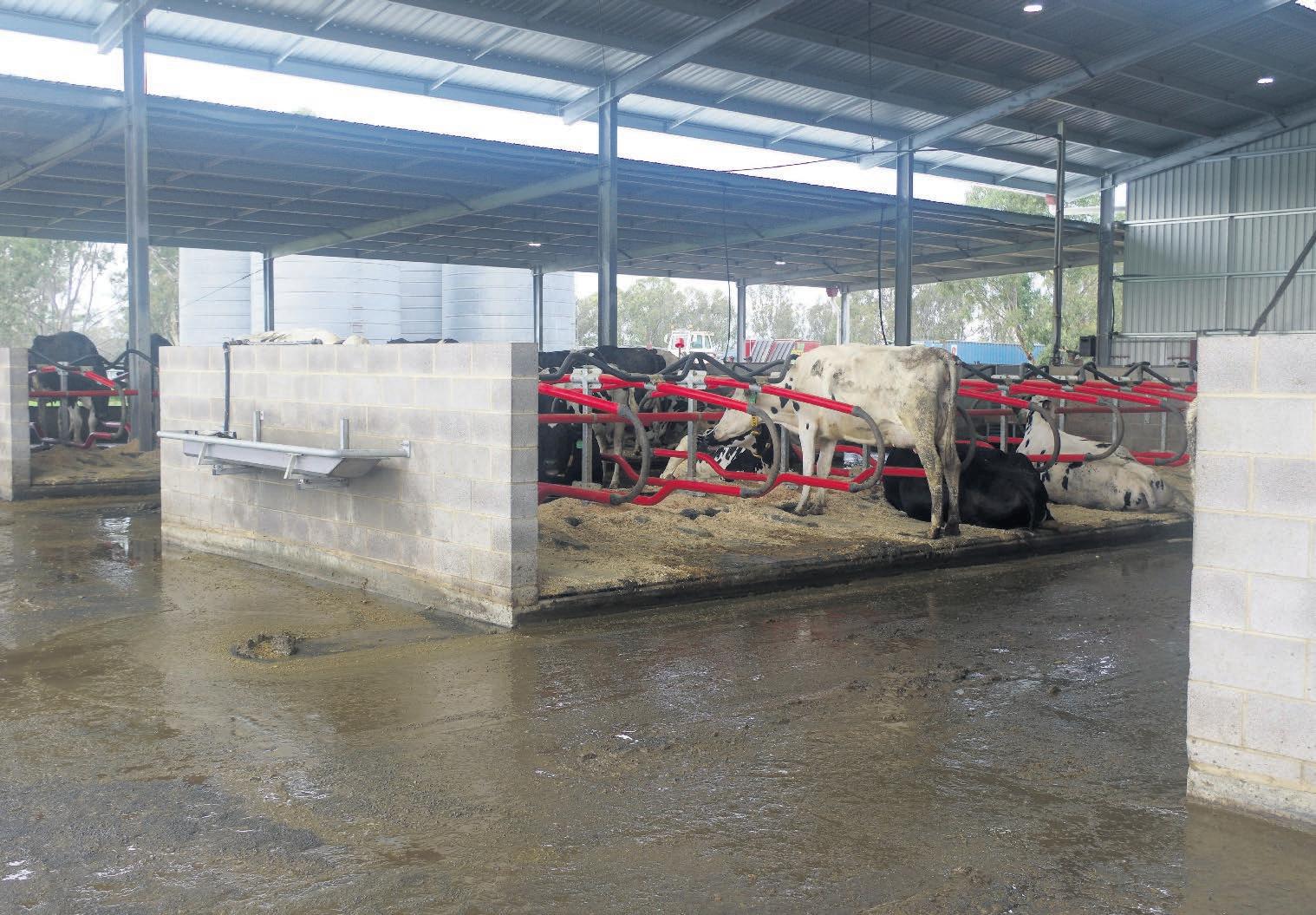
Andrea and Chris would be able to bring their considerable experiences in Germany to help design and construct a new style of dairy for Australia, in a country where pasture-based grazing is the norm for the industry.
“When I was in England, every dairy farm I went to was operating with their cows in a barn,” Reinie said.
“Energy usage was low and feed usage was high.
“I didn’t want to do a conventional dairy system here, because the droughts are hard in this district.
“I crunched the numbers and figured we could produce the fodder.
But I didn’t know where or how to start –and whether to have the cows half in the barn and half the year outdoors, or to have them in the barn all the time.”
Reinie and Bree talked to their business consultant, a dairy field worker and Andrea and Chris.
They extended their discussions to a bank manager, and, among several other people, Reinie talked to two of his mates who were electricians about how to compensate for the lack of electricity to the site.
Sam Tselepis and Dylan Dukakis, of
and discussed with Colin Dee the option of buying cows.
The multi-generation Dee family operate Lely A5 robot units and their milking herd is housed in a barn.
“We got in our car and started talking about what we were going to do,” Bree said.
“That was the whole trip home — talking about it,” Reinie said.
Site readiness began in March.
They retrofitted the old herringbone dairy shed and began extending it.
The first stage included one robot unit which was installed on slats put over the old pit.
The shed size was extended to 30x32 metres, concrete was laid and bitumen overlaid to provide an even floor surface.
A feed pad was constructed on the east side of the barn, also undercover.
Overhead sprinklers were installed, along with the free stalls and rubber matting as beds for the cows.
There are two double rows of stalls under the roof and a single row along the west side of the shed.
Rain water is harvested from the dairy shed roof, hay shed and calf shed.
Water usage was calculated to the litre by Andrea — 1500litre/day and 1.27litre/milking.
By November, stage one construction was complete. A truckload of — 46 cows, some in-calf, others fresh-in-milk and a few dry, arrived from Clydevale Holsteins in December 2025.
“They arrived, got off the truck, entered the barn, saw the robot unit, and they were into it,” Bree said.
“Everything was familiar to them, and it’s been a low stress learning curve for us and the cows.”
After six months and 185 days in lactation, milk yield is averaging 30 litres/day/cow, at 3.52 per cent protein and 4.85 per cent fat. The herd is averaging 2.6 milkings per day.
The best cow is producing 55 litres/day of milk, doing four milkings a day.
The herd is now 61 cows, and Reinie and Bree have adopted year-round calving.
Bree is a qualified AI technician and is optimising sexed semen for the first year of joining.
“The business is based on year-round milking,” Bree said.
“We’re catching the cows for joining on their natural cycle.”
Precision Point Electrical, solved the problem – based on the forecast power usage provided by Andrea, they would be able to install a solar panel system, battery and invertor that would provide reliable off-grid power.
“There’s only a limited amount of twophase power available, and that’s located away at another part of the farm,” Sam told Dairy News Australia.
“Three-phase power is also kilometres away.
“So we had to go fully off-grid.
“Lely had the numbers for power usage.
“The whole installation runs the robot milking unit – and is set up for installing a second unit – the chiller, vats, hot water service, manure collector, office, calf shed, lights in the dairy shed and hay shed, external lights, the overhead sprinkler system that provides comfort for the cows in hot weather.”
The power installation includes 50 kilowatt of solar with panels on the roof in an east-west setup, 60kW hours of battery, and is wired so a back-up diesel generator can be switched on if necessary.
It was on holiday in February 2025 that Reinie and Bree made the decision to go ahead with their new investment. They visited Clydevale Holsteins at Macorna North (Vic)
All cows wear collars to measure their heat cycle against production.
“We’re prepared to go out to 400 days before joining, if the cows fresh-in-milk keep producing their optimum volumes,” Reinie said.
Semex sexed semen straws are used on first and sometimes second joinings, followed by beef semen.
Stage two shed construction has already begun and will be completed by November this year.
The shed is being extended to 40x45 metres.
Then the next load of cows from Clydevale Holsteins will arrive, increasing the milking herd to 85 cows.
“We’ll use compost bedding for the first 12-18 months, and we’re installing a second robot milking unit,” Reinie said.
“The second RU will be set as a mirror to the original, and we’ll use drafting gates to keep the two herds separate.
“It’ll allow us to get our cow numbers right.
“Eventually we’ll construct a second feed pad, on the west side of the shed.”
When stage three is complete, with additional free stalls and rubber mat replacing the compost bedding system, Reinie and Bree expect their shed to be housing 120 cows milking in two robot units.
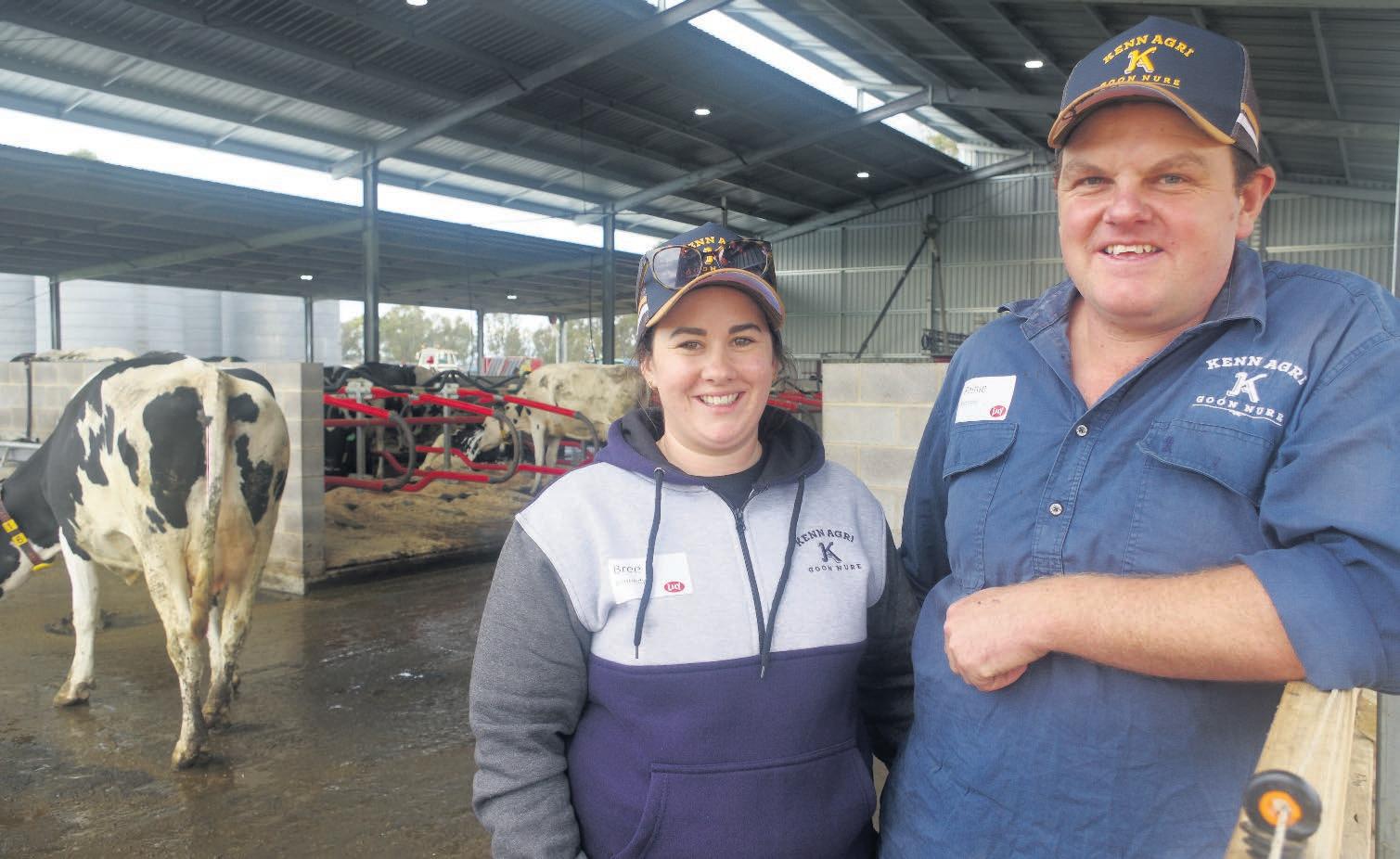
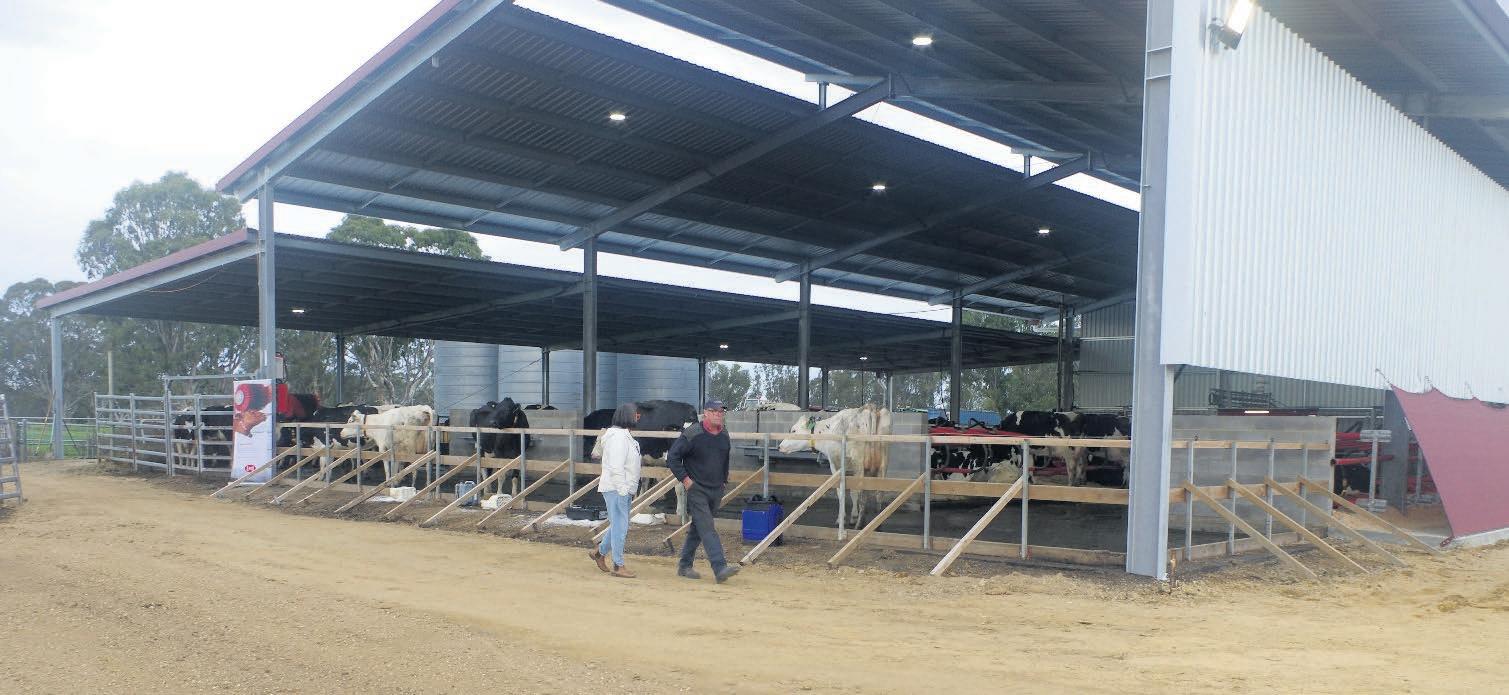
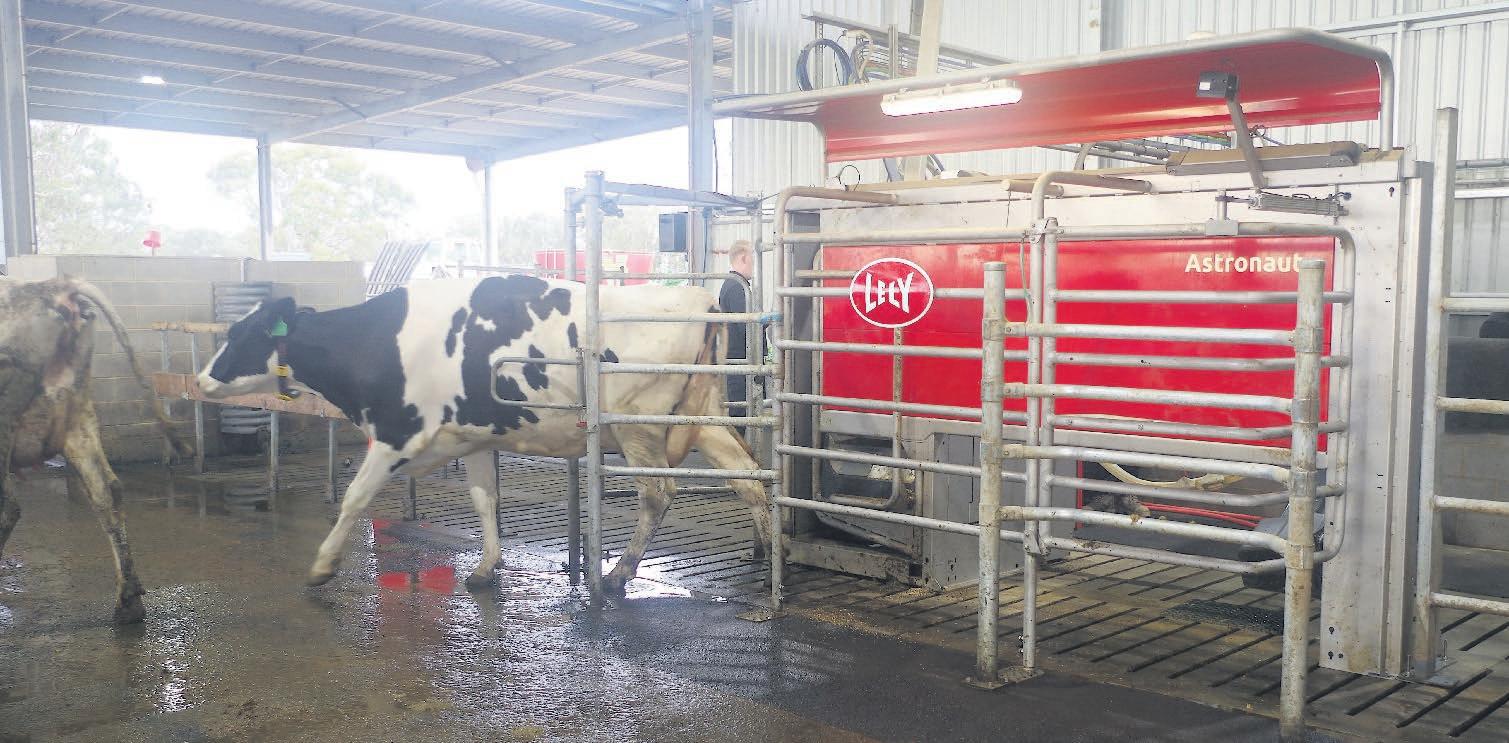
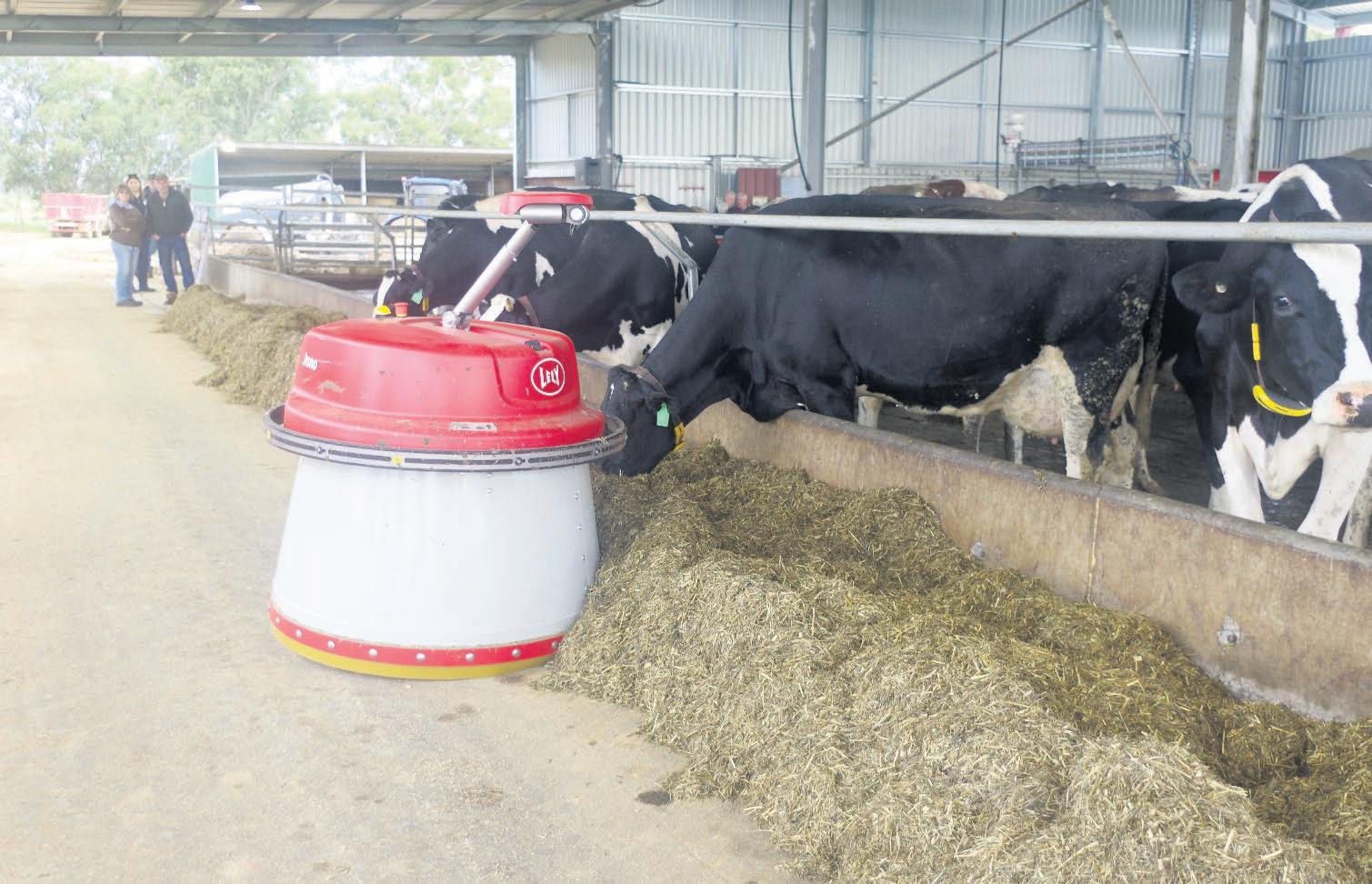
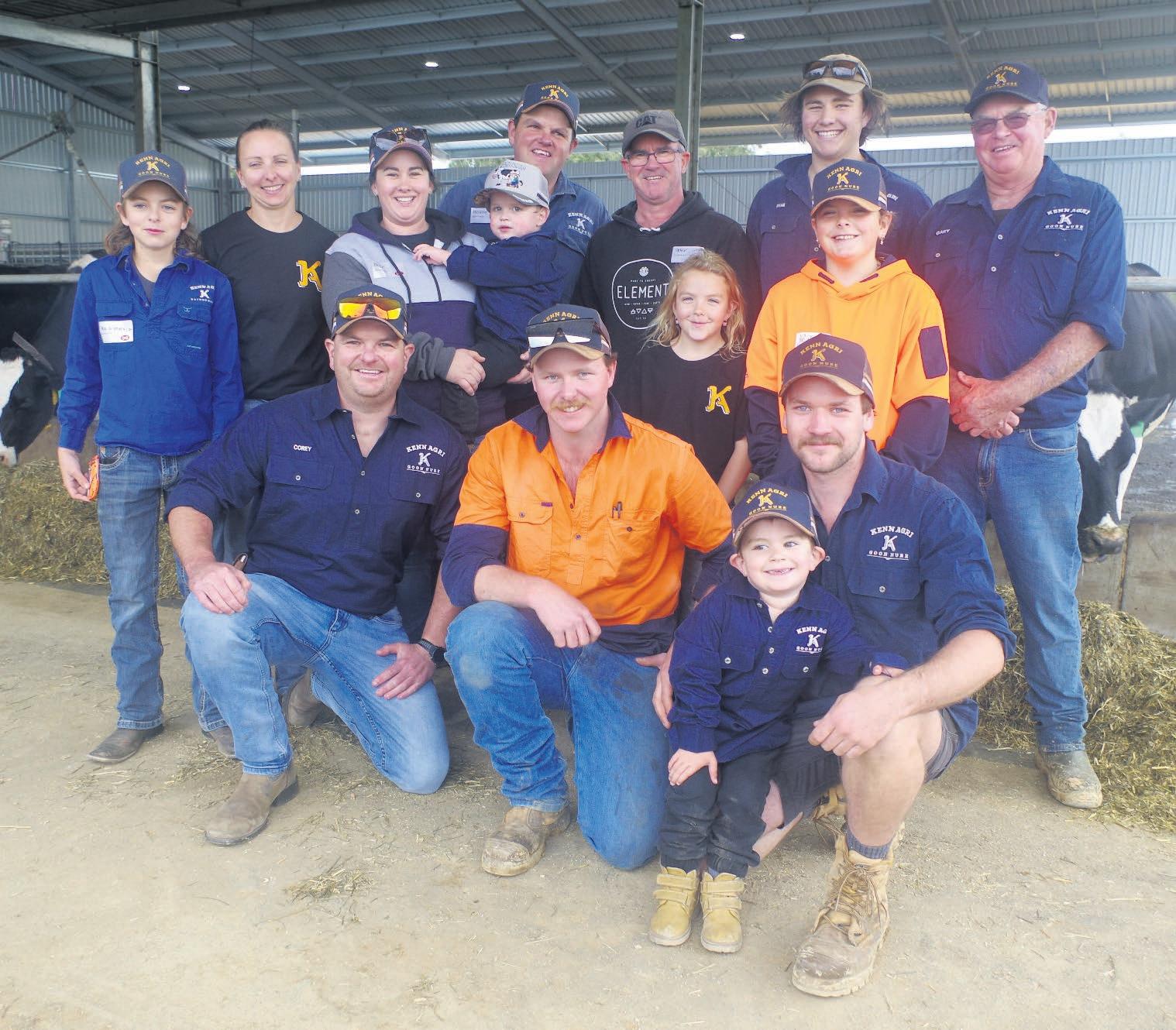
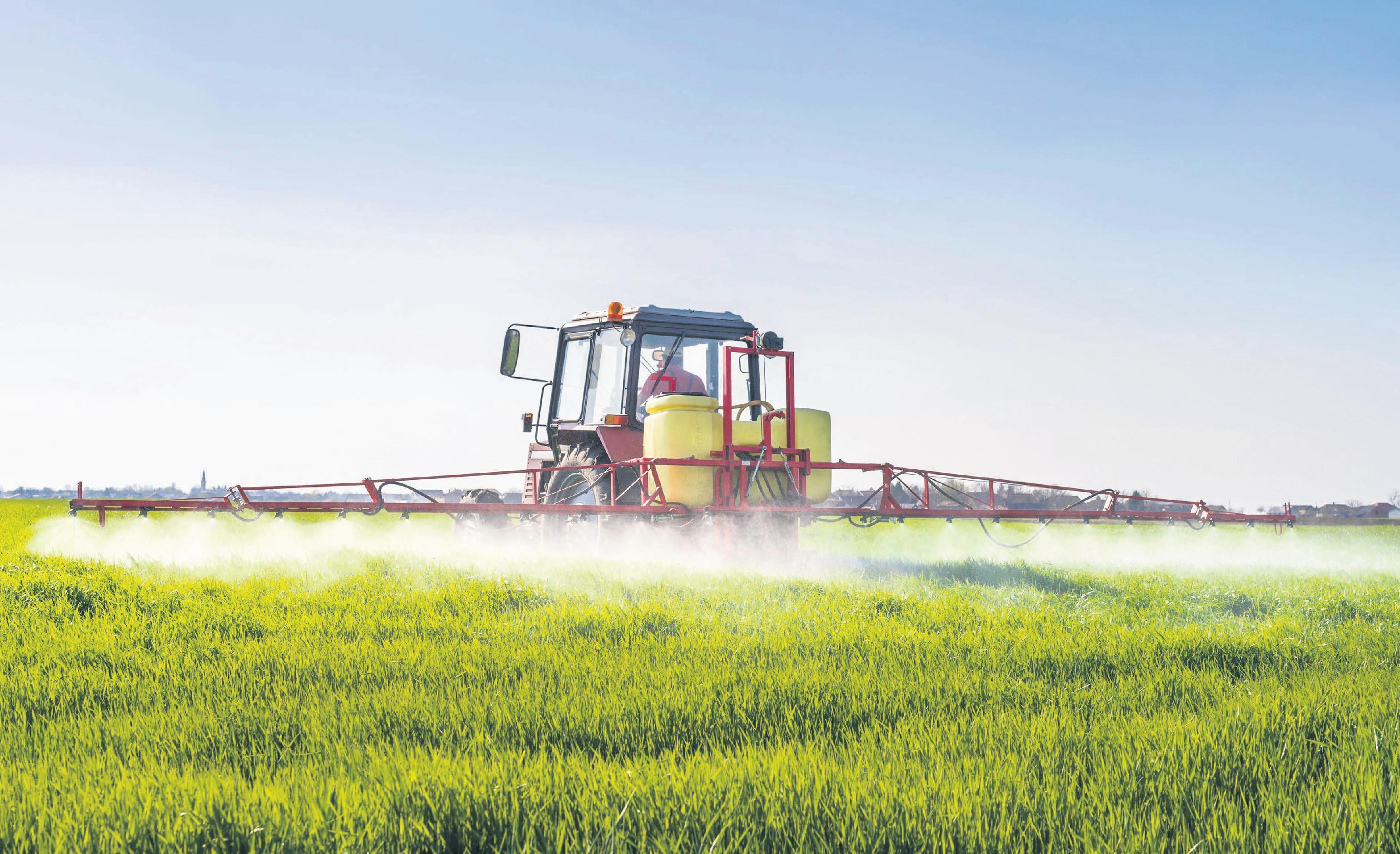
BY NICHOLAS SPANDLER
TWO OF agriculture’s most widely used, and most controversial herbicides, will remain on the market, but face sweeping new restrictions after the Australian Pesticides and Veterinary Medicines Authority completed a review process that began in 1997.
The APVMA published its final decisions on paraquat and diquat last week, affirming both chemicals’ registrations while imposing significant new limits on how, where, and at what rates they can be applied.
APVMA chief executive Scott Hansen said both chemicals had been subjected to contemporary risk management frameworks and rigorous scientific investigation.
“Both chemicals remain available for use with significant new restrictions on application rates and permitted uses,” Mr Hansen said.
The most significant change is a dramatic reduction in maximum application rates.
Paraquat and diquat could previously be applied at up to 1150 grams per hectare.
Under the new rules, that ceiling drops to 231g/ha for most uses, an 80 per cent reduction.
A higher rate applies only for technology-assisted optical spot spraying, which is capped at 30 per cent of the treated area.
Backpack sprayers will be phased out entirely for both chemicals, following modelling that found they expose operators to
unsafe levels, even with personal protective equipment.
Enclosed mixing and loading systems will be mandatory for all uses, a response to the risk of operators accidentally decanting concentrate into inappropriate containers, a pathway to accidental poisoning that the APVMA identified as a significant ongoing concern.
For broad scale boom spray operations, enclosed cab application will now be compulsory.
The decisions also narrow the list of situations where each chemical can lawfully be used, as well as the introduction of spray drift buffer zones.
Paraquat users applying by boom spray at standard rates must maintain a 250-metre downwind buffer from natural aquatic areas, a restriction that reflects a revised and tightened assessment of the chemical’s toxicity to aquatic species.
One of the most closely watched questions in the review was whether paraquat exposure increases the risk of Parkinson’s disease, a link that has driven bans in the European Union and dozens of other countries.
The APVMA concluded the weight of evidence does not support a direct causal association between approved use of paraquat and Parkinson’s disease risk.
The regulator received 171 submissions from scientists, doctors, farming industry groups and other stakeholders, covering
a large range of impacts, such as human health, agriculture and environmental impacts.
Products bearing old labels can continue to be sold and used for two years from June 22, 2026, giving the industry time to adapt to the new conditions and source-compliant equipment.
The National Farmers’ Federation said the decision means products remain approved for use, but with lower application rates and more controls.
NFF President Hamish McIntyre said farmers take their responsibility to protect people and the environment seriously.
“Without healthy people and a healthy environment, there is no food and fibre production. That’s a fundamental reality for every farm business,” Mr McIntyre said.
“We acknowledge the community concern around paraquat, and it is absolutely critical that the products farmers use are safe for both people and the environment.”
Mr McIntyre said modern agricultural chemical use operates under strict controls.
“Today, agriculture operates under stringent regulations, including strict restrictions on application systems, mandatory personal protective equipment, and training or certification requirements for chemical use,” he said.
“These are science-based safeguards designed to protect farmers, their workers, and the environment.”
Mr McIntyre reinforced the importance of
Australia’s independent regulatory system.
“Decisions about agricultural chemicals are made by the APVMA, an independent, science-based regulator that assesses the latest evidence from Australia and around the world against our unique conditions.
“Farmers rely on that independent process. We are not scientists, but we have a responsibility to follow the rules, use products correctly, and continually improve practices as new information becomes available.”
Mr McIntyre said products like paraquat have played an important role in modern farming systems.
“Paraquat helps support effective weed management and enable practices like no-till farming, which protects soil health, reduces erosion and helps retain moisture.
“These practices are critical as farmers respond to increasingly variable seasons and growing demand for food and fibre.”
Mr McIntyre said the NFF would work closely with industry following the decision.
“No one wants to see farmers put at risk, and decisions must continue to be guided by robust scientific evidence, with clear, practical and enforceable safety requirements.
“The NFF will continue to support our members with clear, evidence-based information and ensure farmers’ interests are represented as the implications of this decision are worked through.”
The full decision can be found on the APVMA website.
AUSTRALIAN JERSEY genetics are making their mark in New Zealand with more Kiwi farmers looking across the ditch to improve their herds.
For the second consecutive year, Jersey Australia, Genetics Australia and Agri-Gene hosted a site at Mystery Creek Field Days in June to promote the Jersey breed.
They found that more New Zealand farmers are turning to Australian Jersey genetics in their breeding programs.
The four-day event attracted more than 130,000 people this year, making it the biggest agricultural field days in the southern hemisphere.
The interest was sparked after Australia hosted several New Zealand farmers at the World Jersey Conference tour in early 2025.
Jersey Australia general manager Glen Barrett said the Mystery Creek presence confirmed the growing popularity of Australian genetics.
“It was a very positive event and the most pleasing thing compared to the previous year was the high product recognition and the high re-use factor for local farmers,” Mr Barrett said.
“We saw strong sales last year after the World Jersey Conference and that momentum continues to build. Australian genetics are being more widely used in New Zealand and they are having an influence.”
Jersey Australia in partnership with Genetics Australia and Agri-Gene hopes to build on that momentum and plans to return to the Mystery Creek field days next year and possibly expand to a regional roadshow.
“The most positive thing we found at the World Conference was that they really like the cow we have here in Australia.
“That drove their interest and their desire to increase the use of Australian genetics in their breeding programs and we want to continue to build on that.”
Genetics Australia export manager Rob Derksen said it was pleasing to see the number of farmers visiting the Australian display that were increasing their use of Australian Jersey genetics.
“Farmers commented on the well-balanced cow they are getting by using Australian Jerseys,” Mr Derksen said.
“They liked the size of cow compared to what they can obtain from local suppliers, the better mammary systems and they felt the Jersey breed was ideally suited to NZ farming systems given the efficiencies the breed offers.”
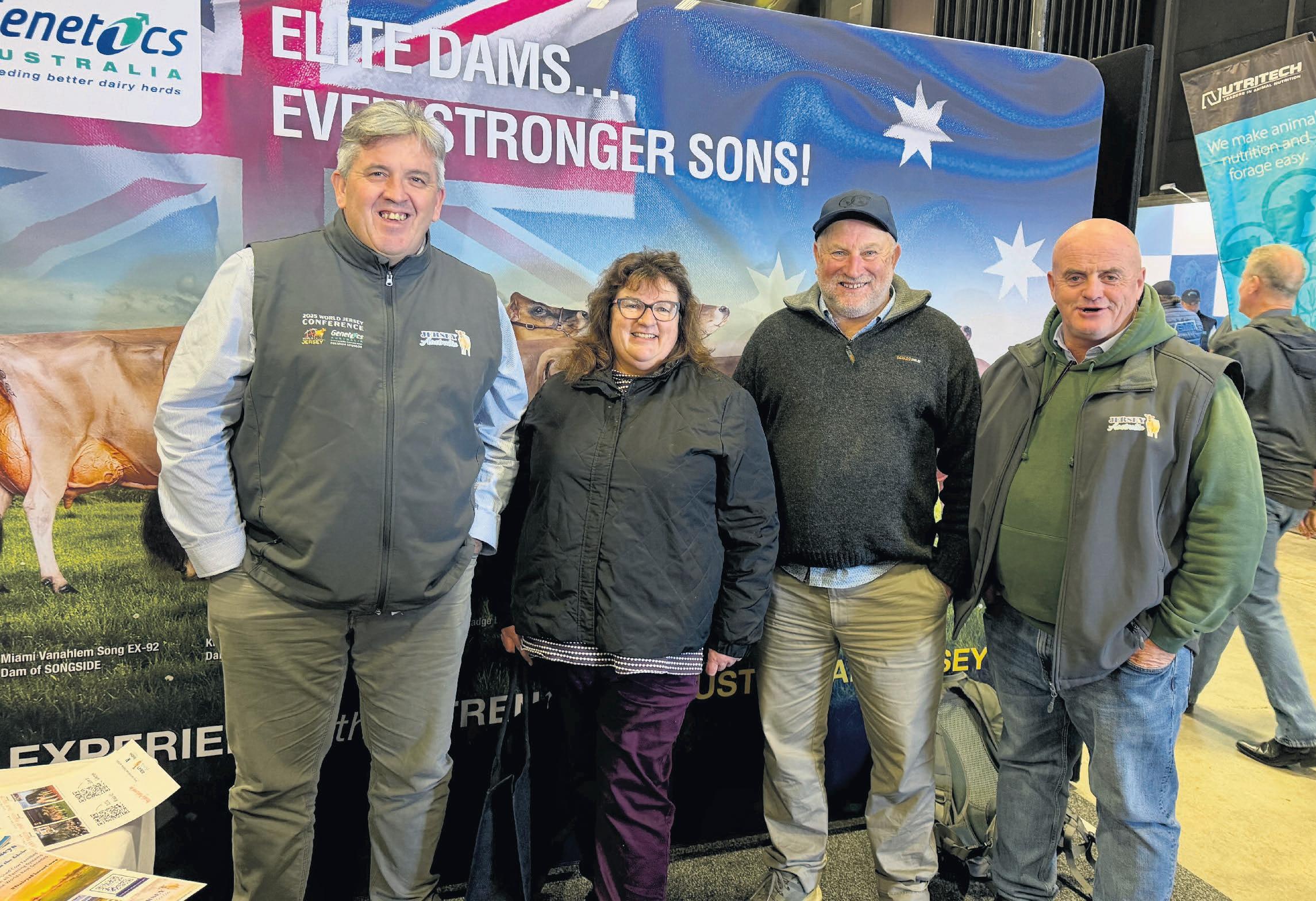
Mr Derksen said sales of Jersey semen from Australia had been growing year on year from top Australian Jersey bulls.
“It opens up the availability of new bloodlines for Kiwi farmers from genetics tried and tested in grazing systems,” he added.
Agri-Gene general manager Chris McIlroy described the event as massive and said it was a good opportunity to showcase Australian Jerseys.
“The interest in Australia Jerseys is very strong, with both pure Jersey breeders and cross-breeders,” Mr McIlroy said.
“Australian Jerseys are backed by good cow families and they are improving the type and udder traits and the size of cows in the Kiwi herd,” he added.
“This year’s sales have grown 30 per cent over last year so we are keen to continue building opportunities in New Zealand.”

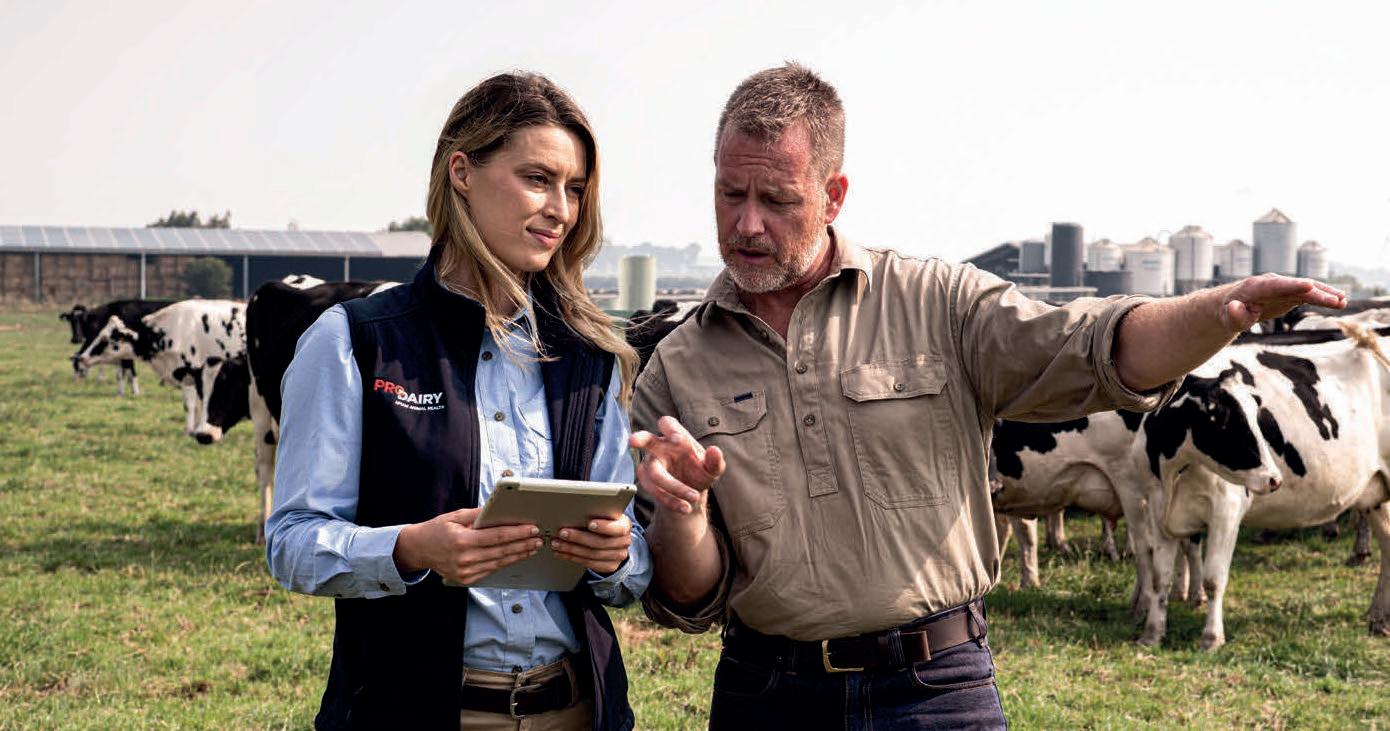

• Review of the current biosecurity principles, the major risks and actions taken to reduce those risks.
• Development of a customised biosecurity plan.
Visit prodairy.com.au for more information.



















MFP® Feed Supplement provides HMTBa methionine in a highly bioavailable, dry powder form, helping to support rumen health and optimize milk fat synthesis. Backed by NOVUS expertise, it’s a trusted tool to help maintain consistent milk fat production as part of your nutrition program.


Increase rumen microbial production
Increase milk fat response & milk protein production




Speak with your Novus representative today to learn more about the role of MFP® Feed Supplement in your feeding strategy or visit Novusint.com







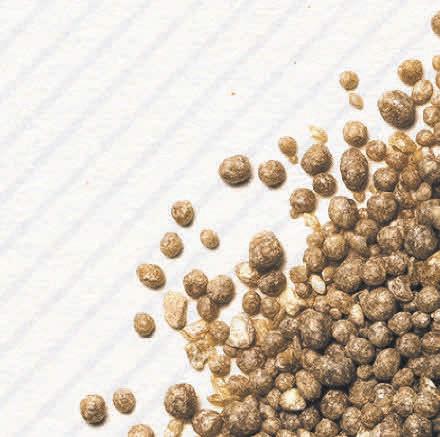


Novus Nutrition Pty Ltd | info@novusint.com +61 472 599 247