
EDITORIAL
EDITOR
Noah Carandanis
MANAGING
Olivia Hendry
NEWS
Grace Peterson
Will Lowe
ARTS
Adyan Hussein
OPINION
SOCIAL
Liam Schmitt
COPY
ONLINE EDITOR
Karli Schwartz
DISTRIBUTION MANAGER
Caleb Dougherty
CONTRIBUTORS
Daniela Hernandez
Maryam Luqman
Hayden Neumann
Layla Phillis
Faith Younan
PRODUCTION & DESIGN
CREATIVE DIRECTOR
Haley Hsu
CONTRIBUTORS
Naue Pagtakhan
Dexter Delaski
Nikki Marin
ADVISING & ACCOUNTING
COORDINATOR OF STUDENT
Reaz Mahmood
SALP ACCOUNTANT
Vacant
STUDENT
Rae Fickle
STUDENT MEDIA TECH DEVELOPER
Kaylee Hynes
WEB DESIGNER
Owen Cook
To contact Portland State Vanguard, email editor@psuvanguard.com.
MISSION STATEMENT
PSU Vanguard’s mission is to serve the Portland State community with timely, accurate, comprehensive and critical content while upholding high journalistic standards. In the process, we aim to enrich our staff with quality, hands on journalism education and a number of skills highly valued in today’s job market.
ABOUT Vanguard, established in 1946, is published weekly as an independent student newspaper governed by the PSU Student Media Board. Views and editorial content expressed herein are those of the staff, contributors and readers and do not necessarily represent the PSU student body, faculty, staff or administration. Find us online at psuvanguard.com.

LAYLA PHILLIS
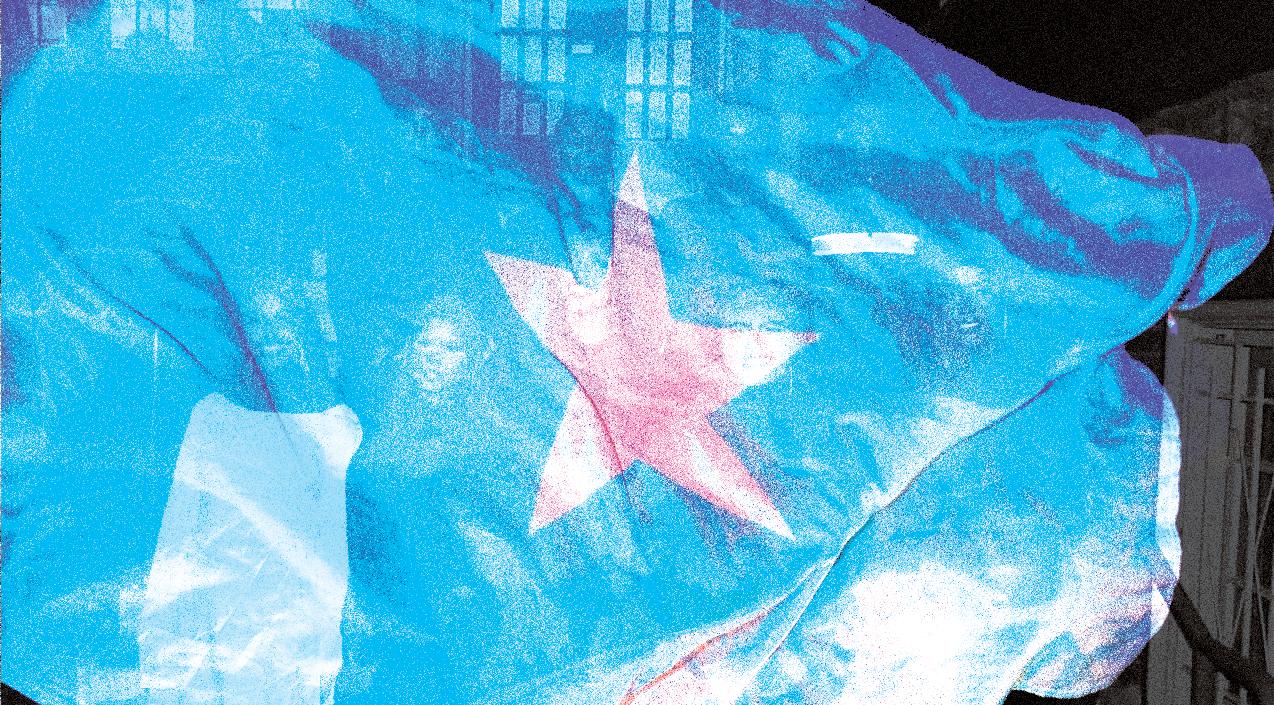
Spaces for students to feel represented are essential for sustaining cultural diversity, and that type of representation is what the Somali Student Association (SSA) strives to accomplish.
SSA is a student-led organization at Portland State University dedicated to building community, amplifying voices and honoring Somali culture. Rooted in representation and collective care for all Somalis in Portland, SSA creates a space on campus where their diversity is celebrated and their traditions are preserved.
SSA is led by Naymaa Ahmed, the president of the club. She emphasizes that being part of a club that is dedicated to her Somali identity carries great significance in her life and that the group is about showing up for each other.
“Stepping into a room where you’re surrounded with people who look like you, sound like you, are speaking the same language as you… being around the music, and just feeling like you’re at home really makes you want to come back to these [SSA] events and hang around these people,” said Ahmed.
For Ahmed, that sense of belonging is deeply personal, with language playing an important role in her connection with the group.
“Growing up, the second I left my house, I never got to speak Somali elsewhere. When I was in school, I didn’t have many Somali friends, so now, being able to come to [SSA] meetings, I feel comfortable going back and forth between English and Somali, and everyone knows what I’m saying,” said Ahmed.
The support that SSA provides for Ahmed helps her grow her leadership skills and facilitate outside connections.
“We were able to get in touch with a lot of community organizations, and these are all people that speak Somali and they want to see that same culture being preserved,” said Ahmed.
Abdirahman Sido, a freshman majoring in criminal justice, has the goal as Event Coordinator to bring Somali culture to PSU. Stepping into his leadership position has strengthened his own bond with his identity.
“Before I came into my leadership role, I knew I always had some sort of love for my community and for being Somali. But now that I’ve really stepped into it, I’ve gotten more in touch with my Somali roots
and my Somali culture; the songs, the dances, the clothes,” said Sido.
The appreciation he has gained for Somali culture through SSA shows how the organization fosters pride within its community.
“Somalis have a really beautiful culture... it has everything that you can imagine, everything that one would need,” said Sido. “Living in the United States and going to a university in the United States, people tend to forget that culture and where they originally came from. This [organization] is a small reminder of where we came from and who we are.”
To showcase Somali customs and bring people from all over Portland together, SSA hosted Somali Night on Saturday, Jan. 31. Attendees got to listen to performances of Somali music, poetry and storytelling. They also got to see a fashion show, watch Dhaanto dancing and more.
Dhaanto is a traditional Somali dance commonly performed at social gatherings that is meant to bring people together.
“Somali night was such a huge event for us. This year, we were able to get double the funding we got last year, and it was just a little part of everybody’s ideas coming to this event. It required so much time and effort and energy, and it came from the entire board.” said Ahmed.
The dedication and commitment that the group devoted to this event paid off, creating unforgettable memories like Sido’s favorite performance.
“My favorite moment would be Dhaanto, which is a Somali culture dance… It was beautiful. We had it not once, but two times, that’s how good it was, and both of them were just jaw-dropping,” said Sido. According to Ahmed, around 300 people attended the Somali Night. This year, SSA expanded the celebration to welcome all Portlanders instead of strictly members of PSU. Interacting with the Somali community is especially important to Ahmed, so being able to extend the event beyond PSU was special; it allowed her to share that pride with a larger audience.
“My favorite moment was when we did the board introductions, because being on stage with an entire board, standing in front of everybody… being able to just take it in and be like, ‘this is something we were able to bring to our community, and something we were
able to have everyone celebrate with us.’ I think it was such an important moment,” said Ahmed.
Seeing her team’s ideas come to life at this event sparked joy in Ahmed. Witnessing the energy from the audience and her leadership team made her appreciate the impact SSA was making on the community.
“It makes me so excited to see that people are just as excited as I am in preserving Somali culture,” said Ahmed.
Sido describes SSA as a safe space at PSU - a place where Somali students can feel comfortable, experience their culture and to remember where they came from. He notes how their initiative has amplified Somali voices and unified a network of people.
“I am really proud of our team at the Somali Student Association and of the work that we’re doing to bring together Somalis all across the city, and I hope the exposure reaches all across Portland and the national level as well,” said Sido.
SSA also encourages everyone to speak out against stereotypes made against minorities. This is a key value for the organization, as harmful generalizations can directly affect the Somali students at PSU and shape the way others see them. Somali Night plays a major part in challenging those misconceptions and educating others on who they are outside of prejudice.
“We’re immigrants in this country, and we’re showing the world that we belong here. As much as we are Somalis, we’re also American, and we’re just university students working to a higher goal,” said Ahmed. “There’s so many successors in that room, so many college students, so many people who are showing the world that we’re not criminals.”
Through events like Somali Night, SSA honors Somali heritage and uplifts its students by imploring them to embrace their identity. It serves as a platform for community connection and bridges campus life with Somali culture, giving students the chance to commemorate their roots with a wider circle.
For upcoming events and more information on SSA, visit their website pdx.campusgroups.com/ssa/home/ or find them on Instagram @ssa.psu.
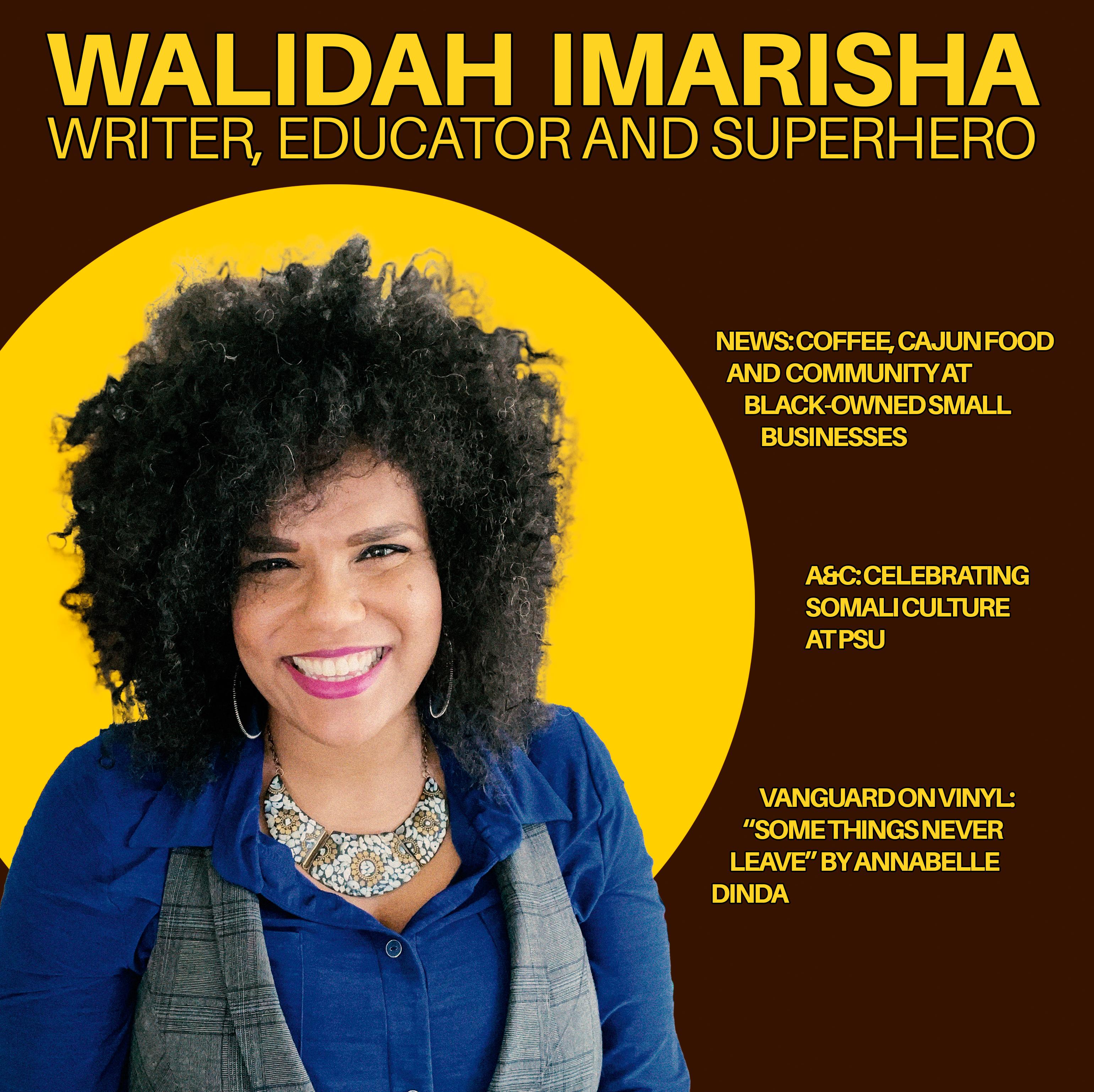
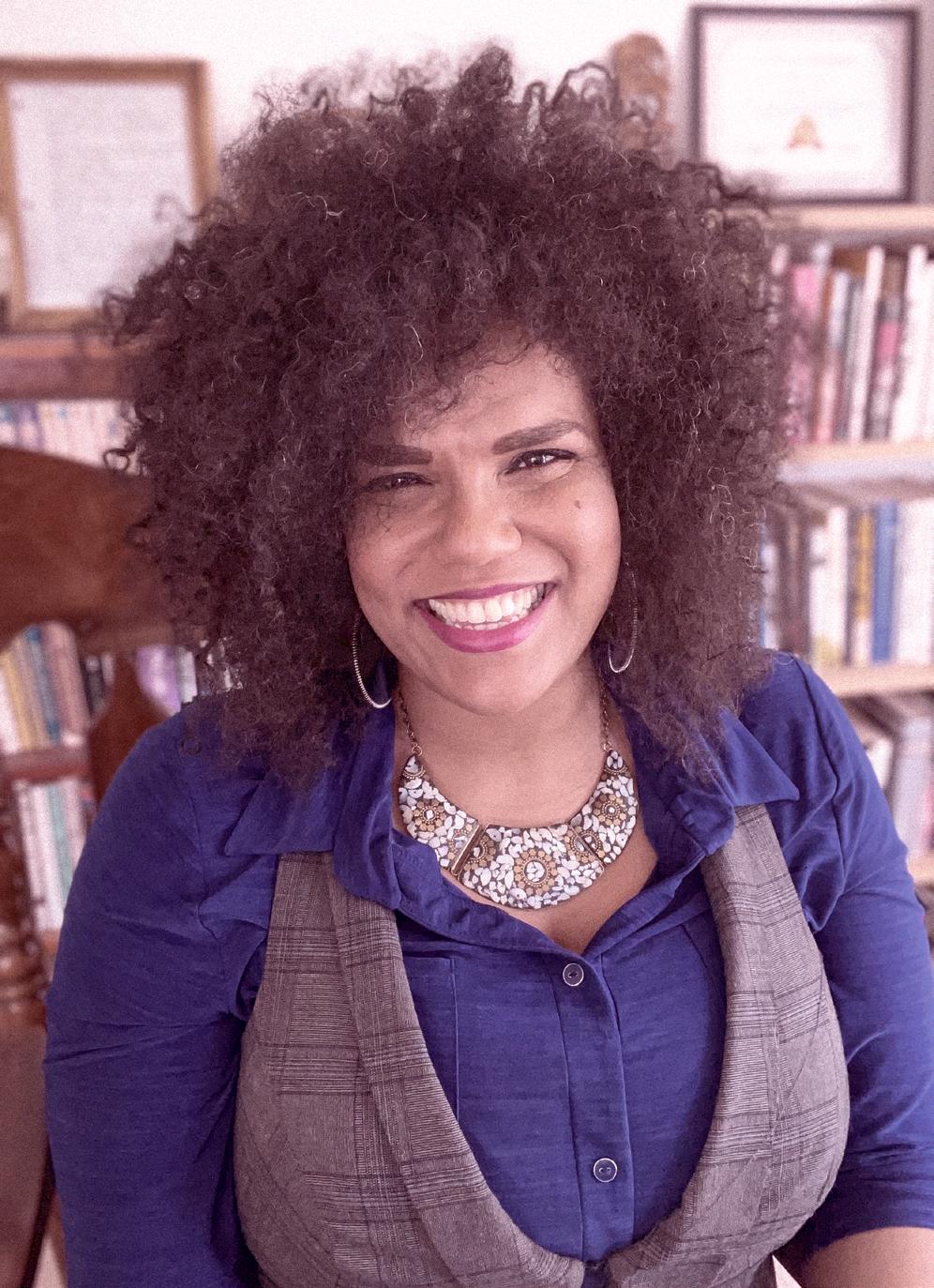
Revolutionary, brilliant and superhero are just a few of the words Walidah Imarisha’s colleagues use to describe her. The writer, activist and educator has been teaching at Portland State University (PSU) for almost 20 years, teaching a wide variety of classes and becoming a friend and mentor to those who know her.
“She’s like a conductor for an orchestra of ideas…she rolls up her sleeves and she gets involved, and is just really generous with her ideas and time,” said Maude Hines, PhD, a professor in the English department and chair of the Black Studies Department, who has worked closely with Imarisha.
Imarisha is currently an associate professor in the Black Studies Department and director of the Center for Black Studies. She was first connected to PSU back in high school, where she saw a presentation on Oregon Black History given by Darrell Millner, PhD, professor emeritus and one of the founders and former chair of the Black Studies Department. Wanting to learn from him, she came to PSU for her undergraduate studies in History and Black Studies.
Though not initially planning on teaching, life had taken “a very circuitous route” for Imarisha. After graduation, she spent ten years on the East Coast, then came back to Portland. In 2008, Imarisha was invited by a PSU professor at the time, Turiya Autry, to co-teach a class on Black Feminisms/Womanism.
Along with teaching at PSU, Imarisha’s teaching career has taken her to Stanford University, Oregon State University, Southern New Hampshire University and the Pacific Northwest College of the Arts. At PSU, Imarisha has taught a wide variety of classes within the Black Studies Department, including but not limited to Oregon African American history, African American Literature
and Afrofuturism/Black Sci Fi. This winter term, she is teaching a class titled The Civil Rights Movement.
In partnership with the PSU Higher Education in Prison Program, Imarisha was also involved in developing, and is currently teaching in, an education program at Oregon State Penitentiary (OSP). There, incarcerated students earn credit towards a degree. For Imarisha, being able to teach in the PSU OSP education program is “some of the most powerful and rewarding teaching” she has ever done.
“The students are deeply engaged and hungry for information,” said Imarisha. “Most of them never thought they would attend college, either because of money, past educational trauma, or both. They take the opportunity very seriously and dig deep into any class they have.”
Imarisha is more than just a professor; she is also a writer, poet and activist. Her focuses are on Oregon Black history, the study of social movements and what she calls visionary fiction. Visionary fiction is a term used by Imarisha to talk about the intersections between science fiction and social change. Growing up interested in science fiction and becoming involved in organizing in high school, Imarisha initially thought the two were separate things.
“As I continued to read and grow and read more folks like Octavia E. Butler, Ursula K. Le Guin, I realized not only were they not separate, they needed each other, that organizing needed imaginative spaces like science fiction, so that we could imagine a different world,” said Imarisha. “So we weren’t just fighting against what we don’t want, but we were building what we do want.”
Imarisha says that one of the strongest methods of social control is limiting one’s imagination, so they can’t even think of alternatives and just accept “this is all that is.” Imaginative spaces, such as science fiction, allow people to be open to anything that comes and imagine different futures.
“Organizing is science fiction,” said Imarisha. “Every time we imagine a world without the things we’re fighting against…that is science fiction because we haven’t seen that world, but it’s really important, we can’t build what we can’t imagine.”
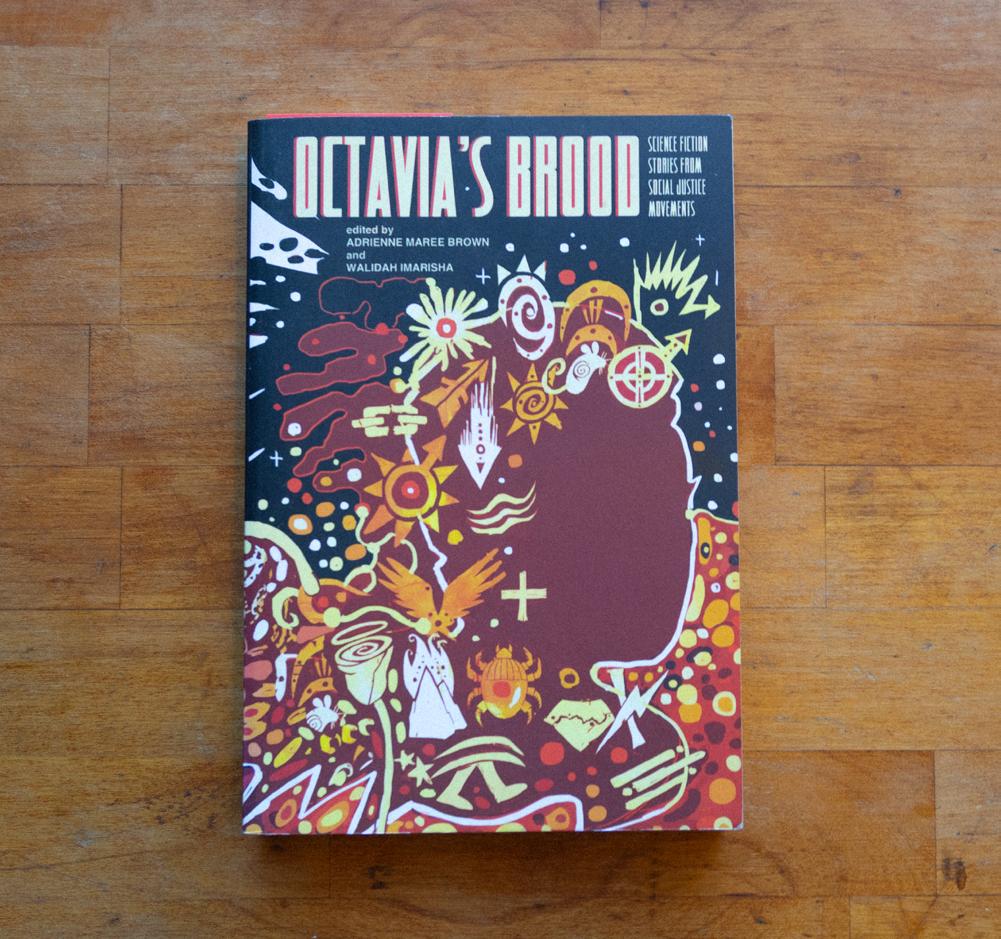
From her work with visionary fiction, Imarisha collaborated with writer and activist adrienne maree brown. They both initiated and co-edited an anthology titled “Octavia’s Brood: Science Fiction Stories from Social Justice Movements.” The anthology features 20 short stories rooted in social change created by organizers, activists and change makers, who took on the task of writing science fiction stories for the first time.
“We knew these folks were holding all of these, you know, visionary worlds within them, and they just really needed permission to let them out,” said Imarisha.
The anthology was inspired by the work of science fiction writer Octavia E. Butler, who in her books such as “Kindred” and “Parable of the Sower,” explored themes of social justice, race and identity. For Imarisha, Butler’s work was a primary place where she encountered the intersection of science fiction and social change. Visionary fiction is a way to describe what people, like Butler, had been doing for an incredibly long time.
The creation of “Octavia’s Brood: Science Fiction Stories from Social Justice Movements” took five years to complete and was published in 2015. Imarisha claims that the impact the anthology had on the writers was “transformative.” She shared that several of the contributors began using visionary fiction in
their own disciplines of music, film and writing after creating their stories.
“To see them incorporate visionary fiction and then move it into their own incredible work and put it out in the world in a million different ways…it’s just really beautiful to see,” said Imarisha.
For Imarshia, visionary fiction isn’t just a literary genre; it’s a political, imaginative and collective practice. “I strongly believe that this is something you have to practice, that we’ve been given these limitations our whole life,” said Imarisha. “So to be able to go beyond them, we have to keep practicing, and we have to do that collectively, that we are recognizing the future is held by all of us, and so we need those collective spaces to dream.”
As a longtime professor at PSU, Imarisha has made lasting impacts on her colleagues who continuously learn from her. Pedro Ferbel-Azcarate, PhD, a professor in Black Studies, has known Imarisha since she began teaching at PSU. In a written statement, he shared how he sees his colleague.
“In my mind, Walidah is a combination of academic superstar, Ochun goddess/super hero, Anansi Spider trickster, Star Trek Uhura, Coyote-Feline and 100% embodied being human, connecting the past ancestors and the future ourselves, time and space bending, remembering the pain and celebrating the joy,” said Ferbel-Azcarate. Some of Imarisha’s other literary works include another co-edited anthology “Another World is Possible,” a collection of writings in relation and reaction to Sept. 11. Her nonfiction book, “Angels with Dirty Faces: Three Stories of Crime, Prison, and Redemption” is a powerful and deep exploration of incarceration in the U.S. and what comes after, which won a 2017 Oregon Book award for creative nonfiction. In 2013, she published her first poetry collection “Scars/Stars.” In 2015, she received an Otherwise Fellowship (formerly known as the Tiptree Fellowship) for her science fiction writing.
“She’s a visionary, intellectual, superhero,” said FerbelAzcarate. “She’s heart-driven, super smart, and shares these deep principles, including Ubuntu and Uhura. These are principles of community and principles of freedom. That’s how I describe her. She embodies those. That’s why I see her as a superhero.”
GRACE PETERSON
Small businesses are defined as with fewer than 500 employees. The Portland Metro area has roughly 43,000 small businesses, with over 255,000 workers employed from those jobs. According to the City of Portland, over 95% of businesses in the metro area are small businesses.
US Small Business Administration Office of Advocacy identified $4.7 billion in exports from Oregon small businesses alone.
However, only a small portion of those businesses are Black-owned and operated. Here is a short-list of local small businesses that are Black-owned.
KEE’S #LOADED KITCHEN: 3625 NORTHEAST MARTIN LUTHER KING JR. BLVD., PORTLAND, ORE.
This food truck is known for its Cajun cooking. Kee’s #Loaded Kitchen is open Thursday through Sunday, from 1 p.m. to 5 p.m. The menu is con stantly changing — with foods such as loaded baked potatoes, mac and cheese, collard greens, catfish and more. In 2018, it was named the Cart of the Year by Willamette Week, because of the com forting — and massive — home-style cooking. It’s owned and operated by Kiauna “Kee” Nelson, a Portlander who grew up in the Albina neighbor hood. She’s made a name for herself in the commu nity and on Instagram, in part because her energy and personality are infectious. Consumers should check out her Instagram (@keesloadedkitchen_ to see what she’ll be serving.
DRIP DROP COFFEE: 932 SOUTHWEST 4TH AVE., PORTLAND, ORE.
This coffee shop is open Monday through Saturday, 7 a.m. to 3 p.m., and Sunday from 10 a.m. to 3 p.m., and is known for more than just coffee. It’s a collage of curated art and unique features, crafting a vintage and original vibe. In addition to caffeinated beverages, Drip Drip Coffee also serves steamers, London fogs, chai lattes, tea, coconut water, Mexican Cokes and more. For food, it offers soup, paninis, bagels and waffle sandwiches, which are popular and hearty. Drip Drop Coffee often hosts events with other businesses in an effort to foster a greater connection with
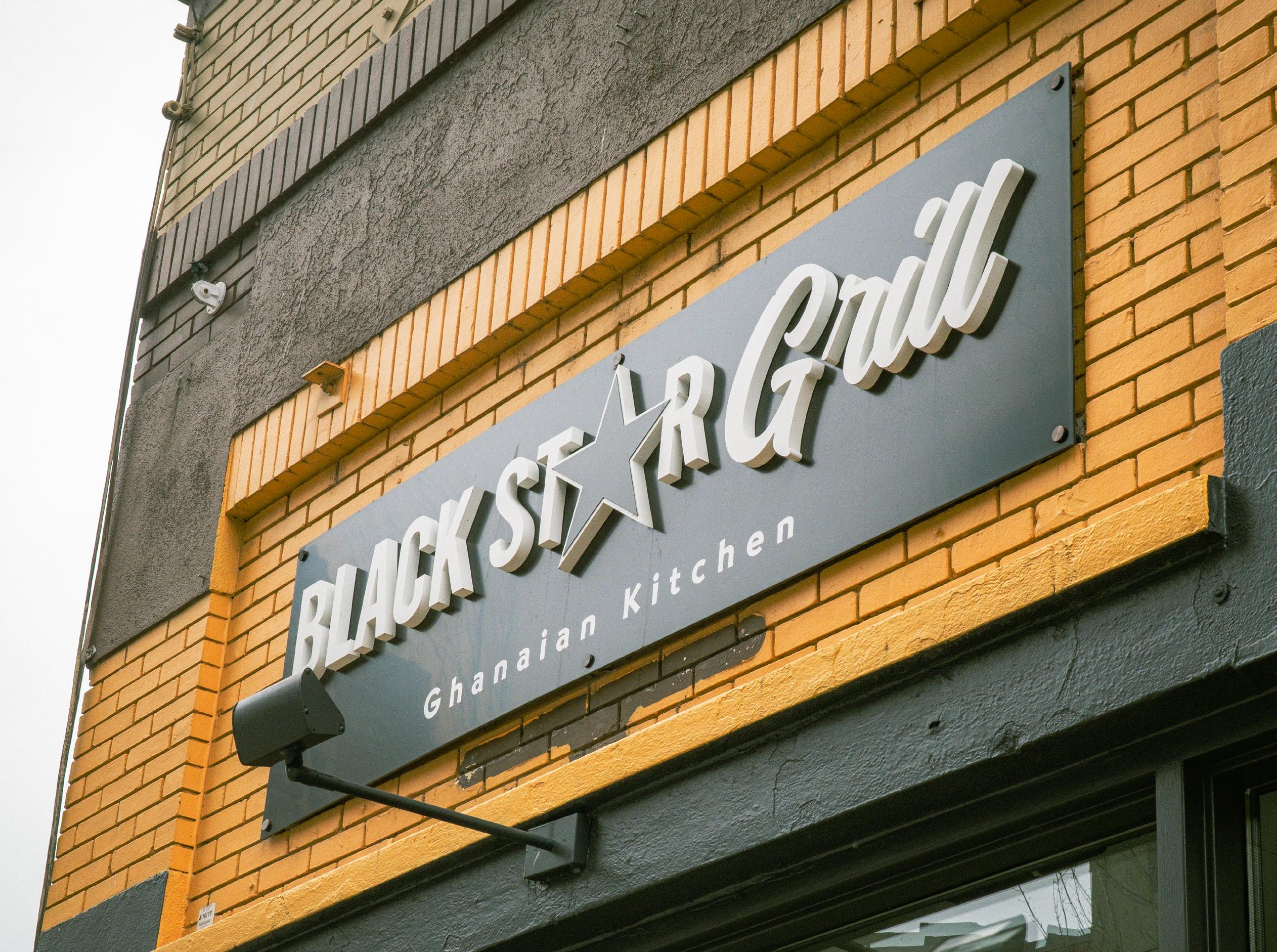
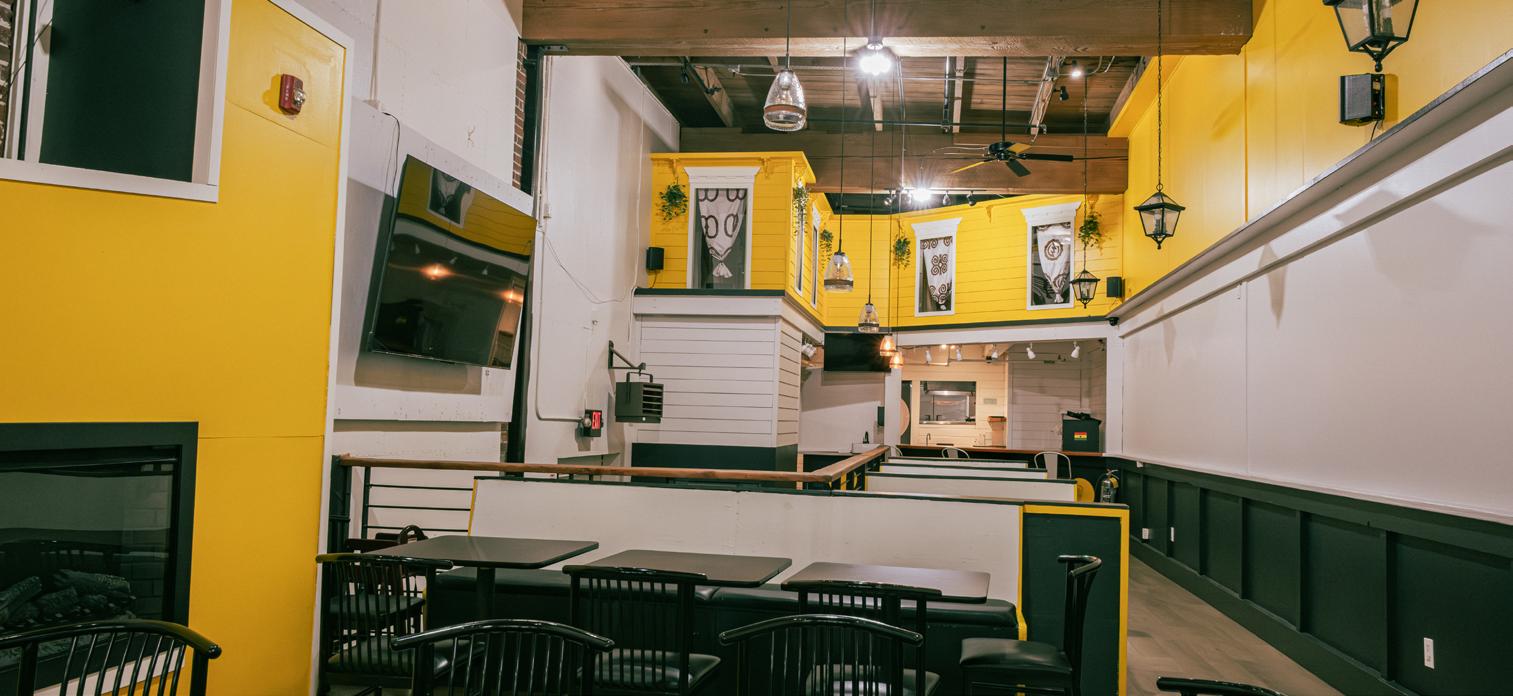
fusing cultural flavors through its recipes. Bananas are Somalia’s most common fruit export, which is why they feature a banana milk latte. They try to stay connected with the local community, and a year ago, they were a vendor for Portland State University’s Somali Student Association’s Somali Night. For updates and more, they suggest following their Instagram (@abovegrndpdx).
DB Dessert Company specializes in cupcakes, cookies, brownies and more. They do custom orders for every type of special event, and even feature a Mobile Dessert Cart for catering. For February, they are offering their Black History Month Celebration
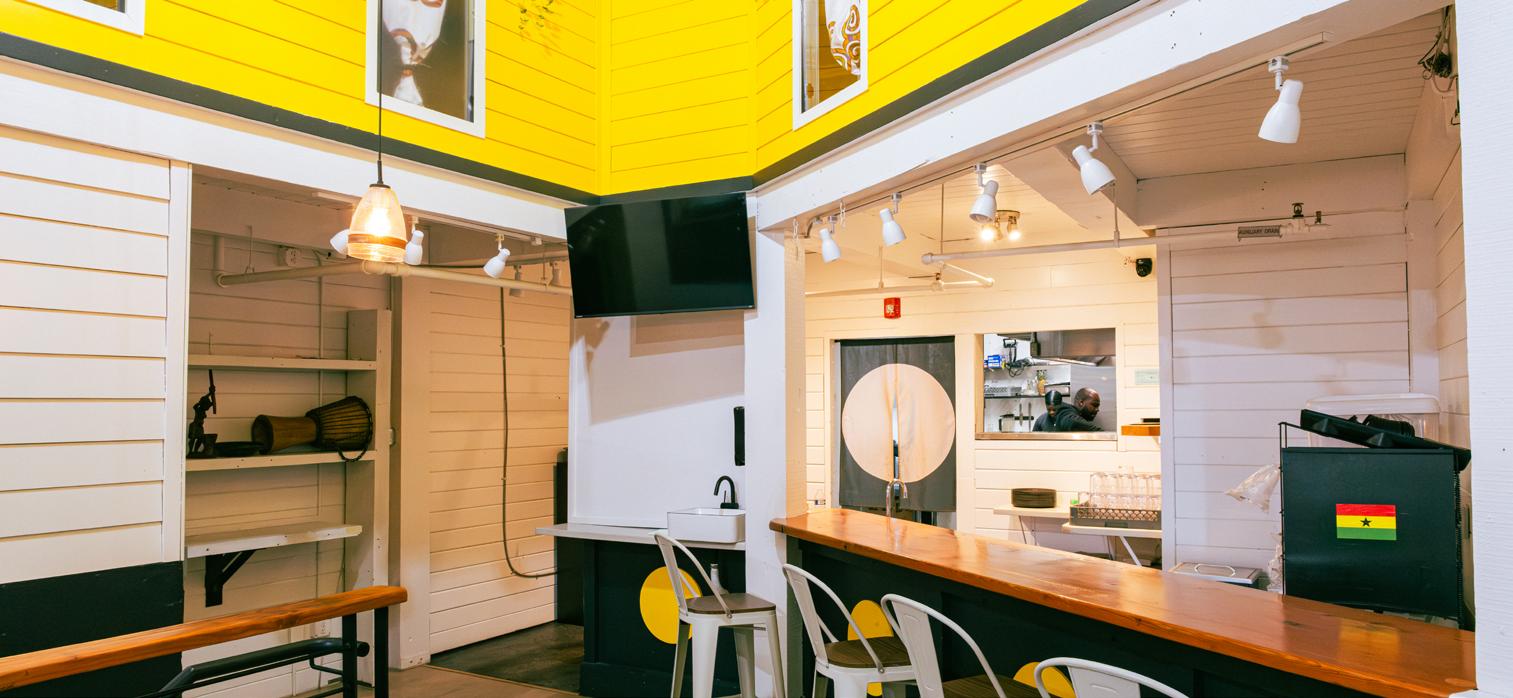
Southern breakfast, which includes grits, fried cat fish, biscuits and more. As their Instagram says, they like to offer hearty and large portions, and they encourage everyone to bring their appetite when they eat here. For reservations, backstories and more, check out their website
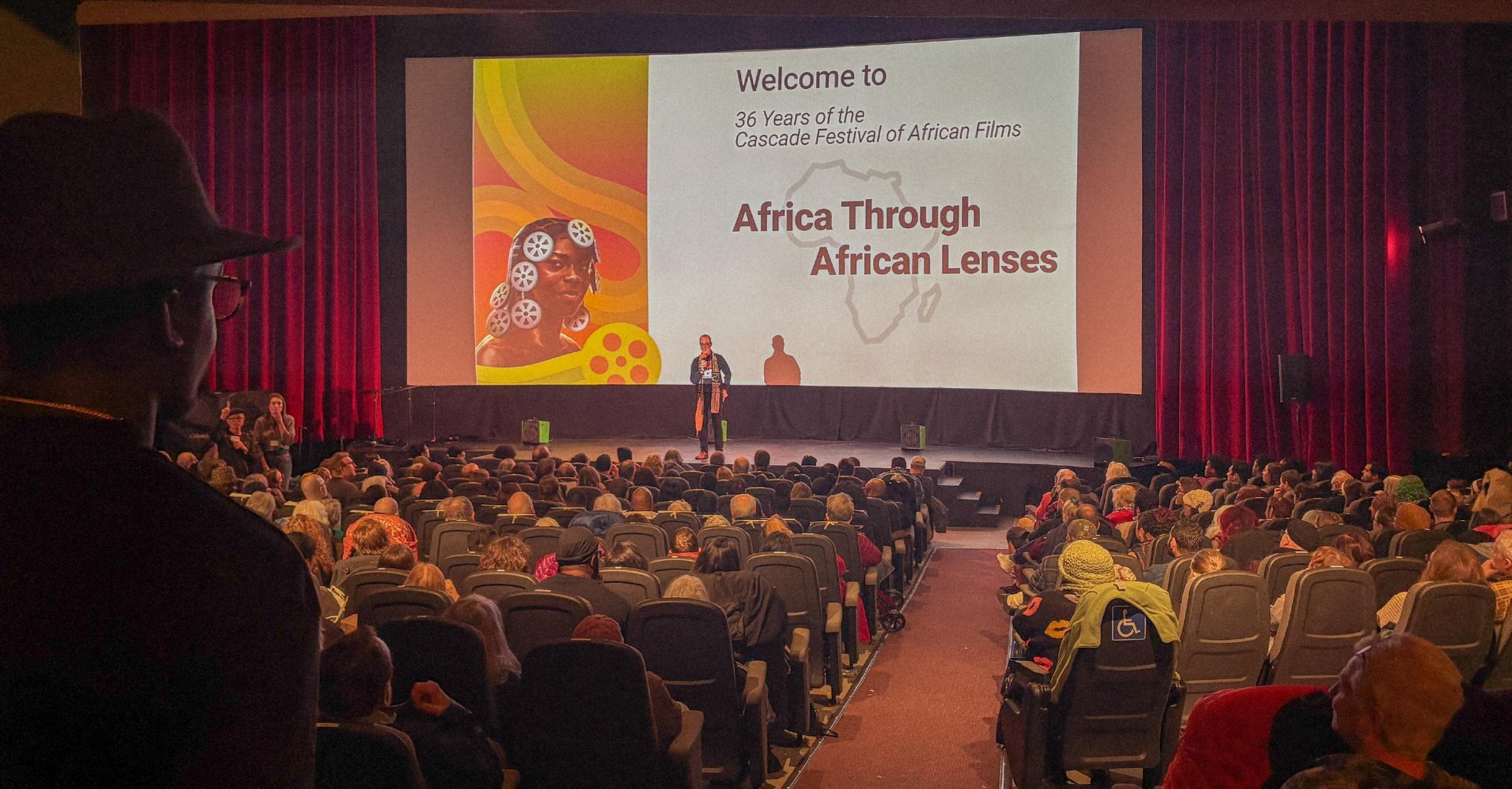
The longest running African Film Festival in the US has 18 movies from 16 countries
Portland Community College (PCC) is hosting the annual Cascade Festival of African Films (CFAF) from Feb. 6 to March 7, 2026. It is a free event, focused on bringing together communities through art and dialogue from an African perspective.
A complete schedule of the film list is accessible through their website, and it includes “The Man Died” (2024), directed by Awa Ampka; “Memories of Love Returned” (2024), directed by Ntare Guma Mbaho Mwine; and “So Long a Letter” (2025), directed by Angèle Diabang and more. The movies are carefully curated to show themes of diaspora, perseverance, and humanity.
As the website says, the films “also confront questions of authority, societal expectation, justice, and inequity, prompting us to consider how individuals and communities imagine new possibilities amidst challenge.” The goal, according to them, is to connect new viewers with these questions.
The festival was founded in 1991 by four PCC faculty members — Linda Elegant, Mary Holmström, Michael Dembrow and Joseph Smith-Buani. Elegant came up with the original idea of starting an African film festival, and Holmström, a South African native and African Literature professor, immediately jumped on the opportunity. Dembrow, a professor of film and literature, was later recruited, along with a math tutor and Sierra Leonian, Smith-Buani.
Each year, the festival takes on a new theme. For 2026, the theme is “cultural connection.”
“[The theme] reflects how the featured films examine migration, displacement and reinvention, and the universal search for safety, purpose and belonging,” said Festival Director Eugénie Jolivett Fontana.
“Black Tea” is the centerpiece film of the festival and a great example of cultural connection. Directed by Abderrahmane Sissako, a renowned Malian director, the film is about an Ivorian woman fleeing her wedding and going to China. There, she falls in love with a tea shop owner. The film follows their relationship and how it stands against history, societal judgment and cultural bias. CFAF showed it on Feb. 20 at the Hollywood Theatre.
CFAF is a labor of love and takes a lot of people to run. This is the longest-running annual African Film Festival in the United States. It’s also one of the largest non-profit film festivals, and is almost completely run by volunteers. The festival is a large part of PCC’s Black History celebration, and community demand and volunteering keep it returning year after year.
“This festival is cherished by the community because it showcases stories from African people and its diaspora,” said Jolivett Fontana in a press release. “In a time that calls for understanding and connection, CFAF’s 36th year invites you to gather, learn and engage through film.”
While donations are encouraged, the festival is completely free and open to the public. It runs on a first-come, first-served
basis, due to limited seating capacity. Most films are shown at the PCC Cascade, but other locations include Tomorrow Theater and Hollywood Theatre. Times range from Matinée 2 p.m. showings, or evening 7 p.m. showings.
The festival is about more than just films. Country notes are provided for each country with a film to provide greater historical overviews to the viewers. The CFAF community recognizes that not everyone may be well-versed in African socioeconomics and may miss key details in the film. It’s currently run by experts in African studies, including Candice Goucher, Fred Hardyway and Daniel Kotin, each an expert in their field. Goucher is a history professor emerita, Hardyway has a doctorate in African, world, and Middle Eastern history and Kotin is a historian. The country notes include countries from prior years, creating a working web of information.
CFAF tries to bring in a little something for everyone. Thursday nights are documentary nights, showing the real and true side of life in Africa. On Feb. 12, they showed “The Man Who Plants Baobabs,” a documentary about one man’s single-handed fight for environmental stability in Burkina Faso. March 5-7 is Women Filmmakers Week, which highlights three African women directors. March 6 features “So Long a Letter,” a Senegalese drama exploring modernity, tradition and women. In addition, the festival has a literatureto-screen spotlight, exploring the intersection of the written word and cinema. “Katanga: The Dance of the Scorpions” aired on Feb. 13, a reinvention of “Macbeth” in an African setting.
“It’s really hard,” Jolivett Fontana said last year in a press release. “We quickly reached our limit because there are so many phenomenal films. Our goal is to find the right balance of films that are both relatable and distinctive, including hidden gems and niche works without major backing. That ethic extends into the rest of our festival work, especially our outreach efforts.”
In an effort to show a diverse range of films, CFAF acknowledges that not all of the films are for everyone. Some contain highly sensitive material, and films with challenging themes will have a content warning. Viewer discretion may be advised.
CFAF is more than just images on a screen. It’s a way to establish connections, understanding and newfound perceptions of the diverse African experience. It fosters community and dialogue for important topics, all through a digestible, casual and entertaining activity.
“We invite people to celebrate brilliant African cinema and create moments that will linger long after Black History Month,” said Jolivett Fortana.
Did you miss a movie you wanted to watch? At-home-viewing is available, with the support of the PCC Library. Being a PCC student is not required; PCC issues guest library cards to local residents living in Washington and Multnomah counties, allowing for more people to be able to watch.
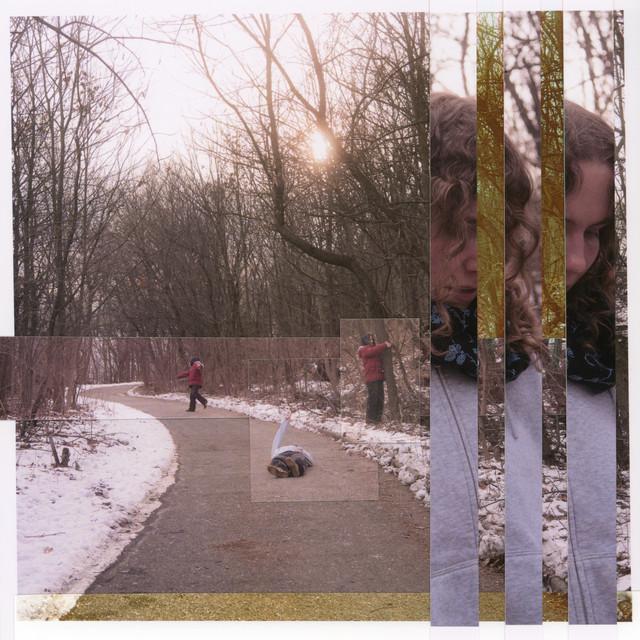
Annabelle Dinda weaves words together with an unbridled magic, transporting listeners to worlds of emotion and meaning rivaled only by her previous work. Her new album, “Some Things Never Leave,” released on Jan. 30, 2026, tells the story of a young girl navigating life, handling multitudes of emotions: grief, the monotony of day-to-day living, joy and the art of loving.
The album opens with “Big News Day,” a song that tells the story of a girl who falls in love despite her best intentions, and the inevitable disappointments that come from wanting more from someone who can’t provide it. “Satellites” is a heartbreaking anthem of loving someone with a God complex, giving them your all, and receiving nothing in return. Its unapologetic anger and confrontation are what make it so breathtaking.
“The Hand,” also on the album, is her most popular song. It blew up online for its addictive melodies and commentary on how women’s voices are being overshadowed by men in all aspects of life, from how men’s stories are prioritized to how women are only seen as extensions of men. The anguish and struggle in her lyrics come together in perfect unity.
The instrumentals on the album complement its lyrics, primarily consisting of guitar, strings and piano. The instruments, much like Dinda’s voice, are raw, vulnerable and gripping, inviting the listener in and compelling them to stay.
What’s beautiful about Dinda’s songwriting is that there are so many ways one can interpret her lyrics. Her metaphors are brilliant, her storytelling unmatched. She treats each song like a puzzle; the words are just the right pieces, coming together to create a stunning picture unique to each listener.