@playabowlsupenn | 4034 Walnut Street

@playabowlsupenn | 4034 Walnut Street


SIGN UP FOR THE DAILY PENNSYLVANIAN’S NEWSLETTERS FOR A PLAYA SAMPLE!

JASMINE NI Executive Editor
ETHAN YOUNG DP Editor-in-Chief
ANNELISE DO Design Editor
PRASHANT BHATTARAI
Copy Editor
JESSICA HUANG
Copy Editor
HANNAH CHANG
Sports Editor
EMILIE CHI
Sports Editor
KENNY CHEN
Photo Editor
UMA MUKHOPADHYAY
Video Editor
ELLIE CLARK
Deputy Sports Editor
KAIA FEICHTINGER-ERHART
Deputy Sports Editor
ANDY MEI
Deputy Design Editor
ALEX NAGLER
Design Associate

BY EUNICE CHOI
For the freshman mid-distance runner, preparation for races begins in his head
KAIA FEICHTINGER-ERHART
Deputy Sports Editor
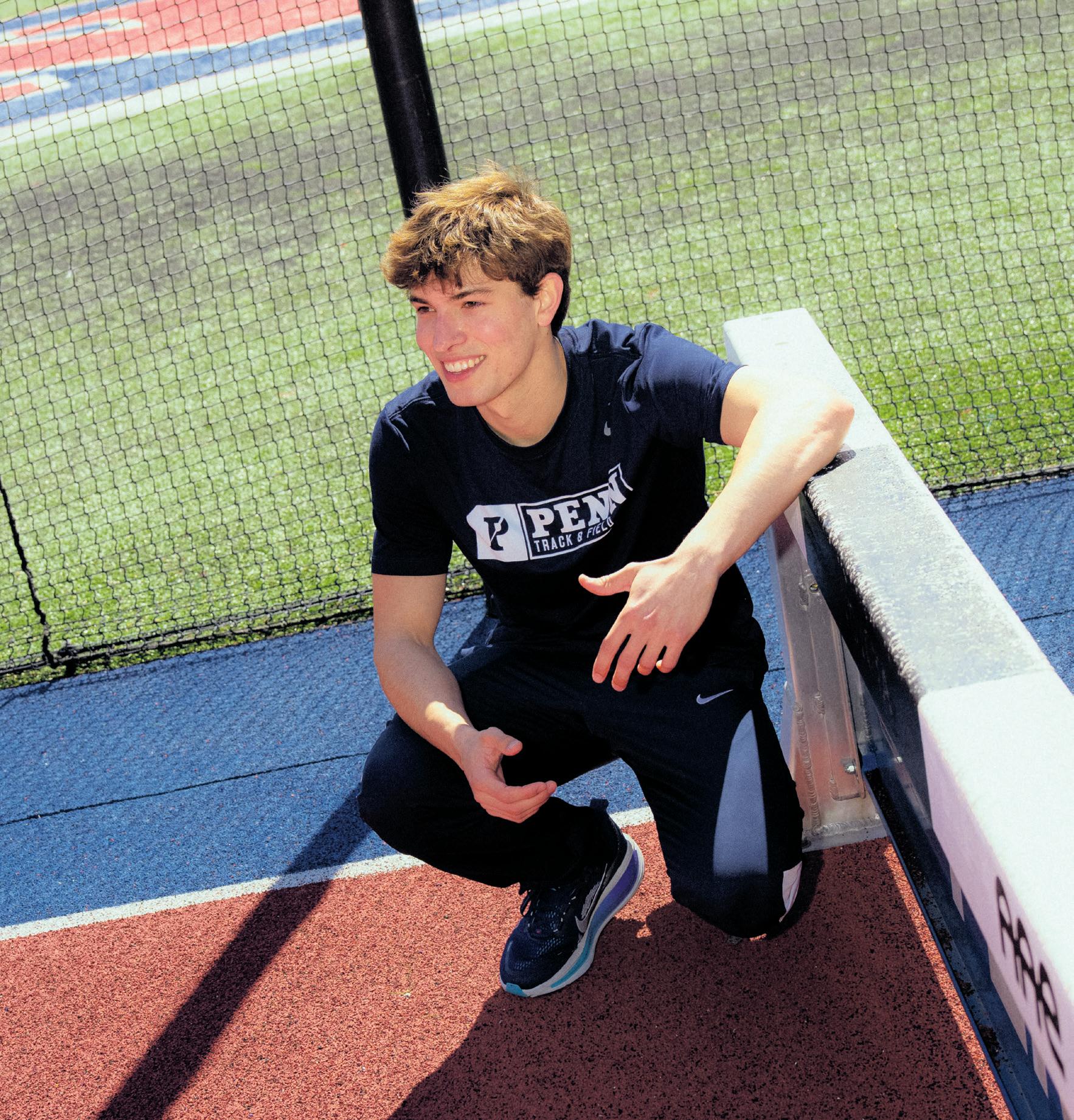
If you watched freshman mid-distance runner Joseph “Tiago” Socarras this past indoor track and field season, one thing stood out: he always looked like he was enjoying himself.
Granted, anyone would be enjoying themselves if they won almost every race and constantly set new personal bests. But not everyone would make a show of it, celebrating before even crossing the finish line, or staring down a camera after the fact.
According to Socarras, this is just him showing his personality. He doesn’t do it for the sport — “I think the sport doesn’t care about me.” He celebrates simply because he loves winning.
And he had many reasons to celebrate in his first indoor season.
In his debut race for the Red and Blue, Socarras broke the program record in the 1,000meter race. That was only the beginning. He now holds four of Penn’s program records, capping off a stellar indoor season with two titles at the Ivy League Heptagonal Championships and and an appearance in the NCAA Division I Indoor Track and Field Championships’ 800-meter race. He ultimately placed fourth and collected First Team All-America honors.
None of these achievements has come as a surprise to Socarras.
“I did believe that I was going to be this good in college, and honestly, I believe that I could be better than I am right now,” he said.
His performance is even more impressive considering that he competed on a mid-foot sprain. At the NCAA Championships, he sustained a possible tear that has kept him from competing this outdoor season thus far, though he is entered as part of Penn’s 4x800-meter relay squad at The Penn Relay Carnival. It would be a return to a more familiar environment for the freshman, who is from Miami, where track and field is competed outdoors yearround.
“ If you’re an athlete, why not be confident in yourself?
TIAGO SOCARRAS Freshman mid-distance runner
The older brother of three
younger siblings, Socarras grew up as the son of a Cuban father and a Greek mother. Named Joseph after his grandfather, his nickname “Tiago” comes from his middle name, Santiago. “[Do you know] how your grandparents call you by your real name, and then everyone else has a nickname for you?” he said.
“Everyone, since I’ve been born, before I even recognized it, called me ‘Tiago.’”
Coach Steve Dolan first became
aware of Socarras in his junior year of high school while keeping tabs on one of his senior teammates at the time, sophomore distance runner Joseph Ruiz, who had already committed to Penn. Belen Jesuit Preparatory School, the all-boys private school they both attended, is known for its strong cross-country and track and field programs.
Dolan stressed the importance of Penn’s academics when recruiting Socarras.
“It was clear that Tiago and his parents really valued education,” he wrote in a statement to The Daily Pennsylvanian. “The opportunity to attend Penn and study at the Wharton School of Business were key components in the recruiting process.”
getting into Wharton and aren’t here, if I just slacked off on academics and didn’t care.”
Socarras applies the same sense of obligation to his talent for running. He believes that anyone who has a gift should use it. This obligation does not come without a sense of pressure. If anything, Socarras holds himself to the highest standards.
“I work on my mental every single day. My mental has worked 10 times harder than my body. If this muscle up here isn’t strong enough, then your body will never be able to follow,” the freshman explained.
“Tiago is certainly a very athletically talented runner, but his ability to bring out his best in the most competitive situations is a special gift,” Dolan wrote to the DP. “He is a savvy racer and runs with much more confidence than most competitors of his age.”
He credits the development of this mentality to the book “The Inner Game of Tennis,” which made him see the “combination of confidence and just letting go” as key to his performance.
“If you’re an athlete, why not be confident in yourself? Your whole brand, everything you work around is yourself,” he explained. “So if you’re not confident in the one thing that’s the most important, how are you going to go out there and compete confidently?”
Socarras has embraced the opportunities that come with attending a school like Penn. He is part of Penn Global Equity Management’s Analyst Training program and sees himself pursuing a career in finance. As much as he cares about performing well on the track, Socarras also wants to take advantage of the academic environment at Penn.
“Here, everyone has something that makes them unique in why they’re here. So I think it’s amazing to be around such interesting people, and it propels you to work even harder than you usually do,” he said.
He is very aware of the privilege of a Penn education, adding that he “[feels] like it would be an insult to others that dream of
What Socarras loves most about running is its individuality. In the end, everything is between him and the runners he lines up with at the starting line. Although months of preparation may have led to a race, the only thing that matters in the moment is who crosses the finish line first.
There will always be one “sole achiever” — as Socarras says — one person who wins the race, one person who becomes the national champion. And if you’ve been that person once, you chase that feeling for the rest of your life.
So what happens when Socarras doesn’t win a race?
He understands what went wrong and learns from it.
“I think that just being able to lose is very eye-opening,” he said. “I do learn, and the thing about learning is, if you don’t care, then you will make that mistake again, but if you care, you will never make that mistake again.”
Besides, “it’s good for the ego to beat it down.”










After breaking the African shot put record this year, the freshman thrower is ready for more
ELLIE CLARK Deputy Sports Editor
At the 2022 Essex County Championships, Livingston High School track and field needed to put points on the board.
Although Livingston led through the first day of competition, strong second-day performances from their opponents threatened the Lancers’ tenuous hold on the county title. The competition would be decided by the final event: the girls’ discus throw.
Penn freshman thrower Jessica Oji, then a “bored [Livingston] freshman looking for a spring sport,” was one of three Lancers entered in the event after medaling twice on the first day of the championship. With the county title on the line, Livingston depended on Oji to break 100 feet for the first time in her career. She had only successfully contested the discus once before, throwing 83 feet and 10 inches.
It took a few throws for Oji to get her rhythm. She achieved 91 feet and 5 inches on the first throw — a new personal record. Her throw in the second round fouled. But the then-freshman’s third throw was good enough to enter the finals as the seventh seed in an eight-person field.
With everything on the line, Oji spun and released, sending the disc 117 feet and 5 inches away from the mound. When the dust settled, Oji was seven-and-a-half feet ahead of second place.
“She just came out and hit exactly what she needed to hit, beat exactly the person that she needed to beat, when she needed to do it,” Livingston throws coach Eugene Asimou said. “And our whole team lost their minds. It was just an amazing experience to see.”
“I think I threw her in the air,” Asimou added. “It was crazy.”
In high school, the mound played second fiddle to the soccer pitch for Oji. For a while, she dreamed of eventually playing NCAA Division I soccer at Penn State. As a goalie for Livingston’s soccer team, she put up 61 saves in 15 games in her sophomore year.
But on May 30, 2023, the thenhigh school sophomore was “going for ball contention” when an opponent sent her the wrong way.
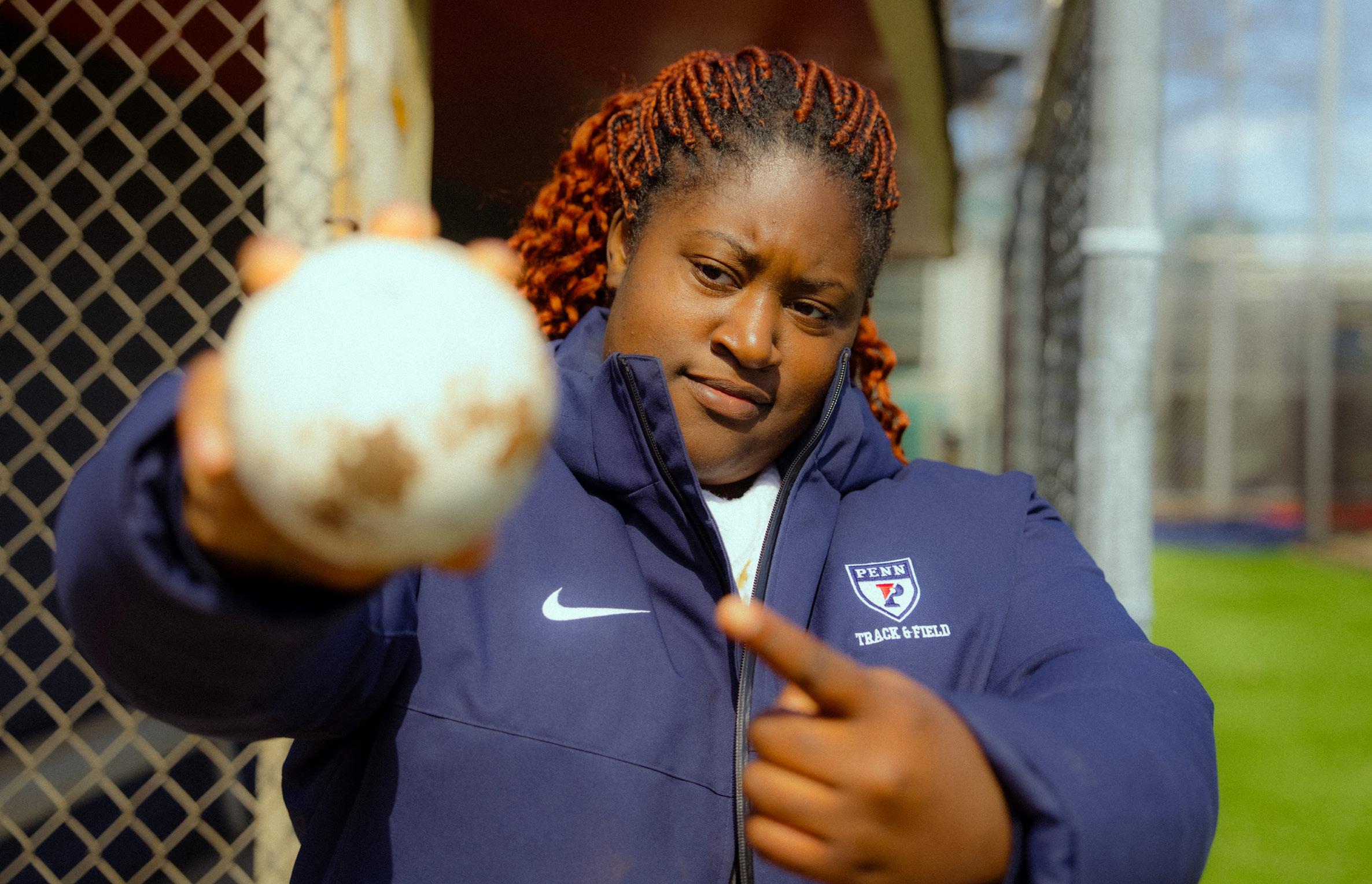
“I planted my foot in the ground, and my foot didn’t move. It just kind of wobbled out,” Oji recounted.
That moment — a week before she was set to compete at the New Jersey State Interscholastic Athletic Association’s Meet of Champions for track and field — left Oji with a torn ACL and a partially torn lateral collateral ligament.
Oji spent the summer before junior year recovering from a quad graft surgery and trading preseason soccer practices for physical therapy. In fall 2023 — for the first time in her adolescent life — Oji started a school year without playing a sport. She wasn’t even sure if she wanted to go back to sports in general, let alone track and field, a sport that she shared with her two older brothers and younger sister.
Unsure about her future in sports, Oji turned to her Christian faith.
“Just being able to grow my faith, I think that’s helped me, not just with sports, because it’s not like a transactional relationship,” she said. “I’m trying to make it more so just a relationship. Even without the goodness that I have in my sports … I would still want to have a relationship with God. I think that’s helped me as a person.”
Although she was raised in a religious family, Oji “didn’t have a proper relationship with God” until her freshman year of high school. “That’s when I became a little sentient.”
As she reconnected with her faith, Oji decided to give back while recovering from the injury. She started going to church early on Sundays to help out with Sunday school programming. She began donating her time to a homeless shelter sponsored by the Salvation Army, serving meals and providing a sense of comfort
for those who needed it most. As she served others, Oji found the strength to go through rehabilitation, physically and mentally.
“The more I got closer with God, I feel like I kind of just couldn’t quit,” Oji said. “It was just kind of something telling me, ‘You just can’t quit, can’t give up on this.’ … It was a long, hard recovery, and it kind of really sucked — still kind of does — but I’m so happy I was able to stick with it.”
By January 2024, eight months after her injury, Oji was back competing, maintaining her momentum like nothing happened. It was “nothing short of a miracle,” she said.
“She would often say, ‘I know I’m coming back in less than a year, and I will compete at my level or even better,’” Constance Oji, Jessica Oji’s mother, wrote in a statement to The Daily Pennsylvanian. “I must admit, it was
difficult to … fully grasp how that could be possible. Nonetheless, she proved everyone wrong.”
Once Oji decided to continue throwing, she hasn’t looked back. Now a freshman on Penn’s throws squad, Oji toed the line at her first collegiate indoor competition, the 2025 Penn Opener in December.
The 18 year old was ecstatic to return to competition after an undefeated outdoor season in her senior year of high school. Oji’s first throw grazed the standing program record, missing the mark by half a foot. Her next lob crossed 17 meters for the first time in program history and the second time in her career. Despite feeling “a little scared” for her “first couple [of] throws,” Oji catapulted the shot 17.72 meters on her final throw — a meter and a
half over the established program record, and half a meter over the Ivy League record.
“My teammates were telling me, ‘Calm down, slow down … Put everything on the last throw,’” Oji said in a December 2025 interview with the DP.
“The girl has an absolute gift,” Penn volunteer throws coach Montel Johnson said. “She’s a generational talent. Seeing her break the Ivy record wasn’t that much of a surprise. That was just another throw.”
Oji entered the second meet of her collegiate career with the same energy, but a new sense of calm. On the ground, a small crowd pooled around the chain-linked fence separating the thrower from an onslaught of spectators.
Over her six throws, Oji made breaking records a habit. 18.11 meters — a new Ivy League record — on the first lob. She bettered the mark once more, breaking 60 feet for the first time in her career with an 18.36-meter shot on the second throw.
A strong thrust propelled the penultimate shot to the precipice of the throws area, landing 18.45 meters away from the circle — the best of the bunch and the second-farthest throw in the NCAA at the time.
When asked about her goals that afternoon, Oji replied, “I don’t like to limit myself to a number … [I] just [want] to throw as far as I possibly can going into conference [championships] and nationals.”
Oji had the chance to do so in her first Ivy League Heptagonal Championships in February, where she was seeded to win by 2.5 meters. Senior thrower Angeludi Asaah was seeded right behind her.
Asaah walked on to the track and field team during her fresh-
man year. There was only one senior thrower at the time, 2023 College graduate Olatide Abinusawa.
“I didn’t have a female senior to turn to when I was a freshman,” Asaah wrote to the DP. “While I will always appreciate my relationship with Ola Abinusawa, my relationship with Joji is a bit different. … it is now one I couldn’t imagine my days, practices and competitions without.”
Track and field may have one of the largest rosters of any sport at Penn, but the throwing squad manages to cultivate a close-knit community.
was the African record until after the meet,” Oji said. “I thought the African record was really way ahead of me.”
Oji was beaming as she posed for photos next to her “twin flame” Asaah, who earned silver, on the makeshift podium.
“ t he girl has an absolute gift … s he’s a generational talent.
MONTEL JOHNSON Volunteer throws coach
“The biggest thing for me was the team and how close it was,” Oji said of her choice in ultimately committing to Penn over the University of California, Los Angeles.
On the first day of Heps, Asaah and Oji sat together on the limited bleacher space outside the throws cage as their teammates competed in the weight throw.
On the other side of the country, Nebraska thrower Miné de Klerk reset the African shot put record at the Big Ten Indoor Track and Field Championships with an 18.48-meter shot. The record had stood for over 20 years. In less than 24 hours, de Klerk’s mark would be erased.
When Oji stood at the mound at The Armory, the throwing cage went silent with anticipation.
Oji shot through the tension, resetting the recently established African record to 18.5 meters on her first throw of the afternoon. The Ivy League title wasn’t a question.
“I honestly didn’t even know it
“After hitting my 16.14-meter indoor PR, I wanted to cry because that was the best way I could’ve ended my indoor career at Penn, and [standing] next to Joji just made the moment even more sweet,” Asaah wrote to the DP.
Oji stood next to another teammate — senior sprinter Moforehan Abinusawa — to accept the Ivy League’s Most Outstanding Performer honors. A Nigerian herself, Abinusawa represented her country at the 2024 African Games, ultimately clinching a gold medal in the 4x100-meter relay.
“Fore [Abinusawa] was one of the people that helped me get in contact with people who are super high up in Nigeria’s track and field association,” Oji said. “I know with the Nigerian federation, it can take a little bit longer for certain things. It genuinely took a month. … It was not very long in terms of what other people go through.”
Despite spending most of her life in New Jersey, Oji was born on Nigerian soil. Growing up, Oji spent her summers and winters in the savannahs and wetlands of the Niger River delta.
“Those trips weren’t just vacations, they were opportunities for her to experience the culture firsthand, to understand where she comes from, and to build real re-
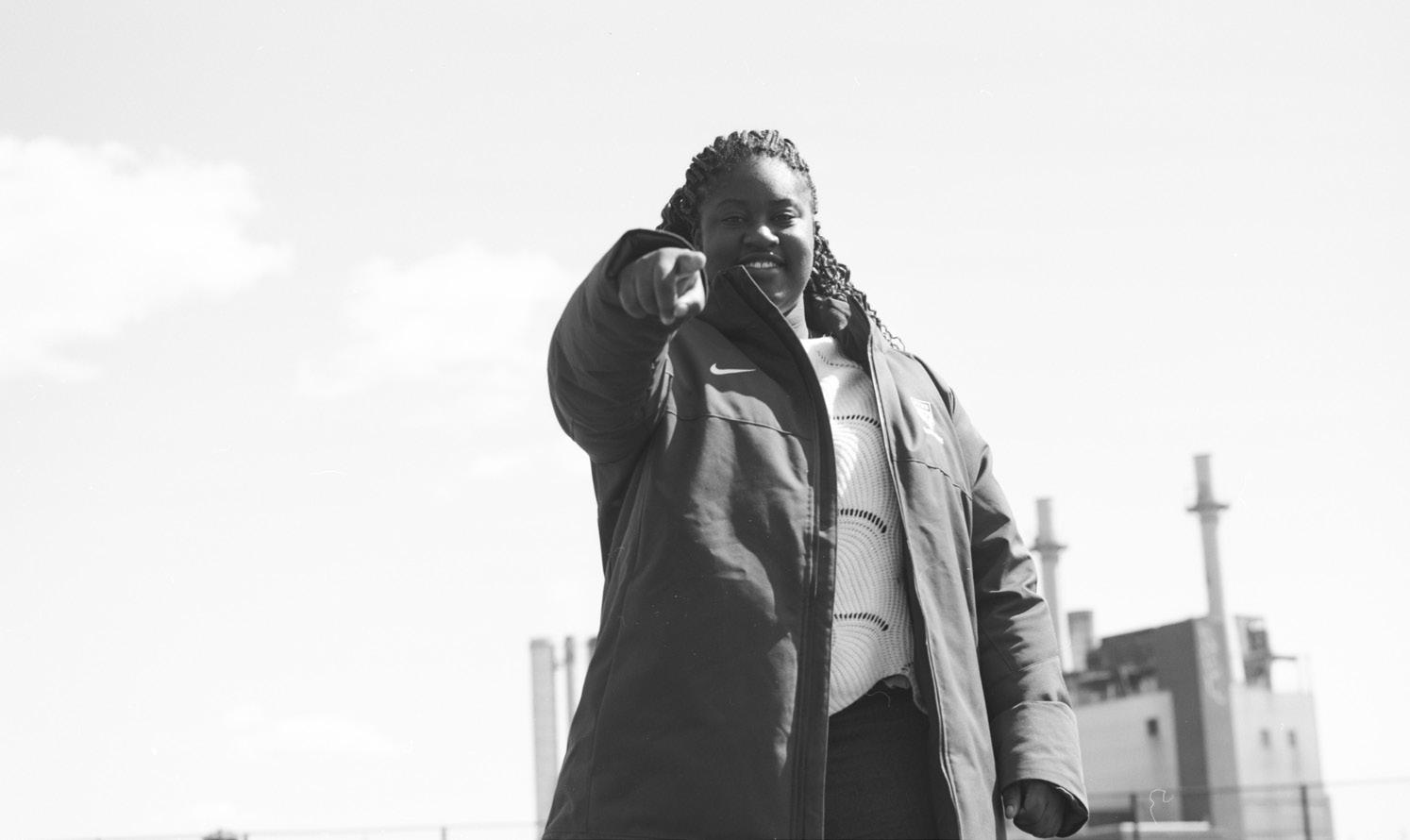
lationships with her many cousins, aunties, uncles, and extended family members,” Constance Oji wrote to the DP. “Those experiences helped shape her identity in a deep and meaningful way.”
After Jessica Oji won her first indoor national title at Nike Indoor Nationals in 2025, she was asked if she would ever consider competing professionally for Nigeria. Her answer? “Definitely.”
“This isn’t about shifting allegiance as has been vastly reported,” Oji’s mother wrote. “Rather, it’s about embracing who she has always been. She is not yet naturalized in the United States, and any indication otherwise, such as the initial record listing her country as USA, was simply an assumption made by World Athletics.”
***
In March, with two more national records to her name, Oji entered her first national collegiate competition: NCAA D-I Indoor Track and Field Championships in Fayetteville, Ark.
Oji’s name began floating around the corners of the track and field world after her performance at Heps. FloTrack dubbed her the “dark horse of the NCAA women’s shot put.” While the world was hyping her up to pull off the upset against eventual 2026 World Athletics Indoor Championships bronze medalist Axelina Johansson, Oji was trying to escape the recesses of her mind.
She took a breath as she entered the preliminary rounds of competition. In for four, out for four. Oji steadied herself for the final throw of the preliminary round — the deciding factor in whether or not she would become a first team All-American.
One launch. One shot to put. One chance to make the finals. Push and release.
The only underclassman in the field became a first team All-American.
***
A month later, Jessica Oji was at the Spec Towns Invitational in April, feeling the sand in the throwing pit at Georgia’s new field complex. Her first lob, a 17.45-meter throw, broke the program record once again.
She’d take down the Ivy outdoor shot put record on her final throw during the preliminary rounds, ultimately fouling during the finals.
“There was no fear, it was more excitement,” Johnson said. “She just was more excited to have competition that was so far above her to get her to draft out in that direction.”
“It was inevitable,” Asaah wrote of Oji breaking her outdoor shot put program record during her first collegiate outdoor competition. “I am so grateful that I had the opportunity to set the record once and I am so excited to keep watching her re-set that record over the next four years.”
With the outdoor shot put program and conference record to her name, Oji’s next conquest is a collegiate Penn Relay Carnival title. Last year, Oji became the fifth girl in history to win multiple Penn Relays titles in the high school girls’ shot put.
Looking forward, Oji wants to become the ninth person to go 4-for-4 in an individual event at the Penn Relays — in her case, the college women’s shot put championship.
“This girl is on a mission,” Penn throws coach Isaiah Simmons said. “She says she wants to be the first young lady to throw 21 meters in a long time, which I want to say is about 70 feet for American conversions … her motivation is whatever she wants it to be.”
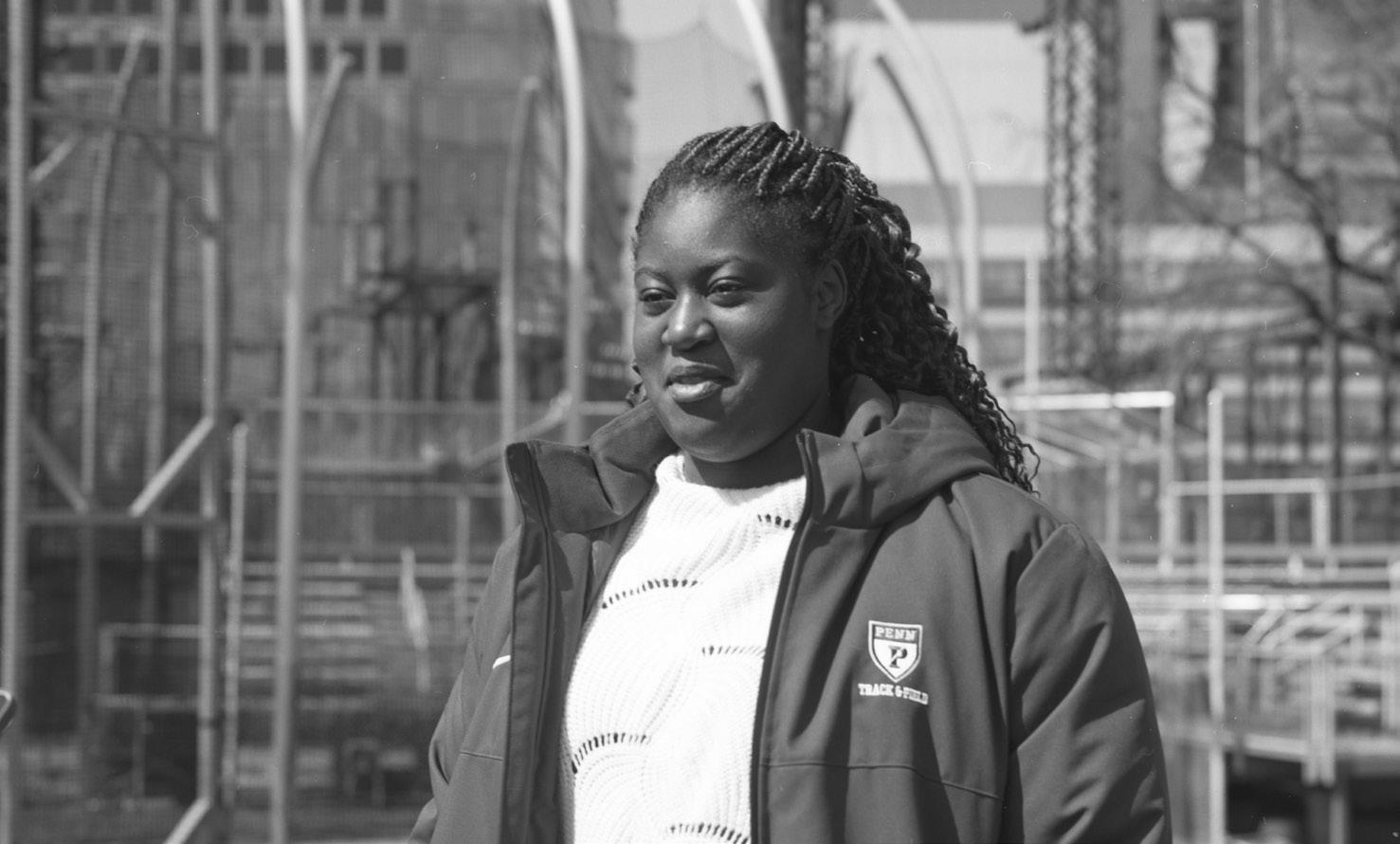
DIVYA KARNANI AND SAMANTHA WICKHAM Staff Reporters
For some athletes, The Penn Relay Carnival is a stage they’ve dreamed about for years. For others, it’ssomething they don’t fully experience until they step into it. But no matter how they arrive, competing hits them with a wave of emotion.
Every race is different. Joy, perseverance, energy, exhilaration: Each athlete’s path to this stage shapes their mindset. The scale of Penn Relays — the crowd, the history, the anticipation — intensifies whatever emotion athletes carry with them.
Joy
For junior sprinter/hurdler
Ryan Matulonis, the Penn Relays are not just a college meet. Even before committing to Penn, he had already experienced the magic of Franklin Field, competing at the Penn Relays in high school.
“I think it was an amazing experience. It was so cool,” Matulonis said, reflecting on his first time competing at the competition as a high school athlete. “And then to be able to do it now is just even cooler.”
This sense of excitement is not just nostalgia, but one that actively shapes how he competes. Matulonis described the Penn Relays as an environment that elevates performance and where the energy of the crowd pushes athletes beyond what they might expect of themselves.
For him and his teammates, this energy usually translates into tangible success.
“Every year, we always break the school record at Penn Relays,” he said. “It just goes to show how the environment allows us to rise to the occasion. … I think it’s just the excitement that allows it to happen.”
But what stands out most for Matulonis isn’t the times or placement — it’s the people. In a sport that is often individual, running the 4x400-meter relay offers a rare shared experience. That, more than anything else, is what defines his connection to his team.
“Penn track, especially [the
Penn] Relays, has allowed me to meet some of my best friends,” he said. “I value being able to run with my best friends. You support them, they support you, and you help make each other better. That’s the beauty of [the Penn Relays]. You’re running as a team.”
Even amid the intensity of competition, joy is central. The Penn Relays bring a unique blend of fun and pressure, something Matulonis embraces rather than resists.
Years from now, he doesn’t expect to remember the races themselves, but rather, the feeling of being with his teammates in the atmosphere that makes this meet unique.
“There’s no meet like it. It’s insane,” Matulonis said. “I think what I’ll remember most is the unparalleled energy and being able to run with my teammates.”
For sophomore high jumper Zofia Limbert, the path to the Penn Relays is rooted in steady growth and consistency. Her journey in the event started modestly, jumping over selfmade obstacles in her backyard as a child.
Unlike other track and field athletes, Limbert didn’t grow up dreaming about the Penn Relays — she had never even heard of it.
“When my coach first told me about it, I didn’t believe him,” she said.
“But then I got here and competed, and it was insane.
… It’s just so big.”
An unexpectedly huge stage now feels motivating. Limbert sees the Penn Relays as an opportunity to compete on one of track and field’s biggest stages while representing her team, something larger than herself.
biggest,” Limbert said. “You feel the adrenaline much more, and that excitement allows you to perform better.”
However, during Limbert’s freshman year, an injury disrupted her progress, forcing her to rebuild her season from the ground up. Instead of derailing her mindset, that setback shaped how Limbert approaches the sport.
“Last year, I learned that genuinely anything can happen,” she said. “I got injured, so I wasn’t able to compete or progress. But then [during] outdoor, everything started coming together.”
This mindset, focused on steady improvement, has become central to how she defines success. Rather than fixating on specific heights or placements at each meet, Limbert emphasizes incremental growth. Her goals for the Penn Relays are no different.
“I don’t particularly set myself big goals,” she said. “I just try to improve every meet, work on one technical aspect, and it’ll come together eventually.”
Her approach is rooted in perseverance. Limbert learned firsthand that setbacks are not exceptions in athletics; they are part of the process.
“You get injured, and it blocks you from performing, but it happens to everyone,” she said. “You can’t stay stuck on it. You will get better eventually, and from there, you genuinely get better.”
“ I just really enjoy the rambunctious and loud, energetic atmosphere.
LILY MURPHY Senior distance specialist
“The whole representing Penn part is probably the
Now, with her first Penn Relays experience behind her and an Ivy League high jump title under her belt, Limbert enters this year’s events with a different kind of determination. Surrounded by elite competition, she sees the moment as something not to be feared, but rather something she has earned.
“It’s just the whole energy,”
she said. “You have your friends, your family … and that makes it special.”
Energy
When senior distance specialist Lily Murphy thinks about the Penn Relays, she thinks of energy: “The energy surrounding the meet, the energy on the oval, the energy in the infield, the energy of the spectators.”
Murphy didn’t grow up running. She played lacrosse and field hockey through high school, switching to distance running only as a senior. But now at Penn, she has built herself up to be an Ivy League title-winning distance runner. This past indoor season, as part of Penn’s distance medley relay, she earned Second Team AllIvy honors.
people.
“I just really enjoy the rambunctious and loud, energetic atmosphere of it. It kind of makes you run on adrenaline, that’s for sure,” Murphy added.
For senior multi-event athlete Jake Rose, the Penn Relays embodies exhilaration.
“ I think what I’ll remember most is the unparalleled energy and being able to run with my teammates.
RYAN MATULONIS Junior sprinter/hurdler
As a senior, Murphy is preparing to race in the Penn Relays for the final time, where she’ll compete in the 10K. Last year, she ran the same event, a race she still remembers distinctly.
“I think last year, my race [was] around, 10, 10:30 pm, but you’re wide awake. You’re wired because we’re in the dark, under the lights, spectators everywhere,” she said.
For Murphy, this level of energy is what sets the Relays apart from every other track meet.
“You can feel it just from even stepping down in the radius of Franklin Field. Walking along 33rd, 34th Street ... you can tell how passionate these people are about track and field.”
It’s that passion that pushes her to give it her all, surrounded by the electric atmosphere where Franklin Field is filled with thousands of
“That moment really puts you in front of a huge stage, and you get to run in front of a Franklin Field, almost full to the brim,” Rose said.
While he generally specializes in the heptathlon and decathlon, the Catawissa, Pa., native will be competing in the 110-meter hurdles at the Penn Relays. Running such a quick race in front of a big crowd doesn’t pressure him. Rather, he uses the atmosphere to his advantage.
“I try to get as hyped-up as possible, so then, when the gun goes off, I can react super fast and kind of get that first step,” Rose said.
As a senior, it’s his final Penn Relays after three years of competing and spectating. His first experience as a freshman is still vivid in his mind.
“It was a downpour. It was crazy. I can still remember every second of the race. It was just pouring rain at the start line. We were sitting under a tent, and then we finally got to run.”
This year, Rose’s goal is to give his best and represent the Red and Blue one last time during Penn’s biggest meet.
“If I could really make a hurdle final and be against some of the best runners in the country at that level, I think I’d be very, very happy,” Rose said.
“I guess it’s just excitement, pure excitement, to go out there and finally give one last hurrah at the Penn Relays.”

From the number of events to the number of funnel cakes, here are some of the event’s most interesting statistics
EMILIE CHI Sports Editor
One hundred thirty years, 314 events, and 891 portions of fried Oreos.
These are just a few of the numbers that define this year’s edition of The Penn Relay Carnival — the world’s most recognized track and field meet. This week, tens of thousands of spectators will flock to Penn’s campus as West Philadelphia turns into a global stage. Here’s a preview of the 130th running of the Penn Relays, by the numbers.
History
One hundred thirty years. This year’s running of the Penn Relays is the 130th anniversary of the meet. The Penn Relays were first held on April 20, 1895, at Franklin Field as the first-ever college relay carnival, setting a tradition that would continue for more than a century. To put this number in perspective, the Penn Relays has endured two world wars and multiple global financial crises — from the Great Depression to the Great Recession — spanning nearly two dozen presidential terms from Grover Cleveland to current President and 1968 Wharton graduate Donald Trump.
Fifty-seven titles. Penn holds the second-most men’s Championship of America titles in the history of the Penn Relays with 57 championships won between 1896 and 2016.
Events
Three hundred fourteen events. At this year’s meet, the total number of events across the three days of competition is 314. Events focus on a mix of individual and relay races, from running to field events. The athletes competing span from elementary school students to runners older than 70.
Seventy-four Penn athletes. The Quakers have 74 athletes who are expected to compete at the Penn Relays.
Between 15,000 and 17,000
athletes. Expect 15,000 to 17,000 athletes to toe the line, with an estimated crowd of 100,000 spectators across the three days. West Philadelphia will be bustling with athletes and endless crowds come April 23.
One hundred ninety college teams. All three NCAA divisions, NAIA programs, and junior colleges are among the college teams represented at the Penn Relays. The event includes major conferences like the Big Ten, Atlantic Coast, and the Ivy League, among other collegiate conferences.
Over a thousand high school teams. In addition to collegiate teams, more than a thousand high school programs from all over the country are expected to compete.
Thirty states, Puerto Rico, and nine countries are represented at the Penn Relays.
Fifty-two thousand, five hundred and ninety-three seats. Franklin Field is the oldest college football stadium in the country, and the stage for the Penn Relays. The stadium seats more than 50,000 spectators, and holds a rich history; Franklin Field used to be the Philadelphia Eagles’ field and the host of the 1960 NFL championship game.
Between 700 and 900 volunteers. From medical staff and officials to volunteers from as far as Jamaica and the Bahamas, these are the people who keep the Penn Relays running.
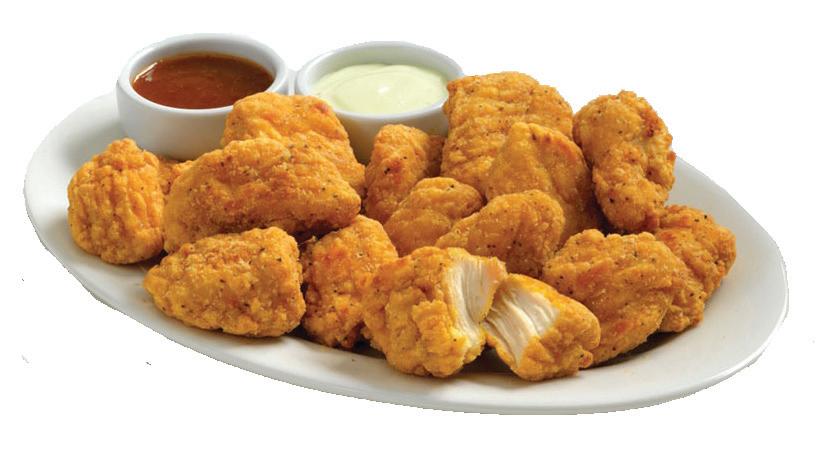
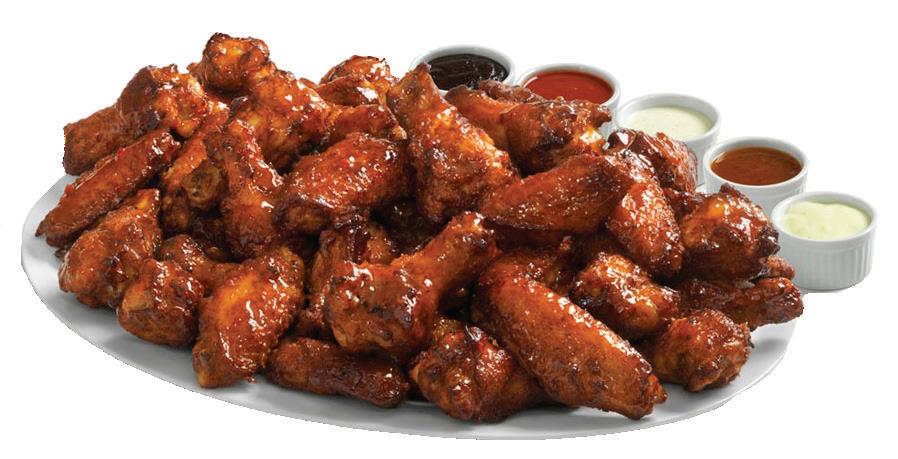
Thirteen options. A baker’s dozen of food vendors from Penn’s concession provider, Aramark, will feed an estimated 100,000 spectators over the course of three days. That team has ordered the following: 3,585 portions of tenders and fries; 1,241 funnel cakes; 891 portions of fried Oreos; 1,373 hot dogs; 3,720 bottles of water; 1,455 Powerades.
57
Penn holds the second-most men’s Championship of America titles in the history of Penn Relays with 57 championships won between 1896 and 2016.
52,593
Franklin Field, the oldest college football stadium in the country, seats more than 50,000 individuals and is the stage for the Penn Relays.
130
This year’s running of the Penn Relays marks the 130th anniversary of the meet.
1,241
Penn’s concession provider, Aramark, has ordered more than 1,000 funnel cakes to feed fans.
HANNAH CHANG AND
Sports Editor and Staff Reporter
Bruce Dern, who starred opposite John Wayne in “The Cowboys,” was kicked off Penn’s track and field team in 1957. The reason: He refused to shave his sideburns.
The coach at the time, Kenneth Doherty, said a “better way to put it” was that Dern “preferred not to continue,” according to an article in The Virginian-Pilot. Doherty believed the hairstyle and fans’ chants of “Go, Elvis, Go” were making Dern stick out too much from the rest of the team.
Doherty went on to serve as the director of The Penn Relay Carnival, and his philosophy reflected a meet that cared less about spectacle than sport. Olympians run on the same track as elementary schoolers. English lords and college students are seen as equals. The event may be someone’s biggest stage and someone else’s stepping stone.
As it celebrates its 130th anniversary, the Penn Relays continues to be a place of opportunity.
“[The Penn Relays is] not just a bunch of people running around the track. It’s that, by sharing the need to pass a baton, to all participate sequentially, each person has to do their part, and it becomes truly a team event,” Dave Johnson, director of the Penn Relays, said.
It seems Doherty believed the same. The Penn Relays was no place to rock Elvis Presley-style sideburns.
“Most American athletic invention”
In 1893, Frank B. Ellis, then chairman of Penn’s University Track Committee, sought to boost interest in the University’s spring handicap meet. The committee came up with the idea of a relay race where four men would each run a quarter-mile, inviting Princeton to compete with Penn. Princeton bested Penn the first year, but Penn won the next. Regardless of the winner, the races drew much interest.
Relay running, perhaps drawing inspiration from the old messaging system where news was passed from one horse rider to another, was disorganized and disjointed back then. Track and field as a sport was still trying to find its footing — there were barrel rolls, backwards 100-yard dashes, and “potato races.”
Track and field was in such an infancy state. There hadn’t been a modern Olympics yet. All of those things were completely up in the air,” Penn Relays Associate Director Aaron Robison said. “At that time track and field was more of a school field day, if you will.”
In a cacophony of diverse racing ideas, Ellis took the relay and standardized it for the sport. With its success, according to a 1956 issue of Franklin Field Illustrated, Ellis “knew he had the ‘most American athletic invention’ since Abner Doubleday laid out the first baseball diamond.”
In 1895, Ellis and the committee decided to inaugurate an official relay meet, which also served as the dedication ceremony for Franklin Field. Back then, the nation’s oldest collegiate football stadium was just a humble structure.
few accommodations for the visiting athletes that tents had to be erected around the track where the athletes could dress for their events.”
It was because of those tents that the official meet came to be called The Penn Relay Carnival.
“United States versus the world” It would be deceptive to say that the Penn Relays, in its 130 years, has not been affected by global affairs. The history of the Penn Relays has been marked by its response to international events.
The first half of the 20th century proved difficult for the Penn Relays. World War I, the influenza epidemic from 1918-20, and World War II served as a string of extreme hardships that shook both the nation and the Penn Relays. While many schools — such as Yale and Harvard, which did not have track and field teams during World War II — canceled athletic programs, the Penn Relays persevered.
“ all you have to do is start talking to someone in philadelphia. If they didn’t run in the penn relays, they have a relative or neighbor who probably did.
DAVE JOHNSON
Former Penn Relays director
“Franklin Field contained only a quarter mile track and a wooden stand on the south side of the field,” 1901 Wharton graduate Edward R. Bushnell, who was also a Penn track and field alum, Olympian, and journalist, wrote in 1935. “There were so
“Our French comrades are welcome because of the ancient friendship that has existed between the United States and France,” a 1921 issue of Franklin Field Illustrated read. “[B]ut even more so because of the heroic fight in the face of terrible odds that France made against Germany throughout the Great War.”
During World War II, the United States military organized recreational fitness programs to keep factory workers willing to manufacture uniforms, and many of these workers formed track teams that later competed at the Penn Relays.
“Everybody wanted to keep coming,” Johnson said. “They didn’t want the event to fall apart. They wanted to be here. It was their chance to shine and do something fun during those three or four years of the war.”
“There was a huge boom in sports in the ’50s and ’60s in the United States. All sports were extremely popular. It was postwar,” Robison added. “The country was as happy as it had ever been.”
One event fundamentally shocked the nature of the Penn Relays, as it did the world: the Sept. 11, 2001 terrorist attacks. While the Penn Relays had almost seven months to make necessary changes to the event following the attacks, the transition was nevertheless arduous. Spectator entrances, security inside and outside the stadium, and team transportation at airports were just a few of the many issues that needed to be addressed.
In 2013, the Boston Marathon bombing killed three people and injured over 500. Tensions were high, and fear was palpable among the running community. But two weeks later, Franklin Field still opened its gates for the Penn Relays.
Ultimately, how could one, everlasting event tackle the uncertainty of the world? The answer was simple: staying on track. Keeping their eyes on the world of track and field, Penn Relays’ administration has been able to overcome numerous obstacles, though COVID-19 proved to be an insurmountable hurdle.
“We knew very quickly when the end came for track and field,” Johnson said. “It was the Thursday before the NCAA Indoor Track championships that year, in mid-March, and I got a call from the coach at Duke University [describing how] the COVID outbreak was serious enough that we were not having the meet. We were being told [to] vacate the facility.”
For the first time since its uninterrupted inception in 1895, the Penn Relays was halted by the pandemic.
Despite these setbacks, the Penn Relays maintained its spirit of competition to a global audience. In the 2010 Relays, Johnson and other administrators introduced the “USA v. the World” initiative to pit U.S. teams against elite runners, such as Usain Bolt and Michael Johnson. Placing athletes in their national team uniforms was a catalyst for the success of the Penn Relays, as the meet’s reputation reached the international stage.
“More Olympian than the Olympics”
From as early as 1925, the Penn Relays has been called “a veritable Mecca for track and field athletes representing the university, college and scholastic world” and “America’s greatest international athletic meeting and the originator of relay racing.”
In a 1983 article from The Daily Pennsylvanian, then-University Chaplain Stanley Johnson was quoted as saying, “The relays are the world’s largest track gathering — it’s the highlight for anyone who ever was a track fan.”
More than 40 years later, the sentiment hasn’t changed.
“I think as far as track is concerned, it’s one of the No. 1 meets of the year,” Gail Zachary, assistant director of the Penn Relays, said.
Former Penn Relays director Jim Tuppeny, who had four daughters, added women’s events to the Penn Relays with the introduction of a female 100-yard dash in 1962.
Zachary said that the inclusion of women’s meets has “brought [women] into the limelight. … And I’ve seen a trend, especially in high school, where there seems to be sometimes more women entries than, well, men.”
Notably, the Penn Relays has been open to Black athletes since it first began, and the City of Brotherly Love becomes a paradigm of national Black excellence when Penn Relays starts each year.
This is not to say the Penn Relays was exempt from the

nation’s battle with racial segregation. In the 1960s, Penn received a letter from a Southern University coach demanding that the University withdraw its invitation to a Black sprinter from a southern school; Penn Relays’ administrators responded with a revocation of Southern University’s team instead.
In times of racial inequality and discrimination, the Penn Relays has served as an opportunity for Black athletes, coaches, families, and friends to come together. In time, the Penn Relays transformed from a simple athletic event to a celebration of Black culture, including festivities such as the “Triple S” show.
“I was talking with an African American gentleman, and I had asked him how he had come to Penn Relays every year [as] he wasn’t an athlete,” Johnson said.
“He just came because it was the thing to do. He was from Michigan. He said, ‘When spring break came, we didn’t go to Fort Lauderdale where all of the white kids would. We would have to drive through southern states that
would not have looked kindly to us. So, instead, our big spring break trip would be to go to Philadelphia.’”
The Penn Relays also first introduced the exchange zone and use of the baton, rules adopted by the Olympics that are now considered standard in relay running.
Before the introduction of the baton, runners just “smacked hands,” Robison said. “But there’s something special about having that baton in your hand and handing it off to a teammate. You’re not running for yourself. … It’s the one time that track and field is truly a team sport.”
The Penn Relays has also welcomed Olympians, celebrities, and politicians. Olympic gold medalists Jesse Owens and Bolt, as well as basketball player Wilt Chamberlain and astronauts Ed White and Buzz Aldrin are among the public figures who have competed at the Penn Relays.
“‘The Penn Relays is more Olympian than the Olympics,’ boasted carnival director Jim Tuppeny at a press luncheon yesterday on the Penn campus,” Bob
Savett wrote for The Bulletin in 1979. “‘We’ll have our Olympians … but we’re also helping people get started.’”
“Sport for the sake of sport”
Savett portrayed how the Penn Relays attracting professional and high school athletes is a key reason for its enduring success. While other team sports often have a limited number of competing athletes, Penn Relays sustains over 2,500 competitors within the first hours of the meet.
But the Penn Relays is more than an amalgamation of runners; it’s a common, core memory for many Philadelphians.
“All you have to do is start talking to someone in Philadelphia,” Johnson said. “If they didn’t run in the Penn Relays, they have a relative or neighbor who probably did.”
“It’s not just a track and field event. It’s not just a sporting event. It is so much more than that,” Robinson added. “It is a reunion of sorts. … It’s an opportunity to relive some of your earliest memories as a child when
your grandfather brought you to the event.”
The Penn Relays connects Philadelphians with one another, Philadelphia with the country, Philadelphia with the rest of the world.
“Fortunately, my most exciting track memory is of a relay race in America, when four of us, each running a half mile, secured the world’s two-mile record for Oxford and Cambridge against the American universities.” South African Olympic champion Bevil Rudd — the star of the 1920 Oxford-Cambridge team that competed at the Penn Relays — wrote in 1931. “The meeting is the greatest and most popular event of the American athletic year.”
“Then came the race itself,” he continued, “the electric atmosphere of 40,000 excited human beings — ourselves the feared enemy and cynosure of every eye — and yet to us only a prayer that we should not disgrace ourselves.”
“Totally unlike the unfortunately jaded California fans who sit on their hands even while witnessing world champions, the Franklin Field spectators are alive,” Bert Nelson wrote in 1973 for Track & Field News. “They roar loudly and often for the unknown high schoolers and for the famous collegians. They like competition, recognize it when they see it, and respond to it with vigor throughout a long day.”
That remains the spirit of the Penn Relays today, as Frank Dolson, then-sports columnist of The Philadelphia Inquirer, wrote in 1986: “It’s Penn Relays week, a time to talk about the spirit of athletics.”
“You’ve never heard of the great majority of the young men and women who will be passing the batons at Franklin Field this week and, with a relative handful of exceptions, you never will hear of them,” he continued. “That’s what makes the Penn Relay Carnival so unique; the emphasis is on competition, sport for the sake of sport.”
The competition, whether it is among high school students or Olympians, American or international collegiate athletes, was a common factor.
UMA MUKHOPADHYAY Staff Reporter
The year was 2016. At the 122nd Penn Relay Carnival, a 100-year-old woman named Ida Keeling crossed the finish line in the mixed Masters 100-meter dash.
Despite her last-place finish, the crowd inside Franklin Field was roaring, possibly with the loudest cheers of the three-day event. Embraced at the finish line and celebrating with push-ups, Keeling had just broken the world record for her age group.
Just beyond the track, medical volunteers stood ready with wheelchairs, as the mixed Masters race for athletes aged 80 and older is a high-risk event for competitors’ health.
Jason Pan, then a trainee and now an attending physician at Penn Medicine’s Department of Physical Medicine and Rehabilitation, was volunteering at that year’s Penn Relays. This race was a moment he would not forget.
“This is what I went into sports medicine for,” he said. “If you can make it to that age and still be running, that was truly inspiring to me.”
First volunteering at the Penn Relays in 2013 during his residency in sports medicine, Pan has since become the Penn Relays’ medical director, a role he’s held since 2019.
As medical director, Pan leads approximately 120 medical volunteers, alongside additional emergency medical services workers, to ensure the safety of all Penn Relays attendees, including both athletes and fans.
Bringing more than a decade of experience volunteering at the event, Pan emphasized the key to leading the competition’s medical teams: “preparation, preparation, preparation.”
By the time the first starting gun fires each April, preparations have been underway for months.
Beginning in the December of the previous year, Penn Med and Penn Athletics collaborate to plan medical coverage for the Penn Relays. Supporting Pan at the helm of this coordination is Moe Louidor, Penn track and field’s athletic trainer and Penn Relays’ medical support liaison,
joined by two other physicians.
Penn Med’s Lauren Salesi, team sports medicine physician for the Philadelphia Union and Penn Relays’ assistant medical director, has volunteered at the Penn Relays since 2023, bringing expertise in family medicine and orthopedic surgery.
Alexis Tingan — Penn Relays’ medical director emeritus, former Penn track and field team physician, and Jefferson Health’s current division director of sports medicine — displays over 25 years of experience at the Penn Relays as a medical consultant, providing mentorship to the next generation.
These collaborators work to ensure that protocols are in place for the meet. Due to the longstanding nature of the Penn Relays, these plans are generally unchanging, passed down from Pan’s predecessors, Tingan and Rahul Kapur, who served as previous medical directors.
Yet, Penn Relays’ medical leadership uses lessons from critical situations that have occurred at the event as a way of revising protocols.
For instance, in Louidor’s first year working at the Penn Relays — during the first session of the first day — one spectator went into cardiac arrest in the stands.
“That really put in perspective why we have all these protocols, and that day changed a lot of our protocols,” Louidor said. “We can’t just think about this as a track meet; normal people are here. What do you do if that happens again? … You go from orthopedic injuries to first responder real fast.”
When this emergency occurred, Pan recalled that one of the volunteers, a sports medicine fellow at the time, addressed the situation effectively before he even arrived at the scene.
“They were actually the first one out onto the field and was the one who was basically running the code out there,” Pan said. “They were already doing a very good job. … We can trust our fellows.”
Pan added that this trust comes from his teams’ thorough preparation: “When you’re prepared, even for ‘catastrophic things’ that happen, like a cardiac arrest, like a fracture, if you
have all the equipment in place, it doesn’t feel like a scramble.”
Part of this preparation comes from athletic trainers, including Louidor as well as Penn Athletics Head Athletic Trainer Anthony Erz, whom Pan called the “backbone” of the operations. The trainers coordinate materials used to triage athletes at Weightman Hall, where the Penn Sports Medicine Center is located, alongside smaller medical areas around Penn Park.
“We will set up multiple treatment tables to perform evaluations, along with two dedicated first aid stations for managing lacerations, abrasions, ice, and other minor needs,” Erz wrote. “In addition, we will have smaller medical areas positioned in the paddock and at the throwing complex, each equipped with first aid supplies and essential emergency supplies such as AEDs, splints, and other necessary equipment.”
Given that track and field events take place across Franklin Field and the Mondschein Throwing Complex, the medical teams also consider the event’s place in University City.
“We have to figure out how many ambulances do we want to have on site,” Pan said. “We have to think about geography. We have to think about traffic patterns. We have to think about, ‘Does it make sense to send someone to HUP, which is the closest facility, versus [Penn] Presbyterian [Medical Center], which is the trauma center?’”
These plans of action in medical crises are often predetermined. Tingan and Pan explained the steps taken when handling the occasional femur fracture, which requires off-site care.
while running, and so they come in on the stretcher. They have to go X-ray,” Tingan said. “[We] examine them and try to coordinate getting them to the hospital.”
“We ended up transporting them directly to Presbyterian,” Pan said, explaining how his team handled one year’s fracture. “Even though it was a farther away facility, that’s where the trauma services were [located].”
Nevertheless, not every situation requires emergency protocols. Salesi noted that the intensity of track and field can make some conditions look more critical than they are.
“Sometimes, when you have all of that adrenaline, and you’re coming out of a sprinting event, something can look very serious,” Salesi said. “You realize you need to give them a second to decompress, calm down, get their heart rate down because they were sprinting with full effort.”
The treatments administered by physicians and trainers can differ due to the diversity of events in track and field.
“It’s different across how people present from distance events, how people present from sprinting events,” Salesi said. “They’ll come off the field at different levels of heightened emotion, and you have to have that ability to know, ‘OK, this person just ran a 400[-meter dash], but this person just sprinted 100 meters.’”
“ whatever happens at the event, we have a plan. everyone knows the plan. we’ve all practiced the plan.
MOE LOUIDOR Penn athletic trainer
“Every few years, we have someone fracture their femur
More than the differences between events, the uniqueness of the Penn Relays comes from the range of competitors’ ages, spanning from thirdgrade runners to senior citizens. Caring for both amateur and professional athletes adds another dimension.
Most athletes competing at the Penn Relays are adults, so the standard protocols of medical
care apply. However, age adds new considerations for the Masters athletes, such as a particular attention to their cardiac health, according to Pan.
For athletes under the age of 18, there is an added challenge of obtaining consent, a “quirk” of medicine at the Penn Relays.
“Sometimes, we actually have to go into the stands and find their responsible adult first to consent on something because they can’t technically consent for themselves,” Pan said. “Most of the times when you’re in a pediatric hospital, the patients come with their parents or guardians. We have this additional layer.”
Tingan similarly captured the breadth of the task to provide care to athletes in different stages.
“It’s unlike any other medical coverage that you will do because there’s so many different types of athletes and different age groups,” Tingan said. “Being able to know what to do when a high school student comes into the training room who’s injured, versus a collegiate athlete, versus professional athlete — how to manage that situation and communicate with the athlete, coach, parents, with the trainers. Those are things that aren’t taught in medical school.”
Regardless, the medical teams are ready to go once the Penn Relays starts.
“Whatever happens at the event, we have a plan. Everyone knows the plan. We’ve all practiced the plan, from the medical staff to facilities to operations to the officials,” Louidor said. “We’ve done all the prep, so once the event starts and we get into a flow, it runs itself.”
A “family feeling”
Penn Med recruits approximately 120 medical volunteers through its network, with up to 250 responders including EMS, deployed across the three days of competition.
“The team is comprised of medical students, of residents, of fellows, and of course, attending physicians — not just sports medicine physicians, but across all disciplines — athletic training students, physical therapists, physician training students,” Tingan described. “It’s kind of a

big medical party, where so many different specialties and experts come together.”
These volunteers often come from Philadelphia institutions but also travel from across the United States.
“One of the amazing aspects of the [Penn] Relays’ medical coverage is that it’s very much a family feeling,” Tingan said. “It doesn’t matter if you’re from Drexel, from Jefferson, Penn, Temple, independent — everyone is a part of the medicine family.”
During his tenure as medical director, Tingan emphasized a culture of inclusion in recruiting volunteers for his medical teams. Pan has continued that legacy since inheriting the role of medical director.
“We have a very diverse group of volunteers, from Physical Medicine and Rehabilitation, Family Medicine, Emergency Medicine,” Pan said. “We’re not territorial about, ‘Who is in charge of this?’ We’re all a team. Everyone works together, and it’s nice to get those different perspectives.”
This openness to volunteers allowed Salesi to contribute when she first arrived at Penn Med’s Department of Family Medicine
and Community Health in January 2023. Soon after, Pan asked her to join the Penn Relays’ medical leadership team.
“There was a call to volunteer for [Penn] Relays. I thought, ‘Oh my gosh, how cool? This is the national event. … What a cool opportunity that we as Penn get to host this and serve as the medical team,’” she recalled. “So I immediately signed up.”
The Penn Relays also offers an experience hard to find in day-today sports medicine practice.
“It’s a really nice event from a camaraderie perspective, for all the doctors. A lot of times we’re kind of siloed in our own offices and clinics, and we never actually get to see each other in practice,” Salesi said. “It’s a nice way to work together for a change.”
Medical coverage at the Penn Relays is a labor shared with familiar faces, Louidor added.
All 14 athletic trainers at Penn Athletics contribute to the Penn Relays. He also noted that the roster of medical volunteers consistently fills up with people who were once strangers but continue to return each year.
“If we had half as many volunteers or half as many athletic
trainers, I don’t think this thing goes,” Louidor said. “The day starts at 6:30 a.m. and ends at 11:30 p.m., and these people come out. They’re not being paid. They’re volunteers. … But they just love helping.”
More than a meet
Even for the physicians and trainers, the Penn Relays carries significance beyond the competition.
Tingan, a Princeton track and field alumnus, ran the college men’s 4x800-m relay at the Penn Relays during his time with the Tigers. Greater than himself, though, the meet is a part of his family history.
“My wife also ran at Princeton, so she competed in the [Penn] Relays, both in college and high school. My father-inlaw competed in the Penn Relays. My brother competed,” Tingan shared. “My youngest son actually asked me, ‘When am I going to compete?’”
Despite focusing on his medical career after graduating from Princeton, Tingan will take to the track in this year’s corporate distance medley, this time trading his Orange and Black to represent
… the disappointment of maybe their performance or with their team, and being able to navigate that emotion while also trying to figure out what’s going on medically … that’s not always in everyday, office-based medicine.”
Tingan emphasized that the “juxtaposition” of having a “high school race followed by a race with a world-record holder right back to back” is what makes the three days of the Penn Relays “special.”
Salesi, who works with professional soccer and basketball players in her regular practice, is a former track and field athlete who ran the 400m. For her, the competitors in the Penn Relays represent the purpose of sports medicine.
“We’re always counseling our patients about staying active across the lifespan, so it’s great to see people who are truly the model of that, who are still competing in track athletic events in their 80s,” Salesi said. “You’re truly seeing the spectrum of activity across the lifespan.”
Louidor, who cares for the Penn track and field team yearround as the athletic trainer, finds his motivation close to home field.
Jefferson Health’s relay team.
“It’s kind of come full circle,” Tingan said. “So, I will still continue to compete, even to this day, within the [Penn] Relays.” Outside of competing, Tingan’s connection to the meet carries on. His former coach at Princeton, Steve Dolan, is the current director of the Penn Relays.
“I was joking with him that he followed me to Penn because I was already at Penn,” Tingan said, recalling his time at Penn Med and experience as Penn track and field’s physician. “It just shows the track and field world, right? A lot of people know people as a family, but the Penn Relays is very demonstrable of that.”
But Tingan also keeps coming back as a medical volunteer for reasons outside of personal ties. The range of athletes he witnesses each year brings hwim a new perspective on treating injuries.
“From the older athletes or the younger athletes, just seeing in their eyes, this is the biggest stage that many of them will ever compete … and they just really, really want to do well,” Tingan said. “Just understanding that
“I have athletes that it’s like, ‘This is our fourth Penn Relays together.’ I can see the progression of how they’ve done, and I’ve helped them. They’ve helped me,” Louidor said. “At the end of the day, I like to help people get to their goals, and I want to get them to the end of their career, being able to choose what it is for them at the end, not being forced by something to stop.”
Tingan, too, reflected on how time has impacted personal significance.
“It’s just been an honor to be able to be involved with the [Penn] Relays as long as I’ve been involved with it and [to] develop so many great relationships with athletes, coaches, medical staff,” Tingan said. “To see the legacy that started before me from a medical coverage standpoint, one that I carried on, and one that I passed onto Dr. Pan … it’s just amazing. I’m very fortunate to be able to sit back and see what we’ve built over these years.”
And for Pan — who also spends his weekends covering races like the Saucony Love Run and Independence Blue Cross Broad Street Run for Philadelphia’s “weekend warriors” — he volunteers because he enjoys caring for the athletes he encounters.
“It doesn’t really feel like work,” Pan said. “If I wasn’t working at the event, I would be buying a ticket and watching the [Penn] Relays anyways.”
The event will host over 600 high schools, including more than 50 from the greater Philadelphia area
ANTONIO MELONI AND SOO YOUNG YOON Staff Reporters
Top track and field athletes are finalizing their travel plans while perfecting their baton handoffs. Coaches are evaluating the depth of the field while psyching up their athletes. Despite coming to Philadelphia from across the country — or even across the world — all these competitors have the same final destination: Franklin Field.
The annual Penn Relay Carnival is upon us.
Penn’s campus will be flooded with an unusual array of spikes and gel packs at the end of April as visitors from near and far ogle Locust Walk. For three days, the Quakers will compete against some of the best collegiate athletes in the country, including nearby rivals Villanova and Princeton. However, college athletes are not the city’s only representation. Some of the best high school athletes from Southeastern Pennsylvania will also be showcasing their skills on Benjamin Franklin’s oval.
Some of these schools have been local staples for years. La Salle College High School in Wyndmoor, Pa. is steeped in Penn Relays tradition, as the Catholic private school has enjoyed considerable success in University City. In 2013, the Explorers earned a distance medley relay victory in the Championship of America field. A few years later, in 2016, the team set a school record in the Large School Championship.
Relays very seriously,” Franklin said. “It sometimes can be an especially difficult event because we compete at New Balance Nationals or other indoor season meets right before the relays. … We have a picture in our trophy room from the last time we won the Penn Relays, with the rest of our track and field memories. It’d be an honor to be able to relive that picture and carry on the Explorer legacy.”
Franklin will run the mile again at Penn Relays, this time in the Championship of America distance medley relay. Last year, the Explorers took 11th in the event. La Salle will also face steep competition from local rivals North Penn High School and Mifflin County High School in the DMR.
“There is so much energy in that stadium,” Franklin said. “It’s just so much more intense than the average high school race, and the adrenaline you get lining up is unmatched. It’s an honor to race at Franklin Field and to have a local crowd come to Penn to watch us race. There are a lot of college coaches there watching, which makes it a great opportunity for us to showcase our skills.”

“ It’s just so much more intense than the average high school race.
BOBBY
This year, the Explorers are set to be highly competitive in distance races. La Salle distance runner Bobby Franklin is fresh off a first-place victory at the PTFCA Indoor State Championship in the boys’ mile run, clocking a time of 4:16.67. As a Northeast Philadelphia native, Franklin has looked forward to competing at Penn Relays since the beginning of his high school athletic career. Before that, he excelled as a middle school runner, competing in Catholic Youth Organization and club AAU races.
“At La Salle, we take the Penn
Episcopal Academy, another local track and field powerhouse, also competed in the Championship of America DMR last year. Located in Newtown Square, Pa., about a 40minute drive from Penn’s campus, Episcopal will look to repeat its success from last year’s relays. The Churchmen placed third and will field a similar team as last year’s bronze medalists.
Episcopal sprinter Abaas Hunter is a crucial part of that team. The North Carolina track and field commit will run in his last Penn Relays on the back of a first-place victory at the PTFCA Indoor State Championship in the boys’ 200-meter and 400meter races. The Upper Darby, Pa. native grew up as a twosport athlete, splitting his time between football and track. At
Episcopal, he honed in on being the fastest version of himself. This year’s Penn Relays is a great opportunity to have more memorable performances in multiple races.
“One of my goals for my senior year is to win the Inter-Ac 4x400 title,” Hunter said. “This is our own small section where we race a few close rivals, and we didn’t win it last year. We’ve been very successful in it historically, so we want to reclaim that title from the Haverford School. Being at Penn Relays and having a big crowd with everybody cheering is really exciting.”
Episcopal’s track and field roster is filled with talent this year. One of Hunter’s teammates in last year’s Championship of America DMR and Inter-Academic League 4x400m relay, Episcopal middle-distance runner Kaleb Young, placed fourth in the boys’ 800m race at this year’s indoor state championships. The two will look to reclaim the Philadelphia Inter-Academic League title and potentially compete in the 2026 Championship of America DMR.
The Churchmen also have
some powerhouse female runners with middle-distance runners Ava Cavanaugh and Kendra Williamson earning second and first-place finishes in their 800m and 3000m state championship races, respectively.
Hailing from North Philadelphia, St. Joseph’s Preparatory School also looks to make noise at this year’s Penn Relays. Also known simply as “the Prep,” the all-boys school boasts a top-tier track program, with multiple PTFCA Indoor State Championship titles and a history of producing elite runners.
For a select few of the Prep’s top runners, the Penn Relays offers a rare chance to compete on one of the sport’s biggest stages.
“They’re excited,” Curtis Cockenberg, the 2020 Pennsylvania Coach of the Year, said. “You’re running in front of such a large crowd. I mean, I don’t think a kid will ever run or participate in front of a crowd anywhere from 20, 30, or even 40,000 people.”
Cockenberg, affectionately known as “Coach Curt,” has
coached every record-setter on the Prep cross country and track program record board. It’s safe to say he’s had a “generational impact” since starting at Prep during the 1970s. Even after 50 years of coaching, the Penn Relays still stands as one of the most special track and field events for Cockenberg.
“It’s one of the largest meets around. You have schools coming from so many different areas, from outside of the intermediate area,” Cockenberg said. “The fact that you have schools coming from outside the country … it’s incredible.”
This year, the Prep will participate in the 4x100m, 4x400m, and two 4x800m events over the span of two days.
In a track and field event known for its massive size, the Prep will compete among the best in Philadelphia. But beyond the results, Cockenberg is excited for his team to have the “experience of running off a crowd.”
“The size of the crowd is the key part,” he said. “The biggest [takeaway] is getting the chance to run in front of so many people.”
ALISON FRAZER Staff Reporter
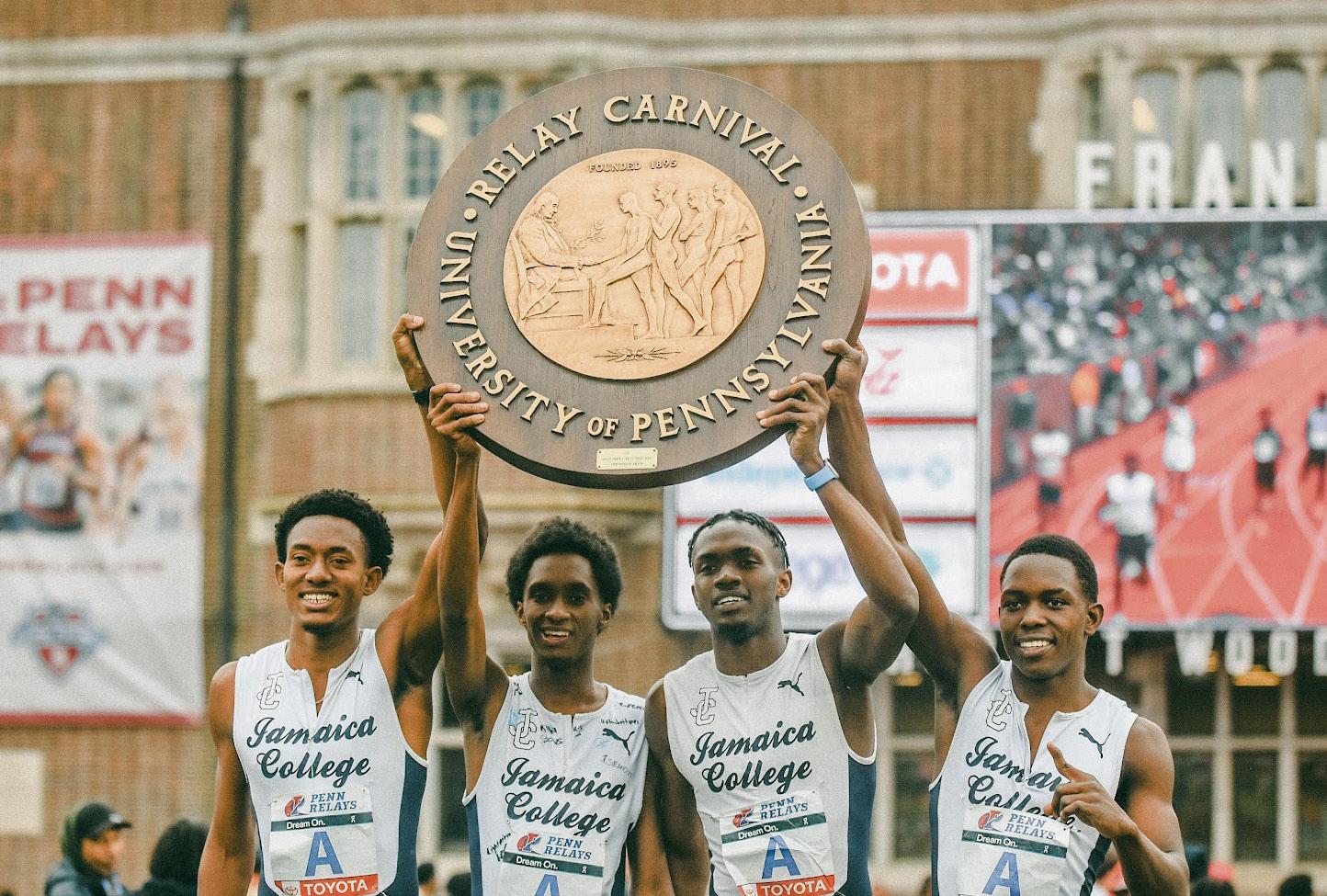
Jamaica College runners hoist the 4x800-meter relay trophy on April 27, 2024.
Clad in green, gold, and black, Team Jamaica Bickle dominates the volunteer scene at The Penn Relay Carnival. The smell of ackee fish, callaloo, curry goat, and more is enough to make passersby empty their pockets. But no, this food isn’t for sale, it is being served for free to Caribbean athletes that have made the journey to Penn Relays.
Anyone who has attended Penn Relays is familiar with
buoyant group that has been a participating sponsor of Penn Relays since 1999. “Bickle” means “food” or “meal” in Jamaican Patois. Founded by Irwine Clare and Blare Stoddart, TJB’s impact has been so significant that the Jamaican flag became the first foreign flag flown at Penn Relays.
According to TJB Volunteer Coordinator Michele Bartley, TJB was founded with the goal of providing food that Jamai -
eating. Today, their mission has expanded to include athletes and coaches from all over the Caribbean and Caribbean students studying abroad.
But TJB does way more than just cook for their athletes; the organization creates a community of support from its arrival in Philadelphia to its departure. Its mission is to make the experience easy for athletes, supporting optimal performances on meet days. Between
hotel and airfare subsidies, mentorship opportunities, and physical therapy, TJB track athletes receive attention and care in Philadelphia. Though not sponsored by Penn, TJB has its own reserved hospitality area in the Palestra for its athletes.
TJB creates a welcoming experience for athletes from around the Caribbean and encourages other groups of the Caribbean diaspora to volunteer alongside them. Other participating countries include Trinidad and Tobago, Guyana, Saint Vincent and the Grenadines, Saint Kitts and Nevis, and Belize.
This year, the Bahamas Philadelphia Foundation will join TJB for the first time. Remy Duncombe, president of BPF, is excited to be part of this community of care.
“It’s been the volunteering efforts over the years that has preserved the overall experience, so people keep coming back,” Duncombe said. “I want to help them to come back again, and again, and pay it forward.”
home, and TJB has taken it upon itself to recreate this environment in the United States.
Vincent Heath, co-chair of TJB’s Philadelphia Organizing Committee, remembers aiding friends who hosted Jamaican athletes in their own homes, prior to TJB’s hotel subsidy initiative. TJB volunteers have been committed to supporting their athletes since day one.
While guests of Penn Relays may be drawn in by TJB’s aromatic food and vibrant energy, the hard work of these volunteers is essential to the experience of Caribbean athletes participating in the event.
“ I love track and field, and I saw it as a way of giving back and supporting my people.
MICHELE BARTLEY Volunteer coordinator
This is more than a volunteer commitment for TJB members — it’s the cultivation of the next generation. These athletes

“It makes us feel good that we can assist in their growth. Most of us can share stories of Olympians when they were attending the Relays with their high schools,” Bartley said. “Many receive [scholarships] to attend [universities] in the USA and at home, something that probably would not have been possible otherwise.”
“As soon as I heard about TJB, I was interested in volunteering,” Bartley added. “I love track and field, and I saw it as a way of giving back and support-