The Daily Northwestern
Spanish coverage
AUDIO / What’s New at NU ShinyHunters’ Canvas breach, explained

Spanish coverage
AUDIO / What’s New at NU ShinyHunters’ Canvas breach, explained
e Daily’s Spring 2026 Poll o ers glimpse into NU’s undergraduate ecosystem
By ASHLEY WEI polling editor
beliefs, including the idea that just cause tenant protections will discourage development.
By TIA BETHKE and ISABELLA KUNC the daily northwestern
After hours of deliberation, City Council adopted Evanston’s new Strategic Housing Plan in a 7-2 vote at its Monday meeting.
The vote followed a lengthy discussion of amendments suggested by councilmembers in the past month. Alds. Clare Kelly (1st) and Parielle Davis (7th) voted against the plan.
Nicknamed Housing4All, the plan aims to create concerted guidance for addressing housing challenges around affordability and racial and economic segregation in Evanston. During a prolonged public comment section, some residents expressed support for the plan with the suggested amendments, while others urged councilmembers to approve the original version.
“This is a moment when housing policy should be guided by evidence, by facts,” Garcia-Rojas said. “Fact: losing housing, whether through eviction or involuntary nonrenewal, destabilizes families, schools and employment. Feeling: non-renewals are simply a routine part of the rental market.”
During their April 13 meeting, councilmembers voted to table the plan until Monday night. Between meetings, several councilmembers proposed a total of 64 amendments, 50 of which were Kelly’s alone.
Planning Manager Elizabeth Williams gave a presentation that separated the amendments into three categories: those consistent with the Envision Evanston 2045 comprehensive plan, those that were inconsistent with the plan or had limited information and those for individual consideration.
Northwestern is in full bloom as ambitions come to fruition. As we approach the conclusion of the 2025-26 academic year, The Daily’s Spring Poll aimed to capture student voices and the NU experience.
This year was marked by pivotal issues, including the pervasive rise of artificial intelligence, shifts in University administration and ongoing tensions in a
By MAX TURETZKY assistant city editor
involved with the project, including Mayor Daniel Biss and representatives from the nonpro t Housing Opportunity Development Corporation, wore hard hats as they took shovels to plots of dirt at the site.
polarized political climate. Students are now left weathering the uncertain higher education landscape. They continue to navigate their college experience, planting seeds for their future rooted in community and belonging.
Through these questions, students weighed in on these issues and more, offering a glimpse into the NU undergraduate ecosystem that is learning to flourish in the face of unpredictability.
» See POLLING, page 8
Evanston resident Claudia Garcia-Rojas (TGS ’19, Weinberg M.A. ’15, Doctorate ’23) emphasized that arguments used by those opposed to the original plan were based on feeling rather than fact. She said these community members lacked evidence for their
Following discussion and changes to an amendment to include language that would expand the definition of coliving arrangements to include dorm-style housing, Council accepted all amendments in the first category recommended by staff for approval.
» See HOUSING, page 15
Interim president discusses University future in
By DESIREE LUO campus editor
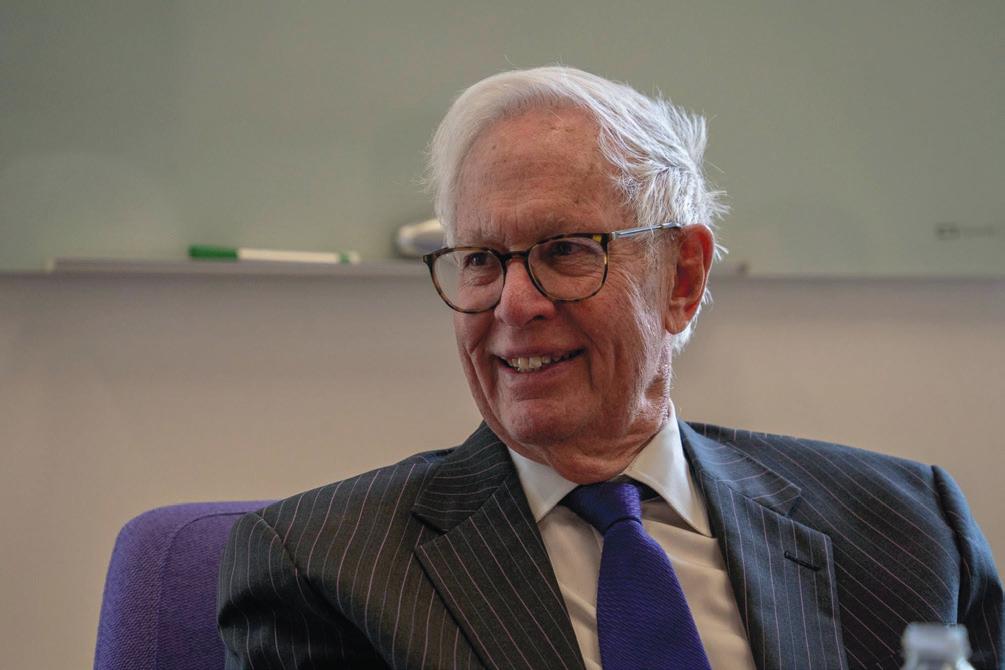
Interim President Henry Bienen told The Daily in October he planned to step down from the role by late spring.
City officials, residents and activists gathered Monday at a ceremonial groundbreaking for a new a ordable housing project in the 5th Ward, where Ald. Bobby Burns (5th) announced monthly rents that would otherwise have seemed unthinkable in Evanston: $650 for a one-bedroom, $850 for a two-bedroom and $1,050 for a three-bedroom. Burns and other key gures
The ceremony marked the beginning of construction for the Mt. Pisgah Apartments, a longawaited development that will provide 33 new units to households earning less than 60% of the area median income.
“Today, I’m happy because this is an occasion that should be celebrated,” Burns said. “ ere are going to be people that this building houses that, but for this
Bienen’s second presidential term has included negotiating and signing a deal with the federal government Nov. 28 to restore hundreds of millions of dollars in frozen research funding.

See APARTMENTS, page 15
Exactly three months later on Feb. 28, Iran launched a series of strikes on Gulf Arab states following a U.S.-Israel joint-military operation,
forcing Northwestern’s Qatar campus, established during the tail end of Bienen’s first term in 2008, to initiate remote operations.
Just after his 87th birthday, Bienen sat down Thursday with The Daily to discuss issues affecting the University, including NU-Q’s future, the federal agreement and where he hopes the next president will lead NU.
This interview has been edited for brevity and clarity.
The Daily: What would you like to see from the next University president?
Bienen: I think you get somewhat ambitious people for these jobs, but you want A ordable housing project in 5th Ward o cially underway
» See BIENEN

By REGAN HUIZENGA print managing editor
When the Evanston Community Fridges leadership team put out a form asking community members for new ideas, Nadia Gronkowski jumped at the opportunity to share hers.
“I seized my chance, because I’ve been griping for years about how there just aren’t enough things for babies and toddlers and their parents and their caregivers,” Gronkowski said. “So, I was like, let me submit it and see what happens.”
Shortly after, Gronkowski found herself writing an application for Evanston’s Love Your Block grants to launch a baby and toddler pantry at one of the community fridges.
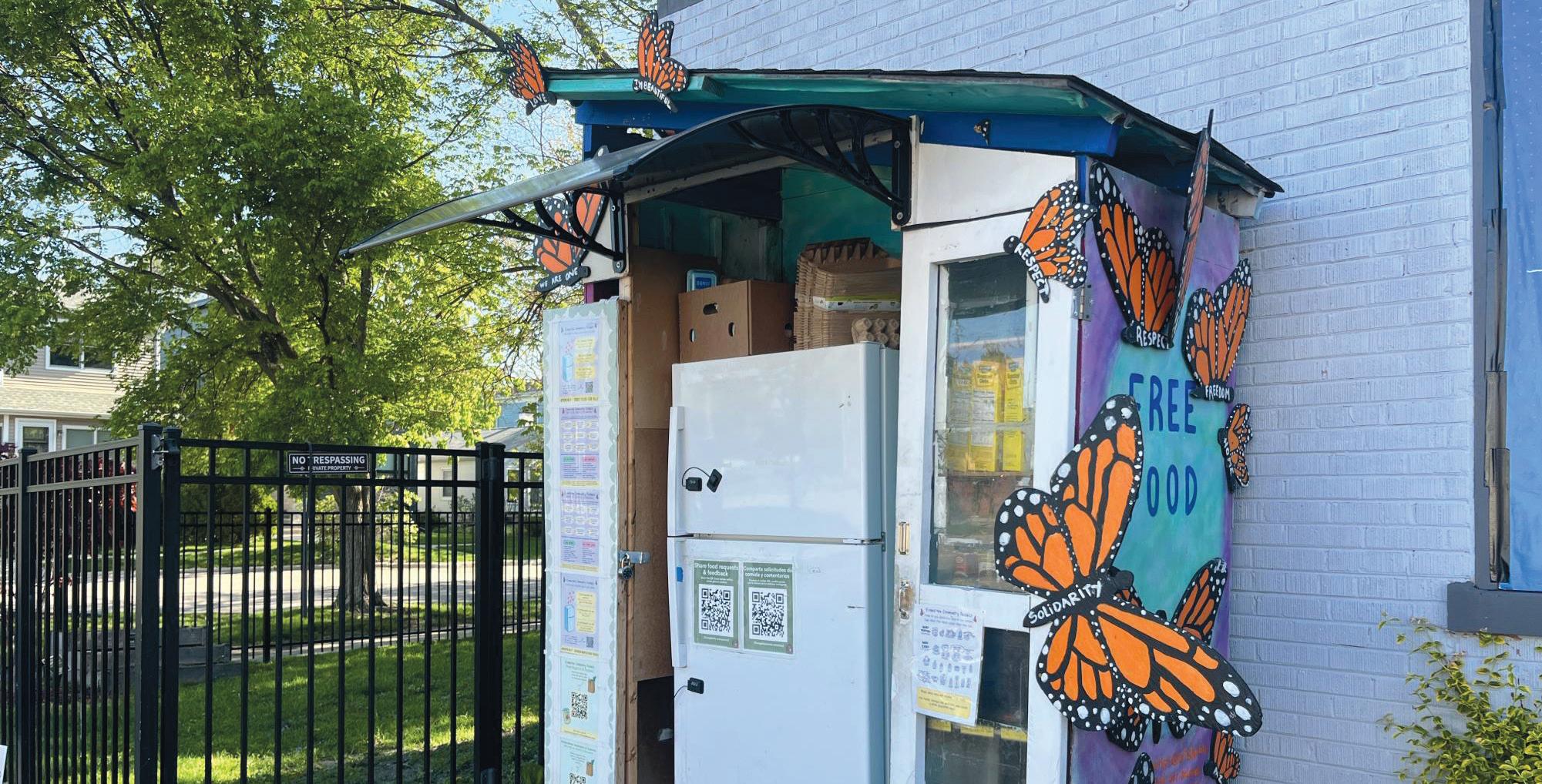
The community fridges project — a communityrun network promoting access to free food — was one of 21 resident-driven initiatives and projects that received between $800 and $2,500 grants in April.
In October 2024, Evanston was selected among cities across the U.S. to receive a $100,000 Love Your Block grant to be distributed over two years from the Bloomberg Center for Public Innovation at Johns Hopkins University. This community engagement program aims to support resident-led improvement projects.
This year, grants were awarded to projects focused on exterior home improvement and neighborhood revitalization, specifically in Evanston’s 2nd, 5th, 8th and 9th Wards.
The Evanston Community Fridges project will use its grant money to redesign and rebuild its fridge at 1335 Dodge Ave., as well as establish a dedicated baby and toddler pantry at the location.
Gronkowski said she wanted to have baby and toddler supplies in one designated space for anyone with children in their life to use. She said these supplies are especially important since government benefits often don’t apply to them and because babies, toddlers and their parents are a part of the community too.
The fridge’s baby and toddler pantry launched May 2, with other local businesses serving as donation sites for supplies. The project is a “pilot program,” Gronkowski said, and the team is hoping for feedback and responses from the community.
Other grant awardees will focus on home
improvement projects, such as a renovation of porch stairs at a 2nd Ward home for a resident with limited mobility, siding repairs in 5th Ward homes and door and window repairs in a 2nd Ward senior home.
Additional projects will involve building gardens in various locations, installing a picnic table and Little Free Library and making improvements to crosswalks and pedestrian areas.
Ninth Ward resident Lester Williams has lived near Reba Park for more than 20 years. Near the park, one project plans to install a native garden and another hopes to highlight pedestrian areas.
Williams said the projects are beneficial because there are often many people walking outside in the area near his home, especially as the weather warms up.
Evanston resident Evan Jacover said a native garden
at Reba Park could be good for the community. He added though, that he doesn’t have strong opinions about the project as long as it doesn’t get rid of the field and basketball court his children enjoy.
“It wouldn’t hurt,” Jacover said. “You’ve gotta weigh it against other things to spend money on.”
Ninth Ward resident Jerri Zbiral hopes to use grant money to expand her own garden.
About 30 years ago, Zbiral started her home garden, which now stretches around her entire house and even into her neighbor’s yard. The garden is home to a variety of flowers, greenery and broken items.
Whenever anything breaks, from a kitchen faucet to a handmade bowl, Zbiral said she puts it in her garden. She likes to repurpose things, she said, as well as collect items from travel, sales and even dumpsters. Zbiral wants to expand her garden in front of her
house, and she hopes to plant a pollinator garden. However, she lacks the back strength to do it, she added.
“It’s so nice to have the grant because I just had a hip replacement,” Zbiral said. “I have serious back issues. It’s the worst thing that can happen to a gardener.
The grant money will allow her to “hire muscle” to help dig up the dirt, lay mulch and plant bushes and flowers to attract butterflies and birds, she said. Zbiral said she wasn’t initially expected to win the money but was thrilled when she did. She added that there’s a lot of work to be done on her garden.
“I can’t wait for this to start happening,” Zbiral said.
r.huizenga@dailynorthwestern.com





By ASHLEY WEI polling editor
Northwestern has continued its lobbying efforts on federal funding allocations, taxation of higher education and congressional oversight, according to its first quarter filings for 2026.
NU reported $271,000 in lobbying expenses between January and March 2026, according to reports filed in April. The University directly filed $121,000 of the total. The remaining $150,000 was reported by Harbinger Strategies, a lobbying firm NU has retained since the second quarter of 2024, whose partners have primarily worked for Republican members of Congress.
NU’s lobbying efforts have slowed from the increased expenditures between July 2024 to June 2025.
This quarter, the University continued its focus on fiscal year 2027 appropriations across six subcommittees under the U.S. Senate Committee for Appropriations.
While the subcommittees change depending on the quarter, the University consistently focuses on three particular ones: Commerce, Justice and Science; Labor, Health and Human Services; and Defense. These subcommittees oversee crucial federal research funding agencies.
Also related to research funding, NU continues to lobby on the subject of the National Institutes of Health’s Facilities and Administrative Costs caps. In 2024, the University received $516.1 million in research funding from the NIH, more than half of its sponsored research funding that year.
More than 700 grants awarded by the NIH and National Science Foundation were terminated or frozen between January and November 2025, alongside the Trump administration’s federal funding freeze.
Lobbying also remains steady on the National Defense Authorization Act, an annually passed federal law that authorizes funding levels and sets policies for the Department of

Defense. NU received more than $60 million in research funding from the department in 2024.
This quarter’s report omitted several issues that were included throughout 2025, including those pertaining to “combating antisemitism.” Issues related to “student visa issues/ immigration,” which were included in the last three quarters of 2025, were also not in this quarter’s report.
Harbinger Strategies’ quarterly reporting for NU has held steady at $150,000 since the partnership began in the second quarter of 2024.
After focusing solely on congressional oversight throughout 2024, the firm added taxation of higher education to its filings in the first quarter of 2025. Since the second quarter of 2025, the firm has focused on two issues: taxation of higher education in the One Big Beautiful Bill Act and “Congressional oversight of
Institutions of Higher Education.”
Prior to the OBBBA, the Tax Cuts and Jobs Act imposed a 1.4% endowment tax. Under the OBBBA, the tax has become a graduated rate that can reach up to 8.0% on “net investment income,” depending on per-student endowment.
The OBBBA also narrowed tax benefits of charitable giving and established caps on loans for graduate and professional students.
NU previously enlisted lobbyists from Miller Strategies, a lobbying firm founded by a Republican strategist, but did not continue with the group after the third quarter of 2025. Miller Strategies previously lobbied for the University on issues related to the “oversight of Institutions of Higher Education.”
NU did not respond to a request for comment by the time of publication.
a.wei@dailynorthwestern.com
The Daily Northwestern www.dailynorthwestern.com
Editor in Chief Anavi Prakash eic@dailynorthwestern.com
General Manager Stacia Campbell stacia@dailynorthwestern.com
Holly and John Madigan Newsroom
Phone | 847.491.3222
Campus Desk campus@dailynorthwestern.com
City Desk city@dailynorthwestern.com
Sports Desk sports@dailynorthwestern.com
Ad Office | 847.491.7206 spc-compshop@northwestern.edu
The Daily Northwestern is printed each Wednesday during the academic year, except vacation periods, the two weeks preceding them and once during August, by Students Publishing Co., Inc. of Northwestern University, 1999 Campus Drive, Evanston, IL 60208. All news is published 24/7 online at Dailynorthwestern.com.
First copy of The Daily is free, additional copies are 50 cents. All material published herein, except advertising or where indicated otherwise, is Copyright 2025 The Daily Northwestern and protected under the “work made for hire” and “periodical publication” clauses of copyright law.
POSTMASTER: Send address changes to The Daily Northwestern, 1999 Campus Drive, Evanston, IL 60208. Subscriptions are $100 for the academic year. The Daily Northwestern is not responsible for more than one incorrect ad insertion. Check out DAILYNORTHWESTERN.COM for breaking news


By DALTON HANNA development & recruitment editor
Start your engines, because Dillo Day 2026 is almost underway. With just a few days until the festival, first-years and transfers are prepping for their first official Dillo Day on Saturday.
Dillo Day is the largest student-run music festival in the country, and this year it’ll feature artists including Daya and Malcom Todd with its theme of “Dillo Speedway.” For first-years, a lot of excitement around the event stems from the hype from experienced festival-goers.
“This is something that has been talked about all year,” Weinberg first-year Marc Jinich said.
“Even before coming to the school, I knew what Dillo Day was, and I’ve only gotten more excited about it by talking to my friends who are sophomores and upperclassmen about the event. They
always say it’s the best day of the year, so what’s not to be excited for?”
This year’s lineup seems to be swinging more in the indie pop genre than previous years. The past three Dillo lineups leaned toward more rap, featuring rappers including iann dior, Swae Lee and Offset.
Jinich said he was a little disappointed to not see more “hype” music in the lineup, but isn’t too worried about the headliner choice affecting his first Dillo experience.
“I’m sure the day is going to be fun,” Jinich said. “There’s a lot more to Dillo than just the lineup.”
The festival itself is just one of the many moving parts that go into a student’s Dillo experience — they also have to coordinate the all-day event’s timing, outfits and guests.
McCormick first-year Laura O’Neill said she’s been stressing about her outfit for the event and
doesn’t know much about how the day is structured. One thing she knows she’s grateful for is Dillo being so close to the end of the NU year.
“Everyone’s really stressed towards the end with trying to get everything done and figuring out move-out and finishing finals. So the timing of it being the end of the year is actually perfect,” O’Neill said.
The Dillo Day outfit is another step to prepare for the festival that students have to navigate. Despite Dillo Day being days away, several firstyears said they have yet to figure out what to wear to fit the Dillo Speedway theme.
Weinberg first-year Mikaela Minkovsky said she has attended multiple Lollapaloozas, so she is familiar with typical music festival attire. She said, however, she’s struggling with Dillo Day, not knowing which direction to take this theme, or how all-out students go with outfits.
“It’s not the same type of festival at all, so I don’t
know what I’m doing,” Minkovsky said. “In terms of choosing my outfits, I was kind of just going for black and red. I felt like there wasn’t really much room to be original with this theme.”
Most semester-based colleges across the country have finished or almost finished finals. With NU’s quarter system, some students will be completing exams as late as June 12. Dillo Day serves as a summer teaser for students who still have a month left of coursework.
Jinich said Dillo Day is a unique opportunity for students to temporarily escape the stress of the University.
“For a school that’s so focused academically, Dillo Day’s one day a year where everyone collectively decides to let go of that and focus on having a good time and connecting with their peers,” he said.
d.hanna@dailynorthwestern.com
By MADELYN MACHARE
Roses, red gloves and purple pom poms shared the stage with Graffiti Dancers, a contemporary student dance company, this weekend for its 52nd annual show “Back in Business.” The 28-member dance troupe performed in the Norris Center McCormick Auditorium.
Family members, friends and alumni streamed into the auditorium, carrying posters and flowers for the students. A “Graffiti” chant began as the lights turned down and the dancers assumed their starting formations.
Graffiti’s preparation for the show began in the winter, following its Graffoniks show with TONIK Tap. The annual show was choreographed and produced by the students, with guest performers Boomshaka and Northwestern K-Dance joining them for two of the three performances.
“It was what I expected and more,” Communication first-year Calista Nelson said. “Everyone is so incredibly talented and makes you want to be a better dancer every time you’re dancing with them.”
The show was divided into two parts with a brief intermission. Act 1 began with a full company piece to “Vogue” by Madonna. Other
performances throughout the show included jams, dances with two or three members and small group routines.
Two videos guided the audience through a parody of the team’s audition process. The first featured the initial audition and callback process, while the second part included the “technical round” with the final preparations for the show.
“All of our friends were in the audience cheering for us, and then we were all cheering for each other backstage and hyping each other up when we got tired,” Communication junior Savannah Patience said.“We were all just so excited to be performing together.”
The second half of the show featured a pom dance to Lady Gaga’s “Applause,” drawing gasps and whispers from the crowd as the dancers appeared with pom pom props on stage. Dancers formed a kickline at the front of the stage while linking arms to end the dance.
Choreographer and Communication sophomore Delaney Lane said she was excited to bring a unique element to the annual show for her second year on the team.
“No one has really done that yet for Graffiti, so I was like, ‘Okay sure, I’ll bring this to Graffiti’ and choreograph something that was part of my high school experience that I miss,” Lane said.
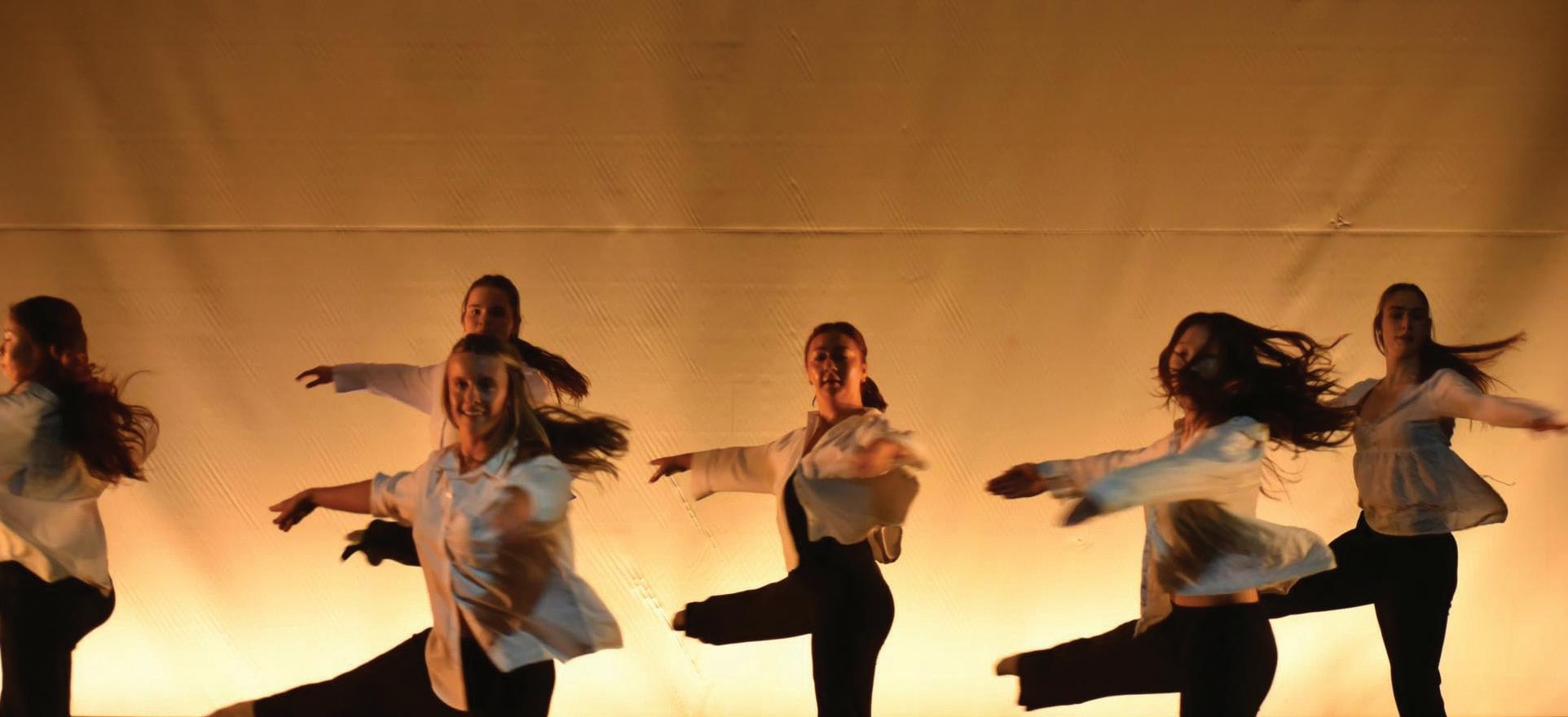
The show ended with two pieces. The first was choreographed and performed by the graduating seniors of Graffiti, accompanied by a video tribute of dancers speaking on the seniors’ contributions. The video also included clips and images of the seniors performing when they were younger.
The final all-company piece was performed to “Purple Rain” by Prince before the dancers took their final bows.
“Most are the pioneers of what Graffiti is now because it was just so different before, and now this is what it is,” Lane said. “I’ve heard so many people say that this year’s Graffiti was one of the strongest groups Graffiti has ever had, and I feel like the seniors had so much to do with that.”
madelynmachare2028@u.northwestern.edu
By BIANCA DISHMON arts & entertainment editor
Chicago’s historic Music Box Theatre was abuzz with film critics and fanatics alike as the Chicago Film Critics Association presented the 13th annual Chicago Critics Film Festival. The festival, held May 1-7, showcased a wide range of films, including upcoming releases, anniversary screenings, documentaries and short films.
According to Robert Daniels, one of the festival’s programmers, he and the other programmers receive a number of submissions, which they divide amongst themselves. If one of the programmers really enjoys the film they watch, they tell the rest of the team, and the ultimate decision is a majority rule, Daniels said.
“I think that’s why the lineup is so strong,” Daniels said. “It’s a lot of people with a lot of different tastes.”
Throughout the seven-day event, 20 upcoming feature-length films were shown. Two short film programs and anniversary screenings of David Cronenberg’s “The Fly,” Steven
Spielberg’s “A.I.” and Jonathan Demme’s “Something Wild” rounded out the programming.
Attendee Tom Hoffman went to the festival last year and came back because he enjoyed the number of indie films that were screened, he said.
“It’s cool to see some stuff that isn’t going to be playing in major theaters,” Hoffman said.
Of the films Hoffman watched throughout the week, one of his favorites was “Leviticus.”
The film was the directorial debut of Adrian Chiarella and follows two teenage boys in a conservative Australian town who are forced into conversion therapy. Afterward, they are tormented by a demon that manifests itself as the person they love the most — each other — that attempts to murder them.
“I didn’t think it was going to be as scary as it was, but it was a thriller, and I love a movie where you’re kind of guessing ‘Are they bad? Is something bad going to happen?’” Hoffman said.
Casey Breen attended the event because she is a member of the Music Box Theatre and “(trusts) them to put on great films.”
Part of what Breen enjoys most about seeing movies in a communal space like the Music Box
is hearing people’s exclamations, she said. “There’s this many people who are watching something together and reacting to it, and you’re sitting next to someone you don’t know and you’re hearing how they feel about things and how they respond to things. It’s really cool,” Breen said. “It’s not replicable.”
Breen also said part of the reason she enjoys watching films at The Music Box is because of the accompanying Q&As the venue hosts before showing films. Throughout the week, the festival held seven Q&A discussions.
Directors Olivia Wilde and Dawn Porter were both present for post-screening Q&As for their respective films, “The Invite” and “When A Witness Recants.” The two short film screenings also featured panels with the directors.
Carter Amelia Davis directed the animated short film “Homemade Gatorade,” which follows a woman who embarks on a road trip after a person online agrees to buy the 11 gallons of homemade Gatorade she made in her garage.
Davis, who voices the main character, said playing the role of Susie Gjhjjfjh, who she described as an “Internet beast,” was an important outlet as
she went through her gender transition.
“It was very helpful for me to explore the most absurdly cartoonish, shrill kind of voice to actually find where I want to talk normally,” Davis said.
Beyond its programming, the festival emphasized the importance of viewing films in theaters. Festival programmers and attendees acknowledged the preference of watching movies communally in locally-owned theaters, like the Music Box, as opposed to streaming services or large movie theaters, like the Alamo Drafthouse less than a mile away from the Music Box.
Theater attendance has been on a heavy decline since the pandemic. Yet, the festival’s numerous packed and sold-out screenings suggest that a return to theaters might be imminent.
“There’s something about being in a theater and experiencing the same thing, or maybe experiencing something opposite, to a person by you that I think helps us grow, I think helps us see each other through a different lens and I think allows empathy to grow,” Daniels said.
b.dishmon@dailynorthwestern.com
By REGAN HUIZENGA print managing editor
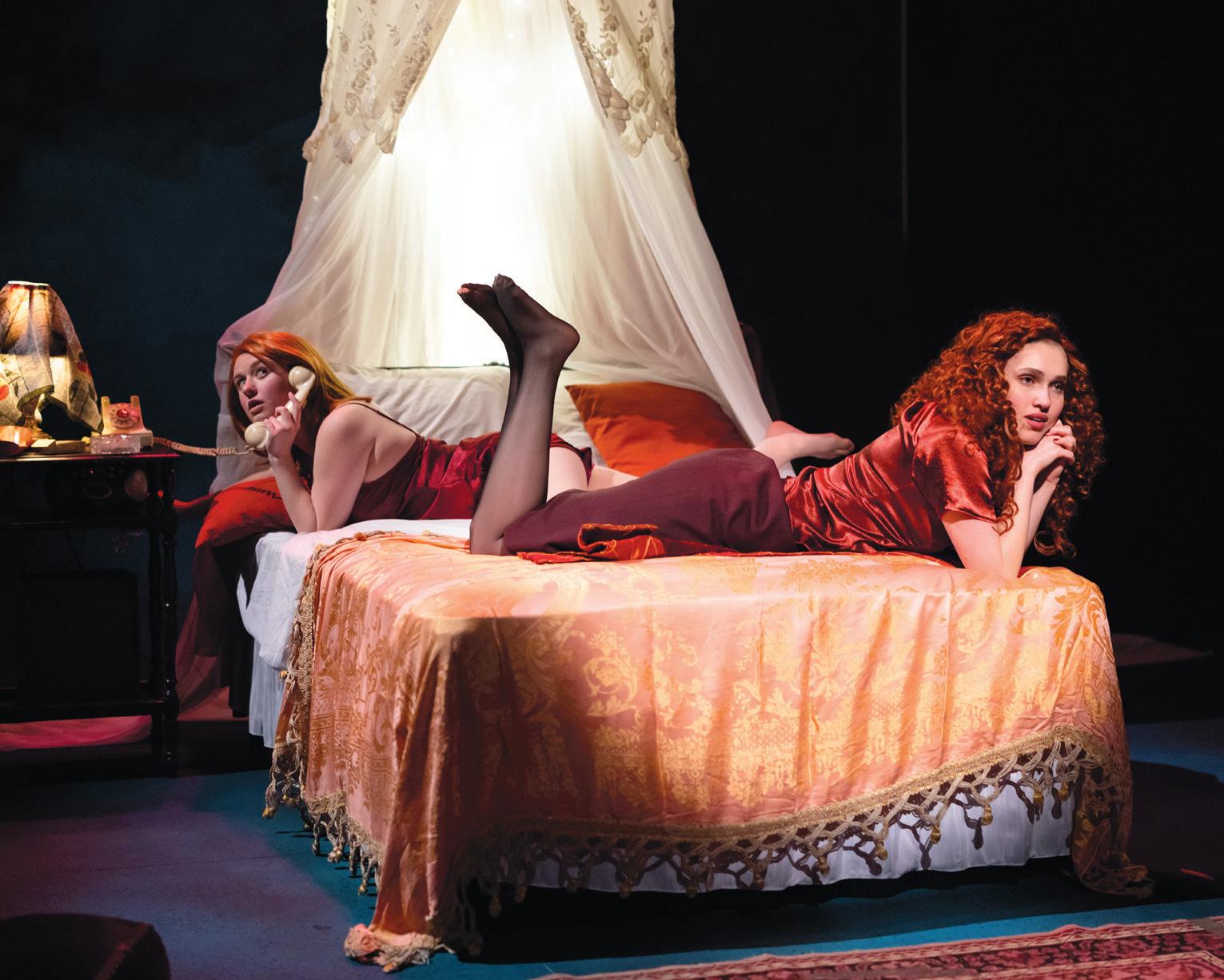
The Virginia Wadsworth Wirtz Centers presented “David’s Redhaired Death,” a play written by Sherry Kramer and directed by Rosalind Faires, this weekend. The show ran four times, telling the story of two redhaired women as they explore love and struggle with grief.
Communication seniors Ani Kabillio and Mia Van De Mark played redheads Jean and Marilyn. The two women meet and find that they have everything in common, until the death of Jean’s brother forces them apart. Two stage technicians, played by Communication juniors Henry Jones and Alex Arinkin, physically aided the story through sound and movement.
Faires pitched the play as one of three options for her first full design production as a second-year in the MFA program.
“It’s a play I’ve been obsessed with since I was like 16,” Faires said. “I’ve been wanting to direct this play for all of my adult life, so it’s really, really exciting to get to do it now.”
Faires and Kramer are family friends, and Faires described Kramer as a “non-biological aunt.” When she first read the play as a teenager, Faires recalled being “floored” by it.
Kramer was inspired to write “David’s Redhaired Death” after a trip to a library, when she said a book about death and burial rituals found its way to her. For her, she said, the play is a “grieving ritual.”
“When you write something, the thought of writing something that matters to other people, that’s a compelling thing,” Kramer said.
For Van De Mark, Kramer’s writing style was both “poetic” and “colloquial,” which she appreciated. She said the play wove parallels, themes and motifs together beautifully in a way that captured poignant, real love.
She added that every time she returned to the script, she learned something new.
“One thing I’ve learned in four years of theater school is you can’t beat the script,” Van De Mark said. “If the script is good, it will just be good. Even if you’re having a bad day, the script will save you.”
Van De Mark said the writing was so good that it wasn’t hard to act. She said that her character, Marilyn, was unlike her in certain ways, but they also shared traits and “some essence of soul.”
Kabillio also saw some of herself in her character, Jean. She said Faires encouraged her to infuse a lot of her own humor and sensibility into the role.
Kabillio also noted that her character was a version of Kramer’s younger self, though she said it wasn’t intimidating to portray the playwright herself.
“Because I was fortunate enough to relate to the character and therefore relate to this version of Sherry, it wasn’t a scary thing to find out that I was playing her,” Kabillio said. “It was quite exciting.”
“David’s Redhaired Death” is part stand-up comedy and part stand-up tragedy, and the former aspect drew Kabillio to audition, since she has been doing stand-up comedy for the past four years.
Still, the play wasn’t what she’d initially expected. It wasn’t what Arinkin expected, either.
He remembered seeing a description of the production as a two-woman show and not thinking much of it. However, Arinkin later learned there were two additional characters in the play: the stage technicians.
The idea of two characters that were onstage the whole time, but had no lines, seemed interesting, he said.
“Like any other character, you figure out where they sit in the world of the show and what the rules they follow are,” Arinkin said.
However, this role required a different type of focus. It was purely physical, Arinkin said, adding that he and Jones felt empowered to figure it out.
Jones said determining what to do in the role was “daunting” at first. The two worked closely with Faires to figure out the rules of their characters, and ultimately went back to the foundational principles of movement to do so, Jones said.
“It allowed me to really focus and lock in on those foundational movement, breath parts of character without having to worry about, ‘What’s my next line?’” he said.
Faires said the production process involved much collaboration, from exploring roles to designing the show.
For her, one of the most valuable experiences happened early on. She and the production’s three designers sat together and went through the script, making sure they were all on the same page.
“That has been one of the most special things about the room for this process, is that it’s been a space where it really feels like anyone has the freedom to speak up and make this a more powerful, meaningful play,” Faires said.
She said throughout the process, she often returned to her notes from that day. She had been familiar with the play since she was a teenager, but this time spent analyzing the play was time most well spent, she said.
For her, there were two key aspects of the play. She appreciated both how the play grapples with grief in the contemporary era and also how it explores queer desire, she said.
While it explored heavier topics, the production still included more playful elements. Repeated mentions of McDonald’s french fries, red wigs and a blue car rolling across the stage all combined to create the play’s world.
“The language of the play is that it lives inside the ‘redhaired world,’ and I just really want people to see the redhaired world,” Faires said.
r.huizenga@dailynorthwestern.com
By SIRI REDDY creative director
From Liège waffles at Berry Pike Cafe to egg sandwiches at New Yolktown, one thing is clear: The breakfast and brunch market in Evanston is packed.
On April 22, LM Restaurant Group added yet another eatery to the mix: Land & Lake Cafe, a brunch spot which brands itself as “the best of the Midwest before 2 pm” on its website. The restaurant adjoins the Hilton Orrington/Evanston, along with fellow LM restaurants 17 Plant Based and Evanston Corner Bistro.
Land & Lake Cafe aims to be a casual alternative to the bistro, LM’s Director of Evanston Operations Bridget Houle told The Daily in April. Diners can opt for a sit-down meal or grab coffee, pastries and sandwiches from the restaurant’s to-go counter.
The interior is clean and bright, with subwaytiled walls, tastefully rustic wood furniture and
plenty of sunlight streaming in from its floor-toceiling windows. One window was propped open to let the fresh air in on the morning I visited, which added to the breezy ambience.
The restaurant serves breakfast from 6:30 a.m. until 2 p.m. on the weekends, with limited hours Monday through Friday. The breakfast menu ranges from acai bowls and pancakes to scrambles and omelets. An $18 mimosa brunch is also offered on Saturdays and Sundays.
I started my meal with a matcha latte — which, surprisingly, had little to no matcha flavor. If not for its light green color, I would’ve assumed I was drinking heavily sugared milk. The flavor wasn’t unpleasant, though I’m sure the matcha snobs in my life would’ve been taken aback by the drink’s one-note sweetness.
The restaurant was tragically out of its cinnamon roll French toast, so I instead settled for the regular French toast. Topped with salted caramel, banana slices and whipped cream, the dish is $14 for six slices of toast.
I found the French toast’s flavor pleasant
enough, though it certainly wasn’t showstopping.
The salted caramel topping brought the slightest savory touch to an otherwise sugary plate of food, and I appreciated the freshness the bananas added.
The foremost issue in this dish was its texture.
In the first ten minutes of my meal, I encountered multiple bites that had become so soggy that they were nearly unchewable. The banana slices also went slimy after a few minutes on the plate, though that isn’t necessarily the restaurant’s fault. Even after pawning a few slices of toast off onto a friend, I could barely stomach finishing the dish.
For a savory selection, we next opted to share the croissant sandwich: scrambled eggs, Swiss cheese, bacon and dijonnaise atop a sliced croissant bun with a side of breakfast potatoes, all for $16.
I enjoyed the sandwich significantly more than the French toast. The tanginess of the dijonnaise was sharp enough to cut through the richness of the scrambled eggs. The croissant was flaky, the bacon was smoky and the breakfast potatoes were satisfyingly crispy.
For the price, though, I expected a significantly larger portion size — especially given how many pieces came in our $14 French toast. There are certainly bigger, better egg sandwiches available in Evanston for a cheaper price, so I can’t rationalize spending so much on Land & Lake’s version again. In fact, this seemed to be a pattern throughout the meal; nothing about my experience at Land & Lake was stellar enough to justify choosing it over any of the many other brunch options in Evanston. Putting potential growing pains aside, it seems like Land & Lake prioritizes convenience over creating a standout brunch experience. There’s nothing necessarily wrong with this approach — I’m sure if I ever have visitors staying in the Hilton, I’d recommend they stop by the restaurant for a quick bite.
But, for a student with all of Evanston’s bustling brunch scene at her disposal, I doubt I’ll be returning to Land & Lake anytime soon — at least, not for an entire sit-down meal.
s.reddy@dailynorthwestern.com
By SIRI REDDY creative director
For costume designer and visual artist Ben Argenta Kress (MFA ’24), plein air painting is “almost like meditation.”
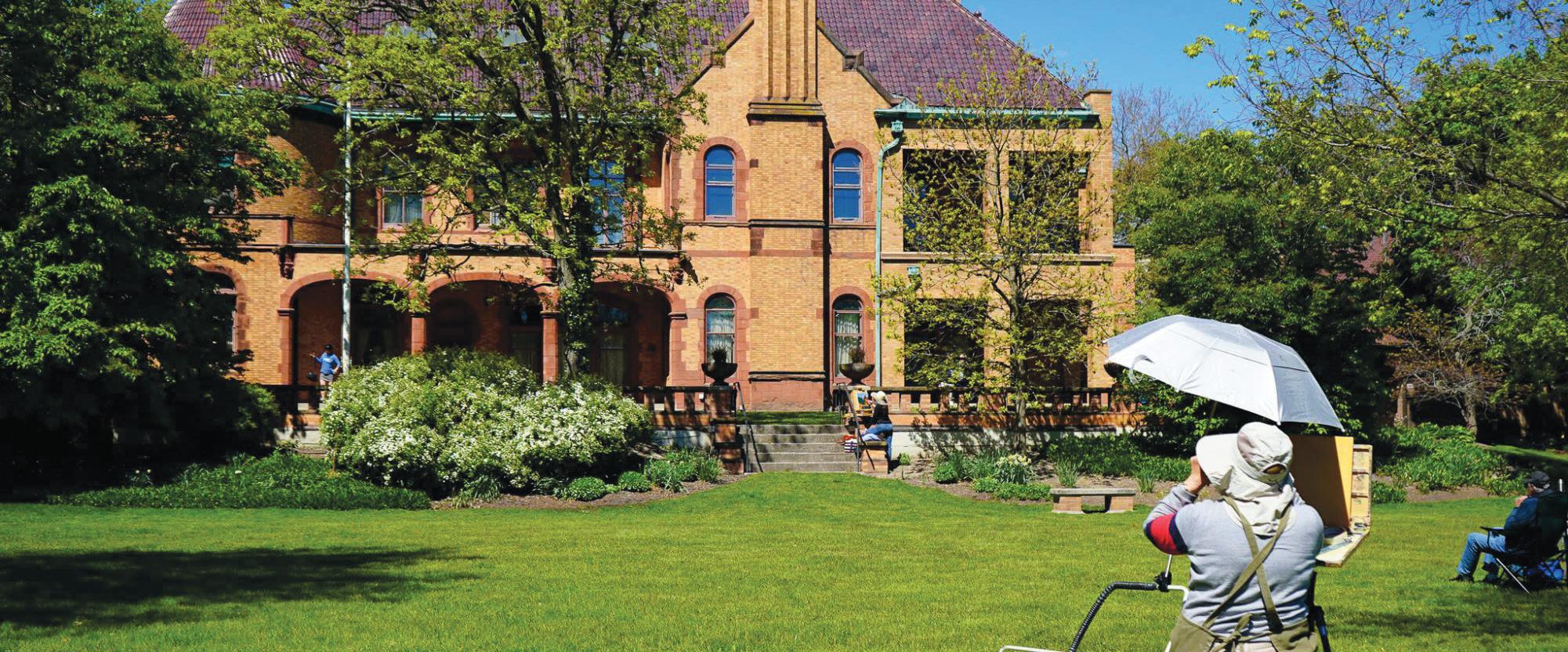
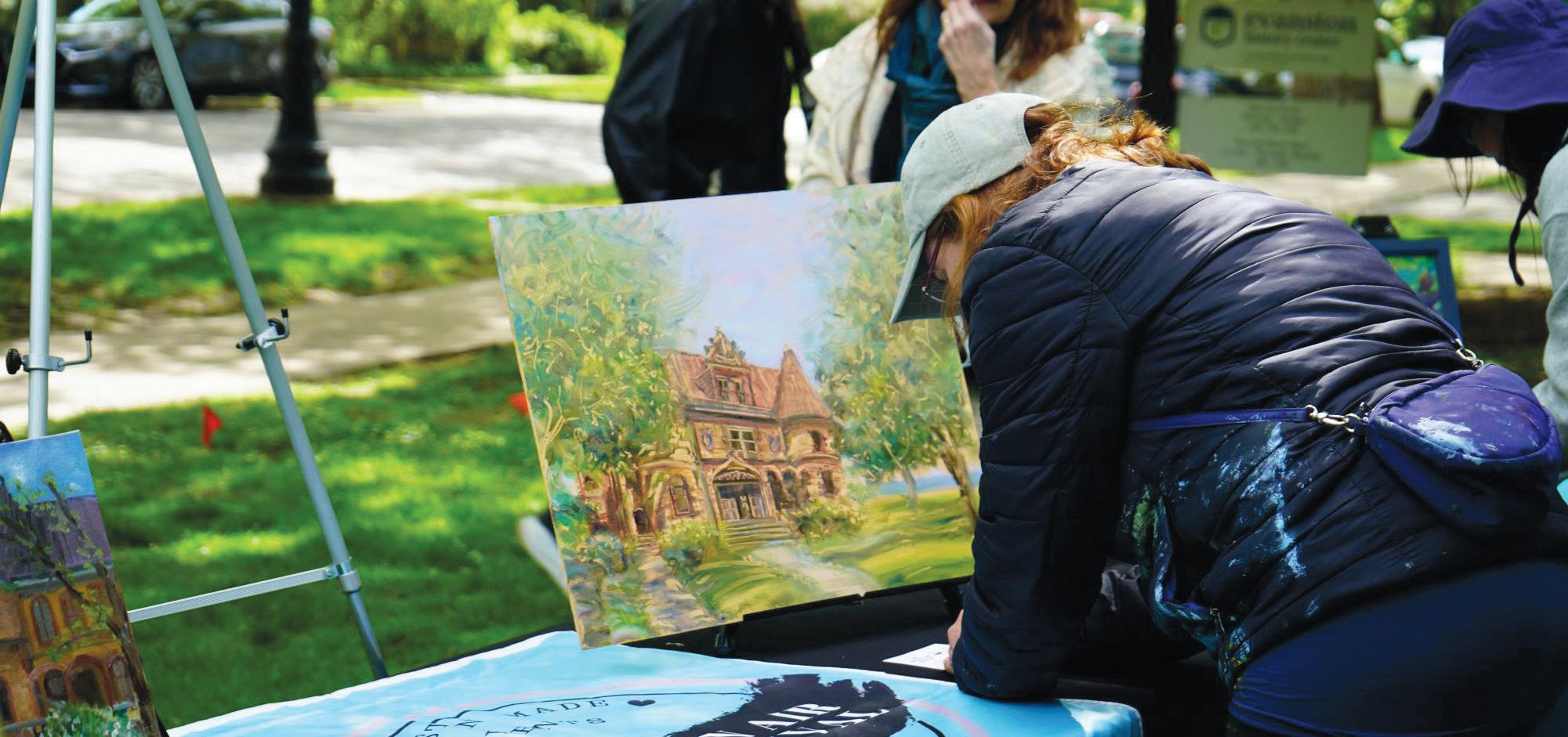
Kress is one of 16 artists who participated in Evanston Made’s second annual Mother’s Day Paint Out, which took place during the day Sunday. The event invited painters to capture the Evanston History Center’s Charles Gates Dawes House, according to Evanston Made founder and co-Director Lisa Degliantoni.
“There’s something about sitting with something, noticing different parts of it, reframing the way you see it, that’s interesting to me,” Kress said.
Painting “en plein air” requires artists to paint outside, relying on direct observation rather than reference photographs. Given time constraints, unpredictable weather and constant shifts in lighting, Degliantoni said this can be an especially difficult method of painting.
The participating artists could set up anywhere on the Dawes House’s grounds, Degliantoni said.
Some artists focused their attention on the building’s architecture, while others painted the surrounding foliage.
“When you do plein air painting, you can’t tell the artist exactly what to paint,” Degliantoni said.
“It attracts a very diverse group of painters. At three o’clock, when we look at all the paintings, everything is very, very different.”
The event culminated with an awards ceremony

at 4 p.m., judged by the Evanston History Center team. Artist Jinsheng Song won the competition with an oil painting of the Dawes House entitled “Echo from the Haven,” and earned a hundreddollar gift certificate to Blick Art Materials.
Participant Athena Lin said the plein air painting method allowed her to capture details in the landscape better than she could with a photograph, even given the risk of changes in lighting and weather.
“If you’ve ever taken a picture of a beautiful view, you’re always like ‘Why can’t I capture it?’” Lin said. “When you (paint) on-site, you’re getting the best of both worlds. You’re being very present in the moment and you’re trying to capture that feeling, not just what your phone camera would capture.”
Lin also said she plans to participate in Evanston
Made’s fifth annual Evanston Plein Air Festival in July. The festival will involve plein air art events and competitions in neighborhoods across the city, according to the organization’s website.
As people spent time outside for Mother’s Day, Degliantoni said she hopes the Dawes House plein air event drums up curiosity for both the July festival and the art form as a whole.
As a mom, Degliantoni added, spending the day by the lakefront with these artists has become one of her favorite things to do on Mother’s Day.
“I get to spend an entire day watching artists create on canvas,” Degliantoni said. “I love watching what they see, and I love watching what they create.”
s.reddy@dailynorthwestern.com






Northwestern University congratulates the winners of the 2026 University Teaching Awards
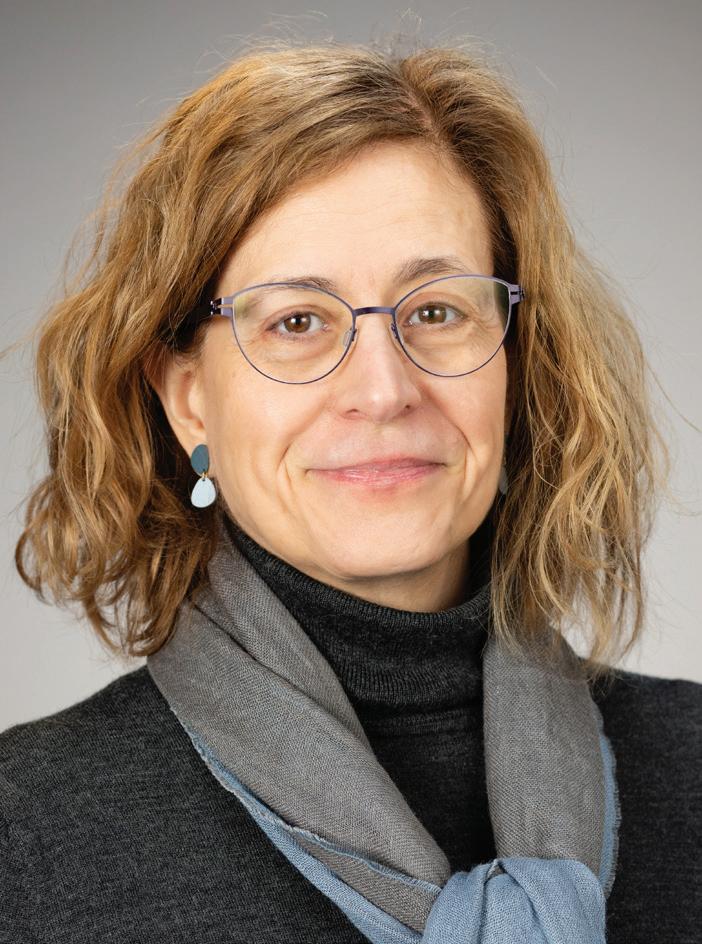
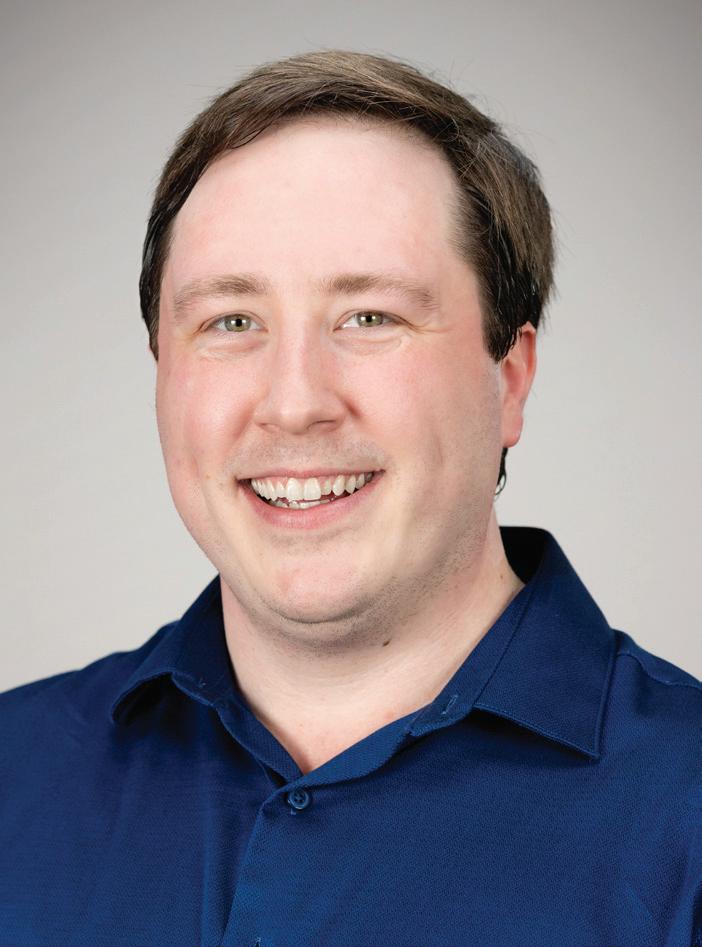

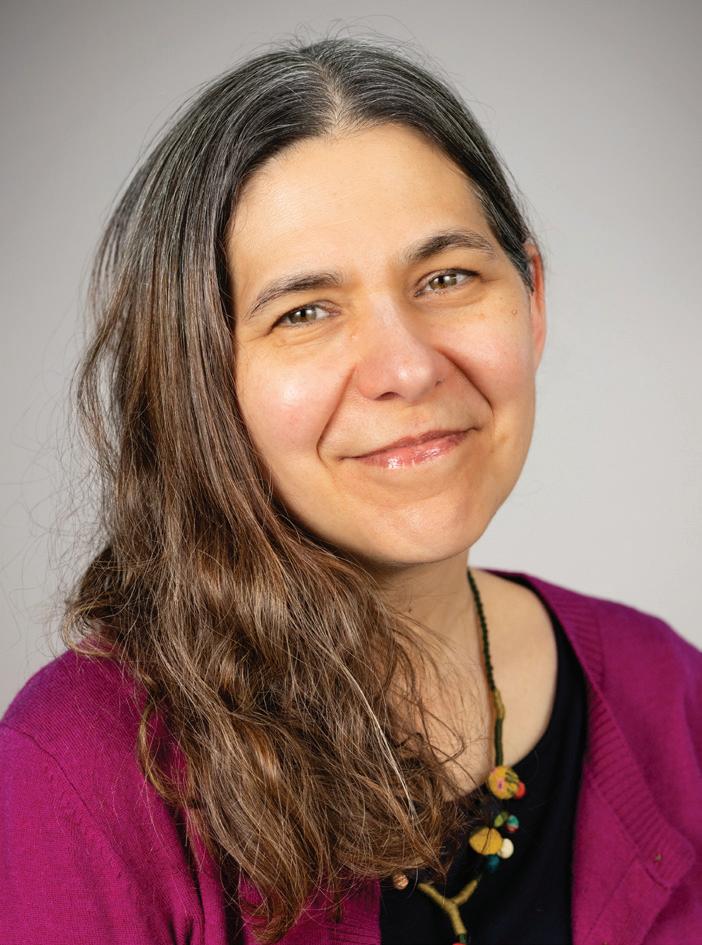

Charles Deering McCormick Professor of Teaching Excellence
ELISA BAENA
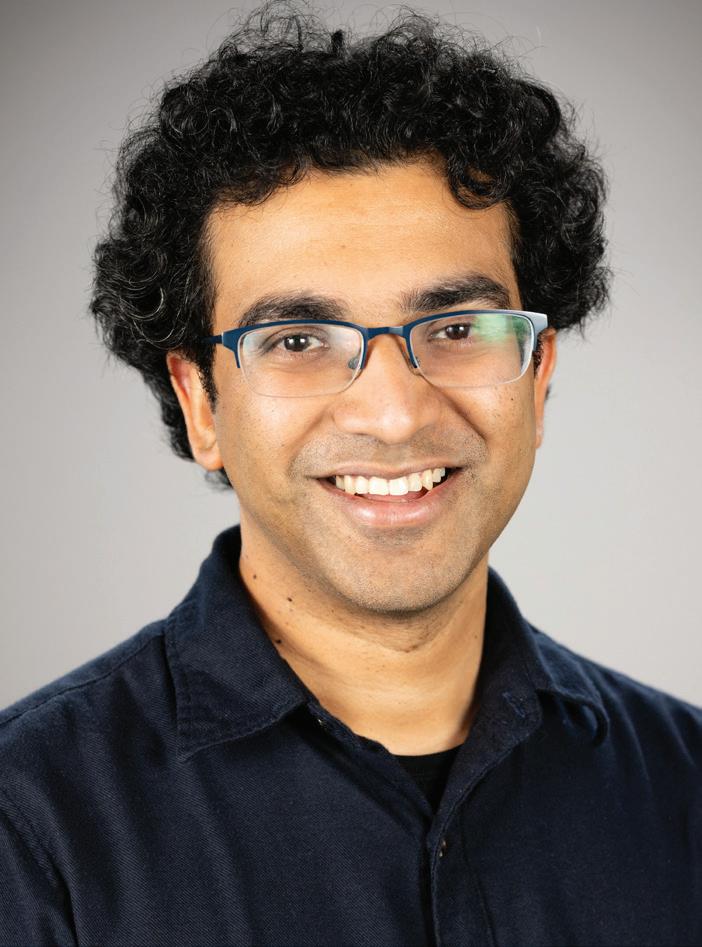
Charles Deering McCormick Distinguished Professor of Instruction
CONNOR BAIN
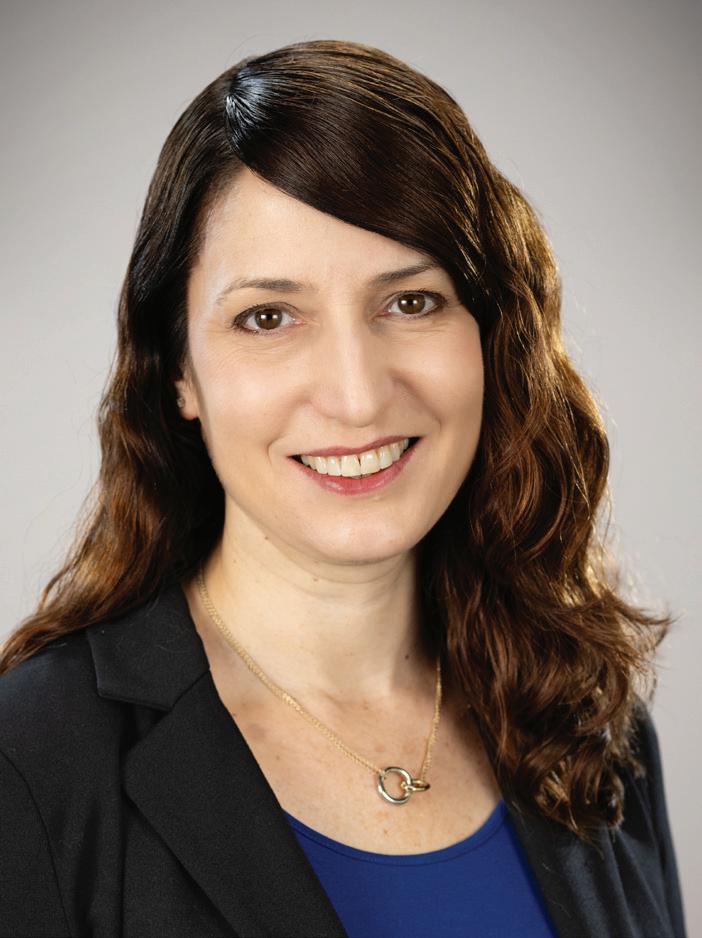
Charles Deering McCormick Distinguished Professor of Instruction
DAVID O’NEILL
Charles Deering McCormick Distinguished Clinical Professor
SARAH RODRIGUEZ
Alumnae of Northwestern Teaching Professor
SCOTT SOWERBY
Charles Deering McCormick Professor of Teaching Excellence
ARAVINDAN VIJAYARAGHAVAN
Charles Deering McCormick Professor of Teaching Excellence
SADIE WIGNALL
is academic year, students have seen a shi in the presidency, the end of the federal funding freeze and its lasting impact.
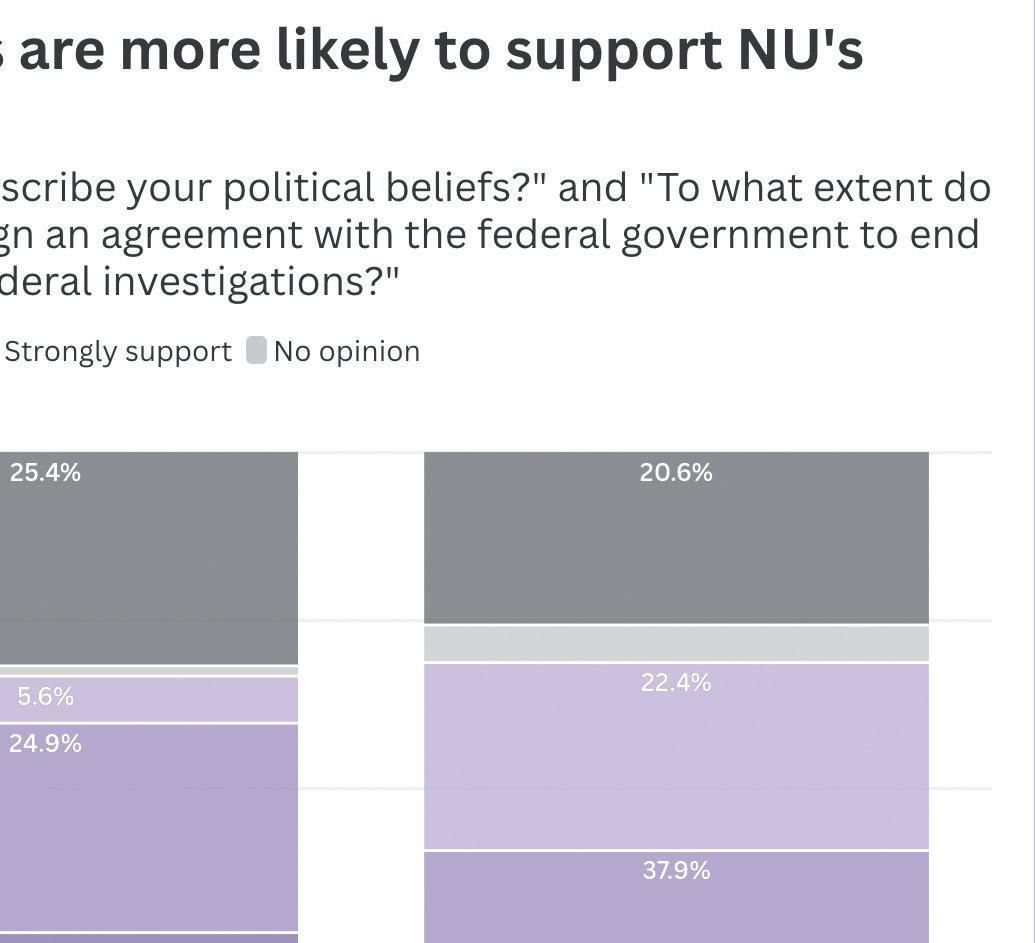
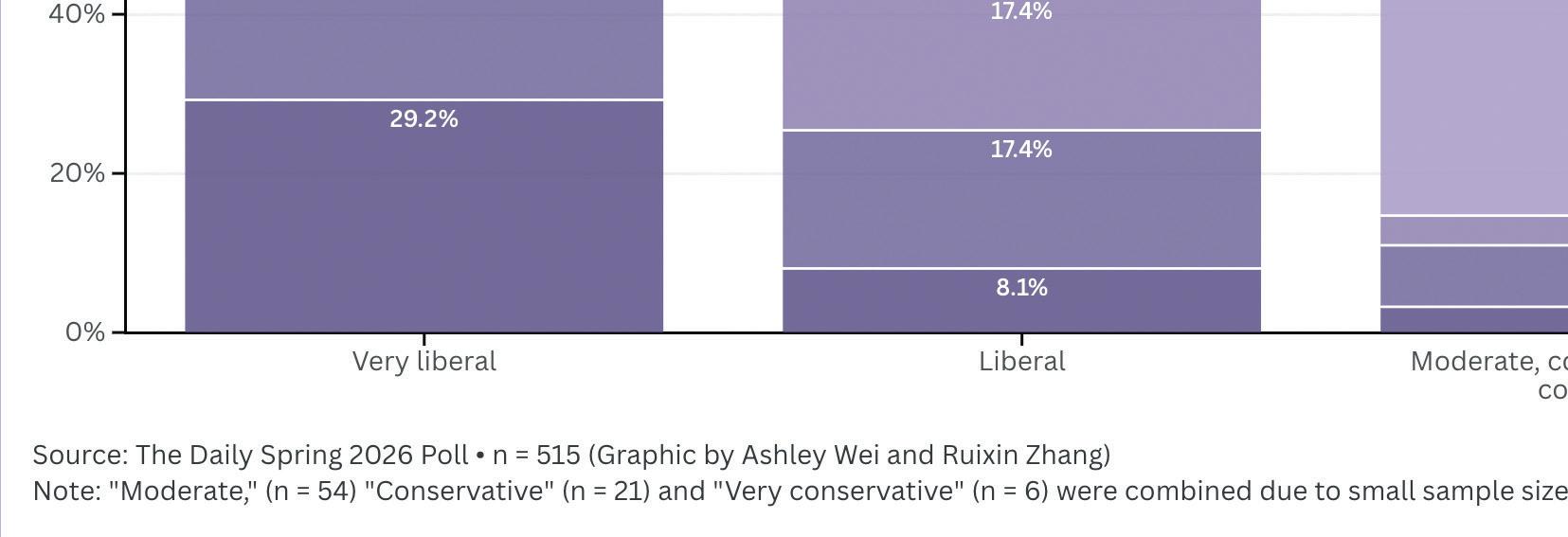
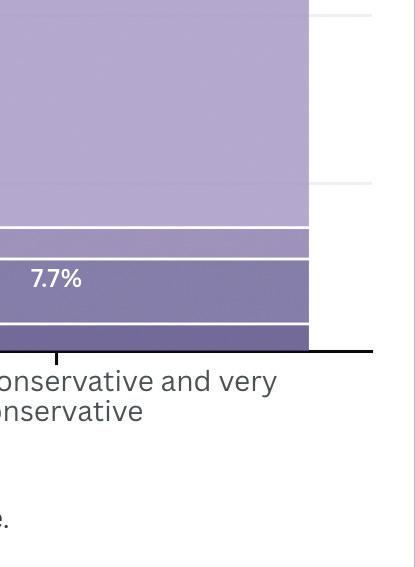
Conservative students are more likely to support the federal funding deal
Following a $790 million funding freeze, NU struck an agreement on Nov. 28 with the Trump administration to restore federal research funding and end federal investigations into the University.
NU agreed to pay $75 million to the federal
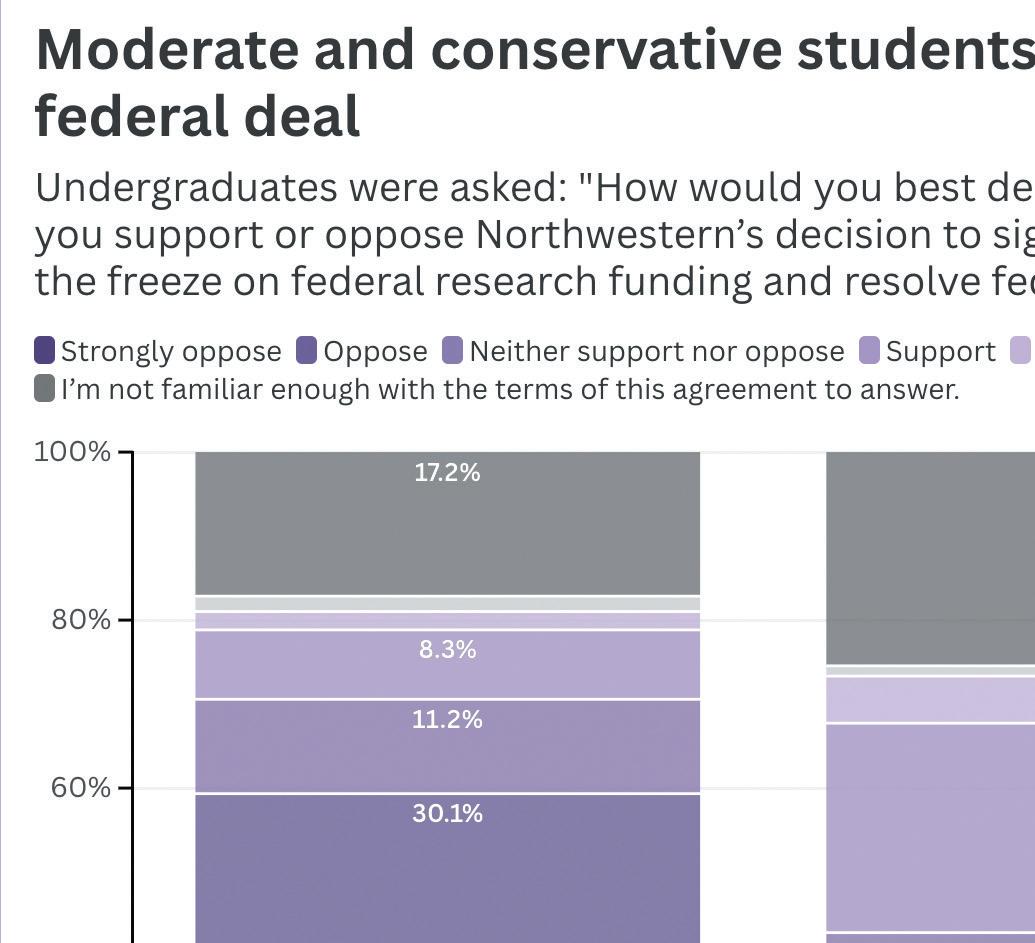
government, terminated the Deering Meadow Agreement, increased policies to combat antisemitism and updated faculty hiring policies.
NU joined ve other higher education institutions, including the University of Pennsylvania and Columbia University, in striking a deal to restore federal funding.
Support for the deal varied across students’ political leanings. Of moderate and conservative students, 60.3% supported the deal, as compared to 30.5% of “liberal” students and 10.5% of “very liberal” students.

Following the resignation of former President Michael Schill in early September, Bienen took the reins in an interim capacity. The Presidential Search Committee is now seeking Bienen’s successor, with a decision projected for this spring.
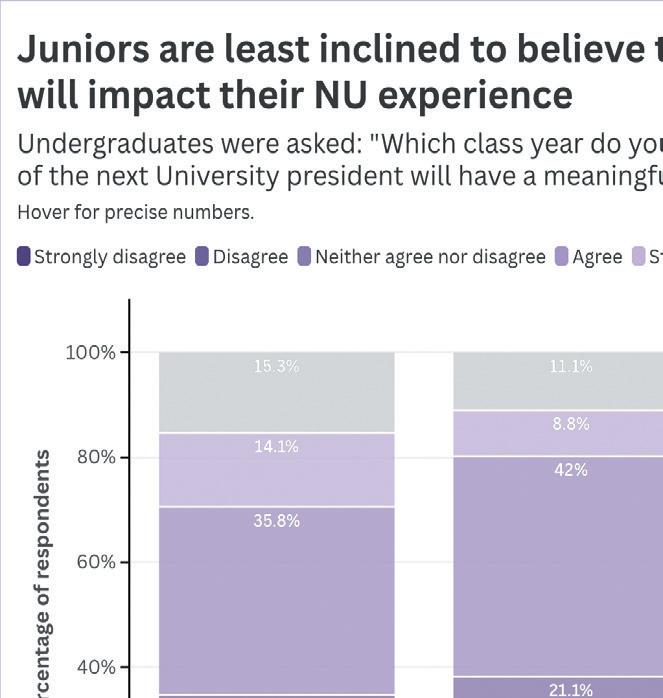
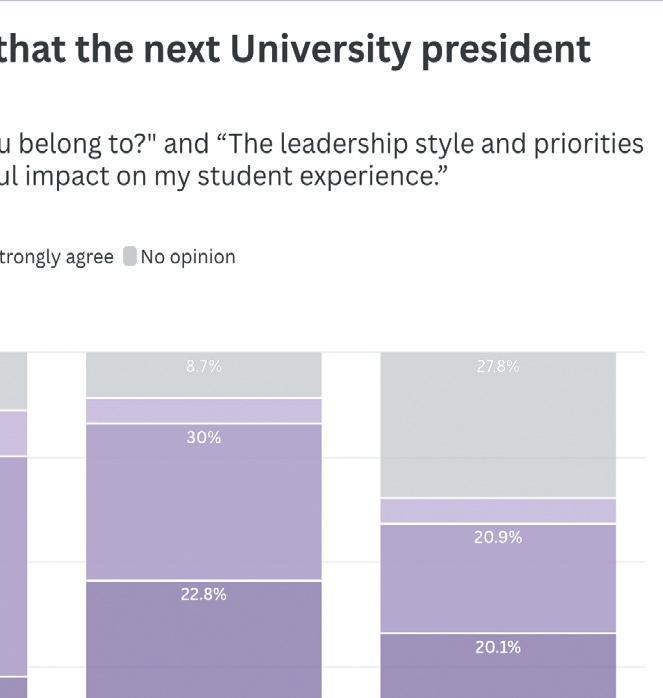
The anticipation and expectation for the next president’s actions dwindle as students progress through their academic years. Only 25.8% of seniors believe the next president’s decisions will impact the undergraduate student experience, compared to 49.9% of firstyear students.
Both Schill and Bienen have been navigating an unusually turbulent higher education landscape, but the primary tension with the federal government, research funding and federal investigations, has stopped. Now, students could be anticipating the way the next president deals with the aftermath and how it might impact their NU experience.





Responses to The Daily Spring 2026 Poll were collected between April 13 and April 22. The poll was administered through a digital form limited to respondents with Northwestern student emails, allowing only one response per email address. The poll was distributed through social media, email lists and in-person polling stations. In total, 540 undergraduate students at NU responded to the poll.
Consistent with the Fall 2025 and Spring 2025 polls, results were weighted to correct
SCAN HERE FOR MORE

for sampling biases and better represent NU’s undergraduate population. The weight adjustments were applied by gender, class year and academic school in accordance with the University’s public data.
Although weighing improves the balance of demographics, the poll is still subject to potential sampling bias. However, the survey’s broad scope aimed to reduce participation bias to capture a more balanced spectrum of student sentiment.
To ensure significance and protect
LISTEN HERE FOR THE BEHIND THE SCENES OF THE POLLING PROCESS:
respondent anonymity, data from groups with fewer than 60 respondents were generally combined into broader categories or excluded from the breakdowns. Where specific smaller groups were visualized, a disclaimer is provided to note the smaller sample size.
Some open responses were also aggregated into existing or new categories in the data cleaning process. Besides anonymous write-in comments, The Daily does not publish individual response data.
ACCESS THE FULL POLL RESULTS HERE:
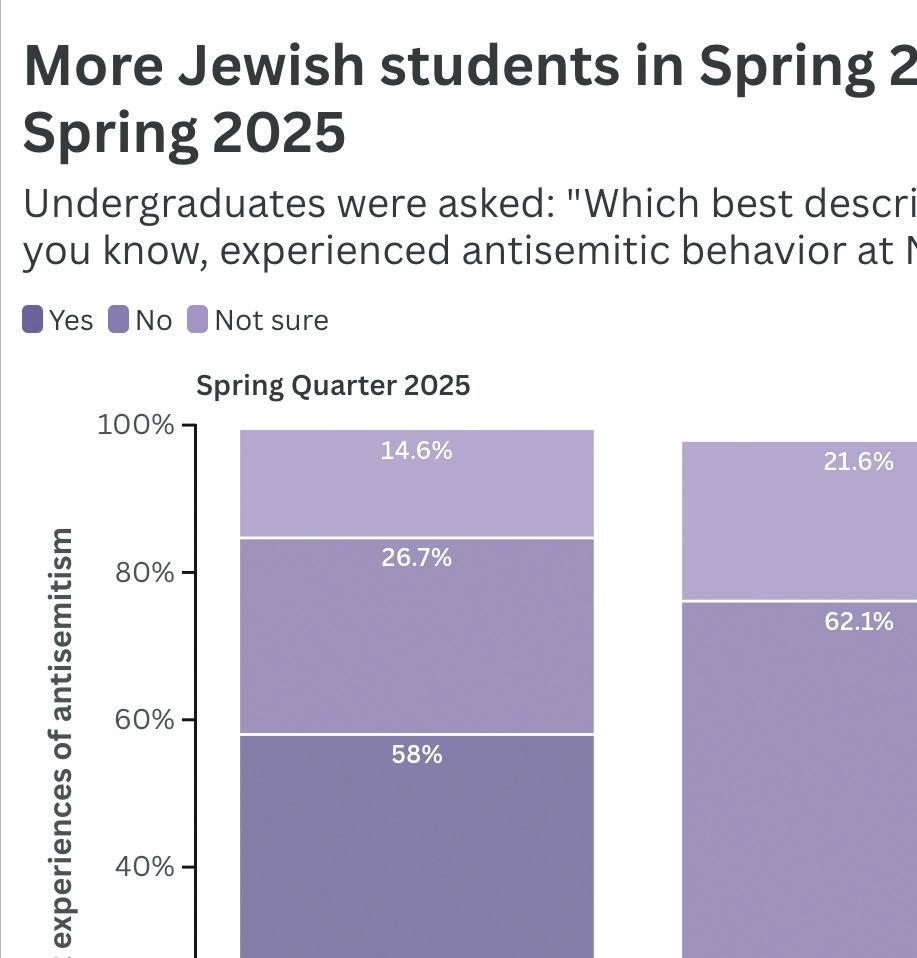
Jewish students reported more antisemitism in 2026 than 2025
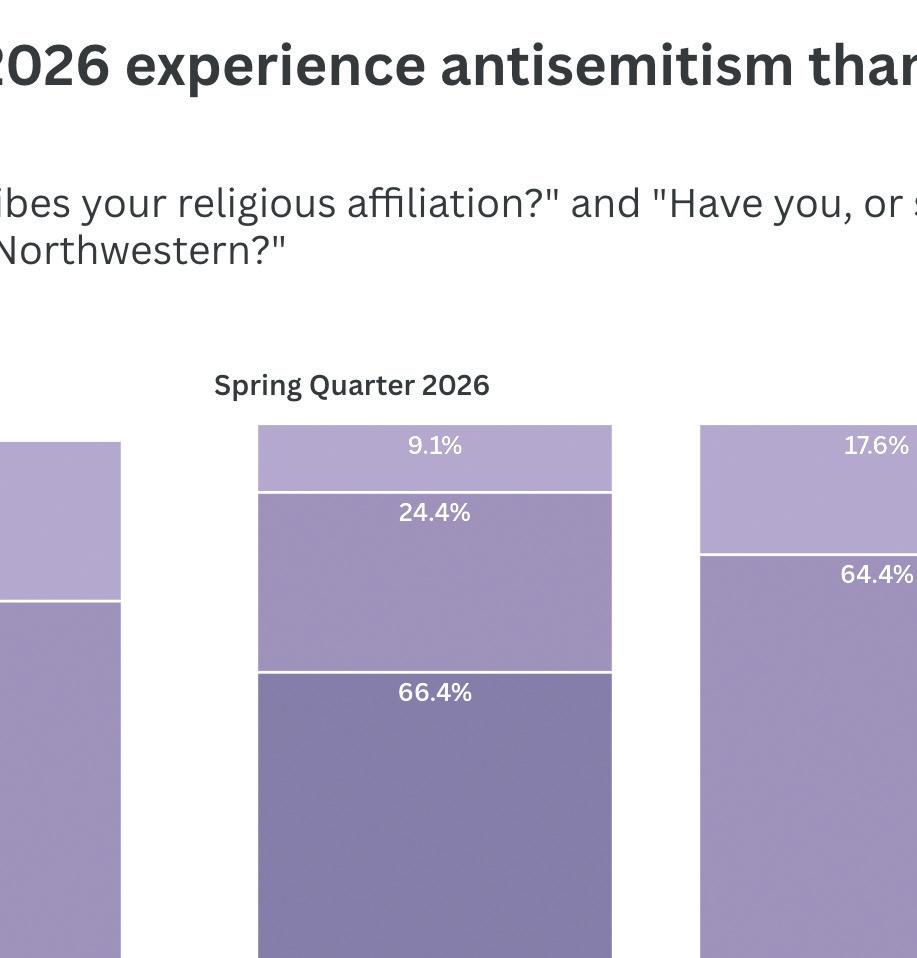
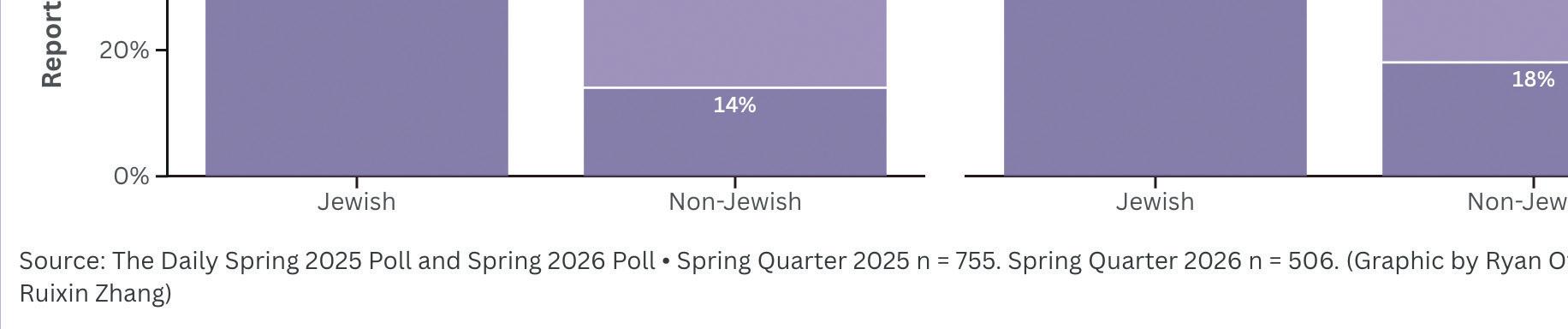
Jewish students are substantially more likely to personally experience or know someone who experienced antisemitism on campus. ere is a 48.4% gap between Jewish and non-Jewish respondents. is is an increase from the 44% gap in the poll one year ago.
About 66% of Jewish students responded ‘Yes’ to this poll question, an 8.4% increase from last spring.
Twenty-three percent of Jewish students were also more likely to support the federal deal than non-Jewish students.



These responses come at a crucial time as more higher education institutions are under scrutiny for their treatment of Jewish students.






Northwestern has long been a le -leaning university, and students in recent years have repeatedly fought with the federal government — and University administration as a proxy — over divisive national issues.
Some of those issues, like the war in Iran, may be indicators of how liberal the student body has stayed. But others, like the federal immigration enforcement blitz on the Chicago area that began in the fall, speak directly to local and University policy.
More students identify as “very liberal” despite waning disapproval of Trump
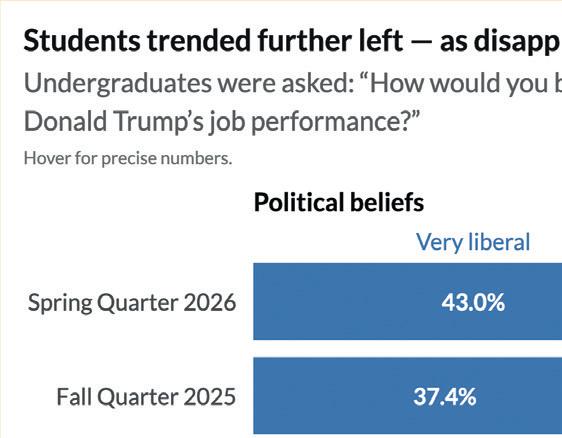
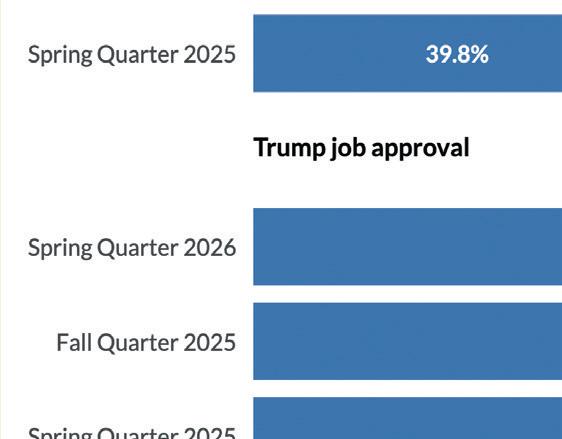
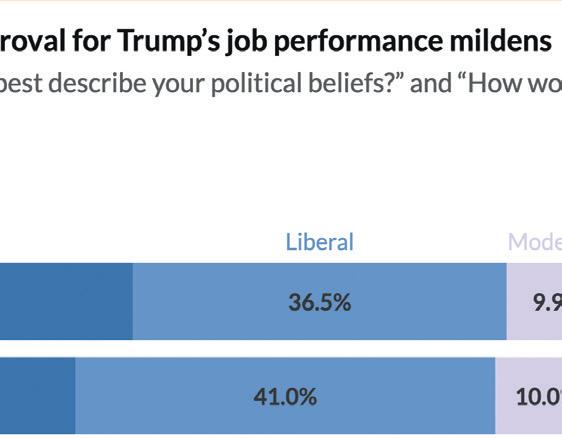
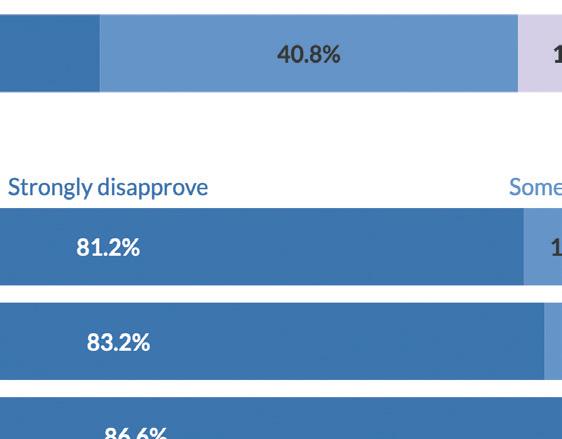
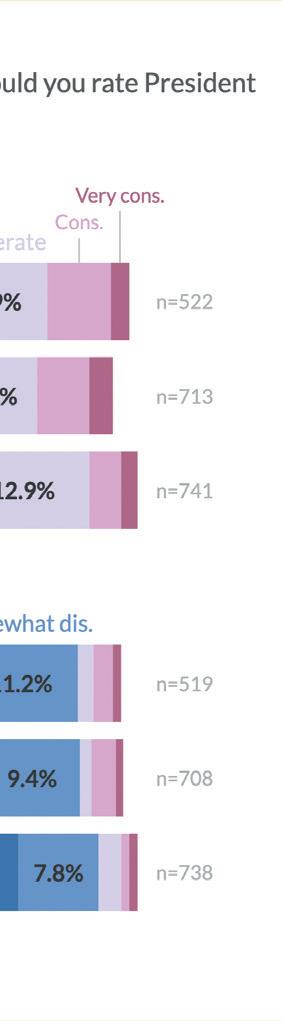
It’s overwhelming: Almost 80% of respondents identi ed as liberal, and more than 92% disapproved of President Donald Trump’s job
performance thus far.
Compared to past polls, there were some internal shi s within big-umbrella categories. Among selfidenti ed le -wingers, respondents shi ed more than 6 percentage points toward “very liberal” since the fall. And among those who disapproved of Trump’s job performance, respondents shi ed nearly 4 points toward “somewhat disapprove” since last spring. ough responses could appear contradictory, NU’s student body could be driven by more condent opinions of Trump a er the president’s rst year in the White House, or following NU’s agreement with the federal government in November. It could also be a ributable to increasing news fatigue among young people, which a December Pew Research Center survey estimated a ected 55% of American 18- to 29-year-olds.


For college undergraduates, well-being can hang in the balance as students navigate academics, relationships and new environments. Factors like alcohol consumption, nancial stress and social satisfaction
do more than just shape daily life. ey can play a large role in determining the student experience.
Spring yields higher social satisfaction than fall for rst-years
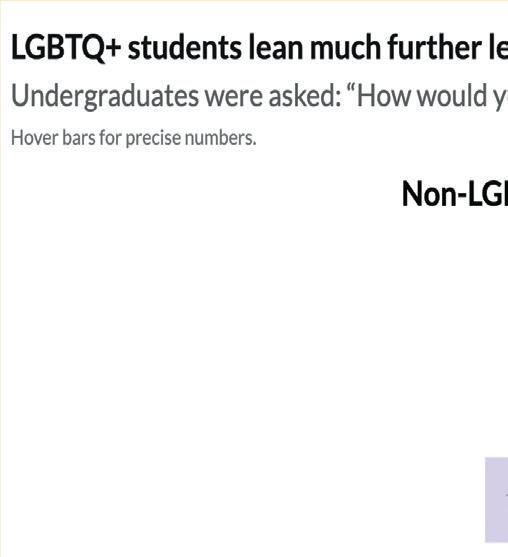
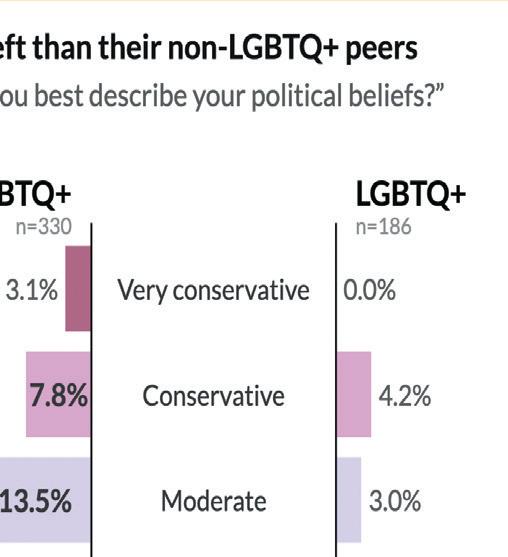
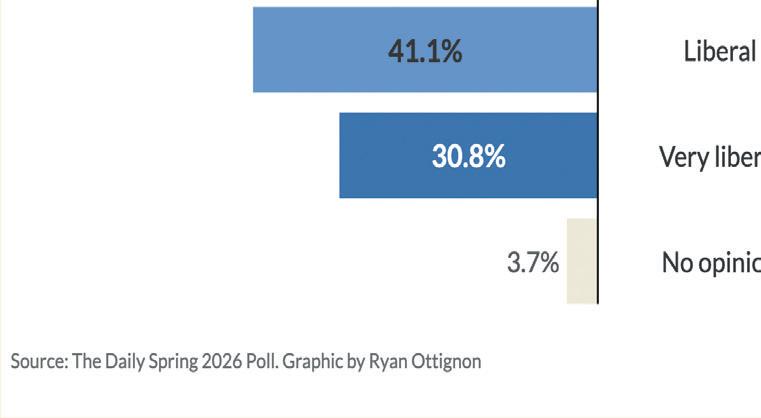
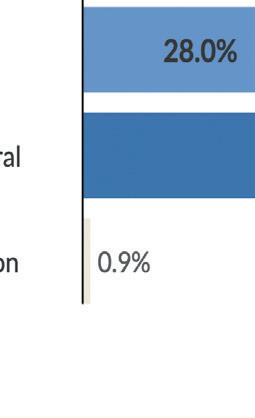
More LGBTQ+ respondents identify as “very liberal” than non-LGBTQ+ peers
LGBTQ+ students have been repeatedly targeted on the national stage. Multiple January 2025 executive orders targeted the LGBTQ+ community. One was later referenced in NU’s deal with the federal government to restore federal research funding, which included provisions requiring the University to de ne individuals by their sex “at conception.”
It’s no surprise, then, that LGBTQ+ students play a signi cant political role on campus. Lewing identi cation was 20 points higher among LGBTQ+ respondents. And among those selfdescribed le -leaning students, LGBTQ+ respondents said they were “very liberal” nearly 27 points more than their non-LGBTQ+ peers. is progressivism sits alongside high political engagement, with almost 30% of LGBTQ+ respondents describing themselves as “very political” compared to more than 17% of their non-LGBTQ+ counterparts.

Partisanship shapes views on prevalence of Islamophobia more than of antisemitism
Allegations of antisemitism were a key part of federal investigations against NU following its response to the pro-Palestinian encampment in April 2024 as well as the Trump administration’s eventual freeze of federal funding. e discourse mellowed following the federal deal in November, when the University proclaimed that antisemitic incidents had “signicantly declined” over the previous two years.
Respondents across the political spectrum generally agreed that antisemitism was no longer “much of a problem” on campus. e same could not be said for Islamophobia, with political leaning shaping respondents’ view of prevalence greatly.
A plurality of only self-described “very liberal” respondents considered Islamophobia a serious problem, including 16% that considered it a “very serious problem.” e more conservative respondents got, the more likely they were to call it “not much of a problem” — or “not a problem” at all.
Students involved in Greek life report higher rates of drinking
Greek life has long played an integral role in some students’ college experience. According to Northwestern’s Division of Student A airs, about 18% of the undergraduate student body is in a sorority or fraternity.
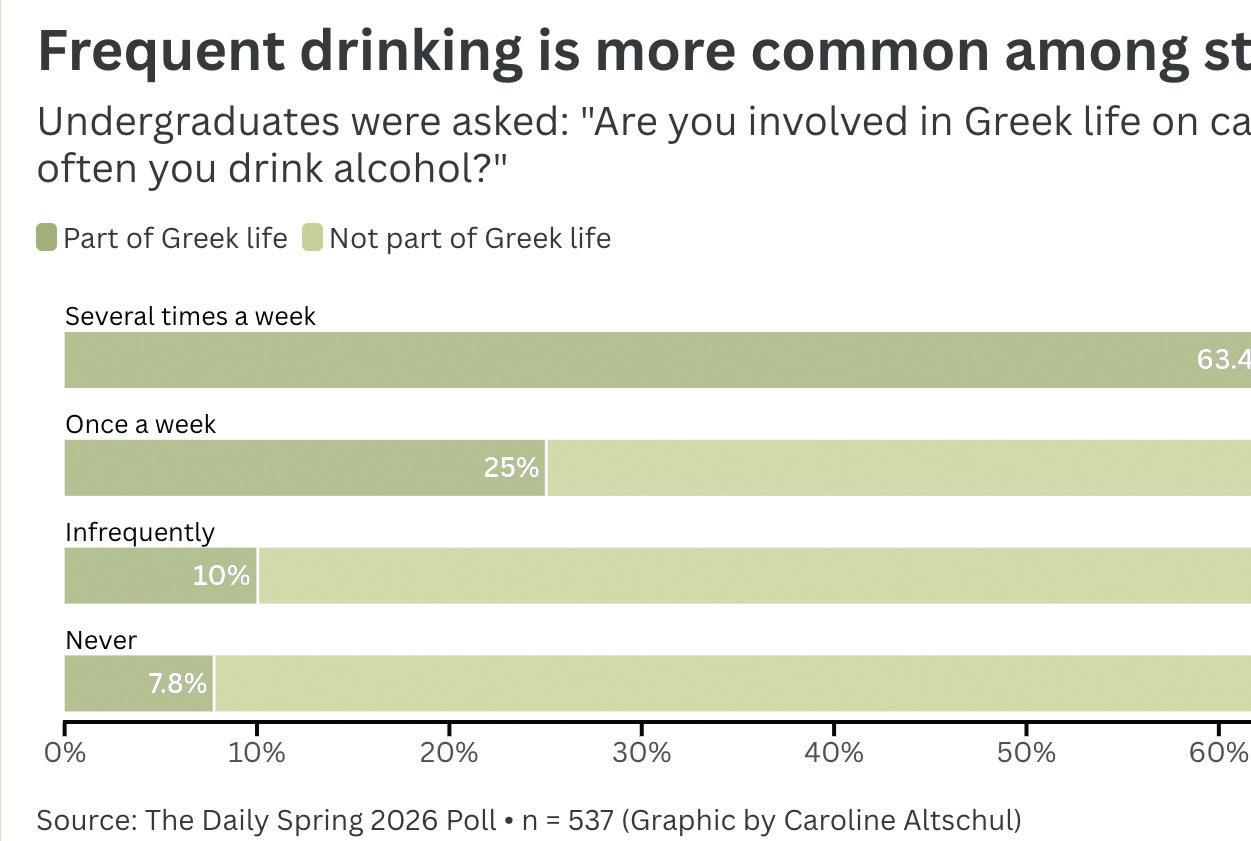
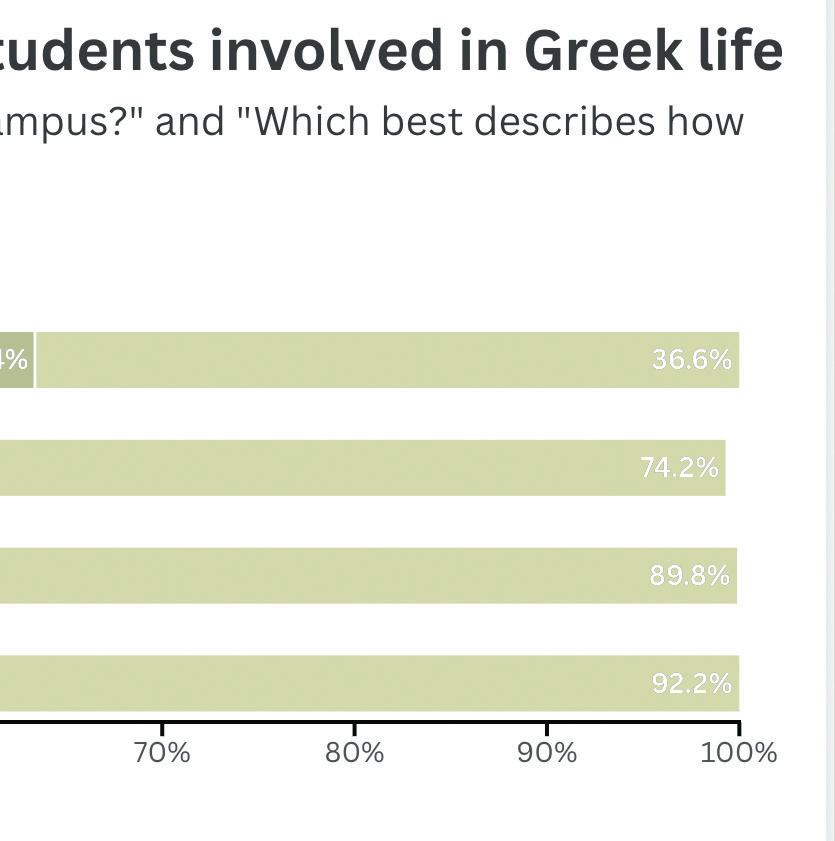
Students involved in Greek life on campus reported drinking alcohol at substantially higher rates than their non-Greek peers. Out of students who say they never drink, only 7.8% are in Greek life.







When rst-year students arrive on campus in September, they spend their rst few months adjusting to the new college environment, fostering relationships and nding their communities.
Respondents who drank alcohol more frequently were more likely to be involved in Greek life. Of respondents who reported drinking several times a week, nearly 63% are involved in Greek life.
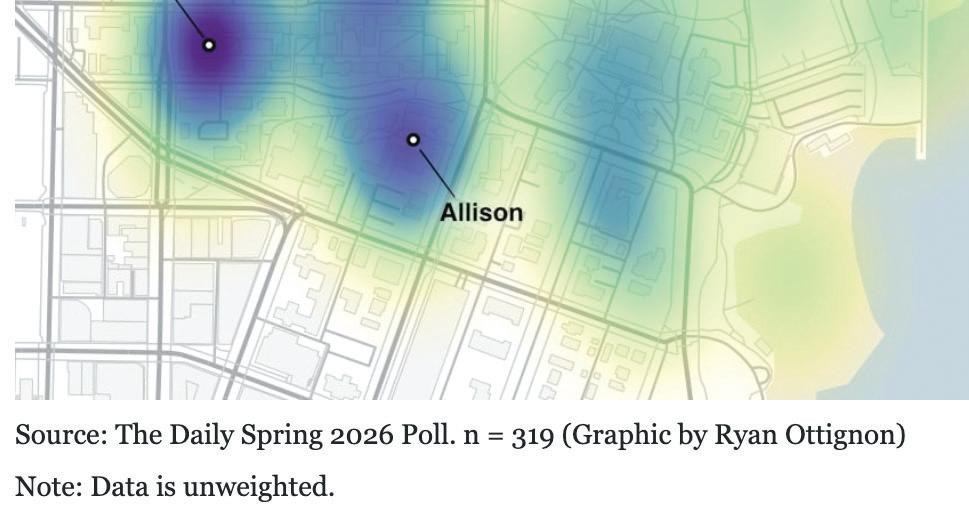
Students report last-cry locations with Willard and Allison topping the list







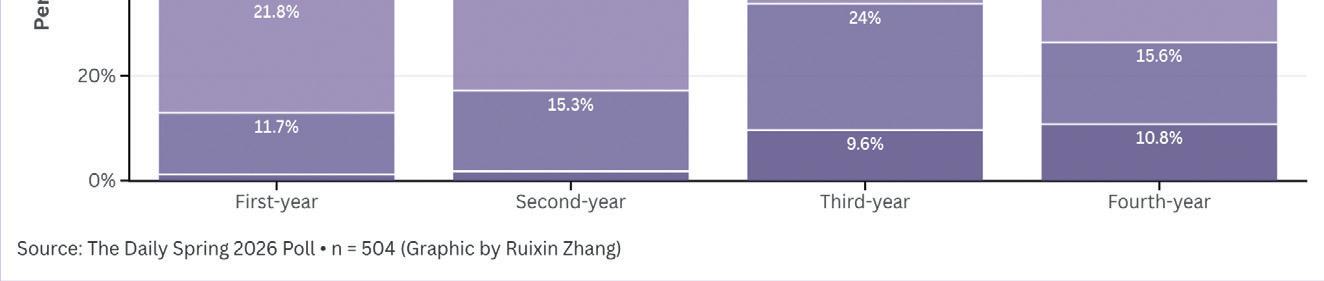
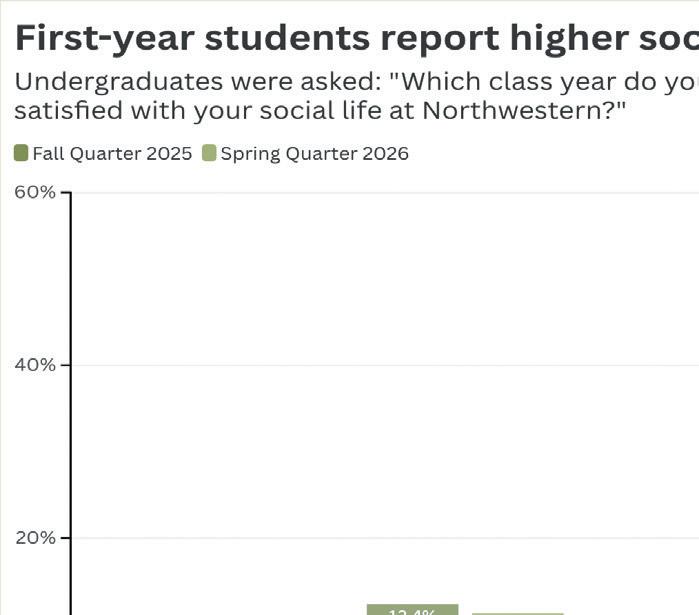
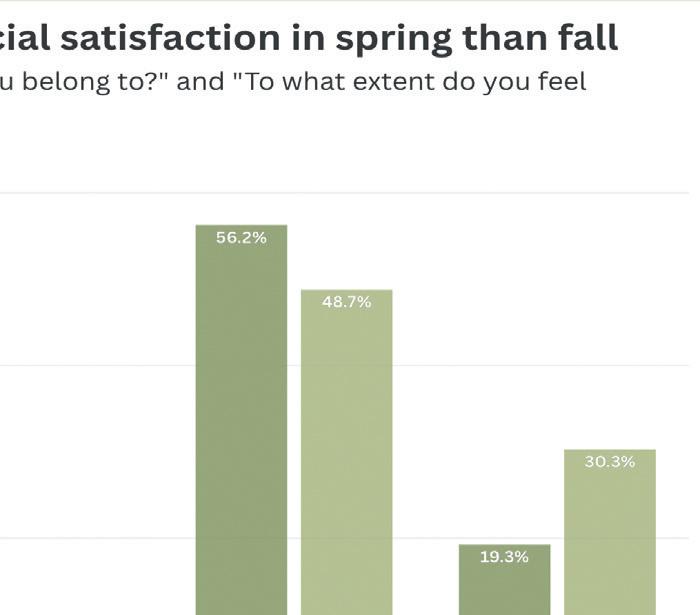
Since the fall, the number of rst-year respondents who reported that they were “very satis ed” with their social life at NU rose from 19.3% to 30.3% in the spring. At the same time, the number of students who said they were “somewhat satis ed” fell from 56.2% to 48.7%. e overall number of respondents that are satis ed has increased to 79%.
Overall, the rst-year student body is easing into their college experience, exploring friendships, extracurricular involvement and campus life as the year has progressed.
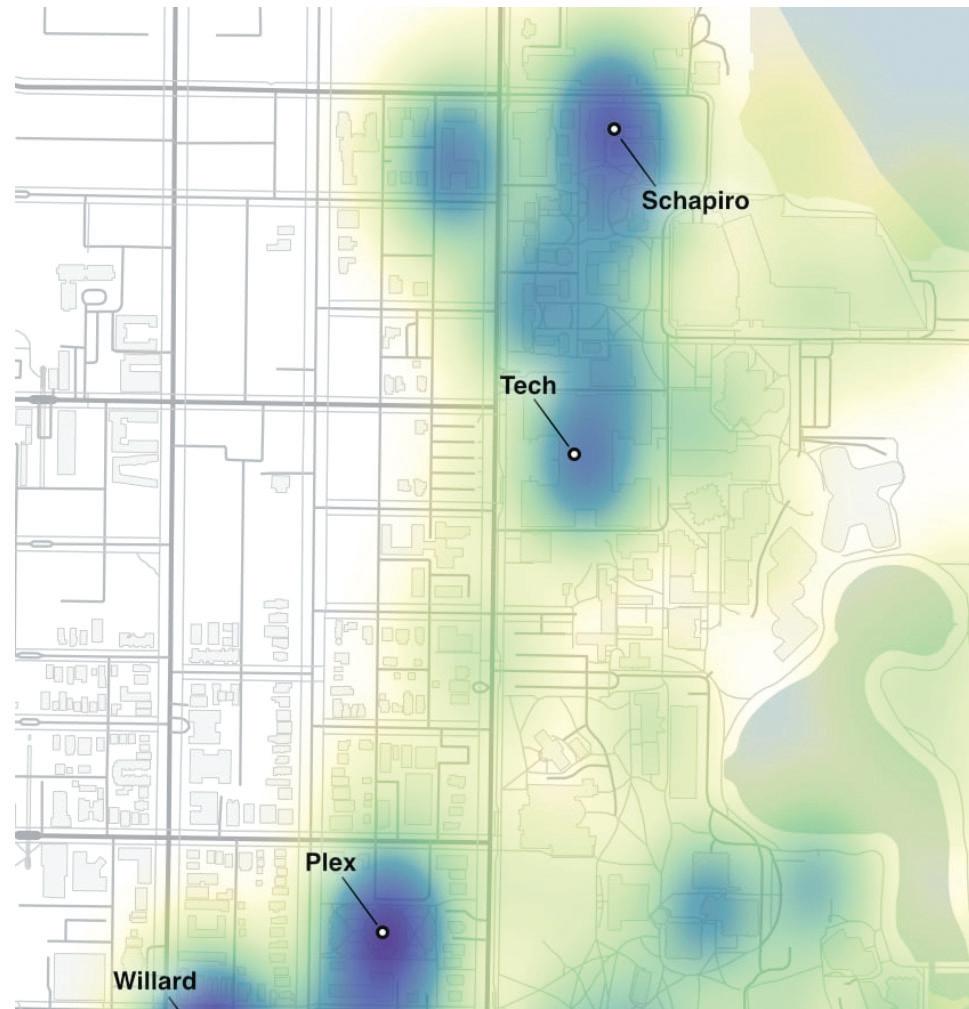
There’s an old quip in data visualization: “People live in cities,” so expect to see huge jumps in population when reaching urban areas. is map brings its own quip: “Undergraduates live in dorms.”
Perhaps the most interesting crying hotspots are where students don’t live, including the Technological Institute, University Library and Norris University Center.


It’s no secret that Northwestern students are driven by their career goals as they put together summer plans and worry over internship applications. Numerous factors can come into play, from a student’s area of study to concerns about arti cial intelligence’s impact on their career. Regardless of major or interests, summer plans and career paths are a vital part of every NU student’s academic journey.
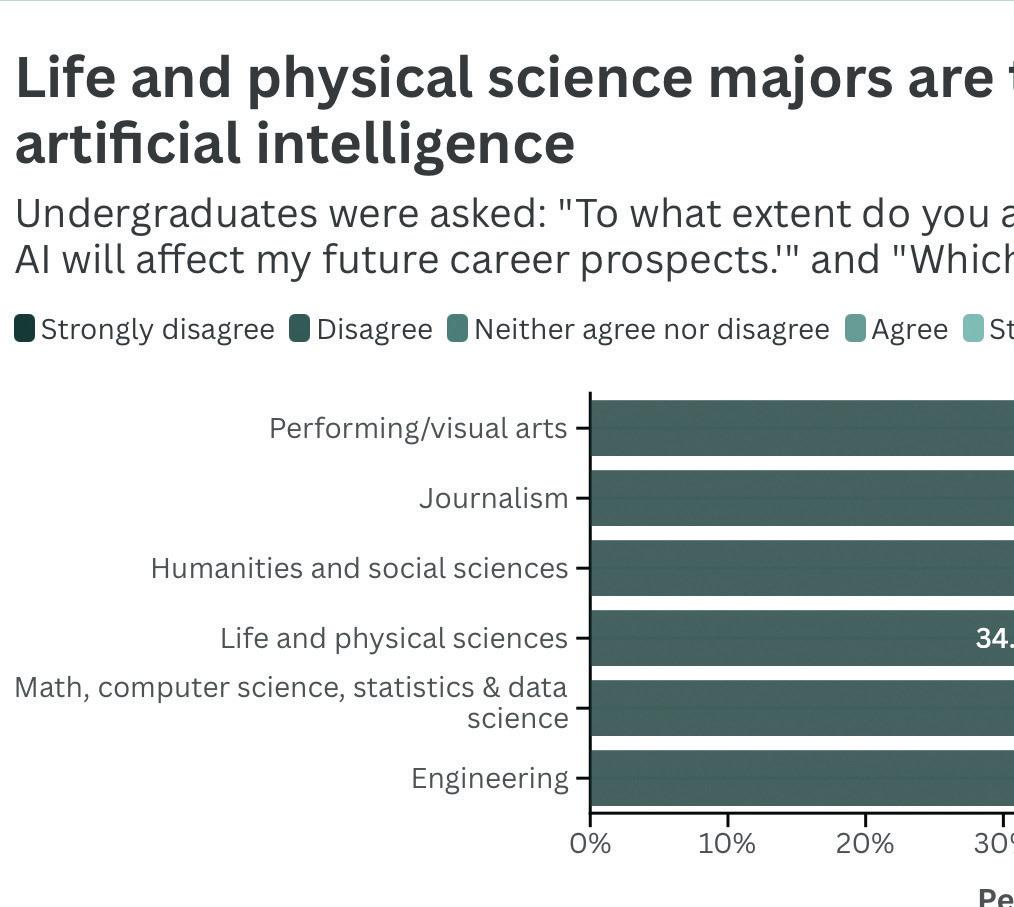
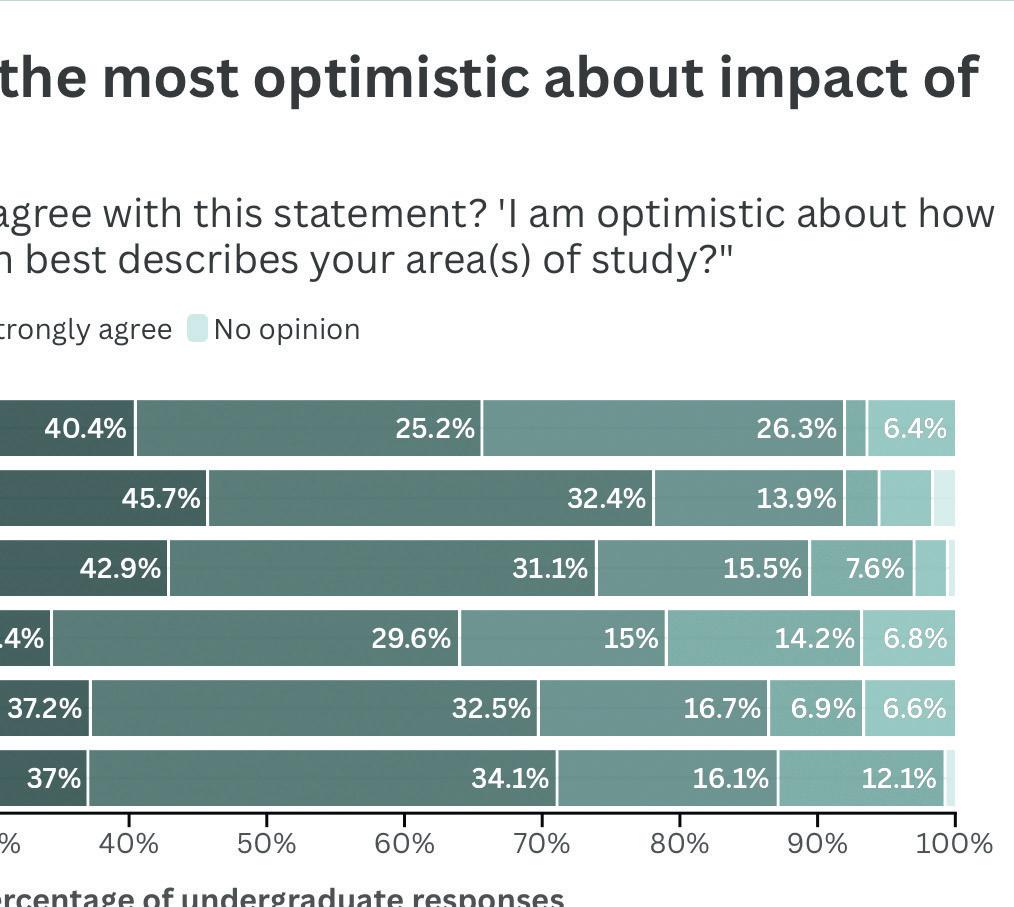
Life and physical science majors are the most optimistic about impact of arti cial intelligence
According to the Boston Consulting Group, articial intelligence will reshape about half the jobs in
the U.S. in some capacity within the next two to three years. Students soon to enter the workforce are concerned about its impact to varying degrees. More than 60% of students were not optimistic about how AI will impact their future job prospects to some degree. Journalism students were the most likely to strongly disagree that AI will have a positive impact on their eld, with 45.7% sharing strongly pessimistic views. Humanities and social sciences students followed closely behind, at 42.9%. Life and physical sciences students were the most likely to be optimistic about AI’s impact to some degree, with 14.2% agreeing and 6.8% strongly agreeing with the statement.
AI has become increasingly integrated into people’s daily lives for everything from generating images to summarizing Google results. NU students’ opinions on AI have also grown more negative as it becomes more popular. Di erences in years, majors and political ideologies seem to divide undergraduates on the impacts of AI.
Students develop stronger opinions of AI’s e ects on education
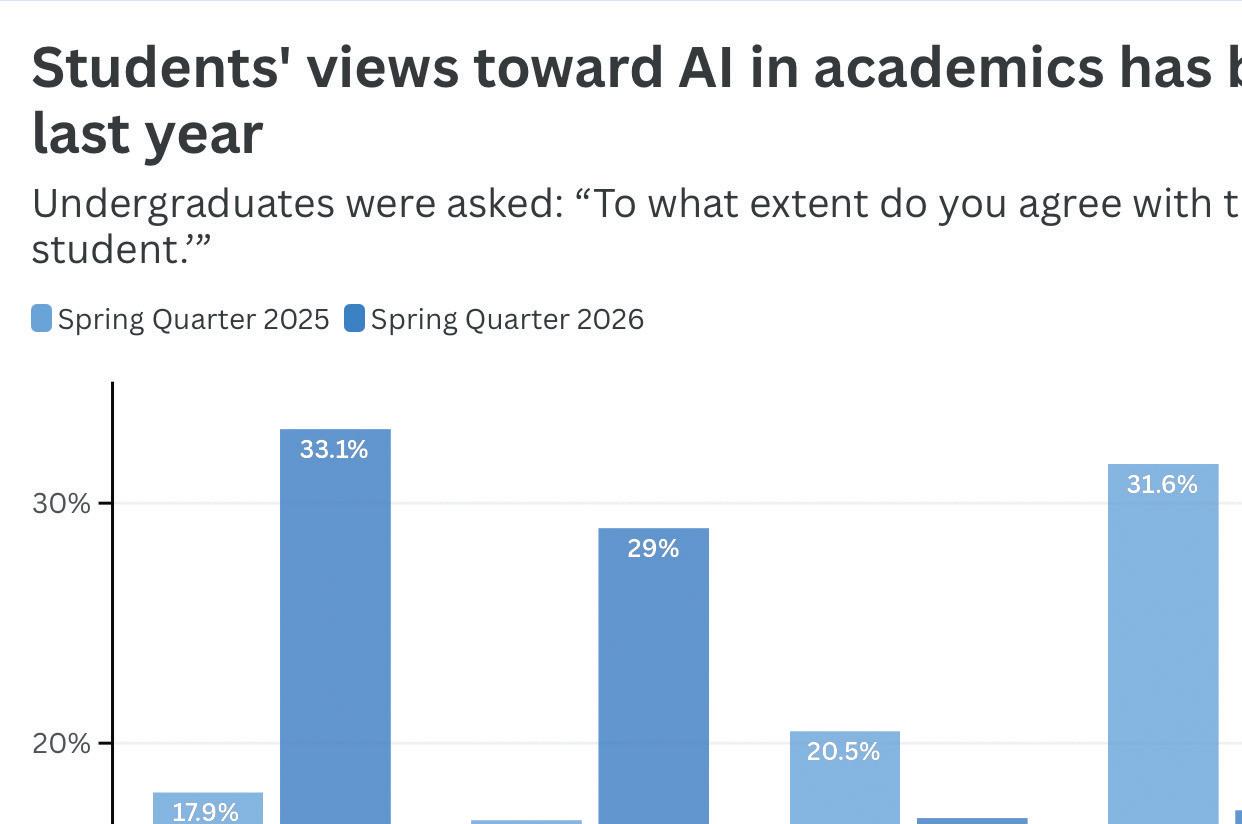
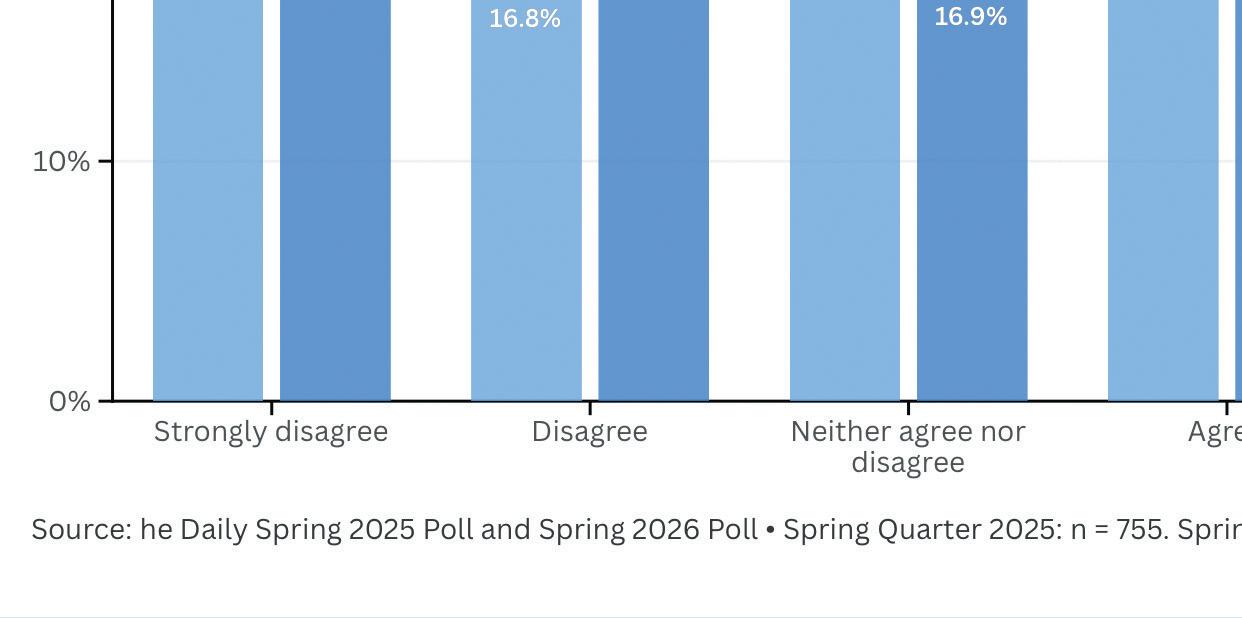
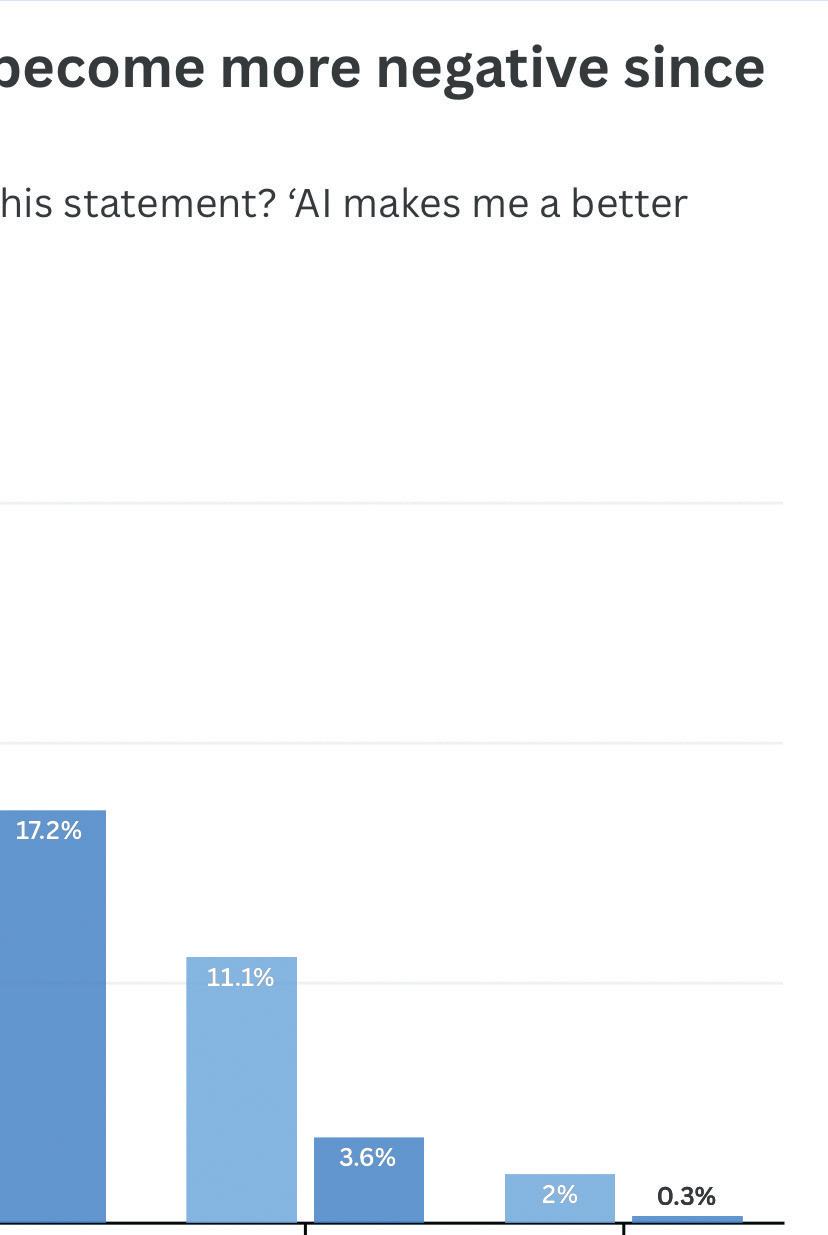
Over the last year, students have developed a more
negative perspective on AI’s impact on their education. In spring 2025, 31.6% of respondents agreed that AI made them a be er student, of which 11.1% strongly agreed with the statement. is year, 62.1% of undergraduates indicated their disagreement, a 27.4% uptick from last year. ese results come as some NU classes increase the weight of exams to discourage AI usage and as the school begins to o er an Al major. Moreover, a Lumina Foundation-Gallup study found that more than half of the college students surveyed use AI on class work at least once a week.
Humanities students least optimistic about how AI will impact careers
Humanities and social sciences students make up 52.8% of respondents for the entire Spring 2026 Poll, which accounts for its large representation in the question response visualization. Still, humanities and social sciences majors account for much more of the proportion that disagreed or strongly disagreed that AI gives them a positive outlook on their future career, compared to their portion of individuals that agreed with the statement.
Life and physical sciences majors made up 28.9% of students that agreed with the statement, compared to its proportion in other categories that hover between 14 to 17%. Math, computer science, statistics and data science majors, on the other hand, posted nearly identical numbers. Engineering majors followed a similar trend. e degree of agreement varied between groups. Humanities majors accounted for just under 33% of those who agreed or strongly agreed, and life and physical sciences majors were only two percent behind.
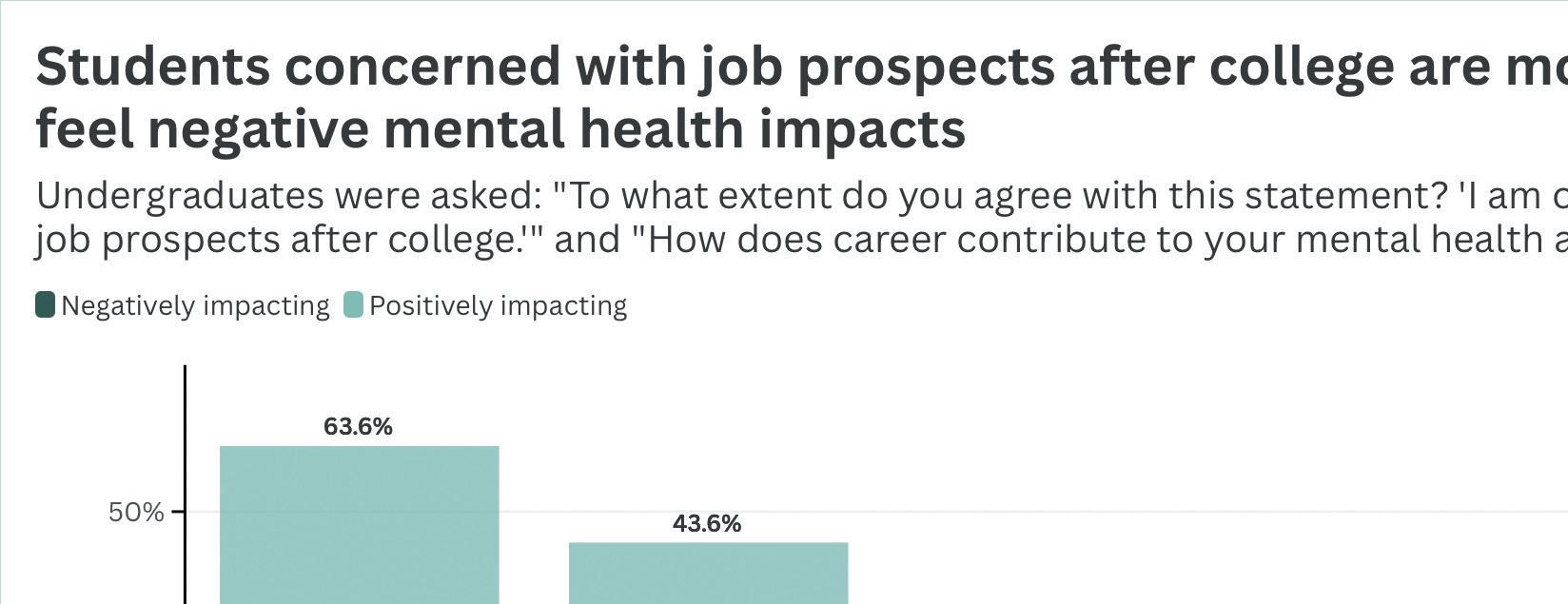
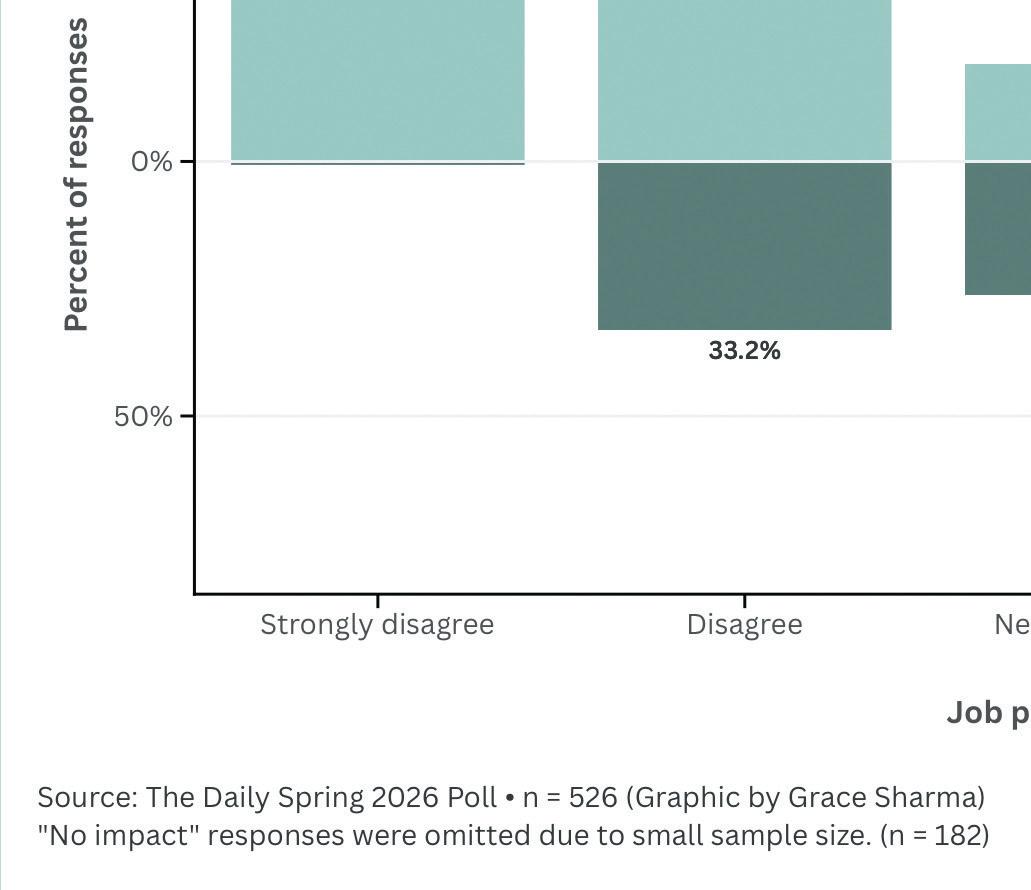
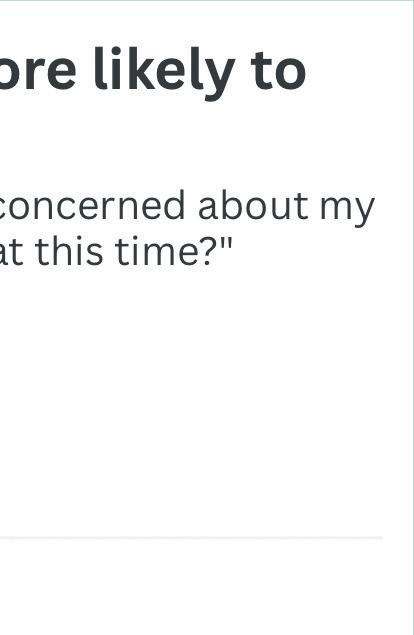
Students concerned with job prospects a er college are more likely to have negative mental health impacts
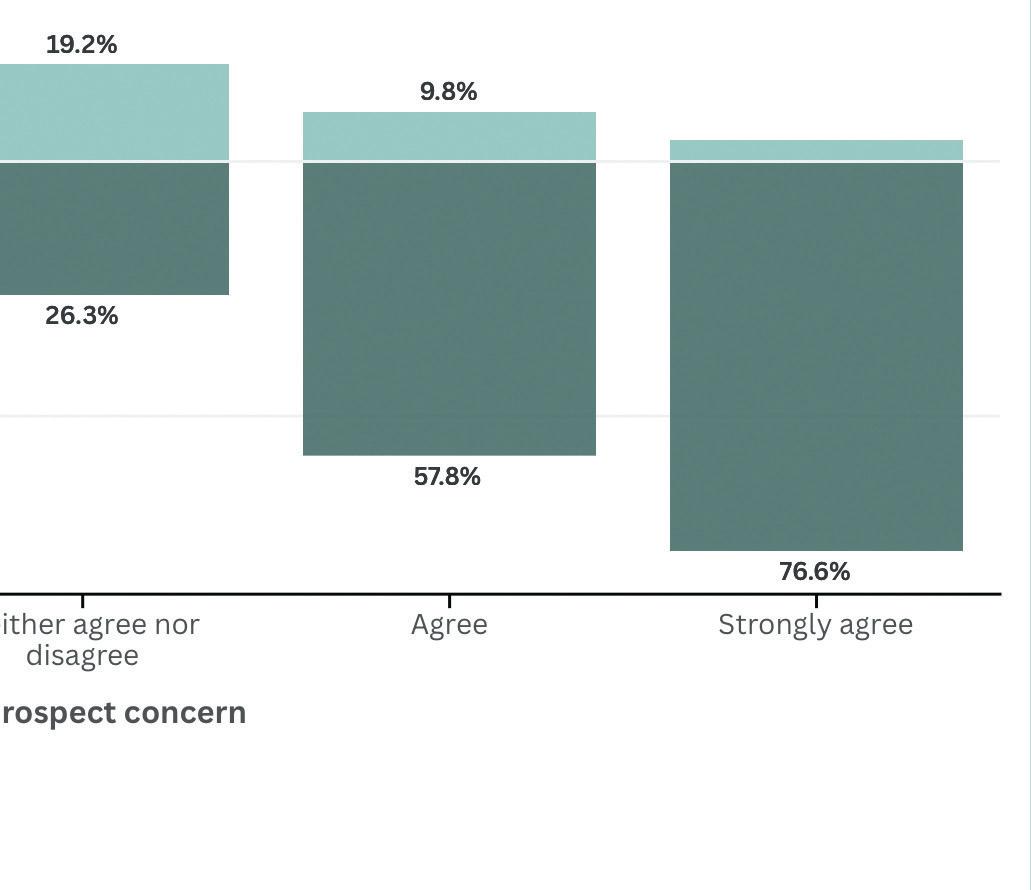
More than 60% of students are worried about their post-graduate job prospects, which further breaks down into 36.3% agreeing and 25.5% strongly agreeing when asked if they have concerns.
Of the students who reported that job prospects were a major concern of theirs, 76.6% experienced negative impacts to their mental health. Conversely, of students who “strongly disagree” that future job prospects are a concern, 63.6% reported that their career positively contributes to their mental health.







Students believe AI does not improve academic growth
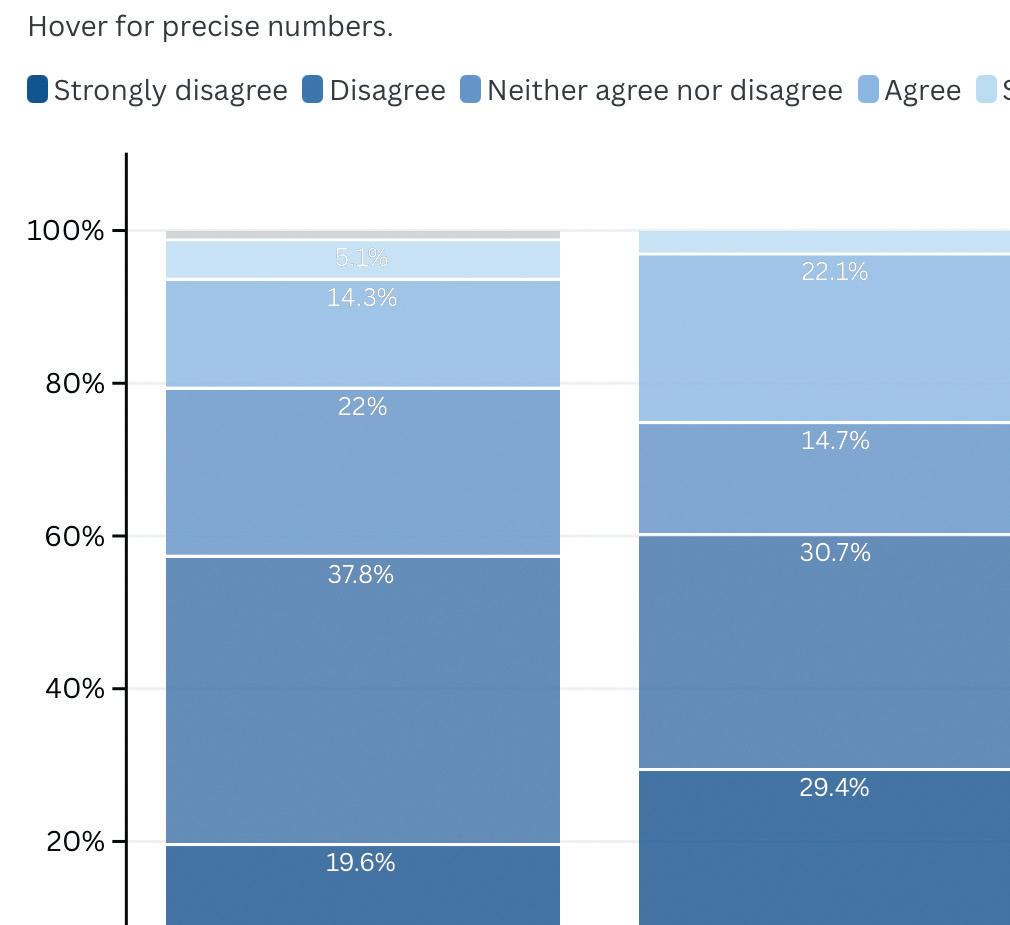
A majority of students across all years disagreed that arti cial intelligence is bene cial to their educational development.
Almost half of seniors strongly disagreed with the statement, far exceeding any other grade. About 30% of sophomores disagreed and approximately the same proportion strongly disagreed, while juniors re ected similar pa erns.
Still, a smaller number of students across all years agreed with the statement. More than 20% of sophomores agreed, with juniors close behind, followed by seniors and rst-years at about 15% each. Strong agreement remained very low across all years, at 5% for rst-years and about 3% for the other groups. A moderate share of students neither agreed nor disagreed, including 22% of rst-years, nearly 20% of juniors, 15% of sophomores and 13% of seniors.

















Liberal students are more concerned about AI’s e ect on society than others
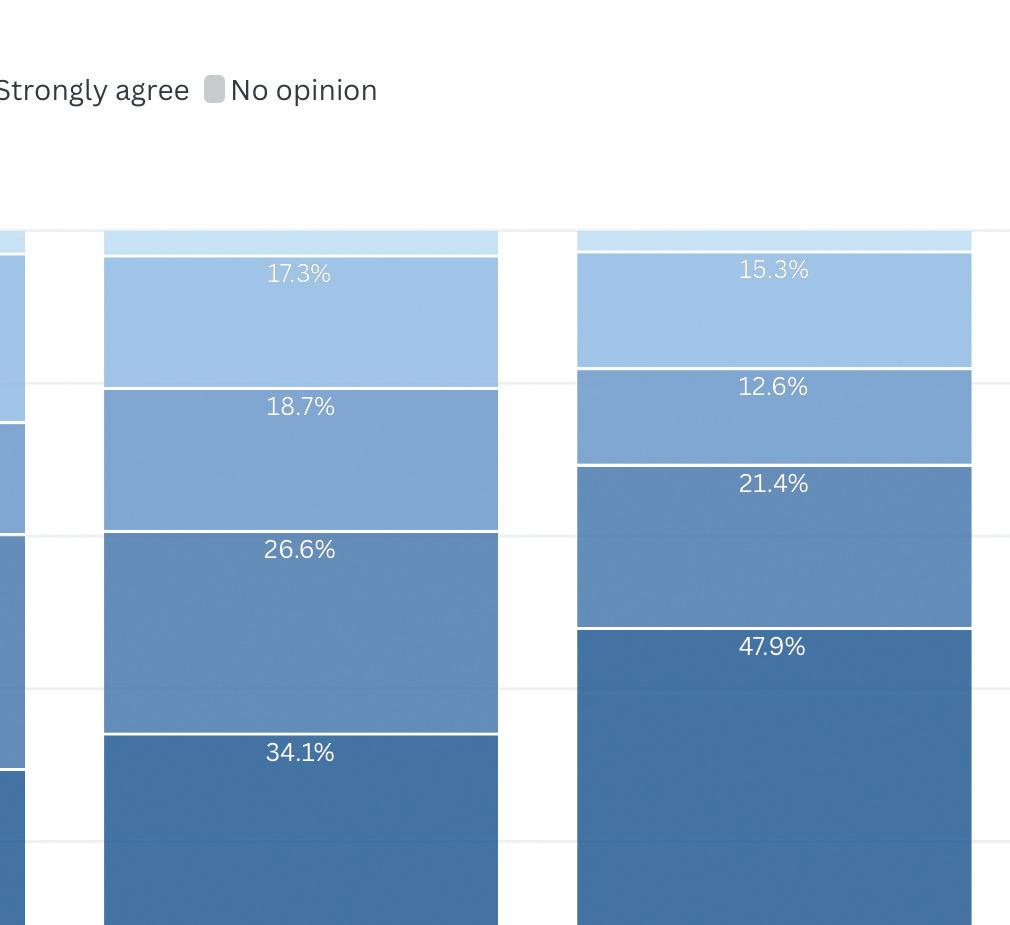
At a national level, Democrats and Republicans seemed united in their concerns about AI, according to a recent poll by NBC News. Yet, NU students do not seem to be following this particular trend. Among those who self-identi ed as moderate or conservative, 50.9% of them agreed that AI will impact their future career. In this group, 18.3% of respondents “strongly agreed.”

Of those who identi ed themselves as very liberal, 32.9% disagreed with the statement. Another 33.8% “strongly disagreed” with the statement.

Students who identi ed themselves as liberal landed in the middle. About 36% of them reported neither agreeing or disagreeing with the statement.

Big Ten athletic programs are a de ning part of the Northwestern experience, or at least it appears that way. Singing the NU Fight Song under the glaring sun in Martin Stadium stands is a quintessential experience for nearly every rstyear student at Wildcat Welcome. But a er that initial football game, how much do NU students really want to “ ght for victory?”
Most students say sports are not an integral part of their college experience
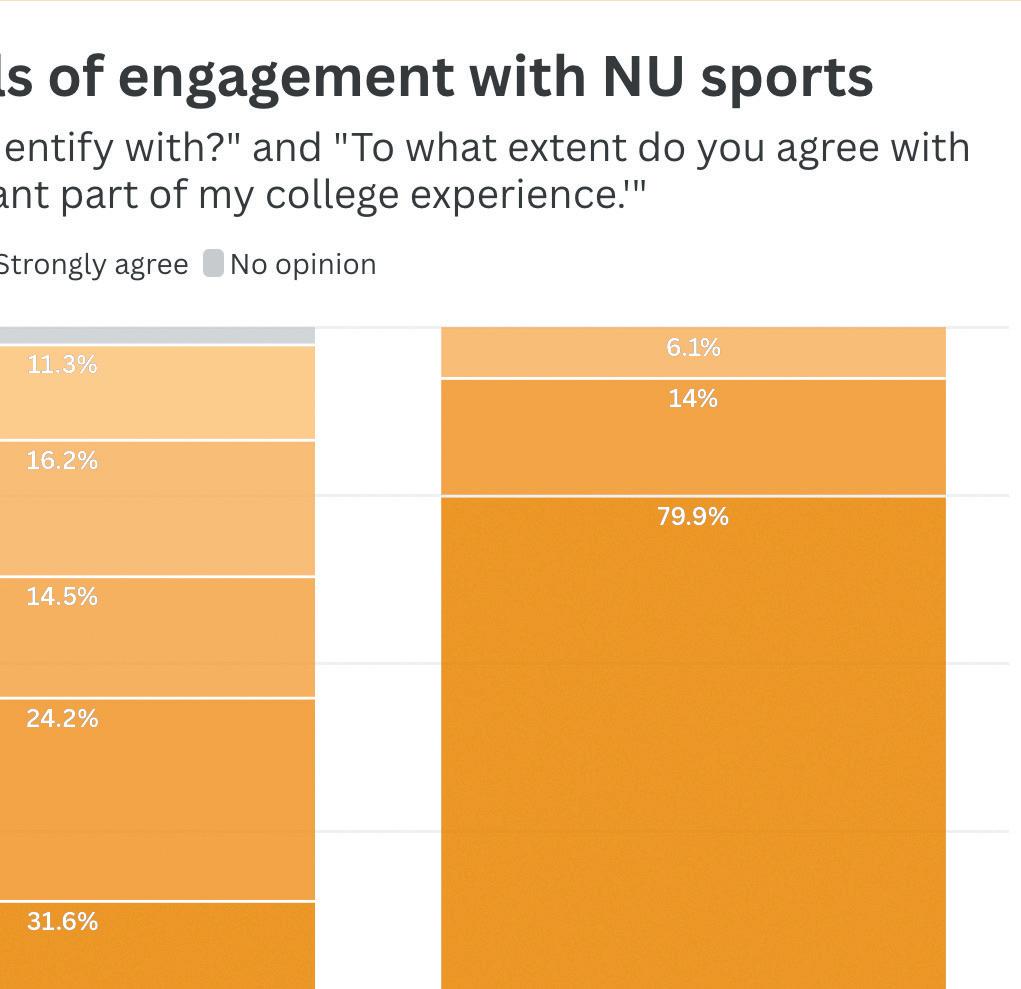
U! Rah! Rah!? More like U! Nah! Nah!, at least for more than 60% of NU students, who
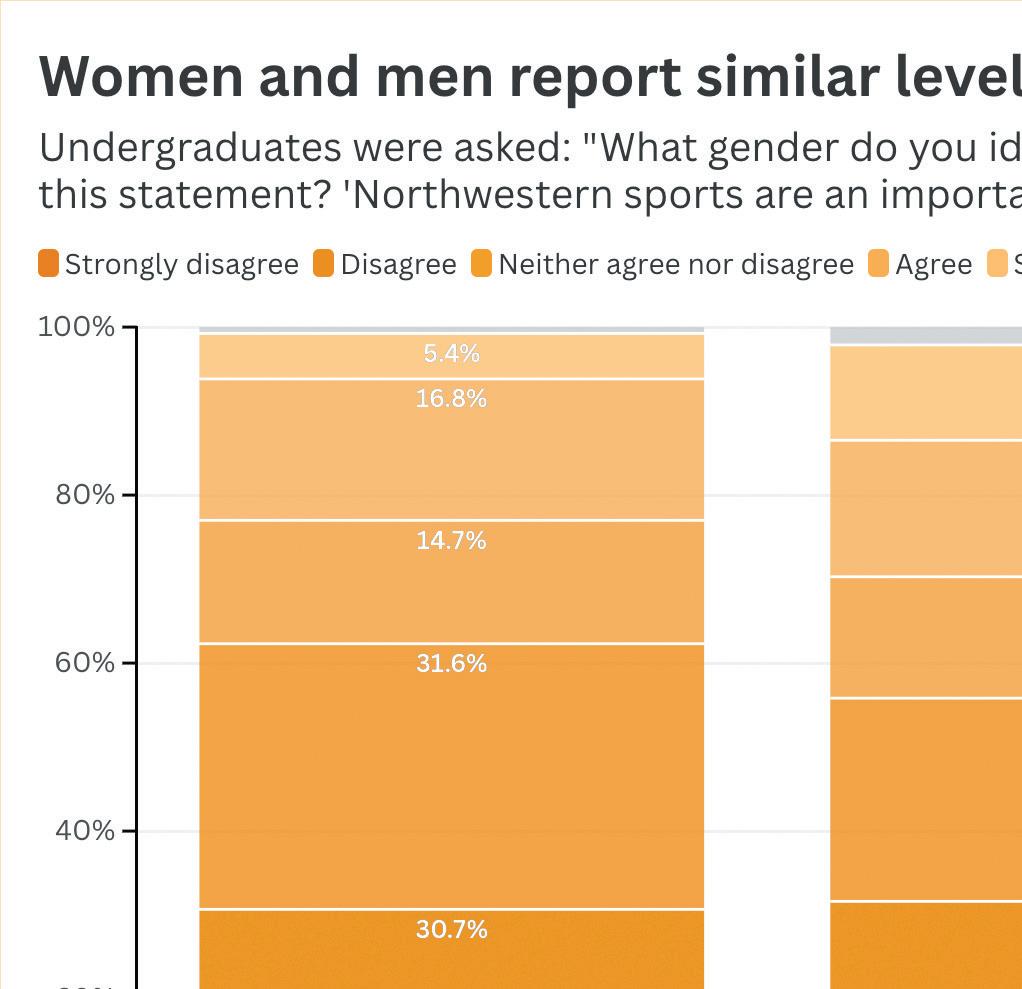
said they either disagree or strongly disagree with the statement “Northwestern sports are an important part of my college experience.” Only about a quarter of NU students said they agree, and 13.9% felt neutral about the statement.
A similar proportion of men and women reported agreeing with that statement, with men surpassing women by only 5.3%. e proportion of both gender categories who reported feeling in the middle are both about 15%.
Even the proportions of respondents who “strongly disagree” are nearly neck and neck, with just less than 31% for women and just less than 32% for men.

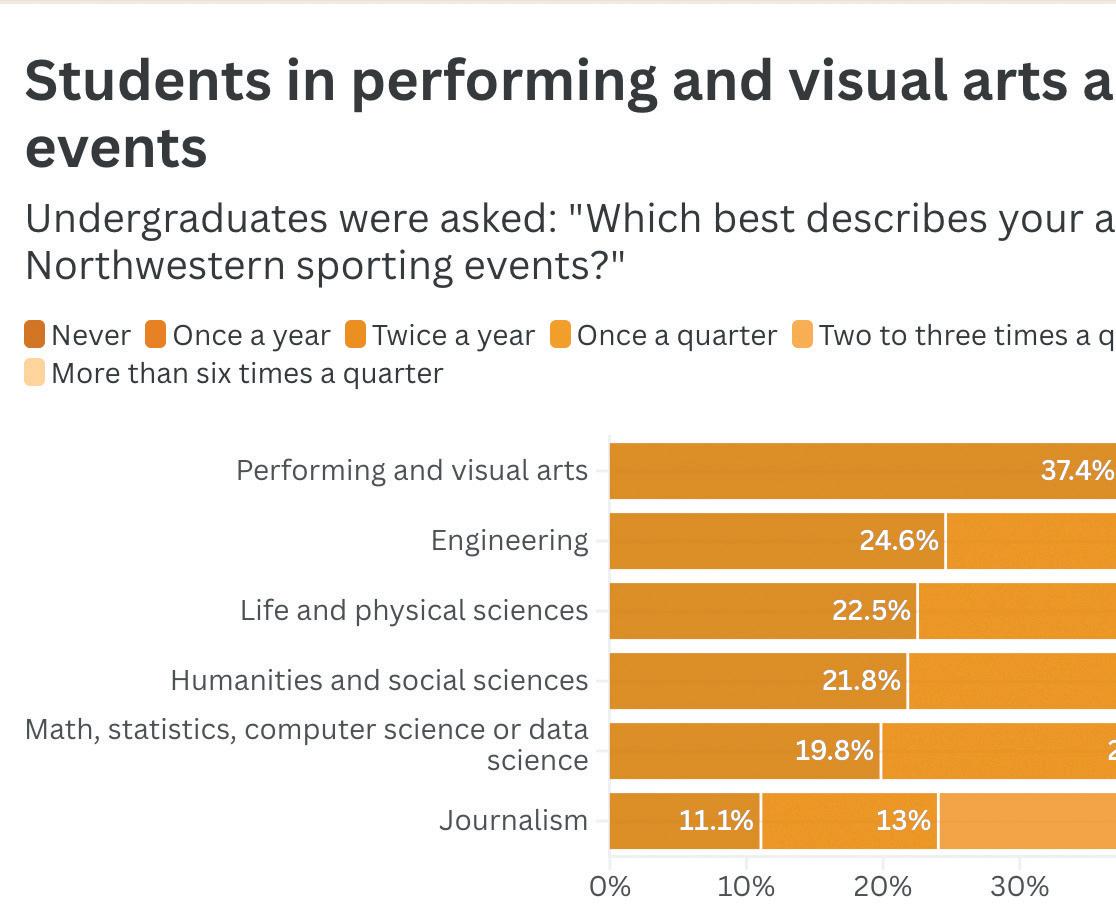

Looking at areas of study, journalism students seem to frequent sporting events most o en, with about 44.5% reporting that they a end sporting events two or more times per quarter. Trailing by a hair are students studying math, computer science, statistics or data science.
On the other end, students studying performing and visual arts have the highest percentage reporting that they never a end sporting events at nearly 40%. Just more than a quarter of them say they a end one sporting event per year. e next highest percentage of students who report never a ending a sporting event are those studying engineering, at around 25%.
First-years and seniors report lowest a endance at sports games ere may be an answer to the question of why Welsh-Ryan Arena’s student section is o en sparsely populated. Nearly a quarter of
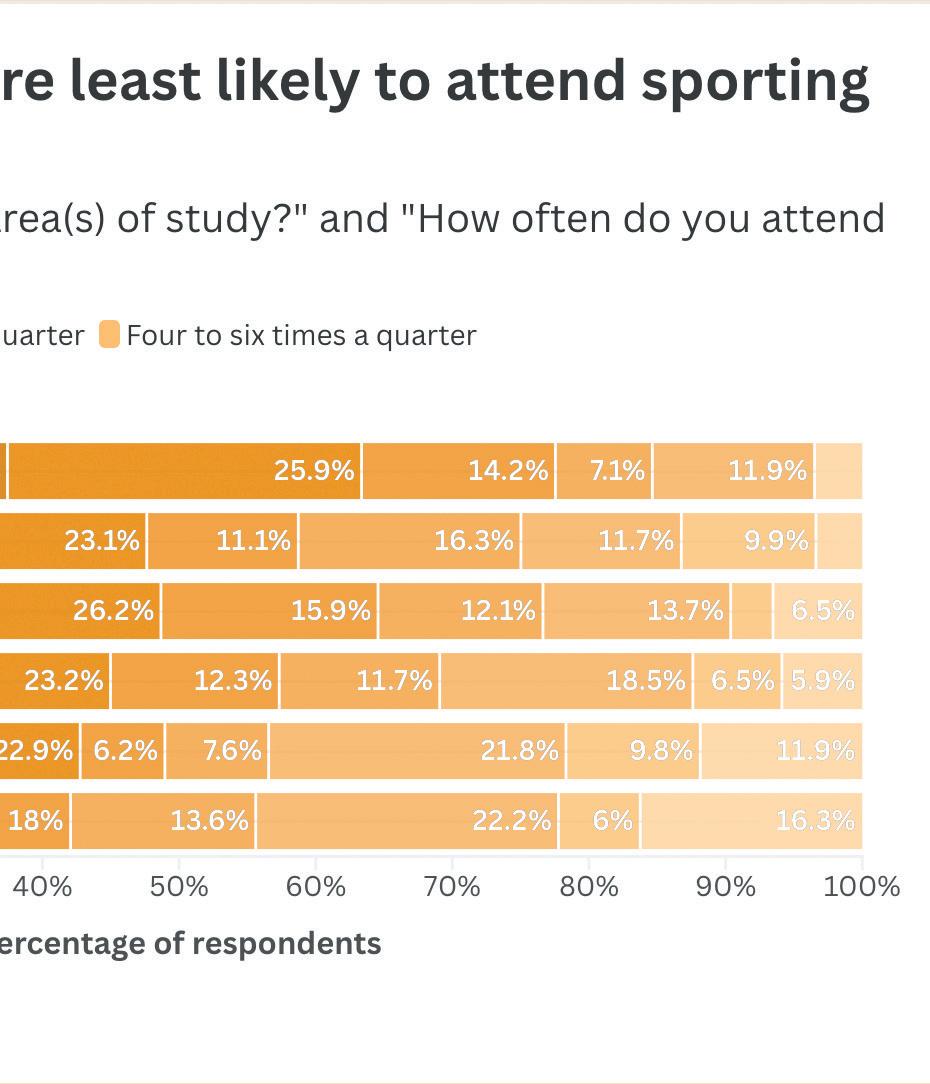


undergraduates said they have never a ended an NU sporting event, and 22.6% said they only a end NU sporting events once a year. Still, the avid fan does exist: About 6% reported a ending NU sporting events more than six times per quarter. When it comes to the students who have yet to experience a game at Martin Stadium or Welsh-Ryan, NU’s newest and oldest classes have the most. About 30% of rst-years say they have never a ended an NU sporting event — but so do about a quarter of the seniors.









































Do you tend to differ from your peers, or are there about 10 of you on the Lakefill at this moment? Take this quiz to compare your responses to students who took The Daily’s Spring 2026 Poll. Tally your most common letter response to decipher your results.
MOSTLY A & B:
You’re the quintessential Northwestern student — you responded very similarly to your peers.
MOSTLY C:
It makes sense that you go here — you had some answers in common with many of your peers.
MOSTLY D:

You’re a bit of an outlier — you di ered from your peers on many topics.
MOSTLY E & F:
Are you sure you go to school here? You answered very di erently from your peers.
GEORGE KOUTROUVELIS
COLUMNIST
Chicago’s Green Line is a marvel in urban transit — or at least, it should be.
Operating on some of the oldest stretches of track in the entire Chicago Transit Authority network, the Green Line is teeming with history. On its Lake branch, the line hosts some of the CTA’s oldest stations. On the South branch, it is the only line to split in two, ending at both Ashland/63rd and Cottage Grove.
Most non-Chicagoans probably know the line because of its service to the Garfield Park Conservatory, one of the largest botanical gardens in the nation. But beyond that, I would argue that visitors know little else about the Green Line.
After staying on the line for stops beyond the Conservatory-Central Park Drive station, it becomes clear that its west end service allows riders to experience some of the most interesting areas of Chicago.
A few stops west, one can find themselves in Oak Park, a historic suburb full of charm and good eats.
Often cited as one of the most architecturally significant cities near Chicago and the home of architect Frank Lloyd Wright, Oak Park is also a subtle poster child for transit-oriented development.
Getting off at the Oak Park station, I was able to explore the vibrant street life on Marion Street, jumping around shops and grabbing a bite at Léa French Cafe.
While there, it felt like the Green Line invited me into the neighborhood, not rushing me past the stops, but instead promoting engagement in a community I had only just discovered.
While areas like Oak Park and the Garfield Park Conservatory are beautiful, the Green Line is far from perfect.
Riding along the line, it’s impossible not to spot the hundreds of empty lots. All along the track, they dominate the landscape.
Especially as a first-time rider, the lots are unmistakable, leaving me to wonder why they exist and what caused them to become so common in spaces near the train.
The answer: The area surrounding the Green Line has faced decades of disinvestment, redlining and gentrification.
And, honestly, that’s one of the most important things to know while riding the Green Line.
Chicago has looked to address the empty lot issue in many of the city’s neighborhoods on the West and South Sides. The Institute for Housing Studies at DePaul University explains that high concentrations of vacant land have negative impacts on property values and social cohesion, and an increased exposure to environmental hazards.
That last issue, “social cohesion,” is especially important when considering the CTA’s ability to promote community development. Even though the city has implemented different transit-oriented development policies since 2013 in hopes of developing walkable communities near CTA stations, its efforts have been largely unsuccessful in neighborhoods of predominantly minority populations due to past redlining.
Redlining has historically taken place along the South and West Sides of the city — two areas the Green Line services — and even though the practice has stopped, its effects are still very evident.
It’s especially upsetting to see in person. Neighborhoods like Washington Park and Englewood, each blocks away from Green Line stations, are undeniably rich in culture, but still suffer from a lack of transitoriented development.
Even though the Green Line aids those communities as a navigation and economic hub, it still stands as a lingering reminder of untapped potential.
All this is to say the Green Line isn’t bad — it’s just underdeveloped and underappreciated.
The line is efficient and serves necessary areas in Chicago, but with its history of violence, especially at stations like Ashland/63rd, the station with the highest rate of crime per ride, the Green Line often is underappreciated by the general public. And that’s the issue with the Green Line: Society has branded it as “dangerous” merely because of the areas it serves.
While parts of it aren’t as safe as areas on the North Side, just stepping beyond the blue tint, one can see a place full of culture and history that’s in dire need of transit-oriented development.
George Koutrouvelis is a Medill first-year and author of “Through the Blue Tint.” He can be contacted at g.koutrouvelis@dailynorthwestern.com. If you would like to respond publicly to this op-ed, send a Letter to the Editor to opinion@dailynorthwestern.com. The views expressed in this piece do not necessarily reflect the views of all staff members of The Daily Northwestern.Daily Northwestern.
KATAREENA
I am someone who leaves.
I left the Philippines for the United States and I left Los Angeles for Chicago. Last week, I left a party just to go to sleep an hour earlier. If you ask my friends, I’m the leading expert at Irish goodbyes.
I try not to dwell much on this habit. I’ve bounced around many places in my life, so packing up and moving on has never been difficult. “Home” has always been a tricky word for me.
Recently, I’ve been forced to question my love for leaving. Chicago winters have been cruel to me, and neither my physical nor mental health were prepared to handle the reality of still needing to bundle up well into Spring Quarter. As I write this, I am sick for the second time this quarter — despite doubling down on Flintstones multivitamin gummies.
Hey wildcat,
I’m currently able to graduate my junior year, and I’m strongly considering it. It makes the most sense financially for myself and my family, but I’m worried I’m going to miss a whole year of socialization and senior memories. My advisor hasn’t been very helpful, other than the typical “do what’s best for you” kind of stuff. Do you have any thoughts on this?
We’ve all heard those jeering, prospective phrases from older adults in our lives: “It only gets worse from here.” “Enjoy it while it lasts.” “These are the best years of your life.”
Although intended as half-joking reflections on the increased independence level that arises in adulthood, such comments often contribute to a palpable sense of anxiety about both the future and the present.
One begins to ask: Am I doing enough and being enough to make the most of these short years?
Americans are culturally fatalistic about growing up. In youth, there is beauty and spirit; then, there is maturity, the stagnant development of routine and ultimate irrelevance. Obtaining a bachelor’s degree is, for many people, the final frontier before “real”
Needless to say, I am sick and tired of being sick and tired. And in my feverish deliriums, I dream of only one place: Los Angeles.
As a certified “LA piece of s–t,” there are superficial, obvious reasons I can rattle off of why the West Coast is still the best coast. A good — I emphasize “good” — matcha latte is in obscene abundance in LA. A bad matcha is practically a criminal offense in that city, worthy of cancellation by every foodie in town.
In LA, In-N-Out Burger also clears any and every fast food chain in competition — you can quote me on that. The weather is so perfect that rain is a rare event. And as LA is the nation’s entertainment capital, boredom is basically impossible there.
You can find any of these selling points in a travel book — or more realistically, any content creator’s “Why I Moved to LA” get-ready-with-me TikTok. I’m pretty sure Alix Earle (or Alex Cooper) has one up right now.
What folks won’t tell you about is Eagle Rock Plaza, a forgotten mall turned into a one-stop shop
adulthood — and understandably, this is a daunting task to face early.
There is the idea that I like to call the “Eternal Senior Year” — the supposed period of relaxation and camaraderie when graduation is near and stresses are shelved. Though most often applied to the dying days of high school, this phenomenon works for campus life as well.
Certainly, in graduating early, a person chooses to forgo some of that benevolent spirit as well as the broader social development and events that their fellow classmates will partake in.
But in any case, nearly fulfilling your graduation requirements in itself is a huge achievement — take a moment to remind yourself that whether or not you choose to defer, you’ll be succeeding in an admirable academic task and conquering a goal you’ve worked very hard to achieve. That is worth celebrating.
It’s very common to graduate early each year, whether for financial or career reasons. College programs are deliberately structured to provide students’ unique dreams and situations with the necessary flexibility, and opting to complete a degree early is a completely valid thing to do.
Doing so might mean missing out on some traditions, which will likely be hard. It might mean the dynamic between you and your friends who aren’t graduating will shift for a while. It’s also possible you will experience feelings of jealousy or unpreparedness.
But if staying another year means going into significant debt or financial strain, it likely
for homesick Filipinos to eat, buy groceries and send balikbayan boxes (care packages) to the motherland.
They won’t tell you about getting out of school, saying hi to the neighborhood elote man and asking for extra syrup on your piragua after a hot day. They will fail to mention cracking cascarones on Olvera Street, bargaining at Santee Alley and taking morning commutes fighting traffic on the 101 with your dad (which you will end up missing).
They forget about Altadena, our disappearing Chinatown, Compton or any part of the city where no influencer or nepo baby dares to venture.
LA is a place where all of this can exist all at once. Evanston may be where I live, but LA will always have my heart.
Every city has a question it will ask of you. New York asks what you’re made of. Chicago asks if the cold ever bothers you, anyway. In a city often overshadowed by its own fame, LA will ask you who you are.
So, if you’re looking for a city to settle into
isn’t practical. Let’s be honest — Northwestern is expensive! And it’s not as though having a diploma severs you forever from interacting with the places and people you love — there are a myriad of healthy ways to navigate the gap.
If you have people in your life who you feel you can lean on, I’d say that taking the leap will be worth it. Life does not end at graduation, or age 25 or even at 40. A person with an open mind will always find new joys, sights and experiences to explore, no matter what age or stage of life they are in.
However, as you’ve no doubt realized, this is ultimately a decision you have to make by yourself. An adviser is more akin to an IT hotline than a therapist; they can point you to relevant resources, but in most cases, they don’t have a real sense of the depths of a person’s individual situation. What you ought to do depends on your own personal blend of intricacies, intentions and the inner maneuvers of your life’s current.
In any case, you are lucky to have a college experience worth missing. Cherish that — and whatever you decide, I suspect you will look back on these years very fondly.
James Frazier-Wilson is a Medill sophomore. He can be contacted at james.fw@dailynorthwestern. com. If you would like to respond publicly to this op-ed, send a Letter to the Editor to opinion@ dailynorthwestern.com. The views expressed in this piece do not necessarily reflect the views of all staff members of The Daily Northwestern.

post-graduation, I suggest considering LA. Whatever you come to this city for — whether it be to make movies, start a new Hype House or completely escape from something — there’s something for everyone. LA is for the dreamers. In the midst of all the glitz and glamour, I implore you to remember and respect the community you’re joining. In the words of Kendrick Lamar, “Travel past the 10.” While you’re at it, try giving back or adding something worthwhile to the city of stars. It’s what transforms you from a transplant into an Angeleno. Coming from someone who leaves, I guarantee you’ll find a reason to stay.
Katareena Roska is a Medill sophomore. She can be contacted at katareenaroska2028@u.northwestern. edu. If you would like to respond publicly to this op-ed, send a Letter to the Editor to opinion@dailynorthwestern.com. The views expressed in this piece do not necessarily reflect the views of all staff members of The Daily Northwestern.
Scan this QR code to submit a query to columnist James Frazier Wilson’s “Ask a Wildcat” for general advice.
The Daily Northwestern Volume 146, Issue 25 Editor in Chief Anavi Prakash
Print Managing Editors Regan Huizenga Lexi Newsom Isaiah Steinberg Melody Xu
Multimedia Managing Editors Ruby Dowling Isabella Jacob Matt Wasilewski
Creative Director Siri Reddy
Opinion Editor Alexia Sextou
Assistant Opinion Editor Ivy Frater
LETTERS TO THE EDITOR may be sent to 1999 Campus Drive, Evanston, IL 60208, via fax at 847491-9905, via e-mail to opinion@dailynorthwestern. com or by dropping a letter in the box outside The Daily office.
Letters have the following requirements:
• Should be typed and double-spaced
By SYDNEY GAW senior staffer
Veronica Roth’s (Weinberg ’10) famed start at Northwestern’s creative writing program is an oft-talked about legend within the University’s English department.
Roth wrote “Divergent” during Winter Break of her senior year, discovered her agent by Googling “how to get published by a big publisher” and sold the generation-defining dystopian trilogy in a three-book deal with HarperCollins Publishers — along with the movie rights — all before graduation.
Since the conclusion of the “Divergent” trilogy 12-and-a-half years ago, the #1 New York Times bestselling author has published several epic science fiction and fantasy novels, including her adult debut “Chosen Ones” and novellas “When Among Crows” and “To Clutch a Razor.”
In recent years, she has eyed a new narrative. “Seek the Traitor’s Son” hit the shelves May 12 and is the first in a new romantic dystopian fantasy series, marking a pivotal stage in the internationally acclaimed author’s career.
A focus on fun
For Roth, writing “Seek the Traitor’s Son” was a lesson in experimentation and creativity. The book follows protagonist Elegy Ahn, who finds herself caught in a prophecy that will determine the fate of her world. A soldier tasked with defending her small country from the powerful nation of Talusar, Elegy must face off against the ruthless Talusar general Rava Vidar. Their battle will determine whose people prevail and whose cease to exist. At the center of the prophecy binding their fates is a man who Elegy is destined to love.
Roth began the novel in September 2019 alongside several other projects, including “Chosen Ones,” “Poster Girl” and “ArchConspirator.” With these books, Roth said she was meticulous about her writing process on a craft level, focusing on the mechanics of plot and world building. While she said she was satisfied with how those projects turned out, she couldn’t help but feel that something was
missing.
Roth’s determination to rekindle the fun in her writing set “Seek the Traitor’s Son” apart from her other works. Throughout the process for her latest novel, she said she tried to focus on leading with the techniques and stories she loved the most.
“I had a longing for the kind of writer I was when I started, where I didn’t know enough to be embarrassed by anything,” Roth said.
During the six years she spent working on “Seek the Traitor’s Son,” the project underwent many iterations of drafts, bouncing between protagonists and genres and spanning fantastical and real-world settings.
Roth even wrote an alternate version of the story intended for a young adult audience, which involved aging down her characters, adjusting their timelines and grounding the story on Earth. While she ultimately decided to stick to an adult readership, she said this draft enabled her to answer key world-building questions that would later inform the foundation of her final iteration.
As Roth continued to experiment with different aspects of world building, the story’s genre also evolved, alternating between fantasy, science fiction and dystopian.
By the tenth draft, Roth had finalized her setting, characters and genre. That’s when she really began writing the book, she said.
Roth decided a “ruined Earth” was a fitting setting for her 12th book. Like “Divergent,”
“Seek the Traitor’s Son” is set in a dystopian reinvention of a major U.S. city: Los Angeles.
“I really love the idea of wandering around in spaces that we currently occupy, but making them ruins,” Roth said.
Of the story’s many complexities, Roth said she was most excited about a world-building element called the Fever — a fatal virus that kills half of its victims, while imbuing the other half with special abilities. In the dystopian fantasy, citizens of Talusar worship the Fever like a god, while Elegy and the people of her nation, Cedre, view the virus for what it is — a devastating force with the power to wipe out populations. The nations’ diverging beliefs about the
Fever are one of the main points of tension, Roth said.
From there, Roth said she homed in on the core values and beliefs driving her characters’ choices throughout the plot. The relationship between Elegy and Theren, the man whom she is prophesied to love, is at the crux of the novel, Roth said. She described Elegy and Theren not as enemies or friends, but rather two individuals that have “a deep wound between them that they have to reconcile.” Figuring out the source of tension between them was vital not only to the book’s romantic subplot, but also to creating a foundation for Elegy’s character arc.
“I really love a scene where the sci-fi, fantasy world-building elements can facilitate emotional vulnerability,” Roth said.
For the novel’s genre, Roth finally settled on a dystopian fantasy with a strong romantic storyline. With blended genres like “romantasy” rapidly gaining popularity in the publishing world, writers like Roth, who don’t necessarily want to write a romance book but are interested in introducing more romance to their work, have found encouragement, she said.
The novel’s central themes are grounded in reality, Roth said. Most explicitly, the book reflects on the impact of the COVID-19 pandemic on social behaviors, particularly through the opposing factions of people who viewed loss of life either as a necessary step in achieving herd immunity or as unacceptable. These two perspectives informed the nations of Telusar and Cedre, she said.
“(Dystopian literature) is more of a deep observation of things that are currently happening, and that’s when it’s at its best,” Roth said.
A return to her roots
For more than a decade, Roth said she has attempted to distance herself from the “Divergent” series as much as possible. While she said she’s grateful for the way the trilogy launched her career, she’s also spent the time since absorbing the negative feedback that came with the success.
“I, as a young person with anxiety, internalized all of that,” Roth said. “I started to feel shame about the series, even though it built my career.”
The experimentation Roth used when writing “Seek the Traitor’s Son” allowed her to let that shame go and retroactively appreciate the
“Divergent” books. Now, she’s decided to return to the universe that launched her career. Roth announced a new companion duology that takes place in the world of “Divergent” at this year’s BookCon festival April 18-19. She first floated the idea of an alternate universe “Divergent” in her newsletter in August 2024, when she published a few scenes from the new project. At this point, Roth knew she wanted to commit to the story, now titled “The Sixth Faction.” The book is set to be published Oct. 6, and will explore the question, “What if Tris never picked Dauntless?” “It was so much fun,” Roth said. “(Writing those scenes) engaged different parts of my brighter brain, and I was like, ‘I think this is it.’”
Northwestern, then and now
As part of her “Seek the Traitor’s Son” book tour, Roth will make a long-awaited return to campus on May 17 for the Chicago Humanities Festival.
Since graduating, Roth has sold more than 32 million copies of her career-launching trilogy worldwide, and the film adaptations grossed more than $750 million at the box office. Although 16 years out of college, her legacy remains fresh in the minds of NU’s English and creative writing students.
“Sometimes her name will come up in class, like somebody will say that they love her books, and I’ll say she took this class,” creative writing Prof. Shauna Seliy said. “Everybody gasps, that’s always amazing.”
Seliy taught Roth in three classes: English 207, English 208 and one quarter of the fiction sequence. Roth was always an ambitious and thoughtful writer, Seliy said. She thinks fondly of the day Roth visited her office to share that she had sold her first book.
“I was so happy for her and astonished,” Seliy said. “I remember (telling) her … ‘It’s a success just to finish the book. It’s an enormous success just to have sold a book.’ … And then the book comes out and it’s this giant smash hit.”
Seliy, whom Roth thanked in the acknowledgements of “Divergent,” recounted a full-circle moment when she gifted her son a copy of the book to read at summer camp. To his surprise, Seliy had
» See ROTH, page 15




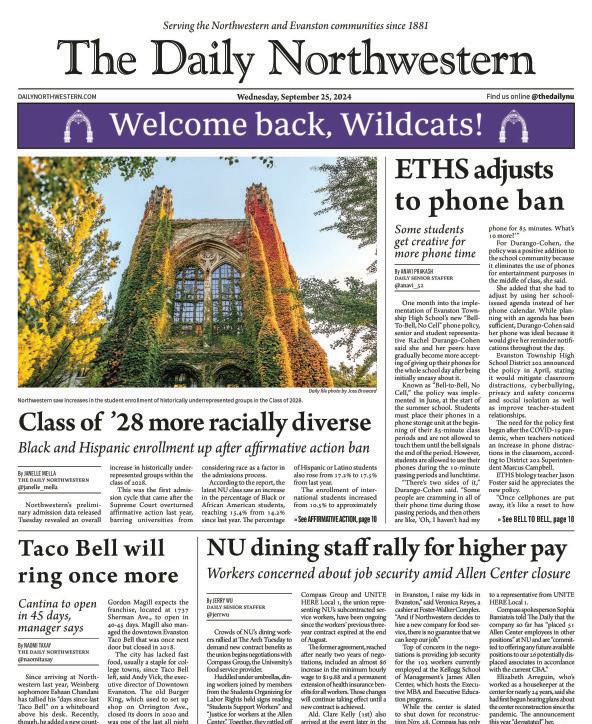











the person to be ambitious for the University. How the University does will reflect back on the individual rather than vice versa. It’s not, I don’t think, personal ambition. It’s a great university, so the question is, how do you sustain its excellence and make it better? … In the long run, maintaining the quality of the University, which is always a work in progress — it’s going to be a substantial set of issues that the new person faces.
If I ever get to speak to the new person, which I assume I will: A lot of good things happen. A lot of not good things happen. You have to have a kind of even keel in this job. It’s not the end of the world when not good things happen. And you shouldn’t get too excited. It’s nice when good things happen. You have to have another day, keep going to work and keep working at it.
The Daily: Is there a confirmed date for the announcement of the new president?
Bienen: Yeah, I think so, but I won’t say it. It won’t be long, I think. But I’m really not at liberty. I think the board should be free to say when it makes its announcement, even when I think I know.
The Daily: In our last interview with you, you had said that you didn’t know the University had a plan if ICE conducted enforcement on campus, and so does the Northwestern University Police Department have a plan in place at this point?
Bienen: I don’t know. There’s been no ICE on campus. I hope there will not be any ICE on campus. But I don’t have a real answer to your question.
The Daily: How is the NU-Q review process going?
Bienen: Yeah, it’s going. So I was planning to be in Doha for commencement, and a set of events made it hard for me to do it. The provost-elect is there now. … He and I and the provost are talking about Qatar a lot, and I think it’s fair to say Qatar is very eager that we renew the relationship. So that’s a process of discussion back and forth. And that process is ongoing. …
Of course, Qatar is a board decision. I have my ideas. I’m positive about the relationship, frankly. … I do think at the end of the day, it’s a Board issue, and a new president has to sign off
on this one. But the conversations are going on. But the wild card is obvious in this fraught area. … There’s just a lot of variables, and nobody can predict with any certainty what the next month will bring, much less the next year.
The Daily: Have there been any decisions about whether learning at NU-Q will stay remote going into next year?
Bienen: My understanding is they’re planning to be on campus. That, of course, is subject to security.
The Daily: The Daily spoke with two Pritzker professors back in December, and they told us that the federal agreement was illegal and the consequence of government coercion. Did NU ever conduct its own legal analysis of whether the funding freeze was legal?
Bienen: It’s the courts that decide what’s legal, not Pritzker professors, by the way. They may have their views, but they’re not the final word on what’s legal. …
I had no idea — neither does anybody else know — what would happen at the Supreme Court, and that process would be two to three years, vast legal costs and huge uncertainty for people who had the grants or wanted new grants.
So it wasn’t my opinion as to whether it was legal or not. It was a feeling that we would be sustained in the courts, up to some level, in a very difficult and complicated process. Mind you, even at Harvard, which won the case, the federal government’s still at them for various things. The federal government — I said this when we did this arrangement — the federal government has a lot of ways to make your life difficult, beyond funding: visas, scholarships, Pell Grants, claiming you did this or that and sending the Justice Department after you. And these folks have not been shy about doing it, so all those things weigh in on the decision.
Is it coercive? Yeah. It’s coercive to stop your funding, to have an end result. I mean, I don’t know other ways you could describe it.
The Daily: If you were to go back to November or October, whenever the negotiation process started, and redo the process of negotiating the deal, is there anything that you would do differently?
Bienen: No. I think I’ve said this in other connections. On the day we got the agreement, (Board of Trustees Chair) Peter Barris and I were both asked to sign it. Maybe because I
was an interim president. I don’t know why they wanted the chairman of the board to sign it. He had to sign it as well as I did. They came forward with new provisos. I think I’ve said that I would not have signed it. Told them, we’ll sue you. So that always was an option. It was not my preferred option, but it was always an option. If they crossed the lines, which I thought those additional provisos did, I would not have signed. And I told Peter, you want to go get a new president, get a new president. And he had the same view. He wouldn’t sign it.
The Daily: Are you at liberty to share what those provisos are?
Bienen: The first one was a couple of paragraphs. I couldn’t believe I was reading it, because the whole agreement was based on the fact they couldn’t look back to relitigate all the stuff from Deering Meadow. This is it. Nobody looks back. But you didn’t have to be the greatest lawyer in the world, which I don’t claim to be, I’m not a lawyer. I read this paragraph and it looked to me like you could easily look back. And so it just vitiated the whole stuff we were bargaining about, so I could not sign. I never even took it to our lawyers. They would have said the same thing. Don’t sign that if you care about not litigating, relitigating.
The other one, which I won’t spell out, but was about something I was thinking of doing. Ironically, they had no idea I was thinking of doing this, but the very fact they asked me to do it made it impossible for me to do it, because I said to myself, and I said to the board, and I said to senior staff, if they intrude on our prerogatives, which this did, I won’t do it. And the thing they wanted me to do, I ironically was thinking about doing, and they made it in my mind, impossible to do because they asked me to do it. Once they asked me to do it, they had infringed on my view of autonomy of the University. So I still think it’s a good idea, but I never did it because they asked me to do it.
The Daily: Where do you hope the next president leads the University?
Bienen: To ever greatness is a trivial phrase. It’s a great university. I care about it deeply, and I hope it’ll just go on being good and getting better. That’s what you want for every institution. It’s a very strong place. I think it’s going to be a strong place in difficult times for higher education, and I don’t just mean the next
couple of years of the Trump administration. I’m very nervous about budgets in the U.S. I don’t think we have sustainable budgets. … So you’ve got to have to do something about these deficits. And I don’t think that’s a great climate for the research universities. We can’t price ourselves. We can’t keep raising tuition. We’ll raise tuition. We’re going to raise tuition again next year. I’m going to have a raise for faculty, but it’s not going to be big numbers. You can’t do this in this game. … What I am committed to — and I will continue to do this if the next president wants — I’m very committed to this campaign for financial aid. I think it was the right thing for us to focus on, and I will work as hard as I can. We have to raise our financial aid.
The Daily: On the topic of faculty and staff raises, you also mentioned the budget constraints. Where will the funds for these raises come from?
Bienen: We have space in the budget for what I would call modest raises. I want to announce it soon. …
One other last thing that I would like to see happen here. On financial aid, we’re creating what I would call a barbell effect in our student body. So you have people who qualify by having low family income for financial aid, and then you have wealthy people who can afford to send their kids here, but there’s a huge middle belt of people who get squeezed. And they get squeezed even if their family income is more than $150,000 a year, which doesn’t sound small, but they may have multiple kids, they may have expensive housing. We don’t have exactly the right formula for financial aid, to my mind, and we need to push the level of income up so that more people in the middle class qualify, while preserving financial aid for people.
To me, the universities have to be institutions of social mobility in the country. They should be good at that. And that means that a lot of smart people who come from families that have low income. … You want to get your best students in here, irrespective of income, and we need to find a better mechanism, and we’re working at it. I think we will. I want to get that done before I’m out of here.
Anavi Prakash, Lexi Newsom and Isaiah Steinberg contributed reporting.
d.luo@dailynorthwestern.com
By Lillian Ali
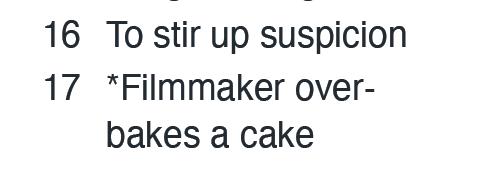

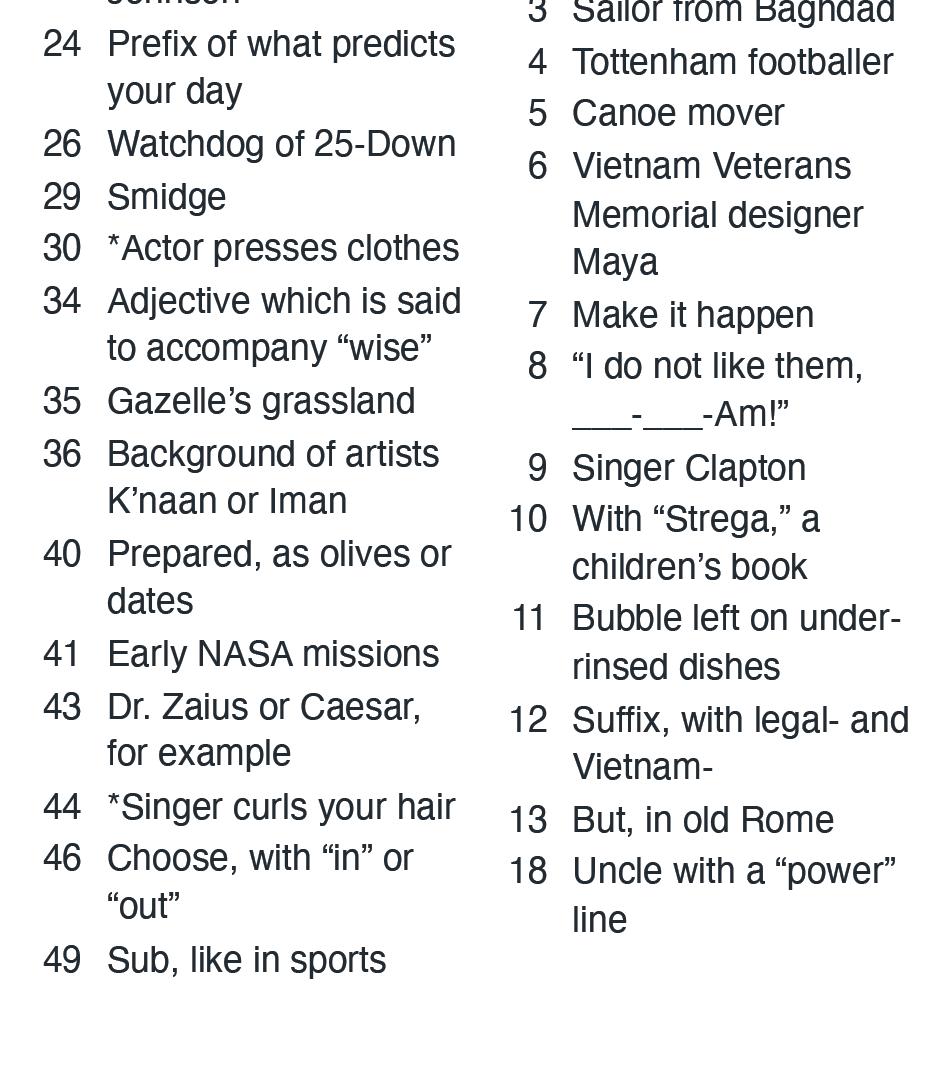

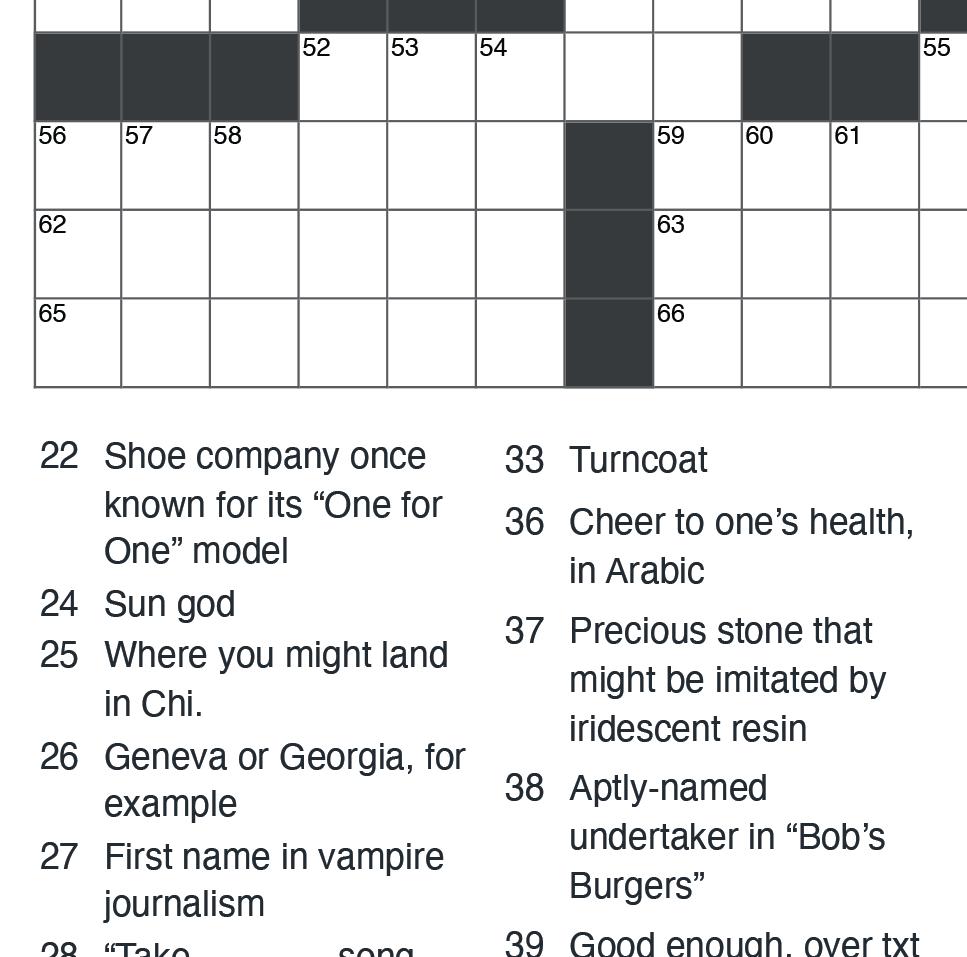
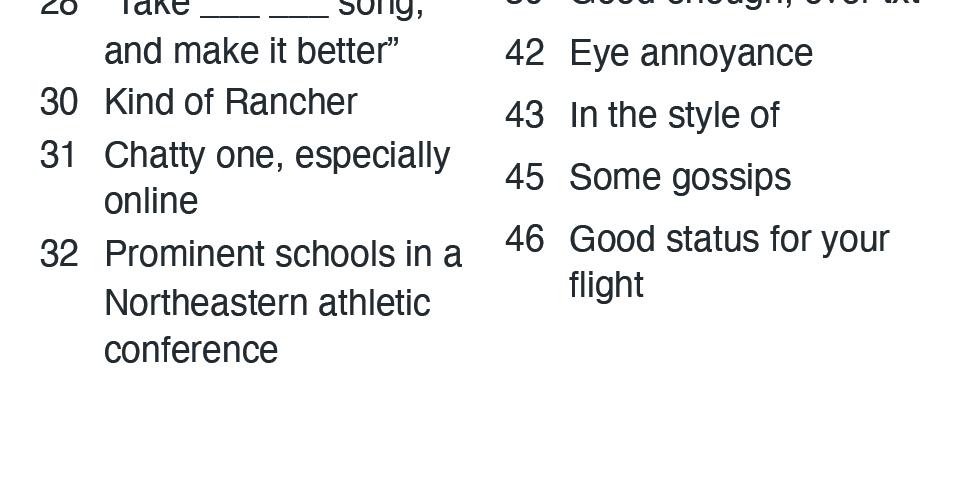
From page 1
housing, would be displaced from Evanston.”
The development hinges on a land swap between the city and Mt. Pisgah Ministry. Evanston is set to acquire the church’s vacant lot at 1813 Church St., where HODC will build the apartment complex. In exchange, Mt. Pisgah Ministry will acquire adjacent city-owned land at the corner of Church Street and Darrow Avenue.
Pastor Clifford Wilson, who has served Mt. Pisgah Ministry since 1973 and is now the oldest tenured pastor in Evanston, said the arrangement will allow his congregation to build a new church in the neighborhood while making room for housing.
From page 1
Kelly said some of her amendments aimed to change language in the plan to better describe and address gentrification.
“I do think that this whole thing needs to be rewritten so that we are addressing the eroding economic diversity of our city,” she said in reference to an amendment that Council later rejected.
Councilmembers then addressed the rest of the amendments one by one. They voted to keep amendments that would require further assessment of certain initiatives and create more specifications around goals and revenue. They rejected several others, including two that would have struck any mention of “just cause” from the plan. “Just cause” provisions prohibit landlords from evicting tenants and not renewing contracts without a valid reason.
Councilmembers ultimately accepted, at least in part, 25 of the 64 proposed amendments. One of
From page 13
left a Post-it in the back of the book, pointing out that she knew Roth. She added that she was proud to be able to share a former student’s work with her son, who loved the story.
With her visit approaching, Roth reflected on her time at NU, recalling her workshop experiences in the fiction sequence.
“I still think about some of the feedback I got
“Where there are people, that’s our business,” Wilson said. “I try to help people, not just for this world, of course, but for the other world.”
City Council approved the construction across five separate votes in 2023. The project was further delayed by a lawsuit from a neighboring property owner, which the city settled for $158,000 last August.
Burns was frank about the significant opposition from homeowners the city had to overcome before greenlighting the project.
“I want to find a way to bring them into the fold,” Burns said. “It felt awkward organizing against my neighbors. That’s not why I ran for office.”
The whole project is expected to cost $22 million,
the most disputed provisions of the plan remained, which includes the goal of permitting and encouraging greater city-wide density. Councilmembers struck down several amendments aimed at limiting density in single-family home neighborhoods.
During public comment, Evanston resident Sheila Sullivan, the vice president of the Southeast Evanston Association, expressed her support for Housing4All, though she said she believed that without the amendments, the Strategic Housing Plan “undercut” the Envision Evanston comprehensive plan.
“These amendments would strengthen the plan by improving transparency, accountability and public trust while establishing important guardrails for future implementation,” Sullivan said.
Still, many residents advocated for the plan’s approval without the amendments. Evanston resident Sam Gaiman criticized one amendment, arguing it tried to increase the share of housing specifically for low and middle-income residents rather than creating new units generally.
from professors,” Roth said.
Among her most formative experiences in the program, Roth remembers when English Prof. Brian Bouldrey introduced her to the work of author Mary Gaitskill. Known for her sexually explicit writing, Gaitskill’s work made Roth blush with every story, Bouldrey said. He also served as Roth’s honors thesis adviser.
“I felt really bad that I subjected her to naughtiness, essentially, but then she chose Gaitskill as her person to imitate (in writing), and she wrote a story that was the best in class,” he said.
mostly funded by the Illinois Housing Development Authority, and with $4 million from the city.
Among those present were Cook County Commissioner Josina Morita and Alds. Shawn Iles (3rd) and Jonathan Nieuwsma (4th).
Housing activists were also in attendance, including Ben Wolfenstein, director of state policy at YIMBY Illinois, an organization that advocates for zoning reform to increase housing supply.
Wolfenstein attributed housing shortages and rising rents to zoning laws, which he called a “labyrinth of rules” that stifle development.
HODC has had its eyes on the lot since 2003, according to Executive Director Richard Koenig, but faced steep opposition from residents and Council.
He said the project remained “dormant” until 2020, when Evanston acquired the Church-Darrow lots.
“Since we’d been involved many, many years earlier, we decided to try again, throw our hat in the ring and see if we could redevelop the property,” Koenig said.
Construction of the Mt. Pisgah Apartments is slated to begin next month and finish by summer 2027.
“We’re just so excited that families can have the ability to afford the place where they live, here in town, near your jobs, near your families, near your support networks,” Koenig said.
m.turetzky@dailynorthwestern.com
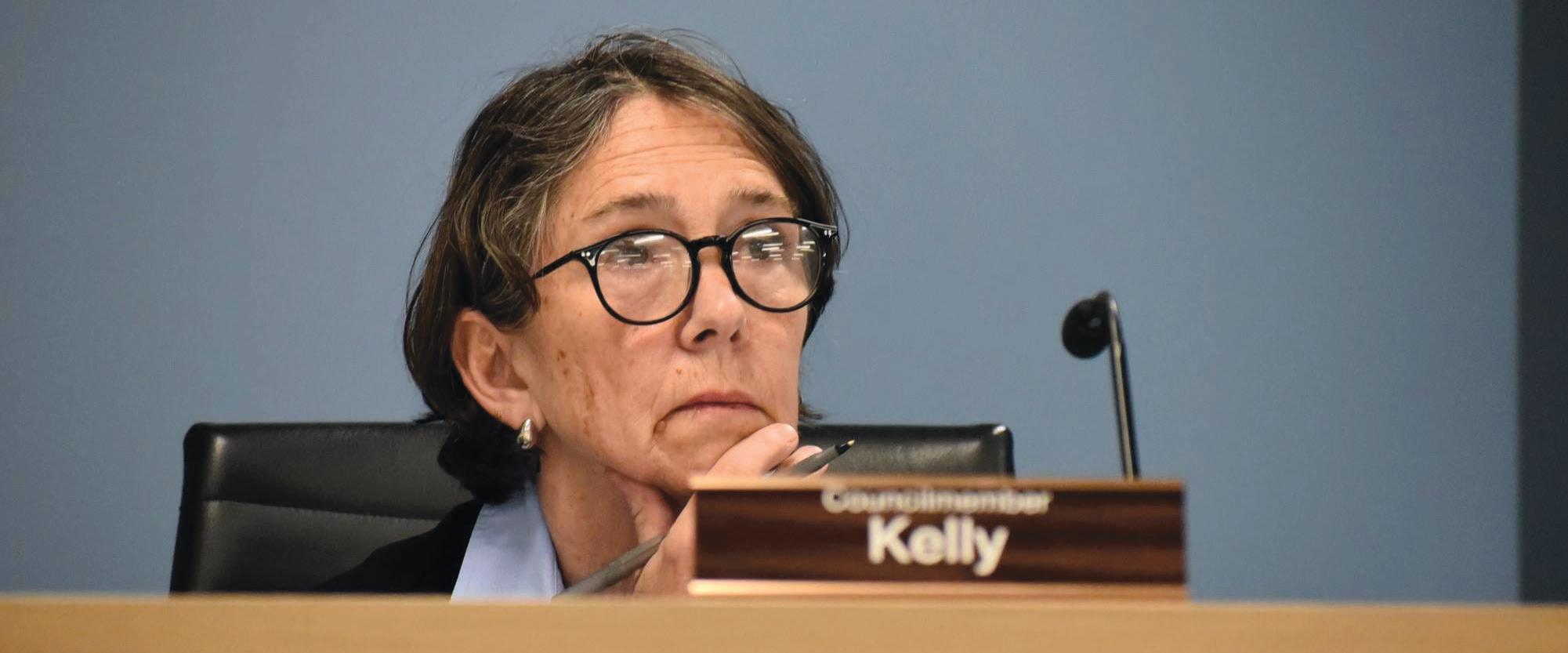
t.bethke@dailynorthwestern.com
i.kunc@dailynorthwestern.com
“The way you fix a supply problem is you can increase the supply,” he said. “You create new housing units. I support all housing. I support tall housing, short housing, housing for the rich, housing for the poor, dense housing. Please let them build.”
Bouldrey added that Roth has always shown great skill across writing forms, from short stories to novels, a versatility that has propelled her through her career.
Despite the fame, Bouldrey said Roth has remained a humble and generous person. When the author visited the English department nearly a decade ago for a panel on young adult writing, he said she displayed genuine enthusiasm.
“She was the one who was asking (the students) questions,” Bouldrey said.
For other young writers, Roth said feedback is vital to improving one’s craft. The early criticism she received in the creative writing department’s workshops helped prepare her for a career as an author, she said.
“My biggest piece of advice is to appreciate those lessons,” Roth said. “Even though it’s hard to hear 14 of your peers tell you what you did wrong, it’s so valuable, and it’s really the only way that you grow as a writer.”
s.gaw@dailynorthwestern.edu
LACROSSE
By AVANTIKA SINGH assistant sports editor
In her first game against her former team, senior attacker and James Madison transfer Maddie Epke recorded a season-high four assists during a decisive victory for Northwestern in the second round of the NCAA DI Women’s Lacrosse Championship.
The Wildcats (16-3, 7-1 Big Ten) beat the Dukes (14-7, 6-1 AAC) 17-5 at Martin Stadium on Sunday afternoon. With the win, the ’Cats advanced to the NCAA Quarterfinals, in which they will take on Colorado on Thursday.
NU relied exclusively on Epke in the draw circle against James Madison, and she recorded nine draw controls, the most of any player in the game. The ’Cats were bested on total draws in the first half, yet NU led 9-3 in goals after the first half.
“With the help of coach and my teammates and how much belief they pour into me, it was easy to get some confidence knowing I know (James Madison’s) style and how they play,” Epke said
postgame.
Even when the Dukes won the draw, they were unable to convert their scoring opportunities into goals. Just 12 of James Madison’s 23 shots were on goal, compared to NU’s 26 of 33 shots.
The ’Cats’ relentless offensive pressure maintained their upper hand throughout the game.
Senior attacker Madison Taylor alone scored a game-high eight goals, her highest mark in a game this season. Taylor now sits at second all-time in career NCAA Tournament goals with 52.
According to coach Kelly Amonte Hiller, the key was playing zone offense, which the ’Cats practiced all week in preparation for playing the winner of Friday’s first round matchup between James Madison and Notre Dame.
“They both play really hard. They’re gritty, they go strong after ground balls and draw controls,” Amonte Hiller said postgame. “We knew we were gonna have to do the things that we do well today.”
NU’s shooting accuracy was deadly, and James Madison’s defense couldn’t stop ’Cats from getting scoring chances. The Dukes didn’t cause a
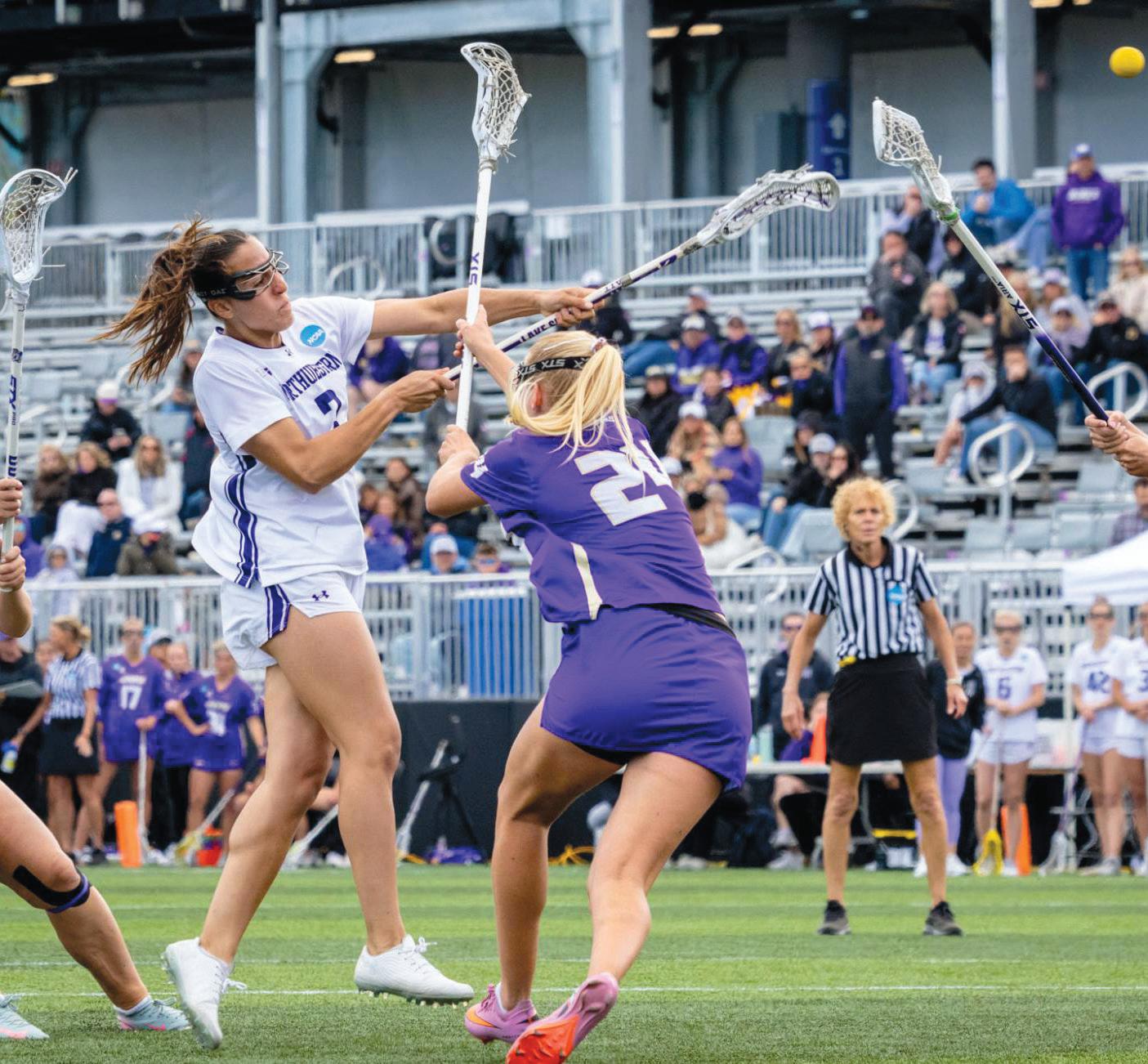
single turnover until the final five minutes of the first half, despite entering the game averaging 12.05 caused turnovers per game, the sixth-most in the country.
James Madison racked up fouls instead of goals. NU’s first goal of the game came from a free position attempt. Taylor scored off an assist from junior attacker Taylor Lapointe, and by the end of the first period, she had secured a hat trick.
Seven Dukes proceeded to receive green or yellow cards in the ensuing three periods. In the second and fourth periods, the ’Cats pounced on extra-man opportunities, scoring two goals with a player advantage. NU finished the game with zero penalty cards and half as many fouls as James Madison.
Sophomore attacker Aditi Foster and junior midfielder Noel Cumberland joined Taylor as multi-goal scorers, recording four and two goals, respectively.
While NU’s offense steamrolled James Madison, graduate student goalkeeper Jenika Cuocco and the ’Cats’ defense stonewalled the Dukes from cutting into the lead.
“The offense, they capitalize, they want to play for when the D makes a stop,” Amonte Hiller said.
“It’s just a great level of cohesion, and in order to do well at this level, you have to have great defensive play and great goalie play.”
Cuocco posted a 58.3% save percentage over the game, building on her previous four-game streak of save percentages at 50% or higher. Redshirt sophomore defender Mary Carroll recorded two ground balls and three caused turnovers, matching her season-highs in both stats.
After the first period, the ’Cats’ defense didn’t let the Dukes score more than once in a period, letting their offense extend the lead. For Amonte Hiller, NU’s ability to prevent its opponents from building momentum while keeping up its offensive pressure is a point of pride for the team.
“Early on in those first games, we didn’t have that level of resiliency. We kind of let one (goal) spiral into two, three, four,” Amonte Hiller said. “I think now, it’s like, one play’s not gonna define us, and we’re just gonna keep battling.”
NU takes on Colorado in the quarterfinals at Martin Stadium on Thursday at 1:30 p.m.
a.singh@dailynorthwestern.com
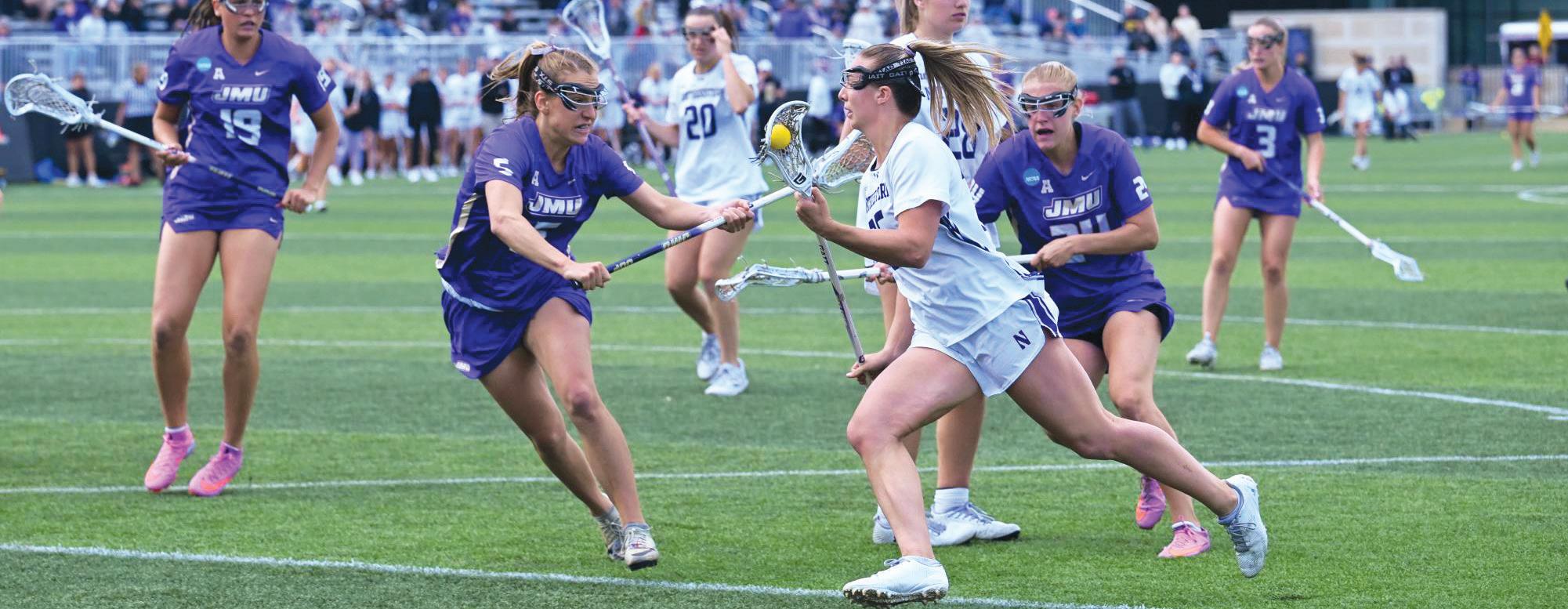
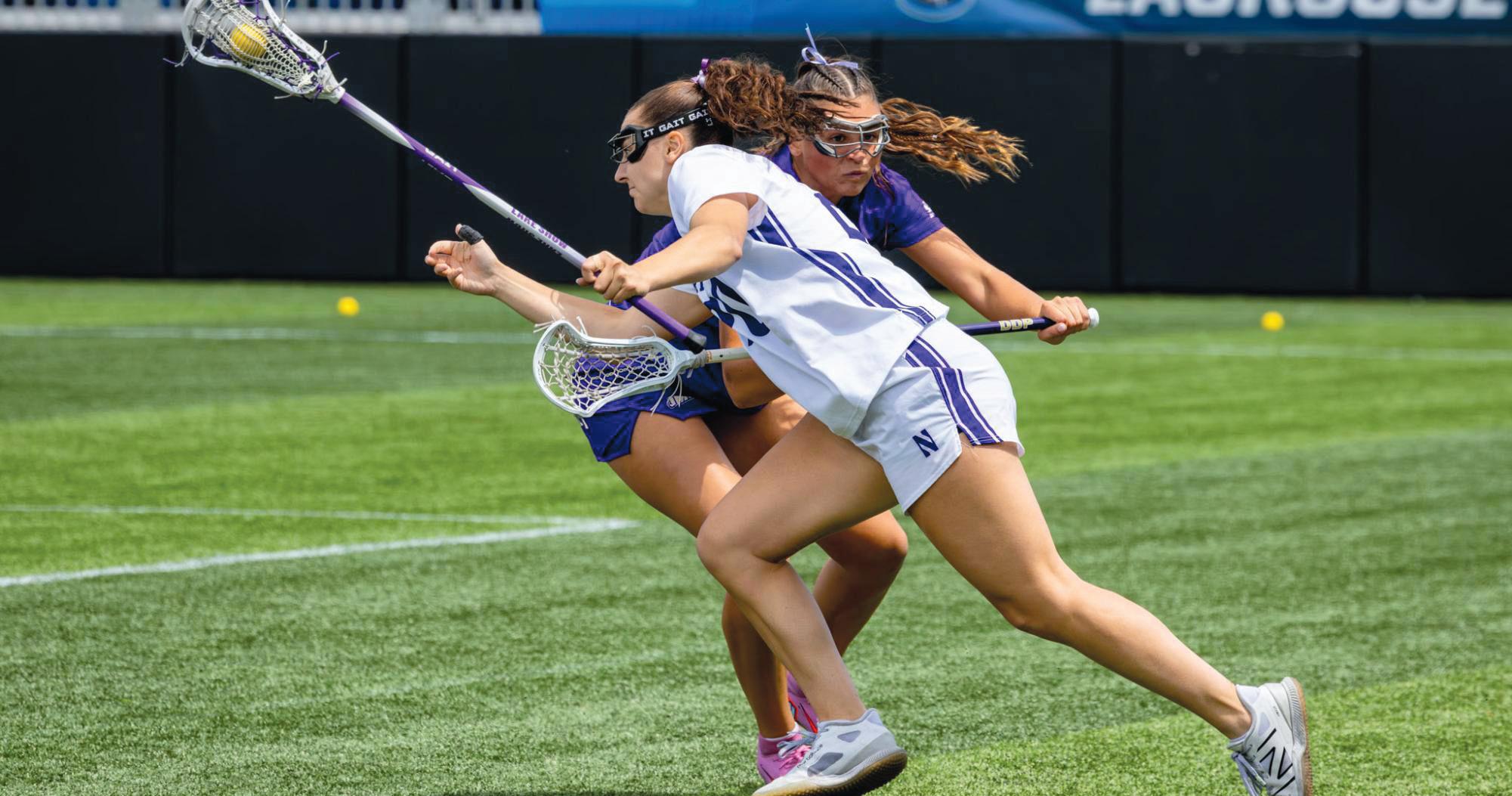
By YONI ZACKS newsletter editor
The book officially closed on Northwestern’s 2026 season after the team was not selected for the 64-team NCAA Softball Tournament field Sunday.
This year’s early finish comes just two years after the ’Cats won back-to-back-to-back Big Ten regular season championships from 2022 to 2024, making them one of just two Big Ten schools to accomplish the feat.
After making the tournament in every
The Wildcats (29-21, 16-8 Big Ten), who lost their lone conference tournament game to No. 11 seed Penn State, were listed third on the selection committee’s “First Four Out” ranking.
non-COVID year since 2018, NU will be watching from home for the remainder of the season.
The last time the ’Cats didn’t make the tournament was 2017. NU finished 25-29 that year, the only time in the last decade it finished with an under .500 record.
The end of the season also marks the end of the NU careers of five players: graduate students
catcher Abby Harvey and infielder Grace Nieto, senior infielders Bridget Donahey and Kansas Robinson and senior outfielder Kelsey Nader.
Under coach Kate Drohan, NU has missed the tournament just five times in 25 years while making three Women’s College World Series appearances in the same stretch.
y.zacks@dailynorthwestern.com
By ANDREW LITTLE assistant sports editor
After entering the weekend needing at least one win to stay in the Big Ten Tournament race, Northwestern dropped all three games at Illinois to officially end its postseason hopes.
The Wildcats (20-28-1, 7-20 Big Ten) are now tied for the worst record in the conference and are out of the running for a top-12 finish, which is required for a Big Ten Tournament berth. The Fighting Illini (27-23, 13-14 Big Ten) clinched a spot in the tournament and jumped to the eighth seed after the weekend sweep.
Illinois opened the weekend with a 12-0 run-rule victory Friday. Graduate student lefthanded pitcher Ryan Weaver started for the ’Cats. Through the first two innings, he gave up two hits and one run as Illinois jumped out to a 1-0 lead.
In the third inning, the Fighting Illini added seven runs. Sophomore left-handed pitcher Alex Grant closed out the inning for Weaver, who finished the game with 2.2 innings pitched,
seven hits allowed, eight earned runs and three strikeouts. Illinois scored four runs in the fourth inning, including two unearned due to a throwing error by Grant, to extend its lead to 12-0.
Freshman left-handed pitcher Sam Michel pitched the final 2.1 innings for NU, his first collegiate appearance over an inning, allowing two hits and no runs.
The ’Cats struggled to respond at the plate, mustering six hits and no runs in the game. Senior third baseman Owen McElfatrick was the only NU batter with multiple hits, going 2-for-4 with singles in the first and seventh innings.
Saturday’s matchup was much more competitive. Illinois took an early 3-0 lead, scoring one run in the first inning and two runs in the second inning. Sophomore right-handed pitcher Matthew Kouser battled back in the next four frames, giving up just one hit between the third and sixth innings.
McElfatrick homered in the sixth inning to get the ’Cats on the board. He then added his second RBI of the game in the eighth inning, scoring senior left fielder Marty Kaplan and
cutting the deficit to 3-2.
Freshman left-handed pitcher Jake Rifenburg kept the Fighting Illini scoreless in the seventh and eighth innings, as NU entered the ninth inning trailing by one run.
Sophomore catcher Jay Slater and freshman first baseman Nick Barron reached to give the ’Cats runners on first and third base in the top of the ninth inning, with a double and single respectively. Sophomore Charlie Caruso and junior Griffin Mills entered as pinch runners for Slater and Barron, respectively.
In a baserunning move meant to give Caruso a chance to reach home from third base, Mills got caught in a pickle between first and second base. Caruso was unable to score before Illinois tagged Mills out.
Freshman designated hitter Jake Yang stepped up to the plate with two outs, and walked after fighting through an eight-pitch at-bat. Junior right fielder Jackson Freeman reached on an error, scoring Caruso to tie the game 3-3. Kaplan then struck out to end the half inning.
On the third pitch of the bottom of the ninth inning, Illinois catcher Will Johannes knocked
a walk-off solo home run off Rifenburg, giving the Fighting Illini a 4-3 victory.
Sunday’s game mirrored Friday and Saturday’s early hot starts for Illinois, as the hosts scored four runs in the first inning off graduate student right-handed pitcher Sam Hliboki. They combined for five runs in the second, third and fourth innings for a 9-0 lead.
Senior center fielder Jack Lausch launched his 14th home run of the season, a team high and tied for 11th most in the Big Ten, in the sixth inning to cut the score to 9-1.
Illinois scored its 10th run in the eighth inning, while NU got a late spark from its freshmen batters. RBI hits from Yang and Barron added two runs in the ninth inning of the Fighting Illini’s 10-3 win.
The ’Cats have not reached the conference tournament since 2017.
NU finishes its season over the weekend, hosting Rutgers, which is currently in a fourway tie for the final three spots in the Big Ten Tournament.