
MISSISSIPPIAN
Thursday, March 19, 2026
2026 ASB candidates vie for your votes

LEXI KRENIS News Staff Writer
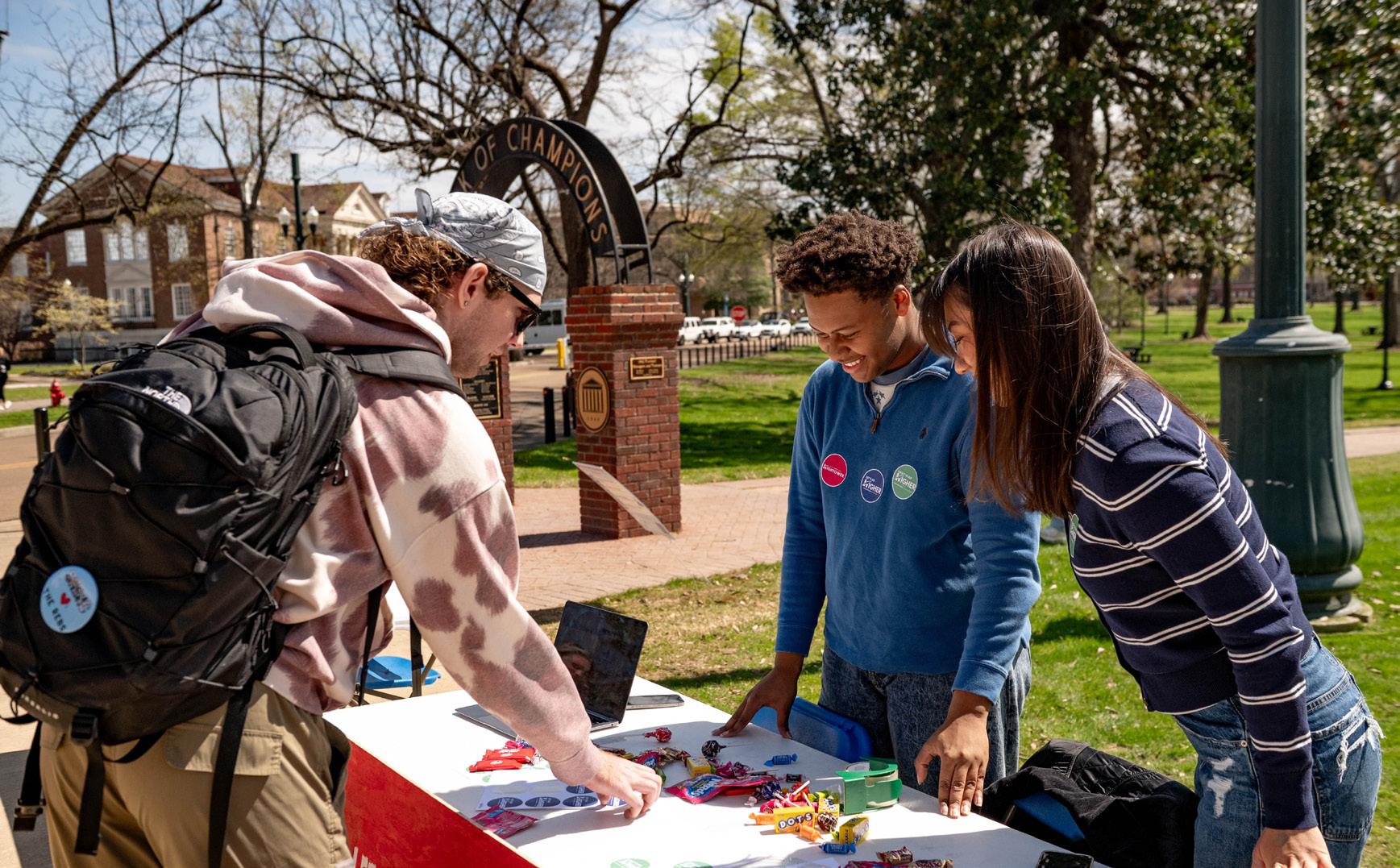
Associated Student Body executive and senate candidates, alongside their campaign teams, are lining the Union Plaza until March 24. Using their custom tablecloths, stickers and friends to campaign, candidates are competing for support from the University of Mississippi student community in this year’s Associated Student Body election.
Students will be able to vote on myOleMiss in the Get Involved and Vote in Student Elections tabs from 7 a.m. to 7 p.m. on Tuesday, March 24. In the event of a runoff election, campaigning will continue on March 25 and 26, and voting will reoccur from 7 a.m. to 7 p.m. on Thursday, March 26.
Current ASB President Jack Jones elaborated more on the election process.
“The Department of Justice oversees the election process,
and that is run by our Attorney General Madison Waldrop,” Jones said. “This week and into the election days, you will see people campaigning and talking about what they want to do for the university and student body. It gives the candidates the opportunity to relay to the student body what they plan to do if elected.”
President
Jalon Hightower is a ju-
Fired UM employee’s lawsuit against Chancellor Glenn Boyce dismissed by federal judge
CLAY HALE Editor-in-Chief
Federal Judge Glen H. Davidson dismissed fired University of Mississippi employee Lauren Stokes’ lawsuit against UM Chancellor Glenn Boyce on Monday, March 16. In his opinion, Davidson wrote that the plaintiff had failed to make a case that her First Amendment rights had been infringed upon.
“Having failed to show a violation of her constitutional rights or the unlawfulness of the Defendant’s conduct was ‘clearly established at the time’ of the alleged misconduct, the Court finds the Defendant is entitled to qualified immunity and the Plaintiff’s First Amendment retaliation claim against the Defendant in his individual capacity must be dismissed,” the opinion said.
On Tuesday, Stokes’ attorney Alysson
Mills told the Mississippi Free Press that Stokes plans to appeal Davidson’s ruling.
“This is not the law as we understand it,” Mills said. “This is the heckler’s veto. We intend to appeal to defend the rights of employees at the University of Mississippi.”
Stokes was fired from her position as executive assistant for the vice chancellor for development at the university on Sept. 11 after she reposted on her personal Instagram account on Sept. 10 a post from another user that condemned the beliefs of conservative activist Charlie Kirk, who was killed at Utah Valley University earlier that day.
An appeal would be heard by the 5th U.S. Circuit Court of Appeals in New Orleans.

KEY TO WOMANHOOD
What does it mean to be a woman?
SEE PAGE 8
nior from Kosciusko, Miss., double majoring in political science and multi-disciplinary studies. Hightower has served in the senate since Nov. 28, 2023 and is currently the committee chair for inclusion and cross-cultural engagement.
“I’m choosing to run for ASB President because of the experiences I’ve gained in student advocacy and leadership that continues to inform my decisions everyday. What has specifically informed my de-
cision to run has been seeing the direction Ole Miss is going in and hearing student visions of ‘what Ole Miss should be,’” Hightower said. “After seeing and aiding in the tremendous work of this current presidency and vice presidency, I hope to carry on their legacies and the many before them by prioritizing student concerns as we work with student leaders and university adminis-
ASB
ASB Senate dissolves athletics committee
AKAYLA HUGHES News Staff Writer
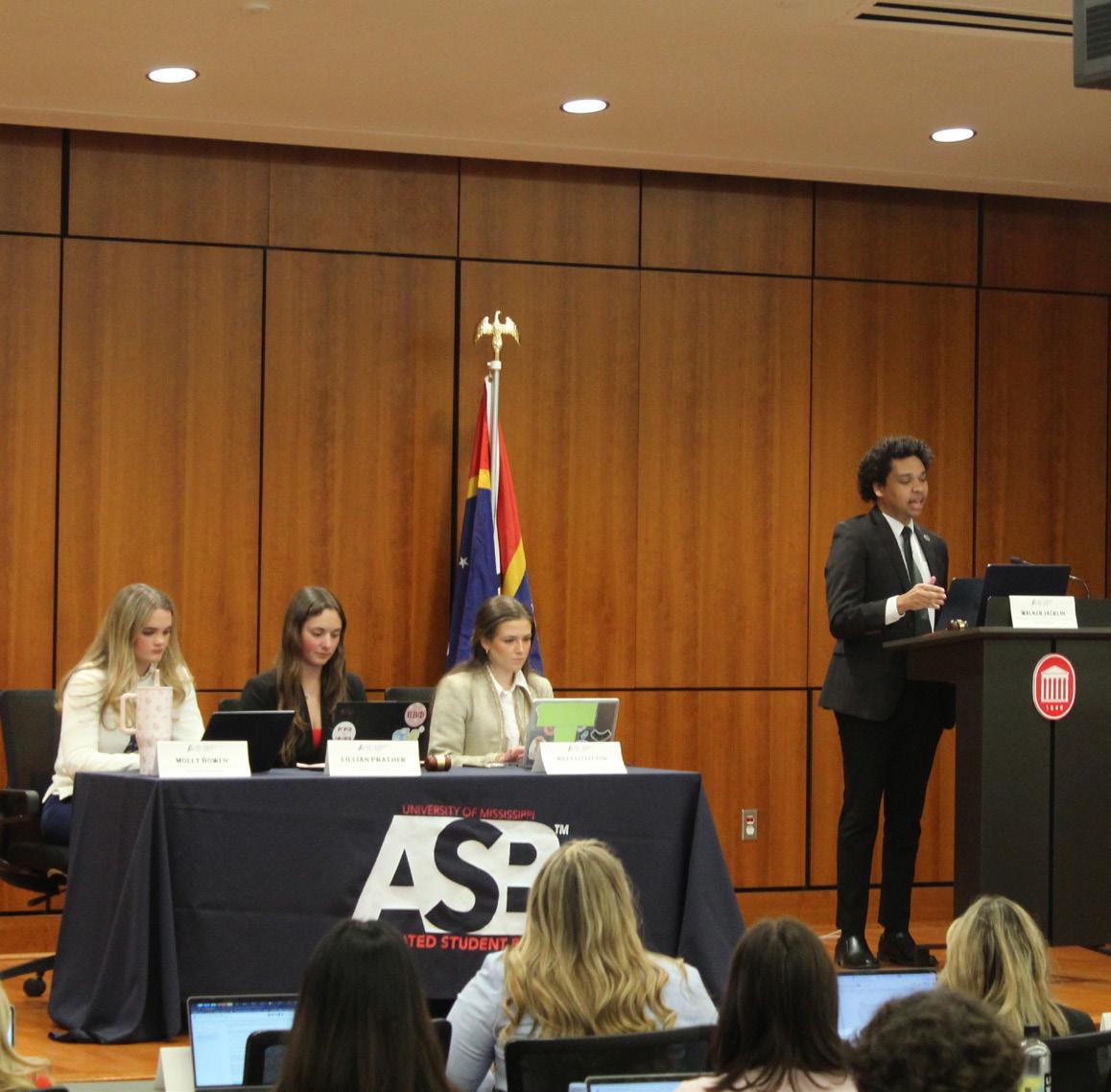
The Associated Student Body passed a bill during the Tuesday, March 17, formal ASB Senate session that would disband the athletics committee in the Gertrude C. Ford Center Ole Miss Student Union Auditorium. ASB President Jack Jones plans to approve the committee’s dissolution, making the measure official. All members of the athletics committee presented SB 26-11 on the senate floor, which called for the athletics committee to be dissolved. Athletics Committee Chair Jack Turrentine, a junior public policy leadership and rhetoric double major from Knoxville, Tenn.,
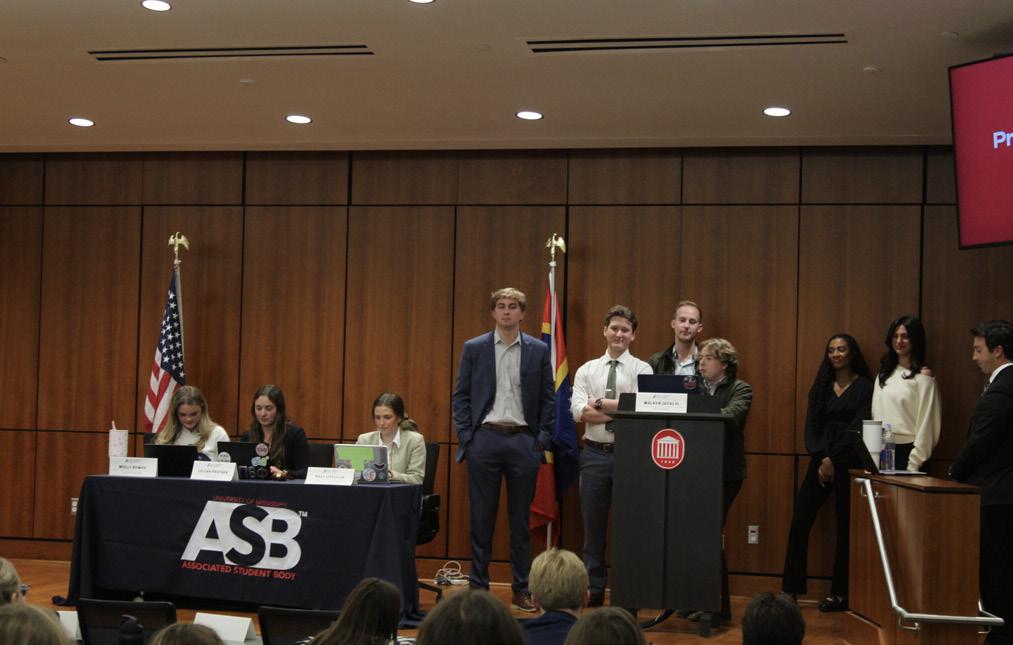
Athletics Committee addresses the ASB Senate in the Gertrude C. Ford Ole Miss Student Union on March 17.
AKAYLA HUGHES / THE DAILY MISSISSIPPIAN
trators to efficiently create stable, long-term solutions.”
OC Williford is a junior public policy leadership major from Madison, Miss. Williford currently serves as the president’s chief of staff. She is also involved in Ole Miss Ambassadors and is a member of The Columns Society.
“I believe in the students of Ole Miss. This university challenges its students daily in countless ways, and in return, I want to challenge Ole Miss to further grow its commitment to excellence for each and every student,” Williford said.
“Serving as ASB President is a privilege and an opportunity beyond words, but an even greater honor is serving the students of Ole Miss. … Ole Miss owes me nothing, but it has given me everything — it is only my duty to give back by leading with purpose and by magnifying the student voice.”
Vice President
Eli Keel is a junior public policy leadership major from Vinemont, Ala. Keel has served as an ASB Senator and currently serves as the special advisor on graduate student council and faculty senate relations in the ASB President’s Cabinet.
“I want to be ASB’s next VP because I want to help our student leaders help people. I know the legislative process and how the senate runs, and I also understand how our senator’s resolutions become changed on this campus. I know who to call and where to route policy from my time as special advisor to the president,” Keel said. “I am eager to serve because I want to be a beacon of the love (Jesus) Christ called us to give to one another. I also have a deep affinity for this university, and after years in ASB, I have had great role models whom I hope to emulate in just a small way should I be elected
to lead our legislative branch.”
Corey Kingery is a sophomore public policy leadership major from Meridian, Miss. Kingery currently serves as an ASB Senator.
“I’m running for ASB Vice President because I believe we’re at a pivotal moment for our university. Ole Miss is entering a new era of growth and opportunity, but the standard of leadership, accountability and service that defines ASB should never change,” Kingery said. “I care deeply about strengthening communication, supporting senators and creating a culture of follow-through. … I know I’m prepared to lead in this moment. I’ve put in the work, I understand the responsibility, and I’m committed to upholding the same standard that students expect, while helping move ASB forward into its next chapter.”
Josie McCarey is a sophomore with a double major in public policy leadership and international studies from Marietta, Ga. McCarey currently serves as ASB’s Panhellenic Senator.
“I’ve always had a passion for serving my community — there truly is no better feeling than interacting with people whose lives you have actively made better … I am running for vice president because I want to foster these experiences for our ASB members and increase the impact that we make on the student body,” McCarey said. “Being elected by the student body to be vice president would inextricably link me to (its) joys, struggles and experiences. I want to leave a legacy that is greater than myself, and I realized that I could make the greatest impact in this role.”
Trey McKean is a junior public policy leadership major from Fairhope, Ala. McKean served as the vice chair for the senate’s athletics committee, which the organization dissolved during its formal senate meeting on Tuesday, March 17.
“I want to become the next ASB Vice President because I want to make a positive impact
on this university. I aim to create an environment in the senate where student leaders can create impactful projects that benefit the students directly,” McKean said. “My past two years in the senate have been an exceptional experience, and I want to build on that by running for this position.”
Brady Moore is a senior with a double major in public policy leadership and history from Lovington, Ill. Moore has served as a senator for the past three years.
“I want to be ASB VP for one simple reason: I want to lift and empower students here at Ole Miss,” Moore said. “Students are being asked to do more every single day than in years prior, and our students answer this call. We face new challenges, but one thing that can keep our world spinning is positivity. I bring positivity everywhere I go, and it is the right mindset that we need to keep our university and community growing. By leading the campus senate, I can lead our senators to always put students first every single day by helping them with their legislative projects and not taking credit for their actions. Leadership is a selfless job, and I plan to make sure the students feel that impact.”
Secretary
Caroline Croley is a junior with a double major in public policy leadership and English from Atlanta. Croley served as the secretary this past term and is running unopposed for re-election.
“I want to be ASB Secretary because I want to continue the work that I have done over the past year, without … the added difficulty of having to learn the position along the way,” Croley said. “Additionally, there are several items that I implemented this year and that I want to continue long after I (graduate), like the Holman Fund Fall Classic and the Adopt-ABasket internal competition.”
Treasurer
Jackson Doss is a sophomore with a double major in public policy leadership and accountancy from Oxford. Doss currently serves as the head deputy comptroller in the ASB Treasury’s Department.
“I have had the opportunity to serve under the treasury de-
partment for a year and a half, with the last year serving as the head comptroller. During my time within the department, I’m proud of the work we have done and what we can continue to do. I am running under the slogan, ‘Doss Delivers Dollars,’” Doss said in an Instagram post.
“With your vote, I will ensure that registered student organizations across campus receive adequate funding for any expenses they might need during the school year. More student organizations deserve more funding, and I will deliver.”
Paul Winfield is a sophomore with a double major in public policy leadership and interdisciplinary studies from Vicksburg, Miss. Winfield currently serves as an ASB Senator.
“I’m running for treasurer because students deserve transparency and accountability when it comes to the Student Activity Fee. Every student pays into it, and you should be able to clearly see where that money is going,” Winfield said.
“What ultimately pushed me to run was my experience working with student organizations and seeing how confusing and restrictive funding processes can be. I’ve seen how that lack of clarity can limit opportunities, and I want to help change that.
I believe I’ve demonstrated that trust through my work on campus, and I’m ready to take on a larger responsibility in a way that is forward-looking, creative and focused on students.”
Attorney General
Lucy Allen is a junior public policy leadership major from Brookhaven, Miss. Allen has served within the department of justice since her freshman year, most recently as deputy attorney general of elections engagement.
“I want to be ASB’s next attorney general because I am passionate about maintaining a process that is both fair and accessible for all students but also fun. My experience has shown me how important it is to maintain the integrity of elections and the ASB code while also ensuring that students are comfortable engaging in the process,” Allen said. “Serving as attorney general would be a continuation of the work I have already been doing within the ASB Department of Justice, but with increased responsibility and leadership. I was inspired
to run for this position because I want to build and improve upon the precedent set before me.”
Alex Griggs is a junior transfer student with a double major in psychology and economics on the pre-law track from Atlanta. Griggs is a two-year member of ASB and currently serves as vice chair of the committee on governmental operations.
“I want to be attorney general because of my love for the ASB (Constitution and Code), as well as elections. Working on the committee on governmental operations, I had the unique opportunity to work both the legislative side of the code, as well as serve as a voting member on the election review board,” Griggs said. “The biggest inspiration for me has been the student leaders I have worked under. These past two years, I have been able to see how ASB serves the student body for the better, and that community is something that made me transfer here to Ole Miss. In my final year here, I want to give back to the community that has given so much to me.”
Judicial Chair
Ashlyn Minga is a junior biomedical engineering student on the pre-law track from Hattiesburg, Miss. Minga currently serves as the vice chair of both the judicial board and the university judicial council.
“I want to be the next ASB Judicial Chair because I deeply believe in the importance of the conduct process at our university, and I want students to better understand the conduct process and restorative justice principles we practice,” Minga said. “I have seen both Cross Del Tatto and Diego Abele (past ASB Judicial Chairs) make a meaningful impact on campus through the way they led the ASB judicial branch, and it would be such an honor to contribute to the university in that same way.”
Senior Class President
Ella Key is a junior finance major from Diamondhead, Miss. Key currently serves as ASB Deputy Attorney General of the ASB Constitution and Code.
“I want to serve as ASB’s next senior class president because of how much the class of 2027 and this university mean to me. I was inspired to run because I wanted to do something
Jalon Hightower campaigns on the Union Plaza on March 18.
JACK KIRKLAND / THE DAILY MISSISSIPPIAN
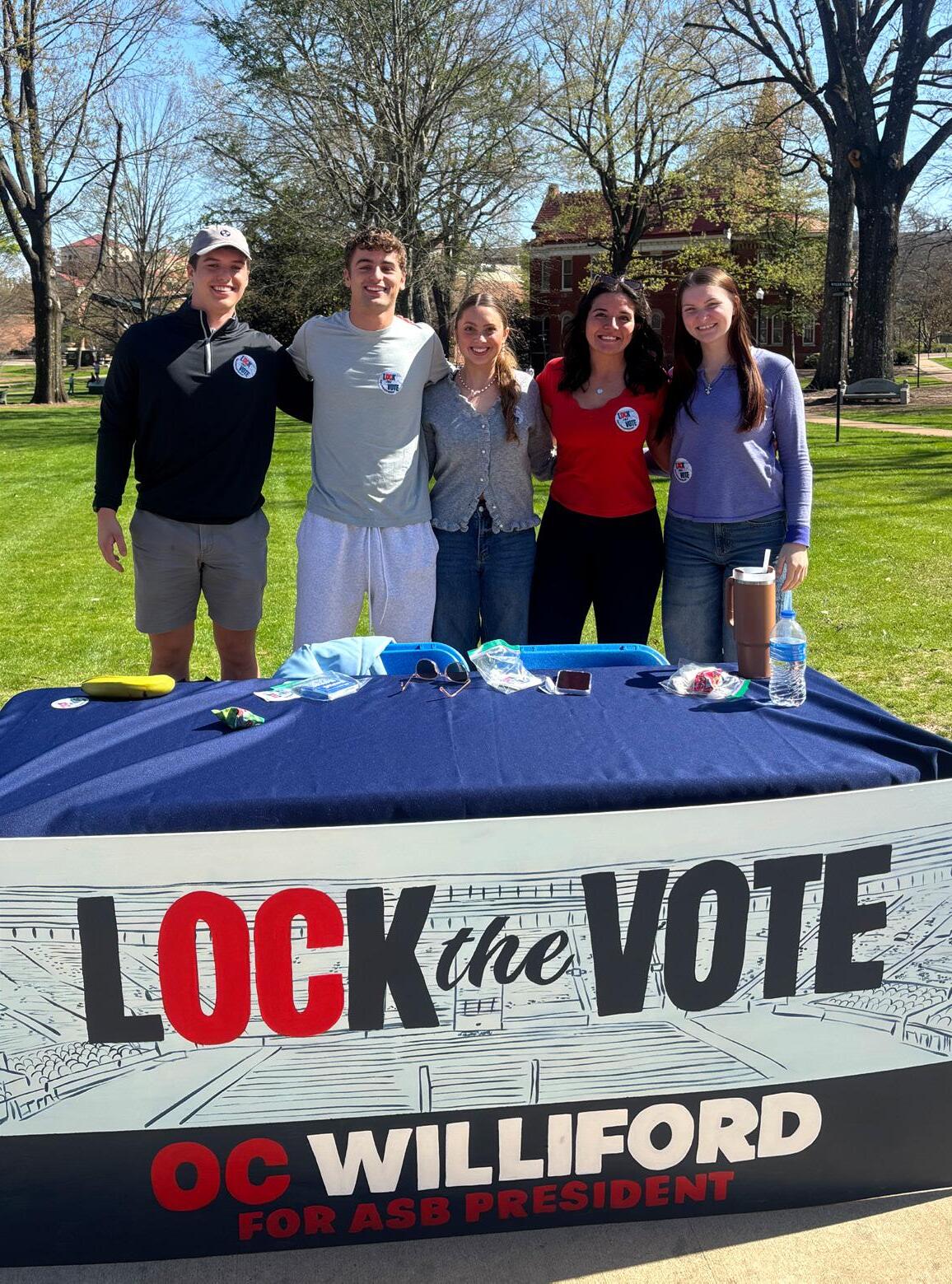
Davis Thompson, Abe Stonecipher, OC Williford, Emma Kennedy and Bianca Hemsath at the Union Plaza on March 18.
PHOTO COURTESY: OC WILLIFORD
purposeful with my senior year, not just for myself but for the people I’ve shared this experience with,” Key said.
“I also realized how important senior year is as a closing chapter, as it is one of the last times we are all in the same place before going in different directions. That made me want to be more intentional about how that time is shaped. I want to help create moments that bring people together and make everyone feel like they are truly part of something special before we leave.”
Senior Class Vice President
Elisabeth Miller is a junior with a double major in chemical engineering and public policy leadership from Corpus Christi, Texas. Miller currently serves as chair of ASB’s Committee on Housing.
“Our time at the University of Mississippi is shaped, more than anything else, by the people we meet. No group has impacted me more than my fellow students in the class of 2027,” Miller said. “I am running for senior class vice president to give back to the people and experiences that have made this university feel like home and to help our final year together be meaningful and memorable.”
Elle Nassar is a junior with
ATHLETICS COMMITTEE
continued from page 1
spearheaded the presentation.
“This is something that we have been working on for a couple months, we wanted to push it to the senate so it would be as easy as possible to roll over dissolving the committee on athletics,” Turrentine said.
The athletics committee was designed to serve as a liaison between the university’s student body and Ole Miss Athletics. The committee was first organized to represent student interests in athletics and to promote student engagement and school spirit.
“We have not been able to do a ton, and I do not think that is (from) the lack of effort. I think from the outside looking in it is easy to make an assumption,” Turrentine said. “We came in with the mindset that we were going to
a major in public policy leadership from Cleveland, Miss.
“I decided to run for senior class vice president because I am passionate about serving our class and our university through servant leadership. Ole Miss has been the biggest blessing, giving me intentional friendships and wonderful opportunities that have allowed me to grow exponentially throughout my time here,” Nassar said. “I was encouraged to run for this role when thinking about my final year at the university. The idea of leaving a strong lasting legacy for our class encouraged me to run. I believe our class is full of strong leaders and ambitious students who will do well for our world and I would be honored to play a small role in making our senior year special.”
While not in effect for this semester’s elections, changes aimed to improve communication between the ASB’s election review board and candidates will come in the fall. During the ASB Senate on Tuesday, March 17 in the Gertrude C. Ford Student Union, ASB President Pro Tempore Wesley Templet and Chair of Student Life Eron Hendrix presented Senate Bill 26-12 in an effort to ensure “fair, fun and free” elections.
If passed, the bill would call for a new communication protocol to assist can-
make some changes. We were going to have some projects, maybe if it wasn’t a bill before, we were going to make something happen. But that is just not structurally possible with the way the athletics committee is structurally set up.”
Trey McKean, previous vice chair of the athletics committee and current candidate for ASB Vice President, explained that the committee’s past special projects included efforts to expand space for registered student organization tailgates in the Grove during football season, to facilitate hunting license purchases and to create a quiz that would match students to RSO’s based on interests. None of these projects, among others, gained traction logistically to move forward with implementation, he said.
McKean pointed to a lack of cohesion with Ole Miss Athletics as the reason for the committee’s inability to execute its goals. He said there was not a direct, efficient line of communication
THE DAILY MISSISSIPPIAN EDITORIAL staff
CLAY HALE editor-in-chief dmeditor@gmail.com
RAEGAN SETTLE managing editor dmmanaging@gmail.com
SYDNEY STEPP copy chief thedmcopy@gmail.com
CAMERON LARKIN digital editor dmdigitaleditor@gmail.com
AIDAN PONIATOWSKI news editor thedmnews@gmail.com
DYLAN THOMAS assistant news editor thedmnews@gmail.com
didates that did not receive or see important emails sent regarding elections.
“I believe that this is utterly necessary to protect the fairness of the election process, even though it may cause a little bit of hard work for the DOJ,” Hendrix said.
Hendrix and Templet believed that the current code does not lay out the protocol for alleged parties when responding to ERB complaints. The bill proposed strives to outline specifics.
“I believe that making this process clearer helps the candidate and the (Department of Justice),” Hendrix said.
SB 26-12 amendment passed with a unanimous vote, followed by a vote of 30-7 to pass the bill on the senate floor.
Editor’s note: Paul Winfield, Pegah Vasighi-Ansanfar and Tyler Boecker have served as opinion writers for The Daily Mississippian during the 2025-26 academic year. The DM does not endorse these candidates or any others running for ASB office. Winfield is not associated with the DM for the duration of his campaign.
CONTACT THE NEWS DESK AT thedmnews@gmail.com
between Ole Miss Athletics and the athletics committee.
“(The athletic department has) so many things to worry about, and we’re just low on the totem pole. They do a fantastic job, but we’re just not the priority,” McKean said.
ASB Principal of Athletics
Sarah Claire Sypeck and the ASB Executive Department have achieved better communication with Ole Miss Athletics, working with Vaught-Hemingway Stadium to carry out much of what the athletics committee was designed to do. This work has included efforts to lower concession prices.
SB 26-11 was unanimously passed on the senate floor, effectively dissolving the athletics committee.
The student life committee will take over the responsibilities of the now-dissolved athletics committee, which include the recreational portion of athletics, collaboration with the South Campus Recreation Center and other similar duties.
ASB SENATE CANDIDATES
ACADEMIC SENATOR CANDIDATES RSO SENATOR CANDIDATES
Nate Millen
Pejah Llyod
Karissa Sena-Fadenrecht
Jack Leslie
James Cayne Peel
Micah Grussenmeyer
Ali Kate Stine
Ashton Rowland
Hayden Pennington
Jayden Olson
Parker Lundin
Alexander Abadie
Owen McCarter
Anjolia Terry
Kachren Lacy
Kori Jeffries
Michael Cavanaugh
William T Maya
Keighan Wortham
Carmela Coulter
Jalyn Brock
Urbyn Winters
Will Thompson
Andrew Evans
Christian Sloan Brooks
Conner Ball
Tres Jones
Sara Abdrabbo
Allyson Hamilton
Cait Mayo
Dylan Quinn
Tyler Boecker
Abdullah Zaman
Braedan Echevarria
Edward E Wilson
Ethan West
Teagan Pucel
Georgette Gulley
Ray Lambert
Pegah Vasishi-Ansanfar
Zoe Boulillion
Hannah Oommen
Slade Thompson
CONTACT THE
thedmnews@gmail.com
JAYLYNN CONNER arts and culture editor thedmfeatures@gmail.com
JESSICA JOHNSON assistant arts and culture editor thedmfeatures@gmail.com
RUSS EDDINS sports editor thedmsports@gmail.com
NATE DONOHUE assistant sports editor thedmsports@gmail.com
LENORA COLLIER opinion editor thedmopinion@gmail.com
OLIVIA CANGELOSI photo editor thedmphotos@gmail.com
JOURNEY GLOVER assistant photo editor thedmphotos@gmail.com
MADELYNN LIBERTO design editor thedmdesign@gmail.com
ANNA GRACE LIKES assistant design editor thedmdesign@gmail.com
MARY EVANS multimedia coordinator dailymissmedia@gmail.com
AVERY THOMAS social media manager thedmsocialmedia@gmail.com
CADENCE MANNING assistant social media manager thedmsocialmedia@gmail.com
S. Gale denley student media center
LARZ ROBERTS Director of Student Media
DENNIS MOORE Editorial Director

Alex Griggs speaks at ASB Senate in The Gertrude C. Ford Ole Miss Student Union on March 17.
AKAYLA HUGHES / THE DAILY MISSISSIPPIAN
WELLINGTON PLACE
Luxury Resort Living & Wellness Center
Spacious Two, Three & Four Bedroom Condos
Available August 1, 2026



Access controlled members only clubhouse includes over 10,000 sq. ft. of luxury amenities including but not limited to:
Homes range 1575 to 3200 square feet
10 foot ceilings throughout
Hardwood flooring
Stainless appliances
Screened in porches
Fenced in backyards
Lots of custom woodwork
Private commercial size gym
Infinity pool overlooking fully stocked lake

Game room
Two dry saunas and one steam sauna Tanning bed and VersaSpa spray tanning booth
Private theater room
Fire pit
Hot tub
Four pavilions for private parties
Study rooms
Valet garbage pickup two times a day


The Daily Mississippian is telling the stories of women at the University of Mississippi. From the trailblazers before us to the Rebels winning championships, in this special section, we are celebrating them all.
Who are the women who have shaped the University of Mississippi?
LOGAN KENNEDY A&C Staff Writer
Women have shaped the University of Mississippi since its construction and have served the university in all capacities.
Here is a list of just a few notable women who have formed our university into what it is today:
Sarah Isom
Sarah Isom was the first female faculty member at the university in 1885, marking a monumental success in an era where women had few rights or opportunities for employment.
Isom taught oratory, or formal speaking, to aspiring politicians or public speakers at the university, gaining recognition for her ability to teach.
Isom was also the first female faculty member at an institution of higher education in the southeastern United States.
The Sarah Isom Center for Women and Gender Studies at the university is named after her.
“Named in (Sarah Isom’s) honor, the Isom Center continues the tradition of promoting education and opportunities for women, who today constitute more than half of the UM student population,” the Isom Center’s website reads.
University Archivist and Assistant Professor Jeannie Latartara recognized a few of
the trailblazers and their importance in UM’s history.
“(For) women’s integration of the University of Mississippi, we contribute to Sarah McGehee Isom and Sallie Vick Hill, early trailblazers who entered Mississippi higher education as members of the faculty,” Latartara said. “Hill stepped outside of traditional women’s roles and built a bridge for other women to contribute to leadership in the fields of math and science, politics, law and higher education.”
Gloria Kellum
Gloria Kellum was the first woman to serve as vice chancellor at the University of Mississippi, becoming vice chancellor of university relations in 1998.
Kellum is credited with helping to develop the William Winter Institute for Racial Reconciliation and aiding in the construction of the university’s first civil rights monument, the James Meredith statue located outside of the Lyceum. Kellum was a founding member of the Ole Miss Women’s Council (OMWC).
“As a current scholar of the Ole Miss Women’s Council, it’s so meaningful to me to be part of something that Gloria Kellum helped create,” Locklyn Wilchynski, a junior law studies major, said. “Through founding the OMWC and serving as the university’s first female vice chan-
cellor, she has impacted countless lives by opening doors and supporting women scholars at the University of Mississippi.”
Kellum served as a faculty member in the university’s speech and pathology programs before assuming the role of vice chancellor.
Enslaved women
Although researchers have trouble finding definitive information, enslaved African-American women labored at the university from the time it opened in 1848 to the end of slavery in Mississippi.
The UM Slavery Research Group works to uncover the history of enslaved people on the UM campus and the Oxford-Lafayette County area. Through its research, the group has uncovered multiple names of enslaved individuals.
Jane, an enslaved woman who labored at Chancellor Frederick A.P. Barnard’s campus residence, is one of two women that the UM Slavery Research Group believes was enslaved by the chancellor. The plaque outside of Barnard Observatory describes Barnard’s history with Jane.
“The fact that slavery was such an integral part of Mississippi not only at the university’s founding but that racism and Jim Crow and white supremacy continued to be absolutely essential features of the university,” former UM anthropology professor Anne Twitty
said in an interview with Mississippi Today in 2020. “I think that that history deserves to be a part of the university’s narrative.”
Katrina Caldwell
Katrina Caldwell became the first Black woman to hold the role of vice chancellor at the university in 2017. She served as the vice chancellor of diversity and community engagement until her departure from the university in 2020.
During her time as vice chancellor, Caldwell expanded the university’s diversity and inclusion framework and moved the university to acquire the Carnegie Foundation’s Classification for Community Engagement.
According to the Carnegie Foundation’s website, the Carnegie Foundation’s Classification for Community Engagement is awarded to universities who exemplify engagement within their communities.
Caldwell graduated from Spelman College, a prestigious historically Black women’s college in Atlanta.
Mamie Franks
In 1975, Mamie Franks became the first woman registrar at the university. Securing the role, Franks became the first woman to hold a leadership position that was not specifically designated for women.
Franks, a divorcee and survivor of spousal abuse, was in line to be dean of women, though she was not offered the role because at the time it was considered a poor example to appoint a divorcee to the position, according to the Isom Center.
When she became registrar she staffed her office primarily with women.
The Isom Center’s website says Franks has historically been praised for her strong leadership skills and generosity to her employees.
Constance Slaughter-Harvey
Constance Slaughter-Harvey was the first Black woman to graduate from the University of Mississippi Law School in 1970.
She became the first Black woman judge in the state of Mississippi, serving as the Scott County Judge. Slaughter-Harvey sued the state of Mississippi for not integrating the Mississippi Highway Patrol and won the case. She regularly represented clients in police brutality and civil rights cases. She is the recipient of the American Bar Association’s Margaret Brent Award — the highest honor specifically for female lawyers. The University of Mississippi Black Law Student Association is named for Slaughter-Harvey.
GRACE ANN COURTNEY / THE DAILY MISSISSIPPIAN
Girls rock! Here’s your Women’s History Month playlist
TAYLOR HILL A&C Staff Writer
Women hold a powerful place in the music industry, inspiring pride and admiration. From country superstars Shania Twain and Dolly Parton to global pop icons Taylor Swift and Beyoncé, female artists continue to shape the sound, culture and direction of modern music. Their talent, creativity and leadership have helped redefine the industry across genres.
To celebrate Women’s History Month, here is a playlist of 12 songs by women who inspire.
“Man! I Feel Like a Woman!” by Shania Twain

This 1999 song from Twain’s album “Come On Over” became a Grammy-winning country-pop celebration of confidence and female empowerment. It remains a symbol of independence, inspiring women to embrace their strength and identity.
“The Man” by Taylor Swift

This synth-pop feminist anthem was released on Swift’s 2019 album “Lover.” It tackles gender double standards and scrutiny in the music industry. The song is one of Swift’s most direct responses to sexism, challenging gender roles and inviting her fans to reflect on those double standards.
“You’re So Vain” by Carly Simon

Released in 1972, this iconic pop-rock song is known for its cryptic lyrics about a self-absorbed partner. It was later featured in the 2003 classic rom-com “How to Lose a Guy in 10 Days” and continues to gain popularity, highlighting its lasting influence in music and culture.
“Run the World (Girls)” by Beyoncé

The song has become a modern anthem for female empowerment. It challenges stereotypes and celebrates women’s independence, leadership and strength in the 21st century. Beyoncé’s hit inspires respect for women’s leadership and cultural impact.
“These Boots Are Made for Walkin’” by Nancy Sinatra

Released in 1966, this song challenged traditional 1960s gender norms. It has an assertive, independent tone, with a woman taking control
over a deceptive partner. This song remains an anthem for women asserting themselves in relationships, making it one of the most recognizable female voices in pop music.
“Coat of Many Colors” by Dolly Parton
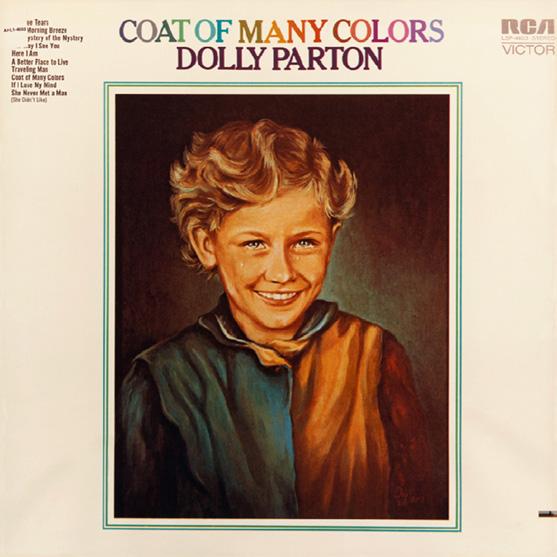
This song from Parton was inspired by her mother, Avie Lee Parton. The autobiographical track celebrates the strength of women, sacrifice and love. It was ranked No. 263 on Rolling Stone’s 2020 list of the “500 Greatest Songs of All Time.”
“Flowers” by Miley Cyrus
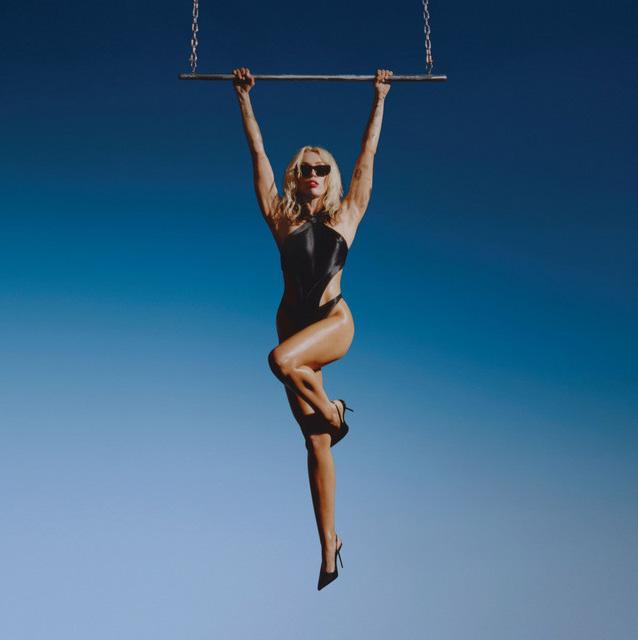
This hit is known for its message of self-love and empowerment, helping women find strength in independence rather than relying on a partner to fulfill their needs. Gloria Gaynor, another renowned female artist, publicly praised the song for its message of independence and strength.
“I Will Survive” by Gloria Gaynor

This universal anthem does not identify the recipient’s gender but particularly resonates with women and the LGBTQ+ community. This song emphasizes overcoming adversity, especially for women trying to leave difficult relationships. In 2016, the song was added to the Library of Congress’s National Recording Registry for its cultural, historical and artistic significance.
“Respect” by Aretha Franklin
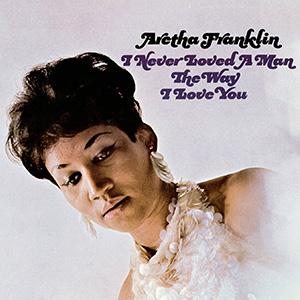
This track was originally written by Otis Redding with a male-centered focus but became a feminist and civil rights anthem infused with a touch of second-wave feminism. The song won two Grammys in 1968 and was inducted into the Grammy Hall of Fame in 1987.
“Born This Way” by Lady Gaga

This title promotes self-acceptance regardless of background, inspired by Carl Bean, an LGBTQ+ activist and founding prelate of the Unity Fellowship Church movement. The song encourages people to embrace their individuality and challenge societal norms.
“Girl On Fire” by Alicia Keys
After becoming a mother and businesswoman, Keys embraced these changes, attributing the song to themes of inner strength, resilience and
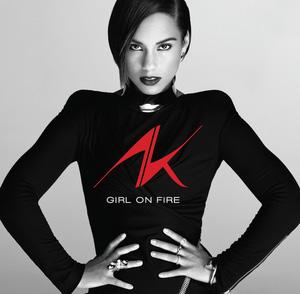
reclaiming power. Released in 2012, “Girl On Fire” highlights the confidence and determination that many women experience as they grow into new roles and responsibilities, making it a lasting empowerment anthem.
“Stronger (What Doesn’t Kill You)” by Kelly Clarkson
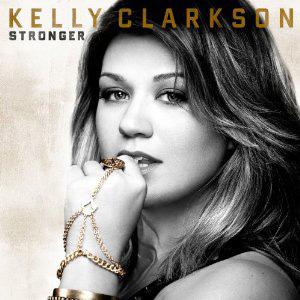
Closing the list is Clarkson with her Billboard Hot 100 No. 1 hit. It focuses on taking care of oneself after a breakup and became a 2010s empowerment anthem. This song is frequently used and referenced in films and TV shows such as “Glee” and “Saturday Night Live.” From classic soul and country to modern pop anthems, women have continuously shaped the music industry through creativity, resilience and influence. These songs serve as a reminder of the lasting impact female artists have had — and will continue to have — on both music and culture.
Ole Miss Rifle team brings home the gold
RUSS EDDINS Sports Editor
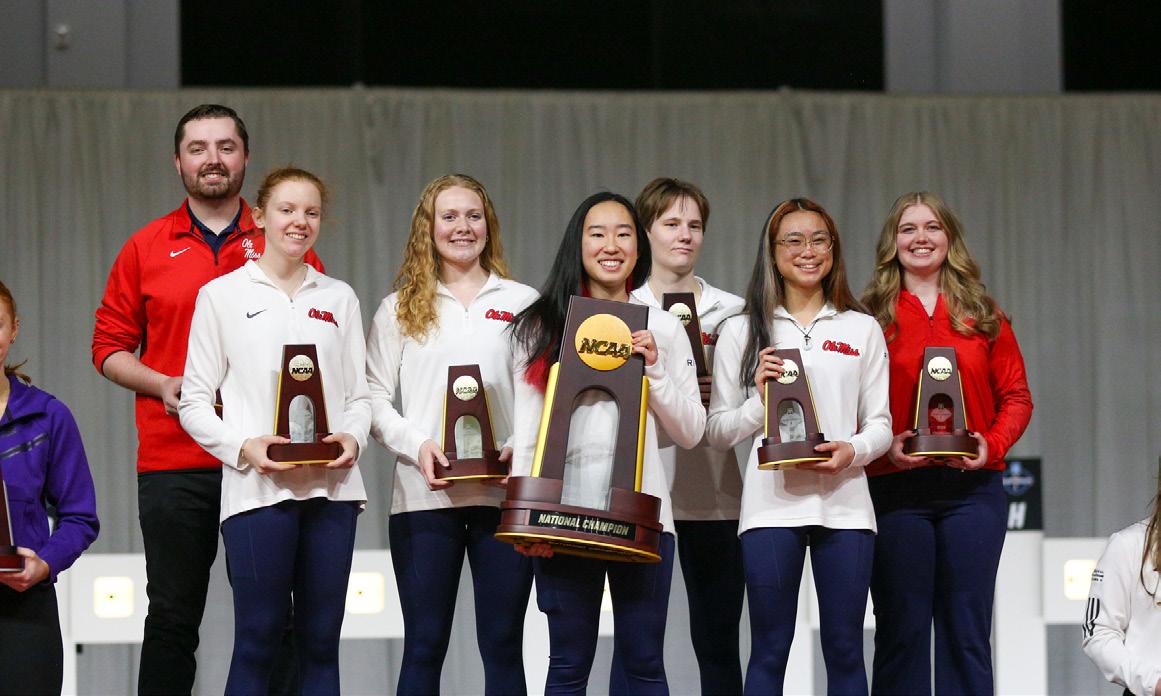
The Ole Miss Rifle team brought home the NCAA smallbore title from the NCAA Rifle Championships in Columbus, Ohio, on Friday, March 13 and Saturday, March 14. The team, composed entirely of women despite air rifle being a co-ed sport, finished third overall and tied for the best finish in program history. Audrey Gogniat won the individual air rifle championship.
The Rebels shot a 4738 overall to get on the podium, while their 2356 smallbore score secured the program’s first title in the event. Gogniat shot her fourth perfect score (600), tying former Rebel Lea Horvath for most in program history. Rising-star sophomore Gracie Dinh finished No. 10 overall with a 1187. She shot 593 in smallbore and 594 in air rifle.
The West Virginia rifle team, the 2026 national champions, is composed
of four women and six men, while the runner-up, Texas Christian University, is a women-only team. Still, Dinh said, all-women teams are by no means at a disadvantage.
“It’s actually really interesting because women tend to shoot better than men, at least (at) the collegiate level,” Dinh said. “If you look at the final, it was mostly women. For conference, it was almost all women.”
Head coach Will Shaner emphasized that because the sport has been co-ed for so long, the team does not give the gender of their competitors even a second thought.
“It’s been co-ed for as long as I can remember, so I think us as a team, we’re used to it. Rifle is really the one sport where males and females can compete on equal ground,” Shaner said. “It’s a great opportunity for them, but from a competitive standpoint, I don’t think it has really affected us.”
Some players, like Dinh,

chose Ole Miss because it is a women’s only team.
“I really liked the team environment at Ole Miss,” Dinh said. “We all just love each other a lot and really support each other, both on and off the range. It played a huge part in that, and I think it’s because we’re an all-women’s team.”
While the Rebels had a great deal of success in the championship, winning in a mentally-tough sport is never easy.
“It was a really stressful experience, but we had fun,” Dinh said. “We worked really hard, and I think it was just a combination of something we had been preparing for all season. Coach (Will Shaner) told us, ‘It’s not a question of whether or not we’ll make the NCAA Championship,’ so he was preparing us for that mindset and that pressure throughout the season.”
Even though the team fell short of the goal of placing first, Shaner is proud of his athletes, especially how
they managed the pressure of the high-stakes tournament.
“There’s a lot of high and low points, especially in rifle. (It) changes so fast during the match,” Shaner said. “I think smallbore, though we won, it was still lower scores than what we were expecting, so it was both a good surprise that we were in first, but we’ll just point to the girls, they didn’t
do as well as they wanted. … This is the first time being in a position where they have a chance to win the overall title, so they held that pressure.”
Lady Rebels look to make history this March
ERIKA DIERKE Sports Staff Writer
This 2025-26 regular season was yet another success for the Ole Miss Women’s Basketball team. For the fifth-straight season, head coach Yolett McPhee-McCuin has led the Lady Rebels to a berth in the Women’s NCAA Tournament.
Though McPhee-McCuin has established Ole Miss as a perennial contender, the road was not always easy. McPhee-McCuin is in her eighth season as head coach. In 2018-19, her first season, the Lady Rebels tied for No. 12 in the SEC, and a year later, they finished last in the SEC.
Growth was slow, but it came nonetheless. In 2020-21, Ole Miss once again missed the tournament, but the team accepted a bid to the Women’s National Invitational Tournament (WNIT), which features the best teams that missed the cut for the NCAA Tournament.
Led by current Washington Mystic Shakira Austin, who averaged 18.6 points per game in the regular season, the Lady Rebels advanced to the WNIT championship game,
where they lost to Rice, 71-58.
“When we lost in the championship game of the WNIT during the COVID year in Memphis, and I pulled up to my house, I had like 50 people in my yard from the neighborhood, just celebrating me,” McPhee-McCuin said in a press conference Sunday night. “I remember at the loss, I didn’t cry, but when I saw those people in love, I just broke down in tears and it was tears of joy.”
A season later, Austin returned, and for the first time under McPhee-McCuin, Ole Miss advanced to the NCAA Tournament. Since then, the Lady Rebels have done it every year. They advanced as far as the Sweet 16 in 2022-23 and 2024-25.
This season was particularly notable for the Lady Rebels. Not only did they earn a No. 5 seed, tying with last season’s team for the best postseason seeding under McPhee-McCuin, they also etched themselves into the history books by winning three games against top-5 opponents (No. 5 Oklahoma and No. 5 Vanderbilt, twice) for the first time in program history.
This marks the Lady Rebels’ 22nd NCAA Tournament
appearance in their 51-year history. Although Ole Miss has experienced much success over the years, the program has yet to advance past the Elite Eight. McPhee-McCuin has not led a team past the Sweet 16.
There is a path for Ole Miss to make it to the Final Four but not without serious obstacles.
The Lady Rebels finished the regular season 23-11 overall and 8-8 in SEC play, No. 8 in the conference. On Selection Sunday, the Lady Rebels received the No. 5 seed in Region 2 and will play their first game on Friday, March 20 against No. 12 seed Gonzaga.
The players have already etched themselves in the history books this season and are looking to finish the job in the upcoming tournament.
If they beat Gonzaga in round one, they will face the winner of No. 4 seed Minnesota and No. 13 seed Green Bay. The Golden Gophers have home court advantage for the first two rounds.
If the Lady Rebels are able to make it to the Sweet Sixteen, they will likely face No. 1 seed UCLA, a powerhouse team this year. Their corner of the bracket also includes potential Elite Eight matchups with No. 2 seed LSU and No. 3 seed Duke.
Though all these teams will provide tough matchups, Ole Miss has already shown it can compete with elite teams, winning 20 games this year for the fifth season in a row.
In a season that turned heads across the country and furthered Ole Miss’ national reputation, the Lady Rebels will now look to hang a banner for the first time in program history.
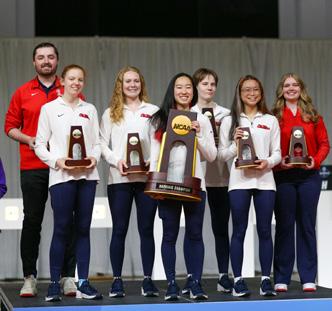
The Ole Miss Rifle Team stands on the podium at the NCAA Rifle Championships in Columbus, Ohio on March 14.
PHOTO COURTESY: OLE MISS ATHLETICS
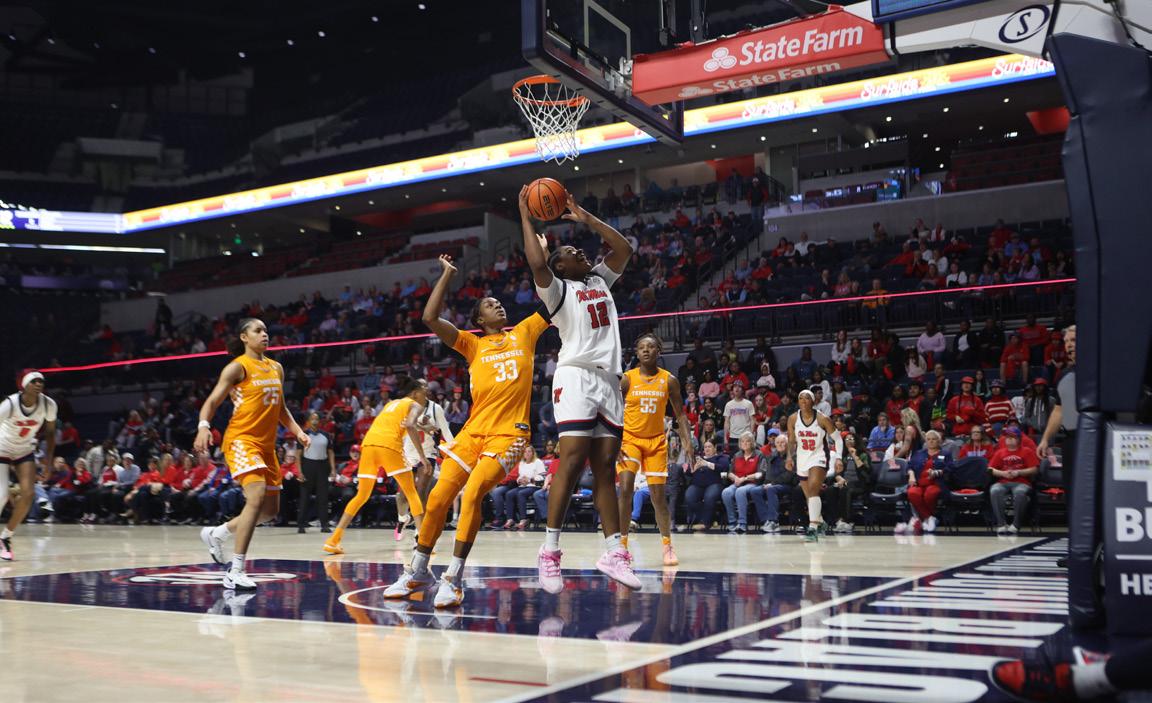
Christeen Iwuala takes a shot during the game against Tennessee in The Sandy and John Black Pavilion on Feb. 17.
ALANA AKIL / THE DAILY MISSISSIPPIAN
What this month means to me
“I find myself asking a seemingly simple question: What does it mean to be a woman?”
MACKENZIE MCDARIES
Opinion Staff Writer
This Women’s History Month, I find myself asking a seemingly simple question: What does it mean to be a woman?
Seventy years ago, womanhood might have meant mastering the art of cooking a meal with a crying baby on the hip. Today, some say it is being a successful worker, wife and mother, having a strong worklife balance and maintaining perfection in both. The answer to this question may seem loaded, but to me, it’s simple — being a woman is strength. Patience. Perseverance.
My paternal grandmother, born in 1943, grew up in an
all-girl’s orphanage. She did not finish high school; rather, she chose to marry at 17 years old and start a family, which was not uncommon for girls her age at the time.
In her late 30s, she obtained her GED while simultaneously working the first shift at a textile mill and raising two sons. This was one of her proudest accomplishments.
When I consider what it means to be a woman, my grandmother comes to mind. She persevered through adversity to start a family of her own, despite growing up without one. She worked hard at her jobs and loved those around her. Though she followed a path different from what many women choose today, the qualities of
her character continue to shape my perception of womanhood.
Personally, my path has looked different. As the first woman in my family to graduate from high school and go to college, I have been given opportunities those before me did not always have. It is these traits of conscientiousness and resilience, however, that empower me in my pursuit of a career in the male-dominated field of government.
The more I mature as a young woman, the more I realize that what makes a woman isn’t the path she takes. It’s not about having (or not having) children, a spouse, particular degrees or jobs. These factors can vary across time periods and cultures, and it
would be insulting to reduce womanhood to merely what a woman can build in her life.
More than anything, what makes a woman is the character she embodies throughout her life and her impact on those around her. I could not tell you whether Elizabeth Cady Stanton had a degree or how many children Susan B. Anthony had, nor could I list those details for many other women who have fought for the rights and opportunities we have today.
What we do remember is their hard work and courage and how they used them to change the world.
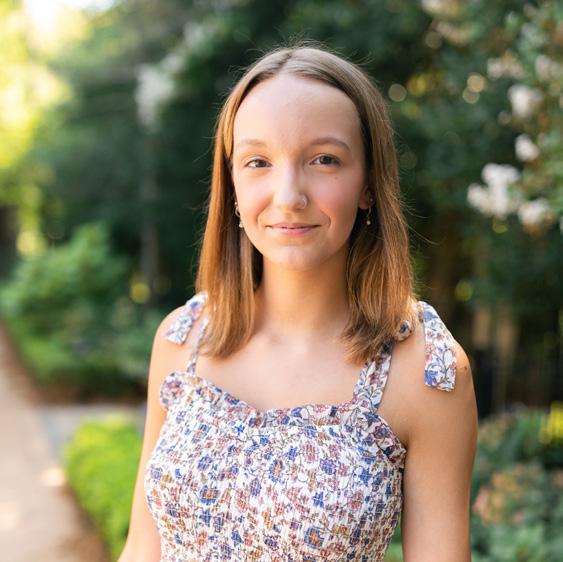
from Murfreesboro, Tenn.
CONTACT THE OPINION DESK AT thedmopinion@gmail.com
Redefining womanhood at the University of Mississippi
“It’s time to revisit what it truly means to be a woman in the 21st century.”
LAUREN JAMES
Opinion Staff Writer
Navigating the transition from adolescence to adulthood is difficult, but it is especially complicated for those who do not meet impossible standards.
The rules of womanhood, while largely unspoken, are widely understood. They dictate how a woman should dress, how she should behave and how she should present herself to the world.
These rules, however, do not apply to everyone in the same way. As society moves through what many consider the fourth wave of feminism, the “proper woman” our society idealizes is burdened by outdated expectations rooted in misogyny and racism.
The term intersectionality, coined in 1989 by civil rights scholar and activist Kimberlé Crenshaw, helps explain why not all women experience womanhood the same. Different parts of our social identity, such as race, class and sexuality, shape one’s experience with discrimina -
Opinion Policies:
tion, privilege and oppression.
On a campus such as the University of Mississippi, Southern cultural context adds an extra layer to the puzzle. For some women of color, societal expectations are levied upon them differently than their white counterparts.
Kori Jeffries, a sophomore international studies major from Olive Branch, Miss., said she often feels like others expect her to act in a specific manner.
“Honestly, I feel like I’m perceived as though I’m supposed to look, act and sound a certain way,” Jeffries said. “When I don’t, it often shakes people up.”
As a first-generation college student, Jeffries noted feeling different from many of her peers.
“It feels like everybody else comes from money,” Jeffries said. “I’m not allowed to be outspoken because it’s perceived as sassy or aggressive.”
Women of color, and Black women especially, experience “double jeopardy,” the inherent bias that comes with being a person of color and a woman. A 2022 study by
the National Library of Medicine (NLM) found that gendered microaggressions can cause high emotional turmoil and compel women of color to shrink themselves to be more approachable.
Jeffries said she noticed these differences early in life.
“Early in my womanhood, I realized that the way I speak and look is perceived differently,” Jeffries said. “My body was sexualized more than others, so I was treated as older than I actually was.”
Anika Ravi, a junior public health major from Meridian, Miss., said her identity as a child of immigrants has significantly shaped her college experience.
“I think every woman of color at Ole Miss has a different experience,” Ravi said. “A lot of my struggles came from being the child of immigrants and navigating things my family had never experienced before.”
Although she has had a positive experience overall at UM, Ravi said differences still exist.
“I feel like I have to work harder to be respected in certain spaces than my white
female counterparts,” Ravi said. “Conventional beauty standards still influence how people see you.”
Studies from NLM suggest people with conventional beauty standards are often associated with trustworthiness, intelligence and professional competence leading to easier experience in social settings and the workplace.
Ravi also reflected on how representation affected her confidence growing up.
“My biggest struggle was my self-esteem,” Ravi said. “It took me a long time to feel confident in my appearance because the beauty standards I saw rarely looked like me.”
The journey into womanhood is one of the most pivotal moments in a woman’s life. Women have made historical breakthroughs in the fight for equal rights in the past century by amplifying their experiences.
It is time to ask the bigger question: Where do the women who do not fit the standard of “white femininity” belong within the conversation of womanhood?
Where do first-generation
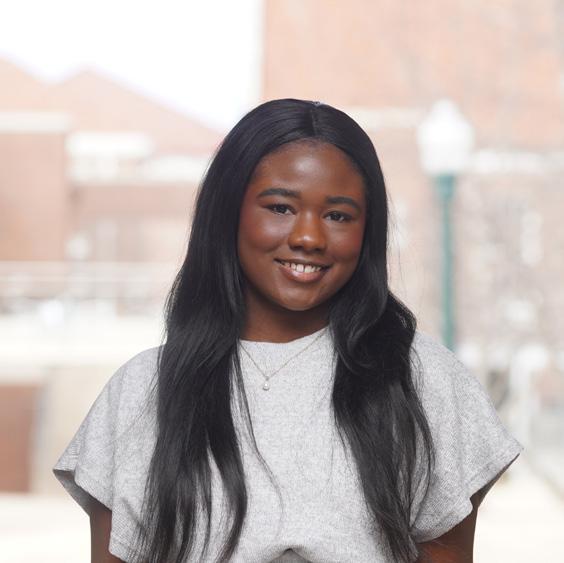
James
students, children of immigrants and women whose identities fall outside of traditional expectations see themselves represented? Their voices matter, and their experiences deserve to be highlighted and not cast to the side as we continue redefining what it means to be a woman today.
Lauren James is a sophomore integrated marketing communications major from Hernando, Miss.
Columns do not represent the views of The University of Mississippi or The Daily Mississippian. The Daily Mississippian welcomes letters to the editor, which should be emailed to thedmopinion@gmail.com. Letters should be no longer than 300 words. They may be edited for clarity, brevity and libel. Third-party letters and those with pseudonyms or no name will not be published. Letters are limited to one per individual per month. Letters should include contact information, including relationship to the university, if applicable.
MacKenzie McDaries is a freshman Arabic and political science major
MacKenzie McDaries
Lauren
SARA ZALESKI A&C Staff Writer
Amy McDowell’s path to teaching was anything but traditional, shaped by unexpected turns and a passion for understanding people’s stories. The associate professor of sociology at the University of Mississippi released her latest book, “Whispers in the Pews: Evangelical Uniformity in a Divided America,” on March 10.
The book employs ethnography — the immersive study of a group’s culture — and is based on an evangelical church in Oxford that describes itself as welcoming and inclusive. McDowell set out to find out whether this was true or not.
“I spent a lot of time with the community of churchgoers that I studied,” McDowell said in an interview with The Daily Mississippian. “Ethnography really means that you have to be embedded in the community that you study.”
McDowell spoke about the book in conversation with UM Professor of Anthropology and Southern Studies Jodi Skipper at an event hosted by OffSquare Books on Wednesday.
While she was publishing her dissertation and working as an assistant professor, McDowell collected ethnographic research from 2016 to 2019 that created a strong foundation for the book.
“Kathleen Blee, a renowned sociologist known for her work on ideological extremism, race and social movements, was my dissertation adviser,” McDowell said. “My dissertation areas were religion, culture, race and gender.”
McDowell explained how her research helps deepen understanding of why people “be-
Amy McDowell ‘whispers’ sociological secrets in new book
lieve the things they do and make the choices they make.”
Common in sociology, McDowell uses pseudonyms to cover the true locations and names of the people involved in her research. She did use the name of the city, however, to encourage thoughtfulness.
“I studied a church community in Oxford, and in the book, I don’t hide that it was in Oxford,” McDowell said. “It made me feel more accountable, and that was hard.”
McDowell observed patterns of deflection and ignoring issues in church societies through the church she studied.
“People don’t express their doubts, opinions or their disagreements in church spaces,” McDowell said. “People really try not to talk about that stuff.”
Although writing her book was challenging, it left her feeling fulfilled and confident.
“You get to help people feel like they’re in the room with you,” McDowell said.
McDowell never imagined she would become a professor. At 18 years old, she ran a small record store in Pensacola, Fla., and pictured she would end up in music rather than education.
“I didn’t take a very traditional path,” McDowell said. “I felt that I would do something in music distribution or work in some way in the music industry.”
A first-generation college student, McDowell earned master’s and doctoral degrees in sociology at the University of Pittsburgh. She started as an assistant professor at the University of Mississippi in 2014 and was promoted to associate professor in 2020.
Mary Rogers, a sociology professor at the University of West Florida who died
in 2009, inspired McDowell to pursue a sociology degree. Rogers encouraged McDowell to finish her undergraduate degree at the University of Colorado, Colorado Springs.
“(Rogers) kind of helped me put together pieces of things I had been thinking about but had never heard articulated in quite that way,” McDowell said.
McDowell strives to make a difference as a college teacher like Rogers did. Kennedy Marrs, a junior Southern Studies major, has already noticed McDowell’s impact this semester.
“She’s a great listener, and she wants us to be engaged in the content,” Marrs said. “She wants us to enjoy our time with the material, which I think is inspiring.”
For McDowell, teaching
courses on gender and sexuality felt like the beginning of a deeper involvement.
“I had a lot of students who were queer, some of them were from Mississippi, who were deeply sad and angry,” McDowell said. “I still think about a couple students.”
These students inspired her role as director of the Queer Mississippi Histories Project.
One of McDowell’s colleagues, Jessie Wilkerson, an associate professor of American history at the University of Tennessee, Knoxville, had oral history students who wanted to do a project on LGBTQ+ people in Mississippi. That project led to allocating funding for creating an archive supporting oral history research.
“Fairly quickly, there

was a lot of attention to this archive,” McDowell said.
McDowell describes the stories that her students have recorded for the Queer Mississippi Histories Project as “inspirational and powerful.” They can be accessed online on eGrove.
McDowell went on to build a class, called “Queer Mississippi” with UM Associate Professor of History Eva Payne. The class gives undergraduate and graduate students the chance to gain experience in historical research methods.
“It was a collaborative effort. It’s never been a solo show,” McDowell said. Graduate student Zoe Rees enrolled in McDowell’s Queer Mississippi course in fall 2024.
“I expected an engaging academic experience,” Rees said. “What I did not anticipate was how profoundly she would shape my graduate career and personal growth. I wholeheartedly recommend Dr. McDowell as a professor and mentor. Studying under her has been one of the most significant and rewarding experiences of my graduate education.”
McDowell said juggling her different roles has been enjoyable but not perfect.
“I drop the ball all the time,” McDowell said. “Actually, I find the process of writing painful, as a lot of people do, but at the same time, I like taking data and trying to make sense of what is going on.”
McDowell made a promise to herself to make more time for writing in 2026, continuing work that she knows can be difficult yet deeply meaningful.
“I miss (making sense of the data), and I want to get it back,” McDowell said. “That’s kind of my promise to myself this year — to make more time for that.”
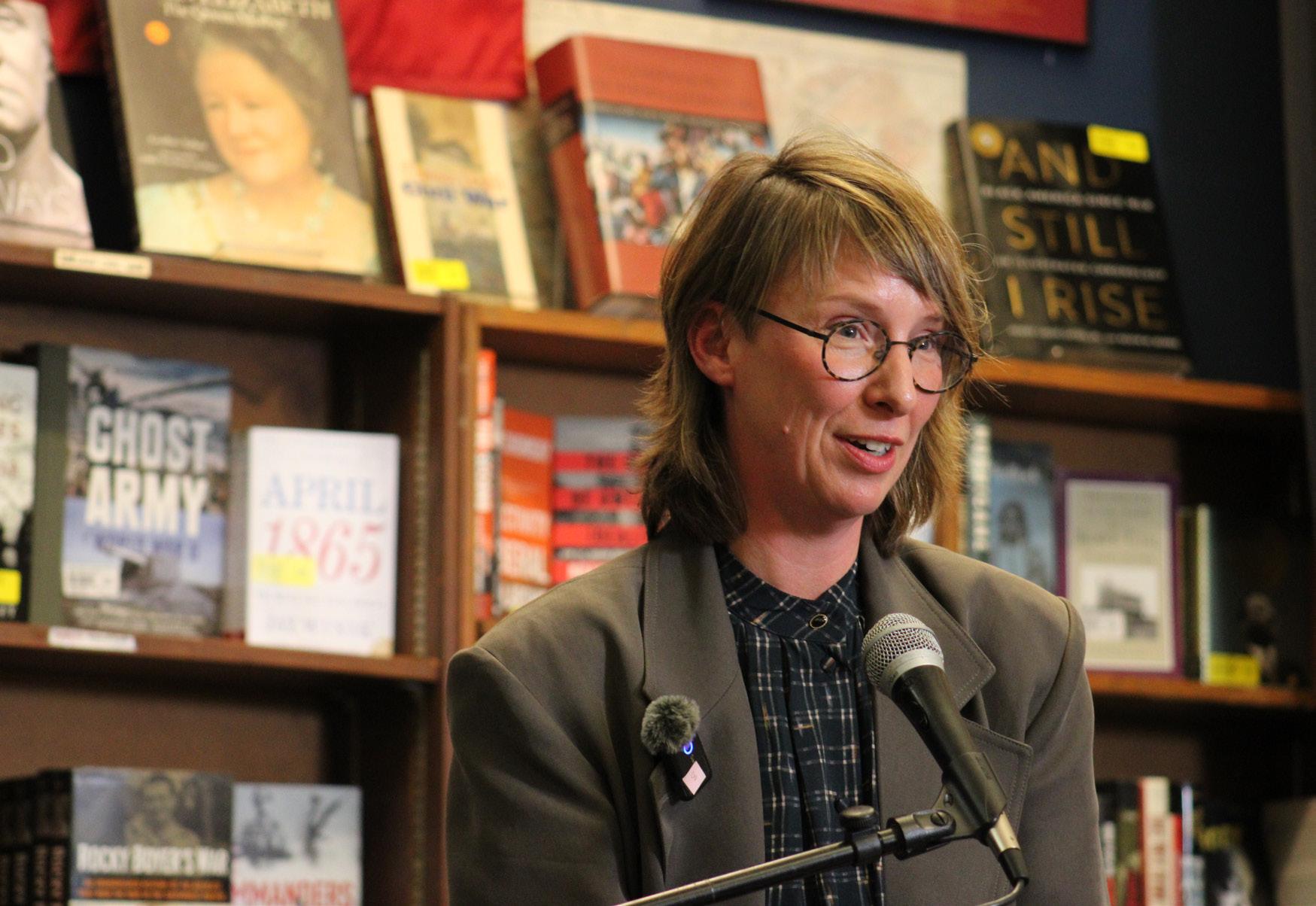
Amy McDowell speaks at Off Square Books on March 18.
NATALY
ISAAC SCHEER
Sports Staff Writer
AJ Storr caps off college career with SEC All-Tournament Team honor
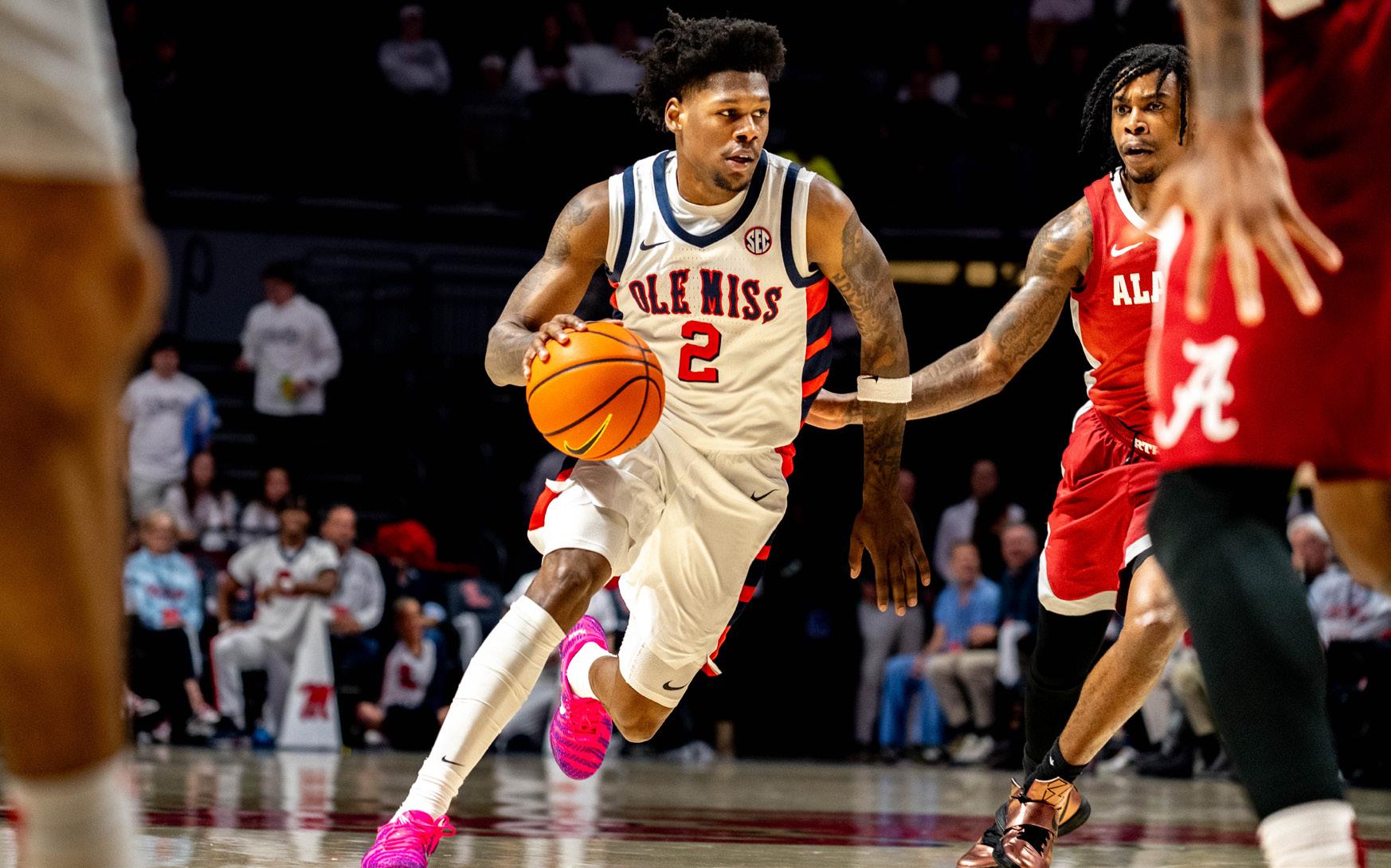
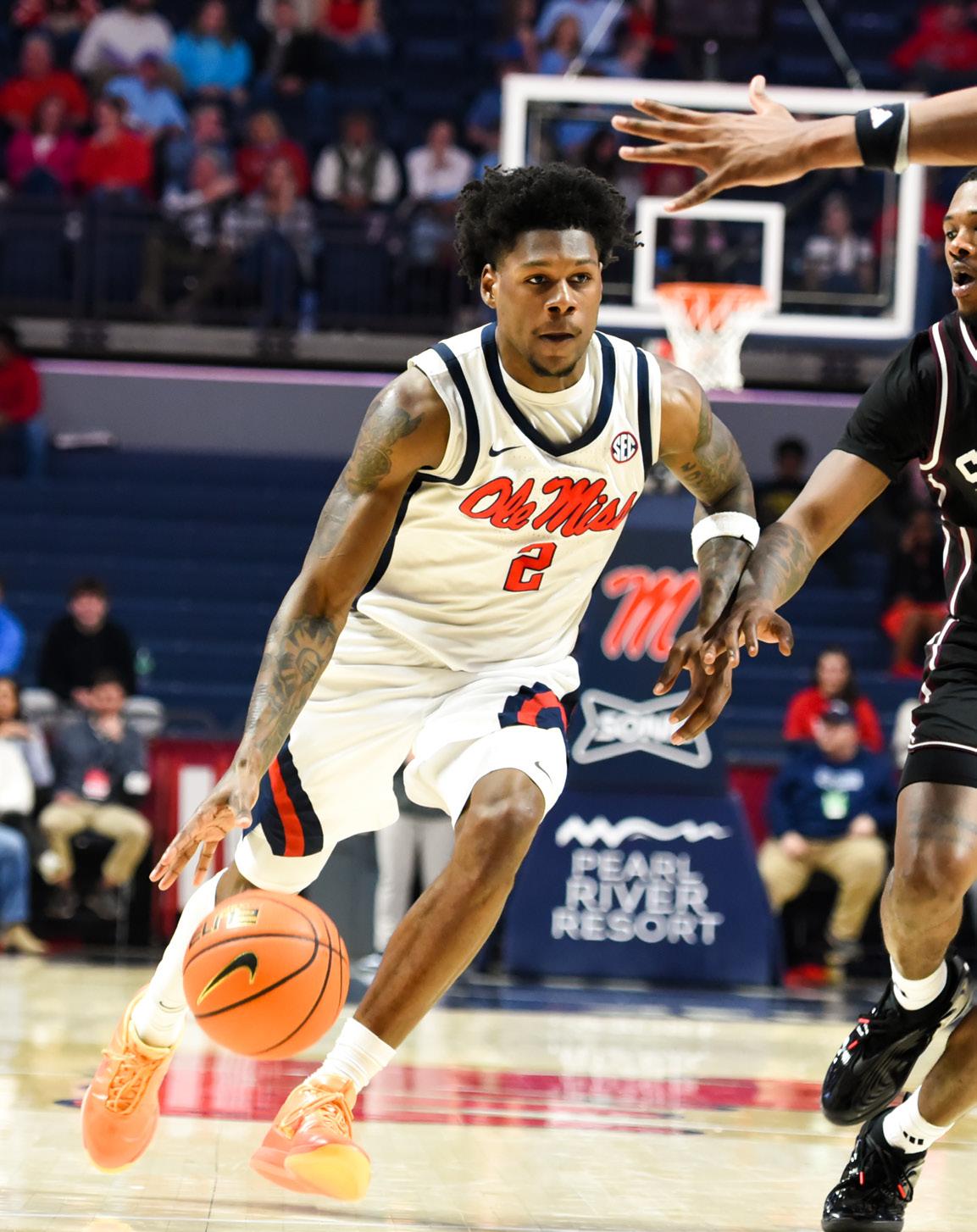
Ole Miss senior guard AJ Storr was named to the 2026 SEC Men’s Basketball All-Tournament Team. Storr averaged 19.4 points per game across four contests and helped the Rebels notch three upsets.
Storr’s path to Ole Miss
Although Storr ended his career with the Rebels, Ole Miss was not his first school. Similar to his high school days, Storr competed for a different team each season in college.
Storr began as a freshman with St. John’s. That season, the Red Storm fired their head coach, and Storr transferred to Wisconsin for his sophomore season. Storr’s 16.6 points per game with the Badgers made him a highly touted transfer, and he landed with the blue-blood program Kansas. After averaging 6.1 points per game in limited minutes with the Jayhawks, Storr transferred to Ole Miss for his final season.
Storr’s frequent transferring is often misunderstood both by the media and fans. Many believed that he was only chasing
money, calling him a mercenary, but Storr cited personal reasons and a desire to win behind his journey across programs.
In a special E60 documentary entitled “Paid To Play,” Storr shared why he decided to come to Ole Miss and explained that the decision was ultimately his to make.
“At the end of the day, everybody has choices,” Storr said. “If a player wants to decide to go somewhere else because they feel like it’s better for them, that’s their choice.”
Storr’s year with the Rebels
For Storr, Oxford felt like the right fit at last. Before the season started, Storr shared his thoughts about the Rebels and the fans on the “Locked On Ole Miss” podcast in July 2025.
“Ole Miss is a college town, (with) a lot of support from the fans,” Storr said. “I feel like I can come here and make a huge impact on the team as a transfer.”
This season, Storr delivered on his promises and led the team with 15.5 points per game. He scored 20 points or more in 10 games. Though he posted a solid 3-point percentage of 35%,
fans knew him more for his breakaway dunks, clutch baskets and contested pull-up jumpers.
Late in the season, Storr stepped up and helped lead the No. 15 seed Rebels to a deep SEC tournament run with wins over No. 10 seed Texas A&M, No. 7 seed Georgia and No. 2 seed Alabama.
In the overtime loss in the semifinals to eventual tournament champion No. 3 seed Arkansas, Storr had a number of big plays, including a last-second layup off an Arkansas missed free throw which sent the game into extra minutes and a two-handed slam over two Razorback defenders.
Storr’s impact on the culture
With Storr out of collegiate eligibility, he will graduate as an Ole Miss Rebel. In the Arkansas postgame press conference, head coach Chris Beard made it clear how much Storr has meant both to him and to the team.
“I’ve never coached a more loyal, poised, even-headed guy. … I’ve got a lot of respect for AJ,” Beard said. “I’ll have his back forever.”

In that same press conference, Storr spoke about the lessons that he learned from his time at Ole Miss.
“Keep fighting through everything you go through in life,” Storr said. “Everything won’t be perfect all the time, but all that matters is how you respond, how you wake up the next day (and) how you approach the next day.”

HOW TO PLAY
Complete the grid so that every row, column and 3x3 box contains the numbers 1 through 9 with no repeats. DIFFICULTY LEVEL
INTERMEDIATE


AJ Storr dribbles during a game against Mississippi State in The Sandy and John Black Pavilion on Feb. 14.
JACK KIRKLAND / THE DAILY MISSISSIPPIAN
How much longer can movie theaters stay open?
“In September 2025, one of Oxford’s movie theaters permanently closed, but with high concession prices and the convenience of at-home streaming services, it is no surprise that the theater industry is collapsing.”
MACKENZIE MCDARIES Opinion Staff Writer
The Academy Awards were presented March 15, shining a light on another year of movies we did not watch — in theaters, at least.
Americans do not go to the movie theaters like they used to. Movie ticket sales in 2024 were down 23.5% from what they were in 2019, according to one Variety article.
This has had a harsh impact on the cinema industry, with some reports indicating that as many as 5,000 U.S. movie theaters have closed since the COVID-19 pandemic. These closures disproportionately affect rural areas.
Unfortunately, Oxford is not immune to national trends. In September 2025, one of Oxford’s movie theaters permanently closed its doors. The Malco Oxford Studio Cinema on Jackson Avenue played its final movie following 20 years of business and succumbed to its fate as a rural theater in post-pandemic America.
While some residents and students may not have cared about the theater clos -
Opinion Policies:
ing, many Oxford movie lovers were disappointed.
Lexie Blake, a sophomore journalism major from Ponte Vedra Beach, Fla., recounted that she and her friends felt “really sad” when it closed. With the Malco’s proximity to campus, she said, they “made so many good memories as freshmen walking to the movies together” and were upset that others won’t be able to experience the same. However, with high concession prices and the comparative convenience of at-home streaming services, it is no surprise that the theater industry is collapsing. People do not want to pay more to go to the cinema when they could experience nearly the same thing at home for way less. Rapidly rising gas prices add to the home movie theater appeal.
If cinemas want to remain relevant in today’s digital age, it is necessary for them to adapt with the times.
More people would consider going to the movies if tickets and snacks were cheaper.
One could argue that the high costs of movie popcorn and drinks exist to allow the -
aters to make enough money to keep their doors open because fewer paying customers are coming. Nevertheless, because cost is one of the primary reasons theater atten dance is declining, lowering the prices could spur more people to go to the cinema.
In the long run, this would likely have a positive impact on theater revenue.
Cost aside, many peo ple find that going to the movies is not a novel ex perience worth their time.
“If someone were to actu ally create an experience out of it, which is an area Oxford is lacking in, like a boutique theater near the Square (or) a drive-in movie … I believe it would do exceptionally well, business-wise, and also get people more excited about watching movies,” Blake said.
Regardless, it would still be difficult for the industry to return to popular ity given the ease of being able to watch movies just weeks after their theatrical release on a TV or laptop at home. Watching a movie on your own time at
home is much more feasible than planning a trip to the theater, especially for working adults and students.
While the demise of the
Tenn.

Columns do not represent the views of The University of Mississippi or The Daily Mississippian. The Daily Mississippian welcomes letters to the editor, which should be emailed to thedmopinion@gmail.com. Letters should be no longer than 300 words. They may be edited for clarity, brevity and libel. Third-party letters and those with pseudonyms or no name will not be published. Letters are limited to one per individual per month. Letters should include contact information, including relationship to the university, if applicable.
P R E - O R D E R Y O U R
Y E A R B O O K N O W


MacKenzie McDaries is a freshman Arabic and political science major from Murfreesboro,
Increased
Detoxification
Lower
Anti-Aging & Skin Rejuvenation
Improved Circulation
Weight Loss