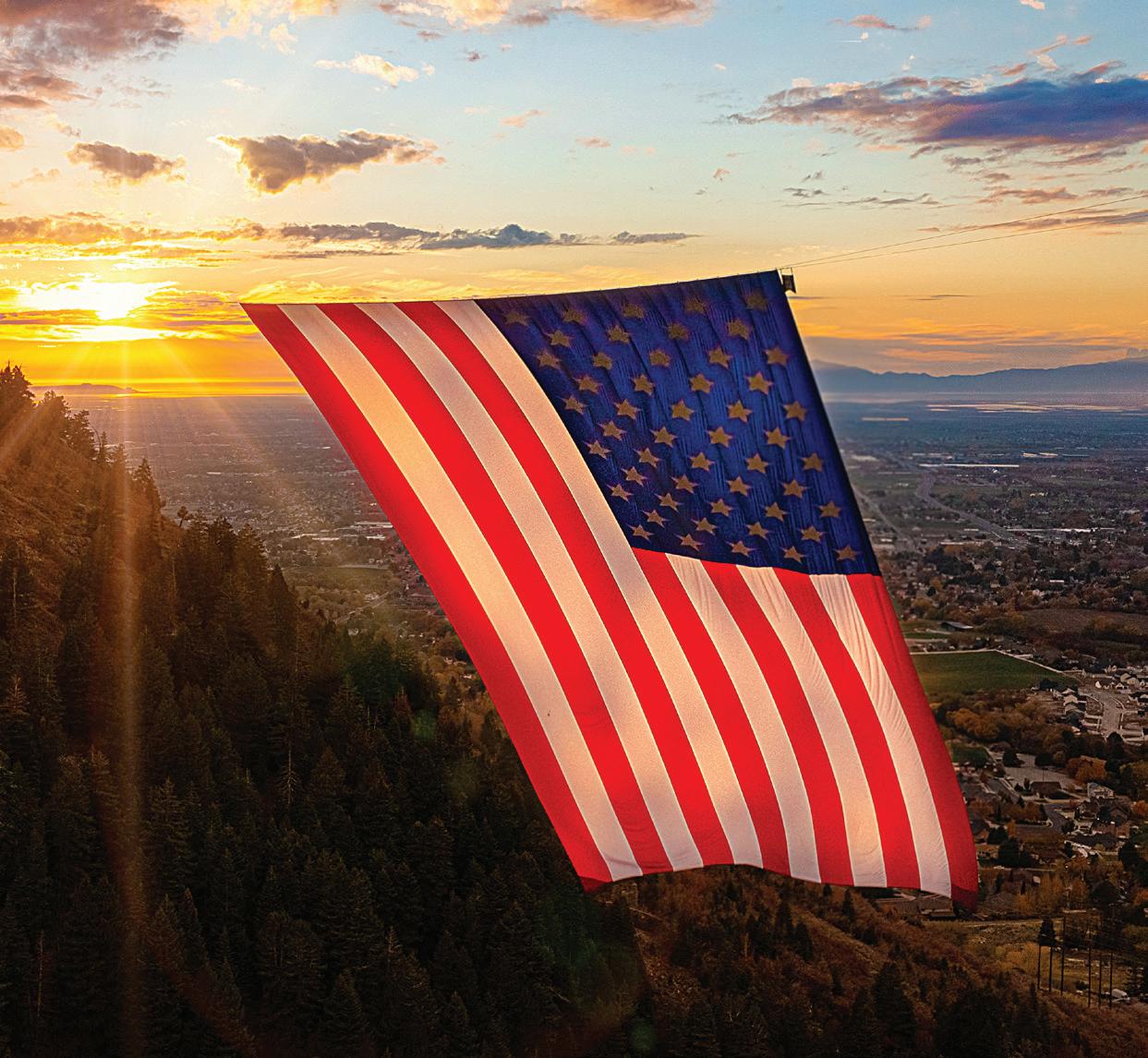
Cover photo by Chad Roylance

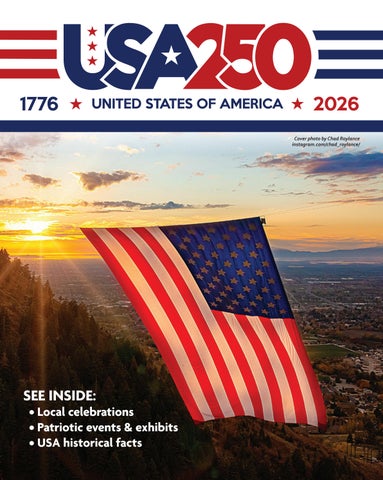
Commemorations of America’s national history are part of annual celebrations of American independence that take place each year on July 4, which marks the anniversary of the nation’s birth. Those celebrations have a reputation for being particularly festive and tend to be capped off by awe-inspiring fireworks displays once the sun sets on the Fourth of July.
The liveliness of annual celebrations of American independence figures to be taken up a notch in 2026, when the United States will celebrate its semiquincentennial. Two hundred and fifty years of nationhood warrants a particularly jovial celebration, and there are many ways Americans can commemorate and celebrate the nation on this momentous occasion.
Local historical societies have played a vital role in preserving United States history, and many of those who work in support of these organizations do so on a volunteer basis. Expressions of support for local historical societies can go a long way toward helping them continue to fulfill their missions.
Financial donations, letters to state and local political officials urging increased funding for historical societies, visits to local historical sites and even volunteering to help organizations fulfill their missions are a handful of ways to ensure these groups can continue to make invaluable contributions to their communities and the nation.
Travel presents another great way to celebrate the nation on its 250th birthday. The United States is a vast nation with many unique subcultures and local customs, not to mention countless locales that have featured prominently in American history. When planning vacations in 2026, resolve to stay within U.S. borders and seek ways to learn about the nation’s history during your travels. for volunteers of all ages to lend a hand.


Pitching in to help local government organizations planning semiquincentennial celebrations is another great way to honor America’s 250th anniversary. The days and weeks surrounding July 4 will likely be filled with anniversary-related events and celebrations, but many communities also plan to commemorate the semiquincentennial throughout 2026, providing plenty of opportunities.
The modern world is accustomed to digital files and instant access to information, but the vast majority of records pertaining to American history and accounts of Americans’ personal experiences remain preserved on paper. Photos and documents wear down over time, and American archivists face an uphill battle as they work to digitize records for the purpose of long-term preservation. Anyone who wants to lend a hand and help preserve local and national history can speak with a local library or university librarian about what’s being done to digitize historical accounts and records and offer to lend a hand with such efforts. If no such efforts are currently being undertaken in your community, offer to spearhead a digitalization project and recruit others to participate.
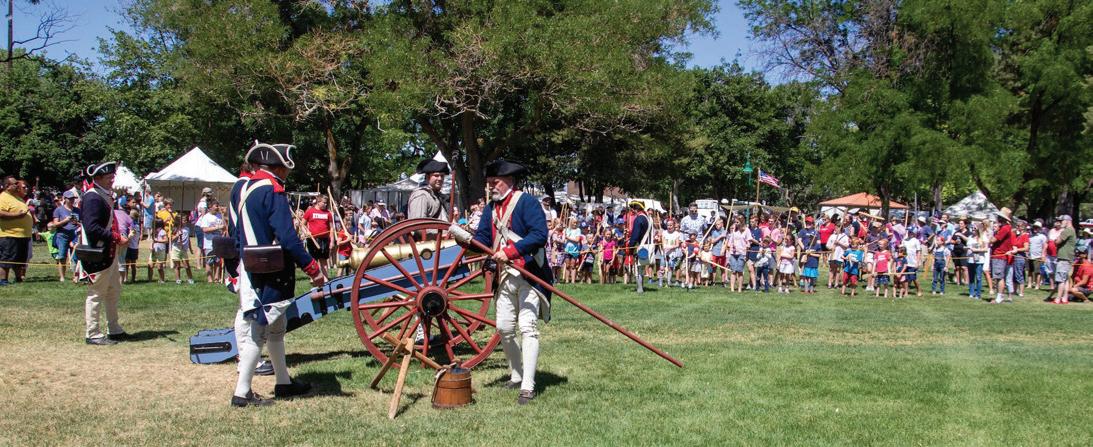
As America marks 250 years since the signing of the Declaration of Independence, organizers of the Colonial Heritage Festival in Orem are preparing for what they expect will be the event’s largest celebration yet.
Set for July 2, 3 and 4 at SCERA Park, the volunteer-run festival has grown from a local historical gathering into what organizers say is the nation’s largest living-history celebration west of the original 13 colonies.
This year’s festival will celebrate America’s 250th anniversary with expanded exhibits, new hands-on activities and immersive experiences designed to help visitors feel personally connected to the nation’s founding era.
“We have introduced a lot of new exhibits,” said Gove Allen, event director for this year’s festival and president of the Colonial Heritage Foundation. “We are expecting about double the number of crowds (this year).”
The Colonial Heritage Festival is a three-day living history celebration of the founding of the United States of America scheduled each year to coincide with Independence Day. Participants come from throughout the country to create a colonial village in the park complete with all the trades one might expect: a candle maker, a cooper, a printer, a woodworker and many more.
Also, more than 50 first-person history interpreters — many traveling from across the western United States and as far away as Virginia — portray historical figures ranging from founding fathers to military officers and tradespeople.
Unlike traditional museum interpretation, these history interpreters — or “Authors of Liberty,” as they are referred to at the festival — remain fully in character while interacting with guests.
“A history interpreter helps interpret history for people in a way they understand,” Allen said. “All of the Authors of Liberty will talk to you as if they were that person.”
One new addition to the festival this year is an interactive Declaration of Independence exhibit. Children will be able to sign a replica of the Declaration while learning about the document.
Visitors will also find new demonstrations this year from a soap maker, a cheesemaker and a brick maker. One activity will invite children to help stomp wet clay with their feet as part of the brick-making process.
“The kids will really be able to get into the history,” Allen said with a laugh, “and in this case, walk into the history.”
Other activities will focus on the everyday skills of colonial America. Children can grind wheat using stone mills, learn cartridge-rolling techniques using candy materials that mimic gunpowder and musket balls, or set their own names in type at a colonial print shop before printing personalized “wanted posters.”
“They will become fugitives from British justice before your very eyes,” Allen joked.
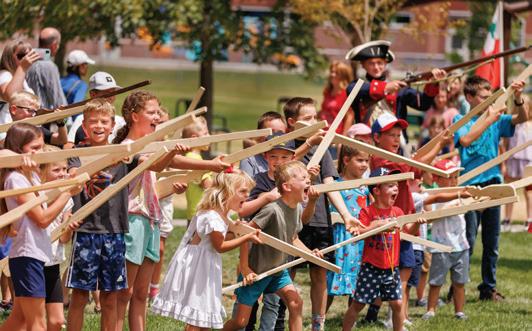
The popular children’s militia program is expanding this year. Young visitors can choose to march with either colonial or British forces while learning period drills and commands using wooden muskets.
“Last year we doubled our capacity with our wooden muskets,” Allen said. “We’re going to expand this greatly again; we’ll probably add another 100 muskets.”
One recurring favorite activity is the “Liber-tea” where visitors can sit down with interpreters portraying figures such as John Adams and discuss 18th-century politics over a tea service.
The festival’s ancestry experience — first introduced in 2023 — has been updated. This interactive program allows visitors to scan QR codes and discover possible relationships to figures connected to colonial America, including Mayflower passengers, Revolutionary War participants and Salem witch trial figures.
Instead of requiring visitors to search for scattered QR codes throughout the park, the updated system will now offer a more centralized experience. Once users scan a code, they can browse all of the available ancestry groups through a single online portal connected to the festival website.
The ancestry experience has become one of the
July 2, 3 & 4
SCERA Park, 600 S. State, Orem
9 a.m. to 6 p.m. • Free admission (donations accepted)
festival’s most popular attractions because it helps visitors connect emotionally with history, Allen said.
“It really helps people feel connected to this history,” he said. “When they’re a direct descendant, it’s magical.”
Allen said living historians from around the nation are attracted to the Orem festival because of its unusually large audiences and high level of support from the community.
“Most living historians, when they go to an event, they might interact with a few dozen people over the course of the event,” he said. “But here, they are probably having meaningful personal interactions with hundreds of people and telling their story to thousands of people.”
The festival remains entirely volunteer-run and admission-free. It is supported through donations and community partnerships; Orem City and Utah County are major supporters of the event.
The Colonial Heritage Foundation describes its mission as preserving the history, culture, skills and values of America’s founding era. Allen said he hopes visitors leave not only entertained but inspired.
“I’m trying to help people walk away from this event with that commitment: I’m going to be a better American,” he said.
More information about the festival, activities and volunteer opportunities is available at festival. colonialheritage.org.
Congress voted to declare independence from Great Britain on July 2. They then spent a day and a half editing Jefferson’s draft of the Declaration of Independence to arrive at wording they could agree on. On July 4, they voted to approve the wording and order 200 copies to be printed for distribution.
The manuscript of the Declaration was rushed to Congress’s printer, John Dunlap, who immediately got to work setting the type and preparing to print the first copies. With the help of Franklin, Jefferson and Adams, who worked through the night, the job was complete on the morning of July 5.
This year, the Colonial Heritage Festival will hold a special event to reenact this historic printing. Starting at 8 p.m. on Saturday, July 4, and continuing through the night, 200 copies of the Declaration of Independence will be printed at the festival site. These will arguably be the most precise copies of the Dunlap Printing ever produced — and they’ll be produced 250 years (to the minute) after the originals. Preparations for this event were started in January, beginning with making the mold and deckle needed to replicate the handmade paper on which the original was printed, including the watermark of the Dutch paper producer, J. Honig & Zoonen.
This nighttime event is open to the public, who will be invited to operate the press to participate in this historic reenactment of the first printing.
by
The United States is often characterized as “the land of the free,” a characterization that serves as a feather in the cap of the nation that will celebrate its 250th anniversary in 2026. Upon hearing the phrase “land of the free,” it’s understandable if thoughts immediately go to protected rights like freedom of speech, freedom of religion and freedom of the press. But what about the “land” in the land of free?
As Americans prepare to celebrate their nation’s semiquincentennial, recognition of various geographical features of the land of the free can underscore why the United States of America is such a unique place to call home.
Climbers who train for years in the hopes of one day making their way up Mount Everest might be surprised to learn the mountain located on the border between Koshi Province, Nepal, and the Tibet Autonomous Region is not, in fact, the world’s tallest mountain. While Mount Everest is the highest mountain above sea level, the world’s tallest mountain is Mauna Kea, which is in the Hawaiian islands. According to the American Geography Portal, when measured from its base on the sea floor to its summit, Mauna Kea is more than 32,000 feet tall, topping Mount Everest by a few thousand feet.
It may surprise no one to learn that Alaska features the northernmost point in all of the United States. But it may raise an eyebrow or two to learn that The Last Frontier contains both the easternmost and westernmost points in the country. The Prime Meridian is an imaginary line that divides the Earth into the eastern and western hemispheres.
According to The State of Alaska, the westernmost point in the state, and thus the entire country, is Amatignak Island. Seventy miles away and still in Alaska, but on the other side of the meridian and thus technically in the eastern hemisphere, sits Pochnoi Point on Semisopochnoi Island, which is the easternmost point in the country.

With a depth of approximately 1,950 feet, Crater Lake in southcentral Oregon is the 11th deepest lake in the world and the seconddeepest lake in North America. The National Park Service notes that Crater Lake, fed by rain and snow, is among the most pristine lakes on Earth, making it a popular destination for artists, photographers and sightseers.

Located in southwestern Connecticut, Stamford is in a notably unique geographic location. If you travel due east, due west, due south or due north when departing Stamford, you will end up entering the same state: New York. This is the only place in all of the United States where traveling along the four compass points will leave you in the same place no matter the direction you choose.
Sept. 9, 1776, may not be the first date Americans think of when pondering their nation’s history, but it’s a significant day nonetheless. According to the National Constitution Center, on Sept. 9, 1776, the Second Continental Congress adopted a new name for a collective of colonies that had been referred to as the “United Colonies.” The name chosen on that day in late summer 1776, the United States of America, has endured.
While the opening sentence of the Declaration of Independence, which was issued on July 4, 1776, refers to the “thirteen united States of America,” it was a little more than two months later when the Congress passed a series of resolutions, including one in which it replaced “United Colonies” with “United States” as the fledgling nation’s new name.
Election Day is an annual event in the United States, and it’s one that generates particular excitement when presidential elections are held every four years.
The months and even years before a presidential election are typically marked by extensive campaigning by candidates hoping to be voted into the Oval Office, but the first man to serve as President of the United States never actually campaigned. George Washington served two terms as American president, but the Commander-in-Chief of the Continental Army was chosen each time by the electoral college despite never campaigning for the job.
According to the Miller Center at the University of Virginia, the political campaigns modern voters know well did not exist in 1788. Despite the lack of campaigning, Washington was the electoral college’s unanimous choice for president in 1789, a feat he repeated in 1792.



The following Utah cities and towns in Weber, Davis, Utah and Sanpete counties have city celebrations that occur on or around the 4th of July every year. Check out this list to see if there’s a city near you that’s celebrating on the 4th of July this year!
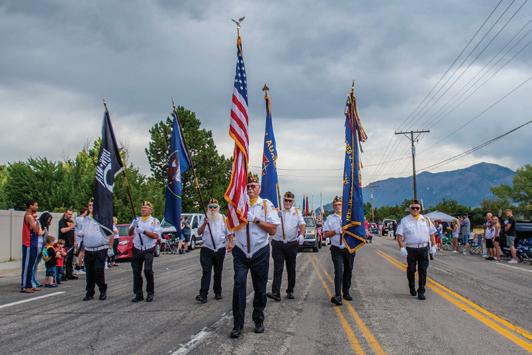
WEBER COUNTY
2026 OLD GLORY DAYS CELEBRATION
July 4
Riverdale
Visit riverdaleutah.gov/community/special_events.php for more information.
FOURTH OF JULY CELEBRATION
July 4
Plain City
Visit plaincityutah.gov/1414/Fourth-of-JulyCelebration-2026 for more information.
NORTH OGDEN CHERRY DAYS
June 27-July 4
North Ogden
Visit northogdencity.com/community/2025_cherry_ days_celebration.php for more information.
INDEPENDENCE DAY CELEBRATION
July 4
Huntsville
Visit huntsvilleutah.gov/independence-day-celebration for more information.
FREEDOM FESTIVAL
June 27-July 4
Farr West
Visit farrwestcity.net/index.html for more information.
FOURTH OF JULY CELEBRATION
July 4
Marriott-Slaterville
Visit marriott-slaterville.org for more information.
CENTERVILLE FREEDOM FESTIVAL
June 29-July 4
Centerville
Visit centervilleutah.gov/recreation-culture/events/ centerville-freedom-festival/ for more information.
CLEARFIELD 4TH OF JULY
June 22-July 4
Clearfield
Visit clearfield.city for more information.
KAYSVILLE FREEDOM WEEK
June 28-July 4
Kaysville
Visit kaysville.gov/667/4th-of-July for more information.
LIBERTY FEST
June 27-July 3
North Salt Lake
Visit nslcity.org/988/Liberty-Fest-2026 for more information.
LIBERTY DAYS
June 28-July 4
Layton
Visit laytoncityutah.gov/LC/Events/LibertyDays for more information.
July 3 & 4
West Bountiful
Visit wbcityut.gov for more information.
July 4
West Point
Visit westpointutah.gov/182/Party-at-The-Point for more information.
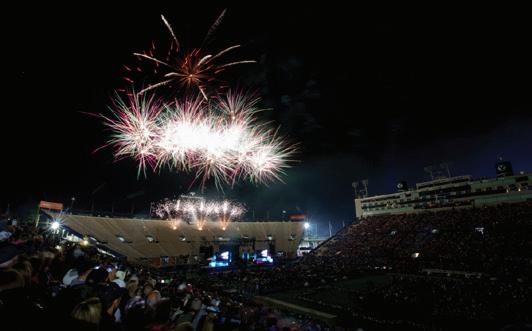
AMERICA’S FREEDOM FESTIVAL AT PROVO
Provo area
Through July 4
Visit freedomfestival.org for more information.
EPHRAIM FOURTH OF JULY
July 4
Ephraim
Visit ephraim.gov for more information.
July 3 & 4
Gunnison
OF JULY
Visit facebook.com/gunnison4th/ for more information.
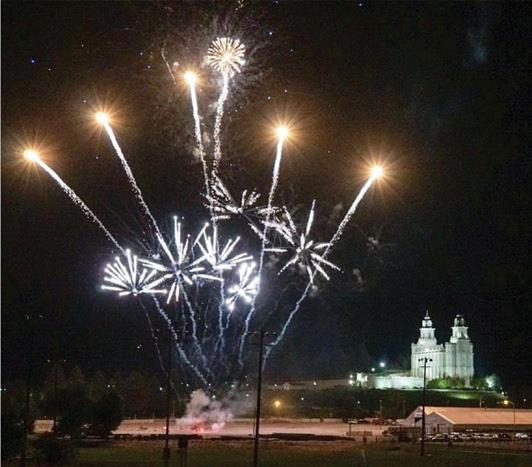
July 3 & 4
Manti
Visit manti.gov/community/page/manti-city-4th-julycelebration for more information.
June 27-July 5
Mt. Pleasant
Visit mpcityut.gov for more information.
MORONI FOURTH OF JULY CELEBRATION
June 27-July 4
Moroni
Visit moronicity.gov for more information.
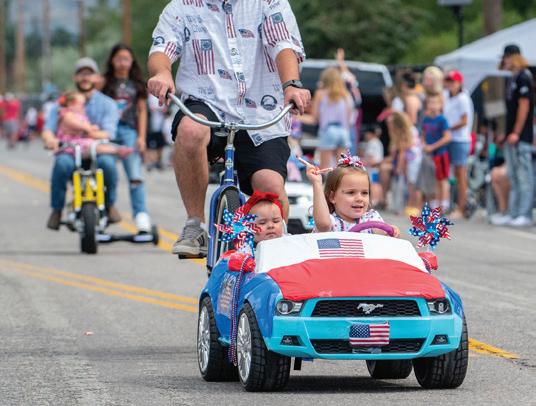
Celebrations of the two hundred and fiftieth anniversary of the United States of America will unfold throughout 2026. As millions join in the festivities, it can be fun to compare the nation in its infancy to the one that has since firmly established itself as a global leader.
1780: 2.8 million*
2025: 342 million**
* The National Archives note that the first decennial census of the United States was not taken until 1790, so the figure cited for 1780 is a widely accepted estimate of the burgeoning nation’s population during the opening years of the American Revolutionary War.
** This represents the U.S. Census Bureau population estimate as of late 2025.
1776: 13
2026: 50
According to the National Constitution Center, a series of resolutions passed by the Second Continental Congress in September 1776 officially cited the collective colonies fighting in the American Revolutionary War as the “United States.”
1783: 800,000 square miles
2026: just under 3.6 million square miles
The Times Atlas of World History indicates that the United States had an area of approximately 800,000 square miles in 1783. The country is considerably larger today, with a rough land mass of just under 3.6 million square miles, according to the U.S. Census Bureau. To put that expansion in perspective, today the combined land mass of the country’s two largest states eclipses the land mass of the entire nation in the early 1780s. Alaska (estimated land mass 571,000 square miles) and Texas (262,000), with roughly 833,000 square miles between them, are larger than the total land mass of the United States in 1783.
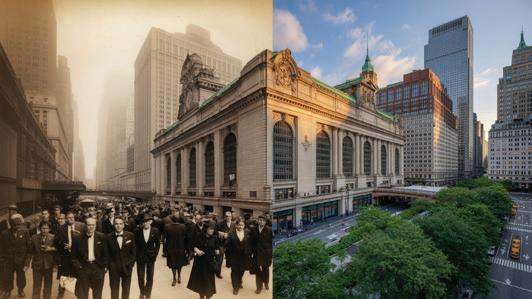
Late 18th century: Horses
2025: 298.7 million registered vehicles
The Center for the Study of the Presidency and Congress notes that walking was the most common and cheapest mode of transportation in the late 18th century. Horses and wagons enabled business and distance travel, but such modes were only available to those who could afford it, greatly limiting who could get around by any means other than their own feet. Getting around in the present day is a little more accessible, and a recent analysis from Hedges & Company found there were 298.7 million registered vehicles in the U.S. in 2025.
1776: 0%
Debates regarding income taxes may seem like an everpresent component of American life, but colonists did not pay income tax in 1776. Though taxation was undeniably a notable issue throughout colonial America, the Tax Foundation notes the situation was considerably different in 1776 than it is today, when taxes are a highly debated component of American life. In 1776, the British Crown relied on tariffs and excise taxes to fund the American colonies, whereas modern Americans pay federal and, in most states, state income taxes to finance a range of public goods and services.

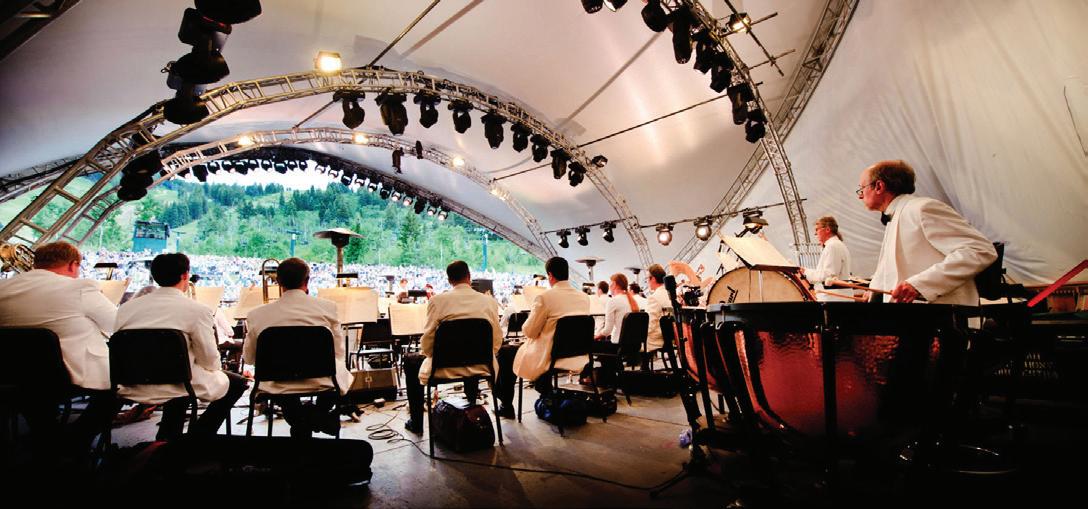
Utah Symphony | Utah Opera (USUO), together with America250 Utah, is presenting the 2026 Music Elevated State Tour, a seven-stop concert tour that partners with communities across Utah to celebrate our state through free outdoor concerts and music education activities.
The tour coincides with the national celebration of America’s 250th birthday and highlights the people, places, stories and rich cultural heritage that make Utah shine.
This concert will be on the road from late June through mid-July, with performances being presented in locations extending from northern Utah to Bryce Canyon.
“The 2026 Music Elevated State Tour is a powerful expression of our mission to connect communities through great live music,” said Steven Brosvik, president & CEO of Utah Symphony | Utah Opera. “This expanded tour — our longest state tour yet — celebrates American spirit in music, honors Utah’s distinct heritage and showcases the towns and landmarks that make our state special. Our musicians and guest artists are eager to share their passion and artistry with audiences of all ages. As the U.S.
proudly marks an historic milestone, all Utahns can take pride in their Utah Symphony | Utah Opera — a nationally and internationally distinguished artistic gem.”
“Music possesses the power to transcend boundaries, unite strangers and kindle a shared sense of patriotism,” said Mindy Benson, co-chair of America250 Utah. “The Music Elevated performances, stretching from the steps of our state capitol to the vibrant community of Cedar City, invite all Utahns to gather, celebrate and honor a defining American milestone: the 250th anniversary of the Declaration of Independence.”
The program will have a patriotic flair and feature a wide-ranging collection of favorite classical works, Broadway selections and American folk music and hymns. Selections span iconic American composers and beloved repertoire alongside works that reflect USUO’s own history — honoring the legacy of one of the Utah Symphony’s first music directors, Maurice Abravanel, as well as Utah Opera’s commitment to commissioning and presenting new American works.
Musical pieces on the program will include Overture to
“Candide” by Leonard Bernstein, “Liberty Fanfare” by John Williams, “Hoe-Down” from “Rodeo” by Aaron Copland and “Bugler’s Holiday” by Leroy Anderson.
Joining as soloists for select works throughout the program are soprano Amy Owens and violinist Aubree Oliverson, both of whom have built major national and international careers while remaining connected to their Utah roots. Owens is a former Utah Opera Resident Artist who had a starring role last season in the company’s production of “Sweeney Todd,” and Oliverson, who grew up in Orem, most recently returned to the Utah Symphony in 2024 as a Masterworks soloist.
Conductor Conner Gray Covington, a former Utah Symphony Associate Conductor who has made recent debuts with the Boston Pops and the Chicago Symphony, will lead the orchestra. Covington led USUO’s 2021 state tour and has returned as a frequent guest conductor.
Introducing a special initiative called the Pioneer Fiddle Project, the Music Elevated tour will also celebrate the many pioneer families who carried treasured instruments across the plains as they journeyed west. At select stops, audience members will be invited to bring historic or family instruments to be appraised by experienced instrument specialists. And, through an exciting partnership with StoryCorps, selected stories will be recorded to preserve the musical and family histories connected to these instruments for future generations.
“This tour brings communities together to honor the music and stories that have shaped our state,” said Benjamin Kipp, USUO vice president of education and community engagement. “Knowing that music and the arts are so deeply engrained in Utah’s pioneer heritage, we’re inviting families to bring forward the instruments that carried hope, faith, and now serve as a powerful bridge between past and present.”
USUO will not only honor the cultural heritage of our country and state but will also spotlight the distinctive aspects, character, and beauty of each unique community represented on the tour. USUO is working together with local leaders and cultural organizations to curate community engagement activities and educational opportunities to take place earlier in the day before each evening concert; these will be announced closer to the performances. Previous tours have included events such as fiddle play-ins, conducting and performance classes for students and more.
All Music Elevated performances and events are free and open to the public; attendees are encouraged to RSVP in order to guarantee admission at USUO.org/MusicElevated.
Utah Symphony in Wellsville
Tuesday, June 30, 8:30 p.m.
American West Heritage Center 4025 S. Hwy. 89-91, Wellsville
Utah Symphony in Springville Thursday, July 2, 8 p.m.
Jolley’s Ranch
Right Fork Hobble Road, Springville (Up Hobble Creek Canyon)
Utah Symphony at Capitol Hill Friday, July 3, 8:30 p.m.
Utah State Capitol 350 N. State Street, Salt Lake City
Utah Symphony in Midway Saturday, July 4, 8 p.m. Midway Town Square 75 N. 100 West, Midway
Utah Symphony in Fillmore City Park
Tuesday, July 7, 8 p.m.
Territorial Statehouse State Park 50 W. Capitol Street, Fillmore
Utah Symphony in Cedar City Wednesday, July 8, 8:30 p.m. Main Street Park
200 N. Main Street, Cedar City
Utah Symphony at Bryce Canyon
Friday, July 10, 7:30 p.m.
Ruby’s Inn at Bryce Canyon
26 S. Main Street, Bryce Canyon City
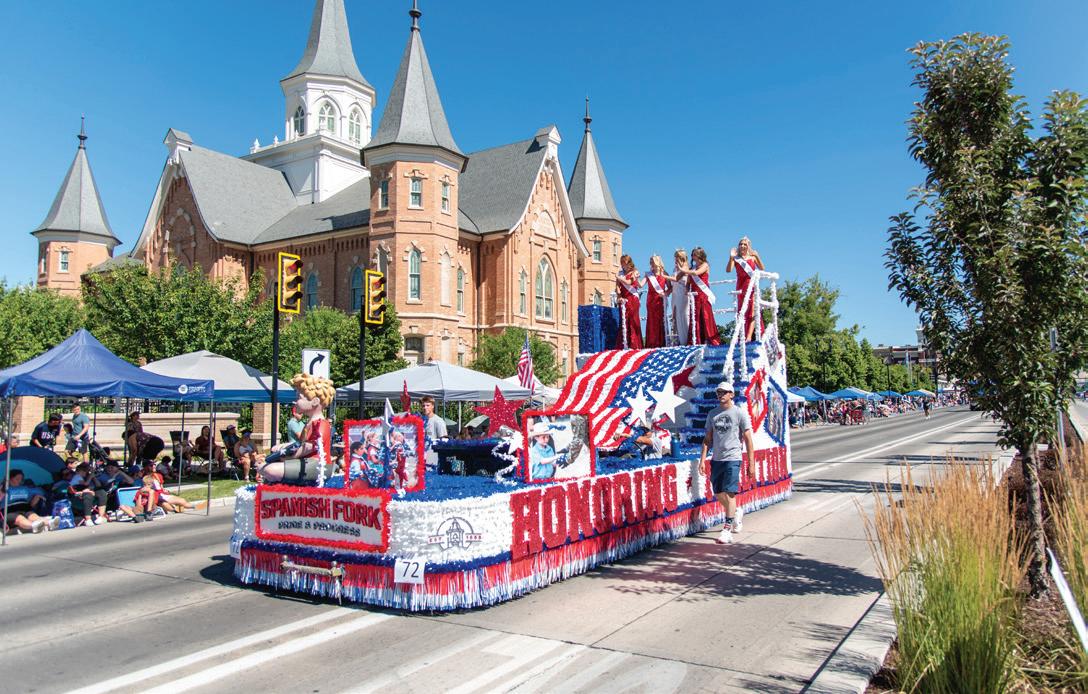
A variety of activities are planned during the week of July 4 as part of America’s Freedom Festival at Provo, one of America’s premier patriotic celebrations.
The schedule includes the following events. More details may be found at freedomfestival.org.
June 28, 7 p.m.
Marriott Center, 701 E. University Parkway, Provo
The annual Patriotic Service will be held at the Brigham Young University Marriott Center. This family-friendly event focuses on faith, country and American heritage. This year’s keynote speaker is Elder Ronald A. Rasband of the Quorum of the Twelve Apostles on The Church of Jesus Christ of Latter-day Saints. Also performing will be GENTRI and the 23rd Army Band of the Utah National Guard. The event is free to the public and tickets are not required.
June 29-July 4, 9 a.m. to 8 p.m.
Fold of Liberty Farms, 4197 W. 5200 South, Spanish Fork
Experience this “living museum” where history isn’t behind glass. Explore the Victory Park USA Museum and its dozens of authentic restored military vehicles. Take a guided tour or move at your own pace through decades of military artifacts. Daily rides are offered in vehicles such as the 1944 Half-Track and the “Proud American,” an authentic Vietnam War Gun Truck. Admission is free; there are fees for some activities.
July 1, 2 & 3, 10 a.m. to 6 p.m.
SCERA Center for the Arts, 745 S. State Street, Orem
This museum inside the SCERA Center for the Arts houses the Brent and Charlene Ashworth Collection. New items to be displayed this year include an original 1776 Philadelphia copy of “Common Sense” by Thomas Paine and the first magazine printing of the Declaration of Independence in 1776. Other displays will feature items related to sports, entertainment, science and Utah and local history. Admission is free.
July 2, 3 & 4, 6 to 8 a.m.
Fox Field, 1100 N. Freedom Blvd., Provo
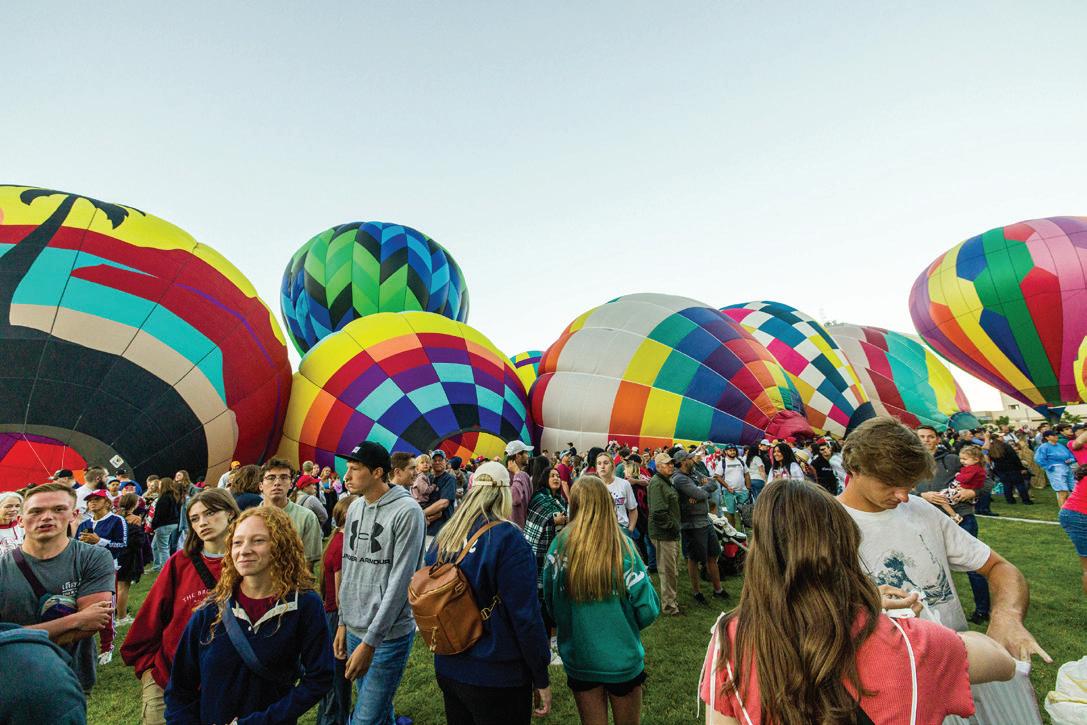
Gather with more than 25,000 spectators to experience approximately 25 magical hot-air balloons rise into the air. Arrive early to catch all the action. Families are invited to walk around the balloons as they are inflated. Admission is free. A balloon glow — where balloons are inflated and “glow” in the dwindling evening light — will be held Friday, July 3, from 8:30 to 10:30 p.m., also at Fox Field.
July 2, 3 & 4, 9 a.m. to 6 p.m.
SCERA Park, 600 S. State, Orem
The Colonial Heritage Festival is the largest livinghistory celebration of our nation’s founding west of the original 13 colonies. There will be activities for all ages ranging from dipping candles and drilling with the children’s militia to working a printing press, signing the Declaration of Independence and meeting artisans such as blacksmiths, weavers and silversmiths. Attendees may also talk with living historians portraying historic figures such as Benjamin Franklin and Thomas Jefferson. Admission is free; donations are accepted.
July 2, 3 & 4, 10 a.m. to 11 p.m.
Downtown Provo (Center Street & University Avenue)
This three-day event will include a carnival, food and craft vendors. All-day wristbands for the carnival will be on sale for $35. Hours are as follows:
July 2
Vendors: 4 to 10 p.m.
Carnival: 4 to 11 p.m.
July 3
Vendors: 10 a.m. to 10 p.m.
Carnival: 10 a.m. to 11 p.m.
July 4
Vendors: 10 a.m. to 8 p.m.
Carnival: 10 a.m. to 11 p.m.
July 2, 6:30 p.m.
Utah Valley Convention Center, Provo - $60/person
The Freedom Awards Gala is a distinguished evening where America’s Freedom Festival at Provo honors inspiring individuals whose courage and faith have strengthened the values of God, family, freedom and country. Reservations are required for this formal evening of dining and entertainment. To make a reservation, visit freedomfestival.org/freedom-awards-gala/.
July 2, 3 & 4
SCERA Center for the Arts, 745 S. State Street, Orem
The annual presentation of “Cries of Freedom, the Musical” will again be presented at the SCERA Center for the Arts this year. This production includes stirring music, emotional acting and energetic dancing. Shows will be presented on July 2, 3 and 4 at 1 p.m., 4 p.m. and 7 p.m. each day. Admission is free. Run time is approximately 70 minutes.
July 3 & 4, 10 a.m to 6 p.m.
Utah County Historic Courthouse, 51 S. University Ave., Provo
This free exhibit is open to all. The exhibit’s 2026 honoree is Brandon Tracy, a Utah-based artist who enjoys painting landscapes and portraits.
July 4, 7 a.m.
Kiwanis Park, 1019 N. 1100 East, Provo
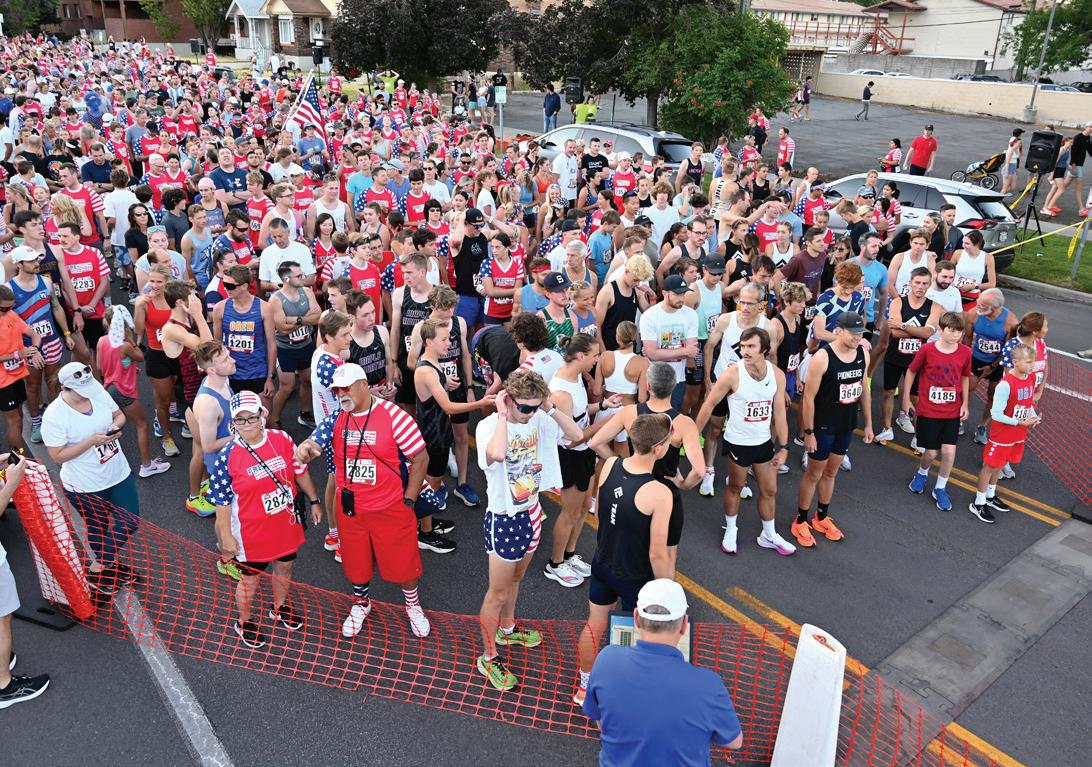
Enjoy a 10K, 5K or 1-mile run as part of the Freedom Run event. Those participating are encouraged to wear their patriotic garb; Uncle Sam running on stilts has been a crowd favorite. For more information and to register, visit freedomfestival.org/freedom-run/.
July 4, 9 a.m.
University Avenue and Center Street, Provo
The Grand Parade is the largest parade of its kind in the western United States. More than 350,000 spectators will enjoy this event, which will feature marching bands, professionally designed floats, giant helium balloons, exciting equestrian entries and outstanding performers. Visit freedomfestival.org/grand-parade/ for a parade map.
July 4, 8 p.m.
LaVell Edwards Stadium, Provo - Tickets: $55-$330
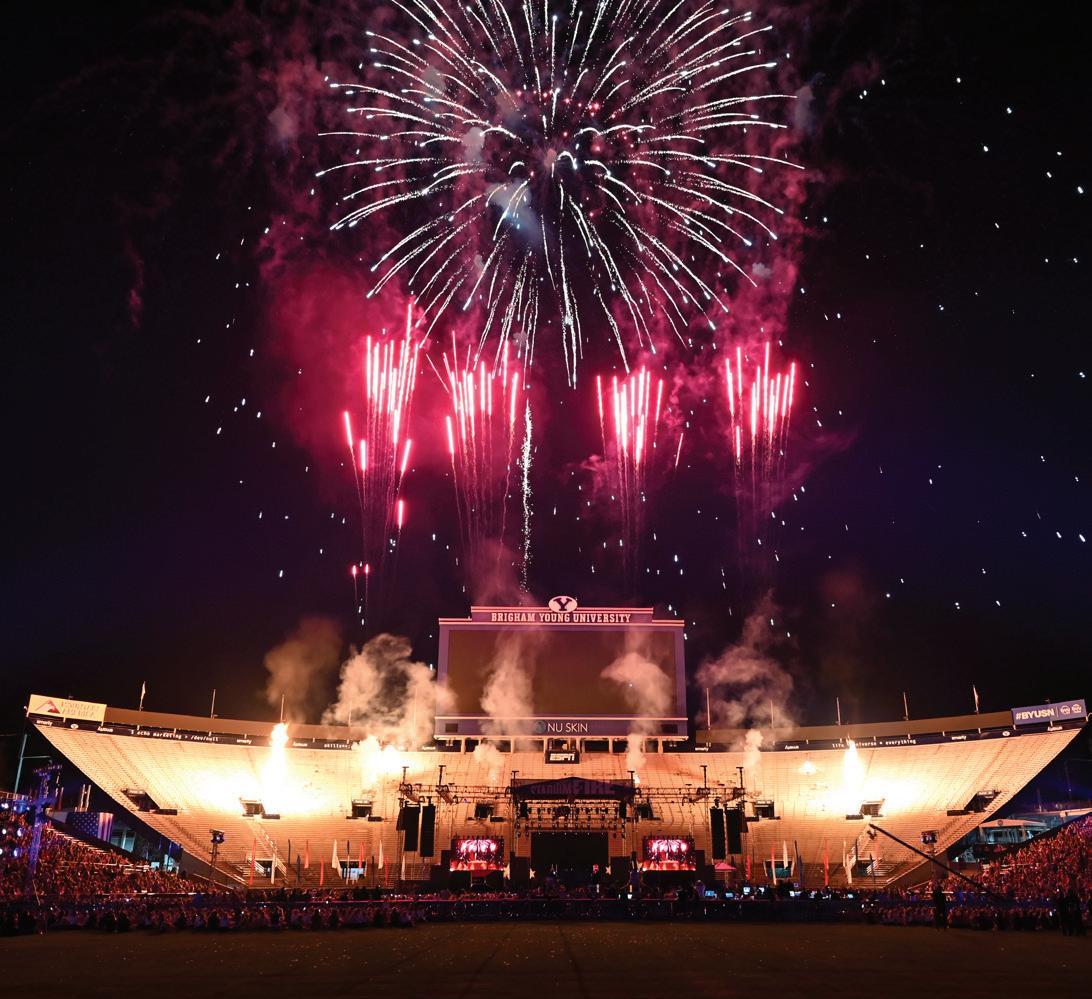
Country music superstar Brad Paisley will headline this year’s Stadium of Fire. Attendees will also enjoy thrilling stunt highlights by Nitro Circus, performances by vocal trio GENTRI, dancing by the Stadium of Fire dancers, and inspiring tributes to military and civilian heroes. The finale will be a special pyro, drone, flame and laser spectacular in tribute to our nation’s 250th year. For tickets, visit freedomfestival.org/stadium-of-fire/.
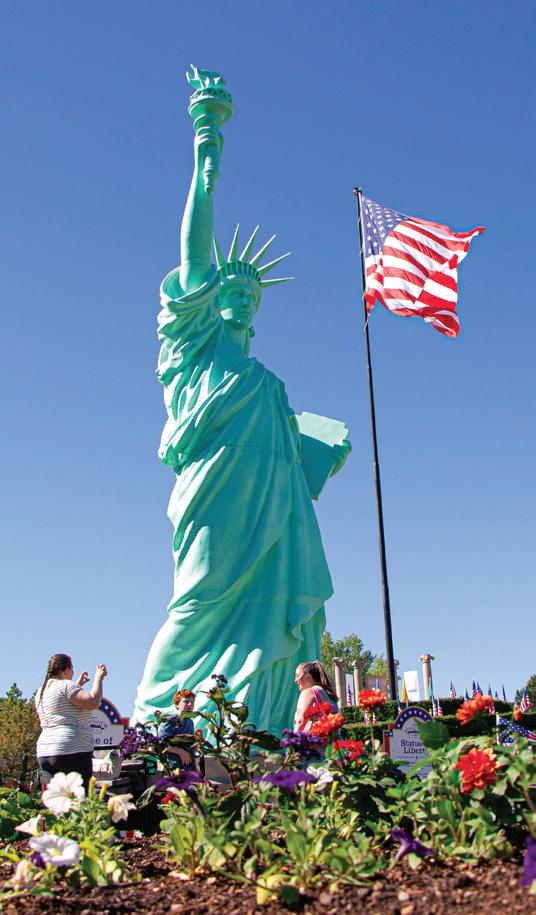
A towering 40-foot Statue of Liberty now rises above Thanksgiving Point’s Ashton Gardens, joining a collection of iconic American landmarks that celebrate the nation’s history, innovation and enduring spirit as part of Imaginaria, the heart of Utah’s America 250 celebration.
Now open through Aug. 22, Imaginaria transforms the 50-acre Ashton Gardens into an immersive tribute to America’s 250th birthday. Guests can experience larger-than-life replicas of the Statue of Liberty, Mount Rushmore, the Lincoln Memorial, the Washington Monument and the Liberty Bell along with a sweeping display of historical American flags representing the nation’s journey through time.
As the heart of Utah’s America 250 celebration, Imaginaria invites guests to explore America’s story through hands-on play, interactive discovery and unforgettable experiences designed to inspire wonder and curiosity.
“America’s 250th birthday is an opportunity to reflect on the people, places and ideals that have shaped our nation,” said Melinda Pike, chief marketing officer at Thanksgiving Point. “Imaginaria brings some of America’s most recognizable landmarks together in one place, creating an experience that inspires curiosity, encourages exploration and helps guests connect with our nation’s story in a meaningful way. We are honored to be part of Utah’s America 250 celebration.”
Throughout the festival, guests can jump, splash and play through experiences inspired by American history,
innovation and ingenuity. Highlights include a 250-foot obstacle course, a 150-foot mega slide, interactive sports challenges, train rides, water play experiences, hands-on crafts and STEM activities for guests of all ages.
Additional themed areas celebrate the many stories that make America unique. Guests can discover Utah landmarks along Heritage Trail, experiment with music and movement in Music in America and explore space exploration-inspired adventures at Spaceport. Each area of Imaginaria combines education and entertainment, encouraging guests to ask questions, make discoveries and experience history in new ways.
Imaginaria is open Monday through Saturday at Ashton Gardens, located at Thanksgiving Point in Lehi. Admission is included with Thanksgiving Point Membership. Tickets and additional information are available at thanksgivingpoint.org/imaginaria/.






































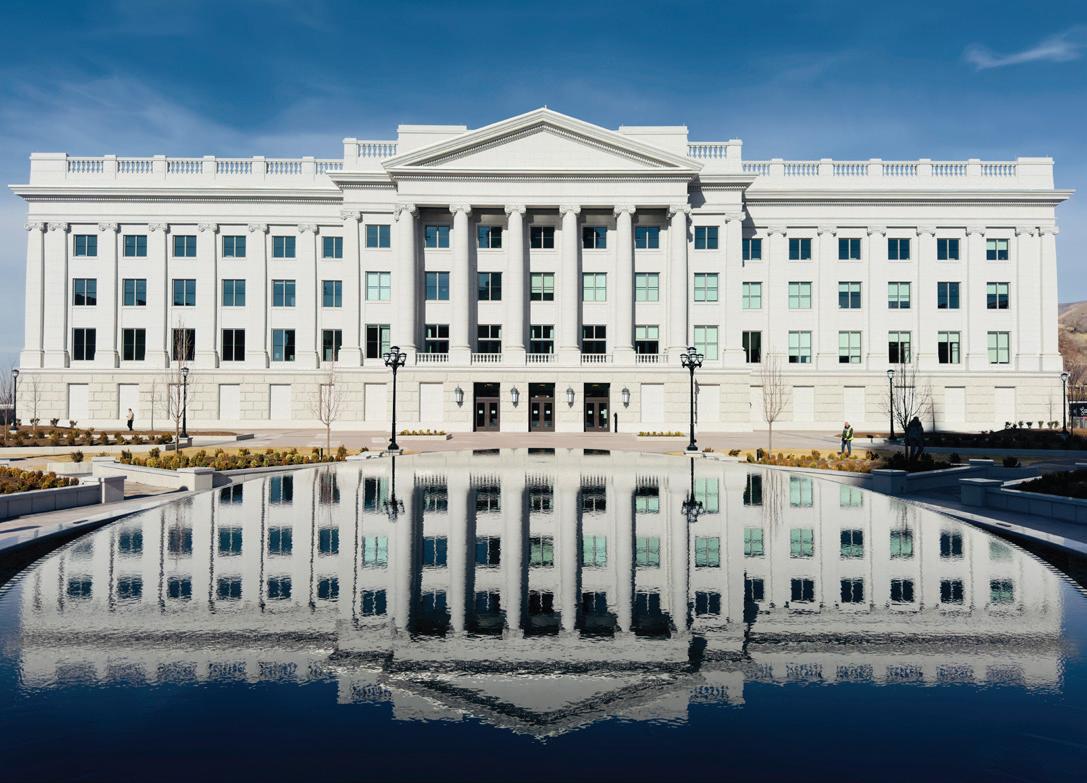
This summer, as the nation reflects on two and a half centuries of American history, Utahns are unwrapping a gift of their own. As part of the America250 Utah commemorations, the state is unveiling its newest cultural landmark: The Museum of Utah.
The museum opened June 27 in the new North Capitol Building at the State Capitol Complex (450 N. State Street), Salt Lake City). Admission to the Museum of Utah is free to the public. Plan your visit at museum.utah.gov.
As Utah’s first state history museum, the Museum of Utah celebrates Utah’s unique history, culture and art through world-class exhibits, programming and
community spaces. The Museum of Utah is an extension of the Utah Historical Society and is meant to foster curiosity about the past, inform the present and strengthen Utahns’ shared future.
The Museum of Utah also serves as a gateway to the Capitol Complex, engaging visitors as they explore Utah’s past and consider their place in shaping Utah’s future.
The museum features four permanent galleries that organize Utah’s rich history into meaningful themes. The building also includes a state-of-the art collections storage facility specifically designed to care for and house the state’s renowned history and art collections.
The four permanent galleries are:
Becoming Utah: Explores the people who have lived here and their perspectives, Utah’s unique journey to statehood, and the push-pull factors that have brought people to Utah over time.
Connecting Utah: Illustrates Utah’s sense of community, character and thriving culture, creating a sense of interconnectedness and shared interests among Utahns.
Building Utah: Honors the work of Utahns in its many forms – from agriculture and mining to homemaking and railroad building.
Inspiring Utah: Highlights the state’s distinctive achievements, attractions, innovations and what makes Utah an amazing place to be.
• Free admission
• 17,000 square feet of exhibition space
• More than 800 objects on display from the state collection
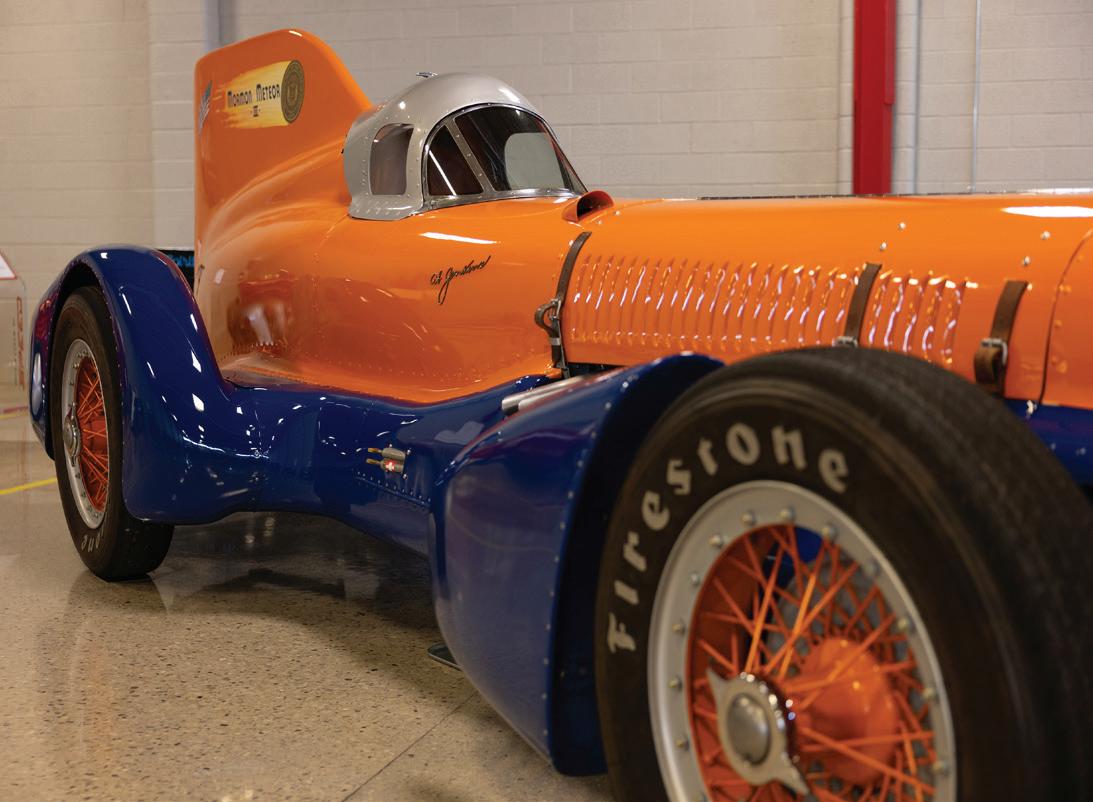
• Featured objects: The Mormon Meteor III, a custom-built land speed record car commissioned and driven by Utah native Ab Jenkins; Utah’s first state flag; a Mormon pioneer handcart; and a canoe owned by Dave Rust, one of Utah’s first river runners.
Through October 24
Springville Museum of Art 126 E. 400 South, Springville
Students from kindergarten through 12th grade were invited to submit works for this exhibition, an official America250 Community Project. Select pieces from the museum’s Permanent Collection will also be shown as part of this exhibit. Students were asked to create original artwork depicting their feelings about life in the United States and how they themselves are contributing to or shaping the American story. Admission to the museum is free; visit smofa.org for more information.
Sunday, June 29
Davis High School, 325 S. Main Street, Kaysville
Utah Attorney General Derek Brown will serve as the special guest speaker at the Kaysville & Fruit Heights Interfaith Patriotic Devotional on Sunday, June 29, at 7 p.m. in the Davis High School Auditorium, 325 S. Main Street, Kaysville. There will also be patriotic music and a military tribute by the Harmonic Winds of Utah and the Davis High School Drumline and Marching Band.
“WILD
Wednesday, July 1
Ogden Nature Center, 966 W. 12th Street, Ogden Ogden Nature Center’s “Wild Wednesday: America the Beautiful - A Special Independence Day Program” on Wednesday, July 1, will provide an opportunity to learn about bald eagles and why they are our nation’s national symbol with the help of ONC’s own bald eagle. After the program, participants will go outside and search for things in nature that are red, white and blue. Class begins promptly at 3:45. Regular admission prices apply. Visit ogdennaturecenter.org for more information.
August 28-October 17
Ogden Union Station, 2501 Wall Ave., Ogden
In continued celebration of America’s 250th anniversary, artists submitting works to this exhibit were asked to create a monochromatic piece dominantly comprised of one of the three theme colors: red, white and blue. The Community Art Show is hosted quarterly at Ogden’s Historic Union Station; artists living in Utah are eligible to participate. Admission to Union Station is $7 (adults 18-64), $4 for teens 13-17, $3 youth 3-12 and $5 for seniors 65 and older. For more information: ogdencity.gov/2277/ Union-Station.
It’s been 250 years since the 13 colonies joined to form the United States of America, but those 13 territories continue to feature prominently throughout the country each and every day. That’s because the 13 stripes on the American flag represent the original 13 colonies.
The American flag serves as a visible reminder of the 13 colonies, and that’s not the only interesting fact about the territories that would become the United States of America.
ConnecticutHistory.org notes that the Connecticut Colony had a framework for government by the mid17th century not unlike the one that would be spelled out in the U.S. Constitution. The Fundamental Orders of Connecticut were adopted in 1639 and are considered the first written constitution in America. Roger Ludlow of Windsor is believed to have drafted the Fundamental Orders, which consisted of a preamble and 11 orders (or laws) and mirrored trading company charters common at the time. Notably, the Orders did not reference the authority of the crown.
After the restoration of the Stuart monarchy in 1660, Charles II of England took the throne. Money was tight at the time, so Sir William Penn, a British admiral, funded the rebuilding of the Royal Navy out of his own pocket. Charles II was petitioned for repayment by Sir William’s son, also named William Penn, 20 years later. But the younger Penn, who had become a Quaker by this point, requested land in lieu of funds, with a goal toward establishing a place where religious tolerance was rule. The king granted the younger Penn’s request in 1681 and decreed that the territory granted to Penn be named after his father. Thus, Pennsylvania got its name.
Benjamin Franklin was among the most renowned and recognizable of the Founding Fathers of the United States, and his commitment to the ideals of the burgeoning nation did not waver even when the conflict that became the American Revolutionary War divided his family. William Franklin was a son Benjamin fathered outside his common-law marriage to Deborah Read. Though William was raised by his father and Read, father and son did not see eye-to-eye on every issue, including the war. William, in fact, served as the 13th and final Colonial Governor of New Jersey and remained a steadfast loyalist throughout the conflict.
The prospects of victory were looking dim for loyalists by 1781, and William departed for England in 1782, never to return to New Jersey or the infant nation it became a part of. Curiously, William’s own son from an extra-marital relationship, William Temple Franklin, sided with his grandfather during the conflict and even served Benjamin Franklin while the latter negotiated a pivotal alliance between America and France.
The colony of New Hampshire was so sparsely populated by the end of the French and Indian War in 1762 that Governor Benning Wentworth came up with a unique way to entice people to move to what’s now known as the Granite State. According to history.com, Wentworth recruited settlers by offering one-acre lots that required annual rental payments of just a single ear of Indian corn payable on Dec. 25.
A new community pageant celebrating religious freedom and American liberty will debut this summer in Sanpete County as “The Spirit of Freedom” comes to life at the Sanpete County Fairgrounds along U.S. Highway 89.
Timed to commemorate the 250th anniversary of the Declaration of Independence, the pageant tells the true story of John Lathropp, a 17th-century English pastor whose courageous stand for freedom of conscience helped lay the groundwork for religious liberty in America. Performances are scheduled to be presented July 22-25 at 8 p.m. the Sanpete County Fairgrounds, 500 N. State, Manti.
Organizers describe “The Spirit of Freedom” as more than a historical production. It is a communitydriven effort designed to inspire, unite and energize communities along the Highway 89 corridor — culturally,

live with original songs and live vocal music rather than a prerecorded soundtrack. Organizers say the music carries a powerful spirit and the story is touching, tender and
Foundation Award, and incorporates selected scenes from
Lathropp’s legacy lives on through his descendants, which include six U.S. presidents and numerous Latter-day Saints leaders, including Joseph Smith.
Organizers believe Lathropp’s story resonates strongly today, exploring timeless themes of freedom, faith, sacrifice and conscience.
Producers describe the pageant as a modern-day “miracle.” Producer Ned Armstrong said the list of meaningful coincidences and inspired connections behind the production spans more than seven pages. Among them: author Ora Smith had already written two novels about John Lathropp and offered to adapt the story for the stage; writer Lauri Updike had taught from a book about Lathropp for more than 20 years; and story expert Martin Hyatt was so moved by the project that he left his job and relocated to Sanpete County.
Armstrong also pointed to the music itself as a miracle, describing it as something that “flowed” rather than being traditionally composed.
The pageant is expected to benefit the local economy. Previous pageants in the area drew tens of thousands of visitors, increasing traffic to local restaurants, businesses and lodging. Community leaders see “The Spirit of Freedom” as an opportunity to showcase Sanpete County as a destination for meaningful, family-friendly cultural experiences.
Producing a pageant of this scale requires financial
July 22-25
Sanpete County Fairgrounds, Manti
Cost: $15 general admission. Individuals 12 years old and older need a ticket. Children 11 and younger are free and do not need a ticket. A family pack of 4 tickets (for individuals ages 12 and older) is available for $45 - children 11 and younger are free and do not need a ticket. Tickets may be purchased online at spiritoffreedompageant.com.
support, and organizers are seeking donations from individuals, families and local businesses. Contributions will help fund costumes, sets, lighting, music and promotion with the goal of establishing a lasting event that can benefit the Manti area for years to come. Those interested in learning more about the pageant as well as volunteering and sponsorship opportunities can visit spiritoffreedompageant.com, send an email to freedomthroughchristusa@gmail.com or join the Spirit of Freedom Pageant Facebook group.
The American flag has been recognized across the globe as a symbol of freedom for centuries. The Stars and Stripes is recognizable to billions of people worldwide, but the flag has undergone many changes since the United States gained its independence from Great Britain.
According to the National Flag Foundation, the national flag of the United States has been revised 27 times since American colonists fought for and won independence from British rule. Of course, many of those changes occurred when a new state or new states
were added to the union. Each time a new state joined the union, the flag would have to be adjusted with the addition of an extra star. The 1777 flag included a star for each of the 13 colonies that eventually became one of the initial 13 states, but the modern flag now features 50 stars as representative of the 50 states.
Though the flag certainly underwent many changes since the nation’s inception, the NFF notes the current flag has remained unchanged since 1960, when the 50-star version was officially adopted on July 4 in recognition of Hawaii becoming the 50th state in 1959.

















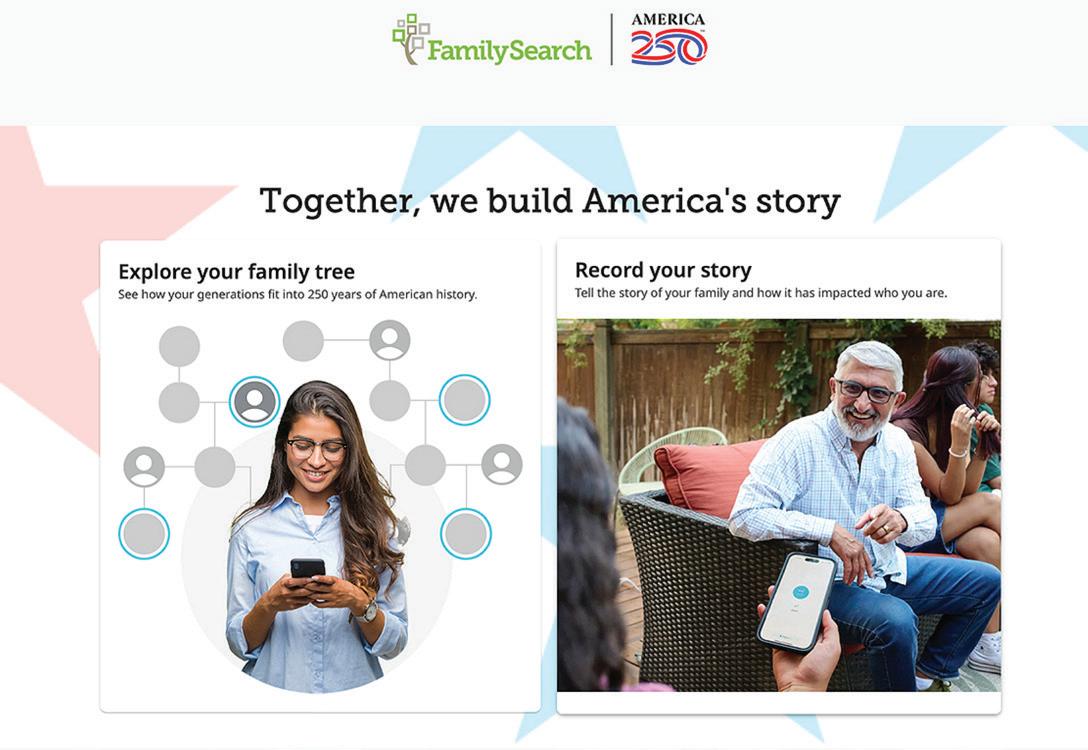
FamilySearch International is collaborating with America250, the official celebrations for America’s 250th anniversary of the signing of the Declaration of Independence, with the release of a new web page and an invitation to “discover your family’s place in American history.”
FamilySearch America250 is a web page launched for the national celebration to help show that every family
has contributed to the American story. It includes links and invitations to explore the FamilySearch Family Tree, record a story, nominate an American Hero, get help at a FamilySearch center and find answers to frequently asked questions.
“America’s story is built one family at a time, said Steve Rockwood, FamilySearch International CEO. “As we commemorate 250 years, we invite everyone to add
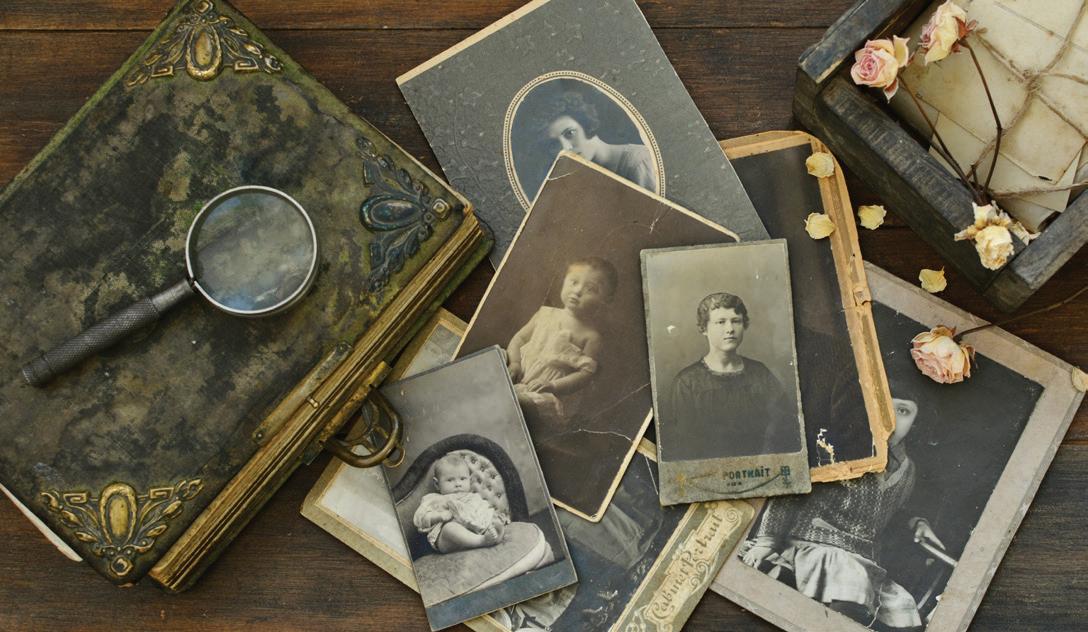
what they know — names, memories and photos — to help preserve the diverse experiences that shaped our communities and our nation. Together, we can make sure every voice is heard in America’s story.”
Sponsored by The Church of Jesus Christ of Latterday Saints, FamilySearch International is the largest genealogy organization in the world. Its theme for America’s 250th anniversary — “Together, We Build America’s Story” — encourages people everywhere to discover their ancestors and add personal and family stories to the FamilySearch Family Tree.
These efforts will help ensure that family memories, local histories and ancestor stories contribute to the broad, diverse fabric of America’s national story.
In addition, throughout 2026, select FamilySearch centers and affiliate libraries across the United States will offer America250-themed experiences, including:
• Assisted discovery of ancestors who lived through significant historical eras of American history.
• Access to free genealogical records (immigration, military, census, local histories).
• Activities for youth groups, schools and community organizations.
• Hands- on help adding family stories, photos and memories to the FamilySearch Family Tree.
• Free personalized guidance from trained volunteers.
More information is available at familysearch.org/en/ campaign/page/america250.
America250’s mission is to celebrate unity, heritage and progress by inviting individuals, families and communities across the nation to remember, discover and add their own stories to expand America’s collective narrative and connect us all.
America250 emphasizes that “the American story is woven from the unique and varied narratives of our people,” highlighting the importance of both well-known and unsung contributions to the nation’s development.
Rosie Rios, chair for the America250 initiative, said, “When we know our story, we know America’s story — because it’s the people who came before us who built our country, and then we continue to build it.”
The Church of Jesus Christ is collaborating on America250 initiatives focused on service, family history and music.
“As we mark this historic milestone, we hope to foster a spirit of unity, peacemaking and goodwill,” said Elder Gerrit W. Gong of the Quorum of the Twelve Apostles in November 2025. “The anniversary is an opportunity for all to come together, serve together and express gratitude for the freedoms that have allowed all faiths — including ours — to flourish.”
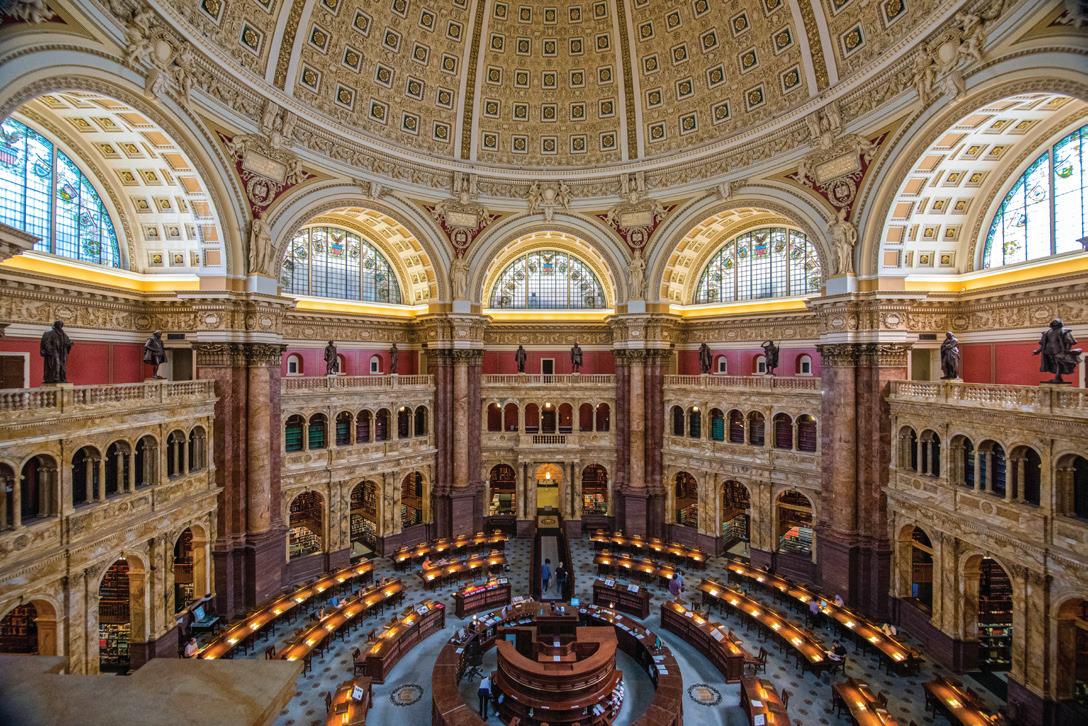
An act of the United States Congress approved in 1800 continues to have an impact even today, when it’s still paying dividends for lawmakers, librarians, scholars and the general public.
As Congress prepared to move the national government from Philadelphia to Washington in 1800, founding father and then-President of the United States John Adams approved an act allocating $5,000 for books to be used by congressmen. Thus marked the beginning of what is now known as the Library of Congress, which has since become the largest library in the world as well as the home of the U.S. Copyright Office.
In 1802, President Adams’s successor, Thomas Jefferson, made the job of Librarian of Congress a presidential appointment, and it remains so today. The Library of Congress continually adds to its collection, which currently consists of millions of books in roughly 470 languages.
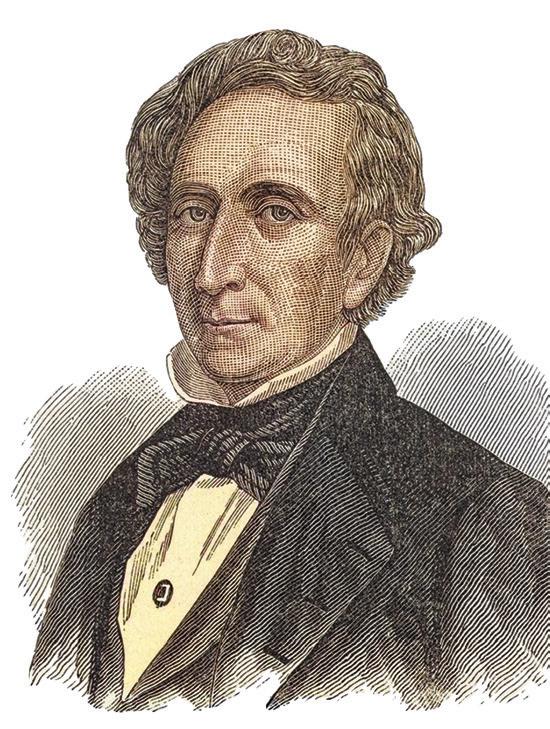
John Tyler’s visage might not have survived on American currency the way images of various figures from America’s early history have, but the tenth president of the United States did manage to remain newsworthy well into the 21st century.
Tyler, who was born in 1790 and served as president of the United States from 1841 to 1845, was a father of 15. Despite passing away in January 1862, less than a year after the start of the American Civil War, Tyler still had a living grandson at the start of 2025. Harrison Ruffin Tyler, who passed away on May 25, 2025, at the age of 96, was the last surviving grandchild of President Tyler. That means the period from President Tyler’s birth in 1790 until the death of his last surviving grandchild spanned nearly a quarter of a millennium.