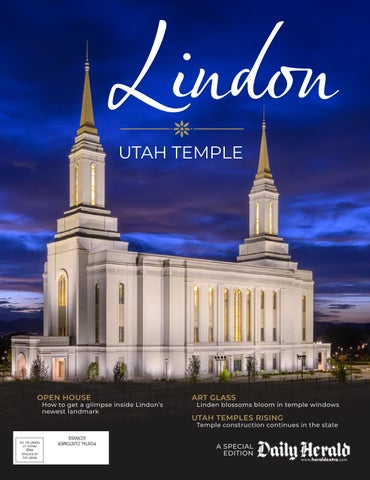
Lindon UTAH TEMPLE







At Treeo Senior Living, we celebrate living out loud. Because joy has no age limit.
We bring nearly 50 years of experience in hospitality driven care, making sure older adults have the most fulfilling, rewarding, and productive opportunities possible. From our signature program, PrimeFit Wellness, to a community calendar filled with social activities, there’s never been a better time to explore our community. Because aging doesn’t mean changing who you are. It means having more time to be exactly who you are.
Schedule your tour by phone or at TreeoOrem.com.


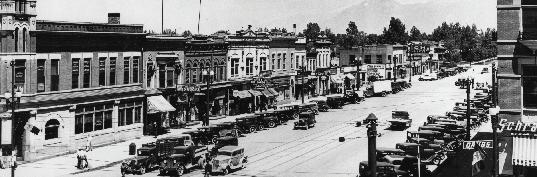
For 135 years, Central Bank has proudly served Utah County with a commitment to strong relationships, financial stability, and community-first values. Since 1891, our success has been guided by a simple belief: when you genuinely care for people and the places they call home, trust grows and communities thrive.
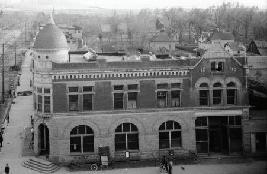
Central Bank’s roots trace back to two institutions built on local trust. The Springville Banking Company was founded in 1891 to provide residents with a safe, reliable place to save and borrow. In 1902, the State Bank of Provo was established by community members from diverse backgrounds who shared a vision for dependable, relationship-driven banking. Both banks earned reputations for personal service, sound management, and knowing customers by name.
These legacy institutions united in 1966 to form Central Bank and Trust, creating a stronger, more resilient bank with expanded lending capacity and long term stability. Through economic change and uncertainty, Central Bank maintained a disciplined approach to banking, qualifying early for FDIC insurance and navigating downturns without relying on government bailout funds.
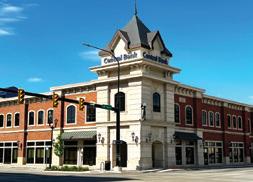
Today, Central Bank blends modern banking technology with the personal service that has defined us from the beginning. Customers enjoy convenient digital tools alongside relationship-focused service from local bankers who understand their needs. Beyond banking, our employees actively volunteer and support educational, nonprofit, and civic organizations throughout Utah County.
As we celebrate 135 years, Central Bank remains proudly independent, deeply local, and committed to serving our communities with integrity, care, and confidence, now and for generations to come.
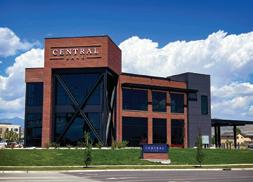
1891
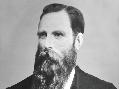
Springville Banking Company is Founded Milan Packard establishes the Springville Banking Company in 1891.
1930
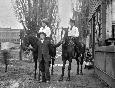
Strength through the Great Depression
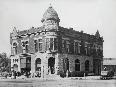
A Historic Merger Creates Central Bank & Trust
Springville Banking Company and State Bank of Provo merge, combining more than 140 years of collective strength, stability, and service.
1966 2026
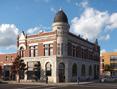
Modern Banking with a Personal Touch Central Bank continues to offer the latest in digital banking, while preserving the friendly service that has defined us since 1891.
Unlike many banks, Springville Banking Company withstands the Depression without government debenture capital and becomes the first bank in Utah to qualify for FDIC insurance.
1969-2023
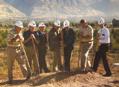
Serving a Growing Utah County
Opened 12 locations to serve a growing community. Each new location reflects Central Bank’s commitment to staying strong, local, and accessible to the communities we serve.

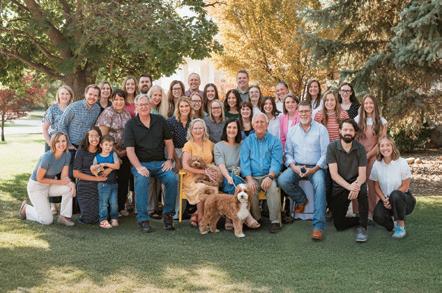

Founded in 2004, The Green House Center for Growth & Learning is a private counseling clinic with locations in Pleasant Grove, Springville, Saratoga Springs, and River ton.
The Center was founded by Elsebeth Green, Guerry Green, and Collette Dawson. The Center ’s name reflects the Founder ’s vision of a counseling clinic where individuals in crisis can grow and develop through comprehensive therapy.
We are dedicated to helping our clients achieve greater satisfaction; individually and in their relationships. We accomplish this by providing the highest quality of mental health services.
We have a strong team of therapists who offer several approaches to create a treatment plan that is custom fit to their client’s individual needs. We meet weekly to collaborate and benefit from each other’s years of expertise as we train together.
Listed below are some of the services we provide:
Traditional CBT or “talk therapy”
EMDR
Play Therapy
Sand Tray
Experiential Art Therapy
Neurofeedback
Groups (DBT, Processing Groups, Social Skills and Parenting)
We help clients of all ages heal from: Attachment and relationship wounds
Trauma
Anxiety
Depression
Much more
1 of 6 temples announced on October 4, 2020
SITE: 11.87 acres
TOTAL FLOOR AREA
87,005 sq. ft.
21st Largest Temple in the World
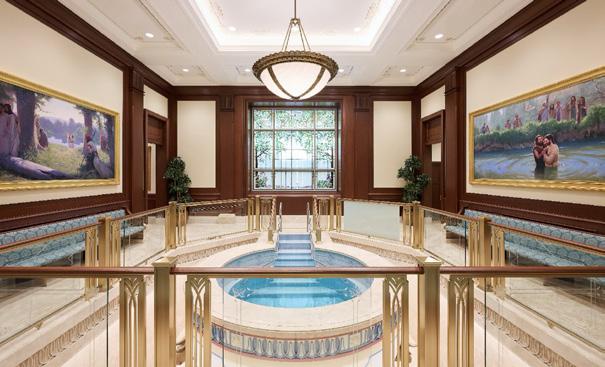
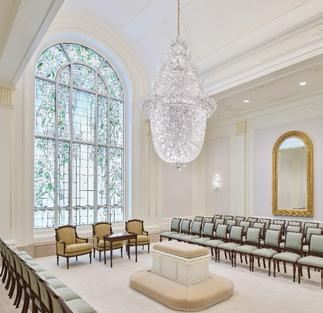
4 Instruction Rooms 4 Sealing Rooms 2 Baptistries
7th Completed Temple in Utah County
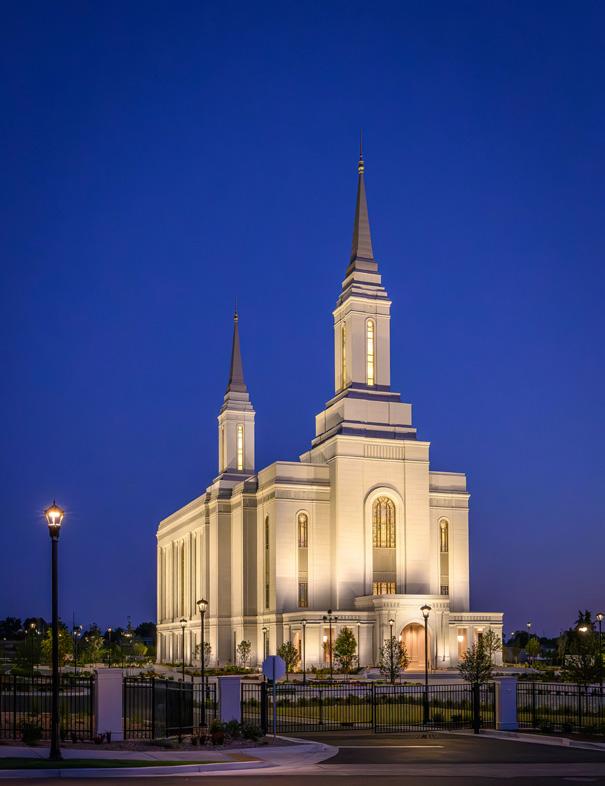
1 of 9 temples operating, announced or under construction in Utah County
25th Operating Temple in Utah
216th Operating Temple in the World
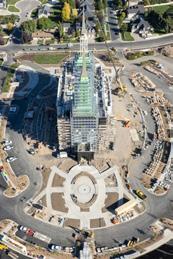
3-Story Building
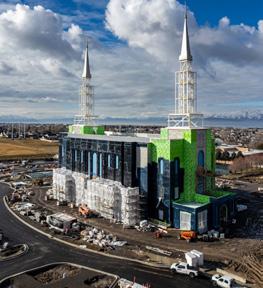
2 End Spires



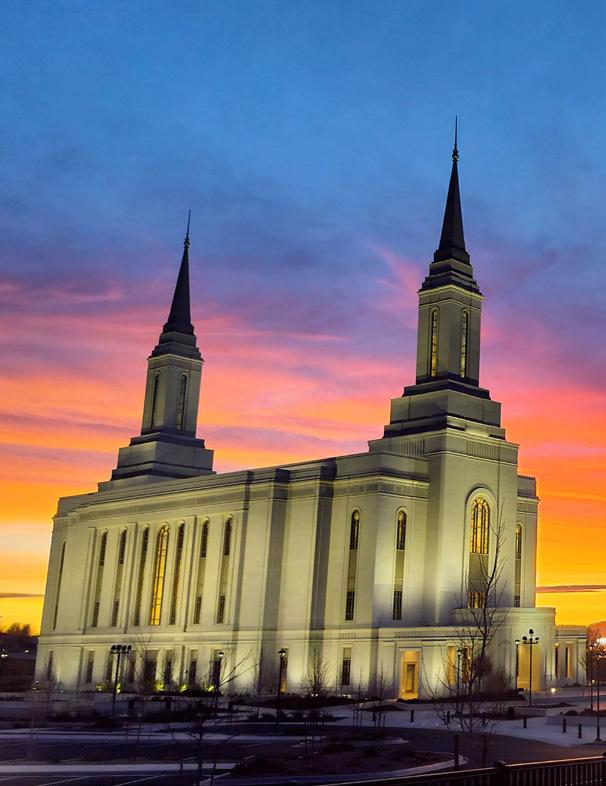
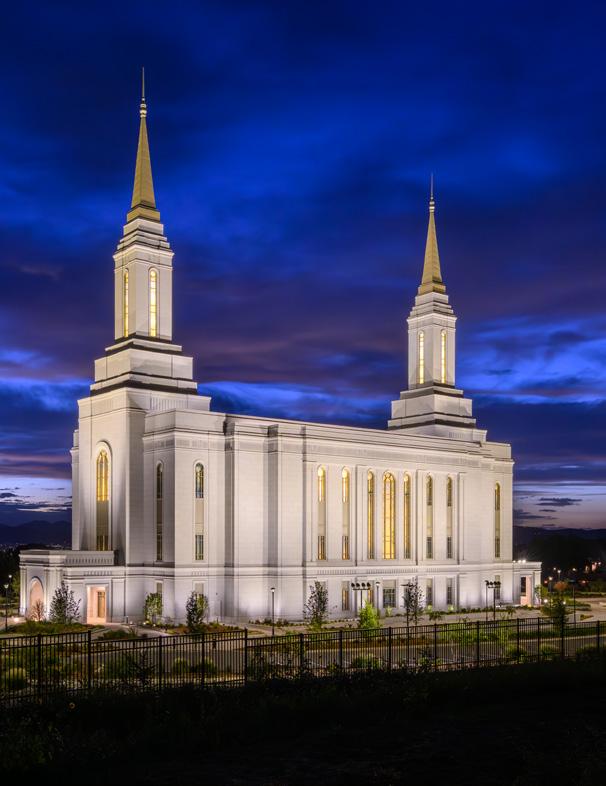
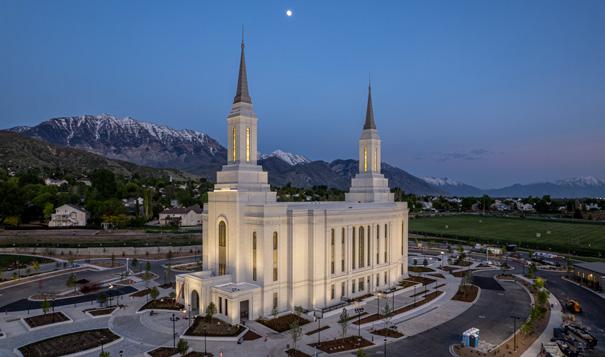
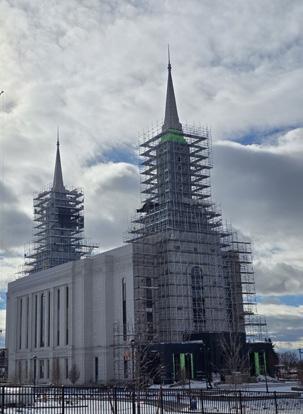
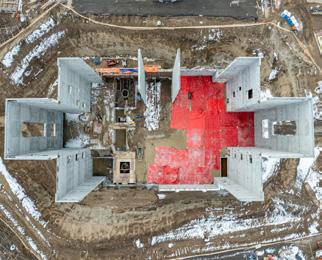
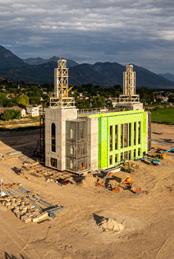
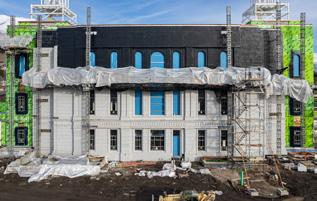
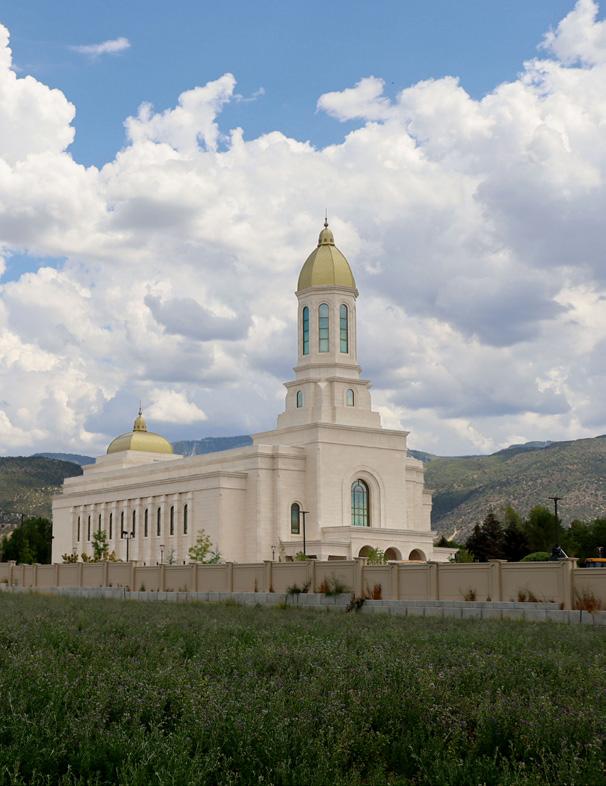
Just two years and three months after the Orem Utah Temple opened as Utah County’s sixth temple, a new sacred building is ready for dedication as the county’s seventh temple of The Church of Jesus Christ of Latter-day Saints.
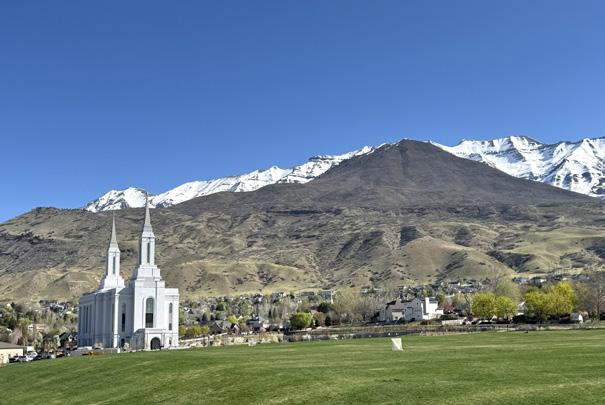
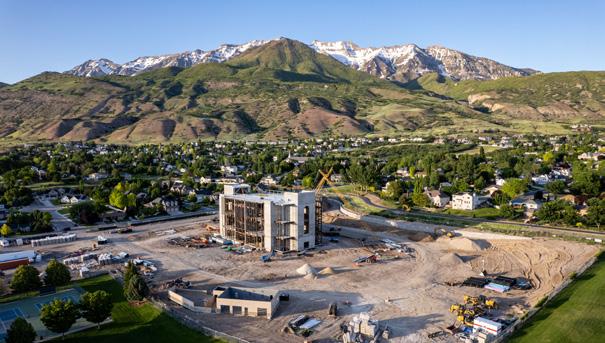
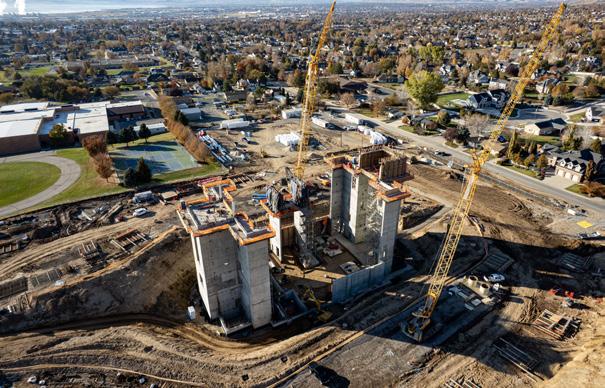
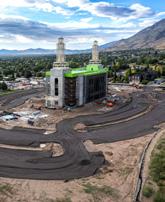
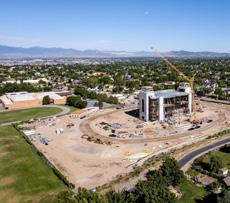
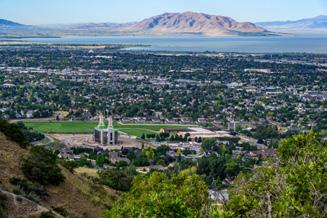
Announced on April 4, 2020, by Church President Russell M. Nelson, the new Lindon Utah Temple now rises in a residential neighborhood with the majestic Mt. Timpanogos towering above it. At 87,005 square feet, the Lindon temple will be the fifth-largest temple in Utah County (after the Provo Utah Rock Canyon Temple is completed), but it ranks as one of the 25 largest temples in the world.
For a short time, the Lindon temple will operate with a feature different from nearly any other temple: two baptistries. Only four other temples in the world — the Syracuse Utah Temple, the Salt Lake Temple, the Smithfield Utah Temple and the Provo Utah Rock Canyon Temple — have two baptistries in their design. Syracuse opened in June 2025, but the other three temples are still under construction or renovation, meaning Lindon and Syracuse will be the only temples operating with two baptistries
until the other temples are completed.
The Lindon temple is one of 32 temples either operating, under construction or announced for future construction in the state of Utah. Two other temples — the Lehi Utah Temple and the Spanish Fork Utah Temple — have been announced for Utah County and will eventually become the county’s eighth and ninth temples.
After watching the progress of the Layton temple’s construction during the past several years, all are now invited to attend an open house for the Lindon Utah Temple and view its interior. After a temple is dedicated, only members of the Church of Jesus Christ may enter, making this open house a unique opportunity to view the beauty behind its doors.
The Lindon Utah Temple open house begins Thursday, March 12, and continues through Saturday, April 11. The temple will officially open after a dedicatory session on May 3.
Plan now to take advantage of this unique opportunity to tour the inside of this magnificent structure that will serve as a landmark in Utah County for many years to come.
Source: churchofjesuschristtemples.org
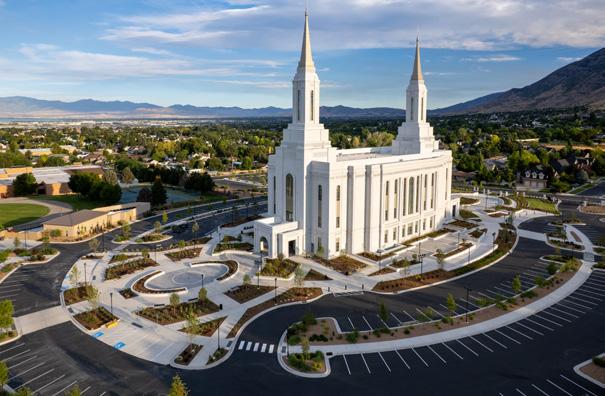
On Thursday, March 12, a unique opportunity begins for the public: the Lindon Utah Temple will open to visitors.
Generally, only members of The Church of Jesus Christ of Latter-day Saints may enter the Church’s temples. When a new or recently remodeled temple opens, however, an open house for the public is held, during which the public can tour the interior of the building.
That time has come for residents of Lindon and its surrounding communities who have watched the construction of the Lindon temple and wondered what it might be like inside.
Following a media day on March 9 and private tour sessions for invited guests March 10 and 11, the public open house for the temple will begin Thursday, March 12, and continue daily (excluding Sundays and Saturday, April 4) through Saturday, April 11.
The public is invited to take advantage of this open house opportunity and view the inside of the building and learn more about what happens within temples.
Even after the open house is complete, all are welcome to enjoy the beautiful grounds of the temple.
The Lindon Utah Temple will be dedicated on Sunday, May 3, 2026. The dedicatory session will be broadcast to all units in the Lindon Utah Temple district.
Daily beginning Thursday, March 12, and continuing through Saturday, April 11 (excluding Sundays and Saturday, April 4, for General Conference)
Monday through Saturday, 9 a.m. to 8 p.m.
ADDRESS
850 E. Center Street, Lindon
ADMISSION/RESERVATIONS
Admission is free; reservations are NOT required.
Guided walking tours will last approximately 45 minutes.
The tour is a guided walking tour. During the tour, representatives of the Church will be available to answer any questions.
Guests should anticipate longer lines and wait times the first three days of the open house, after school hours on weekdays, and on weekends. Guests will be waiting outside; attendees should dress appropriately for the weather.
Photography is not permitted inside the temple. During the tour, no water bottles, purses, bags, strollers, backpacks, service animals, pets or firearms are permitted. Restrooms will be available before and after the tour.
Parking will be available on site. Guests are encouraged to carpool or walk if possible.
Elevator access to all floors is available for those with mobility challenges.
From churchofjesuschrist.org
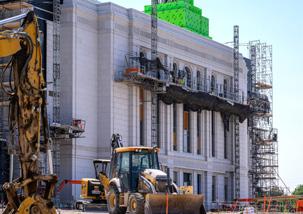
Each temple of The Church of Jesus Christ of Latter-day Saints is a house of the Lord, and each is a beautiful building meant to last many years thanks to high-quality materials and rigorous building standards.
The creation of these sacred structures is much like the construction of any other building. The process is also unique because of the significant role temples play in Latter-day Saint theology.
Temples are built using Church funds set aside for that purpose. The Church pays for the costs without a mortgage or other financing.
Church leaders want Latter-day Saints everywhere to have easy access to temples. Temple sites are generally located in areas with enough members (there’s no required number) to warrant construction or where great distances exist between temples.
Once the decision is made to build a temple in a certain area, the First Presidency then prayerfully chooses the precise spot on which to build — a pattern that has been in place since the Church of Jesus Christ’s beginning. For example, soon after entering the Salt Lake Valley in July 1847, Brigham Young identified the block of land on which to build the Salt Lake Temple.
Bill Williams, a Church architect, said the Church
looks for sites “that would have prominence, be in an attractive neighborhood, a neighborhood that would withstand the test of time.”
After the temple site is selected and the Church determines how large the building will be, a team of architects creates potential exterior and interior designs.
While the purpose of each of the Church’s temples is the same, many aspects of each structure’s inner and outer look and feel are unique and tailored to the local people and area. Williams said good architects “want to create something unique, something that has its own personality, and (Church leaders) allow us to do that” with temples. He added that much can be done to make a temple unique, including “the decorative motifs, the kind of furniture, the interior accouterments, how articulate it is.”
To create a look and feel that is just right for a specific temple, architects solicit several sources. Williams said his team meets with locals to
“understand the nature of the people, the country that they live in, Latter-day Saints that are there and how we can better fit the temple” to them.
A critical aspect of the planning process is sustainable design, a concept that Williams said seeks to reduce a temple’s long-term operational cost. “Whatever we can do to make the environmental systems, the mechanical systems energy efficient, to make the interior materials have longevity so that they don’t wear out straightaway, anything we can do to conserve water, it’s great for us as the owner because it makes that long-term cost less. That’s what it means to be sustainable,” he said.
In selecting building materials, the Church settles for nothing but the best. The pattern for this is found in the Bible’s description of Solomon’s Temple in 1 Kings 7. They used the finest materials and workers; the Church of Jesus Christ follows the same pattern.
The role of inspiration is critical to temple design. Design meetings begin with prayer. The design process can take up to two years. All along
the way — from architectural details to colors and carpet swatches — the First Presidency is involved and provides final approvals.
Because of the high standards for building its temples, the Church sends representatives across the world to search out the best contractors. The Church uses many contractors, and the complexity of temple design requires the very best that most workers have ever had to give on a project.
The high building standards are in place for two main reasons: first, Latter-day Saints believe their temples are the holiest places on earth and tributes to God; second, the Church builds these temples to last hundreds of years.
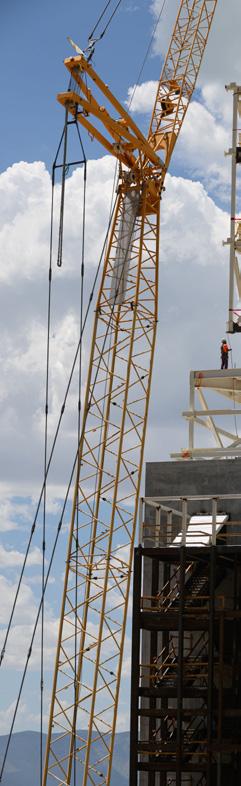
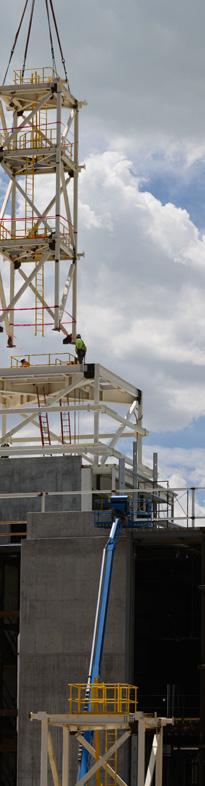
Church representatives ensure the construction companies are financially stable and able to meet Church regulations (including prohibitions against smoking, drinking and loud music on the construction site, though construction workers do not have to be Latter-day Saints). The Church then invites those selected companies to the bidding process. Once a company is chosen, construction typically takes 24 to 48 months, depending on the location.
For temple sites outside the United States, construction can take more time for a variety of reasons. For example, some countries might require more manual labor to do things that in the United States could be done with equipment. Other things can also slow down the process, such as additional fees incurred by local governments.
Although it can be a challenge to find qualified contractors, the high bar is worth it for both the Church and the workers. Not only do temple construction projects supply jobs in local communities, they also provide opportunities that many construction workers consider to be the zenith of their careers.
Latter-day Saints who live the highest standards of the faith are permitted to enter a dedicated temple. Therefore, once construction is complete, and prior to the temple’s dedication, the Church opens the temple doors to the public for several weeks for free tours. These open houses are a rare opportunity for anyone in the community to walk through a temple and learn more about Latter-day Saint beliefs.
Typically within a week or two after the open house concludes, a Church leader formally dedicates the temple. This is done by offering a dedicatory prayer to consecrate the temple for those sacred purposes for which the temple is built.












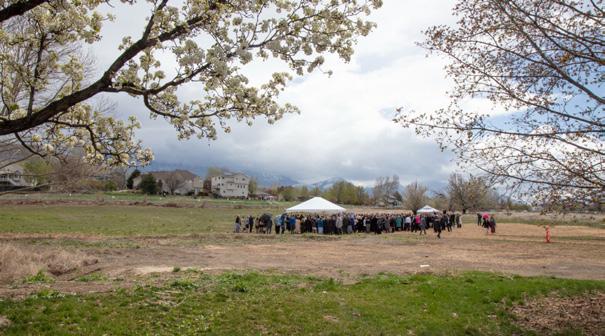
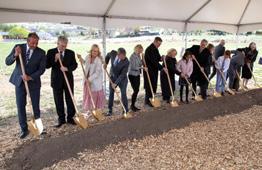
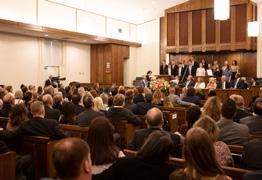
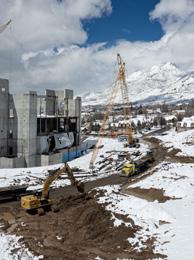
Temple groundbreaking ceremonies are typically held on the construction site, but the Lindon Utah Temple groundbreaking event was held indoors due to wet and chilly spring weather.
Groundbreaking attendees gathered inside the Center Street Chapel, located near the temple site, on Saturday, April 23, 2022. Attendance at the ceremony was by invitation; those who lived in the temple district were able to watch a broadcast.
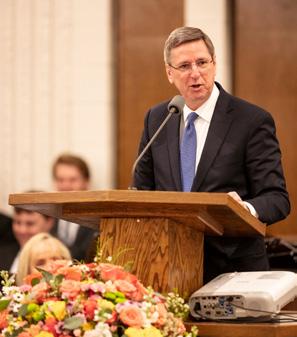
Elder Kevin W. Pearson, Utah Area president at the time, presided at and conducted the ceremony. Local church leaders spoke at the event, as did Kelly Washburn, a 17-year-old high school senior from the Lindon Utah Stake.
“May the construction of Thy holy house here in Lindon continue to bless this community with peace, love and unity,” Elder Pearson said as part of the dedicatory prayer for the temple site.
In his remarks, Elder Pearson recalled how Church President Joseph F. Smith prophesied in the early 1900s that there would be a time when temples dotted the earth. “At that time, this area
wasn’t much more than a post office located in the Cullimore Mercantile store along State Street near a large linden tree …. Who, but a prophet of God, could have foreseen the explosive international growth of the church …. Who, but God, would have known that this sacred plot of ground here in Lindon, Utah, would be the site of the 219th temple announced?” he said.
In his dedicatory prayer, Elder Pearson offered thanks to the Lord for temples around the world that glorify Christ and allow individuals and families to grow closer to God. “Bless those who labor here, that they may feel the eternal significance of what they are building and be blessed and protected as they labor in its construction,” he said.
Elder Pearson also prayed that “the promises (God has) made available through (His) Beloved Son, Jesus Christ” will be remembered and reflected upon by the youth as they come to the temple. “We ask thee to bless them with added protection from temptation and evil as they come and participate in this holy temple …. Bless their parents with the desire and determination to raise them in righteousness and truth in unprecedented times,” he said.
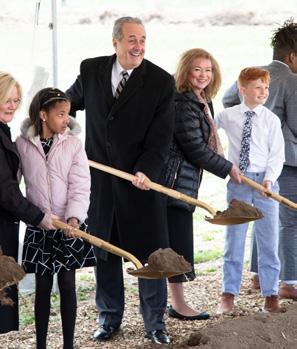
Those attending the event walked to the temple site for the symbolic turning of the ground with shovels. More spectators watched the event from the Murdock Canal Trail area above the temple site.
With the temple dedication set for May 3, 2026, the temple will open 4 years and 10 days from the day ground was officially broken for it.

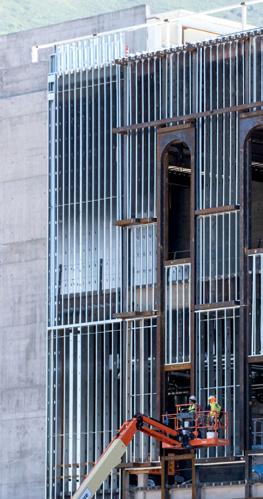
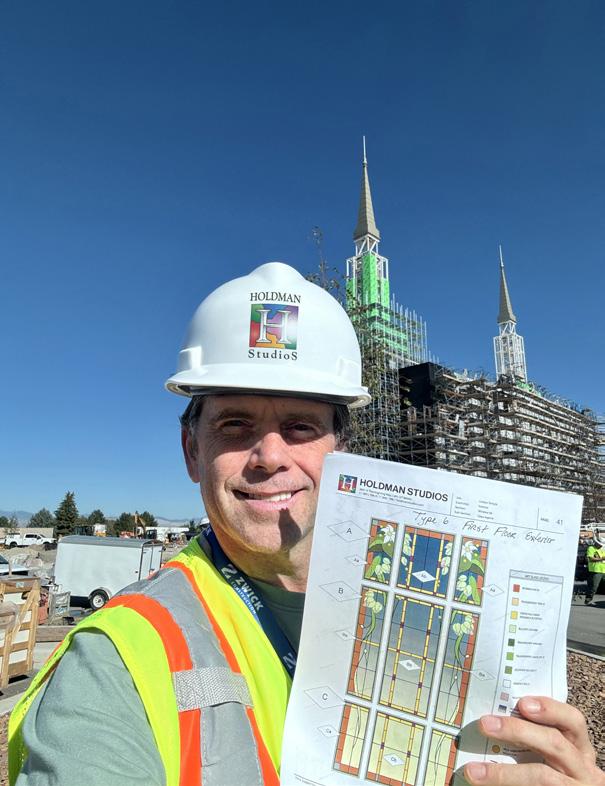
Holdman Studios owner Tom Holdman holds an art glass design document for the Lindon Utah Temple while working with his team to install windows in the temple that were designed and created by his company.
When Tom Holdman first began trying to earn a living creating stained glass pieces in his parents’ garage, he couldn’t imagine that someday his business would craft art glass windows for a temple across the street.
Today, however, the beautiful Lindon Utah Temple rises just north of that home with only a grassy field between them. Set into the temple’s outside and interior walls is 4,784 square feet of stained glass designed, created and installed by the business Tom founded in his parent’s home: Holdman Studios.
“When they announced the Lindon temple, deep in my heart and soul I knew it would be a highlight of my career to be able to add to the holy edifice of that temple,” Tom said.
Holdman Studios has created and installed art glass in more than 100 different countries in the world. This includes more than 150 temples for The Church of Jesus Christ of Latter-day Saints. The business has 150 employees working in two locations: at Thanksgiving Point in Lehi and in
Ensenada, Mexico.
In Utah County, in addition to the Lindon temple, Holdman Studios created the art glass windows for the church’s Payson, Orem and Saratoga Springs temples. The company is currently helping design art glass for the Lehi Utah Temple and building the art glass for the Provo Utah Rock Canyon Temple.
Tom first learned the art of stained glass while attending Orem High School, where he took a class in the subject from art teacher James Cloward. Later, as he was finishing a church mission in Dallas, Texas, he felt inspired that he needed to create stained glass as an occupation.
When he returned home, he set up an art glass studio in his parents’ two-car garage, made a work bench with a piece of wood propped up on two trash cans and started knocking on doors asking people if they wanted stained glass windows.
“Then God helped to open the doors before me
so my skills could be honed on the craft of stained glass,” Tom said. “Really, through inspiration, I feel that a higher power has honed me and all the artists at Holdman Studios for this great work.”
Tom’s wife Gayle also grew up near the Lindon temple site and said Tom obtained her engagement ring by promising a local jeweler a stained glass piece in exchange for it. Tom then informed her that she needed to help him build the piece, which they did together in his parents’ garage. Gayle has continued working in their art glass business to this day.
Gayle said when she first visited the Lindon temple while Holdman Studios was installing their art glass creations, she was overcome with emotion as she felt the potential of the space and remembered the beginnings of her marriage and family nearby.
“As a newly married woman, I had no idea what was in store for us,” she said. “But I know that my temple covenants and my faith in God have been the foundation of all of the best of it. I believe that what brought the deep emotional response in me was to realize how many of the people in that area that I love will have the beautiful and accessible privilege of strengthening their connection to the Lord. And they will do so in a place where many hearts and hands have given their very best. It’s such an amazing gift and blessing from God, and I am humbled and grateful we could be a small part of it.”
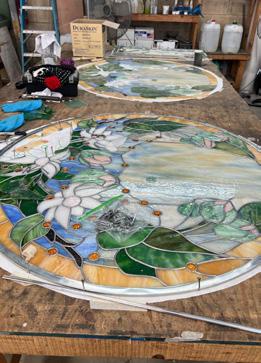
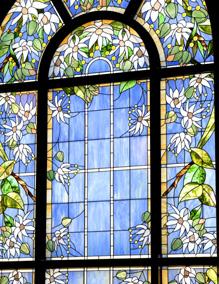
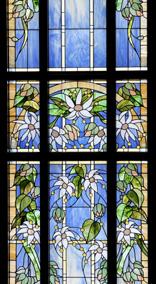
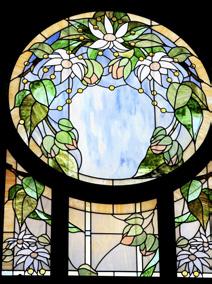
Often, a theme is chosen for the art glass in Church of Jesus Christ temples. The theme selected for the Lindon temple is the blossoms of the linden tree, recalling an important time in the city’s history.
According to the Lindon Historic Preservation Commission, in the late 1800s, mail for the Lindon area was dropped off under an old linden tree that served as an area landmark. When the community sent an application for its own post office to the government, it selected the name “Linden” for the office. However, when approval was granted, the paperwork came back with the name spelled “Lindon.” This spelling was adopted by the community, and the city of Lindon was incorporated in 1924 — with the “o” instead of the “e.”
“The Lindon temple art glass celebrates the linden tree’s heart-shaped foliage, beautiful white blossoms and long green ‘bracts’ that carry the linden seeds in the wind,” said Aaron Yorgason, vice president of and lead designer for Holdman
Studios. Yorgason and Holdman Studios designer Carsten Angerhofer were Holdman Studios’ lead designers for the Lindon temple project.
MHTN Architects of Salt Lake City also contributed to the design of the Lindon temple art glass.
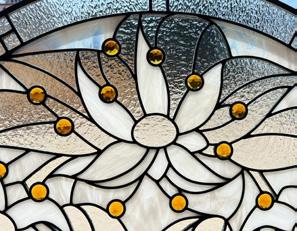
On the tree, linden blossoms are small — under an inch wide — and their sweet scent makes them a favorite of bees. In the temple, however, the blossoms are depicted from the “bee’s eye view” — they are as large and beautiful as they might appear to a happily buzzing bee.
“The flowers are designed as if you were (looking from) the bee’s perspective,” reminding one of the importance of even the smallest creature, Tom said. “Even though you feel small to God, you are grand and beautiful. God does not worry about scale and your worth.”
In addition to their white petals, linden tree blossoms have multiple stamens that end in clusters of yellow pollen. These bits of pollen are represented in the temple’s art glass by round
faceted glass jewels that shift color from yellow to gold and amber based on the lighting behind them.

The flower designs become more detailed as one progresses from the main areas of the temple to ordinance rooms and the celestial room; one can even note the journey from buds to open flowers. There are some groupings of windows that stretch three stories high and are laden with blossoms.
“The intent for the design as you enter into the temple is to feel at home, and the windows bringing calm, but as you go up and progress through the temple, the windows become a little more elegant and full of flowers,” Tom said. “It helps you also feel like you are progressing in your own life and your own personal journey on this earth.”
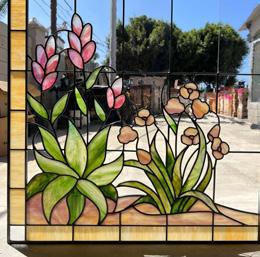
In addition to linden tree blossoms, some glass in the temple features other plants local to the Lindon area such as sego lilies, lupine blossoms and wild strawberries. Overall, it required nearly 115,000 individual pieces of glass to create all of the Lindon temple art glass windows.

Stained glass has a long history. Created around A.D. 1000 in Europe, it was used as an education tool to help people who could not read learn the stories in the Bible.
“From the beginning, it was created as its own language,” Holdman said. “As you look at a visual image, it speaks to you; whether you speak English or Spanish or Japanese, you understand it. Whether you are a member of our church or of a different church, it still speaks to you and you understand it. And that’s the power of art, and it is enhanced by stained glass.”
Unlike other forms of art, stained glass has the additional aspect of light. How one experiences the art will differ depending on whether one is inside or outside, or whether it’s a sunny day or a cloudy one.
This fact makes viewing art glass a fascinating and engaging experience.
“As the sun rolls across the sky, the stained glass will alter and change,” Holdman said. “So it’s not just one piece of art, but hundreds of pieces of art, and so it is an ever-moving experience.”
Yorgason said having art glass in a temple adds a great deal to the visitor’s experience. “It’s a huge factor in the overall aura or feel of the interior,” he said. “It’s a large part of the patron experience because when you’re in the temple, there’s a lot of time when you’re reflecting” and can take time to view the stained-glass windows.
Both Holdman and Yorgason, who are members of The Church of Jesus Christ of Latter-day Saints, said they have felt inspiration from heaven while working on temple projects.
“No individual dictates the design. The team makes choices together and the team decides the direction. There are a thousand directions the design could go, and the team directs it down the pathway, and inspiration helps us complete it quicker,” Yorgason said.
“I feel like our team gets inspiration from above, that God is the ultimate artist and we are tools in his hand. I absolutely believe that,” Holdman said.



















Courtesy of Taylor Candland
Members of the Canyon View 7th Ward found a meaningful way to prepare their hearts and minds for the new Lindon Utah Temple through organized community walks, shared stories and reflections on faith, sacrifice and temple history.
While the Lindon temple was under construction, the Canyon View 7th Ward wanted to find ways to prepare for the temple’s opening. The ward’s Family History Committee decided to sponsor annual walks to the temple since the ward neighborhood is located in northeast Orem — less than two miles away from the temple site.
What was originally planned as a youth activity quickly became an event open to the entire ward, allowing all ages to participate together.
The walks began at a convenient location near the Canyon Park Tech Center along the Murdock Canal Trail. Participants traveled one mile north to a temple overlook at a culvert park located at 1983 N. 100 East in Orem.
Participants were encouraged to bring water, bikes, scooters or walking shoes. The agenda was simple but meaningful: walk one mile to the culvert park, hear brief messages, enjoy some treats and then return home. Those who couldn’t make the walk drove to the destination and participated in the gatherings.
During the first walk on June 12, 2024, ward members heard from the missionary couple serving at the temple site. The couple shared insights about the building of the temple. During the walk on May 5, 2025, stories of faith and sacrifice from ancestors and church history were shared at stops along the Murdock Canal Trail.
On both occasions, refreshments were provided at the end along with additional stories and
personal feelings about the temple.
These experiences reminded participants of the sacrifices made by those who came before them and helped ward members realize how much had been given so that a beautiful temple could be built so close to their homes. The hope was that these activities would inspire members to prepare for the temple open house and attend the temple once it opened.
“I feel that those of us who were able to attend some of the activities got a greater realization of the blessing to have that temple in our midst,” said Karen Valentine, second counselor in the Relief Society presidency of the Canyon View 7th Ward and a member of the committee that planned the walks.
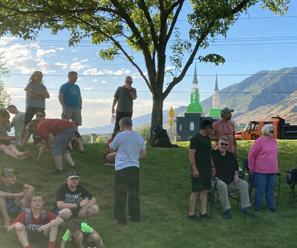

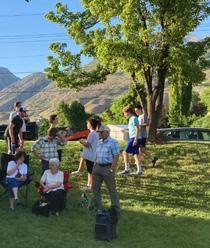
Members of the Canyon View 7th Ward participate in a walk to an area overlooking the new Lindon Utah Temple as part of their preparation for the temple’s opening.

For members of the Canyon View 7th Ward, the stories they heard during these activities added deeper meaning to their walks and their anticipation of the Lindon temple’s pending completion and dedication.
Together, through their walks, shared history and spiritual reflection, the ward found a simple yet powerful way to prepare for the blessings of the temple and honor the faith and sacrifices that make the building of each and every temple possible.

The Walker farm is shown prior to construction beginning there of the Lindon Utah Temple.
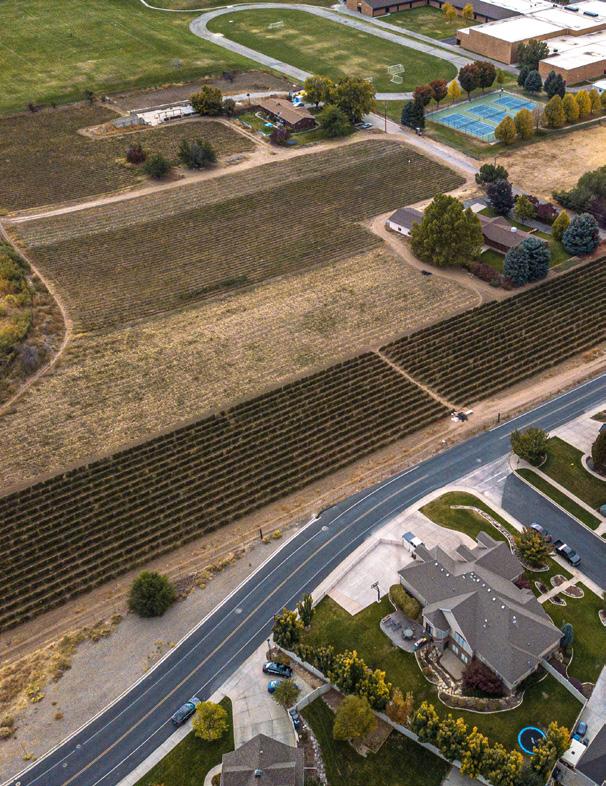
Lindon resident Terry Walker was serving a mission for The Church of Jesus Christ of Latter-day Saints in Hawaii when he received a phone call informing him that representatives of the Church wanted to meet with him about the Walker Family Farm.
Terry smiled as he recalled being a little too far away for a personal visit to occur. “I told him, ‘You’ll need to talk with my brother, Lynn. He lives in South Jordan,’” Terry said.
And so it was that Lynn Walker received a similar call, and at 2 p.m. on July 23, 2019, four men walked up Lynn’s driveway in white shirts and ties. It was 172 years to the day that Terry and Lynn’s great-great-grandfather Henson Walker Jr. first entered the Salt Lake Valley. He had traveled across the plains with the vanguard company of Church pioneers.
Henson probably never imagined his descendants would farm a property where a church temple would eventually be built. “When we both first heard the idea of a temple, we were initially speechless, maybe in awe, and certainly humbled with this possibility,” Terry said.
Henson’s patriarchal blessing, which was given to him by the Prophet Joseph Smith’s brother, Hyrum Smith, said he would be blessed in the days of his probation, notwithstanding the days of affliction and trials yet to come to his house and habitations. “Upon your head and upon the heads of your children to go down to their posterity in lineage from generation to generation and you shall be blessed,” the blessing states.
“And that’s how I feel about this whole thing,” Lynn said, “How blessed I’ve been to be able to be a part of it and to have this happen in my life.”
From the early days of Lindon’s settlement to the beginning of the new Lindon Utah Temple’s construction, the land where the temple now sits was farmed by members of the Walker family. Here are some highlights of their story.
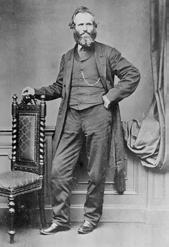
Henson Walker Jr. was born in Manchester, New York, on March 13, 1820. Henson’s early life was spent on his father’s farm. When he was about 15 years old, his family left Manchester to move west to Michigan with several other families. These included the Boucks, who had a daughter, Martha Ann, who caught the eye of Henson.
In Michigan, Church of Jesus Christ missionaries converted the


Bouck family, and it is probably through their connection that Henson was introduced to the Church. A Methodist in his youth, Henson was baptized into his new religion on April 16, 1840. He was the only member of his family to join the Church. On Aug. 24, 1841, he and Martha Ann were married.
They moved to Nauvoo, Illinois, where Henson served as a major in the Nauvoo Legion as well as a bodyguard for the Prophet Joseph Smith. While there, Martha Ann gave birth to a baby boy, John; a few months later, she contracted a fever and died on Aug. 12, 1843. On April 10, 1846, Henson married Elizabeth Foutz in Nauvoo. A short time later, 3-year old John accidentally drowned.
In early 1846, Church members, including Henson and his wife, were driven out of Nauvoo by angry Illinois residents. Church members traveled across Iowa, ultimately reaching the eastern shore of the Missouri River. From there, an area that became known as Winter Quarters, the first company of Church pioneers began their trek west on April 5, 1847, led by Church President Brigham Young. Henson came as part of this vanguard company; his wife, who was ill at the time, came with the next company of pioneers.
On July 23, 1847, Henson Walker arrived in the Salt Lake Valley — one of the first pioneers to do so. Eventually, he was
asked by Brigham Young to help settle the town of Pleasant Grove, and in the spring of 1852, Henson brought his wife and their two children to the area and began building a home.
Henson served as the first mayor and first bishop of Pleasant Grove. He died Jan. 24, 1894.
Appollos
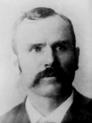
Benjamin (A.B.) Walker was born Nov. 4, 1855, in Pleasant Grove, the son of Henson and Elizabeth Foutz Walker. He was the fourth of seven children. On April 24, 1876, he married Sarah Jane Holman; they had seven children.
In the spring of 1880, he purchased 20 acres (at $1 per acre) in an area south of Pleasant Grove known as “the Basin.” He worked to clear and improve the land and build a two-room dwelling out of rock hauled from the surrounding hills. He planted corn, wheat and potatoes. Water was scarce, and it was a difficult to make a living. Later in his life, Appollos was involved in building the Murdock Canal to help bring more water to the area. This area is now known as Lindon, and Appollos Walker’s farm is now the site of the Lindon Utah
Temple.
Appollos served in many Church capacities during his lifetime, including serving a mission in the Central States when his children ranged in age from 4 to 14. In 1909, he contracted a severe cold and died Feb. 3, 1910.
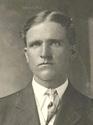
A son of Appollos and Sarah Jane Walker, Lawrence was born in Lindon on March 26, 1884, the fifth of seven children. He married Dahlia Albertina Radmall on Nov. 24, 1909. He worked as a teacher in Pleasant Grove and Lindon until the death of his father. At that time, his mother wanted him to take over the family farm, and this seemed a good fit as he loved the outdoors. As a farmer, he mainly grew sugar beets, alfalfa and wheat.
In 1916, he was called as a member of the Church’s Council of the 135th Quorum of the Seventies. There, he acted as secretary for eight years and senior president for four years. He also spent several years working at the Utah State Legislature while it was in session.
In the mid-1940s, Lawrence experienced health problems and was advised to leave farm work. His son, Leon, consented to take over the family farm. Lawrence died Feb. 27. 1954.

Born Nov. 11, 1917, Leon married Zeona Mecham on May 4, 1945. In addition to running the family farm, Leon worked at the Ironton steel plant and at Geneva Steel as an electrician. The Leon and Zeona Walker family moved into a house on
the Lindon farm property around 1958, and that is where their nine children grew up. There was an orchard with fruit trees — including cherries, peaches, apricots and plums — and at various times they grew sugar beets, tomatoes, corn, wheat, and alfalfa. They also raised cattle on the farm.
Leon served in many Church capacities, including as a mission president in Concepcion, Chile, and as president of the Missionary Training Center in Lima, Peru, with his wife



accompanying him to fulfill both these callings. It was while he and his wife were serving their missions that Terry Walker, the eldest of the children, became the main operator of the family farm along with much help from his siblings.
Leon loved Lindon and served as both a city councilman and as mayor of the city. He died on Feb. 22, 1996.
Historical information obtained from the book “Henson Walker Family Record.”






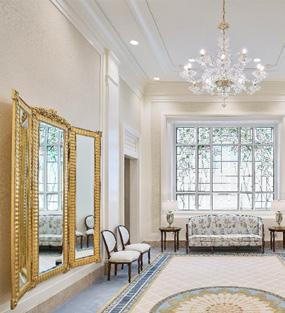
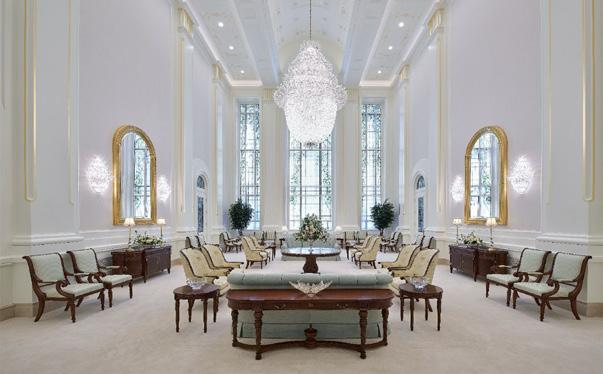
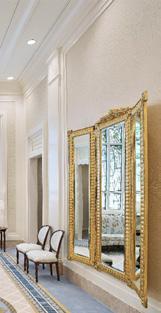
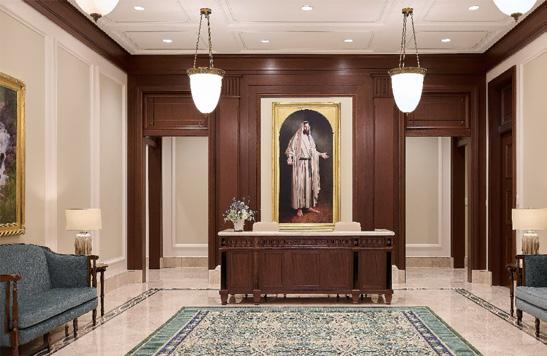
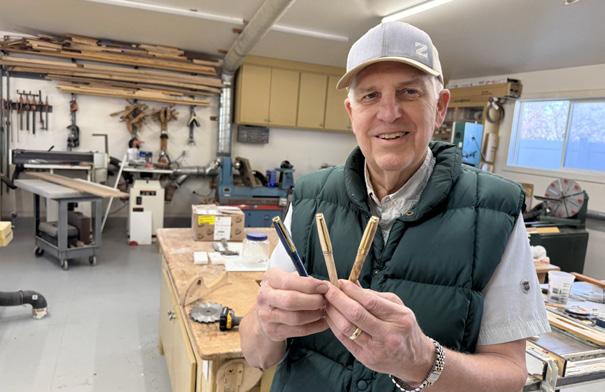
Inside his woodworking shop next to his Provo home, Mark Hutchings holds pens he crafted using wood from trees removed from the Walker Farm, which is now the site of the Lindon Utah Temple.
A variety of hardwood trees shaded the land where a historic family farm operated for more than 100 years — until construction of the Lindon Utah Temple required their removal.
A missionary serving at the temple site saw potential in the trees, however, and he, along with a family member and friends, turned wood harvested from the trees into treasured mementos of the former farm and the temple that now stands in its place.
From April 2022 through July 2025, Provo residents Mark Hutchings and his wife Mary
Hutchings served as full-time missionaries for The Church of Jesus Christ of Latter-day Saints at the Lindon temple site where they created and managed a small visitors center in a nearby trailer. During their service, they gave hundreds of presentations to individuals and groups about the temple construction and the history of the area. They documented the construction in photos and created written reports that were sent to Church headquarters every week. Along with local church units, they also served the several hundred workers who built the temple.
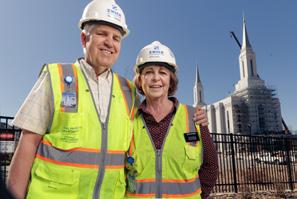
Having taught construction management classes at Brigham Young University for 28 years, Mark was uniquely qualified to serve at the temple site and interact with the workers there.
“It was wonderful because I got to watch all the building processes and interact with the general contractor, the owner’s representatives and the construction workers as the temple was built,” said Mark, who owned a construction company in California before joining the BYU faculty. Several of his former BYU students worked on various aspects of the Lindon temple, including Darin Zwick, president and CEO of Zwick Construction, the company that built the temple.
Mark learned the art of woodworking from his father, who was a builder and owned a lumberyard. During his career, Mark has worked on many
construction projects ranging from custom homes to light commercial buildings, but one small item has particularly piqued his interest during the last several years — creating pens using unique woods from around the world.
Kip Christensen, another professor at BYU and a world-renowned wood turner, taught Mark how to craft pens using a wood-turning lathe, and Mark found he really enjoyed it. He began turning pens on his lathe regularly and giving them away as gifts. As former students and friends learned of his interest, they began providing him with different kinds of wood to use in his craft.
“I’ve literally turned hundreds and hundreds of pens,” Mark said. “It’s a fun hobby, it’s really nice. It’s really fun to give pens away.”
In his workshop next to his home, Mark currently has wood from around the world — some taken from historic and other notable sites — waiting to be crafted into something beautiful.
Mark’s professional skills and his hobby became part of his mission experience at the very beginning.
The temple was to be built on land that had been farmed by the Walker family. “When we were called as missionaries, I drove by the temple site, and I saw these great hardwood trees,” Mark said.
The trees, which had shaded the farm land for generations, were going to be cut down to make way for the temple, and Mark obtained permission to salvage their wood after they were felled.
Mark, Kip Christensen, Mitch Ogden (a local fine
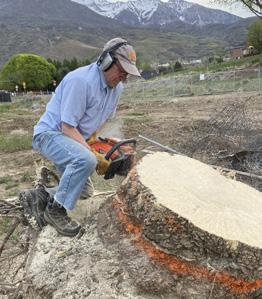
furniture builder) and Mark’s brother-in-law Scott Davies (a winner of two national wood-turning competitions) along with a few other friends spent about a week cutting up 11 different trees, which included varieties such as English walnut, silver maple, box elder (burl), honey locust, sycamore, cherry and even a linden tree.
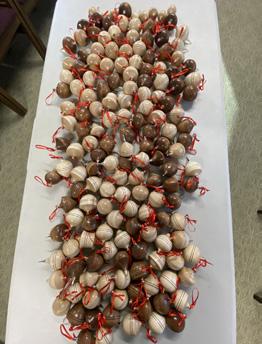
The group used a portable saw mill to cut the trunks into planks. They then used the wood to create various items using wood-turning lathes such as bowls, wooden eggs, Christmas ornaments, vases and, of course, pens.
All the items were eventually given away as reminders of the Walker Farm and the temple construction.
Christensen created more than 200 Christmas ornaments from the wood that were given to workers at the temple construction site in December 2024. Other items were presented to members of the Walker family.
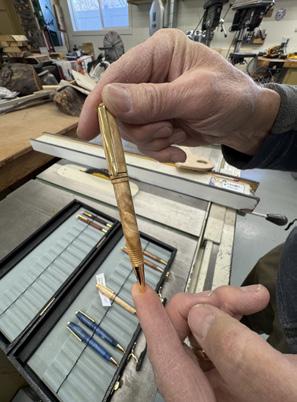
Mark made pens from each type of tree cut down
at the temple site and placed the pens on display in the visitors’ center along with bowls, vases, eggs and ornaments turned by his colleagues. Other pens he crafted with the wood were given to local church leaders and others who visited the site. He and his fellow woodworker, Alan Stratton, who creates videos for the YouTube channel As Wood Turns, have taught many people in their shops how to turn pens from wood recovered from the Walker Farm.
The pens and other items provide a physical reminder of the temple, the farm that it replaced and the work that went into building the temple. “I love doing service, and so handing out pens — you get a degree of satisfaction when you hand somebody a beautiful pen,” Mark said.



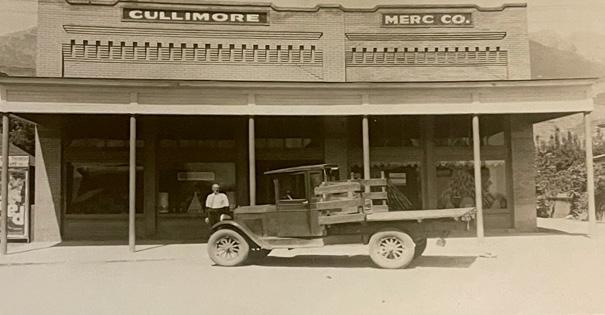
The story of Lindon begins in another city: Pleasant Grove.
In 1850, Pleasant Grove was settled by pioneers of The Church of Jesus Christ of Latter-day Saints. At that time, little was found in the area south of town except sagebrush. A Native American trail stretched from Pleasant Grove to Provo, and wagons began using it to travel south. By 1861, a few families began building homes along this road, which today is known as State Street. Then, because the homes were in a string along the road, the area became known as Stringtown.
In the early years of the town, mail for the Pleasant Grove and Stringtown areas came by stagecoach and was dropped off under an old linden tree that served as a landmark. In 1898, the town’s residents sent a petition to the U.S. government requesting their own post office. A name for the post office was required; suggestions for names were submitted by a committee of residents and Linden was chosen in honor of the mail tree. When the application proposal came back from the government, somehow the spelling had been changed to Lindon, with an “o.”
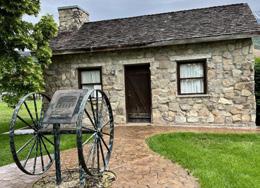
On Feb. 21, 1924, a meeting was held to commence proceedings to incorporate Lindon into a town for the purpose of installing a water system. At the time, the town had a population of 455. The county commission approved the area’s petition on March 24, 1924, and a town meeting was held to elect a town president and board of
trustees. Albert Anderson was elected the first town president with trustees C.J. Cobbley, D.B. Thorne, W.C. Brown and A.E. Cobbley. It was also determined that the spelling of the town would be Lindon, instead of Linden, to stay consistent with the post office.
Lindon City has since grown to a population of more than 12,000 people and is home to hundreds of businesses.
From the time of its first settlers and into the early 1900s, agriculture was the area’s major industry. A large variety of fruits and vegetables were grown, including peaches, apples, cherries, strawberries, raspberries and corn. Wheat, oats, barley and sugar beets were also major area crops. Cattle were raised for beef and dairy products.

In 1916, the Utah & Idaho Sugar Company built a sugar beet slicer factory in the Lindon area where beets were washed and sliced and their juice extracted and piped to the Lehi Sugar Factory for final processing.
A cannery began operating in Lindon in 1936, and local farmers would take their produce there to be canned. In 1944, Geneva Steel opened in Orem, a business that employed many local residents. The opening of Geneva led to other companies locating in Lindon, including McNally Mountain States Steel, Brown-Strauss, Utah-Pacific Steel, S&S Steel, Intermountain Precision Casting and Lindon Precision Company.
Life wasn’t all work in the early days of Lindon. Quilting bees, dances, corn-husking contests, house parties and picnicking were all activities that residents enjoyed while children played outdoor games like Hide-and-Seek or Kick-the-Can.
Around 1893, the Geneva Bathing Resort opened on the shore of Utah Lake, and it quickly became a popular recreation venue for residents of both Lindon and Utah County as a whole. The resort included two pools, a boat harbor, a dance pavilion, baseball diamonds, picnic areas and a giant water slide. Dances were held in the pavilion with music by local bands.
In 1900, the Lindon Amusement Hall was constructed near the current Lindon City Center Park. Plays were produced on its stage and silent movies accompanied by live piano music were screened regularly. Dances were also held frequently for all ages.
As the city has grown over the years, beautiful parks and sports courts have been added to the community. In 2008, the Lindon Heritage Trail — a multi-use paved trail extending from the eastern foothills west to Utah Lake — was dedicated. The Murdock Canal Trail, which runs north to south through the city and passes next to the Lindon Utah Temple, was paved in 2012. Around this same time, the Lindon Aquatic Center was completed, offering residents a variety of recreational water activities.

In 1853, Thomas and Elizabeth Nerdin arrived in Utah and settled in Pleasant Grove, where they built a log cabin. They later purchased land in Stringtown and, upon moving there, offered up their log cabin as a schoolhouse. In 1871, it became the first school available to young Stringtown students.
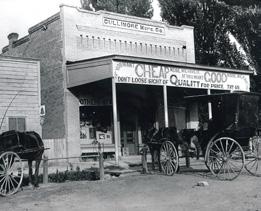
James Cobbley opened the first store in Lindon in the 1890s on the northeast corner of what is now 400 North and State Street. The rustic lumber building served as a general store and later housed the town’s first post office. As business increased, a larger brick store was constructed in 1900. The store was sold to Albert L. Cullimore in 1904, at which time it became known as the Cullimore Mercantile Company.
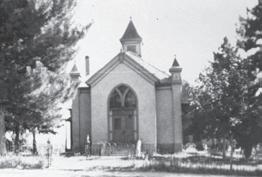
As members of The Church of Jesus Christ of Latter-day Saints continued to move into Pleasant Grove, it became necessary to divide the congregation into three parts in 1890. The central city became the First Ward, the Lindon area became the Second Ward, and northward (Manila) became the Third Ward. The Second Ward met in a local schoolhouse while they constructed a new building on the southeast corner of 400 North and Main Street. The church was completed in 1891. James Cobbley served as the ward’s first bishop.
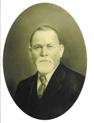
Historical information and photos courtesy of the Lindon Historic Preservation Commission
In 1900, area settlers voted to erect a new school on the corner of what are now Main and Center streets. A four-room school and a well were built at a combined cost of $5,200. Heat was provided by a large pot-bellied stove in each room. There was no indoor plumbing; the students had to use outdoor privies. A barn north of the school housed the horses of the kids who rode to school. Wilford W. Warnick was the first principal.
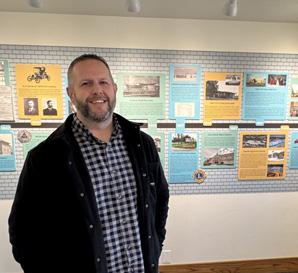
In a new museum in the Lindon Community Center, a timeline made of professionally printed placards features important milestones in the history of Lindon City.
The last entry, however, is printed on plain paper as a simple placeholder for the city’s next major historic event: the opening of the Lindon Utah Temple.
“It will be the last entry, the last modern event” on the timeline, said Bret Swalberg, chair of the Lindon Historic Preservation Commission.
Swalberg said Lindon City reached its 100th year in 2024, and as part of the celebration, Lindon Mayor Carolyn Lundberg and the city council asked the historic preservation commission to reimagine the city history room in the community center. The room housed antique relics from the city’s past, but had little written history available to visitors and was open only by appointment.
The committee agreed to take on the project. The room was renovated and repainted, and Swalberg and others worked to research and write short informational features about major events in the city’s history. The timeline and other exhibits detailing the history of industry, recreation and the land long before Lindon existed were created and installed. A display case, donated by a local family, was filled with relics to enrich the Lindon story.
The new Lindon Historical Museum officially opened at the end of 2024 after the city’s annual Christmas tree lighting ceremony. It is now open 9 a.m. to 6 p.m. Monday through Friday — the same hours the Lindon Community Center is open.
Swalberg grew up in Michigan, then moved to Utah to attend Brigham Young University. He married and remained in Utah County to raise his family, moving to Lindon in 2016. His daughter Rylee then won the Little Miss Lindon 2018 title, and through her service he discovered the many activities and people that make Lindon a great place to live.
“We didn’t move to Lindon because it was Lindon. We moved here because there was an empty lot to build a house. But we hit the jackpot,” Swalberg said.
He was appointed by the Lindon City Council to the historic preservation commission in 2023.
“In my opinion, when you learn about the history of the community you live in, it brings unity,” Swalberg said. Looking at the people who built a city and what they contributed leads today’s residents to consider how they themselves can work to make their community better, he said.
All are invited to visit the Lindon Historical Museum at the Lindon Community Center, 25 N. Main, Lindon.
Two members of the Quorum of the Twelve Apostles of The Church of Jesus Christ of Latter-day Saints have lived in Lindon at some point during their lives: Boyd K. Packer and D. Todd Christofferson.

Boyd K. Packer moved to Lindon while raising his young family. Born in Brigham City, he served in the Army Air Force during World War II, then returned to northern Utah and married Donna Smith Packer. They had 10 children. He earned a bachelor’s degree from Utah State University and a doctoral degree in education from Brigham Young University. Packer worked as a seminary teacher and as coordinator of Indian affairs at the Intermountain School in Brigham City. While living in Brigham City, he served on the city council for four years.
In 1955, he was named assistant administrator of seminaries and institutes for the Church Educational System, and, in 1956, he and his family moved to Lindon. He continued to work for CES until September 1961, when he was called as an assistant to the Quorum of the Twelve Apostles. It was at that time that he and his wife decided to move to the Salt Lake Valley to reduce the commuting time required by his new calling. Packer was sustained to the Quorum of the Twelve Apostles on April 6, 1970. On June 5, 1994, he became Acting President of the Quorum of the Twelve Apostles, and on Feb. 3, 2008, he became president of the quorum. He died July 3, 2015, at the age of 90.
SOURCES:
Sarah Jane Weaver, “President Boyd K. Packer spent his lifetime sharing his gifts,” Church News, July 4, 2015. churchofjesuschrist.org speeches.byu.edu
Born in American Fork, D. Todd Christofferson spent his youth in Pleasant Grove and Lindon until the age of 15, when his family moved to New Brunswick, New Jersey. He is the son of Paul Vickery Christofferson and Jeanne Swenson Christofferson and the oldest of five sons.

He is quoted as having an “idyllic” and “wholesome” childhood. “We had a very secure, happy home life,” he said. “Father and Mother showed us how to live according to the pattern of the gospel.”
When Christofferson was 13, his mother had surgery as part of treatment for cancer. While successful, the surgery left her unable to do some of her usual work in the home. He learned many skills afterwards to help in the following years.
Christofferson went on to earn a bachelor’s degree from Brigham Young University and a juris doctorate from Duke University and spent his career working as a lawyer. He was called to be a member of the First Quorum of the Seventy in 1993 and the Presidency of the Seventy in 1998. He was called to the Quorum of the Twelve Apostles on April 5, 2008. On Oct. 14, 2025, he was set apart as Second Counselor in the First Presidency of the Church.He and his wife, Katherine Jacob Christofferson, are the parents of five children.
SOURCES: Quentin L. Cook, “Elder D. Todd Christofferson: Prepared to Serve the Lord,” Ensign, Aug. 2008.
Mike Cannon, “His warmth, wisdom, willingness to serve a blessing to many,” Church News, April 24, 1993. www.churchofjesuschrist.org
























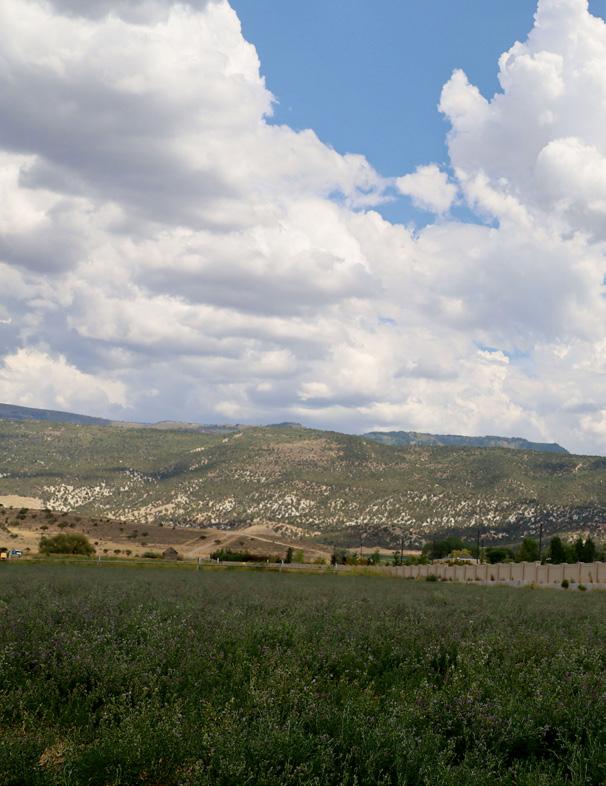
A total of five temples are currently under construction or undergoing renovation in Utah, while another four have been announced and are in the planning phase. These temple sites stretch from Smithfield, located about 11 miles from Utah’s northern border with Idaho, to small communities in Sanpete and Carbon counties in central Utah. When all these temples are completed, Utah with have a total of 32 operating temples within its border.
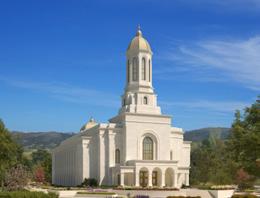
200 N. 400 East, Ephraim
Announced: May 1, 2021
Groundbreaking: Aug. 27, 2022
Total floor area: 39,000 square feet
Site: 9.16 acres
Major construction completed, finishing touches underway, temple president and matron called
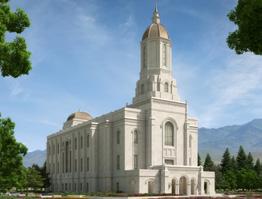
800 W. 100 North, Smithfield
Announced: April 4, 2021
Groundbreaking: June 18, 2022
Total floor area: 81,000 square feet
Site: 13.3 acres
Exterior lighting operational; landscaping and interior work well underway
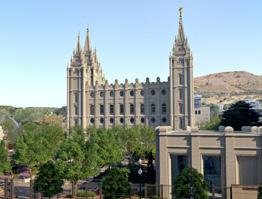
50 W. North Temple Street, Salt Lake City
Original dedication: April 6-24, 1893
Closed for renovation: Dec. 29, 2019
Total floor area: 382,207 square feet
Site: 10 acres
Renovation estimated to be completed in late 2026 to early 2027 with an open house planned for April through October, 2027
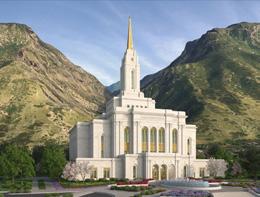
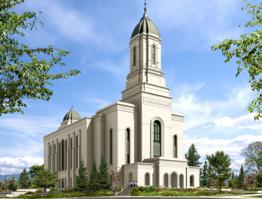
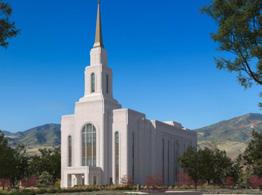
2200 Temple Hill Drive, Provo
Original dedication: Feb. 9, 1972
Reconstruction announced: Oct. 3, 2021
Temple closed for reconstruction: Feb. 24, 2024
Total floor area: 163,000 square feet
Site: 15.4 acres
Exterior cladding and sheathing and window installation underway along with hardscaping of the grounds
1400 E. Center St., Heber City
Announced: Oct. 3, 2021
Groundbreaking: Oct. 8, 2022
Total floor area: 87,626 square feet
Site: 18.17 acres
Construction temporarily halted due to court order
Approximately 7148 South (west of Highway 111), West Jordan
Announced: April 7, 2024
Total floor area: 85,000 square feet
Site: 16.1 acres
In planning and approval phase, no groundbreaking date set
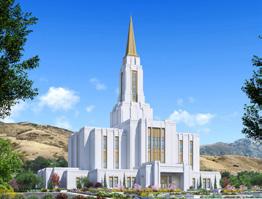
Northwest of 3950 N. Center St., Lehi
Announced: April 7, 2024
Total floor area: 85,000 square feet
Site: 22.48 acres
In planning and approval phase, no groundbreaking date set
Announced: Oct. 6, 2024
In planning and approval phase; exact site location has not yet been announced
Groundbreaking: Date not yet announced
100 S. 2550 East, Spanish Fork
Announced: April 6, 2025
Total floor area: Approximately 80,000 square feet
Site: 8.7 acres
In planning and approval phase, no groundbreaking date set







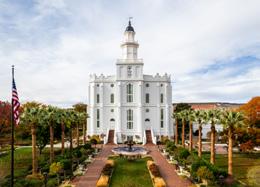
250 E. 400 South, St. George
Total floor area: 143,969 sq. ft.
Site: 6.5 acres
Ordinance rooms: Three instruction rooms with separate veil room, 18 sealing rooms, and one baptistry
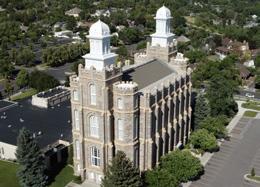
175 N. 300 East, Logan
Total floor area: 119,619 square feet
Site: 9 acres
Ordinance rooms: Four instruction rooms with separate veil room, 11 sealing rooms, one baptistry
Dedicated: April 6-8, 1877, by Daniel H. Wells (with Brigham Young presiding)
1st dedicated temple in operation
1st dedicated temple in Utah
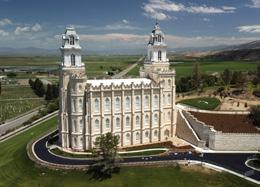
510 N. 200 East, Manti
Total floor area: 74,792 square feet
Site: 27 acres
Ordinance rooms: Four instruction rooms, nine sealing rooms, one baptistry
Dedicated: May 21-23, 1888 by Lorenzo Snow
3rd dedicated temple in operation
3rd dedicated temple in Utah
Dedicated: May 17-19, 1884, by John Taylor
2nd dedicated temple in operation
2nd dedicated temple in Utah
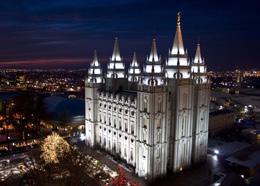
50 W. North Temple, Salt Lake City
Currently closed for renovation
Total floor area: 382,207 square feet
Site: 10 acres
Ordinance rooms: Five instruction rooms with separate veil room, 22 sealing rooms, two baptistries
Dedicated: April 6-24, 1893, by Wilford Woodruff
4th dedicated temple in operation
4th dedicated temple in Utah




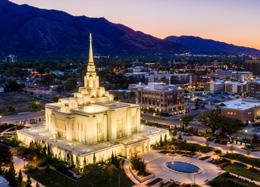
350 22nd Street, Ogden
Total floor area: 112,232 square feet
Site: 9.96 acres
Ordinance rooms: Six instruction rooms, nine sealing rooms, one baptistry
Dedicated: Jan. 18-20, 1972 by Joseph Fielding Smith
14th dedicated temple in operation
5th dedicated temple in Utah
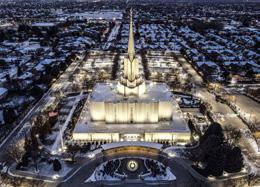
10200 S. 1300 West, South Jordan
Total floor area: 148,236 square feet
Site: 15 acres
Ordinance rooms: Six instruction rooms, 16 sealing rooms, one baptistry
Dedicated: Nov. 16–20, 1981, by Marion G. Romney
20th dedicated temple in operation
7th dedicated temple in Utah
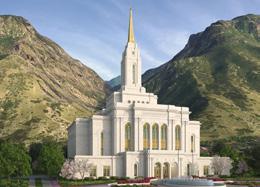
(Formerly known as the Provo Utah Temple)
2200 Temple Hill Drive, Provo
Currently closed for reconstruction
Total floor area: 163,000 square feet
Site: 15.4 acres
Ordinance rooms: Six instruction rooms, eight sealing rooms and two baptistries
Original dedication of Provo Utah Temple: Feb. 9, 1972, by Joseph Fielding Smith (read by Harold B. Lee)
15th dedicated temple in operation
6th dedicated temple in Utah
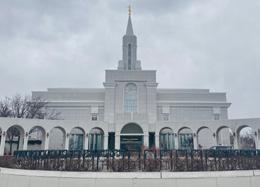
640 S. Bountiful Blvd., Bountiful
Total floor area: 104,000 square feet
Site: 9 acres
Ordinance rooms: Four instruction rooms, eight sealing rooms, one baptistry
Dedicated: January 8-14, 1995, by Howard W. Hunter
47th dedicated temple in operation
8th dedicated temple in Utah
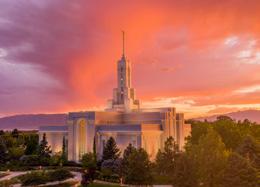
742 N. 900 East, American Fork
Total floor area: 107,240 square feet
Site: 16.7 acres
Ordinance rooms: Four instruction rooms, eight sealing rooms, one baptistry
Dedicated: Oct. 13-19, 1996 by Gordon B. Hinckley
49th dedicated temple in operation
9th dedicated temple in Utah
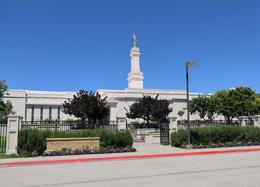
365 N. 200 West, Monticello
Total floor area: 11,225 square feet
Site: 1.33 acres
Ordinance rooms: Two instruction rooms (two-stage progressive), two sealing rooms, one baptistry
Dedicated: July 26-27, 1998, by Gordon B. Hinckley
53rd dedicated temple in operation
11th dedicated temple in Utah
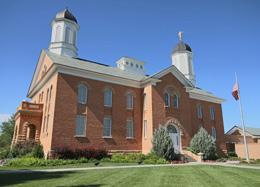
420 W. 200 South, Vernal
Total floor area: 38,771 square feet
Site: 1.6 acres
Ordinance rooms: Two instruction rooms (two-stage progressive), three sealing rooms, one baptistry
Dedicated: Nov. 2-4, 1997 by Gordon B. Hinckley
51st dedicated temple in operation
10th dedicated temple in Utah
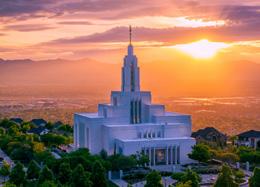
14065 Canyon Vista Lane, Draper
Total floor area: 58,300 square feet
Site: 12 acres
Ordinance rooms: Four instruction rooms (two-stage progressive), five sealing rooms, one baptistry
Dedicated: March 20-22, 2009 by Thomas S. Monson
129th dedicated temple in operation
12th dedicated temple in Utah
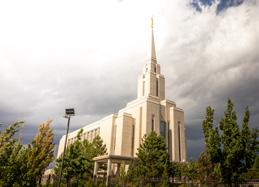
11022 S. 4000 West, South Jordan
Total floor area: 60,000 square feet
Site: 11 acres
Ordinance rooms: Four instruction rooms (two-stage progressive), seven sealing rooms, one baptistry
Dedicated: Aug. 21-23, 2009, by Thomas S. Monson
130th dedicated temple in operation
13th dedicated temple in Utah
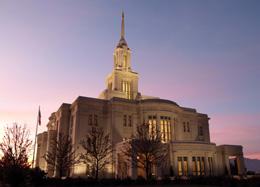
1494 S. 930 West, Payson
Total floor area: 96,630 square feet
Site: 10.63 acres
Ordinance rooms: Three instruction rooms, seven sealing rooms, one baptistry
Dedicated: June 7, 2015
146th dedicated temple worldwide
15th dedicated temple in Utah
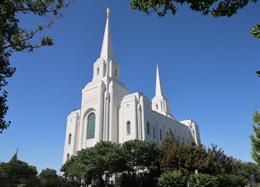
250 S. Main, Brigham City
Total floor area: 36,000 square feet
Site: 3.14 acres
Ordinance rooms: Two instruction rooms (two-stage progressive), three sealing rooms, one baptistry
Dedicated: Sept. 23, 2012, by Boyd K. Packer
139th dedicated temple in operation
14th dedicated temple in Utah
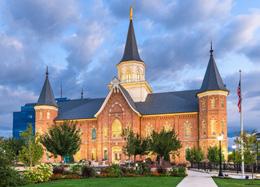
50 S. University Ave., Provo
Total floor area: 85,084 square feet
Site: 5.6 acres
Ordinance rooms: Three instruction rooms (twostage progressive), five sealing rooms, one baptistry
Dedicated: March 20, 2016
150th dedicated temple worldwide
16th dedicated temple in Utah
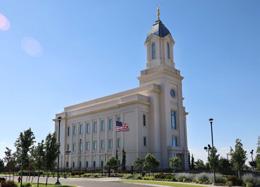
280 S. Cove Drive, Cedar City
Total floor area: 42,657 square feet
Site: 9.5 acres
Ordinance rooms: Two instruction rooms, three sealing rooms, one baptistry
Dedicated: Dec. 10, 2017, by Henry B. Eyring
159th dedicated temple in operation
17th dedicated temple in Utah
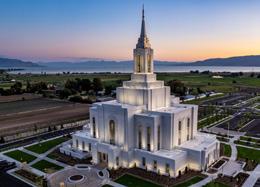
1451 S. 1100 West, Orem
Total floor area: 71,998 square feet
Site: 15.39 acres
Ordinance rooms: Four instruction rooms, four sealing rooms, one baptistry
Dedication: Jan. 21, 2024 by Elder D. Todd Christofferson
188th dedicated temple in operation
19th dedicated temple in Utah
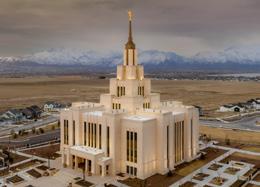
987 S. Ensign Drive, Saratoga Springs
Total floor area: 97,836 square feet
Site: 22.71 acres
Ordinance rooms: Four instruction rooms, six sealing rooms, one baptistry
Dedication: Aug. 13, 2023, by President Henry B. Eyring
179th dedicated temple in operation
18th dedicated temple in Utah
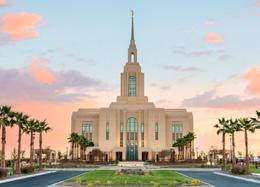
1555 S. Red Cliffs Temple Lane, St. George
Total floor area: 96,277 square feet
Site: 15.31 acres
Ordinance rooms: Four instruction rooms, six sealing rooms, one baptistry
Dedication: March 24, 2024, by President Henry B. Eyring
189th dedicated temple in operation
20th dedicated temple in Utah
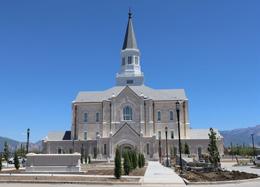
2603 W. 4700 South, Taylorsville
Total floor area: 73,492 square feet
Site: 7.5 acres
Ordinance rooms: Four instruction rooms, four sealing rooms, one baptistry
Dedicated: June 2, 2024, by Gerrit W. Gong
192nd dedicated temple worldwide
21st dedicated temple in Utah
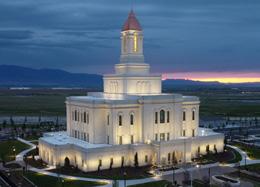
2400 N. 400 West, Tooele
Total floor area: 71,998 square feet
Site: 17.98 acres
Ordinance rooms: Four instruction rooms, four sealing rooms, one baptistry
Dedication: Nov. 10, 2024, by Russell M. Nelson
200th dedicated temple worldwide
23rd dedicated temple in Utah
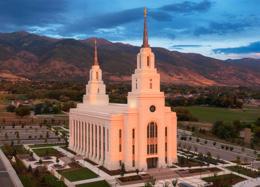
1400 Oak Hills Drive, Layton
Total floor area: 95,539 square feet
Site: 11.8 acres
Ordinance rooms: Four instruction rooms, six sealing rooms, one baptistry
Dedication: June 16, 2024, by David A. Bednar
195th dedicated temple worldwide
22nd dedicated temple in Utah
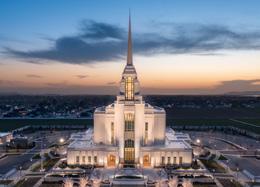
1098 S. 2500 West, Syracuse
Total floor area: 90,526 square feet
Site: 12.27 acres
Ordinance rooms: Four instruction rooms, four sealing rooms, two baptistries
Dedication: June 8, 2025, by Russell M. Nelson
206th dedicated temple worldwide
24th dedicated temple in Utah




















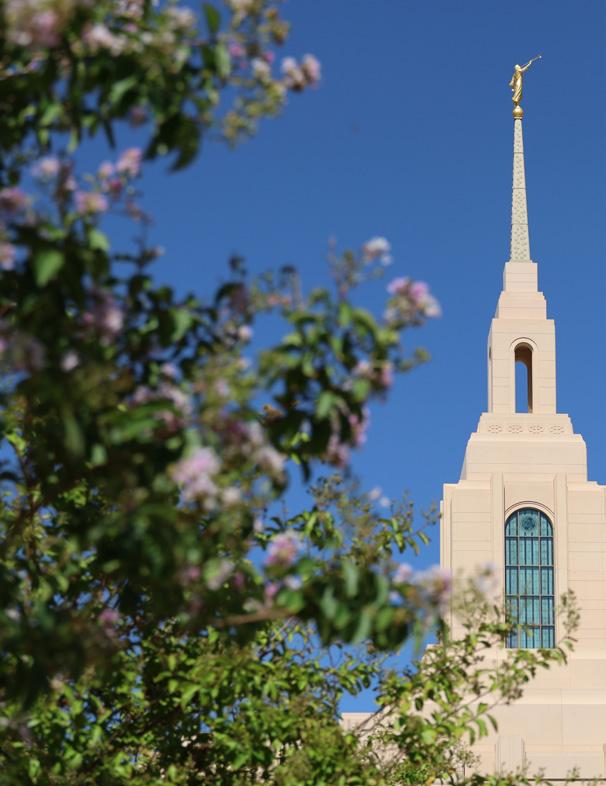
Utah’s largest temple: Salt Lake Temple, 382,207 square feet. In fact, it is the largest temple in the world.
Utah’s smallest temple: Monticello Utah Temple, 11,225 square feet. The smallest temple in the world is currently the Colonia Juarez Chihuahua Mexico Temple at 6,800 square feet.
Highest Utah temple elevation: Monticello Utah Temple, 7,098 feet above sea level. It is the 12th highest temple in the world in elevation; the first is the Cusco Peru Temple at 11,333 feet.
Utah’s first temple: St. George Utah Temple, dedicated April 6-8, 1877.
Utah’s most recently announced temple: Spanish Fork Utah Temple, announced April 6, 2025.
Next temple to be completed in Utah: The Ephraim Utah Temple, followed by the Smithfield Utah Temple.
Shortest time from groundbreaking to dedication for a Utah temple: Monticello Utah Temple, 8 months 9 days.
Longest time from groundbreaking to dedication for a Utah temple: Salt Lake Temple, 40 years, 1 month and 20 days.
First temple to be dedicated in the State of Utah: Ogden Utah Temple, Jan. 18-20, 1972. Four temples (St. George, Logan, Manti and Salt Lake) were dedicated while Utah was still a territory.
First Utah temple to be created from an existing building: Vernal Utah Temple.
Two Utah temples that received angel Moroni statues after their original dedications: Ogden Utah and Provo Utah temples.
Only Utah temple to feature an angel Moroni statue holding gold plates: Jordan River Utah Temple.
Five Utah temples that do not bear the name of the city where they are located: Jordan River Utah Temple (South Jordan), Mount Timpanogos Utah Temple (American Fork), Oquirrh Mountain Utah Temple (South Jordan), Red Cliffs Utah Temple (St. George) and Deseret Peak Utah Temple (Tooele).
Source: churchofjesuschristtemples.org



Since 1991, Holdman Studios has created thousands of
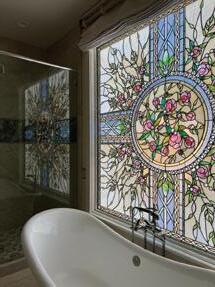
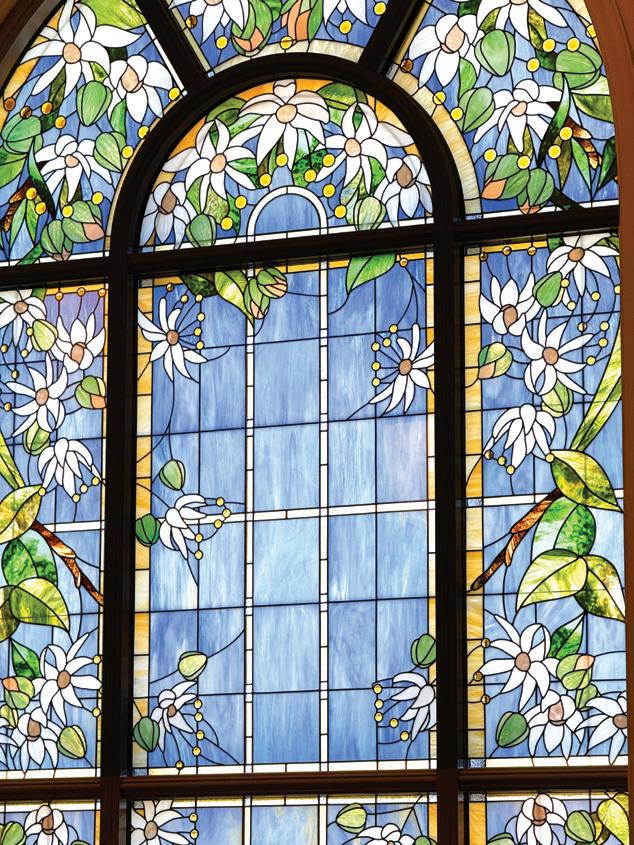
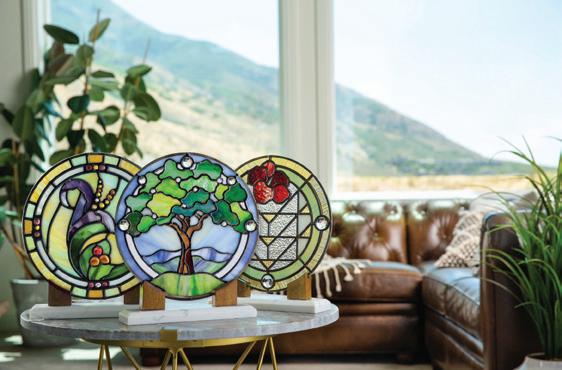
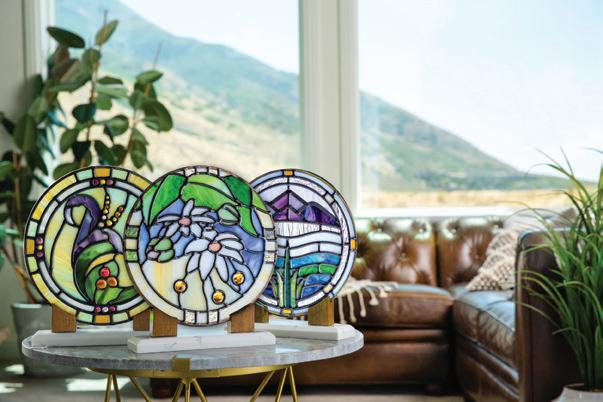
temples. Visit our in-person gallery at Thanksgiving Point in Lehi, Utah

Pieces of light for your home, inspired by the temple to remind you of God’s love








Proudly providing Lindon with










Schedule an appointment today! Dr. Jeremy Adams
Congratulations to the Lindon community on the opening of the Lindon Utah Temple! From routine dental work to helping complete pre-mission dental checkups with care and confidence, Stonehaven Dental Orem is grateful to be a part of this community.