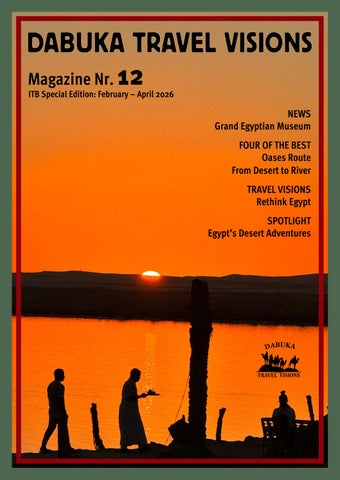
DABUKA TRAVEL VISIONS
Magazine Nr. 12
ITB Special Edition: February – April 2026
Grand Egyptian Museum
FOUR OF THE BEST Oases Route
From Desert to River
TRAVEL VISIONS Rethink Egypt
SPOTLIGHT
Egypt’s Desert Adventures
Magazine Nr. 12
ITB Special Edition: February – April 2026
Grand Egyptian Museum
FOUR OF THE BEST Oases Route
From Desert to River
TRAVEL VISIONS Rethink Egypt
SPOTLIGHT
Egypt’s Desert Adventures
We hope you have arrived well in 2026 and are pleased to present our Magazine No. 12 as this year’s opening edition.
The first magazine of 2026 – The first step
A new year often begins with good intentions, quiet ideas, or grand plans. Yet before any of these can become reality, one thing is needed above all: the first step. Not the perfect one, not the final one – just the first.
“Even the longest journey begins with the first step.” Few sentences suit the idea of travel better. And for me, it holds true on a very personal level as well. Had I not taken that first step in 2009, I would not be here in Egypt today. Back then, I had no idea what to expect – but I knew I had to set off.
Whenever we begin to develop a new travel concept, that process too starts with a first step, without knowing exactly where the journey will lead next. If we did not repeatedly throw ourselves into the adventure of new beginnings, our offerings would never evolve. Our boat on Lake Nasser has now been in operation for a year and a half because we dared to take that step and begin construction. The Oasis Road has come back to life because we chose to take the step of making it happen.
This is where travel begins: in the moment when a thought becomes a decision. The route may be planned, but the experience never is. What remains is the courage to embrace it and to take that first step.
In this first issue of the new year, we present carefully planned journeys – well thought out, tested, and assembled with great attention to detail. But everything begins with you: with the decision to set out.
Perhaps this magazine will serve as inspiration. Perhaps as a concrete plan. Perhaps as precisely the impulse needed to make this new year more than just a resolution.
We wish you a year filled with good decisions –and many first steps.
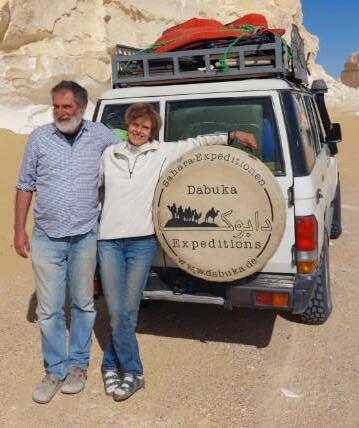
Warm regards
Dorothee und Tarek Cairo, January 2026
I. Introduction
Editorial3
TableofContents,Imprint,Contact4
CustomerTestimonials:UnforgettableMoments5
II. News
TheOpeningoftheGrandEgyptianMuseum10
StoriesbesidetheMainstream: CrossingtheKalanshoSandSea–Part212
III. Spotlight
SolarEclipseoftheCentury–Egypt202718 Egypt'sDesertAdventures20
IV. For of the Best
EgyptbeyondtheLine:TheOasesRoute22
FromDeserttoRiver:Luxor&Nile24
BeyondAswan:LakeNasser&DabukaBlue26
FromLuxortoAbuSimbelbyWater28
V. Travel Visions „RethinkEgypt“30
CallItaDream:WhenTravelBecomesVision32
VI. Various
Interviewwithourpartnerandfriend AmrAbdallah35
DabukaInternal 36
ByChance:Fossil&ClimateChangeMuseum–WadiElHitan37
DABUKA TRAVEL VISIONS ISSUE 12
Editor: Dorothee Rieche
Art Director: Andreas Klostermaier
Contributor: Shada Mamdouh
Marketing & Advertising: M. Ibrahim
Contact (Magazine): magazine@dabuka.de
Contact: +20 101 506 9061
Email: service@dabuka.de
Homepage: www.dabuka.com
Special Tours: www.eclipse-2027.com
All texts and images in this magazine are protected by copyright.
Photos: Andreas Klostermaier, Steffen Kirchner, Tarek El Mahdi, Hans-Ulrich Pews, Dorothee Riche, et al
We love to hear about your amazing experiences with us and all your wonderful feedback is most welcome!
Thirty years lie between my first and my second journey to Egypt. More than 30 years ago, I visited Egypt for the first time. After a demanding year filled with professional and personal challenges— during which holidays had to take a back seat—I felt an urgent need to slow down and find some peace. Anywhere would do. And so, more or less by chance, the decision fell on Egypt: a cruise on the Nile from Thebes to Aswan and back.
In October 1995, my feet touched Egyptian soil for the first time, and the cruise began without any great expectations on my part. That quickly changed, however, day by day, stop by stop, temple by temple, tomb by tomb, bazaar by bazaar. Egypt and its history captivated me more and more—and have never let go of me since. What was intended as a harmless short vacation turned into a true passion.
Back home, my travel guide to Egypt was gradually joined by more and more books on the subject. By now, they fill three meters of shelf space, including exhibition catalogues from Egypt-related exhibitions that I visited whenever and wherever possible. And always there was the thought: you must go back to Egypt one more time. Because it was clear that the Nile cruise mentioned above, wonderful as it was, represented only a small fraction of what Egypt has to offer—no Cairo, no pyramids, no Egyptian Museum, no desert, no … Somehow, though, it never quite worked out.
But then, in October 2025, almost exactly 30 years later, my feet once again touched Egyptian soil, and a wonderful Egyptian adventure began. Perfectly organized and prepared by the travel agency Dabuka, I was able to discover further fascinating facets of Egypt together with two friends: Cairo; Giza with the Sphinx and the pyramids; the pyramids of Saqqara, Dahshur, and Meidum; the Grand Egyp-
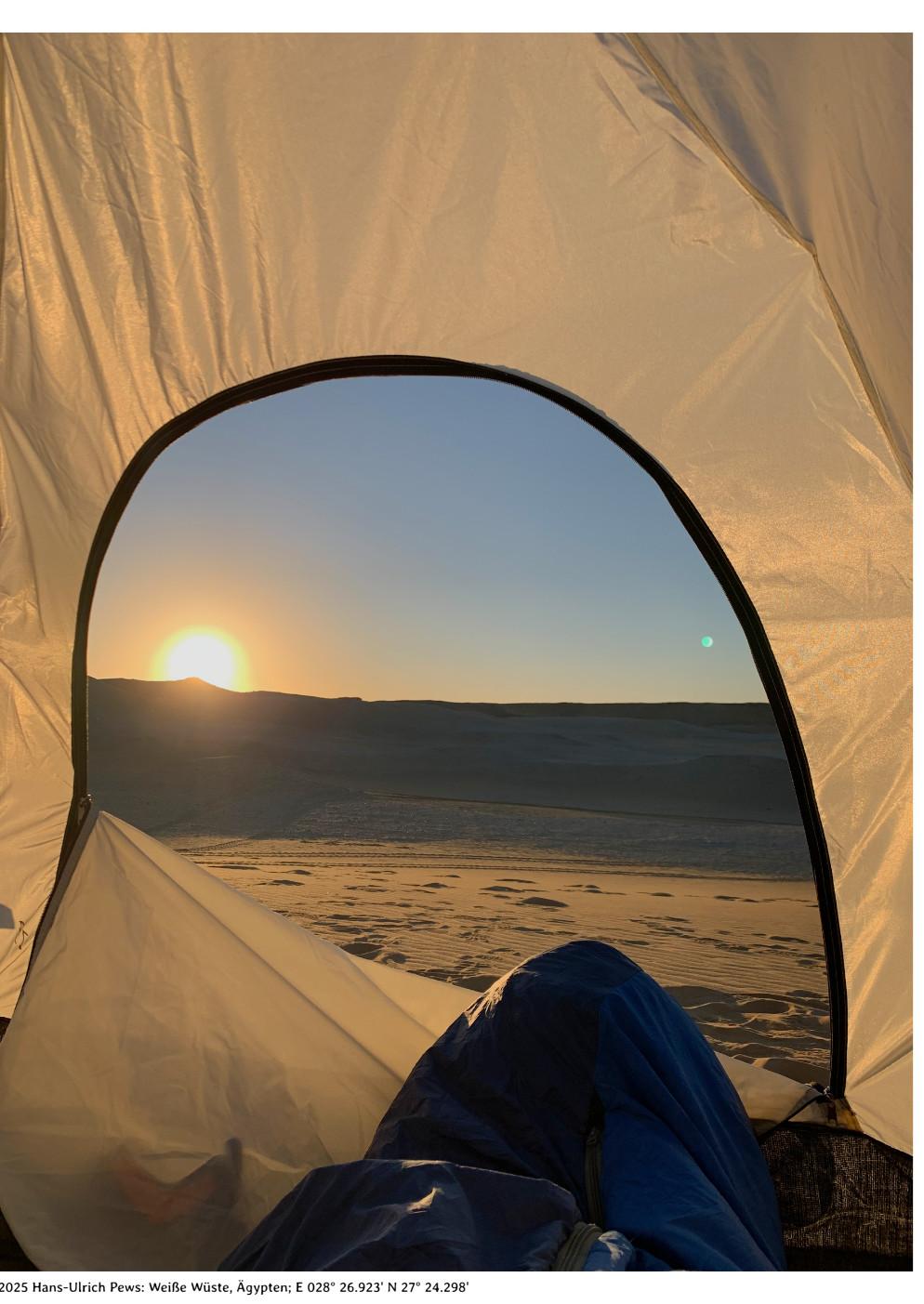
tian Museum; the Coptic Quarter in Cairo; the National Museum of Egyptian Civilization; Alexandria and its new library; the Siwa Oasis with its sights and surroundings (desert and salt lakes); and journeys through—and nights in—the White and Black Desert, as well as Wadi Al-Hitan with its fossilized whale skeletons.
Each stop on the journey impressed me deeply, each one a highlight in its own right. Nevertheless, visiting the Grand Egyptian Museum so shortly after its opening was something truly special. Partly because of the temporal proximity to the opening, but not only for that reason. Beyond the exhibited objects—especially those of Tutankhamun—beyond the manner of presentation and the sheer number of artifacts on display, the museum building itself is a sight worth seeing.
A modern, sober, yet spectacular structure that, in my view, leaves nothing to be desired. A building that focuses entirely on the objects on display. It offers a generous, open, and clearly arranged present-
ation, with space not only to look but also to linger, with sensibly arranged escalators and pathways.
Of course, there are also restaurants, shops, and souvenir stores. All in all, an absolute must for every visitor to Cairo.
And there is one more item on the program that I must mention—one that moved me so deeply that I immediately had to call my wife in Berlin, something I otherwise do rather rarely.
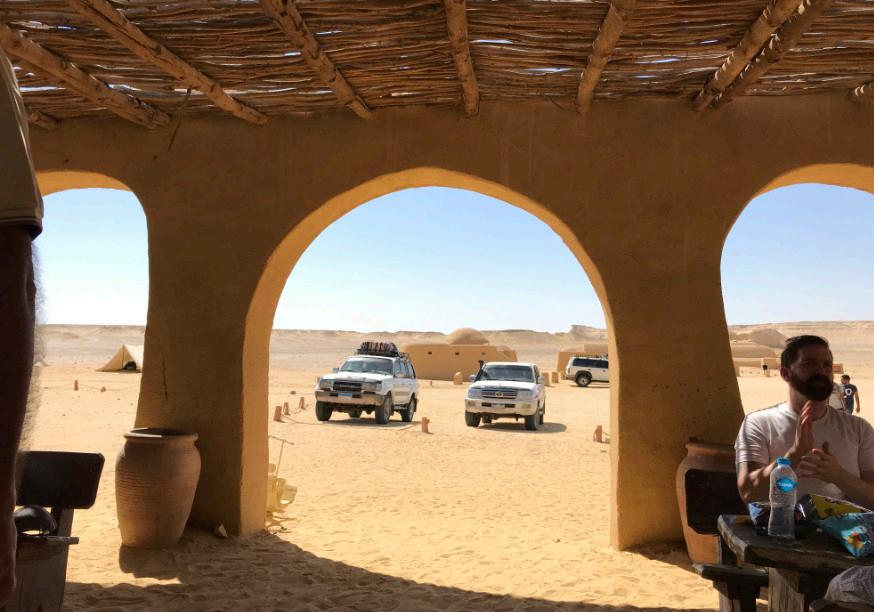
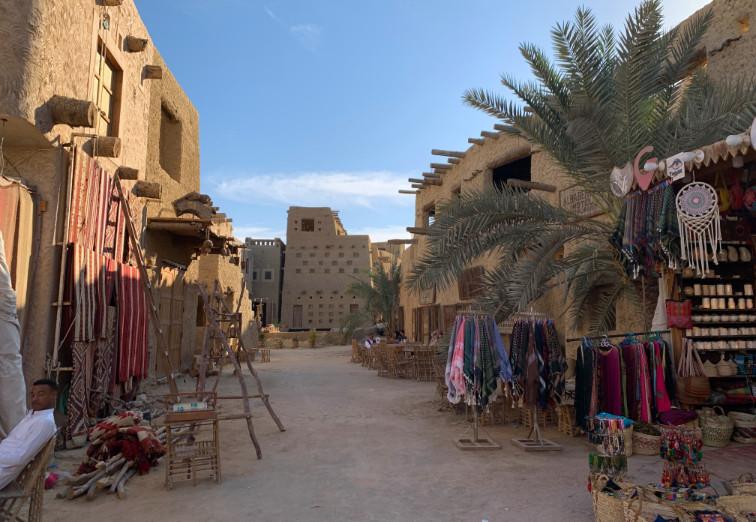
Just minutes earlier, I had been in the oasis town of Siwa with its very own unique atmosphere. Suddenly, I found myself in the middle of the sandy desert near Siwa, exactly matching my idea of what a desert should look like. Dune after dune stretched out in all directions, and the afternoon sun and shadows bathed the sand in every color one can associate with it—from white to rusty brown, with countless shades in between. And on top of that, absolute silence; even the wind had taken a break. I felt as though I were in an Oriental fairy tale. All that was missing was a camel caravan passing by. I believe I would have burst into tears—I was that deeply moved.
Well, this journey was not only a challenge for us travelers, but certainly also for the travel agency Dabuka, which prepared and organized the entire program for us—and did so perfectly. Car, driver, accommodations, schedules, tickets for the various sights, equipment for the desert stay—everything worked reliably. But equally impressive were the friendliness and patience of the people who took care of us, the cooking skills of our driver in the desert, the fulfillment of our wishes, and the endurance during the long drives between destinations.
Not a single wish remained unfulfilled. For that, once again, praise and appreciation, and a heart-felt thank you to Dabuka. I gladly and often look back on this exciting journey.
In conclusion, it should be clear that another 30 years will not pass before my feet touch Egyptian soil again. The Nile Delta is waiting—I am curious to hear what Dabuka has to say about that. �
Hans-Ulrich Pews, Germany
In mid-November 2025, I had the opportunity to visit the newly opened Grand Egyptian Museum (GEM) in Cairo together with two travel companions.
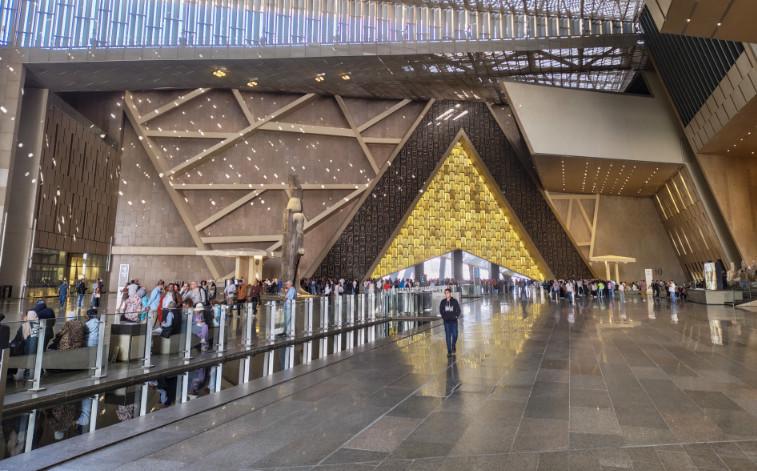
The traces of the inauguration ceremonies, which had taken place only a few days earlier, were still unmistakable: the parking areas and drop-off zone at the main entrance were not yet operational, and the large forecourt with the suspended obelisk of Ramses II was closed off. Grandstands and a gigantic screen from the opening celebration were being dismantled. As a result, Mohammed, Dabuka’s driver, dropped our small group at the north-west entrance. From there, we passed through the “Events Area” and the palm garden to reach the northern entrance and the light-filled socalled “Glass Hall”, where visitors are welcomed by a statue of Ramses II from Tanis. This hall alone is so vast and impressive that it took us a while to realise we had effectively entered the museum through a side entrance.
This northern section of the building houses restaurants and shops and will also serve as a conference centre in the future. In total, we found eight dining options, ranging from cafés and bistros to street food, a confectionery and even an Italian gelateria — everything one might need to fortify oneself at very reasonable prices before beginning a museum visit. In addition, there are around a dozen shops and an excellent museum store. This area also provides extensive infrastructure: information desks, ATMs, audio guide distribution, prayer rooms and even medical services.
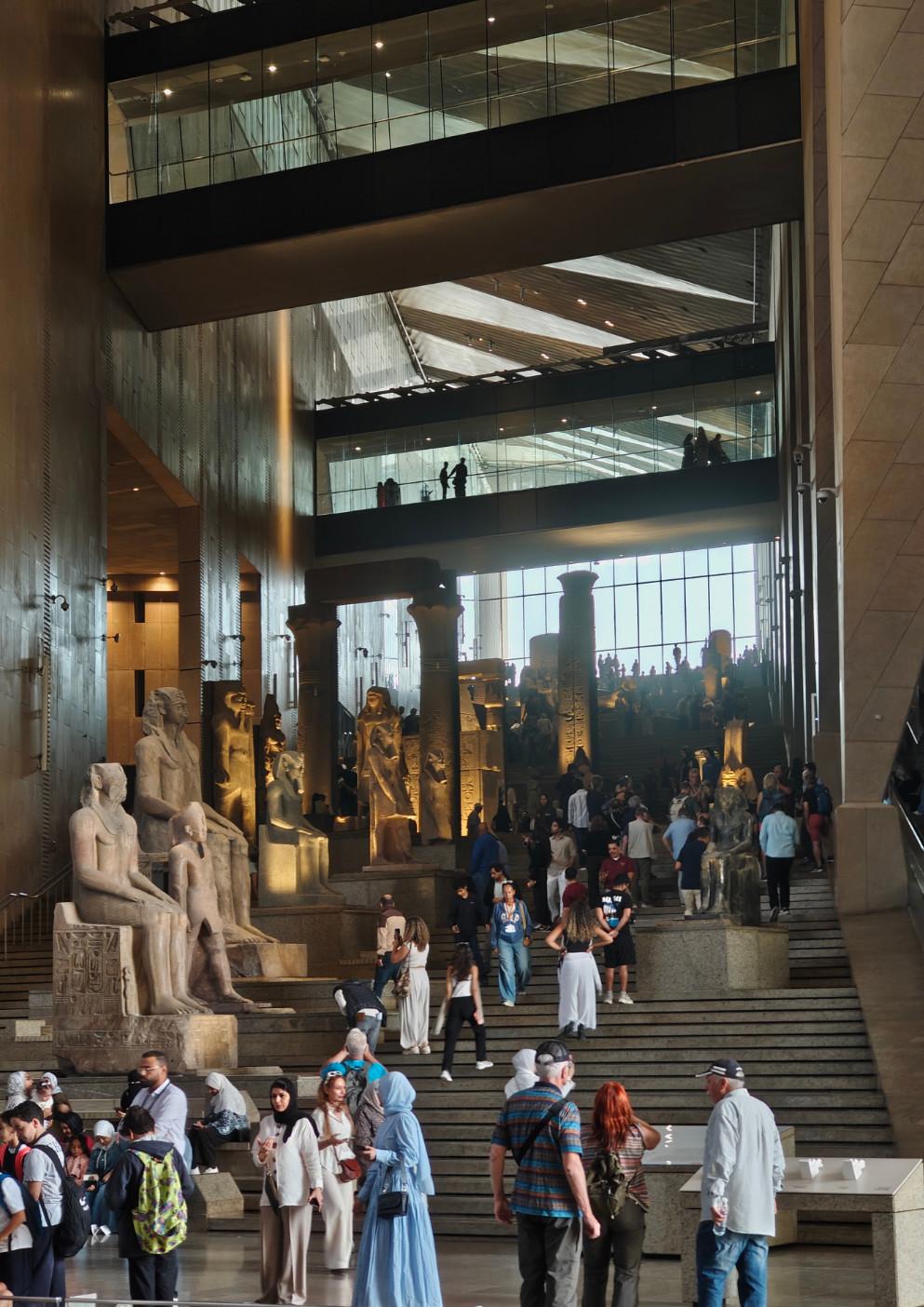
From here, we proceeded into the actual main entrance hall, the “Grand Hall”, which quite literally took our breath away. It takes several minutes to gain even a rough sense of orientation. Several large statues are distributed throughout the hall among water basins, the most prominent of course being the 11-metre-high colossal statue of Ramses II. To the south rises the “Grand Stairs”, an estimated 90 metres wide, converging towards the top and flanked on one side by two escalators and an inclined lift for wheelchair users. Above them, the galleries seem to float. The dimensions are simply staggering.
All visitors are initially guided three floors up to the top of the monumental staircase. This ascent is a journey in itself and invites unhurried exploration, passing a first chronologically arranged selection of statues, columns, pyramidia and stone sarcophagi. Wooden benches built into the stairs encourage visitors to pause. Upon reaching the top, one’s gaze falls through large glass windows towards the pyramids of Giza, two kilometres away, yet appearing much closer due to the clever alignment. Only at this point does one reach the actual starting point of the exhibition spaces: the galleries.
The museum is broadly divided into three areas: the “Main Galleries”, the “Tutankhamun Galleries”, and the “King Khufu’s Boats Museum” in a separate building west of the main complex.
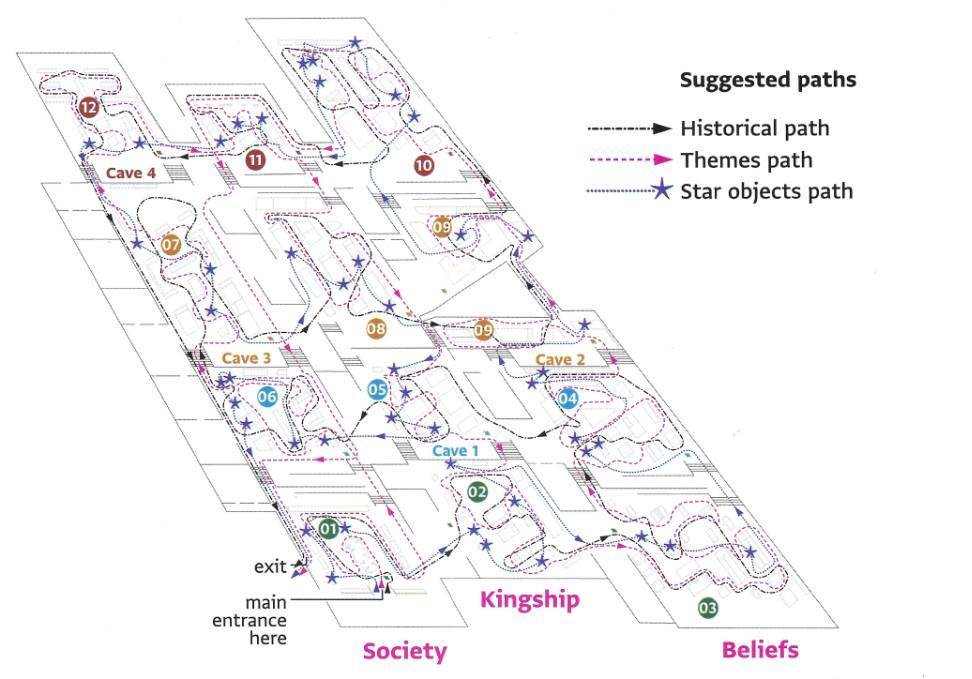
We began our exploration in the Main Galleries. There are twelve of them, and their conceptual design is exceptionally sophisticated, arranged in a 3×4 grid. Each gallery is assigned to one of three contexts (Society, Kingship, Religion) and one of four historical periods (Old Kingdom, Middle Kingdom, New Kingdom, Late Period). Visitors can
choose to explore the main galleries either chronologically (“Historical Path”) or thematically (“Themes Path”). In practice, this means moving through the galleries in a serpentine pattern, either north–south or west–east. For visitors with limited time, a third route is available that directly connects the highlights of all galleries (“Star Objects Path”). A free floor plan helps visitors plan their route. In addition, there are four so-called “Caves” — recessed, darkened special exhibition spaces dedicated to the themes “Hathor Priestesses”, “Valley of the Kings”, “Deir el-Medina” and “Underwater Cities”. At the northern end of each of the three main gallery segments, glass panels offer breathtaking views down into the Grand Hall, while at the southern ends visitors are rewarded with views of the pyramids.
How does one deal with such sheer scale? If one wished to give every object at the GEM the attention it deserves, one would need years. We therefore decided on an inventory approach: a walk-through of all twelve main galleries without lingering too long, as a basis for planning future visits. We skipped the Caves.
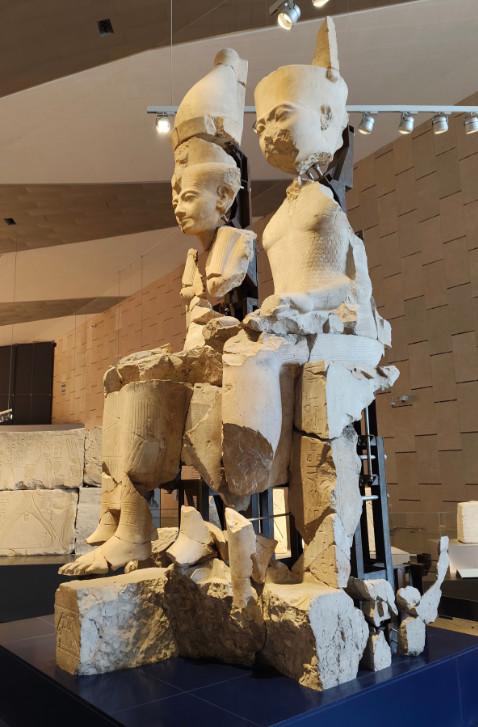
It would make little sense in this report to focus on individual exhibits — that would be a hopeless endeavour. I even wonder whether it will ever be possible to publish a complete museum catalogue. Instead, I would like to focus on the visitor experience. What impressed me deeply was the contrast between the monumental and the everyday, the grand and the small, the unique and the numerous. Some display cases explore the character of an object by assembling large numbers of its variations across time or space. Other exhibits provide insight into the work of the restorers. Particularly fascinating is the supporting framework of a pair of colossal statues in Gallery 9, where hundreds of fragments can be individually adjusted into position, creating a coherent overall impression despite large gaps in the material. One of the most touching objects in the Main Galleries for me was a perfectly preserved long-haired wig with braided plaits — an almost intimate bridge to the people of ancient Egypt.
The immense volume, the light-filled spaces, and the excellent presentation and lighting of the objects impressed me throughout. The glazing of the exhibits has been handled with great sensitivity — many objects remain unglazed and thus more immediately accessible. I have never experienced as much visitor comfort in any museum as at the GEM. The Main Galleries alone feature nine lifts for visitors with disabilities, five large restroom areas and countless generous seating options, some large enough to accommodate entire school classes. Even large visitor numbers disperse so well in the expansive halls that there is never any sense of crowding. Guided groups are also clearly limited in size. One can easily spend many hours in the museum without fatigue. One tip: bring drinks and small snacks, as there are no food outlets within the
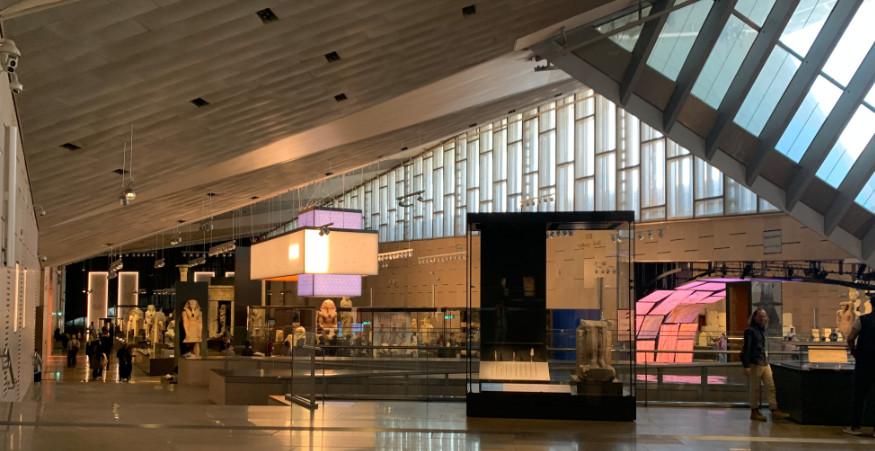
gallery areas. Photography with “non-professional” equipment and without flash or tripod is permitted. Bags and backpacks are allowed, and a large number of staff members in discreet museum attire watch over the treasures and are readily available, friendly and English-speaking.
After visiting the Main Galleries, we finally reached the exhibition of Tutankhamun’s burial treasures and allowed ourselves to be dazzled in this vast, darkened gallery by the radiant gold of the sarcophagi and shrines, and overwhelmed by the sheer quantity of artefacts. So, is the entire burial treasure of King Tut now united in one place? Not quite: the body of the young pharaoh still rests in his famous tomb KV62 in the Valley of the Kings. The final decision regarding its location has apparently not yet been made — an empty display case has been prepared and labelled at the GEM to receive the mummy.
I will not dwell further on this gallery — everyone should allow themselves to be captivated here individually. Visitors prone to Stendhal syndrome are warned! Tears welled up in my eyes.
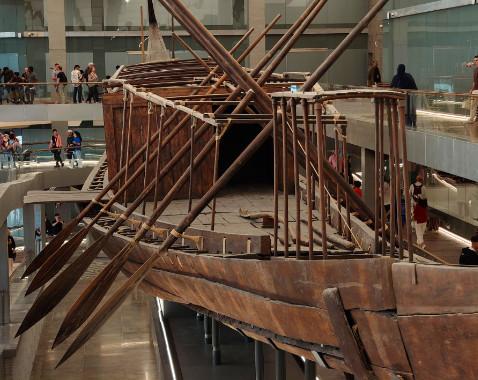
To conclude, we visited the large boat museum. It houses the two royal ships discovered in 1954 immediately south of the Pyramid of Khufu. One of the two boats is fully restored and on display; the second is scheduled to be assembled in the museum over the coming years, with only its supporting structure prepared so far. Anyone who can get hold of a copy of The Boat Beneath the Pyramid by Nancy Jenkins will want to spend an entire day here studying every detail of this gigantic construction kit.
I confess to a deep affection for the morbid charm of the old Egyptian Museum on Tahrir Square, but there is no question that the time had come for a modern — indeed radical — new beginning. The development of the GEM was long and arduous, and much of the surrounding area is still a construction site. In the end, however, the result fully justifies the effort.
Oh, and the admission price for this unforgettable experience? Just under €30! Transfers to and from the museum, as well as online tickets, were arranged for us by Dabuka. �
Andreas Klostermaier, Germany
Like many others, we did not witness the opening of the Grand Egyptian Museum (GEM) in person, but watched it on screen. On November 1, a project was inaugurated that had been long anticipated—and whose completion had been repeatedly delayed over many years.
The museum is located on the outskirts of Cairo, in close proximity to the Pyramids of Giza. With an area of around 500,000 square meters, the GEM is one of the largest archaeological museums in the world. The building was designed by the Irish architectural firm Heneghan Peng. Behind the nearly 800-meter-long façade of glass and light sandstone, more than 100,000 artifacts spanning seven millennia of history will be on display in the future.
The exhibition follows a thematic approach. At its core are kingship, society, and belief, told across dynasties. Among the most important exhibits are the complete collection of Pharaoh Tutankhamun, comprising over 5,000 objects—including the famous golden funerary mask—as well as the more than 4,000-year-old solar boat of
Khufu. An architectural highlight is the atrium, featuring the eleven-meter-high statue of Ramses II
The opening ceremony on November 1 was deliberately staged as a public event. An extensive cultural program with music and dance, along with a fireworks display over the Giza Plateau, accompanied the ceremony and made it accessible to a global audience.
In addition to its exhibition spaces, the museum houses modern conservation and research facilities and relies on sustainable building technology. After a long period of planning and construction, the opening of the GEM now marks the completion of a major project—and the beginning of regular museum operations that many had been awaiting for a long time.
Even from a distance, it was clear what the opening set in motion: the Grand Egyptian Museum was perceived as a shared point of reference—for culture, history, and a look toward the future. And we, too, felt a little excited. �
by Tarek El Mahdy
Operation Salam – The First Steps into the Kalansho Sand Sea (Jalo, May 1942)
Operation Salam was, from the outset, a covert mission planned by the German Abwehr to infiltrate agents into Egypt. Their task was to penetrate deep behind British lines, and everything hinged on a single gamble: the ability to cross the Libyan Desert unseen.
For this task there was only one man deemed capable: László Almásy. He was not a soldier in the conventional sense, but a desert explorer, pilot, and cartographer. Above all, he was the only truly experienced desert driver in the group. The others understood technology, discipline, and orders—but they did not understand the desert.
The oasis of Jalo served as the starting point: a narrow strip of life between sand and sky. Six captured British vehicles stood ready, heavily loaded, pushed to the very limits of what they could carry. Three
Ford De Luxe station wagons—Consul, Inspector, and President—and three Ford CMPs—Maria, Purzel, and Habuba. Almásy drove the Consul, the lead vehicle. He searched for the route, the track, the only possible passage through the dune field.
On 4 May 1942 the convoy left the oasis and headed east. Just a few kilometers beyond Jalo, all traces disappeared. No track, no firm ground—only dunes. Soft, unstable, deceptive. The vehicles bogged down repeatedly. Tires dug in, engines screamed, sand flew. The men jumped out, grabbed shovels, dug, pushed, pulled—again and again. For most of them, it was their first time in real dune terrain. They drove instinctively, as if there were solid ground beneath them—and were immediately punished. Every mistake cost strength. Every meter had to be earned.
Almásy often walked ahead, checking passages, searching for shallow lines between the dunes. The Consul felt its way forward, slowly and under control.
But on the second day, technology failed. The rear axle of the Consul broke. The lead vehicle stood immobilized in the middle of the sand sea. What followed was pure physical labor. The Consul had to be towed through the dunes. Men strained against ropes, pushed, dug, slipped themselves in the sand. The heat was oppressive. The effort took its toll. The endless monotony, the heat, the glaring light weighed heavily on the men. Von Steffens and Dr. Strungmann showed clear signs of desert madness. Wörmann ultimately refused to obey orders—not out of defiance, but sheer exhaustion. The group was at its limit.
Only in the evening was it possible, under improvised conditions, to replace the rear axle. The next day the vehicle was able to move under its own power again—a hard-won success. But that was not all: after the third day it became clear that the entire drinking water supply from Jalo had become undrinkable—another serious dilemma. On 8 May 1942 the convoy returned to Jalo. Silent, drained, marked by the experience. The first attempt had failed. The Kalansho Sand Sea had made it clear who set the rules here.
The second attempt began on 12 May. The team was somewhat recovered, the vehicles rechecked. Above all, this time they were equipped with goodquality water and improved supplies. The plan initially remained similar—but the experience of the first attempt weighed heavily.
On 13 May the next major setback occurred. Once again the Consul was hit—this time by a gearbox failure. Final. Irreparable. The vehicle had to be abandoned. Two crew members suffered relapses of desert madness and were rendered unfit. Almásy immediately realized that any further immobilization in the dunes would mean the complete end of the operation.
Here he made a decision that changed the entire character of the mission. He abandoned the previous line of advance. Instead of pushing further east, he opted for a radically more southerly route. His goal was to leave the dunes and reach a point where a track existed—far to the south, passing close to Kufra, fully aware that this meant crossing over 1,000 kilometers of enemy-controlled territory.
It was a risky decision—militarily dangerous. But from a desert-navigation perspective, it was the only way not to abandon the entire operation outright. The westward route presented another obstacle: Habuba, one of the vehicles, also suffered a gearbox failure. Its makeshift repair further delayed the mission, though the vehicle was eventually able to continue under its own power.
On 15 May 1942 the convoy reached a crossroads. Here Almásy split the group. The damaged Habuba, weakened and with an exhausted crew, was sent back north to the oasis of Jalo. With the remaining four vehicles, Almásy headed south. He was unwilling to abandon the mission, but recognized that crossing the Kalansho Sand Sea was no longer possible.
In the end, the sand sea had caused two of Almásy’s attempts to fail.
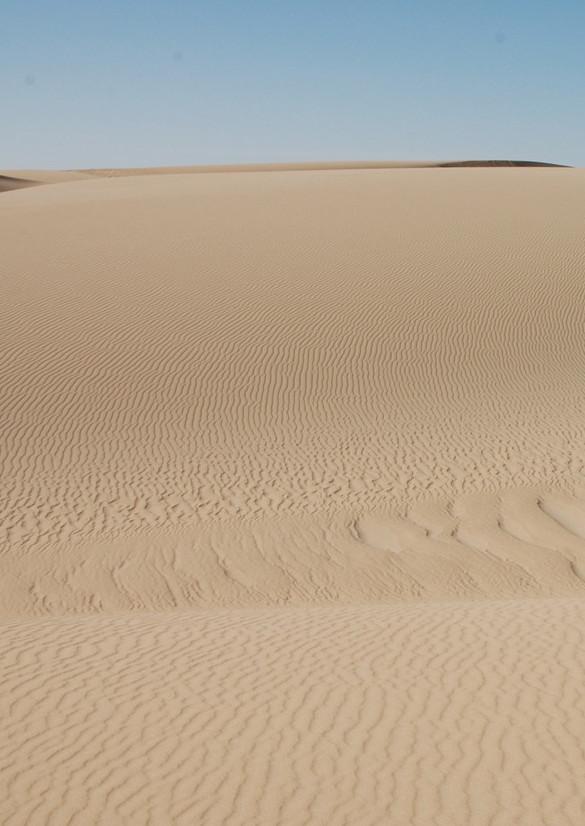
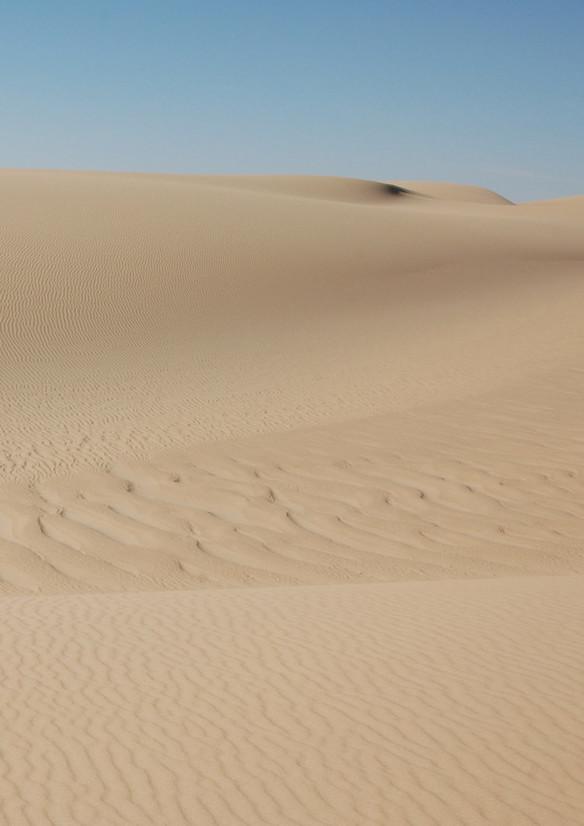
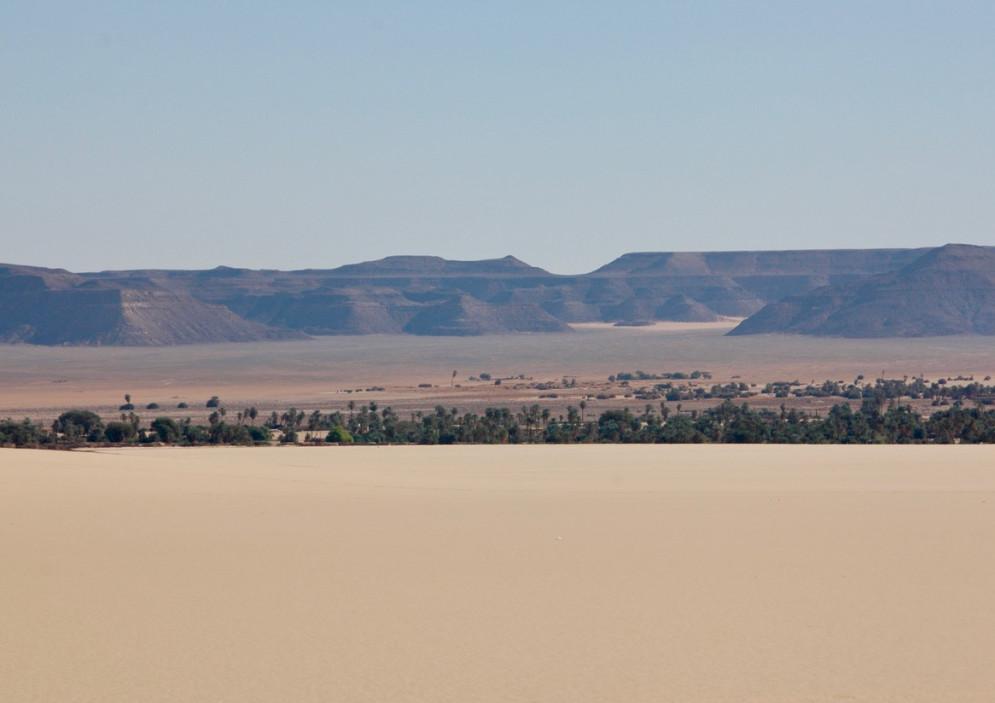
My Second Crossing of the Kalansho Sand Sea, 2008
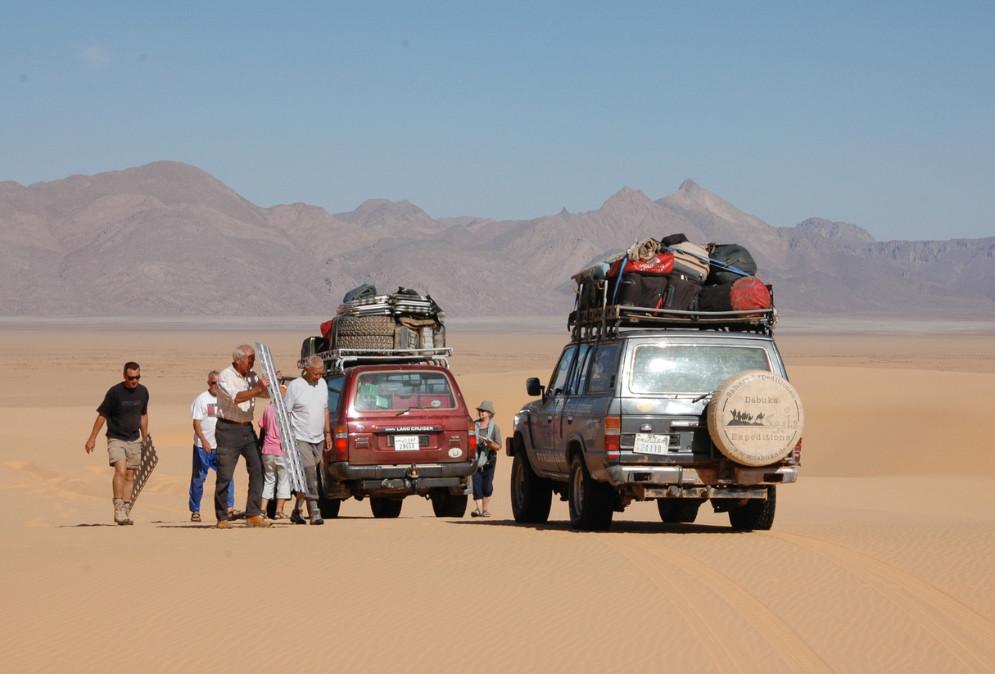
After describing my first crossing in 2006, a second traverse was planned—this time from west to east. Our group consisted of two vehicles, Big Blue and Black Magic, two Toyota Land Cruisers (HJ80 and HJ61). Seven very experienced Austrian desert drivers, one Belgian woman, and myself in the lead vehicle; my older brother Karim in the second car. Together we set out to cross the endless sand seas of Libya.
The journey was planned to last three weeks: through Ramlat Rabinana, the Achenu Dunes between Kufra and Uweinat, and finally back through the Kalansho Sand Sea to Jalo. This time, however, we wanted to go directly from Jalo to Jharbub—without detours, without caution.
The first kilometers progressed relatively quickly across a wide plain. Soon we reached the edge of
the Kalansho Sand Sea. We drove east, into the sea of dunes. At first, the crests were broad and flat, easy to cross. But the further we advanced, the denser, steeper, and more unpredictable the dunes became. Again and again the vehicles bogged down, tires digging deep into the fine sand.
Fortunately, the Land Cruisers were well equipped, and every immobilization could be resolved quickly. Meter by meter we fought our way through the sandy infinity, always maintaining an easterly course.
After halfway, however, the dunes turned into a true labyrinth. Getting stuck became the rule, not the exception. Deflected from the east, we were pushed further and further south until we finally encountered tracks: deep tire marks, probably from oil companies or desert buggies. Huge tires, small off-road vehicles—over a hundred tracks crisscrossed the area. We followed them, drifting ever further southeast.
Then the track suddenly turned south, away from Jharbub. We followed it for three, then five kilomet-
ers, hoping it would soon turn east again. In vain. I remembered an old desert rule of thumb: never follow a track if you don’t know where it leads or who made it.
I decided to head east into the dense dune field. Immediately, maximum concentration was required. Heavy dune terrain lay ahead—a true labyrinth. Meter by meter we fought eastward. After about a kilometer, we emerged from the tangle of dunes—and found our familiar track again. This time we followed it north for half a kilometer, then once more completely south. Again we had to divert into the dune labyrinth—the same game repeated itself two or three times.
Then we reached something none of us had ever seen before: the rim of a dune crater. Descending meant no turning back. Meter by meter I edged along the rim, eyes scanning the surface. My companions asked what the plan was. I answered: “Our only hope lies in the blind spot—out of sight from where we stand.”
So we plunged into the adventure—the point of no return had been crossed. As expected, the blind spot led us to the only exit. At the top, the pattern
repeated itself: another angle, another “no return.” Cardinal directions now became irrelevant— everything focused on getting through. I constantly checked that the second vehicle was still following. No turning back; staying together was the absolute priority. How many points of no return we passed that day and the next, I no longer know. All concentration was devoted to driving and advancing.
Finally, we were through. I found myself in familiar terrain, slightly south of the depression near Jharbub. From there, reaching Jharbub was child’s play. I visited my Libyan friend Gaballa, with whom I had discussed this route twelve years earlier. Back then he had estimated it could be mastered in five days. We had done it, I think, in two and a half. When I told him about my route, he was impressed and said that he himself always stays north of the Kalansho Sand Sea when traveling that way.
It occurred to me that during World War II, the LRDG also mostly traveled west–east north of the Kalansho Sand Sea.
In any case, we could pat ourselves on the back— we had made the crossing. �
On 2 August 2027, the skies above Egypt will stage one of the rarest celestial performances in human memory: a total solar eclipse lasting over six minutes. While Earth experiences nearly two solar eclipses each year, most last under five minutes. Events exceeding six minutes are extremely rare, and this one combines long duration with perfect accessibility—making Egypt the world’s most reliable destination to witness this phenomenon.
From the Western Desert to the Mediterranean and across the Nile Valley, the sky will transform. Sharp shadows will fade, the air will cool, and the silver corona will crown the sun. The moment of totality is not just a spectacle; it’s an experience that merges astronomy, ancient landscapes, and timeless vistas into a memory that will last forever.
Egypt lies directly along one of the longest landbased paths of totality. The eclipse will be visible for 6 minutes and 23 seconds, one of the longest accessible eclipses for generations. The next eclipse of
similar length will not occur until 2114. With clear summer skies, modern airports in Cairo and Aswan, and comfortable infrastructure, Egypt offers a perfect combination of accessibility and dramatic landscapes.
But Egypt is more than logistics—it’s history in motion. Imagine standing in the shadow of the eclipse among millennia-old temples and desert vistas that have witnessed human civilization rise and fall. The eclipse here connects past and present, science and culture, in a way that few other places on Earth can.
The eclipse begins over Spain, then crosses Gibraltar, Morocco, Algeria, Tunisia, Libya, before moving through Egypt, Sudan, Saudi Arabia, Yemen, Somalia, and fading over the Indian Ocean. In each country, totality comes and goes, but in Egypt, it finds duration, accessibility, and variety of locations combined—making it the ultimate eclipse destination.
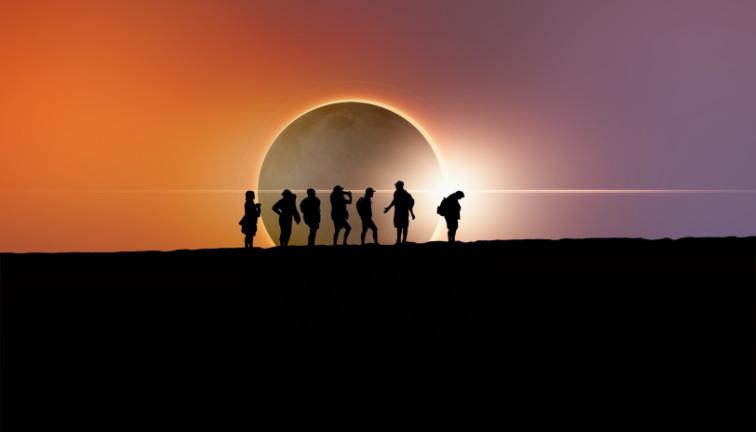
Dabuka Travel Visions offers carefully selected sites:
■ Luxor – Iconic temples, aligned with the sun, frame the eclipse, though crowds are expected.
■ Abydos – One of Egypt’s most sacred ancient sites, steeped in myth and history.
■ Bahareya Oasis – Desert palms and silent dunes provide a serene viewing experience.
■ Remote desert locations – Far from cities and artificial light, for solitude and uninterrupted sky views.
■ Benghazi, Libya – For those seeking a broader North African perspective.
While Luxor will draw large crowds, the alternative locations offer exclusive, off-the-beaten-path experiences, combining adventure, history, and extraordinary views.
The eclipse itself is fleeting, but the journey can be transformative. Dabuka Travel Visions offers smallgroup and expedition-style journeys:
■ Classic highlights – Perfect for first-time visitors to Egypt, combining Abu Simbel, Lake Nasser, Aswan, Dendera, Minya, and Cairo with the GEM and the Pyramids.
■ Family-friendly options – Include stays in Hurghada with a single eclipse day in Luxor.
■ Exclusive desert and oasis adventures – Minimal crowds, long views of totality, and extraordinary landscapes.
A special offer is the archaeological expedition led by a German archaeologist, following the Nile from Cairo to Abydos and ending in Luxor after the main crowds have departed.
Guests experience ancient sites, scholarly insight, and natural beauty along one of the most extraordinary astronomical events of our time. �

Most total eclipses last under five minutes. Events over six minutes are highly prized by enthusiasts, and Egypt in 2027 offers an unprecedented combination of duration and accessibility.
It’s more than a celestial event.
It’s a meeting of astronomy, history, and human wonder, a moment in time framed by temples, deserts, and the eternal Nile—an experience that will outlast the shadow itself.
See our website: https://eclipse-2027.com

Egypt’s desert is a world of contrasts: sweeping sand dunes, limestone and sandstone formations, hidden pockets of greenery, and skies so vast they seem infinite. At Dabuka Travel, we have been exploring these remote landscapes for over 40 years, combining deep knowledge of logistics, culture, and terrain with a passion for adventure
We offer four main desert tour options:
■ 1-Day Fayoum Excursion: A quick, accessible taste of Egypt’s desert beauty.
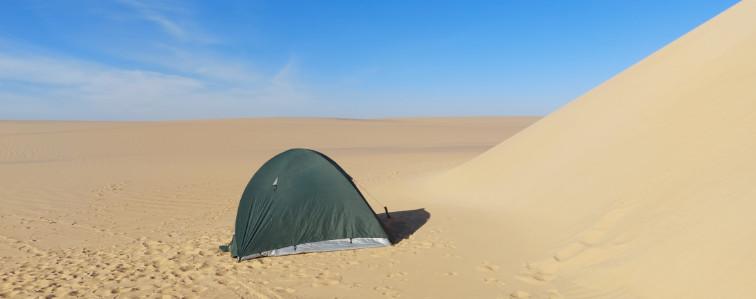
■ 2-Day White Desert Tour: Includes an overnight stay in Bahareya Oasis, exploring dunes and desert formations.
■ 5-Day Beginner Program: Dive deeper into desert life with visits to Abu Muhareq Dune, Djara Cave, and the iconic White Desert.
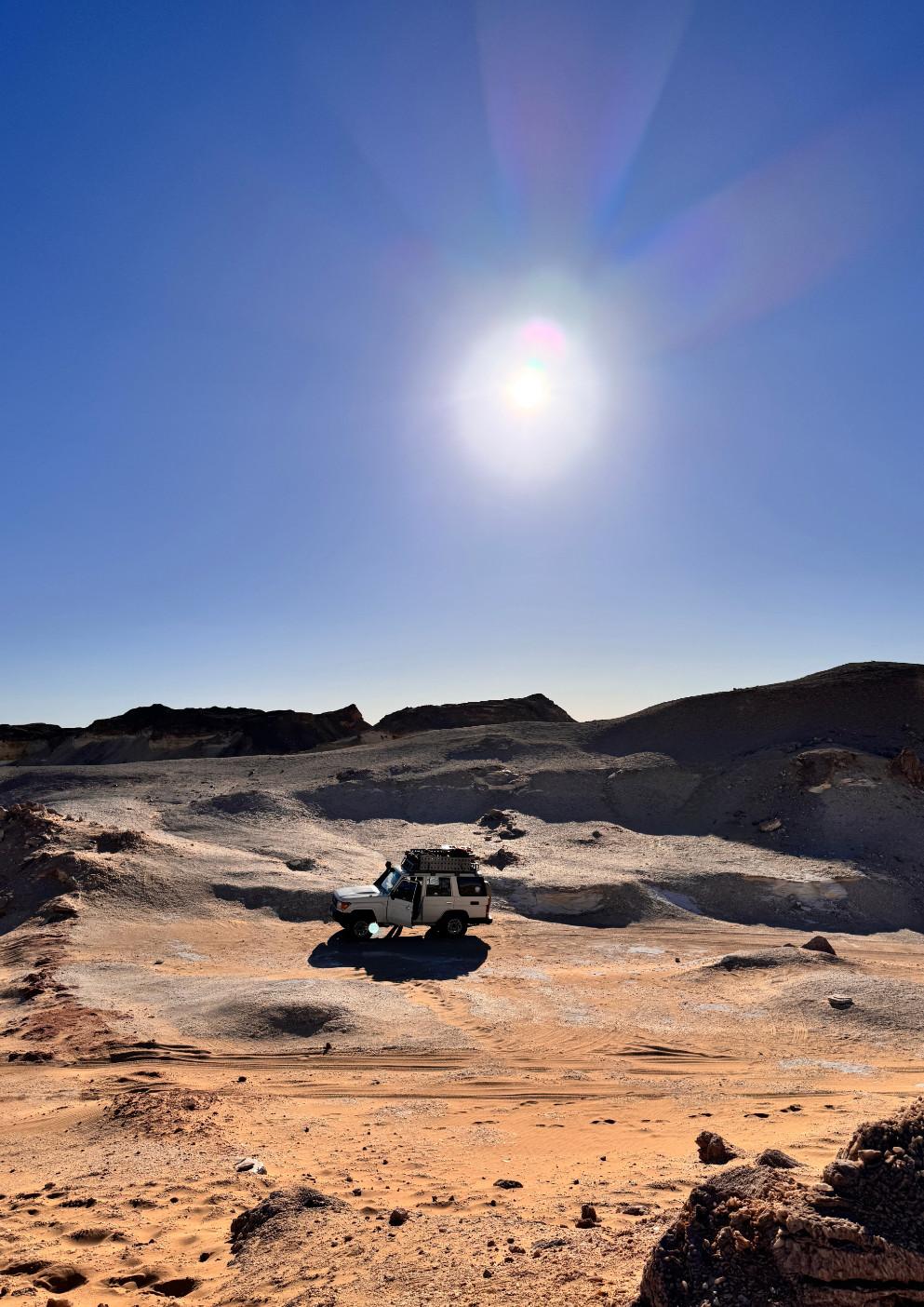
■ 10-Day Full Desert Expedition: For true wilderness enthusiasts, explore diverse landscapes, from sand dunes to limestone structures, enjoy star-filled skies, and witness unforgettable sunsets over the desert horizon.
Discover the Abu Muhareq Dune, Egypt’s longest dune chain, and explore the historic Djara Cave, first documented by German explorer Gerhard Rohlfs in 1873. The journey culminates in the White Desert, with its surreal rock formations. The tour is fully customizable, making it the perfect introduction to Egypt’s desert adventure.
This expedition is designed for true desert lovers. Explore vast sand dunes, sandstone cliffs, limestone formations, and surprising desert vegetation. Nights are illuminated by thousands of stars, and sunsets over the dunes offer moments of absolute peace. Every day is an adventure, every night a memory. Every tour is crafted to leave lasting memories, whether you are a first-time visitor or a seasoned desert traveler.
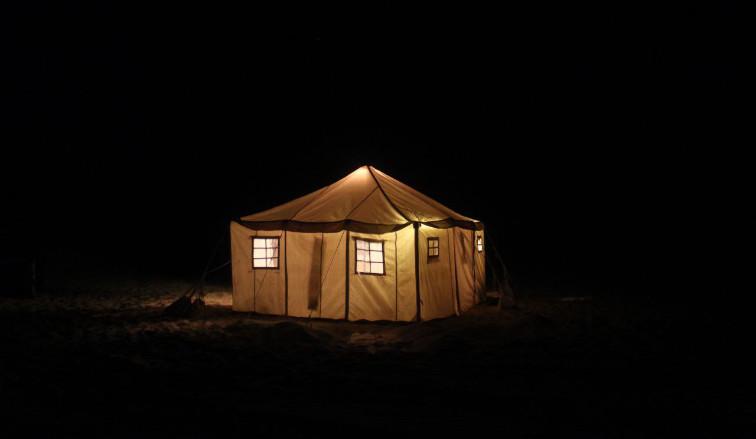
Dabuka Travel Visions: Luxury
Adventure
Founded in 1996, Dabuka Travel Visions has decades of experience in desert travel, exploration, and logistics. In 2026, we launched luxury desert glamping, offering a new way to experience Egypt’s remote landscapes—comfort, style, and exclusivity combined with adventure.
This concept was originally planned in 2011 with Abercrombie & Kent but postponed due to the Arab Spring. Now, it comes to life, built on over 40 years of expertise and a renewed vision for unforgettable journeys.
■ Exclusive desert camps in handpicked locations.
■ Comfortable tents with modern amenities, blending luxury with authenticity.
■ Unique settings, from Bahareya Oasis to remote dunes and limestone valleys.
■ Perfect for travelers who want adventure without sacrificing comfort.
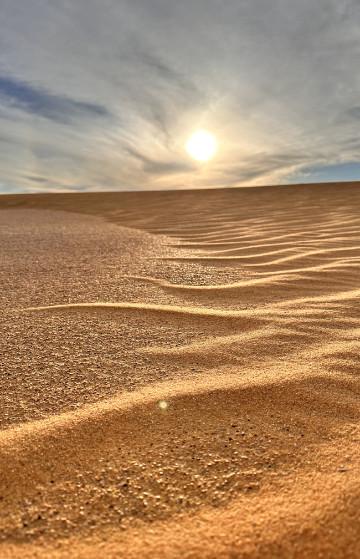
Whether you prefer glamping, one of our desert tours, or a fully tailor-made journey, Dabuka Travel makes it happen. Personal consultations help you craft an experience suited to your style, pace, and interests. �
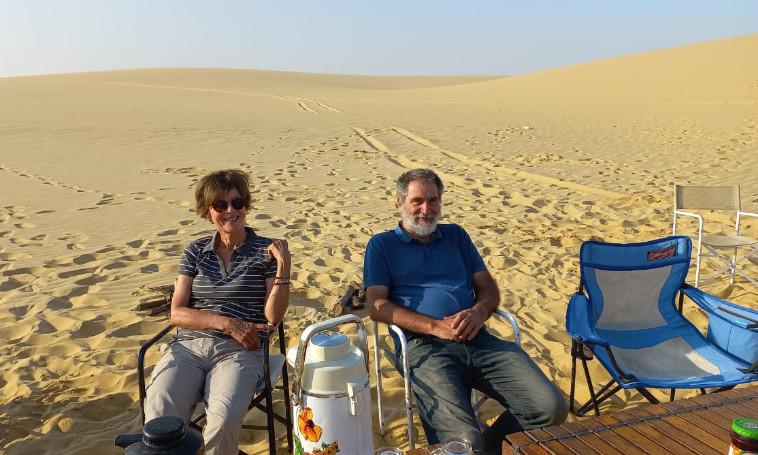
Most journeys through Egypt follow a straight line: Cairo, the Nile, Luxor, Aswan. It is efficient. It is familiar. But it leaves out one of the country’s most powerful dimensions — the desert and its oases.
Dabuka Travel reintroduces a different way to cross Egypt. A route that recon-nects the capital with Upper Egypt through the Western Desert oases, before continuing by sail on the Nile or south to the remote waters of Lake Nasser.
What was once a demanding expedition is today one of the most rewarding upgrades any Egypt journey can have. This is not a detour. It is a reframing of Egypt itself.
The journey begins where Egypt usually ends. As Cairo fades behind, noise and density dissolve into open space. The road turns west, toward Fayoum — a place where desert, water, and agriculture exist side by side.
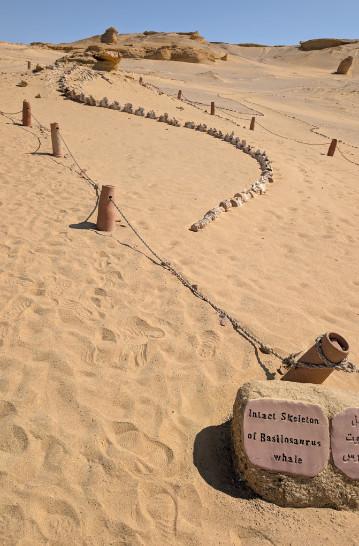
Here, time begins to stretch. In Wadi El Hitan, a UNESCO World Heritage Site, fossilised whales rest in the sand. Silent witnesses to an ancient ocean, they immediately reframe Egypt — not only as a civilisation of temples, but as a land shaped by deep geological time.
This is one of Egypt’s travel corridors — once used by caravans, traders, and pilgrims. Dabuka Travel has carefully revived it for modern travellers, without turning it into a spectacle.
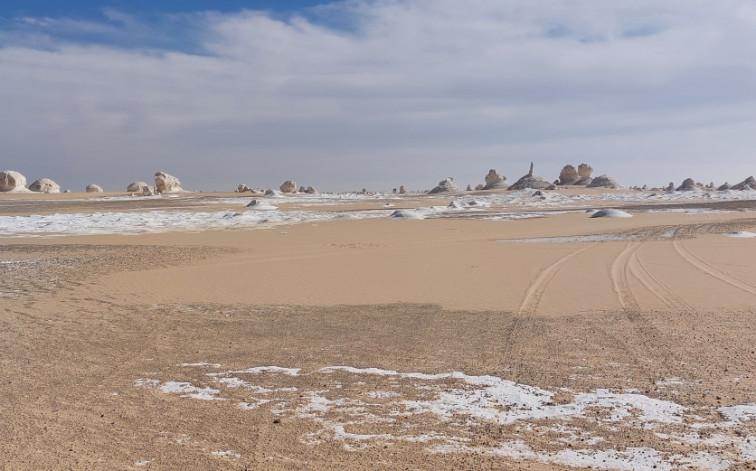
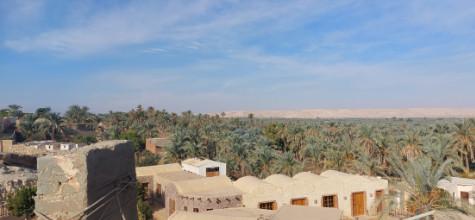
The journey unfolds oasis by oasis. Beyond Fayoum, the Black Desert rises in volcanic cones before giving way to the surreal chalk formations of the White Desert, sculpted by wind into abstract forms. In Bahariya, palm groves surround villages still dependent on natural springs. Life here
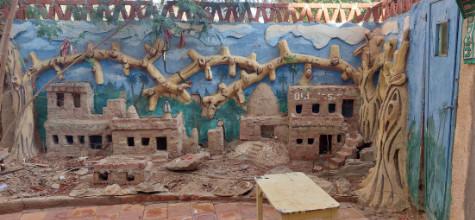
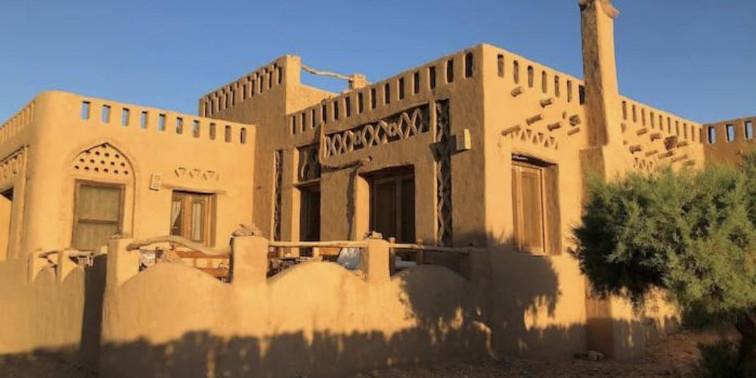
follows rhythms shaped by water, shade, and season Further south, Farafra and Dakhla reveal a quieter Egypt. In Qasr Dakhla, mudbrick architecture tells stories of trade routes, self-sufficiency, and survival in isolation.
By the time travellers reach Kharga, the desert is no longer empty. It is full of context.
This overland journey does more than connect places. It connects Egypt’s geography, history, and scale in a way no standard itinerary can. �
Western Desert Oases Tour – 6 days
Weekly departures:
– Tuesday: from Cairo
– Monday: from Luxor
Minimum: 2 guests
Special rates: on request from 10 guests
Route:
Cairo ⇄ Fayoum ⇄ Bahariya ⇄ Farafra ⇄
Dakhla ⇄ Kharga ⇄ Luxor
Highlights:
■ Wadi El Hitan
■ White Desert
■ Qasr Dakhla
■ Bagawat-Necropolis
Price: From USD 1.265 p.p.
Available as a private, fully tailor-made tour.
More details:
dabuka.com/en/wuesten-oasen/
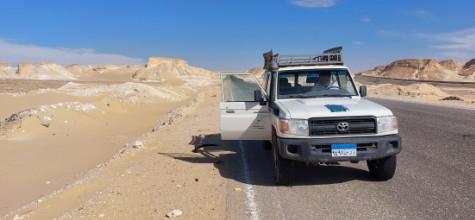
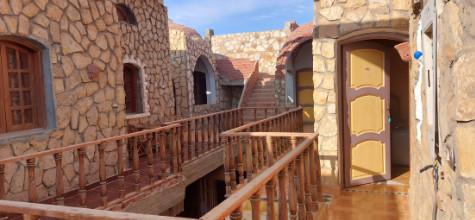

Travelling from Cairo to Luxor via the oases is more than an alternative route It is a 100% upgrade of the classic Egypt experience.
It adds space where there is usually density. Silence where there is often noise. Understanding where there is usually speed
Arriving in Luxor – With a New Perspective
Reaching Luxor after days in the desert changes everything.
The Valley of the Kings, temples, and monuments no longer feel like isolated highlights. They become part of a much larger story — one that stretches from desert plateaus to the riverbanks of the Nile. This is where the journey naturally shifts from land to water.
Between Luxor and Aswan, several travel options exist — all along the same Nile route. The difference is not what you see, but how you experience it.
■ Large cruise ships are the standard choice: comfortable and efficient, but often crowded, with many boats arriving at temples at the same time.
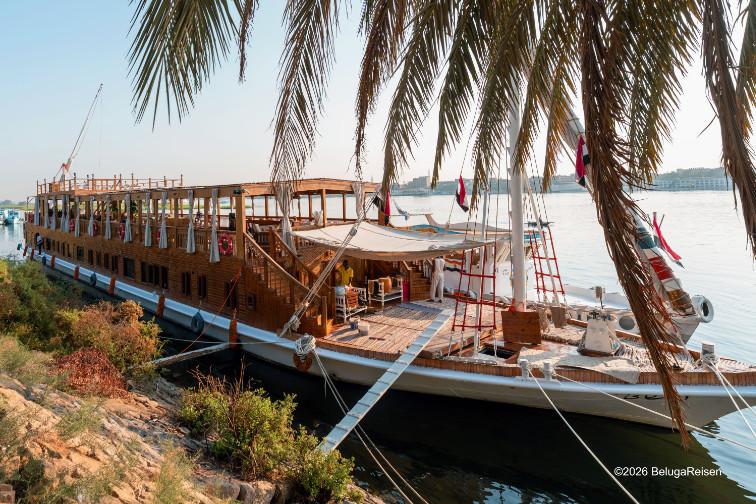
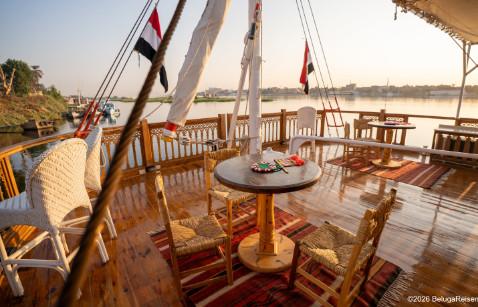
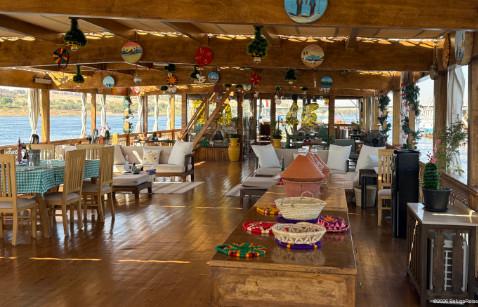
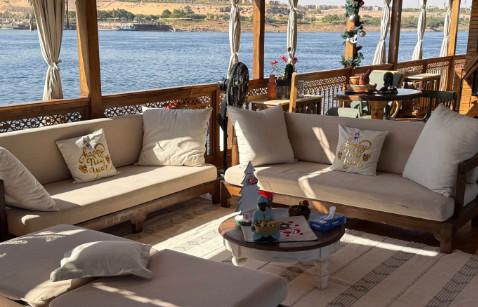
■ For a more individual experience, a Dahabeya offers fewer guests, quieter moorings, and a slower, more atmospheric journey.
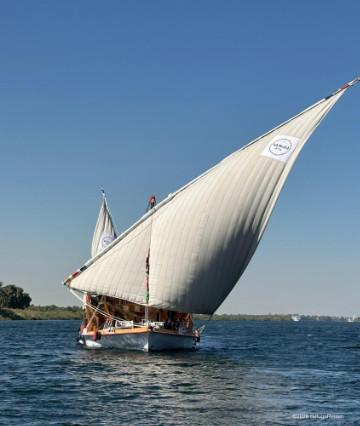
■ Those who prefer a rustic and simple approach can travel by felucca, fully dependent on the wind and time, and therefore unpredictable.
■ The fastest and most flexible option is traveling by vehicle, ideal for limited time or tailored schedules.
Each option has its advantages — choose what fits your travel style, time, and budget. �
Our trip:
Oases & Nile Journey – 13 days
Weekly departures:
– Tuesday: from Cairo
– Friday: from Aswan
Minimum: 2 guests
Special rates: on request from 10 guests
Route:
Cairo ⇄ Fayoum ⇄ Bahariya ⇄ Farafra ⇄
Dakhla ⇄ Kharga ⇄ Luxor
Luxor ⇄ Esna ⇄ Edfu ⇄ Kom Ombo ⇄ Assuan
Highlights:
■ Wadi El Hitan
■ White Desert
■ Qasr Dakhla
■ Bagawat-Necropolis
■ Dahabeya Experience
■ Temples of Upper Egypt
Price:
From USD 2.585 p.p.
Available as a private, fully tailor-made tour. More details:
dabuka.com/en/wuesten-oasen/
For travellers, it is Egypt beyond the ordinary.
For travel professionals, it is a rare, proven route that transforms a familiar destination into something truly distinctive.
For those who continue south, Egypt reveals one of its least visited regions.
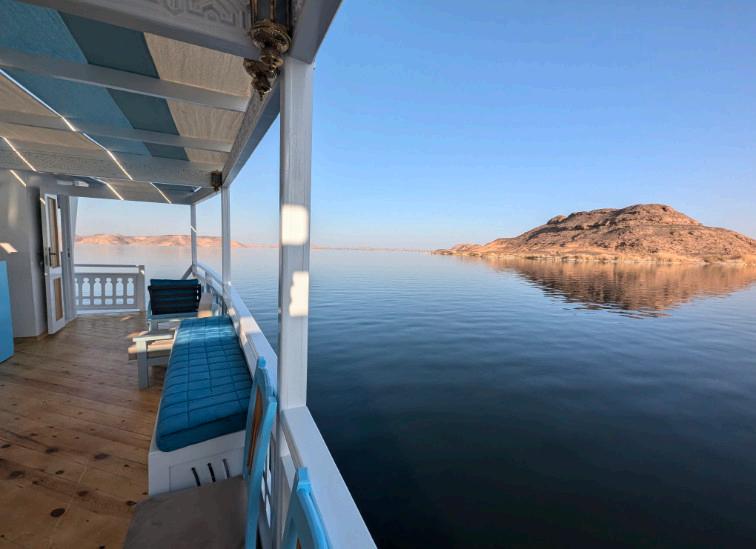
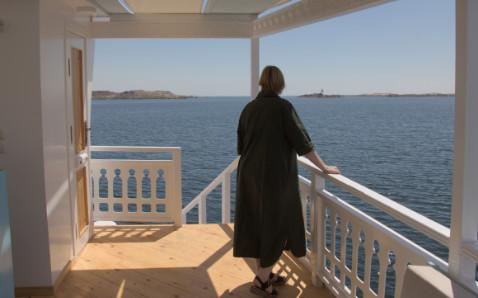
On Lake Nasser, Dabuka operates its own boutique safari boat: Dabuka Blue. With only a handful of guests onboard, the journey between Aswan and Abu Simbel feels almost private.
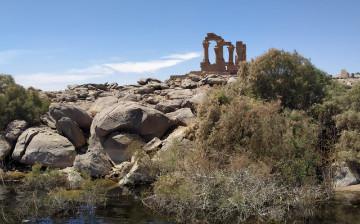
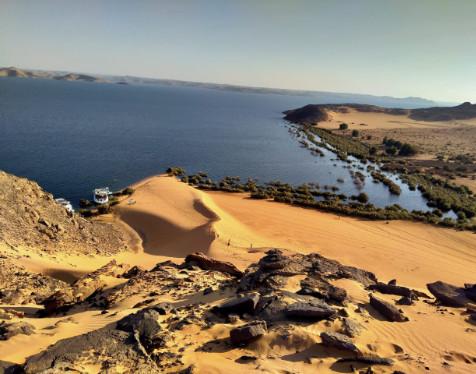
Remote temples rise directly from the water. Sites such as Kalabsha, Amada, Wadi Sebua, and Qasr Ibrim are explored without crowds — often in complete silence.
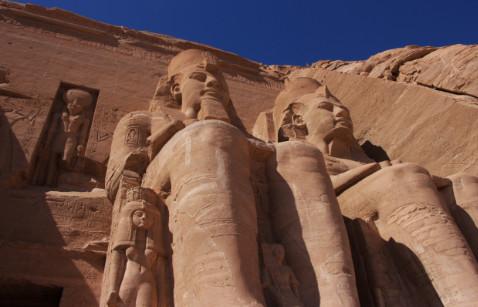
Approaching Abu Simbel from the lake, the monument regains its sense of scale and drama.
Lake Nasser is not an extension of the Nile cruise. It is a destination in its own right — and one of Egypt’s best-kept secrets. �
Oases & Nile & Lake Nasser – 16 days
Weekly departures:
– Tuesday: from Cairo
– Monday: from Aswan
Minimum: 2 guests
Group size: limited to 10 guests
More than 10 guests: separate request required
Route:
Cairo ⇄ Fayoum ⇄ Bahariya ⇄ Farafra ⇄
Dakhla ⇄ Kharga ⇄ Luxor (by Dahabeya) Luxor → Esna → Edfu →
Kom Ombo → Aswan (by Dabuka Blue)
Aswan → Kalabsha → Wadi Sebua →
Amada → Qasr Ibrim → Abu Simbel
Highlights:
■ Wadi El Hitan
■ White Desert
■ Qasr Dakhla
■ Bagawat-Nekropole
■ Dahabeya Experience
■ Temples of Upper Egypt
■ Lake Nasser Experience
■ Abu Simbel Temple
Price:
From USD 3.780 p.p.
Available as a private, fully tailor-made tour.
More details:
dabuka.com/en/nassersee-abu-simbel/
Some journeys are about distance. Others are about rhythm.
Between Luxor and Abu Simbel lies one of Egypt’s most rewarding travel corridors — a landscape shaped by river, desert, and time. Dabuka Travel has created a route that connects two of Egypt’s most atmospheric waterways: the Nile and Lake Nasser, combining a traditional Dahabeya with the boutique safari boat Dabuka Blue.
The result is a journey designed for travelers who prefer to move slowly, observe deeply, and experience Egypt beyond fixed schedules and crowded routes.
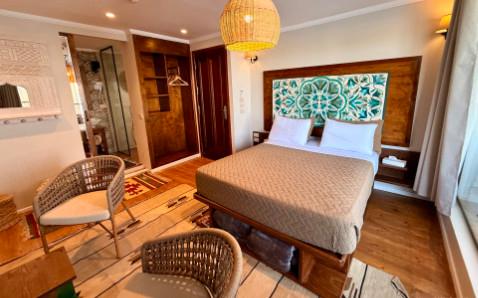
The journey begins in Luxor, where guests board the elegant Dahabeya Escaleh. With only a few cabins, the Dahabeya follows the classic way of sailing the Nile — dependent on wind and current, not timetables. Days unfold gently between temples such as Esna, Edfu, and Kom Ombo, while evenings are spent moored quietly along the riverbank. There is time to sit on deck, to watch life along the Nile, and to understand why this river has shaped Egypt for thousands of years.
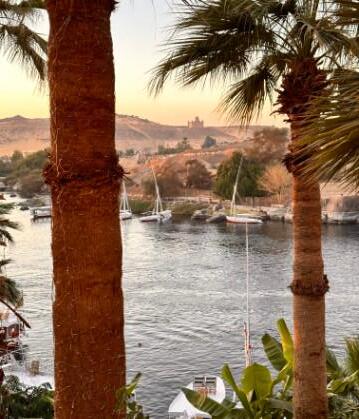
After reaching Aswan, the journey continues south — not by road, but by water.
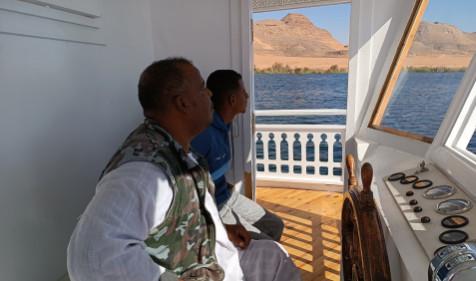
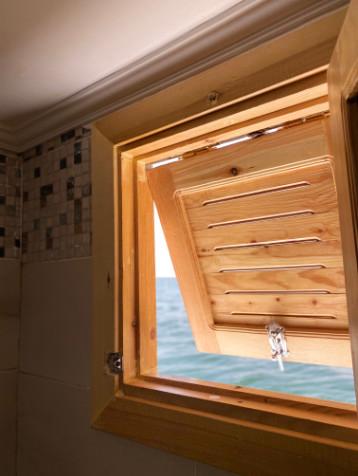
Here, guests transfer to Dabuka Blue, a boutique safari boat built in 2024 by Dabuka and operated exclusively by the company. Purpose-built for Lake Nasser, Dabuka Blue carries only a small number of guests and is designed to reach places large cruise ships cannot. �
Egypt by Water – 10 days
Weekly departures:
– Sunday: from Cairo
– Sunday: from Aswan
Group size: 4–8 guests (Dabuka Blue max 10 guests)
Groups above 10: separate request required
Route:
Luxor ↔ Esna ↔ Edfu ↔ Kom Ombo ↔
Aswan ↔ Abu Simbel ↔ Qasr Ibrim ↔
Amada ↔ Wadi Sebua ↔ Kalabsha ↔ Aswan
Highlights:
■ Luxor: Valley of the Kings, Karnak & Luxor Temples
■ Esna: Temple of Khnum
■ Edfu & Kom Ombo: Horus & Sobek temples
■ Aswan: Philae Temple, Nile scenery
■ Lake Nasser: Kalabsha, Wadi Sebua, Amada, Qasr Ibrim
■ Abu Simbel: Iconic temples from the lake
■ Small boats: Intimate, unhurried, offthe-beaten-path
■ Scenic cruising: Dahabeya on the Nile & Dabuka Blue on Lake Nasser
Price:
From USD 2.775 p.p.
Available as a private, fully tailor-made tour.
More details:
dabuka.com/en/nassersee-abu-simbel/
Egypt has long been a dream destination for travelers drawn to its ancient monuments, vast deserts, and timeless Nile landscapes. But what if you could experience Egypt in an entirely new way—beyond the typical tourist routes and mass-tourism packages? Dabuka Travel’s visionary programs, “Rethink Egypt” and “Rethink Egypt Twice,” invite travelers to do just that: explore the country through thematic, scientific, and immersive journeys designed to connect deeply with the land, its history, and its natural wonders.
These are not ordinary trips. Each journey is carefully planned, lasting either five or ten days, and is often guided by experts and researchers. By combining knowledge, passion, and creativity, every tour becomes an experience with genuine added value. Whether you are sailing on Lake Nasser aboard the luxury Dabuka Blue or venturing into Egypt’s remote deserts, the trips are designed to immerse travelers in ways that are personal, meaningful, and unforgettable.
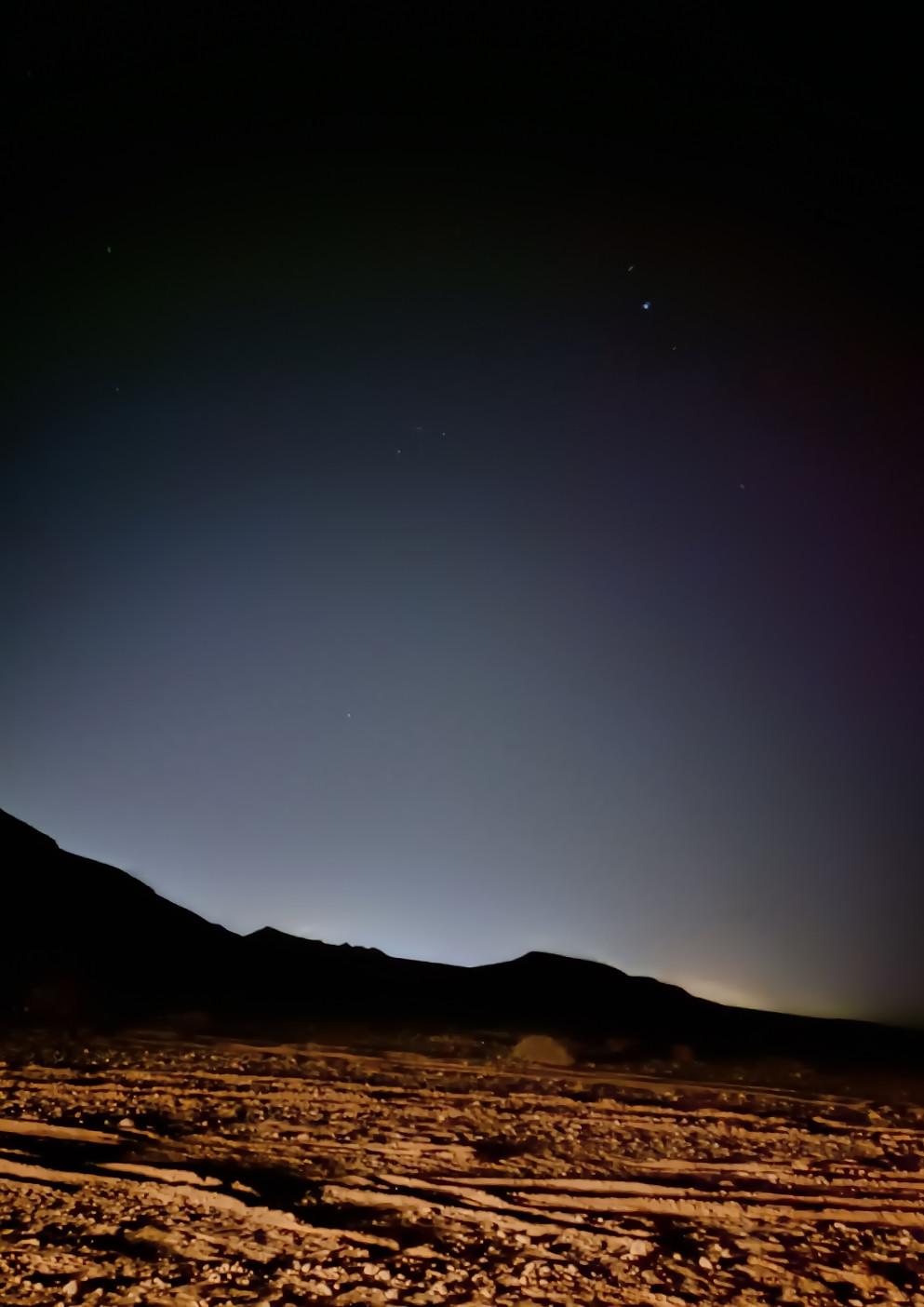
A highlight of Dabuka Travel’s new offerings is the stargazing series, created in partnership with the UK-based company Stargazing. This collaboration opens access to a vast community of astronomy enthusiasts and experts. The series launches with a pilot tour in April 2026, offering participants the chance to marvel at the Egyptian night sky like never before.
Whether aboard Dabuka Blue on the shimmering waters of Lake Nasser or under the clear desert skies, travelers can explore the universe with guidance from seasoned astronomers. Laser pointers trace constellations, questions arise naturally, and explanations follow the stars themselves. The experience is designed to be informal yet deeply informative, making stargazing both magical and accessible. Five unique tours have already been developed, with more scheduled to appear on the Dabuka Travel website.
Beyond stargazing, Dabuka Travel offers a variety of specialist-themed tours that transform travel into a hands-on learning adventure. From geology-focused explorations, birdwatching expeditions, and yoga retreats in the desert to once-in-a-lifetime events like witnessing a total solar eclipse, these journeys allow participants to engage fully with Egypt’s natural and cultural richness.
Each tour is meticulously crafted in collaboration with specialists to ensure maximum learning and enjoyment. Travelers gain insight, inspiration, and memories that last far beyond the trip itself. By focusing on a specific theme, every journey becomes a personal exploration rather than a checklist of sights.
Dabuka Travel emphasizes customization and flexibility. Every journey can be adapted to personal interests, whether it’s combining astronomy, archaeology, and adventure, or simply enjoying a quiet glamping retreat. With expert guidance, travelers can explore Egypt their way, discovering hidden corners, rare experiences, and moments that go far beyond the usual tourist itinerary.
Booking a live consultation ensures travelers can craft a journey that matches their curiosity, pace, and comfort. From desert dunes to river cruises, each experience reflects thoughtful planning, expert collaboration, and a passion for sharing Egypt in its fullest light.
With “Rethink Egypt” and its companion program, Dabuka Travel is redefining what travel in Egypt can be. By merging science, thematic exploration, and immersive experiences, they invite travelers to engage with the country’s history, nature, and skies in ways that are both meaningful and unforgettable. Whether you are a first-time visitor or a returning explorer, these journeys transform the familiar into something entirely new, leaving participants with stories, knowledge, and memories that will last a lifetime. �
Some journeys are planned. Others are dreamed.
“Once in a Lifetime” is a signature product of Dabuka Travel Visions, created for those who believe that travel can be more than movement—it can be meaning, art, challenge, and memory combined.
The idea is simple: dream your dream—and we make it real. No templates. No limits. Just possibilities.
Whether it is an expedition rooted in history, a cultural performance in the desert, an athletic challenge along the Nile, or an intimate moment under the stars, every journey begins with one question: What do you want to experience once in your life?
Over the years, Dabuka Travel Visions has transformed ideas that once sounded impossible into real, documented journeys.
■ A rowing marathon on the Nile from Luxor to Cairo.
■ A classic car rally from London to Cape Town.
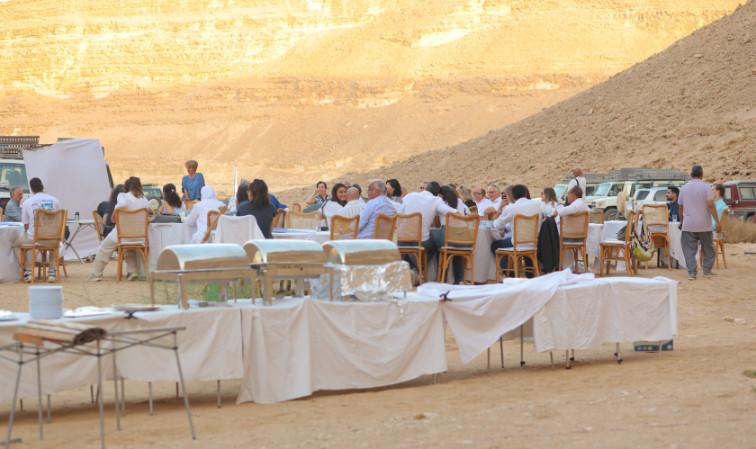
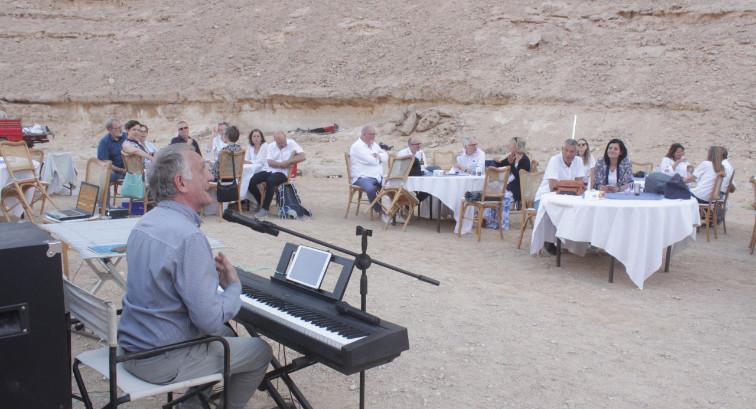
■ Music in the desert—bringing a piano into the dunes.
■ A ballet performance in the sand.
■ A romantic Out of Africa dinner beneath the stars.
■ Encounters with mountain gorillas in Rwanda.
■ Exploring the mythical Garden of Eden—Socotra Island.
■ Or continent-spanning challenges like the North Cape to South Cape journey with Volkswagen.
Each project was different. All shared one thing: they started as a dream.
On the Footprints of a Prince: The Kemal Expedition
Prince Kemal el-Din Hussein (1879–1932), a member of Egypt’s Muhammad Ali dynasty, was one of the great explorers of the Egyptian Western Desert.
Rather than politics, his legacy lies in exploration, mapping, and documenting vast unknown regions. His expeditions shaped modern knowledge of Egypt’s deserts and continue to inspire contemporary exploration.
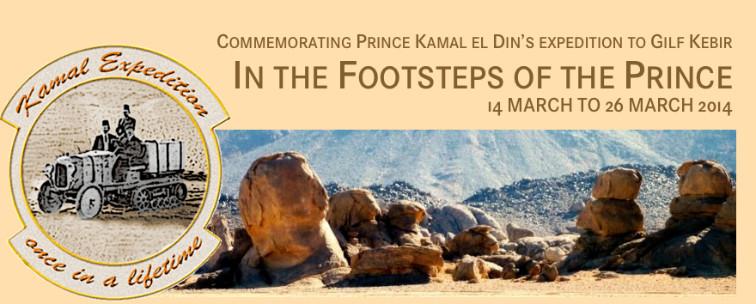
In his spirit, Dabuka Travel Vision organized the Kamel Expedition 2014, one of the largest modern desert expeditions in Egypt.
■ 13 days across the Western Desert
■ 104 participants from over 12 countries
■ 20 international journalists
■ 9 scientists from various disciplines
■ 1 expedition doctor
■ Supported by 34 off-road vehicles
The expedition received official support from the Egyptian Ministry of Tourism, recognizing its cultural, scientific, and promotional value for Egypt’s desert heritage.
First staged in 2012, shortly after the Arab Spring, Ballet in the Dunes transformed the desert into a stage.
A ballerina and flutist performed among the dunes under the stars, following a candlelit dinner in complete silence. It was intimate, poetic, and unforgettable.
Now, the idea returns. This time with a British pianist, once again deep in the dunes—remote, serene, and timeless. Let yourself be surprised.
In 2013, during a politically uncertain time in Egypt, 12 Dutch rowers undertook an extraordinary challenge:
■ Over 700 km rowing from Luxor to Cairo
■ Completed in 11 days
■ Two alternating teams to sustain endurance
Evenings were spent visiting cultural sites along the Nile. Near Cairo, Egyptian rowers and kayakers joined the final stage, covered by national television. A powerful blend of sport, culture, and international cooperation.
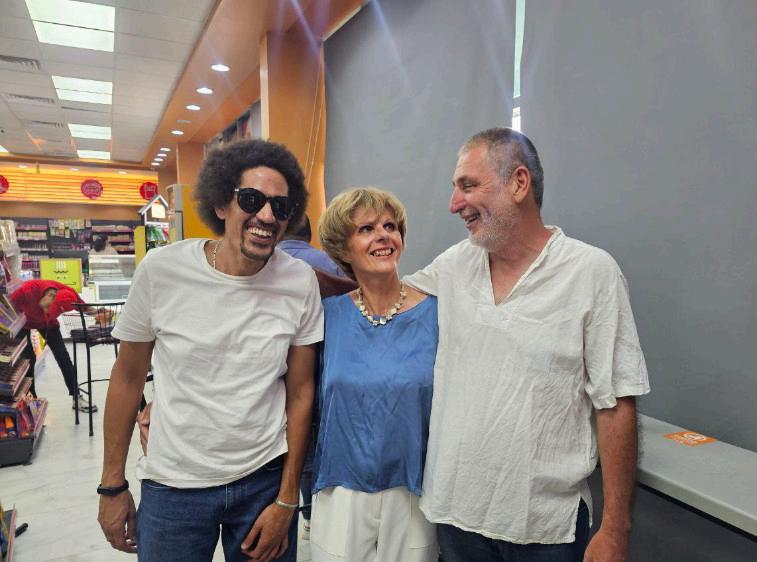
Meeting mountain gorillas in Rwanda’s Volcanoes National Park is deeply moving.
Trekking through misty forests, you encounter gorilla families up close—silverbacks, mothers, and playful young ones. Each visit supports conservation and local communities, making the experience both profound and meaningful. It stays with you for life.
Whether it’s an expedition, a cultural performance in the desert, or a journey few have imagined— We will make it come true.
Want personal travel advice?
Book a live consultation and explore Egypt—and beyond—your way. �
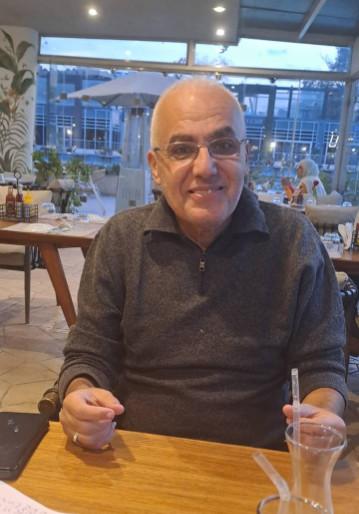
Dorothee: You have gained a lot of experience throughout your life. Originally, you studied law and became a lawyer. Why did you choose that field?
Amr: I was genuinely interested in it at the time and believed I could use it to support and stand up for others.
Dorothee: Apparently, that wasn’t quite the case. Today, you work in tourism – including with us, and not just recently. Why the change?
Amr: I was disappointed by the legal profession rather quickly. You could make a lot of money, yes, but that was never my priority. I always wanted to be close to people and engage socially – which was hardly possible in the legal field. Tourism, on the other hand, allows for encounters, closeness, and cultural exchange.
Dorothee: I understand that. You spent many years in Oman. What do you see as the main differences compared to Egypt?
Amr: Oman is a beautiful and well-functioning country – still, Egypt remains closest to my heart. It’s hard to explain sometimes. As an Egyptian, I felt more respected in Oman than in some of the Gulf states. Respect is truly important there. But after a few years, I was very happy to return to Egypt.
Dorothee: Do you have any hobbies outside of work? Do you have free time at all?
Amr: My main interest has always been social engagement. Helping others makes me happy – and fills my time.
Dorothee: Good for the people around you. Which values are particularly important to you?
Amr: Honesty, love, and generosity. I find it difficult to tolerate people who lie.
Dorothee: How do you deal with setbacks? What keeps you motivated when things don’t go well?
Amr: For me, it’s quite simple: I turn to God. When I face a problem, I ask for help and always feel assured that this is the right path.
Dorothee: That sounds beautiful. Since we were already talking about tourism – are there countries you haven’t visited yet but would like to get to know?
Amr: When I think about it, I would love to go to Italy one day. I believe the people and culture there are close to us Egyptians, and Italy has so much to offer.
Dorothee: I can only agree! And one last question –also fitting when talking about Italy: what is your favourite food?
Amr: It depends on the meal, but spontaneously I’d say: falafel.
Dorothee: Thank you for sharing your thoughts. We look forward to continuing our collaboration! �
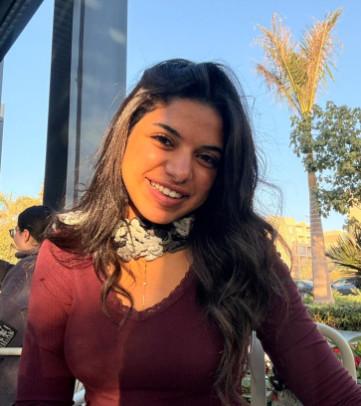
We are very happy that our team has gained additional support. We warmly welcome Mariam to our Marketing / Social Media team. From now on, she will be giving our social media channels a fresh new face.
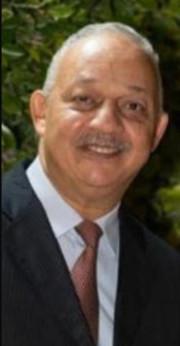
And our beloved Dabuka Blue has now found a dedicated manager. Mohammed Ammar will accompany our boat’s journey from both near and far, devoting all his energy to ensuring a smooth and successful voyage.
The Dabuka family has grown, and together we continue moving forward!
Dabuka at the ITB Berlin
After a long break, we are returning to ITB Berlin –our last participation was in 2008. We are approaching the fair with great interest and curiosity.
Preparations are currently underway: we are producing new materials, preparing presentations and coordinating meetings with existing and potential partners. ITB offers an opportunity to reconnect with previous contacts and gain new impulses for future journeys.

https://www.itb.com/de
A museum that makes time readable – climate change over millions of years.
In the heart of the Egyptian desert, within the UNESCO World Heritage Site of Wadi El Hitan, stands a small yet extraordinary museum: the Fossils & Climate Change Museum, opened in 2016. Unlike many urban museums that address climate change, this museum tells the story of Earth’s climate in a truly distinctive way.
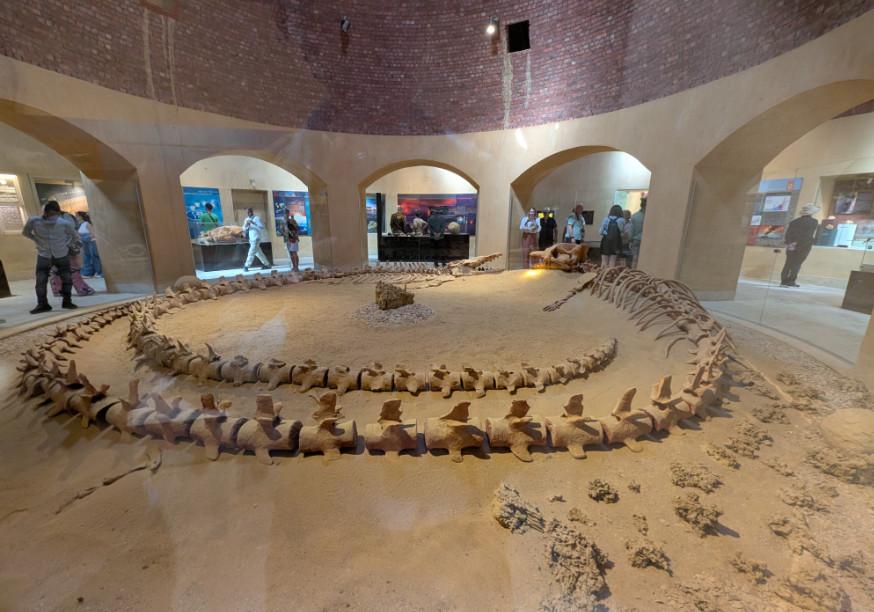
The museum presents the fossils of early whales and other marine animals not merely as exhibits, but explains their formation and the environments
in which they lived. Visitors quickly realize: climate is not an abstract headline—it is lived history. The geological transformations of the last 40 million years are made vivid, tangible, and comprehensible.
Here, climate change is not treated as a side topic. The museum is one of the first worldwide—if not the very first—to use climate change as its central narrative. It shows how seas retreated, landscapes transformed, and species disappeared or adapted. The combination of fossils, science, and exhibition design makes the visit truly unique.
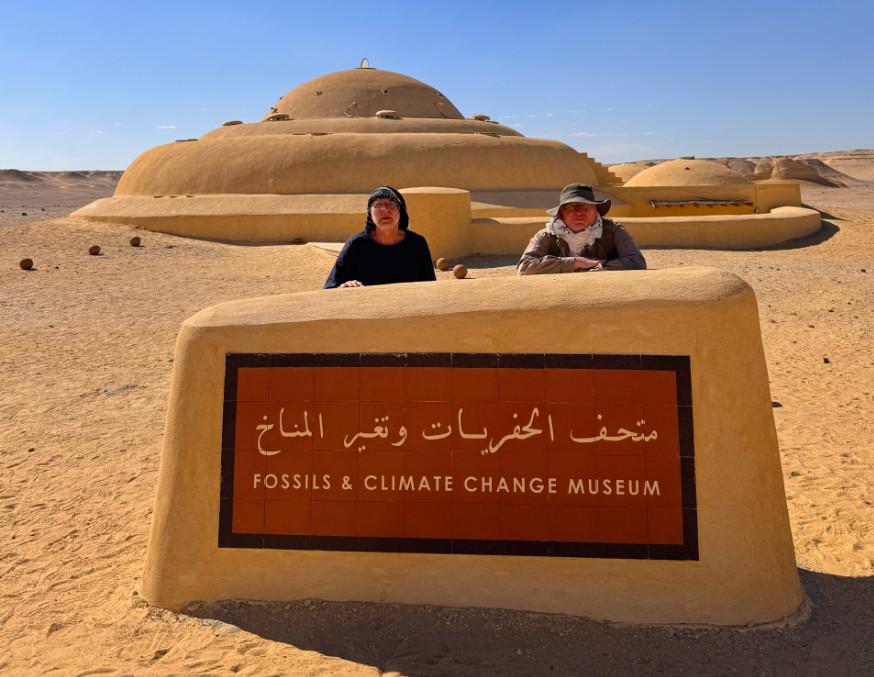
The region itself is an open-air museum of natural history: fossils of early whales lie scattered throughout the sand. The enclosed museum complements this open landscape by providing didactic interpretation, protection of the exhibits, and scientific contextualization. In this way, visitors can deepen their understanding of climate and environmental history in a protected and focused setting.
Visitors do not simply walk through a building— they travel into the past. The fossils tell stories of adaptable species, changing seas, and evolving landscapes, offering a powerful sense of the scale of climate change. No diagram can replace the experience of physically sensing time made tangible in this museum.
The Fossil & Climate Change Museum opened in 2016 and is the result of an international collaboration between Egyptian and international partners, including the Egyptian Italian Environmental Cooperation Programme (EIECP), the Egyptian Envir-
onmental Affairs Agency (EEAA), and the United Nations Development Programme (UNDP).
The architect of the museum is Gabriel Mikhail, an architect with experience in designing infrastructure for natural parks in Egypt.
His vision was to create a building that blends seamlessly into its surroundings: the structure is partially sunken into the ground, the dome follows the contours of the surrounding hills, and the color palette echoes the sandy landscape—an architectural concept that recedes rather than dominates.
The scientific direction of the exhibition—particularly the selection and narrative framing of the fossils within the context of climate evolution—was strongly shaped by Dr. Mohamed Sameh, Chief Geologist of the Wadi El Hitan area.
Dr. Sameh developed a comprehensive management plan for the site and persuaded partners to support the museum and structure the collection thematically. He advocated for presenting the fossils not merely as paleontological objects, but embed-
ding them within an Earth-history context of climate and environmental change.
The exhibition includes 70–100 fossil specimens, among them marine animals such as whales, sharks, turtles, and fossilized plant remains. They are curated to illustrate changes in the environment and local climate over millions of years—from the age of the Tethys Sea to the present-day desert.
The Fossil & Climate Change Museum emerged not only from architectural vision, but above all from decades of scientific research. Dr. Fekri Hassan, a renowned archaeologist and environmental scientist, is considered a pioneer of climate change research in Egypt and internationally. His work spans more than 35 years of climate research—long before climate change became a global buzzword.
Dr. Hassan played a key role in placing the fossils of Wadi El Hitan within a climate-science framework. His research illustrates how environments changed over millions of years, how seas retreated, species went extinct, and habitats adapted. Thanks to his contributions, the museum is more than a fossil
collection—it is a center for learning about climate and environmental history, demonstrating that Earth has always been in a state of change. �