“Success is to be measured not so much by the position that one has reached in life as by the obstacles which he has overcome.”
– Booker T. Washington
At d-mars.com, we remain committed to sharing stories that highlight excellence, leadership and the power of informed decision-making that drives growth in our communities. This month, we spotlight a leader whose work exemplifies the impact of strategy, discipline and vision in business.
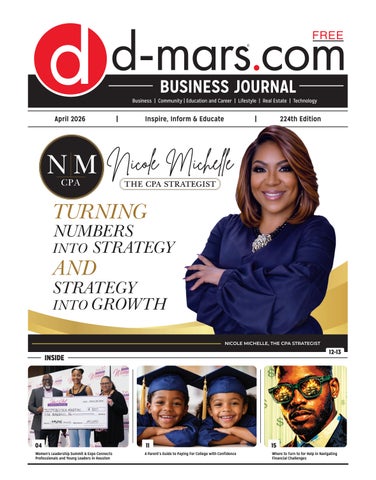
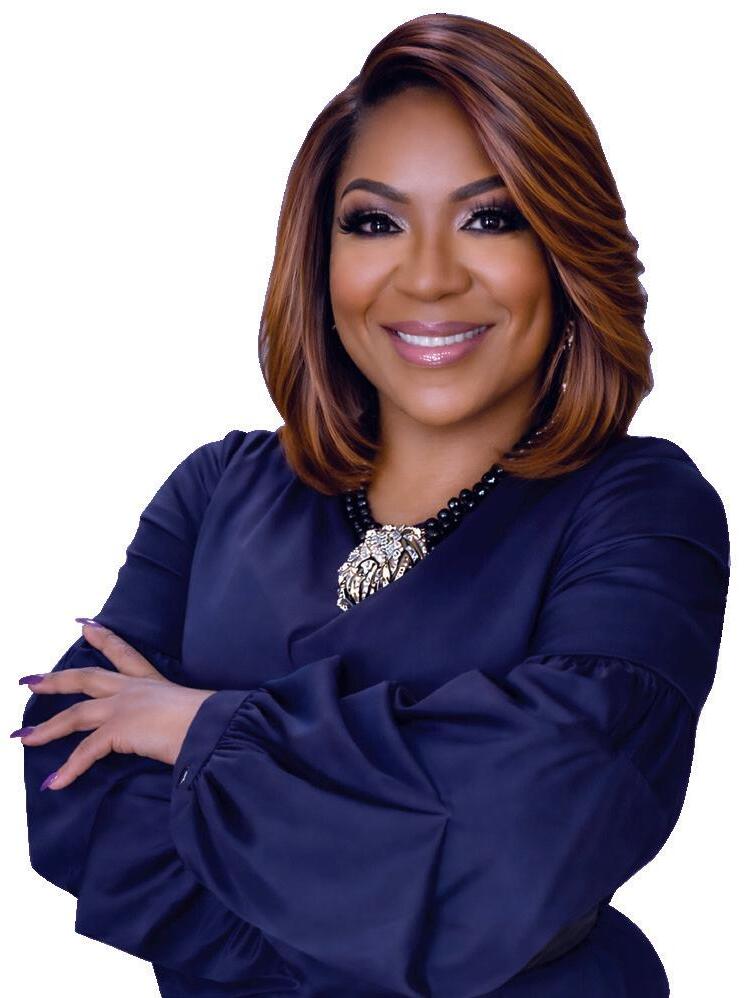
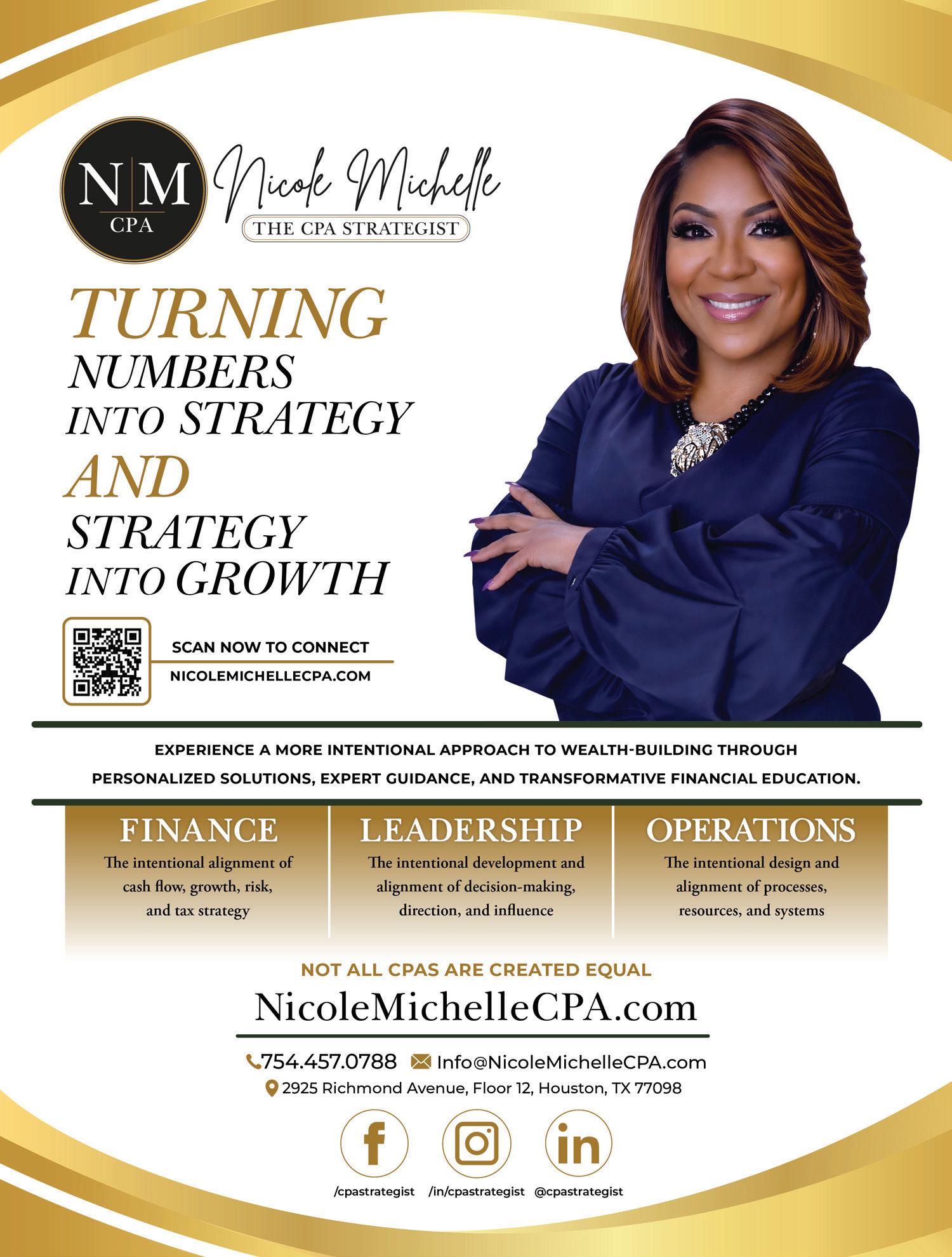
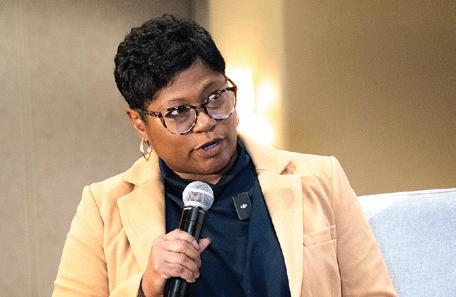
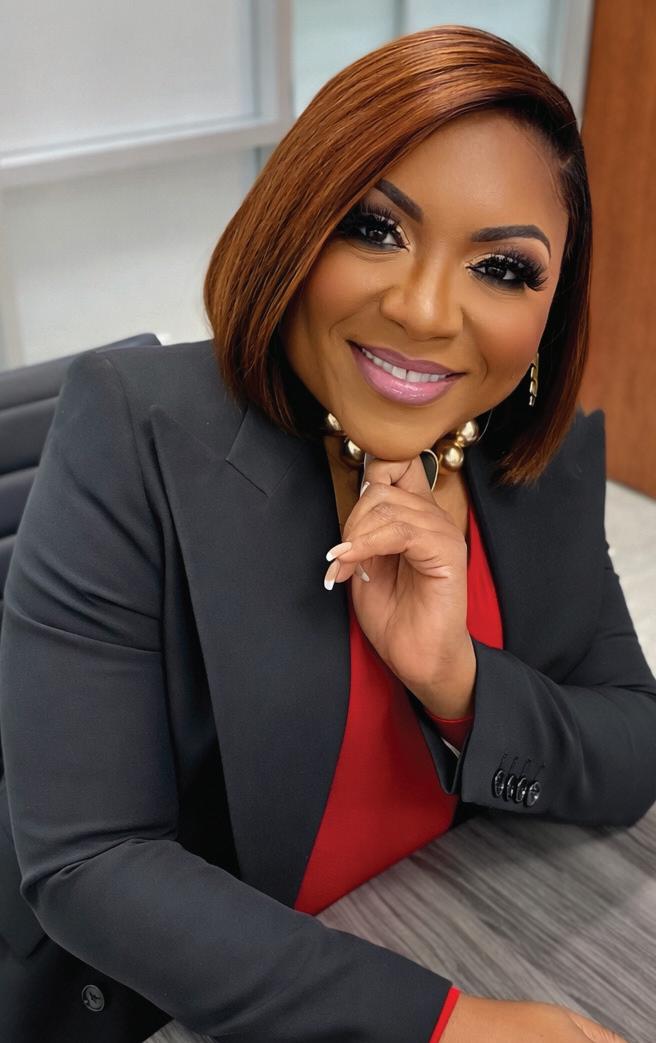
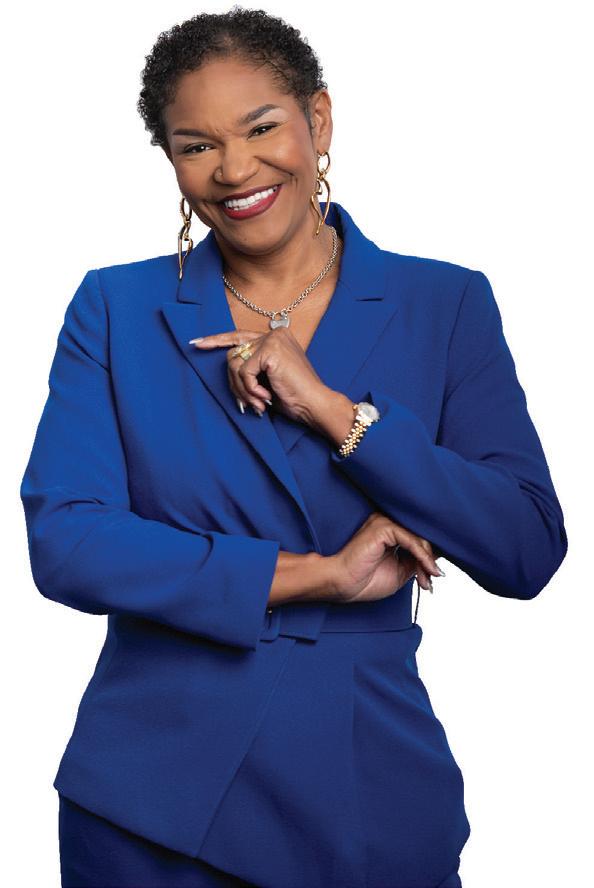
Our cover story features Nicole Michelle, CPA, a seasoned tax strategist and founder of Madison Brothers Consulting Group, Inc., who has redefined what it means to be an accountant. With more than 30 years of experience, Nicole Michelle has built a reputation as a trusted advisor, helping businesses navigate complex financial decisions, mergers and acquisitions, and long-term growth strategies.
Her journey from corporate executive to entrepreneur is a powerful reminder that setbacks can become steppingstones. After being laid off in 2008, Nicole Michelle chose to bet on herself — a decision that led to the creation of
CONTENTS
COMMUNITY
04 Women’s Leadership Summit & Expo Connects Professionals and Young Leaders in Houston
08 Spring ISD seniors say “Yes to the Dress” as Graceful Gowns Initiative returns for a third year
09 Houston Livestock Show and Rodeo Rewrites the Record Books includes $1.5 million Grand Champion Steer and All-Time NRG Stadium Attendance
10 Houston Community Land Trust: Keeping Homeownership Accessible and Affordable
EDUCATION & CAREER
11 HISD Launches New Virtual School Option for the 2026-2027 School Year
11 A Parent’s Guide to Paying for College with Confidence BUSINESS
14 Regions Bank Tackles the "Overwhelmed" Generation
14 Strategic Ways to Reduce Your Taxable Income FINANCE
15 Where to Turn to for Help in Navigating Financial Challenges
a firm dedicated to helping clients not only understand their numbers but use them to build wealth and create lasting impact.
Nicole Michelle’s approach challenges the traditional view of accounting. She emphasizes that financial success is not just about reporting numbers, but about using them strategically to guide decisions, improve outcomes and position businesses for long-term success. Her work underscores the importance of treating financial expertise as a year-round partnership rather than a seasonal necessity.
As we share her story, we are reminded that knowledge, preparation and strategic thinking are essential tools for success in today’s evolving business landscape.
Thank you for your continued support of d-mars.com as we highlight stories that inspire, inform and empower our readers.
OUR SERVICES
ADVERTISING | MARKETING MEDIA | COMMUNICATION
• Business Journal
• Health & Wellness Journal
REAL ESTATE
15 As spring begins, CenterPoint Energy shares tips and resources for customers to save energy, manage bills and stay safe
HEALTH AND WELLNESS
17 Fact Check: Test What You Know About Heart Health
18 Why Simple Daily Habits Matter More Than Big Health Resolutions
20 5 Trends in Heart Health Among Younger Adults: Why Your CoQ10 Level Matters
TRAVEL
21 Tighter Budgets Haven't Stopped Travel. They've Changed How Americans Plan
ENTERTAINMENT
22 The Queens. May 28th.
OLD-FOLKS SAYING
27 “Don’t count your money while you’re sitting at the table.”
DID YOU KNOW
27 Black Wall Street Was One of the Most Prosperous Business Districts in America
RECIPE OF THE MONTH
28 Chicken Stir-Fry 12-13
• Community Weekly Report
• Online Expert Directory
• Top 50 Black Professionals & Entrepreneurs
• Top 30 Influential Women of Houston
• Business Connection
• Business Development
• Business Consulting
• Graphic Design
• Photography • Printing
• Web Design
• Online & Email Marketing
• Public Relations
• Social Media
• Advertising • Writing • Promotional Marketing
Women’s
By D-MARS
News Provider
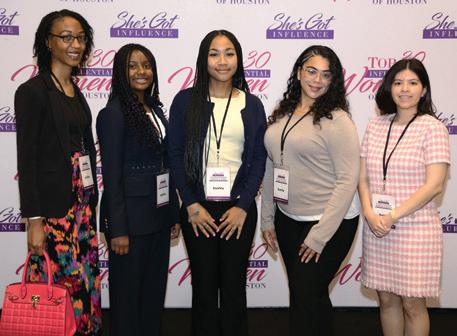
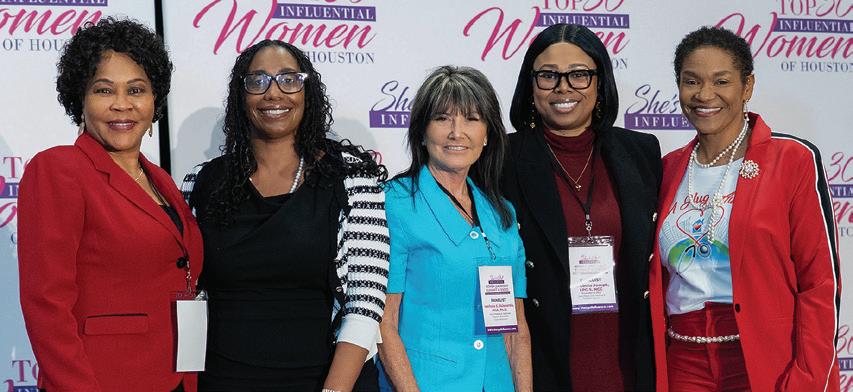
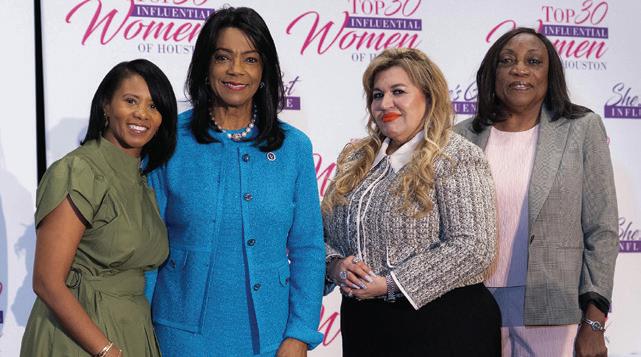
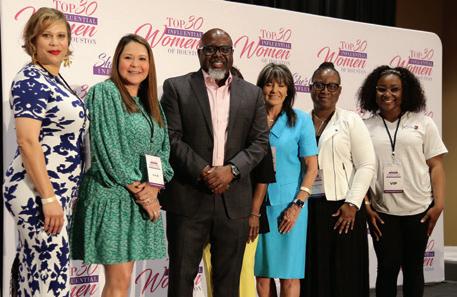
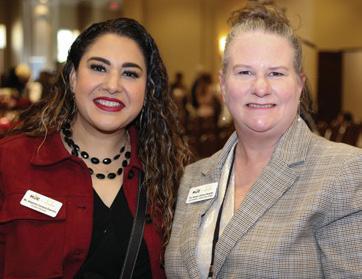
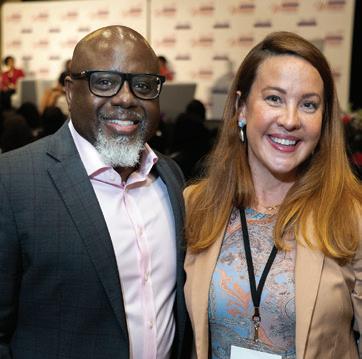
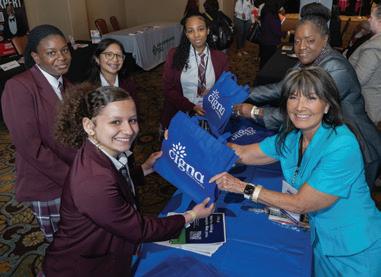
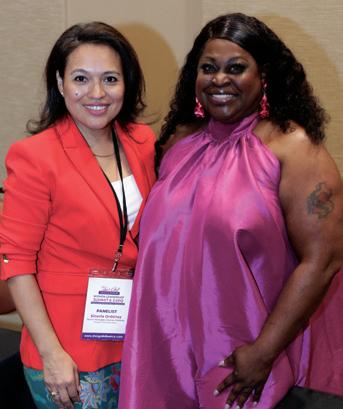
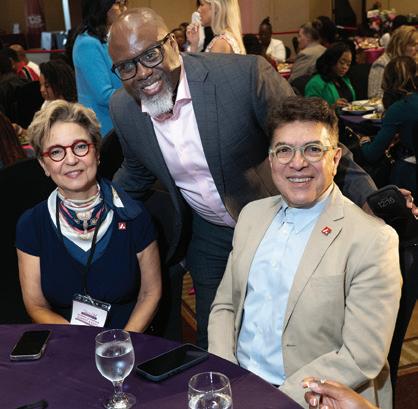
he Women’s Leadership Summit & Expo, presented by She’s Got Influence, brought together professionals, entrepreneurs and emerging student leaders on March 28 at the Bayou City Event Center for a day focused on empowerment, education, and connection.
Hosted by the Top 30 Influential Women of Houston Alumni, the event created a dynamic space for women across industries, as well as high school and college students, to engage in meaningful dialogue, gain career insights and expand their professional networks.
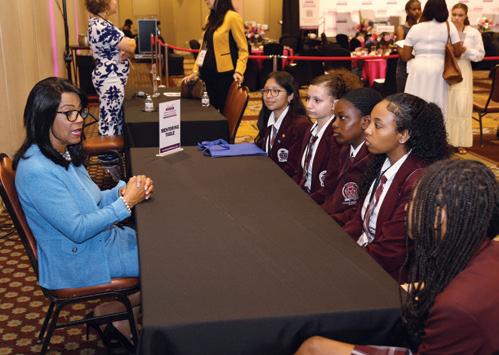
The summit, held from 8:30 a.m. to 3:30 p.m., featured programming centered on higher education, career development, mentorship, entrepreneurship and access to resources. Attendees participated in panel discussions led by industry leaders, while students had the opportunity to learn directly from experienced professionals and explore future career pathways.
The day began with a welcome session and sponsor recognition. Participants then engaged in a series of panels covering topics such as professional development, health care and wellness, leadership and entrepreneurship.
A highlight of the event included the “Power of Leadership” panel, which encouraged attendees of all ages to embrace their influence and lead with intention. Another featured session focused on entrepreneurship, offering insights into building and sustaining successful ventures.
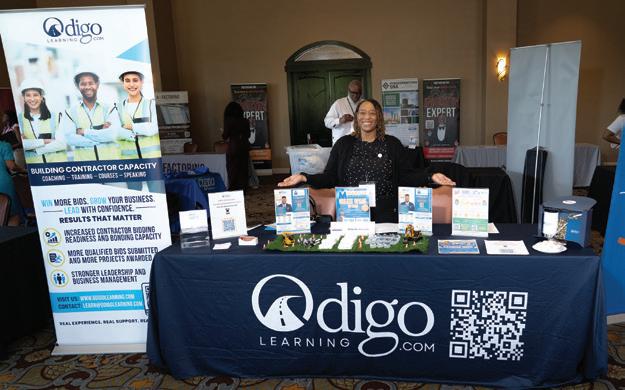
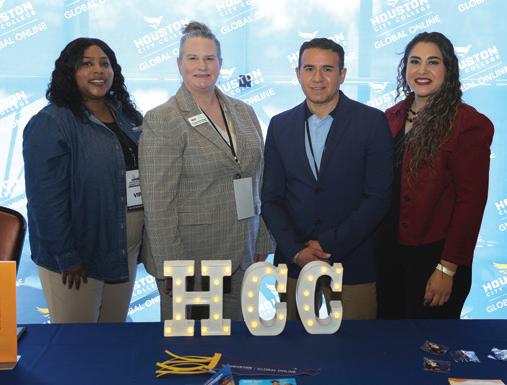
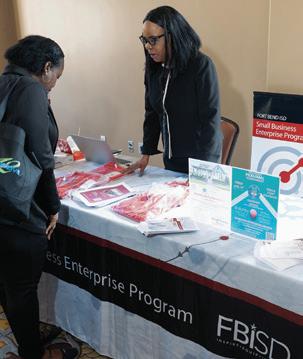
In addition to panel discussions, the expo component showcased local businesses and service providers, allowing attendees, including students, to connect with organizations offering tools, internships and opportunities for career and business advancement.
The event also included a presentation recognizing the next generation of women leaders through scholarships, reinforcing the summit’s commitment to mentorship and youth development.
The grand finale featured speakers from the Top 30 Influential Women of Houston, who shared messages centered on education, empowerment, inspiration and motivation, particularly encouraging young women to pursue leadership roles.
Organizers emphasized the importance of creating spaces where women at every stage — from students to established professionals — can access resources, build relationships and strengthen their leadership skills.
The Women’s Leadership Summit & Expo reflects a growing effort to support and amplify women’s voices across generations, providing a platform where experience, ambition and opportunity intersect.
VASKEY MEDIA
Spring ISD seniors
say “Yes to the Dress” as Graceful Gowns Initiative returns for a third year
By Spring ISD News Provider
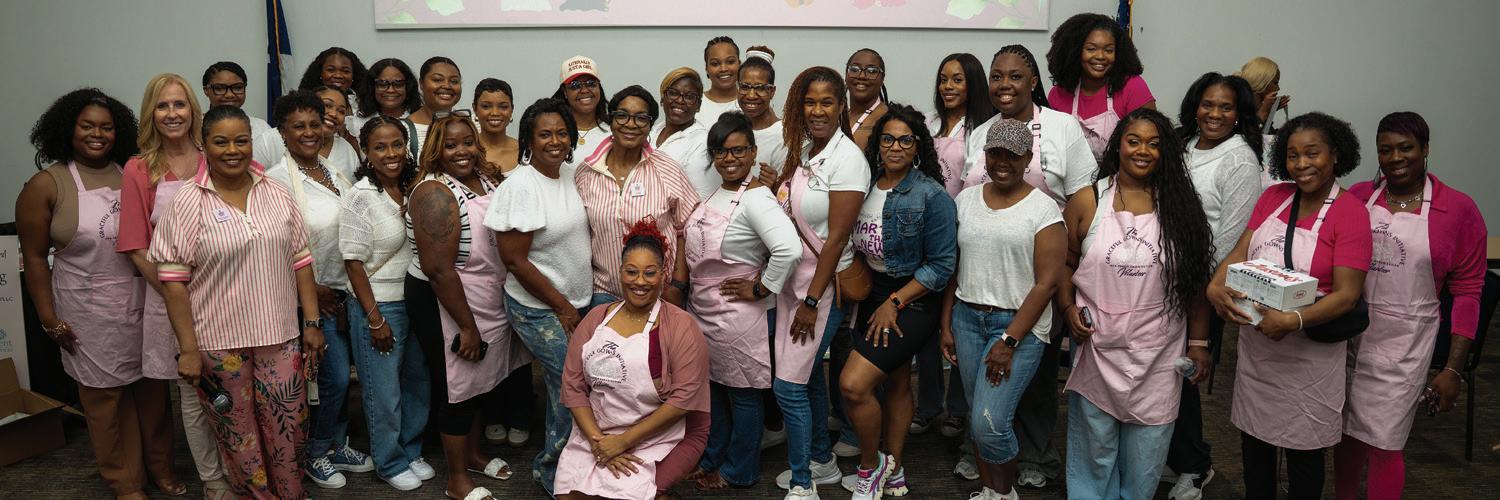
ore than 40 Spring ISD seniors walked into the district’s Community Engagement Center on March 28 in search of a beautiful free prom dress but left with something far greater. At this year’s Graceful Gowns event, students found not only the perfect look for prom night, but also encouragement, confidence, and a community cheering them on.
MNow in its third year, Graceful Gowns has grown into an experience that goes far beyond providing formalwear. What began as a simple effort has evolved into a transformative experience for Spring ISD students centered on mentorship and a strong sense of support where students have the space to feel confident, seen and celebrated as they prepare for one of the most memorable milestones of their high school journey.
“We went from the first year simply providing prom gowns for girls in need to now a more holistic approach,” Graceful Gowns founder Shanté Thompson said. “We’re talking to the girls about self-care, mental health and just having an allaround approach. And what I see the organization evolving to is being able to provide even more services year-round for the young ladies.”
Under the leadership of Thompson, co-founder and Spring ISD Trustee Kelly P. Hodges, and the dedicated Graceful Gowns board, the initiative continues to grow in both reach and impact.
“What continues to inspire me is that there’s a need, and we’re working to fulfill that need,” Hodges said. “Our young girls deserve this
beautiful experience to be surrounded by women who pour into them and remind them to love themselves as they navigate life’s ups and downs. When you see their faces light up as they walk into the room, you understand why this work matters and why we will continue to do it every year.”
That commitment was evident throughout the morning, as the experience unfolded in meaningful and personal ways. Students were paired with volunteers who guided them through styles, colors, and fits guiding and celebrating each choice and creating a personalized boutique experience. Along the way, guest speakers shared uplifting messages of resilience and self-worth, ensuring every student left feeling seen, supported, and confident in who they are and who they are becoming.
“My hope is that they leave here with confidence,” Thompson added. “That they feel good about themselves in who they are and who they’re becoming.”
For Mia Gonzalez, a senior at Carl Wunsche Sr. High School, the experience was both exciting and empowering.
“I think prom is a fun night with friends,” Gonzalez said. “And today has given me even more confidence for that. I was so happy when I found my dress, I loved the colors and the way it fit me. Overall, it was a great experience, and I felt supported every step of the way.”
For her mother, Lisa Gonzalez, the moment was just as meaningful.
“It’s very emotional,” Gonzalez said. “It’s a beautiful thing to see the woman she’s become and grown into. It makes me very proud.”
She also shared how the event helped ease the financial pressure that often comes with prom season.
“It has helped so much,” Gonzalez said. “It has really eased the financial stress, and I’m very grateful for all the work that everyone has put into it. Seeing her in that
dress, it took my breath away.”
That combination of emotional support and real-life impact is what continues to define the initiative and reflects the heart of Spring ISD.
“This event is the epitome of what Spring ISD is all about,” Hodges said. “Giving back to the community, engaging with families, and bringing in partners from Lone Star College-North Harris to the Harris County Tax Office for voter registration, along with local businesses. This is how we continue to serve, support, and uplift the Spring community.”
As the day came to a close, students walked out smiling, dresses in hand and ready for prom, heels to match and jewelry to shine. But beyond the perfect look, they left with something even more meaningful: confidence, encouragement, and a reminder that they are supported every step of the way.
Spring ISD extends its appreciation to the many volunteers, sponsors, and board members of the Graceful Gowns Initiative who made the event possible, including Shanté Thompson, founder and president; Kelly P. Hodges, co-founder and vice president; Sheshieda Davis, treasurer; Dr. Karmen Bates, secretary; Darcie Murray; Kendralyn Bourgeois; Amelia McCracken; Kennedy Washington; Chasity Christian; Ro Stith; and Carra Miller.
To learn more about the Graceful Gowns Initiative or to donate, visit gracefulgowns.org.
SOURCE: SPRING ISD
Houston Livestock Show and Rodeo Rewrites the Record Books includes $1.5 million Grand Champion Steer and All-Time NRG Stadium Attendance
By Houston Livestock Show and Rodeo
News Provider
trong crowds filled the 2026 Houston Livestock Show and Rodeo across its 21-day run, extending its record-setting momentum. The season featured a dynamic entertainer lineup and record-breaking moments across all auctions, along with the induction of rodeo legend Ty Murray and iconic bucking bull Bodacious into the RODEOHOUSTON® Hall of Fame, marking the first animal athlete honored.
SWe closed out an incredible season with a special concert-only performance by Cody Johnson, joined by Jon Pardi and Randy Houser, drawing a record-breaking crowd of 80,203 fans and setting a new all-time concert attendance record at NRG Stadium.
"The Houston Livestock Show and Rodeo continues to represent the very best of Texas traditions, bringing our community together through exceptional entertainment, world-class competition and meaningful educational experiences,” said Chris Boleman, president and CEO of the Houston Livestock Show and Rodeo. “The 2026 season has once again demonstrated what we can accomplish together. None of this would be possible without the unwavering dedication of more than 36,000 volunteers across 109 committees, along with the generous support of our donors and sponsors who share our commitment to celebrating Western heritage while investing in the future of Texas youth and education. We are deeply grateful to our community, whose enthusiasm and support make this iconic event possible year after year.”
The historic 2026 Rodeo season has wrapped, and our eyes are set on 2027. Houston can mark its calendar next year for the World’s Championship Bar-B-Que Contest, presented by Cotton Holdings, and the 95th annual, 20-day Houston Livestock Show and Rodeo.
2026 RODEO HIGHLIGHTS
• Attendance
• Total attendance for all activities on the grounds, Feb. 26 – 28 (World’s Championship Bar-B-Que Contest and March 2 – 22 (Houston Livestock Show and Rodeo) reached 2,621,765.
RODEOHOUSTON®
• RODEOHOUSTON awarded $2,533,500 million to its contestants in 2026.
• The 2026 RODEOHOUSTON Super Series invited the world's top rodeo athletes to compete in eight traditional rodeo events.
• RODEOHOUSTON Super Series athletes competed for a share of $2,533,500 in prize money. Each event champion rode out of NRG Stadium with $65,000, plus winnings from the preliminary rounds.
• 360 contestants competed across the 20-day event.
• Three athletes were back-to-back champions in their event, including Kassie Mowry, Rocker Steiner and Riley Webb.
LIVESTOCK SHOW AND HORSE SHOW
• Horse Show competitions drew 5,087 entries.
• The Livestock Show saw 33,513 entries: Junior Show, 22,596 and Open Show: 11,917.
AUCTIONS
• Auction sales totaled $39,896,081, a Rodeo record (unaudited preliminary totals)
• Junior Commercial Steer: $1,823,159 (live auction of choice steers)
• Junior Market Lamb & Goat: $5,757,505
• Junior Market Poultry: $4,102,826
• School Art: $4,659,517
• Junior Market Barrow: $5,645,737
• Junior Market Steer: $13,228,355
SCHOLARSHIPS AND EDUCATION
• The Houston Livestock Show and Rodeo announced a record-breaking $30,353,380 educational commitment in 2026 — the largest in its 94-year history — bringing its total support of Texas youth and education to more than $660 million since 1932. $15,126,000 in scholarships to be awarded this summer;
• $11,273,500 to junior show exhibitors;
• $3,430,880 in educational program grants; and
of a registered beef heifer or steer to exhibit at the 2026 Houston Livestock Show and Rodeo. Certificate premiums totaled $930,000.
OFFICIAL HOUSTON LIVESTOCK SHOW AND RODEO MERCHANDISE
• Over 249,000 individual items of Rodeo merchandise went home with guests during the 2026 event.
DRONE SHOW, POWERED BY RELIANT
• A fan-favorite show in the sky returned for the 2026 season. For the first time in Rodeo history, the drone light shows featured 100 pyro-drones. This was also the first pyro drone show in Houston. In total, 400 synchronized drones lit up the night sky, creating a dynamic display celebrating Western heritage.
CARNIVAL, PRESENTED BY FIRST COMMUNITY
• RCS, the carnival provider, drove nearly 420,000 miles to deliver the carnival to Houston, which is 14 times the distance around the world
• Approximately 2.5 million rides were taken at the carnival.
• 116 semi-trucks full of carnival prizes were brought to the 2026 Rodeo
• Approximately 480,000 prizes were won at the games
THE TOP FIVE FOOD ITEMS WERE:
• Turkey legs
• Michelagua
• Jumbo Corn Dogs
• Deep Fried Oreos
• Funnel Cake
2027 HOUSTON LIVESTOCK SHOW AND RODEO:
• Tuesday, March 2, 2027 – Sunday, March 21, 2027
WORLD’S CHAMPIONSHIP BAR-B-QUE CONTEST, PRESENTED BY COTTON HOLDINGS:
• Thursday, February 25, 2027 – Saturday, February 27, 2027
SOURCE: HOUSTON LIVESTOCK SHOW AND RODEO
OHouston Community Land Trust: Keeping Homeownership Accessible and Affordable
By Kim Floyd News Provider
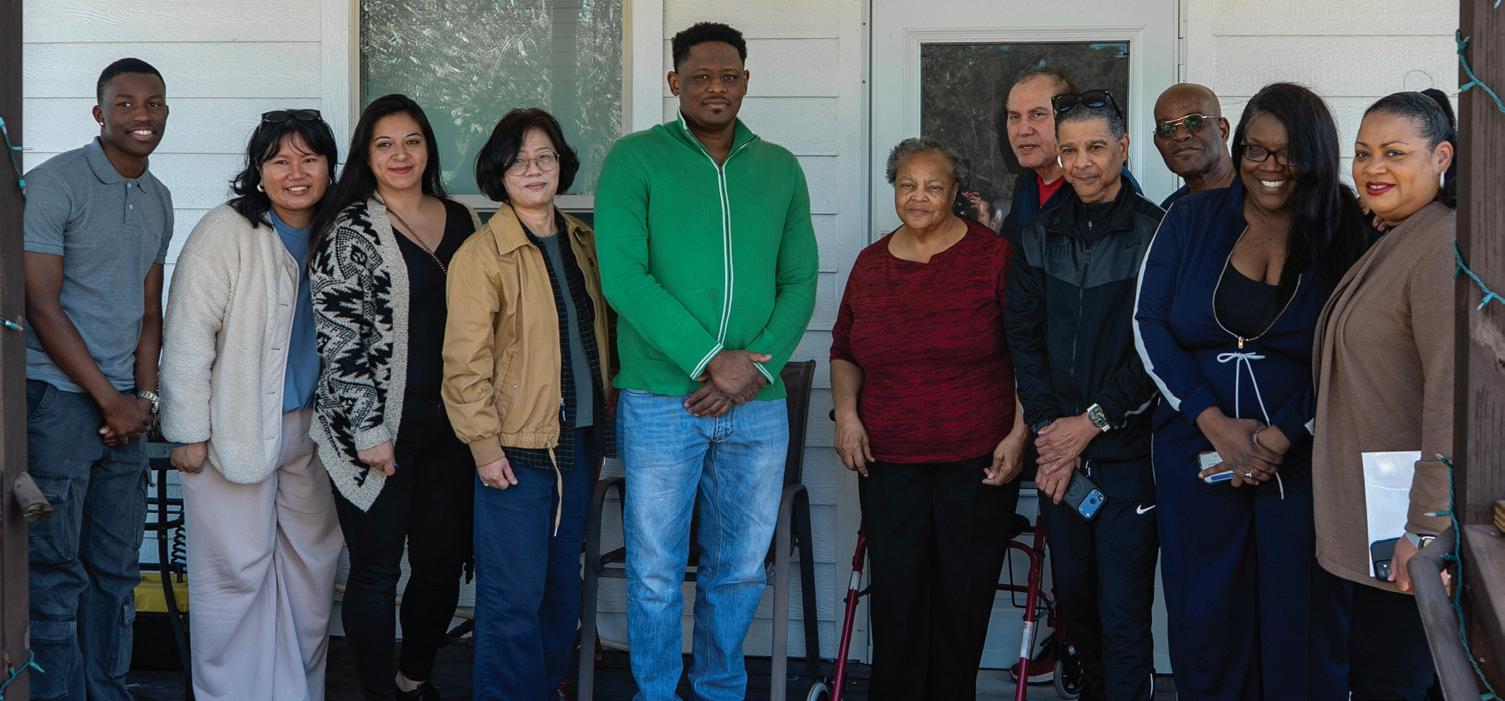
n a recent media bus tour through Houston’s historic neighborhoods, members of Houston Community Media witnessed firsthand how the Houston Community Land Trust (HCLT) is reshaping the conversation around housing, affordability and community preservation.
From Third Ward to Acres Homes and Freedmenstown, the tour offered more than a series of stops. It provided a deeper understanding of how the community land trust model is helping residents remain rooted in neighborhoods increasingly impacted by rising property values and displacement.
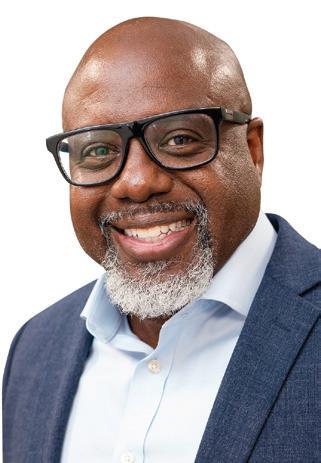
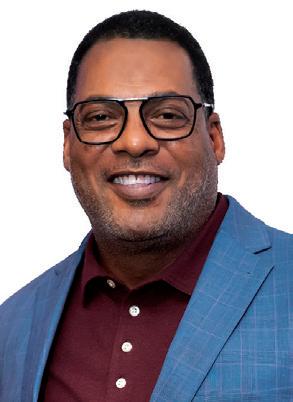
“We are here to preserve place, space and price,” said Dr. Ashley Allen, executive director of HCLT, as she welcomed attendees at the organization’s new Third Ward headquarters. “Housing should not just be about profit. It should be about people and community.”
The Houston Community Land Trust operates as a nonprofit organization focused on ensuring permanent housing affordability. Unlike traditional housing programs that offer temporary relief, the land trust model is designed to keep homes affordable in perpetuity by separating ownership of the land from the home itself.
Under this structure, the trust retains ownership of the land while residents own the home, significantly lowering purchase costs and stabilizing long-term housing expenses.
The model is built on four key pillars: permanent affordability, a tripartite board structure, stewardship and membership.
Permanent affordability ensures homes remain accessible regardless of market fluctuations. Shared governance allows residents, community stakeholders and experts to guide decisions. Stewardship programs support homeowners after purchase. Membership gives residents voting power and accountability within the organization.
As the bus moved through Third Ward, attendees observed a stark contrast between long-standing homes and newly constructed townhomes priced at $400,000 and above. The rapid increase in property values, while beneficial for some, is pushing many longtime residents out. Allen pointed to the growing challenges. “When property values rise, so do property taxes,” she said. “Even homeowners who have paid off their homes can be forced out because they can no longer afford to stay.”
The land trust works to break that cycle. By stabilizing home prices and property taxes, it allows residents to remain in their communities without being priced out.
The impact is already being felt. Since its first home sale in June 2019, HCLT has helped more than 200 homeowners access affordable housing, with average purchase prices significantly below market rates.
For many participants, the most powerful moments of the tour came from hearing directly from homeowners. In Acres Homes, attendees met longtime resident Ms. Mitchell, one of the trust’s early homeowners and now a board member. Her story highlighted both the barriers to homeownership and the transformative potential of the program.
“I didn’t think I could afford a home,” she said. “But through this program, I learned how to manage my finances, improve my credit and make it happen.”
Mitchell emphasized that the program not only provided access to a home but also education and support. “They taught me how to budget, how to save—even small amounts. And when I looked up, I had what I needed,” she said.
Her experience has inspired others in her community. “People saw me and realized they could do it too,” she added. “Even if they didn’t qualify for this program, they found other ways to become homeowners.”
A distinguishing feature of the Houston Community Land Trust is its emphasis on long-term success for homeowners.
Through its stewardship program, HCLT provides ongoing resources, including workshops, maintenance support, estate planning assistance and scholarships for residents and their families.
The organization also requires homeowners to establish transfer-on-death deeds, ensuring properties can be passed down without costly probate processes. “We’re not just helping people get into homes,” Allen said. “We’re making sure they can stay in those homes and pass them on.”
This approach reflects a broader vision of wealth — one that extends beyond property ownership. “We talk a lot about generational wealth,” Allen said. “But first, we need stability. Without stable housing, it’s hard to build anything else.”
In Freedmenstown, one of Houston’s oldest historically Black neighborhoods, the urgency of HCLT’s work became even more apparent.
Once a thriving community established by formerly enslaved people, the area has experienced significant displacement over time. Many original residents have been forced out as property values surged. “Even when homes were given to residents, rising taxes still pushed them out,” Allen explained.
For Andrew Cosma, a land trust homeowner, the program offered a way to remain in a neighborhood he values. “I wanted to stay in this community,” he said. “But without the land trust, I wouldn’t have been able to afford it.”
Cosma noted that affordability is not just about individuals; it affects the entire neighborhood. “If you push out the people who work in restaurants, shops and services, you lose what makes the community function,” he said.
The Houston Community Land Trust is part of a broader national and global movement. There are more than 300 community land trusts in the United States and about 600 worldwide. In Texas, HCLT has emerged as one of the largest, helping to inspire similar initiatives in other cities.
Still, according to Allen, awareness remains a challenge. “A lot of people have never heard of community land trusts, and that’s why tours like this are so important.”
As Houston continues to grow, the question of “who gets to stay and who gets pushed out,” is a critical question. The Houston Community Land Trust offers one answer: a model that prioritizes people over profit and community over speculation.
For Allen, the goal is clear, “We’re not trying to stop development… we’re trying to make sure everyone has a place in it.” - Kim Floyd
(Photo Credit: Jon Guevara, Our Voices)
HISD Launches Virtual School Option for the 2026-27 School Year
HBy HISD News Provider
ISD is introducing a new district-wide Virtual School called the Virtual LaunchPad, created for high school students who are working on grade level and need more flexibility in their daily schedules. The Virtual LaunchPad blends live, teacher-led lessons with independent learning, all while maintaining strong academic expectations and support.
Students in the Virtual LaunchPad will stay enrolled at their home campus but will complete all their coursework online. The program will start in the 2026-2027 school year with 9th and 10th grade students, and additional grade levels will be added in the future.
This option is designed for students whose life circumstances—such as work, medical needs, athletics, or family responsibilities—make a traditional school schedule harder to manage. By offering a flexible but rigorous learning environment for students who meet certain academic readiness criteria, the Virtual LaunchPad aims to expand access, support student success, and help prepare them for college, careers, and living-wage jobs.
“The Virtual LaunchPad represents an important step in expanding how we support students across Houston ISD,” said HISD’s Executive Director of Career and Technical Education, Gillian Quinn. “By pairing high-quality instruction with greater flexibility, we’re opening doors for students whose schedules or life circumstances make traditional school models harder to navigate. Our goal is to ensure that every student, regardless of their pathway, has access to rigorous learning, strong support, and opportunities that prepare them for college, careers, a thriving future, and a livable wage.”
Applications for the Virtual LaunchPad will open in March, and HISD will host parent information sessions in both English and Spanish.
The Virtual LaunchPad is a part of Accelerate Houston, HISD’s effort to modernize learning and make sure every student has access to the tools, spaces, and opportunities they need to thrive in a future-focused world.
To learn more, visit accelhou.houstonisd.org/virtual-school.
Source: HISD
A Parent’s Guide to Paying for College with Confidence
f you’re the parent of a college-bound student, you’ll soon be receiving financial aid award letters. Making sense of these letters and planning your next steps can help you navigate the years ahead.
Among the nearly 90% of parents in a College Ave survey who say they helped or planned to help their child pay for college, 68% were confident they had a good payment plan. To help ensure you can say the same for yourself, it’s really important to nail down the details. Once the financial aid award letters arrive, Angela Colatriano, chief operating officer at College Ave, says to take the following steps:
Compare the offers. Each letter might present information
a bit differently. Getting an apples-to-apples look at the offers is critical. You can calculate the net direct cost of each school by subtracting offered scholarships and grants from the cost of attendance (tuition, room, board, textbooks and fees). If applicable, you can subtract work-study aid too. You should also factor in expected annual increases in tuition, room, board and other fees.
Proactive. Take advantage of 529 savings plans—one of the smartest tools available. Too many families overlook 529 plans, yet they remain one of the most powerful ways to prepare for rising college costs. These accounts allow your money to grow tax-free, and withdrawals are also tax-free when used for qualified education expenses. That means more of your savings actually goes toward tuition—not taxes. The earlier you start, the more you benefit from compound growth, turning small, consistent contributions into a meaningful college fund. Many states even offer tax incentives, and the flexibility to transfer funds to another family member adds another layer of security. For families
serious about reducing future debt and financial stress, a 529 plan isn’t optional—it’s essential.
Understand how federal borrowing has changed. The One Big Beautiful Bill (OBBB), signed into law last year, brings important changes to federal financial aid. While some provisions expand flexibility, including Pell Grant use and student loan rehabilitation opportunities, it also places new federal loan limits on parents and graduate students. Families who might be considering federal loans to cover remaining costs may need a new approach and funding plan. It’s important to be mindful of these new changes and annual borrowing limits so there are no surprises down the line.
Look for more scholarship opportunities. Beyond federal and institutional financial aid, outside scholarships can help you meet college costs. Ask your student’s high school counselor and visit online sites like bigfuture.collegboard. org and scholarships.com to find relevant opportunities. One easy and simple scholarship your student can apply to again and again in mere moments is the College Ave Scholarship Sweepstakes, which awards $1,000 to a lucky winner each month.
Cover the gap. If there’s still a gap after financial aid, savings and income, and federal loans, consider private student loans or private parent loans. If your family does borrow loans, be sure that your student has an understanding of how loans work, so they are prepared for their monthly payments once repayment begins. You should also compare rates and terms and prioritize lenders with good customer service. To run the numbers ahead of time so you can borrow smarter and with more confidence, use College Ave’s student loan calculator found at collegeave.com/calculator. “ Taking the time to carefully compare all your options, then moving forward with a well-considered plan can make this exciting time less stressful and more joyful,” says Colatriano."
SOURCE: StatePoint, Edited by D-MARS
For Nicole Michelle, CPA accounting isn’t about spreadsheets — it’s about strategy. “I love numbers because they tell a story,” she said. “People look at a ‘10’ and think it’s just a 10. They don’t realize it could represent 18 or 19 multi-million-dollar transactions.” That mindset - seeing beyond the surface - is exactly what has made Nicole Michelle one of the most sought-after CPA consultants for businesses looking to grow, scale, or make high-stakes financial decisions.
As the Managing Principal and Founder of Madison Brothers Consulting Group, Inc., Nicole Michelle, CPA leads a boutique CFO advisory firm specializing in accounting, financial strategy, and mergers and acquisitions. With more than 30 years of experience, she’s done everything from auditing and bookkeeping to structuring complex deals, but today, she focuses on where she brings the most value.
“I’ve done the auditing and the bookkeeping—the parts of accounting people call boring,” she said. “But what I love is the consulting side… the mergers and acquisitions, the high stakes decision-making, the sexy part of accounting.”
Accounting becomes sexy the moment it stops being about the numbers…and starts being about the outcomes. It’s knowing where every dollar is going and why. It’s turning confusion into clarity and confidence. It’s seeing and seizing opportunities before anyone else does. It’s about structuring decisions that multiply wealth, not just counting and measuring it.
Nicole Michelle and her team work closely with companies to help clients navigate transactions that can not only redefine their financial future but solidify their wealth for generations to come.
“When you think about major corporations like ExxonMobil, those are the types of deals and transactions we’re working on,” she said. “We’re helping clients make decisions that impact millions — sometimes billions — of dollars.”
It’s that level of expertise that positions Nicole Michelle as more than a CPA, she’s a strategic partner.
By D-MARS.com
FINANCE
LEADERSHIP
FROM CORPORATE TO CEO
Nicole Michelle’s journey into entrepreneurship wasn’t planned, it was forced. “I got laid off,” she said. “November 18, 2008. People talk about pink slips — they’re not pink. They’re white. A letter that says, ‘Thank you for your contributions, but they are no longer needed.’”
After months of searching for another executive-level role, she made a decision that would change everything.
“I said, ‘You know what? I’m going to bet on me.’”
That bet on herself led to the creation of her firm in 2009, and a new mission: Helping businesses understand the strategic intelligence of accounting that includes cash flow management, decision authority, financial foresight, and tax strategy. It is not just about understanding the numbers, it is about commanding them, too.
WHY EVERY BUSINESS NEEDS A STRONG CPA
For Nicole Michelle, accounting isn’t optional, it’s foundational. “Accounting is the heart of any business,” she said. “It doesn’t matter if you’re in education, healthcare, sports — every single organization has an accounting function. Without it, nothing works.” And yet, too many business owners treat their CPA as an afterthought, someone they call during tax season instead of a trusted, year-round advisor. Nicole Michelle believes that’s a costly mistake.
“The most successful individuals and businesses do not engage their CPA once a year— they partner with their CPA as a trusted advisor who guides them year-round, ensuring every financial move is intentional, informed, and aligned with their long-term goals and vision,” she said.
That distinction — between reporting and advising — is where Nicole Michelle stands apart. She knows that not all CPAs are created equal. Her firm doesn’t just track numbers; it helps clients understand what those numbers mean and how to use them to drive growth.
BREAKING DOWN THE NUMBERS THAT MATTER
Nicole Michelle has a way of making complex financial concepts comprehendible and relatable.
“The other thing I tell people is that zeros matter,” she said. “People ignore them, but depending on where that zero sits, it can be the difference between $100 million and $1 billion.” It’s a simple explanation, but one that underscores a deeper truth: Details matter. And in business, overlooking those details can cost you. Whether it’s evaluating a potential
acquisition, preparing for expansion, or simply trying to improve profitability, Nicole Michelle helps clients see the full financial picture.
ADVICE FOR THE NEXT GENERATION
Nicole Michelle is also passionate about changing the narrative around accounting, especially for younger professionals. “People think accounting is boring or mundane, but it’s not,” she said. “If you’re interested in analytics or numbers, this is a field with unlimited opportunity.” In fact, she believes the demand for CPAs is only going to grow. “Accountants are becoming more and more rare,” she said. “In the next 10 to 20 years, the floodgates are going to be wide open—especially for CPAs.” As a business owner herself, Nicole Michelle understands that technical expertise is only part of the equation. “One of my biggest challenges has been business development,” she said. “Making sure I’m consistently out there, meeting people, building relationships, and being visible. That actually takes more energy than doing the work.”
But it’s that combination— technical skill and strategic visibility — that has allowed her to build a firm that continues to grow and evolve. Today, Nicole Michelle is selective about the clients and projects she takes on, focusing on work that aligns with her expertise and delivers real impact. “One of the greatest things for me now is not the money I make,” she said, “but the money I can walk away from.”
A Valedictorian from Dillard University in 1996, Nicole offers financial tips, tools, and resources on her website NicoleMichelleCPA.com
“Financial success is attainable for anyone committed to implementing financial discipline with consistency and dedication,” she said.
REGIONS BANK TACKLES THE "Overwhelmed" Generation
even those who don't bank with Regions.
A SPECIALIZED TOOLKIT FOR STUDENTS
To meet students where they are, Regions is launching a multi-pronged educational offensive throughout April:
By StatePoint News Provider
or most young adults, the transition into "real life" isn't a single moment - it’s a mountain of financial decisions. From navigating first-time rent payments and car loans to the looming shadow of student debt, the 20s can feel more like a math test you didn't study for than an exciting new chapter.
Recognizing that financial confidence is best built early, Regions Bank has announced an expansive rollout of no-cost resources to coincide with Financial Literacy Month this April. The goal? To turn that "overwhelmed" feeling into a clear roadmap for success.
“Life in your 20s is full of money decisions... and we know it can feel overwhelming,” said John Jordan, head of Retail for Regions Bank. “We know that the earlier people start building healthy financial habits, the better prepared they are when the unexpected happens.”
PERSONALIZED PLANNING, ANYWHERE
The centerpiece of this year's initiative is the expansion of Greenprint On-the-Go. Traditionally a more formal process, the Regions Greenprint® assessment—which helps individuals and small-business owners create tailored financial plans—is now accessible via any mobile device or tablet.
After scheduling an appointment, users receive a secure link to complete their assessment. A banker then re-connects to review strategies and provide personalized recommendations. Crucially, this service (along with the bank's Next Step® program) is available to everyone,
Next Step for Students: A new library of interactive, self-paced courses. Each module takes 10 minutes or less and covers high-stakes topics like identity protection, taxes, and understanding student loans.
The "Basic Budgeting" Webinar: Offered six times this month, these sessions focus on creditworthiness and money management. Notably, the April 14th (6 p.m. CT) session is designed specifically for parents and students to attend together.
Campus Takeovers: Regions is heading to Alabama A&M (April 1) and Auburn University (April 6) for "Financial Returns" events. These aren't just about saving pennies; they cover career readiness, including resume building and salary negotiation.
WHY IT MATTERS: BY THE NUMBERS
The scale of this outreach is significant. In 2025 alone, Regions reached over 1.4 million people through its financial education programs, hosting approximately 12,000 workshops. Bank associates also contributed 17,000 volunteer hours to help community members find their financial footing.
“We approach financial education the same way we approach one-on-one conversations at our neighborhood branches,” Jordan added. “That’s by focusing exclusively on your own needs.”
By moving these tools to mobile devices and campus halls, the bank hopes to create "moments that matter"—the exact moment a young adult realizes that while money is complicated, it doesn't have to be scary.
SOURCE: StatePoint
STRATEGIC WAYS TO REDUCE YOUR TAXABLE INCOME
By StatePoint News Provider
ave you ever lamented how much of your earnings go to taxes? One way to ensure that more of your money benefits you and your future is by making strategic contributions to tax-advantaged savings accounts.
HBy opening and contributing to a Health Savings Account (HSA) and Individual Retirement Account (IRA), you can substantially reduce your taxable income. Not sure if these accounts are right for you? Consider these insights from Fidelity:
HSAS
An HSA is an account that can be used to pay for qualified medical expenses, including copays, prescriptions, dental care, contacts and eyeglasses, bandages, X-rays, and a lot more. It’s “tax-advantaged” because your contributions reduce your taxable income; the money isn’t taxed while it’s in the account, even if it earns interest or investment returns; and as long as you use your HSA funds for qualified medical expenses, you won’t owe taxes when you take money out of the account. This triple-tax advantage is powerful, but it’s not the only reason why HSAs are so popular. Unlike a flexible spending account, an HSA is not “use-it-or-lose-it,” meaning it doesn’t need to be spent within a certain timeframe. If you don’t need the money in your HSA for current medical expenses, you can save and
invest it until you do, and even take the account with you when you leave an employer. Just keep in mind that to open and contribute to an HSA, you’ll need to be enrolled in an HSA-eligible health plan.
IRAS
An IRA refers to a tax-advantaged account designed to help you save for retirement on your own, independent of an employer. There are several types of IRAs, but when people say “IRA” alone, they often mean a traditional IRA. That’s a type anyone with earned income can open and contribute to. Traditional IRAs allow you to save on income taxes now and pay them later in retirement, when you could be in a lower tax bracket and therefore owe less in taxes. Fidelity estimates that you may need 55% to 80% of your pre-retirement income in retirement. Because an employer-sponsored savings plan might not be enough to accumulate the savings you need due to annual contribution limits, investing through an IRA could help you save more for the future.
Before opening an IRA, check out a few different firms that offer them. Find out whether they offer helpful support and a user-friendly experience, plus whether they charge any fees or minimums. Then, once the account is open, decide how much you want to contribute and how often.
“Setting up automated contributions can make saving for retirement into a habit that requires very little effort,” said Rita Assaf, vice president, Retirement at Fidelity. “It’s also a good idea to regularly check your asset mix to see if it is still a good fit for your goals, risk tolerance and time horizon.”
For additional financial resources and insights, visit https://www.fidelity.com/learning-center.
With a smart strategy that involves directing your income into tax-advantaged accounts, you can build more wealth for future needs and wants.
SOURCE: StatePoint
WHERE TO TURN TO FOR HELP IN NAVIGATING FINANCIAL CHALLENGES
By
anaging your finances can be challenging, especially when you’re not sure where to turn for help. Darlene Goins, head of Philanthropy and Community Impact at Wells Fargo, shares practical tips and lesser-known resources for taking the next step forward at various stages in your financial life.
WHAT’S HAPPENING: YOU NEED GUIDANCE AND FUNDING TO LAUNCH YOUR SMALL BUSINESS.
What you can do now: Securing capital can be especially challenging if you don’t qualify for a traditional bank loan. A Community Development Financial Institution (CDFI) can help. These specialized lenders provide financing to small businesses, organizations and individuals, and are suited to helping new business ideas get off the ground. CDFIs offer such options as term loans, lines of credit, credit cards and real estate financing. Many also provide consulting, coaching, education, connections and financial planning at low or no cost.
Certified by the U.S. Treasury, CDFIs raise low-cost capital through grants and low-interest funds provided by the government and banks like Wells Fargo. The more than 1,000 CDFIs nationwide collectively manage over $436 billion. Wells Fargo has a long-standing commitment of supporting CDFIs through philanthropic grants and investments that help extend capital to businesses nationwide. CDFI matching services
available through the Small Business Resource Navigator are made possible by a donation from Wells Fargo to Community Reinvestment Fund, USA.
WHAT’S HAPPENING:
YOU RECEIVED NOTICE OF
A RENT INCREASE.
What you can do now: Don’t assume you have to accept a rent increase. If you’re a responsible tenant with a solid rental history, you may have more negotiating power than you think. The best time to start the conversation is one to two months before your lease renewal. Come prepared with research on comparable rental rates, a list of your strengths as a tenant, and a clear ask — such as a lower monthly rate, a longer lease or added amenities. A respectful, well-prepared conversation could lead to tangible savings. The Wells Fargo Foundation provides grant funding to organizations that can help. For example, SaverLife offers free financial tools and resources, including scripts for negotiating rent.
As spring begins, CenterPoint Energy shares tips
ith the arrival of spring, CenterPoint Energy encourages customers to use available tools, tips and resources as part of their home spring cleaning and preparation for the warmer temperatures ahead. Customers can find opportunities to save energy, connect to company programs and stay safe while completing projects around their homes.
“The first day of spring is a great reminder that warmer weather has arrived, and customers can take steps to increase the energy efficiency of their homes. Through small and easy actions, customers can make a big difference in their monthly energy bills," said Nathan Brownell, CenterPoint's Vice President of Resilience and Capital Delivery.
“As customers begin their outdoor home projects, we also urge them to keep safety top of mind by contacting 811
two business days before any digging projects. By taking this easy step, our customers and community members are taking an important step in helping keep themselves, their loved ones and neighbors safe."
SPRING INTO ENERGY AND COST SAVINGS
Customers can do the following to help spring into energy and cost savings:
• Perform a spring cleaning by changing or cleaning the filters in HVAC systems: Air conditioning can represent approximately 50 percent of a home's energy use as outside temperatures increase. Regular maintenance is one of the best ways to extend the life of a home's system, so swap out or clean filters to minimize costly repairs and keep the system running efficiently.
• Maintain a comfortable temperature indoors yearround: To save energy, use weatherstripping or caulk areas in and around a home where cooled air may escape or warm air could enter, such as around windows and doors.
WHAT’S HAPPENING: YOU AND YOUR FAMILY ARE FACING FINANCIAL PRESSURES RELATED TO A DISABILITY.
What you can do now: Consider leveraging a taxadvantaged savings program, like an ABLE account, to help cover qualified expenses such as education, healthcare, transportation and more.
Available to anyone in the United States, these accounts offer a way for people with disabilities and their families to save without potentially impacting their eligibility for public benefits. The National Association of State Treasurers is building awareness about ABLE accounts through the ABLEtoday program. ABLEtoday partners with state treasurers to provide plan comparisons, best practices and strategies to help families maximize savings.
WHAT’S HAPPENING: YOU WORRY YOU’RE MISSING OUT ON ELIGIBLE TAX CREDITS AND DEDUCTIONS BECAUSE YOU CAN’T AFFORD A PROFESSIONAL TAX PREPARER.
What you can do now: Take advantage of free, IRS-certified tax preparation services to ensure you’re claiming every benefit you’re eligible for. These services are offered through trusted community-based organizations supported by Prosperity Now. Through a recent Wells Fargo Foundation grant, $200,000 was deployed to 15 organizations across 12 U.S. markets and will help qualified experts prepare over 20,000 tax returns at no cost, returning an estimated $25 million to households, according to participating nonprofits. Many of these organizations also offer year-round financial coaching and help navigating public benefits.
Whether you’re negotiating rent or filing taxes, lean on available resources so you can do so with greater confidence and more support.
SOURCE: StatePoint
• Block the sun's rays during warmer days: When temperatures increase outside, keep window coverings closed when the sun is shining brightest to maintain a more indoor comfort.
• Reduce hot water without sacrificing comfort: Showering accounts for 40 percent of a home's hot water use. Energy-saving showerheads and faucet aerators can help lower energy costs and reduce hot water use.
• Upgrade to more energy efficient appliances and equipment: When replacing appliances and equipment, look for models with increased energy efficiency for cost savings over time. Energy efficiency rebates may be available for qualifying appliances.
Customers can learn more about energy savings tips and tools that help them prepare for the longer and warmer days and manage their monthly energy bills at CenterPointEnergy.com/SavingsTips.
STAY SAFE DURING OUTDOOR PROJECTS
Spring is a great time for outdoor home improvement projects. Anyone planning a project that requires digging should contact 811 at least two business days before starting to have underground utilities located and marked at no cost. This includes projects done by customers or their contractors, like building a fence, planting trees, installing a deck, placing a mailbox or laying a patio.
Visit 811BeforeYouDig.com to learn more about 811 and the process to have underground utility lines located and marked. For more information about natural gas safety, visit CenterPointEnergy.com/Safety.
Source: CenterPoint Energy
StatePoint
By CenterPoint Energy News Provider News Provider
FACT CHECK: Test What You Know About Heart Health
By Esperion News Provider
As you age, your doctor's interest in your cholesterol level is likely to increase. That's no coincidence. High cholesterol and age are two significant risk factors for heart disease, which is the leading cause of death in the United States.
You may not be able to slow the hands of time, but elevated low-density lipoprotein (LDL) cholesterol, also known as "bad" cholesterol, is one of the most significant addressable risk factors for the development of cardiovascular disease. Uncontrolled high LDL-C can lead to death, heart attack, stroke or the need for a coronary revascularization.
While statins are considered first-line treatment for people with high LDL cholesterol, an estimated 29% of patients stop taking their statin within the first year, based on findings published in the "American Journal of Cardiology." Up to 30% of people have some degree of statin intolerance, according to research published in the "Journal of Clinical Lipidology."
TEST YOUR HEART HEALTH KNOWLEDGE AND LEARN MORE ABOUT MANAGING YOUR RISK FACTORS, INCLUDING HIGH CHOLESTEROL, WITH THIS QUICK QUIZ:
1. Do cardiovascular diseases, including heart disease and stroke, claim more lives in the U.S. than all forms of cancer and accidental deaths (the Nos. 2 and 3 causes of death, respectively) combined?
Yes. Cardiovascular disease is the No. 1 killer of men and women in America and worldwide, killing more people than both cancer and accidents each year.
2. According to the American Heart Association, which of the following are true?
+ Men are more likely to have heart attacks at a younger age than women.
+ Women experience different symptoms indicating potential heart disease.
+ Women have a higher risk of fatality because their symptoms are frequently misunderstood or misdiagnosed, leading to delayed treatment.
All are True. While many factors are at play, one major underlying issue is historically, women simply haven't been well represented in clinical trials of heart-related conditions.
However, Harvard Health reports that culture is slowly changing and some of the gaps are starting to close.
3. Does statin intolerance mean statins are not effective?
No. On the contrary, statins are the standard of care to lower LDL cholesterol. However, some people cannot take statins at any dose because of statin intolerance symptoms such as muscle pain, while others may have their LDL cholesterol remain uncontrolled because they are not able to take higher doses.
4. Are women more likely to be statin intolerant than men?
Yes. According to the National Institutes of Health, being female is a risk factor for statin intolerance.
5. If a person is statin intolerant, are there other treatments available to help lower their uncontrolled LDL-C?
Yes. Alternative treatments are available for people with statin intolerance. A health care provider can help explain what options are available if you experience potential statin-associated side effects.
6. Are muscle-related symptoms typically the most common side effect of statins?
Yes. Muscle pains or cramps (myalgias) are the most common symptoms people experience. Your health care provider may run tests or change your medication to address these symptoms.
For more information on statin intolerance, talk with your health care provider or visit statinalternatives.info.
HOW TO LOWER BAD CHOLESTEROL
LDL cholesterol, commonly referred to as "bad" cholesterol, leads to plaque in your arteries, reducing blood flow and potentially damaging your cardiovascular system.
If your bloodwork shows elevated LDL cholesterol levels, you can take steps to reduce it.
1. Eat a healthy diet low in saturated and trans fats and high in fiber, with an emphasis on fruits, vegetables and whole grains.
2. Get at least 30 minutes of exercise daily, and if you carry extra weight, work to lose it.
3. Talk to your health care provider about cholesterol-lowering medications, which can help lower bad cholesterol and reduce the risks associated with heart disease.
Source: Esperion
Simple Daily Habits Matter More Than Big Health Resolutions Why
By Heart.org News Provider
ost people don’t set out to ignore their health. It usually slips down the list somewhere between the morning alarm and the last email of the day. Breakfast gets rushed or skipped. Exercise is postponed until tomorrow. Sleep is cut short to catch up on everything else. By the end of the week, healthy intentions are still there, but the follow-through feels harder than expected.
MFor many, the challenge is not motivation but finding habits that fit into real life. Small, repeatable choices around sleep, exercise, nutrition, mental well-being and social connection can support how the body and mind function over time.
SLEEP WELL
Sleep is essential for physical recovery, mental focus and emotional balance, but it’s often the first habit to slip when schedules get busy.
Establishing a regular bedtime routine helps signal when it’s time to rest. Limiting screen exposure in the evening, keeping sleep and wake times consistent and creating a dark, quiet sleep environment can support more restorative sleep. Over time, better sleep contributes to improved mood, focus and overall heart health.
EXERCISE IN MANAGEABLE WAYS
Exercise often falls into the same trap as sleep. When schedules get full, it becomes something to get back to rather than something that fits into the day as it unfolds. A missed workout can quickly turn into a missed week, even for people who value staying active.
Regular movement supports heart health, muscle strength and overall energy, but it doesn’t need to be all-or-nothing. Short periods of activity spread throughout the day can still make a difference, especially when long stretches of sitting are the default.
Walking between meetings, stretching in the morning or adding light strength exercises at home are simple ways to stay active without blocking out extra time.
EAT NUTRITIOUSLY
Food decisions often happen on autopilot as meals are squeezed into busy schedules and long days, making nutrition one of the most influential daily habits.
Meals do more than provide fuel. When built around nutrient-rich foods, they support muscle health, brain health and heart health. An overall healthy eating pattern includes a variety of whole foods like fruits, vegetables, whole grains and lean proteins, helping the body keep up with everyday demands.
Protein plays an important role in maintaining muscle and supporting daily movement, especially as people age. High-quality protein from foods, along with a balanced diet and regular exercise, can help support all the muscles in the body. Choosing protein sources that are easy to prepare, and repeat supports consistency when schedules are full.
As part of a balanced approach to healthy habits, nutrition guidance from the American Heart Association’s Healthy for Good initiative, nationally sponsored by the Egg Nutrition Center, highlights how everyday food choices can support the body and brain over time. Eggs are an example of a high-quality protein, and they fit easily into meals throughout the day.
Eggs also deliver choline, a nutrient many Americans don’t get enough of. Choline is a critical nutrient, among others, for supporting brain development, memory and mood. Along with protein, choline helps support brain health, making it an important consideration across life stages.
According to the American Heart Association, healthy people can include one egg daily, up to seven eggs per week, as part of a heart-healthy diet. For healthy older adults with normal cholesterol, two eggs per day can be included as part of a heart-healthy dietary pattern.
MIND YOUR MENTAL WELL-BEING
The way people eat, sleep and move does not just affect the body. It also shapes how the brain responds to stress and daily demands. When routines feel rushed or inconsistent, mental well-being is often one of the first areas to feel the strain.
Ongoing stress can interfere with focus, sleep and eating habits, making it harder to maintain healthy routines. Simple practices like deep breathing, mindfulness or stepping away from screens for a few minutes can help reduce tension and restore attention.
Making time for rest and reflection, and setting realistic expectations, can also support emotional balance. What supports the brain often supports the heart as well, reinforcing the value of caring for mental and physical health together.
SOCIALIZE AND STAY CONNECTED
Mental well-being is shaped by both daily routines and relationships. When life feels busy or stressful, social connection is often the first thing to get pushed aside, even though it plays an important role in emotional health.
Staying connected doesn’t require packed calendars or constant interaction. Shared meals, short conversations or a quick check-in with a friend or family member can help maintain a sense of connection.
BUILD HABITS THAT FIT REAL LIFE
Healthy routines are more likely to last when they fit into the rhythm of everyday life rather than compete with it. Big changes can feel motivating at first, but it is often the small, repeatable choices that quietly shape how people feel over time.
Choosing foods that are easy to prepare, finding enjoyable ways to exercise and protecting time for sleep can make healthy habits feel more realistic. When routines are built around what is already happening during a typical day, they are easier to return to even when schedules get busy.
For more information and educational resources on nutrition and healthy living, visit Heart.org.
5 Trends in Heart Health Among Younger Adults: Why Your CoQ10 Level Matters
By Doctor's Best News Provider
eart disease is something many adults push to the back of their minds if they are not experiencing symptoms; a concern for "later" in life. However, that mindset may be changing. New research suggests younger generations are thinking about their cardiovascular health earlier and with greater urgency
HThey're right to be thinking about it, too. Data from the American Heart Association shows heart disease is still the No. 1 killer of Americans. In fact, someone dies from cardiovascular disease every 34 seconds in the United States. Risk factors such as obesity, high blood pressure, diabetes, and kidney disease are on the rise, too. Nearly half of U.S. adults have high blood pressure (47%), and obesity (42%), and more than half (57%) have type 2 diabetes or prediabetes. Despite growing concern about heart health, many adults remain unclear about their personal risk. In fact, a majority of respondents (62%) in a survey conducted by Atomik Research on behalf of Doctor's Best said they don't know their current risk for heart disease. To provide context on these findings and highlight emerging heart health trends, Dr. Tania Elliott, a dual board-certified physician in internal medicine, offers some insights.
FEELING
FATIGUE
In the study, only 50% of respondents reported feeling energetic on a daily basis. Among
those who reported feeling fatigued, 46% listed stress as their top perceived contributor, followed by insufficient sleep (38%), both of which are closely tied to cardiovascular health.
TROUBLING SYMPTOMS
Among Gen Z respondents, 25% reported having shortness of breath during activity or while lying down, compared to just 16% of Baby Boomers, which is commonly associated with compromised heart health.
STATINS AND YOUTH
Statins, which help address cardiovascular risk factors such as high cholesterol, are among the most commonly prescribed drugs in America, with more than 92 million Americans currently taking them, according to the Cleveland Clinic. Although most survey respondents (76%) aren't currently taking a statin, 17% of adults ages 25-34 reported using statin therapy, which is an unexpectedly high proportion given their age and the group's low anticipated risk of cardiovascular disease.
SIDE EFFECTS OF STATINS
Among those taking statins, which are considered a first-line treatment for treating high cholesterol and reducing heart disease risk, 54% reported experiencing side effects, particularly muscle pain (23%) and fatigue (31%). However, taking statins can also affect levels of Coenzyme Q10 (CoQ10), which supports cellular energy and cardiovascular function.
ALL ABOUT COQ10
Cells use CoQ10 to produce energy and detoxify. Studies have shown people with heart failure who took CoQ10 had around a 50% reduction in mortality. Despite this, awareness is low. Nearly two-thirds (66%) of respondents had never heard of CoQ10 and that number jumps to 76% of adults ages 25-34. Additionally, only a small percentage of respondents (8%) who were on a statin reported having their CoQ10 level tested."We have a real opportunity to help younger adults take a more proactive approach to heart health," Elliott said. "CoQ10 plays a critical role in cellular energy production and heart muscle function, and it can decline with age and statin use."If you're among the 71% of survey respondents who expressed a willingness to learn more about improving your heart health, talk with your health care provider and visit DoctorsBest.com to learn more.
STRATEGIES TO SUPPORT HEART HEALTH
While some risk factors for heart disease, like age and family history, are out of your control, you can make lifestyle changes to help lower your risk:
Eat Whole Foods: A heart-healthy eating plan includes plenty of lean proteins as well as fruits, vegetables, beans, whole grains and foods high in omega-3s, such as salmon, nuts and plant oils. ? Know Your CoQ10 Levels: If you're low, look for a high-quality, bioavailable formula, like Doctor's Best High Absorption CoQ10 with BioPerine, which supports energy production and muscle function.
Get Moving: The American Heart Association recommends 150 minutes of moderate-intensity or 75 minutes of vigorous aerobic activity per week to help control weight and lower the risk for conditions that negatively impact the heart.
Source: Doctor's Best
Tighter Budgets Haven't Stopped Travel. They've Changed How Americans Plan.
By ALG Vacations
The flight search is open, but many travelers are pausing before they book. Prices feel higher than last year, headlines are heavy and budgets are tighter. Still, the question isn't whether to take a vacation, but how to make it work.
A November 2025 survey from ALG Vacations of U.S. adults planning to travel in 2026 shows that financial pressure is reshaping how people approach vacations, not whether they take them. While 81% say they have at least some concern about their household finances in the months ahead, 92% say they would still travel even if tighter finances required scaling back.
FINANCIAL PRESSURE SHAPES DECISIONS, NOT DEMAND
That shift shows up in the small moments of planning. Travelers are taking longer to compare prices, reconsidering timing and adjusting expectations before they book.
Inflation and rising prices top the list of concerns, cited by 61% of respondents, reinforcing why travelers are rethinking destinations, trip length and overall costs.
Concerns about global events and safety follow at 39%, with broader political and economic instability close behind at 38%.
Still, those worries rarely lead travelers to walk away from travel altogether. Instead, many describe pulling back in measured ways, scaling down plans, rethinking details and making trade-offs that keep a trip possible, even if it looks different than originally imagined.
EXPERIENCE CHANGES HOW TRAVELERS MOVE FROM PLANNING TO BOOKING
Not all travelers navigate those trade-offs the same way. For some, uncertainty slows the process. For others, familiarity helps clear the final hurdle.
Among respondents who have previously booked a packaged vacation through a major vacation brand, 80% say they plan to take an international trip in the next year, compared with 46% of those without that experience.
That confidence carries into spending decisions as well. Sixty-seven percent of packaged-vacation travelers expect to spend more than $2,500 on their next trip, compared with 47% of those who have never booked a packaged vacation.
Taken together, the findings point to a confidence gap, with prior experience linked to greater comfort committing to international travel and higher spending.
PROFESSIONAL GUIDANCE PLAYS A LARGER ROLE WHEN PLANNING GETS COMPLEX
For many travelers, planning no longer stops at picking dates and destinations. Rising prices, shifting availability and higher expectations have turned vacation planning into a series of decisions that feel harder to navigate alone.
That complexity shows up most clearly among travelers with prior packaged-vacation experience. Ninety-four percent say they plan to use a travel advisor, compared with 81% of those without prior packaged-vacation experience.
The gap suggests that familiarity with structured travel planning often leads travelers to seek expert guidance. As trips become more layered, getting the details right matters as much as the destination itself.
TRAVEL REMAINS A PRIORITY, EVEN AS DECISIONS SLOW
The findings suggest that travel is still very much on the table, even as decisions take longer to make. Travelers are weighing trade-offs, seeking guidance and leaning on experience as they plan, rather than walking away altogether.
The flight search may stay open a little longer this year. But for many Americans, the trip is still happening.
METHODOLOGY
ALG Vacations commissioned Atomik Research to conduct an online survey of U.S. adults planning to travel and travelers with prior packaged-vacation experience in the United States.
The survey included 1,000 adults planning to travel and a subsample of 502 respondents who had previously booked a packaged vacation through a major vacation brand.
The margin of error is plus or minus 3 percentage points for the full sample and 4 percentage points for the packaged vacation subsample at a 95 percent confidence level. Fieldwork was conducted in November 2025. Atomik Research, part of 4media group, is a creative market research agency.
Source: ALG Vacations
News Provider
Delivered Right to Your Door Your
Durable Medical Equipment: Rollators, Canes, Wheelchairs, Shower Chairs
Medical Supplies: First Aid Kits, Wound Care, Safety Gear, AED’s & so much more!
Medicare & Medicaid Accepted
A Hug Away’s New Therapy Program –Meeting your need by bringing Healing Right Where You
Are
As part of our ongoing commitment to pioneering compassionate, accessible care, Dr. Williams proudly introduces A Hug Away’s expanded Therapy Program—bringing physical, occupational, speech and now RESPIRATORY therapy directly to homes and even workplaces! Partnering with leading insurance providers such as United Healthcare Choice Plus Gold, and accepting out-of-network plans, A Hug Away also offers financial assistance programs to ensure no patient has to choose between healing and hardship.
Dr. Marisa Williams-Reed CEO/Co-Founder, A Hug Away Healthcare, Inc.
Comprehensive Protection
Old Folks Saying:
"DON’T COUNT YOUR MONEY WHILE YOU’RE SITTING AT THE TABLE"
Meaning: Stay humble and don’t celebrate or reveal success too early—especially while still in the game.
Modern Use: Often used in negotiations, deals or early-stage success.
Example of how it is used: “The deal isn’t signed yet. Don’t count your money while you’re sitting at the table.”
Did You Know?
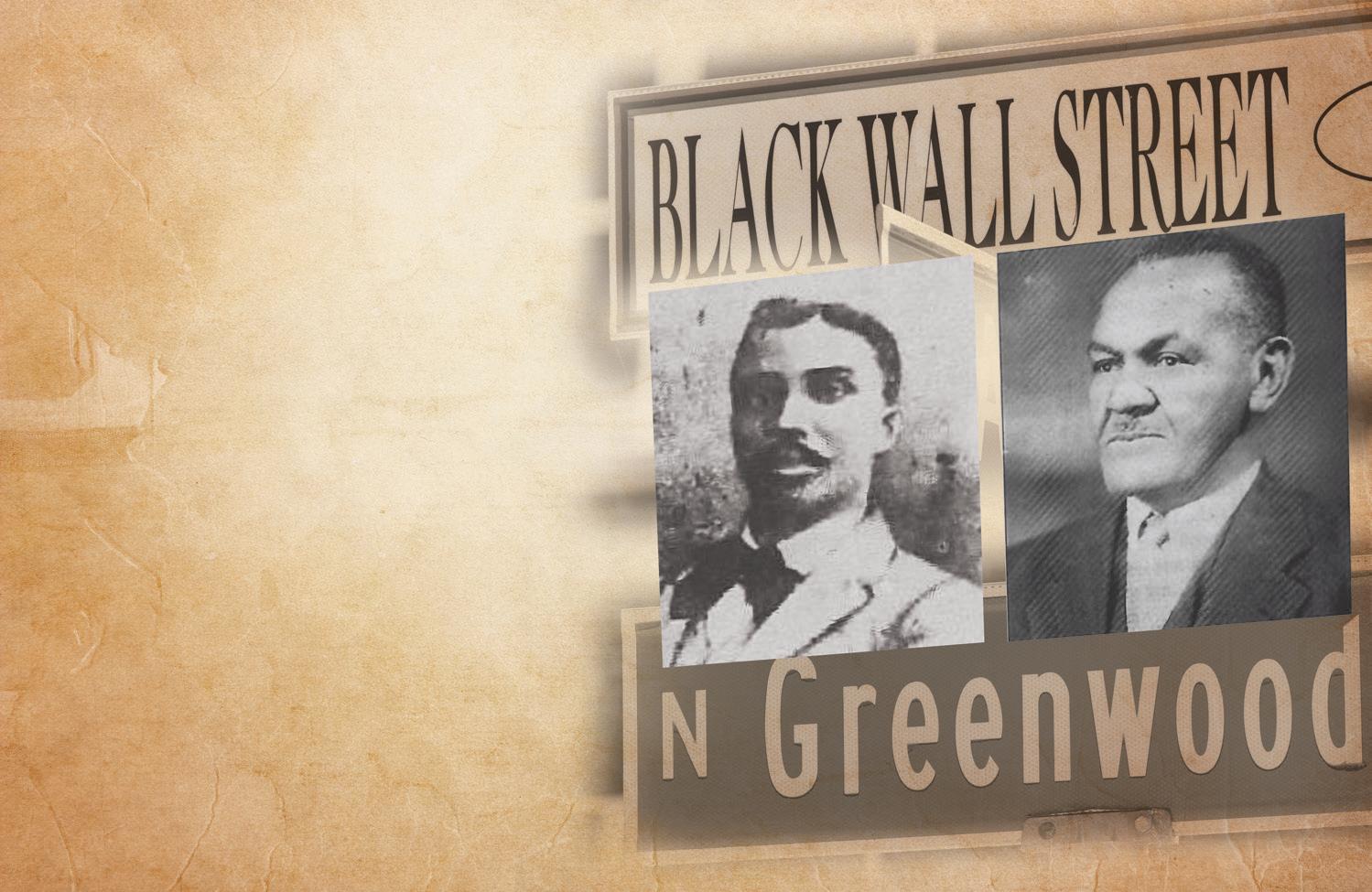
Black Wall Street Was One of the Most Prosperous Business Districts in America
Did you know that Tulsa, Oklahoma’s Greenwood District, known as “Black Wall Street,” was once one of the most economically successful Black communities in the United States?
In the early 20th century, Greenwood was home to hundreds of Black-owned businesses, including banks, hotels, restaurants, theaters and professional offices. The district thrived during a time when segregation forced African Americans to build and support their own economic systems.
Entrepreneurs like O.W. Gurley and J.B. Stradford helped establish a self-sustaining business ecosystem, where dollars circulated within the community, fueling growth and wealth creation.
Greenwood’s success demonstrated the power of collective economics, with many residents achieving financial independence through business ownership and real estate.
However, in 1921, the Tulsa Race Massacre devastated the district, destroying homes and businesses and displacing thousands of residents. Despite this tragedy, the legacy of Black Wall Street remains a powerful example of what is possible when access, ownership and community investment align.
Today, Greenwood continues to be referenced as a model for economic empowerment and a reminder of the importance of preserving and supporting minority-owned businesses.
TastyChickenStir-Fry and Rice
ave Time, Tackle Dinner with a Quick, Convenient Recipe: Chicken Stir-Fry
If hectic weeknights leave you feeling like time is constantly slipping away, saving a few extra minutes in the kitchen can begin with alternative cooking methods and easy recipes without all the fuss. Rather than waiting for the oven to preheat, you can tackle family dinners by stir-frying your way to a delicious meal.
For a fast and flavorful dinner, this Simple Chicken Stir-Fry is packed with tender chicken, crisp veggies and savory soy sauce to hit the spot without calling for takeout. It delivers both taste and ease with the addition of Minute Sticky Rice Cups. Ready in 1 minute, they provide a perfect sticky texture to complement bold flavors. In just 15 minutes, you’ll plate a delicious recipe that’s sure to become a weeknight staple.
Endless customization is another benefit of stir-frying, allowing you to swap out chicken for shrimp or tofu while mixing and matching your loved ones favorite veggies. Drizzle it with sauces like teriyaki or sriracha for an added flavor boost, serve with spring rolls or wontons for extra crunch or pair with a fresh cucumber salad or steamed edamame for light, refreshing contrast.
Delivering the same set-it-and-forget-it convenience of baking but typically with a shorter preheating wait, air-frying is another solution for creating tasty family meals while taking back precious time.
To find fast, family-friendly meal ideas, visit MinuteRice.com.
• In large skillet or wok over medium-high heat, heat sesame oil. Add chicken and sauté for 6 minutes until chicken is evenly browned and cooked through.
• Add mixed vegetables to skillet and stir-fry for 4 minutes, or until tender but still crisp.
• Add cooked sticky rice to skillet. Pour in soy sauce and mix thoroughly, ensuring rice is evenly coated and heated through.
• Remove from heat, stir in chopped green onions; garnish with sesame seeds, if desired; and serve hot.
TIPS: Chicken can be substituted for shrimp or tofu. Frozen vegetables can be used in place of fresh; cook for 5 minutes, or until cooked through.