“Don’t sit down and wait for the opportunities to come. Get up and make them.”
– Madam C.J. Walker
One of the greatest strengths of any community is its willingness to invest in itself. When businesses support one another, relationships deepen, opportunities multiply and economic prosperity becomes a shared achievement rather than an individual pursuit.
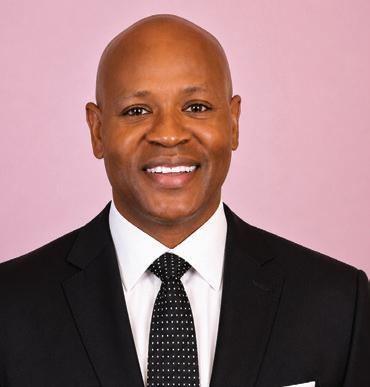
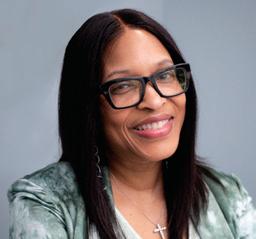
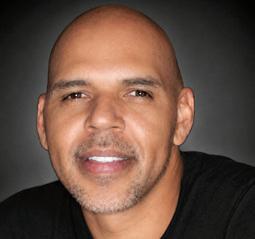
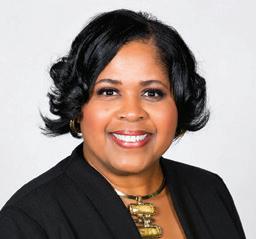
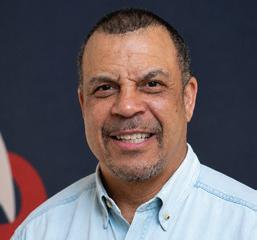
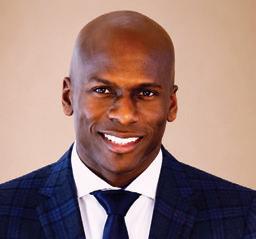
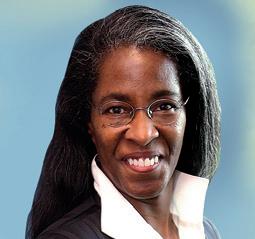
That vision is at the heart of the Black Industry Experts Directory, an initiative created by d-mars.com to connect accomplished Black professionals, entrepreneurs and business leaders across Texas. More than a directory, it is a growing network of trusted experts who understand that collaboration is one of the most powerful tools for creating lasting economic impact.
Every day, business owners seek attorneys, accountants, healthcare professionals, financial advisors, contractors, consultants and other service providers they can trust. The Black Industry Experts Directory makes those connections easier by showcasing leaders who have demonstrated excellence in their respective fields while encouraging members to intentionally do business with one another.
CONTENTS
At d-mars.com, we have long believed that economic empowerment begins with relationships. Networking events, educational programs and strategic partnerships have reinforced a simple truth: meaningful business opportunities often begin with a conversation. When professionals gather with a shared purpose, they exchange ideas, develop partnerships and create solutions that strengthen entire communities.
As you explore this year’s Black Industry Experts Directory, I encourage you to think beyond finding a service provider. Think about building a relationship. Consider how your next business opportunity, strategic partnership or trusted advisor may already be part of this remarkable network.
Thank you for your continued support of d-mars.com Business Journal and for helping us advance a movement where Black excellence is recognized, celebrated and, most importantly, connected.
| MARKETING MEDIA | COMMUNICATION
• Business Journal
• Health & Wellness Journal
• Community Weekly Report
• Online Expert Directory
• Top 50 Black Professionals & Entrepreneurs
COMMUNITY
04 The Rodeo Announces Transformational, Multi-million-Dollar Investment to Build New Agricultural Complex
REAL ESTATE
05 Beat the 2026 Summer Heat With This Cost-Cutting Home Prep Checklist
06 Heat-Proof Your Home For Summer
07 What First-Time Buyers Usually Forget
AND WELLNESS
10 New Report Finds Most Americans Don’t Know How to Protect Brain Health
ENTREPRENEURSHIP
25 How Small Business Owners Can Overcome Cash Flow Challenges in Today’s Economy
25 How to Create a Business Succession Plan: A Guide to Getting Started ENTERTAINMENT
26 UniverSoul Circus Opens July 17th
OLD-FOLKS SAYING
27 “You Reap What You Sow” DID YOU KNOW
27 Arthur Ashe Broke Barriers at Wimbledon in 1975
OF THE MONTH 28 Easy Summer Recipe: BBQ Chicken Sliders
• Top 30 Influential Women of Houston
• Business Connection • Business Development
Business Consulting • Graphic Design • Photography
Printing
Web Design • Online & Email Marketing
• Public Relations
• Social Media
Advertising
Writing • Promotional Marketing
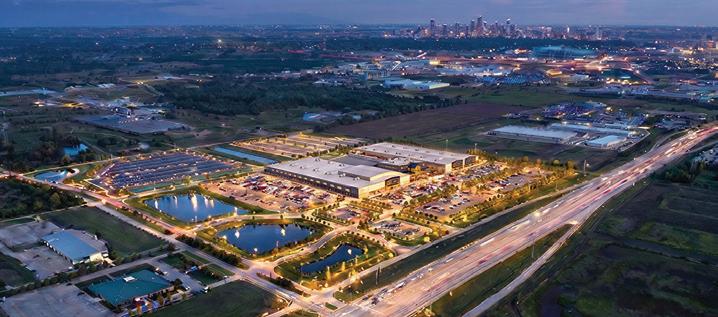
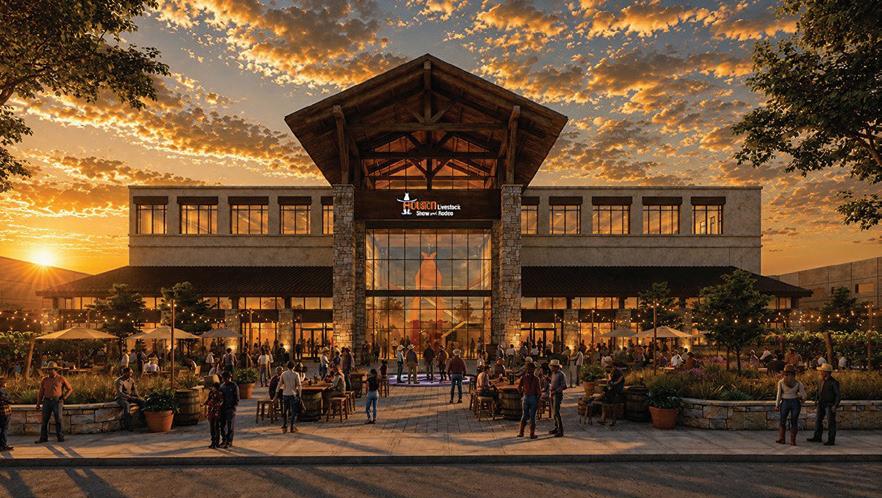
The Rodeo Announces Transformational, $300 Million-Dollar Investment to Build New Agricultural Complex on Hwy 288!
Provider
he Houston Livestock Show and Rodeo today announced plans for a landmark livestock and agricultural complex on its property along Highway 288. This represents one of the most significant private investments ever made for agriculture and education as well as the largest single facilities investment in the organization’s more than 90-year history.
TThe multiyear project represents a significant investment in Texas youth and agriculture, expanding the Rodeo’s footprint while advancing its mission to promote education and Western heritage statewide.
“For nearly a century, this organization has existed to support the students, exhibitors, and families who make this event possible,” said Chris Boleman, president and CEO of the Houston Livestock Show and Rodeo.“This represents the largest investment in Rodeo history and a profound commitment to the future of our event, educational opportunities and agriculture. It’s about honoring the trust families place in us when they bring their animals, their students and their dreams to this show. We are investing in a facility that reflects the importance of that responsibility.”
The Houston Livestock Show and Rodeo will remain at Reliant Park, where it has proudly called home for more than 65 years. The new complex is designed to complement, not replace, existing operations and to ensure continuity of year-round mission-driven events.
“For more than two decades Reliant Arena has been at the heart of our horse and livestock show operations,” said Wesley Sinor, chairman of the board of the Houston Livestock Show and Rodeo. “But as the facility where we host many of these events has reached the end of its useful life, it’s been clear that we need to act. This investment is a commitment to our students, our exhibitors and the future of agriculture. It’s required us to look ahead to our centennial and beyond to ensure we are meeting that responsibility for generations to come.”
During the annual Houston Livestock Show and Rodeo, this new complex will host all horse show competitions, some livestock shows, junior and open breeding shows, archery competitions, agricultural mechanics, commercial auctions and educational contests, including 4-H and intercollegiate programming. While many livestock events will move, some will continue to be held at Reliant Center. In the off-season, the facility will support year-round use for educational programming, committee meetings, fundraisers, auctions
and galas. The project will also create a dedicated year-round space for agricultural, youth and Western heritage programming that supports exhibitors, volunteers and partnerships with agricultural education organizations. The flexible building design allows for seamless adaptability and a wide range of unique event experiences throughout the year.
Designed first and foremost with animal exhibitors in mind, it will significantly enhance the overall experience by reducing travel distances and wait times during move-in and move-out, expanding gathering areas for families and friends and providing modern, climate-controlled facilities that support both livestock and equine events year-round.
“None of this would be possible without the extraordinary dedication of our volunteers, the generosity of our sponsors and donors, and the support of our community partners,” said Pat Mann Phillips, former chairman of the board of the Houston Livestock Show and Rodeo. “Together, we are building more than a facility—we are building a legacy that will serve our community and advance our mission for the next 100 years.”
While this facility is designed to meet today’s needs, it is built for the next generation. This project has been years in the making, as the Houston Livestock Show and Rodeo and its more than 36,000 dedicated volunteers prepare for the Rodeo’s centennial in 2032. It represents the first step in a bold, long-term vision for the future.
“This investment is another strong example of Houston standing as a premier destination for agriculture, education and world-class events,” said Houston Mayor John Whitmire. “It expands educational opportunities for young people, strengthens our city’s reputation, and does so without placing any burden on taxpayers. The Houston Livestock Show and Rodeo continues to be a great partner to the Houston community.”
“For nearly a century, the Houston Livestock Show and Rodeo has demonstrated what’s possible when an organization invests in its community. This new agricultural complex along Highway 288 will enhance Houston’s position as a leader in agriculture and education while creating year-round opportunities for the families and young people of Harris County,” explained Harris County Commissioner Rodney Ellis. “A facility of this scale will expand access to opportunities that change lives. It’s a bold step forward, and one our community can be proud of.”
Together, this investment reinforces the Rodeo’s long-term commitment to serving Texas youth and preserving its role as a leader in agriculture, education and community impact. Construction will span several years, with the goal of welcoming guests in time for the 2029 Houston Livestock Show and Rodeo. More information will be shared this fall, including plans for a groundbreaking ceremony slated for late 2026.
Source: Houston Livestock Show and Rodeo
By Houston Livestock Show and Rodeo News
Beat the 2026 Summer Heat With This Cost-Cutting Home Prep Checklist
By StatePoint News Provider
s the country braces for a predicted “hotter-than-normal” summer, homeowners will face financial pressure from higher cooling costs compared to last year. The good news? This easy and affordable DIY checklist contains money-saving upgrades that boost energy efficiency around the home, keeping summer bills in check throughout the scorching season.
A1. GIVE YOUR HVAC SYSTEM ROOM TO BREATHE
Clogged HVAC filters are a common yet overlooked problem that restricts airflow, forces air conditioner units to work harder and can cause uneven temperatures throughout the home. Check filters regularly to clean or replace them. This simple step not only improves indoor air quality, but helps take the strain off the AC, leading to noticeable summer savings.
2. DON’T LET COOL AIR SLIP OUT THE WINDOW
Seal Up Sneaky Leaks: Tiny, hidden gaps around windows and doors let cool air escape, leading to large spikes in energy bills. Installing easy-to-use weatherstrip seals, such as the Duck Brand Heavy-Duty Weatherstrip Seal, is an
affordable solution to replace worn-out seals, forming a barrier against the hot, humid outdoor air as well as dust, pollen and insects. Simply apply the self-adhesive seal to the perimeter of doors and window sashes to increase comfort and energy efficiency during the warmer months.
3. TAKE ADVANTAGE OF THE COOLER HOURS
On crisp mornings and evenings, leverage natural airflow to give your AC a break. Simply open your windows and doors to let the fresh air in, then seal them tight before the peak afternoon heat hits. To make the most of these outdoor breezes, try installing a product like the Duck Brand Hands-Free Magnetic Screen Door. Its mesh construction helps keep the heat out by allowing hot air to escape and cool breezes to flow through the home without letting bugs inside. Plus, it’s quick to install, easy to walk through with full hands and is breathable, so you can enjoy seasonal weather.
4. BRING THE SHADE, BLOCK THE HEAT
A substantial amount of summer heat enters your home through uncovered windows facing the sun. You can say farewell to that unwanted warmth with blackout curtains,
reflective window films, or just by keeping your blinds closed during the hottest parts of the day. This creates an invisible barrier against rising temperatures, working alongside your DIY home weatherization efforts to keep refreshingly chilled air inside and your electricity bills down.
5. OPTIMIZE CEILING FAN ROTATION FOR SUMMER COOLING
Ceiling fans can make a room feel several degrees cooler when spinning in the proper direction. Try setting your ceiling fan to rotate counterclockwise during the summer. This direction pushes colder air downward and creates a windchill effect, so you can depend more on your fans and less on your conditioning unit to maintain a cost-saving home.
Having a lower AC bill can be a breeze this summer, with the right DIY home weatherization habits. Follow this simple checklist to make a noticeable difference in comfort and spending this season.
SOURCE: StatePoint
Heat-Proof Your Home for Summer
SBy
ummer in Texas is known for long stretches of high temperatures, bright sunshine, and soaring humidity. While many people focus on staying cool themselves, it's just as important to make sure your home is prepared to handle the heat. A well-maintained home not only feels more comfortable but can also help reduce energy bills, protect valuable systems, and prevent costly repairs.
Fortunately, heat-proofing your home doesn't require a complete renovation. A handful of smart maintenance projects and energy-saving upgrades can make a noticeable difference throughout the summer.
START WITH YOUR AIR CONDITIONING SYSTEM
Your air conditioner works harder during the summer than almost any other time of year. Giving it a little attention before the hottest days arrive can improve efficiency and help prevent unexpected breakdowns.
Consider these maintenance tasks:
• Replace your air filter every one to three months.
• Keep grass, weeds, and debris away from the outdoor condenser unit.
• Make sure air vents inside your home remain open and unobstructed.
hot outdoor air to enter while letting conditioned air slip away.
Look for common trouble spots such as:
• Worn weatherstripping around exterior doors.
• Small gaps around window frames.
• Openings where plumbing or electrical lines enter the home.
• Cracks around attic access panels.
• Applying caulk or replacing weatherstripping is an inexpensive weekend project that can improve comfort almost immediately.
CHECK YOUR INSULATION
Many homeowners associate insulation with winter, but it plays an equally important role during the summer. Proper insulation slows heat transfer, helping your home maintain a more consistent indoor temperature.
Pay special attention to the attic, where temperatures can easily climb well above 130 degrees during peak summer afternoons. If your insulation has settled or no longer meets recommended levels, adding more may significantly improve your home's energy efficiency.
BLOCK THE SUN BEFORE IT ENTERS
Sunlight streaming through windows creates additional heat inside your home. Limiting direct sunlight reduces the workload on your cooling system.
Simple ways to reduce solar heat include:
• Close blinds or curtains during the hottest part of the day.
• Install blackout or thermal curtains in rooms with large windows.
• Add solar screens or reflective window film where appropriate.
• Plant shade trees or shrubs to naturally block afternoon sun over time.
These improvements can make certain rooms noticeably cooler while reducing overall energy consumption.
DON'T FORGET ABOUT YOUR ROOF
If your roof is nearing the end of its lifespan, newer roofing materials often offer improved reflective properties that help reduce heat absorption.
GIVE YOUR WATER HEATER AND PLUMBING SOME ATTENTION
Most homeowners don't think about their plumbing during the summer, but extreme heat can affect exposed pipes and increase water usage.
Take a few minutes to:
• Insulate exposed hot water pipes.
• Check outdoor faucets for leaks.
• Inspect sprinkler systems for broken heads or over spray.
• Repair dripping faucets to avoid wasting water during periods of increased demand.
These small maintenance tasks can help conserve water while protecting your home's plumbing system.
IMPROVE OUTDOOR LIVING AREAS
Summer is also the season for backyard barbecues, relaxing on the patio, and spending time outside. A few improvements can make your outdoor spaces more enjoyable while helping your home stay cooler.
Consider these ideas:
• Install shade sails, pergolas, or patio umbrellas.
• Use lighter-colored outdoor materials that absorb less heat.
• Add drought-tolerant landscaping that requires less watering.
• Keep trees and shrubs trimmed away from the home while preserving valuable shade.
• Strategically placed landscaping can even help reduce the amount of direct sunlight reaching your home's exterior walls.
WATCH YOUR ENERGY HABITS
Even after you've completed maintenance projects, your daily habits can make a difference in both comfort and utility costs.
Try these energy-saving practices:
• Schedule a professional HVAC inspection if your system hasn't been serviced recently.
A clean, properly maintained system uses less energy while providing more consistent cooling throughout your home.
SEAL OUT THE HEAT
Even the best air conditioner struggles if cool air constantly escapes outside. Air leaks around windows, doors, and attic openings allow
Your roof absorbs hours of direct sunlight every day, making it one of your home's first lines of defense against extreme temperatures.
• Inspect your roof for:
• Missing or damaged shingles.
• Loose flashing around vents and chimneys.
• Signs of leaks inside the attic.
• Clogged gutters that prevent proper drainage after summer storms.
• Set your thermostat to a consistent temperature instead of making frequent adjustments.
• Use ceiling fans to improve air circulation. Remember to turn them off when rooms are empty since fans cool people, not the room itself.
• Run appliances like dishwashers, ovens, and clothes dryers during the evening when outdoor temperatures are lower.
• Replace older light bulbs with LED bulbs, which produce less heat while using less electricity.
• Small changes throughout the summer can add up to noticeable savings on your monthly energy bill.
Heat-proofing your home is about more than staying comfortable during the hottest months of the year. It's an investment in your home's longterm value, efficiency, and durability. By taking care of routine maintenance, sealing air leaks, improving insulation, and making smart energy choices, you can enjoy a cooler home while helping reduce wear on your home's major systems. A little preparation today can lead to greater comfort, lower utility bills, and fewer surprises all summer long.
Source: HAR.com
HAR.com
News Provider
What First-Time Buyers Usually Forget
BBy HAR.com
uying your first home is exciting. After months of browsing listings, savings for a down payment, and imagining life in a new space, it is easy to focus on the big milestones. However, many first-time buyers are surprised by the smaller details that can have a major impact on their homebuying experience.
While most people know they need a down payment and a mortgage, there are several important factors that often get overlooked during the process. Understanding these details ahead of time can help you avoid surprises, stay within your budget, and make more confident decisions.
HOME COSTS MORE THAN THE PURCHASE PRICE
One of the biggest surprises for first-time buyers is realizing that the home's sale price is only part of the financial picture.
In addition to the purchase price, buyers should prepare for:
• Closing costs
• Property taxes
• Homeowners insurance
• HOA fees, if applicable
• Utility deposits
• Moving expenses
These costs can add up quickly and may impact how much home you can comfortably afford.
Before making an offer, it is important to understand your complete monthly housing expenses rather than focusing solely on the mortgage payment.
MAINTENANCE STARTS ON DAY ONE
Many renters are accustomed to calling a landlord when something breaks. Once you own a home, those responsibilities become yours.
Even newer homes require maintenance and repairs. Some common expenses include:
• HVAC servicing
• Lawn care
• Appliance repairs
• Roof maintenance
• Plumbing issues
A good rule of thumb is to set aside money each month for future repairs. Having a dedicated home maintenance
fund can help prevent unexpected expenses from becoming financial setbacks.
YOUR EMERGENCY FUND STILL MATTERS
Some buyers use most of their savings for the down payment and closing costs. While purchasing a home is an important investment, draining your savings account completely can create challenges later.
Unexpected events such as:
• Job changes
• Medical expenses
• Home repairs
• Insurance deductibles
Financial experts generally recommend maintaining an emergency fund even after closing on a home. Having accessible savings provides flexibility and peace of mind during your first years of homeownership.
THE HOME INSPECTION IS MORE IMPORTANT THAN YOU THINK
In competitive markets, some buyers may feel pressure to move quickly. However, skipping or rushing through the home inspection process can be a costly mistake.
A professional inspection can uncover issues that are not visible during a showing, including:
• Foundation concerns
• Roof damage
• Electrical problems
• Plumbing defects
• HVAC issues
Even if the inspection reveals only minor repairs, the information helps buyers understand the property's condition and prepare for future maintenance.
Think of the inspection as an investment in making an informed decision rather than simply another step in the transaction.
NEIGHBORHOOD RESEARCH MATTERS
Many buyers focus heavily on the home itself while spending less time evaluating the surrounding area.
Before purchasing, consider researching:
• Commute times
• Nearby shopping and services
• Future development plans
• Property tax rates
• Access to parks and recreational amenities
Visiting a neighborhood at different times of day can also provide valuable insight into traffic patterns and daily activity.
A home may be perfect on paper, but the surrounding area plays a significant role in your long-term satisfaction.
Why
Working with a Knowledgeable REALTOR® Helps
The home buying process involves contracts, deadlines, negotiations, inspections, financing, and countless details that first-time buyers may encounter only once.
A knowledgeable REALTOR® can help buyers:
• Understand local market conditions
• Navigate paperwork and timelines
• Identify potential concerns before closing
• Connect with trusted industry professionals
• Make informed decisions throughout the process
Finding an experienced real estate professional can make the process less stressful and help buyers avoid common mistakes. Consumers can also use HAR.com to find a REALTOR® and explore tools that support their home search journey.
DON'T FORGET ABOUT LIFE AFTER CLOSING
Many buyers spend months preparing for closing day and very little time planning for what happens afterward.
Once you receive the keys, you may need to:
• Update your address
• Set up utilities
• Purchase furnishings
• Complete minor repairs
ESTABLISH
A MAINTENANCE SCHEDULE
Preparing for these post-closing tasks can make the transition smoother and help you settle into your new home more quickly.
Buying your first home is one of life's biggest milestones, but success involves more than securing a mortgage and signing paperwork. The expenses, responsibilities, and decisions that come before and after closing can have a significant impact on your overall experience.
By budgeting for the full cost of homeownership, maintaining emergency savings, prioritizing inspections, researching neighborhoods, and working with a knowledgeable REALTOR®, first-time buyers can enter the market with greater confidence and fewer surprises. A little preparation today can help create a smoother path to successful homeownership tomorrow.
SOURCE: HAR.COM
New Report Finds Most Americans
Don’t Know How to PROTECT BRAIN HEALTH
FOCUS & DECISION MAKING
Plans, prioritizes, solves problems and controls attention.
MEMORY & LEARNING
Forms new memories and helps retain important information.
LANGUAGE & ADAPTABILITY
Supports communication, comprehension and lifelong learning.
By d-mars.com News Provider
mericans overwhelmingly say brain health matters deeply as they age, ranking it on par with — or even above — physical health. Yet despite this concern, most adults acknowledge they do not know how to protect or maintain their cognitive health, according to the 2026 “Alzheimer’s Disease Facts and Figures” report and a new nationwide survey released by the Alzheimer’s Association.
AMERICANS WANT ANSWERS ABOUT BRAIN HEALTH
Eighty-eight percent of U.S. adults say maintaining brain health is very important, and almost all adults ages 40 and older surveyed (99%) say it is at least as important as physical health. However, only 9% say they know “a lot” about how to maintain their brain health. More than two-thirds say they worry about their brain health and about developing Alzheimer’s disease or other forms of dementia.
“Americans care deeply about their brain health and say that midlife is the key time to start taking steps to support it,” said Heather M. Snyder, Ph.D., senior vice president of Medical and Scientific Relations for the Alzheimer’s Association. “But many don’t know where to start and are looking for clear guidance on actions they can take.”
The report comes as the impact of Alzheimer’s disease continues to expand nationwide. An estimated 7.4 million Americans age 65 and older are currently living with clinical Alzheimer’s dementia. Total annual costs of caring for people living with dementia nationwide — excluding unpaid care — are projected to reach $409 billion this year, an increase of $25 billion from 2025. Since 2000, deaths from Alzheimer’s disease in the United States have increased 134%.
HEALTHY HABITS CAN SUPPORT COGNITIVE FUNCTION
Researchers emphasize that while age and genetics remain significant risk factors, growing evidence shows that many aspects of brain health are influenced by everyday lifestyle choices. Scientists estimate that addressing modifiable risk factors throughout life may help delay or reduce the likelihood of developing dementia for some individuals. Although no single habit can prevent Alzheimer's disease, maintaining overall health appears to play
PROTECTION & HEALTH
Health habits can help protect the entire brain and lower dementia risk.
EMOTIONS & STRESS
Regulates emotional responses and stress Management.
COORDINATION & BALANCE
Controls movement, posture and physical coordination.
88% Say brain health is very important
99% Adults 40+ rank brain health as important as physical health
7.4 Million Americans age 65+ are living with Alzheimer’s dementia
$409 Billion projected 2026 dementia care costs
73% Would participate in brain health programs
14% Have discussed brain health with a health care provider
an important role in preserving cognitive function.
Heart health and brain health are also closely connected. Conditions such as high blood pressure, diabetes, obesity and high cholesterol can damage blood vessels that supply the brain with oxygen and nutrients. Managing these conditions through regular medical care, healthy eating, exercise and prescribed medications may lower the risk of cognitive decline while also reducing the risk of heart attack and stroke.
Experts also point to the importance of staying mentally and socially engaged. Activities such as reading, learning new skills, volunteering, playing musical instruments, participating in community organizations and maintaining strong friendships challenge the brain and help build what researchers call "cognitive reserve." This reserve may allow the brain to better compensate for age-related changes over time.
Emerging research has also identified hearing health as an important factor. Untreated hearing loss has been associated with an increased risk of cognitive decline, in part because it can contribute to social isolation and reduce the brain's stimulation. Regular hearing evaluations and the use of hearing aids when appropriate may help older adults remain engaged with family, friends and their communities.
Despite broad awareness that lifestyle behaviors influence brain health, the survey reveals a significant disconnect between belief and action — and between brain health and dementia risk. While 75% of respondents say lifestyle behaviors such as diet, physical activity and sleep are very important for maintaining brain health, only 46% say those same behaviors are very important for reducing the risk of Alzheimer’s disease and other dementias.
Only 50% report getting at least seven hours of sleep daily or most days, 39% say they eat a healthy, balanced diet regularly, 42% engage in mentally stimulating activities such as reading or puzzles, and just 34% report regular physical activity. Nearly one-third say they exercise less than weekly or not at all.
Health experts note that quality sleep allows the brain to consolidate memories and clear away waste products that naturally accumulate during the day. Likewise, regular physical activity improves blood flow to the brain and has been linked to better memory, mood and executive function. Diets emphasizing fruits, vegetables, whole grains, fish, nuts and healthy fats — such as the Mediterranean and MIND diets — have also been associated with healthier cognitive aging in numerous studies.
WHOLE BRAIN HEALTH
Healthy habits support every part of the brain throughout life.
+ EAT WELL
+ STAY ACTIVE
+
KEEP LEARNING + STAY CONNECTED + SLEEP WELL
PREVENTION BEGINS IN MIDLIFE
At the same time, Americans express strong interest in programs designed to support brain health. Seventy-three percent say they would consider participating in such programs, particularly those focused on cognitive exercises (57%), health monitoring (46%), nutrition (36%) and physical activity (26%).
Many adults view midlife — ages 35 to 64 — as a critical window for protecting brain health. Nearly two in five (38%) believe people should begin taking steps during midlife, and 46% say formal brain health programs are most appropriate during this stage. At the same time, about one-third view brain health as a lifelong priority.
Medical experts increasingly encourage adults to pay attention to changes in memory, problem-solving or thinking skills rather than dismissing them as simply part of getting older. Early evaluation can help identify treatable medical conditions, provide access to therapies and support services, and allow families to plan for the future if necessary.
TALKING WITH YOUR HEALTH CARE PROVIDER
Health care providers are seen as trusted sources of guidance, but conversations about brain health rarely occur. Eighty-six percent of adults would welcome these discussions during routine visits. Yet only 14% report ever discussing how to maintain brain health with their provider, and just 11% say they have talked about reducing dementia risk.
“These findings highlight an opportunity to better integrate brain health into routine health care,” Snyder said. “People are motivated to protect their brain health, and actionable guidance can support those efforts.”
To address these gaps, the Alzheimer’s Association is working with partners across communities, workplaces and health care systems to deliver research-backed resources and programs. These efforts are informed by the landmark U.S. POINTER study, which found that combining multiple healthy lifestyle habits can help protect cognitive function.
“The takeaway from this report is clear: brain health is a lifelong priority, not an issue limited to older age,” Snyder said. “By connecting individuals, communities, workplaces and health care, we can build a more equitable framework to support cognitive health and help reduce dementia risk for everyone.”
Learn more at alz.org/facts.
Source: StatePoint, edited by d-mars.com
d-mars.com’s Industry Expert Directory is a powerful tool designed to function as a one-stop source to connect Black Industry Experts in Houston to other Experts they can trust. The directory is a great opportunity for Black Entrepreneurs to showcase their expertise, whether that’s through previous projects, photos, testimonials, or even video. Most importantly, it’s an opportunity to find other businesses to create meaningful relationships with to collaborate and continue to give back to the community. Each member profile displays key information: contact information, services offered, certifications, company size, geographic reach, past project experience, and more. This is much more than just a listing – each member is interviewed, vetted, and looking to work with others in the Black community in Houston.
Baker, Jr., Saxophonist, DJ,
How Small Business Owners Can Overcome Cash Flow Challenges in Today’s Economy
f you’re an entrepreneur, you may be feeling the pinch. New data from Xero suggests increased cash flow pressure for small businesses in 2026.
The latest Xero Small Business Insights (XSBI) data shows while sales grew in the early months of the year, the rise was much smaller than the historical average, amounting to gains that could potentially be swallowed up by inflation and rising gas prices.
SO HOW CAN YOUR SMALL BUSINESS OVERCOME CASH FLOW CHALLENGES IN TODAY’S ECONOMY?
HERE ARE THREE PRACTICAL STEPS YOU CAN TAKE:
1. Getting a clearer view of your numbers: Cash flow challenges are harder to solve when financial information lives in too many places. The best accounting tools today can transform the way you work and give you total cash flow clarity so you don’t just survive, but thrive with the ability to set future goals. Tools like Xero go beyond traditional accounting to serve as a one-stop shop where you can automate everyday tasks, pay your vendors and employees, send invoices to get paid faster, and unlock real-time cash flow insights. Syncing these functions on one platform can help you take control of your business finances and create time for work that’s professionally and financially rewarding.
2. Making the most of your financial tools: At a time when small businesses are feeling mounting pressure, it’s especially important that the software you use to stay financially organized is approachable. That’s why Xero now offers Xero Coaches, onboarding specialists who work one-on-one with small businesses during their first 90 days on Xero to help them get set up and use the platform more effectively. Through scheduled sessions, you can get support with setting up your account and save time from the start. “Taking advantage of this training can help you complete everyday tasks with ease, and sets the stage for strong ongoing relationships with accountants and bookkeepers by enabling you to show up with cleaner data and clearer questions,” says Matan Bar, U.S. CEO, Xero.
3. Working with financial professionals: You may think that a DIY approach to money management is a good way to tighten expenditures. But think of the invaluable hours of labor you can redirect toward the revenue-generating aspects of running your business by seeking professional help. It is as critical to work with accountants as a financial advisor. They can help you not only with cash flow management to ensure you continue to grow, but also with other important tasks like tax planning, developing subscription models and setting up invoicing reminder schedules.
With smart strategies and a good handle on the best technological tools, your small business will be better prepared to overcome cash flow challenges, even in today’s economy.
Source: StatePoint
How to Create a Business Succession Plan: A Guide to Getting Started
or many business owners, succession planning is often pushed aside by day-today demands. But having a clear plan for what happens to your business once you’re ready to step back is one of the most important ways to protect what you’ve built.
PNC’s Business Owner Wealth Insights Report shows that nearly 70% of owners agree planning for the future is important, but 1 in 3 have not yet formalized their succession plan. One of the biggest barriers: its perceived complexity.
START WITH ALIGNMENT, NOT MECHANICS
The most effective succession plans start with clarity on outcomes – not mechanics.
Start by clarifying your priorities, including financial goals, business direction, and stakeholder expectations. This alignment will guide key decisions, from choosing a successor to structuring the transition.
Jim Benedict, head of Business Owner Solutions, PNC Private Bank, said: “We tell clients to ‘begin with the end in mind.’ How would they like their family wealth and business to be structured? What do they want to accomplish? What’s important to them? Once we know the answers to those questions, we can look at succession methods and wealth structures.”
IDENTIFY AND DEVELOP FUTURE LEADERSHIP
The next step is determining who could eventually lead the business. Potential successors may include family members, partners, employees or outside buyers. Each option brings distinct considerations, including whether the successor has the skills to lead, how the transfer will be structured, and what level of involvement the current owner will retain.
CREATE A TRANSITION TIMELINE
A phased transition over several years allows for:
• Deliberate leadership development and mentoring.
• Gradual transfer of responsibilities and relationships.
• Reduced operational disruption
• Greater flexibility in structuring ownership transfer.
GET A REALISTIC BUSINESS VALUATION
A professional valuation provides a clearer picture of financial health and helps guide retirement, tax, and other transition decisions.
It also gives an owner a reliable value to incorporate into personal financial planning and a framework to evaluate whether unsolicited offers are credible and worth pursuing.
COMMUNICATE THE PLAN
One of the most overlooked aspects of succession planning is communication. Businesses successfully navigating succession tend to focus on three areas:
• Clarity: defining roles, expectations, and the future leadership structure.
• Alignment: ensuring key stakeholders share a common understanding of direction.
• Consistency: establishing regular opportunities to revisit and refine the plan.
REVIEW AND UPDATE REGULARLY
Review your plan regularly, especially after major business changes, leadership shifts, or personal life events. Keeping the plan current helps ensure it stays aligned with your goals and your company’s needs.
STEPS YOU CAN TAKE TODAY
• Document your top two or three succession goals.
• Identify at least one potential successor.
• Schedule a conversation with a trusted financial or legal advisor. Creating a succession plan may feel like a future concern, but planning ahead can help protect your business, support your employees, and make the next chapter smoother for everyone involved.
Source: StatePoint
Old Folks Saying:
“YOU REAP WHAT YOU SOW”
Few sayings capture the essence of entrepreneurship better than “You reap what you sow.” Every investment of time, every relationship built, every challenge overcome and every lesson learned becomes part of the harvest a business owner will eventually receive. Success rarely happens overnight. Instead, it is cultivated through consistent effort, thoughtful planning and an unwavering commitment to excellence.
DID YOU KNOW?
ARTHUR ASHE Broke Barriers at Wimbledon in 1975 as the ONLY BLACK MAN to Win the Gentleman’s Singles Tennis Title!!!
Each July, the world’s best tennis players compete at Wimbledon, where Arthur Ashe made history in 1975. With a brilliant display of strategy and composure, Ashe defeated heavily favored Jimmy Connors in four sets to become the first—and still the only—Black man to win the Wimbledon Gentleman’s Singles Championship.
Born in Richmond, Virginia, Ashe overcame segregation and limited opportunities to become one of tennis’s greatest champions. He also captured U.S. Open and Australian Open singles titles, securing his place among the sport’s legends.
Off the court, Ashe devoted his life to civil rights, education and humanitarian causes, using his influence to inspire future generations.
Ashe once wrote, “True heroism is remarkably sober, very undramatic. It is not the urge to surpass all others at whatever cost, but the urge to serve others at whatever cost.”
Today, his legacy lives on every July at Wimbledon, and the Arthur Ashe Stadium— the centerpiece of the U.S. Open—stands as a lasting tribute to his extraordinary impact on tennis and society.
Super Easy Summer Recipe: Delicious BBQ Chicken Sliders!
By d-mars.com
ummer is the perfect time to enjoy simple meals that deliver big flavor without spending hours in the kitchen. Whether you're hosting a backyard barbecue, attending a family reunion, celebrating with friends or simply looking for a quick weeknight dinner, these BBQ Chicken Sliders are sure to be a crowd-pleaser.
One of the best things about this recipe is its versatility. You can use leftover rotisserie chicken, grilled chicken or even shredded chicken prepared ahead of time, making it an ideal option for busy families and anyone looking to save time. Combined with your favorite barbecue sauce, melted cheddar cheese and crisp coleslaw, these sliders offer the perfect balance of savory, sweet and crunchy flavors in every bite.
July is known for outdoor gatherings, neighborhood cookouts and patriotic celebrations, and this easy recipe fits right into the season. It requires only a handful of ingredients, comes together in less than 30 minutes and can easily be doubled to feed a larger group. Pair the sliders with baked beans, fresh fruit, potato salad or corn on the cob for a complete summer meal.
Cooking doesn't have to be complicated to be memorable. Sometimes, the best recipes are the ones that bring family and friends together around the table with good food and great conversation. We hope you'll give these BBQ Chicken Sliders a try and make them part of your summer traditions.
HAPPY COOKING AND ENJOY EVERY DELICIOUS BITE!
INGREDIENTS
• 2 cups cooked shredded chicken
• 1 cup barbecue sauce
• 12 slider buns or Hawaiian rolls
• 1 cup coleslaw
• 1/2 cup shredded cheddar cheese
• 2 tablespoons melted butter
• 1 teaspoon garlic powder
• Pickles, optional
INSTRUCTIONS
• Preheat the oven to 350 degrees.
• Mix the chicken and barbecue sauce in a bowl until the chicken is fully coated.
• Slice the rolls in half horizontally, keeping them connected if using Hawaiian rolls.
• Place the bottom half of the rolls in a baking dish.
• Add the BBQ chicken evenly over the rolls.
• Sprinkle with cheese, then place the top half of the rolls over the filling.
• Mix melted butter and garlic powder, then brush it over the tops of the rolls.
• Bake for 12 to 15 minutes, or until the cheese melts and the tops are golden.
• Remove from the oven, add coleslaw and pickles if desired, then serve warm.
GREAT FOR JULY COOKOUTS, FAMILY GATHERINGS OR AN EASY SUMMER MEAL.