2027 Nissan Frontier pricing starts at $32,490
By d-mars.com
News Provider
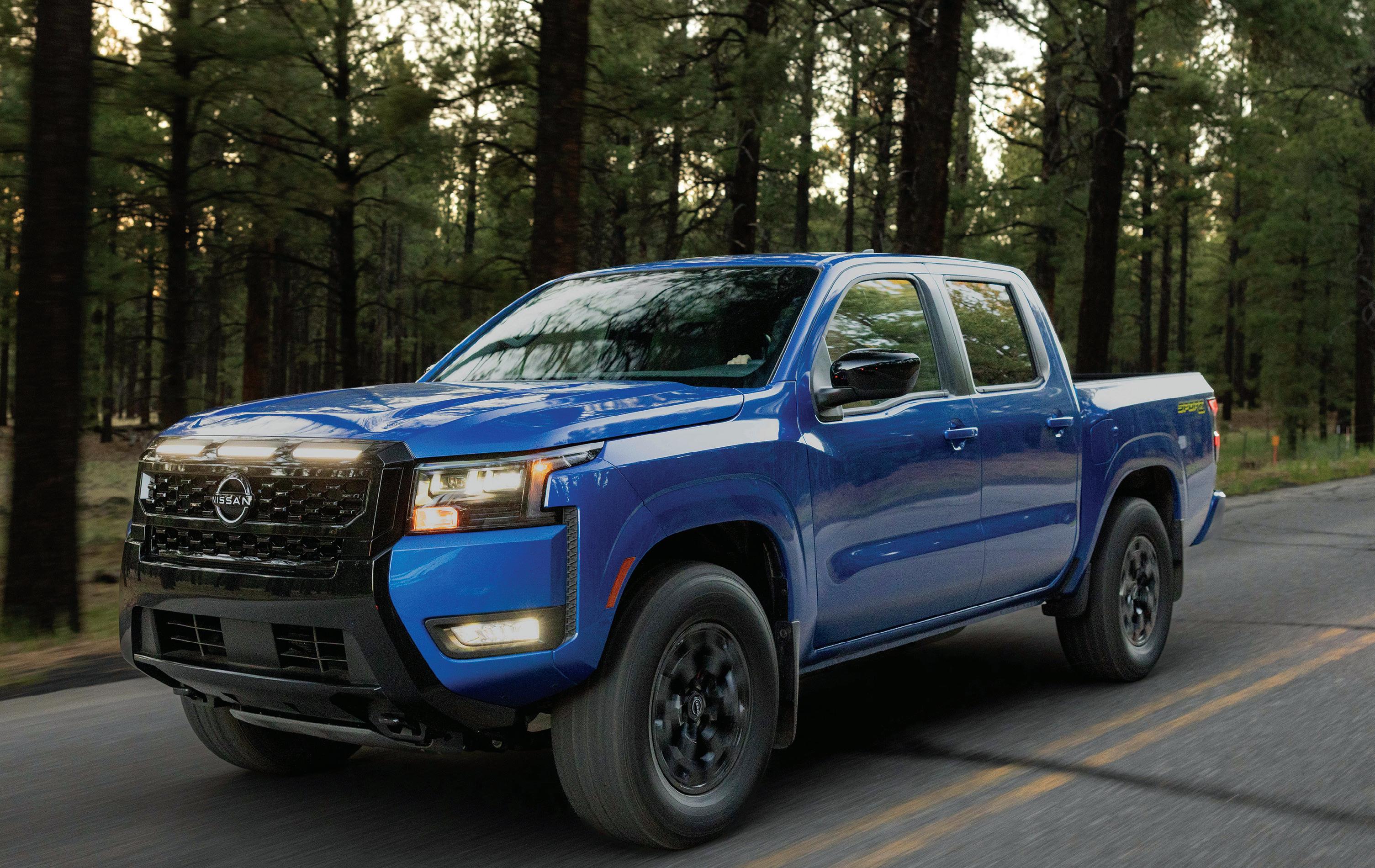
The 2027 Nissan Frontier reaches dealerships this June with a starting Manufacturer's Suggested Retail Price (MSRP)1 of $32,490.
The new Sports Edition (a $990 package on SV grade), adds an exciting option and delivers incredible value to buyers with PRO-4X-inspired style, capability and excitement at a more accessible price point. It's trailhead-ready with attention-grabbing yellow accents, the confidence of additional skid plate protection and the sure-footed control of all-terrain tires.
OTHER CHANGES FOR THE 2027 NISSAN FRONTIER INCLUDE:
PRO-X and PRO-4X grades add a Moonroof package with the Convenience package, giving customers greater flexibility to select the specific standalone features they desire on their truck.
A new Alpine Metallic paint option joins Frontier's color palette.
The wireless phone charger in the PRO Convenience package has been upgraded with the Qi2 standard and offers faster, more consistent charging. Nissan is America's fastest-growing mainstream brand2, powered in part by Frontier retail sales, which were up 24% for the month of May. Also, Frontier posted its best May sales since 2010, with 6,773 units sold.
Frontier is proudly assembled in the U.S. at Nissan Canton Vehicle Assembly Plant in Mississippi. Its standard 3.8-liter V6 engine is assembled at Nissan Decherd Powertrain Assembly Plant in Tennessee3, and rigorously tested for long-term for durability and reliability.
SPORT EDITION: PRO-4X-INSPIRED STYLE WITH RUGGED CAPABILITY
The 2027 Frontier Sports Edition, available on SV 4x4 and 4x2 configurations, offers a new way for buyers to equip their truck for adventure beyond the pavement. Building on Frontier's well-equipped SV grade, Sport Edition boasts a trail-tough appearance with a black lower front fascia, grille and mirrors, complemented by "Sport" bedside and tailgate badge. A durable black upholstery scheme features high-contrast yellow accent stitching.
Backing up that appearance and giving owners the capability to support their active, outdoor lifestyles, Sport Edition also equips black off-road-style 17-inch wheels wrapped in 265/70R17 Hankook Dynapro all-terrain tires, an aluminum skid plate, LED fog lights
and front accent lighting.
The Sport Edition package is $990 on Frontier SV grade.
Frontier is available in King Cab (S grades only) or Crew Cab configurations, and a choice of either a 5- or 6-foot bed. Crew Cab models are offered in S, SV, PRO-X and PRO-4X grades.
FULL PRICING DETAILS FOR THE 2027 NISSAN FRONTIER
Manufacturer's Suggested Retail Prices1 for the 2027 Nissan Frontier King Cab:
• Frontier S King Cab 4x2 (6-foot bed)
• Frontier S King Cab 4x4 (6-foot bed)
Manufacturer's Suggested Retail Prices1 for the 2027 Nissan Frontier Crew Cab:
• Frontier S Crew Cab 4x2 (5-foot bed)
$32,490
$35,490
$33,890
• Frontier SV Crew Cab 4x2 (5-foot bed) $36,490
• Frontier SV Crew Cab 4x2 (6-foot bed) $36,990
• Frontier PRO-X Crew Cab 4x2 (5-foot bed) $38,890
• Frontier S Crew Cab 4x4 (5-foot bed) $36,890
• Frontier SV Crew Cab 4x4 (5-foot bed) $39,790
• Frontier SV Crew Cab 4x4 (6-foot bed) $40,290
• Frontier PRO-4X Crew Cab 4x4 (5-foot bed) $42,190
• Frontier PRO-4X Crew Cab 4x4 (6-foot bed) $42,690
• Destination and handling $1,745
For more information about our products, services and commitment to sustainable mobility, visit nissanusa.com.
All prices are Manufacturer's Suggested Retail Price (MSRP). MSRP excludes destination and handling charges, tax, title, license and options. Dealer sets actual price.
Based on non-luxury automakers' U.S. retail sales growth percentage when comparing Sept 2025–May 2026 to the same period a year prior.
Assembled with U.S. and imported parts.
Source: nissanusa.com
Photo Credit: Courtesy of Nissan Motor Corporation
HBy d-mars.com
News Provider
ave you ever lamented how much of your earnings go to taxes? One way to ensure that more of your money benefits you and your future is by making strategic contributions to tax-advantaged savings accounts.
By opening and contributing to a Health Savings Account (HSA) and Individual Retirement Account (IRA), you can substantially reduce your taxable income. Not sure if these accounts are right for you? Consider these insights from Fidelity:
HSAS
An HSA is an account that can be used to pay for qualified medical expenses, including copays, prescriptions, dental care, contacts and eyeglasses, bandages, X-rays, and a lot more. It’s “tax-advantaged” because your contributions reduce your taxable income; the money isn’t taxed while it’s in the account, even if it earns interest or investment returns; and as long as you use your HSA funds for qualified medical expenses, you won’t owe taxes when you take money out of the account. This triple-tax advantage is powerful, but it’s not the
only reason why HSAs are so popular. Unlike a flexible spending account, an HSA is not “use-it-or-lose-it,” meaning it doesn’t need to be spent within a certain timeframe. If you don’t need the money in your HSA for current medical expenses, you can save and invest it until you do, and even take the account with you when you leave an employer. Just keep in mind that to open and contribute to an HSA, you’ll need to be enrolled in an HSA-eligible health plan.
IRAS
An IRA refers to a tax-advantaged account designed to help you save for retirement on your own, independent of an employer. There are several types of IRAs, but when people say “IRA” alone, they often mean a traditional IRA. That’s a type anyone with earned income can open and contribute to. Traditional IRAs allow you to save on income taxes now and pay them later in retirement, when you could be in a lower tax bracket and therefore owe less in taxes. Fidelity estimates that you may need 55% to 80% of your pre-retirement income in retirement. Because an employer-sponsored savings plan might not be enough to accumulate the savings you need due to annual contribution limits, investing through an IRA could help you save more for the future.
Before opening an IRA, check out a few different firms that offer them. Find out whether they offer helpful support and a user-friendly experience, plus whether they charge any fees or minimums. Then, once the account is open, decide how much you want to contribute and how often.
or successful business owners, managing wealth extends far beyond balance sheets — it requires carefully orchestrating growth, balancing business and personal financial priorities, and thoughtfully considering business succession planning and legacy.
PNC’s “Business Owner Wealth Insights Report” is the product of a partnership with leading market research firm, Ipsos, on a nationwide survey of business owners. Its findings center on four themes: connectivity between business and private banking, balancing business and personal growth, family dynamics and governance, and philanthropy and legacy.
“As business owners juggle growth, personal financial priorities, succession planning and legacy, the need for a truly integrated approach has never been clearer,” said Don Heberle, head of PNC Private Bank. “This report shines a light on how prepared business owners are for navigating the complex intersections of business and personal wealth and the keys for unlocking stronger outcomes for families, businesses and communities.”
CONNECTIVITY BETWEEN BUSINESS AND PRIVATE BANKING
For most business owners surveyed (67%), business and personal finances are managed separately. Respondents
believe there are potential risks associated with combining business and personal finances, with 83% saying that separating the two reduces the potential for conflicts of interest. Still, 89% say they are interested in receiving advice that considers both their business and personal needs, and 88% of respondents say they value having a dedicated advisor who understands both.
“Setting up automated contributions can make saving for retirement into a habit that requires very little effort,” said Rita Assaf, vice president, Retirement at Fidelity. “It’s also a good idea to regularly check your asset mix to see if it is still a good fit for your goals, risk tolerance and time horizon.”
With a smart strategy that involves directing your income into tax-advantaged accounts, you can build more wealth for future needs and wants.
For additional financial resources and insights, visit https://www.fidelity.com/learning-center.
SOURCE: StatePoint
Business and personal goals are reviewed at similar intervals, with the majority saying they revisit their business goals (80%) and personal finance goals (75%) at least quarterly.
THE BALANCE BETWEEN BUSINESS AND PERSONAL GROWTH
There is importance among business owners in finding the right balance between growing the business and achieving personal financial goals.
Most owners (91%) agree that achieving both personal and professional growth is equally important, but that success does not come without barriers, which include:
• Personal time and resources (53%)
• Financial constraints or market conditions (44%)
• Choosing between business reinvestment and personal use of the business’ profits (35%)
FAMILY DYNAMICS AND BUSINESS GOVERNANCE
Most survey respondents (92%) agreed that it is important to have a formal governance structure for their business. Separately, 84% said succession and exit planning is critical to the continuity of their business. Yet only 63% said they have a formal exit or succession plan.
Among those without a formal plan, top barriers identified include lack of a clear successor (25%), family conflict in succession (15%), and lack of time (19%).
PHILANTHROPY AND LEGACY
Philanthropy plays a meaningful role in legacy planning. Two-thirds of respondents view philanthropy as part of their legacy, and 81% structure investment strategies to support charitable goals. Nearly 80% donate financially, and many involve family members — either actively (43%) or in future plans (26%).
“Today’s business owners are shaping legacy across generations,” Heberle said. “When business and personal strategies are aligned, they are better positioned to create lasting impact.”
SOURCE: StatePoint
SBy d-mars.com
News Provider
tephanie Leiva has never been to New York City. Her friend and classmate Alexandra de León has once before, but she’s still sharing in the same level of excitement and anticipation.
For the two seniors at Blanson Career and Technical Education High School in Aldine Independent School District, this isn’t just a short getaway to the city affectionately known as the “Big Apple.” They’re traveling with dozens of fellow artists and creative teenagers across the greater Houston area and will be meeting hundreds more once in New York City.
Leiva and de León both earned National Gold Medals in photography through the 2026 Scholastic Art & Writing Awards. The prestigious scholarship and recognition program is the nation’s longest running for creative students in grades 7-12 and touts a number of prominent alumni in both visual and creative arts.
“For me, I’ve always been driven to create art for myself,” Leiva said of receiving the news that she was a National Medalist. “I knew I had the ability to compete – I just had to put my art out there.”
Said de León: “I’ve always been in art going back to middle school. I never tried photography until junior year. My dad is the one who owns a lot of cameras, and we have a whole bunch of pictures at home…but I really enjoy it now even though I didn’t think I would.”
Put in perspective, Leiva and de León are among less than one percent of those who entered the competition in December to earn a National Medal.
The program received more than 335,000 entries from over 110,000 teens. Harris County Department of Education (HCDE) serves as the second-largest regional affiliate for Scholastic Art & Writing Awards and received nearly 14,000 submissions from students across Harris, Galveston and Fort Bend counties. Nearly 92,000 regional awards were presented, including 1,220 gold keys locally.
The 103rd Class of National Medalists is just over 2,500 works. That includes nearly 130 students across the Harris County region and only two – Leiva and de León –from Aldine ISD.
National Medalists are invited to Carnegie Hall in New York City and will be recognized on June 10 for their achievements. Thirty-four students representing seven area school districts, five private schools and four private art and writing schools across greater Houston are scheduled to attend the ceremony alongside their teachers, district and organization representatives, and loved ones.
“I'm so excited,” Leiva said. “I've always wanted to travel, so it's great to be able to do that while also being recognized for something that I worked for.”
Leiva and de León are Aldine ISD’s second and third National Medalists in two years, showcasing the district’s efforts to expand opportunities and enriching experiences for
students beyond the traditional class setting. With HCDE’s partnership with Scholastic Art & Writing Awards and many in the greater Houston area, students are able to showcase their passion for writing or visual arts.
“I’m incredibly proud of both Alexandra and Stephanie,” Blanson visual arts teacher William Brink said. “I enjoy pushing students to compete because I know what it can mean for them to have these formative experiences and there is no higher award than the National Scholastic Gold Medals for aspiring artists. To hear that their work and their story resound with others on a national level, I can only imagine what that means for them.”
Both students created their pieces as part of their senior portfolios.
For Leiva, her portfolio focused on climate change and sustainability, giving her a chance to answer questions she had during brainstorming and creating. The photo, “Blinded Truth,” answers her question of how plastic affects daily life. It shows the subject’s hands cutting fruit but everything in the photo (knife, fruit, cutting board and more) is wrapped in plastic.
“Art didn’t pull me in like photography did,” Leiva said. “I liked being able to build the story throughout the process.”
De León’s artwork has normally centered around womanhood, femininity and relationships she has with the important women in her life. “Act of Faith and Love” showcased the relationship with her mother and how religion and prayer helped create a nurturing environment for her to become a young woman. It shows de León’s mother in the kitchen preparing food but also surrounded by candles.
“Only my mom would be willing to get in the kitchen in the middle of the night and make quesadillas and tortillas for me,” she said. “I just loved that it was her, and I could show her. This is her in my eyes.”
Her mother will also join de León and Leiva for the trip, as will their teacher, William Brink, and Kaileigh Newman, the district’s director of visual arts.
“These extraordinary wins place Aldine ISD students in the top tier of national talent,” Newman said in the district release. “This outstanding achievement truly reflects the technical mastery and emergence of unique personal voices among our students.”
By d-mars.com
News Provider
verything is bigger in Texas —and that includes earning potential. Driven by a robust economy, low cost of living, and an unemployment rate that consistently trends below the national average, the Lone Star State has become a premier destination for ambitious professionals.
EIf you are looking to build a highly lucrative career in major hubs like Houston, Dallas-Fort Worth, or San Antonio, your best bet lies within medicine, corporate leadership, and engineering.
Based on the latest data, here are the top 10 highest-paying jobs in Texas, including their responsibilities, requirements, and salary potential.
1. PHYSICIAN (SPECIALISTS & SURGEONS)
Medical doctors diagnose, treat, and manage acute and chronic illnesses while championing preventative care. Earning potential varies heavily by specialization:
• Cardiologists & Neurologists: Treat high-stakes conditions affecting the heart and nervous system.
• Anesthesiologists: Manage patient sedation and vitals before, during, and after surgical procedures.
• OB/GYNs & Pediatricians: Offer specialized care for female reproductive health and youth development.
• Requirements: Bachelor’s degree in life sciences, passing the MCAT, a medical school degree, passing the USMLE for licensure, and completing a residency/fellowship.
• Job Outlook: Projected to grow by 3% nationwide through 2032.
• Earning Potential: Annual salaries range from $193,400 (Pediatricians) up to $453,900+ (Cardiologists).
2. CHIEF EXECUTIVE OFFICER (CEO)
Sitting at the apex of corporate leadership, CEOs steer an organization's overall vision, manage high-level operations, establish company culture, and answer directly to the board of directors.
• Requirements: A Master of Business Administration (MBA) or equivalent graduate degree, backed by decades of proven managerial and industry experience.
• Job Outlook: 3% growth expected, translating to roughly 311,600 leadership openings annually.
• Earning Potential: The national and state average salary hovers around $388,000, making it the highest-paying non-medical role in the country.
3. RADIOLOGIST
Radiologists are specialized physicians who interpret advanced medical imaging (like MRIs, CT scans, and X-rays) to accurately diagnose complex diseases and guide treatment plans.
• Requirements: Traditional medical track (MD/DO) followed by board certification from the American Board of Radiology or the American Osteopathic Board of Radiology.
• Job Outlook: Texas ranks 5th in the nation for radiologist employment, with demand expected to climb by 3%.
• Earning Potential: Average base pay sits at $376,700, often supplemented by performance bonuses averaging $78,900
4. ORAL AND MAXILLOFACIAL SURGEON
These elite dental specialists perform reconstructive and corrective surgeries on the head, jaw, face, and neck, handling everything from complex dental implants to tumor removals.
• Requirements: Pre-dental undergraduate degree, passing the DAT, a Doctor of Dental Surgery (DDS) or Doctor of Dental Medicine (DMD) degree, and an advanced surgical residency.
• Job Outlook: Stable 3% growth matching the broader physician sector.
• Earning Potential: An annual average of $315,200, plus average cash bonuses of $52,000
5. PSYCHIATRIST
As licensed medical doctors specializing in mental health, psychiatrists diagnose and treat complex behavioral and emotional disorders. Unlike psychologists, they can prescribe medication and order lab tests.
• Requirements: A minimum of 12 years of higher education, including medical school, residency, and board certification from the American Board of Psychiatry and Neurology (ABPN).
• Job Outlook: Highly concentrated in Texas, which is the 3rd top employer for this role. Demand is climbing at a stable 3%.
• Earning Potential: Expect an average base of $256,000 alongside potential annual bonuses of $31,400
6. ORTHODONTIST
Orthodontists are dental specialists dedicated to diagnosing and correcting teeth and jaw misalignments using braces, retainers, and aligner therapies.
• Requirements: Dental school graduation (DDS/ DMD), passing the National Board Dental Examination, and completing an accredited orthodontic residency.
• Job Outlook: Projected to grow by 4%, creating roughly 5,100 yearly openings nationwide.
• Earning Potential: A median annual wage of $221,500 with average bonuses touching $50,000
7.
NURSE ANESTHETIST
(CRNA)
Certified Registered Nurse Anesthetists are advanced practice registered nurses who safely administer anesthesia and pain management care to patients undergoing surgical procedures.
• Requirements: Bachelor of Science in Nursing (BSN), critical care experience, a Doctor of Nursing Practice (DNP) or master's equivalent, and passing the national certification exam.
• Job Outlook: A massive 38% growth projection, making it one of the fastest-growing professions in the state. Texas is currently the 4th largest employer of CRNAs.
• Earning Potential: Commands an average salary of $211,300 with $21,700 in typical bonuses.
8.
AIRLINE PILOT
Commercial airline pilots operate large aircraft to safely transport passengers and cargo globally, managing everything from pre-flight safety checks to navigating extreme weather.
• Requirements: Bachelor's degree (often in aeronautical science) paired with an FAA-issued Airline Transport Pilot Certificate and a minimum of 1,500 flight hours.
• Job Outlook: Texas boasts the 2nd highest employment level for pilots in the country. The sector expects a steady 4% growth rate.
• Earning Potential: Average pay scales around $201,800, plus $38,400 in estimated bonuses.
9. OPHTHALMOLOGIST
Ophthalmologists are medical eye doctors who go beyond routine vision tests to diagnose complex eye diseases, prescribe corrective lenses, and perform intricate surgeries like cataract removals.
• Requirements: Pre-med track, medical school, a foundational internship year, and a three-year ophthalmology residency.
• Job Outlook: Texas holds the #2 spot nationwide for ophthalmologist employment.
• Earning Potential: A solid average base of $163,300, backed by an average $16,000 cash bonus.
10. PETROLEUM ENGINEER
Petroleum engineers design methods and equipment to safely extract oil and gas from beneath the earth's surface, playing a fundamental role in the massive Texas energy sector.
• Requirements: Bachelor’s degree in engineering, passing the Fundamentals of Engineering (FE) exam, and earning a Professional Engineering (PE) license.
• Job Outlook: Texas is the #1 employer of petroleum engineers in the country.
• Earning Potential: An annual average state salary of $122,200 with $18,000 in standard bonuses.
How to Secure a High-Paying Role in Texas
While technical expertise is mandatory, climbing into midsix-figure territory requires advanced credentials. For business and engineering tracks, earning a Bachelor of Business Administration (BBA) or a Master of Business Administration (MBA) is the ultimate accelerator. These programs sharpen vital leadership, critical thinking, and data analysis skills that modern corporations demand.
skin-friendly ingredients that align with evolving consumer preferences for healthier beauty alternatives.
The company's commitment to local production has also helped strengthen its ties to Houston's business community. By keeping much of its manufacturing operations in the region, LAMIK supports local jobs and contributes to the city's growing reputation as a hub for innovation and entrepreneurship.
The JCPenney partnership comes at a time when major retailers are expanding their efforts to offer more diverse and inclusive beauty selections. Consumers increasingly seek brands that reflect a broader range of experiences, identities and beauty needs, creating opportunities for independent and founder-led companies to gain visibility on national platforms.
Industry observers note that the addition of LAMIK to JCPenney Beauty's lineup reflects a broader trend toward supporting brands that combine authenticity, representation and clean ingredient standards.
HBy LAMIK Beauty News Provider
ouston-based cosmetics company LAMIK Beauty has reached a major milestone with its official launch in select JCPenney Beauty departments nationwide, becoming the only Houston-made prestige cosmetics brand featured within the retailer's expanding beauty portfolio.
The retail partnership marks a significant step forward for the clean beauty brand founded by Houston entrepreneur Kim Roxie, whose vision has centered on creating high-performance cosmetics formulated with women of color in mind while maintaining a commitment to local manufacturing and community investment.
LAMIK, an acronym for "Love And Makeup In Kindness," has built a loyal following through its focus on clean, non-toxic ingredients and inclusive beauty solutions designed to complement a wide range of skin tones. The company's expansion into JCPenney Beauty places the brand alongside nationally recognized prestige beauty products and reflects growing consumer demand for brands that prioritize both performance and purpose.
For Roxie, the launch represents more than a retail achievement.
"Taking LAMIK into JCPenney Beauty is a massive victory not just for our brand, but for our entire Houston community," Roxie said. "We manufacture our prestige products right here at home because we believe in creating local opportunity while redefining what clean beauty looks like on a national scale. This launch tour is our way of celebrating with the people who have supported us from day one, proving that a homegrown, community-first brand can stand proud in the aisles of a major national retailer."
Founded in Houston, LAMIK has distinguished itself in the competitive beauty industry by focusing on clean formulations without sacrificing color payoff or performance. The brand's products are designed to deliver professional-quality results while incorporating
For Houston, the launch serves as another example of a locally founded company successfully scaling its operations while remaining connected to its roots. Roxie's journey from entrepreneur to national retail presence highlights the growing influence of minority-owned beauty brands in shaping the future of the cosmetics industry.
As LAMIK Beauty expands its footprint through
By Judson W. Robinson III News Provider
There are moments in American history when silence becomes dangerous. We are living in one of those moments now.
Across the nation, communities are witnessing a growing assault on civil rights protections, truthful education, voting access, and the institutions designed to safeguard democracy for all people. These efforts disproportionately impact Black and Brown communities but ultimately threaten the democratic foundation of this country itself.
At the Center for Social Justice and Education, we believe education is not merely about learning facts, it is about understanding truth, preserving history, and preparing citizens to engage responsibly in democracy.
For us, social justice simply means fairness in how people are treated, equal access to opportunity, and the belief that every person deserves dignity, representation, and protection under the law regardless of race, background, income, or zip code. It is rooted in the principle that all communities should have equitable access to education, healthcare, economic opportunity, and civic participation.
THAT MISSION HAS NEVER MORE URGENT.
According to the Equal Justice Initiative’s report, Reconstruction in America, reminds us that after emancipation, Black Americans made extraordinary strides toward political participation, economic mobility, and educational advancement. But those gains were quickly met with violent resistance, voter suppression, racial terror, and coordinated efforts to erase Black political power from American life.
History reveals a painful but undeniable pattern: progress for marginalized communities in America is often followed by organized attempts to reverse it.
“Today, we are witnessing modern versions of those same efforts unfold through legislation, court decisions, disinformation, and divisive public discourse across the country.
In Louisiana and other Southern states, debates surrounding voting access, judicial representation, public education, and civic participation are intensifying. Recent legislation involving judicial restructuring and election systems has raised growing concerns among civil rights advocates about equitable representation and the long-term impact on communities of color.
At the same time, efforts to limit how race, history, and inequality are discussed in classrooms continue to expand nationwide. These attacks on education are not simply political disagreements. They are attempts to shape collective memory , to decide whose stories matter, whose pain is acknowledged, and whose contributions are remembered.
BUT DEMOCRACY CANNOT SURVIVE WITHOUT TRUTH.
When we sanitize history, we deny future generations the opportunity to learn from it.
When we discourage civic participation, we weaken public trust. When policies disproportionately silence or marginalize vulnerable communities, we move further away from the ideals America claims to uphold.
The work of social justice is not about division. It is about accountability, fairness, and humanity.
It is about ensuring that children learn a complete and honest history of this nation, including its triumphs and failures. It is about protecting voting rights, so every citizen has equal voice and representation. It is about defending equitable access to education, healthcare, housing, economic opportunity, and justice under the law.
The Houston Area Urban League remains committed to advancing these principles through advocacy, education, workforce development, and civic engagement. But institutions alone cannot protect democracy. Communities must actively participate in preserving it.
We need educators willing to teach truth courageously. We need business leaders willing to stand publicly for equity and inclusion. We need young people to understand that civic engagement is not optional, it is essential. And we need citizens who recognize that democracy requires continual participation, vigilance, and moral courage.
The lessons of Reconstruction remain painfully relevant because America still wrestles with the same fundamental question: Who fully belongs in our democracy?
THE ANSWER MUST BE EVERYONE.
Not selectively. Not conditionally. Not when convenient. Everyone. Future generations will judge this moment not by our rhetoric, but by our willingness to defend justice, truth, and equal opportunity when they were most under threat.
NOW IS THE TIME TO EDUCATE. NOW IS THE TIME TO ENGAGE. NOW IS THE TIME TO PROTECT DEMOCRACY, TOGETHER!
Judson W. Robinson III has served as President & CEO of the Houston Area Urban League (HAUL) since 2008, leading the organization with a steadfast commitment to civic leadership, economic empowerment, and advocacy for underserved communities across Houston. A third-generation Houstonian raised in the historic Pleasantville community, Robinson has played a significant role in shaping Houston’s landscape through his involvement in major projects including the METRO Light Rail Project, NRG Stadium, Toyota Center, Minute Maid Park, and the Hilton Americas Hotel. Under his leadership, the award-winning Houston Area Urban League has continued its mission of developing a diverse and educated workforce since 1968, while expanding its impact across education, workforce development, health equity, and social justice initiatives.
By Judson W. Robinson III President & CEO, Houston Area Urban League
By HAR.com
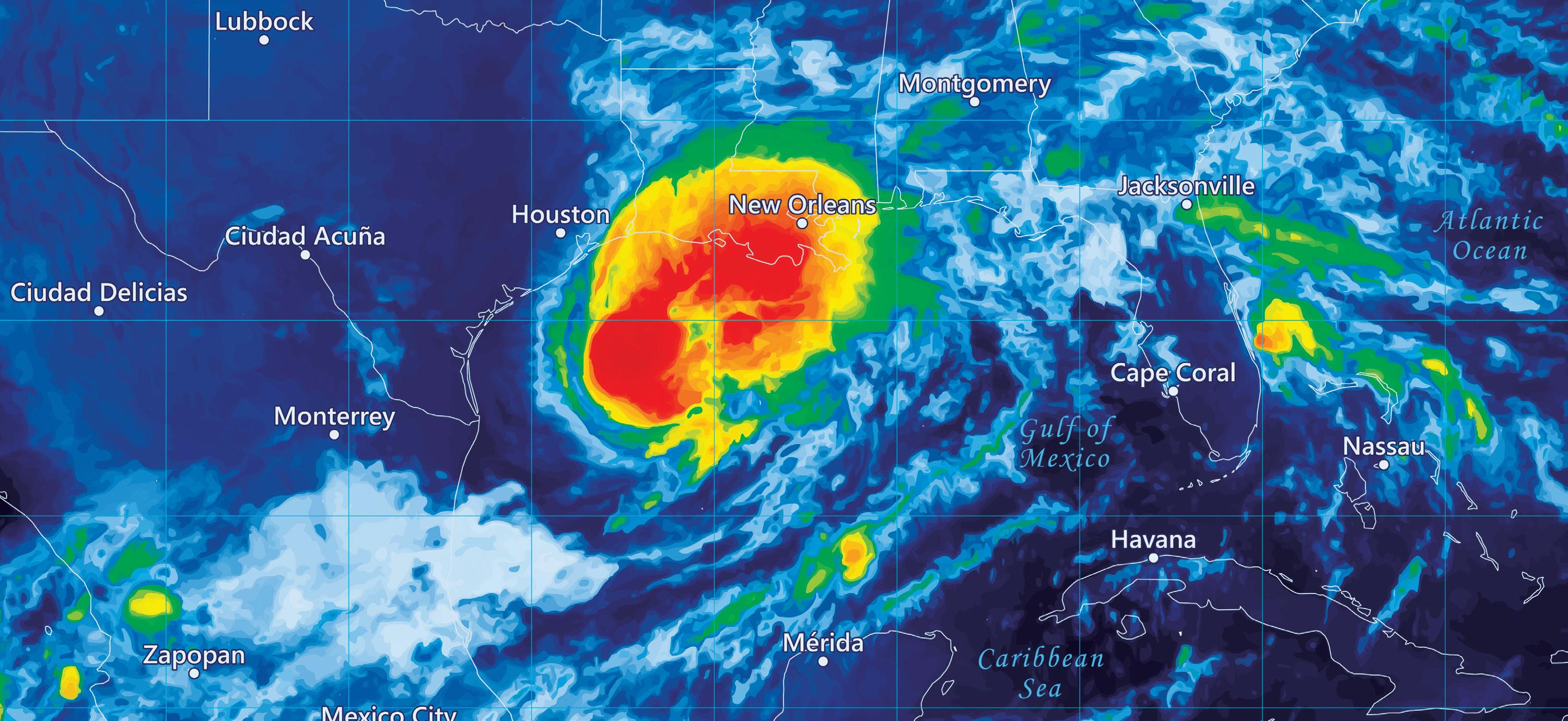
Hurricane season officially began on June 1, and for homeowners across Texas, preparation is one of the smartest investments you can make. While it is impossible to prevent severe weather, taking action before a storm develops can help reduce damage, protect your family, and make recovery easier if a hurricane impacts your area.
Many homeowners wait until a storm appears in the forecast before preparing. Unfortunately, that often means dealing with crowded stores, limited supplies, and not enough time to address potential issues around the home. By getting ahead of the season, you can avoid last-minute stress and feel more confident when severe weather threatens.
START WITH A HOME INSPECTION
Your home's first line of defense against a hurricane is its exterior. Small maintenance issues that seem harmless today can become major problems during high winds and heavy rain.
Take time to inspect:
• Roofing shingles for signs of damage or wear
• Gutters and downspouts for clogs
• Windows and doors for gaps or broken seals
• Garage doors for loose hardware or weak panels
• Fencing and gates for structural weaknesses
Pay special attention to your roof. Even a few missing shingles can allow water to enter your home during a storm. If you notice any concerns, schedule repairs before hurricane season becomes more active.
SECURE YOUR YARD AND OUTDOOR SPACES
When strong winds arrive, everyday outdoor items can quickly become dangerous projectiles. Walk around your property and identify anything that could be lifted by hurricane-force winds.
Items to secure include:
• Patio furniture
• Grills
• Potted plants
• Trash cans
• Garden decorations
• Sports equipment Tree maintenance is equally important. Trim dead branches and remove limbs hanging over your roof, driveway, or power lines. Healthy trees are less likely to cause costly damage during a storm.
REVIEW YOUR INSURANCE COVERAGE
One of the most overlooked hurricane season tasks is reviewing insurance coverage. Many homeowners assume their standard homeowner’s policy covers all hurricane-related damage. However, flood damage is typically excluded from traditional homeowners’ insurance policies. That means water entering your home from rising floodwaters or storm surge may require separate flood insurance coverage.
Before storm season ramps up:
• Review your homeowner’s policy.
• Understand your deductible requirements.
• Check whether you have flood insurance.
• Confirm your coverage limits are adequate.
• Save digital copies of your insurance documents.
Remember that most flood insurance policies have a waiting period before coverage becomes effective, so waiting until a storm is approaching may be too late.
CREATE A HOME INVENTORY
If your home suffers storm damage, having documentation can make the insurance claims process much smoother.
A simple home inventory can be completed in less than an hour.
Consider:
• Taking photos of every room
• Recording videos of valuable belongings
• Saving receipts for major purchases
• Documenting appliance serial numbers
• Storing files in cloud storage
Many homeowners do not think about documentation until after a storm, when important records may be damaged or inaccessible.
PREPARE FOR POWER OUTAGES AND EMERGENCIES
Hurricanes often bring extended power outages, road closures, and communication challenges.
Build an emergency kit that includes:
• Water and non-perishable food
• Flashlights and batteries
• First-aid supplies
• Cell phone chargers and backup batteries
• Prescription medications
• Pet supplies
• Important documents
You should also have a family communication plan in place. Make sure everyone knows evacuation routes, emergency contacts, and meeting locations if cell service becomes unreliable.
KNOW YOUR FLOOD RISK
A common misconception is that only coastal properties need to worry about flooding. In reality, heavy rainfall from tropical systems can cause flooding hundreds of miles inland. Even homeowners outside designated flood zones can experience significant water damage during major storms.
Take time to learn:
• Whether your property is in a flood-prone area
• Local evacuation routes
• Nearby emergency shelters
• Community emergency notification systems
Understanding your risks now can help you make faster and better decisions if severe weather develops later in the season. Explore flood resources to assess, prepare for, and reduce flood risks at HAR.com/flood.
FINAL THOUGHTS
Hurricane preparation is not about predicting the next storm. It is about reducing risk before severe weather arrives. By inspecting your home, securing outdoor areas, reviewing insurance coverage, documenting your belongings, and creating an emergency plan, you can put yourself in a much stronger position when hurricane season reaches its peak.
A few hours of preparation today can save significant time, money, and stress in the future. The earlier you start, the more options you will have if a hurricane threatens your community.
SOURCE: HAR.COM
News Provider
Follow Safeguards to Ensure Your Medications are Safe and Effective
NEGLECTING NEEDED PRESCRIPTIONS
When you take multiple medications, tracking them all can be difficult. Your doctor has prescribed your drugs for a reason and it’s important to take them as prescribed, particularly maintenance medications, such as blood pressure or cholesterol drugs.
• Safeguard: If you are having trouble remembering to take your prescriptions, a pill box or digital reminder could help. If cost is an issue, there are prescription drug plans and patient assistance programs available to help.
TAKING POTENTIALLY RISKY DRUGS
As you get older, your body may process medications differently. As a result, some drug classes, such as benzodiazepines, certain antidepressants and some NSAIDs, may pose risks that outweigh their benefits. One potential risk, for instance, is the risk of a dangerous fall.
• Safeguard: Talk to your doctor or pharmacist about identifying appropriate prescriptions for you, given your age. Options could include a lower dosage or shorter prescription duration. Of course, it’s also always a good idea to fall-proof your home.
NAVIGATING CHANGING CARE SETTINGS
Adverse drug events often occur following hospitalization. Many of these events could be avoided.
• Safeguard: Always meet with your doctor or phar-
macist shortly after a hospital discharge to conduct a “medication reconciliation” in which any newly prescribed medications are reconciled with existing prescriptions. This will help prevent medication errors, such as omissions, duplications, dosing errors or drug interactions.
A FINAL NOTE
Even if you have a trusted physician leading your care team, it’s important to educate yourself. If you don’t understand your medication regimen, ask questions. If you are having side effects, tell your doctor about them. Also, bring a friend or family member to your appointments to help you remember key instructions.
“We are fortunate to live in a time when we have a multitude of medications available to help us live healthier lives by controlling our blood sugar, lowering our blood pressure or curing infections,” Tarbox said. “However, it’s important we stay engaged with our prescriptions and don’t lose sight of any potential risk factors.”
The information contained in this article is not intended to be a substitute for professional medical advice, diagnosis, or treatment. Always seek the advice of your physician or other qualified health care provider with any questions you may have regarding a medical condition or treatment and before undertaking a new health care regimen.
SOURCE: STATEPOINT
f you’ve ever experienced gas or bloating, you know how uncomfortable and potentially embarrassing it can be.
To help you feel like yourself again, the makers of Pepto Bismol have launched Pepto Gas + Bloating and are sharing some fast facts about what causes gas, how to prevent it, and how to find relief:
WHY AM I GASSY?
Gas builds up in the digestive system when you swallow air and when the large intestine breaks down undigested carbohydrates. Hormone changes around your menstrual cycle can also upset digestive balance and cause gas.
HOW
CAN I PREVENT GAS?
• Avoid swallowing air: Eating or drinking too fast can cause you to swallow extra air. Slow down and eat mindfully. If you smoke, chew gum or suck on hard candy, consider quitting, as these habits can also contribute to swallowing air.
• Mind your diet: While beans, peas, lentils, cabbage, onions, broccoli, cauliflower and similar vegetables are nutritious, they can cause bloating for some people. Introduce gas-causing foods gradually, and cook them instead of eating them raw. It’s also a good idea to avoid overeating, as large meals can increase the likelihood of gas.
vents constipation and keeps stools soft. Choose still water instead of sparkling water or other carbonated drinks, which add extra gas to your stomach.
HOW CAN I DEBLOAT FAST?
• Let it out: Bloating is often linked to trapped gas. Allowing your body to release it can help you feel more comfortable.
• Drink more water: Staying hydrated helps keep food moving through your gut, pre-
• Exercise for bloating relief: Get active. A short walk, bike ride, stretching session or time playing outside with the kids can help gas pass through your system. Even a 10-minute walk after meals has been shown to reduce gas and bloating.
• Try over-the-counter remedies: For fast, targeted relief, try an over-the-counter medication like Pepto Gas + Bloating (Simethicone), formulated to start breaking down gas bubbles in minutes. It is available in two forms: maximum-strength Softgels (250 milligrams Simethicone) and mint-flavored Chewable Tablets (125 milligrams Simethicone).
It’s also a good idea to keep Pepto Bismol (Bismuth Subsalicylate) on hand, which provides 5-in-1 stomach relief from diarrhea and an upset stomach due to overindulgence in food or drink.
“Having the right relief when you need it can help you ease bloating, discomfort and pressure, so you can feel like yourself in no time,” says Teresa Achumba, brand director, Pepto.
Discomfort from gas can put a damper on your day. Fortunately, you can beat bloat with a few small lifestyle changes and the right relief on hand.
For more tips and information, visit pepto-bismol.com.
SOURCE: StatePoint
SBy d-mars.com
pending time in the Kentucky wilderness during the day is an unforgettable experience, but there are some one-of-a-kind “noctourism” sites that shouldn’t be missed. Whether you’re a nature enthusiast, an amateur astronomer, or simply have a thirst for adventure, there are many reasons to consider making Kentucky your next travel destination.
Cumberland Falls, in the aptly named Cumberland Falls State Park located in eastern Kentucky, measures 68 feet high and 125 feet wide with water that gushes over the falls at 3,600 cubic feet per second. Often called the “Niagara of the South,” the powerful, yet gorgeous Cumberland Falls engages all senses for those who stand close enough. But what makes this particular waterfall so special is that it produces a moonbow every full moon when there’s a clear night sky.
A moonbow is a rare rainbow-like optical phenomenon that occurs when moonlight is refracted through water droplets in the air. Cumberland Falls is one of two places in the entire world known to consistently produce a moonbow. The best place to witness the moonbow is from the Cumberland Falls observation area, which is open 24 hours. The bow is generally visible between dusk and midnight. The darker the sky, the easier the moonbow is to see.
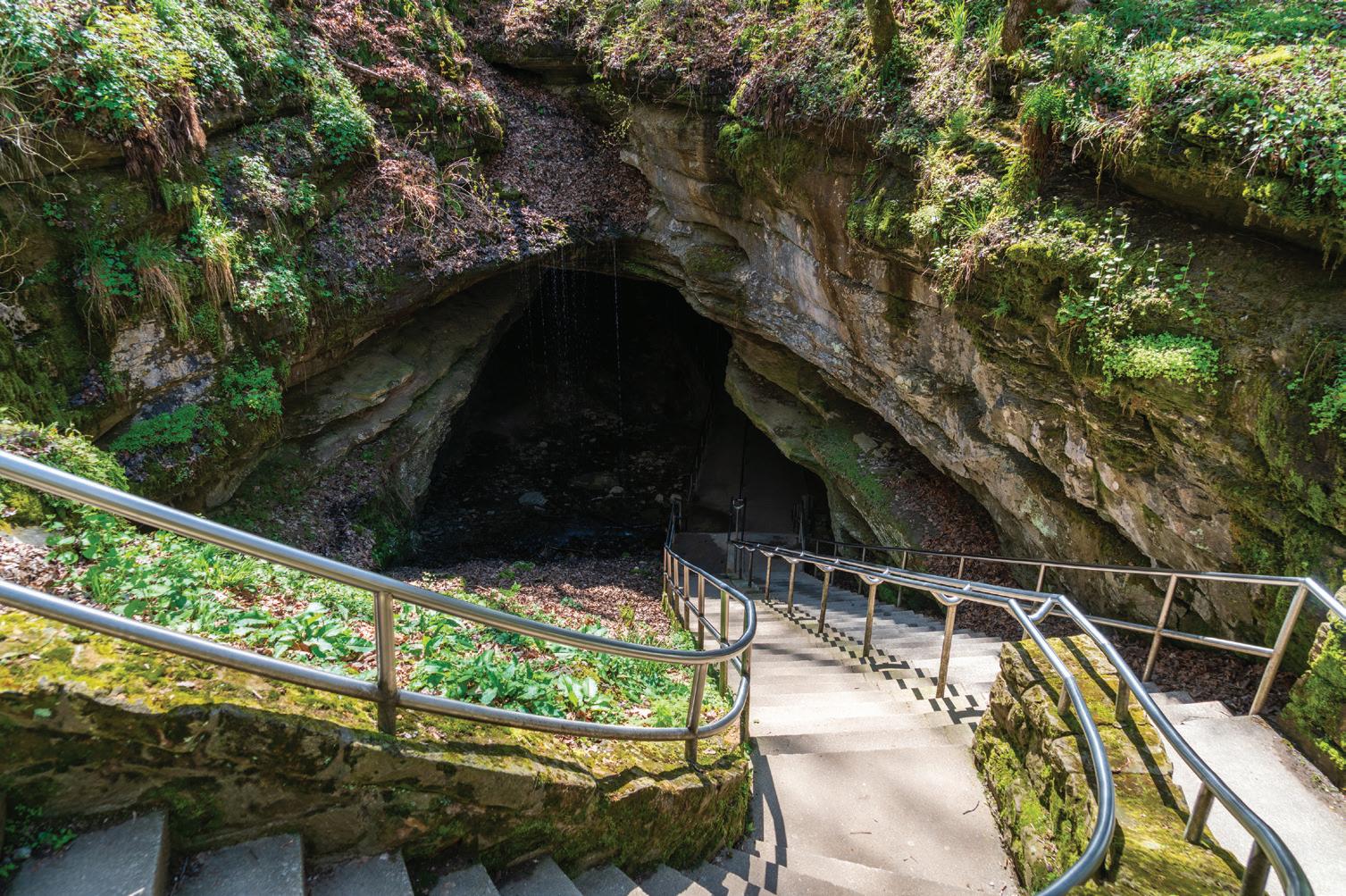
Looking for a spot to set up a telescope or just somewhere to lie on a blanket and stare into the night’s sky? Then look no further than Mammoth Cave.
Located in rural southcentral Kentucky. Mammoth Cave is one of 200 places in the world that is recognized as an International Dark Sky Park. This designation is given to areas that have policies that protect against light pollution, which in turn makes it easier to see stars, planets, constellations and even the International Space Station.
Just a 45-minute drive south of Louisville are more than 16,000 acres of pristine wilderness at Bernheim Forest and Arboretum. This protected forest and research facility offers some of the best hiking in the commonwealth. Additionally, the arboretum offers several programs designed to teach visitors about the natural world around them after the sun goes down.
Madisonville’s Mahr Park Arboretum, best known for its 265 acres of native plants, trees, and outdoor community facilities; also hosts Star Parties throughout the year. These events feature sky tours given by local astronomy experts who provide telescopes for all to look through as they learn about the galaxy.
For those wanting to explore the galaxy when the sun is out or the clouds are blocking the view, fear not. Kentucky has several world-class planetariums open to the public. Travel through space, visiting planets and stars light-years from earth, from the comfort of a reclined seat in the Bluegrass State.
The Hardin Planetarium in Bowling Green is considered a classic architectural icon on Western Kentucky University’s campus. Housed by a full dome, the theater provides a 360-degree surround view that makes the farthest galaxies seem to be mere feet above the seats.
When it comes to enjoying celestial wonders, this list just scratches the surface of what Kentucky has to offer.
Visit www.kentuckytourism.com and start planning your noctourism adventures today!
SOURCE: STATEPOINT
News Provider
Mammoth Cave
Cumberland Falls
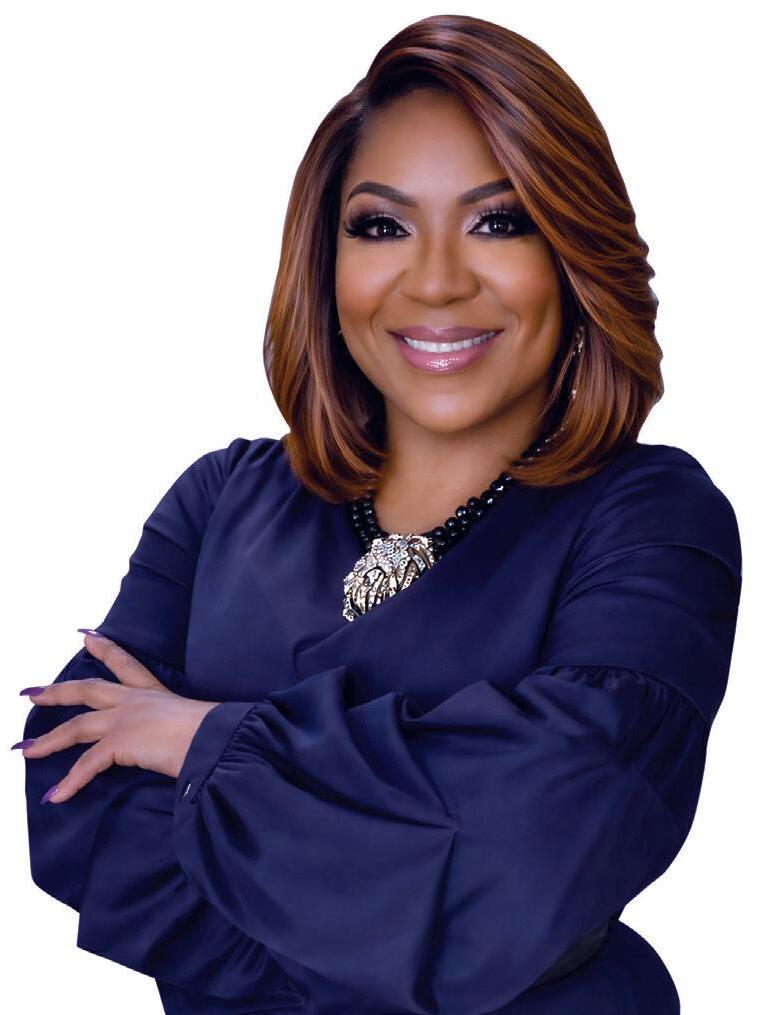
Harris County Clerk County Clerk and Chief Election Official of Harris County, the third-largest county in the nation and the largest in Texas. She is the first African American woman elected to serve in this role.
Director, Kinder Institute for Urban
Dr. Ruth N. Lopez Turley directs the Kinder Institute for Urban Research at Rice University, advancing data, research, engagement and action to improve lives and strengthen communities.
Melissa Hensley
Senior Director, Corporate Philanthropy & Community Engagement, NRG Energy
Leads corporate philanthropy and community engagement at NRG Energy, investing in people and communities across four giving pillars to support economic opportunity and long-term regional progress.
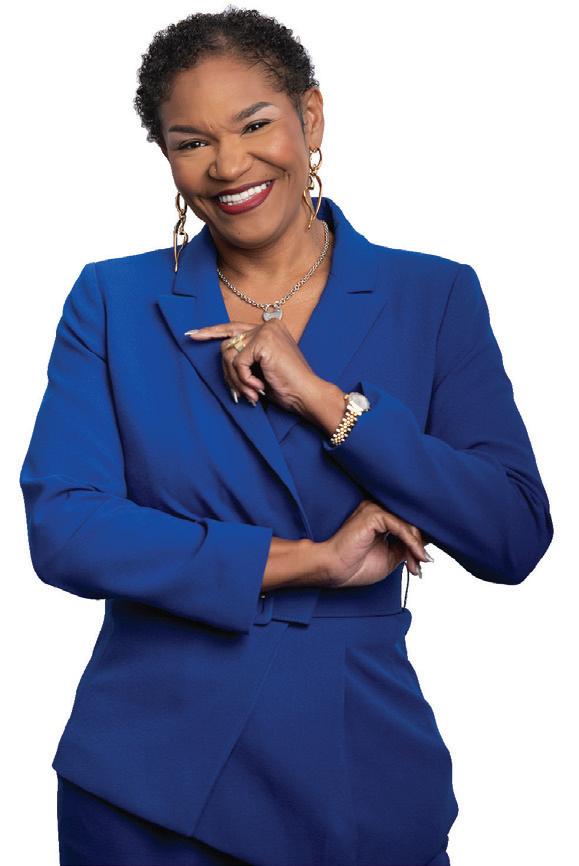
President & CEO, Houston Methodist Global Health Care Services Senior Vice President, Community Development
Leads global operations, corporate strategy, business development, and community engagement for Houston Methodist, expanding its global footprint and advancing initiatives that improve access to care and strengthen communities.
The Honorable Teneshia Hudspeth
Dr. Ruth N. Lopez Turley
Research
Cathy Easter