Clinic offers medical and moral support for patients with little-studied disease
Hidradenitis suppurativa (HS) is a very painful—and lonely—chronic skin condition characterized by recurrent, pus-filled abscesses and nodules where the skin rubs together, such as in the armpits, groin, and buttocks. The pain, odor, and drainage associated with the condition can interfere with a patient’s work or school attendance, and although it’s not contagious, many patients feel isolated from family, friends, or an intimate partner.
This incurable condition has historically been underrecognized and underdiagnosed, so people with HS may go untreated for years.
Continued on page 3
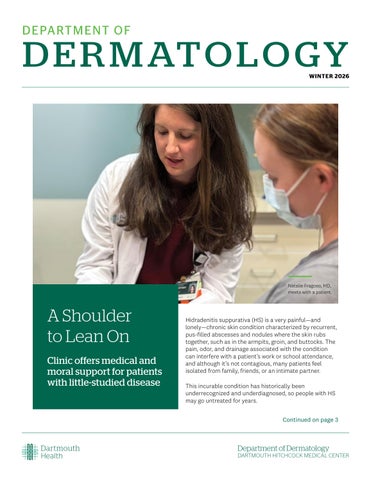
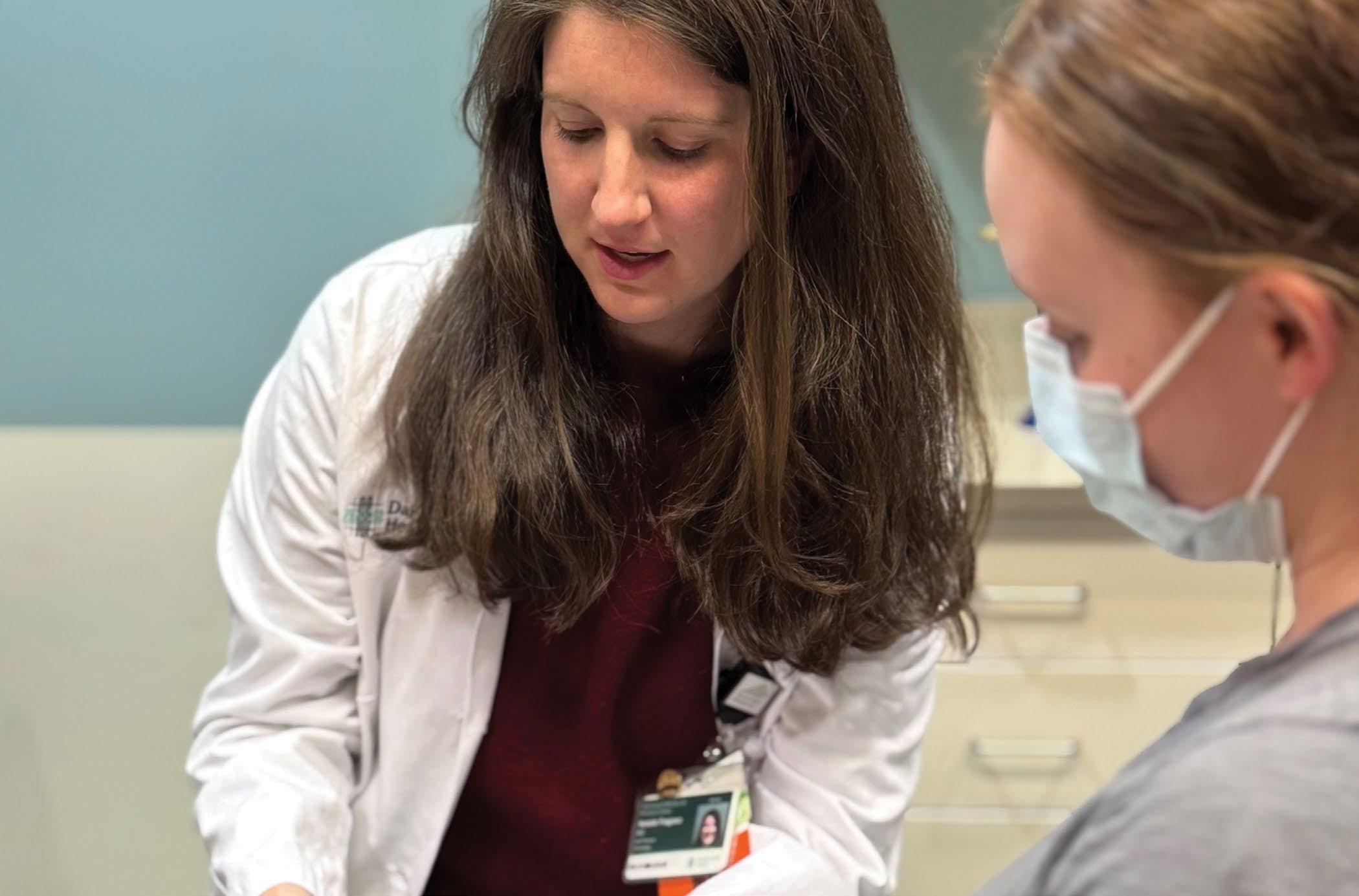
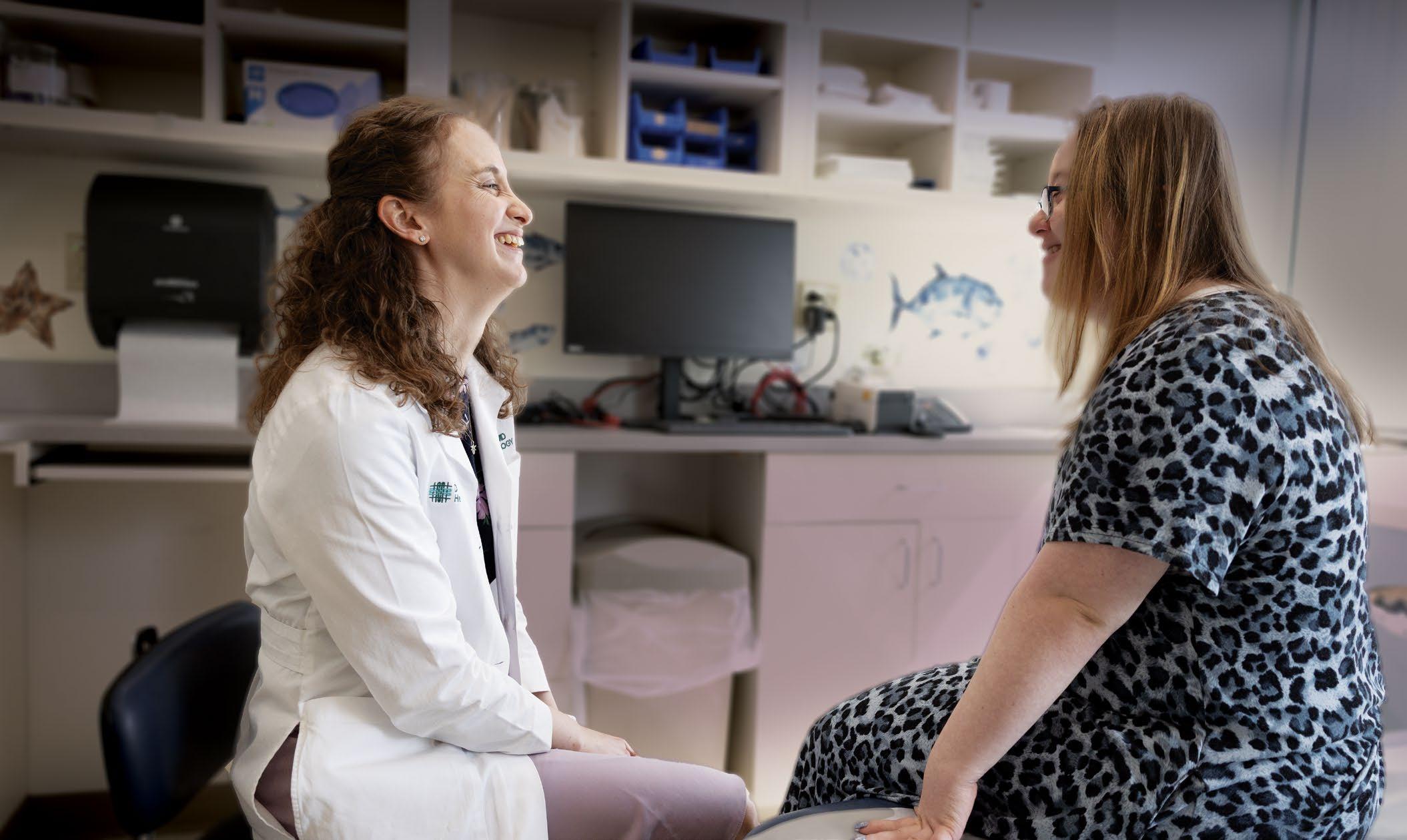
Natalie Fragoso, MD, meets with a patient.
A Growing Dermatology Team
Big things continue to happen in the Department of Dermatology. This academic year we will welcome three new faculty members as well as expand our residency complement, to four per year, for a total of 12.
Our Section of Mohs Surgery is growing and advancing. Matt LeBoeuf, MD, PhD, Section Chief of Mohs Surgery, was successfully promoted to Associate Professor in May. In August, he was joined by Matt Davis, MD, RES ’24, a former resident, who just completed his Mohs Fellowship in Utah. We have big plans for this duo!
Caitlin Kowalski, PhD ‘20, a microbiologist, launched her research career in our department this summer. We look forward to her contributing as she unravels the complexities of the cutaneous microbiome. Professor Kowalski will focus on the interactions between Malassezia and Staphylococcus in the skin. She will have an unlimited opportunity to study multiple clinical skin diseases from our specialty clinic patient population.
General dermatologist Elizabeth Marvin, MD, also joined our faculty this summer to focus on clinical work as well as resident and student teaching. Dr. Marvin moved to the Upper Valley from the Philadelphia area. She trained at the Mayo Clinic and has been in practice for several years.
Robie Lucas, MD, recently received a $50,000 Hitchcock Foundation grant that will combine efforts of the Department of Microbiology, Professor Kowalski’s lab and Dermatology to look at how biofilms affect staphylococcus in atopic dermatitis patients.
We carry on with growing and elevating our multiple missions of patient care, research, teaching and other academic pursuits.
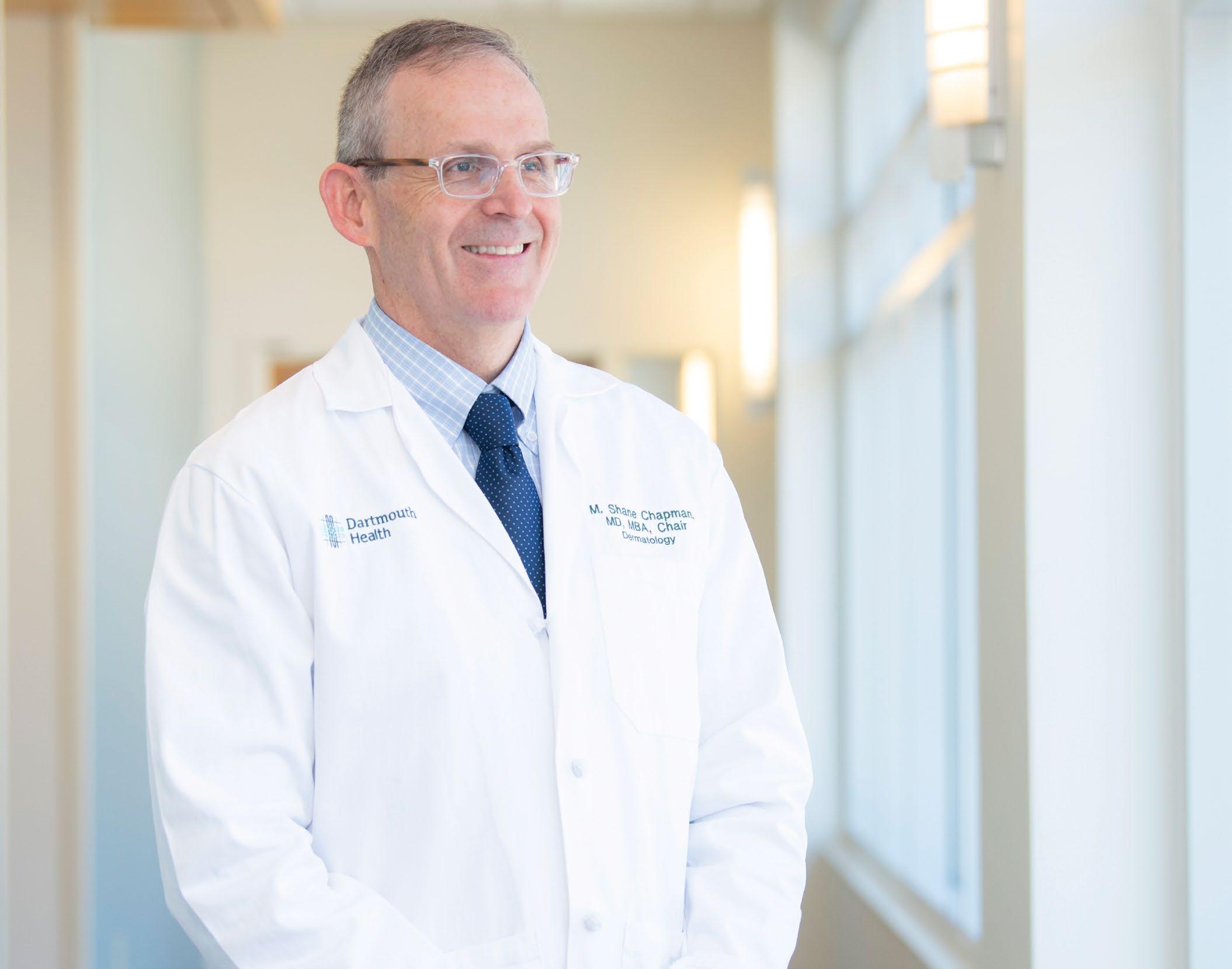
M. Shane Chapman, MD, MBA, RES ’99
Chair and Professor, Department of Dermatology, Dartmouth Hitchcock Medical Center and the Geisel School of Medicine
Continued from page 1
A Shoulder to Lean On
“Many patients feel shame and anxiety about their condition, but HS is not their fault, and there are things we can do to help,” says Natalie Fragoso, MD, a dermatologist at Dartmouth Health and assistant professor of dermatology at the Geisel School of Medicine at Dartmouth. Fragoso established a clinic to treat people with HS in early 2022; and at the time, it was the only one of its kind in the region. (Since then, another clinic opened in Vermont.)
While oral medications, immunomodulatory injectable medications, and small excisions of the nodules can help, currently there isn’t a treatment that can completely stop flare-ups. Fragoso says, however, that some of her patients don’t want much treatment. “They want moral support, so I try to be there for them and sympathize. I offer a listening ear, and that’s helpful for them,” she says. “I try to be realistic when I’m counseling patients; I tell them we can’t cure it completely, but we are trying to improve their quality of life.”
In addition to her clinical work, Fragoso continues her research to learn more about the condition with the hope of one day being able to provide better treatment for her patients. One of her recent studies focused on the effect of pregnancy on HS disease course.
“Pregnant people are often excluded from clinical trials because we don’t know how the treatment would affect the fetus. So, we looked back as a systematic review to see if there’s any trend in terms of what happens to the disease when a patient is pregnant,” Fragoso says. “We discovered that most patients are stable or have a slightly worse disease course during pregnancy. That’s not great news, but it’s good to be able to counsel them, both the patient and their obstetrician.”
Fragoso hopes to begin two clinical trials soon that will evaluate the efficacy of new treatments: a new oral drug and a new injectable medication.
“It’s interesting to be involved in new mechanisms of action. There are so few treatment options for HS, so we’re asking, ‘Can we target this disease differently?’” Fragoso says. “We want our patients to have fewer flares and decreased intensity. We have good treatments for other dermatologic diseases, but we can’t say that for HS. I get excited thinking about doing new studies to try to learn how can we get that level of control for our HS patients.”
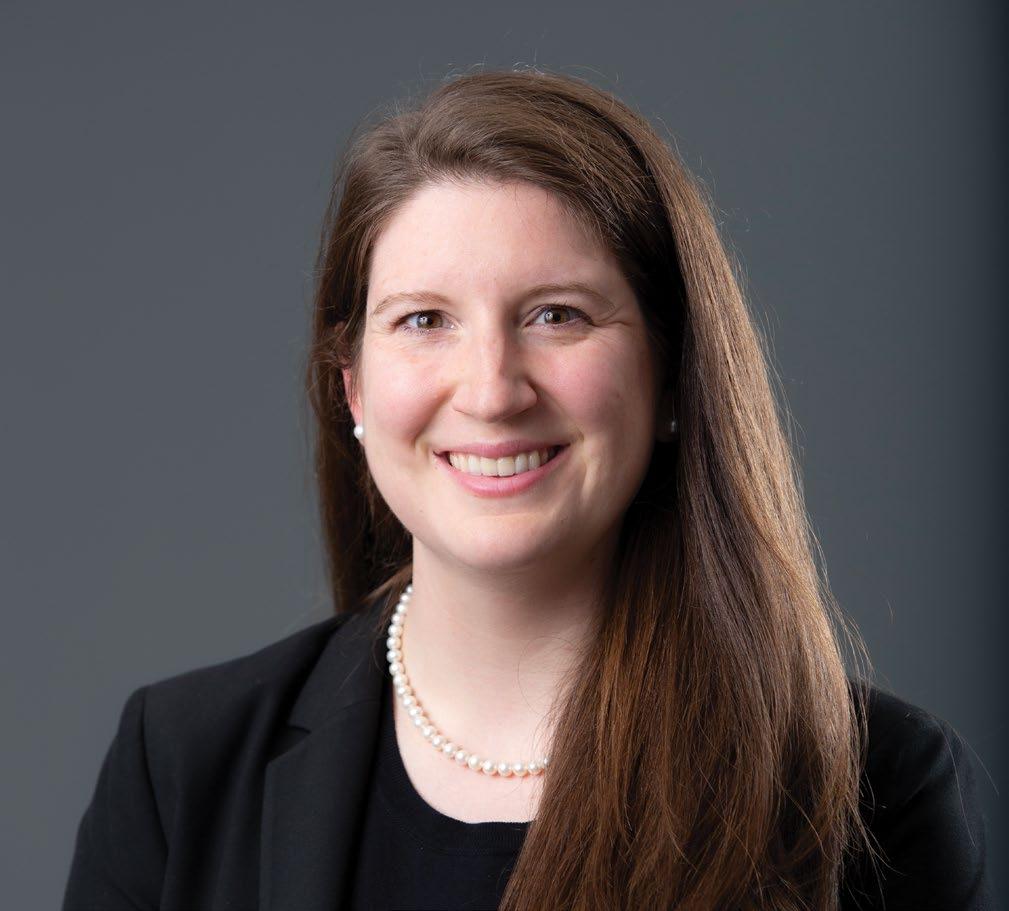
Natalie Fragoso, MD, dermatologist at Dartmouth Health and assistant professor of dermatology at the Geisel School of Medicine at Dartmouth.
Dermatological Care for Patients with Down Syndrome
The first of its kind, this Dartmouth Health clinic provides highly specialized care
If you ask Jillian Rork, MD, a pediatric dermatologist at Dartmouth Hitchcock Medical Center, about the subspecialty clinic she created to treat patients with Down syndrome, she’ll give you a very enthusiastic answer: “It’s my favorite day of the month!”
That’s because in the monthly clinic, she combines two passions—improving the lives of children and adults with Down syndrome and understanding the complexities of our skin. She finds joy in treating patients who often have severe skin problems that can be complex or overlooked.
“Maybe they’ve seen their primary care physician and a local dermatologist, but they aren’t getting good treatment results,” Rork says. “That’s where this clinic comes in.”
Patients come from many surrounding states and even as far as Canada for an appointment at the Dartmouth Health Down Syndrome Dermatology Clinic in Manchester, New Hampshire, the only one of its kind in the country. Rork opened the clinic in 2021 and treats both children and adults with Down syndrome for many skin conditions, including hidradenitis suppurativa (HS), psoriasis, alopecia areata, and recurrent fungal infections.
These conditions, especially HS, can be difficult to treat in people with Down syndrome because of the patients’ unique health concerns. “One of the medications used to treat HS can work really well, but it can lower the patient’s blood pressure, and people with Down syndrome are historically known to have lower blood pressures. We have to be thoughtful about this,” Rork says.
Rork’s care also involves considering which treatments are feasible based on the patient’s daily routine and necessary accommodations. For example, some of her patients are hypersensitive about how things feel on their skin.
“We talk about how things will feel on the body. I’ll say, ‘This will feel sticky; is that OK?’” Rork says. “And I try to understand their care structure at home. I ask, ‘Does anyone help you with your bathing routine? If so, who? How long does it take for you to take a shower or bath?’ We come up with a reasonable treatment plan that’s doable.”
In addition to addressing her patients’ co-occurring medical needs, Rork also remains thoughtful of their social and emotional needs. She emphasizes the importance of giving her patients the space for selfadvocacy and ensuring they are part of the decisionmaking process for their care.
“First, I’ll talk about the skin condition with the patient, and then I’ll talk about it with their caregivers,” Rork says. “I have heard from many of my patients that sometimes doctors will do the exam and then
One of the medications... can work really well, but it can lower the patient’s blood pressure, and people with Down syndrome are historically known to have lower blood pressures.
Jillian Rork, MD
turn their back on the patient and engage only with the parent. It’s important to communicate with the parents, but most of our pediatric and adult patients take an active role in their care, so it’s paramount that we incorporate them, too.”
Bethany Bursey has been an adult patient at the clinic for about two years, and her mother, Beth, says she’s constantly impressed with Rork’s engagement and connection with her daughter.
“Dr. Rork should do a TED Talk on bedside manner,” says Beth, who lives in Bedford, New Hampshire. “Doctors are more than just medications—it’s about the relationship. Dr. Rork directs everything she says to Bethany, so Bethany gets to exercise her independence at her doctor’s appointments.”
And Bethany’s enthusiasm is palpable in a note of gratitude: “I love you, Dr. Rork. Thank you for knowing
how to care for my sensitive skin areas. The medicine you provided is amazing, and I feel so much better! I love how you do your job and communicate with me and my mom.”
Rork’s work to improve dermatological care for patients with Down syndrome extends beyond the clinic. She is also conducting research to better understand the relationship between heart health and skin health in people with Down syndrome in her new research study, “Down Syndrome and Psoriasis: An Investigation of Cardiometabolic Risk,” which is funded by a grant from the National Institutes of Health.
Within the next five years, Rork hopes to hire an employee with Down syndrome to work in the clinic. “We always want to do more, and knowing that they are heard is huge,” Rork says. “I can’t stress enough how much I love my job.”
Dr. Jillian Rork meets with patient Bethany Bursey at the Dartmouth Health Down Syndrome Dermatology Clinic in Manchester, New Hampshire.
Endowment accelerates melanoma research and education
Donors name fund for Dr. Steven K. Spencer
Michele Perkins has never forgotten the dermatologist who saved her life.
“The shock of learning you have melanoma—and what might have happened—was jolting,” Perkins says. “I’m grateful it was caught in time. I dodged a bullet.”
To honor her skin cancer hero, Perkins and her husband, James, recently made a gift to the Department of Dermatology to create the Dr. Steven K. Spencer Endowed Fund, named for the Dartmouth Health dermatologist
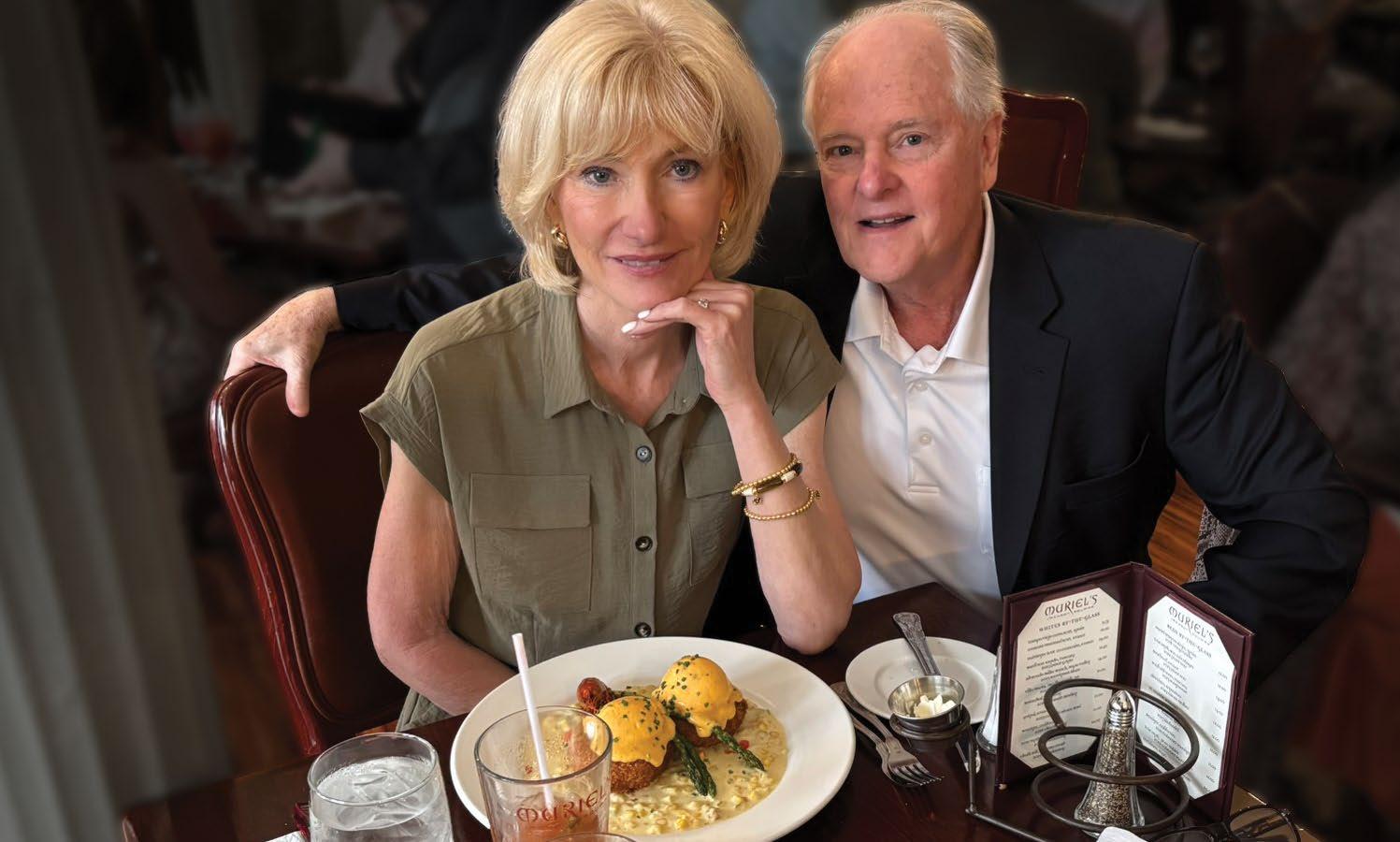
Michele and James Perkins enjoy a jazz brunch in New Orleans.
who retired in 2012. In addition to removing the cancerous mole on Perkins’ back, Spencer also removed basal cell carcinoma, another form of skin cancer, from her husband’s face.
In fact, it was her husband’s delicate Mohs surgery that then led to Spencer examining Perkins’ mole. Her primary care physician had dismissed the spot as only a cosmetic concern, but the dermatologist asked to see Perkins after her husband mentioned she had a suspicious-looking mole during his own appointment. Perkins was hesitant because she didn’t have a scheduled appointment, but Spencer insisted on seeing her—and then removing the mole—immediately.
“Dr. Spencer was so wonderful and always so cheerful. He gave me the most thorough care,” she says, adding that she wants the gift to fund dermatology education, especially related to melanoma. Melanoma is the deadliest form of skin cancer and affects more than 100,000 people annually, according to the American Cancer Society.
That desire is already being fulfilled through research conducted by fourth-year dermatology resident Dylan Badin, MD, MED ‘21, who received a $35,000 grant through the fund to study the mortality risk for patients with melanoma in situ, an early-stage form of the skin cancer. His research aims to determine the rate of recurrence and the rate of new skin cancers in these patients in order to provide better guidance for the frequency of follow-up screenings.
“The risk for these patients is not well understood,” says Badin, who presented his data at a recent American College of Mohs Surgery annual meeting. “That drove the question: How often should we be
Not everyone has the schedule or proximity to a major hospital as I did. Weeks and months matter. We’re delighted we can support this research.
Michele Perkins
screening these patients? Can we confidently say how often melanoma comes back or the patient develops something new? This research will shed light on those questions.”
He notes that the results of the study could benefit both patients who had melanoma in situ and other patients needing dermatologist appointments. If melanoma patients don’t need follow-up screenings as often as previously recommended, Badin says, additional appointment slots will be available for patients with more complex skin conditions, improving access to care. Across the nation, there’s an increasing need for dermatology services and not enough providers, especially at academic institutions and in rural locations.
“If we can better predict the rate of recurrence or new lesions, patients can feel more confident in their recommended treatment plan because there’s more evidence-based medicine,” says Badin, who will begin a Mohs surgery fellowship at Scripps Health in San Diego after completing his residency at Dartmouth Health.
The Perkins would like to thank Matt Hall, director of patient and family giving at Dartmouth Health, for his careful stewardship and cultivation of their relationship throughout the gift process.
Mohs surgery team expands with addition of former resident
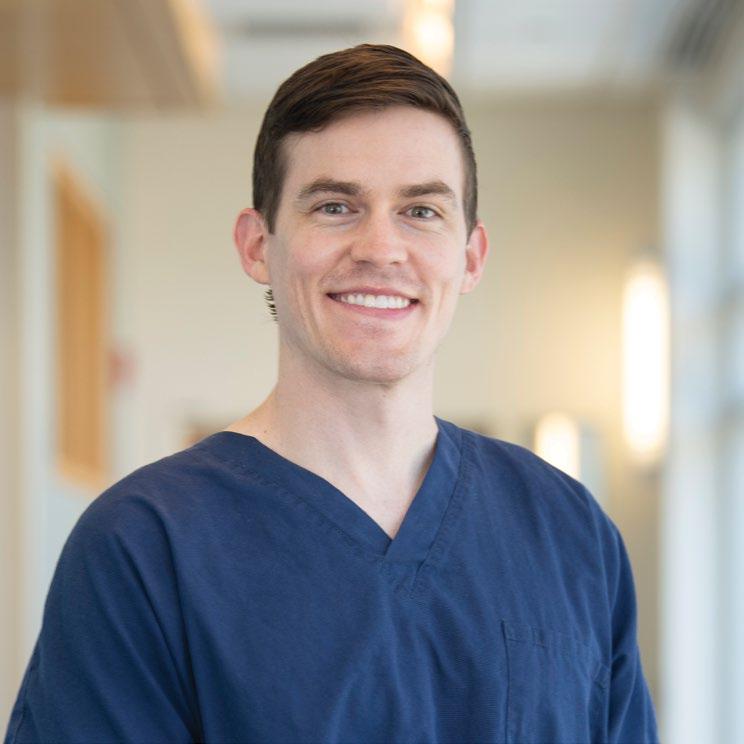
Matt Davis, MD, RES ’24, returned to Dartmouth Health in August as the newest Mohs micrographic surgeon—a specialty he was inspired to pursue after conducting research throughout his residency.
“I didn’t know a lot about Mohs surgery until I spent more time with Matt,” Davis says referring to Matt LeBoeuf, MD, PhD, section chief and director of Mohs micrographic surgery at Dartmouth Hitchcock Medical Center. During his residency, Davis worked with LeBoeuf and several other researchers in the Department of Dermatology to develop an artificial intelligence platform to automate recommendations for tumor mapping and orientation in an effort to increase efficiency of cancer margin assessment.
Mohs surgery is a very precise procedure used to remove skin cancer while sparing as much healthy tissue as possible. To remove a tumor, the Mohs surgeon cuts away thin layers of skin tissue—about a millimeter at a time—and then checks for signs of cancer. If cancer cells are still present, the surgeon can remove another layer of tissue and analyze it, repeating until all the cancer is gone.
“Dr. Davis was a stellar resident here for three years, and he is a very welcome addition to our fantastic Mohs surgery team,” LeBoeuf said.
Produced by:
I like the immediate gratification of Mohs surgery... Someone comes in with a tumor at the beginning of the day, and at the end of the day, it’s gone.
Earlier this year, Davis finished a one-year fellowship at the Huntsman Cancer Institute at the University of Utah and was eager to return to the Upper Valley with his family this summer.
“The department has grown so much, even since I started my residency,” Davis said, noting the leadership of department chair Shane Chapman, MD, MBA, RES ’99. “Dr. Chapman has a strong vision for the department and is great at executing the steps to make it become a reality. We have gained residents and additions to the faculty; patient volumes are tremendous for a rural setting. I’m thrilled to come back to the department.”