RED DANISH INVESTMENT ATLAS

AARHUS
AARHUS
AARHUS
4.9
BN DKK 7% 1.1
BN DKK 2%
13.0
AALBORG
BN DKK 18% Danish 84% Foreign 16%
BN DKK 20%
BN DKK 7% 1.1
Danish 90% Foreign 10%
BN DKK 2%
OTHER JUTLAND
Danish 83% Foreign 17%
BN DKK 18% Danish 84% Foreign 16% Danish 90% Foreign 10%
BN DKK 13% 3.3 BN DKK 5% 4.9 BN DKK 7% 1.1
AALBORG OTHER JUTLAND
13.0
BN DKK 2%
AALBORG OTHER JUTLAND GREATER COPENHAGEN BN DKK 4.9
13.0
BN DKK 18%
Source: ReData
Dear reader,
Welcome to ”RED – Danish Investment Atlas 2026”.
After a period marked by a range of different uncertainties in the commercial real estate market in Denmark, the past year was characterised by increased stability and several positive trends. Generally strong underlying occupier markets, improved financing conditions, levelled yield levels and a belief in the future set the investment market in motion, where residential properties were particularly attractive.
It will, therefore, be interesting to see what 2026 will bring. A continued high investor appetite for Danish assets combined with solid underlying market conditions is expected to contribute to increased liquidity and high activity in the Danish real estate market.
On the following pages, you can get a detailed insight into the Danish commercial real estate market in the past year, as well as RED’s perspective on how we expect the market to develop in the coming year.
The report is structured as an easily accessible reference work, where you can either get a quick overview of a single segment or delve into the trends segment by segment.
The data for this year’s report is made in collaboration with ReData, which collects and validates data on every single transaction on the Danish real estate market.
Enjoy the report.
Nicholas Thurø, Managing Partner Cushman & Wakefield | RED
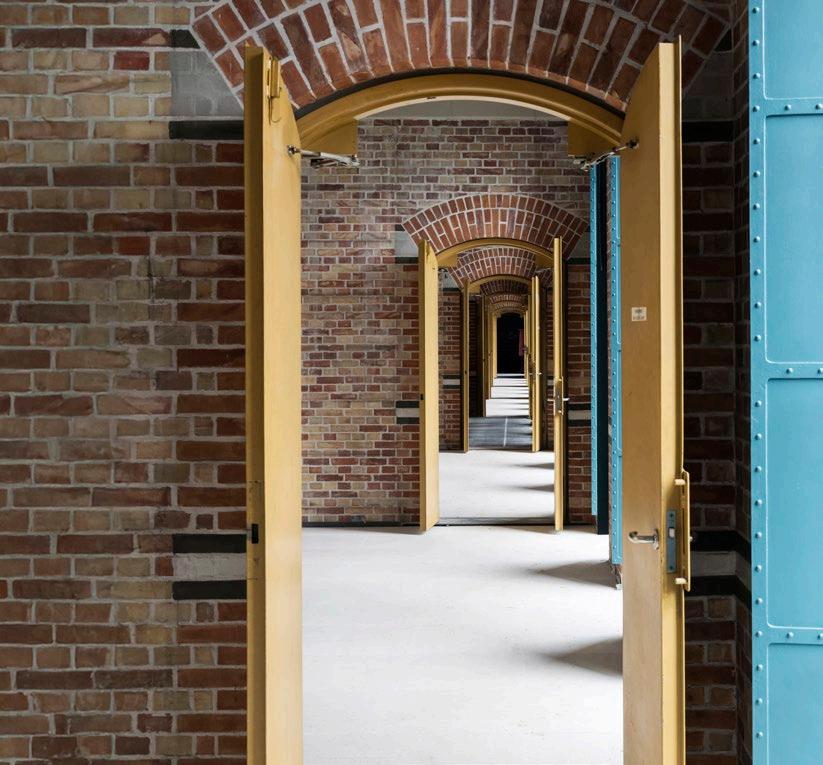
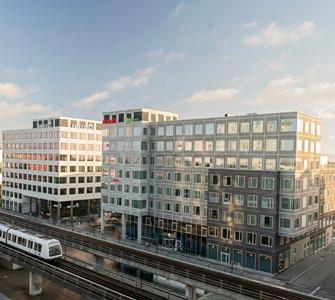
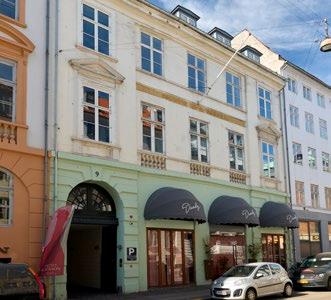
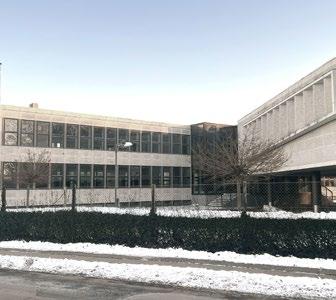
RED is assisting 2L on the letting of 991 m² of office space in the historic Nyrops Arkiv, located on the boundary between Nørrebro and Frederiksberg.
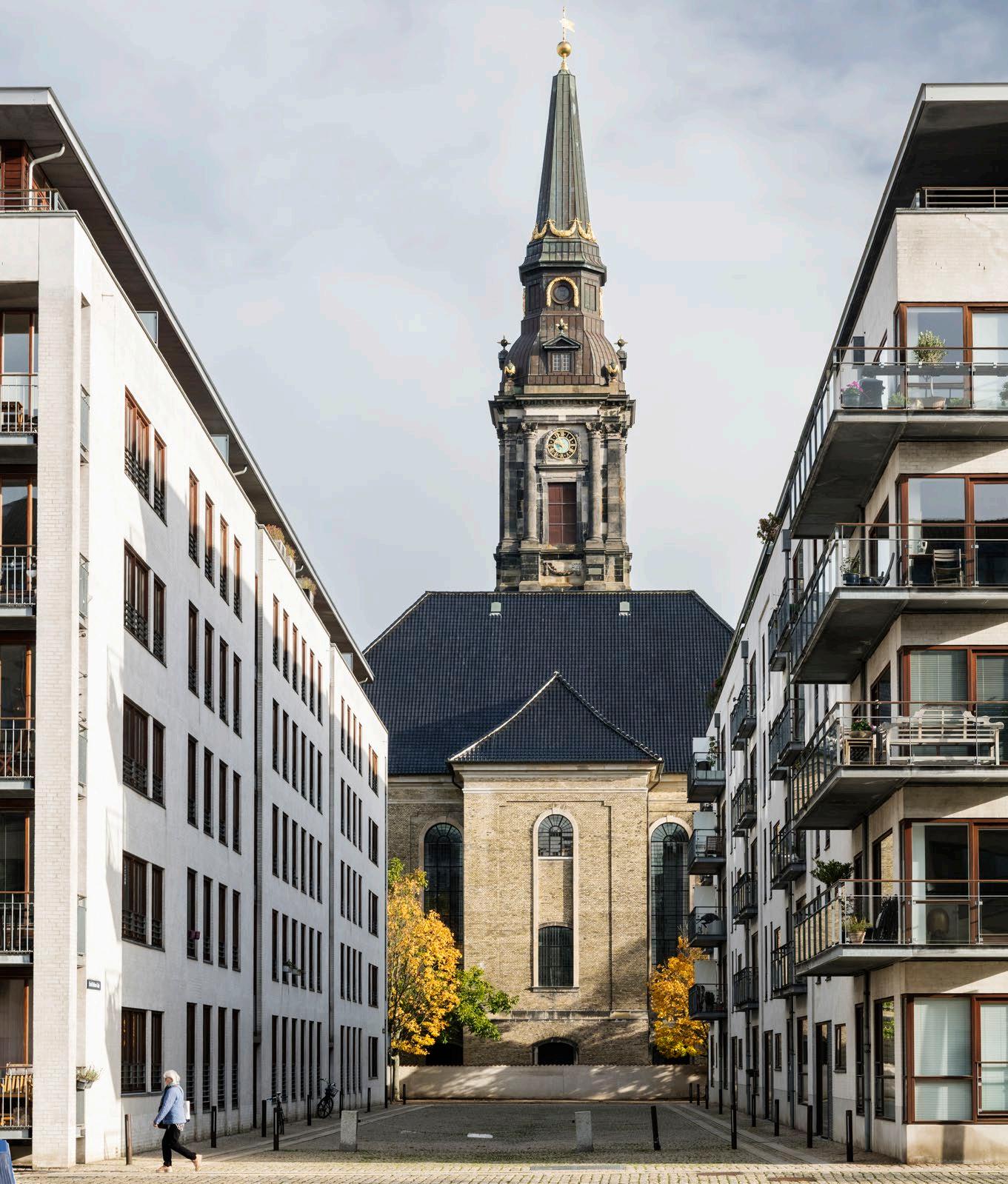
RED is assisting C.W. Obel Ejendomme with the letting of several office properties on Christianshavn, including Sukkerfabrikken on Langebrogade and Strandgade 4, where a total of almost 20,000 m² has been let over the years.
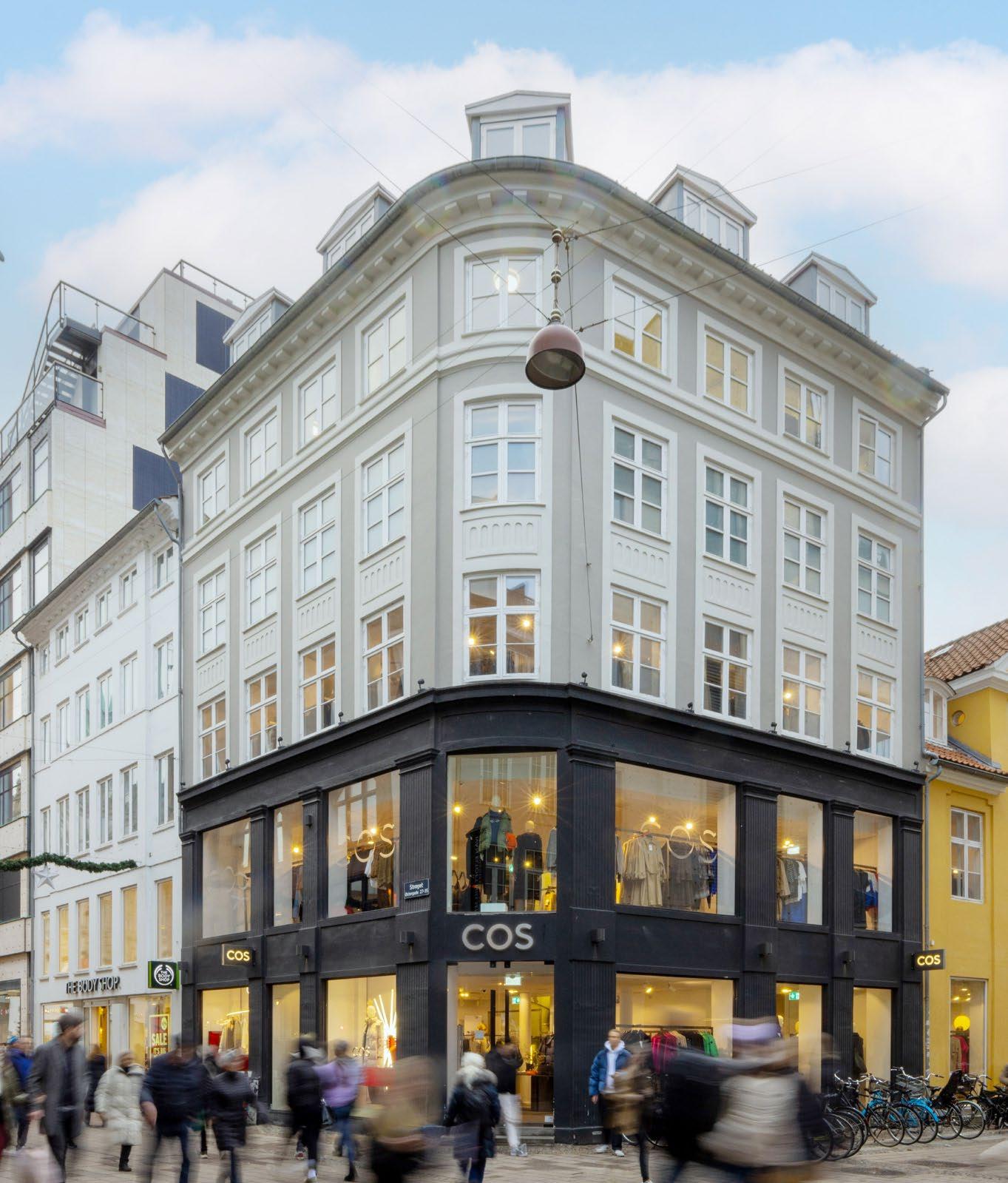
RED assisted Capital Investment with the letting of an attractive 726 m² corner unit located at Østergade 35 in Copenhagen.
72.1 BN DKK
Fewer uncertainties in the market led to a 19% increase in volume from 2024 to 2025.
Despite increasing investment activity among foreign investors, Danish capital accounted for two-thirds of the volume.
Contrary to recent years, the market was influenced by more stability, which contributed to strong activity throughout the year.
The residential segment constituted nearly half of the volume and thus maintained its position as the investors’ preferred segment.
A strong investor demand for hotels (in Copenhagen in particular) led to a volume increase of more than 600%.
Despite a continued strong investor appetite for logistics assets, a limited supply in the segment meant that the office segment took the position as the second largest segment in 2025.
The transaction volume was calculated on January 15th, 2026, and it is customary for significant volumes to be recorded afterwards. For instance, the total transaction volume for 2024 on the same date last year was 12% lower than the current known volume for 2024.
Source: ReData
The broad demand is reflected in the largest investors, as the list includes both well-known and new, Danish and foreign, as well as users and traditional investors.

The acquisition of Midstars hotel portfolio was the largest transaction in 2025 and secured CapMan the position as the largest investor.
The growth in volume was not driven by an increase in the number of deals, but rather by larger average deal sizes.
A preference for the most secure assets in the country’s largest cities resulted in a significant volume growth in Copenhagen and Aarhus.
Investors have returned to the market, and the capital is increasingly seeking Danish real estate assets. After a 2025 marked by gradual recovery, we expect to see increasing investment activity in 2026 – particularly driven by the residential segment, but also with renewed interest in selected office and retail assets. The question is therefore not whether the demand is there, but whether the supply can keep up with the demand and convert optimism into actual volume.
2025 was a year in which we saw several positive trends and a gradual recovery of the transaction market. We therefore enter the year with the expectation that we will see higher investment activity in 2026 than we did last year. With strong demand from both Danish and foreign investors, we expect that what will be crucial for the growth in volume is whether there will be enough assets in the market to meet the high demand.
The expectation of a higher investment activity is supported by our expectations survey from early 2026, which shows that although the share of investors aiming to acquire more than they will divest has slightly declined, there are still 62% of investors who aim to acquire more than they will divest , and only 15% aim to divest more than they will acquire ( figure 6).
Although we observed several positive trends in the occupier market in both the office, retail, and logistics segments in 2025, none of the segments could keep pace with the development in the residential segment,

where we saw decreasing offering periods and continuously increasing rent levels across the country. At the same time, the owner-occupier market proved to be solid (especially in Copenhagen) with continuously rising condominium prices, which both increase the underlying values for residential properties and make divestment cases more attractive.
Therefore, we expect residential assets to continue being the most sought after among the investors. The investors’ confidence in the segment is also reflected by the fact that our expectations survey shows an overwhelming belief that the residential segment is the segment with the best potential to perform well in the coming period ( figure 7).
The strong appetite for residential properties is expected to be reflected in a broad interest across asset types and locations –residential properties with free rent determination, cost-determined residential properties, residential properties in Copenhagen and residential properties in the rest of the country are all expected to be in high demand.
However, we do not expect the residential segment alone to drive the growth in activity. We also see potential for increasing activity in the office and retail segments, which have otherwise been overlooked by the investors in recent years. While both Danish and foreign investors have recognised the opportunities in the retail segment, we still expect Danish investors to be dominant in the office segment.
In the logistics and hotel segments, we expect that the activity will depend on the supply of attractive assets in the market. However, we do not expect to see significantly higher activity in these segments than we saw in 2025.
Our expectations for increased activity in segments other than the residential segment are partly driven by the stabilisation of the financing terms and the yield levels reaching a point where a positive leverage effect can once again be achieved through debt financing.
Continued on next page
With strong demand from both Danish and foreign investors, we expect that what will be crucial for the growth in volume is whether there will be enough assets in the market to meet the high demand.”
Lior Koren Partner & Head of Capital Markets, RED

The Cushman & Wakefield | RED Investor Confidence Index
The index monitors 142 of the most active investors’ expectations for the Danish commercial real estate market during the coming six months. The broad coverage ensures that the findings are representative reflections of the investors’ confidence in the Danish market. By conducting the survey on a biannual basis, we are also able to track changes in the confidence.
Figure 6: Investor Confidence Index – Portfolio size
What is your objective with regard to the size of your portfolio in terms of acquisition/disposal during the coming six months?
Figure 7: Investor Confidence Index – Segment with best potential
Which segment do you consider to have the best potential to perform well during the coming six months? Q3 2024 Q1 2025 Q1 2026 Q3 2025
Increase: more acquisition the disposal
Stable: as much disposal as acquisition
Decrease: more disposal than acquisition
Continued from previous page
After a number of years where different factors led to significant fluctuations in the market values of Danish properties across segments and geographic locations, we expect to see a positive development in 2026. This expectation is supported by our expectations survey, which shows that the majority of the surveyed investors (72%) expect their portfolio value to increase in the coming six months, and only 2% expect it to decrease ( figure 8).
The survey also shows that most investors expect that changes in yield requirements and rent levels will be the main drivers in the development of their portfolio value. While yield requirements for the majority of assets in the Danish market are expected to remain stable, we anticipate that there is room for further yield compression in the residential
segment, and we also expect that the yield curve for the most attractive office and logistics properties may experience a slight downward adjustment. At the same time, the occupier markets across segments are strong, hence there are expectations for stable or increasing rent levels, which will also contribute positively to the portfolio values.
However, the activity in the commercial real estate market in recent years has clearly demonstrated that the development in the interest rate is also crucial for the market, and it will therefore be exciting to see how the interest rate will develop and affect the real estate market in 2026.
When asking about the investors’ expectations for their future financing conditions,
8: Investor Confidence Index – Portfolio value
How do you see the value of your portfolio developing during the coming six months?
they increasingly expect unchanged financing conditions ( figure 9). While 60% of the investors expect unchanged financing conditions over the next six months, 32% of the investors anticipate improved financing conditions. Thus, there are almost none who believe that financing conditions will worsen, which is positive for investment activity in 2026.
In addition to the immediate factors affecting the market, we also expect to see an increasing focus on sustainability from both tenants and investors. This expectation is supported by our investor survey, which shows that over four-fifths of the surveyed investors have an ESG strategy. While the majority of investors believe that the measures implemented through ESG strategies
9: Investor Confidence Index – Financing conditions
What is the future outlook for your financing compared with your current financing? (In terms of the financing of new acquisitions or the refinancing of your existing properties)
help to improve the value of their properties (lower yield requirements), almost half of the investors also expect that it contributes to ensuring their organisation’s long-term success and protects them against future regulatory demands.
Despite the importance of sustainability, we expect that a continued challenge will be the lack of a common understanding among market players (investors, financial institutions, etc.) regarding what the goals and requirements will be. However, there is no doubt that something must be done, as in the long term it will not be a question of whether sustainability improvements are profitable, but rather that they will become necessary in order to finance, lease, and sell a property.

There is, however, no doubt that something must be done, for in the long term it will not be a question of whether sustainability improvements are profitable, but rather that they become necessary to finance, lease, and sell a property.”
Nicholas Thurø Managing Partner, Capital Markets, RED
Geographical Distribution
Highlight: Does the Residential Segment Meet Expectations? Expectations for 2026 Transactions & Key Figures 18 20 21 22 24 26 30 34
Key Figures for Asset Types
Highlight: The Residential Market Has Become an Exclusive Club
Highlight: Copenhagen Is Not Just Copenhagen
34.1 BN DKK
TRANSACTION VOLUME
Volume increased by 49% from 2024 to 2025.
Residential properties accounted for nearly half of the total transaction volume (47% of volume).
Danish investors accounted for more than 60% of the investments in the residential segment.
Despite the Danish investor dominance, foreign investors more than doubled their investments.
The average transaction size increased by 44%.

The acquisition of the Umeus student housing portfolio secured Greystar’s position as the largest investor
The transaction volume was calculated on January 15th, 2026, and it is customary for significant volumes to be recorded afterwards. For instance, the total residential transaction volume for 2024 on the same date last year was 8% lower than the current known volume for 2024.
Figure 10: Residential – Breakdown in price range 2024 & 2025
Source: ReData
While foreign investors dominated in Copenhagen, Danish investors were the largest in the rest of the country.
After an atypical 2024, where Greater Copenhagen was dominant, Copenhagen returned as being the most active region in 2025
The average deal size in Greater Copenhagen exceeded the deal sizes in the rest of the country.
The high condominium prices in Copenhagen have dominated many headlines in recent years, and the prices seem to continue skyrocketing. When looking solely at the housing burden in Copenhagen, the condominium market may appear fragile. However, an analysis of condominium transactions in 2025 shows no immediate signs that we will see a crash anytime soon, as the buyers have significant equity at hand.
The residential market is a cost game, and historically, we have seen how interest rate fluctuations have affected condominium prices. During the period 2006-2009, condominium prices in Copenhagen fell significantly due to substantial and prolonged increases in interest rates burden ( figure 14). And when interest rates skyrocketed up in 2022, we also saw a temporary dip in prices, but the dip was quickly replaced by rising condominium prices.
We have long predicted that the residential market has been in a vacuum, where the housing burden needed to be normalised – either as a result of interest rate cuts or reduced condominium prices, because there are few home buyers who have an income that can cover the cost of ‘traditional’ financing at the current price and interest rate levels.
If we delve into condominiums traded in Copenhagen and Frederiksberg Municipality in 2025, the condominium market is indeed strong, and there is no indication that the market is about to bottom out.
The condominiums in Copenhagen and Frederiksberg Municipality were traded at
an average price of approximately DKK 5.4 million, equivalent to a price of DKK 64,500 per m². The average loan-to-value ratio was 59%, and only 1% of home buyers took out a “traditional” loan-to-value ratio of +90% of the transaction price. Additionally, as many as 14% of the condominiums were traded with pure equity.
Thus, there were hardly any buyers in the condominium market who acquired their home solely based on a high household income, as the vast majority contributed
Source: Realkredit Danmark and Cushman & Wakefield | RED
with significant equity. Therefore, the Copenhagen condominium market does not appear fragile, but rather structurally robust, as the homes are predominantly purchased with low leverage.
Based on the loan-to-value ratios, one might be tempted to believe that the residential property market is now only a market for existing homeowners who have been part of the upswing and thus come with significant
equity from previous sales. However, the figures indicate that the door to the residential property market is not yet closed to firsttime buyers – at least not for all of them.
In 2025, first-time buyers accounted for 50% of condominium transactions in Copenhagen and Frederiksberg and thus constituted a significant share of the buyers. What is particularly noteworthy is that first-time buyers, on average, only financed 67% of the purchase price and brought an average equity of as much as DKK 1.8 million. Firsttime buyers were thus not left behind – but the ticket to entry was a large amount of equity.
Becoming a property owner in Copenhagen is therefore challenging. Even with a high salary, it is not necessarily enough to enter the market. An employee with an annual salary of DKK 800,000, who manages to set aside DKK 300,000 each year (DKK 144,000 after taxes), will need approximately 12 years to reach the average equity of DKK 1.8 million – the level brought by first-time buyers to the Copenhagen condominium market in 2025 – and during those 12 years, prices have most likely continued to climb, and the market has meanwhile outpaced the buyer.
Thus, transactions in 2025 indicate that the condominium market in Copenhagen is robust, but it has become a closed club for those who have managed to build up a large amount of equity. Despite a housing burden that is higher than before the financial crisis, it is difficult to see signs of a new crisis.
In many ways, the condominium market in Copenhagen cannot be measured in relation to a housing burden, because the buyers are generally not high leveraged. Should we see rising interest rates, it will affect prices, as we have seen historically, but there is nothing to suggest that it will bring the market to its knees.
There are less than ten kilometres from North Harbour to Ørestad, both districts are located approximately five kilometres from the City Hall Square, both contain a large share of newly constructed residential buildings, and in both areas, residential rents and condominium prices have increased significantly in recent years. So why have yield requirements for residential properties dropped significantly more in North Harbour than in Ørestad, and why should an investor accept a yield of 3.40% in North Harbour if it is possible to get 4.20% for the very same property in Ørestad?
The short answer is that they should, because the residential market in the two districts is highly different. While both districts are characterised by newly constructed residential buildings – the distribution of residential types is very different. In Ørestad, there are over 500,000 m2 rental housing, corresponding to almost half of the housing stock ( figure 17). In North Harbour, the picture is entirely different, as rental housing only constitutes about 80,000 m2, corresponding to 11% of the housing stock. This means that the competition for tenants in a rental case is significantly higher in Ørestad than in North Harbour, which increases the risks for investors and thus their yield requirements.
However, one aspect is the rental case, another is the divestment case. It is a wellknown strategy that investors have the opportunity to divest condominiums on the owner-occupied market, but if we go back just a few years, we saw that investors were willing to pay the same (or even in some cases higher) prices for investment properties as for condominiums. This was, for example, the case when Caisse des Dépôts in December 2023 acquired Strunges Hus in Ørestad at a price higher than the prices
on owner-occupied units in the district at the time. The divestment case was therefore not decisive for the investors’ investment decisions.
In recent years, however, we have seen that prices in the condominium market in Copenhagen have increased significantly and looking specifically at Ørestad and North Harbour, prices have increased by 29% and 32% from 2023 to 2025 ( figure 16). At the same time, our analysis shows that the condominium market is robust (read “The residential market has become an exclusive club” on p. 22). This development explains why we have
seen that investors increasingly base their business plans on the potential upside of divesting residential units in the condominium market.
THE STARTING POINT WAS TOO LOW
In this regard, both Ørestad and North Harbour have benefited from the rising condominium prices. However, because divestment strategies were not previously a focus to the same extent, Ørestad started from a position where the gap to the condominium prices was relatively narrow (17%), whereas there was an appropriate gap in North Harbour (28%). Thus, while in Ørestad there has been a need to create a gap, in North
Harbour it has merely needed to be maintained, and therefore there has not been room for the same yield compression. We have therefore seen that the prime yield in Ørestad has only decreased by five basis points, whereas in North Harbour it has decreased by 35 basis points – and despite this difference, there is still a somewhat larger gap to condominium prices in North Harbour (31%) than in Ørestad (25%).
To the gap in Ørestad, it is also relevant to revisit the residential stock, as this can have a significant impact on the divestment case. In theory, all of the +500,000 m2 condominium-divided rental housing units could be put up for sale on the owneroccupied market. Should this occur, or if just a larger portion of the area is offered in the market, it could potentially lead to an imbalance between the supply and demand for owner-occupied units in Ørestad. This will inevitably result in longer offering periods and pressure on prices, which will negatively affect the investors’ divestment case. Thus, there is not only a smaller gap to condominium prices, but also greater risks associated with divestment cases in Ørestad compared to North Harbour.
The development in the investor yield requirements therefore depends on a number of underlying conditions, and if condominium prices continue to rise more than the rent levels, there will, all else being equal, be room for further yield compression. However, in the current interest rate environment, financing conditions set a floor to how low yield requirements can go.

For years, residential assets have been among the investors’ absolute favourites, securing a firm place at the top of their wish lists. Historically, the segment has indeed delivered attractive total returns, but what has actually driven them – and will residential properties continue to have tailwinds, or will we see the market turn in 2026?
When investors in the commercial real estate market assess their investment opportunities, the expected total return over the investment horizon is often crucial, and our analysis of the total return for residential properties in Copenhagen over the past ten years shows that the average total return has been as high as 10.3%, which supports the strong investor appetite. However, a closer look at the figures reveals quite significant fluctuations in the total returns and in how much the different components have contributed.
The fluctuations are, however, not due to large variation in the operating yields, as these have remained quite stable between 2.9% and 3.6% throughout the years ( figure 18), and in fact, the average operating yield for residential and office properties has been more or less the same over the past ten years (avg. at 3.2% and 3.1% respectively) (read “The Office Segment Can Regain Momentum” p. 42). The reason for the investor preference for residential properties over
office properties should therefore be found in the other component of the total return, namely the value growth, which during the period 2016-2025 has contributed with the vast majority of the total return (7.1%) for residential properties.
Given that value growth has been crucial in the residential segment, it is not a great surprise that the total returns were challenged in 2023, where market rent growth was limited, and rising yield levels resulted in depreciation in values. In 2025, the residential segment once again truly proved its worth as the most attractive property segment – and once more, it was the value growth that was decisive. The combination of a significant increase in market rent and downward pressure on yield requirements were the primary reasons that total return reached 19.0%, which is almost double the average total return for the past ten years.
THE ORDINARY
Market rent growth depends on the relationship between supply and demand. Due to the persistently high condominium prices in Copenhagen, the housing burden has, in recent years, favoured rental housing over condominiums, and the demand for rental housing has therefore been massive. At the same time, the supply of rental housing in the city is limited. This explains why the residential rents in Copenhagen were increasing from quarter to quarter in 2025, and why market rent growth generated a return of 10.0%, equivalent to over half of the total return in 2025.
Another decisive factor for the high total return in 2025 was yield compression, which contributed with a return of 5.6%. This yield compression was driven by a combination of several conditions. The financing interest rate has fallen back and stabilised. The residential market is booming, and despite significant rent increases, rent levels have not kept pace one-to-one, and therefore, the gap between prices on owner-occupied
* The returns are calculated as average returns across Copenhagen’s subareas.
** The vacancy rent is based on the average vacancy rate for residential leases in Copenhagen in the given year.
*** The calculation is based on a 90 m² apartment, with a churn every other year and costs of DKK 15,000 per churn (after the tenant has paid their share), as well as DKK 200,000 every 10 th year for upgrades to the kitchen, bathroom, etc., which are adjusted annually for inflation.
Continued on next page
Continued from previous page
homes and investment properties has widened. Finally, strong investor demand and limited supply have resulted in significant competition for the assets.
There is no indication that the trends in the Copenhagen residential market will change in the near future. Although the disposable income is not keeping pace, the demand for Copenhagen rental housing is expected to result in a market rent growth of 4.4% in 2026 ( figure 19). At the same time, we expect that stable interest rates, a continued significant gap between owner-occupied homes and investment properties combined with strong investor appetite will result in further yield compression, contributing with a return of approximately 3.0%.
With continued expectations of rent growth, sustained high demand from investors, and the strength of the owner-occupied market, 2026 thus looks to be another strong market for residential properties in Copenhagen, where the total return is expected to reach 10.6%, which once again will primarily be driven by value growth (7.4%), and which once again will be higher than the expected total return for Copen hagen office properties (8.0%).
Finally, it can be mentioned that it is our expectation that the trends in Copen hagen will create ripple effects in the areas surrounding Copenhagen, as there are not enough assets in Copenhagen to satisfy
investor appetite for residential properties, and therefore some must seek alternative locations to allocate capital.
Figure 19: Expected total return for the residential segment in 2026
BEFORE ADJUSTMENTS
It should be noted that the estimated total return represents the expected return generated in the residential segment as a whole relative to the starting point at the end of 2025. Thus, it does not represent the total return an investor would receive on their investment if they were to acquire a residential property in 2026.
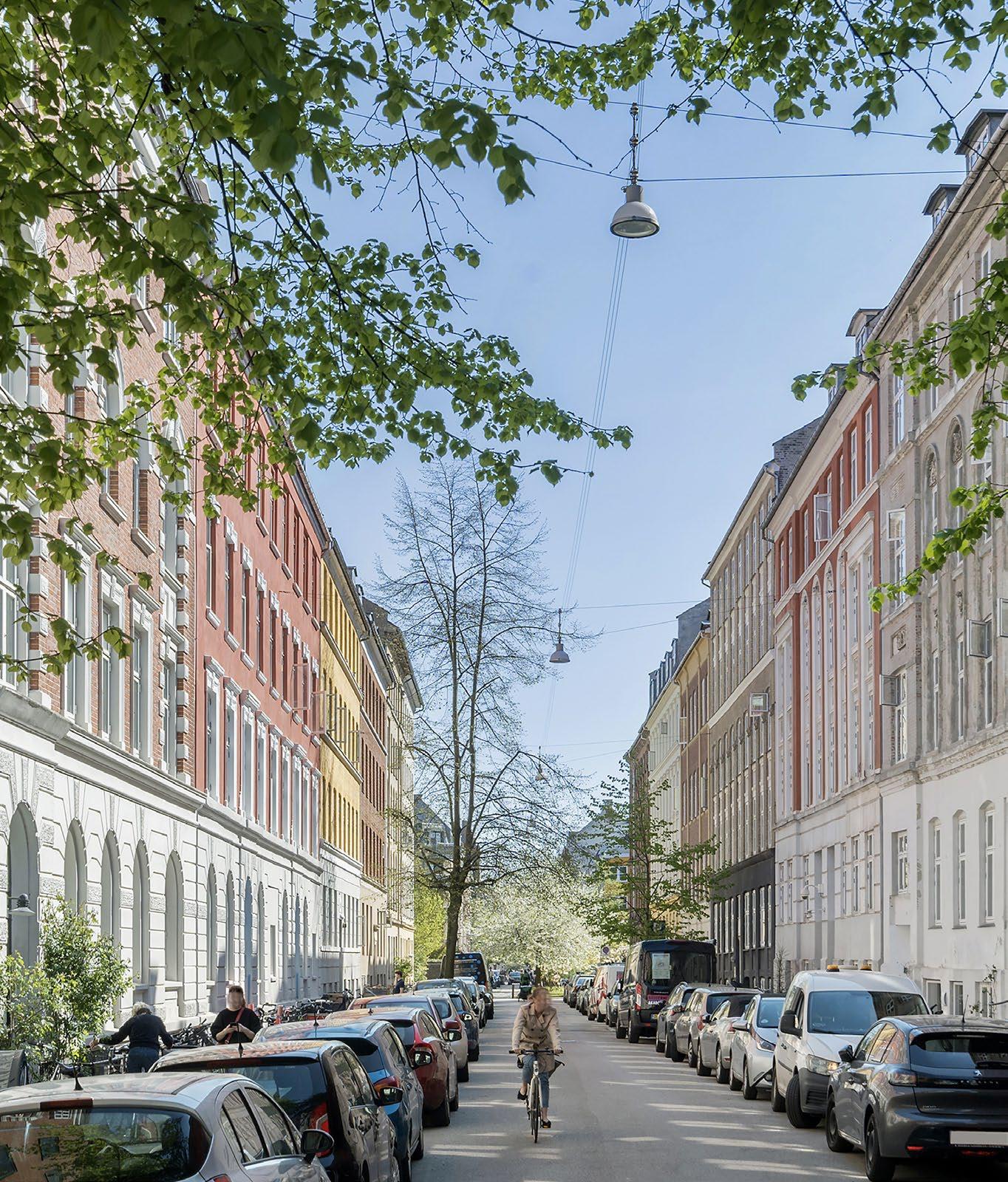
RED assisted HEA Ejendomme with the sale of a portfolio of 16 residential properties located on Zealand.
The Danish residential market is boiling. Whether focusing on the rental market, the owneroccupier market, or the investor interest in residential properties, activity is high, and demand is significant. In 2026, the occupier market is expected to continue to surge, which will drive rent levels up in the country’s largest cities. At the same time, rising rent levels and high competition among investors are expected to result in a downward pressure on yield requirements for Danish residential assets.
Residential rental properties have been characterised by a high tenant demand for several years, which was also reflected in rising rent levels and decreasing vacancy rates across the country in the past year. For 2026, we expect demand to remain high, particularly in the country’s largest cities.
This expectation is based on the fact that owner-occupied homes in Copenhagen and Frederiksberg are largely financed with low loan-to-value ratios (read “The Residential Market Has Become a Closed Club” on p. 22), which is also the case in Aarhus and Odense. Therefore, we do not expect to see a significant price correction in the owneroccupied market in the near future. For home seekers without substantial equity, the housing burden of owning vs. renting will thus continue to push home seekers into the occupier market and keep the fire burning.
A continued undersupply of rental housing, limited development opportunities, and the fact that more people want to live in the city are expected to continue exerting upward pressure on market rent for residential rental properties in Copenhagen. However, we expect the increase to be more subdued than in recent years, as there is a natural limit to how much of their income tenants can and will pay in rent. We expect that the largest rent increases in Copenhagen will materialise in areas where rent levels have not previously risen to the same extent as in other areas, as rent levels in the most attractive areas are largely reaching a ceiling, where most home seekers can no longer keep up.
Our expectations for a strong residential occupier market in Copenhagen are supported by our expectation survey, which shows that as many as 84% of investors in Q1 2026 expect that we will see rising rent levels in Copenhagen ( figure 20).

In the suburban municipalities surrounding Copenhagen, we also expect room for rent increases. Despite significant construction activity in these areas in recent years, the supply is being absorbed, and the offering periods remain short. There are many projects underway and building land available, but it will take some time before they are ready for occupancy. As a result, we expect a continued undersupply in several of the suburban municipalities in 2026, which is likely to create upward pressure on market rents in these areas.
It is no secret that Aarhus was a weak spot for several property owners, as the residential rental market was for a period characterised by oversupply and relatively high vacancy levels. However, rising interest rates and high construction costs put a brake on construction activity. At the same time, a continued demographic shift towards the larger cities has contributed to a better balance between supply and demand. This development was reflected in 2025,
A continued undersupply of rental housing, limited development opportunities, and the fact that more people want to live in the city are expected again in 2026 to exert upward pressure on market rent for residential rental properties in Copenhagen.”
Jesper Bruce-Anderson Partner, Co-Head of Valuation, RED
where the market rent in Aarhus increased significantly.
Despite the positive development, rent levels in Aarhus remain significantly lower than the levels in the Copenhagen. As demand now matches supply better, we believe that there
is room for further rent increases in Aarhus in 2026. This expectation is supported by our investor survey, where more than half of the investors in Q1 2026 expect to see increasing rent levels in the city. In contrast to Copenhagen and Aarhus, the majority of investors expect rent to remain stable in the provinces.
During the coming six months, the market rent for residential units will:
Increase
Remain stable
Decrease
Continued on next page
The Cushman & Wakefield | RED Investor Confidence Index
The index monitors 142 of the most active investors’ expectations for the Danish commercial real estate market during the coming six months. The broad coverage ensures that the findings are representative reflections of the investors’ confidence in the Danish market. By conducting the survey on a biannual basis, we are also able to track changes in the confidence.
Figure 21: Investor Confidence Index – Residential yields During the coming six months, market yields for residential properties will:

The central question is not whether there are investors for residential properties, but rather whether there are sellers in the market.”
Kjeld Pedersen Partner, Capital Markets, RED
When residential rental properties in Copenhagen and the surrounding municipalities come to market, most investors’ eyes light up. The residential segment is extremely liquid with significant competition, and if we look at the total returns that property owners of residential rental properties have achieved (see “Does the Residential Segment Meet Expectations?” p. 26), it makes sense that residential assets top the investors’ wish lists.
A strong underlying occupier market, continuously rising condominium prices, and a broad investor base are expected to drive more aggressive capital and put a downward pressure on yield requirements for residential properties in 2026. This expectation is supported by our expectation survey from Q1 2026, where over half of the investors anticipate decreasing yield requirements in the coming period ( figure 21).
The central question is not whether there are investors for residential properties, but
rather whether there are sellers in the market. In recent years, several property owners initiated divestment strategies by privatising rental housing through condominium sales in the owner-occupied market, as the investors were unwilling to sell at the higher yield requirements, that followed the interest rate hikes in 2022. In 2026, however, we expect that a gradual compression of yield requirements for residential rental properties will increase the sellers’ motivation to sell, leading to a higher number of transactions with rental properties in Copenhagen. The willingness to sell is however expected to be slightly hindered by the fact that investors, upon selling, must have the capital placed elsewhere, and here, the residential segment is still the segment with expectations for the highest total return.
While investor interest in rental residential properties with free rent determination is expected to be significant in 2026, the demand for properties with cost-determined rent is expected to remain more selective. This is partly due to the waiting period and
the high equity requirements from financial institutions, which together narrow the investor field to primarily include investors with a high amount of equity and a longterm investment perspective.
However, over the past year, we have seen that the new taxation rules for business succession have created increased demand for cost-determined properties, which are typically characterised as a well-located low-risk assets. We therefore expect a higher investor appetite for cost-determined residential properties in 2026 than we have seen in the past few years.

The tables below show statistics on the offering rent and the offering period for residential leases based on 61,000 observations from 2024 and 2025. Moreover, the expected prime yield for Q1 2026 is stated.
* The average offering rent is based on 33.000 observations from 2025, and is stated in DKK per m² per year (rounded).
** The figure indicates the change in the average offering rent (in %) and in the offering period (in days) from 2024 to 2025.
*** The average offering period is the number of days, in which the lease was offered on the market.
**** The prime yield within Copenhagen differs significantly from the most (North Harbour & City Centre) to the least attractive areas (Valby & Vanløse).
10.8 BN DKK
TRANSACTION VOLUME
Several large deals resulted in an increased activity from 2024 to 2025, despite the number of deals being slightly lower.
Foreign investors were reluctant, which is why Danish capital accounted for 90% of the volume in the segment.
Transactions involving a number of Copenhagen assets resulted in nearly half of the volume being invested in the fourth quarter of the year.
Despite limited investor appetite, the office segment returned as the second largest property segment (15% of volume).
UNCERTAINTIES IN THE MARKET CONTINUED TO LINGER
A lack of confidence in the future of the physical office limited the investor pool and thereby the activity.
TRADITIONAL INVESTORS RETURNED
Public institutions, which dominated the segment in 2024, were replaced by traditional investors in 2025. The transaction volume was calculated on January 15th 2026, and it is customary for significant volumes to be recorded afterwards. For instance, the total office transaction volume for 2024 on the same date last year was 16% lower than the current known volume for 2024.
5.3
BN DKK 49%
1.5
BN DKK 14%
5.3 BN DKK 49%
COPENHAGEN
0.9
BN DKK 8%
0.9
DKK 9%
2.2
Source: ReData
COPENHAGEN 1.5 BN DKK 14% 0.9 BN DKK 8%
1.5
BN DKK 14%
0.9
BN DKK 9%
0.9
COPENHAGEN Danish 94% Foreign 6%
79% Foreign 21% Danish 89% Foreign 11% Danish 100% Foreign 0%
COPENHAGEN
10.8 BN DKK
Foreign 10%
10.8
DKK
OTHER ZEALAND
ZEALAND
BN DKK 8% OTHER ZEALAND
JUTLAND & FUNEN
2.2 BN DKK 21%
BN DKK 21% OTHER JUTLAND & FUNEN Danish 86% Foreign 14%
0.9
BN DKK 9% AARHUS
2.2
COPENHAGEN DOMINATED
Copenhagen office properties accounted for almost half of the volume in the segment.
Several deals with core assets resulted in rising prices per square meter for traded assets in Copenhagen.
The occupier and investor preference for Copenhagen properties were reflected in the significantly lower square meter prices outside the capital.
Investors have had office investments on hold for several years. Global uncertainties, increasing remote work, and market yields that failed to keep pace with the increasing interest rates have kept investors on the sidelines. However, total returns in the segment are now starting to look attractive again, and the question is whether office properties are making their way back onto the investors’ radar.
* The returns are calculated as average returns across Copenhagen’s subareas at the end of the year.
** The vacancy rent is based on the average vacancy rate for office leases in Copenhagen in the given year.
*** The calculation is based on estimated costs of DKK 5,000 per m² in 2022 prices, which are adjusted annually with the inflation.
When investors in the commercial real estate market assess their investment opportunities, the expected total return over the investment horizon is often crucial. The total return on commercial real estate depends on several factors, including the operating yield, the development in the market rent, and shifts in the investors’ yield requirements. Based on these parameters, we have analysed the development of the total return for office properties in Copenhagen over the past ten years.
The fact that the net initial yield for prime office properties in Copenhagen was once at the same level (or in some cases below) as the yield for prime residential properties may seem somewhat unbelievable in light of recent years’ investor appetite. Nonetheless, this was the case during the period 2018–2020, when demand for office properties was high, and capital was both abundant and aggressive.
Looking solely at the operating yield in the period leading up to the interest rate increases, they ranged from approximately 2.7–3.3% ( figure 26). Therefore, the operating yield, in isolation, has not historically been particularly impressive.
It was especially the expectations for market rent growth that drove investor interest. An examination of the underlying components of the total return shows that the increases in the market rent contributed significantly to the total returns during the period. Additionally, there was a prolonged period of yield compression, where decreasing interest rates made investors willing to accept continuously lower yield requirements, and the cheaper financing resulted in investors being able to revalue their property values quite significantly year after year solely due to yield compression.
Overall, the combination of increasing market rents and the significant yield compression contributed to Copen hagen office
properties generating attractive unleveraged total returns of 9.4-14.6% during the years leading up to 2022.
After the significant interest rate increases in the second half of 2022, prime yield and interest rate levels were no longer aligned, and furthermore, uncertainty about the long-term consequences of Covid19 remained present, where global trends towards remote work raised concerns about both increasing vacancy rates and the risk of decreasing rent levels – also in Copenhagen.
Despite the fact that the office occupier market in Copenhagen showed no significant signs of weakness, this uncertainty meant that office investors largely withdrew from the market. Where prime properties had previously been the primary driver behind transaction volume in the segment, the activity was instead dominated by user acquisitions and value-add deals.
In both 2023 and 2024, Copenhagen office properties generated negative total returns. However, the negative returns were mainly a result of depreciations in values due to increasing yield requirements, as the
underlying operating yield was reasonable, and the market rent continued to increase.
Where does the office segment stand today?
In 2025, the transaction volume in the office segment reached DKK 10.8 billion, which is the highest level since interest rate hikes froze the market in 2022. The volume was largely driven by more ‘traditional’ deals involving investment properties (and not just user properties), including PensionDanmark’s acquisition of Nest 45 and Gammel Køge Landevej 39, Jeudan’s acquisition of two Copenhagen office assets, as well as Danica Ejendomme’s acquisition of Nordport.
The increasing activity in the office segment can be explained by several factors. Firstly, the occupier market has demonstrated its resilience. Despite increased remote work in the years following Covid-19, tenant demand remained high, vacancy rates remained low, and market rents kept rising, and today, more and more companies are starting to reduce the share of remote working.
Continued on next page
Continued from previous page
Secondly, the market yields have been adjusted. When interest rates rose, we observed how the yield curve for prime office properties skyrocketed ( figure 28). However, the yield adjustment was not sufficient to keep up with the interest rate increases, resulting in a mismatch between the buyers’ and the sellers’ yield and thus price expectations. Since then, the yields and financing interest rate have stabilised. Investors can therefore once again achieve reasonable risk-adjusted returns, allowing buyers and sellers to meet again, increasing market liquidity.
Finally, the increased activity in the office segment must also be considered in the context of the significant competition in the residential segment, which has been putting
a downward pressure on yield levels for residential assets. This raises the question of whether more investors in the coming period will begin to consider alternative segments, where competition is lower, and with the opportunity for risk diversification now that total returns in the office segment once again appear reasonable.
We assess that the office segment is gradually regaining its footing. The occupier market remains polarised with high demand for newly built and modern office properties, whereas older and smaller leases experience weaker tenant demand. Therefore, the overall rent growth in 2026 is expected to be limited, though with moderate increases in the most attractive areas, including North Harbour and CBD. Based on our expectation for the development in market rents
across Copenhagen, market rent growth is expected to contribute with 2.7% to the total return in 2026, while the vacancy rate is expected to remain unchanged.
Finally, the development in prime yield is expected to positively impact the total return. Although the office segment is still expected to be a marketplace for Danish investors, we anticipate greater investor appetite in the coming year, which could create a minor downward pressure on the market yields. The yields in Copen hagen are therefore, on average, estimated to decrease by 10 basis points.
Based on the above, we expect that Copenhagen office properties will deliver a total return of approximately 8.0% in the coming year.
It should be noted that the estimated total return represents the expected return generated in the office segment as a whole relative to the starting point at the end of 2025. Thus, it does not represent the total return an investor would receive on their investment if they were to acquire a office property in 2026.
–
&
In recent years, the office market has been characterised by a continuously increasing polarisation in both the occupier and investment markets. In particular, the foreign investors have become more cautious with their capital allocation in the segment. Despite certain positive trends, we generally expect 2026 to be a status quo year, with no structural changes.
DENMARK IS NOT LIKE ALL THE OTHERS
Global trends with a significant increase in remote work led market players worldwide to question the future of the physical office. However, in Denmark, we have not observed the same development, and in recent years, the share of remote work has fallen back and stabilised at roughly the same level as before Covid-19. As also seen in 2025, we therefore expect that companies will generally attempt to attract their employees back to the office in 2026, where one of the key drivers will be the offices offering both physical and social environments that cannot be replicated at home.
At the same time, the continued low unemployment means there will be competition to attract the most qualified workforce – and in this competition, the office’s facilities and location also play an important role.
FURTHER AND FURTHER FROM TOP TO BOTTOM
In 2026, we expect the recent years’ polarisation of the office occupier market to intensify further, resulting in an increasing spread in rent levels from top to bottom. For the

very best premises (newly built offices in prime locations in Copenhagen), we expect rent levels to continue increasing, whereas we expect rent levels for the least attractive premises (older offices in weak locations outside Copenhagen) to decrease.
However, for the vast majority of office leases, we expect the market to remain characterised by the same demand and trends as observed in 2025, which we anticipate will be reflected in stable rent levels. The expectation of stability in the office occupier market is supported by our investor survey from Q1 2026, which shows that nearly three out of four investors expect office occupier demand to remain unchanged during the next six months ( figure 29).
Our expectation of continued rent increases for the most attractive leases should be viewed in the light of the fact that supply cannot keep up with demand – and is not expected to be able to in the near future. While competition for building plots in North Harbour is intense, there are limited opportunities to develop new office buildings in other prime areas, such as the City Centre, Kalvebod Brygge, and Havneholmen. In less
attractive areas, where the competition for leases is lower (e.g., areas such as Ørestad) and where some development opportunities still exist, developers typically require a certain level of pre-commitment in terms of occupancy before initiating the construction. This is becoming increasingly challenging, as tenants are generally reluctant to commit to projects that will not be completed for several years.
We therefore expect a continued undersupply of office leases in the most attractive areas, but for Copenhagen as a whole, we expect to see a reasonable balance between tenant demand and the building stock, which we expect will result in stable vacancy levels. Furthermore, we expect that the majority of the vacant offices (measured by number) will be smaller units in the old building stock that have not been thoroughly renovated, whereas the supply of leases in newly constructed office properties in attractive locations will remain relatively limited.
Another trend we expect to continue in 2026 is that, although we see tenants committing to shorter leases than in the past, they
As also seen in 2025, we therefore expect that companies will generally attempt to attract their employees back to the office in 2026, where one of the key drivers will be the offices offering both physical and social environments that cannot be replicated at home.”
Anders Krogh Partner, Office Letting, RED
are also placing increasing demands on the physical quality and facilities of their offices. This means that landlords must invest more than previously to enhance the quality of the leases and tailor them to the individual tenant. However, outside Copenhagen, it is typically not profitable to invest heavily in the leases, and therefore, we expect landlords to increasingly explore opportunities to convert older office properties to alternative uses.
At the end of 2025, the stabilisation of interest rates, the levelling of yield levels, and the strong underlying occupier market in Copenhagen resulted in higher market liquidity than in recent years. Despite this, we do not expect a significant resurgence in the investment market in 2026.
This is partly due to the fact that, as a result of recent years’ global trends, we expect foreign investors to remain cautious with investments in office properties. The activity in the segment is therefore primarily expected to be driven by investments from Danish investors, particularly pension funds. Assuming that capital returns to the German pension funds, we also expect them to be potential buyers of Danish office properties, and we continue to anticipate some interest from Scandinavian investors.
As it is primarily the risks that deter investors from investing in office properties, we expect investor demand to closely follow tenant demand. As we observed in 2025, we therefore expect less secure office properties located outside Copenhagen to rank low on investors’ shopping lists, but if attractive office properties located in Copenhagen are offered in the market, we expect that there will be a reasonable investor interest.
During the coming six months, the demand on the office occupier market will:
Overall, it is our assessment that the yield requirements in the office segment have reached a level that investors consider appropriate, given the risks and financing conditions. Provided there are no significant changes in the underlying conditions, it is therefore our expectation that the yield requirements for office properties will remain more or less stable in the near future.
This expectation is supported by our expectation survey, which shows that a total of 71% of the surveyed investors also expect that yields to remain stable in the near future ( figure 30). However, it is also worth noting that one in four investors expect yields to decrease, and only 4% expect yields to increase, which supports the continued confidence in the Copenhagen office market.
During the coming six months, market yields for office properties will:
The Cushman & Wakefield | RED Investor Confidence Index
The index monitors 142 of the most active investors’ expectations for the Danish commercial real estate market during the coming six months. The broad coverage ensures that the findings are representative reflections of the investors’ confidence in the Danish market. By conducting the survey on a biannual basis, we are also able to track changes in the confidence.
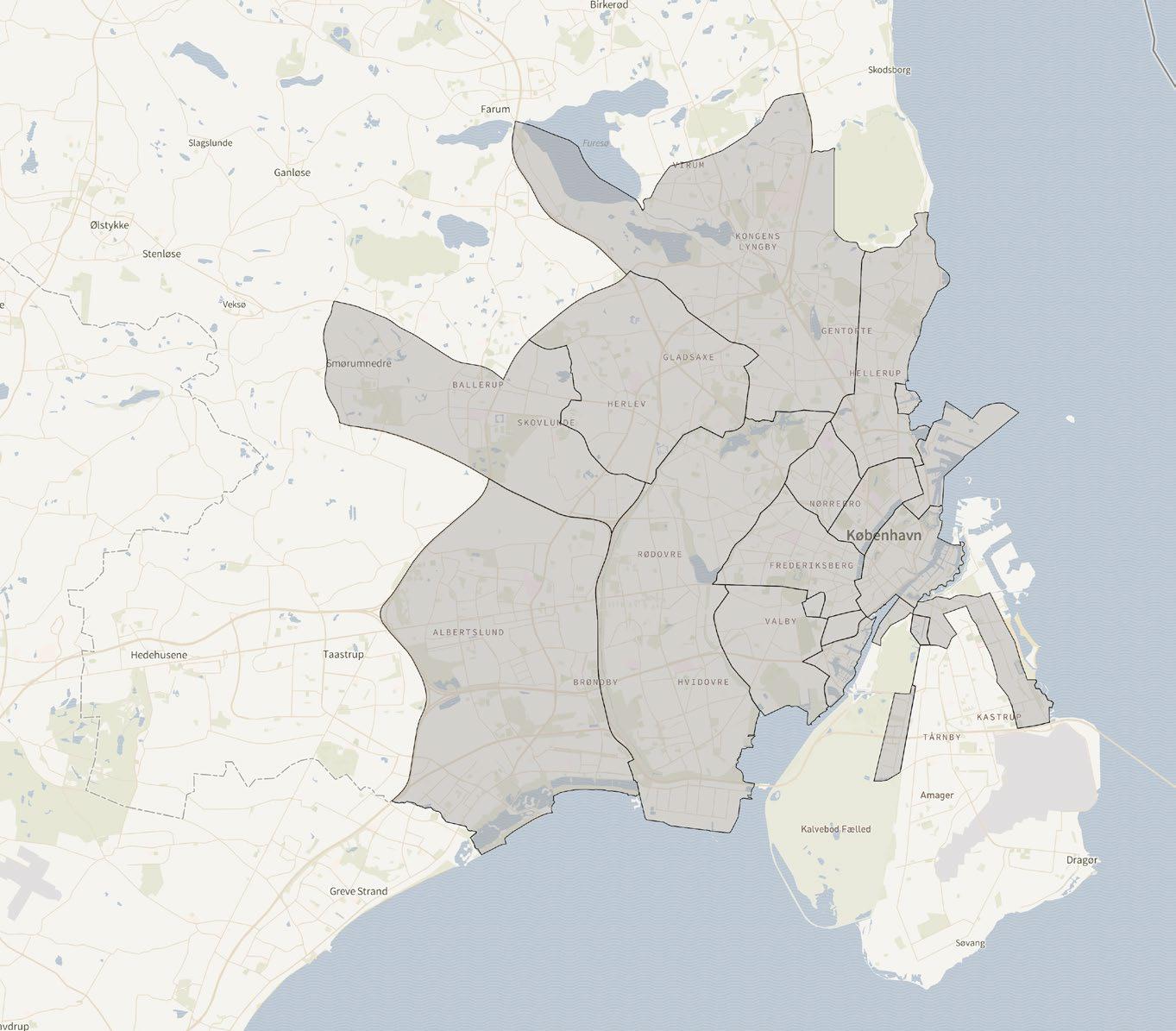
GO AND SEE DATA FOR ALL OF THE AREAS
On app.redata.dk/markedsindsigt
is a detailed overview for each of the 19 areas.
* The rent is the average gross rent (DKK per m² incl. operating expenses) for which all leases in the area were
** The rent is the average gross rent (DKK per m² incl. operating expenses) for which the most expensive leases in the area were offered in 2025. The calculation of the top rent depends on the number of leases offered in the area, but the level is in most cases based on 1-5 leases.

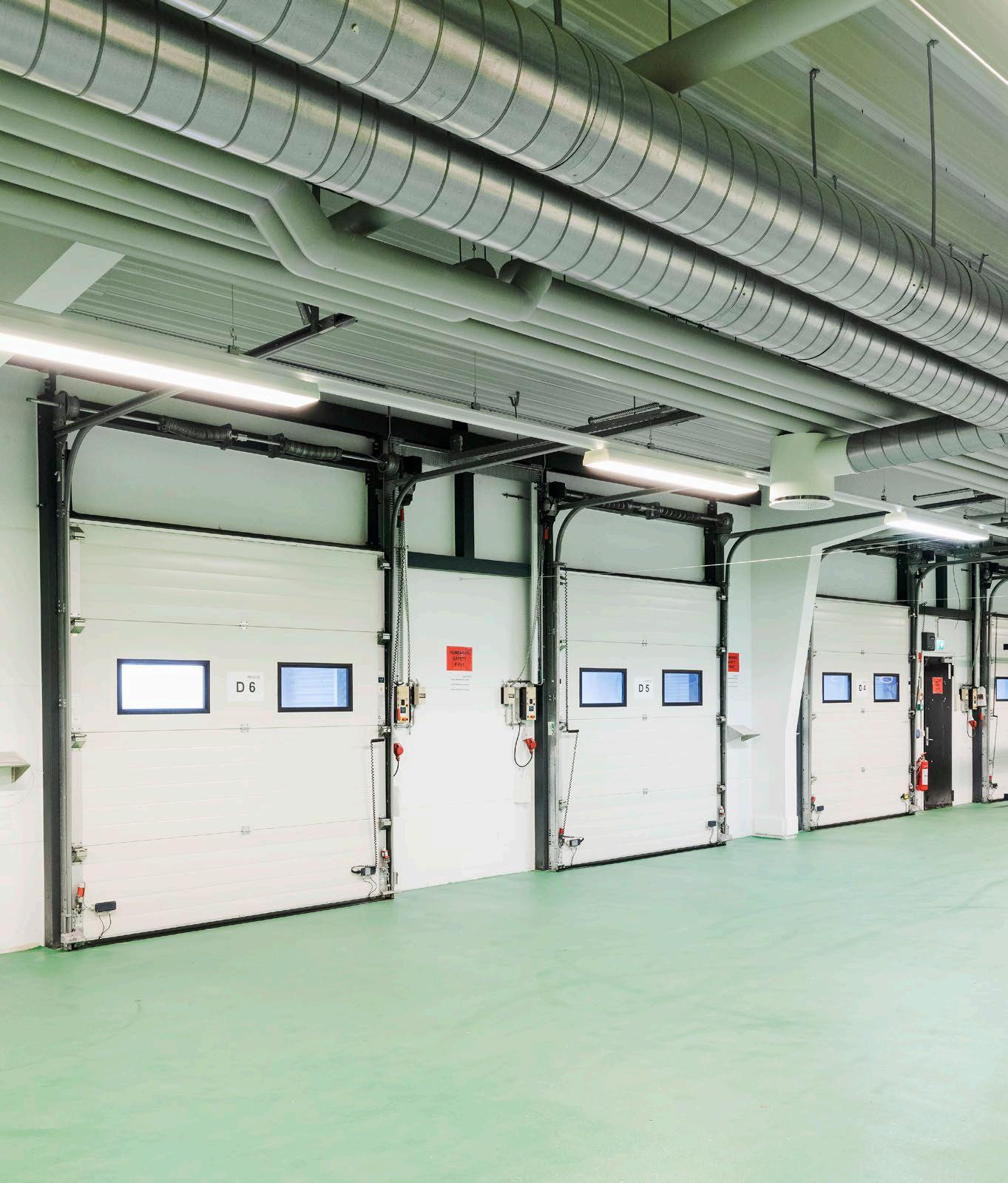
RED assisted a group of private investors with the valuation of a logistics property on A.P. Møllers Allé near Copenhagen Airport.
7.5 BN DKK
The volume in the logistics segment was halved from 2024 to 2025.
10%
The logistics segment’s position as the second largest segment was short-lived, as the segment only accounted for 10% of the total volume in 2025.
The number of asset deals over DKK 250 million fell significantly (from 13 in 2024 to 4 in 2025).
The decline in transaction activity was not due to a lack of investor demand, but rather a lack of supply.
The foreign investors’ share of the volume (31%) is the lowest ever recorded in the segment.
Despite Danish capital dominating, four out of the five largest investors were foreign.
The transaction volume was calculated on January 15th, 2026, and it is customary for significant volumes to be recorded afterwards. For instance, the total logistics transaction volume for 2024 on the same date last year was 11% lower than the current known volume for 2024.
Figure 31: Logistics – Breakdown in price range 2024 & 2025
* The number of deals in the segment can be explained by the fact that the number also includes properties with a secondary use as warehouse.
LOGISTICS
LOGISTICS VOLUME IN TOTAL
7.5
7.5 BN DKK
Source: ReData
OTHER ZEALAND
1.2
BN DKK 15%
1.2 BN DKK 15% OTHER ZEALAND
Danish 74% Foreign 26%
0.3 BN DKK 4%
1.2
BN DKK 15%
3.1
3.1
Danish 69% Foreign 31% Danish 74% Foreign 26%
0.3 BN DKK 4% AARHUS
Danish 100% Foreign 0%
Danish 100% Foreign 0%
OTHER ZEALAND
Danish 74% Foreign 26%
OTHER JUTLAND AND FUNEN LOGISTICS VOLUME IN TOTAL
OTHER JUTLAND AND FUNEN
BN DKK 42%
BN DKK 42% Danish 86% Foreign 14%
Danish 86% Foreign 14%
0.3
BN DKK 4% AARHUS
Danish 100% Foreign 0%
2.9
2.9
BN DKK 39%
BN DKK 39%
3.1
BN DKK 42%
COPENHAGEN AND GREATER COPENHAGEN
COPENHAGEN AND GREATER COPENHAGEN Danish 47% Foreign 53%
Danish 47% Foreign 53%
OTHER JUTLAND AND FUNEN
Danish 86% Foreign 14%
2.9
BN DKK 39%
DKK Danish 69% Foreign 31%
LOGISTICS VOLUME IN TOTAL
COPENHAGEN AND GREATER COPENHAGEN Danish 47% Foreign 53%
ZEALAND 0.3
Danish 74% Foreign 26% Danish 100% Foreign 0%
7.5 BN DKK Danish 69% Foreign 31%
3.1
JUTLAND AND FUNEN
7.5
2.9
1.2
While foreign investors were the largest in Greater Copenhagen, Danish investors dominated the rest of the country.
Nationally, the square meter prices were decreasing, but in Greater Copenhagen and Aarhus, prices were increasing.
Investments in different asset types resulted in almost equal volumes in Greater Copenhagen and “Other Jutland and Funen”.
& Funen
* The number of deals in the segment can be explained by the fact that the number also includes properties with a secondary use as warehouse.

The market for warehouse and logistics properties has been developing rapidly in recent years –both in terms of building stock, tenant requirements, vacancy rates, rent levels, yield requirements, and investor demand. However, in 2026, we expect both the occupier and investment markets to be characterised by an increased degree of stability, but there will also be new trends in the market.
In recent years, the market for warehouse and logistics properties has been characterised by increasing vacancy rates, This can, among other things, be attributed to tenants becoming more selective, and as properties in the segment relatively quickly become technically obsolete, many new buildings (which have been able to meet tenant demands) have been added to the market. Despite some of the existing buildings being converted to other uses, the building stock has therefore increased. At the same time, economic uncertainties have impacted businesses and led to a continued strong, yet more subdued, tenant demand than we have previously seen.
There is currently a more limited pipeline for new constructions of warehouse and logistics properties, and the share of speculative construction is expected to be minimal. Looking specifically at Greater Copenhagen, the supply is further constrained by the fact that there are very few opportunities to add new properties to the market. Together with an increasing focus on supply chain management and the continued strong economic conditions (particularly

the low unemployment), these factors are expected to positively influence the tenant demand for warehouse and logistics buildings, which is why we expect to see vacancy rates remaining more or less unchanged nationwide in 2026.
Overall, our expectation is that the logistics market in 2026 will be characterised by market stability, with a good balance between supply and demand. This expectation is supported by our investor survey, which shows that the majority of investors (68%) expect tenant demand in the logistics occupier market to remain stable in the first half of 2026 ( figure 36). However, it is also worth noting that the majority of the other investors expect to see increasing tenant demand, indicating that there are no expectations of a market under pressure.
The market trends are expected to result in rent levels generally remaining stable. For well-located modern logistics properties and light industrial assets, we still expect that there is some room for further rent increases, primarily driven by the limited supply. However, we do not expect to
see the same significant upward pressure on rent levels for light industrial assets as we have seen in recent years, as there is a limit to how high rent levels can go.
In addition to the demand for traditional warehouse and logistics properties, we also expect to see significant demand for the fastest-growing segment – data centres. However, the limited availability of locations with sufficient electricity capacity, situated close to end-users (to avoid latency) and the political support regarding planning processes, mean that the current supply is limited and that it is challenging to increase the supply in the short to medium term.
Finally, in the long run, we expect that the opening of the Femern connection will result in tenants favouring the logistics hubs on Zealand over those on Funen and in Jutland. Given that the tunnel will not be operational until 2029, we do not expect to see any significant change in tenant demand in the logistics market already in 2026, but the connection will raise awareness among both tenants and investors.
With interest rates having stabilised at a level where warehouse and logistics properties can benefit from a positive gearing effect, we expect a more liquid investment market in 2026, with welllocated assets expected to experience rising interest.”
Kim Søberg Petersen Partner, Capital Markets, RED
THE
With interest rates having stabilised at a level where warehouse and logistics properties can benefit from a positive gearing effect, we expect a more liquid investment market in 2026, with well-located assets expected to experience rising interest. If the right assets are offered in the market, we anticipate that there will be continued strong investor appetite for both modern logistics assets and light industrial properties located in Greater Copenhagen.
As a result of our expectations of stability in both interest rates and tenant and investor demand, we generally expect that the yield requirements for both warehouse and logistics properties will remain stable in the near future. This expectation is supported by the fact that 73% of the surveyed investors in our latest expectation survey anticipate that yield requirements for logistics properties
will remain stable in the first half of 2026 ( figure 36).
If attractive modern logistics properties are offered on the market, we expect that the strong competition among investors will result in yield requirements once again moving below 5.00%. However, due to the continued high interest rate levels, we do not expect to see the low yield levels seen when the market peaked in 2022.
Despite the general expectations of market stability, we also expect certain changes in the market. For light industrial properties, there is no longer the same expectation of significant rent growth in the coming years, which we also expect will be reflected in investor demand. This does not imply that it will be a market characterised by illiquidity, but we expect to see slightly more
During the coming six months, the demand on the logistics occupier market will:
limited investor demand than we have seen in recent years.
Regarding market liquidity, it should also be noted that the yields on Danish warehouse and logistics properties are no longer higher than in the rest of the Nordics, and therefore investor demand is expected to be dampened by the fact that the yield premium that characterised the Danish market for many years is gone, which is why investors can generate the same or even higher yields on warehouse and logistics properties in the other Nordic countries.
We also expect to see that the past year’s increasing vacancy rates in the Triangle Region will lead to a very localised dampening of investor appetite, as investors are likely to be cautious with investments in the area and therefore seek opportunities in alternative locations.
During the coming six months, market yields for logistics properties will:
The Cushman & Wakefield | RED Investor Confidence Index
The index monitors 142 of the most active investors’ expectations for the Danish commercial real estate market during the coming six months. The broad coverage ensures that the findings are representative reflections of the investors’ confidence in the Danish market. By conducting the survey on a biannual basis, we are also able to track changes in the confidence.
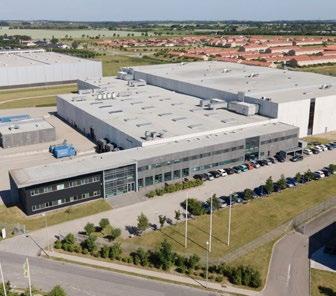
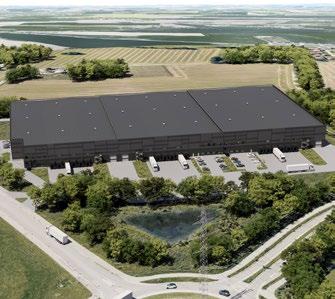

LOGISTICS – PRIME RENT AND YIELD LEVELS Q1 2026
1 Copenhagen (Avedøre Holme and Amager)
2 Taastrup Area
3 Køge and Greve
4 The Triangle
(Fredericia, Kolding and Vejle)
5
6 Aarhus
* DKK per m² per year excl. service charges
Source: Cushman & Wakefield | RED
Volume & Investors 2025
Transactions & Key Figures 62 64 66 68 70 72
Geographical Distribution
Highlight: The High Streets of Copenhagen in 2025
Highlight: Where is the good investment?
Expectations for 2026
7.4 BN DKK
Activity was driven by transactions under DKK 50 m., which accounted for approximately 50% of the volume and 98% of the number of deals.
Despite many small transactions, several larger deals increased the average transaction size by 21% from 2024 to 2025.
While transactions with traditional retail stores were limited, the activity in 2025 was driven by investments in local centres and grocery stores.
Although the segment, due to its many different asset types, can appeal to many different investor types, the demand was limited.

The acquisition of Urban Partners’ portfolio with five grocery-anchored centres secured Slate Asset Management the position as the largest investor.
Even though three out of the five largest investors in the segment were foreign, Danish capital accounted for 67% of the volume.
The transaction volume was calculated on January 15th 2026, and it is customary for significant volumes to be recorded afterwards. For instance, the total retail volume for 2024 on the same date last year was 15% lower than the current known volume for 2024.
COPENHAGEN
1.5
BN DKK 20%
Source: ReData
1.5
COPENHAGEN
BN DKK 20%
1.6
BN DKK 21%
1.4
BN DKK 18%
1.6
BN DKK 21%
1.5
BN DKK 20%
GREATER COPENHAGEN Danish 71% Foreign 29%
GREATER COPENHAGEN
BN DKK RETAIL VOLUME IN TOTAL
7.4 BN DKK RETAIL VOLUME IN TOTAL
7.4
0.7 BN DKK 10%
1.4
BN DKK 18%
1.6
BN DKK 21%
0.7
BN DKK 10%
1.4
BN DKK 18%
COPENHAGEN
67% Foreign 33% Danish 25% Foreign 75% Danish 77% Foreign 23% Danish 100% Foreign 0%
OTHER ZEALAND
ZEALAND
GREATER COPENHAGEN
7.4 BN DKK RETAIL VOLUME IN TOTAL
AARHUS
OTHER ZEALAND
OTHER JUTLAND AND FUNEN
2.2
OTHER JUTLAND AND FUNEN
2.2
BN DKK 30%
BN DKK 30% Danish 77% Foreign 23%
0.7
BN DKK 10%
AARHUS
1.5 BN DKK 20% COPENHAGEN
1.5
1.6 BN DKK 21%
1.6
2.2
OTHER JUTLAND AND FUNEN
1.4 BN DKK 18%
1.4
The development in the prices per m2 was particularly driven by the types of retail properties traded (e.g. fewer high street properties in Copenhagen).
In contrast to the rest of the country, foreign investors were behind the majority of the volume in Greater Copenhagen – primarily driven by Slate Asset Management.
A limited activity in Copenhagen meant that the volume in the segment was more evenly distributed across the country than previously seen.
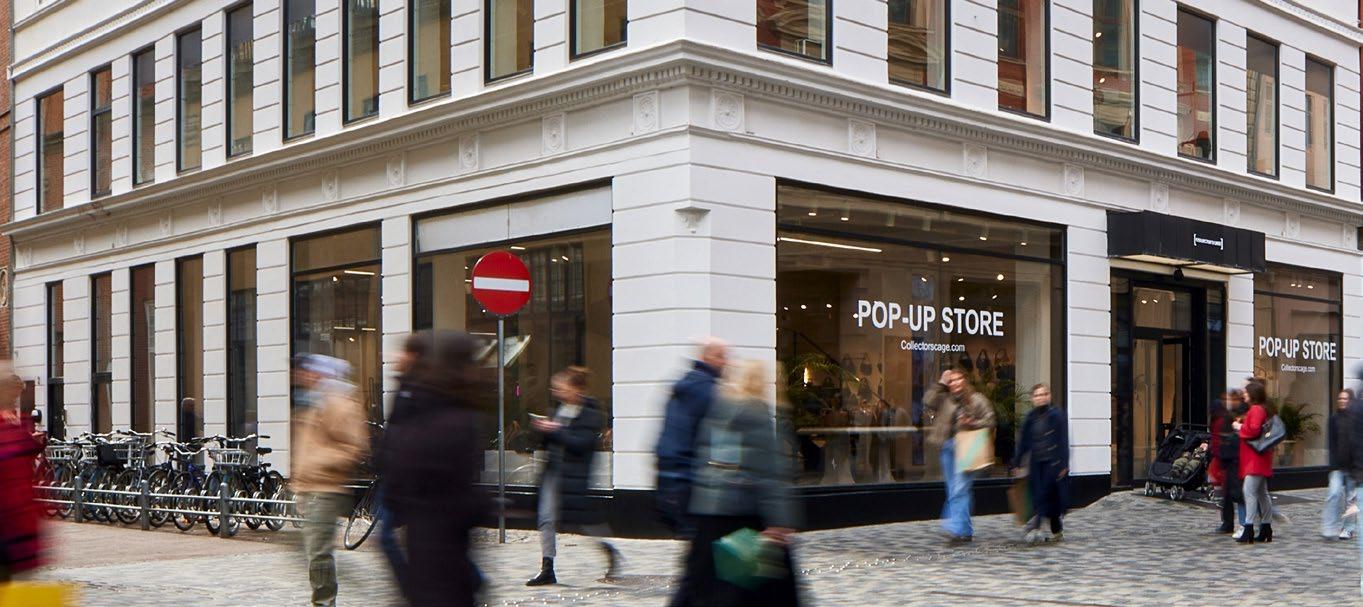
After several years with fluctuations in market conditions, a new picture is emerging on the high streets of Copenhagen. The occupier market is largely thriving with high leasing activity, decreasing vacancy rates, and broad occupier demand across segments and locations. Focus has thus shifted from recovery to improvement, and the expectation is that vacancy rates on the high streets will reach a record low level in the coming year.
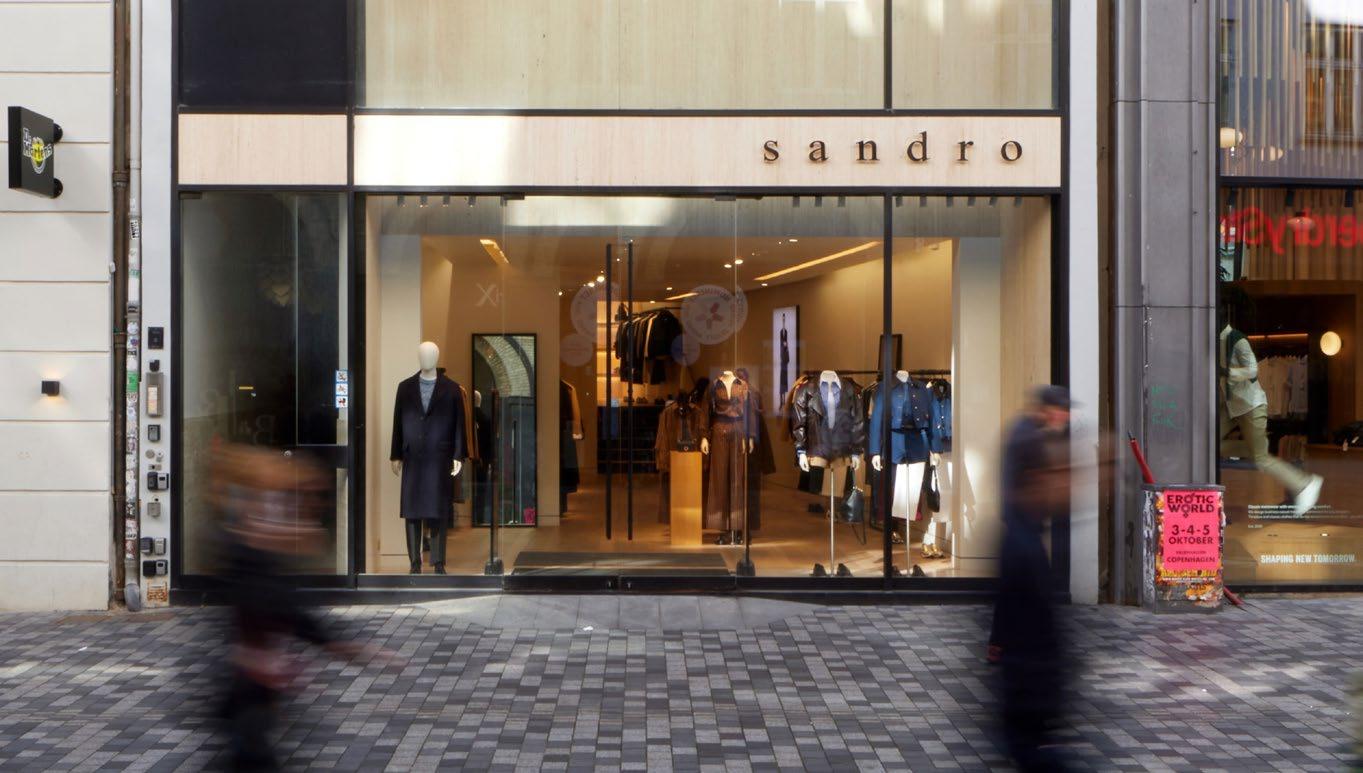
In many ways, the occupier market on the high streets of Copenhagen in 2026 is facing a completely new situation compared with the past five years. Today, we see a more normalised occupier market characterised by a broad demand from both Danish and international players, where high leasing activity has created greater consensus on rent levels. At the same time, record-high tourism levels are contributing positively to the customer base on the high streets.
Demand is diversified across segments and locations, and is expected to remain so. Particularly, sports brands have been active with openings, but interest continues to span broadly – from mass market to luxury brands. Activity among luxury operators has, however, been somewhat more subdued in recent years. This is partly due to challenges faced by a few larger companies, but also because there has been a high interest from the luxury brands in previous years, which is why many of the luxury retailers are now already established in the city.
Even Frederiksberggade, which has previously been challenged, is showing signs of renewed strength with reasonable occupier demand, and despite a limited presence of
larger international brands, new store openings are contributing to an increase in the street’s overall attractiveness.
The occupier market on the high streets of Copenhagen has thus largely regained its footing. Since 2022, vacancy rates have been decreasing, and the development has been supported by a stable level of activity and sustained interest from both national and international tenants. With a pipeline of already signed lease agreements and continued robust demand, we assess that this trend will continue.
The market is thus moving towards a level that surpasses the observations from before the extraordinary market conditions set in (Covid-19, high inflation, rising interest rates, declining consumer confidence, etc.). Based on this, we expect vacancy rates to fall further and reach a level of just above 5% during 2026 representing almost a halving within 12 months ( figure 41). This would bring the vacancy rate to a level even lower than the level we saw before the pandemic.
In this regard, it is also important to note that there will always be a certain level of vacancy on the high streets due to factors such as delayed takeovers, fit-out periods,
regulatory approvals, etc. Despite strong occupier demand, there is therefore a limit to how low the vacancy can go, and our expectation is that we cannot go much lower than the anticipated level of just above 5%.
The strong occupier demand and decreasing vacancy levels provide basis for upward pressure on rent levels. However, this has not yet materialised in any significant rent increases on the high streets of Copenhagen. Instead, there is a clear trend towards reduced landlord incentives compared to previous years, which over time may also lead to higher rent levels on the high streets.
In several internationally attractive cities, an upward pressure on rent levels is already being observed. Although the markets are not directly comparable to Copenhagen, this development may influence international retailers, who are facing higher rent levels in other major cities, and therefore will increasingly be willing to accept higher rent levels in Copenhagen as well. It will therefore be interesting to see whether market rents on the high streets of Copenhagen will also begin to increase in the coming years.
In recent years, high street properties in Copenhagen have often been overlooked by investors, whereas warehouse and logistics properties have experienced more or less insatiable demand. However, looking back over the past 30 years, our analysis suggests that investors may want to reconsider where they allocate capital going forward.
An investment decision fundamentally depends on three key factors: return, risk, and timing.
• How are the cash flows over the investment horizon?
• What risks are associated with the investment?
• Where does the market stand today and in the long term?
If the expected return is attractive, the risks are limited, and the market is favourable, the case is likely to be a good investment.
RENT GROWTH HAS FAVOURED INDUSTRIAL
It cannot be neglected that the retail segment has faced a range of challenges over a longer period, creating uncertainty about future cash flows, and although the occupier market in Copenhagen has demonstrated resilience in recent years, liquidity remains limited. Conversely, investors have had strong beliefs in rent growth in the warehouse and logistics segment, resulting in high investor demand.
Over time, the two asset types will be characterised by very different risk profiles. Due to technological advancements, warehouse and logistics properties become technically obsolete over time, meaning that after a number of years, properties may no longer meet the tenants’ requirements. This leads to a variety of risks, as it can result in both pressure on rent, increasing vacancy rates, and higher exit yields, etc.
In contrast, centrally located properties (retail, office and residential) are less likely to become technically obsolete in the same way. Furthermore, there are very few opportunities to increase the building stock in the city. As a result, cash flows and risks for
this type of asset will not be affected to the same extent as the properties age.
Thus, there are factors that could argue for attractive investments in both segments. However, when comparing the historical value growth for warehouse properties built in the 60s in Greater Copenhagen with that of centrally located properties in Copenhagen, there is a clear winner.
Based on 38 warehouse properties and 35 city properties traded over the past 30 years, we have compared the earliest recorded sales price with the most recent sales price and calculated the average holding period (24.1 years and 14.5 years,
respectively) ( figure 42). For these transactions, the average annual value growth for warehouse properties is 2.20%, whereas for city properties it is more than double as high at a substantial 4.60%. Historically, investments in city properties have therefore delivered by far the highest value growth.
However, value growth is not the only determining factor. It must also be taken into account that the properties are characterised by different initial yields and cash flows over the investment period. Our calculations, based on completed transactions, show a total return of approximately 6.7% for warehouse properties versus 8.1% for the city properties ( figure 43). Historically, the total returns have therefore been somewhat higher for the city properties than for warehouse properties – even when accounting for the fact that the initial yield is lower for city properties than for warehouse properties, and that vacancy costs (including both the lost rent and refurbishment costs) are significantly higher for city properties.
Historically, city properties have therefore, on average, been better investments than the warehouse properties from the 1960s. However, hindsight is always easy. What is particularly interesting is which asset type is likely to perform best going forward.
* For the warehouse properties, the rent during the holding period has been calculated based on an initial yield at the time of acquisition of 7% and with an annual rent adjustment of 1.8%. Based on the actual sale price, this corresponds to the properties having been sold at an exit yield of 6.3%. A similar calculation has been carried out for the city properties, where the rent during the holding period has been calculated based on an initial yield at the time of acquisition of 5% and with an annual rent adjustment of 3.6%. Based on the actual sale prices for the city properties, this corresponds to the properties having been sold at an exit yield of 4.4%.
We are currently in a market where the risk-adjusted returns for centrally located retail and office properties have reached an attractive level. At the same time, the occupier market on the high streets of Copenhagen is stronger than it has been for many years, with vacancy rates expected to continue decreasing, landlord incentives expected to drop, and rent levels expected to remain stable or increase slightly. Conversely, older warehouse properties are
expected to experience more limited rent growth over time due to the technical obsolescence of the properties, which will also negatively impact exit yields.
As we enter 2026, our assessment is therefore that the expected return is attractive, the risks are limited, and the market is favourable. Therefore, we also believe that investments in city properties will continue to deliver higher total returns than investments in older warehouse properties.
In 2026, the retail market is expected to shift towards a more normalised state after several years characterised by transition and caution. Particularly, the high streets of Copenhagen are expected to maintain strong occupier momentum, driven by broad tenant demand and continued decreasing vacancy rates. At the same time, the increasing investor interest is expected to materialise in more deals involving high street properties. For other retail types, the investor demand is expected to remain more differentiated and closely tied to the individual asset type.
VACANCY RATES WILL BE AT A RECORD LOW
The recent years’ positive trends on the high streets of Copenhagen are expected to continue into 2026, and we expect to see a more normalised occupier market than we have been accustomed to in recent years. This will be driven by a strong tenant demand from Danish as well as international players, who have boosted leasing activity and created greater consensus on market rent levels for the different parts of the high streets.
In 2026, we expect to see more brands open stores, and the activity will span widely across segments and locations – including the streets that were previously challenged by limited tenant demand. Based on this, we expect that the vacancy rates will decrease further and reach a level of just above 5%, which is lower than the level we saw before the pandemic turned the market upside down.
TO SLIGHTLY
The positive underlying trends in the occupier market create a basis for upward pressure on market rent. However, last year, we primarily saw an increased negotiating power among landlords rather than actual rent increases. In 2026, we expect the rent levels on the high streets of Copenhagen to remain stable or only increase slightly. The potential rent increases are primarily expected to materialise on selected parts of the high streets, such as Østergade, Købmagergade, Nygade and Frederiksberggade, whereas for other streets like Amagertorv and Frederiksborggade, rent levels are expected to remain stable.
The expectations for a more normalised occupier market are supported by our investor survey, where the majority of the investors anticipate that tenant demand will remain stable in the coming time ( figure 44). Based on the latest four surveys, we can also observe that expectations for the physical store have generally become a bit

more optimistic, as more investors expect an increase in tenant demand and fewer expect a decrease in tenant demand than earlier.
As also observed in recent years, convenience will remain one of the key factors driving consumers’ choice of shopping location when looking outside the high streets of Copenhagen, and this is expected to continue to be reflected in tenant demand.
Well-located destination centres can still attract customers and thereby tenants, provided that the store mix is right. Tenants of big box stores have also shown stability over many years, especially in areas with a large catchment area. Conversely, the local shopping streets experience high competition from the more accessible centres, which is reflected in a more subdued tenant demand. These trends have characterised the market in recent years, and there is no indication that they will reverse in the near future.
(...) we expect a more noticeable recovery in liquidity on the high streets. There will be investors for properties across risk profiles, and therefore, demand is expected to remain diversified but still limited in depth.”
Lior Koren Partner & Head of Capital Markets, RED
IMPROVED MARKET SENTIMENT ON THE HIGH STREETS
During 2025, there was a gradual return of investor interest in the high streets of Copenhagen. More assets were offered in the market, and towards the end of the year, a number of properties entered formal sales processes. This development reflected a cautious yet clear improvement in market sentiment among both well-established and new investors and across risk profiles.
BENCHMARKS ARE EXPECTED TO BE REALISED IN 2026
In 2026, we expect to see more transactions with high street properties, and as the first benchmarks are being realised, we expect a more noticeable recovery in liquidity on the high streets. There will be investors for properties across risk profiles, and therefore, demand is expected to remain diversified but still limited in depth. Investor interest will therefore largely depend on the individual
asset’s characteristics (location, quality, and risk profile).
The marketability of the other types of retail properties will also depend on the individual asset and its risk profile.
Resilient grocery stores on long lease contracts with strong tenants will continue to be among the most liquid retail properties in 2026, as investor interest is broad, both from well-established investors and new players seeking exposure in the segment. Mixeduse properties may also be marketable, provided that the majority of the rental income is derived from grocery tenants rather than more cyclical uses.
For big box properties, the length of the lease, the tenant’s financial robustness, and the location will be crucial for investor
Figure 44: Investor Confidence Index – Retail occupier demand
During the coming six months, the demand on the retail occupier market will:
demand. While assets with long leases are primarily expected to appeal to the wellknown established investors, properties with shorter terms will more likely attract local players.
Shopping centres are expected to remain a relatively illiquid property segment in 2026, as the pool of buyers is narrow, and investors can now achieve higher yields on shopping centres located in other countries than Denmark.
Despite a strong underlying occupier market, it is our expectation that yield requirements will remain stable in 2026. This expectation is supported by our investor survey, which shows that the majority of investors also expect yields to remain stable in the coming period ( figure 45).
Figure 45: Investor Confidence Index – Retail yields
During the coming six months, market yields for retail properties will:
The Cushman & Wakefield | RED Investor Confidence Index
The index monitors 142 of the most active investors’ expectations for the Danish commercial real estate market during the coming six months. The broad coverage ensures that the findings are representative reflections of the investors’ confidence in the Danish market. By conducting the survey on a biannual basis, we are also able to track changes in the confidence.
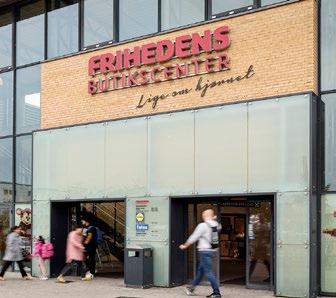
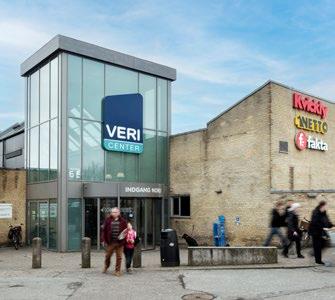
RETAIL – PRIME YIELD LEVELS Q1 2026 STREET
Prime high street (best locations on Amagertorv, Købmagergade & Østergade) 4.25 - 5.00%
High street (Vimmelskaftet, Nygade & Frederiksborggade as well as parts of Købmagergade and Østergade)
Secondary high street (Frederiksberggade)
High street area (Kronprinsensgade)
- 6.25% Gl. Kongevej
Nørrebrogade
RETAIL – PRIME RENT AND VACANCY LEVELS Q1 2026 STREET
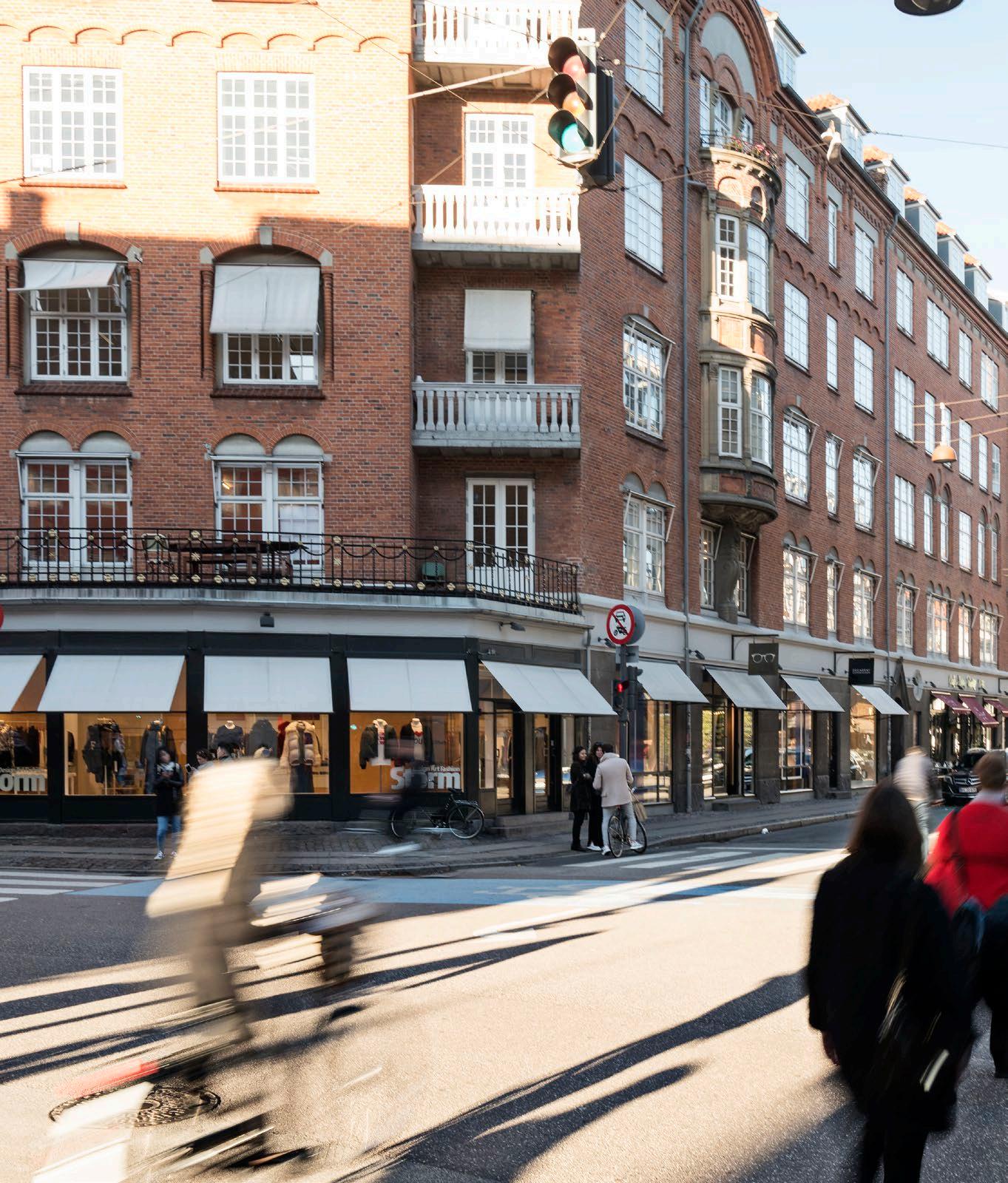
Kronprinsensgade 12,500
Berlingske 12,000
Grønnegade 6,000
Østerbrogade 3,750
Gammel Kongevej 3,250
Nørrebrogade 2,500
Lyngby 8,000 * DKK per m² per year excl. service charges for Zone A.
Source: Cushman & Wakefield | RED
METHODOLOGI
Zone A – Prime rent is estimated on the basis of ITZA guidelines and in this case indicates the value of the most expensive area in the model. However, properties in Denmark are rarely comparable 1:1, hence the depth of zone A (the area subject to generate the prime rent) may vary, but the value is typically determined to be between 6 m (20 ft) and 9 m (30 ft).
The vacancy rate is given by the observed number of vacant square metres on the ground floor of high street properties relative to the total amount of square metres on the ground floor of properties on the respective street. Hence, retail areas on any other levels are not included in this assessment.
5.5 BN DKK
The volume was more than six times higher in 2025 than in 2024.
With a total volume of DKK 4.7 billion, Zealand hotels accounted for the vast majority of the volume (86%).
After three years of Danish dominance, foreign investors accounted for nearly 60% of the investments in the hotel segment in 2025.

The acquisition of the Midstar hotel portfolio was the largest transaction of the year and secured CapMan the position as the largest investor.
In Copenhagen, the average transaction size and the price per m² were significantly higher than in the rest of the country.
There is still strong investor appetite for hotel assets, and the investment activity in the coming years is therefore expected to depend on the supply of attractive assets.
The transaction volume was calculated on January 15th, 2026, and it is customary for significant volumes to be recorded afterwards. For instance, the total hotel transaction volume for 2024 on the same date last year was 10% lower than the current known volume for 2024.

The strong investor appetite for hotel properties is largely driven by the investors’ confidence in the underlying hotel market. In the following interview, Chief Analyst at Realkredit Danmark, Mark Maack Gibson, covers the trends in the hotel market in the Capital Region during the past year and provides his insights on the development in the coming period.

MARK MAACK GIBSON
Mark Maack Gibson is chief analyst at Realkredit Danmark, where he has been for more than five years. Mark also has many years of experience in the real estate industry and is educated in Mathematics and Economics from the University of Copenhagen.
Realkredit Danmark is today one of Denmark’s largest mortgage institutions and part of the Danske Bank Group. They offer mortgage loans to both private customers and business clients.
What trends have you observed in the hotel market in recent years?
Although we lack data for December 2025, there is no doubt that 2025 will be another record year, in terms of the number of overnight stays at hotels in the Capital Region. The progress was driven by a continued increase in the number of tourists – both Danish and foreign. In the first 11 months of 2025, the number of Danish tourists rose to 3.5 million overnight stays, an increase of 5% compared to the same period in 2024, and the number of foreign tourists rose to 4.4 million overnight stays, an increase of 7% compared to the same period in 2024.
However, the increase in the number of foreign tourists covers a very different development. From a significant rise in the number of hotel stays made by American tourists, to an unchanged number of German tourists and a larger decline in the number of hotel stays made by Norwegianand Swedish tourists.
When it comes to the number of overnight stays made by Danish and foreign business guests, it is more stagnation that has characterised the development, and this also applies to 2025.
Overall, the number of sold hotel rooms in the Capital Region increased by slightly more than 4% in 2025, and as the growth in hotel capacity was very modest, the occupancy rate – measured by the number of rooms – rose by approximately 3 percentage points from 68% in 2024 to 71% in 2025, thus nearing the historically high occupancy rates from the years before the Covid-19 crisis.
What are your expectations for the hotel market in the coming year?
At Realkredit Danmark, we believe that the progress will continue in the coming years. The positive trends in the number of overnight stays by tourists – both domestic and international – are expected to persist and thus contribute to an annual increase in the total number of hotel overnight stays in the Capital Region of approximately 4-5%.
How do you expect hotel capacity to develop in the coming years?
If we look at what is in the pipeline regarding hotel projects, we anticipate a moderate growth in hotel capacity – measured by the number of rooms – of approximately 2% in 2026, increasing to about 4% in 2027. Thus, there is an outlook for further improvement in the occupancy rate in 2026. In 2027, the capacity expansion is expected to be in line with the increase in the number of rooms sold, and therefore there is only an outlook for a marginal increase in the occupancy rate for 2027 relative to 2026.
However, greater uncertainty has emerged regarding the future growth in the number of hotel rooms, due to Copenhagen municipality’s desire to curb the number of conversions to hotels, particularly but not exclusively in Inner City.

Cushman & Wakefield | RED provide advice within sales, leasing, tenant representation and valuation to the largest companies and players within real estate on the Danish real estate market. Our values in a complex and dynamic world consist of meticulousness, experience, and responsibility.
Our goal is to deliver value-creating services with the highest possible professional quality in relation to the task. As professional advisers, we will meet and exceed customer expectations. We can do this because our combined organisational competencies consist of a strong community of dedicated, satisfied, and competent employees and partners.