“Guardian” is published quarterly by the Commercial Vehicle Safety Alliance with support from the Federal Motor Carrier Safety Administration. CVSA and FMCSA are dedicated to the government and industry working together to promote commercial motor vehicle safety on North American highways.
Copyright 2026, CVSA. All rights reserved. No part of this issue may be reproduced without written permission from the publisher.
For comments, suggestions or information, email communications@cvsa.org.
CVSA is looking for interesting, relevant content for its quarterly magazine. We would be happy to consider your news, ideas, insights and articles on issues facing the commercial motor vehicle safety community for upcoming editions of “Guardian” magazine.
The deadlines for upcoming editions are available at www.cvsa.org/guardianmagazine/deadlines-for-submissions.
Questions? Please contact CVSA Writer-Editor Emily Moorhead at emily.moorhead@cvsa.org.
PRESIDENT’S MESSAGE
A Continued Theme of Safety by Technology
By Maj. Erick McGuire, Commercial Vehicle Enforcement, Florida Highway Patrol
The integration of advanced technology has fundamentally shifted commercial motor vehicle safety and enforcement toward a model of continuous, data-driven oversight. A central component of this shift is the expansion of the CVSA Level VIII Electronic Inspection. Unlike traditional methods that necessitate physical stops at weigh stations, this protocol allows inspections to be conducted wirelessly while a vehicle is in motion at roadway speeds, requiring no direct officer interaction. This system electronically validates critical safety data – including driver credentials, medical certifications and hours-of-service compliance –comparing against state and federal databases in real time.
The importance of Level VIII Electronic Inspections cannot be overstated; it represents a move from "snapshot" enforcement to a continuous safety narrative. This real-time exchange could potentially be enhanced by technological advancements, including AI-integrated traffic monitoring systems. AIpowered dashcams and roadside units have evolved into proactive safety networks that provide the capability to detect high-risk behaviors such as fatigue, distracted driving and seatbelt violations. These systems do more than just assist enforcement; they streamline motor carrier operations by providing granular data for improved driver coaching and route management.
The predictive power of these safety models is further amplified by advanced predictive analytics. By leveraging real-time telematics, historical safety records, weather conditions and road geometry, these models have shown they can identify high-risk scenarios with great accuracy. Incorporating the predictive data with data from Level VIII Electronic Inspections would assist agencies with prioritizing the high-risk motor carriers for manual interventions. This effectively transforms the roadside from a static checkpoint into a dynamic hub of preventative safety management, where low-risk motor carriers bypass inspection/weigh stations to maintain supply chain velocity while high-risk vehicles are intercepted.
Central to this technological movement is the collaborative leadership of the Federal Motor Carrier Safety Administration (FMCSA) and the Alliance. CVSA leadership met with FMCSA
Administrator Derek Barrs and his team at U.S. Department of Transportation headquarters late last year. One of the points I brought back from the meeting was the shared enthusiasm from Administrator Barrs on ways to incorporate data and emerging technologies. These technological advancements foster a more equitable enforcement landscape.
By automating a reliable, advanced data collection process, CVSA Level VIII Electronic Inspections would have the potential to create a "level playing field" where small-to-medium fleets and large carriers alike are held to the same standards without the burden of unnecessary delays.
As we look toward the remainder of 2026, CVSA remains committed to supporting the advancement of these capabilities for all stakeholders – both industry and enforcement – regardless of their size or resources. The ultimate goal is a seamless, transparent safety network where the flow of commerce and protection of the motoring public are not in competition but are instead
mutually reinforced by modernization. By embracing this digital presence, industry and enforcement alike are not just reacting to incidents but are actively engineering a future where crashes are predicted and prevented before they ever occur.
Jurisdictions across our membership face similar challenges to my home state of Florida, including sustained population growth, increased vehicle miles traveled and extensive construction projects. While these issues indicate a robust economy, they can hinder the free flow of traffic, which introduces additional motor carrier challenges and creates a greater likelihood of encountering a safety issue on the roadway. Therefore, it is crucial that we persist in leveraging technology and integrating future advancements into the CVSA Level VIII Electronic Inspection program. The future may be closer than you think.
Thank you again for your time. God bless and be safe. n
EXECUTIVE DIRECTOR’S MESSAGE
The Initial Steps to Realizing the Vision of a Level VIII Electronic Inspection
By Collin B. Mooney, MPA, CAE, Executive Director, Commercial Vehicle Safety Alliance
The following was published in the third quarter 2018 edition of “Guardian” magazine. Realizing the Level VIII Electronic Inspection has been a priority of the Alliance for many years. Please note some details may have changed since then, but the heart of this program remains the same.
In April 2017, the CVSA Board of Directors voted to approve the creation of our new Level VIII Electronic Inspection for the roadside North American Standard Inspection Program. The initial steps in the implementation process will be the coordinated development of the information technology (IT) infrastructure in order to capture and process the information.
Since member jurisdictions lack the necessary IT infrastructure to accomplish this goal today, a few member jurisdictions within the roadside enforcement community and those within the motor carrier industry have already been asking “How are we going to do this?” and “Where do we start?” It’s important to note that many of the technological pieces already exist today. The various stakeholders
within this roadside inspection community just need to coordinate their activities. As a result, I’ve outlined the initial steps to how we can collectively execute this vision and accomplish the goal.
Before we begin, as a reminder, the Level VIII Electronic Inspection is conducted electronically or wirelessly while a commercial motor vehicle (CMV) is in motion, without direct interaction with a roadside inspector/ enforcement official. To be considered a complete Level VIII Electronic Inspection, a data exchange must include each of the required and/or applicable data points listed in the CVSA North American Standard Level VIII Electronic Inspection definition.
STEP 1
Communication Receiving Device
The first step in the vision is to outline how and where this new roadside information will be collected. For example, using our current physical infrastructure and the mainline screening processes already in place today, we could theoretically capture roadside inspections electronically for all CMVs travelling through or past a port of entry, weigh scale or vehicle inspection station. However, this limited vision only captures a subset of the CMVs operating on our roadways. In order to leverage technology and realize the vision, we must look at how we can also enhance the efficiency of our mobile patrol activities and deploy additional fixed or mobile receiving devices throughout a jurisdiction, such as establishing an inspection receiving device/post at a state
or province boundary, affixing a receiving device to a mobile patrol vehicle, temporarily setting up a mobile receiving device within a construction zone, or responding to citizen concerns by strategically placing a mobile receiving device within a metropolitan area.
STEP 2
Uniform Electronic Vehicle Identifier
Currently, this step can be accomplished by utilizing existing technology, such as transponders, geofencing, and license plate and U.S. Department of Transportation (DOT) readers. However, the universal electronic vehicle identifier (UEVI) is a proposed concept that provides the vehicle biometrics and level of security necessary for the identification of all CMVs to be reliable and the new Level VIII Electronic Inspection initiative to be successful. The basic concept of the UEVI is for the CMV to electronically broadcast the vehicle identification number (VIN) short range, just like Wi-Fi technology today. Since license plates and/or USDOT numbers can be incorrect, missing or obscured, the UEVI should always be wirelessly broadcasting and accurately identifying the CMV. The purpose behind the UEVI is to enhance safety on our roadways by removing unsafe motor carriers from operating and aid in the identification of chameleon/reincarnated motor carriers by increasing the number of roadside inspections from 4 million to more than 400 million annually. The historical footprint of a CMV can only be accomplished through enhanced monitoring via electronic inspections.
STEP 3
Data Submission From CMV
In this step, the fixed or mobile receiving devices outlined in step 1 will electronically capture the UEVI (e.g., the VIN) and all additional identifying information, such as information identifying the driver of the CMV and the hours-of-service records contained within the electronic logging device (ELD). In the future, sensor data (e.g., vehicle speed, seatbelt usage) and self-diagnostic information (e.g., brake lights not working and ABS faults) from the CMVs engine control module may be available.
STEP 4
Real-Time Data Processing
Once the information has been received, a number of real-time data processing activities occur. For example, the VIN will be decoded (e.g., year, make, type, etc.), queried and linked to a CMV registered in a specific jurisdiction, while checking for validation and ownership. Once vehicle ownership has been identified, the CMV should be associated with a motor carrier with an active identification number (e.g., USDOT number while operating in the U.S. or a National Safety Code number if operating in Canada) while also checking for any applicable outof-service orders. The driver information would be checked in real time through CDLIS, Nlets or other local system(s) appropriate for validating the driver’s operating credentials (e.g., CDL type, license class, endorsements, restrictions, expiration date, applicable medical certificate information). As for hoursof-service compliance, the ELD information obtained would be evaluated electronically for compliance. In addition, the CMV may be checked in real time for any other applicable administrative credentials to include, but not limited to, the following: International Registration Plan (IRP); International Fuel Tax (IFTA); Uniform Carrier Registration (UCR); and/or state permitting databases. Having a receiving device/post at a state or province boundary could prove significant with validating IRP, IFTA and UCR compliance in the future.
STEP 5
Auto-Populating Roadside Inspection Reports
In order to complete the Level VIII Electronic Inspection, once all of the required information has been collected, processed and validated, the roadside inspection report will need to be electronically self-generated by autopopulating all of the required administrative and identification fields. Once accomplished, the auto-populating of violations will also be required. In a future article, I’ll address the database storage requirements, data quality improvements, such as hardcoding and smart logic, and file validator processes that will have to be developed in order for this initiative to fully realize its potential. n
AUGUST 10-14, 2026
To learn more, visit www.cvsa.org/naic. n
SEPTEMBER 20-24, 2026
For more info, go to www.cvsa.org/ace. n
REGIONAL MAP
Region I
Connecticut, Delaware, District of Columbia, Maine, Maryland, Massachusetts, New Hampshire, New Jersey, New York, Pennsylvania, Puerto Rico, Rhode Island, U.S. Virgin Islands and Vermont
Region II
Alabama, American Samoa, Arkansas, Florida, Georgia, Kentucky, Louisiana, Mississippi, North Carolina, Oklahoma, South Carolina, Tennessee, Texas, Virginia and West Virginia
Region III
Colorado, Illinois, Indiana, Iowa, Kansas, Michigan, Minnesota, Missouri, Nebraska, North Dakota, Northern Mariana Islands, Ohio, South Dakota and Wisconsin
Region IV
Alaska, Arizona, California, Guam, Hawaii, Idaho, Mexico, Montana, Nevada, New Mexico, Oregon, Utah, Washington and Wyoming
Region V
Alberta, British Columbia, Manitoba, New Brunswick, Newfoundland and Labrador, Northwest Territories, Nova Scotia, Nunavut, Ontario, Prince Edward Island, Quebec, Saskatchewan and Yukon
REGION II
Enforcement and Education Come Together During the 2025 Fall Port Check in Savannah, Georgia
By Lt. Stephen Burnham, Commercial Vehicle Enforcement, Georgia Department of Public Safety
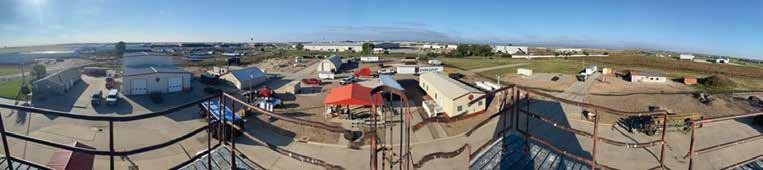
The Port of Savannah is one of the country's busiest gateways for international trade and a vital economic engine for Georgia and the country. With thousands of commercial motor vehicles (CMVs) traveling the corridors that feed into and around the port each day, roadway safety is essential to protecting the traveling public and maintaining the efficient movement of goods. As part of its commitment to CMV safety, the Georgia Department of Public Safety’s (DPS) Commercial Vehicle Enforcement (CVE) division conducts annual port check details in Savannah as a core component of its statewide safety strategy.
The 2025 Fall Port Check, held in December 2025, combined a CVE-led enforcement operation with a separate educational safety coalition event, hosted in partnership with the Federal Motor Carrier Safety Administration (FMCSA) and community stakeholders. While conducted independently, these efforts reflect Georgia’s comprehensive approach to promoting safe, compliant CMV operations across its freight network.
During the enforcement campaign, CVE officers concentrated on ensuring that drivers traveling the critical freight corridors were operating safely, responsibly and in compliance with state regulations. Their efforts focused on identifying impaired
drivers, drug possession and the safe transportation of hazardous materials. Officers made numerous drug and DUI arrests in addition to identifying other drivers who demonstrated indicators of recent drug use. Although some drivers did not present sufficient indicators during field sobriety evaluations to support a DUI arrest, there was still clear evidence of use within the previous 24 hours, constituting a violation of state law.
These drivers were subsequently placed out of service and removed from Georgia roadways. CVE personnel also prioritized distracted driving and seat belt compliance, which are behaviors known to contribute to preventable crashes, particularly in high-volume freight environments like the Port of Savannah. Each violation addressed by officers reinforces CVE’s mission to protect Georgia’s roadways and support a safe, efficient flow of goods through one of the nation’s most critical trade hubs.
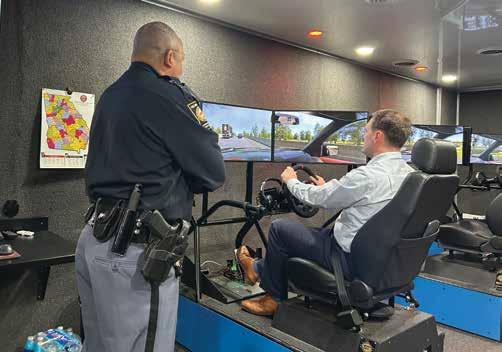
Separate from enforcement operations, CVE partnered with FMCSA and safety stakeholders to host a public-facing safety coalition event designed to educate drivers and community members about the importance of safe driving and commercial vehicle compliance. One of the highlights was the distracted driver simulator, which allowed participants to experience firsthand how quickly everyday
distractions, such as texting, can lead to dangerous driving mistakes. The simulator remains a powerful tool that Georgia DPS uses to promote roadway safety across the state.
The safety coalition event also featured a live Level I Inspection demonstration, giving attendees a close-up view of the steps that CVE officers take during a full CMV inspection. Officers walked participants through driver credential checks, documentation review, vehicle components and safety equipment requirements. The interactive format encouraged questions and helped build a better understanding of how inspections protect both professional drivers and the public.
By separating education from enforcement, the Fall Port Check reinforced the idea that roadway safety is a shared responsibility. The enforcement operation addressed the most serious and immediate safety threats, while the coalition event fostered collaboration, learning and industry engagement. Together, these efforts demonstrate the value of combining strong enforcement with proactive outreach, which is an approach that has helped make Georgia a leader in commercial vehicle safety.
As freight volumes at the Port of Savannah continue to grow year after year, initiatives like the annual Fall Port Check play an
essential role in keeping Georgia’s roads safe, supporting the state’s economy and ensuring the safe and efficient movement of goods that communities across the nation depend on. n
KEY ENFORCEMENT OUTCOMES FROM THE 2025 FALL PORT CHECK INCLUDE:
12 violations for drug or prohibited substance possession (§ 392.4(a))
11 violations for driving under the influence or evidence of drug use within 24 hours (§ 392.4(a))
7 arrests for DUI-Drugs
One detectable alcohol violation while on duty or operating a CMV (§ 392.5(a)(2))
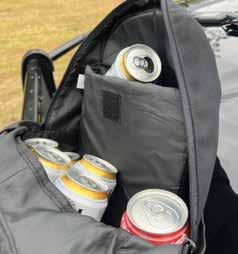
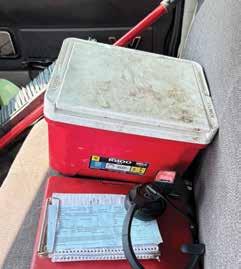
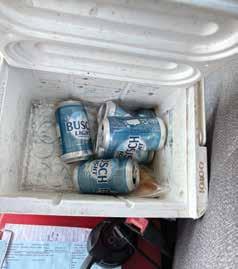
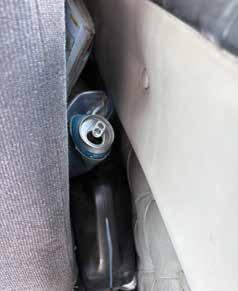
The driver of this CMV was operating without a valid commercial driver’s license (CDL) in his possession and was found to have a suspended CDL. Additional violations included bypassing an open weigh station, expired vehicle registration and hours-ofservice noncompliance. Officers also discovered multiple cans of beer inside the CMV.
The Georgia DPS driving simulator.
Mississippi Department of Public Safety Updates
By Master Sgt. Victor McCarty, Public Affairs, Mississippi Commercial Transportation Enforcement Division, Mississippi Department of Public Safety
Big Trucks, Radioactive Materials and Keeping Mississippi Highways Safe
When most people think about highway safety for big commercial trucks, they picture brakes, tires and logbooks. What they don’t often consider is the quiet, highly specialized work taking place behind the scenes to protect the public from one of the most tightly regulated resources on the nation’s highways: radioactive materials. In Mississippi, that responsibility rests with the Mississippi Commercial Transportation Enforcement Division (CTED) and its cadre of North American Standard Level VI Inspection certified inspectors.
CTED’s primary mission is to reduce crashes involving large trucks and buses on Mississippi roadways. CTED officers accomplish this mission every day by inspecting commercial drivers and large vehicles to ensure they are operating safely, legally and in compliance with federal and state regulations. The Level VI Inspection Program is one of the most specialized ways CTED carries out that mission.
A Specialized Mission Inside CTED
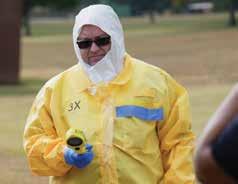
CTED’s Level VI inspectors are specially trained officers who combine commercial motor vehicle (CMV) enforcement expertise with advanced radiological knowledge. These inspectors are equipped with advanced radiation detection instruments and receive extensive training in radiation awareness, detection, measurement and emergency response. This training allows them to safely inspect shipments involving highway routecontrolled quantities (HRCQ) of radioactive materials.
Partnership with the Mississippi Emergency Management Agency
CTED and the Mississippi Emergency Management Agency (MEMA) routinely collaborate on training exercises, planning and information sharing to ensure readiness across agencies. One such effort took place on Nov. 11, 2025, when CTED and MEMA conducted a North American Standard Level VI Inspection training exercise at the Mississippi Fire Academy in Pearl, Mississippi. This training was facilitated by Sierra Esco and James
Curry with MEMA’s Radiological Emergency Preparedness Program.
These exercises are designed to sharpen coordination, validate response procedures and ensure that both agencies are prepared to act decisively in the unlikely event of a CMV crash involving radioactive waste. While incidents involving radioactive materials are extremely rare, preparedness is nonnegotiable.
Why the Level VI Inspection Program Matters
The Federal Motor Carrier Safety Administration (FMCSA) requires states to establish and maintain a Level VI Inspection Program due to the unique risks associated with transporting HRCQ of radioactive materials. A Level VI Inspection is essentially an enhanced Level I Inspection, incorporating additional radiological and security requirements to ensure the vehicle, driver and cargo are defect-free before transport begins.
CTED’s Level VI Inspection Program training took place at the Mississippi Fire Academy in Pearl, Mississippi.
Mississippi’s Unique Nuclear Footprint
Mississippi is home to the most powerful nuclear reactor in the United States, Entergy’s Grand Gulf Nuclear Station, located in Port Gibson, Mississippi. Opened in 1985, Grand Gulf supplies approximately 16% of Mississippi’s electricity, providing reliable power to more than 850,000 homes. Its presence reinforces the importance of having trained professionals capable of understanding and managing radiological safety across the state.
Ready, Trained and Vigilant
The transport of radioactive materials on Mississippi’s highways is rare, carefully controlled and heavily regulated. But rarity does not reduce responsibility. Through the Level VI Inspection Program, CTED demonstrates a proactive commitment to public safety, regulatory compliance and emergency readiness.
In Mississippi, CTED’s Level VI inspectors do that work every day – protecting the public so Mississippians can travel with confidence. n
2025 CTED AWARD RECIPIENTS
Andreana Smith
Staff Sgt. Bradley Andrew
Staff Sgt. Monica Bronson
Staff Sgt. Phillip Anthony Brown
Cpl. Shartavia Coleman
Ofc. Robert Casey Dale
Sgt. 1st Class Keith Earnest
Sgt. David Guthre
Sr. Staff Sgt. Taurence Isom
Sgt. Randall Jones
Cpl. Trey Mixon
Sgt. Jaclyn Pendleton
Staff Sgt. Melanie Reeves
Staff Sgt. Vincent Stringer
Staff Sgt. Justin Thomas
Ofc. William David Twiner
Cpl. Glen Wolf
Master Sgt. Victor McCarty
Master Sgt. Dustin McGee
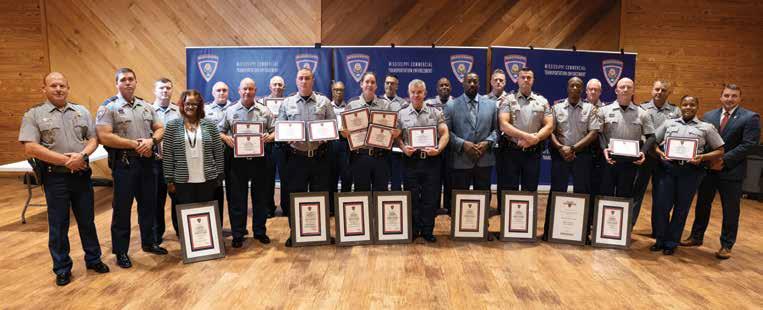
The recipients of the 2025 Mississippi CTED awards.
Left to right: Cpl. Shartavia Coleman (CTED), James Curry (MEMA), Sierra Esco (MEMA), Sgt. Jacklyn Pendleton (CTED) and Tpr. 1st Class Daniel Slayton (Mississippi Highway Patrol).
CTED Sr. Staff Sgt. Brandon Johnson.
Virginia State Police New Entrant Audit Program Adds New Auditors
By Sgt. Steve Lowe, Virginia State Police
The Virginia State Police New Entrant Audit Program has added new auditors, elevating safety and accountability nationwide.
The Federal Motor Carrier Safety Administration’s New Entrant Safety Assurance Program places new interstate motor carriers under review for 18 months, requiring them to establish safety controls and undergo a mandatory safety audit within the first 12 months. The safety audit verifies compliance with federal regulations, covering driver files, vehicle maintenance, drug/alcohol programs and records, ensuring basic safety management systems are in place.
In recent years, Virginia has seen a surge in new motor carriers in regions of the state with large online shopping distribution centers, requiring more carriers and drivers to move
freight. With this increase in new motor carriers comes the responsibility to conduct new entrant safety audits within the first 12 months of the carrier’s establishment.
In January 2025, several of Virginia State Police’s most experienced and knowledgeable motor carrier inspectors retired, leaving a void in the department's corps of inspectors. The foundation of the Virginia State Police Motor Carrier Safety Program relies heavily on the knowledge and experience of veteran members who are not easily replaced.
In April 2025, retired members of the Virginia State Police Motor Carrier Unit were called to return to service and came back to the unit as part-time new entrant auditors, bringing their knowledge and experience back to the program. With the addition of the retired
members and the sworn auditors currently in the program, the total number of new entrant auditors is now 12.
In 2025, the New Entrant Audit Program initiated 1,667 new entrant safety audits, including two group audits conducted in April 2025 and October 2025. Of the 1,667 audits conducted, 761 were completed, with 702 carriers passing and 59 carriers failing.
This effort demonstrates a commitment to motor carrier safety and ensures that not only are the new carriers compliant with Federal Motor Carrier Safety Regulations but also that they possess the knowledge and understanding to operate in a safe and efficient manner. n
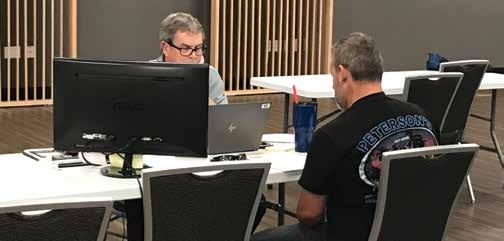
As Auditor Senior Ronald M. Kranchick Sr. finishes up with his audit and Auditor Senior Terry W. Licklider waits for his next appointment, Agency Management Analyst Marie A. McEachin reviews the list of scheduled audits to keep everything running smoothly.
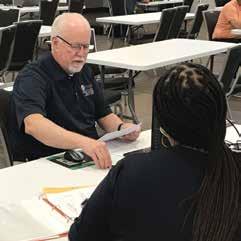
Auditor Senior Terry W. Licklider conducts an audit.
Auditor Senior John B. George conducts an audit.
North Carolina State Highway Patrol Commercial Vehicle Enforcement Updates
Level VI Inspection Training
By Tpr. B. S. Johnson, North Carolina State Highway Patrol
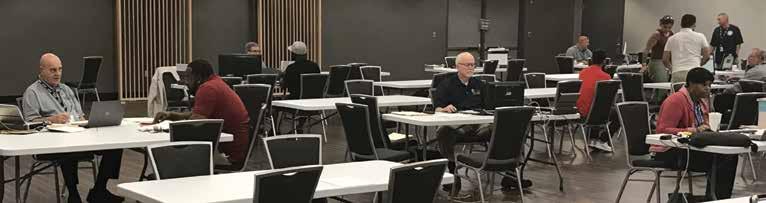
In November 2025, the North Carolina State Highway Patrol (NCSHP) hosted a specialized CVSA Level VI Inspection training session, underscoring its commitment to strengthening safety protocols for radiological shipments across North America. This collaborative initiative drew participants from an array of regulatory agencies, including NCSHP, Kansas Highway Patrol, West Virginia Public Service Commission, Public Utilities Commission of Ohio and Maryland Department of the Environment.
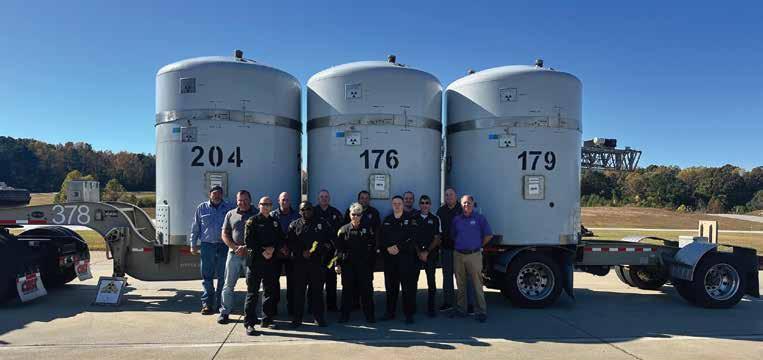
The Level VI Inspection represents a rigorous, enhanced procedure tailored for vehicles transporting select radiological materials, particularly transuranic waste and highway route-controlled quantities (HRCQ) of radioactive materials. Building upon the foundational North American Standard Level I Inspection, this advanced certification encompasses specialized inspection protocols, radiological safety requirements and the North American Standard Out-of-Service Criteria specific to these high-risk shipments.
Conducted under a cooperative agreement between the CVSA and the U.S. Department of Energy, the training equips inspectors with the expertise to identify potential hazards, ensuring compliance and mitigating risks associated with nuclear transport.
All commercial motor vehicles (CMVs) and motor carriers involved in the transport of HRCQ radioactive materials fall under the regulatory oversight of the U.S. Department of Transportation. As such, they are mandated to undergo the North American Standard Level VI Inspection to verify adherence to federal safety standards. This requirement not only safeguards public health and the environment but also facilitates seamless interstate operations by standardizing enforcement across jurisdictions. By fostering interagency collaboration, events like this NCSHP-hosted training exemplify the proactive measures taken to address evolving transportation challenges. n
The Level VI Inspection training class.
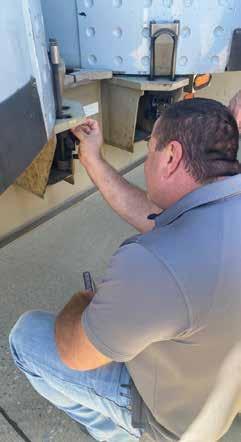
Kansas Highway Patrol Tpr. David Bales uses the go/no-go gauge on the securement device.
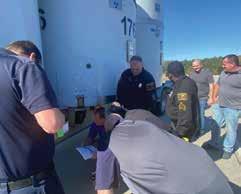
Attendees for the Level VI Inspection class came from a wide range of regulatory agencies.
Continued from page 9
Autonomous Vehicle Weigh Station Bypass Plan
By Monica Greiss, North Carolina State Highway Patrol
North Carolina is the first state in the country to submit a plan to the Federal Highway Administration regarding autonomous CMVs bypassing a weigh station. This plan will allow autonomous CMVs to bypass weigh stations and serve as a violation-checking system to ensure they are in compliance.
As of Dec. 1, 2025, 1st Sgt. Kendell Jackson has retired. The lead contact for the Size and Weight Section for North Carolina will now be Sgt. Corey Blackwell (corey.blackwell@ ncshp.gov). Sgt. Blackwell joined the Size and Weight Section in 2019 and, upon his promotion in 2022, transitioned to a Size and Weight Section sergeant role at Commercial Vehicle Enforcement (CVE) headquarters. Sgt. Blackwell describes his experience as eye-opening because of the decision-making required in the Size and Weight Section while working on the road. He also explains the efforts and the measures taken to ensure troopers have what they need to serve their state in terms of weight and safety. Sgt. Blackwell indicates that 1st Sgt. Jackson has been a good mentor and helped him learn aspects of what he himself has learned through 25+ years serving the CVE Section.
The Size and Weight Section is what it is today because of 1st Sgt. Jackson’s expertise, which has enabled the use of new technology obtained through various grants. Some of the technologies include the use of message boards and mobile screening vans and training weigh stations in these new CMV screening technologies.
How are CMVs currently screened in North Carolina?
Thousands of trucks are screened daily. It is impossible to stop all trucks that have violations. Currently, we remain unaware of a violation unless we pull the truck over for an inspection or weight check. North Carolina uses two approved vendors for screening: Drivewyze and PrePass. These screening tools allow members to determine whether a CMV needs an inspection or can continue traveling.
What are the advantages of implementing the autonomous vehicle weigh station bypass?
North Carolina has proactively developed a plan to address the increase in autonomous vehicles traveling east. This plan will enable efficient and effective inspections of
autonomous vehicles with no violations. For autonomous vehicles that do have violations, North Carolina will use a violation notification system to inform carriers of any violations their autonomous vehicles may have as they pass through a particular weigh station.
What are the future goals for North Carolina regarding autonomous vehicles?
North Carolina will design the violation notification system to advise carriers of detected violations with their autonomous CMVs and CMV trucks. If the company is in compliance with the CVSA Enhanced Inspection Program, autonomous vehicles will be allowed to bypass the weigh station. If a violation is detected, the company will be notified of the possible violation and be expected to correct the issue before returning to North Carolina.
How will the autonomous vehicle bypass plan help North Carolina?
The plan will provide a procedure for determining when an autonomous vehicle meets the criteria to safely bypass a weigh station or when it is flagged by one of our screening vendors due to previous safety inspections or ratings. A reader has been approved to serve as a preclearance screening
to meet a list of items. If a driver is present, the vehicle must stop at a weigh station for inspection.
We will train our employees to handle autonomous CMVs as they travel toward weigh stations in North Carolina. Our members will be provided with the criteria a company must meet for a bypass agreement, as well as the circumstances under which a company might be flagged by the bypass vendor and must report to the weigh station for an inspection.
If a driver is present, the truck must automatically report to the weigh station, and the member will conduct a Level I, II or III inspection of the CMV. By having this bypass system, members will know that the CMV is in good standing and can focus efforts on CMVs that do not meet safety standards and may pose a danger to the public. This system will allow autonomous vehicles to continue traveling without getting off route, in turn expediting their travel. n
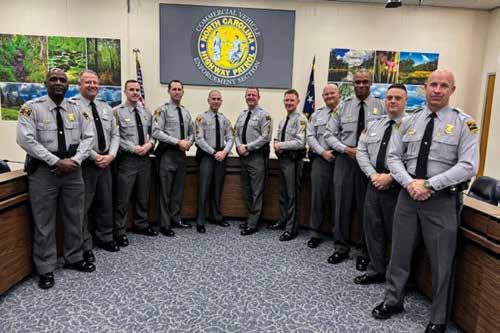
Left to right: Capt. T. G. Wilson, Sgt. R. E. Cannaday Jr., Lt. B. D. Marsh, Sgt. C. M. Blackwell, 1st Sgt. B. D. Vick, 1st Sgt. K. E. Jackson (ret), Sgt. M. T. Bunn, Tpr. C. M. McGinnis, Maj. W. P. Moore II, Tpr. B. S. Johnson and Capt. K. H. Russell.
NCSHP Hazardous Materials Team Conducts Special Enforcement and Security Initiative
By Tpr. B. S. Johnson, North Carolina State Highway Patrol
NCSHP’s Hazardous Materials Team recently conducted a special enforcement and security initiative at the Hillsborough Weigh Station along the I-40/I-85 corridor. This operation was a coordinated effort with the U.S. Department of Homeland Security’s Countering Weapons of Mass Destruction (CWMD) program, the U.S. Department of Transportation (DOT) and the Federal Motor Carrier Safety Administration.
During the initiative, team members deployed radiation detection equipment at the eastbound and westbound weigh stations to screen for potential radiological or nuclear threats. In addition to the security screening, hazardous materials inspectors conducted a total of 31 CMV inspections. These inspections resulted in four driver violations, with one driver placed out of service. Inspectors also documented 17 vehicle violations, leading to nine vehicles being placed out of service.
Additionally, U.S. DOT personnel identified a hazardous materials shipment, prompting further review of the involved carrier. This operation provided a valuable opportunity for the NCSHP Hazardous Materials Team to enhance interagency coordination, strengthen partnerships with allied agencies, and support the shared mission of CMV and national security across North America. n
Tpr. J. P. Thomas.
Sgt. J. E. Parton.
CWMD Team Tpr. N. A. Hocutt.
Sgt. R. K. Hall.
Tpr. J. J. Garrett.
Tpr. Leland Geletka.
Nebraska State Patrol Hosts Post-Crash Investigation Course
By Sgt. Matt Ramsey, Enforcement Carrier Division, Nebraska State Patrol
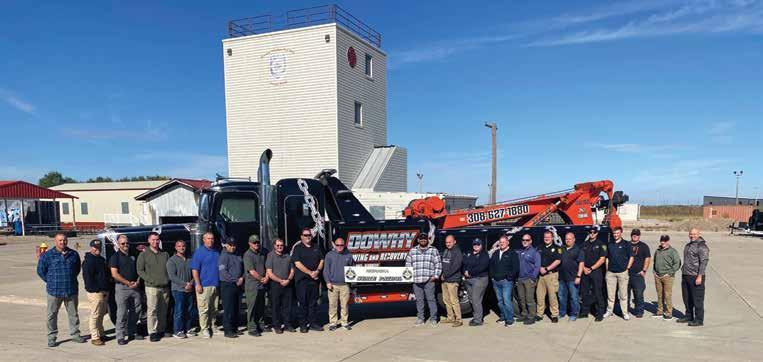
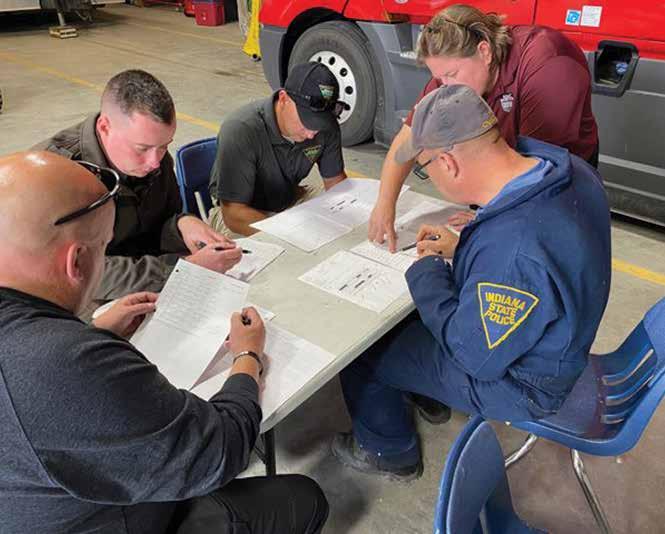
The Nebraska State Patrol hosted a PostCrash Investigation course Oct. 6-10, 2025, in Kearney, Nebraska. Attendees included 23 officers/troopers/inspectors from 12 different agencies across the country: Brownsville (Texas) Police Department (PD), Euless (Texas) PD, Idaho State Police, Illinois State Patrol, Indiana State Police, Iowa State Patrol, Kansas Highway Patrol, Minnesota State Patrol, Missouri State Highway Patrol, South Dakota Highway Patrol, Wisconsin State Patrol and Vermont Department of Motor Vehicles.
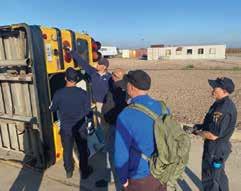
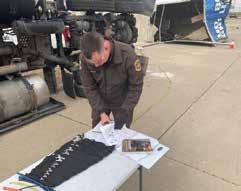
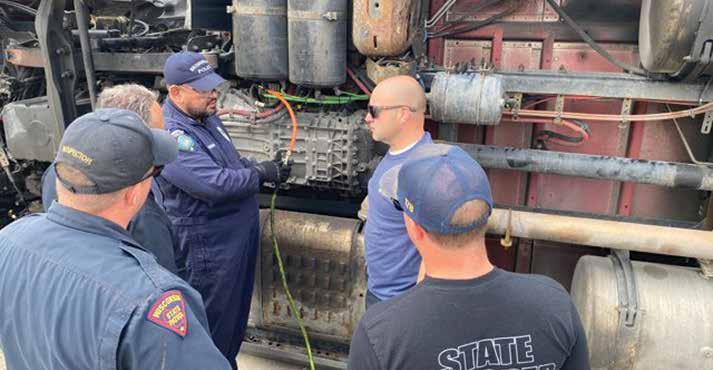
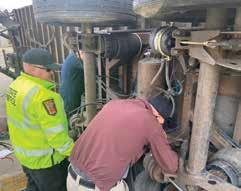
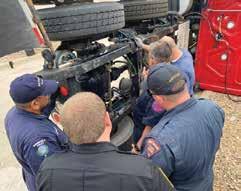
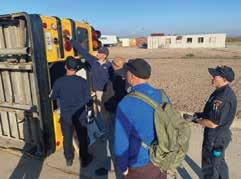
This 40-hour course covered how to inspect/ investigate commercial motor vehicles (CMVs) and drivers involved in crashes. The training, provided by Nebraska State Patrol Carrier Enforcement Division troopers, included classroom instruction and inspection of actual crashed CMVs.
This class would not have been possible without assistance/contributions from the following:
Kearney Volunteer Fire Department
Nebraska Trucking Association
Dowhy Towing (Kearney)
Randy and Brian’s Towing (Lexington)
Carney Towing (Kearney)
Crete Carriers
Nebraska Attorney General’s Office
Great West Casualty
Coach Masters
Bendix Commercial Vehicle Systems LLC
Nebraska Department of Transportation
The Federal Motor Carrier Safety Administration
One of the reasons students leave the Nebraska Post-Crash Investigation class so well prepared for real crashes is because of the use of staged, recently damaged CMVs for the training scenarios, which would not be possible without the great working relationship that the Nebraska State Patrol has with the Nebraska Trucking Association and local towing companies, as well as our local industry partners. We are very fortunate that we have such a great relationship with these groups.
This year’s Nebraska Post-Crash Investigation class is scheduled for October 2026. If you or anyone you know is interested in attending the class, please reach out to me at david.ramsey@nebraska.gov. n
Patches for a Purpose
By Joe Frilling, Motor Carrier Enforcement, Public Utilities Commission of Ohio
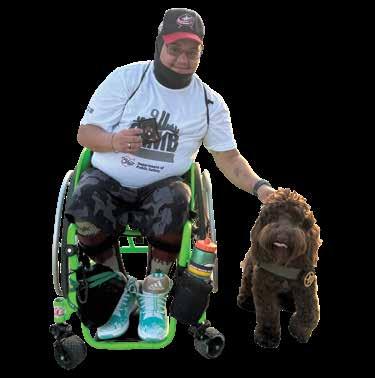
Levi was the first attendee I shared a conversation with at the 2025 9/11 Climb event hosted by the Ohio Department of Public Safety. During this commemorative event, attendees participated in various workouts to honor the first responders lost in the 9/11 terrorist attacks. Within the first minute of our discussion, which sparked a friendship that continues to grow, it was evident that Levi is one very motivated individual.
Levi’s enthusiasm and positive mentality are contagious. Despite having a condition that requires him to utilize a wheelchair most of the time, he does not allow it to limit his abilities. Seeing Levi leave the wheelchair behind to begin running around a Major League Soccer field sparked another level of motivation among the hundreds of participants. It certainly did for me, too.
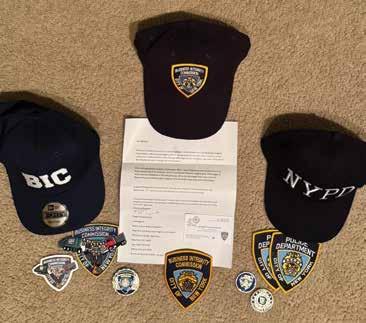
Later, Levi asked me if I had any patches or challenge coins from my agency, the Public Utilities Commission of Ohio. He expressed how he enjoys collecting these items, as well as other types of law enforcement swag. I exchanged phone numbers with Levi, not telling him about the idea that immediately came to mind: sending out a call for any law enforcement, fire department and military contacts I have gathered over the years to voluntarily mail Levi some patches, coins and other memorabilia he can proudly add to his vast collection.
As of Oct. 15, 2025, Levi has received intricate packages from various New York agencies, including New York City Police Department and New York Department of Transportation. He has also received gear from some CVSA industry partners that he greatly appreciated. Seeing the amount of genuine appreciation Levi has for all the items he has received is a reminder of why we do what we do in this career field. Levi has stated he loves these items so dearly that he wishes to be buried with them whenever he passes. That’s how much this means to him.
For any agency or CVSA partner who would like to contribute to a small but impactful mission by sending Levi some patches and/or other swag, please contact me via email and/or phone at joseph.frilling@ puco.ohio.gov or 740-915-1058 to receive Levi’s mailing address. Thank you to all of you who have taken the time to send him a few small items that truly brighten his day. n
Hi, I’m Levi...
I was born in Arad, Romania. At the tender age of three and a half, I was adopted and moved to the United States. I lived in Wisconsin before eventually settling in Ohio, where I continue to reside. I am 33 now.
In my teens, I was diagnosed with diabetic neuropathy and asthma. After contracting COVID-19 in August 2021, I nearly lost my life and was left with significant neurological issues. I was later diagnosed with restrictive lung disease, chronic small airway disease, congenital central spinal stenosis and cervical radiculopathy.
I am a survivor. A domestic violence incident in 2019 caused a spinal cord injury. In 2022, I was in an abusive relationship, and I am a sexual assault survivor. I am also a traumatic brain injury survivor, receiving a diagnosis at the end of 2023. I now talk about my experiences in hopes of helping someone else get out of their situation safely!
In 2020, I began working with the Ohio Department of Rehabilitation and Corrections, though my tenure there lasted only three months. Despite this short stint, my commitment to service remained strong, and I began volunteering with the American Red Cross. My dedication took me to Kentucky to assist with relief efforts following the devastating tornadoes on Dec. 10, 2021.
The physical and emotional toll of these health battles led me into a deep depression. However, my journey took a positive turn when I discovered the Columbus Blue Jackets organization in late 2022. Despite having never played hockey before, I found a newfound passion for the sport. This involvement not only rekindled my self-confidence but also brought joy back into my life, giving me a renewed sense of purpose and fulfillment. I enjoy wheelchair motorcross and participating in the Special Olympics. I also love collecting challenge coins and patches, shirts and hats from all around the world!
I have been through a lot, but my story is one of resilience, dedication and the transformative power of sports. My journey from adversity to a renewed zest for life serves as an inspiration to all who know me.
Levi with Scooby, Crisis K-9 for the Franklin County Sheriff's Office
Standing in the Shadow of Great People
By Robert DeFrancesco, Commercial Vehicle Safety Inspector, Nevada State Police
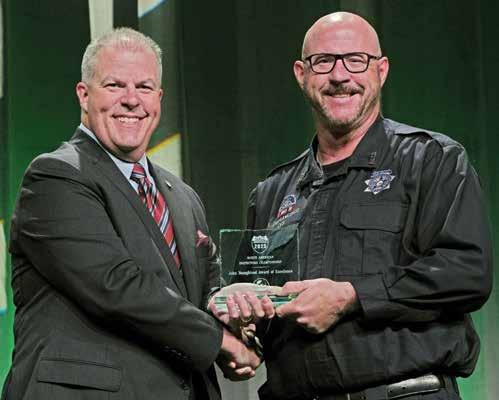
I was incredibly fortunate to be named the recipient of the 2025 North American Inspectors Championship (NAIC) John Youngblood Award of Excellence. Receiving this honor is truly humbling. Many outstanding individuals have earned this award before me, yet none compare to the man whose name it bears – John Youngblood.
John was the very definition of a “trooper’s trooper.” Over the course of his career, he served multiple states and agencies, including the New Mexico State Police, the Texas Department of Public Safety, the Federal Air Marshals, and as a reserve deputy for the El Reno (Oklahoma) and Yukon (Oklahoma) police departments, as well as the Oklahoma County Sheriff’s Department.
As a dedicated member of CVSA, John was heavily involved in competitions and served as an advisor for “The Challenge,” which later evolved into what we now know as NAIC. John often attended CVSA workshops and conferences with his wife and children, helping transform these gatherings into something that felt like family, not simply business.
John’s greatest passions were tied to the outdoors – hunting white-tailed deer and turkey, and especially fishing. These hunting and fishing trips were not just hobbies; they reflected the core of who he was. His door was always open, and he loved sharing not only his knowledge of the job but also the extended family that came with it.
John was not only a lifelong student of commercial motor vehicle enforcement but was also an instructor who thrived on helping others. When he combined his knowledge with his passion for service, the result was an unmatched dedication to the profession.
His personal life was just as meaningful. John and his wife first met in the emergency room when he brought someone in need of care, and this chance encounter became the foundation of a remarkable relationship. John was a father to four daughters and one
son. His son, John Jr., carried on the family’s commitment to service, spending 15 years working with some of the toughest offenders before retiring.
This award is overwhelming because it is not won through competition. It is bestowed in memory and honor of John Youngblood, recognizing a competitor who embodied the example he set for all enforcement personnel, sworn and civilian alike.
Nevada is no stranger to this honor. Tpr. Chris Smithen earned the Youngblood Award in 2010, and in 2012, he won both the Youngblood Award and the Jimmy K. Ammons Grand Champion Award. I’ve had the privilege of knowing several past recipients, and I can honestly say I feel I stand in the shadow of their greatness – and of the extraordinary example set for all of us by John Youngblood. n
Then-CVSA President John Hahn presents Robert DeFrancesco with the Youngblood Award of Excellence at NAIC.
UPDATES FROM
Strengthening
Collaboration
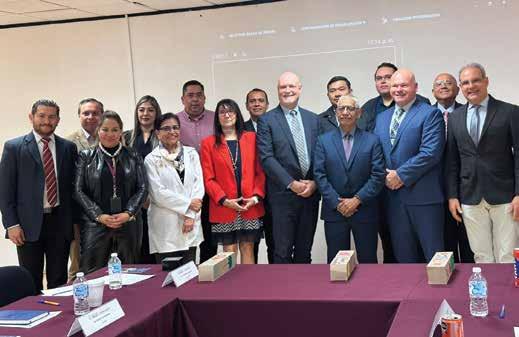
On Nov. 14, 2025, a meeting was held between the General Directorate of Federal Motor Transport (DGAF) and CVSA. This meeting took place at the DGAF office in Mexico City and was hosted by DGAF Director General Luis Ruiz Hernández and his team. The General Directorate of Protection and Preventive Medicine in Transport (DGPMPT) also participated, with the purpose of increasing collaboration and efficiency by coordinating operational actions in federal motor transportation, with special emphasis on prevention and road safety.
DGAF participants included Director General Luis Ruiz Hernández, Executive Director of Planning and Development Monserrat Gonzalez, Executive Director of Enforcement Paulino Herrera and Executive Director of Legal Affairs David Muñozcano. Also attending were executive directors Ernesto Bueno (Federal Transport Service) and Luis Ramos (Federal Motor Transport Permits); directors Ernesto Lopez (Strategic Projects), Angel Hernandez (Administration) and Claudia Franco (International Motor Transport Services); and Deputy Director Ricardo Muñoz. CVSA participants included CVSA Executive Director Collin Mooney, CVSA President Erick McGuire (Florida Highway Patrol) and CVSA Fatigue Management Specialist Rodolfo Giacoman.
The meeting provided an opportunity for technical and strategic dialogue, fostering the harmonization of criteria, the exchange of experiences and the strengthening of cooperation in key areas such as regulations, inspection and preventive medicine.
On the agenda were several fundamental topics for the regulation and oversight of federal motor transport, including:
Endeavors and Initiatives from each of the DGAF directorships: Planning and Development, Enforcement, Legal Affairs, Services, Permits, Strategic Projects, Administration, and International Services
A synopsis of Mexico’s federal motor carrier transportation industry and key statistics
Between DGAF and CVSA
NOM-068-SCT-2-2014 – "Land Transport –Federal Motor Passenger, Tourism, Cargo, Auxiliary Services and Private Transport Service – Physical-Mechanical and Safety Conditions for Operation on Federal Jurisdiction Highways"
The North American Standard Inspection Program, including levels of inspection and decals
The North American Standard Out-of-Service Criteria
CVSA inspection bulletins and operational policies
Exemptions, emergency declarations and the issues/requests for action process
The 11 CVSA committees responsible for technical and regulatory development in vehicle safety
13 CVSA programs aimed at continuous improvement in safety and regulatory compliance
Training programs for inspectors and the industry, as well as CVSA learning platforms
The analysis of these topics enabled a review of regulatory and operational compatibility between the two countries and identified opportunities to achieve more efficient, homogeneous and internationally aligned oversight. Additionally, action items from the meeting were reviewed, and upcoming events and activities planned for 2026 were discussed to strengthen participation and collaboration.
The meeting reaffirmed the importance of binational cooperation to address shared challenges in federal motor carrier transportation, especially those related to road safety, risk prevention and operational efficiency. This coordination among CVSA, DGAF and DGPMPT lays the groundwork for a joint working agenda focused on raising inspection standards, strengthening preventive medicine and placing motor vehicle operators at the center of transportation public policies. n
CVSA and DGAF executives and directors had a successful collaborative meeting.
Preventive Medicine Days in Transportation Initiative
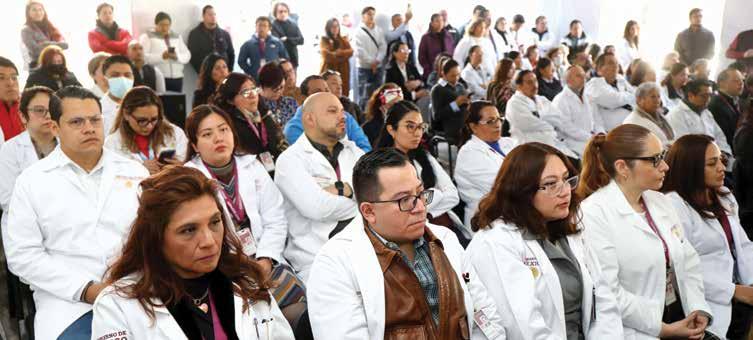
To strengthen road safety and streamline procedures for obtaining and renewing the Mexican federal driver’s license, the Ministry of Infrastructure, Communications and Transportation (SICT), through DGPMPT, launched the Preventive Medicine Days in Transportation initiative. This strategy seeks to reduce medical evaluation and certification times required for issuing the Certificate of Psychophysical Fitness.
The initiative is aimed at drivers of cargo, passenger and auxiliary service transport who must complete the Comprehensive Psychophysical Examination, an essential requirement to legally operate in federal motor carrier transportation.
During the initiative’s launch presentation, SICT Undersecretary Tania Carro Toledo explained that interested individuals must complete an online pre-registration and subsequently visit DGPMPT with the required documentation to complete the process. Among the requested documents are certified medical diagnostic tests, official identification and proof of payment.
Implementing this strategy makes it possible to concentrate on the comprehensive medical evaluation in a single location, optimizing time and ensuring drivers meet the physical and psychological conditions necessary to perform their duties safely.
SICT-DGAF Director General Luis Ruiz Hernández highlighted that the issuance of federal licenses has seen significant growth in recent years. He reported that, preliminarily in 2025, 221,722 new and renewed licenses were
issued, representing a 53% increase compared to 2024.
This increase reflects not only greater demand for drivers but also the federal motor transport sector's commitment to regulatory compliance and to raising required professionalization standards.
During 2026, the Preventive Medicine Days in Transportation initiative will be carried out in four stages at strategic locations across the country:
Mexico City (DGPMPT – Calzada de las Bombas) – January
Toluca, State of Mexico (Unidad Médica Toluca, Centro) – April
Zapopan, Jalisco (Centro SICT, Guadalajara) – July
Guadalupe, Nuevo León (Centro SICT, Monterrey) – October
Each stage will be supported by specialized medical personnel, including general practitioners, psychologists, nutritionists, nurses and administrative staff, who will help throughout the registration process and the administration of biometric examinations.
DGPMPT Director General Sonia Edith Jiménez Hernández emphasized that these actions aim to provide a more accessible and efficient alternative for those who daily operate the various modes of federal transport.
The launch event included the participation of representatives from chambers and organizations in the sector, such as Cámara Nacional del Autotransporte
de Carga (CANACAR), Cámara Nacional del Autotransporte de Pasaje y Turismo (CANAPAT), Asociación Nacional de Transporte Privado (ANTP), Confederación Nacional de Transportistas Mexicanos (CONATRAM) and Alianza de México y Organizaciones Transportistas (AMOTAC), reaffirming the coordination between authorities and the productive sector to strengthen road safety.
With these initiatives, SICT reaffirms its commitment to the health, well-being and safety of drivers, recognizing their fundamental role in mobility, economic development and the protection of people traveling Mexico’s roadways. n
SICT-DGAF Director Luis Ruiz Hernández, SICT Undersecretary Tania Carro Toledo, DGPMPT Director General Sonia Edith Jiménez Hernández, and representatives from chambers and organizations of the federal motor carrier sector.
DGPMPT medical personnel.
DGAF inspectors and administrative staff.
Texas Inspectors Complete Annual F1 Bus Inspections
By Sgt. Doug Floyd, Commercial Vehicle Enforcement, Austin (Texas) Police Department
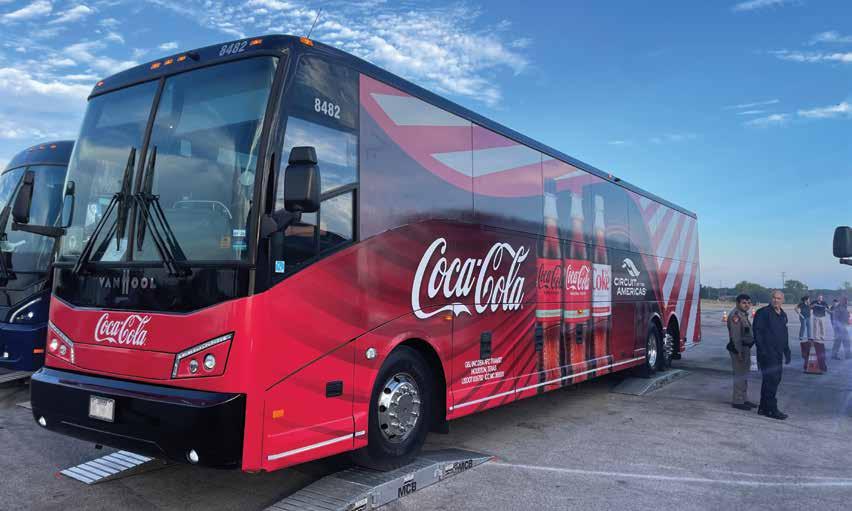
Austin (Texas) Police Department (PD) Commercial Vehicle Enforcement Unit completed its annual Formula 1 bus inspections on Oct. 16, 2025. Of the 167 motorcoaches inspected, 29 were placed out of service for mechanical defects, and seven drivers were placed out of service for improper class of commercial driver’s license (CDL), suspended CDL and alcohol possession.
There were about 40 inspectors from all over the state, including the Texas Department of Public Safety, Irving Police Department, Cedar Park PD, Brownsville PD, Harris County Sheriff’s Department, Travis County Sheriff’s Department and the Texas Department of Motor Vehicles.
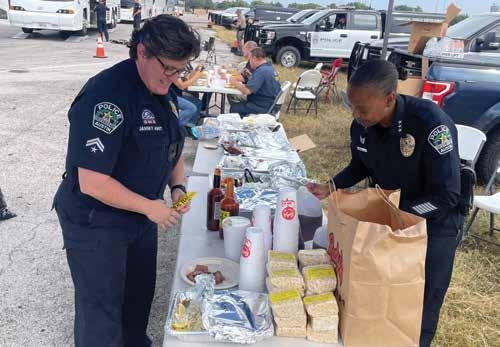
On-site mechanics repaired the buses, and drivers were replaced before the start of the Formula 1 festivities. The Central Texas Public Safety Commission provided lunch for all the inspectors. n
This spiffy Coca-Cola motorcoach received a fresh wrap the morning of the Formula 1 bus inspections.
Cpl. Kim Janksy (left) and Chief of Staff Robin Henderson (right) enjoy some lunch at the bus inspection event.
North Texas Commercial Vehicle Enforcement Officers Q&A Session
By Ofc. Derek Malena, Commercial Vehicle Enforcement, Austin (Texas) Police Department
On Dec. 12, 2025, CVSA Class II Local Members and Texas commercial vehicle enforcement (CVE) inspectors Jaime Cisneros of Princeton Police Department (PD), Derek Malena of Allen PD and CVSA local member president, Stephen Diaz of the Collin County Sheriff’s Office, and Ron Alexander of the McKinney PD attended the annual SRS Distribution National Drivers’ Championship at their headquarters in McKinney, Texas.
SRS Distribution consistently teaches its drivers that safety comes first. This is apparent in the annual drivers’
championship, where approximately 40 of the top-rated drivers from across the U.S. are invited to their headquarters to compete in friendly competition where their knowledge and driving skills are pushed to the limits. SRS sets up a rigorous driving course, and each participant is scored on their ability to navigate the course safely. After the competition, the drivers participate in a Q&A session with local CVE inspectors. Special thanks to Mark Craft of SRS Distribution for inviting us to the event and making commercial motor vehicle safety a top priority. n
Left to right: Local inspectors Jamie Cisneros, Derek Malena, Stephen Diaz and Ron Alexander attend the SRS Distribution National Drivers’ Championship.
Halton Regional Police Service Commercial Vehicle Unit Updates
By Constable Marc Taraso, Commercial Vehicle Unit, Halton (Ontario) Regional Police Service
With three separate major highways traversing our community, our region is no stranger to commercial motor vehicles (CMVs) of all shapes and sizes on our roadways. Fortunately, the Halton (Ontario) Regional Police Service (HRPS) is well positioned to address the variety of issues that accompany heavy truck traffic
Regional Landscape
With a population of more than 650,000 residents, the five municipalities that make up the region of Halton, located west of Toronto, Ontario, are policed by the HRPS’s 830 officers and close to 330 civilian employees.
Thousands of trucks enter and exit area highways daily, using regional and arterial roads in our community to access factories, logistics warehouses and shipping yards; to make local deliveries; or to bypass the highway scale houses. To address the ever-increasing volume of trucks, HRPS deploys a full-time CMV unit comprising two full-time officers certified to perform CVSA Level I Inspections and Dangerous Goods (DG) Inspections. The team operates a fleet of three vehicles that enable it to respond to a variety of calls, including CMV-involved collisions, large-scale blitzes, daily proactive enforcement, court cases and training.
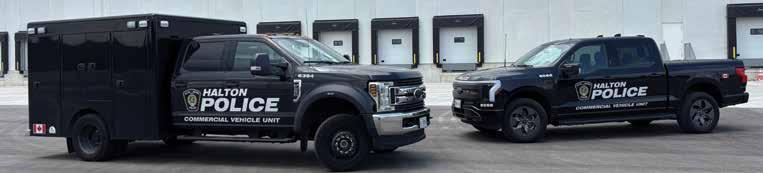
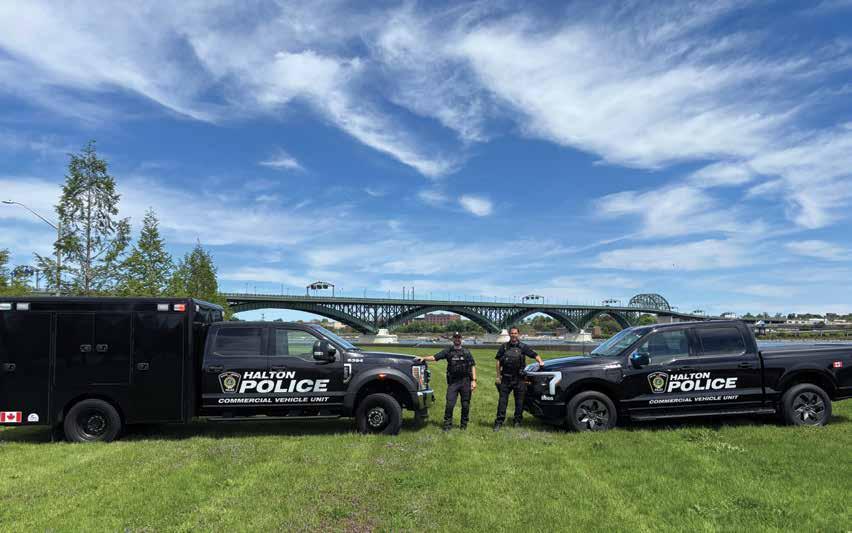
The HRPS CMV Unit’s fleet is made up of a custom-built F-550 crew cab, a Ford Lightning and a Ford Expedition with a two-axle, enclosed trailer. Did we mention Ford Motor Co. has an assembly plant in our region? Each vehicle is equipped with a full complement of inspection tools, including Haenni WL 101 wheel load scales. In addition to the two full-time CVSA-certified officers, HRPS also maintains a pool of six part-time officers who are also Level I and DG certified, conduct CMV enforcement, and undertake additional assignments in general traffic or the HRPS’ Collision Reconstruction Unit.
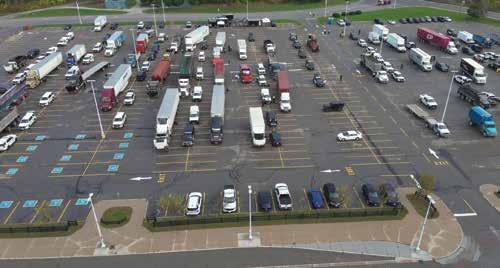
The HRPS CMV Unit operates an inspection lay-by lane facility in the northern part of the region. This multi-lane, open-air facility provides lighting and separation from traffic with large concrete barricades, enabling officers to inspect more than 10 trucks in each direction at any given time.
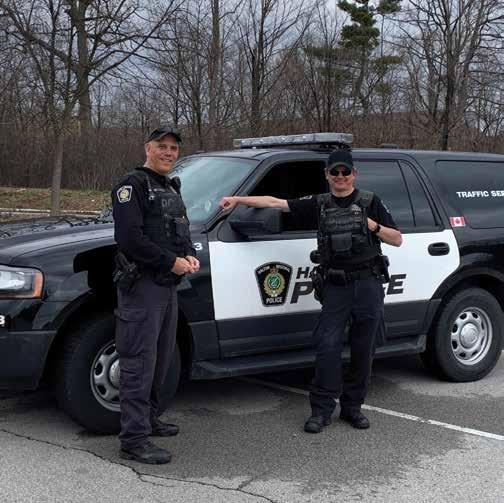
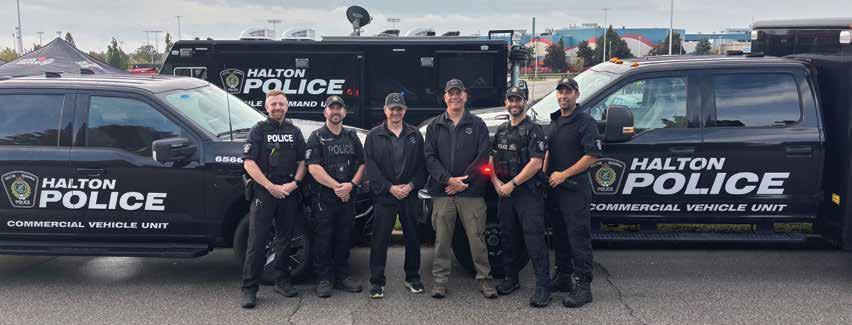
The Halton Police CMV Team's F-550 and Ford Lightning.
The Region of Halton inspection lay-by lane on Steeles Avenue in the town of Halton Hills.
CMV Partnerships
As a member of a larger-scale group known as the Ontario Police Commercial Vehicle Committee (OPCVC), the HRPS CMV Unit works closely with other police and enforcement agencies to support CMV blitzes across Southern Ontario. Team members also collaborate with the Ontario Provincial Police (OPP) and the Ministry of Transportation (MTO), whose mandates are to enforce CMV regulations on our highways. The MTO also staffs the highway scale houses and deploys local enforcement teams into communities.
Recently, the HRPS CMV Unit was called upon to support federal and provincial government directives to secure the border with our
neighbors to the south. HRPS officers, along with other partner agencies – including OPP and MTO, who spearheaded the initiative – were deployed to the Peace Bridge under Operation 3D Deterrence. Each assisted with CMV inspections of all U.S.-bound CMVs.
In addition to these initiatives, the HRPS CMV Unit hosts the annual, three-day OPCVC CMV Awareness Course for frontline officers. This course is designed to provide frontline officers with a basic understanding of CMV safety and enforcement and to help them identify common defects and CMV-related issues they may encounter while on patrol. Officers who complete the training regularly stop CMVs on our roadways and call upon the CMV Unit to
conduct inspections. Notwithstanding the extra eyes on the road, the investment in this training is extremely valuable in developing future traffic officers.
Last but certainly not least, the HRPS CMV Unit hosts seven CMV blitzes annually, with two smaller-scale blitzes twice a year in each of our three districts: Burlington, Oakville and Milton/ Halton Hills. The seventh – the Mohawk Joint Forces Operation (JFO) CMV Blitz – is the largest of its kind in Ontario.
Continued on next page
HRPS CMV team at the Peace Bridge during Operation 3D Deterrence.
Continued from page 21
Mohawk JFO CMV Blitz
What began as a small blitz by the founding members of the HRPS CMV Unit back in 2001, with a couple of officers using an empty parking lot to inspect trucks, has grown into the Mohawk JFO CMV Blitz, now in its milestone 25th year and the largest CMV JFO annual blitz in Ontario.
Held over two days every October, the blitz takes place in the sprawling parking lot of Woodbine Mohawk Park, a horseracing track with an attached casino located on Guelph Line, north of the 401. The large parking lot remains vacant during daytime hours (in stark contrast to after sunset), enabling them to provide the lot to us each year without affecting their operations.
From Oct. 7-8, 2025, the Mohawk JFO CMV Blitz was supported by nearly 100 CVSAcertified inspectors from 10 enforcement agencies. Another 25 officers conducted chasing duties to bring in trucks and provide various support roles, while four inspectors from the Ministry of Finance (MOF) inspected for Fuel Tax, IFTA and contraband tobacco violations. By the end of the second day, an astonishing 517 CVSA inspections had been completed, with defects identified on 260 trucks (50%). Of these, a total of 161 (or 31%) were placed out of service. In total, 307 charges were laid, and 116 written warnings were issued. MOF inspectors conducted an additional 273 inspections, laying nine charges and issuing four warnings.
A blitz of this size would not be possible without the longstanding and dedicated support of the OPCVC and our valued MTO and MOF partners.
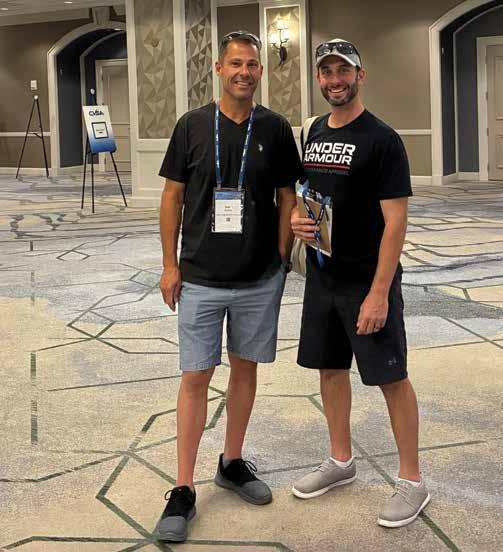
Barnes and Taraso at the 2025 CVSA Annual Conference and Exhibition in Denver, Colorado.
HRPS Mohawk JFO CMV Blitz Oct. 7, 2025.
Looking Back, Looking Ahead
The HRPS CMV Unit was founded in 2000 by retired Constable Al Stennett. Later members of the unit included now-retired constables Pat Martin and Scott Oldfield, as well as then-constables Darren Bonney (now with the Collision Reconstruction Unit) and Mark Dickson (now with the Training Bureau). The unit is currently staffed by constables Shane Barnes and Marc Taraso, both of whom are also certified Intoxilyzer 8000/9000 breath technicians who are trained in standardized field sobriety tests. Barnes, in his 25th year of policing, and Taraso, in his 18th, have spent the majority of their careers in traffic enforcement.
On average, the HRPS CMV officers will conduct approximately 800 CVSA inspections each year, resulting in around 67% being taken out of service. They will also issue approximately 1,500 tickets and 800 warnings.
The HRPS CMV team is proud to participate in the CVSA Annual Conference and Exhibition. We encourage all CVSA local members, especially our colleagues across the Great White North, to attend CVSA events. It is a valuable opportunity for you and your respective agencies to learn, network, share and shape the future of CMV enforcement in Canada.
Stay safe out there. n
Retired constables Scott Oldfield and Pat Martin with the team’s Ford Expedition.
Current and past members of the HRPS CMV team. Left to right: Constables Mark Dickson, Darren Bonney, Pat Martin (retired), Scott Oldfield (retired), Marc Taraso and Shane Barnes.
Honoring Those Who Paved the Road to Safety
By Christopher Vinson, Commercial Vehicle Enforcement, Midlothian (Texas) Police Department
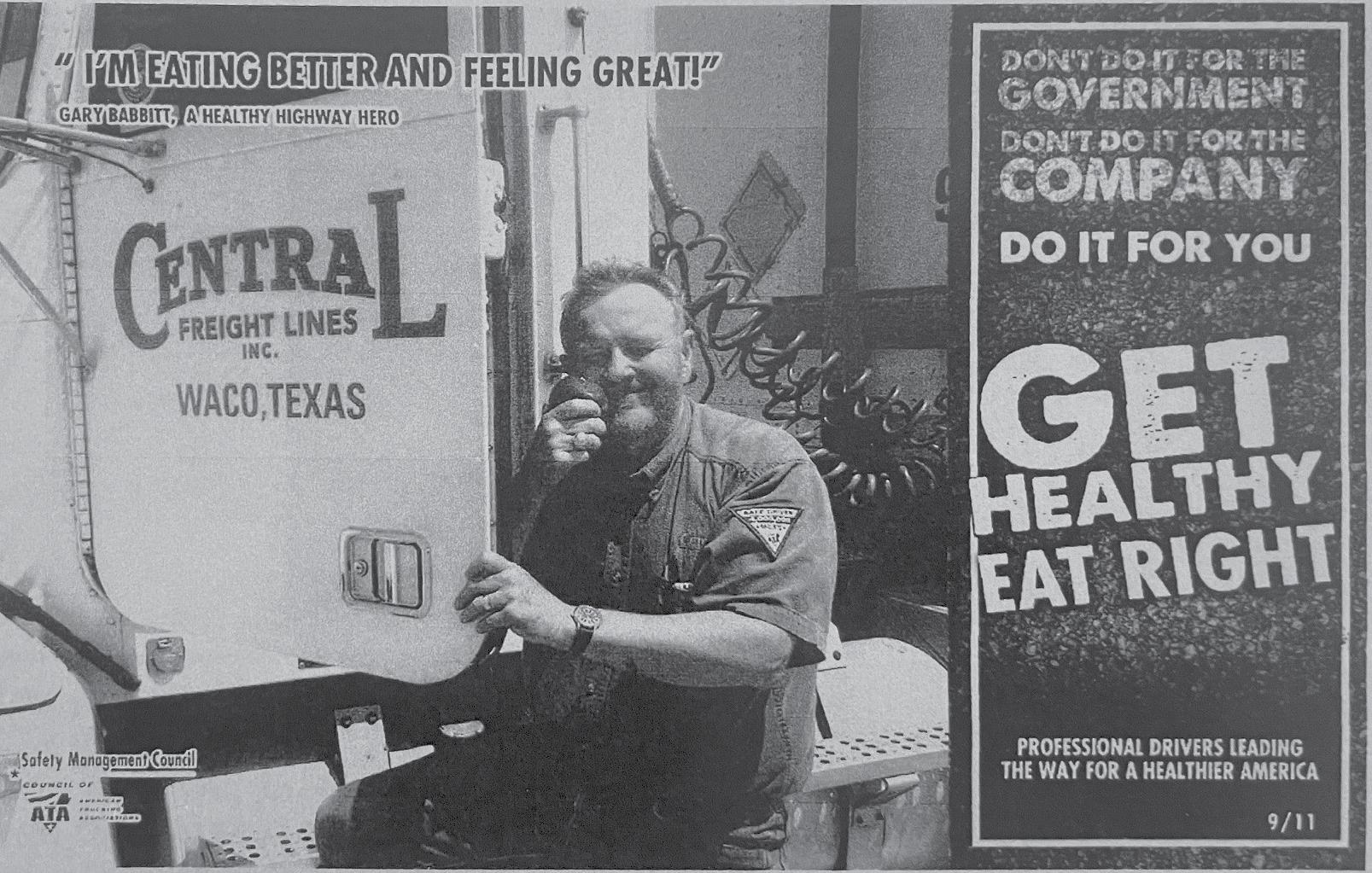
I’ve been thinking a lot about honoring the legends in our field, and two folks come to mind immediately: Gary Babbitt and Ron Fuller. I can’t remember a time when I didn’t see these two together, constantly striving to make each other and every driver or enforcement officer they meet better.
Both Gary and Ron take every opportunity to share their knowledge, kindness and faith. When I first met them, my first reaction was the overwhelming feeling of family. I have come to learn that they both live by the motto “Safety first.”
Gary and Ron come from an incredible background in truck driving and have transitioned into teaching all those they
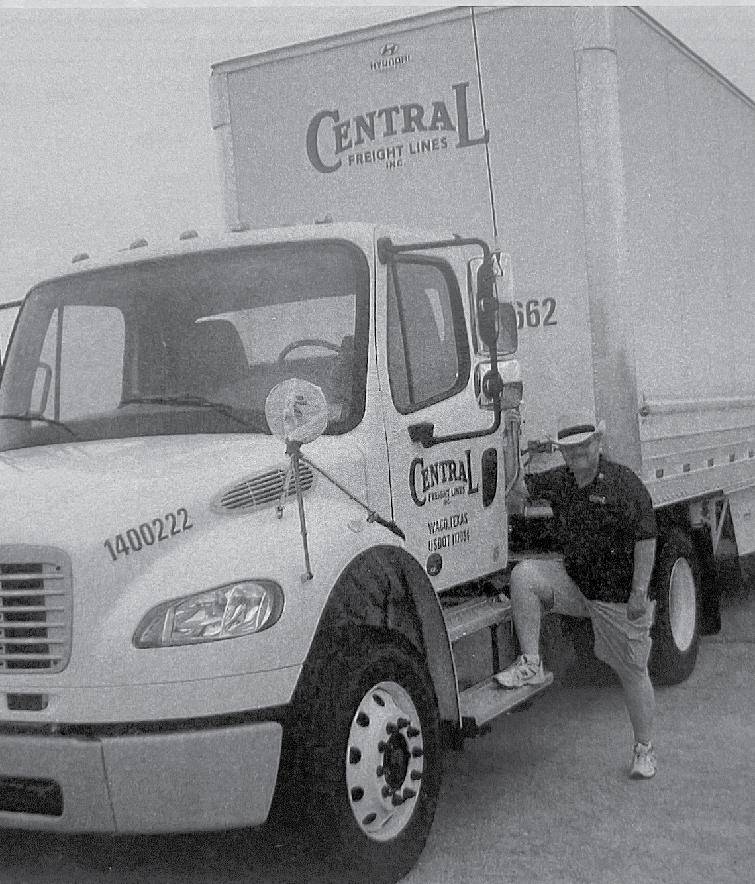
touch to be safer through their experiences. Both drove for Central Freight Lines, where they developed impeccable safety records and relationships that led them to transition into the role of safety trainers. They could have easily slipped away into retirement, and it would have been well deserved. These men choose to remain active in the industry because they care, and they are the road warriors who have driven the miles and learned the lessons that shape safer drivers and companies today.
Ron drove for Central for 40 years and Gary for 38, both achieving over 5 million safe driving miles. Gary achieved the distinct honor of American Trucking Associations (ATA) America’s Road Team Captain in 2011-
2012, and Ron has been nominated for this honor as well. Both have been awarded the ATA National Driver of the Year and the Texas Driver of the Year awards. So, when these guys talk about how the regulations fit with driving a truck, you just listen. When brainstorming for what to write about these men, I discovered accolade after accolade describing how these drivers stopped to help people in distress on North American highways – true heroes of the road!
Another thing Gary has become known for is his Texas Folk Art. Gary has a passion for taking discarded wood and old picture frames and creating wooden crosses, which he places in reconditioned frames to give them new life and share a little of his faith. He gives these
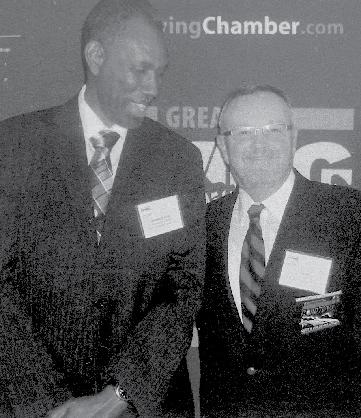
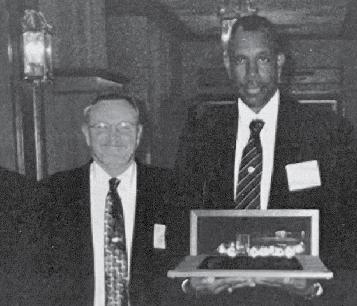
Ron Fuller (left) and Gary Babbit (right) each received 2011 Awards of Merit and certificates of appreciation from the city of Irving, Texas.
away to those with whom he can share a little joy and goodness in the world.
I have not run into Ron where he did not find a way to share an experience or some wisdom to try and encourage me to be better at my job and life. Gary likewise does not miss an opportunity to share his faith or, in some way, to share a nugget of experience, also learning from your experiences. We all think we are good at what we do, but I have learned that some of the best education comes from our history. These two men have put in the hard work and driven the hard miles. They have experienced the regulatory changes that have shaped our current industry landscape and pay it forward when they absolutely don’t have to.
In this industry, it’s common to hear that one day we hope to be an example for others as we grow and learn. I just want to say thank you to Gary and Ron for not walking away and for sharing their passions for keeping us safe and making our industry a better environment. n
Uptick of CMV DWIs in St. Louis County
By Ofc. Kyle Jahns, Commercial Vehicle Enforcement, St. Louis County (Missouri) Police Department
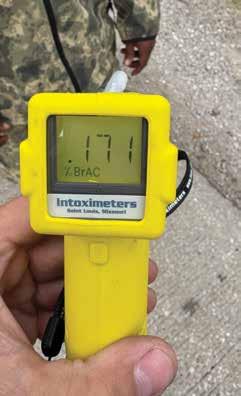
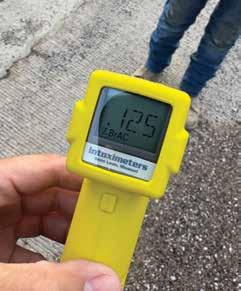
Within the last few months, the St. Louis County (Missouri) Commercial Vehicle Enforcement (CVE) Unit has detected several commercial motor vehicle (CMV) operators who were driving while intoxicated (DWI) and were ultimately arrested. The arrests stemmed from inspections conducted between 6-10 a.m. for violations ranging from improper load securement to hazardous moving offenses.
During the initial interviews, the level of intoxication was not immediately apparent. However, officers quickly noticed a strong odor of intoxicating beverages from all the drivers. Some had even attempted to mask the odor by smoking or having candy in their mouth.
The CVE Unit worked closely with the department’s Highway Safety Unit (HSU). In each incident, HSU was requested and responded to the scene to conduct independent DWI investigations. They subsequently arrested the drivers.
These drivers included both local and over-theroad operators, underscoring the department's broad focus on safety across all levels of commercial transportation.
St. Louis County CVE and HSU units remain committed to promoting safe driving and reducing impaired driving incidents through continued education, inspection and rigorous enforcement efforts. n
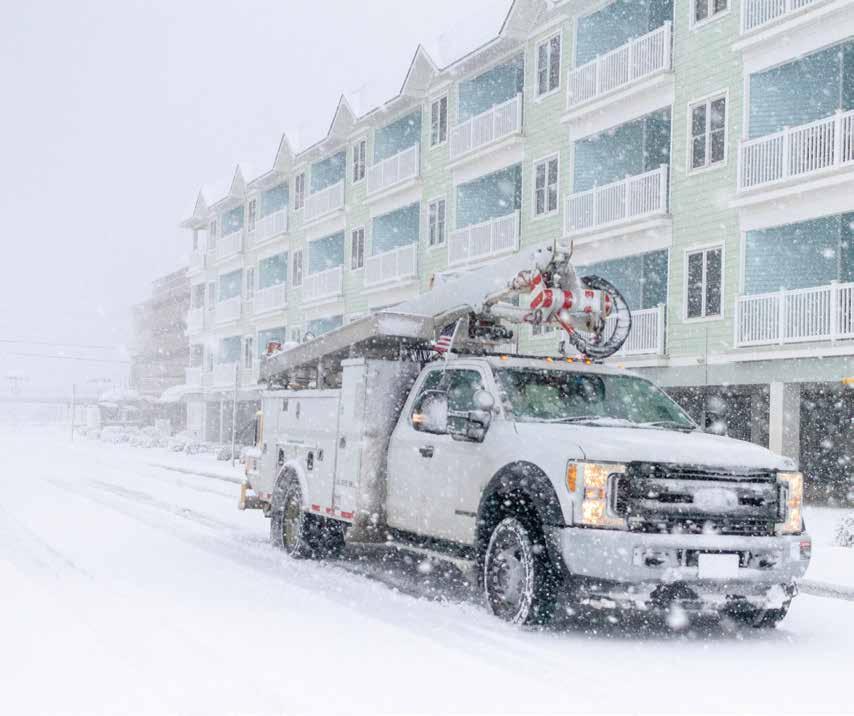
WEATHERING THE STORM:
CMV Safety and Disaster Response Operations
When disaster strikes, from hurricanes to wildfires and extreme winter storms, communities brace for immediate impacts: homes lost, infrastructure damaged, supply chains disrupted. Behind the scenes, motor carriers, professional drivers, and the officers and inspectors who enforce commercial motor vehicle (CMV) regulations sit at the intersection of relief operations and roadway safety. For CVSA’s community of enforcement officers and inspectors, regulators, and industry partners, understanding how CMV regulations adapt during emergencies is essential.
While other first responders tend to injured residents and clear debris, CMV enforcement professionals ensure emergency relief shipments move efficiently and safely, roadways remain accessible for lifesaving transport, and drivers – from relief supply carriers to carrier volunteers – comply with safety rules and emergency regulatory relief provisions. This operational backbone enables coordinated disaster response and recovery efforts across jurisdictions.
This article examines the multifaceted roles of CMV enforcement, motor carriers and professional drivers in disaster response, highlighting enforcement coordination, emergency regulatory relief and operational logistics amid some of the most challenging field conditions.
Continued on next page
WHAT IS PREPOSITIONING?
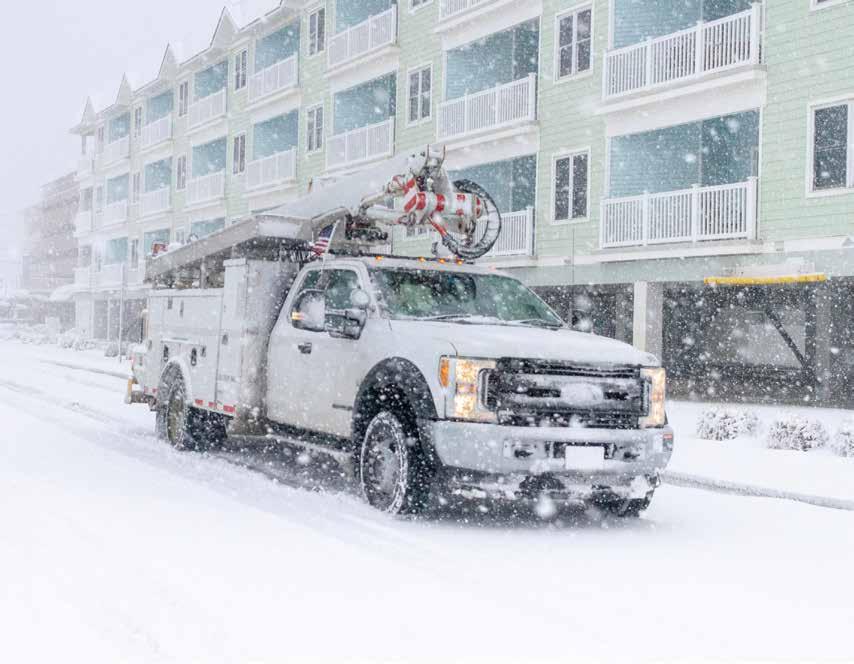
Prepositioning utilities for natural disasters involves strategically locating critical infrastructure supplies, repair parts, specialized equipment and convoys of utility fleets near potential impact zones before an event occurs. This approach reduces repair times, enhances service reliability during emergencies and ensures rapid deployment of resources like transformers, utility poles and fuel for emergency generators.
Key aspects of prepositioning utilities include:
Strategic Stockpiling: Placing materials in warehouses or secure locations close to the expected emergency site, yet outside the immediate danger zone
Infrastructure and Equipment: Staging essential equipment, such as utility poles, wires, transformers and specialized vehicles, to facilitate quick repairs
Operational Readiness: Pre-staging repair crews and ensuring necessary logistical support, including fuel and supplies for personnel, are in place
Logistics and Data: Using data-driven models to determine optimal supply locations, ensuring rapid response times in the aftermath of disasters, like hurricanes or earthquakes
Prepositioning is essential for maintaining critical services when natural disasters cause significant disruptions to infrastructure.
Role of CMVs in Disaster Response
CMVs play an essential part in emergency recovery logistics. Whether hauling food, water and/or medicine to communities cut off by flooding, transporting equipment to rebuild power infrastructure after wildfires, or moving heating fuel during crippling winter storms, trucks and motorcoaches/buses are indispensable in disaster scenarios.
Supply Delivery: Transporting massive quantities of essentials (water, shelf-stable meals, medical supplies, personal protective equipment, shelter, fuel) immediately before, during and after disasters
Debris Removal and Infrastructure: Clearing roads for emergency vehicles and moving materials for rebuilding
Prepositioning: Preparing assets and supplies prior to a disaster, therefore accelerating the response activities and reducing the supply chain burden associated with humanitarian relief items
Evacuation: Assisting vulnerable populations (elderly and disabled people) to safety
Logistical Backbone: The primary method for getting resources to affected areas efficiently, often with proactive deployment
Disaster management – and the logistics of delivering these supplies and services – often involves regulatory relief via emergency declarations. When ordinary safety regulations are temporarily relaxed to meet these urgent needs, enforcement officers/inspectors play a critical role in striking the balance between mobility and safety. Their work ensures emergency operations proceed efficiently while still protecting motorists, first responders and relief workers.
Regulatory Relief: How Emergency Declarations Work
Under Title 49 Code of Federal Regulations § 390.23, the Federal Motor Carrier Safety Administration (FMCSA) has the authority to issue emergency declarations that temporarily suspend certain provisions of the Federal Motor Carrier Safety Regulations (FMCSR). These suspensions are not automatic; they must be triggered by a declaration of emergency from the president, a state governor or FMCSA itself.
When activated, these declarations provide regulatory relief for motor carriers and drivers engaged in “direct assistance” to emergency response and recovery activities. This relief typically includes exemptions from key regulatory requirements, most commonly hours-of-service (HOS) limits, which govern driving time and rest periods. The intent is to expedite the transport of essential supplies without the usual compliance constraints that could delay critical deliveries. This ensures that while drivers can operate more flexibly, core safety foundations are preserved.
One example occurred in September 2022 in response to Hurricane Ian. FMCSA issued a regional emergency declaration covering Alabama, Florida, Georgia, Kentucky, Mississippi, North Carolina, South Carolina and Tennessee. The relief exempted qualifying drivers from FMCSA’s HOS limits (§ 395.3, maximum driving time for property-carrying vehicles and § 395.5, maximum driving time for passenger-carrying vehicles) while engaging in direct hurricane relief transportation. In the days following Hurricane Ian’s landfall, officials from multiple states coordinated staging points for relief shipments. They worked with state transportation agencies to forward road condition updates to national partners and ensured carriers understood exemption boundaries, particularly that relief transport was limited to immediate response efforts. This coordination helped prevent supply logjams and guaranteed critical resources, such as generators, water and medical supplies, reached shelters and hospitals with minimal delay.
Emergency declarations like this are inherently conditional. They apply only to drivers and carriers providing direct relief – transportation and other services that serve immediate
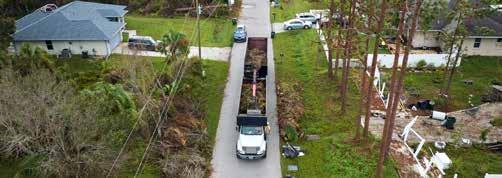
An aerial view of Hurricane Ian special aftermath recovery dump truck picking up vegetation debris from Florida suburban streets.
restoration of essential supplies and services – not routine commercial deliveries, long-term infrastructure rehabilitation or post-initial recovery transport. They remain effective only as long as the emergency conditions persist. Federal hazardous materials regulations, size and weight requirements, and driver licensing rules generally remain in effect.
Coordination extends beyond regulatory relief. Enforcement agencies collaborate with state lead agencies, emergency management offices and federal partners, such as the Federal Emergency Management Agency (FEMA), ensuring priority freight corridors are identified and maintained. These corridors become lifelines for emergency supplies and are often coordinated through broader transportation emergency response plans that integrate roadway management systems, bridge and infrastructure assessments, and public safety communications.
In practice, enforcement officers/inspectors often become de facto partners in disaster response. During emergency activations, inspectors may provide real-time guidance on safe routes, help drivers understand the limits of their exemptions and coordinate with other agencies to manage high traffic volume near disaster zones.
CVSA Emergency Declarations Portal
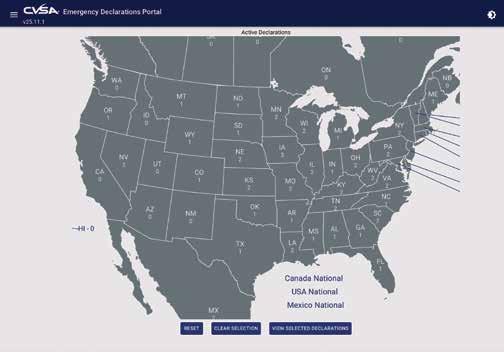
CVSA’s emergency declarations web portal (www.cvsaemergencydeclarations.org) contains current emergency declarations, waivers, amendments, extensions, exemptions, executive orders, etc., that anyone can access at any time.
Because emergency declaration/waiver management varies by jurisdiction, the portal brings together updates from a wide range of trusted contributors. The following entities can submit updates: CVSA staff; federal partners (FMCSA, the Pipeline and Hazardous Materials Safety Administration, the Federal Highway Administration, Transport Canada, and Mexico’s Secretariat of Infrastructure, Communications and Transportation); Motor Carrier Safety Assistance Program agencies; state/territory/ province departments of transportation and emergency management agencies; and state/ territory/province entities and credentialing agencies responsible for oversize/overweight permits, International Registration Plan permits, International Fuel Tax Association permits, commercial driver’s license (CDL) issues, etc.
The interactive map allows users to select locations in Canada, Mexico and the U.S. that
are currently affected by emergency declarations. Users can select multiple states, provinces and territories at the same time, allowing motor carriers and professional drivers to view active declarations, waivers, etc., along proposed routes. Additionally, the information can be viewed in list form and sorted by country, state, issuer, start date, end date and relief type. Users may also subscribe to receive email notifications for new declarations or FMCSR waivers.
All emergency declarations are automatically archived in the portal. This benefits enforcement and industry by providing a single authoritative record that can be relied upon before, during and after an emergency. For enforcement, the archive supports consistent roadside decision making, verification of declaration validity and documentation for post-incident review or training. For industry, it offers clear proof that operations were conducted under a valid declaration, reducing the risk of citations and supporting audits or compliance reviews. Overall, the archive promotes transparency, reduces disputes, and strengthens coordination and trust between enforcement and industry during emergency operations.
In addition to being used by CMV officers/ inspectors and the motor carrier industry, the CVSA emergency declarations portal is used by various industries, including communications (cable, telecom, cyber security, etc.), electricity, food/agriculture, finance, fuel, medical/pharmaceutics, retail, transportation (aviation, maritime ports, rail, trucking, etc.), water/wastewater, and more.
In fiscal 2025, there were nearly 3 million visits to the portal.
On March 31, CVSA will hold a webinar about the emergency declarations web portal. It will be archived and can be accessed by CVSA members at any time in the CVSA learning portal at portal.cvsa.org
If your agency has questions or needs access to the portal to upload declarations or waivers, reach out to CVSA Director of Enforcement Programs Jake Elovirta at jake.elovirta@cvsa.org or call 202-998-1812.
Continued on next page
Read the report here: app.typeset.com/play/EOE680 Continued from
AHC STUDY: VOICES FROM THE FRONT LINES
What seasoned industry leaders urge federal policy-makers to consider as they rethink disaster survivor support
AHC released a report in June 2025 that addressed public/private needs during a disaster. The abstract of “Voices from the Front Lines” states that the report distills over a decade of insights from longstanding private sector disaster response professionals who have coordinated all types of disasters across multiple sectors, offering actionable recommendations to strengthen federal support for states, communities and survivors during major disasters.
The report made seven core recommendations:
Streamline regulatory waiver processes.
Centralize federal agency coordination during disasters.
Encourage regional coordination between states.
Bolster state capacity.
Avoid abrupt changes or disruptions.
Support state/local government integration with the private sector.
Support mutual state/private sector assistance during disasters.
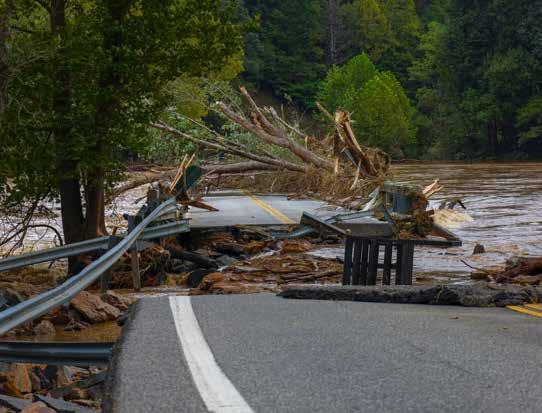
Ensuring Infrastructure Safety and Roadway Integrity Under Stress
Even with regulatory relief, enforcement officers must balance two imperatives: facilitating rapid relief transport and preserving roadway safety. Disaster conditions, such as floods, fires, downed wires, debris, extreme winds, accidents and traffic surges, elevate risks across every mile of roadway. Maintaining roadway integrity in disaster settings also requires inspectors to closely assess vehicle conditions. Disaster relief environments accelerate wear on tires, brakes and suspension systems amid extended hours and heavy loads. Safety checks targeted at critical systems remain fundamental, even when other regulatory constraints are relaxed.
The Stafford Act authorizes federal assistance for any public highway, road or bridge that is damaged as a result of a declared disaster or emergency, as long as it is eligible under FEMA’s Public Assistance Program. Under a presidentially declared emergency or major disaster, the Stafford Act can apply to the following:
Interstate highways (I-5, I-80, etc.)
U.S. highways (US-1, US-50, etc.)
State highways
County and local roads
Public bridges
Certain toll roads, if publicly owned
The key requirements are that the road/bridge is publicly owned or maintained and has experienced damage directly caused by the disaster.
Due to the Stafford Act, however, states cannot waive size and weight restrictions on interstates; only a presidential declaration can do that. But, states can waive size and weight restrictions on state roads to facilitate the movement of emergency supplies. In these instances, it is possible that states may not want to waive restrictions on certain state infrastructure, such as bridges. In that case, a state may choose to deploy a mobile command operation or inspection station to weigh CMVs before they cross over the selected bridge or other infrastructure.
Essential to the protection of infrastructure is the All Hazards Consortium (AHC), a U.S.-
based, state-sanctioned nonprofit organization dedicated to improving disaster resilience through sustained collaboration between government agencies and the private sector. Its partners are responsible for keeping power, fuel, water, communications, supply chains and communities running during crises. Its core mission is to enhance preparedness, response, recovery and mitigation for all types of hazards – natural disasters, technological incidents and human-caused emergencies – by addressing the interdependencies of critical infrastructure systems. AHC provides a trusted, neutral and legally protected environment that enables participants to share sensitive operational information, identify gaps and develop practical solutions that would be difficult to achieve independently.
AHC operates through sector-focused and cross-sector working groups that bring together emergency managers, regulators, infrastructure owners and industry leaders to tackle realworld challenges, such as continuity of operations, supply chain disruptions, workforce mobility and information sharing during crises. The consortium supports planning, training, exercises and mitigation initiatives, and plays a key role in improving situational awareness and coordination during incidents. By bridging public and private interests and aligning them around shared risk reduction and response goals, AHC helps ensure essential services and infrastructure remain operational when communities need them most.
How FEMA Works with Motor Carriers and Professional CMV Drivers
As the lead U.S. agency for emergency response, FEMA plays a critical role in disaster relief, and CMV drivers are vital to this mission. Professional drivers contracted by FEMA transport loads containing essentials, such as food, water, medical equipment, search-and-rescue equipment, disaster cleanup supplies, construction materials, clothing and personal care items.
When disaster strikes, FEMA reaches out to its pre-approved list of contactors – those enrolled in the FEMA Standard Tender of Service program. FEMA invites motor carriers and independent drivers to register with the program during open onboarding periods to become FEMA transportation service providers.
Drivers and motor carriers can keep an eye on www.fema.gov/business-industry/ doing-business/transportation for future opportunities. According to its website, FEMA’s goal is to contract with local businesses in the affected area whenever practical and feasible.
Running FEMA loads goes a long way in helping the recovery effort when natural disasters hit a community. If you are hauling for FEMA or plan to do so in the future, it is essential to understand the importance of this role and the magnitude of these loads. In a time when people are leaving an area ahead of or in the wake of natural disasters, such as fires, earthquakes, hurricanes or tornadoes, professional drivers are tasked with swiftly moving essential relief supplies to these areas. A FEMA load contains critical supplies delivered to regions predicted to experience or already experiencing natural disasters.
Before: Whenever possible, FEMA begins to import emergency supplies to the area before the disaster event.
During: Nothing moves in or out of the affected area during the disaster event. FEMA continues to deliver emergency relief supplies to places just outside the disaster zone.
After: Inbound emergency relief supplies are shipped in at a high rate. Food, water and medicine tend to ship first, followed by flatbeds with reconstruction materials.
Hauling FEMA loads can come with its own challenges: unpredictable schedules, potential safety risks, long wait times at loading and unloading sites, compliance with additional government regulations, the need for specialized procedures, stress and emotional toll, and communication difficulties. However, there are steps that motor carriers and professional drivers can take to prepare themselves and their vehicles.
Keep and maintain emergency and survival equipment.
Regularly inspect your vehicle.
Use GPS and keep updated maps that don’t require an internet connection.
Take disaster response training.
Keep communication lines open and have an emergency communication plan.
Get plenty of rest on the road.
Keep paperwork available in a waterproof bag.
Professional Driver Volunteer Opportunities
In addition to paid FEMA opportunities, professional drivers can volunteer for disaster relief by delivering critical supplies (food, water, building materials, etc.), offering their vehicles and skills for debris removal, transporting people, rescuing animals, and even delivering blood and lifesaving medicines.
Organizations to connect with:
American Red Cross: Needs drivers for blood delivery and other disaster response roles
Convoy of Hope: Faith-based group actively recruiting truckers for supply delivery
Midwest Food Bank: Utilizes volunteer drivers for meals and pantry stocking
Operation Roger: Connects volunteer truck drivers with shelters to transport rescued pets to new homes
Samaritan's Purse: Organizes rebuilding and relief efforts, often needing logistics help
Team Rubicon: Seeks professional drivers to transport people and essential supplies (such as tools, equipment and meals) to disaster zones
Trucks With Room to Spare: A network for drivers to offer transport for critical items
Continued on next page
When disaster strikes, professional drivers move toward the crisis — carrying what communities need most.
supplies to residents of Staten Island.
Disaster Relief Across North America
Cross-Border Emergency Declaration: 2021 British Columbia Flooding and Landslides
In November 2021, British Columbia declared a state of emergency due to extreme flooding and landslides triggered by heavy rain, a component of the 2021 Pacific Northwest floods. The flooding caused widespread disruptions to road and supply routes throughout southern British Columbia. In response, FMCSA issued (and later extended) Regional Emergency Declaration No. 2021-010, providing regulatory relief from certain regulations, including HOS rules, for Canadian motor carriers and drivers who were providing direct assistance by transporting essential goods and supplies through the U.S. to support Canadian relief efforts and bypass road closures in Canada.
2023 Canadian Wildfire Seasons
In August and September 2023, wildfires across western Canada – particularly in Alberta, British Columbia, Yukon and the Northwest Territories – consumed more than 15 million hectares (37 million acres) of forest and led to widespread evacuations. This prompted authorities to waive HOS
regulations for truck drivers hauling essential supplies into fire-affected areas. These waivers were designed to support emergency relief logistics across provincial boundaries and involved temporary regulatory relief from HOS requirements under Transport Canada’s authorities.
In these contexts, Canadian inspectors and transportation partners worked with provincial and federal agencies, dispatched coordinated support resources and, in some cases, provided cross-border coordination when smoke and air quality degraded visibility and safety on routes used for relief movement.
2024 Hurricane Helene: A Regional Emergency
Another recent example is the response to Hurricane Helene in 2024. As the storm skirted the southeastern U.S., governors in seven states (Florida, Georgia, North Carolina, South Carolina, Tennessee, Virginia and West Virginia) issued emergency declarations between Sept. 23 and 27, 2024. These state declarations activated initial relief from HOS regulations for drivers aiding in disaster response.
At the federal level, FMCSA issued a regional emergency declaration on Oct. 4, 2024, covering eight states: Alabama, Florida, Georgia, North Carolina, South Carolina,
Tennessee, Virginia and West Virginia. This declaration extended regulatory relief from Parts 390-399 for carriers and drivers providing direct assistance related to the storm’s impacts.
The relief granted under this declaration waived some compliance requirements, including HOS, driver qualification, cargo securement, and daily and annual vehicle inspections. This allowed impacted drivers to focus on emergency response missions without delay, while maintaining compliance with essential safety regulations, including drug/ alcohol testing, CDL requirements, insurance and the transportation of hazardous materials. Additionally, drivers still needed to obey restrictions on vehicle size, weight and routing.
FMCSA also set up a dedicated webpage (www.fmcsa.dot.gov/newsroom/hurricaneshelene-and-milton-updates-and-information) and routing assistance hotline for Hurricane Helene responders to recommend safe travel routes for equipment and supply convoys, underscoring the agency’s broader role in facilitating disaster logistics while preserving roadway safety.
Low water bridge in Fries, Virginia, destroyed by Hurricane Helene
An additional instructive case occurred in Oregon in 2025, when a series of wildfires, including the Rowena Fire, which burned roughly 3,700 acres and prompted evacuations, led state officials to seek extended regulatory relief.
On July 16, 2025, Oregon Governor Tina Kotek issued a state of emergency due to wildfire threats. This triggered a state emergency declaration that, under federal regulation, made HOS regulatory relief available to carriers providing direct assistance. FMCSA then extended this declaration on July 29, 2025, granting continued exemptions through at least the end of the emergency period. Read more at www.fmcsa.dot.gov/ emergency/wsc-or-extensionemergency-declaration-wildfires -no-2025-009-07-28-2025
2025-2026 Winter Storms and Fuel Transport
This winter season has also seen widespread emergency declarations in response to severe winter storms and power grid disruptions across the northeastern United States. On Dec. 23, 2025, FMCSA extended multiple regional emergency declarations covering 20 states, granting HOS waivers for drivers hauling critical heating fuels, such as propane, natural
gas and heating oil, amid freezing conditions and disruptions to supply chains. These were extended on Jan. 15: www.fmcsa.dot.gov/ emergency/esc-extension-emergency-declara tion-no-2025-012-01-15-2026.
These waivers allowed carriers involved in the transportation of heating fuel to temporarily operate outside of standard HOS limits to keep heating supplies moving to communities confronting cold weather and power outages. Again, waivers applied only while drivers were providing direct assistance to the emergency response, and normal safety regulations resumed when that assistance ceased.
On Jan. 23, FMCSA issued a regional emergency declaration providing temporary HOS relief for 40 U.S. states due to severe winter storms and extreme cold. The declaration was extended multiple times. In addition to the emergency declaration released by the federal government, many states and cities released emergency declarations and waivers, most commonly for HOS waivers for the transportation of emergency supplies and fuel. Prior to the snowstorm, Vermont faced a timely problem – low inventory of rock salt – and issued a unique HOS waiver for bulk rock salt transportation intended for highway maintenance.
Mexico: Natural Disasters and Emergency Response Context
Mexico does not issue regulatory relief for CMV operations under the same frameworks as FMCSA and Transport Canada; its civil response structures are organized differently. Mexico’s primary disaster response framework, Plan DN-III-E (Plan de Auxilio a la Población Civil en Casos de Desastre), is activated for major natural disasters, such as hurricanes, floods and earthquakes.
Under this plan, the Mexican Army and Air Force coordinate relief logistics as an organized body under the name “Support Force for Disaster,” including transportation of supplies and movement of displaced persons. While Plan DN-III-E itself is not a CMV regulatory relief mechanism in the same sense as FMCSA or Transport Canada waivers, it serves as the governing structure for emergency transport operations in Mexico during disasters.
Looking Ahead
When disasters happen, the spotlight often falls on firefighters battling flames, medics tending the injured and utility workers restoring power. Yet CMV enforcement professionals also form an integral support structure that enables these frontline efforts to succeed, and professional drivers who deliver essential relief supplies provide a vital service. Disaster response is as much about human connection as it is about truckloads of water and pallets of medical supplies.
The work of CMV enforcement – blending regulatory acumen, logistical coordination,
interpersonal professionalism and ethical enforcement – ensures disaster relief logistics stay on track without sacrificing safety. Whether navigating hurricane-scarred roadways or coordinating relief during unprecedented wildfire seasons, enforcement officers shape how efficiently and safely essential supplies flow into affected regions.
For the CVSA community, understanding how regulatory relief functions – and how enforcement officers support safe operations during emergencies – is essential to saving lives, reducing injuries, and promoting compliance and safety on North America’s highways n
FHWA Study: Multi-State Emergency Route Scenario Study of Vehicle Delays
In June 2022, the Federal Highway Administration (FHWA) released a study of five fictional natural disaster scenarios and analyzed potential CMV delays based on real events. The five scenarios included a tropical storm along the East Coast, based on Hurricane Sandy (2012); a hurricane in Florida, based on Hurricane Michael (2018); a tornado in the Midwest, based on an EF-5 tornado in Joplin, Missouri (2011); a wildfire on the West Coast, based on the Tubbs Fire in Northern California (2017); and a flood in Colorado, based on a 1,000-year rainfall event in Colorado (2013).
The abstract of “Multi-State Emergency Route Scenario Study of Vehicle Delays” states that CMV regulations and permitting procedures that work well during normal commercial operations can increase the time it takes for emergency responders to move equipment and personnel rapidly across state lines to support response and recovery operations during emergencies. FHWA conducted this study to estimate the impact of delays that emergency vehicles responding to natural disasters in other states may encounter.
Read the report here: ops.fhwa.dot.gov/publications/fhwahop21020/fhwahop21020.pdf
Some notable conclusions include:
Oversize/overweight permit transaction delays are the largest contributors to delays, adding additional transit time to each vehicle and resulting in cumulative delays across all vehicles.
The impacts of delayed emergency response vehicles extend beyond monetary costs to utilities and their customers. Extended, widespread power outages also increase public health and safety risks in affected communities, which are more difficult to quantify. Risks include:
• An increased reliance on at-home generators, which may be improperly used and can lead to carbon monoxide poisoning
• Food and water safety issues due to a lack of refrigeration, running water and sewage services
• The inability to call for help due to downed communication services
Delays in the delivery of temporary housing units can leave those who have lost their homes or have been displaced by a natural disaster without a permanent shelter for longer periods, causing additional stress for displaced families and straining temporary shelters and the resources required to sustain them.
Delays in mobile cranes can further delay emergency response activities if they are required to clear debris blocking critical roadways and infrastructure.
Evidence on Positive Personal Relationships as the Single Most Important Predictor of Wellness and Longevity
By Rodolfo Giacoman, Fatigue Management Specialist, Commercial Vehicle Safety Alliance
While occupational health discussions often emphasize physical risk factors such as smoking, hypertension, metabolic syndrome and sleep deprivation, large longitudinal studies and meta-analyses indicate that the quality and consistency of personal relationships are also strongly associated with all-cause mortality, independent of many traditional health risks.
Biological and Stress-Related Effects
One of the most influential sources of evidence on this topic is the Harvard Study of Adult Development, the longest-running longitudinal study of adult life. Beginning in 1938 with a cohort of white men and later expanding to include women and more diverse populations, the study has followed participants for more than eight decades. Across multiple generations and socioeconomic groups, researchers have consistently found that the quality of close relationships is strongly associated with health outcomes in later life.
The study does not suggest that positive personal relationships replace traditional health behaviors. Rather, it indicates that strong, supportive relationships are associated with better physiological regulation over time.
Individuals with higher-quality relationships tend to show healthier stress-response patterns, including lower chronic activation of stress hormones such as cortisol. Over long periods, this reduced stress burden is associated with lower levels of systemic inflammation, a known contributor to cardiovascular disease and other chronic conditions.
Driving often involves prolonged isolation, irregular schedules, time pressure and sustained vigilance – conditions associated with elevated stress. Supportive relationships may help buffer these stressors by improving recovery from daily strain, especially during off-duty periods.
Researchers from the Harvard study have reported that relationship satisfaction in
midlife was a strong predictor of later-life physical health, even when accounting for traditional medical risk factors. At the same time, the study emphasizes that avoiding smoking and limiting alcohol use remain essential for longevity. The implication for drivers and safety managers is that positive personal relationships should be addressed as a complementary factor – not an alternative –to established health and safety practices.
Recognized Health Risk
The broader scientific literature reinforces these findings. A landmark meta-analysis led by Dr. Julianne Holt-Lunstad examined 148 studies involving more than 300,000 participants. The analysis found that individuals with stronger social relationships had approximately a 50% higher likelihood of survival during the study period than those who were more socially isolated.
The magnitude of this association is comparable to that observed for wellestablished health risks such as physical
The quality of close relationships is strongly associated with health outcomes in later life.
inactivity, metabolic syndrome and smoking. For professional drivers, a population already exposed to occupational health risks related to sleep disruption, sedentary work and cardiovascular strain, social isolation can act as an additional risk multiplier.
What Drivers and Safety Managers Should Do About It
Positive personal relationships should be a key ingredient of a safety culture as part of a motor carrier’s fatigue management program. For drivers, this may include making an intentional effort to maintain regular contact with family and friends, engaging in social activities during time off or connecting with other drivers through peer networks.
Safety managers should try to reduce unnecessary driver isolation when possible. Practices such as encouraging peer mentoring, fostering a supportive safety culture, enabling predictable home time when possible and recognizing the human impact of scheduling decisions may contribute to better long-
term health and safety outcomes. Check out the fourth quarter 2023 "Guardian" article, “The Alertness Equation: How Positive Relationships Add Up,” for strategies to nurture positive relationships. n
CVSA and ISWIM Partner to Hold WIM Workshop
By Kevin Andrews, Traffic Enforcement Specialist, Commercial Vehicle Safety Alliance
On Sept. 21, 2025, CVSA and the International Society for Weigh-In-Motion (ISWIM) partnered to host a workshop on available weigh-in-motion (WIM) technology and its uses. WIM professionals from around the world came together to discuss the current technology.
The workshop covered everything from an introduction to WIM technology to presentations on the most advanced technology available. Presentations expressed how WIM technology is used domestically and internationally, from infrastructure health monitoring to enforcement screening. Industry-leading vendors delivered presentations on cutting-edge technology and its potential. There was also a lot of discussion on how WIM technology will interact with driverless vehicles for enforcement or compliance checks.
One of the main focuses of the workshop was to highlight how different agencies can share WIM data and technology, rather than each agency working on its own priorities. Working together and sharing technology is more effective and efficient for agencies in the same state or across state lines.
After many years without hosting a WIM event, it was exciting to see the interest in this event. It was very well attended in person and virtually, with more than 150 attendees. Thank you to all who helped make this event a success. n
Kendell Jackson, former chair of the Size and Weight Committee, addresses the group on how WIM technology may interact with autonomous vehicles.
The Second Single Most Important Predictor of Wellness and Longevity
By Rodolfo Giacoman, Fatigue Management Specialist, Commercial Vehicle Safety Alliance
If you have seen my presentations, chances are you heard me say that the single most important predictor of well-being and longevity is positive personal relationships. I was surprised to learn how our social interactions have such an overwhelming impact on our physical health. The underlying reason is that warm relationships are a powerful stress regulator. If you are interested in the scientific evidence validating it, please see the previous two pages and check out the fourth quarter 2023 “Guardian” article, “The Alertness Equation: How Positive Relationships Add Up.”
So, based on that, should we just concentrate on positive relationships and forget about mindfulness, exercise, nutrition and sleep hygiene? Should we just party with others, including drinking alcohol and smoking? Don’t I wish.
Wellness and longevity, just like fatigue, are multifactorial. And while maintaining positive relationships may be the most important factor, it is not the only one. The second single most important predictor of wellness and longevity is cardiorespiratory fitness measured by the “VO2 max rate.” VO2 max is the maximum volume of oxygen our body can utilize during intense or maximal exercise. It measures how many
milliliters (Volume) of oxygen (O2) our body can process per minute.
Solid Predictor of Longevity
Large-scale studies, including a landmark 2018 study published in JAMA Network Open involving over 120,000 participants, found that cardiorespiratory fitness, measured by VO2 max, is a stronger predictor of death than traditional risk factors like smoking, diabetes or high blood pressure.
The data suggests that the higher our VO2 max, the lower our risk of premature death. Most notably, there appears to be no ceiling to this benefit as extreme fitness is associated with the lowest risk of mortality.
Healthspan vs. Lifespan
While VO2 max predicts how long we will live (lifespan), it is even more critical for healthspan, the period of life spent in good health. VO2 max naturally declines with age, roughly 10% per decade after age 30. By starting with a higher peak, we ensure that even after decades of decline, we remain above the threshold of frailty.
High aerobic fitness is linked to better insulin sensitivity and mitochondrial function,
The
Oxygen
Supply Chain System
significantly lowering the risk of Type 2 diabetes and metabolic syndrome, a group of conditions that increase the risk of heart disease, stroke and Type 2 diabetes. The evidence shows that improving VO2 max provides a protective effect across multiple systems.
It reduces arterial stiffness and strengthens the heart muscle, thereby lowering the risk of stroke and heart attack. Higher fitness levels are correlated with a lower risk of dementia and Alzheimer's disease, likely due to increased blood flow and oxygen delivery to the brain. Higher VO2 max levels are associated with lower rates of certain cancers, particularly lung and colorectal cancers.
For drivers, VO2 max acts as a physiological buffer. A high VO2 max means that the cost of daily life (walking, lifting, staying alert) represents a smaller percentage of total capacity. This results in less systemic stress, lower cortisol levels and better recovery from the physical demands of the driving task.
What It Actually Measures
VO2 max measures the efficiency of our entire oxygen supply chain, from the moment we take a breath to the moment that oxygen is converted into energy in our muscles.
Here are the five stages of the oxygen supply chain system from a logistics perspective:
Port of Entry Lungs, Pulmonary Ventilation
Loading Cranes Heart, Cardiac Output and Stroke Volume
Delivery Fleet Blood, Hemoglobin and Red Blood Cells
Local Infrastructure Capillaries, Micro-circulation
Factory Muscles, Mitochondria
Oxygen is offloaded from the atmosphere into the bloodstream via the alveoli
The heart generates the lifting power to push the oxygen-filled blood into the transport network
The trucking fleet that physically holds the oxygen containers and moves them through the system
The last-mile delivery streets that branch off the main highway to reach individual muscle cells
The end user that consumes oxygen containers to manufacture the final product, ATP or cell energy
Limited air exchange or restricted dock surface area
Small stroke volume, the crane moves less volume per cycle, and not fast enough crane or heart rate
Low red blood cell count, fewer trucks available to be loaded
Low capillary density, lack of off-ramps to get trucks to the factories
Low mitochondrial density, fewer production lines to process the supply
When measuring VO2 max, we are measuring the total capacity of this system to move oxygen from the port of entry all the way to the factory at peak demand. If any single stage of this supply chain reaches its limit, the VO2 max rate will plateau.
Methods to Measure or Calculate VO2 Max
Laboratory vs. Clinical Standards
The Metabolic Cart and Bruce Protocol are the most rigorous. While the Metabolic Cart measures actual gas exchange, the Bruce Protocol uses a specific treadmill formula. These are excellent for drivers who need a definitive medical-grade baseline for their health records or U.S. Department of Transportation (DOT) exam readiness. (See Important Safety Notice.)
Performance-Based Estimates
The Cooper 12-Minute Run and Beep Test use high-intensity performance to work backward and predict oxygen use. These are great for drivers who are already active and want a benchmark of their engine's maximum power without needing a lab. (See Important Safety Notice.)
Low-Impact and Accessible Methods
The Rockport Walk and Step Test are the most practical for life on the road. They provide a solid estimate of your cardiovascular health without requiring you to run at full speed, making them safer to perform at a truck stop. (See Important Safety Notice.)
Data-Driven and Stationary Calculations
The CERG Calculator is a research-based desktop method. It requires zero physical exertion, using population data to estimate your fitness based on your age, BMI, resting heart rate and exercise habits.
The Heart Rate Ratio is the most convenient calculation of all. By simply knowing resting and maximum heart rates, we can get a quick ballpark figure of the heart's efficiency anywhere.
Continuous Monitoring
Wearables (watches, rings, etc.) calculate the trend of your supply chain efficiency over months. For a driver, seeing this score improve over the long haul is a great sign that the cardiovascular system is becoming more resilient.
How to Improve VO2 Max
To upgrade your oxygen supply chain, you need a two-pronged approach: Building a massive infrastructure (Zone 2 training) and upgrading your loading cranes (high-intensity interval training (HIIT)). (See Important Safety Notice.)
Building Infrastructure: Zone 2 Training
Zone 2 is low-intensity, steady-state cardio exercise where one can hold a conversation uncomfortably without gasping for air. For drivers, this is the most sustainable way to train. The goal is to build more local infrastructure, or capillaries, and more factories, or mitochondria. Zone 2 training makes our bodies better at burning fat for fuel. This keeps our energy levels stable during a long day shift and prevents energy crashes that lead to fatigue.
Drivers should start with 30-45 minutes and increase it gradually, three to four times a week. Heart rate should stay at roughly 6070% of maximum or when it is still possible to speak entire sentences, but uncomfortably.
Upgrading Loading Cranes: HIIT Training
HIIT involves short bursts of maximum effort followed by recovery. The goal is to upgrade the loading cranes or heart. HIIT forces the heart to pump the maximum amount of blood possible per beat, which physically stretches and strengthens the heart chambers, increasing stroke volume. This raises the ceiling. It makes physical tasks – like tarping a load or cranking a landing gear – feel significantly easier because your heart is now over-indexed for the task.
Drivers should start with 2-4 minutes of hard effort, followed by 1-3 minutes of easy movement. Repeat this at least four times. Doing this once or twice a week will result in observable gains in VO2 max.
Efficiency Barrier: The Lactate Threshold
While VO2 max is the total horsepower, the lactate threshold determines how much of that power can be used for a long time. Lactate is a byproduct of energy production. At lower intensities, the body clears it as fast as it makes it. But as we push harder, we hit a point where lactate builds up in the blood faster than we can remove it, and this is the Lactate Threshold.
If our threshold is low, we will feel burned out and physically exhausted very quickly. By doing both Zone 2 and HIIT, we push our threshold higher. This allows us to work at a higher percentage of VO2 max without redlining the system.
Continued on next page
IMPORTANT SAFETY NOTICE
The information provided here is for educational and informational purposes only and is not intended as medical advice. VO2 max testing, especially high-intensity protocols like the direct lab test, Bruce Protocol, Cooper Run or Beep Test, places significant stress on the cardiovascular and respiratory systems.
Before attempting any VO2 max test, starting a new exercise program or changing your physical activity level, you must consult with a qualified healthcare professional (such as a doctor, cardiologist or U.S. DOT medical examiner). This is especially critical if you:
Have a history of heart disease, high blood pressure or respiratory issues
Are managing chronic conditions like diabetes or obesity
Experience chest pain, dizziness or shortness of breath at rest or during activity
Have been sedentary for a long period
Stop exercising immediately and seek medical attention if you feel any discomfort, unusual pain, lightheadedness, nausea or extreme fatigue during a test or workout. Your safety and long-term health are more important than any fitness score.
Continued from page 37
If you have not been exercising regularly, starting any exercise program will help. Knowing about the benefits of improving your VO2 max should give you a very good reason to get started. Please check out the fourth quarter 2024 “Guardian” article, “Maintaining Our Most Important Asset,” for general information on how to go about exercising.
Please keep your questions and comments coming at rodolfo.giacoman@cvsa.org. n
Sample Exercises for the Road
*See
Biking / Cycling
SUPPLY CHAIN
Builds the loading cranes (heart) and factories (leg mitochondria)
DRIVERS LOGISTICS
Lower impact than running; folding bikes fit easily in a sleeper cab
Incline Walking
SUPPLY CHAIN IMPACT:
Targets the lactate threshold
DRIVERS LOGISTICS ADVANTAGE:
Walking uphill (or on a treadmill incline) builds massive leg strength without the "pounding" of running
Rucking
SUPPLY CHAIN IMPACT: Heavy focus on local infrastructure (capillaries)
DRIVERS LOGISTICS ADVANTAGE:
Walking with a weighted backpack; great for bone density and burns more calories than walking
Bodyweight Circuits
SUPPLY CHAIN IMPACT: Upgrades the factories (muscles)
DRIVERS LOGISTICS ADVANTAGE: Squats, lunges and push-ups in a fast circuit keep the heart rate in the training zone
Jumping Rope
SUPPLY CHAIN IMPACT: High intensity upgrade for the delivery fleet (blood)
DRIVERS LOGISTICS ADVANTAGE: Extremely portable; 10 minutes of jumping is equivalent to 30 minutes of jogging
Swimming
SUPPLY CHAIN IMPACT:
Total system upgrade
DRIVERS LOGISTICS ADVANTAGE:
If your hotel or a local gym has a pool, it’s a good way to train the port of entry (lungs)
INSPECTOR’S CORNER
Just As Jimmy Did
By Cpl. Dustin Henderson, Radiological/Nuclear Threat Detection Unit, Texas Department of Public Safety
After winning the prestigious Jimmy K. Ammons Grand Champion Award at the 2025 North American Inspectors Championship (NAIC) in Minneapolis, Minnesota, I was curious about the origin of the award’s name. During the awards ceremony, CVSA provides a brief description of Jimmy K. Ammons’ history. Still, I felt like there was more information to learn about why CVSA named such a prestigious award after someone. So I began asking the Texas Department of Public Safety (TXDPS) Motor Carrier Bureau training staff, as well as other CVSA staff members, for more information.
The more I learned about Mr. Ammons, the more enthralled I became with his involvement in CVSA. I spoke with multiple CVSA staff members, and with the assistance of CVSA Director of Communications Nicole Leandro and CVSA Writer-Editor Emily Moorhead, I contacted Sandra Ammons, Mr. Ammons's daughter, who would be well-positioned to teach me more about her father’s legacy.
Through a series of emails, I learned why CVSA named the most prestigious award for a commercial motor vehicle (CMV) inspector in North America after Mr. Ammons. For most enforcement personnel, a mistake that would prohibit them from carrying a firearm under federal law would be a career-ending predicament. But for Mr. Ammons, with the assistance of his family, colleagues and faith, coupled with his character, he would utilize this mistake to become the most respected CMV inspector in North America and leave a legacy that no one else could match.
This article is not to speak ill of Mr. Ammons but to explain the trials and tribulations he endured that made him the man he became. We all have a story and a past. Sandra provided this information with the greatest respect for her father and the life he lived. Without knowing what he went through, a reader could immediately jump to conclusions about one mistake. Additionally, and unfortunately, Mr. Ammons’ family lost a significant amount of his memorabilia during Hurricane Katrina in 2005, but Sandra provided me with a wealth of information.
James Kirby Ammons was born in Gulfport, Mississippi, in April 1943, and he went by the name Jimmy. He spent most of his life in Gulfport, being raised by his grandmother, who
had a profound influence on him in his early years. Mr. Ammons lost his father when he was nine years old. He attended high school in Gulfport, where he met his wife, Phyllis. The two married after she graduated from high school. Together, they had a daughter, Sandra, and a son, James K. Ammons Jr.
Mr. Ammons took an alternate path and did not complete his senior year of high school. Sandra recalled her father saying that, like many other young people, he had “an adventurous spirit” that “took him down many paths.” This adventurous spirit led him to make a mistake that would result in his felony conviction and incarceration for manufacturing moonshine. This event would be a turning point in Mr. Ammons’ life, enabling him to help many CMV inspectors and industry personnel. This mistake would temporarily prevent him from possessing firearms, voting and many other constitutional rights that we enjoy. Because of his determination and character, he would use this as a stepping stone to become a better man. While incarcerated, he obtained his GED certificate in 1970, as well as a welding certificate.
At the age of 31, Mr. Ammons began his career with the Mississippi Motor Vehicle Comptroller’s (MVC) office at the scales on Highway 90. Due to his conviction, federal law prohibited him from possessing a firearm. Mr. Ammons and his family raised Doberman pinscher dogs, and he would take the oldest male, Pretty Boy, with him to work every night at the scales. While working the scales, if a truck decided not to stop, Mr. Ammons would use his personal vehicle to chase it down and hold the driver accountable.
The economy in the 1970s was in stagflation, and Sandra would make egg salad sandwiches for Mr. Ammons to take to the scale house and sell to truck drivers. On some weekends, she would also go with her dad to work. As time progressed, MVC would require inspectors to carry firearms and attend an academy to become certified; however, due to Mr. Ammons’ previous conviction, he would not be allowed to do so by federal law. Because of Mr. Ammons’ reputation and character, a friend of his filed a complaint with the MVC, which would allow the MVC to temporarily exempt previous employees from attending the certification and carrying a firearm.
Mr. Ammons was a staunch family man and very supportive of his children. When Sandra was a junior in high school, her teacher assigned a project to write a letter to a government official on a topic about which they felt strongly. Sandra decided to write a letter to President Jimmy Carter explaining the torments her father had endured throughout his life and how he used these to turn his life around and become a better person. She requested a presidential pardon from President Carter to reinstate her father’s constitutional rights, allowing him to retain his job as an MVC inspector. President Carter forwarded Sandra’s letter to the Department of Justice, which conducted an investigation. On Dec. 23, 1980, James Kirby Ammons Sr. received a presidential pardon and was able to keep his job at MVC.
Sandra told me, “He realized this opportunity could be his last at something good and asserted himself, jumping at every chance to receive training of any kind that could improve his job performance. He also found that he could pass the information onto new hires and help those who wanted to further pursue their career. His being held back during these investigations and almost losing it all opened the door to him wanting it all.”
By 1980, Mr. Ammons transferred to the Mississippi Public Service Commission (PSC). This timeframe is close to the creation of CVSA. On July 1, 1981, he completed the law enforcement academy and was awarded the Professional Certificate from the Mississippi Law Enforcement Academy by the Board on Law Enforcement Officer Standards and Training. Sandra, too, completed the law enforcement academy in February 1984 for the Mississippi State Tax Commission (formerly known as MVC), and she would work the scales for the next 10 years.
In October 1982, CVSA ratified bylaws that would formally launch the Alliance. Soon after, in 1985, Mr. Ammons became a member of CVSA and served as vice chair and chair of the Training Committee. He also served as vice president of Region II, later becoming Region II president, and was a member of the Cooperative Hazardous Materials Enforcement Development (COHMED) Program, which expanded his knowledge and foresight far beyond Mississippi.
Continued on next page
Continued from page 39
In addition to his extensive involvement in his career, CVSA and his family, he was promoted to Mississippi PSC director/training coordinator in 1989.
Sandra added, “He was a past president of the National Conference of State Transportation Specialists and chaired their Hazardous Materials and Motor Carrier Safety committees. In addition, he would conduct industry safety classes on the Federal Motor Carrier Safety Regulations and the Hazardous Materials Regulations, as well as drug and alcohol training later in his career. He started the relationships with local trucking companies and then expanded from there. He conducted classes for city and county law enforcement on hazardous materials incident response. He was well known for his method of instruction. He spoke clearly, everything in layman’s terms. He provided handouts with precise detail, and he would stay as long as he needed to, answering everyone’s questions.”
I spoke to Charles “Chuck” Longfellow, from the Texas Department of Public Safety, who knew Mr. Ammons. Chuck taught the first North American Standard Inspection Parts A and B courses, and Mr. Ammons audited those courses. Chuck said he was so nervous when Mr. Ammons walked into the room because he knew the knowledge and expertise Mr. Ammons possessed. However, Mr. Ammons reassured Chuck that he was not there to audit how he taught but rather the content being taught.
Sandra also told me their mother had a pilot car business for escorting oversized loads all over the U.S. Sandra and her brother both worked as drivers for her once they obtained their driver’s licenses. After her mother retired, she passed the business down to her daughter-in-law, who continues to operate it today. James K. Ammons Jr. went on to be a professional truck driver and later a dock foreman for a nationwide freight company, ultimately retiring from this role.
While employed for the Mississippi STC, Sandra worked in separate but joint capacities with her father on many occasions. She was there for many CVSA International Roadchecks and shadowed him, learning as much as she could. She would also shadow him when he was training new officers.
Sandra told the following story: “Dad was there for me the first time I had a driver come running into the scales, stating a contortionist was all over his truck and he couldn’t get it to leave. Although I was able to control the guy, it was obvious that something
else was going on. I called Dad, and he came out to the scales. After finding two logbooks, the guy had been driving for almost 24 hours straight and was taking pills and dealing with family problems. Dad called the company dispatcher and stayed with the guy until two employees arrived: one to drive the truck and one to take care of the driver.
“I was at the end of my 12-hour shift when they showed up, but we stayed with him and kept him calm in the scale house. The next week, the owner of the company sent a letter to Dad and to the Southern District commissioner, thanking him for his compassion and assistance with the driver and the professionalism he showed his employees. He had no hesitation in ever putting a driver/vehicle out of service, but he made sure he was looking at the entire situation and not just needling at something to show his authority. He was as respectful to a truck driver as the driver was to him, usually more so.”
Mr. Ammons’ care and compassion for people, coupled with consideration of the totality of the circumstances, is a trait that all CMV inspectors should strive to achieve.
Sandra attended many of her dad’s training sessions and absorbed as much information from him as she could. Mr. Ammons’ passion and expertise were in the field of hazardous materials. It is a very complex field of regulations to navigate, but he definitely mastered it. There was a train derailment in northern Mississippi while he was on his way home from an International Roadcheck detail.
The train derailment involved multiple tank cars containing hazardous materials. Mr. Ammons called his wife, requesting that she bring their personal motor home to the derailment so he could stay on scene throughout disaster mitigation. Sandra drove the motorhome, and her mother followed. Mr. Ammons remained onsite for five days until the leaks were contained and most of the area was cleaned up. This response to the train derailment exemplified the dedication and perseverance he brought to his career.
I asked Sandra what one of the biggest challenges he faced throughout his career was, and she said it was the onset of technology. After all he endured, the implementation of technology would be the biggest challenge.
After serving 10 years at the scales (which later became the Mississippi Department of Transportation), Sandra transferred to the Mississippi Gaming Commission, where she remained until her retirement. Once Sandra transferred, she thought her work with her father would come to an end. However, there was an incident with a tour bus at a casino. The casino contacted PSC to obtain information on passenger vehicle regulations and compliance, and PSC referred the casino to Mr. Ammons. The casino reached out to Mr. Ammons for training. Sandra attended the training provided by her father. Because of her recent involvement with the Gaming Commission, she requested that the Commission attend the training in case anything else needed to be reported.
Mr. Ammons would sit outside on his porch and study the federal regulations at home to familiarize himself. As soon as he finished supper, he would start creating handouts, PowerPoint slides, etc., for the trainings he would present. He would also work around the clock, with input from industry and other enforcement personnel across North America, before the first NAIC, to ensure it was a memorable learning experience for all attendees. He wanted to guarantee fairness and clarity for all competitors. He would do the same thing at the state-level competitions.
By the end of 1998, at the age of 55, he retired. He dedicated 13 years to CVSA and retired after 25 years of service to Mississippi PSC. Upon retiring, he did not sit idly and enjoy retirement life. He immediately established a private consulting firm for the trucking industry. Mr. Ammons did not fly, so as he conducted trainings all across the U.S., he tried to schedule several near each other, back-to-back, to save on transportation costs when driving to those locations.
In his personal life, he was a cattleman, and he absolutely loved riding horses. The fourth quarter 2024 edition of “Guardian” magazine includes a letter from Sandra to CVSA Executive Director Collin Mooney. Sandra provided a photo of Mr. Ammons riding his horse, Ginger, during the Dixie National Trail Ride, an annual two-week wagon train traveling from the coast to Jackson, Mississippi. She and her father would take their annual vacation together to ride in this endeavor. Mr. Ammons was very supportive of the Amish community. Chuck told me Mr. Ammons would purchase furniture handmade by the Amish.
On Sept. 15, 1999, at the age of 56, Mr. Ammons passed away due to a blood clot. His family laid him to rest on Sep. 18, 1999, at Evergreen Cemetery in Gulfport, Mississippi. The visitation service was humongous. Sandra told me the line for visitation was so long that they initially allotted three hours, but it had to be extended an additional two hours. People flew in from all over the U.S. to attend his service. Even though he was retired, members of Mississippi PSC and local law enforcement had a large presence for the procession.
Sandra said, “He was 100% committed to Mississippi PSC, CVSA and the motor carrier industry. His hard work did not go unnoticed, and he had many, many lasting friendships all across the U.S. He had all the support he needed from all three commissioners of PSC for the entire time of his employment. Mississippi State Senator Tommy Gollott was a strong advocate in his early years of employment with the state and a lifetime friend.”
Mr. Ammons never turned down any request. He was always willing to train, mentor, guide and help any person succeed and become a better person. He never gave up on anything he was tasked with. CVSA renamed the grand champion award to the Jimmy K. Ammons
Grand Champion Award at NAIC in New Orleans, Louisiana, in 2000.
The amount of work and dedication it takes to compete at NAIC is a direct reflection of Jimmy K. Ammons’ life. While preparing to compete and while competing, you will experience setbacks and challenging situations, but it’s how you bounce back from those that can determine your success, just as Jimmy did.
Continue to learn, dedicate yourself to becoming better at your job and as a person, but always keep in mind the importance of care and compassion, just as Jimmy did. Look at the totality of the circumstances, just as Jimmy did. Help each other, share information with coworkers and industry, and let’s make transportation safer through collaboration, just as Jimmy did.
Utilize the mission of CVSA – to improve commercial motor vehicle safety and enforcement by providing guidance, education and advocacy for enforcement and industry across North America by utilizing the Alliance’s values – integrity, professionalism, leadership and teamwork.
Just as Jimmy did. n
Voices of Respect
A selection of letters received throughout Mr. Ammons’ career.
Mr. Ammons riding his horse, Ginger, in a two-week wagon train called the Dixie National Trail Ride held annually from the coast to Jackson, Mississippi.
U.S. DOT Sets Their Sights on Significant (and Fast) Regulatory Reform in 2026
As we progress through 2026, trends are beginning to emerge that tell us what to expect from the administration in President Trump’s second term. Administrator Derek D. Barrs took the helm at the Federal Motor Carrier Safety Administration (FMCSA) last fall, and the agency has been busy ever since, moving ahead with several significant reforms.
In the summer of 2025, both FMCSA and the Pipeline and Hazardous Materials Administration published dozens of deregulatory notices, some in response to CVSA petitions, and the Alliance filed comments in response to many of them. In February, FMCSA moved forward with a number of final rules, including a long-awaited rule that removes the requirement that the rear impact guard be permanently marked or labeled with a certification from the impact guard manufacturer. FMCSA leadership has told stakeholders to expect another round of regulatory action in 2026, and the Alliance will be ready to review and respond to those actions to make sure your voices are heard.
In addition to their work to reform and update the regulations, the agency and administration maintained their focus on tightening up entry into the motor carrier community. In February, FMCSA Administrator Barrs joined U.S. Department of Transportation (DOT) Secretary Duffy to announce a number of forthcoming rulemakings and actions geared toward keeping unqualified individuals and companies from the industry. This includes reforming the commercial driver’s license (CDL) program, particularly targeting issues with non-domiciled CDLs, and taking a look at providers of entry-level driver training services for drivers seeking to obtain a CDL. The department also highlighted efforts to upgrade FMCSA’s registration system with identification verification to help prevent “chameleon carriers” from returning to the industry. Their focus in this area has also caught the attention of Congress, and the past several months have seen several members introducing legislation to support FMCSA’s efforts in this space.
The agency has also turned its attention to the oversight of the certification process
for electronic logging devices (ELDs) and its current registry of certified devices. According to FMCSA data, more than 104 devices have been revoked from its list of registered devices since 2022. As CVSA has highlighted in its reauthorization policies and congressional outreach, the lack of federal oversight before a device is deemed compliant results in carriers purchasing ELDs that are later deemed noncompliant and then having to replace those devices. The volatility of removing ELDs from the list of self-certified, preregistered devices places additional burdens on motor carriers that may not have realized their selected ELD was noncompliant. It also creates additional work for FMCSA and the enforcement community, as they have to monitor when devices are deactivated to ensure no disqualified devices remain in use on the road. To address this, CVSA and other stakeholders have voiced support for requiring FMCSA to establish and administer an ELD certification process. FMCSA has begun conducting a comprehensive review of existing devices in the registry and there are ongoing discussions about how to reform the system. For a full list of CVSA’s reauthorization positions, check out www.cvsa.org/policy/ reauthorization
These are just a few initiatives that the agency is undertaking in the first 15 months under the new administration. There is growing focus on the commercial motor vehicle industry, both on Capitol Hill and within the administration, and this attention provides an opportunity to make significant progress on critical safety priorities. We at the Alliance remain committed to advancing CVSA’s safety priorities, and we will work with all parties to reach our shared goal of reducing crashes, injuries and fatalities involving commercial motor vehicles on our roadways. n
For more information on regulatory action from federal regulators in Canada, Mexico and the U.S., be sure to sign up for our Legislative and Regulatory Updates in the CVSA member portal at portal.cvsa.org. The Alliance also keeps up with regulatory action and other items of interest on our website – just go to www.cvsa.org/regulatory-andlegislative-updates.
FROM THE DRIVER’S SEAT
Safety, Service and Honor: Delivering the Most Meaningful Load of My Career
By Anthony Tirone, Professional Driver, Walmart Transportation; America’s Road Team Captain, American Trucking Associations
Last December, I drove one of the most meaningful loads of my career: remembrance wreaths bound for Arlington National Cemetery as part of the Wreaths Across America 2025 Pride Fleet Convoy. I am a third-generation professional truck driver, U.S. Army veteran and Walmart Transportation driver with more than three decades on the road and over 3 million safe miles. I am also honored to serve as a captain for both Florida and America’s Road Team. Trucking has shaped my life, and today, I am blessed to share my life with my high school sweetheart, Julienne, and our three amazing daughters, Izabella, Viviana and Sophia. Trucking has been more than a career for me; it is a lifelong mission built on dedication, service and safety.
For truck drivers, safety is non-negotiable. It shapes every decision we make from the moment we start the engine to the end of every day. Each choice affects not only our lives but also those of countless others on the road. Professional drivers take immense pride in one unwavering goal: ensuring everyone gets home safely.
Early in my career, I was fortunate to have exceptional mentors, beginning with my father, who taught me to respect the road, respect others and prioritize safety. Those lessons helped me achieve over 3 million accident-free miles and now serve as the foundation for what I strive to pass on to the next generation of drivers. Safety is intentionally built on discipline, pride and an unyielding commitment to a culture of care.
One of the most momentous experiences of my career occurred in December 2025, when I had the honor of driving Mack Trucks’ “Workforce Heroes” truck in the Wreaths Across America Pride Fleet Convoy to Arlington National Cemetery. Alongside law enforcement, Gold Star families and compassionate volunteers, we transported remembrance wreaths to honor our fallen veterans. As both a U.S. Army veteran and a truck driver, it was a deeply moving, full-circle experience for me.
Wreaths Across America, dedicated to honoring our nation's heroes, delivers millions of wreaths to veterans’ gravesites
every December. This past year, more than 800 trucks delivered over 3 million wreaths nationwide. I first joined this effort in 2015 when I became part of Walmart Transportation, and since then, it has become a yearly tradition for me, my family and my community. For a decade now, it has been a source of purpose and pride unlike any other.
The Workforce Heroes truck symbolizes the career opportunities trucking provides veterans, and taking part in this convoy was especially heartfelt as we honored fellow service members who made the ultimate sacrifice. Surrounded by my peers, I reflected on the trucking industry’s core values: hard work, unity and service – qualities that embody the spirit of selfless dedication.
The convoy’s theme, “Keep Moving Forward,” resonates deeply with me. It reflects the very heart of trucking. Every day, we are up before dawn, on the road for thousands of miles, ensuring shelves are stocked, businesses stay open and the country keeps moving, regardless of the challenges we face. Truck drivers are more than people behind the wheel; we are guardians of the road.
Participating in the Wreaths Across America Pride Convoy reminded me of the magnitude of this responsibility. Driving a 70-foot vehicle for 1,000 miles in a two-mile-long procession of 14 tractor-trailers and more than 50 accompanying vehicles was about more than delivering wreaths to honor fallen soldiers. It was about safeguarding every life we encountered. We traveled through small town main streets into large cities with thousands of people, both young and old, lining the roadways, waving flags and cheering us on. This commitment to precision, skill and safety is shared across the trucking industry’s 3.6 million professional drivers. Every mile matters. Every decision counts.
As I reflect on my career, I see how my life has come full circle, from sitting beside my dad as a child, imagining the future, to seeing my own daughters’ faces when they climb into my cab. Trucking is more than a job for me; it is my purpose, my passion and my legacy. I am committed to upholding the values of respect, safety and service – and sharing them
with every driver I meet. My ultimate hope is to inspire others to embrace these values, ensuring the pride and purpose I have found in this profession are passed forward, one mile at a time.
That is a responsibility I carry with pride, on every road, in every mile. n
Anthony and his family.
The Tirone family’s 2025 holiday photo.
Bridging CMV Safety and the Enforcement of Motor Fuel Use Taxes
By Carmen Martorana Jr., CPA, MST, Executive Director, IFTA Inc.
Greetings from all of us at the International Fuel Tax Association (IFTA)! As the new year begins, we are all mindful of and grateful for the men and women who continue to travel our highways bringing goods and performing services for all of us across North America. We are also deeply indebted to the men and women of law enforcement who ensure that the commercial motor vehicles (CMV) that travel our roads and those who operate those vehicles do so safely and within the law. IFTA’s sound relationship with CVSA provides a necessary bridge between CMV safety and the enforcement of motor fuel use taxes; a partnership that helps ensure safety and compliance with fuel use taxation laws across the United States and Canada.
IFTA Inc. facilitates the administration of the International Fuel Tax Agreement on behalf of the 58 member jurisdictions. For more than 40 years, the administration of motor
fuel use tax, through IFTA, has streamlined an otherwise very complex process for motor carriers as well as state and provincial government agencies that administer fuel taxes.
By the time you read this, the 2026 license year will be underway. If you are a motor carrier, did you renew your IFTA license? Have you received and affixed the 2026 decals to your qualified motor vehicles? Have you filed all IFTA tax returns and paid any taxes owed? If you have questions related to your IFTA license, please contact your base jurisdiction. If you do not know how to reach your base jurisdiction, please contact us by emailing us at helpdesk@iftach.org.
Part of the mission of IFTA is to provide continuing education for motor carriers and government personnel in the assurance that the motor fuel tax laws are implemented
compliantly with IFTA. This effort includes all stakeholders – government personnel, roadside law enforcement, motor carriers, service providers and members of the technology sector whose product lines affect the administration of motor fuel use taxes.
Attending the IFTA Educational Forum is a great way to learn about this unique tax administration program and network with colleagues from across state and provincial government and industry.
This event, held annually in June, is really a “one-stop shop” for education on all things IFTA. This year, the forum will be held June 1-5 in San Diego, California, at the Hilton Bayfront. We look forward to seeing you in San Diego for this one-of-a-kind educational opportunity. Visit the IFTA Inc. website for more details at www.iftach.org. n
Details and Granularity in Motor Carrier Staff Skillsets
By Dave Elniski, Ph.D. Student, CTSP, CRSP, ATCL, Industry Advisor, Safety and Compliance, Alberta Motor Transport Association
Motor carriers require knowledgeable staff who possess expertise in specific areas. This isn’t news, and I’m sure anyone familiar with road-based passenger/freight transportation will know what many of these areas are. They include dispatching, vehicle maintenance practices, driving, accounting, business planning, personnel management, safety and compliance. However, the world is changing, and with it, the competencies that make sense for a carrier to hire, train and retain.
I’ve watched the embrace of new technology and the use of data grow from nice-to-knows to pretty much essential knowledge for carriers. Sometimes, this is the result of compliance requirements, such as electronic logging devices in Canada and the U.S., which have required carriers to figure out the systems and bring them into their operations. A bigger factor, though, is how to remain competitive and increase operational efficiency. For the most part, there are no laws requiring motor carriers to use software to store driver file information, manage vehicle maintenance schedules and dispatch drivers. Yet, you’d be hard-pressed to find a medium-sized or larger carrier that hasn’t brought such systems into its operations. So nowadays, information technology (IT) expertise is just something carriers must have on staff, at least with the competencies necessary to operate the systems they use, even if the staff members doing the work don’t consider themselves “IT professionals.”
I’m sure most reading this will agree that staff skilled in IT systems, quantitative data collection/storage/analysis, interpersonal communication and conflict resolution are all areas of professional development that make sense for the modern motor carrier. But let’s go deeper. When I was interviewing carriers for my 2025 book Pro-Tech & ProActive, I learned more about the niche roles in mega-super-large-big carriers (seems like a reasonably good term to describe the 10,000+ power-unit fleets, better than just “largesized,” anyways). Here are some of them:
Data scientists specializing in inferential statistical analysis of existing carrier data
Talent and inclusion specialists (both as part of the hiring department and also guiding activities related to retention and day-to-day operations)
Change-management professionals
Dedicated instructional designers and instructor teams
Physical fitness coaches
Qualitative data collection and analysis specialists
These types of roles are not typically associated with a trucking or busing company. However, these mega-super-large-big carriers operate with such large fleets, staff counts and databases that they can justify such specialty positions. More traditional carrier roles can be viewed through the lens of increasing granularity, too. High-level roles can be broken down into more specific specialties.
Here’s an example – a good one, since, well, it is the Commercial Vehicle Safety Alliance, after all:
Safety and Compliance:
Occupational health and safety (OHS)
Proactive inspection program
Yard inspection program
– Inspecting parked flatbed vehicles for obvious external defects and cargo securement issues
If the carrier is small enough, there may be a single person tasked with all things safety and compliance. Some might be so small that they get fractional support for these tasks. Then, on the flip side, some carriers are so large that they may have a staff member whose entire role is to conduct proactive inspections of flatbed vehicles parked in carrier-operated yards to identify obvious mechanical defects and issues with cargo securement.
It makes sense to understand the competencies required to operate a successful carrier, both for what is needed today and for what is likely to be required for a competitive advantage in the future. As we work our way through 2026, I recommend taking time to reflect on your
role and the competencies you need now and may need in the future.
Here's a little case study. In 2024, I received my master’s degree in women and gender studies from the University of Lethbridge. I’ve been questioned about the usefulness of such a degree many times, given that I work in safety in road transportation. Here are just a few things I learned in that program that have been positively transformative for me:
Improved reading/writing skills (You should get that out of any university program)
Greater skills in navigating academic literature and using it to support my recommendations
Better understanding of social factors impacting individuals, knowledge I would not naturally acquire from my own lived experiences
A far clearer perspective on the role gender and other identity factors play in OHS outcomes
Who knew 20 years ago that people could make a career out of managing social media accounts? We can say the same about all sorts of skills in which people don’t see value (Anyone ever had their parents/relatives/ friends say, “And what are you going to do with that [insert name of skill, degree, program experience, etc.]?”, lol?). The future is unpredictable. However, to quote the French scientist Louis Pasteur, “Chance favors only the prepared mind.” n
Preventing Fatigue-Related Crashes: How AI is Changing Driver Safety
By Kristin Tedesco, Associate Director of Corporate Marketing, Netradyne
In drowsy-driving crashes, the difference between a close call and a crash is measured in seconds. Yet for decades, the transportation industry has been dependent on detection methods that miss those critical seconds entirely.
The numbers tell a sobering story. According to a study by the National Highway Traffic Safety Administration (NHTSA), an estimated 17.6% of all fatal crashes between 2017 and 2021 involved a drowsy driver, resulting in 29,834 deaths. NHTSA estimates fatigue-related crashes cost society $109 billion annually, not counting property damage, and that driver drowsiness contributes to 40% of all heavy truck crashes.
For enforcement professionals and safety managers, drowsy/fatigued driving represents one of the most underreported yet preventable causes of fatality and injury in commercial motor vehicle operations. Traditional detection methods miss the problem until it becomes catastrophic.
Today, artificial intelligence (AI) is changing how we detect and prevent drowsy-driving incidents before they become disasters.
The Detection Problem
Distracted driving – texting, daydreaming, eating – is a behavioral issue. It's coachable. Drowsiness, by contrast, is a progressive physiological state. A driver doesn't choose to become drowsy; they lose awareness gradually, often without realizing they're impaired.
Visible signs of drowsiness, such as yawning, head nods and swerving, arrive dangerously late. A four-second microsleep at 65 mph means a vehicle travels over 380 feet uncontrolled. By the time these obvious signs appear, a driver may already be sliding toward catastrophe.
The majority of fatigued-driving crashes occur between midnight and 6 a.m., precisely when low-light conditions render basic dash-cam systems nearly useless.
How AI Detection Changes the Game
Modern AI-powered in-cab camera systems detect subtle physiological indicators. Using infrared-sensitive cameras, these systems track:
Eye closure rate: The percentage of eye closure (PERCLOS) over time, a measurable indicator of drowsiness onset
Blink patterns: Slowed blink rate and extended blink duration that precede visible fatigue
Eyelid movement: Micro-closures and drooping undetectable to the human eye
Head position: Subtle nodding and forward drift, signaling progression of drowsiness
The critical advantage: Infrared sensitivity means AI-driven detection works in darkness, early morning, and through most sunglasses and protective gear, precisely the conditions where current systems fail.
Continuous analysis of 100% of driving time creates three intervention windows. Moderate drowsiness indicators trigger in-cab alerts, giving drivers a moment to respond. Severe indicators escalate alerts to safety managers in real time.
Even more powerful is the ability to combine this data with information from outward-facing cameras to assess road behaviors, such as lane departure, that may help detect drowsiness.
A Tool for Informed Safety Decisions
For CVSA members and safety professionals, AI-based drowsy detection aligns directly with hours-of-service (HOS) compliance and fatigue-management mandates. It transforms fatigue management from assumption-based (“We think he was drowsy”) to data-driven (“Here’s the progressive eye-closure pattern").
When evaluating such systems, ask your providers critical questions about their detection methodology, accuracy rates, realtime response capabilities and video context. These conversations separate genuine safety tools from surveillance workarounds.
Questions to Ask Your Drowsy
Detection/Dashcam
Provider
Detection
Capability
How does the system detect drowsiness? (PERCLOS, eye closure, blink patterns)
What is the documented accuracy rate?
Does it work reliably in all lighting conditions, including darkness?
Does it perform with sunglasses and highvisibility gear?
Real-Time Response
Are alerts delivered in real time or after the fact?
How is alert severity structured (moderate vs. severe)?
What video context is provided with alerts?
How customizable are alert thresholds?
Data and Implementation
How is drowsy-driving data tracked and reported?
Can it integrate with HOS/electronic logging device systems?
What privacy protections are in place?
What training is provided to drivers and management?
Prevention in Action
AI-based early detection creates a prevention window that human supervision alone cannot match. It enables fleets to identify fatigue patterns, adjust schedules and intervene before a crash occurs. It protects drivers and the public and demonstrates that an organization is serious about fatigue management.
A driver doesn't choose to become drowsy; they lose awareness gradually, often without realizing they're impaired.
The seconds between a fatigued driver's microsleep and a crash are where prevention happens. AI-based detection is prevention in action – not as a replacement for driver accountability and good judgment but as the foundation for smarter, earlier intervention. n
The Value of CVSA: A Journey of Commitment and Progress
By Brett Graves, CDS, Director of Regulatory and Compliance, Maverick Transportation LLC
Looking Back and Moving Forward
The last time I wrote an article for “Guardian” was in 2004 – Volume 10, Issue 1, to be exact. A lot has changed since then. CVSA has evolved in many ways, yet its commitment to improving highway safety remains unwavering. For me, CVSA has been more than an organization; it has been a cornerstone of my career as a safety professional.
Why CVSA Matters
The knowledge I’ve gained through CVSA is unmatched. From inspection procedures and data processes to regulatory requirements, these insights simply aren’t available anywhere else. This is because CVSA members share decades of experience, passing knowledge from one generation of inspectors and safety professionals to the next. With a footprint across North America, CVSA offers unique learning opportunities that few organizations can match.
Several times each year, members come together with one purpose: to improve highway safety. No hidden agendas, no “good ole boy” networks, just honest, caring individuals united by passion and purpose.
My Journey with CVSA
Throughout my career, I’ve worked for Fortune 100 companies, small trucking firms and everything in between. Regardless of where I was employed, I stayed involved with CVSA. At times, convincing employers of its importance was challenging, but the opportunity to improve highway safety always won out.
As I enter my final months as Class III Associate Member president, I want to encourage our associate members: stay engaged. Step out of your comfort zone. Take on leadership roles. You will not fail because CVSA leaders mentor, support and encourage one another. The knowledge and experience you gain cannot be duplicated anywhere else.
A Call to Action
One of my personal goals is to increase industry member attendance at the CVSA Workshop and CVSA Annual Conference and Exhibition. Too often, companies join CVSA but rarely attend meetings. This is a missed opportunity, both for learning and for collaboration with enforcement and safety professionals.
If you’re a company owner or an owneroperator, I urge you to attend. Assign a couple of safety professionals from your team to participate. I assure you that it will not be a waste of time. For me, attending these meetings early in my career gave me renewed focus and energy. Each meeting deepened my understanding of regulations, safety programs and emerging technologies.
Safety Then vs. Safety Now
Safety today looks very different from when I started. Early in my career, I relied on a simple weekly report showing accident trends by day, time, tenure and road conditions. Back then, I thought that was all I needed to reduce crashes.
Fast forward to today: We face information overload. Data from electronic logging devices, truck engines, in-cab cameras and AI technologies floods our systems. Law enforcement now has access to more data than I ever imagined in 1989. As a young roadside inspector in Arkansas, my tools were basic: a manual clicker for truck counting during a shift, a light switch to operate a red-green light and a microphone connected to a loudspeaker to call drivers in. Inspections were random, and carrier safety ratings were unknown.
These changes and the challenges they bring have been central topics at CVSA meetings. These gatherings allow safety managers, law enforcement and technology vendors to collaborate and find solutions. That collaboration is what makes CVSA invaluable.
Looking Ahead
As we tackle new challenges in transportation safety, we must also recognize what we’ve accomplished over the past 20 years. Lessons learned and victories achieved should guide us forward. Many of these successes were born from discussions at CVSA workshops and annual meetings.
Be involved. Stay involved. Join us at the next CVSA event and help shape the future of highway safety. n
I left law enforcement as a fulltime officer in 1996 to take a job as a safety manager with Hudson Foods Inc. (which was later purchased by Tyson Foods Inc.). I maintained part-time law enforcement status for the next 27 years, working in Arkansas at the Benton County Sheriff Department, Dardanelle Police Department and Faulkner County Sheriff Department.
This photo was taken in 1990, when I was a young Arkansas Highway Police officer. I was stationed in Springdale, Arkansas.
I was honored and humbled to receive the Safety Professional of the Year Award from the Arkansas Trucking Association in 2023.
Training That Never Stops: Continuous, Role-Specific Training Defines Modern Safety
By Muhammad Abdullah Ahsan Shah, Safety and Compliance Coordinator, Euro Link Logistic
Orientation introduces a job, but it doesn’t prepare anyone for the realities that await on day 90, year one, year five and beyond. In industries where safety, compliance and human judgment guide every decision, continuous, role-specific training has become essential.
Basic onboarding gives people the “what.” Ongoing training gives them the “how” and the “why,” as well as the confidence to act without hesitation.
The Human Side: People Forget Fast
Studies show that most new information from training is quickly forgotten without reinforcement. This isn’t a flaw: It’s human nature. But in safety-critical environments, those forgotten details can determine whether an incident is prevented or missed.
Why Employees Thrive with Ongoing Support
Continuous training does more than sharpen technical skills.
It builds competence and confidence for realworld situations.
It improves performance, with trained teams showing measurable productivity gains.
It reduces turnover. Employees are 76% more likely to stay with employers offering continuous learning opportunities.
It creates space to ask questions early, preventing small doubts from becoming big mistakes.
When training is tailored to an employee’s exact role, it becomes powerful, practical and immediately applicable.
Stopping Errors Before They Start
Regular training sessions create natural checkpoints. Supervisors can identify skill gaps, clarify procedures and reinforce expectations long before problems arise. Employees, in turn, feel safe saying, “I’m not sure. Can we go over this again?”
This simple openness is one of the strongest predictors of long-term safety performance.
A Culture, Not an Event
Organizations that embed continuous learning into daily operations send a clear message: You matter, your role matters and we want you to succeed, not just comply.
When workers feel supported rather than simply instructed, they take ownership of safety, stay engaged and remain proactive in keeping themselves and others safe.
The Bottom Line
Orientation starts the journey. Continuous, rolespecific training is what transforms employees into high-performing professionals.
In a world where regulations evolve, risks shift and expectations rise, the most effective safety strategy is simple: Train constantly. Support consistently. Learn endlessly.
“People don’t forget because they’re careless; they forget because they’re human.” n
Bridging a Training Gap in Western Canada: Bringing CVSA Industry Courses to Edmonton for the First Time
By Christine Van Essen, Transportation Compliance Manager, Ledcor Industries Inc.
When CVSA announced the schedule for its Canadian Industry Roadside Inspection Vehicle Requirements Training Course and Canadian Industry Roadside Inspection Driver Requirements Training Course earlier this year, one absence stood out immediately – the province of Alberta. For the past several years, Alberta has typically hosted the Canadian offerings, most often in Calgary. But for 2025, the province was not included.
For industry professionals, safety managers and inspectors-in-training across Western Canada, this created a significant challenge. CVSA’s Canadian industry training courses are the closest civilian-accessible equivalent to enforcement-level inspector instruction. They provide participants with a detailed understanding of how regulators interpret, enforce and apply critical safety regulations. Losing access meant reduced opportunities for development in an area that directly affects roadside performance, compliance accuracy and audit readiness.
Recognizing the impact this gap could have, Ledcor’s Transportation Compliance team began exploring whether an industry partner could help facilitate a return of the courses to Alberta. The idea was straightforward: If CVSA requires a host facility, perhaps an industry organization with the right infrastructure could step in.
After reaching out to CVSA Director of Inspection Programs Kerri Wirachowsky, discussions began about whether Ledcor’s Edmonton campus could meet the technical and facility-based needs of the program. The campus includes ample classroom space, controlled access, supporting equipment and the logistical resources required for a weeklong inspection-focused training course.
Once CVSA confirmed the site was suitable, attention turned to the more challenging requirement: participant numbers. Each CVSA industry training session requires a minimum of 20 registrants to run. Historically, seats filled quickly in Alberta, but with no scheduled course in 2025, many organizations had already made alternative plans or assumed a training hiatus.
To overcome this, Ledcor coordinated with industry partners, safety associations, contractors and municipal groups to rebuild awareness and interest. The response was stronger than expected.
From Dec. 1-5, 2025, the Canadian driver requirements course was delivered for the first time ever in Edmonton, hosted at Ledcor’s campus. Twenty-six participants attended, representing a mix of municipalities, utility providers, infrastructure organizations and carriers. Attendees included individuals from the City of Calgary, ENMAX, Price Gregory, the Alberta Motor Transport Association, Valard, GFL and several Ledcor business units.
The week-long training provided the same foundational learning given to roadside inspectors preparing for their CVSA designation. Participants worked through key modules such as hours-of-service enforcement, documentation review, regulatory interpretation and driver qualification requirements. They applied enforcement logic, completed practical exercises and interacted directly with CVSA instructors on scenarios that mirror real inspection conditions.
For many participants, the value lay in understanding not just what the regulations say but also how inspectors evaluate them – a perspective that improves internal auditing accuracy, coaching and organizational readiness. When individuals return to their teams with enforcement-based insight, the impact tends to spread quickly. This is especially true in organizations that operate across multiple jurisdictions or manage large fleets with varying operational profiles.
Beyond the immediate benefit to participants, the training course also demonstrated the importance of regional access to inspectorstyle development. Western Canada includes diverse operating environments: remote
resource sector roads, municipal fleets, large infrastructure projects and cross-border operations. Losing proximity to specialized training creates barriers – logistical, financial and operational – that disproportionately affect organizations outside of major hubs.
Because of the strong turnout and smooth execution of the training, CVSA has confirmed a second training session: the vehicle requirements course, scheduled for May 2026, also at the Ledcor Edmonton campus. This will provide Western Canadian industry members with another opportunity to broaden their understanding of inspection practices and regulatory expectations.
The success of these sessions underscores a larger principle: Maintaining access to highquality safety and compliance training requires collaboration across enforcement bodies, industry partners and hosting organizations. When one party experiences a logistical limitation, others may have the resources to support continuity. In this case, the gap left by the absence of a 2025 Alberta offering was filled through a partnership focused entirely on learning, safety and industry development.
At a time when regulatory changes, cross-border harmonization efforts and technology-driven enforcement tools are rapidly evolving, opportunities for meaningful, enforcement-level learning are more important than ever. By working together to keep these courses accessible within Western Canada, industry partners contribute to safer fleets, more consistent regulatory understanding and stronger compliance cultures across the region. n
CVSA Director of Inspection Programs Kerri Wirachowsky instructs the Canadian Industry Roadside Inspection Driver Requirements Training Course in Edmonton, Alberta, in December 2025.
Canadian Industry Roadside Inspection Driver Requirements Course Strengthens Compliance Culture in Edmonton
By Alf Brown, Vice President – Western Operations, Frontline Commercial Vehicle Solutions
In the first week of December 2025, motor carrier professionals gathered in Edmonton, Alberta, for the Canadian Industry Roadside Inspection Driver Requirements Course, an intensive, hands-on training designed to deepen industry understanding of driverrelated roadside regulatory requirements and out-of-service conditions.
Generously hosted by Ledcor Group at their training facility, the course brought together safety managers, compliance officers, carrier representatives and industry trainers from across Canada and the U.S. for a comprehensive learning experience rooted in real-world application.
Collaboration Among Experienced Industry Leaders
This year’s course was delivered by CVSA’s Director of Inspection Programs, Kerri Wirachowsky. Alex Bugeya and I joined her, and we were pleased to contribute our expertise and support the training. We were also joined by Sgt. Brian Davyduke from the Alberta Sheriff Highway Patrol.
The collaboration made the week particularly meaningful, as Alex, Kerri and I were formerly colleagues at the Ministry of Transportation in Ontario, where we worked together for several years. Reuniting in Edmonton to deliver this national-level training created a sense of familiarity and shared purpose.
Sgt. Brian Davyduke generously contributed his time and knowledge throughout the week, helping ensure participants received a rich, well-rounded training experience.
Building Knowledge to Elevate Roadside Safety
The course is structured to help the motor carrier industry better understand the complex framework of Canadian roadside enforcement. Through a blend of classroom instruction, practical demonstrations and scenario-based discussions, participants explored the standards, regulations and compliance obligations that directly influence commercial driver safety.
Students engaged with detailed modules on:
Regulatory definitions and requirements for extra-provincial operations
Commercial driver’s license classifications and qualification standards
Dangerous goods requirements
Federal hours-of-service and electronic logging device regulations
Annual inspection report requirements
Trip inspection standards and schedules for commercial motor vehicles
Human trafficking identification and prevention
Identifying, classifying and documenting driver-related violations
This curriculum reflects the realities of modern roadside enforcement and the evolving responsibilities placed on carriers to ensure safe and compliant operations.
Continued on next page
Twenty-six individuals attended, representing a mix of municipalities, utility providers, infrastructure organizations and carriers.
The Brake Room
Welcome to the inaugural edition of “The Brake Room” – the #2 CVSA place for dad jokes. Of course, #1 is any meeting run by CVSA Director of Training Services Shannon Heck. ��
Thanks to CVSA Vice President Sgt. Alarcon for pursuing this idea and getting Shannon involved. To submit dad jokes, commercial motor vehicle and enforcement-related jokes, and funny tales from the squad car or break room for consideration in future issues, email CVSA Writer-Editor Emily Moorhead at emily.moorhead@cvsa.org.
�� What did the horse say when it tripped? Help! I’ve fallen and I can’t giddy-up!
�� Why do ducks have feathers? To cover their butt quacks.
�� What side of the turkey has the most feathers? The outside.
�� Why does a chicken coop only have two doors? Because if it had four doors, it would be a chicken sedan!
Of course I’m an organ donor! Who wouldn’t want a piece of this?
Puns about poop aren’t my favorite, But they’re a solid number 2.
I pulled a muscle digging for gold. Just a miner injury.
I have a friend who talks to his garden… Yes, Jack and the beans talk.
Fungi puns are my least favorite… There’s too mushroom for error.
Commas save lives:
I like cooking my family and my pets.
Continued from page 51
A Focus on CVSA North American Standard Out-ofService Conditions
A central emphasis was placed on understanding how driver regulatory requirements connect to out-of-service (OOS) conditions, an essential component of preventing unsafe drivers and vehicles from operating on Canadian highways.
Participants worked through real-world OOS scenarios, learning how to properly assess, document and mitigate issues before they result in enforcement action.
An Engaged and Enthusiastic Group of Learners
One of the highlights of the course was the exceptional engagement and curiosity of the participants. They asked thoughtful, practical questions, shared industry experiences and demonstrated a genuine commitment to improving compliance within their organizations.
“Like the U.S. courses, this one surpassed expectation and I'm walking away with the knowledge I was hoping to gain. Can't say enough about the instructors and their ability to not only present the material but also answer questions and provide clarity when needed. Thank you!”
–Class Participant
For the instructors, it was a pleasure to work with such a motivated group of professionals eager to learn as much as possible throughout the week.
Supporting a Safer, More Informed Industry
The overarching goal of the course is to equip motor carrier representatives with the tools needed to:
Strengthen compliance programs
Improve internal monitoring and oversight
Reduce roadside violations
Support safer commercial transportation across Canada
By fostering a clear understanding of roadside inspection requirements, the program helps build a stronger safety culture across the industry.
A Continued Commitment to Excellence
With another successful session completed in Edmonton, the Canadian Industry Roadside Driver Inspection Course continues to serve as an invaluable resource to carriers nationwide. The collaborative efforts of experienced instructors – and the enthusiasm of the participants – reinforce the shared commitment to keeping Canada’s roads safe through knowledge, compliance and professional development.
The Canadian Industry Roadside Inspection Vehicle Requirements Training Course will be held May 4-8 in Edmonton, Alberta.
For more information on this and many other CVSA industry training courses, check out www.cvsa.org/training-type/industrytraining n
CVSA’s 2026 Out-of-Service Criteria Available for Purchase
CVSA offers different formats of the new out-ofservice criteria. Find the format that works best for you.
l Spiral-bound, hard-copy handbook
l Electronic PDF file with a restricted three device and/or web browser limit (cannot be printed or copy-and-pasted and is best viewed on a desktop computer)
l Spanish version (8.5” x 11”)
l Bilingual English/Spanish version (8.5” x 11”)
l French Canadian version (8.5” x 11”)
l Bilingual English/French Canadian version (8.5” x 11”)
To purchase the 2026 out-of service criteria, visit www.cvsa.org/store.
If the app is more your style, it contains the outof-service criteria, inspection bulletins, real-life photo examples of violations, the Emergency Declarations portal, inspection procedures, operational policies and more.
To download the app, search for “CVSA” in the Apple Store or Google Play. Select “CVSA Outof-Service Criteria.” Once you’ve downloaded the app, set up your account with your first and last name and email address. You’ll then have the option to purchase the 2026 out-of-service criteria.
NOTE: The 2026 OOSC app is available at no cost to Class I Members and Class II Local Members.
BOARD OF DIRECTORS
PRESIDENT
Maj. Erick McGuire
Florida Highway Patrol
VICE PRESIDENT
Sgt. William Alarcon
New Jersey State Police
SECRETARY
Tpr. Robert "Beau" Wittkowski
Iowa State Patrol
PAST PRESIDENTS
Col. Russ Christoferson
Montana Department of Transportation
CVSA LEADERSHIP
REGION PRESIDENTS
Region I
Lt. Abraham Rosario
Connecticut Department of Motor Vehicles
Region II
Capt. Virgil Verduzco
Texas Department of Public Safety
Region III
Insp. Christopher Keller
Michigan State Police
Region IV
Tpr. Chase Livingston
Arizona Department of Public Safety
Region V
Richard Robinson
Ontario Ministry of Transportation
NON-VOTING LEADERSHIP
ASSOCIATE MEMBER PRESIDENT
Brett Graves, CDS
Maverick Transportation LLC
ASSOCIATE MEMBER VICE
PRESIDENT
Stephen Keppler
Scopelitis Transportation Consulting
LLC
COMMITTEE CHAIRS
Audits and Investigations Committee
Jessica Davis
Utah Department of Transportation
Crash Data and Investigation
Standards Committee
Lt. Mike Maytum
Nebraska State Patrol
Driver-Traffic Enforcement Committee
Capt. Chris Barr
Indiana State Police
Enforcement and Industry
Modernization Committee
Lt. Marcus Studer
Michigan State Police
Hazardous Materials Committee
Tpr. Joshua Anderson
North Dakota Highway Patrol
Information Systems Committee
Holly Skaar
Idaho State Police
Passenger Carrier Committee
Tpr. Brian Pfarrer
New Jersey State Police
Policy and Regulatory Affairs Committee
Maj. Jon Smithers
Indiana State Police
Size and Weight Committee
Jackie Darr
North Dakota Highway Patrol
Training Committee
Keith Kerns
Public Utilities Commission of Ohio
Vehicle Committee
Ofc. Christopher Vinson
Midlothian (Texas) Police Department
REGION VICE PRESIDENTS
Region I
Sgt. Christopher Rogers
Maine State Police
Region II
Lt. Stephen Burnham
Georgia Department of Public Safety
Region III
Capt. Chris Barr
Indiana State Police
Region IV
Capt. Kevin Adkins
Montana Department of Transportation
Region V
Richard Roberts
British Columbia Ministry of Transportation and Transit
LOCAL PRESIDENT
Ofc. Christopher Vinson
Midlothian (Texas) Police Department
LOCAL VICE PRESIDENT
Ofc. Derek Malena
Allen (Texas) Police Department
PROGRAM CHAIRS
Commercial Vehicle Brake
Manufacturers Council
Greg Dvorchak
Hendrickson International
Cooperative Hazardous Materials
Enforcement Development
Sgt. Brad Gibson
Texas Department of Public Safety
Human Trafficking Prevention
Insp. Christopher Keller
Michigan State Police
Inspector Memorial
Lt. Zachary Hamilton
Michigan State Police
International Driver Excellence Award
Paul Claunch
PrePass Safety Alliance
International Roadcheck
Terry Renfrow
Reliance Inc.
Level VI Inspection
M/Sgt. Todd Armstrong
Illinois State Police
North American Cargo Securement
Harmonization Public Forum
Lt. Roger Eberle
Oklahoma State Patrol
North American Inspectors
Championship
Richard Roberts
British Columbia Ministry of Transportation and Transit
Operation Airbrake
Mike Tubaugh
Grand Prairie (Texas) Police Department
Operation Safe Driver
Jonathan Nicastro
New York State Department of Transportation
PBBT Users
Tpr. Lew Thomas
Colorado State Patrol
CVSA STAFF
Collin B. Mooney, MPA, CAE Executive Director collin.mooney@cvsa.org
Adrienne Gildea, CAE Deputy Executive Director adrienne.gildea@cvsa.org
Nicole Leandro Director of Communications nicole.leandro@cvsa.org
Katie Morton Director of Compliance Programs katie.morton@cvsa.org
Kristin Yednock, CMP, DES Director of Conference and Event Services kristin.yednock@cvsa.org
Jake Elovirta Director of Enforcement Programs jake.elovirta@cvsa.org
Bill Reese Director of Hazardous Materials Programs bill.reese@cvsa.org
Kerri Wirachowsky Director of Inspection Programs kerri.wirachowsky@cvsa.org
Hon. Christopher J. Turner (ret.) Director of Leadership Development and Member Services chris.turner@cvsa.org
Ken Albrecht
Director of Multimedia Development ken.albrecht@cvsa.org
Tom Keane
Director of Research Initiatives tom.keane@cvsa.org
Shannon Heck Director of Training Services shannon.heck@cvsa.org
Terry Kummer Crash Investigation Specialist terry.kummer@cvsa.org
David Findlay Inspection Decal Coordinator david.findlay@cvsa.org
CVSA SPONSORS
PLATINUM
American Bus Association
AWM Consulting Service
Brake Tech Tools
Cargo Transporters Inc.
FoxFury LLC
Greyhound Lines Inc.
Hawkins Inc.
AD Services Ltd.
Alliant Insurance Services
American Pyrotechnics Association
Austin Powder Company
Briway Logistics
Cassidy’s Transfer & Storage Ltd.
DATTCO Inc.
Institute of Makers of Explosives
Linde Gas & Equipment Inc.
CVSA SPONSORS
SILVER
Hoffman Transportation LLC/G&D Trucking Inc.
International Registration Plan Inc.
J.J. Keller & Associates Inc.
Link Engineering Company
Loadometer Corporation
MANCOMM Inc.
Marathon Petroleum Company
BRONZE
GFL Environmental Services Inc.
Groendyke Transport Inc.
Hendrickson
Jade Transportation Services
Marsh McLennan Agency
Nordion
Oak Harbor Freight Lines Inc.
FRIENDS OF CVSA
Primary Utility Services
Scopelitis Transportation Consulting LLC
Torc Robotics Inc.
Prevost Republic Services
Seikosoft
Techni-Com Inc.
Truckers Yoke
United Motorcoach Association
Werner Enterprises Inc.
Pressure Systems International
Railsback HazMat Safety Professionals LLC
Timi's Tours
Twin Lake Trucking LTD
Usher Transport
Wilbur-Ellis Co. LLC XPO
99 M Street, SE, Suite 1025
Washington, DC 20003
Your voice matters to us.
As part of CVSA’s commitment to delivering meaningful value to our members, we are conducting a brief membership survey. Your feedback will help us understand what we’re doing well, where we can improve and how we can serve you effectively. The survey will only take a few minutes to complete.