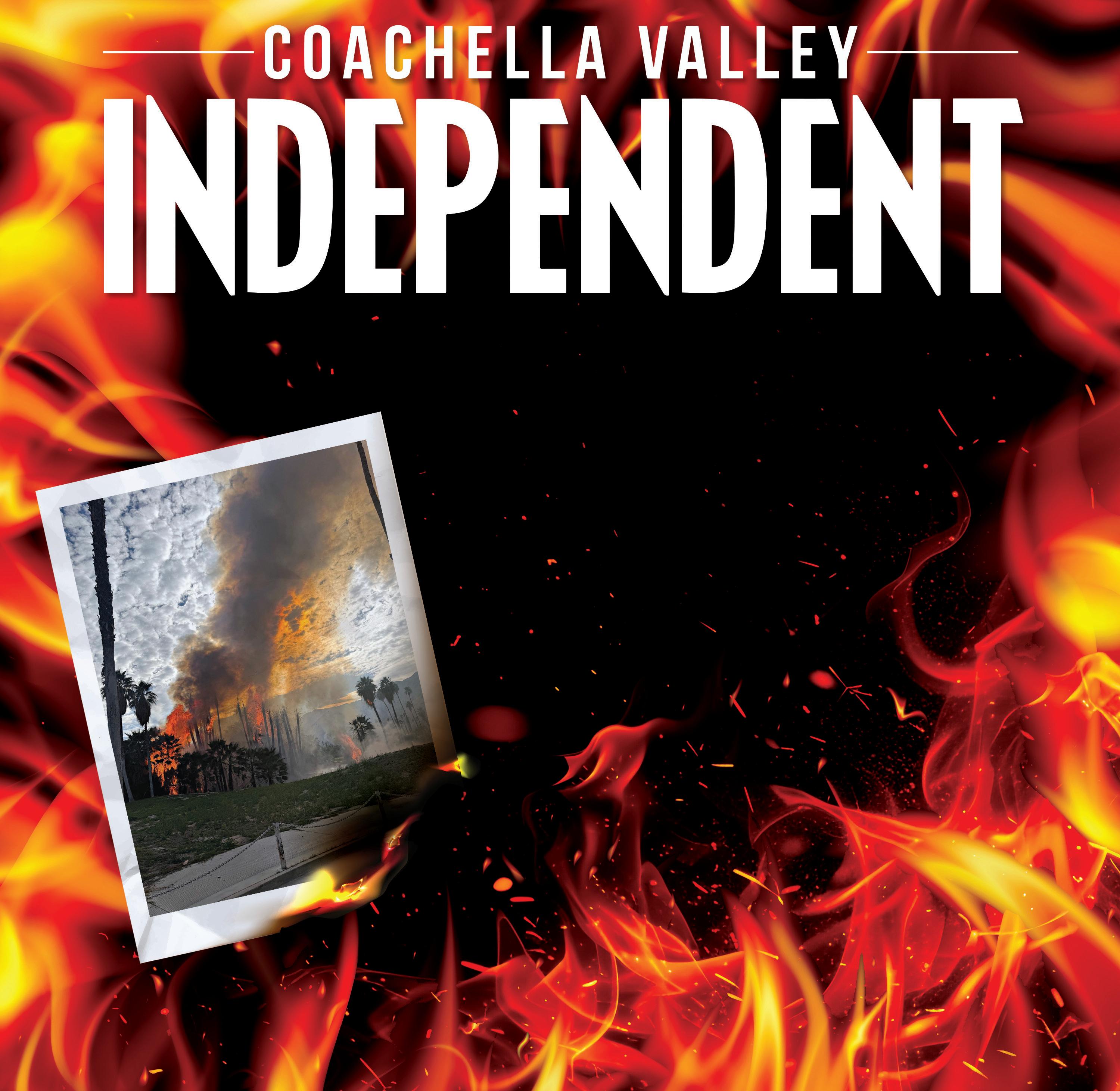
Fire attheOasis
The blaze at the Prescott Preserve could have been much worse — and that’s what concerns local residents
By Kevin Fitzgerald | Page 14

Mailing address: 31855 Date Palm Drive, No. 3-263 Cathedral City, CA 92234 (760) 904-4208 www.cvindependent.com
Editor/Publisher
Jimmy Boegle
staff writer
Kevin Fitzgerald
coveR and feature design
Maria Ratinova
Contributors
Haleemon Anderson, Melissa Daniels, Charles Drabkin, Katie Finn, Bill Frost, Bonnie Gilgallon, Bob Grimm, Terry Huber, Valerie-Jean (VJ) Hume, Clay Jones, Matt Jones, Matt King, Keith Knight, Cat Makino, Brett Newton, Greg Niemann, Jeffrey Norman, Dan Perkins, Theresa Sama, Jen Sorensen, Robert Victor, Eleanor Whitney
The Coachella Valley Independent print edition is published every month. All content is2026 and may not be published or reprinted in any form without the written permission of the publisher. The Independent is available free of charge throughout the Coachella Valley, limited to one copy per reader. Additional copies may be purchased for $5 by calling (760) 904-4208. The Independent may be distributed only by the Independent’s authorized distributors.
The Independent is a proud member and/ or supporter of the Association of Alternative Newsmedia, the California Newspaper Publishers Association, CalMatters, DAP Health, the Local Independent Online News Publishers, the Desert Business Association, and the LGBTQ Community Center of the Desert.



A NOTE FROM THE EDITOR
One recent weekend, I spent some time doing something that is SO VERY 2026: I went through my childhood records to confirm that I had, in fact, gotten the measles vaccine.
I was pretty sure I had been vaccinated, and I even had a recollection of getting measles at one point when I was young—but stories like this, from Wired, prompted me to want to be 100 percent sure:
Some children affected by measles in the ongoing South Carolina outbreak have developed a serious complication of the disease called encephalitis, or swelling of the brain, state epidemiologist Linda Bell said. …
The surge could mean another bad year of measles for the United States, which had more than 2,267 cases—the highest in 30 years—in 2025. Declining vaccination rates across the country are driving the resurgence.
Encephalitis is a rare but severe complication of measles that can lead to convulsions and cause deafness or intellectual disability in children. It usually occurs within 30 days of an initial measles infection and can happen if the brain becomes infected with the virus or if an immune reaction to the virus causes inflammation in the brain. Among children who get measles encephalitis, 10 to 15 percent die.
Yikes. I am very far from being a child, but seeing as measles is even worse on adults than it is on children … better safe than sorry. Fortunately, I was able to find my records fairly quickly. According to the handwritten “Immunization and health record” tri-fold card my mom gave me a while back, I know that I indeed received the measles, mumps and rubella (MMR) vaccine when I was a year old. As for that recollection of having measles, I was mostly correct: When I was 7, I got what was then often called German measles, also known as rubella, despite being vaccinated.
Because there were still outbreaks in schools and even colleges in the late 1980s, the American Academy of Pediatrics in 1989 recommended students get a second shot—and I indeed received an MMR booster vaccine that year, when I was 14 years old. This two-dose recommendation became the standard and is credited with helping the U.S. get to the point where measles was declared eradicated in 2000 (and rubella was declared eradicated in 2004).
All of this was on my mind when this alert from the Riverside University Health System came across my news feed, on Feb. 13:
An additional Western Riverside County adult and child with possible links to the first case have tested positive for measles, according to public health officials with Riverside University Health System. This marks a localized outbreak of three total confirmed cases of measles in Riverside County for 2026.
The adult provided a verbal report of vaccination for measles; the child was not vaccinated. Both are recovering in their respective homes.
“These additional cases of measles underscore the disease’s highly contagious nature,” said Riverside County Public Health Officer Dr. Jennifer Chevinsky.
Measles is a highly contagious virus that lives in the nose and throat mucus of an infected person. It can spread to others through coughing and sneezing. If other people breathe the contaminated air or touch the infected surface, then touch their eyes, noses or mouths, they can become infected. Measles can live for up to two hours in an airspace after an infected person leaves an area.
If someone has measles, up to 90% of the people close to them, who are not immune, will also become infected.
As the United States heads toward having its “measles eradicated” status revoked, take note: If you’re not sure you’re fully vaccinated, check your records and/or talk to your doctor.
Inept, corrupt and should-be-jailed people like Robert F. Kennedy Jr. are in charge now, and as a result, measles is back—in an increasingly big way.
—Jimmy Boegle, jboegle@cvindependent.com

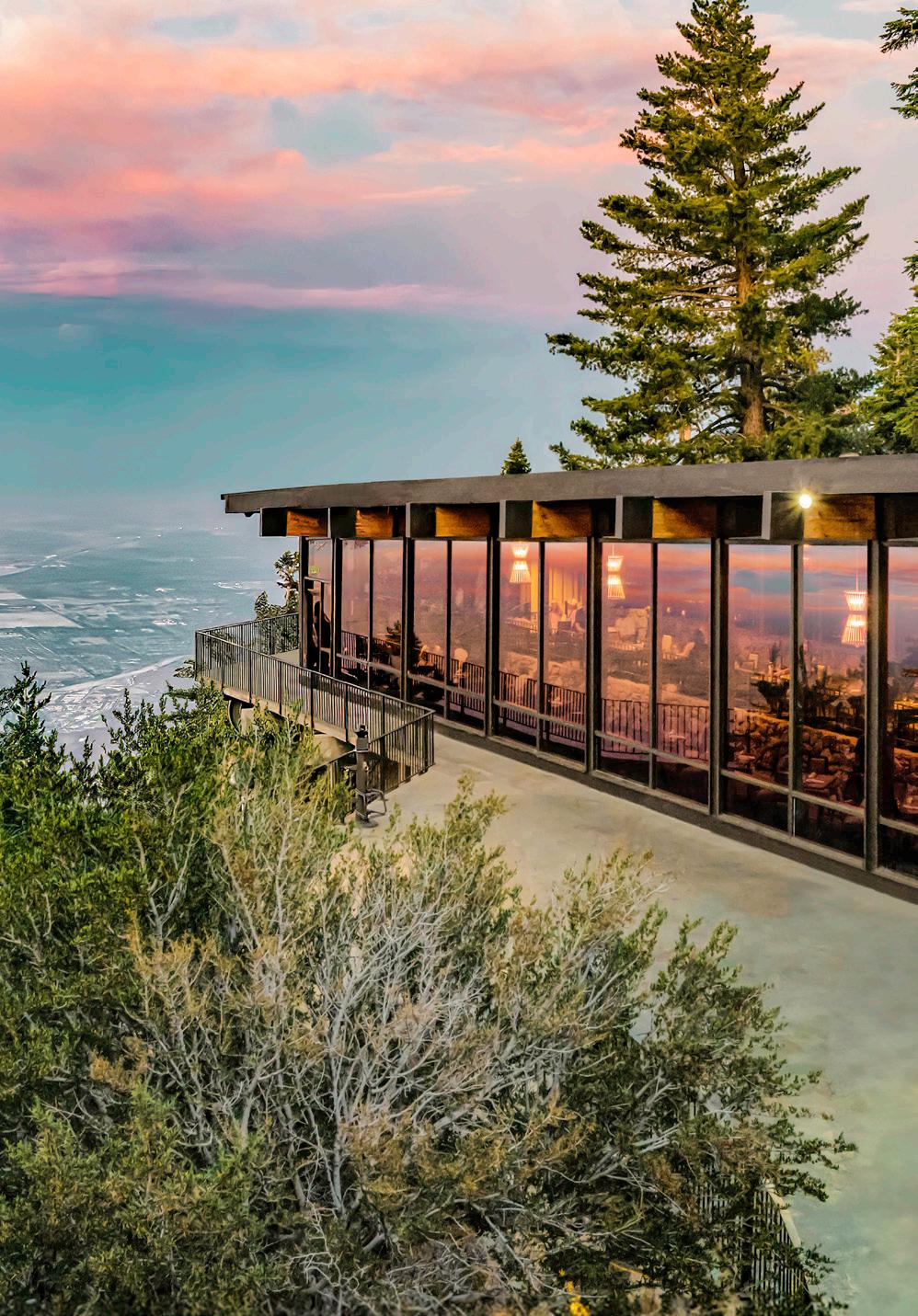
California cuisine with spectacular views of the Coachella Valley. Reservations 760.325.4537
pstramway.com
Community Is Our Priority.
For 13 years, the Independent has been telling the Coachella Valley’s stories. Our mission is to inform readers like you—and to help you build stronger connections with your community. To continue doing so, we need reader support!
Please consider becoming a sustaining Supporter of the Independent, or make a one-time donation, by visiting CVIndependent.com/support-our-publication, or by sending us a check using the coupon to the right. You can support the Independent directly (non-tax-deductible)—and now can make a tax-deductible donation via our fiscal sponsor, the Alternative Newsweekly Foundation (ANF). Via ANF, we can accept cash, grants and donations from donor-advised funds. We can even accept stock or crypto! Questions? Email jboegle@ cvindependent.com, or call 760-904-4208.

Thank you for supporting the Independent!
NAME
ADDRESS
PHONE AND/OR EMAIL
AMOUNT OF CHECK
Want your donation to be tax-deductible? Make your check out to the Alternative Newsweekly Foundation. Don’t need a tax deduction? Make your check out to the Coachella Valley Independent. Please mail to:
Coachella Valley Independent 31855 Date Palm Drive #3-263 Cathedral City, CA 92234

HIKING WITH T
BY THERESA SAMA
The Coachella Valley has long been a haven for desert explorers, nature lovers and hikers seeking both serenity and rugged terrain. At the center of this appreciation for the outdoors is the Coachella Valley Hiking Club (CVHC), an organization dedicated to connecting people with the natural wonders of the region.
The CVHC was founded in 1992 by Philip Ferranti, a community trail advocate, mountaineer and author. Ferranti has hiked throughout the western United States for more than 30 years, led more than 500 hikes for CVHC, and written more than a dozen books on hiking, wellness and outdoor recreation. Of those books, 140 Great Hikes In and Near Palm Springs is the best-selling book/trail guide here in the desert. I am grateful to have my signed copy, purchased at one of
Ferranti’s seminars in Pasadena several years ago; it’s my best trail guide. (Ferranti can be reached at pferran1@aol.com.)
The CVHC organizes hikes, bike rides, community events and more. Most activities take place between October and April, when desert temperatures are mildest. Hikers of all levels are welcome at the CVHC, but you must be a member to hike with the club. At the time of this writing, memberships cost $15 per year. You can explore the club’s website and join at cvhikingclub.net. While on the website, be sure to check out the calendar of hikes. There are hikes for people at every level, and they’re color-coded according to the level of difficulty. The calendar listings include a wealth of information on each hike, along with photos and the organizer/leader’s picture and biography.
The CVHC offers unparalleled opportunities to explore diverse landscapes—from palm oases and slot canyons to sandy washes, ridgelines and wildlife-rich preserves. As the Coachella Valley enters the heart of hiking season, the club is preparing for what could be an extraordinary season of wildflowers across the region. Could it be a super bloom?
Ferranti told me hikers are seeing a good bloom here in the desert, especially in the east valley, in the Mecca Hills area.
“You’ll see a lot of blooms in the canyon hills,” Ferranti said. “Another great place to see wildflowers is in the valley of Bear Creek Canyon at La Quinta Cove. (At) Whitewater, you’ll see an incredible brittle-bush bloom, but it won’t be in full bloom until mid-March. Then, in mid-to late-March, (you’ll see blooms) in Andres Canyon Loop, a favorite and one of the most scenic trails in Indian Canyons. If it rains and warms up again, the month of March will be incredible everywhere.”
Though the CVHC coordinates dozens of hikes each season, several trails consistently rise to the top among members and local outdoor enthusiasts. These trails combine distinctive geological features, wildlife viewing and, in good bloom years, vibrant patches of wildflowers.
• A club and community favorite is the Pushawalla Palms Loop, open every day in the Coachella Valley Preserve. It’s about 4 to 5 miles at moderate difficulty and offers sweeping desert panoramas, and the impressive Pushawalla Palms Oasis. The route includes up-hills, narrow ridges and open desert wash sections offering blooms. Desert iguanas are commonly seen along the trail. Thanks to its varied micro-ecosystems and exposure to early moisture, this loop is often one of the earliest and most reliable bloom sites.
• Another highlight in the Coachella Valley Preserve where wildflowers are prevalent is the Willis Palms Oasis, open every day. Other features include scenic mountain views and a lush palm oasis. It’s a moderately short 4-mile loop that showcases the region’s unique blend of geology, flora and fauna.
• Lost Palms Oasis Trail—a favorite of CVHC president and hike leader Shirl Donahue—is located on the southern side of Joshua Tree National Park, just north of Interstate 10, near Cottonwood Visitor Center. Follow this trail, and you will discover a desert oasis featuring a spectacular palm tree grove. This trail is moderate, nearly 7.5 miles (three hours) out and back, with beautiful desert scenery, unique rock formations to boulder, and flourishing wildflowers. It is highly recommended to start early for this one and bring plenty of water, as there is minimal to no shade, with some steep climbs.
• The Indio Hills Badlands Trail is located just north of Interstate 10 at the intersection of Avenue 42 and Golf Center Parkway in Indio. At a little more than miles (two to 2 1/2 hours), this moderate trail loop traverses the San Andreas Fault with sweeping views of the valley and the Salton Sea. The trail loops through the hills and includes slot canyons, sedimentary formations and ancient seashells scattered through its geology. Spring wildflowers often dot the landscape in years with sufficient rainfall, and the Badlands offer a dramatic backdrop. At the time of this writing, there have been no mentions of blooms yet—
The Coachella Valley Hiking Club offers opportunities for hikers at all levels
but the mid-February rains may help. There is a scheduled CVHC hike on this trail at 8 a.m., Thursday, March 5.
Also, join the CVHC for their 28th annual Hike4HOPE, a benefit for City of Hope hospital and research center, a premier cancer and diabetes research center that benefits all hospitals in the Coachella Valley. This event has raised more than $4 million over the past 27 years. This year, it will be held at the Whitewater Preserve on Sunday, March 22, with six different hikes at various hiking levels. There will be different starting times, depending on the hike you choose, from 7 a.m. (strenuous) to 10 a.m. (very easy). Registration is $50 per adult or $40 per youth. Sponsorships are available,
and tables will be provided for sponsors. A celebration will follow at Whitewater Preserve. Register and see more details at ourhope.cityofhope.org/event/hike4hope-2026/e745162. Whether or not a true super bloom materializes this season, the combination of resilient desert landscapes, thoughtful stewardship and an adventurous hiking community ensures that 2026 will be a remarkable year to explore the outdoors in the Coachella Valley. Always remember to bring more water than you should need (at least one liter per hour, even in cooler temperatures), a hat, sunscreen and all the essentials. Pack in; pack out; and leave only footprints.
Hope to see you on the trails!
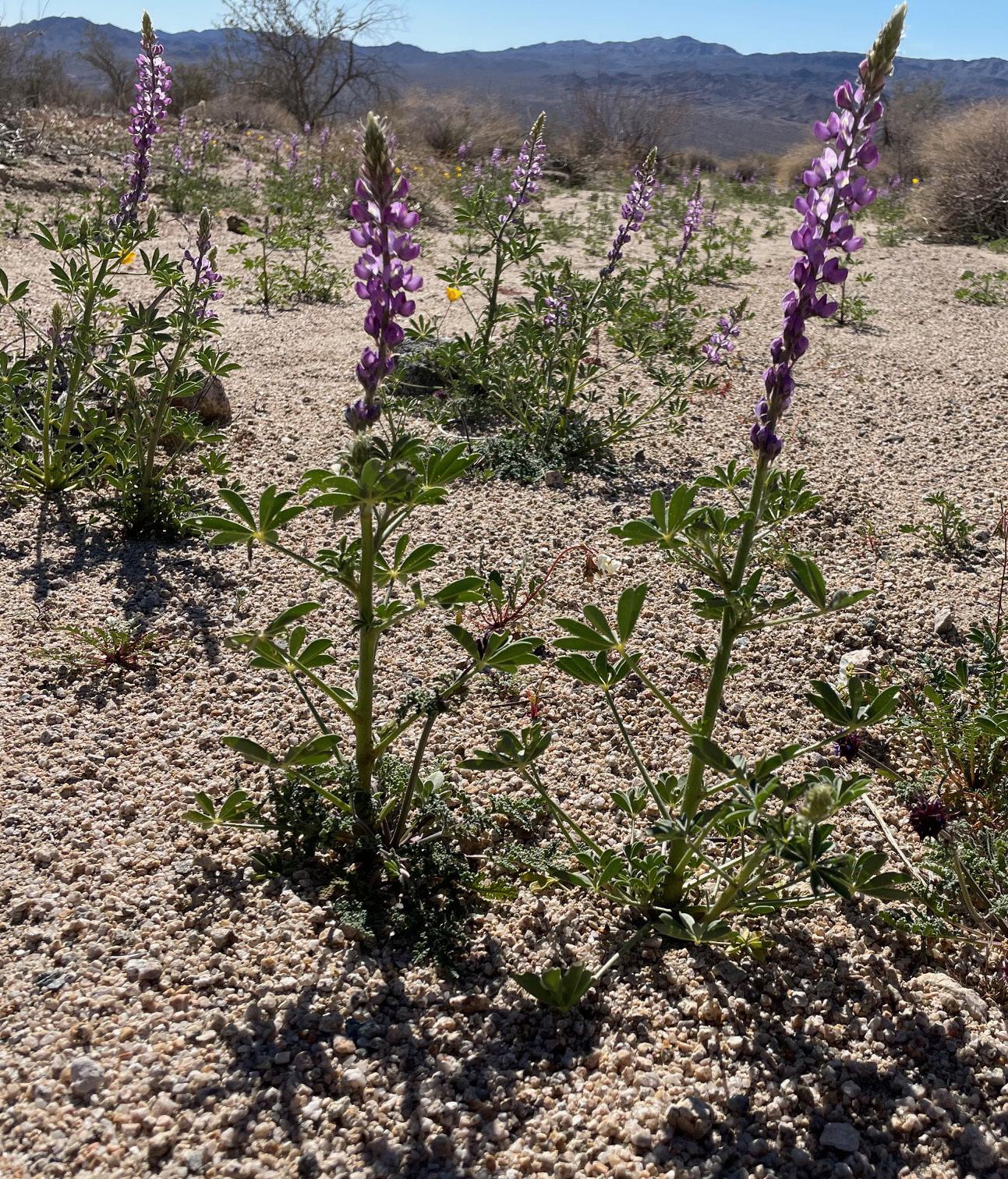
A field of desert lupine and California poppies along Cottonwood Springs Road, near the south entrance to Joshua Tree National Park. It’s worth the drive! Theresa Sama
OPINION
THE CONSTITUTION, 239 YEARS LATER
The semiquincentennial is fine—but in 2027, we’ll have an even better reason to celebrate
by David Eugene Perry
Ilove history. As a boy in 1976, I sat in front on the TV with a cassette player, recording Walter Cronkite’s Bicentennial Minutes. I had been anticipating a joyous celebration of our country’s semiquincentennial—the 250th anniversary of the Declaration of Independence—this year. Had been.
As is made more embarrassingly clear with every Truth Social post, the current president— legally elected in truth—is incapable of or disinterested in the unity, dignity and gravitas this moment deserves. Therefore, I have decided to focus on another important anniversary.
In 2027, the United States reaches a quiet but profound milestone: 240 years since the signing
of the U.S. Constitution, the document that reshaped the nation’s future and laid the foundation for American democracy as we know it. That noble dream put to parchment has been having a rough go lately. Perhaps it’s time for a little historical review.
The Constitutional Timeline
The creation of the Constitution did not happen in a single moment, but was developed via a deliberate process that unfolded over several critical years:
• May-September 1787: Delegates convene at the Constitutional Convention in Philadelphia, originally tasked with revising the Articles of Confederation.
• Sept. 17, 1787: The U.S. Constitution is signed, establishing a new framework for federal government based on separation of powers, checks and balances, and popular sovereignty.
• June 21, 1788: Ratification is achieved when New Hampshire becomes the ninth state to approve the Constitution, meeting the threshold required for it to take effect.
• March 4, 1789: The Constitution officially goes into force, marking the beginning of the federal government under its new structure.
• Dec. 15, 1791: The Bill of Rights (the first 10 amendments) is ratified, safeguarding fundamental liberties such as freedom of speech, freedom of religion and due process.

The Birth of the American Presidency
Alongside the Constitution emerged a brandnew institution: the presidency.
• April 30, 1789: George Washington is inaugurated as the first president of the United States in New York City.
• 1789–1797: Washington serves two terms, establishing enduring precedents: the Cabinet, civilian control of the military, judicial independence and the peaceful transfer of power.
Why 2027 Matters
While the nation rightly commemorates 2026 as the 250th anniversary of the Declaration of Independence, 2027 marks something equally vital, if not more so: 240 years since Americans committed to governing themselves under the rule of law rather than the tyranny of individuals.
The Constitution’s endurance is not accidental. It survives, if not thrives (at the moment), because it balances stability with adaptability. It’s a framework strong enough to have guided us for 239 years—and if we recommit to it, it will be able to outlast the current president and his consciously cruel regime.
The United States of America was birthed during the Age of Enlightenment, albeit an “Enlightenment” that confined millions of humans to chains and servitude. We didn’t always get it right. But as we approach the anniversary of our often-stilted attempts at a more perfect union, let us concentrate on fulfilling— and expanding—the inalienable rights of the Our Constitution. That, especially if this year’s midterms give us hope for such a fulfillment, will be worth bunting and fireworks galore.
David Eugene Perry is an award-winning author and longtime communications strategist. Originally from the Commonwealth of Virginia, he cherishes his state’s motto and flag: Sic Semper Tyrannis/This Always to Tyranny, with a despot and his fallen crown under the feet of the Roman Goddess of Virtue.

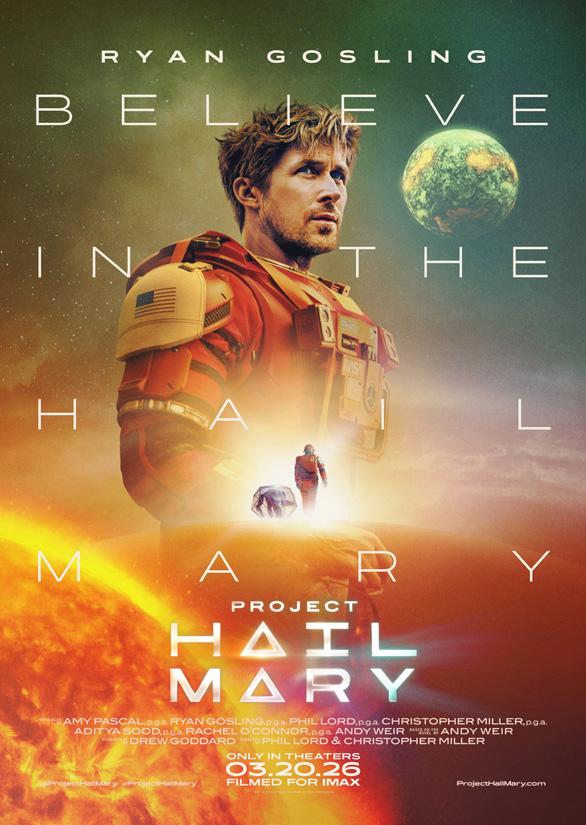



Only in theaters—in ScreenX March 20!
OPINION KNOW YOUR NEIGHBORS
BY BONNIE GILGALLON
Indio resident Paula Simonds describes herself as an “organizational lover.”
“I love to create new programs and implement strategies, and watch nonprofit organizations grow,” she said.
Born and raised in Modesto, Simonds said she learned a lot from her parents. “I ended up in the world where I am, in nonprofits, because they were so community-minded. They cared about the community and their neighbors, etc.,” Simonds said. “My mom was a teacher, and my dad was an electrical engineer. I ultimately ended up in the world of gymnastics and dance. That was probably my (career) goal back then.”
Simonds was a cheerleader and dance teacher when she met her future husband, Joe, in college.
He played collegiate golf, and is now a PGA golf professional. Simonds coached gymnastics in Northern California, and in 1996, shortly after the birth of their second son, the couple moved their family to the Coachella Valley.
“Our family owned the Golf Center at Palm Desert. That’s what brought us here,” she said.
Simonds herself is not a golfer.
“I don’t care for it,” she said. “Hats off to those who love the game. I’m married to it; I enjoy watching others do it, but it’s not for me.”
One of Simonds’ first jobs here in the valley was as a coach at Desert Heat gymnastics. Later, she took over the gymnastics program at the Family YMCA of the Desert. She also headed up the Junior Golf Foundation at the Golf Center at Palm Desert.
“We’d go out to the schools and do on-site golf programs,” she said. “Our program was only one of three in the country that was awarded a Tiger Woods Foundation grant.”
Simonds moved up through the leadership program at the YMCA, and then in 2014, an opportunity arose with the Desert Cancer Foundation.
“They were looking for an executive director,” she said. “Helping those with cancer has been dear to my heart since I lost my aunt to breast cancer years ago, so it seemed like a good fit.”
Simonds said she’s proud that she was instrumental in expanding Paint El Paseo Pink, the yearly walk down El Paseo to raise money for breast cancer research and treatment.
“I see myself as a visionary, but it takes a good team around you, including a board of directors, staff, volunteers and the community,” she said.
Simonds and her husband went back to the Modesto area in 2017 when he was hired as the general manager for a golf club in Turlock. But after 18 months, they made the decision to return to the valley, even though neither one of them had a job lined up at the time. It didn’t take long for Simonds to land her position with the YMCA in 2019. Her husband is a golf instructor at the JW Marriott Desert Springs.
The YMCA started in London in 1844 to provide support for young men during the industrial revolution. It came to the United States several year later.
“This year is the launch of the (United States) Y’s big 175th anniversary, with the tag line, ‘No place like this place,’ Simonds said.
“What I can say from my time here is that it’s a very accurate statement. I started at the YMCA right before COVID hit. I remember asking myself, ‘What does our Y mean for this community?’ We offer lots of childcare programs. So when COVID hit, we wanted to
LiveWaterWise



Meet Paula Simonds, the outgoing CEO of the Family YMCA of the Desert, who has made helping nonprofits her life’s work
make sure we could keep the doors open for our working parents: ‘When COVID is over, we want this community to remember who the Y was in their life.’”
The Family YMCA of the Desert is not a full facility membership Y with a gym, swimming facilities, etc.—but Simonds said that is a goal down the road. Right now, the Family YMCA operates in 10 different locations, offering a variety of services.
“We try to listen to the community, and ask them what they need: Is it financial literacy? Is it yoga? GED support, food supplies, etc.?”
Simonds said. “We’ve developed many great partnerships in the valley over the last few years, with places like Hidden Harvest and the Boys and Girls Club.”
Simonds said that with so many worthwhile charities in the desert all needing money, there is a phenomenon that folks in the world of nonprofits call “fundraising fatigue.”
“You’ve got to combine continuing to put on tried-and-true events with also finding something fresh and new,” she said. “Price points are an issue. We have to deal with rising prices for local hotels and conference spaces, which means we have to raise ticket prices. There’s always that conversation.”
Talking about her work with the YMCA is bittersweet, since she is about to move into a new position as the executive director of Alzheimers Coachella Valley.
Simonds’ connection with Alzheimers
Coachella Valley began when she was at the Desert Cancer Foundation. The founders of ACV came to her to talk through the ins and outs of starting a nonprofit. The organization has grown a great deal since it started in 2017, and its board recently decided it was time to hire an executive director. Simonds said it was serendipity.
“My mom had early onset Parkinsons, and I’ve had other family members with dementia,” she said. “I’m at a point, both personally and professionally, where this feels like an exciting move.”
In her spare time, Simonds enjoys spending time with her family, including her brand-new granddaughter, and her dogs.
When asked about a philosophy of life, she quotes something a pastor said recently: “How do you live your dash? You can’t say when you’re going to arrive, and you can’t say when you’re going to leave. But how are you living in that brief time in-between?”
She adds: “Life is not always easy. Challenges come and go. Like my mom always used to say: ‘Don’t let others change who you are.’ Helping others—that’s who I am.”
Bonnie Gilgallon has written theater reviews for the Independent since 2013. She hosts a digital interview show, The Desert Scene, which can be heard on www.thedesertscene.com and viewed on Mutual Broadcasting’s YouTube channel. Learn more at bonnie-g.com.
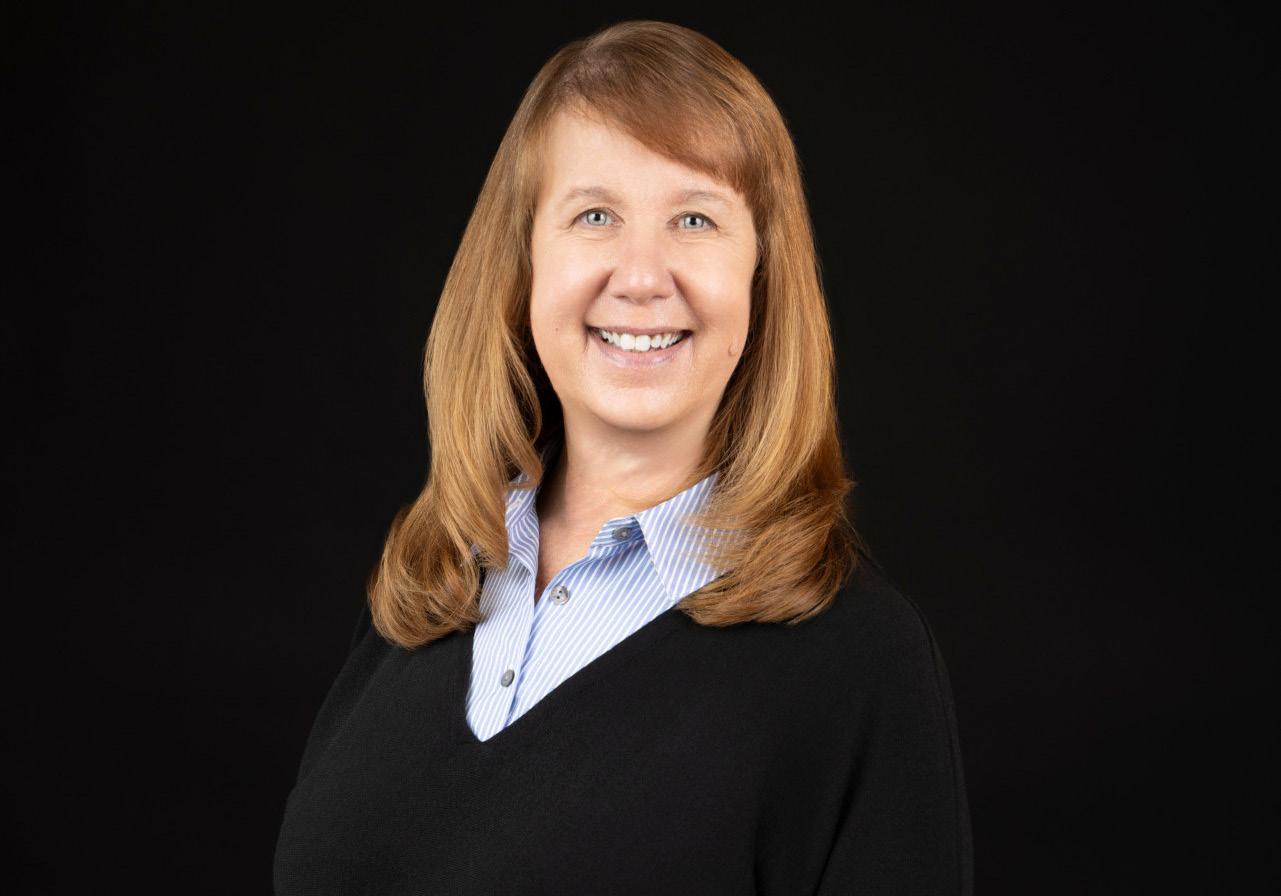
Paula Simonds: “I see myself as a visionary, but it takes a good team around you, including a board of directors, staff, volunteers and the community.”
Quality Health Care Counts.
Thank you, U.S. News & World Report, for listing us as one of the “Best Hospitals” in the region and California. We’re grateful to our exceptional care teams and hospital workers whose talent and dedication made this honor possible. We were also recognized for our high quality care in 18 specialties, surgeries and procedures.
• Abdominal Aortic Aneurysm Repair
• Aortic Valve Surgery
• Colon Cancer Surgery
• Gynecological Cancer Surgery
• Heart Bypass Surgery
• Hip Fracture
• Hip Replacement
• Knee Replacement
• Leukemia, Lymphoma & Myeloma
• Lung Cancer
• Orthopedics
• Pacemaker Implantation
• Pneumonia
• Prostate Cancer Surgery
• Spinal Fusion
• Stroke
• TAVR
• Urology
We look forward to building on and even surpassing this level of excellence in the coming year and delivering the best possible care to the people we serve.
Learn more about our accreditations and recognitions at EisenhowerHealth.org/Awards.

CONSTRUCTION DELAYED
by KEVIN FITZGERALD
Two years ago, the Independent looked into the status of the sorely needed bridge projects on Indian Canyon Drive and Vista Chino, over the Whitewater wash in Palm Springs. Today, representatives of the Coachella Valley Association of Governments (CVAG) and the city of Palm Springs say the projects are progressing … but the news is mixed, at best.
In the case of the Indian Canyon Drive, in January 2024, the cost of building the bridge over the that road’s frequently closed northern stretch—prone to wind-blown sand and flooding during and after storms—stood at $75 million. Indian Canyon Drive is an especially important roadway, as it provides the quickest access from Interstate 10, and communities to the north of the highway, to Desert Regional Medical Center, the valley’s only Level 1 trauma center.
Jonathan Hoy, director of transportation for CVAG, told the Independent in a recent interview that the estimated total cost has risen to $100 million. We followed up with Erica Felci, CVAG’s deputy executive director, to find out what caused that increase of more than 30% in just two years.
“It’s not uncommon for costs to change as designs are finalized, and we have a clearer understanding of the engineering requirements,” Felci said. “You see this especially in projects where we go after funding early in the pre-construction process (which was the case here). Unfortunately, we’re also seeing large jumps in pretty much all infrastructure project costs. The latest trends show general construction costs have increased 30% to 50% over the last few years valley-wide.”
Two years ago, the expected start date of construction was sometime in later 2025 or early 2026—in other words, about now. But during our conversation, Hoy shared a revised timeline with construction hopefully starting in the summer of 2027, with a completion date in late 2028. What caused the delay?
“The delay is largely due to the extensive hydraulic modeling required by the (county) flood control district, which has taken longer than we initially hoped,” Felci said.
Interestingly, there seems to be some disagreement regarding control of the project.
“It’s a (Palm Springs) city project. It’s just CVAG has taken the lead since they applied for this funding (as we’re) going through the design (stage),” CVAG’s Hoy said.
Meanwhile, Palm Springs city engineer Joel Montalvo described the project as “the proposed Coachella Valley Association of Governments Indian Canyon flood and blow sand bridge project.”
When asked about this apparent disagree-
ment, Felci noted: “Indian Canyon Road is a city-owned facility. With the city’s support, CVAG is acting as project lead during the design phase. CVAG and the city are in discussions regarding who will lead the construction phase, but that has not yet been finalized.”
The project recently received an additional $5 million grant from the federal government. Yet even with those additional funds, and with a grant of $7.6 million obtained last year from the Southern California Association of Governments, there is still a roughly $37.4 million shortfall, as current committed funds total just $62.6 million of the estimated $100 million needed.
Meanwhile, updated plans for the bridge no longer include a covered pathway, originally to include solar panels and run for more than a mile on the outside edges of the bridge.
“Early on, there was the idea to put the structure over the bike path or the multi-use path, but as part of the design analysis, (it was determined) it wasn’t efficient to put solar panels in that mile-and-a-half-long stretch of
Planning continues on the Indian Canyon Drive and Vista Chino bridge projects—but costs are up, and timelines keep getting pushed back
pathway,” Hoy said. “So, we are working with the city of Palm Springs to locate that solar-energy element into the parking lot at the train station that the city owns. Basically, we’ve peeled that off of the project scope for now, because it’s being analyzed separately with the city of Palm Springs, to see what’s best.”
Hoy described Indian Canyon Drive bridge process from now to completion: “If you break it down in phases, there’s the engineering planning (now under way), and that’ll get you your initial plan of what you want to do. The next phase is environmental (reviews, now under way), which is when you go through all your special technical studies, and they have a lot of sub-consultants out there, biological, and the different specific studies you have to do. When your environmental is done (projected for summer 2026), then you can certify the rightof-way, which is a Caltrans term for identifying what right-of-way, if any, that you need. … The road is actually a city road, so we’re working within the right-of-way. The only right-of-way issues would be just temporary construction easements from neighboring properties, and that’s a process we finalize (projected in the fall of 2026) once the environmental document is completed.”
“Then you have project construction documents, which would be the design and the
specifications, and you’d have those ready to go out to bid for construction (in late 2026). Michael Baker International is handling all of that.” (According to their website, MBI is “a leading provider of engineering and consulting services, including design, planning, architectural, environmental, construction and program management.”)
And, finally: “We’ll be ready for construction in June of 2027,” Hoy concluded.
Regarding the planned Vista Chino bridge over the Whitewater wash, it seems little progress has been made over the last two years.
As directed by the city of Palm Springs’ communications team, the Independent sent an email list of queries about the project to Montalvo, the city engineer. In his emailed response to the question of how far this project has progressed to date, Montalvo said, “The project has progressed to 65% complete design plans.”
Asked if he would share specifics on the stages accomplished thus far, or that are currently under way, Montalvo replied, “We are only in the design phase. We anticipate completion of 100% (of the) design plans late in 2026 or early 2027.”
When queried about the current estimated completion of the Vista Chino bridge, Montalvo said, “Currently, the estimate(d) completion of the project is late 2029 or early 2030.”

The latest artist rendering of the planned Indian Canyon Drive bridge. Photo courtesy of the Coachella Valley Association of Governments


































CIVIC SOLUTIONS
Daniels
S“Me and my family, we have to go out of Desert Hot Springs for all our health needs, whether by Melissa
usie Dauto is a mother, grandmother, great-grandmother and day-care owner. As a longtime resident of Desert Hot Springs, there’s been one constant in how she and her family get health care: They have to leave town.
it’s to Palm Springs, Palm Desert (or) Loma Linda,” she said. “As a mom, as a grandma, as a great-grandma, that’s always on my mind. What if there’s a crisis? What do we do?”
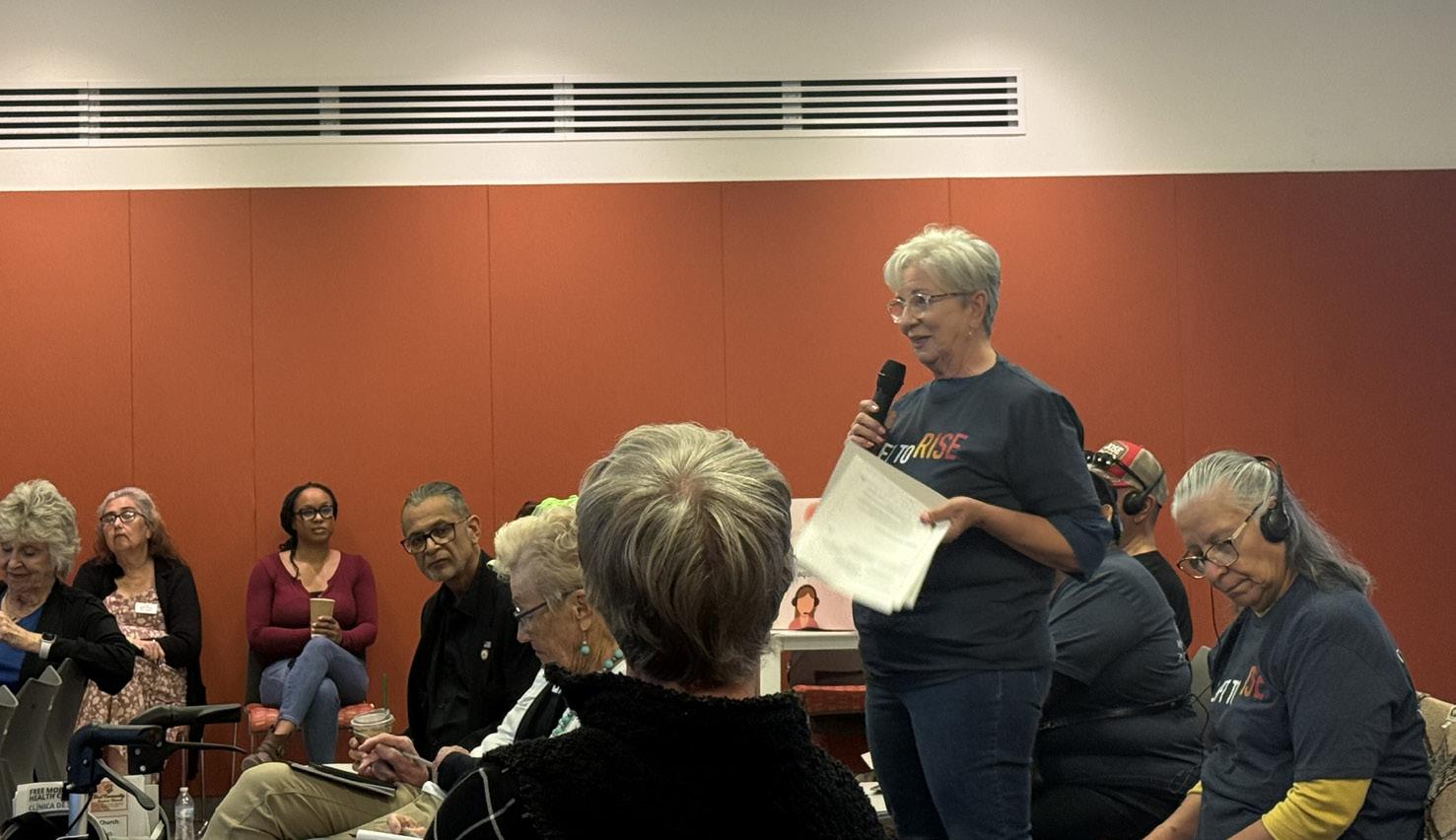
Dauto was one of about two dozen Desert Hot Springs residents who attended a Desert Healthcare District and Foundation community meeting in mid-February. It was one of seven “community listening sessions” the district held to shape its next strategic plan. Attendees ranged from residents who moved to Desert Hot Springs just a year ago to those who’ve been in the city for 31 years. Some gathered as part of volunteer efforts with housing advocacy organization Lift to Rise. The meeting also included DHCD staff members and Riverside County District 4 Supervisor V. Manuel Perez.
During more than an hour of public comment, one clear theme emerged: The community doesn’t have enough providers to meet local health needs. That’s backed up by state and federal data sources: Many parts of the Coachella Valley and surrounding areas are federally designated Medically Underserved Areas, a recognition that there aren’t enough providers to serve the existing population.
DHCD Zone 2 Board Member Carole Rogers, who represents parts of Desert Hot Springs and other northern valley communities, noted the presence of the Desert Hot Springs Community Health Center, operated by DAP Health. But it’s open from 8 a.m. to 5 p.m. on weekdays— meaning that working parents may struggle to bring themselves or their kids in. She also said it’s short-staffed to the point that people can’t


Two-month waits, too few doctors: The Desert Healthcare District looks at workforce fixes as part of its strategic-planning process
get appointments when they need them.
“I called our community health center on Pearson Street just to get some information and ask them about access to primary care,” she said. “I asked, ‘What’s your waiting time to get an appointment?’ Two months.”
Dauto and her fellow residents talked about how difficult it is to find providers and access health care in a timely manner, which sometimes means driving across the valley—or beyond. One resident said her family travels to Mexicali to get health care, because it takes less time than waiting for appointments locally. Another said she traveled back home to the Dominican Republic.
Dauto has a grandson with cancer who needs to go to Loma Linda for MRIs and radiation treatments, and she said she worries what would happen if the family was unable to leave town due to road closures.
Susan Cabeje, a longtime Desert Hot Springs resident, said she was also concerned about the lack of facilities in the area—especially in the case of an earthquake or flooding that closed main roads. “If they close Gene Autry, and if we cannot have access to the hospital … (we need to) establish a place over here we can have, in case of an emergency,” she said.
Workforce development is one of four key areas that the DHCD is focusing on in its strategic plan, which is set to be completed and adopted by the board later this year. Other core areas include awareness and access, engagement and data-driven decision-making.
The district has invested more than $100 million into community health since 1998, and recently launched more efforts to invest in
health-care education. The latest annual report shows the Desert Healthcare District and Foundation has supported four organizations that give out scholarships for students pursuing health care-related careers: OneFuture Coachella Valley, the Reynaldo J. Carreon MD Foundation, the Rotary Club of Palm Desert Foundation and the Theresa A. Mike Scholarship Foundation.
Sophie Blondeau, chief strategy officer with Sowen—the consulting firm the district hired to help with the listening sessions—said potential solutions to the workforce problem could be supporting a pediatric residency program, offering scholarships to pay for health-care-related training, peer support programs to help with health-care professional retention, and providing relocation funding so people can afford to live near where they work.
Jana Trew, a resident who operates social-service programs in Desert Hot Springs and Riverside, said the issue with workforce development isn’t about attracting people to the field, but making sure they can afford to live near where they work or pay for child care.
“There are barriers, and many of them are about how you keep people on the job,” Trew said. “People genuinely want to do this work and be helpful. But if they have to choose between affordability—whether that’s housing or, frankly, food—it becomes much harder to stay.”
The Desert Healthcare District is asking residents to take a short survey that helps identify community health and wellness priorities as part of the process to develop its strategic plan. Take the survey at www.surveymonkey.com/r/V6BBXQK.
Desert Hot Springs resident Susie Dauto said she and her family have to leave Desert Hot Springs in order to get health care. Melissa Daniels

CV HISTORY
HPalm Springs’ Old Las Palmas Neighborhood became a haven for celebrities because of Hollywood’s ‘two-hour rule’
Another reason Palm Springs became a desirable destination for the stars of Tinseltown was by greg niemann
ollywood celebrities have been flocking to Palm Springs for rest and relaxation ever since the village first began to grow. Just a little more than 100 miles from Hollywood, Palm Springs became an easy and comfortable place to unwind and relax.
the “two-hour rule.” In the early days of Hollywood, most of the movies were made by just a few studios, and they had their actors under contract. Most of the contracts had strict clauses, including a stipulation requiring talent to be available within two hours, ensuring actors could be called back on short notice if necessary. As more and more Hollywood personalities realized that Palm Springs was the perfect “two-hour” destination, they began to purchase desert homes.
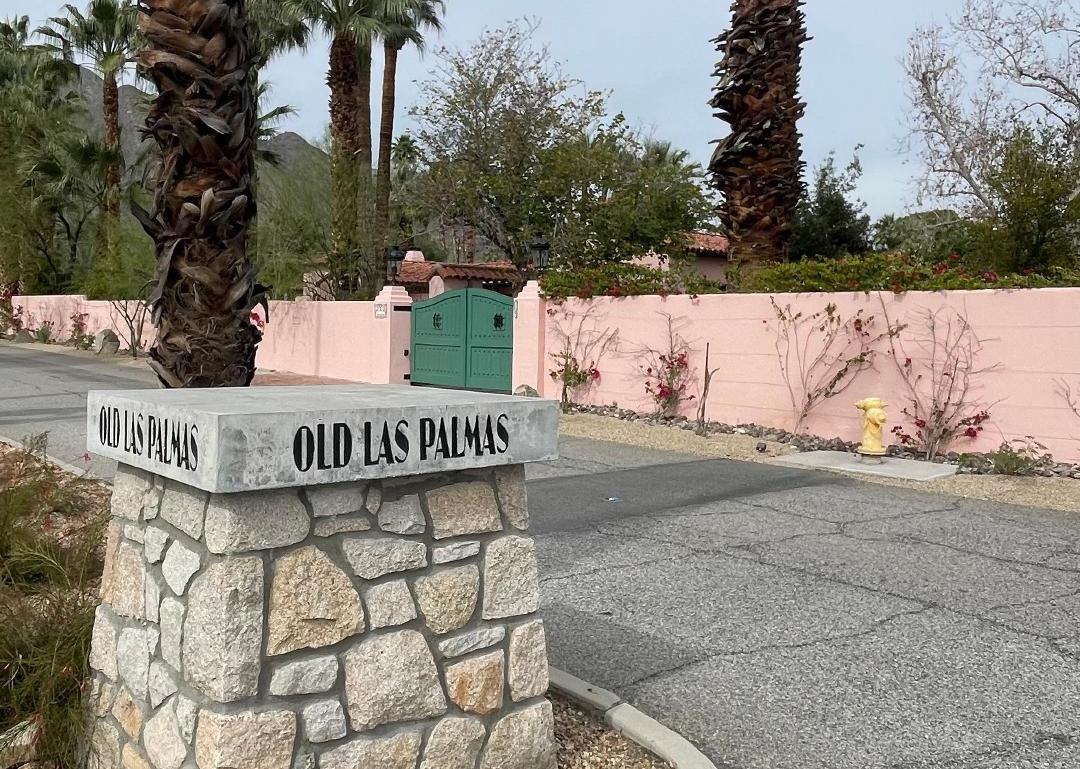
A large number of them bought or built homes in one particular neighborhood: Old Las Palmas. Originally established as a citrus grove, Old Las Palmas was acquired and subdivided in the mid-1920s by Prescott (P.T.) Stevens, who also developed the famed El Mirador Hotel. He had secured considerable land in the area and bought controlling interest in the water company. Prescott teamed with contractor/builder Alvah Hicks to develop housing.
The neighborhood was designed with curvilinear streets inspired by landscape designer Frederick Law Olmsted (who designed New York’s Central Park). In 1929, Hicks was contracted to build the Spanish revival-style Our Lady of Solitude Church, which was designed by the prolific architect Albert Martin (who also co-designed Los Angeles City Hall). It opened in 1930, and in the decades since, numerous celebrities have celebrated Mass there, including President John F. Kennedy and Frank Sinatra. It still anchors the south end of Old Las Palmas on Alejo Road.
Old Las Palmas today features a diverse mix of architectural styles, from Spanish colonial revival, to desert mission, to mid-century modern. Properties range from modest homes to sprawling estates with expansive grounds. As defined by Palm Springs real estate agents today, Old Las Palmas comprises approximately 290 properties west of Palm Canyon Drive, north of Alejo Road, east of Via Monte Vista, and south of Stevens Road.
Other nearby neighborhoods, including the Movie Colony (east of Indian Canyon Drive and north of Alejo Road), Little Tuscany (north of Stevens Road) and the Tennis Club area (west of downtown), also attracted celebrities. While most merely maintained seasonal homes, others became involved with Palm Springs. Stars like Dinah Shore, Donald
O’Connor, Kirk Douglas, William Powell and Gene Autry created enormous goodwill with their continued presence. Some invested in businesses in the area. Alan Ladd owned the Alan Ladd Hardware at Palm Canyon Drive and Ramon Road (where the Five Hundred Building is now) as well as the Spanish Inn on Indian Canyon Drive.
Today, buses and trams compete with walking tours as they regularly take tourists through the Old Las Palmas area, pointing out some of the notable residences. Here are a handful of them:
At the northwest corner of Belardo and Alejo roads is Casa de Liberace, the 20-year home of flashy pianist Wladziu Valentino Liberace. He bought The Cloisters (first built by Alvah Hicks) in 1967 and renovated it in his particular flamboyant style. He died there in 1987. New owners kept the property’s signature candelabra and the sign “Casa de Liberace” gracing the entrance for decades after he died.
At 222 Chino Drive is the former residence of Clark Gable. One recent owner was Joel Douglas (Kirk Douglas’ son) and his wife. At the end of Chino Drive, George Hamilton’s signature in cement can still be seen in the driveway at 591 Patencio Road. Mary Pickford and Buddy Rogers lived at 701 N. Patencio Road. Across the street, at 481 W. Merito Place, is the home built by early cowboy actor Hoot Gibson and later owned by opera star Mario Lanza. Songstress Lena Horne lived at 465 W. Merito Place, and comedienne Lily Tomlin sold the home her mother had been living in at 443 W. Merito Place in 2003.
In the 1970s, former MGM president and Las Vegas hotel entrepreneur Kirk Kerkorian owned the classic 1936 home at 735 N. Prescott Drive. Cowboy Gene Autry owned the home at 328 W. Mountain View Place. His widow Jackie Autry finally sold it in 2017. At 432 W. Hermosa Place, Dinah Shore’s desert home changed hands several times and is currently owned by Leonardo DiCaprio, although he generally leases it out. Elizabeth Taylor and husband Mike Todd stayed one season (1957) at the home of Universal Studios president Leo Spitz at 417 W. Hermosa Place. Taylor owned a home with model/entrepreneur Kathy Ireland at 901 N. Prescott Drive (Casa Elizabeth) until her 2011 death. Ireland
has since sold it.
Producer Samuel Goldwyn retired to 334 Hermosa Place, a property he had earlier rented. Movie mogul Jack Warner’s estate at 1050 N. Cahuilla Road also fronts Via Lola. Writer Sidney Sheldon lived at 425 W. Via Lola, and also owned a couple of other homes on Via Lola. Kirk and Anne Douglas sold their home at 515 W. Via Lola in 2001 to be closer to family in Santa Barbara. Kurt Russell and Goldie Hawn rented 550 W. Via Lola before buying a home in Palm Desert.
Popular novelist Harold Robbins had his home at 601 W. Camino Sur modified for the wheelchair he was confined to following a 1982 stroke. He wrote several books from the wheelchair.
Peter Lawford owned the home at 1295 N. Via Monte Vista, and Dean Martin bought the one at 1123 N. Via Monte Vista; the Martins owned it for years. Crooner Rudy Vallee lived at 484 W. Vereda Norte, and mega-star of the ’30s William Powell and his wife, Mousie, bought the home at 383 W. Vereda Norte in 1941; Mousie lived in it until her 1997 death.
Elvis and Priscilla Presley honeymooned at 1350 Ladera Circle in 1967 before they bought their Little Tuscany home. Trini Lopez lived full-time at 1139 Abrigo Road. Debbie Reynolds used to live at 670 W. Stevens Road, and producer Howard Hawks lived at 501 W. Stevens Road.
The former Donald O’Connor home is at
700 N. Via Las Palmas, and 1950s actor Alan Ladd with his wife, Sue, owned the home at 323 W. Camino Del Norte. The star of 150 movies, Ladd died in that home in 1964. Also on West Camino Del Norte were homes of Howard Hughes (335) and Mary Martin (365). Famous ventriloquist Edgar Bergen lived at 1575 N. Via Norte.
Liberace also owned the home at 1441 N. Kaweah Road. It was primarily a guest house where his brother George often stayed. The stark-white home with entrance statues still boasts a piano-shaped mailbox.
A good example of the Spanish colonial revival architecture that dominated early Old Las Palmas homes is the two-story estate once owned by the Oscar-winning actress Donna Reed at 1184 Camino Mirasol.
Old Las Palmas is an eclectic cultural phenomenon. With its diverse range of beautiful architecture, Old Las Palmas’ buildings are just as much of an attraction as the noted celebrities who were attached to them.
Sources for this article include Palm Springs Confidential by Howard Johns (Barricade Books, 2004); the Old Las Palmas Neighborhood Organization; the Palm Springs Historical Society (which offers various tours of OLP; pshistoricalsociety. org); The Best Ever Guide to Palm Springs Celebrity Homes by Eric G. Meeks (H.L. Oglethorpe, 2012); and Palm Springs Legends by Greg Niemann (Sunbelt Publications, 2006).
At 222 Chino Drive is the former residence of Clark Gable. Greg Niemann
MARCH ASTRONOMY
By Robert Victor
As March opens, the star Rigel, in Orion’s foot, reaches its high point directly south around evening mid-twilight, and the Mother-goat star Capella passes its high point, north of overhead, only three minutes later.
Orion’s familiar pattern is, “Three in a row (the belt), two above, two below.” Rigel is the bright blue-white star to the lower right of Orion’s belt. Betelgeuse is the reddish star to the belt’s upper left. Around the end of twilight on March 1, all seven bright stars of Orion’s pattern, ending with Betelgeuse, have passed their high points in the south. Some 50 minutes after Betelgeuse, the brightest nighttime star, Sirius, reaches its high point. Canopus, the second-brightest star, attains its highest position just 3°-4° above the southern horizon 22 minutes earlier and 36° lower than
Sirius’ crossing.
Jupiter on March 1 transits (reaches its high point) just 20 minutes after Sirius does, but nearly 40° higher. Castor, Procyon and Pollux all transit in quick succession between 50 and 61 minutes after Sirius.
At dusk on March 1, the star Regulus will appear 5 degrees to the lower left of the 98 percent moon, which closes in on the star all night, falling just short as they set in the brightening dawn on March 2. Overnight on Monday to Tuesday, March 2-3, the moon will be full, with a special event in the darkness before dawn on March 3: a total lunar eclipse!
For the predawn eclipse on Tuesday, March 3, plan to nap on Monday evening and set an alarm to get you up and out by 1:50 a.m. Tuesday. That’s the time of the start of partial eclipse, when the moon first starts to enter the umbra, or dark, circular central core of Earth’s shadow. Total eclipse will last for nearly one hour, from 3:04 until 4:03 a.m., with mid-totality at 3:34 a.m. The partial eclipse will conclude at 5:17 a.m., when the moon completely exits the umbra. Wishing you clear skies!
At mid-eclipse, note the star Regulus, heart of Leo, the Lion, in the west, 12° to the lower right of the totally eclipsed moon. Other bright zodiacal stars are blue-white Spica, in the south-southwest, and reddish Antares, in the south-southeast. Other bright stars visible at mid-eclipse include golden Arcturus, high above Spica, and the summer triangle of Vega, Deneb and Altair, in the northeast to east.
Follow the waning moon at dawn through March 16. Watch for close encounters of a gibbous moon with stars: Spica on March 6, and Antares on March 10. This month’s southernmost moon occurs on the morning of March 11, when it’s at last quarter phase, half full and 90° west of the sun. After the total eclipse on March 3, the next good chances to see the Milky Way begin around March 14 or 15, when the moon will be a crescent, well east of the Teapot of Sagittarius, and continue through March 27 or 28. Mercury passes inferior conjunction, nearly
between the Earth and the sun, on March 7, and moves into the morning sky. Not until two weeks later does Mercury attain first magnitude, but with the zodiacal belt of constellations making its minimum angle with the horizon in morning twilight at this time of year, Mercury in the closing days of March attains a maximum altitude of only 5° as seen from the Coachella Valley for this apparition, at mid-twilight while the sun is 9° down. This is a very poor apparition. Use binoculars to try to pick it up very low in east to east-southeast in bright twilight.
Evening planets: Venus (magnitude -3.9) increases its elongation east of sun from 13° to 20° in March, becoming more noticeable. The steep angle of ecliptic to horizon at dusk at this time of year is an advantage; Venus sets about an hour after sunset on March 1, and 1.6 hours after on March 31. Use binoculars to watch Venus’ close encounter with departing first-magnitude Saturn on March 7 and 8. Jupiter, of magnitude -2.4 to -2.2 in central Gemini, high in southern sky at nightfall, ends retrograde March 10, when it’s 10.6° from Pollux and 11.2° from Castor. Watch Venus draw closer to Jupiter until June 9. They’re 111° apart on March 1, and 74° on March 31.
Follow the moon at dusk from March 19-April 1. Look for the young crescent moon with earthshine—“the old moon in the new moon’s arms”—within 6° to the lower right of Venus on March 19, and within 10° to the upper right of Venus on the next evening. Between those evenings, at 7:46 a.m. on the 20th, spring begins in Earth’s northern hemisphere as the sun crosses north of the equator.
The waxing crescent moon climbs from 4° below the Pleiades star cluster at dusk on the 22nd to 10° above it on the 23rd. Also on the 23rd, Aldebaran, eye of Taurus and follower of the Pleiades, will appear about 10° south (to the left) of the moon. Aim your binoculars at Aldebaran, and you’ll see the Hyades cluster in the same field.
Binoculars also provide wonderful views of the Pleiades cluster. Bonus: Look for a pair of
Planets and Bright Stars in Evening Mid-Twilight
After a total lunar eclipse, Jupiter is high at dusk while Venus emerges as an evening “star”
For March, 2026
This sky chart is drawn for latitude 34 degrees north, but may be used in southern U.S. and northern Mexico.
Evening mid-twilight occurs when the Sun is 9° below the horizon. Mar.1: 40 minutes after sunset. 15: 39 " " " 31: 40 " " "
stars 21’ (arcminutes), or 0.35° apart, within 5° south of the Pleiades. They are 13 and 14 Tauri, magnitude 5.7 and 6.1. Uranus, of magnitude 5.7, is a close match in brightness to 13 Tauri. From March 17-26, Uranus passes closely south of the two stars.
On March 24 at dusk, the fat crescent moon appears in eastern Taurus, near 1.7-magnitude Elnath, tip of the Bull’s northern horn. On the next evening, the slightly gibbous moon is in western Gemini.
On March 25 and 26, from one evening to the next, the waxing gibbous moon leapfrogs past bright Jupiter, and lands 3° south of Pollux, brighter of the “Twin” stars of Gemini.
On March 27 at nightfall, the moon is in Cancer, closely north of the Beehive, but the lunar phase of 75 percent will make the cluster’s stars difficult to observe. On March 28 at dusk, Regulus appears 9° to the lower left of the moon. On the next evening, the star appears 4°-5° to the
moon’s upper right.
The Astronomical Society of the Desert will host a star party on Saturday, March 14, at Sawmill Trailhead, a site in the Santa Rosa Mountains at an elevation of 4,000 feet; and on Saturday, March 21, at the Santa Rosa and San Jacinto Mountains National Monument Visitor Center. For more information, visit astrorx.org. Also check that website for a links to “Lecture Meeting Dates” and to “Impromptu Star Parties” which I am planning to offer in the west valley, mostly in Palm Springs, in March and April.
The Abrams Planetarium Sky Calendar includes illustrations of many of the events described in this column. To subscribe for $12 per year or view a sample, visit www. abramsplanetarium.org/skycalendar.
Robert Victor originated the Abrams Planetarium monthly Sky Calendar in October 1968 and still helps produce an occasional issue.
Stereographic Projection
Map by Robert D. Miller
Deneb
March's evening sky chart.
ROBERT D. MILLER

Fire
attheOasis
The blaze at the Prescott Preserve could have been much worse—and that’s what concerns local residents
By Kevin Fitzgerald
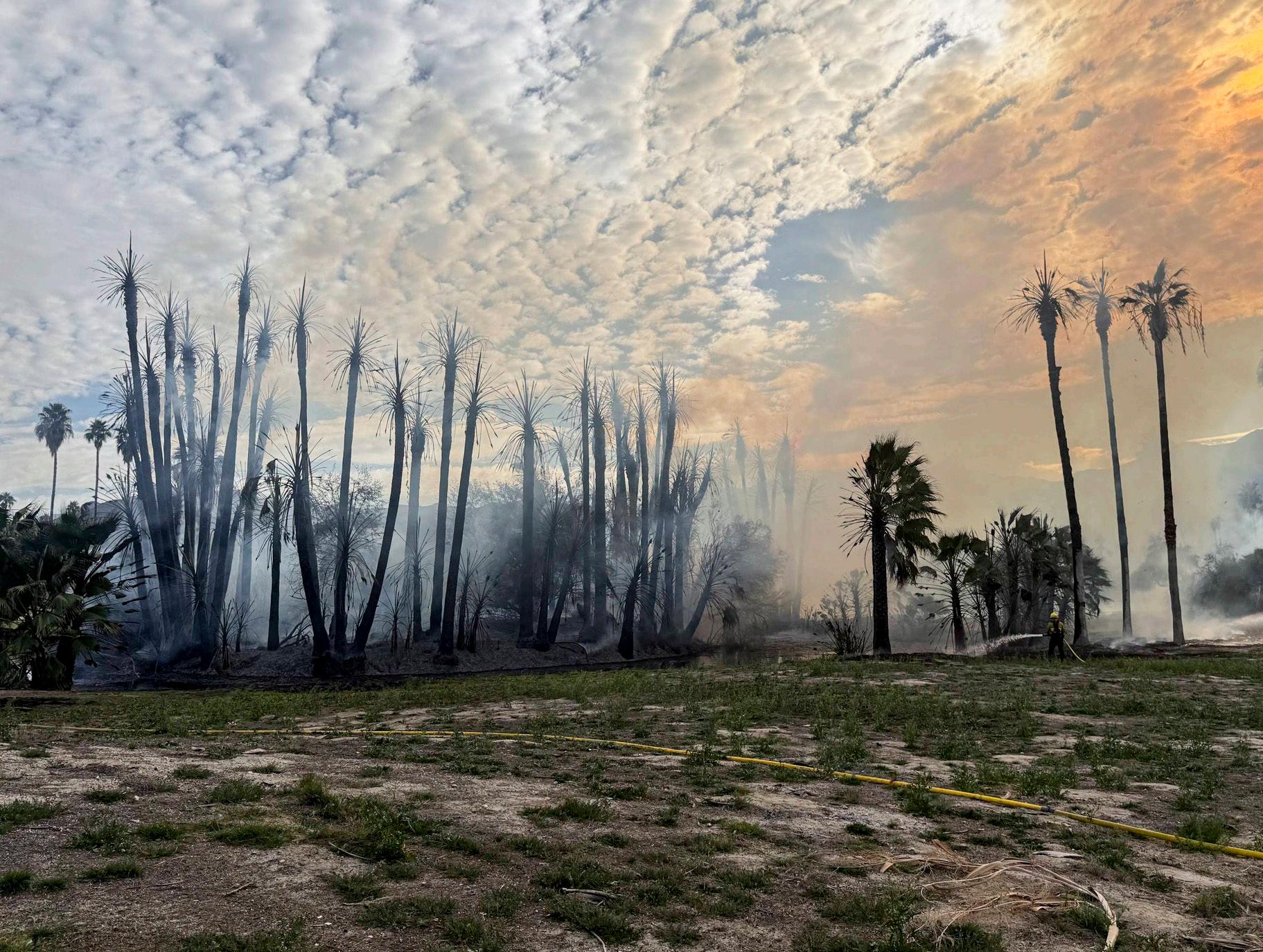
At 2:17 p.m. on Sunday, Feb. 1, firefighters from the Palm Springs Fire Department responded to a blaze at the 120acre Prescott Preserve.
A second alarm soon brought firefighters from the Cathedral City Fire Department and Cal Fire. The blaze, which had already involved multiple palm trees and had the potential to spread further, was attacked aggressively by some 36 personnel using specialized equipment, including a water tender holding thousands of gallons of water to access areas that were too far from hydrants.
Within a few hours, the fire was under control. It had burned 3 1/2 acres of natural habitat, including roughly 100 palm trees off the walking trails near the palm oasis area of the preserve. Thankfully, nobody was injured, and no structures were damaged.
The fire could have been much, much worse. In some ways, it was a wakeup call. In a video update released by the Oswit Land Trust (OLT), the nonprofit organization
that owns and maintains the Prescott Preserve, founder and executive director Jane Garrison recalled how she first became aware of the threat to the preserve.
“Sunday afternoon, my phone just started blowing up with texts and calls,” Garrison said. “The first one I got was from Scott Collins, our wildlife expert. I’ll never forget: I answered the phone and he said, ‘Jane, the preserve’s on fire’ … and then it was clarified that it was our crown jewel (of the preserve), the palm oasis.”
A major concern for everyone involved— including the OLT, Palm Springs fire and police, and nearby neighbors at the Mesquite Country Club condos—is that, as of this writing, the fire’s cause has not yet been established.
“We are 99.9% sure it was human-caused,” Garrison said in an interview with the Independent. “Whether it was intentional or not is to be determined. The arson investigators have been out, actually, multiple
times to the property. It didn’t start in an area that was dry. It was a beautiful 80-degree day, no wind, no lightning, no power lines in that area—so the only way that a fire could have started was from a human. We just don’t know if someone intentionally started it, or if somebody flicked a cigarette somewhere, but it was off-trail where it started. (Walking off the trails in the still-evolving preserve is prohibited by the OLT.) We just don’t know right now.”
After Fire Chief Paul Alvarado delivered an after-action report to the Palm Springs City Council on Feb. 11, he spoke with KMIR reporter Alondra Campos about the investigation.
“There were reports that someone saw a person leaving a few minutes before the fire began,” he said. “So we have a fireinvestigation department within our fire department, but we work closely with the police department as well. … We traced those and, unfortunately, those leads were unfounded. We were not able to find anyone that was responsible, whether intentionally or unintentionally, for that fire—but that doesn’t mean that the case is closed. We’re always open for new information. If anyone has any information, please notify the Palm Springs Fire Department, and we’ll be sure to follow up on that.”
Palm Springs Police Department Capt. Gustavo Araiza told the Independent via email that the investigation is ongoing.
“There are two parts to the overall investigation: the fire investigation, where
the fire department attempts to determine the cause, and the criminal investigation (conducted by the police department). The criminal investigation is still active and has not been abandoned. We are still seeking the community’s assistance,” Araiza said.
The police department is looking for someone in particular: “A woman was seen about 20 minutes prior to the fire who may have seen something. She is a white female adult, 5 foot 8, blonde hair and walking a small dog. She is not a suspect, but detectives would like to interview her. Anyone with information related to the fire (should) contact Detective Alex Doherty at 760-3238142, or via email at alexander.doherty@ palmspringsca.gov.”
The lack of a suspect or a known cause is frustrating, Garrison told the Independent.
“We actually have trail ambassadors,” she said. “We have rangers. On a Sunday afternoon, that preserve is so frequented. … We had so many people who have reached out to us and said, ‘Oh my gosh, I was walking on the preserve when it happened. I had gone by this area five minutes before.’ We do inspections of that property several times a day. We have cameras throughout that property, as we do on all of our properties. We take security very seriously because of situations like this, and because of other situations that could harm wildlife and cause other problems.
“But you know, it takes one person to be out of range of the camera, and one spark to make a tragedy like this happen.”
The Feb. 1 fire burned 3 1/2 acres of natural habitat, including roughly 100 palm trees off the walking trails near the palm oasis area of the Prescott Preserve. Photo courtesy of the Oswit Land Trust
Tragedy was thankfully avoided in the Prescott Preserve fire. The devastating January 2025 blazes that ripped through Los Angeles are fresh in the minds of many Coachella Valley residents. Maui is still recovering from deadly fires in August 2023. Last summer, at least 30 people died in wildfires across Europe.
A nearby resident who identified himself as Mr. Bradley witnessed the fire.
“It was 150 feet high, it looked like a Roman candle, only it was 100 Roman candles,” he told the Palm Springs City Council on Feb. 11. “And I looked at it, and I thought of what we saw on TV last year in Los Angeles, and that was scary. I can tell you right now, had there been any kind of wind— west wind, south wind, east wind, north wind—the consequences would have been absolutely drastic.”
During that Feb. 11 session, the council pledged to follow up regarding prevention and mitigation strategies for high-wind events or other concerns.
Fortunately, it appears the fire’s damage to the long-term health of the Prescott Preserve may have been minimal—even to the palm trees involved, as well as the pond and the wildlife that resides in that oasis area.
David Paisley, OLT’s deputy director and community engagement director, spoke to KMIR about the positive effects of the cleanup and recovery efforts initiated the day after the fire.
“Getting as much of that debris out of the water was the first step,” Paisley said. “We had many biologists and pond experts come out here, and that was their first suggestion. … We had 75 volunteers come out and just clean this up. It started on Monday. We worked for about four days, and by Friday after the fire, this was all opened and ready to go.”
According to Garrison, the preserve team had done a routine test of the oasis pond’s water just four days before the fire, meaning they have a set of readings that can serve as a baseline for how the pond’s environment is responding and recovering.
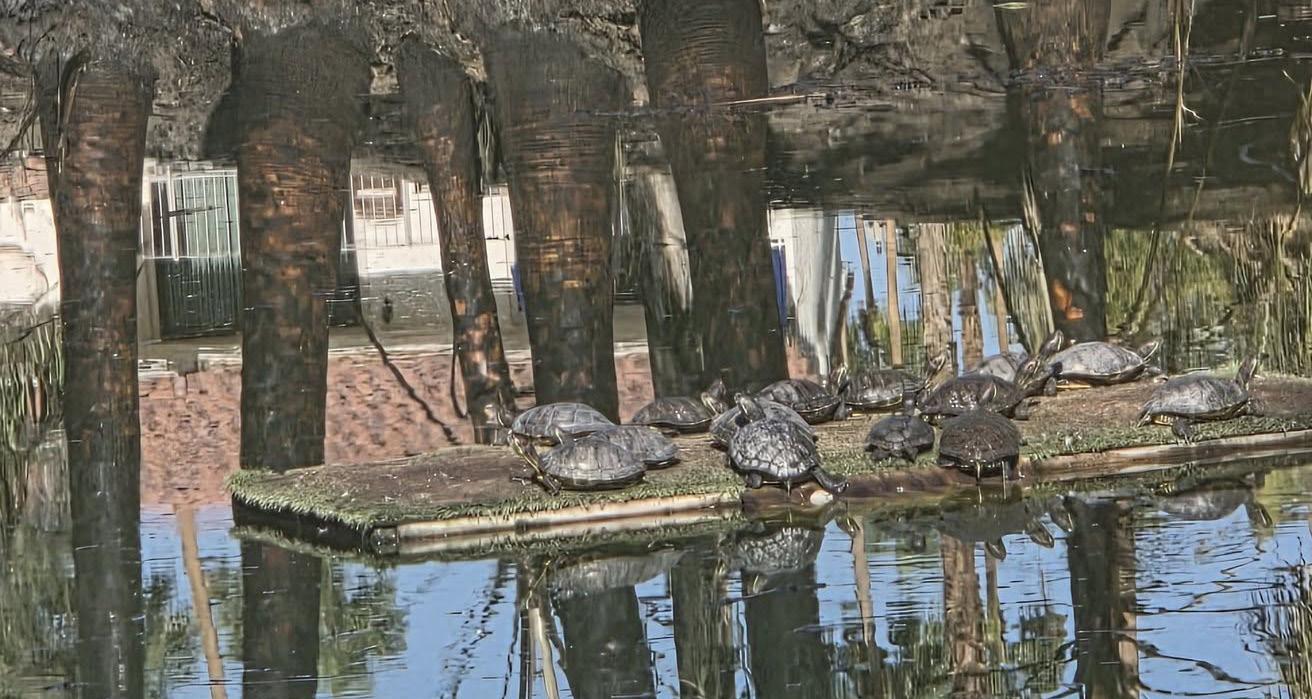
In his interview with KMIR, Paisley said the post-fire water quality is “not great right now … (which is) to be expected. So, we are going to keep testing the water every two weeks, and eventually, when the water quality is stable, we’ll reintroduce fish. When we introduce the fish, a lot of the birds that come here to eat the fish will come back. A lot of people ask about the turtles who live in the pond. The turtles are fine. I guess they went underwater during the fire.”
As for the palm trees? “After just more than a week, they’re already shooting up new green fronds,” Paisley told KMIR. “These kinds of palm trees are really resilient to fire. We were

“If we find that the liner there is really torn, and we’re leaking a lot of water, it’s a massive project— that’s over a million dollars to replace the liners on those ponds.”
– Oswit Land Trust executive director Jane Garrison, on the Prescott Preserve’s oasis pond
afraid that a lot of them would die, but when I look across this landscape, almost all of them have new green fronds. … I think what we really learned through this is that Prescott Preserve is something that the community really wants and they value, and their response really showed that to us.”
Much work still needs to be done, and the considerable associated costs are a serious concern for Garrison and the OLT team. While Oswit obtained grant funding to cover some ongoing costs for the restoration of the preserve, none of that money can help address the damage from this fire.
“Our restoration grant … none of that money can be used at that palm oasis,” Garrison said. “None of it. We did not include the palm oasis in our restoration grant, because it was so perfect. There was nothing to restore there. … That’s another reason why this is just so tragic, because that was the most perfect place in the entire 120 acres.”
One potential fire-related expense could be the need to replace the liner in the oasis pond. It is lined with either plastic or cement, rather than a natural layer of dirt and rock, as it was created as part of the now-defunct golf course.
“We don’t know the damage to the liner, because dead branches or dead trees may have fallen in and ripped it,” Garrison told the Independent. But we’ll know in the coming months, because our water bill will be through the roof, because it will be leaking. We already spend an enormous amount of money every month to water the trees and plants and everything that’s at Prescott Preserve. … If we find that the liner there is really torn, and we’re leaking a lot of water, it’s a massive project—that’s over a million dollars to replace the liners on those ponds. You’d have to drain it, and you’d have to make sure every little critter that’s in there is safe, because that’s who Oswit Land Trust is. We don’t just drain a pond and let everybody die.”
As a result, the OLT is asking the public for financial support. Garrison also had a more unusual request of human neighbors living in communities near the preserve.
“In the last couple of years, the U.S. Fish and Wildlife Service came out, and they put up equipment to monitor our bat population by the oasis, and we had a significantly high bat population, including bats that were species of special concern,” Garrison said. “They live under the dead palm fronds, and all of that habitat is gone. These were native trees, and these were really good habitat for bats, for hawks and for owls. … The entire community can help give wildlife a little lift up by just waiting to trim and cut (their palm trees) until after nesting season. With so many people leaving anyway (during the summer), why is it important to trim?
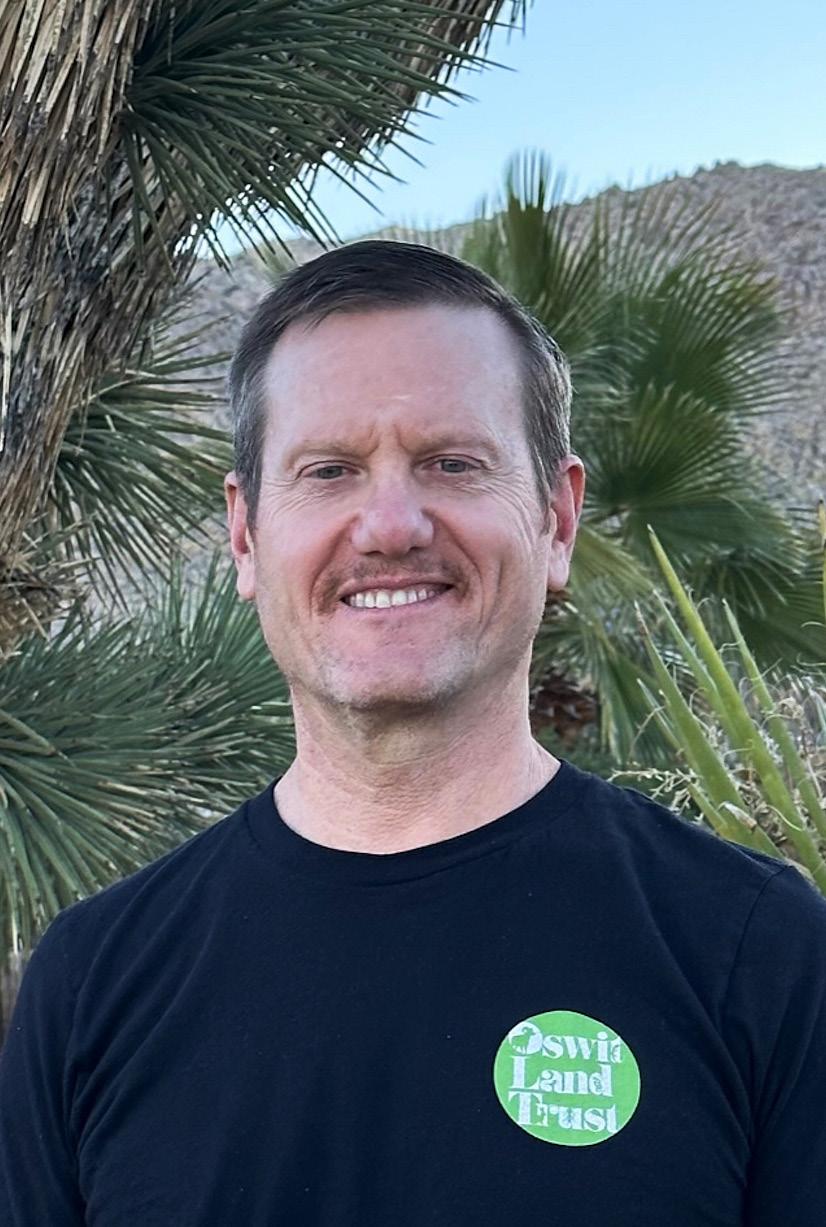
Oswit Land Trust deputy director David Paisley:
“I think what we really learned through this is that Prescott Preserve is something that the community really wants and they value, and their response really showed that to us.”
You know a lot of people are reaching out saying, ‘How can I help? What can I do?’ Obviously, donations are really needed right now, and volunteering is also a fabulous way to help. And a simple decision to wait (until September) to trim trees and bushes after nesting season also helps.”
Meanwhile, Garrison pledged that OLT would continue its work—on the Prescott Preserve and beyond.
“We’re increasing all of our cameras on all of our properties … We have people going out on our properties all the time and inspecting,” Garrison told the Independent. On any given day, if you walk one of our properties, you’re going to encounter one of our trail ambassadors who is there to answer questions and to watch.
“This is just a really unfortunate, devastating thing that happened, but it’s not going to slow us down. We’re going to keep moving forward. We’re going to keep working on the restoration. We’re going to keep acquiring other land, because we don’t have the luxury of time in Southern California. You know, anything that we don’t save could be destroyed.”
To learn more or support the Oswit Land Trust, visit oswitlandtrust.org.
The turtles at the Prescott Preserve’s oasis pond seemed unhurt by the fire. “I guess they went underwater during the fire,” said Oswit Land Trust deputy director David Paisley. Photo courtesy of the Oswit Land Trust

ARTS & CULTURE
SPIRITS CAPTURED
By Cat Makino
The Artists Center in Palm Desert is letting photography take center stage.
Running concurrently from Wednesday, March 11, through Sunday, April 5, the Artists Council is presenting Desert Rocks, featuring photos by award-winning photographers
Jimmy Steinfeldt and Harry Langdon, along with Through the Lens, with 115 photographs by Artists Council members.
“It’s a show within a show, which makes it more exciting,” said Ulrike Maria, board chair of the
Artists Council. “We decided to make it special this year by including legendary music and celebrity photographers Harry Langdon and Jimmy Steinfeldt.”
In a career spanning more than 60 years, Langdon has a client list including Cher, Angelina Jolie, George Clooney, Serena Williams, Dolly Parton, Frank Sinatra, Richard Burton, Diana Ross, Jane Fonda, Neil Diamond, Brian Wilson, Joan Rivers, Sophia Loren, Boy George, Marie Osmond, Steve Martin, Arnold Schwarzenegger and Janet Jackson, plus doctors, authors and behind-the-scenes music executives.
“The best picture for me is one in which the person lets you see a bit of his or her spirit,” Langdon said. “It gives the picture a different edge.”
This knowledge came to him when he was 7 years old.
“I traveled to Arizona with my parents, taking photos of landscapes and these charming towns,” he said. “In one town, Native Americans were standing out in storefronts, and when they saw the tourists walk through with their cameras, they grabbed the children and ran around the corner. I asked my mom and dad, ‘Why were they hiding?’ ‘They believe you were stealing their soul through the camera.’”
It was a profound realization for Langdon—the idea that everyone he photographs has a spirit.
“There’s a human being who walks in the door; it may be George Clooney, or Julio Iglesias or somebody, and I get the feeling for their spirit,” he said. “I know that it might sound kind of corny.”
Because of celebrities’ distrust of paparazzi, cameras are not always welcome, Langdon said—and some of them come with outsized egos. He told a story about photographing Richard Burton while the legendary actor was performing in Camelot. While Broadway executives arrived on time, Burton did not.
“Burton booked at 1 o’clock in the afternoon, and then 2 o’clock came, and Richard hadn’t shown up,” Langdon said. “Then we heard this banging and kicking at our front door of our big studio, and I thought, ‘Oh, it’s
Richard. Oh, no, now I’m going to deal with an angry dude who I’ve never met.’ So I got to the door; he had this slick English accent, (and he) barged in and started yelling at these two men. He said, ‘You bastards didn’t have the courtesy of sending me a limousine to bring me here!’
“I rushed over. I gripped his hand, which was trembling with anger. He was so pissed. I tried to swish him away from the two guys who were spending a lot of money on him, and I dragged Richard into the dressing room. And I said, ‘Richard, we have to do a good photo session today.’ I kind of reminded him of why he was here, and then all of a sudden, he calmed down. His face went from red to a normal color.”
Frank Sinatra could also be moody, but he and Langdon were close and respected each other.
“Sinatra had some dark people who were surrounding him,” he said. “He would have security guards at photo sessions, and … the guards were watching me to see if I’d get out of hand, and some were watching my crew behind me. My assistant was surprised to see that one had an Uzi tucked under his belt.”
Why the security? “Sinatra would get threats, and not everybody liked him.”
Langdon—the only child of the late vaudeville and silent-screen comedian Harry Langdon Sr.—said he always been on a mission to capture images of these legends and leave a record of them behind.
“It was a real honor for me to take pictures of these people,” he said.
Now 91 years old and still working, you can often find Langdon bicycling around La Quinta Cove or talking to his friend, photographer, guitarist and songwriter, Jimmy Steinfeldt, who lives nearby.
Steinfeldt has photographed icons including Madonna, Michael Jackson, Tina Turner, Eric Clapton, David Bowie, Prince, Miles Davis, Rod Stewart, Bob Dylan and Radiohead. In 1998 and 2007, industry players named him Photographer of the Year at the Los Angeles Music Awards. His photographs have appeared in many publications, including Rolling Stone, the Los Angeles Times, Spin and Time magazine. His famous 1997 photo of Radiohead will be
The Artists Center highlights photos by its members—and two local legendary music/celebrity photographers
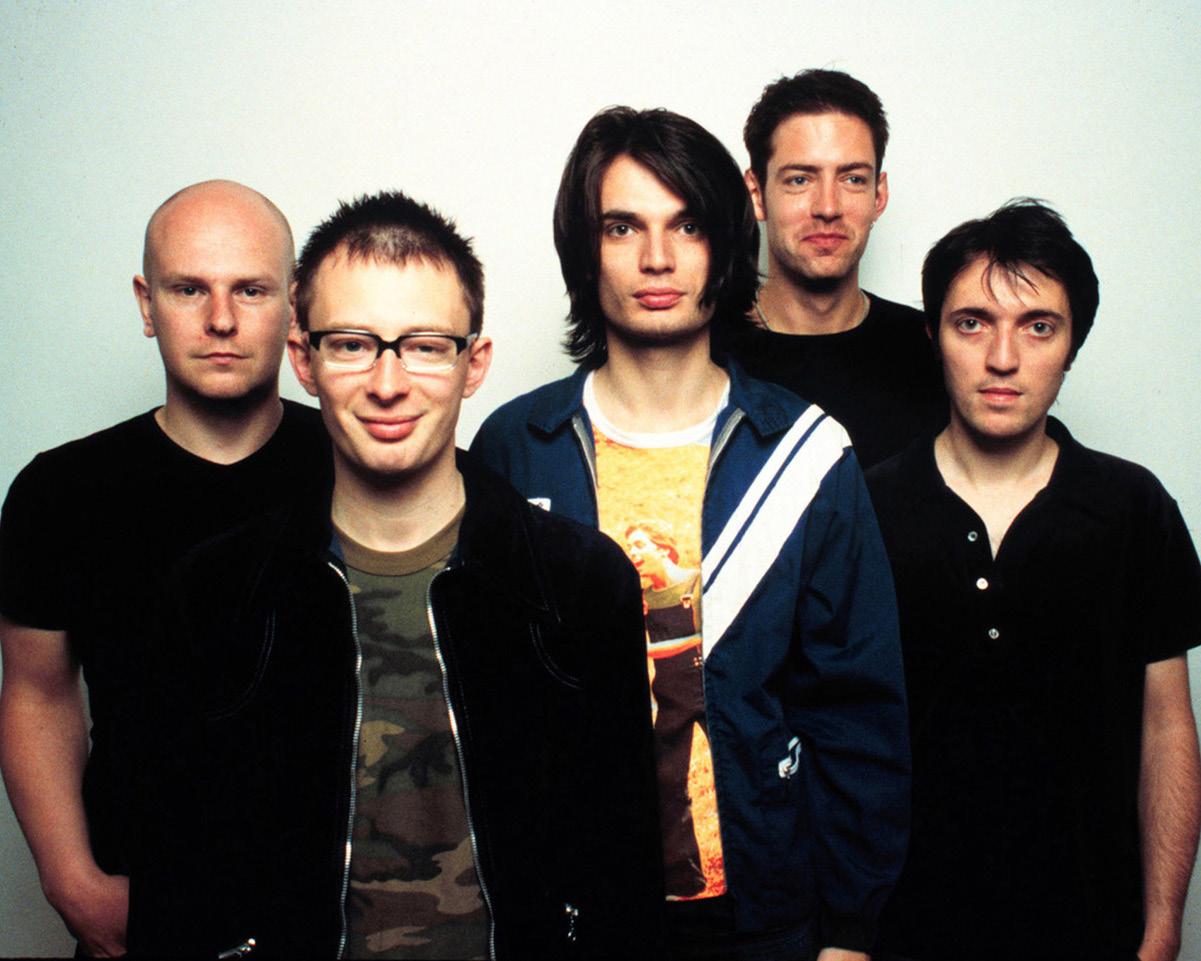
on display at the exhibit.
“It’s kind of cool looking back knowing that I photographed them,” he said.
Born in Minneapolis, Steinfeldt graduated with a bachelor’s degree in business management from San Diego State University. After college, he traveled across the country armed with his first real camera—a $100 Minolta.
On that trip, he realized that he had an eye for composition. “It was fun and I was pretty good at it,” he said.
Stevie Nicks offered him breakthrough. He used a Kodak that had just come out with a special film that was designed to shoot in low light, which made a big difference.
“I was standing in my seat taking pictures,” he said, “When I got the film back, there were a few that were great. The experience was fun and exciting. Then I learned how to adjust my camera to shoot a moving musician, and I just got better and better.”
He said his best experience was photographing Stevie Ray Vaughan, who is considered one of the best guitarists of all time. He died in a helicopter crash in 1990, at 35 years old.
“He was one of the nicest guys I ever met and one of the greatest guitar players ever,” he said. “He posed patiently for me while I took several
portraits that turned out so well that my guitar hero, Joe Walsh, bought a print from me.”
The self-taught photographer cites the great fashion photographer Richard Avedon and cinematographer Karl Freund as his inspirations. He said he encountered a lot of drugs in rock ’n’ roll, but they never interested him.
“I love a good cocktail. A martini works, but that’s about the extent of my imbibing,” he said.
Steinfeldt moved to the desert three years ago, after 25 years in Los Angeles, wanting to decompress.
“A number of my friends moved to the Coachella Valley and were happy with their moves,” he said. “I had vacationed here over the years and was familiar and comfortable with it. I’ve been photographing entertainers—musicians, especially—my whole career, and the desert is filled with ‘my people.’”
Through the Lens, which includes the Desert Rocks photos by Jimmy Steinfeldt and Harry Langdon, will be on display from Wednesday, March 11, through Sunday, April 5, at the Artists Center, at 72567 Highway 111, in Palm Desert. The opening reception will take place from 5 to 9 p.m., Thursday, March 12. Admission is free. For more information, visit www.artistscouncil.com.
Jimmy Steinfeldt’s 1997 photo of Radiohead (cropped).

ARTS & CULTURE
NEW PAGES
By Eleanor Whitney
The high desert has long attracted and inspired writers, but it hasn’t always offered literary opportunities that match the diversity and talent of the writers who live and write there.
Now, thanks to fresh venues, a multitude of publications and a new weekend-long literary festival, there are more opportunities than ever for writers and literature-lovers in the high desert to connect with each other, share their work and build community.
The inaugural Hi-Desert Lo-Fi Lit Weekend is a free festival that features panels, workshops,
readings and performances. It will be held in venues throughout the Morongo Basin from Friday, March 20, to Sunday, March 22, and features writers who have made the desert central to their work, such as Claire Vaye Watkins, Ivy Pochoda, Tod Goldberg and Ruth Nolan, as well as performances that merge literature and music, by Red Light Lit, C’est Claire, and Mike Watt and the Missingmen.
Co-organizer Gina Frangello describes the weekend as a “movable feast of a festival” with an ethos of “no tickets, no wristbands, no bullshit.” The festival will open on Friday with performances at the Palms in Wonder Valley, continue on Saturday with panels at Z Club in Joshua Tree and bands at Mojave Gold in Yucca Valley, and conclude on Sunday with readings and panels at Corner 62 and a closing party at Tin Town in Twentynine Palms.
Frangello lives in Wonder Valley with her husband, writer Rob Roberge. They previously organized the Bombay Beach Lit Fest, but they decided to create a new iteration of the festival in the high desert, because, “We live here; we love it here; and we want to champion our own community.”
That high desert is rapidly developing a vibrant literary ecosystem for writers of all kinds, Frangello said.
“One of the things I really love about the desert literary community is that it’s non-hierarchical,” she said. “Established and emerging writers appear side by side at the same venues and events. Everyone knows each other, and the festival is cool, because it’s a chance to bring everyone together.”
Jean-Paul L. Garnier—writer, publisher and owner of Space Cowboy Books in Joshua Tree—has long been one of the pillars of the high desert literary scene. His store features a wide variety of books, with a special focus on science fiction, and recently celebrated its 10th anniversary. A decade ago, there were writers’ groups such as Cholla Needles and Mojave Sage Writers, and there was Raven’s Books in Twentynine Palms, but no bookstore in Joshua Tree.
“There wasn’t a lot of literary programming and places for authors to come hang out,” Garnier said. “Immediately I saw that’s a gap
Opportunities for writers and readers expand in the high desert with a new literary festival, venues and publications
I needed to fill. Since then, there are a ton of different literary offerings of various flavors.”
After arriving in Joshua Tree in 2017, writer Susan Rukeyser launched the Desert Split Open, an open mic and reading series for writing that is “queer, feminist and otherwise radical.” She began the series because “I wanted to have a shame-free place for people who are writers, and those who did not identify primarily as writers, because they had a story to tell.”
The pandemic reshaped the high desert literary landscape. It brought the closing of both of Yucca Valley’s used bookstores, but an influx of new resident writers to the area. Rukeyser began holding events outside during the pandemic, and now there are “a lot of new, cool venues that are sheltered from the elements and well-equipped, which has expanded the possibilities for literary events,” Rukeyser said.
Rukeyser has since broadened the Desert Split Open to include book launches for local and visiting authors, and readings during Pride month and Banned Books Week. On March 22, Rukeyser will host a Desert Split Open reading at Corner 62 as part of the Lo-Fi Lit Fest. With new venues and residents coming to the high desert, Rukeyser said the genre of “desert writing” is becoming more inclusive.
“It’s not just writing about the desert anymore, and it’s not necessarily a masculine environment,” Rukeyser said.
For desert writers, there is a growing cadre of literary journals that features both local and national writers. Natalie Raymond is the managing and poetry editor for Jackrabbit Journal, a new literary journal that will highlight queer writers. With the first issue coming out this year, Jackrabbit Journal will join the ranks of Howl, the long-running literary journal from Copper Mountain College in Joshua Tree, and publications like the literary arts-focused Beyond the Last Estate and the science-fictionand paranormal-inspired PO Box Outer Space. Raymond is a photographer and a poet who moved to the high desert in 2024. After volunteering at the Twentynine Palms Book Festival and attending local book clubs, she found she was quickly embraced by a community of writ-
ers. According to Raymond, Jackrabbit Journal aims to bridge the gap between generations and genres of writers in the high desert, while also incorporating visual art.
“I do see that there’s a divide between people who have been here for a long time, and newer people to the high desert,” she said, adding that she hopes Jackrabbit Journal can play a role in helping literary groups come together. Raymond noted the “importance of having something for the whole community, to be less separated and to be a part of building creative communities throughout the basin.”
An emphasis on community in all its forms was important to each of the writers I spoke to for this piece. Garnier said he hopes high desert writers will do more to give back as the scene grows. He highlighted initiatives such as Spark Growth, a local nonprofit that supports books and arts for local children, and Books
to Prisoners, noting, “I would love to see the more recent import literary scene get behind projects like these, because together, we can make a bigger impact.”
Frangello struck a similar tone, noting that the high desert is just starting to develop a literary infrastructure that nurtures, lifts up and gives back to writers every level, noting that an event like the Hi-Desert Lo-Fit Lit Weekend is “a chance to get in on the ground floor on a literary scene that’s large and inclusive.”
The Hi-Desert Lo-Fi Lit Weekend will be held Friday, March 20, through Sunday, March 22, at venues throughout the high desert. For a full schedule and more information, visit circeconsulting.net/hdlf.
Space Cowboy Books is located at 61871 Twentynine Palms Highway, in Joshua Tree. Learn more at spacecowboybooks.com.
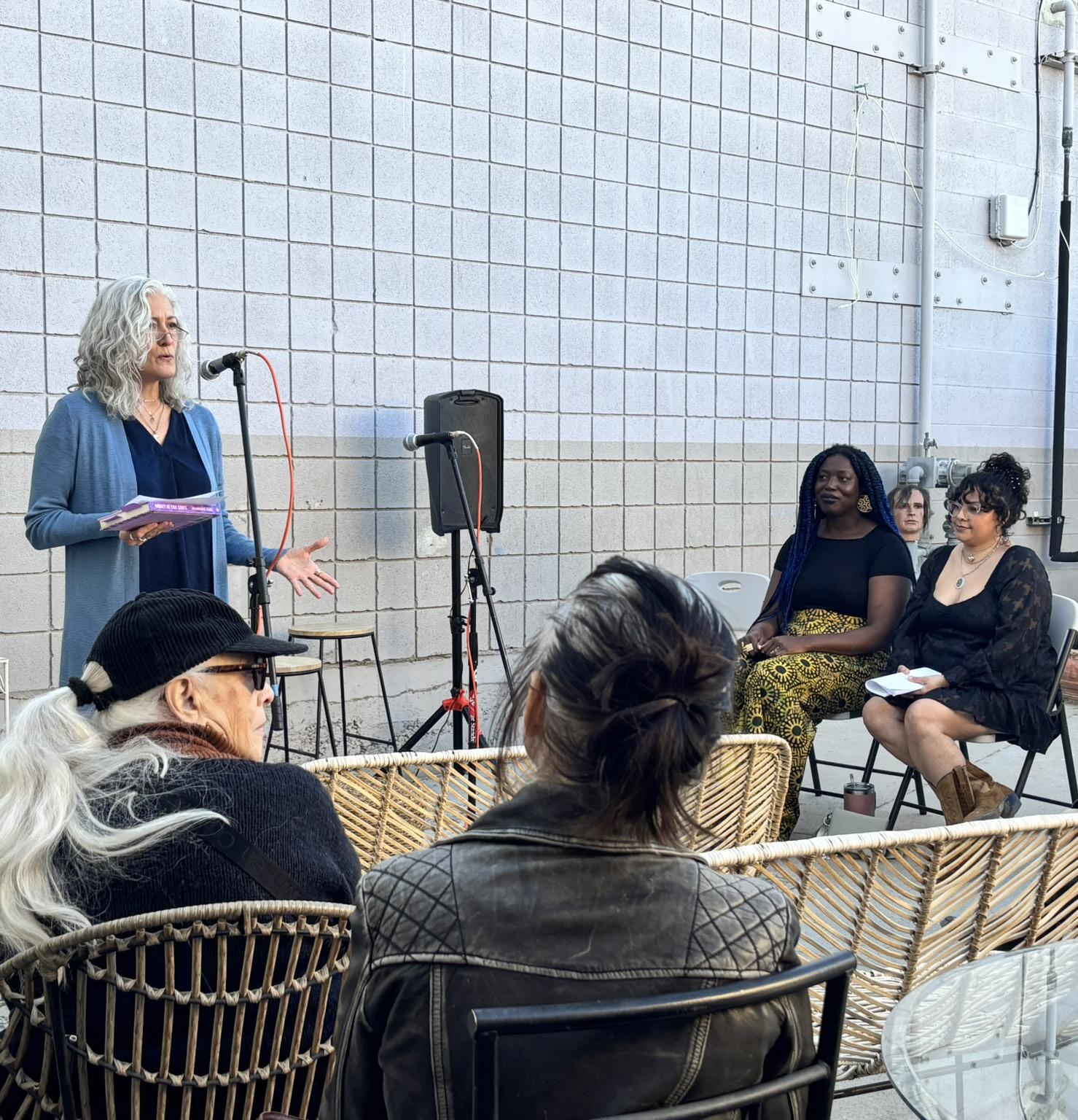
Susan Rukeyser with author Hannah Eko and poet Angelus at Corner 62 in 2025. Photo courtesy of Susan Rukeyser
ARTS & CULTURE
SOCAL SHOWCASE
By Matt King
Artistic creations from the desert and Los Angeles are being put on display during a weekend of expression.
The High Desert Art Fair will bring together Southern California’s creative scenes across multiple mediums. On Saturday, March 28, and Sunday, March 29, the Pioneertown Motel will transform into an arts mecca, with each room hosting a different gallery, and other local storefronts hosting arts-related events. The weekend will also feature an evening of music at Pappy
and Harriet’s on Saturday, pop-up activations and much more.
During a recent Zoom interview with the fair’s co-founders, Nicholas Fahey and Candice Lawler, they explained that the event was created to support a growing creative scene in a place that does not have enough spaces to showcase art.
“So many artists have moved out there, especially post-COVID, so it was really a vessel and a way to get the collectors out there to do the studio visits, to see the work, and really create commerce that can help support the area and help support the artists who are living out there, so they don’t have to come to L.A. to show their work,” Fahey said.
Added Lawler: “Nick and I, we are locals there. We’ve spent many years living there and being in the high desert, and … understanding that Joshua Tree and Pioneertown have long been this kind of Mecca meeting ground of these cultural movements around art and music. It’s one of my favorite places on Earth, and I saw a real deficit there: What is the platform for local artists and encouraging younger galleries to get involved? … We really wanted to build something that could create these meaningful conversations in a place that kind of forces you to slow it down, spend time with the work, mingle and make new connections organically, instead of it feeling like the typical New York or L.A. art experience.”
In order to encourage local participation, the fair offers free gallery space to some high desert creatives.
“It was really important for us that there was an opportunity for (high desert artists) to participate,” Fahey said. “Being a gallerist, we understand the business of art galleries and how hard it is to go to some of these fairs that can cost as much as $100,000, and then having to work on 50/50 (half of the sales going to the fair), and then make that money back. You don’t get to try new things; you only can afford to do the safe things that you know are going to sell. We’re really excited about doing a much lower price point for the booths that we’re selling, so it allows dealers to actually try something different, and support artists
and promote artists who are doing new things, as opposed to the same old stuff. We’re also giving spaces to galleries that are already out there and already interacting with the community and already supporting the community on a daily basis.”
The majority of galleries, projects and publishers featured in this year’s HDAF are from Los Angeles.
“I was joking that it was easier for me to get a Malibu collector to go to Joshua Tree for the weekend than it was to get them to come to Hollywood on a Saturday to look at artwork,” Fahey said. “So it was, ‘How do we bring that commerce out into the desert? How do we create experiences for these collectors, where they’re not just going to come out there and buy something, but they’re going to come out there and buy something—and then they’re going to tell that story of that experience through the whole year, and promote the high desert?’”
Lawler emphasized that the HDAF is much more than just an art show.
“Nick and I have really—from the first year that we started this thing in my house, just the two of us in 2019—created an experience,” Lawler said. “There are the galleries, but we’re also doing a music showcase; we’re doing a VIP program, additional art tours, architectural tours, dinners and things like that so that when our guests leave the experience, they have something really meaningful to hold on to.”
One of the biggest additions to the HDAF this year is the Saturday night High Desert Art Fair Music Showcase at Pappy and Harriet’s.
“High Desert Art Fair really is not about one specific medium, and music often inspires the artists who are going to the desert to make their work, and vice versa,” Lawler said. “… Last year, we did a very small test of a music showcase at Red Dog, and half of the musicians were local to Joshua Tree. There was a massive positive response—to the extent that Pappy’s offered us the venue, and then it became very clear that by incorporating musicians and their excitement and love of the desert, that brings their audience to Pioneertown, and then it becomes a bigger communal circle
The High Desert Art Fair brings together art, music and pop-ups by creatives from both L.A. and the desert
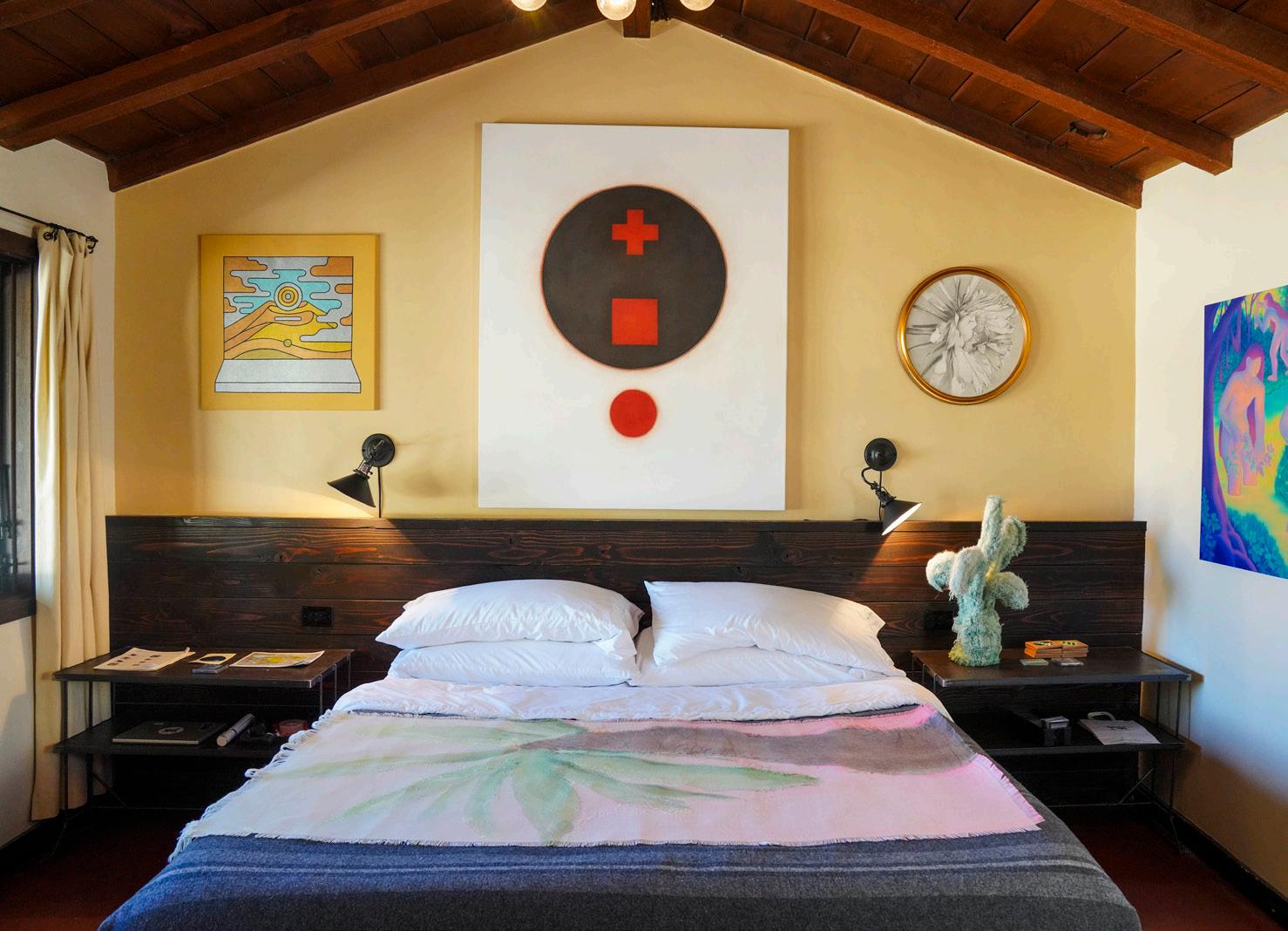
we’re sharing Joshua Tree.”
The showcase at Pappy and Harriet’s is slated to feature performances by Mark Mothersbaugh (DEVO), Stolen Nova, U.S. GIRLS, Devon Ross and ÖLÜM, with a DJ set by Money Mark. Mothersbaugh will perform on The General, “a custom-built orchestral machine” that is “part instrument, part sculpture, part living archive.”
“When I picked the artists who were performing, I went to Mark Mothersbaugh and said, ‘I don’t want the hits; I want you to collaborate with me creatively,’” Lawler said. “‘It’s your first time playing in the desert. What have you always wanted to do out there? Let’s talk about that, and let’s make something that’s about art in the sonic space.’ He was like, ‘Holy shit, yes.’ Every musician who we carefully curated has some kind of tie to creating music in the desert, whether they’ve recorded there; they’ve spent time songwriting there; or their favorite performances have been there. Mark has always wanted to perform there and has never gotten the right position to do it, until now.”
Fahey and Lawler said they’re making sure the beauty of the desert shines through during the event.
“Not only is there a whole new generation of artists out there, but there are older generations of artists who have been out there,
whether you’re looking at the Institute of Mentalphysics seeing the Frank Lloyd Wright Jr. designs, or you’re looking at the Noah Purifoy Outdoor Desert Art Museum or Desert X,” Fahey said. “There’s an appetite for people to experience art in the desert that isn’t going to go away, so you’re going to have more art. … People are going out there to create a fantasy and create a life that they want to live, and I don’t see that slowing down at all.”
The organizers promised that desert artists and residents will always be at the forefront of the HDAF.
“Last year, Nick and I went out and handed out free wristbands and fliers to all the local businesses. … It was very important to make sure that the local community knew that they could get into this for free,” Lawler said. “It was happening in their backyard, and it was something that could be really fun and amazing for them to take part in.”
The High Desert Art Fair will take place from 10 a.m. to 5 p.m., Saturday, March 28, and Sunday, March 29, at the Pioneertown Motel, at 5240 Curtis Road, in Pioneertown. Tickets are $33.85. The music showcase will take place at 4 p.m., Saturday, March 28, at Pappy and Harriet’s, at 53688 Pioneertown Road. Tickets are $65.54. For tickets and more information, visit www.highdesertartfair.com.
where
An art display at the Pioneertown Motel during last year’s High Desert Art Fair.

CAESAR CERVISIA
By brett newton
My financial situation is pretty bleak, but screw it—I’m taking a trip around the world. You might ask, “Brett, how do you plan on accomplishing this?” Not by racking up huge credit card bills or by backpacking from town to town, doing various jobs and staying in hostels and barns. Instead, I’m going to the international section of the beer aisle and buying some beers that intrigue me. Then I’ll go home, pour them into one type of glass or another, close my eyes and pretend I’m somewhere else.
Let’s start with an obvious country for lovers of beer: Belgium. As starved as we are compared to much of SoCal regarding craft-beer selection, there are still quite a few classic Belgian options
on the shelves of any decent beer purveyor. What’s more, most of the beers you’ll find on warm shelves actually keep quite well. This has to do with the fact that many are bottle conditioned, meaning the beer inside is still alive, and the yeast is continuing to eat sugars, which results in more carbon dioxide and less oxygen. A well-kept bottle can actually age quite gracefully for years after being bottled.
Orval is an all-time favorite of mine. It’s been brewed since 1931 at the Orval Abbey in Florenville and was inspired by English pale ales and their use of dry-hopping, but the true beauty of this ale comes from the mixed fermentation. It receives a standard fermentation at the brewery, but another life is given to it inside the bottle. Brettanomyces (aka “wild”) yeast is pitched, feeding on whatever sugars remain. This dries out the beer to the point of making it tricky to pour without a ridiculous head if one is not careful. The result shows
signs of citrus, a floral character, earthiness, straw, a slight tartness and a funkiness that is often described as “barnyard” or “horse blanket” in beer circles. I’ve tried bottles that were both as fresh as I could find and as close to the end of the recommended five-year cellaring on the label, and they were both beautiful in their own ways. Orval will always be welcome in my fridge, and it’s a miracle we get it here.
Since I’m already in Belgium, I might as well linger. The brewery at the abbey of St. Bernardus makes some of my favorite beers in the world, and their Abt 12 (aka the quadrupel) is their signature beer. It’s richly flavored, high in alcohol yet utterly and dangerously drinkable. The secret is in the candi sugar used in brewing. It’s a beet-derived sugar that’s been browned or caramelized and is added to boost the alcohol content of the finished beer without adding extra body. This leaves the beer a shockingly quaffable 10%

Our beer scribe takes a trip around the world—with help from the supermarket beer aisle
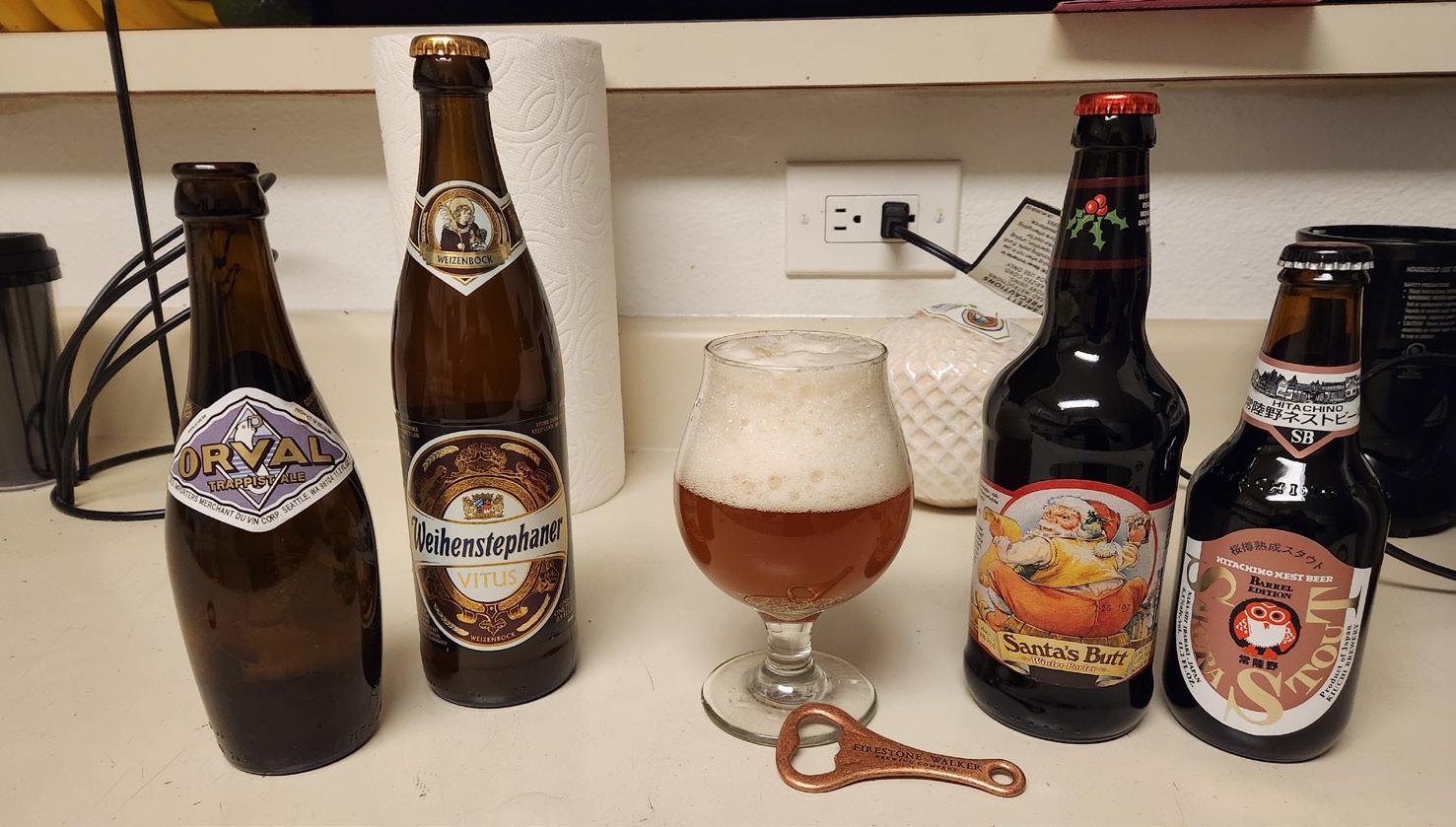
in the case of the Abt 12. Flavors of raisins, prunes, figs, molasses, caramel and more abound. Pop a bottle of this with a holiday meal (or for dessert afterward while lounging around) instead of a bottle of wine.
Crossing an eastern border and heading southeast, we come to a hill overlooking the city of Freising in Germany, upon which the Weihenstephan brewery has sat for almost a millennium. Without getting into the long history, Weihenstephaner beer is widely considered to be some of the best of the best in German beer. This time around, I chose Vitus, their weizenbock. Think of it as a hybrid between the yeast flavors of a weissbier with the malty flavors of a bock. I get the traditional flavors of clove and banana typical of weissbier, but with added notes of toasted bread, citrus and even a little apricot. At 7.7% alcohol by volume, it is also very drinkable, having a very light, creamy foam head, but with a carbonic bite like so many German beers do.
Next, I choose to jaunt over the channel to England. But this time, instead of going for something predictable or that I’ve mentioned here before (like the Samuel Smith Brewery, although I endorse those beers those as well), I took a chance with Santa’s Butt. Before you judge, this holiday porter from Ridgeway Brewery of Oxfordshire’s name refers to a particular size barrel used in traditional English brewing (or half a tun, as measured in imperial gallons, if you enjoy unrelatable comparisons). Santa’s Butt is a rather drinkable, relatively light-bodied ale with some toast, chocolate and a hint of cola. There is a light but noticeable bitterness to balance this 6% ABV beer. I love English ales for beers like this; it’s a beer suit-
able for winter (even if it is 85° outside). On the return homeward, I choose stop in to visit Brasserie Unibroue in Quebec. We’ve come all this way … to find a brewery making incredibly faithful Belgian-style ales. La Fin Du Monde is brewed in the style of the tripel, and the beer is named for 16th century French explorers who found Quebec and assumed they reached the “end of the world.” Upon pouring this into a glass, you’ll find a gorgeous head, with notes of spice, candied fruit, citrus and banana bread wafting out. I hadn’t tried this in a while, and it’s as wonderful as ever. You could close your eyes and imagine yourself in a Belgian beer cafe, enjoying this alongside rich, aged cheese or moules frites
With my tour complete, I return home and consider the combined traditions and the cultures that allowed me to make the trip. When I was a young man, the Vons supermarket in La Quinta had a section replete with bottles of various beers from around the world, and I did this “world tour” many times. It’s how I developed my love of well-crafted beer and began to learn about the differences in the beers from the traditional beer cultures of Europe, and the burgeoning craft beer (then called “microbrew”) culture in America.
If you’re a lover of beer experiences like I am and can’t tour the world on a whim to sample its beers, I hope you try the little tradition I’ve developed—so you can travel via your taste buds in the comfort of your own home.
Brett Newton is a certified cicerone (like a sommelier for beer) and homebrewer who has mostly lived in the Coachella Valley since 1988. He can be reached at caesarcervisia@gmail.com.
A selection of our beer scribe’s “travel aids.” Brett Newton
Re-Love the Pre-Loved™ We
believe in second chances.
VINE SOCIAL
By Katie finn
Our 250 members support equality–and they support you!
March in the Coachella Valley is not for the faint of heart—socially speaking. The population doubles. Calendars explode. Reservations become a competitive sport. Your phone dings with texts, invites and reminders at a pace that feels slightly unreasonable. Between the Palm Desert Food and Wine Festival, Fashion Week El Paseo, the BNP Paribas Open and countless other events, the valley transforms into a sun-soaked swirl of parties, patio dinners, pop-ins and spontaneous “we’re in the neighborhood” visits.
And in the middle of all this joyful chaos, one thing becomes very clear: A well-lived desert life
requires a few reliable, always-on-hand wines.
Not rare. Not precious. Not “special occasion only.” Just delicious, dependable bottles that make you look effortlessly prepared, even when you absolutely are not. So, here are the wines I believe every desert household should quietly keep within reach this time of year.
Let’s start with the one wine that makes everyone happy. Yes, it’s true: There is something uniquely comforting about a white wine that pleases every palate. And right now, nothing captures that spirit better than the Alice Verdeca from Salento, Italy.
If you’ve spent any time in my shop lately, you already know this wine. It has quietly become one of the most beloved whites I’ve ever carried—with people routinely walking out the door carrying not just bottles, but full cases of this fresh, thirst-quenching beauty.
Verdeca is not loud or showy; it’s elegant, crisp and incredibly drinkable. In the glass, you’ll find notes of lemon zest, green apple and white peach, with a delicate saline freshness that makes you want another sip before you’ve even finished the first. It’s refreshing without being simple, vibrant without being sharp, and it somehow manages to feel both easygoing and quietly sophisticated.
This is the wine for poolside afternoons, patio conversations and the moment when someone says, “Let’s just open something light.” It pairs effortlessly with seafood, citrus-dressed salads, grilled shrimp, simple pastas and anything kissed with olive oil and sunshine.
Then, of course, there’s rosé, the springtime staple that’s perfect for every occasion from brunch to happy hour to “let’s have one more glass.”
And the bottle that perfectly captures this moment is Red Car Rosé of Pinot Noir—a wine some of you may have already discovered being poured by the glass at Eureka! in Indian Wells. If you haven’t had it yet, do yourself a favor, and dive into their spicy fried chicken sandwich with a chilled glass of this dry pink stunner.
This is not a heavy, syrupy rosé. It’s lifted, dry and vibrant, with delicate notes of wild
strawberries, juicy watermelon and rose petal, plus just a whisper of citrus zest. There’s freshness, energy and a subtle coastal elegance that keeps it endlessly drinkable. This is the wine for sunny lunches, late afternoon patio gatherings, and those moments between day and evening when the air softens and the valley starts to glow.
Eventually, the afternoon spills into dinner time. You just happen to have a Costco lasagna in the freezer and salad greens you can throw together. Wine, too, can be just that effortless, comforting and quietly impressive—a bottle that makes everything on the table taste better without stealing the spotlight. And one of the smartest, most satisfying choices right now is Bodegas LAN Rioja Reserva from Spain.
Rioja has long been one of the great values in the wine world, delivering Old World elegance and depth for a fraction of the cost of what many prestigious regions now command.
Four reliable bottles of wine to have on hand should friends just happen to be ‘in the neighborhood’
And this bottle is a perfect example of why.
Made primarily from tempranillo and aged in oak, this wine offers layers of dark cherry, dried plum, warm spice, tobacco, vanilla and subtle earth. It has structure, but the tannins are smooth and polished. It feels classic, composed and quietly confident—like it knows exactly what it’s doing. This is a wine that looks and sounds fancy, yet remains incredibly approachable. It has the charm and balance of traditional European reds, with just enough richness and intensity to satisfy modern palates.
Now for something a little unexpected—and a little closer to home.
One of the most exciting nearby wine regions right now is Mexico’s Valle de Guadalupe, a place producing vibrant, expressive wines that feel perfectly suited to our warm desert lifestyle. And one bottle I especially love as we move toward spring is the Paoloni Sangiovese Grosso.
This wine carries a beautiful story. Paolo Paoloni brought cuttings of sangiovese grosso from his family’s estate in Tuscany when he was invited to consult in the emerging Valle de Guadalupe in Baja. He fell in love with the region—its landscape, its potential, its spirit— and ultimately planted roots of his own, literally and figuratively, helping shape one of the most exciting wine areas in North America.
In the glass, this sangiovese is bright, lively and expressive—bursting with red cherry, raspberry, crushed herbs and a touch of earthiness. There’s freshness, energy and a vibrant acidity that makes it incredibly food-friendly and perfectly suited for warm-weather drinking. Pair it with grilled vegetables, tomato-based dishes, pizza, roasted chicken, charcuterie or simple Mediterranean flavors. It shines in casual settings and is guaranteed to spark conversation.
After all, this is truly our closest wine-producing region—and one of the most fun to explore.
During this beautifully chaotic season— between the tournaments, the runways, the festivals, the dinners, the pop-ins and the “we’ll just stay for one” kind of nights—having the right bottle on hand is less about preparation, and more about possibility.
Sometimes the perfect wine is complex and profound. And sometimes, the perfect wine is simply cold, delicious and ready—right when the doorbell rings, the glasses come out, and someone smiles and says, “We were just in the neighborhood.”
Katie Finn is a certified sommelier and certified specialist of wine with two decades in the wine industry. She can be reached at katiefinnwine@ gmail.com.







Thousands of Coachella Valley Independent readers and News Channel 3 viewers voted in this year’s Best of Coachella Valley readers’ poll—and they selected the Purple Room as the winner of Best Bar Ambiance and finalist in four categories:




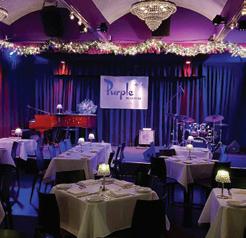



Tues-Wed-Thurs 4 - 6 PM

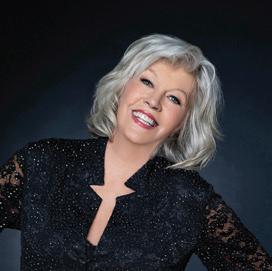
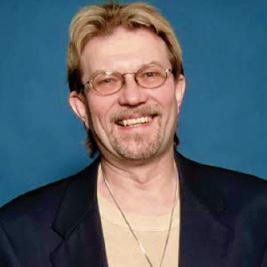
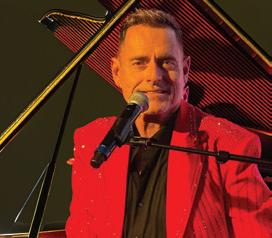



WEEKNIGHT ENTERTAINMENT
TUES-WED-THURS 6:30-9:30 PM
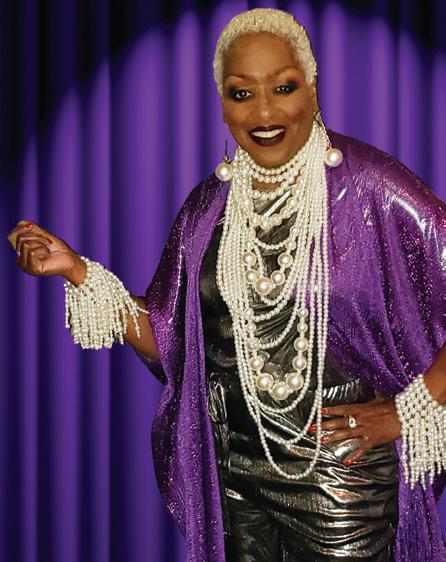
TUESDAYS
Jazz legend sings the music of Holiday, Vaughn, Ellington.
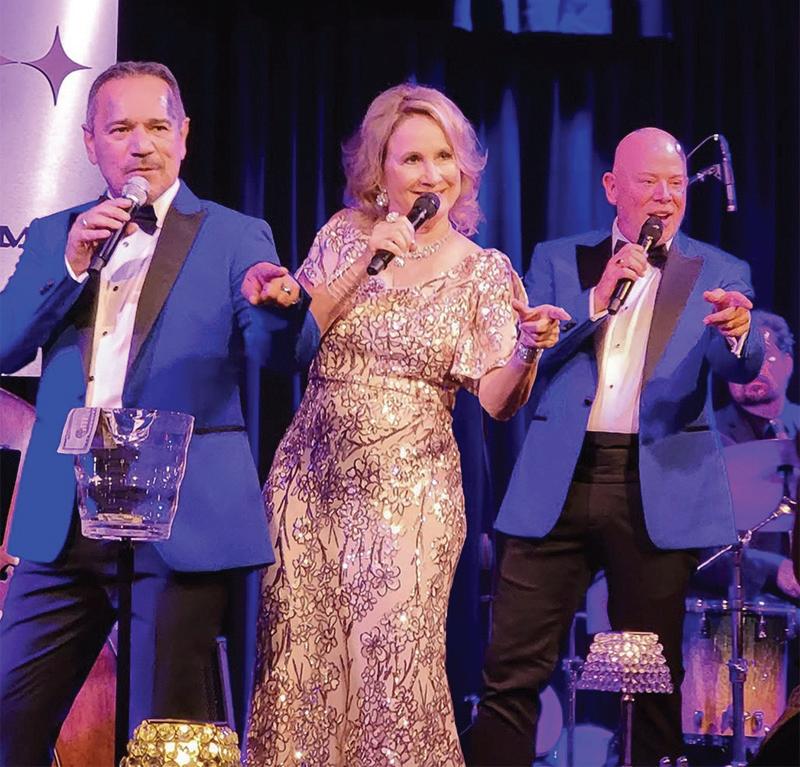
WEDNESDAYS
CHARLES HERRERA, DARCI
DANIELS & MICHAEL HOLMES
Swinging to the music of the Rat Pack Era
MAKE YOUR RESERVATIONS TODAY:
FOOD & DRINK INDY ENDORSEMENT
We enjoy pork belly crispy rice as a starter, and bird’s milk cake for dessert
By Jimmy Boegle
WHAT Pork belly crispy rice
WHERE TRIO, 707 N. Palm Canyon Drive, Palm Springs HOW MUCH $16 CONTACT 760-864-8746; triopalmsprings.com.
WHY The mixture of tastes and textures. Foodies are a fickle bunch. Take TRIO as an example: When I moved here 13 years ago, TRIO—which opened its doors in 2009—was one of the hottest places in Palm Springs. In the years since, the restaurant’s popularity has waxed and waned, as new restaurants have opened, and food trends have come and gone.
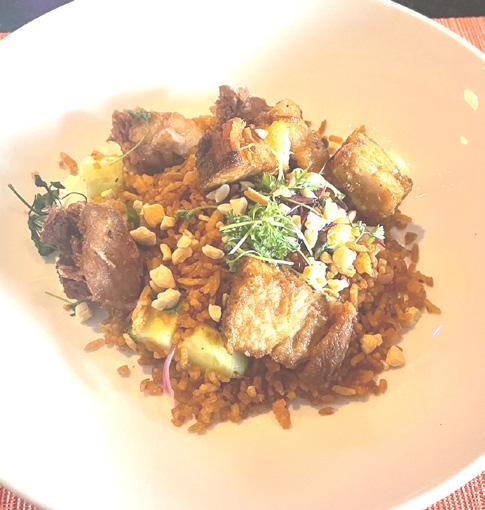
Whether you’re someone who used to go to TRIO frequently, or you’re someone who has never been, trust me: Under the direction of executive chef Gladis Lizarraga and new-ish owner Chris McElroy, the restaurant is as good as ever—and you really need to give it a shot.

THURSDAYS
DATE NIGHT!
Experience the most romantic night of the week , with a delicious three-course menu for only $59 pp accompanied by the Andy Frage Combo.
1900 E. Palm Canyon Dr., Palm Springs, CA (Inside Club Trinidad Resort) purpleroompalmsprings.com | (760) 322-4422

The pork belly crispy rice, on the appetizer portion of the menu, is a perfect illustration of the great things happening in TRIO’s kitchen. The dish’s base is, as the name suggests, crispy rice—and each individual grain has an amazing crunch. Slightly pickled pieces of cucumber add a cool freshness. Finally, chunks of oh-so-yummy pork belly top things off, complemented by ginger, herbs, cilantro, peanuts and a hint of Thai chili (though the dish is not spicy at all). The dish is delicious to the point of being addictive.
Elsewhere on TRIO’s menu, you’ll find other unique starters (with an endorsement within this endorsement going to the Japanese A5 beef carpaccio, $28), salads, pasta dishes (with pasta made fresh in-house daily) and a variety of entrees ranging from a splendid braised short rib ($42) to a smashburger ($25). The daily happy hour offers nice discounts (including $2 off the pork belly crispy rice!).
TRIO has now been around for more than 16 years—but the food coming out of the kitchen is anything but stale; in fact, it’s wellthought-out and innovative.

WHAT Bird’s milk cake
WHERE Cheers Coffee, 71800 Highway 111, Suite A-119, Rancho Mirage HOW MUCH $5.09
CONTACT 818-818-8160; instagram.com/ cheerscoffeeatriver
WHY It’s light, delicious and affordable.
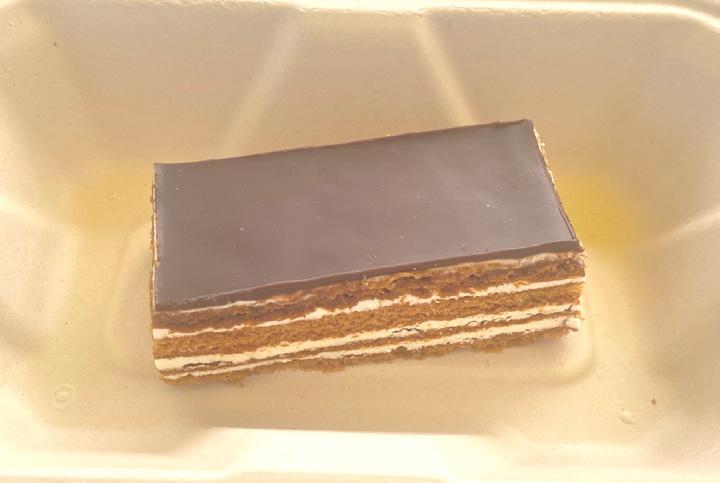
Over the last couple of months, I’ve learned that I am a BIG fan of Eastern European desserts. Last month, I was drooling over the Armenian honey cake at Family Bakery; this month, I can’t stop thinking about the bird’s milk cake at Cheers Coffee.
If you’re unfamiliar (which I was until very recently): Bird’s milk is a Polish/Russian confection. Cheers Coffee’s version features layers of extremely thin sponge cake, each separated with a light, marshmallow-y mousse; the cake is then topped with a chocolate glaze. It’s similar in construction to the aforementioned honey cake, and they’re both rather mild in terms of sweetness. A piece is satisfying without being overwhelming—and it’s one heck of a deal at $5.09.
The bird’s milk cake is just one of the many yummy treats on offer at Cheers Coffee, which opened last summer in the space at The River formerly occupied by Starbucks. In addition to a variety of coffee drinks (including a tasty “Mirage Date latte”), teas and other drinks, Cheers serves a nice variety of pastries (both sweet and savory), crepes, breakfast “bites” and burritos, and other goodies. They even have their own version of honey cake, which I will definitely be trying on my next visit.
With ample seating both inside and outside, Cheers hosts a variety of community events (like “Coffee With a Cop”), and even offers special discounts here and there—just to say “thank you” to their customers.
It’s safe to say The River got a massive upgrade when it swapped that large chain joint for Cheers Coffee.

Restaurant NEWS BITES
By charles drabkin
IT’S PALM DESERT FOOD AND WINE FEST TIME!
The annual Palm Desert Food and Wine festival returns from Thursday, March 19, through Sunday, March 22, with various tastings, classes, tours and meals. Events sell out quickly, and prices vary by event. I recommend the grand tastings on Saturday and Sunday (the cost is $158.61), which are always a hit. Head to palmdesertfoodandwine.com for all the information you’ll need. In other event-related news: On most Tuesdays through March, head to Cathedral City for the popular Tastes and Sounds of Cathedral City, held at the Cathedral City Community Amphitheater. Each week features a theme, with a local artist performing and local restaurants providing dinner. Visitors can enjoy a variety of culinary experiences while listening to live music in a beautiful outdoor setting. Admission is free, but there’s a charge for the food. Check out the full schedule at tastesandsounds.discovercathedralcity.com.
IN BRIEF
Things are happening in the east valley! Indio’s latest addition to the taco scene is Taquería El Guero, at 82204 Highway 111, offering traditional Mexican cuisine, including birria and menudo on the weekends. Learn more at taqueriaelguerocali.com. … F10 Hospitality, the folks behind Mr. Lyons, Cheeky’s and Alcazar have reopened the Tack Room Tavern, at 81800 51st Ave., in Indio, at the Empire Polo Club, with a menu focused on bar food—perfect for watching a polo match. The Instagram page seems to have the most up-to-date information: instagram.com/ tackroomtavern.f10. The F10 folks are also reportedly opening a third Birba location, their popular Italian/pizza restaurant, in the adjacent space, adding to the locations in Palm Springs and at the Cabazon Outlets. … Imagine grabbing some bagels and coffee in the morning, and listening to your favorite local band at night, all in the same space! That is the reality at the Dune Room, at 82707 Miles Ave., in Indio. See the events schedule and check out the menu at duneroomindio.com. … There is a new fast-casual Korean spot in La Quinta: Let’s Eat Rice and Grill, at 78530 Highway 111. Build your favorite rice or japchae noodle bowl with fresh and pickled vegetables and your choice of meats. Think poke, but with Korean bowls. Check them out at letseatriceandgrill.com. … Let’s head west into Palm Desert, where we’ll find a coffee shop and roastery under construction: Desert Kid Coffee is in the process of building out at 44850 San Pablo Ave. Watch instagram.com/desertkidcoffee for updates. … The family behind Olga’s Tacos in Cathedral City has opened Bohemios Prime by Olga, at 34460 Monterey Ave., in Palm Desert. This upscale Mexican eatery is open seven days a week, from 8 a.m. to 10 p.m.—and midnight on Friday and Saturday! Learn more at instagram.com/bohemios_prime. … Also new to Palm Desert: Claudio’s Italian Deli, at 41555 Cook St., is serving up panini, pasta, salads, gelato and pastries to a lunch crowd; instagram.com/claudiositaliandeli. … Signs are already up for the under-construction Platinum Cowboy Dancehall and Saloon, in the former Kaiser Grille space at 74040 Highway 111, in Palm Desert. Find the place’s page on Facebook and watch updates. … As planned, Desert Pearl has opened in the former bluEmber space at the Omni Rancho Las Palmas Resort and Spa, at 41000 Bob Hope Drive, in Rancho Mirage, offering both a breakfast and an “all-day” menu that includes items such as steak frites and vegetable couscous. Learn more at omnihotels.com/hotels/palm-springs-rancho-las-palmas/dining/desert-pearl.
… The long-lifeless Carnival restaurant space at 69820 Highway 111, in Rancho Mirage, has a new occupant—and is now open! California Bistro is offering breakfast, lunch and dinner; see the full menus at californiabistrorm.com. … Joe Coffee, the popular Provincetown, Mass., coffee shop, is planning a second location at 577 E. Sunny Dunes Road, in Palm Springs, by the end of the year. Watch www.instagram.com/Joecoffeeps for updates. … Vinophile Café, at 540 S. Indian Canyon Drive, in Palm Springs, should be open by the time you read this. Certified sommelier Jennifer Carter is bringing her depth of experience and love of European wine and coffee culture to the valley. Details at vinophilecafe.com. … Aqua Bar and Grill is now open at the Aqua Soleil Hotel, at 14500 Palm Drive, in Desert Hot Springs. It features a bright, airy interior and a large patio overlooking the hot springs, and is open seven days a week for breakfast, lunch and dinner. Get details at aquabargrill.com. … The popular Chill Bar, at 217 E. Arenas Road, Palm Springs, is listed for sale. Chill is known for drag brunches, carne asada fries and hunky go-go dancers, and the space has been a gay bar under one name or another for decades. Considering the loss of so many queer spaces around the country, let’s hope this gem in the heart of Palm Springs Gayborhood remains an LGBTQ+ space.


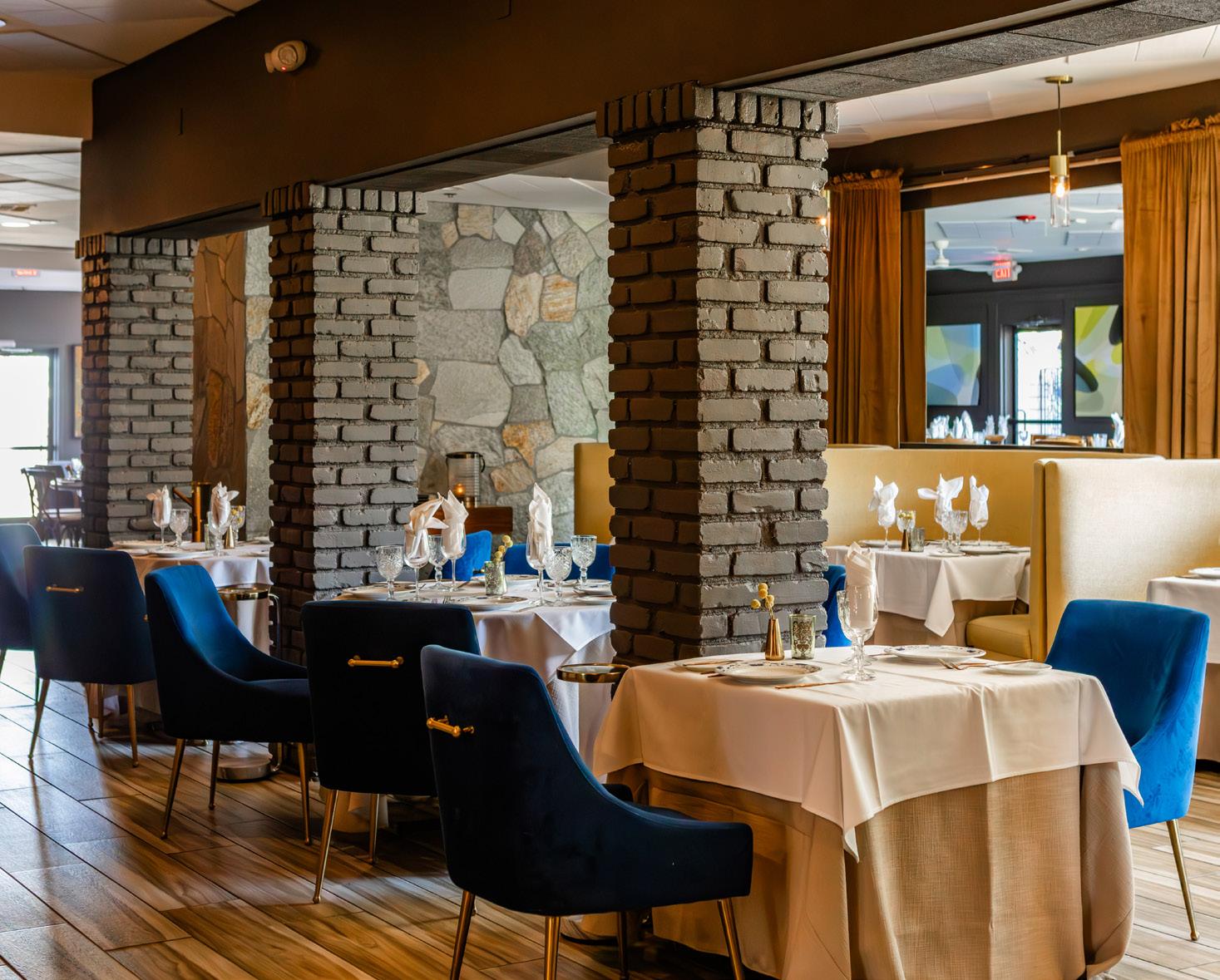

MUSIC
TEACHING AND INSPIRING
By matt king
An all-star musical celebration will take place to raise funds for a local music program. Adopt the Arts, a nonprofit that provides music education at elementary schools in the Coachella Valley and Los Angeles areas, is hosting the Sound and Vision Awards. Part award show, part concert and part charity event, the show will honor rock icons Geezer Butler (Black Sabbath) and Paul Rodgers (Bad Company, Free) with an all-star backing band, a silent auction and
more! All proceeds will go to Adopt the Arts.
The Sound and Vision Awards will take place Monday, March 2, at the Plaza Theatre in Palm Springs.
During a recent interview with Matt Sorum, drummer extraordinaire best known for his time in Guns N’ Roses, is the co-founder of Adopt the Arts. He explained how the program arrived in local schools.
“My wife and I got married here about 12 years ago, and we moved here permanently during the pandemic. That’s when I really plugged into charity out here,” he said. “I was like, ‘Well, I’m close to the schools. I can go visit, and I’m available to be there and stuff.’ When I partnered with Palm Springs Unified School District, it was just great, and we’ve been able to get into six schools now in a little less than two years, so we’re serving almost 3,000 kids out here. … I really feel like it’s a community thing. It’s about people understanding that public schools are the backbone of the community. These kids who go to these public schools, their parents are hard-working, and people in all different sorts of demographics, and that’s really what my charity is all about—lifting people up and gaining community eyeballs on important matters, which is music and art for kids.”
Sorum said he loves the more laid-back nature of the Coachella Valley.
“I’m a big fish in a small pond out here,” he said. “When I lived in L.A., it’s a fairly crowded space, and everyone’s got stuff going on. There are always a lot of events. In Palm Springs, I’ve always felt a great sense of creativity here. … There’s a different mindset living out here. I feel a lot of people drop their airs of stuff that they’ve been accomplished in, and the people who I meet come here to have that quiet time or that sanctuary, so my goal now is to plug in that community and find donorship for the charity and build it even more. The idea is to do more schools here, if not all of them—and then our next plan is to start to head across the United States.”
Adopt the Arts combined students from Los Angeles and the desert into a choir named The Changels, which has performed at local events and big concerts in Los Angeles. The students
have even collaborated on songs with Paul Rodgers and Ringo Starr.
“I want to build The Changels choir into a national choir,” he said. “Right now, we have Los Angeles kids and Palm Springs kids combined. They all learn the same songs—the curriculum, if you will—and then I’m going to continue that series of these kids meeting some of my contemporaries. … I’m working with Fleetwood Mac next. I’m just educating these kids on classic, great music.”
Sorum’s passion for music education has gotten stronger since he became a father.
“I have a 4 1/2-year-old daughter now. When I started this, I didn’t have any kids,” he said. “Now, I’ve got my kid, and I just look at the world, what’s going on around us, and we’ve got to build these young kids up and inspire them more than ever to get them to be powerful in their own right.”
The beauty of the Adopt the Arts program is that it benefits and showcases students from a wide variety of socioeconomic backgrounds.
“People think of Palm Springs as we’re eating bonbons and playing golf out here, but in the schools I’m in, a lot of these kids’ parents are working two jobs,” Sorum said. “It’s under the poverty line in some of my schools. … People don’t look at Palm Springs like that. They don’t know the demographics, the Hispanic community, the African-American community.
We have a large community of people who are working in landscaping and housekeeping— hard, hard labor—and all they want is a good education for their kids. Of course, we’ve got the other demographic of people who come out here and play tennis and play golf and have their swimming pool, and I’ve just always been like, ‘Look, this is all us together.’ It’s not a division–this is our community. Everyone’s in it together, and that just makes for a better future for these kids.”
The Sound and Vision Awards is able to honor two rock icons and feature a long list of all-star musicians thanks to Sorum’s place in rock-music history.
“Luckily, I’ve got a pretty big Rolodex over the years of me touring in bands and running around,” he said. “I’ve been in a lot of bands— of course my biggest being Guns N’ Roses and
A star-studded lineup, including Rock and Roll Hall of Famers, performs to raise money for local music education
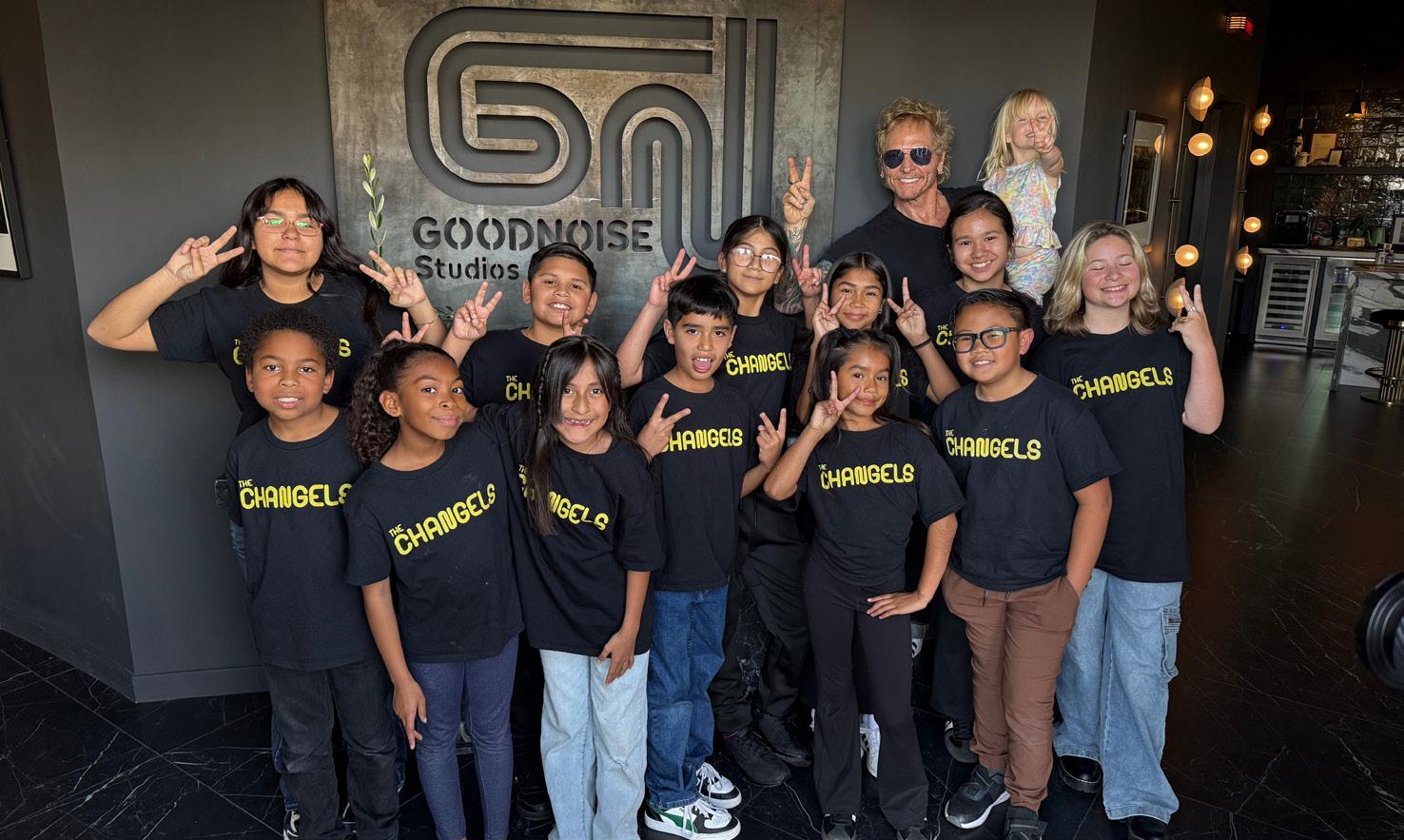
(Whitesnake), Mike Mangan (The Cult) and, of course, Sorum are all set to perform.
roll show.”
Both of the Sound and Vision Awards honorees are Rock and Roll Hall of Fame members.
“A lot of people don’t know this about Geezer (Butler), but he wrote all the lyrics to Black Sabbath,” Sorum said. “He was the lyricist and primary founder and bassist of Black Sabbath, and when I grew up, Black Sabbath was my band over Led Zeppelin. Everyone liked Led Zeppelin. When I was a kid, Led Zeppelin was like Britney Spears. I don’t know if people are going to get pissed at me for saying that, but they were the mainstream. … Of course, I love Led Zeppelin, but in the ’70s, when I was a kid, it was cooler to like Black Sabbath or Deep Purple. Now I’ve got two of those guys on my bill.”
Paul Rodgers is a part-time Coachella Valley resident.
“He is one of the greatest rock ’n’ roll singers of all time, in my opinion,” Sorum said. “Any singer will tell you that. Sammy Hagar would say Paul Rodgers is the goat; Steven Tyler would even say Paul Rodgers is the goat. Paul’s coming, and he just got inducted into the Rock and Roll Hall of Fame, and he’s going to sing.”
A who’s-who of rock musicians will pay tribute to the two icons throughout the night. Glenn Hughes (Deep Purple), Lzzy Hale (Halestorm), Corey Taylor (Slipknot), Nuno Bettencourt (Extreme), Robert DeLeo (Stone Temple Pilots), Phil X (Bon Jovi), Steve Stevens (Billy Idol), Charlie Starr (Blackberry Smoke), Stevie Salas (Mick Jagger), Tanya O’Callaghan
The show will also feature a stacked silent auction.
“I’ve got some incredible items,” Sorum said. “I’ve got trips to Napa, wine tastings, a couple of trips to Mexico, golf trips, incredible music memorabilia, and a lot of art. There are going to be a lot of cool items for people to pick up, hopefully at a reasonable price for them, and get something cool and give back.”
Proceeds will go toward covering costs for teachers, instruments, uniforms and buses, allowing more opportunities for the children involved in Adopt the Arts.
“When we have these experiences for them, that’s something that they’ll never forget,” Sorum said. “They performed for the firefighters last year at the USS Iowa; they’ve done the Festival of Lights with me. We try to get them at least one experience once a month. … I go to the grocery store and people walk up to me, and I think they’re going to talk to me about Guns N’ Roses, and they’ll tell me their kids are in the choir, or they’re in the school, and they’re so happy, and it’s really formed the kids and made them feel more confident. That just gives me a lot of joy, and I know that we’re doing the right thing. The work is worth it.”
The Sound and Vision Awards will take place at 7 p.m., Monday, March 2, at the Plaza Theatre, at 128 S. Palm Canyon Drive, in Palm Springs. Remaining tickets start at $122.30. For tickets and more information, visit www. palmspringsplazatheatre.com.
Velvet Revolver—and the music community is pretty connected, especially when it comes to a rock ’n’
Matt Sorum with members of The Changels. Photo courtesy of Matt Sorum
MUSIC
TWEAKING THE TWANG
By matt king
The desert attracts musicians from all over the world … including a band 3,000 miles away in the Catskill Mountains of New York.
The Nude Party—a seven-piece rock group known for its country-garage musical blend and folky lyrics that frequently include music-biz commentary—on Feb. 13 released Look Who’s Back, the band’s fourth album, which was recorded in Joshua Tree. The album’s cover and promo-
tional material showcase the twangy troubadours posing in and around the Mojave.
On Friday, March 20, The Nude Party is bringing the Look Who’s Back tour to the place where the album was made, as they’ll perform at Pappy and Harriet’s.
“I think a tour has always been the thing that’s brought us out that way,” said guitarist and frontman Patton Magee during a recent interview. “I remember one of the very first tours we went on when we were still, like, really slumming it … like sleeping on people’s floors, we had some time off, and we got to spend a few days out in Moab, Utah, and we went out to White Sands, N.M. One of the (other) desert places we got to go camp out at was Pioneertown and Joshua Tree, which was first time I’d ever been there.”
Holed up at Joshua Tree’s Taurus Rising Records, the band tracked Look Who’s Back with local psychedelic-folk fellow Michael Rault and cosmic-country queen Pearl Charles.
“The desert is very much baked into the album where we did it,” Magee said.
The nine tracks show the twangy rockers inching closer to full-blown country jams while maintaining their gritty edge, as songs like “Sweetheart of the Radio” exhibit classic cowboy-trucker vibes, while raunchy riffs on “Carolyn” cross blues eras from the Rolling Stones to the Black Keys.
While the Mojave played a role in the creation of the album, the songs were written well before the band arrived at the studio.
“It’s not like we’re necessarily writing new words about the sand or anything,” Magee said. “But it does change the schedule. It’s just crazy out there. It’s cold when the sun goes down, hot when the sun’s up—and dry.”
“Sweetheart of the Radio” features vocal performances from Pearl Charles and Haylie Davis. It is the first time someone from outside of the band has sung lead vocals on a Nude Party song.
“Pearl’s awesome,” Magee said. “She’s just helpful to bounce ideas off of, and she sang some backing vocals, and it’s just a good hang, a good presence, keeping the vibe alive with her and Michael.”
Look Who’s Back was tracked over multiple
16-hour days in the studio.
“We did it pretty fast, which sometimes is the best way to do it, because you just can’t overthink it,” Magee said. “Overthinking it doesn’t always make it better. I’ve gone into the mode of just doing a couple takes and leaving it as that, and then coming back to it later. If it sticks out to you, you can do it again, but there’s just so much to do with an album, and so little time, and none of us have real big studio budgets. … When you have a good vibe going, and a good producer, it’s best to just sort of flow through everything and decide later if it’s a keeper or not.
After long being fans of Pappy and Harriet’s, The Nude Party will finally get the chance to perform at the iconic venue.
“I am so stoked that after however many years of trying, we finally get to, and it’s back in the place where we made the record,” Magee said.
After becoming acquainted through various tours—including a 2022 tour during which the Pearl Charles band, featuring Rault, was an opening act with The Nude Party—Rault and Charles welcomed all seven members of The Nude Party into their home studio.
“That was definitely, in two different ways, the biggest thing we’ve done,” Rault said during a recent phone interview. “It was the first time we were recording a band that actually has more of a following at our studio, but the other thing was that they’re just the biggest group of people that we’ve had here. We also had their tour manager here as well, on top of the whole band. I was definitely going through all my technical needs on the studio side of things, like, ‘Do I have enough mics to record everything that I need to record simultaneously to make this work?’ I was also like, ‘Do we have enough chairs?’ We brought in a couch right before the session. In the long run, that added to the enjoyment of the process— all of us just really crammed into our little desert house studio and really living right on top of each other, but we had a good time with it.”
Rault said the desert landscape does indeed help bands keep their focus when they come to record.
The Nude Party return to the high desert—where they recorded their new album at Taurus Rising Records—for a Pappy and Harriet’s show
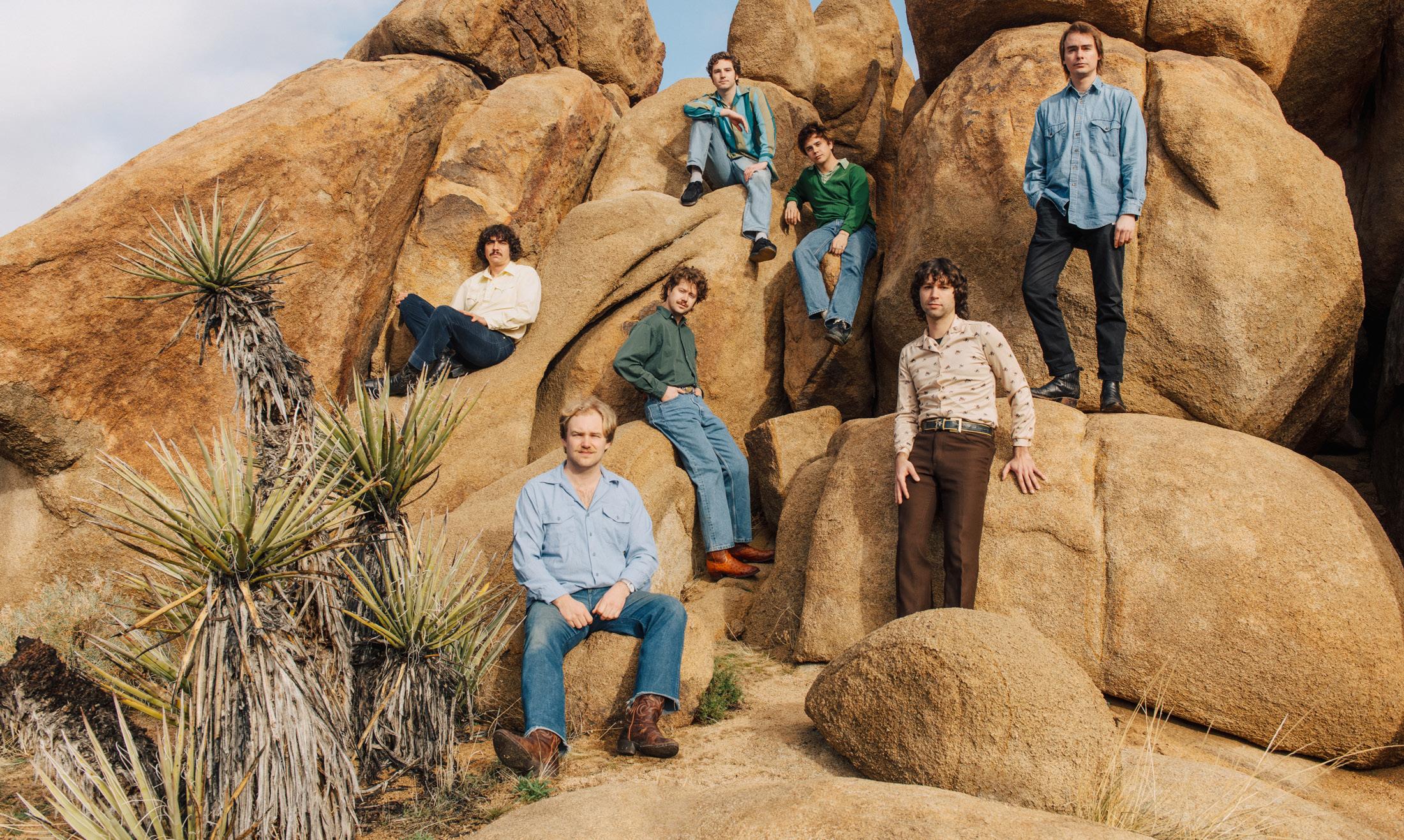
“I’m so deep into this lifestyle out here that I kind of forget about how much distraction there would be for me, on a day-to-day basis, if I was working in a studio in L.A. or any other big city,” he said. “People say it to me all the time, but when they come out to do various projects, I feel like everybody always ends up commenting on the fact that it provides an extra level of focus. There really isn’t anything else to do … so you really do just lock in. The scenery is beautiful, and the vibe is very peaceful and calming—as long as there isn’t some sort of crazy desert wind storm.”
Charles explained how Taurus Rising Records’ homey vibe, the desert landscape, and the duo’s knack for twangy folk all played a role in conjuring the cosmic country vibe on Look Who’s Back.
“It’s really more of a studio than a house; we just happen to live here,” Charles said. “If you look around, it’s totally decked out with all my little knickknacks and vintage furniture and artwork and all this stuff. I’ve always been drawn to the desert. My family’s had a place out here for over 20 years, and Michael and I really fell into this house that we turned into the studio in a really magical kind of way. … (The Nude Party) already have that sound and that vibe and that aesthetic in them, so as time went on, they’ve evolved more in this direction. They thought about making the record in L.A., and by choosing to make it out here in the home of cosmic country music, it was going to find a way to come through in the sound.”
Rault talked about a moment while recording “Sweetheart on the Radio.”
“I remember talking to Shaun (Couture, guitarist/vocalist), who wrote ‘Sweetheart of the Radio,’ when we were recording that, and I was struck by the combination of how they were playing that song through the gear that we were recording with,” he said. “I think I said to him, ‘Wow, this just sounds legitimately like a cool country record,’ in a way that I was impressed by, and I remember Shaun just saying, ‘This is what we all listen to all the time.’ We may have influenced it a slight bit—with the environment of the desert, the sound of the gear in the studio, my approach with engineering and producing, and Pearl’s vibe—but I think it was their main focus, on a musical level, that was just starting to take the forefront, and maybe we were able to help nurture that transition.”
Taurus Rising Records could become a go-to for cosmic country vibes in similar ways to how Rancho de la Luna, a recording studio also in Joshua Tree, has become a hotspot for the desert-rock sound.
“I think in some ways, we’re continuing the tradition of places like Rancho de la Luna … but stylistically and musically, we’re kind of also carrying on that tradition of the types of people who used to just come hang out in Joshua Tree in the ’60s and ’70s with the Stones and Gram Parsons,” Rault said.
The Nude Party will perform at 9:30 p.m., Friday, March 20, at Pappy and Harriet’s, at 53688 Pioneertown Road, in Pioneertown. Teddy and the Rough Riders are the scheduled openers. Tickets are $28.76. For tickets and more information, visit pappyandharriets.com.
The Nude Party. Clark Hodgin
MUSIC
MUSIC ELECTRIFIED
By matt king
He’s written songs for six different members of the Rock and Roll Hall of Fame, and he’s authored books on the history of the blues—so it’s safe to say that few people are as embedded in blues music as Terry Abrahamson.
His new book, In the Belly of the Blues: Chicago to Boston to L.A. 1969 to 1983: A Memoir, chronicles his musical adventures, explaining how he went from a bright-eyed blues admirer to a Gram-
my Award-winning songwriter by collaborating with Muddy Waters. Abrahamson will provide an author talk on Monday, March 2, at the Palm Desert Library.
During a recent interview, the author described how the blues can unify any two places—like Chicago and the Coachella Valley, places where he has homes.
“I grew up in Chicago, so I didn’t see a mountain other than on Bonanza until I was 18 and came out here—but the stories that comprise the blues and the history of the blues, they’re pretty universal,” he said. “The blues grows out of the need to have your voice heard and to be someone who is appreciated as a human being who can bring something unique and positive and of value to the world around them. … Out here in the West, we see a lot of people who would like to have their voices and their experience appreciated and given value, and the way to do that is to catch people’s ears, to speak in engaging hyperbole: ‘I’m the baddest’; ‘I’m the most fun’; ‘I can cook the hottest chili.’ Just like Bo Diddley singing, ‘I use a cobra snake for a necktie / I got a brand-new house on the roadside / Made from rattlesnake hide,’ it’s what you can do to catch people’s ears to let them know that you are cool and you are interesting, and your presence in their world can make their world more fun and a better place.”
The power of music made itself known to Abrahamson very early in his life, thanks to record stores and … cowboy television?
“I grew up in the mid ’50s/early ’60s, and every TV show, which at that time was mostly cowboy shows, had theme songs,” he said. “I associated TV and movies and a lot of different forms of communication with songs, so when I would be watching a movie or a TV show, even if I didn’t hear a song coming at me, one would arise in my head. I always thought that music was very important and a natural part of everything that was going around me when I was growing up on the West Side of Chicago.
“Across the street from our school was a record store, and it was one of these old record stores where they had the transom over the door, and they put the speaker on the transom so they’d be blowing out Howlin’ Wolf or
Jackie Wilson through that speaker, through that transom, and you heard it on the street. It became part of the fabric of the life around me, just as sure as smelling the cooking smells.”
Abrahamson often talks about growing up in the right place at the right time.
“I was in a changing neighborhood,” he said. “It had been white, immigrant working class at the time. My parents were growing up there, and they were part of one migration of people from Europe, but then there was another migration going on, which was all these people coming up from the South who were trying to escape the horrible memories of slavery. You had all these people with the blood of slaves in them coming up into Chicago, and they wanted to be entertained by the music they were hearing down South, so this was the rise of Chicago blues. The blues was born in Mississippi, but hit puberty in Chicago.”
During this “puberty,” Chicago forced the blues to become electric.
“You’re Muddy Waters, and you’re 25, and it’s 1938, and you’re playing in juke joints with dirt floors, and half the people are barefoot, so nobody with leather shoes walking on a wood floor is going to interfere with your music,” he said. “There are not going to be sirens outside going down these dirt roads like there are in Chicago, with the fire engines and the ambulances, and you’re not going to hear the elevated city trains going by overhead. You add all that together, and you can’t be heard with a wood guitar. You’ve got to throw some electricity behind it, so that’s how the blues got electrified, and I was a beneficiary of all that.”
Thanks to an invite from a friend, Abrahamson was introduced to blues legends at an intimate Chicago gig.
“I’m like 17, 18, and my buddy calls me up and he says, ‘Let’s go see this band; they’re playing down by Wrigley Field, and they’re doing the Rolling Stones’ “Little Red Rooster,”’” he said. “I said, ‘What’s the name of the band?’ and he said, ‘The Howlin’ Wolf band.’ We thought this was a band where everybody’s going to look like us—young, white, skinny, with long hair. These old Black guys came out—some of them were probably close to 50—and they did the Stones ‘Little Red Roost-
Grammy Award-winning songwriter
Terry Abrahamson tells his own story in his new book, ‘In the Belly of the Blues’
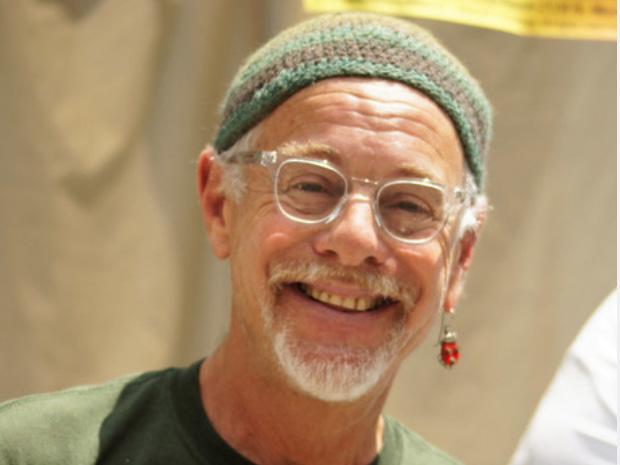
er,’ and they did The Doors’ ‘Back Door Man’ and they did Cream’s ‘Sitting on Top of the World,’ but they didn’t look like any of these bands. We discovered, looking at our liner notes, that it was Cream and (Morrison) and the Stones that were doing songs by these old Black guys who had come up from Mississippi, and these songs, some of them were as old as my parents … and you could see these guys every night in Chicago.
Abrahamson not only enjoyed the blues; he valued the significance of the ways in which these musicians dealt with oppression.
“My dad was a pretty aware guy, and he made sure that we were very aware of people like Medgar Evers, Malcolm X, Martin Luther King, so when I see these guys who had come up from Mississippi and brought me their music, I’m thinking about what was going on in Mississippi with the dogs and the fire hoses and the lynchings,” he said. “It gave the music, and it gave these performers, Muddy and Wolf and Otis Rush, their presence and their words so much more weight.”
These days, Abrahamson finds that it’s more important than ever to educate others regarding the power of the genre.
“There’s an assault on Black history in America and the validity of all those lessons, and I think it’s very important that the Blues exists as a vessel that carries all that Black his-
tory all around the world, and it has for over 100 years,” he said. “I’m really proud and humbled to have been able to be a part of the blues community and to have lived at a time when I was amazingly, amazingly lucky to have grown up in Chicago and known Muddy Waters, written songs with him, and seen guys like Howlin’ Wolf and Chuck Berry and all that.”
Abrahamson described the process of writing for Muddy Waters as natural.
“People say, ‘What was it like to give Muddy Waters these songs and to write these songs?’—and you are what you eat,” he said. “I had devoured the Chicago blues for several years, and it was in me. … It’s not like he (Waters) was singing about DNA or the formula for rocket fuel; he’s singing about what he goes through every day just to keep his sanity, and he’s coming up with ways to talk to people, mostly women, that had never been articulated in any kind of circles that I grew up in. Your mind naturally sparks to that zing, sparks to that whimsy.”
Terry Abrahamson will host an author talk for In the Belly of the Blues: Chicago to Boston to L.A. 1969 to 1983: A Memoir, at 3 p.m., Monday, March 2, at the Palm Desert Library, at 73300 Fred Waring Drive. The event is free, but you must register online. For more information, and to register, visit www.palmdesertlibrary.org.
Terry Abrahamson.
The Best Margarita in the Coachella Valley
Blue Coyote Grill is honored to be among your Best of the Coachella Valley picks— winner for Best Margarita and finalist for Best Salsa and Best Mexican Restaurant!
Our margarita is made from a secret family recipe—one sip and you’ll know why we won!
Explore our lush outdoor patios and casitas, perfect for large groups and celebrations. Now booking holiday parties— create unforgettable memories in our tropical oasis.
Visit us in Palm Springs; enjoy our dog-friendly patio; and taste the flavors that have made us a Valley favorite. Your margarita is waiting!
MUSIC
VERSATILE VENUE
By Matt King
Spirit Animal is Palm Springs’ newest contribution to the local events-venue world.
After a number of different names in recent years, including Pretty Faces and Sirocco, the space at Hotel Zozo is now run by Adam Levy, of Take Five Entertainment. Take Five books jazz, comedy, blues and a variety of other regular show series at local casinos and venues, along with DJ nights, dinner shows and more. Levy plans on bringing his expertise to a venue with a
unique aesthetic—including bright colors, a spinning rabbit logo and even a ball pit.
“I’ve managed clubs and programming in them when I was at Spotlight 29 Casino, and obviously I’ve been programming for six years now weekly—but this is the first time I’ve had the keys to anything,” he said.
Whether he’s booking comedy at Spotlight 29, jazz at the Cascade Lounge at Agua Caliente Palm Springs, or family-friendly events in Desert Hot Springs, Levy said every step of his booking career has taught him more and more about how to survive in the desert as an events promoter.
“The biggest thing I’ve learned is the math behind events and having shows,” he said. “Early on, you want to be as creative and fun as possible, but at the end of the day, you kind of learn the reality of the business of growing shows. That’s going to be key to surviving anywhere. Especially in this desert, it’s hard to get people to get out and do anything, so knowing the math behind shows is really important.”
Beyond the math, Levy said the best way to ensure longevity is by “playing nice in the sandbox.”
“What I mean by that is developing partnerships and relationships with other promoters who are like-minded, who are hungry, and who don’t have the same opportunity I have of owning a club,” he said. “Being able to foster those partnerships has been successful for me already. We have a lot of producing partners, some who are even more established than myself, like the Gand Band. Another great partner of mine is Sweet Baby J’ai, another local promoter. When you team up, you cast a wider net, and you’re able to expose your venue, your program, and just build more of a community.”
Take Five Entertainment has grown residency series like Desert Blues Revival and Carousel into beloved desert events thanks to this attitude.
“Honestly, where we’ve succeeded over the last six years is by building a community,” Levy said. “In every show that we have, in every program, we’re finding the right audience, and then building a community within it, listening
to them, seeing and hearing what they want to see, and then just fostering it.”
Levy is hoping to learn lessons from the short-lived nature of other Coachella Valley music venues.
“I’ve seen a lot of venues come and go,” he said. “I don’t think they did anything wrong, and I wouldn’t even say they were too ahead of their time. They were trying to and hoping to build something L.A. right off the bat. I think we’ll get there, but I think you also have to be really wise to the numbers financially, and know what you’re getting yourself into in order to be able to set yourself up for success.”
Levy’s plan for Spirit Animal is to offer a variety of event types.
“I’m viewing it as a venue, but I’m also viewing it as more than that,” he said. “I’m viewing it as a community space, and viewing it as a dinner-show space. Let’s look at the venues that have succeeded, like Palm Springs Underground and the Purple Room. (As) a music-centric venue, similar to what Mojave Gold and Pappy and Harriet’s are, or the Dune Room, I think we could be at that level, but also this place is set up for success in a way where dinner shows, and being right downtown, and capitalizing on the tourism, is much more at my fingertips.”
So many venues have come and gone that some desert musicians consider the scene to be cursed—described as “the low-desert fate.”
“I think you have to just be really aware of the reality of where you’re at, and knowing what’s in your toolbox,” Levy said. “Part of why some of these venues have failed is they may have seen other tools that weren’t in that toolbox. In the stock market, people always say, ‘Don’t hold and hope.’ You have to be real with what you have to work with, which is still scary. Things change so much. With the jazz shows and the blues shows, there are certain times of the year when you just have to kind of hone it back, and instead of bringing in a 10-piece band, you bring in a trio. Today, if you’re trying to sell tickets, you need to figure out what people want to see and work your database. If tickets aren’t selling, slash prices and just adjust on the fly. It really is a marathon.”
Take Five Entertainment’s Adam Levy has big ideas for Spirit Animal, the renamed club/entertainment space at Hotel Zozo
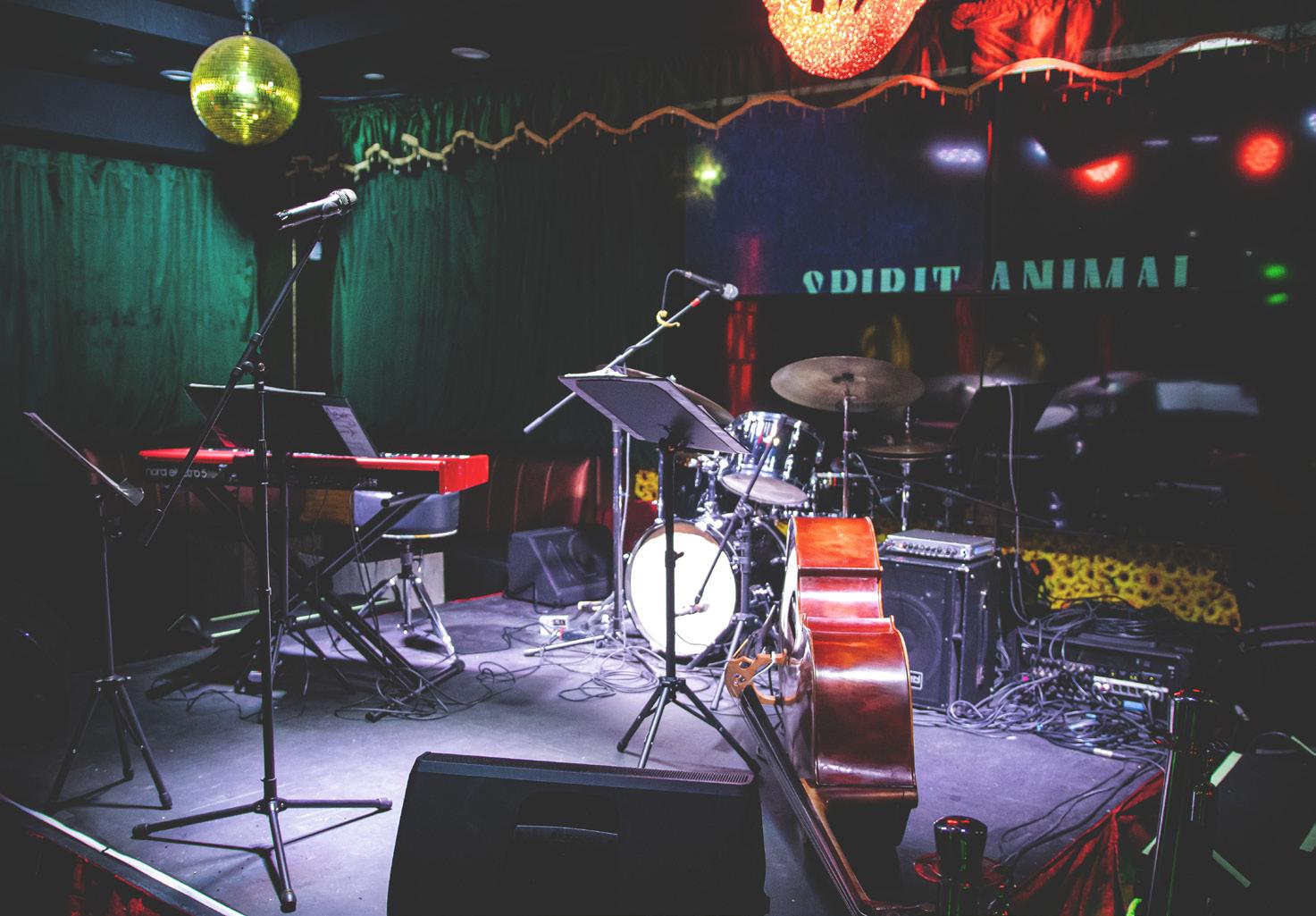
Levy said he plans to establish some flagship shows at Spirit Animal.
“For 10 years now, I’ve been trying to bring sketch comedy and improv to the desert, so we are going to be launching a drunk theater show, which is theatresports mixed with drunk Shakespeare, where every week, or twice a month, it’ll be a different theme,” Levy said. “The theme could be The Goonies, or Shakespeare, or romcoms, and it’ll have a different theme every time, a cast of actors, and every show be completely different. It’s all improv, so you’ll never see the same show twice. I have a burlesque show that’ll be here a minimum of once a month, if not more, and we’re partnering with Luna Negra (which hosts goth-themed nights) for elevated live bands— not just the DJ versions of Luna Negra. They’ve just been growing so much, and it’s going to be great to help with that.”
There will also be plenty of comedy!
“I met with Avery Pearson, who has a really successful show out of the Comedy Store, and he’s going to be doing something here,” Levy said. “I met with another producer who wants to do a standup comedy pole show, which is like a combination of pole dancing and comedy. … If I were to tell people where my mind is at, it’s Dynasty Typewriter or Largo in L.A., where it’s comedy, but it’s more fringe-centric. There will be sketch comedy, and another popular thing right now in L.A. is these live play readings, but with a panel of comics. Imagine having a nice
for different types of events. dinner while watching comedians banter and having fun. … The sky’s the limit. We’ve talked about doing a flamenco show here with a paella dinner night. The room is so versatile, so we’ll definitely be doing a lot of theme dinners in addition to straight-up rock shows.”
Spirit Animal can be reconfigured to match the vibe and needs of different events.
“What’s neat about the way this room has been reconfigured is we’ve retrofitted the stage to be mobile, where we can move it either in the center of the room to do shows in the round, or we could have it traditional against the wall, where we’ve installed a video wall as a backdrop, so we could do immersive dining or have any kind of one-man productions with virtual sets,” Levy explained. “We could even break the stage apart to have a runway, so you could do a fashion show in here. For our burlesque shows, we could have multiple stages. We could even roll the stages out and have a roller skating night.”
Levy insisted that Spirit Animal is for the community, and urged local entertainers and promoters to reach out at hello@ takefiveentertainment.com.
“If anyone is interested in throwing events here, we’d love to have you,” he said.
Spirit Animal is located at the Hotel Zoso, at 150 S. Indian Canyon Drive, in Palm Springs. For more information, visit www.instagram.com/ spiritanimalclub.
The stage at Spirit Animal is mobile, meaning the venue can be transformed
MUSIC
OF THE DESERT
By Matt King
Adesert rocker is hosting a two-day celebration of music and the Mojave.
On Friday and Saturday, March 20 and 21, Patrick Brink—guitarist/vocalist of Twentynine Palms stoner-rock band VOLUME—is hosting the first Mojave Experience festival, honoring the iconic, heavy sound birthed in the desert.
The Friday pre-party at Mojave Gold—with the Rubber Snake Charmers featuring Sean Wheel-
er, The Freeks, Arthur Seay and the RiffKillers, Borracho, Insomniac and SoftSun—is already sold out. Tickets were still available as of this writing for the Saturday main event at Joshua Tree Lake RV and Campground, with Earthless, Dead Meadow, John Garcia, Acid King, Yawning Man, Hippie Death Cult, Nick Oliveri’s Death Acoustic, Ecstatic Vision, Howling Giant and Early Moods.
“I love the desert, and I love what’s coming out, and there are so many different types of music coming out,” Brink said during a recent phone interview.
Why did Brink decide to assemble a two-day music event?
“I’m in a band, and I want to get on a cool fest,” he said. “I see some cool fests with some cool headliners, but the rest of the festival is kind of boring to me, and I was just like, ‘I want
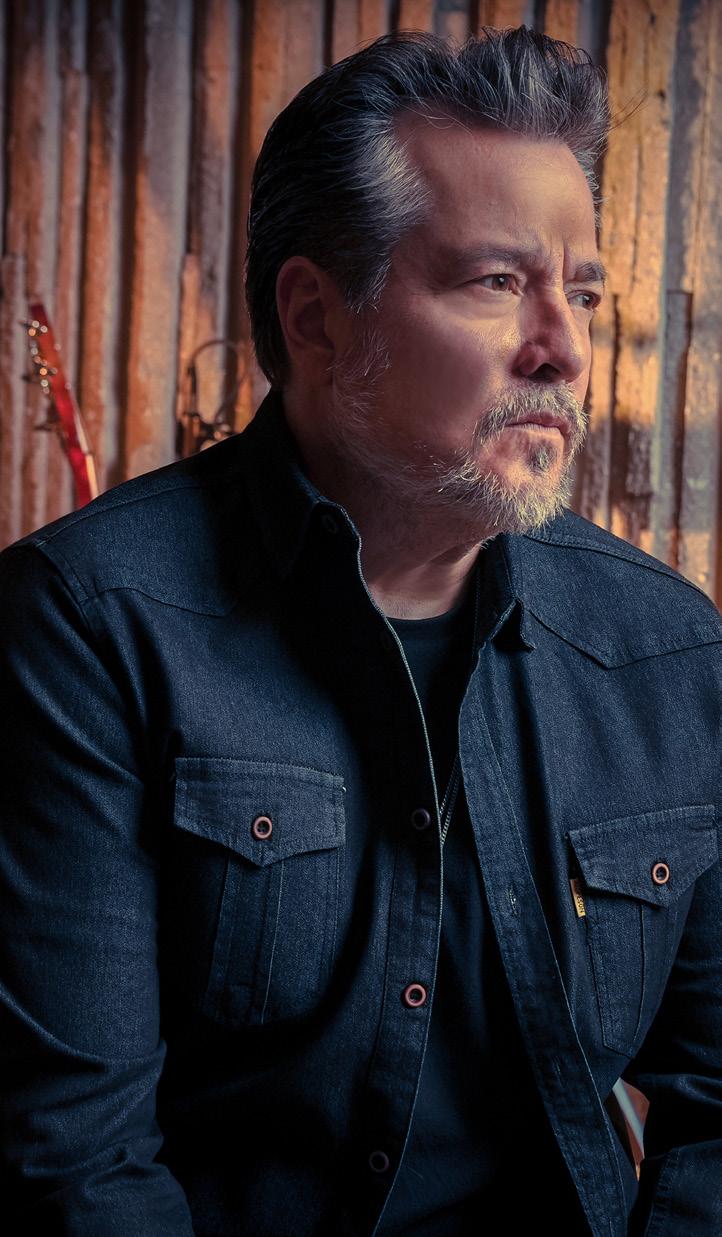
to curate the bands and make sure all the bands are something I’d like to watch, and just make a cool event and then put my band on there.’
But … VOLUME isn’t slated to perform at Mojave Experience.
“It started taking off, and I was getting all these cool bands, so I was like, ‘You know what? The first year, I’m not going to play, because I want to come out swinging,’” Brink said. “Not everybody knows our band, so I’d rather have that spot be somebody people actually know.”
Alongside legends of the desert’s music scene like Mario Lalli (Yawning Man, Fatso Jetson), John Garcia (Kyuss) and Nick Oliveri (Queens of the Stone Age), Mojave Experience features more modern bands like Borracho, Earthless and Hippie Death Cult—groups from outside of the area who are keeping the music of the desert alive.
“I want to have some heavy-hitters and some legends every year,” Brink said. “With Mario Lalli, who’s in, like, 50 million bands, and Brant Bjork, there’s enough to keep mixing it up and have those people as a mainstay in the festival, but with other bands around the country. I’ve already started working on next year’s, and I’m trying to get some (bands) over from Europe right now.”
Even though the focus is desert rock, Brink hopes the festival’s future lineups cover a wider musical spectrum.
“The early days of Coachella were really cool, and Levitation festival—I’m totally influenced by that, where they can have a band like Pavement with a band like Mastodon on the same stage,” Brink said. “I want to do something like that. … The desert has so many different styles of bands that it just would make sense to do that.”
The enticing beauty of the Mojave Desert meant artists were quick to say yes, and fans were quick to buy tickets.
“Joshua Tree is a destination place,” Brink said. “People want to come out here. They want to experience the mystique and the natural surroundings. I was born and raised out here, so I love it … and other people want to come out here and play.”
Brink recognizes the importance that comes
The organizer of Mojave Experience has big plans for the festival’s future
with celebrating a world-famous music scene right where it began.
“People want to see (desert rock icons) in the original setting,” he said. “A lot of people want to come out to Joshua Tree, where it all began. The music is good. It’s real; it’s something you can grab a hold of; it’s got a good groove to it, so I think that attracts people. We’ve sold tickets from all over the world. We’ve got at least 15 people coming from Australia. This one lady hit me up, and her whole band’s coming out, and she’s bringing her son, who is 17 years old—and she named him Kyuss. She wants to show them where it all started, and see some of the bands like John Garcia and Mario Lalli and Yawning Man, and to be part of the experience.”
Brink hopes that people recognize the experience portion of the festival by checking out local vendors and supporting the high desert community.
“That’s the whole thing with the Mojave Experience—I want it to be more than a festival,” he said. “I want people to look at it as an adventure, and I want them to come before and hang out and take in all that the desert has, or stay afterward and make it a vacation. It’s the perfect place to stop, and it’s not in the middle of the summer. There’s the national park, Giant Rock, all the lore and so many art installations all over that people have put up. There’s just so much stuff to do.”
Brink said he has big goals for Mojave Experience—and that he wants the festival to get bigger each year.
“I want to get bigger bands, and I’m already hitting up bigger bands and talking to them,” Brink said. “I want to have more vendors, more local vendors, and just a variety of stuff, so when people come there, in between bands, we give them something to do instead of just sitting around smoking a cigarette. I want to get more immersive stuff. I wanted to get some telescopes out there, because people from the cities don’t know what stars look like. They’ve seen them in books or on TV, but they haven’t seen them in real life, so I want to get some telescopes out there so people can check them out, see the rings of Saturn and stargaze.”
Mojave Experience will take place on Friday, March 20, at Mojave Gold, at 56193 Twentynine Palms Highway, in Yucca Valley; and Saturday, March 21, at Joshua Tree Lake RV and Campground, at 2601 Sunfair Road, in Joshua Tree. The Friday event is sold out, and tickets for the Saturday event are $79.80. For tickets and more information, visit www.mojaveexperience.net.
The Venue REPORT
March 2026
By matt king
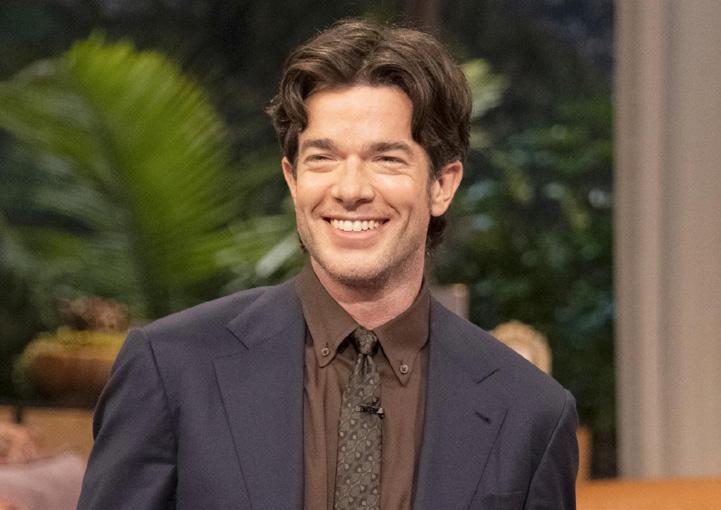
Happy March! Desert
are in for a month of great weather and fantastic enter-
Acrisure Arena hosts Latin tunes and bull riding! Guatemalan folk artist Ricardo Arjona, often described as Latin America’s Bob Dylan, is set to perform at 7 p.m., Wednesday, March 11. Tickets start at $134.50. Peso Pluma is heading back to the desert, this time with collaborator Tito Double P, for two shows celebrating their new album, DINASTÍA, at 8 p.m., Sunday, March 15, and Tuesday, March 17. Tickets start at $89.70. At 8 p.m., Friday, March 20, and 7 p.m., Sunday, March 21, get your chaps in the stands for the bull-riding bonanza that is PBR (Professional Bull Riders): 2026 Pendleton Whisky Velocity Tour. Tickets start at $42.60. Acrisure Arena, 75702 Varner Road, Palm Desert; 888-695-8778; www.acrisurearena.com.
Fantasy Springs features comedy, country and even a candlelight concert! At 8 p.m., Saturday, March 7, Saturday Night Live-writer-turned standup phenom John Mulaney will head to Indio for an unforgettably hilarious evening. Remaining tickets start at $102.50. At 8 p.m., Saturday, March 14, country powerhouse Carly Pearce will cover genres from bluegrass to beautiful pop, all inside the Special Events Center. Tickets start at $52.50. At 8 p.m., Saturday, March 21, multinational vocal group Il Divo will celebrate 20 years of music and harmony with a special candlelit evening of music. Tickets start at $82.50. At 8 p.m., Friday, March 27, Mexican singer-songwriter El Fantasma will perform an evening of corridos! Tickets start at $72.50 Fantasy Springs Resort Casino, 84245 Indio Springs Parkway, Indio; 760-342-5000; www. fantasyspringsresort.com.
The Plaza Theatre has an event almost every day in March, so here are just a few highlights. At 8 p.m., Friday, March 6, comedian, voice actor and NPR star Paula Poundstone
John Mulaney
denizens
tainment!
Desert-rock legend John Garcia is slated to perform on the Saturday portion of Mojave Experience. Kevin Estrada
The Coachella Valley’s nine cities, three school districts and other elected bodies have less oversight, leading to more government malfeasance.
Local musicians, artists and restaurateurs can’t connect with potential new audience members and customers, because their great work is going unheralded.
Our neighbors in need don’t know where to go for help, because they aren’t getting any news about the nonprofits that are there to assist them.
This is the world without local news. This is the world without the Coachella Valley Independent.
It doesn’t need to be this way.
Our readers are taking a stand by becoming Supporters of the Independent. By helping the Coachella Valley Independent to preserve coverage of your community and culture, they’re directing their dollars to focus on the people, ideas and solutions to overcome today’s unprecedented challenges.
The data is clear: When local news outlets shut down, civic engagement declines; partisan division increases; and corporate misconduct and public corruption flourishes.
Help ensure we never see a world without the Independent, and make the Coachella Valley thrive. Become a member now.



will bring the laughs. Tickets start at $69.90. At 8 p.m., Saturday, March 7, step back in time for a fairy-tale evening spent watching The Princess Bride, and a conversation with Cary Elwes, who plays Westley. Tickets start at $81.55. Support film, music and the Plaza with one ticket at 7:30 p.m., Tuesday, March 10, at Michael Childers Presents One Night in Hollywood: The Music of the Movies. An all-star lineup of acclaimed vocalists will filter through Hollywood’s musical gems to raise funds for the Plaza! Tickets start at $58.25. At 7:30 p.m., Sunday, March 22, Glee star Matthew Morrison will offer music and dance straight from heart. Tickets start at $74.55. Plaza Theatre, 128 S. Palm Canyon Drive, Palm Springs; 760593-5818; www.palmspringsplazatheatre.com.
The McCallum Theatre is also extremely busy, so here are some selections. At 7 p.m., Tuesday, March 10, music, storytelling and culture combine for Máiréad Nesbitt’s Celtic Spells, an engaging show that will captivate with the best of Ireland. Tickets start at $48. At 7 p.m., Wednesday, March 11, comedian and podcast host Michael Blaustein will bring his standup skills to Palm Desert. Tickets start at $53. Jazz-vocal legend Clint Holmes is set to perform a special McCallum Cabaret show featuring tracks from the Great American Songbook and more! Remaining cabaret reservations start at $183 for a single seat or $158 for a seat at a table of four. McCallum favorite Pink Martini will be in town for an extended stay, performing their old-fashioned pop from Tuesday, March 17, through Saturday, March
The Venue REPORT
continued from page 31
21. Tickets start at $58. Catch some Broadway horror with Beetlejuice when the musical based on the classic movie visits the desert for multiple spooky shows, from Tuesday, March 24, through Sunday, March 29. Tickets start at $72.99. McCallum Theatre, 73000 Fred Waring Drive, Palm Desert; 760-340-2787; www. mccallumtheatre.com.
Morongo is hosting a few fun concerts! At 4 p.m., Sunday, March 1, Hong Kong singer Kenneth Choi is set to perform. Tickets start at $88.50. The boss Rick Ross, known for a multitude of rap hits like “Hustlin’,” will head to Cabazon at 8 p.m., Friday, March 20
Tickets start at $109.50. At 9 p.m., Saturday, March 21, Grammy Award-winning Latin stars La Mafia will perform an evening of regional Mexican jams! Tickets start at $68.50. At 9 p.m., Saturday, March 28, Mississippi’s own country-electropop sensation The Band Perry will share a selection of twangy techno! Tickets start at $57.75. Morongo Casino Resort Spa, 49500 Seminole Drive, Cabazon; 800-252-4499; www.morongocasinoresort.com.
Spotlight 29 features four headliner events. At 8 p.m., Saturday, March 7, social-media star, hip-hop artist, music-video producer and standup comic Concrete will leave you in a fit of laughter, perhaps enough to begin rolling on the carpet-covered concrete. Tickets start at $33.65. At 8 p.m., Friday, March 20, modern country rocker Aaron Lewis (who you may know as the vocalist of Staind) and the Stateliners will bring aggressive twang to town. Tickets start at $54.25. Celebrate Hispanic hip-
hop with the Latin Legacy Tour, an evening of hit-filled performances by MC Magic, Baby Bash and Lil Rob, at 8 p.m., Saturday, March 21. Tickets start at $38.80. At 8 p.m., Saturday, March 28, funk your way to Coachella for the shakin’-soul sounds of ’70s stars Tower of Power. Tickets start at $38.80. Honest Goodness Comedy Fridays feature Monique Flores (March 6), Daniel Eachus (March 13), Dick Salas (March 20) and Manny Maldonado (March 27). Tickets start at $17.85, and you must be 18+ to attend. Spotlight 29 Casino, 46200 Harrison Place, Coachella; 760-775-5566; www.spotlight29.com.
Agua Caliente in Rancho Mirage is hosting a lot of events; here are a few options. At 8 p.m., Friday, March 6, comedian Jim Breuer, a Saturday Night Live cast member in the ’90s, will perform an evening of standup. Tickets start at $49.23. Seth Meyers, another SNL alum, who has gone on to host Late Night, will bring the laughs at 8 p.m., Friday, March 13. Tickets start at $49.23. At 8 p.m., Saturday, March 14, Boy George and Culture Club will celebrate love and good ’80s musical vibes! Tickets start at $90.51. At 7:30 p.m., Thursday, March 26, enjoy a double dose of heavy rock with Jackyl and Buckcherry. Tickets start at $55.39. Enjoy an intimate evening of musical mastery with world-renowned composer David Foster alongside entertainer extraordinaire Katharine McPhee. Tickets start at $59.08. Agua Caliente Resort Casino Spa Rancho Mirage, 32250 Bob Hope Drive, Rancho Mirage; 888-9991995; www.aguacalientecasinos.com. Residency shows March on at Agua Caliente in Palm Springs! Desert Blues Revival Wednesdays feature roots-rock and more from Black Market III (March 4), a ’60s surf soirée with the Gand Band (March 11), and blues-guitar badassery from the Laurie Morvan Band (March 18). Shows are at 7 p.m., and tickets range from $17.85 to $22.11., available at eventspalmsprings.com. Carousel Thursdays feature big crooner energy from Matt Forbes (March 5), sultry soul from Les Greene (March 12), jumpin’, jivin’, jazz from the Alpha Rhythm Kings (March 19) and hot, golden smooth jazz jams from the Big Butter Jazz Band (March 26). Shows are at 7 p.m., and tickets start at $17.85, available at eventspalmsprings.com. The monthly musical Time Capsule Show, this time dedicated to 1979, will take place at 7 p.m., Friday, March 6, and feature performances from Tod Macofsky and the Gand Band. Tickets start at $22.11, available at eventspalmsprings.com. Agua Caliente Casino Palm Springs, 401 E. Amado Road, Palm Springs; 888-999-1995; www. aguacalientecasinos.com.
Pappy and Harriet’s is busier than ever, so here are some picks! At 9:30 p.m., Friday, March 6, all-female Led Zeppelin tribute
band Zepparella will channel the rock fury of the music icons, while adding some unique musical flair! Tickets are $31.86. At 9 p.m., Wednesday, March 11, blues-punk bros The Cruzados celebrate more than four decades of energetic Tex-Mex rock! Tickets are $31.86. At 8:30 p.m., Thursday, March 12, boogie on down to the Pioneertown Palace for Donny Benét, a solo act who uses loops and pure funk to craft some irresistible dance jams. Advance tickets are $31.86. At 9:30 p.m., Saturday, March 14, new-wave sensation Missing Persons bring those early ’80s MTV hits to the desert. Local electronic pop queen Jesika von Rabbit is set to open the show. Tickets are $42.74. At 9 p.m., Sunday, March 15, low-desert indie-poppers Brosquitos return to Pappy’s, this time bringing with them beloved local indie group Ju!ian and the Band. Tickets are $13.73. Pappy and Harriet’s Pioneertown Palace, 53688 Pioneertown Road, Pioneertown; 760-228-2222; www.pappyandharriets.com.
Mojave Gold, among residency events and sold-out shows, features two concerts. At 8 p.m., Thursday, March 5, dreamy blues band The Renderers, from New Zealand, will team up with local punks Ideal Body. Tickets are $17.41. At 7 p.m., Wednesday, March 25, beatmaster Adam Freeland will be providing a dance-therapy session! Tickets are $18. Mojave Gold, 56193 Twentynine Palms Highway, Yucca Valley; 442-205-0192; mojavegolddesert.com.
Oscar’s in Palm Springs also features two non-residency events. At 7 p.m., Friday, March 13, pianist and vocalist Mike Maimone will share stories and songs that touch on love and loss, and celebrate the release of his memoir and album, Guess What? I Love You Tickets start at $29.95. At 7 p.m., Wednesday, March 18, cabaret crooner Jack Donahue returns once again to offer musical bliss. Tickets start at $35. Shows include a food/drink minimum. Oscar’s Palm Springs, 125 E. Tahquitz Canyon Way, Palm Springs; 760-325-1188; oscarspalmsprings.com/events.
The Purple Room hosts packed weekends! At 8 p.m., Friday, March 6, and Saturday, March 7, powerhouse jazz vocalist Brenna Whitaker will impress. Remaining tickets are $50.85. At 8 p.m., Friday, March 20, and Saturday, March 21, vintage pop princess Carole J. Bufford presents Chanteuse, an evening celebrating legendary women in music. Tickets start at $50.85. At 8 p.m., Friday, March 27, and Saturday, March 28, entertainer Nicholas King shares Tales From a Broadway Baby! featuring songs and stories from King’s 30 years in show business. Tickets start at $50.85. All ticketed shows include dinner reservations two hours before showtime. Michael Holmes’ Purple Room, 1900 E. Palm Canyon Drive, Palm Springs; 760-322-4422; www. purpleroompalmsprings.com.
Nicholas King
MUSIC
LUCKY 13 the
Get to better know the man behind Durazo, and The Dreamboats’ multitalented drummer
by matt king
NAME Michael Durazo
GROUP Durazo
MORE INFO Michael Durazo has been contributing to the local music scene for more than a decade. He was the lead vocalist of nowdefunct desert favorite Slipping Into Darkness, and he recently launched a solo project simply named Durazo. Last November, Durazo released debut single “Smile Before the Tears,” a catchy psychedelic Latin groove perfect for fans of bands like Chicano Batman and The Marías. Learn more at instagram.com/d.u.r.a.z.o.
What was the first concert you attended? The Strokes at the SOMA in San Diego.
What was the first album you owned? Nirvana, Unplugged
What bands are you listening to right now?
The Bar-Kays, Gang of Four, Rick James, and Mary Jane Girls.
What artist, genre or musical trend does everyone love, but you don’t get? Hmmmm. I think I like everything.
What musical act, current or defunct, would you most like to see perform live? Queens of the Stone Age.
What’s your favorite musical guilty pleasure?
The Jungle Book soundtrack. It’s dope. I’ve liked it since I was a kid.
What’s your favorite music venue?
The Glass House in Pomona.
What’s the one song lyric you can’t get out of your head?
Fucking Emmy (Emanuel Cazares of Cafe Canela) and Andrew’s (Russell of Burgundy Blues) Thee Hi Lifes, “Why Do I Cry.” It’s been stuck in my head.
What band or artist changed your life?
David Bowie made me feel that being weird and different is cool.
You have one question to ask one musician. What’s the question, and who are you asking?
To Ozzy: “What’s the funniest prank you have pulled on someone?”
What song would you like played at your funeral?
The Beatles, “In My Life.”
Figurative gun to your head, what is your favorite album of all time? Pixies, Surfer Rosa
What song should everyone listen to right now?
D Train, “You’re the One for Me.”
NAME Gianmarco “Johnny” Fiacconi, aka Johnny G. Wiz
GROUP The Dreamboats
MORE INFO With The Dreamboats, Gianmarco “Johnny” Fiacconi’s fantastic drumming skills and vision have helped the group grow into a wildly energetic time-capsule music experience that provides nonstop ’50s and ’60s songs and styles. Outside of the band, Fiacconi has taken to social media to share advice and tips from his multi-decade career in music. He recently started The Johnny Fiacconi Podcast, providing longer-form conversations about music business strategies on Spotify and YouTube.
What was the first concert you attended?
Three Doors Down (you know, “Kryptonite”!) when I was 13 years old. It was at a venue called The Warehouse in Toronto, Canada, which sadly no longer exists. I went with three other guys from my hockey team. We didn’t know anything about concerts, so it said “DOORS AT 6 P.M.” and we showed up at 6 p.m. Three opening acts later, and we FINALLY saw Three Doors Down
at 10 p.m. In those days, people could smoke cigarettes inside of clubs, so we came back that night reeking of smoke. We felt so cool.
What was the first album you owned?
A LEGENDARY album in Canada called Big Shiny Tunes 2. It was a compilation album that was released annually by MuchMusic (Canada’s equivalent of MTV), and it included all of the best current alternative/rock hits, with a certain percentage of the songs being from Canadian bands. If you were into rock music in the late ’90s in Canada, you definitely owned a Big Shiny Tunes CD … and it was highly likely that it was Big Shiny Tunes 2
What bands are you listening to right now?
I’m always listening to oldies music—’50s, ’60s and early ’70s are my go-to most of the time. I have this mega playlist that I’m constantly adding to and putting on shuffle. In terms of modern bands, I’m really into Improvement Movement—one of the tightest bands I’ve seen in a LONG time, with intricately catchy songs; Thee Sinseers out of East L.A., with a very old school sound, great for cruising; and I’m currently revisiting a Canadian favorite band of mine called Sloan.
What artist, genre or musical trend does everyone love, but you don’t get?
I’ve never really been into the trend of recorded band music that sounds flawless and perfect (eg., extreme AutoTune, tons of layers, MIDI instruments, etc.). I mean, it works for pop, electronic music and certain genres, but I’ve always felt like the best recordings of bands sound the most raw and real.
What musical act, current or defunct, would you most like to see perform live?
The Beatles during peak Beatlemania would be amazing to see! After years of performing in clubs, they were just on top of their game at that time, as both young songwriters and performers. They could do no wrong! Where’s the time machine!?
What’s your favorite musical guilty pleasure?
Creed ...
What’s your favorite music venue?
The Horseshoe Tavern in Toronto. It’s a legendary Canadian music venue and one of the oldest in the city of Toronto. It’s the kind of place where you walk in, and you can just sense that some serious musical history has gone down in there. Many world-class bands and acts have performed there, and it’s a main “circuit” venue for touring bands at a mid-level.
What’s the one song lyric you can’t get out of your head?
I’ve never been a big lyric person, but a song lyric that pops in my head frequently is from the song “The Middle Road” by the band The Sheepdogs: “… At least I don’t walk the middle road.”
What band or artist changed your life?
The Beatles definitely changed my life. I was exposed to their music at a very pivotal young age where everything leaves an impression on you. My parents always had the Beatles playing on road trips, at the house, etc., and then when I was a little older and we got our first CD burner, I would copy Beatles CDs off of my brother, and just stare off into the ceiling of my bedroom listening to Abbey Road, Sgt. Pepper, Revolver, Rubber Soul … like ACTIVELY listening to these albums—picking out instruments, taking out one ear bud to hear the hard-panned bass and drum track on the left, and then taking out the other ear bud to hear the isolated vocals and guitars on the right. Experiencing the Beatles’ music on my own directly influenced my style when I started learning to play the drums, the guitar and the bass guitar.
You have one question to ask one musician. What’s the question, and who are you asking?
I would ask Paul McCartney what he thinks his life would have been like if he didn’t meet John Lennon that day in Liverpool after John’s gig with The Quarrymen. I mean, I’m sure Paul would have still pursued music, but would he have excelled in the same way without that equal force pushing him, competing with him, bonding with him?
What song would you like played at your funeral?
“Sleepwalk” by Santo and Johnny, with someone yelling “JOHNNYYYYYY!!” at the end.
Figurative gun to your head, what is your favorite album of all time?
Sgt. Pepper.
What song should everyone listen to right now?
Lie down on your bed; put headphones on; close your eyes; and listen to “Friday Morning” by Khruangbin.
Eric Soto
OPINION COMICS & JONESIN’ CROSSWORD

38. Laptop brand partially from Latin for “new”
39. Has the knack
40. Bar soap alternative, maybe
42. Pickleball divider
43. Makes invalid
45. Billion years
46. Forgotten rapper?
47. One of 32 works by Beethoven
50. Ave. crossers
51. Cupcake decorator
52. Belt-hole maker
54. Baffled
57. Do something
60. De-squeaked
64. Cruise ship deck
65. Sign seen near crossing guards
67. Love, in Latin class
68. Adjust, as wheels
69. La Cage aux Folles character
70. He does way more talking than Teller
71. Amtrak terminal
72. Stank
Down
1. Dump abruptly
2. Nabisco mainstay
3. Like some pretzels
4. Go in
5. Move while filming
6. Space balls?
7. Regenerist brand
8. Something to learn
9. 157.5 deg. from N
10. Green-blooded Star Trek antagonist
11. Say with confidence
12. Zorro’s accessory
13. Remote button
18. Future sign
22. Star Trek actress Barrett married to Gene Roddenberry
24. Chef Emeril
26. Italian cornmeal dish
27. “Previously on ...” segment
28. “Legend of a Cowgirl” singer Coppola
29. It comes between haters and hate
31. Microbiome site
32. Pale with fright
33. Ducks’ habitats

34. Prevent, as danger
35. Post-its, e.g.
40. Jenga piece
41. “Can you ___ little slower?”
44. Mythical horned beast
48. Fortune teller
49. Off the grid
53. “Truth Hurts” performer
54. Bass player’s technique
55. Gauge with a stopwatch
56. Noodle in Japanese dishes
58. Fry, in Felixstowe
59. Benin neighbor
61. Burden
62. Auto designer Ferrari
63. “Happy Birthday” word
65. Lacking mirth
66. CN Tower’s prov.
© 2026 Matt Jones
Find the answers in the “About” section at CVIndependent.com!