SPORTS MEDICINE NEWSLETTER
January2025


CU Sports Medicine Supporting U.S. Paralympic Sled Hockey on the Road to Milan
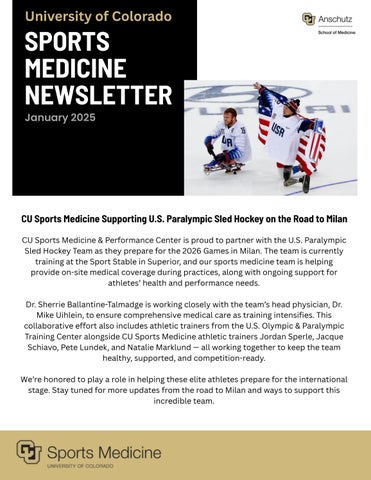
CU Sports Medicine & Performance Center is proud to partner with the U.S. Paralympic Sled Hockey Team as they prepare for the 2026 Games in Milan. The team is currently training at the Sport Stable in Superior, and our sports medicine team is helping provide on-site medical coverage during practices, along with ongoing support for athletes’ health and performance needs
Dr. Sherrie Ballantine-Talmadge is working closely with the team’s head physician, Dr. Mike Uihlein, to ensure comprehensive medical care as training intensifies. This collaborative effort also includes athletic trainers from the U.S. Olympic & Paralympic Training Center alongside CU Sports Medicine athletic trainers Jordan Sperle, Jacque Schiavo, Pete Lundek, and Natalie Marklund — all working together to keep the team healthy, supported, and competition-ready.
We’re honored to play a role in helping these elite athletes prepare for the international stage. Stay tuned for more updates from the road to Milan and ways to support this incredible team.




On the Road to Milan: Excellence, Resilience, and Community in Figure Skating
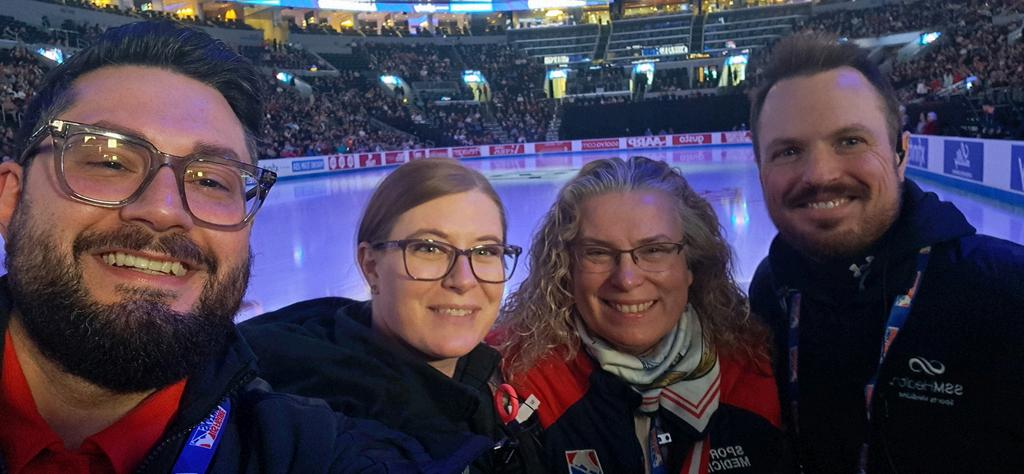
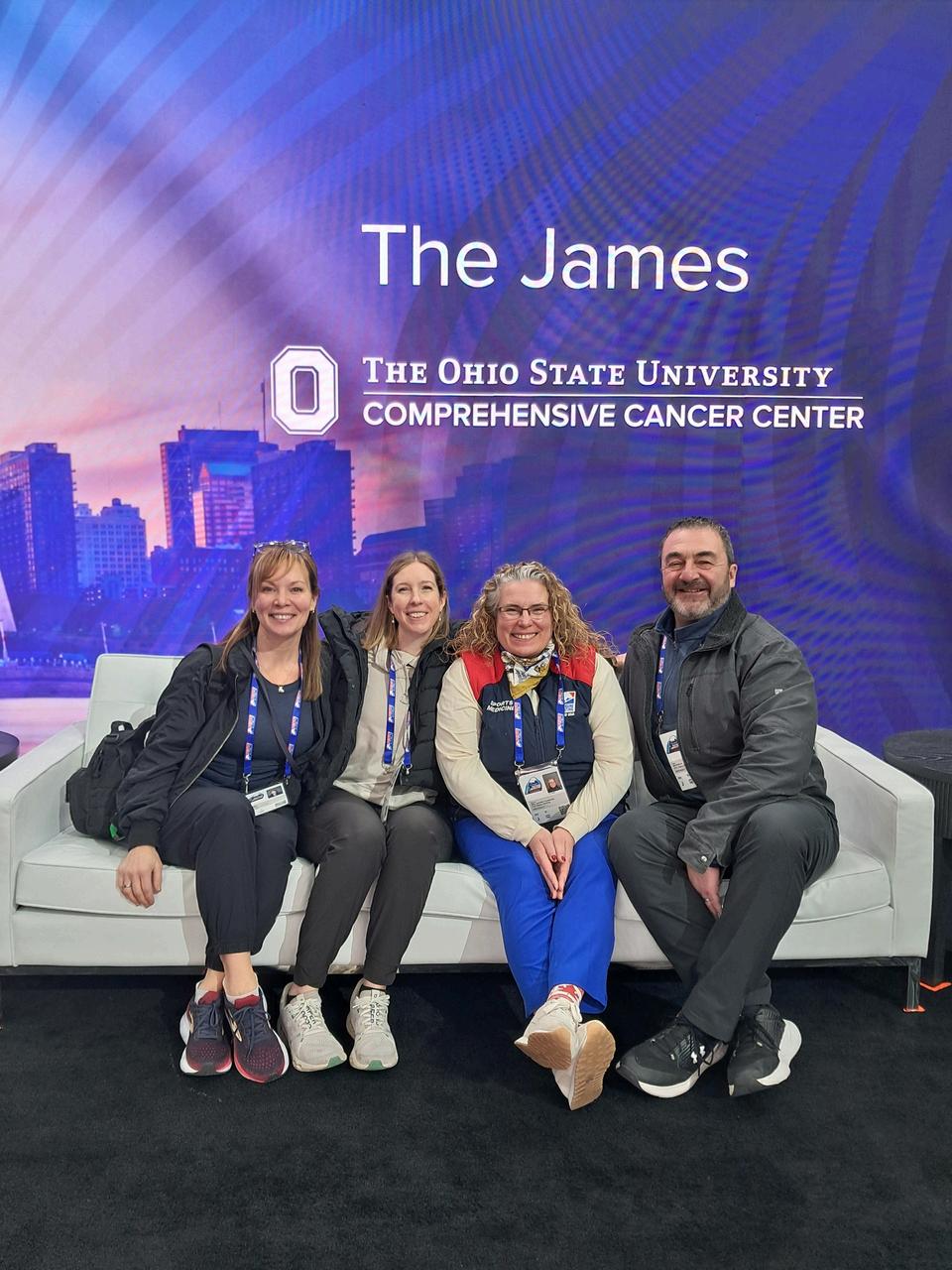
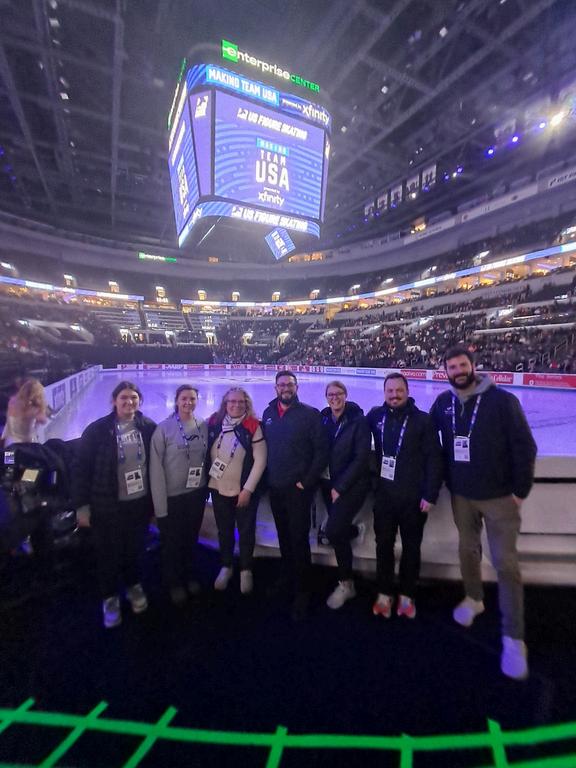
As Olympic season builds momentum, CU Sports Medicine & Performance Center is proud to be part of the journey to Milan. Dr. Ballantine, Vice-Chair of the U.S. Figure Skating Sports Science and Medicine Committee, recently returned from the U.S. National Championships. The event was where this year’s Olympic team was selected. It was an extraordinary week of elite performance, but also one marked by reflection, remembrance, and community
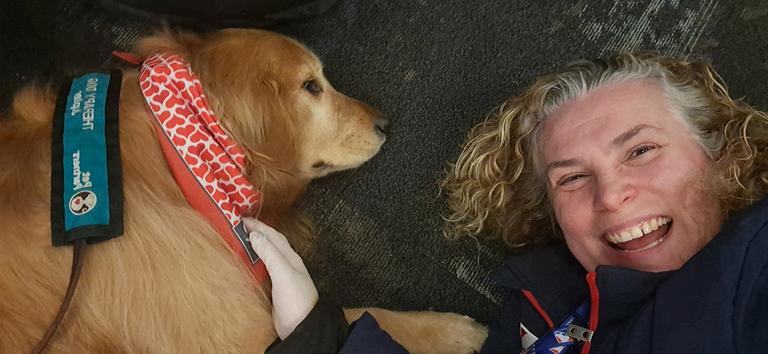
This year’s championships carried special emotional weight. Just one year ago, following the conclusion of Nationals, Flight 5342 crashed, claiming the lives of all on board, including members of the U.S. Figure Skating community. The event served not only as a celebration of sport, but also as a space to honor colleagues and friends who were lost. Ongoing support efforts continue to be a vital part of the skating community’s healing. Therapy dogs have remained an important presence since the tragedy, and at Nationals, a dedicated lounge allowed athletes, coaches, and staff to step away, connect, and experience the comfort and stress-relief these animals provide.
On the ice, the competition brought moments that embodied both resilience and inspiration. One of the most moving performances came from Max Naumov, who lost both of his parents, who were also his coaches, in the crash. His powerful skating secured a place on the Olympic team, a testament to extraordinary strength in the face of profound loss. The women’s Olympic team is equally remarkable, with each athlete bringing a unique story and collectively redefining traditional stereotypes of female athletes through leadership, strength, and unity. Beyond the podium, the championships also highlighted the next generation of skaters, offering a glimpse into the future of the sport
Behind the scenes, the medical team in St. Louis played a crucial role in supporting athletes, and the week fostered valuable collaboration with athletic trainers and primary care sports medicine physicians from across the country — connections that will continue to strengthen athlete care moving forward.
The path to Milan is filled with talent, heart, and community. The future of U.S. figure skating looks bright.
From Colorado to Milan: Athletic Training on the International Stage
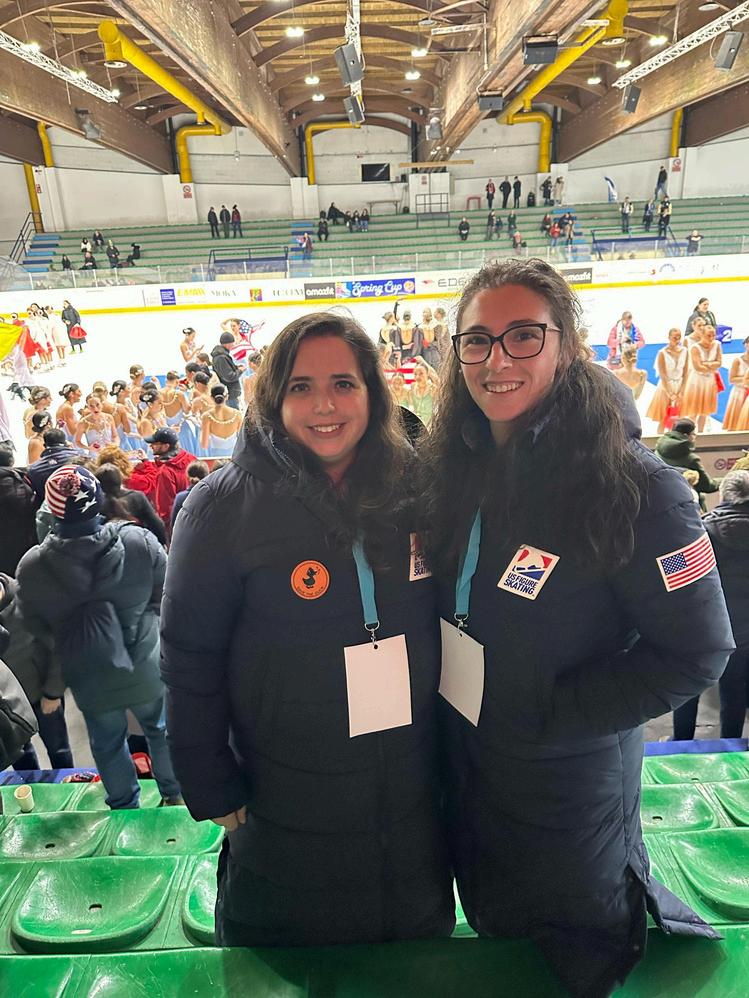
Jacque Schiavo, Clinical Outreach Athletic Trainer with the CU Sports Medicine & Performance Center, recently returned from her first international U.S. Figure Skating assignment — an experience that combined elite sport, global travel, and real-world medical problem-solving. Working alongside Dr. Ballantine, Jacque helps provide athletic training support to figure skaters , with the U.S. Junior S or the Spring Cup 2026 competition. Her wn words ⟶
Spring Cup 2026
"I recently traveled with the U.S. Junior Synchronized Figure Skating Team to Milan, Italy, for the Spring Cup 2026 competition. It was my first time working with a synchro team, and I was excited to learn more about the intricacies of the sport. I’ve covered several figure skating camps before, but synchronized skating is an entirely different world.
During the trip, I covered all practices and competitions. While there were no injuries on the ice, I did have to manage an acute allergic reaction that ultimately required an athlete to go to the hospital. Navigating an overseas healthcare system was a learning experience, and it reinforced just how important it is to have a strong team around you. With the support of the team leader and team manager, we were able to ensure the athlete received the care she needed.
Overall, this trip was one for the books. I stepped outside my comfort zone by covering a sport I knew little about, gained firsthand experience with international medical logistics, and witnessed the athletes’ dedication and love for what they do. Seeing their hard work in practice translate into a spectacular performance was truly inspiring. I’m honored to provide athletic training coverage and look forward to the next opportunity to work with these incredible athletes."
-Jacque Schiavo, ATC
Recent Publication
Gender Participation by Sport in Published Sports Exercise Medicine Original
Research | Anna E. Buehler, MD; Kaitlyn B. Bertin, MS; Brittany Becker, MD; Bradley Changstrom, MD; Karin DeJong VanBaak, MD
A newly published study by several of our physicians examines a critical question in sports and exercise medicine: does research representation reflect who is actually participating in sports? After analyzing 579 original research articles from three leading journals, encompassing more than 1.6 million participants, the study found that although women made up 45.6% of participants overall, their representation declined sharply in sport-specific research. In studies focused on a single sport, only 20% of participants were women, and more than half of those articles included men only, compared with just 3% that included women only.
The disparity was especially pronounced in commonly studied sports such as soccer and cycling, where women accounted for only a small fraction of research participants despite substantial real-world participation. Because sex and gender influence injury risk, recovery, and physiological responses, this imbalance has meaningful clinical implications: practitioners often rely on sport-specific evidence that is disproportionately based on male athletes.
These findings indicate that while overall representation of women in sports medicine research has improved over time, sport-specific research remains a significant blind spot The study underscores the need for more inclusive study design to ensure that evidence accurately reflects the athletes receiving care.