
Evidence Overview
The scientific evidence supporting CUREO® continues to grow


Innovative and evidence-based virtual reality therapy with CUREO® Introduction
CUREO® combines state-of-the-art virtual reality technology with scientifically grounded training concepts, enabling high-quality motor and cognitive rehabilitation. The use of immersive virtual reality (VR) actively motivates patients throughout their therapy.
The foundations of CUREO® are firmly rooted in science. Several studies show that VR-supported therapeutic approaches can significantly influence therapy motivation, exercise intensity, and rehabilitation outcome. VR enables the customization of exercises, objective tracking of motor progress, and place patients in varied, engaging environments that ideally complement conventional training methods.
CUREO® translates these scientific findings into a practical, clinically validated solution, offering evidence-based exercise programs, intuitive operation for therapists, and therapy data analysis for clinicians and researchers. Clinical studies show that CUREO® can be easily integrated into study designs and existing clinical workflows, whether in acute care hospitals, rehabilitation clinics, or university research settings.
Previously published clinical evaluations and studies demonstrate high acceptance among patients and healthcare professionals, as well as significant improvements in motor performance. With unique features such as sonification, which makes movements audible, and mirror therapy in VR, which can support sensorimotor reorganization processes, CUREO® redefines the approach to virtual rehabilitation.
The following section presents the evidence supporting the applicability and efficacy of CUREO® based on both the literature on VR and original scientific studies on CUREO®. To this end, various care settings and target or patient groups are examined in detail.
Evidence Insights Virtual Reality
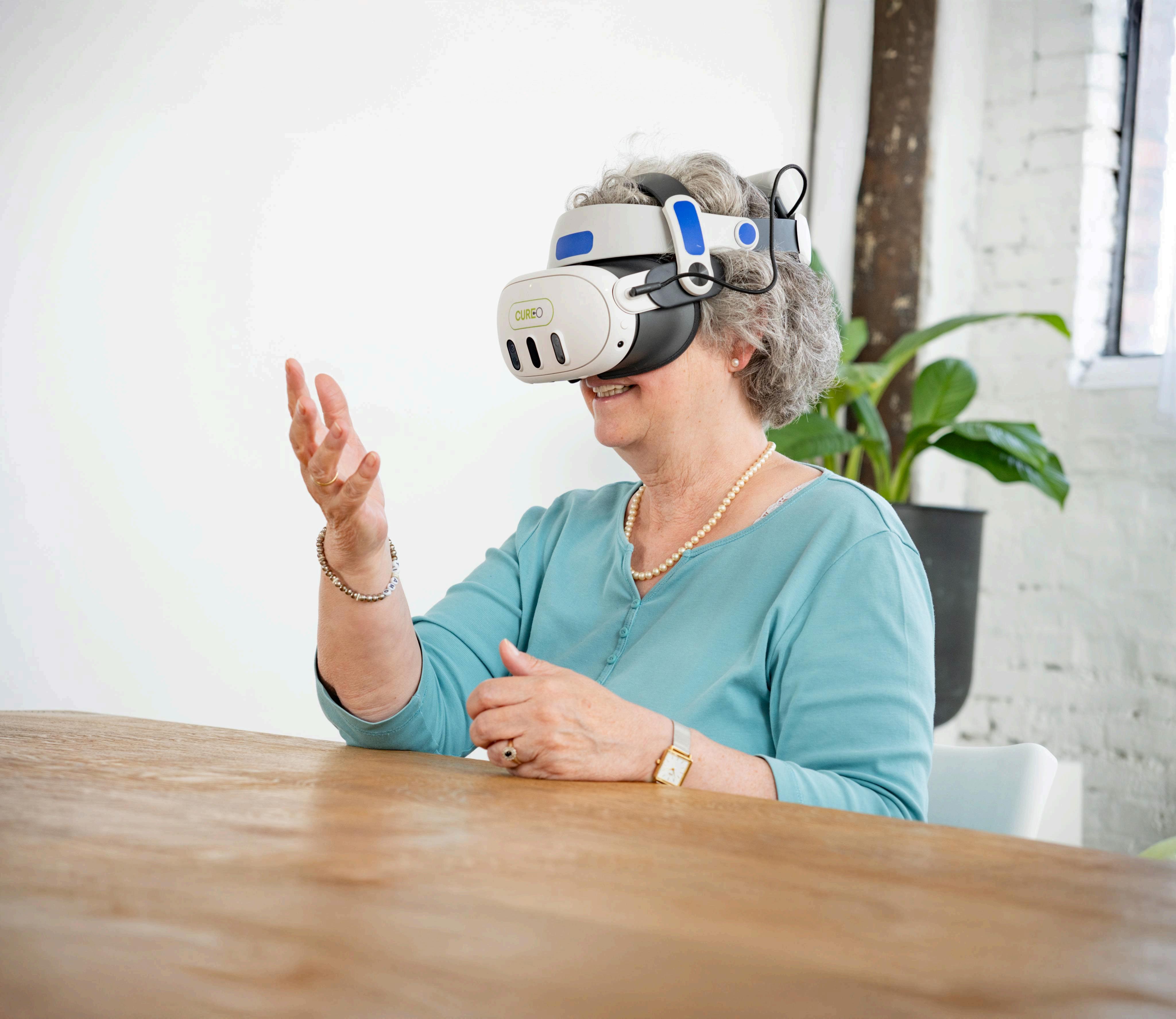
In the field of therapy research, Virtual Reality (VR) has developed into a steadily growing research focus over the past 10 years. Regarding the development of VR technology, studies primarily highlight the benefits for neurological rehabilitation, as well as the remarkable practicality and versatility of virtual tools in therapy.
CUREO®, the VR therapy system by the Düsseldorf-based CUREosity GmbH, is not only a state-of-the-art medical device, but also combines a variety of validated concepts to be able to offer patients with a wide range of indications and therapeutic goals an individually tailored rehabilitation therapy.
Areas of application
Studies show that VR-based therapy can have a significantly positive effect on cognitive functions1, 2: In particular, it has been shown that attention3, spatial perception4, and memory5 improve in various patient groups with the help of VR tools.
Motor training is a key focus in scientific investigations, as VR-supported therapy approaches are considered a particularly resource-efficient method for the rehabilitation of patients with neurological damage or diseases such as Parkinson's, paresis, or neglect due to good device availability6. Muscle strength and tone7 can be improved through neuroplastic changes and increased motivation1,8, while pain can be significantly reduced through distraction and neuroregulation6, 9 .
Possible therapeutic methods
Investigations show that established rehabilitation approaches such as multisensory feedback10, sonification11, and mirror therapy12,13 achieve similar or, in some cases, even better results when applied in VR. Furthermore, new VR-based methods, such as enriched environments14 or immersive gamification13,15 , have shown promising results within the framework of rehabilitation programs.
In addition, VR-supported group therapy formats open up new possibilities. The group setting can foster social support, mutual motivation, and an increased sense of belonging16. Initial studies suggest that patients in digital group settings are more strongly encouraged to participate actively and internalize therapy content more effectively17
Furthermore, VR therapy has proven to be a promising approach for the treatment of neglect, as it enables targeted stimulation of the neglected space. Through immersive environments, patients can be encouraged in a safe and controlled manner to direct their
attention more intensely toward the affected side. Initial studies show that such virtual training programs can lead to a significant improvement in spatial perception and the ability to perform activities of daily living18,19
CUREO® the innovative VR therapy solution
In CUREO®, evidence-based approaches of VR-supported rehabilitation have been translated into a practice-ready, certified medical device specifically tailored to the needs of therapists and patients. The therapy solution integrates proven approaches such as multisensory feedback, mirror therapy, and immersive gamification to address motor functions, cognitive abilities, and spatial perception in an individualized and targeted manner.
CUREO® is characterized by motivating, patient-specific scenarios and step-by-step adjustable difficulty levels that promote high therapy adherence. Therapeutic success is also achieved through intensive, repeatable exercises. Clinical applications confirm that our solution can significantly improve not only motor rehabilitation but also patients' daily living skills and quality of life by seamlessly connecting scientific findings and therapeutic practice.
1 Massetti et al. (2018). Journal of Central Nervous System Disease, doi:10.1177/1179573518813541
2 Li et al. (2025) Front Neurol. doi: 10.3389/fneur.2025.1496382.
3 Maggio et al. (2025) Sci Rep. doi: 10.1038/s41598-025-08173-1.
4 Caetano et al. (2025) Front Behav Neurosci. doi: 10.3389/fnbeh.2025.1653783.
5 Yip et al. (2013). NeuroRehabilitation, 32, 103-115. doi:10.3233/NRE-130827
6 Jin et al. (2022) Clin Rehabil. doi: 10.1177/02692155211066534.
7 Lee et al. (2019). Biomed Res Int, doi:10.1155/2019/7595639
8 Karamians et al. (2020). Arch Phys Med Rehabil, 101(5), 885-896. doi:10.1016/j.apmr.2019.10.195.
9 Malloy & Milling (2010). Clin Psychol Rev, doi:10.1016/j.cpr.2010.07.001. (Accession No. 20691523)
10 Saposnik et al. (2011) Stroke, doi:10.1161/STROKEAHA.110.605451.
11 Effenberg et al. (2016). Front Neurosci, doi:10.3389/fnins.2016.00219.
12 Ceradini et al. (2024) J Neuroeng Rehabil. doi: 10.1186/s12984-024-01367-0.
13 Giroux et al. (2018). PLoS One, doi:10.1371/journal.pone.0203086
14 Yun et al. (2020). JMIR Serious Games, 8(4), e18127. doi:10.2196/18127
15 Chen et al. (2020). Computers Helping People with Special Needs. doi: 10.1007/978-3-030-58796-3_18.
16 Tsamitros et al. (2022) Nervenarzt, doi: 10.1007/s00115-022-01378-z.
17 Bouguettaya & Aboujaoude (2024) JMIR Form Res. doi: 10.2196/64494.
18 Shin et al. (2023) Front Neurosci. doi: 10.3389/fnins.2023.1142663.
19 Choi et al. (2021) Medicine doi: 10.1097/MD.0000000000024637
CUREO® – Evidence:
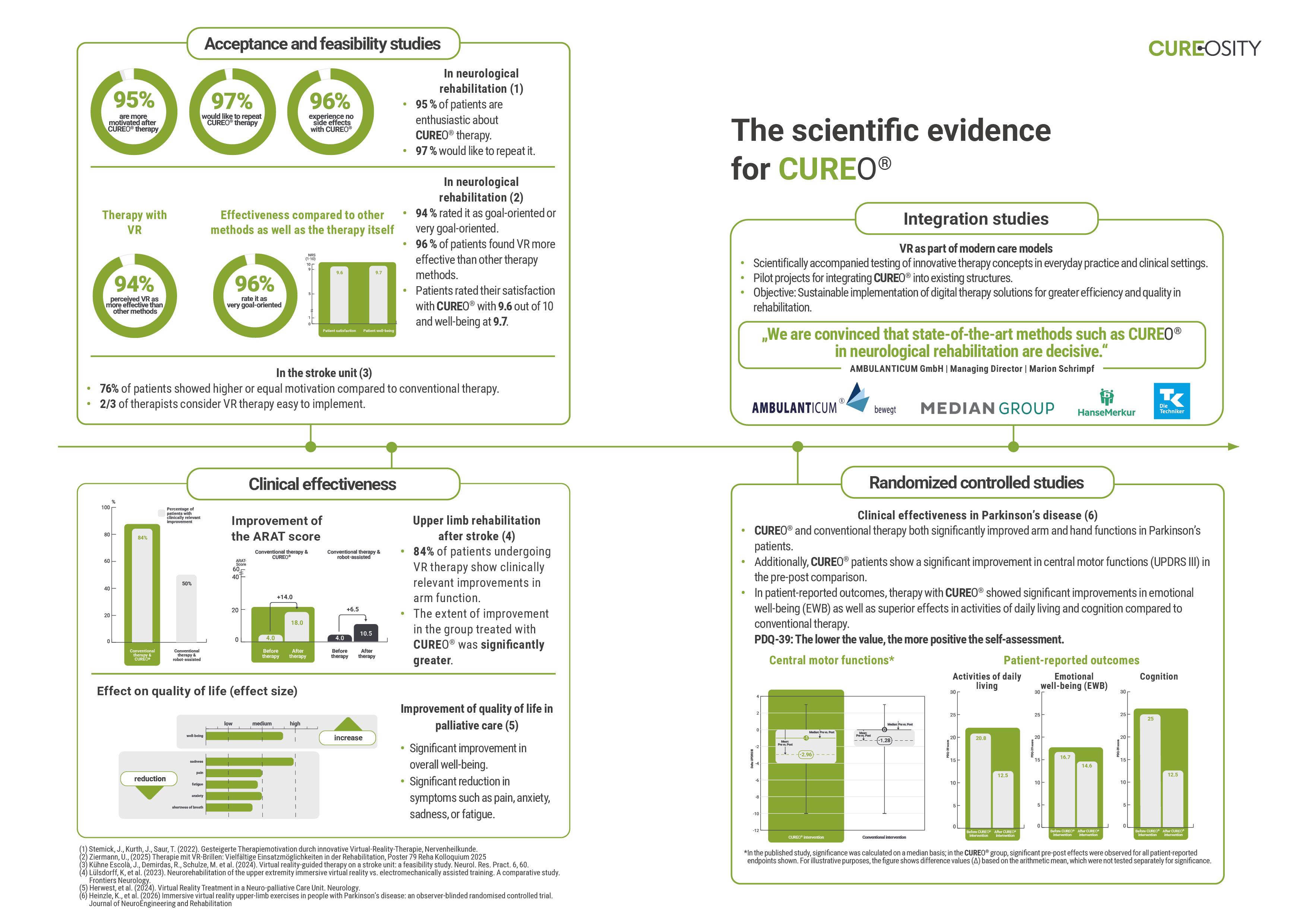
From feasibility to efficacy
Evidence development of CUREO® across product generations
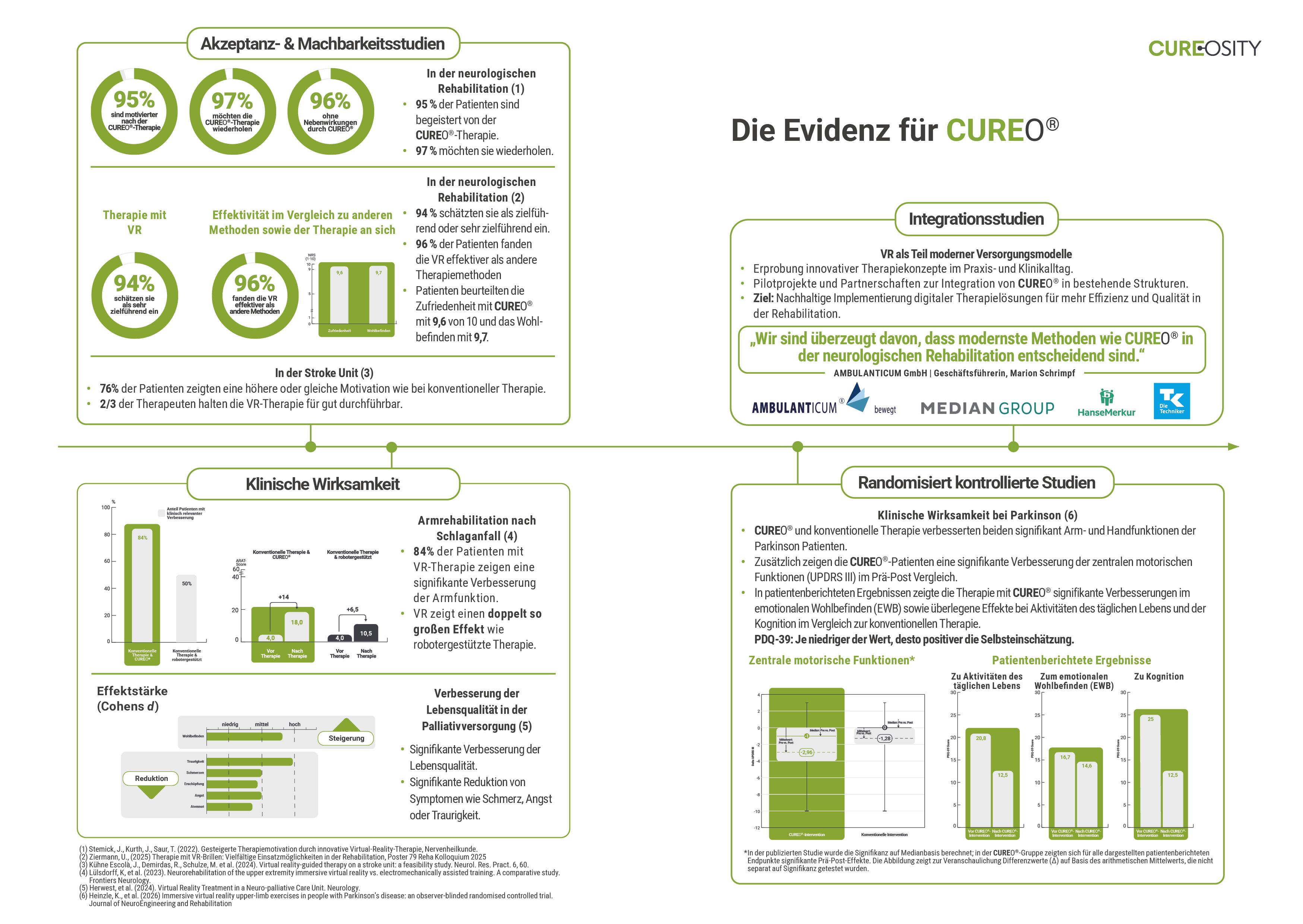
of CUREO® in rehabilitation Acceptance and feasibility
Feasibility studies and systematic surveys of acceptance among patients and therapists are central prerequisites for the successful use of VR therapy. They enable the early identification of technical, organizational, and therapeutic requirements, the detection of potential barriers in clinical practice, and a realistic assessment of the safety and applicability of the intervention. At the same time, acceptance research provides crucial insights into whether VR-based therapy is perceived as meaningful, user-friendly, and trustworthy — a fundamental prerequisite for therapy adherence, efficacy, and sustainable implementation in clinical practice.
During the development of CUREO® software versions 1 through 5, several feasibility studies and user acceptance surveys were conducted. The results, particularly regarding acceptance, were consistently positive. Examples include the acceptance survey conducted at the Mauritius Therapy Clinic (STMTK) over 18 months using CUREO®2 and a clinical study on acceptance, userfriendliness, and integration into daily therapy at the Gröbming Rehabilitation Center using CUREO®4.
Acceptance survey at the Mauritius Therapy Clinic (STMTK)
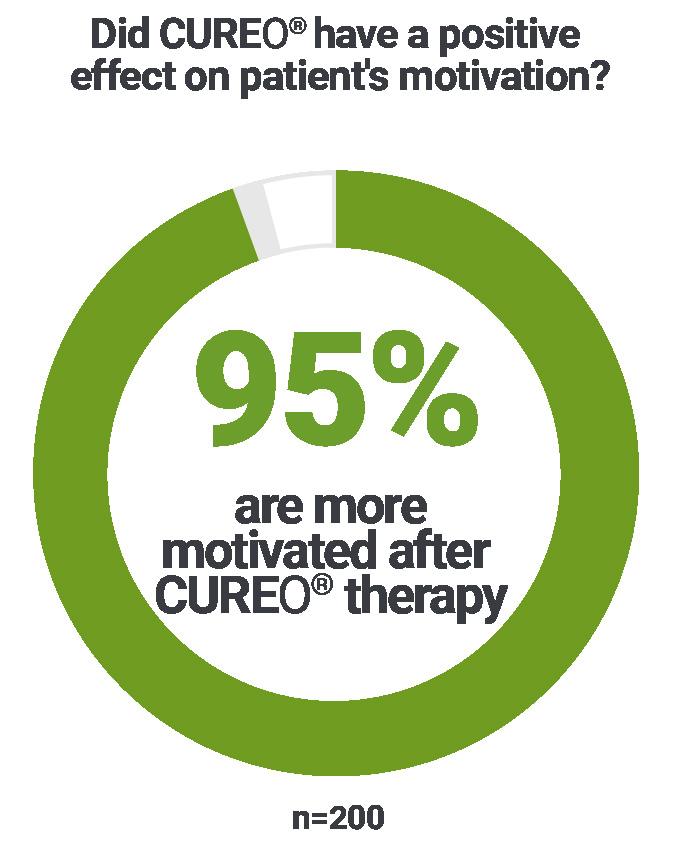
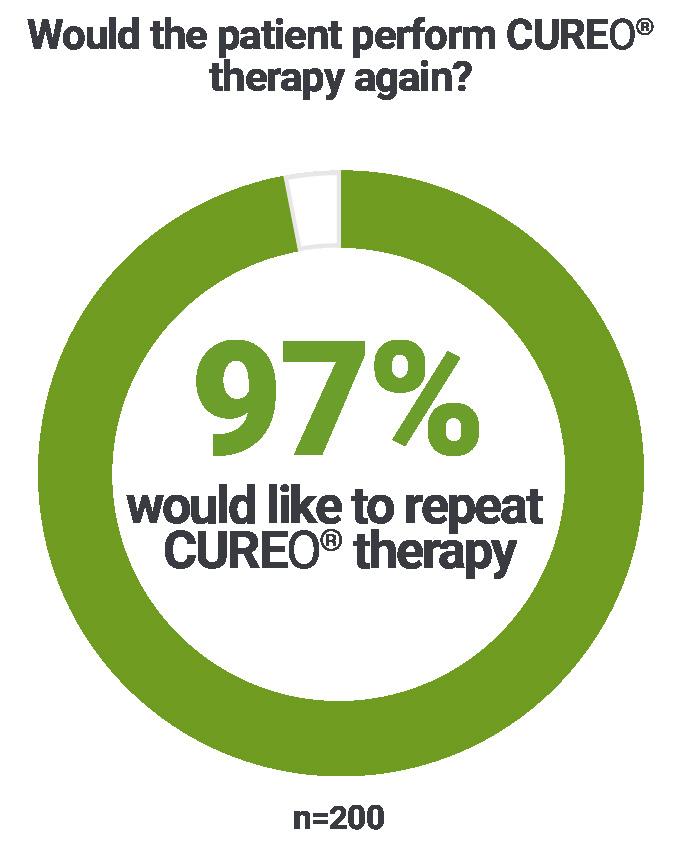
In over 200 therapy sessions, 97% of patients stated that they would be happy to repeat the therapy with CUREO®. 99% of patients found the therapy enjoyable, and in 95% of the therapy sessions, therapists observed increased motivation for therapy20
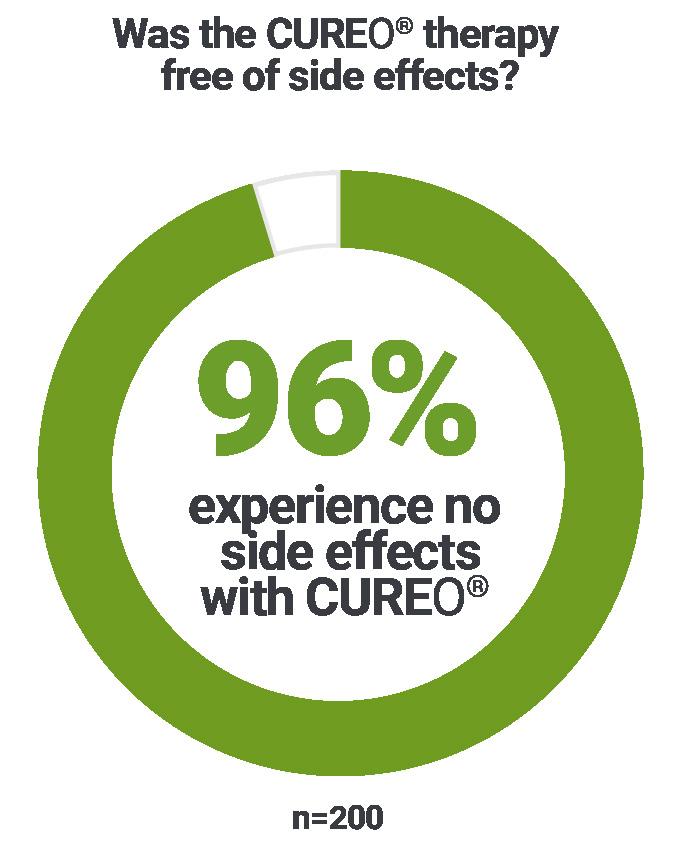
Only 4.5% of patients treated with CUREO® reported adverse side effects of the therapy, which were largely related to the weight of the VR headset (Figure 1).
Figure 1: Evaluation of the survey on immersive VR therapy using an earlier version of CUREO®
None of the patients complained of the so-called “motion sickness” that frequently occurs in VR, a positive result of the low latency on the CUREO® software.
STMTK specializes in neurological rehabilitation. Among the surveyed patients, the most common primary diagnosis treated with CUREO® was stroke, at 85%. Arm movement, reaching to the left or right, bilateral tasks, arm and hand coordination, and cognitive abilities such as concentration and memory were particularly frequently addressed in therapy. The study population was relatively balanced interms of gender, and at 75%, the majority of the study population was 61 years of age or older. Thus, a possible age-related bias in the positive results — e.g., due to younger, digitally savvy patients — is unlikely.
The results show that therapy with CUREO® is motivating for patients with neurological impairments and can therefore serve as a valuable therapeutic adjunct to conventional rehabilitation. The acceptance survey was published as part of an article titled “Increased therapy motivation through innovative virtual reality therapy” (Stemick et al.) in the journal Nervenheilkunde (Fig.1, p. 8).
Clinical study on acceptance, user-friendliness, and integration into daily therapy at the Gröbming Rehabilitation Center
As part of inpatient rehabilitation, VR training sessions with CUREO® were integrated into the individual therapy program of the hand therapy lab at the Gröbming Rehabilitation Center. A total of 45 patients with various diagnoses participated, including Parkinson’s disease, Huntington’s disease, shoulder disorders, neuromuscular disorders, and stroke. The age range was 28 to 84 years. After each VR session, the patients evaluated their experiences using standardized questionnaires. The survey measured, among other things, satisfaction, well-being, perceived effectiveness, perceived effort compared to other forms of therapy, and the desired frequency of use.
Overall, VR therapy with CUREO® was perceived by patients as very positive and effective:
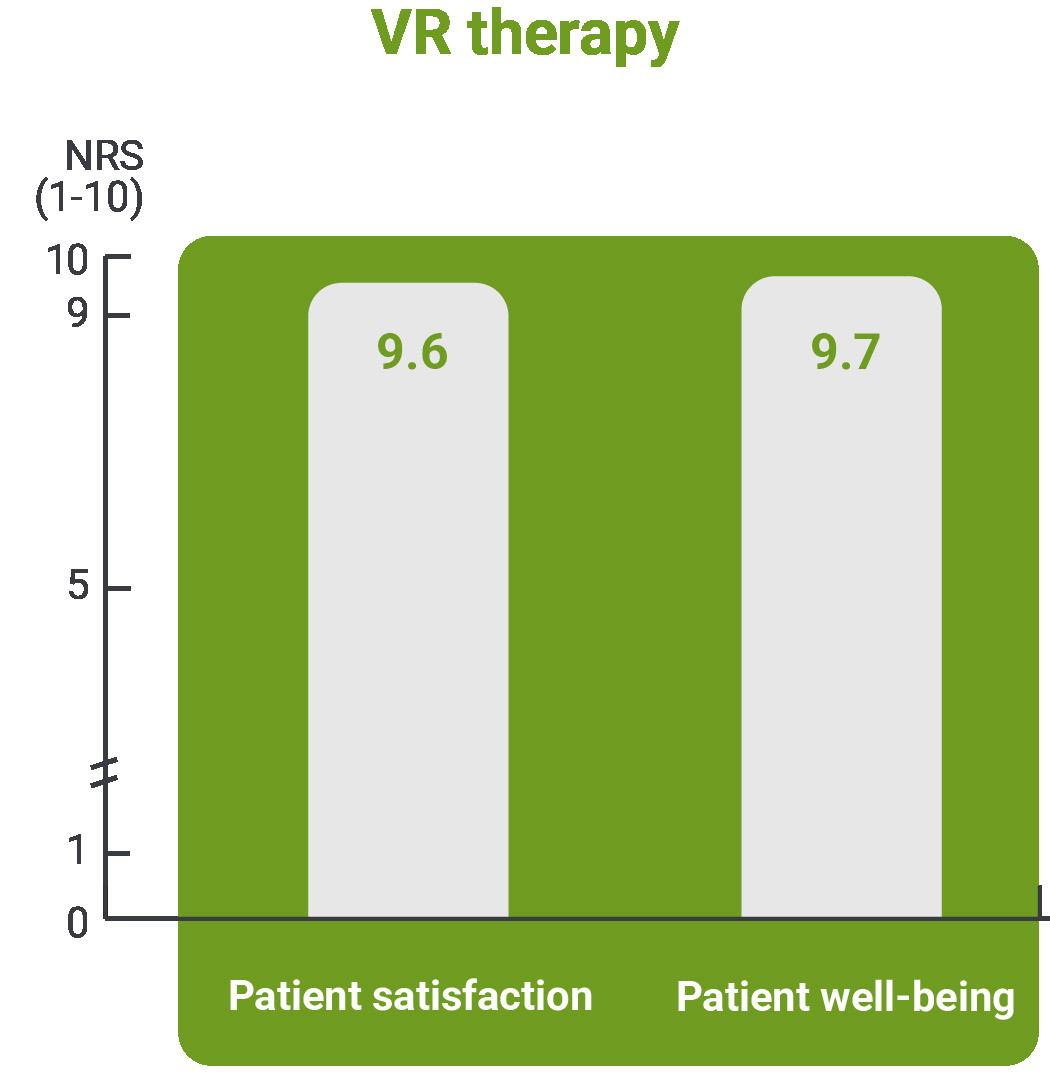
• Therapy-related satisfaction averaged 9.6 out of a possible 10 points. Subjective well-being was rated at 9.7 out of 10 points.
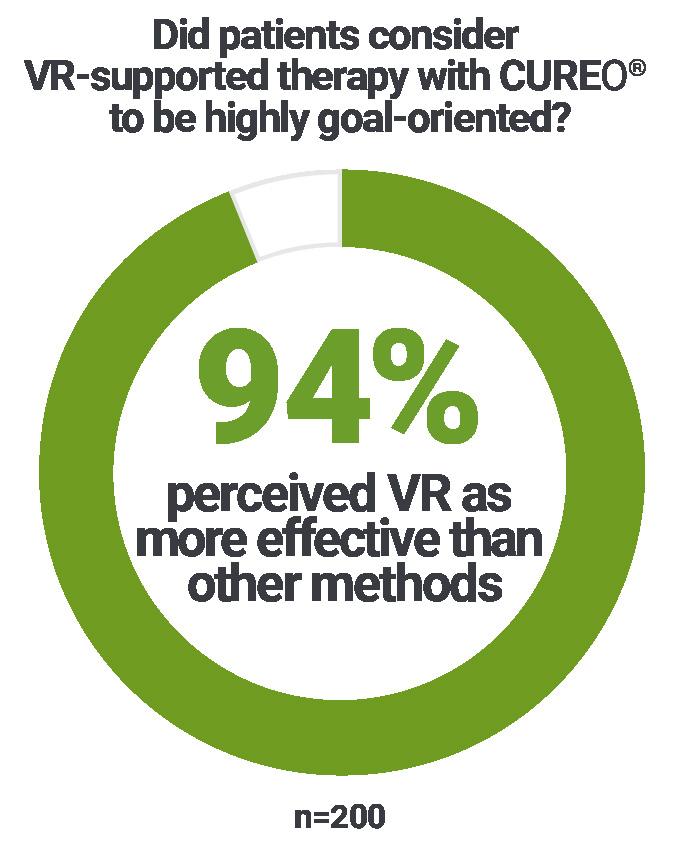
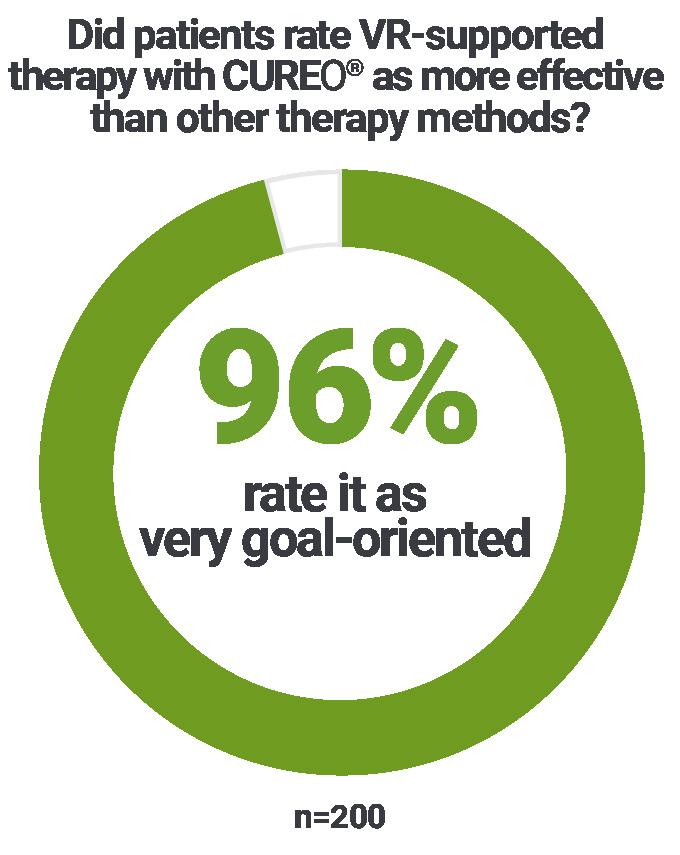
• 96% of patients perceived VR therapy as more effective or significantly more effective than other therapeutic methods.
• 94% rated the therapy as effective or very effective. More than half of the respondents found VR training to be less strenuous than other forms of therapy, while still perceiving it to be highly effective.
• Two-thirds of patients stated that they wanted to use VR therapy daily or four to six times a week.
In addition, no relevant physical complaints were reported, and the operation of the VR headset was rated as comfortable and easy to use. Acceptance was very high across all age groups.
The latest results from Gröbming reinforce the existing evidence base for VR-based therapy with CUREO® (Stemick et al., 2022). They show that virtual reality is not only technically feasible but also experienced by patients as effective, pleasant, and meaningful.
Figure 2: Satisfaction and well-being of the surveyed patients following their rehabilitation stay with the integration of CUREO® therapy units.
Figure 3: Patient-reported outcomes regarding the perceived effectiveness of

CUREO® in Parkinson’s therapy
Therapy aimed at maintaining mobility and fine motor skills in the upper extremities is a central component of rehabilitation for patients with Parkinson’s disease. Limitations in arm and hand function affect many daily activities, from grasping to communication, and have a direct impact on independence and quality of life. Targeted, regular, and motivating therapy is therefore crucial for maintaining movement patterns, developing new motor strategies, and supporting long-term progress.
In an independent, blinded, randomized controlled trial, 58 patients with Parkinson’s disease were studied; they were evenly divided into groups receiving either CUREO® VR therapy or conventional therapy for the upper extremities. All patients completed four 30minute training sessions per week over a four-week period. The study was conducted at the REHA ZENTRUM Münster and the Bad Hall Klinik in Austria.
Both interventions led to an improvement in arm function (ARAT score) as well as gross and fine motor skills. Similarly, both groups showed a slight improvement in the total UPDRS score. Upon closer examination, however, the two approaches demonstrated different strengths.
Randomized controlled trial
Central motor functions*
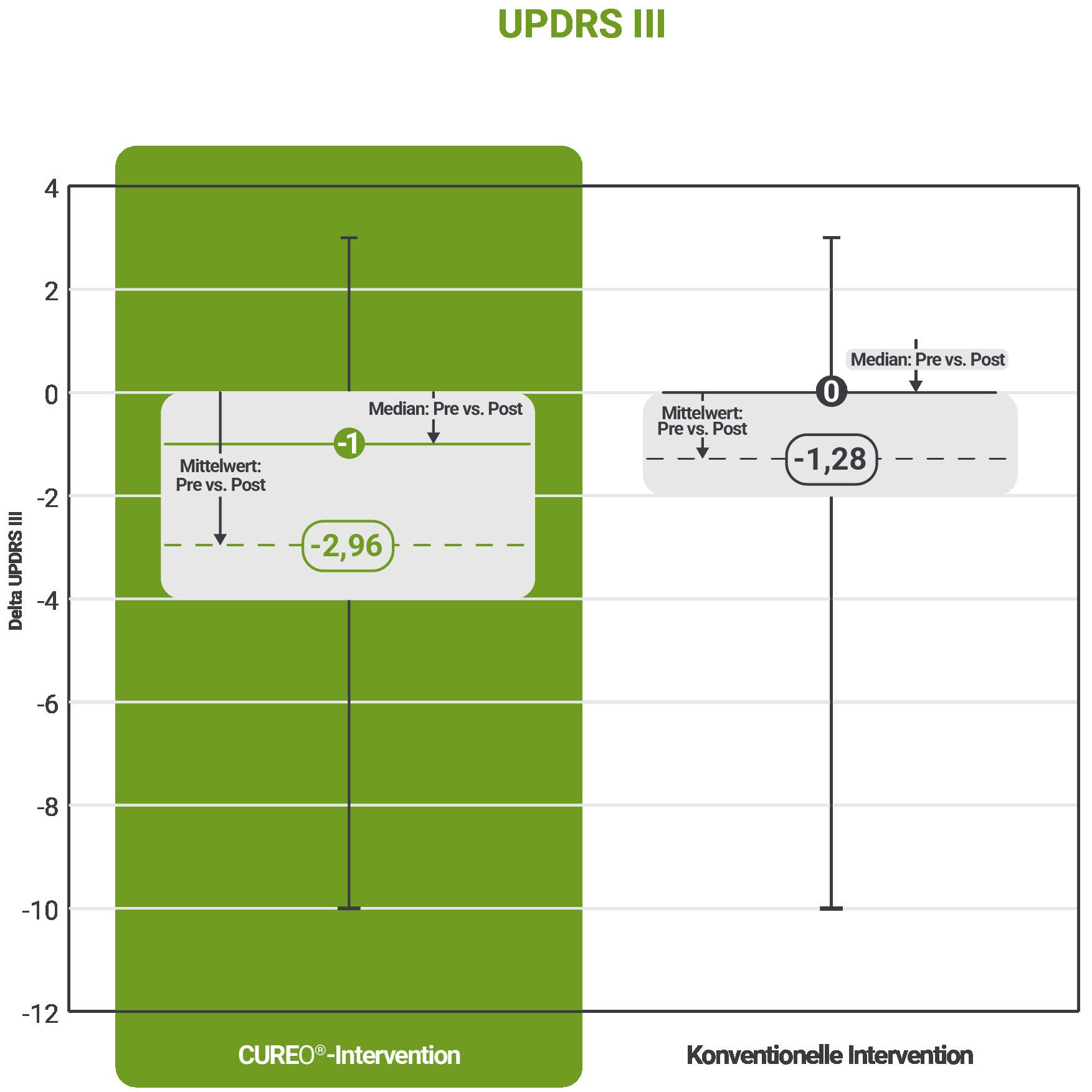
VR therapy led to significant improvements in the motor assessment component (UPDRS III), while conventional therapy showed benefits primarily in activities of daily living (UPDRS II). This can be explained by the different training focuses: Conventional therapy focused on real-life, functional tasks such as eating, writing, or grasping, which are closely aligned with everyday life. VR therapy, on the other hand, offered high-frequency, visually guided training with many repetitions, specifically designed to promote range of motion, precision, and coordination.
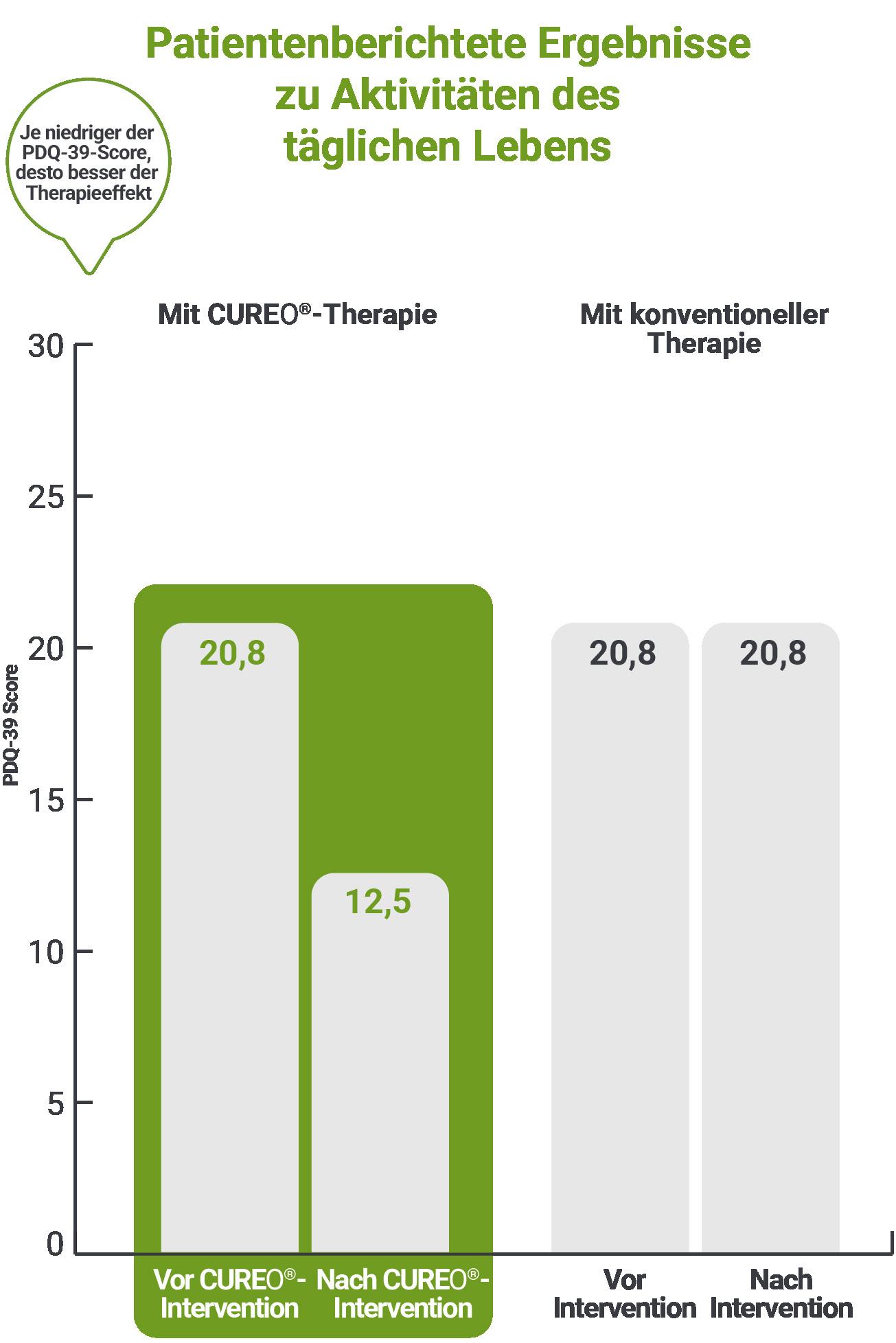
The patient-reported outcomes (PROs) also showed partially complementary patterns. Although no significant differences emerged between the groups, VR therapy was associated with improvements in health-related quality of life (HRQoL) in the areas of activities of daily living, cognition, and emotional well-being, whereas conventional therapy primarily had a positive impact on emotional well-being and the experience of stigma.
Zu Aktivitäten des täglichen Lebens
Patient-reported outcomes
Zum emotionalen Wohlbefinden (EWB) Zu Kognition
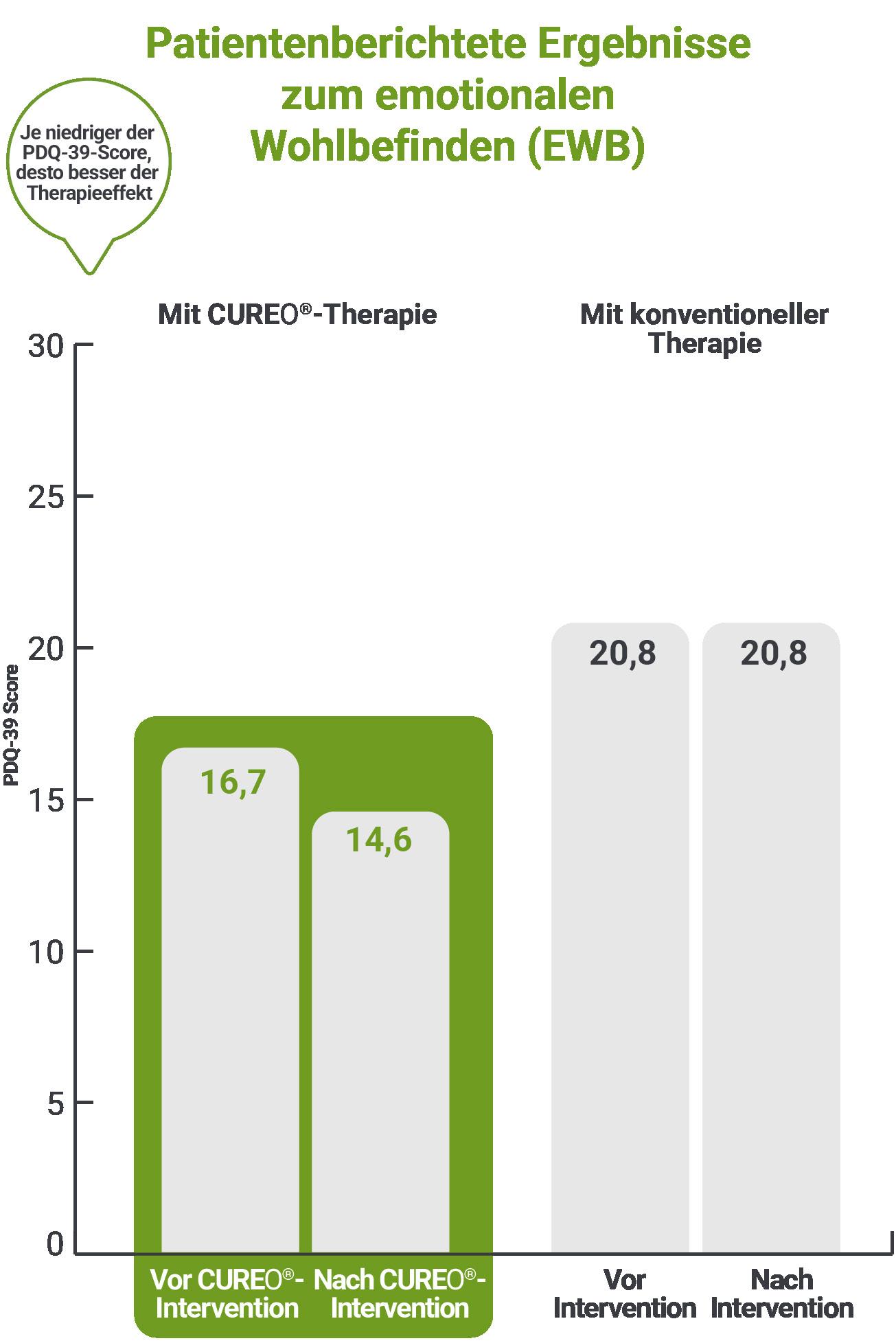
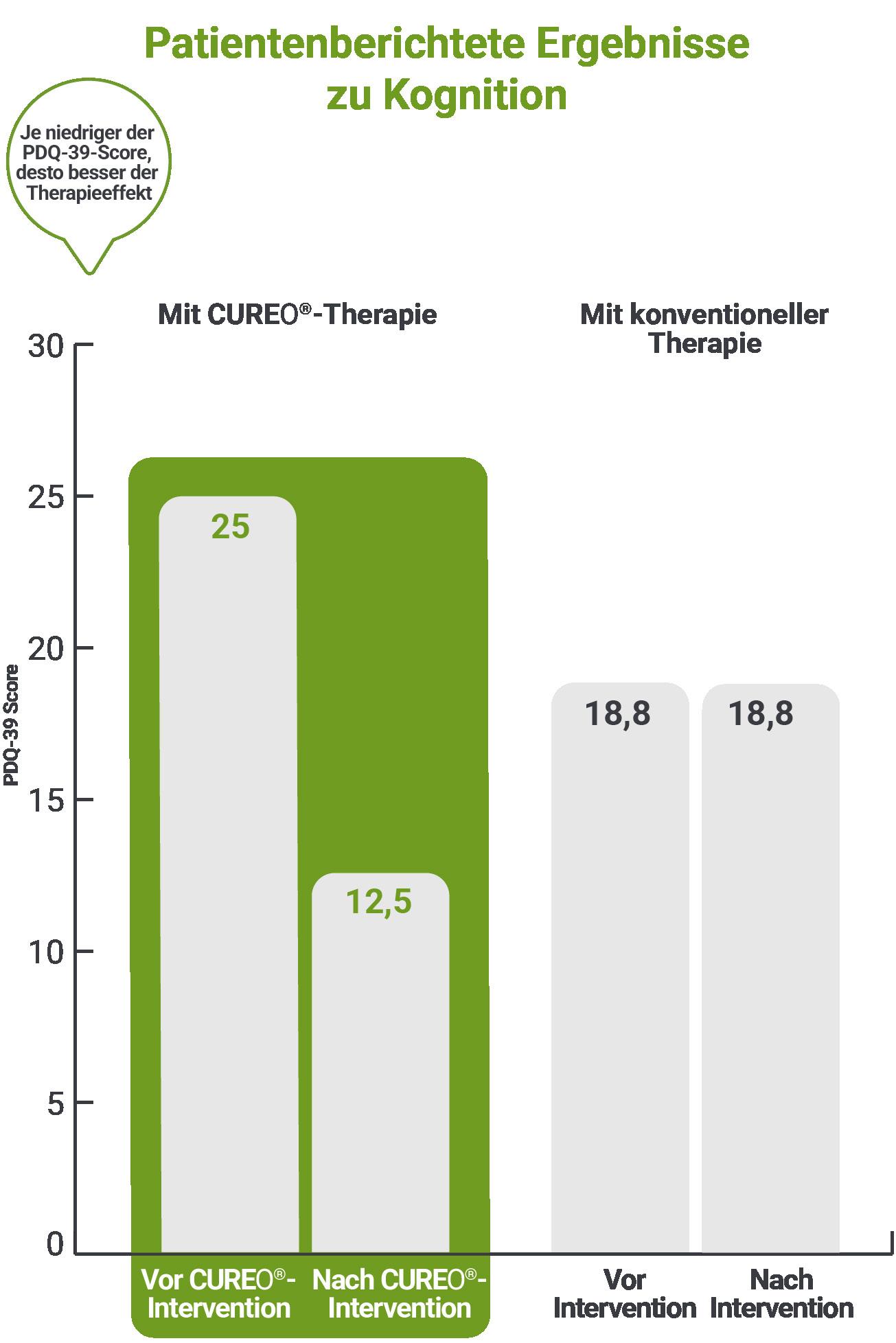
Figure 4: Improvement in the UPDRS-III score and patient-reported outcomes in the areas of ADL, EWB, and cognition, as measured by the PDQ-39, following CUREO® therapy. The lower the PDQ-39 score, the better the therapeutic effect.
*In the published study, significance was calculated on a median basis; in the CUREO® group, significant pre-post effects were observed for all patient-reported endpoints shown. For illustrative purposes, the figure shows difference values (∆) based on the arithmetic mean, which were not tested separately for significance.
Overall, the results show that both forms of therapy are effective and complement each other well in their effects.
VR therapy, in particular, shows promising potential for improving central motor functions and selected aspects of quality of life, and thus represents a modern, motivating extension of conventional therapy.
The study was published in January 2026 in the journal „Journal of NeuroEngineering and Rehabilitation“ veröffentlicht21.

CUREO® in stroke rehabilitation
Rehabilitation following a stroke requires significant commitment from patients and healthcare professionals, as well as targeted exercise therapy.
Modern VR systems such as CUREO® can support this process while also being motivating, safe, and highly accepted by patients and healthcare professionals.
CUREO® in the stroke unit
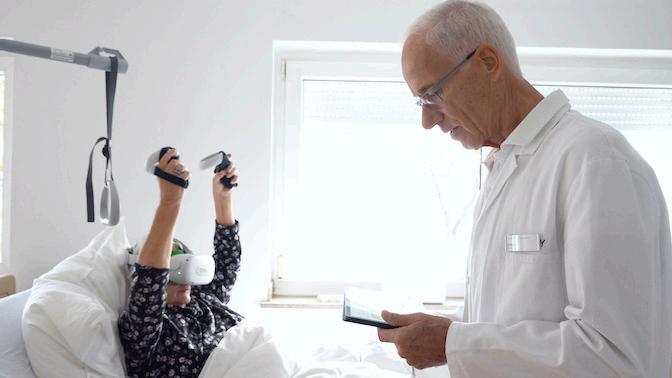
A recent study published in *Neurological Research and Practice* (2024) provides valuable insights into the use of CUREO® in the Stroke Unit at Essen University Hospital. The findings show that CUREO® therapy is not only feasible and safe but also boosts patient motivation, a key factor for successful rehabilitation.
Typical concerns such as dizziness or motion sickness as side effects of VR played hardly any role: In fewer than 2% of cases, treatment was discontinued for this reason.
This result underscores that modern VR systems such as CUREO® are well tolerated and patient-friendly in clinical practice, even during the particularly sensitive phase of early stroke rehabilitation.
Organizational hurdles also occurred in less than 3% of therapies. This shows that CUREO® can be very well integrated into the daily routine of acute inpatient care and does not pose any significant logistical hurdles.
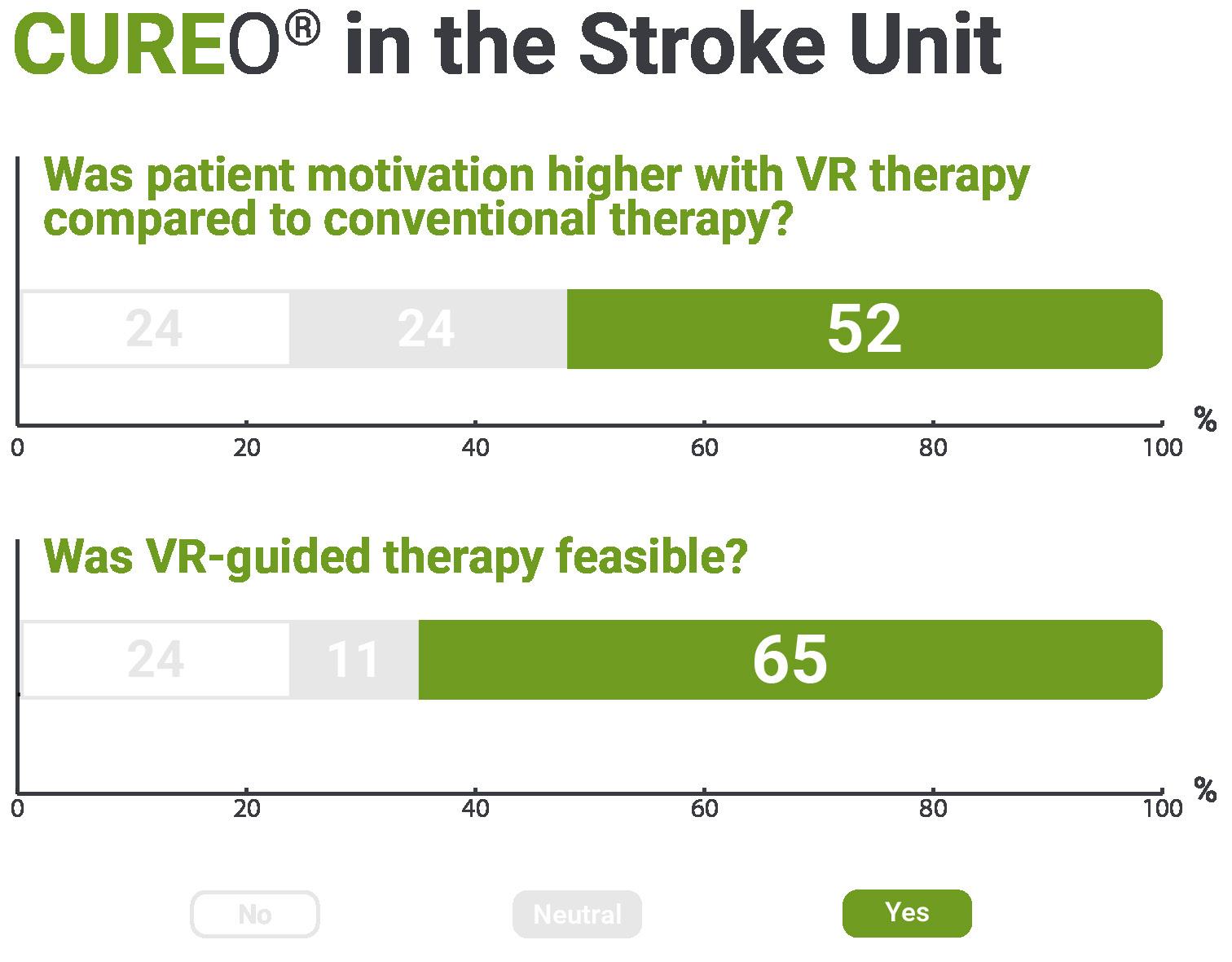
Particularly noteworthy is the high level of patient motivation during CUREO® treatment
In the majority of cases, motivation was rated as equally high or higher than with conventional forms of therapy in the (post)acute phase. The treating therapists also rated the treatment as easily implementable and observed a moderate to high training intensity. These results highlight the strong motivational potential of CUREO®, which playfully encourages patients to be more active.
CUREO® can be individually tailored to the abilities and needs of each patient, offering an innovative tool to promote functional recovery early after a stroke — precisely during the vulnerable phase when
particularly during this vulnerable phase due to high neuroplasticity.
The study’s findings underscore what is already evident in many rehabilitation facilities: virtual reality opens up new possibilities for modern, motivating, and patient-centered therapy design
The study was published in December 2024 in the journal „Neurological Research and Practice“22
Figure 5: Therapists’ assessment of patient motivation during CUREO® therapy and evaluation of the feasibility of CUREO® therapy.
CUREO® compared with robot-assisted therapy
An independent study investigated the therapeutic efficacy of CUREO® with regard to arm rehabilitation in stroke patients.
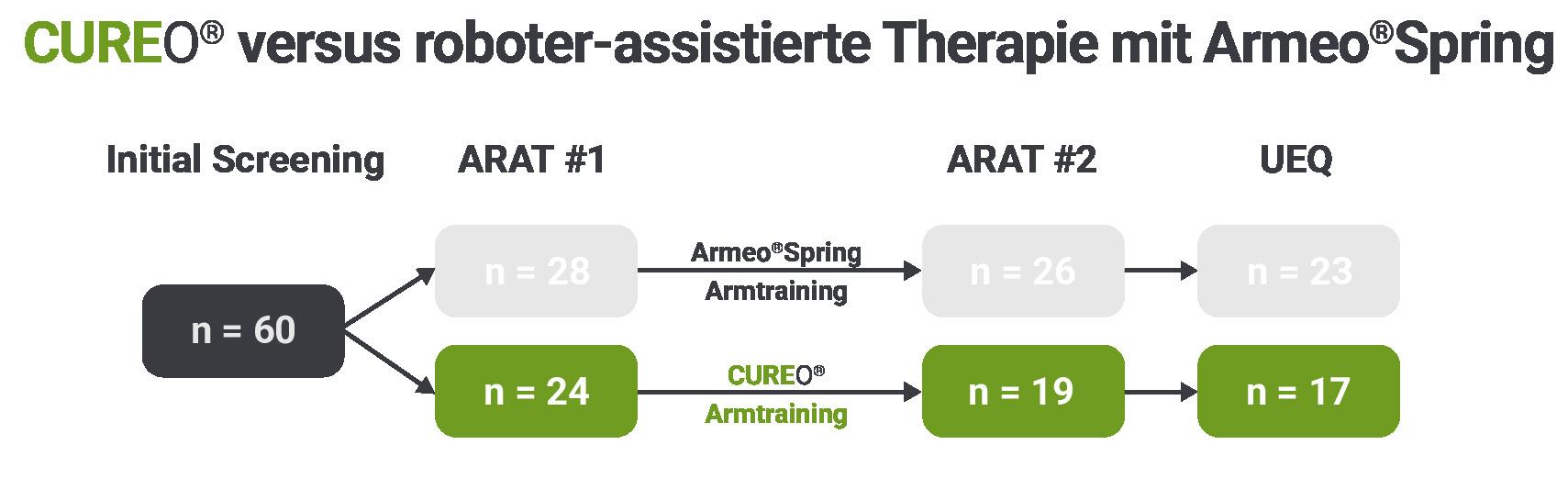
The VR therapy with CUREO® was compared with the robot-assisted arm training using Armeo®Spring from Hocoma, which is already widely established in rehabilitation centers.
The study included patients with severe arm paresis following a stroke.
Over a period of 3 weeks, a total of 52 patients in two study groups received daily high-frequency therapy: One group initially received 20 minutes of conventional arm therapy followed by 20 minutes of CUREO® therapy during their sessions. The other group was treated with conventional therapy and Armeo®Spring therapy. The exercises were conducted in a group therapy setting. Clinical rehabilitation progress in arm function was measured using a pre-post comparison of individual ARAT scores.
A total of 40 study participants (CUREO® n=17, Armeo®Spring n=23) were included in the analysis.
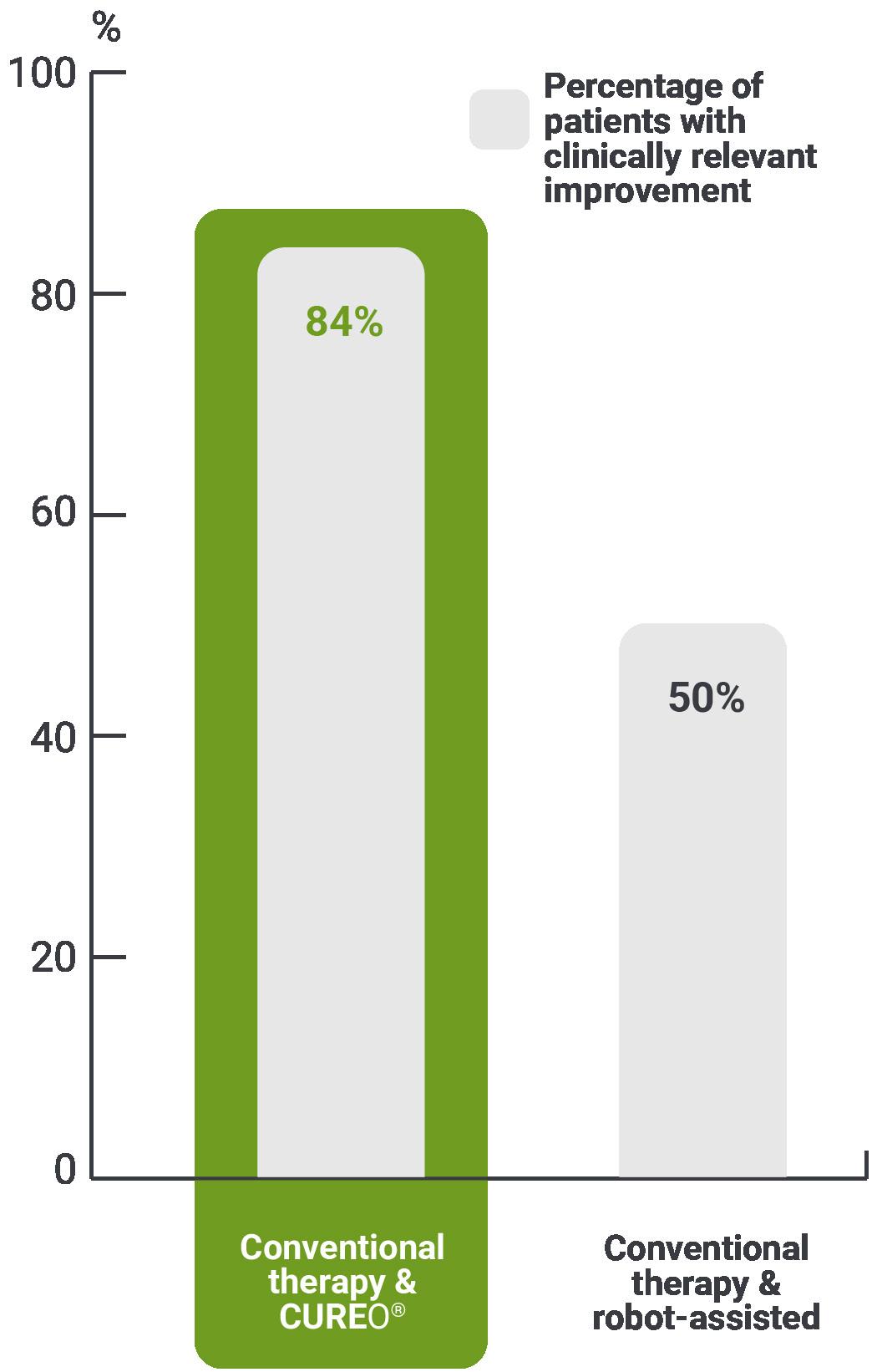
This revealed an advantage for patients who were treated with CUREO® in addition to conventional therapy: 84% of patients showed a clinically relevant improvement in arm function. In the In contrast, in the Armeo®Spring group, only 50% of patients showed a comparable effect (Figure 7).
Overall, not only was the proportion of patients who benefited from the intervention higher in the CUREO® group, but the extent of improvement was also greater: patients treated with CUREO® improved by an average of 14 ARAT points (median) compared to 6.5 points in the control group (Figure 7).
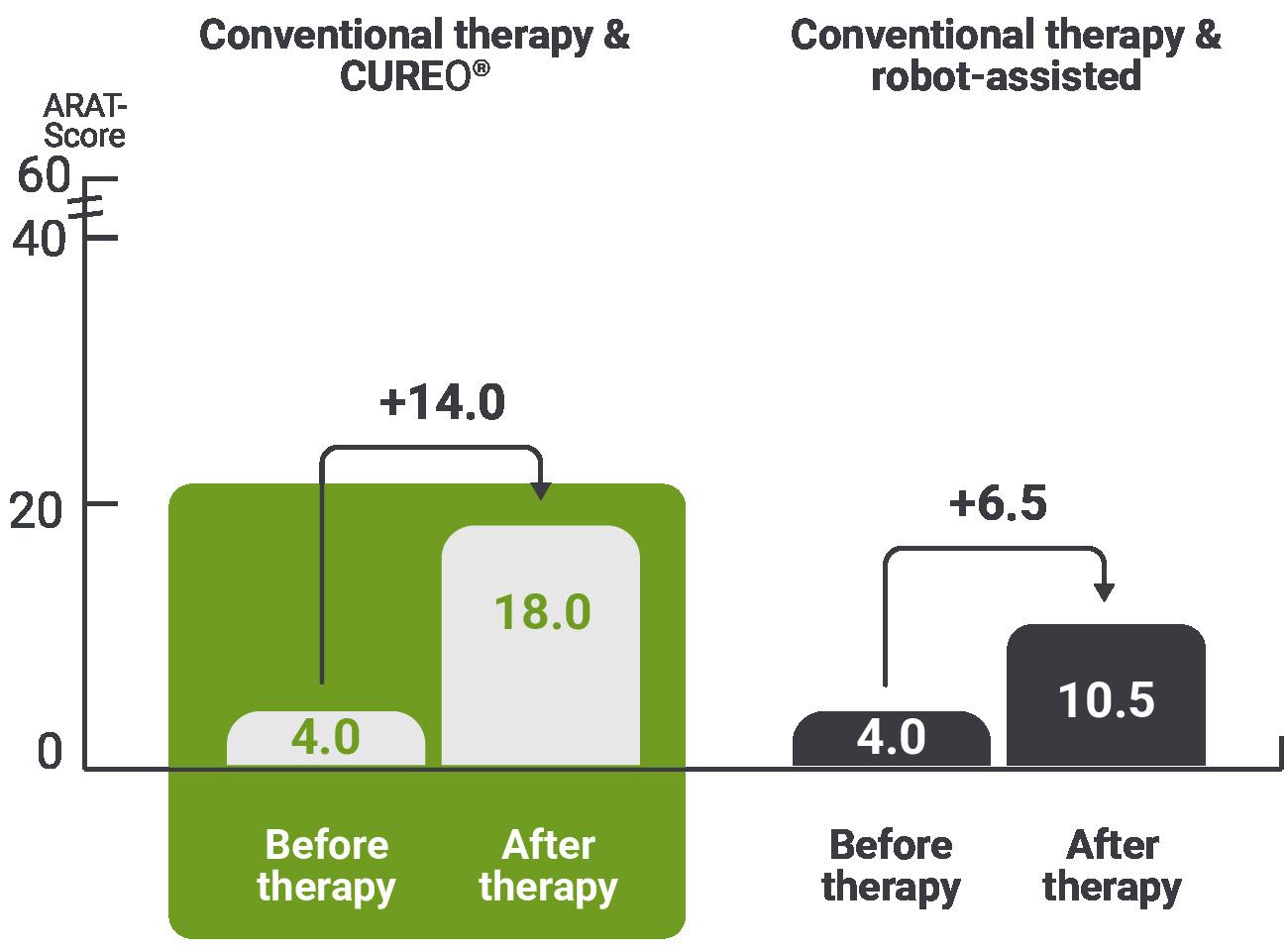
Figure 6: Study design
Figure 7: Proportion of patients with clinically relevant improvement and ARAT score before and after therapy. The higher the ARAT score, the better the (arm) functionality.
This difference is not surprising, as earlier studies have already described immersive VR-based training as superior to non-immersive treatment options for arm paresis23 . This is based on the assumption that the more intense the patient’s body awareness is, the greater the therapeutic success of (VR-based) arm training. This therapeutic principle is implemented in CUREO® through features such as a virtual avatar that mirrors the patient’s own body movements. The study was published in 2023 in the journal „Frontiers in Neurology“24
By the way: For the study, the clinic was provided with a prototype of CUREO® that could only run the two therapy programs “Meteor” and “Caterpillar Race” (known as “Hot Wire” in CUREO®5). By comparison: The current software version (CUREO®5), which is already in use at over 300 facilities, features 7 modules with over 50 therapy applications, allowing for even more varied and personalized therapy.
CUREO® in the Treatment of Visual Neglect
Visual neglect following a stroke is one of the most common and debilitating impairments for patients. Those affected have limited perception of one side of their body or space, with significant impacts on independence, mobility, and quality of life. Targeted therapy is therefore crucial for promoting perception and orientation.
A randomized controlled trial on VR-based treatment of visual neglect following a stroke using CUREO® was conducted at the Burgau Therapy Center.
The four-week program compared virtual reality exercises specifically designed for neglect with traditional computer-based training and examined their effects on neglect symptoms, activities of daily living, motor function, and stroke severity.
Preliminary results presented at the DGNR in December 2025 showed that, in a pre-post comparison, VR-based neglect therapy produced therapeutic effects equivalent to those of established computer-based training.
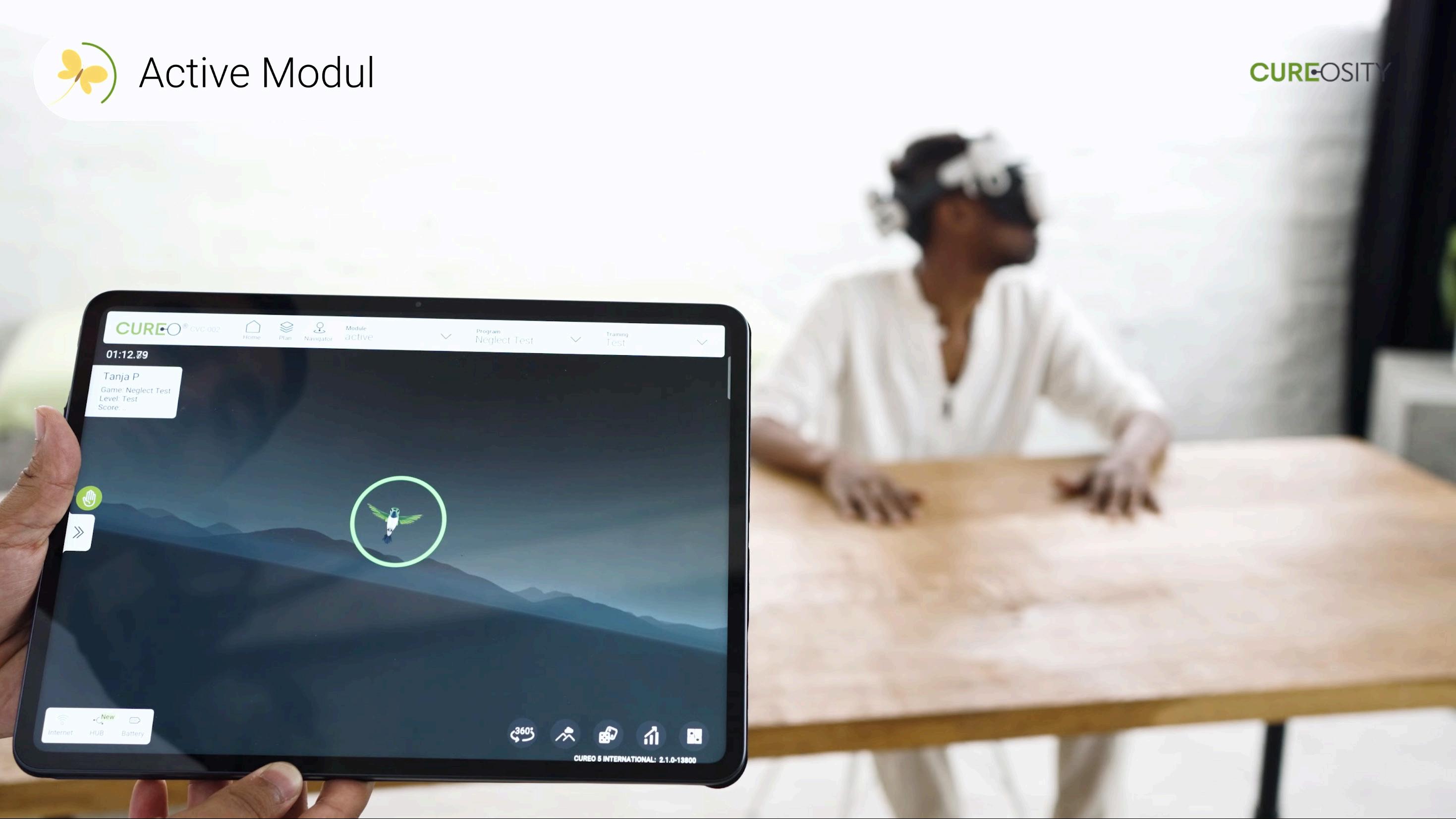

CUREO®: Improving Quality of Life in Rehabilitation
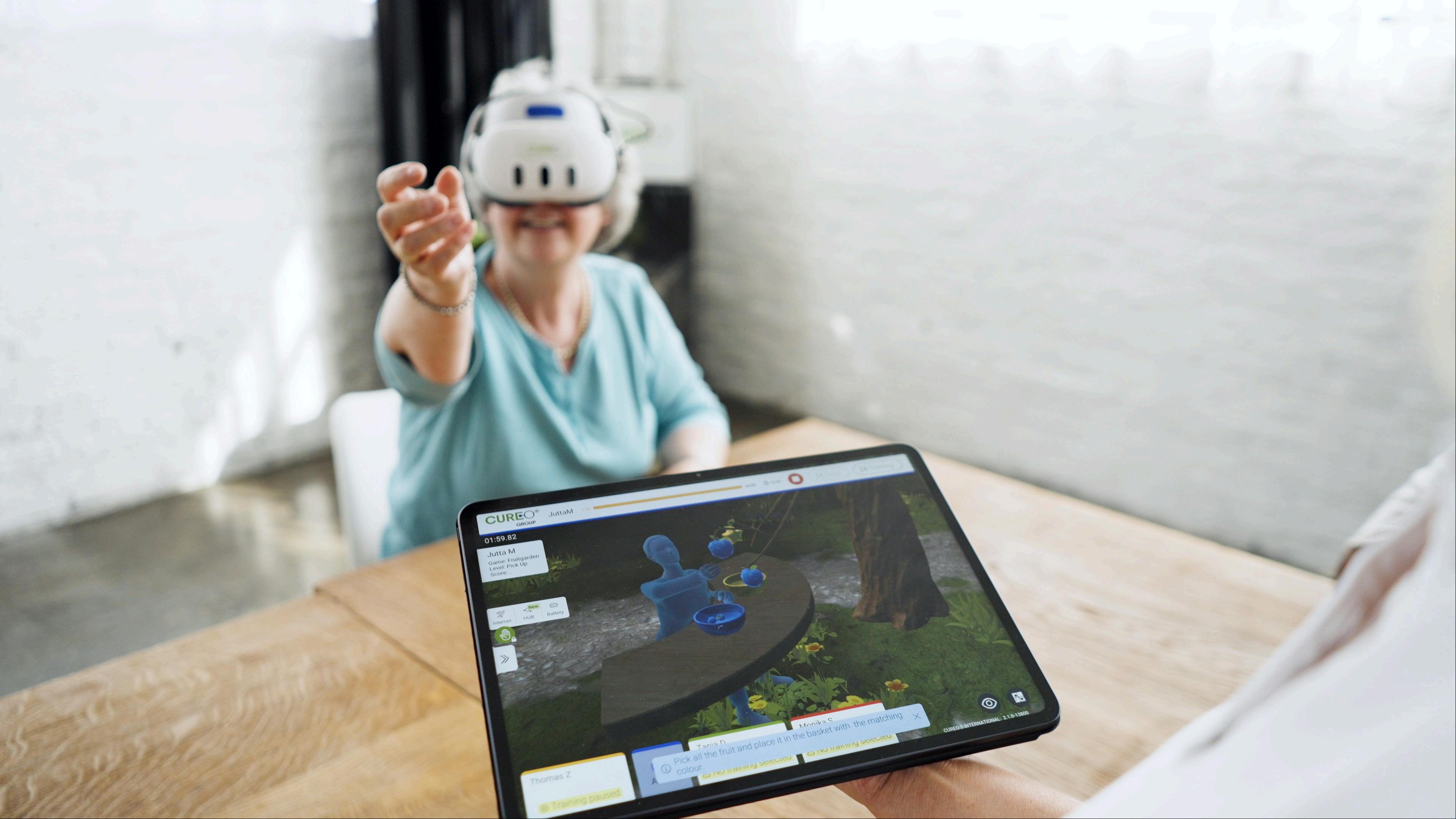
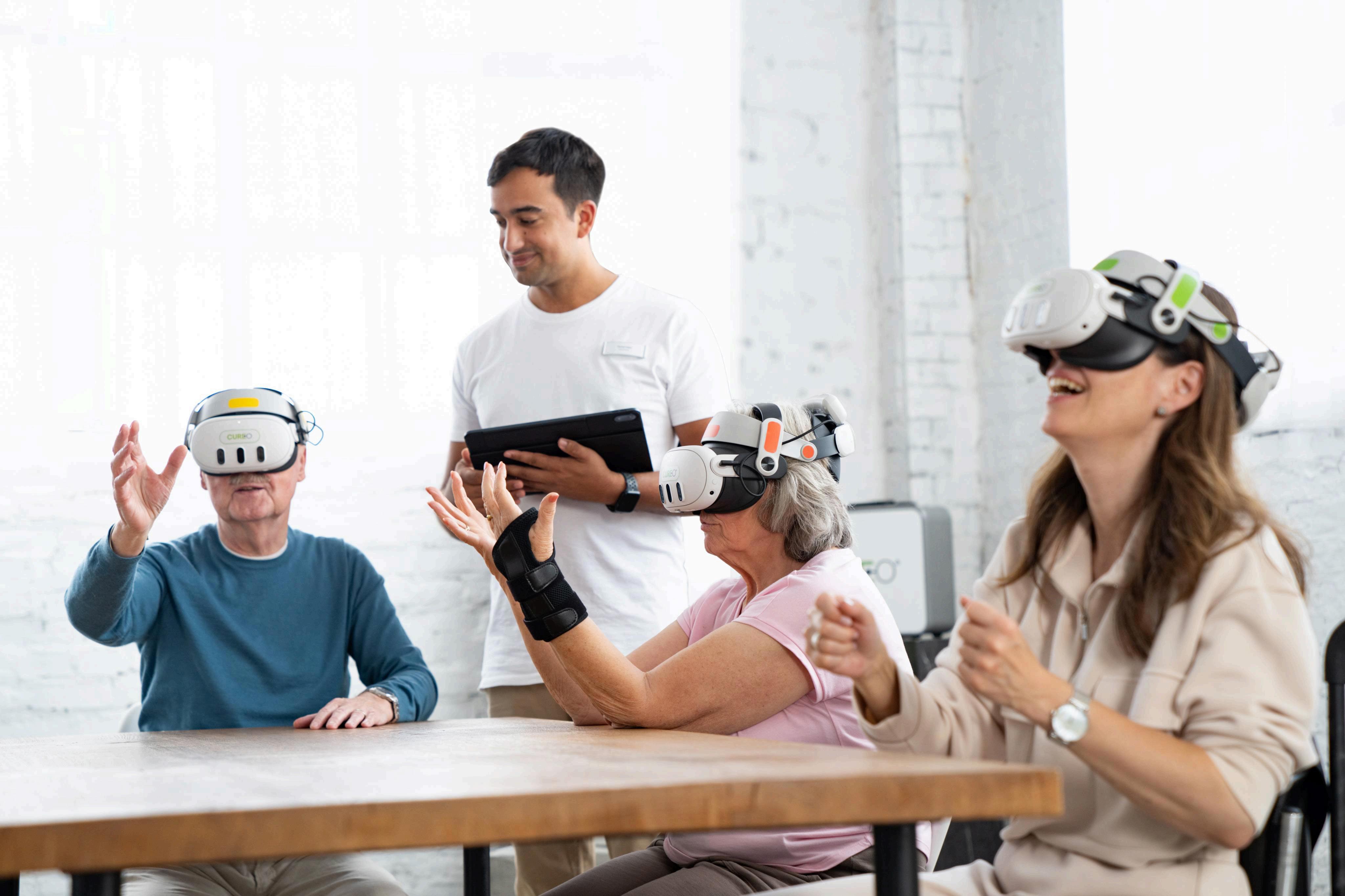
therapies such as CUREO offer innovative possibilities by enabling intensive, motivating, and real-lifeoriented training while simultaneously providing patients with space to relax and escape the daily routine of therapy. An improved quality of life can enhance functional gains, self-efficacy, and motivation, as well as improve participation in daily life—all crucial factors for sustainable rehabilitation success.
A prospective study conducted by Charité Berlin in the Neuropalliative Care Unit (NPC) shows that an immersive VR intervention using CUREO® is easily implementable in neuropalliative care and is very well received by patients. Despite often complex neurological impairments, 35% of all admitted NPC patients were able to participate in the study.
The 15–20-minute VR sessions, consisting of calming landscape experiences, gaze interactions, and breathing exercises, were predominantly perceived as pleasant, relaxing, and helpful. 88% of participants expressed a desire for further sessions. The intervention proved to be well-tolerated: only 6% discontinued the session due to mild discomfort.
anxiety, and breathing difficulties. At the same time, the patients’ overall well-being improved. The results clearly show that immersive VR with CUREO® can be effectively used in neuropalliative medicine.
The results suggest positive effects on patients’ quality of life. In addition, positive effects are observed on general well-being and perceived quality of life. The intervention offers a valuable, non-pharmacological supplement for alleviating typical stress symptoms and can improve wellbeing in a particularly sensitive care setting. VR therapy can serve as a suitable complement to existing treatment regimens to enhance the positive patient experience. Overall, the study underscores the great potential of VR-based therapies to sustainably improve the quality of life for inpatients and to make a valuable contribution to holistic, patient-centered care. An abstract presenting the study’s findings was published in April 2024 in the journal “Neurology”25
Evaluation of CUREO® implementation concepts
A concurrent scientific evaluation of pilot projects provides an opportunity to test new care approaches under real-world conditions and systematically assess their benefits, feasibility, and acceptance. This creates a foundation for testing CUREO® specifically within the context of real, existing processes and integrating it in a structured manner into existing care workflows. Through the controlled introduction within clearly defined settings, various aspects — such as
technical feasibility, individual user responses, organizational requirements, and effects on existing processes — can be comprehensively evaluated. At the same time, this framework provides the basis for integrating new applications into interprofessional care models at an early stage and for gathering experience that can inform potential future care models.
Case study: VR therapy with CUREO® at the AMBULANTICUM®
As part of a pilot project within the framework of expanded rehabilitation care in cooperation with Techniker Krankenkasse (TK), VR therapy using CUREO® was successfully integrated into the intensive therapy program at AMBULANTICUM® Herdecke. The goal was to test the integration of this innovative method into existing therapy concepts and to evaluate its acceptance, feasibility, and benefits from the patient’s perspective. The project was aimed at patients with severe motor impairments of the upper extremities, including stroke, MS, and paraplegic patients.
The integration into daily therapy practice was successful. Therapy professionals received extensive training and were supported by the CUREOSITY training team during the initial sessions. Therapists rated CUREO® as easy to use, versatile, and a valuable addition to existing therapies.
Patient feedback confirms the success of the program: Participants described the training as varied, playful, and relevant to everyday life, while also finding it therapeutically effective. 70% of respondents would like to use CUREO® again in future therapies, and 75% reported that VR therapy motivates them to push beyond their previous limits.
Overall, the pilot project clearly demonstrates that VR therapy with CUREO® can be very well integrated into everyday clinical practice and is well-received by patients as well by therapists. The combination of playful interaction, high motivation, and perceived effectiveness makes VR a valuable component of neurological rehabilitation. Based on these positive experiences, AMBULANTICUM® has decided to permanently incorporate CUREO® into its therapeutic approach.
Case study: Evaluation of CUREO® in MEDIAN clinics
“VR therapy is more than just a trend: it opens up new avenues for motivation and therapeutic success.” MEDIAN Clinics
As part of a comprehensive pilot project, VR therapy using CUREO® was successfully integrated into neuropsychological and occupational therapy rehabilitation at four MEDIAN clinics. The aim was to evaluate the feasibility, acceptance, and subjective effectiveness of the therapy in everyday clinical practice. In total, data from 179 patients (occupational therapy n=135; neuropsychology n=44) and 24 therapists were analyzed. The results show that VR therapy was received positively by both patients and therapists alike.
The acceptance of VR therapy with CUREO® was very high. 90% of patients would use the training again and recommend it to others. 94% described the VR system as easy to learn, and 90% felt confident using it.
In occupational therapy, group sessions involving up to three patients were conducted as a supplement to standard therapy. 74% of patients reported a subjective improvement in motor coordination, while 86% reported that their motivation had increased as a result of VR therapy. Patients reported that the motor activation provided by the playful, virtual exercises significantly supported the success of the therapy.
In neuropsychological therapies, VR therapy was used in individual sessions. 75% of the Rehabilitation patients reported improvements in attention and concentration. Improvements in spatial perception were reported by 77%.
Therapists also viewed VR therapy positively. 96% saw it as an enhancement to the expanded range of treatments, and 92% reported increased patient satisfaction. Integration into daily clinical practice was rated as easy by 67% of respondents. This illustrates that existing therapy protocols can be practically supplemented with a VR-supported application.
Overall, the expansion of treatment options is seen as a key advantage of VR therapy. The pilot project clearly demonstrates that VR therapy is practical and effective in neuropsychological and occupational therapy settings and is appreciated by patients and therapists alike.
The results will be presented at the Rehabilitation Colloquium in Leipzig in March 2026.
Translational research and development
CUREosity GmbH not only generates evidence for CUREO®, but also researches further mechanisms of action and areas of application for VR therapy.
In collaboration with Maastricht University, the influence of different VR environments on subjective pain perception in cases of acute pain was investigated. For this purpose, a brief heat pain stimulus was applied to the wrists of the participants. An active (interactive) and a passive (non-interactive) VR environment were compared. The results show that interactive and multisensory VR settings, in particular, can contribute to more intense and longer-lasting pain relief than less immersive variants.
Participants in the active condition reported a continuous reduction in pain intensity across all three measurement time points, whereas in the passive condition, an increase in pain perception was even observed between measurement time points. This difference suggests that interactivity, as well as additional auditory and visual stimuli, has a stronger influence on attention and thereby promote pain-modulating effects.
Participants also reported that specific design elements, such as visual cooling effects such as interactive water simulations, were subjectively particularly soothing. These observations underscore the potential relevance of multisensory VR elements for future therapeutic applications. Overall, the results suggest that immersive, active VR environments may be a promising approach for the short-term modulation of pain.
The study is currently in the submission process. A preprint26 of the study can be requested from CUREOSITY.
Research and Clinical Application with CUREO®
Are you planning a study project or would you like to evaluate CUREO® at your institution within the context of a clearly defined clinical question?

We support you with study design, endpoint definition, and the structured implementation and evaluation of your study.
Dr. Judith Stemick Medical Affairs