
UNIVERSITY OF COLORADO Physical Medicine & Rehabilitation
NEWS BULLETIN 2026

MD Professor & Chair Department of Physical Medicine & Rehabilitation
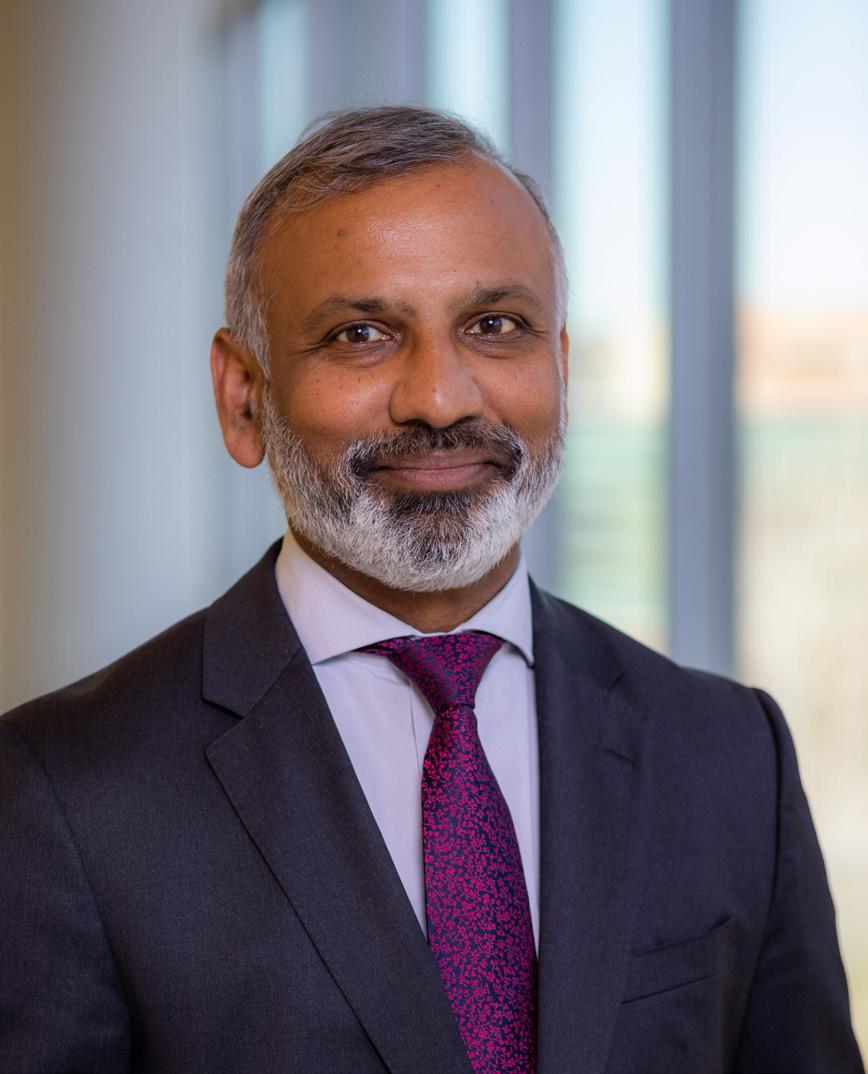
Venu Akuthota,

UNIVERSITY OF COLORADO Physical Medicine & Rehabilitation
NEWS BULLETIN 2026
MD Professor & Chair Department of Physical Medicine & Rehabilitation
The “total rewards” of being an academician are significant. But, let’s face it, we must make our place of work irresistible. For me, CU PM&R has been an irresistible place to work for the last quarter century because it is a landscape for a broader purpose: Growing the value of rehab.
Clarity is the antidote to many things in life and it is incumbent on leaders and partners to make monetary and non-pecuniary benefits very clear to all generations of rehabilitation specialists. It’s not just about being part of the biggest practice group or the biggest training program; it’s about ensuring that our collective efforts amount to more than the sum of their parts. On my perch, it’s clear faculty and staff don’t work and stay here just for a paycheck.
Let’s start with the pecuniary. Our department came through the clinical funds flow exercise with more support. In addition, we are aligning to benchmarks which provide the security of a large organization yet fairly rewards clinical productivity with new incentive structures. But being an academician doesn’t just mean being a number. It means engaging in all the benefits- retirement plans, malpractice trusts, tuition and loan forgiveness, and plenty more.
In Colorado, it’s often said you come for the winter, but you stay for the summer. To extend the analogy, you come for the pecuniary, but you stay for the non-pecuniary. The sense of a larger community, affinity groups, and socializing with others is part of the team concept of CU Rehab. From the camaraderie of the CU PT residential and hybrid faculty to our research roundtables to learning from your peers to faculty club lunches to Gersten Day and graduations, the greatest benefits are being part of the CU rehabilitation community. Thanks to our world-class faculty and staff for making us irresistible!
Sincerely,

Venu Akuthota, MD Professor and Chair, Department of Physical Medicine & Rehabilitation
University of
Colorado
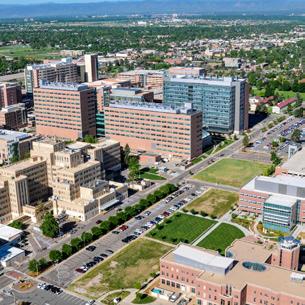
Anschutz Medical Campus, School of Medicine
$20.8 MILLION $20.8 MILLION
MILLION
MILLION
DOXIMITY REPORT RANKING OF RESIDENCY PROGRAM #11 #11
RANKING BY BLUE RIDGE NIH RANKINGS FOR 2025 #17 #17
U.S. NEWS AND WORLD REPORT RANKING OF THE PHYSICAL THERAPY PROGRAM
Don’t forget to vote for rehab and specialty hospital facilities in Colorado: UCHealth University of Colorado Hospital, UCHealth Broomfield Hospital, Children’s Hospital Colorado, Craig Hospital.

$3,518,954 #6
University of Colorado PM&R
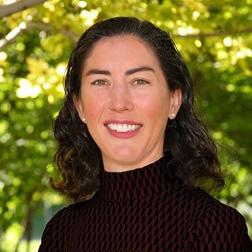
$1,781,218 #4
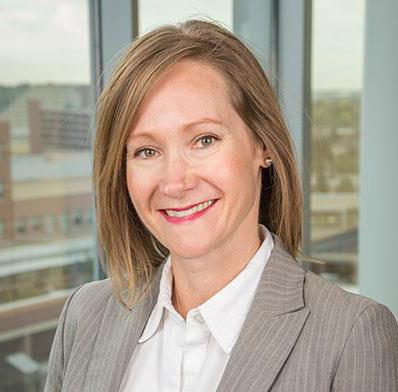
Jennifer Stevens-Lapsley, PT, PhD, FAPTA
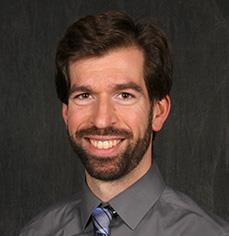
$604,703 #36
Ryan Marker, PT, DPT, PhD
$442,045 #51
Kristin Uhler, PhD
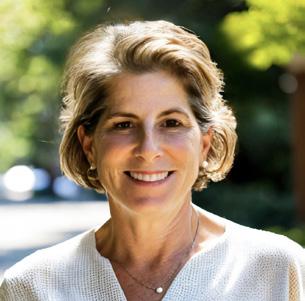
$330,928 #56
Lisa Brenner, PhD, ABPP
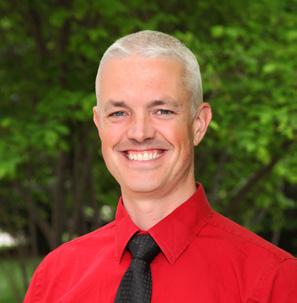
$152,032 #81
Michael Bade, PT, DPT, PhD, OCS, FAAOMPT
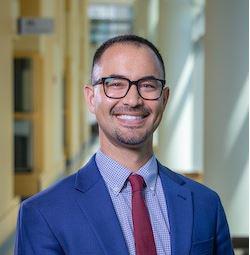
$126,923 #87
Andrew Smith, PT, DPT, PhD
In 2026, CU PM&R was fortunate to welcome 8 new members to our faculty!

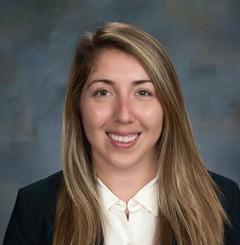
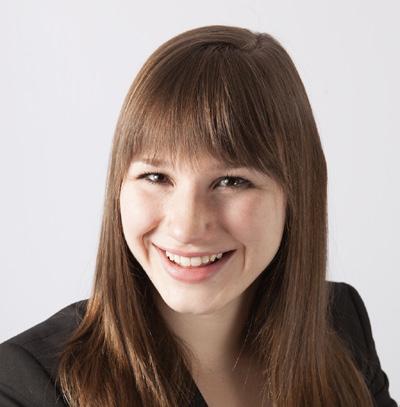
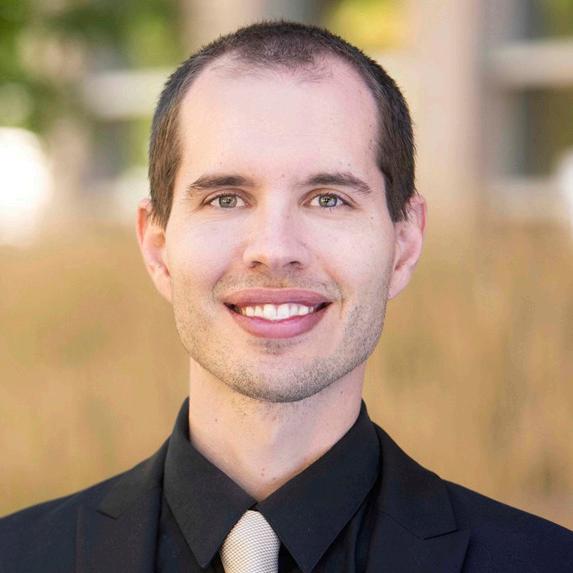
Dr. Austin Boos was born and raised in the Midwest. He earned a Bachelor of Science in Biomedical Engineering from the Illinois Institute of Technology in Chicago, with a concentration in Cell and Tissue Engineering. He completed his medical degree at Marian University College of Osteopathic Medicine in Indianapolis. Dr. Boos went on to complete his residency in Physical Medicine and Rehabilitation at Northwestern University and the Shirley Ryan AbilityLab in Chicago. He then completed a fellowship in Pain Medicine here at the University of Colorado. His clinical interests focus on applying critical appraisal and evidence-based principles to the care of patients with spine and chronic pain conditions. His research interests center on optimizing interventional techniques and integrating biopsychosocial approaches to improve patient outcomes in chronic pain management.
Dr. Lindsay Burke joined the Denver Health Rehabilitation Team on September 22nd, 2025. Dr. Burke will provide musculoskeletal and spine care to patients in addition to electrodiagnostic studies. She earned her Bachelor of Science in Cellular Neuroscience in Cellular Neuroscience from Colgate University and her medical degree from Rutgers New Jersey Medical School. After completing her residency in PM&R at the University of Colorado, she pursued a fellowship in Spine & Sports Medicine at Hospital for Special Surgery in New York City.
Dr. Deana Claus joined the Denver Health Rehabilitation Team on October 6th, 2025. Dr. Claus will provide inpatient and outpatient neuro-rehabilitation care to patients. She is a Colorado native, and completed her undergraduate studies, medical school, and PM&R residency through the University of Colorado. She joins Denver Health after completing her CU Spinal Cord Injury Medicine fellowship at Craig Hospital.
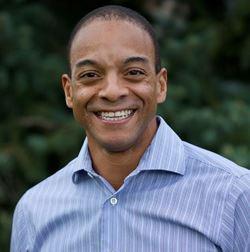
Dr. Jeremy Graber completed his Doctor of Physical Therapy degree from Indiana University in 2016, and PhD in Rehabilitation Science from the University of Colorado in 2023. He also completed fellowships in Advanced Geriatrics Research from the VA Eastern Colorado Geriatric Research Education and Clinical Center (GRECC) and Advanced Health Services Research from the VA Seattle/Denver Center of Innovation (COIN). His areas of expertise include rehabilitation after total joint arthroplasty, decision support, and predictive analytics. Dr. Graber has received numerous awards including the Marilyn Gossman Award from the American Physical Therapy Association Academy of Research in 2024; the Rehabilitation Science Levy Scholarship from the University of Colorado in 2022; and the Adopt-A-Doc Award from the Academy of Geriatric Physical Therapy in 2021. Dr. Graber joins the CU PT faculty as an Assistant Professor, with teaching responsibilities in the hybrid DPT pathway.
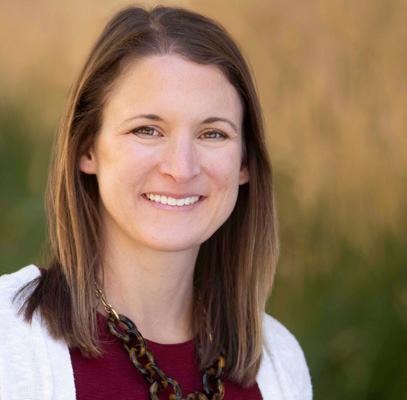
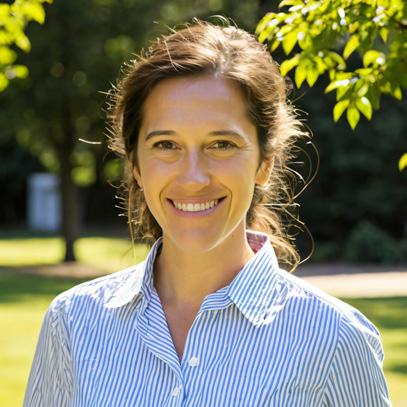
Dr. Mattie Pontiff completed her Doctor of Physical Therapy degree from Louisiana State University Health Sciences Center in 2011, followed by a PhD in Anatomy and Cell Biology in 2022. She is also a Board-Certified Clinical Specialist in Orthopedic Physical Therapy as of 2014. Dr. Pontiff completed a post-doctoral fellowship and advanced research fellowship from the University of Colorado Physical Therapy Program and Denver-Seattle VA Center of Innovation for Veteran Centered & Value Drive Care. Dr. Pontiff has expertise in geriatrics, rehabilitation science, and exercise interventions. Dr. Pontiff joins the CU PT faculty as an Assistant Professor, with teaching responsibilities in the hybrid DPT pathway.
Dr. Samantha Scott joins CU PM&R as the new Pediatric Rehabilitation Psychology Postdoctoral Fellow/Instructor after completing her PhD in Child Clinical Psychology at the University of Denver. During her graduate work, she completed clinical practicums in Pediatric Rehabilitation Psychology, Neurology, and Cystic Fibrosis at Children’s Hospital Colorado. She was also a National Science Foundation Graduate Research Fellow and Pediatric Palliative Care Research Fellow at Seattle Children’s Hospital/University of Washington School of Medicine. She completed her predoctoral clinical internship at Children’s Hospital Colorado, in the Pediatric Neurorehabilitation track. Dr. Scott’s research program focuses on associations between cardiometabolic health and psychosocial outcomes in youth, with an emphasis on rehabilitation diagnoses.
Dr. Wesley Thornton completed his Doctor of Physical Therapy degree from Regis University in 2014, board certification in Neurologic Physical Therapy in 2017, and PhD in Rehabilitation Science from the University of Colorado in 2025. His areas of expertise include spinal cord injury, traumatic brain injury, and functional recovery prognosispost-spinal cord injury.
Dr. Thornton has been the recipient of numerous awards, including the University of Colorado Rehabilitation Sciences Levy Scholarship in 2024; the Foundation for Physical Therapy Promotion of Doctoral Studies II Recipient in 2024; the Foundation for Physical Therapy Promotion of Doctoral Studies I Recipient in 2023; the Labe C Scheinberg Award for the Best Work in Neurorehabilitation by the Consortium of MS Centers in 2023; the University of Colorado School of Medicine HIRS Merit Scholarship in 2021; and the Regis University Doctor of Physical Therapy Young Alumnus Award in 2017. Dr. Thornton joins the CU PT faculty as a Senior Instructor, with teaching responsibilities in both the hybrid and residential DPT pathways.
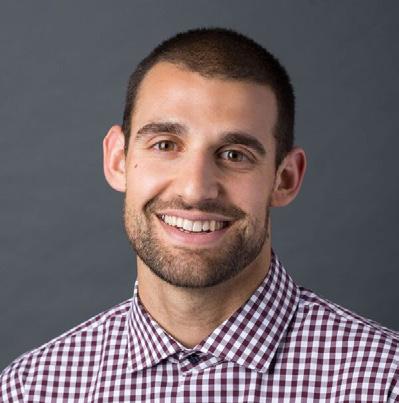
Dr. Bryce Zaffarano completed his Doctor of Physical Therapy degree from the University of Colorado in 2016, and a Fellowship in Orthopedic Manual Physical Therapy from Bellin College in 2024. His areas of expertise include multidisciplinary care management in a complex health system, endurance athletics, musculoskeletal rehabilitation, reasoning and metacognition. Dr. Zaffarano joins the CU PT faculty as a Senior Instructor, with teaching responsibilities in both the hybrid and residential DPT pathways.
After more than three decades of dedicated service to the University of Colorado Department of Physical Medicine & Rehabilitation (CU PM&R), Dr. Michael Blei, Associate Professor, officially retired on July 1, 2025. His career has been defined by clinical excellence, visionary leadership, and a deep commitment to patient care, education, and mentorship.
Dr. Blei joined the CU PM&R faculty in July 1991, bringing with him a rich academic background that included a mathematics degree from the College of Idaho, an MD from Vanderbilt University, and residency training at the University of Utah. He further advanced his expertise through an NIH T32 training grant at the University of Washington, focusing on cellular energetics.
From 1991 to 2002, Dr. Blei served at University of Colorado Hospital (UCH), where he played a pivotal role in the EMG clinics and served as the medical director of the inpatient acute rehabilitation unit. During this time, he was also awarded the prestigious NIH K11 Physician Scientist Award, which he held from 1993 to 2000.
In 2002, Dr. Blei transitioned to Denver Health, where he has remained a cornerstone of the institution as Division Chief and Director of the Electrodiagnostic Service. From approximately 2005 to 2020, he also served as the medical director for the acute inpatient rehab unit, shaping the care of countless patients and mentoring a generation of physiatrists.
A memorable moment of Dr. Blei’s final month with the department came at the 38th Annual Gersten Day, CU PM&R’s signature academic event. There, he delivered his “last lecture,” titled “A Rehabilitation Carol.” True to his character, the talk was filled with humor, optimism, and heartfelt reflections—a lighthearted yet meaningful sendoff that left the audience both laughing and inspired.
Reflecting on his time with CU PM&R, Dr. Blei describes it as “a wonderful career,” noting the excitement of watching the department’s talent grow year after year. While he jokes about his unsuccessful campaign for a mountain department condo, his contributions to departmental initiatives and training programs have left a lasting impact.
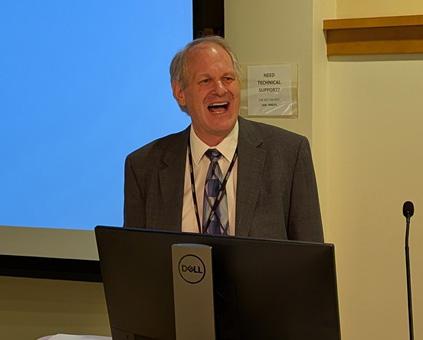
When asked what drew him to PM&R, Dr. Blei points to the specialty’s core philosophy: maximizing function. It’s a principle that has guided his work and inspired those around him. “Being part of PM&R and the advancement of training programs to become on par with other specialties is something I’m truly proud of,” he says.
As he looks ahead to retirement, Dr. Blei plans to explore more of Colorado and the Pacific Northwest, continue his “terrible” golf game, ski at a leisurely pace, and teach his grandchildren how to fly fish. But what he’ll miss most? “The people—residents, faculty, and staff I’ve had the pleasure to work beside.”
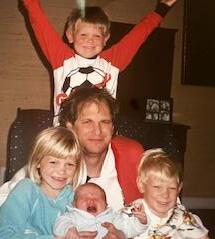
Keep doing the things that ground you. Create a practice where you love going in and going home each day. Always strive to do what is right for the patient, right for those around you, and right for society—then you can sleep at night with a clear conscience.
To the next generation of physiatrists, Dr. Blei offers this advice: “Keep doing the things that ground you. Create a practice where you love going in and going home each day. Always strive to do what is right for the patient, right for those around you, and right for society—then you can sleep at night with a clear conscience.”
With characteristic optimism, he leaves us with a final thought: “Be optimistic! You are going to be part of some amazing changes in medicine.”
Dr. Blei’s legacy will continue to inspire long after his last day on campus. His career is a testament to the power of compassion, curiosity, and commitment in shaping the future of rehabilitation medicine.
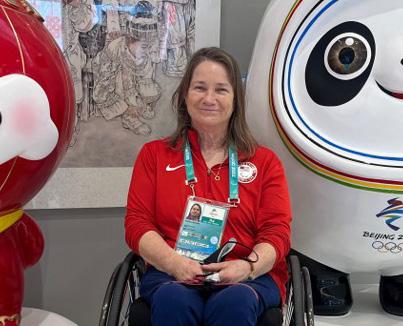

The Road Less Traveled: Honoring Dr. Pam Wilson’s Legacy in Pediatric Rehabilitation
In the world of medicine, few journeys are as inspiring as that of Dr. Pam Wilson. A car accident in 1979 left her with a spinal cord injury, but through the expert care at Craig Hospital and her own indomitable spirit, she rebuilt her life, this time from a wheelchair. Sports became her lifeline, a source of healing and purpose, and ultimately, a lifelong passion.
Dr. Wilson graduated from the University of Colorado School of Medicine in 1989, becoming one of the first medical students in the country to complete her training in a wheelchair. Her career in pediatric rehabilitation medicine has been defined by innovation, compassion, and advocacy. She has led advancements in spasticity management, the care of children with spina bifida and spinal cord injuries, botulinum toxin therapy, and the development of a pediatric rehabilitation fellowship and specialty care programs at Children’s Hospital Colorado.
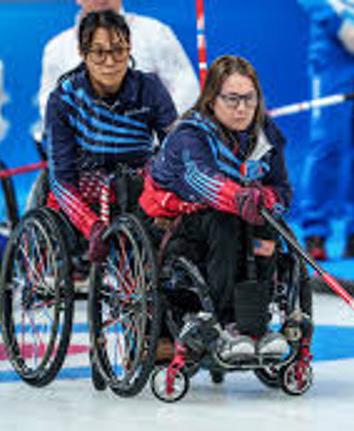
Her love for sports never waned. She coached and classified athletes for the U.S. Paralympics and later reignited her competitive spirit through curling. In 2022, she earned a spot on Team USA’s Paralympic wheelchair curling team, competing on the world stage in Beijing — a triumphant return to a dream she once set aside for medicine.
At the 38th Annual Gersten Day in June 2025, Dr. Wilson delivered her “Last Lecture,” titled “The Yellow Brick Road: What Does It Take to Be Good…” Her reflections were a masterclass in humanity. “We watch a beautiful dance every day on the fragility and resilience of the human spirit,” she said. “Our job is to make people whole again, ensuring that even in the darkest moments, there will always be light.”
She urged her colleagues to pause before entering a patient’s room, to connect, to listen, to laugh, and sometimes cry, to become true partners in healing. Her closing message, inspired by Pope Francis, was a call to live fully: “Respect yourself, respect others. Walk your own path and let go of the path others have chosen for you. Love more, forgive more, embrace more, live more intensely.”
As Dr. Wilson retires, her legacy remains etched in the hearts of her colleagues, trainees, and the countless children whose lives she helped transform. Her journey reminds us that the road to healing is not always straight, but with courage, compassion, and community, it can be extraordinary.
Each year, 5280 Magazine surveys Denver physicians and asks them, specialty by specialty, which metro-area physicians they would trust to treat themselves and their families. The 2024 Top Docs list includes 11 of our esteemed colleagues:
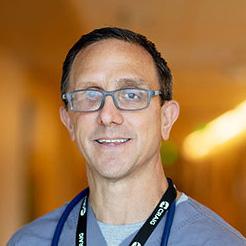


DR. JEFFREY BERLINER
MEDICAL SPECIALTY:
PHYSICAL MEDICINE & REHABILITATION
HOSPITAL AFFILIATION:
Craig Hospital
DR. RACHEL BRAKKE HOLMAN
MEDICAL SPECIALTY:
PHYSICAL MEDICINE & REHABILITATION
HOSPITAL AFFILIATION:
University of Colorado Hospital
DR. MORGAN BRUBAKER
MEDICAL SPECIALTY:
PHYSICAL MEDICINE & REHABILITATION
HOSPITAL AFFILIATION: Craig Hospital
DR. MARK JOHANSEN
MEDICAL SPECIALTY:
PHYSICAL MEDICINE & REHABILITATION
HOSPITAL AFFILIATION:
Craig Hospital
DR. SCOTT LAKER
MEDICAL SPECIALTY:
PHYSICAL MEDICINE & REHABILITATION
HOSPITAL AFFILIATION: University of Colorado Hospital
DR. WILLIAM NIEHAUS
MEDICAL SPECIALTY:
PHYSICAL MEDICINE & REHABILITATION
HOSPITAL AFFILIATION:
University of Colorado Hospital
DR. NATHAN ODOM
MEDICAL SPECIALTY:
PHYSICAL MEDICINE & REHABILITATION
HOSPITAL AFFILIATION:
University of Colorado Hospital


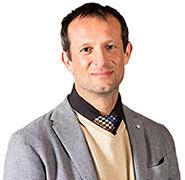
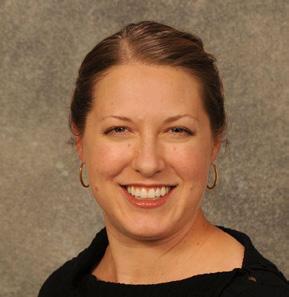
DR. KATHERINE PAYNE
MEDICAL SPECIALTY:
PHYSICAL MEDICINE & REHABILITATION
HOSPITAL AFFILIATION: University of Colorado Hospital
DR. JOSEPH ROSENTHAL
MEDICAL SPECIALTY:
PHYSICAL MEDICINE & REHABILITATION
HOSPITAL AFFILIATION:
UCHealth Broomfield Hospital
DR. DEBORAH SAINT-PHARD
MEDICAL SPECIALTY:
SPORTS MEDICINE
HOSPITAL AFFILIATION:
University of Colorado Hospital
WILLIAM SCELZA
MEDICAL SPECIALTY:
PHYSICAL MEDICINE & REHABILITATION
HOSPITAL AFFILIATION: Craig Hospital
DR. ERIC SPIER
MEDICAL SPECIALTY:
PHYSICAL MEDICINE & REHABILITATION
HOSPITAL AFFILIATION:
Craig Hospital
ANNE STRATTON
MEDICAL SPECIALTY:
PEDIATRIC REHABILITATION MEDICINE
HOSPITAL AFFILIATION: Children’s Hospital Colorado

Dr. Cristina Sarmiento, Assistant Professor in the Department of Physical Medicine & Rehabilitation at the University of Colorado, is reshaping how healthcare systems support individuals with disabilities across their entire lives. With a dual focus on clinical care and research, Dr. Sarmiento is leading efforts to improve access, outcomes, and quality of life for patients with cerebral palsy (CP) and other lifespan disabilities.
Her journey began at Ohio State University, where she majored in French and Biology and minored in Disability Studies. “This is where my passion for working with individuals with disabilities began,” she says. That passion carried her through medical school at the University of Michigan, where she discovered PM&R and ultimately matched into CU’s Combined Pediatrics and PM&R Residency Program. “I did an away rotation at CU as a fourthyear medical student and knew this was where I wanted to be.”
Now a faculty member since 2021, Dr. Sarmiento’s research centers on improving lifelong health and function for individuals with disabilities, with a particular emphasis on two critical phases: the transition to adulthood and aging. “These are the time periods where access to care is much more difficult and research to guide care is lacking,” she explains.
Her long-term goal is clear: “To improve healthcare access and health outcomes, including function and quality of life, for individuals with lifespan disabilities.” One of her current projects involves adapting an online health tool to provide cerebral palsy-specific knowledge to adults with CP, their families, and their primary care teams, especially in areas without access to specialty clinics.
Dr. Sarmiento’s work is deeply collaborative. At CU, she leads a stakeholder group that includes adults with CP, caregivers, and clinicians from multiple disciplines. She also works closely with the Adult & Child Center for Outcomes Research & Delivery Science (ACCORDS) and the Colorado Child Health Research Institute (CCHRI) at Children’s Hospital Colorado, and serves as an investigator with the Cerebral Palsy Research Network (CPRN), where she is part of the Adult CP Working Group.
Her clinical contributions are equally impactful. “We were able to start our cerebral palsy transition program within Children’s Hospital Colorado as well as our Adults with CP Clinic at UCHealth,” she says. “It’s the only dedicated, adult healthcare-based clinic for adults with CP in the Rocky Mountain Region.”
Dr. Sarmiento’s connection to CP care is rooted in her early experiences. “Cerebral palsy is an ‘umbrella diagnosis’ and therefore individuals with CP have such a wide spectrum of function and medical complexity,” she explains. “Some people say, ‘When you’ve met one person with CP, you’ve met one person with CP.’ And I love this ability to tailor care to each individual – what are their unique goals, strengths, and challenges?”
Her path to PM&R was shaped by hands-on experience. As an undergraduate, she worked with Ohio State’s Adaptive Recreational Sports Department, assisting with swim lessons and managing adaptive sports events. “All of these experiences showed me the full, rich, rewarding lives of individuals with different types of disabilities,” she says. A Family Medicine preceptor encouraged her to explore PM&R, and after connecting with a physiatrist, she found her calling.
Dr. Sarmiento credits the CU Department of PM&R for supporting her dual role as a clinician and researcher. “I have been so fortunate to be able to pursue my clinical and research goals since joining the department,” she says. “The support our department has given me to pursue a career as a physician researcher has been incredible.”
For aspiring researchers, her advice is simple and powerful: “Find great mentors. And look in places you might not expect.” She emphasizes the importance of building a diverse mentorship team, including content experts, methods mentors, career advisors, and near-peer supporters.
As she continues to advance inclusive care and research, Dr. Sarmiento remains open to collaboration. “I’m always excited to connect with anyone with similar clinical or research interests—feel free to reach out.”
Some people say, ‘When you’ve met one person with CP, you’ve met one person with CP.’ And I love this ability to tailor care to each individual – what are their unique goals, strengths, and challenges?
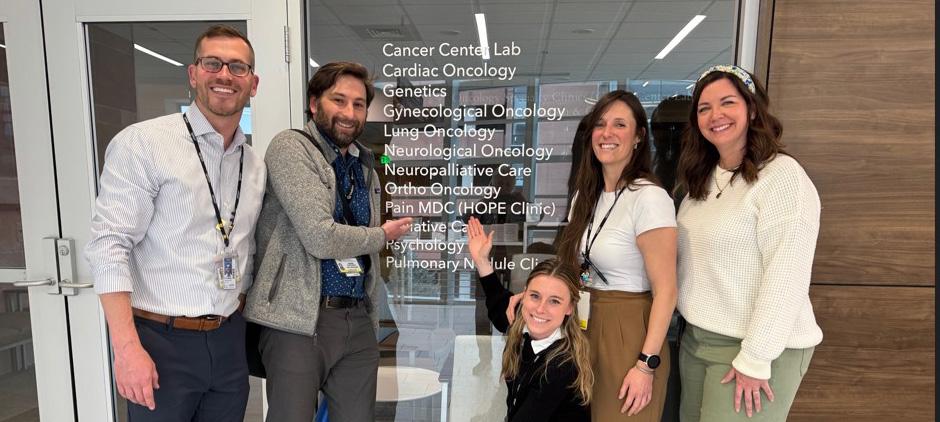
On March 28, 2025 the HOPE (Holistic Oncology Pain Evaluation) Clinic, a multidisciplinary complex cancer pain clinic, launched at the University of Colorado Anschutz. This initiative, spearheaded by Dr. Franchesca König, Assistant Professor of Physical Medicine & Rehabilitation, and team, has been in development for the past 1.5 years and is now ready to provide muchneeded support to patients struggling with cancer-related pain. The clinic is located on the second floor of the Cancer Center – Oncology Specialist Clinic.
The HOPE Clinic brings together a team of specialists from various fields to offer comprehensive pain management. The team includes Dr. Franchesca König, who specializes in Cancer Rehabilitation Medicine, Dr. Devin Gilhuly from Palliative Care, Dr. George Zlotchenko from Interventional Radiology, and Drs. Liz Fleagle and Olivia Pointer from Oncology Counseling (Psychology). Amber Maniates, NP, serves as the APP Lead. This collaborative approach ensures that patients receive holistic and innovative care tailored to their unique needs.
Initially, the clinic will operate on a monthly schedule, seeing 4-5 patients per half-day clinic. However, due to anticipated high demand, the frequency of the clinic is expected to increase soon. This setup allows the team to provide focused and personalized care to each patient, ensuring that their pain management needs are thoroughly addressed.
The HOPE Clinic brings together a team of specialists from various fields to offer comprehensive pain management. The team includes Dr. Franchesca König, who specializes in Cancer Rehabilitation Medicine.
The HOPE Clinic is dedicated to advancing compassionate and holistic pain management strategies for patients undergoing active cancer treatment or those within six months post-treatment. By integrating multiple disciplines, the clinic aims to improve the quality of life for patients dealing with complex cancer-related pain, offering them hope and relief during their challenging journey.
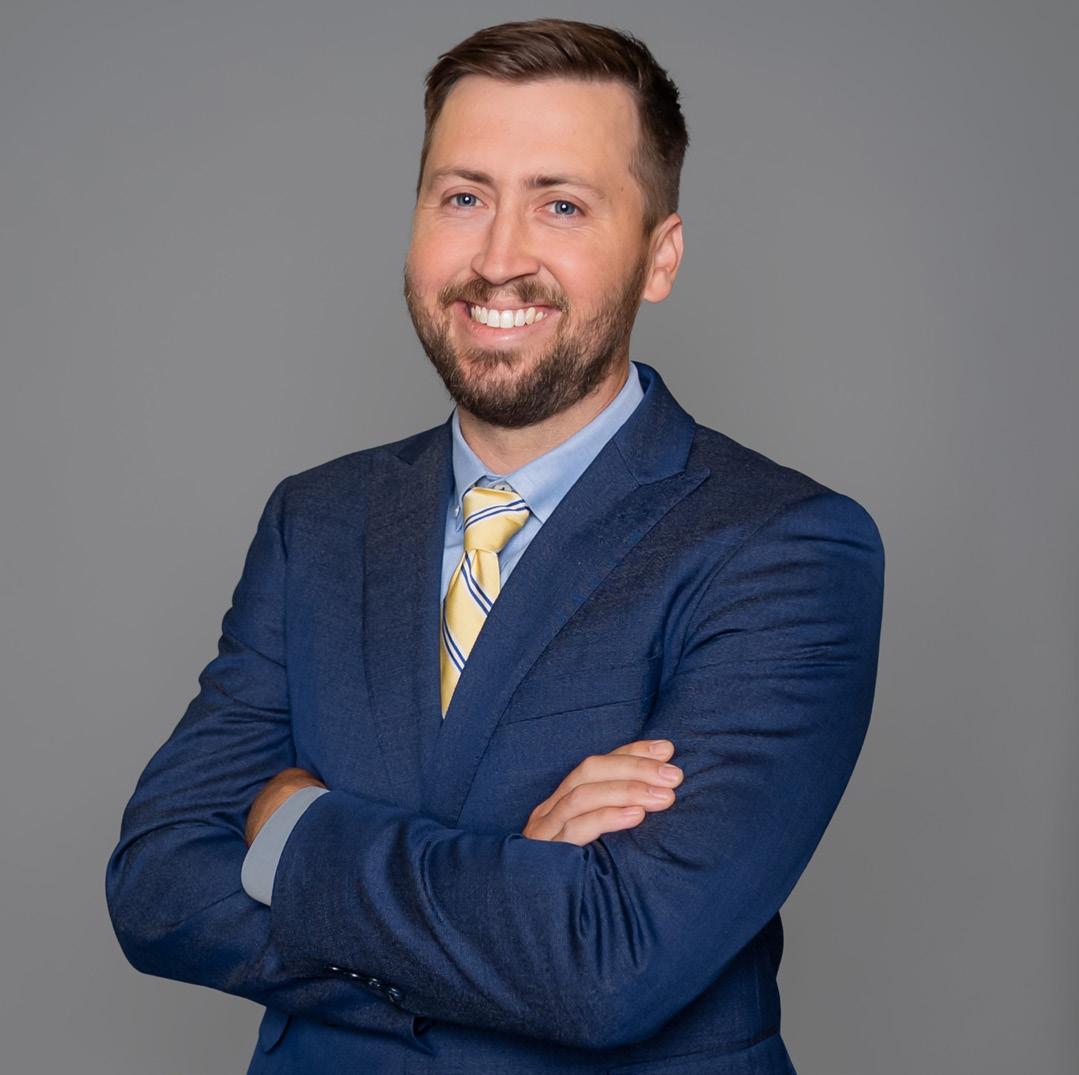
How a personal connection to rehabilitation shaped a career dedicated to spine care and patient-centered solutions
Dr. Colton Malesovas is a 2024 graduate of the University of Colorado Department of Physical Medicine & Rehabilitation Residency Program. Check out what he’s been up to since his time in residency:
1. WHAT IS YOUR EDUCATIONAL BACKGROUND?
I earned a BA in economics from Whitman College in Washington State. I completed medical school at the University of Texas at Houston. I also finished a fellowship at UCLA in the PM&R Spine Fellowship Program run by Dr. Jae Jung.
2. TELL US ABOUT THE WORK ARE YOU CURRENTLY DOING?
I’m currently working as a non-operative pain and spine physician with a private practice north of town called Orthopaedic and Spine Center of the Rockies. This involves holding clinic for spine patients, performing EMGs, as well as fluoroscopically guided injections. I’m the first PM&R physician hired by this practice and have been working to start the Pain and Spine Program here.
3. WHY DID YOU DECIDE TO PURSUE PHYSICAL MEDICINE AND REHABILITATION AS A MEDICAL SPECIALTY?
There were many reasons for this. My initial interest came from my experiences in my own family. My grandmother had tetraplegia related to multiple sclerosis and was bed bound the entire time that I knew her. My mother has also dealt with severe scoliosis and has been through many extensive spine fusion surgeries related to this. During medical school, I was very impressed with the work the physiatrists were doing to help patients like these live a more functional and meaningful life.
4. HOW DID YOUR RESIDENCY AT CU PREPARE YOU FOR YOUR CAREER TODAY?
My training at CU was extremely valuable in preparing me for my current role. We had extensive access to musculoskeletal and spine training, both in-clinic and procedures, which helped lay a very solid foundation for my fellowship training. One aspect that I did not appreciate until now, is the many sites and health systems we rotated through. Having exposure to different health systems gave me the opportunity to navigate the complex world of healthcare delivery and got me interested in quality improvement work which I am still involved in today.
5. WHAT IS YOUR SPECIALTY WITHIN PM&R?
Outpatient non-operative spine care and interventional pain management.
6. WHAT PART OF YOUR JOB DO YOU FIND MOST REWARDING?
When I can help a patient work through a complex diagnosis, make a treatment plan, then track their progress - this is certainly extremely rewarding.
7. HOW DOES YOUR CURRENT POSITION CORRESPOND TO WHERE YOU ENVISIONED YOURSELF AS YOU FINISHED RESIDENCY?
I feel very fortunate, as this is the exact type of work I hoped I could do!
8. WHAT CAREER ACCOMPLISHMENTS ARE YOU MOST PROUD OF?
To be honest, I have always been much more motivated by direct patient care than any academic awards or achievement. I feel most proud when I can negotiate a procedure on a patient with complex anatomy or identify a rare pathology on an EMG, because these feel like a way that my patients can directly benefit from my years of training.
9. DO YOU HAVE ANY ADVICE FOR CURRENT RESIDENTS?
You NEVER know what knowledge will be useful down the road. Often, your best learning comes when you’re not expecting it. So, take every opportunity to maximize your experience now while you have so many resources at your fingertips.
10. WHAT DO YOU ENJOY DOING IN YOUR PERSONAL TIME?
I’m still a Colorado mountain guy at heart and would always like to be fishing, biking, or skiing when I can find the time. I have also really enjoyed getting my (terrible) garage band back together since moving back to Denver.

When Dr. Monika Krzesniak-Swinarska reflects on her career, one theme stands out: curiosity paired with innovation. “A fractured ankle led me to Physical Medicine and Rehabilitation, a specialty focused on improving function and quality of life,” she recalls. After earning her medical degree at the University of Gdansk in 1992 in Poland, she immigrated to the United States and completed her PM&R residency at the Medical College of Wisconsin in 2002. It was there that she discovered electrodiagnostic medicine, a passion that would shape her future.
“I was captivated by electrodiagnostic medicine through the influence of Drs. Jacqueline Wertsch and Paul Barkhaus, and the excellent book by Drs. David Preston and Barbara Shapiro,” she says. That interest soon expanded into ultrasound technology. In 2011, she created the first musculoskeletal ultrasound course for PM&R residents at her institution, (a bold move at a time when ultrasound was rarely integrated into PM&R practice). “I had to learn the basics myself through nationally recognized courses before I could teach,” she explains. Her dedication paid off: residents met with her weekly for 22 weeks to master theory and hands-on scanning.
“Neuromuscular ultrasound uses high-resolution imaging to visualize muscles and peripheral nerves, assisting in diagnosis and treatment of neuromuscular disorders,” Dr. Krzesniak-Swinarska explains. Unlike musculoskeletal ultrasound, which focuses on joints and tendons, neuromuscular ultrasound zeroes in on nerves and muscles. It’s often paired with electrodiagnostic studies to provide both functional and anatomical insights. “It’s real-time, noninvasive, painless, and safe, performed right at the bedside.”
The advantages are clear: dynamic imaging, sideto-side comparisons, and immediate correlation with clinical and electrodiagnostic findings. “Clinical neurophysiologists and neuromuscular physicians are uniquely trained to provide these correlations that benefit patients,” she notes.
The field has grown rapidly over the past decade. “We started with entrapment neuropathies like carpal tunnel syndrome and expanded to polyneuropathies, brachial plexus, and muscle imaging,” she says. Today, neuromuscular ultrasound is standard in
evaluating conditions such as myopathies, muscular dystrophies, ALS, and peripheral nerve trauma.
Her global perspective has shaped her expertise. “I had an eye-opening experience at the 2nd International Conference on Neuromuscular Ultrasound in Charleston in 2013,” she recalls. Later, in 2016, at an ISPNI meeting in Slovenia, she learned about European research on polyneuropathies and immediately applied those protocols in her clinic. Since 2019, she has been a Board Member of IFCN Society of Neuromuscular Imaging (former ISPNI). Through IFCN she has been dedicated to international teaching of neuromuscular ultrasound. She presented lectures and taught workshops in Seoul, Korea; Hong Kong, China; Cambridge, UK; Campinas, Brazil and Ottawa, Canada.
Combining ultrasound with electrodiagnosis has revolutionized diagnosis. “Electrodiagnostic testing can confirm nerve dysfunction, but it cannot answer what causes it. Ultrasound allows us to identify structural causes of neuropathies, such as tumors, cysts, and anatomical variations at the bedside,” she says. Studies show ultrasound modified the diagnostic and therapeutic path in about 42% of cases.
One case illustrates its power: an elderly patient misdiagnosed for years with axonal polyneuropathy. “Ultrasound revealed nerve enlargements inconsistent with that diagnosis. A biopsy confirmed Hansen’s disease. After treatment, his function improved significantly,” she recalls. “Neuromuscular ultrasound was critical to achieving the correct diagnosis.”
Mastering this technology requires rigorous training. “Neuromuscular ultrasound has a long, flat learning curve,” she says. Dr. Krzesniak-Swinarska, who passed the Registered in Musculoskeletal Sonography (RMSK) certification exam in 2015 and ABEM Neuromuscular Ultrasound Certificate of Added Qualification in 2019, has helped shape national education standards as Chair of the AANEM Ultrasound Committee and now leads the ABEM Neuromuscular Ultrasound CAQ Examination Committee. “I believe the best way to learn is to teach,” she adds. This philosophy earned her the
AANEM Ernest Johnson Outstanding Educator Award in 2023.
At CU, she teaches PM&R residents and Neuromuscular Medicine fellows, while collaborating internationally on research. “I’m excited about emerging technologies like ultra-high-resolution imaging, shear wave elastography, and AI applications,” she says.
Outside of medicine, Dr. Krzesniak-Swinarska enjoys hiking in Colorado, traveling with her husband, and spending time with her five grandchildren. Her motivation remains clear: “A physician can only diagnose what he knows. Continuous learning, and teaching, is what inspires me.”
At the University of Colorado Anschutz Medical Campus, a group of passionate physical therapy students is redefining what it means to be inclusive, engaged, and future-ready. Through the Adaptive Sports Special Interest Group (SIG), these students are not only learning about adaptive sports; they’re actively shaping the future of accessible recreation.
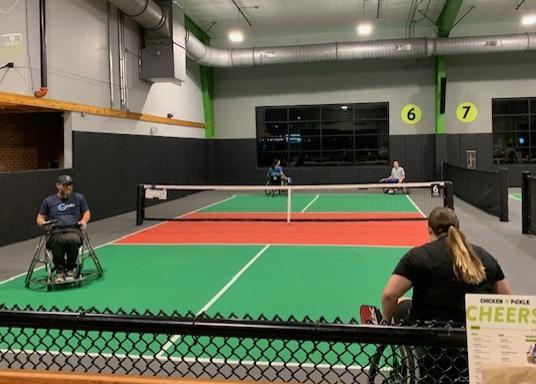
This past year, CU Physical Therapy students participated in two standout events that exemplify their commitment to inclusive care: the “What’s Your Everest” hike at Winter Park and an adaptive sports night at Chicken N Pickle in Thornton. Both events brought together individuals of all abilities to celebrate resilience, community, and the power of movement.
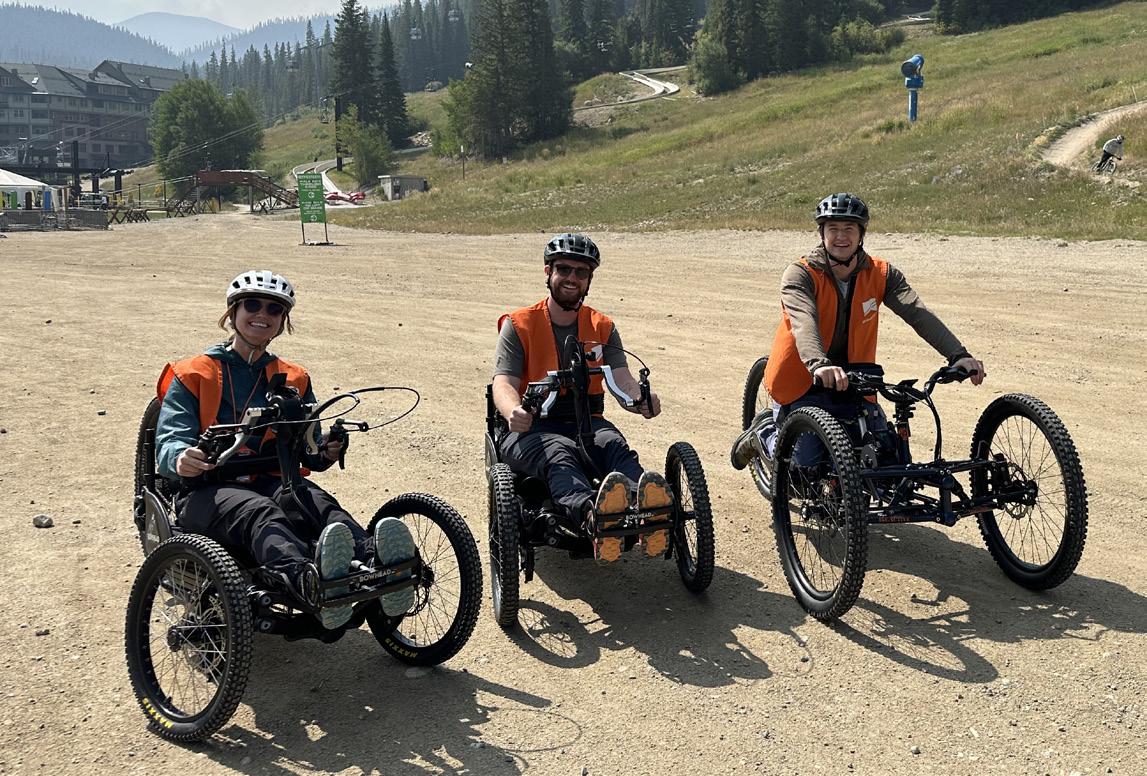
Organized by No Barriers, a nonprofit founded by Erik Weihenmayer, the first blind person to summit Mt. Everest, the “What’s Your Everest” event challenged participants to climb toward both literal and symbolic summits. CU PT students formed “rope teams” to support participants along the trail, with some students even biking the four-mile route using hand cycles provided by the National Sports Center for the Disabled (NSCD). Weihenmayer’s presence and speech added a powerful layer of inspiration, reinforcing No Barriers’ mission to help people overcome obstacles and live a life of purpose.
Later that week, students joined the kickoff of a monthly adaptive sports series hosted by Jacob Heilveil, founder of Adaptive Sports for All and a three-time Paralympian. Held at Chicken N Pickle, the event offered a fun and inclusive environment for athletes of all abilities to connect through sport. Heilveil’s story from contracting polio as an infant to becoming a global marathoner, resonated deeply
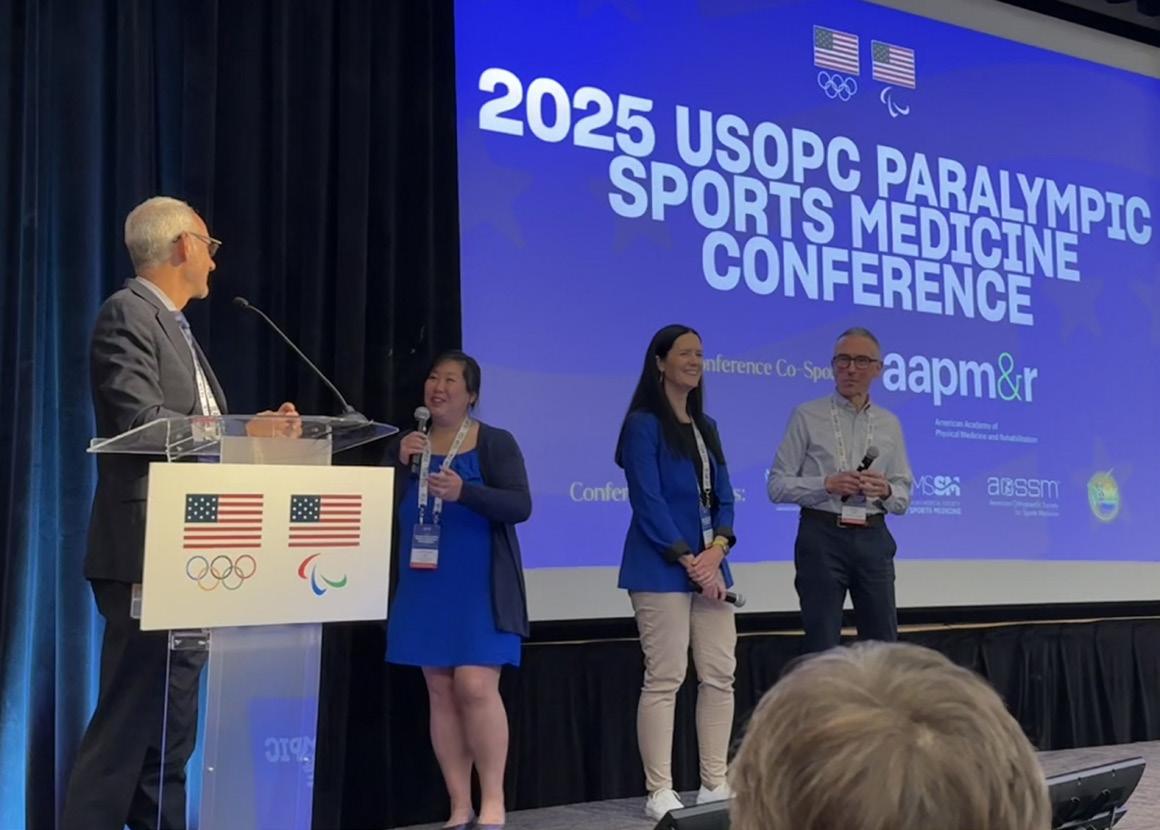
with attendees. He will be a featured speaker at an upcoming Adaptive Sports SIG meeting.
“Since starting this group last year, we have had the pleasure of being joined by people involved in so many different flavors of sport,” said Deeds Naiman, Vice President of the Adaptive Sports SIG. “Whether it is hiking, climbing, cycling, or skiing, we have heard so many stories of how important accessibility and community is. Being able to learn about these opportunities has been really inspiring and eye-opening to the roles we might be able to play in the future as physical therapists.”
The SIG’s President, Hannah Archer, echoed that sentiment: “Founding the Adaptive Sports SIG has been an incredible journey. Our mission has always been to engage in opportunities that allow athletes of all abilities to stay active and connected through sport, from volunteering at adaptive sports events to hosting meetings where guest speakers share their insights and
experiences. It has been deeply rewarding to see this vision come to life and to witness the determination, resilience, and joy of the athletes we are privileged to learn from and support.”
The SIG’s mission is clear: to advance physical therapy through a focus on adaptive sports by emphasizing accessibility, advocacy, and community engagement. Their collaborations span a wide range of organizations, including NSCD, Ainsley’s Angels, local public schools, the Colorado Junior Wheelchair Sports Camp, and the Paralympic Training Center. Through these partnerships, students gain hands-on experience supporting athletes with disabilities while advocating for inclusive policies and practices.
Dr. Stephanie Tow, MD, FAAPMR, CAQSM, pediatric sports medicine physician and assistant professor in the Department of Physical Medicine & Rehabilitation, sees this movement as part of a larger, global shift. “It has been an exciting time for the adaptive and Para sports movement! More organizations have developed and grown here in Colorado and globally. Awareness continues to increase as media coverage expands, especially with the upcoming Milano-Cortina 2026 Winter Paralympic Games and the LA 2028 Summer Paralympic Games, where Para climbing will make its debut.”
Dr. Tow also highlighted the work being done at Children’s WHospital Colorado through the Adaptive Recreation for Childhood Health (ARCH) program, which offers year-round adaptive sports opportunities like skiing, climbing, power soccer, and golf. “With approximately 15% of the global population having a disability, adaptive and Para sports are essential to offering equitable opportunities for physical activity,
sports, and recreation,” she said. “As healthcare professionals and rehabilitation specialists, we have many opportunities to get involved, from introducing patients to resources, to providing sports medicine coverage, to serving as classifiers for Paralympic sports.”
CU PM&R faculty and trainees are deeply involved in this space, contributing to education, research, and leadership. Dr. Tow, who serves as head team physician and medical director of U.S. Paralympics Swimming, recently provided coverage at the 2025 World Para Swimming Championships in Singapore. She and CU PM&R resident Dr. Jeff Kepple will co-lead medical coverage for the Denver Barbarians wheelchair rugby tournament in early 2026. Plans are also underway to launch the first adaptive/Para sports medicine multidisciplinary clinic at Children’s Hospital Colorado.
As the Adaptive Sports SIG continues to grow, it is clear that these students are not just preparing for careers in physical therapy, they are becoming advocates, leaders, and changemakers in the world of inclusive sports. Through their work, they are breaking barriers and building a future where everyone has the opportunity to move, play, and thrive. They are fortunate to have supportive faculty who are experts in this area and share their passion for adaptive recreation opportunities.
Since starting this group last year, we have had the pleasure of being joined by people involved in so many different flavors of sport. Whether it is hiking, climbing, cycling, or skiing, we have heard so many stories of how important accessibility and community is. Being able to learn about these opportunities has been really inspiring and eyeopening to the roles we might be able to play in the future as physical therapists.
• Susan Apkon, MD delivered the Licht Lectureship for Ohio State University’s Department of PM&R.
• Alyssa Arms, PT, DPT, OCS was elected to the Nominating Committee of the APTA Performing Arts SIG.
• Catherine Bilyeu, PT, DPT, PhD, OCS was recognized as a Legacy Member in Curriculum Development & Instructional Design by the Academy of Medical Educators. She also accepted a Program Director position in her home province of Manitoba.
• Lisa Brenner, PhD, ABPP and team received funding for the Department of Veterans Affairs Brain Health Coordinating Center (BHCC). She also, along with Christopher Lowry, PhD, were featured in a UCHealth Today article, and Colorado Public Radio article, on improved gut health helping veterans with PTSD. She also, along with her team, were the recipients of a Congressionally Directed Medical Research Program Traumatic Brain Injury and Psychological Health award.
• Lara Canham, PT, DPT, OCS was promoted to Assistant Professor.
• James Carollo, PhD, PE received full accreditation from the Board of Directors of the Commission for Motion Laboratory Accreditation, Inc. for the Children’s Hospital Colorado Center for Gait and Movement Analysis.
• Cory Christiansen, PT, PhD, FAPTA, along with Danielle Melton, MD and Katherine Payne, MD received a UCHealth Medical Staff IMPACT Award. He was also featured in a CU Anschutz Today article on exercise benefits for patients with Parkinson’s Disease.
• Alison Colbert, PhD was promoted to Associate Professor.
• Amy Connery, PhD, ABPP, CN and team received an RO1 award for their project “The INICIO-Guatemala Study: Improving Neurodevelopment with an Intestinal Health.”
• Stephanie Cowherd-Ryder, MD, was named CU PM&R Residency Associate Program Director.
• Bryann DeBeer, PhD was named a VA Psychologist of the Year. She also had her Face the Fight Against Veteran Suicide grant funding renewed. She was also awarded a VA Merit from Health Systems Research.
• Jason Friedrich, MD was featured in the North American Spine Society podcast discussing his SpineLine article “Cervicogenic Headache: Bad Referral or Appropriate for Your Spine Clinic?”
• Robyn Gisbert, PT, DPT was promoted to Associate Clinical Professor. She also was invited to teach a course The Inner Instrument: Nervous System Regulation Skills for Musicians as a Guest Lecturer for CU-Boulder College of Music.
• Michael Harris-Love, PT, MPT, DSc, FGSA, FAPTA delivered the Bioengineering Seminar Series lecture on, “Imaging Sarcopenia: Translational Approaches to Address Barriers to Rehabilitative Care.” He was also a guest speaker at the Ludeman Family Center for Women’s Health Research’s “Let’s Talk Community Lecture Series” where he presented on “Aging with Vitality: Advances in Wellness and Longevity.”
• Marc Heronemus, was named CU PM&R Residency Assistant Program Director. Completed the famous Colorado cycling ride, the Triple Bypass. More notably, he saved a fellow participant with CPR on the field.
• Meghan Hernandez, PT, DPT, EdD, PCS, successfully defended her doctoral dissertation. She also received an Outstanding Poster Award for, “Using Ungrading to Develop Master Adaptive Learners in a Human Growth & Development DPT Course: An Exploratory Case-Study,” at the APTA Pediatric Annual Conference. She was also promoted to Assistant Professor.
• Lauren Hinrichs-Kinney, PT, DPT, PhD, OCS was the 2025 recipient of the CU PM&R Professionalism Award, along with Stephanie Cowherd-Ryder, MD. She was also a contributing expert on a New York Times article on minimizing knee pain through exercise. She was also the recipient of the President’s Excellence in Teaching Award.
• Andrew Hoisington, PhD, along with Lisa Brenner, PhD, ABPP, Matthew Igo, PhD, and Jessica Castillo, were awarded a pilot grant from the Airborne Hazards Open Burn Pit Registry for FY26 for their project “Veteran Gut Microbiome Alterations Associated with Past Military Related Airborne Exposures and Current Health Outcomes.”
• Ryan Holliday, PhD was featured in a VA Insider post, “Doctor transforms research into real-world solutions for at-risk Veterans.”
• Catharine Johnston-Brooks, PhD was promoted to Associate Professor.
• Dana Judd, PT, DPT, PhD was the recipient of the Chancellor’s Teaching Recognition Award.
• Amy Kanallakan MD along with William White, DO, were chosen for new membership in the Academy of Medical Educators. She also, along with the Children’s Hospital Colorado Cerebral Palsy Team, received a grant award from the Tai Foundation for a research study, “Carbon Fiber Footplates Used to Improve Gait Parameters in Crouch or Apparent Equinus Gait Patterns.”
• Rebecca Keefer, PT, DPT, CCS was the recipient of the CU Physical Therapy Alumni Association Alumni Achievement Award.
• Adam Kinney, PhD received the Behavioral Sleep Medicine Early Career Distinguished Research Award for his article, “Factors influencing adherence to insomnia and obstructive sleep apnea treatments among veterans with mild traumatic brain injury.”

• Elizabeth Knight, MD was promoted to Associate Professor of Clinical PM&R.
• Franchesca Konig, MD and team launched the Holistic Oncology Pain Evaluation (HOPE) Clinic, a multidisciplinary complex cancer pain clinic.
• Monika Krzesniak-Swinarska, MD was selected to serve as a national expert on a CDC-sponsored panel on muscular dystrophy. She also presented at several sessions and workshops for the American Association of Neuromuscular & Electrodiagnostic Medicine Annual Meeting.
• Scott Laker, MD served as President of the American Academy of Physical Medicine & Rehabilitation for 2025.
• Allison L’Hotta, OTD, OTR/L, PhD received a Cancer Innovation Pilot Grant for the FAST-PEDS study.
• Dawn Magnusson, PT, PhD, was an invited speaker at the USC Division of Biokinesiology and Physical Therapy Faculty and Staff Development Fall 2025 Series, where she presented on “Sustaining Our Commitment to Society.”
• Daniel Malone, PT, PhD, CCS was named the 2026 Linda Crane Memorial Lecture awardee by the APTA Academy of Cardiovascular & Pulmonary Physical Therapy. He was also promoted to Professor.
• Mark Manago, PT, DPT, PhD, NCS received the 2025 Degenerative Diseases Research Award from the Academy of Neurologic Physical Therapy at the 2025 Combined Sections Meeting. He was also promoted to Associate Professor. He was also a contributing expert in a HealthCentral article on how exercise helps reduce depression in MS patients.
• Kilby Mann, MD was promoted to Associate Professor. She also was the recipient of the American Academy for Cerebral Palsy and Developmental Medicine Fred P. Sage Award given to the best multimedia submission presenting clinical, research, or educational material in a digital format.
• Benjamin Marshall, DO was named CU Pain Medicine Fellowship Program Director, and William White, DO was named Associate Program Director of the CU Pain Medicine Fellowship.
• Matthew Mayer, MD, along with Joyce Oleszek, MD, Anne Stratton, MD, and Kim Sawyer, PNP were recognized as Top Providers at Children’s Hospital Colorado based on outstanding ratings on PatientFamily Experience surveys.
• Amy McDevitt, PT, DPT, PhD, OCS, FAAOMPT was mentioned in Dean Sampson’s 2025 Annual State of the School Address. She was also featured in an episode of the NPR podcast The Tactile Traveler where she discussed proper standing techniques for blind and low-vision people. She was also recognized as a Senior Fellow in Curriculum Development & Instructional Design by the Academy of Medical Educators. She also was featured on the Journal of Orthopaedic and Sports Physical Therapy (JOSPT) podcast: JOSPT Insights.
• Adele Meron, MD was accepted for membership in the University of Colorado School of Medicine Academy of Medical Educators (AME) in the Education Leadership Track as a Senior Fellow. She was also awarded one of the CU School of Medicine Class of 2028 S.T.A.R. Outstanding Faculty Award (Students Thanking and Recognizing Outstanding Faculty).
• Susan Mingils, PhD, MT-BC, along with Lisa Brenner, PhD, ABPP and Andrew Hoisington, PhD won the Excellence in Research Methods Award at the Rehabilitation Psychology Mid-Year Conference in Louisville, Kentucky.
• Kathryn Mueller, MD was named Emeritus Professor by the CU School of Medicine.
• William Niehaus, MD was selected to serve as a national expert for a CDC-sponsored panel on long COVID. He was also a featured provider in the CU Medicine Today e-newsletter.
• Nathan Odom, MD was promoted to Associate Professor.
• Shannon Onken was nominated for the Research Administration Award for the 2025 CU Anschutz Research Award program.
• Mike Pascoe, PhD along with Dawn Magnusson, PT, PhD, was elected as senior fellow for teaching in the Academy of Medical Educators. He also proposed a US postage stamp commemorating physical therapy, which was received and moved on for review by the Citizens’ Stamp Advisory
Committee. He was also the recipient of the Library Champion Award by the Colorado Council of Medical Librarians (CCML).
• Stephanie Pascoe, PT, DPT, DSc, OCS, FAAOMPT earned her ABPTS Board-Certified Clinical Specialist in Women’s Health Physical Therapy designation.
• Katherine Payne, MD, and the Inpatient Rehabilitation Unit, were awarded Joint Commission accreditation for spinal cord injury rehabilitation.
• Robin Peterson, PhD, ABPP was featured in the Educational Diagnosticians podcast as one of the authors of “Diagnosing Learning Disorders: From Science to Practice.”
• Christine Petranovich, PhD, Mike Dichiaro, MD, and Ann Lantagne, PhD were the recipients of a grant from the Way Forward Fund for their project, “Positive ImPACT (Improving Pediatric to Adult Care Transition): A multidisciplinary program to support adolescents and young adults with pediatric traumatic brain injury.”
• Wendy Pierce, MD was featured in a Fox21 story on the Angelman Syndrome Clinic at Children’s Hospital Colorado.
• Cristina Sarmiento, MD was featured in the Complex Care Journal Club podcast, “Let’s Talk about Transition: Experiences of Young Adults with Cerebral Palsy and Their Caregivers.” She also received a K23 award, one of the few PM&R physician-scientists to receive this award in the country. She also who received a Top Paper recognition at the American Academy for Cerebral Palsy and Developmental Medicine Annual Meeting for her paper titled “(F1): Priority Setting for Multicenter Research Among Adults with Cerebral Palsy: A Qualitative Study.”
• Jennifer Stevens-Lapsley, PT, PhD, FAPTA was the recipient of the APTA Federal Research Award. She was also selected by APTA Geriatrics, and the Academy of the American Physical Therapy Association to deliver the annual Carol B. Lewis Lecture. She was also featured in a CU Anschutz Today article on knee replacement surgery and recovery. She was also selected for the American Physical Therapy Association Lucy Blair Service Award. She also was named as long-term vice chair of research for CU PM&R. She was also the keynote speaker this week at the Rocky Mountain Geriatrics Conference. She was also the 2025 recipient of the APTA Jules M. Rothstein Golden Pen Award for Scientific Writing.
• Derek Stokes, MD was featured in a CU Anschutz Today article on rising anabolic steroid use and the dangers of performance-enhancing drugs.
• Tami Struessel, PT, DPT, OCS, MTC was the recipient of the Bob Doctor Service Award from the APTA Colorado Chapter.
• Molly Sullan, PhD, along with Andrew Hoisington, PhD, and Lisa Brenner, PhD, ABPP were featured in the VA Office of Research & Development news brief on October 29th for their article, “Associations Between Blast Exposures and Intestinal Permeability and Neurotrauma Symptoms During Mortar Fire Military Tactical Training Operations.”
• Maryam Tahmasbi Sohi MD, and the VA ALS Interdisciplinary Team, successfully achieved the designation as an ALS Association Certified Treatment Center of Excellence.
• Sarah Tlustos-Carter, PsyD was promoted to Associate Professor.
• Peter Torberntsson, MD was promoted to Associate Professor.
• Kristin Uhler, PhD received an NIH R21 conference support award for an international conference that was hosted at CU Boulder.

Monteith LL, Kittel JA, Polzer ER, Holliday R, Simonetti JA, Hoffmire CA. Suicide by suffocation among Asian American, Native Hawaiian and Pacific Islander Veterans in the USA (2012-2018). Inj Prev. 2025 Jan 3:ip-2024-045425. doi: 10.1136/ip-2024-045425. Epub ahead of print. PMID: 39753338.
Gaffney BMM, Gimarc D, Thomsen-Freitas PB, Pattee J, Wong C, Milius DW, Melton DH, Christiansen CL, Stoneback JW. Associations Between Skeletal Alignment and Biomechanical Symmetry Before and After Transfemoral Bone-anchored Limb Implantation. Clin Orthop Relat Res. 2024 Dec 24. doi: 10.1097/CORR.0000000000003344. Epub ahead of print. PMID: 39745233.
Hinrichs-Kinney LA, Pisegna J, Pontiff ME, Beisheim-Ryan EH, Altic R, Coats H, Stevens-Lapsley JE. Mixed-Method Evaluation to Understand Clinician Perspectives of a Program to Implement High-Intensity Resistance Rehabilitation Into Skilled Nursing Facilities. Arch Phys Med Rehabil. 2025 Jan;106(1):61-73. doi: 10.1016/j.apmr.2024.09.006. Epub 2024 Sep 26. PMID: 39341442.
Rauzi MR, Abbate LM, Churchill L, Garbin AJ, Forster JE, Christiansen CL, Stevens-Lapsley JE. Multicomponent telerehabilitation program for veterans with multimorbidity: A randomized controlled feasibility study. PM R. 2025 Jan 8. doi: 10.1002/pmrj.13299. Epub ahead of print. PMID: 39777862.
Smith AC, Morey C, Thornton WA, Connor JR, Pfyffer D, Weber Ii KA, Will K, Tefertiller C. Responsiveness to transcutaneous spinal stimulation for upper extremity recovery following spinal cord injury: A case series exploration of midsagittal tissue bridges. J Spinal Cord Med. 2025 Jan 16:1-7. doi: 10.1080/10790268.2024.2448046. Epub ahead of print. PMID: 39819187.
Kline PW, Hanlon SL, Richardson VL, Hoffman RM, Melanson EL, Juarez-Colunga E, Stevens-Lapsley JE, Christiansen CL. Functional capacity at rehabilitation discharge predicts physical activity characteristics twenty-four weeks later for people with total knee arthroplasty: a secondary analysis of a randomized controlled trial. Arch Phys Med Rehabil. 2025 Jan 16:S0003-9993(25)00442-3. doi: 10.1016/j.apmr.2025.01.416. Epub ahead of print. PMID: 39826881.
Wyrwa JM, Brenner LA, Yan XD, Schneider AL, Burke L, King SE, Forster JE, Kinney AR. Neurobehavioral Symptoms Partially Mediate the Effects of Depression and PTSD on Participation for Veterans With Mild Traumatic Brain Injury: A Cross-Sectional Study. J Head Trauma Rehabil. 2025 Jan 28. doi: 10.1097/HTR.0000000000001012. Epub ahead of print. PMID: 39874283.

Brenner LA, Capaldi V, Constans J, Dobscha S, Fuller M, Matarazzo B, McGraw K, Richter K, Sall J, Smolenski D, Williams S, Davis-Arnold S, Bahraini N. Assessment and Management of Patients at Risk for Suicide: Synopsis of the 2024 U.S. Department of Veterans Affairs and U.S. Department of Defense Clinical Practice Guidelines. Ann Intern Med. 2025 Feb 4. doi: 10.7326/ANNALS-24-01938. Epub ahead of print. PMID: 39903866.
Sarmiento CA, Furniss A, Morris MA, Stransky ML, Thompson DA. Frequency of depression and anxiety symptoms among adults with childhood- versus adult-onset disability. PM R. 2025 Feb 5. doi: 10.1002/pmrj.13333. Epub ahead of print. PMID: 39907356.
Graber J, Hinrichs-Kinney LA, Churchill L, Matlock DD, Kittelson A, Lutz A, Bade M, Stevens-Lapsley J. Implementation of a “People-Like-Me” Tool for Personalized Rehabilitation After Total Knee Arthroplasty: A Mixed Methods Pilot Study. J
Eval Clin Pract. 2025 Feb;31(1):e70028. doi: 10.1111/jep.70028. PMID: 39987567.
Kinney AR, Reis DJ, Forster JE, Vogt D, Maguen S, Schneiderman A, Miller CN, Hoffmire CA. Participation in personally meaningful activities mediates the relationship between multimorbidity and suicidal ideation among post-9/11 veterans. J Affect Disord. 2025 Feb 28:S0165-0327(25)00310-6. doi: 10.1016/j.jad.2025.02.094. Epub ahead of print. PMID: 40024306.
L’Hotta AJ, Rice HE, Siječi A, King AA, McManus BM, Reando A, Housten AJ. Rehabilitation’s Vital Role in Pediatric Cancer Care: A Mixed Methods Study. Pediatr Blood Cancer. 2025 Feb 25:e31615. doi: 10.1002/pbc.31615. Epub ahead of print. PMID: 40000400.
Thomsen-Freitas PB, Stoneback JW, Tracy JB, Awad ME, Melton DH, Gaffney BMM, Christiansen CL. Altered cumulative joint moments and increased joint moment symmetry during sit-to-stand transitions for transfemoral bone-anchored limb users: A case series. Clin Biomech (Bristol). 2025 Feb 26;124:106476. doi: 10.1016/j.clinbiomech.2025.106476. Epub ahead of print. PMID: 40037117.
Melton D, Prasso L, Abernethy A, Hoellwarth JS, Strickland T. Consensus statement on prehabilitation and rehabilitation of osseointegration patients. OTA Int. 2025 Mar 7;8(1 Suppl):e371. doi: 10.1097/OI9.0000000000000371. PMID: 40071168; PMCID: PMC11892705.
Oranchuk DJ, Boncella KL, Gonzalez-Rivera D, Harris-Love MO. Sonographic image texture features in muscle tissuemimicking material reduce variability introduced by probe angle and gain settings compared to traditional echogenicity. Eur J Transl Myol. 2025 Apr 1. doi: 10.4081/ejtm.2025.13511. Epub ahead of print. PMID: 40166944.
Connery AK, Anastasiadis WA, Lindberg DM, Graber S, Chiesa A, Mirsky DM, Stence N, Dichiaro M, Messer R, Madison C, Lee AH, Batista L, Peterson RL. Injury, child and family/contextual factors predict neurodevelopment outcomes after abusive head trauma. Child Abuse Negl. 2025 Apr 6;164:107438. doi: 10.1016/j.chiabu.2025.107438. Epub ahead of print. PMID: 40194346.
Binder EF, Bartley JM, Berry SD, Doré PM, Fisher SR, Fortinsky RH, Guild C, Kiel DP, Kuchel GA, Marcus RL, McDonough CM, Monroe KM, Orwig DL, Paluch RA, Reeds D, Stevens-Lapsley J, Volpi E, Schechtman KB, Magaziner JS. Combining Exercise Training and Testosterone Therapy in Older Women After Hip Fracture: The STEP-HI Randomized Clinical Trial. JAMA Netw Open. 2025 May 1;8(5):e2510512. doi: 10.1001/jamanetworkopen.2025.10512. PMID: 40372752; PMCID: PMC12082367.
DeBeer BB, Russell PD, Mignogna J, Mohatt N, Borah E, Bryan CJ, Monteith L, Peterson A, Zheng A, Sprong S, Bongiovanni K, Villareal E, Hoffmire CA, Heise J, Baack S, Weinberg K, Polk M, Alverio T, Mealer M, Scheihing J, Benzer J, Varda D. Quantifying relational change in community organisations participating in a Veteran suicide prevention learning collaborative: a social network analysis. Inj Prev. 2025 May 20;31(3):205-210. doi: 10.1136/ip2023-045194. PMID: 38844337.

Bade MJ, Christiansen CL, Zeni JA Jr, Dayton MR, Forster JE, Cheuy VA, Christensen JC, Hogan C, Koonce R, Dennis D, Peters A, Stevens-Lapsley JE. Movement Pattern Biofeedback Training After Total Knee Arthroplasty: A Randomized Controlled Trial. Arthritis Care Res (Hoboken). 2025 Jun;77(6):732-743. doi: 10.1002/acr.25489. Epub 2025 Jan 25. PMID: 39711097; PMCID: PMC12122237.
Kinney AR, Penzenik ME, Forster JE, O’Donnell F, Fox V, Brenner LA. Access to Outpatient Occupational Therapy Services After Inpatient Psychiatric Hospitalization in the Veterans Health Administration. Am J Occup Ther. 2025 Jul 1;79(4):7904205080. doi: 10.5014/ajot.2025.051064. PMID: 40472377.