
Cambridge IGCSE and O Level Literature
Webinar
16th April 2026, 03:00PM UTC (04:00PM UK time)

Catherine Burch, Sheree Brown, Florence Kemsley, Russell Carey, Laura Rogers

Webinar
16th April 2026, 03:00PM UTC (04:00PM UK time)




Cambridge IGCSE , IGCSE (9-1) and O Level Literature
(0475/0992/2010)
Catherine Burch
Paper 1 – Poetry and Prose (Compulsory)
50 marks, 1 hour 30 minutes, 50%
Enter for either Paper 2 or Component 3
Paper 2 – Drama and Unseen (Optional) 50 marks, 2 hours, 50%
Component 3 – Coursework (Optional) 50 marks, 50% of IGCSE
• Set texts: fewer prose texts (seven).
• Change to the prose questions: two discursive essay questions on each prose set text (no passage-based questions).
• Paper 1 is an open text exam.
• We have updated the assessment criteria.
• Optional components reorganised (no paper 3 and 4).
• Drama and Unseen are now in the same paper. We have changed the duration of Paper 2.
• Set texts: only one Shakespeare play, five plays overall.
• Paper 2 is an open text exam.
• We have updated the assessment criteria.
• Weighting for coursework increased to 50%, 50 marks.
• New coursework tasks Candidates submit two essays:
i) Comparing texts (drama/ prose) –1500 words, 30 marks.
ii) Comparing poems – 1000 words, 20 marks.
• We have updated the assessment criteria.
Paper 1 – Poetry and Prose
50 marks, 1 hour 30 minutes, 50%
Paper 2 – Drama and Unseen
50 marks, 2 hours, 50%
• Set texts: fewer prose texts (seven).
• Change to the prose questions: two discursive essay questions on each prose set text (no passage-based questions).
• Paper 1 is an open text exam.
• We have updated the assessment criteria.
• Unseen questions have been introduced to Paper 2. Students now answer only one drama question and one unseen question.
• Set texts: only one Shakespeare play, five plays overall.
• Duration is longer.
• New paper name.
• Paper 2 is an open text exam.
• We have updated the assessment criteria.

Open text exams – Paper 1 and Paper 2. Students can take their prose and drama text into the exam. We conducted research and consulted with teachers. Many teachers said open text exams are more progressive, encourage a focus on analysis not memorisation, and benefit student well-being.

All students taking the examined route will answer an Unseen question, which will be a new task for many schools. Students will choose to answer on either a poem or a prose passage. Teachers who teach this currently are very positive about it.
Coursework now worth 50% of the qualification. Students write two essays: 30 marks + 20 marks. One essay is Comparing Texts (Drama/Prose), the other is Comparing poetry. No empathic response.
• Section B now has two essay questions on each prose text. Students choose one question on the text they have studied.
• No passage-based questions.
• This is an open text exam – students take their text into the exam.
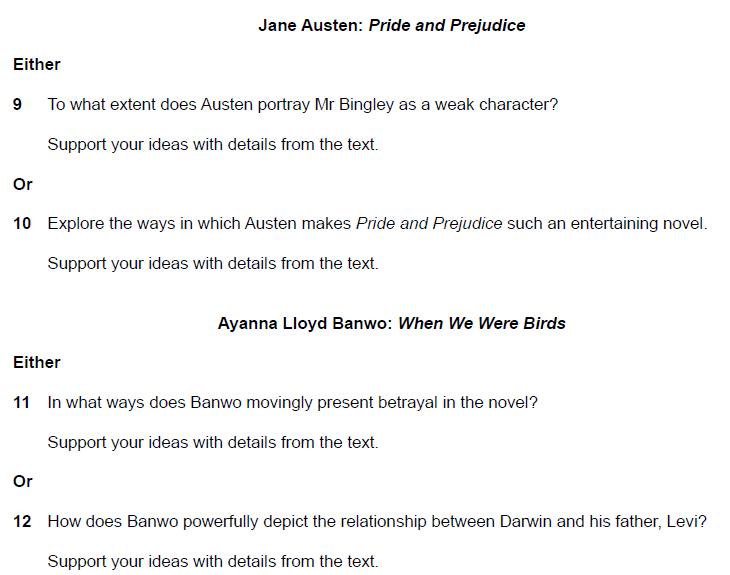
Drama and Unseen are now together in Paper 2.
Either
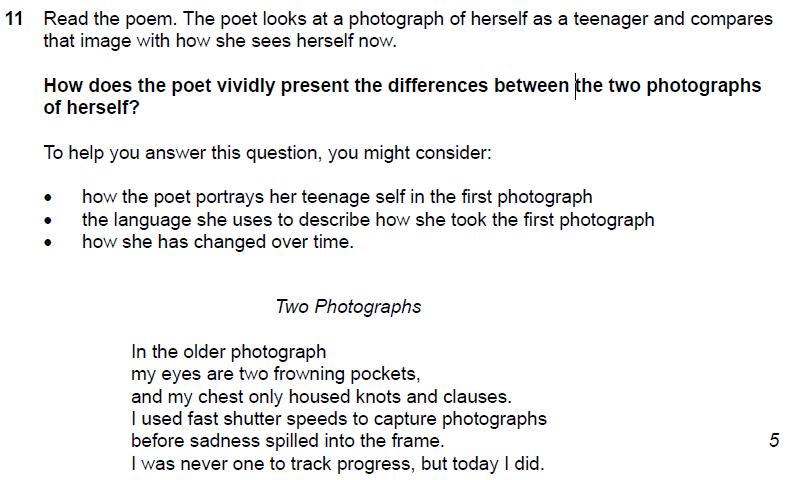
In the Unseen section, students will choose between a poem and a prose extract.
Or
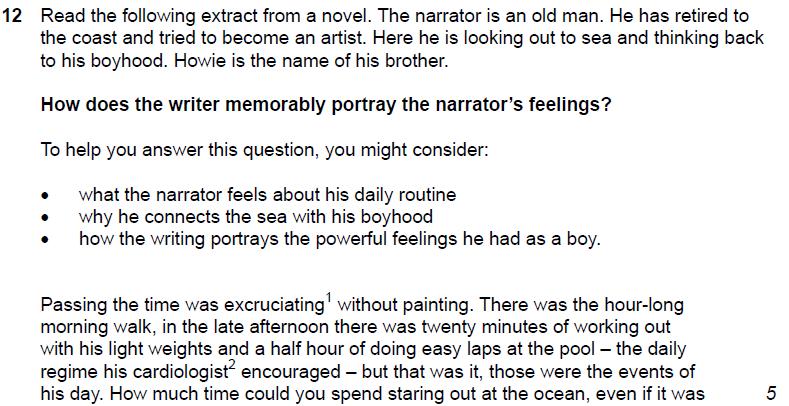
Students must submit two assignments for their coursework:
1. Comparing texts, 30 marks.
2. Comparing poems, 20 marks.
1. Comparing texts
Students submit an essay based on a comparison of two complete texts.
One text must be drama; the other text can be drama or prose.
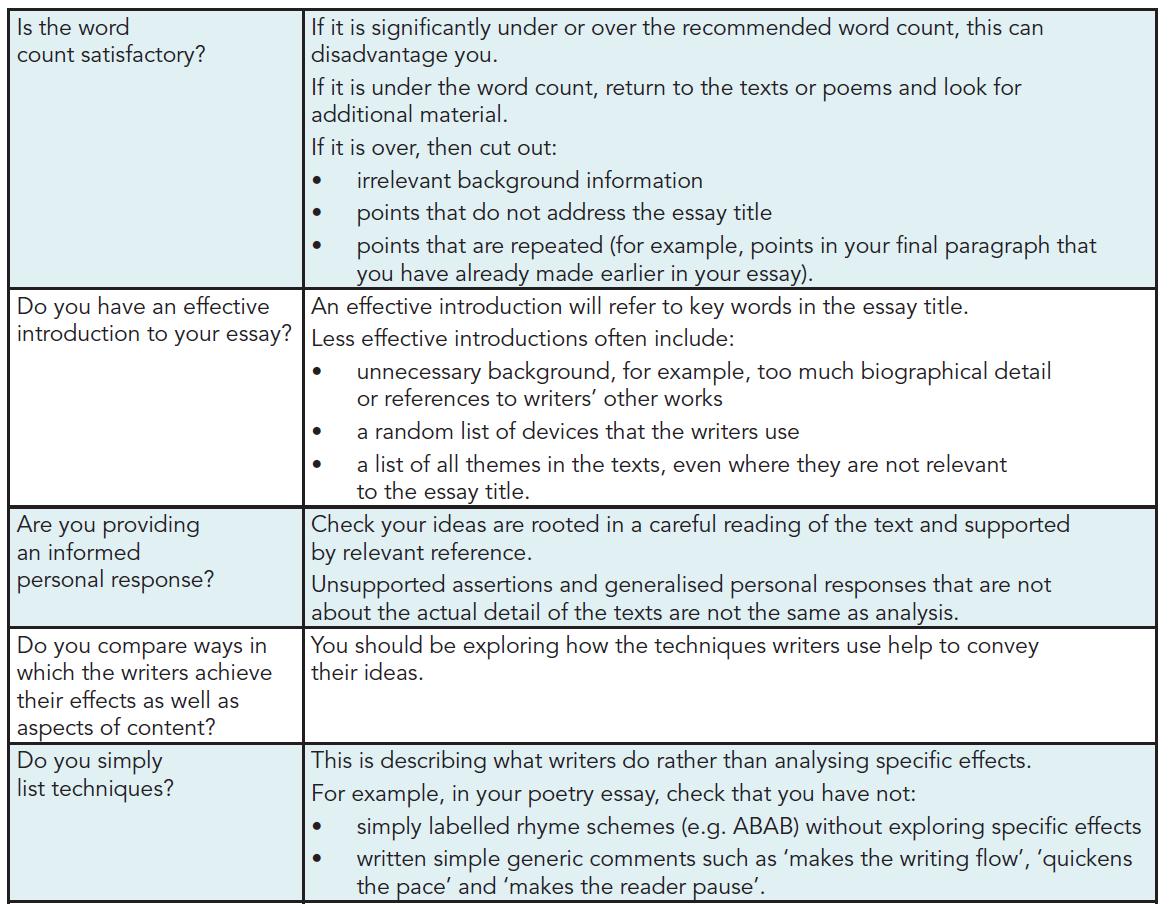
The advisory word count is approximately 1500 words.
2. Comparing poems
Students submit an essay based on a comparison of two poems.
The advisory word count is approximately 1000 words.
Syllabus content – no change to:
• Text rotation (there will be some new texts).
• Number of poems.
• Overall number of plays (five).
• There will always be one Shakespeare.
Scheme of assessment – no change to:
Paper 1 -
• Number of marks, duration or component weighting.
• Number or type of poetry questions.
• Number of prose questions.
Paper 2 -
• Number or type of drama questions.
• Number or type of unseen questions (currently in Paper 4).
• Coverage of Drama, Poetry and Prose.
• Three component model.
• The coursework will still be based upon an empathic and critical essay. Schools can still choose the text/s to be studied.
• Paper 3 style questions will remain the same –extract and essay-based.
• Set texts will still be international in focus, with some texts being texts in translation.
• Set texts will follow a three-year cycle.
Component 1 - Drama (Coursework)
Paper 2 - Poetry
Based upon Drama text only. The empathic and critical essays can both be based upon the same or different Drama text/s.
Weighted at 1/3 of the qualification.
Includes a set text poem and an unseen poem. Both compulsory questions are worth 25 marks. We have removed the (a) and (b) structure.
The unseen poetry question will contain supporting bullet points, to help direct student responses.
Both poems will be printed on the question paper.
Exam duration is now 1 hour 30 minutes (instead of 1 hour 15 minutes). Total marks will be 50.
Weighted at 1/3 of the qualification.
Paper 3 – Prose
Will be based upon Prose set texts only. We have removed the Drama and Poetry options.
Weighted at 1/3 of the qualification.
1 Set text poem
In what ways does the poet strikingly convey the panther’s captive world? Support your ideas with details from the text.
2 Unseen poem
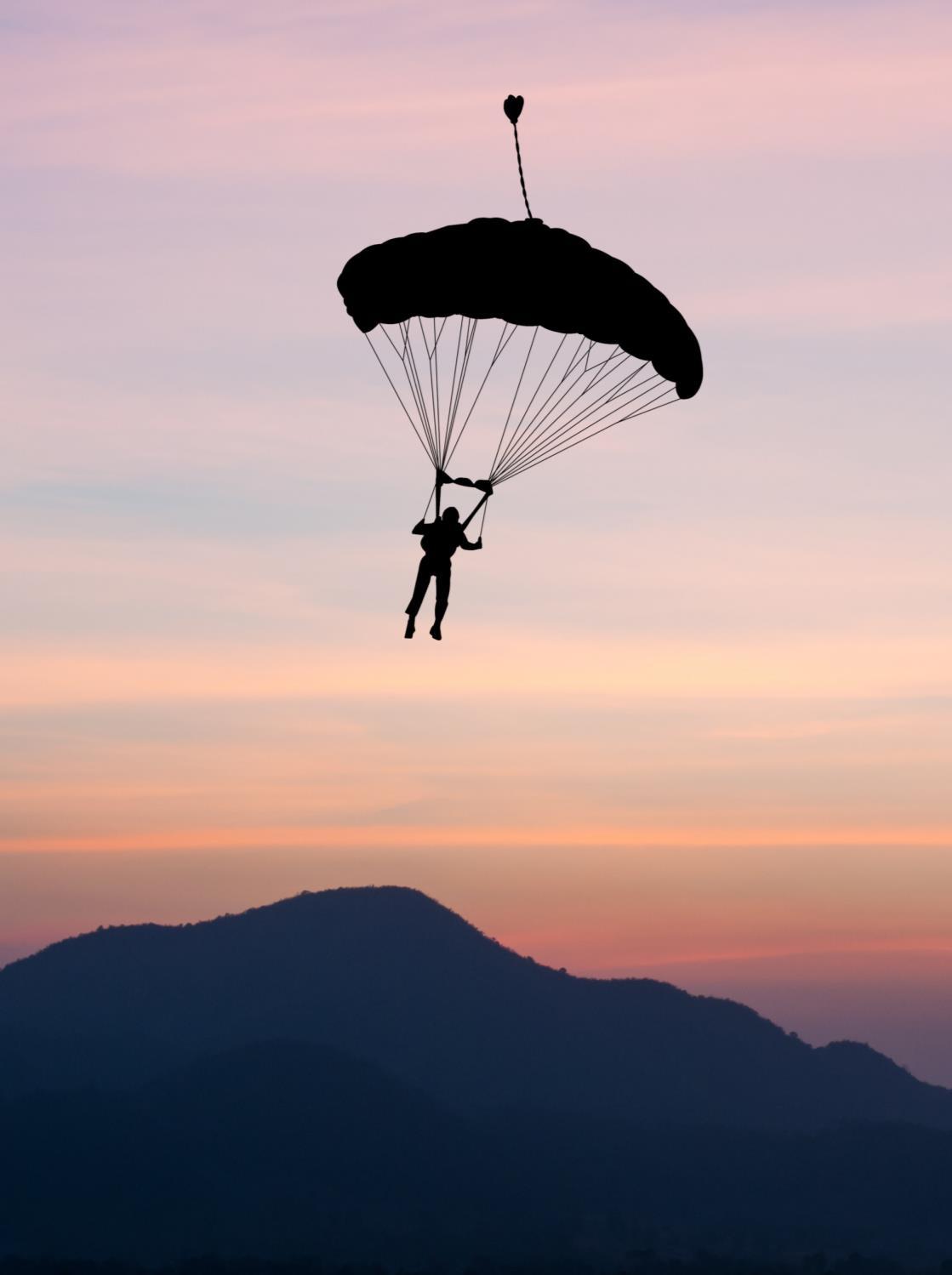
Read the following poem about jumping from an aeroplane with a parachute.
How does the poet dramatically convey the experience of jumping from an aeroplane with a parachute? Support your ideas with details from the text.
To help you answer, you might consider:
• The ways in which the poet describes the fall
• The ways in which the poet describes the landing
• The impact of the final stanza
Component 1: Both essays can now be based upon the same text (or a different text). The text/s can still be chosen by the school but must be Drama based.

Paper 2: There is a set text and unseen poetry question.
Paper 3: We have removed the Poetry and Drama options. Paper 3 will be based upon Prose text only.
Florence Kemsley

• 2028-2030 Syllabus document
• Coursework Handbook
• Providing guidance for Component 3.
• Resource Plus (0475/0992) and set text teaching packs (0408)
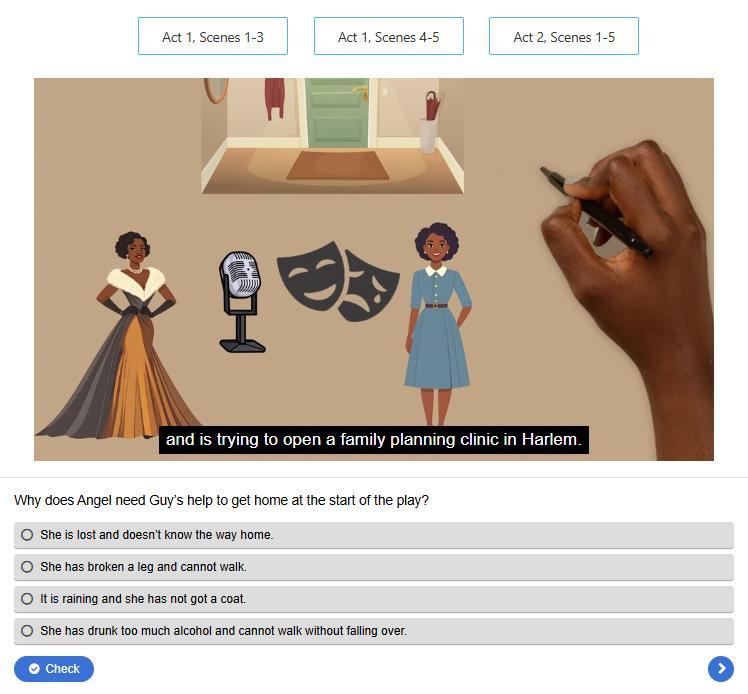
• Support for set texts including videos, quizzes and worksheets.
• Teaching Packs with teacher notes and classroom resources.
• Scheme of Work
• Support for planning and teaching the course.
• Specimen Paper Answers
• For Paper 1, Paper 2 and Component 3
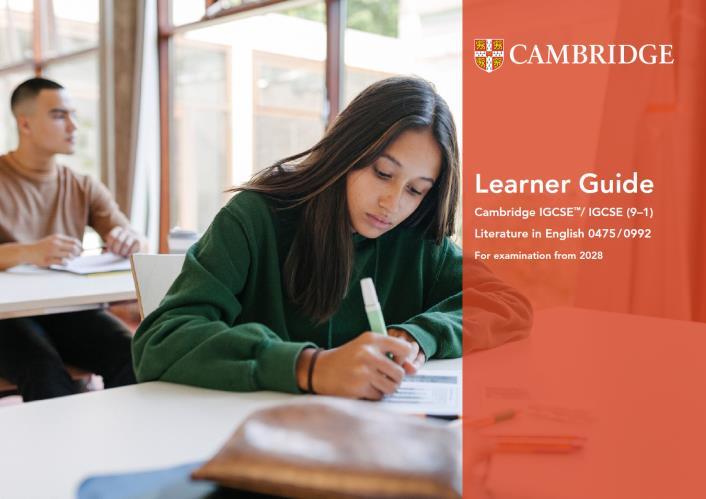
• Learner Guide
• Study guide and revision checklists for learners
• Teaching Tools
• Lesson planning guidance



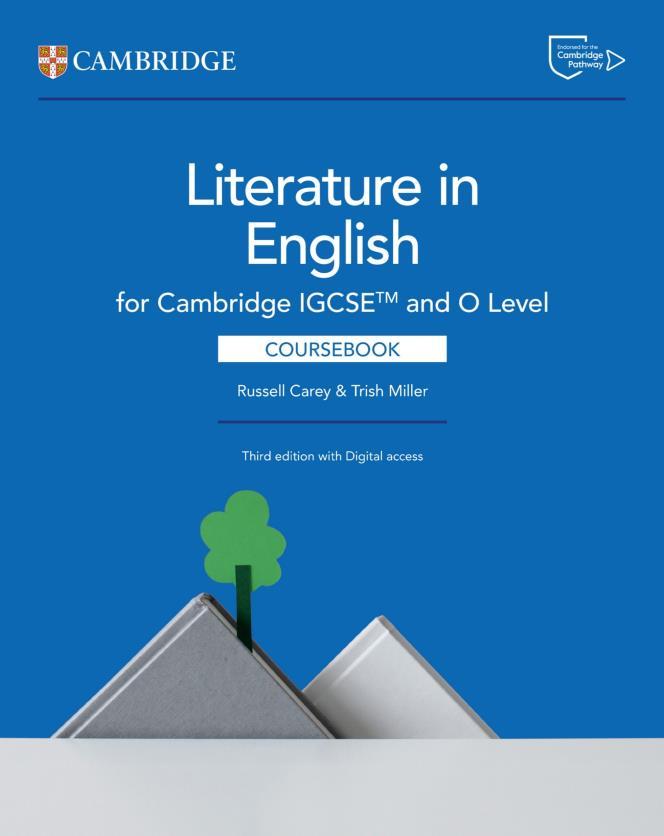
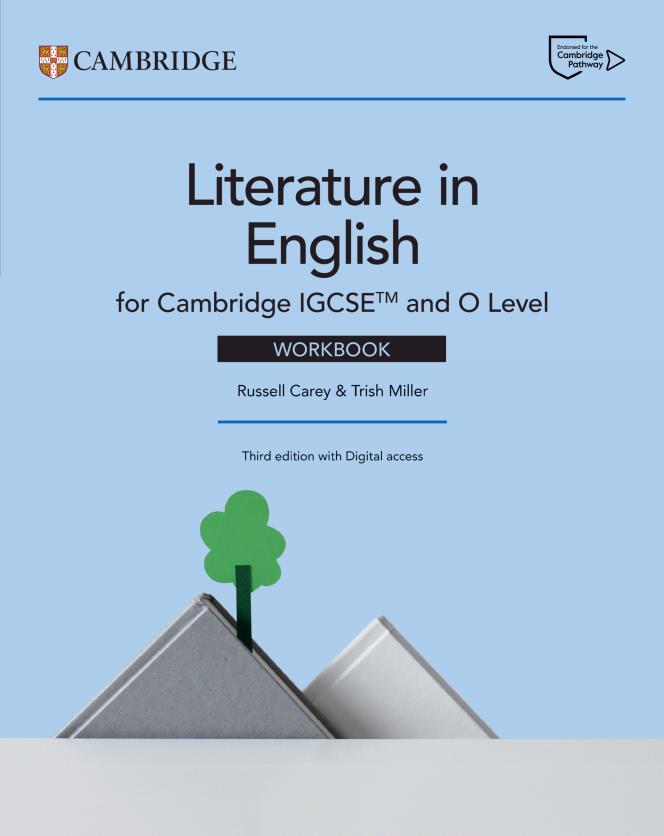

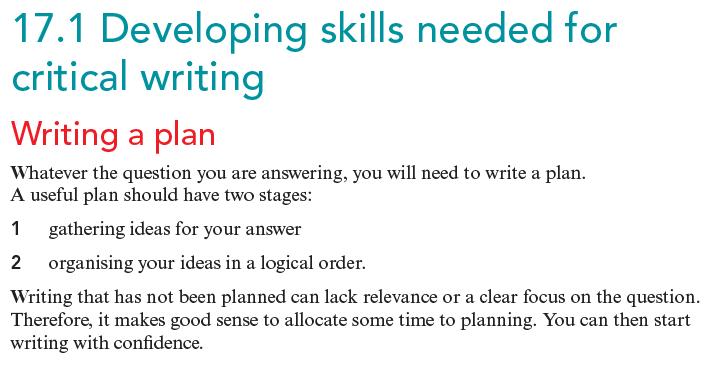
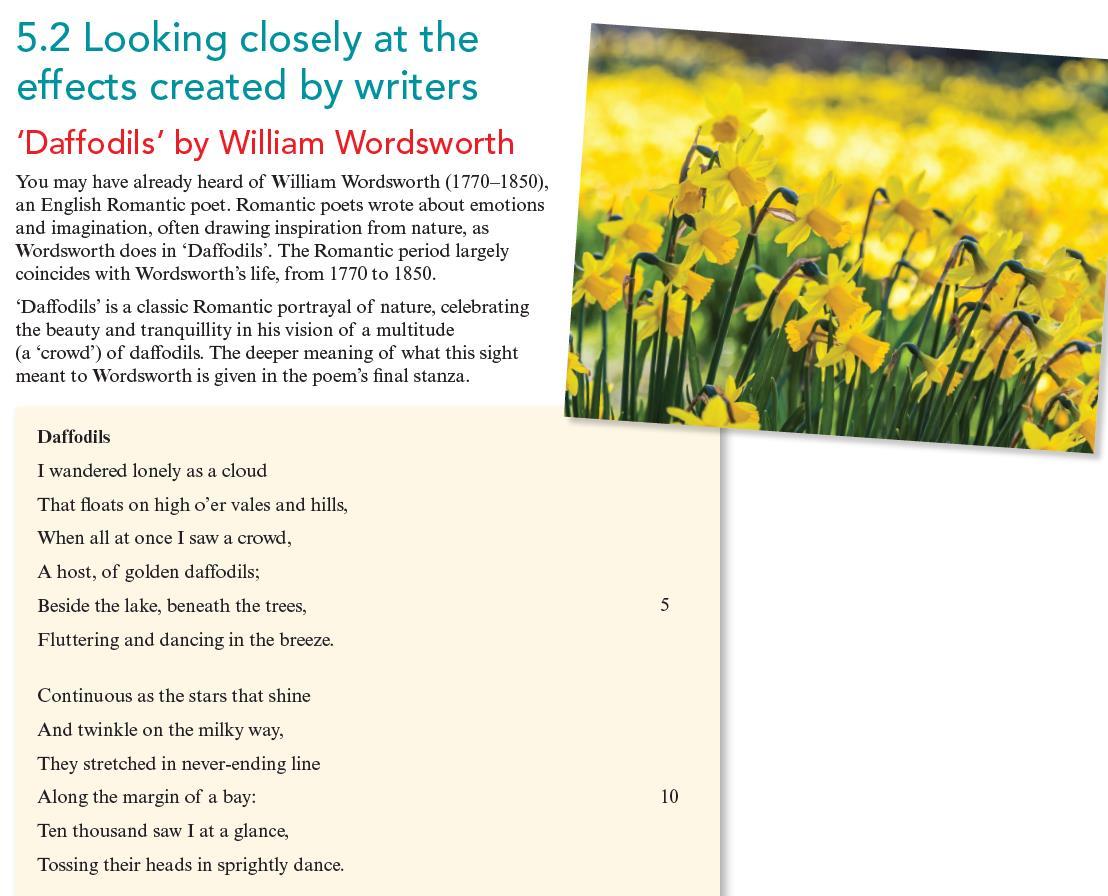
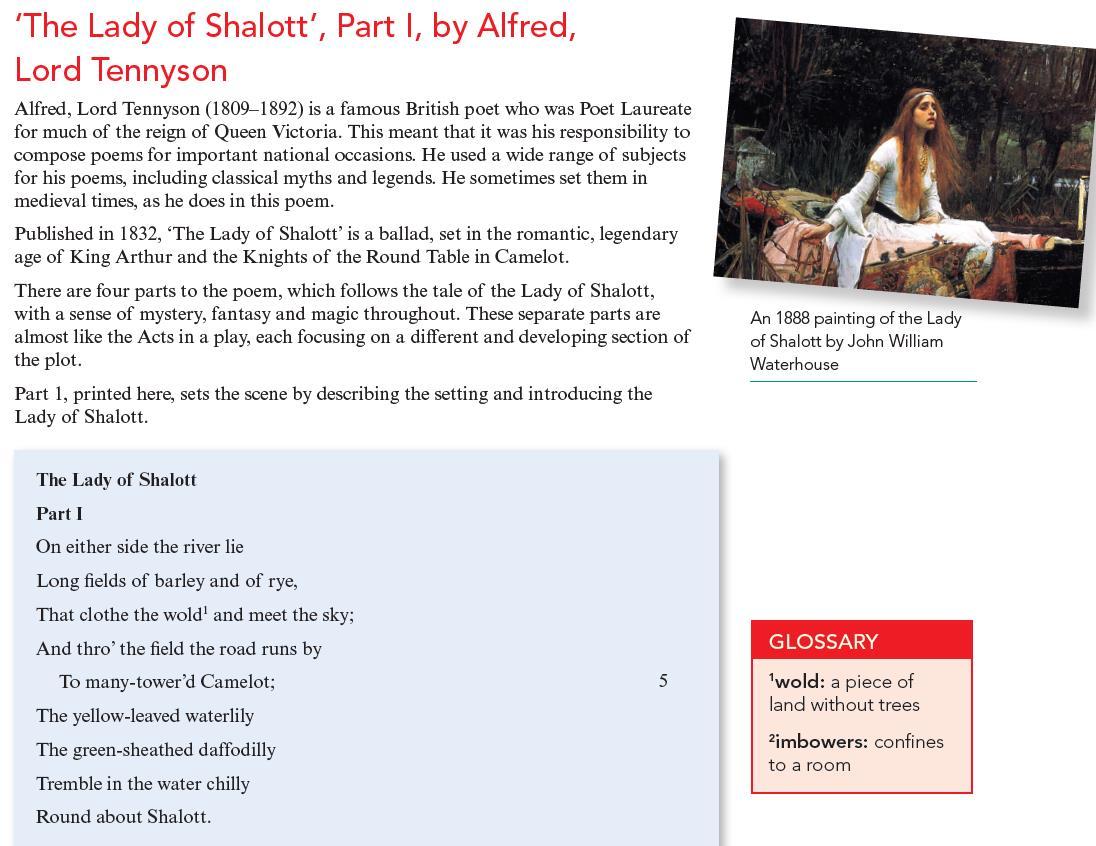
Our series allows students to explore a diverse range of literary texts and build an appreciation of how writers achieve effects through the written word.
We offer a full suite of resources – coursebook with digital access, digital coursebook, workbook with digital access, and digital teacher’s resource – and makes it really clear how to use the series alongside set texts.
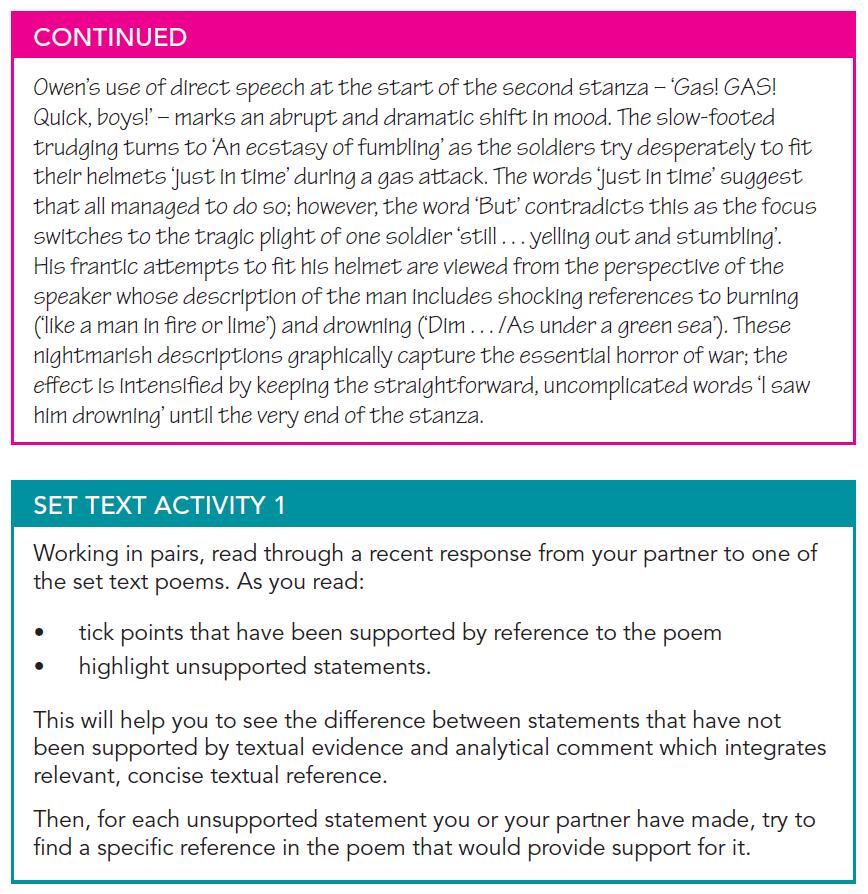
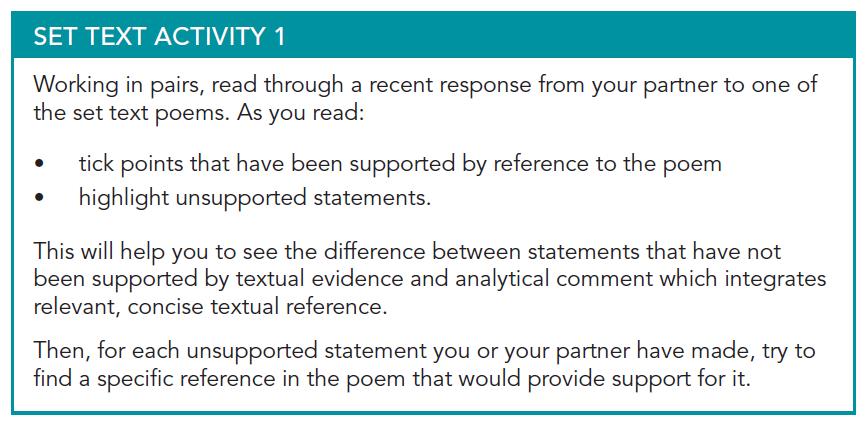
• New set text activity box and flexible structure.
• More scaffolding and a reflection box to help students reflect on their learning processes.
• Units on pain points such as personal response.
• Even more sample answers and self-assessment so students understand what a good answer looks like.
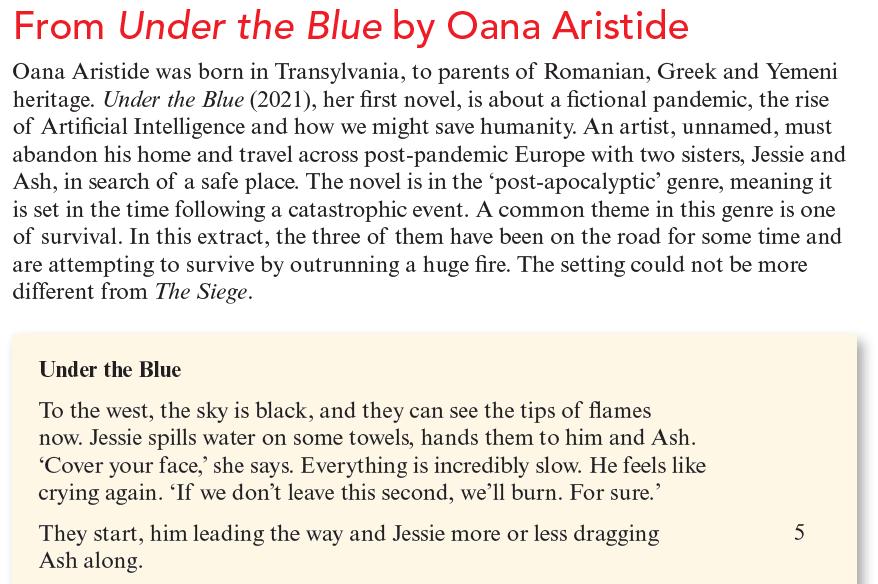
• Even better diversity of texts, including contextual notes.

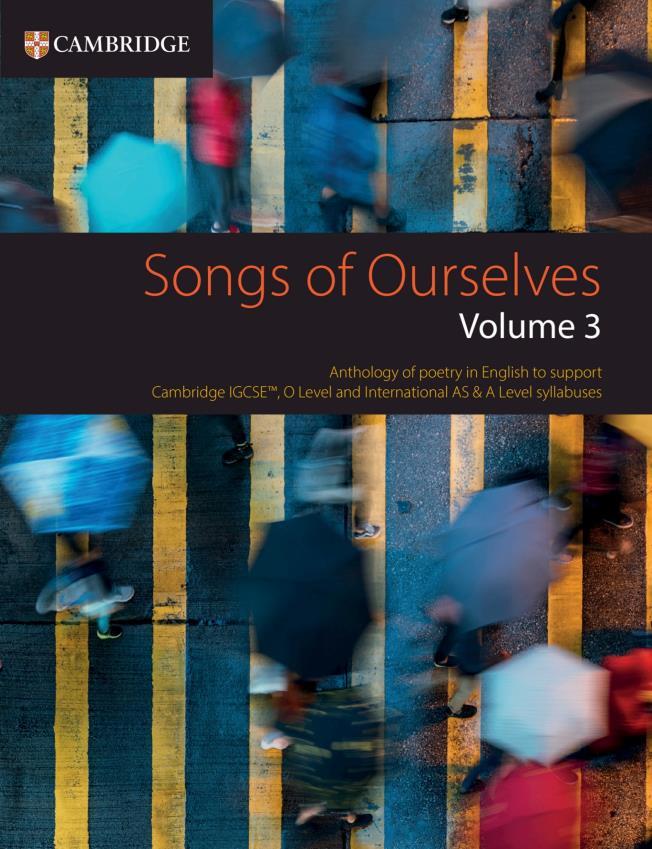



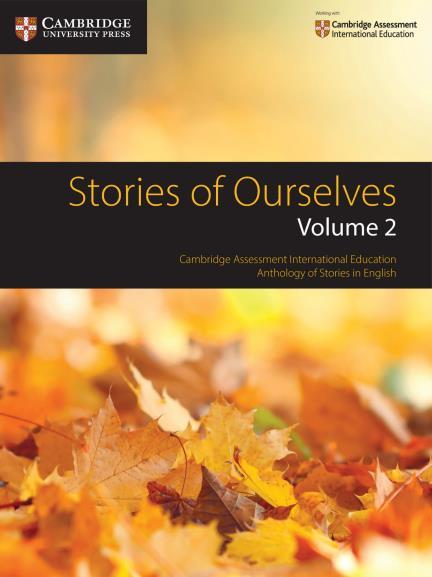


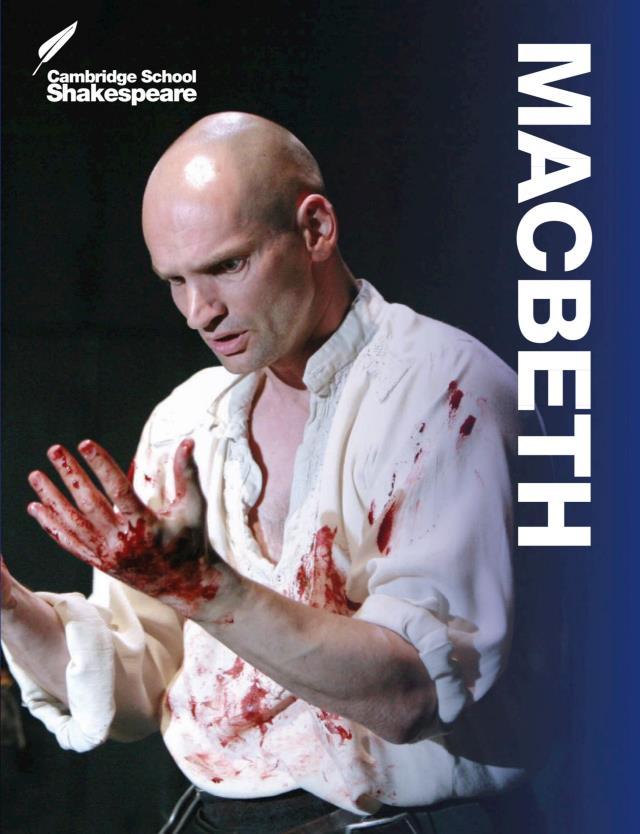
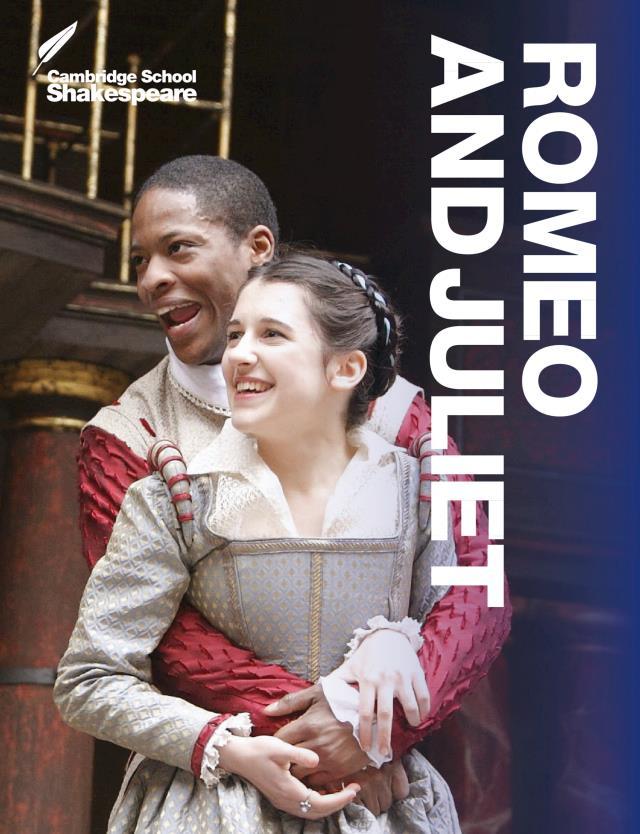
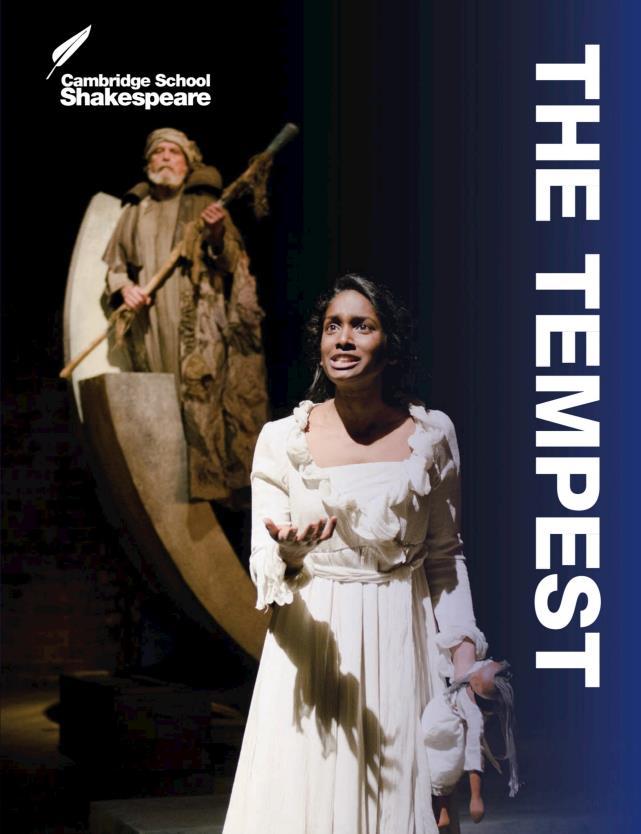
Insights from our author Russell Carey
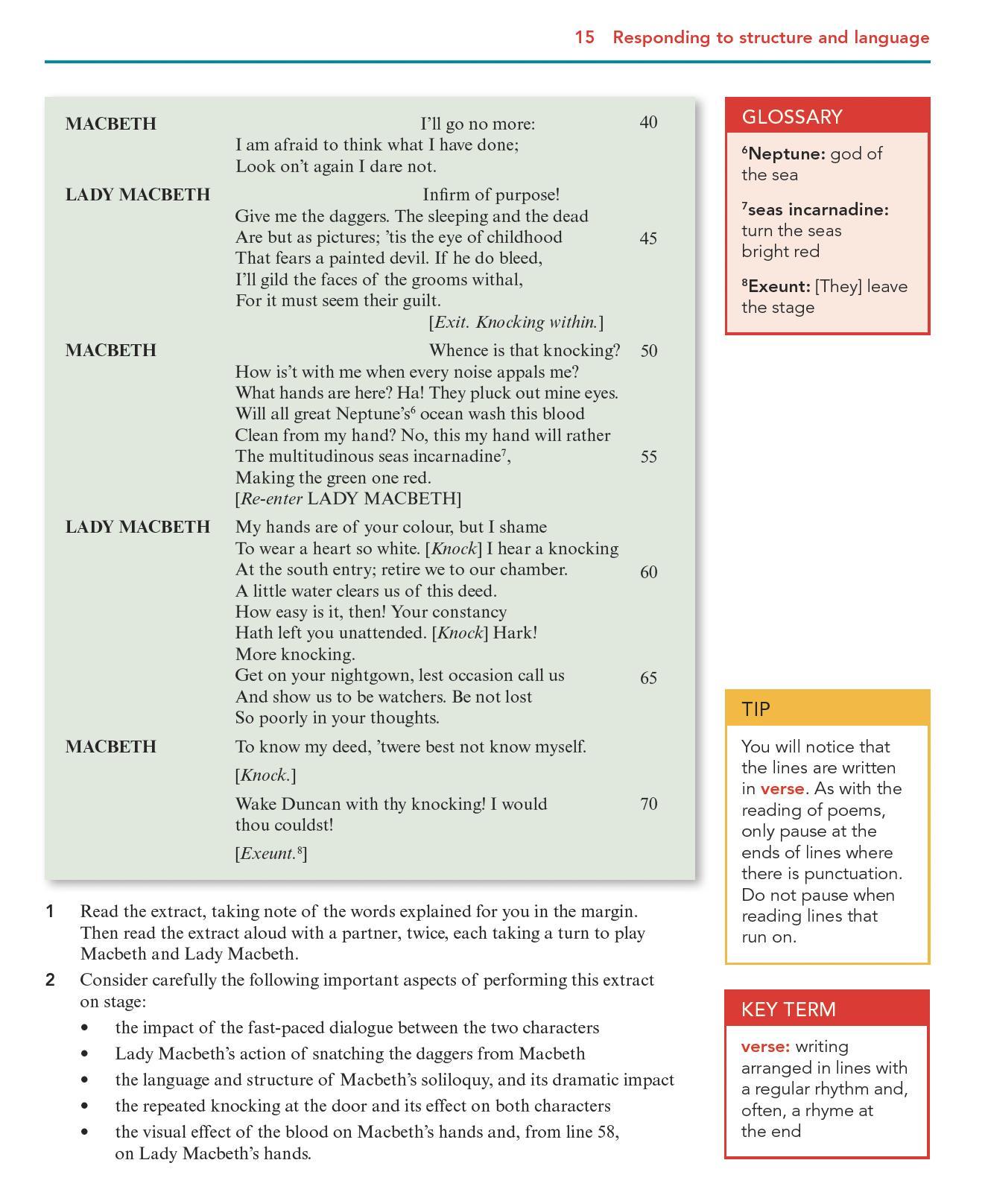
• Wide variety of poems and extracts from prose and drama texts.
• Diverse range of texts from different cultures and different time periods.
• Activities designed to develop skills of close critical analysis.
• Focus on active learning and self-evaluation.
• Emphasis on the importance of an informed personal response.

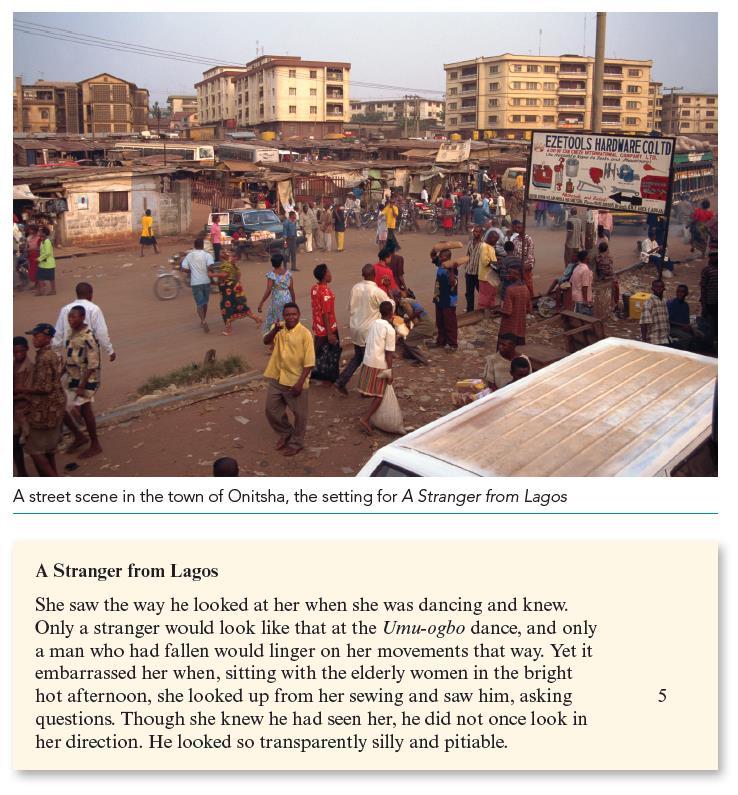
• The poetry and prose extracts provide effective preparation for the ‘Unseen’ section of Paper 2.
• The poetry, prose and drama extracts provide useful preparation for coursework.

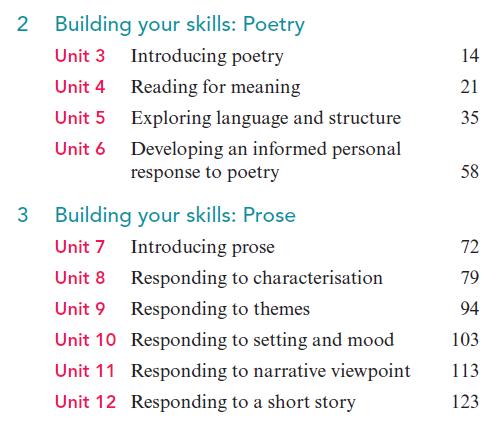
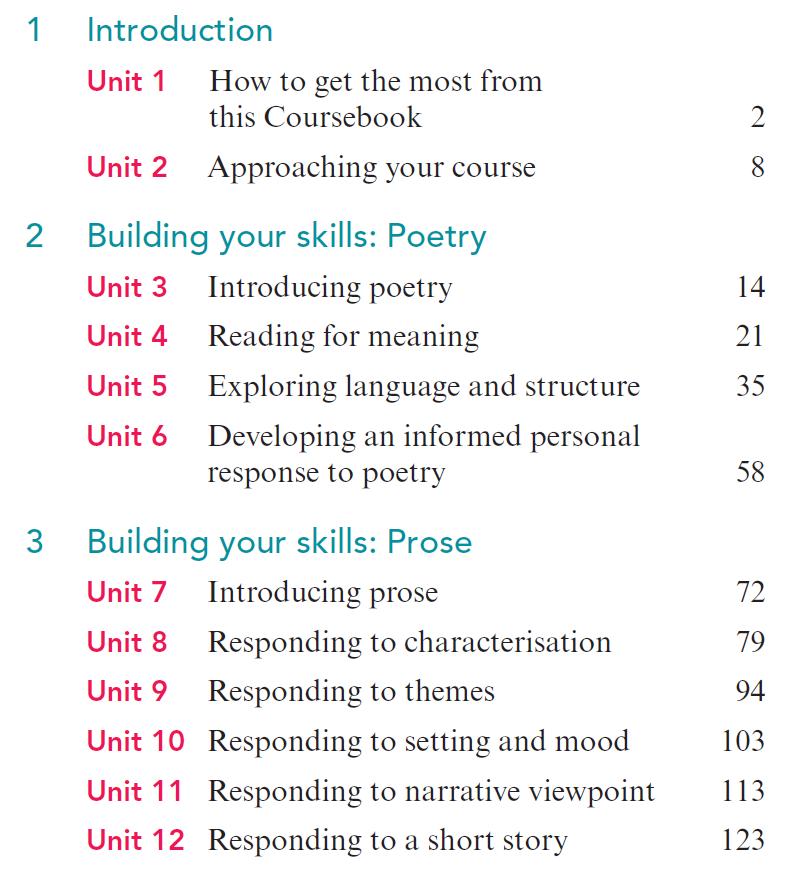
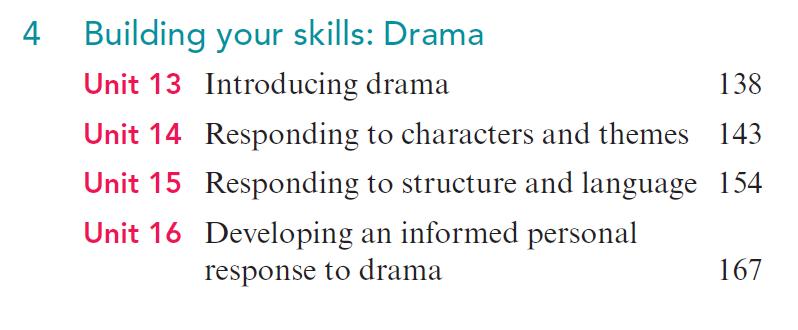
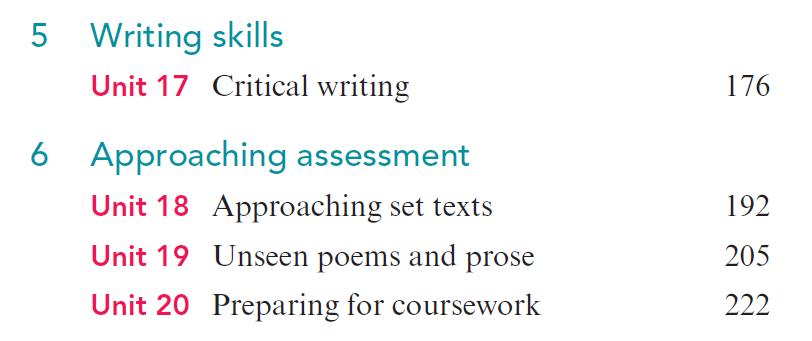
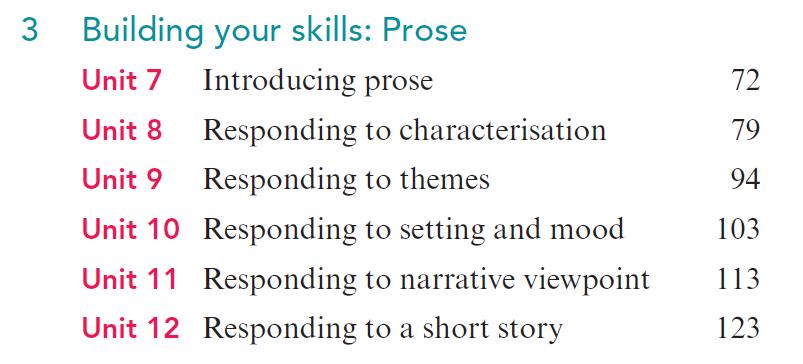
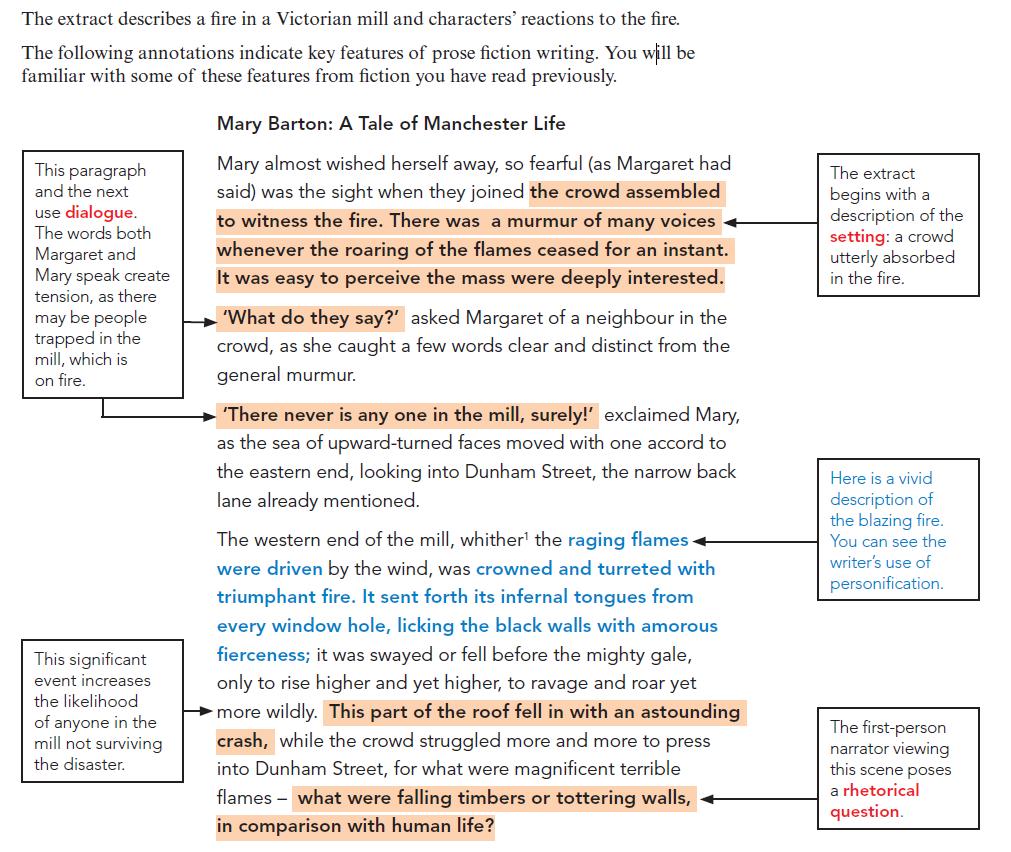
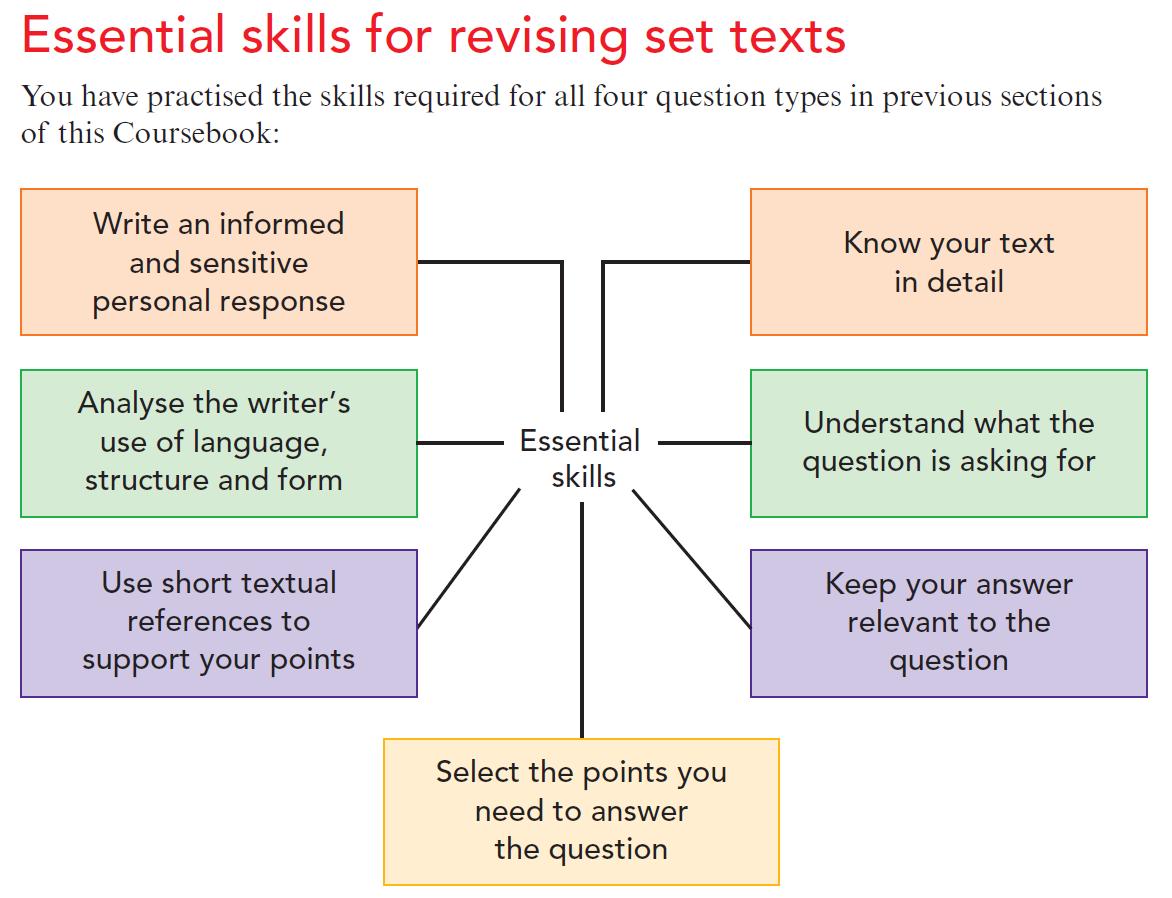
• The ‘Building your skills’ units and the plenary ‘Writing skills’ unit help students to develop and practise skills of critical analysis required for all questions, whether for exams or coursework.
• This new edition includes many specific activities that can be linked to students’ own set texts.

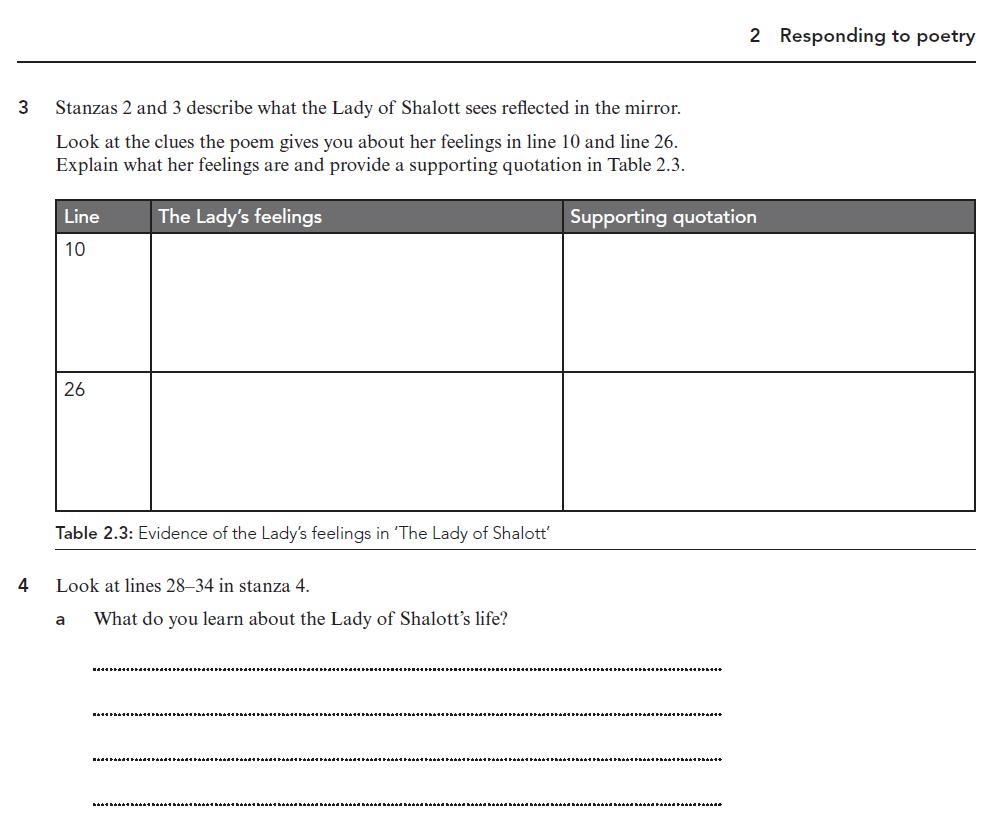
• Glossaries, key terms, tips.
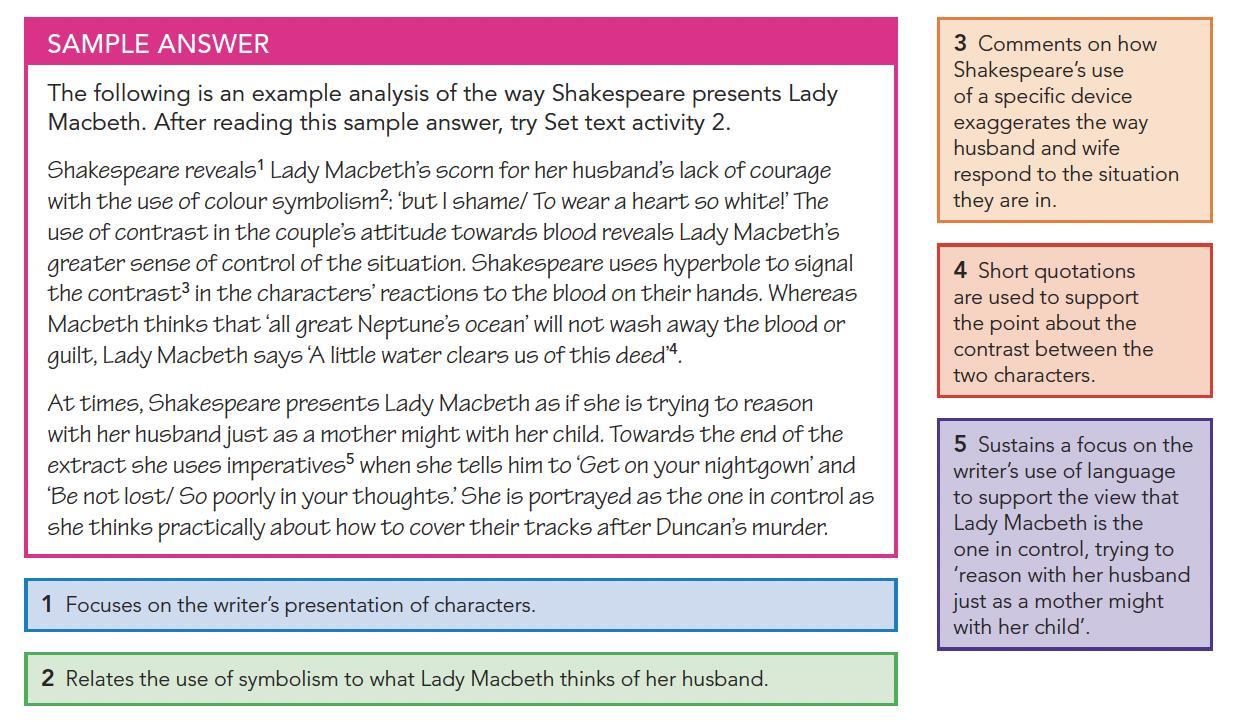
• Sample answers, with teacher comments.
• Activities linking to set texts.
• Guidance on preparing for assessment.
• Guidance on approaching coursework & drafting/re-drafting essays.


• Introduction and Focus on Teaching from June 2026.
• Cambridge IGCSE Literature in English (0475) (0992) | 2028-2030 Syllabus | Introduction | Online

• Cambridge IGCSE Literature in English (0475) (0992): Focus on setting coursework tasks | Online
• Focus on Assessment and Marking workshops from September 2027.
• All available courses can be found in our professional development calendar online.

Russell Carey
Russell taught English for 25 years before becoming an independent education consultant. In his current role as an adviser in schools, he supports both teachers and learners in the classroom. He has had senior examiner roles in both Language and Literature and has written or contributed to textbooks at IGCSE and A Level. He has also been involved in syllabus development and reviewing exam standards over time. Since 2003, he has delivered a wide range of teacher training courses, many with a key focus on developing learners’ critical skills and improving performance in writing.


cambridge.org/internationaleducation