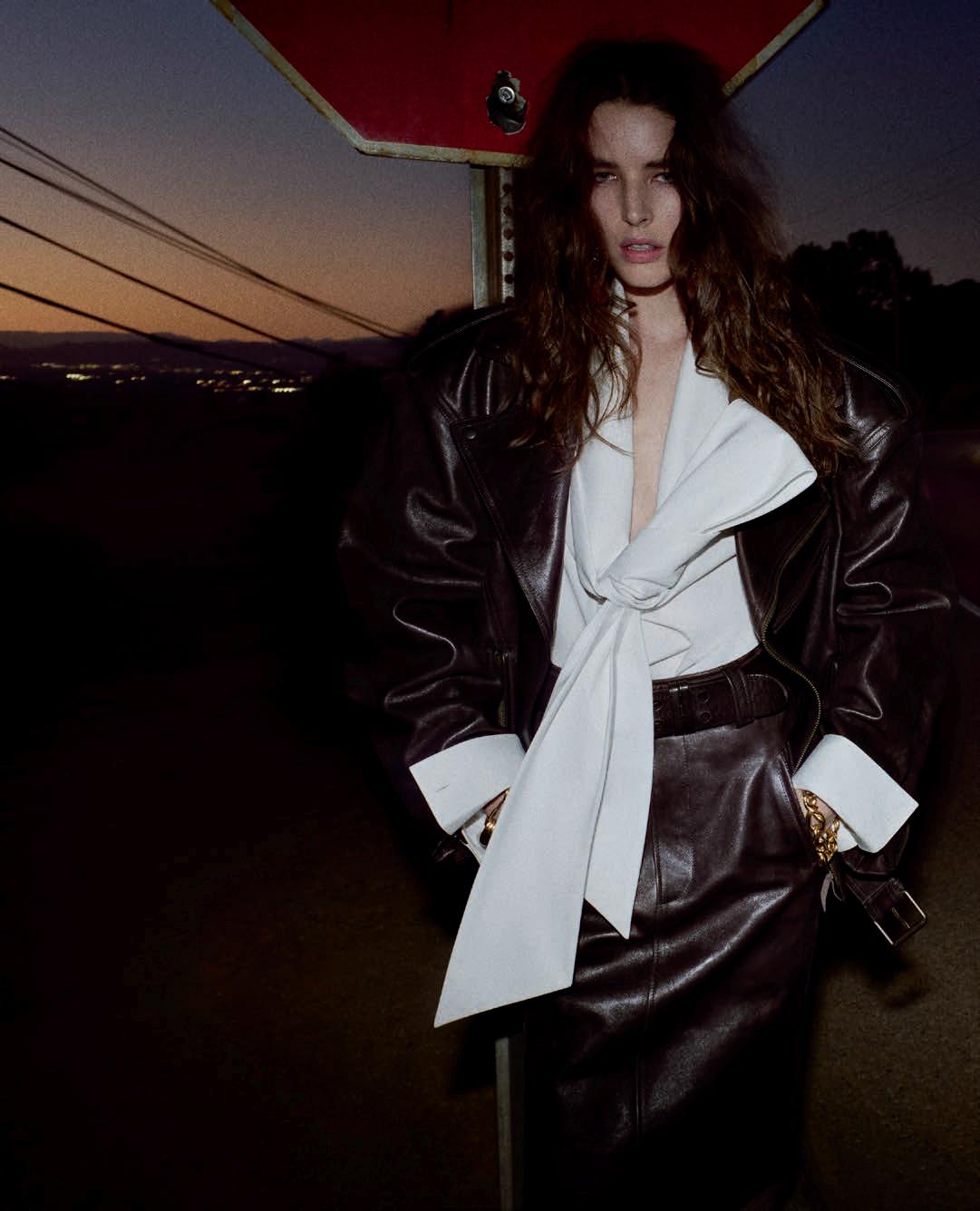
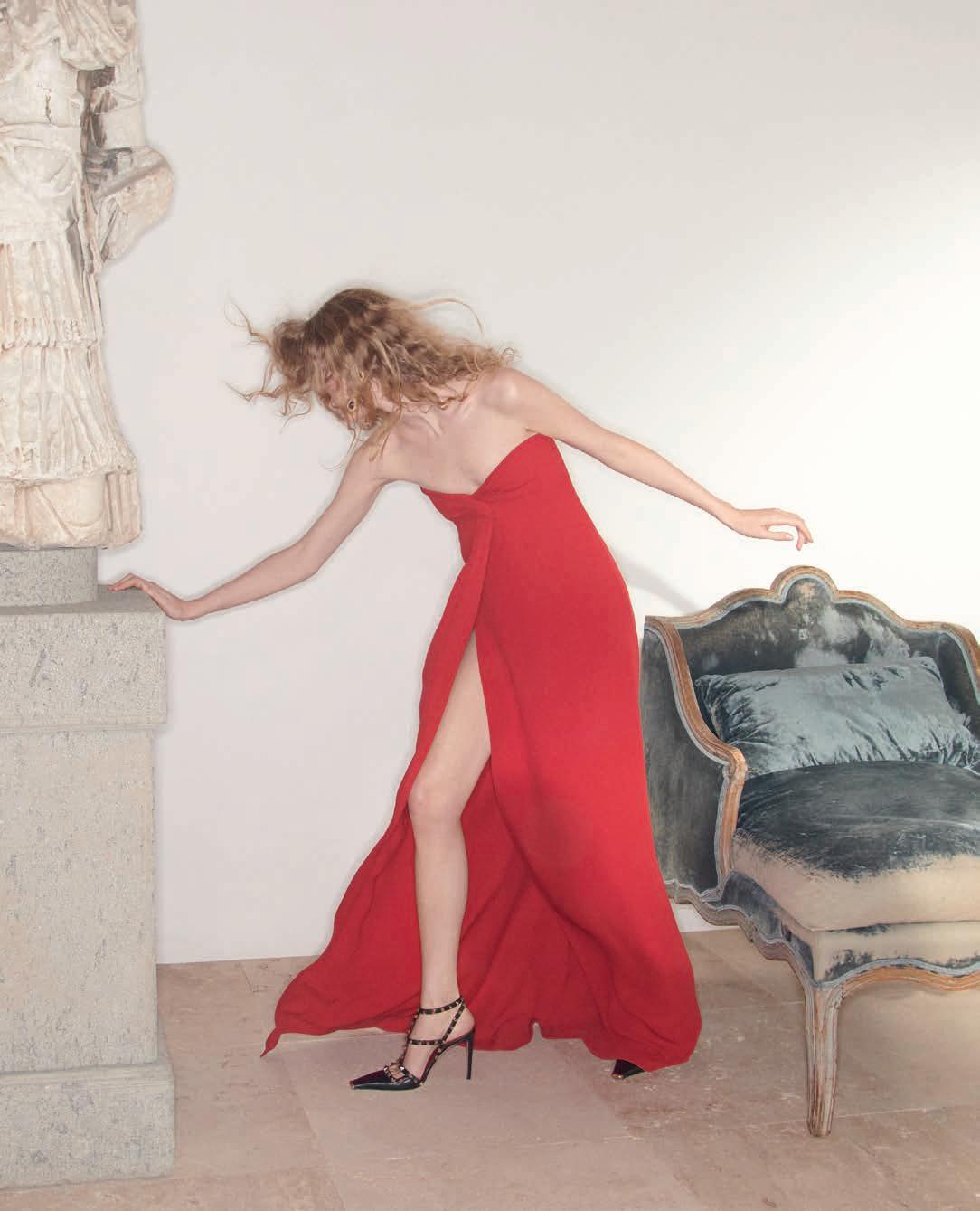
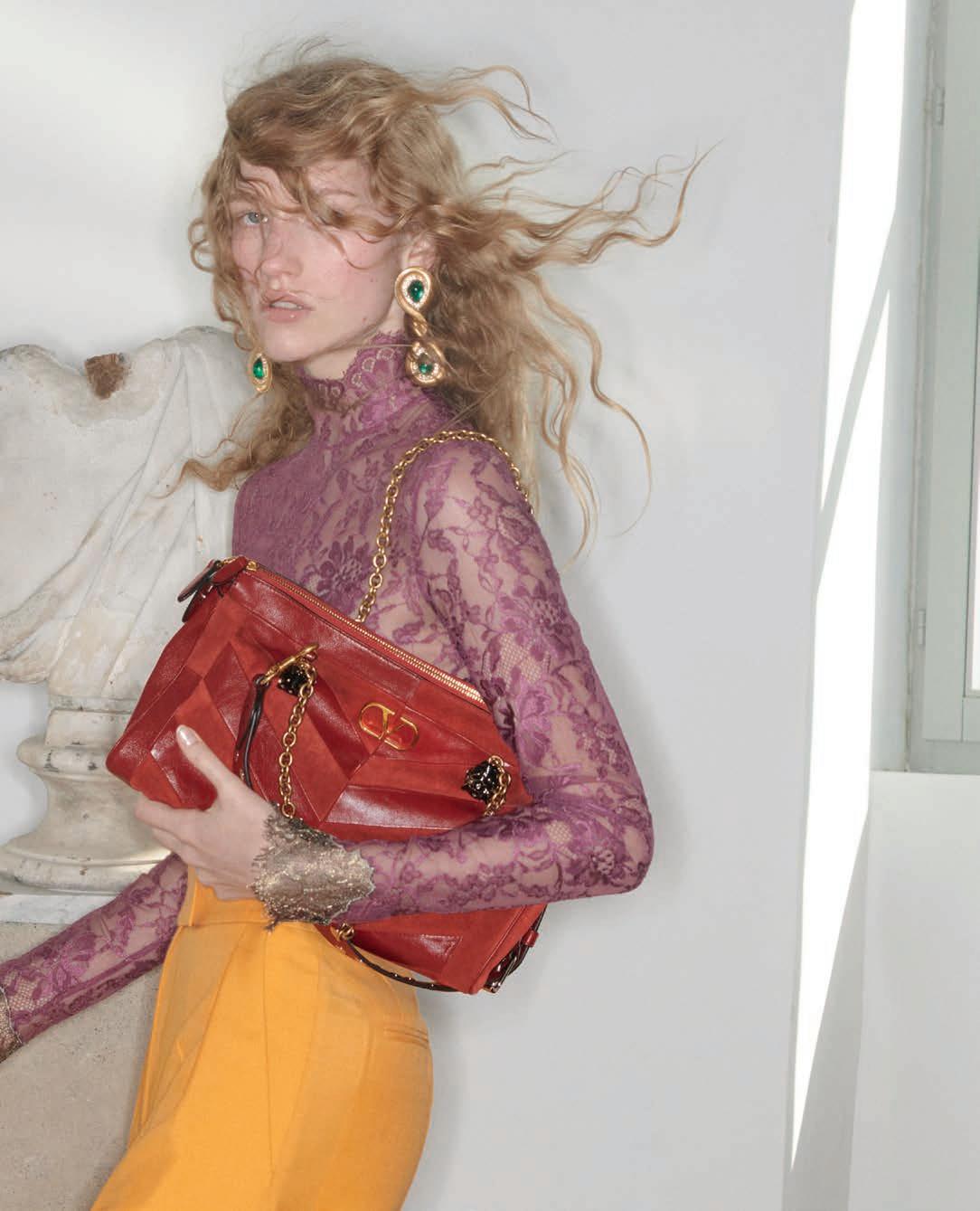
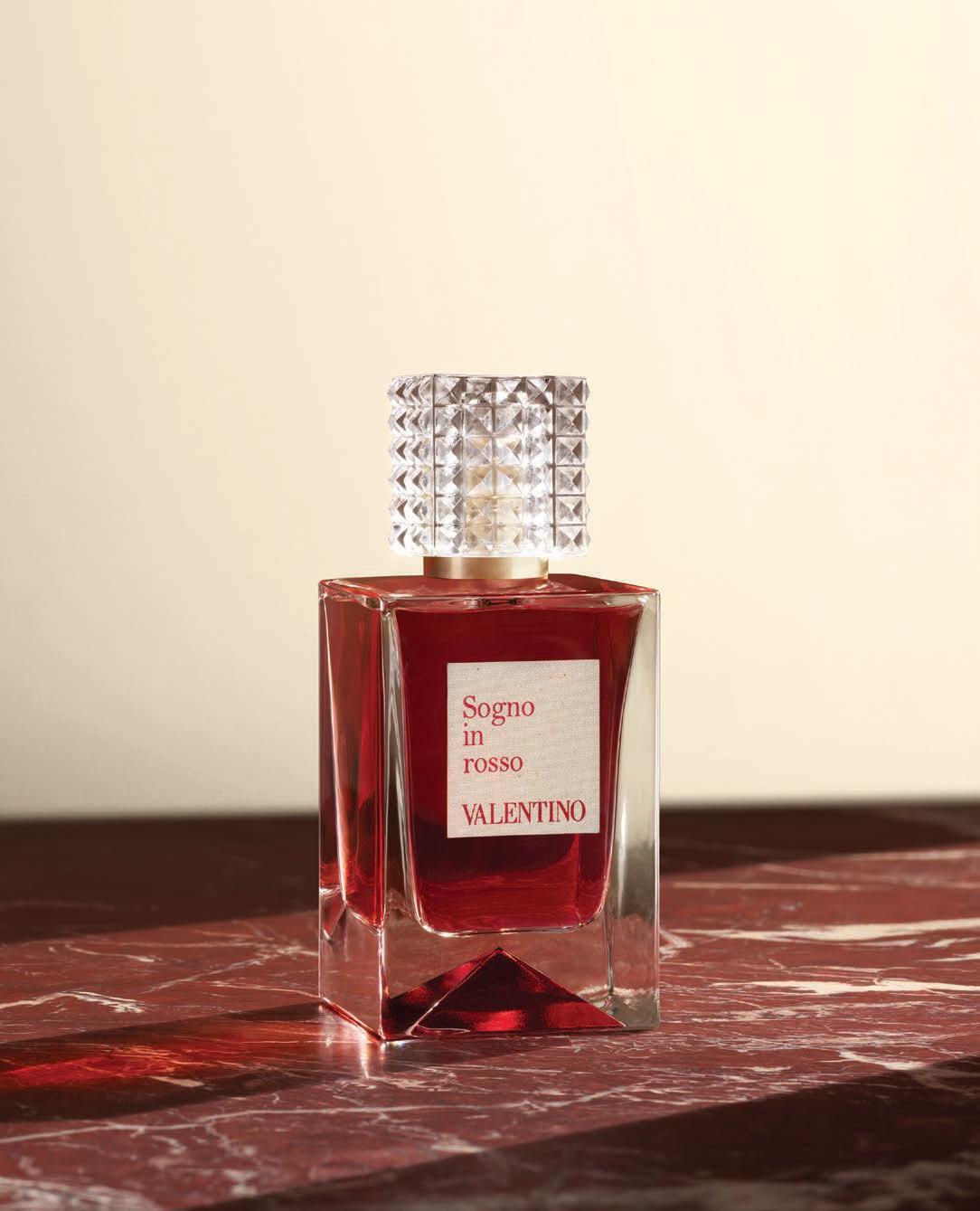
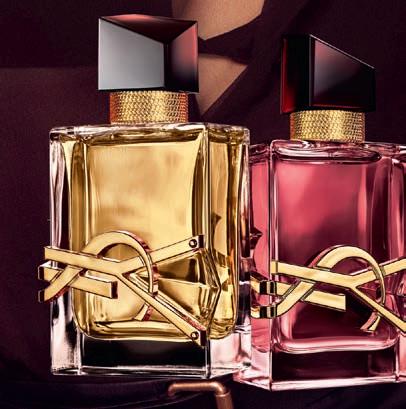
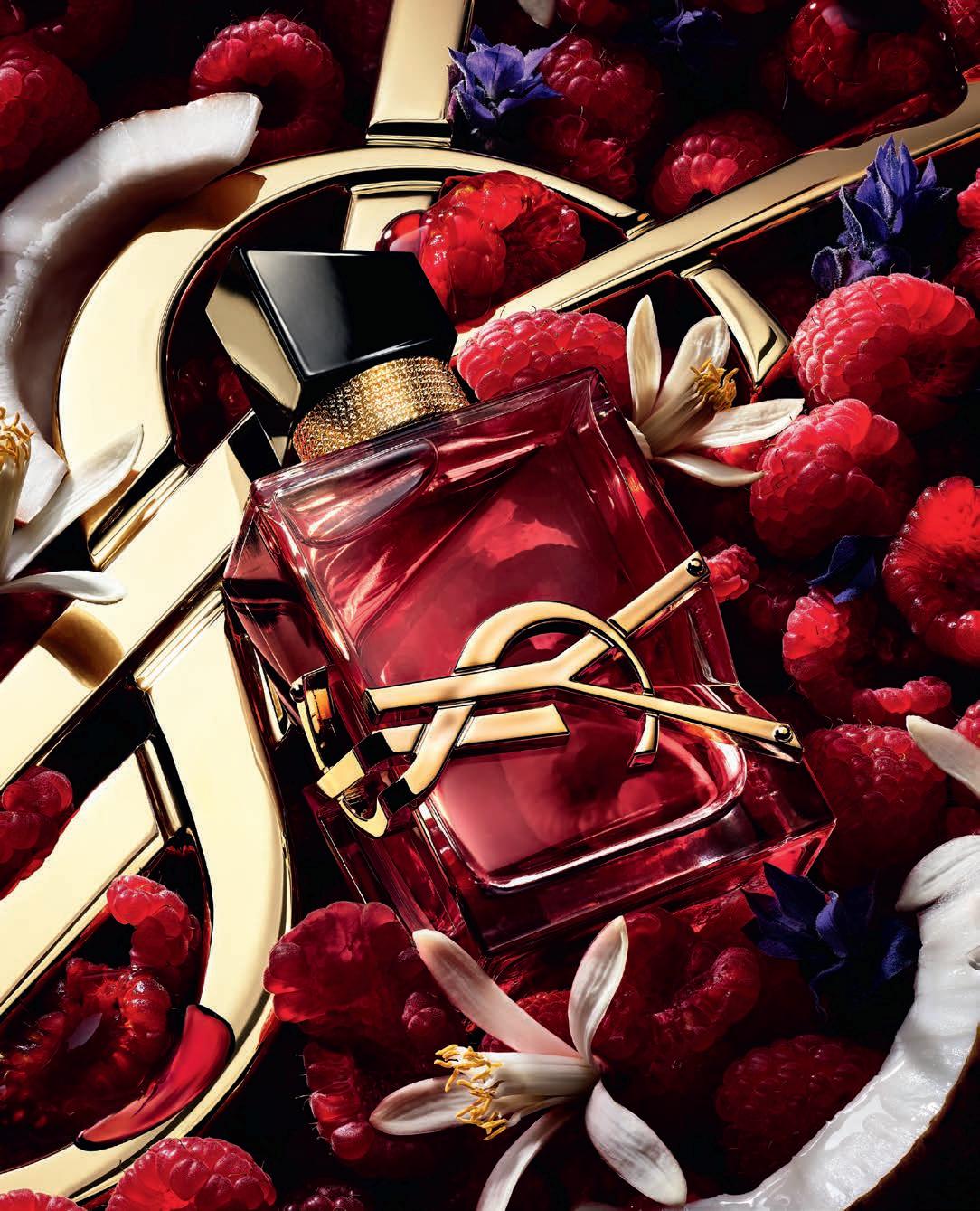
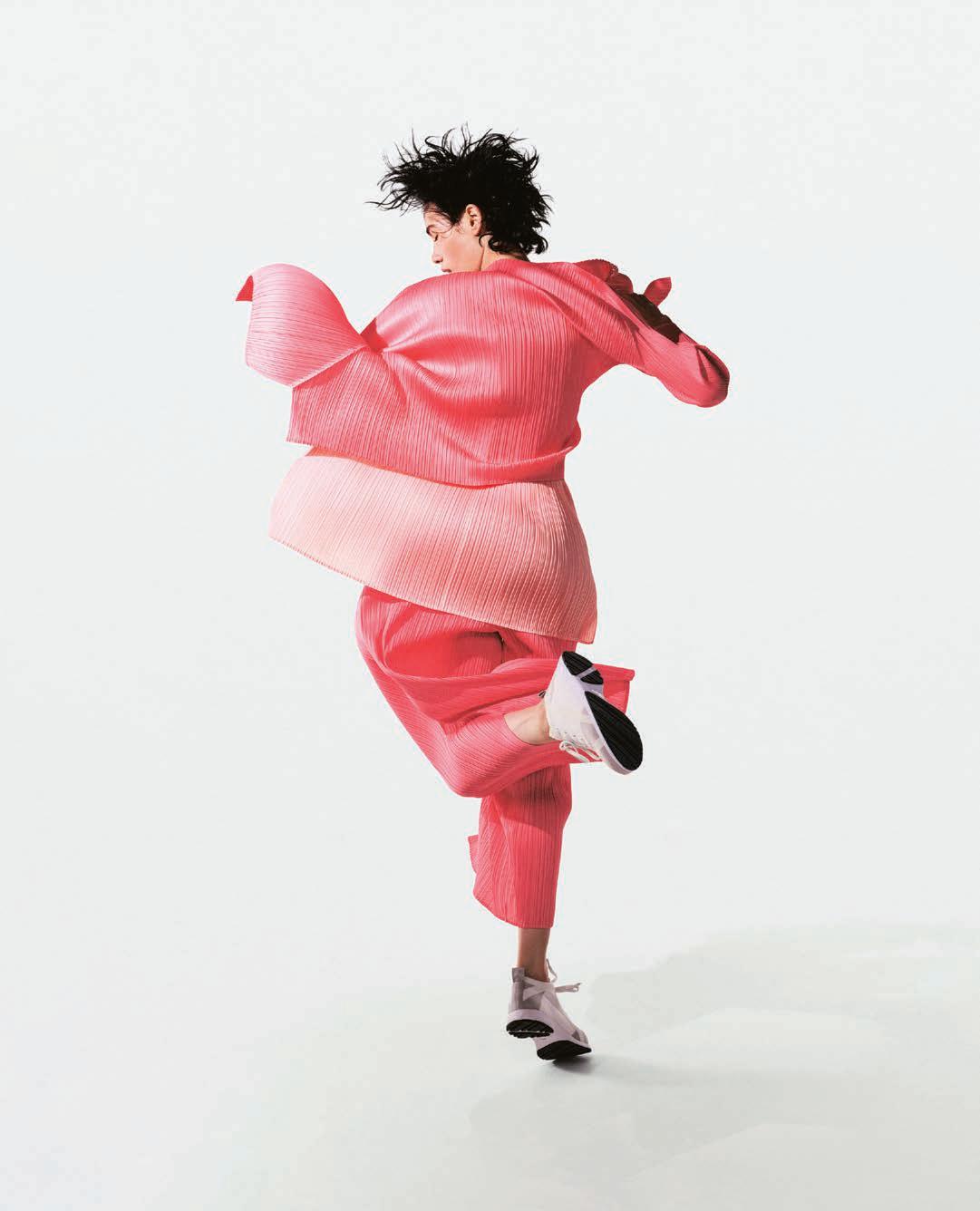
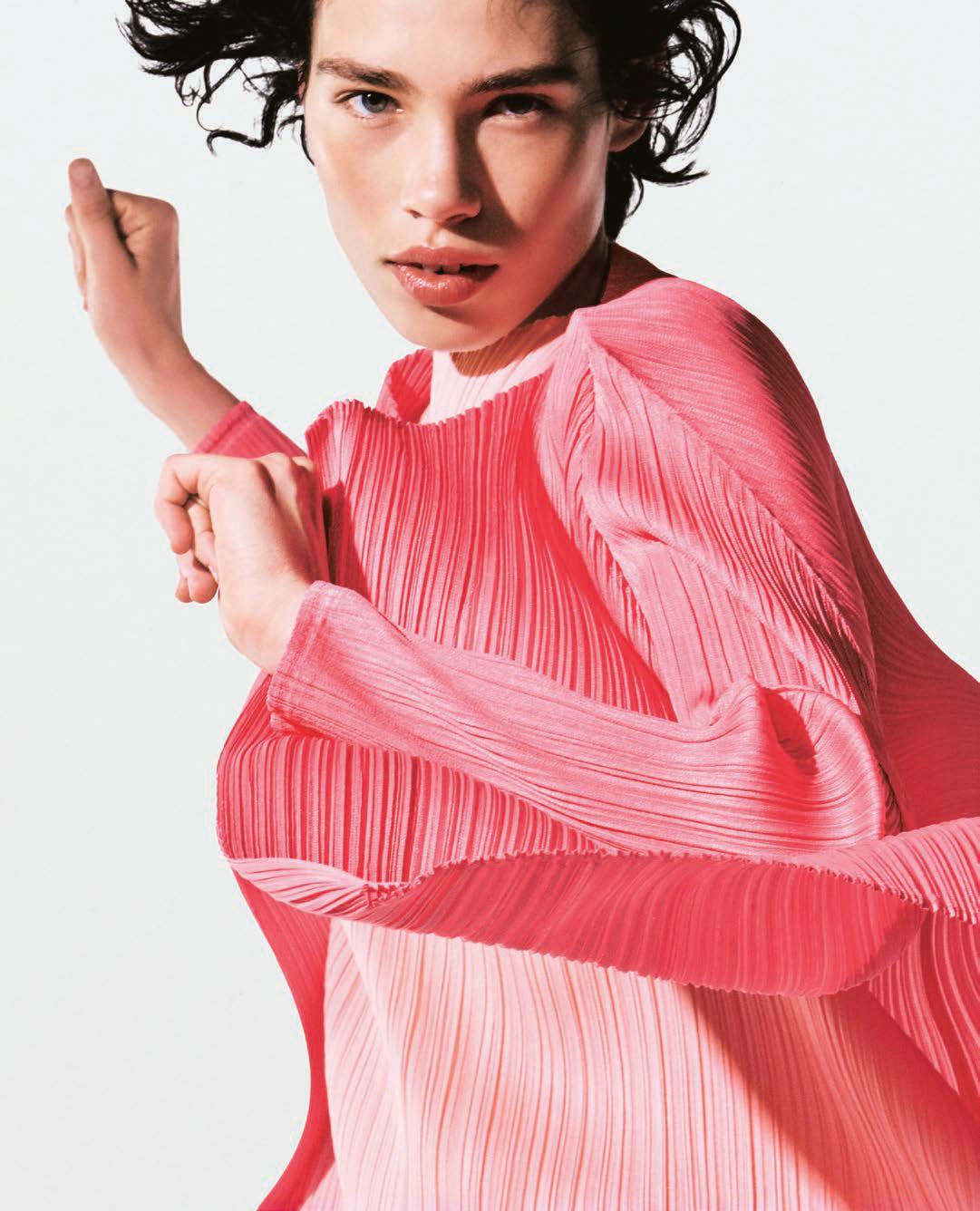
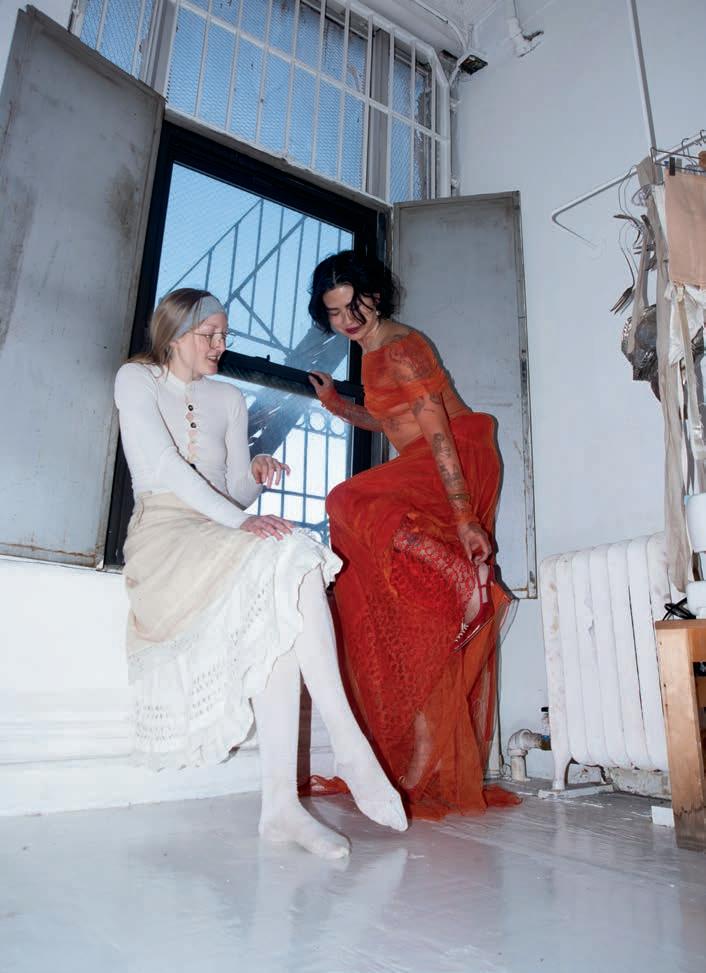
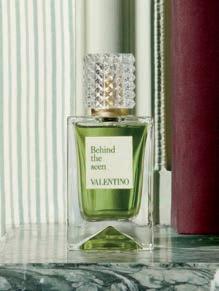
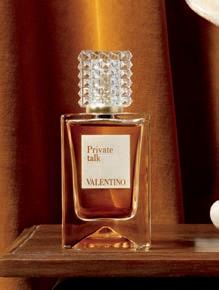
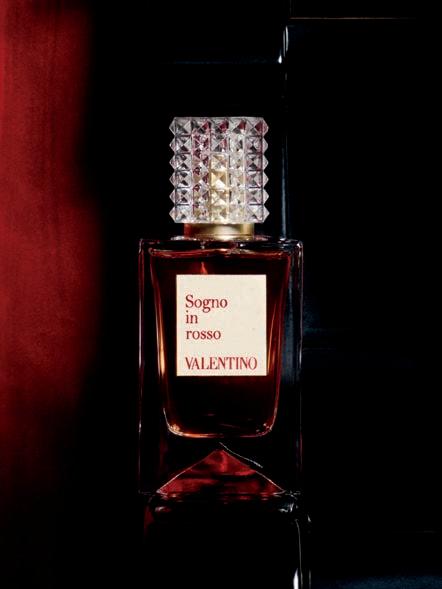
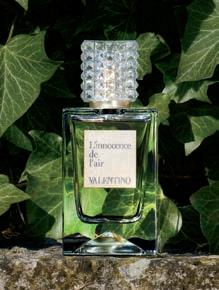
Sogno in rosso notes of black pepper and milk foam
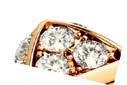
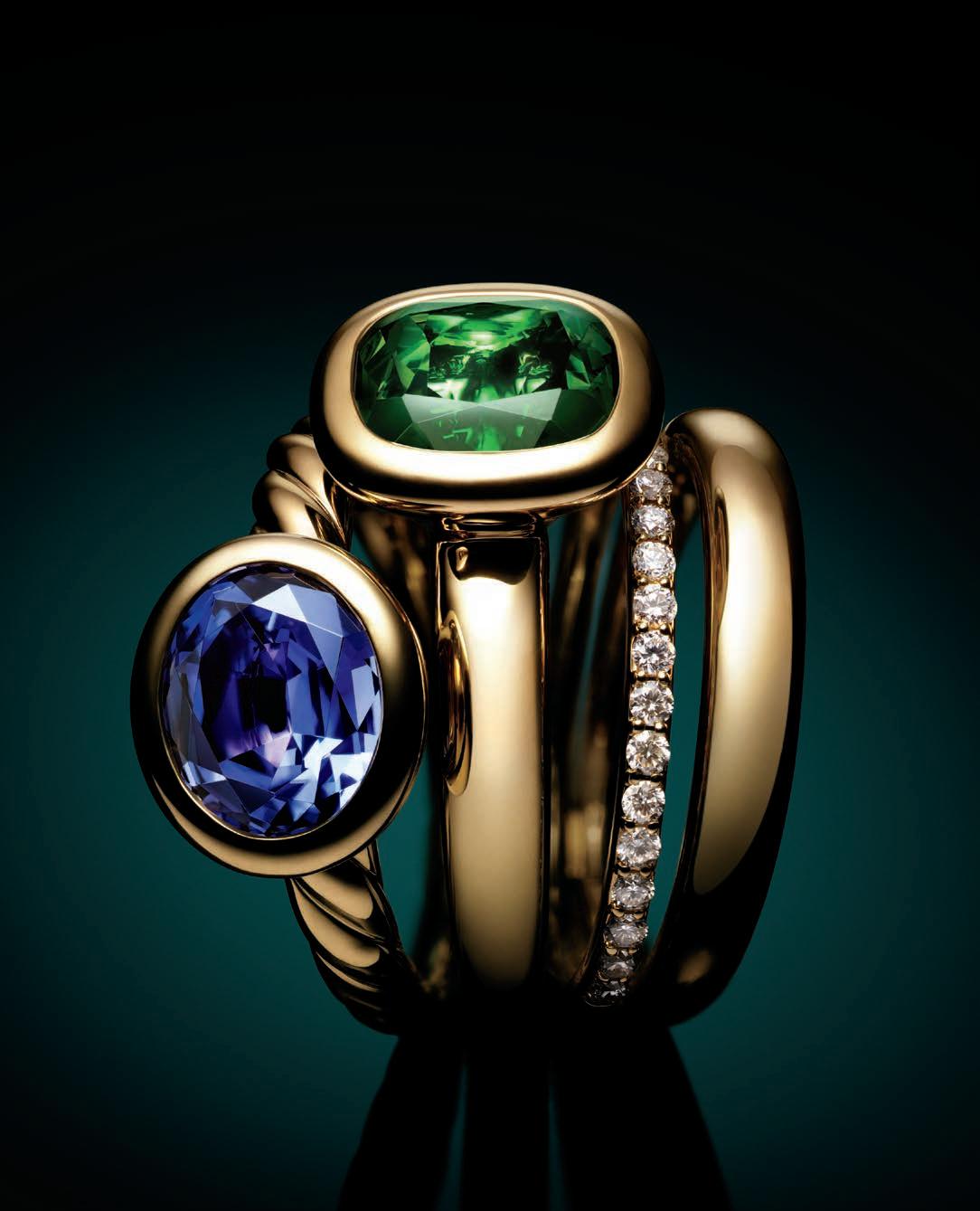
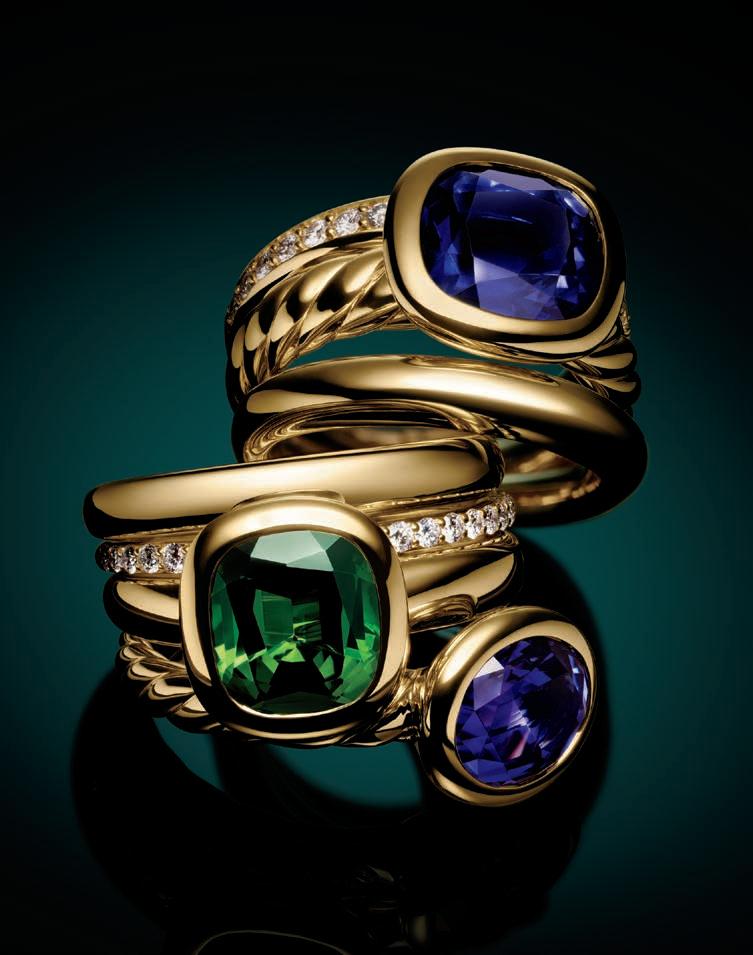
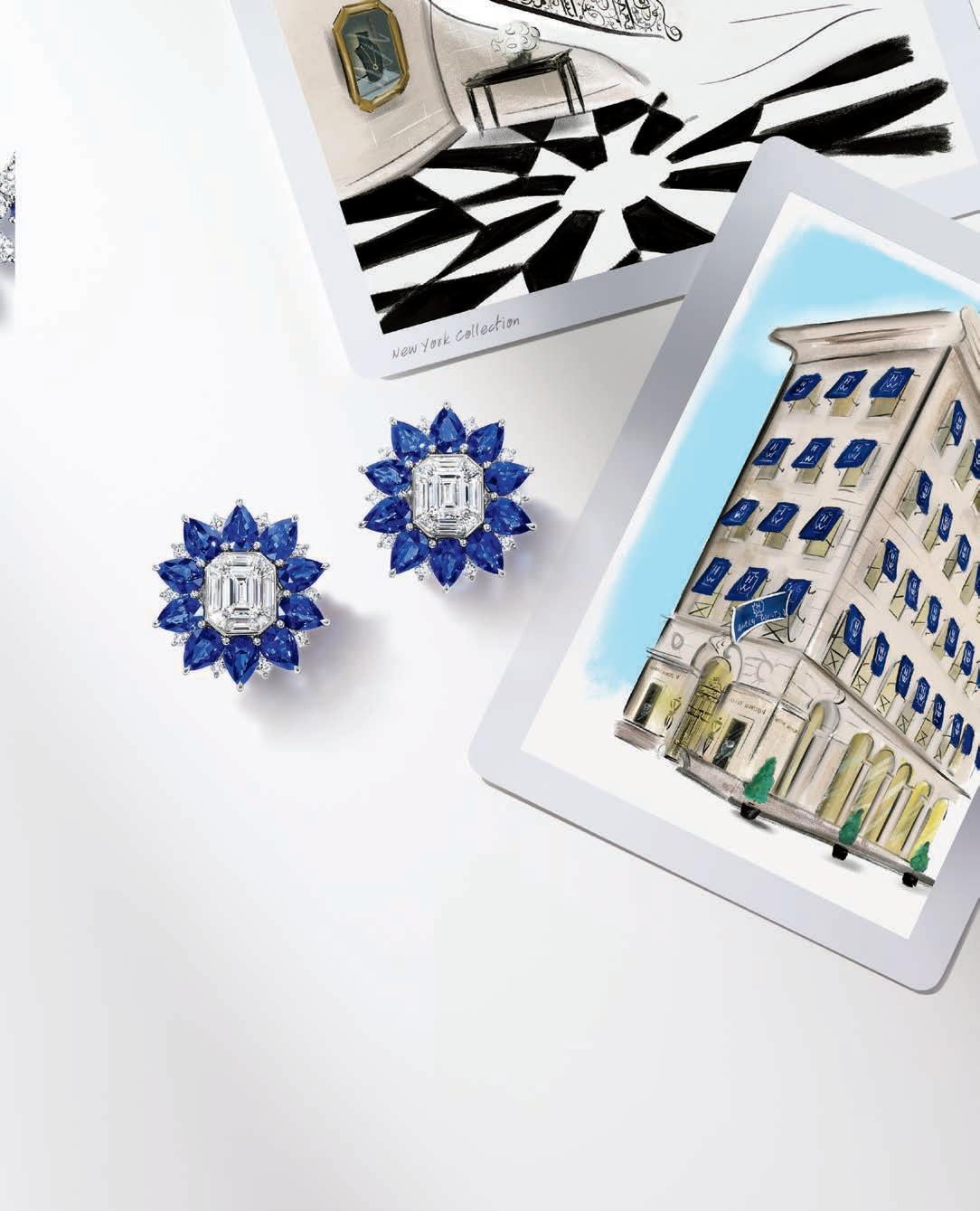
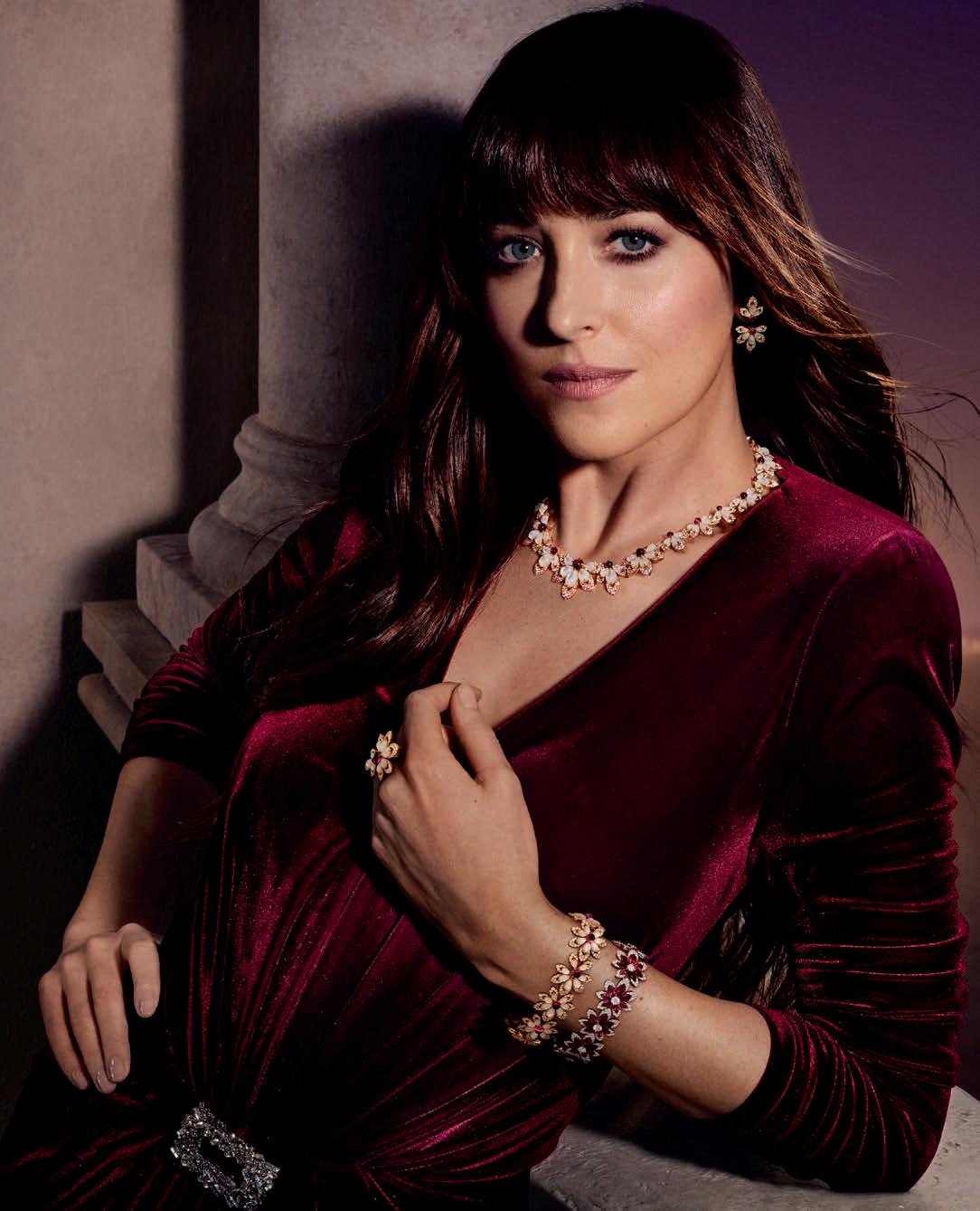
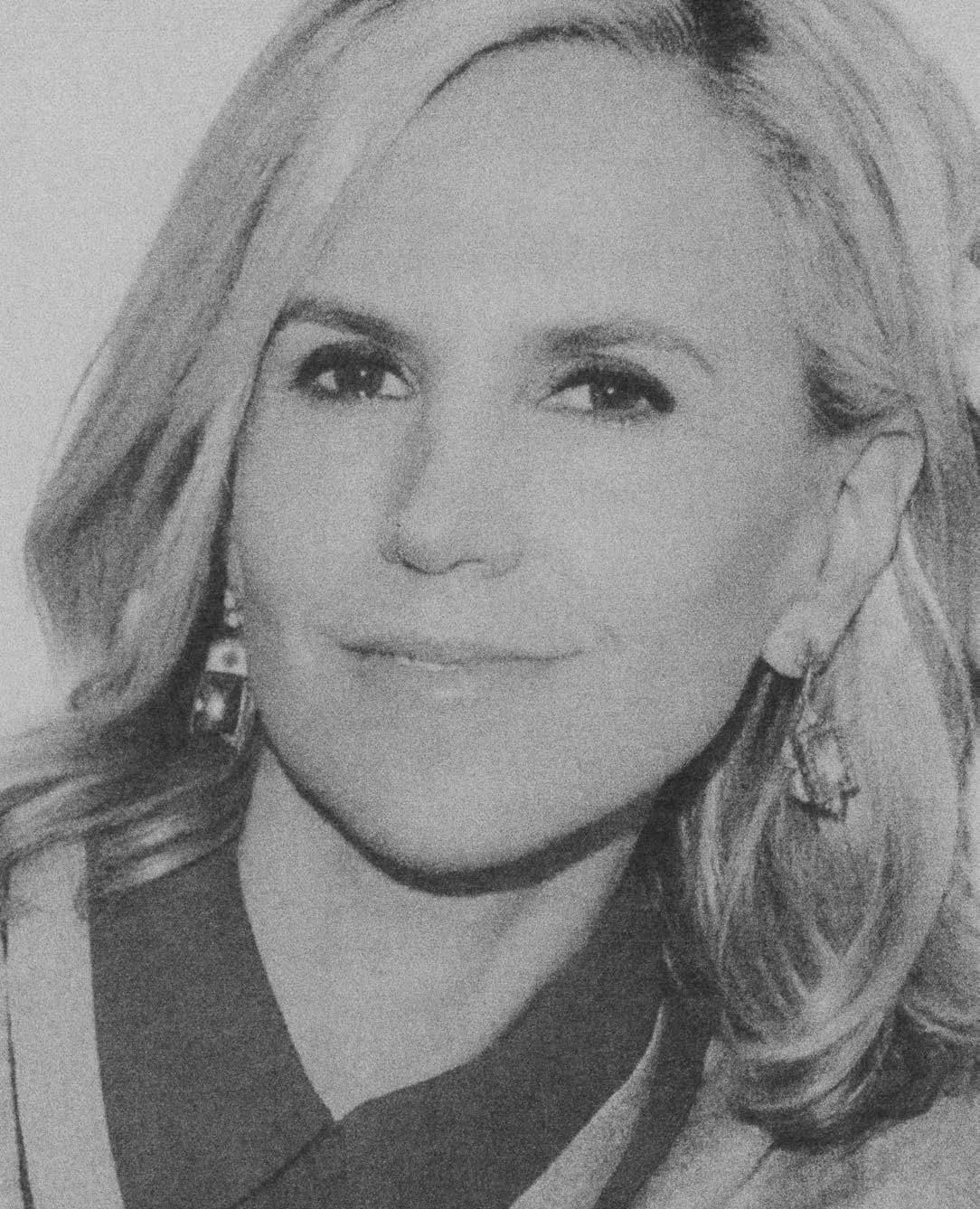
“I work in layers of color and fragments of light—harmonies that translate into jewelry.”
— SYBIL YURMAN
THE ORIGINAL EAU DE PARFUM & BERRY CRUSH, THE NEW FRUITY FLORAL FRAGRANCE
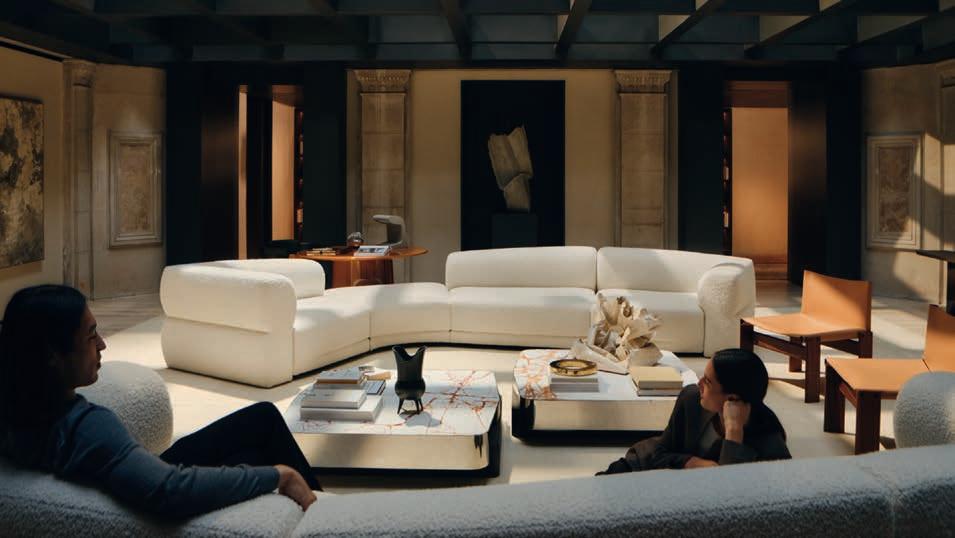
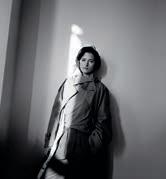
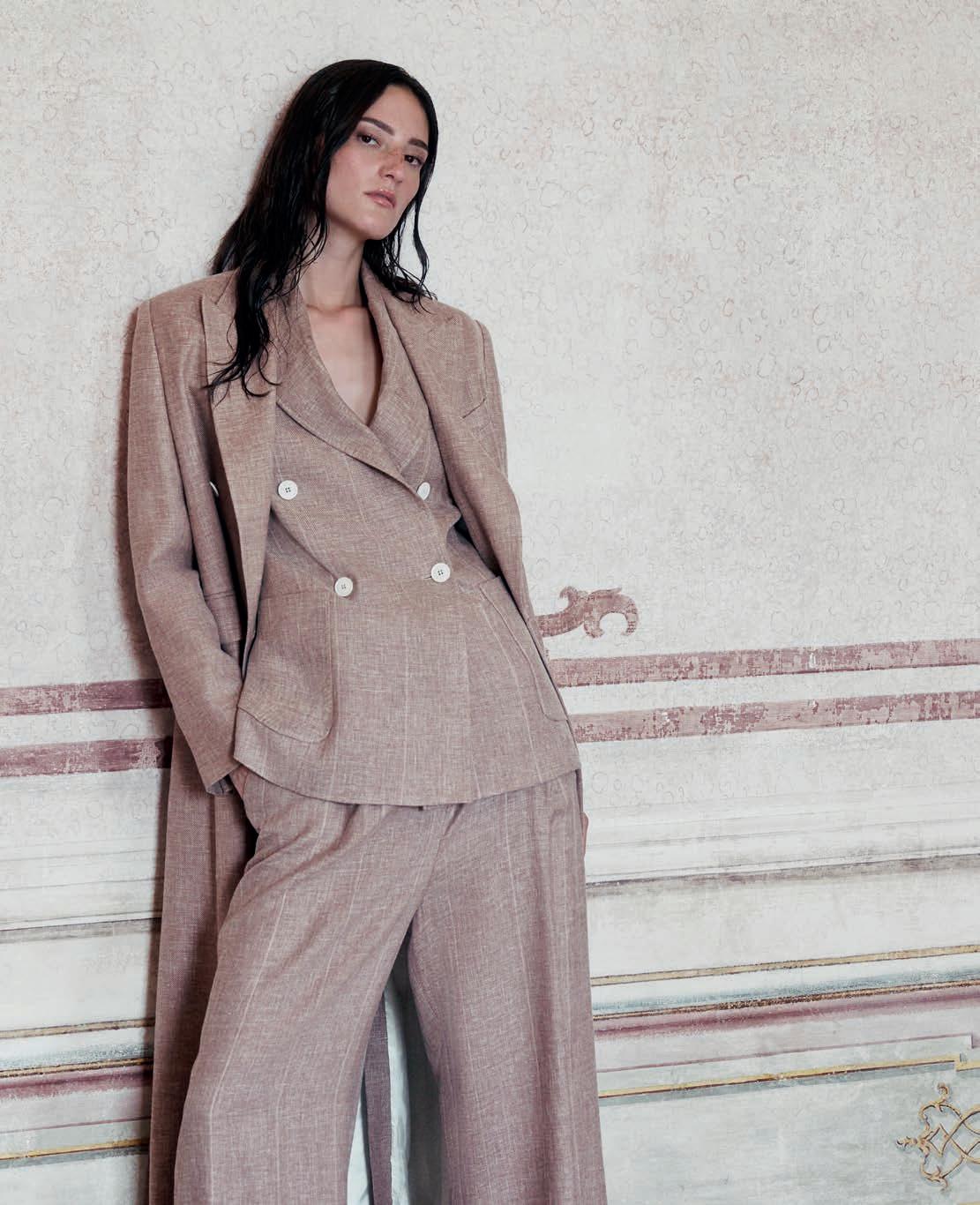
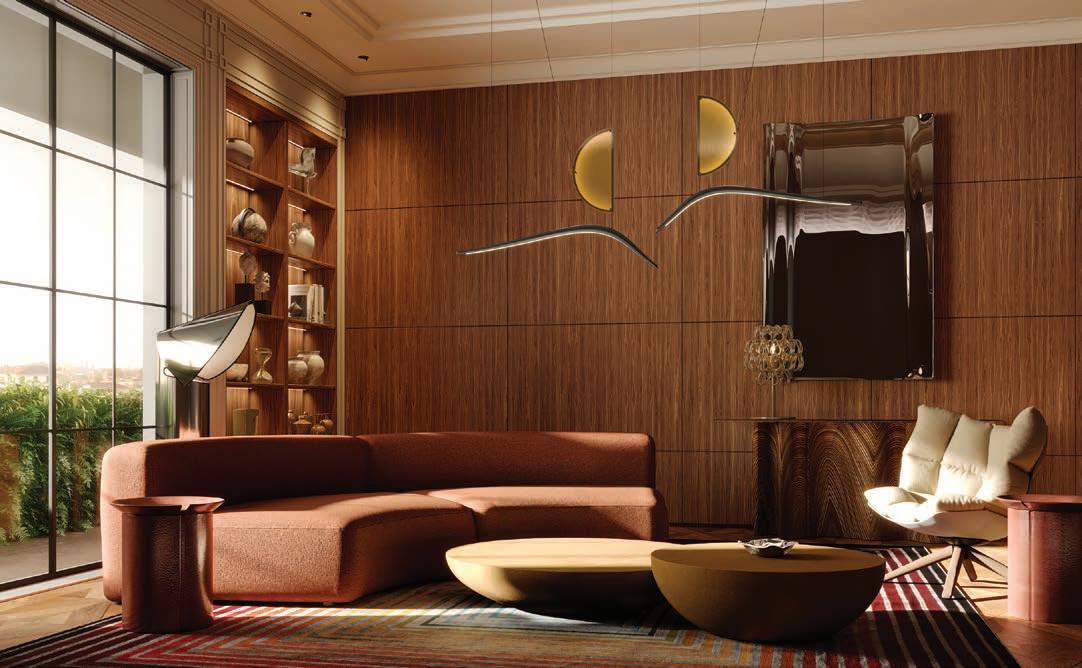
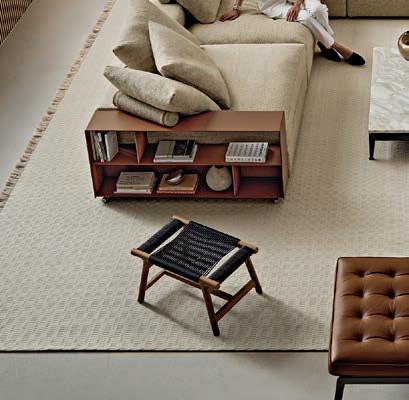
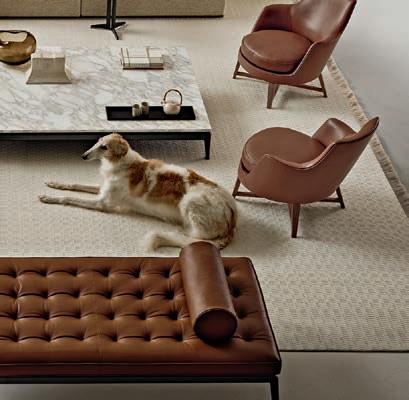
Geometry of Life [Chapter 1]. A movie shot at Palazzo Molteni, Milan. moltenigroup.com / shop.molteni.it
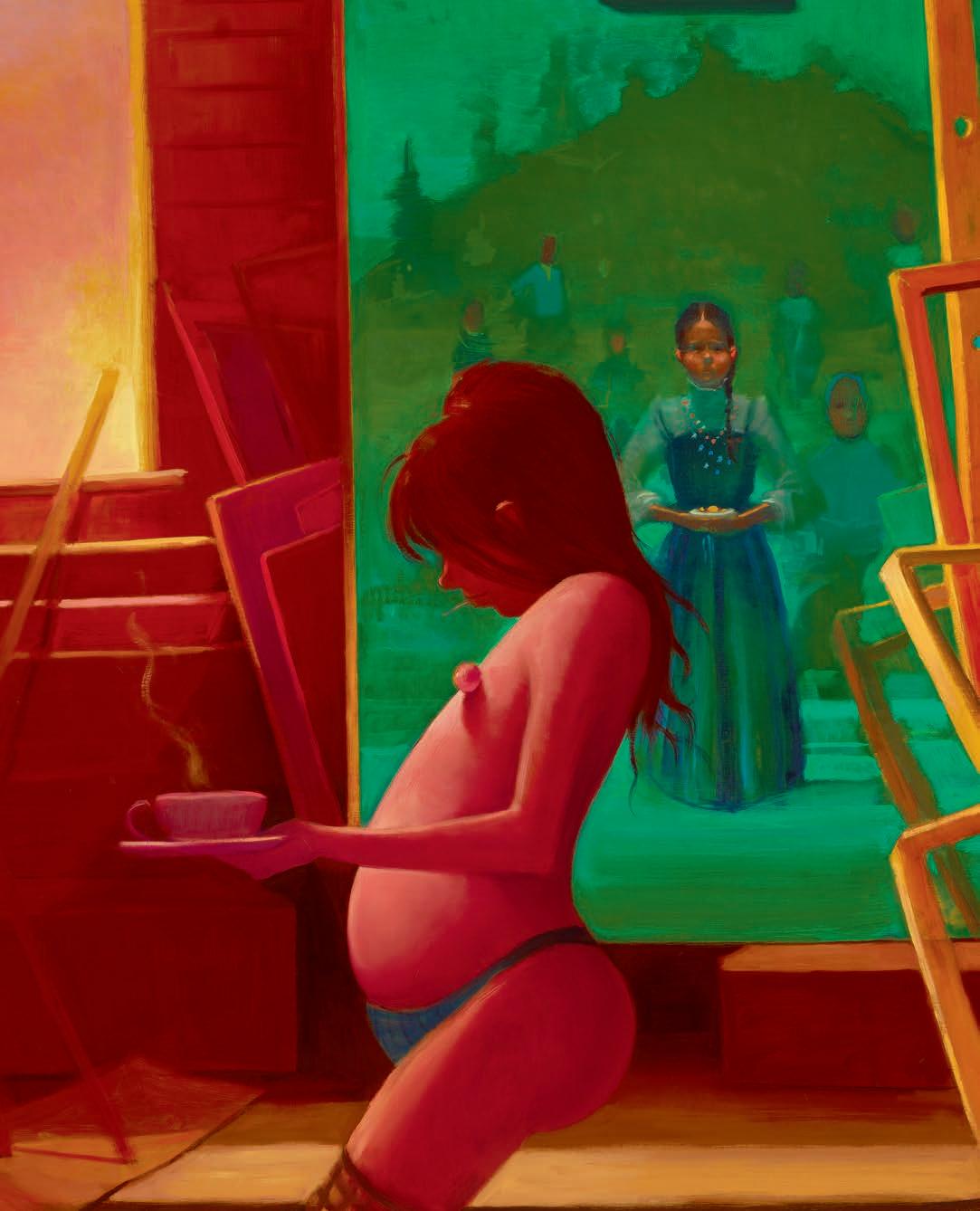
Lisa Yuskavage
David Zwirner
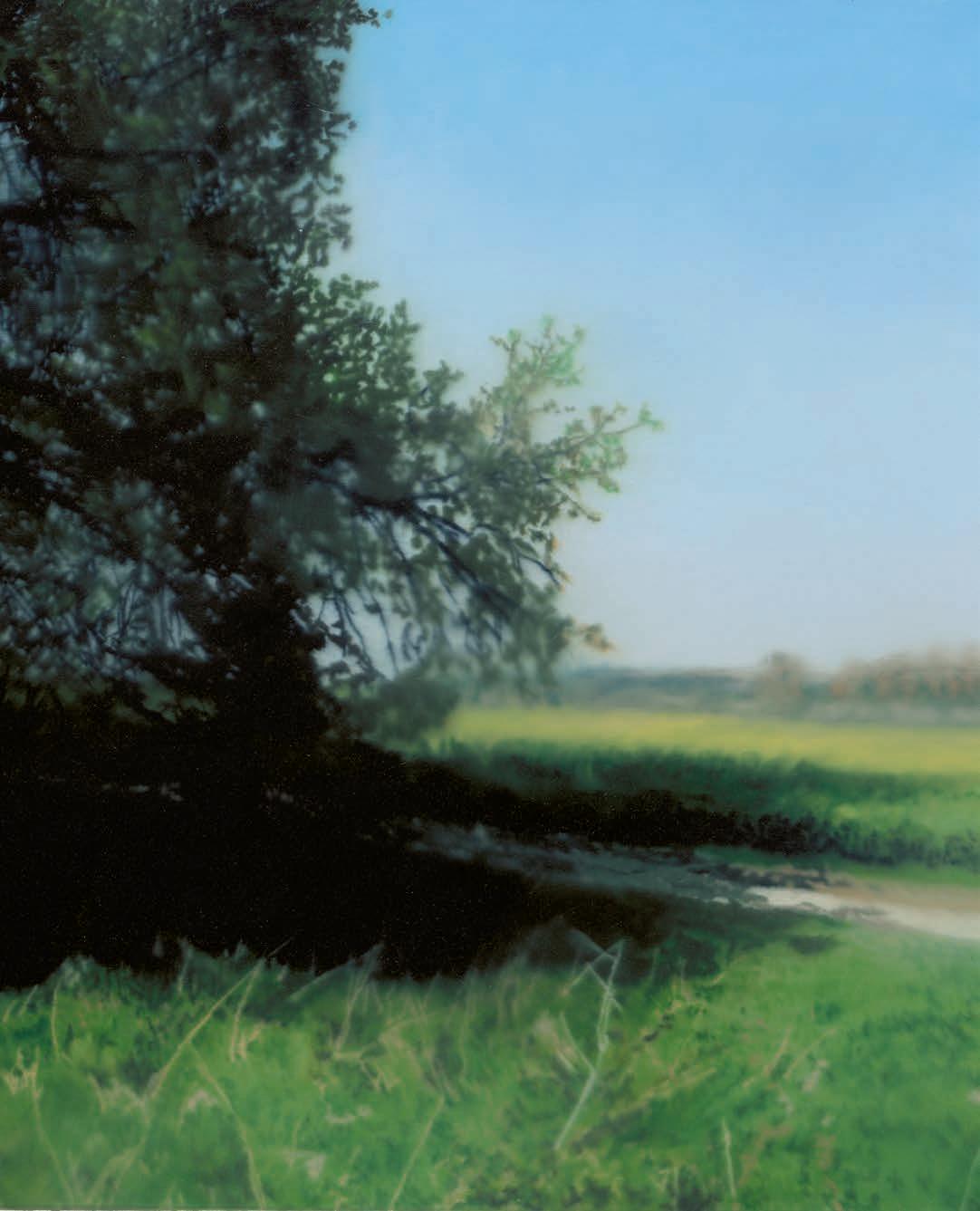
Gerhard Richter
David Zwirner
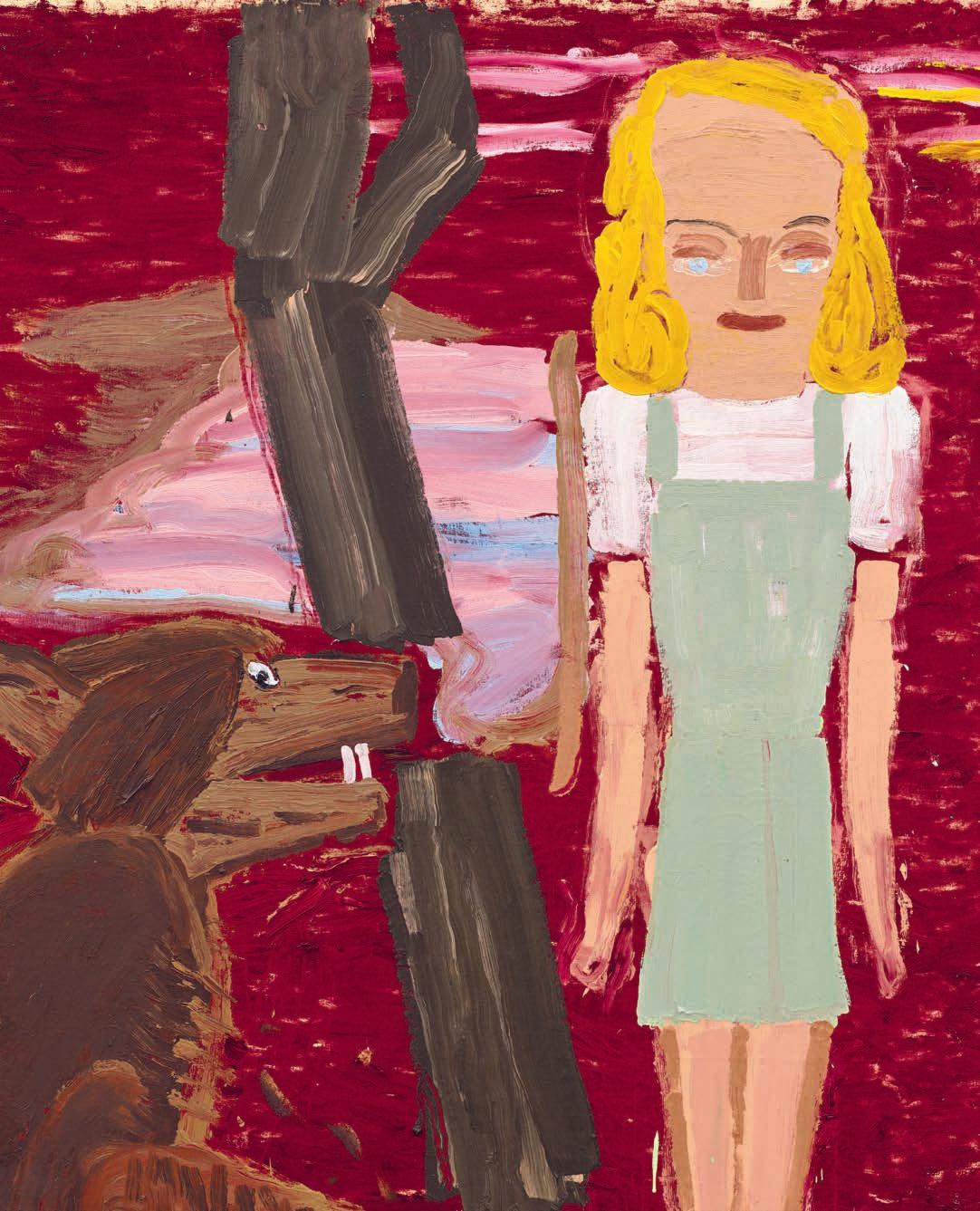
Rose Wylie
David Zwirner
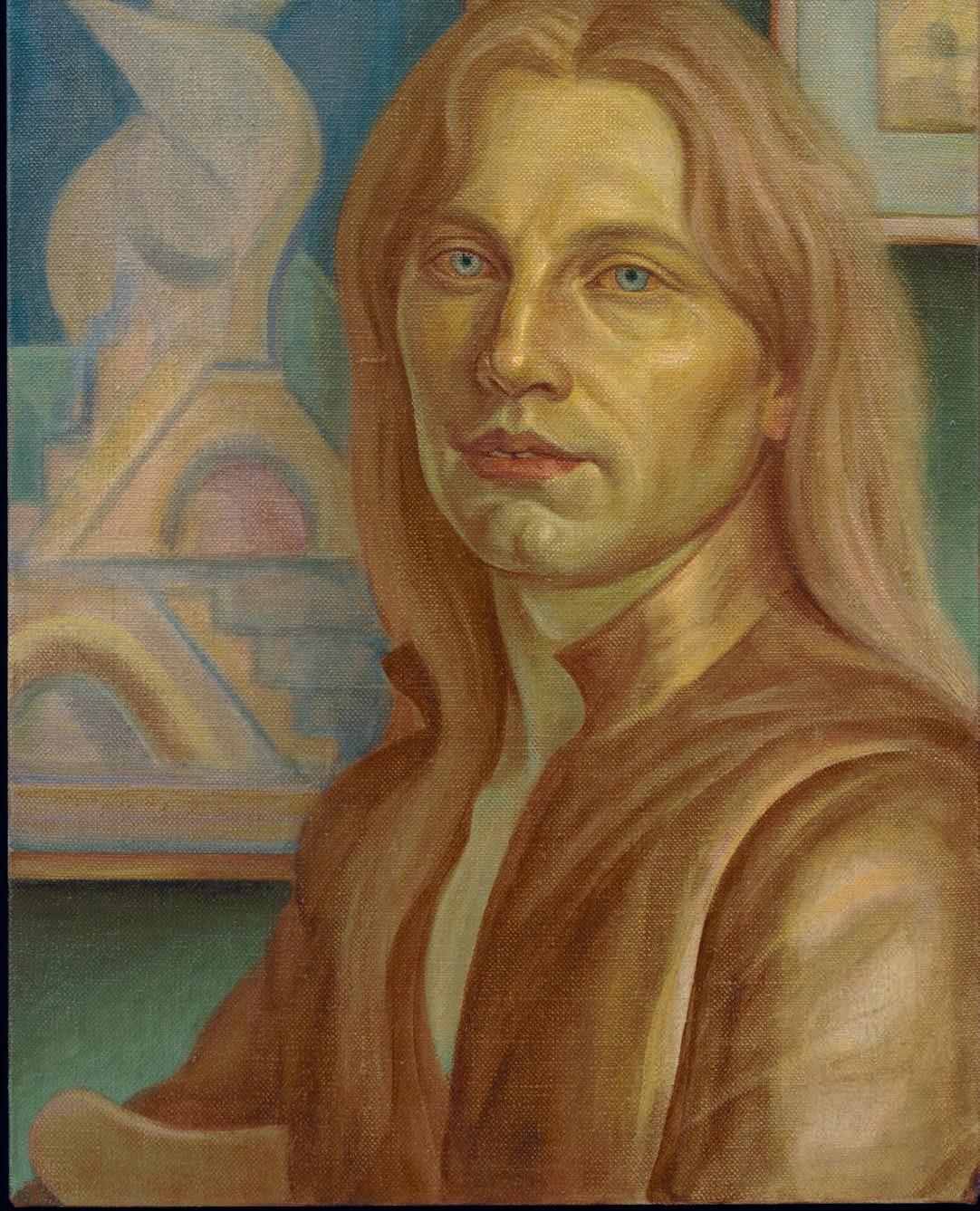
Steven Shearer
David Zwirner
MADISON AVENUE GREENWICH SOUTHAMPTON TORONTO PALM BEACH
BAL HARBOUR SHOPS
WYNN
LAS VEGAS
BEVERLY HILLS SOUTH COAST PLAZA
COMING SOON TO CHICAGO
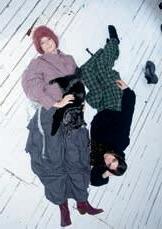
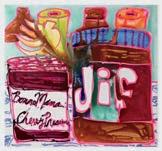
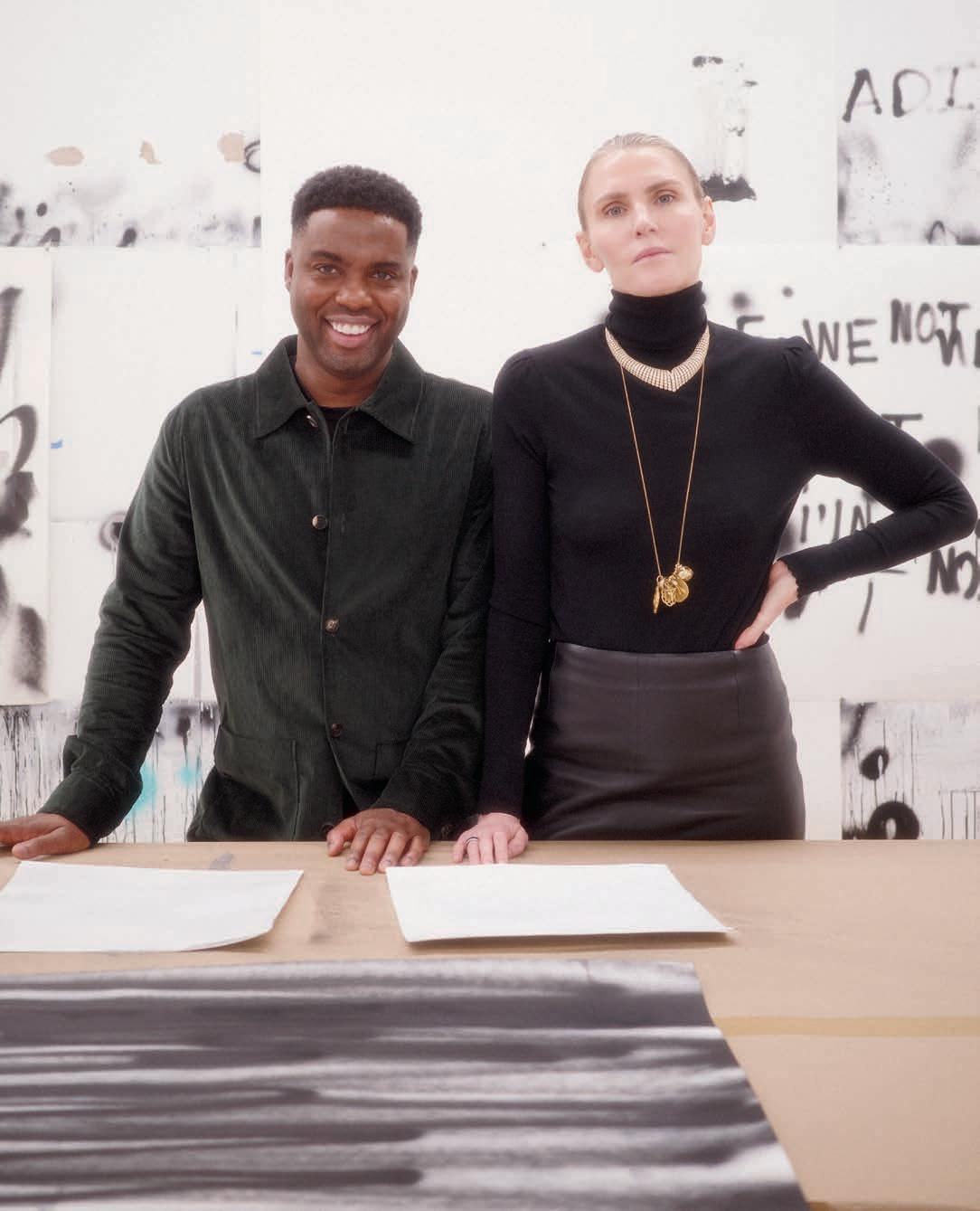
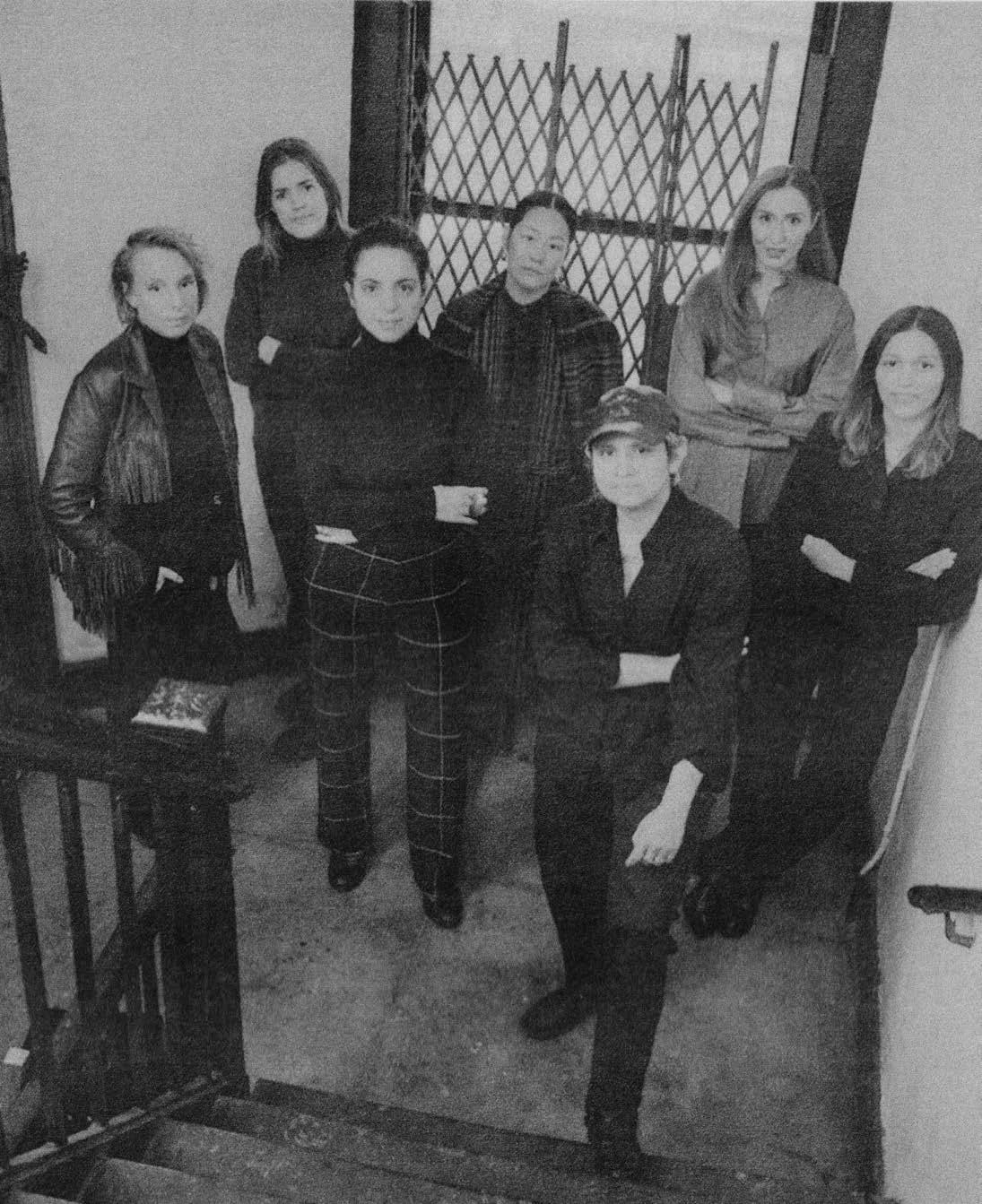
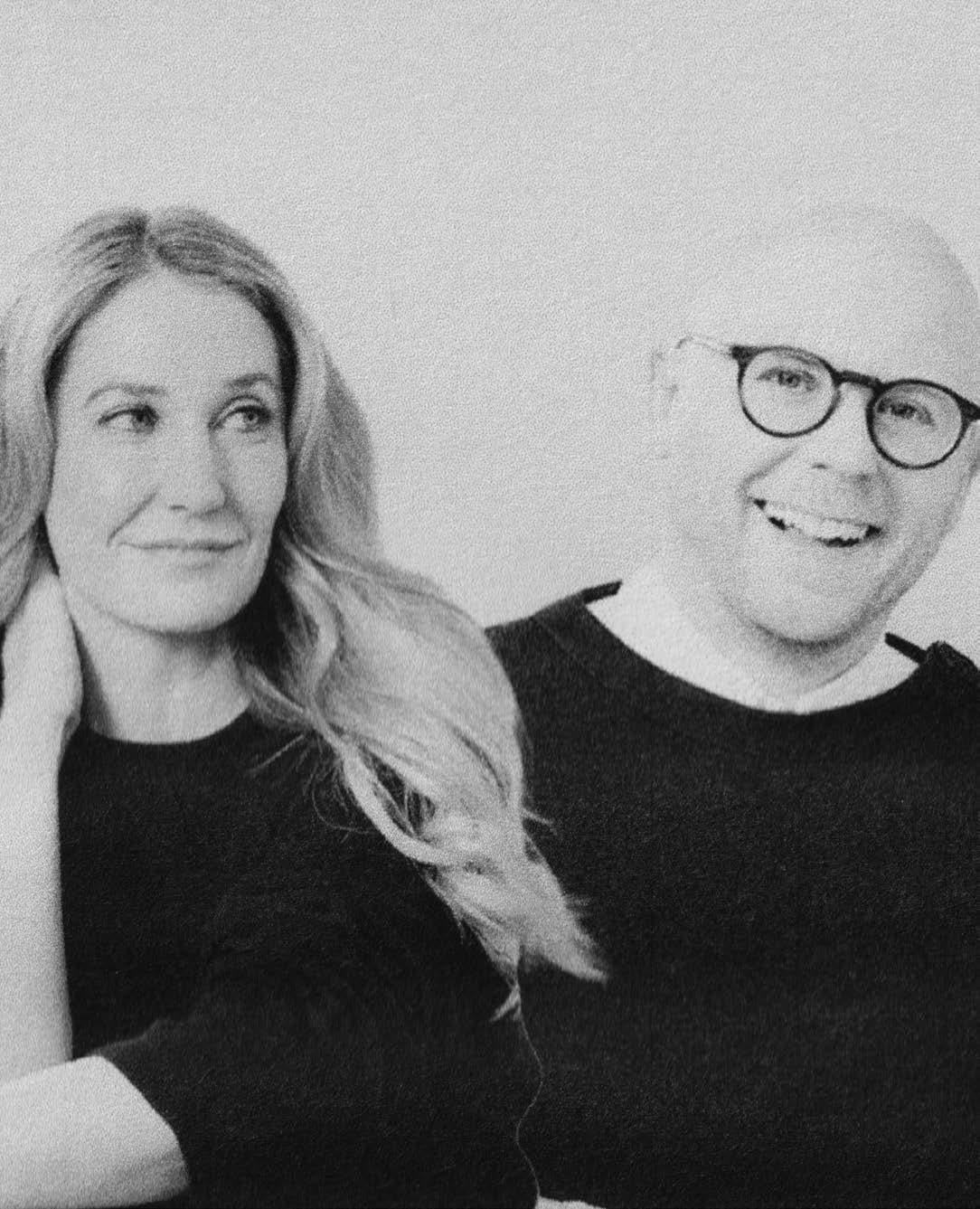
Page 3: Camille Henrot and Hillary Taymour photographed by Luisa Opalesky. Katherine Bernhardt, Peanut Butter and Jelly (Cherry Preserves), 2026. Photography courtesy of the artist and Canada.
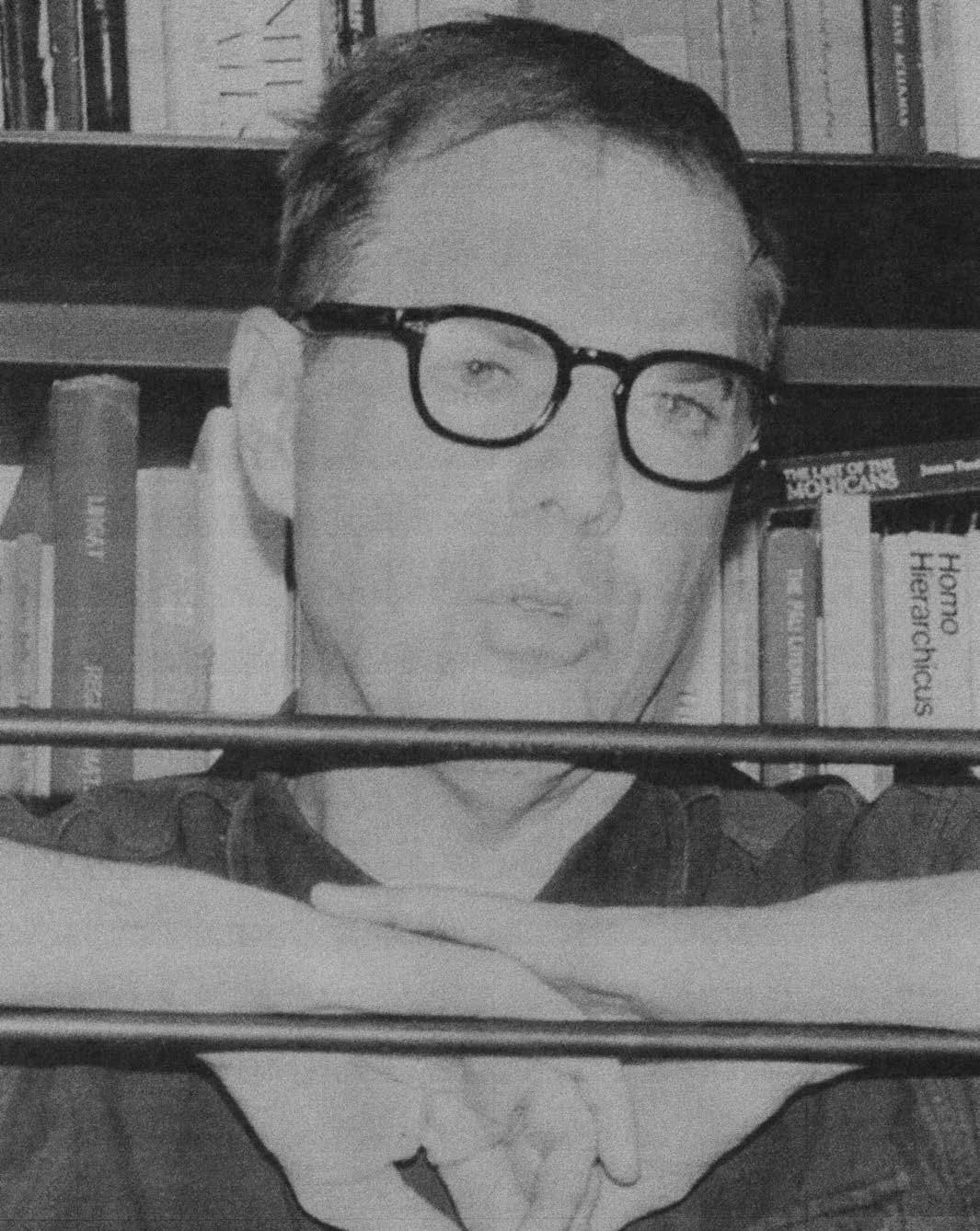
Patrick Radden Keefe photographed by Jeremy Liebman.
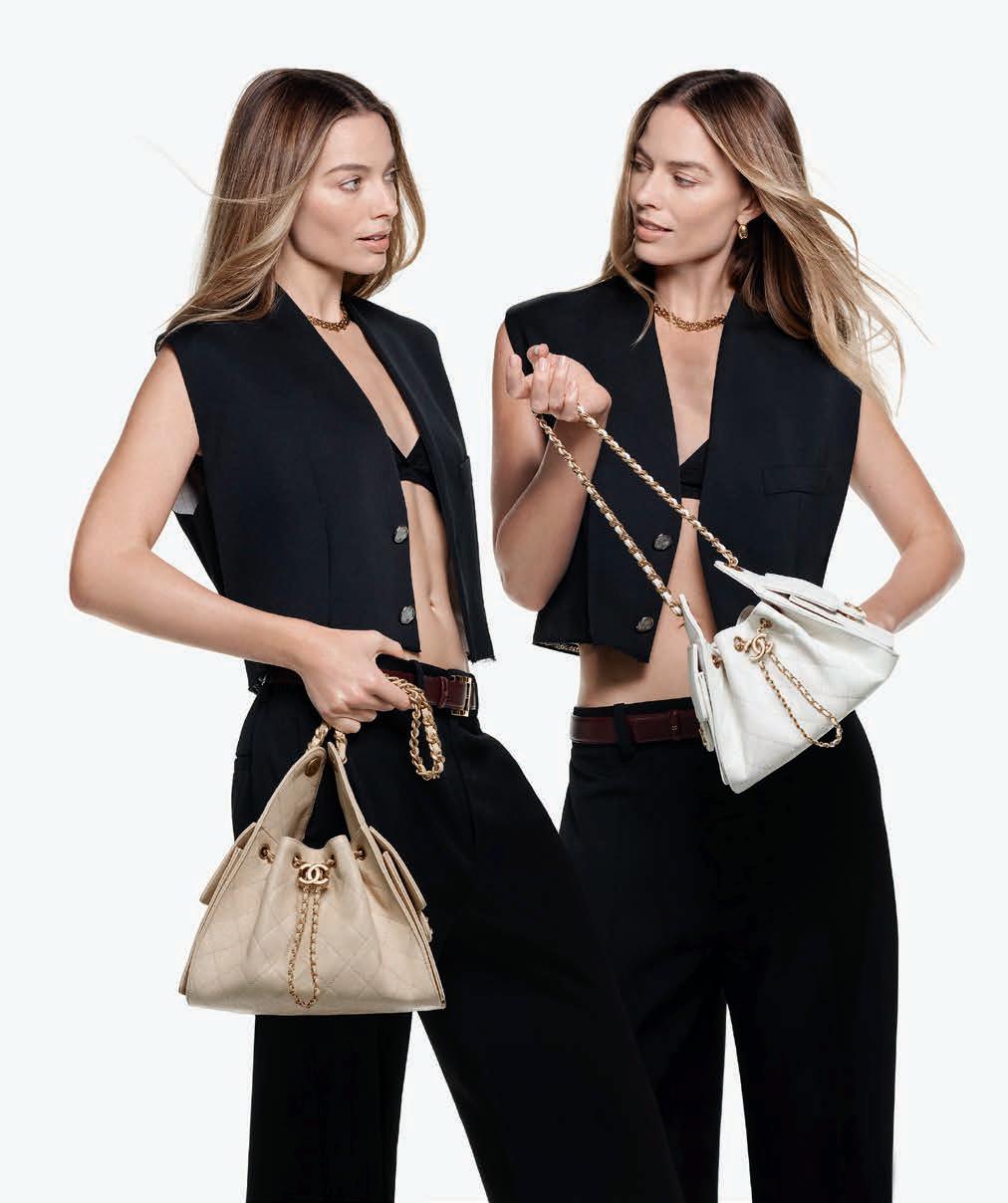
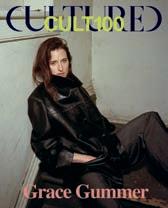
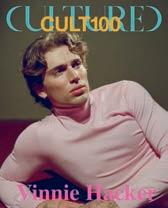
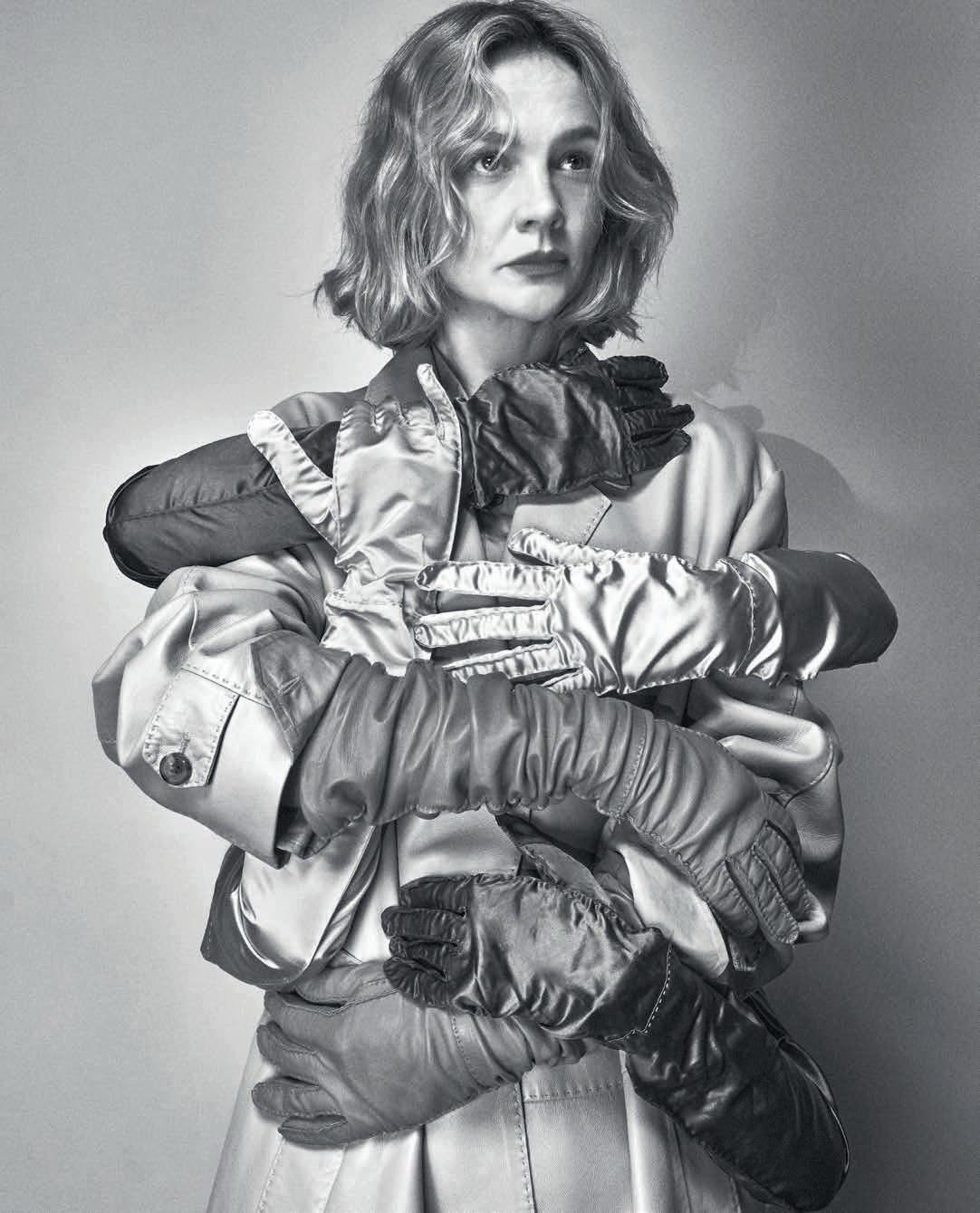
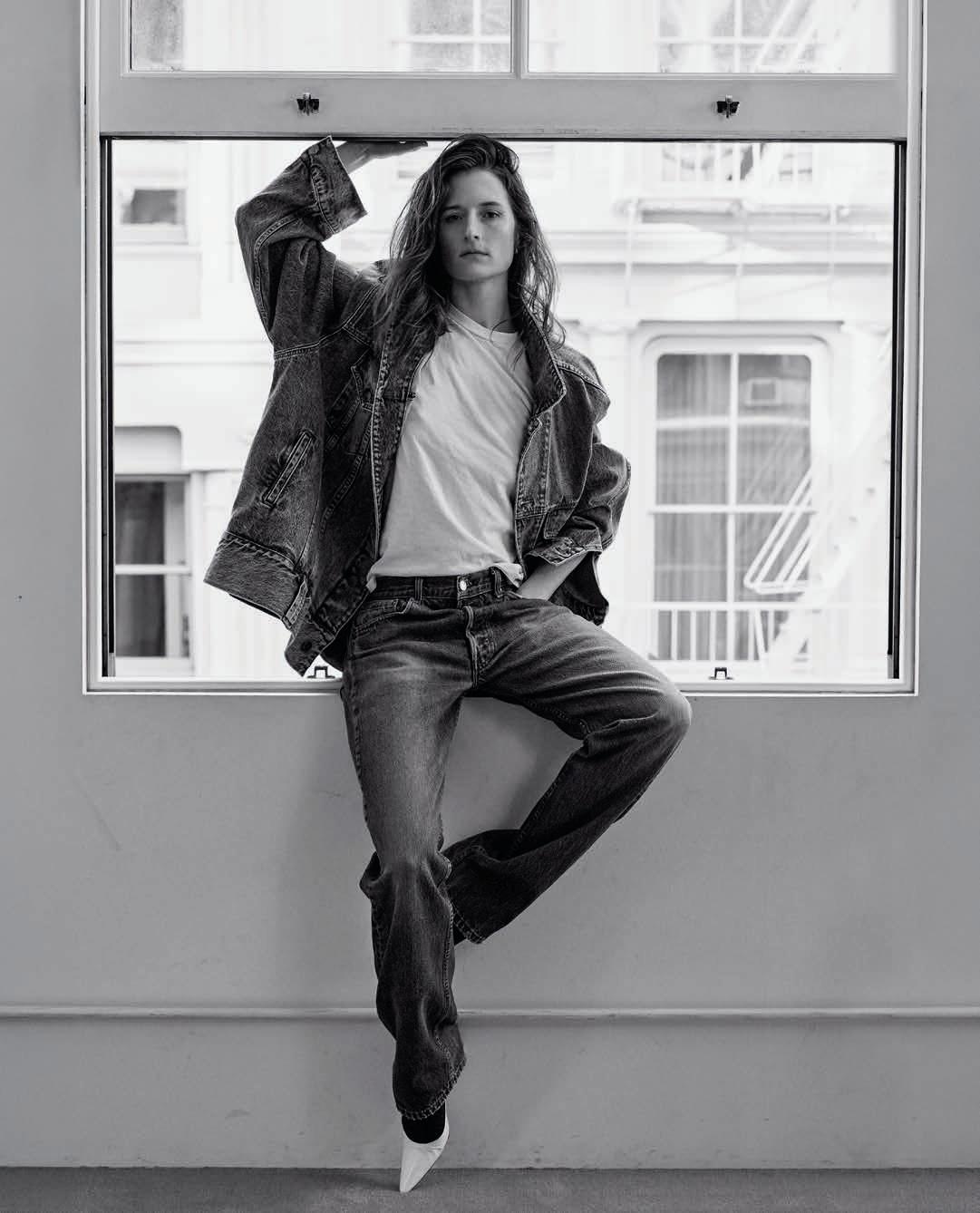
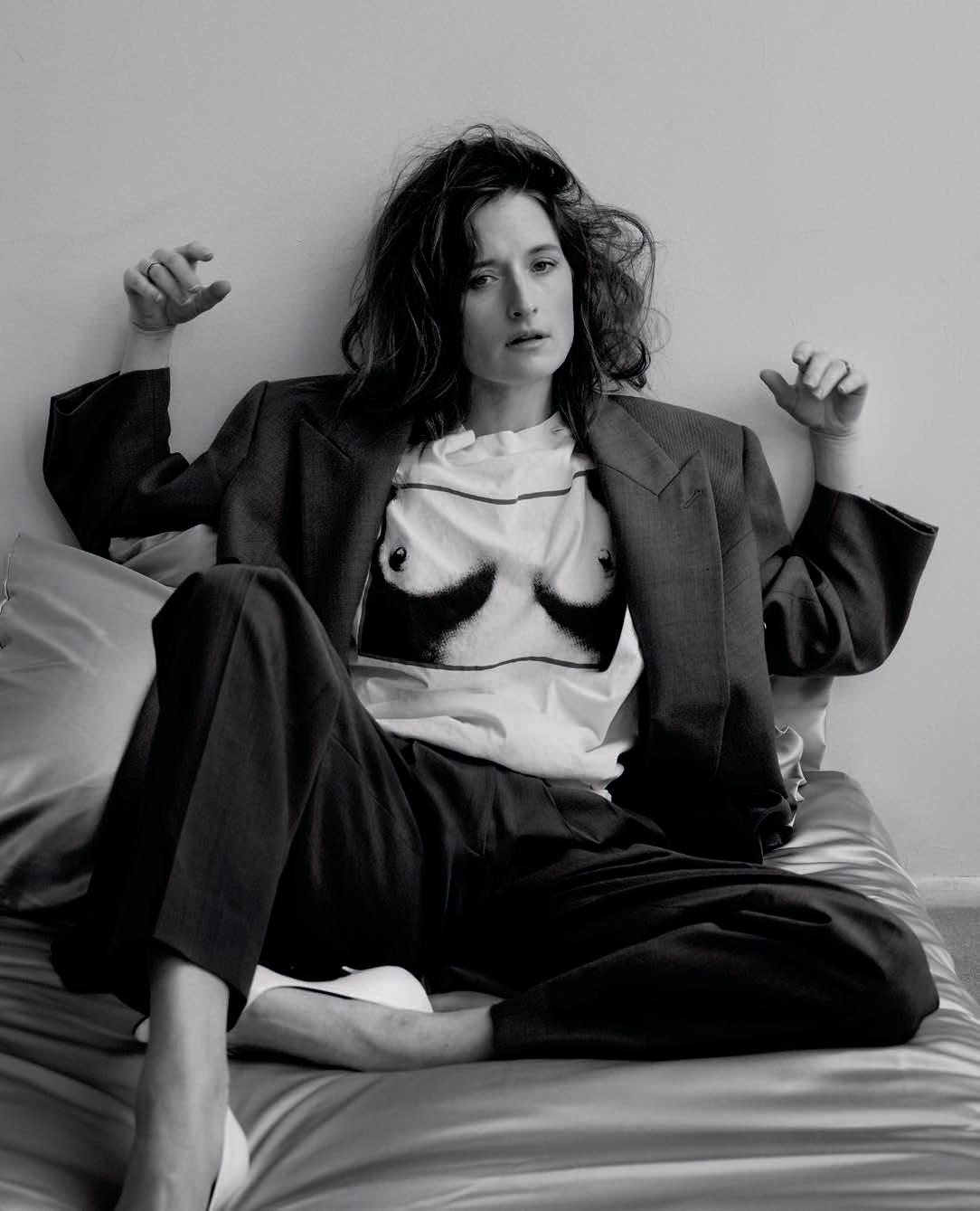
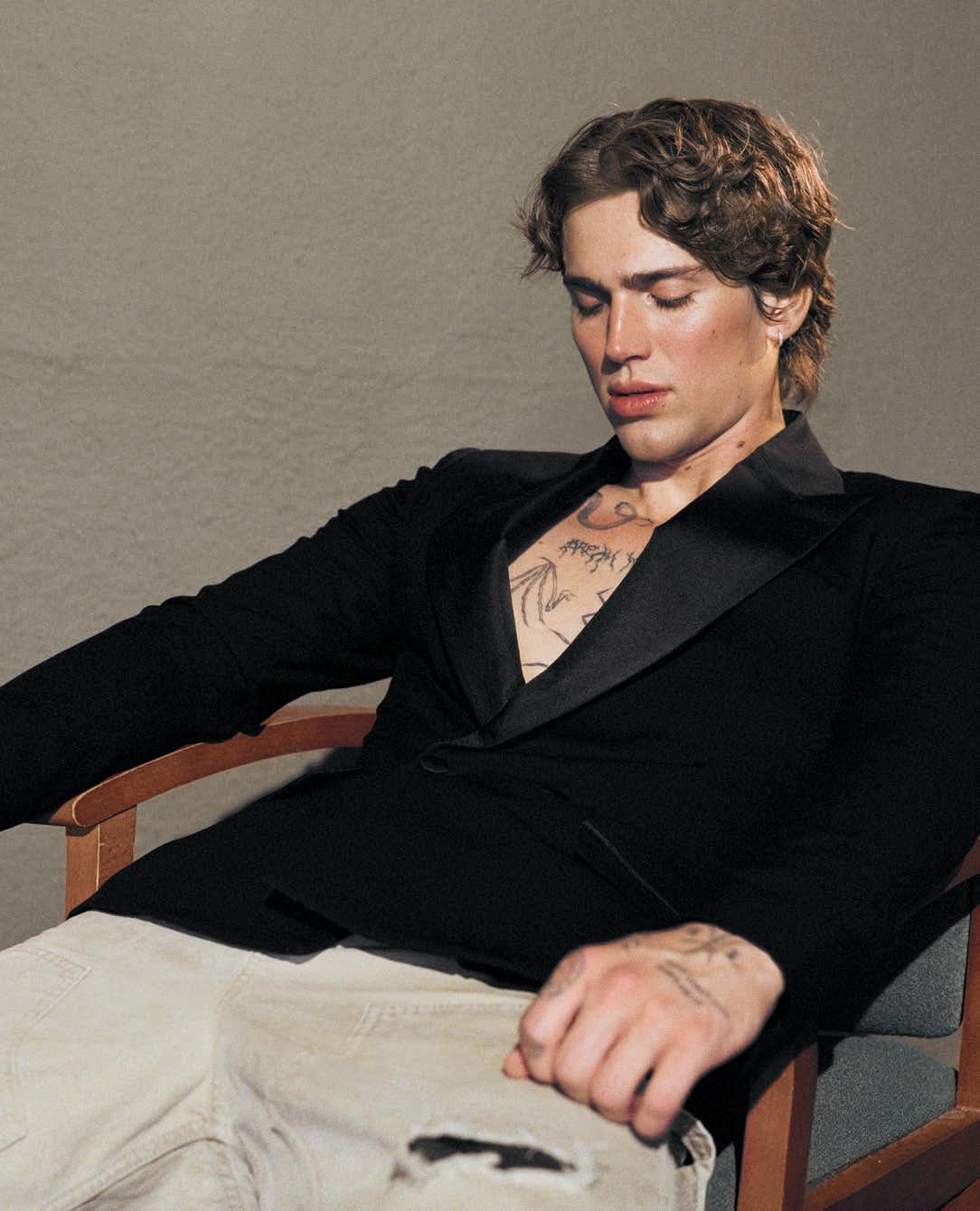
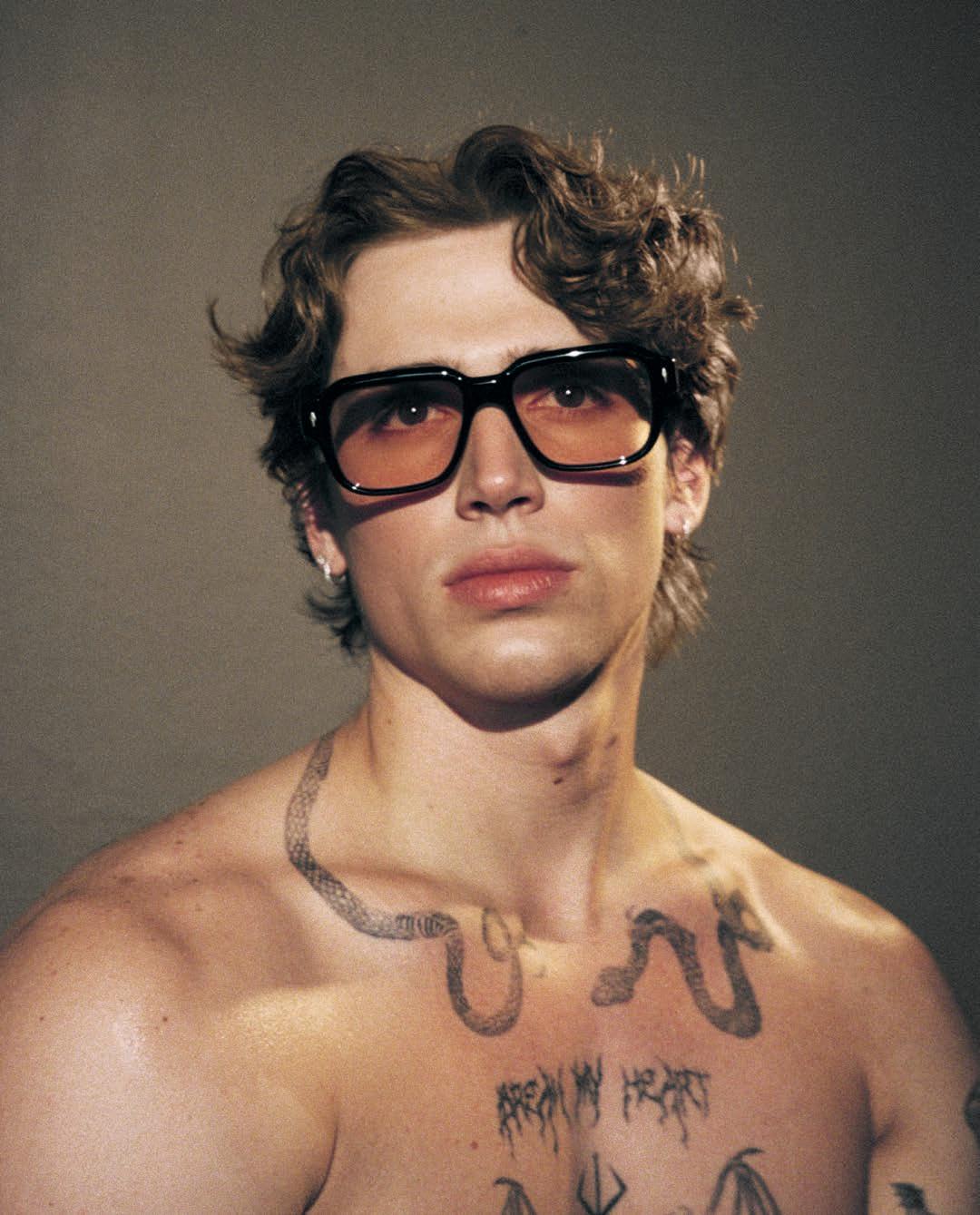
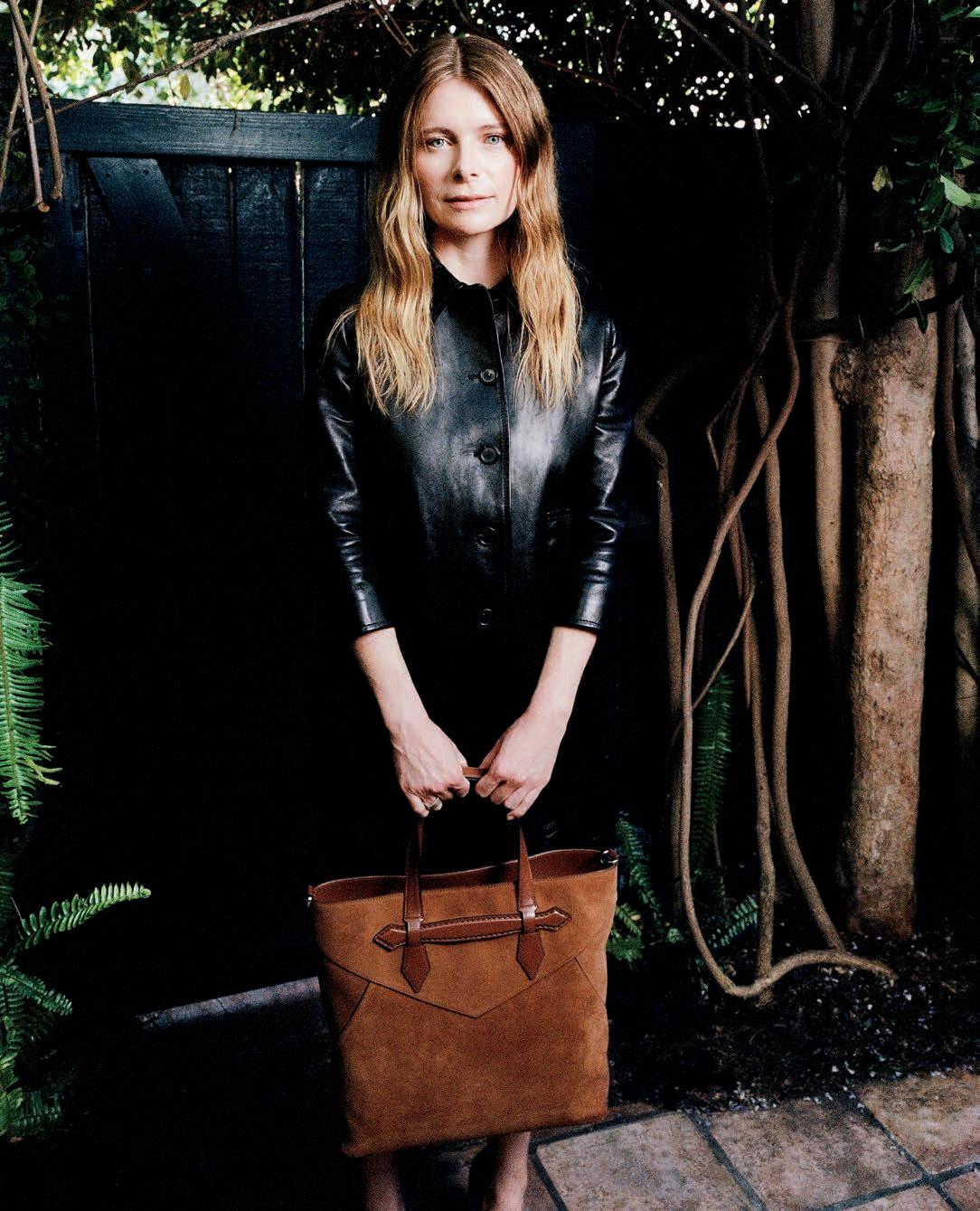
Page 5: Chanel Premiere Coco Game ring photographed by Romain Prochain. Grace Gummer photographed wearing a Celine coat by Cass Bird. Vinnie Hacker photographed wearing a full Dior look by Charlie Denis.
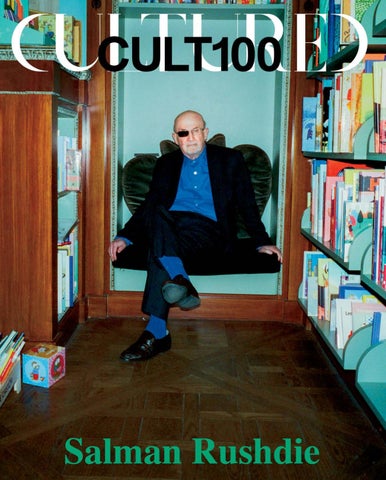
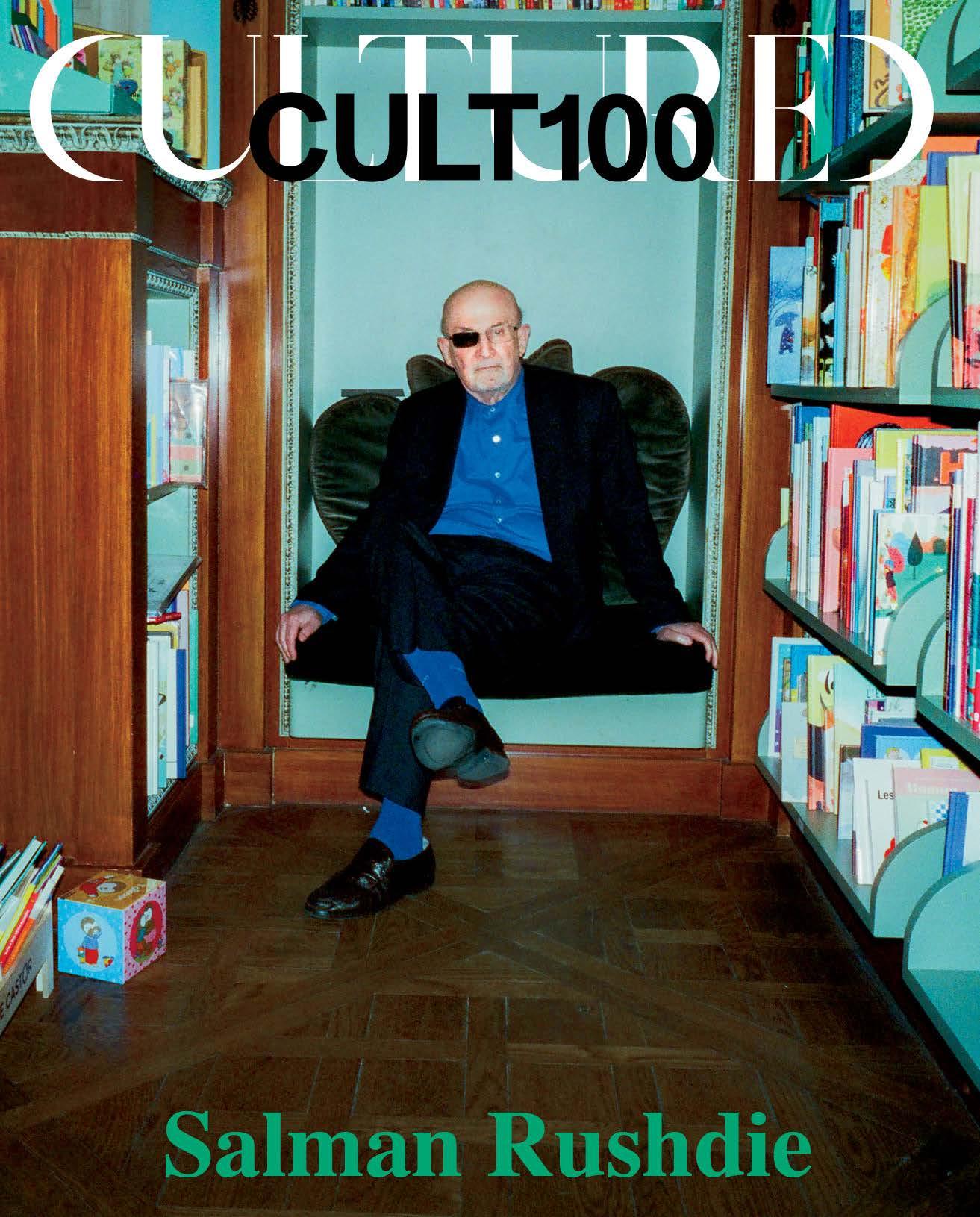
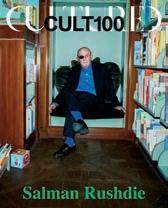
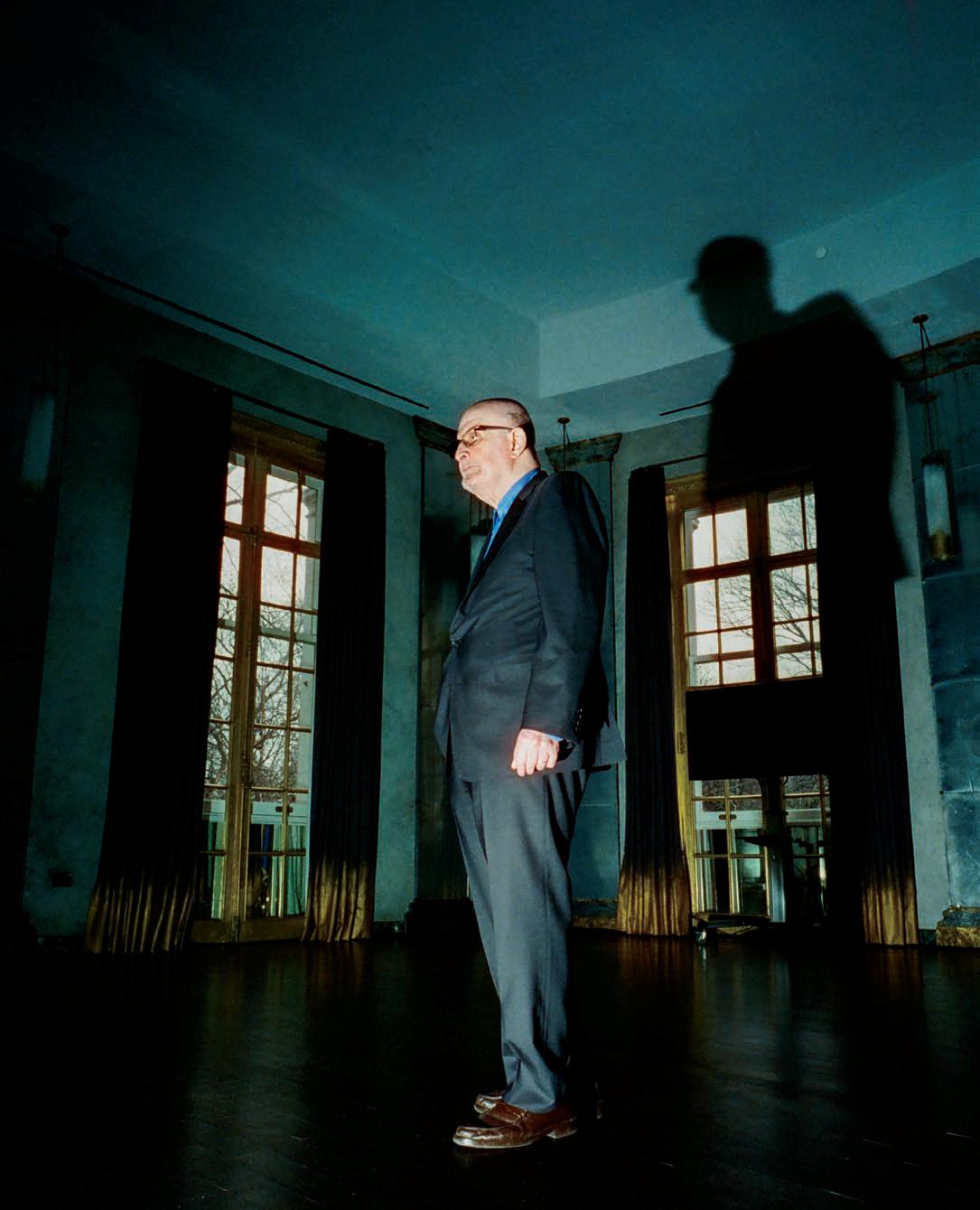
Salman Rushdie photographed by Sinna Nasseri.
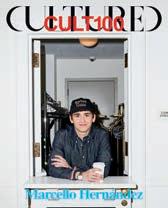
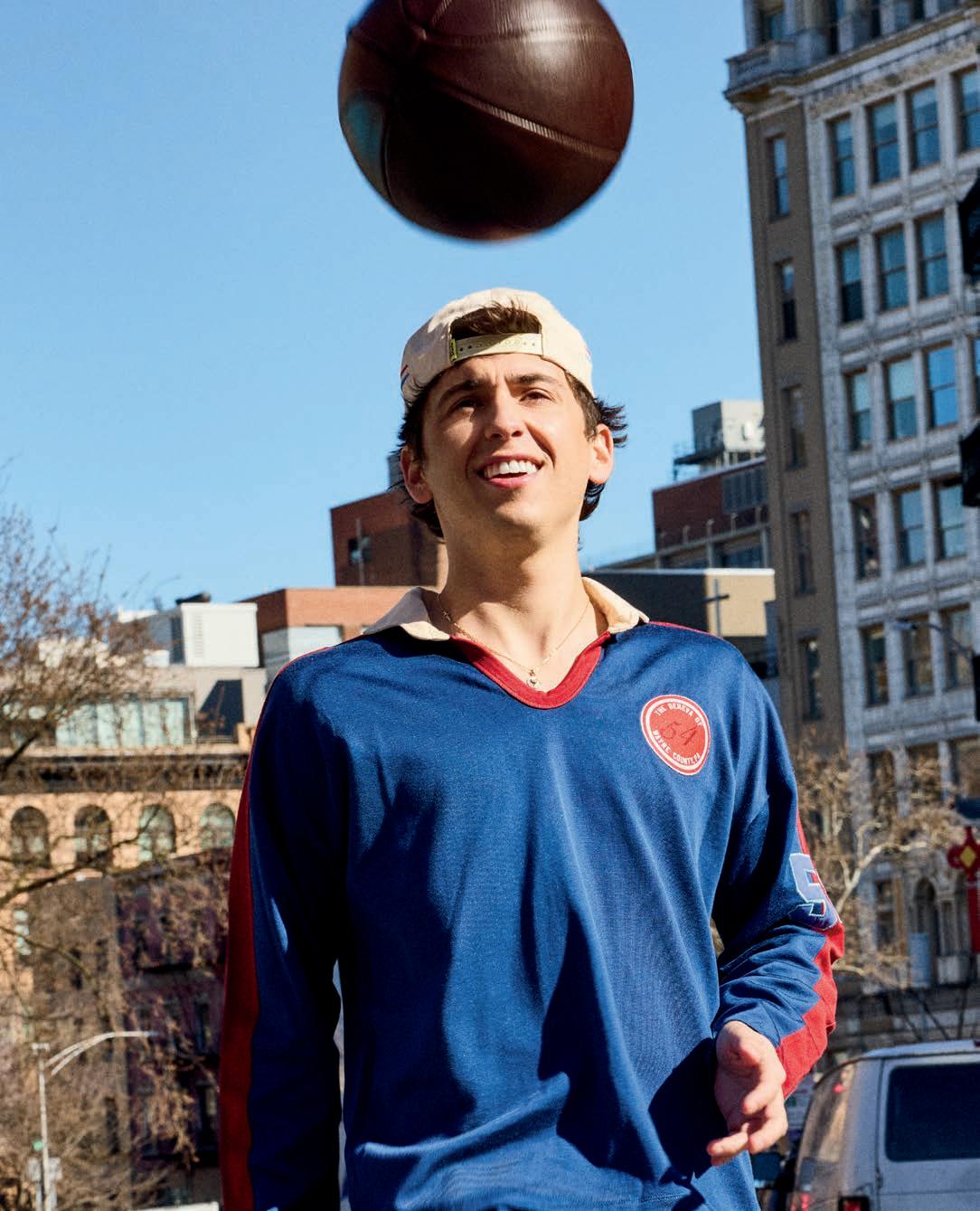
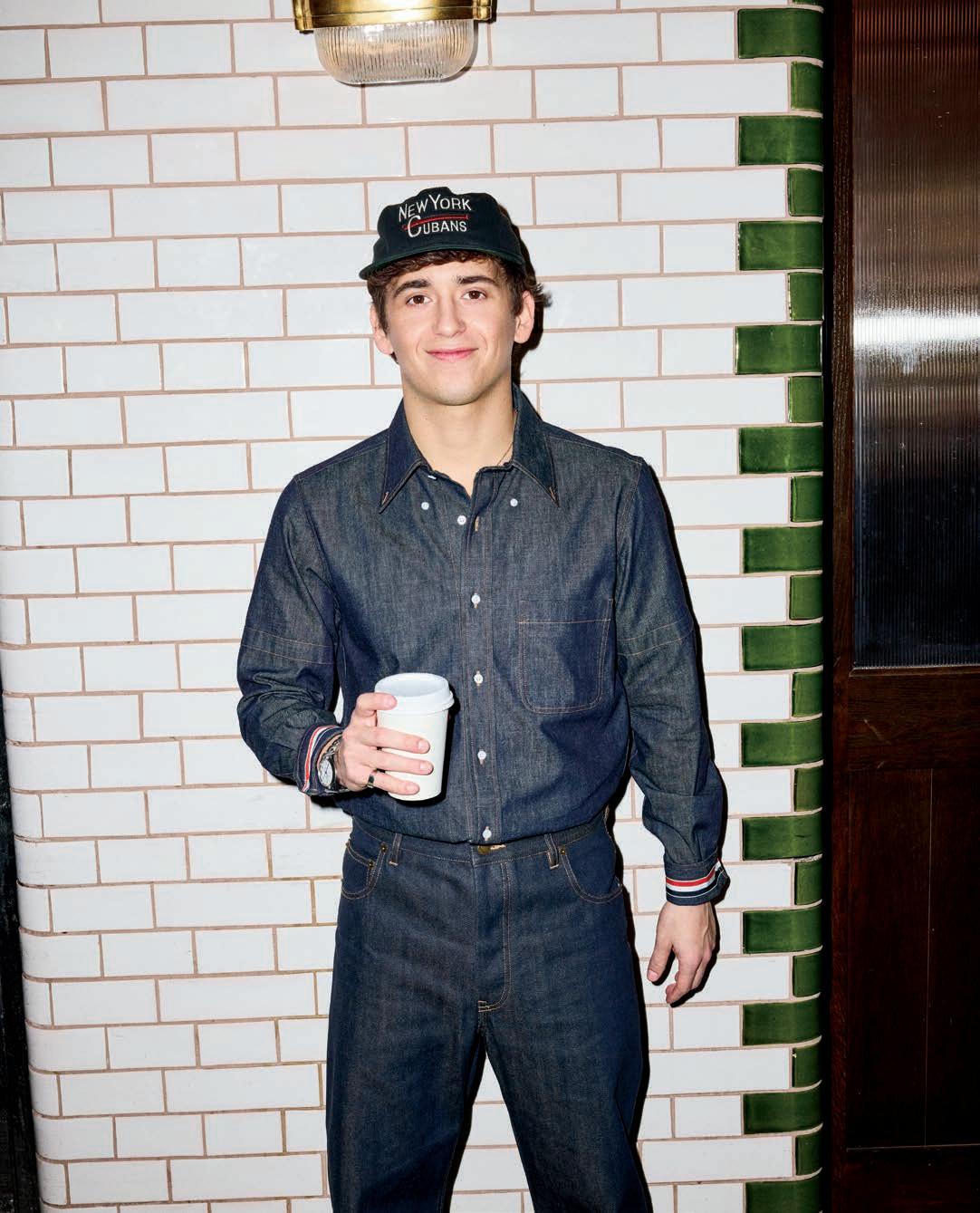
Page 7: Marcello Hernández photographed wearing a full Louis Vuitton look by Jeremy Liebman. Carol Bove photographed by Jason Schmidt.
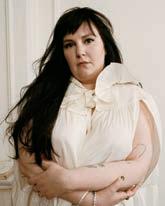
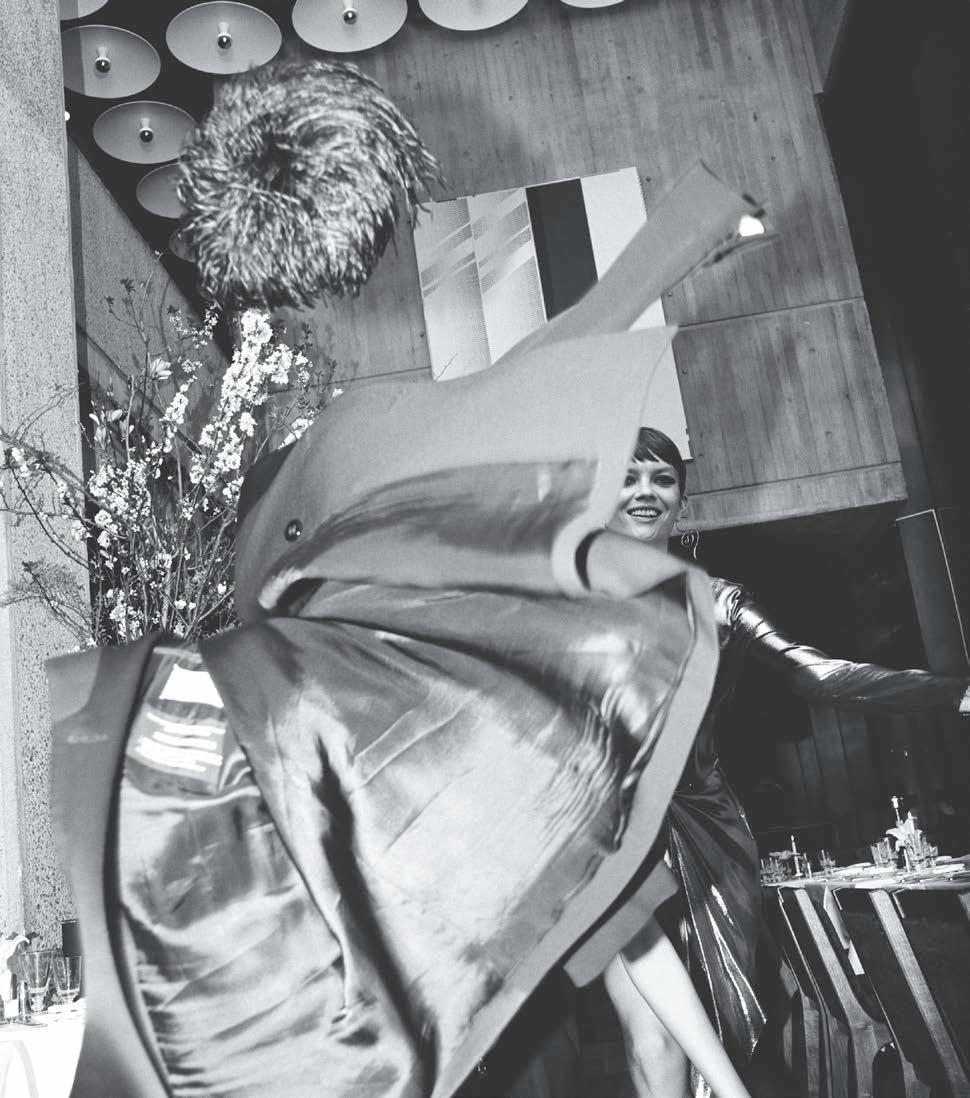
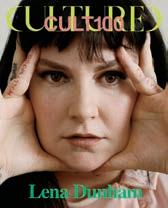
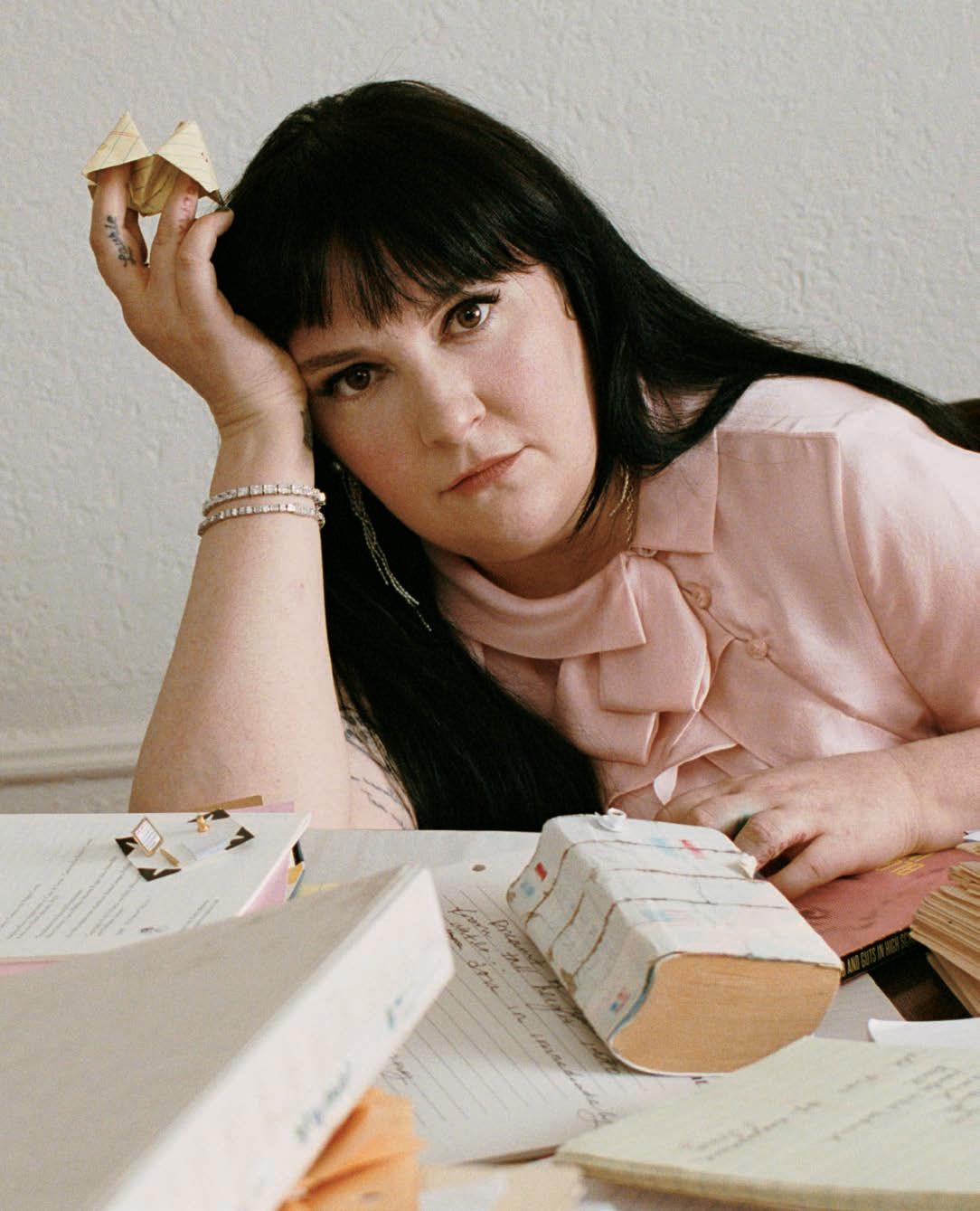
Lena Dunham photographed wearing a Mel Usine cape by Maddy Rotman.
DUNHAM WON’T GIVE UP
We began work on this year’s CULT100—our third annual list of the people shaping culture in real time—with an empty spreadsheet.
It didn’t stay empty for long. As our editors, columnists, and collaborators added dozens and dozens of artists, thinkers, entertainers, writers, entrepreneurs, activists, and philanthropists to our long list, we asked ourselves the questions that have come to shape this issue. What does it mean to cultivate and wield cultural influence in 2026? How do we assign value to the countless realms that call for our attention—from the established (literature, music, theater) to the relatively new (short-form video, user design, podcasts)? Why do some people make compelling work that lasts, while others make compelling work that doesn’t?
One quality that unites the honorees on this year’s list is an appetite for risk. Their work has not been focus-grouped to death or flattened to appeal to the widest possible audience. Instead, it’s an authentic expression of what they want to see in the world. This is equally true of our 13 (!) cover stars:
LETTER FROM THE EDITOR
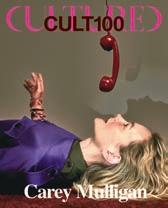
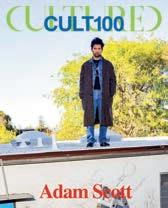
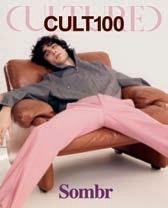
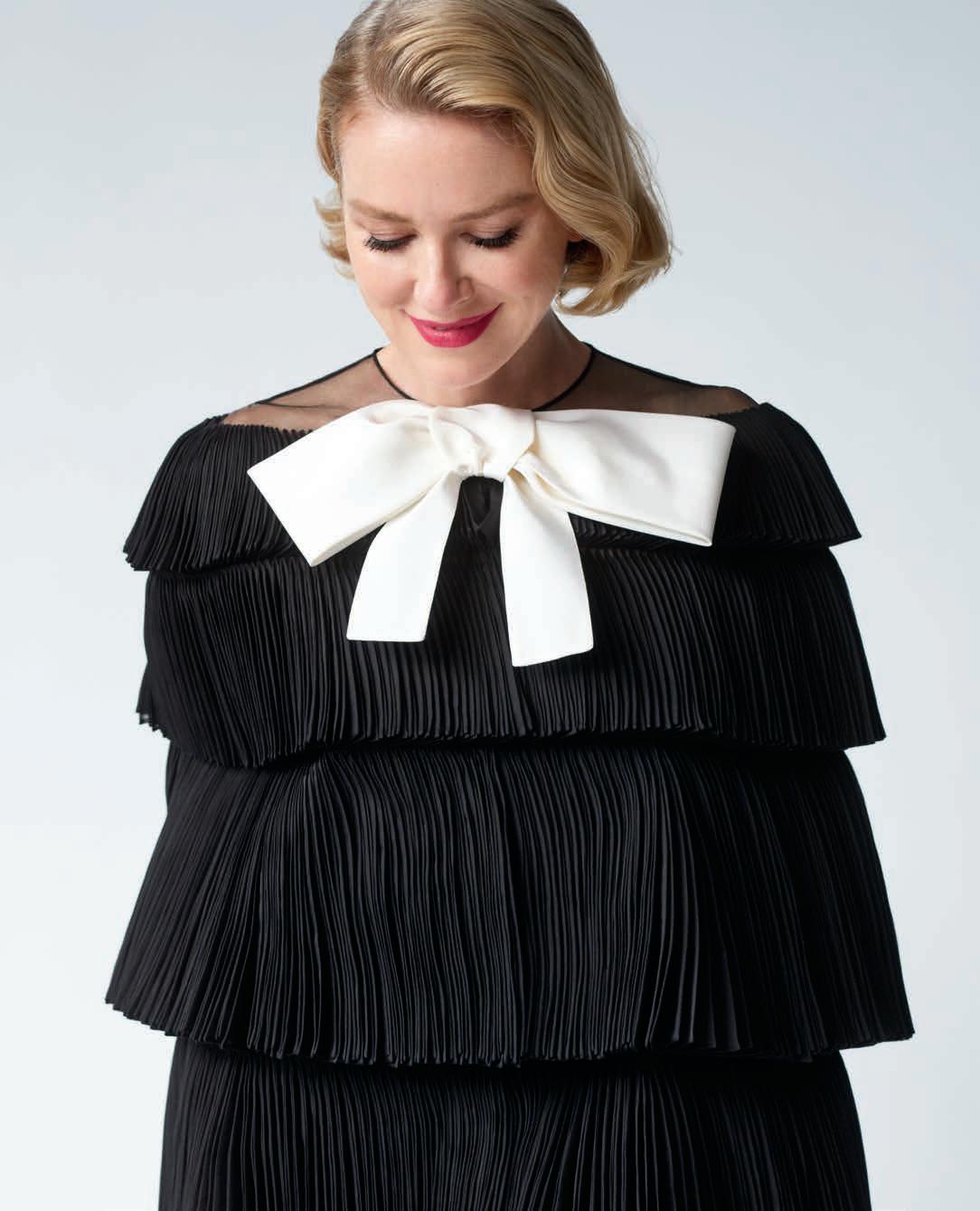
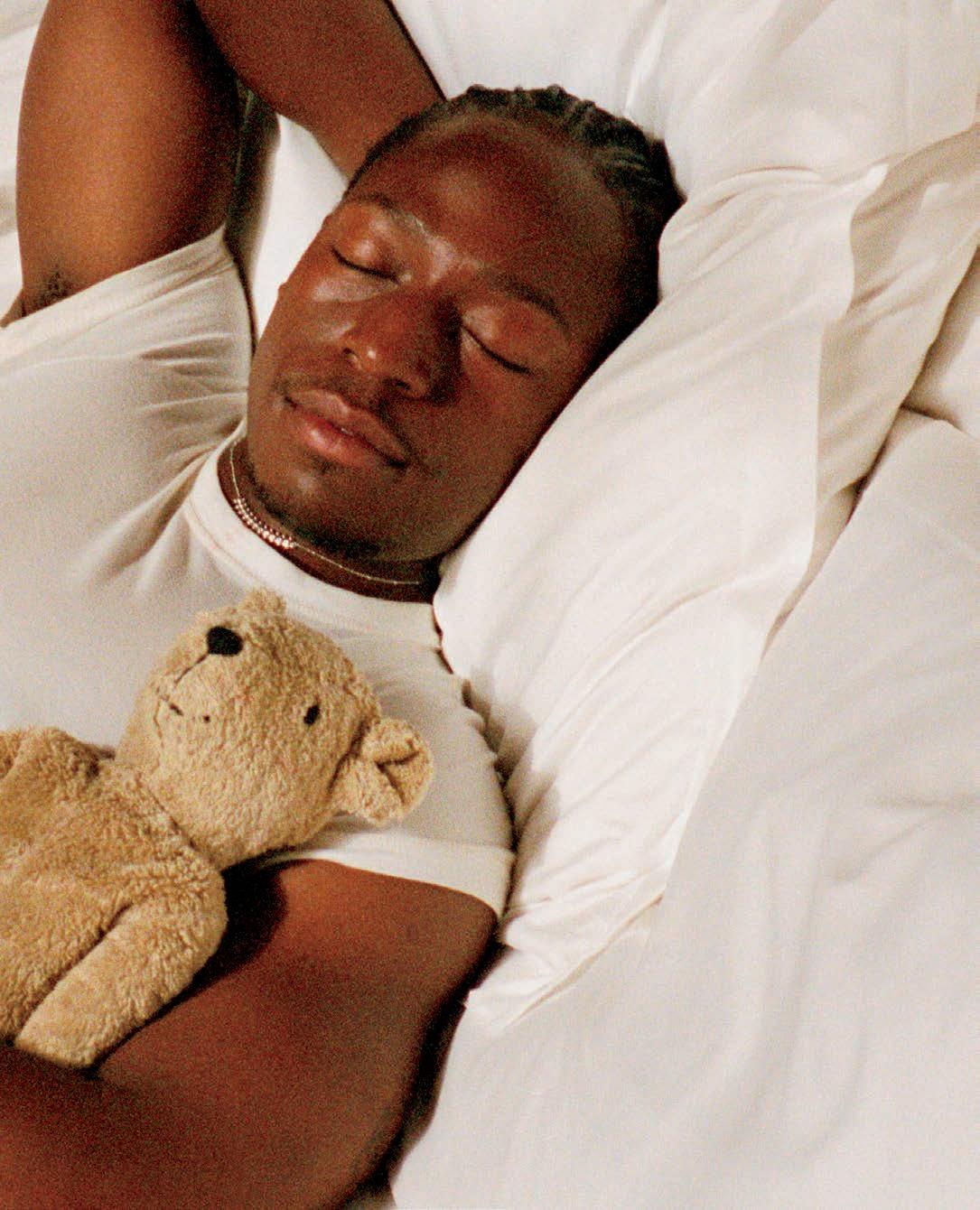
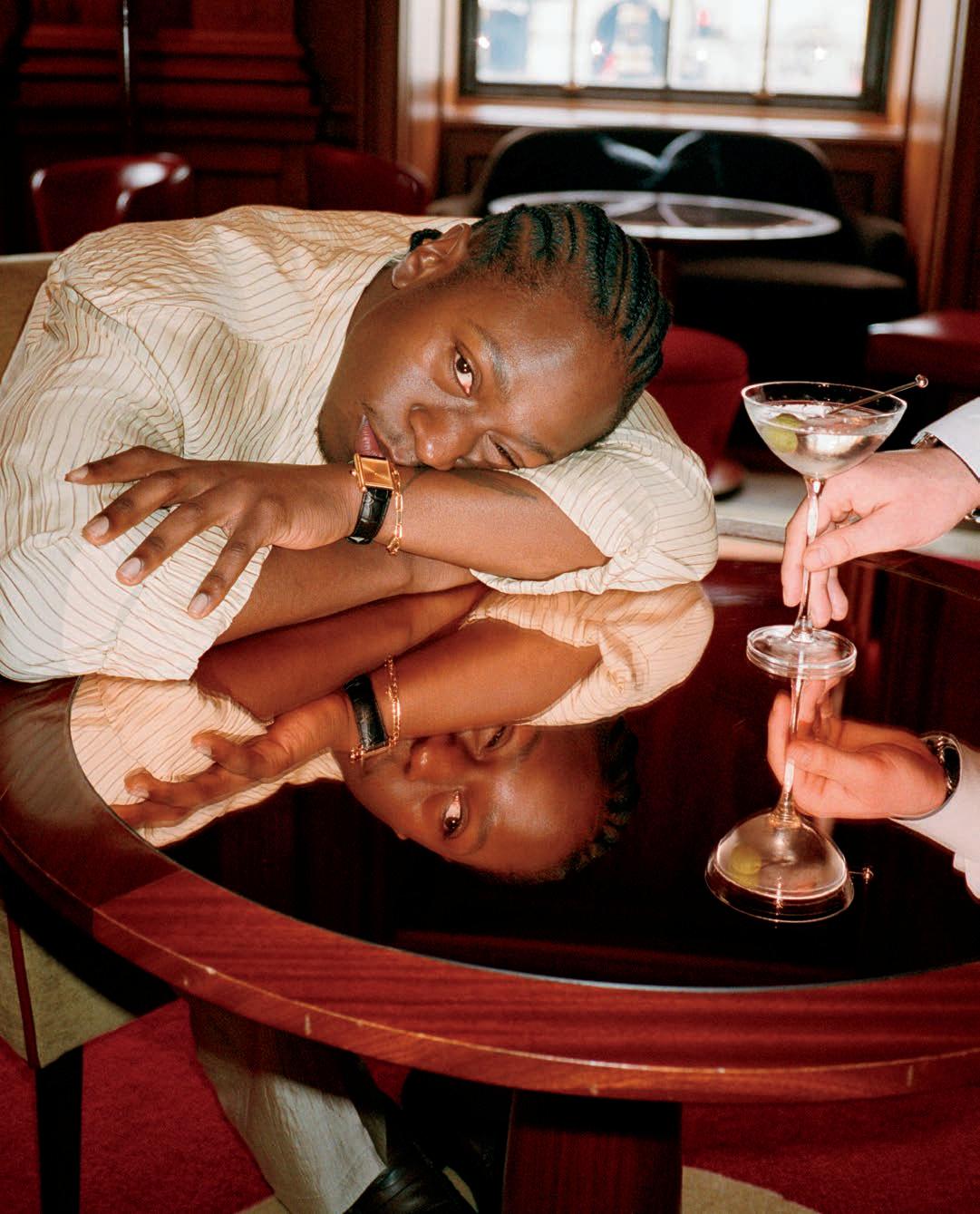
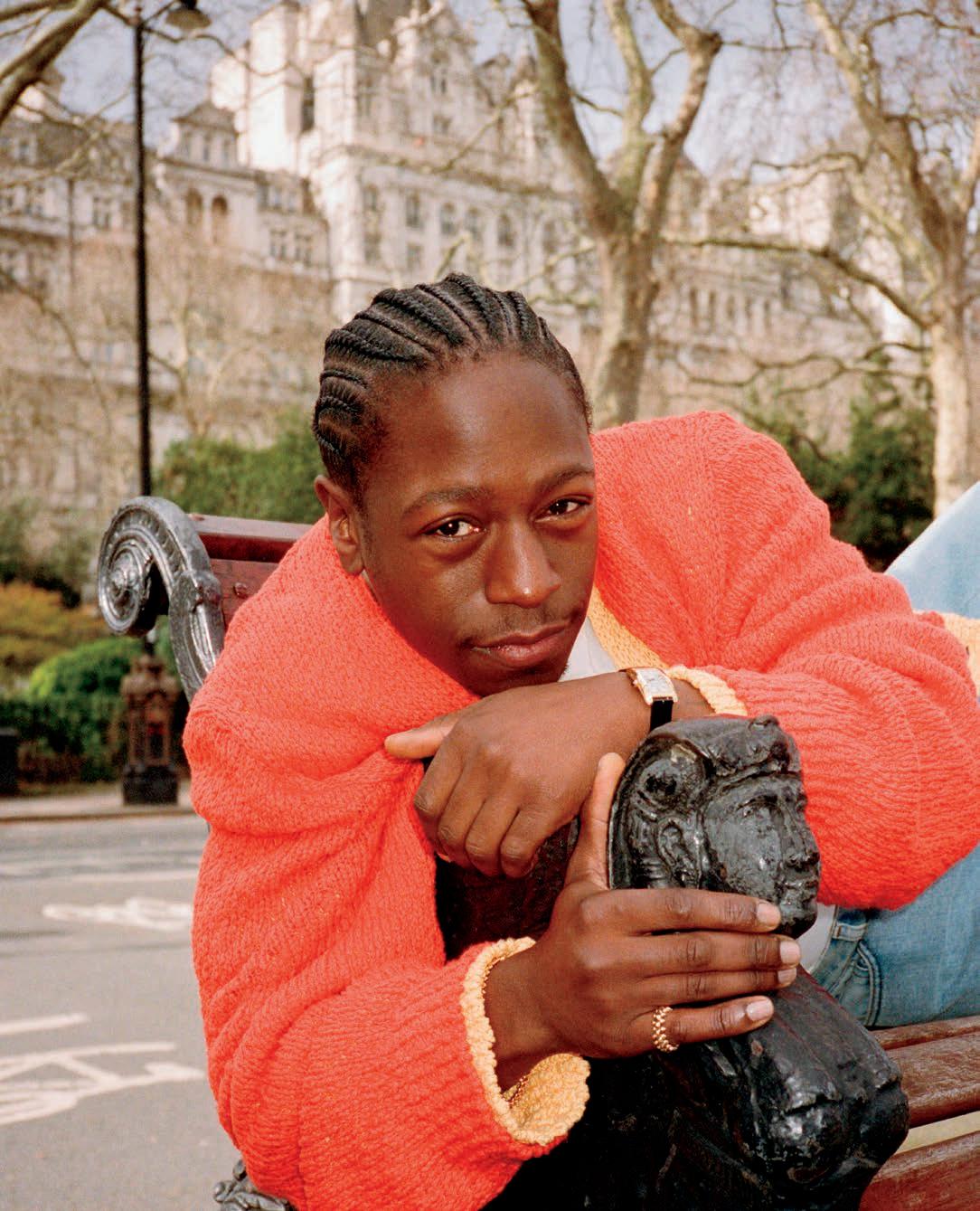
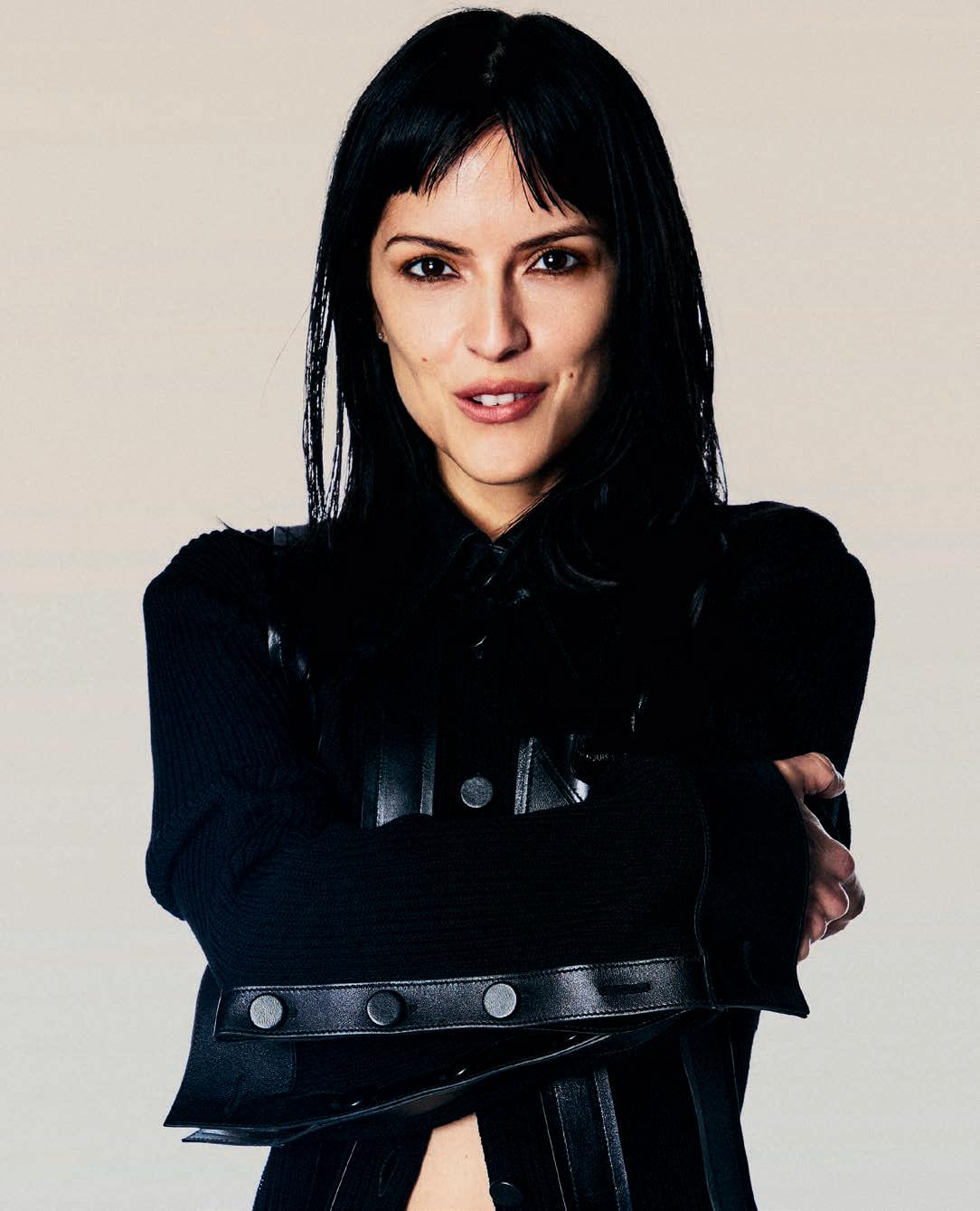
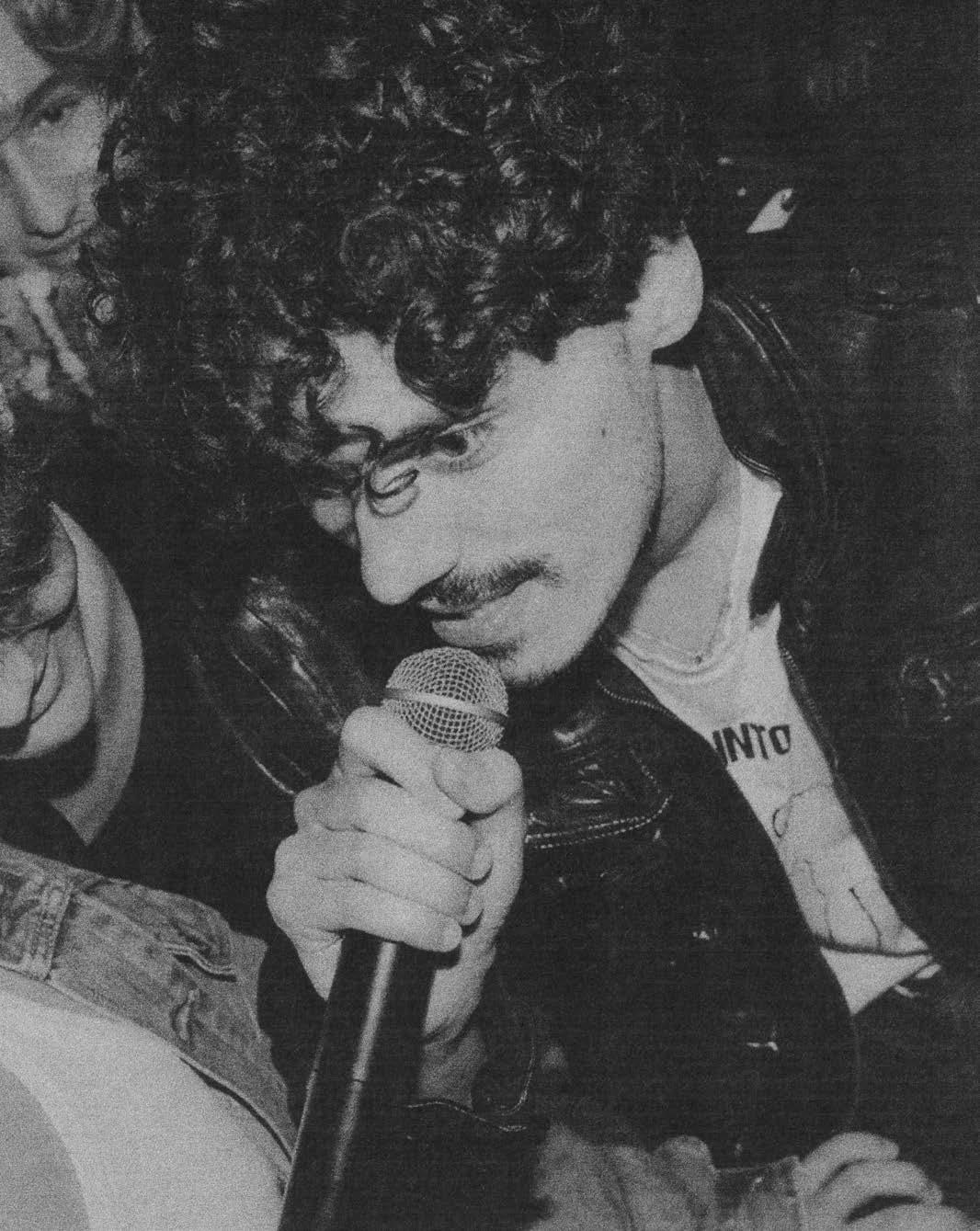
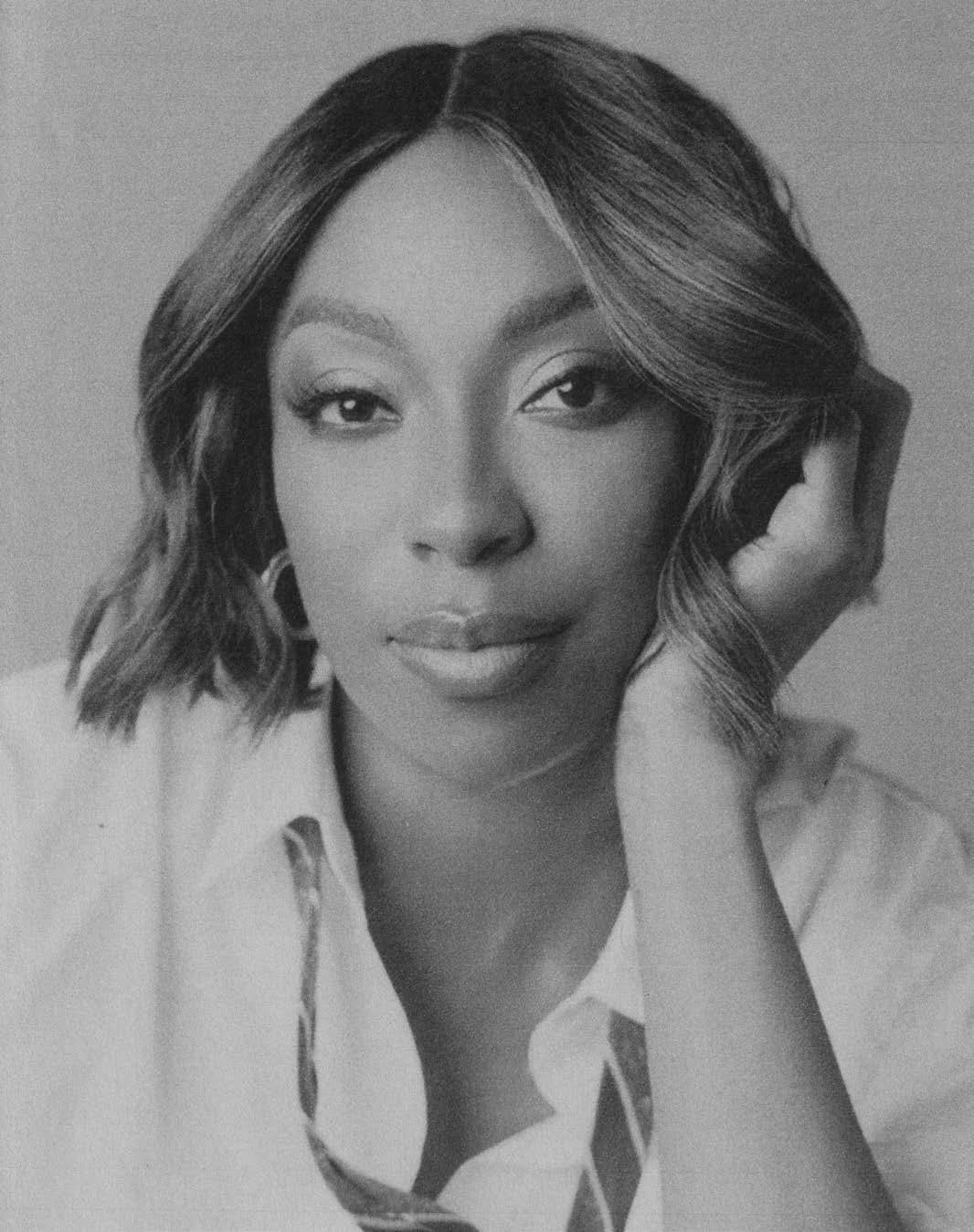
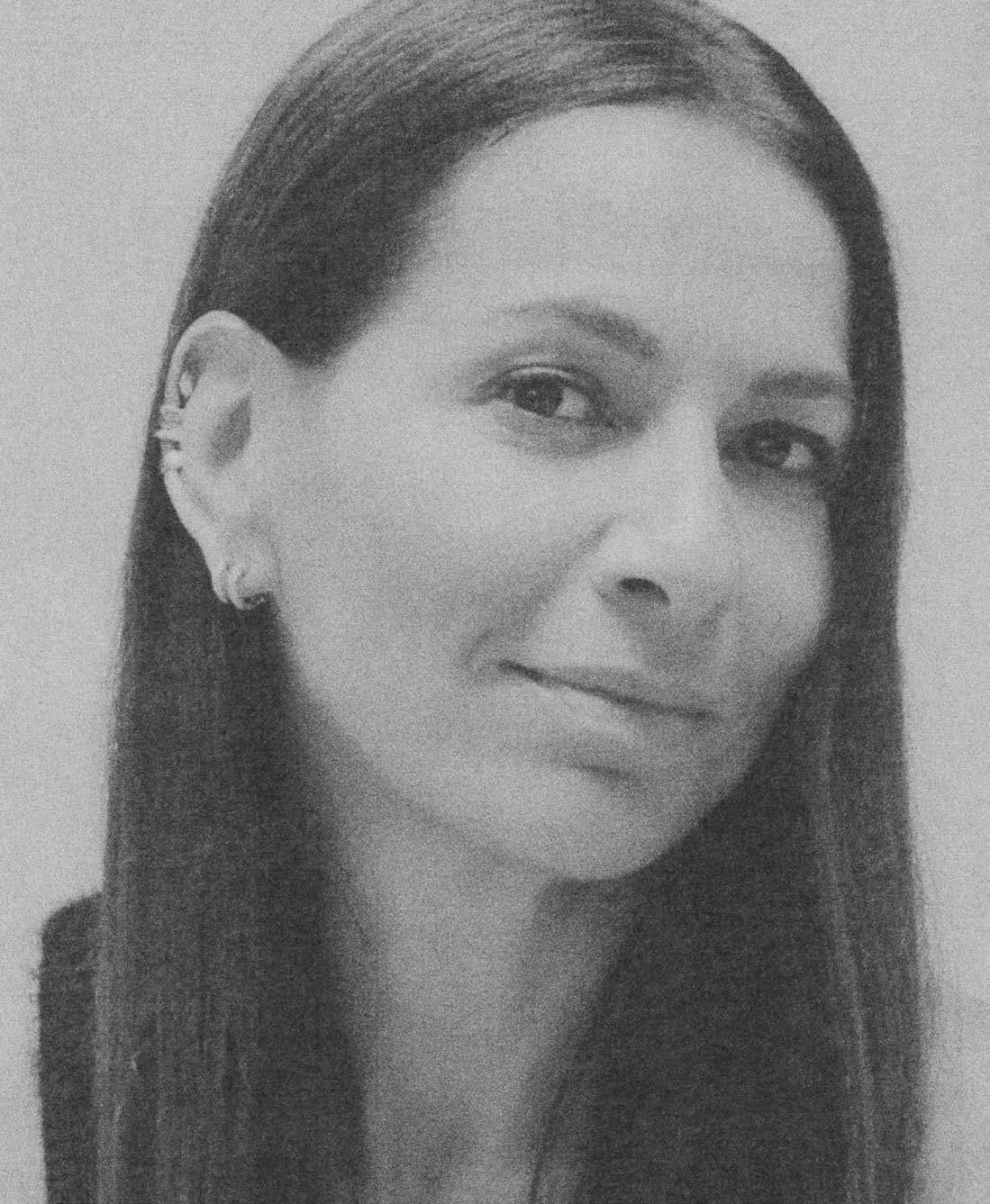
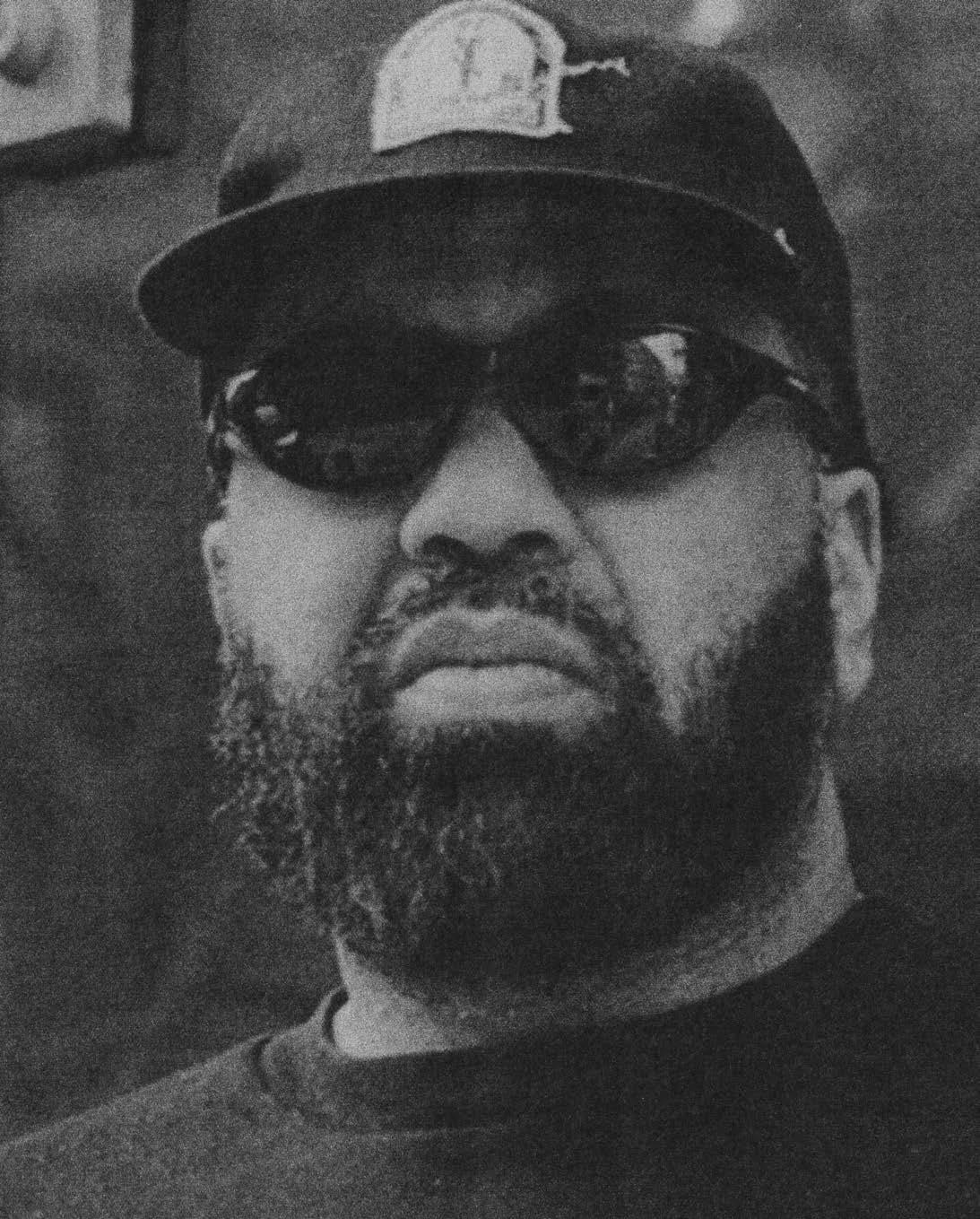
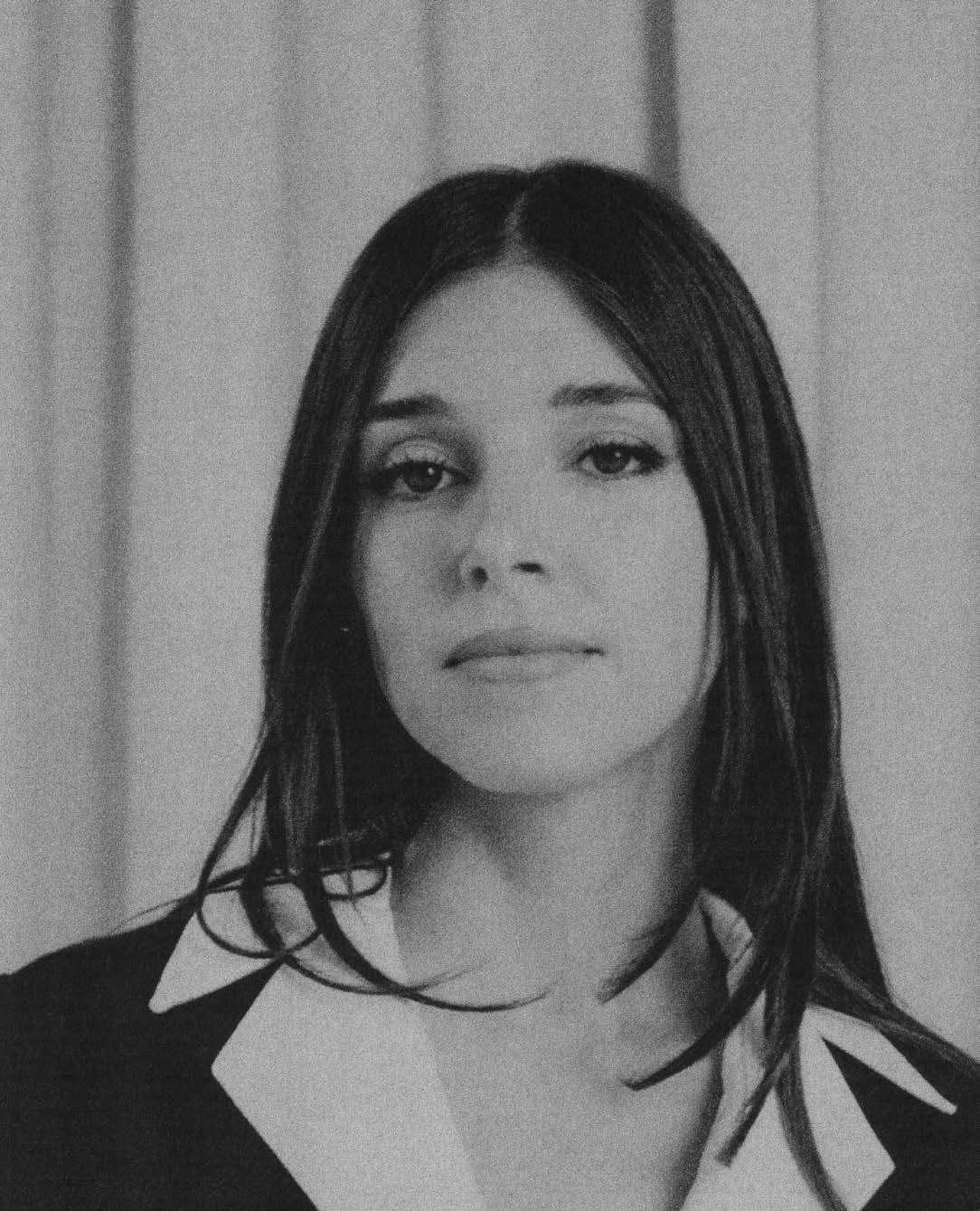
Naomi Watts, Emma Cline, Salman Rushdie, Sombr, David Jonsson, Adam Scott, Marcello Hernández, Carey Mulligan, Keke Palmer, Grace Gummer, Vinnie Hacker, María Zardoya, and Lena Dunham.
This cover lineup includes a cadre of fresh-faced stars: There’s the pop phenom Sombr, who embodies the mix of vulnerability and edge that drives Gen Z listeners wild; Hernández, who is breathing new life into a 50-year-old late-night comedy juggernaut; Hacker, who is carving out a life beyond the thirst trap; and Jonsson, who is poised to become one of Hollywood’s most sought-after leading men.
Then there are the storytellers. Dunham, who has created a pantheon of messy, complicated women, is releasing a memoir about her own tangled relationship with fame and chronic illness. Cline, a great chronicler of the misery of the elite, has a new novel on the way about an aging executive losing his memory. And Rushdie is looking back at a life spent challenging his readers and himself, through a new documentary and book of short fiction.
Finally, we have five shapeshifting entertainers with a hunger for experimentation and a commitment to authenticity. Whether they’re an actor’s actor taking on the ultracontemporary as their next challenge (Mulligan in the next season of Netflix’s Beef ), a lifelong jack-of-all-trades anchoring an auteur’s next foray into features (Palmer in the film I Love Boosters), a comedian reluctant to admit his own star power who’s trying his hand at horror by playing a writer trapped in a haunted inn (Scott in Hokum), or performers taking on real people (Gummer as Caroline Kennedy and Watts as Jacqueline Onassis in the Hulu sensation Love Story), they o!er us compelling escapes of all stripes.
If there’s one thing we learn from the labor of love that is putting together this issue, it’s that culture is in restless— and courageous—hands. At a time when everything feels uncertain, that’s something to be inspired by.
Sarah Harrelson Founder & Editor-in-Chief
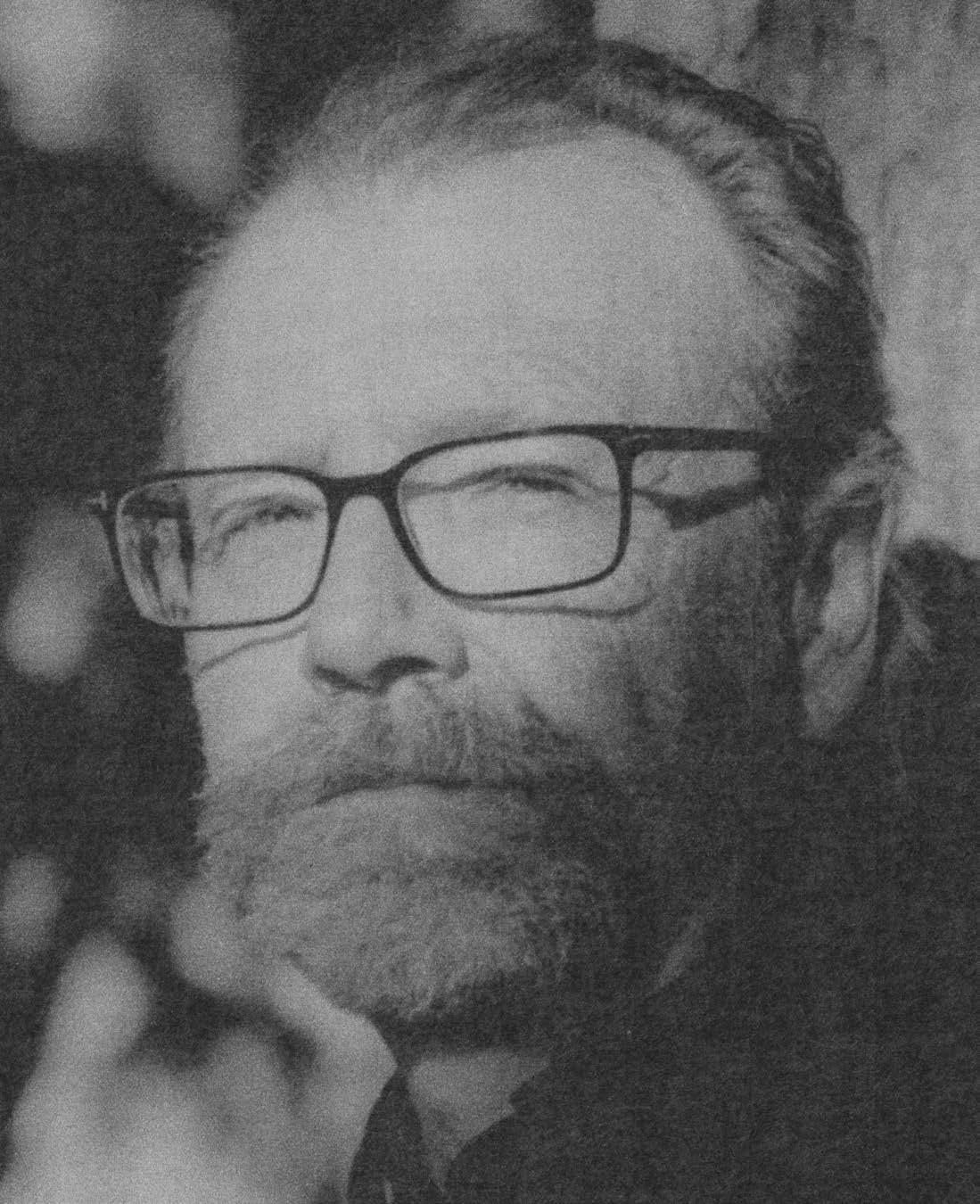
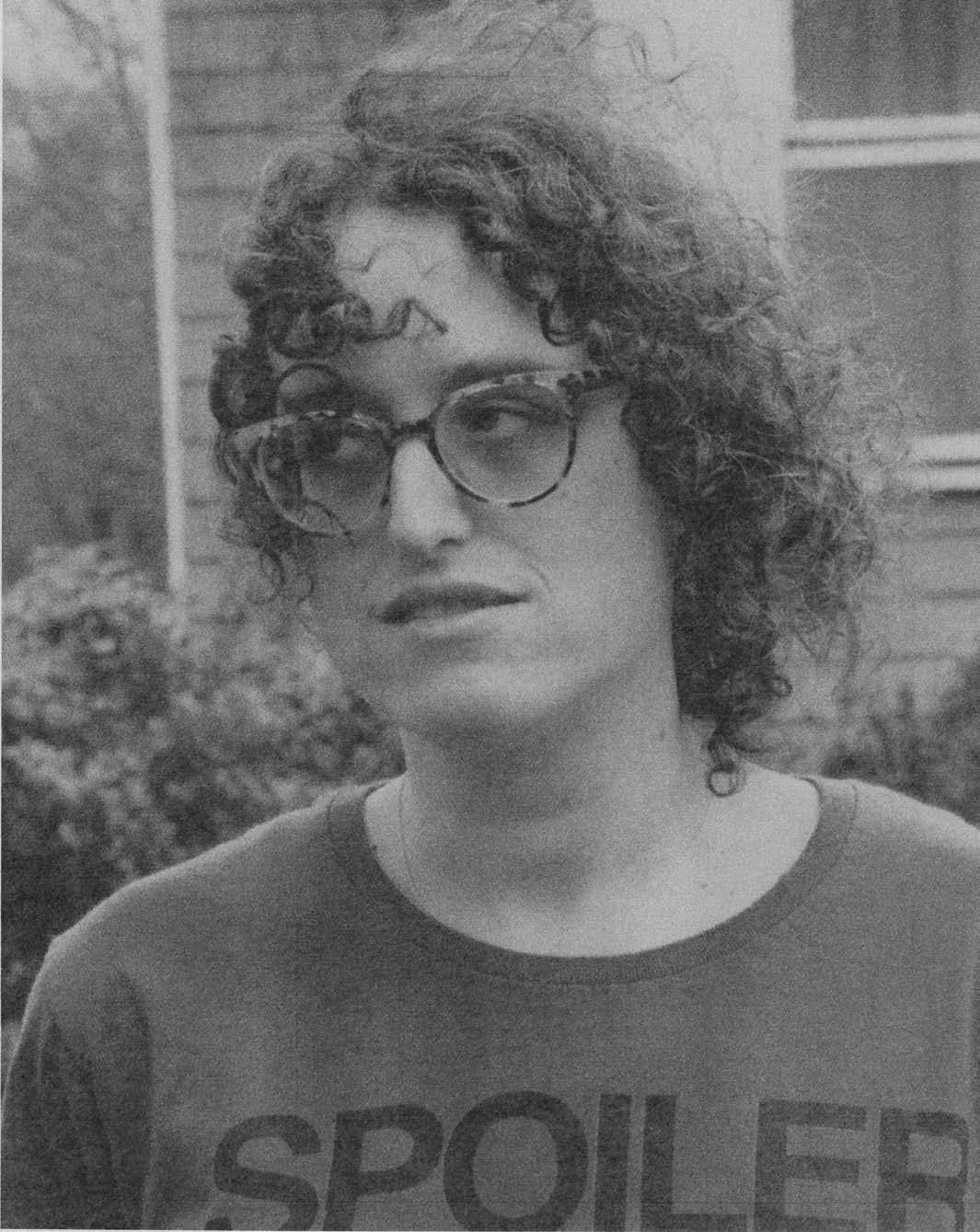
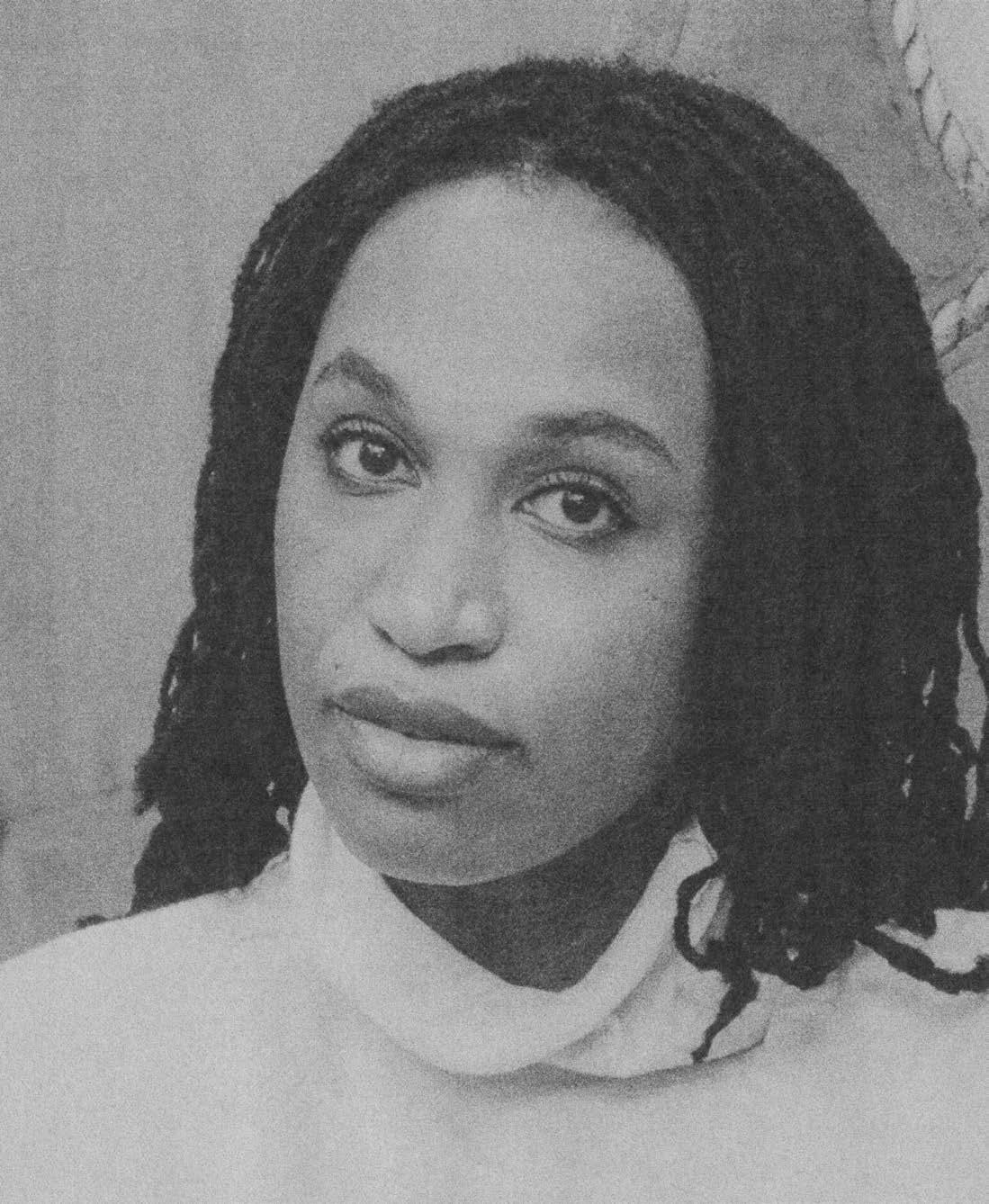
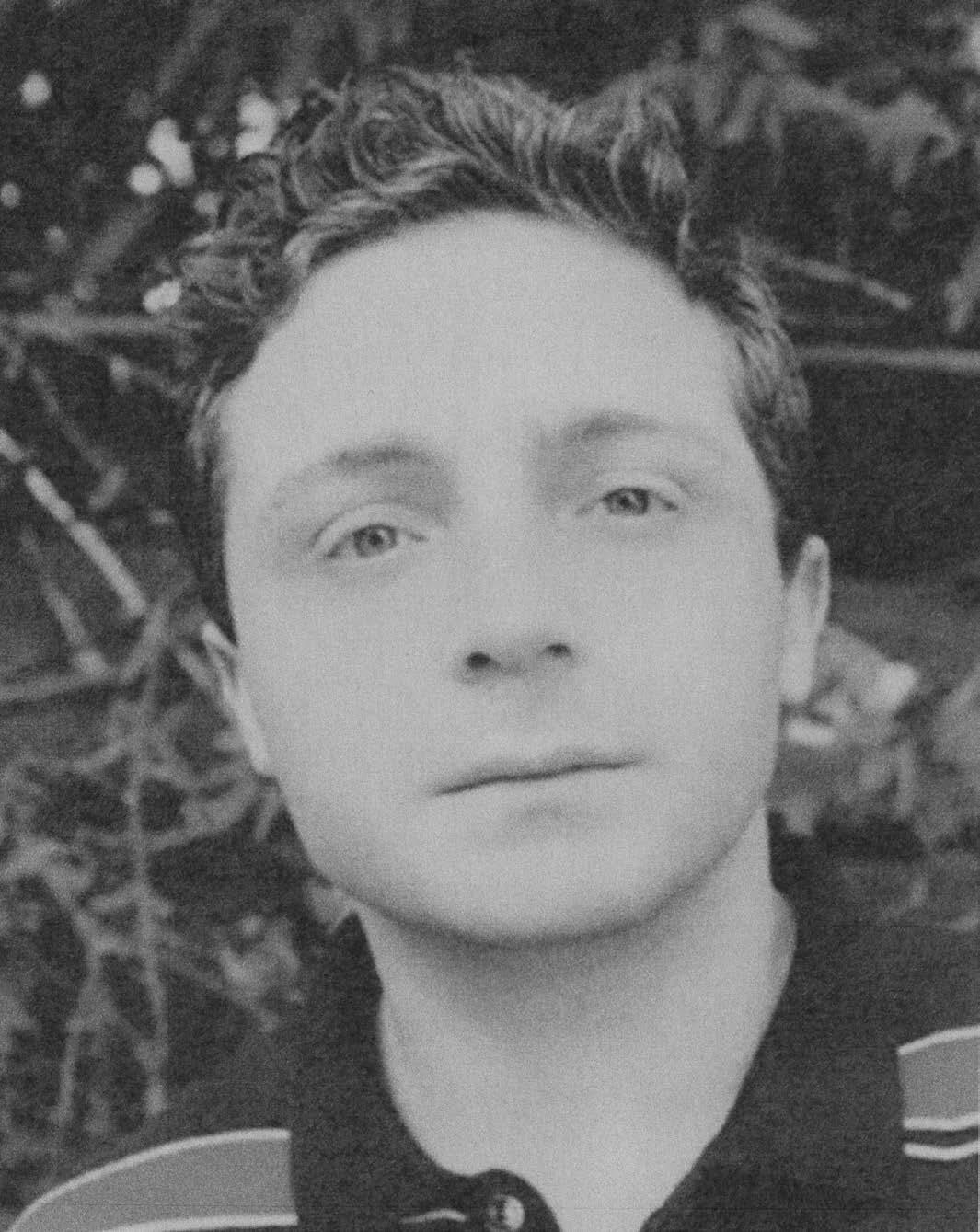
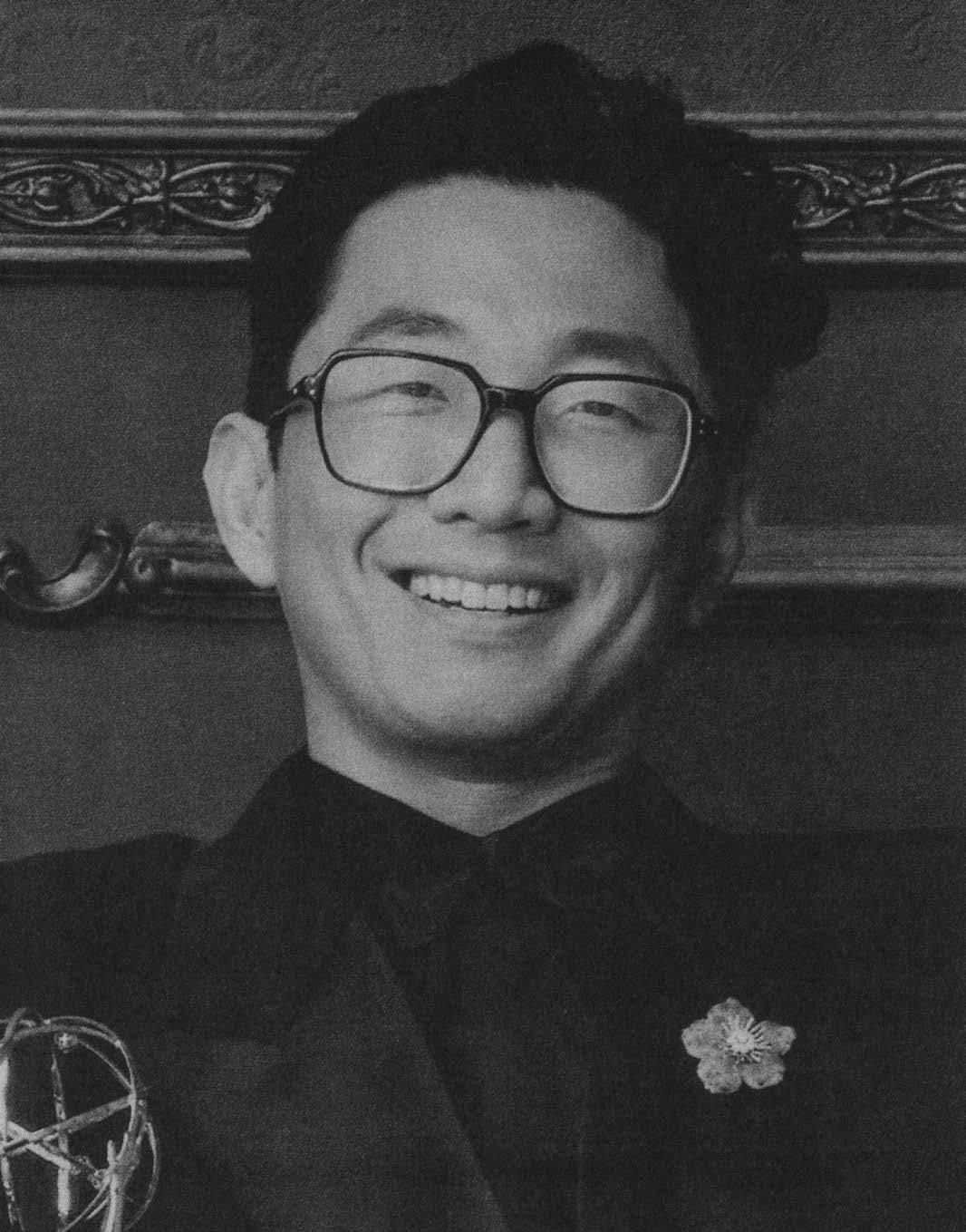
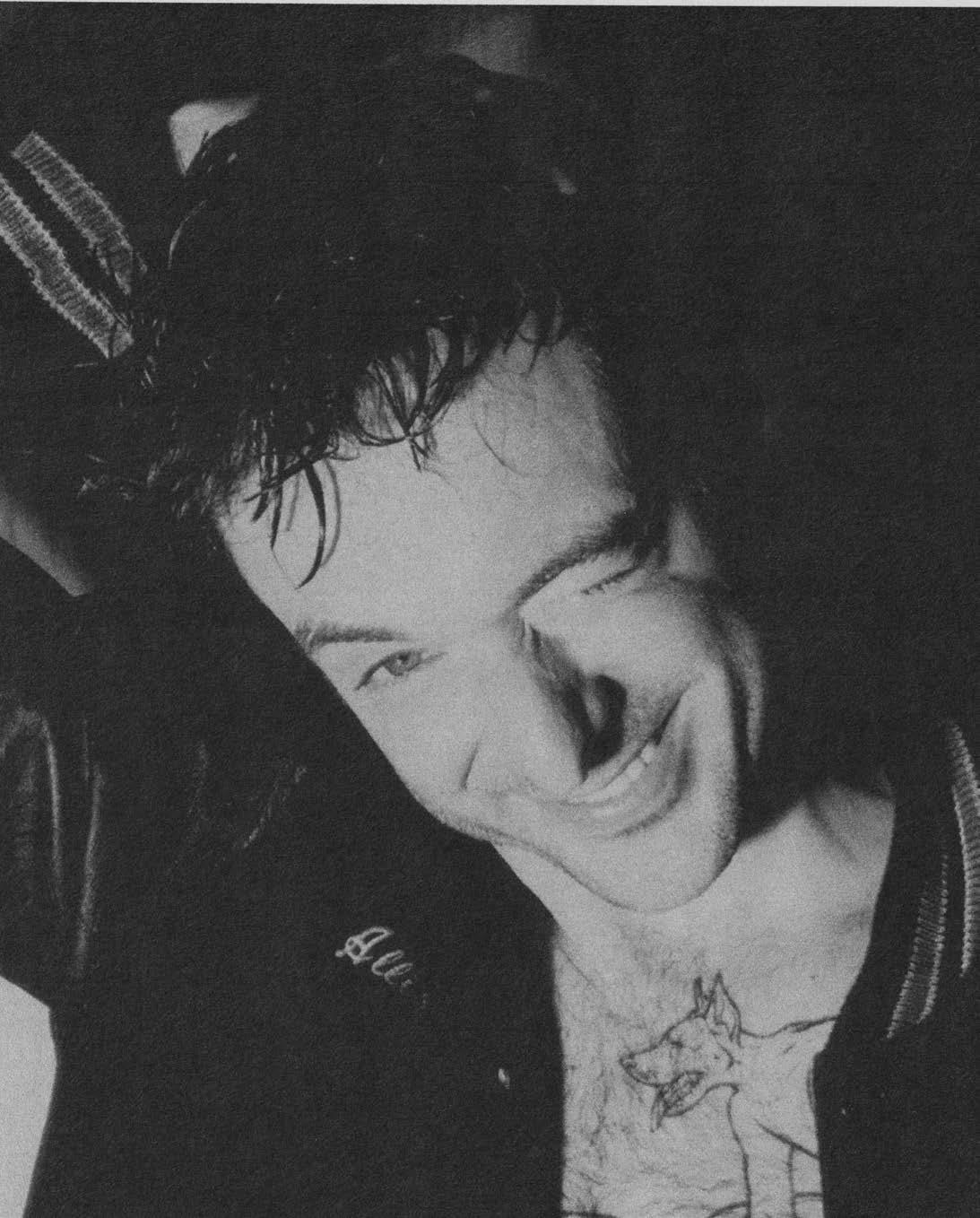
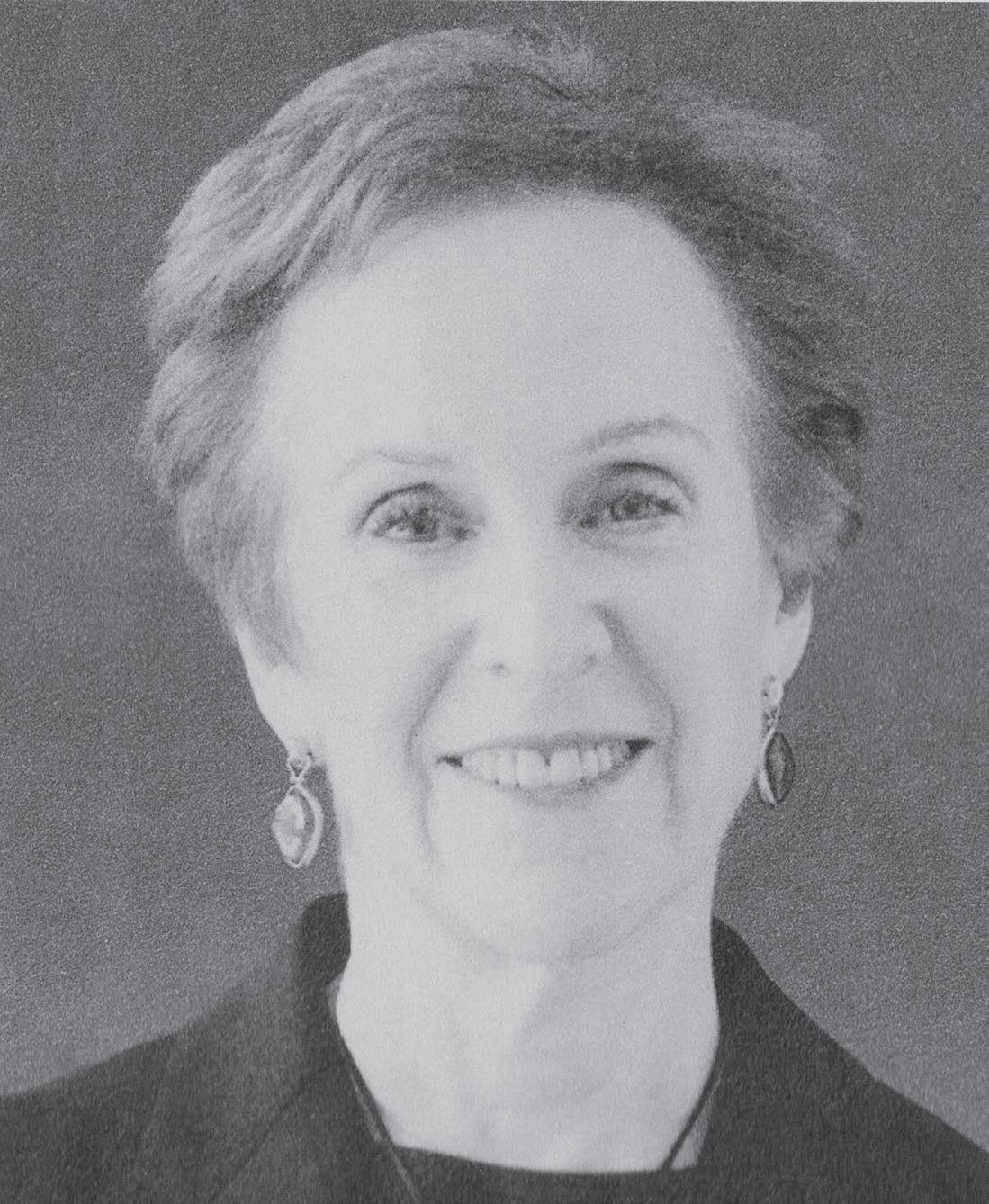
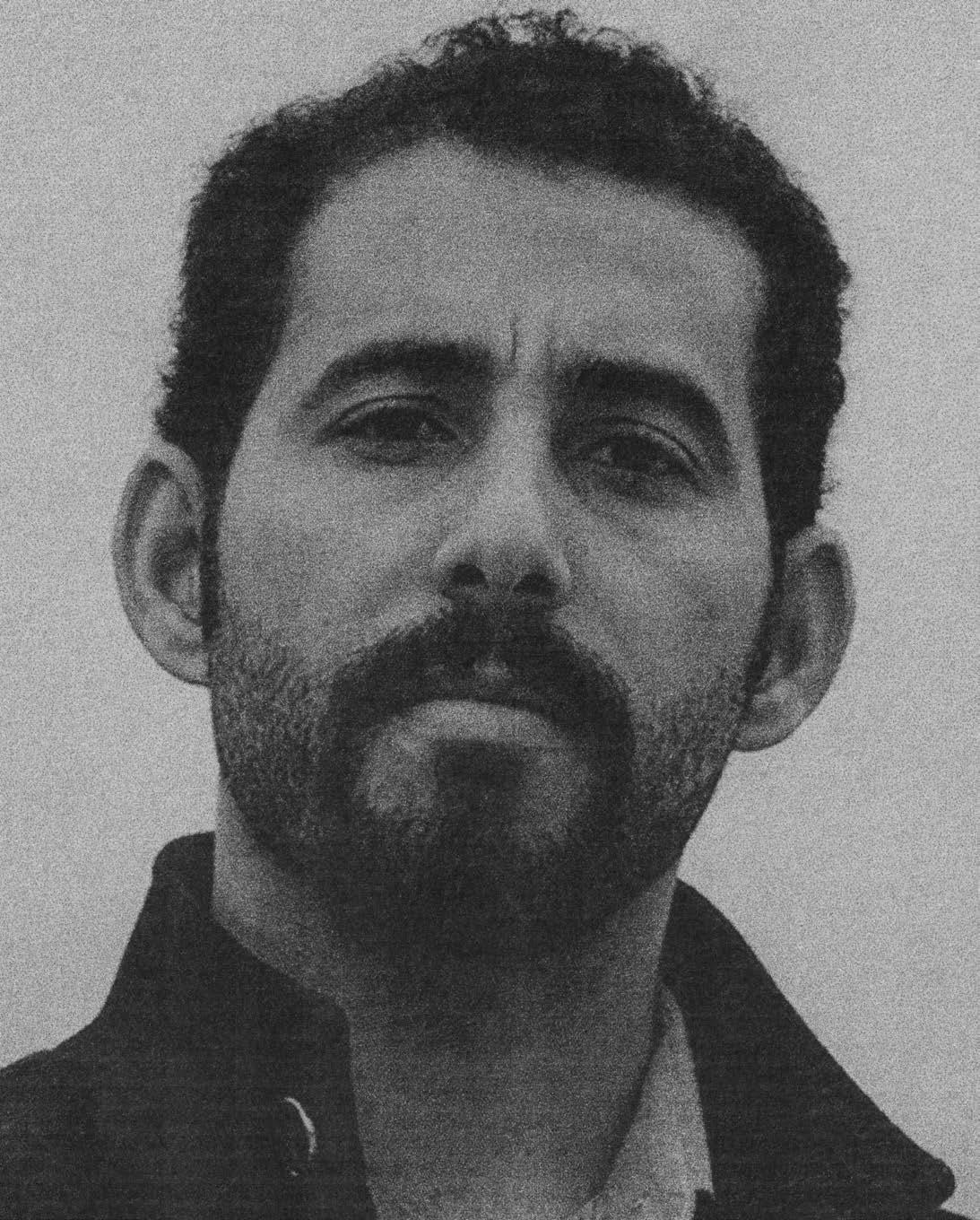
CONTRIBUTORS
“Sombr is young, hot, and has several hits. He grew up in New York and looks great in clothes.”
CHRIS BLACK
“More than a decade after Girls first rearranged our synapses as the official millennial rallying cry, Lena Dunham is back.”
—DELIA CAI
“We created the narrative as if we had discovered precious antique objects in an old villa.”
—AKARI ENDO-GAUT
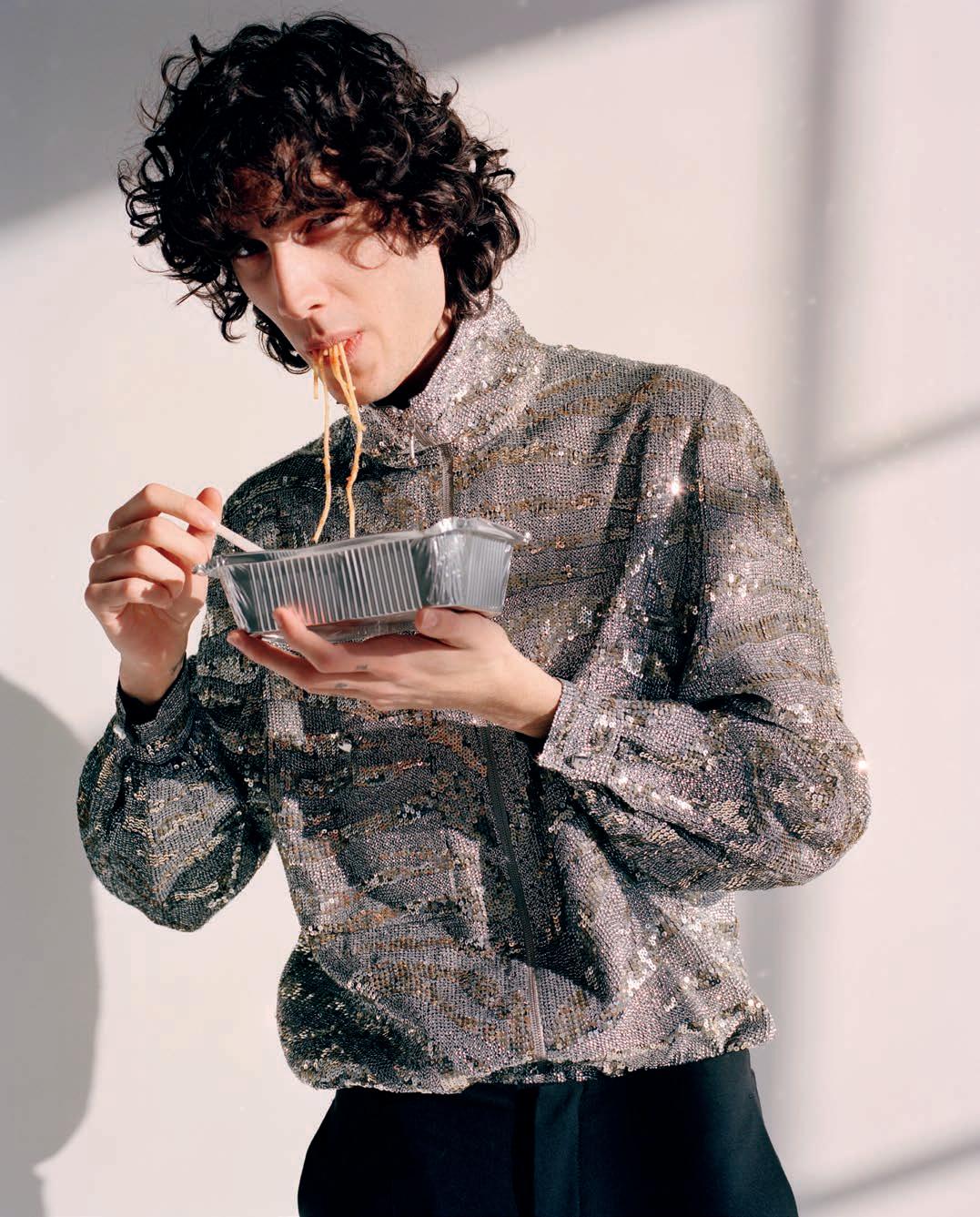
“Sombr’s sudden craving for spaghetti bolognese ended up making the photos a little more special.”
— BEA DE GIACOMO
CHRIS BLACK
Writer
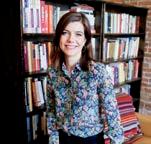
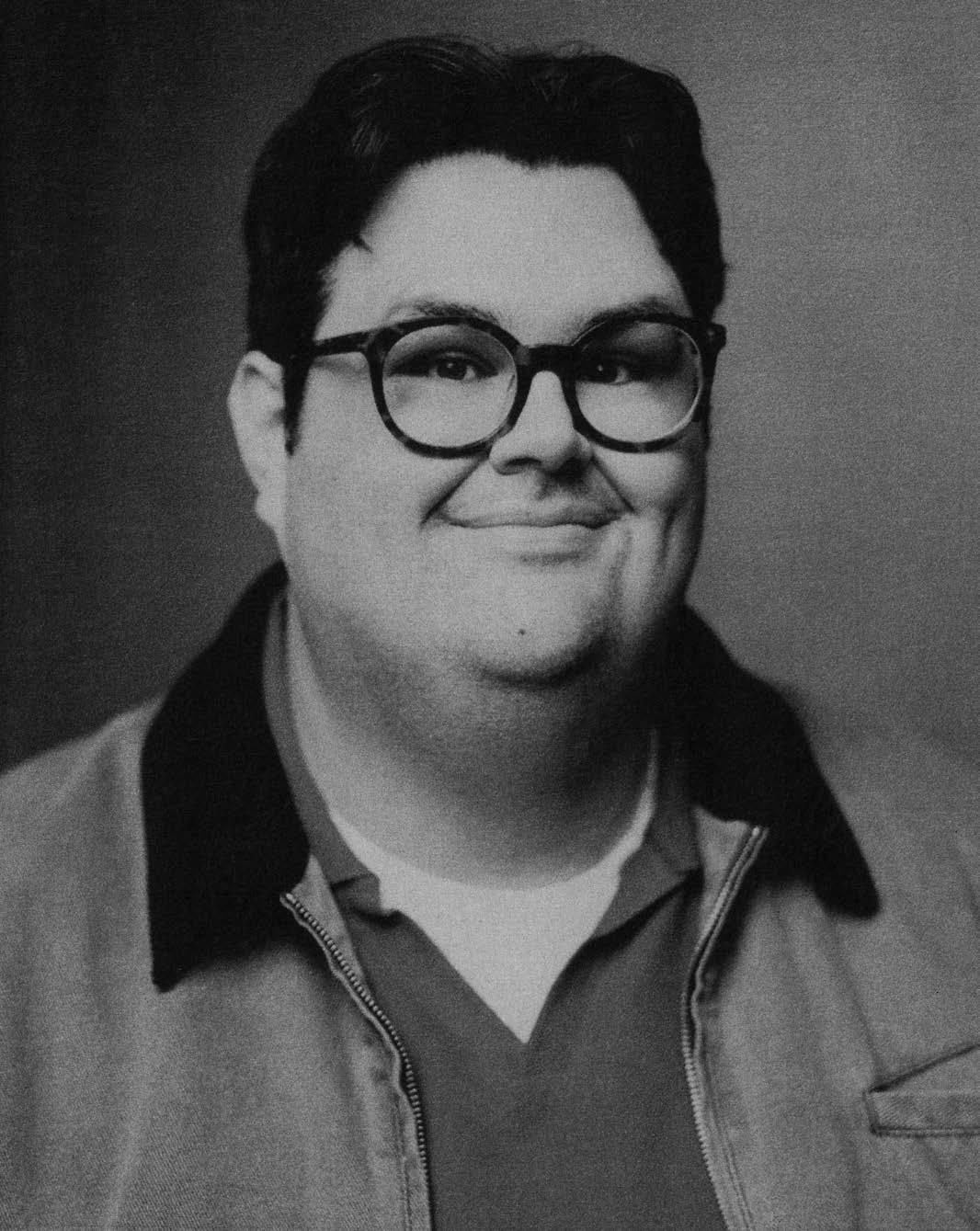
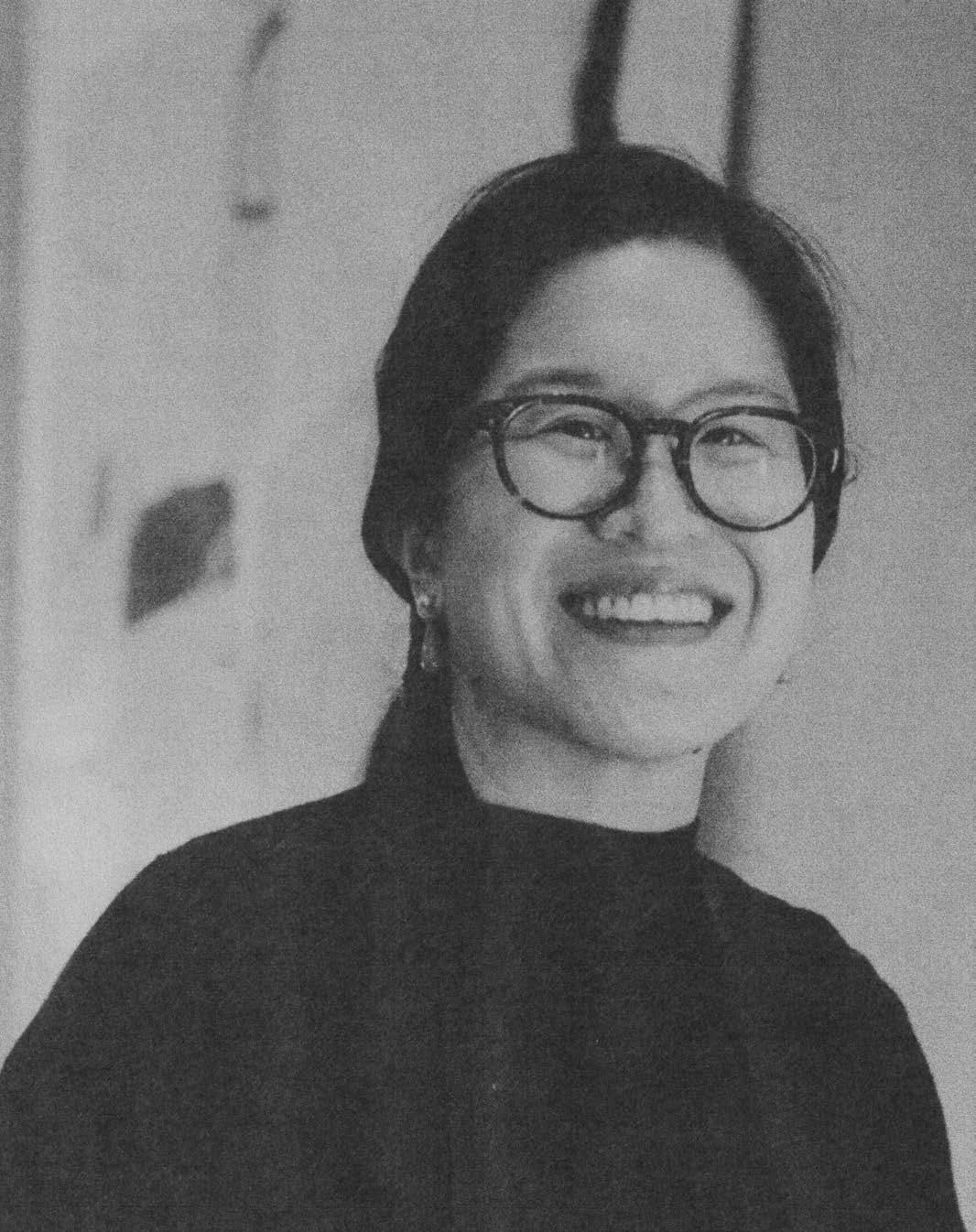
“Sombr is young, hot, and has several hits. He grew up in New York and looks great in clothes,” says Chris Black matter-of-factly, describing the 20-year-old heartthrob he was tasked with profiling for this issue. “I wanted to dig a bit deeper into the whiplash of fame; attending [LaGuardia], the world’s most prestigious performing arts high school; and being mentored by the legendary Tony Berg.” Black has contributed to GQ, Vanity Fair, and Air Mail, and co-hosts How Long Gone, a podcast for the self-described bicoastal elite.
AKARI ENDO-GAUT
Photographer
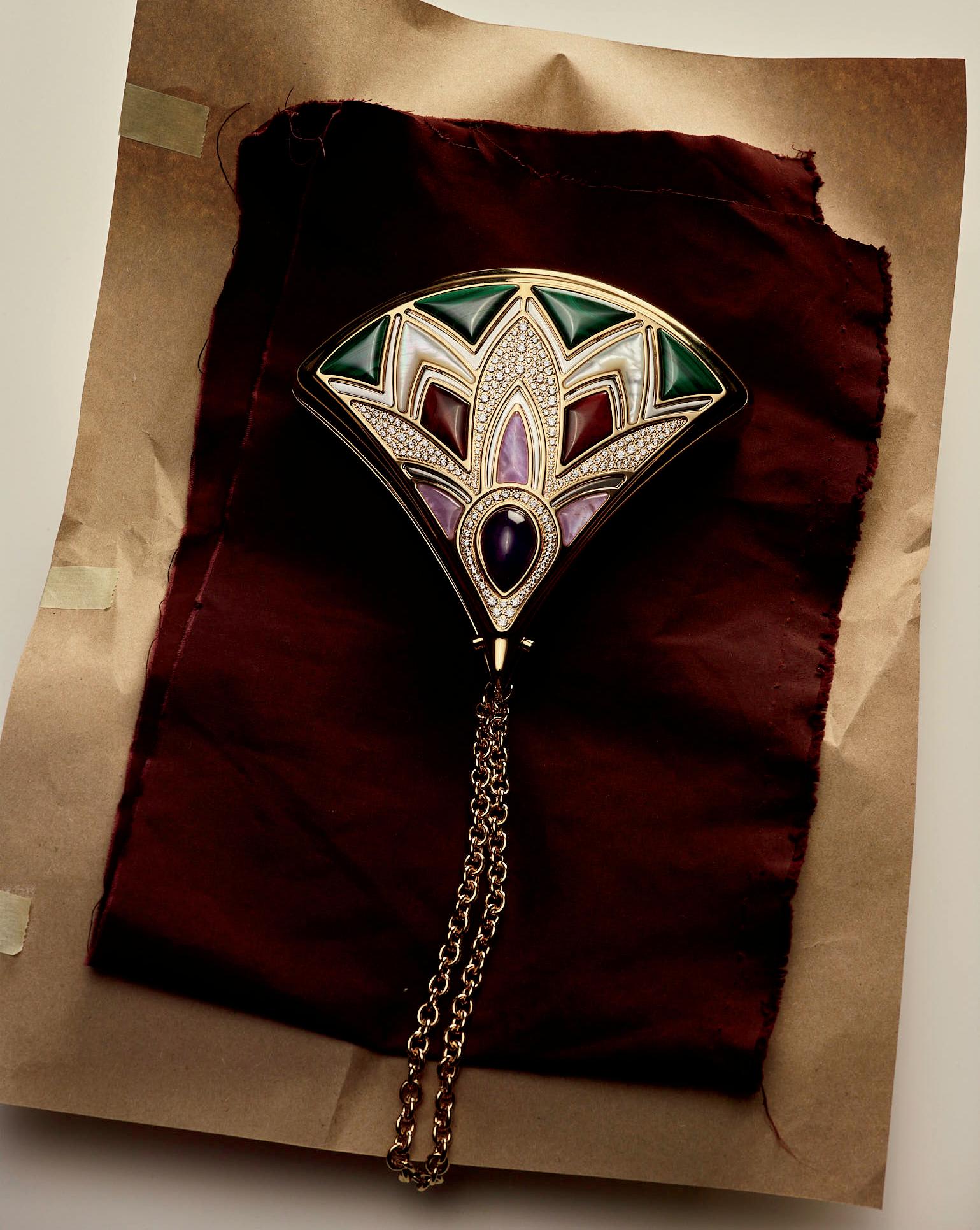
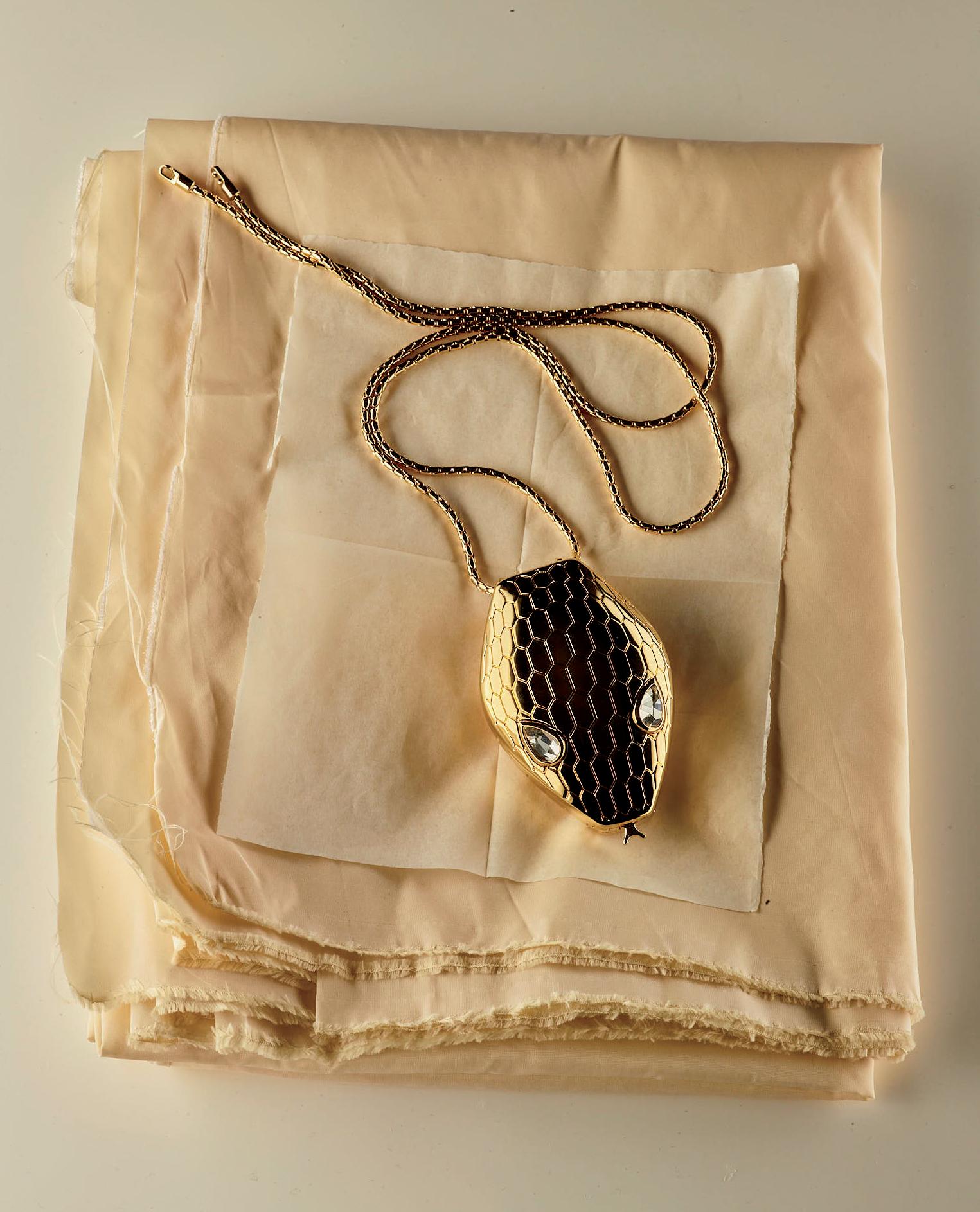
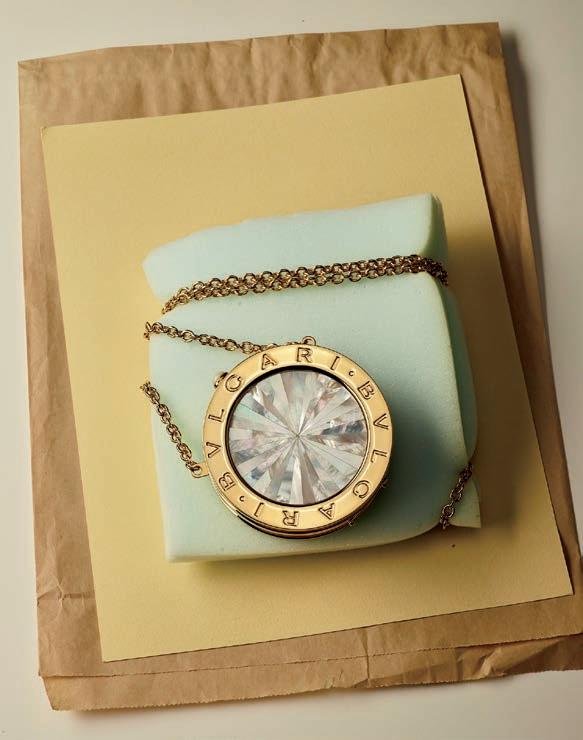
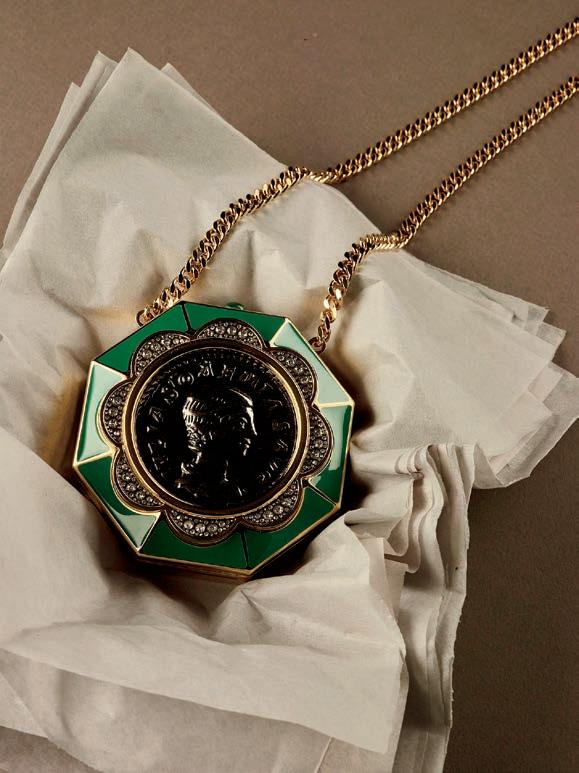
Born in Japan, Akari Endo-Gaut spent a decade in Paris studying fine art and architecture before arriving in New York. This disparate range of geographic influences is immediately apparent in her subtle, structured work. For this issue, she collaborated with Hugo Yu to capture Bvlgari’s new special-edition minaudières. “We created the narrative as if we had discovered precious antique objects in an old villa— wrapped and unwrapped,” she explains. “The contrast between the organic materials and the sparkling stones, along with the mixture of colors, evokes historical Roman art, reflecting Bvlgari’s heritage.”
DELIA CAI
Writer
“More than a decade after Girls first rearranged our synapses as the official millennial rallying cry, Lena Dunham is back,” announces Delia Cai, “not only as writer, director, and head Internet girl in charge, but also as memoirist—to me, her most thrilling mode.” The New York–based writer and Deez Links newsletter creator spoke with the millennial patron saint on the eve of Dunham’s return to the spotlight with her book Famesick. “As her career expands into its second act, one must know: How has Lena made sense of Lena (her best character) after all these years?”
BEA DE GIACOMO
Photographer
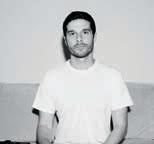
Milan-based photographer Bea De Giacomo has captured poetic glimpses into the lives of everyone from tennis star Jannik Sinner to Alba and Alice Rohrwacher, the sisters reigning over Italian cinema. Her delicate, detail-oriented touch came through in her Sombr cover shoot: “His sudden craving for spaghetti bolognese,” she shares, “ended up making the photos a little more special.” De Giacomo’s portraiture can be seen in The New York Times and in collaborations with fashion houses like Chanel and Miu Miu.
Clockwise, from top left: Photography courtesy of Chris Black, by David Brandon Geeting, by Silvio Cicchelli, and courtesy of Akari Endo-Gaut.
CONTRIBUTORS
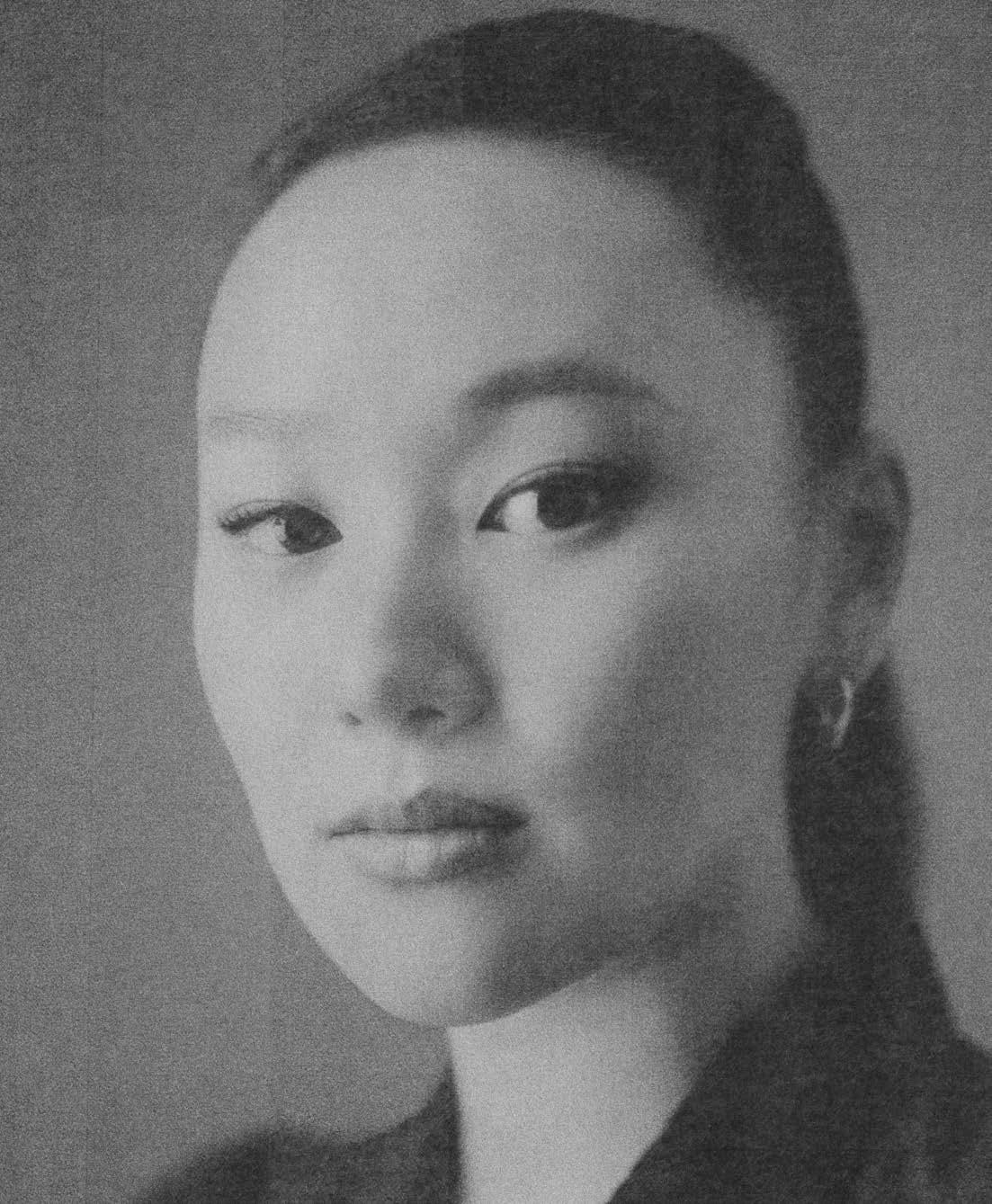
“Vinnie Hacker is like a little brother to me. It’s great to create with someone who feels like family.”
JASON BOLDEN
“The winter blizzard did not stop us from shooting! We had Miss Claire Sullivan and Ivana Ba sic front of the snowed-in windows, surrounded by clouds of romantic fabrics.”
LUISA
OPALESKY
“I wanted to give Lena Dunham smart silhouettes and an editorial spin on clothes she would own.”
—DIONE DAVIS
“I was curious to hear from Vinnie Hacker about the glories and horrors of thirst-trapping, and to see if a career on social media could be a springboard into TV and movies.”
—BARRETT SWANSON
JASON BOLDEN
Stylist
CULTURED’s style editor-at-large has an enviable client list that includes Michael B. Jordan, Nicole Kidman, Cynthia Erivo, and the magazine’s latest digital cover star, Vinnie Hacker. When the shoot was confirmed, CULTURED’s editors felt there was no one who could better support photographer Charlie Denis’s cinematic vision than the celebrity stylist and JSN Studio founder. “Vinnie is like a little brother to me,” says Bolden. “It’s great to create with someone who feels like family. Styling him is always interesting because he is ready to try anything.”
BARRETT SWANSON
Writer
Pushcart Prize winner Barrett Swanson is best known for his acclaimed essay collection, Lost in Summerland, and contributions to Harper’s Magazine. But his bylines present a Rolodex of publications: The New Yorker, GQ, The Paris Review, The New York Times Magazine. His new book, Equipment for Living: Notes on Selfhood after the End of the World, is forthcoming from Atria/Simon & Schuster. For this issue, the writer dug deep into the life and ambitions of a young icon in the making, the Internet’s Vinnie Hacker, who is ready to move offline. “I was curious to hear about the glories and horrors of thirst-trapping,” says Swanson, “and to see if a career on social media could be a springboard into TV and movies.”
LUISA OPALESKY
Photographer
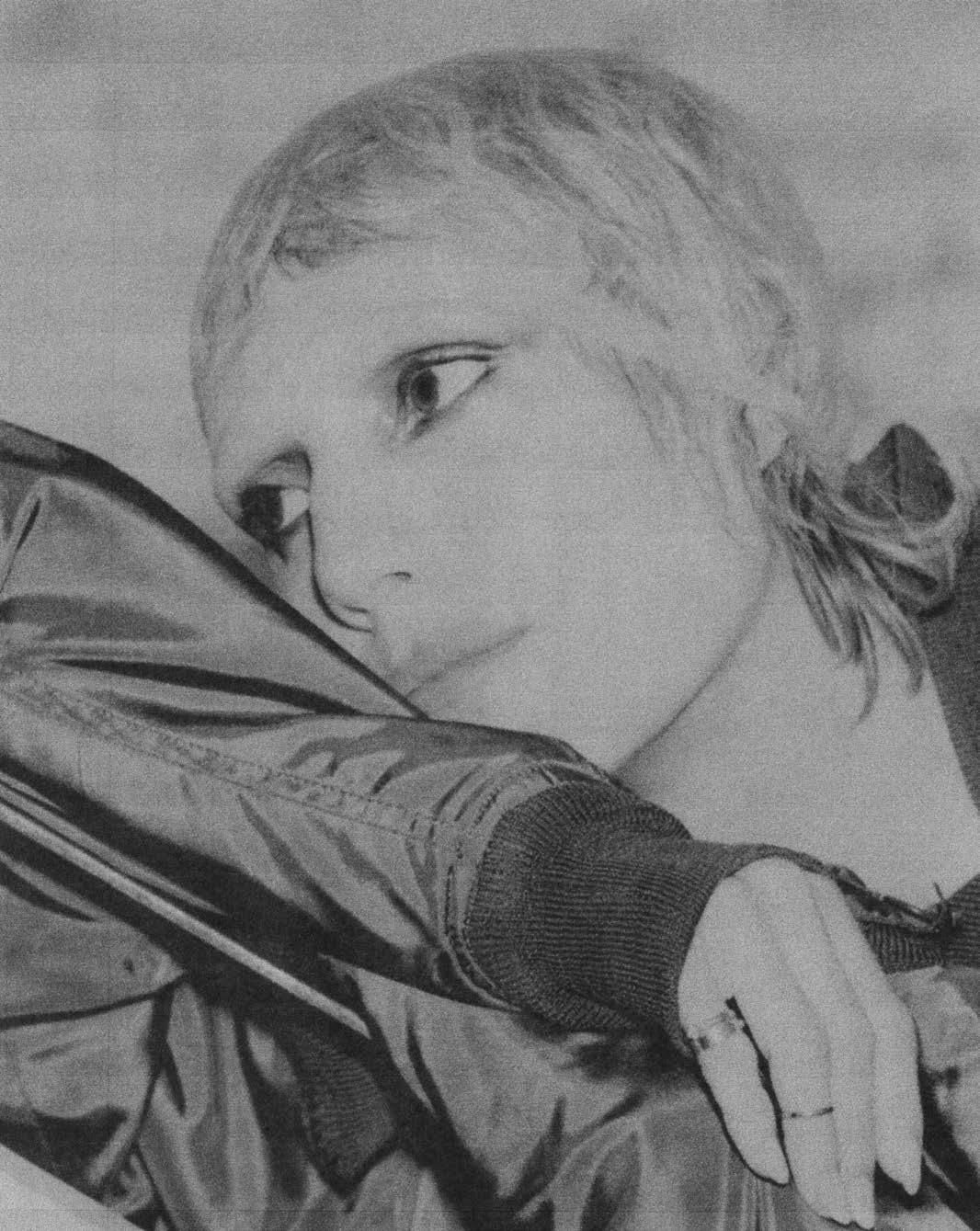
Luisa Opalesky was already given a difficult task for this issue: wrangling three artists and three designers for three in-studio shoots across New York. Now, add a snowstorm on top of that. “The winter blizzard did not stop us from shooting! We had Miss Claire Sullivan and Ivana Bašić in front of the snowed-in windows, surrounded by clouds of romantic fabrics, and the Erotica album warming up our bones,” she enthuses of one of the artist pairings. The Philadelphia-born, downtown New York–based creative’s work can also be seen in the pages of The New York Times and GQ, as well as in collaborations with the likes of Valentino.
DIONE DAVIS
Stylist
If you know CULTURED, then you know Dione Davis, too. The New York stylist has lent her eye to cover shoots with everyone from artist Anne Imhof to the ever-irreverent Ramy Youssef. For this issue, she joined photographer Maddy Rotman to capture Lena Dunham in her comeback era. “Lena is such an icon, I was so excited to dress her,” notes Davis. “I wanted to give her smart silhouettes and an editorial spin on clothes she would own—partnering with some of her favorite brands like Simone Rocha, but also contrasting her usual look with a sharp corduroy suit from Willy Chavarria for a dramatic take on character dressing.”
Clockwise, from top left: Photography courtesy of Natasha Newman-Thomas, by Ryan McGinley, by Jamie Ellington, and courtesy of Barrett Swanson.
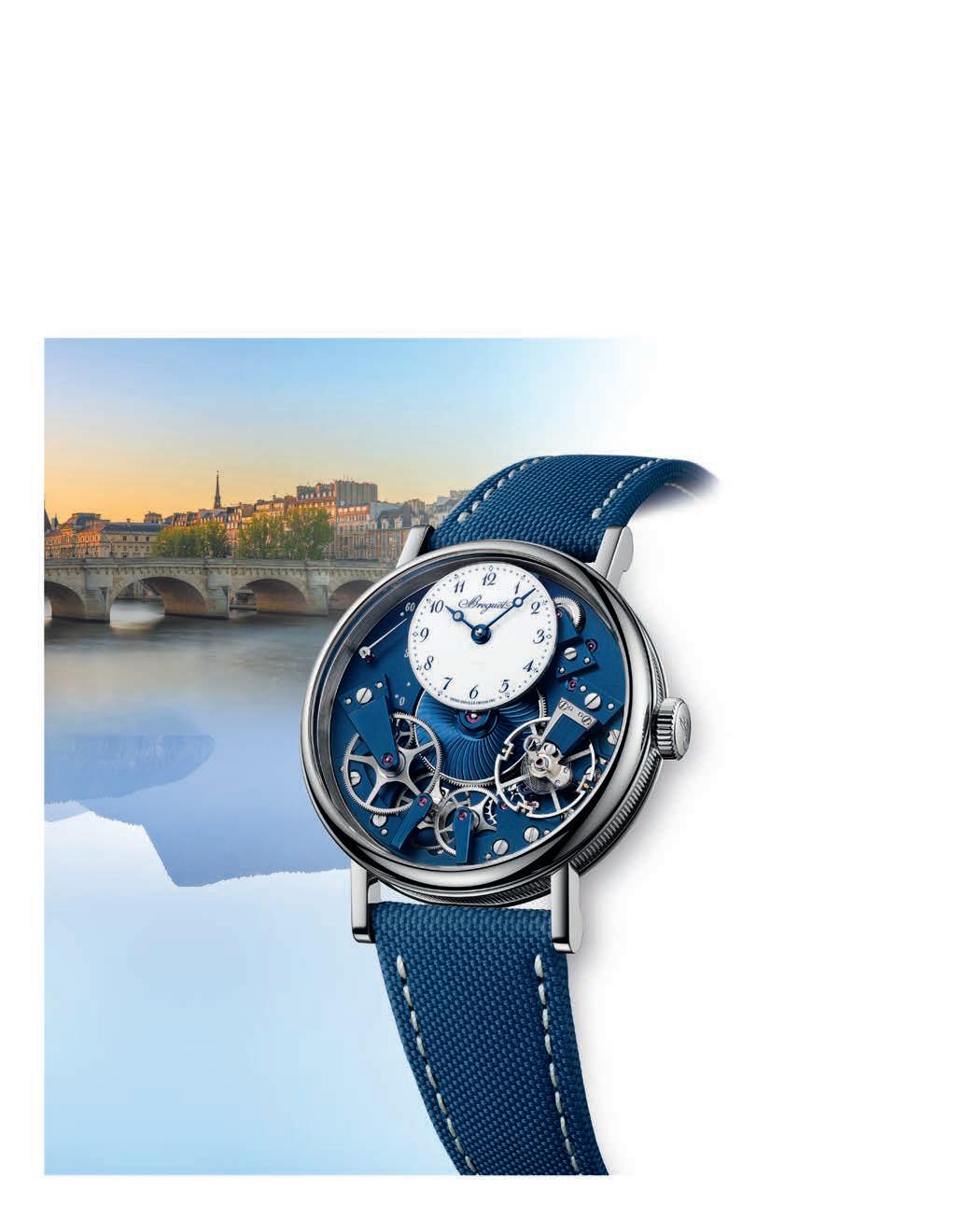
One invention at a time
A.-L. Breguet redefined the art of horology with his inventions. His pursuit of perfection continues to inspire those shaping the future. The new Tradition 7037 celebrates this extraordinary legacy.
CONTRIBUTORS
“Salman Rushdie and I met a few days after Ayatollah Khamenei was assassinated. I asked him how he
felt about the death of the successor of the man who issued the infamous fatwa against him in 1989. ‘Couldn’t have happened to a nicer person.’”
— SINNA NASSERI
“My
job is not to just take a pretty picture. I do want it to be beautiful, but my priority is that it feels engaged and like an experience.”
CASS BIRD
“We
shot at night in and around a motel
room, where Vinnie Hacker emerged from the shadows as a mysterious, nightwandering, poet-like figure.”
CHARLIE DENIS
AMANDA FORTINI
Writer
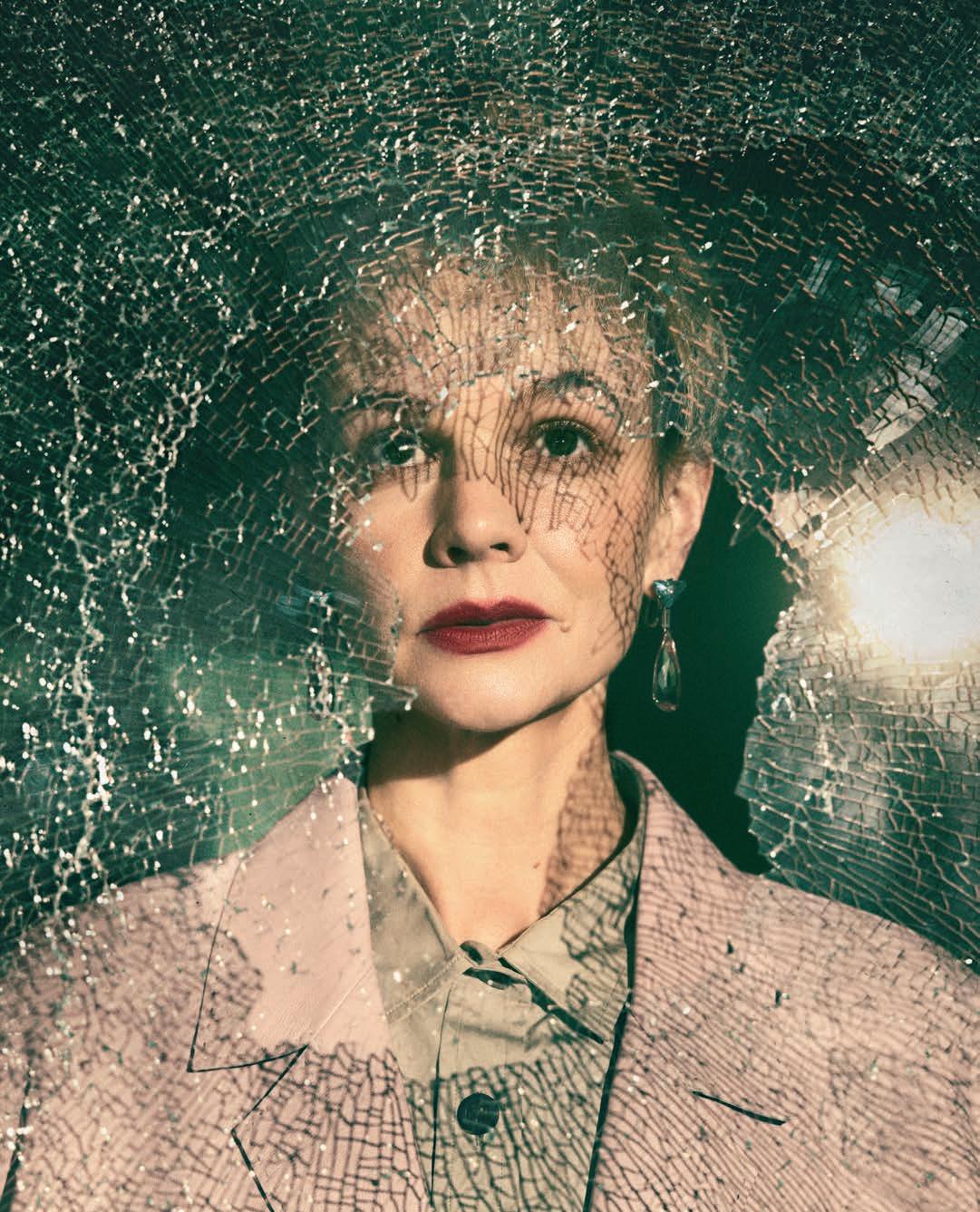
“With some performers, the celebrity eclipses the actor on stage or screen, but that’s not true for Carey Mulligan,” says writer Amanda Fortini, a frequent contributor to T: The New York Times Style Magazine, as well as publications including The New Yorker and The Paris Review. “For that reason, I wasn’t quite sure who I would meet during our interview.” After sitting down with the actor for this year’s CULT100 issue, Fortini found Mulligan to be “smart, witty, charmingly eloquent in that British way, down-to-earth, and very real—open about her life, telling funny anecdotes about her kids, dropping a swear word now and then. But above all, she was thoughtful and serious about her craft.”
SINNA NASSERI
Photographer
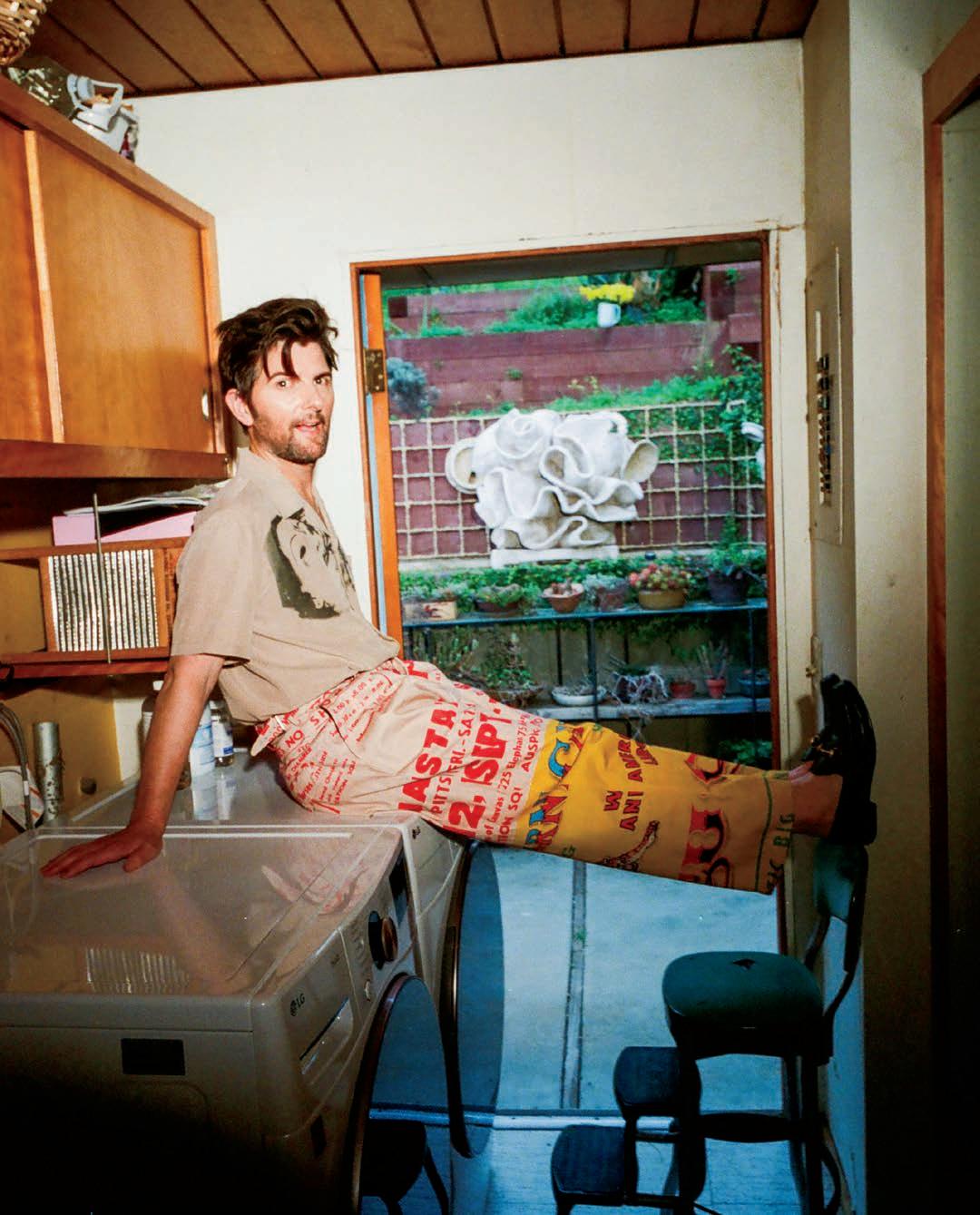
“Salman Rushdie and I met a few days after Ayatollah Khamenei was assassinated,” begins Sinna Nasseri, recounting his shoot with the illustrious author. “I asked him how he felt about the death of the successor of the man who issued the infamous fatwa against him in 1989. ‘Couldn’t have happened to a nicer person,’ he replied.” For this issue, the photographer—who has documented everything from Brat parties to Zohran Mamdani’s election night to the BTS chaos of the Oscars—also spent time with actor Adam Scott. “Adam rocked the perfect laundry-day outfit that Natasha Newman-Thomas assembled. He also humored me by climbing onto the roof at golden hour.”
CASS BIRD
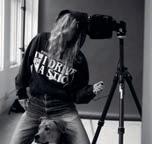
Cass Bird’s photography and film work radiate joy and spontaneity. “The thing that comes naturally to me is the relationship,” she says. “My job is not to just take a pretty picture. I do want it to be beautiful, but my priority is that it feels engaged and like an experience.” In this issue, the casual intimacy of Bird’s approach shows through in her portraits of actor Grace Gummer. Outside the pages of CULTURED, Bird has imagery hanging in the halls of the Brooklyn Museum, the Philadelphia Museum of Art, and the Smithsonian’s National Portrait Gallery, as well as photos in the pages of The Wall Street Journal Magazine, The New York Times, and Vogue
CHARLIE DENIS
Photographer
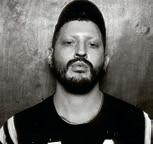
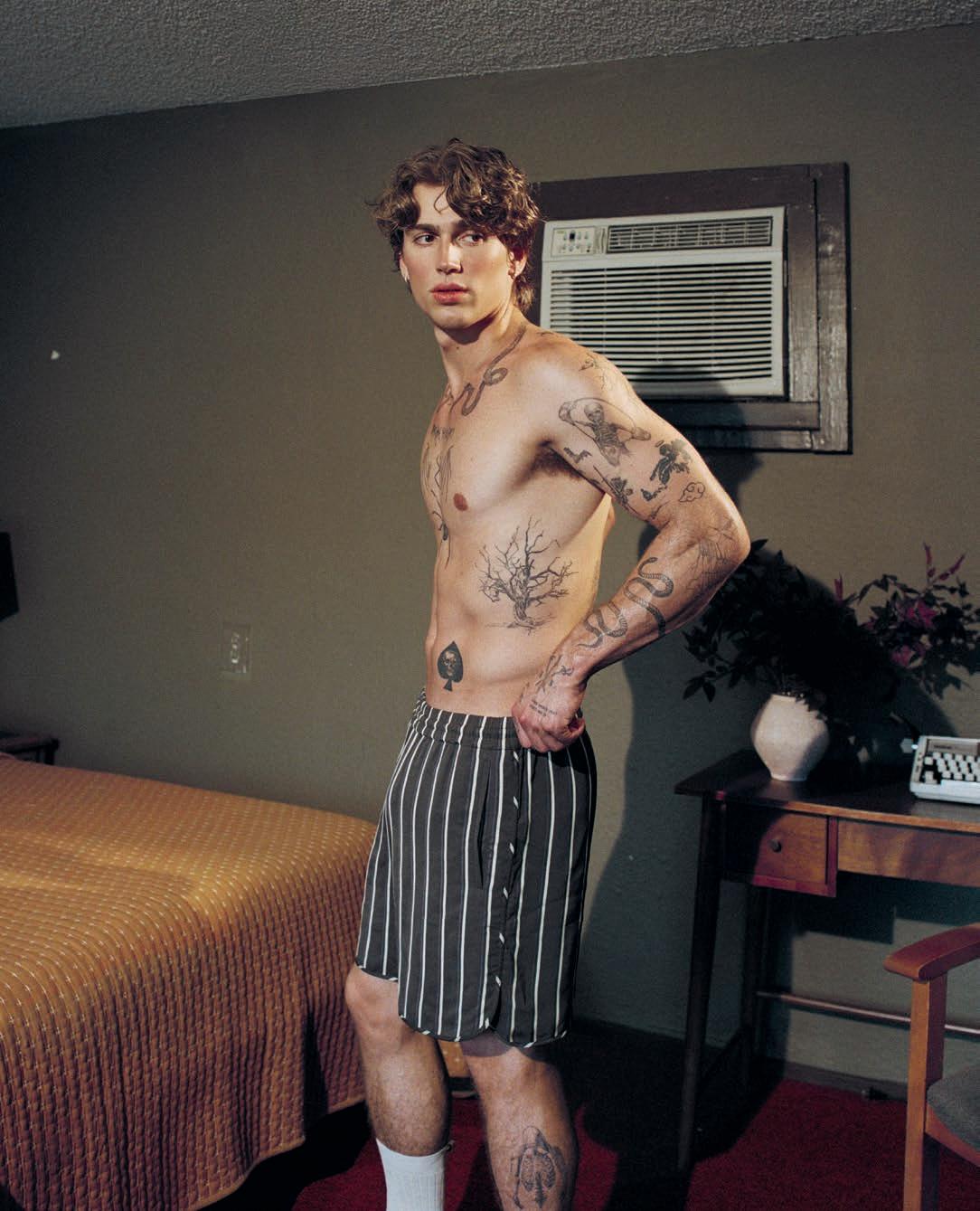
Los Angeles–based photographer Charlie Denis fuses the theatrical with the inescapable banality of daily life. This duality situates his work in limbo between highly stylized cinematic glamour and mundane numbness—his subjects often appearing “all dressed up with nowhere to go.” Fittingly, he brought Internet dreamboat Vinnie Hacker to a seedy motel for his CULT100 shoot. “I wanted to capture Vinnie in a cinematic, character-driven story inspired by the modern Renaissance man that he is,” explains Denis. “We shot at night in and around a motel room, where Vinnie emerged from the shadows as a mysterious, night-wandering, poet-like figure. A lone wolf. Also an enigma.”
Photographer
Clockwise, from top left: Photography by Melanie Nasha, Cass Bird, Charlie Denis, and Sinna Nasseri.
CONTRIBUTORS
“Not to blow smoke, but Patrick Radden Keefe’s London Falling is another masterpiece.” —KONRAD KAY
“It’s not every day that Adam Scott is wearing comically large sneakers on your roof.”
— NATASHA NEWMAN-THOMAS
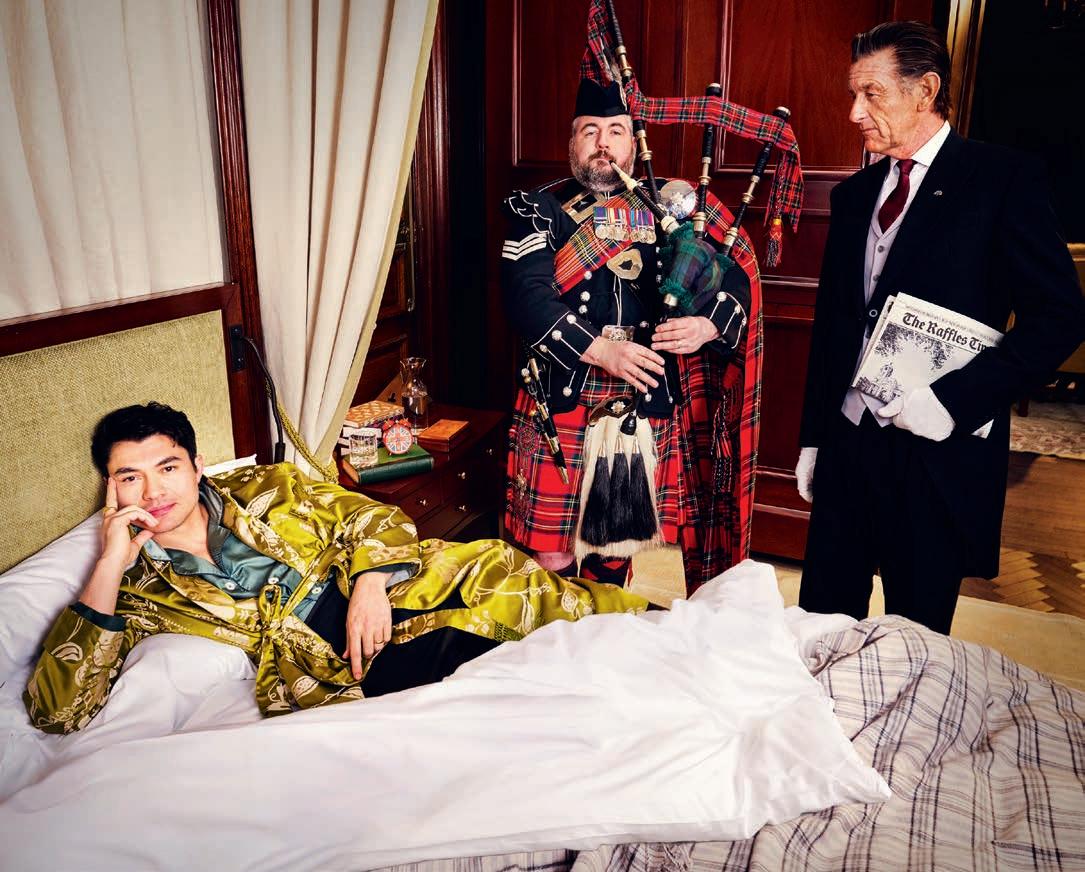
“We shot David Jonsson in the Churchill Suite, which was formerly the headquarters of MI5. Shooting in a room where Britain entered World War II felt quite surreal as we blasted Arctic Monkeys and dissected fancy tea sandwiches.”
—
CHRISTIAN COPPOLA
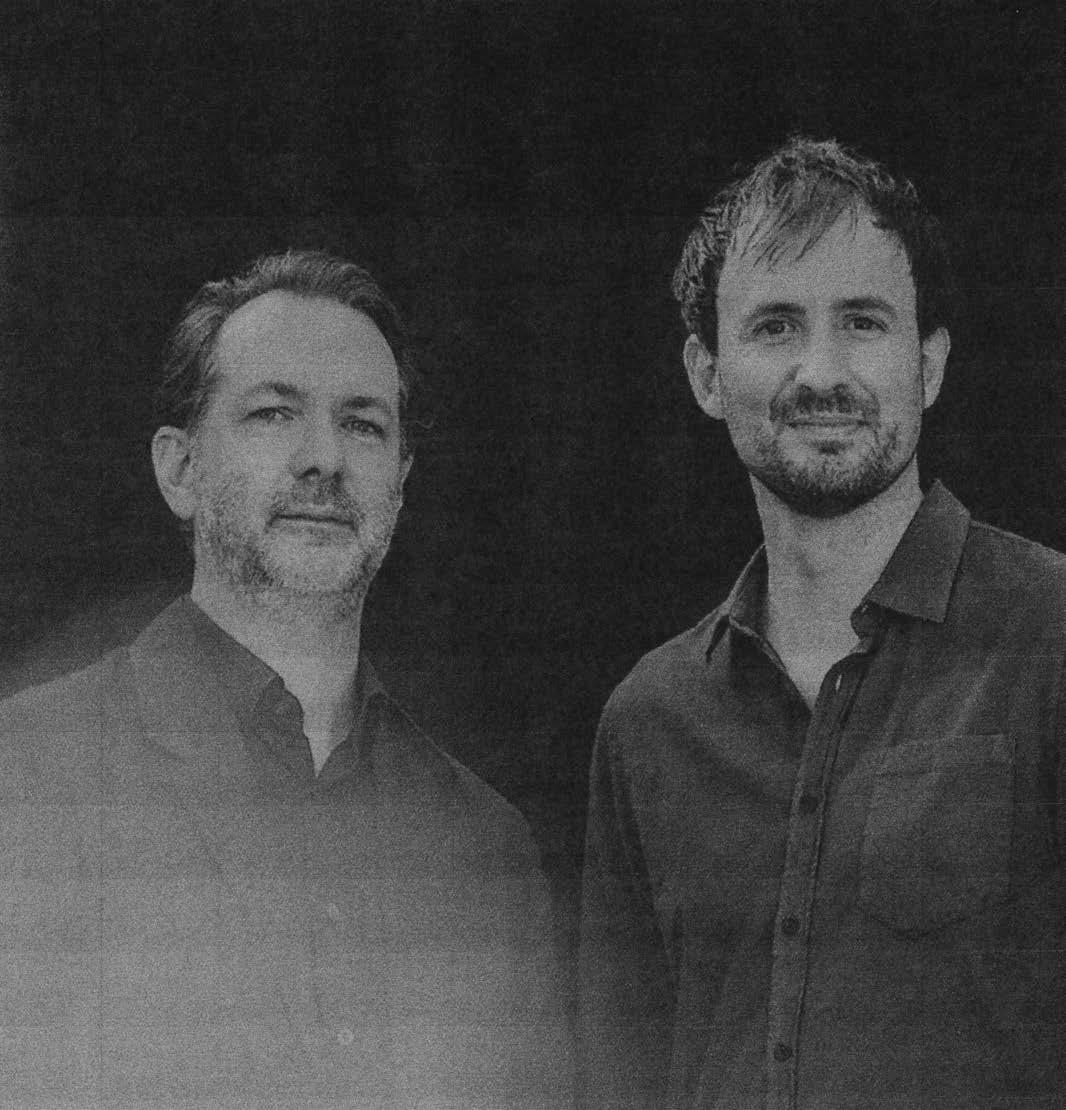
MICKEY DOWN AND KONRAD KAY
Writers
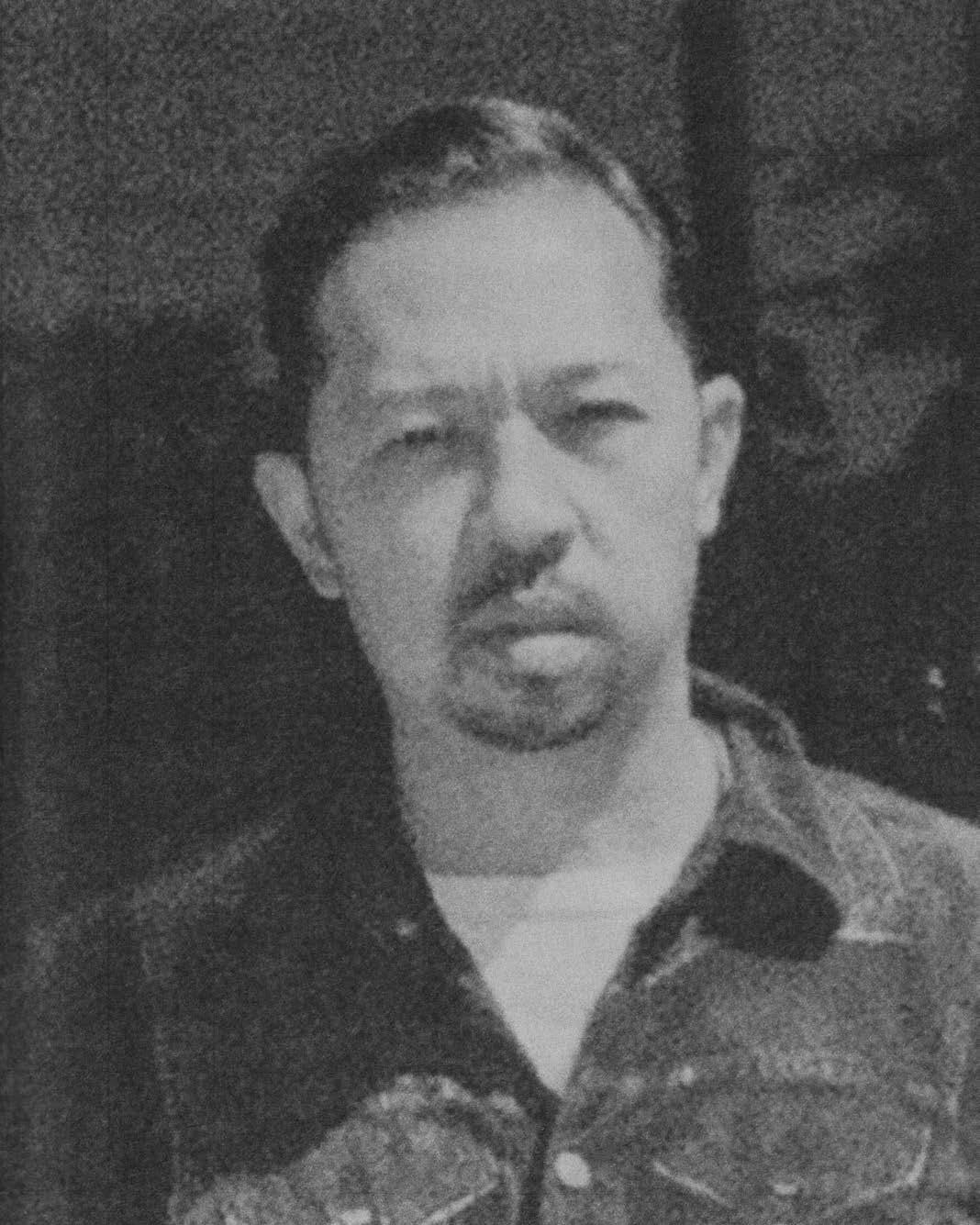
“Not to blow smoke up your ass—it’s another masterpiece,” said Konrad Kay, when he and his fellow Industry showrunner Mickey Down called Patrick Radden Keefe ahead of the latter’s latest book release. London Falling tells the story of a teen’s mysterious death in the duo’s hometown, making them the ideal conversation partners for the award-winning investigative author. It also doesn’t hurt that they’re some of his biggest fans.
CHRISTIAN COPPOLA Photographer
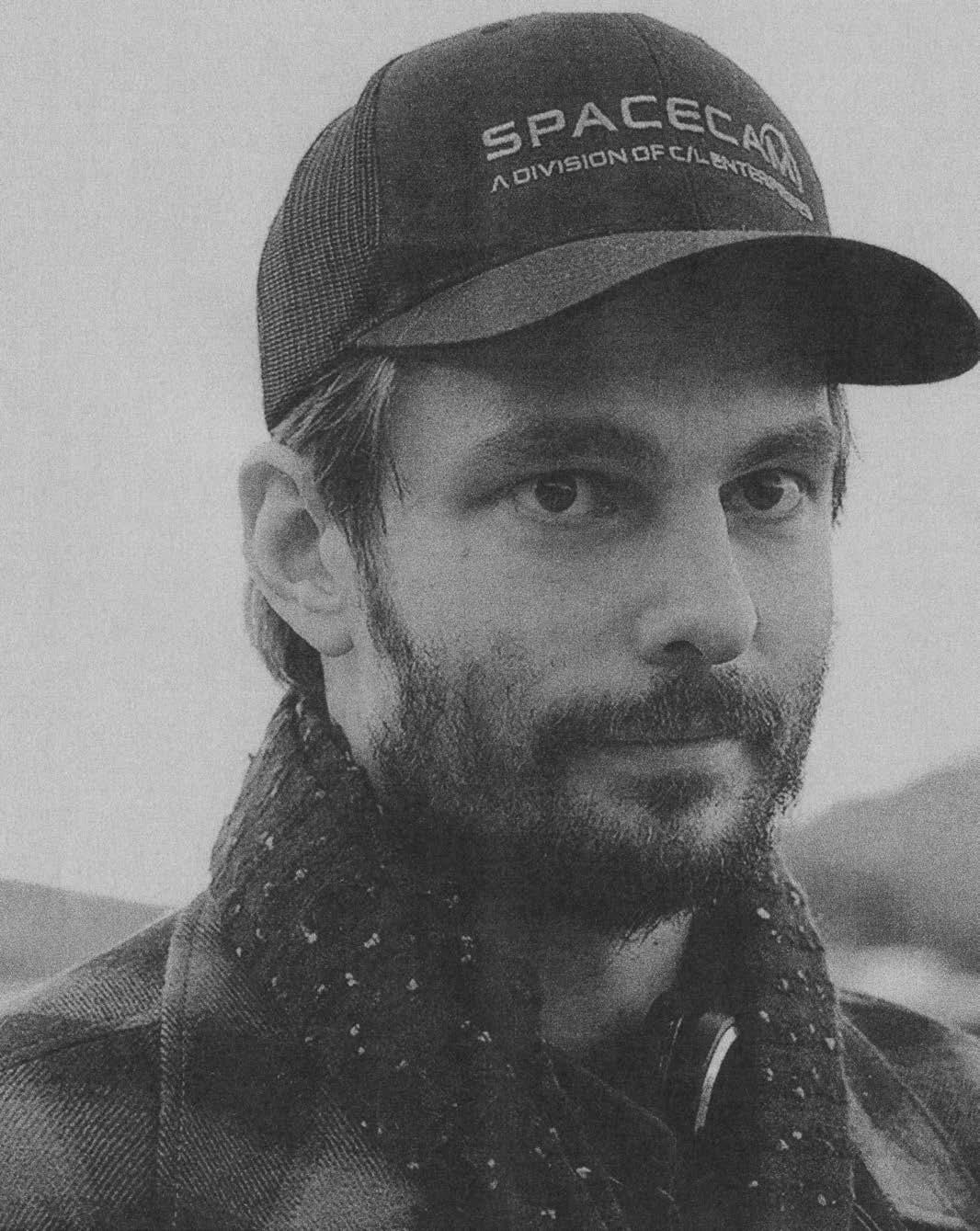
“I got the call to shoot David Jonsson in London and immediately felt connected to this assignment,” Christian Coppola recalls of the moment that CULTURED enlisted him to shoot the actor for this issue. The photographer’s dreamy shots—of everyone from Jeff Goldblum to Olivia Rodrigo and Connor Storrie (for CULTURED’s last issue)—were a perfect match for the British actor, who made himself comfortable in the plush environs of London’s Raffles Hotel. “We shot in the Churchill Suite, which was formerly the headquarters of MI5,” says Coppola. “Checking in for the shoot felt like going through airport security. Shooting in a room where Britain entered World War II felt quite surreal as we blasted Arctic Monkeys and dissected fancy tea sandwiches. Keep an eye out for my teddy bear Aloysius, our personal tribute to Brideshead Revisited.”
NATASHA NEWMAN-THOMAS Stylist
“It’s not every day that Adam Scott is wearing comically large sneakers on your roof while Justin John Greene paints a mural below him and Sinna Nasseri photographs it all from a lavender bush,” shares Angeleno costume designer and stylist Natasha Newman-Thomas. She teamed up with the actor and photographer for a shoot at her home that featured plenty of graphic tees and patterned pants. When asked to sum up her career, Newman-Thomas says she “knows what the kids are doing but also knows what the kids aren’t doing, and in knowing what the kids are and aren’t doing, reflects what personal style is really and surreally all about.” Her work was last spotted in this year’s return of Euphoria.
Clockwise, from top left: Photography by Jon Brown, Christian Coppola, and by Lily Bertrand-Webb.
CAROL
March 5–August 2
BOVE
Global Partners
Major support for Carol Bove is provided by The Anna-Maria and Stephen Kellen Foundation, Barbara and Andrew Gundlach, Nancy and Steve Crown, Gagosian, and Sarah Simmons.
Support is also generously provided by Barbara Bluhm-Kaul, Leslie Bluhm, Meredith Bluhm, The Deborah Buck Foundation, The Kate Cassidy Foundation, Natasha and François-Xavier de Mallmann, Girlfriend Fund, The John & Amy Griffin Foundation, Meryl and Andrew B. Rose, and an anonymous donor.
Funding is provided by Deborah Beckmann and Jacob Kotzubei, Mr. and Mrs. Lee Broughton, The DeMartini Family Foundation, Charlotte Feng Ford, Kaitlyn and Mike Krieger, Lebowitz-Aberly Family Foundation, The Robert Lehman Foundation, Melony and Adam Lewis, Steve Pulimood, Pete and Michelle Scantland, Fern and Lenard Tessler, and Wagner Foundation.
Additional funding is provided by Bonnie and R. Derek Bandeen, Ann Ames, Christy Ferer, Miyoung Lee and Neil Simpkins, Eric Michael and Craig Kruger, Dr. Frederico Wasserman, The Blue Rider Group at Morgan Stanley, and the Guggenheim Constellation Council.
Exhibition paint is provided by Farrow & Ball. Exhibition fabric is provided by Kvadrat.
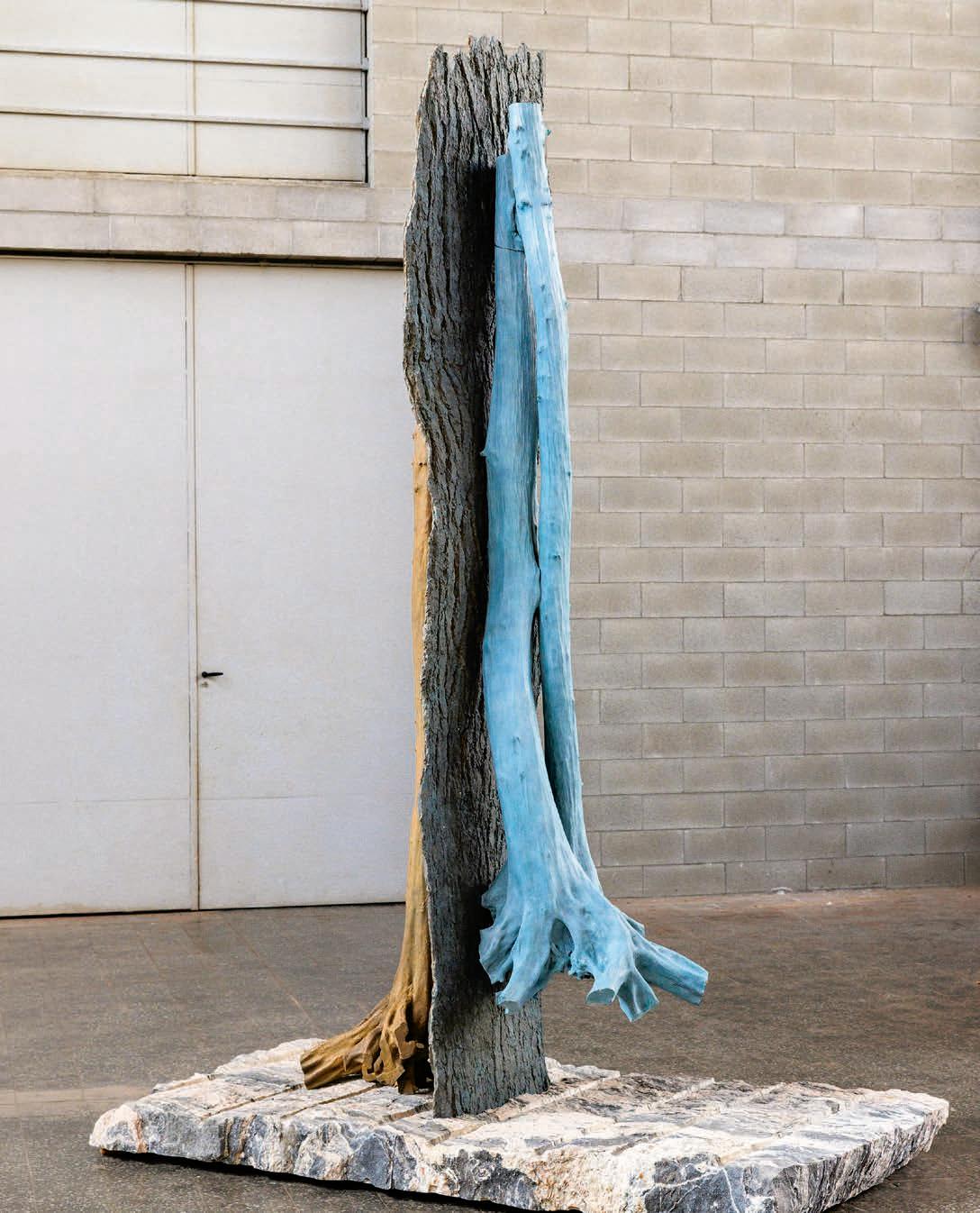
Carol Bove, Untitled, 2000–2025 (details). 54 paper collages
Founder & Editor-in-Chief
SARAH G. HARRELSON
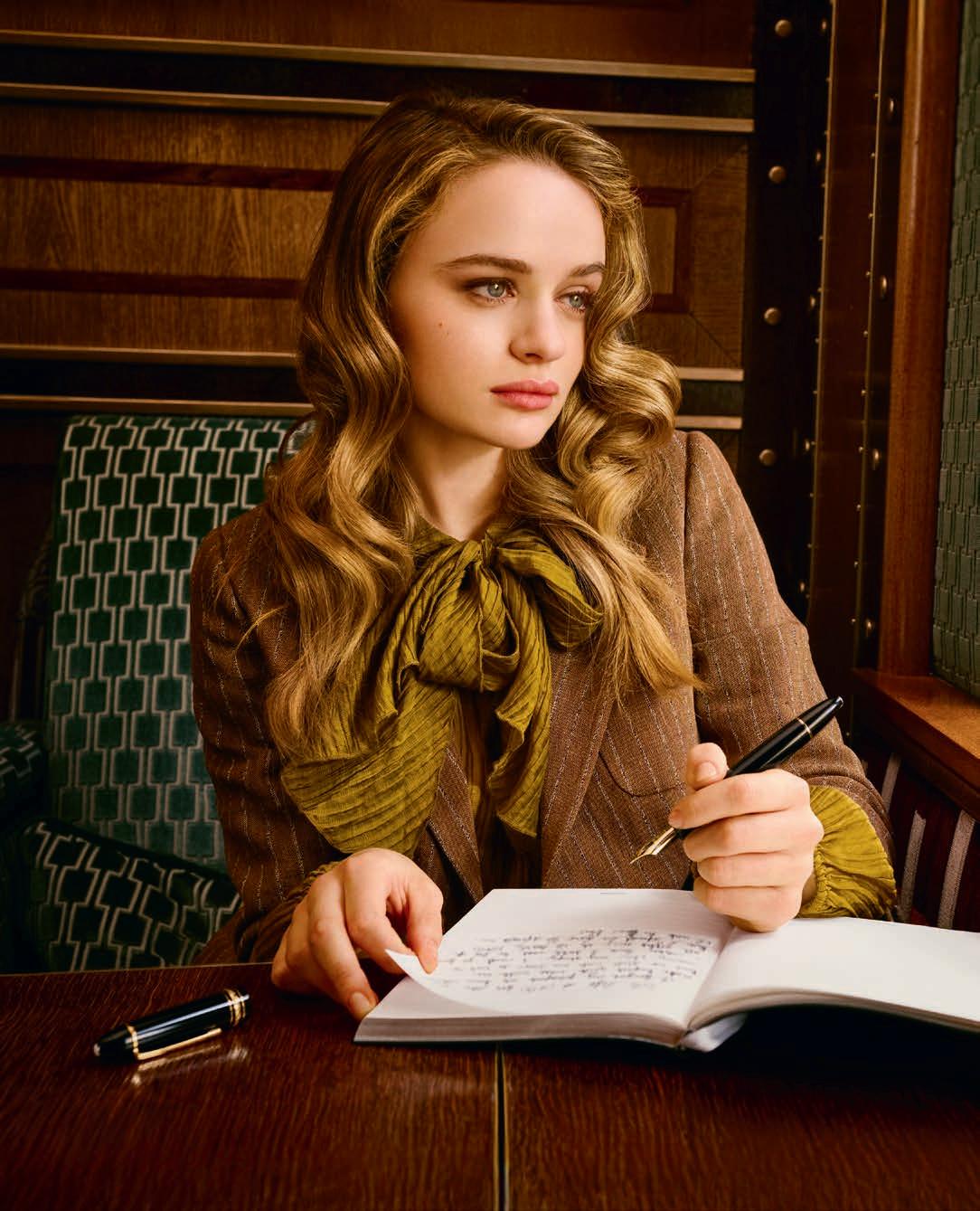
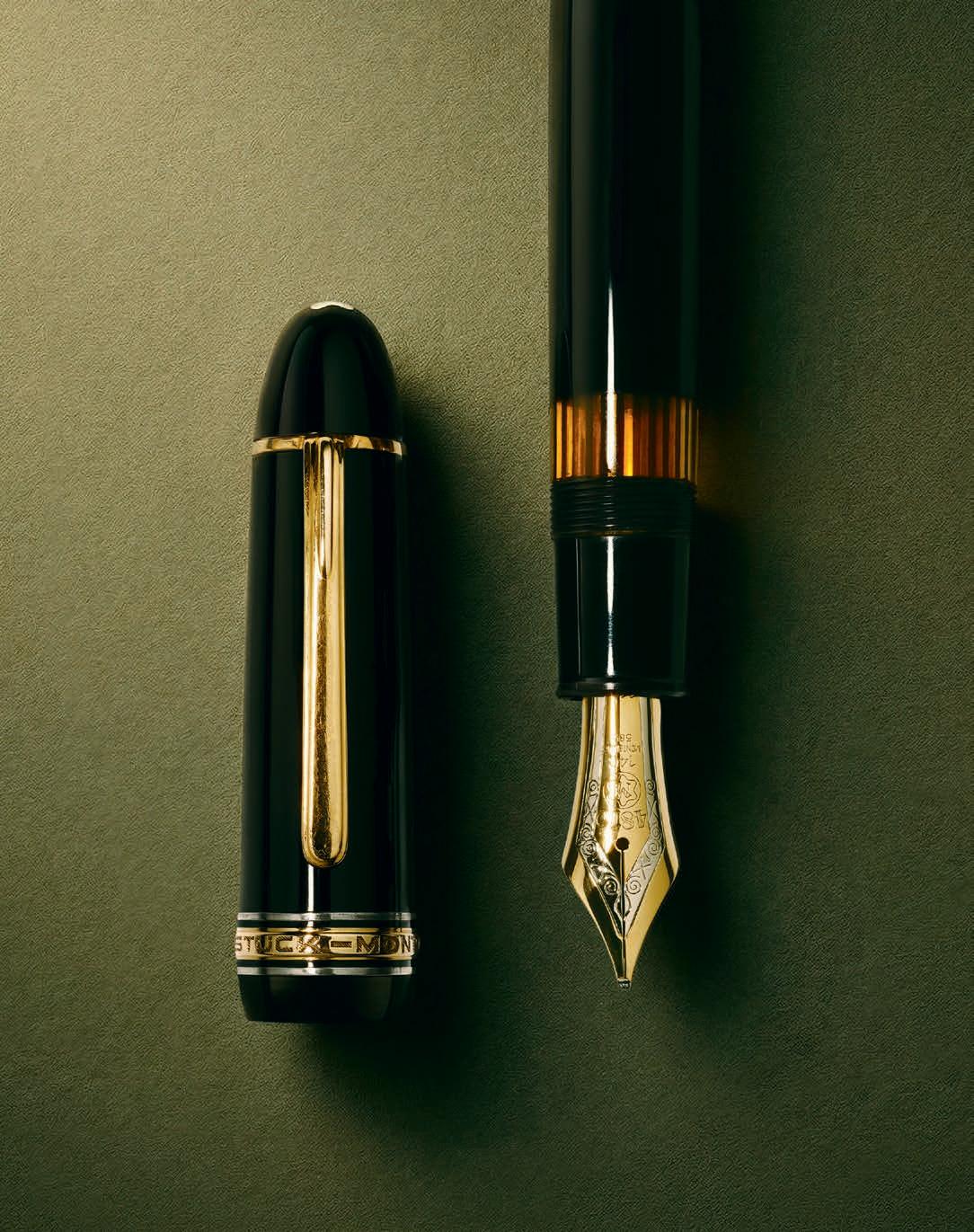
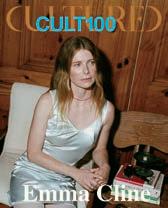
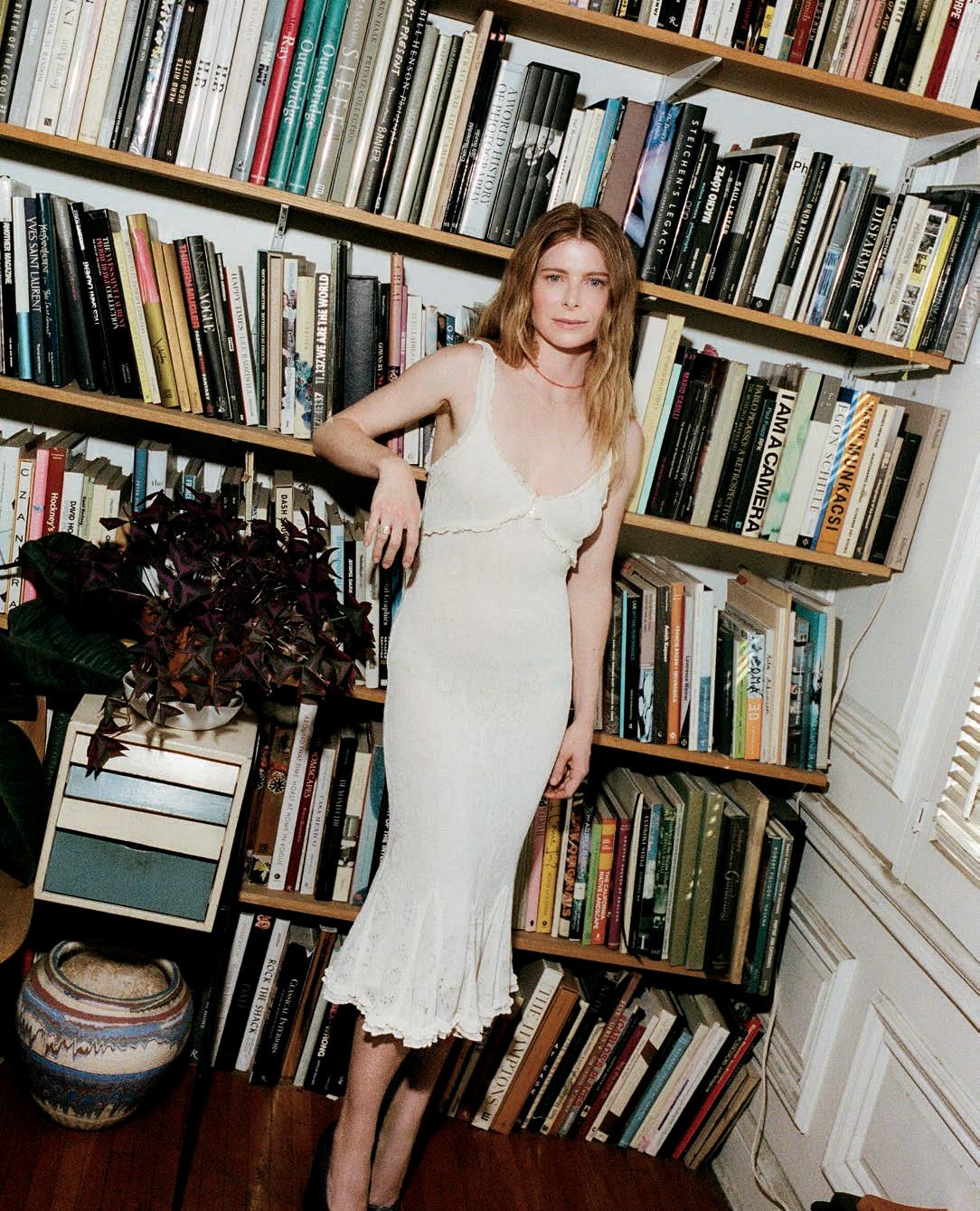
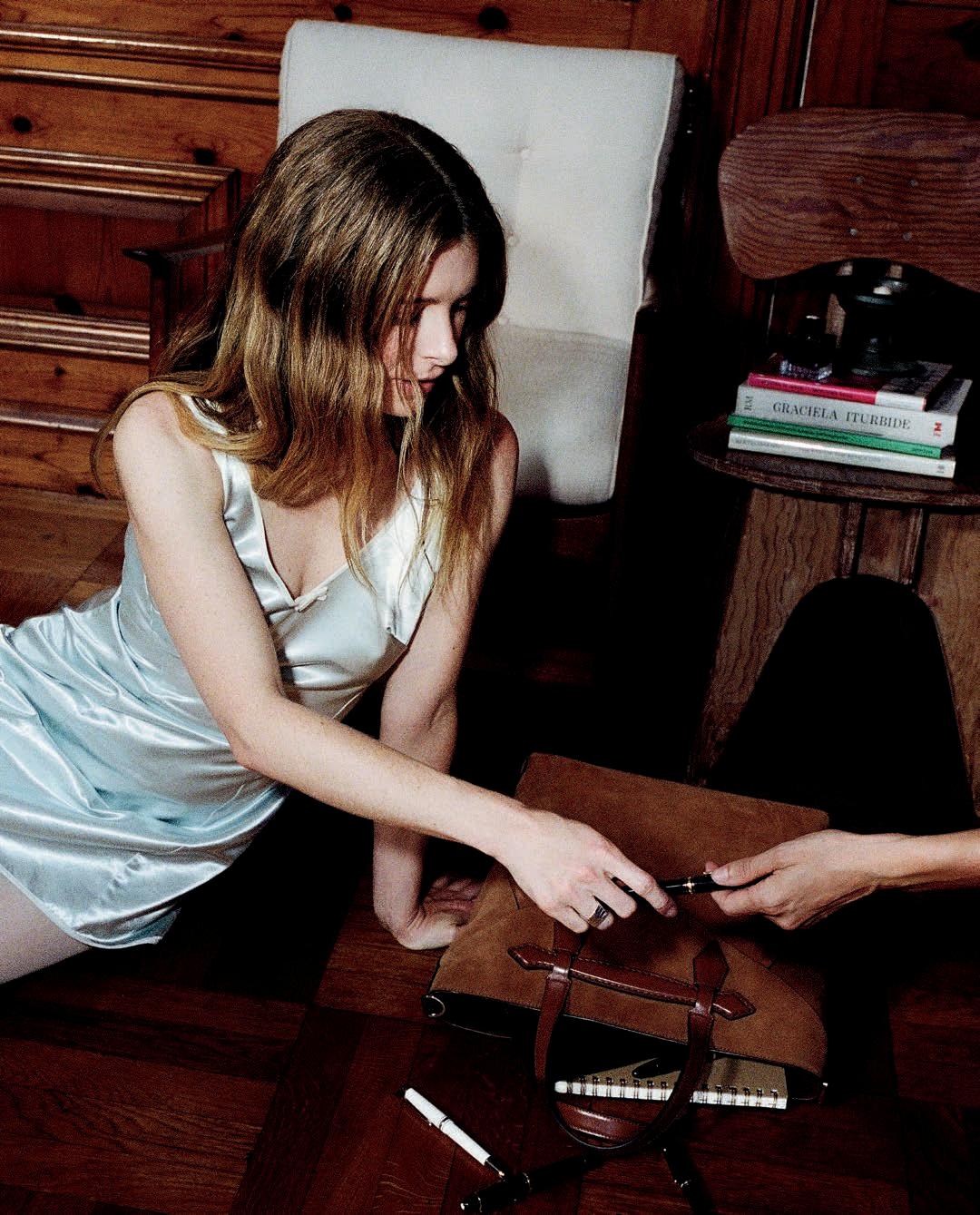
CLINE in Los Angeles photographed by Elizabeth Miranda and styled by Courtney Trop wearing a vintage dress by Miu Miu alongside a Montblanc Meisterstück Gold-Coated Classique Fountain Pen and Montblanc Ink. To get Cline’s look, try Eye2Cheek Blush and Eyeshadow in Poudre and Spike Valentino Disco Balm in Solar Coral. Both, Valentino Beauty.
LENA DUNHAM photographed in New York by Maddy Rotman and styled by Dione Davis wearing a top by Simone Rocha. To get Dunham’s look, try Colorgraph Eyeliner in Rockstud Noir and Spike Valentino Buttery Matte Lip in Couture In The Streets. Both, Valentino Beauty.
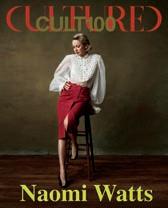
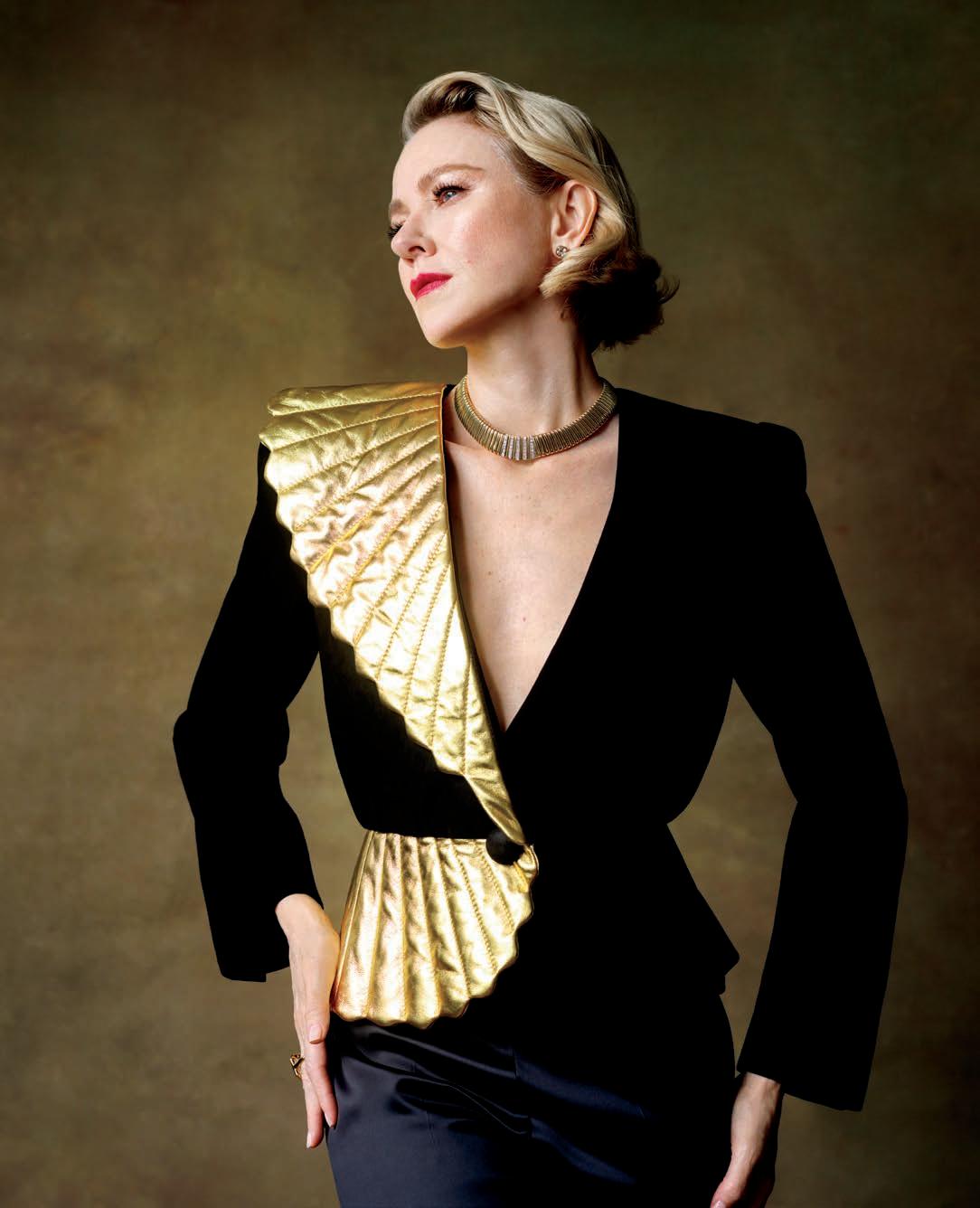
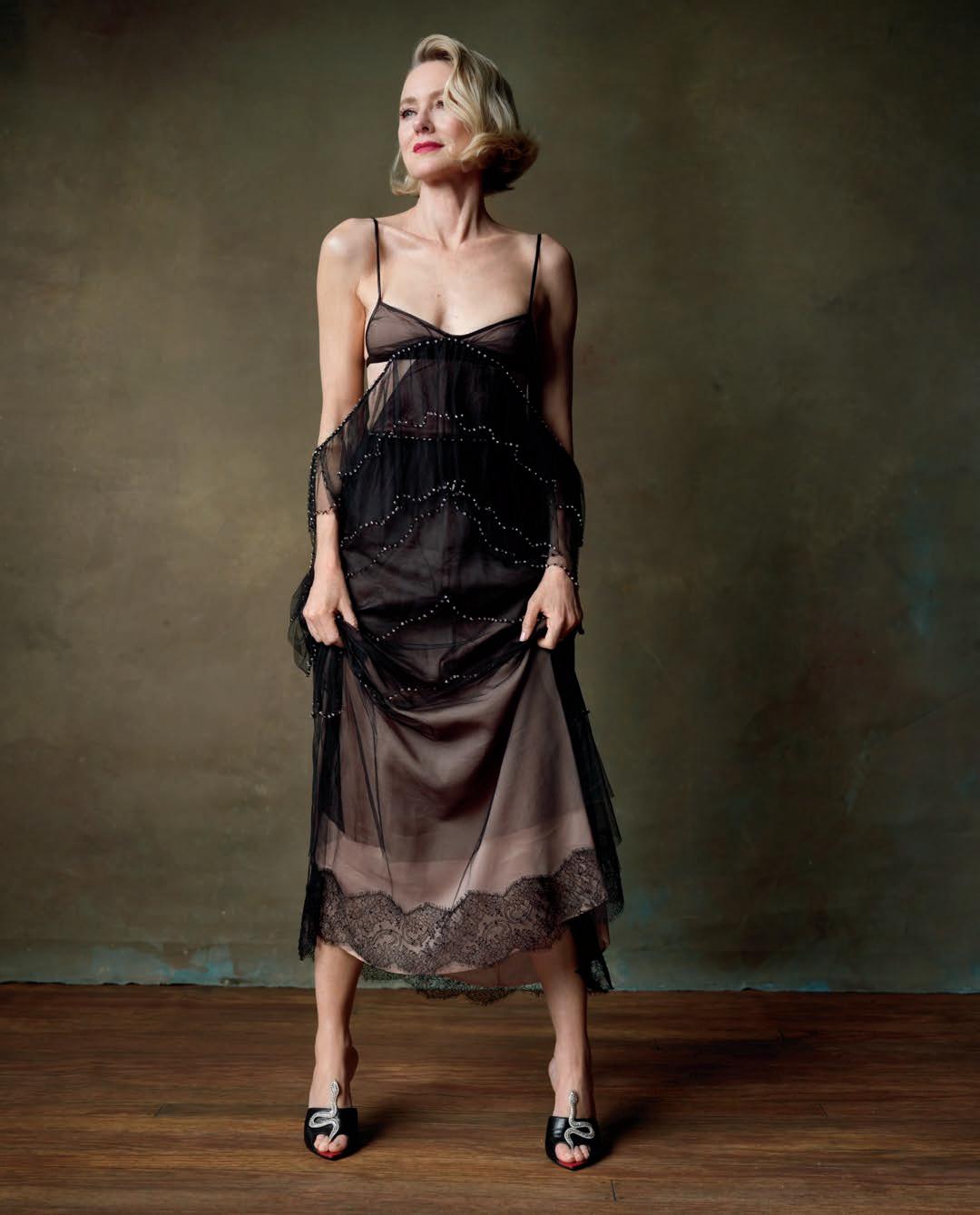
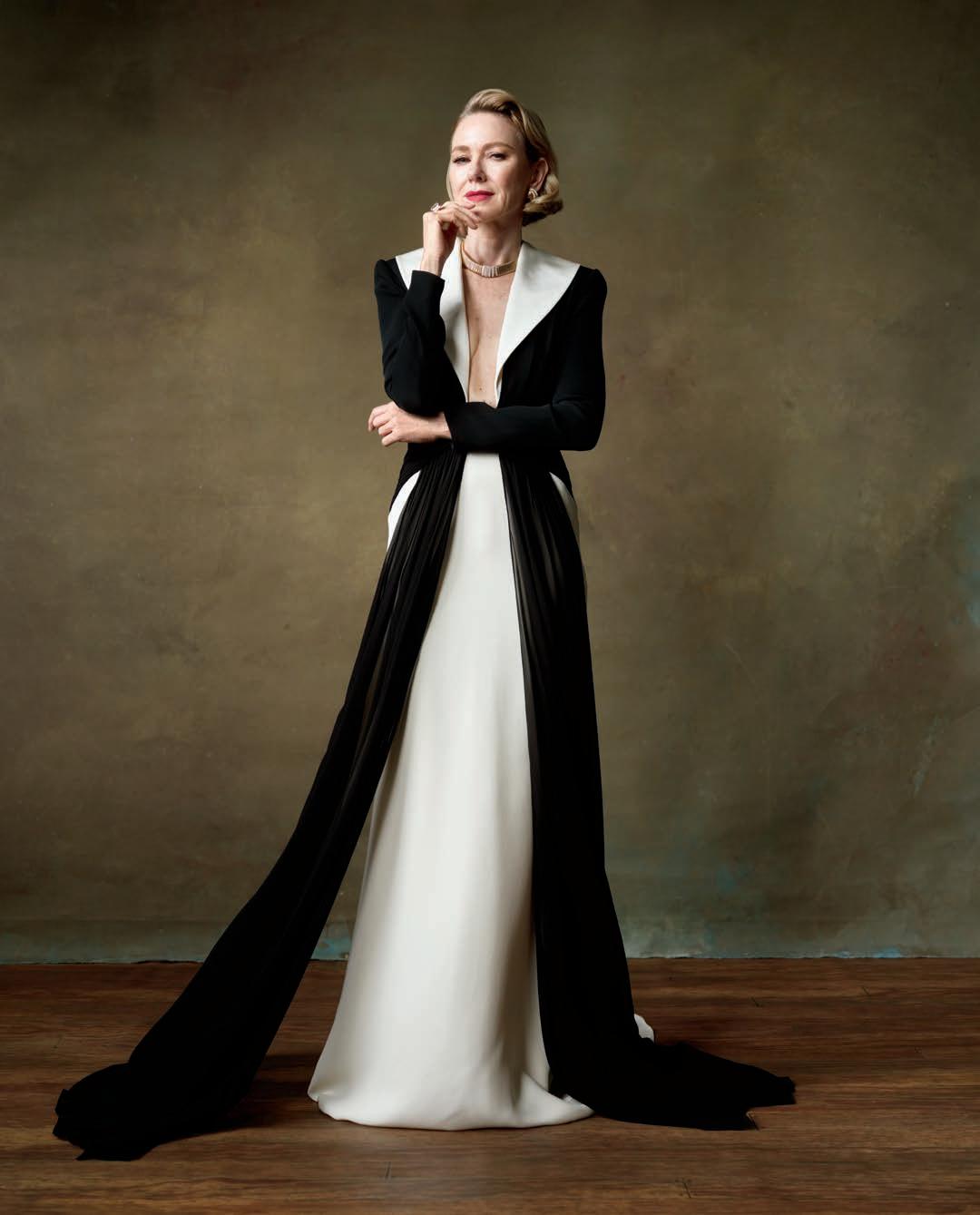
get Watts’s look, try Spike Valentino in Pink is Punk and V-Liner in Black. Both,
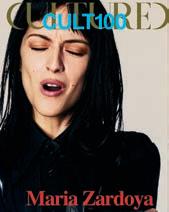
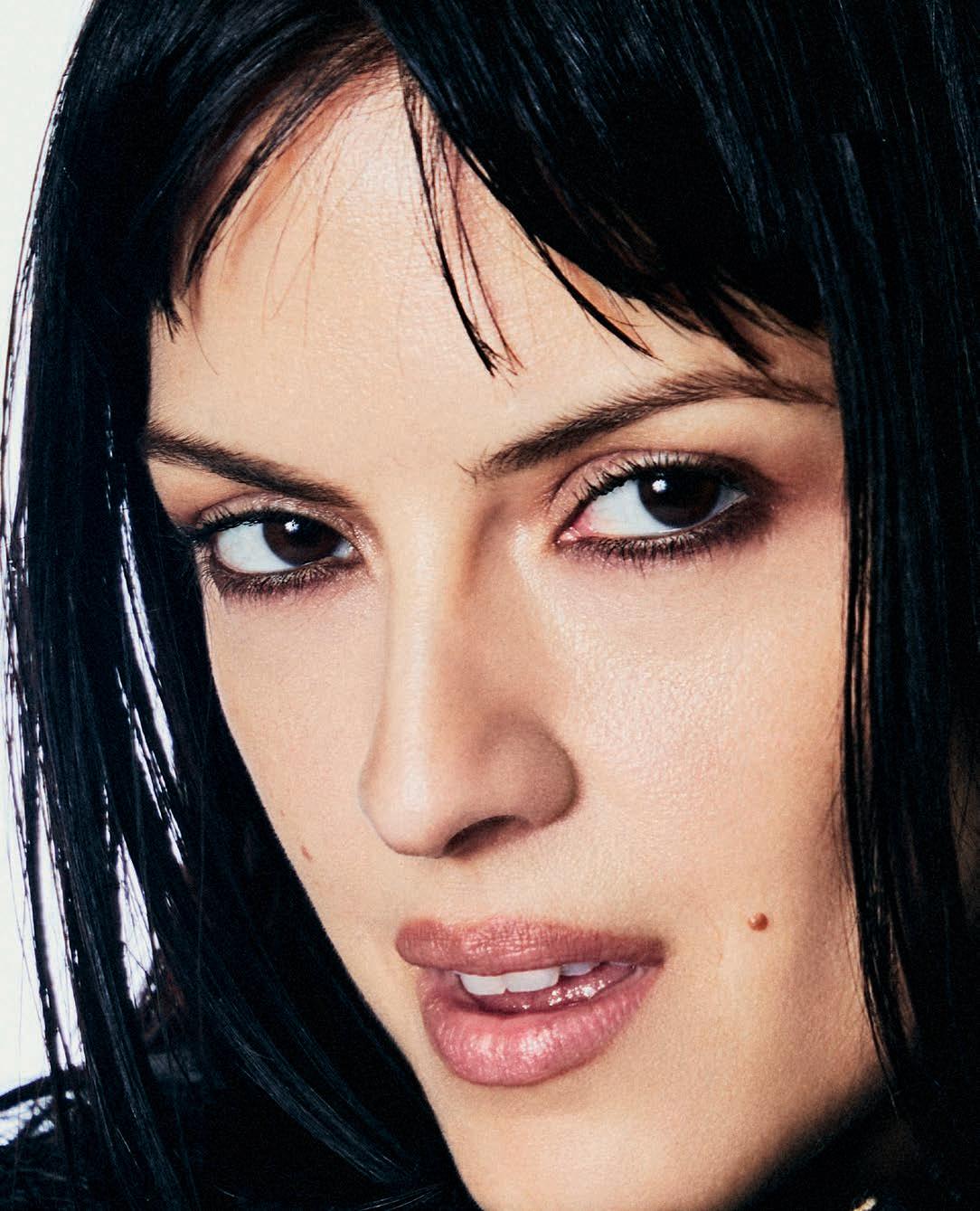
ZARDOYA photographed in Los Angeles by Noua Unu Studio and styled by Carolina Orrico wearing a top by Louis Vuitton. Makeup artist Nina Park used All Hours Foundation, Touche Éclat Awakening Concealer Click Pen, and Hyper Luminize Highlighter in 01. All, YSL Beauty.
SALMAN RUSHDIE photographed at the Villa Albertine in New York by Sinna Nasseri.
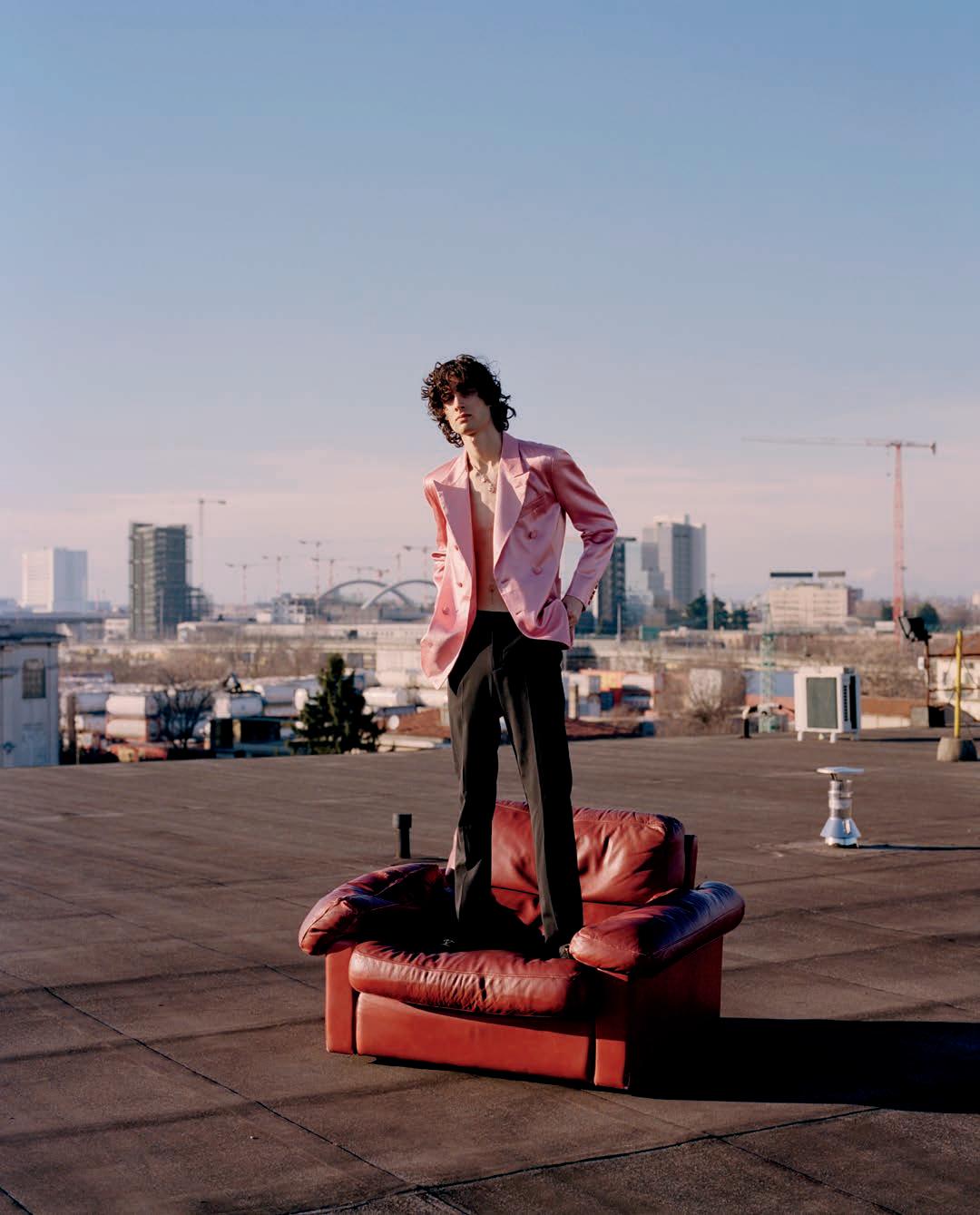
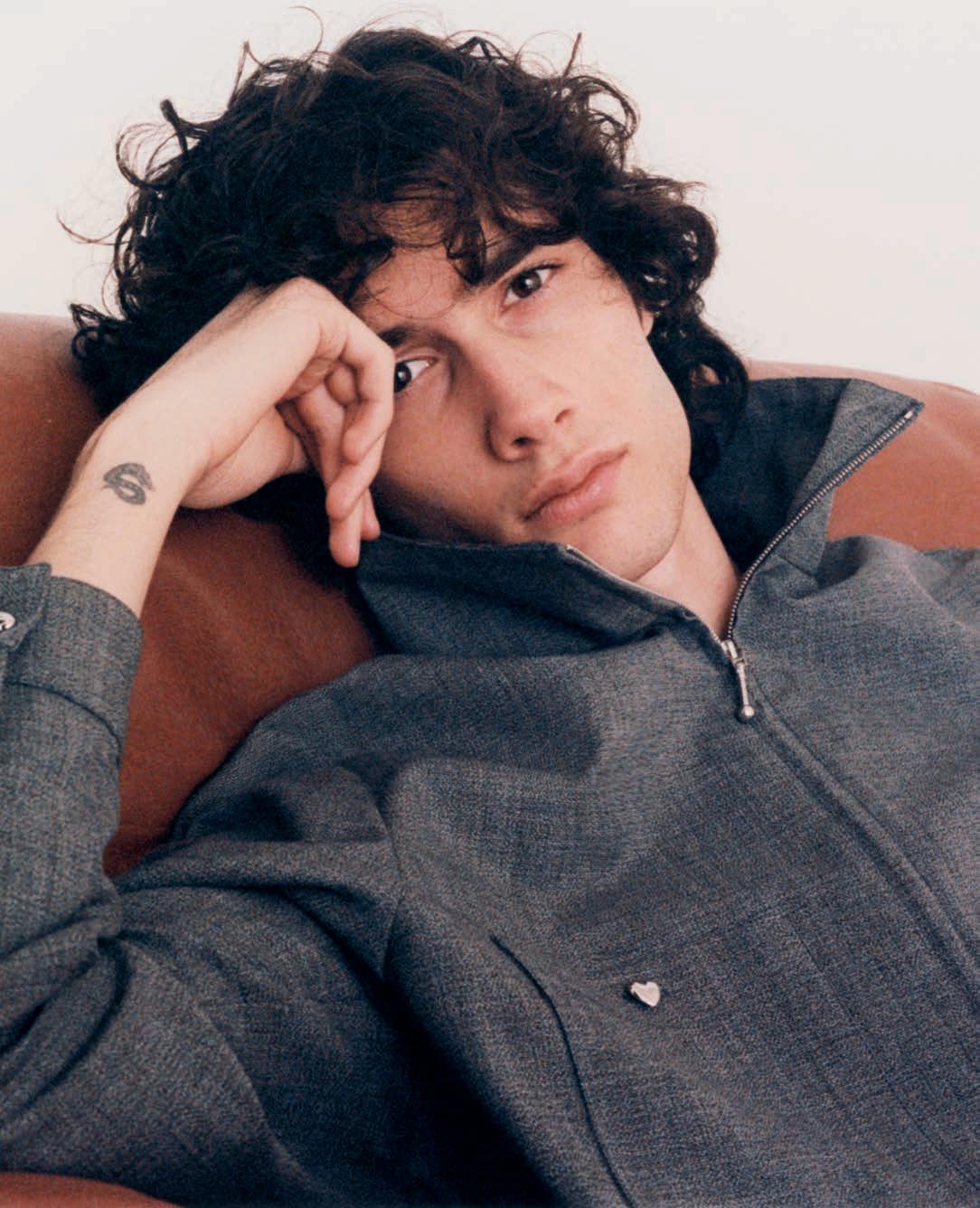
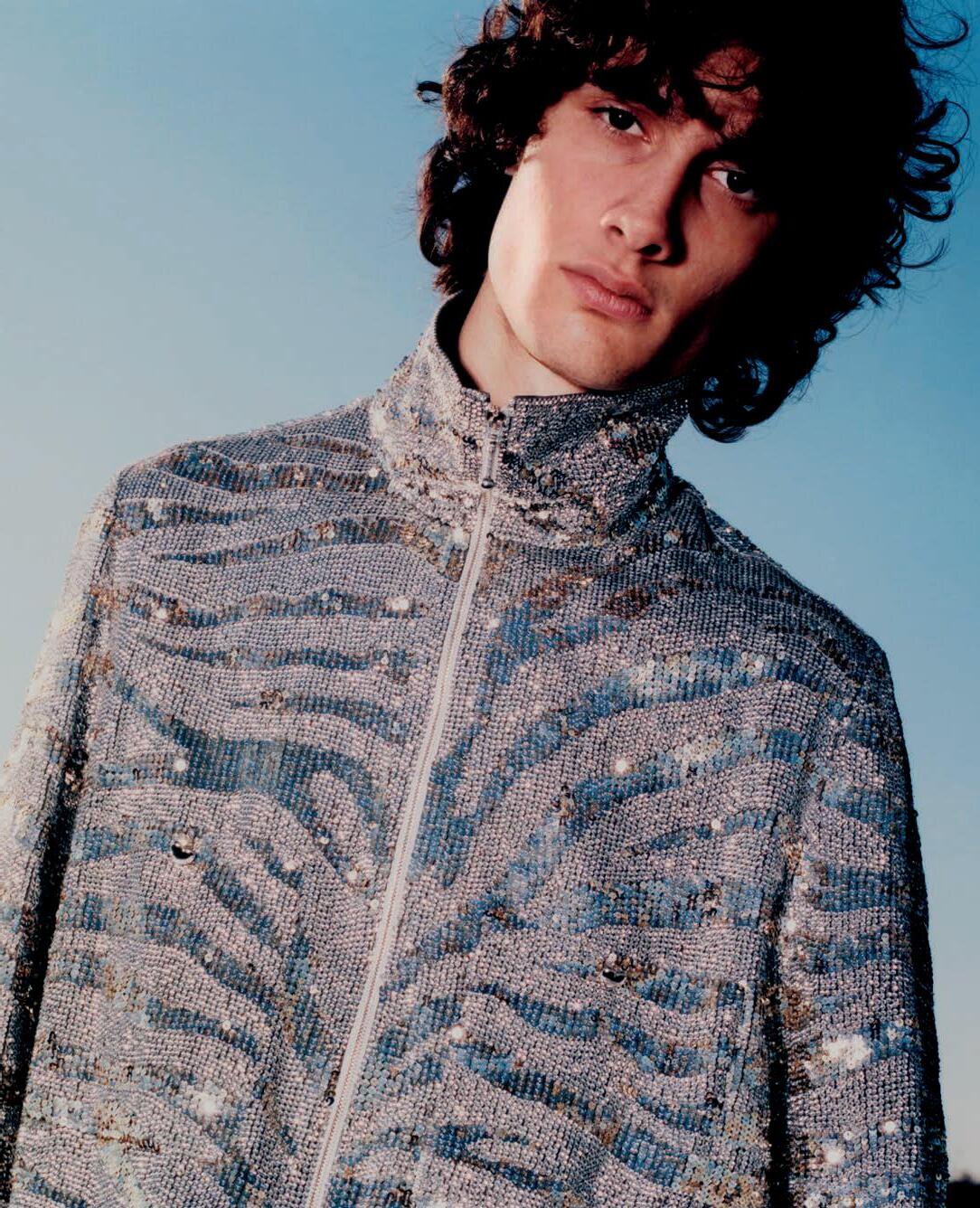
SOMBR photographed in Milan by Bea De Giacomo and styled by Anna Carraro wearing a full look by Valentino.
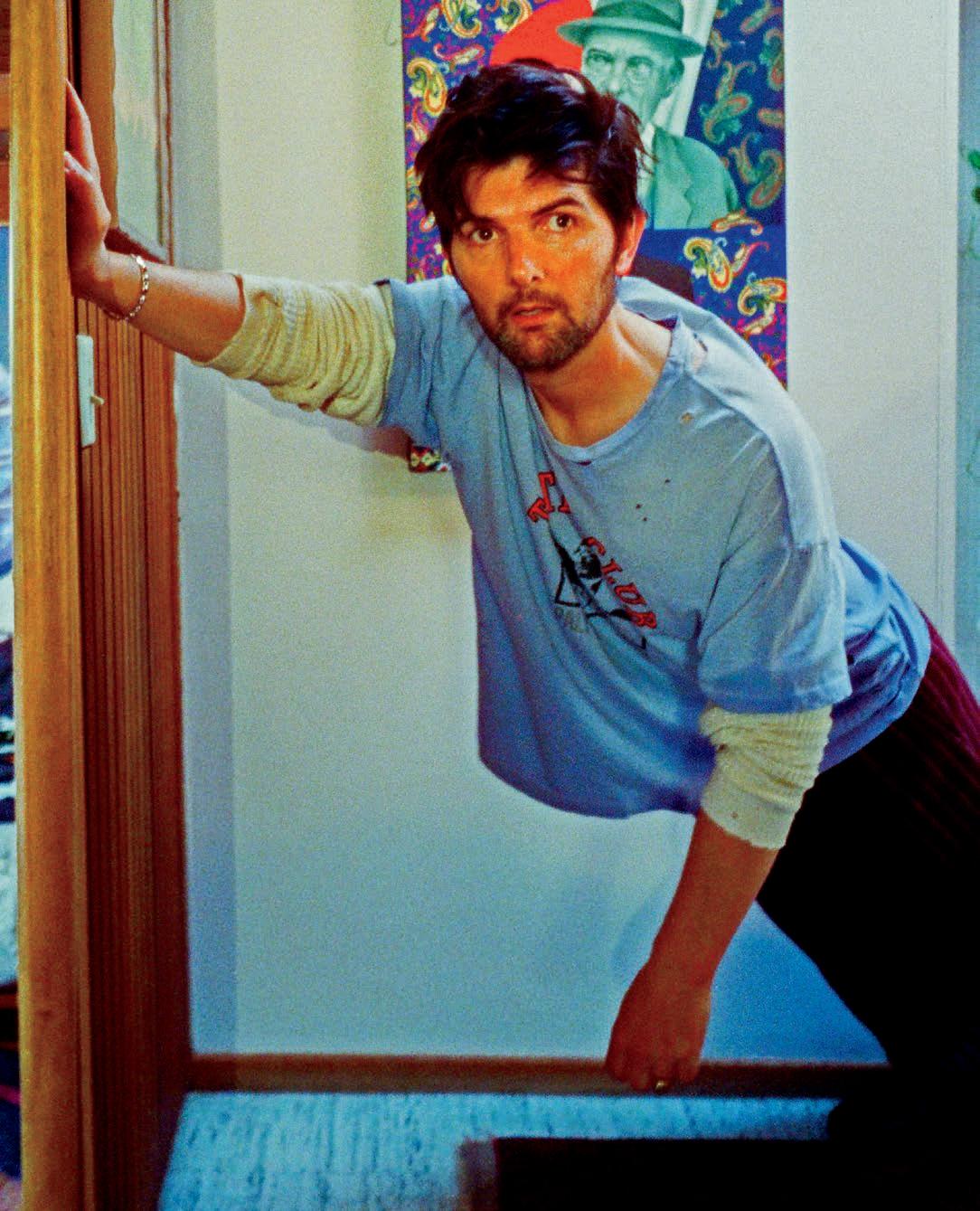
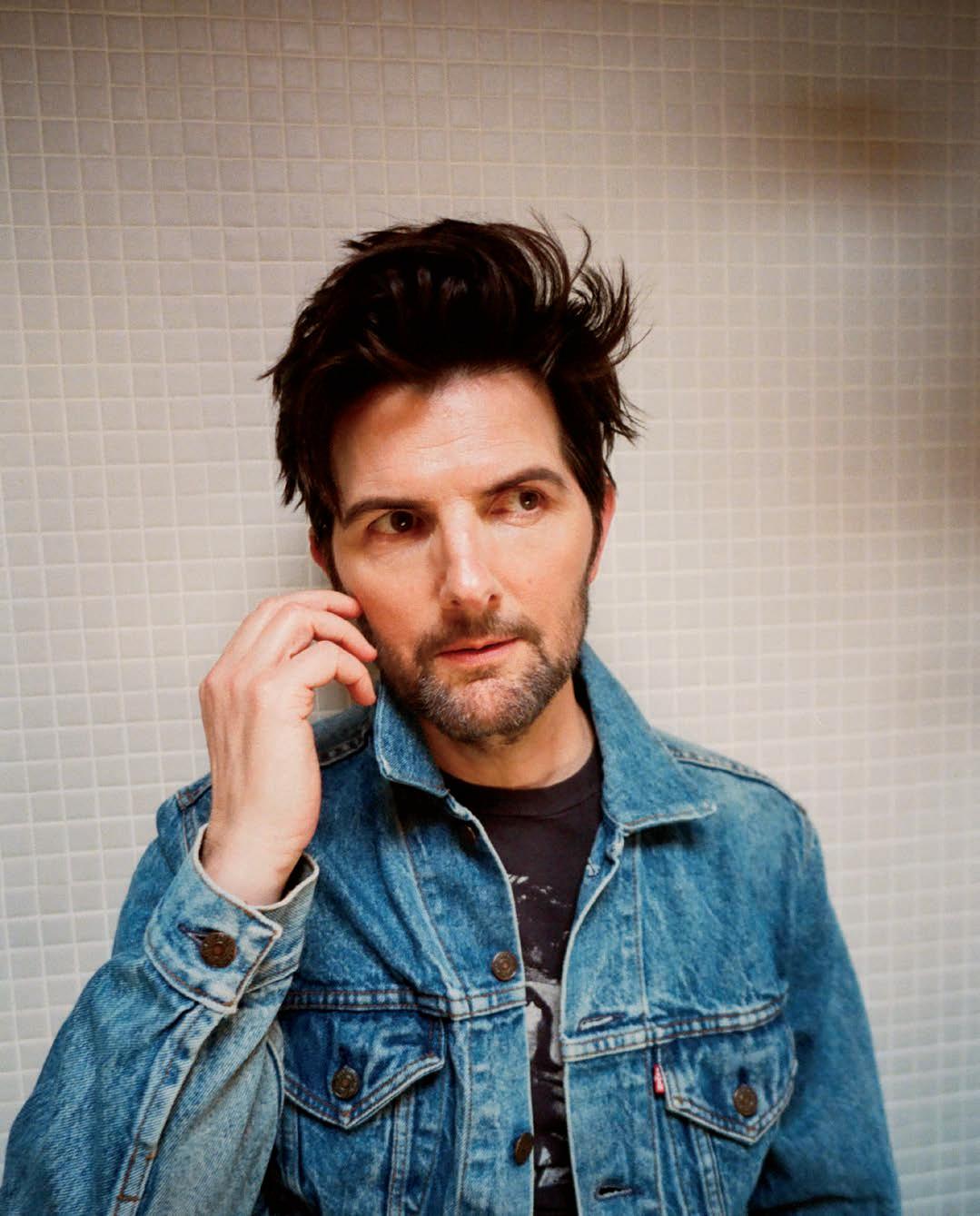
ADAM SCOTT photographed in Los Angeles by Sinna Nasseri and styled by Natasha Newman-Thomas wearing a coat by Eddington, jacket and pants by Levi’s, and shoes by Gucci.
MARÍA
NAOMI WATTS photographed in New York by Justin French and styled by Jeanann Williams wearing a full look by Valentino. To
Valentino Beauty.
VINNIE HACKER photographed in Los Angeles by Charlie Denis and styled by Jason Bolden wearing a turtleneck by Prada.
EMMA
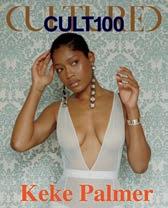
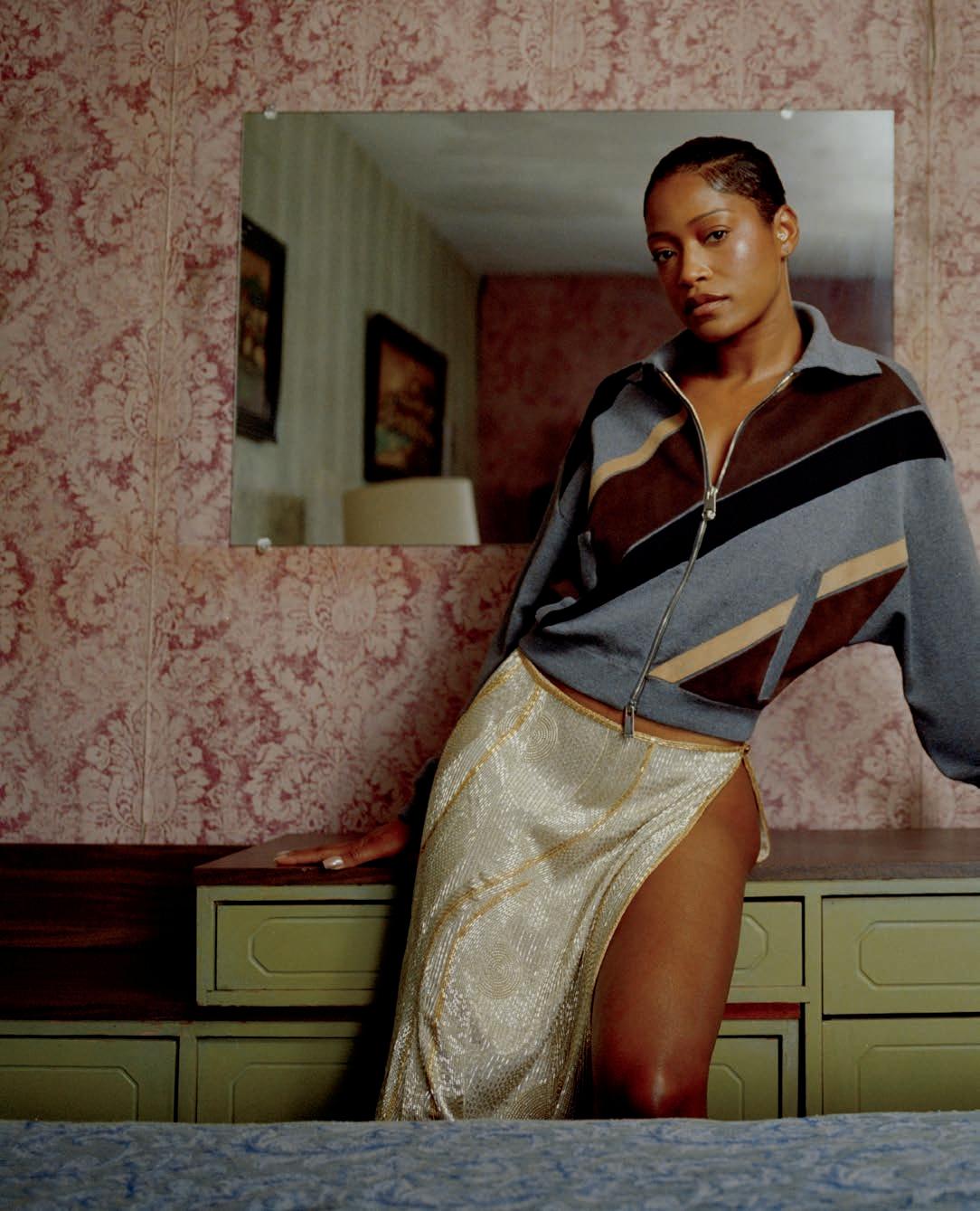
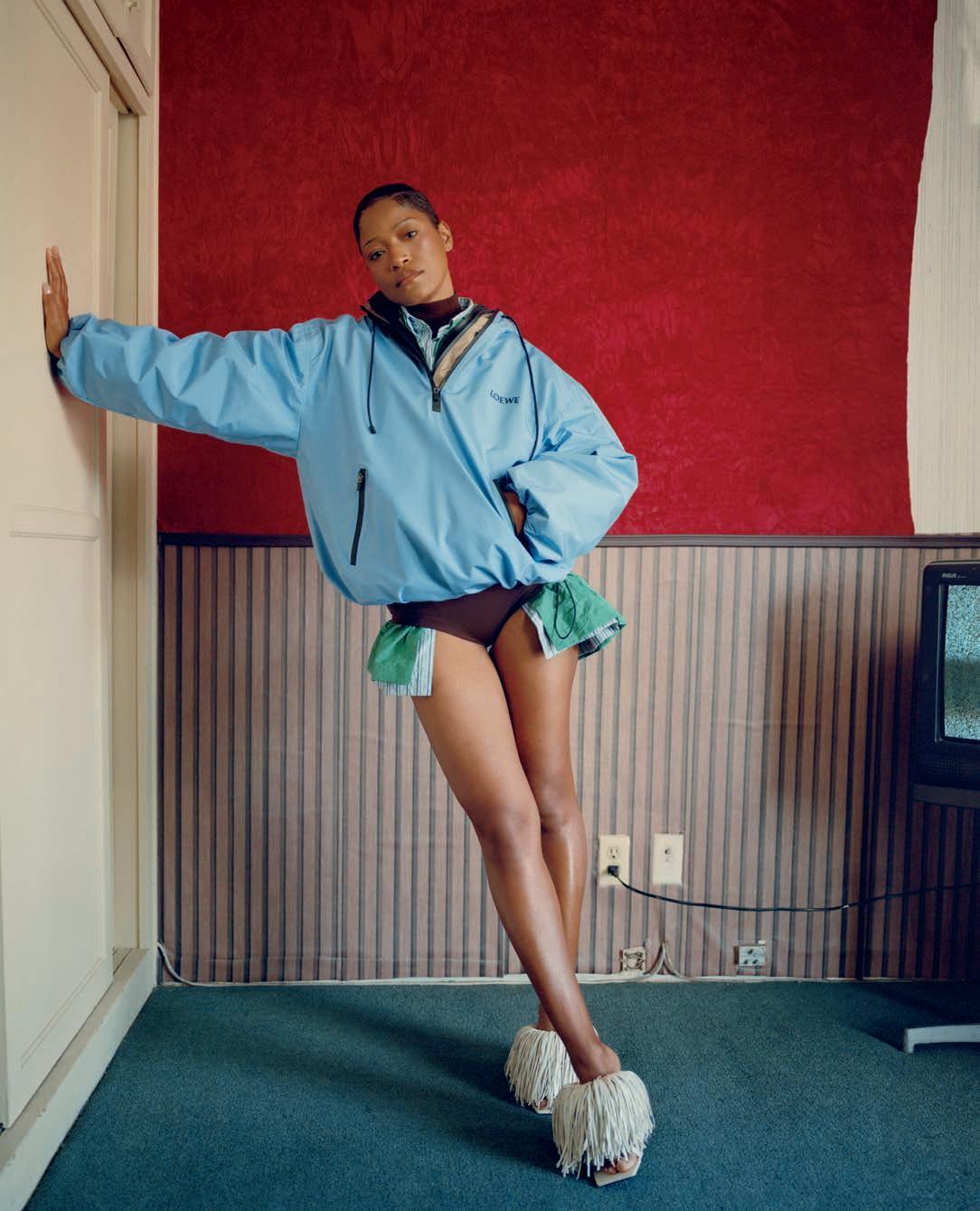
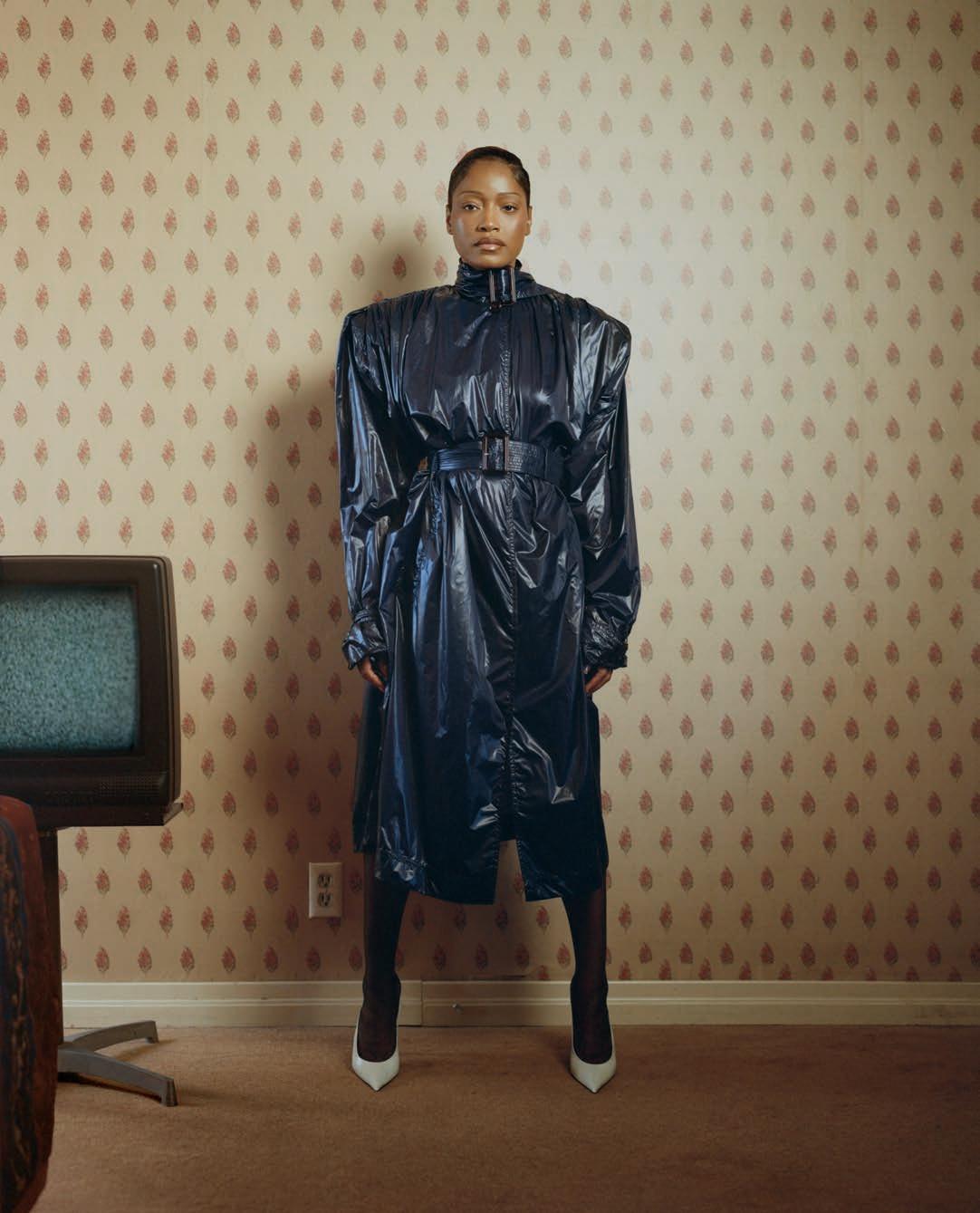
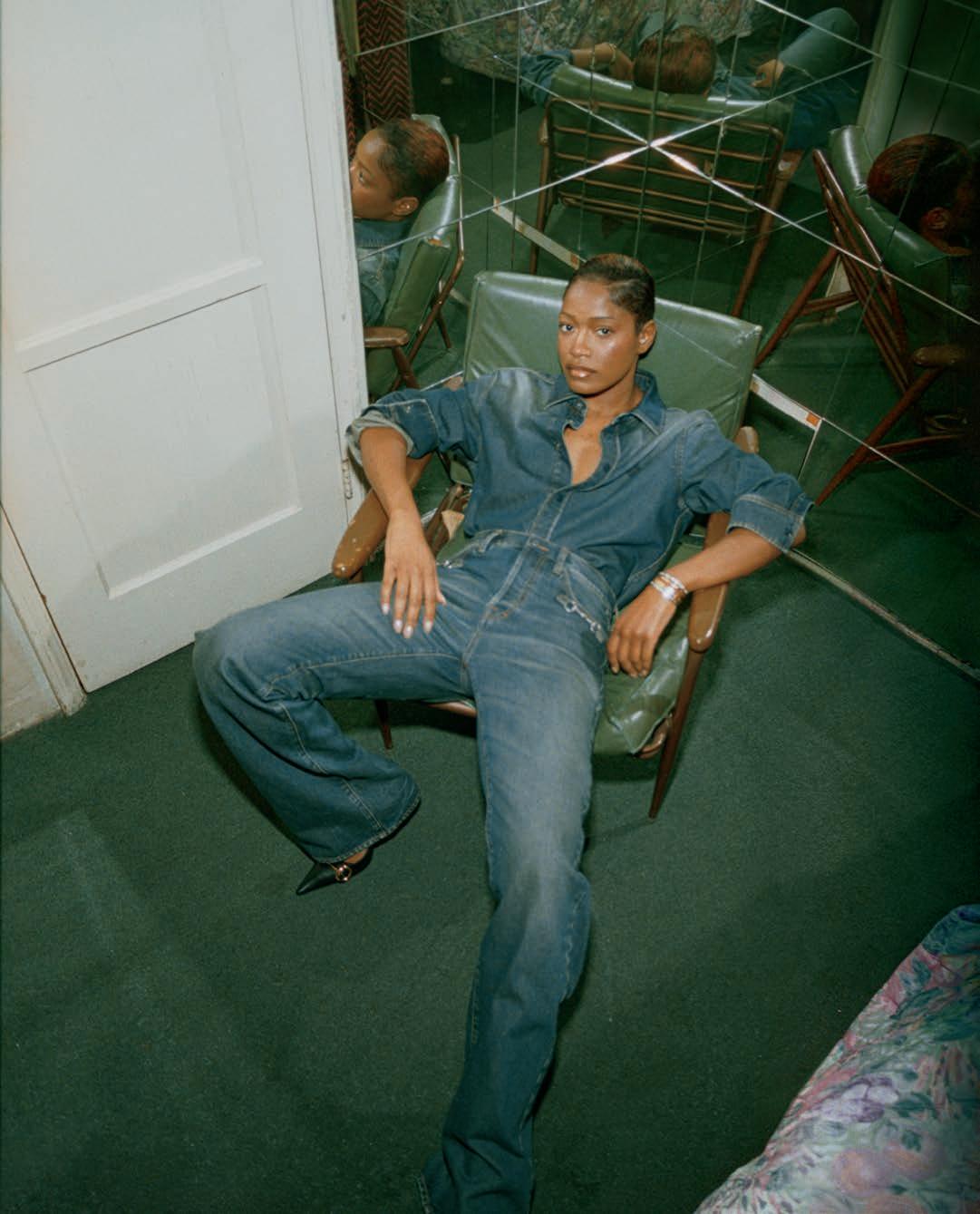
KEKE PALMER photographed in Los Angeles by Daniel Jack Lyons and styled by Ben Perreira wearing a dress and earrings by Givenchy. To get Palmer’s look, try V-Liner Waterproof Liquid Eyeliner in Black, Eye2Cheek Blush and Eyeshadow in Sweet Rebel, and Puffer Gloss in Don’t Be So Nude. All, Valentino Beauty.
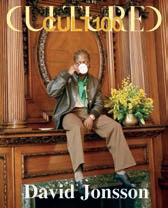
DAVID JONSSON photographed at Raffles in London by Christian Coppola and styled by David Nolan wearing a full look by Hermès, socks by Budd, and a Santos de Cartier watch.
MARCELLO HERNÁNDEZ photographed at Nine Orchard in New York by Jeremy Liebman and styled by Dani + Emma wearing a full look by Thom Browne.
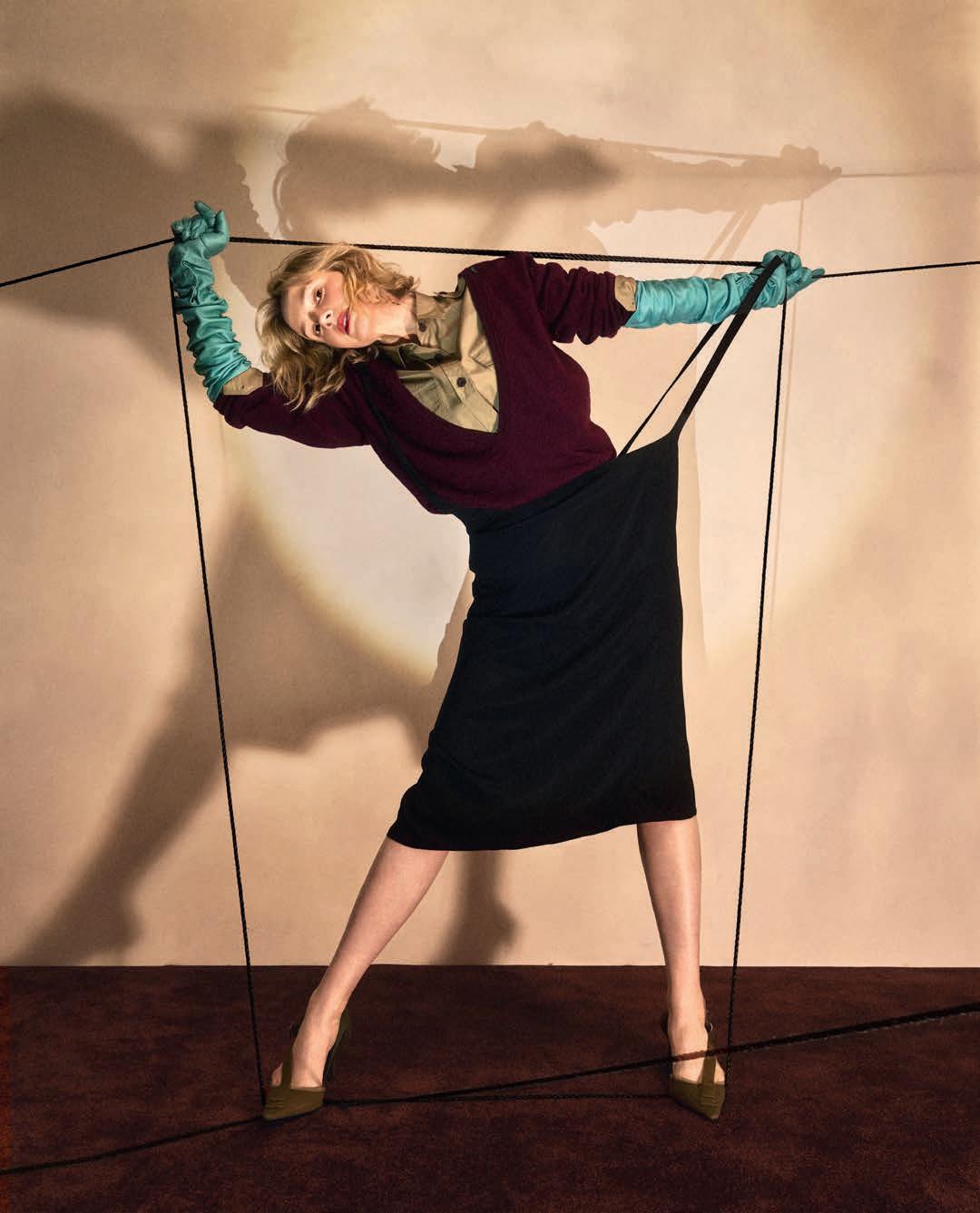
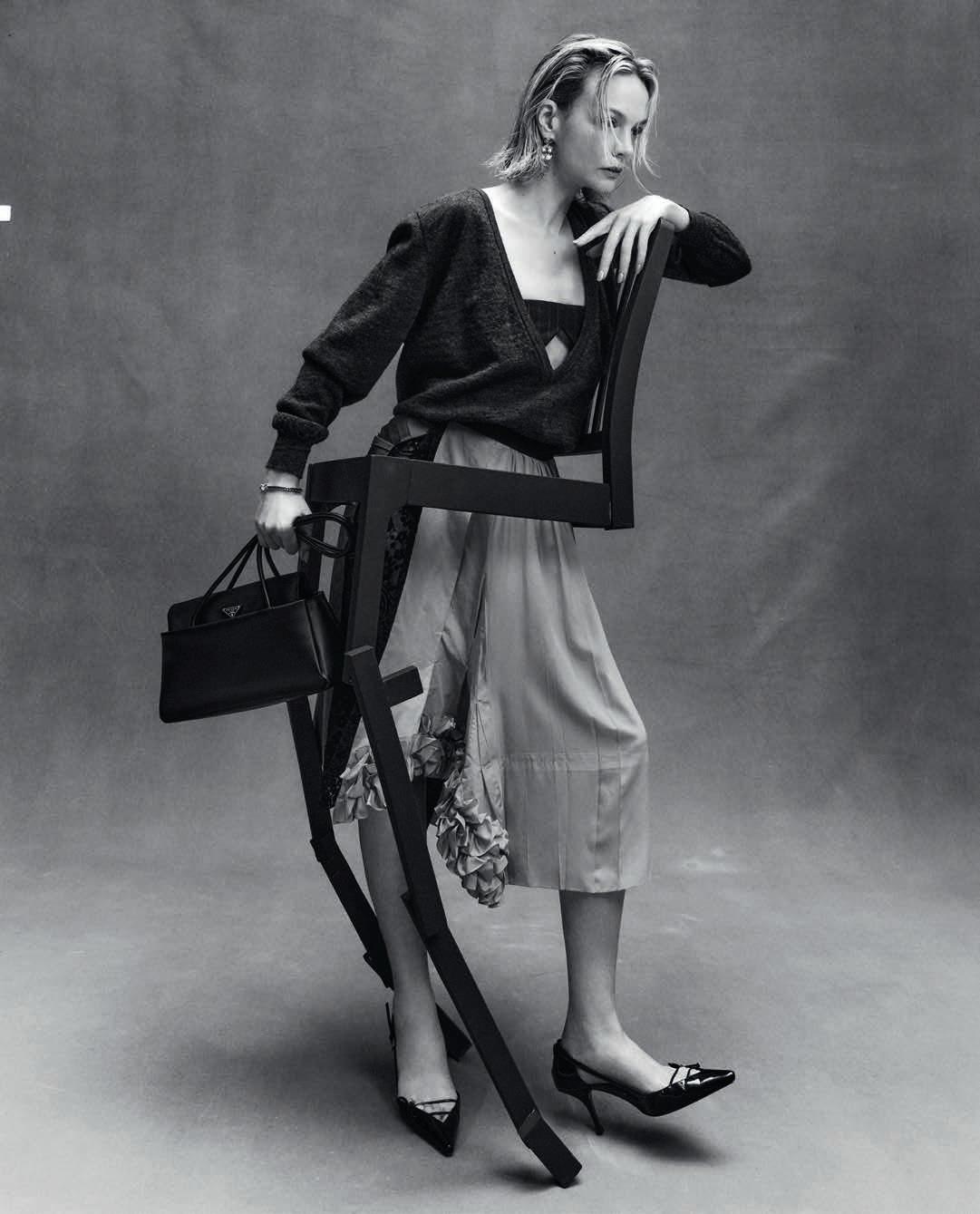
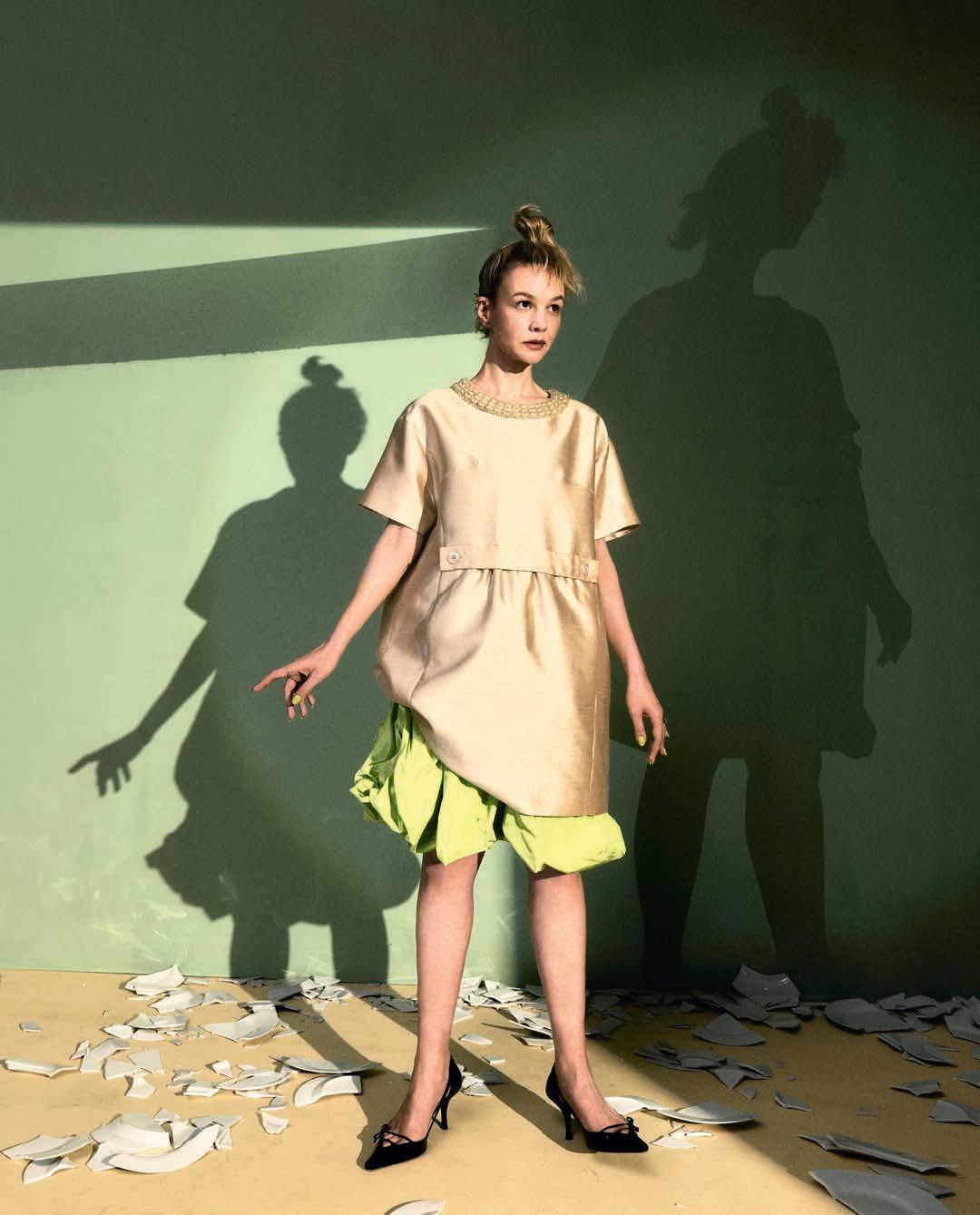
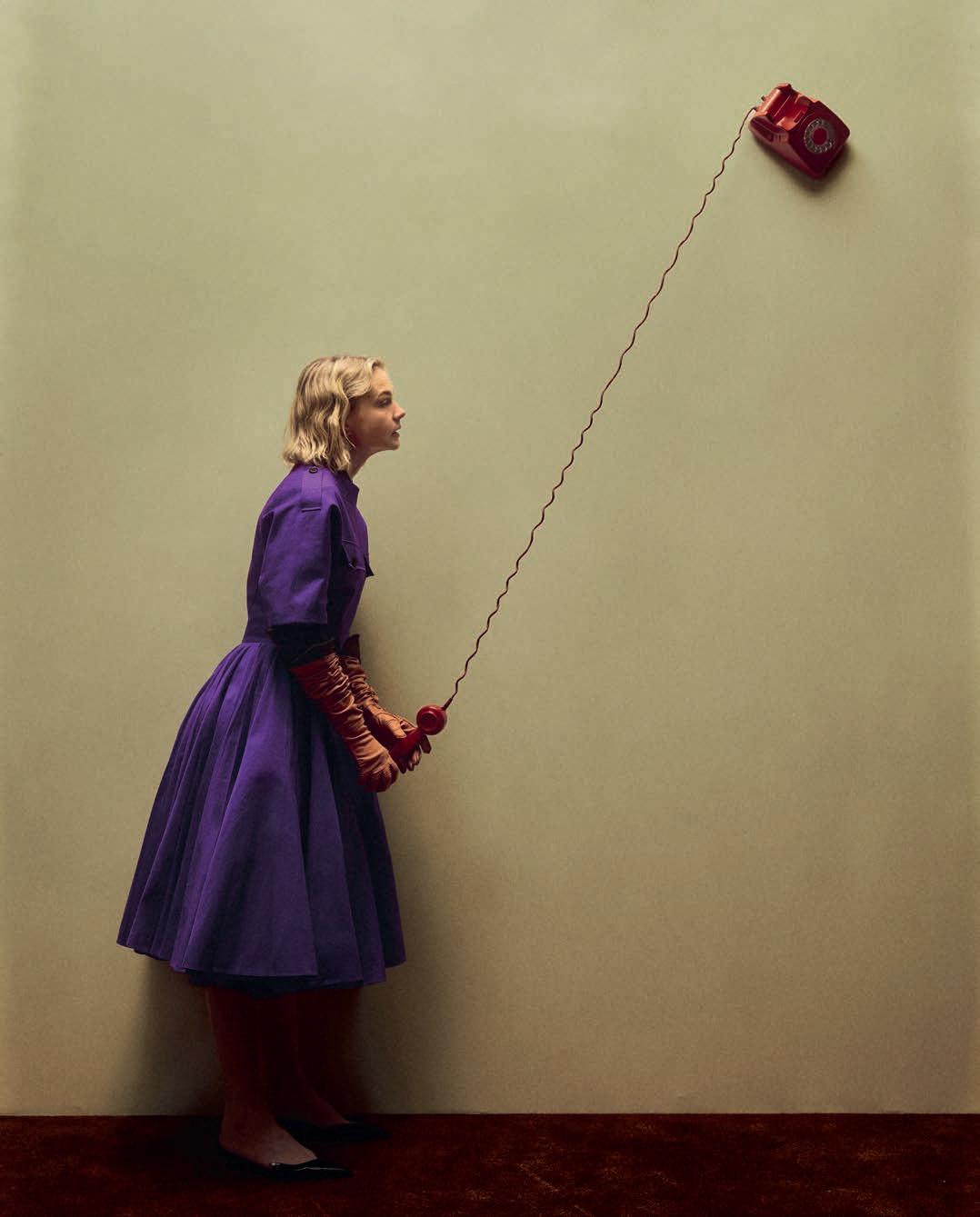
CAREY MULLIGAN photographed in London by Arash Khaksari and styled by Studio& wearing a full look by Prada.
GRACE GUMMER photographed in New York by Cass Bird and styled by Studio& wearing a full look by Miu Miu. To get Gummer’s look, try Eye2Cheek Blush and Eyeshadow. in Poudre and Brow Trio Eyebrow Liner in Taupe. Both, Valentino Beauty.
PETER, PAUL, AND EVERYTHING IN BETWEEN
Since their untimely deaths in the ’80s, Peter Hujar and Paul Thek have become art world behemoths. A new biography gives their turbulent love a air its own moment in the spotlight.
BY ADAM ELI
In 2015, the work of Peter Hujar found its way onto the cover of Hanya Yanagihara’s best-selling novel A Little Life, a campaign for menswear designer Patrik Ervell, and the Christie’s auction block, where the artist’s 1973 photograph Candy Darling on Her Deathbed sold for $50,000, twice its estimate. Twentyeight years after his death, works by the image-maker—once synonymous with the downtown underground— experienced a mainstream resurgence whose arc can still be felt today.
Two recent publications—Stay Away From Nothing and The Wonderful World That Almost Was—focus on Hujar’s enmeshment with Paul Thek, whose haunting sculptural interventions made him an art-world legend. The pair met in their 20s, and they would continue to orbit around each other—as lovers, brothers, and bitter adversaries—until their deaths nine months apart from complications of AIDS. I sat down with Andrew Durbin, the author of The Wonderful World That Almost Was and the curator of a group show on view at New York’s Ortuzar gallery through May 30 that brings together work by eight of Hujar’s peers and friends, to discuss their elusive relationship, the competitive streak that undergirded it, and the women who witnessed it all.
A key theme in the book is the undefinable nature of Peter Hujar and Paul Thek’s relationship.
Peter and Paul had so many models for queer relationships and yet so few. Queerness hadn’t been taxonomized in the way that it is now. If you look at the artists and writers who preceded them, there were so many different arrangements, whether you think about Lincoln Kirstein and Fidelma Cadmus, or Glenway Wescott, George Platt Lynes, and Monroe Wheeler. [But] I think they weren’t primed in the way we are today in a post-Stonewall world to even reach for an identification. They were quite indifferent to categorization.
Another theme in the book is rivalry. Gay men often compete with each other, and this book is a vivid portrait of that.
It was clearly painful for people who loved them both to watch these two people descend into not just a sort of quiet distance but actually something that was closer to rivalry. I’m not surprised that it resonates with you and resonates with me as well. There is something about queer sociality and the intermingling of sex, and the small worlds we occupy, that naturally engenders competitiveness. It’s probably to the benefit of the system that has put us in this situation to begin with.
Is there anything in the research of the book that you found particularly surprising?
The relationships with these core women who were part of their lives became sort of the substructure of the book—Linda Rosenkrantz and
Ann Wilson, Sheila [Levrant de] Bretteville, Fran Lebowitz, and a few others as well. Going in, I didn’t know much about Ann Wilson. I found the role she played in their lives to be so profoundly moving. I was reminded yet again that as much as someone like me is prone to thinking about erased queer histories, that [erasure] is inherently tied to how many women have been erased from these histories as well.
Alongside the book release, Ortuzar gallery is putting on two shows, “Peter Hujar: The Gracie Mansion Show Revisited” and “How Beautiful This Living Thing Is,” which you curated. How do you see the two shows working together and how do they interact with the book?
The [1986] Gracie Mansion [Gallery] show doesn’t need to be touched and stands alone. Peter created it at the end of his life, and it is as perfect a representation of his work as ever will exist. He was an amazing curator of his own work. So when thinking about the group show I curated, I wanted to stay as far away from the Gracie Mansion show as humanly possible. The way to do that, I thought, was to bring out some of the friends, influences, and community surrounding him in the time that led up to Gracie Mansion, in particular artists who are not really photographers, to indicate that there’s a deep painterly quality to Peter’s photography. I thought the show could be this lyrical, meditative space on the living qualities that brought him to where he ended up.
CULT FAVORITE
Seafaring Rings
Pae White and Vhernier’s new collection captures the rugged wilderness of the Sonoma County coast.
As a child in the ’70s, Pae White used to visit Sea Ranch, a utopian artists’ community tucked into the Pacific coast of Sonoma County. There, she spend her days digging through the gritty sand to collect whole crab shells and iridescent abalone fragments. The sense of exploration, wild beauty, and serendipity stuck with the artist as she grew up, and she has often incorporated shells into her vast installations and tapestries alongside other scavenged materials.
White was inspired to reengage with this visual vocabulary after noticing the door handle of Milan-based jewelry maison Vhernier, which was cast in bronze in the shape of a crab. Each of the jeweler’s hand-crafted pieces likewise pulls from the natural world, whether through embracing the inherent facets of its precious materials or evoking the organic curves of the body. For their collection, White took the architecture of crustaceans and abalone but translated it into the new medium of precious stones.
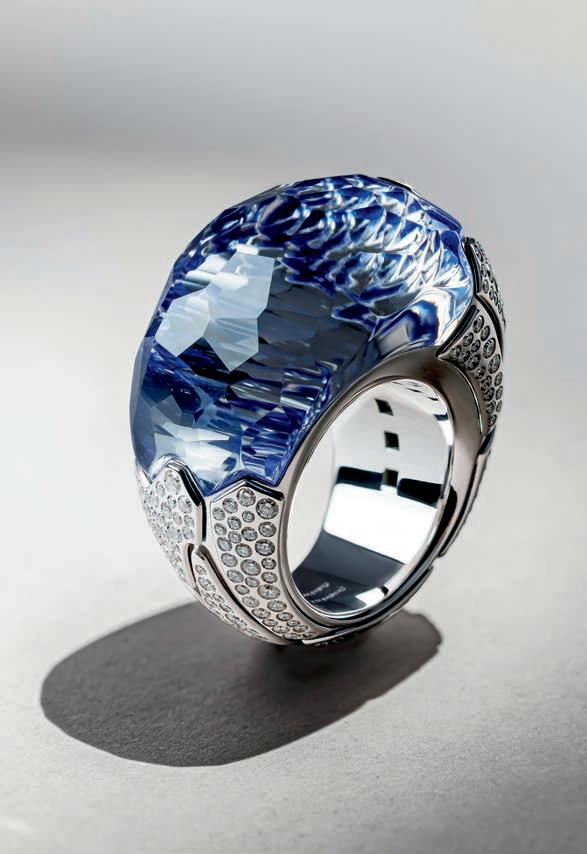
The result is a 10-design, limited-edition collection of Vhernier rings in shades of cerulean, violet, and bottle green. Gems like sapphires and diamonds are set into Vhernier’s signature white or rose gold and overlaid with rock crystal to create the illusion of restless light and color, like a mirage on the sea. Only two versions of each design will be produced, lending a sense of rare discovery to each one. Softly faceted and glimmering, each ring is a little changeable and tempestuous, just like the open sea.
Vhernier by Pae White “Filastra Ring.”
Photography courtesy of Vhernier.
THE BEST PRESERVATION IS REIMAGINATION.
MAKING THEIR WAY DOWNTOWN
BY ELLA MARTIN-GACHOT PHOTOGRAPHY BY LUISA OPALESKY
The New Museum has been synonymous with downtown New York since opening in 1977. This March, the institution unveiled its newly expanded home on the Bowery with a choral group show, “New Humans: Memories of the Future.” To mark the occasion, we
IVANA BASIC X CLAIRE SULLIVAN
After leaving her mark on Vaquera, Claire Sullivan made a name for herself with designs favored by pop stars (Addison Rae, Lady Gaga, Rosalía) and artists alike. She opened her studio to Ivana Bašic, a Yugoslavian sculptor whose works mingle human abjection, material transcendence, and alien futures. Her Blossoming Being #2 , which depicts a figure in the midst of leaving its bodily form behind, is on view in “New Humans.”
“I was born in Yugoslavia in the ’90s. By the time I was 13, we had already had two wars. There was no space for anything beyond bare life and survival. I didn’t study art because there was no art at the time in the country, so I studied design. I had these young professors who were telling me about New York all the time. It became, in my mind, this place to go to—the center of the world—where you can measure yourself up against the best ones. I didn’t really understand at first that you’re supposed to build a network. I was like, The work is going to do its thing. And then I realized, No, it’s not. It’s something I really try to share with my interns and students that come through my studio: to open up this black box of how you enter the art world, build a network of allies and people who support you and people you support back. That’s your lifeline in New York.” —IVANA BAŠIC
paired three artists featured in the exhibition with three fashion designers equally rooted in the downtown creative scene for freewheeling conversations about making a life—and a living—as a creative person in New York in 2026.
“When I first moved here, my mom dropped me off at the Myrtle Av/Broadway stop, and I got on the train with a suitcase to go stay with my cousin in Manhattan. I remember getting on the train and looking around and being like, Okay, I guess I live here now If everyone here can figure it out, I can figure it out. And every time I go across the bridge and see the skyline, I still get excited. There is a certain amount of jadedness that happens. I have to remind myself every day that I’m
actually living my dream just by being here. But also, you have to work really freaking hard to be able to live here. New York is for hardcore dreamers. I think it was Jane Austen who said everything happens at parties. I feel like everything happens through connection for me. A huge part of my inspiration is just making connections on the dance floor—I don’t even know what their names are. We just dance together when we see each other.” —CLAIRE SULLIVAN
CAMILLE HENROT X HILLARY TAYMOUR
Hillary Taymour founded Collina Strada in 2008 and has molded the brand into an irreverent, ever-evolving experiment in sustainability. For this series, she met Camille Henrot, a multidisciplinary artist whose interventions across sculpture, film, and soon performance interrogate our relationships to each other and the planet. Her film, In the Veins , premiering in “New Humans,” excavates the experience of parenting children in a time of climate apocalypse.
“My New York origin story’s a bit of a dramatic one. In 2011, I was in Japan during the big magnitude 9.0 earthquake for a conference. At that moment, I thought, I can’t die now, because I want to live in New York; I want to have children; I care about all these things, but I haven’t achieved them. I decided to rent out my apartment in Paris and find a place in New York. I wanted to be in Manhattan, in the heart of things. The city is [now] very present in my work. There was a Saul Steinberg poster in my kitchen growing up, from The New Yorker, where Ninth Avenue is pictured as the center of the world [View of the World from 9th Avenue, 1976]. I took it very literally as a child. I decided that if New York was the center of the world, I was going to be there. Every person in this city looks like they’re coming from a different world. For me, that sense of individuality was so freeing and liberating, because the way I draw figures is sometimes very varied; one figure might be very realistic and the other very minimal.”
—CAMILLE HENROT
“I moved to New York in 2010, into this tiny Lower East Side studio apartment. For me, downtown New York was the coolest place to live in the world. I remember my friends just buzzing my apartment and being like, Come on, we’re going here. No one would text or call you, just buzz. It was a completely different life. You could do fucking everything … I took dressing very seriously. I wouldn’t leave the house without being in the most bizarre look.
Back then, I really thought about my outfit each day. It wasn’t about being comfortable or dressing for the weather. I feel like people have stopped dressing for New York. When I was younger, New York really meant extravagance—being totally over the top. It made me into an artist. Now, because everything is so
expensive, things have changed. When I design collections, I’m thinking, What is this person, this artist, going to wear to her gallery opening? What is she gonna wear on a date? I always joke with some of my other designer friends that they dress the people who collect the art, and I dress the artist.”
—HILLARY TAYMOUR
CATO OUYANG X ZOE GUSTAVIA ANNA WHALEN
Zoe Gustavia Anna Whalen cut her teeth at Eckhaus Latta before striking out on her own with an eponymous label that’s turned fashion shows into ritualistic séances. For this series, she met Cato Ouyang, whose iconoclastic installations confront the psychological collateral of objectification, gender violence, and desire’s relationship to devotion. A work of theirs, which takes a propagandist 19th-century British cartoon as its starting point, is on view in “New Humans.”
“When I first visited the city from grad school at Yale, Chinatown was the only place where I felt comfortable. Uptown felt really forbidden to me. Downtown—the crowded streets, noises, and different Chinese dialects—felt more alive. Having a studio in Sunset Park and hanging out downtown, taking the N-R train between these ethnic enclaves, and seeing so many Chinese people in one place, I would sometimes burst into tears on the train because I felt at home, compared to the suburbs. In October, I was in China for a few months, in Hangzhou and Beijing, where the new developments and constantly updated subway systems are functional and clean to the point of being faceless. There’s this kind of glossy, child-friendliness to that city infrastructure that really unnerved and bored me. I got so restless and fed up there. Coming home, taking the J train from the Jamaica AirTrain station, I felt a profound joy and identification with this city. We are both unapologetic and unfazed.”
—CATO OUYANG
“I was very eager to move to New York when I was a teenager. I was just very impatient to start my life. I ended up coming here for school—FIT—when I was 18, which was great. Then I also fell out
of love with the city for a long time. New York has this quality—it’s like a mirror. It reflects how you feel about yourself. Whenever I don’t like it, it’s usually because I’m unhappy in other ways. When I do like it, it’s because life is generally good. My first introduction to downtown was when I was interning at Eckhaus Latta near East Broadway. I would get lunch at Dimes—this was around 10 years ago—before the height of Dimes Square, but while it was building toward it. China Chalet was in its heyday. Telfar would have these crazy after-parties
after shows; it felt magical. Maybe in my head I didn’t feel like I belonged there, but there was space for me to be there and experience these parties in my early 20s. I feel like something’s changed, and the zeitgeist of what’s cool downtown is about more kindness and communication compared to then. From other conversations I’ve had, there seems to be a truth in the way people are willing to engage with one another, and that gives me hope for what it trickles down to in the future.”
—ZOE GUSTAVIA ANNA WHALEN
Image: Mahalia Jackson Singing at Rally, Soldier Field, Chicago
(detail), 1963, James E. Hinton. Gelatin silver print. High Museum of Art, Atlanta. Purchase with funds from Jan P. and Warren J. Adelson.
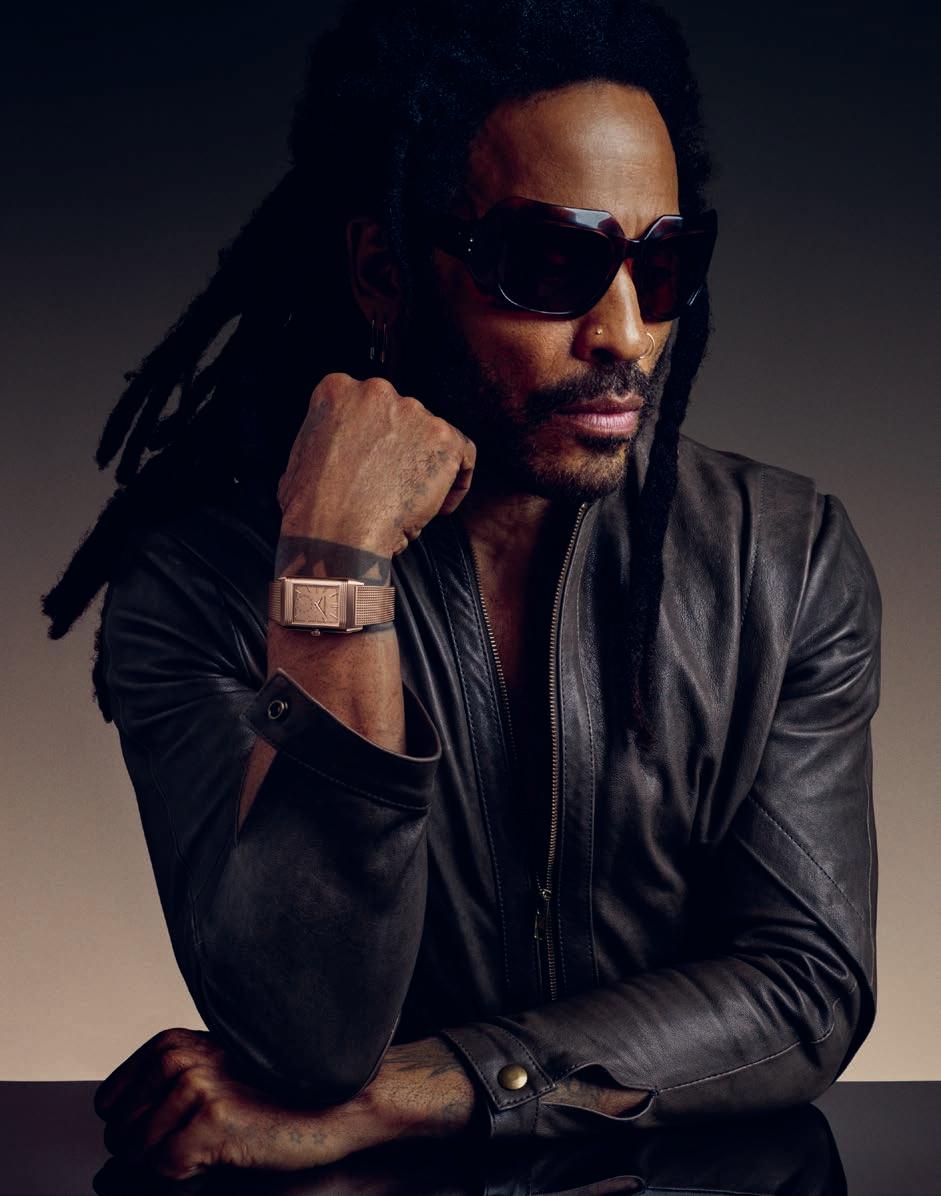
Jaeger-LeCoultre’s Reverso—designed to withstand the frenzy of a polo match—has spearheaded close to a century of innovative watchmaking.
BY KRISTEN SHIRLEY
When it debuted in 1931, JaegerLeCoultre’s Reverso brought the ingenuity and glamour of the Art Deco movement’s bold, geometric vocabulary to the watch world.
Its unique reversibility was created to solve a rather esoteric problem: how to protect the delicate glass covering a watch dial from smashing on the polo fields. René-Alfred Chauvot, a French industrial designer tapped by Jacques-David LeCoultre, founder Antoine’s grandson, devised an ingenious solution: flipping the watch within its case so the glass was hidden
and the metal back could absorb the impact of errant balls and mallets.
As the watchmaker approaches its 200th anniversary, the Reverso Tribute collection pays homage to this original streak of genius. While Jaeger-LeCoultre has expanded the Reverso to include three collections, the clean lines and Art Deco aesthetics of the original have endured. The instantly recognizable rectangular case also remains, decorated with three horizontal gadroons on each side of the dial. The watch swivels in its case, revealing a polished surface for engraving or a second dial.
The hero of this homage is the Reverso Tribute Monoface Small Seconds, which is receiving an update with a monochrome pinkgold design and a stunning Milanese bracelet woven from more than 50 feet of pink-gold thread. Clever finishing techniques soften the look of the all-gold piece: The case and the bracelet are polished to a high shine, which contrasts with the matte finish of the textured, grained dial. The applied polished gold indexes and Dauphine hands display the time, and at 6 o’clock, there’s a small seconds subdial. The result effortlessly bridges almost a century of innovation, one move at a time.
The Reverso Tribute Monoface Small Seconds. Photography courtesy of Jaeger-LeCoultre.
Image by Nolis Anderson
The brand traded the runway for a daylong domestic immersion in the late Kenzo Takada’s East-meets-West Paris residence to unveil its latest collection.
BY KARLY QUADROS
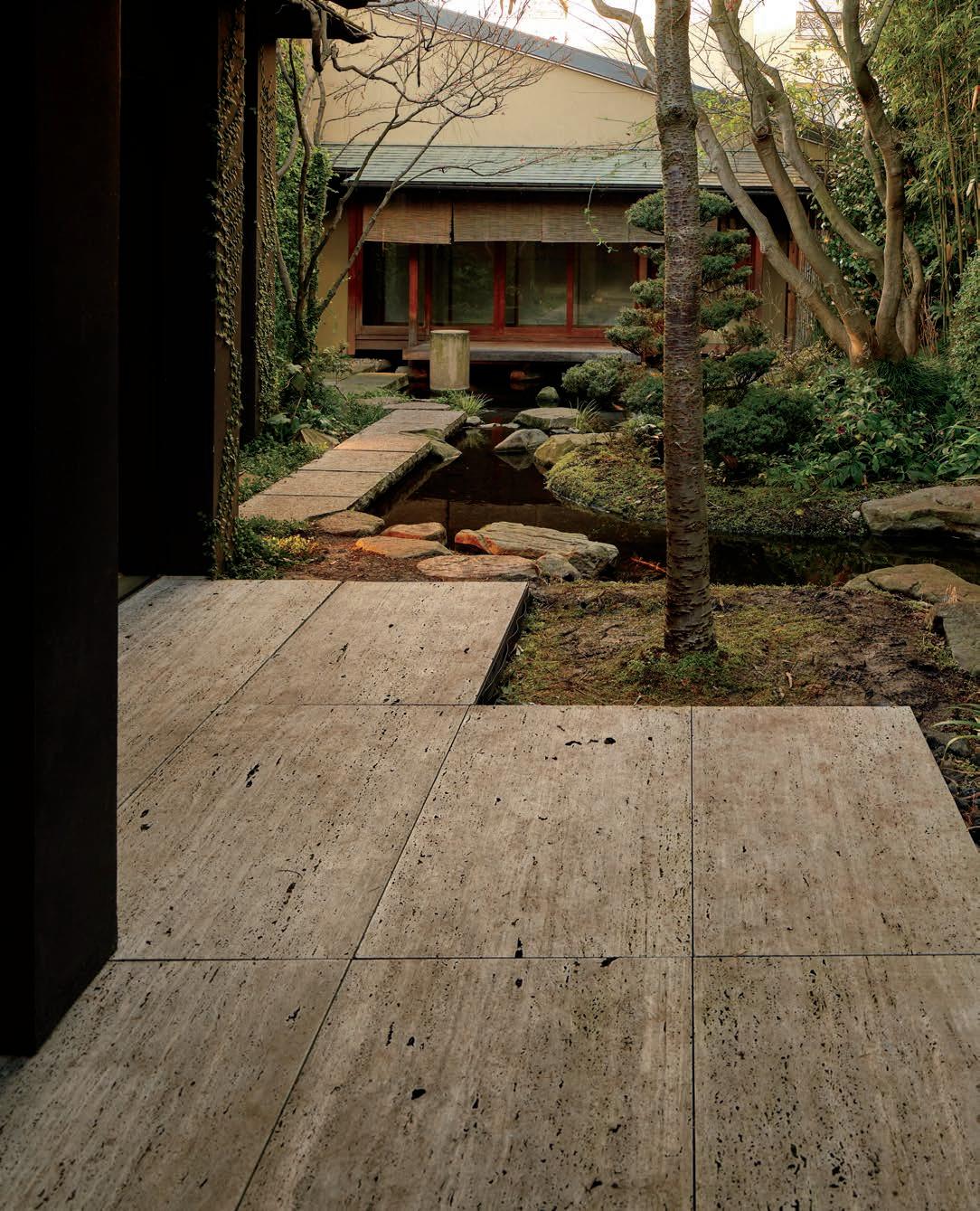
A delightful anachronism hides in Paris’s Bastille neighborhood. Among the Haussmann-style facades that dapple the streets, a grove of juniper and maple trees conceals an entirely different kind of home.
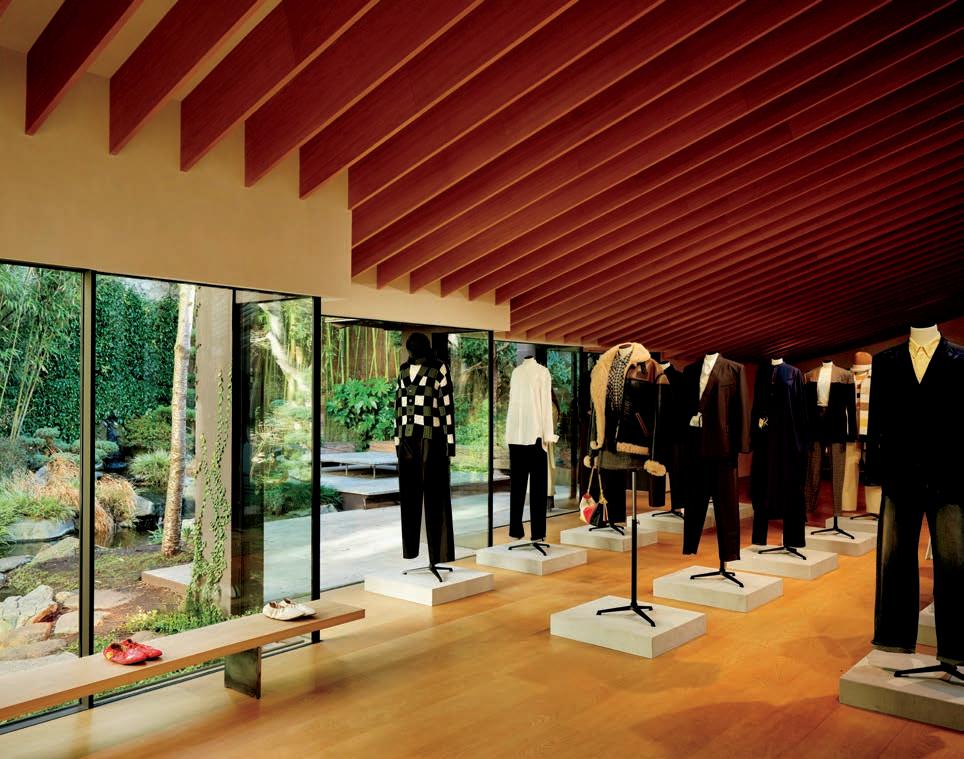
The four-story abode—designed by the late Japanese-French fashion designer Kenzo Takada and his partner, the architect Xavier de Castella, in the late ’80s and completed in 1993—is not easily categorizable. With its traditional tatami floor mats and shoji sliding doors, it adopts the transparency of Japanese design, but the sloped ceiling and louvers made of French oak suggest a sense of space that feels entirely European. Takada envisioned the residence as an oasis, a breath of fresh air from the whirl of city life, but it was just as frequently the stage to showcase his new designs and host elaborate parties.
Its role as a witness of both intimacy and exposure made the abode the perfect backdrop for Kenzo’s latest collection, designed by its current creative director, Nigo. Just like the home, the collection, unveiled in Paris during Men’s Fashion Week in January, deftly layers Japanese and Western reference points. A kimono is reimagined as a tailored navy blazer. T-shirts and cardigans emblazoned with a varsity-style “K” are paired with a flat lace-up shoe, recalling the midcentury Japanese craze for American Ivy style. Even the presentation’s soundtrack, John Lennon’s “Power to the People,” nods to Kenzo’s long history of bridging eras, cultures, and styles to revel in their common humanity.
Nigo, who has been with the house since 2021, envisioned the presentation as something of a homecoming. He transformed Takada’s former library into a makeshift archive, which showcased the collection’s vintage references
through sketches, editorial, invitations, and vintage garments. Some of the new collection’s designs, like a colorful Kite bag taken from a 1986 Kenzo collection, were recreated wholesale. Others, like ’90s color-blocking and the floral embroidery from a pair of organza skirts first shown in Kenzo’s Spring/Summer 1994 collection, have found their way onto an array of suits, jackets, and red ballet-inspired slippers. A smattering of flannel plaids and large checked knits against a backdrop of neutrals and Prince of Wales wool rounds out the collection with a dose of prep.
Perhaps the most telling piece is a wool coat, striped in hues of goldenrod, taupe, cream, and ecru. The capelet dangling from the jacket’s shoulders, with its tassels and whipped blanket stitch at the hem, brings to mind a wellloved family quilt, wrapped around one’s shoulders after a long day away from home.
All photography by Robin Lefebvre and courtesy of Kenzo.
EMMA WEBSTER’S ANIMAL INSTINCTS
BY KARLY QUADROS
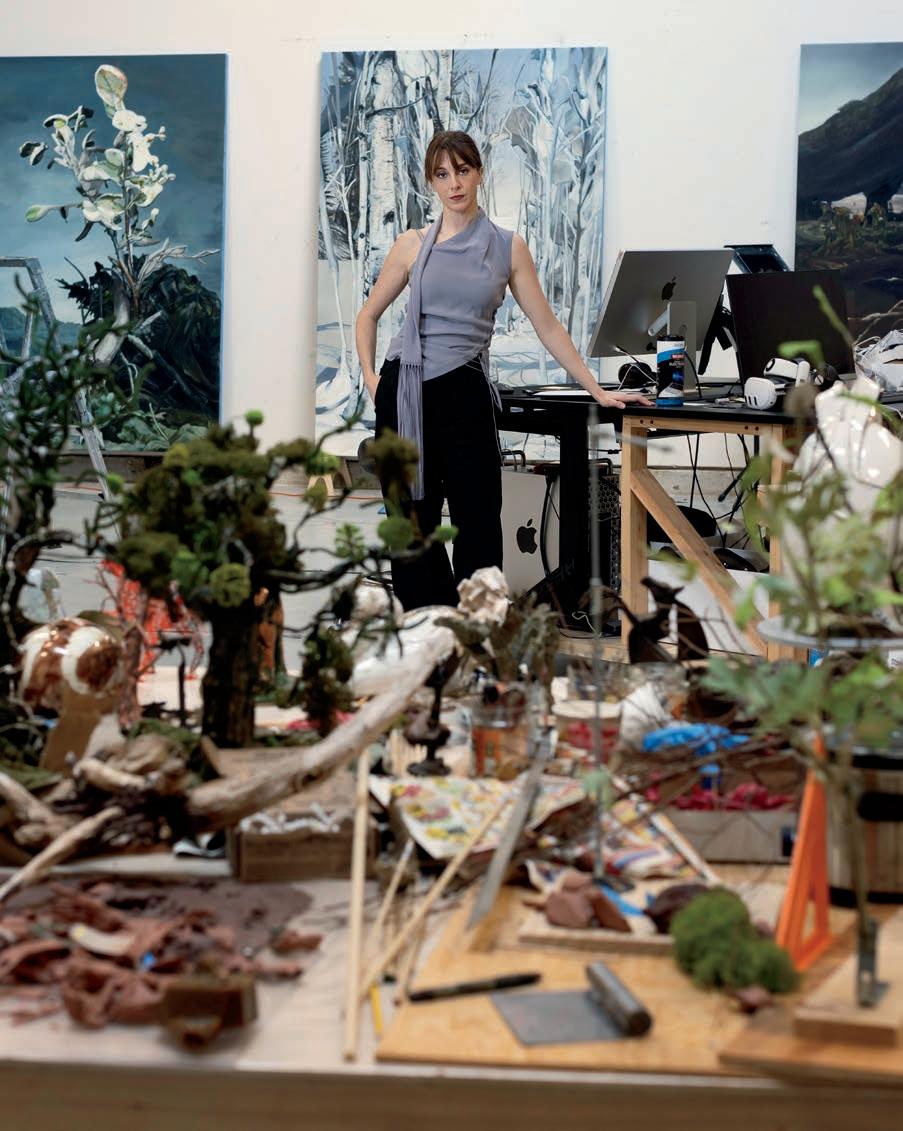
“A lot of the animals in this show are more pastoral, bovine, and, dare I say, American,” says Emma Webster from her studio in Los Angeles. “The type of animals we don’t think of as having big personalities.” The 37-year-old artist, known for her uncanny landscapes, is putting the final touches on a host of paintings that will make up her first solo exhibition with Petzel since joining the gallery’s roster, opening April 30.
Strewn around the studio are models made out of clay, pipe cleaners, wire, and ceramics, and vast canvases depicting horses, cows, dogs, and other domestic animals. The eclectic smattering of materials is a nod to a creative process Webster has honed since she was first pursuing her MFA at Yale. The artist, who previously worked in set design and interactive advertising, first builds scaled-down maquettes, often of shadowy, arboreal landscapes, but more recently of roaming animals. Next, she 3D-scans her creations and renders them in Blender, creating a digital diorama where she can move and manipulate her subjects just so. Only then does she use those digital dioramas as the references for her paintings. The result is a rendering of a rendering of a rendering, an effect that some find unsettling, but Webster considers a reflection of herself.
“This is by far the most complicated and silly process,” she says. “There’s a certain level of futility that I enjoy about it because it allows me to fully escape into these worlds.” For the first time, at the Petzel show, she will display this digital diorama, projected in the gallery’s entryway where viewers can interact with the space in real time.
As a child in the ’90s, Webster loved to play Sims, Zelda, and Legos, exploring the mutability of digital spaces, but
The Los Angeles–based artist uses digital tools to render uneasy pastorals in which a host of quadrupeds have surfaced in recent years, raising timely questions about power and perspective.
she was also fascinated by the worlds of animals and fairy tales. This show bridges the two. Many of the paintings situate the viewer at a dramatic, canted angle below the creatures, looking up at the world. Webster says she wanted to explore passivity and the human impulse to seize power from those who seemingly have none. Her creatures don’t have to be just one thing, the same way she isn’t just one thing. And at a time when many are wary of new technologies seeping into visual art, Webster still holds on to that naughties sense of optimism about her tools’ capacities for endless recombination. “They’re hybrids because we are all hybrids. We have all these conflicting narratives within us, both when we look at things and when we make things.”
For Webster, the allure of her landscapes and the animals that inhabit them is the alternate realities they make manifest. “It’s not just that they come alive,” she says with a wry smile. “It’s that they know something you don’t know.”
“We have all these conflicting narratives within us, both when we look at things and when we make things.”
Emma Webster in her Los Angeles studio.
Photography by Ilona Szwarc and courtesy of Petzel.
AN ART FAIR THAT FEELS LIKE HOME
An art fair that’s a ordable yet international— in this economy? Conductor is betting on it.
In a fair ecosystem where booth fees can creep up to the tens and even hundreds of thousands (never mind the unavoidable add-ons), a new player has arrived to shake things up. Conductor, which has dubbed itself the “Art Fair of the Global Majority,” will take over the New York nonprofit Powerhouse Arts between April 29 and May 3 with a more equitable but no less ambitious scope in mind.
Only a third of the inaugural edition’s exhibitors have an established
presence stateside. The perspective shift is no accident: Conductor was founded as a conduit for artists and dealers from the Global South— Africa, Latin America, the Caribbean, South Asia, Southeast Asia, the Middle East, Oceania, and Indigenous nations around the globe are represented—to an art world capital that’s notoriously difficult to penetrate. “These are entities that don’t generally have the same type of outreach that galleries based in the U.S. may have,” Adriana Farietta, an art fair veteran and Conductor’s director, notes. By reducing logistical hurdles (Powerhouse supported select visa applications and on-site fabrication), the over 30 participants, including São Paulo’s Mazzucchelli Cardoso, Guatemala City’s Galería Extra, and Dhaka’s Brihatta Art Foundation, can focus on what they’re bringing to the fair floor—not how they’re getting
there. “It was important for us to make sure the galleries knew that they could take a risk,” Farietta continues. “When they go to bigger art fairs, they need to make their money back, so they will show artworks they think will sell.”
Conductor will also unwittingly act as a mini-preview to another landmark moment on the global art calendar—the Venice Biennale—as several artists and collectives taking over national pavilions, like Mexico’s RojoNegro and Cameroon’s Beya Gille Gacha, will first pop up at the fair. Sculptural interventions in the Special Projects category, by the likes of Grace Rosario Perkins, Khaled Jarrar, and Lido Pimienta, will form the connective tissue between the booths. “Without the artists, there are no galleries,” Farietta reminds us. Her colleague Eric Shiner, the president of Powerhouse Arts, chimes in, “Art fairs aren’t necessarily a place for artists, and we want this one to actually feel like home.”
The fair’s opening will (almost) align with the third anniversary of the nonprofit’s move to its own abode, a 170,000-square-foot former power station in Gowanus that has become an incubator for some of New York’s most boundary-pushing art. Shiner and Farietta are quick to establish that the fair, despite its international focus, has its hometown in mind. Entry for visitors is $15, a quarter of the price of its legacy peers, and a slate of programming will provide avenues for engagement at all hours of the day. Shiner calls on the city’s own community of artists, dealers, curators, and museum leaders to use Conductor as a vehicle for discovery. “It’s much easier to come over to Powerhouse in Brooklyn than to fly to Hanoi to do studio visits,” he quips. “We hope it’s a resource.”
Youssef Taki, “External Memories,” 2025. Photography courtesy of AWL.
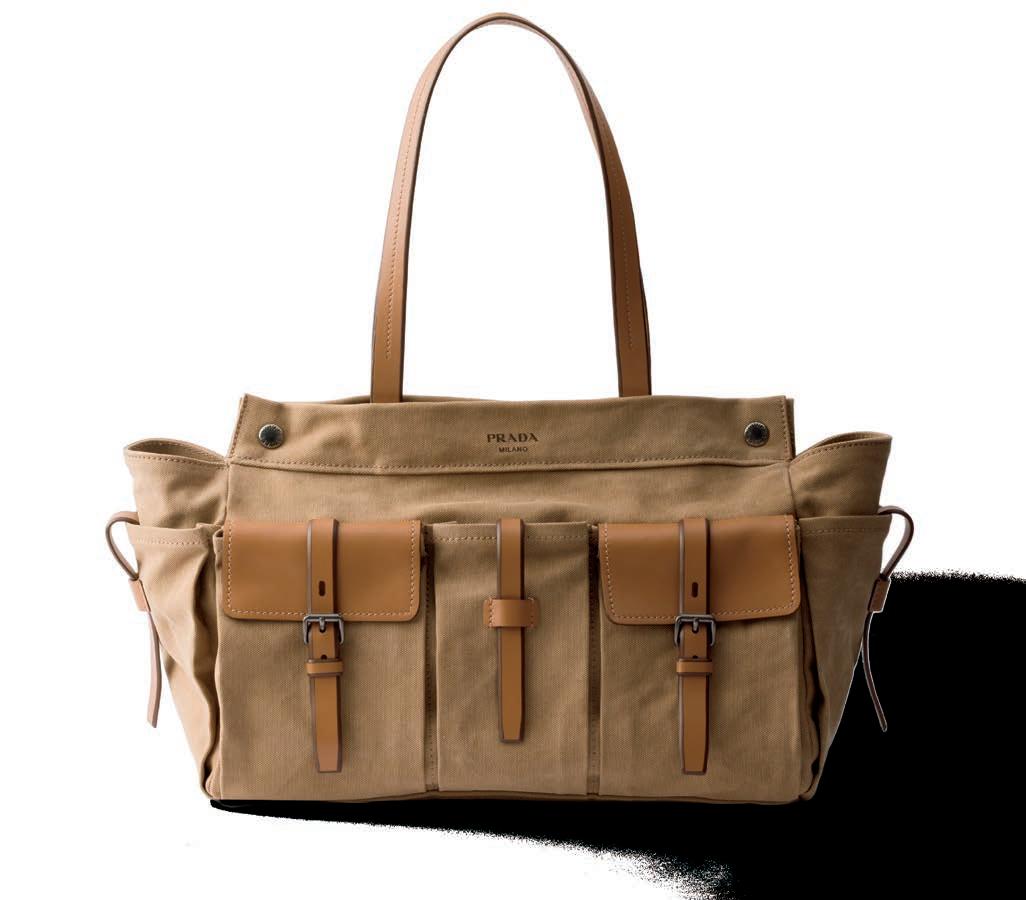
PRADA GOES GORP
There is no pocket left behind in the house’s latest bag o ering, a hardy choice for anyone on the go this spring.
Prada acolytes first spotted the Route bag tucked in the crook of a leather-gloved model’s arm. All pockets and straps, it was presented on the runway in its natural state: whisked along at a speedy, power-walker’s clip.
At first glance, the Italian house’s Spring/Summer 2026 hero piece reads as pragmatic: a capacious canvas or leather tote replete with compartments. It’s ready to catch all on a commute to work, or to be shoved into a tequila-varnished bar booth. But the heart of the bag’s design is in its adventurer’s lineage. Its boxy structure and snap and buckle fastenings evoke military aesthetics, while starchy canvas welcomes the bleaching rays of the sun.
This season, the Route is on hand in two sizes, and colorways including khaki and jet black. Although its references are rugged, the handbag pairs just as easily with the elevated trappings of city life, no matter the carrier. After all, at Prada, paradox is paramount.
Photography courtesy of Prada.
LUCID DREAMING
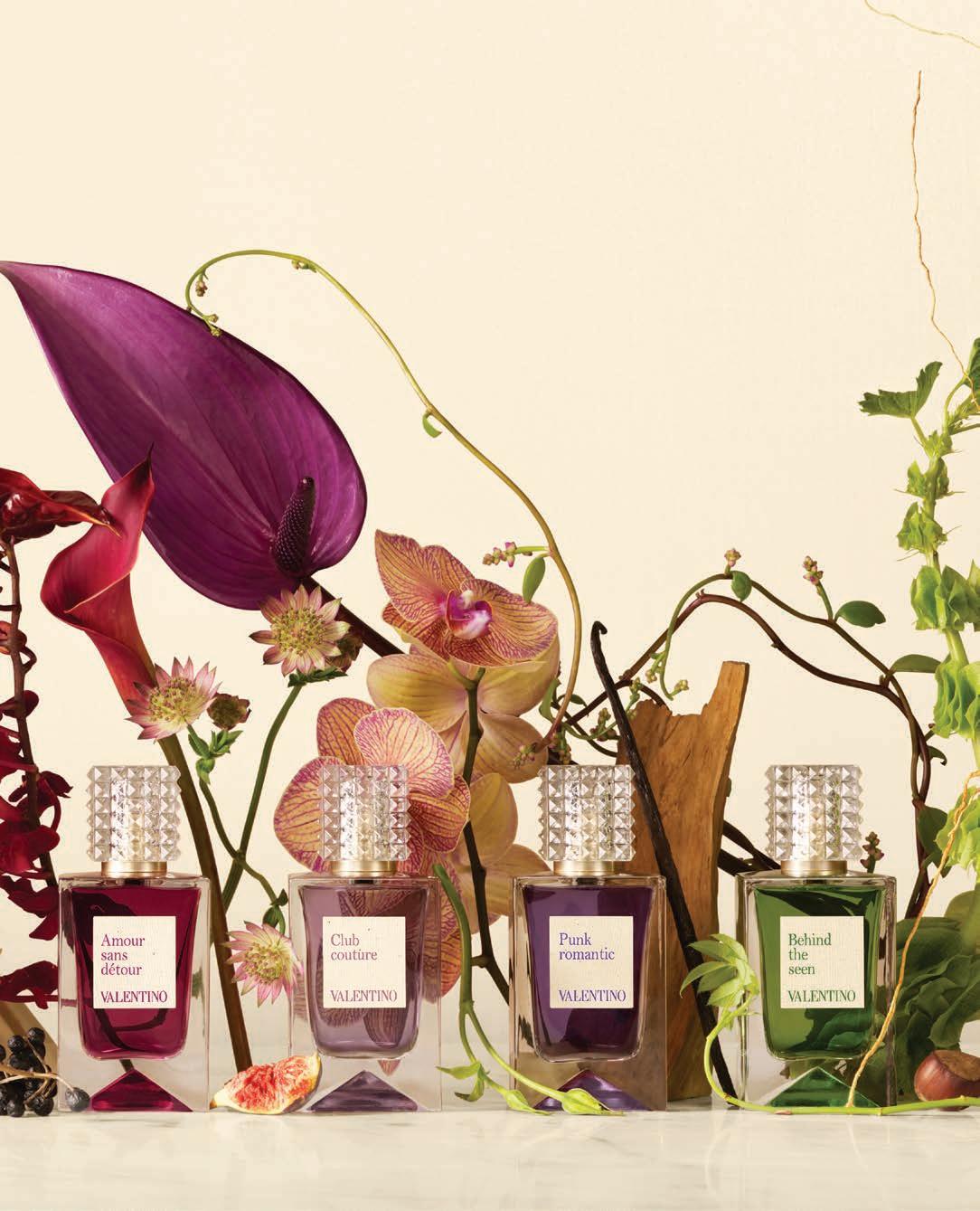
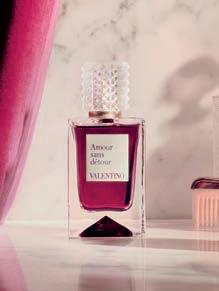
“Amour sans détour is a dialogue between the fragility of the violet flower, the rawness of leather, but also the earthy side of violet leaves, and the sensuality of skin. The signature is present from the very beginning. You know what you are getting right away. It’s this brightness, this greenness, combined with sensuality.”
YANN VASNIER, AMOUR SANS DÉTOUR
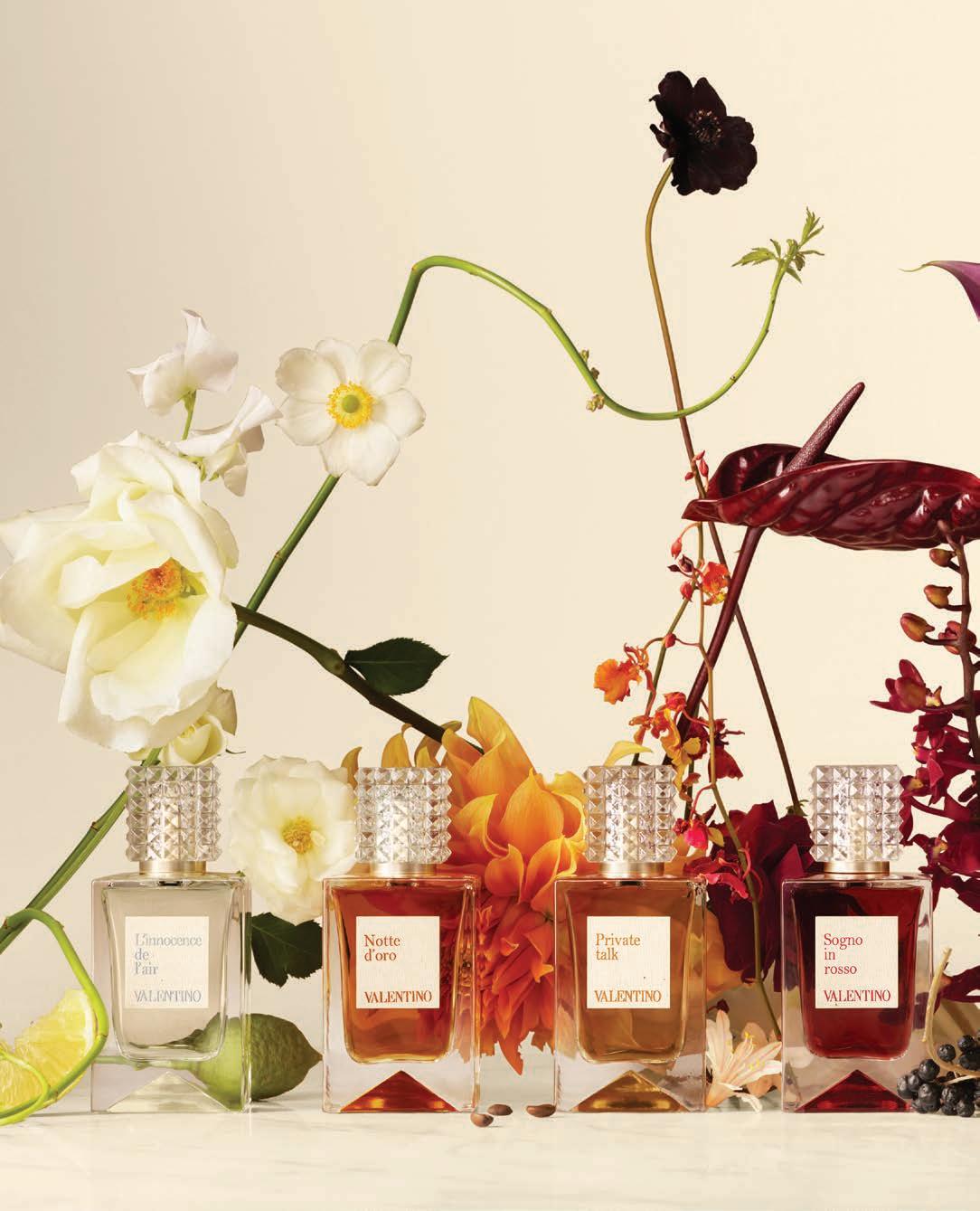
“I wanted to interpret rose in a totally new approach, revealing it in all its facets and secrets: at once vegetal and green, floral and sensual, delicately tangy. I wanted to capture a certain airy lightness, a fluidity that echoes Valentino couture.”
NATHALIE LORSON, L’INNOCENCE DE L’AIR
“Oud is much more than an animalic scent—there are so many facets to explore, including fruity undertones. I wanted to bring a di erent shade to oud with an ultra-addictive, slightly suave, and almost regressive almond.”
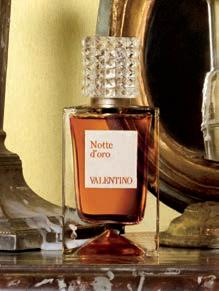
PAUL GUERLAIN, NOTTE D’ORO
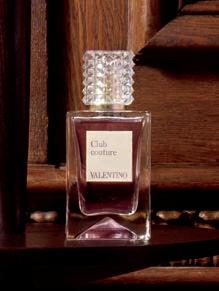
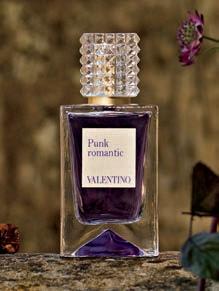
A co ee sipped in a haze of tuberose. The “airy fluidity” of a Valentino gown. The perfumers behind Anatomy of Dreams, Valentino Beauty’s haute fragrance collection, share the memories, raw materials, and private obsessions that inspired each mesmerizing scent.
“I wanted to tell a new story about orange blossom. It’s candid and delicate, so I spiced it up with black pepper. Perfume is both a complex alchemy and a pure emotion. There’s nothing rational about it, and that’s the magic of it.”
“I have a specific memory of co ee enjoyed on my terrace in Paris during the summer, surrounded by tuberose. I had to find the place, the stitching point, between the robust elements: tuberose, co ee, creamy milk.”
NICOLAS BONNEVILLE, PRIVATE TALK
“The greatest reward for a perfumer is to smell the perfume you’ve created out on the street.”
“My great-aunt had a property in the south of France with hazelnut trees in the garden, and I remember the good times I had there. Behind the seen translates this memory.”
DELPHINE LEBEAU, BEHIND THE SEEN
“We wanted something inclusive and uplifting, colorful with sharp contrasts. The fig feels bright and young. Then there is iris, one of the most precious ingredients in perfumery, also known as perfumers’ blue gold. To make a modern perfume, you must cut the connection with older perfumes. You have to twist the way you combine ingredients and push the boundaries.”
ANDREW
EVERETT, CLUB COUTURE
FABRICE PELLEGRIN, SOGNO IN ROSSO
FANNY BAL, PUNK ROMANTIC
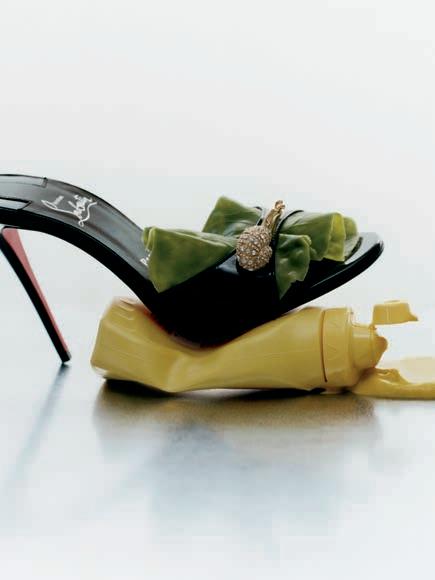
Left and right: Christian Louboutin’s Einsnail on the Feet Mule.
TO TABLE
HEAD TO TOE FARM
PHOTOGRAPHY BY JENS INGVARSSON
STYLING BY MAT CULLEN
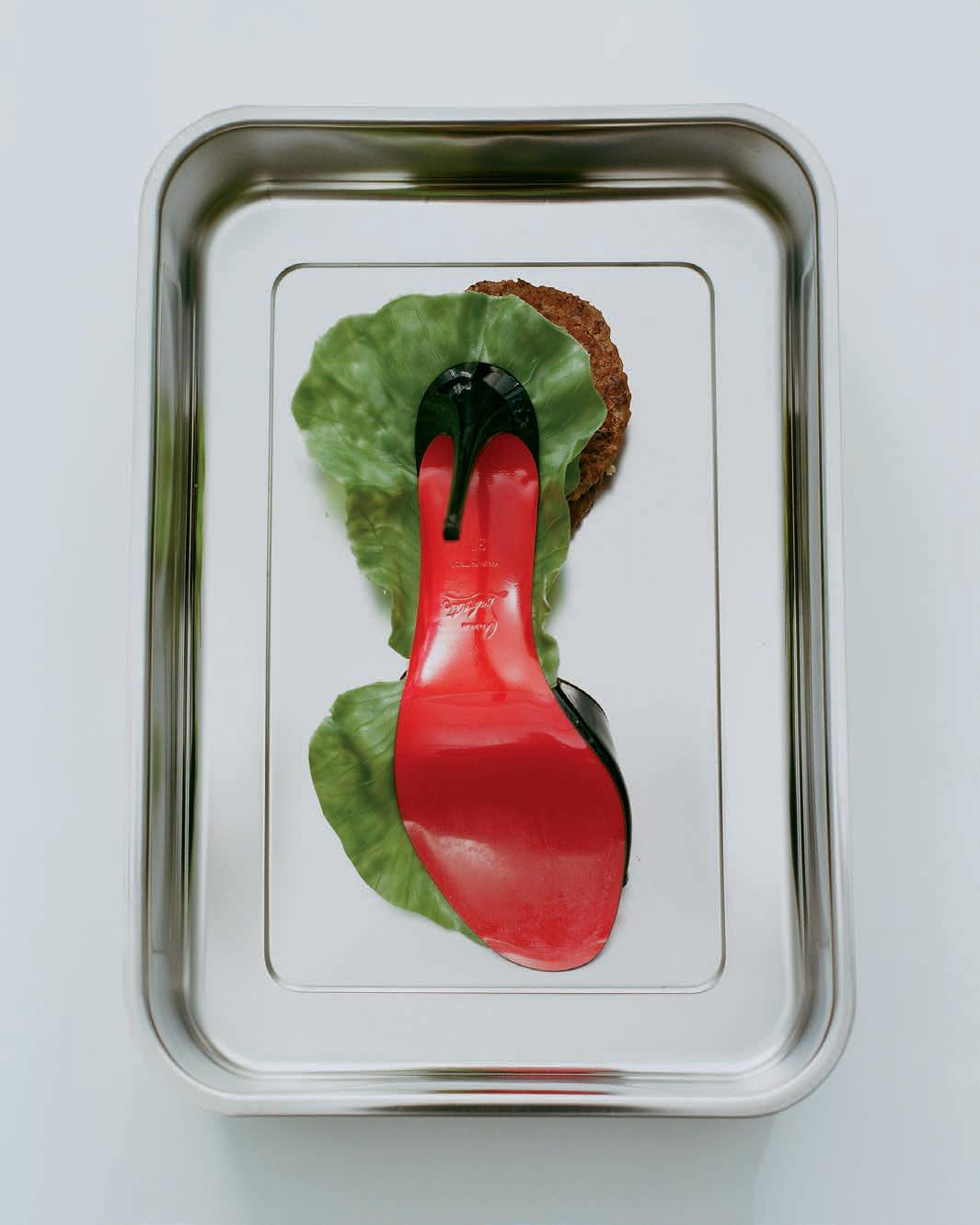
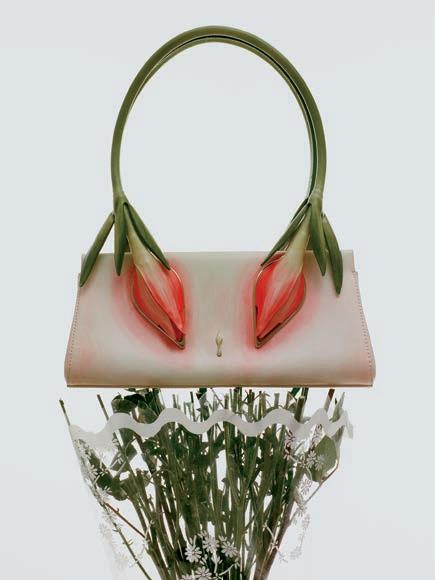
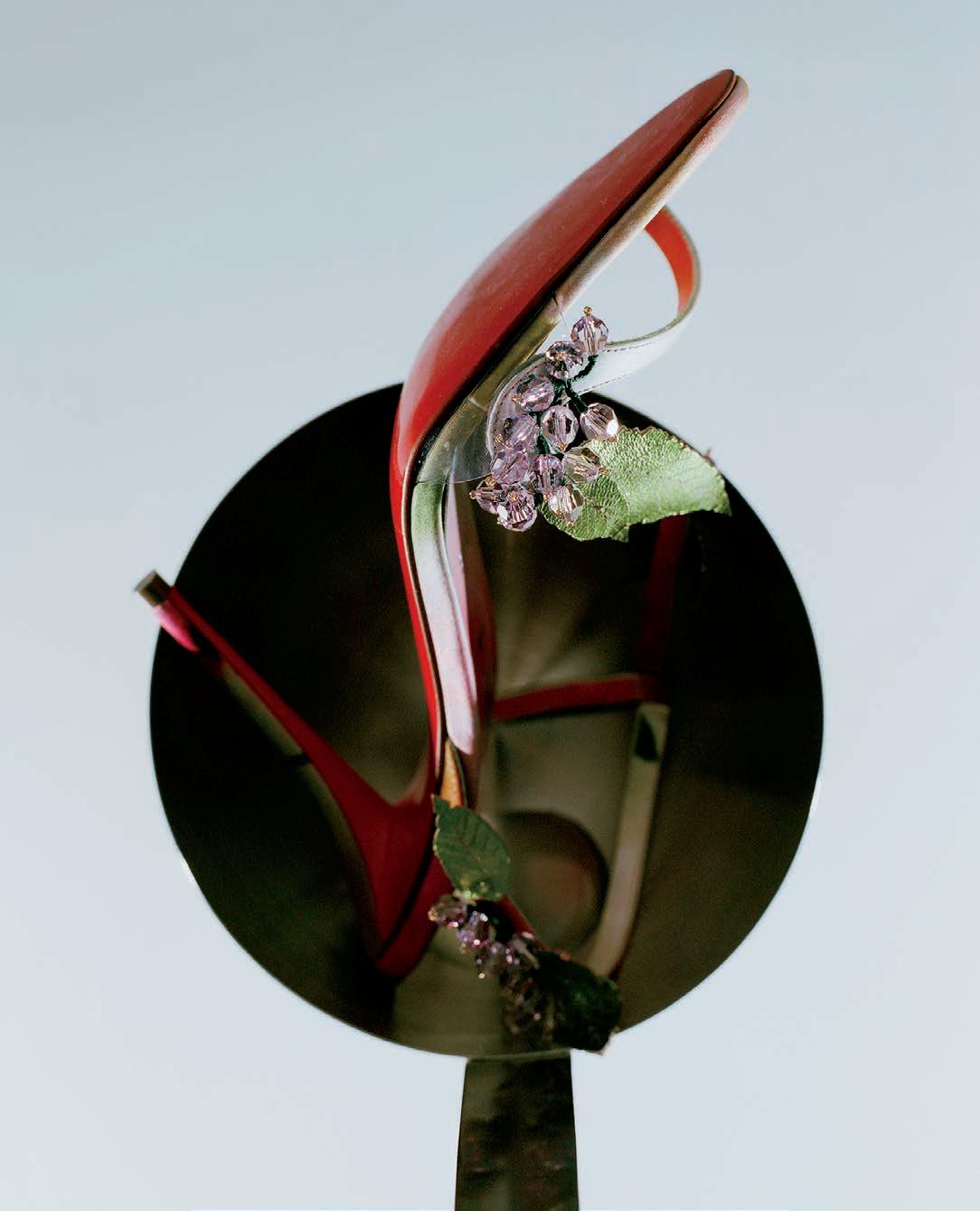
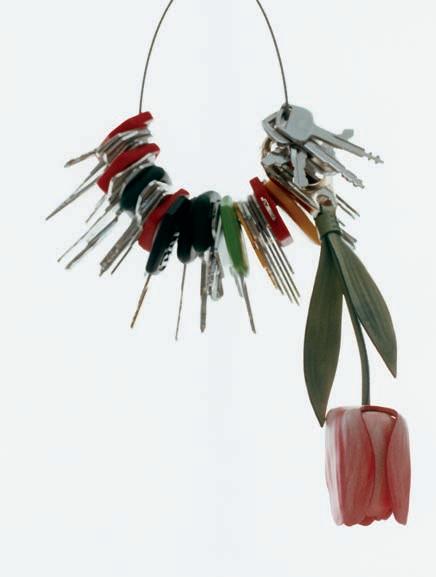
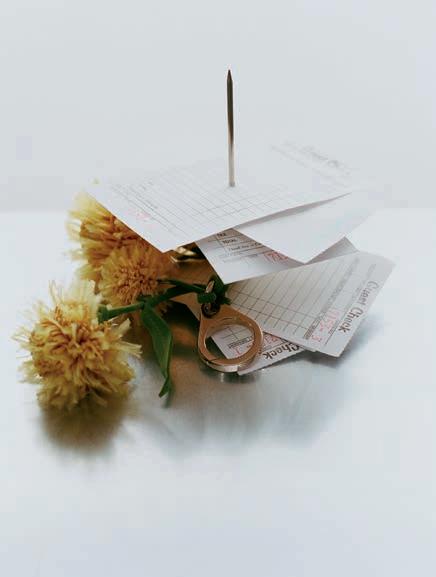
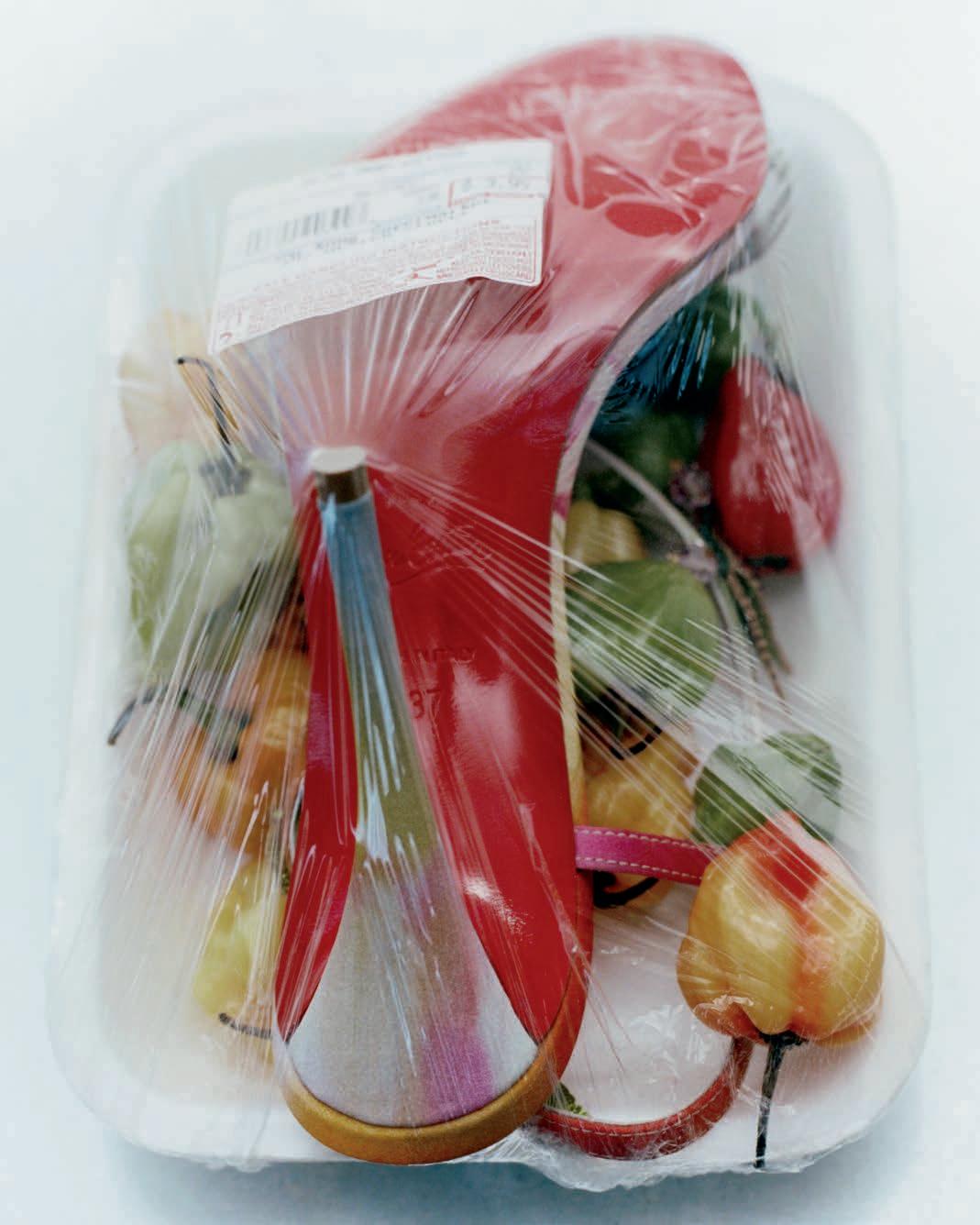
This season, designer Christian Louboutin plucked a selection of botanical inspirations from his gardens in Brittany and served them up accessories-style.
When you think of Christian Louboutin, you’re most likely to conjure him in a Parisian atelier. But the French designer is just as likely to be found soil-deep in his gardens in Brittany. In his 20s, Mr. Louboutin worked as a landscape designer, developing an instinct for organic compositions. That fascination would be reignited when he purchased the sprawling, 42-acre Kerdalo estate in the village of Trédarzec five years ago, with its gardens open to the public for shared enjoyment. “I’ve been learning through the garden,”
he says of the experience, “through the flowers, from the foliage, so many things that I incorporate into my work.”
This botanical journey reaches its climax in the accessories giant’s Fall 2026 collection. The Venus Baguette Tulip, for example, has a pale pink body and stem-like handles that channel the upright delicacy of a tulip, while the Einsnail on the Feet Mule sees a jewel-encrusted gastropod slither across the shoe’s vamp. And beyond the Maison’s eternal red, the
line’s hues all have one point of origin.
“When I think of what colors look good together on a shoe,” the designer quips, “it’s usually ones that I have thought look good together in the garden.”
For the issue, photographer Jens Ingvarsson reframes the collection in a kitchen setting, letting the luxurious objects sit amongst blunt, everyday ephemera. Stripped of Parisian polish, the pieces take on a distinctly Christian Louboutin edge.
Left: The Venus Baguette. Right: The Rosa Fruit.
Left: The Tulip bag charm.
Right: The Mimosa bag charm.
The Rosa Fruit.
Photography Assistance by Dimitri Levdanski
Styling Assistance by Adrian Ababovi
BRINGING IT HOME
The artist Katherine Bernhardt lives in the St. Louis home she once eyed as a child. Her latest show inventories the treasures—museumworthy and pedestrian— it’s filled with.
BY JOHN VINCLER
“I’m always into painting what’s obvious,” Katherine Bernhardt tells me, “what’s right in front of me.”
I’m catching up with the artist at her home in St. Louis via video chat, just before she heads out of town for a spring break holiday. She’s already finished 80 or so small-format paintings, some of which will fill the smaller front room of Canada, the New York gallery that’s represented her since 2005, for her next solo exhibition. Around six more—these larger-scale—are in the works; they will command the backroom. The show, which opens May 14, “is all about my house and everything in my house,” Bernhardt says.
The painter bought the Midwestern modernist folly where she now lives— an object of fascination since the neighborhood drives her parents would take her on as a child—when she moved back to her hometown right before the pandemic, after over two decades in New York. Bernhardt had ascended the art-world capital’s hierarchy by making unabashedly joyful, often funny, work, with rivulets of Dick Blick acrylic and aerosol sprays of paint. Her canvases fused the playful viscerality of the giants of Abstract Expressionism with the teenage obsessions of someone who grew up watching too many cartoons in the 1980s and ’90s—common motifs include Bart Simpson, E.T., the Pink Panther, and mushrooms (a nod to both psychedelics and Super Mario). They can be read as anti-highbrow, a counter to a milieu that often takes itself too seriously, but her command of color and her materials undercuts any attempt to dismiss her art as naïve.
A few of Bernhardt’s signature cartoon characters are detectable in the new canvases, but mostly in depictions of paintings of hers she has displayed around her home. This body of work doubles as an inventory of the artist’s domestic life. There’s the residence’s boxy facade in a piece titled after its
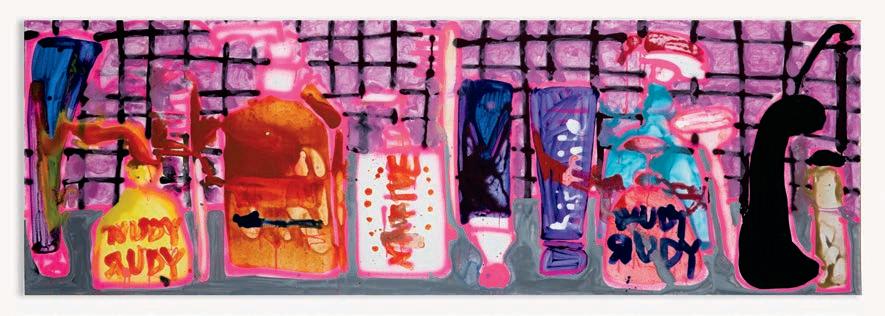
architect, Gary Glenn. A survey of the fridge’s interior, another of the shower’s ledge, complete with a razor, hand soap, electric toothbrush, and toothpaste. There are blenders, Reddi-wip, bananas, Day-Glo-hued paper towel rolls from the Portuguese brand Renova, bedroom vanities, and microwaves. Supermarket staples meet collectible design, as one makes out a Gaetano Pesce foot “chair” here or an Ettore Sottsass lamp there. (Bernhardt holds an enviable trove of pieces from the Memphis Group, the Italian collective that injected humor and polychrome pep into design in the ’80s.)
The series marks a turn inward for Bernhardt, but mostly an architectural one, rather than any deep psychological reflection. I point out that the turquoise background of many of the paintings matches the hue of the kitchen I spot through the screen. “It’s also about my mom,” Bernhardt says, noting that she picked the color to match the kitchen of her childhood home. But Bernhardt isn’t overly sentimental about the house she eyed for decades, nor is she bound to its design-magazine photogenic quality. “It’s surreal living in it,” she admits.
“I can’t even believe I’m in this house.”
She’d rather be in the studio and use the house to entertain. The paintings are just another way of sharing it with others.
Katherine Bernhardt, Neutrogena, 2026. Photography by Sarah Carmody, courtesy of the artist and Canada.
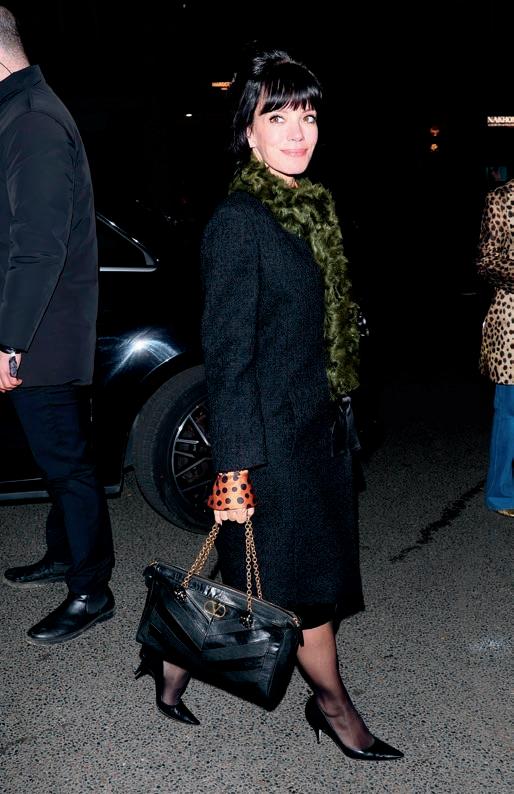
The Valentino Garavani Panthea bag sees Alessandro Michele ri ng on a feline motif that’s been with the house from the very beginning.
Every fashion house has its mascot, and at Valentino, the panther reigns supreme. The feline first appeared as a motif seven years into the brand’s existence when Valentino Garavani and Giancarlo Giammetti unveiled their Fall/ Winter 1967 couture. The sleek panther graphic—bared teeth and all—appeared on a suite of flowy, jewel-toned gowns and tunics that quickly became staples of a fashion world that was shedding its post-war rigidity.
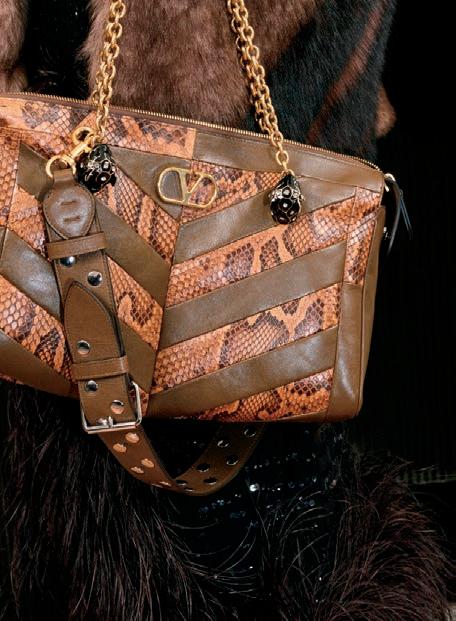
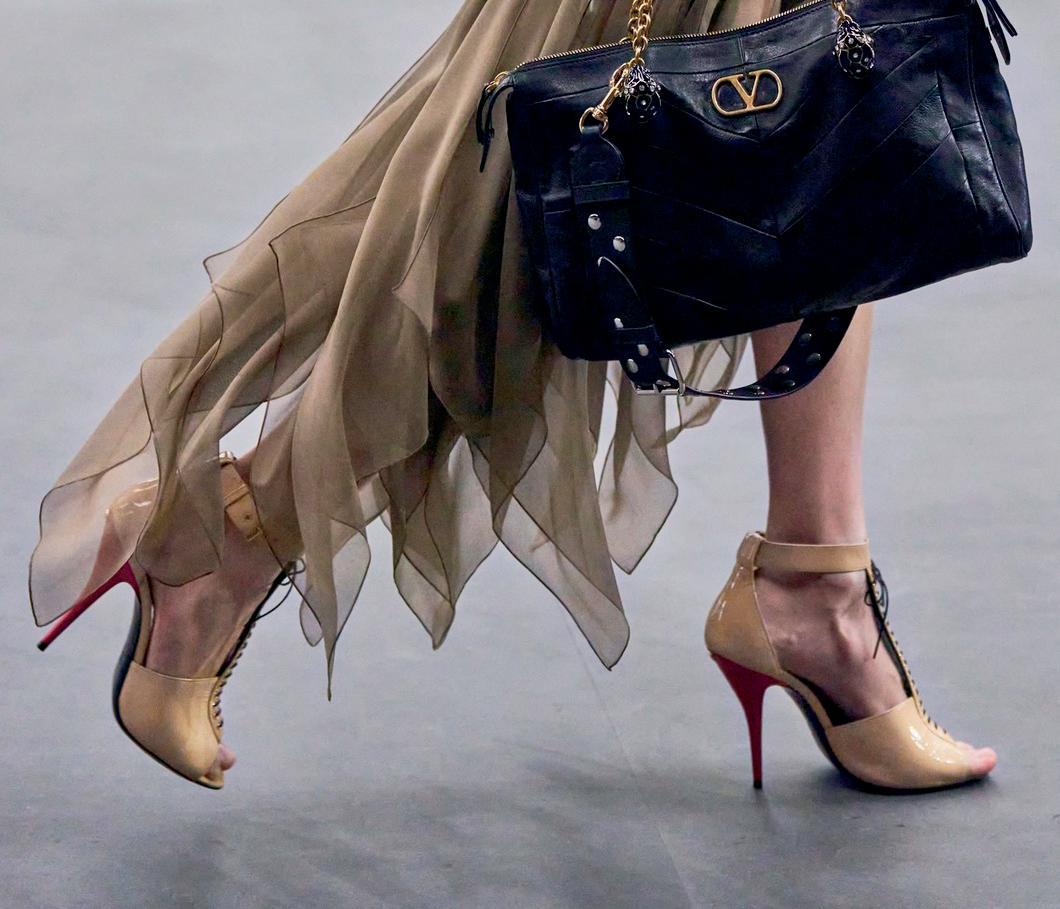
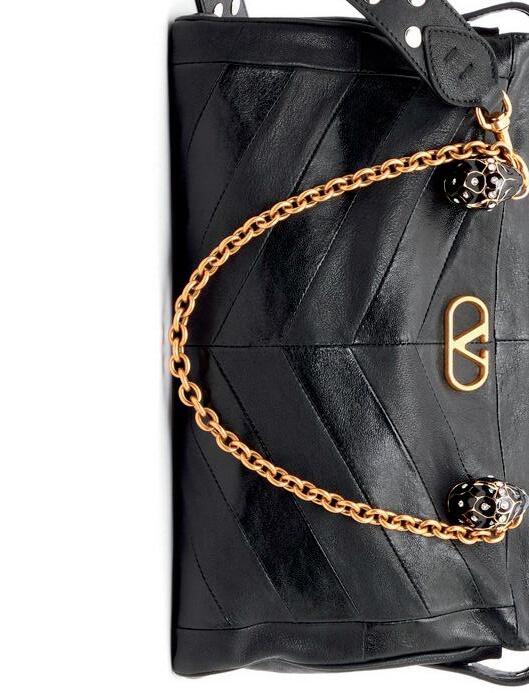
Decades later, the jungle cat reemerges from the brush on the Valentino Garavani Panthea bag. Twin feline heads, delineated
by an antique gold finish and set with Swarovski crystals, anchor the design from strap to strap. Chevron-style nappa leathers—in matte and waxed finishes, or ostrich and python—give the accessory a so-passé-it’s-great-again touch.
The Panthea has now made two appearances: first for its debut during the Fall/Winter 2025 season in Alessandro Michele’s sophomore show, Le MétaThéâtre Des Intimités, and next for the Cruise 2026 offering. Already, its variations have been spotted under the arms of Lily Allen, Lana Del Rey, and Lila Moss. Every It-girl needs a big cat.
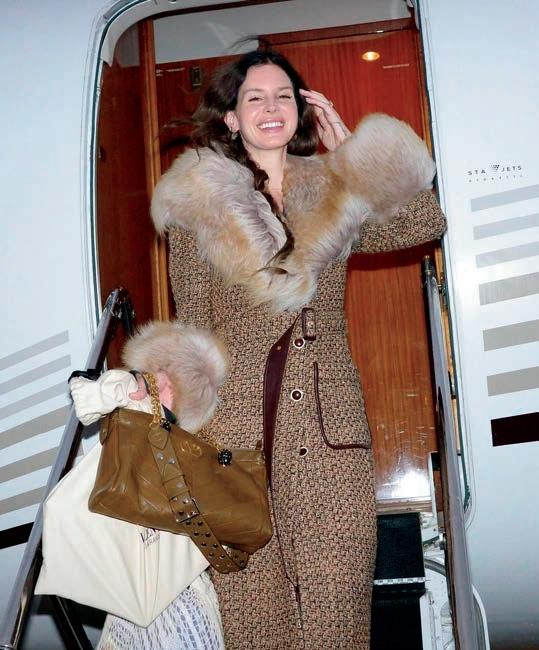
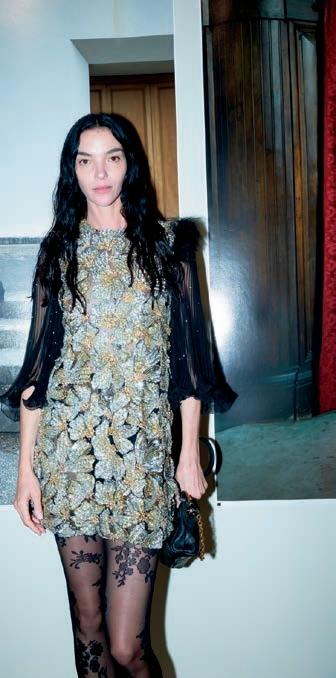
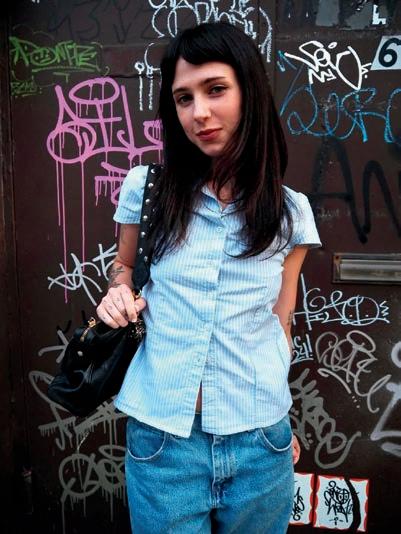
Mariacarla Boscono, Lana Del Rey, Clairo, and Lily Allen with the Valentino Garavani Panthea. All photography courtesy of Valentino.
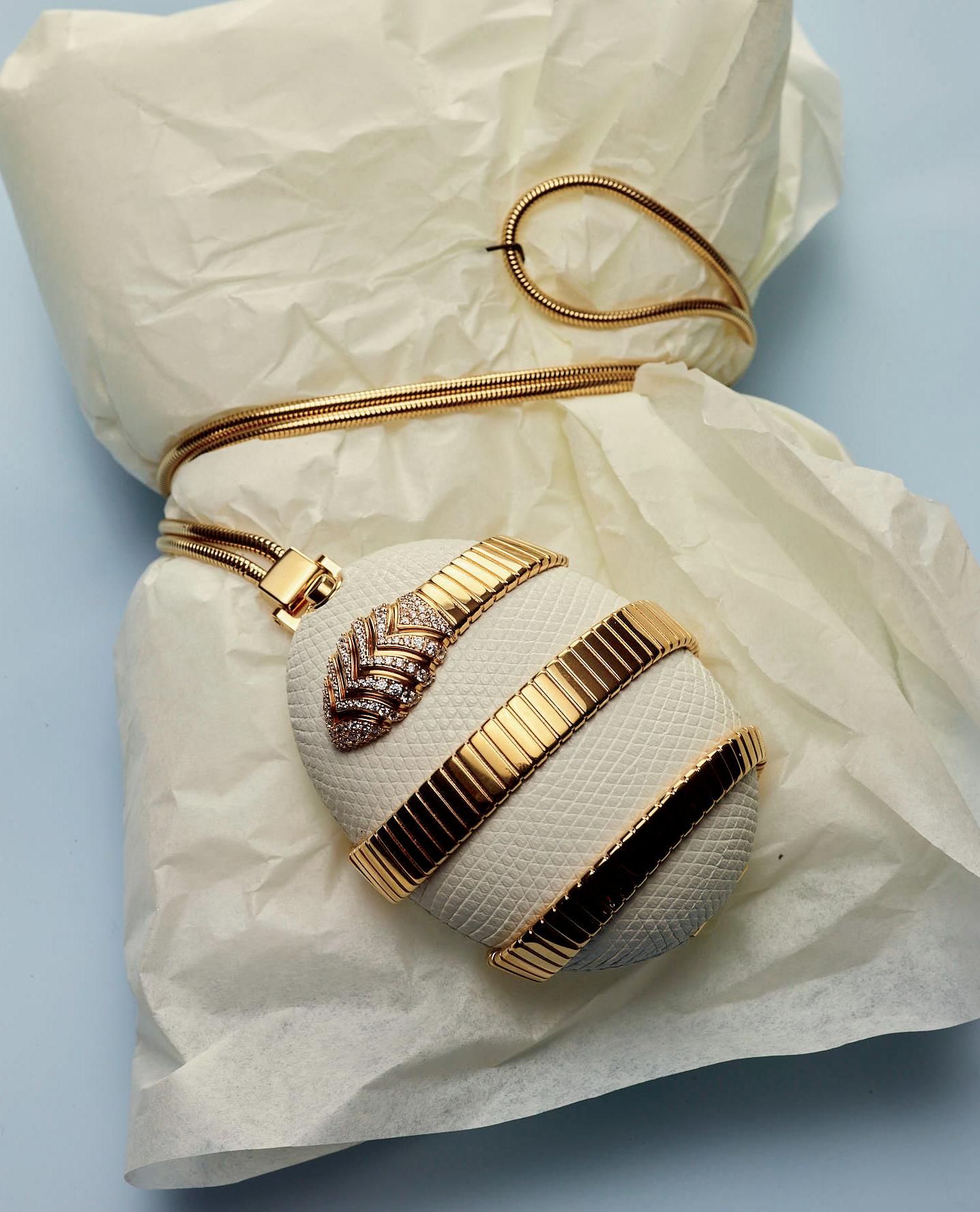
The Tubogas Minaudière.
Creative Direction by Akari Endo-Gaut
by Hugo Yu Words by Karly Quadros
THE THINGS WE CARRY
Photography
The Serpenti Minaudière.
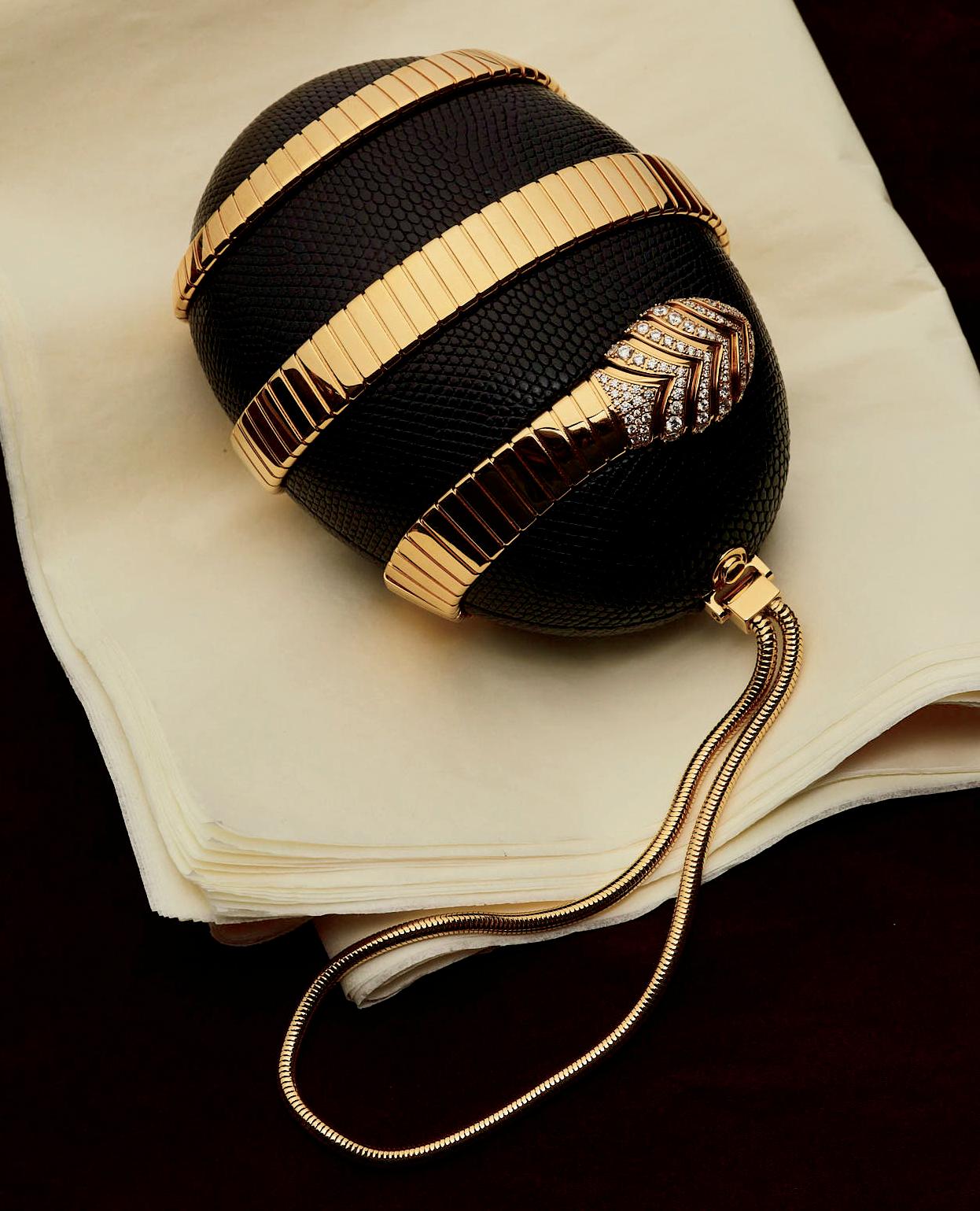
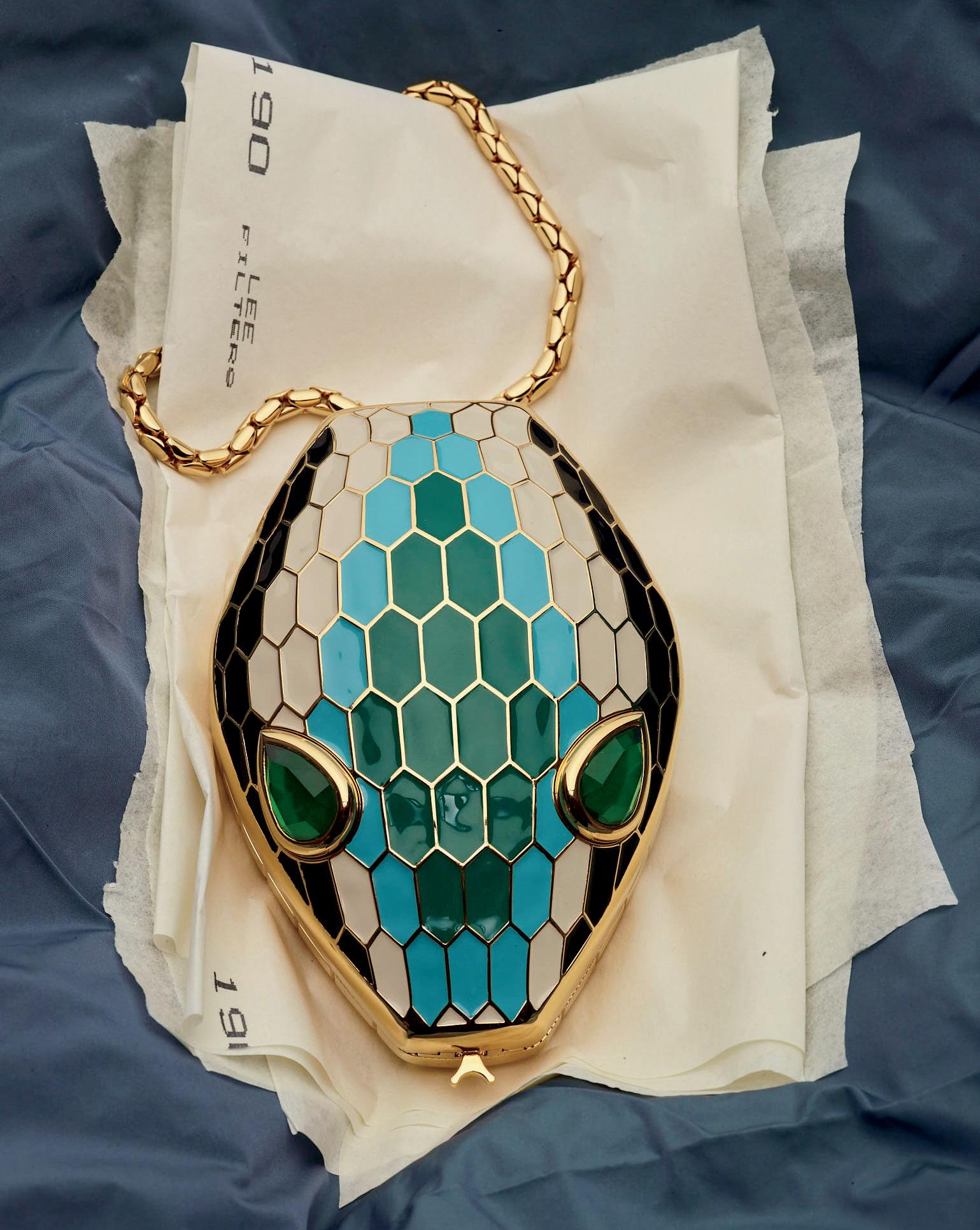
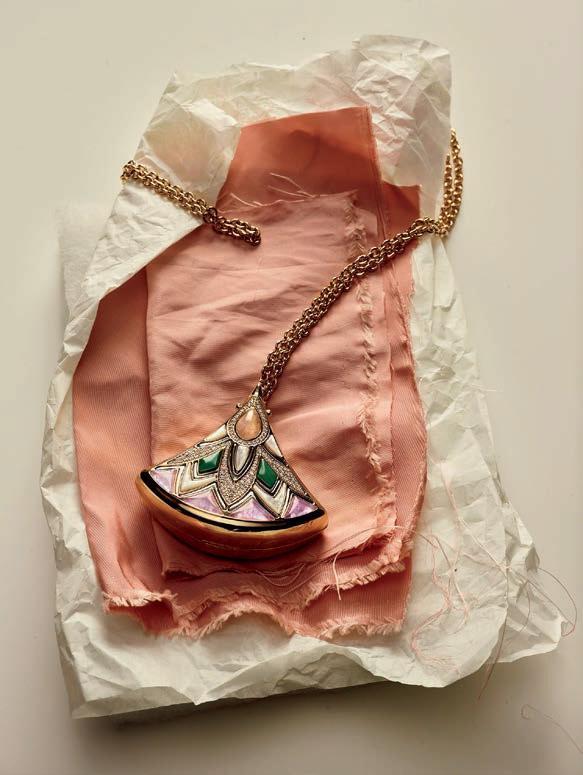
Bvlgari suggests it can be all three with its latest collection of limited-edition minaudières. Part jewelry, part heirloom, part work of literature, the collection is the black-tie equivalent of a paperback tucked inside a purse or a pocket.
Its five bejeweled designs may look like a wearable compact, but rather than lipstick and lash glue, each holds a hand-bound book featuring the musings of women who have shaped culture at a grand scale: writer Chimamanda Ngozi Adichie, actors Isabella Rossellini and Kim Ji-won, model Linda Evangelista, and architect Sumayya Vally.
For a project concerned with how we bring the outside in, the notion of home is unsurprisingly a throughline, emphasized in a campaign with the women, lensed by Ethan James Green and creative directed from Ferdinando Verderi.
In “Notes on Creating Culture,” Ngozi Adichie celebrates women as storytellers who pass cultural mores and ideas between generations, but cautions against passing down the ideas that hold us back. In “Notes on Honoring Tradition,” Evangelista considers the meaning of her Italian heritage through the lens of the food she and her family gathered around growing up—home-cured sausages, jarred passata from specialty grocery stores, and grappa fermented by her grandfather (she’s even included the recipe for her family’s sugo, that delectable Sunday sauce that simmers for hours during church).
And in “Notes on Finding Home,” Vally conjures the sensations of belonging that activate her designs, reminding us that home isn’t just a room but a prayer rug, a bowl, the smell of boiled cinnamon, or the sound of a loved one’s voice.
The collection’s two remaining essays slalom between even greater interiority and a more expansive consideration of life. In “Notes on Cultivating Inner Calm,” the South Korean Kim reflects on how she finds peace with herself in a culture that often demands perfection. And in “Notes on Listening to Nature,” Rossellini—who has dedicated much of her later career to illuminating the strange, alien beauty of
animal consciousness, including in the 2008 series Green Porno and through many years of fierce conservation advocacy—turns to the nonhuman world for a new perspective on what it means to participate in our society. Each essay is encased in a minaudière adorned with some of Bvlgari’s most iconic motifs— sinuous serpents, ancient Roman coins, and designs drawn from the Baths of Caracalla—all encrusted with precious materials from amethyst to tiger’s eye to motherof-pearl. Like a locket carrying the image of a loved one, the texts and their vessels are a reminder that culture is what we keep close.
The Bvlgari Bvlgari Minaudière.
The Monete Minaudière.
The Tubogas Minaudière.
The Serpenti Minaudière.
Photography Assistance by Alberto Vargas
Creative Assistance by Jesus Charris
Location: Lumin Studio
The Divas’ Dream Minaudière.
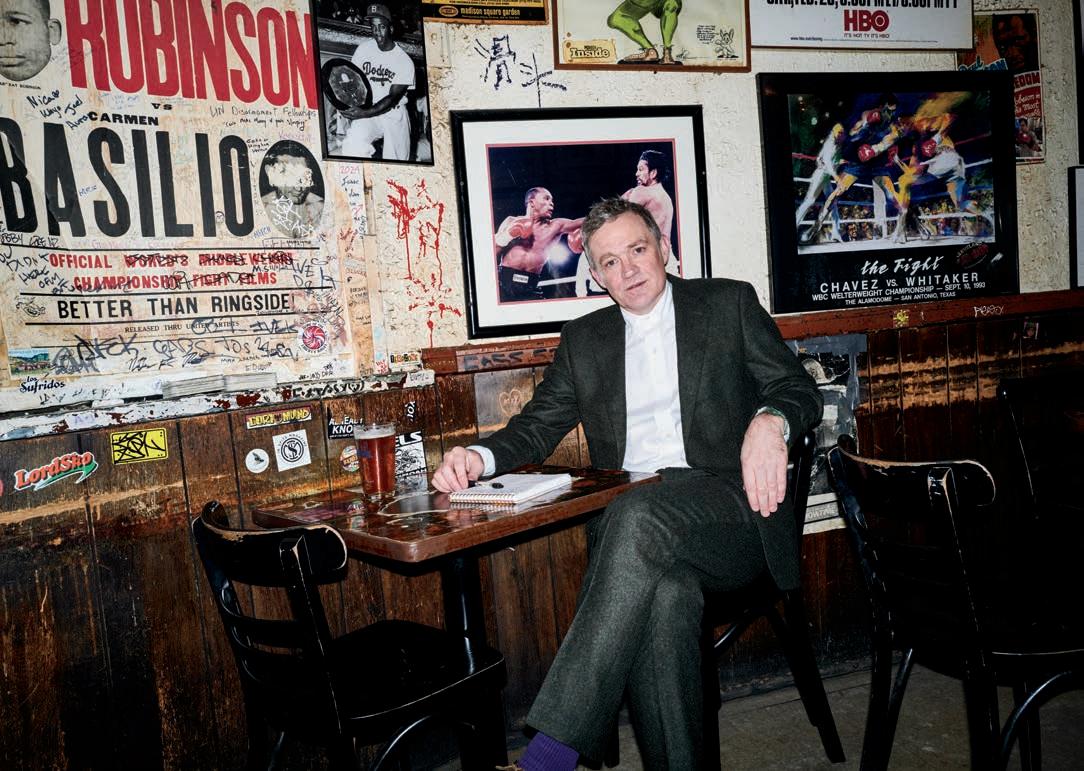
Patrick Radden Keefe in New York’s Grand Central Terminal.
HOW ALL OF LONDON FELL FOR PATRICK RADDEN KEEFE
In his latest book, the prolific excavator of the seedy and clandestine unearths the criminal alter ego of a British teen who drowned mysteriously in the Thames.
Photography by Jeremy Liebman
A vampire, a private eye, a dog with a bone—plenty of metaphors are bandied about when Patrick Radden Keefe’s name comes up, but none seem fully able to capture how deftly the journalist coaxes impossible stories from their confines.
Most recently, the Peabody-winning investigative writer—who has profiled Irish Republican Army kingpins and Big Pharma scions, confidence men and surveillance networks, in his books and viral New Yorker articles—delved into the ominous double life of Zac Brettler. In 2019, the British teenager was discovered drowned in the Thames after jumping to his death, and his grieving parents unearthed an elaborate criminal persona in the aftermath. Following his breezy 15,000 words on the subject in The New Yorker in 2024, Keefe felt himself drawn further into the London underbelly that Brettler had frequented. The resulting London
Falling, released earlier this month, introduces readers to a cast of characters straight out of The Bourne Identity MI6 agents, Russian oligarchs, mob enforcers, and slimy businessmen who circled the young man.
It’s this kind of high-octane reporting that put the New York–based writer on the radar of Mickey Down and Konrad Kay, the creators of Industry—HBO’s hit series about the high-strung, high-all-the-time lifestyle of nakedly ambitious London investment bankers. For Industry’s most recent season finale, the duo tapped Keefe for a cameo: He plays himself, an infamous New Yorker writer profiling the show’s intrepid protagonist Harper Stern on her new private jet. After getting to participate in their own spectacular portrayal of London’s murkiest corners, Keefe returned the favor by calling the pair to reveal a few behind-the-scenes moments of his own.
Keefe in Midtown at Jimmy’s Corner.
“I’m like a vampire. You have to invite me in.” —Patrick Radden Keefe
patrick radden keefe: Where are you, Konrad?
konrad kay: I’m in Soho, already fucking writing season five for some reason. It’s a champagne problem, but it’s still a problem.
keefe: I’m in a similar situation with this book tour I have coming up. It would be unseemly to complain about it.
kay: I read the book in one sitting on a flight. Not to blow smoke up your ass—it’s another masterpiece. After writing your brilliant New Yorker story, what made you realize there was a book there?
keefe: There have only been four times when I finished writing a piece and felt as though I’d just scratched the surface. This was one of them.
kay: Who influenced you growing up, in terms of the writing that you admired?
keefe: I grew up reading detective stories. I read all of Sherlock Holmes, all of Agatha Christie, English drawing-room mysteries, and then hard-boiled American fiction. When I was a teenager, I discovered The New Yorker. Many of my influences during my late teens and 20s, strangely enough, became my contemporaries.
kay: You’re a screenwriter as well. I felt that keenly in London Falling, especially the final moment of the book—that’s a director’s image. How has screenwriting bled into your longer-form work?
keefe: For years, I made money on the side by writing scripts for studios. My agents would pitch me as this reporter who could bring you the gritty truth from the streets. The biggest thing for me is how you arrange scenes next to each other—that’s your bread and butter as showrunners. A cold open is a very classic archetype of serialized television where you start an episode, and you’re not with your characters. There’s something thrilling about that as a
viewer when it’s done right. It also works brilliantly in a book.
mickey down: Our show has become this operatic statement piece, people say, about capitalism. What we’ve tried to maintain while doing all that is the intimacy of the relationships. You did such a good job of interweaving what feel like totally disparate parts of the British capital into this incredibly singular thing, but you also had the Brettlers at the center of it.
keefe: I felt a great degree of emotional investment in them, partly because Zac remains a little bit of a cypher. He’s this mysterious kid who lives a double life and dies in mysterious circumstances. I was very drawn to the idea that you have these two parents who lose their son, who realize that they don’t understand who he really was or how any of it happened.
down: Your book made me really nostalgic. The way that Zac behaved at school reminded me of so many people I went to school with who operated in those, as you say, high society and high-society-adjacent corridors. It made me feel icky about the city, how transactional it is, and its future. How complicit is London in this story? Could it have taken place anywhere else?
keefe: Zac Brettler was pretty well-off. His dad works in finance. He grew up in Maida Vale. He goes to a private school. But he’s born in 2000, when London is trying to figure out what kind of city it wants to be. It’s not a port city anymore. It’s not a manufacturing city anymore. In this moment in time, the Russian oligarchs have made their billions, some of them in questionable ways. It ends up becoming a commodious second home for plutocrats from around the world.
Zac’s seeing this and saying to his parents, “Why don’t we live in a bigger house? Why don’t we have a nicer car?” If you’re a young person, particularly one very much on social media living an algorithmically informed existence, it’s possible to lose your bearings when you’re exposed to people with £20
million flats who drive Bugattis around Mayfair.
kay: You built a beautiful relationship with the Brettlers, and you’re still in their lives. It had to be, by its very nature, very intimate. I wonder about the ethics of that.
keefe: I think about this dynamic a huge amount with my work, because what I’m doing is coming into your home and asking you to trust me. I’m like a vampire. You have to invite me in. I say to you from the beginning, “I am going to have to turn around and write this book. I’m going to take all of these stories you’re telling me, and I’m going to put them in a book. There will be things in it that may make you uncomfortable, and a lot of people are going to read it.” On the one hand, it’s very intimate. On the other hand, I’m not a therapist, and I’m not a rabbi.
down: Have the Brettlers read it yet?
keefe: Yes, the three of them [Matthew, Rachelle, and Zac’s brother Joe] took it with them to Majorca on holiday, and they sat in a row on the beach and read it together. I was so nervous about what they would think, but they feel really good about it. They’re coming to New York for the launch, which means a lot to me. They’re preparing for the day when they get on the Tube and see somebody reading it next to them. This will happen eventually—people they don’t know at all will come to know their intimate family history.
kay: There’s a part of your brain as you read the book that is trying over and over to understand what happened in the flat that night. That’s definitely why people are going to motor through the pages. Because of the gap in these men’s ages, I kept thinking, There has to be a sexual element to this story.
keefe: Coming from an Industry showrunner, that’s a shocker.
down: Yeah, I think we would have hit that note rather hard.
Portrait of Adam Pendleton and Gabriela Hearst by Sam Penn.
NINA’S ENCORE
Adam Pendleton and Gabriela Hearst want to reset the standard for American artists. Nina Simone is going to help them do it.
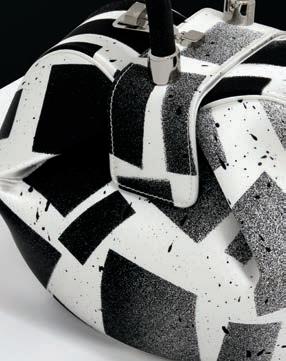
Though they often frequented overlapping cultural circles in New York, Gabriela Hearst and Adam Pendleton had never properly met. Then came Nina Simone. The designer and visual artist were introduced by Sharon Coplan, an advisor who orchestrates collaborations across art and fashion, to partner on a limited run of 25 Nina bags—Gabriela Hearst’s classic style, named after the late singer and now reimagined with Pendleton’s one-of-a-kind silkscreens. Proceeds from the collection, on sale this month at Sotheby’s, will go toward preserving the singer’s childhood home, purchased in 2017 by Pendleton and a coterie of other artists interested in uplifting the origin story of an American icon. The collaboration coincides with the artist’s “Love, Queen” exhibition, on view through January 2027, at the Hirshhorn Museum in Washington, DC, where he continues to play off the ever-changing definition of American artistry. Here, he joins Hearst in puzzling through what it means to be a maker Stateside at this moment, and the towering figures who continue to set the standard.
adam pendleton: I have to admit, I was a bit dubious about the whole idea of working with a fashion brand. I thought everything would move too quickly, and the quality would be low, but it’s been the exact opposite.
gabriela hearst: Meeting you has been so inspiring, because you’re extremely funny, insightful, and deep. It’s been a pleasure.
pendleton: Gabi is someone who makes you feel better about yourself. We have such similarities, but also differences. The ways in which we are similar are in a deeper, truer sense. Increasingly, people are not intentional about the work that they do. They just want to make it, release it, and be known for it. But, they don’t want to make things that have a deeper purpose or vision. You do have that intention.
hearst: You can see the struggle in quality across the fine arts. Everyone is really struggling with these lowering standards. Then, you have the believers in quality being the focus, and not shortchanging anyone. That’s [represented in] the bond and love we have for Nina Simone.
pendleton: Nina is a symbol of being purposeful with your art and how you contribute to the world. That’s rare.
hearst: Especially the courage to feel, right? When you can sing like her, and
you’re able to emote like that, it means that you are that extremely sensitive.
pendleton: It’s also nice to celebrate someone who was wonderfully imperfect, right? We hold our heroes up to these unrealistic standards, that she would have been a perfect mom, a perfect artist, a perfect citizen… and she was wonderfully complicated.
hearst: To be the artist is to be that vessel, to let things communicate through us. You feel less lonely when you hear her voice.
pendleton: It’s kind of beautiful, because what I had the opportunity to do was deconstruct something that you had created. I looked at the core architecture and every panel of your Nina bag. I pulled it apart, and then I painted each panel on every single bag. Then, we put it back together. There’s this poetry behind the process—that you made something, I got to pull it apart, and then we got to put it together again.
What I love about this whole Nina Simone project is how we’re preserving and protecting her childhood home and legacy. We’re building this extraordinary community of people. You’re joining me, Julie [Mehretu], Rashid [Johnson], Venus Williams—all the artists who contributed to the benefit auction. That alone just moves me so deeply. It’s incredible that someone’s legacy can serve as a focusing instrument to answer the critical question: What is American culture?
hearst: It’s a very profound question, which at the same time, can be lifted as a torch, right? In these dark times, we can look at this for light. We cannot let it get dark.
Limited edition Nina bag. Photography courtesy of Gabriela Hearst.
ONE PLAY AT A TIME
By Amy Verner
Photography by Romain Prochain
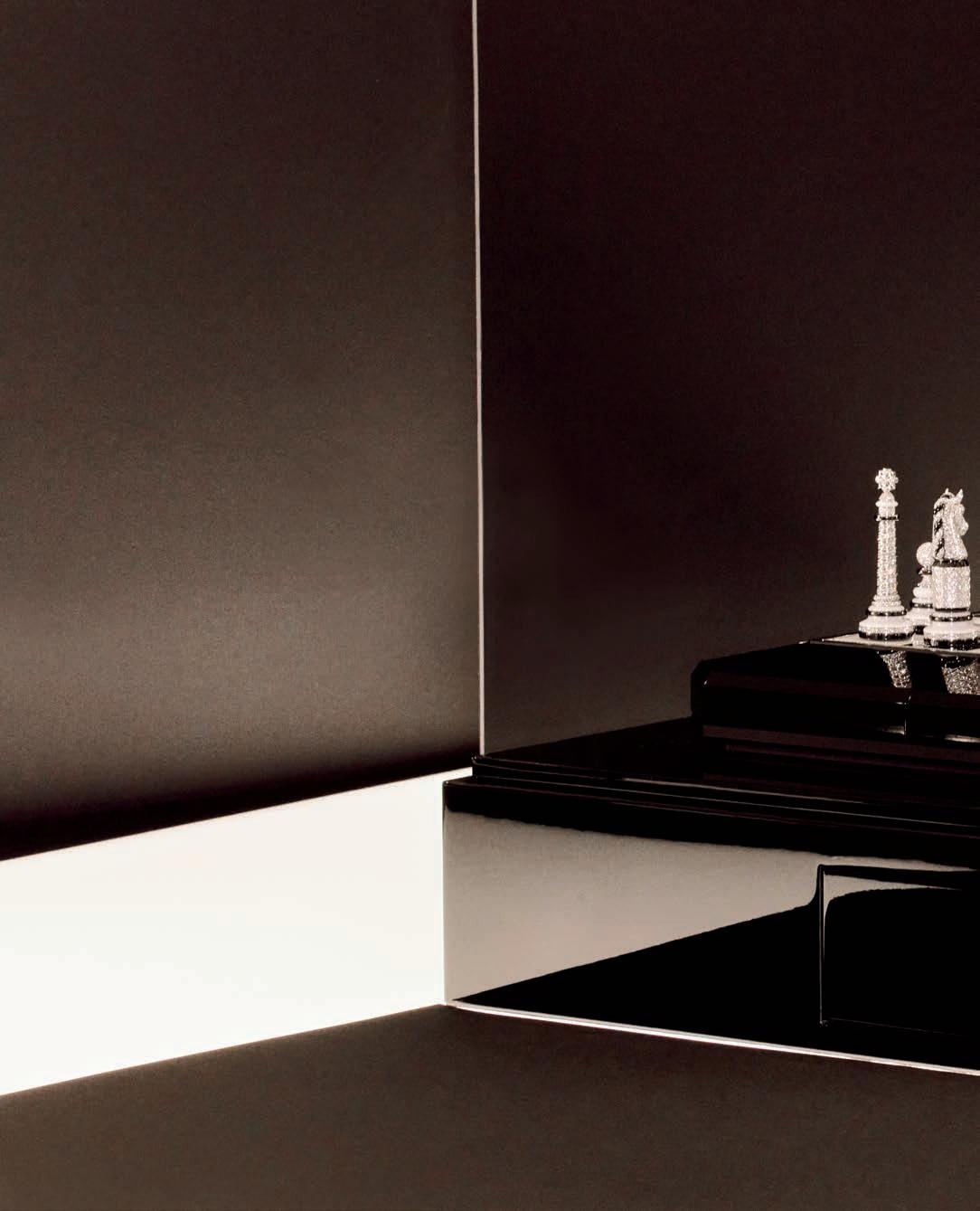
Perhaps it was only a matter of time before Chanel proposed its own exquisite version of a chess set. After all, even more than the double C, the interplay of black and white graphic lines could be considered the most enduring of Chanel codes.
The motif’s recurring use can be traced all the way back to 1924 in a Chanel perfume catalog that featured a graphic layout of black lines against natural paper. Black lines also structured the white perfume box of Chanel No. 5, and then, on a much larger scale, black was used to frame the doorway and windows of a boutique on Rue Cambon, in modern contrast to the white facade. And let’s not forget Gabrielle “Coco” Chanel’s wardrobe, specifically how she often wore white ensembles for day that were trimmed with black.
Fast forward to 2026, in the upper level of Chanel’s watch and jewelry boutique on the Place Vendôme, where these archival materials, among others, comprise a small display that culminates in the presentation of the forthcoming Haute Horlogerie collection: Coco Game. While the one-of-a-kind chess set with hidden timepieces is the pièce de résistance, the broader capsule is made up of a range including 13 watch designs that are masterpieces in their own way (and available by order).
“When you play chess, the notion of time is very important,” says Arnaud Chastaingt, director of the Chanel Watch Creation Studio, who began the first sketches for the chess set nearly three years ago. “This object might be a metaphor of Chanel time. It is always a beautiful story of creation first, but it’s also a story of savoir faire.”
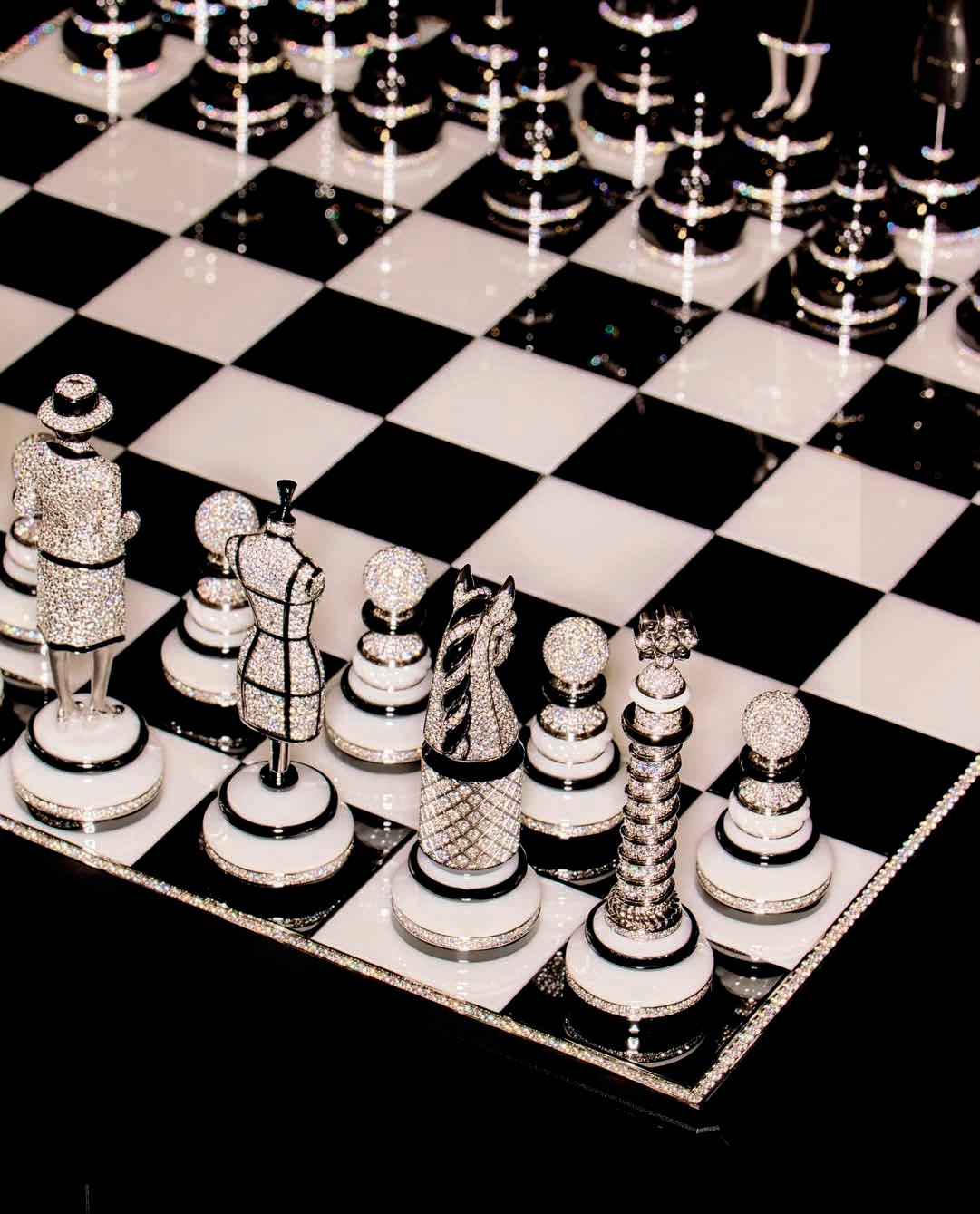
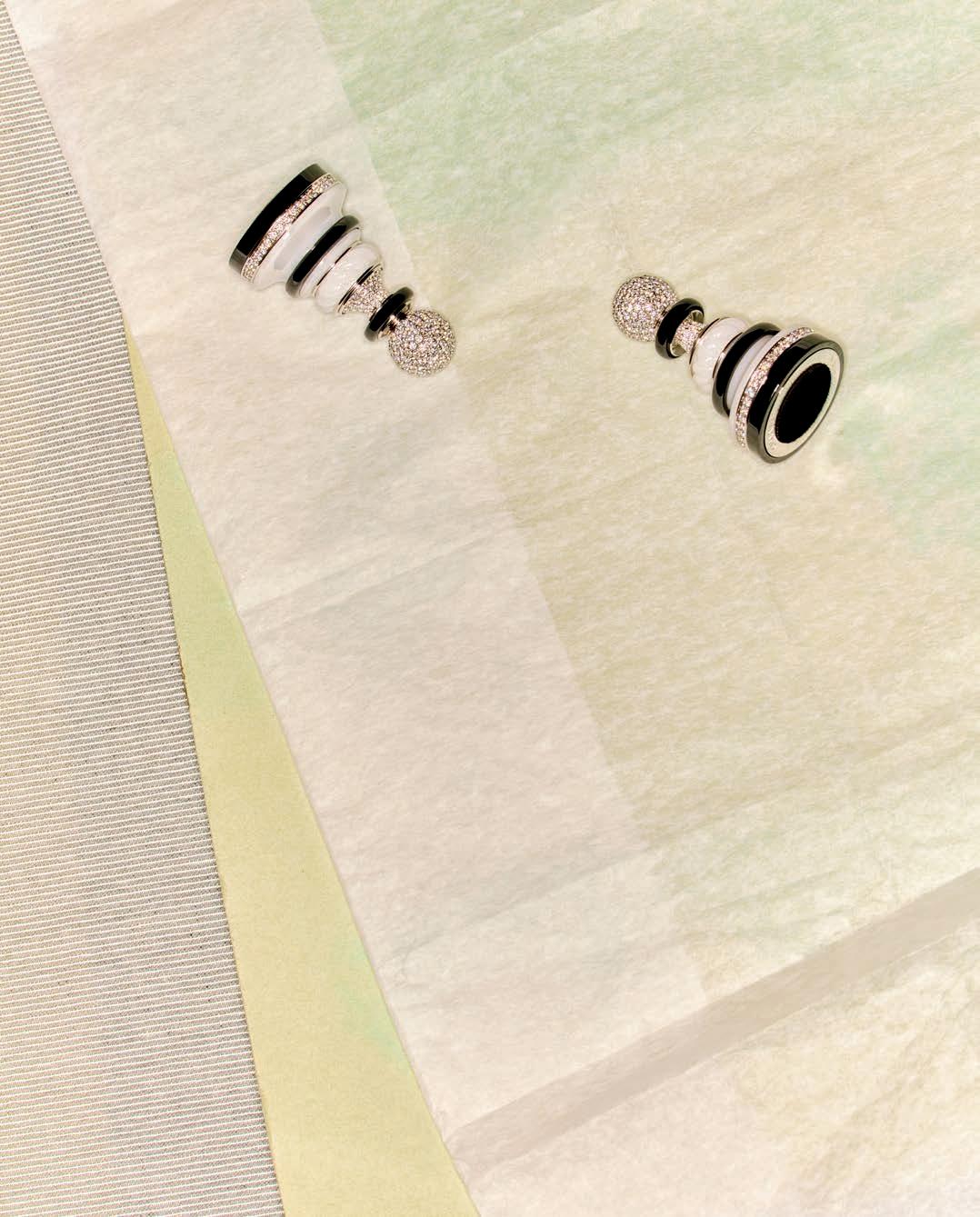
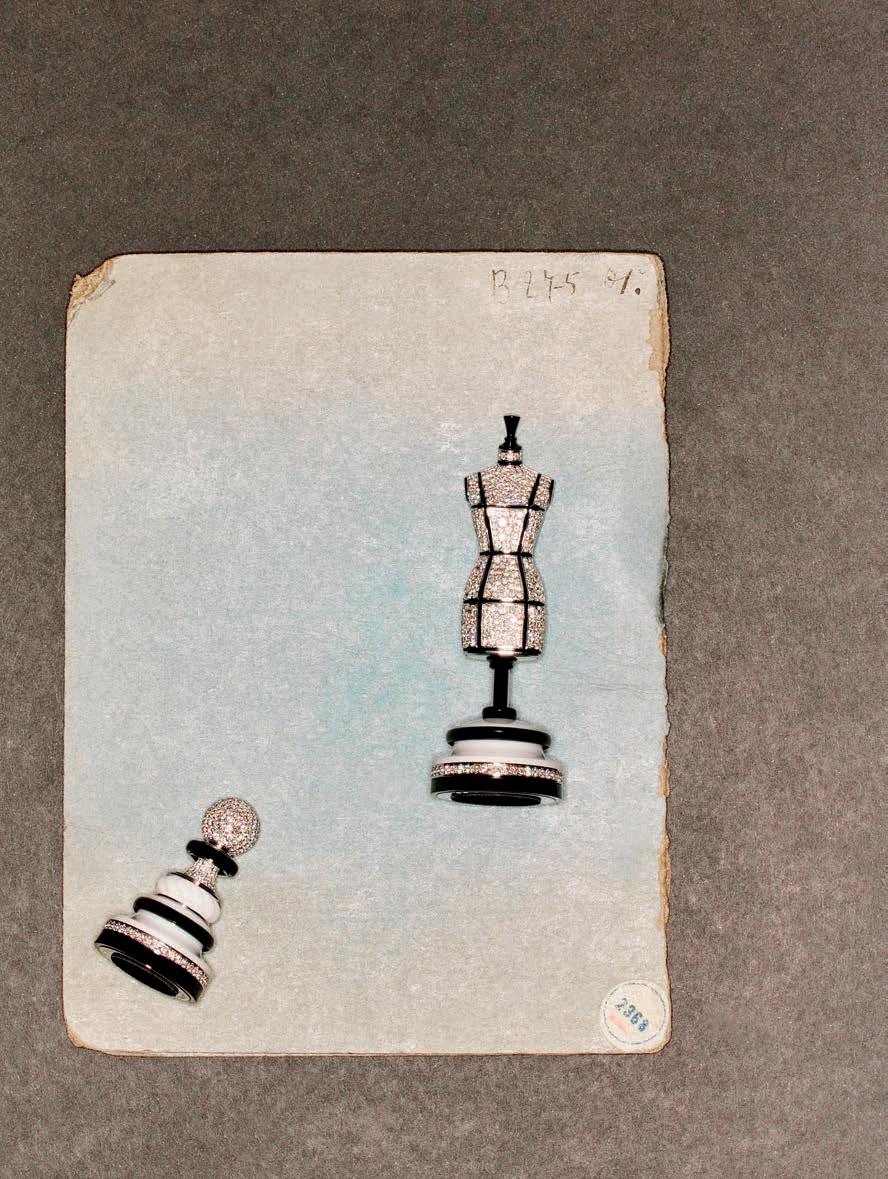
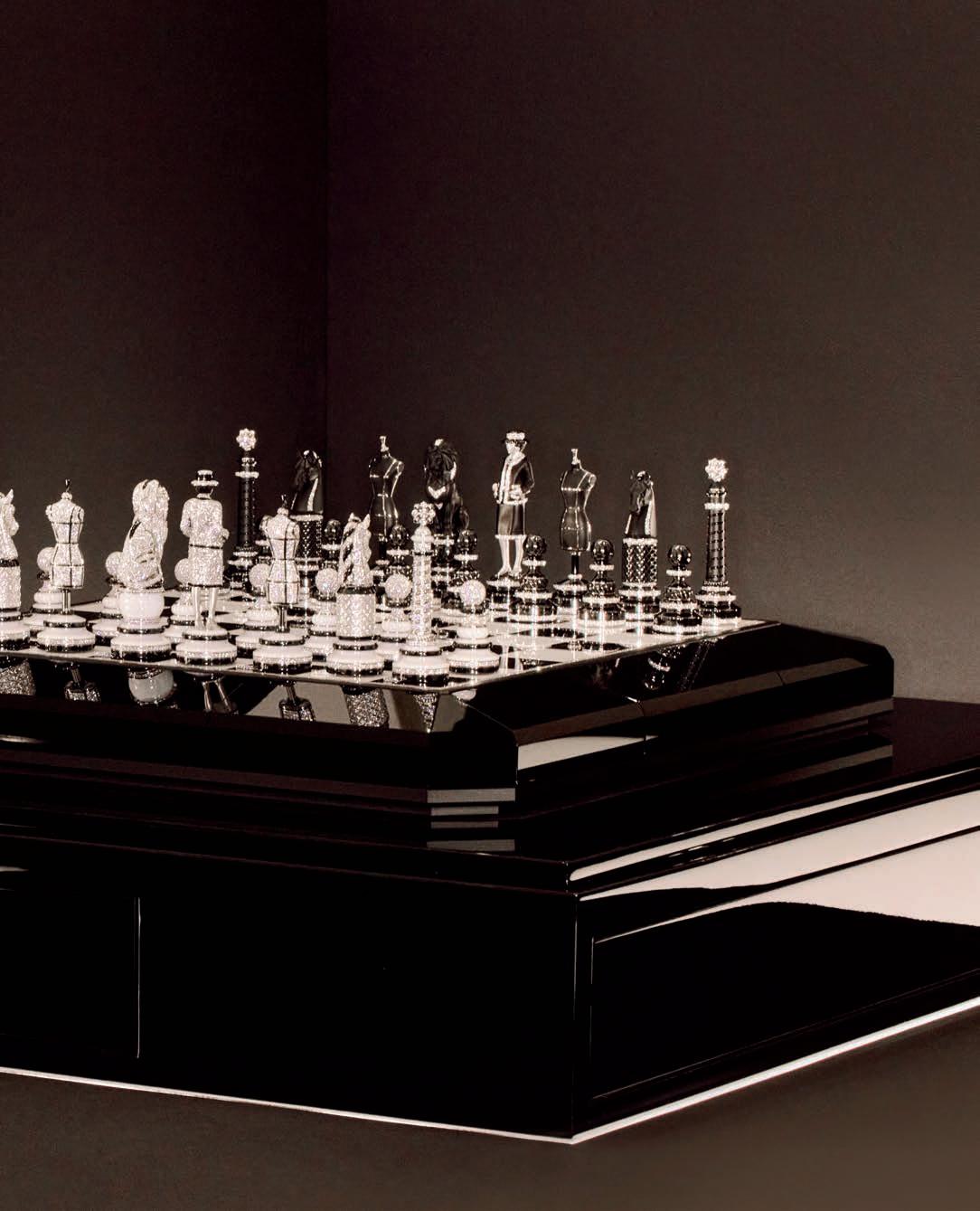
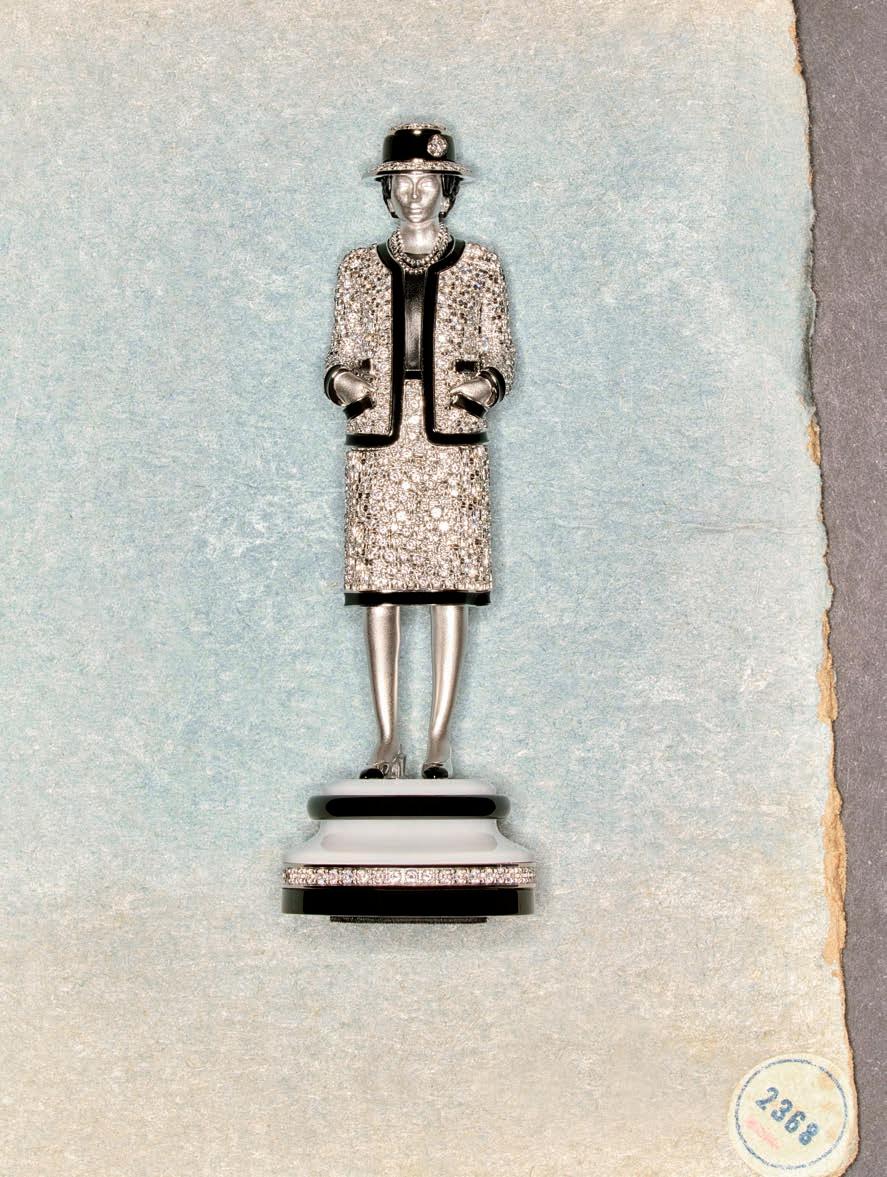
Rarely, if ever, has a chessboard appeared this chic. The 32 pieces read like a lexicon of Chanel symbols: the lion as king, the couture bust as bishop, the Vendôme column as rook, the quilted horse as knight. Each figure is conceived as a miniature sculpture rather than a playing token. Bien sûr, Gabrielle Chanel presides as queen. The board itself rests on an obsidian base, its 64 squares rendered in alternating black and white ceramic and bordered
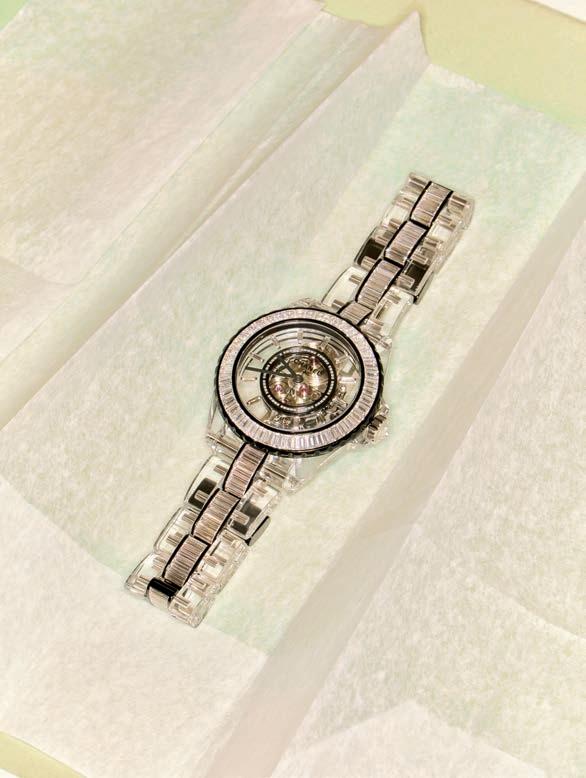
Previous spread: The Coco Game chess set. Here: The J12 X-Ray Coco Game.
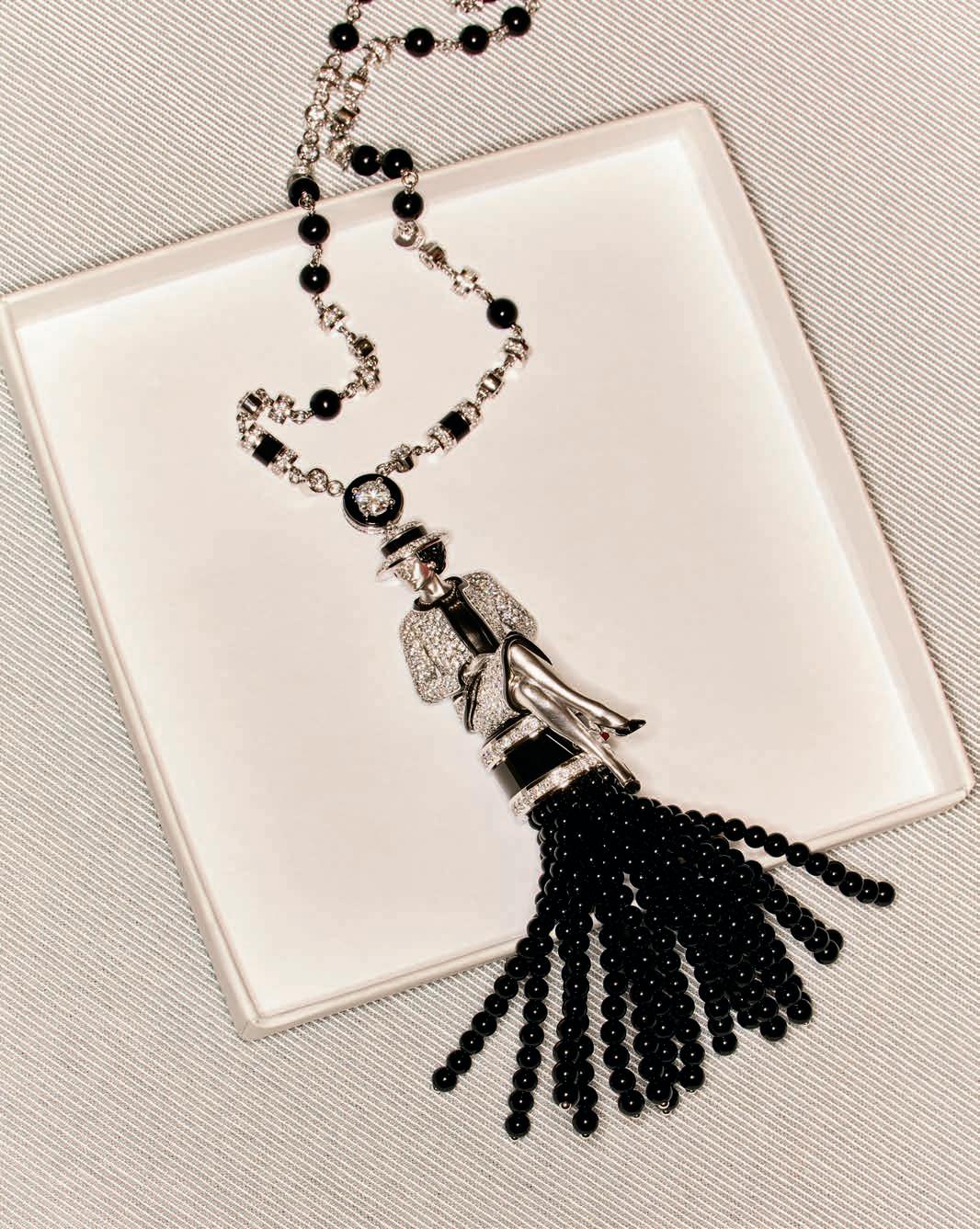
The Gabrielle Long Necklace.
with diamonds. The geometry is crisp, almost architectural.
Material contrast intensifies the design. Sixteen black pieces are sculpted from high-resistance ceramic—a material significantly harder than steel—then accented with white gold and hand-set diamonds. Opposing them, the white pieces are executed largely in gold, pavé-set and snow-set with stones. Across the entire chessboard, more than 9,000 diamonds—amounting to approximately 110 carats—are individually positioned and secured by hand.
There is, inevitably, a secret flourish or two. Each queen conceals a watch beneath her base that may be detached and worn as a pendant, suspended from a diamond-set white gold chain hidden within the chessboard. A clasp no larger than a grain of rice rises from the back of Gabrielle’s hat—as ingenious a presentation as any chess move. In this way, time is revealed selectively: to the winner.
All this technical mastery—choreography, too—is carried out at the Chanel Watch Manufacture in La Chaux-deFonds. There, each ceramic component undergoes between 10 and 14 hours of machining before firing, finishing, and assembly. The House’s decades-long research into ceramics enables the material to hold its own against 18K white gold and gemstones.
While Chastaingt has been expanding the imagination of the Maison’s Horlogerie studio since 2013, he notes that its designs have always been unconventional. “When Chanel decided to enter the watch world in 1987, we entered with no real permission; we were a fashion house,” he explains. “But we entered with the same level of excellence that we have with perfume, fashion, and the rest of the creation.”
Chanel Watch Manufacture’s gem-setting expertise is on full display here. Specialist setters developed an exclusive technique to evoke tweed, the House’s signature fabric, by sculpting gold around each diamond in intersecting directions. The setting—applied only to the white queen—required extensive trials.
Zooming out to the broader Coco Game capsule, each timepiece is anchored in the same disciplined contrast. The Gabrielle Watch and Gabrielle Long Necklace capture Mademoiselle stepping beyond the confines of the dial. Sculpted
“It is always a beautiful story of creation first, but it’s also a story of savoir faire.”
—ARNAUD
CHASTAINGT
in white gold from a living model, she emerges in relief, dressed in a diamond-set tweed suit edged with black lacquer. Beneath her gaze, the dial remains restrained. Produced in a limited series, the silhouette reads less as a watch or necklace than as a sculptural portrait.
These designs are just one way Chastaingt has sought to connect Gabrielle Chanel to the watch world, since she never actually produced them during her career. “I like that she is the first actress of the Chanel time,” he muses.
Meanwhile, the J12 X-Ray Coco Game revisits the coveted design as a near-transparent watch outlined with blackened gold. Sapphire crystal components reveal the Manufacture Caliber 3.1, a manually wound movement whose assembly alone requires a week of concentrated work. The sapphire elements entail approximately 1,600 hours of machining to achieve their clarity, while baguette-cut diamonds trace bezel, bracelet, and dial in sharply defined
lines. The mechanics appear suspended within light.
Elsewhere, the Première Coco Game ring revels in concealment. A central baguette-cut diamond rotates to reveal two faces: one a pavé-set surface, the other an octagonal dial that echoes the geometry of Place Vendôme. Fully snowset (a seemingly random yet harmonious layout), it transforms the idea of a secret watch into a jewel that is architectural yet compact enough to sit on the finger.
With Coco Game, time itself becomes part of the play. The chess set, which is entirely unique (it would take years to make another), has already found its future home. Does Chastaingt think it will be used—a round or two played on a Sunday afternoon—or simply displayed like a precious museum artifact? “That’s the mystery of our creation,” he says, “you never know what will happen.”
Set Design by Sati Leonne Faulks Photography Assistance by Thomas Mercier
CULT 100 the
What does it mean to shape culture when society is more atomized than ever? The honorees of this year’s CULT100 list present a hundred different answers. In their respective fields—art, fashion, film, literature, politics, food, and more—they are choosing risk over reward, courage over fear, curiosity over cynicism, and conviction over covering bases. Some pull strings behind the scenes; others take center stage. You may not have heard of them all, but each of these individuals offers something that the algorithm never will: a singular, unpredictable perspective.
CULT100
Vanishing Act
Carey Mulligan is a consummate vessel for nostalgia. This spring, she slips into her most ultracontemporary role yet—battling the evils of plastic surgery consults, block lists, and marital malaise.
By Amanda Fortini
Creative Direction and Styling by Studio&
All Clothing and Accessories by Prada
1 / CULT100
Photography by Arash Khaksari
It’s a rare performer who disappears so seamlessly into a role you forget there’s a person behind the character. At 40 years old, Carey Mulligan has been nominated for three Oscars, four Golden Globes, and a Tony for just this sort of vanishing act, whether playing a laundress turned women’s-rights crusader in Suffragette, a ’60s-era Montana housewife who comes untethered as her marriage crumbles in Wildlife, or an actor sacrificing her own ambitions to support her famous composerhusband’s career in Maestro. Offscreen, Mulligan leads a quiet, low-profile life: She’s based in rural England, roughly four hours southwest of London, and doesn’t have an Instagram account. “I don’t want to be ‘known,’” she told Vogue in 2010, a year after An Education, the film that announced her arrival, came out. “If people have all those other pictures and stories associated with you … they have to work harder to believe you as a character.”
In her elusiveness, Mulligan feels like a relic of a time when actors focused on the rigors of craft rather than the frills of celebrity. This quality, combined with the angelic, doll-like openness of her face, makes the London native an ideal vessel for the nostalgia her most prominent films have evoked. Of course, Mulligan has also played the occasional present-day heroine (the feminist vigilante in 2020’s Promising Young Woman comes to mind), but it feels thrillingly unexpected to see her take on the modern day as a middle-aged interior designer whose marriage is swiftly unraveling in the latest season of Beef—the hypercontemporary Netflix series created by Lee Sung Jin.
Beef ’s wildly popular first season starred Steven Yeun and Ali Wong as strangers
whose lives become entangled after a road rage meet-cute. The latest, which aired on April 16, follows two couples who work at a Montecito country club, with the younger pair, played by Charles Melton and Cailee Spaeny, witnessing an explosive fight between their boss and his wife, played by Oscar Isaac and Mulligan. The foursome find themselves in a high-stakes chess game of blackmail, back-scratching, and embezzlement, with the club’s wealthy Korean owner (Youn Yuh-jung) pulling the puppet strings.
When I meet Mulligan over Zoom, she comes across as efficient and a tad austere. Makeup-free and dressed in a black sweater, her blond hair bobbed, she beams in from her home office in Devon, swiveling the camera around to reveal a wall of bookshelves filled with fiction, plus Victorian and contemporary poetry. She lives with her husband, the musician Marcus Mumford of Mumford & Sons, and their three children under the age of 10; she describes their life as “very schoolrun-based.” As she talks, I’m struck by the expressiveness of her face and the demonstrative gesturing of her hands. The veil, I realize, does not extend both ways: The performer never quite recedes into the civilian.
If there’s a throughline in Mulligan’s oeuvre, it’s that her choices are deeply literary. At age 6, she saw her older brother appear in a stage production of The King and I and decided she wanted to act. Literary adaptations tend to be set in a particular historical milieu, which means that Mulligan has become the de facto darling of period pieces, from Daisy Buchanan in F. Scott Fitzgerald’s The Great Gatsby to Bathsheba Everdene in
“Lindsay is someone who’s having a silent breakdown. She’s manipulative and kind of mean.”
Thomas Hardy’s Far From the Madding Crowd. At 18, she made her film debut in Joe Wright’s 2005 adaptation of Jane Austen’s Pride and Prejudice, playing Kitty Bennet, the weak-willed fourth sister, with dimpled charm. More British costume dramas followed: the 2005 television version of Charles Dickens’s Bleak House; the 2007 film of Austen’s Northanger Abbey. The next year, on stage, she not so much portrayed as embodied aspiring actor Nina in Chekhov’s The Seagull, a performance lauded by New York Times theater critic Ben Brantley for its “raw hunger.” With An Education, Lone Scherfig’s 2009 adaptation of Lynn Barber’s haunting coming-of-age memoir, Mulligan earned her first Oscar nomination for her heartrending turn as Jenny, a 16-year-old schoolgirl seduced by a 30-something man. I remember sitting in the darkened theater, moved by the bright innocence Mulligan radiated. “She has such lightness and grace,” Roger Ebert wrote, “you’re pretty sure this is the birth of a star.”
It’s thoroughly amusing, if a touch jarring, to see her in Beef—texting on an iPhone, blocking annoying men on social media, and grappling with contemporary phenomena like workplace animosities, Korean skincare, and cosmetic procedures. (On the latter, Mulligan is refreshingly, if unsurprisingly, anachronistic: “I’m sort of delighted to be able to move my face,” she says in her wry way. “Your face is your instrument.”)
In the show, Mulligan’s Lindsay is the performatively supportive but privately bitter wife of Isaac’s Joshua, the club’s douche-y manager who listens to
manosphere podcasts to cope with his porn addiction. Mulligan conjures Lindsay, in all her petty vengefulness, with ingenious specificity: her online dalliances, her plastic surgery consultations and tennis pro flirtations, her seething rage at her husband’s neglect of their once-shared marital dreams. “This is someone who’s having a silent breakdown,” Mulligan says. “She’s manipulative and kind of mean.” Mulligan and Isaac first met on the set of Drive in 2011, reunited on Inside Llewyn Davis in 2013, and have remained friends ever since. Both can be seen at the dazzling height of their respective powers in Beef, a tonal tightrope walk between absurdist dark comedy and tense psychological thriller.
As our interview winds down, I ask her how she typically prepares for a role. Mulligan tells me she reads poetry, another endearingly antiquated detail. “I like finding specific little phrases that become a mantra for a character,” she explains, pulling down some favorites (Christina Rossetti, Emily Dickinson, Sharon Olds) from her shelves. In 2018, during an offBroadway run of the one-woman show Girls & Boys—a harrowing 90-minute monologue delivered by Mulligan with relentless intensity—she pinned the final stanza of Kerry Hardie’s “Humankind” to her mirror backstage. She still sends “it to Marcus once in a while,” she tells me, “when he’s got something really scary” to do, like a significant performance. Lowering her voice to a crisp stage whisper, she recites the lines, sounding at once archaic and modern, a heroine for any era: “These are our days. / Walk them. / Fear nothing.”
“I’m sort of delighted to be able to move my face. Your face is your instrument.”
Hair by Alex Brownsell
Makeup by Celia Burton Nails by Abena Robinson
Set Design by Thomas Bird
Project Management by Chloe Kerins
Hair Assistance by Laura Breslin
Makeup Assistance by Peggy Nesbit
Set Design Assistance by Titus Hope
Photography Assistance by David Paul Vail and Lewis Robinson
Styling Assistance by Cydney Moore and Amber Adams
Sombr in Milan enjoying his takeout spaghetti.
The Sombr Syndrome
Armed with brainrot, bedroom lyrics, and the onstage antics of a different epoch, the musician is set to reshuffle the charts before he can legally pop a bottle of champagne to celebrate.
By Chris Black Photography by Bea De Giacomo Styling by Anna Carraro
All Clothing and Accessories by Valentino
If you’ve listened to Sombr’s music, you might have come away with the impression that this 20-year-old, allegedly six-foot-seven heartthrob is depressed. His lyrics circle heartbreak, inspecting it from every angle, and his primary inspirations are Bon Iver and Jeff Buckley— two patron saints of melancholy. The name doesn’t help, either. But to stand in the crowd at one of his shows, to witness the outright phenomenon that is Sombr in 2026, tells a different story. The musician’s stagework is peppered with “brainrot” Internet slang, and he favors a mid-performance gag involving
confronting a fan’s “toxic ex” over FaceTime. But despite his deep entrenchment in Gen Z’s digitally mediated realms, Sombr has a steely, glam-rock sex appeal that feels distinctly analog—and triggers a frenzy best witnessed IRL. In a manner that seems preternatural, he’s woven together the old-school with the newfangled, bringing his earworms to life with a bawdy and flamboyant onstage persona. He’s the almost too-perfect modern pop star.
“I didn’t choose this life; this life chose me.”
Sombr, born Shane Michael Boose, grew up in what is now known as Dimes Square with parents who worked in events and communications—two things the LaGuardia High School dropout has become well-versed in over the last year. “When I was growing up there in the 2010s, Dimes was definitely not a cool area,” he tells me. (A tattoo on the knuckles of his left hand reads “LES.”) When his 2022 single “Caroline” became an unexpected viral hit, the then-16-year-old left school to pursue a record deal. In 2023, the legendary A&R man and producer Tony Berg, who has lent his Midas touch to everyone from Phoebe Bridgers to Sarah McLachlan, became a close collaborator.
The real onslaught of fame came in 2025, when his songs “Back to Friends” and “Undressed” amassed a collective 2.5 billion streams on Spotify. The ensuing months have been a whirlwind, complete with a breathless endorsement from Taylor Swift and a nomination for Best New Artist at the Grammys. The night he made his network TV debut with a performance of “Back to Friends” on The Tonight Show last May, he claims he walked offstage to discover 15 missed calls from the girl who inspired the lyrics by rejecting him in the first place.
Sombr understands the Internet better than most pop stars. His songs revolve around the 15-second emotional gut punch that translates perfectly into a TikTok loop and quickly yields millions of streams. It’s pure Gen-Z bait: longing delivered with lean, glitzy swagger. But Sombr is not just another pretty face doing the bidding of the machine. He writes and produces his own songs, making sure to leave a trace of DIY grit in the sound so it never feels too glossy. He pairs his steadily growing digital fan base with onstage flourishes that spark a flurry of commentary. Between songs, for example, he often asks his fans to bark for him—and they do. In 2026, that’s the formula: undeniable talent, low-stakes chaos, and a rapt fan base
that can’t decide whether they love you or simply can’t look away from the spectacle. (Is there even a difference?)
I ask him if LaGuardia—the U.S.’s most prestigious public school for the arts, which has birthed icons ranging from Jennifer Aniston to Slick Rick and Timothée Chalamet—was a competitive environment. “Everyone was very supportive of each other,” he asserts. “We were all working towards the same thing.” If anything, he adds, the halls were a runway. “Maybe it was a fashion competition,” he relents.
The musician still starts every song the same way as he did in high school: alone in his bedroom. (Though these days, he finishes them at the famed Sound City Studios in Los Angeles.) Dimes Square was the post-pandemic hub of what came to be known as “dirtbag” culture, propagated by a particular flavor of downtown writer, critic, and podcaster who delighted in intellectual provocation and a sometimes right-leaning, anti-woke sentiment. When I ask what that adolescence was like, he responds pithily: “I didn’t choose this life; this life chose me.” This made me laugh, because he is sort of right.
When we speak, Sombr is in a Berlin green room, in the midst of a world tour that’s taking him from Austria to Australia. The road, at that pace, is nothing short of punishing. But the musician is resilient: “I am definitely settling in,” he notes. It helps that his band is stacked with longtime friends. His drummer, Mitch Prewitt, has been a friend since before Sombr had fans. “It’s not a typical band where I hire just players. It gets so lonely if you don’t have friends with you,” he continues, leaning back on a green, worn leather couch backstage. “Luckily, it all just came together like that.”
Hair and Makeup by Daniela Magginetti
Production by Simona Ghinassi
Styling Assistance by Carolina Tolo
Lighting Assistance by Noemi Sorze and Mariachiara Padalino
Production Assistance by Andrea Blu Rivani
Naomi Watts wears jewelry by Briony Raymond throughout.
Playing for Laughs
Naomi Watts has built a career by embodying women in moments of strife and calamity—but she’s ready to channel some more irreverent impulses.
Photography by Justin French Styling by Jeanann Williams All Clothing by Valentino
On Zoom in New York, Naomi Watts dons an enormous pair of spectacles and a sweater that swallows her whole. Writer and career social butterfly Derek Blasberg logs on from LA in a sweat-wicking Nike top and bedhead. Let the bicoastal confessional commence.
The pair met at the 2018 Venice Film Festival while “bookended by Dakotas” (Johnson and Fanning, of course). Watts was serving on the jury, the type of task she’s hoping to do more of as her daughter Kai prepares to leave the nest. Already, the actor’s filmography has taken a turn, from the emotional land mine of her 2001 breakout in Mulholland Drive (or 21 Grams and Funny Games for that matter) to campier and even comedic fare, including four back-to-back Ryan Murphy projects and a number of experimental directorial debuts.
With an auteur-inflected filmography and its myriad accolades under her belt, and the kids out from underfoot, Watts, now 57, is realizing that this is the time she can
do precisely what she wants. On a recent Monday morning, she let Blasberg in on her plans.
Naomi Watts: Sorry, I didn’t dress up for you, Derek.
Derek Blasberg: I mean, how dare you? I’m incredibly disappointed that you’re not in full glam for this interview.
Watts: Well, I see you’re appropriately dressed to match me as well.
Blasberg: This is my kids’ spring break. I have my two kids, my brother’s three kids, and my parents all in this house. So when someone said, “Would you like to interview Naomi Watts today?” I said, “You know what? Yeah.” Where do I find you?
Watts: I’m in New York in my apartment. I’m heading to LA soon. I spent my first 10 years in America there. It was a
lonely time. It was a hard time. It was pre– Mulholland Drive. I was trying to audition.
Blasberg: That film changed your life. How did you get the gig?
Watts: I’m still wondering to this day. Some people don’t get that kind of role in their whole career. But I got two in one movie and I think every living director saw that film.
Blasberg: Is it true that you were thinking about leaving town?
Watts: Oh, many times. I thought maybe I could become a yoga teacher.
Blasberg: On the flip of David Lynch, I’ve seen you in Ryan Murphy’s projects. You’ve done so much together, you must get along.
Watts: Yeah, we do. He called me out of the blue about [the 2022 TV show] The Watcher. I enjoyed talking; it was a very short call. He works very, very efficiently and things move very, very quickly.
Blasberg: How was it to play Jackie Kennedy [in Love Story]?
Watts: I was definitely nervous about it because she is arguably the most memorable first lady. Ryan just has this wonderful ability to instill confidence in you by saying right away, “I would love for you to do this.” You’re like, “Wait a second, I don’t look like her. I’m not American. Did 12 other people turn this down?” But when he says it, he’s very sure and he understands your capabilities and he knows that you’re gonna work your ass off.
Blasberg: He’s very persuasive, Ryan Murphy. You’re coming back for All’s Fair season two. The first looked like a lot of fun. I saw a picture of [cast member] Sarah Paulson grabbing Kim Kardashian’s derriere.
Watts: It wouldn’t have been the first time, and it wouldn’t have been the last.
Blasberg: I [also] read you are doing Cody Fern and Ben Shirinian’s directorial debuts. Is it important for you to have a mix of camp, high fashion, Ryan Murphy productions, and these new guys who are trying new things?
Watts: I’m always looking for territory that I haven’t walked. I’m always looking for lighter stuff, because people don’t know that I can be funny.
Blasberg: I think you’re funny.
Watts: The first 10 years of my career, I was playing women in various harrowing roles. I turned quite a few romantic comedies down in the early days. But I’m trying to shift that narrative a bit lately.
Blasberg: When you came to LA, were you part of that Australian mafia?
Watts: Yeah, Nicole [Kidman] was here, and I knew her just enough to call her up. We met on literally my first ever casting, which is crazy. And we shared a taxi cab home. But even with the ones I didn’t really know that well, because of where we came from, we created that sense of community. We knew we had the same sense of humor. We knew that we were homesick. We knew we had nostalgia for certain foods and experiences.
Blasberg: The last time I saw you and Nicole together, you guys both had your kids with you!
Watts: That’s right! Derek, I’m sorry I took time away from your family, but I just love talking to you.
Blasberg: I am not sorry. I will now go back into the war zone of daddying and uncle-ing and son-ing feeling refreshed from our chat.
“I’m
always looking for territory that I haven’t walked. I’m always looking for lighter stuff, because people don’t know that I can be funny.”
—Naomi Watts
Hair by Rebekah Forecast
Makeup by Mary Wiles
Nails by Gina Viviano
Set Design by Colin Phelan
Lighting Direction by Alexei Topounov
Digital Tech by Michael Vick
Production by Jennifer Pio and Jackson Pollis
Photography Assistance by Marian Sell
Styling Assistance by Morgan Lipsiner
Set Design Assistance by Jamen Whitelock
“I turned quite a few romantic comedies down in the early days. But I’m trying to shift that narrative a bit lately.”
—Naomi Watts
The Other Salman Rushdie
The storied writer called up his friend Laurie Anderson to talk about the things that keep him up at night—aliens, revenge plots, and doggy heaven.
Photography by Sinna Nasseri
Salman Rushdie roaming Villa Albertine in New York.
As powerful as his personal mythology has become, Salman Rushdie the public figure has never fully eclipsed Salman Rushdie the writer. He remains first and foremost one of our leading weavers of words and worlds, penning no less than 15 novels, two memoirs, and countless essays. At 78, his larger-than-life biography—a childhood in Bombay, encounters with novelist E. M. Forster at Cambridge, and decades in exile Stateside—has most recently informed last year’s The Eleventh Hour, a collection of short fiction that spans the three countries in which he’s lived and worked.
A call for his death by Ayatollah Khomeini in 1989—the year after Rushdie published The Satanic Verses, which reimagined the life of the prophet Muhammad—pushed the Indianborn writer to the U.S. Thirty-three years later, Rushdie was almost killed when he was stabbed ahead of a public lecture in western New York. His resulting memoir, 2024’s Knife, was adapted into a documentary of the same name that premiered in January at Sundance. The Alex Gibney–directed production is more personal than polemic, charting his recovery alongside his wife, the poet and novelist Rachel Eliza Griffiths.
Between recent film and literary festivals, at which he alternately promoted projects that recount his singular time on Earth and are inspired by it, he sat down with the artist and experimental electronic music pioneer Laurie Anderson. His fellow legendary New Yorker has also been on the road as of late, touring her new show, Republic of Love, with the band Sexmob. Between public appearances, the old friends let us in on an intimate conversation that touched on everything from dog bardo to cultural boycotts to birthday planning.
Laurie Anderson: How was Sundance?
Salman Rushdie: Extraordinary. The film had a wonderful reception. I hope that momentum will eventually lead it to whatever streaming service.
Anderson: I would rather stream something than go out to a movie these days. I went to a theater by myself once in the afternoon. I heard all this crunching and popcorn, and I’m thinking, Who is eating all this popcorn? I walked down towards the front, and saw maybe 40 rats chomping away on all the snacks that slide down to their territory. What else do you have coming up?
Rushdie: I just had a weekend of festivals. I was in New Orleans and then after that, Tucson.
Anderson: The last time I was there was crazy hot. I had to keep pot holders in my bag for the door handles.
Rushdie: I love the cactus forests in the mountains outside Tucson. Maybe the reason why aliens show up in the desert where all these cacti are is because they look like cacti and they recognize them as their relatives.
Anderson: What about those giant wavy balloon men that you see at gas stations? That’s the cartoon version of an alien.
Rushdie: In Tucson, I was in conversation with [Soviet-born writer] Gary Shteyngart. He’s good at being funny about serious things.
Anderson: We’re going to get crushed if we can’t be funny about serious things at least 50 percent of the time.
Rushdie: The problem is that daily life is so full of noise. I think it might be the artist’s business to provide a different kind of sound. I’m so pleased that people seem to find this new book of stories to be beautiful and joyful, because they’re all kind of about death.
Anderson: That’s a part of life. My little dog Willie is dying, and it’s so intense to be with him now. Watching an animal that is just pure energy go—it feels bad.
“We’re going to get crushed if we can’t be funny about serious things at least 50 percent of the time.”
—Laurie Anderson
Rushdie: I remember your previous dog, Lolabelle, who was also a joy. You made those paintings of her.
Anderson: “Lolabelle in the Bardo.”
Rushdie: Eliza [Rushdie’s wife of five years] lost her dog, a Border terrier called Hero, just over a year ago. I think we’re going to be dogless for a while.
Anderson: I can’t live without a dog. No dog walking, no nothing? I remember after Lou [Reed, Anderson’s longtime partner] died, Willie and I had to do the same thing every night for two months: He insisted on going from room to room, looking in every corner. After we’d done the whole house, we would do it again. We always ended up in the closet where a lot of Lou’s jackets were. That was a big comfort to Will, to see the jackets for a while.
Rushdie: That’s so interesting. You know, this book is the first time I’ve ever written a ghost story. I’ve wanted to write about Cambridge for a long time. I graduated in 1968. I was at King’s College, and one of the good fortunes I had was being there at the same time as E.M.
Forster, the author of A Passage to India. I was 19, and he was almost 90. When he discovered that I had an Indian background, he became extra friendly because India had been so important in his life. The two men he had loved were both Indian. I had a few encounters with
Forster, and that became the germ of the ghost story. It later became about the reason why this old gentleman [who passed away] can’t be at rest—why he needs revenge.
Anderson: There’s so much revenge going on in the world already.
Rushdie: I know. But some of it’s fun.
Anderson: I’m going to try to see the fun side. Revenge is kind of ridiculous.
Rushdie: Actually, two of the stories in this collection are revenge stories. The other is set in India in my old hometown. It’s about a young musician woman who makes the mistake of marrying into a billionaire family.
Anderson: Oh, that’s a terrible mistake.
Rushdie: They treat her awfully.
Anderson: Of course they do.
Rushdie: Speaking of music, what are you doing?
Anderson: Last year, I was part of a big festival in Vienna. The theme was the rise of fascism in Europe, and they asked if I would give a two-hour talk on the relationship of love and government. It was at the radio station where Hitler announced the annexation of Austria— totally a Nazi place.
Rushdie: Two hours is a long time.
Anderson: It’s a very long time. I started with a quote from Cornel West: “Justice is what love looks like in public.”
Rushdie: That’s a great line. Did you publish it?
“Daily life is so full of noise. I think it might be the artist’s business to provide a different kind of sound.”
—Salman Rushdie
Anderson: I probably will. Right now, I’m touring it with the band.
Rushdie: Speaking about Nazis, I was once in Vienna during the run-up to an election where the neo-Nazi party was doing scarily well. There was a huge anti-Nazi demonstration in this famous square called the Heldenplatz, where Hitler made one of his most famous speeches. They asked me to say a few words. I don’t speak a word of German, so wrote something in English, and they translated it for me. I had to learn it phonetically.
Anderson: Jawohl, how did you do?
Rushdie: On the day of the event, it was just belting down with rain. The organizers were worried because they thought people wouldn’t show up. But the Heldenplatz was absolutely crowded with young people, soaked to the skin, wanting to be there. It was one of the most moving things I’ve ever been part of. And I managed to get away with my bit of German.
Anderson: I’m sure it was beautiful. It can be a lovely language, but not in my mouth.
Rushdie: So you’re off on tour where? Europe?
Anderson: Our first stop is Big Ears in Knoxville, which is the weirdo fringe stuff. That’s what I love. Then I’m going to Venice because I’m in the Biennale. I’m also in the middle of a lot of controversy with other artists
in it because Israel is renovating their pavilion. They decided, We’re not going to look for another space in Venice. We’re going to move into the middle of the Arsenale with our security forces. That’s not where national pavilions are. It’s where artists from all over the world are. The controversy for me is that I do not believe in cultural boycotts ever.
Rushdie: I don’t either.
Anderson: Everyone should come to the party. Israel should come. Palestine should come, although right now they don’t have a pavilion and they’re not invited. But that’s not the issue—the issue is bringing police and soldiers into the middle of an international art exhibit.
Rushdie: That’s not good. You know, I think CULTURED magazine doesn’t know that we have almost the same birthday. [Both Rushdie and Anderson are born in June.]
Anderson: What are you doing for your birthday this year?
Rushdie: I have no plan.
Anderson: I never have plans. I have a nice roof. It’s going to be blooming with peonies.
Rushdie: Well, let’s see if we can have another one of our joint birthday parties.
Anderson: That’s a great idea.
Rushdie: A good way to end this talk.
Anderson: We accept gifts and birthday cards!
Keke Palmer wears a sweater and skirt by Versace in Los Angeles.
‘When Do I Get to Be the Boss?’
Keke Palmer has transcended the constraints of the child star and the comic relief with athletic agility. For her next chapter, the performer is setting the bar even higher.
By Elissa Suh
Photography by Daniel Jack Lyons
Styling by Ben Perreira
Palmer’s comic snap carries the laughs, but there’s a vulnerability to her performance that grounds I Love Boosters’s more deranged impulses.
Keke wears a jacket, button up, top, and shorts by Loewe with shoes by Givenchy.
Onscreen, Keke Palmer is usually the underdog. “It’s like, Y’all counted her out or It was her all along,” says the 32-year-old actor, who Zooms with me from a car between meetings in Los Angeles, of the characters she plays. They range from early, titular roles in Akeelah and the Bee and the Nickelodeon series True Jackson, VP to Emerald Haywood, the horse-wrangling sister to Daniel Kaluuya in Jordan Peele’s Nope. “I’m not mad—I’ve found so many different ways to contextualize that archetype … [but] when do I get a chance to be the boss? When do I get to be in a position where people see me as somebody that can make big decisions?”
In our socials-first era, Palmer is also synonymous with her knack for virality—she’s the woman who didn’t recognize Dick Cheney (her famous apology: a shrugging “I’m sorry to this man”) and who deadpanned to Amelia Dimoldenberg on Chicken Shop Date in 2022 that she’d like to be reincarnated as a rock. That mix of dry candor and canny timing has made her an Internet mainstay. “Digital— I’m into it,” she notes casually. “I observe more than anything. It’s a living, breathing reflection of culture.”
After acclaimed turns in films such as Nope and One of These Days, however, Palmer finds herself occupying more rarefied cinematic air. Up next, she’ll lead Boots Riley’s anarchic satire I Love Boosters, which premiered to rave reviews at SXSW and will open in theaters on May 22. Palmer plays Corvette, the defiant kingpin of the Velvet Gang, a Robin Hood–esque cohort that shoplifts luxury goods to resell at a discount as a form of “fashion-forward philanthropy.”
Like Riley’s previous feature, Sorry to Bother You, the film moves in zany, sometimes
fantastical directions—whimsical and metaphysical detours that are best left unspoiled—while also weaving in pro -labor politics. Corvette may embody the underdog archetype Palmer is so used to, but the character pushed her into more complex territory. At its core, the movie is about community, and asks whether you can want more for yourself without diminishing the people around you. Palmer’s comic snap and devil-may-care joie de vivre carry the laughs, but there’s a vulnerability to her performance that grounds the film’s more deranged impulses, allowing its big ideas to land harder.
The actor’s career has long since outgrown any single lane: She executive produces projects like The ’Burbs on Peacock, in which she also stars, and runs KeyTV, her own media and content company behind projects like Turnt Up with the Taylors. She’s the author of two books. And then there’s Baby, This Is Keke Palmer, her deep-dive interview podcast that has featured guests including Kamala Harris and Mariah Carey. Palmer also recorded new songs for I Love Boosters, written by Riley’s daughter, Alina. (Lest you forget, Palmer has released three studio albums of soulful R&B). “Honestly, it was radical to be able to build this kind of world,” she says.
Though Palmer may still favor the unlikely hero, it’s time for her to acknowledge that she’s transcended its limitations. After Boosters, she’ll appear in Spaceballs 2 and Ride or Die, is in talks for a sequel to One of Them Days, and is exploring another project with LaKeith Stanfield, who stars in Boosters. She’s also launching a wellness platform and preparing a TED Talk. “I’m just trying to play it all out,” Palmer concludes when I note how much she has on her plate. “More is definitely more.”
Keke wears a full look by Saint Laurent.
Hair by Jamika Wilson
Makeup by Kenya Alexis Nails by Ginger Lopez
Production by Palm Productions
Photography Assistance by Kurt Mangum and Kevin Faulkner
Styling Assistance by Lateef Abdullah
“I observe more than anything. The Internet is a living, breathing reflection of culture.”
Keke wears a full look by Gucci. Jewelry is the actor’s own.
Adam Scott: Hollywood Try-Hard
The Severance and Parks and Recreation star extols the virtues of the uncool with Heated Rivalry’s François Arnaud.
Photography by Sinna Nasseri Styling by Natasha Newman-Thomas
6 / CULT100
Adam Scott in Los Angeles wearing a shirt and pants by Paly with shoes by ERL.
“I am always in the mindset of the out-ofwork actor who no one is interested in hiring,” Adam Scott confesses to François Arnaud.
Neither attained household-name status right out of the gate (the pair have 50 years’ worth of acting credits between them), but the admission still comes as a surprise. Scott is so firmly cemented in the popular imagination as the quintessential “straight man” of millennial comedy that it’s hard to imagine the last three decades of television without him.
The 52-year-old actor’s deadpan shrugs and faintly mousy demeanor made his flannel-clad, R.E.M.-loving government bureaucrat in Parks and Recreation a cult character. But his onscreen reputation as the mild-mannered everyman was taken to its furthest extreme in Severance, Apple TV+’s record-breaker of a show, in which he plays a stiffly coiffed office drone who’s cleaved his at-work persona from his grief-stricken realworld self through sci-fi means.
Offscreen, he’s further commanded ownership over his projects by dipping into podcasting and producing, launching Great Scott with his wife, Naomi. The production company is now the operator behind the much-streamed Severance Podcast and the thriller The Saviors—about a couple, played by Scott and Danielle Deadwyler, renting their garage to mysterious inhabitants—along with his still-cooking directorial debut. His streak of paranoid, unsettled characters continues with this May’s Hokum , in which he plays a horror writer trapped in a haunted Irish inn, and Netflix’s adaptation of Alex North’s The Whisper Man, where he also incarnates a writer, this time a widowed one picking up the pieces after the abduction of his son.
Ahead of another sojourn on the set of Severance, he called up his new friend Arnaud to talk about overpreparing, big breaks, and what try-hards have over everyone else.
François Arnaud: You have a few movies coming out—Hokum and The Saviors, which you also produced.
Adam Scott: Yeah, with Great Scott. It was called Gettin’ Rad for years. Then Naomi and I were like, The name of our company sucks.
Arnaud: Between Severance and those two projects, you’ve cornered the market for characters prone to conspiracy theories. Is that something that occupies your thoughts on the daily? Are you channeling something there?
Scott: I’ve always gravitated towards the ’70s thrillers particularly, like The Parallax View and all the Alan J. Pakula movies of that era.
Arnaud: How do you feel about genre? Are you a big horror fan?
Scott: I like horror movies, but not graphic violence for the sake of it.
Arnaud: I did a TV comedy called The Moodys a few years ago that not a lot of people watched, but it was a cast of basically all comedians: Denis Leary, Elizabeth Perkins, Jay Baruchel, and Chelsea Frei. I had to play the straight man among them. I was a bit terrified, but then I thought of you in Party Down. I was like, This will be my North Star. It really carried me.
Scott: When I was going to do Party Down, I was thinking of Ted Danson because the character’s a bartender, so I had to figure out how to be the person that everyone is coming to with all of their problems. You have to be neutral, but you don’t want to be boring.
Arnaud: It’s a lot harder than it seems. But maybe a lot of that is instinct?
Scott: It could be. The one thing that horror and comedy have in common is that the thing you’re going for—audience response—is something you have no control over.
Arnaud: You shot [Hokum] in Ireland? Had you been before?
“I am always in the mindset of the out-ofwork actor who no one is interested in hiring.”
—Adam Scott
Adam wears a shirt and pants by Carolina Sarria with shoes by Gucci.
Adam wears a jacket by Levi’s. Shirt is stylist’s own.
“I found that overpreparation and overwork is when I’m at my best. My mantra is ‘get caught trying.’” —Adam Scott
Scott: I had been to Dublin. I was in a movie called Leap Year with Amy Adams. [For Hokum ,] we were way down at the bottom of Ireland in West Cork, which is out in the countryside.
Arnaud: I feel a real kinship with the Irish sensibility. I also think it’s the most beautiful accent of the English language. I could listen to it all day long. Do you get contaminated by other people’s accents? By take five did you sound Irish?
Scott: I wish I could absorb dialects like that. If I were to try to put on an Irish brogue, I would need to dive in for like eight hours a day for six weeks to even come close to it. Can you do that?
Arnaud: It helps to learn a language or accent when your brain isn’t fully formed yet. I just did a movie in Spanish for the first time [called Abril ]. A friend of mine trusted me with it. He had actually written the part for a native speaker. I’ve spoken Spanish fluently for a long time, but when I’m not immersed in it, I get a bit rusty, and I was nervous‚ so I really overprepared. But by the time I got there, it was just so liberating, the freest I’ve ever felt on set.
Scott: Why do you think it was liberating?
Arnaud: With accent work or a different language, you’re automatically someone else. Your rhythm is different. Your
sense of humor is different. Your sensibilities are just different.
Scott: It’s like Aaron Sorkin or Shakespeare. You’re in their rhythm.
Arnaud: I feel like so many people try to look like they’re not trying. I really like how much you care and how much you work. Maybe as a teenager, I thought it was cool not to have to try, but it’s completely changed now. Effort is fucking sexy.
Scott: Absolutely.
Arnaud: In everything—not just work, but in life and love—do you still feel you have to work as hard as you used to, or can you relax?
Scott: I’ve tried both. I found that overpreparation and overwork is when I’m at my best. My mantra is “get caught trying.” It’s what I live by, particularly with acting. When I grew up, it was all about, like, Brando didn’t care. He was so great because he didn’t care.
Arnaud: I don’t buy that at all.
Scott: You see how hard he worked on making that Godfather character. That’s hard, man. I got to work with Robert De Niro [on The Whisper Man] last year, and I got to watch him working. He still gives a shit and is there to make it as great as it possibly can be. If you want it to be great, do everything you can to get it there.
Grooming by Kristen Shaw
Photography Assistance by Amber Maalouf
Styling Assistance by Adrian Gilliland
Grace Gummer’s Ever After
On the eve of her 40th birthday, the actor has figured out the role she was meant to play. It only took a few nods in the right direction from Zac Posen, Ryan Murphy, and her famous family.
By Elissa Suh
Photography by Cass Bird
Creative Direction and Styling by Studio&
Is it odd to call a woman an ingénue weeks from her 40th birthday? I tell Grace Gummer that some viewers might see her that way. She’s delighted. “I’ll take it!” she cries from a velvet booth in the dimly lit lobby of the Marlton Hotel in Greenwich Village. “That makes me feel so much better about myself.”
Gummer has been acting since 2010—in films like Frances Ha and Springsteen: Deliver Me from Nowhere as well as on television shows like Mr. Robot and American Horror Story—but it would’ve been easy to miss her. Onscreen, she has the sort of subdued magnetism that rounds out an ensemble rather than elbows its way to the center.
Now, thanks to her role as Caroline Kennedy in Love Story—Ryan Murphy’s glossy dramatization of the public (and volatile) courtship between John F. Kennedy Jr. and Carolyn Bessette—she is poised to step more clearly into view. In a mix of strong personalities, Gummer’s Caroline operates as a cool counterweight—JFK Jr.’s clear-eyed older sister who helps to ground a narrative rife with pageantry. The limited series marks her fifth collaboration with Murphy, whom the actor praises for his ability to reframe well-trodden familiar cultural phenomena into something that will enrapture today’s audiences. Love Story, she tells me, “really trains a lens on why we react collectively to certain events.”
React, we have. In addition to reigniting interest in ’90s Calvin Klein minimalism, the show has become a watercooler event— an elegy for an older Manhattan, when paparazzi flashes still felt novel and love stories unfolded across glossy magazine spreads. “It’s hitting something right now
for everybody,” Gummer says of the show’s reception, taking time to parse what she means. “Everyone wants a love story … and no one is immune to an ill-fated one.” The finale—which inevitably depicts the 1999 plane crash that killed the couple—leans fully into the push-and-pull between glamour and tragedy at the tale’s center. It’s also Gummer’s favorite episode.
When Gummer arrives at the Marlton, there’s no flutter of nervous energy at the front desk, no conspiratorial whisper. Though she’s thoroughly ensconced in the entertainment world’s most elite circles— she’s the second daughter of Meryl Streep and married to record producer Mark Ronson—the host doesn’t usher us to the cozier side of the lobby. While we wait for a table, we’re spotted by comedian Jeff Ross, who excitedly asks after her husband following a recent win at the BRIT Awards. Ross recommends the hotel’s highly regarded club sandwich; Gummer opts for the lentil salad and apologizes for any loud chewing. It’s clear she’s a regular.
Nearly anonymous moments like this are not the exception for Gummer. When I draw parallels between the omnipresence of celebrity in her life and in Caroline Kennedy’s—who fiercely protects her privacy in the show—Gummer pushes back. “I didn’t have that kind of scrutiny,” she says, noting instead that she was raised in a tiny, secluded Connecticut town by “a very famous mother,” but never sensed herself to be in the public eye. She only realized the true scale of her mother’s impact on a vacation they took when she was around 10, as the family attempted to make its way through the airport. “I don’t think I understood the magnitude of it all until that experience.”
Grace Gummer wears a jacket and jeans that are Jenna Lyons’s own. Shirt is Cass Bird’s own. Shoes are stylist’s own.
Grace wears jewelry by Chanel. Suit is Lyons’s own. Top is Bird’s own.
.Makeup by Romy Soleimani Hair by Panos Papandrianos
Lighting Direction by Clay Howard Smith
Digital Tech by Anthony Miller
Project Management by Chloe Kerins
Photography Production by Andrew Chung
Photography Studio Management by April Ellis
Styling Assistance by Mike Snavely, Halle Klum, and Delaney Kim
Makeup Assistance by Jackie Piccola
Hair Assistance by Harley Beman
Lighting Assistance by Rufus Barkley Runner: Angelo Capacyachi
“Everyone wants a love story, and no one is immune to an ill-fated one.”
Even then, the often perverse level of public curiosity never quite extended to her personally—at least not until she began dating Ronson. The pair met during the pandemic through a mutual friend, the singer Lykke Li, and the relationship advanced at rom-com pace. “People were interested in us,” she recalls, still amused by the idea. “That was very new to me.” Before long, there was a house, then an engagement, a wedding, and two daughters.
In Love Story, Gummer’s Caroline exists slightly on the fringes of spectacle, grounding her younger brother like a ballast. “This whole show is about love: love triumphing over adversity within a marriage, but also the love between Caroline and John,” she says. “Through all the tragedy and public scrutiny, they have each other. She becomes his voice of reason.”
Gummer was still too young in the ’90s to register the cultural saturation of JFK Jr. and Carolyn Bessette in real time—so for the series, she had to learn the contours of the phenomenon through research. Caroline— at least through Murphy’s eyes—is reserved and somewhat steely, but Gummer lets small flickers of feeling (the flash of an apologetic smile, for example) slip through the armor, allowing her to come off as more protective than aloof. Having never met her subject, she focused on capturing an essence rather than attempting imitation. This often happens sartorially: “I find a character through costume fittings,” she says. Before acting, Gummer worked with the legendary Oscar-winning costume designer Ann Roth
and interned for Zac Posen. The interest was sparked early, and the instinct stuck. As a child, she would lay out her school outfit—headband, socks, right down to the underwear—on the floor in the shape of a body, as if she might simply step into it whole.
To embody Caroline, a woman she describes as “more of a lady” than herself, Gummer relied on immaculate tailoring and buttonedup cardigans. She did manage to incorporate a few pieces of her own: loafers, vintage jeans, a simple Cartier diamond necklace. Gummer’s well-stocked closet of vintage treasures made the transition from character to real life seamless. “I wake up and think about clothes,” she tells me. Today, she mostly shops secondhand, even for her children. (Scout in LA and Colbo on the Lower East Side are her go-tos.) These sartorial appetites have made the actor a quiet fixture on the fashion circuit. During the most recent New York Fashion Week, she made appearances at Khaite, Proenza Schouler, and Tory Burch, and again at Calvin Klein alongside her husband. A few weeks later, the couple wore custom Celine at the BRIT Awards in London.
When she’s not at fashion week or on a film set, Gummer spends her days at home with her daughters. She’s currently facing down the “terrifying but awesome” prospect of having no projects on the horizon. “You’re always out of work as an actor,” she observes, expressing hope that her next role will be a leading one. “I know that nowadays you have to do it all, but I just want to be one thing. I want to be an actor.” She laughs. “I’m turning 40— thank God I know what I’m good at.”
From Abs to Absolution
On the brink of his Euphoria debut, Vinnie Hacker opens up about his thirst-trap-fueled rise to fame.
By Barrett Swanson
Photography by Charlie Denis
Styling by Jason Bolden
Vinnie Hacker wears a full look by Dior in a Los Angeles motel. Jewelry is model’s own throughout.
The doors flew open, and there he was: Vinnie Hacker, the social media personality, the thirst-trapper par excellence. One is wrongfooted upon meeting TikTokers. Somehow you must disguise in your expression that you’ve devoured much of their content. I threw out my hand and said, “Vinnie?” as if I was uncertain, and he played along, saying, “Oh, yeah. That’s me. I’m sorry if I got the time wrong.” He was late, but that was okay. The weather in LA that day was gasp-inducingly pretty—a vast eye-blue afternoon with a spread of Keatsian clouds. We were at Mitsuwa Marketplace, a Japanese grocery store on the western edge of town, and it was a location deliberately chosen, since Vinnie had recently wrapped a voice-acting gig for Sakamoto Days, an anime whose first season was currently streaming on Netflix, and created a new manga, The Escape, for Attack on Titan publisher Kodansha.
In some sense, Vinnie was going the way of Jake Paul and Addison Rae, social media behemoths who had converted their massive online followings into more “legitimate” forms of fame (Paul, with celebrity boxing, and Rae, with bad Top 40). For Vinnie, this meant modeling and acting. He recently landed a role in the third season of Euphoria, HBO’s teen melodrama, a move that had been described to me as transcending his reputation as a thirst trap. And yet, because Euphoria features well-complected 20-somethings in the throes of carnal passion, I couldn’t quite see how this amounted to a deepening of his ambitions. It seemed the entertainment equivalent of a weed dealer becoming a drug rep.
Vinnie possesses an Abercrombie handsomeness (think meaty jaw and cheekbones, think ample iliac crest). He’s got the eyes of a Labrador retriever—wet and brown and sad. One is helpless against them, sort of the way one is helpless against Thin Mints or OnlyFans.
His obvious physical precursors are Ryan Gosling or Justin Bieber—same ursine eyelashes, same “hey, girl” affect. But there’s teen darkness here, too, perhaps owing to his childhood in Seattle, the same lugubrious backdrop that had birthed Chris Cornell. Standing next to him in the dairy aisle, I couldn’t help feeling devastatingly average, easily mistaken by passersby for his stepbrother or his bagman. If this was especially upsetting, it’s because, in my heart and mind, I, too, am a sensitive bad boy. But I guess, at this point, the rugged facade of youth has been replaced with the grim physique of middle age, and so all that is left for me is my floundering sensitivity.
Vinnie set me straight. He suggested that people of any age could post successful thirst traps. “Honestly, the biggest thing is confidence. I know that sounds cheesy. But I mean, I see a lot of older guys posting on TikTok, like lip-syncing to the song or whatever, and the comments go crazy.”
“Do you think there’s an art to thirst trapping?”
“I do. You gotta know your angles,” he said. “Like, do you look better from down here like this? Or do you look better from up here like this?” (Here, he held the phone up in a Lady Liberty–type arrangement.)
“I find I look better if it’s right here, straight on. Or looking down at the camera like this.” (Here, he assumed a receivingfellatio-type posture.)
“That can’t be it.”
“Angles and confidence and consistency.”
“Nothing else?”
“Oh, and lip-syncing. You gotta get good at lip-syncing. Because if you mess up a word, you’re kind of screwed because all the comments will go, ‘He doesn’t even know the song!’”
I liked Vinnie. At 23, he was humble and self-effacing. Unlike other young celebrities I’ve spent time with, who are boastful and hyperbolic, speaking in a slurry of lobotomized phrases drawn from Reddit and TikTok—“Chat, I can’t even!” or “Bro, come on, what in the actual fuck?”—Vinnie had an assured disposition, suggesting that, as an infant, he’d had sufficient eye contact with his mother.
It turned out she works as a 9-1-1 dispatcher. “She deals with everything,” he told me. “She gets a lot of suicides at the airport … or people calling up and saying, ‘Hey, there’s a guy on top of this roof, and it’s looking like he might jump!’ She’ll talk to people who are dying on the phone. Anyways, she’s great … the most emotionally intelligent person I know.”
He drifted off. We were no longer in the snack aisle, with its wasabi-flavored KitKats, but loitering in the food court, bird-sipping our Smartwaters. If he noticed the trio of young women who kept swiveling past us, trying to get his attention with an elaborate little mating ritual of furtive, lash-batting glances, he didn’t show it. Or maybe he did but didn’t care. Either way, it didn’t register. In one of his bios online, I’d read about an incident in which he smashed up a mirror, back in the early days of his career, when the creation of all those thirst traps—with their carefully curated angles and tensed, wasp-like abs—had lifted this poreless adolescent into the Icarian realm of virality and the frenzied clutches of his fans. The gesture reminded me of Film , a movie written by Samuel Beckett, in which a character played by Buster Keaton develops a Nixonian paranoia about perpetually being observed. In a futile attempt to obliterate his image, he rips up every self-portrait and covers his mirrors with rugs. The scene was channeling the anxieties of the Romantics, who worried that the spectacle of sociality would result in utter self-loss.
I was trying to bring these ideas into harmony with the young man across from me. Influencers, after all, are athletes of exhibitionism. Their existential nourishment comes from the steady gaze of millions, the succor of being watched. In some sense, influencers are Andy Warhol’s stepchildren, believing that a self is indistinguishable from audience, that a person is more or less an ad. They are the secular disciples of the God of Bishop Berkeley, whose theology presupposed that esse est percipi, or “to exist is to be perceived.”
Maybe, but for the generation coming up, the one I teach every day at a university, I couldn’t help thinking that the constant production of self-image comes at a brutal cost. I asked Vinnie about this.
“You know, I’m obviously posting what I’m posting—and sure, it’s a little bit sexual—but … it can get to a point where you’re like, Wow, I feel like that’s the only thing people really see me as … like, Do these people even care? ”
I asked him about the mirror. He was quiet for a moment. Then he looked up. He told me a story about high school, when he befriended a couple of guys, Dennett and Chad, two Ukrainian brothers who were both a little bit older [both names were changed to protect their privacy]. It was Chad whom he looked up to, whom he thought of as an older brother. They played on the football team together, and Chad was the unrepentant hype man, the Ukrainian Knute Rockne, always exhorting his teammates toward echelons of higher effort. On most days, Chad drove Vinnie to school. But one day, “My mom is like, ‘I’m driving you to school.’” This struck him as odd, and when she dropped him off, she gave him this look, a steely penetrating stare.
“I was like, Okay, that’s weird. So she sends me off, and it’s first period, and this is how I find
Vinnie wears sunglasses by Jacques Marie Mage.
If Vinnie had taught me anything that day, it was that we all long for water but increasingly taste only salt.
Vinnie wears shorts by Louis Vuitton and socks by Comme Si.
Grooming by Kristin Shaw
Executive Production by Caroline S. Hughes
Production by TJ O’Donnell and Dunwell Production
Photography Assistance
by Gustavo Soriano and Nathan Seabrook
out: There’s an announcement over the PA, telling everyone to come to the auditorium.”
Imagine all these Catholic boys filing into the gymnasium, the blinding varnish of the hardwood, the honks and trills of adolescence. “So I get down there and am sitting in the literal front row. They didn’t tell us how he died, but they said Chad isn’t here today because last night he passed away. Then I just go white. I start putting all the pieces together, like why my mom dropped me off, why all the teachers are looking at me. And it hits me all at once, and I just get up and walk out.”
Eventually, Chad’s mother told Vinnie how she found him. Around sunset the night before, Chad had hung himself from a tree on the top of the school library. “The worst part about it was that I couldn’t see that side of him, the side of him that was so sad, you know? … And I would know, too, because I had dealt with depression for a while, and I always put this face on, and nobody, nobody knew.”
After Chad died, Vinnie started acting out. He’d pummel walls and break mirrors to cope with his emotions. Did he break it because he was upset about his appearance? “No, I was more pissed about what I was feeling, like, Am I doing this because I want attention, or am I doing this because I’m missing something? A lot of it was just being perceived by so many people at once and not feeling like I had a private life. But that was just an add-on to what had happened with Chad. I felt like I couldn’t get the tears out, and that made me feel even worse. For a while, I was a little bit emotionless, like I turned myself into a statue.”
Forgive me, but I’m an English professor and couldn’t help thinking of the mythology of Medusa, the mortal Gorgon with venomous snakes who turned her victims to stone. Aren’t we—the followers—performing a
similar petrification? Aren’t we the ones who misperceive these influencers as mere images for our consumption? For those of us who market ourselves online—which is to say, for all of us—perhaps the genuine trap is thinking that our thirst is finally quenchable, that the endless digital production of our self-image might reconcile what is ephemeral with what is eternal. If Vinnie had taught me anything that day, it was that we all long for water but increasingly taste only salt.
I asked him if he still felt the burden of vicariousness, if he felt, in some sense, he was living now for Chad.
“One hundred percent,” he said. “Chad always wanted to explore. And he was such a big personality. And I feel like I carry him with me through everything I’m doing. Like when I went to the Super Bowl, I thought about how much he would’ve loved to see that … And I think about how many questions I’d still ask him. That’s still how I make a lot of my decisions, like, Would Chad laugh at me for this? Would he tell me to pursue this? ”
“It’s interesting to me that you got famous for your body, for your appearance,” I said, “but you’re really thriving as a voice actor, which has nothing to do with your looks and everything to do with your spirit.”
“Back when I first started out,” he said, “I was so confused with where I was going with life, so I was like, I’m just going to make use of what I have, so I’m gonna post all these thirst traps. But I always thought I could be better. And that’s what kind of ate at me … My end-all goal, honestly, is to be the opposite of what I started out as. Like if I could, I would voice act, model, and act. I’d have my own place on a green hill in Seattle with a dog. I’ve had visions of this.”
Emma Cline wears an archival dress by John Galliano in Los Angeles. Jewelry is the writer’s own.
Woman on the Verge
Emma Cline’s aptitude for capturing a mood that tips from balmy to ominous returns to the spotlight this fall with the release of her third novel, Switzy. To mark the occasion, one intrepid writer attempts to tap the novelist’s subconscious with help from a psychiatric assessment from the early 20th century.
By Alissa Bennett
Photography by Elizabeth Miranda
Styling by Courtney Trop
I recently learned about the Thematic Apperception Test, a 1930s projective analytical tool devised by Henry Murray and Christiana Morgan, a pair of lovers who co-directed the Harvard Psychological Clinic during the frontier years of hybridized psychoanalyses. Both Morgan and Murray believed that the literary mind is directly linked to the unconscious mind, and that fiction is born from a subconscious impulse to reconcile the present with the past.
The test they invented together sought to simulate this tendency through a relatively
simple methodology: a subject would observe a series of images and explain what they saw, giving form to thoughts or drives that might otherwise evade language.
I think quite frequently about the work of writer Emma Cline, whose fiction always seems to reveal the quiet tectonic shifts that occur just beyond the frame of disaster. Her almost wholesome California-girl beauty belies an imagination devoted to the dark corners of the American psyche,
“I’m interested in understanding moments of extremism.”
—Emma Cline
as though to silently reiterate that we can never know what’s going on in another person’s mind.
I sat down with Cline—whose third novel, Switzy, will be released this fall—to talk about doubles and repetitions, about what it means when we find ourselves in someone else’s work, about why writers return to the irresolution of the past again and again. We began our conversation with an exercise in Thematic Apperception, testing Murray and Morgan’s theory that the quiet rumblings of our unconscious minds realize their most legible form when fixed, however provisionally, by the model of the story.
Alissa Bennett: What’s happening in this picture?
Emma Cline: My first impression was that we were looking at an image of a woman carrying another person up the stairs, but then something shifted. They’re wearing the same outfit and they have the same hair, but I think that only one of them is alive. She seems to have gotten ahold of some slightly out-of-order version of herself—a dummy or a doll—and she’s dragging it back upstairs.
Bennett: What led to this moment?
Cline: The dummy was used, whatever that means. It did its job, and she’s finished with it for now. It served its purpose.
Bennett: How does she feel?
Cline: Her dispassionate gaze makes me think that whatever happened is over. We’re witnessing a transitional moment.
Bennett: How do you think it ends?
Cline: She goes upstairs and puts the devil away.
Bennett: And then she takes it out when she needs it again. I can’t believe you consented to this, by the way. Thank you for taking part in my amateur psychological evaluation!
Cline: When I heard it was you doing the interview, I just decided to trust.
Bennett: We’ve never had a conversation in real life, but I have written to you with questions about characters and details in your books. I asked you about a painting that gets defaced in The Guest, because it reminded me of a recurrent fantasy I used to have about vandalizing a specific artwork. I wonder if people regularly react to your writing with that kind of overidentification.
Cline: Sometimes, but it’s so rare that that there’s a satisfying one-toone answer; it’s usually some kind of kernel or flicker that leads me to something else. The idea of that painting comes from a time in my 20s when I dated a guy whose parents were collectors. We were at their house alone, and he was showing me their art, and I remember looking at a painting and wondering if they would notice
Emma wears a vintage coat by Miu Miu and Montblanc Envelope Tote.
“True crime is only compelling when you subconsciously identify with either the victim or the perpetrator.”
—Alissa Bennett
Emma wears a vintage dress by Miu Miu while using a Montblanc Meisterstück
if there was suddenly some minor interruption to its surface. I thought there were two ways that could go, and the more interesting one was the possiblilty that no one would even register that something had happened.
Bennett: I read that you’re interested in true crime, and I think the tendency some of us have to overidentify with a work of fiction is borne from a similar mechanism. If you’re really honest with yourself, true crime is only compelling when you subconsciously identify with either the victim or the perpetrator.
Cline: I’ve been reading about the Donner Party a lot, most recently a book called The Indifferent Stars Above. There’s a part where a young woman’s husband dies, and the others immediately rush in to ask if they can eat him. She says, “You can’t hurt him now,” then they all sit around the campfire while someone roasts his heart on a branch.
I’m interested in understanding moments of extremism. What could possibly be going through a person’s head while this is happening? How do people actually manage to live through these things?
Bennett: There are a lot of extreme events occurring in your fiction that you choose not to narrativize. You’re very good at showing how we sublimate, which often means not addressing the big threat.
Cline: I guess I return to this over and over—almost helplessly—because
I’m preoccupied by the idea of the thing that no one can quite look at straight on. That’s a big part of the work.
Bennett: Which returns us to the argument that fiction writers are dealing with a series of pre-set narratives that have imprinted themselves on the unconscious mind, and that writing is an attempt to find meaning or resolution in the repetitions.
Cline: It’s the dream of someday reaching coherence, finding that it’s always out of reach. The incidents I am drawn to are always shaped by confusion.
Bennett: A lot of your characters are suspended in liminal states. You write about aging men who are on the verge of losing something, and you write about young women whose vulnerability has begun to tip towards cruelty. You describe the brutal economy that arises when one of those groups confronts the other.
Cline: I often notice that the way I describe a particular situation— sometimes it’s granular, maybe on the sentence level—is clearly triggered by a sense memory. I find myself writing about certain things repeatedly in the same way, but each time, it’s as if I’m finding it anew. There’s something comforting about that. It makes me feel like there’s an organizing principle, even if I’m not aware of it. It’s like Freud said: “The ego is not the master of the house.” Something else is at work. We like to think we’re the master, but we’re not.
Makeup by Kendell Cotta
Hair by Richard Verrett
Set Design by Taylor Venegas
Lighting Design by Saúl Barrera
Photography Assistance by Alizabeth Bean
No Rest for David Jonsson
The actor is building a no-skips oeuvre one quietly magnetic role at a time. He called up his The Chaperones co-star Paul Dano to compare notes on their life’s work.
Photography by Christian Coppola Styling by David Nolan
David Jonsson wears a shirt by Cecile Tulkens, jeans by Dunhill, a Clash de Cartier bracelet, and Santos de Cartier watch while cuddling with Aloysius in the Churchill Suite of London’s Raffles Hotel.
“Give me something tough. Give me an obstacle I can’t get over, because I’m going to give you one.”
—David Jonsson
David wears a shirt and pants by Zegna, Santos de Cartier bracelet, and Tank Louis Cartier watch.
In The Chaperones, the upcoming A24 film directed by India Donaldson, three hapless friends attempt to transport a troubled teen cross-country in their van. It’s not David Jonsson’s life story, but there are a few similarities. The London native was expelled from school as a teenager and bounced around for a while, working at pubs and as an Abercrombie & Fitch model before dedicating himself to acting. At 23, he made his West End debut. Then, a plum role as a disillusioned Oxford boy in Industry, which has become modern TV’s omphalos for hot new talent, skyrocketed him into the limelight.
With 2025’s coveted BAFTA Rising Star Award in hand, Jonsson’s upcoming projects are being watched for more than just their entertainment value. The Chaperones reunites him with Cooper Hoffman, his co-star from the dystopian Stephen King adaptation The Long Walk. Next, there’s the Stateside release of Wasteman, a gritty prison drama that saw the actor lose 35 pounds to look the part. (We’re also awaiting details on his starring roles in Colman Domingo and Frank Ocean’s upcoming directorial debuts.)
For now, the 32-year-old actor is finding some much-needed respite from the enormity of his own impending stardom by goofing off in group chats with his Chaperones co-stars Hoffman, Billy Barratt, and Paul Dano. At 41—and with roles in some of the most influential films of the last two decades, including Little Miss Sunshine, There Will Be Blood, 12 Years a Slave, and The Batman Dano was the veteran of the cast, a role he takes as seriously as any of his onscreen parts. Here, the two actors reunited for a few extra notes on life between jobs, their on-set meet-cute, and getting butterflies in front of the camera.
David Jonsson: I don’t know if you remember when we first met, but we were on set [for The Chaperones]. I remember seeing you, and I said, “Hey man, nice to meet you.” You just hit that big smile and put your hand on my cheek.
Paul Dano: Really?
Jonsson: It was actually so lovely. It was one of the best ways I’ve ever met someone.
Dano: Hanging out with you and the others, I really got to be young again. I went to Sundance last winter to do a 20thanniversary screening of Little Miss Sunshine. I kept thinking, Man, 20 years later, I’m the older guy in the van now.
Jonsson: The Chaperones is hard to walk away from. Normally, by the end of filming, you can shake the character off, but I couldn’t this time. What are you up to now?
Dano: My wife [actor Zoe Kazan] just finished a big job, so we’re about to enter a very domestic spring at home with the kids. Since becoming a parent, I’ve realized I need to do something just for myself, so I’ve developed a writing routine. When I was your age—and especially Cooper and Billy’s—I didn’t know that about myself at all. Maybe I didn’t need it then, but it’s been one of the real revelations of adulthood, which for me started with parenthood. Having some structure to my day just makes everything better. Especially with the kind of work you do—going deep into roles—it’s important to refill the tank and keep the hunger and curiosity alive.
Jonsson: It’s all-consuming, isn’t it? I love making movies, but there’s something about remembering that this is a job. Where I’m from in East London, the people in my life were plumbers and builders. They’d come in, do their
“In East London, the people in my life were plumbers and builders. They’d come in, do their job, and sign off. There’s something grounding about that.”
—David Jonsson
job, and sign off. There’s something grounding about that.
Dano: I find that one of the fun but scary things about what we do is that you never quite figure out how to do it, in some ways.
Jonsson: On day two of shooting The Chaperones, Cooper and I came up to you and asked, “Dude, do you still get nervous?” You replied, “Yeah, of course.” We looked at each other like, Thank God for that. I think it’s because you care. When you care, you get nervous. You just have to use that.
Dano: Did you have a clear moment when you decided you wanted to act, or was it gradual?
Jonsson: My dad really loved movies. When I got kicked out of school, my mom asked me what I wanted to do. I said, “I want to act.” Now I’m like, Why did I say that? I think it’s because the happiest moments in my family were when we were watching movies. Afterward, we’d talk about the film for another half hour. Then chaos would start again. That’s the power of movies: those moments. That’s why I wanted to do it.
Dano: I totally relate. When I visit my parents, one of the ways we connect is by watching movies together. We’re not necessarily friends, but we always have that. With everything being called “content” now, it’s important to remember that it’s not just filling space. Working with Cooper again—what did you discover the second time around?
Jonsson: It’s a blessing to work with people you love, because they push you. I don’t know why—it might sound silly—
but working with Cooper makes me very aware of my mortality. It makes me aware that you only get so many chances to do this.
Dano: You guys both have such big hearts, man. I feel really lucky to be in the back of your van. So, I asked “Twitter” if they had any questions for you…
Jonsson: What! No you didn’t.
Dano: I’ve got a question from @India. It says, “Who makes your cologne?”
Jonsson: No—you are… they didn’t ask you to do this! [Laughs] This is not what CULTURED said you should do.
Dano: I’ve just got a few of them. Think of your fans.
Jonsson: Alright, alright. I’ll do this.
Dano: Okay, I’ve got one from @Billy. It says, “Where’s the best espresso martini in London?”
Jonsson: Probably because that’s where Billy’s old enough to drink.
Dano: I’ve got a question from @Cooper, but I’m going to text it to you because I don’t think we want to say it out loud.
Jonsson: You’re so cheeky.
Dano: Billy wants to add: “Congrats on the huge success of your new movie Wasteman. Was the title inspired by any of David’s personal character traits?”
Jonsson: I feel like that’s a shot at me.
Dano: That’s all I got from Twitter.
Jonsson: You’re not even on social media!
Dano: I just texted our friends.
Jonsson: Does this mean you guys have a secret group chat without me?
Dano: I started it yesterday.
Jonsson: You’ve ruined the van for life.
Dano: The group chat’s done. After this interview, it’ll never be used again.
Grooming by Stefan Bertin
Production by Sam Richardson and Jody Brown
Production Assistance by Archie Fetherstonhaugh
With thanks to Raffles London at the OWO
David wears layered cardigans by Homme Plissé
Issey Miyake, Clash de Cartier jewelry, and Tank Americaine watch.
No One Noticed–Until Everyone Did
A year after a leaked song became a viral phenomenon, the Marías frontwoman and YSL beauty ambassador María Zardoya is ready to talk about her journey into stardom—and back to herself.
By Sophie Lee
Photography by Noua Unu Studio
Styling by Carolina Orrico
María Zardoya wears Lines
Liberated 24H Waterproof
Eyeliner in 02, Make Me Blush
24H Buildable Blurring Powder
Blush in 23, and Lovenude Kiss
Shaper Sculpting Lip Liners in 103 and 109. All, YSL Beauty.
Top is Louis Vuitton.
“We never anticipated getting this big,” says María Zardoya. “It takes 10 years to become an overnight success.” The singer, all jet-black hair and puckish grunge, seems teleported from the ’80s heyday of female rockers— thanks in part to the sharp features the YSL Beauty Voice accentuates with a drawer of Make Me Blush and other staples. “It makes me look a little more alive,” she winks. But her rise, alongside the trio of mop-headed boys she shares the stage with, bears the indisputable mark of the digital age.
The Marías came together the same year TikTok launched—if you know the band’s name today, that’s likely thanks to the explosion of the app and its forefather, Instagram. Zardoya met Josh Conway, who later became her boyfriend (they’ve since broken up) and the band’s drummer/ producer, at the Kibitz Room, the bar-venue tucked inside Canter’s Deli in Los Angeles, at a gig she played in late 2015, shortly after moving to the West Coast to pursue music. Jesse Perlman (guitarist) and Edward James (keyboardist) signed on soon after. Together, they made the Marías a staple on the indie circuit, accruing a fan base of young romantics with a steady flow of bedroom pop to cry or make love to. Then came “No One Noticed.”
The song—which has since become synonymous with the Marías as a band— boasts a lifespan nearly as long as the group’s as a whole: In 2020, Zardoya posted a quick voice note to Instagram that piqued the interest of her followers. Two years and a debut album later, the singer uploaded the completed version of “No One Noticed” to the Internet—despite label concerns that the song was not “commercial” enough to anchor the Marías’s 2024 album Submarine. Fans
responded rabidly, and it ultimately made it onto the tracklist. Within two months, the song became the soundtrack to hundreds of thousands of user-generated clips from around the world—long-distance friends reuniting, monologues on lost love, K-pop fan-cams. Today, it boasts over a billion streams on Spotify.
At the Grammys this February, where the group was nominated for Best New Artist, Zardoya captivated the audience with her high, wispy register—delivering an extended verse of the song in English and Spanish, a surprise for those familiar with the track’s 30-second snippets online. Increasingly, Zardoya is finding herself confronted with the gulf between the Marías’s new acolytes and day-ones. “Our fan base has been changing, and our earlier fans are reckoning with that,” Zardoya tells me over Zoom, adding, “but at the end of the day, they’re all yearners.”
For the singer, who writes most of the Marías’s lyrics, that yearning translates to a discography that breathlessly annotates the rhythms of relationships (from intoxicating beginnings to bitter ends) in English and Spanish. Zardoya moved to Georgia from her native Puerto Rico with her family at the age of 4 and made regular trips back and forth, with record-store stops on either end. “Being raised in both cultures and consuming media in both languages, I flip-flop between the two,” she explains. “I think it’s a way of life for myself and for so many other people in the Latin community who were raised in the U.S.”
During the pandemic, Zardoya’s crosscultural sampling caught the attention of fellow Puerto Rican musician Bad Bunny, who was holed up at home with the band’s debut record, CINEMA. He tapped the group
María wears Couture Mini Clutch Luxury Eyeshadow Palette in 830, Lines Liberated Eyeliner in 02, Lovenude Kiss Shaper Lip Liner in 108 and Loveshine Lip Oil Stick in 204. All, YSL Beauty.
“Until you see someone in person, look them in the eye, and talk about the music, it doesn’t feel like it’s actually affected someone.”
for a feature on “Otro Atardecer” from his 2022 album Un Verano Sin Ti. “Not only was that album a love letter to Puerto Rico,” Zardoya notes, “but I think it was Bad Bunny’s way of showing the world all the colors of Latin music.”
The two artists’ oeuvres are, in essence, the sound of the Internet right now: a multilingual, mixed-genre amalgamation of the first three decades of the 21st century— intimate, at times despondent. As much as one vocal minority might like to return America’s sound waves, and by extension the country itself, to what they perplexingly refer to as their “traditional” roots, the music that listeners rabidly consume tells a different story. In 2024, Latin music was the U.S.’s fastest-growing genre, and by last year, its growth outpaced the market as a whole. The genre’s rapid ascent was canonized when Bad Bunny was awarded Album of the Year the same night that the Marías made their Grammys debut. Researchers declared last year that a record one in five Americans identified as Latin, but even that multitude wouldn’t account for the droves that switched on their TVs at halftime this year, or the many fans Zardoya recalls seeing cry, hold hands, and sing along at her shows.
The singer’s latest project and first solo album—Melt, released in 2025 under the
name Not for Radio—sees her leaning further into her Latin touchpoints: Over plucked strings, Zardoya sings, “Si te vas, si te vas, ¿qué pasará? / ¿En mi hogar, en tu hogar, nuestra casa?” (“If you leave, if you leave, what will happen? / In my home, in your home, in our home?” ) The musician began mulling over the prospect of striking out on her own in 2022, after breaking up with her longtime partner, Conway. With the future of the band uncertain, the foursome agreed to label-sponsored group therapy. (When I ask her how often labels send entire ensembles to couples therapy, Zardoya quips, “We’re probably some of the only ones.”) But following the runaway success of the brutally honest breakup album Submarine, Zardoya felt secure in stepping away for her own project. “I wanted to do something that was a little bit more like me in the forest,” she says. “I think fans will hear [Josh’s upcoming] projects and my solo project and be like, Oh, this is what makes the Marías sound.”
The band is developing its third record with the lessons the members learned touring these projects in mind. “More so than any writeup or comments that you can get online, until you see someone in person, look them in the eye, and talk about the music, it doesn’t feel like it’s actually affected someone,” Zardoya muses. “New or old, we’ve always made music that is honest.”
Hair by Hikaru Hirano
Makeup by Nina Park
Production by Kristen Prappas and LOLA Production
Production Management by Kylie Govinchuck
The Young King of Comedy
Marcello Hernández has brought some much-needed energy to SNL through his Spanish-language sketches and electric stage presence. It’s already clear he’s destined to transcend TV’s biggest comedy show.
Photography by Jeremy Liebman
Styling by Dani + Emma
Marcello Hernández wears a Bode shirt in (where else?) New York.
“I’ve bombed at an SNL table more times than you could imagine.”
—Marcello Hernández
In his four seasons on Saturday Night Live, Marcello Hernández has played, in no particular order, an emo teen, a soul-patchwearing wife-stealer named Domingo, a frozen embryo, and himself, patron saint of short kings. He’s relentlessly affable, cheekily charming, and, as the first cast member to introduce Spanish-language sketches, a breath of fresh air on a 50-year-old program that has changed little during its reign over American comedy.
Its inflexibility has been apparent over Hernández’s run, as the show quickly cycled through a handful of junior cast members plucked from TikTok, old reliable comedy clubs, and its own vast network—signaling a clear confusion about where good humor grows in an era of bite-sized content (these days, SNL’s own biggest hits come from YouTube recaps posted on Sunday). Hernández’s near-instant success on the program provides one clue—at 28, the show’s first Gen Z cast member is fluent in the digital-first tone without pandering to it, and offers a long-overdue perspective on American culture—even if, ironically, this means he’s already outgrowing the platform that made him a star.
His first stand-up special for Netflix, last January’s American Boy, gives a look at what Hernández might be capable of outside the constraints of a sketch. He recalls life in Miami, where he grew up with his oft-jokedabout overprotective Cuban mother before turning tail to try his hand at comedy in New York clubs. There are jokes about mental health, white people, and how long it takes
women to get dressed that, even now, feel remarkably fresh. The special overflows with an exuberance that’s become Hernández’s trademark, so it’s surprising to hear that he broke out in nervous sweats moments before stepping out onstage. Luckily, he was able to call up a new friend and mentor—the peerless Jamie Foxx—for some reassurance. Now that the special has thoroughly seeded the Internet, the pair hopped back on the phone for a postmortem and some friendly advice on how to ride the wave of a rocketing career.
Jamie Foxx: Remember when you was making the special? You told me, “I was so nervous my hair was sweating.” I said, “Nigga, what does that mean? I ain’t got hair!” Now that it’s in your rearview mirror, how are you feeling?
Marcello Hernández: Looking back, I can say to myself I gave it every single piece of me. When I called you, I was sitting there going crazy. After our conversation, I was like, “Yo, Jamie Foxx is the regulator.”
Foxx: Do you feel like you’re traditional in your stand-up?
Hernández: When I started doing comedy, I wrote two things on my little yellow pad: I want to be physical like Eddie. And I want to be meticulous like Jerry. And I wanted to shoot the special like Pryor. I want to be sweaty. I want a flowy shirt.
That special was stuff I had to get out of my system. It was growing up with women in my house, growing up in Miami, then meeting white people for the first time in college, and the way
“You are lighting the world up.” —Jamie Foxx
people look at immigrants versus my experience with immigrants and the way we talk. Oh, and growing up with a Latina mom who didn’t let me have no mental health issues.
Foxx: What I love is that you didn’t change. You gave us what you about.
Hernández: Young Marcello would’ve loved this special. What I’m working on now is about what it’s like to grab that kid and throw him into adulthood.
Foxx: It’s probably hard for a motherfucker to be around you and not be a little bit jealous. Does the competitiveness make you funnier?
Hernández: I’ve bombed at an SNL table more times than you could imagine. But the way I started just prepared me, bro. In those real early days, I was selling tickets on the street. I was making videos for no views. I was cleaning vomit. I was running food. I was selling electricity.
Foxx: How you gonna sell electricity?
Hernández: There was a guy in New York. He said that he had a way to compete with ConEd. We told people, “You might have a little bit less reliability, but it’s a lot cheaper.” Obviously, I never made a dollar.
I always think of what Tom Hanks said: “If you think you’re on top of the world and you know everything, you’re wrong. And if you think that you don’t know anything and nothing good’s ever gonna happen to you, you’re also wrong.” When you’re looking back, what is the moment that you go, I can’t believe I got here from there?
Foxx: When I was starting out I’d go into the comedy club, and they wouldn’t let me on. I’d say, Fuck it, and go to the dance club. I tell the DJ, “Yo man, I wanna tell some jokes.” The club owner started letting me tell jokes before the club popped.
I was trying to get to this girl one time. This girl was incredible. She ain’t got no purse, no credit cards. So I went up there, and the whole club’s watching me die. The next thing you know, the New Edition niggas came in. She said, “Ronnie, Bobby, Ricky, Mike!” She was gone.
I left that night and said, I’m gonna go do stand-up every single night ’til I get what they have. It wasn’t that I wanted the girl. I wanted what those guys had. I wanted that mist, that fame mist. That mist was so great, the girl can’t even see your face. The question is, where will we see you next?
Hernández: I have a few things in the works. I came up the same way you did, in sketch comedy. I wanna do big movies, and I want you to sit down with me and guide me through. You know how when you play college ball, you got this coach, and you go shoot with him? And then you join the NBA, they say, “You gotta work with this new guy.” You’re that guy.
Foxx: Hey, lean on me. Your jump shot on that college floor is the same jump shot on that pro floor. You get that shit off quicker, but it’s the same form, the same follow-through. Your follow-through is amazing. You are lighting the world up.
Grooming by Evy Drew
Photography Assistance by Layton Davis
Styling Assistance by Jordan Hartmann
Location: Nine Orchard
Marcello wears a full look by Thom Browne. Jewelry is the comedian’s own.
Lena Dunham in New York wearing a top by Simone Rocha and earrings by Wwake. Bracelets are Dunham’s own.
Lena Dunham Won’t Give Up
She made a career out of hypervulnerability. On the cusp of 40—and armed with a new memoir that peers back at her own heavily scrutinized youth— Lena Dunham is ready to let us in again.
By Delia Cai
By Maddy Rotman
Photography
Styling by Dione Davis
“I was writing young womanhood in a way that was freer than what I’ve experienced. Less pain-filled, more joyous and raucous.”
“Last night at the bodega, I saw a 20-something girl who looked like she’d had the worst day imaginable,” Lena Dunham tells me on a recent afternoon in her New York apartment, teeing up the beginnings of a classically Lena Dunham tale. “Her bag was full of crap. She’d been moving from place to place all day. She went to buy a vape, and her credit card wasn’t working. I could see she was about to cry. I was like, ‘Just put that with my stuff,’” Dunham says. “I think she felt like her grandmother just bought her a vape. As I was leaving, she said, ‘I love your pants.’ I went, ‘I’m almost 40, so that’s great to hear!’”
Dunham beams, sweeping her bangs off the enduring baby face that has for more than a decade made her the patron saint of all the big city girlies who are going through it. When we speak, the writer—and director, actor, voice of her generation—is ensconced in a plush sanctuary of pink-patterned curtains, pink shams, and warm woods. Somewhere underfoot, two rabbits named Tammi and Tobi roam free. Dunham wears a zippy orange Hermès sweater and a necklace that resembles a beautiful, bejeweled kazoo. “I feel like I’m getting closer to what my inner persona always was—a weird old woman in knitwear on the street,” she says of her upcoming birthday this May, her relief about reaching life’s fourth floor palpable.
Dunham has operated in a confessional register for as long as we’ve known her, but in her new memoir, Famesick, she reveals the full extremity of the highs—and lows—to which Girls propelled her at the age of 25, detailing the pressure, addiction, and chronic illness tied to her endometriosis and Ehlers-Danlos syndrome diagnoses that ensued. Trust that if you felt an ounce of exasperation with Dunham’s ubiquity in the 2010s, she was already plenty exasperated with herself and the contradictions of her life—filming her character Hannah and Adam’s goodbye scene with an untreated broken arm, popping out of rehab for a few hours to attend the Met Gala and then climbing into a black SUV to be driven straight back. It’s a portrait of fame and its costs, yes, but also an investigation into how it’s nothing short of excruciating to be young and in possession of a complicated body and complicated relationships.
“Getting sick is not that different than getting more famous,” Dunham writes of alternating between set and surgeries while under the industrial-grade scrutiny that anyone with a WiFi password in the 2010s will recall with a shudder. Eventually, Dunham got a hysterectomy, broke things off with her first great love, ended the creative partnership (with writer-director Jenni Konner) that practically raised her, and moved to London.
Hair by Peter Butler.
Makeup by Matin Maulawizada.
Tailoring by Chloe Boxer.
Styling by Bailey Rose Brown.
There, she found love again, got married, and kept working. It’s undeniable, more than a decade since her breakthrough, that her knack for portraying young beating hearts has stuck: Cue further Dunhamian investigations of girlhood that arrived in the form of Sharp Stick and Catherine Called Birdy in 2022, and the autobiographic-ish Netflix rom-com series Too Much in 2025. With the arrival of Famesick, Dunham seems to be signaling a willingness to start playing “Lena Dunham” for us again. She is still staying off Twitter, but she did get on Substack last year (“I feel like Hannah would have loved Substack”).
As we speak, it’s clear that Dunham’s interest in girlhood reaches beyond mere personal nostalgia. Sometimes, she admits, she gets confused about what happened in her own 20s versus what she wrote into Hannah Horvath’s. Was it possible that these fictional investigations into the earnestness of youth served as a way of reimagining her 20s and 30s—years that were hijacked by fame and illness? “One thousand percent,” Dunham answers. “A lot of making things for television or film for me is looking not necessarily at my experience, but at what it could have been … I was writing young womanhood in a way that was freer than what I’ve experienced. Less pain-filled, more joyous and raucous.”
Tickled as she is by the vindication of Girls, which has reentered the zeitgeist with galelike force amid hipster nostalgia and a lineup of Gen Z would-be successors emulating Dunham’s ethos of chaotic good, Dunham assures me that we, the people, will still have the chance to grow up alongside her. “Some of the projects that I’m working on now are very much about this moment: marriage, the ‘will they, won’t they’ of becoming a mother,” she says. (Her Netflix rom-com with Natalie Portman, who plays a 40-something therapist dating on both ends of an age gap, is currently in post-production.) Then there’s the pseudoretirement pipe dream: “Sometimes I have a real fantasy about riding this career hard until I’m, like, 55. Then I’ll go live on my pig farm and write romance novels.” She wonders aloud about starting with a wartime tryst, or something in the medieval world again. But the important thing for Dunham is to keep writing, to keep doing new things, to—in other words—stay young at heart.
Lately, for example, she’s been experimenting with watercolors. She loves them, she tells me, because they’re messy. “In my 20s, I thought if you’re going to make art, you’ve really got to make art,” Dunham says, settling back in her seat. “But now, I’m realizing I can just be a lady who sits in the house and paints. What a dream.”
“Sometimes I have a real fantasy about riding this career hard until I’m, like, 55. Then I’ll go live on my pig farm and write romance novels.”
After winning multiple James Beard awards and popularizing the concept of small-plates dining, José Andrés could have rested on his laurels. Instead, he has fed millions of people in disaster areas and war zones as the founder of World Central Kitchen—and been nominated for the Nobel Peace Prize (twice).
What do you think is your biggest contribution to culture?
For more than 30 years I have been saying that I think every single American should be cooking paella in their backyard, and we are forever getting closer to that goal. With my new cookbook Spain My Way coming out in just a few months, I think even more people will be excited to make paella for themselves!
What’s one work of art that got you through an important moment in your life?
Many times in the face of disaster and devastation, I think of the great words of John Steinbeck in The Grapes of Wrath: “Wherever there’s a fight so hungry people can eat, I’ll be there.” That is the heart of World Central Kitchen: We will be there.
What keeps you up at night?
How is it possible that we are spending so much money on what they call “defense spending” and not making sure that humanity can feed itself? With only a small percentage of the U.S.’s defense budget, we could feed every single person on Earth. How could that not keep us all up at night?
When you were little, what were you known for?
As a boy, I was the one who would be helping my father make paella on the weekends for our friends and family. I would beg him to let me cook the paella, but he always put me in charge of tending the fire. “First, you must learn to control the fire,” he would say… that is the foundation of everything.
José Andrés
Photography by Johnny Miller.
One of Hollywood’s staunchest defenders of the unadulterated comedy, Judd Apatow has become synonymous with the onscreen antics of loveable losers. His latest capers? A documentary paying homage to one of modern stand-up’s most criminally under-sung heroes, Maria Bamford, and another on the quasi-centenarian Mel Brooks.
What keeps you up at night?
Wondering why no one seems to be that concerned about how our country is about to be filled with data centers and concentration camps. Seems like a troubling combo. Hello???!!!! Anyone????!!!!
What grounds you, and what invigorates you?
If a family member tossed all of my Apple products into a river, that would ground me.
I am invigorated at the prospect of having nothing to do or think about.
What’s one work of art that got you through an important moment in your life?
Schitt’s Creek got me through Covid lockdown. Now I need it to get me to the midterms.
Name an influence of yours that might surprise people.
John Cassavetes. You can see it, right? Right?
What’s been the hardest part of your career so far?
Remembering people’s names My brain is offloading them at an alarming rate. And I’ve met too many people. It’s given me a social phobia.
What would you be doing if you weren’t working in your field?
Trying to learn the banjo so I could join Mumford & Sons.
What would you wear to meet your greatest enemy?
That hidden gun that is on a spring, which suddenly flies up your arm into your hand.
Judd Apatow
Photography by Irvin Rivera.
Think of Fred Armisen and what comes to mind— celebrity impressions? Niche documentary parodies? Uncle Fester? This year, think music: The comedian is continuing to expand his purview by hosting a new CNN docuseries on iconic bands like Nirvana and Guns N’ Roses.
What do you think is your biggest contribution to culture?
Being a consumer. I bought multiple iPod Classics that I still use today.
What do you want to see more of in your industry? Less of?
More tipping. Like, actors should tip the director after each scene. No more music scoring in films and shows, please. Do you want me to listen to music or watch your movie? It can’t be both.
When’s the last time you laughed hysterically?
When I was asked to laugh hysterically in the audience at a TV show taping.
What would you like the headline of your obituary to be?
“Hundreds Die of Fright at the Revenge of the Mummy Ride at Universal Studios, Including Crooner Fred Armisen.”
What grounds you?
My parents and grandparents were gang members, on both sides. Meaning, they were from opposing gangs. Seeing them all together at family banquets grounds me.
What invigorates you?
Watching the new generation of kids at these banquets completely disinterested in what the grown-ups are talking about. Good for them.
Fred Armisen
Photography by Sheva Kafai.
Since 2024, this nonprofit has been tackling one of the art world’s biggest blind spots: supporting working mothers. Artists & Mothers offers grants for nine months of childcare to New York–based artists with children under age 3.
What’s one work of art that got you through an important moment in your life?
Mon fils, a performance by Lea Lublin from 1968, where the artist cared for her 7-month-old son, Nicolas, as a conceptual and political gesture in the context of an exhibition at Musée d’Art Moderne de la Ville de Paris.
—Julia Trotta, co-founder
Name an influence of yours that might surprise people.
I’m constantly inspired by women who make space for others to create, collaborate, and evolve in— it’s a courageous act to support individuals who are interrogating the structure of society through their art. Thelma Golden and the late, brilliant Koyo Kouoh, both extraordinary curators, have an outsized influence on my own work and practice at the moment.
—Elizabeth Karp-Evans, board member
What do you think is your biggest contribution to culture?
We’re bringing the issues and needs of artist parents into a mainstream art world
conversation, where in the past it’s been a very siloed subject.
—Camille Henrot, board member
What’s something people get wrong about you?
“That we’re a mommy club.”
—Sarah Goulet, board member
What do you want to see more of in your industry? Less of?
I want an art world rooted in care, equity, and shared power, where gatekeeping and precarity are dismantled, support is tangible, and everyone feels they belong.
—Maria De Victoria, co-founder
What’s been the hardest part of your career so far?
To balance everything—to put care in everything that I do, without losing sight of everything else that is happening in the world.
—Maia Ruth Lee, board member
What would you like the headline of your obituary to be?
“She Tried.”
—Bridget Donahue, board member
Artists & Mothers
Photography by Dierdre Lewis.
The actor and comedian first went viral for making her family a brochure about her dating life. In the years since, she’s given us college realness in Overcompensating, co-hosted the podcast Ride with Benito Skinner, and turned her stand-up shows into timely political forums. Her new Netflix special is sure to cement her as the people’s princess of comedy.
Where do you feel most at home?
At my parents’ house in Connecticut. It’s an old Victorian that is so warm and welcoming. It’s more than a house to me.
My mom and dad and their five children moved there the year before I was born, and when they thought about selling it briefly in the early 2000s, I threatened suicide.
What’s something people get wrong about you?
I’m actually a total sweetie pie.
When you were little, what were you known for?
Being a nag.
What’s one work of art that got you through an important moment in your life?
When I was 25, I blew up my life in order to become a stand-
up comedian. I was watching Interstellar every single day. It gave me a lot of comfort, and then after three months of doing that, I started therapy for the first time.
What would you wear to meet your greatest enemy?
A little black dress.
What would you be doing if you weren’t working in your field?
I would steal art. I think I could be pretty good at it?
What do you want to see more of in your industry? Less of?
More taking risks on new voices, fewer reboots.
What’s been the hardest part of your career so far?
Dating male actors. Be depressed or be a narcissist, but please, for the love of god, don’t be both!
Mary Beth Barone
Photography by Luke Norton.
Carol Bove has made her name transforming steel into malleable, seductive forms that look scrunched, squished, and surprisingly lightweight. The Swissborn, California-raised sculptor has just taken her biggest stage yet with a rotunda-engulfing career survey now on view at the Guggenheim in New York.
What’s one work of art that got you through an important moment in your life?
I often refer to the wisdom of Fellini. He made three films in succession that, taken together, express a coherent philosophy for an authentic life practice:
(1) Have the courage to have your heart broken repeatedly. From Nights of Cabiria.
(2) Create enough quiet that you can hear your inner voice.
From La Dolce Vita.
(3) Avoid respectability.
La Dolce Vita.
(4) Don’t put exchange value on your self. La Dolce Vita.
(5) The means and the end are one and the same. From 8½.
What would you be doing if you weren’t working in your field?
I’d like to be a scientist who studies color perception, but would I need to do a lot of fundraising? Maybe I’d be an amateur scientist and a professional social worker.
What do you want to see more of in your industry? Less of?
Less instrumentality! More pointlessness!
What’s your biggest vice? Your greatest virtue?
My biggest vice is I love to drive. I’m from California and I can’t undo my bond with cars. But I never suffer from road rage because I’m very understanding and always see the best in others (my greatest virtue).
Name an influence of yours that might surprise people.
It might not surprise people, but it surprised me when I noticed how much I think about Stanley Kubrick. It happened last month when I was working with a photographer and he referred to a lighting condition as Kubrick-y. As soon as I saw Kubrick performing a normal grammatical job, he was freed from a mysterious realm of total abstraction where he had been long-term lurking.
Carol Bove
Photography by Jason Schmidt.
Guggenheim curator Katherine Brinson has a special skill: making you reconsider everything you thought you knew about an artist. After organizing blockbuster shows for Alex Katz and Danh Vo, Brinson took over the New York museum’s rotunda this spring with a survey of sculptor Carol Bove.
What keeps you up at night?
What doesn’t?
What do you think is your biggest contribution to culture?
I’ve devoted a large part of my career to making exhibitions with living artists who are shaping culture in real time. I hope that my own contribution has been framing their expansive, nuanced practices for a broad audience in a generous and open-ended way.
What’s one work of art that got you through an important moment in your life?
The Guggenheim’s Frank Lloyd Wright rotunda, which I think of as a sculpture as much as a building. I’ve worked at the museum for almost my entire professional life, and the sloping ramps have been the backdrop to so many challenges and joys. One of my strongest sense memories
is the feeling of my hand resting on the curved top of the parapet wall that runs along the interior of the spiral. Like any great work of art, it slips into different guises depending on the moment and my frame of mind, but always retains its own ineffable character.
What would you be doing if you weren’t working in your field?
Plan B has always been retraining as a psychotherapist. And honestly, curating involves a lot of psychology, of one sort or another. You need to listen closely, be sen-itive to different perspectives, and draw out the texture of imaginative worlds.
What would you wear to meet your greatest enemy?
I’m conflict-averse, so would avoid the meeting if at all possible. Large sunglasses for inscrutability, if I really couldn’t get out of it?
Katherine Brinson
Photography by Weston Wells.
It’s hard to overstate how much of an impact
Letterboxd has had on film-watching culture. The app, created by Kiwis Matthew Buchanan and Karl von Randow in 2011, rocketed in popularity during the pandemic and sent its users running back into theaters once they reopened. Log the films you watch with a star rating and quippy review; movie magic handles the rest.
What’s one work of art that got you through an important moment in your life?
It was weird that I didn’t like to touch warm or oily food with my hands, but then I watched As Good As It Get s and saw that things would be okay, or at least, could be worse.
—Karl von Randow
The Cure’s Disintegration got me through at least two decades.
—Matthew Buchanan
What would you like the headline of your obituary to be?
“Inbox Zero.”
—Von Randow
When you were little, what were you known for?
A shock of blond hair, being pretty quick over 100 meters, and teaching my mother to use a word processor when I was 7.
—Buchanan
What’s been the hardest part of your career so far?
The hardest part has been building something that’s never existed before—there’s no playbook for what Letterboxd is. But the most rewarding part has been the people. Everyone on our team has a story to tell and wants to do great work. We’ve had the good fortune to build a world-class group of people, and that makes the hard stuff a lot easier.
—Buchanan
What do you think is your biggest contribution to culture?
People have always shared their thoughts and feelings about art. Letterboxd leverages technology to create a community of people who like to share their thoughts and feelings about art. So in that sense, that community is our biggest contribution to culture.
—Von Randow
Matthew Buchanan and Karl von Randow
Photography by Renee Bevan.
Not many founders have the courage to pull back. That’s what Tory Burch did in 2019 when she stepped down as CEO of her namesake label. She’s since devoted herself to design, sparking a brand renaissance that has pushed revenue into the billions. Last year, her foundation pledged to add another billion dollars to the economy by 2030 by supporting women entrepreneurs.
What do you want to see more of in your industry? Less of?
More individuality, less sameness.
What’s one work of art that got you through an important moment in your life?
“Ithaka,” a poem by Constantine P. Cavafy. I reread it all the time. And “Song of Myself” by Walt Whitman. It reminds you that we all contain multitudes.
What do you think is your biggest contribution to culture?
Helping prove that business can be a vehicle for positive change. From the beginning, I wanted to build a global company that
could also support women entrepreneurs. Seventeen years later, our foundation has helped provide real access, resources, and opportunity. Supporting women is not charity; it’s smart economics.
What are you looking forward to this year?
The midterms.
What question do you ask yourself most often while you’re making work? How does something make you feel? And inevitably, What’s for lunch?
What would you be doing if you weren’t working in your field? I would be a spy.
Tory Burch
Photography by Noa Griffel.
After making his name at Sydney’s Momofuku Seiobo, last spring Paul Carmichael opened Kabawa— the hospitality group’s first New York restaurant in six years. The Barbados-born chef has since turned the East Village hotspot into an experimental love letter to the Caribbean.
What do you want to see more of in your industry?
More collaboration. If restaurants and hospitality workers of all levels could at least work towards having one voice, that would be amazing. We’re a grossly underpaid sector that is a huge part of the economy.
What’s one work of art that got you through an important moment in your life?
I want to use my dad here, to be honest. If it wasn’t for some sage advice from my father, I never would have moved to Sydney, and if I had never moved to Sydney, I wouldn’t be in the position I’m in now. So, thanks Pops, you’re my book of inspiration.
What would you like the headline of your obituary to be?
“Avid Dog Lover Dies Peacefully in His Cellar Full of Rare and Expensive Wine. Too Bad He Couldn’t Drink It All With Friends and Family.”
What are you looking forward to this year?
Growing with my team and watching Kabawa mature so we can share more of the Caribbean culture through food and hospitality.
What keeps you up at night?
Thinking of a road to retirement, and my tiny bar that I’ll open when I want to (eight-person venue, max).
Paul Carmichael
Photography by Kelsey Cherry.
Does any artist do nostalgia better than Alex Da Corte? His dreamlike environments—like his Big Bird installation on the roof of the Met—are sophisticated, uncanny, and deeply pleasurable. This year, he’s taking on the role of curator, co-organizing the Whitney’s Roy Lichtenstein show.
What’s one work of art that got you through an important moment in your life?
The revolutionary Venezuelan poet Miyó Vestrini’s collection Grenade in Mouth reliably gets me through.
What do you want to see more of in your industry? Less of?
More heart, more hand, more action; less signaling.
What question do you ask yourself most often while you’re making work? What is at stake?
What are you looking forward to this year?
The Roy Lichtenstein show I am co-curating with Meg Onli at the Whitney Museum of American Art, the biggest of its kind in New
York since 1993. It will, I believe, provoke 21st-century discussion around this immovable icon of the 20th century. I have been working on it for six years.
What’s your biggest vice? Your greatest virtue?
My biggest vice is hot, terrible impatience. My biggest virtue is cool, saintly patience.
What would you be doing if you weren’t working in your field?
I’d be a farmer. If I wasn’t working in my field, I’d be working in a field.
Name an influence of yours that might surprise people.
Len Lye and Todd Haynes are very big influences on me, as are Bertolt Brecht and Gregg Araki.
Alex Da Corte
Photography by Tom Scanlan.
The A.I. wars are in full swing—and Anthropic’s head of brand, Andrew Stirk, and chief communications officer, Sasha de Marigny, are two of its most influential generals. As the architects of Anthropic’s public image, they have positioned Claude as a cooler and more ethical alternative to its competitors.
What do you think is your biggest contribution to culture?
Landing a message in a way that shifts how people think and feel about things. In a previous role someone described it as putting the heart in the robot. That has stayed with me.
—Andrew Stirk
A.I. is rapidly evolving and deeply misunderstood, and the general public can’t make informed choices about a technology they don’t understand. My team and I want to change that by being radically transparent about what’s happening in A.I. research and development.
Sasha de Marigny
What keeps you up at night?
I hate the idea that the future is something that happens to us. I have to believe that the future is something we can shape. I am a dad with two teenage sons.
I’ve seen data that suggests that Gen Z feels less optimistic about the future. They feel problems like climate change are too big to solve and lack faith in the institutions and systems that are supposed to lead. My kids’ coping mechanism seems to be a wicked and weird sense of humor and a focus on their immediate friends and world. This generation is the future, and they will be the most affected by the transition to powerful A.I. systems. I want them to feel that they have a say. I want the technology we are building to be a reason for them to feel optimistic.
Stirk
What would you be doing if you weren’t in your field?
My dream job would be to restore old homes. I think a lot about the decline of beauty, timelessness, and craftsmanship in contemporary architecture.
De Marigny
Sasha de Marigny and Andrew Stirk
Photography by Jessie English.
Ludovic de Saint Sernin has been credited with bringing sex appeal and skin back to menswear.
The red carpet is a second home for the Belgian-born designer, with stars including Tate McRae, Charli XCX, and Alexander Skarsgård favoring his sculptural, bodyconscious designs for their viral-ready appearances.
What do you want to see more of in your industry? Less of?
More help from the establishment for young designers. When I first started there was a bit of a change in the air. People were craving newness and looking at young designers, but I feel like today big brands are becoming stronger again and we’re forgetting about the future generations and voices.
What do you think is your biggest contribution to culture?
Encouraging people who look at and wear my clothes to recon sider what they allow themselves to represent. It’s about making visible what’s sometimes hidden—a sexiness, a queerness, a boldness, but all refined and precise. It’s not ostentatious. It’s soft and erotic at the same
time. It’s complex and it’s powerful. Think Hunter Schafer in the Feather Top I did for Ann Demeulemeester at the 2023 Vanity Fair Oscars Party. That went viral because it was beautiful, daring, and important. It was culture.
What’s one work of art that got you through an important moment in your life?
The book I keep referencing over and over again is Just Kids by Patti Smith. At a moment when I was questioning my identity as a young adult, reading it was a revelation to me sexually, but also in my identity as a designer and as an artist. What did I want to stand for and what would be my contribution to the world? This book gave me the courage to launch my own brand.
Ludovic de Saint Sernin
Photography by Stuart Winecoff.
Not every Pulitzer Prize winner can say their novel brought a celebrity couple together (bookworms Dua Lipa and Callum Turner!). The Argentinian author won the award for Trust, about a 1920s Wall Street tycoon. His follow-up? This September’s Ply, which imagines one possible future for a crumbling American empire.
What’s one work of art that got you through an important moment in your life?
The unlikely combination of Johann Sebastian Bach, John Coltrane, and a handful of extremely shouty bands has provided the soundtrack to both the hardest and happiest times in my life.
Where do you feel most at home?
In the English language.
What do you think is your biggest contribution to culture?
My awareness campaign for syntactic responsibility.
When you were little, what were you known for?
My impressions—a talent I’ve been lucky enough to lose.
What question do you ask yourself most often while you’re making work? Does this sentence do many things at once?
What’s been the hardest part of your career so far?
Failing, day after day, to combine formal rigor with depth of feeling.
What keeps you up at night?
That noise, this worry, those memories, these vague aches.
Hernan Diaz
Photography by Pascal Perich.
After getting his start playing the son of Captain Hook, Thomas Doherty has mastered the ever-expanding TV thriller genre. You last saw the Scottish heartthrob giving off-Broadway a spin as Seymour in Little Shop of Horrors and sharing the screen with Sterling K. Brown in the post-apocalyptic political drama Paradise.
Name an influence of yours that might surprise people.
Eckhart Tolle, author of The Power of Now. I would love to meet him and thank him for getting me through tough times, and I aspire to possess even a fraction of his peace and contentment. I highly recommend everyone YouTube him and listen to his teachings.
What’s your greatest virtue?
I’ve never been asked this about myself, so I had to really sit for a second in quiet and try to let the answer reveal itself. It didn’t. So I asked my nearest and dearest, and the common thread with them all was “my desire to see and uplift people,” which felt really special
because the people I hold dear in my heart are people I truly can’t believe are in my life. I have such respect, love, and tremendous admiration for them. It meant a lot knowing that I too seemed to be contributing something positive in their life.
Where do you feel most at home?
New York is home. I’ve been so fortunate to have lived in a bunch of wonderful countries and cities. But there’s no place quite like New York, and I am truly blessed to have some of the most beautiful friends here.
What question do you ask yourself most often while you’re making work? Am I being truthful or acting?
Thomas Doherty
Photography by Tyler Matthew Oyer.
For nearly two decades, Alan Dye helped Apple dominate user design, beginning with the only popular implementation of wearable tech, the Apple Watch, and ending with the controversial Liquid Glass interface. He just joined Meta to steer its foray into devices. If anyone can make smart glasses happen, it’s him.
What’s been the hardest part of your career so far?
Leaving Apple, after nearly 20 years. The team I built, the work we made together… it was more than a job. I gave it everything, but I knew I still had a chapter to write and things to learn. Walking away from something you love because you know you need to grow is the hardest kind of courage. But the best things I’ve ever done came from jumping, not standing still.
What’s something people get wrong about you?
That I’m a tech guy. I’m a design guy who happens to work in tech. Before I went to Apple, I spent years working with Kate and Andy Spade on their brands, illustrating for The New York Times, and making editorial work for magazines. Design and fashion came first. Technology is
just a new, interesting canvas for me.
What do you want to see more of in your industry? Less of? More taste. Less consensus. The best work I’ve ever been part of was made by small groups of people with strong opinions and the courage to ship them. The worst was made by committees who optimized the soul out of something beautiful.
What’s one work of art that got you through an important moment in your life?
Paul Rand’s Thoughts on Design. I read this book while studying art at Syracuse University, and return to it often. Rand believed that good design should be clear, memorable, and contribute beauty and intelligence to everyday life. I knew when I read it this would be my personal mandate for my work.
Alan Dye
Photography by Tyler Matthew Oyer.
What is life after Stranger Things? Natalia Dyer, who spent her 20s playing Nancy Wheeler in the supernatural megahit, is in the midst of finding that out. This year, she’s headed back to the silver screen in the forthcoming Goodbye Girl alongside fellow TV alums Kiernan Shipka and Cole Sprouse.
What do you want to see more of in your industry? Less of?
I’d love to see more original tales, more adventures, more pirate movies, and less algorithms.
What are you looking forward to this year?
Seeing new places, doing things that scare me a bit, and finally learning how to meditate.
What’s something people get wrong about you?
The most common would probably be my name. It’s not Natalie! But you’re close!
What’s one work of art that got you through an important moment in your life?
This is more than one, but
Miyazaki films like Nausicaä, Spirited Away, and Howl’s Moving Castle were seminal to me and my imagination growing up. There’s also an illustrated book that was a childhood favorite of mine called Hope for the Flowers that circled back into my life in a lovely way. It’s cute and profound.
What keeps you up at night?
Oh, the many, many texts I haven’t responded to.
What’s your biggest vice?
Your greatest virtue?
I’d like to think my greatest virtue is curiosity. I used to think it was my ability to ruminate for hours but have since found out that might not be a good thing, so maybe that’s my biggest vice.
Natalia Dyer
Photography by Ashley Henderson.
You’ve heard her at the club, on runways, and in moody TikToks. Eartheater, who defined a generation of New York alt-pop, may have traded the concrete jungle for motherhood and a Pennsylvania farm, but that’s not stopping her from joining FKA twigs on her 2026 U.S. tour or finalizing her much-anticipated sixth album.
What question do you ask yourself most often while you’re making work?
Will I be able to sing these lyrics for the rest of my life and still feel it in my heart?
Where do you feel most at home?
In front of a microphone, in a saddle, handling crises, kissing my man, being resourceful and problem-solving, Delta 1 seat 1A, or sitting in the living room right where I was born watching a hot pink sunrise.
When’s the last time you laughed hysterically?
In tour rehearsal today when my key player updated the voice that
gives cues in my ear monitors to sound like Lord Farquaad.
What are you looking forward to this year?
I’m looking forward to filming music videos and hiking the album campaign mountain and then hang gliding off of it the day it comes out. I can’t wait for that fleeting moment of stillness and peace I feel right after releasing an album.
I’m looking forward to planting a willow tree by my pond and painting my house. I can’t wait to learn how to tour gracefully with a baby. Most of all, I’m excited to watch my daughter take her first steps and say her first words.
Photography by Jacob Wayler.
The revival of figurative painting in contemporary art can be credited in no small part to the exuberant, confrontational work of Nicole Eisenman. The artist has also broken new ground in large-scale public sculpture. Across mediums, her oeuvre collapses the distinctions between the political, the poetic, and the absurd.
What keeps you up at night?
Nothing, I take Trazodone.
What do you want to see more of in your industry?
I’d like to see more people in the art world be braver with their politics.
Where do you feel most at home?
On my sofa. I have a good sofa. It’s a George Smith that I recovered in striped fabric from Schumacher Addison. The sofa came from my ex-girlfriend’s childhood friend’s parents, the Merkers, who live on the Upper West Side. They got it for free from a TV show set. Then I got it for free. They just wanted it out of their apartment. It’s got a perfect sag.
When’s the last time you laughed hysterically?
Recently over drinks at Manuela with Ryan McNamara, Hardy Hill, and Ambera Wellmann. Certain groups of friends have their own humor. Espresso martinis help too. The chemistry of friend groups doesn’t really get talked about as much as romantic chemistry.
Who do you call the most?
My exes! And there’s a lot of voice memoing, which reminds me of talking to someone on a walkie-talkie.
What would you like the headline of your obituary to be?
“SHE’S GONE!” In 96-point type.
Nicole Eisenman
Photography by Lee Mary Manning.
In a world transformed by A.I., Ari Emanuel is betting big on live experiences. But the legendary entertainment dealmaker, whose memoir comes out in September, hasn’t sworn off life online. He recently opened his first Instagram and launched a new podcast, Rushmore.
Name an influence of yours that might surprise people.
My mother. She was deeply involved in civil rights and had an enormous sense of moral clarity. That stays with you. Beyond that, my career has been shaped by relationships across very different worlds: technology, sports, politics, business. My currency has always been people.
What’s something people get wrong about you?
That I’m purely transactional. I’m very relationship-driven, but I also work intensely and expect results. People assume that means I don’t value fun or downtime. I do. When I’m working, I’m all in. When I step away, I recharge just as deliberately. Get me in the ocean or on a golf course. I like to surf and golf.
What’s been the hardest part of your career so far?
Being told repeatedly that something couldn’t be done and pushing forward anyway. Early on, while preparing to start what became Endeavor [which merged into WME], I was hit by a car and hospitalized. Getting back up, literally and professionally, was a defining moment.
What do you want to see more of in your industry? Less of?
More adoption of A.I., not fear of it. Every major technological shift has expanded opportunity, productivity, and creativity. A.I. will do the same. It will make us smarter and faster, and open up entirely new kinds of work. The winners will be the ones who adopt it.
Ari Emanuel
Photography by Brigitte Lacombe.
Fcukers’s 2023 debut at the sceney Brooklyn bar Baby’s All Right set the duo’s tone early. Shanny Wise and Jackson Walker Lewis’s take on electro-pop caught the attention of Tame Impala, who took them on the road last year. This summer, they’ll open for Harry Styles in Brazil.
What are you looking forward to this year?
Can’t wait to go play in Brazil opening for Harry Styles. Never been to South America before.
—Shanny Wise
Same. The size of those stadiums is crazy.
—Jackson Walker Lewis
What keeps you up at night?
My insomnia.
—Wise
169 Bar.
—Lewis
What would you wear to meet your greatest enemy?
Full camo fit. Surprise attack!
—Lewis
What would you be doing if you weren’t working in your field?
I always thought it would be kinda cool to work for the MTA driving a train.
—Wise
I always wanted to build artisanal furniture. I probably will after all this mania!
—Lewis
What do you think is your biggest contribution to culture?
What would you like the headline of your obituary to be?
“Singer of FCUKERS Dies in a Monster Energy X-Games
Motorcycle Accident.”
—Wise
Fcukers
Andrea Trimarchi and Simone Farresin of Milan’s Formafantasma have emerged as fashion and art’s go-to design studio. In the last year, they’ve designed runways for Meryll Rogge’s Marni debut, scenography for the new Fondation Cartier, and a quietly radical take on the Shaker legacy at the Vitra Design Museum.
What keeps you up at night?
The awareness that design still operates largely as a tool that sustains extractive systems while presenting itself as progressive. The gap between what the discipline claims to do— improve the world—and what it actually enables in terms of environmental depletion and labor exploitation is not abstract; it has material consequences. This is difficult to ignore.
What’s something people get wrong about you?
That we are pessimistic or antidesign. The critique we articulate is not a rejection of the discipline, but an attempt to expand its responsibilities. Criticality is often mistaken for negativity, but it is a form of care.
Name an influence of yours that might surprise people.
Reading corporate reports and legal documents. They are often
more revealing than theoretical texts because they show how power actually operates in material terms. Also, the movies of David Lynch. That full trust in intuition and imagination is so inspiring.
What do you think is your biggest contribution to culture?
Introducing a mode of practice where design is not primarily about form-making but about inquiry, using objects, exhibitions, and research as tools to expose political, ecological, and economic structures.
What do you want to see more of in your industry? Less of?
More accountability—designers taking responsibility for the full life cycle and implications of their work. Less production justified by narratives of innovation that are disconnected from necessity or consequence. More intelligent people working in marketing.
Formafantasma
Photography by Federico Ciamei.
A midcentury novel going viral on BookTok five decades after its publication? It’s a minor vindication for Edwin Frank, who’s been giving long-forgotten masterworks and international voices their due at New York Review Books (the literary magazine’s publishing arm) since 1999. His NYRB Classics series has become a shorthand for the discerning reader everywhere.
What’s one work of art that got you through an important moment in your life?
When there’s nothing else, there’s always Wallace Stevens.
What do you think is your biggest contribution to culture?
I’m glad to have helped bring the work of the great Soviet writer Andrei Platonov into English. He is a writer who emerged from and recorded the determination and desperation and devastation of revolution to capture the tenderness and brutality and vertigo of a moment when living in the world becomes an open question, terrible and beautiful.
What question do you ask yourself the most often while you’re making work?
How can this be done better?
When can I stop?
Where do you feel at home?
Looking at a painting.
When you were little what were you known for?
Arguing and dreaming.
What would you like the headline of your obituary to be?
“Publisher of the Dead Joins Them.”
What’s been the hardest part of your career so far?
Lucking into it.
Edwin Frank
Photography by Dan Drake.
What started as a comedy podcast among friends— absurd and often in bad taste—has evolved into the vanguard of the new media interview. Adam Friedland’s eponymous show is entertainment for disillusioned Internet denizens who aren’t quite ready to sell out all their empathy.
When you were little, what were you known for?
Only had adult friends.
Name an influence of yours that might surprise people.
Toussaint Louverture.
What would you be doing if you weren’t working in your field?
Something in the civil rights space.
What’s one work of art that got you through an important moment in your life?
I read Philip Roth’s book Patrimony while I was helping take care of my mother at the end of her life. The book details his experience taking care of his father, who also had an inoperable brain tumor, and talks about the bewilderment and confusion that both of them experienced.
Roth talked about it as something that they both went through together, and I took a lot from it during those stretches of uncertainty that happen at the end of a parent’s life.
What do you think is your biggest contribution to culture?
I invented the term “said no one ever.”
What’s been the hardest part of your career so far?
The success.
What question do you ask yourself most often while you’re making work?
What gives me the right?
What’s something people get wrong about you?
That I didn’t invent the term “said no one ever.”
Adam Friedland
Photography courtesy of Adam Friedland.
In this day and age, few people have the power to influence closets and change the fashion-industry discourse with the stroke of a pen. As chief fashion critic of The New York Times, Vanessa Friedman does both. Her specialty? Incisive interrogations of the wardrobes of the world’s most powerful.
What’s something people get wrong about you?
I’ve heard people think I am scary. I attribute it to wearing my hair pulled back in a bun.
Name an influence of yours that might surprise people.
The writers Joseph Mitchell and John McPhee. They have nothing to do with fashion, but everything to do with how to write. They paint very complex portraits of people and places (and even geology) with totally deceptive simplicity. Start with Mitchell’s Joe Gould’s Secret and McPhee’s trilogy, Annals of the Former World.
What do you want to see more of in your industry? Less of?
More upcycling, more experimentation, more time for designers to prove themselves. Less stuff and less sycophancy.
What would you wear to meet your greatest enemy?
The same thing I wear to meet my friends. Clothes that make you feel like yourself are the best clothes no matter who you are meeting.
What’s been the hardest part of your career so far?
Dealing with people who tell me they never think about fashion. I ask them if they dress themselves in the morning.
What grounds you, and what invigorates you?
My kids—I have three, all in their 20s—who are always willing to tell me when I am doing bad mom dancing or buying too many sequined things. Second, ideas, and flying trapeze. It’s my most serious hobby. There’s nothing like being upside down in the air to put things in perspective.
Vanessa Friedman
Photography by Jeff Henrikson.
The average age of a U.S. congressional representative is 57.5. Congress’s first Gen Z member offers a look at what’s next for the country. As former director of March for Our Lives, the 29-year-old Floridian has championed gun control, helping establish the first-ever Office of Gun Violence Prevention in 2023.
What do you want to see more of in your industry? Less of?
We need more passion in Congress and less ambition. I see a lot of people wanting to climb the ladder, but I strive to have passion. I’m passionate about waking up every day to represent and serve the people of Florida’s 10th Congressional District, making sure the community has access to the services it needs to thrive.
What’s been the hardest part of your career so far?
One of the hardest parts has been watching progress get rolled back and navigating the intense gridlock in DC, which can make it incredibly difficult to pass meaningful legislation. There are
so many days when it’s hard to feel hopeful, and I know many people feel that same weight. But I’ve come to believe that hope is a choice. Despite the constant chaos and gridlock, I choose hope every day. Because the moment we stop choosing hope for a better future is the moment we stop fighting for it.
When you were little, what were you known for?
I spent more days in sixth grade in detention than not, for talking. I was known for talking too much and always making jokes, which is funny because now a big part of my job is yapping. Getting into a lot of trouble led me to get involved in band and advocacy at a young age.
Maxwell Frost
Photography courtesy of Maxwell Frost.
Not every first-time startup manages to nab early investors like Kris Jenner, but the Phia founders aren’t everyday app developers. Phoebe Gates, daughter of Bill Gates, and Sophia Kianni, a 24-year-old environmental activist, have created an A.I. shopping agent that steers users to secondhand and vintage options.
What do you think is your biggest contribution to culture?
Empowering people to make better choices in their everyday lives and careers. That started with hundreds of youth fellows and thousands of volunteers at my nonprofit Climate Cardinals, and now extends to helping millions of shoppers through Phia and millions of viewers of [our podcast] The Burnouts build their dream careers.
—Sophia Kianni
Being part of a generation of women who decided not to wait for permission. That shows up in how I build, who I hire, what I’m willing to say out loud.
— Phoebe Gates
What do you want to see more of in your industry? Less of?
More young disruptors using technology and new business models to rethink legacy industries. There’s so much
untapped opportunity right now, and a new generation coming in with fresh perspectives and the willingness to build differently.
—Kianni
More women. Today, less than 2 percent of venture funding goes to female founders. Women drive a huge share of consumer spending, and the industry should reflect and invest in that reality.
—Gates
What are you looking forward to this year?
Watching resale go from niche to inevitable, and building Phia into something much bigger than fashion. I’m especially excited to expand our brand partnerships, bringing more luxury brands into the ecosystem, and build a larger, more connected community around them. We’ve only begun to scratch the surface.
—Gates
Phoebe Gates and Sophia Kianni
Photography by by Timothy O’Connell.
Filmmaker Mohammad Gorjestani, known for the SXSW Grand Jury Award–winning doc short Exit 12, is releasing his feature debut, From the Mat, this fall, on the world of wrestling in Iran. The Even/Odd studios founder will also continue to tour “1-800 Happy Birthday,” an installation dedicated to those killed by police.
What keeps you up at night?
I think a lot about what it means to be from a diaspora, especially from a part of the world that has known so much grief because of what the country I’m living in has done to it. There’s this thing that happens when you occupy two nervous systems at once: Two worlds, two histories, two versions of yourself running parallel operating systems––what Du Bois called “double consciousness.” For those of us from places like Iran, it has its own specific weight.
When you were little, what were you known for?
Alright, I’ll take it back to when I was 4. My mom tells a story about the last summer before we immigrated, during the IranIraq war. We had gone up to Darband, in the mountains, to get out of Tehran while missiles were targeting the city. And apparently,
I would look out for all the other little kids—tell the adults to give the kids fruits and food; try to direct the situation. My mom loves that story because she says I was always paying attention to everything around me.
What would you be doing if you weren’t in your field?
Working with youth. Coaching wrestling, specifically in lowincome communities. Wrestling is a a sport that doesn’t demand much resource-wise, and it’s not something you can ever master, which is what makes it great.
What question do you ask yourself most often while you’re making work?
Am I making this without the dominant culture interfering in my process? So much work is pressured to exist in response to something, or in rejection of something, and I try to resist and dissent that.
Mohammad Gorjestani
Photography by Julian Edward.
It’s not every college professor who can be seen helming a lecture and holding his own in the latest films by P.T.A. and Josh Safdie in the same day. But Yale’s Paul Grimstad is not your average humanities professor. Known to also dabble in experimental music and film scores, his first novel is also out next year.
What’s something people get wrong about you?
They think I’m exactly like my character in Frownland and they aren’t happy about it.
What would you wear to meet your greatest enemy?
Giant red cape, black jeans, Zappa T-shirt, gray Nordica ski boots, Mets hat, and those fancy evening gloves that go all the way up the forearms.
What’s been the hardest part of your career so far?
Deciding to get a PhD instead of spending those years on the road playing music.
What question do you ask yourself most often while you’re making work?
Should I add something or take something away? Should I keep
building the thing further out, or start cutting? And then an even bigger question: when to stop altogether.
When you were little, what were you known for?
Reciting Lewis Carroll’s “Jabberwocky” from memory while standing on an ottoman.
What do you want to see more of in your industry? Less of?
More wide-open experimentation, less calculating careerism.
Name an influence of yours that might surprise people.
Eddie Van Halen.
What would you like the headline of your obituary to be?
“A Contradictory, Insatiable Person Has Died.”
Paul Grimstad
Photography courtesy of Paul Grimstad.
These days, everyone has a podcast. But the influx of amateurs and hobbyists has only proven the value of a veteran radio interviewer like Terry Gross, host of NPR’s Fresh Air since 1975. Amid funding cuts and upheaval in the news industry, she gets to the heart of what makes her guests human.
What do you think is your biggest contribution to culture?
I’m especially proud of the Fresh Air archive, which dates back to the 1970s when Fresh Air was a local program. So many remarkable creative people are no longer alive, but we have recordings of them that capture, I hope, both that moment in their lives and their reflections on earlier experiences.
What would you be doing if you weren’t working in your field?
There was a point in my career where I thought of leaving Fresh Air. The facility back then was really run down. There was a day when urine from the upstairs bathroom leaked into my coffee cup and I thought, I’ve got to get out of here. I was doing a three-hour show, five days a week by myself.
What do you want to see more of in your industry? Less of?
I hope that audio podcasts aren’t replaced by video podcasts because I think we’d be losing the unique, special qualities of audio.
What gets you out of bed in the morning?
Anxiety and breakfast.
When you were little, what were you known for?
In grade school, I was known for having a wiggle in my walk. Now I’m pretty sure it was scoliosis.
What’s one work of art that got you through an important moment in your life?
I’m not the vengeful type. However, there are songs from Sweeney Todd that definitely run through my mind when I’m really pissed off at someone.
Terry Gross
Photography by Jessica Kourkounis.
He kicked off his reign at Vanity Fair with a bang (barn-burning coverage of Trump’s White House) and plenty of buzz (an extra-exclusive Oscars party). Amidst tectonic shifts in media, the rise of Mark Guiducci—a Vogue alum with a deep bench of celebrity friends and blue-chip journalists—forecasts print’s next chapter.
What’s one work of art that got you through an important moment in your life?
Barry Lyndon is my favorite movie by my favorite director. I throw it on whenever I need to see something beautiful. When that movie came out, it was original and controversial. In The New Yorker, Pauline Kael ripped it as “a coffee-table movie,” but it’s such an ambitious and complete vision (much of the film was filmed by candlelight with lenses from NASA). I can’t help but find it inspiring.
What question do you ask yourself most often while you’re making work?
Would I really read this? Attention spans are such these days that you need to demand and then keep your reader’s attention with every
paragraph, sentence, image. In video, the average viewer decides what they want to watch in three seconds and A.I. promises to only exacerbate this trend. All of which makes the role of an editor even more important. We have to be publishing stories that readers are invested in. The second my mind starts to wander as I’m reading, I know it’s game over for the reader.
What do you want to see more of in your industry? Less of?
More risk-taking in magazines. Less advocacy in journalism. Reporting is not “platforming.”
What would you be doing if you weren’t working in your field?
As a kid, I wanted to be an archaeologist. I guess Vanity Fair digs up plenty of dirt.
Mark Guiducci
Photography courtesy of Mark Guiducci.
The Korean-Australian actor received rave reviews for her star turn as a maid with an aristocratic past on the fourth season of Bridgerton. At a time when love stories are decidedly back in fashion on TV, Yerin Ha is at the forefront of a new generation of romantic leads.
What’s one work of art that got you through an important moment in your life?
The Secret by Rhonda Byrne. I was mentally not in the best place and kept having negative thoughts, but reading this book made me slowly shift my perspective. Parts of it were reflecting on how I am viewing a certain situation and knowing that I have the power to view it in either a positive or a negative light, but it’s up to me to make that decision. I also think that’s where I started practicing gratitude and journaling, which has helped me immensely in my career.
What do you want to see more of in your industry? Less of?
I want to see more original work being properly funded. And less reboots. We really love bringing back projects that were done 10 to 20 years ago, but I just love
films that are new, and even if it’s riskier to make, I think those are the films or projects that stay with me longer.
What keeps you up at night?
If I’m working or shooting a project, probably the scene that I have to do the next day. But if it’s not work-related… the fact that I have no work. But I am working on being comfortable with not knowing what’s next.
What are you looking forward to this year?
I’m really excited to do the play I did last year at the Donmar Warehouse, The Maids, directed by Kip Williams in New York at St. Ann’s Warehouse this year.
I love the city and getting to live there for a month while I’m doing a play is something I imagined for myself but didn’t think would happen so soon.
Yerin Ha
Photography courtesy of Yerin Ha.
It’s hard to think of contemporary fashion without the Hadids. The reedy beauties have played both model and muse, but Gigi Hadid cast herself in the creative director role when she founded cashmere line Guest in Residence in 2022. The company has quickly grown into a $30 million market player.
Name an influence of yours that might surprise people.
Disney Imagineers.
What would you wear to meet your greatest enemy?
Jeans and a T-shirt. And a sweater.
What question do you ask yourself most often while you’re making work?
How would this product move through, interact with, be a part of my/our/the customer’s life? As we design a Guest in Residence piece and get samples of it, I constantly imagine it in someone’s space, getting packed in their suitcase, wrapping them up on a flight,
making them feel chic at a dinner or meeting, etc. Who is this for?
What do they want out of this investment?
When’s the last time you laughed hysterically?
With my daughter, usually at a voice or performance she’s doing.
What grounds you, and what invigorates you?
Home, my daughter, cooking, crafting, mood boarding, and brainstorming. Trying a new restaurant. An exciting shoot concept. Seeing a great Broadway show. A breakfast date. An antique find.
Gigi Hadid
Photography by Rasmus Weng Karlsen.
Jordi Hays and John Coogan are no strangers to the startup grind. That Lucy nicotine pouch in your mouth is there thanks to Coogan, and Hays’s Party Round was the hottest thing in venture capital in 2021. Their next play? TBPN, the year-old tech and finance podcast favored by insiders and billionaires.
What’s one work of art that got you through an important moment in your life?
What do you think is your biggest contribution to culture?
Making tech people wear suits.
What grounds you, and what invigorates you?
The daily schedule grounds us. The show goes live every weekday at 11 a.m., so there’s no room for projects to spiral or drift. Booking a fascinating guest on the same day everyone is discovering them is incredibly energizing.
What would you wear to meet your greatest enemy?
A TBPN [Technology Business Programming Network] racing jacket covered in logos, so at least we’re getting ad impressions for our sponsors.
When’s the last time you laughed hysterically?
Watching A.I. try to create a floor plan for a house and realizing it had drafted a twobedroom, 12-bathroom design that would drive the residents insane.
What question do you ask yourself most often while making work?
Does this person actually believe what they’re saying right now?
What’s something people get wrong about you?
People think we only care about viral clips, but our core audience matters much more.
Jordi Hays and John Coogan
Photography by Michael Woloson.
Ebony L. Haynes helped turn Tribeca into New York’s most exciting gallery district when she opened 52 Walker, the downtown spinoff of David Zwirner. Now, she’s global head of curatorial projects for the mega-gallery’s broader network—and is staying committed to ambitious, often impractical shows.
What keeps you up at night?
That if I fall asleep right now, I’ll get seven hours of sleep… And if I fall asleep now, I’ll get six and a half hours of sleep… If I can fall asleep immediately, I could get a solid four hours of sleep.
What would you be doing if you weren’t working in your field?
When I was younger I dreamed of being A&R (artist and repertoire) for a major record label (back when A&R was still a real job) and I would hope that I would be working in the music industry in some capacity. I realize now that I’m sort of an A&R for the art world.
What would you like the headline of your obituary to be?
“Real Gs Move in Silence Like Lasagna.”
What’s something people get wrong about you?
When people ask me how I’d like my coffee and I say “cream and sugar,” they never put enough cream or sugar. I like it light and sweet and it has to be full-fat cream and white sugar.
What’s one work of art that got you through an important moment in your life?
John Waters’s Hairspray (1988) got me through many moments in my life.
What would you wear to meet your greatest enemy?
An exact replica of the suit George Clooney wore as Michael Clayton.
What are you looking forward to this year?
Koyo Kouoh’s Venice Biennale.
L. Haynes
Photography by Will Ragozzino and courtesy of 52 Walker.
Ebony
If you have access to the Internet, you’ll probably recognize comedian and So True podcast host Caleb Hearon’s voice. Watch out for his forthcoming appearances on the silver screen in The Devil Wears Prada 2, Little Brother, and Trash Mountain, which he co-wrote with Ruby Caster.
What keeps you up at night?
The size of the oceans and outer space. I have to lie to myself when it comes up. I think about black holes and I get scared and then I go, “That’s a myth, buddy. Go to sleep.” And that helps.
What are you looking forward to this year?
Eating a grilled hotdog by a lake with just a tiny little sunburn this summer. Kevin Morby’s new album, Little Wide Open. Making out in front of a dive bar. The Devil Wears Prada 2. And going on long walks.
Name an influence of yours that might surprise people.
Mo’Nique! Growing up, my dad showed me a lot of stand-up by straight guys and I liked it. When I saw Mo’Nique’s Queens of Comedy set, she was outrageous and quick and fat and sexy and confident. I just couldn’t look away. And then she does Precious? Legend in every sense of the word.
What’s one work of art that got you through an important moment in your life?
Blonde by Frank Ocean singlehandedly got me through my infamous college depression. It also made it worse. Shout-out to Frank.
Where do you feel most at home?
Loose Park in Kansas City on a gorgeous day. There’s nothing like it.
What would you like the headline of your obituary to be?
“He Tried Hard and Had a Lot of Fun.”
What would you wear to meet your greatest enemy?
Suit of armor. For protection and status.
What would you be doing if you weren’t working in your field?
I think I would run the campus activities office at a college like the goddamn Navy.
Caleb Hearon
Photography by Sela Shiloni.
Having grown up in poverty in a Hasidic Jewish family, Robby Hoffman brings singular personal experience to her work, including the recent John Mulaney-directed stand-up special Wake Up, HBO’s Hacks, and Rooster. She’s also developing a show based on her life for the network, where she’ll play a version of herself.
What’s your biggest vice?
Your greatest virtue?
I like vaping but stopped doing it. What are the virtues again? I don’t vape anymore as of like a month ago. Does that count?
What’s been the hardest part of your career so far?
The uncertainty, the worry, the risks. It has taken absolutely everything out of me to be doing this. I frankly don’t think I have the right temperament for it, but alas here we are, by the grace of Gd.
What’s something people get wrong about you?
That I’m rude. But like I’ve tried to explain, I’m opposite [of] Ellen. Ellen purports to be friendly and kind. She’s dancing. But she’s actually a terror to work with. I on the other hand am aggressive,
a little rough around the edges, but I’m actually a delight to work with! They’ll print that one day. It’ll come out that I’m kind, you wait and see.
What’s one work of art that got you through an important moment in your life?
One is tough. It’s like when someone asks what’s my favorite movie or what’s my favorite color. I’m not 6 anymore. I don’t just have one, I like a lot of them now. That said, red and Brokeback Mountain.
When you were little, what were you known for?
Remember Dennis the Menace? But with red hair.
What keeps you up at night? Nothing. I sleep like a baby next to my wife, thank Gd.
Robby Hoffman
Photography by Aaron Wynia.
How does contemporary dance survive the digital age? For Marine Brutti, Jonathan Debrouwer, and Arthur Harel, the choreographic trio who make up LA(HORDE) and lead the Ballet National de Marseille, the answer is to mine its vocabulary—TikTok dances, algorithmic frenzy—and explode it.
What grounds you, and what invigorates you?
We have this ritual, before a show, when we do a circle with all the dancers and collaborators. This is a moment when we reflect on our practices and are grateful for what we’re about to share with the world. After exchanging a few words, we close our eyes, practice collective deep breathing. And then—we shout. Like the biggest scream we have in our lungs. And this gives us the invigorating part.
What do you think is your biggest contribution to culture?
Not for us to answer. But we are firmly convinced that the way we create and the values we bring into how we work with one another and how we engage with our collaborators is the way to build a better future. A future with more care, understanding, love, and celebration of otherness.
What’s something people get wrong about you?
Everything is true. Truth is temporary.
What would you like the headline of your obituary to be?
“They Made a Lot of People Happy, and a Few Super Mad.”
What’s your biggest vice? Your greatest virtue?
We don’t pander to the audience, which is as much of a vice as it is a virtue.
LA(HORDE)
Photography by Boris Ovini.
Walter Hood transforms spaces others might write off—like a traffic island or vacant lot—into vibrant gathering places. The award-winning landscape architect and designer’s next project is his most high-profile yet: the new $335 million park at Lincoln Center Plaza in Manhattan.
What’s something people get wrong about you?
That I’m angry when I’m excited. My voice tends to get really high-pitched. What keeps you up at night?
The suffering in the world right now. We are reminded every day of strife, and we seem to care more about the markets.
Where do you feel most at home?
Near warm water. I love the ocean and being at the edge. What question do you ask yourself most often while you’re making work? How to make it better!
When you were little, what were you known for?
Drawing cowboys with chaps and a Superman forehead hair curl. What would you wear to meet your greatest enemy?
Issey Miyake. At least I’d be comfortable.
What’s one work of art that got you through an important moment in your life?
To Sir, with Love. I turned to Sidney Poitier’s character as I made my way through academia and the challenges of being the only one in the room.
Walter Hood
Photography by Adrienne Eberhardt.
Getting
it’s
canceled used to be a career-killer; now,
a growth opportunity. This is due in part to BCC Communications founder and crisis consultant Mitchell Jackson. He’s turned outrage into fawning for everyone from right-wing podcaster Candace Owens to millennial influencer Caroline Calloway.
When you were little, what were you known for?
My mom is a hypochondriac, and she diagnosed me with a fake disability called Irlen Syndrome. The cure was for me to wear pink or blue lenses every day. So I was running around on the playground, bullying other kids, while wearing pink glasses.
What do you think is your biggest contribution to culture?
Impossible to name one, but this year so far, art directing Clavicular’s mug shot, getting him profiled in The New York Times, and booking him in his runway show debut, all in one week.
What keeps you up at night?
My clients! As a publicist and crisis communications consultant, I love serving my clients. I am also always thinking, a million miles a
minute, about how I can protect them. I will wake up with ideas for new press stunts. I will also wake up recognizing problems that could erupt and need to be fixed before they become issues. Best time to fix a crisis: before it happens.
What do you want to see more of in your industry? Less of?
Less dumb publicists who only know how to hold girls’ hands on red carpets. More publicists who read.
What question do you ask yourself most often while you’re making work?
I am always asking myself, What will nobody see coming? I love to put a client on a platform where nobody expects to see them coming, like when we placed Candace Owens in New York magazine with a profile by Brock Colyar and on The Breakfast Club.
Mitchell Jackson
Photography by Michael Kushner.
Few playwrights have the potential to become household names. Branden Jacobs-Jenkins is one of them. His cerebral deconstructions of race and American history—including Appropriate and Purpose—have won him a Pulitzer Prize, MacArthur Fellowship, and two Tonys before age 45.
What’s one work of art that got you through an important moment in your life?
During a moment of extreme writer’s block and probably depression, I would watch the film version of A Streetcar Named Desire every single day. This went on for an entire winter and I am not exaggerating. Tennessee Williams’s language is like a sauna for me—I feel so purified and energized and never want to leave. Also, what’s captured of Marlon Brando on the screen in that film is just wild.
When you were little, what were you known for?
I’m not sure what counts as “little,” but for about five years of my life, I was a spelling bee kid, which means I spent a lot of time reading literal dictionaries coverto-cover when I should have been, I don’t know, learning algebra. Oddly enough, it was something no one but myself had pressured me to do. I’d completely gotten into it all on my own and I guess
it was the origins of my weird relationship with language.
I’m also pretty sure I am the first kid to “ghost write” a word on my hand before I spelled it. I remember doing it at the 1998 National Spelling Bee and people losing their shit.
What do you want to see more of in your industry? Less of?
More stories about actual people and actual human relationships and the feeling of being alive. More engagement with the world we all share and bitch about in conversation every day but never see reflected back to us meaningfully through entertainment. More genuine weirdness. More jokes. Less theater about people making theater. Less theater that is a love letter to theater. Less theater that assumes audiences care about it. Less inside baseball in general.
What’s been the hardest part of your career so far?
Um, probably racism?
Branden Jacobs-Jenkins
Photography by Bronwen Wickstrom.
What do soccer legend Megan Rapinoe and SNL star Chloe Fineman have in common? Daniella Kallmeyer. The designer launched her eponymous fashion line with just $7,000 in her pocket in 2012. Her sharp tailoring has since become the wardrobe blueprint for cerebral, sharp-witted women.
What do you want to see more of in your industry? Less of?
I want to see more successful businesses and founders celebrated for building something that works, that fills a need, and that isn’t grown on just the illusion of success. I want to see intellect, leadership, and kindness celebrated in fashion the way we idolize thinness and beauty and fame.
What do you think is your biggest contribution to culture?
I hope it’s that Kallmeyer captured a shift in how women wanted to be seen. We moved power dressing away from costume and spectacle and toward something more natural: clothes and community that matched the complexities and desires of real lives. If we did it right, my legacy won’t just be silhouettes—it’ll be the feeling. That moment when we stopped dressing to perform authority and started dressing from it.
What keeps you up at night?
Usually time. It always feels like there’s too much life to live with the time we have. I will literally get into bed and keep myself up with a sudden urge to research places I want to go, books I want to read, furniture auctions, ideas I want to fabricate, films to watch… all in an irrational panic that if I don’t make a plan for them right then and there before my eyes close, I’ll never get to it.
What’s one work of art that got you through an important moment in your life?
Stone Butch Blues. I read it out loud on FaceTime while I was living alone in a studio apartment during the early quarantine days of Covid. It gave me so much gratitude for my privileges as a queer woman today, and so much perspective about the importance of clothes, style, and identity in society, culture, and community.
Daniella Kallmeyer
At 26, Morris Katz has already served as lead media strategist on New York Mayor Zohran Mamdani’s campaign, which harnessed social media to unprecedented success. In 2025, he joined a number of other young upstarts at Fight Agency, which has helped win more than 300 elections.
What’s been the hardest part of your career so far?
Having to sacrifice personal life and family for horrible hours, and never feeling like I can disconnect.
What’s your biggest vice? Your greatest virtue? Zyns, and humility.
What keeps you up at night?
The idea that my enemies are working harder than me.
What are you looking forward to this year?
A Democratic Senate majority that actually has the backbone to fight for working people—and also a Knicks championship.
What would you wear to meet your greatest enemy?
I had the privilege of wearing a J. Crew suit to the debate where
I met disgraced former Governor Andrew Cuomo.
What grounds you, and what invigorates you?
My younger brothers who relentlessly mock me, and my colleagues who are sick of reading about me.
What would you like the headline of your obituary to be?
Hopefully it has something to do with being of old age and not having burned out young.
What would you be doing if you weren’t working in your field?
Starting shooting guard for the Knicks. Or screenwriting, but I couldn’t break the rotation.
When’s the last time you laughed hysterically?
When I found out I was on this list.
Morris Katz
The leading menswear influencer’s videos offer a catalog of the unlimited sartorial possibilities that arise when virtually every brand is clamoring to dress you. With an audience of 14.3 million on TikTok alone, what was once Wisdom Kaye’s niche is quickly going mainstream.
What do you think is your biggest contribution to culture?
Inspiring a younger generation to wear what they like. At least, I hope that’s my biggest contribution.
What’s something people get wrong about you?
Success is often seen as being at the helm of a preestablished entity: a creative director at a fashion house, a stylist at a major brand, a decision-maker at a big company. Sometimes, people look at me and think, Why isn’t he there? as if something must be wrong. But my idea of success doesn’t fit into that model. Starting your own company, building it from the ground up, and growing it—that’s
success to me. In many ways, that’s even more meaningful.
Name an influence of yours that might surprise people.
Anthony Bourdain. That surprises people because he’s not in fashion. When I was younger my mom would put his shows on, and I’d watch with her. I didn’t fully understand it at the time, but I knew he was traveling the world, experiencing different cultures through food. There was something so engaging and beautiful about it—even as a kid, I could feel that. The way he connected with people really stuck with me. In a strange way, what I do now feels like a version of that.
Wisdom Kaye
Photography by Max Tardio.
Jeff Klein rode the ’90s wave of boutique hotels through to the boom of private clubs, a riposte to social media’s guarantee of a glimpse into every room. The hotelier and restaurateur’s lodestar may be LA’s Sunset Tower Hotel, but his buzziest offspring is the East Coast expansion of his San Vicente social club.
What keeps you up at night?
Responsibility. I feel accountable to my members, my team, my investors—and to the standard I’ve set. Once you build something meaningful, you don’t get to coast.
What’s one work of art that got you through an important moment in your life?
Architecture has carried me through the most pivotal moments of my life. When I walk into a distressed property, I don’t see what it is; I see what it could become. Transformation has always grounded me. Turning a neglected space into somewhere people gather, create, and feel at home is deeply personal to me. The most important turning points in my life have sharpened that instinct rather than shaken it.
What do you think is your biggest contribution to culture?
Creating protected spaces for artists and thinkers to coexist—
Culture needs environments where people feel safe enough to take creative risks. I’m proud of building those rooms.
What do you want to see more of in your industry? Less of?
More conviction. More places that build from their own DNA instead of chasing trends. Less imitation. There’s too much copying and not enough soul.
What would you be doing if you weren’t working in your field?
Honestly, I can’t imagine doing anything else. I would still be building, just in a different form. Maybe chic senior living facilities?
Where do you feel most at home?
At one of my properties, late afternoon, martini in hand, fries on the table, and a make-your-own sundae for dessert. That ritual feels like completion.
Jeff Klein
Photography by Aaron Stern.
Jane Krakowski excels at taking the biggest prima donnas—from 30 Rock to the Broadway smash Oh, Mary!—and turning them into lovable divas. From the Internet-wide rejoicing that broke out when it was announced the actor would play Mary Todd Lincoln last year, it’s clear that audiences want more Jane.
What are you looking forward to this year?
Saying yes. Saying yes to things I haven’t done before. Most recently I said yes to Oh, Mary!, and it was an experience full of firsts: taking over a role, rehearsing for just two weeks, and having my first performance being opening night. Even seeing my picture on the poster and merch was entirely new for me. The Oh, Mary! experience and satisfaction was unmatched!
What do you think is your biggest contribution to culture?
Well, it probably has to be “Muffin Top” from 30 Rock. And to be honest, I’m not mad about it. I’m very proud of 30 Rock. One year when the whole cast was lucky enough to be at the Emmy Awards, after the In Memoriam happened, I leaned over and whispered to Scott Adsit, “They’re gonna play ‘Muffin Top’ for my
In Memoriam, aren’t they?” That exchange later became part of the inspiration for the episode “Jackie Jormp-Jomp.”
What do you want to see more of in your industry?
Selfishly, more and more quality roles for women over 40, 50, 60. There are more and more of these parts being written every day. Thank you Jean Smart, Julia Louis-Dreyfus, Jennifer Coolidge, and one of my comedy heroes, Catherine O’Hara.
What grounds you?
Being a mom and caring for my mom: the sandwich generation. It guarantees a balance of the yin and yang every day.
And what invigorates you?
Celsius and poppers. Just kidding, that was my goodbye gift from the Oh, Mary! cast.
Jane Krakowski
Photography courtesy of Jane Krakowski.
In Perfection, Vincenzo Latronico captured the definitive portrait of millennial expat life and the lifestyle signifiers—digital nomad visas and Danish armchairs—that come with it. The book sold in 42 countries and, with its iconic Fitzcarraldo Editions blue cover, became a status symbol in its own right.
What do you think is your biggest contribution to culture?
I wouldn’t say it’s mine alone, but I feel part of a moment of sorts that Italian literature is having, internationally. It started with Elena Ferrante and led to the success of, among others, Claudia Durastanti and Veronica Raimo, both of whom are among my closest friends, and eventually to me. And it’s continuing: Matteo Melchiorre’s The Duke has just been longlisted for the International Booker Prize. This collective dimension, to me, feels more rewarding and more true than any supposedly individual accomplishment.
Name an influence of yours that might surprise people.
Mathematics. It was my passion much earlier than literature, and I didn’t pursue it only because it eventually became unavoidable that I wasn’t talented enough.
However, its very specific concept of beauty still remains with me. Every now and then I go over a famous proof as one might do with a beloved poem. I see traces of it in my writing, or delude myself into thinking I do.
What’s been the hardest part of your career so far?
For almost a decade I have been trying and failing to find some sort of holy grail of writing— a form halfway between nonfiction and novel, allowing me the former’s rigor and the latter’s invention. I can’t explain it better than this, which is probably why I never found it. I started so many different books and dropped them for no specific reason other than a dim awareness that they didn’t sound right. This eventually led me to writing Perfection, so in retrospect I can cast it as a fruitful pursuit of sorts. But retrospect is easy.
Vincenzo Latronico
/ CULT100
Photography by Federico Ciamei.
Every so often, a New York restaurant comes along and makes people genuinely happy. Beloved pop-up chef Sunny Lee laid down roots with Sunn’s in 2024, and the pint-sized Chinatown eatery has been dishing out infectious vibes and incantatory fare that takes Korean classics around the world and back ever since.
Name an influence of yours that might surprise people.
Nikola Jokić, center of NBA’s Denver Nuggets. How that man plays basketball is how I would want to run a kitchen. He’s an unbelievable shooter, and a dancer on the court. But his true talent is making his whole team better by integrating all the players and utilizing their skills. Nobody in the league has more assists and rebounds than Jokić.
What do you think is your biggest contribution to culture?
My talent to express myself while creating an environment that allows those around me to also express themselves freely.
I love to be surrounded by creative people, but I detest the idea that they are simply mirroring my own ideas. I think about how Sunn’s came to be, and I think the worst ideas were the ones I came up with on my own with complete confidence, and the best ideas were the ones
that our team pushed out together after a series of adjustments and conversations.
When you were little, what were you known for?
I’ve always carried a little snack in my pocket with me, just in case I needed one. As a 5-yearold, I would have a little bag of Goldfish. Now, 39-year-old me has emotional support chocolate in my coat pocket at all times.
What do you want to see more of in your industry? Less of?
I want to see more restaurants opened by passionate people looking to serve their community, and less restaurants opened to make rich people richer, with no personal point of view.
What would you be doing if you weren’t working in your field?
I would have tried to become a ceramicist, wooden spoon whittler, textile weaver, medieval historian, or food writer.
Sunny Lee
Photography by Weston Wells.
Katseye is well on its way to becoming the textbook 2020s girl group. But what about the man dressing them? Humberto Leon, the former co-creative director of Kenzo and co-founder of Opening Ceremony, has found his next chapter as the grand image architect behind the K-pop-inspired act.
What’s one work of art that got you through an important moment in your life?
Happy Together by Wong Kar-Wai brought all these worlds together that made me understand me.
Name an influence of yours that might surprise people.
Everyone who I have ever had a chance to work with has influenced me. My first manager at the Gap, Dean Hollenkamp, who looked at me and said, “You look like you would be good at visual merchandising,” or my first real bosses, Liz Elert and John Valdivia, who said, “One day I will work for you.”
What do you think is your biggest contribution to culture?
I’m constantly curious about what is the now of culture and want to think beyond it. With Opening Ceremony, we created a community, a language, and a
feeling that will forever live in a world of “had to be there.”
With Kenzo, we were always working against the grain of what was expected in order to be a part of the unexpected. Katseye is about celebrating voices and being a part of a team that champions and redefines a girl group.
What would you wear to meet your greatest enemy?
Closed-toe shoes.
What keeps you up at night?
Making frozen soft-serve with my daughters, late night games of catch, and running around trying to find Nee Dohs.
What would you be doing if you weren’t working in your field?
I’d be a parking attendant.
What question do you ask yourself most often while you’re making work? Will I be jealous of this?
Humberto Leon
Photography by Jun Lu.
Love
Sam Levinson or hate him, the creator of Euphoria and The Idol isn’t going anywhere just yet.
The former returned this spring for a third season after not only giving an early platform to some of our most bankable young stars (from Zendaya to Jacob Elordi), but also setting the tone for any Gen Z fare to come.
What’s something people get wrong about you?
That I take any of it for granted.
Name an influence of yours that might surprise people.
The Old Testament.
What do you want to see more of in your industry? Less of?
More pathos, less politics.
Where do you feel most at home?
Movie night, surrounded by the people I love, especially my wife and kids.
When’s the last time you laughed hysterically?
Yesterday, on the phone with Warren Beatty. He told a very
funny joke about Alexander Graham Bell.
What’s your biggest vice? Your greatest virtue?
My work ethic and my work ethic.
What’s one work of art that got you through an important moment in your life?
It’s a Wonderful Life.
What question do you ask yourself most often while you’re making work?
What am I missing? Could it be better?
What do you think is your biggest contribution to culture?
Hopefully a little more empathy towards addicts.
Sam Levinson
Photography courtesy of Sam Levinson.
Against the relentlessly maximal pop music of the 2010s, Lykke Li always stood apart for fusing a free-spirited electro-funk with a willingness to directly confront life’s darker elements. With the Swedish pop star’s new and, she claims, final album dropping in May, her next chapter can take form.
Name an influence of yours that might surprise people.
I think so much about directors and filmmakers when I write, produce, and mix. There’s things that David Lynch, Haneke, and Malick have said or the way they do things that will never leave my soul. I am so interested in storytelling, arcs, and the building of a character. Each album is a 360 world for me. Since I don’t really have the budget, it kind of all needs to live between those chords and harmonies. But man, if I did have the budget…
What’s one work of art that got you through an important moment in your life?
It’s how I get through life at any given moment, but the books that I can remember helping me are Rainer Maria Rilke’s Letters to a Young Poet, Pema Chödrön’s When Things Fall Apart, Kahlil Gibran’s The Prophet, Joan Didion’s The
Year of Magical Thinking, and the last one that blew my mind was Marina Abramović’s Walk Through Walls. I sound like a basic bitch but sometimes you just have to go back to the basics.
Who do you call the most?
I have a few spiritual advisors and best friends, and I’ve kind of turned my poor managers into my therapists. I probably do 20 minutes of unhinged, unpaid therapy daily with them. I am by far their most unsettled client.
What grounds you, and what invigorates you?
I love dancing. I love guided meditation. I love spending a whole day in bed, cocooned. Holding my kids’ hands. Blasting loud music. All my speakers are busted by now, so basically all I hear is this crackle of a frequency, but I think it does something for my chakras.
Lykke Li
Photography by Chloé Le Drezen.
When Lyas speaks, the fashion world listens.
The French content creator has earned a devoted following for his undiluted commentary on Instagram, as well as for his global runway-show watch parties, which bring high fashion to the masses.
What keeps you up at night?
My crush. I don’t even lust over him. I just wanna hold his hand.
What would you wear to meet your greatest enemy?
A shitty outfit. Won’t give them the luxury of seeing good fashion.
Who do you call the most?
God. He never replies. My brother too (who’s my manager), and he always replies. He might be my god.
When you were little, what were you known for?
Being the crazy kid that dressed like Michael Jackson. He was an escape into a world of fashion, fantasy, and performance.
What’s one work of art that got you through an important moment in your life?
Do the Right Thing. It raises the important question: What is it to do the right thing? But I do believe there is a right and a wrong, and we should push towards trying to always do the right thing.
What are you looking forward to this year?
The end of fascism. With Zohran Mamdani and a couple of leftist figures, we have a hopeful world again.
Where do you feel most at home?
In hotel rooms or on a plane. Being away makes me miss home, and I like the feeling.
What do you think is your biggest contribution to culture?
Looking good.
What’s been the hardest part of your career so far?
Funding my events. It’s very important for me to keep La Watch Party free for all.
Lyas
Photography by Diora Muslimova.
Penn’s Dept. of Religious Studies chair is one of the country’s most unorthodox—and popular— professors. Justin McDaniel’s classes include the forgoing of tech and sex, crying sessions, and daylong reading bursts. Anything to get the younger generation to finish a book.
Name an influence of yours that might surprise people.
Fugazi and the Fifth Dimension.
What keeps you up at night?
Christopher Isherwood and the entire city of Philadelphia. I love this place, but it’s loud as fuck.
What’s your biggest vice?
Your greatest virtue?
Drinking and drinking.
What’s been the hardest part of your career so far?
Paper cuts.
What do you think is your biggest contribution to culture?
I try to introduce great books to my students. Many of my students are complicated— most people are—but literature takes them from complicated to complex. Complexity defeats simplistic arguments, binary thinking, knee-jerk reactions, base bigotries, prosaic reflections, emotional drolleries, and
uninformed opinions. Complexity makes us kinder, better listeners, more empathetic partners, and reliable intellectual and emotional resources for those around us. We feel pain, joy, loss, anxiety, longing, passion, and regret alongside characters. Our perception becomes embodied and nonlinear. We slow down and sit with boredom, sit with discomfort, and sit with sadness. We feel more and feel more deeply, not just know more.
What do you want to see more of in your industry? Less of?
In education, I want to see a return to valuing the humanities over “practical” or “real world” training. Students often seek out literature, music, art, dance, or even wine or peach pie not because they want to accumulate knowledge or pleasantly pass the time, to remain in familiar rivulets, but because they crave something more, some mystery, some uncertainty.
Justin McDaniel
Photography by Michelle Gustafson.
You first knew him as a boy wonder. With four restaurants under his belt by the age of 27, it’s clear Flynn McGarry’s ambition is as enduring as his love of an overhaul. He turned the wine bar that made him a downtown New York staple into a coffee shop and translates produce grown on Long Island (including in Isabella Rossellini’s garden) into coveted fare at Cove.
What’s been the hardest part of your career so far?
The last few years of determining a growth direction have been very hard. As our team grows, the decisions I make are now for a much larger group of people, which adds significantly more weight to each decision.
What grounds you, and what invigorates you?
Eating in a nice restaurant grounds me. Being on a farm surrounded by produce invigorates me.
What are you looking forward to this year?
I’m really looking forward to cooking through all of the seasons at Cove. We had a pretty rough winter and it has been very
limiting creatively. I’m excited to start from scratch in spring and allow the year to shape what we do.
What do you want to see more of in your industry? Less of?
I would love to see more individuality, more restaurants that feel unique to the people working there. Less restaurants that feel geared to general interest. It’s hard to move against the grain, especially in New York, but my favorite restaurants have always felt personal over cultural.
Name an influence of yours that might surprise people.
Dries Van Noten. I spent some time with him years ago, and the way he looks at clothes, gardens, spaces, and their colors really broadened my view.
Flynn McGarry
Photography by Sean Davidson.
Where would we be without The Office? The defining sitcom of the aughts minted many a comic voice, and B.J. Novak is one of them. In the ensuing years, the comedian has given us memorable dramatic turns, two children’s books, and a critically acclaimed directorial debut. He’s gracing our screens again this May in The Devil Wears Prada 2.
What’s something people get wrong about you?
I have no idea what they think about me, and whatever it is, they might well be right. If anyone’s wrong about me, it’s probably me. I’m too close to it.
What would you like the headline of your obituary to be?
“B.J. Novak Finally Dead.”
What do you want to see more of in your industry? Less of?
More happy dorkiness, less gloomy coolness.
Where do you feel most at home?
Alone, having just come up with an idea, and excited to share it, having no idea what people will think.
What grounds you, and what invigorates you?
Being around people who are trying to do the same thing I’m
trying to do: make something that somehow feels special to other people. It makes me feel like I’m not crazy to try to do it.
What’s been the hardest part of your career so far?
Every minute I’m writing alone, which is most of the time.
What’s your biggest vice?
Your greatest virtue?
The same thing: caring how other people feel about what I do.
When’s the last time you laughed hysterically?
The fact that I can’t remember tells me I need to change my life, and for that I genuinely thank you, CULTURED magazine questionnaire.
What would you be doing if you weren’t working in your field?
Slacking off in my field.
B.J. Novak
Photography by Julian Ungano.
After entertaining Americans on SNL for six seasons, Ego Nwodim announced her departure last year. With her podcast, Thanks Dad, and roles in this year’s Little Brother and Mindy Kaling’s Not Suitable for Work, she’s making a name for herself outside 30 Rock.
What are you looking forward to this year?
Learning how to properly rest, or at least nailing the basic tenets of rest.
When you were little, what were you known for?
Talking too damn much!
What’s one work of art that got you through an important moment in your life?
Lady Bird ! It may be top of mind because a friend and I were just talking about how good it was, but it really reflected back to me aspects of my relationship with my mom when I was the same age as the main character. And it helped me make sense of
parts of my college experience. I could really see myself in Christine.
What’s something people get wrong about you?
I may do comedy and love performing, but when I’m offstage, I can be very introverted and quiet at times. I think this shocks some people.
What keeps you up at night?
Irrational fear that my alarm won’t go off, the sound of my HVAC, and the thoughts of texts I’ve forgotten to respond to.
What do you think is your biggest contribution to culture? Hopefully joy and levity!
Ego Nwodim
Photography by Oriana Layendecker.
As president of arts, culture, and heritage at Chanel, Yana Peel has raised the stakes for the fashion world’s commitment to art. Under her watch, the French house supported the opening of China’s first public contemporary art library, transformed Gabrielle Chanel’s French Riviera abode into an intellectual’s retreat, and launched the Next Prize for emerging artists.
What keeps you up at night?
Youth unemployment, genderbased violence, online safety for teens, antisemitism, A.I. eating the world. Also, whether I am going to be the last in my family to finish the next day’s Wordle.
What do you want to see more of in your industry? Less of?
I want to see more celebration of the creative journey and less fixation on metrics. In his recent book The Score, the philosopher C. Thi Nguyen calls for us to focus on the beauty of process in a world of quantified results. If we don’t control our scoring systems, they control us.
What’s one work of art that got you through an important moment in your life?
At every challenging moment: Anna Akhmatova’s “Requiem,”
a poem that honors collective grief through individual genius, giving voice to voiceless women.
What’s your biggest vice?
Your greatest virtue?
Vice: I am always on. Also, Swedish Fish. Virtue: Optimism as a sense of duty.
What would you be doing if you weren’t working in your field?
Architecture. I’ve been most inspired by people in my life like Zaha Hadid and Richard Rogers, who were committed to leaving each city they touched better than they found it. Career highlights for me were building pavilions with Frida Escobedo, [Diébédo] Francis Kéré, and Liu Jiakun when I was CEO of the Serpentine. As well as Christo, whose final project I had the honor of bringing to life in London.
Yana Peel
/ CULT100
Photography by Jason Schmidt.
Everyone in New York’s got an opinion on pizza. Scarr Pimentel’s slice is more beloved than most. Since 2016, the native New Yorker has been slinging pies on Orchard Street at Scarr’s, unafraid to denounce the restaurant groups pricing out other mom-and-pop shops. Last year, he published his first cookbook.
What’s your biggest vice?
Your greatest virtue?
Playing blackjack is probably my greatest vice. Greatest virtue would be being loyal, almost to a fault. I go above and beyond to help people. It’s the New York in me.
What’s something people get wrong about you?
People tend to assume I’m condescending, rude, etc. Those are people that don’t know me. I’m a well-guarded person and tend to keep to myself. Had to be growing up here in New York. If you’re genuine and nice, I’ll put my guard down. You can’t BS me though, so don’t even try.
What do you want to see more of in your industry? Less of?
I would love to see more genuine and honest people with
morals and ethics. That’s kinda disappeared in our industry. There’s still some real ones left, fortunately. Less, for sure, would be VC/PE-owned fake mom-andpop restaurants/fast-casual spots. Also, owners who bend over and pay foodie influencers. It just ruins the vibes and environment.
What’s been the hardest part of your career so far?
Staying true to myself and not giving in to foodie clique pressure. I blazed my own trail. Never kissed ass or begged for favors.
What grounds you, and what invigorates you?
My family and friends ground me. They always keep it real with me, whether I like it or not. They’re not scared to tell me the truth.
My son is my true motivation now. I never want to disappoint him.
Scarr Pimentel
Photography by Bronwen Wickstrom.
Celebrity beauty brands were becoming passé— until Rhode inked the deal of all deals. Last year, Hailey Bieber’s instantly iconic line, helmed by co-founder Lauren Ratner, was acquired by E.l.f. for $1 billion. The Michael Kors and Reformation alum has expanded the company in the midst of a market squeeze, one starstudded campaign at a time.
Where do you feel most at home?
London, where I grew up. Every time I’m there, I feel this beautiful sense of relief and coming back to myself. I try and go once a year at least.
Name an influence of yours that might surprise people.
Tennis. It’s such a hard mental sport. Watching the greats like Serena and Nadal and now Alcaraz achieve such heights always inspires me to be better, do more, and really go for it.
What’s been the hardest part of your career so far?
Building a business from the ground up. It’s really hard work. You don’t just get to work on
the fun stuff that you love and that you are good at. You need to be able to do things you have never done before, live in that discomfort, and keep coming back for more every day.
When you were little, what were you known for?
Scrapbooking. I loved to scrapbook—cutting out pictures from magazines and scribbling on the pages. This actually makes a lot of sense when I think about what I do now for work: curating images and editing copy to create a world to live in.
What question do you ask yourself most often while you’re making work? Will this cut through?
Lauren Ratner
Photography by Adrian Martin.
Romance was already the most bankable thing in lit. Then the genre was catapulted into the stratosphere when two books from author Rachel Reid’s Game Changers series were adapted into the phenomenon that is Heated Rivalry. Fans of the franchise rejoice: the next chapter of Shane and Ilya’s saga is slated for 2027.
What’s one work of art that got you through an important moment in your life?
The Coen brothers’ Barton Fink is a film I’ve watched many times that I find oddly comforting as a writer. It’s a brilliant screenplay about, among many other things, someone who is struggling to write a screenplay. I like to watch it when I’m really having a hard time getting words on the page.
What keeps you up at night?
Lately it’s been so many things, but mostly it’s my own fictional characters. They love to talk to me when I’m trying to sleep and then ignore me completely when I’m actually trying to write.
What’s something people get wrong about you?
Believing that I think actual male hockey players are hot.
What’s been the hardest part of your career so far?
The hardest part was finding the courage to submit my first manuscript to publishers. I had to get over my fear of other people reading fiction I’d written. It’s terrifyingly vulnerable to create fictional characters and to ask people to love them. To ask people to spend time with them and think about them. I mean, the ego you have to have to expect anyone to do that! I still don’t know how I got past that first hurdle.
Rachel Reid
Photography by Caleb Latreille.
Between
her role
as, spoiler, a traitor on The Traitors and her instantly bestselling memoir, You Better Believe I’m Gonna Talk About It, the Real Housewife has made a splashy return to the zeitgeist this year. Better yet, she’s answered the question on everyone’s mind: No, you never grow out of influencing.
What grounds you, and what invigorates you?
What grounds me is yoga and what invigorates me is art, fashion, and dancing.
What would you be doing if you weren’t working in your field?
Living in the south of France just being fabulous!
What would you wear to meet your greatest enemy?
Full Balenciaga Couture.
What’s one work of art that got you through an important moment in your life?
When I read The Road Less Traveled at 24 years old.
When’s the last time you laughed hysterically?
We watched my daughter Delilah’s
performance in Peter Pan when she was 11 the other night, and she was flying on a wire. The kids were all 10 and 11. It was so cute and so hysterically funny.
Who do you call the most? Harry Hamlin.
What’s something people get wrong about you?
That I’m some kind of an evil villain.
What would you like the headline of your obituary to be?
“Lisa Fucking Rinna Was Iconic and a Legend.”
What’s your biggest vice? Your greatest virtue?
My biggest vice? Probably social media. My greatest virtue? I like to find joy in everything.
Lisa Rinna
Photography by Ariel Fisher.
The chef behind the Michelin-starred River Cafe in London has gone digital with her hugely successful Ruthie’s Table 4 podcast. Tina Fey, Austin Butler, and Paul McCartney have all joined to parse their lives through food—revelations compiled in her new book, Table 4 at The River Cafe.
Where do you feel most at home?
In the River Cafe. Walking through the front door, I feel surrounded by family.
What would you be doing if you weren’t working in your field?
I’d be the president of the United States—or a singer at Café Carlyle.
I love to sing and I love those old movies from the ’40s with scenes in a nightclub. As for being president, social progress informs my life. I grew up in a socially and politically active family. If you’re going to have an aspiration, you might as well look to the top.
What do you think is your biggest contribution to culture?
Feeding the artists who create culture. For our River Cafe 30 book we asked artists who come to the restaurant to do menus.
It all began with Cy Twombly doing drawings on the back of two menus that I kept; Ellsworth Kelly did a self-portrait. The book features Brice Marden, Damien Hirst, Ed Ruscha, Peter Doig, Susan Elias, and more.
Name an influence of yours that might surprise people.
James Baldwin. To know why, watch the debate in Cambridge with William F. Buckley Jr. His radical politics are so relevant. They were relevant then and still are now.
Who do you call the most?
I’m the last of the callers. When a good friend told me his phone died, I asked him if other people complained. He said, “Ruthie, you’re the only person who still calls.”
Ruthie Rogers
Photography by Matthew Donaldson.
At every opportunity, Havana Rose Liu has zigged when she could have zagged, going from the bawdy comedy Bottoms in 2023 to the parasocial thriller Lurker in 2025. She’s about to be the face you can’t look away from: Power Ballad with Paul Rudd is out this year, alongside four projects already in post.
What’s one work of art that got you through an important moment in your life?
In my late teens, Yoko Ono’s instructional piece/book Grapefruit, 1964, was medicinal. Her work holds so much conceptual depth and purpose, but is imagined in such a light and free tone. This piece in particular felt like an exercise in playing with the reality around you versus letting it play you. I don’t know if this will make sense, but I think she helped me make my mundane a flirty place.
What’s something people get wrong about you?
That I was conceived in Havana. In truth I am named after a sweaty, Cuban jazz club in DC where my parents had their first date (and I am very happy to say I don’t know the places my parents have had sex).
What question do you ask yourself most often while you’re making work? Do I suck? Does this absolutely suck? Am I sucking?
Name an influence of yours that might surprise people.
Ratatouille? “Anyone can cook” is a perfect mantra, no matter the context. My impostor syndrome hears it and bolts.
What grounds you, and what invigorates you?
Not to be so angsty and freaky, but death does both. I’ve lost a lot of loved ones in the past five years, and the grief has given me some age-old wisdom. I know it’s cliché, but it’s helped me hold the right things sacred and appreciate the passion and vibrancy of the little things. Ultimately this perspective comes and goes, but I appreciate questions like this that help me remember myself.
Havana Rose Liu
Photography by Brian Meller.
A giant of fiction, the Booker Prize winner returned this year with Vigil, a spiraling tale of an oil company CEO’s last hours on Earth. With it, George Saunders likewise reminds us of the power of a work of art to go toe-to-toe with the titans it critiques.
What do you think is your biggest contribution to culture?
Probably those rare, intermittent periods when I manage to stay quiet.
What keeps you up at night?
Norm, our neighbor, who has been learning “Smoke on the Water” on the banjo for the last three months. No, just kidding: What keeps me awake is the realization that we’ve somehow managed to convert a country on the brink of actually making sense of its founding principles into an unholy mess of cruelty and self-dealing. That, plus Norm: bad combination.
What grounds you, and what invigorates you?
What grounds me is reading some great work of fiction and thinking, Ack, I still haven’t done it as beautifully as that. That is, it neutralizes any stupid feeling of elation I might have about what
I’ve done. But this is also what invigorates me, in the spirit of, Well, I might still do it, in the time left to me.
What would you like the headline of your obituary to be?
“This Is a Fake Obituary! Saunders Lives!” and then the text would read, “Saunders, at Nearly Two Hundred Years Old, Continues to Be Both Productive and Continent.”
What’s been the hardest part of your career so far?
Maybe the early days, when it was looking as if I wasn’t going to have a career. But even that was kind of great, because it made me confront the question, Why are you doing this, anyway? It was also thrilling (as a husband and father of, at that time, two small kids) to see that life, just life, was going to be plenty, even if the “career” part didn’t work out.
George Saunders
Photography by Pat Martin.
When it comes to capturing the quiet malaise of young people online, Jane Schoenbrun is peerless. Emma Stone produced their breakout film, I Saw the TV Glow, an aching portrait of a teen’s gender dysphoria. This year, they’re releasing Teenage Sex and Death at Camp Miasma and their debut novel, Public Access Afterworld.
What’s one work of art that got you through an important moment in your life?
During the years when I was first getting on HRT, I sang Mountain Goats songs on guitar every night, and it really helped calm me down.
What’s been the hardest part of your career so far?
I have a really hard time hiding my disgust at the bad morals and dehumanizing, exploitative power structures that undergird the whole Hollywood apparatus.
When’s the last time you laughed hysterically?
I was stoned at the bar and my roommate was telling a crazy story about this boy she went to high school with. This kid’s dad coached the soccer team, and the kid’s girlfriend was on the team too, and then the dad literally stole his son’s girlfriend. I lost it at that story. That’s so insane. Just don’t do that, man.
What keeps you up at night?
An overactive brain. I’m a classic insomniac. Doesn’t matter if it’s excitement or despair or anxiety, if my brain’s going too fast, I can’t sleep. I started a daily meditation practice a few years ago, though, that helps.
What do you want to see more of in your industry? Less of?
Trans people getting actual opportunities, like obviously. But more widely, I wish there were more soulful movies getting made that captured what it actually feels like to live in this terrible country and terrible moment right now. So much of what gets made says nothing to me about what life actually feels like, and it’s a shame.
Jane Schoenbrun
Photography by Mila Matveeva.
Tschabalala Self transforms slices of the everyday into lush paintings and sculptures. In recent years, the Harlem-born artist has scaled up, with projects on the facade of the expanded New Museum in New York and the Fourth Plinth in London’s Trafalgar Square.
When you were little, what were you known for?
Breaking things and eavesdropping. Because of the combination of the two, I wasn’t a very successful sleuth. I have four older siblings. I loved following them around and staying in their business. They are the reason I am fascinated with telling stories and peoplewatching to this day.
What are you looking forward to this year?
The unveiling of my next public commission, Lady in Blue, for the Fourth Plinth in Trafalgar Square, London. Lady in Blue will bring to Trafalgar Square a woman that many can relate to. She is not an idol to venerate or a historic figurehead to commemorate. She is a woman striding forward into
our collective future with ambition and purpose.
Where do you feel most at home?
I feel most at home as of late in upstate New York. I’m from the city, which I love, but being close to nature is important to me. My family originates from the rural South, specifically the bayous of Louisiana and Mississippi—living by the rivers and streams of the valley feels very natural to me.
Name an influence of yours that might surprise people.
Oliver Stone, or maybe I should say Quentin Tarantino. One of my favorite all-time movies is Natural Born Killers. Tarantino wrote the original screenplay but Stone reworked it. I loved the final product. I appreciate an antihero—a transgressive savior.
Tschabalala Self
Photography by Christian DeFonte.
If the new influencer-comedian-to-celebrity-interviewer pipeline has a poster child, it’s Jake Shane. His podcast, Therapuss, is a staple of the modern press tour. This spring, he slid into the talent chair himself with back-toback Broadway and film debuts. Oh, and he’s playing a version of himself in a still-cooking Hulu show.
What do you want to see more of in your industry? Less of?
More of me. Less of the word “bestie.”
What keeps you up at night?
The idea that everything could go away tomorrow.
What’s been the hardest part of your career so far?
Reading negative things about myself.
When’s the last time you laughed hysterically?
My latest Meg Stalter interview. She has such a unique point of view and is completely herself in everything she does, which is inspiring and endlessly entertaining. She’s genuinely one of the funniest people I know and
the future of comedy. If you get it, you get it, and when you get it, it’s the hardest you will ever laugh in your life.
What would you be doing if you weren’t working in your field?
I’d probably still be working in music. That’s what I was doing before all of this and I remember finally feeling a sense of purpose I hadn’t felt in a while. Going to work every day and feeding off the energy of my coworkers was always so much fun. I’m grateful that I’m still close with many of them today. Music has always been a huge passion of mine, so in a way it feels full-circle that my current work is still connected to the music industry, just in a different capacity. It’s such a universal language.
Jake Shane
Photography by Carly Sharp.
He made his name fronting auteur-driven shows— namely Mike White’s The White Lotus and Lena Dunham’s Too Much—but Will Sharpe is a triple threat. He is the writer and director of Prodigies, his new Apple TV+ series, in which he acts alongside Ayo Edebiri as two former child prodigies in their 30s.
What keeps you up at night?
Besides the news, I guess sometimes when you’re working on something, you do find yourself with thoughts about an edit or a shoot swilling about in your head. I once had a stressful dream where I was wandering around an apartment trying to find an edit point. It played like this long single take and I desperately wanted it to cut, but it just wouldn’t. And then I had another version of the same dream where I was swimming around underwater trying to cut to the surface.
What’s something people get wrong about you?
Some people who first saw me in The White Lotus aren’t aware that I’ve written and directed a fair bit. Also, sometimes I maybe project quite a serious vibe, which is mainly just social anxiety, but if you get past all my stupid defenses I’m actually quite silly.
What do you want to see more of in your industry? Less of?
I went to watch the new Pixar film Hoppers with my kids recently, and was surprised at how affected I was simply by the fact that there was a Japanese American family at the heart of it... like you’d never see tamagoyaki in a Pixar film when I was growing up. Representation is obviously really important and some progress has been made, but I do feel like there is still a deeply rooted unconscious bias, which won’t really shift without the necessary depth in diversity, right from the bottom rung of the ladder all the way to the top, both in front of and behind the camera.
And even if you make the step of writing a character from a certain background or of casting an actor of a certain ethnicity, I don’t think it counts for much unless you give that character agency over their own story and point of view.
Will Sharpe
Photography by Niall Hodson. Styling by Way Perry. Grooming by Nao Kawakami. Will wears a coat by Emporio Armani.
After growing up on Arrested Development and Search Party, Alia Shawkat reaffirmed her indie bellwether status with this year’s Atropia and her off-Broadway debut You Got Older at the Cherry Lane Theatre. She’ll next be seen onscreen alongside Kristen Stewart in The Wrong Girls.
What would you wear to meet your greatest enemy?
A mask of their face. Then eventually I’d take it off and explain how I got the mask made and see if they wanted to keep it.
Who do you call the most?
My mom. To be fair she calls me, but I usually always answer.
What’s one work of art that got you through an important moment in your life?
The Hour of the Star by Clarice Lispector. She’s my favorite writer. Reading this helped me just be engaged with something outside myself and allowed me to get better at reading. I learned to read. A book.
What do you want to see more of in your industry? Less of?
More clowns. People being innocent and less cynical. Good comedies in
general. People taking themselves less seriously. And way less award shows. I think we’ve done it and it’s reached its end. I wish actors stopped thinking they’re more than jesters who tell a good story. We’re supposed to mock the king and queens, not become them.
What’s your biggest vice?
Your greatest virtue?
I like smoking. It’s the worst habit that might kill me one day, and I like to think I’ve quit. But I miss it and still want to be a rebellious teenager I guess. And I’m a gracious laugher. I support a story or group effort to get a good laugh going.
What keeps you up at night?
Too many things. Tomorrow, today, yesterday. My hair tickling my face. But then I pass out and if I’m lucky I dream about none of those things.
Alia Shawkat
Photography by Ellie Parker.
At 28, Diana Silvers has hit her cross-disciplinary stride. While acting in projects including Booksmart, Ma, and last year’s The Abandons, she recorded her debut album, From Another Room , at Electric Lady Studios; opened on tour for Fletcher and Jon Batiste; and hit the runway for Miu Miu.
What keeps you up at night?
Sometimes I’ll replay a social or work situation where I felt I could have done something better over and over and over— it could be recent or from years ago. Sometimes there’s music stuck in my head, either something I’ve just been working on or a song I haven’t heard in years. One time I woke up from a dream singing this melody and thought I’d just written the greatest song ever, until I realized it was “Mama Who Bore Me” from Spring Awakening.
What do you want to see more of in your industry? Less of?
I’d like to see less in general. I think there’s too much of everything. I don’t know. A collective pause.
What’s your biggest vice?
Your greatest virtue?
Self-criticism. I had to ask my friend what she thought my biggest virtue was because I don’t know how to answer that for myself. (That probably tells you a lot.) She says it’s that I don’t hold grudges, that I’m a very forgiving person... almost to a fault.
What’s been the hardest part of your career so far?
Saying and receiving “no.”
Sometimes—a lot of the time— you really, really want something and you don’t get it. And sometimes, you really, really want something and you do get it but you can’t do it. It’s hard to know if you’re making the right decisions. A friend recently told me, “Rejection is protection.”
Diana Silvers
Photography by Alexandra Hainer.
In 2019’s Becoming Eve, writer Abby Stein details growing up in Brooklyn’s Hasidic Jewish community, where she became a rabbi before leaving to explore her identity as a trans woman. Since then, she’s fiercely advocated for Palestinian rights and the city’s LGBTQ+ residents during a pivotal moment.
What do you think is your biggest contribution to the culture?
I think I’m known for advocating at the intersection of fundamentalist religion and gender, transgender identity, and sexuality. I really love having conversations with people who don’t think you can be all the things that I am. Many people have asked me, “What do you mean you’re trans, but you’re also a rabbi?” Both within queer communities and beyond, I love the idea that you can be many things at once.
What keeps you up at night?
Right now it’s mostly health care. I’m afraid that one day I’m going to show up at the pharmacy and they’re not going to cover my hormones anymore. This is something I’ve had nightmares about. There’s a lot of work that I’ve been doing, including with the new administration and Mayor Mamdani. I’ve been working on
access to things like hormones because it truly freaks me out. For example, over the past few weeks a lot of hospitals stopped providing care for trans youth, which is very scary because I rely on these systems on a daily basis.
Where do you feel most at home?
In New York—specifically at protests. That’s weird, but that’s it. Showing up at a protest— whether it’s about ICE, IsraelPalestine, or recently, genderaffirming care—there’s something special about those spaces. Sometimes it bothers me that it’s always the same people. I know everyone, and part of me thinks we should expand and have bigger groups. But at the same time, it’s where I feel at home. These are people I’ve gotten arrested with. These are people I’ve sat with for days, figuring out what our actions are going to be. They’re also people I go hang out with at bars or clubs afterward.
Abby Stein
Photography courtesy of Abby Stein.
After cutting his teeth on Dave, 2 Broke Girls, and Tuca & Bertie, Lee Sung Jin created Beef, taking our rage and ragebait-filled times to the absolute, surreal extreme. This month, the show returns with help from Oscar Isaac, Carey Mulligan, Cailee Spaeny, and Charles Melton.
Name an influence of yours that might surprise people.
It’s Always Sunny in Philadelphia. That was my first writing job. My first exposure to acting, writing, directing, showrunning, all of it. And on that show, Rob McElhenney, Charlie Day, and Glenn Howerton do all of the above. I learned so much from them, and honestly, if you take either season of Beef, the episodes are just Always Sunny episodes, modulated for tone.
What are you looking forward to this year?
My daughter learning to talk. She was born quite literally in the middle of shooting Beef. I was directing Oscar Isaac in a scene, and I got the call that it was time. I high-fived everyone and jetted out of there. Finishing the show has taken much of my time away from my daughter, and I am very
much looking forward to spending more time with her this year.
What’s one work of art that got you through an important moment in your life?
Jon Hopkins’s album Immunity. I had to really wrestle with myself and existence and just general mental health stuff around the time that album came out, and it somehow always brings me back to my core. Thank you, Jon Hopkins.
What’s been the hardest part of your career so far?
Finding a work-life balance. But I’m learning to accept that it’s not about the perfect percentage. I may never even find the perfect balance at all. I’m learning that maybe it’s just about the act of finding. The search. The journey. Just trying to enjoy the bumpy ride to equilibrium.
Lee Sung Jin
Photography by Robert Ascroft.
Jordan Tannahill, “enfant terrible of Canadian theater,” won over New York audiences last year with his play Prince Faggot. (Think Guess Who’s Coming to Dinner with kink and British royals.) His third novel, out in September, follows its cruising protagonist’s reckoning with death and sanity.
What’s your biggest vice?
Your greatest virtue?
Two weeks ago, I would’ve said masturbating; I was up to three times a day. In the last two weeks, I’ve gone cold turkey. I do feel like my focus and energy have improved. Though I’m sure by the time this is published, I’ll be back to three times a day.
What do you think is your biggest contribution to culture?
This year, I suppose putting an adult Prince George in a latex dog mask.
What keeps you up at night?
Usually the dogs and my husband.
What’s one work of art that got you through an important moment in your life?
FernGully: The Last Rainforest (1992). My parents’ divorce.
Who do you call the most?
Honestly, probably Brontez Purnell, who loves to FaceTime me from bed, and vice versa.
When’s the last time you laughed hysterically?
Probably talking on the phone with Brontez.
When you were little, what were you known for?
Though scrawny, my armwrestling prowess was legendary at Henry Munro Middle School.
What would you like the headline of your obituary to be?
“Playwright, Novelist, and Masturbator Jordan Tannahill Dead at 100.”
What would you be doing if you weren’t working in your field?
Probably 7 to 10 years.
Jordan Tannahill
Photography by Sam Waxman.
The story of modern art as we know it has been written in no small part by Ann Temkin. The chief curator of painting and sculpture at New York’s Museum of Modern Art for almost two decades, Temkin most recently organized its wildly ambitious exhibition of Marcel Duchamp.
What are you looking forward to this year?
The Marcel Duchamp exhibition is something my colleagues and I have been preparing for five years. And no matter how much you plan, there is no way of predicting what it will be like to see the works that have been living in your head come together in real life.
Name an influence of yours that might surprise people.
“Rolywholyover A Circus,” a touring exhibition organized by John Cage. I oversaw its presentation at the Philadelphia Museum of Art in 1995. Among its many wonders, the art handlers repositioned the works each day according to a computer program based on the I Ching. It proved that the beauty of chance can be every bit as powerful as
that of control. And that a show can be a work of art in and of itself.
What do you think is your biggest contribution to culture?
Connecting art and people. Most simply, opening the heart or mind of any viewer. And if we’re doing our jobs well, the work that we decide to display at our museums will play an important role in shaping the artists of tomorrow.
What question do you ask yourself most often while you’re making work? Is each artwork as vocal as it can be? In the space it’s in, with the neighbors it has? Will one more shift transform the room?
What grounds you, and what invigorates you? Swimming.
Ann Temkin
Photography by Peter Ross.
Mosab Abu Toha, who was exiled to the U.S. following his abduction by Israeli forces, won the Pulitzer Prize for Commentary in 2025 for his lyrical and urgent writing on the war in Gaza. An award in the midst of a genocide can feel like a bitter reward, but the Palestinian writer’s words have offered a guiding clarity to countless readers.
What do you want to see more of in your industry? Less of?
I want to see more voices from Palestine, especially from Gaza, published. I hope publishers and editors will show the courage to speak about Palestinian writers, their lives, and the irreparable destruction Israel has inflicted on Palestinian culture. I also want to see authors stand in solidarity with Palestinian writers by every means possible, especially those who were killed by Israel along with their families. I want to see less censorship of Palestinians at cultural and literary festivals, and greater consistency and moral clarity in the statements issued by cultural institutions.
What do you think is your biggest contribution to culture?
I hope that through my poems and essays, and by sharing news with the world, whether on social media or in television interviews,
I have shown other writers, poets, and artists that our language and our voices can reach beyond the boundaries of our art. We can use them to speak out against injustice whenever we see it. Our role is not only to bear witness, but also to invite others to witness with us and inspire them to act.
What’s one work of art that got you through an important moment in your life?
Refaat Alareer’s “If I Must Die.”
What
keeps you up at night?
The breaking news from Gaza. My family and my wife’s family have been living in tents there for months. Almost every night, early morning in Gaza, there are reports of another family killed in an Israeli strike. When the news is quiet, I turn to books or write in my diary, trying to process the weight of it all.
Mosab Abu Toha
Photography by Mohamad Mahdy.
Most perfumers mix scents. Yann Vasnier, a student of mathematics and architecture obsessive, builds them. He’s behind many signature fragrances, including an entry in Valentino Beauty’s coveted Anatomy of Dreams series. Vasnier constructed the velvety and floral-packed Amour sans détour with Olivier Gillotin.
What keeps you up at night?
Anything linked to new concepts, ideas, and inspirations. That’s the most exciting part of my job: the moment a project begins. I live for that creative fire. Sometimes I end up waking up writing a poem or a song I just dreamed of, something that morphs into the story of a perfume later.
What’s one work of art that got you through an important moment in your life?
There are several that truly shaped me, like À Rebours by Huysmans, Baudelaire’s Les Fleurs du Mal, Proust, and Perfume by Patrick Süskind, of course. These literary works that defined a certain idea of the dandy, the aesthete in pursuit of beauty, the collector, the amateur, the perfumer. Also The Last Emperor, with its visual and
historical richness, awakened my fascination for China and Asia, for craftsmanship and a certain sense of luxury. Those inspirations are woven into many of my creations today; they were the spark that started my passion for history, artistry, and culture.
What question do you ask yourself most often while you’re making work?
How do I balance beauty and performance? Originality versus wearability? Art versus business? That duality is constant. Finding harmony between them is a really tricky alchemy. For Amour sans détour, we asked ourselves how to express intimacy and authenticity through a refined, elegant structure. We found that balance between the earthy facet of the violet leaves, the delicacy of its flower, and the softness and raw sensuality of leather.
Yann Vasnier
Hamza Walker, renowned curator and director of LA nonprofit art space the Brick, was a key driver behind one of the year’s most ambitious shows. “Monuments” places decommissioned Confederate monuments alongside contemporary art at a moment when American cultural history is more politicized than ever.
What’s one work of art that got you through an important moment in your life?
Miles Davis. Every day is an important moment in my life.
What’s something people get wrong about you?
It’s all true and all correct.
Where do you feel most at home? At work.
Who do you call the most?
Otus Thai Food.
What’s your biggest vice? Your greatest virtue?
Otus Thai Food.
What would you like the headline of your obituary to be?
“Planned Obsolescence.”
What would you be doing if you weren’t working in your field?
Working in someone else’s field?
What grounds you, and what invigorates you? Tea.
Hamza Walker
Photography by Ari Marcopoulos.
It wasn’t easy to make Bentonville, Arkansas, a destination for culture, but former TV journalist Olivia Walton—who took over as board chair of the Crystal Bridges Museum of American Art from founder Alice Walton (her husband’s aunt) in 2021—has helped do just that.
What do you want to see more of in your industry? Less of?
More respect for mass audiences. Less cultural elitism. Who gets to decide what art is? Is a quilt not as worthy as a canvas? We want to be a big tent, where art can take many forms. We’re not an institution for art insiders. We actively welcome folks from all walks of life, of varied ages and beliefs.
What’s one work of art that got you through an important moment in your life?
Katharine Graham’s Pulitzer Prize–winning memoir, Personal History, helped me persevere through some tough years in my early career. In the face of heavy self-doubt, she summoned the strength to push through personal and professional crises and stand up to Nixon. Her grit, curiosity, and courage were all extraordinary.
What keeps you up at night?
Misinformation. More and more, facts and opinions get confused for one another—and the consequences are pernicious. When we lose a shared sense of what’s true, we lose the ability to solve problems together.
What do you think is your biggest contribution to culture?
Crystal Bridges is pushing the entire field to think more expansively about access. From the beginning, we’ve had free admission but now you see that idea catching on across the country. The results are incredible: younger, more diverse audiences connecting with programming and collections in new ways.
What would you wear to meet your greatest enemy?
Shoulder pads and stilettos.
Olivia Walton
Photography by Ben Fink Shapiro.
Marlon Wayans’s scream is cemented in the film canon, but laughter is what he hopes to be remembered for. The purveyor of horror-comedies—and comedycomedies—returns with the sixth Scary Movie film this June, and will spend the rest of the year touring a show across the U.S. that promises both laughs and tears.
What are you looking forward to this year?
I’m looking forward to releasing Scary Movie on June 5. I can’t wait to experience this movie in theaters and to be able to sit in the back row listening to people laugh. The world needs this bigass laugh.
What do you want to see more of in your industry? Less of?
I’d like to see more budding filmmakers that people take chances on, from all walks of life. I think the world needs more comedies. In terms of less of, uh, that’s hard for me to say because I appreciate all arts. There could never be enough artists. There could never be enough filmmakers. There could never be
enough great TV shows and great concerts and I applaud all that, man, because that’s joy. There’s an artist inside each one of us. We could all take our pain and turn that into art for other people to embrace and heal.
What do you think is your biggest contribution to culture?
Laughter, my commitment to the arts, my growth, and goodness. My biggest contribution is making people feel good. We all die. One day, when I’m gone, people can look at my work and see that I was completely committed and gave 150 percent to make them smile and feel good. I’ll never die because anytime I make people laugh, I’m living. I’ll hear them from heaven.
Marlon Wayans
Photography by Jonny Marlow.
Jenna Weiss-Berman, an architect of the podcast boom, oversaw the rise of the instantly viral Good Hang show, putting Amy Poehler’s Paper Kite Productions—where Weiss-Berman is the new head of its audio division—in league with the industry’s heaviest hitters.
What are you looking forward to this year?
Buying more sweatshirts so my wife complains we don’t have room for any more sweatshirts, and takes several to Goodwill (my wife answered this question for me).
Name an influence of yours that might surprise people.
Sandra Bullock. Impeccable comedic timing is a gift and a miracle at the same level as being a piano prodigy. And Sandy has got it.
What’s one work of art that got you through an important moment in your life?
It’s been a very dark winter, but one bright spot was seeing The Testament of Ann Lee, which was
also very dark, but a glorious and urgent work of art—sweeping, immersive, fresh, rhythmic, and at times bizarre.
Where do you feel most at home?
Cafe Cluny, where I have worked for years to get the waitstaff to like me.
What do you want to see more of in your industry? Less of?
More old women, fewer young men.
What would you like the headline of your obituary to be?
“Kind-Hearted Grump Dies Poolside at World’s Most Exclusive Resort.”
When you were little, what were you known for? Violence.
Jenna Weiss-Berman
Photography by Gabriela Herman.
Women athletes are getting their due, and Dominique “Domo” Wells is making sure they (and their fans) look good while they’re at it. As the founder of design studio Dead Dirt, she’s crafting merch for all National Women’s Soccer League clubs and creative directs the Washington Spirit.
What are you looking forward to this year?
We have a bunch of cool releases happening this year: One in a new sports league we haven’t been in before, the next NWSL all-teams release, and an independent release we teased at the studio opening. They live in different cultural intersections, so it’ll be fun to ideate the different creative for each rollout.
What’s one work of art that got you through an important moment in your life?
Art/Work by Heather Darcy Bhandari and Jonathan Melber. Specifically, chapter two about groundwork really helped me assess and pace how best to approach the work I’m doing now so that it aligns with my values, morals, and goals for my life. Despite this book’s target audience being fine/visual artists who aspire to be in galleries and live off their art, I feel like it
offers useful information about creative systems/institutions that apply to most artists, designers, or creative professionals.
What do you think is your biggest contribution to culture?
Helping redefine women’s sports merchandise as a cultural and fashion-driven vehicle to storytell rather than a shortsighted fan product.
What question do you ask yourself most often while you’re making work?
Who is this serving other than myself?
What would you like the headline of your obituary to be?
“We Lost a Bad Bitch.”
What would you wear to meet your greatest enemy?
An Ottolinger mesh set with some Acne boots because let’s serve cunt with a lil stretch in case a fight breaks out.
Dominique “Domo” Wells
Photography by Yasmin A.
What do you get when you mix Jack White and Karen Elson? A mini-model with unparalleled music taste. Scarlett White has taken up her parents’ creative mantle with fervor in Valentino campaigns, on the runway, and in the pages of Vogue Italia, making her a prime contender for nepo of the moment.
What’s your biggest vice? Your greatest virtue?
My primary vices are my vintage shopping obsession and excellent fast-food French fries. My greatest virtue is my generosity of spirit. If I discover something great, whether it’s a hole-in-the-wall vintage store or a piece of art that’s moved me, I immediately share it with everyone I know.
What’s one work of art that got you through an important moment of your life?
Peter Bogdanovich’s Paper Moon is a very sentimental film for me, especially Tatum O’Neal’s performance in the movie. An important book would be Leo Tolstoy’s The Death of Ivan Ilyich. I read it for the first time in high
school, and it speaks on death and the human experience in such a beautiful way and really shaped how I think about authenticity and superficiality.
Name an influence of yours that might surprise people.
Charlie Chaplin’s The Kid was the first film I ever saw in theaters. I had a strange hyperfixation on him throughout my childhood. Also, anything that Nathan Fielder does.
What question do you ask yourself most often while you’re making work?
Am I translating the feeling that the photographer wants to project? Do I understand the narrative that we’re building together? Do my expressions align with my movements?
Scarlett White
Photography by Abigail Summers.
Everyone
loves dunking on Elon Musk, but none so much as his daughter, Vivian Wilson. After emerging on the scene with her condemnations of extremism and the anti-trans rhetoric hurled her way, she kicked off her modeling career by starring in Fenty campaigns and walking for Gucci.
What question do you ask yourself most often while making work? Where is craft services?
What’s one work of art that got you through an important moment in your life?
I am obsessed with Hell Followed with Us by Andrew Joseph White. I heavily suggest it, especially if you’re queer, which, if you’re reading this, you probably are.
What do you want to see more of in your industry?
I know it’s been talked about to death, but my answer is still body representation. Specifically, I’d like to see more plus-sized models
on the runway, as it seems the industry is going backwards in that regard. In addition, I would like to see more individuality in terms of aesthetic and fashion choices.
What grounds you and what invigorates you?
Definitely my community. God save the gays.
When’s the last time you laughed hysterically?
I was playing Lifeweaver in Overwatch the other day, and I accidentally life-gripped my DPS into a Roadhog ult. He died. I also died. Life is good.
Photography by Aime Sandoval.
Vivian Wilson
Sonya Yu inked headlines last December by giving the gift of universal admission to MoMA PS1, making the Queens institution the largest in New York to be freely accessible. On the West Coast, where she’s based, the philanthropist serves on the boards of SFMOMA and the Hammer Museum.
What keeps you up at night?
Stagnation. The unknown doesn’t scare me—it keeps me curious. If I stop growing, I stop living, and curiosity is my favorite form of oxygen.
Name an influence of yours that might surprise people.
Airports. Everyone is in between versions of themselves there— slightly anonymous, slightly romantic. I do some of my best thinking waiting to board.
What’s been the hardest part of your career so far?
Unlearning the pressure to be easily defined. I’ve realized my lived experience is a mold I get to create for myself. The gray area is where nuance—and real culture—lives.
What’s something people get wrong about you?
What do you want to see more of in your industry? Less of?
More world-building, less algorithm-chasing. I’m interested in work that ages well, not work that peaks in 24 hours.
What would you wear to meet your greatest enemy?
Pajamas. Effortlessness is the ultimate flex.
What’s one work of art that got you through an important moment?
That I don’t eat, which is hilarious. Food is foundational in Chinese culture and absolutely my love language. Every plan becomes, “Okay, but what are we eating?” Invite me over and I’ll clear your pantry.
The Book of Lilith by Barbara Black Koltuv. There was a period where I felt unmoored— in work, friendships, love, and even in myself. The book merges mythology with a Jungian lens, and it helped me excavate parts of myself I’d buried. It gave me language for my instincts, sharpened my voice, and reminded me that fire isn’t something to suppress. It’s something to steward.
Sonya Yu
Photography by Ja Tecson.
BREAKFAST WITH JEREMY O. HARRIS
BY JOSH DUBOFF
Jeremy O. Harris slides into the seat across from me at the Lower East Side’s Corner Bar. He’s just wrapped a production of Beethoven’s Egmont with the LA Phil, in collaboration with Cate Blanchett and Gustavo Dudamel. The writer—whose 2018 Slave Play received 12 Tony nominations—is, as ever, wearing many hats. His latest onscreen appearance, Erupcja, which he co-wrote and co-produced with Charli XCX, who also stars, is out this month. He’s also writing his first nonfiction project, based on the three weeks he spent in custody in Japan last November, after he was arrested on suspicion of bringing MDMA into the country. Over chicken soup, iced Americanos, and salad—it was a very late breakfast—he sounds off on that experience, Letterboxd grades, and brokewave cinema.
How was Cate Blanchett? I can’t believe you were working on a classical music piece with Lydia Tár!
It was this weird homosexual cosplay where every gay man in my life was like, “Oh my God.” She knows about so many amazing theater pieces from the last 70 years and will reference them in the middle of a conversation. Finding a theater beast like that is a rarity.
You are constantly doing things in different mediums and forms. How do you decide if something’s worth your time or energy?
I started writing because that was more fun than acting. Sometimes producing
The
Internet’s favorite Renaissance man sits down for
a confessional convo about working with the Lydia Tár, the arrest, and how to fix our broken moviemaking culture.
feels more fun than writing, or making music feels more fun than producing, or working with musicians and collaborating feels more fun than doing any of that. Yes, there are some financial realities. I have family to take care of in Virginia. I have a life here in New York. Some balance between real fun and whatever commercial work feels like the Jeremy route.
How was working with Charli on Erupcja?
It was the first film she ever did, and she went balls to the wall. We were afforded a lot more risk. We weren’t like, Oh my God, this movie costs $50 million. We need to make all our money back. Someone jokingly called what [director] Pete [Ohs] is doing “brokewave cinema” because the system’s broke and the movies are made by people who are broke. One of
the things that makes me and Pete sad is seeing some of our great storytellers waste their years waiting for Timothée Chalamet to maybe attach to a script they wrote, and then maybe get A24 or Neon or, God willing, Warner Brothers to green-light it. We’ve become too precious. Someone like Quentin Dupieux or Hong Sang-soo has one to two movies come out every year. There needs to be more of that and less of people being like, But what’s Letterboxd going to give me as a grade?
You have new plays in the works?
[Spirit of the People, with Amber Heard] is happening. I wrote a play a couple years ago that I still want to see happen called A Boy’s Company. I’m a Taurus moon, so I’m very stubborn. There are a lot of things that I think are built wrong right now, and I don’t want to bend to their bad architecture. If I were less excited about the collaborators I’m working with, and was willing to replace them with, like, the cast of Heated Rivalry, I could have these plays up in New York in a minute. I’m not interested in that. I got six Tony nominations for my first cast for Slave Play. That’s the kind of shit I want to do.
I’m curious about the Japan experience and how you’re feeling.
I feel fine. I’m excited for people to read what I’ve written about it. The minute people read the headline, everyone imagined I was in Brokedown Palace, the ’90s movie with Claire Danes in Thailand. I never feared for my life. It was an “out of time” moment in a larger moment where I needed to step out of time. So I look at that experience with a lot of excitement and generosity. It was also silly that there was more [press] about me getting arrested than about me getting out, but that’s fine.
Josh Duboff and Jeremy O. Harris’s Corner Bar check. Photography by the writer.