CULTURE CLASH
a venue for Galveston’s free thinkers
G
- Town dirty third coast Texas
LET’S GET SOCIAL GALVESTON
Find us on all of your favorite social media outlets. Contribute to the conversation, read full articles, and see sources on our website.
Open IG, go to your explore page, right hand side of search, tap the squre to scan the Name Tag below!


politics issue
A LETTER FROM THE PUBLISHER:
Like so many of you, I never thought I was “into” politics. With age comes wisdom and with frustration and repression comes revolt.
Generation Z is all about standing -up and acting out against repression. Anyone older, you have no excuse, the future is NOW. This is the TIME! Act on it.
Not sure where to start? Read your local newspapers for up-to-the-minute information on issues affecting your community. Educate yourself on the issues and the leaders currently in office. Find out what what district you are in and who your city council rep is, www.GalvestonTx.gov/151/CityCouncil
If you are old enough to vote, please do! The last day to register to vote is Oct, 5th and the last day to mail in your vote is Oct. 23. Get all of the details, includign your local polling place online here www.Vote.org/ state/texas/
Most of all, our hope is that you read, enjoy, and share.
Write us an email or shoot us a comment any time online: CultureClashGalveston.com CultureClashGalveston@gmail.com
Janese Maricelli-Thomasson Publisher
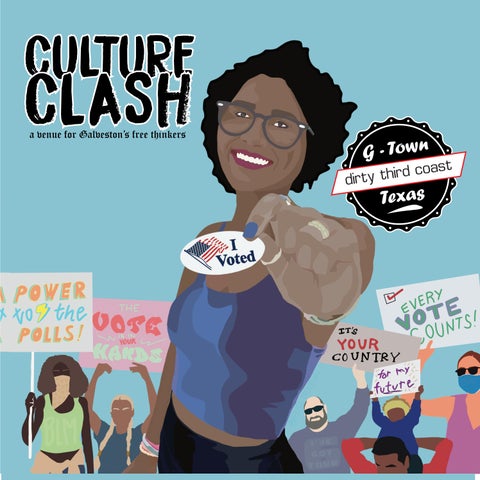
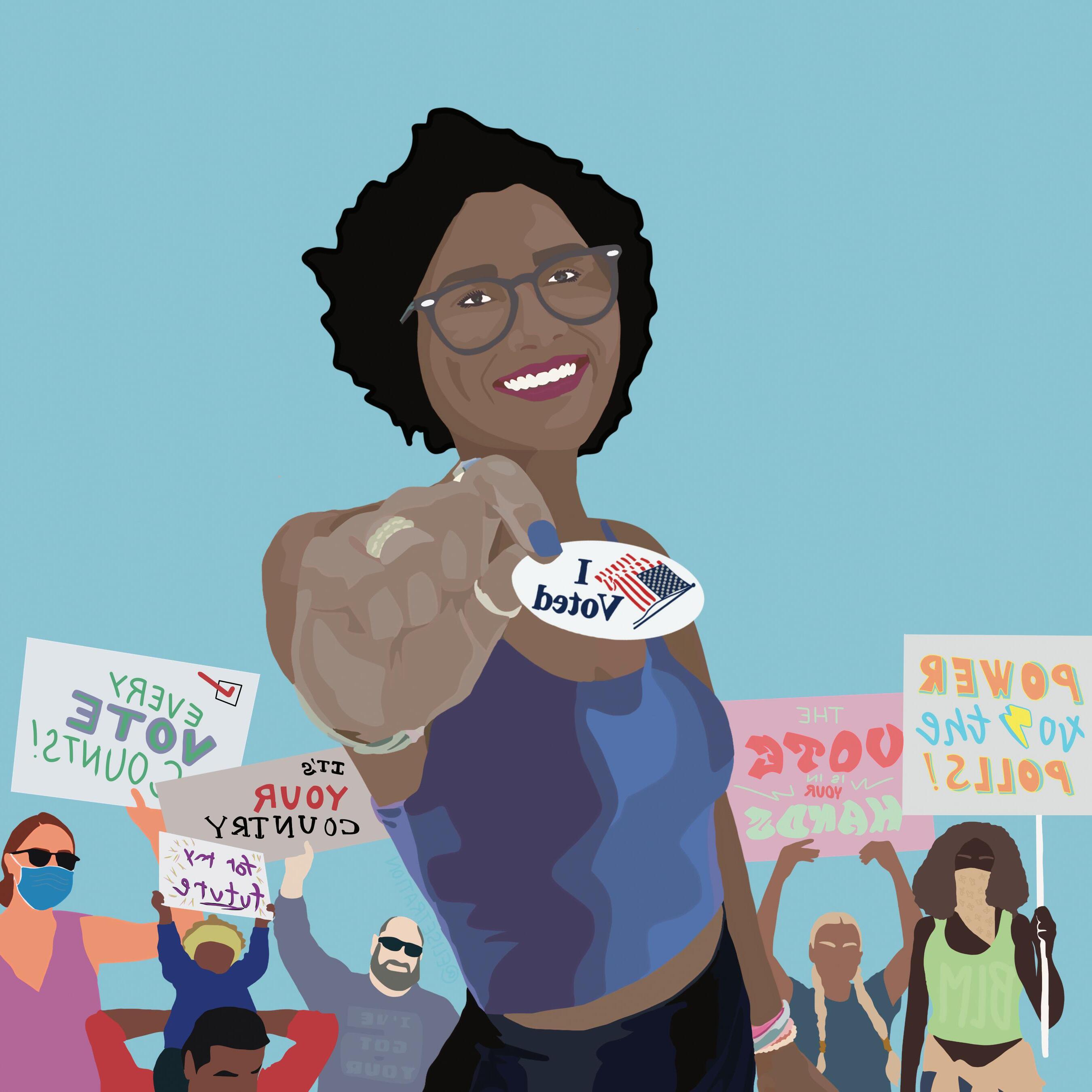
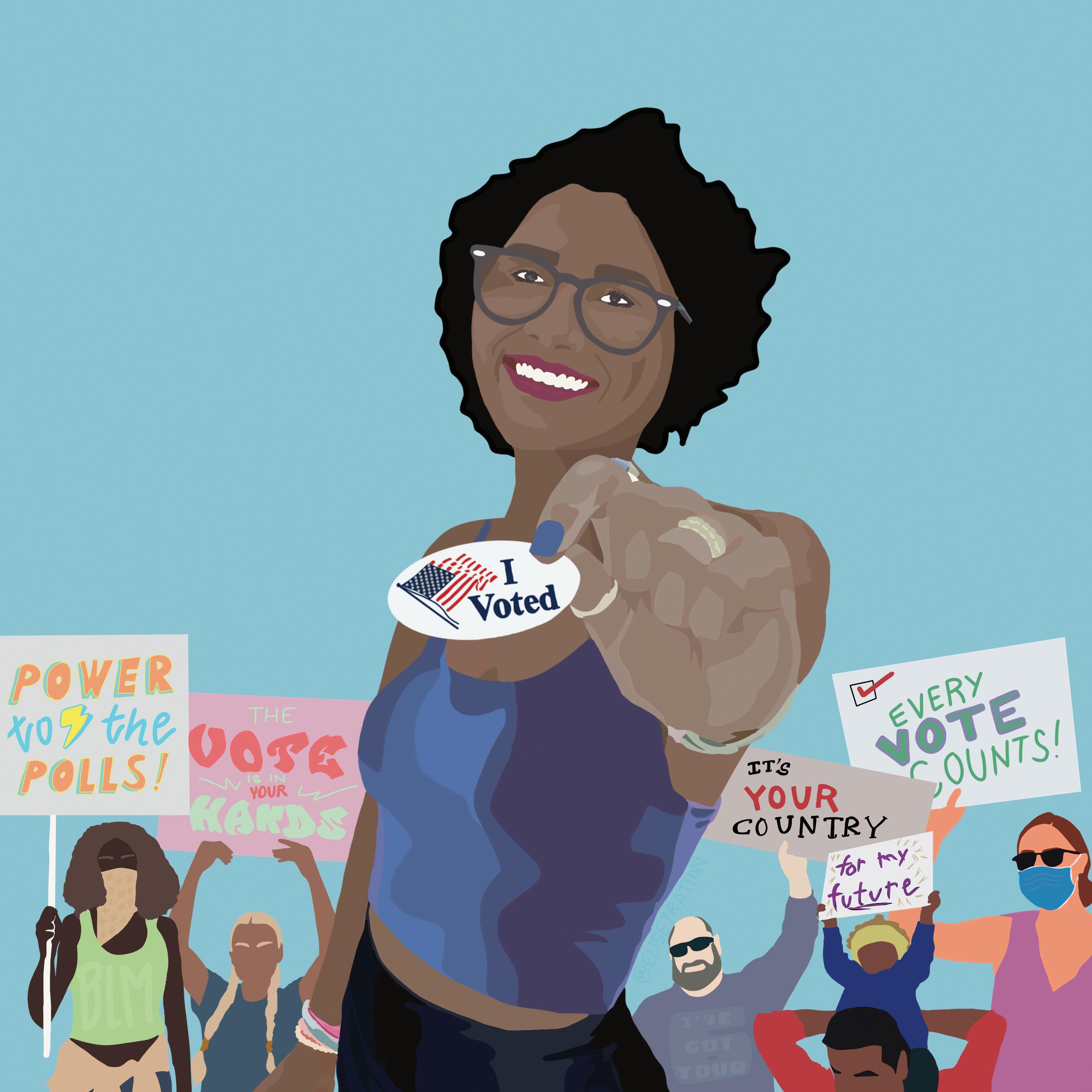
ON THE COVER: VOTE by Katherine Pompa, Digital Illustration
“This piece features a young women who has just voted showing off her ‘I voted’ sticker. The group of people behind her is focused on getting people to the polls and making those opinions and voices count.” See more @ Etsy.com/shop/Elisetration
*This magazine is NOT printed on recycled paper or with soy-based inks YET! But we are working on it. Help us get there, advertise or sponsor us! Email for more details CultureClashGalveston@gmail.com.

be a better human
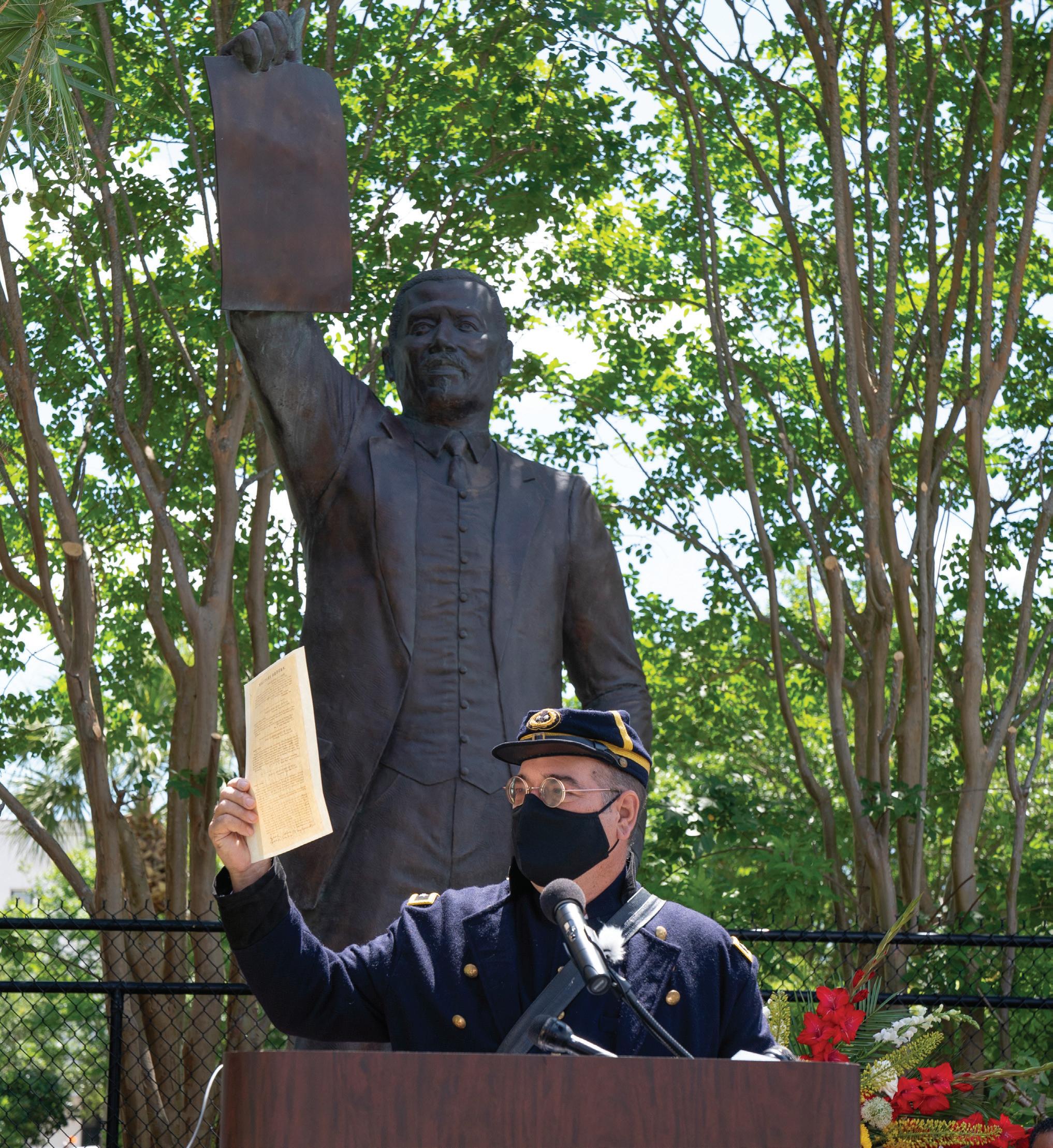
Juneteenth 2020 Celebration and reading of the Emancipation Proclamation. Scan QR code on left for the full video.
2020 has been exhausting, hasn’t it?
Protests and pandemics; Murder hornets and threats of war. Hell, we’re barely into hurricane season, and every time I see a breaking news alert on TV now I sigh and think to myself, “WTF now?” Certainly, it’s been incredible to see how these calls to act against injustice have mobilized the nation. But it’s upsetting and draining and I can’t even watch the news anymore. There’s that undeniable frustration when it feels like marching for a cause never seems to lead to concrete results. The forces that put these injustices into place feel so monolithic redundant take out it almost feels like there’s no point to protest anymore.
It’s normal to feel overwhelmed by the unrelenting negativity. Fighting for so long can leave one feeling numb, lost, or even hopeless, leaving one in a state psychologists sometimes call “crisis fatigue.” On a biochemical level, the physical drain of all this stress is well understood. Cortisol, a hormone that amps up your body for fight or flight responses, is perfect for those short bursts of stress that our ancestors felt when being chased by lions. But our bodies are maladapted to the constant weeks- to months-long pressure we put ourselves through when we protest without success. The constant barrage of negativity puts us into a chronic high-cortisol state, resulting in anxiety, insomnia, weight gain, decreased immunity, and even bone loss. In the face of all this, can you blame someone for throwing up their hands and giving up? The protest burn-out seems inevitable. Expending the time and energy to march on the streets results in pictures in headlines and history books, but there’s little point in risking so much when each day seems to accomplish so little. Finding ways of staying in the fight outside of the streets will be critical to maintaining momentum.
To that end, it’s essential that we as activists form strategies to enact change that are more sustainable. A recent collaboration between social activists, artists, and organizers within BLM and the LGBTQ community recently culminated in the publication of “The 26 Ways to be in the Struggle Beyond the Streets.” The open letter acknowledges how difficult it is to march every day. Instead, it offers suggestions like preparing meals for people who are marching or circulating news and visuals of protests so they can
reach a wider audience. The group also suggests spending volunteer hours engaging in gatherings or recruitment drives to build engagement in your own community. By building toward structural changes within the populace, we can build a larger base of support and help form a coalition with an even wider scope, which can help mitigate the cost of manpower for future protests.
But more than all of that, I’d like to highlight the final suggestion and urge you to remember that self-care and patience underpins this entire fight. While it may feel like you’re not out there solving problems, just being someone who cares about what happens in the world is important and valuable because you can have an impact on those immediately around you. You can shift the conversation in the interactions that you have on a daily basis from one of confrontation to one that acknowledges and reframes through understanding. Anyone who has a crazy uncle or racist grandmother knows that this feels impossible. But in acting as a force of positivity and change in your personal connections, you act to change the world. This takes emotional energy. This is why it’s so important to take the time to take care of yourself, because it’s when you’re low on energy that these interactions go out the window. Take breaks. Forgive yourself for not doing more. Practice self-care. Don’t lose that empathy, that hope, because we need it now more than ever. By taking those steps, you ensure that you remain in the kind of mentally healthy headspace that enables one to care for others.
A Beautiful Time to be Alive and Assert Yourself
By Bill Keese
WHAT’S GOING ON? DO YOU UNDERSTAND THE TIMES? WHEN CAN WE GO BACK TO NORMALCY? SOME SAY THAT WILL NEVER HAPPEN. SHOULD WE BE AFRAID?
We are experiencing a breakdown in national and inter-personal civility. We are witnessing social unrest sweeping the country. We are shut down due to a worldwide pandemic, causing illness and death like we haven’t seen in over a century and causing our economy to falter with massive unemployment and business failures not seen since the Great Depression. Our government is stalemated and seemingly incapable of fulfilling its mission. We are truly living in frightening times.
Fear and apathy don’t have to define this age. I argue this is a great time to be alive provided we assert ourselves and make it so.
I came of age and awakening during the 1960’s, a time now believed to have been when the culture of social cohesion and conformity was overtaken by the Boomer generation of cultural individualism and non-conformity. The Age of Aquarius versus the Greatest Generation. A time when the ethos of the group-oriented culture no longer made sense to the Boomers’ sense of “I’m free to be myself”.
WHAT WERE THE 1960’S LIKE?
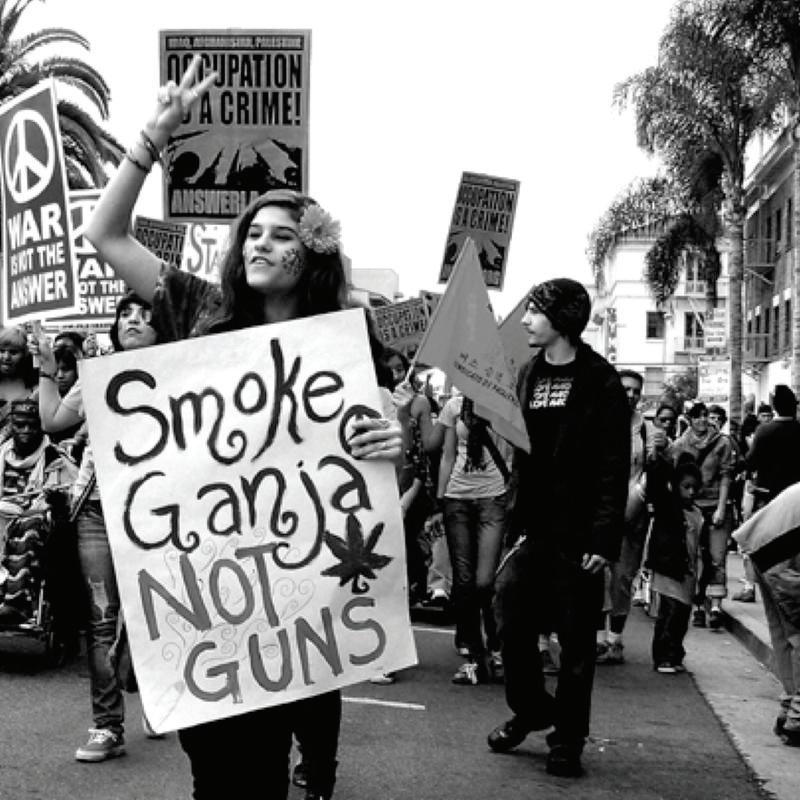
1967 Protest
The Cold War was raging and we had weekly “air raid drills” in school to teach us how to survive a nuclear attack from the Soviet Union. The Civil Rights Movement exposed the racism in America. It was a non-violent attempt to right two centuries of wrongs achieving the Voting Rights Act of 1965. The Vietnam War raged in Southeast Asia. Young men were being drafted and sent to fight in the jungles of Vietnam. Many felt the war was immoral. Our enemy lost 1.1 million soldiers and 2 million Vietnamese civilians. We lost 58,000 service men. Massive anti-war demonstrations in the U.S. took place. Political assassinations shook American life. President Kennedy was shot in 1963; Dr. Martin Luther King was shot in 1968 followed by Bobby Kennedy 62 days later, while campaigning for the Democratic nomination for President. Officially, a police riot occurred at the Democratic National Convention and 13 college students were killed by the National Guard at Kent State.
There was a general feeling our country was falling apart. It wasn’t. In retrospect, the 60’s signaled the collapse of the old culture and the birth of the new.
David Brooks, a conservative political and social commentator believes we are currently experiencing the collapse of the 60’s culture of individualism. He is also concerned that tribalism is taking root as the answer to individualism. I concur.
I believe events today are a harbinger of a cultural shift in America, similar to the cultural shift that occurred in the 60’s. I join Brooks and pray we don’t accept tribalism as the ethos of the next age. I believe there is something better. Do you?
In 1961, John Kennedy said, “Ask not what your country can do for you, but what you can do for your country”, inspiring children and adults to see the importance of civic action and public service. These words challenged me and countless others to a life of improving the public good. I have tried to do this all my life. This pursuit has made my life meaningful.
I challenge you to experience a meaningful life too.
“You never change things by fighting the existing reality. To change something, build a new model that makes the existing model obsolete.”
Buckminster Fuller
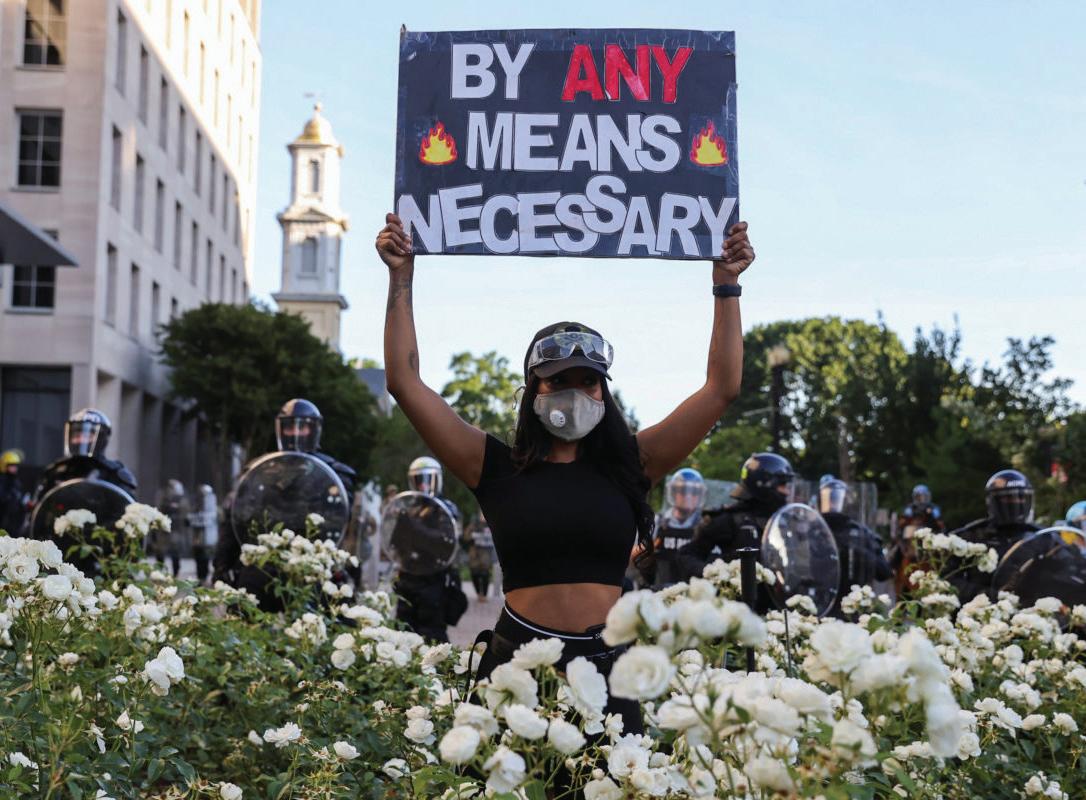


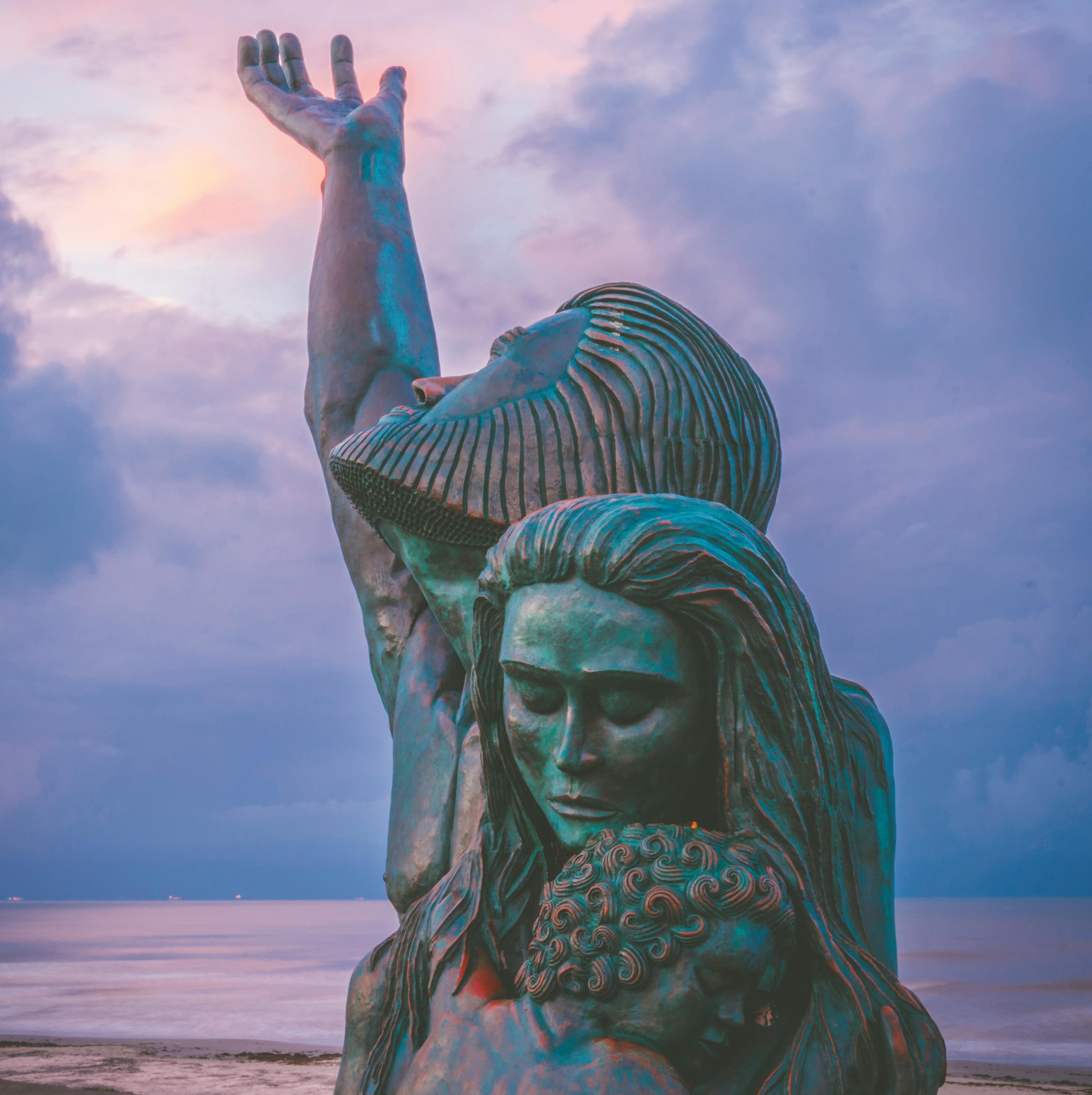
A constant reminder there is always hope, this beautiful Seawall statue stands the test of time and weather. Our hope is for each of you to rock the vote, express yourself and voice the concerns and challanges impacting your community.
express Yourself
THE BATTLE
THE BATTLE
By Juan Gonzales
I SAT AND WATCHED IN DISBELIEF AS THE NUMBERS ROLLED ACROSS THE BOTTOM OF THE DAYROOM TV.
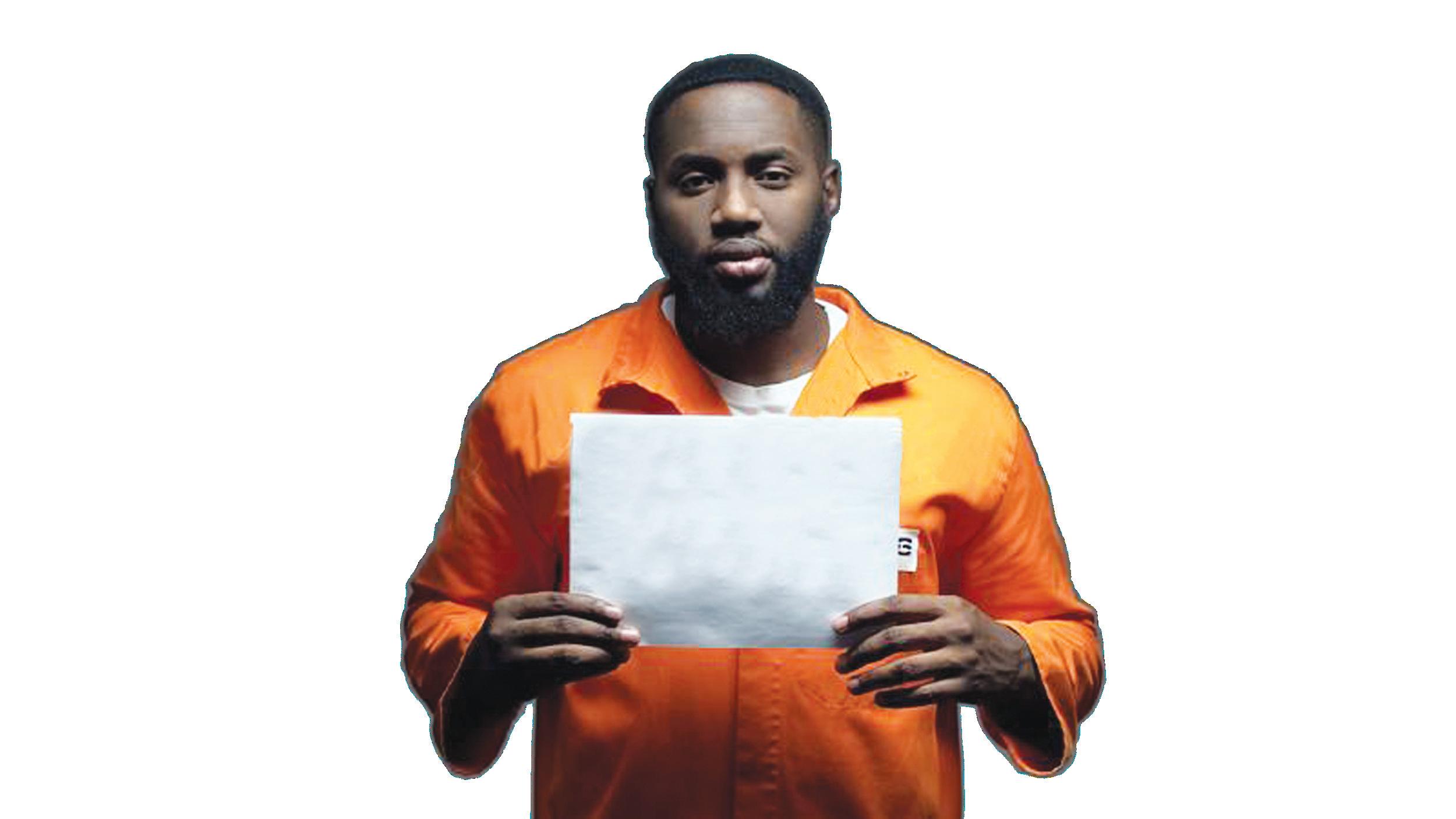
It was a late night in November 2016, and the guard on duty that night let me stay up late to watch the presidential race results. The other inmates in my dorm slept so soundly around me as if it was just another day in prison. Donald Trump’s numbers rose as my spirts fell, and then all too quickly, it was over. We had a new president and four years of uncertainty ahead of us. The next morning, I told everyone the results and was met with apathy. I heard the same comment a dozen different ways. “What does it matter? We can’t vote anyways so whatever happens is gonna just happen.”
In the U.S., there are about 6 million citizens who are not allowed to vote in any elections due to a felony conviction. Approximately half of those have completely finished serving their whole sentence, a quarter are free but still on parole, and another quarter are still incarcerated. There are an additional 470,000 citizens who are in city or county jails still awaiting trial and, as of yet, not convicted of any crime. They are still technically allowed to vote, but are unable to do so for the most part due to logistics or red tape. They are all American citizens with no voice in our political system. These same people are counted in the census as residents of whatever region they are housed in, but have absolutely no say in who gets elected to such positions as judges, prosecutors, or sheriffs, amongst other positions. Who better to see how they carry out their jobs than those who most directly deal with them?
I find the attitude of my fellow prisoners to be the same as many of the people who I have talked to in the free world. “They are going to do whatever they want to do, no matter what I think anyway.” Many on this side of the walls don’t care because they can’t vote, and many on the other side of the walls don’t vote because they don’t care. Like out there, many of the people in here feel forgotten and unheard, and so have lost hope. When I leave this place in what is hopefully not too many more years, I will be expected to contribute and become a party of society once again. I will be expected to follow all the rules set upon me by a system that doesn’t care what I say. I will be expected to pay taxes which will be spent on things I have no part in deciding. Until I complete an
MY VOICE COUNTS TOO
additional period of mandatory supervision known as parole, I will still just be a number with no voice.
In our state, people with a felony conviction lose all rights to vote in all city, county, state, or national elections until they have served out their complete sentence of incarceration and parole, which is often years after their actual release from prison. Texas is just one of 21 states with these same restrictions. In the District of Columbia as well as 14 other states, felons are allowed to vote once they are released from prison, even if still on parole. In 13 other states, voting rights are permanently taken away once convicted of a felony. In two states however, Maine and Vermont, citizens never lose that right, even while incarcerated.
When I look around me at the population of this one prison where I am held, I see a majority of minorities. The people here are mostly black, then Hispanic, and a low percentage of
whites. I have looked at the numbers and noticed that officially, there are many more whites reported on paper than are actually represented by the people here. I realized this is because on many forms, Hispanics are classified as white. I am Mexican/ Native American, but classified as white by TDCJ on many forms. While there are there main races here, economically, we are almost all the same. We are all poor or lower middle class. I have never met a rich or upper class inmate of any race.
In Fiscal year 2002, the Texas Department of Criminal Justice
Reported that African Americans and Latinos composed about 70% of the total inmates admitted to Texas prisons. While 4 in 10 Texans are African American or Latino, 7 in 10 Texas prisoners are African American or Latino.
The battle for restoration of voting rights for felons falls firmly along partisan lines. Republicans strongly oppose felons ever being able to vote while Democrats fight for voting rights for all. To me, the reasons are pretty clear. If they could, most people caught up in this criminal justice system would vote liberally, hoping for change. The justice system we are a part of is clearly broken. Many are serving extremely long sentences for crimes that pale in comparison to the crimes wealthy people get pardons for. People
spend years upon years of their lives here behind these walls while people in suits get sentenced to months, and then get released early. We clearly see the need for change, for more equal justice, but have been stripped of our only method of affecting that change. The brutality we all have seen lately against protestors out there now is nothing compared to the brutality that is shown us behind these bars when we dare protest against anything. It has been this way for years.
This election cycle, I am still as interested and involved as I can be from this cage I live in. I keep informed by listening to “The Prison Show” (Fridays @ 9pm, KRPR), “Houston Matter” (9am, NPR), “The Texas Standard” (10am, NPR), and other news shows. I read every newspaper I can get my hands on, and publications like Prison Legal News. We have been locked completely down due to covid, so we are not allowed television news, and our phone calls are limited to one 5-10 minute call per day, depending on our level of quarantine. So I can only be a bystander to this election with no way to
do anything about it or even give my opinion, for the most part. This article is my only voice and I am thankful for that opportunity. This election promises to be another historical one with so many important and controversial issues to be discussed, debated, and decided. I can only hope that restoration of voting rights and prison reform are some of those issues. Our state prisons are bursting at the seams and it won’t be long before everyone has a loved one serving time alongside me. Our country already has more of its citizens incarcerated per capita than any other country in the world, including China, Russia, and North Korea. The land of the free is not as free as we are led to believe. Votes are the only thing that will change that. Please don’t throw yours away. I will add mine to yours as soon as I am allowed to and together, maybe we can change things. Till then, stay informed, stay active, and shout, don’t just speak, your voice out!
More Latinos are entering Prison than Leaving. In 2002, Latinos were a greater share of new prison admissions than either African Americans or Whites (33.9% Latinos, 32.8% African Americans, and 32.7% Whites). Conversely, Latinos represented a smaller share of prison releases than either Whites or African Americans (26% Latinos, 40.5% African Americans and 32.2% Whites)
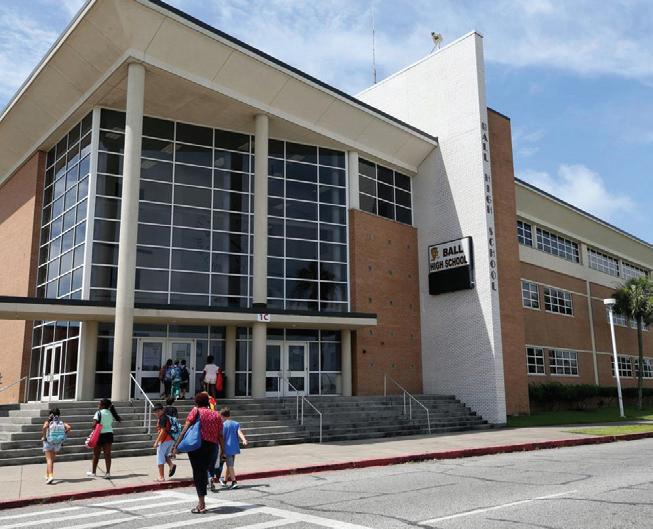
Do Students Maintain Freedom of Speech at the Schoolhouse Gate?
By Quinn Templewood
IN 1965 IN DES MOINES, IOWA, STUDENTS AT A LOCAL SCHOOL SPORTED ARMBANDS TO PROTEST THE VIETNAM WAR. The immediate response by the school district was to ban the armbands leading to the Supreme Court case Tinker v. Des Moines Independent School District, in which the ruling expressed that students do not “shed their constitutional rights to freedom of speech or expression at the schoolhouse gate.” Although the Court upheld that students are protected under the first amendment, do students really maintain their freedom of speech in schools? As a high school student, I find myself asking this question frequently.
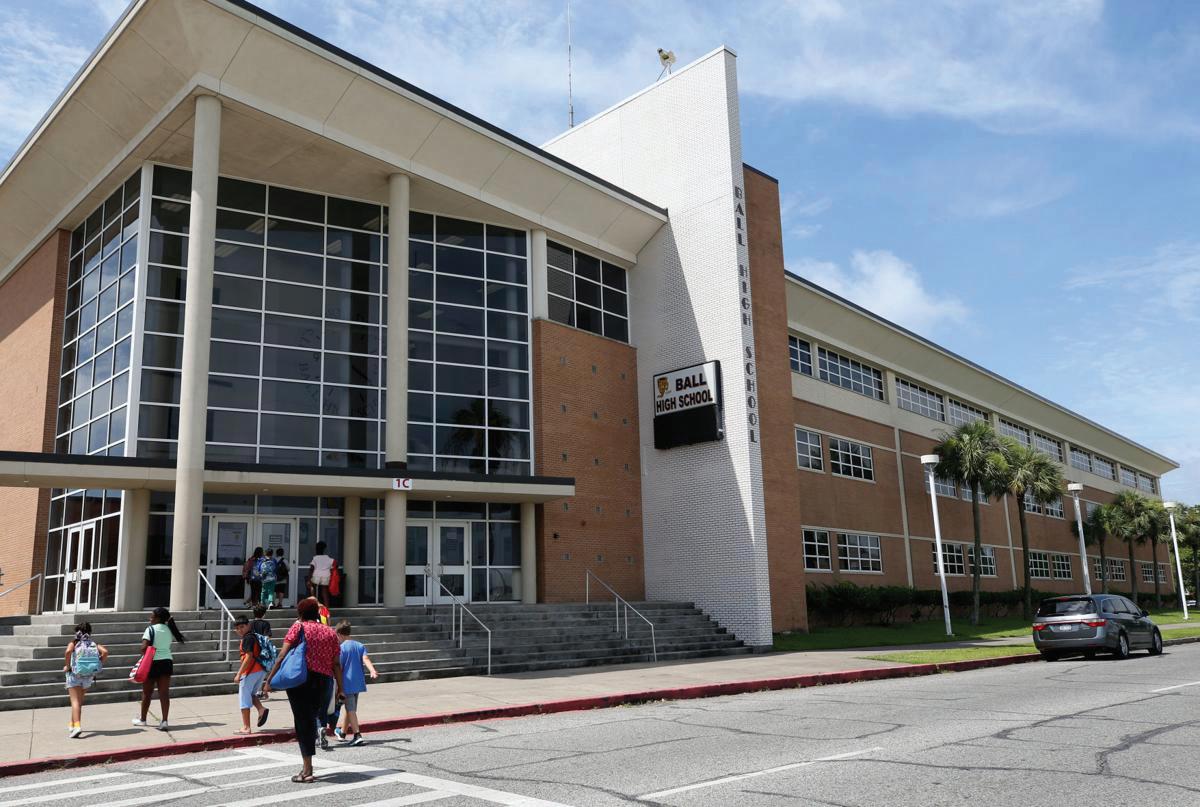
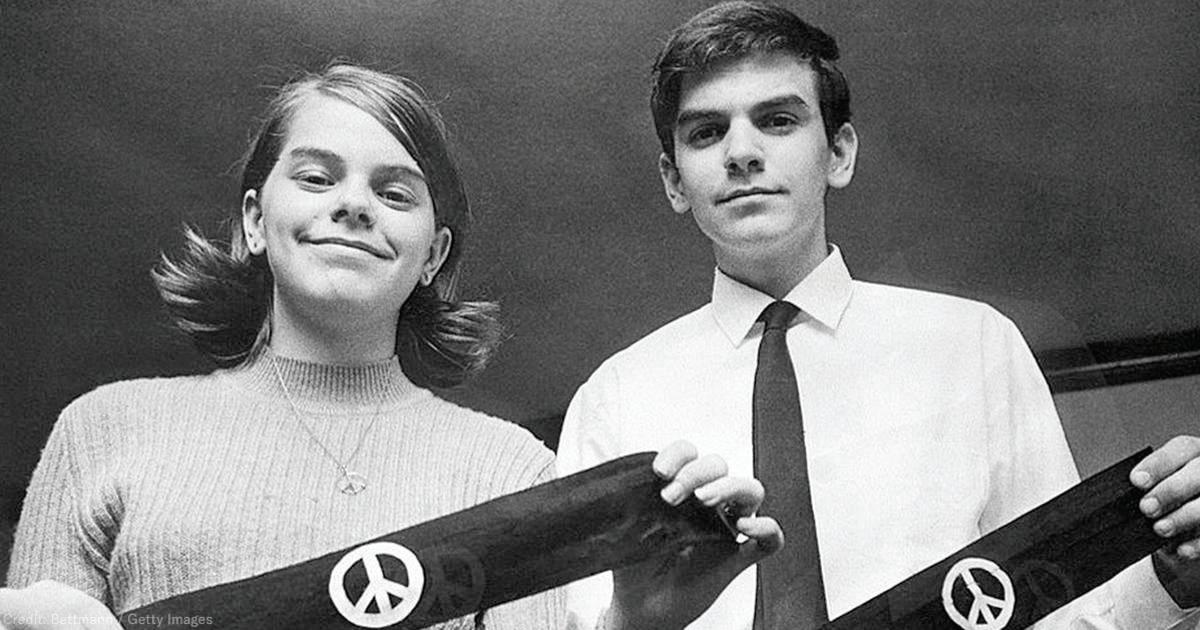
School districts can stop obscene and disruptive speech or symbolic speech, but only for dress code violations. For example, schools can require students to remove any hat if hats are inconsistent with their dress code; however, if hats are allowed per dress code, they cannot selectively remove a potentially controversial one (e.g., NRA or BLM hat). The ACLU states, referring to students, “You have the right to speak out, hand out flyers and petitions, and wear expressive clothing in school, as long as you don’t disrupt the functioning of the school or violate the school’s content-neutral policies.” They go on to say, “What counts as ‘disruptive’ will vary by context, but a school disagreeing with your position or thinking your speech is controversial or in ‘bad taste’ is not enough to qualify.” By speaking out though, students face repercussions that serve as a form of suppression and a threat to students’ first amendment rights. Although it is not directly banning students’ free speech, it is punishing them for it afterwards. What students say in school, even if it’s not derogatory or directed towards another student, can result in
disciplinary action. While students’ social media accounts are being monitored outside of school, student protests are getting shut down by administrators. Although Tinker v. Des Moines ruled that students cannot be censored to avoid conflict, schools continue doing so. When the Tinker v. Des Moines decision was made in 1969, social media did not exist. Students could talk to their friends without fear of a school administrator listening in. Now in the digital age, students’ posts can be monitored for criticism of the school or inappropriate language. According to the New York Times in 2016, a student was sent to the principal’s office for bullying when she posted tweets regarding Israel. In the tweets she never mentioned another student’s name. This is not an isolated case of student suppression. ACLU Staff Attorney Lee Rowland states, “School officials aren’t permitted to listen in on chatter at students’ private gatherings with friends, or rifle through their private videos and photo albums.” Although students should not get in trouble for posts outside of school that pose no real problem in school, threats towards students’ safety and cyberbullying is a different matter that should be managed.
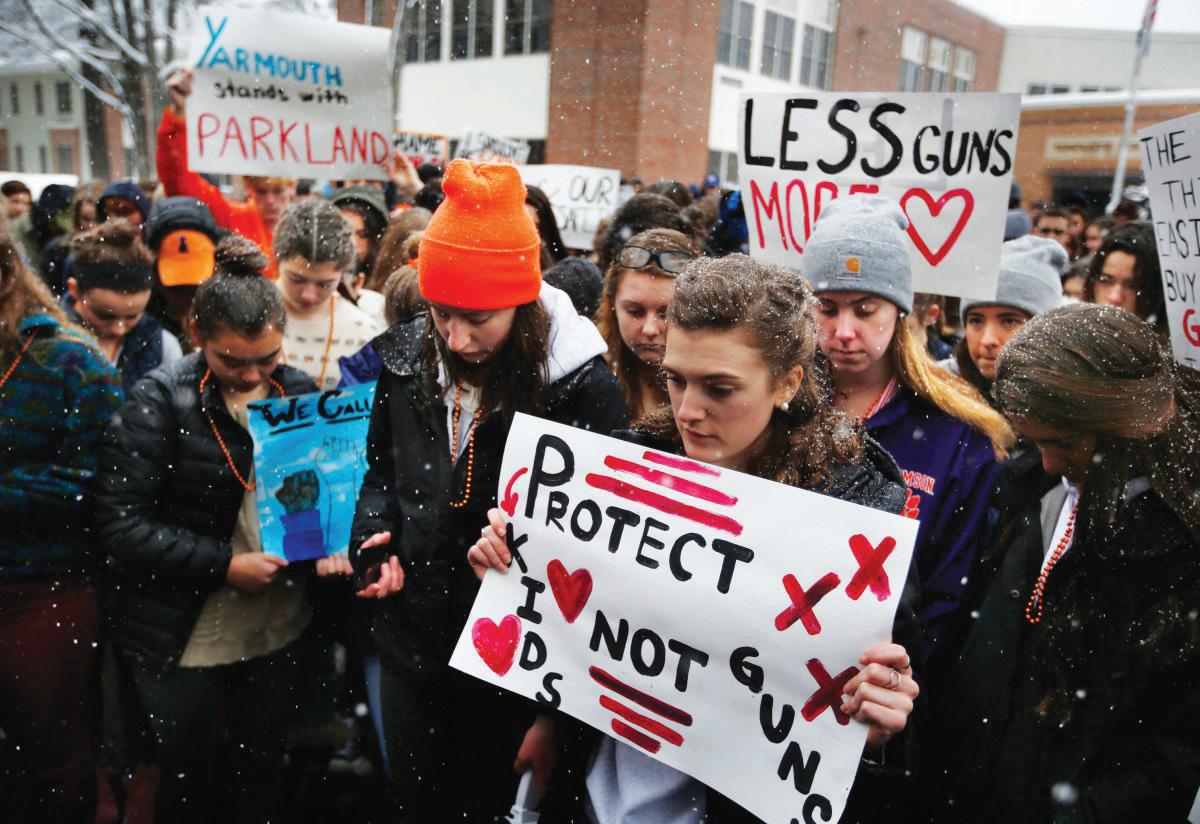
After the Stoneman Douglas High School shooting in Parkland, Florida, many students participated in school walkouts in protest of the loose gun laws in America. Although students could get in trouble for participating in a school walkout, as they are required by law to be in school, they could not get a harsher punishment than someone who skipped school because they were protesting. However, many
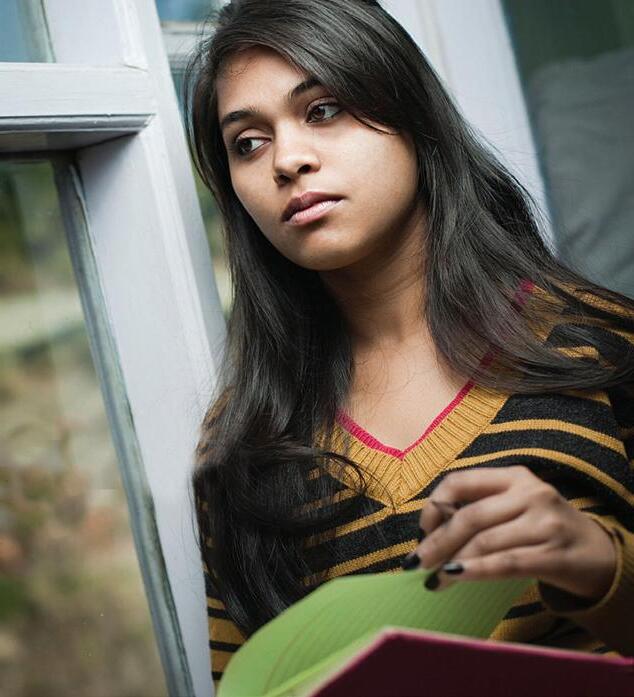
students’ voices were silenced, including at my school where students needed approval to hand out orange ribbons to recognize the lives lost during the Parkland shooting. The same group of students also planned a walkout that the administrators shut down. They then turned right around and executed it themselves, giving the students no credit for their peaceful protest and effectively suppressing their voices for their own political gain.
The current system of suppressing student voices by punishing them is an abuse of power that denies students their basic fundamental rights. The Supreme Court’s majority opinion in Tinker v. Des Moines, written by Justice Abe Fortas, states, “State-operated schools may not be enclaves of totalitarianism. School officials do not possess absolute authority over their students. Students... are possessed of fundamental rights which the State must respect.”
Students are allowed to speak up in school and should be encouraged to do so as adults are encouraged to. Freedom of speech is a basic right that should be taught to students, not just through curriculum but through the actions of schools. If we maintain status quo, however, and allow students to be suppressed at a young age, precedent suggests to them that it is okay to be censored as adults. Based on the student’s individual comfort and safety level and as long as it is appropriate and not derogatory, they should express themselves freely.
By Earnest Mann
IN 1858, TWO YEARS BEFORE BECOMING PRESIDENT, ABRAHAM LINCOLN LOST THE RACE TO BECOME THE SENATOR FROM ILLINOIS. Still, in accepting his party’s nomination as their candidate, Lincoln spoke words that continue to resonate for us today: “A house divided against itself cannot stand.” Here, Lincoln was speaking about a nation on the verge of being rent asunder. Then, as now, there was a notion that our nation is a compendium of ideals, of values, of historical narrative. This is true. Without ideals, values, and history, a nation has no sense of place, nor a sense of self. The crux of the matter however, is that all of these elements must absolutely reside in the citizens, the people of a nation, and not be wholly the product of a media-driven political reality. There must be a genuinely inherent sense of cohesion (even if that sense is a product of our cultural institutions) that binds us all together to see ourselves as a nation, as Americans.
To be sure, America is a socially dynamic thing. But, without this sense of self, divisions emerge and, if left unabated, will inevitably continue to fray the edges of the national fabric until the day comes that it is, indeed, no longer a nation. When citizens are pitted against citizens, when division is the hallmark of our being, we cannot stand. Yet, when our leaders distort the view of how to keep us safe in order to divide us with surgical cuts along value lines, when our history is discarded and replaced with fabrications, what are we to do as nation but see chaos take hold? Hope for a better world is what we hang onto – and certainly it is something Gen Z, alongside some older folks, is fighting for now.
What is the compendium of ideals, values, and history that construct the community of Galveston – who are we, what is our vision, and how do we realize it? One thing is certain, our population is diverse, but our government is not and has never been. Increasingly, as Boomer retirees see a better value here without having to relocate to places like Costa Rica or Ecuador, as they
Racial power inequity abounds in our 21st century Galveston. Though Blacks and non-White Hispanics make up nearly 30% of the population, of the population of the 23 members of the most powerful Galveston government agencies –City Council, the Park Board of Trustees, and the Wharves Board of Trustees – only one representative is a person of color.
stream into our historic districts and gentrify our neighborhoods, they bring with them a sense of place that often has virtually no relationship to the culture of Galveston. That is to say, they wish to create a community in the image of where they have come from (read: gated communities) rather than what are the ideals, values, and history of Galveston.
This, more than anything, is changing the character – and tax base – of our community. At the same time, it is driving away young entrepreneurs who would see Galveston as a place to live, work, employ other young minds, and bring with them their young families. Why would a young family move to a city where retirees drive up home prices while simultaneously driving down tax and education revenue? They wouldn’t, and therein lies the rub for our infrastructure problem. This, in turn, leads us to what I call the representation problem. It is the same problem that is plaguing the rest of America at this very moment in its very young history. That is, though we have a culturally and racially diverse population, our government does not reflect it – not one bit. It is an Establishment maintenance of power for the sake of power, and an effort that disenfranchises the many to serve the few.
But, there is resistance to this that takes as their mantra the words of news anchor Howard Beale when he beckons his viewers to cry out from their windows in the 1975 film classic, Network: “I’m mad as hell and I’m not going to take it anymore.”
Racial power inequity abounds in our 21st century Galveston. Though Blacks and non-White Hispanics make up nearly 30% of the population, of the population of the 23 members of the most powerful Galveston government agencies – City Council, the Park Board of Trustees, and the Wharves Board of Trustees – only one representative is a person of color. For example, take a look at the faces on the Wharves Board of Trustees (www.portofgalveston.com/67/Board-ofTrustees) and decide for yourself what you see.
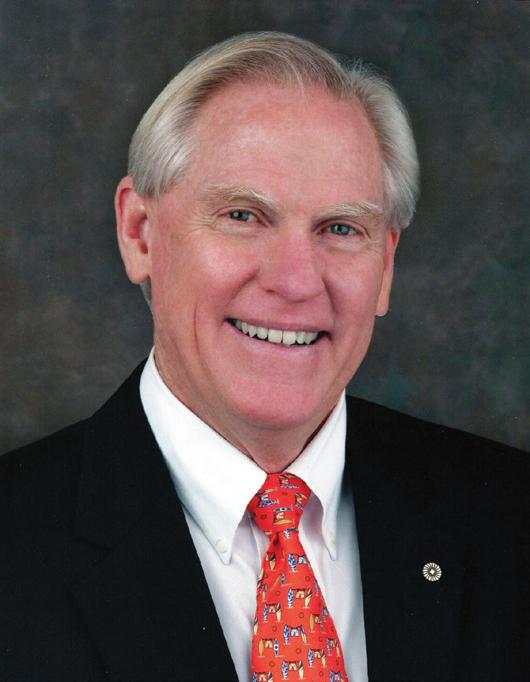
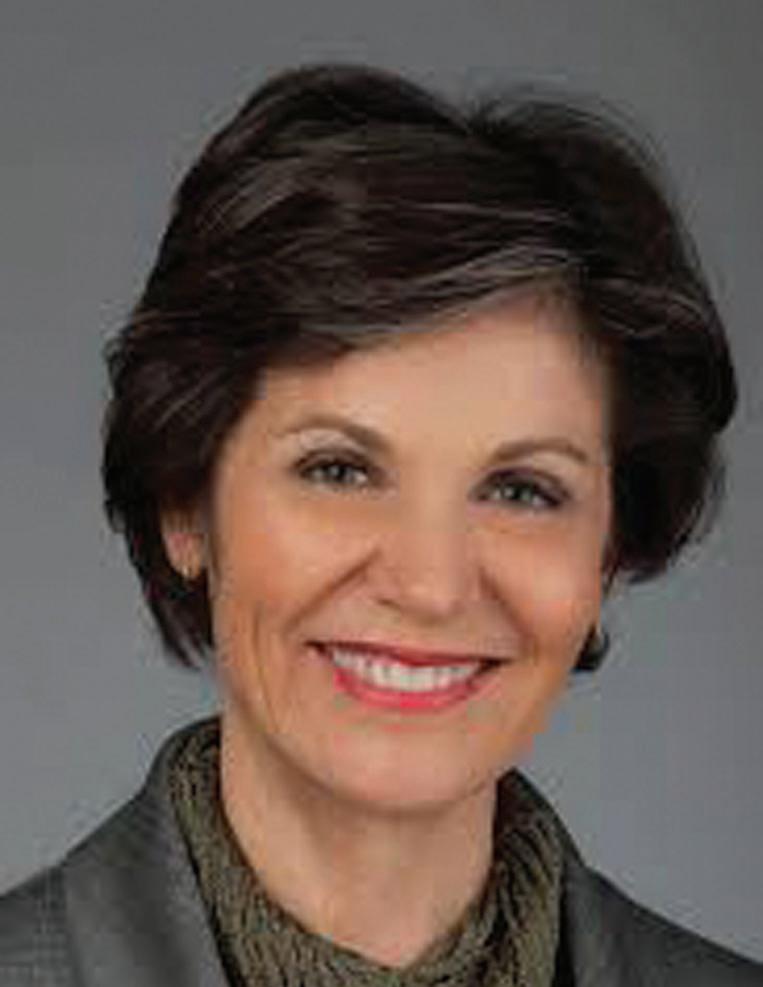
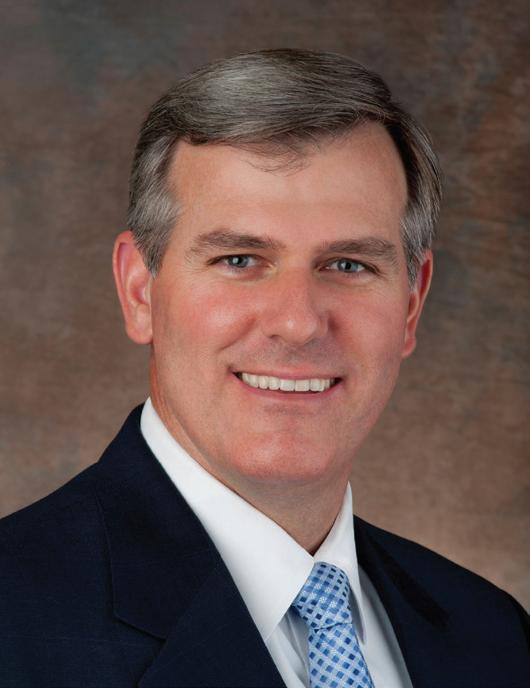
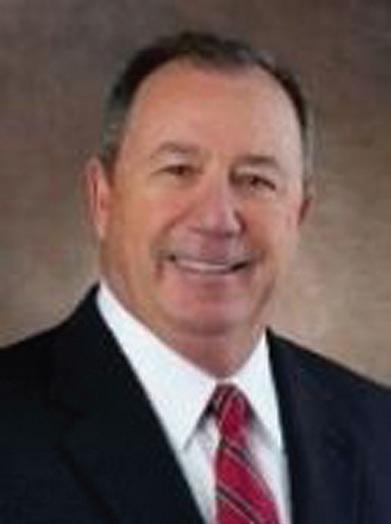
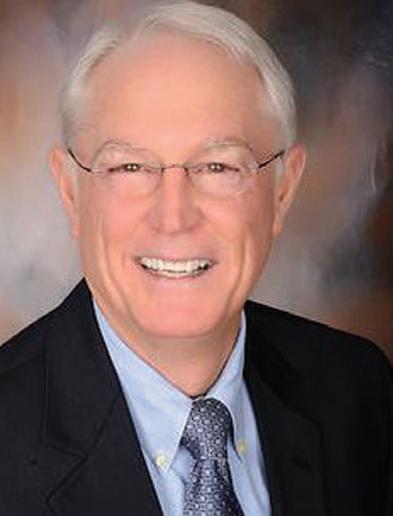
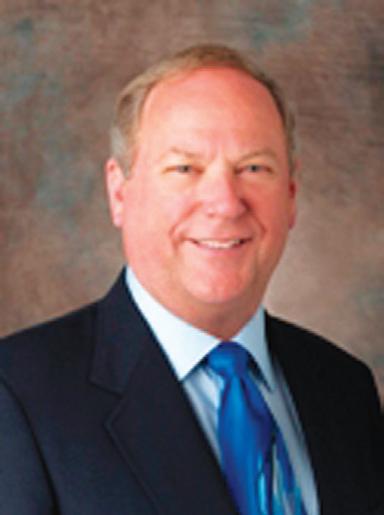
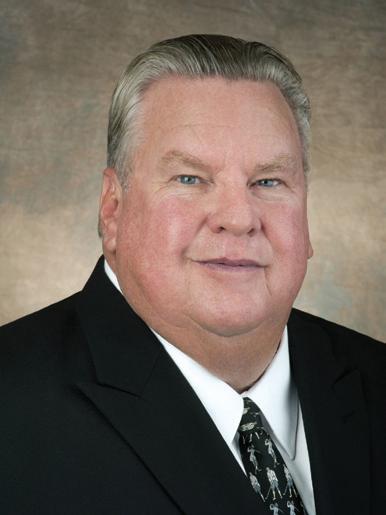
Albert Shannon, Chairperson
Elizabeth Beeton, Vice Chairperson
Todd P. Sullivan
Harry D. Maxwell Jr.
Dr. Craig Brown
Richard DeVries
E. L. “Ted” O’Rourke
This is what the Knock Down the House, Black Lives Matter, Vote Latino, and Lean In movements are all about – lack of equitable representation when it comes to pulling the levers of power in community. And, as we’ve seen in the 2020 Summer of Anger, the true plurality of our nation –patriots all – is not taking it anymore.
Galveston should stop dragging its anachronistic heels and move toward a more culturally representative government, one that proactively works on establishing a diverse government that accurately reflects the population it serves.
From Portland to Seattle, Los Angeles to Detroit, St. Louis to Louisville, and Houston to Dallas, the entrenched status quo is under siege. In this, Americans needlessly are their own worst enemy. Though the time is running out for a civil changing of the political guard in Galveston, we can still preempt the sort of violent change that accompanies long-suffering disenfranchisement in other American cities. On this, Lincoln was equally prescient when, at the age of 28, he said, “If destruction be our lot, we must ourselves be its author and finisher. As a nation of freemen, we must live through all time, or die by suicide.”
Galveston should stop dragging its anachronistic heels and move toward a more culturally representative government, one that proactively works on establishing a diverse government that accurately reflects the population it serves.
Want to get involvend in Galveston Politics? Don’t know where to start? Email us, we will put you in touch with the right people. Galveston needs young, diverse, motivated citizens to affect change!
CultrueClashGalveston @gmail.com OUR TIME IS NOW!


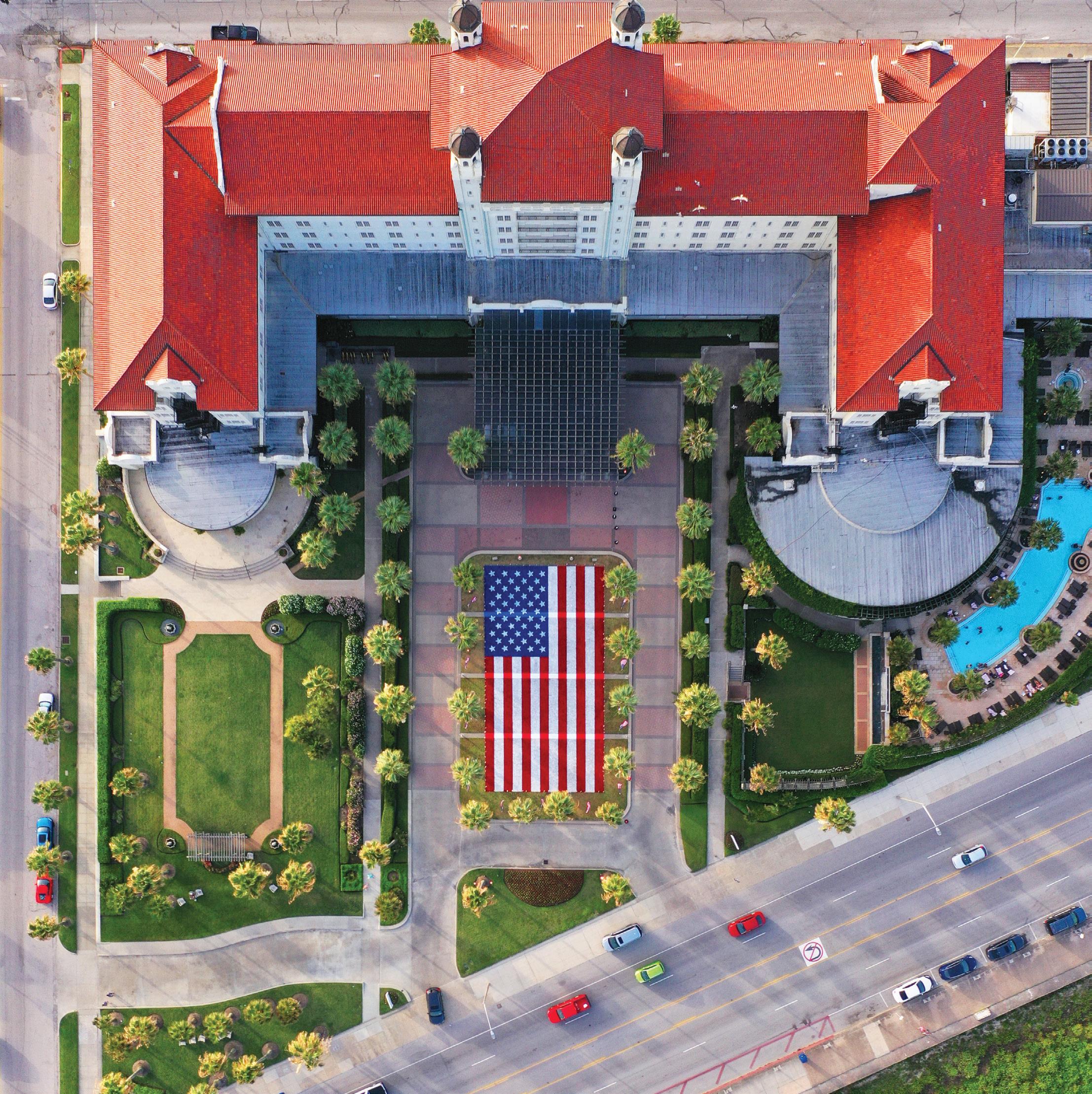
Independance Day at the Hotel Galvez
(Throw Back My Galveston)
When the President Comes to Town
By Blake Earle
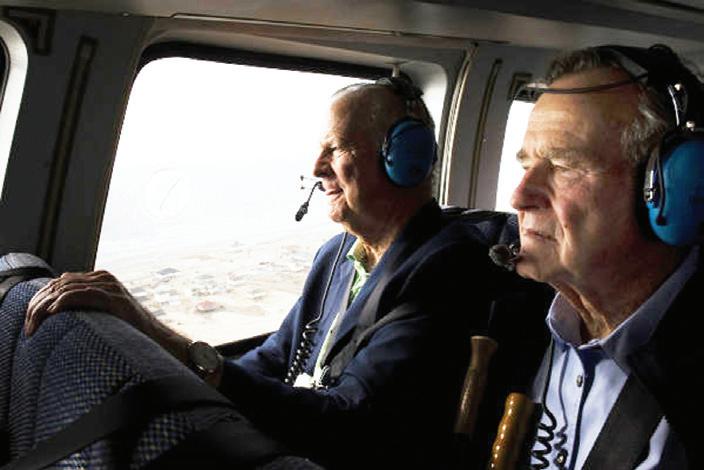
IT’S BEEN A WHILE SINCE THE PRESIDENT HAS COME TO TOWN. Sure, George W. Bush surveyed the damage inflicted by Hurricane Ike in 2008, buzzing around the island in Marine
One to get a firsthand look at the destruction left in the wake of the category 4 storm. But for the last time a sitting president actually, set foot on the island, we have to go all the way back to the 1930s. And even then it was a brief, fifty-minute-long visit before speeding away to our neighbor to the north.
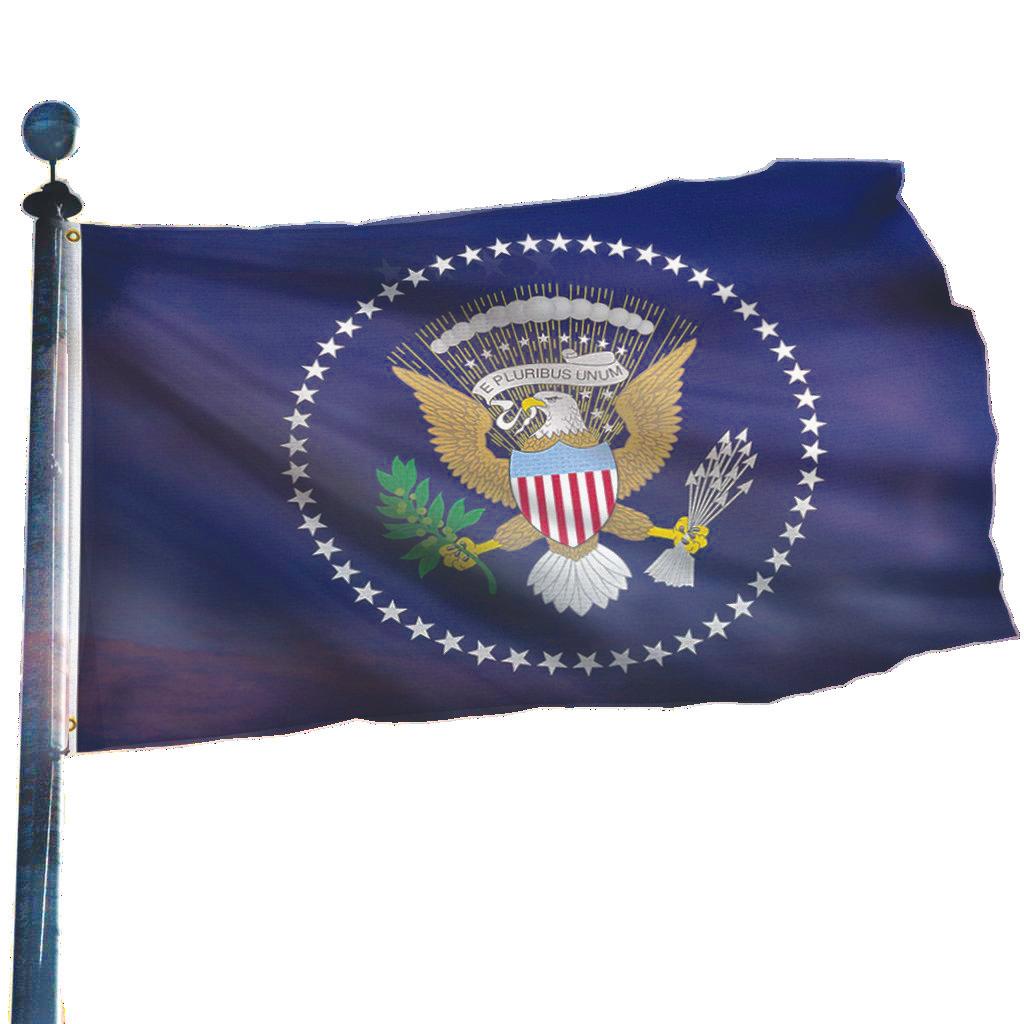
In 1937, President Franklin Delano Roosevelt finished off an eleven-day fishing voyage in the Gulf with a stop to the island. Galveston Mayor Adrian Levy gifted the president “the very finest rod and reel,” to mark the occasion. Roosevelt graciously accepted the token and regaled the adoring crowd with a fishing story, “Yesterday one of our party caught a twenty-four pound amberjack, and this morning that same fish weighed thirty-five pounds!”
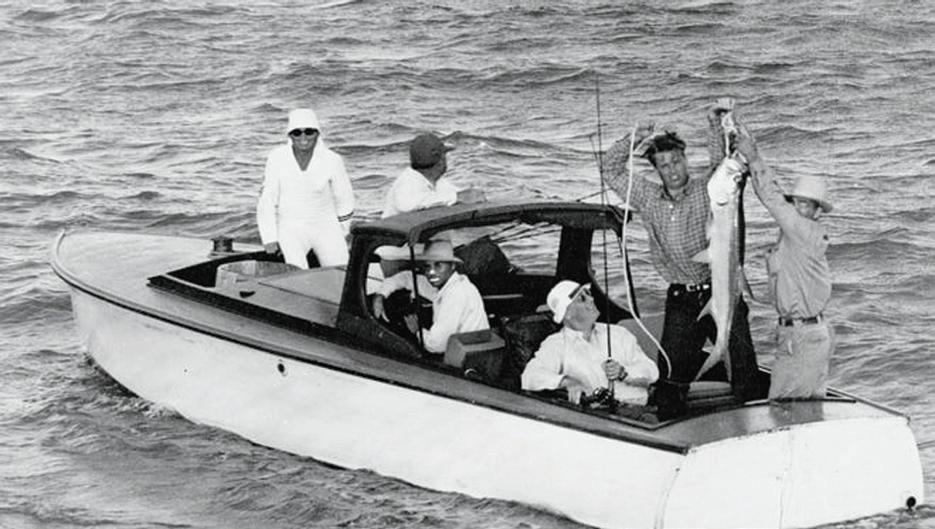
Before heading north to Houston and then on to College Station and Fort Worth, FDR had a chance meeting with a future president. Waiting dockside to receive the presidential
yacht Potomac was a gangling, first-term congressman from the Hill Country, Lyndon Baines Johnson.
This visit though, would prove to be the outlier in the twentieth century - no other sitting president came to Galveston. The city’s fading prestige and falling importance, especially relative to the phenomenal growth of Houston, explain why presidents during the twentieth century stopped in the Bayou City and not the Oleander City. During the 1800’s however, the opposite was true. Every president from Ulysses S. Grant to Grover Cleveland spent time on the island. Naturally, these years coincided with Galveston’s golden age.
During the last few decades of the 1800’s Galveston was among the largest cities in Texas and by far the most sophisticated. In the years before the construction of the Houston Ship Channel, Galveston was still the state’s largest port. Money and people flowed in, transforming the city in the process. Galveston was the first Texas city with electricity, gas street lights, and telephones. It had the best newspaper and theaters. More than a dozen steamship lines from Europe, Asia, and Latin
Roosevelt
Bush
Photos
America connected the city to the world. Galveston was a truly cosmopolitan place - and politicians took notice.
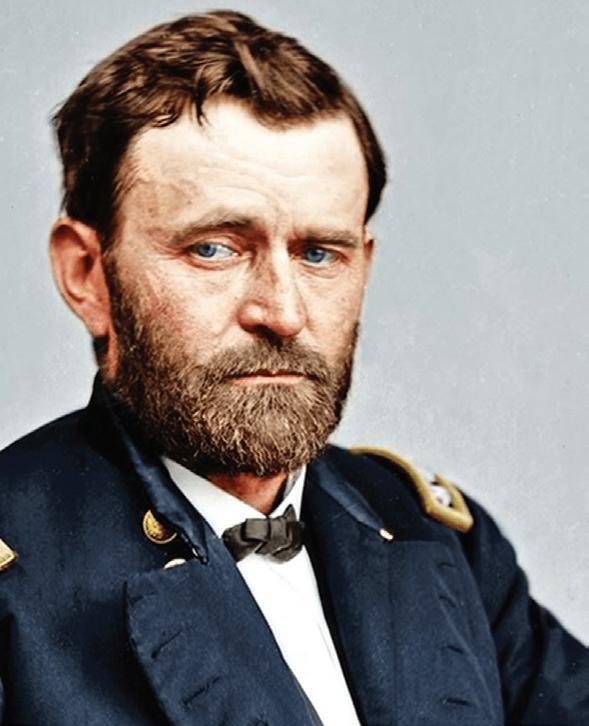
In 1880, Ulysses S. Grant capped off his famous world tour with a stop in Galveston. Grant returned to the United States as rumors swirled that the Republicans would nominate him for an unprecedented third term. In Galveston, Grant was met with an elaborate reception. Grant, the former Union general, used the opportunity to promote reconciliation between the North and South after the Civil War: “I wish for the people of Texas as I do for the people of the entire south, that they may go on developing their resources and become great and powerful, and in their prosperity forget that there is a boundary between the north and south.”
Grover Cleveland was lured to the island during his first term. Alfred H. Belo, editor of the Galveston Daily News and an associate of the President, promised Cleveland great fishing. Cleveland was an avid angler and particularly loved tarpon fishing in the Gulf. When Belo died a few years later, Cleveland said the death of “an exceptionally able, fearless and conscientious journalist” was “a loss to the entire country.”
The most consequential presidential visit would come, however, in 1891 with Cleveland’s successor, Benjamin Harrison. After signing a bill that directed millions of federal dollars to the dredging of the port, Harrison made his way to the island. Galvestonians were eager to celebrate the president’s visit, knowing the bill would ensure the future success and prosperity of their city. Upon reaching Galveston, Harrison inspected the jetties and docks so important for Galveston’s maritime traffic. This subject was an important one for Harrison.
Addressing the gathered crowd, Harrison said, “I have always believed that it was one of the undisputed functions of the general government to make these great waterways…safe, commodious, and easy of access.”
Accompanying the president was Norris Wright Cuney, an African American, born into slavery, who Harrison appointed as the Collector of Customs for the Port of Galveston. Cuney previously served as Galveston’s first African American alderman and was one of Texas’s most prominent Black politicians during the 1800’s.
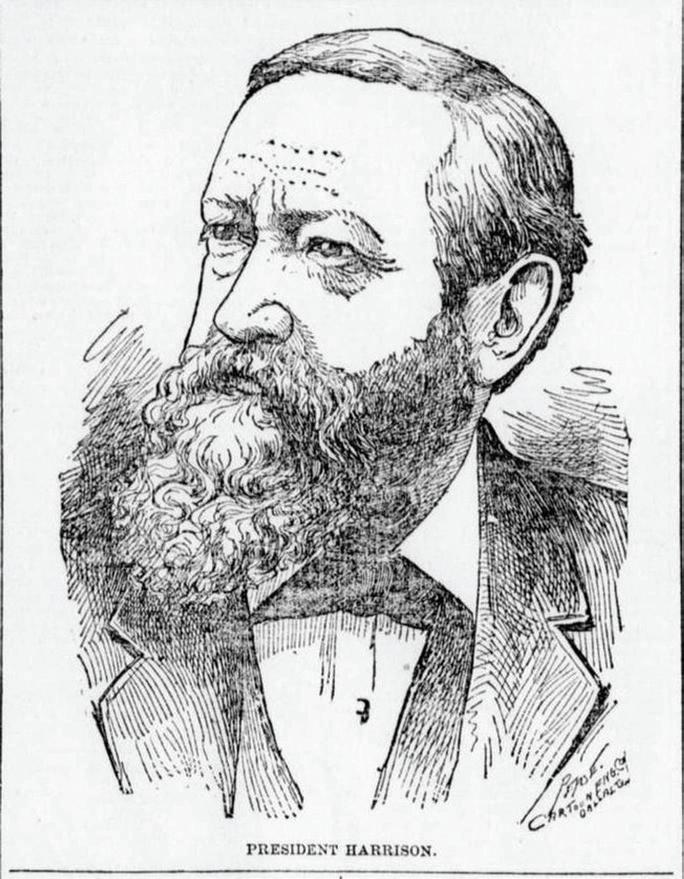
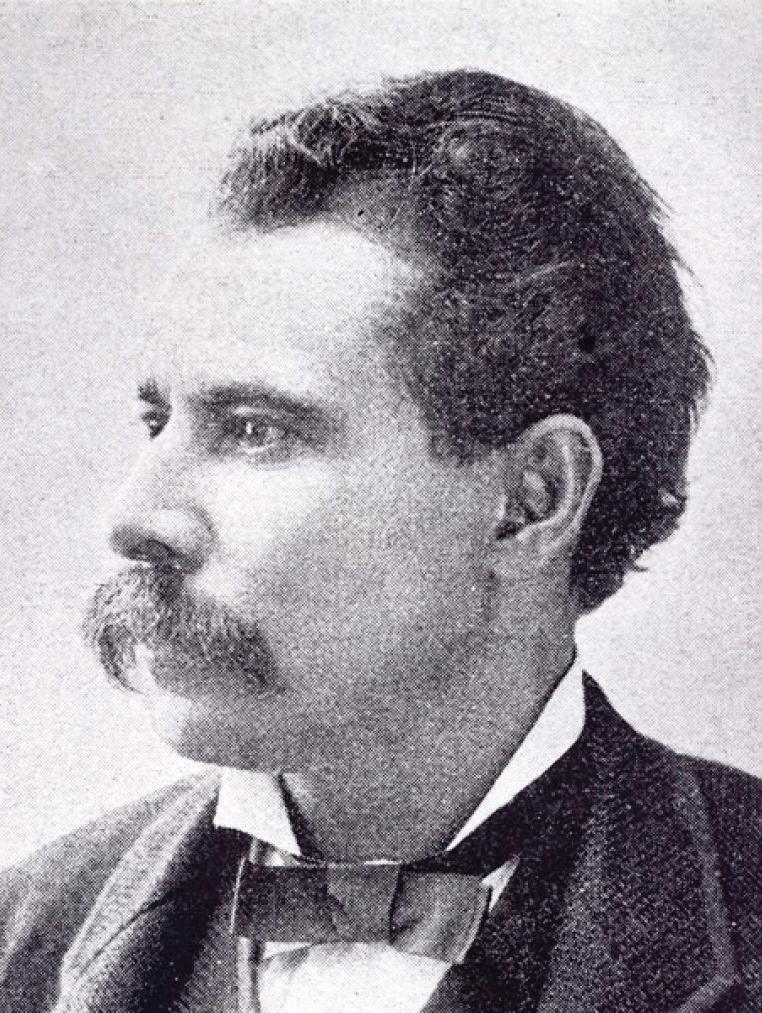
When Harrison left town, it would be decades before a president came back to Galveston. It seemed to signal the end of an era. Within a decade of Harrison’s visit, a hurricane would batter the city and the discovery oil in East Texas assured that Houston, not Galveston, would be the dominant city on the coast. But for a brief period, the island city outshone its rivals and was the place for presidents and politicians to flock to.
Wright-Cuney
Harrison Grant
C00LTURE
FEATURED ARTIST
Doug McLean
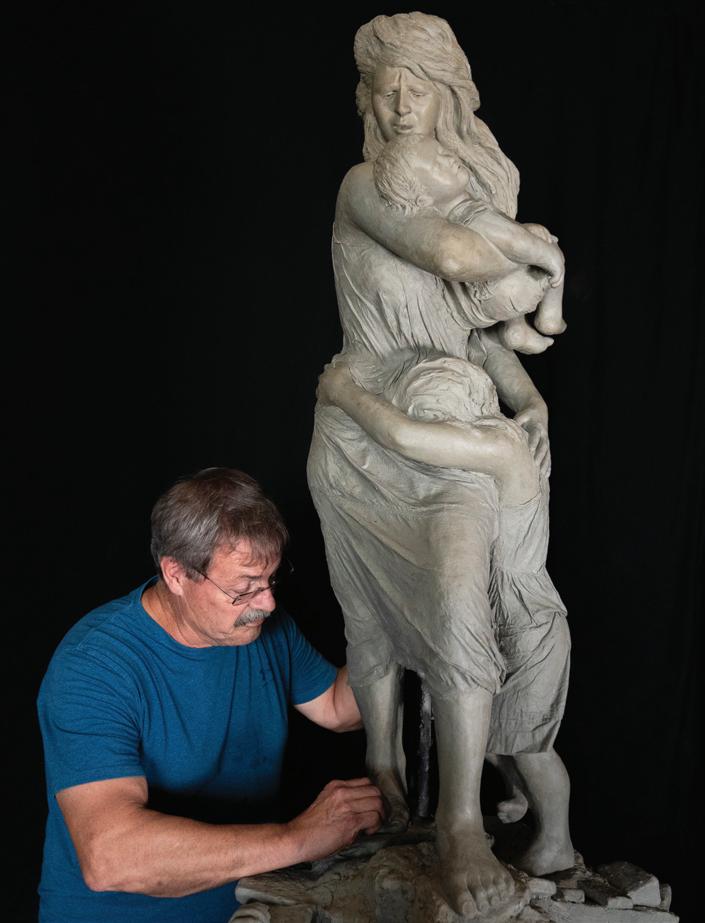
“Hope” - Clay to be cast in Bronze GalvestonSculpture.com
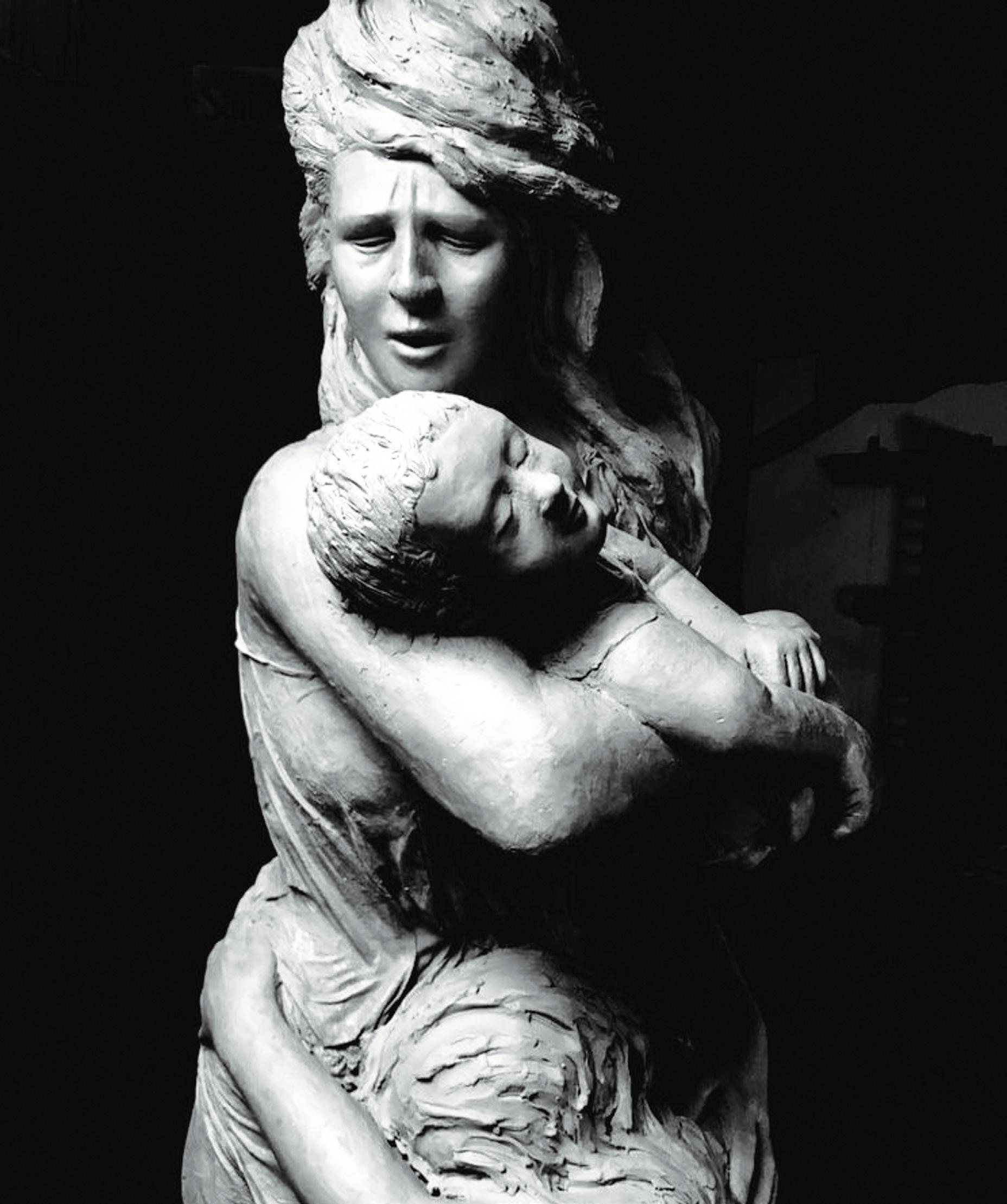
“Hope” is Doug McLean’s interpretation of a plaster study called “Victims of Galveston” created in 1904 by Pompeo Coppini, an Italian born sculptor, who had worked on other projects across the country with many in Texas. The plaster study was presented to the City of Galveston in 1904 and leaders declined to see the project completed.
Doug McLean’s sculpture depicts a woman holding an infant with a child clinging to her side as she marches forward, over a mound of debris of bricks and timbers. The determination and emotion are striking.








Story and photos by GAC


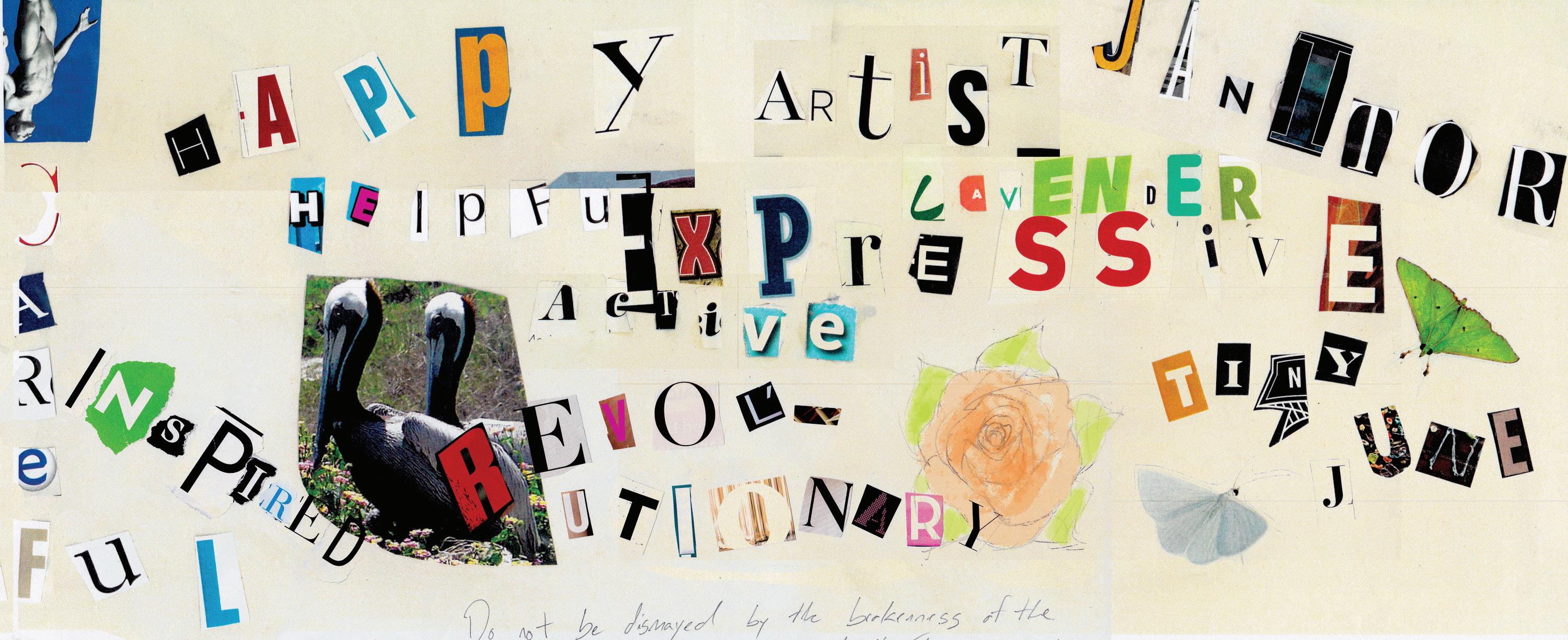
THIS SUMMER, WITH SUPPORT FROM AN ARTS RESPOND PROJECT GRANT FROM THE TEXAS COMMISSION ON THE ARTS, THE GALVESTON ARTS CENTER DEVELOPED A SPECIAL WORKSHOP SERIES FOR A DESERVING GROUP OF CREATIVE TEENS. The participants were five students in the youth art collective at Galveston Urban Ministries (G.U.M.) whose mission is to develop holistic relationships to transform Galveston’s North Broadway community. The end-product of this eight-week virtual/in-person course was to be a small, grassroots publication called a zine (a kind of DIY art magazine.)
Despite the challenging times, GAC’s teen zine project provided an opportunity for each student to grow creatively. Using a hybrid learning model of virtual and in-person smallgroup sessions, the students were introduced to zine culture through the eyes of a diverse group of professionals working in a range of creative fields, including poetry, typography, and photography. The topics and themes were chosen to support the students’ individual interests and strengths and to foster the development of a message.



The workshop series kicked off with a crash course in zines with Stacy Kirages, co-founder of Houston ZineFest. Kirages was especially excited to be involved in the project. “Zines have always been a great outlet for young people to express themselves and share their experiences,” she opined, “but it’s even more important during this time when we are isolated due to COVID-19 and communities of color, the Black community especially, are still experiencing social injustice from law enforcement. Being able to work through feelings in a tangible way, like in a zine, can be extremely healing and restorative.”
Ashanti Anderson, an award-winning poet and member of GAC’s staff, worked with the students on creative writing and ideation throughout the workshop series. She began each in-person lesson with a writing prompt designed to get the students in the right head space for the day. G.U.M.
Youth Art Collective Instructor Sarah Cantu and youth program director Brandon Williams participated in each of the sessions too, and helped keep the students focused and motivated throughout the project. Each student gained a perspective of their own as the series unfolded. Several rounds of brainstorming and discussion helped the group zero in on ideas. But the students were in agreement from Day 1 on what they wanted as their main topic: The Hood.
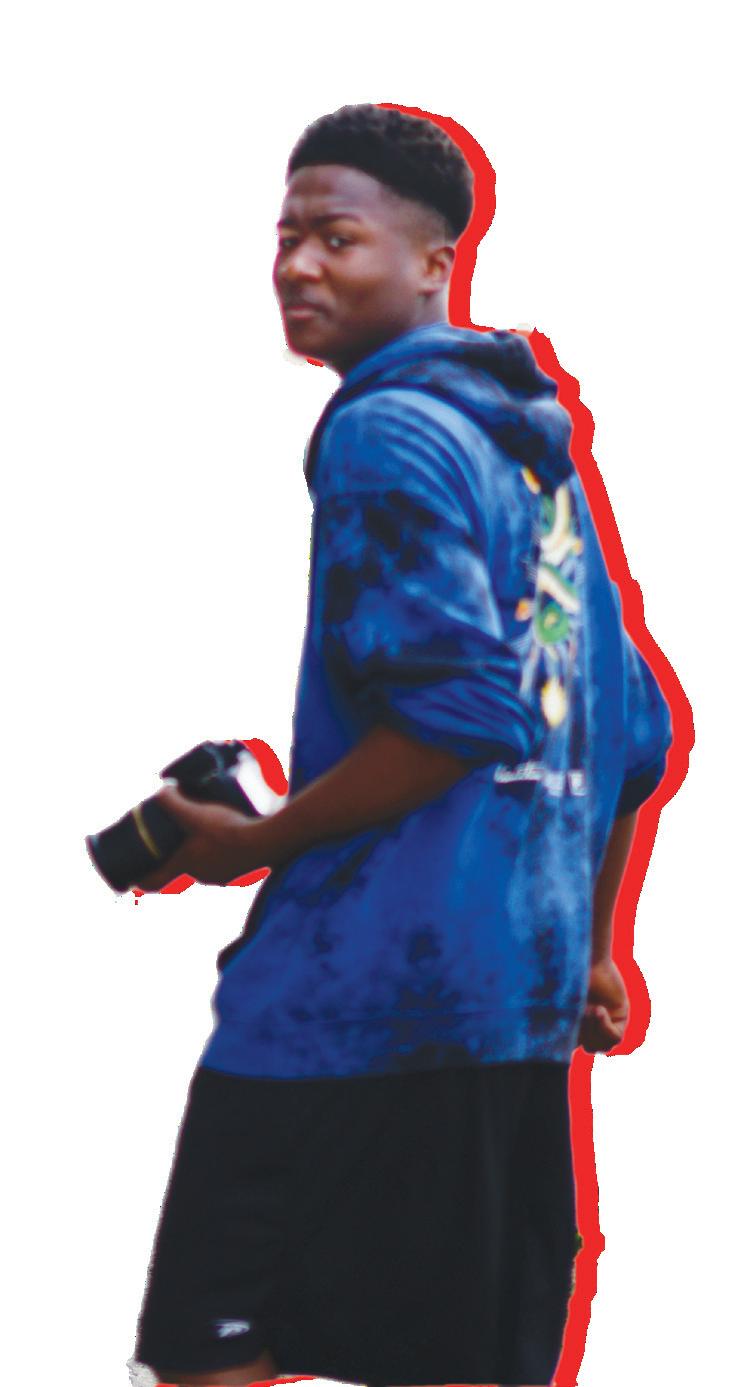


Student Bacilio (Boss) Valdez, (age 15) expressed optimism; “I hope the zine brings awareness to the community, because most people that don’t live in (North Broadway) think it’s a bad place, but it’s not.” He explained, “I want to show people that don’t live in my neighborhood that it’s a bunch of hard-working people.”


Student Toby Agnew, (14) went a step further; “My zine (purpose) is talking about the community and what we need to change, and it brings a message out to people so that they know.”
Student Kenyon Venters, (13) pointed out, “A zine has to offer something that is worth it.”
One of the goals of the project was to expose students to practical career skills. For most of them, it sparked deeper interest in subjects that were already on their minds. A two-part lesson and critique with Houston Center for Photography instructor Kelly Webeck tapped into a particular interest-area for several of the students.
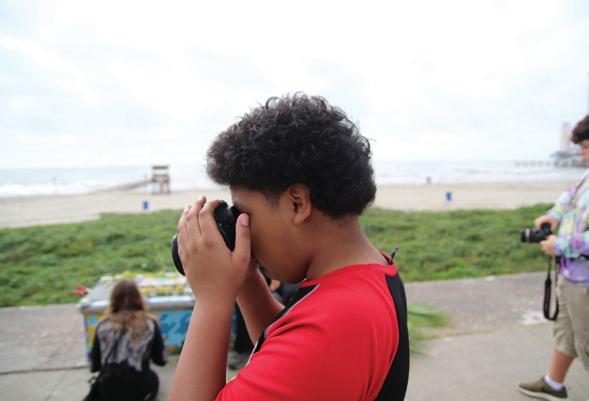
“I want to pursue photography as a career and make a living off of it,” stated Valdez. “Webeck showed us photographers that make a living off their pictures, and I thought, ‘Hey I could do that one day, that’d be fun to do.’”
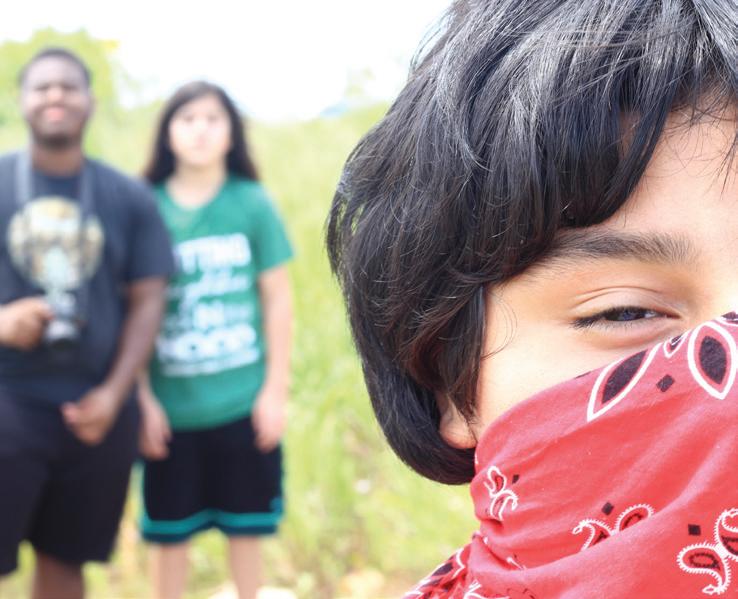
He added, “Webeck’s workshop showed me that there are places in your hood that can be cool to shoot.” Though Valdez has been studying photography for 2 years and is already familiar with concepts like the rule of thirds, directional lines, and depth-of-field, he recognized that Webeck “showed me things that I did not know about photography.”

Some of these revelations are reflected in the students’ collaborations in finished zine, like the use of handwritten text over the negative space in a photograph.
Agnew, who is more of a lyricist than a visual artist, admitted that he went into this project with some misgivings. “I thought the poems (workshop) was really dope. I didn’t know we could do poems when we first got there. I actually started getting a lot more interested in it, knowing we could add music-based stuff too.”
Guest artist/DJ Tierney Malone, who joined the class virtually from his home in Houston to share his typography-based graphic paintings, was impressed
with Agnew’s knowledge of jazz music, and invited him to get involved with his Wednesday radio show Houston Jazz Spotlight on KPFT. Malone had a major exhibition at GAC in 2017 in conjunction with a collaborative musical project with Robert Hodge entitled 2 ½ Years: A Visual Celebration to the Spirit of Juneteenth.
The youth collective’s zine project began on June 25 and wrapped up in mid-August with the publication of their first zine issue, entitled What They Don’t See: Volume 1, now available at select downtown businesses and featured at Rosenberg Library in the teen section.
At its heart, what makes a zine special is that it presents a direct line of a communication from the content creator to the wider community, and in this project, it allowed students to construct their own vision for their future.


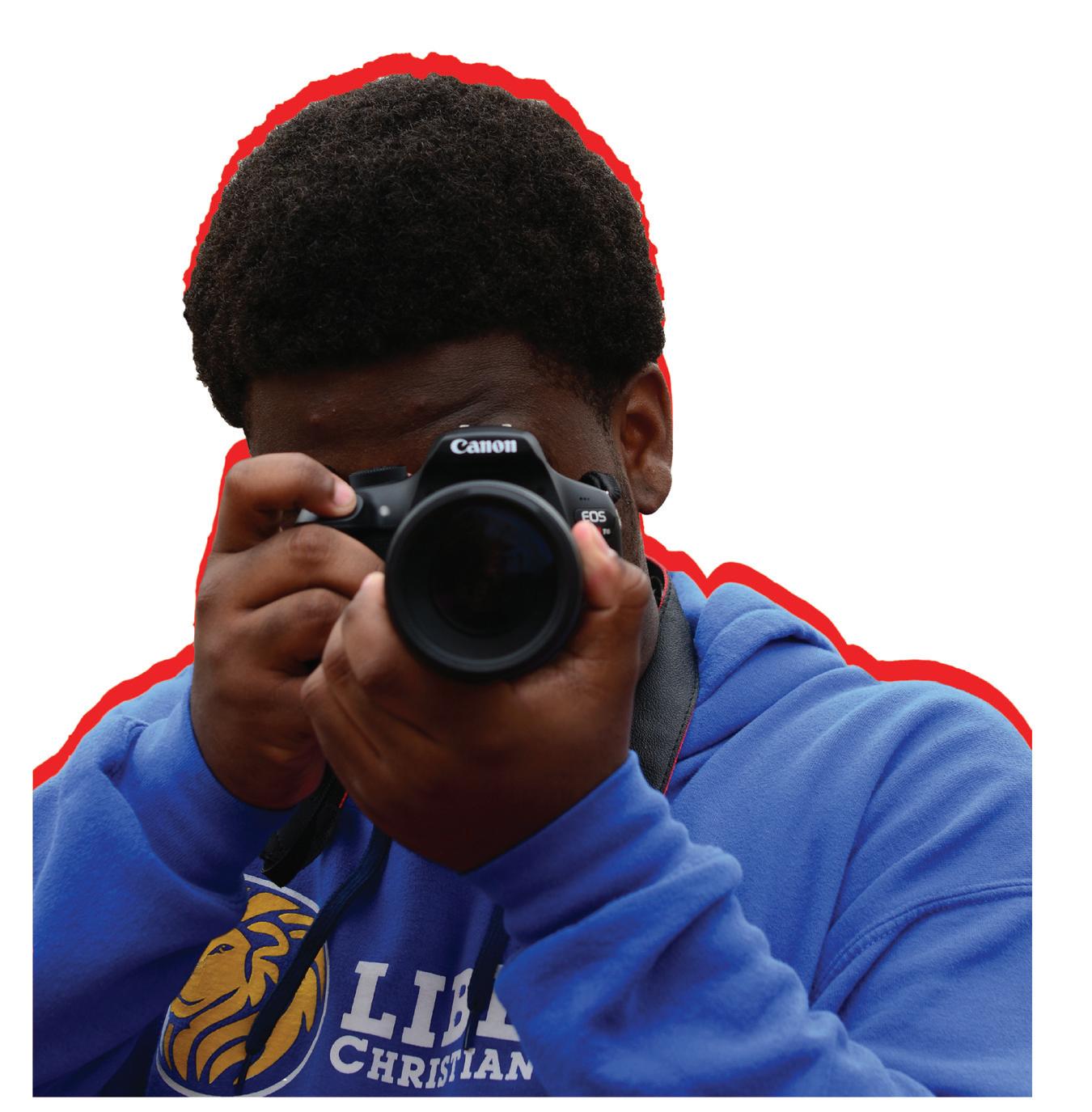

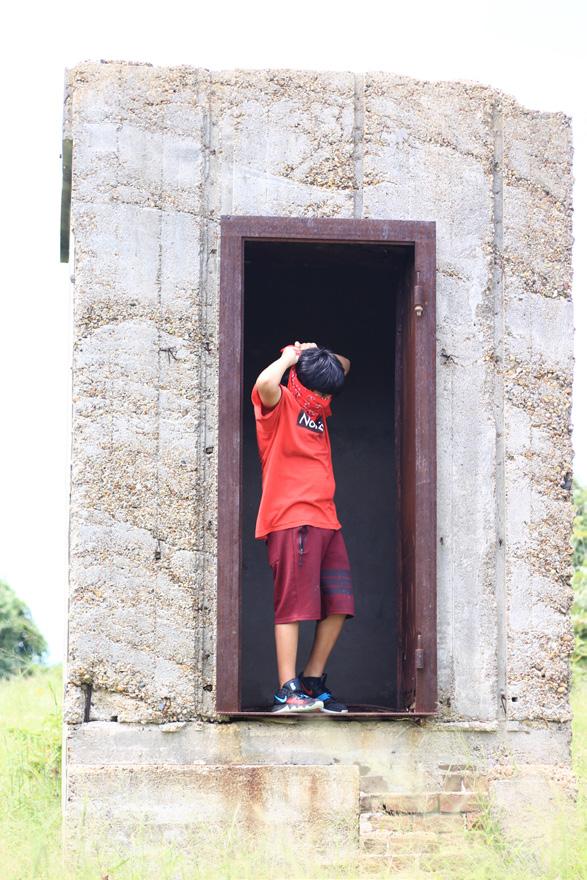
LOOK OUT FOR: What They Don’t See: Volume 1, now available at select downtown businesses and featured at Rosenberg Library in the teen section.
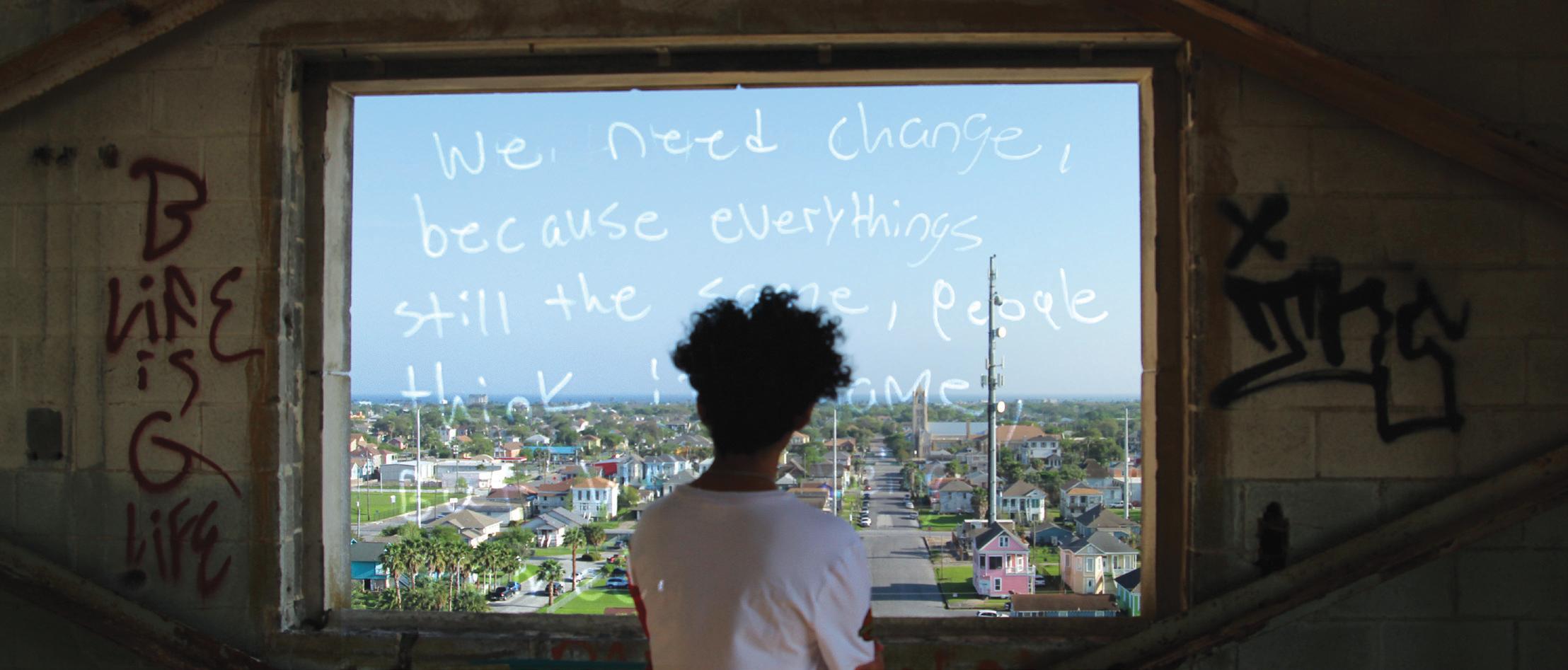
Photos courtesy of Galveston Art Center
pulse
Sept. - Oct. 2020 Calendar of Events
McLean is continuing to seek donors to fund the molding and casting of theGalvestonsculpture. Sculpture.com
September
Full Moon Labyrinth Walk:
Harvest Moon - Beach Labyrinth
September 2, 2020 - 8:20 PM
FREE
7th Street & Seawall Boulevard
National Voter’s Registration Day
September 22, 2020 - All Day
To vote in Texas, you must be registered. Simply pick up a voter registration application, fill it out, and mail it at least 30 days before the election date.
Register online or in-person at one of many locations www.votetexas.gov/register-to-vote/
Galveston Island Shrimp Festival
September 25-26, 2020 - All Day
Prices vary Sangerfest Park - 2302 Strand St
WANT YOUR EVENT LISTED?
Email Us
CultureClashGalveston@gmail.com
October
LAST DAY TO REGISTER TO VOTE
October 5, 2020 - All Day
If you waited until today to register, your best bet is to go ONLINE! https://webservices.sos.state.tx.us/ vrapp/index.asp
PLEASE VOTE! YOUR VOICE COUNTS.
Indigenous People Day (Columbus Day, who?) October 12, 2020 8:20 PM
FREE Everywhere, all the time. Educate yourself!
Doug McLean - “HOPE”
The bronze casting will be done in a foundry in Smithville, TX. “Hope” is set to be installed by the end of the year in the city’s new park located between City Hall and the new Fire Station.
Drink up
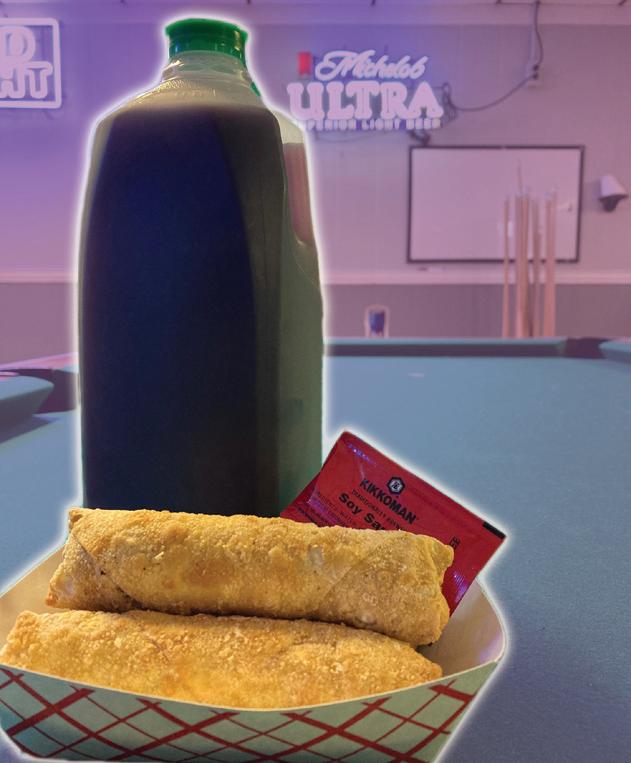
Drop by the Albatross and grab an order of egg rolls and your 1/2 gallon jug of Purple Gatorade to go!
PURPLE GATORADE
Grape Vodka, Blue Curaçao, Grenadine, Sweet and Sour mix
Albatross - 815 21st St.
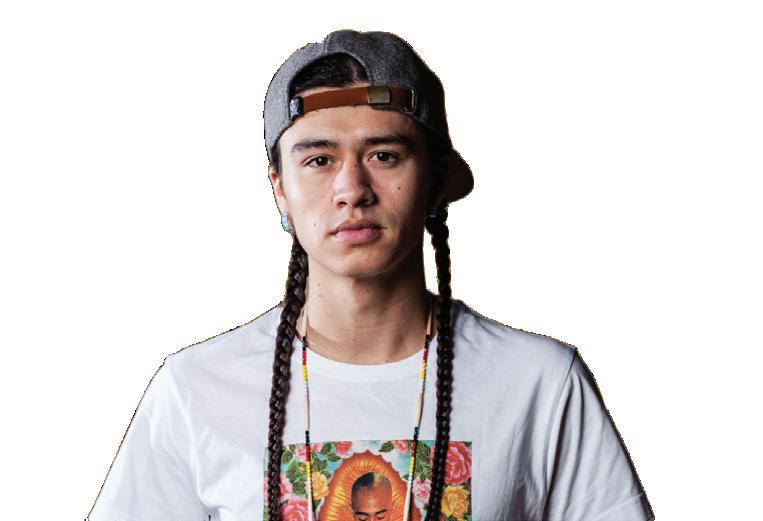
peoplegalveston
What is your view on politics??
by Culture Clash Staff
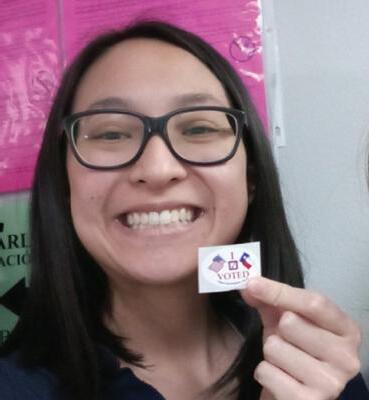
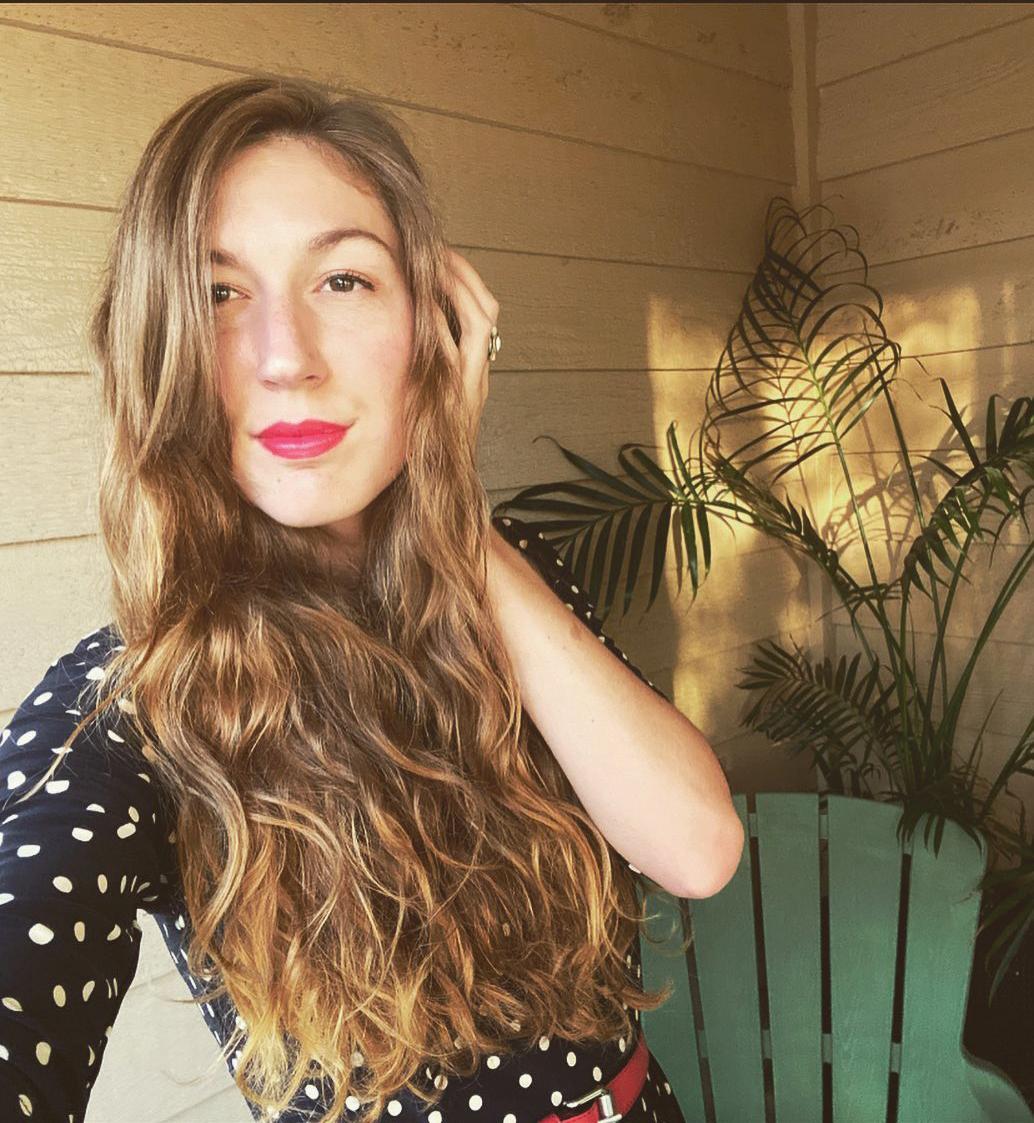
Thu-Mai Nguyen - she/her/hers (right)
“I think politics and civic literacy have been poorly educated in public spaces and that has left many individuals having a negative perspective of politics whether that be apathy or resentment. I think policy, legislation, and civic engagement have the ability to uplift and empower citizens to take action in their government and societies. However, many people feel that it’s not for them and that politics is only for politicians. Many people also feel that politics is way too corrupt and they are resigned about anything ever changing. I, too, felt apathetic and detached from politics for much of my younger adult life (a product of how privileged I was to not have certain politics attack my immediate quality of life). But when I realized how much it did impact myself and others, I took action to remedy how much of politics I had missed out on. I understand the feelings of hesitancy, fear, cynicism, and detest that may come up at the idea of “politics.” Just because it may have been poorly executed by some bad faith actors, does not mean that politics can’t still be powerful when it’s for and by the people. I think we all want a better world, not just for ourselves and our family, but for every human being who deserves a right to live their life to the fullest. Politics is one the largest and most effective ways that these changes can happen, if we’re all willing to do our part and simply engage.”
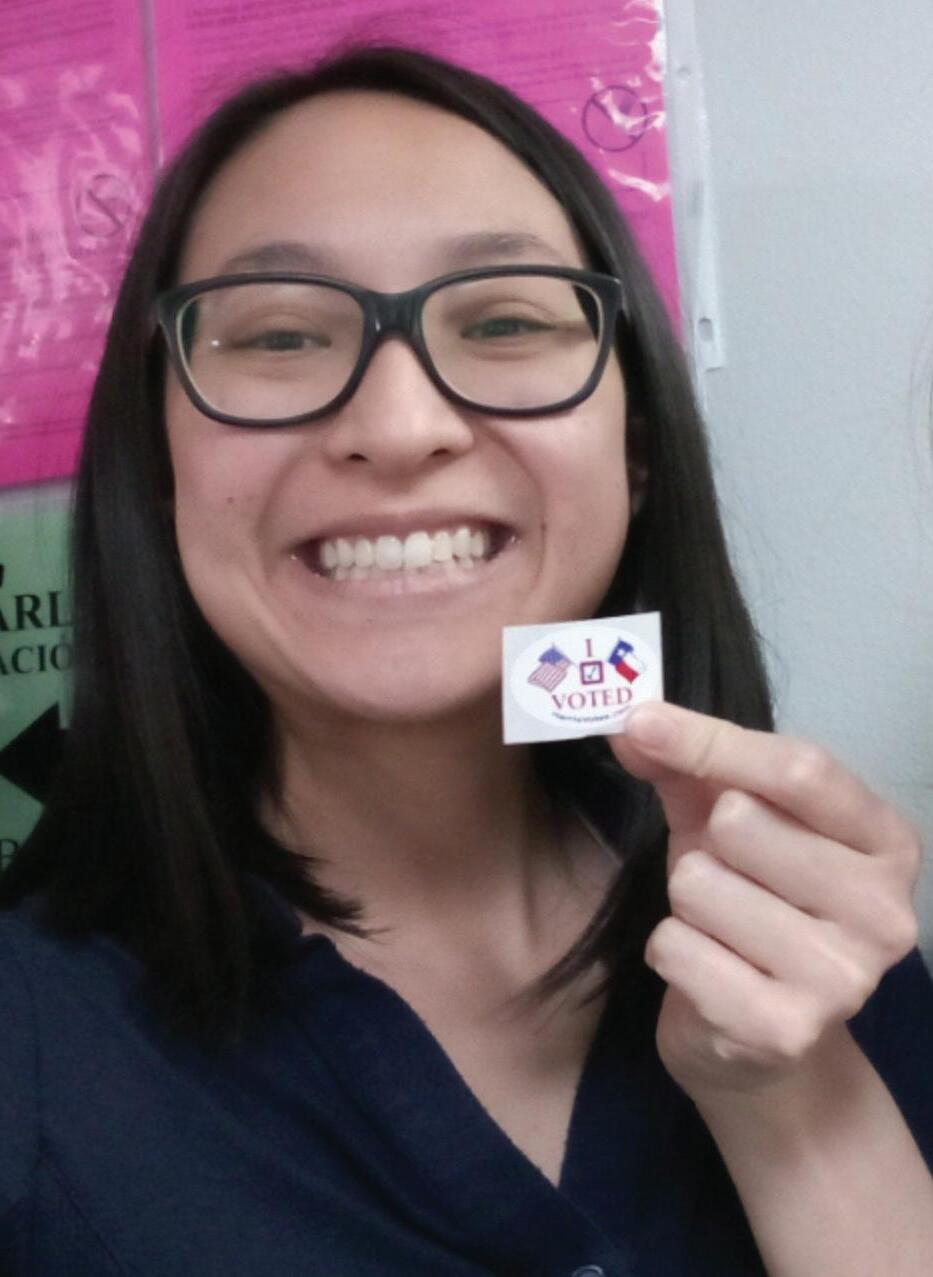
Bianca Broman (above)
“My view on politics? That’s a tough one. Honestly, I hate politics. Personally, I’m a humanist, and environmentalist, and a capitalist. I’m strongly opposed to our rigid bipartisan structure of government. I believe that although all levels of government are important, the real work within a community happens on a local level. Don’t think enough is being done in terms of conservation? Research organizations involved in conservation/habitat restoration work. Think we need to save the sea turtles? Volunteer with the sea turtle patrol people. Worried about sea level rise and climate change? Research the science behind coastline nourishment, and the work being done in your area. Worried about human rights? Find a peaceful protest or a public event. Research your city’s mayoral candidates, and city council members, and formulate an opinion. Get involved. Your work matters. Politics can definitely be dirty, and frustrating to deal with, and elitist, but remember, individuals do matter. Your voice and your actions matter. It’s a collective awareness and presence that manifests into larger changes.”
Celebrating 18 years of Galveston’s Freshest Catch
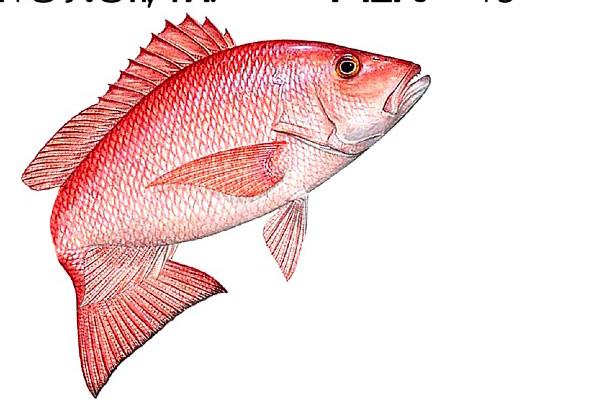
Red Snapper Grouper
Golden Tile Fish
Oysters, Flounder
Shrimp, Blue Crabs and More
OPEN MON - SUN 8:30am - 6pm
1902 Wharf Rd, Galveston (409) 763-8160




Galveston’s Newest
Seafood House
Sun-Thur 11am-9pm Fri & Sat 11am-10pm
2000 Wharf Rd, Galveston (409) 765-5688