CULTURE CLASH
a venue for Galveston’s free thinkers

G - Town dirty third coast Texas







G - Town dirty third coast Texas
The decision to base an entire issue on weed was not easy. We may potentially face ridicule and scorn from of those in opposition to the legalization of marijuana. We did face the fact that many business owners would not want to support a publication that dabbled in the taboo subject matter. But alas, we did it anyway.
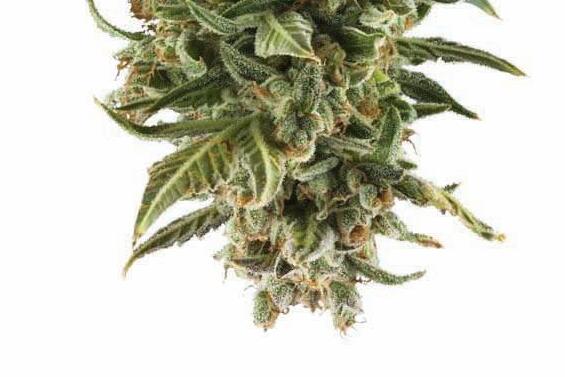
We hope that those in opposition as well as those who appreciate the plant, will find something useful here. The staff at Culture Clash Magazine has worked hard to bring a well rounded perspective to all that pot is, was and could be.
Within these pages you will learn Marijuana 101; the latest information on legislation reform (pg 14), how to have a healthy relationship with weed (pg 7), and how veterans are using the plat to battle PTSD (pg 12). There is also a complete guide to the many ways cannabis can be consumed (pg 18) and a history on marijuana busts right here in Galveston (pg 22).
My hope is that this information will aid and guide you into the future of marijuana in Galveston. Knowledge and understanding are the first steps. And if you ever want to convene over a frosty nug, you know where to find us!
Write us an email or shoot us a comment any time online: CultureClashGalveston.com facebook.com/CultureClashMag CultureClashGalveston@gmail.com
Janese Maricelli Publisher
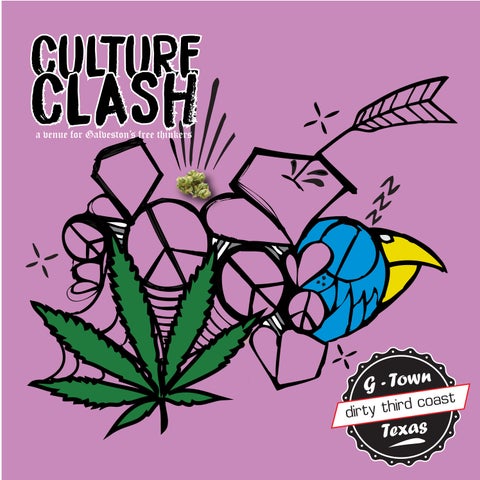
ON THE COVER: “Untitled” by Adam Garison. “I love doing art, it’s my escape from every sense of reality. It doesn’t matter how I’m feeling, my creativity and artistic freedom has always been there for me. I’m known by my iconic bird symbol that I use to remind myself to always be free and creative. I typically work with aerosol spray paint and acrylic. My work can be viewed in streets of Galveston on 22nd and Postoffice as well as 22nd and Strand.” You can also view Adam’s works on Instagram @ogson_
*This magazine is NOT printed on recycled paper or with soy-based inks YET! But we are working on it. Help us get there, advertise or sponsor us! Email for more details CultureClashGalveston@gmail.com.

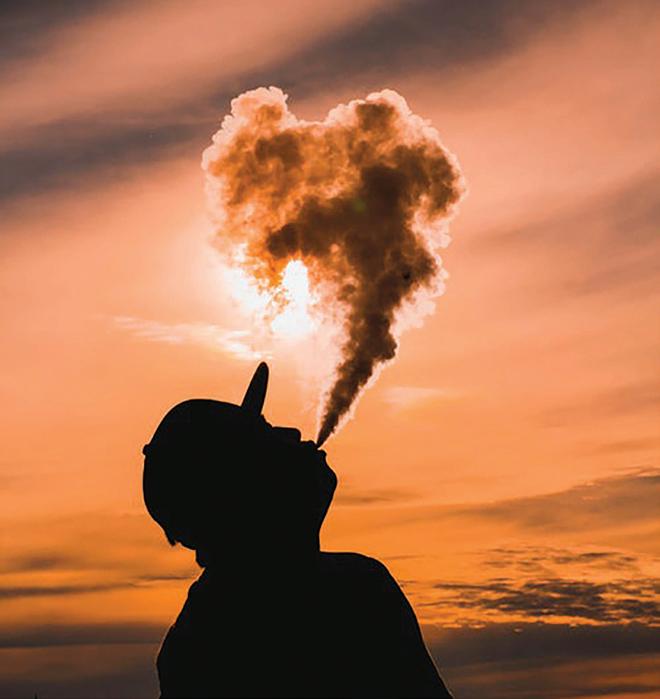

“Be careful marijuana may cause: intelligent thought peacefulness bliss, love and the feeling of oneness with your surroundings”
-Unknown
By Mona June
MARIJUANA HAS HELD A SPECIAL PLACE IN MY LIFE FOR YEARS. I REMEMBER THE FIRST TIME I EVER SMOKED - I CAN’T SAY THAT I EXACTLY KNEW WHAT I WAS GETTING MYSELF INTO.
I was 15 years old and at my first high school party. One of my girlfriends told me she had some weed she wanted to smoke with me. Being a curious person who is open to new experiences, I eagerly sat down to join her. From that moment, I gradually started exploring what it would be like to have a relationship with weed.
For the rest of my high school years, I made a lot really good friends who also enjoyed smoking herb. We would mostly get together at one of the guy’s houses to smoke and play video games, talk about life, and just chill.
When I turned 18 and moved out of my parent’s house into my own apartment, my relationship with weed changed tremendously. I had been keeping my use a secret from my parents and from some of my friends as well. But now I had ultimate freedom. I could smoke whenever I wanted, in my own place, without having that terrible feeling of paranoia that someone was going to catch on to the secret life I had been hiding for the last few years. This was a great and liberating feeling, until it all caught up to me and I started feeling lazy and unfulfilled.
I was pretty much always lighting up, laying on the couch, watching TV, and eating a bunch of unhealthy food. I started digging deep into the reasons why I loved to smoke and how I could get the most out of my sessions and really start respecting the herb as the medicine that it is. I started listening to a lot of reggae music, meditating, doing yoga, eating a vegetarian diet, and doing research into the culture and history of marijuana use. As I learned more, my relationship with weed became much healthier and much more meaningful. I started realizing that,like many other things that make you feel good - caffeine, sugar, sex, alcohol, tobacco - too much of a good thing can actually be very unhealthy for both physical and mental health.
Now, after working on my relationship with weed for over a decade, I feel like I am in a very healthy place with my usage. For me, it all boils down to mindfulness. It is an absolute necessity to constantly check in with yourself to get an idea of how you’re feeling. I believe this serves true for every aspect of life in order to help maintain your health.
CULTURE CLASH (Be a Better Human)
When I’m feeling anxious or overwhelmed, I’ll do a quick body scan to see how I’m feeling, why I‘m feeling that way, and what I can do to help settle my nerves and relax. Sometimes the answer is weed. Sometimes it’s going for a run, practicing yoga, drinking water, or cracking open a beer. Through the process of checking in with myself, I have been able to identify key things that help me overcome my daily struggles.
There are certain activities that I know I can turn to that make me feel just as good as smoking herb. Don’t get me wrong, I love getting really high and just vegging out from time to time, and I don’t think there’s anything wrong with that. But I know that if I do that in excess, I will start feeling discontent and unfulfilled.
In today’s world it can be very difficult to create and maintain a healthy relationship with so many substances being right at our fingertips. When we have a craving, we can oftentimes satisfy our desires almost instantly. Just like everything in life, it’s all about balance. So check in with yourself, identify what your body and mind needs, and answer honestly and responsibly.
SAMHSA’s National Helpline 1-800-662-HELP (4357)
SAMHSA’s National Helpline is a free, confidential, 24/7, 365-day-a-year treatment referral and information service (in English and Spanish) for individuals and families facing mental and/ or substance use disorders.
According to www.howtorollthebestjointintheworld.com
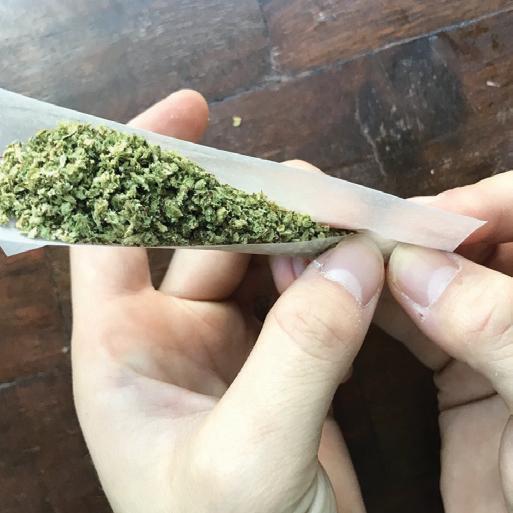
1. Eat a Mango- The fruit contains myrcene terpenes, which helps THC get through the blood-brain barrier quicker.
2. Grind It Good- Grinding your weed gives it more surface area, allowing it to burn more evenly and slowly.
3. Change Your Routine- The change in routine might change your perspective, and give you a better high.
4. Roll the Joint Properly- A properly rolled joint burns evenly, has no seeds or stems, and provides a better high.
5. Don’t Fake It- If you’re not high, don’t act like you are. It won’t get you there any faster and all you’ll do is annoy the people around you.
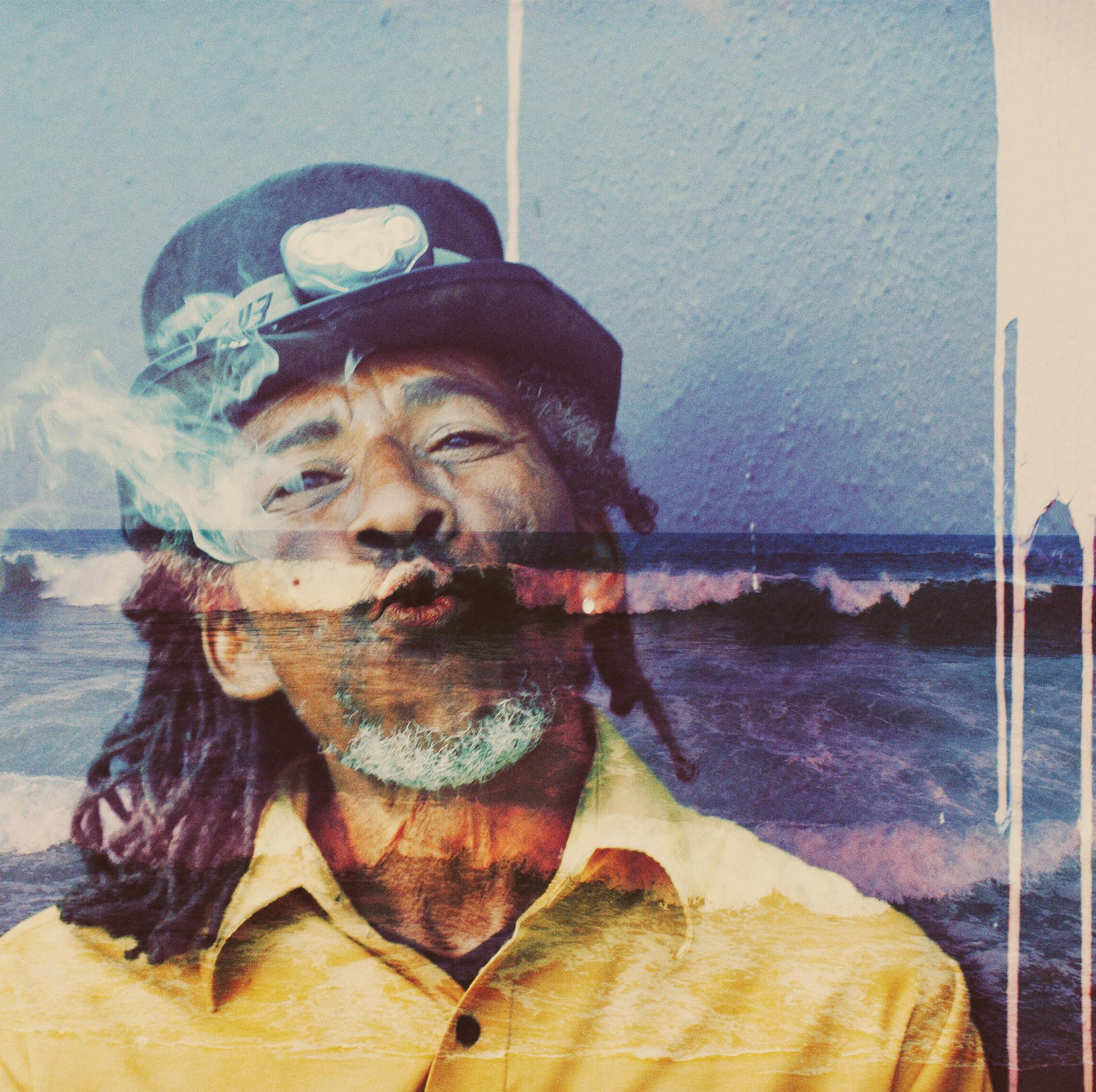
“When you smoke the herb, it reveals you to yourself.”-Bob Marley
By Juan Gonzales
THE SMELL WAFTS INTO MY PRISON CELL AND STINGS MY NOSE. LIKE BURNING PAINT AND PAPER, IT IS A THICK, ACRID SMELL. Not at all like the sweet smell of burning weed that I remember and occasionally still smell around here. This is far nastier. Like a burning cat turd soaked in roach spray. It might even be exactly that! No one knows what is in the shit they are smoking to get high around here. It’s killing folks though. We know that.
It is commissary day on my wing here at the Prison unit I am in in Huntsville. Everyone who has money on their book has made store and everyone
who doesn’t is busy hustling from those who do. The Toon heads are smoking their commissary up as fast as they can light it.
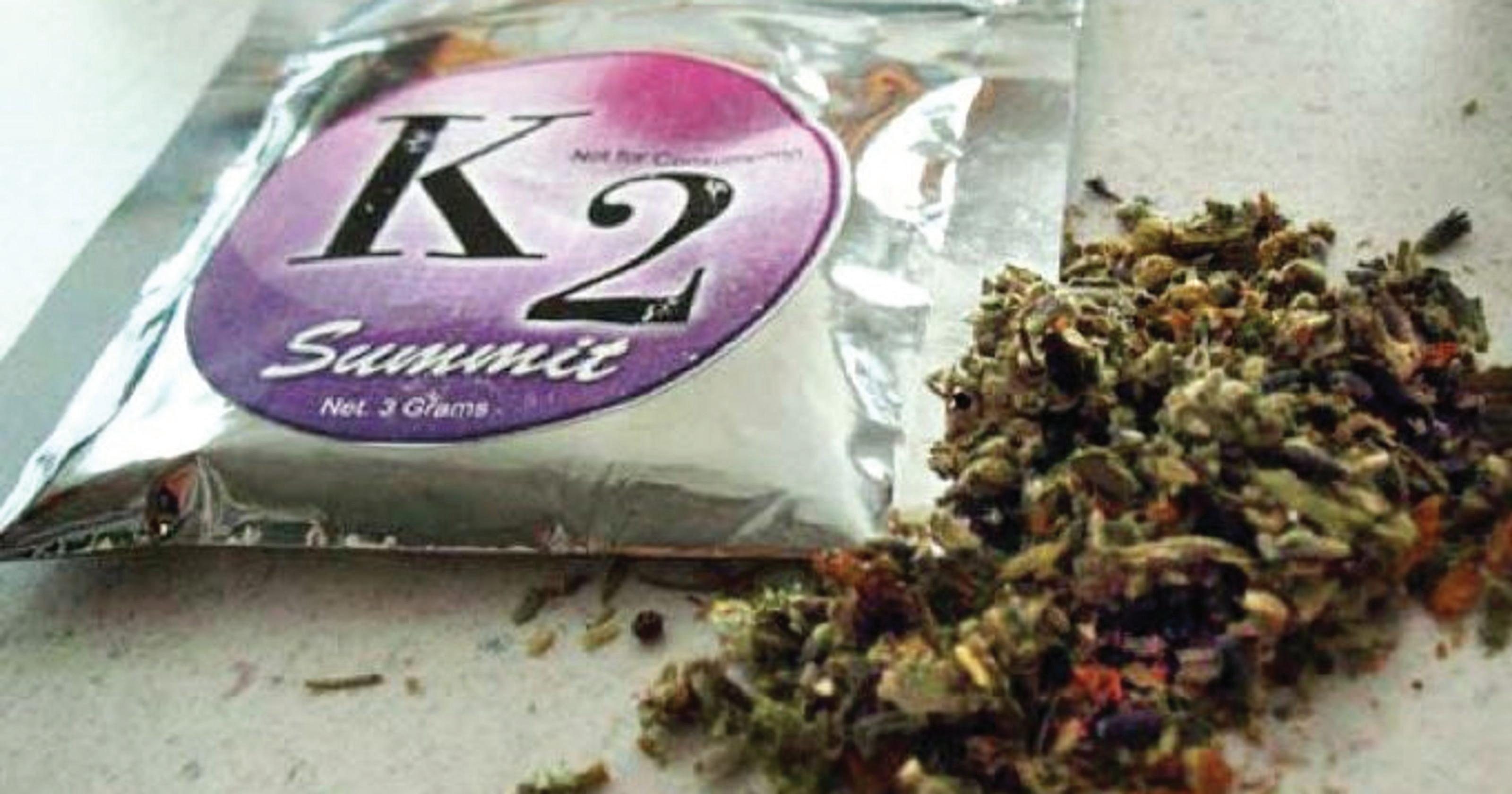
The stuff they are smoking is not marijuana. It is Toon. Also called legal, two-chi, work, gas, or the more widely known K-2. Here in TDCJ [Texas Department of Criminal Justice], it is an epidemic and people are going into seizure daily in my unit. We call it, “Toon attacks.” I see people carried out of these wings on stretchers all the time and some of them never come back.
People I used to be able to hold a decent conversation with now stare blankly and respond only to one thing - Toon. Who has it, how much, and can they pay them later for some now. We call them, “Toon heads.” They sell all of their stuff, including medications and food, then steal anything left within reach just to get that next stick of Toon. In the few years I have been in this system, I have seen it spread like a virus, swift and deadly.
I sit here on my bunk in my cell and listen to the people yelling up and down the run, smelling the Toon in the air and wondering, “Why?” We
all see the effects of what that stuff is doing to people here. All for a short 15 minute high that sometimes makes you go into convulsions, or crazy for a bit.
Some Toon heads attack themselves or anyone around them. Others lock up like statues and don’t move at all, just stare and drool. We call it getting “stuck.” The nurses come in and put them on a stretcher to wheel them out, the inmate still in the same sitting or bent-over position they were in when they got “stuck”. Sometimes it makes people’s bodies overheat and they get naked and run around until they are tackled or they run into a wall. Others throw up and lie in it, shivering and mumbling.
K-2 is the worst parts of the worst drugs put together, and then sprayed with more chemicals. There are people with obvious brain damage here from it, and some even die. TDCJ attributes their deaths to something else, of course, just like they do for heat-related deaths and those caused by botched healthcare. Officially, it’s always because of a pre-existing condition. But we all know the truth in here.
I understand the desire to catch a buzz or even just numb things for a while to get you past a particularly rough day. I am also a firm believer in marijuana being a strong medicine and believe it should have been legalized long ago. It is the only thing that has helped me through severe bouts of depression and PTSD [PostTraumatic Stress Disorder]. Before prison, I smoked it daily for more years than I didn’t. But K-2 is not marijuana. Marijuana has never killed anyone.
Why do people, especially in here, smoke it then? Getting caught means that you will probably end up spending even more time behind these bars! I believe that people really just want to get away from this place for a while, in any way they can. I can’t fault them for that. I escape in my own way through books, letters, and pictures from home. I don’t want to be in this place anymore than anyone else does, including the guards.
While there are many other drugs and alcohol available in this place, none is more prevalent than Toon. None easier to get either. K-2 even gets
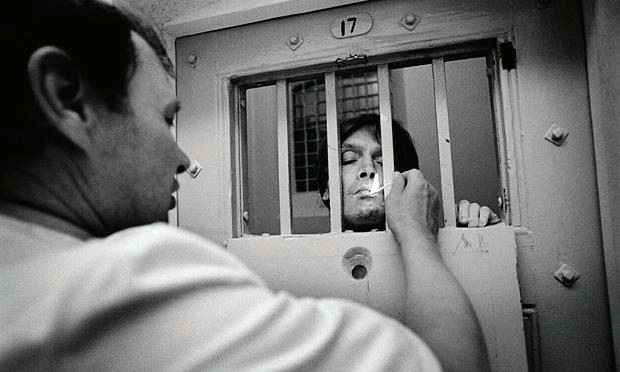
K2 is not marijuana. Marijuana has never killed anyone. “ ”
into high security units where you are locked up by yourself with no access to anyone. Toon finds its way in. It’s unstoppable it seems, and I think TDCJ doesn’t even really want to stop it. If they did, they would simply search the guards coming on duty like they search the inmates before and after visitations. That would stop the pipeline. Do they think that it’s produced here like hootch is?
Another reason that people smoke it here is that as dangerous as it is, it is easier to smoke without getting caught. It can’t be detected on a drug test, and dogs sniff right past it, so it’s easy to hide. It only takes a rice grain-sized piece, ground up and rolled into a sliver-sized joint (stick) to get high. However, that rice grain-sized piece is also enough to give you brain damage, more time in prison, or even kill you. In contrast, marijuana is considered too “loud” (smelly) to smoke, practically glows on a piss test, and the dogs go right to it. Go figure.
For me, the choice is simple. I am not willing to risk my life or more time here for what Toon/K-2 has to offer. I’ll continue to escape through my books, letters, and pictures. I will just do my time and observe this crazy world inside these fences, and then of course, report back to you all. I ask in return that you guys think of me occasionally while enjoying a nice day at the beach, and maybe partaking of a nice, all natural, sweet smelling, sticky smoke. There is no substitute! Just please, please stay away from the Toon! It is not worth it, my friends. Man made K-2, God made pot. God is perfect, man is not.

By Grace Sims
Culture Clash spoke with David Bass, a U.S. Army veteran, founder of Texas Veterans for Medical Marijuana, and the director of Veterans Outreach at the National Organization for the Reform of Marijuana Laws (NORML) of Texas. David is vocal about his own challenges with PTSD and chronic pain after retiring from the Army in 2006, and how vital medical marijuana has been in treating these conditions.
“When I came back from serving in Iraq with the 1st Cavalry Division in 2005, I had some strange symptoms,” David explains. “I was paranoid, hyper-vigilant, I had nightmares, and I was drinking heavily. I was also being prescribed opioids for chronic pain from injuries I sustained on active duty. These symptoms caused me concern, so I checked myself into the Fort Hood Mental Health Facility, and I was diagnosed by a psychologist and a psychiatrist with posttraumatic stress disorder. They started me on psychotropic medications that day, so I was taking [those] and opioid medications at the same time. I didn’t like the side effects of the psychotropic medications--suicidal ideation, loss of interest in things that I used to enjoy, flat emotions and wanting to be socially isolated--and I was becoming addicted to the opioid medications.”
David’s story is not at all uncommon for veterans in the aftermath of combat. The U.S. Department of Veterans Affairs claims that PTSD and Substance Use Disorder often go hand in hand—over a fifth of Veterans with PTSD also develop SUD (Substance Use Disorder). Like David, an enormous number of veterans also experience chronic pain as a result of injuries sustained in combat, and many are prescribed highly addictive painkillers as treatment. Providers Clinical Support System reports that in 2009, 39,032 patients in the Veterans’ Health Administration were diagnosed with opioid abuse or opioid use disorder, a dramatic increase from 26,818 in 2005. Opioid abuse, moreover, causes a host of other health issues and is one of the largest public health epidemics facing our country today.
The worsening side effects and addiction David experienced were deeply troubling. “I was really afraid that [one day] I would go to sleep and not wake up,” he says. After complaining to his doctor, who insisted he continue taking the same daily cocktail of drugs, David found a natural treatment for his symptoms—one that many veterans unfortunately do not have access to. He recalls, “I began looking around on the internet, and I saw two words that I had never seen together before: medical and marijuana. So, I started researching medical marijuana and started using it as medicine in 2012, and by the end of that year I had stopped using opioids and psychotropic medication and was only using marijuana as treatment. It was a great relief. I think those pharmaceutical drugs were going to kill me.”
David founded Texas Veterans for Medical Marijuana in 2014 and has been advocating for the reform of marijuana legislation ever since. He expresses the frustration and anger his organization—and thousands of other Texans—felt in May 2019 when Lieutenant Governor Dan Patrick killed House Bill 63, which would reduce penalties for possession of small amounts of marijuana, and House Bill 1365, which would establish a more inclusive medical marijuana program in Texas. When asked about the greatest difficulty we face in changing marijuana laws, David declares, “In Texas, it’s ignorance. Our greatest enemy is real, profound ignorance about our healing plant, marijuana.”
Even amongst veterans, David states there is still resistance regarding marijuana legislation reform.“Within the military community, I would estimate it’s 60% for [reform] and 40% against it,” he says. “There are a lot of hard-headed, older veterans who still believe all the ReeferMadness propaganda from when they served in the army during the Vietnam War and the Cold War. They see marijuana as just as bad as heroin or methamphetamine, so they are very much opposed to it. But--the younger veterans especially--definitely understand that our plant is better than these pharmaceutical medications.”
“It’s a hard fight in Texas, but we’re not giving up,” David says at the end of our conversation. “In fact, we’re winning. At my first legislative session in 2013, we were nowhere near a majority of representatives in the house supporting a civil penalty bill or a medical marijuana bill, but now we have a supermajority in the house.” Despite the challenges David and his organization have faced, change in Texas may just be right around the corner.
For those interested in getting involved, Texas NORML holds meetings on the first Wednesday of every month at the Flamingo Cantina, a reggae club in Austin. The Texas Veterans for Medical Marijuana also holds veteran’s events leading up to each legislative session, as well as events during the sessions. These events include veteran’s lobbying days, conferences, and medical marijuana seminars, all of which seek to educate and inform veterans on the benefits of medical marijuana and the fight for just marijuana laws in Texas.
Supporters of the movement are encouraged to join Texas NORML at www.texasnorml.org. David also compels Texans to contact their state representatives and senators via phone, letter, or in person to express their support of marijuana legislation reform.
“Personal testimonies from constituents of our legislators are the most powerful thing we can do,” he says. “Texans need to let legislators know that we expect them to change these unjust laws.”
By Grace Sims

Despite being the most commonly used and least harmful recreational drug available, it has been illegal in the United States for 82 years. In the past two decades, however, since California became the first state to legalize medical marijuana in 1996, legal discussion surrounding the drug has changed dramatically. So, what exactly are the different kinds of marijuana, and how is it used? How has it changed in quality, quantity, and availability in legal and illicit markets, and what does weed legislation reform look like in Texas? Let’s investigate.
MARIJUANA: IT’S BEEN USED IN RECORDED HUMAN HISTORY FOR 8,000 YEARS, AND YET IT REMAINS HIGHLY CONTROVERSIAL AND ITS EFFECTS ARE OFTEN MISUNDERSTOOD.
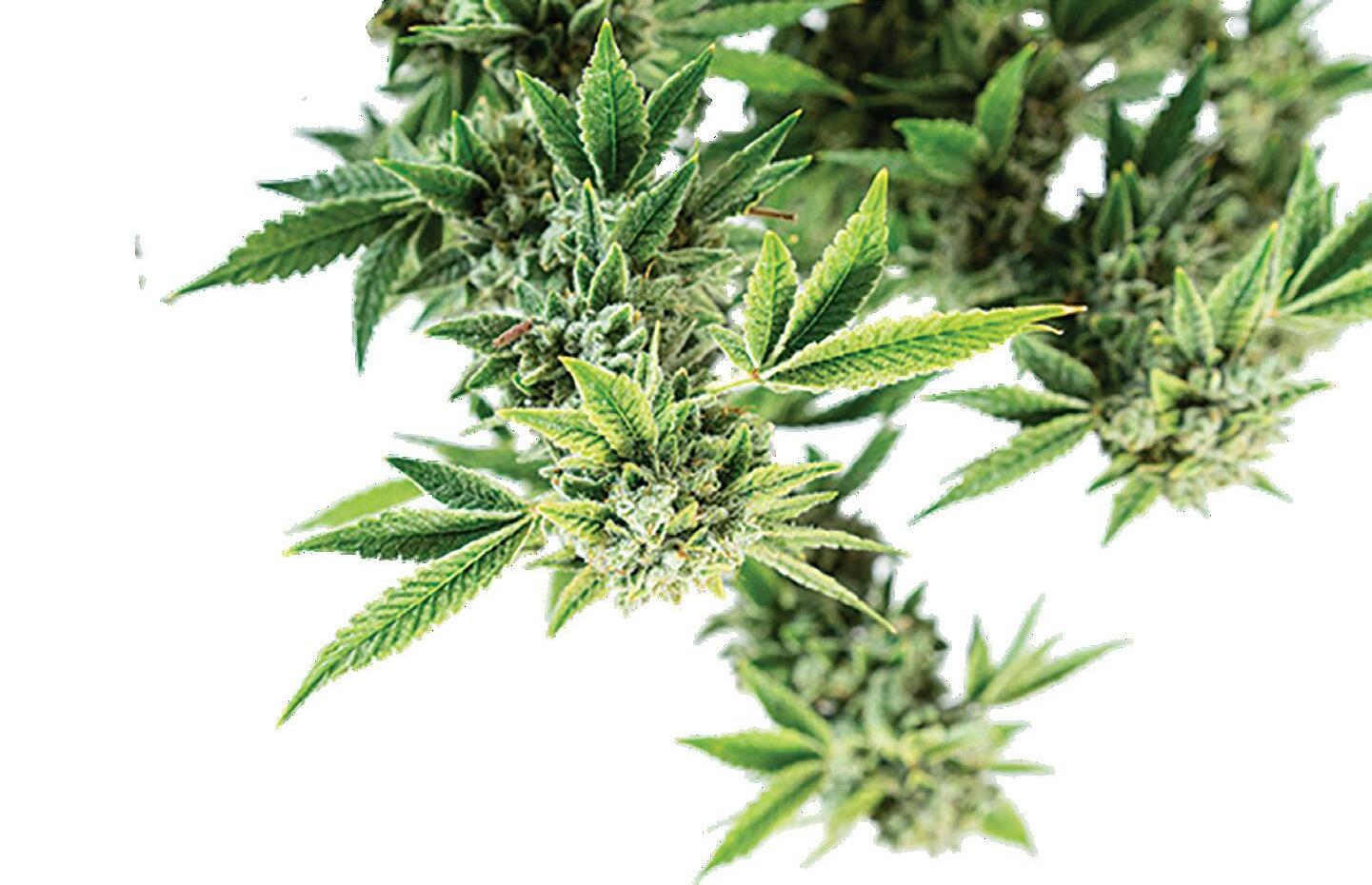
tolerance, biology, dosage, and how they plan to consume it. As far as chemical compounds, those most indicative of the experience they will produce are called cannabinoids and terpenes. The most common cannabinoids are THC, which makes us “high” and can provide pain relief, and CBD, which has no mind-altering effects but can help with things like anxiety, insomnia, pain, and inflammation.
Choosing a strain that is higher in CBD can help calm smokers who experience certain unwanted effects of THC such as paranoia and anxiety, while those seeking a more mind-altering experience should opt for strains higher in THC. Strains with an equal balance of THC and CBD are best for those who are new to marijuana use or unsure of their preferences.
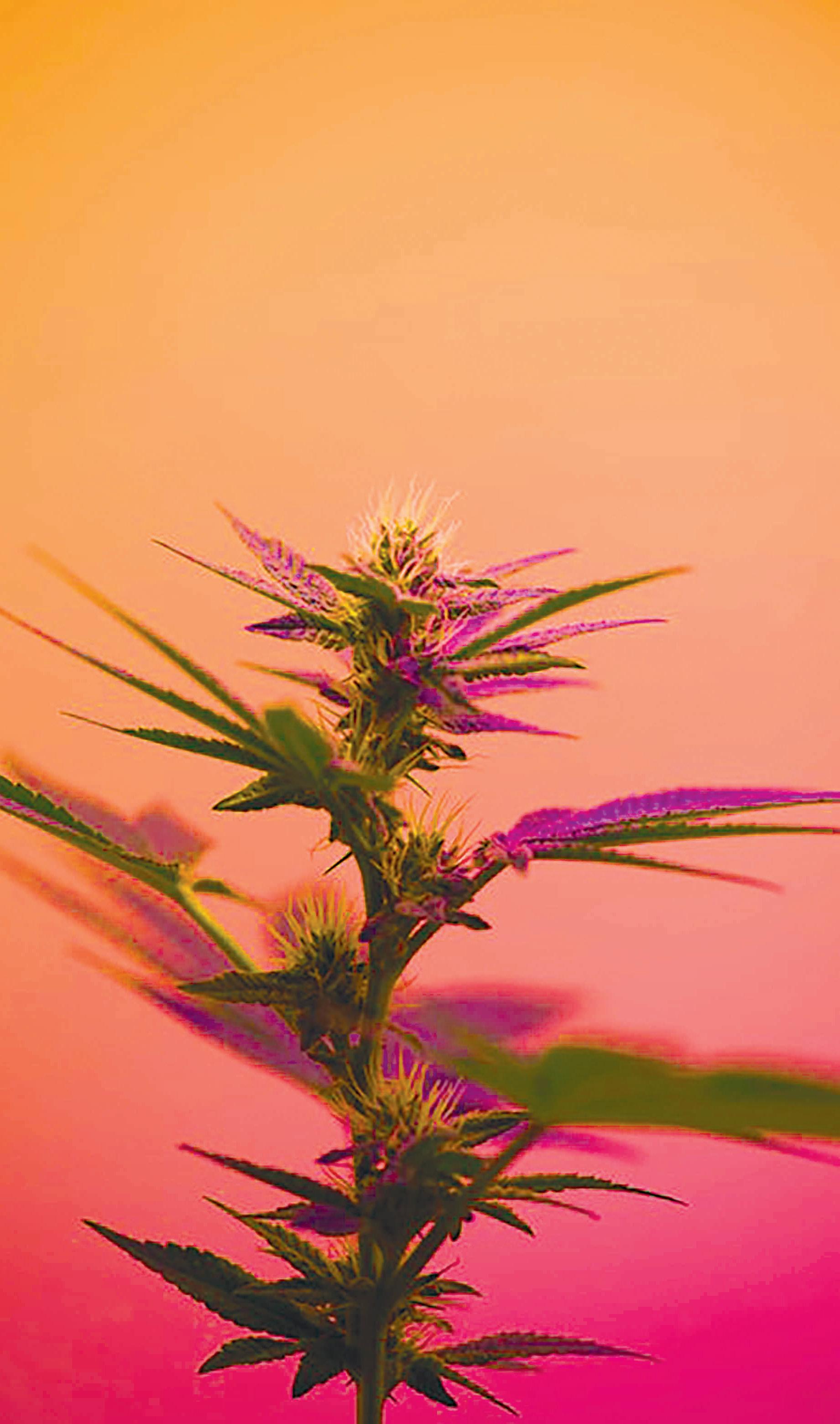
Most people who have used marijuana themselves or done any kind of research on the plant are probably familiar with the two groups or strains commonly used to classify weed: indica and sativa. We associate indica with a physical high—particularly one that will have you slumped on the couch—and sativa with a more mentally stimulating, energized high. Many smokers use these classifications to guide their choice of product, yet research suggests that the only distinction between indica and sativa is the appearance of the plant. Neurologist Ethan Russo, who has conducted extensive research in cannabis psychopharmacology told Leafly.com “The way that the sativa and indica labels are utilized in commerce is nonsense. The clinical effects of the cannabis chemovar have nothing to do with whether the plant is tall and sparse vs. short and bushy, or whether the leaflets are narrow or broad.” He’s right--the meaning of the terms indica and sativa has been twisted around since the 1700s, when scientists first classified cannabis into subspecies. You may be surprised to learn that there are actually three subspecies of cannabis, and they are primarily divided by their appearance.
Terpenes also have a certain bearing on whether your high is calm or energetic, although their effects are harder to predict than cannabinoids. Terpenes are compounds responsible for the scents different strains exhibit, and are found in other plants, including many fruits and spices.
So, can you still “design” your own high? Well, yes and no. Rather than the labels “sativa” and “indica,” buyers should focus on the ratio of chemical compounds in the strain as well as their own
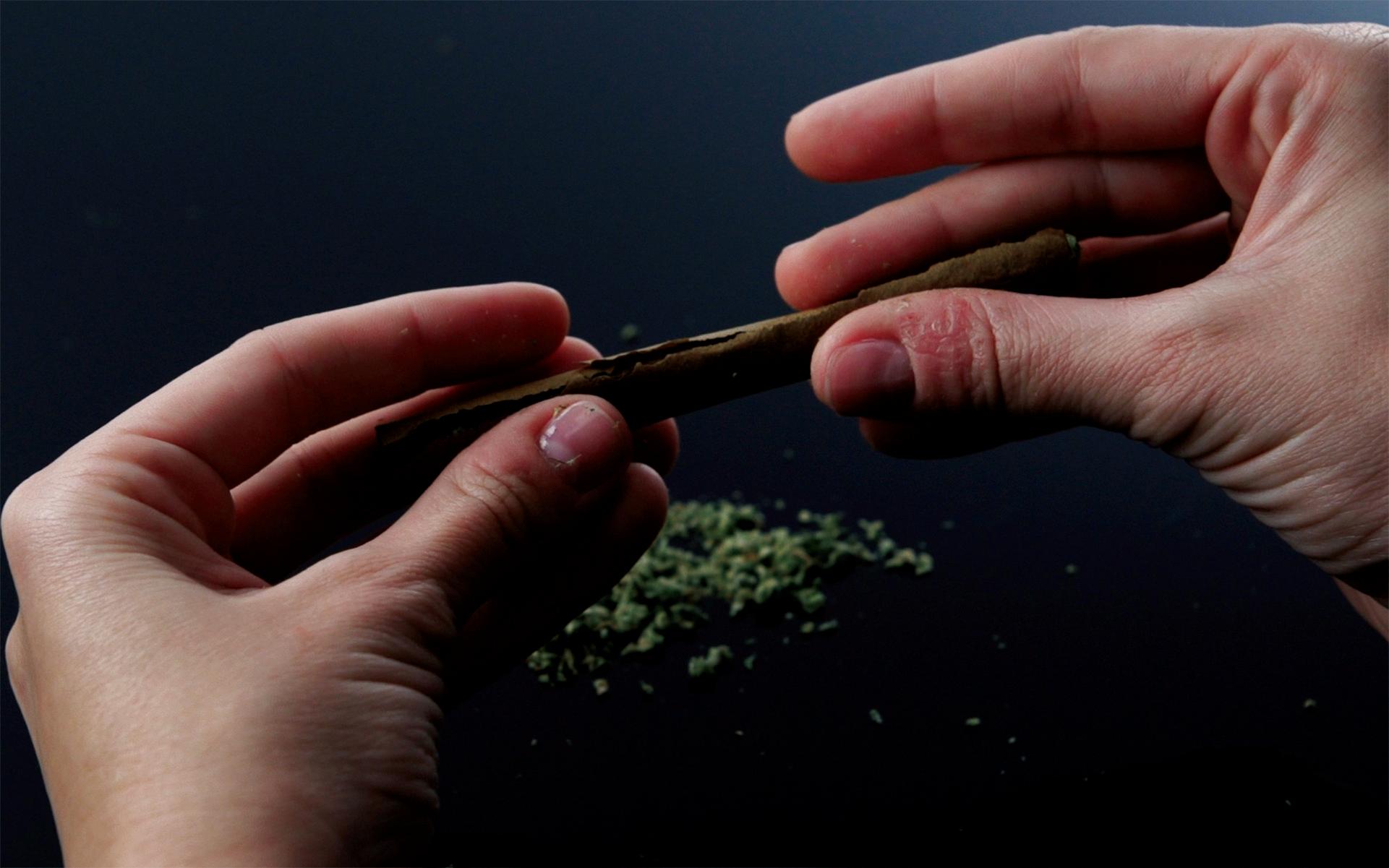
While your mental image of cannabis might take the form of a Cheech-and-Chongesque blunt or joint, the plant has dozens of other uses—and not all of them involve getting high. Humans have been using hemp, which contains less than 0.3% THC, for a multitude of industrial purposes for thousands of years. Hemp can be used to produce rope, fabric, building materials, paper, cosmetics, and a host of other goods. For those who are seeking the mindaltering experience cannabis offers, there are many different ways to consume it (see Infographic Pg.18).
Everyone has their own preference when it comes to consuming pot. One aficionado from Houston has tried it all and weighs in on his favorite ways to get high. “I don’t smoke blunts,” he says. “I don’t want my pot contaminated with tobacco, and inhaling cigar smoke gives me a headache. A joint is very satisfying to smoke, but it’s for a group of people. That’s too much for one person. I prefer a water pipe or vaporizer because it gives just the right size hit every time. Wax is way too concentrated. People do that for the rush, like cocaine. I really like edibles. They are efficient, and last a long time with none of the rush component of smoking.”
In states where marijuana is still illegal, the majority of “black market” weed is no longer smuggled in from Mexican cartels or small-time farmers in the Midwest, says Forbes contributor Mike Adams. Instead, it is being imported from states where it is legal, namely Colorado, Washington and California. This has opened up a much larger variety of strains and forms of weed for consumers; Adams says that the legalization of marijuana in some parts of the country has resulted in a “much better black market” in “prohibition” states. Dealers in prohibition states have begun to mimic legal dispensaries to a certain degree, offering a number of different strains, edibles, waxes, etc. because their options are no longer limited to whatever is supplied
from abroad. The effect of legalization in certain states is so large that cartels have pretty much given up on selling marijuana in the U.S., and have “shift[ed] their focus to harder drugs like meth and heroin.”
A Texan and lifelong pot smoker can attest to the changes in street-bought dope over the past few decades. “When I was a teenager” he explains, “pot was cheap, and mostly poor quality Mexican grown. Occasionally a high quality batch from Columbia, or California, Hawaii, or Asia would arrive, and the price would increase 50%. There were no choices. Today, the variety changes all the time. The Mexican weed is still available at the same low price, but the high quality pot is 4 times the price, and abundant in many varieties.”
Much to thousands of Texan weed smokers’ chagrin, our state is certainly not one of the forerunners in marijuana policy reform. Thirty-three states have legalized some form of marijuana, and ten states as well as the District of Columbia have legalized all uses of marijuana. However, according to Leafly, the only legal form of cannabis in Texas is a cannabinol oil with less than .5% THC and only sufferers of drug-resistant epilepsy are legally allowed to use it. What’s more, there are only three companies legally allowed to provide it. As a result of these strict marijuana policies in our largely conservative state, around 75,000 Texans are arrested annually for possession of small amounts of marijuana. In fact, marijuana arrests make up the majority of all drug arrests in Texas.
Despite some pushback, there does seem to be hope for reform on the horizon. Governor Greg Abbott stated recently he “[doesn’t] want to see jails stockpiled with people who have possession of a small amount of marijuana,” and the Republican party has also stated it supports reform decriminalizing the possession of small amounts of marijuana. Even for conservatives, attitudes surrounding more lenient marijuana laws are changing.
In late April this year, a bill reducing the possession of up to an ounce of marijuana to a Class C (rather than Class B) misdemeanor passed the Texas House by a vote of 98-43. This change in classification would eliminate jail time for minor possession and instead only impose a fine.
Additionally, the National Organization for the Reform of Marijuana Laws (NORML) reported on May 23 that a new bill was approved by Texas legislators that will allow patients suffering from a wide variety of conditions—including ALS, Alzheimer’s disease, Parkinson’s disease, autism, multiple sclerosis, terminal cancer, and all forms of epilepsy and seizure disorders—to be treated with medical marijuana. This is a step forward considering the only condition that is currently legally treatable by medical marijuana in Texas is refractory or drug-resistant epilepsy.
In March, officials from the Texas Police Chiefs Association and the Sheriffs’ Association of Texas stated that legalizing weed would “bring increased crime, entice a dangerous black market and lead to increased use of other, more addictive drugs.” However, in states like Colorado where marijuana has been legalized for all uses, arrests have decreased dramatically, use among youths has not increased, traffic deaths linked to marijuana use have decreased, and revenues have skyrocketed. Moreover, studies show that most Texans are fed up with spending tax dollars and law enforcement resources on petty marijuana arrests. Despite a claim by Grand Prairie Police Chief Scott Dye that the legalization of marijuana is backed by a “minority of our population who use marijuana and/ or stand to gain from marijuana production,” a poll of registered voters conducted in 2018 showed that 53% of Texans supported the legalization of marijuana in some form or another.
What many lawmakers fail to recognize is how the legalization of cannabis in Texas would mollify the negative effects of marijuana use, as the consumer would be aware of the potency and origin of their weed, rather than blindly purchasing it from the guy down the street who has no legal obligation to be transparent about their product.“If weed were legalized here, that would change the entire game for me personally,” says one Galveston native. “I feel like I’ve never been able to enjoy weed because I’m so sensitive to THC that I freak out pretty much every time I smoke. It’s like rolling the dice, you know, never knowing what you’re buying--or even knowing that it’s safe. Dispensaries would eliminate that guesswork.”
Legalizing weed would make it safer on one hand by eliminating the risk of synthetic marijuana, which looks exactly like natural cannabis but can lead to overdose and death. Synthetic marijuana, also known as “K2,” “Spice,” or “AK-47” is mainly manufactured outside of the U.S. and can be mixed with a variety of different substances, from opioids to heavy metals, pesticides, mold, and a host of other harmful chemicals. As opposed to natural marijuana which is relatively safe, synthetic marijuana has been linked to anxiety, paranoia, psychosis, seizures, heart attacks, vomiting, and damage to the muscles and kidneys. Overdoses of this drug are unfortunately common across the U.S., and the regulation of marijuana through legalization would eliminate the accidental use of laced and synthetic weed, and would improve both medical and recreational users’ experiences.
Since cannabis was first used for food, textiles, and medicine in Ancient China, humans’ interaction with the plant has expanded, and so has our knowledge of it. Although customizing your experience using marijuana recreationally may be more complicated than simply choosing between indica or sativa, it is certainly possible and is best facilitated through legal dispensaries that are regulated and well-informed about their products. Most recently, legalization in some states has revolutionized even the black market for marijuana, expanding the quality and variety of products available to consumers. Our own state still has strict laws guarding marijuana use, but many Texans support the reform of these regulations, and lawmakers are currently showing progress toward making marijuana legal and accessible.
By Grace Sims
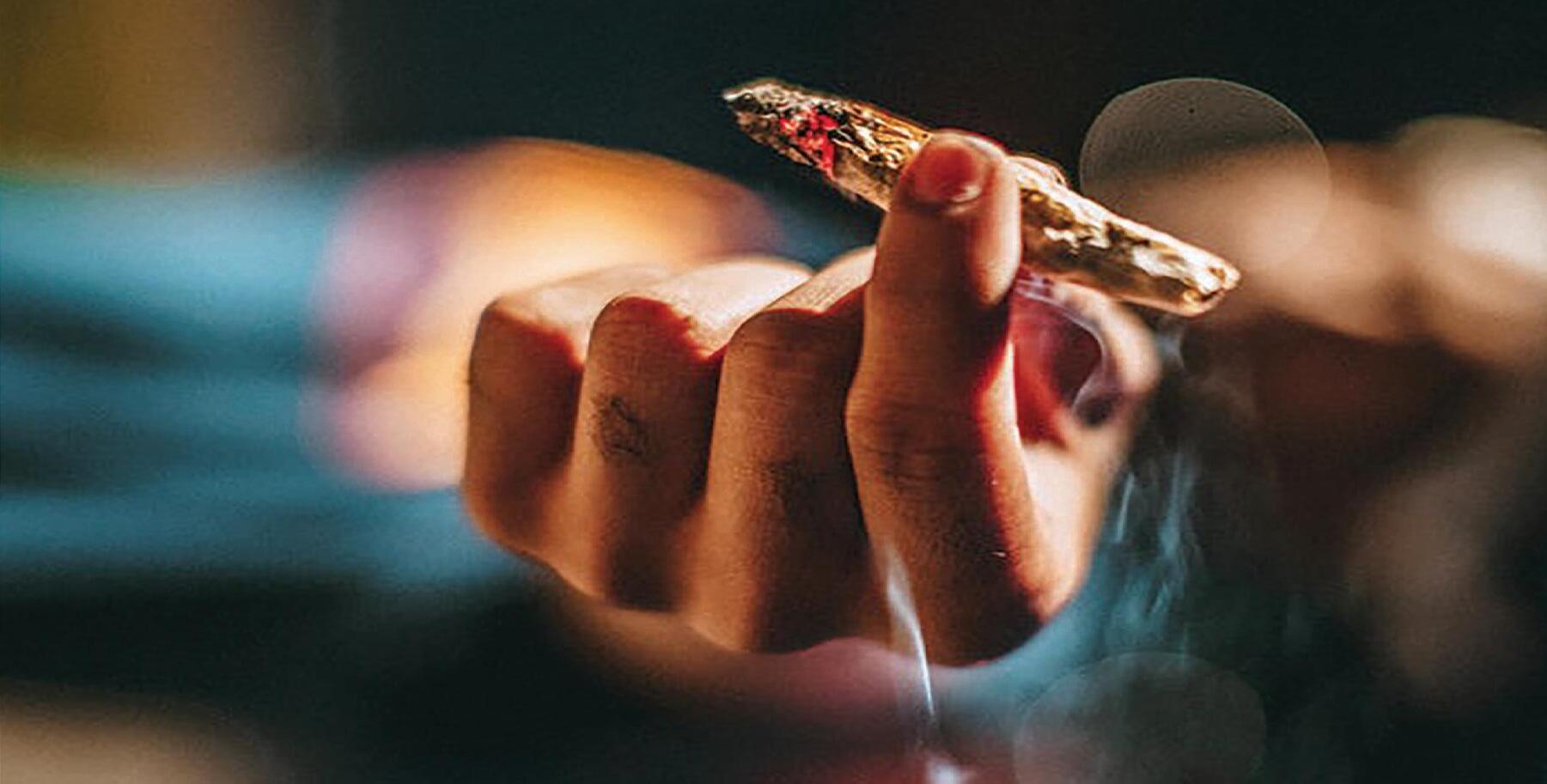
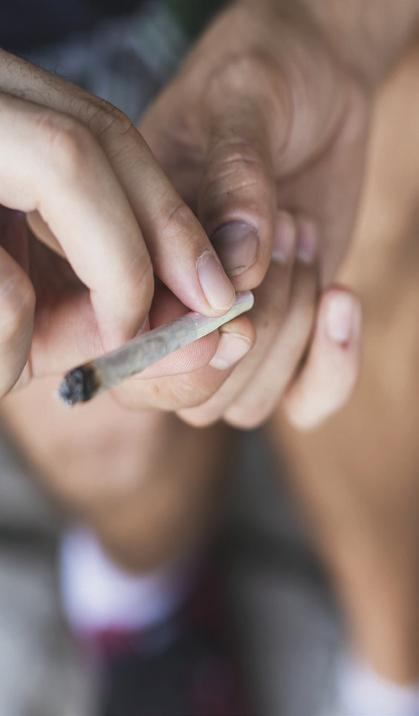
Joints are rolled in rolling papers, while blunts are typically rolled in tobacco papers and are larger in size.
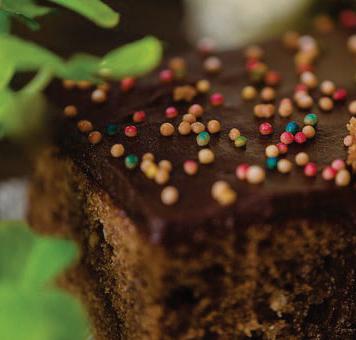
Edibles are any type of food containing cannabis. These take longer to produce an effect than smoking or vaping, often around 2 hours after ingestion.
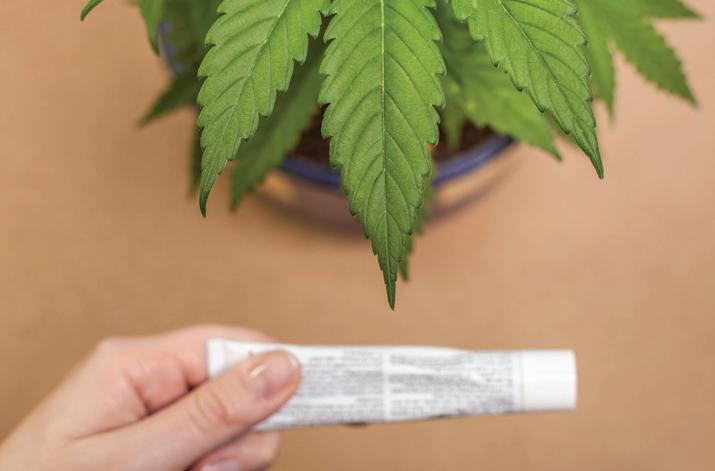
Topical ointments and creams are great for pain relief, without having any mind-altering effects. They can be used as an alternative to prescription pain medications, sans unwanted side effects.
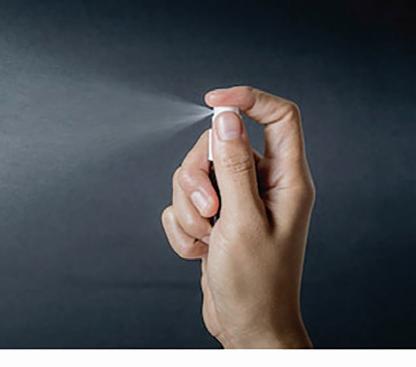
Sprays are ingested orally and can be either oil- or alcoholbased. They deliver an effect similar to that of tinctures.
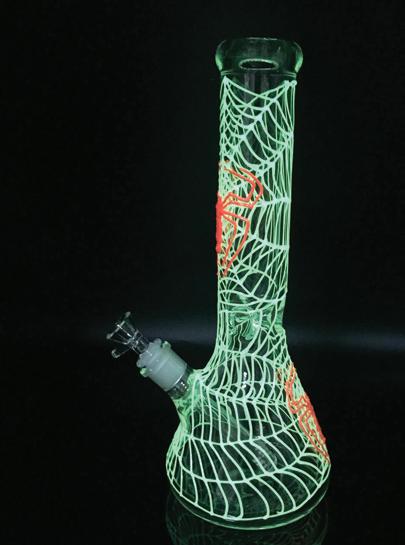
Bongs and bubblers are essentially water pipes. These range in size but all provide a smooth hit by using water to cool and filter the smoke being inhaled.
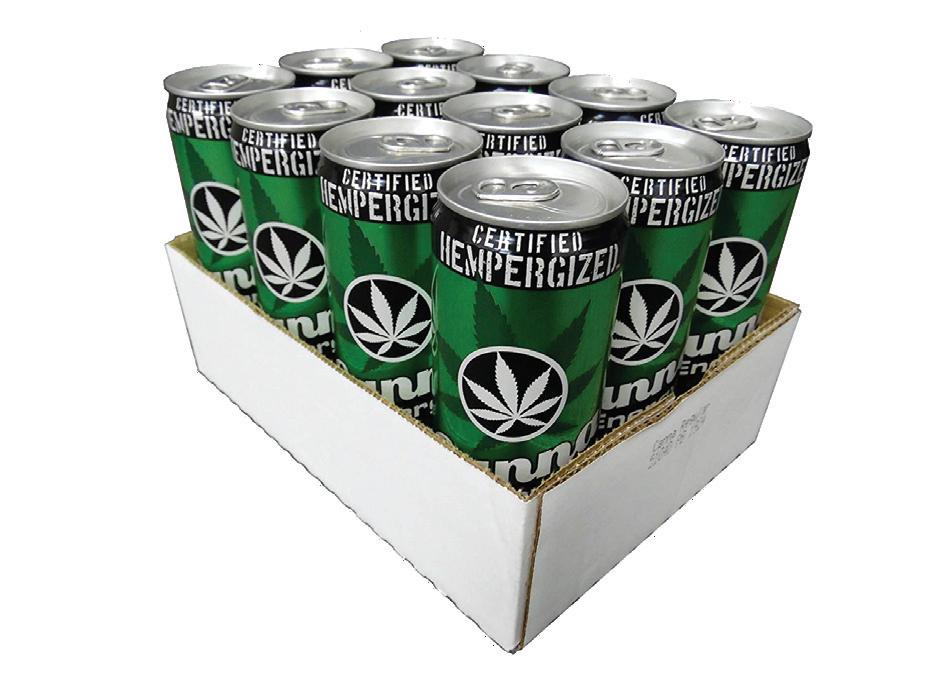
Beverages containing THC and/or CBD are available and have become more popular recently.


CBD infussed and provide pain relief when added to baths, with no psychoactive effects.
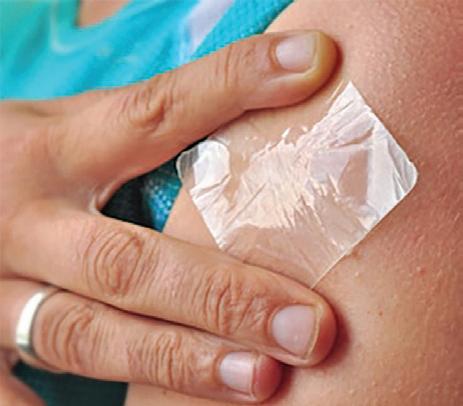
Patches help to relieve pain in steady doses by releasing cannabis into the bloodstream. They do not have any mindaltering effects.
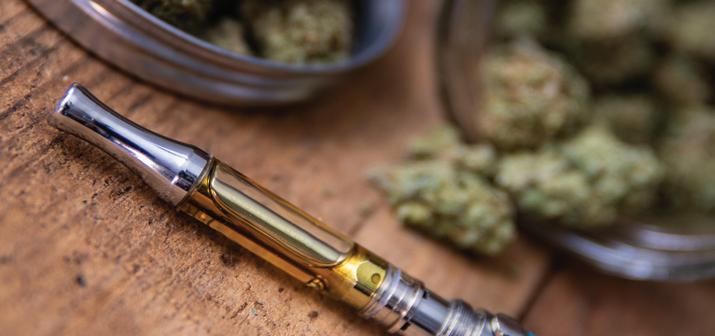
Vaporizor Pens are often used with cannabis concentrates (wax or oil as opposed to flower), and heat the cannabis without combustion. In addition to being portable, they are subtle as they lack a strong smell, and some research suggests vaping marijuana is healthier than smoking it.
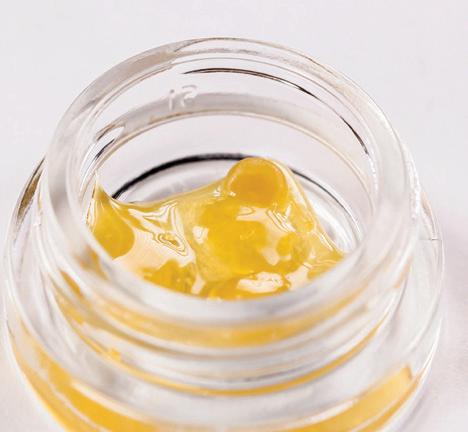
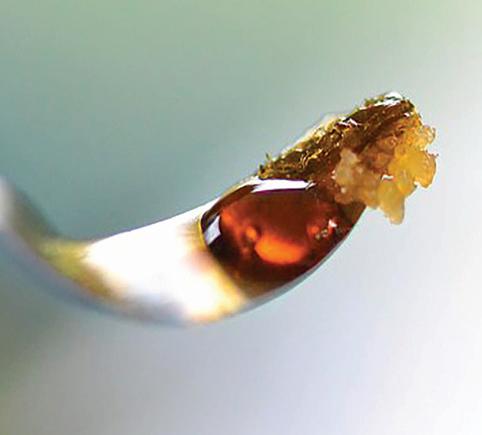
Dabs (also known as “shatter” or “wax”) are potent extracts of cannabinoids in the form of a thick oil. They have a high THC concentration and are smoked with a rig or in smaller vaporizers.
Tinctures are liquid “alcohol-based cannabis extracts.” The drops can be placed under the tongue or put in food that is already cooked to be absorbed in digestion.
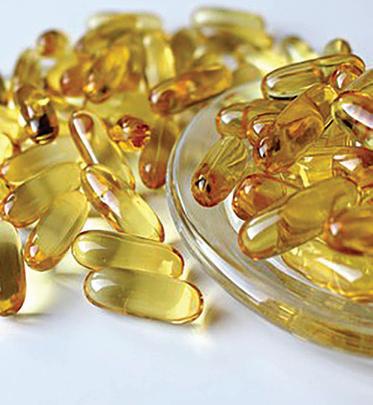
Capsules containing cannabis, usually in the form of an oil.
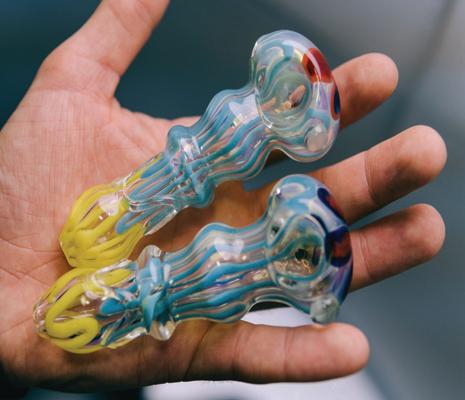
Small, handheld pipes are easy to use, do not require rolling abilities, and are perfect for smoking in small doses.
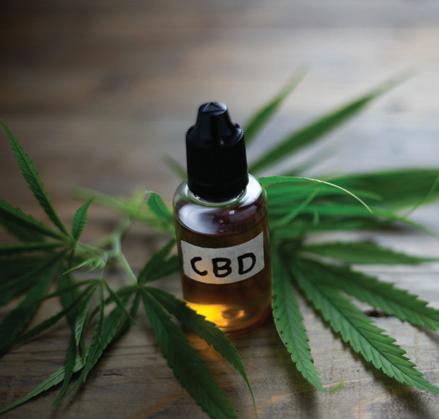
CBD oil is one of the most popular forms of cannabis oil and contains only trace amounts of THC. It has gained popularity recently for its relaxing, pain-relieving effects and is legal in Texas. It is typically ingested by mouth. Oils higher in THC are also available.


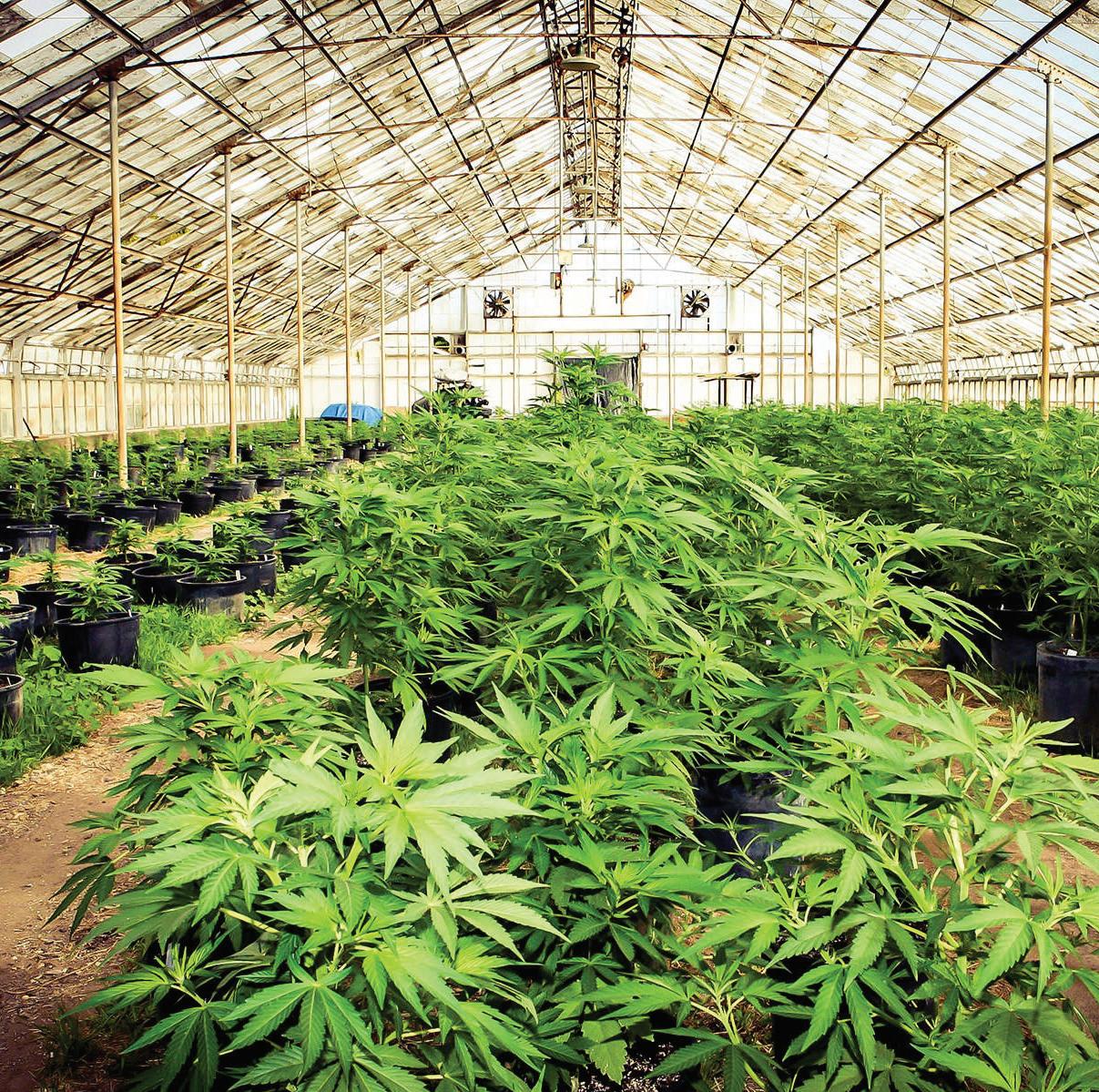
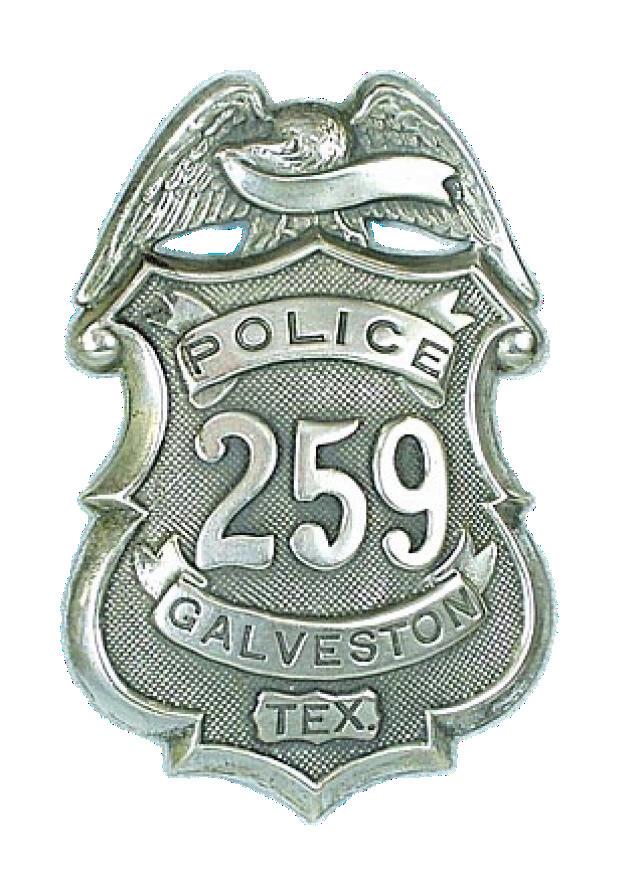
The island has had it’s fair share of marijuana gown and distributed within city limits. As long as there has been laws enforcing the illegalization of pot, there have been busts and raids. Have a story to share? Email us at
By Bob Hackett
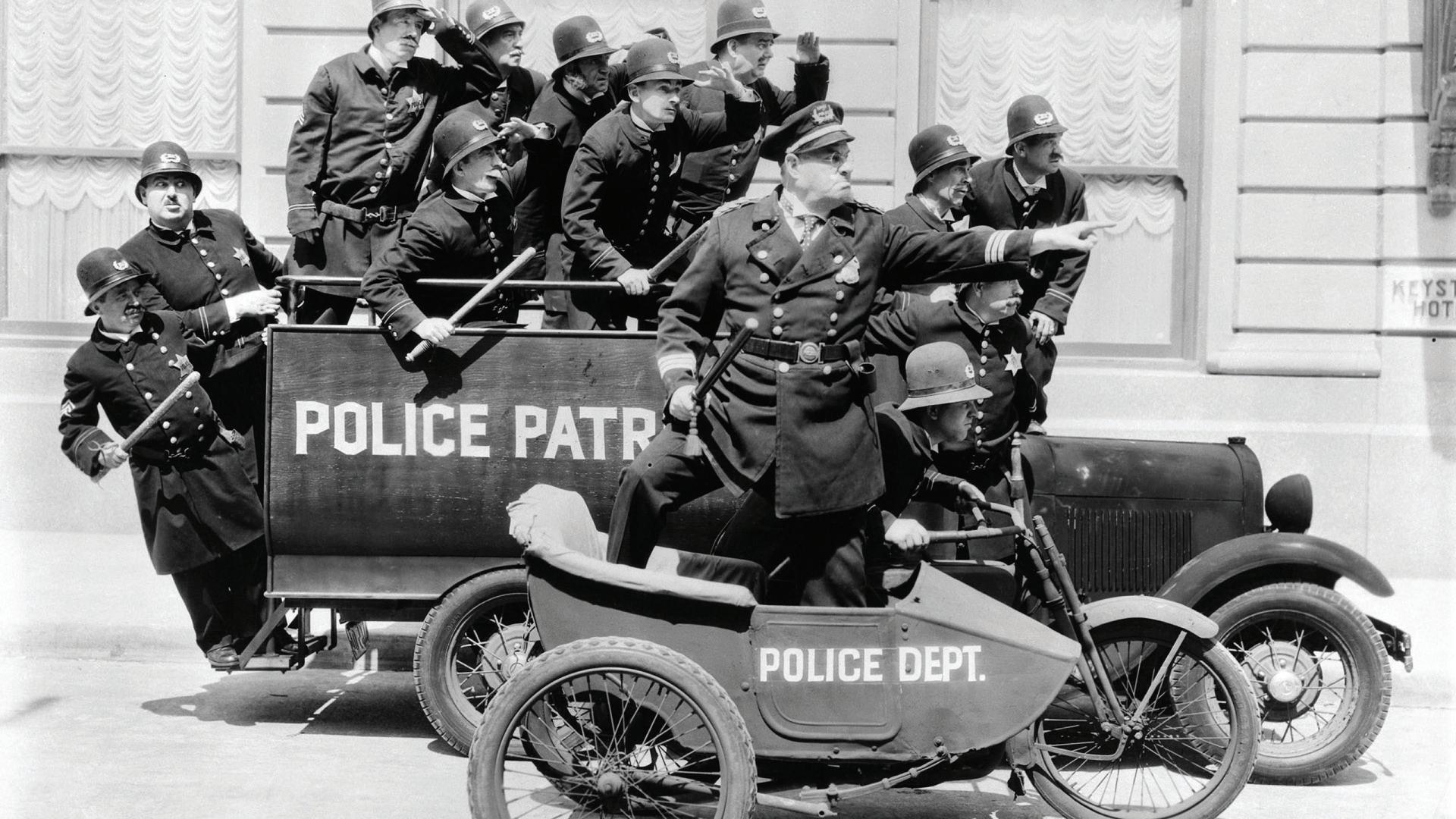
WHILE THE TEXAS UNIFORM NARCOTICS DRUG ACT BECAME EFFECTIVE ON SEPT. 1, 1937, IT WASN’T UNTIL JAN. 6, 1938, THAT CAPT. J.H. WHEATLEY, CHIEF ENFORCEMENT OFFICER FOR THE DEPARTMENT OF PUBLIC SAFETY, NARCOTICS DIVISION, STATED THAT THE “RIGID ENFORCEMENT OF THE ACT WOULD BEGIN IMMEDIATELY.”
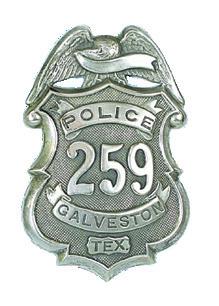
Capt. Wheatley was in Houston to meet with law enforcement officers to address the illegal narcotic and marijuana activities that had been going on. Prior federal and state laws had proved ineffective in curbing the growing drug trafficking in Texas. This would begin a tough stand in the handling of drug enforcement in our state that continues today.
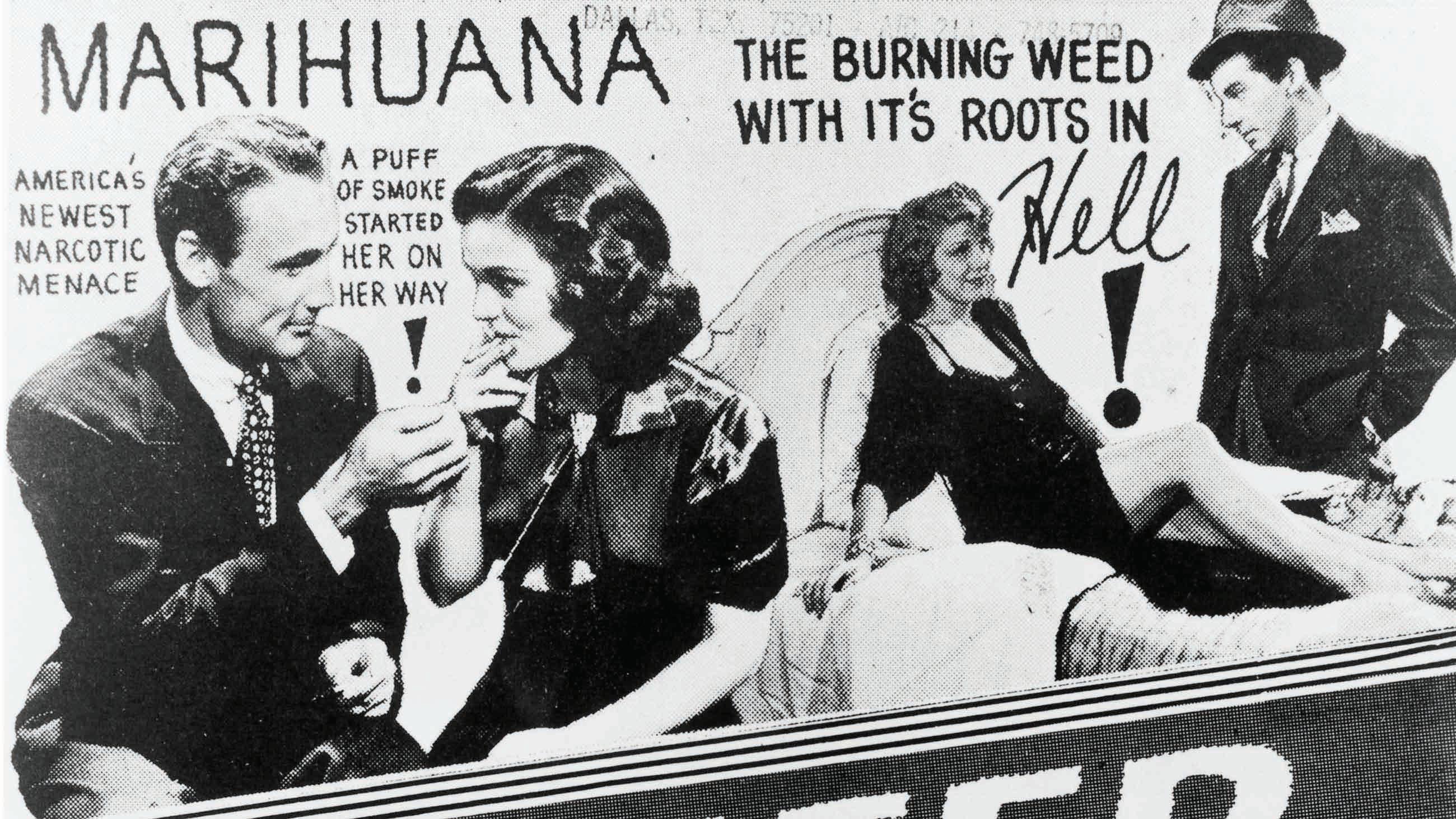
In 1938 Mrs. Ethel “Bunny” Sohl, 20, of Newark, New Jersey, testified that smoking marijuana cigarettes made it “seem right” to steal cars and commit holdups to use for “good times, mostly for movies.” Her husband, William, testified that he provided his wife with “reefer” cigarettes to help ease the pain she had from injuries she had sustained from an automobile accident. Mrs. Sohl was on trial he murder of a bus driver during a $2.10 holdup.
While reading and hearing about marijuana busts may seem to be of “our times,” the stories of their occurrences 80 years ago seem familiar. Here are three of examples from 1938 that were published in the Galveston Daily News:
On June 6, Aurelin Cereda, a Galveston café owner, was sentenced to three years in prison by a federal judge in Tulsa, Oklahoma, on a charge of marijuana possession. Cereda, 48, denied any possession of the drug. But it was the testimony of a city narcotics officer who claimed to have observed high school boys visit Cereda’s café and later, joined by others, “held a weed party” at a different location.
On June 17, Albert Salazar was sentenced to two years in the Leavenworth penitentiary for the sale and possession of nonregistered and nontaxed marijuana cigarettes by a U.S. district court judge. Two older black men had been
arrested in a home near 25th and Postoffice streets after a “stool pigeon” had been sent in and 28 marijuana cigarettes were found. The men said they had bought the marijuana from Salazar … and had on several occasions. Both men were given suspended sentences for their cooperation.
On Aug. 25, James Cleveland, 22, a young black man who lived near 25th and Market streets, was held on a marijuana cigarette charge. A co-defendant had been released following a hearing in which he stated that a “mystery man,” who was named “Shorty” or “Philippino Jack” had been the dealer of the cigarettes. “There is no Shorty or Philippino Jack,” a federal customs officer testified. “The source of these cigarettes is this codefendant (Cleveland).”
Texas NORML Meeting
Wednesday July 3, 2019
8 PM
Flamingo Cantina
515 East 6th Street, Austin, TX 78701.
Admission: FREE https://www.texasnorml.org/
Robert Earl Keen and Tyler
Childers
Friday July 5, 2019
8 PM
The Grand 1894 Opera House
Admission: N/A
https://galvestonmusicscene.com/
Albatross Old Smokey
Throwdown VII
Saturday July 13, 2019
10 AM – 8 PM
Albatross Galveston
815 21st St, Galveston, Texas
Admission: FREE
Entry Fee: $75 Per Persons
ArtWalk
Saturday July 13, 2019
6 PM – 9 PM
Downtown Galveston
Admission: FREE
Canvas
Texas Marijuana Policy Conference
Friday August 30TH, 2019
10 AM
Sheraton Austin at the Capitol 701 east 11th St, Austin, Texas
Admission: FREE
To Whom It May w/ Silent Minority, Sequences, Rendered Heartless
Friday August 9, 2019
7 PM – 1 AM
Fitzgerald’s Bar & Live Music Venue 437 McCarty Suite 101, San Antonio, Texas
Admission: $10
Lucky Leaf EXPO
Saturaday-Sunday
September 21st & 22nd, 2019 8 PM
Irving Convention Center
500 West Las Colinas Blvd, Dallas, TX
Admission: N/A
https://www.thesocialweed.com/ cannabis-events/lucky-leaf-expo/
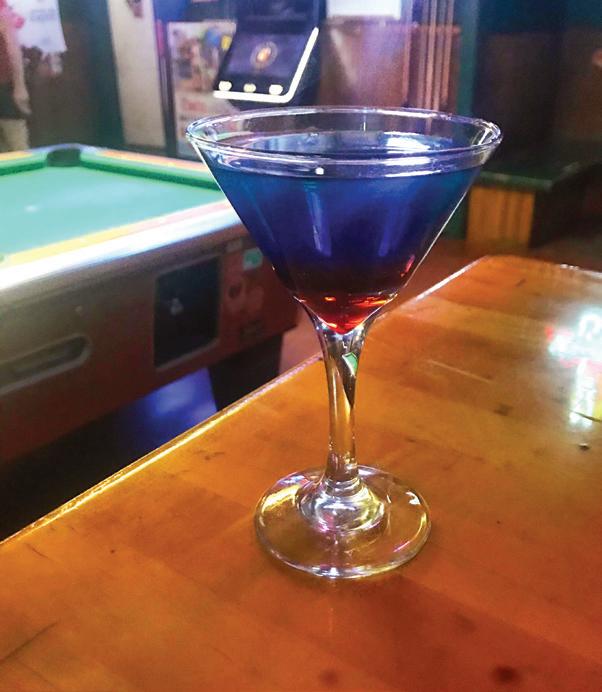
BLUEBERRY HAZE
1.5 oz Blueberry
Western Son Vodka, splash of Grenadine, splash of Watermelon Pucker
Get it NOW at Island Pier Club 1702 Avenue O
By Xach Blunt
My name is Xach Blunt
Yes, that is my real name No, I am not a stoner
However, I do like weed In moderation It helps take the edge off
I prefer Blunts over bowls Bowls over bongs Joints over all
I’m not picky about my paper
I don’t fuck with synthetic Indica is okay Sativa is more my strain
But hey, If all we got is Reggie Thats cool too
Let’s blaze the fuck up! I can get you high Like I can get you real high Like I can get you so high You wouldn’t be able to finish a sentence?
Okay maybe that’s a little bit too high Maybe I am just a little bit of a stoner But Isn’t this my birthright? Isn’t this my name sake? To be stoner To be blunt
I never beat around the bush I set the branches ablaze
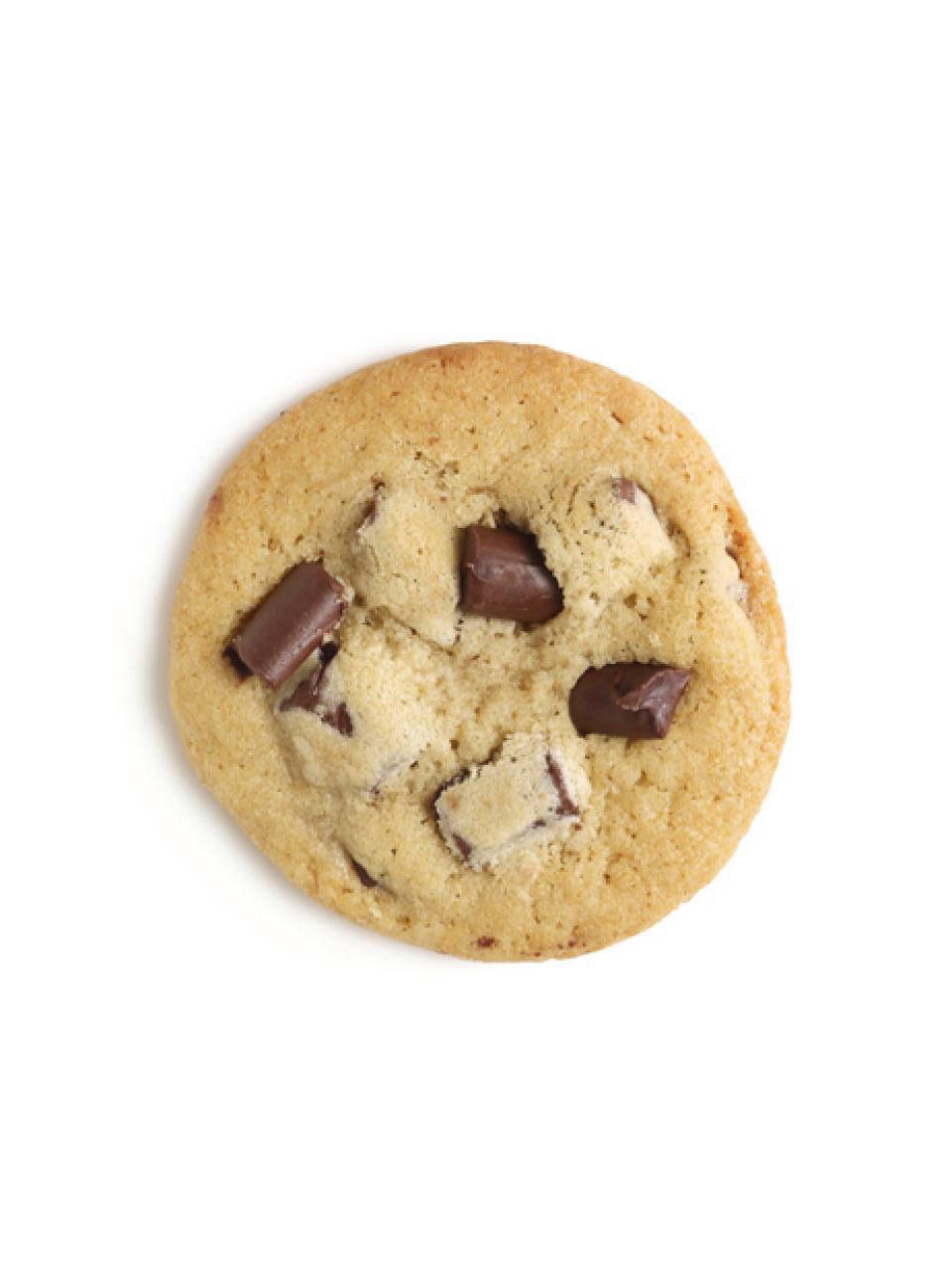
START HERE:
https://www.leafly.com/news/ lifestyle/recipe-how-to-makebasic-cannabutter
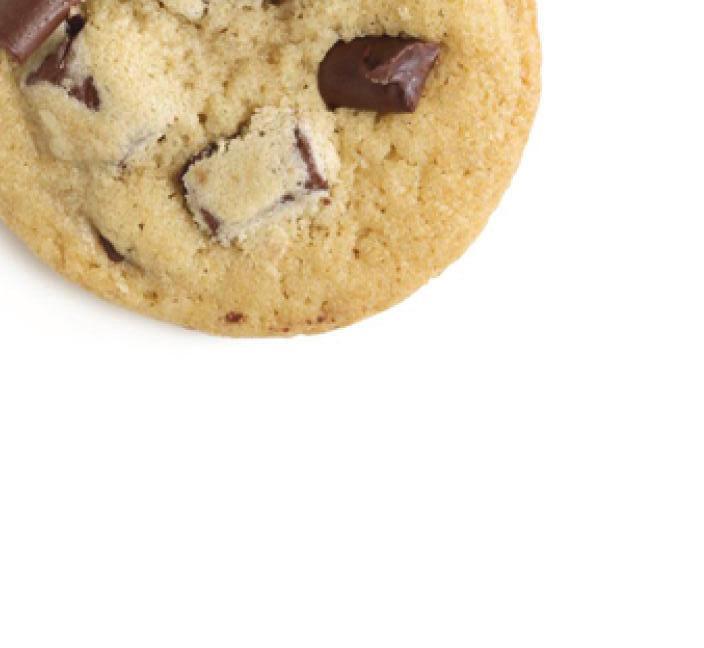
COOKIES INGREDIENTS:
• ¼ teaspoon baking soda
• ¼ teaspoon salt
• The ½ cup of cannabutter
• 1 1/3 cup of chocolate chips
• 1.3 cups of flour
• 1/3 cup of sugar
• 2 teaspoons of vanilla extract
• 2/3 cup of brown sugar
• Egg DIRECTIONS:
• Mix the baking soda, flour, and salt and set aside.
• Mix together the sugar and cannabutter.
• Mix in egg and vanilla and blend together.
• Mix in chocolate chips.
• Mix in the flour, baking soda, and salt and make a dough by stirring with a spoon.
• Makeup 60 cookies, 5 mg per cookie (or 30 cookies 10 mg, 15 cookies 20 mg THC). If you make 15 cookies, be sure to take the only ¼ of a cookie for your first dose.
• Bake at 325 to 375 degrees for 10 to 20 minutes. Remove from heat, allow to cool, and enjoy carefully. Have a small piece, wait an hour or two for effects.



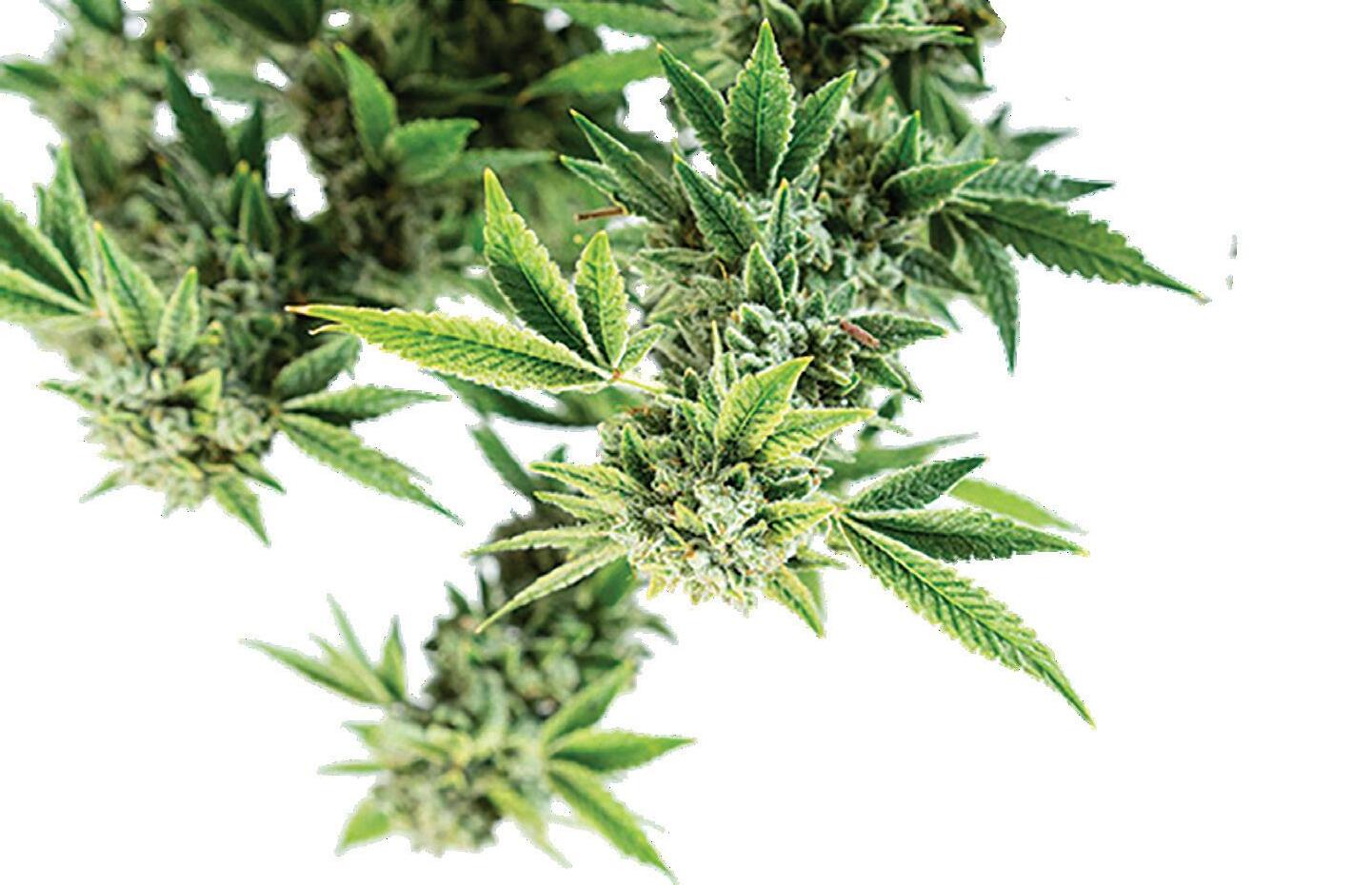
“WhatisyourPerspectiveonmarijuana?”
Dr. Jackson
(no image available)
“I trained at UTMB to become a doctor. I agree with marijuana being used for medical reasons and I have prescribed it for cancer patients to help with appetite, and for kids with uncontrollable seizures. The kind I prescribe comes in a capsule. It’s called Marinol.”
Susan Mckeon (no image available)
“I believe that marijuana is useful for a lot of medical uses. I also believe it’s the similar to alcohol for relaxation purposes. But I also think that like alcohol, it shouldn’t be abused. There is a sort of mindset—a lot of people do the whole “wake and bake” thing—and I think that is kind of like waking up in the morning and taking a drink, I don’t think it’s that healthy.”
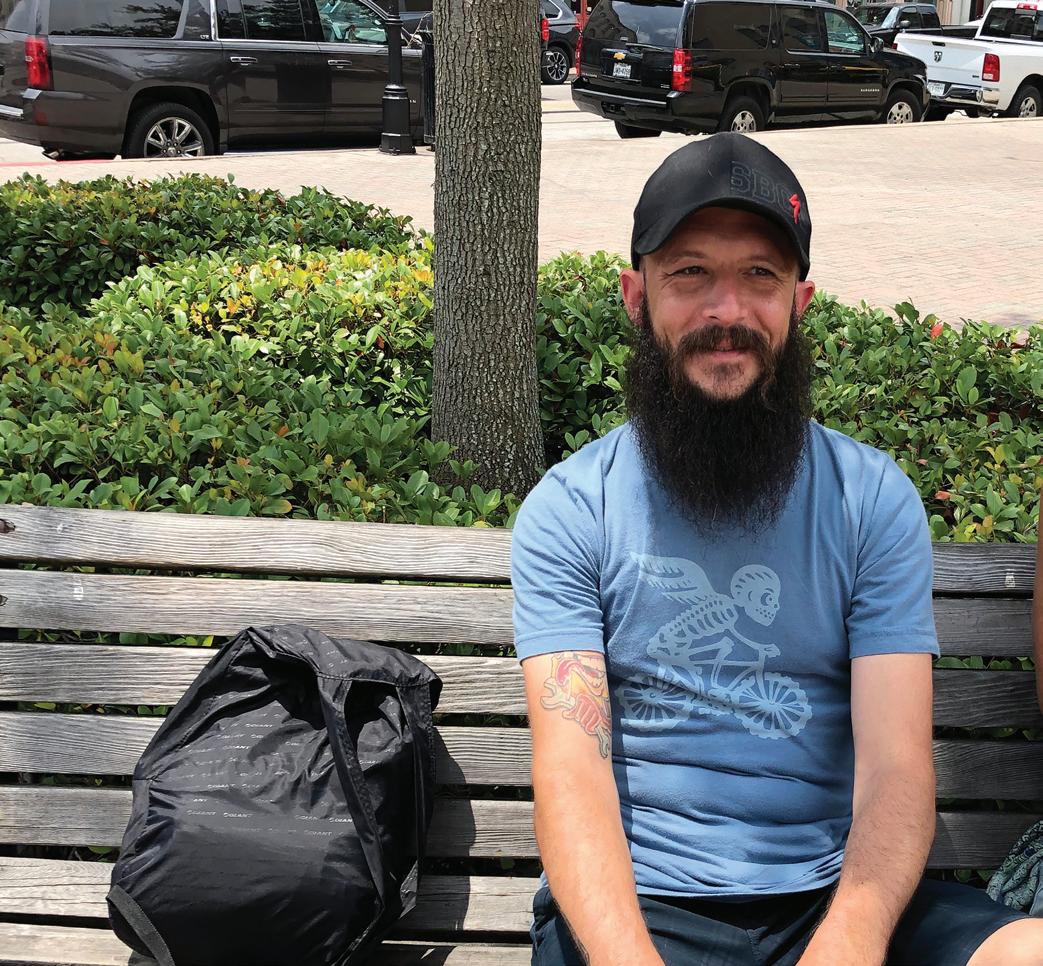
Jim Mcgee (Above)
“Just think about how many people we have in jail because of it. I just came out of court actually, and there’s a guy there for one gram. That’s not even worth his time, the cop’s time, the court’s time. They keep talking about how many people are in jail for weed and the majority of it is misdemeanor, stupid stuff. They say it’s a gateway to everything else but no, that’s drinking.”
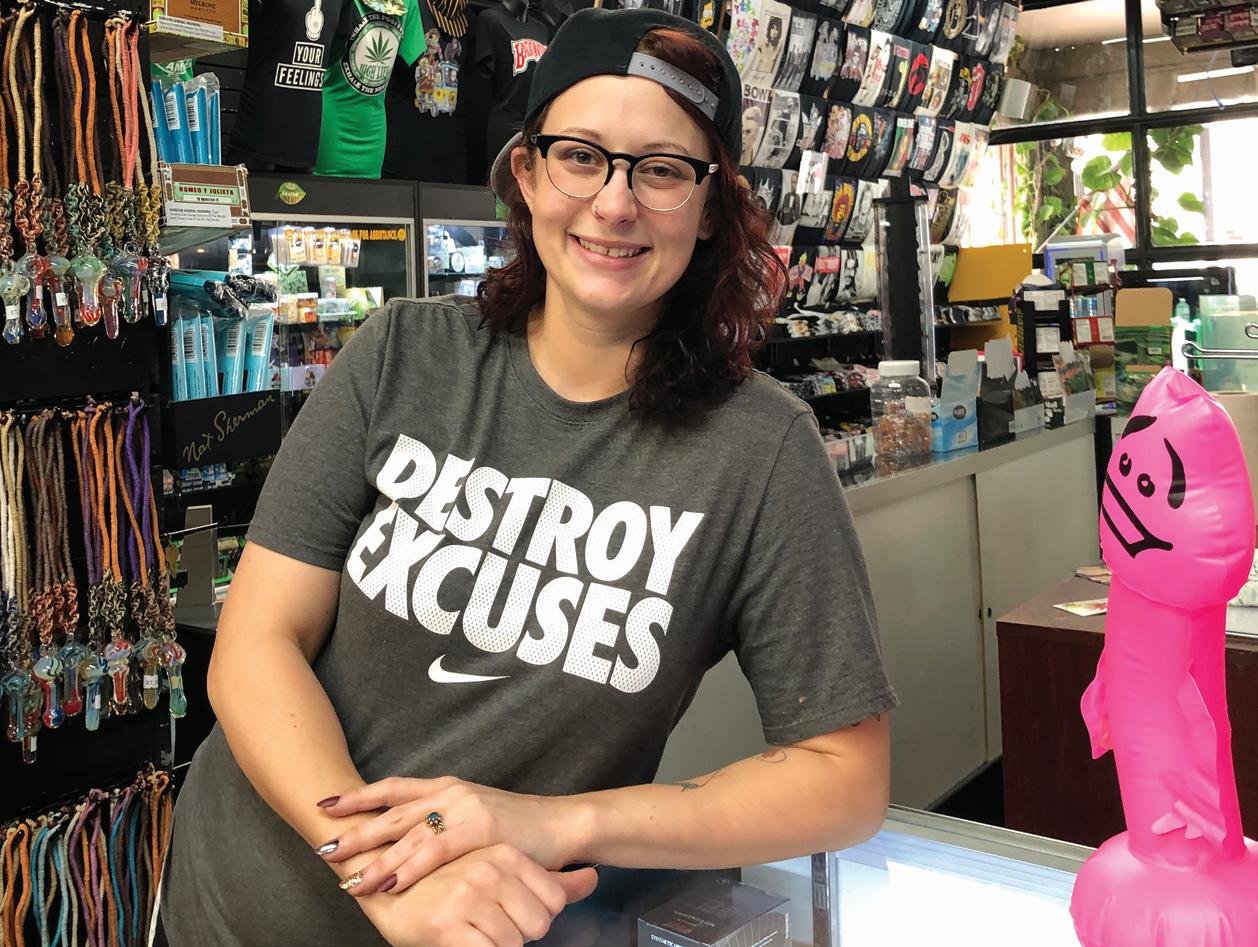
Angelia Varos (Above)
“I’ve been [working at Hazy Daze] almost 3 years. Before starting here, I really didn’t know much about CBD. They legalized it in 2015 but it didn’t really hit the scene too much at that time. But overtime, even just within a year--the selection, the companies--it’s overwhelming. It’s really a flooded market, it’s starting to become a household-type thing. People that would have never walked into this store, or taken three steps in the store and walked right back out--it’s bringing all kinds of diverse customers from all over because they’re seeing results from it.”
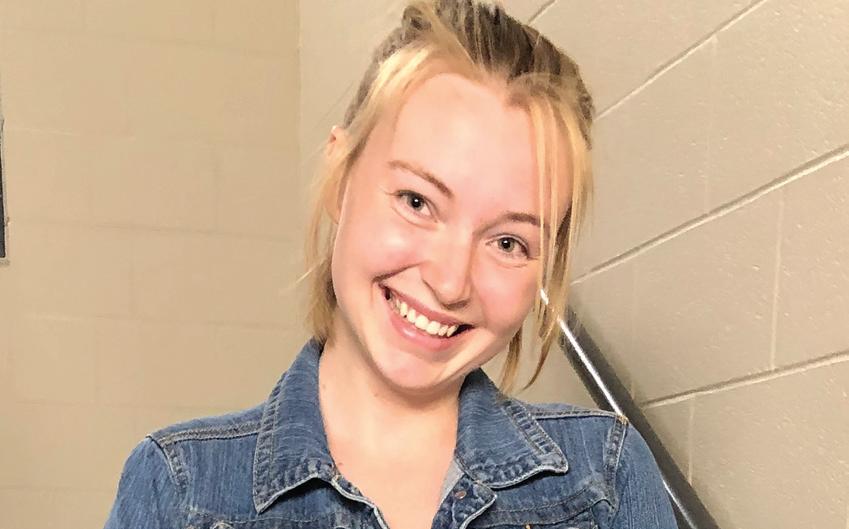
Jenny Norenberg (Above)
“As someone who enjoys being a part of the college social life I feel much safer smoking when I go out rather than drinking because I know that I won’t end up throwing up in a bush somewhere.”







Galveston College offers the education students are looking for, whether it’s a certificate, leisure learning or an associate degree that allows them to transfer to a four-year university or enter the workforce. It’s all right here in Galveston, affording students not only an economical approach to higher education, but an incomparable island lifestyle. Learn more at www.gc.edu. Life’s about to get real!



By Culture Clash Staff