CULTURE CLASH
a venue for Galveston’s free thinkers




3rd Thur of Every Month
One of the many draws to Galveston is the diverse community that offers so much color and life. In all that diversity comes the vibrant LGBTQ+ subset and we here at Culture Clash Magazine would be remis not to highlight them.
In 2022, you might be hard pressed find someone that isn’t at least aware that there is a thriving LGBTQ+ community in GTown. But for those who do not make it a point to insert themselves into that community, you may find yourself wanting to know more or perhaps not understanding what you think you do know.
Our writers and team have barely scratched the surface and only wish we had more space to dive into LGBTQ+ culture. We have tried to offer you better understanding, perspective and possibly an appreciation for the ethos. Please keep in mind everyone’s experience is different and the following articles are based on each author’s perspective.
We hope you find something useful or at least entertaining. Most of all we hope you read, enjoy, and share.
Write us an email or shoot us a comment any time online: CultureClashGalveston.com CultureClashGalveston@gmail.com
Janese Maricelli
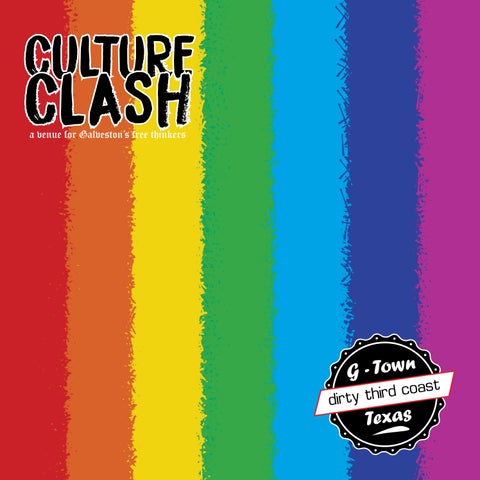
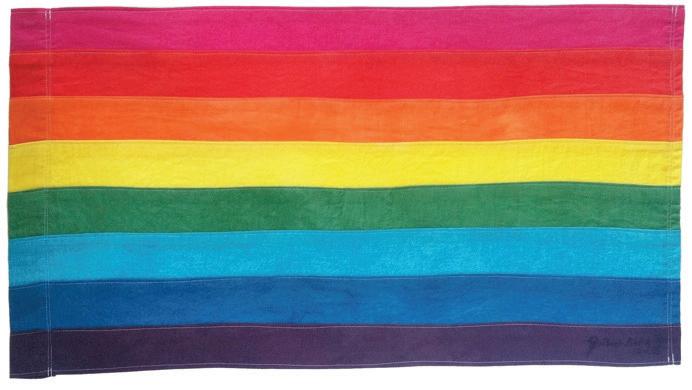
ONE THE COVER: The Culture Clash Rainbow. A simple rainbow to honor our LGBTQ+ community and to serve as a symbol for the LGBTQ rights movement.
Artist Gilbert Baker, an openly gay man and a drag queen, designed the first rainbow flag. Baker saw the rainbow as a natural flag from the sky, so he adopted eight colors for the stripes, each color with its own meaning (hot pink for sex, red for life, orange for healing, yellow for sunlight, green for nature, turquoise for art, indigo for harmony, and violet for spirit).
*This magazine is NOT printed on recycled paper or with soy-based inks YET! But we are working on it. Help us get there, advertise or sponsor us! E-mail for more details CultureClashGalveston@gmail.com.
- Culture Clash Staff
IN THE LATE 1990’S THE ORIGINAL L.G.B.T. LETTERS WERE AN EVOLUTION TOWARD INCLUSION — an expansion of the language used to represent a disparate group that had often just been called “the gay community.”
Despite their intent, the letters proved to be limiting. Times and attitudes have changed, and the language used to discuss sexual orientation and gender identity has also changed.
What you need to know to grow!
LGBTQIA is an inclusive term that describes a range of sexual orientations and gender identities. The acronym stands for:
L G B T Q I A
LESBIAN: Lesbians feel romantic and sexual attraction toward other women. GAY: An individual who feels romantic and sexual attraction toward individuals of the same gender. It is often applied to men who are attracted to men but can also be used as an umbrella term for people who are attracted to those of the same gender.
BISEXUAL: An individual who feels romantic and sexual attraction toward individuals of the same and different genders.
TRANSGENDER: An umbrella term used to describe a range of gender identities that are different from traditional binary definitions. Trans people’s expression of gender differs from their biological sex.
QUEER: An identity term used by the LGBTQIA community. It is used by those who are outside of the heterosexual norm. The term is meant to create a greater sense of inclusivity and belonging.
INTERSEX: Intersex people have sex characteristics that do not fall into traditional definitions of male or female.
ASEXUAL: Asexual people do not feel sexual attraction.
LGBTQIA individuals often experience challenges related to sexual and gender stereotypes and the restrictive social construct of gender. Growing awareness of the challenges faced by the community has made specialized services addressing the unique problems faced by LGBTQ individuals, such as sex education, counseling, and therapy, more commonplace.
IF YOU NEED HELP: The Gay, Lesbian, Bisexual, and Transgender National Hotline (1-888-843-4564) and National Suicide Prevention Hotline (1-800-2738255) provides crisis intervention and suicide prevention services to the queer community.
If you are decidedly LGBTQIA+ in Galveston you may just find yourself in the middle of paradise. Galveston boasts a slew of options to get acquainted with your community!
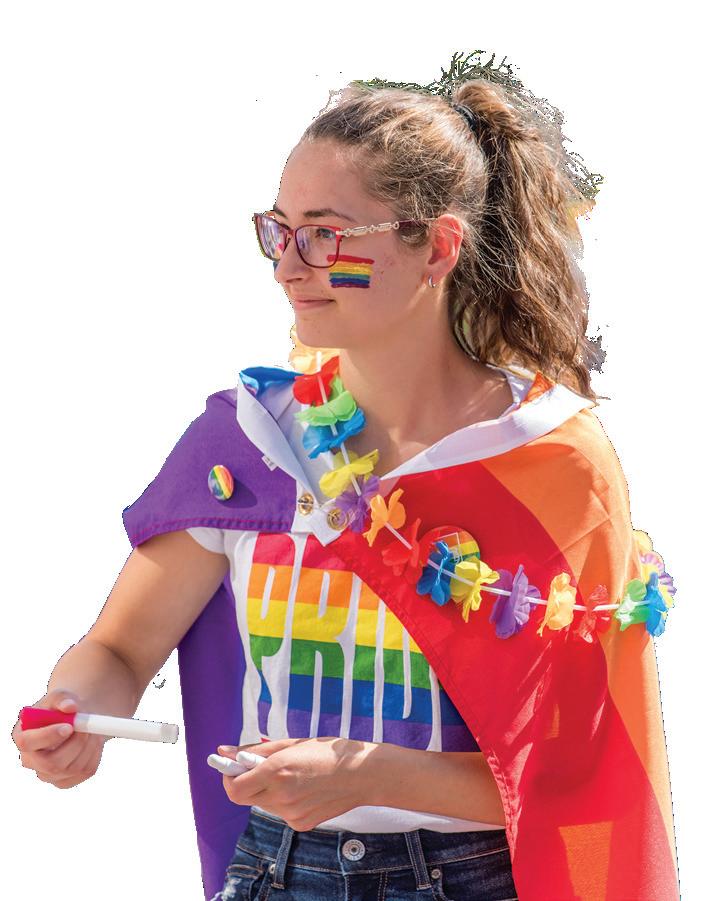
Annual event celebrating the LGBTQ+ culture and community.
Galveston offers three obviously gay-friendly bars; Robert’s Lafitte, 23rd Street Station, and Rummors. Each has an amazing patio and various fun events and parties weekly.
G.I.R.L.S. is a local queer community Facebook group. The Galveston Island Rainbow Lesbian Society (GIRLS) is an online space where queer folks can make friends, plan meetups, and ask questions about where to spend quality time on the Island.
Outside of these gems, Galveston offers numerous gayowned businesses and gay-friendly establishments, including a few churches!
BY AMY CATON
THIS IS THE FINAL WARNING TO ALL FREE THINKERS BEFORE ANTI-FREEDOM MINDED POLITICIANS OVERREACH INTO EDUCATION AND CENSURE LIBRARIANS AND EDUCATORS FOR CREATING A DISTURBANCE, INSUBORDINATION, VIOLATION OF POLICIES AND FAILURE TO FOLLOW INSTRUCTIONS BY OFFERING FREE BOOKS! Which books sparked the ire of school boards and politicians? Why only literature helping youth cope with LGBTQIAP, race, or sexuality topics. Given our society today, youth are in dire need of learning spaces and communities that allow them to safely explore diverse perspectives without being attacked through hateful misinformation at school and on social media. The impact of these bans is intentional in sending a message that trans and queer librarians, teachers, and students are not welcome in school or in the community.
Libraries are in a political battle in Texas as Republicans strive to control access to information by reducing and removing literature dealing with racism or sexuality. Three officials specifically are censuring our right to read and teach and acting as gatekeepers against books and curriculum about sexual orientation and racial identity.
First, Gov. Greg Abbott for calling for criminal charges against school staff members for offering books he deems “pornographic” a term that some politicians and district leaders have interpreted as a catchall for books on sexuality and sexual orientation.

Second, Rep. Matt Krause is subjectively investigating and REMOVING 850 BOOKS in K-12 schools that might “make students feel discomfort” and demanded that Texas school districts investigate whether the books were in their libraries. The majority of the titles dealt with LGBTQIAP themes, and some were targeted for merely including LGBTQIAP characters, according to an analysis by BookRiot.

And third, Lieutenant Governor Dan Patrick saying teaching of critical race theory should be grounds for firing at Texas universities. The recent book bans in Texas are loosely related to House Bill 3979, a so-called anti-CRT bill that bans teaching any materials that could mean “an individual should feel discomfort, guilt, anguish, or any other form of psychological distress on account of the individual’s race or sex.”
Politicians like these as well as local school board officials are using the issue of book censorship to win public office and changing book review policies just to appease the state lawmakers’ biased and uneducated banned list of books 73% of which feature LGBTQIAP characters or themes according to ProPublica and Texas Tribune analysis. Many of the books under fire are newer titles, purchased by school librarians in recent years as part of a nationwide movement to diversify the content available to public school children. This battle in Texas, and specifically in Fort Worth, is foreshadowing the larger battle playing out over library books across the country.
We are in an era where people struggle to have an open conversation about divisive topics but yet we are more connected as a society to share information and influence others. This builds factions who want their way and to impose their view on anyone and everyone because they feel that they’re right. These people and honestly everyone at different times in their lives get wrapped up in our own identity that we fail to see or consider different perspectives. Libraries operate on voluntary inquiry and extend equitable access to all learners by offering books with diverse topics to help us broaden our horizons, understand other people, and create inclusive communities.
The reality for most kids is that difficulties, challenges, harm, oppression — those are present in their own lives, and books that reflect that reality can help to make them feel less alone “ “
“The reality for most kids is that difficulties, challenges, harm, oppression — those are present in their own lives, and books that reflect that reality can help to make them feel less alone” said Ashley Hope Pérez, author of the young adult novel “Out of Darkness”. In so many of the politically approved books, we see only certain races and sexualities which are not relatable to LGBTQIAP youth exploring how they fit into society. Reading modern books about teens with different races and sexualities helps us safely teach young adults that it’s OK to not be white and to have desires; oh and here’s how to be inclusive and how to act on your desires consensually and safely. The authors of the contended books report using real students’ questions and issues from LGBTQIAP advice columns and consult with sex education experts in order to provide LGBTQIAP teens with practical information that’s often omitted from sex ed classes.
Peter Coyl, a librarian who testified on behalf of the American Library Association in 2015 against removing the books said, “People need to be very vigilant and aware of it. It’s a slippery slope. If we allow the restriction of one thing, it’s very easy to slide into more suppression.” Even the legal counsel of Hood County’s attorney warned that such action could spur a lawsuit over unlawful censorship because of potential violations of state law and the U.S. Constitution. The slippery slope

here begins when politicians use specific terminology such as pornography as a catchall and fail to distinguish between porn and sexual education.
Students are leading the change they want to see in the world in real ways, fighting for their right to read and freedom of speech. High School students in Katy ISD and other districts are forming banned book clubs and creating amazon wishlists for allies to purchase books for them to hand out to students where districts are actively participating in Krause’s book hunt. Students in Granbury ISD started a petition opposing the book removal and gained 600 signatures within a few days. Students are actively advocating and striving to humanize their identities and are retaliatory against politically driven censorship. All this while parents remain active drivers of banning and removing books from libraries.
“EVERY SOCIETY HAS ITS PROTECTORS OF STATUS QUO AND ITS FRATERNITIES OF THE INDIFFERENT WHO ARE NOTORIOUS FOR SLEEPING THROUGH REVOLUTIONS. TODAY, OUR VERY SURVIVAL DEPENDS ON OUR ABILITY TO STAY AWAKE, TO ADJUST TO NEW IDEAS, TO REMAIN VIGILANT AND TO FACE THE CHALLENGE OF CHANGE.”
— REV. DR. MARTIN LUTHER KING, JR.
Librarians and Gen-Z-led, non-profit groups are working to combat censorship in Texas. The American Civil Liberties Union called for an apology from Granbury ISD for removing 100+ books and explicitly affirming its commitment to LGBTQIAP and racial inclusivity. Students are partnering with Voters of Tomorrow Texas to host the Katy ISD FReadom Week and handed out hundreds of copies of the banned books Beloved and Maus. A group of Texas school librarians has launched a social media campaign called #FReadom campaign. And The Texas Library Association (TLA) has launched a grassroots coalition, Texans for the Right to Read, representing Texans who oppose book banning.
THIS MINDSET IS ANTI-FREEDOM
THIS MINSET IS PRO-LIBERTY
“NO child should have access to this book. It makes me uncomfortable. If contradicts my beliefs.” Takes choice away from other families.
Unwilling to consider that it might have value to other community members.
Ignores/downplays the possible positive attributes of the work in question.
“MY child will not have access to this book. It makes me uncomfortable. It contradicts my belief.” Keeps the book on the shelf for other families to make a different choice than myself.
Considers that some books have value to many people but I personally do not like them for my own family. Recognizes the possible positive attributes of the work in quesetion.
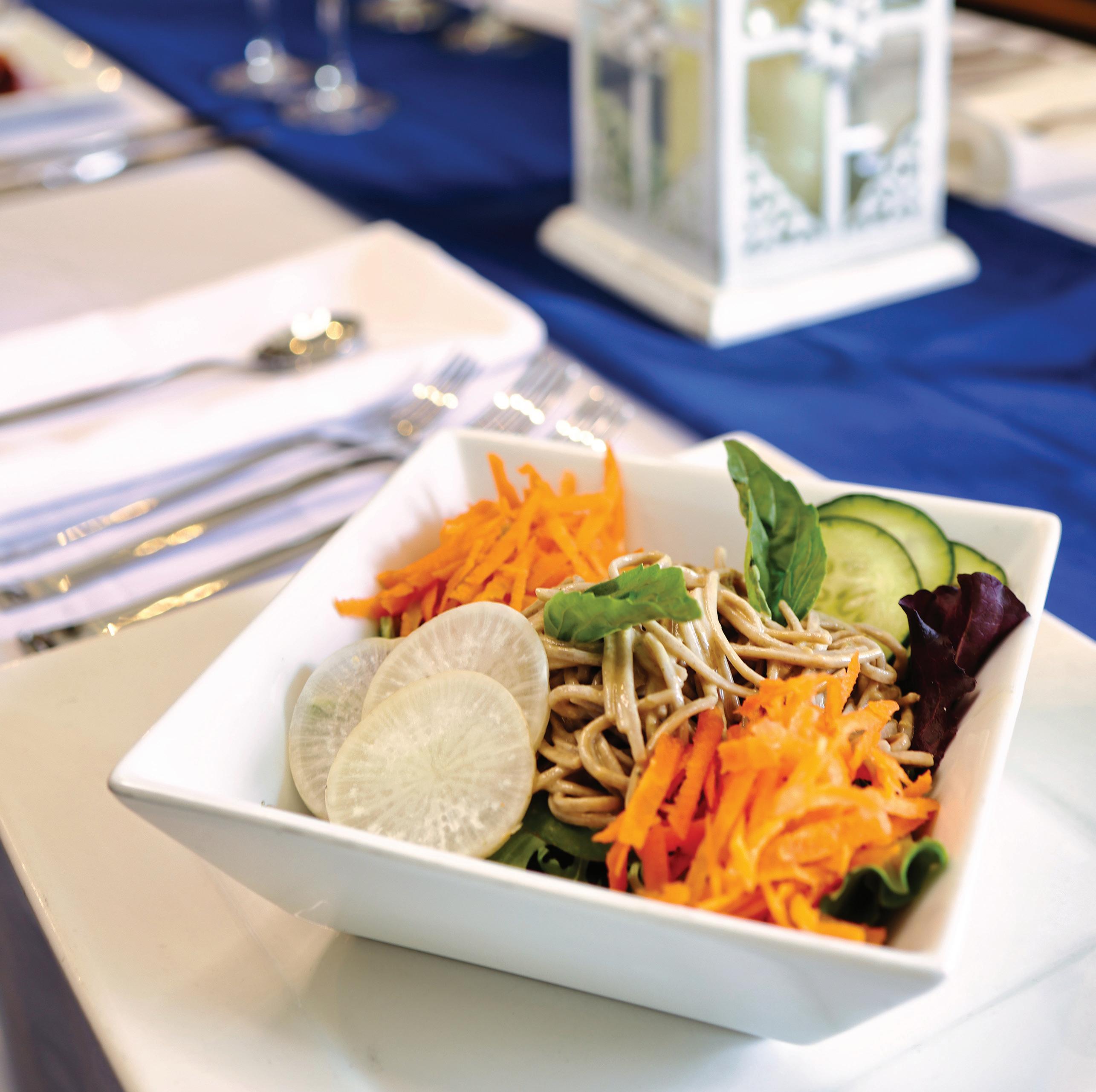
EATcetera transforms nightly to accommodate private events. The perfect island spot for:
• rehearsal dinners
• anniversary parties
• graduation parties
• bridal showers
• baby showers
• family reunions
• corporate events
To book your private party or event 409.762.0803
Proudly LGBTQ+ owned and operated.
BY ROXY D. HALL WILLIAMSON
IN THE WAKE OF THE ‘SLAP’ HEARD AROUND THE WORLD, THE MOST DISHEARTENING ISSUE IN THE VARIOUS CONVERSATIONS ON SOCIAL MEDIA WAS WATCHING OTHERWISE SEEMINGLY INTELLIGENT PEOPLE DENIGRATE AND BERATE OTHERS BASED ON THEIR OWN PERSONAL IDEAS OF WHAT COMMITTED RELATIONSHIPS ‘SHOULD’ LOOK LIKE. I was immediately saddened as I listened to people use the most draconian belief systems to belittle anyone who did not live according to their visions of romantic love.
As I consider the grassroots fight for LGBTQIA+ rights and the recent passing of the so called “Don’t Say Gay” bill in Florida, how horrific must it be to witness the media push a narrative escalating the heteronormative toxicity of our society while also drowning out the voices of everyone else. The issues of masculinity and homophobia are that much more toxic and oppressive in the Black community. Usually cloaked within religious rhetoric, the plight of Black queer artists is sometimes paved with marginalization and exclusion. This type legislation is problematic as it promotes hostility and ostracism. Our communities can no longer afford to discount anyone nor should we. We must develop spaces that not only cultivate creatives but also provide secure areas that encourage personal growth.
Personal growth leads to artistic expression. Expressions of artistic genius fuels our intellectual advancement. The Academy should invest in such endeavors. There were extraordinary highlights for the queer community of color to be proud of during this season’s awards show. Ariana DeBose became the first openly queer woman of color to win and accept the Supporting Actress award for her performance in “West Side Story”. Her acknowledgment of her Afro Latina roots and how she found her strength through her art was refreshing and heartwarming. Her presence embodies the value that flourishes when the initial investment in human beings is made and sustained. However, Oscar history has not been kind to Black talent and to be Black and queer, well, it has not been easy. Though strides are being made, change doesn’t seem to come fast enough. For every advancement, there are legislators determined to take the masses backward.
The bill signed into law by Governor DeSantis is already being considered for duplication in Ohio and Texas. Along with the egregious Redistricting directly affecting voting rights, this type of legislation puts more restrictions on an already difficult area of discussion. Hiding behind what is being dubbed “Parental Rights in Education” bill, legislators are using a hot button wedge issue to
gas light parents and vilify teachers. This affects students’ ability to resource needed assistance when speaking with their parents fails to yield a successful pathway to open discussion, safe environments and healthy resolutions. Add the lack of funding for various arts programs in schools and Covid-19 variants still spreading rapidly, it seems a dim reality for future artists. This reality could have devastating results in mental health for young people, especially middle and high school students. How could this reality impact future awards shows? Who will enforce such legislation? How deeply will the Florida bill ripple throughout the nation?
Walking through the red carpet of history, according to the article The Reckoning’s Top Eight Black LGBTQ Oscar Moments by Darian Aaron (thereckoningmag.com/3.22.2022) Hattie McDaniel won the coveted prize yet her alleged bisexuality has not ever been addressed. Ethel Waters became the second Black woman nominated for an academy award and the knowledge of her living with her partner Ethel Williams was another low key Hollywood secret. It seemed, for a while, that in order to be successful in Hollywood Black people not only had to navigate being Black but to be queer could be a death nail for one’s career. We are fortunate that artists like Raven-Symone, Cynthia Erivo and writer Tarell Alvin McCraney persevered. We are all the better for their effort and representation.
There is something inherently wrong with a whole faction of people targeting others due to gender identification. To have the power to disenfranchise teachers in spaces where students build trust is diabolical. This is not to say parents’ rights are to be ignored. In an ideal world, teachers and parents work as a team to educate the whole child. The current environment makes parents hostile toward teachers and that reality is manifesting in school board meetings and elections.
There have been strides in the movement for human rights and Hollywood. However, when the lens is sharp, the Academy Awards offer a closer look into how various mediums and the representation therein affect how we see the world through television and movies. Legislation that is intended to preserve the power of cis male, white imperialism in a time when Black and other people of color are at the precipice of making the space for themselves that is long overdue can only lead to chaos and disaster. On top of that, the very legislators pushing the ‘my body, my choice’ mantra are the same ones stripping everybody of their rights.
Now is the time for the Academy to invest in the people and groups in states like Ohio, Texas and Florida that are already fighting the good fight while also providing space for art to thrive. This is the hard community work that needs the investment on all levels. This is the level of community that offers safe spaces for those students who cannot speak to anyone at home but has a teacher, mentor or counselor they can rely on for a listening ear and sage guidance. These type bills are meant to disrupt those connections and safety bonds. We all have to show up and work together to overcome the toxic takeover being orchestrated by governors like the one threatening people’s rights in Florida.
Speaking with the loved ones in my life directly affected by this poorly written legislation, one thing is constant, every human being wants to be heard, seen and respected. It is that simple. Let’s do our part to identify and uplift those voices in our communities standing in the gap for equity and inclusion. Let’s embrace our queer loved ones and do our part to preserve and expand human rights. Period. This is not debatable. It is the right thing to do.
From the cast of FAME to The Color Purple to Moonlight, Black queer voices span our culture, art and history. We must build infrastructures of humanity that make space for and support every human life. Our artists are our witnesses and archivists of the society, of the culture, we must vote, advocate and confront our legislative representatives. We must voice our objections to these draconian legislative maneuverings. Here’s to hoping next awards season we can celebrate some legislative victories for justice and equity as well as see more diverse and inclusive policies in Congress and Hollywood.
BY BIANCA HAWK
A GIRL NEVER FORGETS HER FIRST LESBIAN.
I was 19 - a mere months out of high school and many miles from home. She was part of my college I had worked so hard to get into - poured my heart and soul into - standing in the scarred halls with a shaved head and colored lips and piercings and painted eyes. She invited me to sit with a gaggle of other college kids at the table - and me - the shy Catholic girl, cautiously did, feeling the press of my scapular against my breast.
I had never seen a queer person so comfortable and out before that time, not that I picked up on anything at first, or that looks define your liking. All of the information that I know now, came with time, the new group of friends taking a spoon to gently crack the sweet innocent mold that had grown around me in my upbringing. They didn’t laugh at my naïvety, tease me for not knowing the context of shared adult jokes, what masturbation was, the idea of bisexuality, polyamory, lesbianism, gay and trans rights, transitioning, of being queer, the concept of gender, or knowing about causes they felt to support.
That group of college kids placed the cracks in my shell to break into a wider world I had not yet known. And I thank God for knowing them.
I’m not the same person I was at 19. I don’t think anyone is, in retrospect. The ideas and beliefs I held have evolved with me. Being a queer Catholic seems like a contrast of interest, if that’s the case, I’d safely state I’m a walking contradiction. Growing up in the Catholic Church with its nuances has had an impact on the stunted development of my own set of beliefs, instead of the expectations of my elders.
The idea of Heaven, Hell, Purgatory, Holy Communion, Jesus Christ, the Saints, and Holy Mother Mary, live alongside the rights towards all of God’s children. (Yes, even the right to choose.) Things shift in this heart of mine and some things are still learning to make room for the otherbut such is the growing pain of growing into your own person and out of the mold of hopeful expectations.
It is no secret that the rights and lifestyles of the LGBTQ+ community have been challenged, disputed, and spat on by faith for years beyond what anyone’s grandfather’s grandmother can remember. Phobia towards the LGBTQ+ community runs rampant in a group of siblings in Christ who are suppose to love and accept each other as they are. What some Catholic’s forget is their own history of drawing half of a fish in the sand, in an effort to seek other Catholics and avoid being persecuted. These symbols are now
mainstream and plastered proudly to the back of mini vans and aging Hondas. The risk of being thrown to a pit of lions is gone, but the danger of being thrown to people is still present and pressing. The idea of homelessness, disownment, abuse, and even death towards members in the LGBTQ+ community committed by their own family in faith, make closets seem more comfortable than they really are. Part of me prays that such a misfortune will never happen to me when my family is eventually made aware of my own suffocating closet, but a part of me knows prayer won’t change anything. God’s plan and all that (at least, that’s what I’m told.) Sometimes, when I’m feeling bitter, I wonder if He likes to make things up as he goes along.
Where can a queer Catholic turn to for spiritual support, if not their own community? First, I take inspiration from people before me: the Saints. The idea of someone being on your side, having struggled in life as a mortal person and interceding for your behalf in Heaven, is comforting. Queer icons in saints include people like the well known, ambiguously dressed, Joan of Arc to the arrow strewn Saint Sebastian, who inspired many homoerotic artworks, and is an unofficial gay icon to many people coming from Christian imprinted backgrounds. The second spiritual support I’ve found in life are the trusted people and friends with me here and now. In the years of navigating my faith and sexuality, their love and support for being my real authentic self, has been felt most of all.
Brothers, Sisters, and Siblings in Christ: Saying all of this, I know these thoughts and feelings about faith is not applicable for everyone. You don’t have to have faith in a higher being to be a good person. Actions speak louder than angry “Ask Me Why You’re Burning in Hell” Proclamations and picket signs. The Church (with a capital C) has cut some of its members deeper than any words in prayer can hope to heal and, if this is you, know this: you are not alone in this wide world. I may not know you and your struggles, but I am glad you are here in this world with me today, tomorrow, and in the days to come. There are things to live and fight for together: The greatest of these is Love.





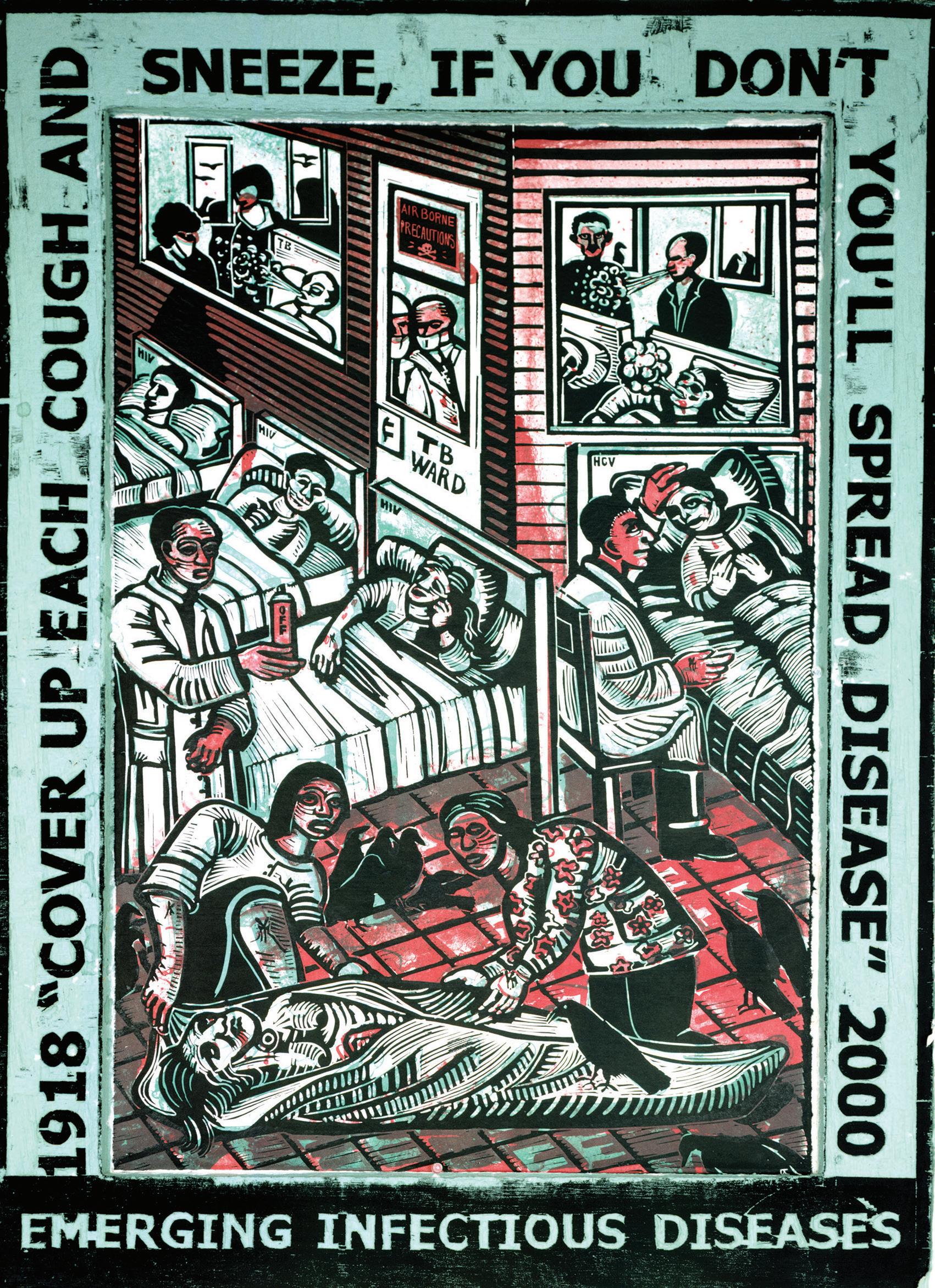
“EMERGING INFECTIOUS DISEASES”
BY DR. ERIC AVERY
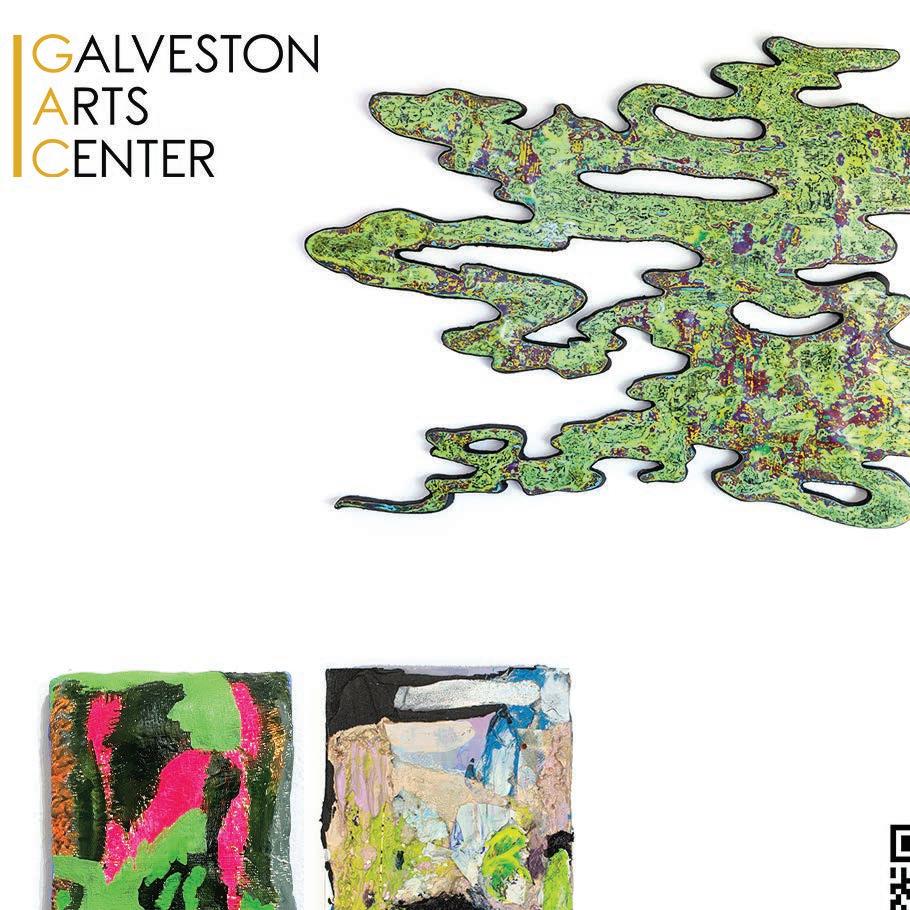
2 color lithograph with linoleum block print on mulberry paper collaged into molded paper (made from used surgical green towels) woodcut frame 44” x 31” edition: 10.
DR. ERIC AVERY IS A PHYSICIAN, ARTIST, AND MEMBER OF THE LGBTQ+ COMMUNITY WHO LIVED AND WORKED IN GALVESTON, TEXAS 1992-2013. Dr. Avery practiced medicine in Galveston as the Consultation-Liaison HIV Psychiatrist at The University of Texas Medical Branch and joined the faculty at The Institute for the Medical Humanities at UTMB.
As of August 31, 2012 he is retired as Clinical Associate Professor of Psychiatry and Behavioral Sciences and Member of The Institute for the Medical Humanities at UTMB.
For forty years, Dr. Eric Avery has worked at the intersection of visual art and medicine. His social content prints explore issues such as human rights abuses, and social responses to disease (HIV and Emerging Infectious Diseases), death, sexuality and the body. In clinical art spaces set up in art museums and galleries, his art medicine actions have explored the liminal space between art and medicine. From 1992-2012, at the IMH in Galveston, he made prints, paper and art actions that reflected his clinical work with HIV/AIDS.
Learn More about Dr. Eric Avery at http://docart.com/
In speaking with Dr. Avery, the Culture Clash crew was clued into the amazing work he and his colleagues took part in at the Galveston Rosenberg Clinic, Texas’ oldest Trans clinic. Learn More…
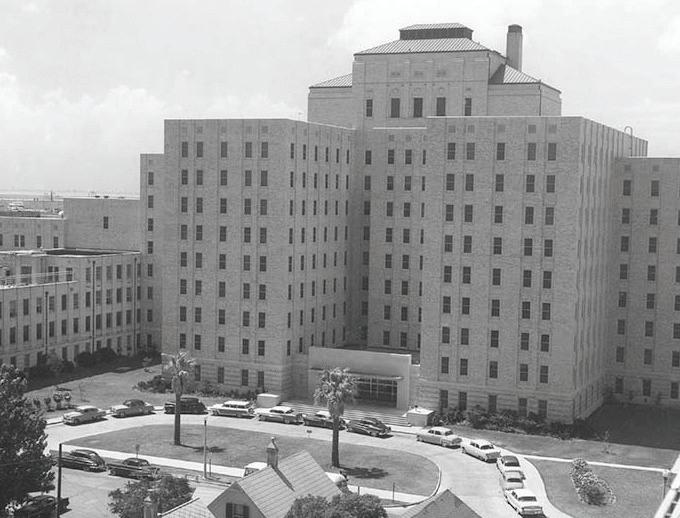
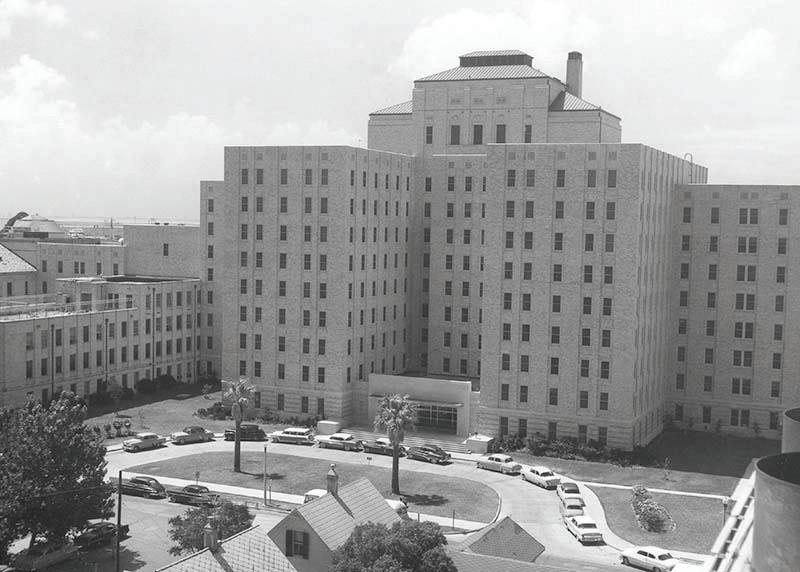
According to Brandon Wolfe with OutSmart Magazine, in 1965, John Sealy Hospital at UTMB began to see patients with gender-identity issues. In 1966, a 23-year-old underwent male-to-female sexual reassignment surgery (SRS). It was low-key and without media fanfare. In 1971, a second SRS was completed. Houston transgender pioneers Toni Mayes and Phyllis Frye were both clinic clients in the early 1970s. Mayes underwent SRS in 1973.
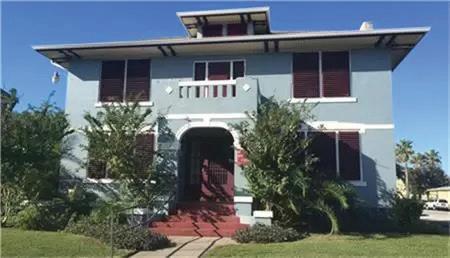
When UTMB’s gender clinic closed, Rosenberg Clinic was opened at 1103 25th Street. For years, it was one of the few gateways for persons seeking legal gender changes and/or sexual reassignment surgery. Although the clinic closed in 2010, the building that housed it is still standing and in excellent condition. The two-story blue-stucco structure features influences of the Prairie architectural style and was built circa 1915 in a residential area. One would never guess that it was once a clinic with an annual client base of 450 transgender individuals.
FROM BEING THE BIRTHPLACE OF CONJUNTO AND TEJANO, TO INSPIRING THE GREAT COUNTRY MUSIC OUTLAWS OF REGALED HISTORY, ITS COAST BEING HOST TO THE CHITLIN CIRCUIT, THIS PART OF THE AMERICAN SOUTHWEST ALSO IS HOME TO A MÉLANGE OF QUEER MUSICIANS THAT PLAY EVERYTHING FROM GOSPEL TO INDIE FOLK. This short list cannot even begin to cover the grand expanse of musicians and communities that Queer Texans call home, but we encourage you give ‘em a listen.
By Eryn Brothers

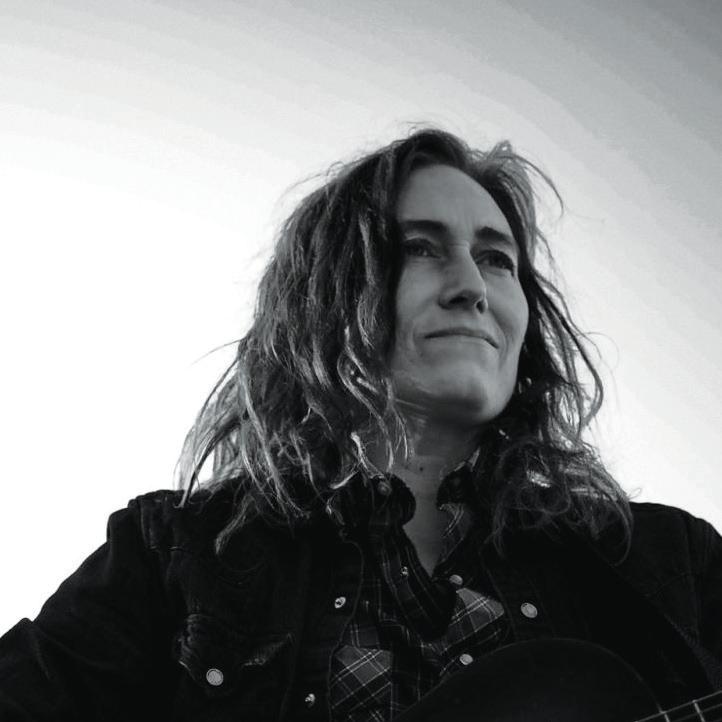
The wander daddy of Queer country music, Melissa Carper, knows how to make you dance and cry at the same time. Her latest release, Daddy’s Country Gold is a sweet homage to the old being new without being derivative or cute.
Austin has been heart and home for Carper (with stints of Arkansas in between) as she has been an integral part of the Texas country scene for quite some time.
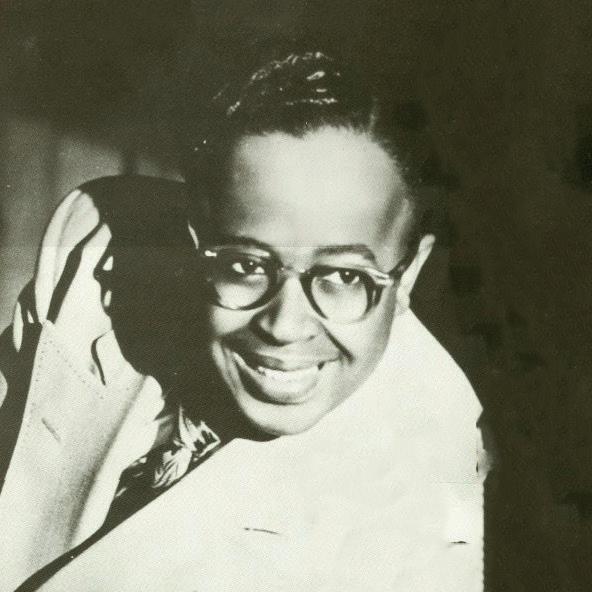
If you don’t know the story of Willmer Broadnax, buckle up. Broadnax was born in Houston, Texas on December 28th, 1916, and is one of the first recorded Black transgender men in American history. Known as “Little Ax”, due to his short stature and powerful voice, Willmer got his start singing gospel with his brothers and The St. Paul Gospel Singers.
He would eventually move to Los Angeles with one of his brothers to join another gospel group the Southern Soul Stirrers. Broadnax would eventually leave to start Little Axe and the Golden Echoes. Willmer recorded groundbreaking gospel albums, and became a beloved figure in this genre.
His distinctive tenor voice was regaled and admired by colleagues and family alike. Only after his murder (at the hands of his girlfriend in 1992) was it revealed that Broadnax was trans.
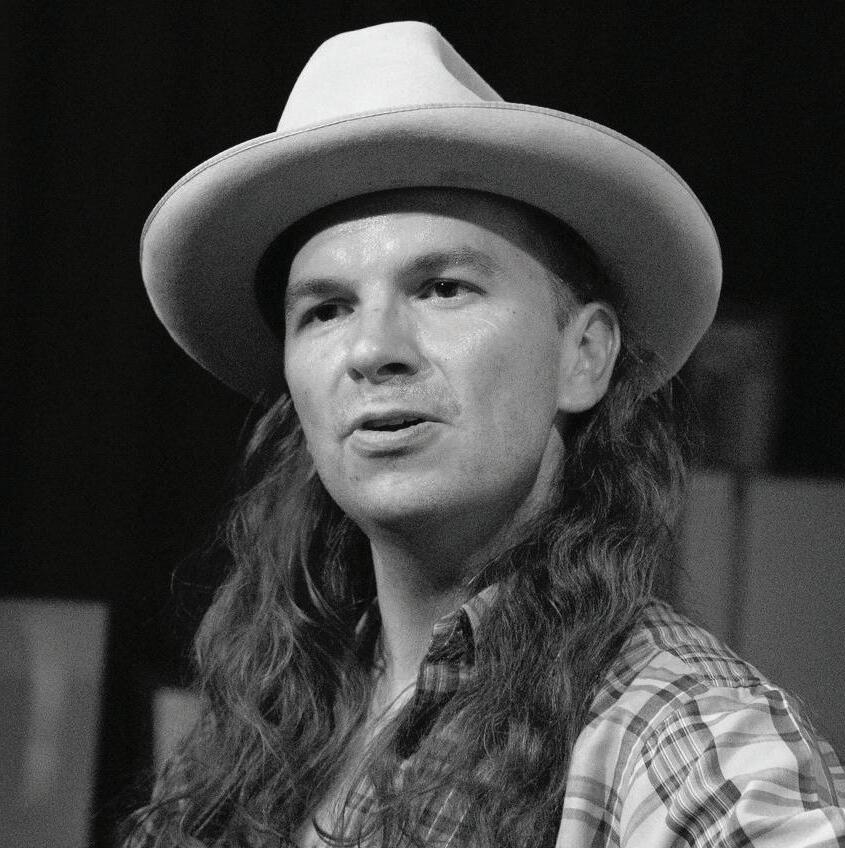
New kid on the Texas scene and one to watch, self-proclaimed radical queer country music artist Eric Holm is straight from eastern South Dakota, Brooklyn, & New Orleans. When the crew at Culture Clash started talking Queer Country, Eric’s name was quick to pop up. His soulful omage to Queer Kids in Red States hits home with so many Galveston and Texas youth.

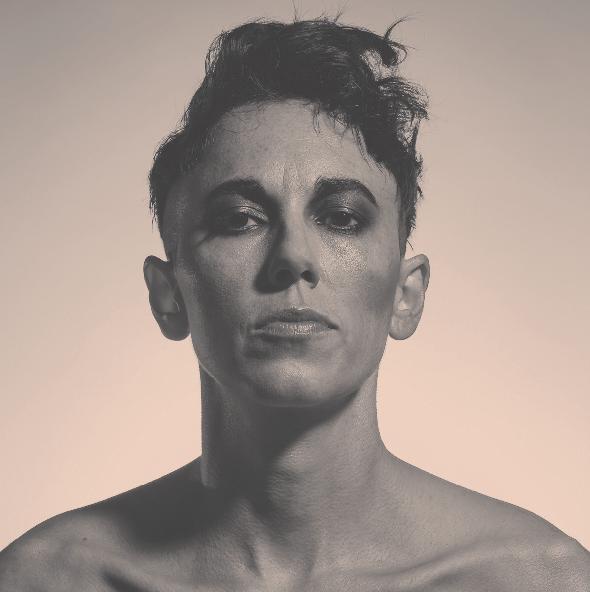
This Austin-native Latinx songstress knows what’s up. Gina Chavez works with a blend of folk and pop, tethering the world to her heart either by love or the social justice she demands.
Award winning-from the Austin Music Awards to being the Grand Prize Winner of the John Lennon Songwriting Contest, Chavez’ album, La Que Manda effuses poignant and tactile emotion with every track.
Coming Sept. 2 - 4, 2022
Formerly held in June, Pride Galveston began in 2017 as Pride Galveston Beach Bash & Block Party. Pride Galveston has since ballooned into a three-day celebration.
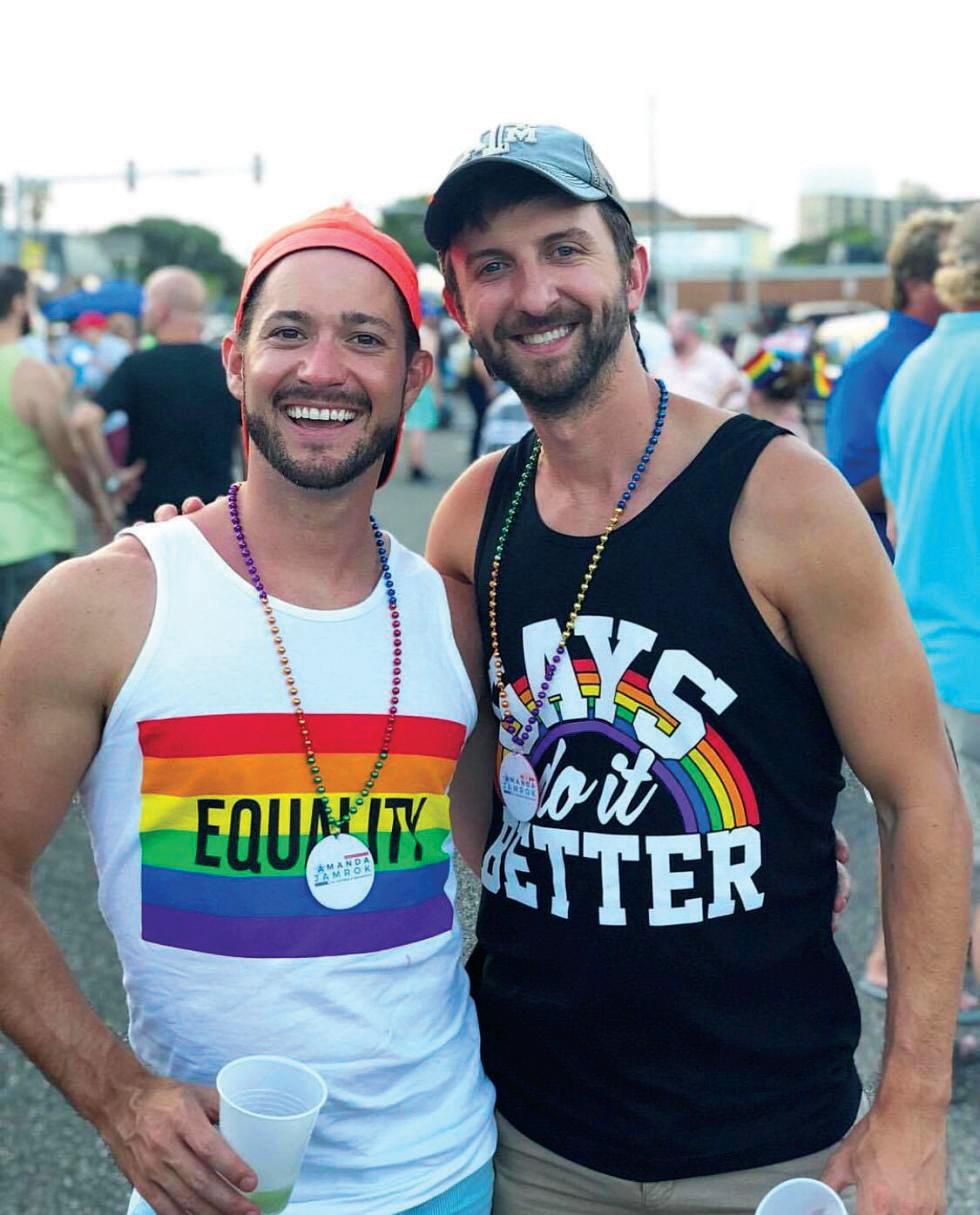
May. - June. 2022
UKRAINIAN FUNDRAISER
Fri, May 6th, 5 - 8pm
Galveston Island Brewery 8423 Stewart Rd.
Free Admission
galvestonislandbrewing.com/events
LA IZQUIERDA SURF AND MUSIC FESTIVAL
Sat, May 7th, 8am - 10pm
Menard Park 2119 27th St.
Free Admission
laizquierdafest.com
MOVIES ON THE BEACH
Sat, May 14th, 8:30 - 11pm East Beach
1923 Boddeker Dr.
Free Admission
visitgalveston.com/events/movies-onthe-beach/
ANNUAL ISLAND BEACH REVUE
Sat, May 21st, 12 - 7pm
Beach Central
2101 Seawal Blvd.
Tickets $5 - $40
visitgalveston.com/events/annualevents/galveston-island-beachrevue/
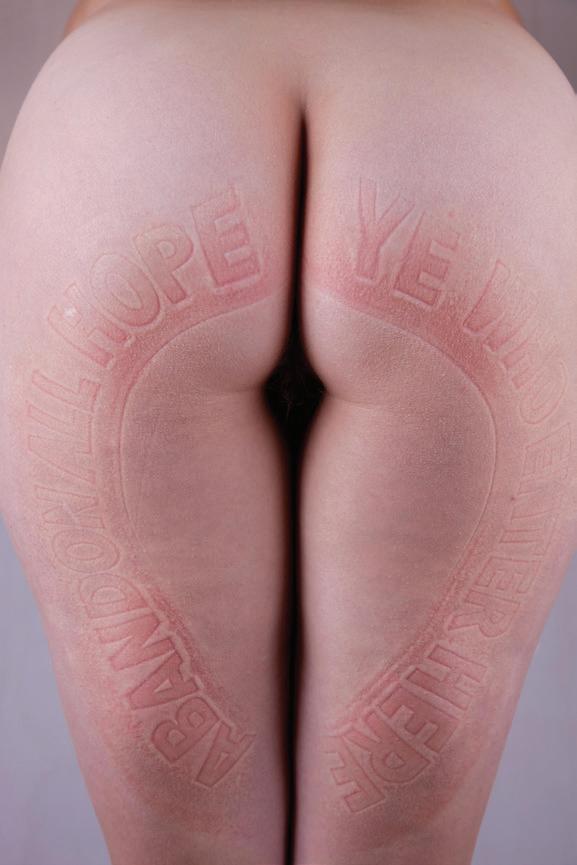
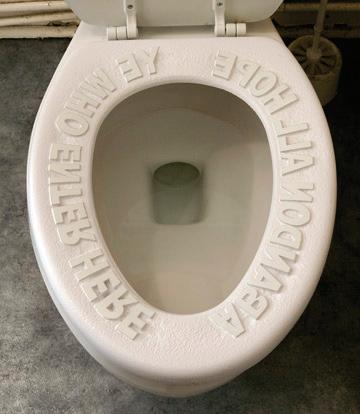
BACK” BY DR. ERIC AVERY Sand Blasted toilet seat 14”x18 1/2” Edition: 5
page 18 & 25
HOUSTON PRIDE LGBT+ CELEBRATION
Sat, June 25th, 12 - 10pm
Houston City Hall
901 Bagby St. STE 100, Houston
Parade is Free Admission
Other Tickets Vary
PRIDE EXTRAVAGANZA
Sat, June 25th, 3pm - 12am
Star Sailor HTX 1710 W, 18th St, Houston
Public Event, Prices Vary
KINKY CIRCUS & ARTIST MARKET PRIDE PARTY
Sat, June 25th, 7pm - 2am
Numbers Nightclub
300 Westheimer Rd. Houston
Public Event
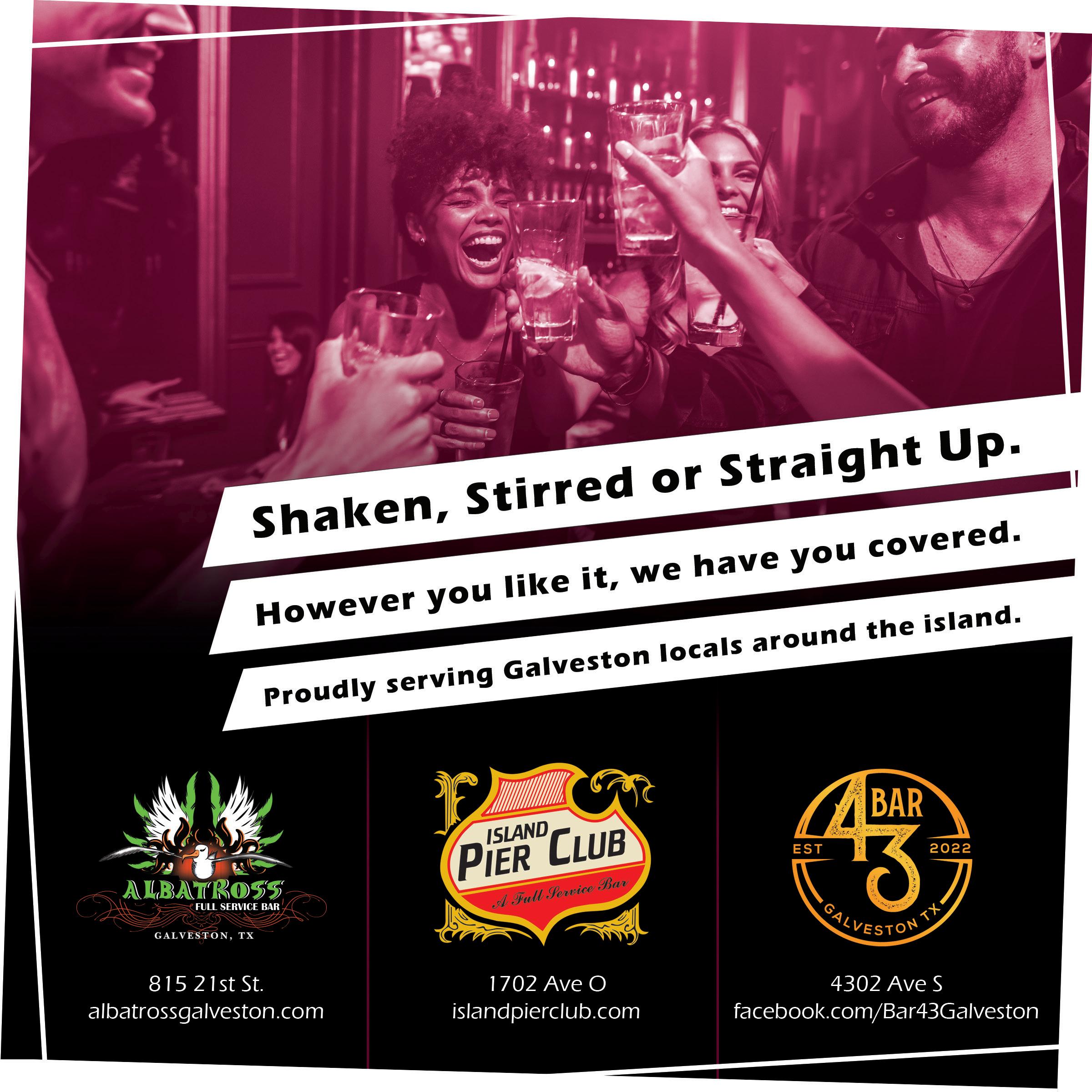
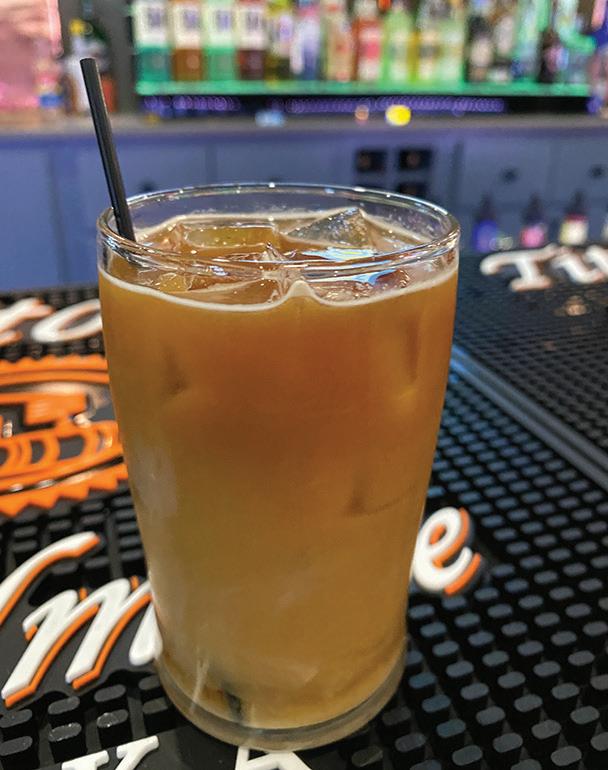
ELIXER 43
Nitro FIKA Cold Brew Coffee, Sheepdog Peanut Butter Whiskey, Sweet Cream Bar 43 4302 Ave S.
Identity Struggles Simplified

The leaves that once shaded our love Have fallen to the ground
Taking all of our secrets with them
No care to be found.
Now that spring comes I can’t help to think of you
When I see the spring leaves
Womanhood
Might not fit
Like I always had thought it would
–– Fin D. Scribble (any pronouns)
It’s almost as if our love has been renewed.
The times that we had The times that were bad
And the times we stood In the rain
And all we could do Was just laugh.
But when I see the leaves on the tree growing back slowly, I wonder if you can see me
The way I see you in my dreams.
My clandestine love, Tell me,
When you close your eyes What do you see?
-Mickey Louse
BY: JOSÉ MENDIOLA
FOR MANY YEARS NOW, WE HAVE USED THE TERM “COMING OUT OF THE CLOSET” TO DESCRIBE HOW THE LGBTQ+ COMMUNITY DEALS WITH THE REVEALING OF THEIR SEXUAL ORIENTATION AND/OR GENDER IDENTITY TO THOSE AROUND THEM. Although I am not a member of the LGBTQ+ community, I do consider myself a strong ally. With that being said I am here to say, I am, obviously, not the person who gets to decide what narrative is definite or what gets to be reshaped.
But recently, in a conversation, I was told that the term “coming out” was retrograde, and it conveyed a certain conspiratorial vibe to it, as if you were caught doing something illicit and now had to confess to a jury of your peers. I was told that the term “letting people in” was now more progressive as it indicates feelings of trusting and acceptance, almost as if you were letting people in this club that only the superb and select few that you loved could join.
Before I continue, I should admit that I feel like I have no business writing this article. Being straight in such a progressive time is the equivalent of being that one kid on a field trip who goes to the ice cream store, and settles for a plain vanilla cone while everyone else is trying new and fun flavors. Furthermore, writing on an issue about LGBTQ+ community is like the vanilla-cone-kid didactically talking about his extremely monotonous vanilla flavor, and his support for interesting flavors such as chocolate mint or bubble-gum, while the other kids with much more interesting flavors sit in confusion, slowly blink, and try their best to listen. I digress. Back to the point of me writing this article: I guess I was just interested.
As I pondered the meaning of both the regressive term that I had been using, and the progressive term I had just learned, it made me think of all the experiences that the community must go through. Letting people into your personal life to let them know about your sexual and gender identity almost felt like some sort of ritual in order to become free. An unshackling of oneself from a narrative that a close-minded society had meticulously wrought.
It was then and there that I thought it’d be a good idea to ask some people of their experiences in letting people in. We did this in hopes that these responses may inspire some readers who are hesitant at a very uncertain time. So with that being said, me and my friend gathered four simple questions and interviewed some strangers at Galveston’s LGBTQ+ hotspots. Although not everyone was comfortable giving their full name and photograph, I believe we got some interesting responses.
“ANONYMOUS”
CC: What gender do you identify with?
Zed: Male. I would consider myself a cisgendered male.
CC: What sexual orientation do you identify with?
Zed: Bisexuality
CC: How old were you when you let people you knew into your life?
Zed: I was about seventeen. I’m twentyfour now!
CC: What was the reaction of your family and friends?
Zed: My parents were totally cool with it. They didn’t really care, I thought they were going to be upset or whatever, but they just hoped I was just happy. My friends knew about it, but they didn’t really care. They’ve always been supportive.
CC: What gender do you identify as?
Anonymous: I’m non-binary.
CC: What sexual orientation do you identify with?
Anonymous: Pansexual.
CC: How old were you when you let people into your life?
Anonymous: Right now I’m eighteen, and I haven’t. Just some people know, I guess. It’s really difficult. I really don’t have much friends, and my family wouldn’t understand. I don’t know. I keep thinking when I go to college everything will change. Just looking for a new start.
“SAB G.”
CC: What gender do you identify as?
Sab: Female.
CC: What sexual orientation do you identify with?
Sab: Pansexual.
CC: How old were you when you let people into your life?
Sab: I was about fourteen or fifteen. I’m twenty-one now.
CC: What was the reaction of your family and friends?
Sab: It went well. Support from everyone. I do come from a pretty liberal background. I was happy to have felt that support.
“DEE”
CC: What gender do you identify as?
Dee: I identify as a woman. Female.
CC: What sexual orientation do you identify with?
Dee: Lesbian.
CC: How old were you when you let people into your life?
Dee: Just recently, I’m twenty-three!
CC: What was the reaction of your family and friends?
Dee: My friends knew for sometime, I didn’t care about them knowing, they were always supportive. It took time for me to come out to my parents. My dad was really cool, but low-key a bit shocked. I guess he thought I was straight because I had a Ronaldo poster in my room. My mom was a bit hesitant at first, but she’s okay now. She’s even met my girlfriend and is nothing but nice to her.
RANDY (A very gregarious slurring man with Hawaiian shirt who approached me during the interviews.)
CC: What gender do you identify as?
Randy: I’m a man.
CC: What sexual orientation do identify with?
Randy: I’m straight. Very straight. As an arrow.
CC: Oh, I was going to ask you about if you ever let people into your life.
Randy: Letting people in?
CC: Letting the people you love and care about know about your sexual orientation, letting them closer into your life, to delete the stigma of having to have something hidden.
Randy: Oh, like coming out? You know, here’s the thing. I actually have before. For some reason everyone thought I was gay. So in a way I’ve come out as straight, and, you know, sometimes I get these surprised looks. Who cares? Be who you are. Love who you want. After forty-six years of living, you really stop caring. Anyway, I think George Clooney’s handsome if that counts for anything, but that’s about it. Go Astros!
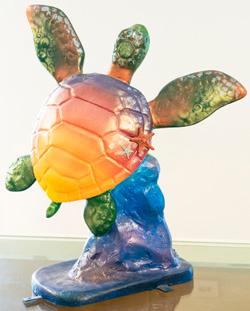

Turtles About Town is a community art project that highlights the City of Galveston and the conservation efforts of Turtle Island Restoration Network to protect endangered sea turtles on the upper Texas coast. Turtle lovers of all ages have the opportunity to see 50 colorful Kemp’s ridley sea turtle statues that have been installed around the island since 2018. Businesses, individuals and organizations graciously sponsor the turtle statues while local artists are commissioned to give each one its own personality and meaning.
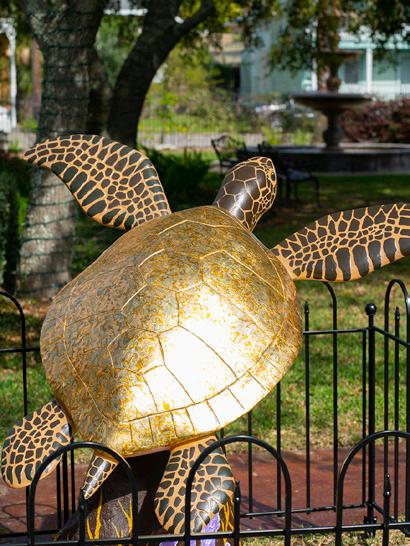
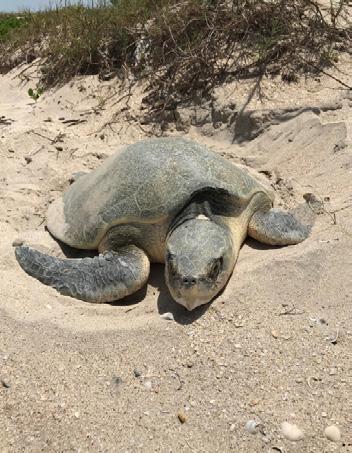
seaturtles.org
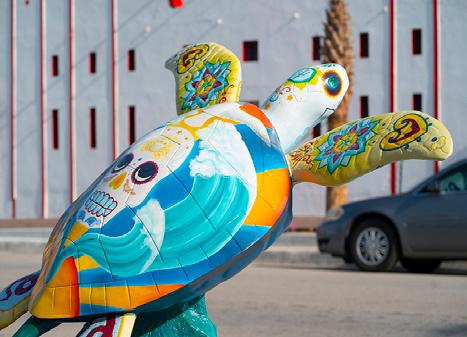
Download a FREE map and go on a tour at seaturtles.org/turtles. Be sure to tag Turtle Island Restoration Network in your images (@TIRN-Gulf on Facebook and @TIRN.Gulf on Instagram) and tag #TurtlesAboutTown!


clapcupstudios.com
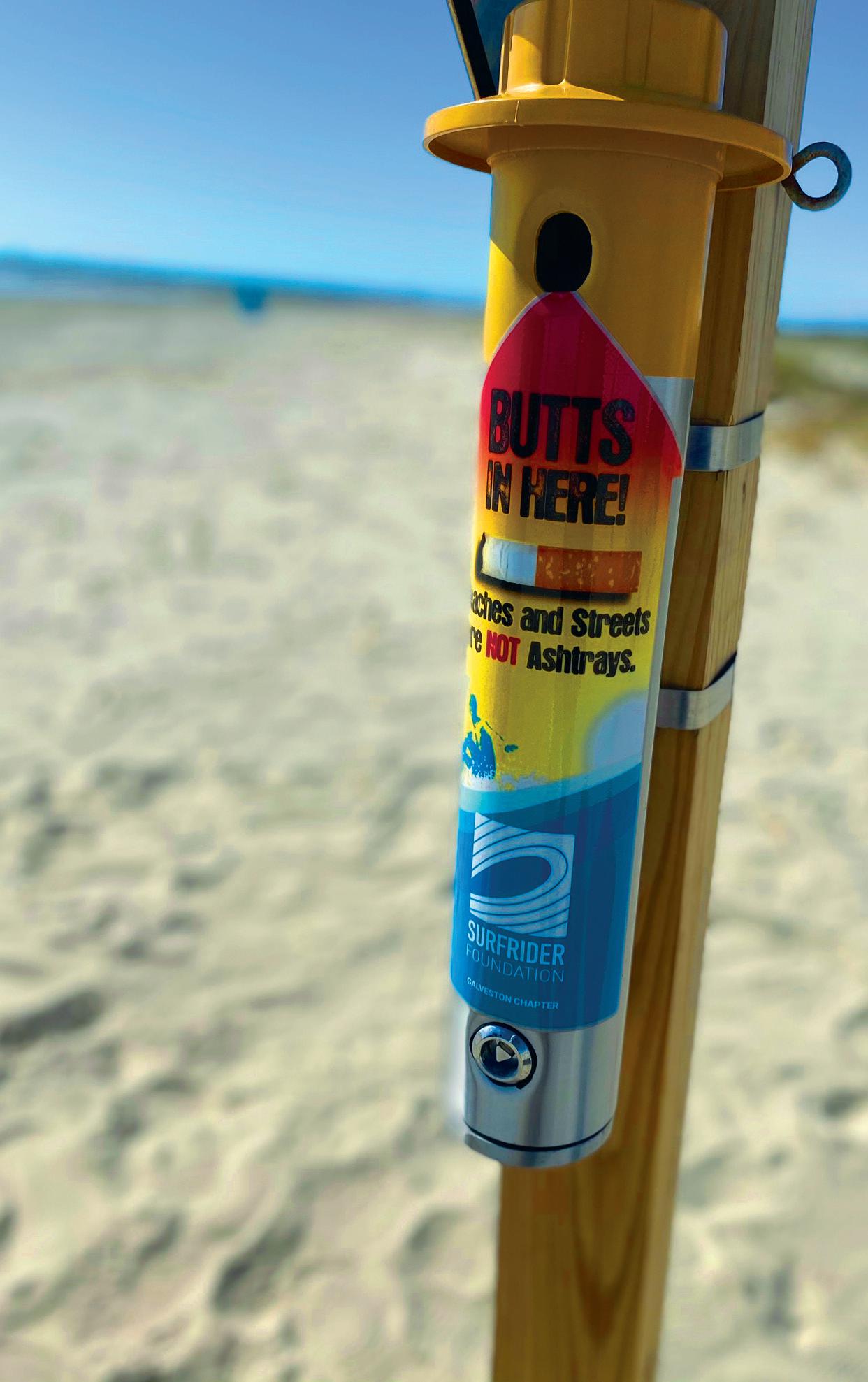
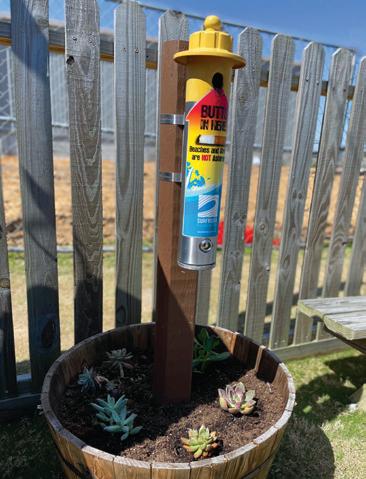
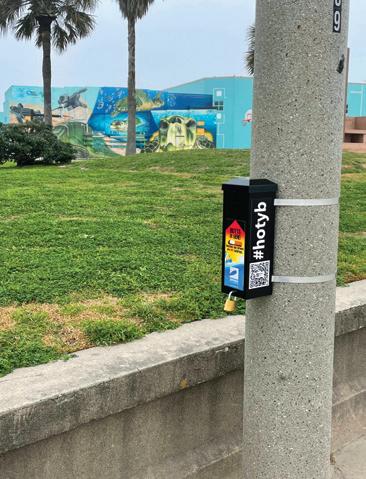
No, really. Hold onto it.
Cigarette butts can take 25 years to decompose, are 98% plastic, and are toxic to marine life!
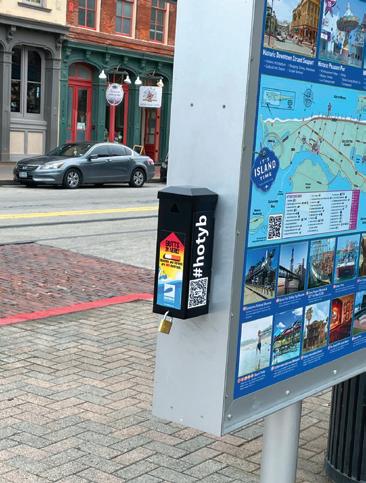
Please help Galveston Surfrider reduce butt litter on the island, and in the ocean, by disposing of your butts in one of these cans provided by local businesses and individuals. #hotyb
For more info, go to www.Galveston. Surfrider.org
To volunteer or sponsor a can, email hotyb@galveston. surfrider.org