CULTURE CLASH
a venue for Galveston’s free thinkers

G - Town dirty third coast Texas






a venue for Galveston’s free thinkers
G - Town dirty third coast Texas

Education plays such an important role in all of our lives and has a direct impact on our community, but society as a whole seems to overlook this fact.
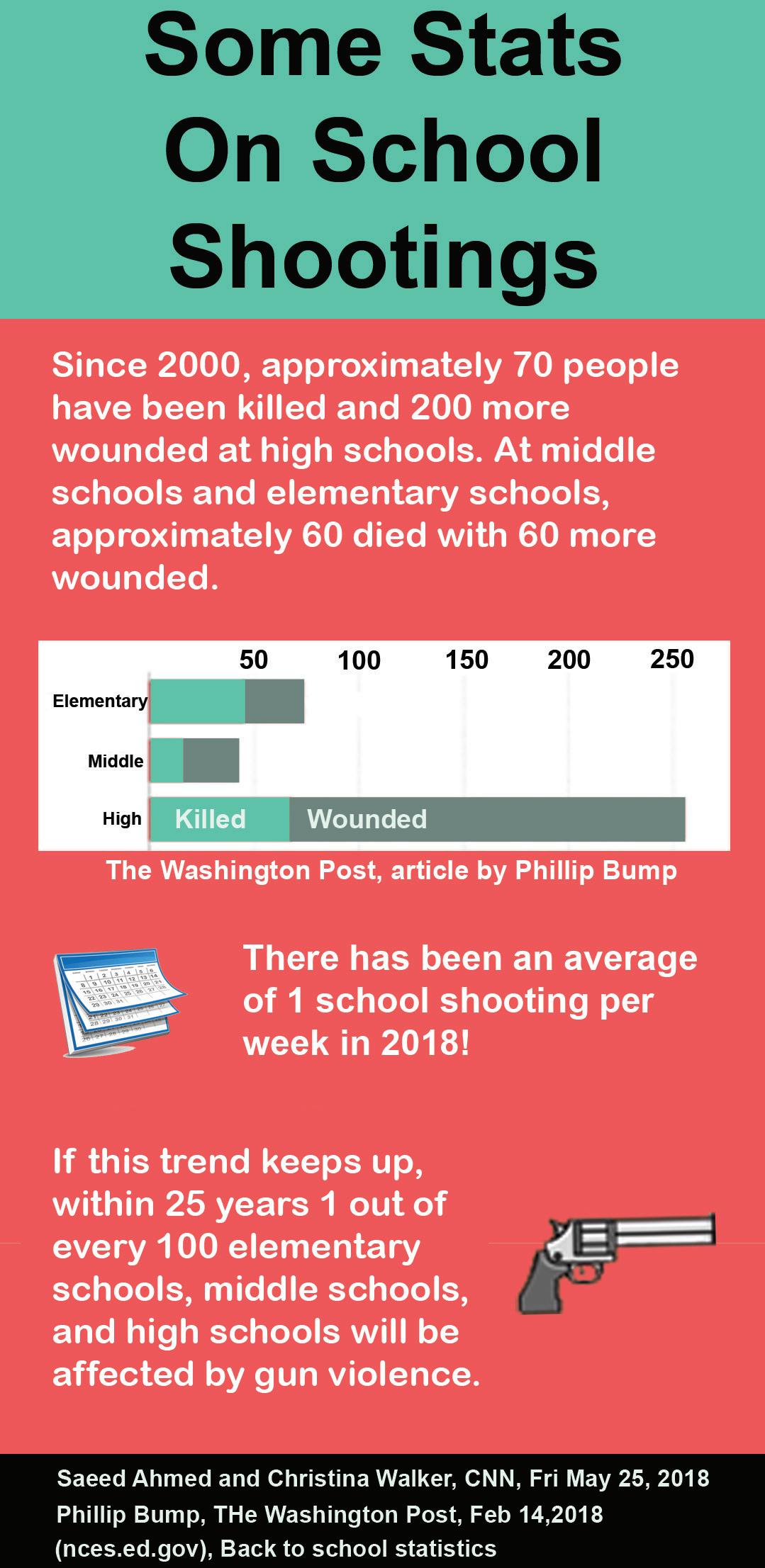
In this issue we explore education on all levels: from early childhood where more books equals more success (p. 7) to higher education and analyzing is college worth it (p. 10). We have even explored gun violence in schools (p. 11) and suppression of our students’ voices (below).
Galveston has been and continues to be our melting pot for many things, people, and experiences. What joins us all is our love for this island. Let’s keep it moving forward. Stay educated, take action. Your actions might stimulate growth.
READ, ENJOY and PLEASE SHARE!
Write us an email or shoot us a comment any time online: CultureClashGalveston.com facebook.com/CultureClashMag CultureClashGalveston@gmail.com
Janese Maricelli-Thomasson Publisher
cOVER ART by JuliAnnA sAlinAs:
“I am a high school senior and a Student Advocate. Students should have their voices heard when it comes to how they are affected by major events, school issues and to how they feel as a student body. The importance of this ability is undeniable. However, students are often dismissed due to stereotyping of their immaturity. Students feel hopeless to speak up. Often warnings are degraded as only suggestions, some voices are silenced, eye-witnesses are deemed blind, and teachers who to try to help students risk ruining their work reputation. We have reached a point where teachers know the real issues, but are too scared to speak up as the knife of unemployment is held against their throats. We are told to do the right thing, but when the moment comes we are also told to look the other way. I long for a day where I can turn on the TV and see students speaking for their school in a positive light… a day where students, young and old, look out for each other and are united as one.”
sTAnD TAll WiTH JuliA, bE A sTuDEnT ADVOcATE! MORE On OuR Fb PAGE.


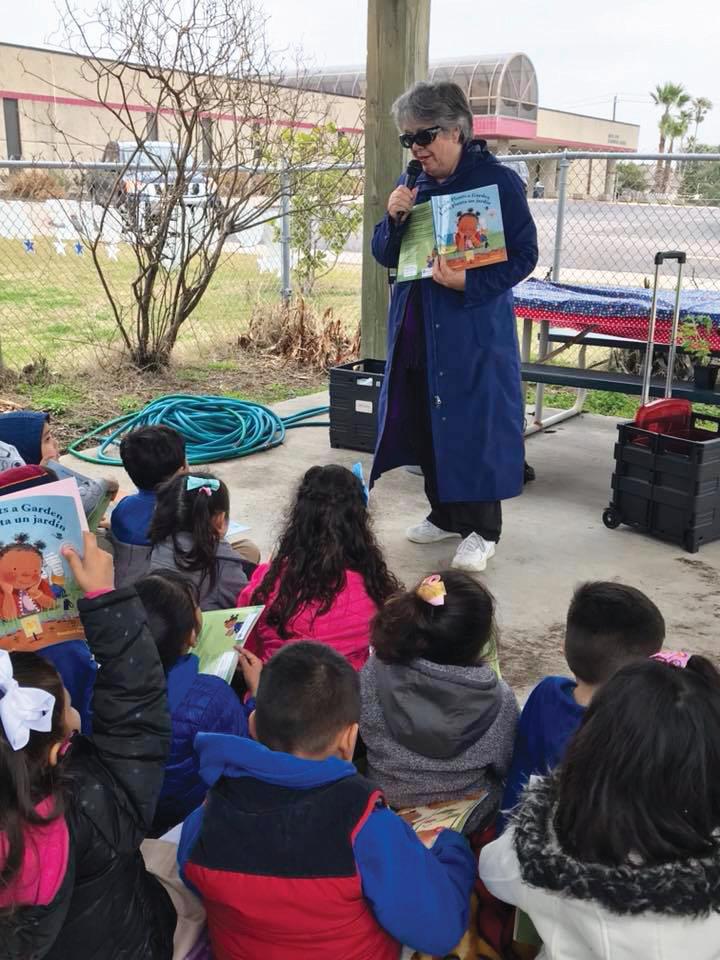
Read to children, and animals! it’s good for them. Rosenberg Library hosts the PAWS to Read program. Beginning readers can practice reading skills with Cory, the book-loving dog. He’s friendly, kind and very non-judgmental. Check in at the children’s desk to get signed up for a turn. More information at Rosenberg-library.org.
By Nellie Cornett
What is the most important factor in a child’s success?
Whether you are a parent, relative, or community role model, this question burns in our minds and tugs at our guilt. Have we given them all the resources they need to succeed in life? Will the fact that we don’t have the financial resources to offer them the best schools, programs, and tutors put them at a disadvantage? Are we capable of teaching and inspiring them towards college if we haven’t gone to college ourself? SMART Family Literacy, a local grass roots 501c3 in Galveston, feels that there is something all of us can do regardless of our resources and circumstance, and the magic something is literacy.
“Literacy is not about just decoding words or reading; literacy is about access to information,” thoughtfully explained Liz Turner, founder of SMART Family Literacy. Her version of literacy is the empowerment and resilience to find and understand the information we need---a skill set which begins with nurturing a love for books at a young age that has been shown to improve the emotional intelligence skill of empathy, and increase brain connectivity and theory of mind.
There is a study by M. D. R. Evans, titled, “Family Scholarly Culture and Educational Success: Books and Schooling in 27 Nations” published

in Research in Social Stratification and Mobility in 2010. In this study over 70,000 families in 27 different countries over the course of 20 years were observed to determine the impact the number of books inside a home has on a child’s future success in education beyond high school. It was discovered that regardless of economic class, education level of parents, job title of parents, or country they live in, all the results were the same---the more books in a child’s home equates to more years they will successfully complete in college and beyond. And as the uS Census shows, more college correlates to higher wages. In other words, books equals future financial success.
However, the most striking result found by this study is how small of a number of books can make the biggest impact according to the law of diminishing returns. Apparently roughly 80% of the correlative impact is found with only 20 books in a child’s home! The possibilities of improving a child’s chances is so accessible! “My goal now is to give every child 20 books or sufficient access to a library,” Liz proclaimed. So far her progress towards her goal is exciting. Since 2015, SMART Family Literacy has given away over 50,000 new books to families in Galveston
CULTURE CLASH (Be a Better Human)
County! If that sounds impressive, she also is constantly conducting in-class programs and once-a-month literacy parties held every second Tuesday at The Spot on Seawall.
SMART Family Literacy still has a long way to go to achieve their goals. With over 110,000 households in Galveston County to place 20 books in each, they still have 98% remaining of the population to reach. Luckily it’s super easy to help! Because of SMART Family Literacy’s relationship with book distributors, they are able to supply one home with 20 new books for only a $70 donation. Only $70 to change a child’s future success? Wow, that is one helluva deal!
Check out their website at smartfamilyliteracy.org to learn more and get involved. They take money donations, book groups of volunteers, take on paid interns, and each month a new business can host an ongoing moving book drive where their employees can conveniently drop off gently used books into a beautiful large yellow doll house. But most importantly, read! Whether or not we realize it, we are role models---not only to each other, but to the younger generations who will inherit this world. Give the gift of access, promote literacy in your life, your home, and in your community.


by Alexis


My whole life i’ve been told college is the path to a “successful future”, but is it really? The question, “Is college worth it?” is commonly asked around the country, and there really is no definitive answer. College graduates don’t always find employment. Some don’t finish their college career. However, there are many who have benefited from the higher education. Finances, employment, time, and living situations are the main conflicts that students are faced with in colleges and universities all over the world. As a high school student preparing for college, this can be nerve-racking.
An obvious problem with college is MONEY. Many students and former students are drowning in student loans. Other students are getting by due to grants and scholarships, or maybe just a large amount of cash saved up in a bank account. Sadly, money rotates the world like a carousel. But if you just sit back on the ride and breathe, it’s possible to come up with a plan.
Another issue with college is employment. Even if you graduate college with the highest grades and GPA, you won’t have a guaranteed job. We live in a competitive world, and jobs can be scarce in whatever field you study. According to the Economic Policy Institute, the unemployment rate for young workers’ under the age of 25 is 9.9%. This is where my anxiety overflows like a clogged bathroom sink. I have always wanted to be a writer and if I couldn’t get the job, I might hate my work life and that would suck so much. However, with a determined strategy I believe I can make my dreams come true.
By Zoe Monacy
A huge college struggle is time. Time is super strained when you have to study for tests and write papers. Add a part time job and it becomes even worse. It is exhausting to only have a few hours of sleep, and can physically and emotionally destroy your day. Another important factor is to NEVER procrastinate! It’s a trap! (Star Wars pun intended.) Success in college can be achieved if time is managed well, which is a skill on my to-do list before I make the leap.
The last main predicament of college is the living situation. If you live close to your campus, it can be convenient to continue to live at home, while at the same time receiving the benefit of emotional support from your family. On the other hand, if you live a far distance or want to move out, you might choose to live in a dorm or shared apartment. Living outside of home can be expensive and very stressful, whether it’s the roommates, home-sickness, room size, or little things such as loud neighbors or hitting your head on the top bunk every morning. But the benefits of dorm life include gaining future lifelong friends that will feel like a second family, and/ or improving your room decor skills. Independent living is important to becoming your own person; it’s an opportunity to build character.

College can be a struggle, especially with student finances, employment after graduation, time management, and living conditions. Although I am nervous, I view it as an adventure and am excited to start college. Reading these issues about college is hopefully marinating your brain roots and crevices, so keeping them in mind, is college worth it to you?
By Dan Marks
There’s been much talk of late about school violence. Around here it was thanks to the shooting at Santa Fe High School. But it could have been any one of a number of events over the last couple centuries. Yes, centuries. We’ve been shooting students and teachers almost since there have been public schools. Here’s a story for you history fans.
It was the Spring of 1926. A middle aged white guy, Andy kehoe, was running for Township Clerk in Bath, Michigan. He was soundly defeated and humiliated he thought. So he bid on an electrical project at the school and got it. He then bought hundreds of pounds of dynamite and wired it into the school over a six month period. In the Spring of 1927, a full year after the election, Andy woke up and started his day by killing his wife and setting the house on fire. He then headed to school. But he didn’t set off the explosives himself. No. He was too smart for that. He had them all on timers. By the time Andy arrived at school, the gig was up. Half the school had blown up. The timer for the other half had malfunctioned. But the Superintendent was out for Andy. When they approached each other in the parking lot, Andy fired a rifle at his truck, setting off more explosives, killing himself and several others within the blast radius. The rest of the explosives were eventually discovered and disarmed.

harm.
Here’s the problem. Most school shootings are committed by students, former students, students’ parents, or teachers. Yes, you heard that right. Teachers. Makes that “give the teachers guns” argument seem pretty retarded, doesn’t it?
My point is you can’t build walls against an enemy that is WITHIN. Andy kehoe was a prime example. That man had vision. He had previously been School Treasurer. His plan was carried out over the course of a year. Had the second timer operated correctly, casualties would have been in the hundreds.
By comparison, the two losers at Columbine planned for a year, expecting to kill up to 500. They too included various explosives in their bag of tricks. But they sucked and weren’t able to reach even half of kehoe’s damage. Still, those two dumb asses put the fear of God into parents.
They and their successors have us thinking about all kinds of aftermarket goodies to protect us from the boogie man. Many of the solutions I’ve heard would pose as much hindrance to escape as protection against infiltration. The students at Santa Fe told us that flat out. They were escaping out windows, running into the woods, doing whatever it took to get out of the line of fire. They were some smart kids. But legislators and experts, people who have to show results, are going on about gun bans (I thought they were already banned in schools), metal detectors, and profiling. No one is talking about teaching our kids, or ourselves subsequently, how to be better people.
Why won’t gun bans work? First, they are machined steel or formed plastics, of known or easily acquired specs. There are plans online now that can be 3D printed. Or, going old school, there is hardware that can be easily adapted to your firearm needs. Or, God help us, the teacher’s not watching and you make one in Metal Shop. Metal Detectors? They are not cheap, and would have to be installed at every entrance. (Ever sneak into a theater through the Exit? See the problem?)
They would also have to be properly manned. When flights resumed just weeks after 9/11, I managed to walk through a metal detector at Bush by shadowing another passenger. When it went off, I looked straight ahead and kept on walking. I assume he was taken to a back room and strip searched.
In my line of work we have to consider pirate attacks. Yes, real pirates wielding real weapons, trying to hijack the ship or take us hostage. My union VP asked me about this at a Christmas party shortly after the Maersk Alabama ship incident. “Should we use barbed wire, fire hoses, security forces?” “No,” I answered. “Start at the design phase. Build a ship that cannot be boarded while underway.” Simple. Done. End of discussion.
In our schools the problem is different. What if the threat is already on board? This may be hard to hear but no one
starts kindergarten with the intent of destroying the school. Our schools are not “boarded” by hostiles. Through whatever means, we create these hostiles.
It has been exposed of late, and since at least the 1840’s, that many of these shooters have been bullied or otherwise socially rejected. Whether real or perceived, the school has become their enemy. That is the threat we need to defend against, the idea that it is okay to belittle or ignore those we don’t like, excluding them from the experience that we don’t really own in the first place. School is for everyone, not just those who enjoy celebrity there. Sure, we can rejoice in achievement, but don’t start a cult of heroism. Learn a little humility.
Be careful, because if you lavish gilded praise on physical accomplishment or academic achievement and those popular characters flaunt it to the masses, don’t be surprised when those who struggle or work hard in a field that enjoys no accolades turn out to be smart in ways you had hoped no one ever would.
Culture Clash contributor marissa bible also submitted an article on violence in our schools titled, “Our Children Need Your Help Now” from which we gleaned ideas of how Culture Clash readers can get involved.
•Attend the next GISD school safety meeting at ball High school and ask questions, give your opinions, and show your support. Register at https://bit.ly/2nJsi0v for GisD’s safety and security Advisory committee.
•Actively advocate for additional counselors in our schools. ball High and Austin Middle school each have only 1 counselor per 400-500 students.

!•Actively advocate for mental health/wellness classes to be required in our schools.
•GISD is incorporating a new program this fall called socialEmotional learning Project (sEl) that focuses on goals, managing emotions, maintaining positive relationships and making responsible decisions. Ask questions, learn more about it, and get involved.
•Want more counselors and metal detectors? At elections, vote for increased taxes for our schools.
To read m ARISA’S FULL article, go to CULTURECLASHGALVESTON.COm

By Leslie Whaylen

This is a local magazine, y’all. This article’s title is not referring to our state capital three hours to our northwest, but rather to one of Galveston’s middle schools. Depending on who you are, where you’ve lived, and which language(s) you speak, my use of the word “y’all” may or may not stereotype my race, which is white (Caucasian). My children are white, and my oldest will be entering middle school this coming August.
Galveston Independent School District (GISD) operates by a process called school of choice, whereby families are given options of which school to attend. GISD’s webpage reads, “It is one of the most unique school systems in Texas in that it allows parents to send their children to the school that best serves
their interests and needs. There are no school zones and transportation is provided to students to all campuses. Students are able to attend the school of their choice provided the District has available seats at the selected school.” Available seats are the key words in that last sentence. Your child may not be chosen for the school you requested. A rubric for assessing the children is distributed, explaining the methodology of Austin Middle School’s selection process. STAAR (State of Texas Assessments of Academic Readiness) test results, attendance, grades, siblings already attending Austin, and behavior are listed as metrics that control whether or not your child receives an acceptance letter.
Across many places in our nation, a disparity exists between household incomes of Caucasians and African Americans. According to city-data. com for Galveston, the median household income in 2016 for African Americans was just under $24,000, less than half of what is for Caucasian households (nearly $50,000).
While many of us Galvestonians are familiar with living on streets of mixed race and income, our schools tell a different story. According to a table in the Houston
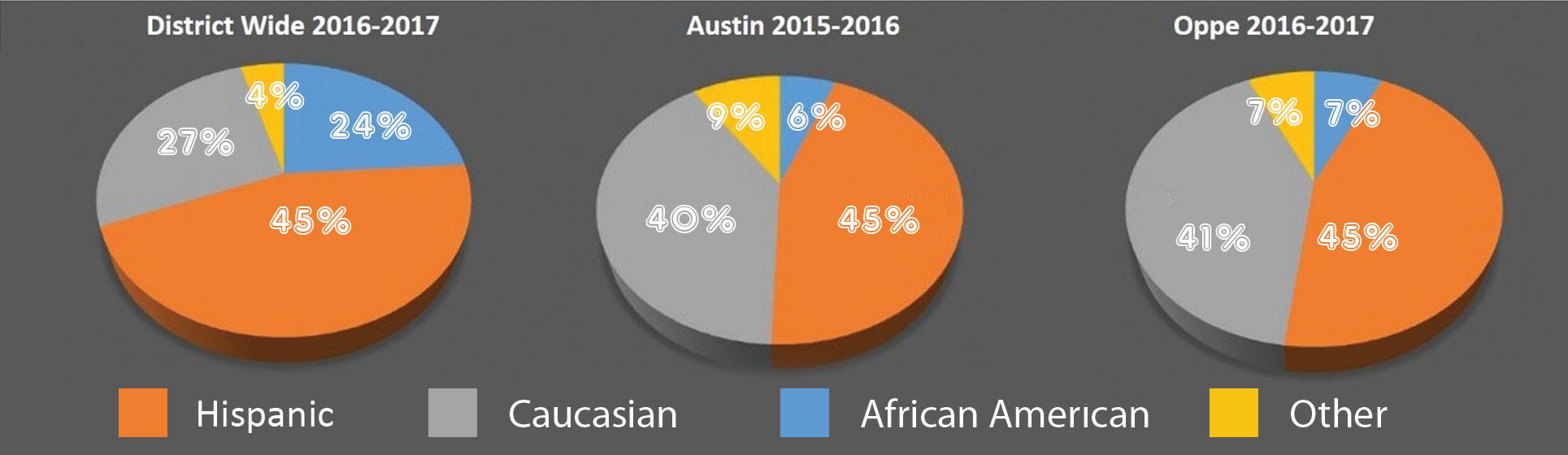
Chronicle recently, the percentage of economically disadvantaged children attending Austin Middle School was 47.8%, while both Collegiate Academy and Central Middle School were above 80%. School of choice has become the new pathway to segregate the Caucasians and/or affluent (i.e., have money). Districtwide, GISD has 27% African Americans, but note this disparity: Oppe’s African American population numbers ~8%, whereas Coastal Village is ~41%. This trend continues through middle school, with 6% of the district’s black students attending Austin and ~44% attending Central. White students dominate Oppe and Austin, though they are still outnumbered by this island’s majority - hispanics.
In the past few years, several bilingual teachers at Oppe have retired, moved on, or resigned from the school system. Their vacated positions have not been replaced with bilingual teachers, reducing what once was 2-3 bilingual classrooms per grade to 1 or 2. As a result, more white students who speak English as their first language can attend Oppe, and continue to be funneled upwards to Austin. Meanwhile, Austin no longer has bilingual classrooms and therefore is not obligated to enroll any children who are: 1) recent immigrants; and/or or 2) whose parent(s) check the box that says Spanish is the language spoken at home. Inevitably, in the coming years, Austin Middle School’s hispanic students will decline in numbers and they will instead be routed to the other middle schools. Essentially, Oppe is the farm system for Austin and whose unspoken motto seems to be, “keep Austin White.”
through her eyes, white people had an advantage, and she wanted what they had. “ ”
I spoke to a friend who is African American and whose child attends Oppe. I asked her why she chose Oppe. She shared with me her childhood story, which she distilled down to a religious, strict upbringing in a white-dominated region in rural Georgia. Through her eyes, white people had an advantage, and she wanted what they had. In her school, she became involved in theater, made excellent grades, played sports, and worked harder
because of her skin color. These lessons are the ones she’s teaching her children now. At home, she reinforces reading and kindness. When her daughter tells her that her schoolmates don’t want to play with her because she’s black, this mom responds, “Don’t be afraid to try and don’t be afraid to fail. Your kindness will show a lot about you.” Her daughter sees skin colors as brown or peach, not black or white.
Originally, I requested my son to attend Oppe because we lived less than ¼ mile away. He walked to school. Since then, our family’s economics changed and as a result of our move, we now live within a short walking distance from Collegiate Academy. Mainly because of this convenience, I asked him to consider it. However, he wants to go to Austin Middle School because he wants to be with kids he knows. Approximately 70% of 4th graders at Oppe will funnel into Austin. I wonder if this “track” he has embarked on will one day railroad him. I worry about him arriving to high school, or life after high school, with demographic expectations based on self-segregation behavior on our small, sand barrier island. At this rate, will he ever see skin color as brown or peach?
By Leslie Whaylen
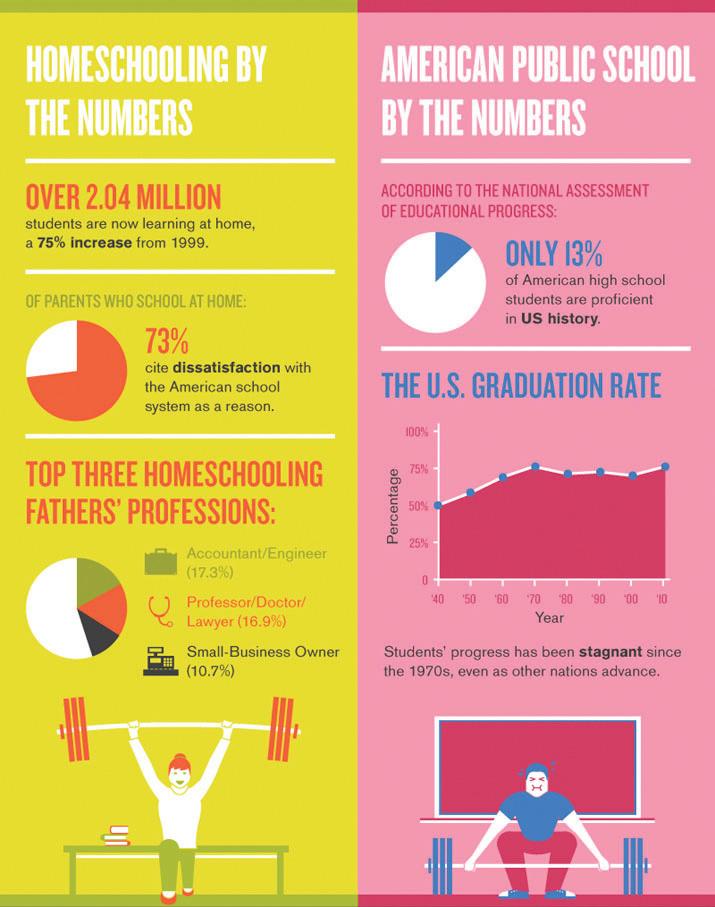
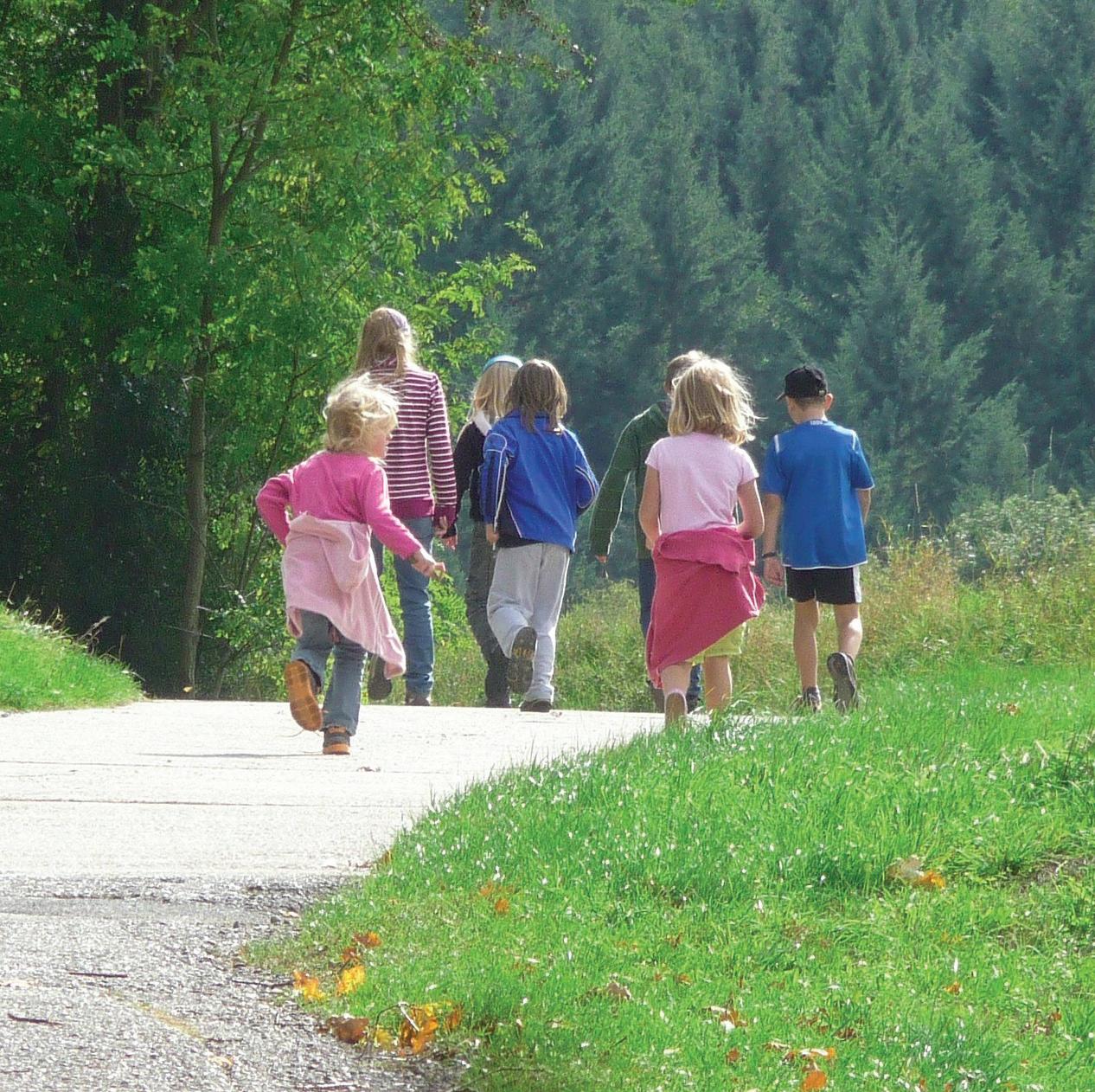
When i homeschooled my children, one of the questions invariably (and unsolicited) asked first was, “How are they socialized with others?” i would smile, knowing our calendar of activities and field trips was both exhaustive and exhausting. The answer is many homeschool children are socialized beyond what school students receive who sit in a classroom all day surrounded by peers of his/her own age. Homeschoolers can interact and learn with and from people of all ages, from babies to the elderly.

When my first kid was born, I quit my full-time job and instead, worked part-time and started my own consulting company. I wanted to be the person spending the hours of each work day with my baby. Strapped to my back, my son would go with me into the “field” where I conducted vegetation surveys, habitat assessments or mitigation/re-planting plans.
As my baby grew, I started researching different methods of education. Montessori and its hands-on approach was really appealing because I wanted nature to be my child’s first classroom. A few steps outside of our house often provided tools we needed: sticks for counting, rocks for sizing and sorting, flowers to discuss colors. Alphabet letters and numbers were drawn in dirt, and sometimes in sand at the beach. I looked into Waldorf and Oak Meadow curricula, and attended informal gatherings of other homeschooling families who provided encouragement and support. Mostly, we explored and had adventures. He was learning each step of the way. I selected workbooks I liked, ignored others I didn’t. When we added his baby sister into this mix, it became challenging to juggle, but a little preparation helped tremendously. A package of pipe cleaners and a colander, or an egg carton filled with different items in each pocket, provided entertainment for the little one while I worked with her older sibling.
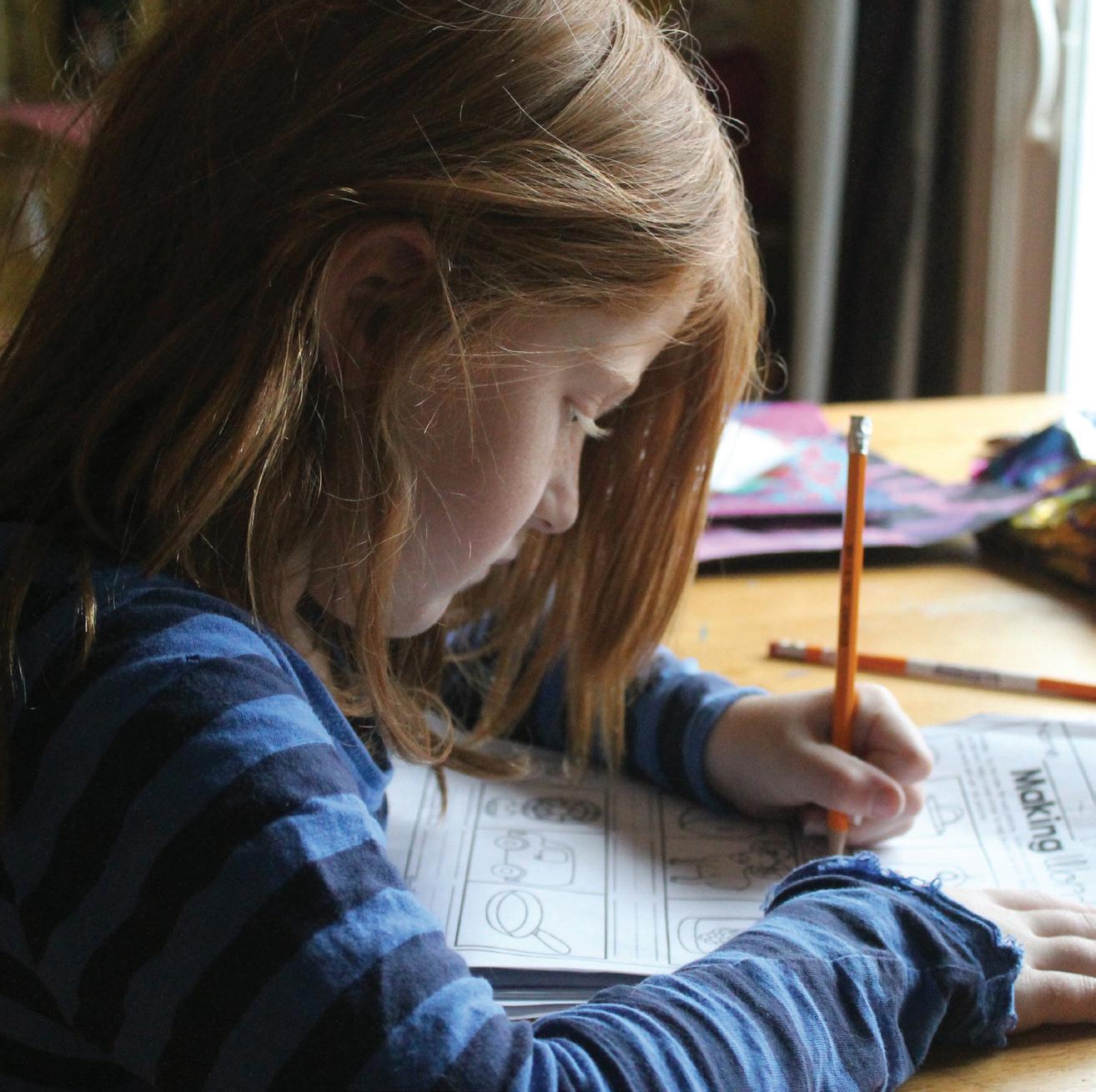
After questions about socialization, I often heard comments akin to, “My kid and I would drive each other crazy if we were together all day, every day.” While I admit homeschooling sometimes tried my patience, most days were the opposite of how outsiders pictured it. After breakfast and still in pajamas, it was a beautiful thing to have my children gathered on the rug in our homeschool nook for the beginning of our day. We usually read a book, we sang songs, and had a “group” lesson in science or world culture. We also had many hands-on learning games that made math, reading, history, and science fun. At times, they would each
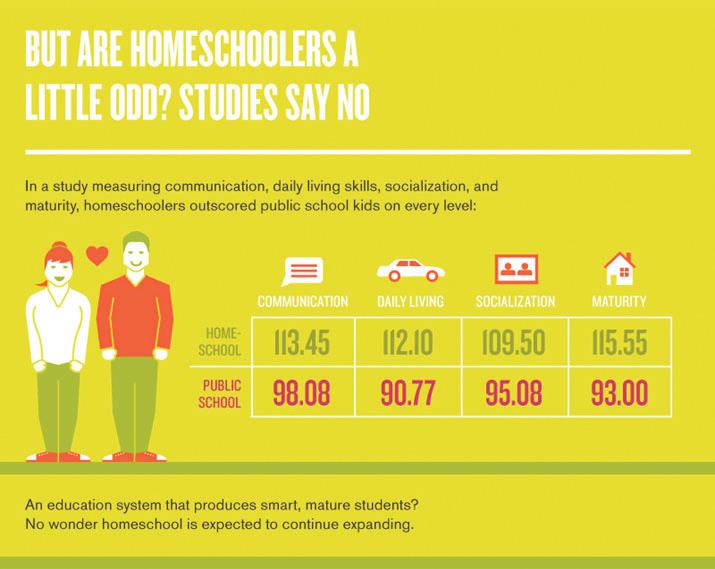
work in their different workbooks. After lunch, our afternoons were typically devoted to a field trip or homeschool group. We returned in the late afternoon so that I could prepare and cook dinner.
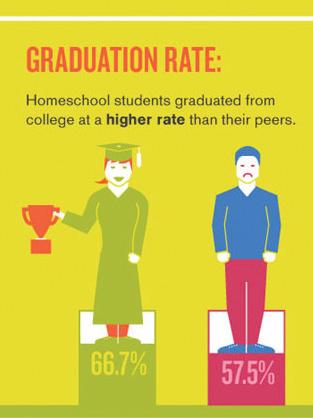
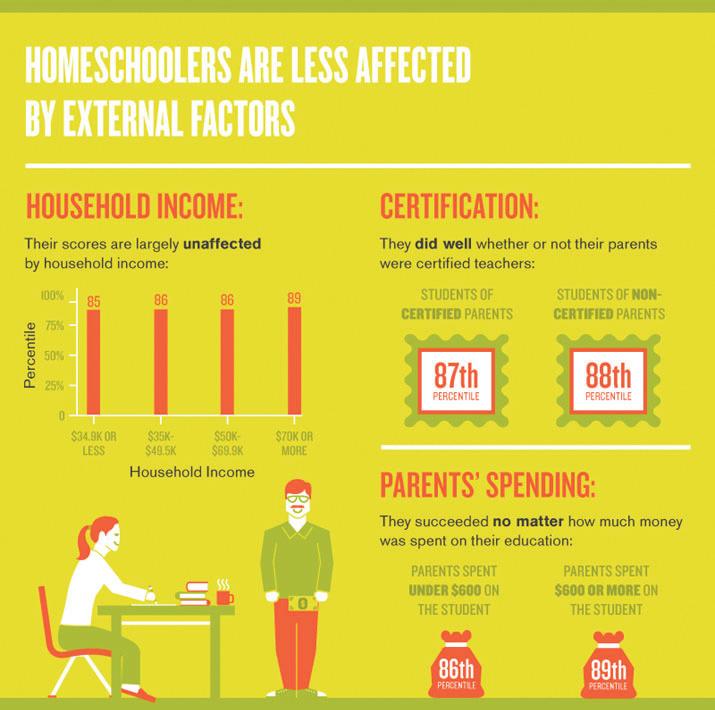
Occasionally I was asked, “Are you a teacher?” While I did not attend college for an education major and am not certified, I most definitely was a teacher. I organized homeschool groups with learning themes that included history, geography, music, and science. Also, Texas literally has no requirements for homeschooling. However, since I began homeschooling my children in Florida, I continued
to adhere to that state’s requirement for logging their learning. This practice came in handy at the end of their “school year” when I reviewed what we had accomplished. When we lived in Washington for a year, that state’s homeschooling requirements went beyond Florida’s. Washington required homeschooling parents to have a college degree. Again, Texas has no requirements. All literate adults know their ABCs and 123s, and could most likely impart this knowledge to a 4-year old. While I admit I was nervous about the high school years and having to relearn higher mathematics, I was not willing to let that fear paralyze me. Also, I knew tutors existed.
A few years ago it became unfeasible for us to homeschool. It is difficult economically to sacrifice a salary to teach your children. Money is often a limiting factor for a parent to homeschool. I returned to work and my children entered the public school system. As would be expected, our relationship changed. I no longer knew everything about their day. We were together for just a few hours in the evenings and on weekends. My patience with them grew shorter, not longer. Their eating habits radically changed, and sugar became common, craved, and coveted. Our explorations and adventures were dramatically reduced and we relinquished memberships at the zoo, museums, and fun parks. The three of us miss our homeschool days and we talk about it often.
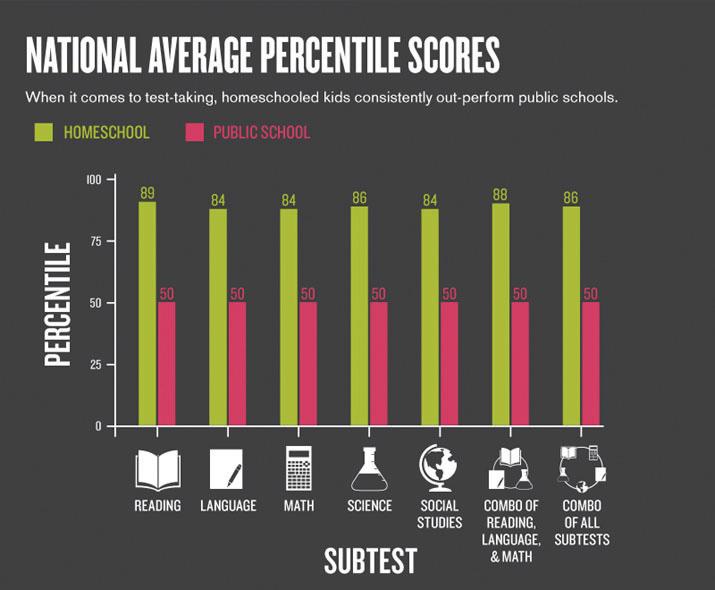
To you, Culture Clash readers, I encourage you to consider homeschooling. Although hard work, it can be such an honor and so rewarding for you and your kid(s). Galveston has a thriving homeschool community including a co-op. You have others on our island, enough to form your own “village”. Public (and/ or private) school systems are not the only way.
sometimes you need to forge your own way.
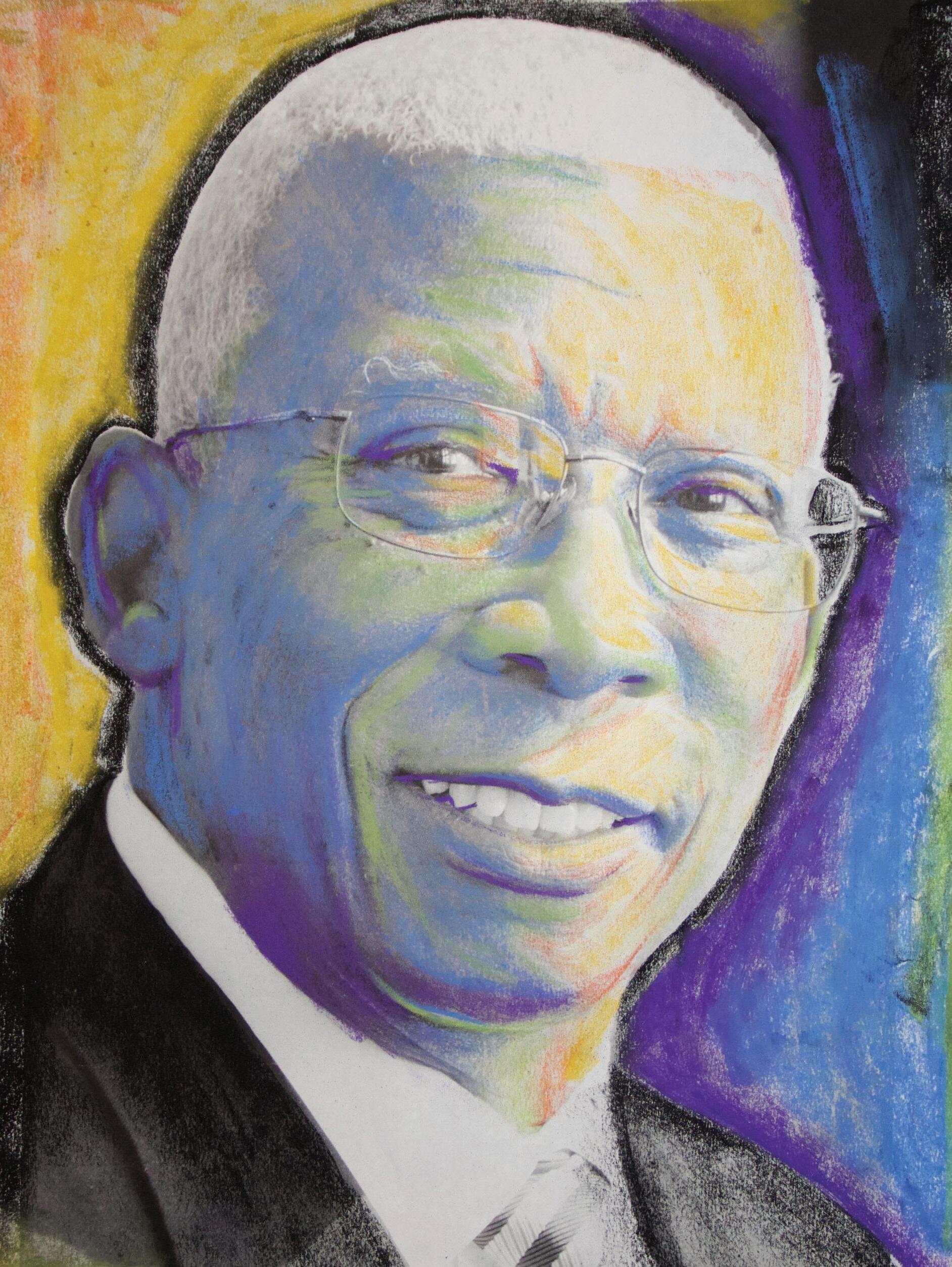
By Dan Marks
bOi kelton sams sat down with me saturday to talk about Galveston’s history. I told him that our next bimonthly edition was themed Education. He replied, “Then maybe we shouldn’t talk about education.” That was the first hint an education was exactly what I was about to receive.
kelton Sams, Jr. was born in Galveston in August 1943. When he was a junior at Central High School, he organized some of his fellow students to protest segregation across the city. During Spring Break 1960, they started with sit-ins at local lunch counters. Woolworth’s, Star Drug Store, and McCrory’s resisted, turning off the lights and refusing to serve the students.
unlike other cities, they were not met with violence, but with curious
reporters and admiring friends. The group moved to university Drug Store near uTMB. The students took their seats before the lunch rush. They ordered hamburgers. The man behind the counter gave them a stern look and asked, “How do you want that cooked?” It was the first domino.
The success of the students, some as young as 12 years old, brought a new focus to the group. They accomplished what older protestors couldn’t, and they did it in less time. They expanded their efforts to restaurants and other businesses. Despite their successes, young kelton lay in bed at night and dreamed of the ultimate goal, the all white Ball High School.
George Ball was a successful local businessman. In the summer of 1883, he pledged $50,000 to Galveston’s first public high school. George died before the building was finished. His surviving family emphatically demanded Ball High would be an all white school. As a result, Central High School was opened in 1885 as the first black public high school in Texas. In 1896, the Supreme Court declared “Separate but Equal” constitutional. Galveston was at the forefront of history. In this landmark decision, the lone
Harlan wrote, “In respect of civil rights, all citizens are equal before the law. The humblest is the peer of the most powerful.”
As a 7th grader in 1954, kelton Sams remembers teachers at Booker T. Washington Elementary walking out of their classrooms to talk to each other in the halls because the Supreme Court had just declared “Separate but Equal” unconstitutional (Brown vs Board of Education of Topeka). Seventy-five years after the first student graduated from Central, kelton Sams proved Justice Harlan’s words prophetic. Despite the victories at the lunch counters, kelton lived with “Separate but Equal” for 7 years after it was declared unconstitutional. He set the stage for Ball’s desegregation, passing on the strategy for nonviolence, and his classmates continued the cause. In 1968, Central High School graduated its last student. From then on ALL Galveston high school students would attend Ball.
While telling me his story, kelton had not uttered an ill word towards those who had stood in opposition. He had heaped praise on those who had helped him, both directly as well as those who had laid the foundation decades before. He mentioned the assistance of both black and white community leaders. He appreciated the police officers who provided escort when deemed necessary for their safety. “It seems to me,” I started timidly, “that you had an easier time of it than most protestors across the country.” His smile grew bigger and he replied, “There’s a reason for that.”

In kelton’s study of our past, he had found that Norris Wright Cuney’s father, Colonel Philip Cuney, was a white slave owner with a wife and family.
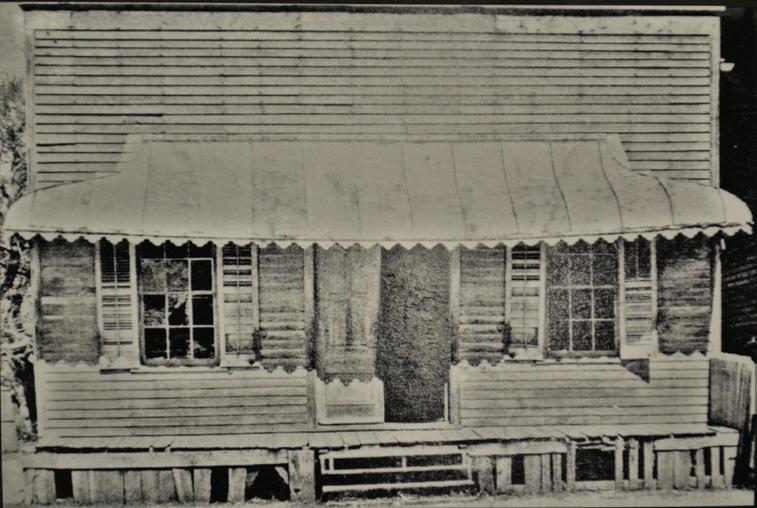
two elementary schools for former slaves were set up in Galveston: east District school & West District school.
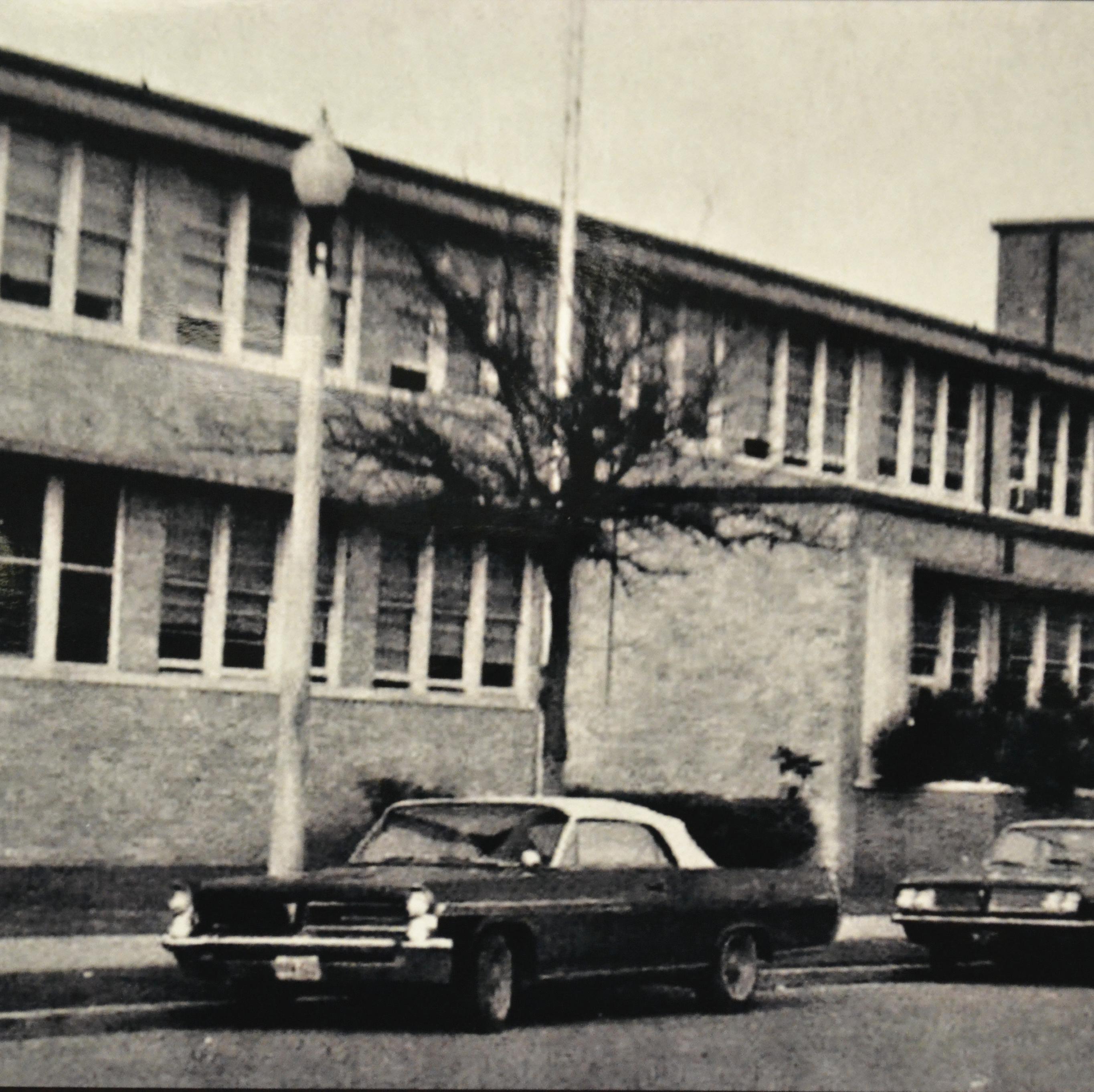
eDs was renamed Booker t. Washington. WDs was renamed George Washington Carver. after Central High school principal Dr. L. a. morgan retired, Carver was renamed L. a. morgan. Booker t. Washington was torn down and remains an empty lot. Central middle school was and still bears the stonework above the entrance “Central High school”.
an earlier site of Central High school stands at 27th and L
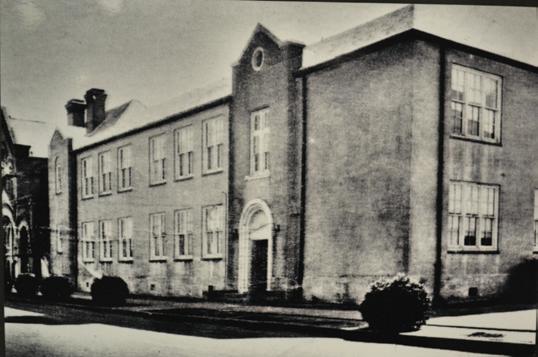
and houses early artifacts from the school. It is kept as the old Central Cultural Center, is underfunded, and runs the risk of being closed down. It stands adjacent to Jack Johnson Park, one of the few private parks in town.

He also had children by one of his slaves, Adeline Stuart, a woman whose ancestry included African, European, and Native American. Philip Cuney freed Adeline and her children before the start of the Civil War, but had to send them as far as Pittsburgh for an education. Norris, his son, became very successful in his own right and eventually moved to Galveston. kelton punctuated his tale with a momentary silence. “When he had the means,” he continued, “Norris moved his mother and siblings to Galveston. He also moved his father’s white wife and children into the same neighborhood.” “So he kept the family together,” I said. kelton nodded. This is, for kelton Sams, what made Galveston such fertile ground for desegregation, and made us the first city in Texas to do so.
kelton Sams is a man with a strong connection between his faith and his actions. Many of the lessons that proved of use, both during the sit-ins and later in life, he learned in Sunday School. And what many would call afflictions, kelton calls stepping stones. He had dyslexia at a young age, but used it to gain a deeper understanding of the words. Lately he has come to live with both multiple sclerosis and old age. kelton prefers to see it as a new experience, something that excites a certain curiosity.
He did not leave Galveston behind when he enrolled in Texas Southern university, when he went to Washington, D.C. as part of an NAACP delegation, or when he joined the larger fight in Houston and across Texas. The lineage of those who influenced him and those he influenced goes on. Today, Kelton lives near the Texas Medical Center in Houston. He researches geneology, studying the Sam brothers of Haiti and looking for a family connection. He corresponds with both students and researchers studying a wide range of topics. “We’re always learning.”
This optimism is what drives him to be a teacher. Not in the schools, but in life. It is the role that has always been his calling. He and his friends have been retired for years now. They meet in the park and complain about the world’s problems, about Trump, and about getting older. However, he also reminds them of the reasons for optimism, that their sons and daughters are using their skills to carry them around the world and into circles of influence beyond even his imagination.
“What is it that gives you so much hope?” I asked. We discussed a scene where mixed race marriages were more common. kelton describes seeing a white mother in a store pushing a baby “with hair like mine”. I have used the same setup as a rational argument against racism; the sharing of a heritage that makes any differences irrelevant. But he wielded a weapon more powerful than reason. kelton said, “Love. It gives me hope because you know she loves that baby, no matter what it looks like.”
My in-laws always end their cards and letters with, “Love you to the moon and back.” Despite our differences in political opinion, religious upbringing, family values, and taste in food, there is still love. And there is no need to try to explain it.
Read more in kelton sams’ book, “Growing up in Galveston, Texas”, available at Galveston book store.
old Central Cultural Center, located at 2627 avenue m , was established to preserve artifacts of black culture. Galvestonoldcentral.com.
Nia Cultural Center is a local, nonprofit educational organization with programs focused on culture and history and their impacts on the lives of children, youth, and families. Nia.cultural.org; 409-765-7086
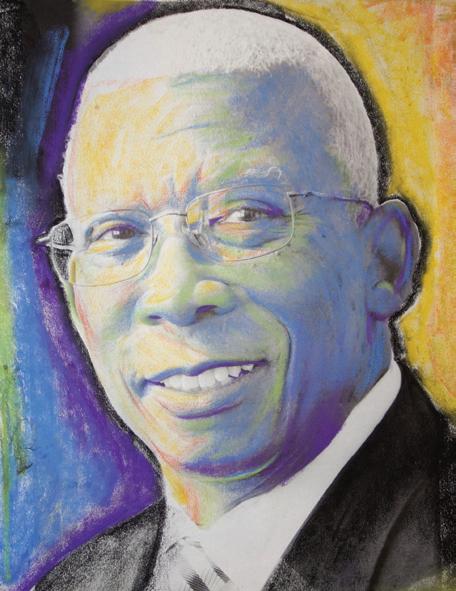
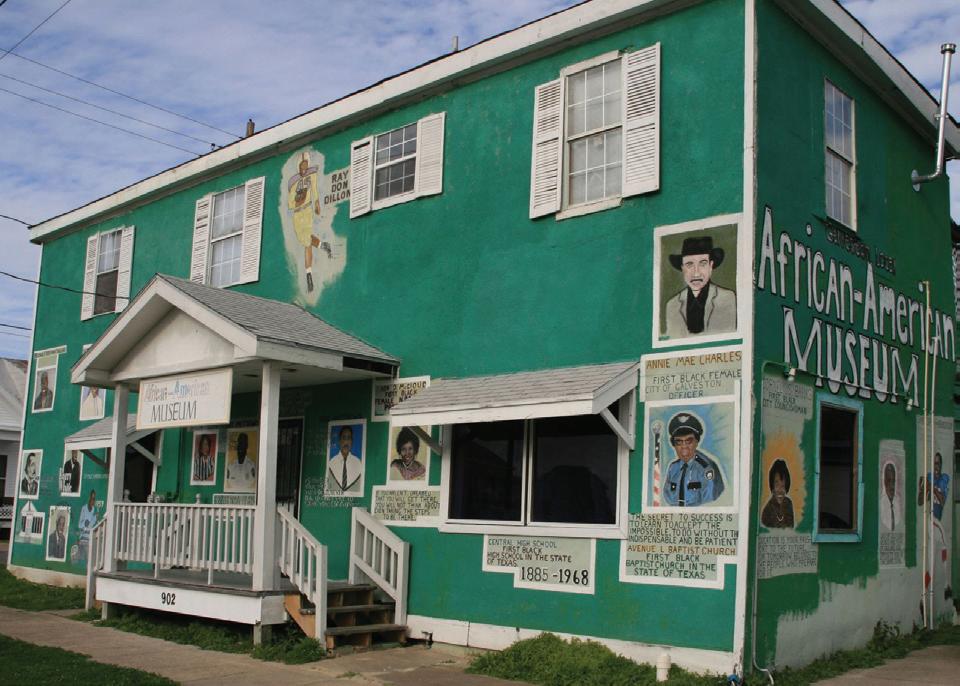
the african american museum is located at 3427 sealy, where portraits of some prominent black Galvestonians, painted by artist e. Herron can be seen.
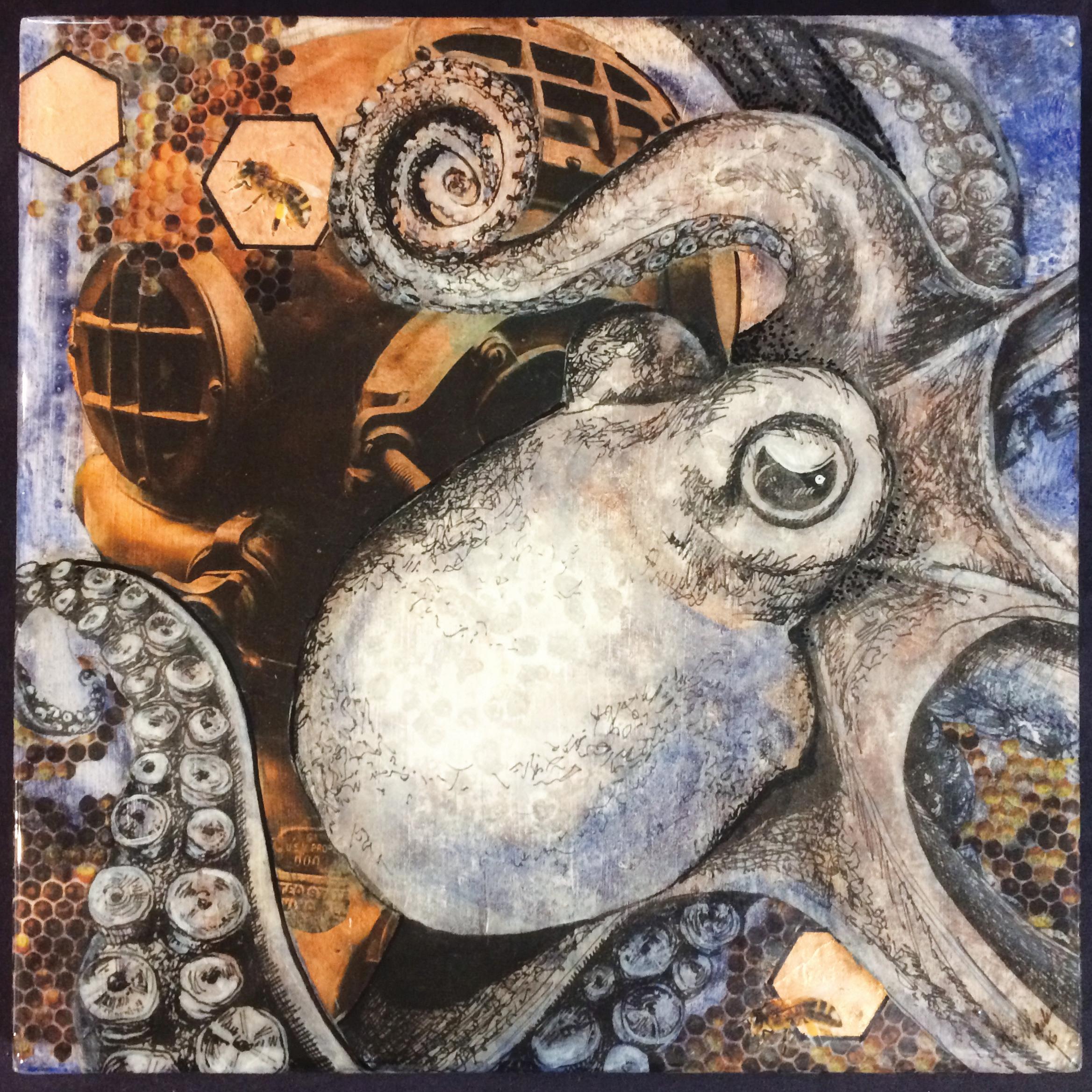
First Thursday Open Acoustic Jam
Thursday, September 5, 2018
7 PM - 10 PM
From the Heart Gallery 2111 Postoffice St.
Admission: FREE

GlOW RiDE
surfrider Foundation Movie Event with southern spears and TGsA
Saturday, Sept 15 Galveston Island Brewing 8423 Stewart Rd.
Admission: $10
Thursday, September 20, 2018
7 PM - 9:30 PM
Island Bicycle Company 1808 Seawall Blvd.
Admission: FREE
2018 PAWs Gala - “cruisin the Pawribbean” saluting Paco Vargas
Saturday, September 22, 2018
6:30 PM - midnight
Galveston Island Convention Center
At San Luis Resort
5600 Seawall Blvd.
Admission: starting at $175
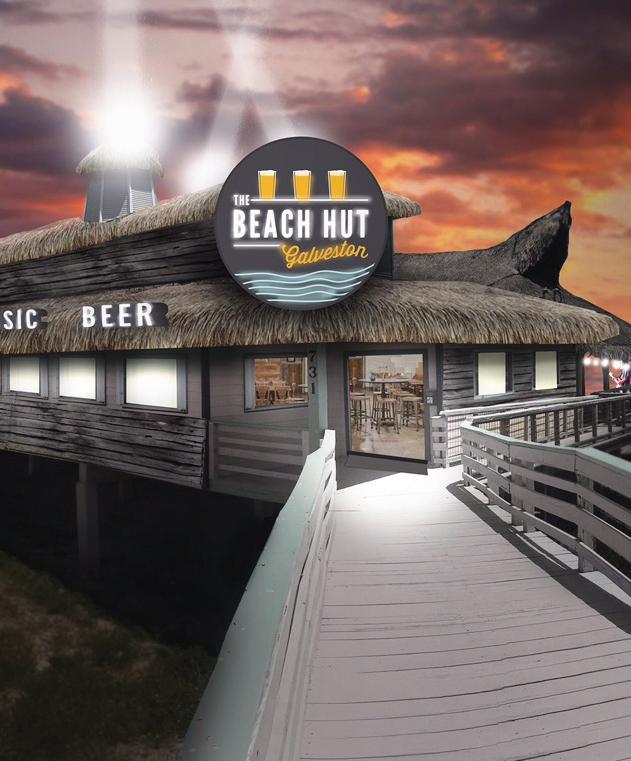
3rd Eye land Party
Saturday, October 6, 2018
6 PM - 11:30 PM
Galveston Island Brewing 8423 Stewart Rd.
Admission: FREE
los Dientes / Ppoacher live at the Old Quarter
Sunday, October 7, 2018
8:30 PM - 11:30 PM
Old Quarter Cafe
413 20th Street
Admission: $8
ArtWalk
Saturday, October 13, 2018
6 – 9 PM
Galveston Arts Center & Other Galleries
Admission: FREE
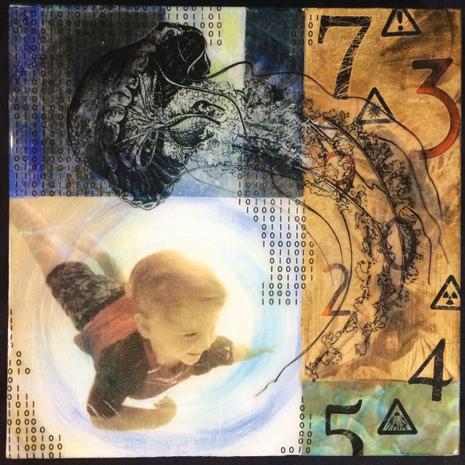
kc Marks “NAVIGATION #3
Building the Code” mixed media collage See it now @ 3rd coast Gallery 2413 Mechanic st.

By Torrina Harris
Iconoclast Artists is a free poetry and performance arts program that works with local schools to develop reading, writing, and social-emotional learning skills. Iconoclast Artists, a non-profit organization, has been operating in Houston since 2014, and last Fall expanded to Galveston’s middle and high schools, and juvenile justice centers of Galveston county. Iconoclast Artists’ mission is to disrupt the school-to-prison pipeline through poetry and social emotional learning by creating equitable access to resources for historically underserved youth. The name itself, Iconoclast, refers to someone who attacks cherished beliefs or institutions. Living up to its namesake, the goal of Iconoclast Artists is to deeply examine, take apart, and reevaluate the common traditional approach to solving the everyday problems of our youth. Its ultimate objective is to empower the voice of Galveston youth. The program uses poetry to gain and maintain the interest of youth in reading and writing, and in turn, improve overall success of students within their current education systems. This is reinforced through the non-traditional inclusion of social-emotional learning. Students are taught how to constructively evaluate and articulate their experiences and feelings, as well as empathize and find value in the experiences and feelings of others. Through this practice, our youth grow in their ability to navigate
and overcome the often difficult and overwhelming obstacles they face including peer pressure, self-esteem, financial insecurity, family issues, and identity. In order to fulfill the mission of Iconoclast Artists in providing equitable access, classes are taught to students weekly during their regular school day to ensure every student has the opportunity to explore and develop their talents in the arts. Iconoclast partners with local organizations and artists to provide deeply meaningful experiences to students while connecting them with local artists and professionals who provide guidance. Outside of the classrooms, Iconoclast Artists hosts free quarterly events, Iconoclast Sessions, with live poetry performances. The community is invited to participate in the appreciation and exploration of the arts alongside the participating youth. The next Iconoclast Session will be September 27th, 7:00pm at The Bryan Museum in Galveston, Tx. Galveston youth will open the event with their own original poetry. The featured academic poet will be Ayokunle Falomo, Houston slam poet and author of kin.DREAD, and feature community poet Big Mamma Tass, Galveston BOI Coast2Soul Poetry cofounder.
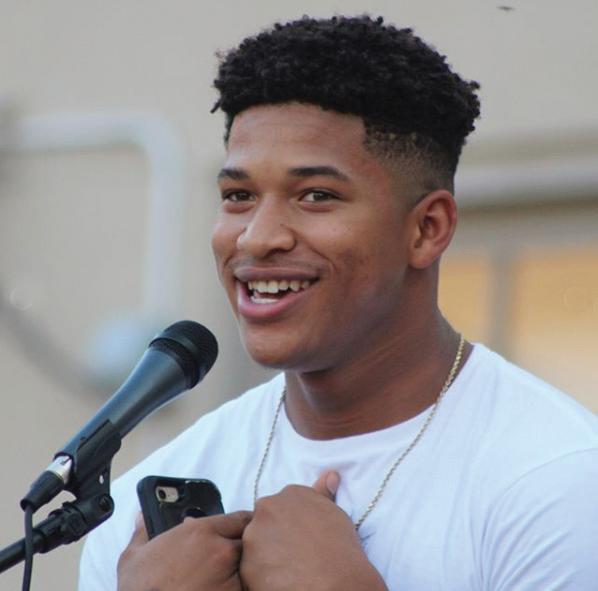
By Cody Verreras

Pencils in the ceiling
Pencils on the wall
Substitute is getting angry
The class begins to bawl Out in laughter New chapter New school Old me
But a little bit fatter Only way to make friends is by bringing them laughter Grandma ironed my uniforms And I never asked her When it comes to school I Should have Would have Could have
But the Halls of elementaries where I Stood have impacted my life In a way They don’t teach you about in school
By Margarett Clapper
oh there’s a school shooting shrug off Santa Fe like a bad dream we’ve learned to be complacent with the guns after all, we mean nothing
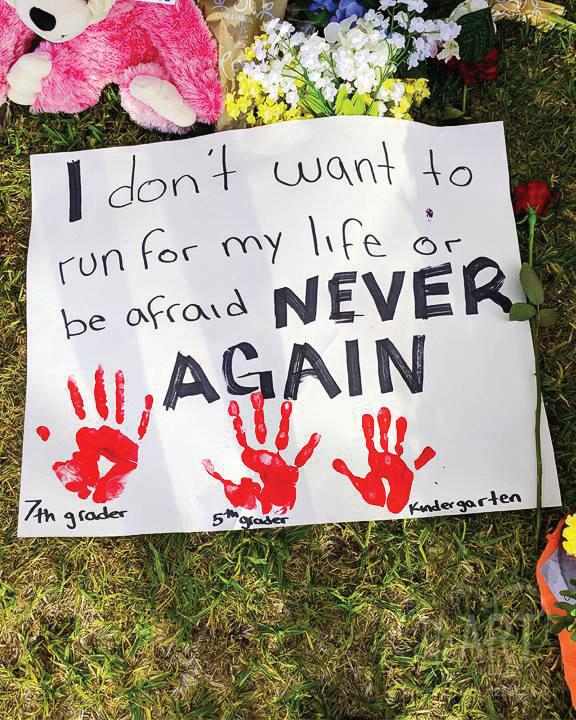
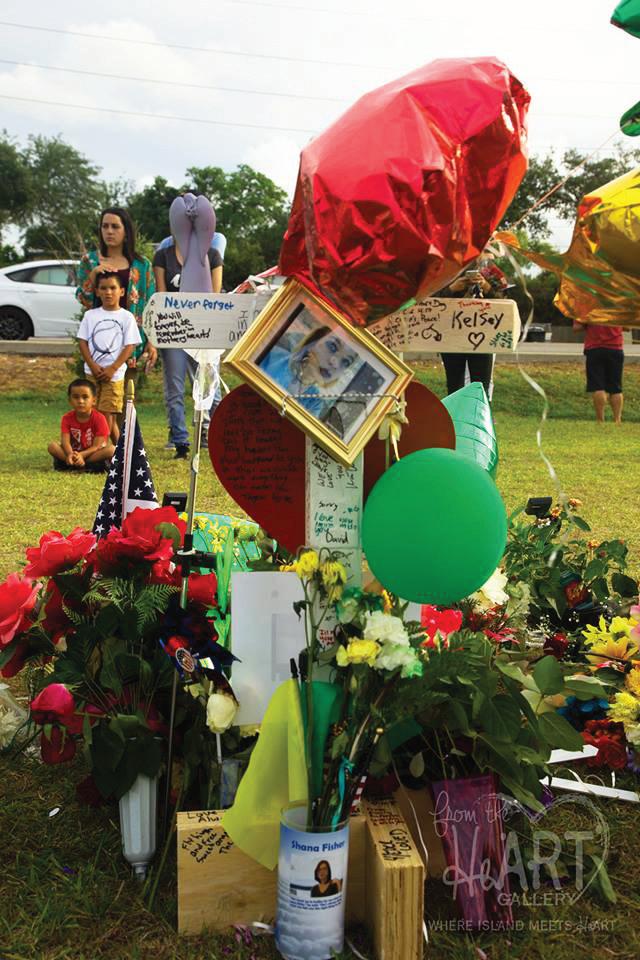
The above submissions came to us from the IconoClast poetry group. These high school students fearlessly produced and presented their work in Saengerfest Park in July 2018. We thank them for their contribution.

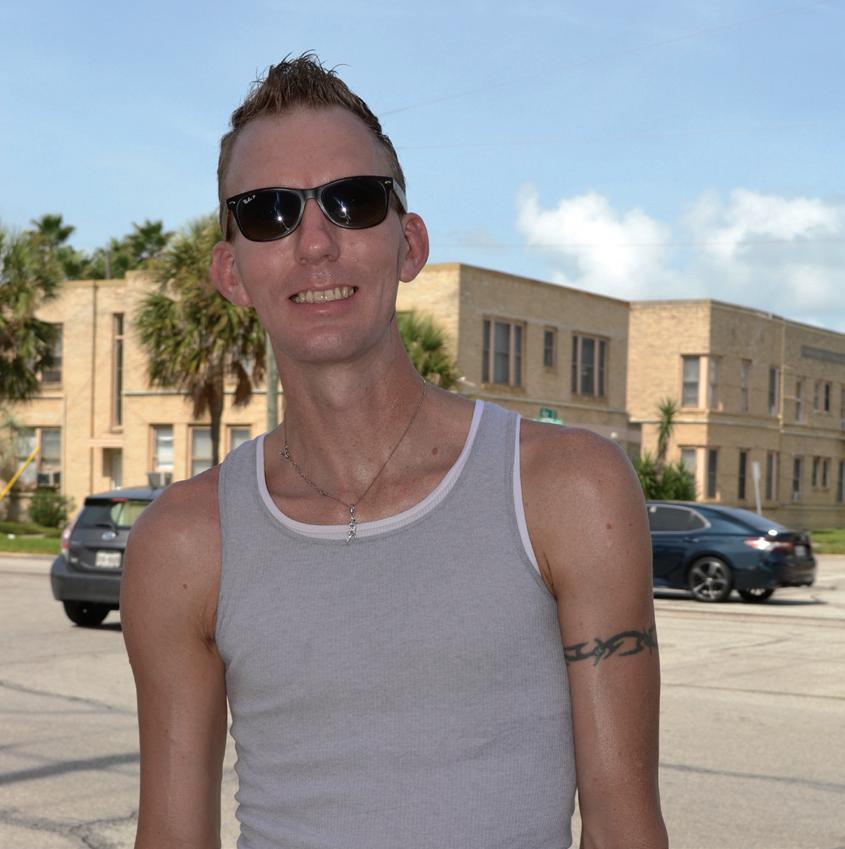
Garon childress (above):
CC: Do you think people need to go to college and why?
Gc: yes, this day and age it’s a better opportunity for more money and better employment.
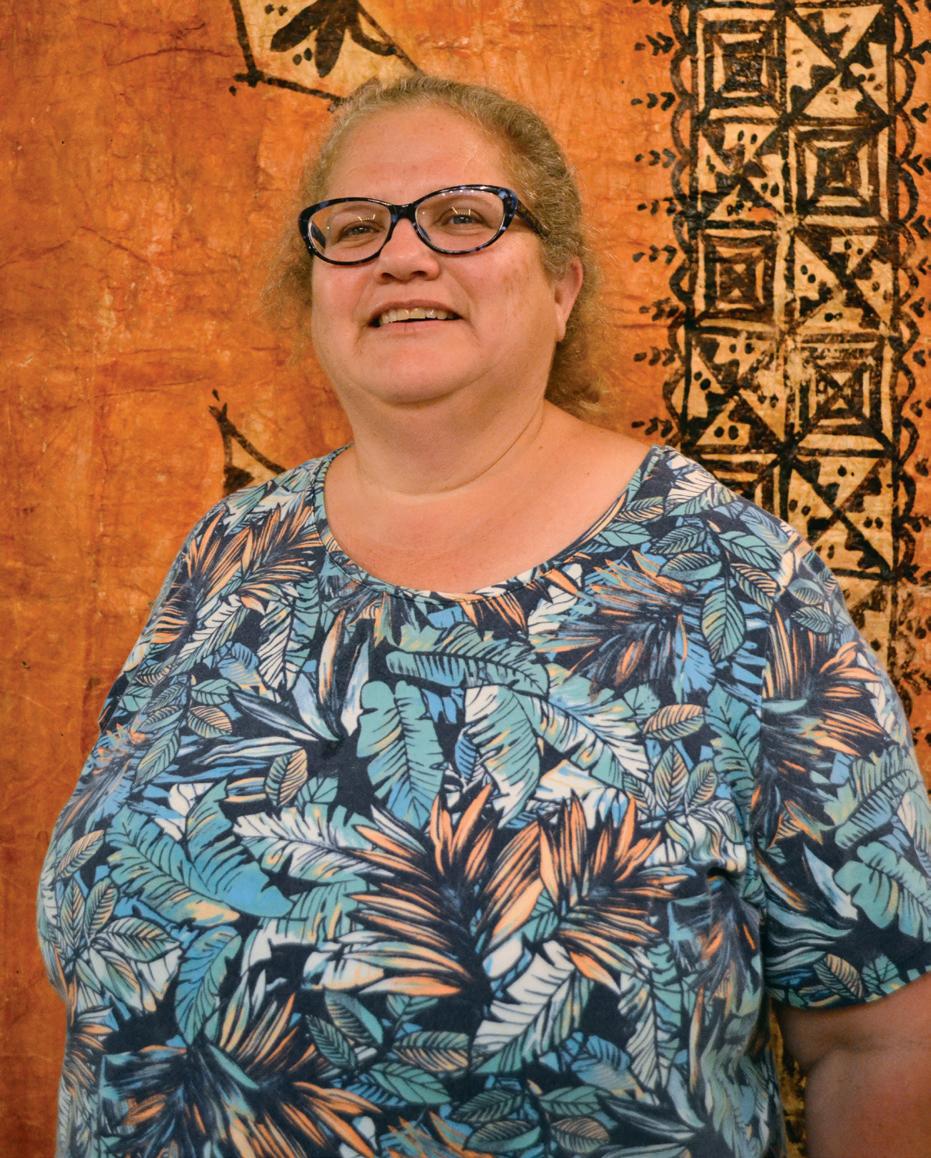
shelley Jean DuPuy (above):
CC: Do you think it’s important for people to go to college?
sJD: i think it is more important to know what you want to do with the rest of your life before you make that decision. if you want to be a plumber then no, you don’t need to go to college, but instead to a technical school. if you want to be a teacher or an accountant or an engineer then yes, you need to go to college to get that training.
Victoria lewis (right):
CC: Do you think people need to go to college and why?
Vl: yes, i feel like people should never stop furthering their education. life is about learning everything, everything they can. so, that’s why they should always go.

















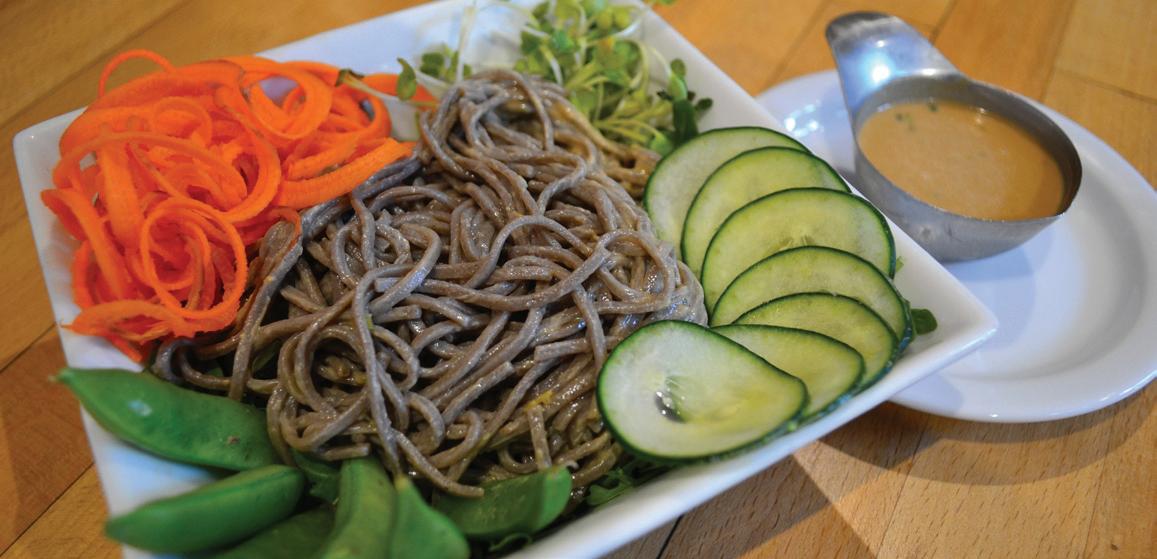

Elevated sandwiches, soups & salads, presented in a cozy, contemporary space.
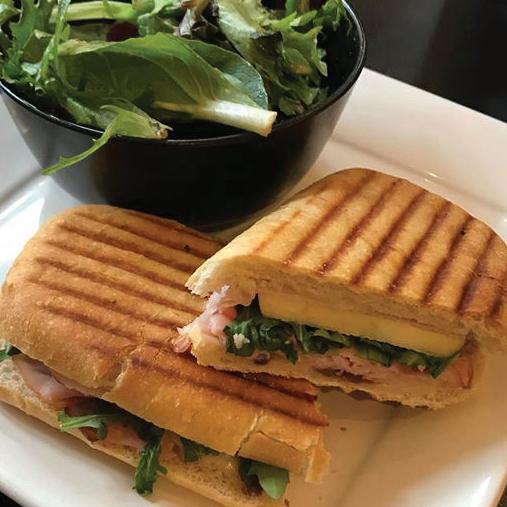


408 25th St. Mon. - Sat. 11a-4p mention code word CULTURE CLASH for your chance to win a $25 Gift Card! we deliver!
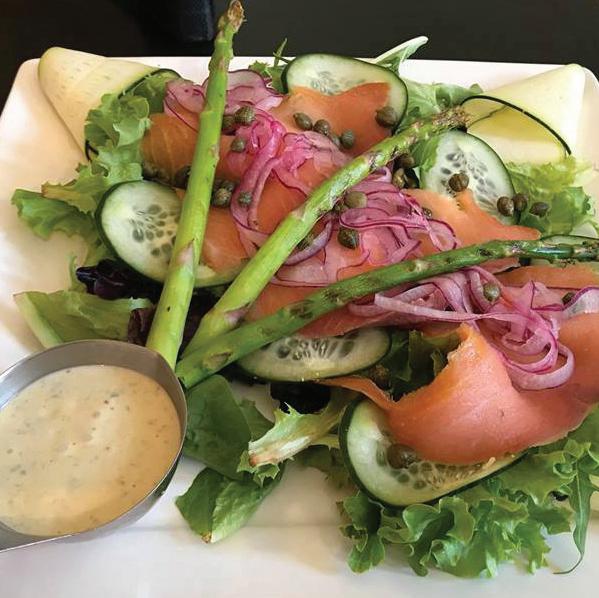
By Culture Clash Staff