CULTURE CLASH
a venue for Galveston’s free thinkers









Summer is heating up and you can expect to find a few changes from the neck up. As the sun and heat beat directly down, we often find ourselves changing our hair for the season. I know I did!
This change in appearance not only cools us down but shapes our mood for the month or season this new “do” lasts. For this reason we thought it a great topic to explore.
This issue we discuss the cultural and societal norms that hair plays. Our contributors hit on the importance of our hair for fashion and self expression purposes. And we brush on hair as it appears in history and mythology. As it would appear, our hair is at the very root of our identity.

Whether you have hair or not, how you wear your hair and the simple genetic make-up of your hair, can effect you on a deeper level than you may realize. Are you white? Do you realize your BIPOC* peers may have more understanding of the role hair plays in the world? Try - Ask!
The conversation can get “hairy” but we know your are up for it. We hope this issue gets you thinking, asking questions, and maybe even reshaping the role hair plays in all we do. Most of all we hope you read, enjoy, and share.
*The acromyn BIPOC refers to Black, Indigenous, and other People of Color and aims to emphasize the historic opression of Black and Indigenous people.
Write us an email or shoot us a comment any time online: CultureClashGalveston.com CultureClashGalveston@gmail.com
Janese Maricelli Publisher
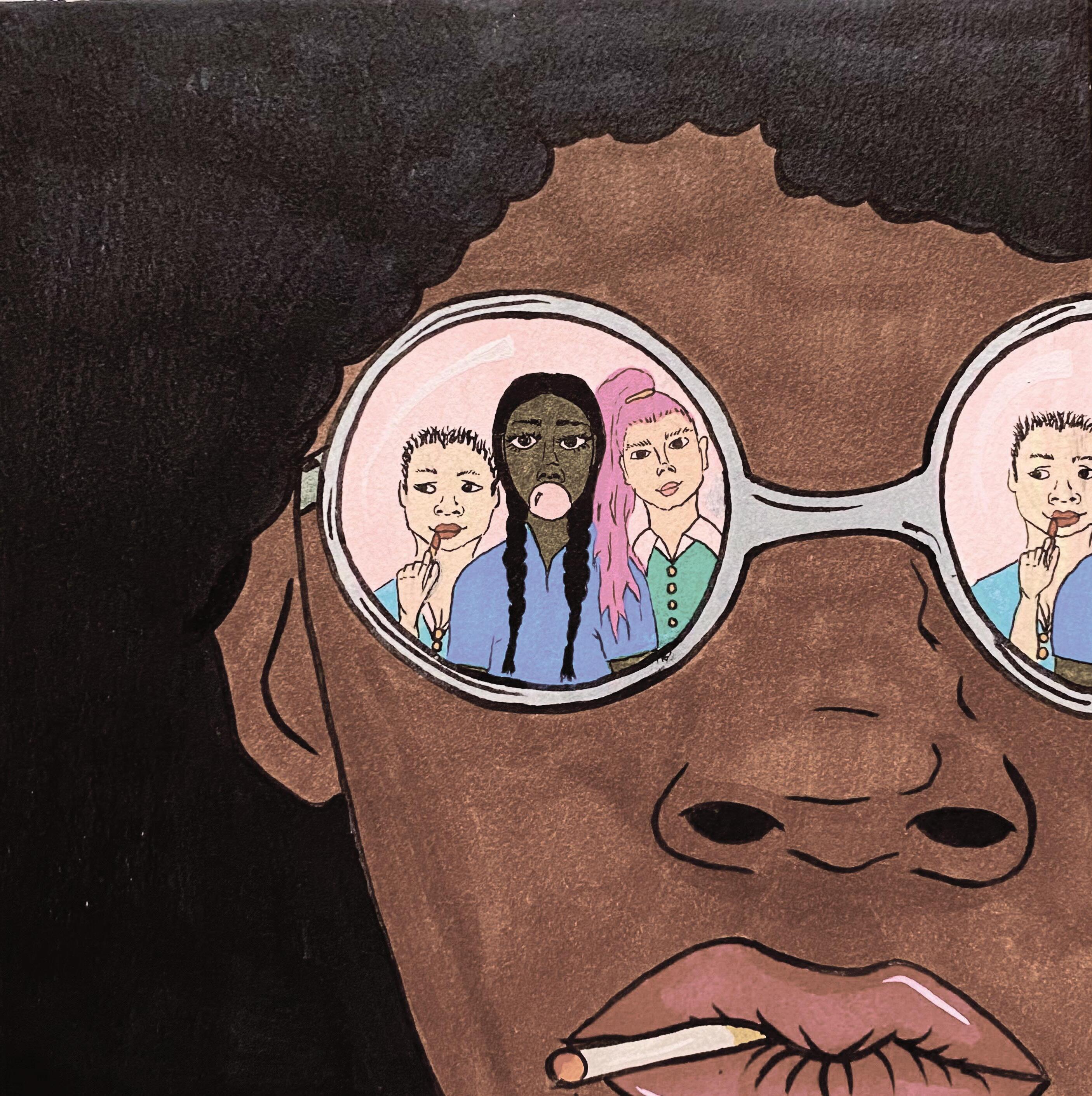
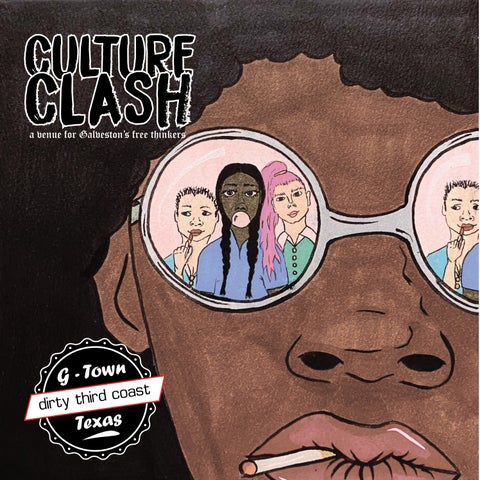
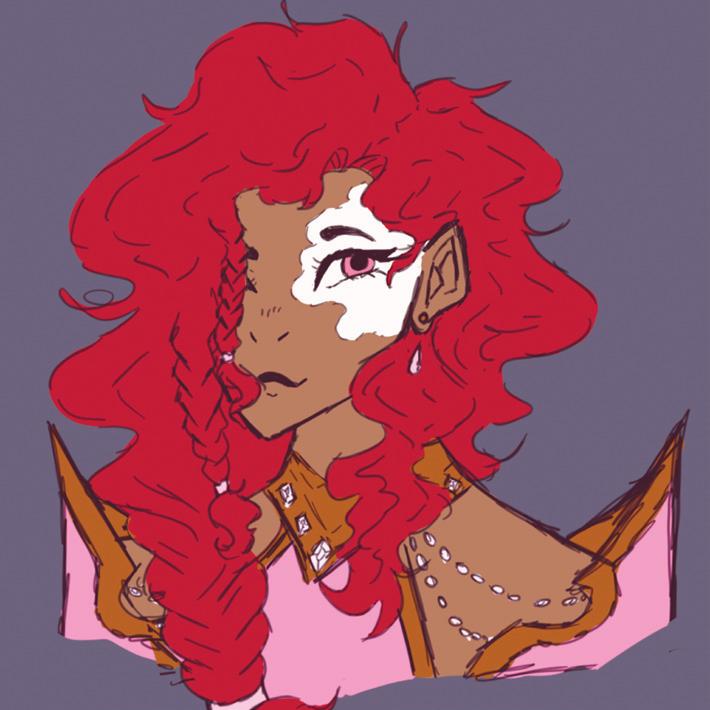
ON THE COVER: ‘Untitled” by Tatiana Del Pilar and Hannah Forrest. Marker on Paper. This artist dream team was discovered by our staff at a Galveston ‘World Ocean Day’ event. They had displayed a beautiful and creative piece for Artist Boat. Now we have the honor to have their work grace our cover. Thank you both. Contact them at: tati.idelpilar@gmail.com hannah.m.forrest@gmail.com.
*This magazine is NOT printed on recycled paper or with soy-based inks YET! But we are working on it. Help us get there, advertise or sponsor us! E-mail for more details CultureClashGalveston@gmail.com.



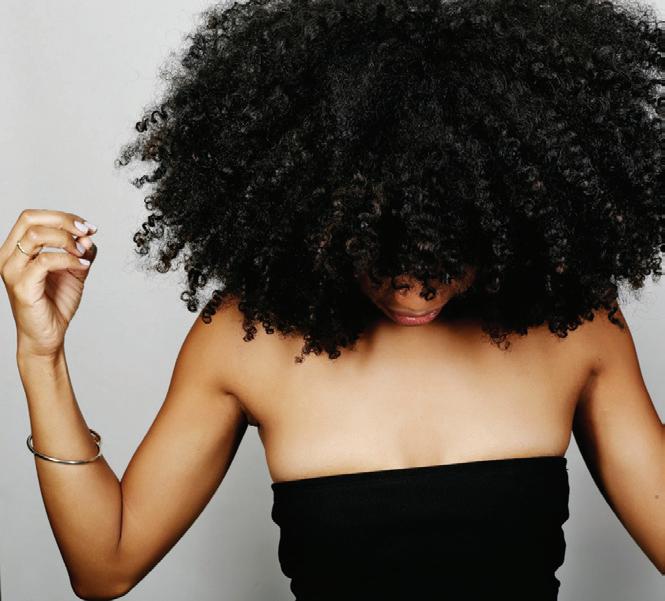


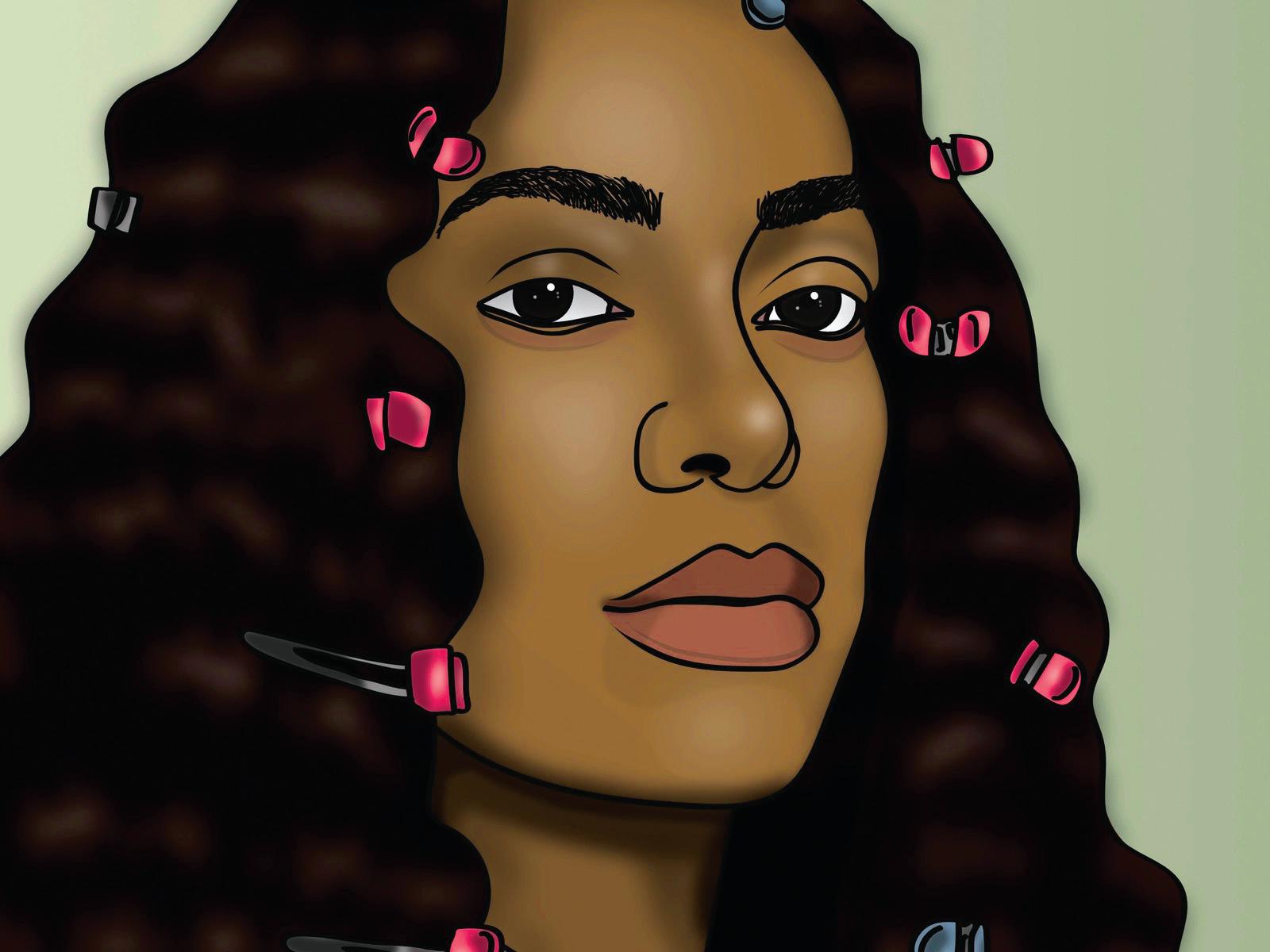
Our hair helps define us. DO NOT stick your hands, or anything else, in someone’s hair. Like it needed to be said? Big ups to Solange for writing the hit song, “Don’t Touch My Hair.” Be better, do better.
By Honi Alexander
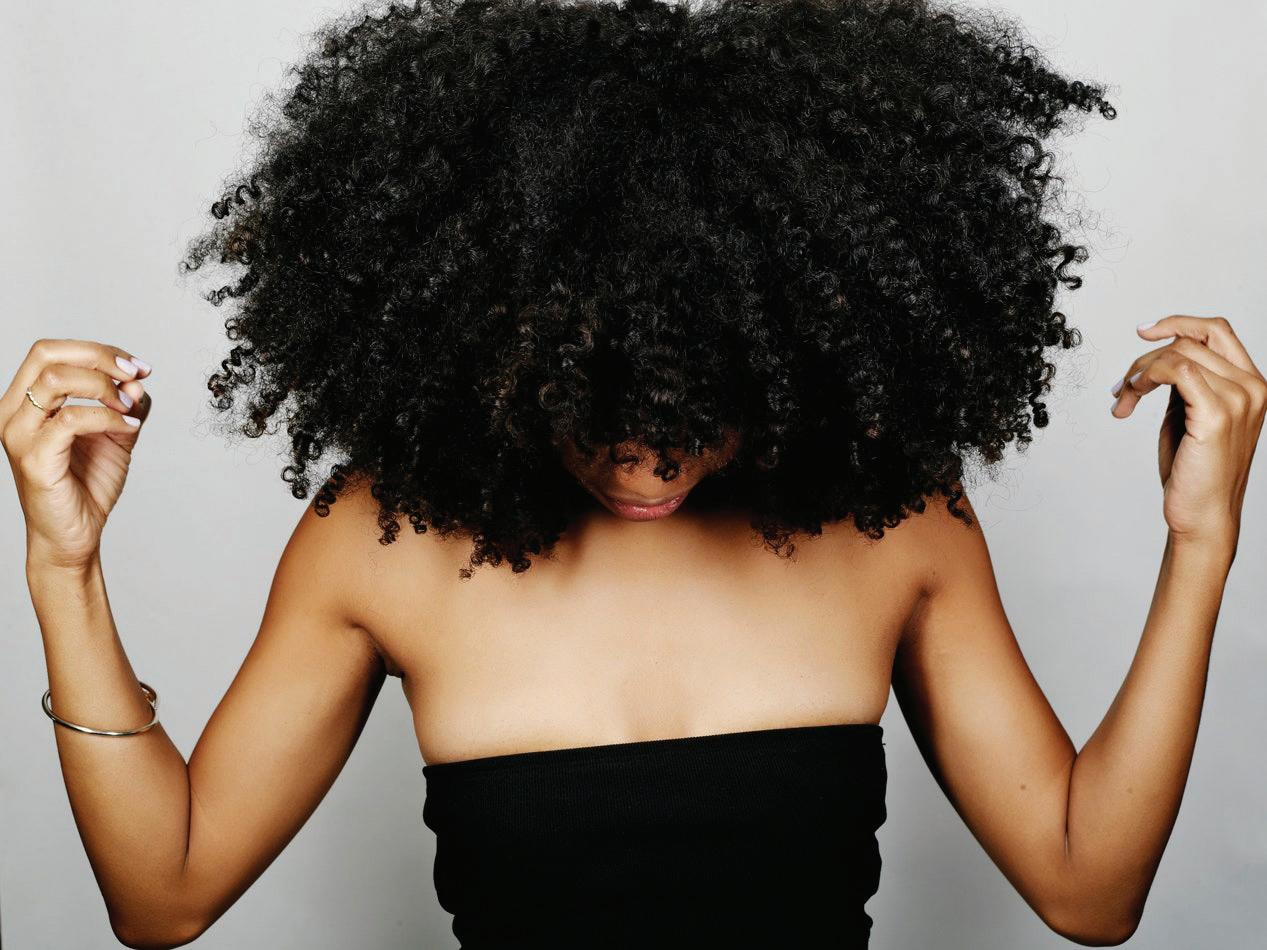
IMAGINE FOR A MOMENT, YOU ARE MINDING YOUR OWN BUSINESS, BROWSING IN THE AIRPORT BOOKSTORE. As you quietly turn the pages of a magazine, someone stands next to you and simultaneously asks and touches your hair. It’s me. It happened to me. I quickly leaned my head away from her reaching hand and took a step back. Looking both offended and afraid, she said, “I’m sorry. Your hair is so beautiful and curly, I just wanted to touch it! It’s softer than I thought! Did it take a long time?”
I was already irritated from having my hair hand-checked at airport security. I responded, “No, it didn’t take a long time. This is how it grows, but thank you.” She apologized again. I told her, “I don’t mind your questions but touching without asking is not OK. It’s just hair and yes, it is soft.”
She apologized again, and walked away, her straight, blond hair swinging behind her. No, that was not the first time a stranger touched my hair. Yes, they always hand-check my hair at security when I wear it naturally.
For a Black woman, her hair is as much a part of her identity as her skin color. It tells a story before she even speaks. Onlookers wonder if she is making a political statement; is she approachable, intelligent? The texture of her hair can determine how she is perceived and received by people inside and outside of her culture. Straighter hair is closer to the “beauty standard” and seen as better or as “good hair”.
Good hair: In the United States, “Good Hair” is considered to be hair that is wavy or straight in texture, soft to the touch, has the ability to grow long, and requires minimal intervention by way of treatments or products to be considered beautiful. While the “Good Hair” standard has historical roots, it is perpetuated by pervasive cultural messages that idealize this vision of hair and offer treatments or products to achieve it. – The Perception Institute – Perception.org
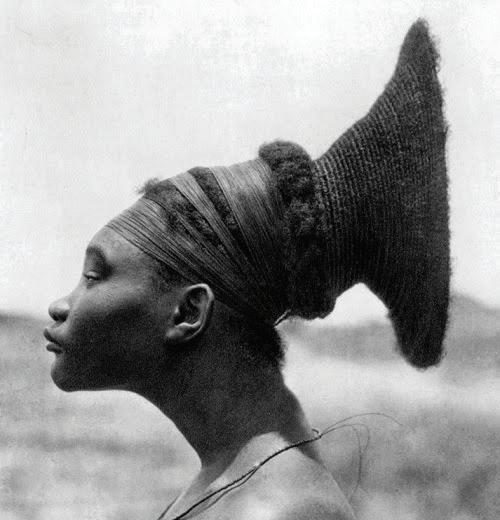
All human hair is made up of keratin. The angle that it grows from the scalp determines if it will be straight or curly. Much like when you curl a ribbon with scissors. That is it. That is the difference. A look back. Pre enslavement, an African woman’s hair was considered her crown and represented beauty, lineage, and status. African women have been queens who ruled nations and led troops into battle. In fact, African women, planning for survival, braided seeds of okra, rice, and beans into their hair before being forced to board transatlantic slave ships.
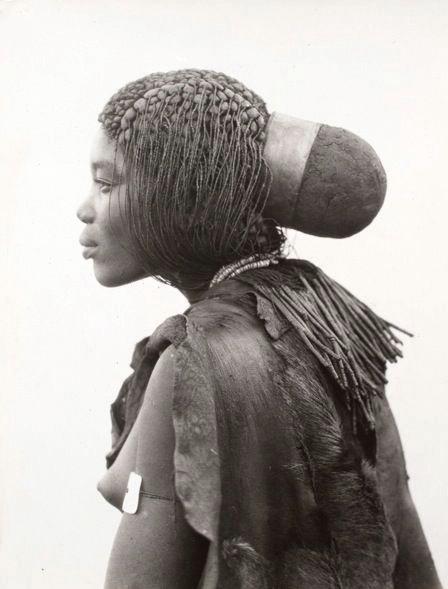
While enslaved, she no longer had the tools, products, and self-governance to maintain her crown. During the middle passage, she was separated from her tribe, family, and even those who spoke the same language. This resulted in the loss of traditions, poor nutrition, and harsh living conditions that, no doubt, led to skin, scalp, and hair damage but that did not stop her from braiding maps to freedom into hairstyles.
Post enslavement, her hair remained a source of shame, ridicule, and a measurement of her beauty at work, school, and at home. Because her hair was not straight, it was often described as unkempt. Black women and children were often teased and bullied because of their hair.
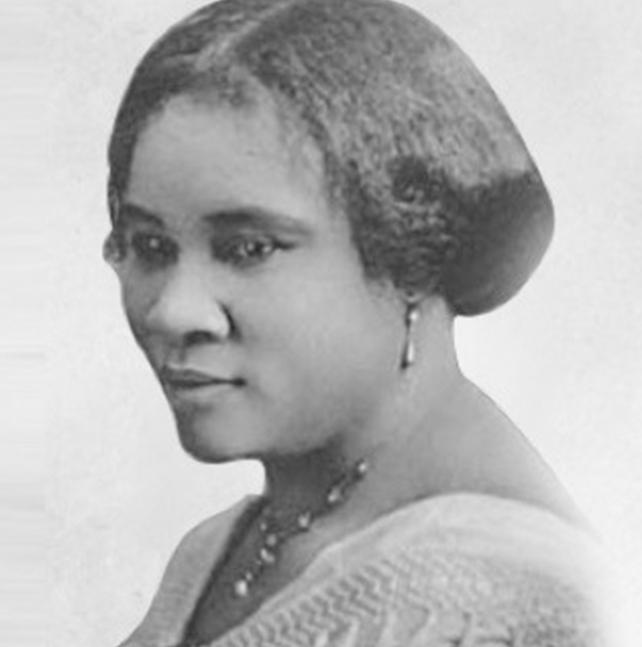
Over time, Black women became college educated and obtained careers in spaces not typically occupied by Black women. Looking for ways to “normalize” and fit in, Black women used various methods of straightening their hair.
Madame CJ Walker became the first Black female millionaire by creating and selling products to Black women. The pressing comb, or hot comb, is still used today to straighten hair, but it is a temporary solution as the curls return when the hair becomes wet or subjected to high levels of humidity. Billie Holliday wore a gardenia to cover hair loss from a hot comb.
When chemical straighteners, called relaxers, were introduced, Black women and men could permanently straighten their hair. The downside is that the primary ingredient is lye which can burn the scalp and hair, resulting in temporary or permanent hair loss. Tina Turner wore wigs after her hair fell out.
... We have the God-given right to live our lives with our hair the way it grows naturally.
It is not the Black woman’s responsibility to make others feel comfortable with her hair, it is the responsibility of others to ask themselves why they feel uncomfortable.
”
In the 1950’s and 1960’s, the Civil Rights Movement empowered Black people to express themselves with pride and confidence. Black men and women proudly began wearing their hair in its natural state.
This movement toward wearing afros and braids to work prompted employers and educators to create dress codes that made it against policy to wear certain natural styles. Failure to comply at school or home could result in termination or expulsion from school. This relegated Black women, once again, with limited options; press, relax or wear wigs, extensions, and other natural protective styles. Protective styles are braids, twists, or corn rows worn with or without extensions or wigs, allowing for healthier hair.
These discriminatory practices led to lawsuits and the creation of a bill which became law in only 11 states, not including Texas. Read this part aloud and slowly: A LAW was passed in 2019 so that people can wear their hair as it grows naturally from their scalp AND 39 states have not passed it.
The CROWN Act stands for “Create a Respectful and Open World for Natural Hair,” created in 2019 to ensure protection against discrimination based on racebased hairstyles by extending statutory protection to hair texture and protective styles such as braids, locs, twists, and knots in the workplace and public schools. –CROWNACT.com
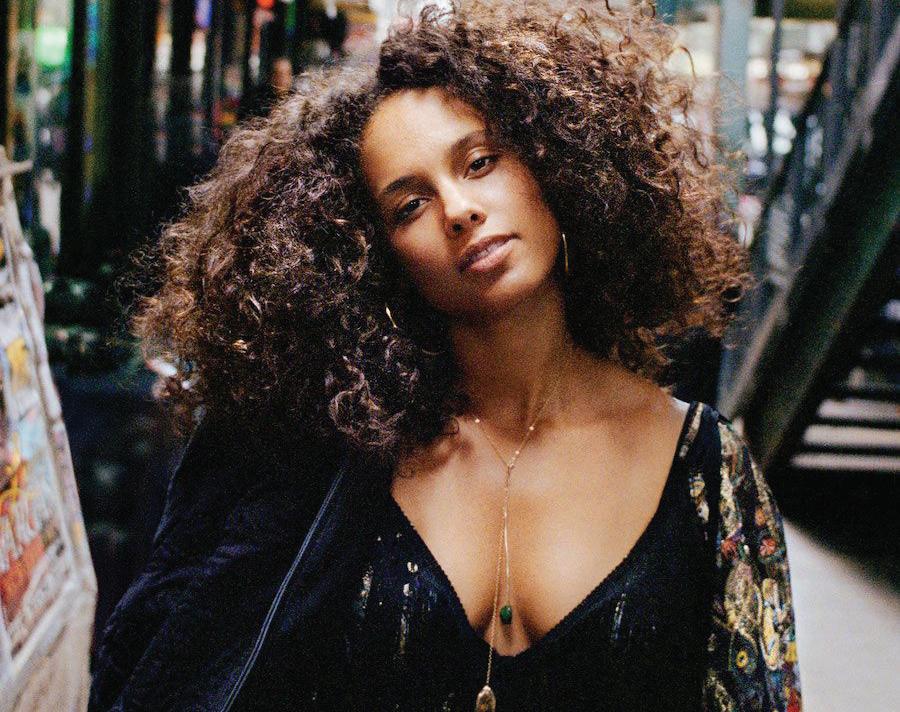
Today, Black Women are wearing our crowns with pride and honor. We have embraced the lovely coils, curls, and waves that are our tresses with bold expression and creativity. So much so that mainstream media and culture emulate the styles and call it fashion. People like Kim Kardashian, Kylie Jenner, and Bo Derek wear Black styles just for fun on TV and in magazines. To them, it is just a cool hairstyle. For us, we lost jobs, lost hair, and still must pass laws to prove we have the God-given right to live our lives with our hair the way it grows naturally. It is not the Black woman’s responsibility to make others feel comfortable with her hair, it is the responsibility of others to ask themselves why they feel uncomfortable.
Black women are not a monolith, I do not speak for everyone as our lives and experiences are different.

By Leslie Whaylen
WHEN I WAS IN FOURTH GRADE, MY MOTHER DYED MY BROWN HAIR BLACK. She, a redhead, wanted my hair to match my father’s dark hair. The dye turned my hair so black it was purple. My head shimmered like grackle feathers. Though it sounds pretty and daresay trendy now, I was mortified as a 10-year-old.
That was the last time I dyed my hair. In middle school, I experienced a brief affinity for neon punk fashion and temporarily colored swaths of my hair in pink and green. Flash forward a decade later, and I recall sitting in my car on East Beach after a jog. Many gray hairs were popping up all over the crown of my head. Diligently, I hand-plucked them, tied them in a big bow, and presented them to my younger sister who was not amused and even tortured by my antagonism.
During this phase of my life, I willingly paid for spiral perms, a chemical procedure whereby curls are set into the hair. Spiral perms are a special kind of nightmare for people who have sensitive heads and lots of hair, like me. Tolerance-wise, I should maintain a very short haircut due to my tender scalp. But no, I’ve always had long hair, except that one time in fourth grade, right before my mom dyed it purple. My hair held the perms for extended periods of time, and even nowadays in certain G-town humidity, I can almost see the remnants of my last spiral perm from the 1990’s, form ringlets.
After another decade, I started to hear comments from friends and family about my graying hair. These came on especially after having children in my late 30’s. Phrases lobbied hard:
Don’t you want to look like your child’s mother, and not
grandmother?
You
are making us look old, Leslie. Dye your hair.
If you look younger, you’ll feel younger.
Society isn’t ready for your gray hair.
Would you want your own mother to be completely silver?
That last phrase hit me hard, mostly because it was my mother asking it of me. As a result, there was a year or so where I relented, at a friend’s persistence, and used a gloss that temporarily added color to my hair. Even the ease of this product, applied in the shower after washing my hair, was too much maintenance for me and I quit.
I don’t dye my hair because of childhood angst, though it’s a good story we continue to tell in our family. I don’t dye my hair because it’s too much maintenance for the lifestyle I want to keep. Frugally, I also appreciate having the extra funds of hundreds, perhaps thousands, of dollars not spent on coloring a piece of keratin that grows neverendingly out of my scalp. Environmentally, I recognize the benefit of not applying chemicals to both my head and to the sink drain (all drains lead to the ocean).
My hair is healthy, so says all the stylists I have ever had. Time consciously, I benefit from the additional 60-90 minutes I have not spent every ~6 weeks on hair dying. Lastly, I don’t mind showing society what it looks like to age without hair dye. I feel younger because of the lifestyle I lead, not the number of gray hairs on my head.
To put it simply, when you wash commercial hair dyes out of your hair, chemical ingredients often wind up in local waterways. Even a very low concentration of ammonia is harmful to aquatic life, and the EPA notes that chemicals associated with personal care products like hair dye are proven to be in our water supply.
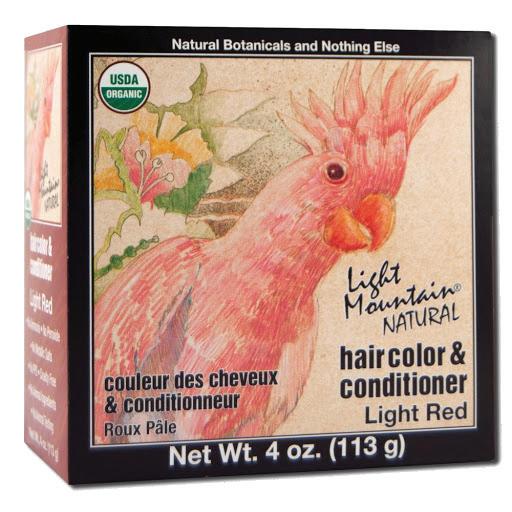
Luckily, you don’t have to stop coloring your hair altogether to keep yourself and the planet safe. A growing number of salons are embracing organic and nontoxic hair dyes, and there are even a few boxed hair colors that nix harsh chemical additives. If you really want to ensure you don’t come in contact with chemicals while dyeing your hair, you can even do it yourself at home using natural ingredients.
*Info via Earth911.org
AS A CHILD, MY MOM WOULD TWIST SMALL RINGLETS
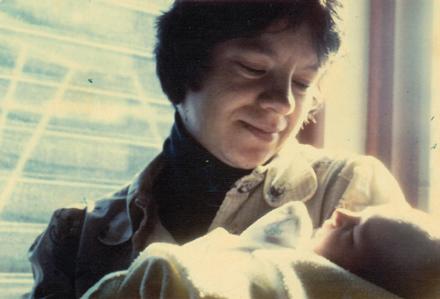
IN MY HAIR. As I sat beside her, she would absentmindedly twirl a lock of my hair around her finger. I found it very calming, but now I understand the closeness we shared during those times were calming and restorative to her, as well.
My mom was always quite proud of her hair. It was gorgeous, dark, and thick, with enough curl to give it body and bounce. She did not spend a lot of time on her appearance, but she was careful to keep her hair trimmed and fresh.
It was Thanksgiving, six years ago, when my mom handed my husband the clippers and asked him to shave her head. Her hair was falling out, more rapidly than she had anticipated, and she decided to take charge of the situation as best she could. Shave it, rather than let the chemo take it.
She rocked the bald head. She stoically said she really did not mind, it was effortless – no worries. I think the part that bothered her the most about being bald was that it outed her to strangers. People knew about her cancer, without her having the option to share. Her anonymity gone, she also struggled with how cold the winter proves to be without any hair on your head.
Story
and Photo
By Selah Tacconi
After the brain surgery, the baldness highlighted the huge scar that stretched across her head. Her battle against cancer scar. The precision of the surgeon was hard to miss. Her battle ended not much long after the cancer moved into her brain.
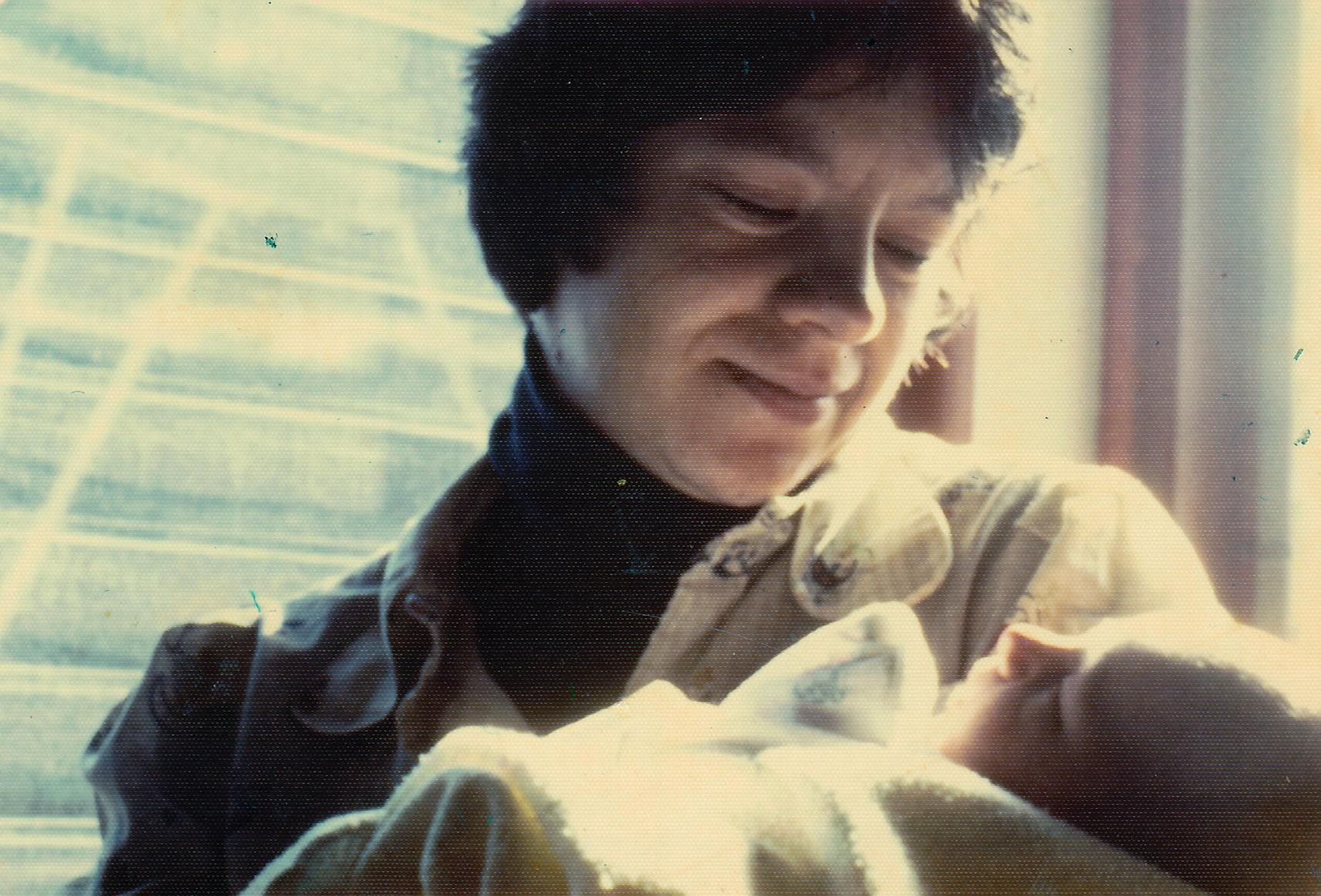
I have many amazing memories with my mom. I choose to remember her with her gorgeous hair, watching it from the backseat of the car, flapping around as the wind from the window made it look like it was flying. I remember her hands in my hair, twisting ringlets, steady and calm.
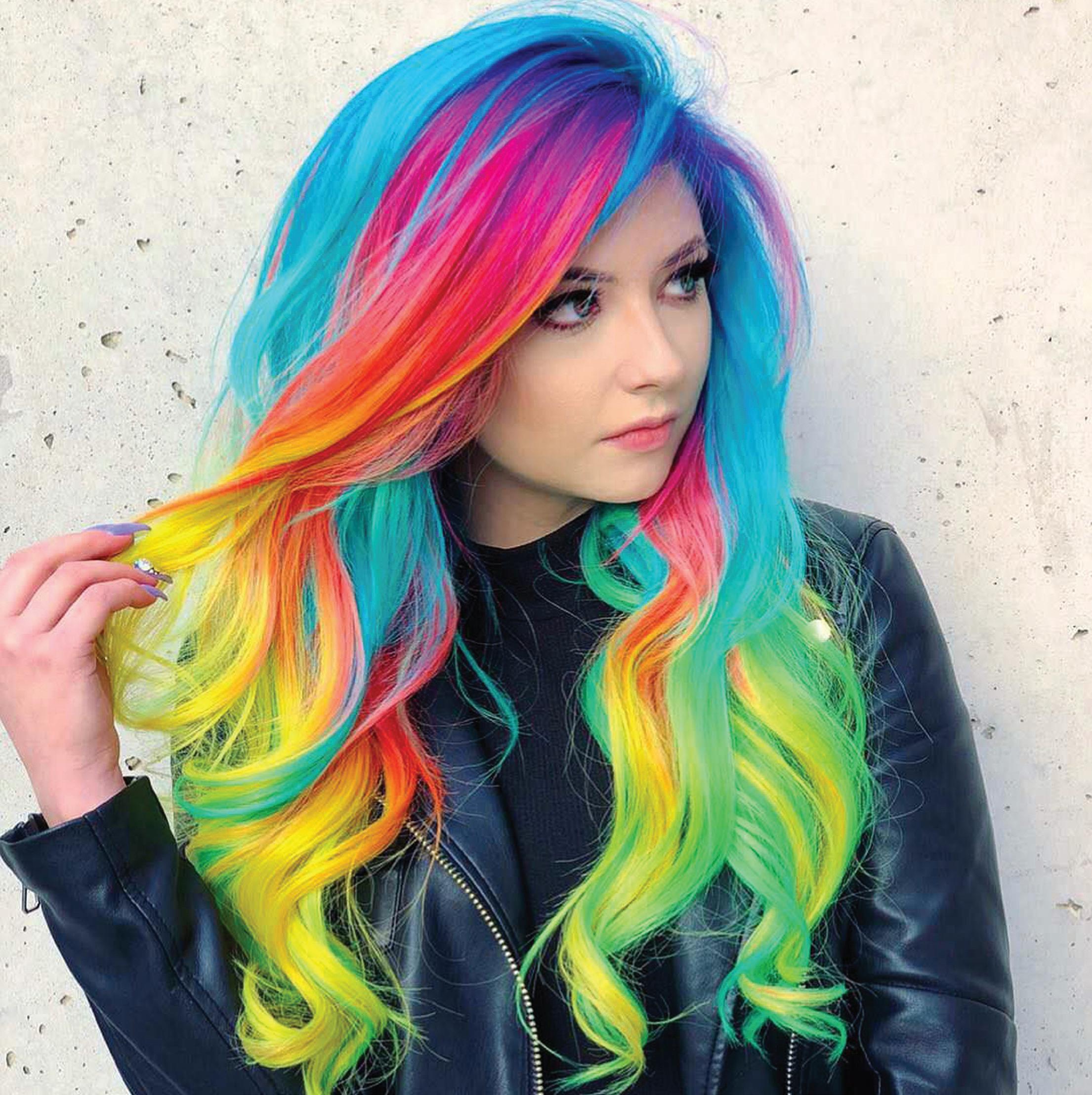
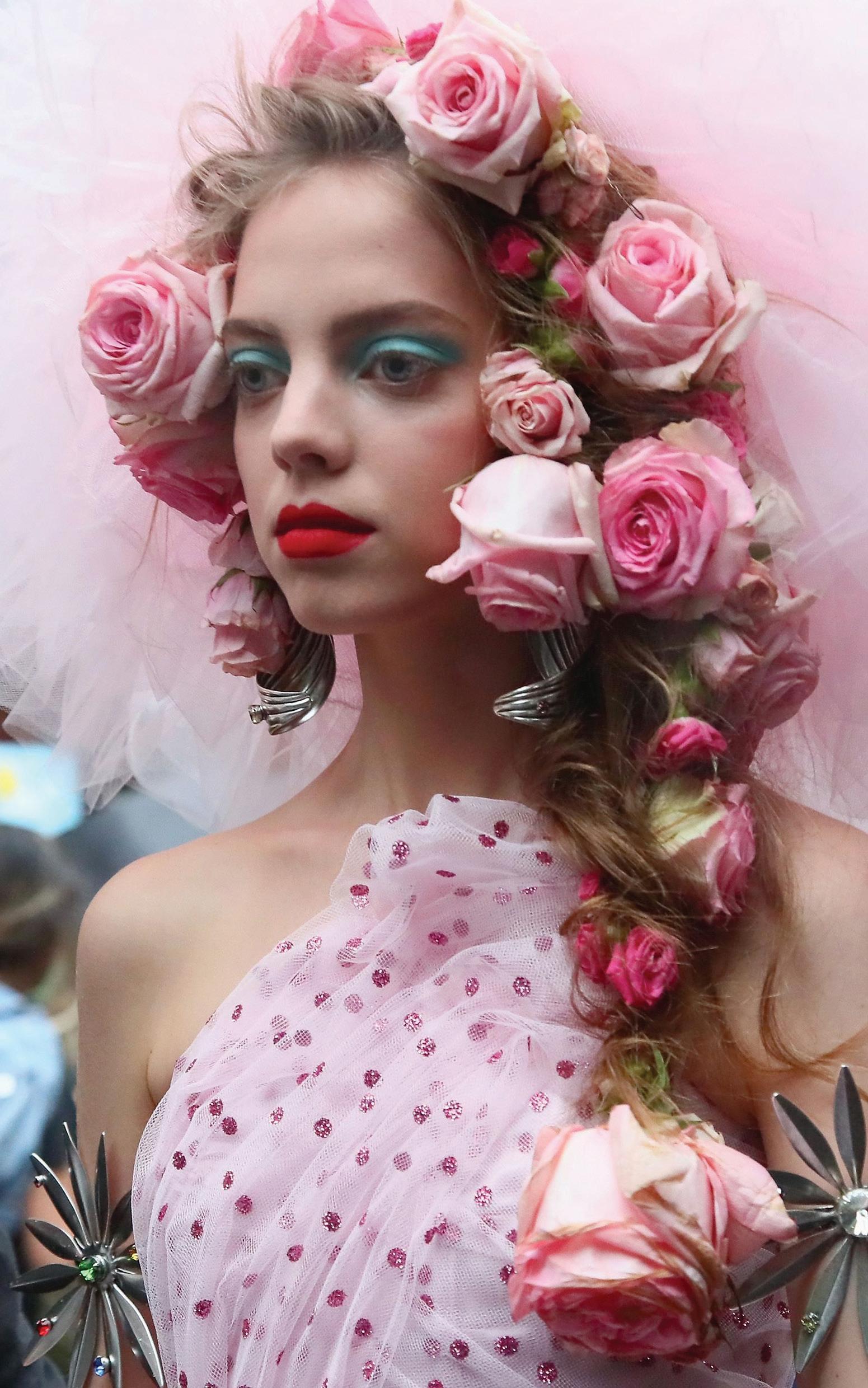
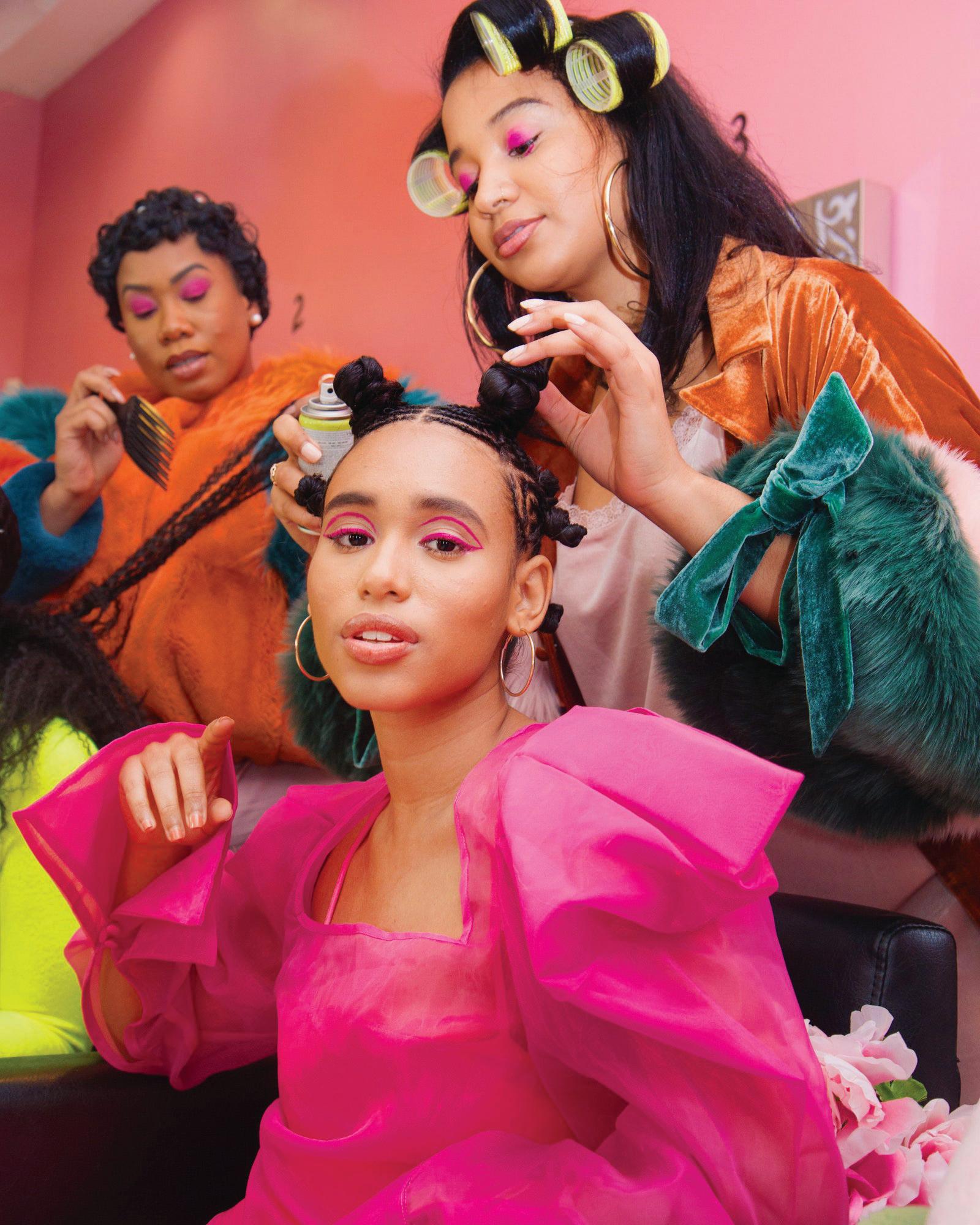
Self expression starts with how we see ourselves. Sometimes that means rainbow hair! How do you express yourself?
I STILL CRY AT THE END OF HAIR WHEN GEORGE BURGER
DIES. What? That’s not the “hair” this issue is about? I beg to differ. Is hair not the most basic outward symbol of your appearance given you on God’s green Earth? Does it not trump fashion, cars, or my Versace purse as the first thing you notice?
Is hair not a symbol of your social order. Your political stance. Your favorite historical time period. Yes, I’m referring to the recent Beach Revue and the fine reproduction of 20’s hairstyle that competes with the apparel. Really? (You don’t notice every year the slanted demographic of that contest? That’s right. I said it.)
By Dan Marks
Europe was recovering from four years of horrendous pummeling. Jazz, the end of the Impressionists, the emergence of Dadaism and Art Deco, and a bunch of writers and artists, some straight from the trenches, were making their home in Paris. Many of them were Americans.
A hundred years ago, we were celebrating ourselves at the end of the War to End All Wars. We weren’t going to tolerate tyranny any more. Better yet, we were going to dance into the future with nihilistic abandon. Congratulations! LoNG HaiRed FReAkY PE
Among them was Josephine Baker. Why would a performer with Baker’s talent seek refuge in Europe? Because back home America was experimenting with film. At the top of the pops was a little ditty by DW Griffith called Birth of a Nation. Say what you want about movies and video games shaping the minds of today’s youth. They have nothing on this movie. Griffith, with this flick, is credited with the second coming of the Ku Klux Klan.
The pictures I’ve seen of Josephine Baker are black and white. She’s a smiling young woman, dancing like a fiend. Freestyling like the jazz that accompanies her. Wearing only a skirt of plastic fruit in parody of the “noble savage”. Her hair is straight in a slight wave, flattened to her head, with a big curl right in front. I’ll leave it at that. My kids are closer now to her age then, and I don’t wanna sound like a creeper since my age is closer to, well, DW Griffith when he made Birth of a Nation. Damn, that is depressing.
My point? Hair, of course. Look at her hair. She had tried to fit in with an image of the time. Or she set an image that was often copied. Much the same way the Detroit of my youth was alive with shops and home brews of bleaches, dyes, straighteners, and activators. Anyone still use Jheri Curl?
Okay. Maybe not the same. By the 70’s and 80’s, a lot of the style was much more self-expression than conformity. Cornrows and dreadlocks were only starting to cross ethnic lines. Solid, well-picked ‘fros were a thing to be admired. Even the “Jewish afro” came out from under its hat. Wings, bangs, and mullets became a thing. And Telly Savalas and Yul Brynner gave us a naked pate that didn’t remind us of 1940’s Germany.
Teased, bouffant, beehives, glam rock and glitter rock, psychedelic funk, these all speak to an anatomical geography. We haven’t even started with unshaved pits and legs, plucked eyebrows, hairy chests and assless chaps. And we won’t. I’ve been told that isn’t a good look for me.
But it allows us all a voice. Whether it is modern school kids standing up to ridiculous school policy. Football players shaving their heads in solidarity with their team mate battling cancer. Or George Burger trading his hippie locks for an Army cut so his buddy can spend the night with his girlfriend. Taking his place in the barracks to buy some time. Just to be put on alert and flown to Viet Nam. Damn it! I’ve got something in my eye again.
By Bobby Dean
HAIR HAS POWER THAT FEW THINGS COMPETE WITH. Clothes are subjective, and within the last few years, every fashion rule is long thrown to the wolves. Go ahead, playboy, wear that animal print top with a cape and red patent leather kicks. No one will care. You get a lousy pompadour, and it’s curtains for your Saturday night “flex.”
We’ve all had to talk someone off the ledge over cutting their bangs. Sometimes, the bangs work out, and other times, Kelly is rocking that ball cap. We’ve even got a term when our hair sucks, a “bad hair day,” and it’s widely accepted because we’ve all been there. All of the three major western religions of Christianity, Islam, and Judaism have rules on women’s hair, and if you’ve read the Old Testament, one of the parts they conveniently skip over is about men keeping long hair too. (Weird how they let that one and the shellfish thing skate, but the flimsy case against the gay’s sticks?)
Hair can change someone’s sex appeal from kinda cute to stop, drop, and roll fine. Ladies, while somehow the mullet is making a comeback (gross), when’s the last time you saw a dude with spikes and wanted to taste that man’s bubblegum? You didn’t. We’ve set a standard with hair that’s an extension of what we feel is our personal “brand” or representative look. Style dictates appearance, but some well-worn work clothes inform that you work hard, that you earned those stains or holes. Americans appreciate hustle, but not bothering to run a comb through the rat’s nest on your head and let it be all messy before you left the house? People assume your crib looks straight out of Hoarders and you don’t wash.
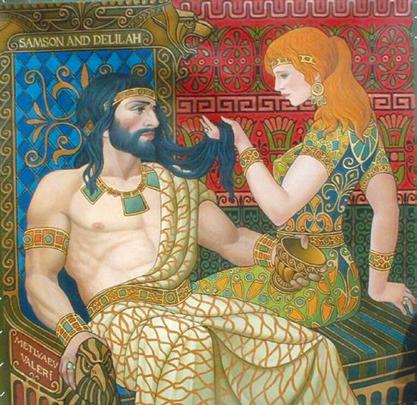
Throughout our fables, Samson has his locks, while Rapunzel lets down her hair for her prince, and Medusa rocked a garden of vicious snakes. We’re born into these statements even as they’re perceived as innocuous children’s stories. But they set a psychological tone because, for some, they don’t see themselves but instead something completely different. In many cultures around the world, having a hair cut or not cut holds different meanings. In South Asian mythology, women with unbraided hair are seen as “wild.” Not everyone’s fairy tales are the same.
How we see the culture at large defines beauty. It’s critical to acknowledge our differences; that beauty comes in many shapes and sizes from long, kinky, wavy, curly, or short.
Beauty is a moving target. Look at early Chinese migration during the building of the railroads. Chinese men’s hair was seen as a spectacle with its long braid in the back and the subject of cartoons in newspapers. We chopped off the traditionally long hair of the Native American boys when we made them attend our schools. And still today, there are constant conversations within the black community of what hair signifies within the context of American culture and ultimately how classic beauty is seen. In the age of the Black Panthers, members grew afros while the hippies let their hair grow as long as possible. We’ve seen cultural shifts based on what acceptance looks like over the decades, but these defining practices still hold weight, no matter how much you decide to spend at the salon.
Men either embrace baldness by shaving their heads or pull out every trick in the book to combat genetics at play. There’s a Seinfeld episode dedicated to George killing a man’s confidence because he shows him the “classic horse pattern.” In turn, that man loses vitality and Elaine. And then there’s the cadre of issues regarding thinning hair in a woman’s life, which can dismantle self-esteem thanks to societal pressures of perceived normalcy. Then there’s the genetic outlier of alopecia where someone can be born with no hair on their body whatsoever, which many who have this genetic trait wear wigs to keep up with the jones.
Down here in Texas, there’s a saying, “Bigger the hair, the closer to God.” And many women take that proclamation as gospel. On the other hand, if a woman shaves her head, that’s seen as a radical statement, but when we see someone visibly going through chemotherapy, we share grief.
How much do we spend on haircuts? A lot. Your average man spends around $400-500 annually, and for women, that number is significantly higher. When I was married, my ex-wife would buy special shampoo to maintain the brightness of her blonde hair, and that shampoo was as much as our light bill.
There’s the cut, the color, the style – do blondes have more fun? Can you go darker for the summer? What does it mean to “go natural,” does adding highlights tamper with the idea of challenging normative color, that you’re low maintenance? What about embracing grays? Why is it sexy when a man goes gray, but for many women, they’d rather take a dip in boiling oil than ever let on there’s a few silver wisps? Sure, there are trends of coloring your hair platinum, but those layers aren’t the same as the Real McCoy. Former First Lady Barbara Bush wore her hair white and short, admitting she saw it as a statement of confidence.
You might live and die by platinum blonde Marilyn Monroe locks, while your best friend could want his hair long and straight circa Marilyn Manson of the mid-1990s. We tie so much of ourselves to how our hair signifies us as an outward visual. Walk into the average goth club, and there’s a lot of Manic Panic jars sold, while back home, there’s a few brightly stained bathroom sinks. At the same time, you roll over to the nightclub, and many of those folks are willing to spend serious cash to make sure every eyebrow and follicle is on point. It’s all rooted in perception.
The barbershop, the salon, these are places met with reverence. These rooms are where secrets are spilled, because even the act of hair care is taken as a communion with the person you’re entrusting to showcase your best self.
There are psychological rabbit holes present the more you think about hair’s impact. It’s not just some part of you that you lop off at the local SuperCuts, but is something many of us have points of view about that are uncomfortable or celebrated. Still, no matter the stance, what we can say is that hair is far more of a personal, social, and political vehicle than we give it credit for on the surface.

By C.L.
DURING THE VIETNAM WAR, THE US ARMY MADE A SPECIFIC PUSH TO RECRUIT MEMBERS OF NATIVE AMERICAN TRIBES TO ACT AS SCOUTS AND TRACKERS DUE TO THEIR TOUGHNESS AND NEAR “SUPERNATURAL” FAMILIARITY TO NAVIGATE TOUGH TERRAINS. After enlistment though, all traces of enhanced abilities seem to disappear completely. US Army investigators interviewed tribe elders and learned it was quite simple: they need to have their hair long and free to allow their battlefield prescience. The powers-that-be made an exception for Native American troops to keep their hair after enlistment, and the increase in efficiency that the US Army was looking for finally presented itself.
Hair in history, beyond its most obvious role of retaining warmth and blocking harmful sunlight to delicate human parts and organs, seems to have a peculiar link to the supernatural and the sensitive human. Even in today’s culture, a popular euphemism for being frightened is “hair raising” or the old trope of being frightened so bad, that the hair turns white. The cultures of the ancient world held hair and what it represented in high regard, from shamans on hill tops to Caesars in sparkling colosseums, with natural hair colored with mud and clay to wigs of animal furs and other more macabre origins. Hair seemed to hold a special place in the world before electricity and paved roads. Within mythologies from around the world, we see numerous stories of hair giving people special powers and abilities that separated them from the normal population.
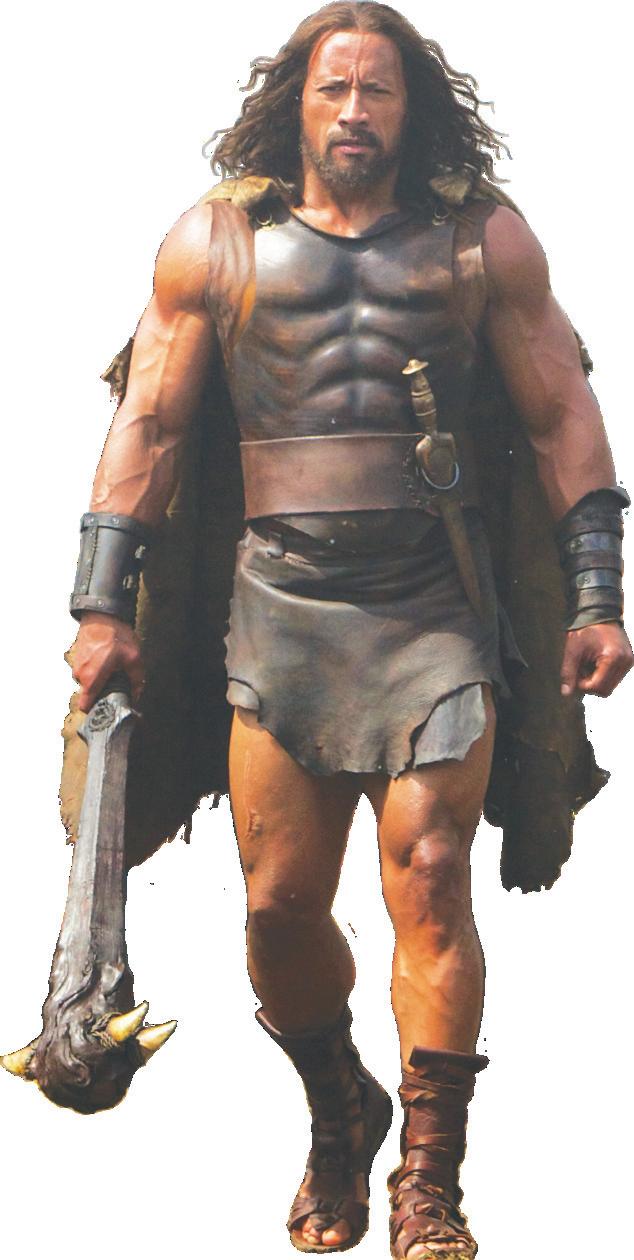
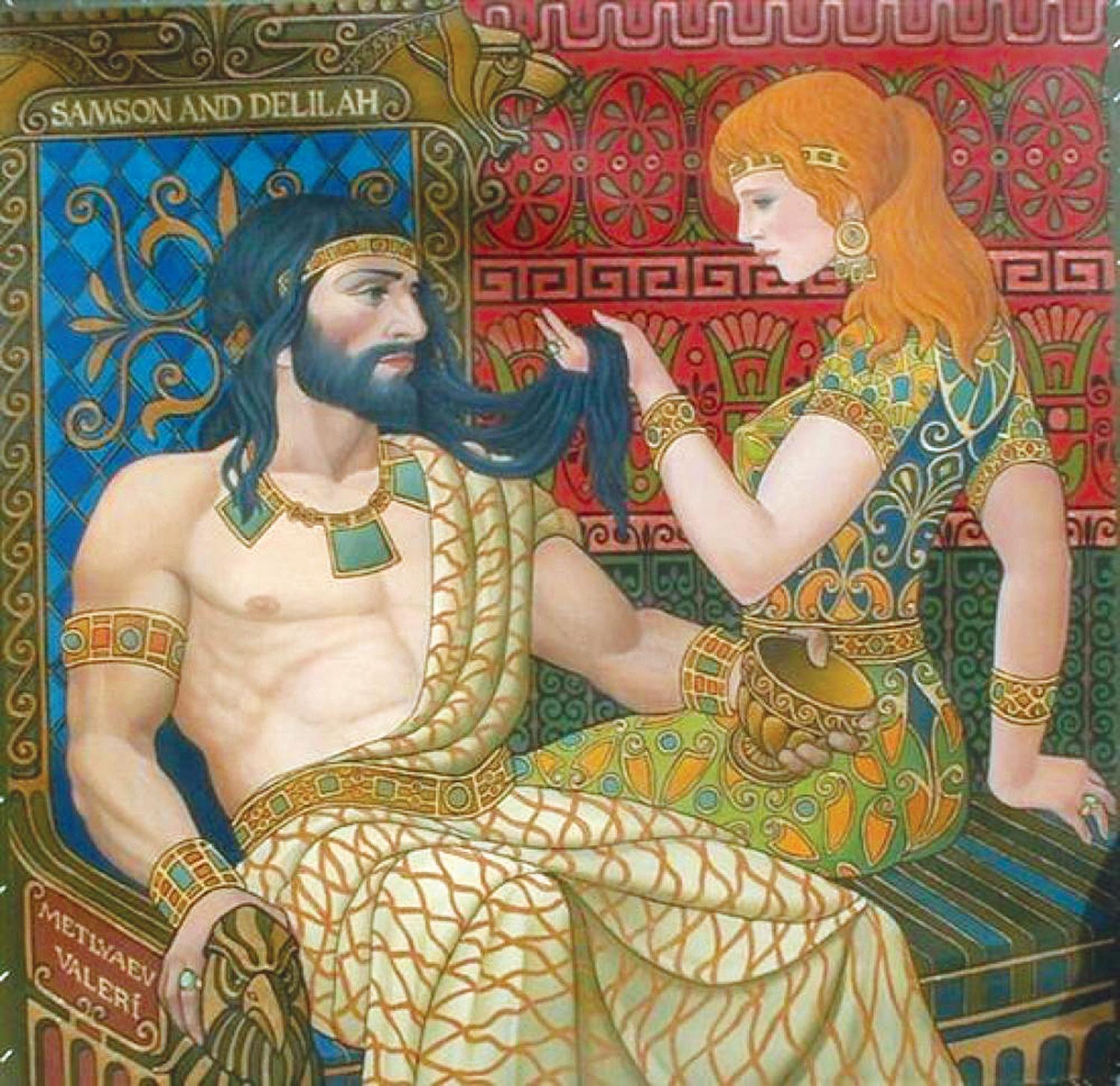
The most well-known story in this regard would be the tale of Samson and Delilah, an Israeli soldier of the ancient world who had a level of near superhuman strength if his hair was kept long. His most famous feat was defeating a pair of lions unarmored with his bare hands. His tragedy is well known and taught every Sunday, so no spoils from me.
Another tale of the ancient world is the story of Loki and Sif. Sif was the beloved of Thor and was seen as one of the most beautiful woman in Valhalla, known for her long golden hair. The love between Thor and Sif enraged Loki, so he commissioned the dwarves to craft a black wig made of Uru (a rare metal ore). While Sif slept, Loki snuck into her room, shaved her famous blonde hair, and enchanted the black wig to her scalp so that it could not be cut or removed. The next day, Loki hid in the halls waiting to see Thor’s reaction
to Sif’s new raven-black hair. To his dismay, the Thunder god found Sif even more lovely than before, enhancing their love, and speeding along their wedding. It was one of the few times the Trickster god was foiled by his own machinations. Black hair in the Nordic world was then seen as a mark of Sif, a sign of grace and power and favor of both Sif and Thor.
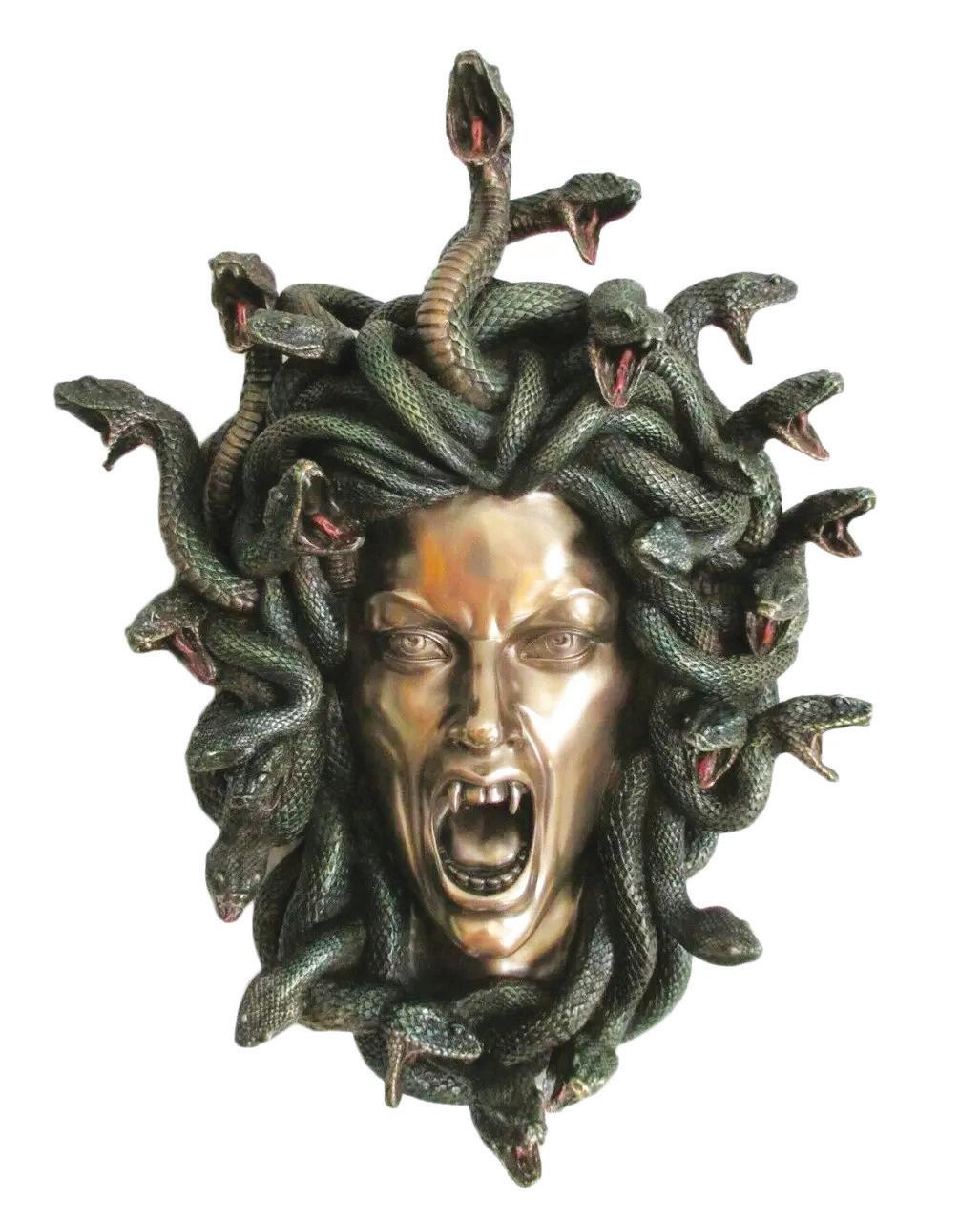
Another story is that of Medusa, famous for her snake hair and gaze of stone, but she, like Sif, was punished for her beauty. The only human female of the Gorgon tribe, she was one of the most beautiful women in the world. Her hair, as Ovid described it, was the “most wonderful of her charms.” She was cursed by Athena for having an affair with Poseidon within one her temples. Medusa was transformed into a hideous monster and became the most awful of the Gorgon tribe, with numerous monstrous features. Her hair she was lauded for was transformed into the near iconic nest of snakes that appear in just about every likeness.
The last story comes from Huang Luo in the Guangxi Region of China. A legend tells of a young woman who drove off a persistent suitor by using her long hair to beat and batter him away. To this day, the woman of Huang Luo grow their hair long, never cutting it from birth and only on the day of their wedding, presenting it as a gift to their chosen husband.
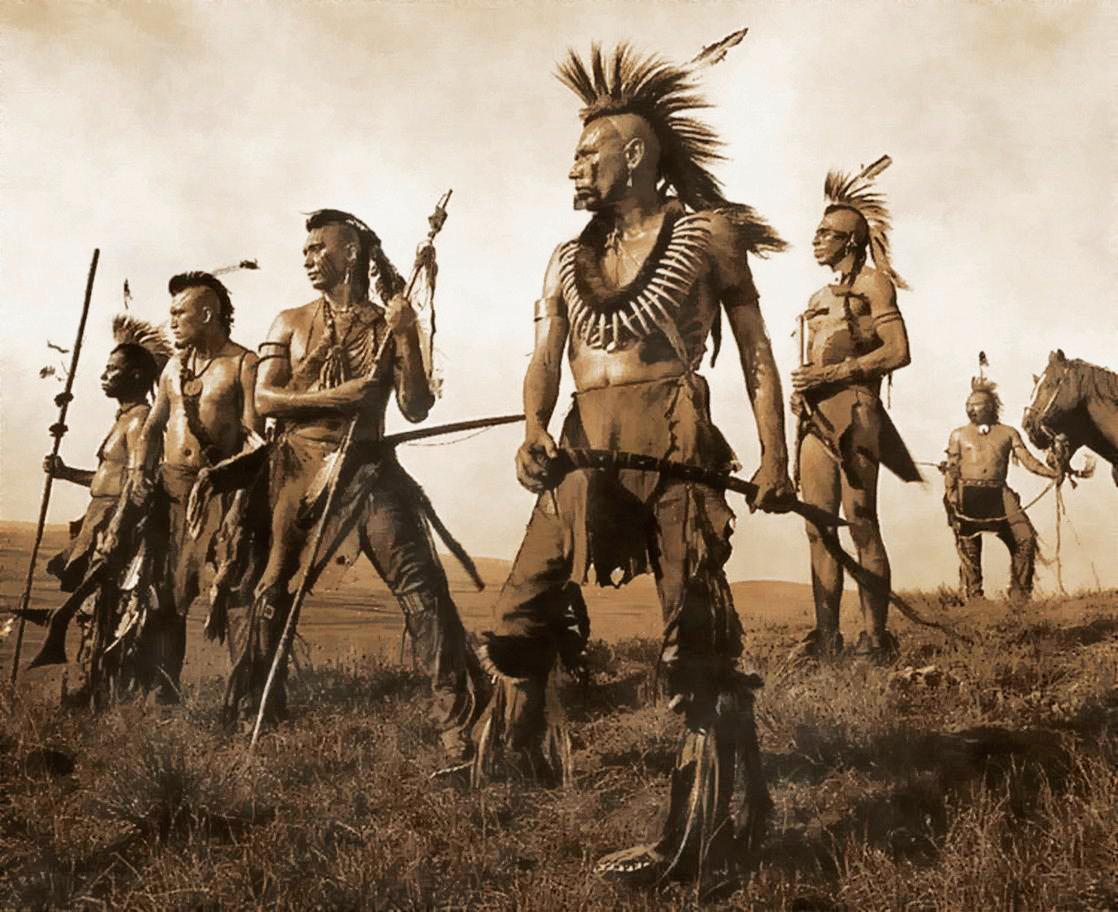
Hair throughout the ages seems to a strong connection to wisdom, and otherworldly ability. The Native Americans see hair as a connection to the spirit world. It’s easy to imagine as you lay down and allow your long hair to spill over the ground, that each strand is a connector to something bigger and larger than ourselves, and ancient man believed that. But with hair being technically dead, how could something like calcified protein strands really make such a connection? Hair isn’t a source of ESP [extrasensory perception] ability as much as a foci for those of “enhanced consciousness”, a trait found in every culture around the world. Believing hair enhances awareness or gives super strength or allows you to beat off unwanted suitors is more belief in oneself with the hair acting as a tool to shape and harness that belief into something more tangible. But foci can take many shapes, even no shapes at all if you factor that it’s just material you are pushing your beliefs through, which could include pre-written prayers along with all the other spiritual paraphernalia, from crosses to crystals to chicken blood.
Even in more current history, hair seems to play a role in signaling status and even health to on-lookers. During the 1700’s, the rise of wig within the elite societies of Europe is quite known, but the origins are a bit grisly. The popularity grew alongside a horrible rise of syphilis and lice that led to early hair loss. The nobles of that time period would culture wigs from more healthy donors to hide their infection, using orange spices to cover up the smell of scabs and deteriorating flesh. Powdering them became popular, as did woman using powders and other elements to make grey or white streaks. It fell out of fashion around the end of the American Revolution, with natural hair coming back into fashion.
In my youth, I studied to be a stage actor, and the great director Bree Valle taught me an actor’s duty was turning the material of the script to energy on the stage, while the playwright’s job was taking energy and making it material on the page. That is the basic idea of psychic foci and hair. While beautiful, powerful, and luxurious, hair is just another tool of the aware human, even if it’s one of the most important and easily accessed. We all have it, not just on our head but all over our bodies. The connection created by our follicles just might be the first baby step into a larger world for the budding initiate.
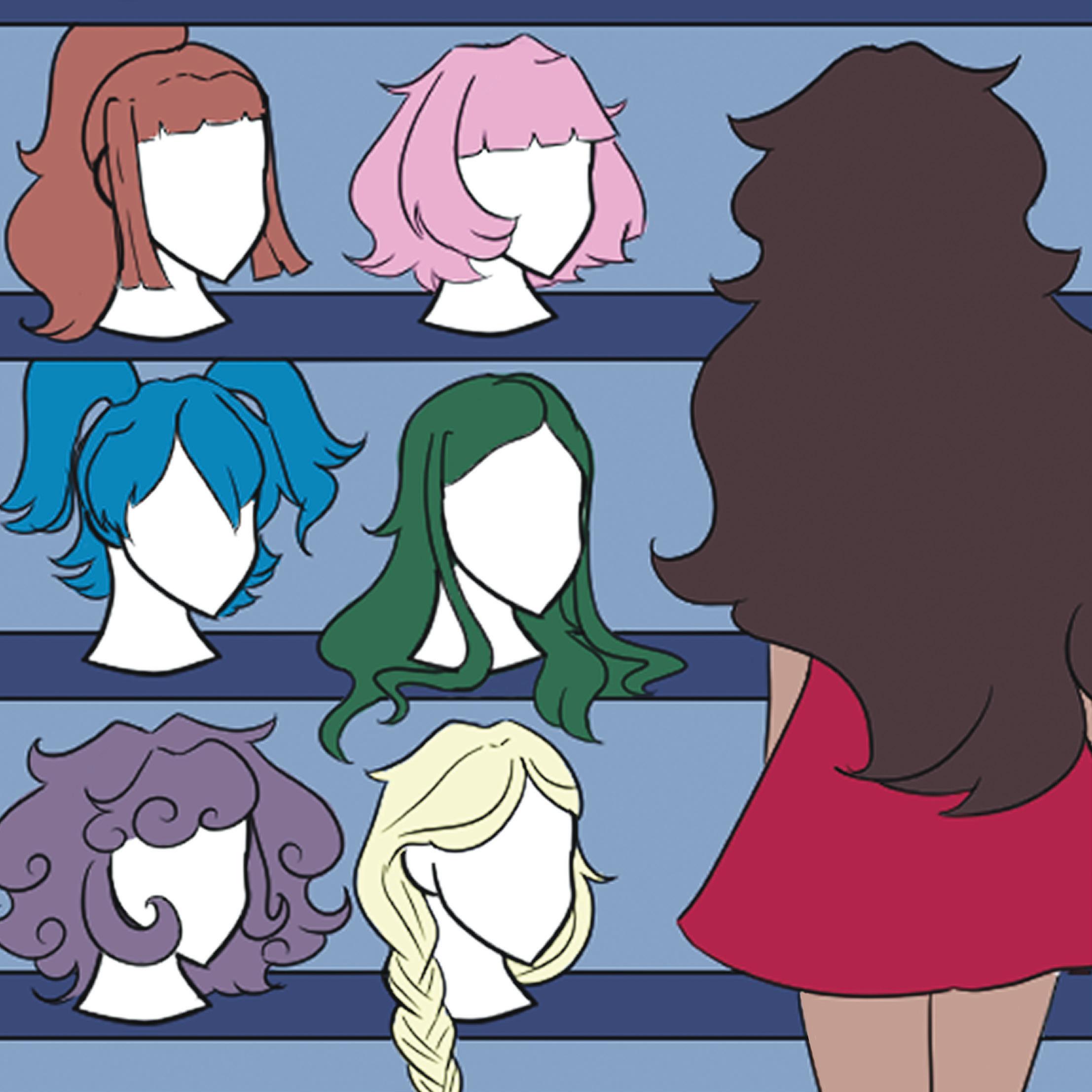
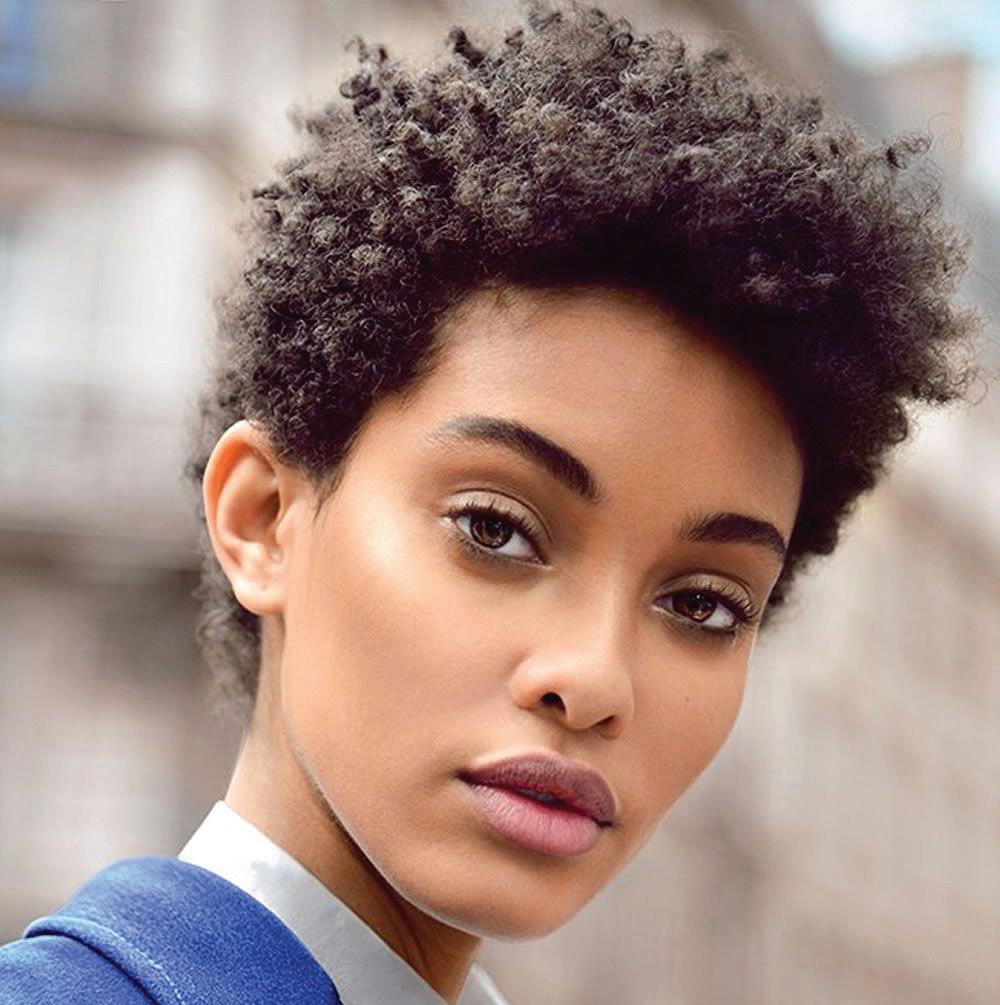
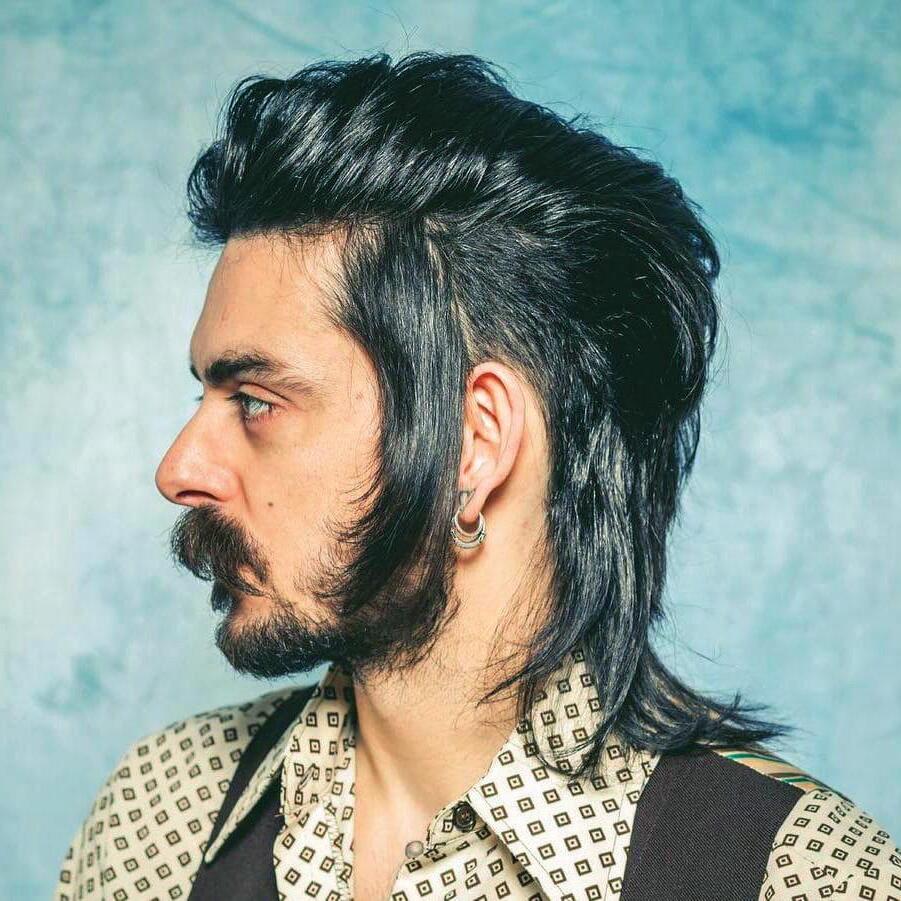
USCiOuS LOOkS wE lOVe suBtLe silVer
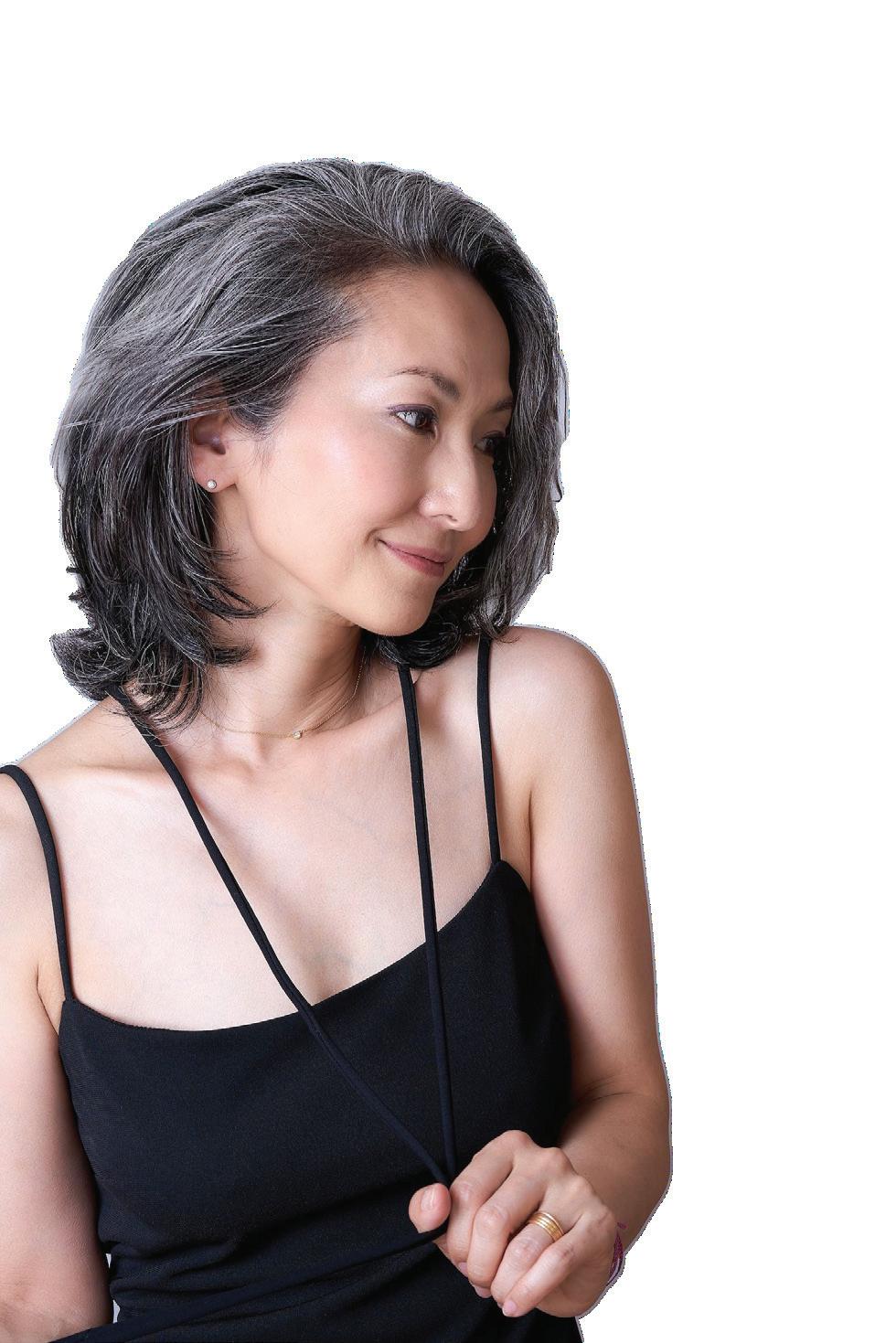
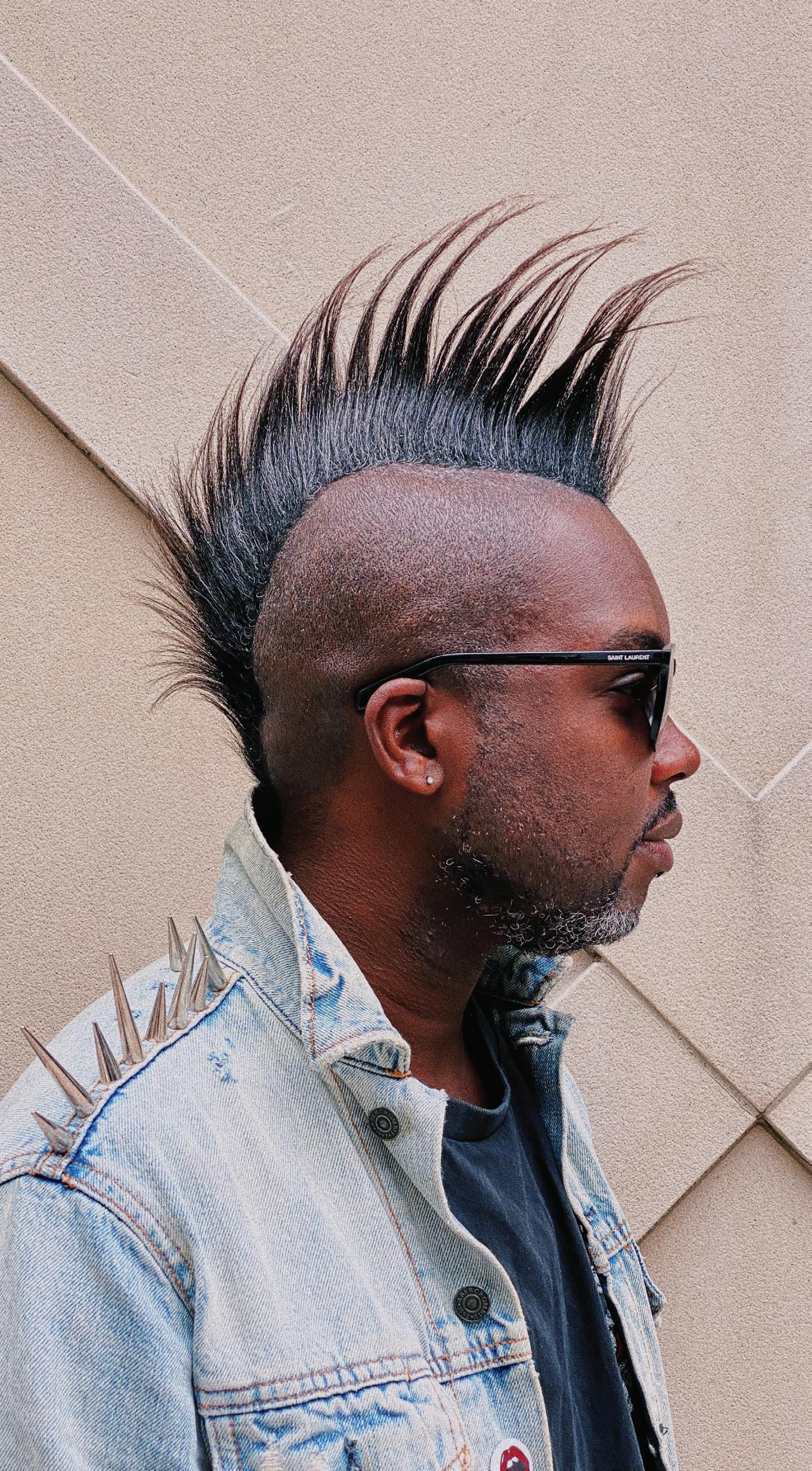
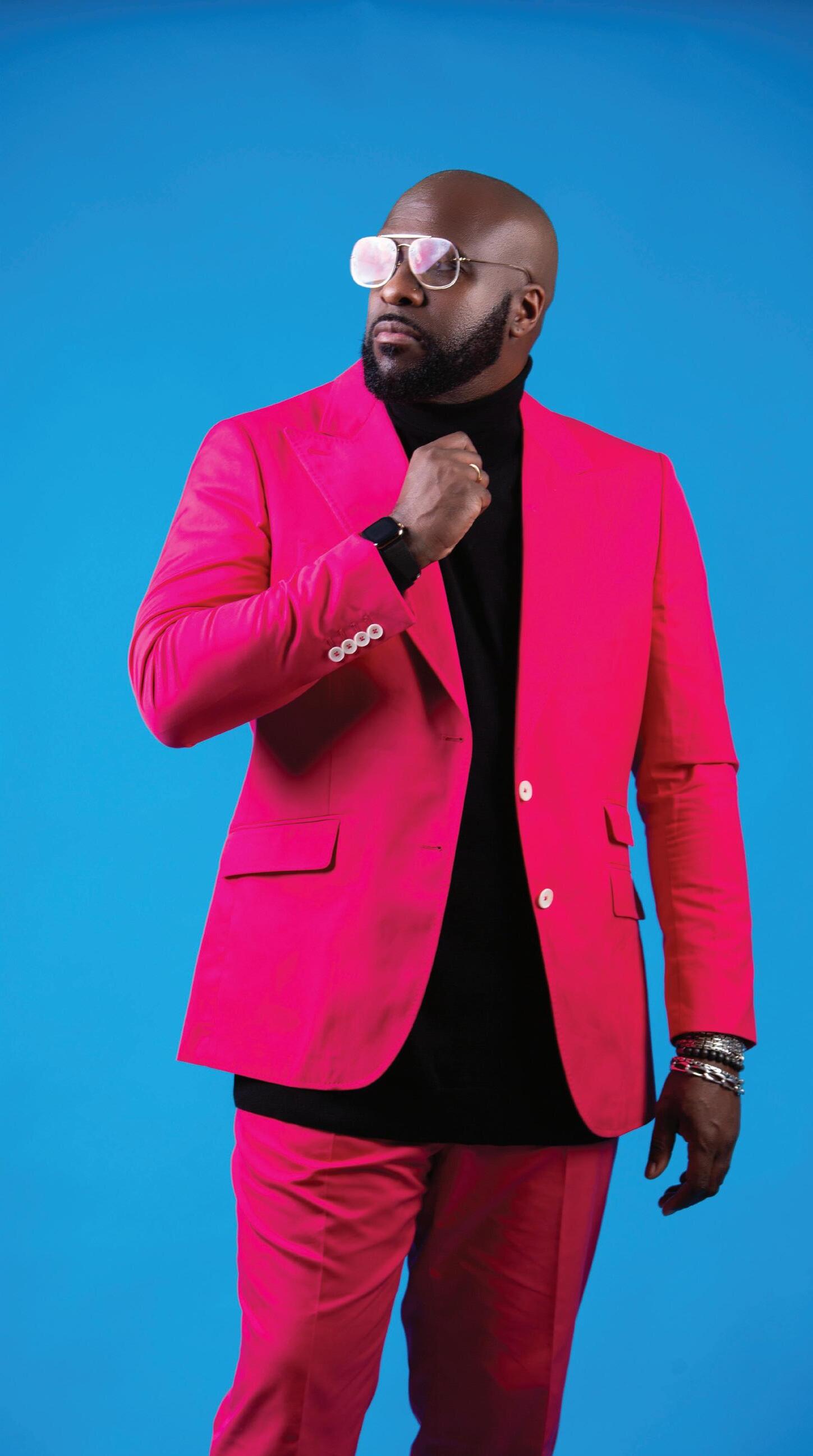
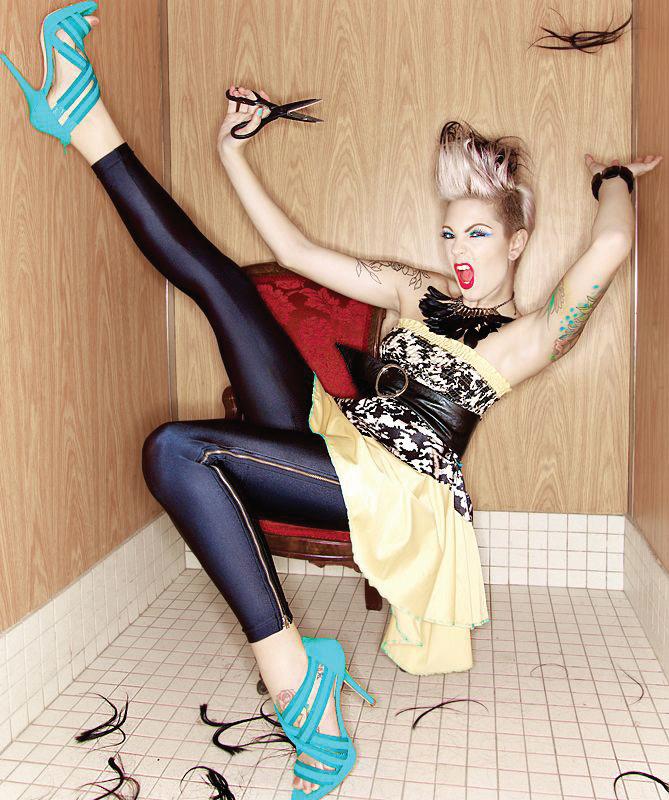
Hair is art and it is SO fun to look at! Here are a few of our staff picks. the “MoDern”MULLET NaturALPixiE
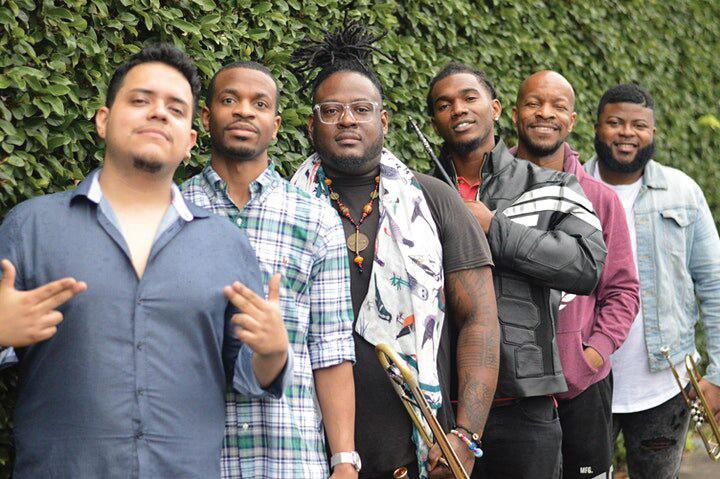
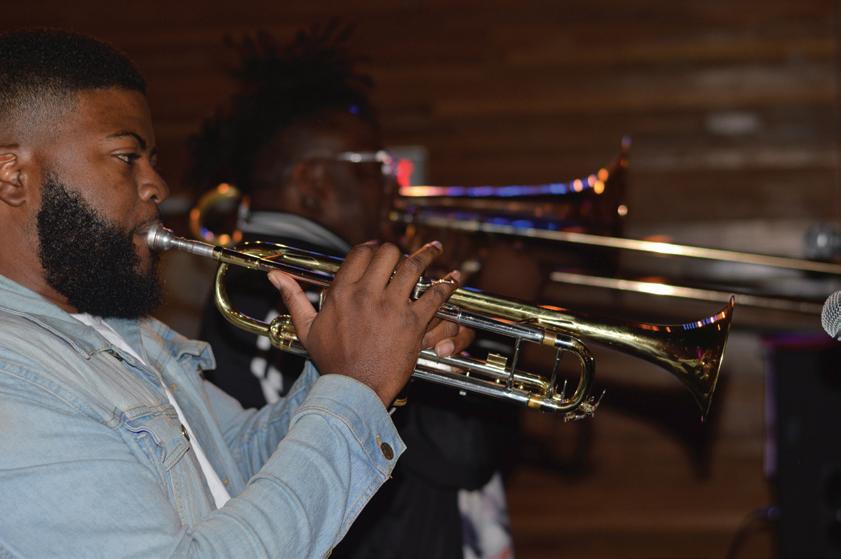

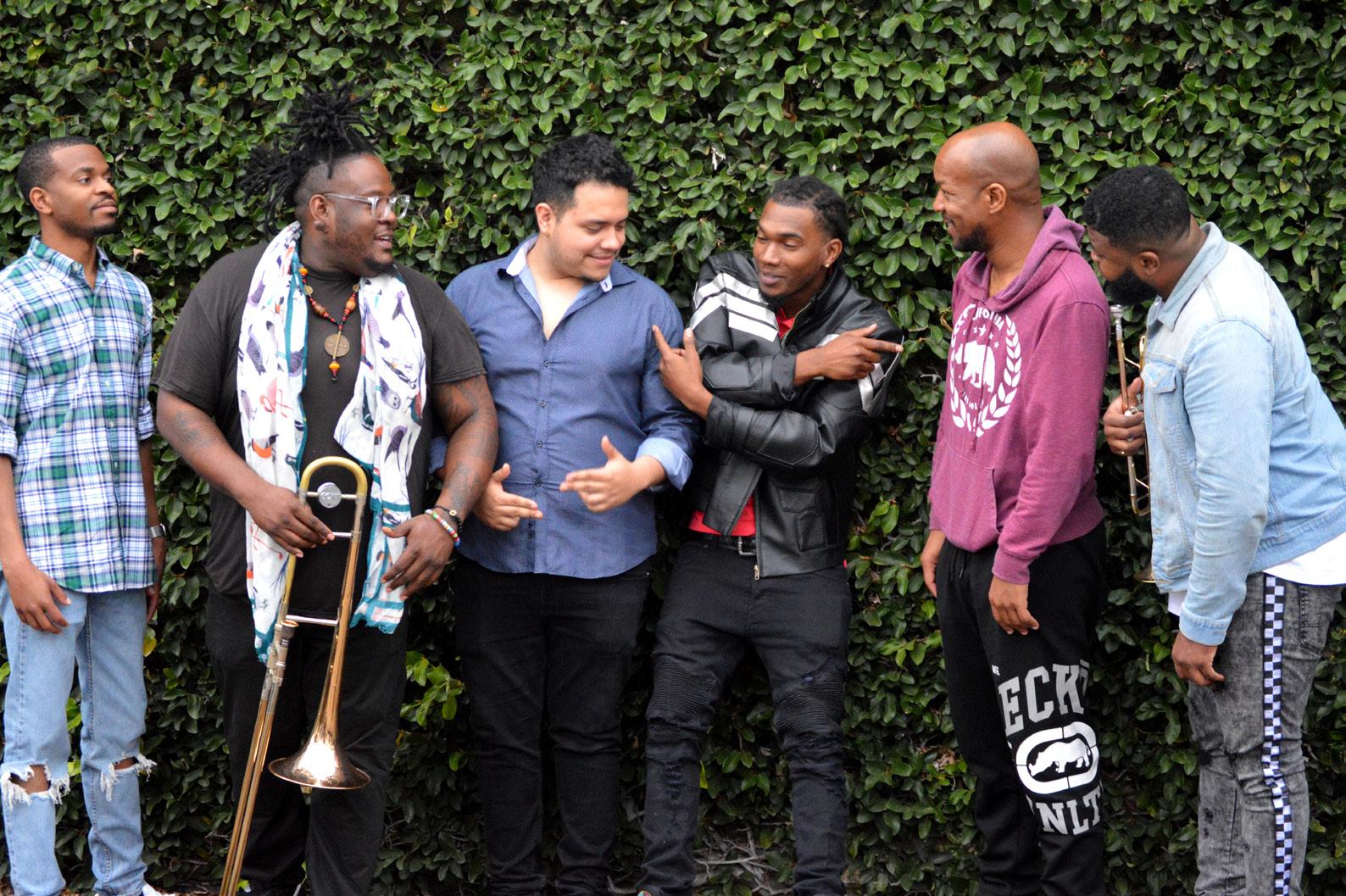
Matthew Hartnett is an award winning trombonist and horn arranger for Ms. Lauryn Hill, Dave Chapelle’s Juke Joint, Cheryl Pepsii Riley, Talib Kweli, and more. He is also the founder and band leader of The Gumbo Jam. The Gumbo Jam was born in New York in 2015 with the intention of being a training ground for musicians to share, explore, and learn. When Matthew Hartnett released his solo album Southern Comfort, the band began to evolve into The Gumbo Allstars and toured internationally with Hartnett.
Since touring as a band, the group has changed its name to The Gumbo Jam, naming itself after the jam sessions that started the whole journey. Musically, The Gumbo Jam’s origins are in jazz, but adds modern styles such as Hip-Hop & RnB. This Urban Contemporary fusion sound is now what the band leans into heavily. Elaborate solos, poetry, and singing all flavor the pot of this amazing musical gumbo.
The Gumbo Jam is designed to be a safe space where you can be your absolute true self. Judgement free and embraced as you are. They achieve this through encouraging the audience with positive messaging about self love and community building.
Join Culture Clash Magazine in our 4th annual EPIC BASH as we host THE GUMBO JAM, Saturday Sept. 18th, 6pm-10pm at the Galveston Island Brewery. Scan our QR code for more details.


July - August 2021 Calendar of Events
INDEPENDENCE DAY PARADE
Sun, July 4th, 7:30pm Seawall Blvd
Starting at 59th St. ending on 27th Free Admission
ART WALK
Sat, July 17th, 6pm - 9pm
Downtown Galveston
Strand St. and Postoffice St.
Free Admission
2021 OHANA SURF DOG COMP
Sat, July 17th, 7:30am - 12pm
28th & Seawall Blvd
$25 initial entry fee More info ohanasurfandskate.com
FULL MOON LABYRINTH WALK: BUCK MOON
Fri, July 23rd, 8:25pm 17th & Seawall Stairs
1700 Seawall Boulevard
Free Admission
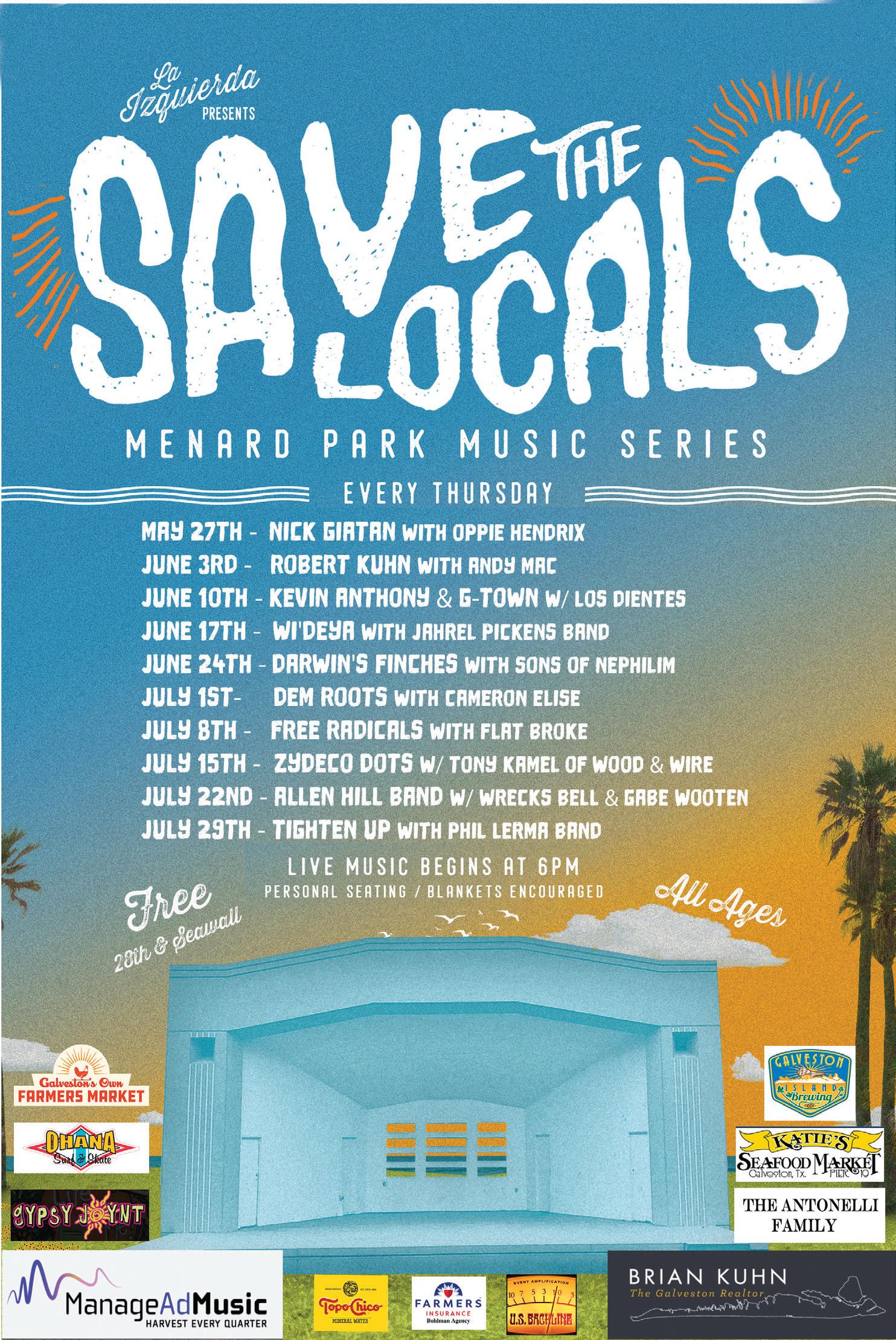
SAVE THE LOCALS
Every Thur in July, 6pm - 9pm
Menard Park Band Shell
28th & Seawall Blvd.
FREE LIVE MUSIC- FAMILY FRIENDLY
Free Admission
GAC CERAMICS STUDIO
Every Sun, July 11th - Aug 29th 12:30pm - 2:30pm or 3pm - 5pm
Galveston Arts Center 2127 Strand St. Adults and teens
RUNWAY OF HOPE STYLE SHOW featuring Becky Hollands
Fri, Aug 6, 11am - 2pm
Galveston Island Convention Center 5600 Seawall Blvd.
$100 Individual Ticket
AIA SANDCASTLE COMPETITION
Sat, Aug 21st, 9am - 4:30pm East Beach
1923 Boddeker Rd.
Free admission for public More info at aiahouston.org
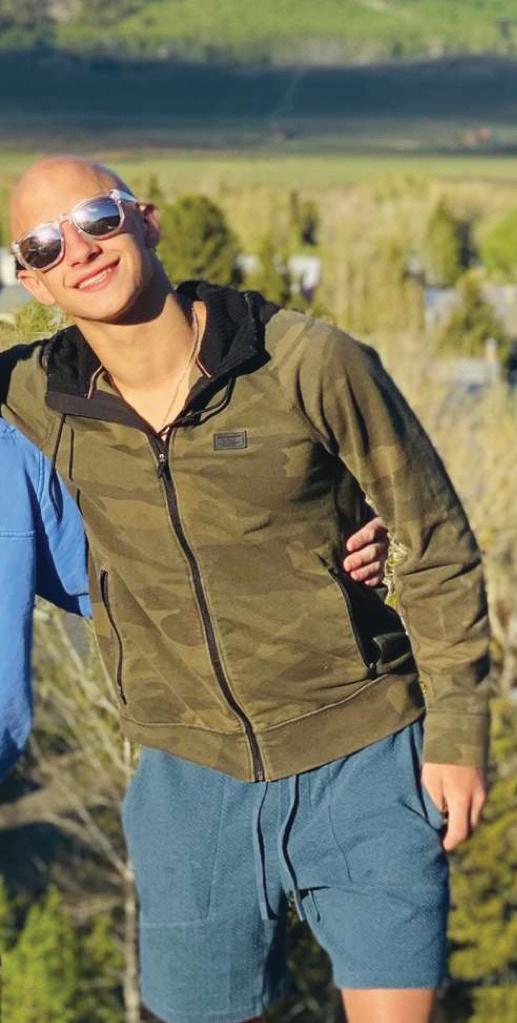
JACK BASIARDNES (below)
[Hair] hasn’t, I am bald af. [The lack of hair] makes me stand out and a more unique and outgoing person.
Interviews By Savanah Walser
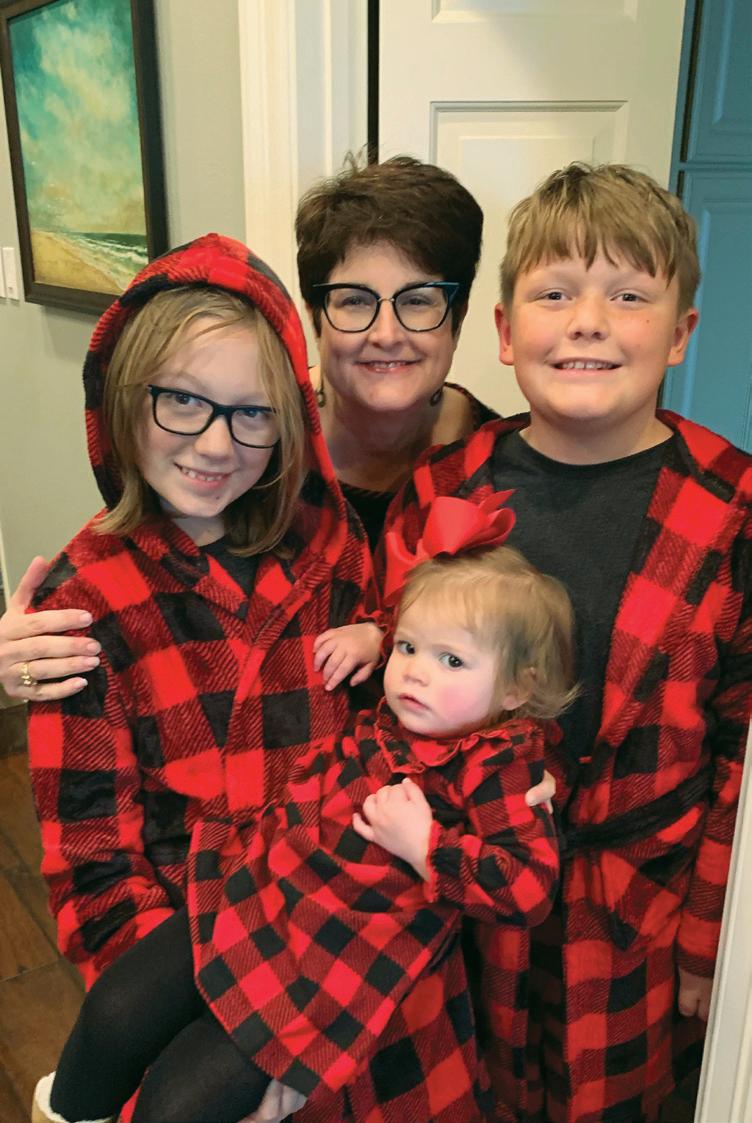
CAROL YARBROUGH (with Grandkids) (left)
I don’t consider myself a vain person, ya know I’m not into makeup and clothes, all that. I don’t buy name brand stuff. [During chemo therapy] a group of friends went with me to buy a wig so I was prepared, and I really didn’t think it was gonna be a big deal. But it was devastating and that came as a surprise to me because I just don’t consider myself a vain person. [When I lost my hair] I would not let my husband see me without a scarf or a hat. I didn’t like the wig, it was itchy and hot, and so I wound up mostly wearing scarves and hats. It totally shocked me that I just wasn’t prepared for it. [Losing my hair] hit me more than losing my breasts. It’s one of those things you don’t know, and this is where I get mad at people, you don’t know what you’re gonna do until you walk the walk. So, you can’t be so judgemental of people, that’s the lesson it taught me.
ELENA FOULKS (right)
I don’t like body hair because I have to shave it and that’s a hassle, but I like the hair on my head. I have to style it every day and figure out what to do with it, but I also like it. My hair is a staple of my appearance. I guess I can’t tell how it’s affected me because I’ve just grown up with it.
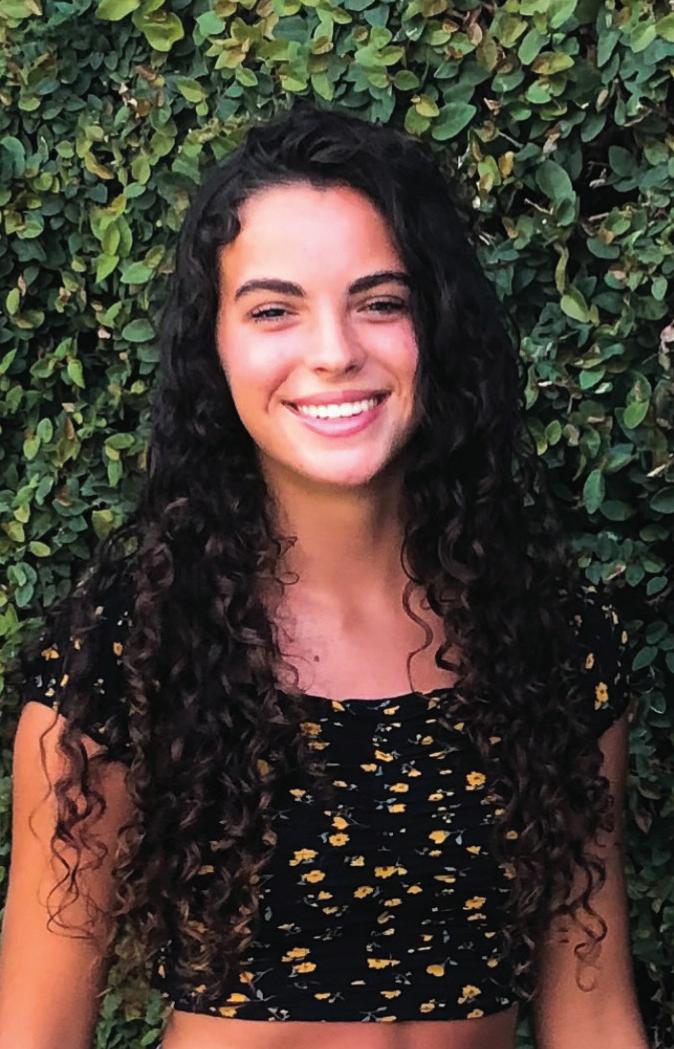
BELLA GAVIN (right)
My hair has affected my life very much. Growing up I was noticed and pointed out in groups because of my red hair. When I was younger I used to be embarrassed about it because I stuck out like a highlighter in a crowd. Now I embrace the uniqueness and beauty of it.

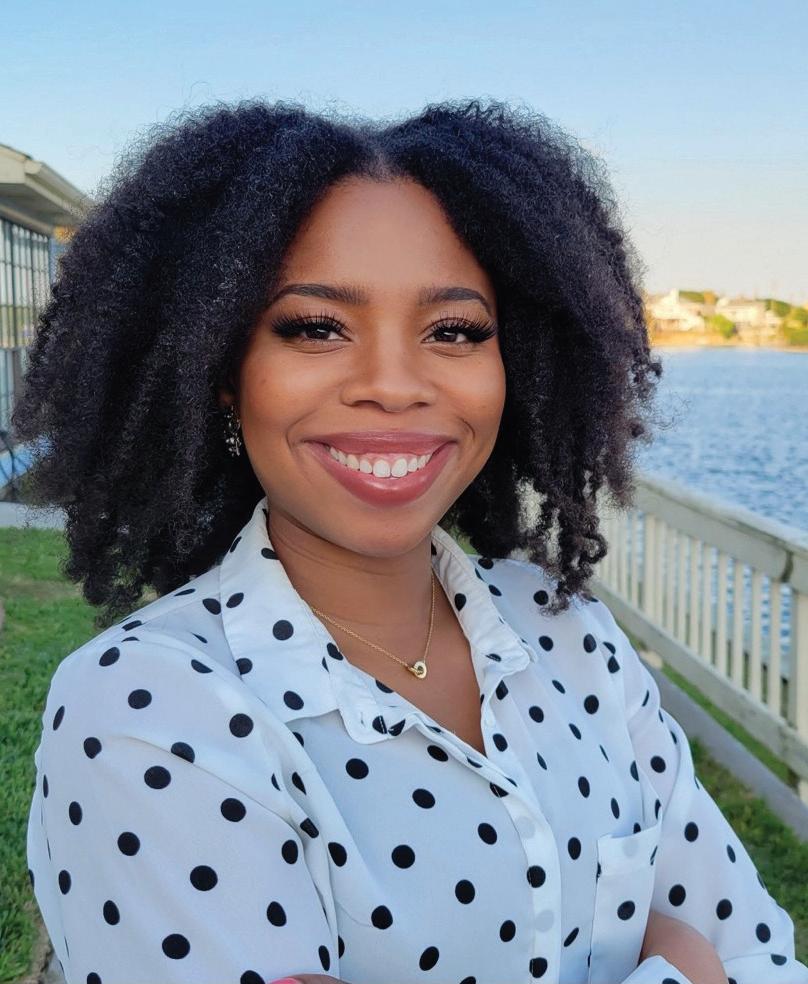
NIA SMALLWOOD (left)
In the early part of my life, I always wore my hair straight or up in a ponytail. My hair has always been very thick and curly, so my mom and I decided that straightening it was the easiest thing for us. I loved having long, thick hair, but I never really thought about it much except for when deciding whether I was going to do a high ponytail or a side ponytail that day. All of that changed after my freshman year of college, when I decided to go natural and wear my hair in its curly state full time. There was a steep learning curve when I began my natural journey, but now after 7 years I have found my groove.
I love having a big curly afro, but I have learned that the world does not always agree. My wake up call came one day when I showed up to work with my naturally curly hair out. I had spent hours washing, detangling, braiding, and prepping my hair for its debut, and I was very proud of the result. I showed up to work feeling confident and beautiful, only to have my coworker gesture to my head and ask if I was having a “bad hair day”.
That day, I learned that my hair is not just hair. My hair is polarizing, it is political, and it is powerful. Every day, I wake up with the knowledge that someone may discriminate against me because they see my hair as wild or unkempt. These ideas are incorrect and based in ignorance, but they affect me nonetheless. I have to consider what style to wear for work, or job interviews so that I make a good impression while remaining true to who I am.
My hair has impacted my life greatly. Some days I still find myself second-guessing whether people are looking at my hair in delight or disgust. I have had to grow a thick skin against comments from others and develop a deep sense of self love that overwhelms any doubts that may arise. If you are able to walk into a space without even considering that your hair won’t be accepted, I hope you recognize that as a privilege and the next time you think “It’s just hair”, consider that for some, it is everything.
We can ReFill, ReValve and ReTest Any of the Above Gas Cylinders






Turtles About Town is a community art project that highlights the City of Galveston and the conservation efforts of Turtle Island Restoration Network to protect endangered sea turtles on the upper Texas coast. Turtle lovers of all ages have the opportunity to see 50 colorful Kemp’s ridley sea turtle statues that have been installed around the island since 2018. Businesses, individuals and organizations graciously sponsor the turtle statues while local artists are commissioned to give each one its own personality and meaning.




Download a FREE map and go on a tour at seaturtles.org/turtles. Be sure to tag Turtle Island Restoration Network in your images (@TIRN-Gulf on Facebook and @TIRN.Gulf on Instagram) and tag #TurtlesAboutTown!


seaturtles.org clapcupstudios.com
No, really. Hold onto it.
Cigarette butts can take 25 years to decompose, are 98% plastic, and are toxic to marine life!
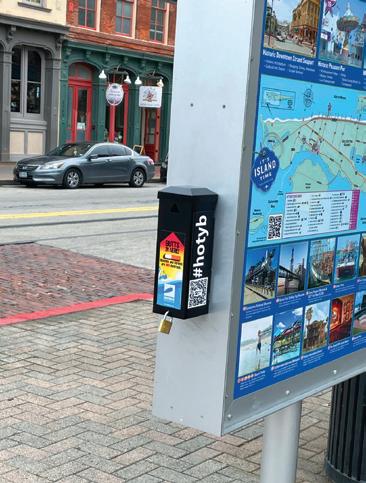
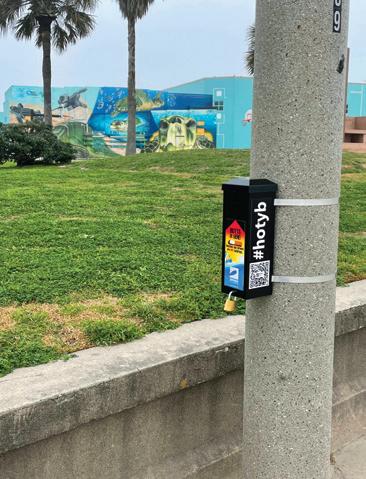
Please help Galveston Surfrider reduce butt litter on the island, and in the ocean, by disposing of your butts in one of these cans provided by local businesses and individuals. #hotyb
For more info, go to www.Galveston. Surfrider.org
To volunteer or sponsor a can, email hotyb@galveston. surfrider.org