CULTURE CLASH
a venue for Galveston’s free thinkers
CULTURE CLASH (Be a Better Human)
- Town dirty third coast Texas


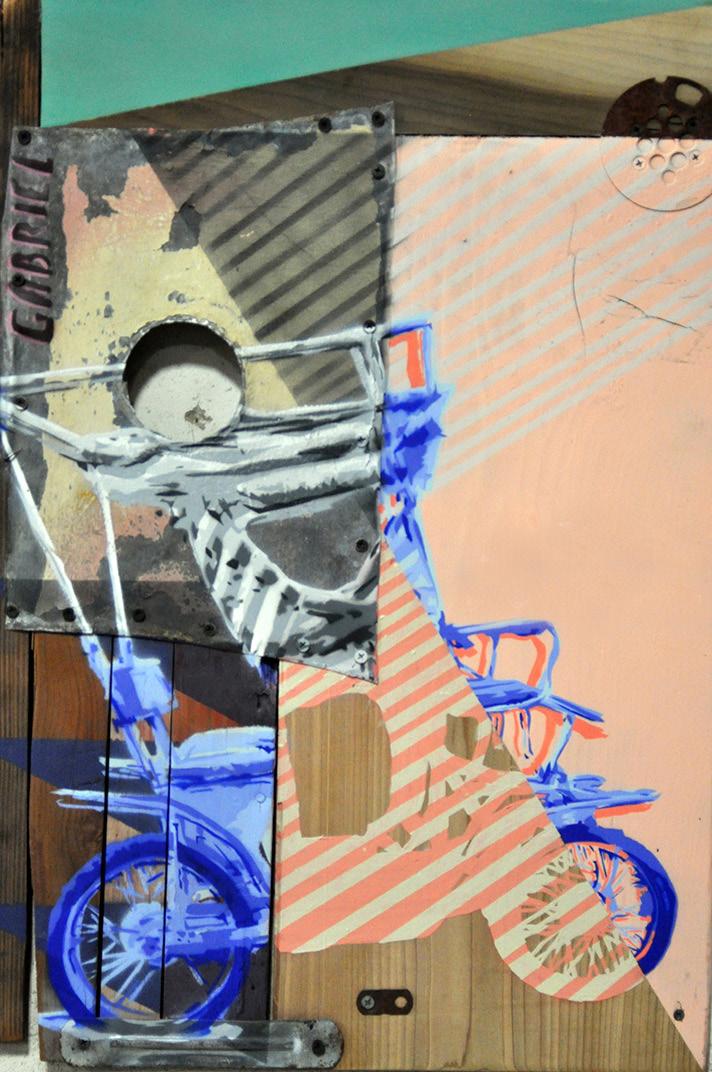
“Re-Ride” 38”x18” aerosol/acrylic on found wood/metal @gapsmack87 www.GabrielPrusmack.com
a venue for Galveston’s free thinkers
CULTURE CLASH (Be a Better Human)
- Town dirty third coast Texas
“Re-Ride” 38”x18” aerosol/acrylic on found wood/metal @gapsmack87 www.GabrielPrusmack.com
If you would have asked me two years ago what the most controversial Culture Clash Magazine issue topic might be, I would have never said Family. But as it turns out, this issue has been a doozy.
Family can be defined one hundred different ways. Regardless of your definition, the take away is love and support. If you have that, you have family.
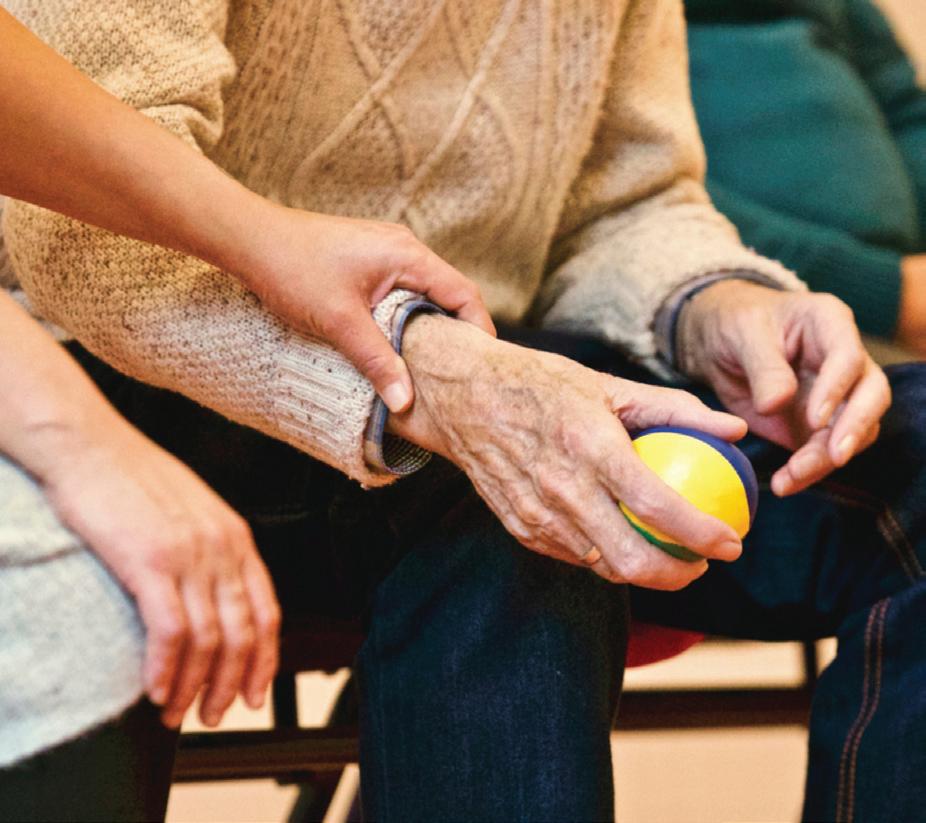
This issue highlights the tough stuff like circumcision (pg. 7), caring for elderly parents (pg. 8) and miscarriage (pg. 10). We also focus on managing family stress (pg. 12) and what makes family (pg. 16). But my absolute favorites from the May/June 2019 issue are the Summer Activity Guide (pg 24) and the vaccination articles (pg. 15).
The Culture Clash family has been through it all in the past two months. We have loved, fought, cried and laughed over this issue. We hope that each of you can relate and will comment online or write to us with your personal opinions and input.
From our family to yours!
Write us an email or shoot us a comment any time online: CultureClashGalveston.com facebook.com/CultureClashMag CultureClashGalveston@gmail.com
Janese Maricelli Publisher
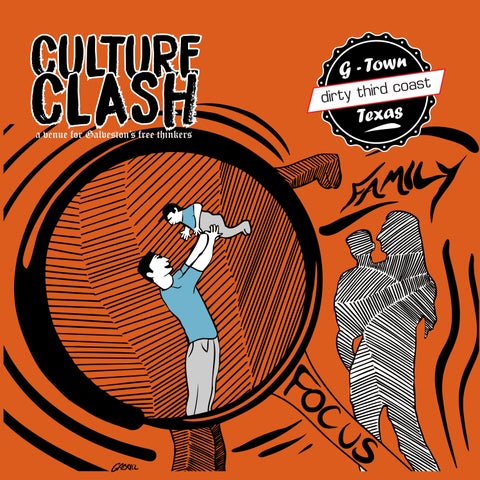
ON THE COVER: “Family Focus” by Gabriel Prusmack. Gabe says, “This is a focus on what truly makes a family stick together, by engaging in one another with love and the capability of being playful and not take life so seriously.” Gabe is primarily an aerosol artist living and working in Galveston, Tx. You can see his work all over town. His motto, “Be contagious with Joy, effect someone’s life today with a joke, with a laugh, with a prayer. Be free and Love Big!”
*This magazine is NOT printed on recycled paper or with soy-based inks YET! But we are working on it. Help us get there, advertise or sponsor us! Email for more details CultureClashGalveston@gmail.com.
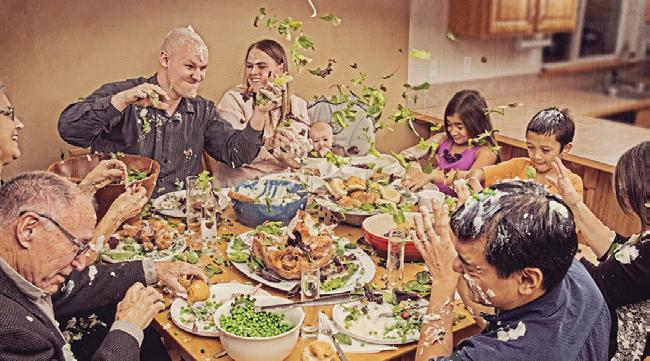
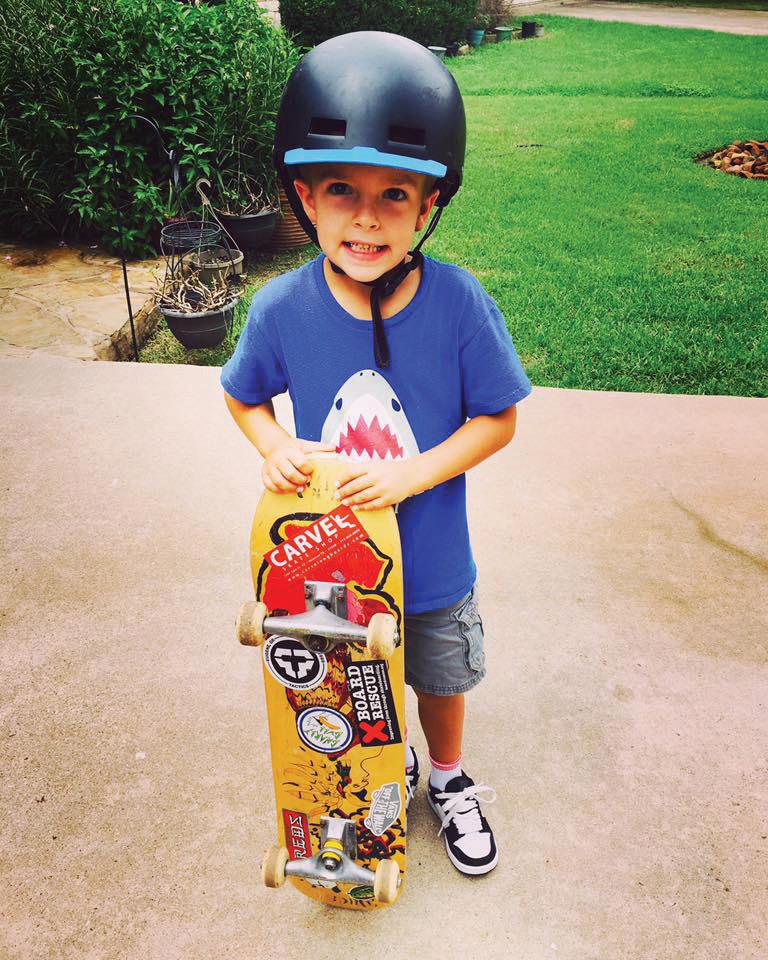


Family means putting your arms around each other and being there. Having someone to love is family. Having somewhere to go is home. And having both is a blessing.
By Bruno
CIRCUMCISION ISN’T A CHOICE FOR MOST PEOPLE. IT IS DONE TOO EARLY IN THEIR LIVES FOR THEM TO HAVE ANY SAY ABOUT IT. It happens so early in fact that some are unaware they were not born with what they have, or don’t have. When we decided against it, it was with this in mind.
Contrary to popular belief, it is not solely a Jewish tradition. Circumcision was considered hygienic during the last half of the Twentieth Century, when the medical profession went industrial. The foreskin was known to harbor remnants of various activities and provide a nice habitat for various fluid-borne bacteria and viruses. Hence, it became common practice, similarly with C-Sections in childbirth.
Add to that the risk of complications as with any surgical procedure. We figured with the proper education, our sons could learn to keep themselves clean. While there is no guarantee this will prevent problems, the same can be said for circumcision. And, frankly, we tend to shy away from surgery as a prophylactic.
There is much flippant regard for this subject, from religious jokes to cringy YouTube videos asking women in bars which they prefer. The fact is, circumcision is a personal choice, whatever your reasons. You can choose for your child. You can choose for yourself. Unless someone has already chosen for you.
We chose to let them decide for themselves.

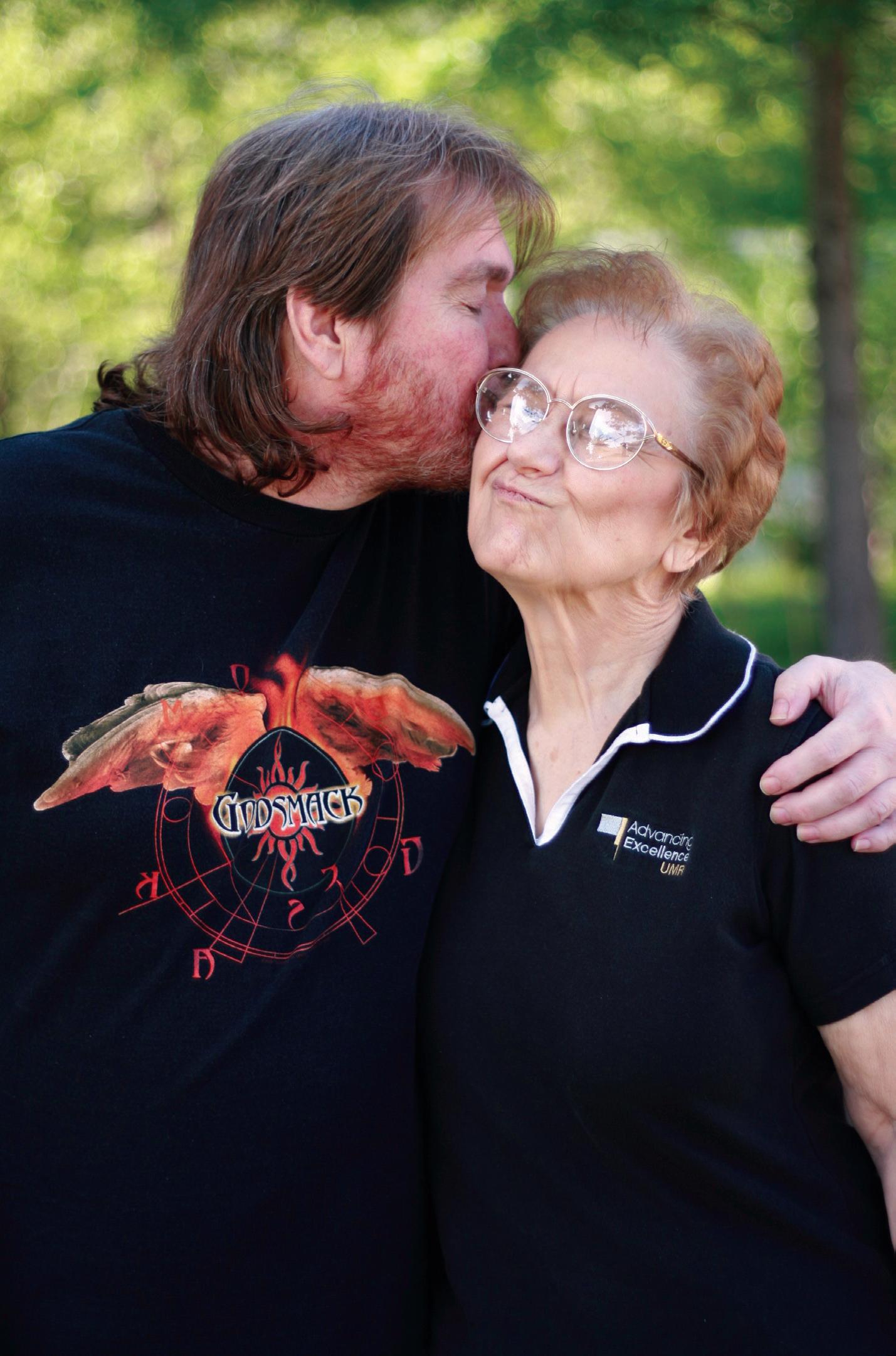
By Raymond Burditt
SHE DREW HER LAST BREATH, I KNEW NONE OF OUR LIVES WOULD EVER BE THE SAME, ESPECIALLY MINE….
Sometimes in your life when you get big news, you remember everything about that moment. The day, the time, the weather, exactly what you are doing. Other times, like when I received the call from my sister that our Mummy’s cancer was back, my memory is void. As hard as I try, I don’t remember a single thing about that day other than the excruciating pain I felt throughout my entire body. She had fought for over ten years to keep her cancer at bay, but it was back, and this time it wouldn’t lose.
As I drove the 290 miles from Washington DC to Harnett County, NC, my mind raced with “what if” scenarios. What if she dies and I am left taking care of my father? What if she hangs on for years, but I must help take care of them both? Even though Mummy was my stepmom, I couldn’t have loved her more. I stayed in my father’s life because of her. She had been the reason why, as a child, I went to visit them every other weekend. Now as an adult, I would spend the next few months traveling back and forth from work to be with her on most weekends. As the time for hospice came, I spent the last six weeks of her life taking care of her. In the end, she would be the reason I put my life on hold again - to take care of my father. I made her a promise I intended to keep.
“Even though Mummy was my stepmom, I couldn’t have loved her more.”
My father and I were never close. As a matter of fact, neither of us put much effort into trying to be close. In fact, most people were a bit shocked when my partner and I left DC and moved to North Carolina. Nevertheless, we spent 3.5 years caring for my father’s every need. Over the course of that time, my father and I grew closer, but until the last year of his life, I would have never guessed just how close we would become. You see, as with many elderly people, my Pops started losing control of his body, both physically and mentally. This was something I could never have prepared myself for… when the child becomes the parent. An argument we had over whether he would wear Depends was one I’ll never forget. He told me, in his most sarcastic voice, “I want to wear big boy pants, not a diaper.” Of course, he lost that battle because I threw all his “big boy” pants in the trash. As time went on, it became increasingly more difficult for Pops to keep himself clean. He had been having trouble controlling his bowels and added to that was his need for using a walker. We were in for something neither of us had envisioned. I remember vividly the first time I had to shower him. It was something neither of us wanted to happen, but we knew there was no alternative. He said to me, “Ray, I’m sorry.” I fought back the tears as I knew he was at a breaking point. I said to him, “Pops, I know you don’t want this, and I’m not too fond of having to do this, but we have no choice. Let’s get you all cleaned up.” It’s strange the things in life that bring you closer to someone. For my Pops and me, it was an uncomfortable realization by both of us that we had no other choice.
Pops has been gone for almost two years, and we have since moved on from North Carolina back to Galveston, TX. I will never regret the time we spent taking care of him. I learned a level of love and respect I would have otherwise never experienced, and I have my Mummy to thank for all of it.

By Carrie C.
MISCARRIAGE AS DEFINED BY WIKIPEDIA: “MISCARRIAGE, ALSO KNOWN AS SPONTANEOUS ABORTION AND PREGNANCY LOSS, IS THE NATURAL DEATH OF AN EMBRYO OR FETUS BEFORE IT IS ABLE TO SURVIVE INDEPENDENTLY. Some use the cutoff of 20 weeks of gestation, after which fetal death is known as a stillbirth. The most common symptom of a miscarriage is vaginal bleeding with or without pain. Sadness, anxiety, and guilt often occur afterwards. Tissue and clot-like material may leave the uterus and pass through and out of the vagina. When a woman keeps having miscarriages, infertility is present.” After reading the definition, I am struck with my own old feelings of grief, anguish, and fear.
It has been eleven years since my last miscarriage. I have had time to work through my experiences, and fortunately was able to have two successful pregnancies resulting in my beautiful and brilliant daughters. Yet, the feeling of dread I had when I realized I was suddenly bleeding down my legs at 10 weeks in my first pregnancy is something I will never forget. I vaguely remember being rushed to the ER by my aunt, as my neighbor frantically called my husband at work. All I could focus on was keeping our baby. Willing the blood to stop. Of course, that did not happen. I am a strong-willed person, but nothing could stop what nature had put into motion.
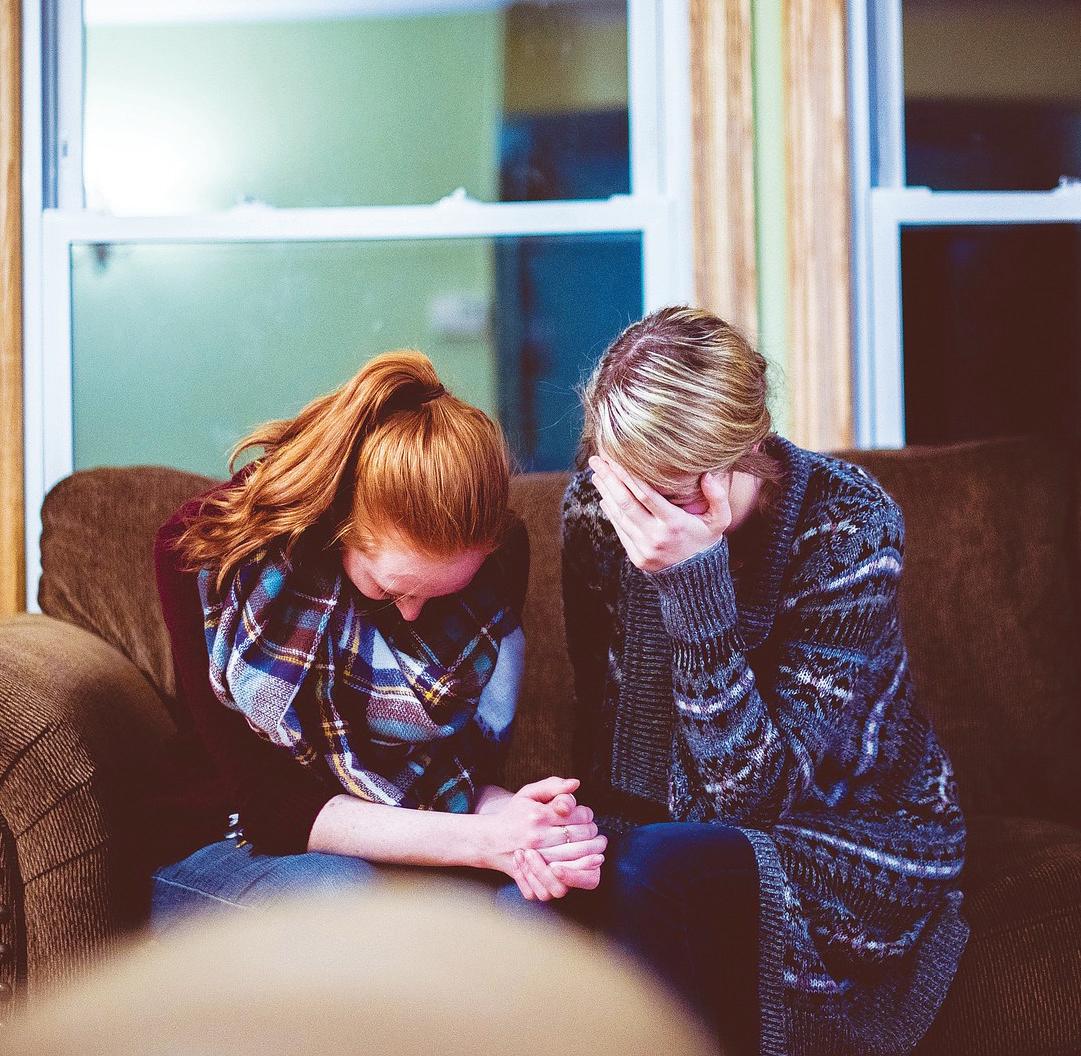
For women who know they’re pregnant, about 10 to 15 in 100 pregnancies (10 -15%) end in miscarriage in the United States, according to the March of Dimes. Miscarriages can also happen before the woman is aware she is pregnant and might be misinterpreted as a particularly difficult menstrual cycle, rather than a very early miscarriage. Our society does not talk about miscarriages much, but they do happen to many women each year in our country and around the world. The women having miscarriages are our sisters, best friends, neighbors, co-workers, cousins, and me.
With a miscarriage comes lost dreams and missed hopes for that tiny little human, even though s/he never had a chance to fully develop. It is amazing how within seconds after you find out you are pregnant with a very wanted pregnancy, how quickly your mind races. Will it be a boy or girl? What color eyes will the baby have? Will the baby laugh like his daddy? Will she love to dance like me? The sorrow and sadness that follows a miscarriage is real and valid. We might not talk about it, but it is happening.
I encourage you to be open to listening. Open to discussing and addressing the mental heaviness left behind, after the blood and clots are gone, when the hopes and dreams for that little human are laid to rest. It can be difficult, but many of our sisters need a shoulder to lean on and a ear open to hear about the pain. My miscarriages are pieces of experiences that ultimately made me the person I am today. Embracing each other in times of trouble is how we grow and evolve as people.
“Family is not an important thing - it is everything.”
-Micheal J. Fox

By Kifferie Corley, MA, LPC
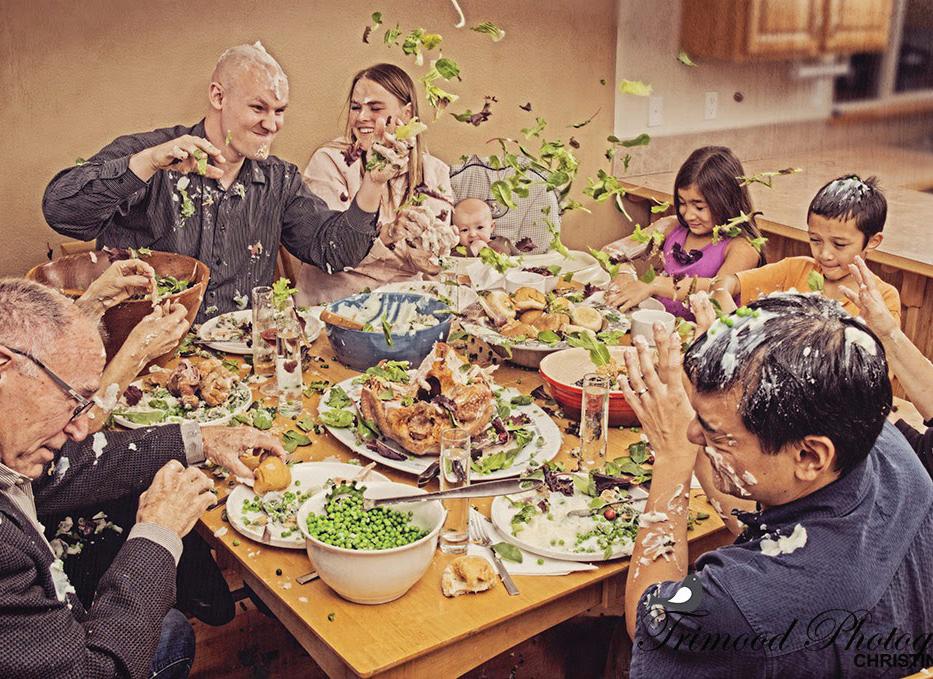
HAVE YOU EVER WONDERED WHY YOU GET ANXIOUS WHEN THINKING ABOUT FAMILY GATHERINGS? YOU’RE NOT ALONE!
Dr. Murray Bowen was the founder of Family Systems Theory and posits that “ ... individuals cannot be understood in isolation from one another, but rather as a part of their family, as the family is an emotional unit. Families are systems of interconnected and interdependent individuals, none of whom can be understood in isolation from the system.”
In order to survive in our families, each of us adjusts by accepting a role in the family play:

There’s the family hero — the responsible child who’s 5 going on 40 years old. They take on the parental role from a very young age, they are responsible and self-sufficient. As an adult, they become rigid, controlling and often judgmental of themselves and others. Nothing is ever good enough. They achieve what looks like success to the outside world but do so in an effort to gain approval and self-worth externally. Often, it takes this family member the longest time to see that there might be some deep emotional wounds and inner self-critical voices that need to be healed and accepted as good enough.
Then we have the scapegoat, the “bad” kid, the one who acts out what the family ignores. They provide a welcome distraction from the family’s real issues. They often get into trouble at school and otherwise in an effort to get their need of getting attention met — even if it’s negative attention. They are considered sensitive and internalize the family issues to the point of self-destruction. They often become cynical, distrustful adults who harbor a lot of self-hatred and seek recovery in an effort to understand their destructive patterns.
Next, we have the mascot or the caretaker. This family member takes responsibility for the family’s emotional well-being. They can become the clown, in an effort to divert attention from the anger and pain in the family, or the social director. They are valued for their kind heart and ability to listen. Their whole identity becomes wrapped up in helping others, often putting themselves last on the list of those to receive care. They become adults with caseloads of friends that need their help in some way and have a hard time receiving instead of giving love and care. These are the people pleasers who often end up in abusive relationships.
Another role in the family is the lost child. The one who tries to fade into the background. They lose themselves in books and fantasy or escape through TV and withdraw from reality in some way. They often become adults who are “commitmentphobics”, suffer from low selfworth, and socially isolate themselves in an effort to protect themselves from being hurt. These are our actors or writers, who’ve sought a creative way to emotionally express their pain indirectly.
Do you recognize yourself or some of your family members in these roles? Once we develop this awareness, we can begin to choose to show up differently in our families and rebuke the old roles that come up around family gatherings. In order to begin this process, we have to develop some useful self-regulation tools.
A great mindfulness exercise called RAIN offered by Tara Brach, a Buddhist meditation teacher, is useful when working with intense and difficult emotionwww.tarabrach.com/articles-interviews/rain-workingwithdifficulties/.
RAIN stands for:
Recognize and just notice what is taking place
Accept/Allow life to be exactly as it is
Investigate your inner experience with kindness (without self-judgement)
Not Personalize or Non-Identification since your family dynamic is only one small part of who you are and the way we have been conditioned to react can be reimagined with consistent effort.
Other helpful tips to approach family gatherings during family gatherings:
Routine Self-care — Don’t forego your daily routines of self-care. Have that cup of coffee slowly in the morning. Go for your morning run. Take your five minutes to meditate. It’s your anchor in the madness. Don’t give it up during the time you need that stability the most.
Plan Ahead — When things get intense, have an exit plan. You don’t have to stay and take verbal abuse or be part of every argument you’re invited to. Notice before things escalate and excuse yourself. If you know five hours is too much, show up for an amount of time that is tolerable for you. Have a plan beforehand to make a graceful exit. Unconditional Love and Acceptance are Our Right — If our family members are incapable of giving this to us, we have the right to give ourselves the compassion we may have never received. Once we are able to meet this need for ourselves, we can more easily give compassion to others and meet them where they are with unconditional love and acceptance.

As a therapist and staunch advocate for mental health, I feel everyone can benefit from seeking a therapist who can supply guidance and support. Someone who provides an environment where you can heal old wounds through a positive, reparative relationship with another. While I provide such services, you can also find a good therapist in the area on www. psychologytoday.com.

By Julie Salinas
Only viewed in darkness
Only seen as one thing
A negative
They see her alone

Slut! Disgusting! Stupid! Shot like bullets their words
Squeeze salty tears out of her eyes
She goes home to a house of anger and disappointment.
She is shutting the door who’s now her only friend Isolates herself, loneliness is her newfound comfort.

With a small faint cry, she takes soft yet firm steps, Out of the darkness
Clearing her path
Pain and suffering slowly get pushed aside.
At a small white bassinet
Their eyes meet, sharing the phrase “You’re safe now, no harm will come to you.”
Her finger caresses the small child’s cheek.
A smile replaces the tears that once filled her face.



She feels the warmth from her child’s embrace.
Standing in the light that is hidden in the dark, She begins to tell a tale we have all heard.
Once upon a time, a girl was young and in love
She created a beautiful gift for her lover
But he betrayed her. So she kept the gift.
Despite what many had said, Now she’s left with a new beginning to a bitter end.
Only seen through the innocent eyes of a sweet child
Can one find the light in every kingdom of darkness.

It wouldn’t be a Culture Clash if we didn’t talk about vaccines in the FAMILY ISSUE.
If nothing else in this issue peaks your interest or appeals to your senses, this should.
We had three articles submitted on vaccinations. Each article took a different approach and had completely different take aways.
Because the complied information was over 10 pages in length, the publisher of this magazine decided it best to publish the information online.
For the complete story and compilation of articles, please visit our website. There you will find an obvious link.
We ask you take the time to read through the viewpoints and determine for yourself the next steps. Please write to us or comment and let us know your thoughts!



“209
My cellie and I look at each other in surprise for a moment until the cell door rolling open prods me to spring into action. I jump off my bunk and scoop up my boots. As I squeeze out, the cell door clangs shut. They don’t leave the door open for long around here. He hands me my clothes through the bars and I quickly get dressed. “Who is coming to see you?” he asks.
That is a good question. I don’t know. For these first four years of my incarceration, I have had one visit per year from two friends N and J. Since I had a visit from them a few months ago, I was not anticipating another so soon.
By Juan Gonzales
In TDCJ (Texas Department of Criminal Justice), you are allowed 10 people on your visiting list, but none of the people on the rest of my list have come as of yet. This visit could be very good news or very bad news, and my heart is racing in suspense and anticipation.












“I don’t know,” I reply curtly as I lace my boots.
He immediately understands what is on my mind and quickly tries to ease my worries. He is a good cellie. “Well, I’m sure it’s just J. She probably had to make a trip to Huntsville for something and just decided to drop by. Or maybe N and them came to camp at the state park and she is swinging by on the way back to Galveston.”
“Um… I don’t think so, but maybe,” I say as a grab my I.D. he is handing me and then hurry down to get through the gauntlet of gates and guards. I finally get to the visiting part of the unit and go into the first room, strip down, get searched, then quickly get dressed again. The act of getting strip searched never gets any less demeaning or any less dehumanizing, but this is the one time inmates do not complain.
I’ve only been in the non-contact visitation area for visits because to this point, none of my family has been able to come visit me. So it is a huge surprise to me when I am led to the contact area of visitation. I walk into a room full of people sitting across from each other on long tables lost in little bubbles of love. I anxiously look at all the people, searching for a familiar face. My heart stops, then swells and bursts. It is my son! My oldest boy who has just turned 18. He looks at me from his spot on the table and I see a man who has grown up in my absence. I see wisdom in his eyes that only comes from painful experiences - experiences I was not there to help guide him through.
Hesitantly, he gets up from the table and takes a few steps towards me, not knowing what to do. Neither do I. What is the procedure here? The new guard who let me in looks at both of us and realizes neither of us have been here before. He is one of the good guards TDCJ does not let work inside the unit, but instead keeps him out front where the real world people can see he is just like a regular person. He is what all guards should be – a human with a heart. “Well?” he says with a warm smile. “Don’t you want to hug your son, dad?”
My son rushes into my arms and I hold him so tight and feel a wave of emotions! The person in my arms is taller, stronger, and the arms he is squeezing me back with are noticeably longer. He is still just a boy though and I feel him shake with suppressed sobs, which match the ones I am suppressing. I don’t ever want to let him go again, but I do because I don’t know if there is a limit or if other people are waiting for us to sit down so they too can hug their loved ones. Before I release


him, I quickly wipe my eyes behind his back and feel him do the same.
We go sit at our assigned spots and we talk. Awkwardly at first, but soon we fall back into the comfortable rhythm my son and I have always shared. His intelligence astounds me and his observations are more astute. He’s funny and witty, and we laugh together. He glosses over the difficult times and steers the conversation to happier topics. I do the same, and all too soon, our two hours are over. It’s time for him to go back to life and for me to go back to my cage. We hug again and shed a few more tears we both quickly wipe away, pretending not to see. Then it’s done.

















But it’s not done because now I feel like a father again - like I am someonesomeone important even. It’s a feeling I haven’t felt in far too long, and is something inmates do not get to feel very often. In prison, you are a lonely cog in a huge machine that slowly grinds you down. You are not a part of the real world and feel like you are forgotten by everyone who you once thought you were important to. Or… so the system likes you to believe. A visit changes all that though. You are suddenly a part of something more. You are a loved one again. Though my name sounds like a number (Juan/one – get it?), I am not a number! I am a human!
After a visit, especially this one, I feel human again. I remember who I am. I am strengthened with a renewed will power to make it out of this place.






The hopelessness is replaced with determination. My name is Juan again, not just a number. I actually look past the fencing surrounding me and see the trees and life behind it. I am a part of something good again. A part of a family.








The word family has always meant so much to me. It was something I always tried to show my kids. Family first. They are the ones who will be there when no one else is. Now I see that perhaps I wasn’t entirely correct. Family isn’t who fate made you related to by giving you the same ancestor. Though some are not family by blood, the people who are there for me now when I need them are my family. I have family now that I didn’t have when I first came into this system. As I sit in this cell thinking, I realized the only reason TDCJ hasn’t broken me is because family has kept me sane. Kept me me. I can’t wait to walk out of this place and be there for them like they have been there for me. Like family.
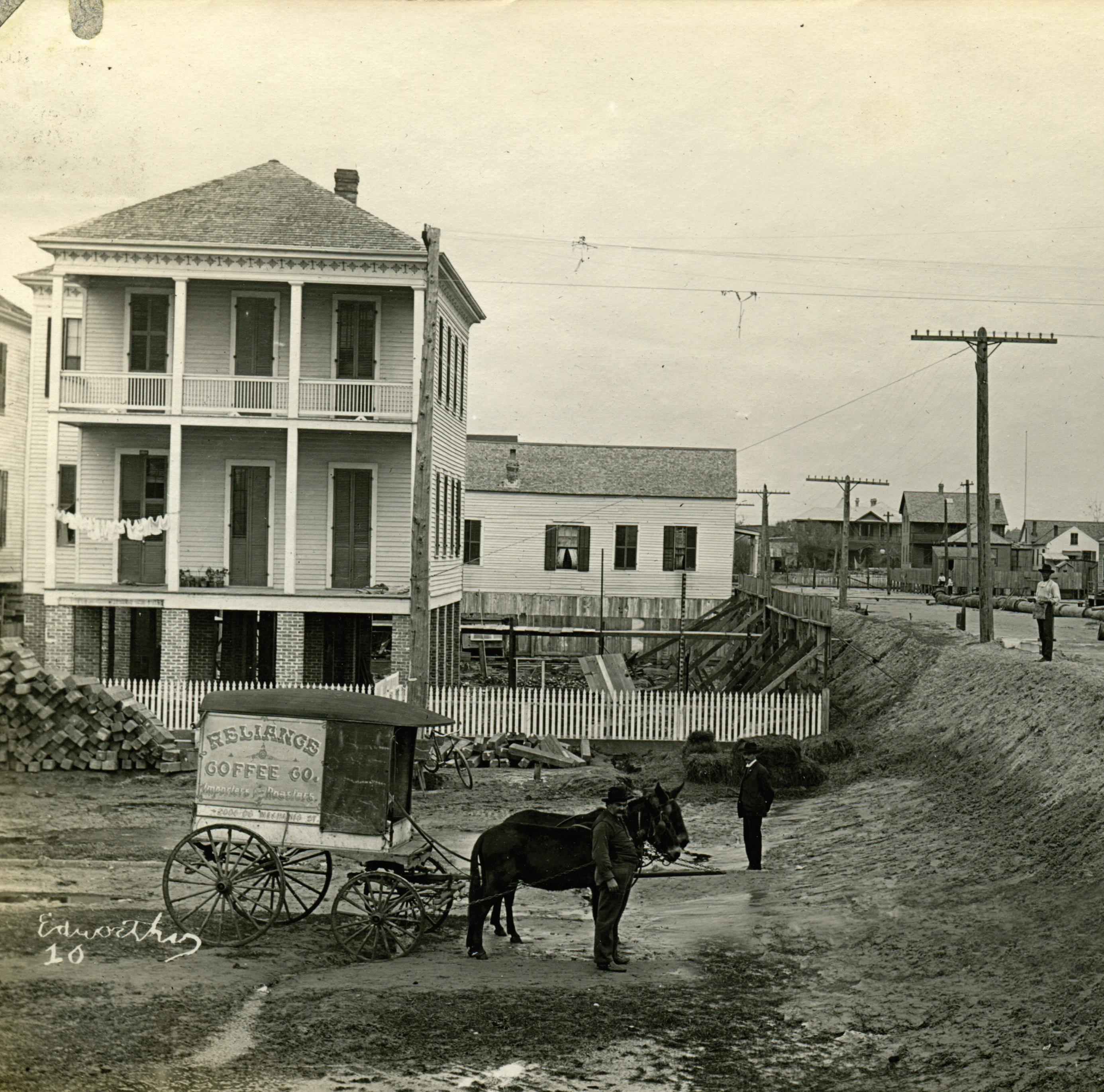
Galveston was made great by the amazing people who came before us. Send us your Galveston stories.
By Bob Hacket
THE AMERICAN DREAM. FOR SOME IT IS TO BE SUCCESSFUL, TO HAVE A FAMILY, AND TO HELP OTHERS. The patriarchs of Galveston’s leading families — the Kempners, Moodys, and Sealys — all had precarious starts in life but were able to rely on their natural abilities and recognition of opportunities to obtain great wealth.

SOUGHT SUCCESS
While from different backgrounds and locations, John Sealy, William Lewis Moody and Harris Kempner’s roads to their fortunes began by selling goods.
Sealy was born in Kingston, Pennsylvania on Oct. 18, 1822. He worked in a country store for 10 years until he heard about the new state of Texas and moved to Galveston in 1846. He clerked for the mercantile business on the island and eventually partnered with John H. Hutchings, which led him to open a store in the town of Sabine.
On May 19, 1828, Moody was born in Essex County, Virginia. Faced with becoming an orphan at 15, Moody overcame his hardships and went on to finish law school in just three years at the University of Virginia. The following year, 1852, Moody settled in Fairfield, Texas. He joined his brothers in the mercantile and cotton business, and left the law practice.
Around the world, within the Russian Partition Krzepitz, Poland, Kempner was born on March 7, 1837. He immigrated to the United States at the age of 16 in 1854, and lived in New York where he worked as a day laborer and learned the English language at night. Kempner moved to Cold Springs, Texas in 1858, where he first peddled goods to farms and then formed a small general store.
FOUGHT FOR DIXIE
The Civil War caused men, many in the same family, to choose a side to support. By the outbreak of the fighting, each of the men — Sealy, Kempner and Moody — believed in standing for the side they, at the time, called home — Texas.
John Sealy- Right William Lewis Moody- Below
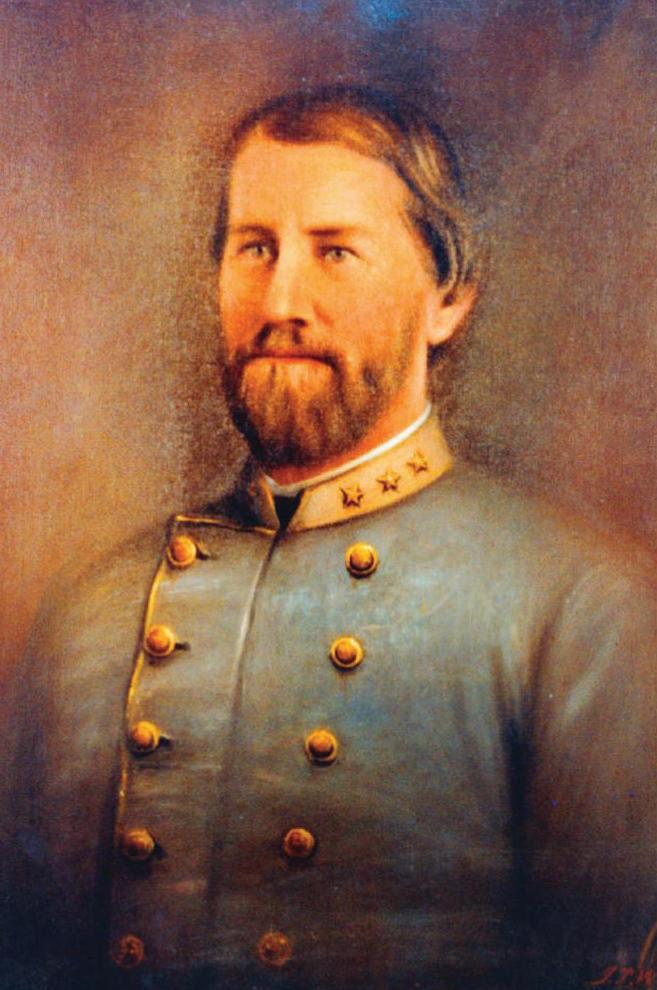
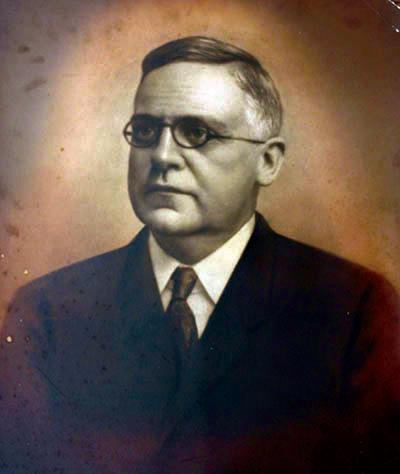

As an established businessman on the island, Sealy facilitated trade for the Confederate states through Mexico. In 1854, George Ball partnered with Hutchings and Sealy, and led them back to Galveston to form Ball, Hutchings, and Company, a commission and banking business that would later morph into the Hutchings-Sealy Bank. That same year, Sealy and several other business leaders purchased several waterfront businesses and established the Galveston Wharf Company. In 1858, Sealy served as president and moved the firm to Houston, due to the Union blockade of Galveston.
Though against slavery and a believer in human civil rights, Kempner felt it was his duty to serve the Confederacy, fighting in the war until wounds prevented him from returning to the front line. He continued to provide support to the rebels as a quartermaster sergeant.
Moody, a committed secessionist, brought the state pride he grew up with in Virginia to Texas. In the summer of 1861, he organized Company G of the Seventh Texas Infantry and served as captain of the company. He became a prisoner of war following the fall of Fort Donelson in Tennessee and spent months in prison camps before being part of a prisoner exchange in September 1862. Moody then helped the Seventh Texas Infantry reorganize, and was promoted to the rank of lieutenant colonel. He went on to fight campaigns in Mississippi until he was seriously wounded near Jackson. He was sent back to Texas to convalesce, promoted to colonel, and spent the remainder of the war in Austin.
After the Civil War, all three men recognized that Galveston was where they would have an opportunity to find their fortunes. Sealy returned to Galveston with his firm and helped organize the Galveston Gas Company. Kempner had returned to Cold Springs, and for a while focused on the economic problems of the cotton farmers. In 1870, Kempner moved to Galveston and, in partnership with a man named Marx Marx, established a wholesale grocery that became one of the largest in Texas. Moody moved to the island in the summer of 1866, where he opened his firm of W.L. and L.F. Moody on Sept. 1, 1866, as cotton brokers.
Because of the considerable wealth each man had accumulated and the values they had instilled in their families, their heirs went on to establish foundations to give back to the community.
Sealy died in Galveston on Aug. 29, 1884, leaving $50,000 to be used for “a charitable purpose.” His wife, Rebecca, decided to build a hospital. The John Sealy Hospital in Galveston opened in 1890. John Sealy and Jennie Sealy Smith, joined by her husband, R. Waverley Smith, established the Sealy-Smith Foundation in 1922 to carry on the family concern for the healthcare of the people of Galveston.


Following his death in Galveston on April 13, 1894, Kempner’s eldest son, Isaac Herbert, who would go on to found Imperial Sugar, continued his father’s work and expanded the family business into a major diversified corporation. The Harris and Eliza Kempner Fund was established in 1946 with $38,500 in seed money to provide support for organizations vital to Galveston Island through grants to local efforts to improve health, education, culture, and the general welfare in Galveston County.
On July 17, 1920, Moody died in Galveston. His son, W.L. Jr., enlarged the family business to include the formation of American National Insurance Company, and along with his wife, Libbie Rice Shearn Moody, chartered the Moody Foundation in 1942. Based in Galveston, the foundation focuses most of its funding on programs involving education, social service children’s needs, and community development “to benefit, in perpetuity, present and future generations of Texas.”
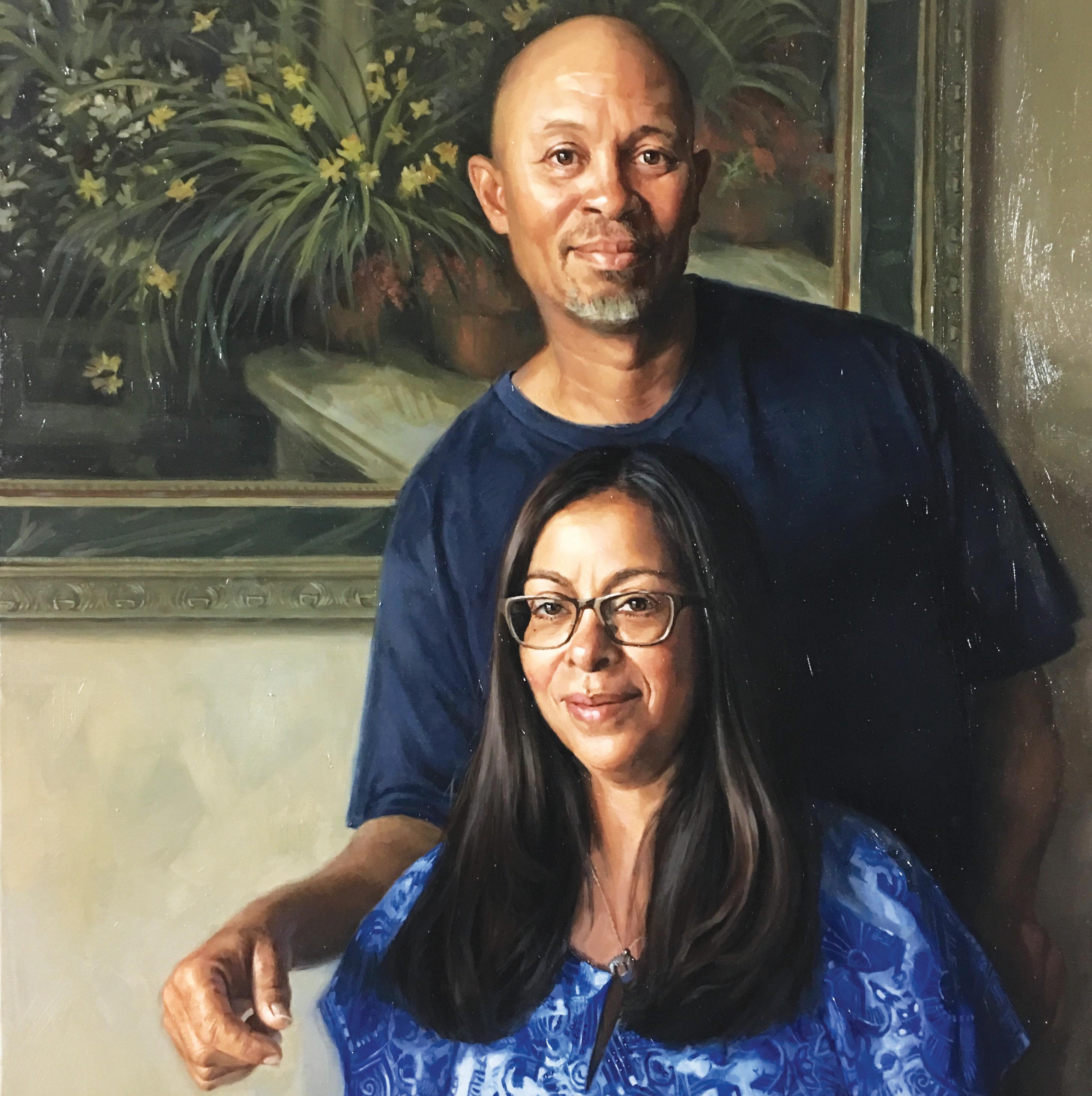
The Grand 1894 Opera House (theater)
2020 Postoffice St. • Galveston
409.770.5066
www.thegrand.com
Type of Camp: Summer Theater Camp -
Gulliver’s Travel
Age Range: 7-16
Price: $245/wk
Dates: July 22-26, 12:30pm-5:30pm
East End Theater Company (theater)
2317 Mechanic St. • Galveston
409.762.3556
www.islandetc.org/classes/ Types of Camps: Students on Stage
Age Range: 1st graders+
Prices: $375/session
Dates: 1st session incoming 6th-12 graders June 10-28 9am-2pm M-F, 2nd session incoming 1st-5th graders July 22-August 9 8:30am-12:30pm
DLS Dance Studio (dance)
1710 23rd St • Galveston
409.750.7023
www.dlsdancestudio.com
More info online or call
Galveston Ballet (ballet)
2301 Market • Galveston
409.763.8620
www.galvestonballet.org
Type of Camp: Fairy Tale Camp
Age Range: 3-6
Prices vary
Dates: June-July
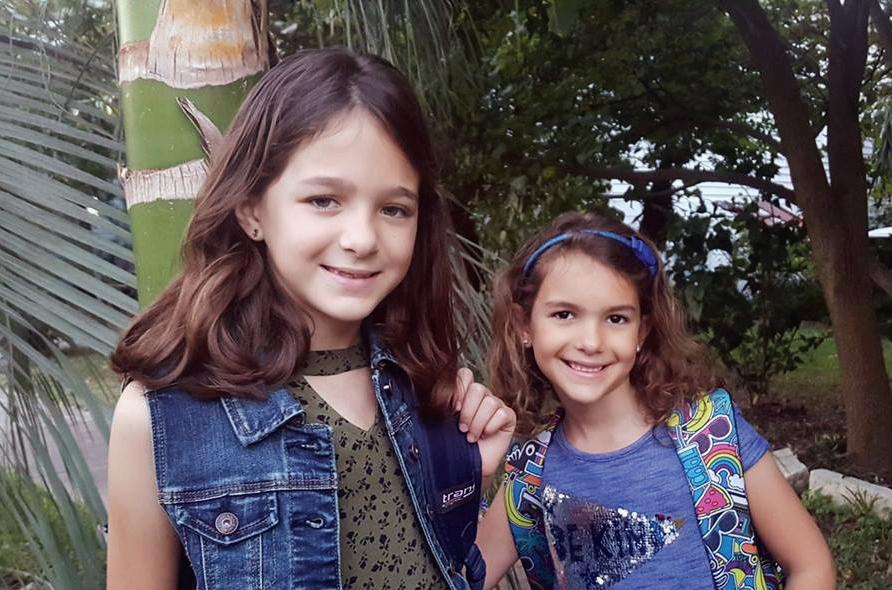
Fanfare Lutheran Music Academy (music)
2315 Winnie • Galveston
409.762.8477
www.fanfarelma.com
Types of Camps: Variety
Age Range: 2+
Prices vary Dates vary
Galveston Naval Museum (history)
Seawolf Park • Galveston
409.770.3196
www.galvestonnavalmuseum.com
Price: $75/day
Dates: 1- o r 2-day camps in June and July, 9am-5:30pm
Houston Children’s Chorus (singing)
Gartein Verein • Galveston
www.houstonchildren.org
Type of Camp: Chorus
Age Range: exiting 3rd-8th graders
Price: $25
Dates: July, 9am-3pm
Pirates! Legends of the Gulf Coast (history)
2313 Harborside Dr. • Galveston
409.762.6677
www.piratesgulfcoast.com/piratecamp.html
Age Range: 6-10
Price: $60/day
Dates: Open, 10am-1:45pm
Bryan Museum (history)
1315 21st St. • Galveston
www.thebryanmuseum.org/ camp
Types of Camp: Historical Fiction Camp
Age Range: incoming 4th-6th graders
Price: $350/wk
Dates: month of July, 9am-3pm





City of Galveston Parks & Recreation (variety)
McGuire Dent and Wright Cuney Recreation Centers
409.797.3700; 409.797.3715
www.galvestontx.gov
Summer Recreation Program
Age Range: 5-12
Price: no cost
Dates: June-August
Galveston Children’s Museum (variety)
2618 Broadway • Galveston
409.572.2544
www.galvestoncm.org/summer-camps/
Types of Camp: sewing, maker, tinkering, science
Age Range: 4-14
Price: $175-250/wk
Dates: June-August, 9am-4pm
Galveston College (variety)
4015 Ave. Q • Galveston
409.944.1344
www.GC.edu/Kids
Types of Camps: Kids’ College- cooking, babysitting, robotics, theater, music, and more
Age Range: 10 and older
Price: $99+
Dates: June-July
4-H Club (variety)
LaMarque
281.309.5058
www.galveston.agrilife.org/?s=camp
Type of camps: 4-H Quilt Camp
Price: $40
Dates: early June, 9am-2pm
Boys & Girls Club
4420 Avenue P • Galveston
409.763.2227
No Cost
Contact for more info.
Dates: June-August, 8am-5pm



Geo’s Gymnastics (gymnastics)
820 51st St. • Galveston
409.682.1485
www.geosgym.com
Type of Camp: Gymnastics
Age Range: 6+

Price: $150/wk 1/2 day; $300/wk full day
Dates: half or full days, June 3-August 16
Kitchen Chick (cooking)
2402 Market St. • Galveston
409.497.2999
www.thekitchenchick.com
Type of Camp: Cooking Summer Camp
Age Range: 7-14
Price: $300
Dates: June-July, 1pm-4:30pm
Moody Gardens Golf Course (golf)
409.683.1203
ccaldwell@moodygardens.org
Type of Camp: Junior Golf Summer Camp
Age Range: 6-14
More info via email
GISD Lit Camp (literacy)
5501 Ave S (Burnet Elementary) • Galveston
Age Range: exiting 1st graders & 2nd graders
no cost
Dates: June 4-July 13, 7:45am-1:45pm
Rosenbery Library (literacy)
2310 Sealy St. • Galveston
https://rosenberg-library.org/
Summer Reading Club, story time, and special programs
Age Range: all
No Cost
Dates: June-August












By Culture Clash Staff