CULTURE CLASH
G - Town dirty third coast Texas















G - Town dirty third coast Texas
Mental health is a serious topic that very few are talking about. Because May is mental health awareness month and because we here at Culture Clash magazine and our readers have people in our lives that live with mental illness and disease, anxiety, depression and general stress; we are stepping up to the challenge.
Within these pages, we hope to shine some light on the internal workings of our peers’ and colleagues’ inner-most thoughts and fears. After all, we are all human, trying to be the best we can be. Some of us have managed to get a grasp on our daily lives, and others are still trying. For those that have lost a loved-one due to mental illness, we feel you too.
Our goal is to initiate conversation and breakdown the stigma surrounding mental health. The 70s and 80s brought on jogging and the Health Craze. The 90s and 2000s gave us spandex and yoga. The 2010s ushered in bottled water and electronic health devices worn on your wrists. What if the 2020s taught us understanding and compassion for a world full of various different mental capacities? What if this was our time to reshape the understanding of health, not just physical but mental?
As you read through this month’s issue, please take a moment to put yourself in the place of another. Have compassion and try to imagine a different perspective.
Let’s start a conversation! Let’s spread awareness and tolerance. READ, ENJOY and PLEASE SHARE!
Write us an email or shoot us a comment any time online: facebook.com/CultureClashMag CultureClashGalveston.com CultureClashGalveston@gmail.com
Janese Maricelli-Thomasson Publisher
cOVER ART: This month’s cover was hand drawn by local artist ERASMO. ERASMO is
and traditional, 2D artist. His music was fetured in out March/April 2018 issue. See more of his work at facebook.com/erasmo409




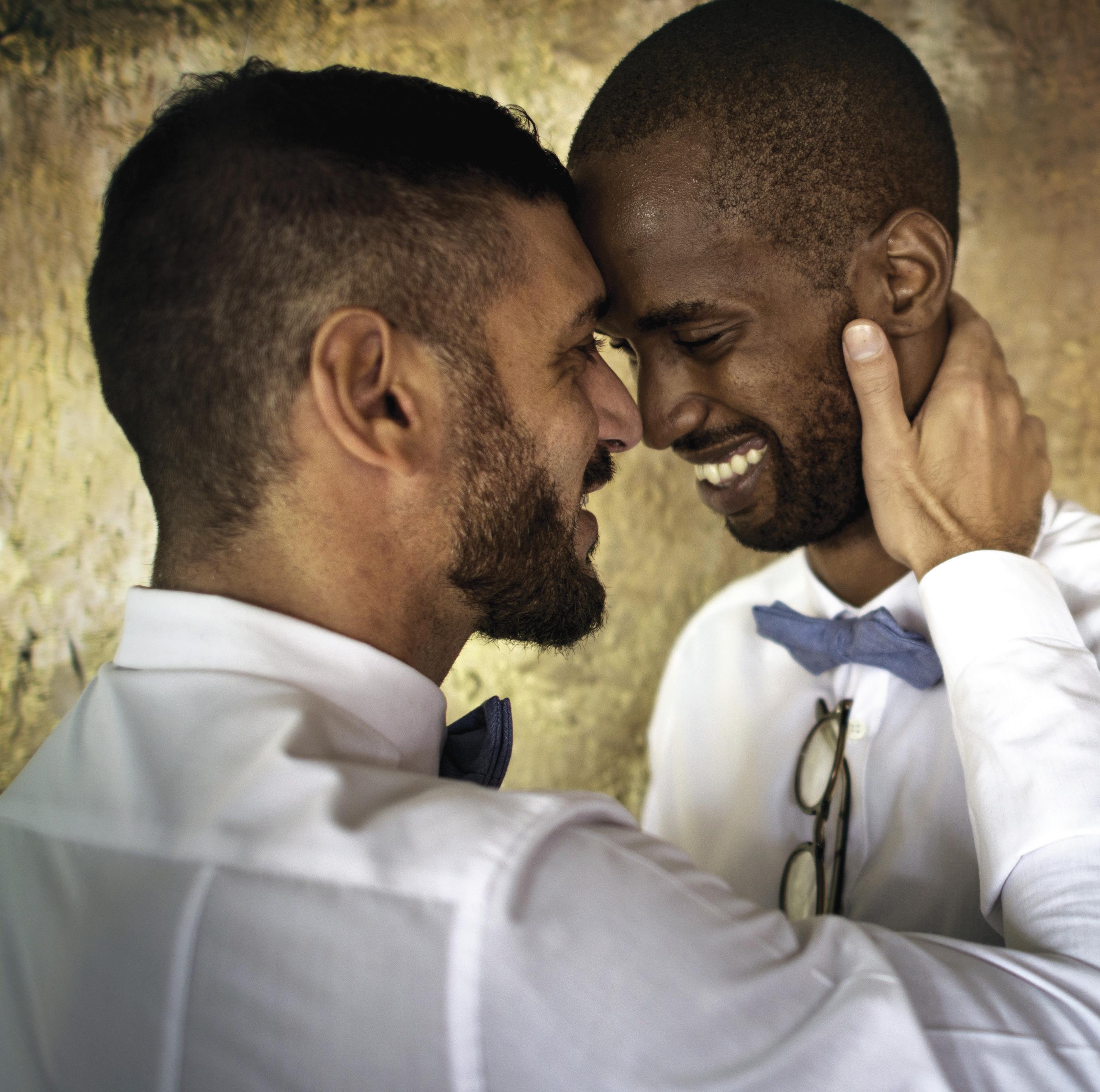
Give love, make love! Love is a basic human need. Be better by giving more love. Mental wellness starts with having your basic needs met. Learn how with Unitarian Universalist Fellowship here in Galveston.






























By Olivia Bailey




Hi, Olivia Bailey here. I am a certified Nutrition Consultant, Yoga Instructor and most importantly a wife and mother. I am busy, as we all are, and make my health a top priority so that I can feel good and give everyone the best me possible. Mental health can affect your overall health, and is something we all battle at some point or another. I am overall a happy person, but there have been times throughout my life when I have battled anxiety and depression. Looking back, they were all times when my lifestyle was not its best. I was staying up too late, drinking too much, exercising too little and not eating the right foods. I have since made changes to my lifestyle that keep me happier most of the time. When I do find myself with more anxiety, a little down or out of sorts in some way, I can usually pinpoint it to my lifestyle habits falling short in some way. Here are 5 things I do to keep my mental health on track.
1 Diet: What is often overlooked when it comes to mental health, is the food we put into our body, when in reality that should be the first place we look. Our body is a WHOLE. All the systems are connected. What we choose to put in our mouth affects our gut, and all our cells throughout our body, including the brain. Our brain works 24/7 taking care of our thoughts, movements, and breathing. It even works while you are asleep. Therefore, it needs constant fuel, and it needs PREMIUM FUEL to work its best. What you eat directly impacts your brain, your mood and ultimately your mental health. Fuel your body with plant foods (fruits, vegetables, nuts, seeds, legumes and grains) and leave out/minimize the toxic foods (processed food and animal products). Most believe that animal products are healthy, but the nutrients we are seeking in them are derived from plants, so we should go straight to the source and skip the bad stuff that comes with eating them (cholesterol, saturated fats and environmental toxins).





: Our bodies are made to move, so of course exercise is essential to optimal physical and mental health. It gets your blood flowing, releases endorphins, helps you maintain a healthy weight and overall keeps your body strong and healthy so you can meet the challenges that life gives you. A little exercise every day; 30 minutes to an hour a day is all you need. A 30 minute walk or run. An hour bike ride or yoga class. A 15 minute HIIT (high intensity) workout followed by a walk or run. Do what you enjoy so you will stick with it.





Meditation: A practice of training your mind to redirect your thoughts. It can be used to increase awareness of your surroundings, reduce stress and develop concentration. Meditation helps you have a more positive mood and sleep better. It is something everyone can do to improve their mental and emotional health, and can be done anywhere. Take a few minutes each morning, close your eyes and focus on your breath. If you notice your thoughts wondering, bring your focus back to the breath. There are several apps out there to help you get started or guided meditations on youtube as well. Find a time and duration that fits with your schedule and take time for it every day, or most days. I have been doing this practice consistently a couple of months now and have noticed huge benefits.








4 Sleep: We all know we need sleep, but I had to put this one in here. The amount and quality of your sleep have a huge effect on your mental health. If I am lacking in good sleep, I am not at the top of my brain mentally, emotionally or physically. Having a bedtime routine will help get your body and brain ready for sleep. Turn off electronics at least one hour before bed. Read instead or talk with a loved one. I notice a huge difference from nights I look at my phone to nights I read a book. Aim for 6-8 hours of sleep and know what works best for you and make a point to get to bed so you get your rest. This has become so important to me, as getting enough sleep keeps my stress and anxiety down.





5 Toxic Free Environment- Now I know there are toxins in our environment everywhere we turn. We cannot control it all, but there are some things we can control such as what we use in our homes for cleaning, from our clothes to our bodies. Cleaning products are loaded with chemicals that are not good for the body. Try using vinegar, baking soda and essential oils to clean and fragrance your home. Buy soaps and shampoos that are not loaded with chemicals (yes, they might cost more but your health is worth it). Also, try buying a good makeup that is not loaded with chemicals. They are out there. Take it one step at a time. Replace one thing at a time. When your body does not have to focus as much on eliminating toxins, it can be better at all the normal functions (e.g., digestion, sleep).
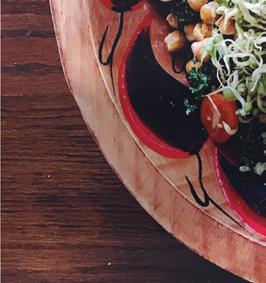
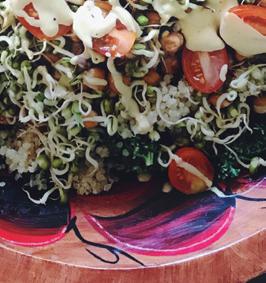



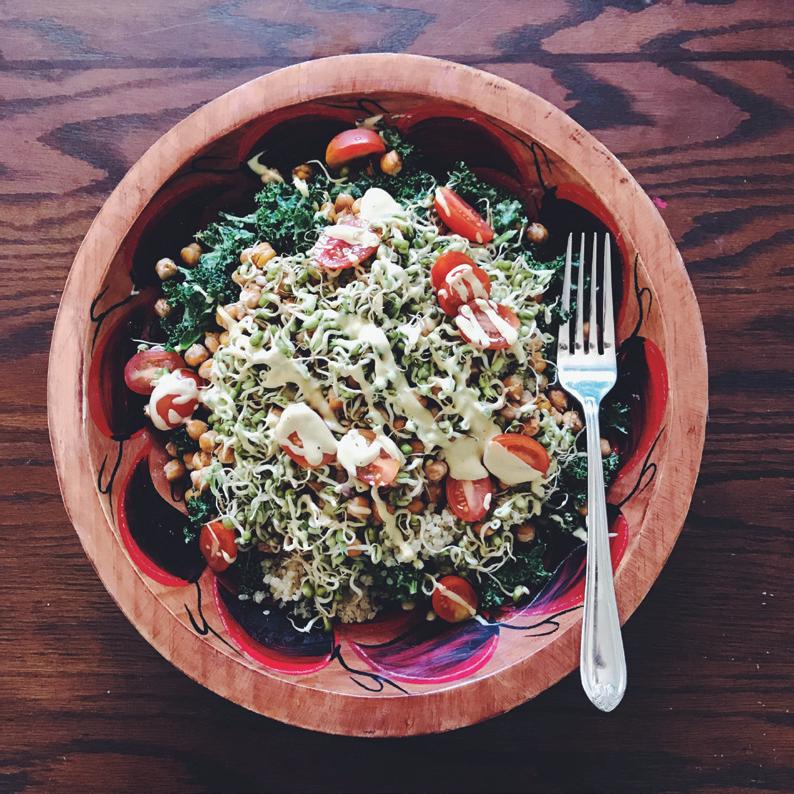
As always, I like to include a plantbased recipe because the most important thing we can do for our overall health is fuel ourselves with as much plant food as possible!
Creating a one bowl meal is a great way to nourish your body with a variety of plant foods. The concept is easy and you can always change it up. You want to include the following plant based food groups:


Legumes- black beans, chickpeas, mung beans, etc.
Grains- quinoa, brown rice, etc.
Greens- spinach, kale, broccoli etc.

Other Vegetables- sweet potatoes, carrots, etc.
Probiotic Kraut- optional but adds a nice little kick of health




Other toppings- nuts, seeds and other seasonings of choice
Sauce of Choice- preferably plant-based and oil free (sauce pictured above is a cashew cream sauce...find on my blog listed below)
Portions- Imagine a plate. You will want 1/4 of the plate to be legumes, 1/4 grains and 1/2 the plate to be greens and other vegetables. Add a tablespoon of kraut and sprinkle on other toppings of choice and your sauce.








The options are endless. Get creative and enjoy!
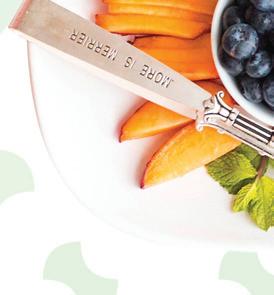



For more recipes and health tips you can find Olivia at www.plantstrongmom.com.




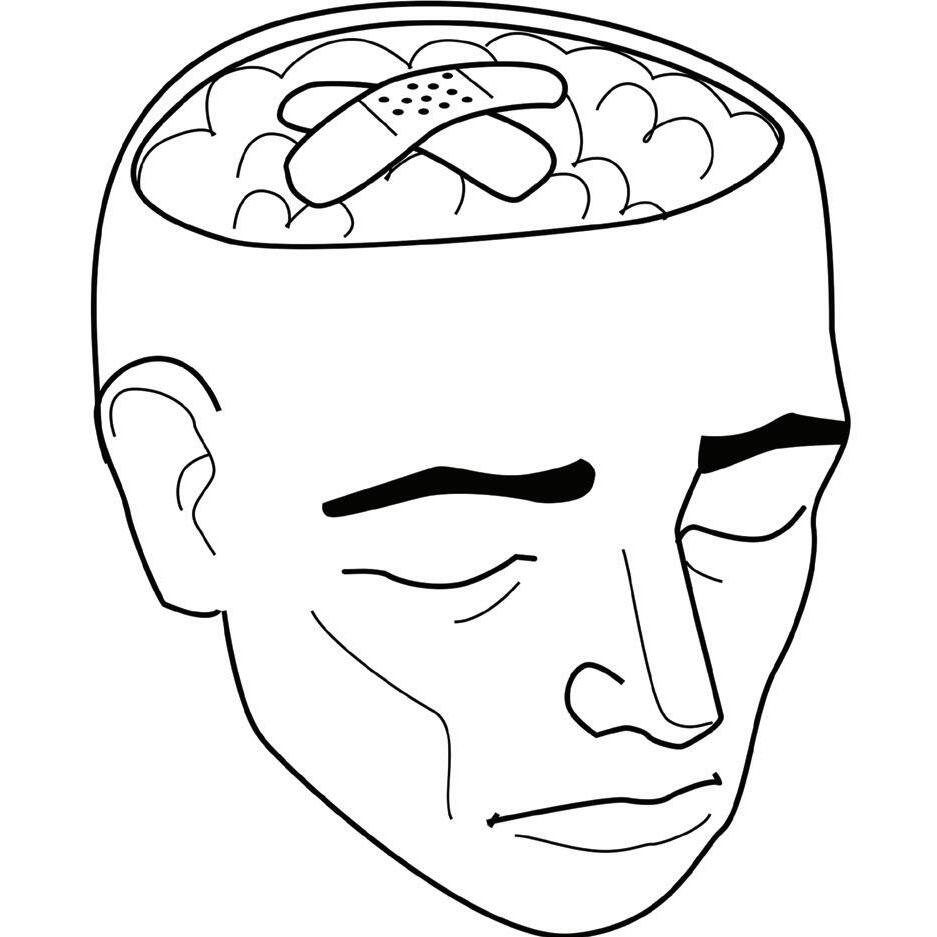


Community Mental Health Resource Guide
Family Service Center of Galveston County
• STARR Counseling Program (children and families, free)
• Individual & Family Counseling (sliding scale)
• Victim Services (free)


By Patricia McGrew, Owner/Manager, Med-Actil LLC

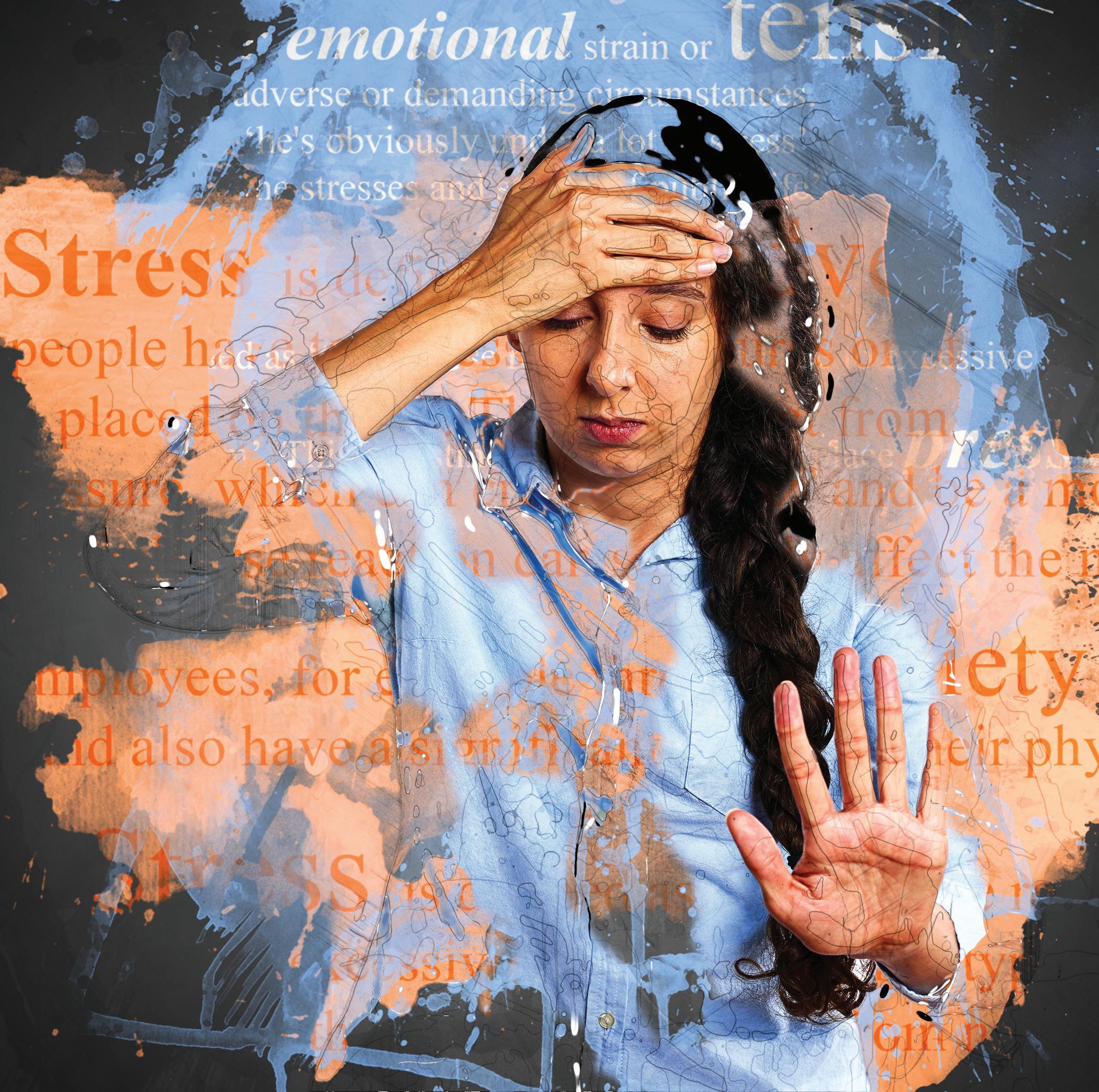
Sometimes we all feel antsy, down, anxious, sad, edgy, grumpy … and maybe even despair or out of control. We all need a little help sometimes. Some of us need help all of the time. Mental health covers a broad range from a short-term slump to serious disease, which obviously need more serious treatment.
If it’s serious … please, get help fast. But what if it’s not to that level? There is much you can you do before giving into Big Pharma drugs and nasty side effects, especially if it’s just a mood or something resulting from a temporary situation, like losing a job or breaking up with a lover. These “once in a while things” are usually easily controlled without drugs (or tequila shots). See Olivia’s article on page 7.
If you think your mental health is waning into the serious zone, please get help. If you are anti-drug, as I am, seek a naturopathic doctor as a starting point. There is brain training, special nutrition, exercises, mediation techniques, and definitely vitamin and supplement treatments. Until you can get to a doctor you trust, use the tips listed to help you as much as possible.
Oh … and smile a lot. It’s contagious!
Great breakdown of what’s-what
https://www.nimh.nih.gov/health/topics/index.shtml
Child and Adolescent Mental Health
https://www.nimh.nih.gov/health/topics/child-and-adolescent-mental-health/index.shtml
Teen Health Clinic
Resource & Crisis Center
National Domestic Violence Hotline
Gulf Coast Center (Crisis Hotline)
NAMI Gulf Coast
St. Vincent’s House (On-Site Counseling, Psychiatric Clinic)
ADA House (In-Patient Women’s Treatment Center)
Runaway Hotline
Trevor Project (LGBTQ Hotline) 866-488-7386
BACODA
(Dual Diagnosis Program | Treatment Referral) 409-944-4337 | 800-510-3111
Galveston County Sheriff
Mental Health Deputies (Psychiatric Emergencies requiring immediate response) 409-766-2323


By Patricia McGrew, Owner/Manager, Med-Actil LLC

You should profit mentally, career-wise, in relationships and in others ways when you improve your mental health. But if just a band-aid is being put on your symptoms via a prescription drug, a drug you will stay on for eons, the profit shifts. The drug company profits, big time.
This is 2018. Vast knowledge is at our fingertips. Can’t Big Pharma do more to truly help? Can’t they CURE problems and let people move on? Can’t more information and sage advice be handed to people and families who are dealing with mental health issues, especially if problems might be coming from toxins, bullying, abuse, or some other source, instead of just writing a prescription? Case in point, my own mother was handed a prescription for Paxil for depression when it was clear that she was going through menopause and needed a different type of help.
Were prescription drugs, especially the SSRI type (Selective Serotonin Reuptake Inhibitors), such as Prozac, Paxil and Zoloft, integral in the following headlines?
• Bill Forsyth is put on SSRI and 11 days later stabs his wife 15 times and impales himself.

• Eric Harris, on Luvox, an SSRI, becomes famous for the Columbine shooting.
• Mild mannered Australian, David Hawkins, took too much SSRI and strangled his wife.
• 16-year old, Kip Kinkel, shot dad, then mom, then 2 students and wounded 25 more, on SSRI.
• British Reginald Payne, a few days after starting an SSRI, suffocated his wife and jumped off a cliff.

Clearly these guys had problems, but hey, they didn’t shoot up the town BEFORE they were on drugs; they did it after drugs were prescribed, sometimes very soon after. I have Googled many, many more homicides. I’m just an observer, not an official statistician or researcher. Imagine all the lesser violence linked to prescriptions that never makes it to the headlines.

Why doesn’t our government, the FDA, lawmakers control this? Democrats and Republicans alike have received huge campaign contributions from drug manufacturers and distributors. In fact, per opensecrets.org, the Big Pharma lobby group has about $26 billion in their annual budget to support their cause.
So, be aware and make choices wisely: Don’t get me wrong. If you can’t help yourself, possibly you should go the prescription route. But do it with your eyes wide open. Check the side effects. Do additional things to control your symptoms. What could you do before giving in to a lifetime of commitment to negative side effects? Well, that’s part of what this Culture Clash issue is about!
(PRISTIQ)

(VARIOUS)
(PAXIL)
(PROZAC)
Source: http://healthland.time. com/2011/01/07/top-ten-legaldrugs-linked-to-violence/




















By Auntie Virge









People with mental health issues have the same rights as anyone else to healthy sex, abortion, birth control and parenthood. Reproductive justice begins with each participant exerting control over when and how he or she has sex. It includes access to a wide array of family planning, accurate health information and family planning services, from affordable birth control to voluntary termination of a pregnancy.







Existing mental health issues can occasionally affect how patients react to recover from an abortion, and even their decision to seek an abortion. Depression can sometimes trigger a strong emotional reaction to the sedation. Patients with severe anxiety might feel heightened symptoms while awaiting the procedure or during an induced miscarriage.
Whether due to another event or to an assault resulting in pregnancy, patients with Post Traumatic Stress Disorder (PTSD), should seek advice from their gynecologist and from an abortion provider. PTSD can trigger anything from mild anxiety prior to and during an annual well-woman exam to an emotional or violent reaction during an abortion or exam. Providers should anticipate a possible adverse reaction when the patient has reported PTSD.




There is no known strong causality between hormonal birth control and mental illness. In other words, birth control doesn’t necessarily cause mental health issues. However, some patients do experience mood swings, agitation or depression when using birth control. It is important to also note that different methods of hormonal birth control have different doses and potential side effects. Often birth control is prescribed at a time that is already fraught with hormonal shifts and emotional turmoil, such as during adolescence and after childbirth.
Those with a family history of mental illness should also be aware that symptoms often manifest at about the same time that most folks initiate birth control, in the teens and early twenties. Onset of mental health symptoms might not be side effects to the birth control but genetics, timing and coincidence. If you stop the birth control and mental health issues remain, they were not caused by the medication!



It is vital that those with a known mental health diagnosis be aware of the symptoms of their illness and how that might put them at risk of unhealthy sex. For example, someone with bi-polar disorder may not be in control or even fully aware of their actions during a manic period. People that are physiologically able to get pregnant (women, nonbinary, and trans men) and have a mental health diagnosis that might cause temporary loss of memory or awareness, might want to consider highly reliable forms of birth control that don’t require the user to remember to do anything for years.
Depression often has a negative impact on self-esteem. This can put anyone at risk of being manipulated by someone that can convince them that they are unworthy. Sexual self-esteem doesn’t simply mean the ability to have sex with whomever you want. It also means only having sex when and how you chose.
If you are in or contemplating a sexual relationship with someone that has severe mental health issues, first be patient. When severely depressed, most of us are not interested in sex. We might agree to it, but that doesn’t mean we want it. Sometimes the depression will ease over time and a supportive partner will ask how they can help until it does. If it doesn’t pass, a supportive partner will encourage but not demand actions (call doctor, get back on meds, seek new or different treatment) and activities (funny movies, exercise, etc.) that are normally enjoyable. Second, establish some guidelines for when symptoms arise including conflicting messages regarding sexual consent. Third, have clear agreement on if, and if so when, professional mental health assistance should be sought. It can be helpful to actually document what actions could or should be taken on behalf of the person with the mental health diagnosis. This may seem very clinical and bureaucratic in a loving relationship, but people typically and naturally fall in love with our “best” selves. Make sure you are falling in love (or lust) with our “whole” selves. You are the person most likely to recognize subtle behavior changes that can be more easily managed when treated early. Most important, don’t be an asshole or give up on them. Don’t assume the person you fell in love with is gone, is “faking it”, or has complete control over their emotions or behavior.
Reproductive justice also includes supporting the right to have a child. History is replete with women that were sterilized without their consent because they had (or were perceived to have had) a mental illness or cognitive impairment. Even recent history has included people whose parental rights were legally removed before the child was even born primarily due to mental illness that may or may not be properly managed. Teens are still in some states forced to marry young instead of getting an abortion or being taught how to prevent pregnancy. Auntie Virge hopes our culture eventually learns to see and treat every person as an individual with the right to informed decision making and healthy sex.

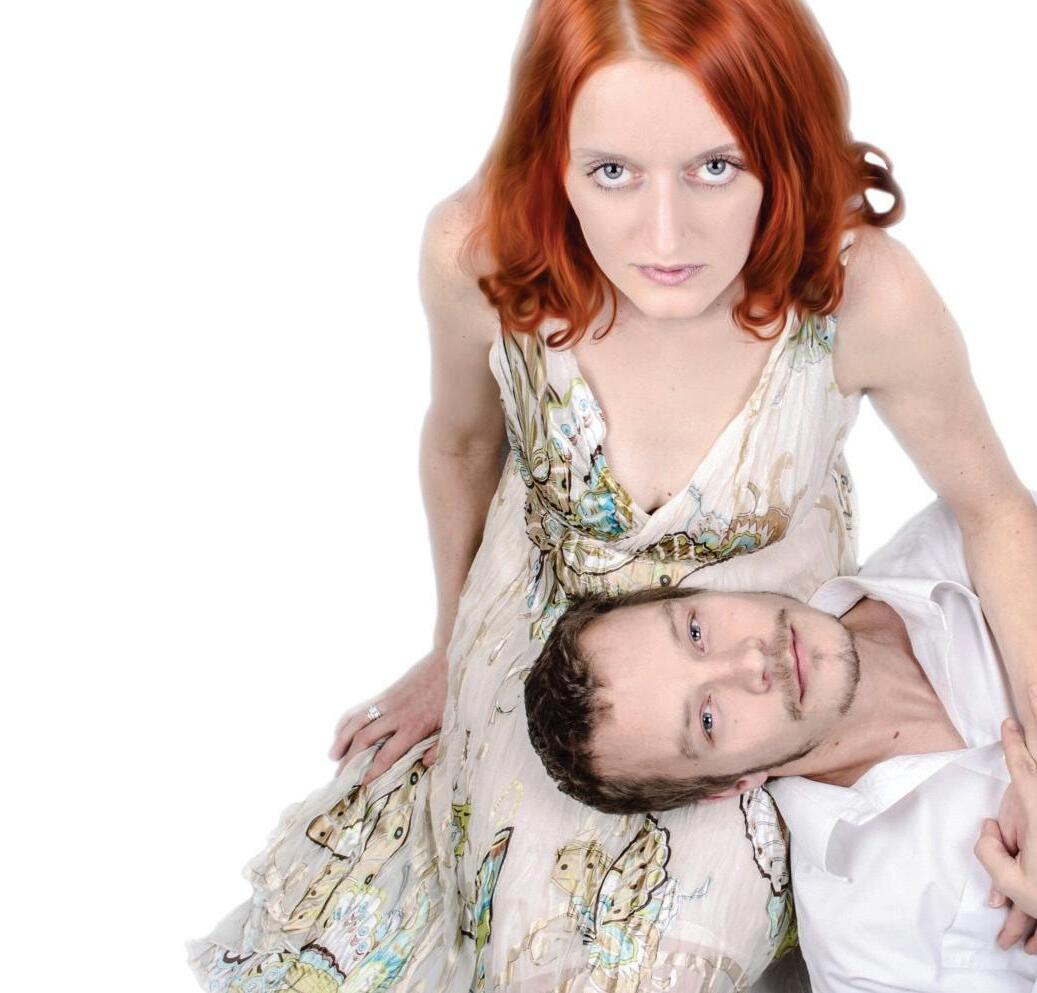
Auntie Virge is an abortion counselor at an independently owned clinic. She has also been an HIV activist and worked with folks that have behavioral health issues. Young at heart but old enough to have lived a life and learned a lot from it, Virge is your cool aunt that loves unconditionally, talks directly, curses emphatically and is unabashedly sex positive.


There is a threat to physical and mental wellbeing of many people in our communities. Those friends, neighbors, co-workers, and fellow humans who have experienced sexual and/or domestic violence, either directly or indirectly, are forever impacted from those adverse experiences. It is the choice of the victim (survivor) whether the impact is a positive or a negative one, long term. Often the victim (survivor) is female.

By Culture Clash Staff
It has been documented that through the ages women’s bodies, their very lives have not been valued in many cultures, especially during times of war and darkness. However, there is a particular kind of darkness that lurks in the homes of many in our communities across our nation. Domestic abuse or sexual violence, especially when at the hands of a family member or loved one, is a special kind of pain. The damage that these types of adverse experiences create in almost all survivors must be recognized, validated, and addressed in a trauma-informed approach.
Symptoms of such trauma, at the hands of someone who tells you they love you, can often can often result in diagnoses of mental illnesses such as anxiety disorders, bi-polar disorder, PTSD, and depression. Trauma from domestic and sexual violence can also manifest itself into addiction to drugs and alcohol to dull the pain of the abuse. Very often, it is the abusive partner or family member that introduces and supplies the drugs/alcohol in order to further manipulate and control the victim.
As we know, violence, drugs, and alcohol can often lead to law enforcement intervention, and many times the victim is arrested, too. Once the victim has a criminal record, she becomes even less employable and more dependent on the abusive partner or family member. In 2017, according to the United States Department of Health and Human Services, 85-95% of the women receiving public mental health assistance, report a history of trauma with the abuses commonly originating in childhood and progressing throughout their adult relationships. Additionally, 90% of women being treated with alcoholism were sexually abused and/or severely physically abused by their parents as children. These same women also report being physically, sexually, and emotionally abused by their partners as teens and adults.
As you can clearly see, the cycle of the violence easily creates a perfect environment for mental illness and addiction to grow. Fortunately, there is
hope, and there is help! When victims (survivors) seek assistance, through local family violence, rape crisis centers, and mental health facilities for needed services such as advocacy, emergency shelter, counseling, support groups, legal assistance, and case management, then she/he/other can heal and become stronger. There is life after trauma and abuse.
The dialogue and discussion about sexual violence and the complicated role women are expected to play in our society have been greatly expanded recently during the #MeToo movement. Seek out help. There are trained folks, who have devoted their lives to understanding trauma and abuse, and are ready to assist in the healing and empowerment process.
Resource and crisis center of Galveston county
Certified Rape Crisis Center and Family Violence Center
Website: www.rccgc.org
Hotline: 888-919-7233 (SAFE) | 409-765-7233 (SAFE)
Office: 1802 Broadway #122, Galveston
Phone: 409-763-1441
Provides free resources and information to anyone in need
Provides free services for survivors of domestic & sexual violence and their families
Family Service center
Therapy and Counseling Center
Website: http://www.fsc-galveston.org/
Office: 2200 Market St. #600, Galveston 77550
Phone: 409-762-8636
Provides free and sliding scale counseling for individuals, couples, and families
Provides training and leadership in parenting classes and trauma informed care
Teen Health clinics
Physical and Mental Health Clinic for Galveston County youths 0-21 years of age
Website: https://www.teenhealthcenter.org/
Office: Ball High School, Room 1014 and also 4115 Avenue O, Galveston 77550
Phone: 409-766-5750
Provides free physical & mental care for Galveston youth
Gulf coast center
Mental health care facilities
Website: https://gulfcoastcenter.org/
Office: 123 25th St. #600, Galveston 77550
Phone: 409-944-4337
Provides a variety of mental health services & support for individuals and families


As I rub my elbows, a thought slams me to the ground.
Even now, you hurt me. With each approaching storm, the barometric pressure lowers and my pain rises. My rainbow? My thoughts are the only one slamming me now, and not the one I loved.
-Anonymous Victim




By Juan Gonzales

A
CONTINUATION OF OUR JAN. 2018
“ANOTHER MEXICAN LIVING OFF OF YOUR TAX DOLLAR”






“Get
off the bus and get in line!!!”
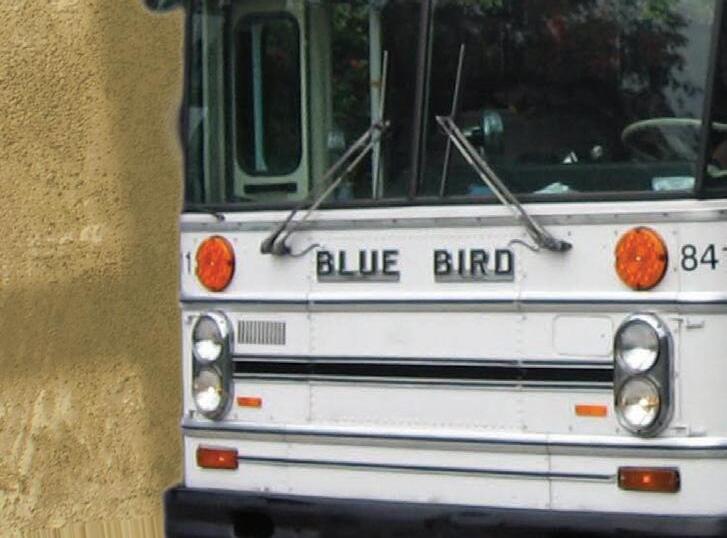
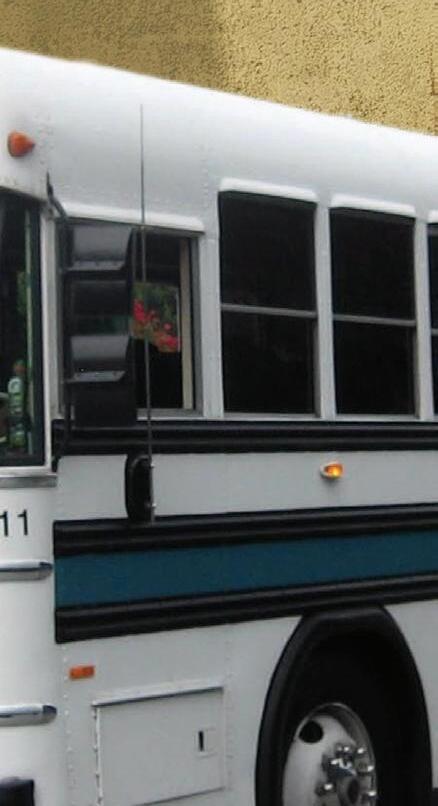
No problem. I am cramped, tired and about two minutes away from peeing myself. My wrists are rubbed raw from the handcuffs and my feet lost most feeling due to the tight shackles around my ankles. I’ve had to sit stooped over on the bus bench because the chain connecting my cuffs to my shackles was measured for someone around four feet tall, while I am six feet tall. There is a box over the chain between my cuffs to prevent me from twisting my hands. It’s been a long bumpy ride from county jail to my first Texas Department of Criminal Justice (T.D.C.J.) facility. The worst part? I have an itch high up on the side of my nose that is so bad, it is making my eyes water and I cannot scratch it! So yes, I will all too gladly get off this bus and stand in line to get these chains off of me.











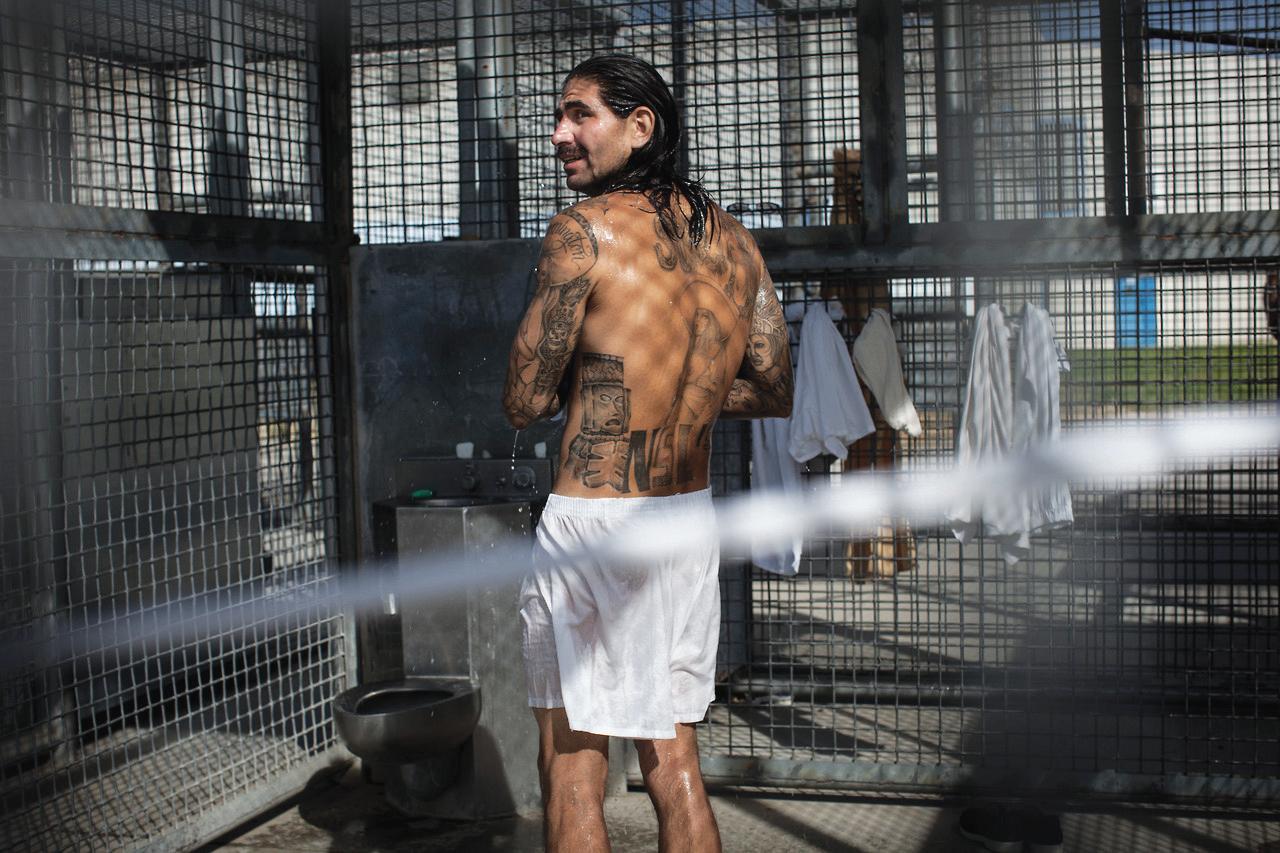
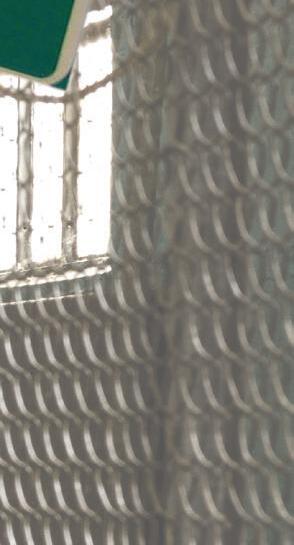
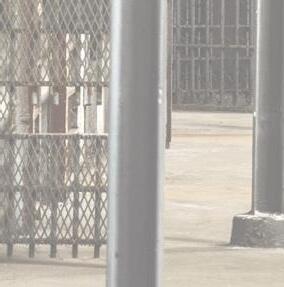
This is my new home for the next decade. Well, hopefully not a full decade, but the Texas Parole System is a subject better left for another time. After all, our visits are rigidly timed and I have much else to tell you. I look around my new world with trepidation. Multiple rows of high fencing, coils upon coils of concertina razor wire, bars and mesh over every building’s openings, guard towers and guards in grey whom I seem to have already offended simply by breathing. This place has a well-worn look









to it. It is the very definition of oppressiveness. I am now in the Garza West unit in Beeville. It is a transfer facility, where they classify my medical condition (physical and mental), vision, education, level, I.Q., threat level, and I suspect my attitude level as well. It takes a few weeks to get through the gauntlet of testing. Not because the examinations are extensively tough, as each one usually takes a scant few minutes. It’s the waiting in holding pens (called chicken coops) between testing that consumes most of our time. For many, this is the first time being thrown together with people from many other cities, or other races, of many ages and hardcore gang members. It is very tense and dangerous in those cages. It’s sink or swim time. Keeping a cool head is vital and you are no longer thinking of doing your time in years, but in minutes. We spend hours in different cages waiting for different examinations and our nights in a warehouse-like dorm.




The physical medical evaluation consists of a person in scrubs asking me what is wrong with me, then telling me that nothing is wrong with me. The veteran administration (V.A.) has given me a 100% service connected disability rating. (I was exposed to hydrogen cyanide gas and now suffer from skin, joint and lung conditions.)
T.D.C.J. decides that I am fine though. Yay! I’m healed! The vision test took twenty seconds but I waited all day in a cage overflowing with inmates for it.


The educational testing is my favorite. It’s held in an air-conditioned classroom filled with elementary schoolsized desks. Inmate living and working areas are not air conditioned in T.D.C.J. Only education, medical and staff office areas are temperature controlled. I feel like I am in school in the free again! The crown jewel of classification testing has to be the mental health interview. It is just three questions long and I am not











given a chance to complete one answer before being asked the next one. 1) Do you take any psyche meds in the free world? – yes, in the free, the V.A. prescribes me… 2) Do you suffer from or have you been diagnosed as having any mental conditions? – um…yes, I take meds PTSD, high anxiety, depress… 3)Do you feel suicidal homicidal? – uh, no I don’t feel suicidal or homi… NEXT!!
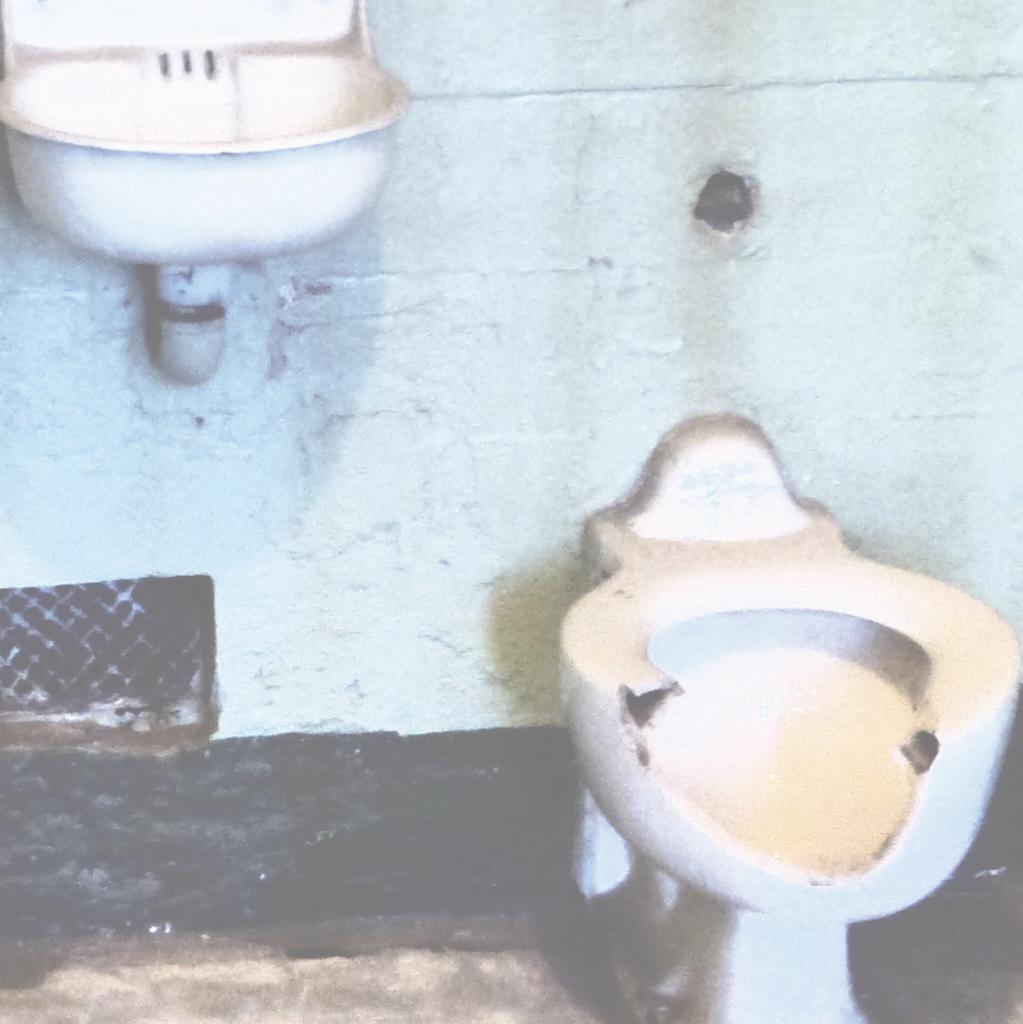
After about three and a half weeks, I am done with classification and transferred across the street to the Garza East unit. It is an exact copy of Garza West unit, minus the medical classification building. We can be (and most are) held in a transfer facility for 23 months before being assigned to a more permanent I.D. (inmate detention) unit. There are no cells in transfer units. Just a big room with 27 sets of bunk beds, two TVs, four toilets, four showers, six four-man tables, four rows of benches and two telephones. Besides eating in the chow hall and working at various jobs, this is where we live and spend all of our time. The privacy level is zero. There are many personality types trying to live together. Personality disorders and mental health issues are amplified in prison. Depression, anxiety, paranoia, schizophrenia, sociopathic tendencies, countless phobias and other problems are exhibited by the inmates here. There is no therapy, counselling or any kind of treatment for mental health issues. T.D.C.J. is only concerned in suppression of behavior, not the cause. We are left alone to deal with our own as well as everyone else’s issues.





Upon arriving into “the system”, I tried to get help immediately and was told I would be scheduled to see a psychiatrist to be evaluated for medications. A few months later, I was led to an empty office in the small medical section of Garza East and sat down in front of a TV with


by


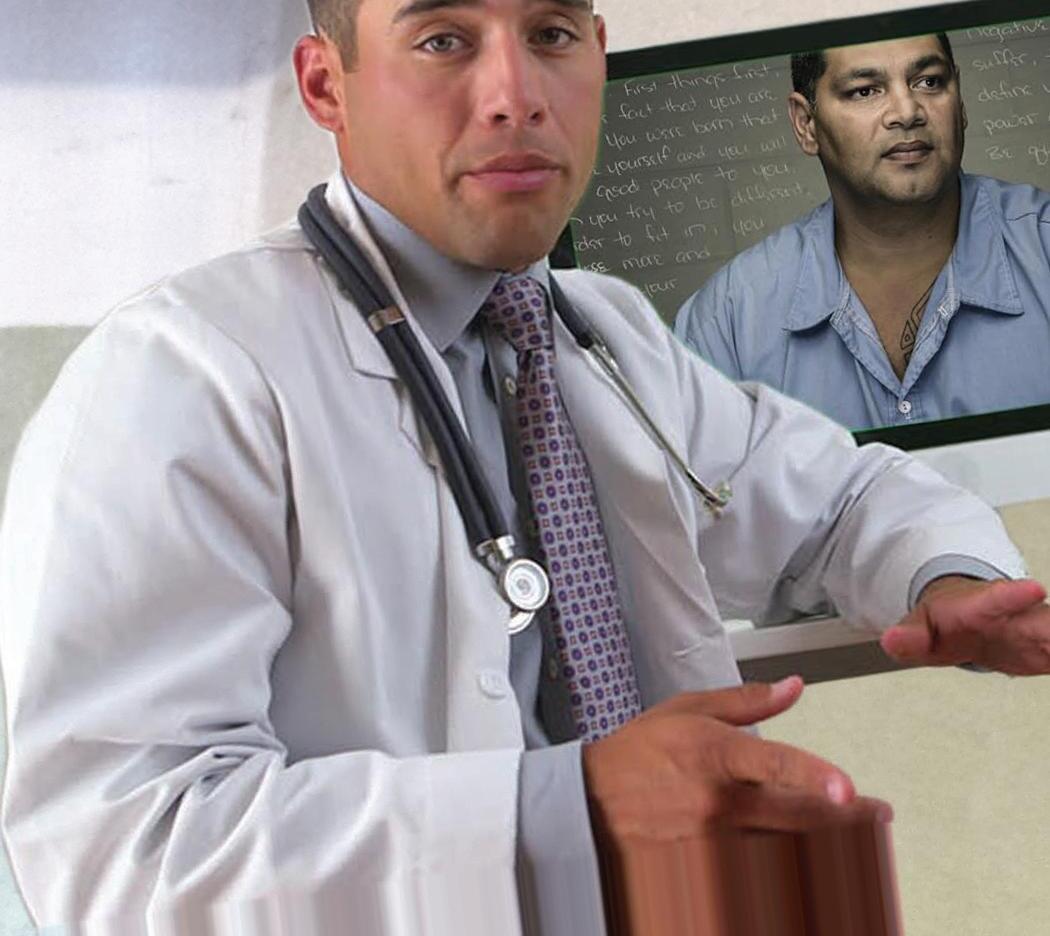









mounted on it. My session with the psychiatrist was conducted via Skype! It went something like this; Doctor, “So what do you think is wrong with you?” Me, “I am not being given my medications.” Doctor, “What do you think you need meds for?” Me, “Well I take medication for high anxiety…” Doctor, “Well, everyone is very anxious where you are at.” Me, “I also get very depressed for no reason.” Doctor, “You are in prison, prison is depressing. Everyone in prison is depressed.” Me, “I have severe insomnia and go days with no sleep.” Doctor, “Well it’s pretty loud in prison, so that is normal.” Me, “I have P.T.S.D.” Doctor, “Well the system shocks everyone, but you’ll be ok.” Me, “Doc, I suffered from all of this way before prison and was diagnosed and have been receiving treatment by the V.A. for years for it.” Doctor, “Well, you should probably be ok. But I’ll still give you something that might help for it.”
Then began a series of psyche meds that screwed me up in different ways for the



next two years. Paxil, Wellbutrin, Prozac, Zoloft, etc. Some meds made me scared and paranoid, some made me suddenly angry for no reason, some made me sleep twenty hours a day, while others kept me awake but in a zombie-like state. Some intensified my emotions while others completely killed them. Some made me have the strangest dreams at night, while others made my days feel like the strangest dreams.


T.D.C.J. seems to treat mental health issues with a scattergun type of strategy. By shooting many different kinds and combinations of meds at the problem, hopefully one or two will eventually hit the mark and suppress the symptoms and behavior. There is no therapy, no counseling and no finding out the root or cause of the problem. In fact, very few questions are asked at all before the next medication is prescribed. The goal here seems to be suppression, not healing. It is clear that rehabilitation is not the goal of Texas Prisons. No wonder why it’s no longer named the Texas Department of Corrections; they are no longer trying to correct anything!
Looking around at the people I live with in this place, I wonder about the correlation between mental disorders and criminal convictions. There are many here who are clearly not mentally competent. Some people are one word or touch away from extreme violence. Others spend their days staring at walls and mumbling.
There is a man who sits next to me in the dayroom having conversations with multiple friends who are not there. He seems to be very popular and social as he laughs and jokes with them. All this is in his mind, but he seems very happy every day. At night, I hear him screaming in the cell below mine. In the dayroom, on the bench sitting beside me, he is very happy, nice and polite. He smiles a lot. He functions in this environment but resides in another. I don’t know what he suffers from, if he is prescribed meds, or if he takes them. I don’t even know if he has seen the TV psyche doc. I just know he laughs and jokes all day and screams in terror all night. We don’t even blink twice anymore. The guards care even less. There are men like him in every wing, dorm, and unit of T.D.C.J.
Then there are those whose mental problems are the result of incarceration. All sense of individuality is stripped from you. Boot camp made Marines using a proven three-step process. Month one, break us down completely into nothing. Month two, build us back up into disciplined soldiers. Month three, polish us into finely tuned Marines. We left that system much better men than we entered it. Prison stops at step one and stretches it out into years or decades. The effects are dramatic. Google “The Stanford Prison Experiment.”
“You are in prison, prison is depressing. Everyone in prison is depressed.”
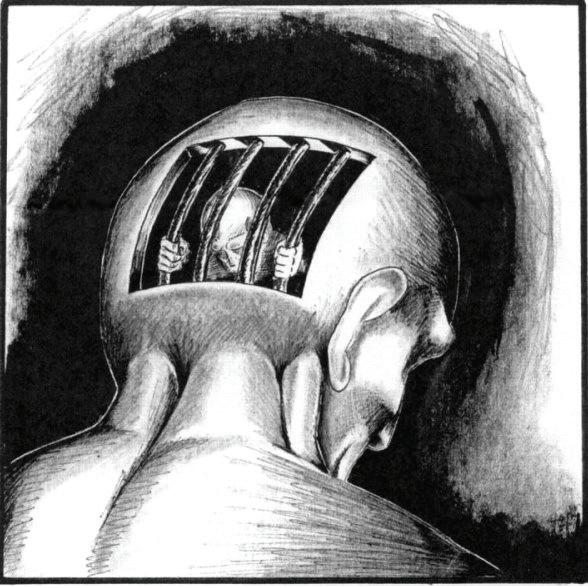
Inmates cope with “doing time” in many different ways. Most of them require loosening your hold on sanity at least a little bit, sometimes a lot. You have to become someone else sometimes to make it through this. This place is unforgiving and cruel. Locking your humanity away in a mental box is sometimes necessary. You can only hope that it’s still there when you go back and open the box. I’ve seen people beaten severely by other inmates or guards and had to act as it if did not bother me. It did and does bother me. I am still a Marine and I swore an oath to protect and fight for those who can’t. I am shackled even when I am not in shackles. How long can someone suppress their true nature before losing their sanity? I don’t know, but I am finding out.











and think of me. I look out at the world through these bars, mesh and fencing and it looks so beautiful to me! My life out there. My kids, my family, my friends, my work and maybe even love is out there. I’ll be there one of these tomorrows. For today though, I sit in my cell and try to strengthen my sense of who I am. I am Juan, I am Juan, I am Juan….












They will do mail call again tomorrow and I might get a letter! They might serve something I recognize at chow. I may get my hands on a book or magazine I have not read before. I bet the surf will be nice in Galveston and my buds catch a tasty wave have inmates it and for someone their I my do and buds



Here I am, nothing more than a number. Luckily, I have the support of two great friends and a cousin who remind me of who I am every time they write me or answer my phone calls. (Thank you J., N., and Y.!!) They are my connection to life. My real life. A lot of people in this place do not have that.
I try to reconcile who I had to be today with who I hope I can be tomorrow. That’s probably a good thing to do in the free too, I think. It would make the world a better place. Now wouldn’t that be insane?!








Garza East is the unwritten secret level of Dante’s Inferno. I made it through with no major cases against me and am now in an I.D. unit in Huntsville. I will be here for the remaining years of my sentence or until I make parole. I am still sane, mostly. I still have to answer to a damn number for now, but on the inside, where it counts, Juan Lobo is still alive and well.







By the way, if you think I’m crazy, I would love to hear from you!








































































































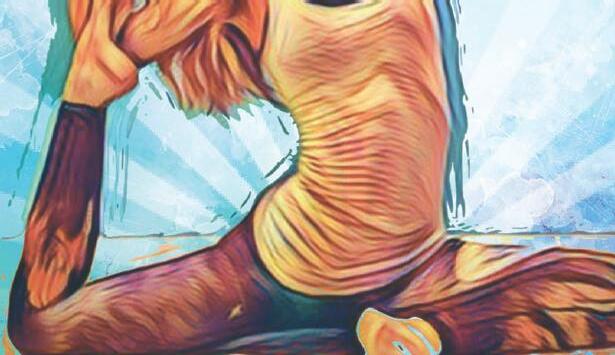



























































Artist: Nellie cornett untitled piece, graphite and watercolor
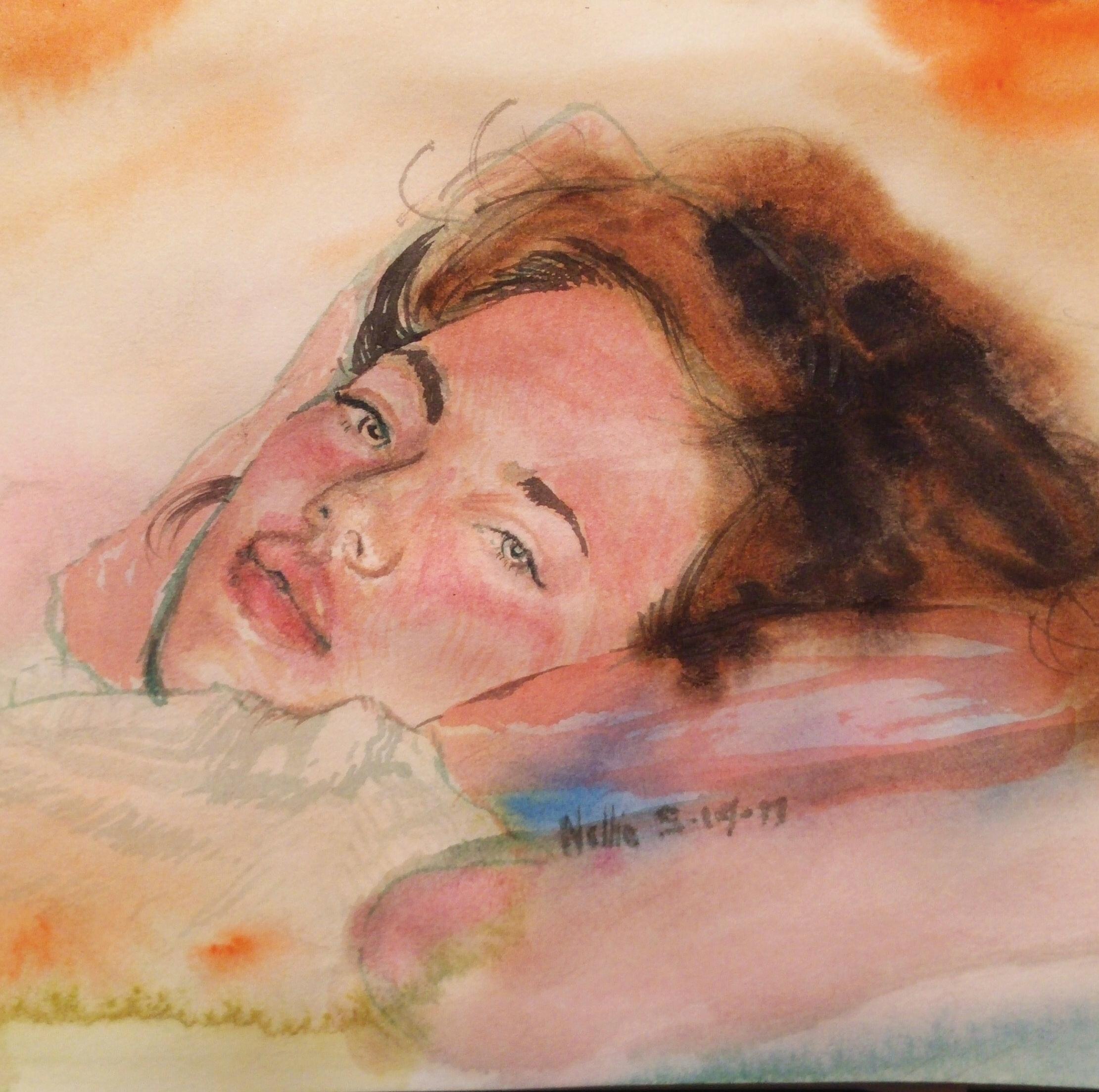
What’s cool? You decide. We think of coolture as art, music, and literature that really gets your mind moving. Want to feature your work or event in the Coolture section? Shoot us an email at CultureClashGalveston@gmail.com

By Leslie Whaylen
Improve your mental health by getting your reggae on! It’s not too late to purchase tickets to Matisyahu’s concert on July 28 at The Grand 1894 Opera House. As if listening to Matisyahu isn’t enough, this unique event will benefit Galveston’s local Jewish synagogue, congregation B’nai Israel, as they celebrate their 150year anniversary on our island. Proceeds from the concert will go toward repairing the synagogue’s roof from Hurricane Harvey’s flood damage and assisting with much needed renovations to prepare it for the next 150 years.
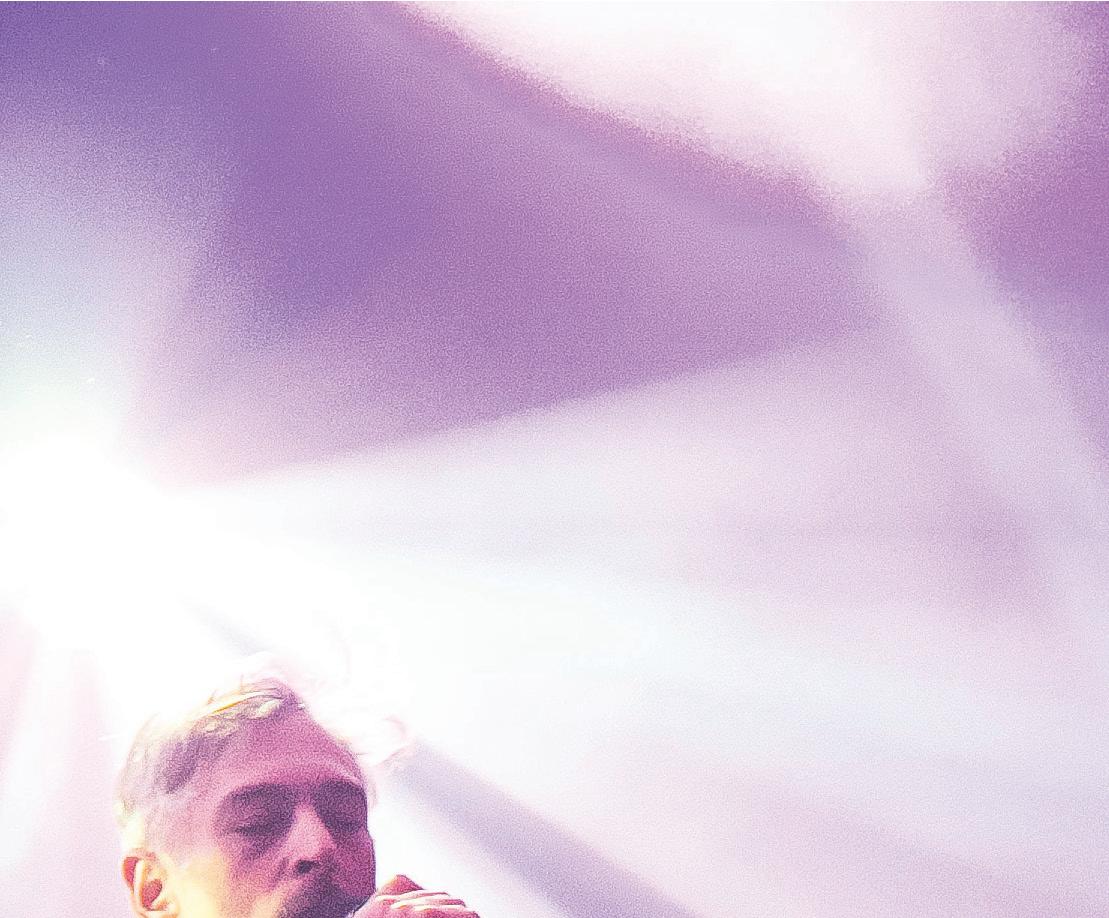


Congregation B’nai Israel is the oldest Jewish community in Texas, and their involvement in our city merits celebration. For example, in 1920, a resurgence of the Ku Klux Klan (KKK) occurred, including a parade demonstration to cross over the bridge onto the island. Rabbi Henry Cohen along with other religious leaders in Galveston, gathered on the bridge, interlocked arms, and prevented the KKK from crossing. Since that extraordinary day and continuing with this interfaith coalition, the Galveston Ministerial Alliance, with leaders from all religions, meets once each month to work together to serve Galvestonians. Later in 1958, the Congregation’s Temple Academy was the first place on the island where interracial education was offered.


The Congregation’s original synagogue was built on 22nd Avenue and Sealy. Though now owned privately, this architectural icon built by prominent Victorian era architect Nicholas Clayton will be showcased in an open house as part of the anniversary’s celebration on Saturday morning, July 28. A Torah procession will originate from this historic religious building and proceed to the Congregation’s current synagogue, located at 3008 Avenue 0, built by architect Tibor Beerman, a holocaust survivor of multiple camps and death marches.
That same evening on July 28, The Grand 1894 Opera House’s red curtains will open, and Matisyahu’s blend of reggae, rock, Orthodox Jewish themes, and hip hop beatboxing sounds will begin at 7pm. Congregation

B’nai Israel’s current leader, Rabbi Klaven, eloquently said, “Matisyahu’s sounds are a blend of things you may not think would merge, but it does beautifully. We feel, as a Congregation, this same way. The blend is better than each of us as individuals.” This is one event not to miss! Tickets can be purchased online at tickets.thegrand.com/online/.

May The Fourth Be With You
Friday, May 4th, 2018
Open to Close
American Dragon Tattoo 4108 Seawall Blvd.
Stop-in to receive discounts on ANY Star Wars Tattoo plus 15% off piercings (not lobes/nose studs)
Staehely Brothers with special guest Sheila Marshall
Saturday, May 12, 2018
8:30 PM - 11:30 PM
Old Quarter Acoustic Café 413 20th St.
Admission: TBA
Anitra Jay: LIVE SOUL MUSIc
Saturday, May 12, 2018
7 PM - 9 PM
MOD Coffeehouse
2126 Post Office St.
Admission: FREE
Artist Talks: Robin Dru Germany, Page Piland, & Jason Makepeace
Saturday, May 12, 2018
2 PM - 3 PM
Galveston Arts Center
2127 Strand St.
Admission: FREE
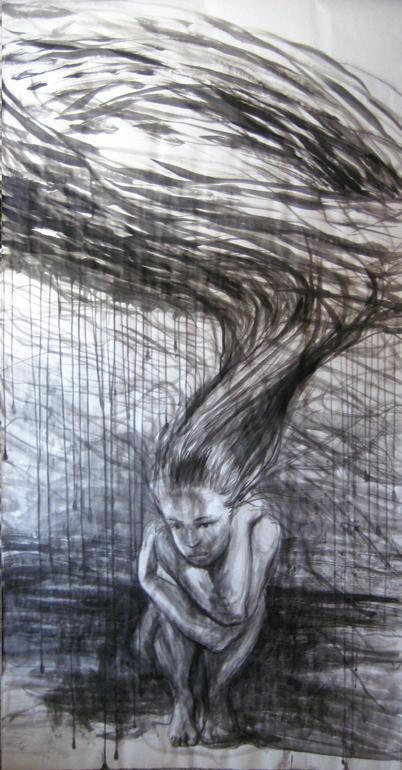
Dana Louise and the Glorious Birds
Saturday, June 2, 2018
8:30 PM - 12 AM
Old Quarter Acoustic Café 413 20th St
Admission: $20
GcVA East Beach classic Saturday, June 2, 2018
9 AM
EAST BEACH
Admission: FREE TO WATCH
Galveston cajun Festival
Friday, June 15 –
Sunday, June 17, 2018
Kempner Park 2704 Avenue O
Featuring a wide variety of Cajun food vendors, kid rides, and live music from a wide array of performers across a variety of genres
Admission: FREE







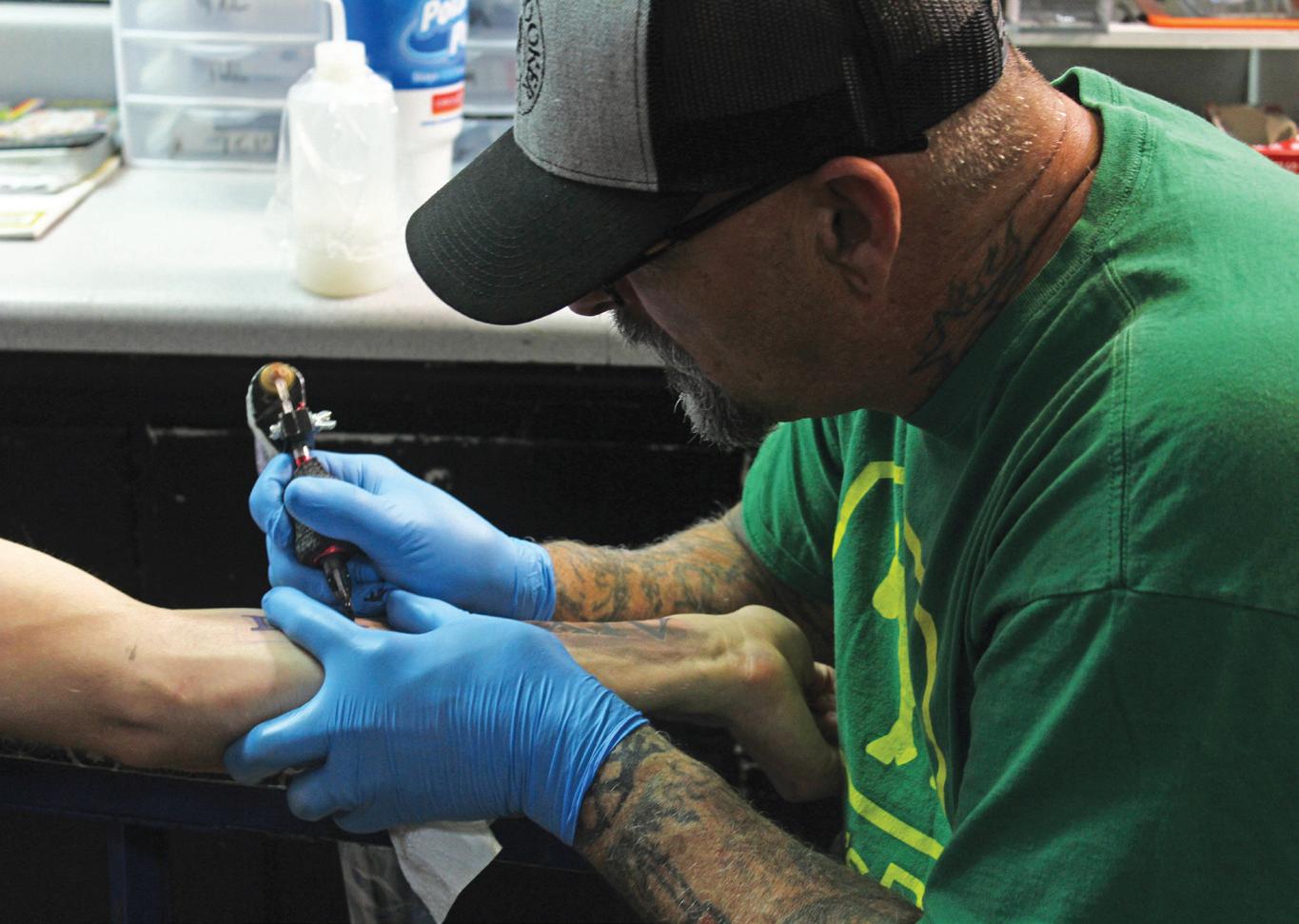
(Right) Brett Seip: Tattooing is fun. I love it, never get sick of it. It’s a new challenge every day and it’s fun to meet people and change their lives. I was self-taught, did 9 months of learning, and I was in my first shop. It’s just something I was meant to do, I suppose.
(Below) Elvira Subia: We started selling micheladas and that really took off. So then we brought in many different things like the elote, the cheesey cheetos, and the mangonadas, and now we have fish bowls and jello shots! We already started doing the daiquiris and big 64-oz beers since those sell like crazy.
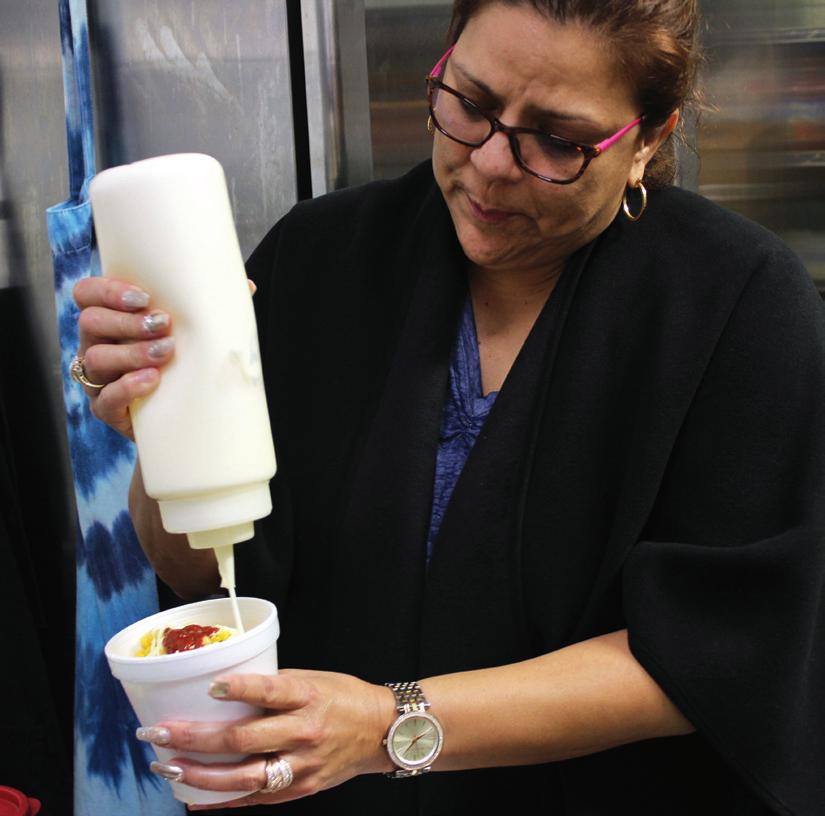
By Sara Ramirez
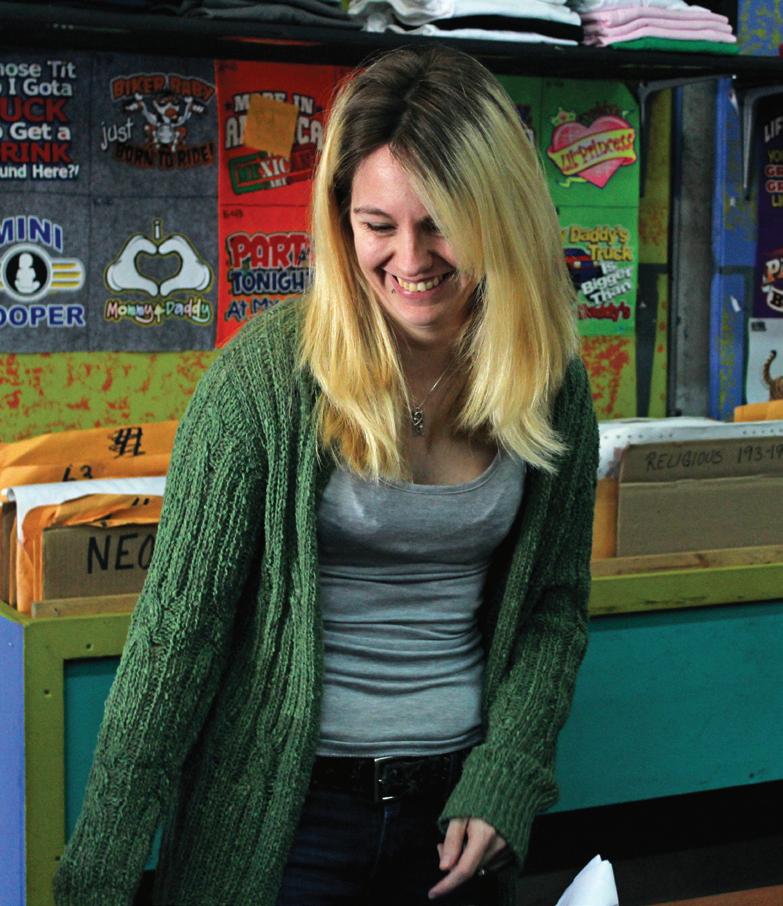
(Left) Nichole Miller: I love my job, I get to meet new people every day. The people from the cruise ships come in and they give you coins that you never have seen before. Seeing all the different coins is pretty cool because my grandfather used to collect coins.
Calling all local businesses and organizations and artists for a Sea Turtle Crawl! Galveston now offers a unique opportunity for artists and sponsors to collaborate in “Turtles About Town”, a public art project that features our state’s beloved sea turtle, the Kemp’s Ridley Sea Turtle.
Turtle Island Restoration Network, a leading advocate for marine wildlife, partnered with Clay Cup Studios, a local interactive art studio, to bring this project to Galveston.
By Leslie Whaylen
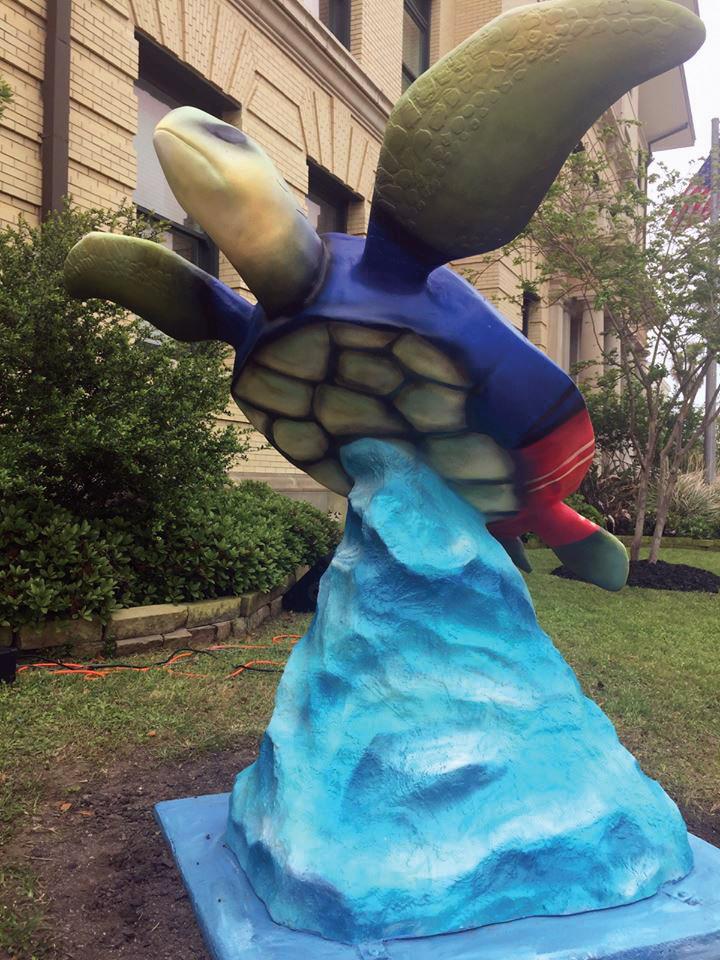
Local artist Gabriel Prusmack rocked the first “Turtle About Town” that was placed outside of Galveston’s City Hall on 25th Street in late March 2018. This turtle, themed “The Protector”, is a tribute to the protection that both the Galveston Police Department and the Galveston Fire Department provide for our city.
If you’re a business or organization in our community and want to sponsor one of the 20 turtles that will be placed around the island this September, email turtlesabouttown@gmail.com or call Clay Cup Studios at 409-762-2529. You can also visit their Facebook page by searching “Turtles About Town” and visit their website by visiting www.galvestontx.gov/turtlesabouttown. These marine life installations will be a family friendly tour that’s fun for everyone.
Come September, gather your friends and family and head out for a bicycle ride, walk, or drive around town to “Oooh!” and “Aaaah!” at each artists’ creativity and message about this endangered species and what residents and visitors can do to best protect them.





















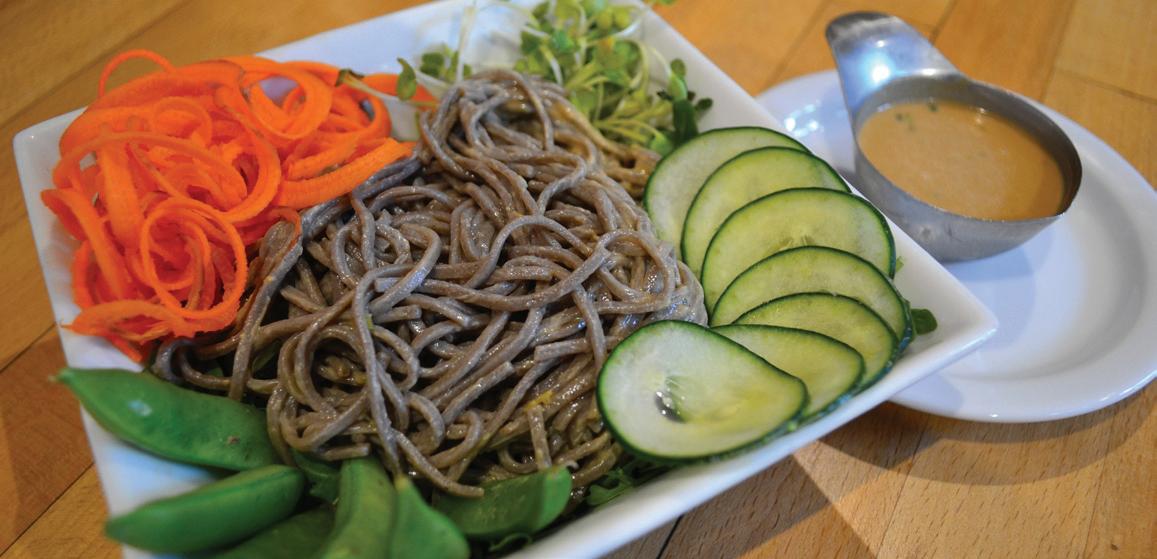
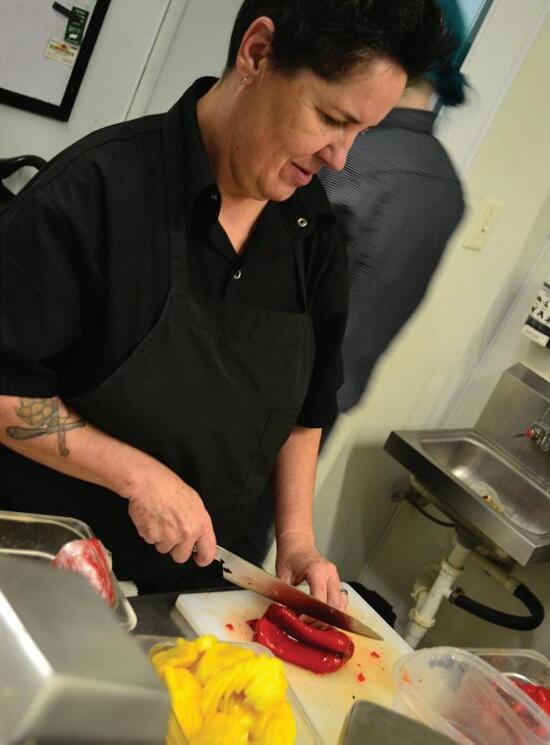

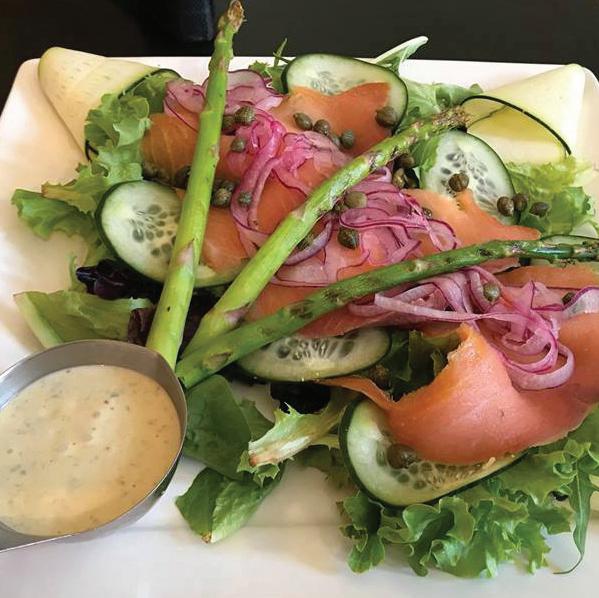
Elevated sandwiches, soups & salads, presented in a cozy, contemporary space.
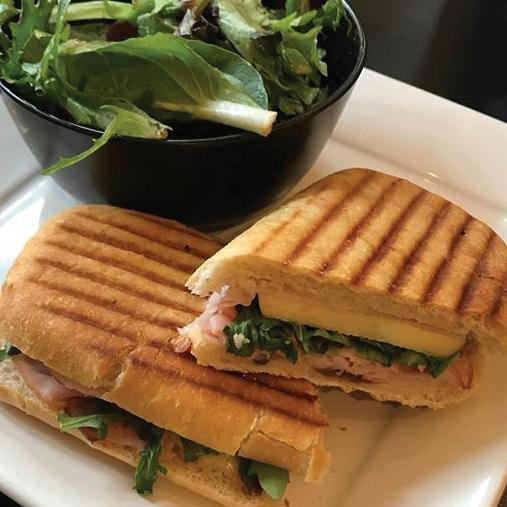
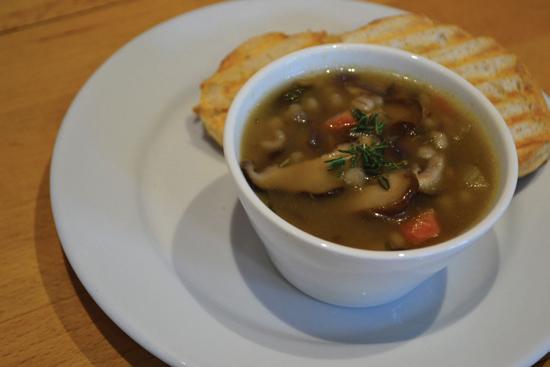
408 25th St. Mon. - Sat. 11a-4p mention code word CULTURE CLASH for your chance to win a $25 Gift Card!

By Culture Clash Staff