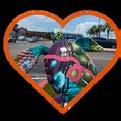
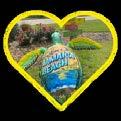
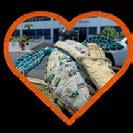
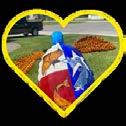
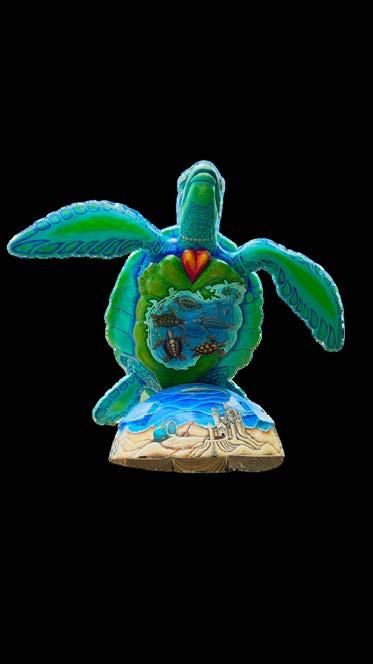
A community art project that highlights the City of Galveston and the conservation efforts of Turtle Island Restoration Network to protect endangered sea turtles on the upper Texas coast.
Pointedexter
BRINGING TOGETHER ART, AWARENESS AND ADVOCACY.
TOR-tle
Rovin' Rotarian
Flora theQueenof Sea
Ohana
Sunny
Lucky
Scoop
SELF-GUIDED TOUR SELF-GUIDED TOUR
Scan the QR code to take tour
#TurtlesAboutTown | @tirn.gulf
LillyTiger
Shelly Sandersun
Lady Gem’s Tea by the Sea
Coral
Waters
Susan
Sargasso
JoyRide
TigerLilly
Shellback
Timmy
theGuardianof Galaxy
The Protector
I nt e gratedTherapies SolMassage
SHARON OLSON LMT
Feel better. Feel relaxed. Feel your BEST.
Integrated massage therapy is my passion, my purpose, and my peace. Let me help guide you on your path to health and vitality.
DEEP TISSUE | CUPPING
STRETCH | HOT STONES
PAIN MANAGEMENT
RELIEVE STRESS AND ANXIETY COUPLES MASSAGE
SOUND BATH | REIKI
Julia Barbosa Landois Turning
Kristy Peet Memories
Preetika Rajgariah about time
Brown Foundation Gallery, March 14 - June 7, 2026
Strand Gallery, April 11 - July 5, 2026
1878 Gallery & Vault, March 14 - June 7, 2026
the affordability issue
LETTER FROM THE PUBLISHER:
Galveston is so good. Good in a way that nourishes your soul. It's the food, the architecture, the beach, and the overall vibe. But nearest to my heart is the people, the true-blue, average islanders that make Galveston great. They come for the slow pace and the sunset views. They plant roots because here, they can be authentically themselves.
These beautiful people make up Galveston and create our unique culture. These people are diverse in education, skill, talent, age, sex, nationality and income. To live here, is to know the many layers and exquisite texture of our community. This is Culture Clash in it's most basic form.
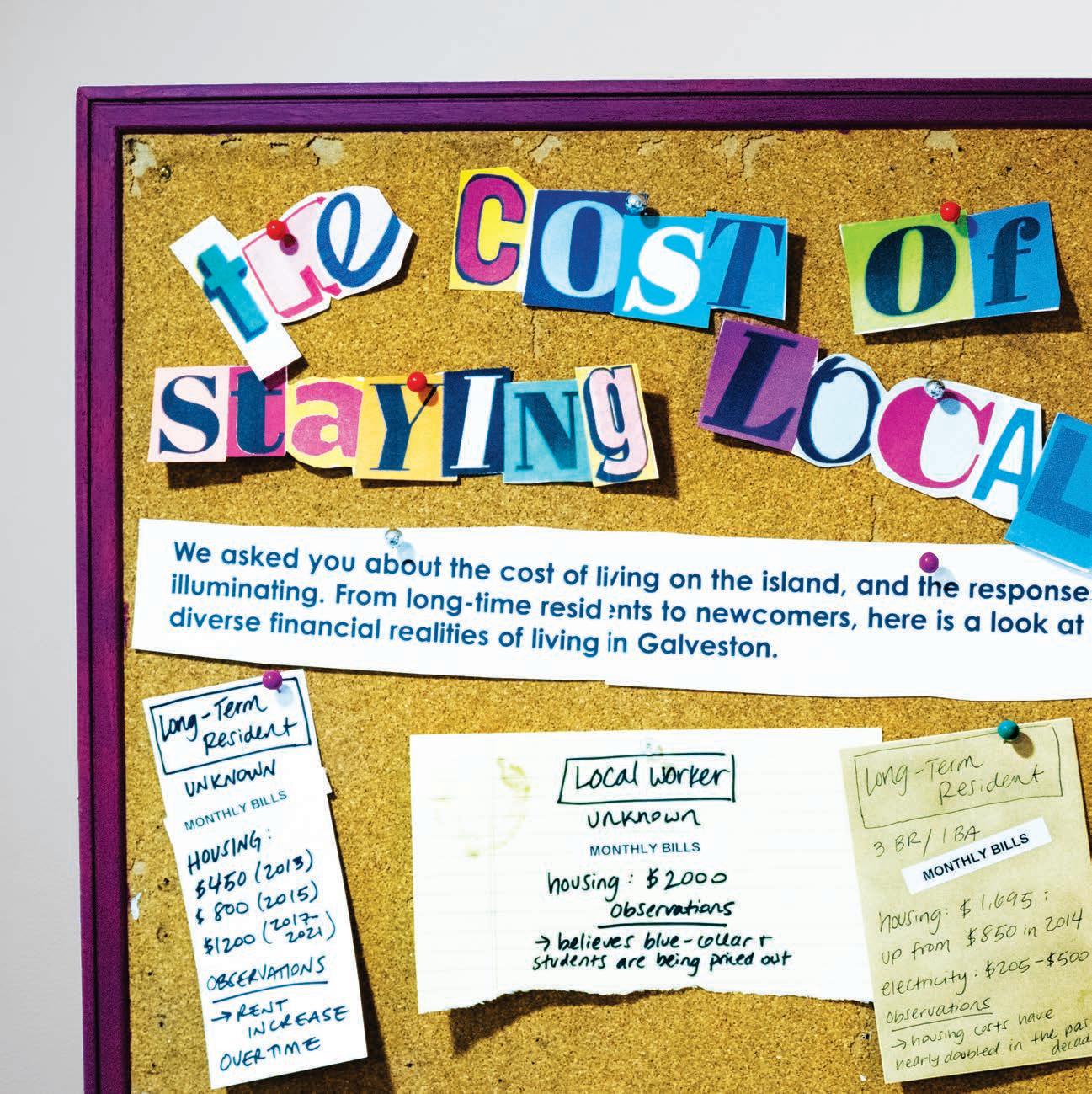
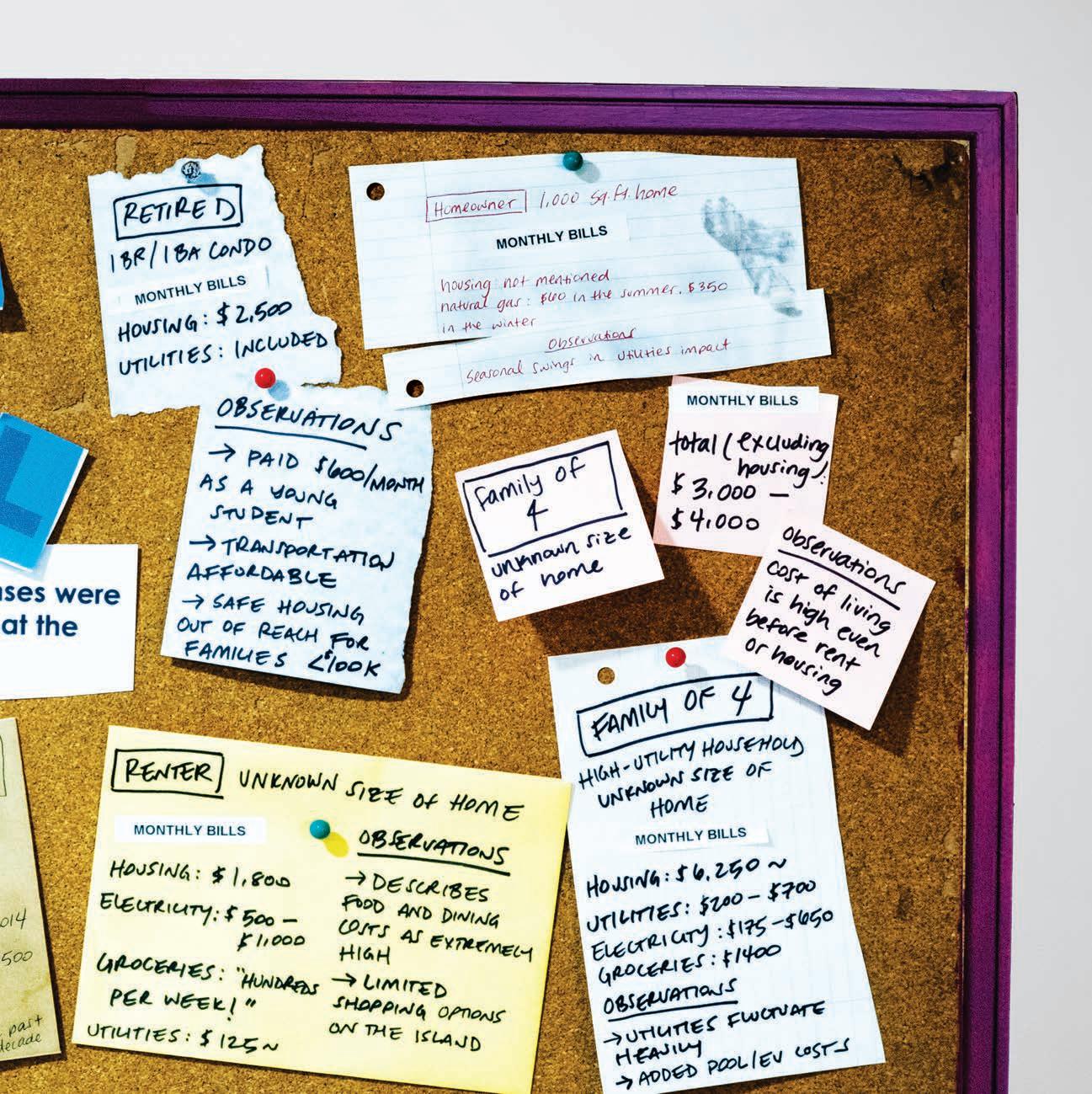
This issue is all about creating pathways to keep Galvestonians local and resources on the island. Affordability is always a hot topic and we have laid it all on the table. We asked residents how they make ends meet, how much they spend monthly and how they can afford to call Galveston home. We explore adult children staying home longer and why that works. We break open the affordable housing issue and look at solutions. We hear feedback on where investors could better spend their money. And we look at sustainable fashion, both for the earth and the wallet.
Prices fluctuate and the economy is ever changing. Regardless, we can choose to keep our money and our people on the island. We can find pathways to affordability, we just need everyone on the same page. Reading this magazine is a great start, now save a friend the time and expense, and pass it along.
- Janese Maricelli
*This magazine is NOT printed on recycled paper or with soy-based inks YET! But we are working on it. Help us get there, advertise or sponsor us! E-mail for more details CultureClashGalveston@gmail.com. Write us an email or shoot us a comment any time online: CultureClashGalveston.com CultureClashGalveston@gmail.com
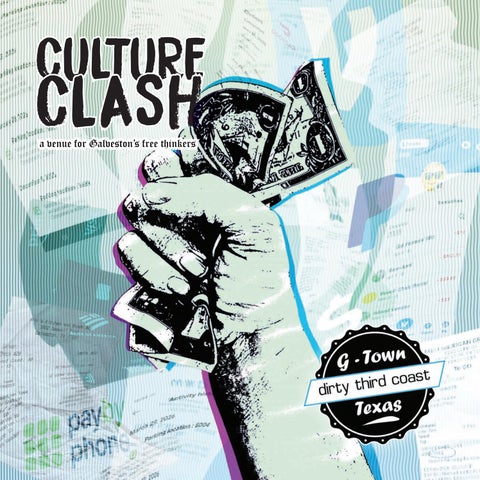
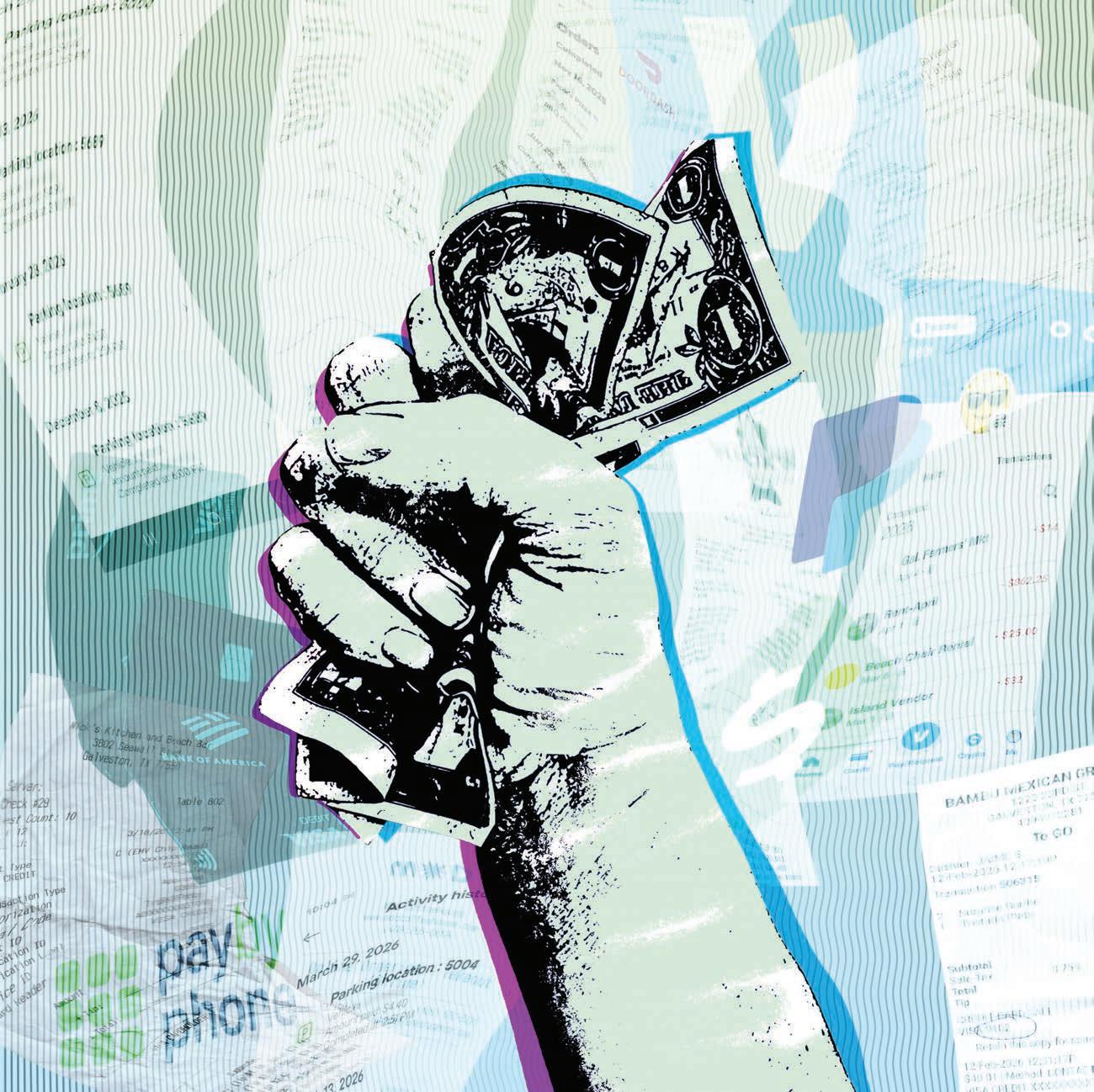
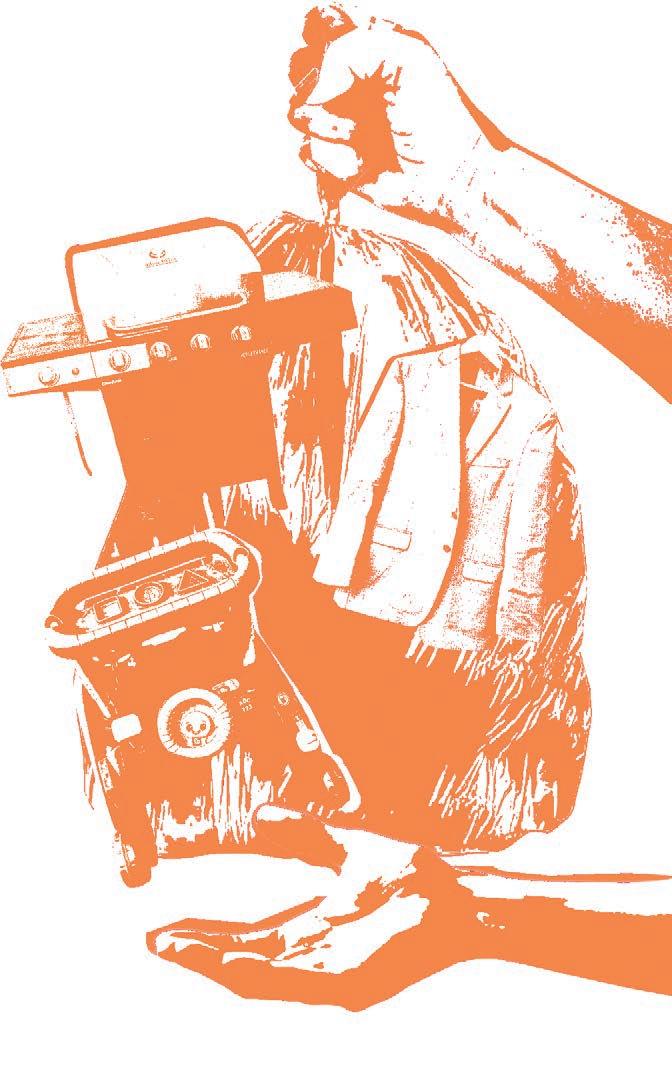
ON THE COVER: A digital collage designed by Monica Fuentes combines items all Galvestonians are familiar with: receipts. From the classic paper slips to digital "wallet" apps, it's all about how we spend (and save) our money these days. At the center of it all, we retain the power of the almighty dollar and in this issue we show you how your neighbors are making every penny count.
Be a Better Human
In a place as tight-knit as Galveston Island, affordability isn’t just an economic issue; it’s a human one. From neighbors sharing resources in local mutual aid groups to the quiet generosity found in Facebook Buy Nothing communities, the island is full of people finding creative ways to help each other survive and thrive.
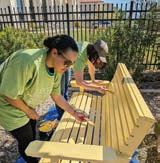
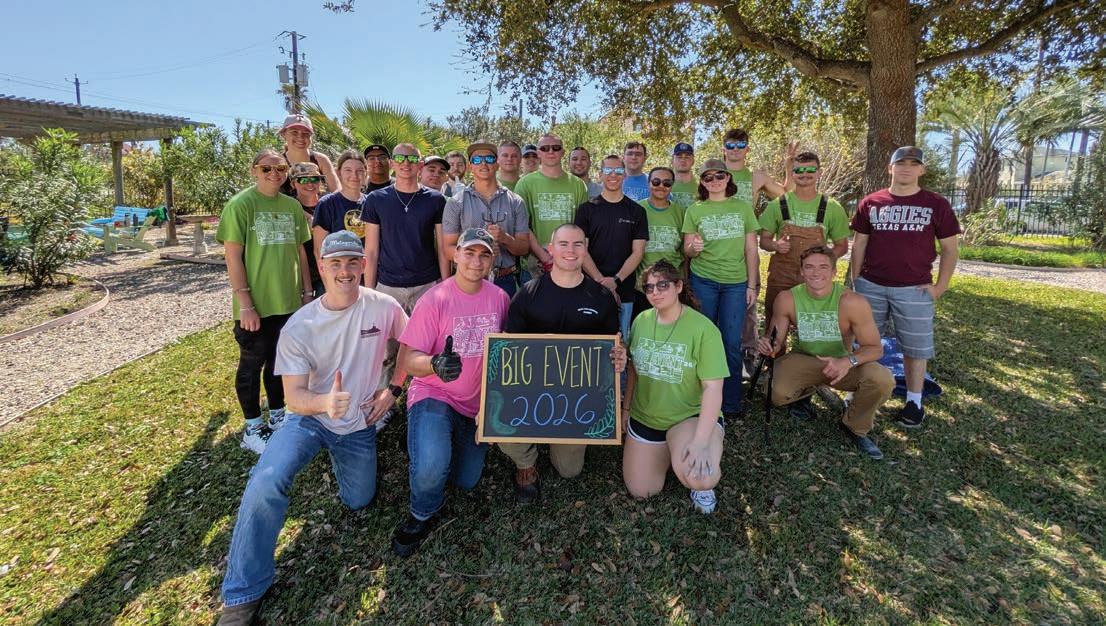
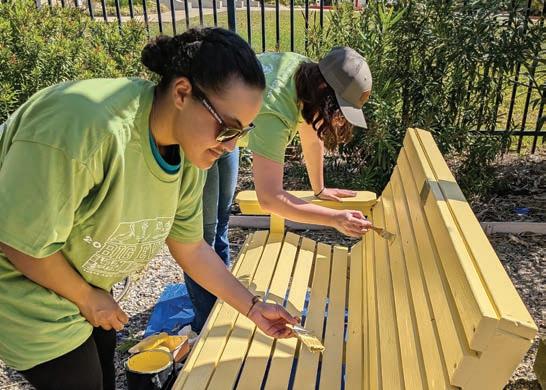
Since 1994, The Big Event-Galveston has provided the Aggies by the Sea an opportunity to give back to the community through construction and garden maintenance projects.
Photo Courtesy of The Big Event
THE SHARING ECONOMY: ISLAND STYLE
Article and Photos By Culture Clash Staff
On an island where the cost of living can rise as quickly as the tide, neighbors are finding quiet, powerful ways to take care of one another. Mutual aid in Galveston isn’t a new concept, but in recent years it has taken on fresh urgency and visibility. It shows up in group chats and comment threads, in porch pickups and front-yard drop-offs, in the simple but meaningful act of asking for help and hearing someone say, “I’ve got you.”
At its core, mutual aid is about community members supporting each other directly. No red tape, no long wait times, just people meeting needs as they arise. On the island, that can look like sharing extra groceries at the end of the week, passing along kids’ clothes, lending tools, or helping a neighbor make rent after an unexpected setback. These exchanges are often informal, but their impact is anything but small.
One entry point into this kind of support system is through the local Facebook group Buy Nothing Galveston. This digital space has become a modern-day front porch where residents can give what they no longer need and ask for what they do. A post might read “ISO a fan” during a hot stretch or “offering kids clothes,” and within hours, neighbors are coordinating pickups. There’s no money exchanged, just a shared understanding that resources are meant to circulate, not sit unused.
What makes this group especially powerful is that it normalizes both giving and receiving. In a culture that often values independence above all else, asking for help can feel uncomfortable. But within these spaces, need is met with empathy, not judgment. Today you might be the one picking up a bag of groceries; tomorrow, you might be the
BE A BETTER HUMAN
one offering a spare chair or extra pantry items. The balance shifts, but the community remains steady.
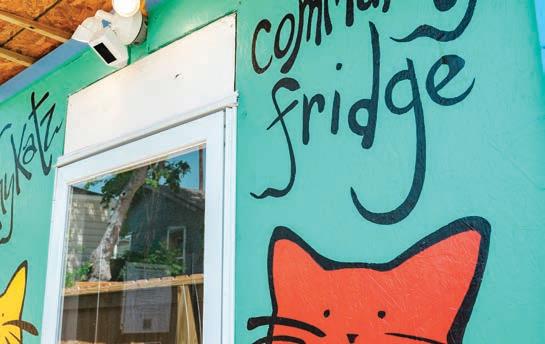
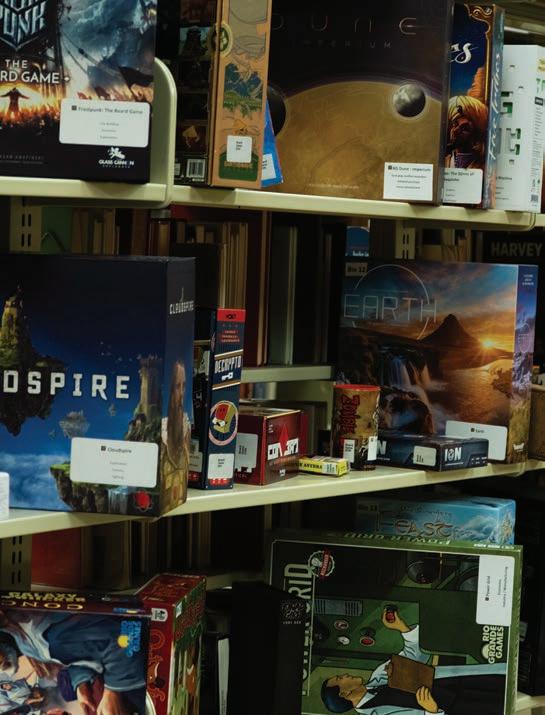
Beyond Facebook, mutual aid on the island also lives in grassroots efforts and smaller community circles. Islanders pride themselves on showing up for one another. This looks like the Aggies Big Event, the largest annual student-run service project on the island. The students take on various community service initiatives, including landscaping, construction, and other site improvements around the island. There are also many hyperactive church groups filling in where they can, community refrigerators, and free tools, supplies, and games through the Rosenberg Library's free resources.
In a coastal tourist town like Galveston, where affordability can be a daily challenge, these acts of care are more than mere gestures of kindness. They are a form of resilience. Mutual aid reminds us that survival doesn’t have to be a solo effort and that thriving, even in difficult circumstances, is more possible when we lean on one another.
Offer what you can. Ask for what you need. On this island, community isn’t just something we talk about. It’s something we practice every day.
Photo Courtesy of The Big Event
circulation desk and make a request.
Voices of the Island
For Voices of The Island, we center on the lived experiences of the people who call Galveston home, from the tension between short-term rentals and full-time residents to the day-to-day reality of making a budget stretch on the island.
SAVE OUR CITY.
Article By Robert Dean
A house used to mean you had a neighbor. Now it’s a listing. A keypad on the door, a rotating cast of weekend strangers who don’t know the street, don’t know the people, don’t know the rules. These aren’t residents, but weekend transactions. And the more of those you stack on top of each other, the less the place feels like anything at all.
If there’s anything Galveston doesn’t need, it’s more big-time investors. Once the signs go up for “small batch coffee” or the tacos are clocking in at over $4 each, it’s time to look at the big picture of what happens when the wrong people start taking up space on the island.
If there’s any class of people that should be invested in Galveston, it’s artists, musicians, writers — the kinds of people who make a place worth living. No one ever says, “I wish we had another bank,” or “I could really go for another Burger King.”
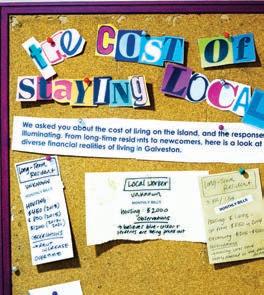
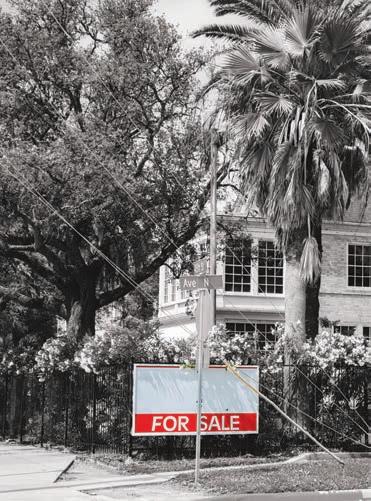
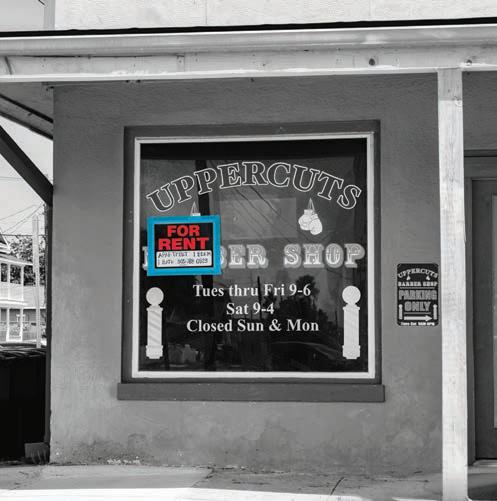
Galveston still gets sold as affordable, but that depends on who you are. Housing prices have climbed roughly 50% over the last decade, while rents have jumped around 30%, and wages haven’t kept pace. The median household income sits around $57,000, while average rent is pushing $1,500 a month — a math problem that doesn’t work unless you start cutting corners somewhere else. More than half of renters are now considered costburdened, meaning they’re spending over 30% of their income just to keep a roof over their head. On paper, the cost of living looks manageable.
Ask any tourist, and they want to do what the locals do. So how do you explain that the locals can’t afford to live there? Who do you think drinks in the bars when the tourists stay home or buys a burger from Press Box after their shift? How are you going to explain that everyone sitting in the Albatross can’t afford to live on a barrier island?
“ ” “ ”
More than half of the island’s workforce doesn’t live on the island at all, pushed to the mainland where housing is cheaper. The people cooking the food, cleaning the rooms, pouring the drinks — the ones who keep the place running, are increasingly commuting in. Add in the pressure of short-term rentals, limited land, and rising insurance costs, and the gap only widens.
Galveston does not want those kinds of problems. Keep your culture, keep your affordable lunches, and fight for a livable rent. Galveston does not want those kinds of problems. Keep your culture, keep your affordable lunches, and fight for a livable rent.
Galveston does not want those kinds of problems. Keep your culture, keep your affordable lunches, and fight for a livable rent.
” “
Galveston should not be a playground for the rich, but rather local officials should be working more diligently toward lifting up and celebrating the people making art, playing music, and creating the culture Galveston is so well known for, not some dude from Houston retiring on Airbnb money.
Austin used to be “weird.” Now it’s becoming Dallas with blue hair. Don’t let Galveston become Austin — a city constantly scrambling to keep music venues alive against rising rents from dollar-hungry landlords. When artists get pushed out, and bankers move in, the culture becomes stagnant. What were once artist studios, places for bands to practice, and mom and pop restaurants are now “mixed-use” buildings. Even 6th Street is now getting the “revitalization” treatment, with two blocks near Red River being torn down to make way for condos for dorks with too much money.
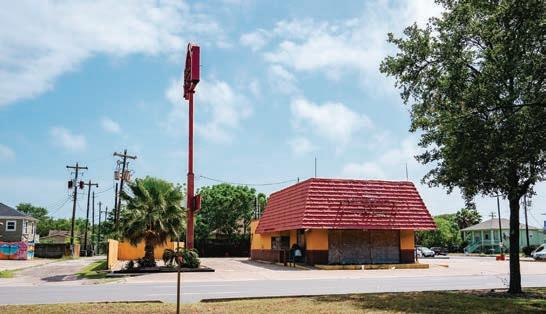
There are so many empty buildings downtown. Instead of rampant, predatory capitalism allowing them to sit and be a tax write-off, more places should be used to house creatives — to make Galveston affordable to those who could continue to make it special. Why wouldn’t the island want to court people from all over the state to make music, cook their food, invest in culture, rather than just be another soulless enclave of people who can afford golf carts? That misses the point of what people actually need in a world that’s draining at every turn.
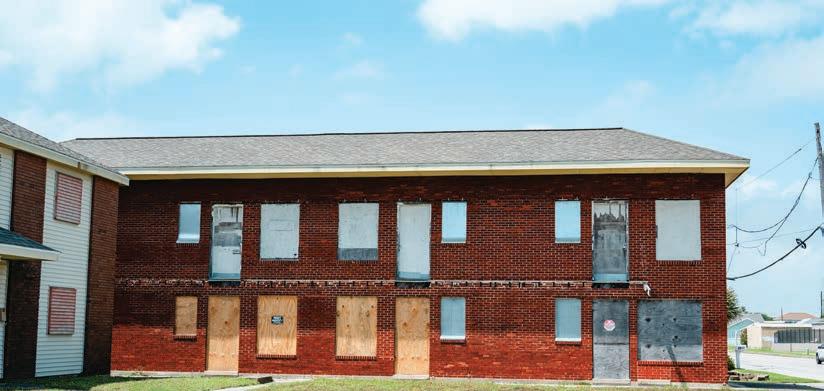
About 26.2% of housing units in Downtown Galveston are vacant. In a place where people can’t afford to live, roughly one in four units downtown still sits empty. Those empty buildings are a choice. The jacked-up rents are a choice. Insurance has a lot to do with it — I’ll concede that — but insurance is also a broken system. But that’s more of a critique of capitalism than it is about the future of Galveston. When Hurricane Ike hit in 2008, it wiped out more than 500 units of affordable housing on Galveston Island — units that have never been fully replaced. Vision Galveston, a local community organization, put it plainly: "The people who serve this community don't live on the island, and in many cases, they can't afford to live on the island."
Because once the people who gave this dirty little beach town life are gone, all you’re left with is a shitty version of it. A cleaned-up, more expensive, less interesting version of Galveston. The kind of place where everything looks right, and nothing feels right, where there’s another Walmart and no place left to get a Surprise Burrito.
You don’t keep a culture by driving up prices and pushing the people who made the place worth living out — you invest in those people, or you lose what made the place worth a visit over the bridge in the first place.
Join the Culture Clash Crew to keep Galveston’s stories in print, support local artists, and get exclusive perks:
•Behind-the-scenes content
•Early access to our island’s stories
•Member-only merch and more
Scan the QR code to join today. Culture doesn’t survive on its own — people keep it alive.
BY SAGE SCOTT
Charlotte Bly, 24, moved home last year while she finished her master’s degree to save money, and she stayed to help her mom recover from an injury.
Bly helps her mom with her business. She helps her mom get around as she recovers from an intense and painful surgery. She pays for yard work, runs errands, anything her mom needs. She loves what she studied, and she wants to work. She’s been getting paychecks since she was 15, and now nannies, but after more than 100 job applications, she hasn’t been able to find anything in her field.
She, like the rest of these 20-somethings, is grateful she hasn’t had to take a full-time position outside of her field just to pay the bills.
In Jamie Donlon’s day, rent and college were a lot cheaper than they are now. He waited tables to pay for school and never considered moving home, that was for the lazy kids, he said. Now, he said, a lot of his co-workers have kids in their late 20s living at home because they can’t afford not to.
Jamie’s 21-year-old daughter, Lilly, moved home last year. It saved her thousands on rent, gave her time to get a part-time job she’s passionate about, and let her take cheaper classes at Galveston College.
If she hadn’t been able to live at home, there’s no way she would have been able to afford school, she said. She’d be working to survive, rather than getting an education to pursue her career. Sure, the household costs have gone up, and maybe the messiness, too, but Jamie loves having her home.
Lilly’s moving to the Dallas area for college in the fall, and, as much as she loves her parents, she’s looking forward to it. Having an apartment of her own again will give her more personal space, physically and emotionally, she said.
Jaime Villamil has similar hopes. His parents have known he’s gay for years, but they never quite accepted him expressing that part of him, he said. After 20 years of living with them, he’s more than ready to break away. “I need to grow and expand,” Villamil said.
He wanted to move out after high school, but college was too expensive, even after saving two years' worth of paychecks from part-time work. So, he stayed, worked, and is completing an associate’s degree for free at Galveston College.
It’s the average 20-something life until he comes home. His mom goes through his things, and he has to be quiet after a certain hour. His parents made him take out an ear piercing he got for his birthday. He feels like he has to act and present a certain way to keep the peace.
“I’m looking forward to expressing myself more,” Villamil said. When he moves to San Antonio for college, he’ll do the college thing: Dress how he wants, re-pierce his ear, figure out who he is and what he wants from life. It’ll also give him the opportunity to develop an adult relationship with his parents, who still treat him like a kid, he said.
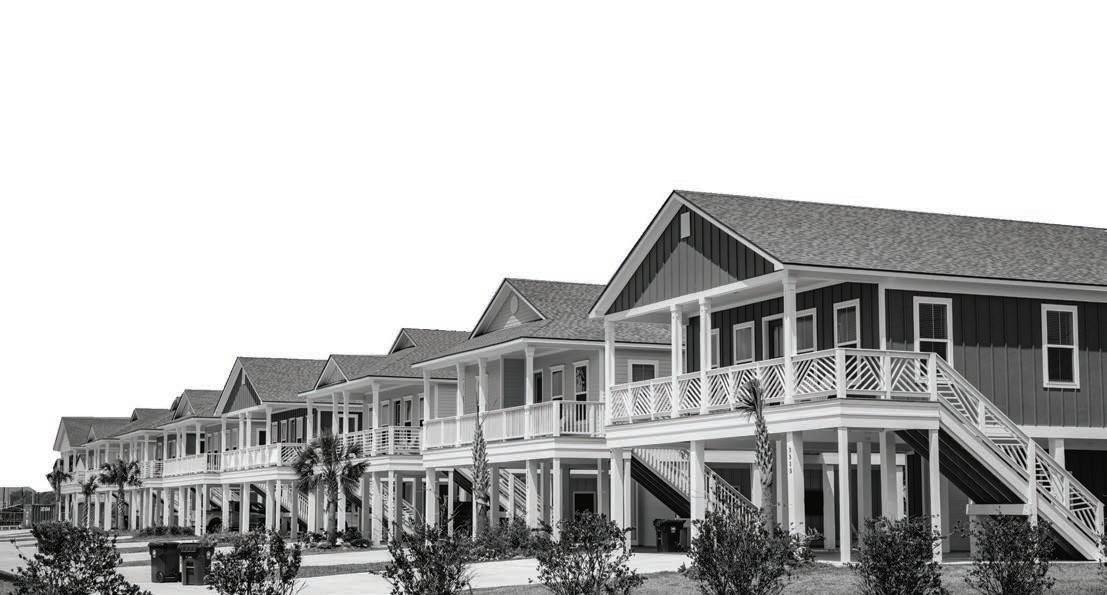
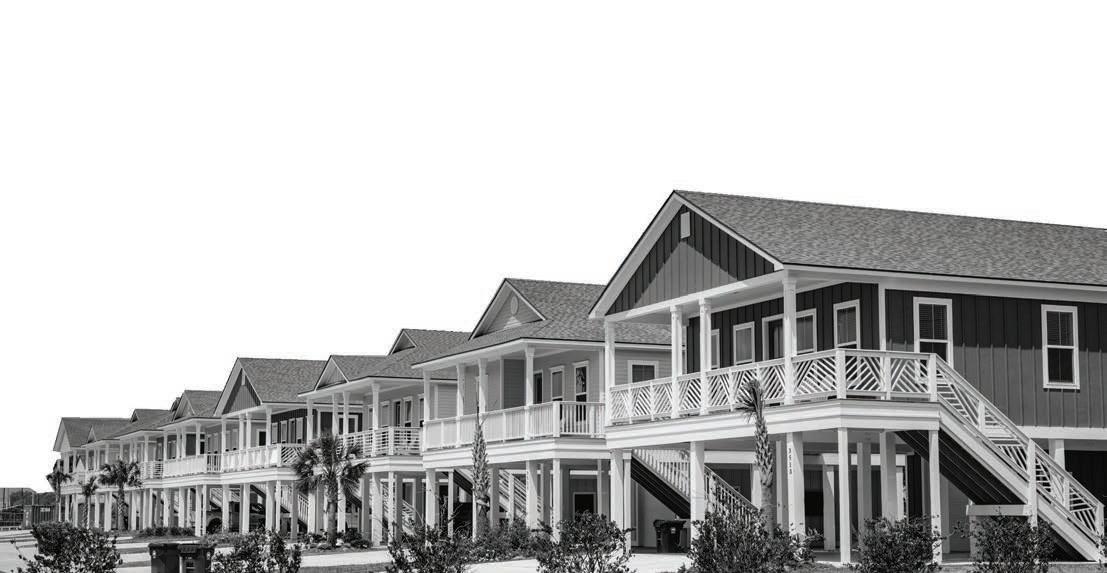
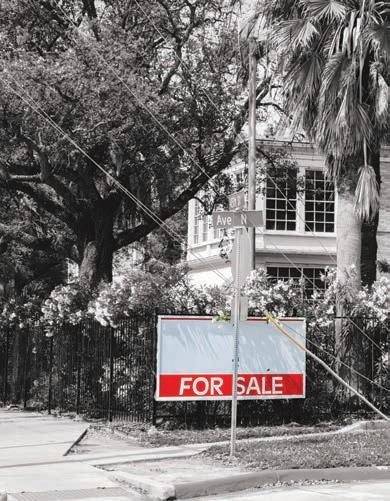
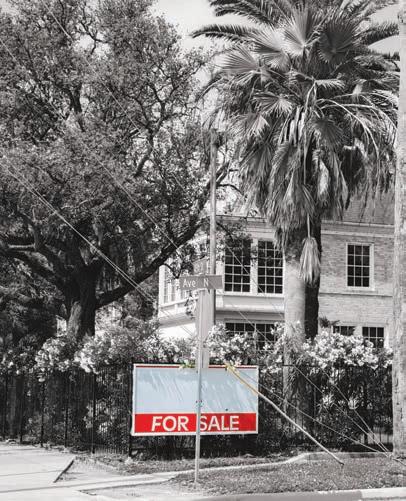
Living on Galveston Island has always carried a certain mythology. It is the sound of the Gulf at night, the historic homes, the tight-knit community that feels more like a neighborhood than a city. But behind that charm is a growing reality many residents know all too well: staying on the island is becoming increasingly expensive, and for some, out of reach. Housing sits at the center of that tension.
According to Christine Bryant, CEO of Vision Galveston and Executive Director of Build Galveston Community Development Corporation, the issue is not just affordability in the traditional sense. “Build Galveston is fully focused on housing on the island,” Bryant explains. “It’s not just about workforce housing. It’s also about helping existing residents stay in safe, accessible homes. We are antidisplacement. Everything we do is designed to ensure that current residents are not pushed out.”
That mission reflects a deeper problem. While many housing programs target low-income households, there are far fewer resources available for what Bryant calls the “missing middle” — households earning between 80 and 120% of the area median income. These are teachers, hospitality workers, small business owners, and young professionals. People who are essential to the island’s economy, but who increasingly struggle to find housing they can afford.
The numbers tell part of the story. Galveston’s population is growing overall, but that growth masks a troubling shift. “We’re seeing a decline in the minority population, which is deeply concerning,” Bryant says. “We’re losing multigenerational families who can no longer afford to live here.”
That loss is not just cultural. It is structural. When long-time residents are priced out, the very identity of the island begins to change. One of the biggest challenges is inventory. In a 2023 housing study conducted by Build Galveston, many respondents said they were willing to live in smaller homes if it meant staying on the island. “The real issue is a lack of available inventory that meets their needs,” Bryant says.
While many housing pRogRams target low-Income househoLds, there aRe far fewer ResourCes avaiLaBLe for what BRyant CalLs the “mIssIng middle”
“When you look for a three-bedroom, two-bath home built in the last five years at around $300,000, there are very few options available.”
Homes that do come onto the market are often older and require significant repairs, adding another layer of cost for buyers. For renters, the picture is not much easier. Rising demand, limited supply, and the ongoing popularity of shortterm rentals have tightened the market across the board. Short-term rentals, in particular, are often cited as a major factor in the island’s housing crunch. While regulations have begun to shape their growth, Bryant notes that the issue is more nuanced than it appears.
“Many of those properties were designed for temporary stays, not long-term living,” she says. “Even when they’re converted back, they may not fully meet the needs of families.” Instead, what many residents are looking for is something simple: a functional home, a yard, a sense of neighborhood. The kind of housing that supports daily life, not just weekend visits. At the same time, the cost
of living on the island extends beyond the price of a mortgage or rent. Maintenance, insurance, and energy costs all add up, especially in a coastal environment where weather resilience is a constant concern.
Bryant’s background in disaster recovery informs much of Build Galveston’s approach. After Hurricane Beryl, the organization worked with the Small Business Administration to open a Business Recovery Center, helping residents access low-interest disaster loans. These loans can also be used for resilience upgrades, such as hurricane shutters, which ultimately reduce long-term risk and cost.
There are also smaller, but impactful, programs aimed at easing the financial burden. Partnerships with CenterPoint Energy provide free AC tune-ups and energy efficiency upgrades, including insulation and window sealing, for qualifying residents. Initiatives like Project Fan Club have installed energy-efficient window units in dozens of homes, helping families manage utility costs in the Texas heat.
the decIsion to stay
oR leave is not just fInancial. It is aBout identity, history, and Belonging.
“These improvements make a real difference in people’s quality of life,” Bryant says. Still, the broader challenge remains. Nearly 70% of Galveston’s workforce commutes onto the island each day, a pattern that is neither sustainable nor conducive to long-term economic health. If workers cannot afford to live where they work, the strain shows up everywhere, from local businesses to schools to community life.
Efforts are underway to address the gap. Build Galveston’s recent acquisition of the L.A. Morgan school property is one example. The site is being redeveloped into workforce housing without displacing existing residents, a model Bryant sees as critical for the island’s future.
“We’re stabilizing the surrounding neighborhood and building new housing that meets real needs,” she says. For many residents, the stakes are deeply personal. The decision to stay or leave is not just financial.
It is about identity, history, and belonging. Galveston has long prided itself on being more than a destination. It is a community where people know each other, where culture and creativity thrive, where roots run deep. Preserving that spirit requires more than nostalgia. It requires intentional investment, thoughtful policy, and a commitment to equity.
Despite the challenges, Bryant remains optimistic. “We use the phrase ‘mobilizing optimism,’” she says. “Everything we do is rooted in making Galveston a great place to visit because it’s a great place to live.” That optimism is shared by many across the island. But turning it into reality will depend on whether Galveston can balance growth with affordability and opportunity with access. Because the true cost of living on the island is not just measured in dollars. It is measured in who gets to call it home.
Coolture: Arts + Music
Affordability on the island comes to life through reclaimed fashion, DIY creativity, and a thriving local arts scene. Galvestonians make the most of every dollar, refreshing their wardrobes, creating their own style, and showing up for free concerts, local art, and community-driven events like Save the Locals.
Photo by Kristen Williams
Photos Courtesy of Artist
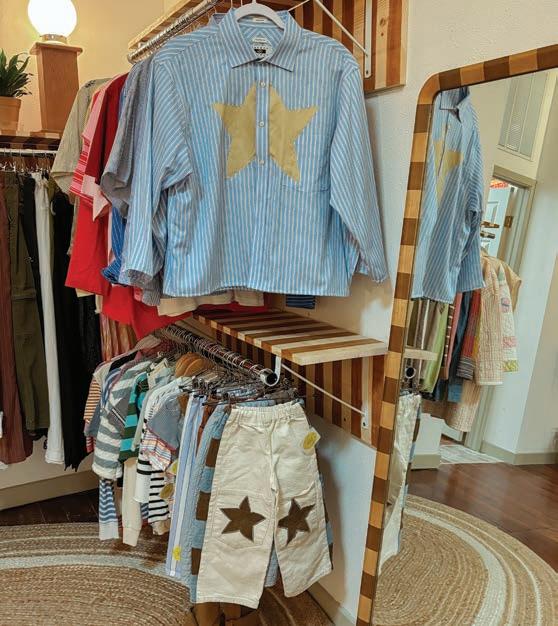
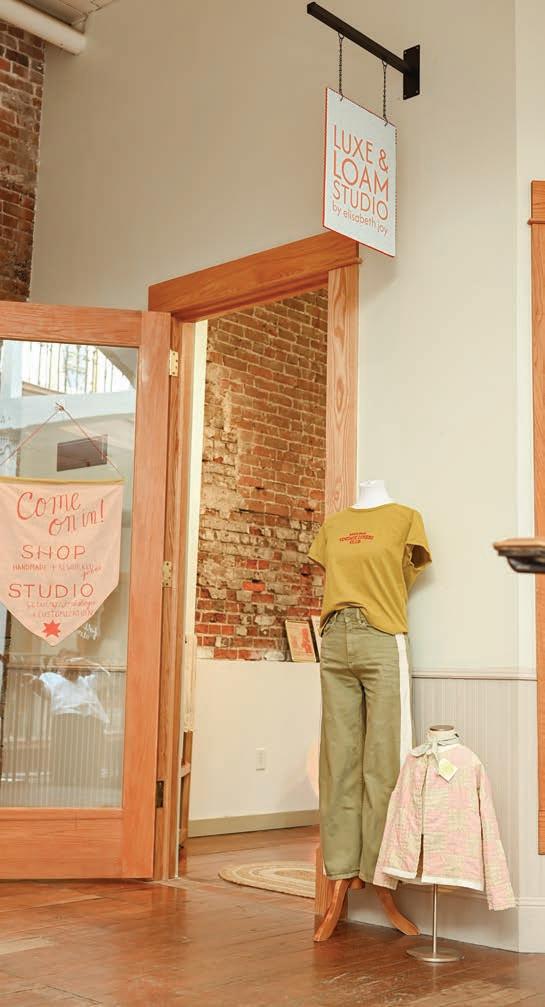
Shop local and sustainable at Luxe & Loam, 2221 Strand St.
FEATURED ARTIST: LUXE & LOAM
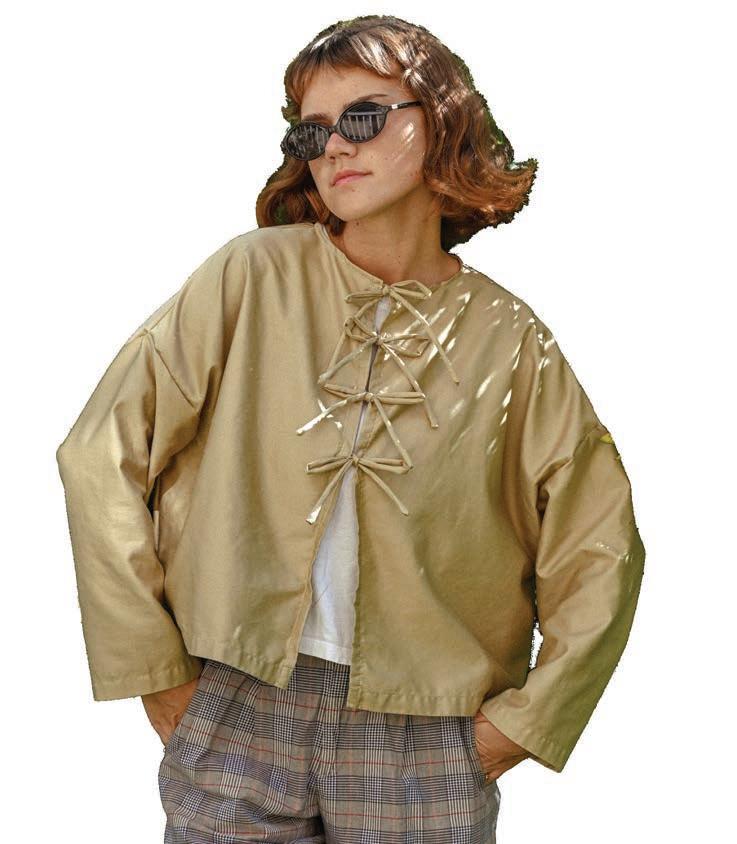
Lis Joy, the brains behind Luxe & Loam and Yippie House, treats broke living like an art form, not a limitation. Her gospel is simple: buy less, thrift more, and get your hands dirty fixing your own stuff.
She’s not anti-trend. She just refuses to play the game like a sucker. While fast fashion and quickflip interiors burn through cash and landfill space, Lis slows it down, flips the script, and asks a better question: what can this become instead?
Secondhand is her playground. Thrift stores, vintage spots, Facebook Marketplace rabbit holes, all fair game. Where most people see used, she sees raw material. A ripped jacket? Future statement piece. A tired chair? One good idea away from resurrection.
Through Luxe & Loam, Lis repairs, reworks, and revives pieces that got passed over. Not for pity, for potential. She’s not just selling stuff, she’s rewiring how people think about ownership. You don’t need new. You need vision.
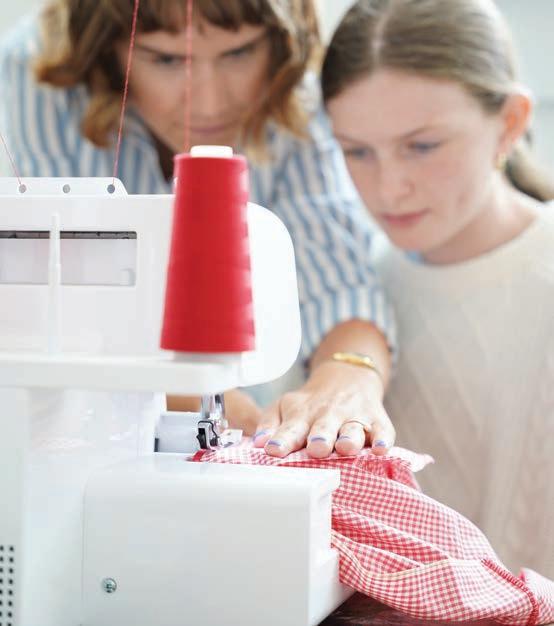
DIY is the secret weapon. Sewing, patching, tweaking, it’s all power moves. A sewing machine stops being a hobby and starts acting like a moneysaving sidekick. Plus, nothing fits better than something you made your damn self.
Her advice? Know your vibe before you shop. Hunt for quality. Take your time. The thrill isn’t in buying, it’s in finding.
Lis proves style doesn’t come from spending. It comes from seeing differently and having the guts to make it yours.
COOLTURE: ART OF
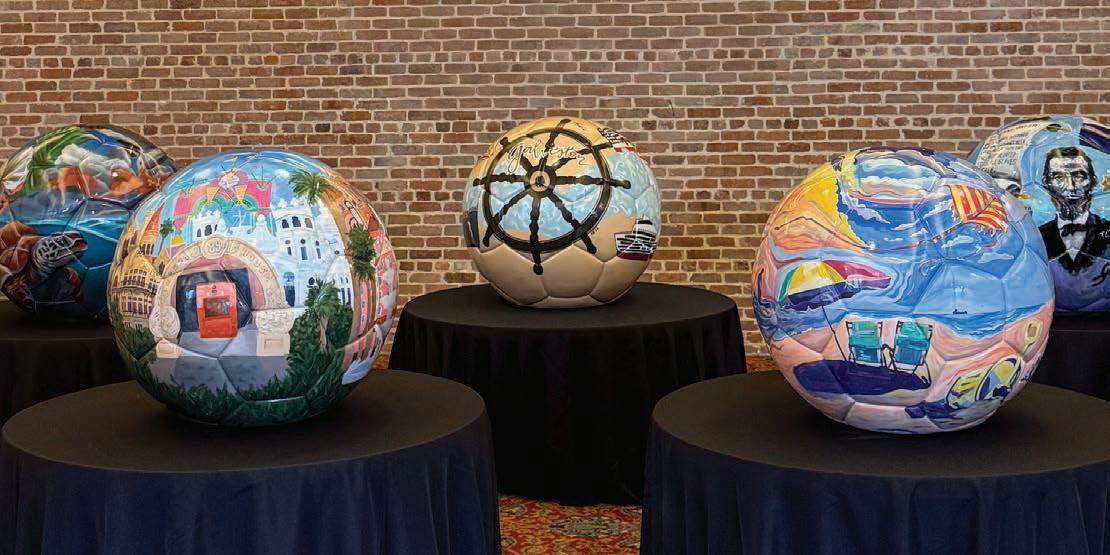
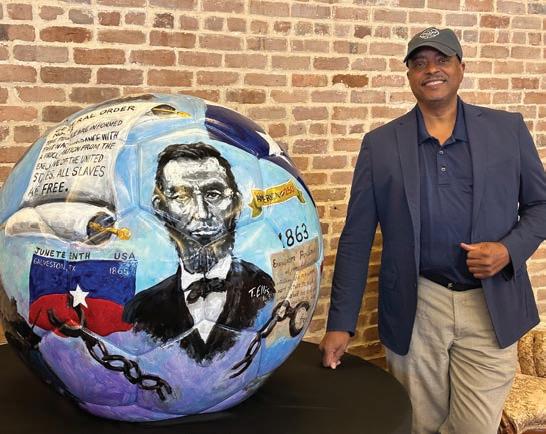
WHERE COMMUNITY AND CULTURE MEET: GALVESTON'S ART OF SOCCER
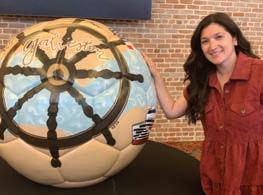
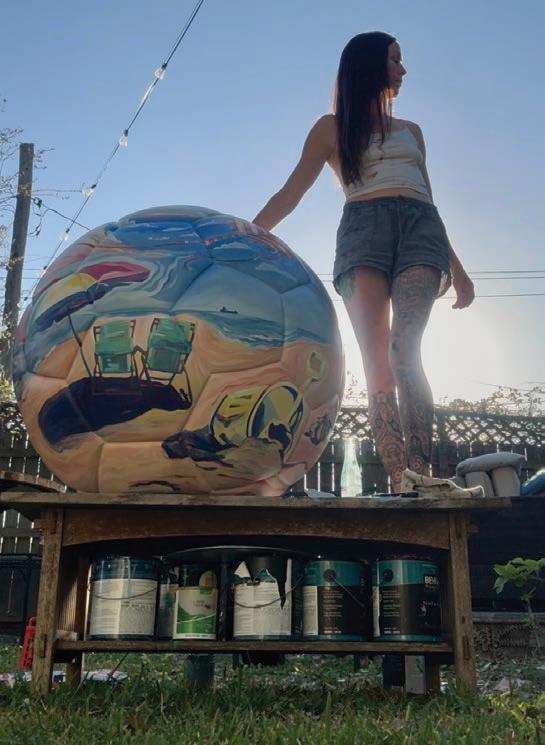
This summer, Galveston is putting its own spin on a global moment. Through a partnership tied to the 2026 FIFA World Cup, Visit Galveston presents the Art of Soccer, a public art exhibit that brings local stories to life through bold, hand-painted soccer ball sculptures.
To learn more about the artists and upcoming sculpture locations, head to VisitGalveston.com.
Five artists. Five themes. One island.
Each sculpture reflects a different side of who Galveston is including beach culture, wildlife/nature, maritime heritage, iconic landmarks, and the island's place in history as the birthplace of Juneteenth. The artists behind each piece are deeply rooted here, and their work captures not just what the island looks like, but what it feels like to call it home.
More than public art, this exhibit is about community pride. It connects Galveston's people, history, and culture to a global audience in a way that feels personal rather than promotional. The sculptures will rotate through high-traffic areas across the island, creating a traveling exhibit that invites residents to rediscover their community and see it through fresh eyes. Galveston is the heart. The ball is the pulse. And the art tells our story.
Photos Courtesy of Galveston Park Board of Trustees
COOLTURE:
PULSE
MONTHLY ARTWALK
May 9 & June 13 | 6 PM
Downtown Entertainment District
MAY - JUNE
2026 CALENDAR OF EVENTS
Enjoy an evening of art, culture, and gallery hopping as local artists showcase their work along The Strand.
Admission: Free
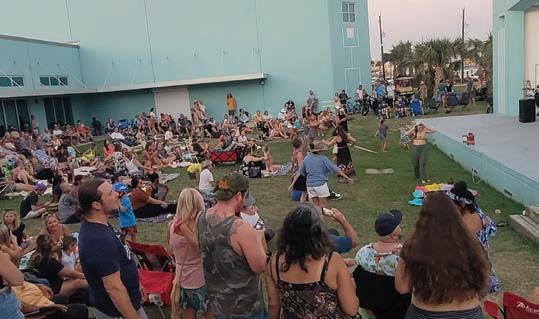
SAVE THE LOCALS
Every Thursday | 6:30 PM
Menard Park
Presented by La Izquierda Fest, the free Save the Locals summer concert series brings local & regional live music to the historic bandshell at Menard Park on the seawall in Galveston.
Weekly free live music from a variety of artists, including kids activities. Bring chairs, blankets, refreshments and your dancing shoes.
Admission: Free
FAMILY
FREE NIGHT
May 14 & June 11
Galveston Children’s Museum
Every second Thursday of the month, we open our doors to the community for Family Free Night, a special time when families can enjoy all the museum has to offer, completely free of charge.
Admission: Free
STRAND SUMMER MUSIC NIGHTS
May 30 & June 6 | 7 PM
Saengerfest Park
Performances are family friendly with on-site beer and wine, select vendors, and a reserved VIP area with reserved seating, complimentary drinks, meet and greets, and more! Bring your lawn chair, blanket and cooler.
Admission: Free
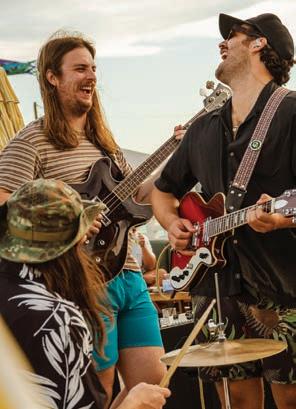
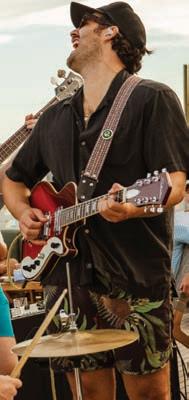
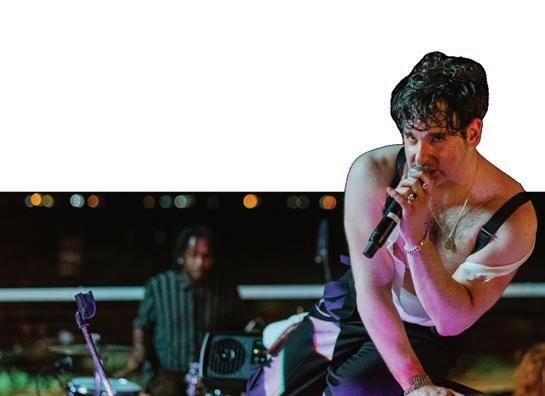
SUNSET & SOUNDS
Every Weekend | May Through September
Hotel Lucine Rooftop Bar
Sat, May 23 Mobley
Sun, May 24 Aruba
Fri, May 29 Tyson Webb's Outlaw Boogie
Sat, May 30 Bayou City Funk
Fri, June 5
GALVESTON STEAMPUNK FESTIVAL
June 5 - June 7
Locations and Time Vary Galveston is transforming into a world of brass, gears, and imagination! Set against the historic backdrop of Moody Gardens and Galveston’s storied past, this immersive festival transports guests into an alternate history where steam powers the future.
Admission: Prices Vary
GALVESTON ISLAND JUNETEENTH FESTIVAL & CELEBRATION
June 13 | 1 PM
Menard Park
A family-friendly free event honoring the 1865 announcement of freedom with live music, entertainers, vendors, artisans, crafts, and a kids' playground area reserved seating, complimentary drinks, meet and greets, and more! Bring your lawn chair, blanket and cooler.
Admission: Free
Photos Courtesy of Hotel Lucine and Alana Stevenson
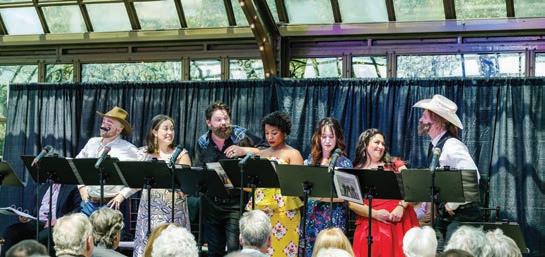
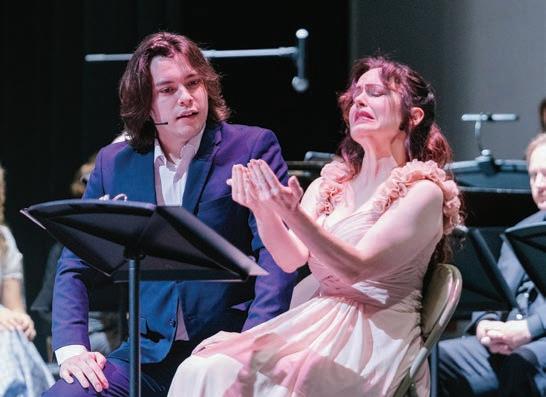
ACT 3 Galveston
ACCESSIBLE THEATER FOR ALL
Act 3 Galveston is inspiring and empowering the community by providing access to high-quality theater and arts experiences. They believe in the transformative power of the arts to ignite creativity, foster cultural understanding, and unite individuals, cultivating a vibrant, inclusive artistic community for all.
SOLE MATES
June 20 | 8 PM (7 PM Mixer Pre-Show)
June 21 | 2 PM (15 Min. Talkback Post-Performance)
O'Connell College Preparatory School
A completely original new musical about a lost sock named Osckar, desperately searching for his/her/their match. With the help of other inhabitants of the Laundry Room, Osckar goes on an adventure around the room and deep inside the walls to face off and battle the evil Sockrates. The Sockrates have been sockrificing articles of clothing to the Washer and Dryer gods.
BOOK, MUSIC & LYRICS BY KIRK COOMBS
DIRECTED BY CAILÍN HEFFERNAN*
IS HE DEAD? (PENDING LICENSING)
July 11 | 8 PM (7 PM Mixer Pre-Show)
July 12 | 2 PM (15 Min. Talkback Post-Performance)
Trinity Episcopal Church, Upper Hall
Mark Twain's only play, Is He Dead?, the fictionalized story of an actual painter who fakes his own death to achieve fame and fortune, was only published and performed long after Twain's death.
BY MARK TWAIN, ADAPTED BY DAVID IVES DIRECTED BY CAILÍN HEFFERNAN
REBEL HEARTS
Aug 29 | 8 PM (7 PM Mixer Pre-Show)
Aug 30 | 2 PM (15 Min. Talkback Post-Performance)
Galveston College
In the 1880’s, young Nellie Cashman welcomes a renowned troupe of Shakespearean actors to her Tombstone log cabin. As an evening of song, music, dance, stories and drink continues, we travel through the memories of each celebrant to learn their past, their present and finally, their future.
BY CAILÍN HEFFERNAN
DIRECTED BY CAILÍN HEFFERNAN
A CLASSIC BROADWAY MUSICAL (TBA)
September 2026 (Dates and Times TBA)
THE OMNIBUS OF PHANTASMAGORIA
Oct 17 | 8 PM (7 PM Mixer Pre-Show)
Oct 18 | 2 PM (15 Min. Talkback Post-Performance)
The Scottish Rite Cathedral Montague Rhodes James was a scholar as well as a don and provost at Kings College, Cambridge and Eton. He was an incredible spinner of ghostly tales which he regaled his students with on Christmas Eve and has had numerous volumes of his stories published.
BY MONTAGUE R. JAMES
ADAPTED AND DIRECTED BY CAILÍN HEFFERNAN
Photos Courtesy of Hotel Lucine and Alana Stevenson