CULTURE CLASH
a venue for Galveston’s free thinkers











Welcome to a SPECIAL ISSUE of Culture Clash Magazine highlighting the Texas Department of Criminal Justice. Meet the inmates and one officer involved in the “system.” The stories and perspectives here range. They offer only a glempse.
Some articles are poetic, while others are a raw expression. We ask that you take time to really see our prison writers and hear them. For some, this is their only link to outside communication.

Have questions or want more information about the stories you read here, check out page 28 were you can find direct contact information and write the inmates themselves.
We know that not everyone has a soft spot for convicts. However, due to the fact that the Texas Prison population far exceeds that of any other state*, we are certain you may know or know of someone in prison. Take this time to reflect on why there are so many inmates in our state. Is it US or THEM? We know you are capable of doing that research.
We would love to run a future sequal to this issue with thoughts from law makers, wardens and more officers. The conversation has been started.
* https://worldpopulationreview.com/state-rankings/prison-population-by-state
Write us an email or shoot us a comment any time online: CultureClashGalveston.com CultureClashGalveston@gmail.com
Janese Maricelli Publisher



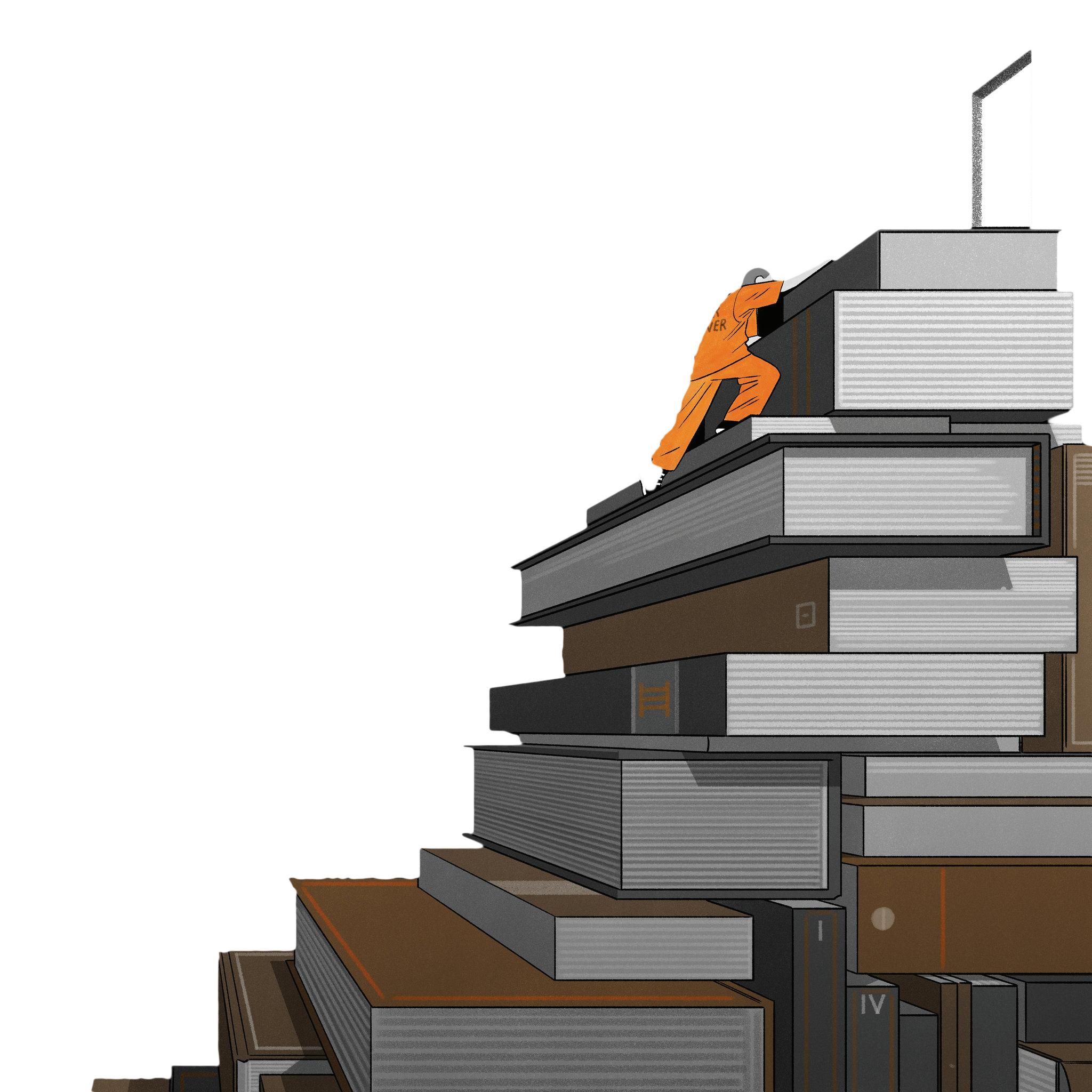
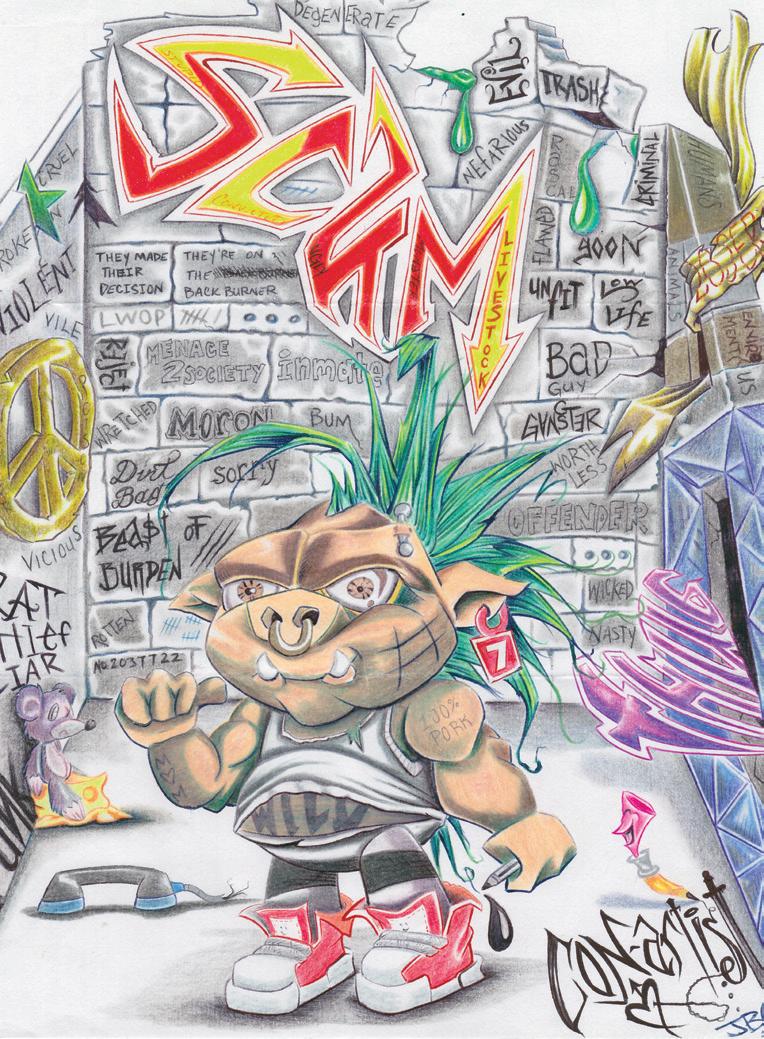
THE COVER: “CONARTIST,” by Jonathan Sanchez. Hand drawn with graphite, ink, marker, color pencil, and various other prison materials.
*This magazine is NOT printed on recycled paper or with soy-based inks YET! But we are working on it. Help us get there, advertise or sponsor us! Email for more details CultureClashGalveston@gmail.com.

By Moahmmed Amir Yusuf
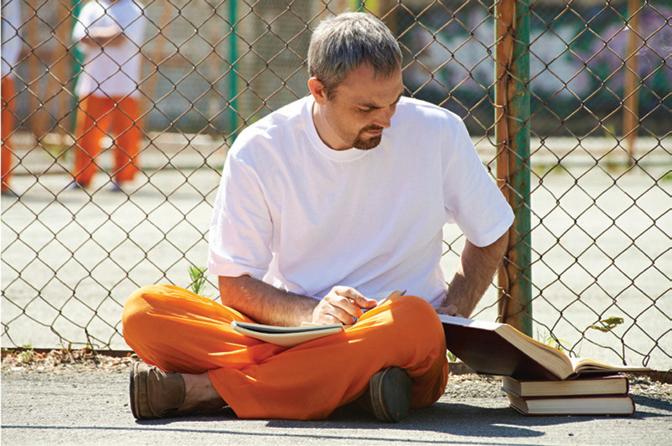
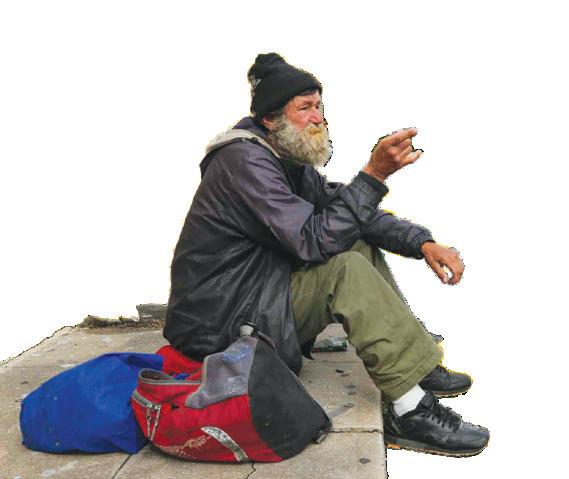
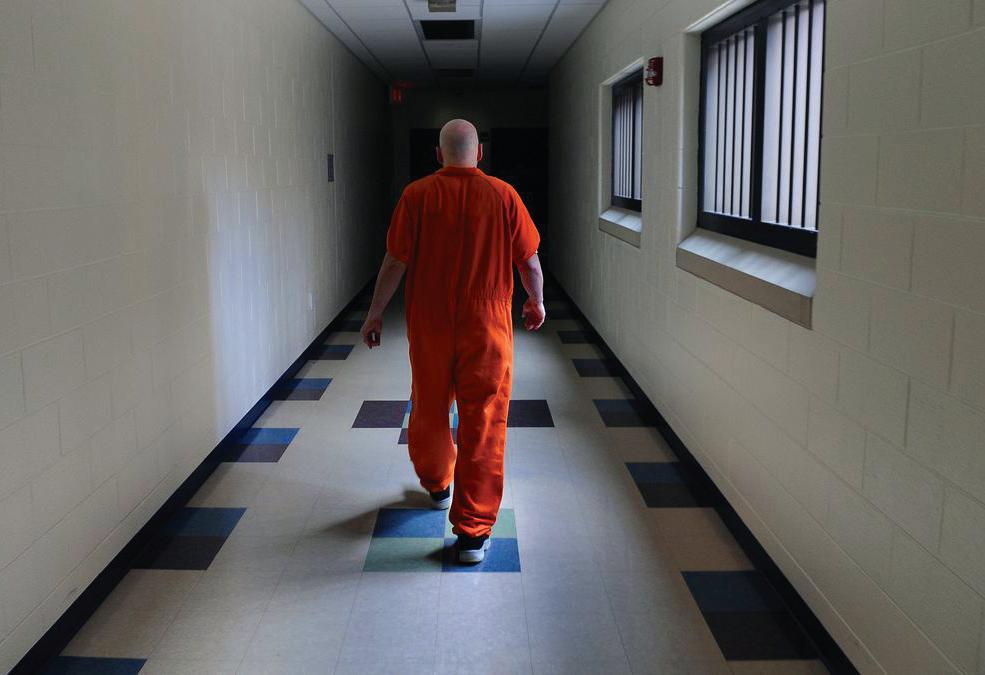
UNINTENDED. Prison is no different. What determines the effect prison has on a person is choice, primarily the choice of response. The prison environment is inclined to take a person in a negative direction. After all, it is filled with law-breakers and limit-transgressors. The bad choices with negative consequences made in the free world offers prison as the effect and the consequence of the law-breaking and limit-transgressing thinking.
Once in prison, what choice is there for the prisoner? They can choose to “gen in where they fit in” and “go with the flow”, which like water, goes downstream. This path is one of learning ideas that make a person a better prisoner or as is said, “a better criminal.” But there is nothing good about being a criminal, or being in prison. The only thing that may be considered good about being in prison is that it teaches a person change is necessary.
The other choice is to go against the current prison culture, to swim upstream. The choices made will determine not only how the prisoner “does time” but also their chances of staying out of prison once released.
Many prisoners will say the two choices they had growing up were prison or the grave. I wonder why these are the only two choices many people thought they had. Millions of people have an ample amount of choices, while prison and the grave are not amongst them. Why? The more choices a person has, the greater the probability they will achieve higher goals. Choices create opportunities. Better choices create better opportunities which offer chances at a better life. Choices come by being exposed to different ideas.
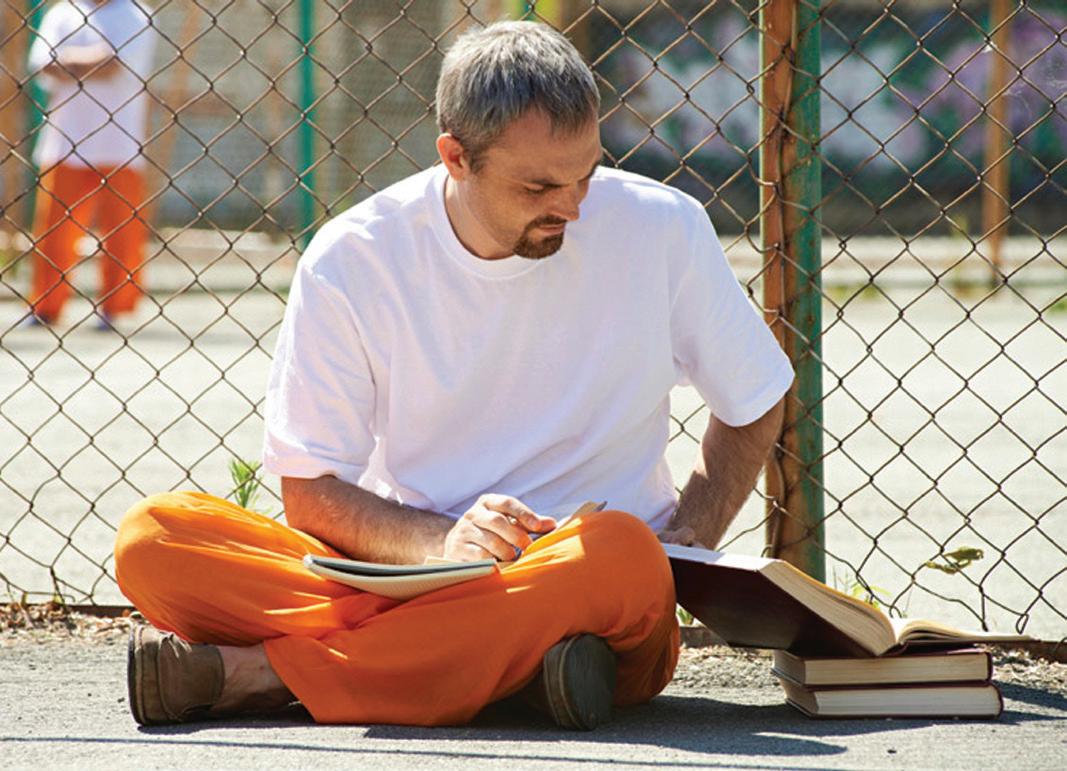
But, from where can a prisoner obtain ideas?
There are a few worthy options for the Texas prisoner. The most well-known are Windham School, vocational trades, and college. These are without doubt worthy options, but sadly they are not available to all prisoners. Fortunately however, there are two alternative sources of education available in some fashion to all prisoners: the Law Library and the General Library. Libraries contain the best words of some of the wisest people to have ever lived. The authors are endless. Whether they are jurists, philosophers, story tellers, or otherwise, books will take the reader to places they are unable to go while incarcerated. The author will give the reader inspirational ideas to think and talk bout. Books are a record of a person’s best thinking. They benefit the reader by giving good advice, warning, or just some good counsel. Books are a wonderful companion in solitude. Wentworth Dillon said, “Choose an author as you choose a friend.” People tend to do that which their friends do. Who shall be befriended?
Both the Law Library and the General Library expose the prisoner to ideas that give choices, creating opportunities to travel a different road in order to make a better future for the reader. Or, even teaching the traveler to beat a new path and be a trendsetter.

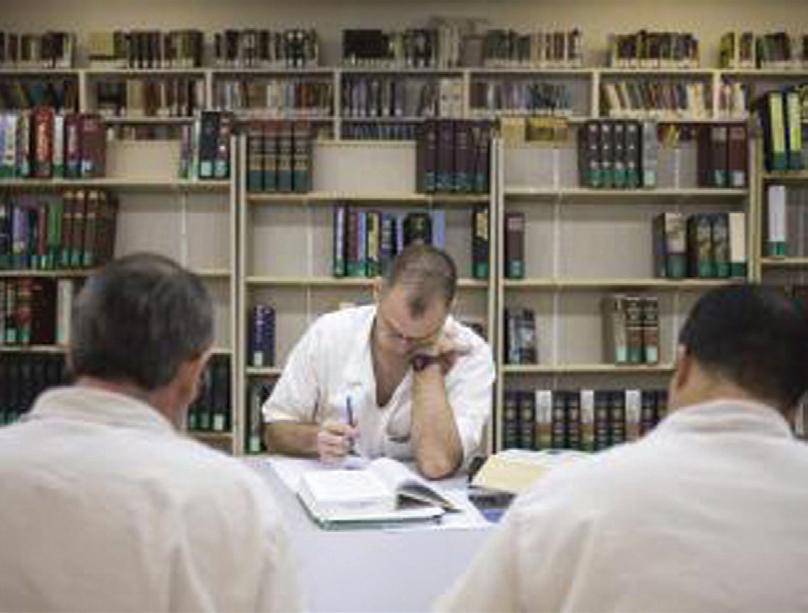
The Law Library is a more than a bunch of confusing books written by pundits clad in black robes. Law books are filled with the rules of society that enable people to understand how to establish businesses, family life, tax benefits, and every other aspect of the life of a society. And yes, they even offer the reason for prisons. Studying the law not only offers an appreciation for rules and policies, but it will also aid in the acquisition of a better vocabulary and improved thinking skills. Thinking skills are necessary for decision making; thus, the better a person can think the better their decisions will be, which as a consequence leads to a better life.
The General Library, on the other hand, is filled with every possible genre conceived. The concepts are endless. These books can expose the reader to a plethora of ideas (and new words) that can catapult their life in a new and exciting direction never before imagined; a direction that does not consist of “prison or the grave.”
These two libraries offer ideas that expand the prisoners’ thinking to create bigger and better opportunities, letting prisoners befriend those who will push them towards a better and more rewarding direction in life.
Many people believe their only choices in life are prison or the grave. Joan Baez once said, “You don’t get to choose how you’re going to die. Or when. You can only decide how you’re going to live. Now.” Resist the downward spiral of prison, resist going with the flow and instead, choose to win upstream, reach greater heights, and obtain a life full of opportunity. Choose wisely.


By CoreyGabriel
To the prison writer, hope says, “Generate as much work as you can possibly keep in your property, develop your craft, complete diverse projects of literary substance, and above all, don’t stop because one day, they’ll ask, ‘What have you written?’” The prison writer ought to drop a load of work before the inquirer, like dumping duffle bags of money onto a table.
One day. That’s all they might ever have. If that.
Why ask, “Is there hope for a prison writer?” Because I’m one of them. My true question though is, “Is there hope for a prisoner?” Because I’m one of those too.
When people are dehumanized, depersonalized, and devalued, out goes their conduct, self-esteem, patterns of thought, skills, trades, language, and their arts, In their place you get recklessness, self-loathing, broken logic, resignation, illiteracy, and ‘prison art’.
What is ‘prison art’ besides art performed or created inside some type of corrections institution? I could describe it by the business envelope, by its predominant culture of counterfeiters and copycats, by its freestyle rapping in the chowhall, by its jewelry and accessories crafted from trash and boot pleather, or by its storytellers - the prison writers. I think its most significant features concern what it’s not.
Typically the artist in prison is undersupplied and overlooked. In other words, hardly any resources, platform, or opportunity are offered from the arts world wherewith they might fairly contribute or compete.
Being any type of artist in the ‘free’ is costly and requires sacrifices. In prison, we have the time artists dream of, but with limited access to the tools and materials to actualize our dreams. We must settle for the colored pencils that don’t quite fit in a normal adult hand, or an undisciplined poetry absent of form, rhyme, or reason. Also, our craft shop was dismantled years ago. Where is the exhibit, and in what gallery, showing the sketches, the drama, the misery in uncuffed technique?
With no craftshop, basic art supplies on commissary, artists are forced to steal materials or find a way to smuggle a graphite pencil through a visit. Others will claim to be Christian to join the choir and sing for pennies of glory, or to play an instrument. Likewise, the sacrifices required are far too levitical for anyone only moderately interested in such a high-maintenance art. It breaks my heart to live in a nation that can sleep at night after turning its back on itself. 0f course, our circumstances are of our own choosing. But in our pursuit of righted wrongs and redeemed time, we go practically unsupported.
But I have a flame and I wish all prison artists shared this flame in me (no matter how quixotic it may sound). Don’t settle for selling a portrait for $10 worth of freeze dried coffee. With every piece of work, jab the sleeping world awake! Demand they see you! Who cares if they won’t educate you! We’ll self-educate. Colored oils are hard to come by? Change the game! Go outside the painter’s box. Create something that’ll cause ‘free world’ artists to ask, “Where’d you find...? How’d you do...?”
Despite canceled persons in prison being given the short stick, there is a minority of prison artists who know nothing but the hustle. Here is where I stand, raise my fist, cross my arms over my chest and chant “Wakanda forever!!” to honor all the choral vocalists, acoustic guitarists, boot painters, chip bag jewel makers, newspaper sculptors, free verse poets, landscape artists, family portraitists, tiny cross carvers, unit muralists, drama team players, praise team dancers, freestyle rappers, water colorists, graffiti taggers, tattoo artists, rec yard bodybuilders, artisans, craftsmen, the emcees of talent shows, the talent, the skit-wrighters, the undiscovered comedians, Sunday service keyboardists, the sign language karaoke-ists, and splintered stick drummers.
This watercolor art is just one of the thousands of pieces of art created by prisoners in our State Prisons each year.
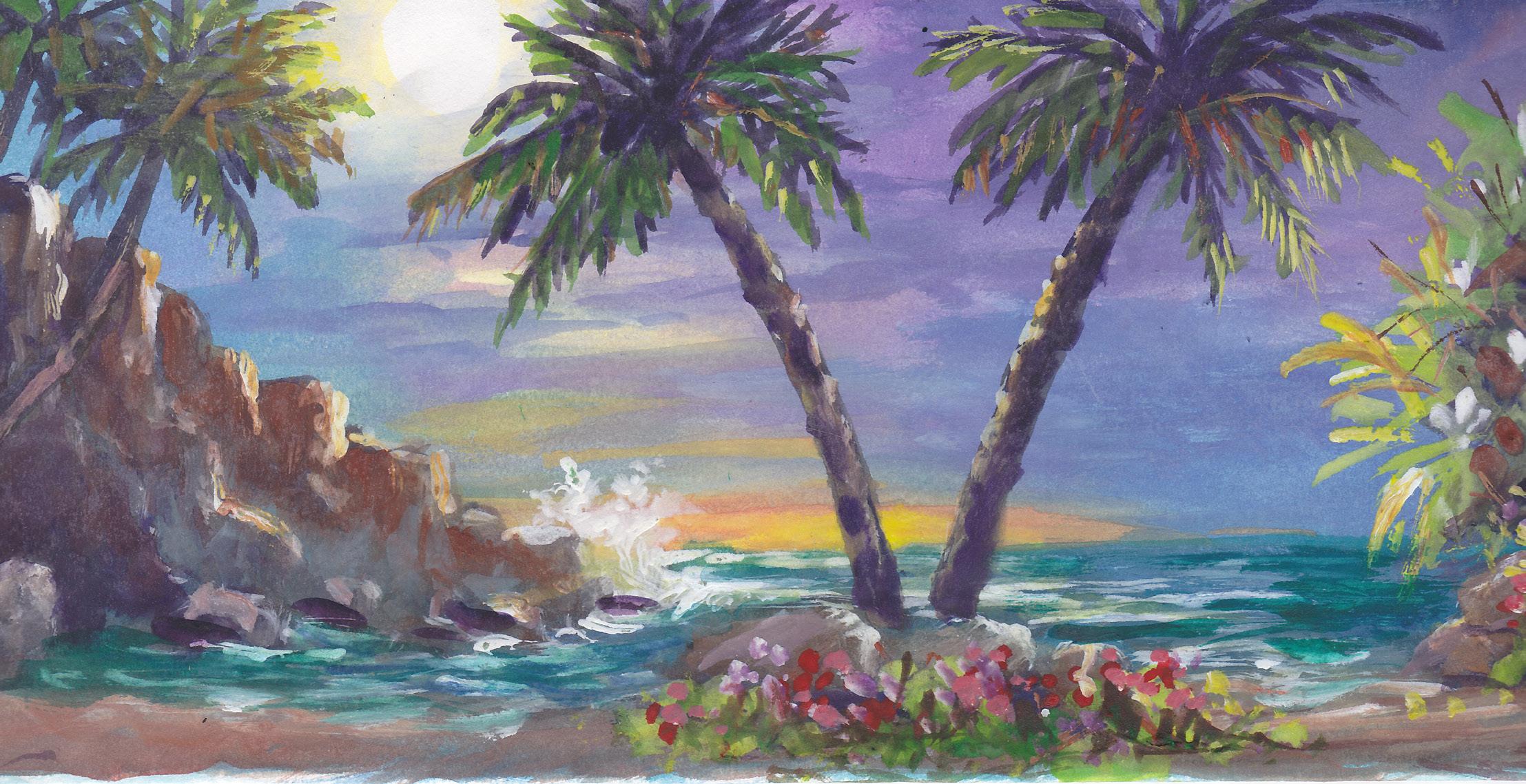
What if we found purpose in our art? We would realize it is of value once we see we are of value. Can you see that the value of what we do - our art, specifically - is contingent upon the value of who we are; our social identity? We have something to say because we are alive. We’re creative, suffering, and challenged by this place to look at ourselves. Based upon what we’ve seen, we create. Yet, our creative expressions are songs sung to a nation with selective hearing.
One day.
Then, a project such as this issue of Culture Clash comes along. With a simple opportunity, it counters all the challenges we’ve endured as artists, as human beings - to be seen, read, heard, understood, and accepted.
One day.
Because of one’s platform, a group of us were entrusted. That’s opposite to our experience in prison - one man can ruin an entire wing’s opportunity to commissary or
dayroom (it’s how they keep us at each other’s neck and not theirs.) Here, however, one man earned a redeeming opportunity for others. That inspires hope. That inspires us to organize and show our worth. The opportunity becomes purpose to the pen and pencil.
This effort, this issue, is a mere glint upon the horizon of prison reform, and a call-out for free and incarcerated artists to unite in bettering ourselves, our relationships, and our communities. As idealistic and romantic as this might appear, it is reasonable, and it is right. Since I haven’t given up on humanity yet, I believe there’s hope to be had. Despite myriad obstacles, underdogs overcome.
One day.
I love art because I love the way people wrestle down their mediums of choice to say something so simple, “I exist.” If you are an artist -- I love you. If you exist -- I love you.
And, for all the times I forgot that love, I’m so sorry.
By Eric Cooper
I AWAKEN WITH MY STOMACH FEELING LIKE I AM BEING STABBED WITH HOT POKERS AND I STUMBLE TO THE TOILET AS I SPEW A HOT GREENISH LIQUID THAT BURNS MY THROAT AND NOSE. It splashes a trail to the toilet as it rushes out my body and I don’t even have the strength to flush before I collapse onto the floor, shaking and cold. The pain is unbearable and I feel like I am dying so I crawl to the cell door and try to bang on it and shout for help, but all I can manage is reaching my arm out and laying against it. After what seems like eternity, the TDCJ guard assigned to my wing walks by and looks down as I look at my clock to see that is 4am, right before I black out. My celly wakes up ready to start his day at 7am, bright eyed and bushy tailed, but instead finds a cell covered in filth with my laying in it, shaking and unresponsive. Being a good celly, he decides to dry to help me instead of steal my stuff.
“Man down! Man down! He shouts while kicking the cell door. Man down is a shout all too frequently heard on the runs of this prison. It means that

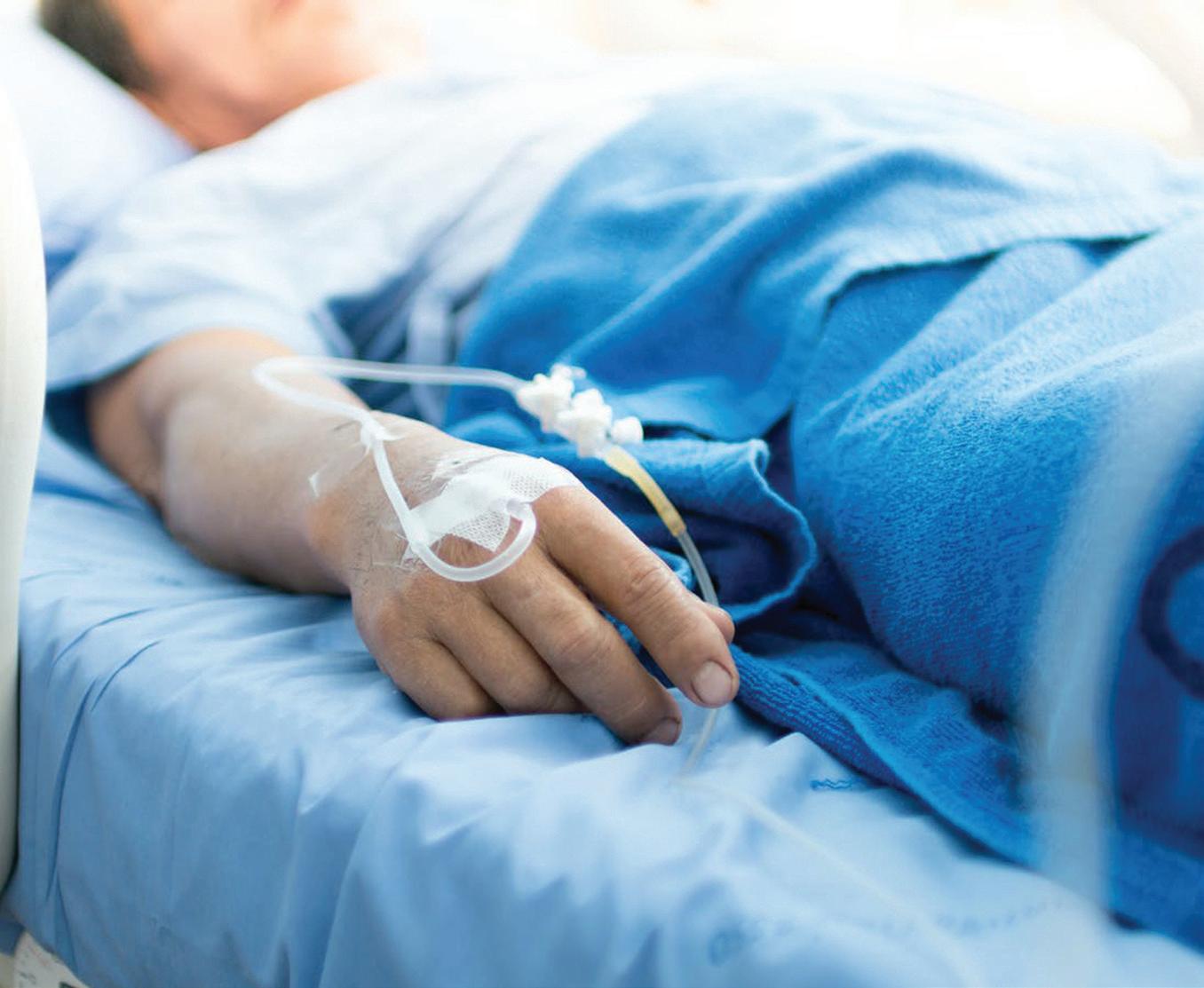
someone is down and needs immediate medical attention. It’s what we yell out when someone has a seizure, heart attack, or is severely hurt. When yelled out by someone, all other inmates immediately take up the shout and, in that way, we can get the attention of guards who cannot then get away with ignoring it. The shouts ring out from the wings and onto the main hall demanding something be done. If done during a shift change, it still does not guarantee any attention though. Help can be anywhere from ten minutes to an hour away.
In my case this day, help arrives an hour later in the form of an African guard who repeatedly asks me if I am okay. They finally get the door open but won’t help me, so my celly, whom we call “Tree”, puts me on his back and carries me down the stairs to the waiting gurney. Rushed to the Infirmary on our unit, I am soon looked at by nurses and a PA who doesn’t know what’s going on, and finally decide to call 911. One of the nurses attempts to start an IV while the guards try to handcuff and shackle me. I must obviously be a threat, even though I am dying. My blood pressure is through the roof and the nurse finally decides to knock me out.
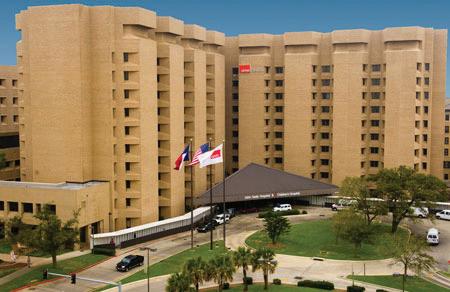
In cuffs and shackles, I am soon rushed to John Sealy Hospital in Galveston, Texas where most inmates receive any medical care that cannot be provided onside at a regular unit. It is a teaching hospital and so most work done on inmate patients is supervised by a resident, but performed by interns. In my case, they order bloodwork and other tests which show that my gall bladder has ruptured and poison has been leaking into my abdominal cavity. I am immediately rushed into surgery where the interns perform the procedure.
This marks the beginning of a cycle of meds, antibiotics, and pain. I am not allowed to eat or drink anything, but the pain and bile build-up keep reoccurring and I am back into surgery. I awaken to more pain and bile, my blood pressure crashes, and my heart stops, leading them to shock me multiple times to get it to restart again. I had six surgeries in twelve days, only the last of which is performed by an actual attending physician. Thirty days later, I am shipped back to my unit in Beaumont; bruised, battered, and only able to shuffle about like an old man.
Due my not being able to walk from place to place normally, the officers constantly yell at me to hurry up, cussing, and threatening disciplinary cases because I am falling behind the line headed to the chow hall. My recovery is a long, slow process, and it is a long time before I even begin to feel better.
Eleven months later, I have been in and out of the medical department for various complications relating to my first illness. My eyes are bright yellow and my skin looks like I have been dipped in highlighter, but our unit’s medical provider decides I am having an allergic reaction and prescribes a shot of Benadryl, sending me back to my cell. Two weeks later, I am 911’ed out once again and it turns
out I am jaundiced and in kidney/ liver failure. Back in John Sealy, the same resident doctor tries to fix me again. I am prescribed meds by the nephrologist, but never given the meds because my unit’s provider decides it’s not needed. Somehow, a PA can override a specialist if the patient is a TDCJ inmate.
Thus is my life in this place. A neverending cycle of misdiagnosis, unneeded treatment, untreated needs, and near-death trips to visit Galveston, not to hit the beach, but to try to live. Nothing ever changes and it often seems no one cares anyway. We are simply test subjects to be learned from. Lab Rats to be poked, prodded, and tested on. Like them, we are kept in cages, fed just enough to be kept alive, and assigned a number to match the file someone keeps on us. To us, parole doesn’t just mean freedom, it means being human once again.
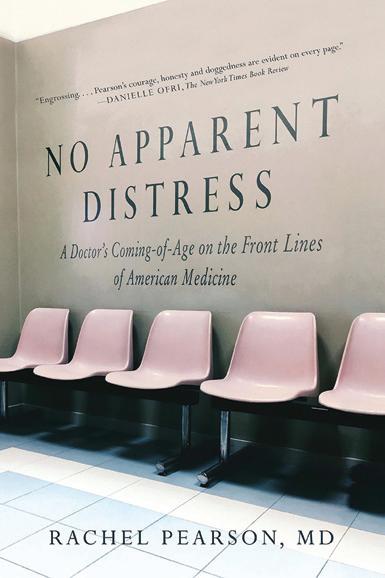
Read first hand account from UTMB resident and author Rachel Pearson as she reviews her experience working with Texas inmates and so much more. 2019 Galveston Reads and Publisher’s Choice, Culture Clash Magazine. ORDER YOURS TODAY GALVESTON BOOK STORE!
By Juan Gonzales
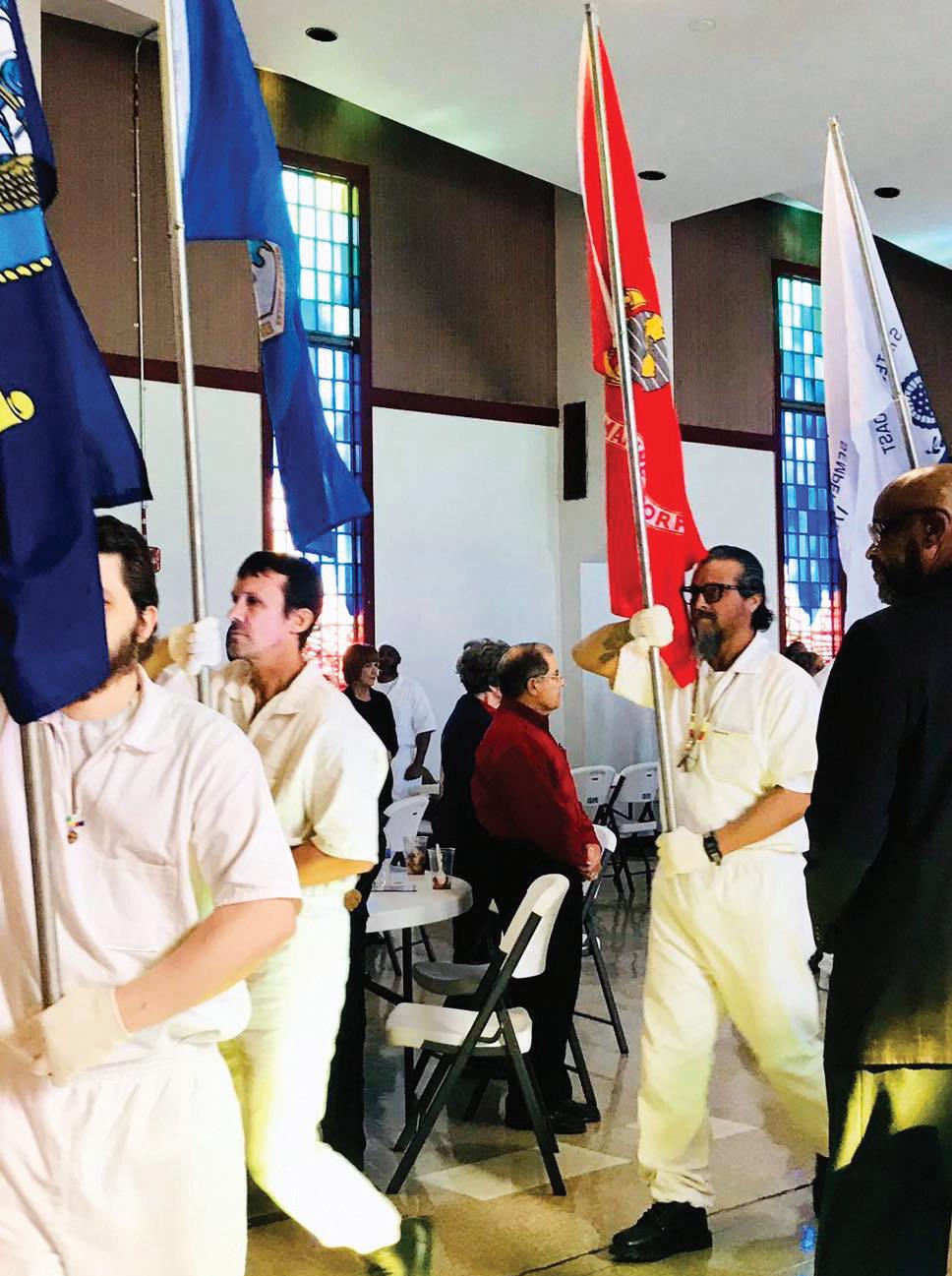
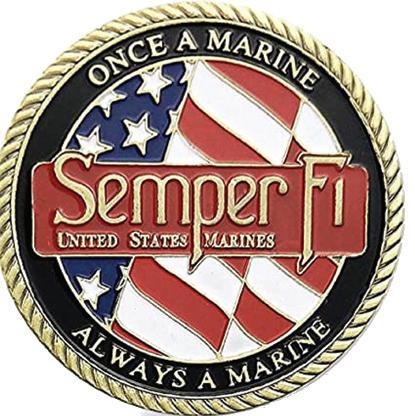
“Forward… March!” My detail steps off in unison and we march to our designated positions, performing sharp turns and obliques perfectly in sync. I carry my Marine Corps Colors with pride and even feel my eyes water just a bit as I present to the National Anthem playing in the background. Marines do not cry, but our eyes do get shiny at certain moments. For me, this is one of those moments. My heart is filled with patriotism for my country, Esprit De Corps for my Marine Corps, and love for my brothers.
I am not on a parade ground or part of a big ceremony wearing my dress blues or even Class A uniform. I am in a Texas Prison wearing offender whites. The country I fought for and defended, even offered up my life for, has decided that in the interest of public safety, I am better off living in a cage. Does this make me hate my country or regret my service? No, it doesn’t. I am a proud American and would make the decision to serve it all over again if I could, flying bullets, explosions, chemical exposures and all. The whole bit. My name is Juan Lobo Gonzales and I am and always will be a proud U.S. Marine.
I am not alone in the way I feel. In the Estelle Unit in Huntsville, Texas, I have a tight knit group of brothers who feel the exact same way. Marines, sailors, soldiers, airmen, and even a couple of Coasties too. In this environment full of gangs and racial hate groups, our veterans group stands out. We have Vietnam as well as Gulf vets standing together as brothers here. Young and old connected by the oath we all took to defend our nation and even giving our lives for it if needed. We all have pride in what we were and are a part of.
Veterans groups in prison are not new. There are more of us in here than most would think. VIG’s (Veterans Incarcerated Groups) are in many units across this state. They are
all different but each serve to meet the needs of vets. Some offer such classes as anger management, substance abuse programs, and a chance to fellowship with each other. This system does not do anything specifically for us, so we do for ourselves, sometimes with help from outside veteran volunteers. No one is able to help vets better than vets. We take care of each other in here, writing and reading letters for those who can’t, filling out paperwork, and guiding those who are blind and deaf.
Our group in the Estelle Unit is sponsored by the Armatus program and used to have weekly meetings prior to Covid. We have an honor guard which carry and post each service branch’s flag, as well as the U.S. and Texas flags for each meeting and special functions such as unit program graduations and ceremonies. My group also posts the Missing in Action and the Vietnam Veterans flags. It is a very moving moment when everyone stands at the position of attention and salutes as the colors pass and are posted. All else that gives us pride has been taken from us, but not this. We earned this.
The civilian world does not understand, much less condone, the warrior mindset. Many veterans have issues unique to us. Things like guilt that we made it through combat while many of our brothers did not. The anguish sometimes overcomes vets and so many deal with it in different ways. Instead of help, our country has historically ignored these problems. Instead of finding a solution, they find a bunk for us in a cell. Many of my brothers are serving time for issues directly related to their having served in the military.
I am not making excuses for veterans who have broken the laws of this country. I am just saying that maybe there is a better way to treat those who served. Maybe things like therapy, counseling, proper medications, or just plain understanding and support. There are many kinds of pain that vets suffer that many might not understand. Feeling alone in this place is just one of them. We feel abandoned and forgotten. People who we have sacrificed for to keep safe and free, now feel they are not safe unless we are not free. Many sacrificed all only to be sacrificed themselves.
Yes, many vets make mistakes, just like regular people. Big and little mistakes. Sometimes it just seems that the punishment seems harsher for those of us who served. My own judge said that since I have been trained, I am a threat to society and should be locked away as long as she can possibly make it. She stacked my sentence when others get to serve theirs concurrently, effectively doubling my time incarcerated. I am good enough to fight, get hurt, or die for the country’s freedom, but not good enough to live free in it.
I look forward to my veterans group. Since covid, we have been on one form of lockdown or another with no volunteers allowed into the units. All of our meetings are canceled indefinitely, but I still occasionally see one of my brothers going down the hall, or in the medical section of the unit. Most of the time, we have no time for words but we still salute each other and flash the “thumbs up” with a questioning look. “You good?” “I’m good.” “Carry on brother.” Just knowing they are okay is enough to keep me going for a while. We may not be able to get together, but we still stand together. We were vets before we were convicts. We are still vets. We are just mostly forgotten in here now. I love my country, it’s just that lately, it feels like my country no longer loves me back.
By Juan Gonzales

I stand suffocating in this 6’x10’ cell, holding on to the bars as I feel the walls closing in on me. It’s Friday afternoon and I’m watching the wing officer sort our mail, 15 feet in front of me. I watch and analyze the size of the mailbag and squint, trying to make out the writing on the envelopes as he pulls them out a few at a time, stacking them by rows. I am on row one, so my stack is either the first or the third one. The bag empties all too quickly and he sorts each row’s stack by cell order. I am in cell two, so my mail, if any, will be about first or last in the stack. Some officers start at the top, some at the bottom. Really, no amount of analyzing or squinting helps me determine if there is anything there for me, but it means so much, that I do it every Monday through Friday. Each weekday builds up to this one time, mailcall! It is a chance to be reminded that I am still a part of somebody’s life out there and not just a cell or TDCJ number. I am a son, a friend, a loved one again for a short while, and not just an offender.
Statistics have shown that those with a solid support base in the free world have a substantially lower chance of returning to prison. Those thrown out into the real world with no one waiting for them, come back into the system all too quickly. The penitentiary always has an open bed and will even

leave the light on for those unfortunates who tried to face the real world alone. If no one is out there to give a parolee a helping hand in getting back to normal society, the system is there to take them back with wide open arms as if to say, “Come on back home.”
As inmates in prison, the ways of staying connected to our loved ones is very limited. We have visits, phone calls, and mail. During this time of Covid, all visitation has been suspended. Even pre-covid, visits are restricted to one, 2-hour visit per weekend. Immediate family are allowed contact visits with one chance to kiss and hug before and after the visit. The rest of the time is spent across from each other at a table. For those who are not immediate family, all visits are conducted through a glass and metal mesh barrier. My friends drive from Galveston or Alief, then jump through security hoops that must seem endless, all for the chance to see and talk to me through a sheet of glass and mesh. (I love you guys!) My son rode his small motorcycle for two hours each way on the freeway to see me. A loved one is planning to drive from Kansas to see me soon too! It is anything but convenient to visit someone in prison. But each visit means the world to me and is a game changer for those of us inside.
There are telephones in Texas prisons now, and while they did lower the rates from 24¢/minute to 6¢/minute a couple of years ago, it is still out of reach for many inmates and their families. They work on a voice recognition system and it is often hard to get a call to even go through. There are no third party calls allowed so any hiss or crackle is misinterpreted and makes the system cut your call off. Friends and loved ones wishing to get calls from an inmate must first go through a registration process which is confusing to those not savvy. Calls are set to 30 minutes, but repeated calls can be made. Being prison, there are those who are selfish in here and stay on for hours, and so even getting a chance to get a call out is sometimes impossible. My wing has five phones, one of which is broken, and three are tied up all day by the same assholes.
The easiest, cheapest, most common, and maybe even the best method of staying in touch with loved ones is through the mail. We can receive snail mail, or email-type letters printed out for us through the J-Pay system. We have no internet or computer access, so all our outgoing mail must be snail mail. Although no longer able to receive cards, we can receive up to ten pictures per envelope. Books and magazines must be ordered from a vendor and cannot be sent from a private address or individual.
Visits are the best, phone calls are wonderful, but by far, mail is the steadiest. I can read a loved one’s letter over and over when I am down, or look at pictures and join them mentally. I know it is difficult for our loved ones to see us, or even think of us in this place, and so some find it easier to just forget about us because it hurts. It hurts too much sometimes. I understand that. This system makes it much harder with its endless rules and hoops that must be jumped through. Some say our loved ones in the free are doing much harder time than us who are inside these walls. I see that. But without a connection to our loved ones in the free, we are doomed. A number sentence might as well be a death sentence. Once we lose ourselves in here and forget who we are, there is no coming back. We become those stereotypes you see in the movies. I am fortunate enough to have loved ones who keep me firmly tethered to the real world. I am still Juan, not some character as portrayed by Danny Trejo.
The guard starts handing mail out upstairs on row three, slowing making his way down cell by cell, row by row. I am the second to the last cell in this order. He stops four cells away and I can see there are only two letters left in his hand and he walks past it. If he does not stop at my cell and say, “Gonzales,” it will be a very long weekend of waiting for my next chance on Monday. If he does stop and say my name, I will soon be in the free and hanging out with my friends again for a short while. I will read the letter when I need a pick-me-up, laugh, and smile again each time. I will share in the food they tell me about and marvel at the sights they describe in their last adventure, maybe even see them in a picture. I will hear their voice speak the words in my head as I read them like a cheezy 90’s movie, and I will sometimes even answer verbally before putting pen to paper and answering in my own letter to them. It will make or break the coming weekend.
“102 cell, Gonzales?”
Suddenly, all is bright in
my world.
By Johnny Law
I AM A POLICE OFFICER FOR A LOCAL LAW ENFORCEMENT AGENCY AND I WAS ASKED TO PROVIDE MY THOUGHTS AND OPINIONS REGARDING THIS ISSUE.
As a law enforcement officer, I personally support certain reforms within the Criminal Justice System (CJS). Law Enforcement is just one of three cogs making up the Criminal Justice System; the other two being our Court Systems and Corrections. All three components work together to prevent and punish criminal behavior.
Being on “the streets” for years, so-called crimes against society come to mind first. These victimless crimes (crimes not committed against people or property) are typically drug and alcohol related crimes but also include prostitution, gambling, and others. Alcohol related laws include public intoxication and driving while intoxicated, which can be necessary to enforce to ensure the safety of others and themselves. Prostitution and gambling, well, I personally have not been involved in a case regarding either. Drug offenses however, are prevalent and an area where I believe there should be reform in our corrections system due to the lengthy incarceration periods.

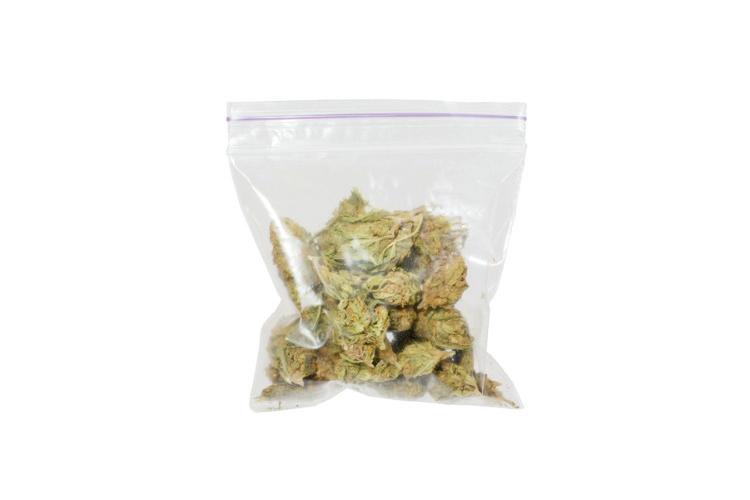
Possession of a controlled substance in penalty group 1 (i.e.: crack, cocaine, methamphetamine) less than a gram in weight is a state jail felony in Texas. Punishment for this offense is up to 2 years in prison. Possession of a controlled substance in penalty group 1 of 1 gram in weight up to less than 4 grams is a third degree felony with a punishment up to 10 years in prison. In my personal opinion, these punishments are overly harsh for nothing more than possession. To put it into perspective, beating up your spouse (family violence) is only a misdemeanor. For small possession charges, I believe in the implementation of pretrial programs in lieu of criminal justice processing. These programs would provide rehabilitation for substance abuse and mental health treatment for first-time, non-violent offenders. Repeat offenders should be given the opportunity to serve their sentence through deferred adjudication. If they complete the program, their conviction is dropped. In 2016, Harris County implemented a similar program which had a 91 percent completion rate in the first two years. In order for these programs to be successful, they need to be properly funded and staffed. I am often asked my opinion about these drugs and whether or not I believe they should be illegal. The Libertarian in me first thinks American adults should be able to decide what they do without government intervention, as long as they do not pose harm to others. After all, the “war on drugs” has been hardly successful and led to the incarceration of millions of Americans, which have broken up families, prevented future employment opportunities, and led to longstanding criminal records. On the flip-side, a family member who was recently arrested on a possession charge told me being arrested was the best thing that ever happened to him. His close friend and partner-in-crime died of an overdose while my family member was going through his legal battle.
My family member has since taken part in a deferred adjudication program and is doing good.
Possession of marijuana charges…maybe someday soon the state will take the right step to decriminalize marijuana.
Another issue I commonly deal with, and by “commonly” I mean “daily”, is with individuals who suffer from mental health illnesses. While someone suffering from mental illness does not exempt them from being arrested for a crime they have committed, how they are handled once they enter the corrections side of the CJS is crucial to their health and rehabilitation.
Proper screening of inmates at the time of booking for mental illnesses by professionals is a good start. In 2014, 140 inmates committed suicide in Texas county jails…second highest to deaths of natural causes (310). Our corrections system is unfortunately the largest health care provider for inmates struggling with mental illness. Texas has repeatedly ranked poorly in per-capita spending on mental health services, compared to other states. In the beginning of 2020, Galveston County commissioners approved the establishment of a mental health court in an effort to reform the county’s jail system. This is a move in the right direction towards criminal justice reform, although funding
By Corey Gabriel
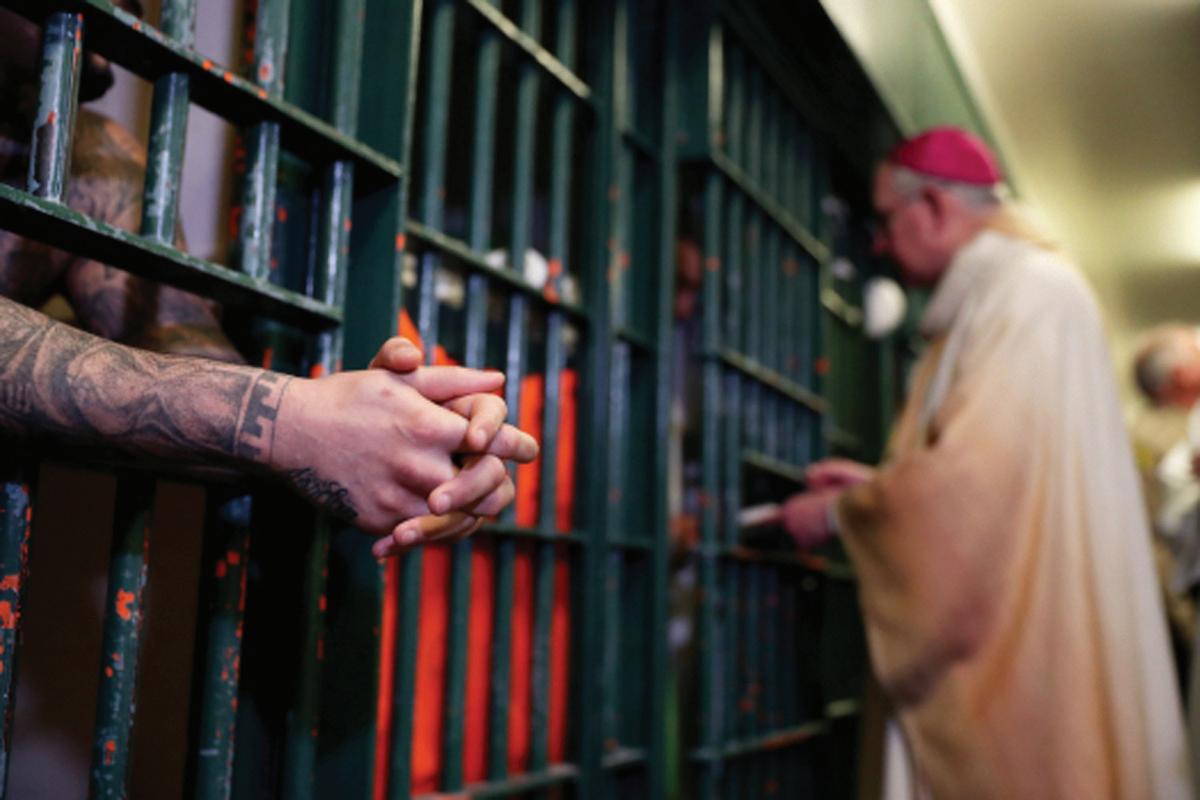
IN ALL MY OBSERVATIONS ON BELIEF, FRAUDULENCE IN PEOPLE OF FAITH SEEMS TO BE THE ULTIMATE CAUSE OF WIDESPREAD UNBELIEF. When you figure that with the reputation of ‘jailhouse religion’ (see Dwayne “The Rock” Johnson in “Pain and Gain”), our typical response is *in first-grade teacher enthusiasm* “Who’s ready to vomit?!”
The entire class eagerly raises their waving hands. I’ve been to the place where everything ‘faith’ feels ‘fake’.
Something along the prison corridor, a man smiles, and waves. I smile and wave. Social expectations fulfilled, our grins melt into the elements they were forged from-- apathy, disinterest, depression, impatience, and a wee pinch of resentment. And we float on…
While the first four sentiments may be comprehensible when trying to understand the machine that prison is, might I elaborate upon resentment and what it had to do with faith?
In under 260 characters, I’ll give it to you: They have absolutely nothing to do with each other. (51) That’s the contradictory state of faith here; all is well, then all is hell. Hugging and hating the hugged happens simultaneously here.
I find myself fighting myself in an effort to be consistent in my beliefs, while finding those around me to be an inconvenience. I’m called to be perfect, but the 300 bajillion people on the planet keep getting in my way! I go to the chapel, and they’re worse! Really, I see my own wretchedness in the weaknesses of others, like in the mirror, and I’m in denial.
Somewhere along the prison corridor, a man smiles and waves. I smile and wave. Oh, now he wants to talk?! This is a friggin’ nightmare!!
But, I have faith. My faith says, “Love God, love people, believe as a child, suffer as a king”. Yet in a matter of minutes, I can disobey God (which is contrary to love), hate people, hate
myself, stab everything in the heart with my cynicism, and whine like a dog at the mere mention of discomfort. My faith meter is depleted. I have faith?
I want to have faith. But sometimes I want faith like guys here want to be Lil’ Wayne. They drum chow hall tables and rap verses with constricted nasal cavities. I thumb Bible pages and read verses in a posture not my own.
Does ‘trying to be’ merit ‘being’? … I heard someone in the back shout, “NO!”
Whoever you were, you’re right… I think. I’ve been to the place where everything ‘faith’ feels ‘fake’. But when I was there, I didn’t know it. Only in hindsight is it visible that I confused being a practitioner with being a performer.
Many lessons concerning my past and ignorance in faith equipped me with uncomfortable but necessary truths that have become guiding wisdom in my journey.
Somewhere along the prison corridor, a man smiles and waves. I pretend I don’t see him. I pat myself down looking for lost things. “Where in the world is my ID?” I go the other way.
I’ve tried sharing discovered truths about myself with those of my faith. But, silly me, I forgot that penitentiary protocol generally trumps any execution of faith practice. It’s like when you enter the front door, the guards snatch away your identity and the prisoners replace it with a part for you to play, casting you in this guard prison drama.
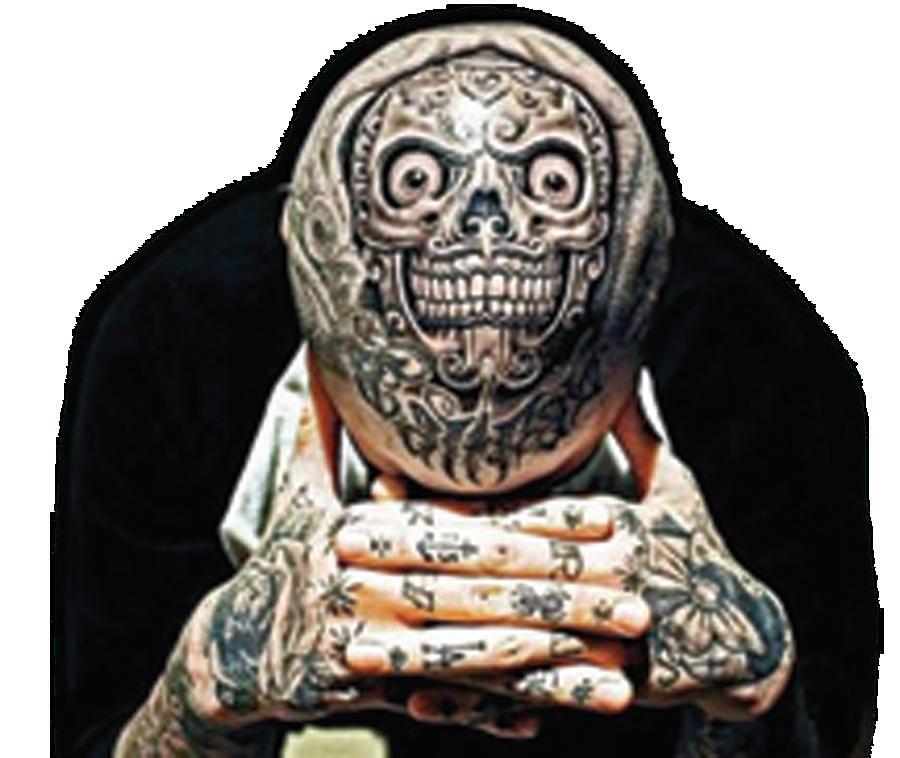
“But, but...I can’t be ‘Vicious Mexican gang member #4!’ I’m a Christian!”
“We have enough Christians... now go shave your head and get a skull tat!!!”
Being yourself or sharing your struggles and fears in prison require a miracle. I mean, most are more afraid of uncomfortable truths than they are of shanks! Hardly matters what you believe. So 9 to 1, opening up to a fellow believer wasn’t all grace, mercy, and hallelujah.
“Keep it to yourself.”
When I ask “Why?”, I’m given fear-inspired explanations.
“You can’t trust everyone.… You don’t know what they’ll do with your private matters.... They might try to use it against you.…They might use it to excuse their own behavior….”
I’m forced to sit in a posture not my own and pretend to be comfortable; as if sitting Indian-style trying not to crack the three boiled eggs from the chow hall in my back pocket.
It’s not comfortable though. And I’m glad it wasn’t, because my job concealing truth birthed in me the appreciation for revealing it. Sharing uncomfortable truths and shame, being transparent with another human genuinely capable of sympathy, is a type of salvation. The two of you create a safe space, de-skeleton your closets, then rest in the relief. This has bled into other aspects of my life but fundamentally concerns my faith. (In prison, we call it “Bein’ one-Hunnid”)
I want real faith, and when it’s not real, I want to be real about it.
Somewhere along the prison corridor, a man smiles and waves. I nod and show him either the ‘V’ for victory or the raised fist which means, “I’m still fighting for it.”
He approaches, asking “How are you?” I say, “I’m good,” (“Well” if I’m feeling ‘free-world’.)
With a dot of skepticism in his scan of my face, he opens his mouth to respond, but I beat him to it. “No. I’m not good. I’m actually enduring the hardness of all this”, I raise my hands at the prison over my head, “And learning that it’s okay to not be okay.” He says, “In my country, they say, ‘If you’re enduring… you’re kickin’ ash and takin’ name.’”
I go, “Where ya’ from?”
‘“Odessa.”
“Ukraine?”’
“No, Texas.”
“Oh, ha… cool.”
It’s strange; despite all the smiling and waving and‘how-you-doing?’-I’m-blessed-and-highlyfavored’-ing, I feel like his spare humor-- a humane appetizer of comic relief-- was a cube of HEB Party Tray Salami to all this cheese food I’ve been wading in. As brief as the moment was, “Bein’ One-Hunnid”has a lasting effect; like it leaves a residue of authentic existence.
Suddenly, my nearly-expired-faith-meter was up to a whopping week’s worth of ‘I believe’. I was refreshed; in these moments, I could believe in, seemingly anything… even humanity.
When all I want to do is lay down my cross, it’s miraculous to me when an instance of transparency on my behalf and acceptance on the behalf of another alleviates my spiritual nausea.
Prison is very often the place where ‘faith’ feels like ‘fake’. But, I believe among the cast, among the aggressively religious, there are a few who trust, sow the risk of judgment, reap the reward of a safe-space relationship, lend their shoulder for another’s burden and, day and night, keep it “One-Hunnid”.
By Cliff
OF THE MOST
IN THE TEXAS DEPARTMENT OF CRIMINAL JUSTICE (TDCJ) IS REHABILITATION AND EDUCATION ARE SPORADIC AT BEST, AND COMPLETELY LACKING AT WORST. Unfortunately, for over 140,000 individuals residing in our state penal institutions, the worst is far more likely to occur.
In other worlds, “mass incarceration” does not mean “mass rehabilitation” or “mass education.” Instead, it means human warehousing; a place where people are stored until “the powers that be” decide it is time for them to rejoin society.
When products are warehoused, they are stored and ignored until someone decides they are needed. Warehoused products are not improved or altered during their storage. They merely sit and wait until they are moved. For the vast majority of inmates in TDCJ, that is exactly what we experience.
Education is something that could readily improve the futures of many incarcerated individuals, preparing them for release into what we refer to as the “free world”, or society. Rehabilitation begins with education about the addictions, lifestyles, and choices that lead us to prison.
My mother was a high school English teacher in the 90’s and early 2000’s. During that time, I was able to see education move from preparing someone to enter the world into preparing someone to take the next standardized test. Because the average education level of incarcerated individuals is the 8th grade, a large portion of education in prison pertains to attaining a GED. Like other standardized tests, the GED test has specific requirements needed in order to pass. Limited funding has dropped the number of teachers to a minimum. In order to prepare students for the GED exam, they must teach only what is required to pass.
Statistically this looks good. The number of people earning their GED reflects only that; they passed the test to earn a certificate but, many do not leave any more prepared for interaction with society than they did upon entrance into TDCJ.
Beyond the GED certificate, TDCJ offers a handful of vocational trade options that come as either a certificate from TDCJ’s internal school district or from accredited community colleges. These programs are beneficial and can better prepare inmates to acquire a job upon release. However, they are limited and only a select few are able to sign up for them.
Vocational programs such as welding, automotive repair, brick laying, construction, and culinary arts are useful to those allowed to participate in them. Unfortunately, for many Texas prisoners, access to them is limited. You can be denied access based on what crime you were convicted of, previous education or lack thereof, medical issues such as dialysis or cancer, or even the amount of time left in your sentence.
People with more than 30 credit hours from college are barred access to any vocational trade certificate offered by the Windham School District, which are currently the vast majority of trades available. If you have junior college or university degrees from prior to your incarceration, you are “wait-listed” for trades from the community college because others who are less educated need the courses more. Personally, I have degrees from major universities before I was incarcerated and was told it was “unlikely” I would ever come off the wait list, even if I was to pay for my own education up front.
Another instance of access denied occurs for those with serious medical issues. The medical units that offer treatment don’t offer any form of education beyond GED and few options for trade certificates. At the Estelle Unit in Huntsville, inmates who need dialysis or those who suffer from psoriasis are housed due to the treatment they require. It is also an A.D.A. unit that houses deaf and blind inmates. These men have very little option for

education beyond earning a GED. Currently the only trade options are a basic brick-laying course or a basic computer skills course.
Those with a significant amount of time until they are eligible for parole suffer as well. Most vocational programs require that you be within a certain number of years for parole or release until you are allowed to apply for them. Inmates facing 20 or more years will not be able to participate in these programs for years or even decades. Those inmates are left to stagnate with no options outside of chapel classes to improve or rehabilitate themselves. For those of use ineligible for the program that TDCJ currently offers, we have very little available with which to better ourselves. If it is not available in the limited library selection or if our families can’t send something in for us to learn from, we are stuck and unable to better our situation.
In the past, many colleges offered correspondence courses and with these, an inmate could do all the work and earn a degree from an accredited university or community college. In the last decade or so, these institutions have moved from correspondence by mail to online education. It makes sense and is more convenient for the school and the average person who is trying to live life and earn a degree. In Texas, inmates are not allowed access to computers or the internet, so we are not permitted to participate in the correspondence degrees in the internet age.
In many other states, and in the federal prison system, many inmates at minimum and medium custody levels are allowed limited access to these types of programs, if they can afford to participate or are eligible for financial aid.
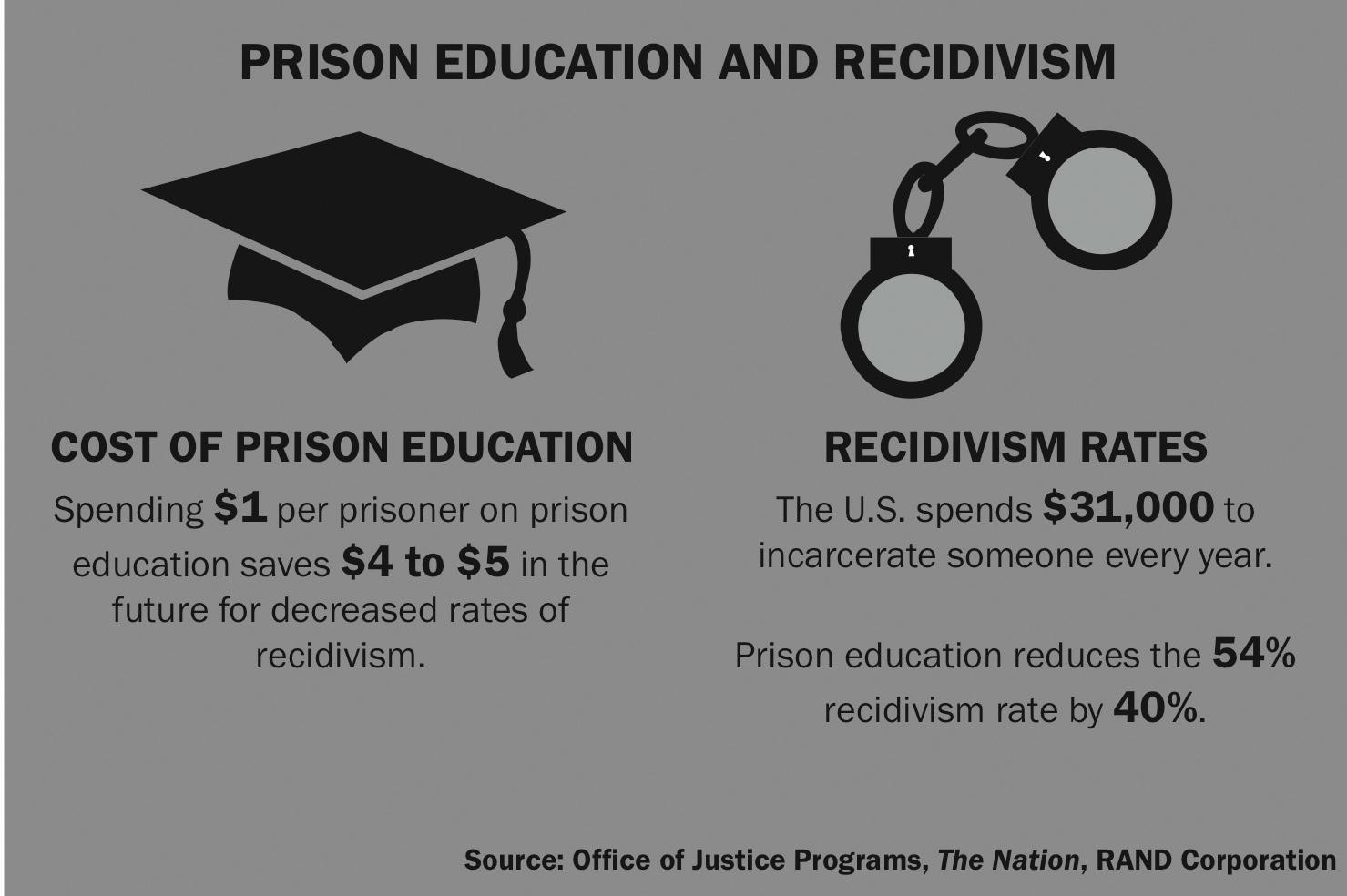
Education could be a tool that Texas and TDCJ uses to actually rehabilitate those incarcerated in the system. Allowing inmates to better themselves through education is one of the best ways to both prepare them for release into society and help prevent them from returning to prison. Texas is failing its inmate population by holding them back from true rehabilitation. Texas is also failing the citizens of the entire state by constantly releasing offenders who are not prepared mentally and educationally to enter back into society. The easiest way to correct his would be to either offer more access and availability of educational programs to all inmates, or to follow the lead of other states and modernize the prison system by allowing limited access to online educational programs.
This disservice could easily be corrected if Texas was not stuck in a mindset of Draconian punishment instead of rehabilitation. Society would be better served if inmates in Texas spent their time of incarceration rehabilitating and educating themselves instead of sitting, like unused goods, in a warehouse. When will Texas take the lead in caring for its incarcerated citizens, preparing them to succeed in life rather than setting them up for future failure as they do now?
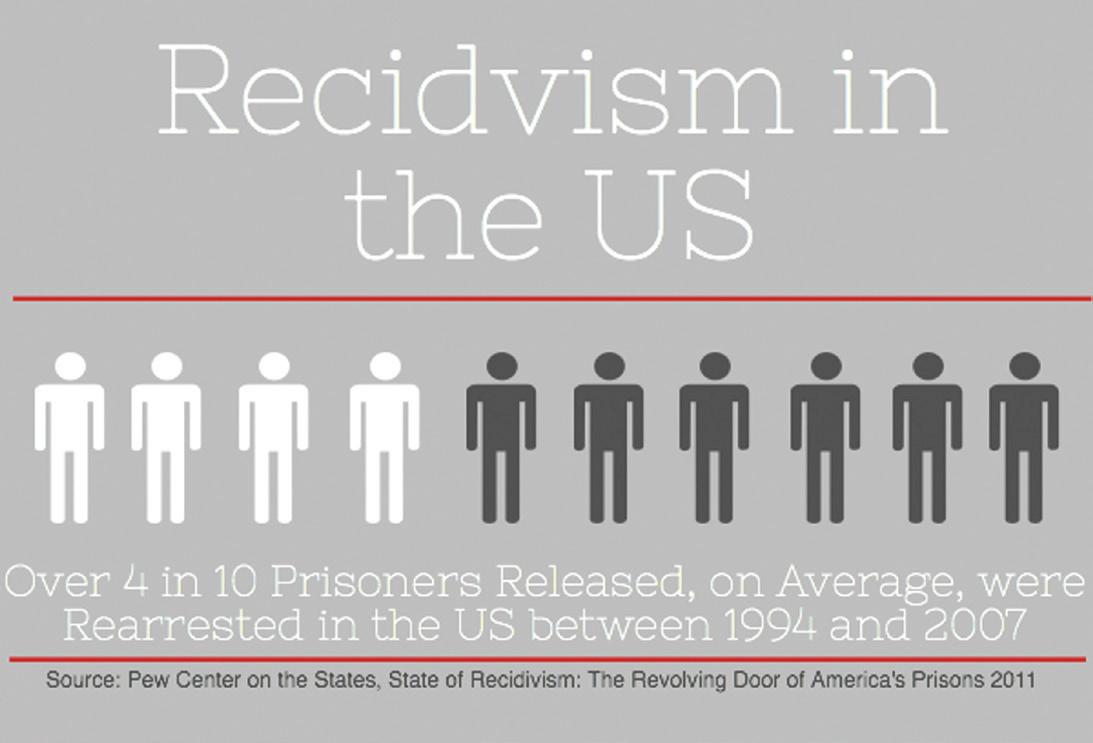
the tendency of a convicted criminal to reoffend.
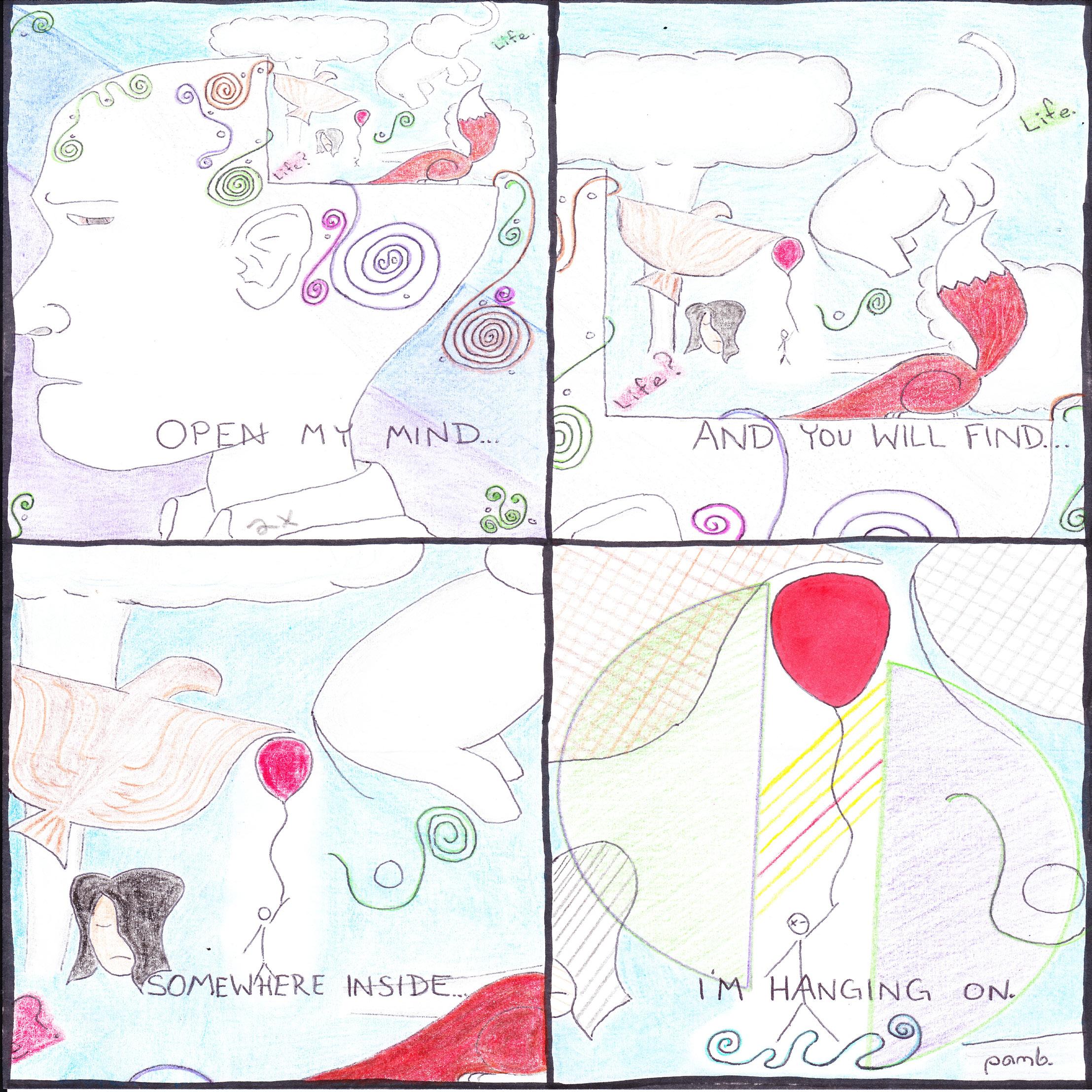
FEATURED ARTIST: Jonathan Sanchez
Pen and Color Pencil
I’m not who you think I am. I am a husband and a father, Just ask my wife and kids, Yes, I’ve made many mistakes. A few more than you.
This steel bed I have been laying on it Hurts my back. When others point out my shortcomings, It stings as well.
Yes, I have flaws and feelings, I’m only human like you.
My heart is crushed by the pain of the fatherless
And the role I played in their tragic story. With much shame, I watch single mothers Burdened by our decisions. I am interested in politics,
I care about our education system and the future of this nation. Naive and optimistic, I too wish for world peace.
However, you will never know Because I’m not who you think I am.
Aside from the fact that:
I’m in a cage, Inside a building covered in brick, Surrounded by high fences with razor wire, Somewhere out of sight in a rural area.

It is impossible to hear my voice. My pen cannot speak nor spare my pain.
Although it serves its purpose. It conveys what I’m afraid to… In an environment where: You are viewed like everything but human,
Treated like an animal And expected to behave like one.
The evolutionary process is inevitable!
Finally, as a child, I resort to wishes.
In the midst of broken stars and space dust, I wish someone would forgive me and for my Past and who I used to be. I wish you cared enough to know me
For who I really am, In a cowardly desperation
I’ll settle out of court for better living conditions. Since in your eyes, I will always be who they say I am.
By Jonathan Sanchez
March-April 2021 Calendar of Events
KidzFish2 March Pier Day
GALVESTON FISHING PIER
Wed, March 17, 9AM-6PM
Galveston Fishing Pier
9001 Seawall Blvd.
$15 General Admission
$10 Seniors/Military
$6 Children (ages 6-10)
Galveston Craft Show
GALVESTON ISLAND CONVENTION CENTER
March 13-14, 2021
Sat. 9AM- 6PM | Sun. 10AM-6PM Convention Center
5600 Seawall Blvd.
$15 at gate
$13 Advanced Purchase Children 12 and under FREE
WANT YOUR EVENT LISTED?
Email Us: CultureClashGalveston@gmail.com
Ocean Star Offshore Drilling Rig & Museum Family Day
OCEAN STAR OFFSHORE
DRILLING RIG MUSEUM
Sat, April 10, 10AM- 5PM 2002 Wharf Rd. Free Admission
For Pets
STEWART BEACH
Sat, April 10, 10AM- noon Stewart Beach
201 Seawall Blvd.
$30 General Registration per pet
$35 General Registration with Packet Mailing Option
Registration can be done online, Deadline for entry is Apr 3, 2021
Jonathan Sanchez CONARTIST
Pen, ink, color pencil, and various other prison supplies
PRUNO or PRISON WINE
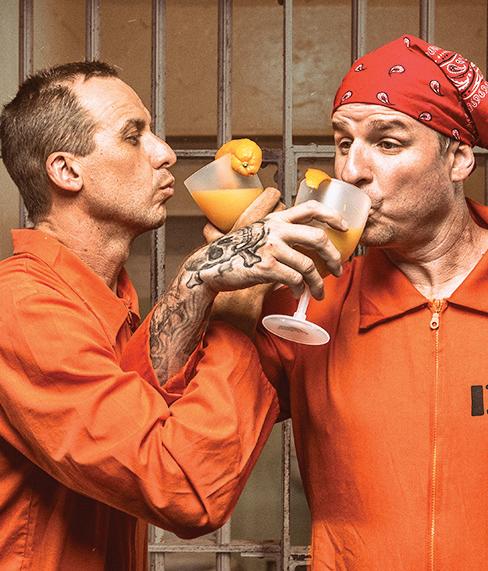
An alcoholic beverage variously made from apples, oranges, fruit cocktail, fruit juices, hard candy, sugar, high fructose syrup, and possibly other ingredients, including crumbled bread. Mix in plastic bag, toilet, or large basin. Let ferment.
Mohammed Amir Yusuf is from Waco, TX. Through the Field Ministry Program, he earned a bachelor’s degree and is currently a Field Minister in Texas Prison. Prior to incarceration, he was not a book reader. Prison, however, has allowed him to discover the intrinsic value of the written wor(l)d. Now he encourages other prisoners to aspire to become the best of themselves.
WRITE HIM AT:
Mohammed Amir Yusuf #682070
264 FM 3478, Huntsville, TX 77320

Corey J.L. Gabriel is horrible with introductions. He prefers you hang out a little and make up your own mind. This, he says, will save him the hour he’ll spend trying to write the prefect bio. Corey believes in perfect bios. Corey believes people can change.
Corey is in the prison choir and plays keyboard. He leads the writing circle with Yusuf. He was instrumental in putting this issue of Culture Clash together.
WRITE HIM AT:
Corey J.L. Gabriel #2077886
264 FM 3478, Huntsville, TX 77320

Juan Gonzales is a classy guy. He is the direct link between the Texas Prison System and Culture Clash Magazine. Although Juan is locked up, his spirit, and good nature allow him the ability to live beyond the prison walls through his art. Long before Juan was caught in the system, he and publisher Janese Maricelli were the best of friends.
Juan writes regularly for CC Mag and is the source for many of our creative ideas. This issue would not be possible without him and for that we are forever grateful.
WRITE HIM AT:
Juan Gonzales #1983619
264 FM 3478, Huntsville, TX 77320
This issue of Culture Clash Magazine was the brain child of publisher Janese Maricelli and Huntsville State Prison inmates. Although the stories and ideas conveyed here are not that of 100% of the Texas prison population, we hope to have represented the inmates and their true beliefs. Read more about our contributors here.

Jonathan Sanchez is an artist and poet. He was/ is an active gang banger. But trying to “get out of that life?”
We know there is more to his story, but for that you will have to ask him.
WRITE HIM AT:
Jonathan Sanchez #682070
264 FM 3478, Huntsville, TX 77320




Turtles About Town is a community art project that highlights the City of Galveston and the conservation efforts of Turtle Island Restoration Network to protect endangered sea turtles on the upper Texas coast. Turtle lovers of all ages have the opportunity to see 50 colorful Kemp’s ridley sea turtle statues that have been installed around the island since 2018. Businesses, individuals and organizations graciously sponsor the turtle statues while local artists are commissioned to give each one its own personality and meaning.

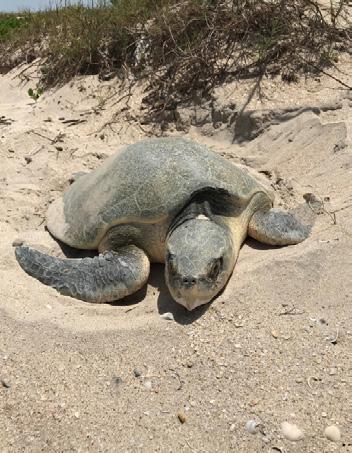


Download a FREE map and go on a tour at seaturtles.org/turtles. Be sure to tag Turtle Island Restoration Network in your images (@TIRN-Gulf on Facebook and @TIRN.Gulf on Instagram) and tag #TurtlesAboutTown!


seaturtles.org clapcupstudios.com