What Holds
Staff Spotlight
In Memoriam New Staff and Retirements
Featured Article Ralph Richart, MD: Pathologist, Educator, and Pioneer
“Why I Walk: A Daughter’s Mission to End Alzheimer’s”
Letter From the Chair 3
Staff Spotlight: New Faculty & Promotions 4
Education: Meet our new 2026 residents! 6
Staff Spotlight: New Staff 8
Research: Recent Grants & Lab News 12 “Why I Walk: A Daughter’s Mission” 9
Faculty Retirements 14
In Memoriam: Ralph Richart, MD 18
Columbia Pathology and Cell Biology Report
Chair
Kevin L. Gardner, MD, PhD
Donald W. King, M.D. and Mary Elizabeth King, M.D. Professor of Pathology and Cell Biology
Chair, Department of Pathology and Cell Biology Pathologist-in-Chief, CUIMC
Department Administrator/CFO
Joann Li, MPA, MPH
Editor and Layout Designer
Milan Fredricks
Copy Editor and Webmaster
Ping Feng
Content Reviewers
Joan Li
Taisha Lembert
Ping Feng
Photo Contributors
Eldad Hod
Jeanette Rodriguez
Address correspondence to:
PCB Reports, Editor c/o Milan Fredricks
Columbia University
Department of Pathology and Cell Biology
630 W. 168th St., Box 23
New York, NY 10032
Email: PathNews@cumc.columbia.edu
General E-mail: pathology@columbia.edu Website: https://pathology.columbia.edu
What Holds
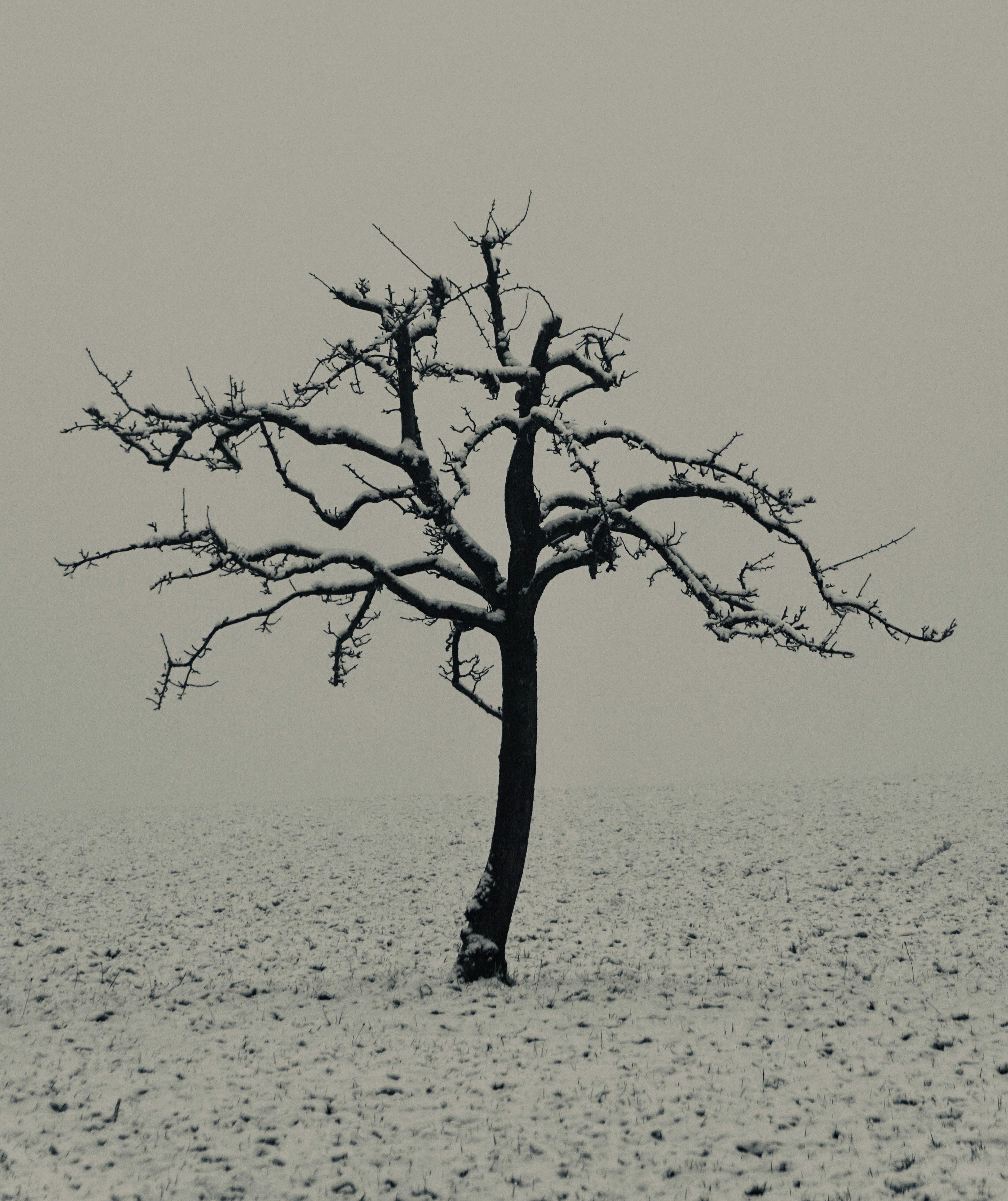
There is something clarifying about winter. The season strips things back. What remains is what was always there. When the noise quiets and the pace slows, what remains is structure: the roots, the foundations, the things that have always been there but often go unnoticed.
This issue of our newsletter arrives in that spirit. It is something quiet: a chance to look at what this department is made of, and to recognize the people and work that hold it together. It contains announcements, achievements, and new beginnings. But underneath it all is a single, consistent question: what holds?
We mark the retirements of colleagues whose careers span decades and collectively represent more than a century of service to this institution. The programs they created, the students they trained, the standards they kept, these things are still here. They hold.
And what holds is not only the past, but also everything being built right now. New faculty have joined us, bringing research that is already pushing the boundaries of what we understand about disease. New residents will soon arrive, each with a distinct background and a shared commitment to the work. New leadership has taken shape. The department is in motion, and that motion has direction.
The science in these pages reflects the same durability and persistence. Several of the findings highlighted here are the product of years, in some cases more than a decade, of sustained effort. They are not overnight achievements. They are the result of people who stayed with hard problems long enough to find answers. The accolades and grants described in this issue tell a similar story: people doing serious work and having that work recognized.
There is also a story in this issue that stands apart from the rest yet belongs completely. It comes from a member of our staff, in her own voice, sharing something deeply personal. Her words are fierce and honest and full of love. They hold. It is a fundamentally human piece, and perhaps the most fitting for a theme about what endures. Her story is a reminder that the people in this department hold things too: grief, purpose, determination, and the hope that their work, whatever form it takes, matters. It is the kind of story that reminds you that the people in this department carry lives outside these walls, shaped by the same forces of loss, love, and persistence that drive the science we do. I hope you enjoy reading it as much as I have.
What holds in a department like ours is not any single discovery or any one person’s tenure. It is the accumulation: of relationships, of knowledge passed from mentor to trainee, of standards maintained through transitions, of work that continues even when no one is watching. This department is made up of its people. Their science, their teaching, their institutional memory, and their lives beyond these walls.
That is what we are celebrating in this issue. Not the exceptional moments, but the durable ones. Winter is a good time to stop and see that clearly.
Warm regards,
Milan Fredricks
Strategic Communications Manager & Editor, Department of Pathology and Cell Biology
staff spotlight: faculty
New Faculty
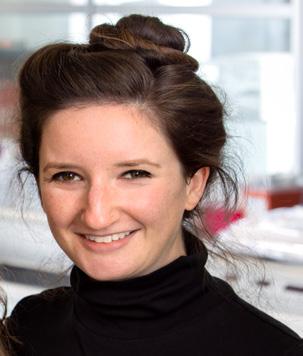
Emily Lowry, PhD, Assistant Professor of Pathology and Cell Biology at CUMC
Dr. Emily Lowry received her PhD in neurobiology and genetics from Rockefeller University. She then completed her postdoctoral studies with Dr. Hynek Wichterle at the Project ALS/Jenifer Estess Laboratory at Columbia University, where she leveraged in vitro and in vivo ALS models to develop novel small-molecule therapeutics, one of which is currently in clinical trials. She continues to investigate the molecular underpinnings of ALS to identify new avenues for therapeutic development.
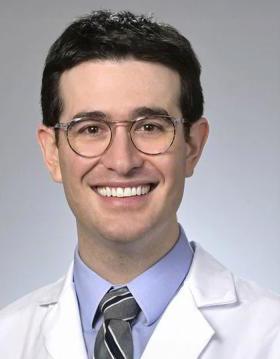
Ethan Mack, MD, PhD, Assistant Professor of Pathology and Cell Biology at CUMC
Dr. Ethan Mack joined the department as an assistant professor of pathology and assistant attending at the Columbia University Irving Medical Center in the Vagelos College of Physicians and Surgeons of Columbia University. He also serves as medical director of Apheresis and Cell Therapy Collections at NYP/CUMC. He received his MD and PhD in Immunology from the University of Pennsylvania through the Medical Scientist Training Program. Dr. Mack is a member of the American Society for Apheresis (ASFA), the Association for the Advancement of Blood and Biotherapies (AABB), and other professional societies. His research interests focus on the intersection of granulopoiesis/neutrophil function, sickle cell disease, and red cell exchange therapy.
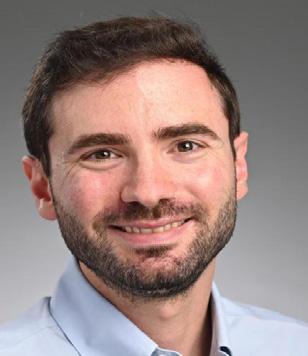
Ian Mellis, MD, PhD, Assistant Professor of Pathology and Cell Biology
Dr. Ian Mellis is our new assistant professor of pathology and cell biology and an assistant attending, practicing at Columbia University Irving Medical Center. He received his MD and PhD in Genomics and Computational Biology from the University of Pennsylvania. He completed a Clinical Pathology residency at CUIMC and a Transfusion Medicine fellowship at the New York Blood Center. His research interests include host-virus interactions, transfusion medicine, gene and cell therapies, antibody-antigen binding, gene regulation, genetic engineering, and gene regulatory network evolution.
Ibrahim Batal, MD was promoted to Professor of Pathology and Cell Biology at CUMC Faculty Promotions
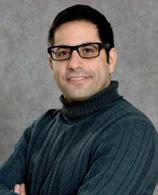
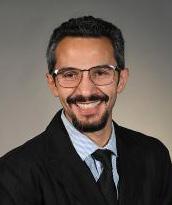
Osama Al Dalahmah, MD, PhD was promoted to Associate Professor of Pathology and Cell Biology, tenure track
EDUCATION @ PATHOLOGY: The annual Dr. Charles Marboe Lecture was created in honor and recognition of Dr. Marboe’s distinguished career at Columbia University and within the Department of Pathology and Cell Biology. The lectureship will continue Dr. Marboe’s history of sharing his cardiovascular pathology, cardiology, and heart transplantation expertise and ensure quality education within the department by supporting Columbia’s most important assets: its accomplished educators and faculty members who shape future leaders. Visit https://bit.ly/3NfMAOf to make a tax-deductible gift to the Dr. Charles Marboe Lecture fund.
staff spotlight: faculty
Honors and Awards
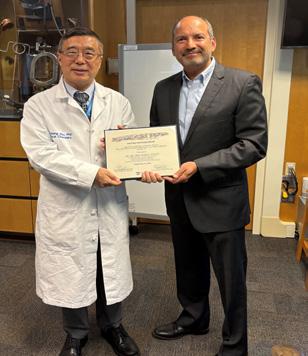
Alex J. Rai, PhD, professor of pathology and cell biology at CUMC, was invited as a Visiting Professor to the Department of Pathology & Laboratory Medicine at the Penn State Hershey Medical Center in Hershey, Pennsylvania. Dr. Rai met with residents and fellows and gave a tutorial on “Syphilis Testing Algorithms: Updates and Current Status.” He also gave a Grand Rounds lecture to the department faculty on “Extracellular vesicle-derived protein signatures as novel biomarkers for genitourinary cancers.”
Dr. Rai’s clinical duties in our department encompass several areas: he is the Director of the Clinical Chemistry Service, co-Director of the Automated Core Laboratory and Point-of-Care Testing, and Director of the Special Chemistry Laboratories. The latter includes serology testing, which covers infectious disease (including testing for syphilis and other STIs, the topic of the tutorial for residents). Dr. Rai’s translational research focuses on extracellular vesicle proteomics-based biomarker discovery to identify novel cancer biomarker signatures (topic of the Grand Rounds lecture), which he hopes to translate into clinical assays for patient management.
Photo credit: In the photograph above, Dr. Rai (right) is receiving a certificate for the Visiting Professorship from (left) Dr. Yusheng Zhu, Professor of Pathology & Laboratory Medicine, Vice Chair for Academic Affairs, and Medical Director of the Clinical Chemistry and Automated Testing Laboratory at Penn State Hershey Medical Center.
Other Honors
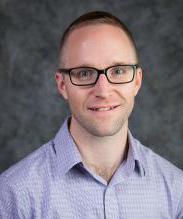
The American Board of Pathology announced on February 19, 2026, that Andrew Turk, MD, associate professor of pathology and cell biology at CUMC, was appointed to the American Board of Pathology (ABPath) Test Development and Advisory Committee (TDAC). Learn More.
Congratulations to Harris Wang, PhD, professor of systems biology, pathology and cell biology, and biomedical engineering, who has been appointed chair of the Department of Systems Biology in the Vagelos College of Physicians and Surgeons. Dr. Wang has served as interim chair of Systems Biology since September 2023 and has fostered the continued growth and impact of systems biology, helping cement its standing as one of the leading departments of its kind nationwide.
Useful Information
Update faculty profile/web pages – Regularly updating your faculty profile is strongly encouraged. To request faculty profile updates or to update incorrect or missing content anywhere on the department website, please complete the Pathology Web Request Form.
Post content on digital monitors – Submit interesting content (research, events, people, celebrations, etc.) to post on our digital monitors - contact the Path Communication team at PathNews@cumc.columbia.edu
Reserve a conference room – To reserve a department conference room, please contact the Path Facilities team at pathfacilities@cumc.columbia.edu
education: residency/fellowship program
Meet our New 2026 Residents! ap/cp
Julia Ah-Reum An, MD
Seoul National University College of Medicine

Dr. An joins the program after extensive experience in translational oncology research at MSKCC, developing a strong interest in anatomic pathology and molecular diagnostics. She looks forward to comprehensive training that integrates histopathology with clinical and genomic data. Outside the lab, she enjoys solving New York Times puzzles and exploring national parks through hiking and kayaking with her family.
Victoria Lin Heigh, MD
ap/cp
Mayo Clinic Alix School of Medicine
Dr. Heigh is a graduate of Mayo Clinic Alix School of Medicine and brings a strong record of research, leadership, and service. Her academic interests center on hematopathology and translational research, paired with a deep commitment to advocacy and community engagement. She enjoys biking, hiking with her dog, photography, and creative side projects.

Trevan Kyle Klug, MD
ap/np
Yale School of Medicine
Dr. Klug joins us from Yale with a strong background in academic research spanning pathology, neuroscience, and health policy. With multiple peer-reviewed publications and interests spanning pathology and neuroscience, he looks forward to further training in neuropathology and academic pathology. Outside the lab, he enjoys reading, long walks, and spending time with family (human and feline alike).
Hena Khandakar, MBBS, MD
ap/cp
Kolkata Medical College & Hospital
Dr. Khandakar enters residency with extensive prior training in anatomic and clinical pathology, having completed residency at the All-India Institute of Medical Sciences, New Delhi. She has worked independently as a consultant pathologist at a highvolume oncology center and has an impressive academic publication record. Outside the hospital, she enjoys art, traveling, and experimenting with new cuisines.
Residency Honors and Awards
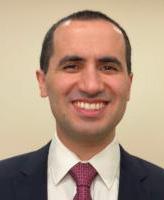
The Herbert Irving Comprehensive Cancer Center leadership has selected Peter Koch, MD, PhD, a PGY2 AP/NP resident, for the 2026 R38 Columbia Cancer Research Training Program for Resident-Investigators (CAPRI) for his application entitled “The role of cGAS-STING signaling in the tumor microenvironment of brain metastases”. He has been awarded 80% salary support for 1-2 years as a resident, $20,000 annually to support research expenses and professional development activities, and $ 3,000 for travel to scientific meetings. Congratulations, Peter!
education: residency/fellowship program
Meet our new 2026 Residents!
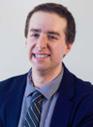
Daniel Aaron Kirsch, MD, PhD
ap/np
Boston University Chobanian & Avedisian School of Medicine
Dr. Kirsch comes to residency after MD-PhD training focused on neuropathology and chronic traumatic encephalopathy, supported by NIH funding and published in highimpact journals. He has a long-standing love of teaching anatomy and pathology and a particular interest in forensic and neuropathology. Outside of medicine, he is happiest when cooking, reading, staying active outdoors, or watching a classic film.
Francisco “Fran” Reyes Albaladejo, MD ap/cp
Universitat de València – Facultat de Medicina i Odontologia
Dr. Reyes Albaladejo joins the program with an exceptional academic record and an early, unwavering commitment to pathology. He has authored publications in forensic pathology and dermatopathology. During medical school, he also served in longstanding leadership roles, reflecting a strong commitment to education and teamwork. Fran also enjoys theater, art exhibits, and staying on top of pop culture trends in music and art.
Ariana Marye Virgillio, MD
ap/cp
USF Health Morsani College of Medicine (SELECT Program)
Dr. Virgillio brings a background in microbiology and a passion for diagnostic pathology, with published research on antimicrobial resistance and national presentations. She is particularly interested in clinical and molecular microbiology. Beyond pathology, Ariana is a competitive swing dancer (you should see the video), yoga enthusiast, and lifelong knitter
Residency Honors and Awards
Welcome to new resident chiefs 2026–2027
We’re excited to welcome our new Chief Residents for the 2026-2027 academic year: Brandon O. Litvak, MD, PGY2, Jordan B. Metz, MD, PhD, PGY3, and Kevin Wang, MD, PhD, PGY2 ( pictured below from left to right). Please join us in congratulating them and offering your support as they step into their new roles.
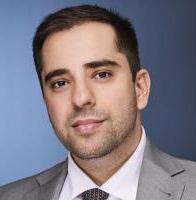
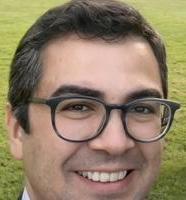
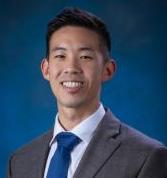
We also want to extend our heartfelt thanks to our current Chief Residents (2025-2026), Tyler Cooke, Sarah Merl, and Miriam Snow, for their incredible leadership and hard work this past year. Your dedication has made a lasting impact on the program, and we’re so grateful for everything you’ve done!
New Staff
Jeny Espinal, MBA, Executive Director for Finance and Business Operations
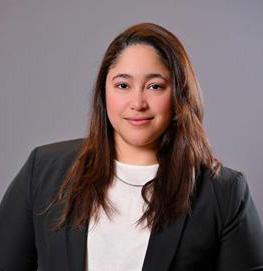
Jeny joined the Department of Pathology and Cell Biology as our new Executive Director for Finance and Business Operations, starting January 5, 2026.
Jeny brings extensive experience in financial management, strategic planning, and academic medical center operations. She comes to us from Columbia University Irving Medical Center, where she most recently served as Associate Director of Finance in Radiology and, prior to that, as manager of internal controls in the VP&S Dean’s Office of Finance. We are confident that we will benefit from Jeny’s leadership.
Jeny will oversee our central departmental teams in finance, budget, business operations, and research administration, while partnering closely with departmental senior leadership and with senior leadership across CUIMC. Outside of work, Jeny enjoys reading and playing chess. Welcome Jeny!
The current issue of the American College of Healthcare Executives highlights members who were recently promoted, changed positions, or retired. Among them is our Eric G. Steinhardt, MPH, FACHE, CHCIO-Eligible, CDH-L, who was recently promoted to director, IT Service Delivery of CUIMCIT from director, Pathology and Cell Biology IT. Read More.
Research Leadership Update: Office of Research and Training
Two years after the launch of the Office of Research and Training (ORT), we are writing to share an important leadership update.
We extend our sincere thanks to Dr. Ronald Liem for his vision and leadership in establishing the ORT and guiding its early growth. His efforts laid a strong foundation for advancing basic science research and training within the Department of Pathology and Cell Biology. Dr. Liem stepped down earlier this year and retired, and we are grateful for his many contributions to the department.
Effective March 1, 2026, Ulrich Hengst, PhD, has assumed the role of Vice Chair of the Office of Research and Training. Dr. Hengst previously served as associate vice chair and has been closely involved in shaping the ORT’s initiatives. We are confident that his experience and commitment to research and mentorship will continue to move the office forward.
We are also pleased to welcome Eunhee Choi, PhD, as Associate Vice Chair of the ORT. Dr. Choi joins Clarissa Waites, PhD, who will continue in her role as Associate Vice Chair. Together, this leadership team will guide the ORT’s ongoing efforts to support faculty research, foster collaboration, and expand training opportunities for students, trainees, and early-career investigators. Please join us in thanking Dr. Liem for his leadership and congratulating Dr. Hengst, Dr. Choi, and Dr. Waites on their roles with the Office of Research and Training.

There are many tax advantages to giving appreciated stock to the Department of Pathology and Cell Biology. In donating appreciated securities, you avoid capital gains tax and qualify for a charitable income tax deduction for the full value of the securities. Please visit www.giving.cuimc.columbia.edu/ways-give/ gifts-securities for more information. And visit the Pathology and Cell Biology Giving Page if you’d like more information on how to make a gift to one of our many worthwhile educational or research funds.
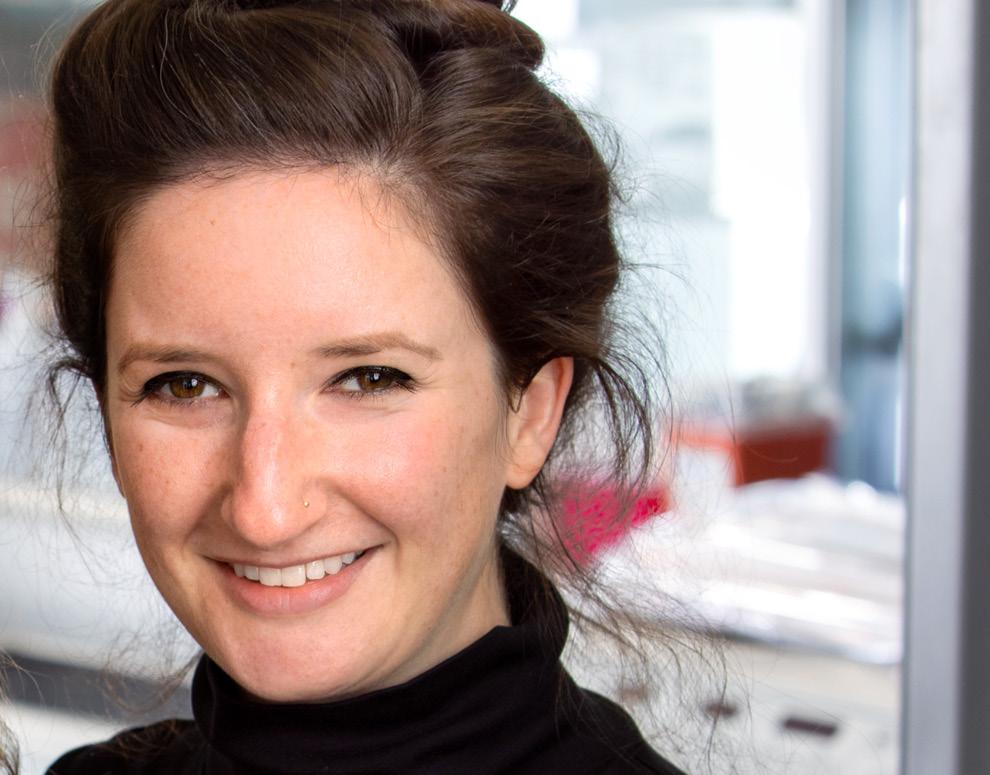
Why I Walk: A Daughter’s Mission to End Alzheimer’s, by Jeanette Rodriguez
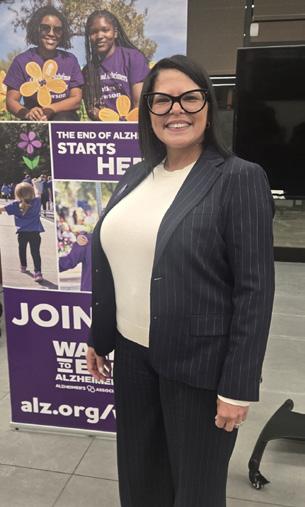
“Every step is an act of love.” In February, Jeanette Rodriguez shared this powerful message with the Hudson Valley community as an invited guest speaker at the annual Walk to End Alzheimer’s (ENDALZ) Dinner. While we know her as our procurement manager and a dedicated member of our procurement team, Jeanette has, for 15 years, been a fierce advocate for a world without Alzheimer’s, fueled by the beautiful legacy of her mother, Eustacia “Tata” Vega Martinez. Below, Jeanette shares the deeply personal “why” that drives her mission every single day, as well as the purpose, pain, and hope that keep her walking:
When people ask me why I walk, the answer is simple. But the meaning behind it is profound. I walk in honor of my mother, Eustacia (Tata) Vega Martinez.
My mother was the heart of our family—loving, strong, deeply faithful, and intentionally present. She was a joy to be around, loved to laugh, and was a loyal friend to many. Though she had ten children of her own, she fed and sheltered countless others. Our home was a constant open door for anyone who needed a cup of coffee, a warm meal, a lending hand, or even a place to sleep. She was a gentle woman with a kind spirit and a good-natured soul. She was a great speaker and an even better listener, until she could no longer be, when Alzheimer’s struck at age 55.
It did not take her all at once. It slowly and aggressively stole her memories, her words, and eventually her independence. Watching my mother disappear piece by piece, while still physically here, was a heartbreak that changed me forever. When I lost her, I lost a part of myself. My mother passed away at the age of 66.
While her memory is my driving force, she is not the only
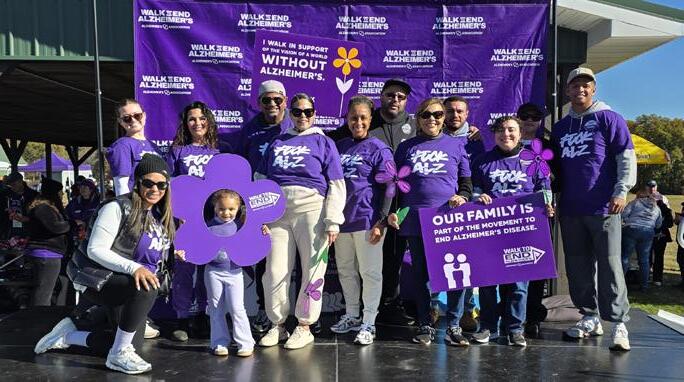
reason I walk. Alzheimer’s disease has touched nearly every corner of my family—my grandmother, my aunts and uncles, my cousins, and four of my siblings. Like my mother, they developed early-onset Alzheimer’s. Some are no longer with us. The others are living in this reality every single day. This disease does not affect just one person; it reshapes entire families, forcing us to grieve long before we ever say goodbye.
That is why I walk. Every step carries their names. Every step is an act of love. And every step is a refusal to let Alzheimer’s define or disrupt our future, perhaps even my own. With the help of my family, friends, and colleagues, Team Tata raised over $3,800 in just three months. I am incredibly proud of that accomplishment. But let me be very clear, this is not my goal in 2026. This year, we must raise more. More funding. More awareness. More urgency. Because Alzheimer’s is not slowing down, and neither can I.
This year will be different. This year, I’m starting early, and I’ve raised my goal to $10,000. Alzheimer’s is bold, so I’ve challenged myself to match its raging energy. It’s easy to ask close friends and family for their support. They know my story. They know my pain. Those donations often come quickly and without reservation. I invite you to join in my efforts and fundraise alongside me. Every dollar funds research. Every dollar supports families. Every dollar brings us closer to answers my mother, your mother, your family, and my family never had. Whether it’s $5 or $500, it matters, and it makes a real difference right now.
Alzheimer’s has taken so much from my family. But it will never take my voice, my love, my drive, or my determination to fight back. Thank you for allowing me to say my mother’s name, Eustacia Vega Martinez Thank you for standing with families like mine. And thank you for walking, giving, or volunteering, and believing that together, we can change the future and end Alzheimer’s.
How to Support Team Tata
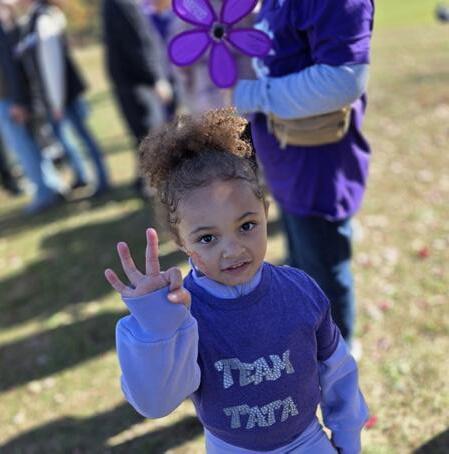
Every dollar raised through the walk fuels critical research and provides free, 24/7 support for families navigating the challenges of dementia. Support Team Tata.
research:
honors and awards
Yeonghwan Kim Wins NETRF Research Award
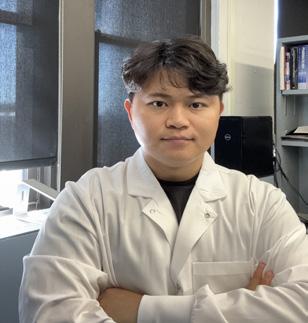
The Neuroendocrine Tumor Research Foundation (NETRF) has announced its latest round of neuroendocrine cancer research grant recipients. Thirteen investigators were selected for their innovative and promising research aimed at improving the lives of people living with neuroendocrine cancer
Among this year’s awardees is Yeonghwan Kim, PhD, a postdoctoral fellow in the Minah Kim Laboratory within the Department of Pathology and Cell Biology, who received a NETRF Mentored Research Award for his project, “Elucidating the Mechanisms of Resistance to Antiangiogenic Therapy and Metastasis in PanNETs.”
A primary strategy for advanced pancreatic neuroendocrine tumors (PanNETs) involves blocking the growth of new blood vessels that tumors rely on for growth. Using a specialized mouse model that closely mimics human disease, Dr. Kim’s team discovered that a protein known as VEGF-C may enable tumors to grow new blood vessels, making it a powerful new target for treatment and expanding possibilities for personalized therapies that slow tumor growth, reduce liver metastases, and ultimately improve survival and quality of life for patients with PanNETs.
NETRF is the largest global funder of neuroendocrine cancer research and the leading resource for patient education and support, with a mission to fund research that leads to cures and more effective treatments for neuroendocrine cancers. Read more at NETRF News
Janet Sparrow to Receive 2026 Paul Kayser International Award in Retina Research
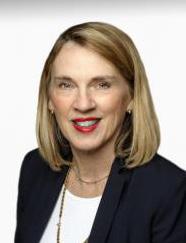
Janet Sparrow, PhD, Anthony Donn professor of ophthalmic science (in ophthalmology) and professor of pathology and cell biology, has been selected by the International Society for Eye Research (ISER) as the recipient of the Retina Research Foundation’s 2026 Paul Kayser International Award in Retina Research. The award will be presented during the ISER XXVII Biennial Meeting of the International Society for Eye Research, which will take place in Valencia, Spain, August 23-27, 2026. This award is given every other year to one or more vision scientists who have made a significant contribution to knowledge about the retina or retinal disease.
Other Honors
Sungsoo Kim, PhD, a former postdoctoral fellow in the Yang lab, has accepted a tenure-track faculty position at Ewha University in Korea. Congratulations to Dr. Kim!
Heewon Yang, PhD and the Yang Lab have recently received the Irma T. Hirchl Research Award and the DoD Breast Cancer Breakthrough Level 1 Award. The prestigious Irma T. Hirschl Trust (often in conjunction with the Monique Weill-Caulier Trust) awards the Hirschl Trust Research Awards to support basic and clinically oriented medical research conducted at leading institutions. The federal DoD Breast Cancer Breakthrough Level 1 Award supports high-impact, innovative research projects that could fundamentally change breast cancer treatment, detection, or prevention. Congratulations to Dr. Yang and the Yang Lab!
research: news and updates
New Dual-Drug Strategy Outmaneuvers Resistant Breast Cancer Tumors
In their recent paper titled: “ Dual targeting CDK4/6 and CDK7 augments tumor response and anti-tumor immunity in breast cancer models”, which was published August 12, 2025 in The Journal of Clinical Investigation, Heewon Yang, PhD, assistant professor of pathology and cell biology, and colleagues have identified a promising new dual-drug combination that could overcome resistance in certain breast cancers. The strategy pairs inhibitors targeting CDK4/6 (a pathway already blocked by current therapies) with inhibitors of CDK7, a protein involved in gene transcription that tumors exploit to evade treatment. In preclinical studies using patient-derived models of both hormone receptor–positive and triplenegative breast cancers, this dual approach not only blocked tumor growth and prevented resistance but also unexpectedly stimulated immune responses against the tumors. The results at modest drug doses suggest potential for tolerable treatment, and plans are underway to pursue early clinical trials. The approach may also be combined with immune-based therapies for broader benefit. Read More at the at CUIMC Newsroom
The Big Discovery: A “Natural” Kill Switch
Source: “Ironing Out Cancer” (HICCC Newsroom)
For over a decade, scientists knew they could force cancer cells to die using a process called ferroptosis (iron-dependent cell death). However, they could only trigger it with toxic chemicals unsafe for human use. Wei Gu, PhD, the Abraham and Mildred Goldstein professor of pathology and cell biology (in the Institute for Cancer Genetics), and his team have finally identified the natural, non-toxic pathway the body uses to trigger this process.
Research Title: “A GPX1-OSBPL8 axis mediates noncanonical in vivo ferroptosis and cancer growth suppression”, published February 19, 2026, in Cell.
Key Takeaways:
The GPX1 Breakthrough
Researchers used CRISPR technology to identify GPX1 as the “natural” sensor for ferroptosis. While a similar protein (GPX4) is essential for all cells to survive, GPX1 is vital only for cancer cells.
Broad Applications
Beyond cancer, this discovery has major implications for treating neurodegenerative diseases like Parkinson’s and Huntington’s, which are also characterized by high oxidative stress.
Precision Targeting
Cancer cells produce high levels of Reactive Oxygen Species (ROS). Normal cells have low levels of ROS, and need GPX1 to survive, whereas cancer cells are “addicted” to it. This allows doctors to kill the tumor without harming healthy tissue.
Next Steps
The team is already developing GPX1 inhibitors to turn this discovery into a usable drug therapy with significantly fewer side effects than traditional chemotherapy.

research
Recent Grants
Source: CUIMC Updates
Osama Al Dalahmah, MD, PhD, Associate Professor in Pathology and Cell Biology, awarded $452,375 over two years from the National Institute of Neurological Disorders and Stroke for “The role of nuclear mechano-transduction in regulating gene expression and shaping the spatial landscape in glioblastoma.”
Peter Canoll, MD, PhD, Professor of Pathology and Cell Biology at CUMC, awarded $1,293,010 over four years for a subaward from the National Cancer Institute for “Generating Synthetic Lethality in Glioblastoma with a First-In-Class Non-Muscle Myosin II Inhibitor.”
Natura Myeku, PhD, Associate Professor of Pathology and Cell Biology (in the Taub Institute) at CUMC, awarded $3,145,300 over four years from the National Institute of Neurological Disorders and Stroke for “Functional and Multi-Omics Approaches to Elucidate the Regulation of Proteasome Complex in Neurodegenerative Diseases.”
Lori Zeltser, PhD, Professor of Pathology and Cell Biology, and Anthony Ferrante, awarded $1,629,030 over five years from the National Institute of Diabetes and Digestive and Kidney Diseases for “Graduate Training in Nutrition.”
Xin Zhang, PhD, Herbert and Florence Irving Professor of Ophthalmic Science (in Ophthalmology and in Pathology and Cell Biology) awarded $2,528,300 over five years from the National Eye Institute for “Integrating biomechanical and biochemical signaling in lacrimal gland development.”
research: lab news
Designing Safer and More Precise Insulin Receptor Activators
Source: The Eunhee Choi Lab
The insulin receptor is a protein on the surface of our cells that helps control blood sugar and supports healthy growth. When insulin binds to this receptor, it changes shape and activates signals that enable cells to absorb glucose from the bloodstream. However, insulin also activates growth-related pathways, and scientists still do not fully understand how different receptor shapes influence these distinct effects.
In collaboration with the David Baker lab (University of Washington) and the Xiaochen Bai lab (UT Southwestern), our team used advanced computational design to create new proteins that bind to specific parts of the insulin receptor. These engineered binders allowed us to carefully control how the receptor changes shape — and to study how those shape changes affect cell behavior.
We found that differently designed binders push the receptor into unique active forms, leading to different signaling outcomes. Some designs (RF-405 and RF-409) strongly activated both glucose-lowering and growth-related pathways, similar to insulin. Others acted as “partial activators,” primarily stimulating blood sugar control while limiting signals linked to cell proliferation.
Importantly, in cell and animal studies, these engineered proteins effectively lowered blood glucose. However, unlike insulin and balanced activators, the partial activators showed reduced effects on cell growth. This suggests it may be possible to design insulin-like therapies that control blood sugar while minimizing unwanted side effects.
research: lab news
Designing Safer and More Precise Insulin Receptor Activators
Source: The Eunhee Choi Lab
(con’t) This exciting work was led by graduate student Sarah Cardoso, with major contributions from Choi Lab members Michelle Ng, Albert Hung, Catherine Hall, and Michael Gao. Their dedication, creativity, and teamwork were central to this achievement.
Publication (#Co-first authors; *Corresponding authors. Lead contact: Choi E.)
Wang X.#, Cardoso S.#, Cai K.#, Venkatesh P., Hung A., Ng M.., Hall C., Coventry B., Lee D., Chowhan R., Gerben S., Li J., An W., Hon M., Gao M., Liao YC., Accili D, Choi E.*, Bai XC.*, Baker D.* (2025)
Tuning insulin receptor signaling using de novo designed agonists Molecular Cell. 85(21):4064-4081.
PMID: 41086805.
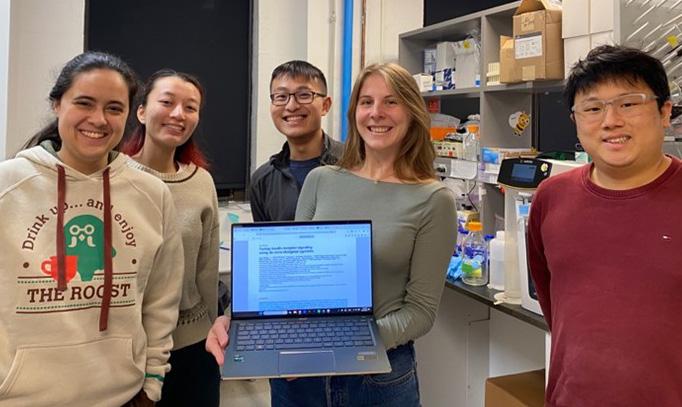
Members of the Choi Lab developed safer and more precise insulin receptor activators. From left to right: Catherine Hall, Michelle Ng, Michael Gao, Sarah Cardoso, and Albert Hung.
One Receptor, Many Signals: Evolutionary Insights from Fruit Flies
Source: The Eunhee Choi Lab
Humans have three related receptors in the insulin receptor family — IR, IGF1R, and IRR. Although they look similar, each performs distinct biological roles. Fruit flies (Drosophila melanogaster) offer a simpler system. They have just one insulin-like receptor, but multiple insulin-like peptides activate it. This elegant design makes flies a powerful model to understand how different hormones fine-tune signaling through the same receptor.
In collaboration with Dr. Marc Tatar (Brown University) and Dr. Xiaochen Bai (UT Southwestern), we studied how different fly insulin-like peptides regulate the fly receptor (dmIR). Using cryo-electron microscopy, Dr. Bai’s lab determined structures of dmIR bound to three ligands — DILP1, DILP2, and DILP5. Remarkably, each ligand pushed the same receptor into a slightly different active shape.
Our laboratory led the functional studies and showed that these structural differences directly translate into differences in signaling strength. DILP5 was the strongest activator, followed by DILP2 and DILP1. In other words, different hormones can “tune” the strength of signaling through the same receptor, leading to different biological outcomes.
This study highlights a fundamental principle of biology: many signals, one receptor — precisely tuned responses. It also provides evolutionary insight into how ligand diversity shapes receptor function, reinforcing a central theme of our research program.
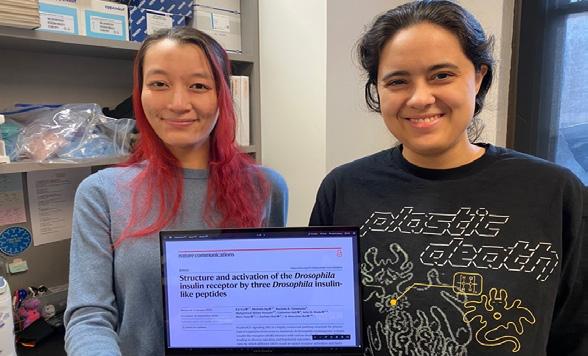
This work was led by research technician Michelle Ng, with important contributions from Catherine Hall in the Choi Lab.
Publication (#Co-first authors; *Corresponding authors.
Cai K.#, Ng M.#, Yamamoto R., Hossain M., Hall C., Wade J., Tatar M.*, Choi E.*, Bai XC.* (2025)
Structure and activation of the Drosophila insulin receptor by three Drosophila insulin-like peptides. Nature Communications. 16: 9054. PMID: 41152236; PMC12569033
staff spotlight: retirements
Steven Spitalnik, MD, PhD
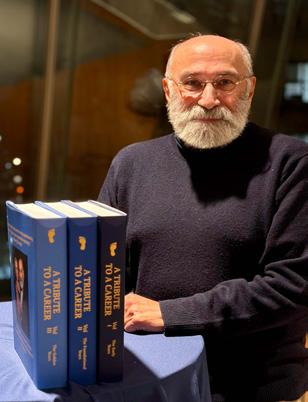
We are pleased to announce that Steven L. Spitalnik, MD, Professor Emeritus of Pathology and Cell Biology and Special Lecturer, has retired effective February 6, 2026, and to take this opportunity to recognize the remarkable career he has built at this institution. Dr. Spitalnik joined Columbia in 2003 as a tenured Professor and has served this department with distinction for more than two decades as a clinician, scientist, administrator, and mentor. His retirement is a significant moment for our community, and we want to take the time to recognize what he has meant to this institution.
Dr. Spitalnik earned his Bachelor of Arts from Princeton University and his M.D. from the University of Chicago. He completed his pathology residency and postdoctoral training at the University of Rochester and the National Institutes of Health. Before coming to Columbia, he held faculty positions at the University of Pennsylvania and served as Chairman of the Department of Pathology and Laboratory Medicine at the University of Rochester. He arrived at Columbia in 2003 with a clear mandate: to build the Division of Laboratory Medicine into a leading academic unit. He accomplished that and considerably more.
At Columbia, Dr. Spitalnik served as Vice-Chairman for Laboratory Medicine and later as Executive ViceChairman of the Department. As Director of Clinical Laboratories at the Columbia University Irving Medical Center campus of NewYork-Presbyterian Hospital for nearly 20 years, he oversaw a complex and demanding operation that directly supported patient care at the highest level. He also served as Associate Director of the pathology residency training program for 15 years, and many of his former trainees now hold leadership positions at major medical centers across the country. His clinical contributions were recognized through his induction into the inaugural class of the Academy of Clinical Excellence at the Vagelos College of Physicians and Surgeons and with the Gerald T. Evans Award.
His research in transfusion medicine has earned him international recognition. Dr. Spitalnik has spent his career studying the mechanisms of red blood cell destruction and the clinical effects of blood storage, work that has directly influenced clinical practice and improved transfusion safety. He has maintained long-
term NIH research funding, published widely in leading scientific journals, and received the Emily Cooley Award and the Tibor Greenwalt Memorial Award and Lectureship from the American Association of Blood Banks, honors that reflect the reach and quality of his scientific contributions. He is also the founding Executive Director of the Worldwide Initiative for Rh Disease Eradication, a global health initiative aimed at eliminating Rh disease worldwide, reflecting his conviction that science should serve people beyond the laboratory.
His service to the national scientific community has been equally substantial. Dr. Spitalnik served as President of the Academy of Clinical Laboratory Physicians and Scientists, as a member of the Board of Trustees of the American Association of Blood Banks, and as chair of the Scientific Committee on Transfusion Medicine for the American Society of Hematology. He has also been a frequent participant on NIH review panels. Through these roles, he has helped define the standards by which laboratory medicine and transfusion science are practiced and evaluated nationwide.
Closer to home, Dr. Spitalnik has been a consistent and thoughtful presence within the university community. He has served on the Columbia University Senate and the Dean’s Academic Advisory Committee, and he contributed to numerous medical center committees throughout his tenure. He mentored generations of students, residents, and junior faculty with genuine investment in their development, and he was named Mentor of the Year by the Irving Institute for Clinical and Translational Research, an honor awarded by the people who benefited most from his guidance.
What has distinguished Dr. Spitalnik throughout his career is not only the breadth of his accomplishments but also the steadiness and care with which he has approached each responsibility. He has been a trusted colleague, a wise counselor, and a leader who brought both rigor and generosity to his work. The department is better for the years he gave to it. We are eternally thankful to Dr. Spitalnik for his more than two decades of service to Columbia University and to the Department of Pathology and Cell Biology. His leadership has strengthened our clinical programs, his research has advanced the field, and his mentorship has shaped careers. We wish him a retirement that is every bit as fulfilling as the career he has built.
staff spotlight: retirements
Patrice F. Spitalnik, MD
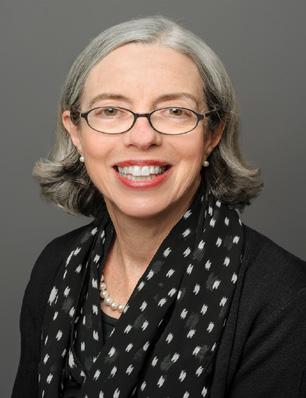
We are pleased to announce the retirement of Patrice F. Spitalnik, MD, Professor Emerita of Pathology and Cell Biology and Special Lecturer, effective February 6, 2026, and to acknowledge the profound contribution she has made to this department, the MD/PhD program, and the Columbia University Vagelos College of Physicians and Surgeons. Dr. Spitalnik joined Columbia in 2003 as an Assistant Professor of Clinical Pathology and was promoted to full Professor in 2017. Over more than two decades, she has been a trusted teacher, a dedicated mentor, and a consistent institutional leader. Her retirement marks the closure of a career that has shaped this department and the students who passed through it.
Dr. Spitalnik earned her Bachelor of Arts from Skidmore College and her M.D. from the University of Chicago Pritzker School of Medicine. She completed her residency in anatomic pathology at the University of Rochester, followed by postdoctoral fellowships at the National Institutes of Health and the University of Pennsylvania. Before coming to Columbia, she held faculty appointments at both the University of Pennsylvania and the University of Rochester. Her research has contributed to understanding cell function, target antigens in cancer, and blood group determination, providing a strong scientific foundation that has informed her work as an educator throughout her career.
At Columbia, Dr. Spitalnik has served as course director for Histology and Pathology for more than 20 years, introducing generations of medical and dental students to the cellular basis of disease. Her teaching has earned some of the institution’s most meaningful honors, including the Bohmfalk Teaching Award for Excellence in Pre-Clinical Years, the Outstanding Teacher Award from the graduating class, and recognition as a Glenda Garvey and Virginia Apgar Teaching Fellow. Students also selected her as Faculty Marshall for graduation, a distinction that reflects the genuine respect she earned from those she taught.
Her contributions to educational innovation have extended well beyond the lecture hall at Columbia. Dr. Spitalnik created and maintained an online Histology Laboratory Manual with digitized slides that is used by students around the world. She produced a series of video introductions for histology laboratories and collaborated on an iBook that integrates histology content with integrated quizzes to support active
learning. These tools have modernized the curriculum and been featured at university workshops and national seminars, earning recognition as a model of effective digital medical education.
Dr. Spitalnik has also been a central figure in the MD/ PhD Program throughout her time at Columbia, serving first as Assistant Director beginning in 2003 and, since 2015, as Associate Director. In that role, she has been the steady presence students rely on throughout their years in the program. Especially, as they move between their doctoral research and clinical training, a transition that can be disorienting without the right support. She developed and implemented the Clinical Competence Course to help MD/PhD students maintain their clinical skills during their research years, and also developed a special course in the Responsible Conduct of Research for MD/PhD students. Dr. Spitalnik also reviewed every single application to the MD/PhD program, invited the best applicants for interviews, and followed up on their admissions. Her efforts resulted in an outstanding cohort of MD/PhD students.
She co-directed both the MD/MS Program and the Med into Grad program. Her ability to provide guidance that is both practical and personal has made her indispensable to physician scientists in training at the Vagelos College of Physicians and Surgeons.
Her service to the department and the University has been broad and sustained. Dr. Spitalnik has contributed to the Fundamentals Curriculum Committee, the LCME Committee on Education, the Conflict of Interest Review Committee, and the Committee on Women Faculty. She has served as Senior Learning Environment Advisor for the medical school, reflecting her commitment to student welfare across all programs. She has also participated in national meetings on MD/PhD education and medical training, extending her influence beyond this campus. Dr. Spitalnik has served (and will continue to do so) as a member of the Admissions Committee for the medical school
What ties all of this together is a quality that is harder to quantify but no less real: Dr. Patrice Spitalnik has shown up, year after year, with genuine care for the people around her. She has been a mentor, an advocate, and a thoughtful colleague. We are grateful to Dr. Spitalnik for everything she has given to this department and to Columbia. Her impact on medical education, on the MD/ PhD program, and on the many students she has guided will continue to be felt long after her retirement. We wish her every happiness in the chapter ahead.
staff spotlight: retirements
Ronald K. Liem, PhD
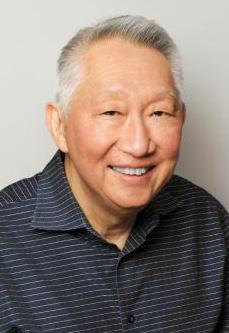
It is with deep appreciation and gratitude that we announce the retirement of Ronald K. Liem, PhD, Professor Emeritus of Pathology and Cell Biology and Special Lecturer, effective February 28, 2026. Dr. Liem joined our faculty in 1987 and was promoted to tenured Professor in 1991. Over nearly four decades, he has served this department with distinction as a scientist, educator, and administrator. His retirement marks the close of a remarkable career that has left a lasting impact on this institution and the broader field of cell biology and neuroscience.
Dr. Liem holds a Bachelor of Arts in Chemistry from Amherst College and a Ph.D. in Biophysical Chemistry from Cornell University. He completed postdoctoral training at the University of Pennsylvania and Harvard Medical School before joining the faculty at NYU School of Medicine and, ultimately, Columbia. His research has focused on the molecular and cellular biology of intermediate filaments and their role in neurodegenerative diseases, most notably CharcotMarie-Tooth disease, establishing him as a leading authority on the neuronal cytoskeleton. He has authored more than 150 peer-reviewed publications and received several notable honors, including the Jacob Javits Neuroscience Investigator Award, the NINCDS Research Career Development Award, and the Irma T. Hirschl Career Award. Perhaps most telling of his investigative excellence is the fact that his laboratory maintained continuous funding from the National Institute of Neurological Disorders and Stroke for over 30 years, a record that speaks plainly to the quality and consistency of his scientific work. His findings have been presented at national and international conferences, and his influence on the field extends well beyond Columbia’s campus.
Dr. Liem’s contributions to education and mentorship are equally significant and, for many in this department, equally memorable. He personally directed 16 doctoral theses and mentored generations of graduate and medical students throughout his career.
He was the founding Director of the Ph.D. Program in Pathology and Cell Biology, served as Director of Graduate Studies, and led the Integrated Program in Cellular, Molecular, and Biomedical Studies. For more than 30 years, he served as Deputy Director of the NIH-funded Medical Scientist Training Program, providing guidance and support to students pursuing the MD/PhD dual degree. He also created the Med into Grad program, which was designed to give doctoral students clinical exposure so their research could be informed by a real understanding of human disease. These programs have shaped graduate education at the Vagelos College of Physicians and Surgeons and have been recognized as models by other institutions.
His service to the department and university has been equally substantial. Dr. Liem served as Vice Chair for Research and Training. He has previously chaired the Committee on Appointments and Promotions (COAP) and the Hirschl Award Review Committee since 2000, and has contributed to committees focused on curriculum, admissions, and residency selection. At the national level, he served numerous NIH study sections in neuroscience and aging, and on the editorial board of the Journal of Neurochemistry. His willingness to take on these responsibilities, year after year, reflects a genuine commitment to this institution’s standards and welfare. What those who have worked alongside Dr. Liem will remember most, however, is the kind of colleague he has been. He is thoughtful, principled, and generous with his knowledge. His presence has been steady and reliable, and his departure will be felt throughout our community.
We are deeply grateful to Dr. Liem for his nearly 40 years of service at Columbia University and for his contributions to the Department of Pathology and Cell Biology. His scientific work has advanced the field. His mentorship has shaped careers. His service has strengthened this institution. We wish him a retirement that is as fulfilling as the career he has built. Please join us in thanking Dr. Liem for his many years of dedication and in wishing him a fulfilling and well-earned retirement.
staff spotlight: retirements
Michael Gershon, MD
It is with deep gratitude and admiration that we announce the retirement of Michael D. Gershon, MD, Professor Emeritus of Pathology and Cell Biology. In recognition of his extraordinary career and lasting impact on Columbia University and the scientific community, the Board of Trustees has conferred upon him the title of Professor Emeritus of Pathology & Cell Biology effective January 1, 2026. We look forward to his continued presence in our academic community as he transitions into this new role.
Dr. Gershon was recruited to Columbia in 1975 to serve as Chair of the Department of Anatomy & Cell Biology. He led the department with distinction for 31 years, guiding it through decades of growth and evolution, including its 2006 merger to form the current Department of Pathology & Cell Biology. Since that time, he has continued to serve as a full professor in the newly merged department.
Over four decades of leadership, Dr. Gershon recruited and mentored faculty who have gone on to achieve national and international distinction. His commitment to education has been equally notable. A gifted and dedicated teacher, he lectured extensively in the Molecular Medicine course at the College of Physicians and Surgeons and received both the Dean’s Distinguished Teaching Award (1985) and the Charles W. Bohmfalk Teaching Award (2005) in recognition of his contributions to medical education.
Dr. Gershon is widely hailed as the “father of neurogastroenterology” for his pioneering research into the enteric nervous system (ENS). Over a career spanning more than 60 years, he transformed scientific understanding of the gut as a semi-autonomous “second brain.” His landmark book, The Second Brain,
brought this concept to both the academic community and the public, highlighting the importance of the ENS in health and disease. He has authored more than 450 scientific publications and maintained continuous NIH funding for decades, including two grants that were funded for more than 30 years. He received the prestigious Jacob Javits Award from the National Institutes of Health in 1985.
Dr. Gershon’s influence extends far beyond Columbia. He has served on multiple NIH study sections, numerous editorial boards, and in leadership roles across major scientific societies, including as President of the American Association of Anatomists and the Cajal Club. Among his many honors, are the Henry Gray Prize (2000), the highest award of the American Association of Anatomists; the AGA Distinguished Achievement Award in Basic Science (2022), the American Gastroenterological Association’s highest honor for basic research; Lifetime Achievement Awards from the Society for Neurogastroenterology and Motility (2020 and 2021); and the Alumnus Award of Distinction from Weill Cornell Medical College (2012).
Equally important is his impact as a mentor. The many trainees who have worked in his laboratory reflect a career devoted not only to discovery, but to developing the next generation of scientists and physicianinvestigators. His intellectual curiosity, rigor, and generosity have shaped careers across disciplines.
As we mark Dr. Gershon’s retirement, we celebrate a career defined by scientific imagination, sustained excellence, and dedicated service to this institution. His work has left a lasting imprint on our department and on biomedical science worldwide. Please join us in congratulating Dr. Gershon and thanking him for his decades of leadership, scholarship, and mentorship. We look forward to celebrating him in the months ahead.

staff spotlight:
Ralph Morgan Richart, MD
memoriam Pathologist, Educator, and Pioneer in Gynecologic Cytopathology
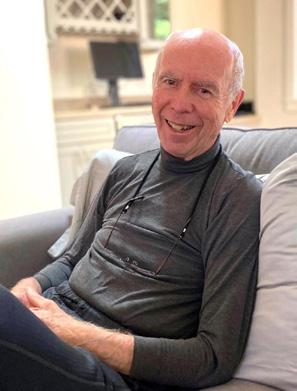
Ralph Morgan Richart, M.D., a physician-scientist whose work fundamentally shaped modern cervical pathology and cytopathology, died on December 27, 2025. Over a career spanning more than four decades at Columbia University College of Physicians & Surgeons, Dr. Richart became one of the institution’s most influential educators and a leading expert on diseases of the cervix.
Dr. Richart joined Columbia in 1963 and served as Director of Obstetrical and Gynecological Pathology and Cytology for more than 35 years. Under his leadership, the division was internationally recognized for diagnostic excellence, education, and research. He also held an appointment as Professor in the Department of Obstetrics and Gynecology, where he directed the colposcopy clinic.
During his tenure, the division attracted pathology and obstetrics-gynecology residents seeking training in gynecologic pathology. At its height, the program trained approximately 30 residents annually. More than 100 research fellows from the United States and abroad were trained under his guidance.
Dr. Richart’s scientific contributions helped define contemporary approaches to cervical disease. He played a pivotal role in advancing the concept of cervical intraepithelial neoplasia (CIN), reframing cervical precancer as a biologic continuum and establishing a shared diagnostic language for pathologists and clinicians. His work also contributed to the evolving understanding of human papillomavirus (HPV) as the central etiologic agent in cervical carcinogenesis.
A prolific scholar, Dr. Richart authored or co-authored over 360 publications and seven books. He served on numerous editorial boards and was an invited lecturer both nationally and internationally. His scholarship was widely respected for its clarity, clinical relevance, and lasting impact on practice.
Dr. Richart retired from Columbia University on December 31, 2005, after 45 years of service, and was named Professor Emeritus of Pathology. In retirement, he continued selected scholarly, editorial, and educational activities.
In 2008, Dr. Richart was recognized as one of the longest-serving members of the Department of Pathology and received the Distinguished Service Award, the Medical Center’s highest honor for achievement and dedication.
Dr. Richart is remembered as a meticulous diagnostician, a demanding and generous teacher, and a physician-scientist whose work improved the prevention, diagnosis, and understanding of cervical cancer worldwide. His influence endurews through the many physicians and pathologists he trained, the diagnostic frameworks he helped establish, and the patients whose care was shaped by his lifelong dedication to women’s health.
In lieu of flowers, donations may be made to Planned Parenthood or to a women’s health charity of your choosing.
staff spotlight: anniversaries
As of January 2026
1 Year
Danielle Bauer
Manisha Bhardwaj
Damon Ceylan
Joshua Crane
Luke Dawson
Joselin Duran
Alex Eaker
Alberto Ardura
Fabregat
Faybien Francis
Cherisse Fraser
Eileen Fuentes
Taehee Gong
Jasmin Jones
Clayton Joonhan
Kim
Peter Koch
Rinki Kumar
Arash Lahoutiharahdashti
Xiao Liang
Brandon Litvak
An Lo
Maria Mayol
Rachelle Pacaans
Mendoza
Bliss Moran
Pramila Narayan
Myles Olmeda
Jennifer Quinter
Casey Schadie
Karissa Shuck
Rebekah Silva
Kennedy Stacy
Daniella Stewart
Clara Heike Stucke
Malika Sud
Dany Toribio Torres
Kevin Wang
Aoife Weiss
Tian Yu
5 Years
Maria Barros De La Hoz
Irla Belli
Christopher Cardona
Michael Daniel
Alexa De Jesus
Amanda Gamboa
Lei Huang
Huai-Bin (Mabel) Ko
Vipulan Johnson Mahadeva
Eugene (Geno) Mainiero
III
Priyaben Patel
Megane Sylvie Rayer
Logan Schwanz
Miroslav Sekulic
Eric Tenempaguay
Jeffrey Thomas
Mimi Zhang
Zheng Zhu
10 Years
Noelia Abreu
Sergey Cherneykin
Azzurra Cottarelli
Laura Garcia
Adriana Gibbons
Lina Henn
Jeanna Jacobi
Anna Lee
Michael Lee
Ya Nan Liu
Rukshana Majeed
Maureen Mulhern
Savita Ramlall
Takeshi Sakurai
Claudia Tapia-Alveal
Renu Virk
Hongai Xia
Nancy Yanez
Qing Zhou
15 Years
John Mark Fisk
Susan Hsiao
Maria Kouimanis
Arleen Lee
Jiuhong Pang
Daniel Schreiber
Markus Siegelin
Shatiqua Williams
Alexis Zaiter
Shuwei Zhang
20 Years
Eldad Hod
Qing Jia
Yuis Jimenez-Cortez
Brynn Levy
Lingzhi Li
Wenhong Li
Emily Lowry
Yinghui Mao
Maria Mordan
Geo Serban
Amell Solano
Brie Stotler
Lourdes Ulerio-Zaiter
30 Years
Rene Deknatel
Patricka Jeremie
Anna Qu
Tilla Worgall
35 Years
Chih-Chao Chang David
Diuguid
Joann Li
Liza Pon
Josefa Salcedo
Matthias Szabolcs
40+ Years
Ludwika Delatorre
Evelyn Hernandez-Rosa
Eric Ho
Cathy Mendelsohn
Jeanette Rodriguez
Hermann Schubert
David Silvers
Elaine Silvia
Ira Tabas
25 Years
Katia Basso
Peter Canoll
Delin Chen
Wilbur Estrada
Gina Finan
Richard Francis
Kim Johnson
Tae-Wan Kim
Xinrong Li
Jose Nunez
George Vlad
Hynek Wichterle
Fann Wu
Wen Zhang